EP3233111B1 - Pharmaceutical composition comprising plasminogen and uses thereof - Google Patents
Pharmaceutical composition comprising plasminogen and uses thereof Download PDFInfo
- Publication number
- EP3233111B1 EP3233111B1 EP15868755.8A EP15868755A EP3233111B1 EP 3233111 B1 EP3233111 B1 EP 3233111B1 EP 15868755 A EP15868755 A EP 15868755A EP 3233111 B1 EP3233111 B1 EP 3233111B1
- Authority
- EP
- European Patent Office
- Prior art keywords
- nacl
- plasminogen
- arginine
- bulk
- pharmaceutical composition
- Prior art date
- Legal status (The legal status is an assumption and is not a legal conclusion. Google has not performed a legal analysis and makes no representation as to the accuracy of the status listed.)
- Active
Links
Images




Classifications
-
- A—HUMAN NECESSITIES
- A61—MEDICAL OR VETERINARY SCIENCE; HYGIENE
- A61K—PREPARATIONS FOR MEDICAL, DENTAL OR TOILETRY PURPOSES
- A61K31/00—Medicinal preparations containing organic active ingredients
-
- A—HUMAN NECESSITIES
- A61—MEDICAL OR VETERINARY SCIENCE; HYGIENE
- A61K—PREPARATIONS FOR MEDICAL, DENTAL OR TOILETRY PURPOSES
- A61K38/00—Medicinal preparations containing peptides
-
- A—HUMAN NECESSITIES
- A61—MEDICAL OR VETERINARY SCIENCE; HYGIENE
- A61K—PREPARATIONS FOR MEDICAL, DENTAL OR TOILETRY PURPOSES
- A61K38/00—Medicinal preparations containing peptides
- A61K38/16—Peptides having more than 20 amino acids; Gastrins; Somatostatins; Melanotropins; Derivatives thereof
-
- A—HUMAN NECESSITIES
- A61—MEDICAL OR VETERINARY SCIENCE; HYGIENE
- A61K—PREPARATIONS FOR MEDICAL, DENTAL OR TOILETRY PURPOSES
- A61K38/00—Medicinal preparations containing peptides
- A61K38/16—Peptides having more than 20 amino acids; Gastrins; Somatostatins; Melanotropins; Derivatives thereof
- A61K38/43—Enzymes; Proenzymes; Derivatives thereof
- A61K38/46—Hydrolases (3)
- A61K38/48—Hydrolases (3) acting on peptide bonds (3.4)
- A61K38/482—Serine endopeptidases (3.4.21)
- A61K38/484—Plasmin (3.4.21.7)
-
- A—HUMAN NECESSITIES
- A61—MEDICAL OR VETERINARY SCIENCE; HYGIENE
- A61K—PREPARATIONS FOR MEDICAL, DENTAL OR TOILETRY PURPOSES
- A61K38/00—Medicinal preparations containing peptides
- A61K38/16—Peptides having more than 20 amino acids; Gastrins; Somatostatins; Melanotropins; Derivatives thereof
- A61K38/43—Enzymes; Proenzymes; Derivatives thereof
- A61K38/46—Hydrolases (3)
- A61K38/48—Hydrolases (3) acting on peptide bonds (3.4)
- A61K38/49—Urokinase; Tissue plasminogen activator
-
- A—HUMAN NECESSITIES
- A61—MEDICAL OR VETERINARY SCIENCE; HYGIENE
- A61K—PREPARATIONS FOR MEDICAL, DENTAL OR TOILETRY PURPOSES
- A61K47/00—Medicinal preparations characterised by the non-active ingredients used, e.g. carriers or inert additives; Targeting or modifying agents chemically bound to the active ingredient
- A61K47/02—Inorganic compounds
-
- A—HUMAN NECESSITIES
- A61—MEDICAL OR VETERINARY SCIENCE; HYGIENE
- A61K—PREPARATIONS FOR MEDICAL, DENTAL OR TOILETRY PURPOSES
- A61K47/00—Medicinal preparations characterised by the non-active ingredients used, e.g. carriers or inert additives; Targeting or modifying agents chemically bound to the active ingredient
- A61K47/06—Organic compounds, e.g. natural or synthetic hydrocarbons, polyolefins, mineral oil, petrolatum or ozokerite
- A61K47/08—Organic compounds, e.g. natural or synthetic hydrocarbons, polyolefins, mineral oil, petrolatum or ozokerite containing oxygen, e.g. ethers, acetals, ketones, quinones, aldehydes, peroxides
- A61K47/10—Alcohols; Phenols; Salts thereof, e.g. glycerol; Polyethylene glycols [PEG]; Poloxamers; PEG/POE alkyl ethers
-
- A—HUMAN NECESSITIES
- A61—MEDICAL OR VETERINARY SCIENCE; HYGIENE
- A61K—PREPARATIONS FOR MEDICAL, DENTAL OR TOILETRY PURPOSES
- A61K47/00—Medicinal preparations characterised by the non-active ingredients used, e.g. carriers or inert additives; Targeting or modifying agents chemically bound to the active ingredient
- A61K47/06—Organic compounds, e.g. natural or synthetic hydrocarbons, polyolefins, mineral oil, petrolatum or ozokerite
- A61K47/08—Organic compounds, e.g. natural or synthetic hydrocarbons, polyolefins, mineral oil, petrolatum or ozokerite containing oxygen, e.g. ethers, acetals, ketones, quinones, aldehydes, peroxides
- A61K47/12—Carboxylic acids; Salts or anhydrides thereof
-
- A—HUMAN NECESSITIES
- A61—MEDICAL OR VETERINARY SCIENCE; HYGIENE
- A61K—PREPARATIONS FOR MEDICAL, DENTAL OR TOILETRY PURPOSES
- A61K47/00—Medicinal preparations characterised by the non-active ingredients used, e.g. carriers or inert additives; Targeting or modifying agents chemically bound to the active ingredient
- A61K47/06—Organic compounds, e.g. natural or synthetic hydrocarbons, polyolefins, mineral oil, petrolatum or ozokerite
- A61K47/16—Organic compounds, e.g. natural or synthetic hydrocarbons, polyolefins, mineral oil, petrolatum or ozokerite containing nitrogen, e.g. nitro-, nitroso-, azo-compounds, nitriles, cyanates
- A61K47/18—Amines; Amides; Ureas; Quaternary ammonium compounds; Amino acids; Oligopeptides having up to five amino acids
- A61K47/183—Amino acids, e.g. glycine, EDTA or aspartame
-
- A—HUMAN NECESSITIES
- A61—MEDICAL OR VETERINARY SCIENCE; HYGIENE
- A61K—PREPARATIONS FOR MEDICAL, DENTAL OR TOILETRY PURPOSES
- A61K47/00—Medicinal preparations characterised by the non-active ingredients used, e.g. carriers or inert additives; Targeting or modifying agents chemically bound to the active ingredient
- A61K47/06—Organic compounds, e.g. natural or synthetic hydrocarbons, polyolefins, mineral oil, petrolatum or ozokerite
- A61K47/26—Carbohydrates, e.g. sugar alcohols, amino sugars, nucleic acids, mono-, di- or oligo-saccharides; Derivatives thereof, e.g. polysorbates, sorbitan fatty acid esters or glycyrrhizin
-
- A—HUMAN NECESSITIES
- A61—MEDICAL OR VETERINARY SCIENCE; HYGIENE
- A61K—PREPARATIONS FOR MEDICAL, DENTAL OR TOILETRY PURPOSES
- A61K9/00—Medicinal preparations characterised by special physical form
- A61K9/0012—Galenical forms characterised by the site of application
- A61K9/0019—Injectable compositions; Intramuscular, intravenous, arterial, subcutaneous administration; Compositions to be administered through the skin in an invasive manner
-
- A—HUMAN NECESSITIES
- A61—MEDICAL OR VETERINARY SCIENCE; HYGIENE
- A61K—PREPARATIONS FOR MEDICAL, DENTAL OR TOILETRY PURPOSES
- A61K9/00—Medicinal preparations characterised by special physical form
- A61K9/08—Solutions
-
- A—HUMAN NECESSITIES
- A61—MEDICAL OR VETERINARY SCIENCE; HYGIENE
- A61K—PREPARATIONS FOR MEDICAL, DENTAL OR TOILETRY PURPOSES
- A61K9/00—Medicinal preparations characterised by special physical form
- A61K9/14—Particulate form, e.g. powders, Processes for size reducing of pure drugs or the resulting products, Pure drug nanoparticles
- A61K9/19—Particulate form, e.g. powders, Processes for size reducing of pure drugs or the resulting products, Pure drug nanoparticles lyophilised, i.e. freeze-dried, solutions or dispersions
-
- A—HUMAN NECESSITIES
- A61—MEDICAL OR VETERINARY SCIENCE; HYGIENE
- A61P—SPECIFIC THERAPEUTIC ACTIVITY OF CHEMICAL COMPOUNDS OR MEDICINAL PREPARATIONS
- A61P1/00—Drugs for disorders of the alimentary tract or the digestive system
- A61P1/02—Stomatological preparations, e.g. drugs for caries, aphtae, periodontitis
-
- A—HUMAN NECESSITIES
- A61—MEDICAL OR VETERINARY SCIENCE; HYGIENE
- A61P—SPECIFIC THERAPEUTIC ACTIVITY OF CHEMICAL COMPOUNDS OR MEDICINAL PREPARATIONS
- A61P17/00—Drugs for dermatological disorders
- A61P17/02—Drugs for dermatological disorders for treating wounds, ulcers, burns, scars, keloids, or the like
-
- A—HUMAN NECESSITIES
- A61—MEDICAL OR VETERINARY SCIENCE; HYGIENE
- A61P—SPECIFIC THERAPEUTIC ACTIVITY OF CHEMICAL COMPOUNDS OR MEDICINAL PREPARATIONS
- A61P7/00—Drugs for disorders of the blood or the extracellular fluid
- A61P7/02—Antithrombotic agents; Anticoagulants; Platelet aggregation inhibitors
-
- A—HUMAN NECESSITIES
- A61—MEDICAL OR VETERINARY SCIENCE; HYGIENE
- A61P—SPECIFIC THERAPEUTIC ACTIVITY OF CHEMICAL COMPOUNDS OR MEDICINAL PREPARATIONS
- A61P9/00—Drugs for disorders of the cardiovascular system
- A61P9/10—Drugs for disorders of the cardiovascular system for treating ischaemic or atherosclerotic diseases, e.g. antianginal drugs, coronary vasodilators, drugs for myocardial infarction, retinopathy, cerebrovascula insufficiency, renal arteriosclerosis
-
- C—CHEMISTRY; METALLURGY
- C12—BIOCHEMISTRY; BEER; SPIRITS; WINE; VINEGAR; MICROBIOLOGY; ENZYMOLOGY; MUTATION OR GENETIC ENGINEERING
- C12N—MICROORGANISMS OR ENZYMES; COMPOSITIONS THEREOF; PROPAGATING, PRESERVING, OR MAINTAINING MICROORGANISMS; MUTATION OR GENETIC ENGINEERING; CULTURE MEDIA
- C12N9/00—Enzymes; Proenzymes; Compositions thereof; Processes for preparing, activating, inhibiting, separating or purifying enzymes
- C12N9/14—Hydrolases (3)
- C12N9/48—Hydrolases (3) acting on peptide bonds (3.4)
- C12N9/50—Proteinases, e.g. Endopeptidases (3.4.21-3.4.25)
- C12N9/64—Proteinases, e.g. Endopeptidases (3.4.21-3.4.25) derived from animal tissue
- C12N9/6421—Proteinases, e.g. Endopeptidases (3.4.21-3.4.25) derived from animal tissue from mammals
- C12N9/6424—Serine endopeptidases (3.4.21)
- C12N9/6435—Plasmin (3.4.21.7), i.e. fibrinolysin
-
- C—CHEMISTRY; METALLURGY
- C12—BIOCHEMISTRY; BEER; SPIRITS; WINE; VINEGAR; MICROBIOLOGY; ENZYMOLOGY; MUTATION OR GENETIC ENGINEERING
- C12Y—ENZYMES
- C12Y304/00—Hydrolases acting on peptide bonds, i.e. peptidases (3.4)
- C12Y304/21—Serine endopeptidases (3.4.21)
- C12Y304/21007—Plasmin (3.4.21.7), i.e. fibrinolysin
Definitions
- the present invention relates to the field of medicine. More particularly, the invention relates to a pharmaceutical composition comprising plasminogen, and therapeutic uses thereof.
- Plasminogen is a zymogen of plasmin as shown in Figure 1A .
- the amino acid sequence of the human plasminogen precursor is depicted in Figure 1B .
- Approximately 70% of the Plasminogen in circulation contains only O-linked glycosylation while the rest contains both N- and O-linked sugars.
- Glu-Pg Glu-Plasminogen
- Lys-Pg Lys-Plasminogen
- Glu-Pg is composed of the entire amino acid sequence designated by the gene sequence (excluding the activation peptide)
- Lys-Pg is the result of a cleavage of the Glu-Pg between Lys-77 and Lys-78 (underlined in Figure 1B ).
- the circulating half-life of Lys-Pg is considerably shorter than Glu-Pg (2-2.5 days for Glu-Pg, 0.8 days for Lys-Pg).
- Glu-Pg is the dominant form of Pg present in plasma with very little Lys-Pg detected in the circulation ( Violand, B.N., Byrne, R., Castellino F.J. (1978) The effect of ⁇ -, ⁇ -Amino Acids on Human Plasminogen Structure and Activation. J Biol Chem. 253 (15): 5395-5401 ; Collen D, Ong EB, Johnson AJ. (1975) Human Plasminogen: In Vitro and In Vivo Evidence for the Biological Integrity of NH2-Terminal Glutamic Acid Plasminogen. Thrombosis Research. 7 (4):515-529 ).
- Plasminogen is synthesized in the liver and secreted into plasma. Plasminogen is distributed throughout the body and when conditions are present for activation, the plasminogen pro-enzyme is converted to the active enzyme, plasmin, by tissue-type plasminogen activator (t-PA) or by urokinase plasminogen activator (u-PA). Plasmin then degrades fibrin and converts latent matrix metalloproteinases (pro-MMPs) into active MMPs, which in turn further degrade extracellular matrix (ECM) as part of the tissue healing/remodeling process. Plasminogen activation mediated by t-PA is primarily involved in fibrin homeostasis, while plasmin generation via u-PA, forming a complex with its receptor u-PAR, plays a role in tissue remodeling.
- t-PA tissue-type plasminogen activator
- u-PA urokinase plasminogen activator
- ECM extracellular matrix
- Plasmin is or was investigated for its potential use for the clearance of thrombotic occlusions in artificial devices and hemodialysis grafts, and for the treatment of posterior vitreous detachment (PVD) ( US 6,969,515 ; US 2010/0104551 ).
- PVD posterior vitreous detachment
- Plasminogen is investigated for its use in therapeutic indications such as wound healing, healing of a tympanic membrane perforation, healing of periodontal wound, infectious disease, oral health, diabetic ulcer, thrombolysis indications, such as coronary thrombosis, reperfusion injury to tissue, ischemia, infarction, brain edema, improvement of microcirculation, and modulation of complement pathway ( US 8,637,010 ; US 8,679,482 ; US 8,318,661 ; WO 95/12407 ; EP 0,631,786 ).
- no plasminogen is currently on the pharmaceutical market as a drug.
- Lys-Pg was pharmaceutically commercialized for a period of time for hematologic purposes and has not been scientifically or medically used since 2000.
- a formulation of Lys-Pg is described in Schott et al., 1998, The New England Journal of Medicine, Vol. 339, No. 23, pp. 1679-1686 ).
- Lys-Pg was clinically used and investigated for the treatment of ligneous conjunctivitis, a clinical manifestation of the underlying condition hypoplasminogenimia (plasminogen deficiency type I).
- hypoplasminogenimia plasminogen deficiency type I
- systemic administration of Lys-Pg concentrates has been tested.
- Kraft et al. Kraft J, Lieb W, Zeitler P, Schuster V.
- plasminogen replacement is expected to be effective, as it is an endogenous protein and is not expected to have immunogenicity or fibrinolytic activity concerns.
- systemic or topical plasminogen concentrates have been clearly documented as effective therapy leading to resolution and halts re-formation of the lesions ( Watts P, Suresh P, Mezer E, Ells A, Albisetti M, Bajzar L, Marzinotto V, Andrew M, Massicotle P, Rootman D (2002) Effective treatment of capitaous conjunctivitis with topical plasminogen.
- Proteins may be stabilized either by changing their structural characteristics (internally) and/or by controlling the components in contact with them (externally). Some proteins have raised particular challenges with respect to handling and behaviour in pharmaceutical formulations due to their physico-chemical characteristics which often unfortunately leads to structural instability. They can actually undergo various types of degradations as exemplified by the following: 1) chemical processes leading to the formation of related impurities, which may involve hydrolysis, oxidation reactions, deamidation or structural rearrangements such as iso-asp or intramolecular truncations or 2) a physical process giving rise to aggregation/ polymerization thus generating structural alterations which may impact on the biological activity and potentially enhance immunogenicity.
- Formulation development generally refers to a process in which an active pharmaceutical ingredient (API) is characterized to a sufficient extent that it can be converted to a pharmaceutically acceptable drug substance. Biophysical characterization of drug substances must be performed to confirm that the correctly folded and biologically active structure is present. Several spectroscopic techniques (Fluorescence, CD, DSC, DLS, etc.) can be used to examine the tertiary structure of proteins in solution and to assess the stability and effect of different formulations conditions on protein structure. ( Volkin, D.B. et al. "Preformulation studies as an essential guide to formulation development and manufacture of protein pharmaceutical.” Development and manufacture of protein pharmaceuticals. Edited by Steve L. Nail and Michael J.
- Plasminogen is a protein that is mainly used in the preparation of plasmin for thrombolysis indications, such as coronary thrombosis, clearance of thrombotic occlusions in artificial devices and hemodialysis grafts, and for reperfusion injury to tissue, treating ischemia, infraction, brain edema, or for improving the microcirculation ( WO 95/12407 ; US 6,969,515 ; EP 0,631,786 ).
- plasminogen has also been found useful in many therapeutic indications such as thrombolysis indications, such as coronary thrombosis, treating reperfusion injury to tissue, treating ischemia, infarction, brain edema, or for improving the microcirculation, wound healing, healing of a tympanic membrane perforation, healing of periodontal wound, infectious disease, oral health, diabetic ulcer, plasminogen-deficient subjects, and modulation of complement pathway ( WO 95/12407 ; EP 0,631,786 US 8,637,010 ; US 8,679,482 ; US 8,318,661 ).
- thrombolysis indications such as coronary thrombosis, treating reperfusion injury to tissue, treating ischemia, infarction, brain edema, or for improving the microcirculation, wound healing, healing of a tympanic membrane perforation, healing of periodontal wound, infectious disease, oral health, diabetic ulcer, plasminogen-deficient subjects, and modulation of complement pathway
- US 4,297,344 discloses a plasminogen composition comprising an amino acid, in particular glycine, in combination with a carbohydrate, in particular saccharose/sucrose.
- the present invention relates to a pharmaceutical composition as defined in claim 1.
- the pharmaceutical composition according to the invention has a pH of about 5.0 to about 8.0; more preferably of about 6.0 to about 8.0; and further preferably of about 6.5 to about 7.5.
- the present invention concerns a pharmaceutical composition with an increased robustness.
- the present invention concerns a pharmaceutical composition that has count of particles of 10 ⁇ m or greater that is lower than 6000 particles per 100 mL of composition, or lower than 5000 particles per 100 mL of composition, or lower than 4000 particles per 100 mL of composition, or lower than 3000 particles per 100 mL of composition, or lower than 2000 particles per 100 mL of composition or lower than 1000 particles per 100 mL of composition.
- the count of particles remains low after lyophilisation and reconstitution.
- repeated preparations of the same composition provide no variation of the count of particles.
- Plasminogen is a pro-enzyme is converted to the active enzyme, plasmin, by tissue-type plasminogen activator (t-PA) or by urokinase plasminogen activator (u-PA). Plasmin then degrades fibrin and converts latent matrix metalloproteinases (pro-MMPs) into active MMPs, which in turn further degrade extracellular matrix (ECM) as part of the tissue healing/remodeling process.
- t-PA tissue-type plasminogen activator
- u-PA urokinase plasminogen activator
- Pro-MMPs latent matrix metalloproteinases
- ECM extracellular matrix
- biologically active variant refers to a mutated plasminogen polypeptide that retains the biological activity of native plasminogen, i.e.
- the biologically active variants may exhibit a biological activity (e.g., enzymatic activity of the resulting plasmin) that is lower, higher or similar to that of a native plasminogen polypeptide.
- the variant has at least 90, or 95% amino acid sequence identity with a native plasminogen polypeptide.
- Biologically active plasminogen variants are described, for example, in WO2012/093132 , WO2013/024074 and in Wang et al.
- the plasminogen is human plasminogen.
- the composition comprises native human plasminogen.
- the plasminogen may be obtained from several sources. It may be obtained by recombinant synthesis, or extracted/purified from blood, plasma or a blood-derived solution. Plasminogen can be extracted from blood or plasma by Cohn fractionation or by precipitation. Plasminogen can be purified from plasma or blood-derived solution by a binding affinity chromatography, such as the method described in WO 2006/120423 , or produced recombinantly.
- the plasminogen or biologically active variant thereof is present in a concentration of about 0.01 mg/ml to about 80 mg/ml; preferably about 1 mg/ml to about 60 mg/ml; preferably about 5 mg/ml to about 60 mg/ml; preferably about 5 mg/ml to about 40 mg/ml; preferably of about 2 mg/ml to about 30 mg/ml, more preferably of about 2 mg/ml to about 20 mg/ml, and further preferably of about 80, 70, 60, 50, 40, 30, 25, 20, 15, 14, 13, 12, 11, 10, 9, 8, 7, 6, 5, 4, 3, 2, 1, 0.5, 0.1, 0.05 or 0.01 mg/ml.
- the plasminogen or biologically active variant thereof contained in the pharmaceutical composition has a purity of more than about 80%, or more than about 90%, or more than about 95%, or more than about 98%.
- the term "about” refers a variation of value by more or less 10%.
- the pH of the present composition is from about 5.0 to about 8.0; from about 6.0 to about 8.0; or from about 6.5 to about 7.5. In embodiments, the pH of the present composition is about 5.0, 5.5, 6.0, 6.1, 6.2, 6.3, 6.4, 6.5, 6.6, 6.7, 6.8, 6.9, 7.0, 7.1, 7.2, 7.3, 7.4, 7.5 or 8.0. To maintain the composition at such a pH, the present composition preferably comprises a buffer.
- buffers can be used within the scope of the present invention, including the following buffers depending on the desired pH (only compositions having a pH from about 5.0 to 8.0 are according to the claims): Buffer Desired pH Citrate/phosphate 3.0 ,3.5, 4.0, 4.5, 5.0, 5.5, 6.0, 6.5 to 7.0, 7.5, 8.0, and any pH from 2.0 and 8.0 Citrate 3.0 to 6.5 Acetate any pH from 3.6 to 5.6, for example 4.0, 4.5, 5.0, or 5.5 Sodium acetate 3.6 to 5.6 Formate 3.0 to 4.5 Sodium formate any pH from 5.0 and 6.0, for example 5.0, 5.5, or 6.0 Malate 4.0 to 6.0 Phosphate any pH from 6.5 and 8.0, for example 6.5, 7.0, 7.5, or 8.0 PBS, TBS, TNT, PBT 7.0 to 7.5 Sorensen's 5.8 to 8.0 Succinate any pH from 5.5 to 6.5, for example 6.0 Carbonate any pH from 6.0
- the buffer comprises a combination of two buffers; such as Citrate/Phosphate, Citrate/Histidine, Acetate/Histidine or Succinate/Histidine.
- the buffer does not comprise a citrate buffer.
- the buffer is citrate, phosphate (K 2 HPO 4 /NaHPO 4 ), histidine, or succinate.
- the buffer is phosphate (K 2 HPO 4 /NaHPO 4 ), histidine, or succinate.
- the concentration of the buffer is from about 10 mM to about 50 mM, or from about 10 mM to about 30 mM, for example about 2 mM or about 10 mM.
- a "tonicity modifier” refers to a compound which is used to adjust the tonicity of the pharmaceutical composition.
- Embodiments according to the claims have an osmolality between about 180 mOsm and 350 mOsm.
- the tonicity modifier is present in an amount that renders the composition isotonic.
- the tonicity modifier is present in an amount that renders the composition hypertonic or hypotonic.
- Isotonic is meant that the composition of the present invention has essentially the same osmolality than the osmolality of human blood. Isotonic compositions generally have an osmolality from about 250 to about 330 mOsm.
- Osmolarity can be measured using a vapor pressure or ice-freezing type osmometer, for example.
- the tonicity modifier is sodium chloride.
- the concentration of the tonicity modifier concentration is about about 34 mM, or about 35 mM, or about 68 mM, or about 75 mM.
- the concentration of the tonicity modifier is adjusted so that the resulting osmolality of the composition falls within the desired range.
- the composition further comprises a bulking agent.
- a "bulking agent” refers to a compound/agent which increases the bulk mass of a composition.
- bulking agents include, without limitation, glutamic acid, alanine, mannitol, hydroethyl starch, dextran, PVP (poly vinyl pyrrolidone), mannitol, sorbitol, oligosaccharide-derived sugar alcohol, maltitol, lactitol, maltotriitol, xylitol, polyethylene glycol, sucrose, glucose, maltose, xorbitol, or any combination thereof. These agents can also serve as tonicity modifiers.
- the concentration of bulking agent is from about 50 mM to about 300 mM; or from about 100 mM to about 200 mM, or about 150 mM, or from about 50 mM to about 150 mM, or about 108 mM, or about 54 mM.
- the tonicity modifier and the bulking agent are in concentrations such that the tonicity modifier/bulking agent ratio is about 1.0 to about 15.0 (wt/wt); from about 1.0 to about 10.0, about 3.0 to about 10.0, about 5.0 to about 10.0, for example about 5.0, about 8.0, or about 10.0.
- the concentration of bulking agent is adjusted based on the concentration of the tonicity modifier so that the tonicity modifier/bulking agent ratio is in the desired range.
- the composition further comprises one or more additional pharmaceutically acceptable ingredients such as carriers, excipients, diluents, stabilizers, buffers and the like.
- the pharmaceutical composition further comprises a sugar, for example a reducing and/or a non-reducing sugar.
- a "reducing sugar” is one which contains a hemiacetal group that can reduce metal ions or react covalently with lysine and other amino groups in proteins and a "non-reducing sugar” is one which does not have these properties of a reducing sugar.
- the reducing sugar is fructose, mannose, maltose, lactose, arabinose, xylose, ribose, rhamnose, galactose, glucose or any combination thereof.
- the non-reducing sugar is sucrose, trehalose, sorbose, melezitose, raffinose or any combination thereof.
- the pharmaceutical composition of the present invention is lyophilized in the presence of a reducing sugar. In an embodiment, the pharmaceutical composition of the present invention is lyophilized in the presence of a non-reducing sugar.
- the pharmaceutical composition of the present invention has an osmolality of about 180 mOsm to about 350 mOsm; or of about 250 mOsm to about 350 mOsm, or of about 200 mOsm to about 300 mOsm.
- a “stabilising agent” refers to an agent that stabilises plasminogen in solution.
- the stabilising agent is an amino acid which is arginine or glycine.
- said amino acid can be in the form of an amino acid base such as arginine hydrochloride hydrochloride.
- the concentration of amino acid is from about 10 mM to about 100 mM, or from about 25 mM to about 75 mM, or about 10 mM, or about 25 mM, or about 50 mM, or about 75 mM, or about 100 mM.
- the pharmaceutical composition of the present invention further comprises an antioxidant.
- the antioxidant is methionine, oxidized glutathione (Glu-Cys-Gly) 2 (613 kDa), ascorbic acid, N-acetyl-L-cysteine/homocysteine, glutathione, 6-hydroxy-2,5,7,8-tetramethylchroman-2-carboxylic acid (Trolox ® ), lipoic acid, sodium thiosulphate, platinum, glycine-glycine-histidine (tripeptide), butylated hydroxyltoluene (BHT), or any combination thereof.
- the concentration of the antioxidant is from about 10 mM to about 200 mM, e.g., about 10 mM, about 50 mM, about 100 mM, about 150 mM, or about 200 mM.
- the pharmaceutical composition of the present invention further comprises a surfactant.
- a surfactant refers to a compound/agent that reduces interfacial tension between a liquid and a solid when dissolved in solution.
- the surfactant is Polysorbate ® 80, Polysorbate ® 20, Pluronic ® F-68, or Brij ® 35; poloxamers (e.g.
- the concentration of surfactant is adjusted to reduce aggregation of the plasminogen, biologically active variant or fragment thereof and/or minimizes the formation of particulates in the composition and/or reduces adsorption.
- the surfactant is present in the composition in a concentration of about 0.001-1% (w/v), about 0.002% to about 0.02% (w/v), or about 0.002% to about 0.006% (w/v).
- the composition comprises a surfactant which is a poloxamer.
- the composition comprises Pluronic ® F68.
- the composition comprises from about 0.01% (w/v) to about 1% (w/v) of Pluronic ® F68, for example about 0.1% (w/v) of Pluronic ® F68.
- the composition is substantially free or free of nonionic surfactant, e.g., the composition comprises less than about 0.02%, 0.01%, 0.006%, or 0.004% (w/v) of nonionic surfactant.
- the pharmaceutical composition of the present invention further comprises a polymeric stabilizer.
- the polymeric stabilizer is Heparin (6 to 30 kDa); Polyaminoacid (2 to 100 kDa) such as Poly (Glu), Poly (Asp), and Poly (Glu, Phe); Carboxymethyl cellulose (10-800cps); Cyclodextrin; Dextran Sulphate, or any combination thereof.
- the concentration of the polymeric stabilizer is from about 0.001% to about 0.50%, or from about 0.001% to about 0.25%.
- the pharmaceutical composition of the present invention further comprises a polyethylene glycol, e.g., PEG 200, PEG 400, PEG 1000, PEG, 4000, PEG, 8000, PEG 10 000, or any combination thereof.
- concentration of the polyethylene glycol is from about 0.5% to about 10% (w/w).
- the pharmaceutical composition of the present invention further comprises a preservative.
- a "preservative” refers to a compound/agent which can be added to the pharmaceutical composition to essentially reduce bacterial activity therein, thus facilitating the production of a multi-use pharmaceutical composition, for example.
- preservatives include m-cresol, benzyl alcohol, methanol, ethanol, iso-propanol, butyl paraben, ethyl paraben, methyl paraben, phenol, glycerol, xylitol, resorcinol, catechol, 2,6-dimethylcyclohexanol, 2-methyl-2,4-pentadiol, dextran, polyvinylpyrrolidone, 2-chlorophenol, benzethonium chloride, merthiolate (thimersosal), benzoic acid (propyl paraben) MW 180.2, benzoic acid MW 122.12, benzalkonium chloride, chlorobutanol, sodium benzoate, sodium propionate, or cetylpyridinium chloride.
- the preservative is selected for compatibility with the buffer and other components of the pharmaceutical composition (i.e., the solution is clear).
- the buffer is sodium acetate or sodium phosphate
- compatible preservatives include methanol, ethanol, iso-propanol, glycerol, resorcinol, 2-methyl-2,4-pentadiol, merthiolate (thimerosal), benzalkonium chloride, sodium benzoate, or cetylpyridinium chloride.
- concentration of the preservative used in the present composition can be determined according to the judgment of those of skill in the art.
- the concentration of the preservative is about 0.005 to about 10% (w/v), about 0.1 to about 1.0% (w/v), or about 0.3 to about 0.7% (w/v). In some embodiments, the concentration of the preservative is about 0.005, 0.1, 0.3, 0.5, 0.7, or 1.0% (w/v).
- the pharmaceutical composition of the present invention is free of preservative.
- Additional pharmaceutically acceptable carriers, excipients or stabilizers such as those described in Remington's Pharmaceutical Sciences 19th edition, Genarro, A. Ed. (1995 ) can be included in the present composition provided that they do not significantly adversely affect the desired characteristics of the pharmaceutical composition of the invention.
- Additional constituent elements of the composition of the present invention can include water, e . g ., water for injection, vegetable oil, a thickening agent such as methylcellulose, an anti-adsorbant, a wetting agent, antioxidants including ascorbic acid and methionine, chelating agents such as EDTA, metal complexes (e.g. Zn-protein complexes), biodegradable polymers such as polyesters, and/or salt-forming counter-ions such as sodium etc.
- Acceptable carriers, excipients or stabilizers are present in an amount such that they are nontoxic to subjects at the dosages and concentrations employed.
- the pharmaceutical composition of the present invention has a total weight of solid of from about 3.5% to about 8% when lyophilized, preferably from about 3.5% to about 6%, and more preferably of from about 3.8% to about 5.5%.
- Increasing the concentration of components in the pharmaceutical composition of the invention results in increasing the total % of solid in the lyophilized composition and improving the cake appearance of the lyophilised composition.
- plasminogen or a variant thereof is composed various types of plasminogen and/or variants.
- the content of Glu-plasminogen represents more than 80% of the total content of plasminogen or variants thereof, or more than 90%.
- An embodiment of the present invention is a pharmaceutical composition comprising plasminogen or a variant thereof, wherein the total amount of protein other than the plasminogen or variant thereof in the composition is less than about 10%, less than about 5%, or less than about 2%.
- An embodiment of the present invention is a pharmaceutical composition comprising plasminogen or a variant thereof, wherein the composition does not comprise or is substantially free of, an additional protein (i.e. in addition to the plasminogen or variant thereof).
- the composition does not comprise or is substantially free of albumin.
- the composition does not comprise or is substantially free of aprotinin.
- the composition does not comprise or is substantially free of a trypsin inhibitor.
- the composition does not comprise or is substantially free of a serine protease inhibitor. In an embodiment of the present invention, the composition does not comprise or is substantially free of plasmin. In an embodiment of the present invention, the composition is substantially free or free of a surfactant, i.e. the concentration of surfactant is less than 0.01 mM.
- the pharmaceutical composition comprising plasminogen of the present invention is stable at room temperature for at least 2 hours, 24 hours, a week or a month.
- the pharmaceutical composition comprising plasminogen of the present invention is stable at temperature below 0°C for at least 3 months, for at least 6 months, for at least 12 months or for at least 24 months.
- Said temperature below 0°C is about -20°C, about -30°C, about -60°C, about -70°C or about -80°C.
- the pharmaceutical composition comprising plasminogen is a liquid composition, a liquid composition suitable for lyophilisation, a liquid composition suitable for freezing, a lyophilised composition, a frozen composition or a reconstituted composition.
- composition designates a composition for pharmaceutical, medical or therapeutic purposes.
- compositions of plasminogen are represented in Table 1A.
- Table 1A No. Pg Buffer Bulking agent Stabilising agent Tonicity modifier pH 1 5 mg/ml 10 mM Citrate 73 mM Sucrose 67 mM Glycine 68.4 mM NaCl; 6.5 2 5 mg/ml 10 mM Citrate 73 mM Sucrose 33.5 mM Glycine 34.22 mM NaCl 6.5 3 5 mg/ml 10 mM Citrate 117 mM Sucrose 67 mM Glycine 68.4 mM NaCl; 6.5 4 5 mg/ml 10 mM Citrate 117 mM Sucrose 67 mM Glycine 34.22 mM NaCl 6.5 5 5 mg/ml 10 mM Citrate 117 mM Sucrose 67 mM Glycine 34.22 mM NaCl 6.5 5 5 mg/ml 10 mM Citrate 117 mM Su
- compositions of about 0.01 mg/ml to about 80 mg/ml and preferably from 5 to 60 mg/ml of plasminogen or variant thereof and having a pH from 6.5 to 8.0.
- the content of plasminogen is composed of more than 80% Glu-plasminogen, and the total content of plasminogen or variants is from 5 mg/mL to 60 mg/mL.
- compositions 1, 12, 23-30 are not according to the claims. Table 1B No.
- the pharmaceutical composition comprising plasminogen of the present invention is suitable for intravenous, subcutaneous, topical, intradermal, ophthalmic and/or intramuscular administration.
- the pharmaceutical composition of the present invention is for administration in a human subject.
- the pharmaceutical composition of the present invention is for intravenous, subcutaneous, topical, intramuscular or ophthalmic administration.
- the composition of the present invention is in the form of a liquid, gel, cream, or ointment.
- the plasminogen that is formulated in the composition of the present invention may be obtained from several sources. It may be obtained by recombinant synthesis, or extracted/purified from blood, plasma or a blood-derived solution. Plasminogen can be extracted from blood or plasma by Cohn fractionation or by precipitation. Plasminogen can be purified from plasma or blood-derived solution by a binding affinity chromatography, such as the method described in WO 2006/120423 .
- subject includes living organisms which can benefit from an administration of plasminogen, a variant thereof or a fragment thereof.
- subject includes animals such as mammals or birds.
- the subject is a mammal. More preferably, the subject is a human. Most preferably, the subject is a human patient in need of treatment.
- preventing or “prevention” is intended to refer to at least the reduction of likelihood of the risk of (or susceptibility to) acquiring a disease or disorder (i.e., causing at least one of the clinical symptoms of the disease not to develop in a patient that may be exposed to or predisposed to the disease but does not yet experience or display symptoms of the disease).
- Biological and physiological parameters for identifying such patients are provided herein and are also well known by physicians.
- treatment or “treating” of a subject includes the application or administration of a composition of the invention to a subject (or application or administration of the composition of the invention to a tissue or an organ of a subject) with the purpose of delaying, stabilizing, curing, healing, alleviating, relieving, altering, remedying, less worsening, ameliorating, improving, or affecting the disease or condition, the symptom of the disease or condition, or the risk of (or susceptibility to) the disease or condition.
- treating refers to any indication of success in the treatment or amelioration of an injury, pathology or condition, including any objective or subjective parameter such as abatement; remission; lessening of the rate of worsening; lessening severity of the disease; stabilization, diminishing of symptoms or making the injury, pathology or condition more tolerable to the subject; slowing in the rate of degeneration or decline; making the final point of degeneration less debilitating; or improving a subject's physical or mental well-being.
- the term “treating” can include increasing a subject's life expectancy and/or delay before additional treatments are required.
- the term “therapeutically effective amount” means the amount of compound that, when administered to a subject for treating or preventing a particular disorder, disease or condition, is sufficient to effect such treatment or prevention of that disorder, disease or condition.
- the term “therapeutically effective amount” further means the amount of plasminogen, its variant or its fragment that is effective to heal a wound, heal a tympanic membrane perforation, heal a periodontal wound, treat an infectious disease, increase or maintain oral health, treat posterior vitreous detachment (PVD), diabetic ulcer, and plasminogen-deficient subjects thrombolysis indications, such as coronary thrombosis, treating reperfusion injury to tissue, treating ischemia, infarction, brain edema, for improving the microcirculation, treat plasminogen-deficient subjects, and modulate of complement pathway in subjects.
- PVD posterior vitreous detachment
- plasminogen-deficient subjects thrombolysis indications, such as coronary thrombosis, treating reperfusion
- Dosages and therapeutically effective amounts may vary for example, depending upon a variety of factors including the activity of the age, body weight, general health, gender, and diet of the subject, the time of administration, the route of administration, the rate of excretion, and any drug combination, if applicable, the effect which the practitioner desires the compound to have upon the subject, and the particular disorder(s) the subject is suffering from.
- the therapeutically effective amount may depend on the subject's blood parameters (e.g., lipid profile, insulin levels, glycemia), the severity of the disease state, organ function, or underlying disease or complications.
- Such appropriate doses may be determined using any available assays including the assays described herein.
- a physician may for example, prescribe a relatively low dose at first, subsequently increasing the dose until an appropriate response is obtained. The dose to be administered will ultimately be at the discretion of the physician.
- the compound(s) of the invention may be packaged as part of a kit, optionally including a container (e.g., packaging, a box, a vial, etc.).
- a container e.g., packaging, a box, a vial, etc.
- the kit may be commercially used according to the methods described herein and may include instructions for use in a method of the invention.
- composition of the invention may or may not be administered to a patient at the same time than another active ingredient, before or after, and by the same route of administration or by another route of administration. Therefore, the present invention also encompass kits which, when used by the medical practitioner, can simplify the administration of appropriate amounts of the present composition alone or in combination with another active ingredient to a patient.
- Kits of the invention can further comprise a pharmaceutically acceptable liquid for reconstitution of a lyophilised composition.
- a pharmaceutically acceptable liquid for reconstitution of a lyophilised composition for example, if an active ingredient is provided in a solid form that must be reconstituted for parenteral administration, the kit can comprise a sealed container of a suitable pharmaceutically acceptable liquid in which the active ingredient can be dissolved to form a particulate-free sterile solution that is suitable for parenteral administration.
- the present composition is contained in a vial, bottle, tube, syringe or other container for single or multiple administrations.
- Such containers can be made of glass or a polymer material such as polypropylene, polyethylene, polyvinylchloride, or polyolefin, for example.
- the containers can include a seal, or other closure system, such as a rubber stopper that can be penetrated by a needle in order to withdraw a single dose and then re-seal upon removal of the needle. All such containers for injectable liquids, lyophilized compositions, reconstituted lyophilized compositions or powders for reconstitution and injection known in the art are contemplated for use in the presently disclosed compositions and methods.
- the container is a pen-type delivery apparatus comprising a single dose or multiple doses.
- a pen-type delivery apparatus can be permanent, e.g., a permanent pen that houses a disposable cartridge containing a single dose or multiple doses, or the entire apparatus can be disposable, e.g., a disposable pen that contains a single dose or multiple doses.
- the dose can be pre-set, i.e., fixed. In other embodiments, the dose can be a flexible dose, i.e., dialed-in by the user.
- the pen-type delivery apparatus comprises a luer-lock, luer-cone, or other needle fitting connector that facilitates attachment of a disposable needle.
- the pen-type delivery apparatus comprises a staked, i.e., permanent needle.
- the container is a syringe.
- the syringe comprises a luer-lock, luer-cone, or other needle fitting connector that facilitates attachment of a disposable needle.
- the syringe comprises a staked, i.e., permanent, needle.
- the syringe is prefilled with a single dose or multiple doses.
- “Stable” compositions include compositions in which the protein (plasminogen or variant thereof) therein essentially retains its physical stability and/or chemical stability and/or biological activity upon storage.
- Various analytical techniques for measuring protein stability are available in the art and are reviewed in Lee, V., 1991, Peptide and Protein Drug Delivery, 247-301 (Marcel Dekker, Inc., New York, N.Y .) and Jones, A. 1993, Adv. Drug Delivery Rev. 10: 29-90 , for example. Stability can be measured at a selected temperature for a selected time period.
- the composition is stable at room temperature (about 25°C) or at 40°C, for at least 1, 2, 3, 4, 5 or 6 months and/or stable at about 2-8°C for at least 1, 2, 3, 4, 5 or 6 months. Furthermore, in certain embodiments, the composition is stable following freezing (e.g., -30°C.).
- the criteria for stability are as follows: (1) the composition remains clear by visual analysis; (2) the concentration, pH and osmolality of the composition has no more than about ⁇ 10% change; (3) no more than about 10%, no more than about 5%, or no more than about 1% of aggregate forms as measured by SEC-HPLC; and (4) no more than 10%, no more than about 5%, or no more than 3% of plasminogen breaks down as measured by known in the art and well established analytical methods.
- Thermal Denaturation The thermal denaturation experiments HTS formulation screening for Plasminogen or a variant thereof or a fragment thereof can performed using Optim 2 TM from Pall; or other alternative biophysical technique(s) to monitor the unfolding of the protein (Standard PCR (with a heating block), Fluorimeter or CD spectrophotometer (with temperature control).
- Optim 2 TM the thermal denaturation experiments HTS formulation screening for Plasminogen or a variant thereof or a fragment thereof can performed using Optim 2 TM from Pall; or other alternative biophysical technique(s) to monitor the unfolding of the protein (Standard PCR (with a heating block), Fluorimeter or CD spectrophotometer (with temperature control).
- the Optim 2 system simultaneously measure a range of protein stability-indicating parameters including unfolding transition temperature (Tm), aggregation onset temperature (Tagg) and rates of aggregation.
- Narrow pH is determined at the optimum pH range with higher Melting Temperature (Tm) and Aggregation Onset Temperature (Tagg). If the higher Tm is obtained in the physiological range of 6.5-7.5; the next test(s) is to screen with at least 3 buffer system(s).
- IEF isoelectric focusing
- clEF capillary isoelectric focusing
- S is the residual enzyme activity of the enzyme solution with the excipient to be tested after 10 days at 35°C; and T is the activity of the reference without any excipient stored in the same conditions.
- the PMC is calculated by the Light Obscuration Particle Count Test. Analysts should use a suitable instrument that is based on the principle of light blockage and that allows an automatic determination of particle size and number. The sensor selected must be appropriate for the intended particle size range and anticipated particle count. Standards particle size range are generally between 2 and 100 mm. Analysts should verify the performance of the apparatus using the USP Particle Count RS dispersed in particle-free water at an appropriate volume. Care must be taken to avoid agglomeration of particles during dispersion in the calibration process.
- Sonication should be avoided. Once the samples have been degassed, they must be remixed gently to suspend all particles by mixing the contents of the sample gently but thoroughly by an appropriate means, e.g., slow swirling of the container by hand. Inversion to mix the product fluid is not recommended at any time. Immediately after mixing, withdraw NLT four aliquots, each of a volume appropriate for the instrument's capacity (generally 0.2-5.0 mL). Count the number of particles over the selected size range, including particles equal to or greater than 10 and 25 mm. Disregard the result obtained for the first aliquot, and calculate the mean number of particles at each size range for the remaining aliquots of the preparation being tested. A tare volume also can be applied to control sampling that should be representative of the sensor dynamic range and needle volume..
- the average number of particles present in the units tested should not exceed 25 per mL equal to or greater than 10 ⁇ m and should not exceed 3 per mL equal to or greater than 25 ⁇ m. Also, total particle load should not exceed 6000 per container equal to or greater than 10 ⁇ m and should not exceed 600 per container equal to or greater than 25 ⁇ m.
- particle content For products supplied or first reconstituted in ⁇ 100 mL, and then diluted for infusion in a volume >100 mL, particle content should be assessed both before and after dilution and evaluated based on their final volume.
- USP/EP/JP Method are herein included in this document.
- the term “Particle” refers to "Particulate” and vice-versa; these terms can be used intechangeably.
- excipients are screened for their effect on inhibition of Plasminogen aggregation as measured by the light scattering at 267 nm, 467 nm or 350 nm ( Cheng, W. et al. "Comparison of High-Throughput Biophysical Methods to Identify Stabilizing Excipients for a Model IgG2 Monoclonal Antibody:Conformational Stability and Kinetic Aggregation Measurements" Journal of Pharmaceutical Sciences, Vol. 101, No 5, page 1701-1720, 2012 ).
- the buffer, excipient and salt concentrations are not preferred to be very high due to the practical limitations of parental injection. Instead, more moderate concentrations such as more physiological are preferred in order to obtain an Osmolality in the range of 240 to 400 mOsm. Therefore, Osmolality is calculated to initially determine this range; however for IV injection a higher Osmolality concentrations can be also be used during the development of the freeze drying process if after reconstitution Plasminogen or variant or fragment thereof is diluted by the solution for reconstitution.
- Stability testing results for a pharmaceutical composition comprising 5 mg/ml of human plasminogen extracted from plasma in accordance with a binding affinity technique described in WO 2006/120423 , 10 mM Citrate, 150 mM NaCl, at pH 6.5 (Lot: 2002.pc02_Pg140210.01) were stored at -20°C, -30°C and -80°C for up to 6 Months. The stability data indicated that plasminogen is stable under these frozen conditions. Plasminogen lot: 2002.pc02_Pg140210.01 was tested at -20°C, -30°C and -80°C.
- the level of aggregation was investigated by SEC-HPLC, the level of purity by SDS-PAGE under reducing, and also under non-reducing conditions, the level of activity by BCS activity and the protein concentration by absorbance at 280 nm (ABS 280 ).
- the results of the stability data after 6 months demonstrated that all the stability indicating assays achieved the desired specifications.
- the osmolality is in the physiological range of 240-400 mOsm.
- the resulting osmolality of the tested compositions are advantageously falling within or very close to the physiological range of osmolality.
- the total % of solid cake (g of solid composition after lyophilisation per 100 ml of the liquid composition before lyophilization) is around 4% for all compositions and placebos, which is within the preferred range of 3.5 to 8%.
- the molecular weight of the plasminogen purified and formulated in the pharmaceutical composition of the present invention has a molecular weight of 87,000 (MW), determined by calculation of the primary sequence of amino acids of the plasminogen and verified by mass spectrometry.
- Formulations 1 to 5 have been lyophilised following the cycle process detailed in Table 5.
- the content of Formulations 1-5 is defined in Table 1A.
- Table 5 Step Shelf Temperature Set Point, [°C] Ramp Time, [minutes] Soak Time, [minutes] Pressure Set Point, [mT] Product Loading 5 - 60 Atmospheric Freezing -50 120 240 Atmospheric Evacuation -50 - - 50 Primary -22 90 3860 50 Secondary 35 120 270 50
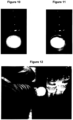
- Figures 2 to 11 are pictures of the vials containing 12.5 ml of Formulations 1 to 5 respectively, or their corresponding placebo (without plasminogen).
- the content of the composition dictates collapse temperature.
- Each pure amorphous excipient has a characteristic Tg' and collapse temperature; the collapse temperature for the formulation is the mass averaged temperatures of all of the compositions in the amorphous phase. It is important to design a formulation with maximum collapse temperature, because the rate of drying is directly proportional to the sample temperature during lyophilization.
- collapse temperature will be decreased if salts (NaCl) and excipients are not maximally crystallized.
- glycine has a Tg' of -45°C, and its contribution to the amorphous phase can reduce collapse temperature to impractically low values.
- Plasminogen alone in water generates a number of plasminogen aggregates that is inacceptable by the FDA i.e. higher than 6000 particles of 10 ⁇ m or greater per 100 mL of composition (see Sample F0406 in Table 6).
- Various sucrose-based formulations have been developed to formulate plasminogen. Although most of these formulations succeed to meet the threshold of 6000 particles of 10 ⁇ m or greater per 100 mL, formulations containing a lower particle content have been developed and the effect of amino acid to stabilise plasminogen is studied herein.
- These further formulations contain 10 mg of plasminogen and 35 mM NaCl, and tree buffers/pH have been tested, i.e.
- preservative such as 0.1% phenol
- plasminogen has been tested in the formulations containing 9 or 10 mg of plasminogen and 35 mM NaCl, with either 10 mM Sodium Citrate (pH 6.5), 10 mM Sodium Phosphate (pH 7.2) or 10 mM Tris HCL (pH 8.0), with 0.5% arginine hydrochloride or the combination of 0.5% arginine hydrochloride and 0.5% mannitol.
- PMC particle matter counts
- Arginine at 0.5% and 1% were tested in formulations of Plasminogen 10 mg/mL, 35 mM NaCl, 10 mM Sodium Phosphate (NaPi), pH 7.2, after lyophilisation and reconstitution.
- the particle counts (PMC) are reported in Table 10, which shows that both concentration of arginine are very good to maintain a low PMC value.
- Arginine, glycine and alanine at 1% were compared in formulations of Plasminogen 10 mg/mL, 35 mM NaCl, 10 mM Sodium Phosphate (NaPi), pH 7.2, after lyophilisation and reconstitution.
- the particle counts (PMC) are reported in Table 11, which shows that arginine is better than alanine and glycine to maintain a low PMC value in the tested conditions, although all these three amino acids provide acceptable PMC values i.e. below 6000 particles equal to or greater than 10 ⁇ m per 100 mL.
- the osmolality of several formulations of 10 mgl/mL of plasminogen and the percentage of solid matters used to prepare said formulations are reported in Table 12.
- the osmolality of several formulations of 20 mgl/mL of plasminogen and the percentage of solid matters used to prepare said formulations are reported in Table 13.
- the resulting osmolality of the tested formulations are advantageously falling within or very close to the physiological range of osmolality.
- the total percentage of solid matters is calculated from the content of plasminogen, tonicity modifier and bulking agent therein and is a good indicator of the size of the resulting cake after lyophilisation.
- Figures 12 , 13 and 14 Pictures of vials are shown in Figures 12 , 13 and 14 , which contains formulations F0498, F0449 and F0459, respectively, as representative examples of the appearance of the lyophilized formulations reported in Tables 12-15.
- Plasminogen aggregation is reversible as demonstrated by this study.
- Frozen Plasminogen samples Pg Bulk 5 mg/ml, dialyzed in dH2O and heavily precipitated, were thawed, filtered through 1.2 ⁇ m syringe filter, and used as starting material for control (Pg control).
- Aliquots of 2 ml Pg control were added to glass vials, pre-spiked with buffer stocks of 1 M Na Citrate pH 6.5 (Sample 1), 0.5 M Na Phosphate pH 7.2 (Sample 2) or 1 M Tris-HCl pH 8.0 (Sample 3) to obtain final 10 mM buffer concentration at each pH, respectively.
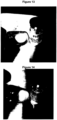
- Samples 1, 2 and 3 are shown in Figure 15 , where the non-spiked Pg control is Sample 0.
- Samples 1, 2 and 3 were further spiked with stock solutions of 5 M NaCl and 0.8 M Arginine to obtain a final concentration of 35 mM NaCl and 28.5 mM (0.5%) Arg in each sample and are shown in Figure 16 .
- Turbidity standards of 0.02, 20, 100, 800 NTU respectively, were used in Figures 15 and 16 , as reference. It can be noted from Figure 15 that pH adjustment has dissolved a considerable amount of aggregates.
- the Samples 1, 2 and 3 are rendered transparent by the addition of Arginine and NaCl and no aggregate can be visually detected.
- the turbidity of Samples 0, 1, 2 and 3 of Figure 16 were measured by reading the Optical Density (OD) at 550 nm using standard calibration with turbidity reference standards shown in Figures 15 and 16 .
- the turbidity is reported in Nephelometric Turbidity Units (NTU) in Table 16.
- NTU Nephelometric Turbidity Units
- Turbidity has been measured in compositions containing 10 mg plasminogen and 35 mM NaCl with 0.5% glycine, arginine, alanine and without amino acid, at pH 6.5 in sodium citrate buffer ( Figure 17 ), pH 7.2 in sodium phosphate buffer ( Figure 18 ), and at pH 8.0 in Tris buffer ( Figure 19 ).
- compositions tested in Figures 17, 18 and 19 were reproduced in presence of 0.5% mannitol as a bulking agent, and reported in Figures 20, 21 and 22 , respectively.
- arginine shows the best stabilizing effect and lower the turbidity at all tested pH and in presence and absence of bulking agent, i.e. 0.5% mannitol.
- Example 12 composition of elevated concentration of plasminogen
- compositions containing a high concentration of plasminogen have been studied.
- the PMC counts for particles of 10 ⁇ m or greater, and of 25 ⁇ m or greater have been reported in Table 17 for compositions of 20 mg/ml plasminogen in 10 mM or 100 mM sodium citrate, 35 mM NaCl, at pH6.5, with and without 1% arginine, and compositions of 37 and 56 mg/ml plasminogen in 100 mM sodium citrate, 35 mM NaCl, at pH6.5, with 1% arginine.
- Table 17 shows that the formulations of the present invention advantageously allow the preparation of compositions comprising elevated concentrations of plasminogen (37 and 56 mg/ml) without causing inacceptable level of particles.
- the plasminogen activity for each formulation exemplified herein was tested and compared to the plasminogen activity of the initial preparation or bulk preparation (Pg bulk). It has been noted that the plasminogen activity is not affected by any of these formulations.
Landscapes
- Health & Medical Sciences (AREA)
- Chemical & Material Sciences (AREA)
- Life Sciences & Earth Sciences (AREA)
- General Health & Medical Sciences (AREA)
- Engineering & Computer Science (AREA)
- Medicinal Chemistry (AREA)
- Pharmacology & Pharmacy (AREA)
- Veterinary Medicine (AREA)
- Public Health (AREA)
- Animal Behavior & Ethology (AREA)
- Epidemiology (AREA)
- Bioinformatics & Cheminformatics (AREA)
- General Chemical & Material Sciences (AREA)
- Chemical Kinetics & Catalysis (AREA)
- Organic Chemistry (AREA)
- Oil, Petroleum & Natural Gas (AREA)
- Biochemistry (AREA)
- Zoology (AREA)
- Wood Science & Technology (AREA)
- Genetics & Genomics (AREA)
- Proteomics, Peptides & Aminoacids (AREA)
- Biomedical Technology (AREA)
- General Engineering & Computer Science (AREA)
- Molecular Biology (AREA)
- Immunology (AREA)
- Gastroenterology & Hepatology (AREA)
- Dermatology (AREA)
- Inorganic Chemistry (AREA)
- Microbiology (AREA)
- Biotechnology (AREA)
- Nuclear Medicine, Radiotherapy & Molecular Imaging (AREA)
- Vascular Medicine (AREA)
- Heart & Thoracic Surgery (AREA)
- Cardiology (AREA)
- Urology & Nephrology (AREA)
- Diabetes (AREA)
- Hematology (AREA)
- Medicines That Contain Protein Lipid Enzymes And Other Medicines (AREA)
- Medicinal Preparation (AREA)
Description
- The present invention relates to the field of medicine. More particularly, the invention relates to a pharmaceutical composition comprising plasminogen, and therapeutic uses thereof.
- Plasminogen is a zymogen of plasmin as shown in
Figure 1A . The amino acid sequence of the human plasminogen precursor is depicted inFigure 1B . Human plasminogen contains 791 amino acids (precursor = 810 amino acids) with a molecular weight of about 90 kDa and a pl of approximately 7.0, although differential glycosylation and/or removal of the N-terminal activation peptide can result in a pl range of 6.2 to 8.0. It is a single-chain protein with 24 intra-chain disulfide bridges, 5 kringle domains (involved in the binding to fibrin and to the inhibitor α2-antiplasmin), a serine protease domain (P), and an activation peptide (AP) consisting of the first 77 amino acids. There is one N-linked glycosylation site and one O-linked site, although a second O-linked site has been identified (Goldberg, 2006). Approximately 70% of the Plasminogen in circulation contains only O-linked glycosylation while the rest contains both N- and O-linked sugars. - Native Plasminogen is produced in two main forms, Glu-Plasminogen (Glu-Pg) and Lys-Plasminogen (Lys-Pg), named for the N-terminal amino acid of either glutamic acid or lysine. Glu-Pg is composed of the entire amino acid sequence designated by the gene sequence (excluding the activation peptide), while Lys-Pg is the result of a cleavage of the Glu-Pg between Lys-77 and Lys-78 (underlined in
Figure 1B ). The circulating half-life of Lys-Pg is considerably shorter than Glu-Pg (2-2.5 days for Glu-Pg, 0.8 days for Lys-Pg). Glu-Pg is the dominant form of Pg present in plasma with very little Lys-Pg detected in the circulation (Violand, B.N., Byrne, R., Castellino F.J. (1978) The effect of α-,ω-Amino Acids on Human Plasminogen Structure and Activation. J Biol Chem. 253 (15): 5395-5401; Collen D, Ong EB, Johnson AJ. (1975) Human Plasminogen: In Vitro and In Vivo Evidence for the Biological Integrity of NH2-Terminal Glutamic Acid Plasminogen. Thrombosis Research. 7 (4):515-529). - Plasminogen is synthesized in the liver and secreted into plasma. Plasminogen is distributed throughout the body and when conditions are present for activation, the plasminogen pro-enzyme is converted to the active enzyme, plasmin, by tissue-type plasminogen activator (t-PA) or by urokinase plasminogen activator (u-PA). Plasmin then degrades fibrin and converts latent matrix metalloproteinases (pro-MMPs) into active MMPs, which in turn further degrade extracellular matrix (ECM) as part of the tissue healing/remodeling process. Plasminogen activation mediated by t-PA is primarily involved in fibrin homeostasis, while plasmin generation via u-PA, forming a complex with its receptor u-PAR, plays a role in tissue remodeling.
- Plasmin is or was investigated for its potential use for the clearance of thrombotic occlusions in artificial devices and hemodialysis grafts, and for the treatment of posterior vitreous detachment (PVD) (
US 6,969,515 ;US 2010/0104551 ). - Plasminogen is investigated for its use in therapeutic indications such as wound healing, healing of a tympanic membrane perforation, healing of periodontal wound, infectious disease, oral health, diabetic ulcer, thrombolysis indications, such as coronary thrombosis, reperfusion injury to tissue, ischemia, infarction, brain edema, improvement of microcirculation, and modulation of complement pathway (
US 8,637,010 ;US 8,679,482 ;US 8,318,661 ;WO 95/12407 EP 0,631,786 ). As yet, no plasminogen is currently on the pharmaceutical market as a drug. - Historically, Lys-Pg was pharmaceutically commercialized for a period of time for hematologic purposes and has not been scientifically or medically used since 2000. A formulation of Lys-Pg is described in Schott et al., 1998, The New England Journal of Medicine, Vol. 339, No. 23, pp. 1679-1686). While available Lys-Pg was clinically used and investigated for the treatment of ligneous conjunctivitis, a clinical manifestation of the underlying condition hypoplasminogenimia (plasminogen deficiency type I). Hence systemic administration of Lys-Pg concentrates has been tested. Kraft et al. (Kraft J, Lieb W, Zeitler P, Schuster V. (2000) Ligneous conjunctivitis in a girl with severe type I plasminogen deficiency. Graefes Arch Clin Exp Ophthalmol. 238(9):797-800) reported that daily infusion of Lys-Pg in a child with severe hypoplasminogenemia resulted in partial resolution of the conjunctival pseudo membranes. Schott et al. (1998) reported that, in a 6-month-old child, treatment with Lys-Pg preparation as a continuous infusion and later as daily bolus injections led to complete regression of the ligneous conjunctivitis within 4 weeks and normalized hyperviscous secretions in the respiratory tract as well as skin wound healing. Schuster et al (Schuster V, Hugle B, Tefs K (2007) Plasminogen deficiency. J Thromb Haemost 5(12):2315-2322) reported that plasminogen levels in patients with homozygous or compound heterozygous (the presence of two different mutant alleles at a particular gene locus, one on each chromosome of a pair) hypoplasminogenemia ranged from <1 to 9 mg/dL for plasminogen antigen plasma levels and <1% to 51% for functional plasminogen activity. It is important to note that the majority of these patients have some residual plasminogen activity levels. Thus, plasminogen replacement is expected to be effective, as it is an endogenous protein and is not expected to have immunogenicity or fibrinolytic activity concerns. Although systemic or topical plasminogen concentrates have been clearly documented as effective therapy leading to resolution and halts re-formation of the lesions (Watts P, Suresh P, Mezer E, Ells A, Albisetti M, Bajzar L, Marzinotto V, Andrew M, Massicotle P, Rootman D (2002) Effective treatment of ligneous conjunctivitis with topical plasminogen. Am J Ophthalmol 133(4):451-455, Heidemann DG, Williams GA, Hartzer M, Ohanian A, Citron ME (2003) Treatment of ligneous conjunctivitis with topical plasmin and topical plasminogen. Cornea 22(8):760-762; and Schott, 1998), no purified plasminogen product for topical or for systemic therapy is commercially available.
- Only very recently, clinical trials were undertaken to utilize Glu-Pg for the treatment of the type I plasminogen deficiency (Clinical Trials.gov Identifier: NCT02312180) and one of its clinical manifestation ligneous conjunctivitis utilizing a localized eye drop of Glu-Pg (ClinicalTrials.gov Identifier: NCT01554956).
- Proteins may be stabilized either by changing their structural characteristics (internally) and/or by controlling the components in contact with them (externally). Some proteins have raised particular challenges with respect to handling and behaviour in pharmaceutical formulations due to their physico-chemical characteristics which often unfortunately leads to structural instability. They can actually undergo various types of degradations as exemplified by the following: 1) chemical processes leading to the formation of related impurities, which may involve hydrolysis, oxidation reactions, deamidation or structural rearrangements such as iso-asp or intramolecular truncations or 2) a physical process giving rise to aggregation/ polymerization thus generating structural alterations which may impact on the biological activity and potentially enhance immunogenicity.
- Formulation development generally refers to a process in which an active pharmaceutical ingredient (API) is characterized to a sufficient extent that it can be converted to a pharmaceutically acceptable drug substance. Biophysical characterization of drug substances must be performed to confirm that the correctly folded and biologically active structure is present. Several spectroscopic techniques (Fluorescence, CD, DSC, DLS, etc.) can be used to examine the tertiary structure of proteins in solution and to assess the stability and effect of different formulations conditions on protein structure. (Volkin, D.B. et al. "Preformulation studies as an essential guide to formulation development and manufacture of protein pharmaceutical." Development and manufacture of protein pharmaceuticals. Edited by Steve L. Nail and Michael J. Akers , Kluwer Academic 2002 ; Cheng, W. et al. "Comparison of High-Throughput Biophysical Methods to Identify Stabilizing Excipients for a Model IgG2 Monoclonal Antibody: Conformational Stability and Kinetic Aggregation Measurements" Journal of Pharmaceutical Sciences, Vol. 101, No 5, page 1701-1720, 2012). In addition, often the pharmaceutical industry confirms the structural integrity of the API by performing a biologically assay for the release of the drug substance. Taken together they confirm that the preferred formulation has not inadvertently been modified by the formulation. Plasminogen is a protein that is mainly used in the preparation of plasmin for thrombolysis indications, such as coronary thrombosis, clearance of thrombotic occlusions in artificial devices and hemodialysis grafts, and for reperfusion injury to tissue, treating ischemia, infraction, brain edema, or for improving the microcirculation (
WO 95/12407 US 6,969,515 ;EP 0,631,786 ). - The administration of plasminogen has also been found useful in many therapeutic indications such as thrombolysis indications, such as coronary thrombosis, treating reperfusion injury to tissue, treating ischemia, infarction, brain edema, or for improving the microcirculation, wound healing, healing of a tympanic membrane perforation, healing of periodontal wound, infectious disease, oral health, diabetic ulcer, plasminogen-deficient subjects, and modulation of complement pathway (
WO 95/12407 EP 0,631,786 US 8,637,010 ;US 8,679,482 ;US 8,318,661 ). - There are several challenges encountered when formulating plasminogen. Some problems result from the plasmin contamination of the plasminogen formulation, which degrades plasminogen. Various approaches have been used for avoiding degradation of plasminogen including the addition of aprotinin, lysine, phenylmethanesulphonyl fluoride, soybean trypsin inhibitor or serine protease inhibitor (
US 4,177,262 ;US 4,361,653 ,US 5,304,383 ). - Other difficulties are represented by the turbidity or the presence of filamentous substances when plasminogen is solubilised in an aqueous solvent. To overcome this drawback, it has been proposed to combine plasminogen for example with a nonionic surfactant or with a mixture of sucrose, amino acid and albumin (
WO 94/15631 -
US 4,297,344 discloses a plasminogen composition comprising an amino acid, in particular glycine, in combination with a carbohydrate, in particular saccharose/sucrose. - There is no known commercial formulation of Glu-Pg for human therapeutic use. The only formulations of Glu-Pg that are known are for research only.
- There is a need for the development of a pharmaceutical composition of plasminogen.
- The scope of the invention is defined by the claims. Any references in the description to methods of treatment refer to the products of the present invention for use in a method for treatment.
- The present invention relates to a pharmaceutical composition as defined in
claim 1. -
-
Figure 1A is a schematic of the primary structure of plasminogen showing its kringle domains, plasmin cleavage site and streptokinase binding site. -
Figure 1B shows the amino acid sequence of human plasminogen precursor. The sequence of the mature form is in bold, and the two lysine residues between which there is a cleavage to generate Lys-Pg are underlined. -
Figure 2 is a picture of a vial containing the placebo (without Pg) ofFormulation 1 after lyophilisation. -
Figure 3 is a picture a vial containing Formulation 1 (described in Table 1A) after lyophilisation. -
Figure 4 is a picture a vial containing the placebo (without Pg) ofFormulation 2 after lyophilisation. -
Figure 5 is a picture a vial containing Formulation 2 (described in Table 1A) after lyophilisation. -
Figure 6 is a picture a vial containing the placebo (without Pg) ofFormulation 3 after lyophilisation. -
Figure 7 is a picture a vial containing Formulation 3 (described in Table 1A) after lyophilisation. -
Figure 8 is a picture a vial containing the placebo (without Pg) of Formulation 4 after lyophilisation. -
Figure 9 is a picture a vial containing Formulation 4 (described in Table 1A) after lyophilisation. -
Figure 10 is a picture a vial containing the placebo (without Pg) of Formulation 5 after lyophilisation. -
Figure 11 is a picture a vial containing Formulation 5 (described in Table 1A) after lyophilisation. -
Figure 12 a picture of vials of lyophilized composition no. F0498 which containsplasminogen 20 mg/ml in 10 mM Tris-HCl, 35 mM NaCl, pH 8.0, and 28.5 mM (0.5%) Arginine. -
Figure 13 a picture of vials of lyophilized composition no. F0449 which contains plasminogen 10 mg/ml in 10 mM Na Phosphate, 35 mM NaCl, pH 7.2, 28.5 mM (0.5%) Arginine, and 54 mM (1%) Mannitol. -
Figure 14 a picture of vials of lyophilized composition no. F0459 which containsplasminogen 20 mg/ml in 10 mM Na Phosphate, 35 mM NaCl, pH 7.2, 28.5 mM (0.5%) Arginine, and 54 mM (1%) Mannitol. -
Figure 15 is a picture of vials containing 5 mg/ml plasminogen in water (Sample 0), in 10 mM sodium citrate buffer pH 6.5 (Sample 1), 10 mM sodium phosphate buffer pH 7.2 (Sample 2) and 10 mM Tris-HCl buffer Ph 8.0 (Sample 3) beside turbidity standards of 0.02, 20, 100, 800 NTU respectively. -
Figure 16 is a picture of the same vials shown inFigure 12 , with the exception that 35 mM NaCl and 28.5 mM (0.5%) Arg have been added toSamples -
Figures 17, 18 and 19 are graphs showing the turbidity over a period of 4 hours for compositions containing 10 mg plasminogen, 35 mM NaCl with 0.5% glycine, arginine, alanine and without amino acid, at pH 6.5 in sodium citrate buffer (Figure 17 ), pH 7.2 in sodium phosphate buffer (Figure 18 ), and at pH 8.0 in Tris buffer (Figure 19 ). -
Figures 20, 21 and 22 are graphs showing the turbidity over a period of 4 hours for compositions containing 10 mg plasminogen, 35 mM NaCl, 0.5% mannitol with 0.5% glycine, arginine, alanine and without amino acid, at pH 6.5 in sodium citrate buffer (Figure 20 ), pH 7.2 in sodium phosphate buffer (Figure 21 ), and at pH 8.0 in Tris buffer (Figure 22 ). - The pharmaceutical composition according to the invention has a pH of about 5.0 to about 8.0; more preferably of about 6.0 to about 8.0; and further preferably of about 6.5 to about 7.5.
- The present invention concerns a pharmaceutical composition with an increased robustness. The present invention concerns a pharmaceutical composition that has count of particles of 10 µm or greater that is lower than 6000 particles per 100 mL of composition, or lower than 5000 particles per 100 mL of composition, or lower than 4000 particles per 100 mL of composition, or lower than 3000 particles per 100 mL of composition, or lower than 2000 particles per 100 mL of composition or lower than 1000 particles per 100 mL of composition. In an embodiment of the present invention, the count of particles remains low after lyophilisation and reconstitution. In an embodiment of the present invention, repeated preparations of the same composition provide no variation of the count of particles.
- Plasminogen is a pro-enzyme is converted to the active enzyme, plasmin, by tissue-type plasminogen activator (t-PA) or by urokinase plasminogen activator (u-PA). Plasmin then degrades fibrin and converts latent matrix metalloproteinases (pro-MMPs) into active MMPs, which in turn further degrade extracellular matrix (ECM) as part of the tissue healing/remodeling process. The term "biologically active variant" as used herein refers to a mutated plasminogen polypeptide that retains the biological activity of native plasminogen, i.e. the ability to be converted to a plasmin polypeptide (by t-PA and or u-PA) that is able to degrade fibrin and converts latent matrix metalloproteinases (pro-MMPs) into active MMPs. The biologically active variants may exhibit a biological activity (e.g., enzymatic activity of the resulting plasmin) that is lower, higher or similar to that of a native plasminogen polypeptide. In the embodiments according to the invention, the variant has at least 90, or 95% amino acid sequence identity with a native plasminogen polypeptide. Biologically active plasminogen variants are described, for example, in
WO2012/093132 ,WO2013/024074 and in Wang et al. (1995, Protein Science 4, 1758-1767), and included the truncated variants of plasminogen commonly referred to as "midiplasminogen", "miniplasminogen", "microplasminogen" and "delta-plasminogen" that lack one or more kringle domains and/or parts thereof. In an embodiment, the plasminogen is human plasminogen. In a further embodiment, the composition comprises native human plasminogen. The plasminogen may be obtained from several sources. It may be obtained by recombinant synthesis, or extracted/purified from blood, plasma or a blood-derived solution. Plasminogen can be extracted from blood or plasma by Cohn fractionation or by precipitation. Plasminogen can be purified from plasma or blood-derived solution by a binding affinity chromatography, such as the method described inWO 2006/120423 , or produced recombinantly. - The plasminogen or biologically active variant thereof is present in a concentration of about 0.01 mg/ml to about 80 mg/ml; preferably about 1 mg/ml to about 60 mg/ml; preferably about 5 mg/ml to about 60 mg/ml; preferably about 5 mg/ml to about 40 mg/ml; preferably of about 2 mg/ml to about 30 mg/ml, more preferably of about 2 mg/ml to about 20 mg/ml, and further preferably of about 80, 70, 60, 50, 40, 30, 25, 20, 15, 14, 13, 12, 11, 10, 9, 8, 7, 6, 5, 4, 3, 2, 1, 0.5, 0.1, 0.05 or 0.01 mg/ml.
- In an embodiment of the present invention, the plasminogen or biologically active variant thereof contained in the pharmaceutical composition has a purity of more than about 80%, or more than about 90%, or more than about 95%, or more than about 98%. The term "about" refers a variation of value by more or less 10%.
- The pH of the present composition is from about 5.0 to about 8.0; from about 6.0 to about 8.0; or from about 6.5 to about 7.5. In embodiments, the pH of the present composition is about 5.0, 5.5, 6.0, 6.1, 6.2, 6.3, 6.4, 6.5, 6.6, 6.7, 6.8, 6.9, 7.0, 7.1, 7.2, 7.3, 7.4, 7.5 or 8.0. To maintain the composition at such a pH, the present composition preferably comprises a buffer. Many buffers can be used within the scope of the present invention, including the following buffers depending on the desired pH (only compositions having a pH from about 5.0 to 8.0 are according to the claims):
Buffer Desired pH Citrate/phosphate 3.0 ,3.5, 4.0, 4.5, 5.0, 5.5, 6.0, 6.5 to 7.0, 7.5, 8.0, and any pH from 2.0 and 8.0 Citrate 3.0 to 6.5 Acetate any pH from 3.6 to 5.6, for example 4.0, 4.5, 5.0, or 5.5 Sodium acetate 3.6 to 5.6 Formate 3.0 to 4.5 Sodium formate any pH from 5.0 and 6.0, for example 5.0, 5.5, or 6.0 Malate 4.0 to 6.0 Phosphate any pH from 6.5 and 8.0, for example 6.5, 7.0, 7.5, or 8.0 PBS, TBS, TNT, PBT 7.0 to 7.5 Sorensen's 5.8 to 8.0 Succinate any pH from 5.5 to 6.5, for example 6.0 Carbonate any pH from 6.0 to 8.0, for example 6.5 Histidine any pH from 5.0 and 7.0, for example 5.0, 5.5, 6.0, or 6.5 to 7.0 Borate 9 to 10 Glycine-NaOH 8.6 to 10 Succinate 5.5 to 6.5 Maleate 5.5 to 7.2 Tris 7.2 to 9.0 BIS-Tris any pH from 5.8 and 7.2 PIPES any pH from 6.1 and 7.5 MOPS any pH from 6.2 and 7.6 HEPES any pH from 6.8 and 8.2 MES any pH from 5.5 and 6.7 ACES any pH from 6.1 and 7.5 - In an embodiment, the buffer comprises a combination of two buffers; such as Citrate/Phosphate, Citrate/Histidine, Acetate/Histidine or Succinate/Histidine. In an embodiment of the present invention, the buffer does not comprise a citrate buffer. In another embodiment, the buffer is citrate, phosphate (K2HPO4/NaHPO4), histidine, or succinate. In another embodiment, the buffer is phosphate (K2HPO4/NaHPO4), histidine, or succinate.
- In an embodiment, the concentration of the buffer is from about 10 mM to about 50 mM, or from about 10 mM to about 30 mM, for example about 2 mM or about 10 mM.
- As used herein, a "tonicity modifier" refers to a compound which is used to adjust the tonicity of the pharmaceutical composition. Embodiments according to the claims have an osmolality between about 180 mOsm and 350 mOsm. In an embodiment, the tonicity modifier is present in an amount that renders the composition isotonic. In another embodiment, the tonicity modifier is present in an amount that renders the composition hypertonic or hypotonic. "Isotonic" is meant that the composition of the present invention has essentially the same osmolality than the osmolality of human blood. Isotonic compositions generally have an osmolality from about 250 to about 330 mOsm. Osmolarity can be measured using a vapor pressure or ice-freezing type osmometer, for example. The tonicity modifier is sodium chloride. In an embodiment, the concentration of the tonicity modifier concentration is about about 34 mM, or about 35 mM, or about 68 mM, or about 75 mM. In an embodiment, the concentration of the tonicity modifier is adjusted so that the resulting osmolality of the composition falls within the desired range.
- In an embodiment, the composition further comprises a bulking agent. As used herein, a "bulking agent" refers to a compound/agent which increases the bulk mass of a composition. Examples of bulking agents include, without limitation, glutamic acid, alanine, mannitol, hydroethyl starch, dextran, PVP (poly vinyl pyrrolidone), mannitol, sorbitol, oligosaccharide-derived sugar alcohol, maltitol, lactitol, maltotriitol, xylitol, polyethylene glycol, sucrose, glucose, maltose, xorbitol, or any combination thereof. These agents can also serve as tonicity modifiers. In embodiments, the concentration of bulking agent is from about 50 mM to about 300 mM; or from about 100 mM to about 200 mM, or about 150 mM, or from about 50 mM to about 150 mM, or about 108 mM, or about 54 mM.
- In an embodiment, the tonicity modifier and the bulking agent are in concentrations such that the tonicity modifier/bulking agent ratio is about 1.0 to about 15.0 (wt/wt); from about 1.0 to about 10.0, about 3.0 to about 10.0, about 5.0 to about 10.0, for example about 5.0, about 8.0, or about 10.0. In an embodiment, the concentration of bulking agent is adjusted based on the concentration of the tonicity modifier so that the tonicity modifier/bulking agent ratio is in the desired range.
- In embodiments, the composition further comprises one or more additional pharmaceutically acceptable ingredients such as carriers, excipients, diluents, stabilizers, buffers and the like.
- In an embodiment, the pharmaceutical composition further comprises a sugar, for example a reducing and/or a non-reducing sugar. As used herein, a "reducing sugar" is one which contains a hemiacetal group that can reduce metal ions or react covalently with lysine and other amino groups in proteins and a "non-reducing sugar" is one which does not have these properties of a reducing sugar. In an embodiment, the reducing sugar is fructose, mannose, maltose, lactose, arabinose, xylose, ribose, rhamnose, galactose, glucose or any combination thereof. In an embodiment, the non-reducing sugar is sucrose, trehalose, sorbose, melezitose, raffinose or any combination thereof. In an embodiment, the pharmaceutical composition of the present invention is lyophilized in the presence of a reducing sugar. In an embodiment, the pharmaceutical composition of the present invention is lyophilized in the presence of a non-reducing sugar.
- The pharmaceutical composition of the present invention has an osmolality of about 180 mOsm to about 350 mOsm; or of about 250 mOsm to about 350 mOsm, or of about 200 mOsm to about 300 mOsm.
- As used herein, a "stabilising agent" refers to an agent that stabilises plasminogen in solution. The stabilising agent is an amino acid which is arginine or glycine. In a preferred embodiment, said amino acid can be in the form of an amino acid base such as arginine hydrochloride hydrochloride. The concentration of amino acid is from about 10 mM to about 100 mM, or from about 25 mM to about 75 mM, or about 10 mM, or about 25 mM, or about 50 mM, or about 75 mM, or about 100 mM.
- In another embodiment, the pharmaceutical composition of the present invention further comprises an antioxidant. In an embodiment, the antioxidant is methionine, oxidized glutathione (Glu-Cys-Gly)2 (613 kDa), ascorbic acid, N-acetyl-L-cysteine/homocysteine, glutathione, 6-hydroxy-2,5,7,8-tetramethylchroman-2-carboxylic acid (Trolox®), lipoic acid, sodium thiosulphate, platinum, glycine-glycine-histidine (tripeptide), butylated hydroxyltoluene (BHT), or any combination thereof. In embodiments, the concentration of the antioxidant is from about 10 mM to about 200 mM, e.g., about 10 mM, about 50 mM, about 100 mM, about 150 mM, or about 200 mM.
- In another embodiment, the pharmaceutical composition of the present invention further comprises a surfactant. As used herein, a "surfactant" refers to a compound/agent that reduces interfacial tension between a liquid and a solid when dissolved in solution. In an embodiment, the surfactant is
Polysorbate ® 80,Polysorbate ® 20, Pluronic® F-68, or Brij® 35; poloxamers (e.g. poloxamer 188 or Pluronic® F-68); Triton®; sodium dodecyl sulfate (SDS); sodium laurel sulfate; sodium octyl glycoside; lauryl-, myristyl-, linoleyl-, or stearyl-sulfobetaine; lauryl-, myristyl-, linoleyl- or stearyl-sarcosine; linoleyl-, myristyl-, or cetyl-betaine; lauroamidopropyl-, cocamidopropyl-, linoleamidopropyl-, myristamidopropyl-, palmidopropyl-, or isostearamidopropyl-betaine (e.g. lauroamidopropyl); myristamidopropyl-, palmidopropyl-, or isostearamidopropyl-dimethylamine; sodium methyl cocoyl-, or disodium methyl oleyl-taurate; and the MONAQUAT™ series (Mona Industries, Inc., Paterson, N.J.), polyethyl glycol, polypropyl glycol, or copolymers of ethylene and propylene glycol, or any combination thereof. In an embodiment, the concentration of surfactant is adjusted to reduce aggregation of the plasminogen, biologically active variant or fragment thereof and/or minimizes the formation of particulates in the composition and/or reduces adsorption. In an embodiment, the surfactant is present in the composition in a concentration of about 0.001-1% (w/v), about 0.002% to about 0.02% (w/v), or about 0.002% to about 0.006% (w/v). In some embodiments, the composition comprises a surfactant which is a poloxamer. In some embodiments, the composition comprises Pluronic® F68. In particular embodiments, the composition comprises from about 0.01% (w/v) to about 1% (w/v) of Pluronic® F68, for example about 0.1% (w/v) of Pluronic® F68. In an embodiment, the composition is substantially free or free of nonionic surfactant, e.g., the composition comprises less than about 0.02%, 0.01%, 0.006%, or 0.004% (w/v) of nonionic surfactant. - In another embodiment, the pharmaceutical composition of the present invention further comprises a polymeric stabilizer. In an embodiment, the polymeric stabilizer is Heparin (6 to 30 kDa); Polyaminoacid (2 to 100 kDa) such as Poly (Glu), Poly (Asp), and Poly (Glu, Phe); Carboxymethyl cellulose (10-800cps); Cyclodextrin; Dextran Sulphate, or any combination thereof. In embodiments, the concentration of the polymeric stabilizer is from about 0.001% to about 0.50%, or from about 0.001% to about 0.25%.
- In another embodiment, the pharmaceutical composition of the present invention further comprises a polyethylene glycol, e.g.,
PEG 200,PEG 400, PEG 1000, PEG, 4000, PEG, 8000, PEG 10 000, or any combination thereof. In an embodiment, the concentration of the polyethylene glycol is from about 0.5% to about 10% (w/w). - In an embodiment, the pharmaceutical composition of the present invention further comprises a preservative. As used herein, a "preservative" refers to a compound/agent which can be added to the pharmaceutical composition to essentially reduce bacterial activity therein, thus facilitating the production of a multi-use pharmaceutical composition, for example. Examples of preservatives include m-cresol, benzyl alcohol, methanol, ethanol, iso-propanol, butyl paraben, ethyl paraben, methyl paraben, phenol, glycerol, xylitol, resorcinol, catechol, 2,6-dimethylcyclohexanol, 2-methyl-2,4-pentadiol, dextran, polyvinylpyrrolidone, 2-chlorophenol, benzethonium chloride, merthiolate (thimersosal), benzoic acid (propyl paraben) MW 180.2, benzoic acid MW 122.12, benzalkonium chloride, chlorobutanol, sodium benzoate, sodium propionate, or cetylpyridinium chloride. The preservative is selected for compatibility with the buffer and other components of the pharmaceutical composition (i.e., the solution is clear). For example, when the buffer is sodium acetate or sodium phosphate, compatible preservatives include methanol, ethanol, iso-propanol, glycerol, resorcinol, 2-methyl-2,4-pentadiol, merthiolate (thimerosal), benzalkonium chloride, sodium benzoate, or cetylpyridinium chloride. The concentration of the preservative used in the present composition can be determined according to the judgment of those of skill in the art. In some embodiments, the concentration of the preservative is about 0.005 to about 10% (w/v), about 0.1 to about 1.0% (w/v), or about 0.3 to about 0.7% (w/v). In some embodiments, the concentration of the preservative is about 0.005, 0.1, 0.3, 0.5, 0.7, or 1.0% (w/v).
- In another embodiment, the pharmaceutical composition of the present invention is free of preservative.
- One or more additional pharmaceutically acceptable carriers, excipients or stabilizers, such as those described in Remington's Pharmaceutical Sciences 19th edition, Genarro, A. Ed. (1995) can be included in the present composition provided that they do not significantly adversely affect the desired characteristics of the pharmaceutical composition of the invention. Additional constituent elements of the composition of the present invention can include water, e.g., water for injection, vegetable oil, a thickening agent such as methylcellulose, an anti-adsorbant, a wetting agent, antioxidants including ascorbic acid and methionine, chelating agents such as EDTA, metal complexes (e.g. Zn-protein complexes), biodegradable polymers such as polyesters, and/or salt-forming counter-ions such as sodium etc. Acceptable carriers, excipients or stabilizers are present in an amount such that they are nontoxic to subjects at the dosages and concentrations employed.
- In an embodiment, the pharmaceutical composition of the present invention has a total weight of solid of from about 3.5% to about 8% when lyophilized, preferably from about 3.5% to about 6%, and more preferably of from about 3.8% to about 5.5%. Increasing the concentration of components in the pharmaceutical composition of the invention results in increasing the total % of solid in the lyophilized composition and improving the cake appearance of the lyophilised composition.
- In an embodiment, plasminogen or a variant thereof is composed various types of plasminogen and/or variants. In the embodiments according to the invention, the content of Glu-plasminogen represents more than 80% of the total content of plasminogen or variants thereof, or more than 90%.
- An embodiment of the present invention is a pharmaceutical composition comprising plasminogen or a variant thereof, wherein the total amount of protein other than the plasminogen or variant thereof in the composition is less than about 10%, less than about 5%, or less than about 2%. An embodiment of the present invention is a pharmaceutical composition comprising plasminogen or a variant thereof, wherein the composition does not comprise or is substantially free of, an additional protein (i.e. in addition to the plasminogen or variant thereof). In an embodiment of the present invention, the composition does not comprise or is substantially free of albumin. In an embodiment of the present invention, the composition does not comprise or is substantially free of aprotinin. In an embodiment of the present invention, the composition does not comprise or is substantially free of a trypsin inhibitor. In an embodiment of the present invention, the composition does not comprise or is substantially free of a serine protease inhibitor. In an embodiment of the present invention, the composition does not comprise or is substantially free of plasmin. In an embodiment of the present invention, the composition is substantially free or free of a surfactant, i.e. the concentration of surfactant is less than 0.01 mM.
- In an embodiment, the pharmaceutical composition comprising plasminogen of the present invention is stable at room temperature for at least 2 hours, 24 hours, a week or a month.
- In an embodiment, the pharmaceutical composition comprising plasminogen of the present invention is stable at temperature below 0°C for at least 3 months, for at least 6 months, for at least 12 months or for at least 24 months. Said temperature below 0°C is about -20°C, about -30°C, about -60°C, about -70°C or about -80°C.
- In embodiments, the pharmaceutical composition comprising plasminogen is a liquid composition, a liquid composition suitable for lyophilisation, a liquid composition suitable for freezing, a lyophilised composition, a frozen composition or a reconstituted composition.
- The term "pharmaceutical composition" designates a composition for pharmaceutical, medical or therapeutic purposes.
- Representative examples of pharmaceutical compositions of plasminogen (Pg) are represented in Table 1A. In Table 1A, only the compositions comprising NaCl in a concentration from about 10 mM to about 10 mM are according to the claims.
Table 1A No. Pg Buffer Bulking agent Stabilising agent Tonicity modifier pH 1 5 mg/ml 10 mM Citrate 73 mM Sucrose 67 mM Glycine 68.4 mM NaCl; 6.5 2 5 mg/ml 10 mM Citrate 73 mM Sucrose 33.5 mM Glycine 34.22 mM NaCl 6.5 3 5 mg/ml 10 mM Citrate 117 mM Sucrose 67 mM Glycine 68.4 mM NaCl; 6.5 4 5 mg/ml 10 mM Citrate 117 mM Sucrose 67 mM Glycine 34.22 mM NaCl 6.5 5 5 mg/ml 10 mM Citrate 73 mM Sucrose 67 mM Glycine 34.22 mM NaCl 6.5 6 5 mg/ml 10 mM Citrate 73 mM Sucrose 67 mM Glycine 75.3 mM NaCl 6.5 7 5 mg/ml 10 mM Citrate 79 mM Sucrose 40 mM Glycine 75 mM NaCl 6.5 8 5 mg/ml 10 mM Citrate 77 mM Sucrose 47 mM Glycine 75 mM NaCl 6.5 9 5 mg/ml 10 mM Citrate 75 mM Sucrose 54 mM Glycine 75 mM NaCl 6.5 10 5 mg/ml 10 mM Citrate 50-150 mM Sucrose 25 to 75 mM Glycine 35-150 mM NaCl 6.5 11 5 mg/ml 10 mM Citrate 50-150 mM Mannitol 25 to 75 mM Glycine 35-150 mM NaCl 6.5 12 5 mg/ml 10 mM Citrate 50-150 mM Sorbitol 25 to 75 mM Glycine 35-150 mM NaCl 6.5 13 5 mg/ml 10 mM Citrate 50-150 mM Sucrose 25 to 75 mM Arginine 35-150 mM NaCl 6.5 14 5 mg/ml 10 mM Citrate 50-150 mM Mannitol 25 to 75 mM Arginine 35-150 mM NaCl 6.5 15 5 mg/ml 10 mM Citrate 50-150 mM Sorbitol 25 to 75 mM Arginine 35-150 mM NaCl 6.5 16 5 mg/ml 10 mM Phosphate 50-150 mM Sucrose 25 to 75 mM Glycine 35-150 mM NaCl 7.2 17 5 mg/ml 10 mM Phosphate 50-150 mM Mannitol 25 to 75 mM Glycine 35-150 mM NaCl 7.2 18 5 mg/ml 10 mM Phosphate 50-150 mM Sorbitol 25 to 75 mM Glycine 35-150 mM NaCl 7.2 19 5 mg/ml 10 mM Phosphate 50-150 mM Sucrose 25 to 75 mM Arginine 35-150 mM NaCl 7.2 20 5 mg/ml 10 mM Phosphate 50-150 mM Mannitol 25 to 75 mM Arginine 35-150 mM NaCl 7.2 21 5 mg/ml 10 mM Phosphate 50-150 mM Sorbitol 25 to 75 mM Arginine 35-150 mM NaCl 7.2 - Other representative examples of pharmaceutical compositions are represented in Table 1B below for compositions of about 0.01 mg/ml to about 80 mg/ml and preferably from 5 to 60 mg/ml of plasminogen or variant thereof and having a pH from 6.5 to 8.0. In all these examples, the content of plasminogen is composed of more than 80% Glu-plasminogen, and the total content of plasminogen or variants is from 5 mg/mL to 60 mg/mL. In table 1B,
compositions Table 1B No. Bulking agent Stabilising agent Tonicity modifier 1 - - 35 mM NaCl 2 - 25 mM Arginine HCl 35 mM NaCl 3 - 50 mM Arginine HCl 35 mM NaCl 4 50 mM Mannitol 25 mM Arginine HCl 35 mM NaCl 5 50 mM Mannitol 50 mM Arginine HCl 35 mM NaCl 6 100 mM Mannitol 25 mM Arginine HCl 35 mM NaCl 7 100 mM Mannitol 50 mM Arginine HCl 35 mM NaCl 8 50 mM Sorbitol 25 mM Arginine HCl 35 mM NaCl 9 50 mM Sorbitol 50 mM Arginine HCl 35 mM NaCl 10 100 mM Sorbitol 25 mM Arginine HCl 35 mM NaCl 11 100 mM Sorbitol 50 mM Arginine HCl 35 mM NaCl 12 - - 50 mM NaCl 13 - 25 mM Arginine HCl 50 mM NaCl 14 - 50 mM Arginine HCl 50 mM NaCl 15 50 mM Mannitol 25 mM Arginine HCl 50 mM NaCl 16 50 mM Mannitol 50 mM Arginine HCl 50 mM NaCl 17 100 mM Mannitol 25 mM Arginine HCl 50 mM NaCl 18 100 mM Mannitol 50 mM Arginine HCl 50 mM NaCl 19 50 mM Sorbitol 25 mM Arginine HCl 50 mM NaCl 20 50 mM Sorbitol 50 mM Arginine HCl 50 mM NaCl 21 100 mM Sorbitol 25 mM Arginine HCl 50 mM NaCl 22 100 mM Sorbitol 50 mM Arginine HCl 50 mM NaCl 23 - 25 mM Arginine HCl - 24 - 50 mM Arginine HCl - 25 - 75 mM Arginine HCl - 26 - 100 mM Arginine HCl - 27 - 25 mM Arginine HCl - 28 - 50 mM Arginine HCl - 29 - 75 mM Arginine HCl - 30 - 100 mM Arginine HCl - - In an embodiment, the pharmaceutical composition comprising plasminogen of the present invention is suitable for intravenous, subcutaneous, topical, intradermal, ophthalmic and/or intramuscular administration.
- According to an embodiment, the pharmaceutical composition of the present invention is for administration in a human subject. Preferably, the pharmaceutical composition of the present invention is for intravenous, subcutaneous, topical, intramuscular or ophthalmic administration. In an embodiment, the composition of the present invention is in the form of a liquid, gel, cream, or ointment.
- The plasminogen that is formulated in the composition of the present invention may be obtained from several sources. It may be obtained by recombinant synthesis, or extracted/purified from blood, plasma or a blood-derived solution. Plasminogen can be extracted from blood or plasma by Cohn fractionation or by precipitation. Plasminogen can be purified from plasma or blood-derived solution by a binding affinity chromatography, such as the method described in
WO 2006/120423 . - As used herein, the term "about" intends to cover + or - 10% of the corresponding value.
- The term "subject" includes living organisms which can benefit from an administration of plasminogen, a variant thereof or a fragment thereof. The term "subject" includes animals such as mammals or birds. Preferably, the subject is a mammal. More preferably, the subject is a human. Most preferably, the subject is a human patient in need of treatment.
- As used herein, "preventing" or "prevention" is intended to refer to at least the reduction of likelihood of the risk of (or susceptibility to) acquiring a disease or disorder (i.e., causing at least one of the clinical symptoms of the disease not to develop in a patient that may be exposed to or predisposed to the disease but does not yet experience or display symptoms of the disease). Biological and physiological parameters for identifying such patients are provided herein and are also well known by physicians.
- The terms "treatment" or "treating" of a subject includes the application or administration of a composition of the invention to a subject (or application or administration of the composition of the invention to a tissue or an organ of a subject) with the purpose of delaying, stabilizing, curing, healing, alleviating, relieving, altering, remedying, less worsening, ameliorating, improving, or affecting the disease or condition, the symptom of the disease or condition, or the risk of (or susceptibility to) the disease or condition. The term "treating" refers to any indication of success in the treatment or amelioration of an injury, pathology or condition, including any objective or subjective parameter such as abatement; remission; lessening of the rate of worsening; lessening severity of the disease; stabilization, diminishing of symptoms or making the injury, pathology or condition more tolerable to the subject; slowing in the rate of degeneration or decline; making the final point of degeneration less debilitating; or improving a subject's physical or mental well-being. In some embodiments, the term "treating" can include increasing a subject's life expectancy and/or delay before additional treatments are required.
- As used herein, the term "therapeutically effective amount" means the amount of compound that, when administered to a subject for treating or preventing a particular disorder, disease or condition, is sufficient to effect such treatment or prevention of that disorder, disease or condition. As used herein, the term "therapeutically effective amount" further means the amount of plasminogen, its variant or its fragment that is effective to heal a wound, heal a tympanic membrane perforation, heal a periodontal wound, treat an infectious disease, increase or maintain oral health, treat posterior vitreous detachment (PVD), diabetic ulcer, and plasminogen-deficient subjects thrombolysis indications, such as coronary thrombosis, treating reperfusion injury to tissue, treating ischemia, infarction, brain edema, for improving the microcirculation, treat plasminogen-deficient subjects, and modulate of complement pathway in subjects. Dosages and therapeutically effective amounts may vary for example, depending upon a variety of factors including the activity of the age, body weight, general health, gender, and diet of the subject, the time of administration, the route of administration, the rate of excretion, and any drug combination, if applicable, the effect which the practitioner desires the compound to have upon the subject, and the particular disorder(s) the subject is suffering from. In addition, the therapeutically effective amount may depend on the subject's blood parameters (e.g., lipid profile, insulin levels, glycemia), the severity of the disease state, organ function, or underlying disease or complications. Such appropriate doses may be determined using any available assays including the assays described herein. When the pharmaceutical composition of the invention is to be administered to humans, a physician may for example, prescribe a relatively low dose at first, subsequently increasing the dose until an appropriate response is obtained. The dose to be administered will ultimately be at the discretion of the physician.
- The compound(s) of the invention may be packaged as part of a kit, optionally including a container (e.g., packaging, a box, a vial, etc.). The kit may be commercially used according to the methods described herein and may include instructions for use in a method of the invention.
- The composition of the invention may or may not be administered to a patient at the same time than another active ingredient, before or after, and by the same route of administration or by another route of administration. Therefore, the present invention also encompass kits which, when used by the medical practitioner, can simplify the administration of appropriate amounts of the present composition alone or in combination with another active ingredient to a patient.
- Kits of the invention can further comprise a pharmaceutically acceptable liquid for reconstitution of a lyophilised composition. For example, if an active ingredient is provided in a solid form that must be reconstituted for parenteral administration, the kit can comprise a sealed container of a suitable pharmaceutically acceptable liquid in which the active ingredient can be dissolved to form a particulate-free sterile solution that is suitable for parenteral administration.
- In certain embodiments, the present composition is contained in a vial, bottle, tube, syringe or other container for single or multiple administrations. Such containers can be made of glass or a polymer material such as polypropylene, polyethylene, polyvinylchloride, or polyolefin, for example. In some embodiments, the containers can include a seal, or other closure system, such as a rubber stopper that can be penetrated by a needle in order to withdraw a single dose and then re-seal upon removal of the needle. All such containers for injectable liquids, lyophilized compositions, reconstituted lyophilized compositions or powders for reconstitution and injection known in the art are contemplated for use in the presently disclosed compositions and methods. In a particular embodiment, the container is a pen-type delivery apparatus comprising a single dose or multiple doses. Such a pen-type delivery apparatus can be permanent, e.g., a permanent pen that houses a disposable cartridge containing a single dose or multiple doses, or the entire apparatus can be disposable, e.g., a disposable pen that contains a single dose or multiple doses. In certain embodiments where the pen-type delivery apparatus comprises multiple doses, the dose can be pre-set, i.e., fixed. In other embodiments, the dose can be a flexible dose, i.e., dialed-in by the user. In some embodiments, the pen-type delivery apparatus comprises a luer-lock, luer-cone, or other needle fitting connector that facilitates attachment of a disposable needle. In other embodiments, the pen-type delivery apparatus comprises a staked, i.e., permanent needle. In another particular embodiment, the container is a syringe. In some embodiments, the syringe comprises a luer-lock, luer-cone, or other needle fitting connector that facilitates attachment of a disposable needle. In other embodiments, the syringe comprises a staked, i.e., permanent, needle. In some embodiments, the syringe is prefilled with a single dose or multiple doses.
- "Stable" compositions include compositions in which the protein (plasminogen or variant thereof) therein essentially retains its physical stability and/or chemical stability and/or biological activity upon storage. Various analytical techniques for measuring protein stability are available in the art and are reviewed in Lee, V., 1991, Peptide and Protein Drug Delivery, 247-301 (Marcel Dekker, Inc., New York, N.Y.) and Jones, A. 1993, Adv. Drug Delivery Rev. 10: 29-90, for example. Stability can be measured at a selected temperature for a selected time period. In an embodiment, the composition is stable at room temperature (about 25°C) or at 40°C, for at least 1, 2, 3, 4, 5 or 6 months and/or stable at about 2-8°C for at least 1, 2, 3, 4, 5 or 6 months. Furthermore, in certain embodiments, the composition is stable following freezing (e.g., -30°C.). In certain embodiments, the criteria for stability are as follows: (1) the composition remains clear by visual analysis; (2) the concentration, pH and osmolality of the composition has no more than about ±10% change; (3) no more than about 10%, no more than about 5%, or no more than about 1% of aggregate forms as measured by SEC-HPLC; and (4) no more than 10%, no more than about 5%, or no more than 3% of plasminogen breaks down as measured by known in the art and well established analytical methods.
- Thermal Denaturation: The thermal denaturation experiments HTS formulation screening for Plasminogen or a variant thereof or a fragment thereof can performed using
Optim 2™ from Pall; or other alternative biophysical technique(s) to monitor the unfolding of the protein (Standard PCR (with a heating block), Fluorimeter or CD spectrophotometer (with temperature control). As an example, theOptim 2 system simultaneously measure a range of protein stability-indicating parameters including unfolding transition temperature (Tm), aggregation onset temperature (Tagg) and rates of aggregation. - The effects of excipients on the thermostability: Narrow pH is determined at the optimum pH range with higher Melting Temperature (Tm) and Aggregation Onset Temperature (Tagg). If the higher Tm is obtained in the physiological range of 6.5-7.5; the next test(s) is to screen with at least 3 buffer system(s).
- Additionally, IEF (isoelectric focusing) or clEF (capillary isoelectric focusing) can be tested for evaluation the physical conformation of plasminogen in solution.
- The percentage of stabilization based on plasminogen enzyme activity measurements, for each buffer/excipient and for a reference solution containing only plasminogen after 1-8 hours of incubation at 60°C. In another test, the stabilization may be evaluated at 37°C for 1-8 hours. The percentage of stabilization is calculated as:

- Where S is the residual enzyme activity of the enzyme solution with the excipient to be tested after 10 days at 35°C; and T is the activity of the reference without any excipient stored in the same conditions.
- Aggregation and Particle Measurement Count (PMC): The PMC is calculated by the Light Obscuration Particle Count Test. Analysts should use a suitable instrument that is based on the principle of light blockage and that allows an automatic determination of particle size and number. The sensor selected must be appropriate for the intended particle size range and anticipated particle count. Standards particle size range are generally between 2 and 100 mm. Analysts should verify the performance of the apparatus using the USP Particle Count RS dispersed in particle-free water at an appropriate volume. Care must be taken to avoid agglomeration of particles during dispersion in the calibration process.
- Methods: Product samples are tested in the manner that most suitably represents delivery (e.g., expelled syringe contents). For parenterals that have a sufficient volume (i.e., volume large enough to facilitate testing), testing of individual units is often diagnostic. For parenteral products that do not have a sufficient volume, carefully and thoroughly mix each unit, then combine the contents of a suitable number of units in a separate container to obtain the volume required for a single test (generally 0.2-5.0 mL). If a dilution is performed, ensure that the blank container has sufficient volume for product and diluents and that few, if any, particles are introduced in the process. Open each unit cautiously, remove the sealing closure, and avoid contamination of the contents before sampling, diluting, or, if necessary, pooling. When a product solvent is specified, e.g., for lyophilized solids or powders for parenteral use, the reconstitution or dilution must be performed with the appropriate amount of specified solvent. In this case, the solvent itself may be tested to ensure that it is not a significant source of particles. Subtraction of the solvent particle count from the total count is not allowed. Eliminating gas bubbles is a key step, especially for proteinaceous products that readily entrain gas. Two methods are recommended: either allowing the product fluid to stand under ambient pressure or applying a gentle (e.g., 75 Torr) vacuum. Other methods may be used when demonstrated to be suitable. Sonication should be avoided. Once the samples have been degassed, they must be remixed gently to suspend all particles by mixing the contents of the sample gently but thoroughly by an appropriate means, e.g., slow swirling of the container by hand. Inversion to mix the product fluid is not recommended at any time. Immediately after mixing, withdraw NLT four aliquots, each of a volume appropriate for the instrument's capacity (generally 0.2-5.0 mL). Count the number of particles over the selected size range, including particles equal to or greater than 10 and 25 mm. Disregard the result obtained for the first aliquot, and calculate the mean number of particles at each size range for the remaining aliquots of the preparation being tested. A tare volume also can be applied to control sampling that should be representative of the sensor dynamic range and needle volume..
- Evaluation: Regulatory authorities like the FDA (Food and Drug Administration) and USP/EP/JP (United State Pharmacopoeia) Chapters (787, 788 and 789), EP European Pharmacopoeia (2.9.20 Particulate Contamination), and JP Japanese Pharmacopoeia JP (16: 6.06. 6.07 Foreign Insoluble Matter Test) requirements on Particulate Matter define the acceptable level of particles in liquid preparation for human use as follow. For parenteral products that are therapeutic protein injections for infusion or injection supplied in containers with a nominal content of less than or equal to 100 mL: the average number of particles present in the units tested should not exceed 6000 per container equal to or greater than 10 µm and should not exceed 600 per container equal to or greater than 25 µm. For therapeutic protein injections supplied in containers with a nominal content of more than 100 mL, and parenteral infusion preparations or injections with a nominal content of more than 100 mL: the average number of particles present in the units tested should not exceed 25 per mL equal to or greater than 10 µm and should not exceed 3 per mL equal to or greater than 25 µm. Also, total particle load should not exceed 6000 per container equal to or greater than 10 µm and should not exceed 600 per container equal to or greater than 25 µm. Products that are used with a final filter during administration (in-line) are exempt from these requirements, providing that scientific data are available to justify the exemption. However, filtrates are expected to comply with the guideline. For products supplied or first reconstituted in <100 mL, and then diluted for infusion in a volume >100 mL, particle content should be assessed both before and after dilution and evaluated based on their final volume. Hence, USP/EP/JP Method are herein included in this document. Herein, the term "Particle" refers to "Particulate" and vice-versa; these terms can be used intechangeably.
- Kinetic Study Measured by light scattering at 476 nm / 600 nm using the Optim-2™ or by Standard UV Spectrophotometer at UV at 350 nm: Accelerated conditions such as elevated temperature (65°C) and acidic solution pH (4.5) or basic solution pH (9.5) is selected to more rapidly screen for different stabilizing excipients. The components of the composition are evaluated to increase the Tagg as a function of time at a fixed temperature (55-60°C) for at least 1 to 4 hours. The aggregation kinetic behavior of the Plasminogen solution is measured at 55-60°C equipped with temperature control (onset Tm is determined) for up to 4h. The excipients are screened for their effect on inhibition of Plasminogen aggregation as measured by the light scattering at 267 nm, 467 nm or 350 nm (Cheng, W. et al. "Comparison of High-Throughput Biophysical Methods to Identify Stabilizing Excipients for a Model IgG2 Monoclonal Antibody:Conformational Stability and Kinetic Aggregation Measurements" Journal of Pharmaceutical Sciences, Vol. 101, No 5, page 1701-1720, 2012).
- The effect of protein concentration of thermal stability: One of the advantages of Optim-2™ or Dual Scanning Fluorimeter (DSF with the Sypro Dye) is the ability to carry out measurements of Tm and Tagg in highly concentrated protein solutions. Whether investigating potential candidates for relative stability, or screening different formulation conditions for stabilization of proteins, it may be important to identify the properties of the protein solution at high concentrations where the number of characterization methods available is limited.
- The effect of formulation composition on the final Osmolality: In the final pharmaceutical composition, the buffer, excipient and salt concentrations are not preferred to be very high due to the practical limitations of parental injection. Instead, more moderate concentrations such as more physiological are preferred in order to obtain an Osmolality in the range of 240 to 400 mOsm. Therefore, Osmolality is calculated to initially determine this range; however for IV injection a higher Osmolality concentrations can be also be used during the development of the freeze drying process if after reconstitution Plasminogen or variant or fragment thereof is diluted by the solution for reconstitution.
- It should be noted that the term "Formulation" and "Composition" may be used herein alternatively and are intended to designate the same.
- The singular forms "a", "an" and "the" include corresponding plural references unless the context clearly dictates otherwise.
- Unless otherwise indicated, all numbers expressing quantities of ingredients, reaction conditions, concentrations, properties, and so forth used in the specification and claims are to be understood as being modified in all instances by the term "about". At the very least, each numerical parameter should at least be construed in light of the number of reported significant digits and by applying ordinary rounding techniques. Accordingly, unless indicated to the contrary, the numerical parameters set forth in the present specification and attached claims are approximations that may vary depending upon the properties sought to be obtained. Notwithstanding that the numerical ranges and parameters setting forth the broad scope of the embodiments are approximations, the numerical values set forth in the specific examples are reported as precisely as possible. Any numerical value, however, inherently contain certain errors resulting from variations in experiments, testing measurements, statistical analyses and such.
- The following examples further illustrate the practice of this invention but are not intended to be limiting thereof.
- The examples according to the claims are the ones comprising:
- Glu-plasminogen in a concentration from about 0.01 mg/ml to about 80 mg/ml;
- sodium chloride present in a concentration of between about 30 mM to about 100 mM; and
- arginine or glycine, in a concentration from about 10 mM to about 100 mM;
- wherein the composition has a pH from about 5.0 to about 8.0; and
- wherein the osmolality of the composition is between about 180 mOsm and about 350 mOsm.
- Stability testing results for a pharmaceutical composition comprising 5 mg/ml of human plasminogen extracted from plasma in accordance with a binding affinity technique described in
WO 2006/120423 , 10 mM Citrate, 150 mM NaCl, at pH 6.5 (Lot: 2002.pc02_Pg140210.01) were stored at -20°C, -30°C and -80°C for up to 6 Months. The stability data indicated that plasminogen is stable under these frozen conditions. Plasminogen lot: 2002.pc02_Pg140210.01 was tested at -20°C, -30°C and -80°C. The level of aggregation was investigated by SEC-HPLC, the level of purity by SDS-PAGE under reducing, and also under non-reducing conditions, the level of activity by BCS activity and the protein concentration by absorbance at 280 nm (ABS280). The results of the stability data after 6 months demonstrated that all the stability indicating assays achieved the desired specifications. - The osmolality of
formulations 1 to 6 and the total percentage of solid after lyophilisation for formulations 1-9 are reported in Table 2. The content of Formulations 1-9 is defined in Table 1A.Table 2 Formulation Plasminogen Sucrose Glycine NaCl Total % of Solid Cake Osmolality # mg/mL mM mM mM % mOsm 1 5 73 67 68 3.9 265 2 5 73 34 34 3.4 198 3 5 117 67 68 5.4 309 4 5 117 67 34 5.2 275 5 5 73 67 34 3.7 231 6 5 73 67 75 3.9 272 7 5 27 40 75 3.9 TBD 8 5 26.5 47 75 3.9 TBD 9 5 26 54 75 3.9 TBD - The osmolality is in the physiological range of 240-400 mOsm. The resulting osmolality of the tested compositions are advantageously falling within or very close to the physiological range of osmolality. The total % of solid cake (g of solid composition after lyophilisation per 100 ml of the liquid composition before lyophilization) is around 4% for all compositions and placebos, which is within the preferred range of 3.5 to 8%.
- The molecular weight of the plasminogen purified and formulated in the pharmaceutical composition of the present invention has a molecular weight of 87,000 (MW), determined by calculation of the primary sequence of amino acids of the plasminogen and verified by mass spectrometry.
-
Formulations 1 to 5 have been lyophilised following the cycle process detailed in Table 5. The content of Formulations 1-5 is defined in Table 1A.Table 5 Step Shelf Temperature Set Point, [°C] Ramp Time, [minutes] Soak Time, [minutes] Pressure Set Point, [mT] Product Loading 5 - 60 Atmospheric Freezing -50 120 240 Atmospheric Evacuation -50 - - 50 Primary -22 90 3860 50 Secondary 35 120 270 50 -
Figures 2 to 11 are pictures of the vials containing 12.5 ml ofFormulations 1 to 5 respectively, or their corresponding placebo (without plasminogen). Thus, the effect of the presence of plasminogen on the stability of the composition has been investigated. The physical inspection of the appearance of the cake that has been formed by the lyophilisation process. All cakes have maintained a uniform density, without any discoloration. Less than 10% of the tested vials for the placebo ofFormulations Formulation 1 have collapsed. Less than 10% of the tested vials for the Formulations 1-5 and the placebo of Formulation 4 have shown a basal retraction. Overall the appearance of the cake is satisfying. - The content of the composition dictates collapse temperature. Each pure amorphous excipient has a characteristic Tg' and collapse temperature; the collapse temperature for the formulation is the mass averaged temperatures of all of the compositions in the amorphous phase. It is important to design a formulation with maximum collapse temperature, because the rate of drying is directly proportional to the sample temperature during lyophilization.
- Finally, collapse temperature will be decreased if salts (NaCl) and excipients are not maximally crystallized. For example, glycine has a Tg' of -45°C, and its contribution to the amorphous phase can reduce collapse temperature to impractically low values.
- Plasminogen alone in water generates a number of plasminogen aggregates that is inacceptable by the FDA i.e. higher than 6000 particles of 10 µm or greater per 100 mL of composition (see Sample F0406 in Table 6). Various sucrose-based formulations have been developed to formulate plasminogen. Although most of these formulations succeed to meet the threshold of 6000 particles of 10 µm or greater per 100 mL, formulations containing a lower particle content have been developed and the effect of amino acid to stabilise plasminogen is studied herein. These further formulations contain 10 mg of plasminogen and 35 mM NaCl, and tree buffers/pH have been tested, i.e. 10 mM Sodium Citrate (pH 6.5), 10 mM Sodium Phosphate (pH 7.2) and 10 mM Tris HCL (pH 8.0). Have been compared the presence and absence of an amino acid selected from arginine, alanine and glycine at a concentration of 0.5%. The tested formulations are fresh, i.e. before lyophilisation. Table 6 reports the PMC counts for the particles of 10 µm or greater and of 25 µm or greater. The presence of amino acid have shown a stabilizing effect has contributed to reduce the aggregation level.
Table 6 Assigned Sample ID Sample Description Pre-Lyo PMC Count/mL 10 µm 25 µm F0406 Pg Bulk in water at 10 mg/ml 1,039,061 20,181 Rx1 Pg (5 mg/mL), 67 mM glycine 5,793 155 R×5 Pg (5 mg/mL), 12 mM citrate buffer, 73 mM sucrose, 68 mM NaCl, 67 mM glycine, pH 6.5 5,495 243 R×6 Pg (5 mg/mL), 12 mM citrate buffer, 117 mM sucrose, 68 mM NaCl, pH 6.5 4,068 94 Rx7 Pg (5 mg/mL), 12 mM citrate buffer, 117 mM sucrose, 68 mM NaCl, pH 6.5 3,349 96 F0080 Pg (10 mg/mL), 10 mM Sodium Citrate, 35 mM NaCl, pH 6.5 147 0 F0081 Pg (10 mg/mL), 10 mM Sodium Citrate, 35 mM NaCl, 66 mM (0.5%) Glycine, pH 6.5 109 0 F0082 Pg (10 mg/mL), 10 mM Sodium Citrate, 35 mM NaCl, 28.5 mM (0.5%) Arginine, pH 6.5 122 1 F0083 Pg (10 mg/mL), 10 mM Sodium Citrate, 35 mM NaCl, 26 mM (0.5%) Alanine, pH 6.5 91 1 F0102 Pg (10 mg/mL), 10 mM Sodium Phosphate, 35 mM NaCl, pH 7.2 271 18 F0103 Pg (10 mg/mL), 10 mM Sodium Phosphate, 35 mM NaCl, 66 mM (0.5%) Glycine, pH 7.2 124 6 F0104 Pg (10 mg/mL), 10 mM Sodium Phosphate, 35 mM NaCl, 28.5 mM (0.5%) Arginine, pH 7.2 128 3 F0105 Pg (10 mg/mL), 10 mM Sodium Phosphate, 35 mM NaCl, 26 mM(0.5%) Alanine, pH 7.2 180 2 F0106 Pg (10 mg/mL), 10 mM Tris, 35 mM NaCl, pH 8.0 118 5 F0107 Pg (10 mg/mL), 10 mM Tris, 35 mM NaCl, 66 mM (0.5%) Glycine, pH 8.0 91 7 F0108 Pg (10 mg/mL), 10 mM Tris, 35 mM NaCl, 28.5 mM (0.5%) Arginine, pH 8.0 75 3 F0109 Pg (10 mg/mL), 10 mM Tris, 35 mM NaCl, 26 mM (0.5%) Alanine, pH 8.0 46 1 - The presence of the bulking agent, 0.5% mannitol, on the formulations containing 10 mg of plasminogen and 35 mM NaCl, with either 10 mM Sodium Citrate (pH 6.5), 10 mM Sodium Phosphate (pH 7.2) or 10 mM Tris HCL (pH 8.0), with and without amino acid (0.5% arginine hydrochloride, alanine or glycine) have been tested and reported in Table 7. Fresh formulations (before lyo) were tested in this study. Generally, the presence of mannitol has lowered the particle counts. Generally, the combination of mannitol and amino acid contributes to lower the particle counts, and especially with the combination of arginine with mannitol.
Table 7 Assigned Sample ID Sample Description Pre-Lyo PMC Count/mL 10 µm 25 µm F0114 Pg (9 mg/mL), 10 mM Sodium Citrate, 35 mM NaCl, pH 6.5 3,610 61 F0115 Pg (9 mg/mL), 10 mM Sodium Citrate, 35 mM NaCl, 27 mM (0.5%) Mannitol, pH 6.5 805 8 F0116 Pg (9 mg/mL), 10 mM Sodium Citrate, 35 mM NaCl, 66 mM (0.5%) Glycine, 27 mM (0.5%) Mannitol, pH 6.5 962 13 F0117 Pg (9 mg/mL), 10 mM Sodium Citrate, 35 mM NaCl, 28.5 mM (0.5%) Arginine, 27 mM (0.5%) Mannitol, pH 6.5 520 11 F0118 Pg (9 mg/mL), 10 mM Sodium Citrate, 35 mM NaCl, 26 mM (0.5%) Alanine, 27 mM (0.5%) Mannitol, pH 6.5 990 1 F0119 Pg (9 mg/mL), 10 mM Sodium Phosphate, 35 mM NaCl, pH 7.2 133 6 F0120 Pg (9 mg/mL), 10 mM Sodium Phosphate, 35 mM NaCl, 27 mM (0.5%) Mannitol, pH 7.2 107 3 F0121 Pg (9 mg/mL), 10 mM Sodium Phosphate, 35 mM NaCl, 66 mM (0.5%) Glycine, 27 mM (0.5%) Mannitol, pH 7.2 191 6 F0122 Pg (9 mg/mL), 10 mM Sodium Phosphate, 35 mM NaCl, 28.5 mM (0.5%) Arginine, 27 mM (0.5%) Mannitol, pH 7.2 95 2 F0123 Pg (9 mg/mL), 10 mM Sodium Phosphate, 35 mM NaCl, 26 mM (0.5%) Alanine, 27 mM (0.5%) Mannitol, pH 7.2 113 5 F0124 Pg (9 mg/mL), 10 mM Tris, 35 mM NaCl, pH 8.0 86 2 F0125 Pg (9 mg/mL), 10 mM Tris, 35 mM NaCl, 27 mM (0.5%) Mannitol, pH 8.0 578 10 F0126 Pg (9 mg/mL), 10 mM Tris, 35 mM NaCl, 66 mM (0.5%) Glycine, 27 mM (0.5%) Mannitol, pH 8.0 163 5 F0127 Pg (9 mg/mL), 10 mM Tris, 35 mM NaCl, 28.5 mM (0.5%) Arginine, 27 mM (0.5%) Mannitol, pH 8.0 13 3 F0128 Pg (9 mg/mL), 10 mM Tris, 35 mM NaCl, 26 mM (0.5%) Alanine, 27 mM (0.5%) Mannitol, pH 8.0 119 8 - The presence of preservative, such as 0.1% phenol, has been tested in the formulations containing 9 or 10 mg of plasminogen and 35 mM NaCl, with either 10 mM Sodium Citrate (pH 6.5), 10 mM Sodium Phosphate (pH 7.2) or 10 mM Tris HCL (pH 8.0), with 0.5% arginine hydrochloride or the combination of 0.5% arginine hydrochloride and 0.5% mannitol. Fresh formulations (before lyo) were tested in this study. The particle matter counts (PMC) have been reported in Table 8. Advantageously, the presence of phenol has not significantly affected the particle counts.
Table 8 Assigned Sample ID Sample Description Pre-Lyo PMC_Count/mL 10 µm 25 µm F0114 Pg (9 mg/mL), 10 mM Sodium Citrate, 35 mM NaCl, pH 6.5 3,610 61 F0143 Pg (10 mg/mL), 10 mM Sodium Citrate, 35 mM NaCl, 28.5 mM (0.5%) Arginine, pH 6.5 609 8 F0144 Pg (10 mg/mL), 10 mM Sodium Citrate, 35 mM NaCl, 28.5 mM (0.5%) Arginine, 0.1% Phenol, pH 6.5 3,191 27 F0145 Pg (10 mg/mL), 10 mM Sodium Citrate, 35 mM NaCl, 28.5 mM (0.5%) Arginine, 27 mM (0.5%) Mannitol, 0.1% Phenol, pH 6.5 1,538 9 F0155 Pg (10 mg/mL), 10 mM Sodium Phosphate, 35 mM NaCl, 28.5 mM (0.5%) Arginine, pH 7.2 1,097 7 F0156 Pg (10 mg/mL), 10 mM Sodium Phosphate, 35 mM NaCl, 28.5 mM (0.5%) Arginine, 0.1% Phenol, pH 7.2 4,370 6 F0157 Pg (10 mg/mL), 10 mM Sodium Phosphate, 35 mM NaCl, 28.5 mM (0.5%) Arginine, 27 mM (0.5%) Mannitol, 0.1% Phenol, pH 7.2 747 9 F0158 Pg (10 mg/mL), 10 mM Tris, 35 mM NaCl, 28.5 mM (0.5%) Arginine, pH 8.0 169 4 F0159 Pg (10 mg/mL), 10 mM Tris, 35 mM NaCl, 28.5 mM (0.5%) Arginine, 0.1% Phenol, pH 8.0 168 3 F0160 Pg (10 mg/mL), 10 mM Tris, 35 mM NaCl, 28.5 mM (0.5%) Arginine, 27 mM (0.5%) Mannitol, 0.1% Phenol, pH 8.0 175 1 - Several preservatives were compared. Table 9 reports comparison of 0.5% CMC, 0.1% phenol and 0.5% dextran within the formations formulations containing 10 mg of plasminogen and 35 mM NaCl, with either 10 mM Sodium Citrate (pH 6.5), 10 mM Sodium Phosphate (pH 7.2) or 10 mM Tris HCL (pH 8.0), and 0.5% arginine hydrochloride. Fresh formulations (before lyo) were tested in this study. The presence of dextran or phenol has not significantly affected the aggregation. However, CMC has significantly increased the aggregation. This is not surprising since CMC is known to increase the viscosity of a solution and is frequently used in the preparation of eye drop formulation.
Table 9 Sample ID Sample Description Pre-Lyo PMC Count/mL 10 µm 25 µm F0119 Pg (9 mg/mL), 10 mM Sodium Phosphate, 35 mM NaCl, pH 7.2 133 6 F0569 Pg (10 mg/mL) Bulk in 10 mM Na Phosphate, 35 mM NaCl, 28.5 mM (0.5%) Arginine, pH 7.2, Filtered (F0199), F/T=1x 19 1 F0570 Pg (10 mg/mL), 10 mM Sodium Phosphate, 35 mM NaCl, 28.5 mM (0.5%) Arginine, 0.5% CMC, pH 7.2 7,783 1 F0571 Pg (10 mg/mL), 10 mM Sodium Phosphate, 35 mM NaCl, 28.5 mM (0.5%) Arginine, 0.1% Phenol, pH 7.2 25 1 F0572 Pg (10 mg/mL), 10 mM Sodium Phosphate, 35 mM NaCl, 28.5 mM (0.5%) Arginine, 0.5% Dextran, pH 7.2 37 1 - Arginine at 0.5% and 1% were tested in formulations of Plasminogen 10 mg/mL, 35 mM NaCl, 10 mM Sodium Phosphate (NaPi), pH 7.2, after lyophilisation and reconstitution. The particle counts (PMC) are reported in Table 10, which shows that both concentration of arginine are very good to maintain a low PMC value.
Table 10 Assign Sample ID Sample Description Reconstitution in dH2O (ml) Volume (ml) Pre-Lyo PMC Count/mL 10 µm 25 µm F0211 Pg 10 mg/mL, 28 mM (0.5%) Arg, 35mM NaCl, 10 mM NaPi, pH 7.2 12.5 4 87 2 F0213 Pg 10 mg/mL, 57 mM (1%) Arg, 35 mM NaCl, 10 mM NaPi, pH 7.2 12.5 4 124 11 - Arginine, glycine and alanine at 1% were compared in formulations of Plasminogen 10 mg/mL, 35 mM NaCl, 10 mM Sodium Phosphate (NaPi), pH 7.2, after lyophilisation and reconstitution. The particle counts (PMC) are reported in Table 11, which shows that arginine is better than alanine and glycine to maintain a low PMC value in the tested conditions, although all these three amino acids provide acceptable PMC values i.e. below 6000 particles equal to or greater than 10 µm per 100 mL.
Table 11 Assign Sample ID Sample Description Reconstitution In dH2O (ml) Volume (ml) Pre-Lyo PMC_Count/mL 10 µm 25 µm F0215 Pg 10 mg/mL, 57 mM (1%) Arg, 35 mM NaCl, 10 mM NaPi, pH 7.2 12.5 4 178 6 F0217 Pg 10 mg/mL, 57 mM (1%) Gly, 35mM NaCl, 10 mM NaPi, pH 7.2 12.5 4 881 5 F0219 Pg 10 mg/mL, 57 mM (1%) Ala, 35 mM NaCl, 10 mM NaPi, pH 7.2 12.5 4 5,713 9 - The osmolality of several formulations of 10 mgl/mL of plasminogen and the percentage of solid matters used to prepare said formulations are reported in Table 12. The osmolality of several formulations of 20 mgl/mL of plasminogen and the percentage of solid matters used to prepare said formulations are reported in Table 13. The resulting osmolality of the tested formulations are advantageously falling within or very close to the physiological range of osmolality. The total percentage of solid matters is calculated from the content of plasminogen, tonicity modifier and bulking agent therein and is a good indicator of the size of the resulting cake after lyophilisation.
Table 12 Assign Sample ID Sample Description Total % Solid mOsm/kg H2O Control Pg Bulk (10 mg/ml) in 10 mM Na Citrate, 35 mM NaCl, pH 6.5 1.0% 104 F0468 Pg (10 mg/ml) Bulk in 10 mM Na Citrate, 35 mM NaCl, pH 6.5, 28.5mM (0.5 %) Arginine 1.5 157 F0469 Pg (10 mg/ml) Bulk in 10 mM Na Citrate, 35 mM NaCl, pH 6.5, 28.5 mM (0.5%) Arginine, 54 mM (1%) Mannitol 2.5 209 F0470 Pg (10 mg/ml) Bulk in 10 mM Na Citrate, 35 mM NaCl, pH 6.5, 28.5 mM (0.5%) Arginine, 108 mM (2%) Mannitol 3.5 377 F0471 Pg (10 mg/ml) Bulk in 10 mM Na Citrate, 35 mM NaCl, pH 6.5, 28.5 mM (0.5%) Arginine, 54 mM (1%) Sorbitol 2.5 205 F0472 Pg (10 mg/ml) Bulk in 10 mM Na Citrate, 35 mM NaCl, pH 6.5, 28.5 mM (0.5%) Arginine, 108 mM (2%) Sorbitol 3.5 298 F0473 Pg (10 mg/ml) Bulk in 10 mM Na Citrate, 35 mM NaCl, pH 6.5, 57 mM (1%) Arginine 2.0 204 F0474 Pg (10 mg/ml) Bulk in 10 mM Na Citrate, 35 mM NaCl, pH 6.5, 57 mM (1%) Arginine, 54 mM (1%) Mannitol 3.0 263 F0475 Pg (10 mg/ml) Bulk in 10 mM Na Citrate, 35 mM NaCl, pH 6.5, 57 mM (1%) Arginine, 108 mM (2%) Mannitol 4.0 325 F0476 Pg (10 mg/ml) Bulk in 10 mM Na Citrate, 35 mM NaCl, pH 6.5, 57 mM (1%) Arginine, 54 mM (1%) Sorbitol 3.0 252 F0477 Pg (10 mg/ml) Bulk in 10 mM Na Citrate, 35 mM NaCl, pH 6.5, 57 mM (1%) Arginine, 108 mM (2%) Sorbitol 4.0 294 Assign Sample ID Sample Description Total % Solid mOsm/kg H2O Control Pg Bulk (10 mg/ml) in 10 mM Na Phosphate, 35 mM NaCl, pH 7.2 1.0% 106 F0448 Pg (10 mg/ml) Bulk in 10 mM Na Phosphate, 35 mM NaCl, pH 7.2, 28.5 mM (0.5%) Arginine 1.5 155 F0449 Pg (10 mg/ml) Bulk in 10 mM Na Phosphate, 35 mM NaCl, pH 7.2, 28.5 mM (0.5%) Arginine, 54 mM (1%) Mannitol 2.5 248 F0450 Pg (10 mg/ml) Bulk in 10 mM Na Phosphate, 35 mM NaCl, pH 7.2, 28.5 mM (0.5%) Arginine, 108 mM (2%) Mannitol 3.5 345 F0451 Pg (10 mg/ml) Bulk in 10 mM Na Phosphate, 35 mM NaCl, pH 7.2, 28.5 mM (0.5%) Arginine, 54 mM (1%) Sorbitol 2.5 235 F0452 Pg (10 mg/ml) Bulk in 10 mM Na Phosphate, 35 mM NaCl, pH 7.2, 28.5 mM (0.5%) Arginine, 108 mM (2%) Sorbitol 3.5 374 F0453 Pg (10 mg/ml) Bulk in 10 mM Na Phosphate, 35 mM NaCl, pH 7.2, 57 mM (1%) Arginine 2.0 283 F0454 Pg (10 mg/ml) Bulk in 10 mM Na Phosphate, 35 mM NaCl, pH 7.2, 57 mM (1%) Arginine, 54 mM (1%) Mannitol 3.0 304 F0455 Pg (10 mg/ml) Bulk in 10 mM Na Phosphate, 35 mM NaCl, pH 7.2, 57mM (1%) Arginine, 108 mM (2%) Mannitol 4.0 255 F0456 Pg (10 mg/ml) Bulk in 10 mM Na Phosphate, 35 mM NaCl, pH 7.2, 57 mM (1%) Arginine, 54 mM (1%) Sorbitol 3.0 277 F0457 Pg (10 mg/ml) Bulk in 10 mM Na Phosphate, 35 mM NaCl, pH 7.2, 57 mM (1%) Arginine, 108 mM (2%) Sorbitol 4.0 284 Assign Sample ID Sample Description Total % Solid mOsm/kg H2O Control Pg Bulk (10 mg/ml) in 10 mM Tris-HCl, 35 mM NaCl, pH 8.0 1.00% 86 F0488 Pg (10 mg/ml) Bulk in 10 mM Tris-HCl, 35 mM NaCl, pH 8.0, 28.5 mM (0.5%) Arginine 1.5 144 F0489 Pg (10 mg/ml) Bulk in 10 mM Tris-HCl, 35 mM NaCl, pH 8.0, 28.5 mM (0.5%) Arginine, 54 mM (1%) Mannitol 2.5 176 F0490 Pg (10 mg/ml) Bulk in 10 mM Tris-HCl, 35 mM NaCl, pH 8.0, 28.5 mM (0.5%) Arginine, 108 mM (2%) Mannitol 3.5 324 F0491 Pg (10 mg/ml) Bulk in 10 mM Tris-HCl, 35 mM NaCl, pH 8.0, 28.5 mM (0.5%) Arginine, 54 mM (1%) Sorbitol 2.5 200 F0492 Pg (10 mg/ml) Bulk in 10 mM Tris-HCl, 35 mM NaCl, pH 8.0, 28.5 mM (0.5%) Arginine, 108 mM (2%) Sorbitol 3.5 199 F0493 Pg (10 mg/ml) Bulk in 10 mM Tris-HCl, 35 mM NaCl, pH 8.0, 57 mM (1%) Arginine 2.0 186 F0494 Pg (10 mg/ml) Bulk in 10 mM Tris-HCl, 35 mM NaCl, pH 8.0, 57 mM (1%) Arginine, 54 mM (1%) Mannitol 3.0 248 F0495 Pg (10 mg/ml) Bulk in 10 mM Tris-HCl, 35 mM NaCl, pH 8.0, 57 mM (1%) Arginine, 108 mM (2%) Mannitol 4.0 277 F0496 Pg (10 mg/ml) Bulk in 10 mM Tris-HCl, 35 mM NaCl, pH 8.0, 57 mM (1%) Arginine, 54 mM (1%) Sorbitol 3.0 239 F0497 Pg (10 mg/ml) Bulk P2146 in 10 mM Tris-HCl, 35 mM NaCl, pH 8.0, 57 mM (1%) Arginine, 108 mM (2%) Sorbitol 4.0 290 Table 13 Assign Sample ID Sample Description Total % Solid mOsm/kg H2O Control Pg Bulk (20 mg/ml) in 10 mM Na Citrate, 35 mM NaCl, pH 6.5 2.0% 112 F0478 Pg (20 mg/ml) Bulk in 10 mM Na Citrate, 35 mM NaCl, pH 6.5, 28.5 mM (0.5%) Arginine 2.5 170 F0479 Pg (20 mg/ml) Bulk in 10 mM Na Citrate, 35 mM NaCl, pH 6.5, 28.5 mM (0.5%) Arginine, 54 mM (1%) Mannitol 3.5 245 F0480 Pg (20 mg/ml) Bulk in 10 mM Na Citrate, 35 mM NaCl, pH 6.5, 28.5 mM (0.5%) Arginine, 108 mM (2%) Mannitol 4.5 307 F0481 Pg (20 mg/ml) Bulk in 10 mM Na Citrate, 35 mM NaCl, pH 6.5, 28.5 mM (0.5%) Arginine, 54 mM (1%) Sorbitol 3.5 255 F0482 Pg (20 mg/ml) Bulk in 10 mM Na Citrate, 35 mM NaCl, pH 6.5, 28.5 mM (0.5%) Arginine, 108 mM (2%) Sorbitol 4.5 306 F0483 Pg (20 mg/ml) Bulk in 10 mM Na Citrate, 35 mM NaCl, pH 6.5, 57 mM (1%) Arginine 3.0 243 F0484 Pg (20 mg/ml) Bulk in 10 mM Na Citrate, 35 mM NaCl, pH 6.5, 57 mM (1%) Arginine, 54 mM (1%) Mannitol 4.0 264 F0485 Pg (20 mg/ml) Bulk in 10 mM Na Citrate, 35 mM NaCl, pH 6.5, 57 mM (1%) Arginine, 108 mM (2%) Mannitol 5.0 341 F0486 Pg (20 mg/ml) Bulk in 10 mM Na Citrate, 35 mM NaCl, pH 6.5, 57 mM (1%) Arginine, 54 mM (1%) Sorbitol 4.0 337 F0487 Pg (20 mg/ml) Bulk in 10 mM Na Citrate, 35 mM NaCl, pH 6.5, 57 mM (1%) Arginine, 108 mM (2%) Sorbitol 5.0 370 Assign Sample ID Sample Description Total % Solid mOsm/kg H2O Control Pg Bulk P24129 (20 mg/ml) in 10 mM Na Phosphate, 35 mM NaCl, pH 7.2 2.0% 113 F0458 Pg (20 mg/ml) Bulk in 10 mM Na Phosphate, 35 mM NaCl, pH 7.2, 28.5 mM (0.5%) Arginine 2.5 200 F0459 Pg (20 mg/ml) Bulk in 10 mM Na Phosphate, 35 mM NaCl, pH 7.2, 28.5 mM (0.5%) Arginine, 54 mM (1%) Mannitol 3.5 265 F0460 Pg (20 mg/ml) Bulk in 10 mM Na Phosphate, 35 mM NaCl, pH 7.2, 28.5 mM (0.5%) Arginine, 108 mM (2%) Mannitol 4.5 293 F0461 Pg (20 mg/ml) Bulk in 10 mM Na Phosphate, 35 mM NaCl, pH 7.2, 28.5 mM (0.5%) Arginine, 54 mM (1%) Sorbitol 3.5 279 F0462 Pg (20 mg/ml) Bulk in 10 mM Na Phosphate, 35 mM NaCl, pH 7.2, 28.5 mM (0.5%) Arginine, 108 mM (2%) Sorbitol 4.5 310 F0463 Pg (20 mg/ml) Bulk in 10 mM Na Phosphate, 35 mM NaCl, pH 7.2, 57 mM (1%) Arginine 3.0 259 F0464 Pg (20 mg/ml) Bulk in 10 mM Na Phosphate, 35 mM NaCl, pH 7.2, 57 mM (1%) Arginine, 54 mM (1%) Mannitol 4.0 350 F0465 Pg (20 mg/ml) Bulk in 10 mM Na Phosphate, 35 mM NaCl, pH 7.2, 57 mM (1%) Arginine, 108 mM (2%) Mannitol 5.0 412 F0466 Pg (20 mg/ml) Bulk in 10 mM Na Phosphate, 35 mM NaCl, pH 7.2, 57 mM (1%) Arginine, 54 mM (1%) Sorbitol 4.0 366 F0467 Pg (20 mg/ml) Bulk in 10 mM Na Phosphate, 35 mM NaCl, pH 7.2, 57 mM (1%) Arginine, 108 mM (2%) Sorbitol 5.0 419 Assign Sample ID Sample Description Total % Solid mOsm/kg H2O Control Pg Bulk (20 mg/ml) in 10 mM Tris-HCl, 35 mM NaCl, pH 8.0 2.0% 89 F0498 Pg (20 mg/ml) Bulk in 10 mM Tris-HCl, 35 mM NaCl, pH 8.0, 28.5 mM (0.5%) Arginine 2.5 201 F0499 Pg (20 mg/ml) Bulk in 10 mM Tris-HCl, 35 mM NaCl, pH 8.0, 28.5 mM (0.5%) Arginine, 54 mM (1%) Mannitol 3.5 260 F0500 Pg (20 mg/ml) Bulk in 10 mM Tris-HCl, 35 mM NaCl, pH 8.0, 28.5 mM (0.5%) Arginine, 108 mM (2%) Mannitol 4.5 313 F0501 Pg (20 mg/ml) Bulk in 10 mM Tris-HCl, 35 mM NaCl, pH 8.0, 28.5 mM (0.5%) Arginine, 54 mM (1%) Sorbitol 3.5 200 F0502 Pg (20 mg/ml) Bulk in 10 mM Tris-HCl, 35 mM NaCl, pH 8.0, 28.5 mM (0.5%) Arginine, 108 mM (2%) Sorbitol 4.5 319 F0503 Pg (20 mg/ml) Bulk in 10 mM Tris-HCl, 35 mM NaCl, pH 8.0, 57 mM (1%) Arginine 3.0 246 F0504 Pg (20 mg/ml) Bulk in 10 mM Tris-HCl, 35 mM NaCl, pH 8.0, 57 mM (1%) Arginine, 54 mM (1%) Mannitol 4.0 314 F0505 Pg (20 mg/ml) Bulk in 10 mM Tris-HCl, 35 mM NaCl, pH 8.0, 57 mM (1%) Arginine, 108 mM (2%) Mannitol 5.0 310 F0506 Pg (20 mg/ml) Bulk in 10 mM Tris-HCl, 35 mM NaCl, pH 8.0, 57 mM (1%) Arginine, 54 mM (1%) Sorbitol 4.0 282 F0507 Pg (20 mg/ml) Bulk in 10 mM Tris-HCl, 35 mM NaCl, pH 8.0, 57 mM (1%) Arginine, 108 mM (2%) Sorbitol 5.0 279 - The particle counts (PMC) for particles equal or greater than 10 µm of the formulations described in Table 12 are reported in Table 14; and the particle counts (PMC) for particles equal or greater than 10µm of the formulations described in Table 13 are reported in Table 15.
Table 14 Assign Sample ID Sample Description Pre-Lyo PMC Count/mL 10 µm Lyo-Recon PMC Count/mL 10 µm Control Pg Bulk (10 mg/ml) in 10 mM Na Citrate, 35 mM NaCl, pH 6.5 379 389 F0468 Pg (10 mg/ml) Bulk in 10 mM Na Citrate, 35 mM NaCl, pH 6.5, 28.5 mM (0.5%) Arginine 35 224 F0469 Pg (10 mg/ml) Bulk in 10 mM Na Citrate, 35 mM NaCl, pH 6.5, 28.5 mM (0.5%) Arginine, 54 mM (1%) Mannitol 37 136 F0470 Pg (10 mg/ml) Bulk in 10 mM Na Citrate, 35 mM NaCl, pH 6.5, 28.5 mM (0.5%) Arginine, 108 mM (2%) Mannitol 33 152 F0471 Pg (10 mg/ml) Bulk in 10 mM Na Citrate, 35 mM NaCl, pH 6.5, 28.5 mM (0.5%) Arginine, 54 mM (1%) Sorbitol 21 159 F0472 Pg (10 mg/ml) Bulk in 10 mM Na Citrate, 35 mM NaCl, pH 6.5, 28.5 mM (0.5%) Arginine, 108 mM (2%) Sorbitol 94 258 F0473 Pg (10 mg/ml) Bulk in 10 mM Na Citrate, 35 mM NaCl, pH 6.5, 57 mM (1%) Arginine 45 342 F0474 Pg (10 mg/ml) Bulk in 10 mM Na Citrate, 35 mM NaCl, pH 6.5, 57 mM (1%) Arginine, 54 mM (1%) Mannitol 61 218 F0475 Pg (10 mg/ml) Bulk in 10 mM Na Citrate, 35 mM NaCl, pH 6.5, 57 mM (1%) Arginine, 108 mM (2%) Mannitol 129 138 F0476 Pg (10 mg/ml) Bulk in 10 mM Na Citrate, 35 mM NaCl, pH 6.5, 57 mM (1%) Arginine, 54 mM (1%) Sorbitol 112 401 F0477 Pg (10 mg/ml) Bulk in 10 mM Na Citrate, 35 mM NaCl, pH 6.5, 57 mM (1%) Arginine, 108 mM (2%) Sorbitol 155 159 Assign Sample ID Sample Description Pre-Lyo PMC Count/mL 10µm Lyo-Recon PMC Count/mL 10µm Control Pg Bulk (10 mg/ml) in 10 mM Na Phosphate, 35 mM NaCl, pH 7.2 2,400 3,819 F0448 Pg (10 mg/ml) Bulk in 10 mM Na Phosphate, 35 mM NaCl, pH 7.2, 28.5 mM (0.5%) Arginine 135 198 F0449 Pg (10 mg/ml) Bulk in 10 mM Na Phosphate, 35 mM NaCl, pH 7.2, 28.5 mM (0.5%) Arginine, 54 mM (1%) Mannitol 171 104 F0450 Pg (10 mg/ml) Bulk in 10 mM Na Phosphate, 35 mM NaCl, pH 7.2, 28.5 mM (0.5%) Arginine, 108 mM (2%) Mannitol 267 254 F0451 Pg (10 mg/ml) Bulk in 10 mM Na Phosphate, 35 mM NaCl, pH 7.2, 28.5 mM (0.5%) Arginine, 54 mM (1%) Sorbitol 122 133 F0452 Pg (10 mg/ml) Bulk in 10 mM Na Phosphate, 35 mM NaCl, pH 7.2, 28.5 mM (0.5%) Arginine, 108 mM (2%) Sorbitol 214 176 F0453 Pg (10 mg/ml) Bulk in 10 mM Na Phosphate, 35 mM NaCl, pH 7.2, 57 mM (1%) Arginine 37 262 F0454 Pg (10 mg/ml) Bulk in 10 mM Na Phosphate, 35 mM NaCl, pH 7.2, 57 mM (1%) Arginine, 54 mM (1%) Mannitol 63 84 F0455 Pg (10 mg/ml) Bulk in 10 mM Na Phosphate, 35 mM NaCl, pH 7.2, 57 mM (1%) Arginine, 108 mM (2%) Mannitol 109 150 F0456 Pg (10 mg/ml) Bulk in 10 mM Na Phosphate, 35 mM NaCl, pH 7.2, 57 mM (1%) Arginine, 54 mM (1%) Sorbitol 86 169 F0457 Pg (10 mg/ml) Bulk in 10 mM Na Phosphate, 35 mM NaCl, pH 7.2, 57 mM (1%) Arginine, 108 mM (2%) Sorbitol 85 229 Control Pg Bulk (10 mg/ml) in 10 mM Tris-HCl, 35 mM NaCl, pH 8.0 3,341 4,007 F0488 Pg (10 mg/ml) Bulk in 10 mM Tris-HCl, 35 mM NaCl, pH 8.0, 28.5 mM (0.5%) Arginine 150 414 F0489 Pg (10 mg/ml) Bulk in 10 mM Tris-HCl, 35 mM NaCl, pH 8.0, 28.5 mM (0.5%) Arginine, 54 mM (1%) Mannitol 151 387 F0490 Pg (10 mg/ml) Bulk in 10 mM Tris-HCl, 35 mM NaCl, pH 8.0, 28.5 mM (0.5%) Arginine, 108 mM (2%) Mannitol 91 528 F0491 Pg (10 mg/ml) Bulk in 10 mM Tris-HCl, 35 mM NaCl, pH 8.0, 28.5 mM (0.5%) Arginine, 54 mM (1%) Sorbitol 240 589 F0492 Pg (10 mg/ml) Bulk in 10 mM Tris-HCl, 35 mM NaCl, pH 8.0, 28.5 mM (0.5%) Arginine, 108 mM (2%) Sorbitol 120 507 F0493 Pg (10 mg/ml) Bulk in 10 mM Tris-HCl, 35 mM NaCl, pH 8.0, 57 mM (1%) Arginine 103 229 F0494 Pg (10 mg/ml) Bulk in 10 mM Tris-HCl, 35 mM NaCl, pH 8.0, 57 mM (1%) Arginine, 54 mM (1%) Mannitol 90 507 F0495 Pg (10 mg/ml) Bulk in 10 mM Tris-HCl, 35 mM NaCl, pH 8.0, 57 mM (1%) Arginine, 108 mM (2%) Mannitol 67 256 F0496 Pg (10 mg/ml) Bulk in 10 mM Tris-HCl, 35 mM NaCl, pH 8.0, 57 mM (1%) Arginine, 54 mM (1%) Sorbitol 131 375 F0497 Pg (10 mg/ml) Bulk in 10 mM Tris-HCl, 35 mM NaCl, pH 8.0, 57 mM (1%) Arginine, 108 mM (2%) Sorbitol 62 456 Table 15 Assign Sample ID Sample Description Pre-Lyo PMC Count/mL 10 µm Lyo-Recon PMC Count/mL 10 µm Control Pg Bulk (20 mg/ml) in 10 mM Na Citrate, 35 mM NaCl, pH 6.5 1100 793 F0478 Pg (20 mg/ml) Bulk in 10 mM Na Citrate, 35 mM NaCl, pH 6.5, 28.5 mM (0.5%) Arginine 171 358 F0479 Pg (20 mg/ml) Bulk in 10 mM Na Citrate, 35 mM NaCl, pH 6.5, 28.5 mM (0.5%) Arginine, 54 mM (1%) Mannitol 118 572 F0480 Pg (20 mg/ml) Bulk in 10 mM Na Citrate, 35 mM NaCl, pH 6.5, 28.5 mM (0.5%) Arginine, 108 mM (2%) Mannitol 132 515 F0481 Pg (20 mg/ml) Bulk in 10 mM Na Citrate, 35 mM NaCl, pH 6.5, 28.5 mM (0.5%) Arginine, 54 mM (1%) Sorbitol 96 427 F0482 Pg (20 mg/ml) Bulk in 10 mM Na Citrate, 35 mM NaCl, pH 6.5, 28.5 mM (0.5%) Arginine, 108 mM (2%) Sorbitol 101 585 F0483 Pg (20 mg/ml) Bulk in 10 mM Na Citrate, 35 mM NaCl, pH 6.5, 57 mM (1%) Arginine 132 286 F0484 Pg (20 mg/ml) Bulk in 10 mM Na Citrate, 35 mM NaCl, pH 6.5, 57 mM (1%) Arginine, 54 mM (1%) Mannitol 115 537 F0485 Pg (20 mg/ml) Bulk in 10 mM Na Citrate, 35 mM NaCl, pH 6.5, 57 mM (1%) Arginine, 108 mM (2%) Mannitol 154 362 F0486 Pg (20 mg/ml) Bulk in 10 mM Na Citrate, 35 mM NaCl, pH 6.5, 57 mM (1%) Arginine, 54 mM (1%) Sorbitol 114 535 F0487 Pg (20 mg/ml) Bulk in 10 mM Na Citrate, 35 mM NaCl, pH 6.5, 57 mM (1%) Arginine, 108 mM (2%) Sorbitol 194 384 Assign Sample ID Sample Description Pre-Lyo PMC Count/mL 10 µm Lyo-Recon PMC Count/mL 10 µm Control Pg Bulk (20 mg/ml) in 10 mM Na Phosphate, 35 mM NaCl, pH 7.2 3,784 2,619 F0458 Pg (20 mg/ml) Bulk in 10 mM Na Phosphate, 35 mM NaCl, pH 7.2, 28.5 mM (0.5%) Arginine 75 398 F0459 Pg (20 mg/ml) Bulk in 10 mM Na Phosphate, 35 mM NaCl, pH 7.2, 28.5 mM (0.5%) Arginine, 54 mM (1%) Mannitol 96 193 F0460 Pg (20 mg/ml) Bulk in 10 mM Na Phosphate, 35 mM NaCl, pH 7.2, 28.5 mM (0.5%) Arginine, 108 mM (2%) Mannitol 128 198 F0461 Pg (20 mg/ml) Bulk in 10 mM Na Phosphate, 35 mM NaCl, pH 7.2, 28.5 mM (0.5%) Arginine, 54 mM (1%) Sorbitol 123 659 F0462 Pg (20 mg/ml) Bulk in 10 mM Na Phosphate, 35 mM NaCl, pH 7.2, 28.5 mM (0.5%) Arginine, 108 mM (2%) Sorbitol 103 317 F0463 Pg (20 mg/ml) Bulk in 10 mM Na Phosphate, 35 mM NaCl, pH 7.2, 57 mM (1%) Arginine 93 270 F0464 Pg (20 mg/ml) Bulk in 10 mM Na Phosphate, 35 mM NaCl, pH 7.2, 57 mM (1%) Arginine, 54 mM (1%) Mannitol 99 386 F0465 Pg (20 mg/ml) Bulk in 10 mM Na Phosphate, 35 mM NaCl, pH 7.2, 57 mM (1%) Arginine, 108 mM (2%) Mannitol 139 172 F0466 Pg (20 mg/ml) Bulk in 10 mM Na Phosphate, 35 mM NaCl, pH 7.2, 57 mM (1%) Arginine, 54 mM (1%) Sorbitol 67 681 F0467 Pg (20 mg/ml) Bulk in 10 mM Na Phosphate, 35 mM NaCl, pH 7.2, 57 mM (1%) Arginine, 108 mM (2%) Sorbitol 93 261 Assign Sample ID Sample Description Pre-Lyo PMC Count/ml 10 µm Lyo-Recon PMC Count/mL 10 µm Control Pg Bulk (20 mg/ml) in 10 mM Tris-HCl, 35 mM NaCl, pH 8.0 6,315 7,123 F0498 Pg (20 mg/ml) Bulk in 10 mM Tris-HCl, 35 mM NaCl, pH 8.0, 28.5 mM (0.5%) Arginine 629 3,382 F0499 Pg (20 mg/ml) Bulk in 10 mM Tris-HCl, 35 mM NaCl, pH 8.0, 28.5 mM (0.5%) Arginine, 54 mM (1%) Mannitol 1329 1,596 F0500 Pg (20 mg/ml) Bulk in 10 mM Tris-HCl, 35 mM NaCl, pH 8.0, 28.5 mM (0.5%) Arginine, 108 mM (2%) Mannitol 1007 896 F0501 Pg (20 mg/ml) Bulk in 10 mM Tris-HCl, 35 mM NaCl, pH 8.0, 28.5 mM (0.5%) Arginine, 54 mM (1%) Sorbitol 649 1,401 F0502 Pg (20 mg/ml) Bulk in 10 mM Tris-HCl, 35 mM NaCl, pH 8.0, 28.5 mM (0.5%) Arginine, 108 mM (2%) Sorbitol 793 684 F0503 Pg (20 mg/ml) Bulk in 10 mM Tris-HCl, 35 mM NaCl, pH 8.0, 57 mM (1%) Arginine 459 703 F0504 Pg (20 mg/ml) Bulk in 10 mM Tris-HCl, 35 mM NaCl, pH 8.0, 57 mM (1%) Arginine, 54 mM (1%) Mannitol 505 608 F0505 Pg (20 mg/ml) Bulk P2147 in 10 mM Tris-HCl, 35 mM NaCl, pH 8.0, 57 mM (1%) Arginine, 108 mM (2%) Mannitol 155 382 F0506 Pg (20 mg/ml) Bulk in 10 mM Tris-HCl, 35 mM NaCl, pH 8.0, 57 mM (1%) Arginine, 54 mM (1%) Sorbitol 213 898 F0507 Pg (20 mg/ml) Bulk in 10 mM Tris-HCl, 35 mM NaCl, pH 8.0, 57 mM (1%) Arginine, 108 mM (2%) Sorbitol 101 431 - Pictures of vials are shown in
Figures 12 ,13 and 14 , which contains formulations F0498, F0449 and F0459, respectively, as representative examples of the appearance of the lyophilized formulations reported in Tables 12-15. - Plasminogen aggregation is reversible as demonstrated by this study. Frozen Plasminogen samples (Pg Bulk) 5 mg/ml, dialyzed in dH2O and heavily precipitated, were thawed, filtered through 1.2 µm syringe filter, and used as starting material for control (Pg control). Aliquots of 2 ml Pg control were added to glass vials, pre-spiked with buffer stocks of 1 M Na Citrate pH 6.5 (Sample 1), 0.5 M Na Phosphate pH 7.2 (Sample 2) or 1 M Tris-HCl pH 8.0 (Sample 3) to obtain final 10 mM buffer concentration at each pH, respectively.
Samples Figure 15 , where the non-spiked Pg control isSample 0.Samples Figure 16 . Turbidity standards of 0.02, 20, 100, 800 NTU respectively, were used inFigures 15 and 16 , as reference. It can be noted fromFigure 15 that pH adjustment has dissolved a considerable amount of aggregates. InFigure 16 , theSamples - The turbidity of
Samples Figure 16 were measured by reading the Optical Density (OD) at 550 nm using standard calibration with turbidity reference standards shown inFigures 15 and 16 . The turbidity is reported in Nephelometric Turbidity Units (NTU) in Table 16. Aliquots of 1 ml of each sample was measured before (T=0) and after spiking thesamples Table 16 Assigned Sample ID Sample Description Turbidity (NTU by OD 550) T=0 T=0.1h T=17h T=21h T=24h F0138 Pg Bulk (5 mg/ml), Conc. 2x dH2O exchanged 1008 1008 1209 858 372 F0139 Pg Bulk (5 mg/ml) in 10 mM Sodium Citrate, 35 mM NaCl, 28.5 mM (0.5%) Arginine, pH 6.5 1008 30 37 39 60 F0140 Pg Bulk (5 mg/ml) in 10 mM Sodium Phosphate, 35 mM NaCl, 28.5 mM (0.5%) Arginine, pH 7.2 1008 49 60 68 100 F0141 Pg Bulk (5 mg/ml) in 10 mM Tris, 35 mM NaCl, 28.5 mM (0.5%) Arginine, pH 8.0 1008 49 56 66 92 - Turbidity has been measured in compositions containing 10 mg plasminogen and 35 mM NaCl with 0.5% glycine, arginine, alanine and without amino acid, at pH 6.5 in sodium citrate buffer (
Figure 17 ), pH 7.2 in sodium phosphate buffer (Figure 18 ), and at pH 8.0 in Tris buffer (Figure 19 ). - The compositions tested in
Figures 17, 18 and 19 were reproduced in presence of 0.5% mannitol as a bulking agent, and reported inFigures 20, 21 and 22 , respectively. - In all cases, the presence of the amino acid provides a stabilizing effect and maintain or lower the turbidity. Comparing the type of amino acids, arginine shows the best stabilizing effect and lower the turbidity at all tested pH and in presence and absence of bulking agent, i.e. 0.5% mannitol.
- Compositions containing a high concentration of plasminogen have been studied. The PMC counts for particles of 10 µm or greater, and of 25 µm or greater have been reported in Table 17 for compositions of 20 mg/ml plasminogen in 10 mM or 100 mM sodium citrate, 35 mM NaCl, at pH6.5, with and without 1% arginine, and compositions of 37 and 56 mg/ml plasminogen in 100 mM sodium citrate, 35 mM NaCl, at pH6.5, with 1% arginine.
Table 17 shows that the formulations of the present invention advantageously allow the preparation of compositions comprising elevated concentrations of plasminogen (37 and 56 mg/ml) without causing inacceptable level of particles.Table 17 Assign Sample ID Sample Description PMC_Count/Vial 10µm 25µm P24138 Pg (20 mg/ml) Bulk in 10 mM Na Citrate, 35 mM NaCl, pH 6.5 983 8 F0483 Pg (20 mg/ml) Bulk in 10 mM Na Citrate, 35 mM NaCl, pH 6.5, 57mM (1%) Arginine 525 0 F0614 Pg (20 mg/ml) Bulk in 10 mM Na Citrate, 100 mM NaCl, pH 6.5, 57mM (1%) Arginine 667 33 F0615 Pg (37 mg/ml) Bulk in 10 mM Na Citrate, 100 mM NaCl, pH 6.5, 57mM (1%) Arginine 325 33 F0616 Pg (56 mg/ml) Bulk in 10 mM Na Citrate, 100 mM NaCl, pH 6.5, 57mM (1%) Arginine 292 17 - The plasminogen activity for each formulation exemplified herein was tested and compared to the plasminogen activity of the initial preparation or bulk preparation (Pg bulk). It has been noted that the plasminogen activity is not affected by any of these formulations.
Claims (14)
- A pharmaceutical composition comprising:- plasminogen, or a biologically active variant thereof having at least 90% amino acid sequence identity with a native plasminogen polypeptide, in a concentration from about 0.01 mg/ml to about 80 mg/ml;- a tonicity modifier, which is in a concentration adjusted to reach an osmolality of the composition between about 180 mOsm and about 350 mOsm, wherein the tonicity modifier is sodium chloride and is present in a concentration of between about 30 mM to about 100 mM; and- a stabilising agent, which is arginine or glycine, in a concentration from about 10 mM to about 100 mM;wherein the composition has a pH from about 5.0 to about 8.0, andwherein said plasminogen or a biologically active variant thereof consists of more than 80% of Glu-plasminogen or said plasminogen or a biologically active variant thereof is Glu-plasminogen, wherein the term "about" covers + or - 10% of the corresponding value.
- The pharmaceutical composition of claim 1, wherein the pH is from about 6.0 to about 8.0; or from about 6.5 to about 7.5, wherein the term "about" covers + or - 10% of the corresponding value.
- The pharmaceutical composition of any one of claims 1 to 2, wherein the composition contains an amount of particles equal to or greater than 10 µm which is lower than 6000 particles per container, wherein the container has a nominal content of less than or equal to 100 ml
- The pharmaceutical composition of claim 3, wherein
the amount of particles is lower than 2000 or 1000 particles per container, wherein the container has a nominal content of less than or equal to 100 ml. - The pharmaceutical composition of any preceding claim, further comprising a preservative; optionally wherein the preservative is m-cresol, benzyl alcohol, methanol, ethanol, iso-propanol, butyl paraben, ethyl paraben, methyl paraben, phenol, glycerol, xylitol, resorcinol, catechol, 2,6-dimethylcyclohexanol, 2-methyl-2,4-pentadiol, dextran, polyvinylpyrrolidone, 2-chlorophenol, benzethonium chloride, merthiolate (thimersosal), benzoic acid (propyl paraben) MW 180.2, benzoic acid MW 122.12, benzalkonium chloride, chlorobutanol, sodium benzoate, sodium propionate, cetylpyridinium chloride, or any combination thereof; and optionally wherein the concentration of the preservative is from about 0.005 to about 10% (w/v), wherein the term "about" covers + or - 10% of the corresponding value.
- The pharmaceutical composition of any preceding claim, which is suitable for intravenous, subcutaneous, topical, intradermal, ophthalmic and/or intramuscular administration.
- The pharmaceutical composition of any preceding claim, wherein the stabilising agent is in a concentration of about 25 mM to about 75 mM, wherein the term "about" covers + or - 10% of the corresponding value.
- The pharmaceutical composition of any preceding claim, wherein the concentration of the plasminogen or biologically active variant thereof is from about 2 mg/ml to about 20 mg/ml, wherein the term "about" covers + or - 10% of the corresponding value.
- The pharmaceutical composition of claim 8, wherein the concentration of the plasminogen or biologically active variant thereof is about 20, 10 or 5 mg/ml, wherein the term "about" covers + or - 10% of the corresponding value.
- The pharmaceutical composition of any preceding claim, wherein the plasminogen or biologically active variant thereof represents at least 80% of the total protein content of the composition, more than 90% of the total protein content of the composition, more than about 95% of the total protein content of the composition, or more than about 98% of the total protein content of the composition, wherein the term "about" covers + or - 10% of the corresponding value.
- The pharmaceutical composition of any preceding claim, wherein the tonicity modifier is present in a concentration of about 25 mM to about 50 mM, or of about 35 mM, wherein the term "about" covers + or - 10% of the corresponding value.
- The pharmaceutical composition of any preceding claim, which further comprises a non-reducing sugar.
- The pharmaceutical composition of any preceding claim, wherein
said plasminogen or a biologically active variant thereof is human plasminogen. - The pharmaceutical composition of any preceding claim, for use as a medicament.
Priority Applications (4)
| Application Number | Priority Date | Filing Date | Title |
|---|---|---|---|
| SM20240390T SMT202400390T1 (en) | 2014-12-19 | 2015-12-18 | Pharmaceutical composition comprising plasminogen and uses thereof |
| HRP20241308TT HRP20241308T1 (en) | 2014-12-19 | 2015-12-18 | Pharmaceutical composition comprising plasminogen and uses thereof |
| RS20241216A RS66137B1 (en) | 2014-12-19 | 2015-12-18 | Pharmaceutical composition comprising plasminogen and uses thereof |
| SI201532035T SI3233111T1 (en) | 2014-12-19 | 2015-12-18 | Pharmaceutical composition comprising plasminogen and uses thereof |
Applications Claiming Priority (2)
| Application Number | Priority Date | Filing Date | Title |
|---|---|---|---|
| US201462094556P | 2014-12-19 | 2014-12-19 | |
| PCT/CA2015/000606 WO2016095013A1 (en) | 2014-12-19 | 2015-12-18 | Pharmaceutical composition comprising plasminogen and uses thereof |
Publications (3)
| Publication Number | Publication Date |
|---|---|
| EP3233111A1 EP3233111A1 (en) | 2017-10-25 |
| EP3233111A4 EP3233111A4 (en) | 2018-06-27 |
| EP3233111B1 true EP3233111B1 (en) | 2024-08-07 |
Family
ID=56125498
Family Applications (1)
| Application Number | Title | Priority Date | Filing Date |
|---|---|---|---|
| EP15868755.8A Active EP3233111B1 (en) | 2014-12-19 | 2015-12-18 | Pharmaceutical composition comprising plasminogen and uses thereof |
Country Status (32)
| Country | Link |
|---|---|
| US (3) | US10441639B2 (en) |
| EP (1) | EP3233111B1 (en) |
| JP (2) | JP6805162B2 (en) |
| KR (1) | KR102692851B1 (en) |
| CN (1) | CN107249622B (en) |
| AR (1) | AR103215A1 (en) |
| AU (1) | AU2015367185B2 (en) |
| CA (1) | CA2971359C (en) |
| CL (1) | CL2017001605A1 (en) |
| CO (1) | CO2017007137A2 (en) |
| DK (1) | DK3233111T3 (en) |
| ES (1) | ES2988173T3 (en) |
| FI (1) | FI3233111T3 (en) |
| HR (1) | HRP20241308T1 (en) |
| HU (1) | HUE068351T2 (en) |
| IL (1) | IL252967B (en) |
| LT (1) | LT3233111T (en) |
| MX (1) | MX384519B (en) |
| MY (1) | MY202111A (en) |
| PH (1) | PH12017501118B1 (en) |
| PL (1) | PL3233111T3 (en) |
| PT (1) | PT3233111T (en) |
| PY (1) | PY1577621A (en) |
| RS (1) | RS66137B1 (en) |
| RU (1) | RU2711989C2 (en) |
| SG (1) | SG11201704839RA (en) |
| SI (1) | SI3233111T1 (en) |
| SM (1) | SMT202400390T1 (en) |
| TW (1) | TWI705822B (en) |
| UA (1) | UA123496C2 (en) |
| UY (1) | UY36467A (en) |
| WO (1) | WO2016095013A1 (en) |
Families Citing this family (14)
| Publication number | Priority date | Publication date | Assignee | Title |
|---|---|---|---|---|
| TWI801331B (en) | 2015-11-03 | 2023-05-11 | 美商波麥堤克生物治療股份有限公司 | Plasminogen replacement therapy for plasminogen-deficiency |
| TW201722464A (en) * | 2015-11-10 | 2017-07-01 | 波麥堤克生化科學有限公司 | Plasminogen dosage regimen for wound healing |
| JP2019500426A (en) | 2015-12-18 | 2019-01-10 | タレンゲン インターナショナル リミティッドTalengen International Limited | Methods for preventing or treating diabetic retinopathy |
| TWI653981B (en) | 2015-12-18 | 2019-03-21 | 深圳瑞健生命科學硏究院有限公司 | Use of plasminogen for the preparation of a medicament for preventing or treating a condition associated with diabetic nerve injury |
| WO2017101871A1 (en) | 2015-12-18 | 2017-06-22 | 深圳瑞健生命科学研究院有限公司 | Novel method for preventing and treating cardiovascular disease |
| EP3395354B1 (en) | 2015-12-18 | 2024-05-22 | Talengen International Limited | Plasminogen for use in treating diabetic nephropathy |
| JP7213552B2 (en) | 2016-12-15 | 2023-01-27 | タレンゲン インターナショナル リミテッド | Method for preventing and treating liver fibrosis |
| WO2018107701A1 (en) | 2016-12-15 | 2018-06-21 | 深圳瑞健生命科学研究院有限公司 | Novel drug for reducing blood glucose and improving glucose tolerance |
| TWI750189B (en) | 2016-12-15 | 2021-12-21 | 大陸商深圳瑞健生命科學研究院有限公司 | A method for treating coronary atherosclerosis and its complications |
| CA3067890A1 (en) | 2017-06-19 | 2018-12-27 | Talengen International Limited | Method for regulating and controling glp-1/glp-1r and drug |
| KR20230005298A (en) | 2020-05-11 | 2023-01-09 | 탈렌젠 인터내셔널 리미티드 | Treatment methods and drugs for spinal muscular atrophy |
| US20240262861A1 (en) | 2021-06-08 | 2024-08-08 | Previpharma Consulting Gmbh | Process for isolating plasminogen from a blood plasma fraction |
| CN114191385B (en) * | 2021-12-22 | 2023-06-30 | 天士力生物医药股份有限公司 | Recombinant human urokinase original injection and preparation method thereof |
| CN119331857B (en) * | 2024-12-19 | 2025-05-16 | 南通大学 | Novel recombinant protein plamminogen-CTM and application thereof |
Family Cites Families (14)
| Publication number | Priority date | Publication date | Assignee | Title |
|---|---|---|---|---|
| DE2916711A1 (en) | 1979-04-25 | 1980-11-06 | Behringwerke Ag | Blood coagulation factors and process for their manufacture |
| DE3119157A1 (en) * | 1981-05-14 | 1982-12-09 | Behringwerke Ag, 3550 Marburg | METHOD FOR PRODUCING PLASMINOGEN AND THEREFORE PRODUCED |
| JPH0672105B2 (en) * | 1985-10-02 | 1994-09-14 | 持田製薬株式会社 | Thrombolytic agent and manufacturing method thereof |
| JPS62153224A (en) * | 1985-12-27 | 1987-07-08 | Green Cross Corp:The | Plasminogen preparation |
| US5290764A (en) * | 1992-01-14 | 1994-03-01 | The Dupont Merck Pharmaceutical Company | Stabilization of active plasminogen activator inhibitor-1 |
| JPH06211691A (en) * | 1993-01-11 | 1994-08-02 | Green Cross Corp:The | Dry form of plasminogen |
| JP2005272403A (en) * | 2004-03-25 | 2005-10-06 | Nihon Pharmaceutical Co Ltd | Method for treating plasminogen-containing solution |
| US20060257391A1 (en) | 2005-05-11 | 2006-11-16 | Bausch & Lomb Incorporated | Non-surgical method for preventing or reducing the rate of the progression of non-proliferative diabetic retinopathy and the treatment of other ocular conditions |
| US20070134231A1 (en) * | 2005-12-13 | 2007-06-14 | Jani Dharmendra M | Method for prolonging activity of autodegradable enzymes and compositions thereof |
| WO2008054592A2 (en) * | 2006-09-29 | 2008-05-08 | Proteomtech, Inc. | Methods for production of recombinant plasminogen and plasmin polypeptides |
| NZ597452A (en) * | 2009-07-10 | 2013-10-25 | Thrombogenics Nv | Variants of plasminogen and plasmin |
| CA2796729C (en) * | 2010-04-20 | 2020-06-23 | Octapharma Ag | Melezitose for stabilizing human blood plasma proteins |
| PL2616090T3 (en) * | 2010-09-17 | 2023-12-18 | Takeda Pharmaceutical Company Limited | Stabilization of immunoglobulins through aqueous formulation with histidine at weak acidic to neutral ph |
| CA2844644A1 (en) * | 2011-08-12 | 2013-02-21 | Thrombogenics N.V. | Plasminogen and plasmin variants |
-
2015
- 2015-12-17 PY PY201501577621A patent/PY1577621A/en unknown
- 2015-12-18 JP JP2017550965A patent/JP6805162B2/en active Active
- 2015-12-18 CA CA2971359A patent/CA2971359C/en active Active
- 2015-12-18 US US15/536,877 patent/US10441639B2/en active Active
- 2015-12-18 SI SI201532035T patent/SI3233111T1/en unknown
- 2015-12-18 PL PL15868755.8T patent/PL3233111T3/en unknown
- 2015-12-18 MX MX2017008189A patent/MX384519B/en unknown
- 2015-12-18 ES ES15868755T patent/ES2988173T3/en active Active
- 2015-12-18 SM SM20240390T patent/SMT202400390T1/en unknown
- 2015-12-18 PT PT158687558T patent/PT3233111T/en unknown
- 2015-12-18 DK DK15868755.8T patent/DK3233111T3/en active
- 2015-12-18 AU AU2015367185A patent/AU2015367185B2/en active Active
- 2015-12-18 KR KR1020177020024A patent/KR102692851B1/en active Active
- 2015-12-18 MY MYPI2017000891A patent/MY202111A/en unknown
- 2015-12-18 HR HRP20241308TT patent/HRP20241308T1/en unknown
- 2015-12-18 FI FIEP15868755.8T patent/FI3233111T3/en active
- 2015-12-18 LT LTEPPCT/CA2015/000606T patent/LT3233111T/en unknown
- 2015-12-18 HU HUE15868755A patent/HUE068351T2/en unknown
- 2015-12-18 WO PCT/CA2015/000606 patent/WO2016095013A1/en not_active Ceased
- 2015-12-18 CN CN201580074792.XA patent/CN107249622B/en active Active
- 2015-12-18 EP EP15868755.8A patent/EP3233111B1/en active Active
- 2015-12-18 RS RS20241216A patent/RS66137B1/en unknown
- 2015-12-18 UA UAA201707663A patent/UA123496C2/en unknown
- 2015-12-18 TW TW104142776A patent/TWI705822B/en active
- 2015-12-18 SG SG11201704839RA patent/SG11201704839RA/en unknown
- 2015-12-18 RU RU2017125931A patent/RU2711989C2/en active
- 2015-12-21 AR ARP150104223A patent/AR103215A1/en not_active Application Discontinuation
- 2015-12-21 UY UY0001036467A patent/UY36467A/en not_active Application Discontinuation
-
2017
- 2017-06-15 PH PH12017501118A patent/PH12017501118B1/en unknown
- 2017-06-18 IL IL252967A patent/IL252967B/en active IP Right Grant
- 2017-06-19 CL CL2017001605A patent/CL2017001605A1/en unknown
- 2017-07-17 CO CONC2017/0007137A patent/CO2017007137A2/en unknown
-
2019
- 2019-08-28 US US16/554,011 patent/US10898553B2/en active Active
-
2020
- 2020-12-03 JP JP2020201221A patent/JP7150804B2/en active Active
- 2020-12-22 US US17/130,340 patent/US11633462B2/en active Active
Also Published As
Similar Documents
| Publication | Publication Date | Title |
|---|---|---|
| US11633462B2 (en) | Pharmaceutical composition comprising plasminogen and uses thereof | |
| KR101212025B1 (en) | Stabilised solid compositions of factor ⅶ polypeptides | |
| CA2742328C (en) | Factor viii formulations | |
| JP5253501B2 (en) | Stabilized thrombin composition | |
| AU2003304382B2 (en) | Sincalide formulations | |
| KR20080049152A (en) | Therapeutic composition comprising botulinum neurotoxin | |
| AU2017225236B2 (en) | A lyophilised pharmaceutical formulation and its use | |
| US10695395B2 (en) | Collagen 7 compositions and methods of using the same | |
| JP2023512783A (en) | Compositions and methods for treating Pompe disease | |
| TW201738269A (en) | Pharmaceutical composition containing pegylated Fab' fragment of anti-human NGF antibody | |
| HK1236840A1 (en) | Pharmaceutical composition comprising plasminogen and uses thereof | |
| BR112017012972B1 (en) | PHARMACEUTICAL COMPOSITION COMPRISING PLASMINOGEN AND ITS USES | |
| JP2007506683A (en) | Human growth hormone agent and its preparation and use | |
| CN117257936A (en) | An adalimumab composition | |
| CN120420431A (en) | Pharmaceutical composition of SIRP alpha antibody and application thereof |
Legal Events
| Date | Code | Title | Description |
|---|---|---|---|
| REG | Reference to a national code |
Ref country code: HR Ref legal event code: TUEP Ref document number: P20241308T Country of ref document: HR |
|
| STAA | Information on the status of an ep patent application or granted ep patent |
Free format text: STATUS: THE INTERNATIONAL PUBLICATION HAS BEEN MADE |
|
| PUAI | Public reference made under article 153(3) epc to a published international application that has entered the european phase |
Free format text: ORIGINAL CODE: 0009012 |
|
| STAA | Information on the status of an ep patent application or granted ep patent |
Free format text: STATUS: REQUEST FOR EXAMINATION WAS MADE |
|
| 17P | Request for examination filed |
Effective date: 20170622 |
|
| AK | Designated contracting states |
Kind code of ref document: A1 Designated state(s): AL AT BE BG CH CY CZ DE DK EE ES FI FR GB GR HR HU IE IS IT LI LT LU LV MC MK MT NL NO PL PT RO RS SE SI SK SM TR |
|
| AX | Request for extension of the european patent |
Extension state: BA ME |
|
| DAV | Request for validation of the european patent (deleted) | ||
| DAX | Request for extension of the european patent (deleted) | ||
| REG | Reference to a national code |
Ref country code: HK Ref legal event code: DE Ref document number: 1236840 Country of ref document: HK |
|
| RIC1 | Information provided on ipc code assigned before grant |
Ipc: A61K 47/10 20170101ALI20180517BHEP Ipc: A61K 47/18 20170101ALI20180517BHEP Ipc: C12N 9/68 20060101ALI20180517BHEP Ipc: A61K 38/48 20060101AFI20180517BHEP Ipc: A61K 9/08 20060101ALI20180517BHEP Ipc: A61K 47/02 20060101ALI20180517BHEP |
|
| A4 | Supplementary search report drawn up and despatched |
Effective date: 20180528 |
|
| RAP1 | Party data changed (applicant data changed or rights of an application transferred) |
Owner name: PROMETIC BIOTHERAPEUTICS INC. |
|
| STAA | Information on the status of an ep patent application or granted ep patent |
Free format text: STATUS: EXAMINATION IS IN PROGRESS |
|
| 17Q | First examination report despatched |
Effective date: 20220729 |
|
| P01 | Opt-out of the competence of the unified patent court (upc) registered |
Effective date: 20230526 |
|
| REG | Reference to a national code |
Ref country code: DE Ref legal event code: R079 Free format text: PREVIOUS MAIN CLASS: A61K0038480000 Ipc: A61K0009000000 Ref country code: DE Ref legal event code: R079 Ref document number: 602015089484 Country of ref document: DE Free format text: PREVIOUS MAIN CLASS: A61K0038480000 Ipc: A61K0009000000 |
|
| GRAP | Despatch of communication of intention to grant a patent |
Free format text: ORIGINAL CODE: EPIDOSNIGR1 |
|
| STAA | Information on the status of an ep patent application or granted ep patent |
Free format text: STATUS: GRANT OF PATENT IS INTENDED |
|
| RIC1 | Information provided on ipc code assigned before grant |
Ipc: A61P 17/02 20060101ALI20240229BHEP Ipc: A61K 9/08 20060101ALI20240229BHEP Ipc: C12N 9/68 20060101ALI20240229BHEP Ipc: A61K 47/18 20060101ALI20240229BHEP Ipc: A61K 47/10 20060101ALI20240229BHEP Ipc: A61K 47/02 20060101ALI20240229BHEP Ipc: A61K 38/48 20060101ALI20240229BHEP Ipc: A61P 7/02 20060101ALI20240229BHEP Ipc: A61P 9/10 20060101ALI20240229BHEP Ipc: A61P 1/02 20060101ALI20240229BHEP Ipc: A61K 9/19 20060101ALI20240229BHEP Ipc: A61K 47/26 20060101ALI20240229BHEP Ipc: A61K 47/12 20060101ALI20240229BHEP Ipc: A61K 9/00 20060101AFI20240229BHEP |
|
| INTG | Intention to grant announced |
Effective date: 20240315 |
|
| RAP1 | Party data changed (applicant data changed or rights of an application transferred) |
Owner name: KEDRION BIOPHARMA INC. |
|
| GRAS | Grant fee paid |
Free format text: ORIGINAL CODE: EPIDOSNIGR3 |
|
| GRAA | (expected) grant |
Free format text: ORIGINAL CODE: 0009210 |
|
| STAA | Information on the status of an ep patent application or granted ep patent |
Free format text: STATUS: THE PATENT HAS BEEN GRANTED |
|
| AK | Designated contracting states |
Kind code of ref document: B1 Designated state(s): AL AT BE BG CH CY CZ DE DK EE ES FI FR GB GR HR HU IE IS IT LI LT LU LV MC MK MT NL NO PL PT RO RS SE SI SK SM TR |
|
| REG | Reference to a national code |
Ref country code: GB Ref legal event code: FG4D |
|
| REG | Reference to a national code |
Ref country code: CH Ref legal event code: EP |
|
| REG | Reference to a national code |
Ref country code: IE Ref legal event code: FG4D |
|
| REG | Reference to a national code |
Ref country code: DE Ref legal event code: R096 Ref document number: 602015089484 Country of ref document: DE |
|
| REG | Reference to a national code |
Ref country code: DK Ref legal event code: T3 Effective date: 20241004 |
|
| REG | Reference to a national code |
Ref country code: FI Ref legal event code: FGE |
|
| REG | Reference to a national code |
Ref country code: PT Ref legal event code: SC4A Ref document number: 3233111 Country of ref document: PT Date of ref document: 20241010 Kind code of ref document: T Free format text: AVAILABILITY OF NATIONAL TRANSLATION Effective date: 20241003 |
|
| REG | Reference to a national code |
Ref country code: SE Ref legal event code: TRGR |
|
| REG | Reference to a national code |
Ref country code: NL Ref legal event code: FP |
|
| REG | Reference to a national code |
Ref country code: ES Ref legal event code: FG2A Ref document number: 2988173 Country of ref document: ES Kind code of ref document: T3 Effective date: 20241119 |
|
| REG | Reference to a national code |
Ref country code: SK Ref legal event code: T3 Ref document number: E 45166 Country of ref document: SK |
|
| REG | Reference to a national code |
Ref country code: AT Ref legal event code: UEP Ref document number: 1710142 Country of ref document: AT Kind code of ref document: T Effective date: 20240807 |
|
| REG | Reference to a national code |
Ref country code: EE Ref legal event code: FG4A Ref document number: E024639 Country of ref document: EE Effective date: 20241004 |
|
| REG | Reference to a national code |
Ref country code: HR Ref legal event code: T1PR Ref document number: P20241308 Country of ref document: HR Ref country code: HR Ref legal event code: ODRP Ref document number: P20241308 Country of ref document: HR Payment date: 20241202 Year of fee payment: 10 |
|
| REG | Reference to a national code |
Ref country code: HU Ref legal event code: AG4A Ref document number: E068351 Country of ref document: HU |
|
| REG | Reference to a national code |
Ref country code: GR Ref legal event code: EP Ref document number: 20240402506 Country of ref document: GR Effective date: 20241209 |
|
| REG | Reference to a national code |
Ref country code: DE Ref legal event code: R097 Ref document number: 602015089484 Country of ref document: DE |
|
| PLBE | No opposition filed within time limit |
Free format text: ORIGINAL CODE: 0009261 |
|
| STAA | Information on the status of an ep patent application or granted ep patent |
Free format text: STATUS: NO OPPOSITION FILED WITHIN TIME LIMIT |
|
| 26N | No opposition filed |
Effective date: 20250508 |
|
| PGFP | Annual fee paid to national office [announced via postgrant information from national office to epo] |
Ref country code: PT Payment date: 20251121 Year of fee payment: 11 |
|
| PGFP | Annual fee paid to national office [announced via postgrant information from national office to epo] |
Ref country code: LU Payment date: 20251119 Year of fee payment: 11 Ref country code: NL Payment date: 20251119 Year of fee payment: 11 |
|
| REG | Reference to a national code |
Ref country code: CH Ref legal event code: U11 Free format text: ST27 STATUS EVENT CODE: U-0-0-U10-U11 (AS PROVIDED BY THE NATIONAL OFFICE) Effective date: 20260101 |
|
| REG | Reference to a national code |
Ref country code: HR Ref legal event code: ODRP Ref document number: P20241308 Country of ref document: HR Payment date: 20251202 Year of fee payment: 11 |
|
| PGFP | Annual fee paid to national office [announced via postgrant information from national office to epo] |
Ref country code: IS Payment date: 20251211 Year of fee payment: 11 Ref country code: DE Payment date: 20251126 Year of fee payment: 11 |
|
| PGFP | Annual fee paid to national office [announced via postgrant information from national office to epo] |
Ref country code: LT Payment date: 20251119 Year of fee payment: 11 Ref country code: GB Payment date: 20251119 Year of fee payment: 11 |
|
| PGFP | Annual fee paid to national office [announced via postgrant information from national office to epo] |
Ref country code: MC Payment date: 20251124 Year of fee payment: 11 Ref country code: NO Payment date: 20251121 Year of fee payment: 11 |
|
| PGFP | Annual fee paid to national office [announced via postgrant information from national office to epo] |
Ref country code: SM Payment date: 20251120 Year of fee payment: 11 Ref country code: MK Payment date: 20251124 Year of fee payment: 11 Ref country code: AT Payment date: 20251121 Year of fee payment: 11 |
|
| PGFP | Annual fee paid to national office [announced via postgrant information from national office to epo] |
Ref country code: FI Payment date: 20251119 Year of fee payment: 11 Ref country code: DK Payment date: 20251119 Year of fee payment: 11 Ref country code: IT Payment date: 20251119 Year of fee payment: 11 |
|
| PGFP | Annual fee paid to national office [announced via postgrant information from national office to epo] |
Ref country code: HR Payment date: 20251202 Year of fee payment: 11 Ref country code: HU Payment date: 20251212 Year of fee payment: 11 Ref country code: FR Payment date: 20251119 Year of fee payment: 11 |
|
| PGFP | Annual fee paid to national office [announced via postgrant information from national office to epo] |
Ref country code: TR Payment date: 20251126 Year of fee payment: 11 Ref country code: AL Payment date: 20251222 Year of fee payment: 11 Ref country code: BE Payment date: 20251119 Year of fee payment: 11 Ref country code: GR Payment date: 20251121 Year of fee payment: 11 |
|
| PGFP | Annual fee paid to national office [announced via postgrant information from national office to epo] |
Ref country code: SE Payment date: 20251119 Year of fee payment: 11 |
|
| PGFP | Annual fee paid to national office [announced via postgrant information from national office to epo] |
Ref country code: CZ Payment date: 20251211 Year of fee payment: 11 Ref country code: IE Payment date: 20251121 Year of fee payment: 11 Ref country code: CY Payment date: 20251120 Year of fee payment: 11 |
|
| PGFP | Annual fee paid to national office [announced via postgrant information from national office to epo] |
Ref country code: LV Payment date: 20251119 Year of fee payment: 11 Ref country code: MT Payment date: 20251203 Year of fee payment: 11 |
|
| PGFP | Annual fee paid to national office [announced via postgrant information from national office to epo] |
Ref country code: PL Payment date: 20251204 Year of fee payment: 11 Ref country code: BG Payment date: 20251127 Year of fee payment: 11 |
|
| PGFP | Annual fee paid to national office [announced via postgrant information from national office to epo] |
Ref country code: EE Payment date: 20251125 Year of fee payment: 11 |
|
| PGFP | Annual fee paid to national office [announced via postgrant information from national office to epo] |
Ref country code: SK Payment date: 20251124 Year of fee payment: 11 Ref country code: RO Payment date: 20251218 Year of fee payment: 11 |
|
| PGFP | Annual fee paid to national office [announced via postgrant information from national office to epo] |
Ref country code: RS Payment date: 20251216 Year of fee payment: 11 |
|
| PGFP | Annual fee paid to national office [announced via postgrant information from national office to epo] |
Ref country code: SI Payment date: 20251125 Year of fee payment: 11 |
|
| PGFP | Annual fee paid to national office [announced via postgrant information from national office to epo] |
Ref country code: ES Payment date: 20260102 Year of fee payment: 11 |
|
| PGFP | Annual fee paid to national office [announced via postgrant information from national office to epo] |
Ref country code: CH Payment date: 20260101 Year of fee payment: 11 |
|
| REG | Reference to a national code |
Ref country code: HU Ref legal event code: HC9C Owner name: KEDRION BIOPHARMA INC., US |