EP3231868B1 - O-antigen carbohydrate chain extended salmonella paratyphi a and use thereof - Google Patents
O-antigen carbohydrate chain extended salmonella paratyphi a and use thereof Download PDFInfo
- Publication number
- EP3231868B1 EP3231868B1 EP15867235.2A EP15867235A EP3231868B1 EP 3231868 B1 EP3231868 B1 EP 3231868B1 EP 15867235 A EP15867235 A EP 15867235A EP 3231868 B1 EP3231868 B1 EP 3231868B1
- Authority
- EP
- European Patent Office
- Prior art keywords
- cld
- paratyphi
- gene
- recombinant
- antigen
- Prior art date
- Legal status (The legal status is an assumption and is not a legal conclusion. Google has not performed a legal analysis and makes no representation as to the accuracy of the status listed.)
- Active
Links
Images


Classifications
-
- A—HUMAN NECESSITIES
- A61—MEDICAL OR VETERINARY SCIENCE; HYGIENE
- A61K—PREPARATIONS FOR MEDICAL, DENTAL OR TOILETRY PURPOSES
- A61K39/00—Medicinal preparations containing antigens or antibodies
- A61K39/02—Bacterial antigens
- A61K39/025—Enterobacteriales, e.g. Enterobacter
- A61K39/0275—Salmonella
-
- A—HUMAN NECESSITIES
- A61—MEDICAL OR VETERINARY SCIENCE; HYGIENE
- A61K—PREPARATIONS FOR MEDICAL, DENTAL OR TOILETRY PURPOSES
- A61K48/00—Medicinal preparations containing genetic material which is inserted into cells of the living body to treat genetic diseases; Gene therapy
-
- A—HUMAN NECESSITIES
- A61—MEDICAL OR VETERINARY SCIENCE; HYGIENE
- A61P—SPECIFIC THERAPEUTIC ACTIVITY OF CHEMICAL COMPOUNDS OR MEDICINAL PREPARATIONS
- A61P31/00—Antiinfectives, i.e. antibiotics, antiseptics, chemotherapeutics
- A61P31/04—Antibacterial agents
-
- A—HUMAN NECESSITIES
- A61—MEDICAL OR VETERINARY SCIENCE; HYGIENE
- A61P—SPECIFIC THERAPEUTIC ACTIVITY OF CHEMICAL COMPOUNDS OR MEDICINAL PREPARATIONS
- A61P35/00—Antineoplastic agents
-
- C—CHEMISTRY; METALLURGY
- C12—BIOCHEMISTRY; BEER; SPIRITS; WINE; VINEGAR; MICROBIOLOGY; ENZYMOLOGY; MUTATION OR GENETIC ENGINEERING
- C12N—MICROORGANISMS OR ENZYMES; COMPOSITIONS THEREOF; PROPAGATING, PRESERVING, OR MAINTAINING MICROORGANISMS; MUTATION OR GENETIC ENGINEERING; CULTURE MEDIA
- C12N15/00—Mutation or genetic engineering; DNA or RNA concerning genetic engineering, vectors, e.g. plasmids, or their isolation, preparation or purification; Use of hosts therefor
- C12N15/09—Recombinant DNA-technology
- C12N15/11—DNA or RNA fragments; Modified forms thereof; Non-coding nucleic acids having a biological activity
-
- C—CHEMISTRY; METALLURGY
- C12—BIOCHEMISTRY; BEER; SPIRITS; WINE; VINEGAR; MICROBIOLOGY; ENZYMOLOGY; MUTATION OR GENETIC ENGINEERING
- C12N—MICROORGANISMS OR ENZYMES; COMPOSITIONS THEREOF; PROPAGATING, PRESERVING, OR MAINTAINING MICROORGANISMS; MUTATION OR GENETIC ENGINEERING; CULTURE MEDIA
- C12N15/00—Mutation or genetic engineering; DNA or RNA concerning genetic engineering, vectors, e.g. plasmids, or their isolation, preparation or purification; Use of hosts therefor
- C12N15/09—Recombinant DNA-technology
- C12N15/63—Introduction of foreign genetic material using vectors; Vectors; Use of hosts therefor; Regulation of expression
-
- C—CHEMISTRY; METALLURGY
- C12—BIOCHEMISTRY; BEER; SPIRITS; WINE; VINEGAR; MICROBIOLOGY; ENZYMOLOGY; MUTATION OR GENETIC ENGINEERING
- C12N—MICROORGANISMS OR ENZYMES; COMPOSITIONS THEREOF; PROPAGATING, PRESERVING, OR MAINTAINING MICROORGANISMS; MUTATION OR GENETIC ENGINEERING; CULTURE MEDIA
- C12N15/00—Mutation or genetic engineering; DNA or RNA concerning genetic engineering, vectors, e.g. plasmids, or their isolation, preparation or purification; Use of hosts therefor
- C12N15/09—Recombinant DNA-technology
- C12N15/63—Introduction of foreign genetic material using vectors; Vectors; Use of hosts therefor; Regulation of expression
- C12N15/74—Vectors or expression systems specially adapted for prokaryotic hosts other than E. coli, e.g. Lactobacillus, Micromonospora
-
- C—CHEMISTRY; METALLURGY
- C12—BIOCHEMISTRY; BEER; SPIRITS; WINE; VINEGAR; MICROBIOLOGY; ENZYMOLOGY; MUTATION OR GENETIC ENGINEERING
- C12N—MICROORGANISMS OR ENZYMES; COMPOSITIONS THEREOF; PROPAGATING, PRESERVING, OR MAINTAINING MICROORGANISMS; MUTATION OR GENETIC ENGINEERING; CULTURE MEDIA
- C12N9/00—Enzymes; Proenzymes; Compositions thereof; Processes for preparing, activating, inhibiting, separating or purifying enzymes
- C12N9/10—Transferases (2.)
- C12N9/1048—Glycosyltransferases (2.4)
- C12N9/1051—Hexosyltransferases (2.4.1)
-
- C—CHEMISTRY; METALLURGY
- C12—BIOCHEMISTRY; BEER; SPIRITS; WINE; VINEGAR; MICROBIOLOGY; ENZYMOLOGY; MUTATION OR GENETIC ENGINEERING
- C12N—MICROORGANISMS OR ENZYMES; COMPOSITIONS THEREOF; PROPAGATING, PRESERVING, OR MAINTAINING MICROORGANISMS; MUTATION OR GENETIC ENGINEERING; CULTURE MEDIA
- C12N9/00—Enzymes; Proenzymes; Compositions thereof; Processes for preparing, activating, inhibiting, separating or purifying enzymes
- C12N9/93—Ligases (6)
-
- C—CHEMISTRY; METALLURGY
- C12—BIOCHEMISTRY; BEER; SPIRITS; WINE; VINEGAR; MICROBIOLOGY; ENZYMOLOGY; MUTATION OR GENETIC ENGINEERING
- C12Y—ENZYMES
- C12Y204/00—Glycosyltransferases (2.4)
- C12Y204/01—Hexosyltransferases (2.4.1)
-
- C—CHEMISTRY; METALLURGY
- C12—BIOCHEMISTRY; BEER; SPIRITS; WINE; VINEGAR; MICROBIOLOGY; ENZYMOLOGY; MUTATION OR GENETIC ENGINEERING
- C12Y—ENZYMES
- C12Y600/00—Ligases (6.)
-
- A—HUMAN NECESSITIES
- A61—MEDICAL OR VETERINARY SCIENCE; HYGIENE
- A61K—PREPARATIONS FOR MEDICAL, DENTAL OR TOILETRY PURPOSES
- A61K39/00—Medicinal preparations containing antigens or antibodies
- A61K2039/51—Medicinal preparations containing antigens or antibodies comprising whole cells, viruses or DNA/RNA
- A61K2039/52—Bacterial cells; Fungal cells; Protozoal cells
- A61K2039/521—Bacterial cells; Fungal cells; Protozoal cells inactivated (killed)
-
- A—HUMAN NECESSITIES
- A61—MEDICAL OR VETERINARY SCIENCE; HYGIENE
- A61K—PREPARATIONS FOR MEDICAL, DENTAL OR TOILETRY PURPOSES
- A61K39/00—Medicinal preparations containing antigens or antibodies
- A61K2039/51—Medicinal preparations containing antigens or antibodies comprising whole cells, viruses or DNA/RNA
- A61K2039/52—Bacterial cells; Fungal cells; Protozoal cells
- A61K2039/523—Bacterial cells; Fungal cells; Protozoal cells expressing foreign proteins
Definitions
- the present invention relates to the field of biotechnology, and in particular, relates to a Salmonella Paratyphi A with an O-Antigen having an extended carbohydrate chain and use thereof.
- Salmonella spp. is a highly contagious gram-negative intestinal pathogen with strong endotoxin and invasiveness, belongs to intracellular bacteria, and can attach small intestinal mucosal to cause diseases such as enteric fever, gastroenteritis and septicemia, even severe intestinal bleeding or perforation.
- their median infective doses are between 10 5 and 10 8 , but in epidemic outbreaks, the infective doses are generally less than 10 3 bacteria, sometimes even less than 100 bacteria.
- Asian countries, especially in China the proportion of intestinal diseases caused by Salmonella paratyphi A is increasing, and some studies find that there are 150 cases of Salmonella paratyphi A infection per 100 000 people per year.
- One object of the present invention is to provide a recombinant strain.
- the solution to this and further objects of the invention are set forth in the patent claims.
- the recombinant strain as provided by the present invention is obtained by introducing cld LT2 gene encoding an enzyme controlling chain length of O-antigen of Salmonella typhimurium into Salmonella paratyphi A deficient in cld gene encoding an enzyme controlling chain length of O-antigen.
- the enzyme (also named as Cld LT2 ) controlling chain length of O-antigen of Salmonella typhimurium has an amino acid sequence as shown in SEQ ID NO: 2; and preferably the enzyme Cld LT2 controlling chain length of O-antigen of Salmonella typhimurium has a coding sequence as shown in SEQ ID NO: 1.
- Salmonella paratyphi A deficient in cld gene encoding an enzyme controlling chain length of O-antigen is obtained by knocking out cld gene via Red recombination technology, or by knocking out cld gene via homologous recombination, or by inserting an inactivated cld gene, or the cld deficient strain can be obtained by induced mutation; preferably, is obtained by knocking out cld gene via Red recombination technology.
- Salmonella paratyphi A deficient in cld gene encoding an enzyme controlling chain length of O-antigen is obtained by a method comprising the following steps:
- Another object of the present invention is to provide a method for extending carbohydrate chain length of O-antigen of Salmonella paratyphi A.
- the method for extending carbohydrate chain length of O-antigen of Salmonella paratyphi A as provided in the present invention comprises the following steps: culturing the above recombinant strain to express the cld LT2 gene, so that the recombinant strain synthesizes an O-antigen of which carbohydrate chain length is extended.
- the O-antigen is prepared according to the method described above.
- the method for preparing a vaccine for the prevention and/or treatment of diseases caused by Salmonella paratyphi A as provided in the present invention via one-step bio-crosslinking method comprises the steps of:
- the Salmonella paratyphi A with double deletion of cld gene encoding an enzyme controlling chain length of O-antigen and waaL gene encoding O-antigen ligase is constructed by a method comprising the following steps:
- the bacterial toxin protein is Pseudomonas aeruginosa exotoxin A, cholera toxin, diphtheria toxin or tetanus toxin.
- the non-toxic mutant of the bacterial toxin protein is a non-toxic mutant of Pseudomonas aeruginosa exotoxin A or a non-toxic mutant of diphtheria toxin;
- the fragment of the bacterial toxin protein is a B subunit of cholera toxin or a C protein of tetanus toxin.
- the carrier protein is specifically a non-toxic mutant of Pseudomonas aeruginosa exotoxin A or a B subunit of cholera toxin.
- the cld LT2 gene encoding an enzyme controlling chain length of O-antigen of Salmonella typhimurium, the pglL gene encoding O-oligosaccharide transferase of Neisseria meningitidis and a gene encoding the recombinant fusion protein can be separately constructed into different recombinant expression vectors and introduced into the Salmonella paratyphi A with double deletion of cld and waaL, or can be constructed into the same recombinant expression vector and introduced into the Salmonella paratyphi A with double deletion of cld and waaL, or can also be introduced into the Salmonella paratyphi A with double deletion of cld and waaL via separately incorporating them into a host genome; the cld LT2 gene encoding an enzyme controlling chain length of O-antigen of Salmonella typhimurium, the pglL gene encoding O-oligosaccharide transferase of Neisseri
- the cld LT2 gene encoding an enzyme controlling chain length of O-antigen of Salmonella typhimurium, the pglL gene encoding O-oligosaccharide transferase of Neisseria meningitidis are specifically introduced into the Salmonella paratyphi A with double deletion of cld gene encoding an enzyme controlling chain length of O-antigen and waaL gene encoding O-antigen ligase via pETtac28- pglL - cld LT2 recombinant expression vector.
- the gene encoding the recombinant fusion protein is specifically introduced into the Salmonella paratyphi A with double deletion of cld gene encoding an enzyme controlling chain length of O-antigen and waaL gene encoding O-antigen ligase via pMMB66EH-rCTB4573 recombinant expression vector or pMMB66EH-rEPA4573 recombinant expression vector or pMMB66EH-rCTB4573 3 recombinant expression vector.
- the pETtac28- pglL - cld LT2 recombinant expression vector is constructed by a method comprising: using restriction endonucleases Eco R I and Hind III to perform double digestion of cld LT2 gene encoding an enzyme controlling chain length of O-antigen of Salmonella typhimurium and the pMMB66EH vector, ligating to obtain a transition vector pMMB66EH- cld LT2 ; using the transition vector pMMB66EH- cld LT2 as template, amplifying to obtain an expression cassette of cld LT2 , using restriction endonuclease Xba I and Xho I to perform double digestion of the expression cassette of cld LT2 and pET28a vector, ligating to obtain pETtac28- cld LT2 vector; using restriction endonucleases EcoR I and Hind III to perform double digestion
- the pMMB66EH-rEPA4573 recombinant expression vector is constructed by a method comprising: ligating the gene encoding fusion protein rEPA4573 of recombinant Pseudomonas aeruginosa exotoxin A into a multiple cloning site of pMMB66EH vector to obtain the pMMB66EH-rEPA4573 recombinant expression vector.
- the pMMB66EH-rCTB4573 recombinant expression vector is constructed by a method comprising: ligating the gene encoding fusion protein rCTB4573 of recombinant cholera toxin B subunit into a multiple cloning site of pMMB66EH vector to obtain the pMMB66EH-rCTB4573 recombinant expression vector.
- the pMMB66EH-rCTB4573 3 recombinant expression vector is constructed by a method comprising: ligating the gene encoding fusion protein rCTB4573 3 of recombinant cholera toxin B subunit into a multiple cloning site of pMMB66EH vector to obtain the pMMB66EH-rCTB4573 3 recombinant expression vector.
- the enzyme Cld LT2 controlling chain length of O-antigen of Salmonella typhimurium has an amino acid sequence as shown in SEQ ID NO: 2; and gene encoding the enzyme controlling chain length of O-antigen of Salmonella typhimurium has a sequence as shown in SEQ ID NO: 1; the Neisseria meningitides oligosaccharyltransferase pglL has an amino acid sequence as shown in SEQ ID NO: 8; the gene encoding Neisseria meningitides oligosaccharyltransferase pglL has a sequence as shown in SEQ ID NO: 7; the fusion protein rEPA4573 of recombinant Pseudomonas aeruginosa exotoxin A has an amino acid sequence as shown in SEQ ID NO: 4; the Nos 1-19 from the N-terminal of the sequence shown in SEQ ID NO: 4 are of an amino acid sequence of the DsbA signal peptide; the
- Conjugate vaccines can be prepared according to the above methods, such conjugate vaccines can be used in prophylaxis and/or treatment of a disease caused by Salmonella paratyphi A.
- Salmonella paratyphi A CMCC50973 strain Salmonella.paratyphi CMCC50973 strain, purchased from the China Medical Bacteria Deposit Management Center.
- pET-22b plasmid purchased from Novagen Corporation under catalog number 69744.
- pKOBEG plasmid disclosed in the literature " A rapid method for efficient gene replacement in the filamentous fungus Aspergillus nidulans [J]. Nucleic Acids Res. 2000 Nov 15; 28 (22): E97 “, available for the public in the Institute of Bioengineering of the Academy of Military Medical Sciences of the Chinese People's Liberation Army; the plasmid is a temperature-sensitive plasmid with chloramphenicol resistance.
- pKD3 plasmid disclosed in the literature " Datsenko, K.A. and B.L. Wanner, One-step inactivation of chromosomal genes in Escherichia coli K-12 using PCR products. Proc Natl Acad Sci USA, 2000,97(12): p. 6640-5 .”; available for the public in the Institute of Bioengineering of the Academy of Military Medical Sciences of the Chinese People's Liberation Army.
- pKD46 plasmid discloses in the literature " Datsenko, K.A. and B.L. Wanner, One-step inactivation of chromosomal genes in Escherichia coli K-12 using PCR products. Proc Natl Acad Sci USA, 2000,97(12): p. 6640-5 .”; available for the public in the Institute of Bioengineering of the Academy of Military Medical Sciences of the Chinese People's Liberation Army.
- the replicons of the pKD46 plasmid are temperature sensitive, which would be disappeared during culture at 37°C, and this plasmid contains DNA encoding three recombinases for the Red recombination system, which is controlled by arabinose promoter.
- pCP20 plasmid disclosed in the literature " Datsenko, K.A. and B.L. Wanner, One-step inactivation of chromosomal genes in Escherichia coli K-12 using PCR products. Proc Natl Acad Sci USA, 2000,97(12): p. 6640-5 .”; available for the public in the Institute of Bioengineering of the Academy of Military Medical Sciences of the Chinese People's Liberation Army.
- the replicons of the pCP20 plasmid are temperature sensitive, which be lost during culture at 42°C.
- the plasmid contains DNA encoding FLP recombinase, which is controlled by a thermo-sensitive promoter, and the expression of FLP recombinase is induced at 42°C, while the plasmid is lost.
- Aluminum hydroxide adjuvant Rehydragel LV was purchased from General Chemical Company.
- Example 1 Method for extending length of Salmonella paratyphi A O-antigen carbohydrate chain
- the targeting fragment of the cld gene (sites 887812 to 888789) was designed according to the S . paratyphi ATCC9150 genome sequence (CP000026) published by GeneBank, and the cld gene of Salmonella paratyphi A CMCC50973 was knocked out.
- 500bp fragments were cut out and used as the homologous arms, and the targeting fragment of chloramphenicol resistant gene containing 500bp homologous sequence and FRT site at both ends was amplified by PCR.
- 50973 cld up 5'and 50973 cld down 3' were used to identify whether the cld gene was knocked out.
- the specific primer design was shown in Table 1.
- primers 50973 cld cat 5'and 50973 cld cat 3' were used to amplify a chloramphenicol resistant gene fragment 50973 cld cat which had at both ends homologous arms 41bp upstream and downstream of the cld gene and FRT site; using Salmonella paratyphi A CMCC50973 genomic DNA as template, amplification was performed by using 50973 cld up5'and 50973 cld up3' to obtain cld upstream 500bp homologous arm 50973 cld up, while using 50973 cld down 5'and 50973 cld down 3' to obtained cld downstream 500bp homologous arm 50973 cld down, and then the 3 fragments 50973 cld cat, 50973 cld up and 50973 cld down were fused by PCR to obtain linear targeting DNA fragment 1 (S)
- PCR reaction system was of 50 ⁇ L, which comprised Q5 super-fidelity DNA polymerase 0.5 ⁇ L, 5Xbuffer10 ⁇ L, template 1 ⁇ L, dNTP 4 ⁇ L, primer 2.5 ⁇ L, deionized water 29.5 ⁇ L;
- PCR reaction conditions 98°C 20s; 98°C 10s, 55°C 10s, 72°C 50s, 30 cycles; 72°C 5min,to obtain the linear targeting DNA fragment 1 as shown in SEQ ID NO: 11.
- the product was separated by 1% agarose gel electrophoresis, the target strip was cut out from the gel, and the PCR product was recovered by using a DNA gel recovery kit. The procedure was carried out according to the instructions.
- the DNA sequence as shown in SEQ ID NO: 1 was synthesized according to the nucleotide sequence of cld gene (GenBank No.: NC_003197.1, position 2156832 to 2157815) encoding an enzyme controlling chain length of O-antigen of Salmonella typhimurium, and this gene was named as cld LT2 .
- the enzyme controlling chain length of O-antigen has an amino acid sequence as shown in SEQ ID NO: 2
- the cld LT2 gene encoding the enzyme has a sequence as shown in SEQ ID NO: 1.
- the synthesized cld LT2 gene was digested with EcoRI and Hind III, linked into pMMB66EH expression vector (purchased from ATCC, ATCC37620), to construct transition vector pMMB66EH- cld LT2 , the primers 66tac 5' and 66tac 3' were designed by using pMMB66EH- cld LT2 as template, the expression cassette carrying cld LT2 gene was amplified, and linked to pET28a(purchased from Novagen) between restriction enzyme cutting sites of Xba I and XhoI, so as to construct expression vector pETtac28- cld LT2 .
- the primers were as follows:
- the above-prepared S. paratyphi CMCC50973 ⁇ cld electroporation competent cells were electroporated with the above-obtained pETtac28- cld LT2 , coated on kanamycin-containing LB plates, and positive clones were picked and cultured at 37 °C.
- OD 600 was about 0.6
- IPTG with a final concentration of 1 mM was added to induce expression of cld LT2 gene.
- the above-mentioned polyacrylamide gel was placed in an immobilized solution overnight, added with a sensitizing solution and reacted for 30min, washed with deionized water 3 times, 15min per time, added a silver nitrate solution and reacted for 20min, washed twice with deionized water, 1min per time, add with a developer solution for color development, the reaction was finally terminated, and the product was washed with deionized water.
- the wild strain of S . paratyphi CMCC50973 was used as control.
- Salmonella paratyphi A O-antigen-recombinant fusion protein conjugate vaccine as prepared by one-step bio-crosslinking method and uses thereof
- the restriction sites BamH I and Sa l I were added to the primer ends of the upstream homologous arm up, and the restriction sites Hind III and Xho I were added to the primer ends of the downstream homologous arm down.
- a pair of primers 73waaLw1/73waaLw2
- a pair of internal detection primers 73waaLn1/73waaLn2
- a pair of kan gene primers Kan1/Kan2
- primers had sequences as shown in Table 2 (the underlined sequences were recognition sites for restriction enzyme digestion). Table 2. Sequences of primers Primer Sequence (5' ⁇ 3') Use 73waaLu1 CG GGATCC AGGCTTTGACTATGTGGA (SEQ ID NO: 23) Amplifying up fragment 73waaLu2 GC GTCGAC ATCTGGCGATATGAGTATG(SEQ ID NO: 24) 73waaLd1 CC AAGCTT TAGTGCAGGCATATTGGG (SEQ ID NO: 25) Amplifying down fragment 73waaLd2 CC CTCGAG TATCACCTCGCAGAACCT (SEQ ID NO: 26) 73waaLw1 AACACCGGATTACGGATAA (SEQ ID NO: 27) Identifying mutants 73waaLw2 TGCATGGTGGCTGTAGAA (SEQ ID NO: 28) 73waaLn1 AGAAACGGTT
- a linear targeting DNA fragment 2 (SEQ ID NO: 12) with a concentration of up to 300 ng/ ⁇ L was obtained by further PCR amplification of the target fragment by using the DNA fragment shown in SEQ ID NO: 12 as template and 73waaLu1 and 73waaLd2 as primers.
- the pKOBEG plasmid contained the various enzymes required to encode the ⁇ -Red recombination system
- the pKOBEG plasmid was electroporated into S. paratyphi CMCC50973 competent cells, coated to chloramphenicol resistant (pKOBEG plasmid resistance, chloramphenicol) LB plate, and cultured at 30 °C overnight to obtain a positive clone, which was named as S. paratyphi CMCC50973/pKOBEG strain.
- step (IV) The positive clones screened out in step (IV) were transferred into a liquid LB and cultured at 42 °C for 12 h to obtain a mutant with deletion of target genes that did not contain kanamycin and plasmid pCP20, which were named as S. paratyphi CMCC50973 ⁇ waaL, so that Salmonella paratyphi A with deletion of waaL gene was obtained.
- the pKOBEG plasmid contained the various enzymes required to encode the ⁇ -Red recombination system
- the pKOBEG plasmid was electroporated and transformed into S. paratyphi CMCC50973 ⁇ cld competent cells, and coated a LB plate with chloramphenicol resistance (pKOBEG plasmid resistance, chloramphenicol), cultured at 30 °C overnight to give a positive clone named S . paratyphi CMCC50973 ⁇ cld /pKOBEG strain.
- step (IV) The positive clones screened out in step (IV) were transferred into a liquid LB and cultured at 42 °C for 12 h to obtain a mutant with deletion of target genes that did not contain kanamycin and plasmid pCP20, which were named as S. paratyphi CMCC50973 ⁇ cld ⁇ waaL.
- the genomic DNAs of S. paratyphi CMCC50973 ⁇ cld and S. paratyphi CMCC50973 ⁇ cld ⁇ waaL were separately used as templates, and PCR identification was performed by separately using a pair of waaL internal primers (73waaLn1/73waaLn2), a pair of waaL external primers (73waaLw1/73waaLw2) and kan primers (kan1/kan2).
- the results are shown in Fig.8 ; and in Fig.8 , 50973 ⁇ waaL represents S. paratyphi CMCC50973 ⁇ cld ⁇ waaL ; 50973 represents S. paratyphi CMCC50973 ⁇ cld .
- paratyphi CMCC50973 ⁇ cld ⁇ waaL as template and waaL external primers as primers was smaller than the strip obtained when performing PCR amplification by using the genomic DNA of S. paratyphi CMCC50973 ⁇ cld as template and waaL external primers as primers.
- As a result of the removal of the Kan resistance gene there was not a target strip when the PCR amplification was performed by using the genomic DNA of S. paratyphi CMCC50973 ⁇ cld ⁇ waaL as a template and the kan primer as a primer.
- a recombinant Pseudomonas aeruginosa exotoxin A fusion protein was constructed according to the amino acid sequence of Pseudomonas aeruginosa exotoxin A (AE004091.2) published by GeneBank, in which its signal peptide (the first 25 amino acids) was replaced by DsbA signal peptide, its E at position 553 was deleted, in the meantime, the L at position 552 was mutated as V, and its C-terminal was fused with the polypeptide sequences shown in positions 45-73 amino acids (defined as Pla) of Neisseria meningitidis pilin PiLE (NC_003112.2) and 6 ⁇ Histag.
- the amino acid sequence of the optimized rEPA4573 was shown in SEQ ID NO: 4, wherein the 1-19 positions were the amino acid sequence of the DsbA signal peptide; the amino acids at positions 20-631 were the amino acid sequence of non-toxic mutant of Pseudomonas aeruginosa toxin protein A; the amino acids 637-665 were the amino acid sequence of the polypeptide at 45-73 positions of Neisseria meningitidis pilin PiLE (NC_003112.2), and the amino acids 666-674 were flexible linker sequence and 6 ⁇ His tag sequence; the optimized gene sequence of rEPA4573 was shown in SEQ ID NO: 3.
- the artificially synthesized rEPA4573 coding sequence was digested with EcoR I and Hind III, and ligated into pMMB66EH expression vector (ATCC, ATCC37620) to construct pMMB66EH-rEPA4573 vector.
- the recombinant CTB fusion protein (rCTB4573) was constructed according to the amino acid sequence of cholera toxin B subunit (CTB) (X76390.1) published by GeneBank, in which its signal peptide (the first 21 amino acids) was replaced by the DsbA signal peptide, and the C-terminal of the recombinant fusion protein was fused with the polypeptide sequence at the 45-73 positions of Neisseria meningitidis pilin PiLE (NC_003112.2) and 6 ⁇ His tag.
- CTB cholera toxin B subunit
- the amino acid sequence of the optimized recombinant CTB fusion protein was set forth in SEQ ID NO: 6, wherein the 1-19 positions were the amino acid sequence of the DsbA signal peptide, the positions 20-122 were the amino acid sequence of the cholera toxin B subunit, the 128-156 positions were the amino acid sequence at the 45-73 position of Neisseria meningitidis PilE (NC_003112.2), the 157-166 positions were the flexible linker and the6 ⁇ His tag sequence; the coding sequence of the optimized recombinant CTB fusion protein was shown in SEQ ID NO: 5.
- the artificially synthesized gene encoding recombinant CTB fusion protein was digested with EcoR I and Hind III, and ligated into pMMB66EH expression vector (ATCC, ATCC37620) to construct pMMB66EH-rCTB4573 vector.
- Neisseria meningitidis O-oligosaccharide transferase PglL JN200826.1 published by GeneBank, its DNA sequence was synthesized by whole gene synthesis technique.
- the amino acid sequence of Neisseria meningitidis O-oligosaccharide transferase PglL was shown in SEQ ID NO: 8, and the gene encoding Neisseria meningitidis O-oligosaccharide transferase PglL was shown in SEQ ID NO: 7.
- the artificially synthetized gene encoding PglL was digested with EcoR I and Hind III, ligated into pKK223-3 vector (commercially available from Uppasla Pharmacia LKB Biotechniligy AB, Sweden), and primers 223tac-box5'and 223tac-box3' were used for amplification to obtain the expression cassette of PglL, and ligated to the Bgl II site of pETtac28- cld LT2 obtained in Example 1, so as to construct the pETtac28- pglL - cld LT2 recombinant expression vector.
- the primer sequences are as follows:
- the expression cassette of pglL prepared in the above step 2 was ligated to the Bgl II site of pET28a (commercially available from Novagen) to construct a pETtac28- pglL recombinant expression vector.
- the pMMB66EH-rEPA4573 and pETtac28- pglL - cld LT2 plasmids were electroporated orderly into the S. paratyphi CMCC50973 ⁇ cld ⁇ waaL electroporation competent cells as prepared by the above methods, so as to construct the glycosylation engineering Salmonella paratyphi A S. paratyphi CMCC50973 ⁇ cld ⁇ waaL /pMMB66EH-rEPA4573/pETtac28- pglL - cld LT2 .
- the pMMB66EH-rEPA4573 and pETtac28- pglL plasmids were electroporated orderly into the S . paratyphi CMCC50973 ⁇ waaL electroporation competent cells as prepared by the above methods, so as to construct the glycosylation engineering Salmonella paratyphi A S. paratyphi CMCC50973 ⁇ waaL /pMMB66EH-rEPA4573/pETtac28- pglL .
- the pMMB66EH-rCTB4573 and pETtac28- pglL - cld LT2 plasmids were electroporated orderly into the S. paratyphi CMCC50973 ⁇ cld ⁇ waaL electroporation competent cells as prepared by the above methods, so as to construct the glycosylation engineering Salmonella paratyphi A S. paratyphi CMCC50973 ⁇ cld ⁇ waaL /pMMB66EH-rCTB4573/pETtac28- pglL - cld LT2 .
- the pMMB66EH-rCTB4573 and pETtac28- pglL plasmids were electroporated orderly into the S . paratyphi CMCC50973 ⁇ waaL electroporation competent cells as prepared by the above methods, so as to construct the glycosylation engineering Salmonella paratyphi A S. paratyphi CMCC50973 ⁇ waaL /pMMB66EH-rCTB4573/pETtac28- pglL .
- the pMMB66EH-rCTB4573 plasmid was electroporated orderly into the S. paratyphi CMCC50973 ⁇ waaL electroporation competent cells as prepared by the above methods, so as to construct the glycosylation engineering Salmonella paratyphi A S. paratyphi CMCC50973 ⁇ waaL /pMMB66EH-rCTB4573.
- the pMMB66EH-rEPA4573plasmid was electroporated orderly into the S. paratyphi CMCC50973 ⁇ waaL electroporation competent cells as prepared by the above methods, so as to construct the glycosylation engineering Salmonella paratyphi A S. paratyphi CMCC50973 ⁇ waaL /pMMB66EH-rEPA4573.
- a single clone of glycosylation engineering bacteria was picked and inoculated into a LB medium containing ampicillin at a final concentration of 100 ⁇ g/mL and kanamycin at a final concentration of 50 ⁇ g/mL, cultured at 37 °C until OD 600 was about 0.6, and then IPTG was added at a final concentration of 1 mM, cooled to perform induction at 16 °C for 20 h.
- the present invention performed tandem fusion at C-terminus of CTB with 3 polypeptide sequences (P1a sequence) of the positions 45-73 of Neisseria meningitidis pilin PilE (NC_003112.2), i.e., rCTB4573 3
- the amino acid sequence of the recombinant CTB fusion protein was shown in SEQ ID NO: 10, wherein the positions 1-19 were the amino acid sequence of the DsbA signal peptide; the positions 20-122 were the amino acid sequence of the cholera toxin B subunit; the positions 123-127 were the flexible linker; the positions 128-222 were the amino acid sequence of the 3 polypeptide sequences of the positions 45-73 of Neisseria meningitidis pilin PilE (NC_003112.2); the positions 223-232 were 6 ⁇ His tag sequence; the coding sequence of the recombinant CTB fusion protein was shown in SEQ ID NO: 9.
- N the gene encoding the polypeptide as set forth in positions 45 to 73 of Neisseria meningitidis pilin PilE (NC _003112.2) was shown in SEQ ID NO: 14, and the protein sequence encoded by this gene was shown in SEQ ID NO: 13.
- the artificially synthesized coding sequence of the recombinant CTB fusion protein was digested with EcoR I and Hind III, and ligated into pMMB66EH expression vector (ATCC, ATCC37620) to construct pMMB66EH-rCTB4573 3 vector.
- the pMMB66EH-rCTB4573 3 and pETtac28- pglL - cld LT2 plasmids were electroporated into the S . paratyphi CMCC50973 ⁇ cld ⁇ waaL electroporation competent cells as prepared by the above methods, so as to construct the glycosylation engineering S . paratyphi CMCC50973 ⁇ cld ⁇ waaL /pMMB66EH-rCTB4573 3 /pETtac28- pglL - cld LT2 .
- Monoclones of the glycosylation engineering strain S . paratyphi CMCC50973 ⁇ cld ⁇ waaL /pMMB66EH-rEPA4573/pETtac28- pglL - cld LT2 were picked out, inoculated to a LB culture plate containing ampicillin and kanamycin double resistances, cultured at 37 °C until OD 600 reached about 0.6, then IPTG at a final concentration of 1mM was added, and cooled to perform induction at 25 °C for 20h.
- Chelating affinity chromatographic column ( ⁇ 1.6cm ⁇ 15cm) was used for primary purification of samples.
- the column bed was first rinsed with 3 column bed volumes of 0.5M NaOH, then equilibrated with deionized water to neutral pH, then equilibrated with 3 column bed volumes of 0.5M NiSO 4 , and then equilibrated with 1 column bed volume of B1 solution (20mM pH 7.5 Tris-HCl, 0.5M NaCl, 500mM imidazole), and finally equilibrated with 3 column bed volumes of A1 solution (20mM pH 7.5 Tris-HCl, 0.5M NaCl, 10mM imidazole), wherein the above-used flow rate was always 4 mL/min.
- the sample that was preliminarily purified by the Chelating affinity chromatographic column was desalted by using G25 fine chromatographic column ( ⁇ 1.6cm ⁇ 30cm), in which the mobile phase was A3 solution (20mM pH 7.5 Tris-HCl).
- the column bed was firstly rinsed with3 column bed volumes of 0.5M NaOH, then equilibrated with deionized water to pH neutral, and finally equilibrated with 3 column volumes of A3 solution.
- the sample was loaded from A tube, 60 mL of sample was collected, and the above-used flow rate was always 4 mL/min.
- the desalted sample was further purified by ProteinPak DEAE8HR anion exchange chromatographic column (waters).
- the column bed was first rinsed with 3 column bed volumes of 0.5M NaOH, then equilibrated with deionized water to pH neutral, and then equilibrated with 3 column bed volumes of A3 solution (20mM pH 7.5 Tris-HCl).
- A3 solution (20mM pH 7.5 Tris-HCl).
- the sample was loaded from A tube, the unbound glycoprotein was washed off with A3 solution, then linear elution was performed using 0-50% B3 solution (20mM pH 7.5 Tris-HCl, 1M NaCl) for 30 min, and the eluate was collected, in which the above used flow rate was always 1 mL/min.
- the peak position of glycoprotein rEPA4573-OPS Spty 50973 was at position of about 8-18 mS/cm.
- the sample as purified by ProteinPak DEAE8HR anion exchange chromatographic column was further purified by using Superdex 75 FPLC ( ⁇ 1cm ⁇ 30cm, GE).
- the column bed was first washed with 3 column bed volumes of 0.5M NaOH, then equilibrated with deionized water to pH neutral, and then equilibrated with 3column bed volumes of A4 solution (20mM pH 7.5 PB, 0.9% NaCl).
- the sample in volume of 1mL was loaded from a sample loop, and 8 to 11 mL of the effluent sample was collected, and this sample was the purified rEPA4573-OPS Spty 50973 .
- Chelating affinity chromatographic column ( ⁇ 1.6cm ⁇ 15cm) was used for primary purification of samples.
- the column bed was first rinsed with 3 column bed volumes of 0.5M NaOH, then equilibrated with deionized water to neutral pH, then equilibrated with 3 column bed volumes of 0.5M NiSO 4 , and then equilibrated with 1 column bed volume of B1 solution (20mM pH 7.5 Tris-HCl, 0.5M NaCl, 500mM imidazole), and finally equilibrated with 3 column bed volumes of A1 solution (20mM pH 7.5 Tris-HCl, 0.5M NaCl, 10mM imidazole), wherein the above-used flow rate was always 4 mL/min.
- the sample that was preliminarily purified by the Chelating affinity chromatographic column was desalted by using G25 fine chromatographic column ( ⁇ 1.6cm ⁇ 30cm), in which the mobile phase was A2 solution (20mM pH 5.4HAc-NaAc).
- the column bed was firstly rinsed with3 column bed volumes of 0.5M NaOH, then equilibrated with deionized water to pH neutral, and finally equilibrated with 3 column volumes of A2 solution.
- the sample was loaded from A tube, 60 mL of sample was collected, and the above-used flow rate was always 4 mL/min.
- the desalted sample was further purified by ProteinPak SP8HRcation exchange chromatographic column (waters).
- the column bed was first rinsed with 3 column bed volumes of 0.5M NaOH, then equilibrated with deionized water to pH neutral, and then equilibrated with 3 column bed volumes of A2 solution (20mM pH5.4 HAc-NaAc).
- A2 solution (20mM pH5.4 HAc-NaAc).
- the sample was loaded from A tube, the unbound glycoprotein was washed off with A2 solution, then linear elution was performed using 0-50% B2 solution (20mM pH5.4 HAc-NaAc, 1M NaCl) for 30 min, and the eluate was collected, in which the above used flow rate was always 1 mL/min.
- glycoprotein rCTB4573 3 -OPS Sp 50973 was at position of about 35-45mS/cm.
- the sample was analyzed by 12% SDS-PAGE and western blot, and the results were shown in Fig.6 .
- the purified rCTB4573 3 -OPS Spty 50973 and rEPA4573-OPS Spty 50973 were sterilized by filtration, and mixed with aluminum hydroxide adjuvant (Rehydragel LV, General Chemical) at a ratio of 9:1.
- LPS was firstly extracted by hot phenol-water method ( SUN Yang, FENG Shuzhang, ZHU Lingwei, et al, "Preparation and identification of Enterohemorrhagic Escherichia coli 0157 LPS monoclonal antibody, [J]. Journal of Zoonoses of China, 2007, 23 (10): 971-973 ), preserved by lyophilization, then dissolved with 1% glacial acetic acid at a concentration of 10 mg/ml, treated with boiling water bath for 90 minutes, then cooled to room temperature, and adjusted to pH 7.0. The supernatant was collected after centrifugation at 64,000 ⁇ gfor 5 hours, and thoroughly dialyzed with deionized water and preserved by lyophilization.
- mice of 6 weeks old were randomly divided into 4 groups.
- Aluminum hydroxide, OPS Spty 50973 ,rCTB4573 3 -OPS Spty 50973 and rEPA4573-OPS Spty 50973 samples were separately injected into muscles of the 4 group of mice, in which the aluminum hydroxide group was negative control, the other three groups were injected with 10 ⁇ g polysaccharide in an amount expressed in polysaccharide content; and blood samples were taken separately on the 1 st , 22 nd and 50 th day after immunization, and on the 10 th day after the third immunization.
- the antibody titer of anti- Salmonella paratyphi A O-polysaccharide in mice serum of each group was measured by indirect ELISA method.
- the enzyme-linked plate was coated with the extracted Salmonella paratyphi A LPS, in which each well was coated with 10 ⁇ g of LPS, and other procedures could be seen in "A Guide to Experimental Biomedical Biology".
- a CMCC50973can induce mice to produce specific antibodies against Salmonella paratyphi
- a CMCC50973 OPS in which the antibody titer increased significantly in comparison with the OPS group with injection of OPS only.
- the present invention prepares Paratyphoid A polysaccharide-protein conjugate vaccines by using an O-antigen with extended carbohydrate chain by one-step bio-crosslinking method.
- the method comprises: using Salmonella paratyphi A as a host strain wherein the O-antigen chain length was extended and O-antigen ligase gene waaL was deleted, co-expressing a recombinant fusion protein gene and a Neisseria meningitidis O-oligosaccharide transferase gene pglL in the host strain, using the O-antigen of the host strain Salmonella paratyphi A to directly modify the recombinant fusion protein in manner of O-glycosylation modification, so as to obtain O-antigen-modified recombinant fusion protein of Salmonella paratyphi A and to prepare Paratyphoid A polysaccharide-protein conjugate vaccines rCTB4573 3 -OPS Spty 50973 and rEPA4573-OPS Spty 50973 .
- the results showed that the vaccines prepared by the present invention can induce in mice the generation of specific antibody against Salmonella paratyphi A CMCC50973 O
Landscapes
- Health & Medical Sciences (AREA)
- Life Sciences & Earth Sciences (AREA)
- Chemical & Material Sciences (AREA)
- Genetics & Genomics (AREA)
- Engineering & Computer Science (AREA)
- Organic Chemistry (AREA)
- Bioinformatics & Cheminformatics (AREA)
- Zoology (AREA)
- Wood Science & Technology (AREA)
- General Engineering & Computer Science (AREA)
- General Health & Medical Sciences (AREA)
- Biotechnology (AREA)
- Biomedical Technology (AREA)
- Biochemistry (AREA)
- Molecular Biology (AREA)
- Microbiology (AREA)
- Medicinal Chemistry (AREA)
- Plant Pathology (AREA)
- Biophysics (AREA)
- Physics & Mathematics (AREA)
- Veterinary Medicine (AREA)
- Public Health (AREA)
- Animal Behavior & Ethology (AREA)
- Pharmacology & Pharmacy (AREA)
- Epidemiology (AREA)
- Chemical Kinetics & Catalysis (AREA)
- General Chemical & Material Sciences (AREA)
- Nuclear Medicine, Radiotherapy & Molecular Imaging (AREA)
- Mycology (AREA)
- Immunology (AREA)
- Communicable Diseases (AREA)
- Oncology (AREA)
- Micro-Organisms Or Cultivation Processes Thereof (AREA)
- Medicines Containing Antibodies Or Antigens For Use As Internal Diagnostic Agents (AREA)
Description
- The present invention relates to the field of biotechnology, and in particular, relates to a Salmonella Paratyphi A with an O-Antigen having an extended carbohydrate chain and use thereof.
- Salmonella spp. is a highly contagious gram-negative intestinal pathogen with strong endotoxin and invasiveness, belongs to intracellular bacteria, and can attach small intestinal mucosal to cause diseases such as enteric fever, gastroenteritis and septicemia, even severe intestinal bleeding or perforation. For most serotypes of Salmonella, their median infective doses are between 105 and 108, but in epidemic outbreaks, the infective doses are generally less than 103 bacteria, sometimes even less than 100 bacteria. In Asian countries, especially in China, the proportion of intestinal diseases caused by Salmonella paratyphi A is increasing, and some studies find that there are 150 cases of Salmonella paratyphi A infection per 100 000 people per year.
- At present, the main way to treat typhoid and paratyphoid is antibiotics, but with the emergence of drug-resistance, especially the emergence of multiple drug-resistant strains, conventional antibiotic treatment encounters a huge challenge, and immunization of relevant vaccines is an effective means of prevention. At present, the progresses of research and development for oral attenuated live vaccine against Salmonella typhimurium, Vi capsular polysaccharide vaccine and Vi polysaccharide-protein conjugate vaccine are rapid, and there are a variety of products listed, but these vaccines are not able to generate cross immunoprotection against Salmonella paratyphi A. Currently, there is not a vaccine against Salmonella paratyphi A that has been approved for listing.
- One object of the present invention is to provide a recombinant strain. The solution to this and further objects of the invention are set forth in the patent claims.
- The recombinant strain as provided by the present invention is obtained by introducing cld LT2 gene encoding an enzyme controlling chain length of O-antigen of Salmonella typhimurium into Salmonella paratyphi A deficient in cld gene encoding an enzyme controlling chain length of O-antigen.
- In the above recombinant strain, the enzyme (also named as CldLT2) controlling chain length of O-antigen of Salmonella typhimurium has an amino acid sequence as shown in SEQ ID NO: 2;
and preferably the enzyme CldLT2 controlling chain length of O-antigen of Salmonella typhimurium has a coding sequence as shown in SEQ ID NO: 1. - In the above recombinant strain, Salmonella paratyphi A deficient in cld gene encoding an enzyme controlling chain length of O-antigen is obtained by knocking out cld gene via Red recombination technology, or by knocking out cld gene via homologous recombination, or by inserting an inactivated cld gene, or the cld deficient strain can be obtained by induced mutation; preferably, is obtained by knocking out cld gene via Red recombination technology.
- In the above recombinant strain, Salmonella paratyphi A deficient in cld gene encoding an enzyme controlling chain length of O-antigen is obtained by a method comprising the following steps:
- (1) preparing a linear targeting DNA fragment 1, which has a nucleotide sequence as shown in SEQ ID NO: 11, which contains a cat gene;
- (2) transforming pKD46 plasmid into Salmonella. paratyphi, to obtain a recombinant strain designated as S. paratyphi/pKD46;
- (3) inducing expression of Red recombination system in the S. paratyphi/pKD46 strain, and transforming the linear targeting DNA fragment 1 into the S. paratyphi/pKD46 strain, so that the linear targeting DNA fragment 1 replaces the cld gene in the S. paratyphi/pKD46 strain to obtain a recombinant strain designated as S. paratyphi cld::cat/pKD46;
- (4) deleting the pKD46 plasmid from the S. paratyphi cld::cat/pKD46 strain, to obtain a recombinant strain designated as S. paratyphi cld::cat;
the S. paratyphi cld::cat is a S. paratyphi in which cld gene sequence is substituted with cat gene sequence; - (5) transforming plasmid pCP20 into the S. paratyphi cld::cat and deleting cat gene, to obtain a recombinant strain designated as S. paratyphi Δcld;
the S. paratyphi Δcld is a cld gene-deleted S. paratyphi. - Another object of the present invention is to provide a method for extending carbohydrate chain length of O-antigen of Salmonella paratyphi A.
- The method for extending carbohydrate chain length of O-antigen of Salmonella paratyphi A as provided in the present invention comprises the following steps: culturing the above recombinant strain to express the cld LT2 gene, so that the recombinant strain synthesizes an O-antigen of which carbohydrate chain length is extended.
- It is also an object of the present invention to provide an O-antigen.
- The O-antigen is prepared according to the method described above.
- The use of the above-described O-antigen in the manufacture of a product for the prevention or prophylaxis of diseases caused by Salmonella paratyphi A is also within the scope of the present invention.
- It is a further object of the present invention to provide an method for preparing a vaccine for the prevention and/or treatment of diseases caused by Salmonella paratyphi A via one-step bio-crosslinking.
- The method for preparing a vaccine for the prevention and/or treatment of diseases caused by Salmonella paratyphi A as provided in the present invention via one-step bio-crosslinking method comprises the steps of:
- (1) inactivating cld gene encoding an enzyme controlling chain length of O-antigen of Salmonella paratyphi A and waaL gene encoding O-antigen ligase of Salmonella paratyphi A, to obtain a Salmonella paratyphi A with double deletion of cld gene and waaL gene, wherein said cld gene has a sequence as shown by sites from 887812 to 888789 of the sequence with accession number CP000026 in GenBank;
- (2) introducing a cld LT2 gene encoding an enzyme controlling chain length of O-antigen of Salmonella typhimurium, a pglL gene encoding O-oligosaccharyltransferase of Neisseria meningitidis and a gene encoding recombinant fusion protein into the Salmonella paratyphi A with double deletion of cld gene and waaL gene, to obtain a recombinant strain, wherein said cld LT2 gene encodes the enzyme controlling chain length of O-antigen of Salmonella typhimurium which has an amino acid sequence as shown in SEQ ID NO: 2;
- (3) culturing the recombinant strain to obtain an O-antigen-modified recombinant fusion protein and processing the O-antigen-modified recombinant fusion protein to obtain the target vaccine;
wherein the recombinant fusion protein comprises a N-terminal signal peptide, a carrier protein, and a peptide fragment comprising a serine as an O-glycosylation site at position 63 of Neisseria meningitidis pilin PilE;
the N-terminal signal peptide is PelB signal peptide, DsbA signal peptide, STII signal peptide, OmpA signal peptide, PhoA signal peptide, LamB signal peptide, SpA signal peptide or Enx signal peptide, preferably a DsbA signal peptide;
the carrier protein is a non-toxic mutant of a bacterial toxin protein or a fragment of a bacterial toxin protein;
the peptide fragment comprising a serine as an O-glycosylation site at position 63 of Neisseria meningitidis pilin PilE is a peptide fragment with an amino acids as set forth in positions 45-73 of Neisseria meningitidis pilin PilE.In the above method, the Salmonella paratyphi A with double deletion of cld gene encoding an enzyme controlling chain length of O-antigen and waaL gene encoding O-antigen ligase can be obtain by knocking out cld gene and waaL gene via Red recombination technology, or by knocking out cld gene and waaL gene via homologous recombination, or by inserting an inactivated cld gene and waaL gene, or by obtaining a strain with deletion of cld and waaL genes by induced mutation; preferably, is obtained via Red recombination technology. - In the above method, the Salmonella paratyphi A with double deletion of cld gene encoding an enzyme controlling chain length of O-antigen and waaL gene encoding O-antigen ligase is constructed by a method comprising the following steps:
- (1) preparing a linear targeting DNA fragment 2, which has a nucleotide sequence as shown in SEQ ID NO: 12, which contains a kan gene;
- (2) transforming pKOBEG plasmid into the S. ParatyphiΔcld strain, to obtain a recombinant strain designated as S. paratyphiΔcld/pKOBEG;
- (3) inducing expression of Red recombination system in the S. paratyphiΔcld/pKOBEG strain, and transforming the linear targeting DNA fragment 2 into the S. paratyphiΔcld/pKOBEG strain, so that the linear targeting DNA fragment 2 replaces the waaL gene in the S. paratyphiΔcld/pKOBEG strain to obtain a recombinant strain designated as S. ParatyphiΔcld waal::kan/pKOBEG;
- (4) deleting the pKOBEG plasmid from the S. paratyphiΔcld waal::kan/pKOBEG strain, to obtain a recombinant strain designated as S. paratyphiΔcldwaaL::kan;
the S. paratyphiΔcldwaaL::kan is a S. paratyphiΔcld in which waaL gene sequence is substituted with kan gene sequence; - (5) transforming plasmid pCP20 into the S. paratyphiΔcldwaaL::kan and deleting kan gene, to obtain a recombinant strain designated as S. paratyphiΔcldΔwaaL;
the S. paratyphiΔcldΔwaaL is a S. paratyphi with deletion of cld gene and waaL gene. - In the above method, the bacterial toxin protein is Pseudomonas aeruginosa exotoxin A, cholera toxin, diphtheria toxin or tetanus toxin.
- In the above method, the non-toxic mutant of the bacterial toxin protein is a non-toxic mutant of Pseudomonas aeruginosa exotoxin A or a non-toxic mutant of diphtheria toxin; the fragment of the bacterial toxin protein is a B subunit of cholera toxin or a C protein of tetanus toxin.
- In the above method, the carrier protein is specifically a non-toxic mutant of Pseudomonas aeruginosa exotoxin A or a B subunit of cholera toxin.
- In the above method, the cld LT2 gene encoding an enzyme controlling chain length of O-antigen of Salmonella typhimurium, the pglL gene encoding O-oligosaccharide transferase of Neisseria meningitidis and a gene encoding the recombinant fusion protein can be separately constructed into different recombinant expression vectors and introduced into the Salmonella paratyphi A with double deletion of cld and waaL, or can be constructed into the same recombinant expression vector and introduced into the Salmonella paratyphi A with double deletion of cld and waaL, or can also be introduced into the Salmonella paratyphi A with double deletion of cld and waaL via separately incorporating them into a host genome; the cldLT2 gene encoding an enzyme controlling chain length of O-antigen of Salmonella typhimurium, the pglL gene encoding O-oligosaccharide transferase of Neisseria meningitidis and the gene encoding the recombinant fusion protein can be controlled by an inducible promoter, or controlled by a constitutive promoter.
- In the above method, the cld LT2 gene encoding an enzyme controlling chain length of O-antigen of Salmonella typhimurium, the pglL gene encoding O-oligosaccharide transferase of Neisseria meningitidis are specifically introduced into the Salmonella paratyphi A with double deletion of cld gene encoding an enzyme controlling chain length of O-antigen and waaL gene encoding O-antigen ligase via pETtac28-pglL-cld LT2 recombinant expression vector.
- In the above method, the gene encoding the recombinant fusion protein is specifically introduced into the Salmonella paratyphi A with double deletion of cld gene encoding an enzyme controlling chain length of O-antigen and waaL gene encoding O-antigen ligase via pMMB66EH-rCTB4573 recombinant expression vector or pMMB66EH-rEPA4573 recombinant expression vector or pMMB66EH-rCTB45733 recombinant expression vector.
- In the above method, the pETtac28-pglL-cld LT2 recombinant expression vector is constructed by a method comprising: using restriction endonucleases EcoR I and Hind III to perform double digestion of cld LT2 gene encoding an enzyme controlling chain length of O-antigen of Salmonella typhimurium and the pMMB66EH vector, ligating to obtain a transition vector pMMB66EH-cld LT2; using the transition vector pMMB66EH-cld LT2 as template, amplifying to obtain an expression cassette of cld LT2, using restriction endonuclease Xba I and Xho I to perform double digestion of the expression cassette of cld LT2 and pET28a vector, ligating to obtain pETtac28-cld LT2 vector; using restriction endonucleases EcoR I and Hind III to perform double digestion of O-oligosaccharide transferase gene pglL of Neisseria meningitidis and pKK223-3 vector, ligating to obtain pKK223-3-pglL vector; using pKK223-3-pglL vector as template, amplifying to obtain an expression cassette of PglL; using restriction endonuclease Bgl II to perform double digestion of the expression cassette of PglL and the pETtac28-cld LT2 vector, ligating to obtain the pETtac28-pglL-cld LT2 recombinant expression vector.
- In the above method, the pMMB66EH-rEPA4573 recombinant expression vector is constructed by a method comprising: ligating the gene encoding fusion protein rEPA4573 of recombinant Pseudomonas aeruginosa exotoxin A into a multiple cloning site of pMMB66EH vector to obtain the pMMB66EH-rEPA4573 recombinant expression vector.
- In the above method, the pMMB66EH-rCTB4573 recombinant expression vector is constructed by a method comprising: ligating the gene encoding fusion protein rCTB4573 of recombinant cholera toxin B subunit into a multiple cloning site of pMMB66EH vector to obtain the pMMB66EH-rCTB4573 recombinant expression vector.
- In the above method, the pMMB66EH-rCTB45733 recombinant expression vector is constructed by a method comprising: ligating the gene encoding fusion protein rCTB45733 of recombinant cholera toxin B subunit into a multiple cloning site of pMMB66EH vector to obtain the pMMB66EH-rCTB45733 recombinant expression vector.
- In the above method, the enzyme CldLT2 controlling chain length of O-antigen of Salmonella typhimurium has an amino acid sequence as shown in SEQ ID NO: 2; and gene encoding the enzyme controlling chain length of O-antigen of Salmonella typhimurium has a sequence as shown in SEQ ID NO: 1;
the Neisseria meningitides oligosaccharyltransferase pglL has an amino acid sequence as shown in SEQ ID NO: 8; the gene encoding Neisseria meningitides oligosaccharyltransferase pglL has a sequence as shown in SEQ ID NO: 7;
the fusion protein rEPA4573 of recombinant Pseudomonas aeruginosa exotoxin A has an amino acid sequence as shown in SEQ ID NO: 4; the Nos 1-19 from the N-terminal of the sequence shown in SEQ ID NO: 4 are of an amino acid sequence of the DsbA signal peptide; the amino acids at Nos 20-631 are of an amino acid sequence of the non-toxic mutant of Pseudomonas aeruginosa exotoxin A; the Nos 632-636 are of a flexible linker sequence; the amino acids at Nos 637-665 are of an amino acid sequence of a peptide at sites 45-73 of Neisseria meningitidi spilin PilE (NC_003112.2); the Nos 666-674 are of a flexible linker sequence and a 6× His tag sequence; the fusion protein rEPA4573 of recombinant Pseudomonas aeruginosa exotoxin A has a coding sequence as shown in SEQ ID NO: 3;
the fusion protein rCTB4573 of recombinant cholera toxin B subunit has an amino acid sequence as shown in SEQ ID NO: 6; the Nos 1-19 from the N-terminal of the sequence shown in SEQ ID NO: 6 are of an amino acid sequence of the DsbA signal peptide; the Nos 20-122 are of amino acid sequence of cholera toxin B subunit; the Nos 123-127 are of a flexible linker sequence; the Nos 128-156 are of an amino acid sequence of a peptide at sites 45-73 of Neisseria meningitidis pilin PilE (NC_003112.2); the Nos 157-166 are of a flexible linker and a 6× His tag sequence; the fusion protein rCTB4573 of recombinant cholera toxin B subunit has a coding sequence as shown in SEQ ID NO: 5;
the fusion protein rCTB45733 of recombinant cholera toxin B subunit has an amino acid sequence as shown in SEQ ID NO: 10; the Nos 1-19 from the N-terminal of the sequence shown in SEQ ID NO: 10 are of an amino acid sequence of the DsbA signal peptide; the Nos 20-122 are of amino acid sequence of cholera toxin B subunit; the Nos 123-127 are of a flexible linker sequence; the Nos 128-222 are of an amino acid sequence of 3 repetitive peptides of that at sites 45-73 of Neisseria meningitidis pilin PilE (NC_003112.2); the Nos 223-232 are of a flexible linker and a 6× His tag sequence; the fusion protein rCTB45733 of recombinant cholera toxin B subunit has a coding sequence as shown in SEQ ID NO: 9;
the peptide as set forth in amino acid positon 45-73 of Neisseria meningitidis pilin PilE has an amino acid sequence as shown in SEQ ID NO: 14; and gene encoding the peptide has a sequence as shown in SEQ ID NO: 13. - Conjugate vaccines can be prepared according to the above methods, such conjugate vaccines can be used in prophylaxis and/or treatment of a disease caused by Salmonella paratyphi A.
-
-
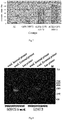
Fig.1 shows a PCR identification diagram of S. paratyphi CMCC50973 with knockout of cld gene. -
Fig.2 shows a silver staining diagram of LPS before and after S. paratyphi CMCC50973 cld gene is replaced. -
Fig.3 shows a detection diagram of glycosylation modification of the recombinant fusion protein after the substitution of cld gene. -
Fig.4 shows a detection diagram of multi-site glycosylation modification of the recombinant CTB fusion proteins. -
Fig.5 shows a detection diagram of rEPA4573-OPS Spty50973 purification effect. -
Fig.6 shows a detection diagram of rCTB45733-OPS Sp50973 purification effect. -
Fig.7 shows an immunogenicity evaluation of glycoprotein conjugates. -
Fig.8 shows a molecular identification of S. paratyphi CMCC50973ΔcldΔwaaL. - The experimental methods used in the following examples are conventional methods unless otherwise specified.
- The materials, reagents and the like used in the following examples are commercially available, unless otherwise specified.
- Experimental materials: Salmonella paratyphi A CMCC50973 strain (Salmonella.paratyphi CMCC50973), purchased from the China Medical Bacteria Deposit Management Center.
- pET-22b plasmid, purchased from Novagen Corporation under catalog number 69744.
- pKOBEG plasmid, disclosed in the literature "A rapid method for efficient gene replacement in the filamentous fungus Aspergillus nidulans [J]. Nucleic Acids Res. 2000 Nov 15; 28 (22): E97", available for the public in the Institute of Bioengineering of the Academy of Military Medical Sciences of the Chinese People's Liberation Army; the plasmid is a temperature-sensitive plasmid with chloramphenicol resistance.
- pKD3 plasmid, disclosed in the literature "Datsenko, K.A. and B.L. Wanner, One-step inactivation of chromosomal genes in Escherichia coli K-12 using PCR products. Proc Natl Acad Sci USA, 2000,97(12): p. 6640-5."; available for the public in the Institute of Bioengineering of the Academy of Military Medical Sciences of the Chinese People's Liberation Army.
- pKD46 plasmid, discloses in the literature "Datsenko, K.A. and B.L. Wanner, One-step inactivation of chromosomal genes in Escherichia coli K-12 using PCR products. Proc Natl Acad Sci USA, 2000,97(12): p. 6640-5."; available for the public in the Institute of Bioengineering of the Academy of Military Medical Sciences of the Chinese People's Liberation Army. The replicons of the pKD46 plasmid are temperature sensitive, which would be disappeared during culture at 37°C, and this plasmid contains DNA encoding three recombinases for the Red recombination system, which is controlled by arabinose promoter.
- pCP20 plasmid, disclosed in the literature "Datsenko, K.A. and B.L. Wanner, One-step inactivation of chromosomal genes in Escherichia coli K-12 using PCR products. Proc Natl Acad Sci USA, 2000,97(12): p. 6640-5."; available for the public in the Institute of Bioengineering of the Academy of Military Medical Sciences of the Chinese People's Liberation Army. The replicons of the pCP20 plasmid are temperature sensitive, which be lost during culture at 42°C. The plasmid contains DNA encoding FLP recombinase, which is controlled by a thermo-sensitive promoter, and the expression of FLP recombinase is induced at 42°C, while the plasmid is lost.
- Aluminum hydroxide adjuvant Rehydragel LV was purchased from General Chemical Company.
- The targeting fragment of the cld gene (sites 887812 to 888789) was designed according to the S. paratyphi ATCC9150 genome sequence (CP000026) published by GeneBank, and the cld gene of Salmonella paratyphi A CMCC50973 was knocked out. In the upstream and downstream of the cld gene, 500bp fragments were cut out and used as the homologous arms, and the targeting fragment of chloramphenicol resistant gene containing 500bp homologous sequence and FRT site at both ends was amplified by PCR. 50973cld up 5'and 50973cld down 3' were used to identify whether the cld gene was knocked out. The specific primer design was shown in Table 1.
Table 1: Primers used for knocking out cld gene of Salmonella paratyphi A CMCC50973 strain Name of primer Primer sequence (5'→3') Notes Effect of primer pair 50973 cld cat 5' 
Underlined part was cld homologous arm. Amplifying to obtain chloramphenicol resistant gene fragments with cld upstream and downstream homologous arms. 50973 cld cat 3' 
50973 cld up 5' CAGTTGCTGGCTAATTATCAGTCAGTGCCT(SEQ ID NO: 17) Amplifying cld primers of upstream and downstream homologous arms. 50973 cld up 3' GTCATAGATACCCTAACTAAAAAAAGGATGAAGC(SEQ ID NO: 18) 50973 cld down 5' TTCTTTGCCGGATGGTGGTCGGCTTCGAAA(SEQ ID NO: 19) - 50973 cld down 3' TTATGGACCAAAGGCGAAACCTCAGGCCAT(SEQ ID NO: 20) - Using the plasmid pKD3 as template,
primers 50973cld cat 5'and 50973 cld cat 3' were used to amplify a chloramphenicolresistant gene fragment 50973 cld cat which had at both ends homologous arms 41bp upstream and downstream of the cld gene and FRT site; using Salmonella paratyphi A CMCC50973 genomic DNA as template, amplification was performed by using 50973cld up5'and 50973 cld up3' to obtain cld upstream 500bphomologous arm 50973 cld up, while using 50973 cld down5'and 50973 cld down 3' to obtained cld downstream 500bphomologous arm 50973 cld down, and then the 3fragments 50973 cld cat, 50973 cld up and 50973 cld down were fused by PCR to obtain linear targeting DNA fragment 1 (SEQ ID NO: 11). - PCR reaction system was of 50µL, which comprised Q5 super-fidelity DNA polymerase 0.5µL, 5Xbuffer10µL, template 1µL, dNTP 4µL, primer 2.5µL, deionized water 29.5µL;
- PCR reaction conditions: 98°C 20s; 98°C 10s, 55°C 10s, 72°
C 50s, 30 cycles; 72°C 5min,to obtain the linear targeting DNA fragment 1 as shown in SEQ ID NO: 11. The product was separated by 1% agarose gel electrophoresis, the target strip was cut out from the gel, and the PCR product was recovered by using a DNA gel recovery kit. The procedure was carried out according to the instructions. -
- (1) S. paratyphi CMCC50973 was inoculated in a LB liquid medium, incubated overnight at 37°C, transferred to LB liquid medium at 1: 100, and incubated at 37°C until OD600 reached 0.6.
- (2) Bacteria were collected by centrifugation, washed with autoclavation sterilized 10% glycerol (v/v) for four times, and finally were suspended with 400 µL of 10% glycerol, to obtain competent cells for electroporation, which were sub-packaged, ready to use.
- (3) pKD46 plasmid was electroporated into the prepared S. paratyphi CMCC50973 competent cells, coated on a LB plates containing 100 µg/mL ampicillin, cultured at 30°C overnight, to obtain positive clones as S. paratyphi CMCC50973/pKD46 strain.
-
- (1) The above obtained S. paratyphi CMCC50973/pKD46 was cultured overnight at 30 °C and passed at 1: 100 in a LB liquid medium containing ampicillin.
- (2) When OD600 was about 0.2,L-arabinose at a final concentration of 0.2% (w/v) was added to induce the expression of Red recombination system, and when OD600 value was 0.6, S. paratyphi CMCC50973/pKD46 competent cells were prepared by the steps as described above.
- (3) 10 µL of the linear targeting DNA fragment 1 obtained in the above Step 1 was taken and electroporated into the sub-packaged S. paratyphi CMCC50973/pKD46 competent cells.
- (4) The cells were rapidly added to 1 mL of pre-cooled LB medium, resuscitated at 30 °C for about 2.5 h, and then coated on a LB plate containing 30 µg/mL chloramphenicol at a final concentration, and placed in a 30 °C incubator for culture overnight.
- (5) The positive clones were screened, and subjected to PCR
identification using primers 50973cld cat 5'and 50973 cld cat 3', in which the wild-type bacteria could not be amplified to generate fragments, the cld gene was identified to have a size of 1100bp after being substituted by cat gene. According to the PCR results, positive clones of S. Paratyphi CMCC50973 cells in which the cld gene was replaced by the cat gene were screened out, to obtain the deletion mutant S. paratyphi CMCC50973 cld::cat/pKD46. -
- (1) The positive clone S. paratyphi CMCC50973 cld::cat/pKD46 was inoculated into a LB liquid medium containing 30 µg/mL chloramphenicol, cultured and passed at 37 °C for three times (cultured for 12 h each time), to remove pKD46 plasmid, so as to obtain S. paratyphi CMCC50973 cld::cat strain.
- (2) The S. paratyphi CMCC50973 cld::cat as prepared according to the above method was used for electroporation of the competent cells, and plasmid pCP20 was electroporated into S. paratyphi CMCC50973 cld::cat competent cells, and then coated with a LB plate containing ampicillin, so as to obtain S. paratyphi CMCC50973 cld::cat/pCP20 strain.
- (3) S. paratyphi CMCC50973 cld::cat/pCP20 monoclones were picked and placed in a LB liquid medium, incubated at 30 °C until OD600 was about 0.6, and transferred and cultured at 42 °C overnight.
- (4) The bacterial solution cultured overnight at 42 °C was streaked on a LB plate, and monoclones were picked out on LB plates and LB plates containing chloramphenicol. The monoclones that grew on the LB plates but did not grow on chloramphenicol-containing LB plates were chosen, and subjected to PCR identification by using
primers 50973 cld up5'and 50973 cld down 3'. The PCR identification showed the size of wild S. paratyphi CMCC50973 fragment was 2028bp, while the size after knockout of the cld gene was 1100 bp. The results of the PCR identification were shown inFig.1 . The positive clone was named S. paratyphi CMCC50973Δcld. - The DNA sequence as shown in SEQ ID NO: 1 was synthesized according to the nucleotide sequence of cld gene (GenBank No.: NC_003197.1, position 2156832 to 2157815) encoding an enzyme controlling chain length of O-antigen of Salmonella typhimurium, and this gene was named as cld LT2. The enzyme controlling chain length of O-antigen has an amino acid sequence as shown in SEQ ID NO: 2, and the cld LT2 gene encoding the enzyme has a sequence as shown in SEQ ID NO: 1.
- The synthesized cld LT2 gene was digested with EcoRI and Hind III, linked into pMMB66EH expression vector (purchased from ATCC, ATCC37620), to construct transition vector pMMB66EH-cld LT2, the primers 66tac 5' and 66tac 3' were designed by using pMMB66EH-cld LT2 as template, the expression cassette carrying cldLT2 gene was amplified, and linked to pET28a(purchased from Novagen) between restriction enzyme cutting sites of Xba I and XhoI, so as to construct expression vector pETtac28-cld LT2. The primers were as follows:
- 66tac 5': AAAATCTAGAGCGCCGACATCATAACGGTTCTGGCA (SEQ ID NO: 21);
- 66tac 3': TTTTCTCGAGCGTTCACCGACAAACAACAGATAA (SEQ ID NO: 22).
- The sequencing results showed that the sequence as shown in SEQ ID NO: 1 was inserted between the restriction enzyme cutting sites of Xba I and Xho I in the pET28a vector, which indicated the vector was correct.
- The above-prepared S. paratyphi CMCC50973Δcld electroporation competent cells were electroporated with the above-obtained pETtac28-cld LT2, coated on kanamycin-containing LB plates, and positive clones were picked and cultured at 37 °C. When OD600 was about 0.6, IPTG with a final concentration of 1 mM was added to induce expression of cld LT2 gene.
- After 10 h of induction, 1 mL of culture was taken and the cells were collected by centrifugation, washed with PBS once, and 100 µL of lysis buffer (2 mL of 10% SDS, 0.4 mL of 2-mercaptoethanol, 1 mL of 100% glycerol, 5mL of 2M Tris-HCL pH 6.8, 20µL of 10% bromophenol blue, 1.6mL of ddH2O) was added and fully mixed, heated with boiling water for 10min, added with 4µL of 20mg/mL of proteinase K, reacted at 60 °C for 1-2h, 15µL of product was taken for loading and performing SDS- PAGE, in which the separation gel was 15%, the concentrated gel was 4%, and the electrophoresis was ceased after the bromophenol blue gel exuded for 30 minutes.
- The above-mentioned polyacrylamide gel was placed in an immobilized solution overnight, added with a sensitizing solution and reacted for 30min, washed with deionized water 3 times, 15min per time, added a silver nitrate solution and reacted for 20min, washed twice with deionized water, 1min per time, add with a developer solution for color development, the reaction was finally terminated, and the product was washed with deionized water. At the same time, the wild strain of S. paratyphi CMCC50973 was used as control.
- The results were showed in
Fig.2 , in which the result of silver staining test showed that the LPS of the wild S. paratyphi CMCC50973 was distributed in the lower molecular weight region, while when the cld gene thereof was replaced by cld LT2, relatively concentrated LPS stripes appeared in the higher molecular weight region, which indicated that by replacing the cld gene of S. paratyphi CMCC50973 with cld LT2, the O-antigen carbohydrate chain thereof was significantly extended. - By referring to the waaL gene (GeneBank No.CP000026, sites 3696236-3697450) in the whole genome sequence (NC_006511) of the
Salmonella paratyphi A 50973 strain (S. paratyphi CMCC50973) and its upstream and downstream sequences, a pair of primers was designed for each of upstream (5' end) and downstream (3' end) of the waaL gene, namely 73waaLu1/73waaLu2 and 73waaLd1/73waaLd2. For ease of manipulation, the restriction sites BamH I and Sal I were added to the primer ends of the upstream homologous arm up, and the restriction sites Hind III and Xho I were added to the primer ends of the downstream homologous arm down. In the meantime, besides the waaL gene upstream and downstream homologous arms on the genome, a pair of primers (73waaLw1/73waaLw2), a pair of internal detection primers (73waaLn1/73waaLn2) and a pair of kan gene primers (Kan1/Kan2) were designed for simultaneous sequencing and verification, in order to test whether the mutants were constructed successfully. The above-mentioned primers had sequences as shown in Table 2 (the underlined sequences were recognition sites for restriction enzyme digestion).Table 2. Sequences of primers Primer Sequence (5'→3') Use 73waaLu1 CGGGATCCAGGCTTTGACTATGTGGA (SEQ ID NO: 23) Amplifying up fragment 73waaLu2 GCGTCGACATCTGGCGATATGAGTATG(SEQ ID NO: 24) 73waaLd1 CCAAGCTTTAGTGCAGGCATATTGGG (SEQ ID NO: 25) Amplifying down fragment 73waaLd2 CCCTCGAGTATCACCTCGCAGAACCT (SEQ ID NO: 26) 73waaLw1 AACACCGGATTACGGATAA (SEQ ID NO: 27) Identifying mutants 73waaLw2 TGCATGGTGGCTGTAGAA (SEQ ID NO: 28) 73waaLn1 AGAAACGGTTGCGAAAAT (SEQ ID NO: 29) Identifying mutants 73waaLn2 ATAGCCGTAGCCCTTGAT (SEQ ID NO: 30) Kan1 GCGTCGACGTGTAGGCTGGAGCTGCTTC(SEQ ID NO: 31) Identifying mutants Kan2 CCAAGCTTATGGGAATTAGCCATGGTCC(SEQ ID NO: 32) -
- 1) Using the genomic DNA of
Salmonella paratyphi A 50973 as template, the upstream and downstream homologous arms, up fragment and down fragment, of the waaL gene were amplified by 73waaLu1/73waaLu2 and 73waaLd1/73waaLd2, respectively. The PCR procedures were as follows: 94 °C 10min; 94 °C 30s, 50 °C 30s, 72 °C 30s, 30 cycles; 72 °C 10min. - 2) Construction of pETKan
The kan gene fragment represented by the nucleotide sequence at sites 578-2073 in SEQ ID NO: 12 was artificially synthesized, and the kan gene fragment and pET-22b plasmid were digested with the restriction enzymes SalI and Hind IIII, and a recombinant plasmid was obtained after ligating, and named as pETKan. The pETKan was sequenced and the results were correct. - 3) The up fragment was doubly digested with restriction endonucleases BamH I and SalI to obtain a gene fragment 1; the plasmid pETKan was doubly digested with restriction endonucleases BamH I and Sal I to obtain a vector large fragment 1; and the gene fragment 1 was ligated with the vector large fragment 1 to obtain an intermediate vector 1;
the down fragment was doubly digested with restriction endonuclease Hind III and Xho I to obtain a gene fragment 2; the intermediate vector 1 was doubly digested with restriction endonuclease Hind III and Xho I to obtain a vector large fragment 2; and the gene fragment 2 was ligated with the vector large fragment 2 to obtain an intermediate vector 2. - 4) The intermediate vector 2 was doubly digested with restriction endonucleases BamH I and Xho I to obtain the desired targeting DNA fragment that had homologous arms at both sides and contained the kan gene in the middle part, and the fragment has a nucleotide sequence as shown in SEQ ID NO: 12. In the SEQ ID NO: 12, as counting from the 5' end, the nucleotides at sites 7-571 were the up fragment, the nucleotides at sites 578-2073 were the kan gene, and the nucleotides at sites 2080-2543 were the down fragment.
- A linear targeting DNA fragment 2 (SEQ ID NO: 12) with a concentration of up to 300 ng/µL was obtained by further PCR amplification of the target fragment by using the DNA fragment shown in SEQ ID NO: 12 as template and 73waaLu1 and 73waaLd2 as primers.
- Since the pKOBEG plasmid contained the various enzymes required to encode the λ-Red recombination system, the pKOBEG plasmid was electroporated into S. paratyphi CMCC50973 competent cells, coated to chloramphenicol resistant (pKOBEG plasmid resistance, chloramphenicol) LB plate, and cultured at 30 °C overnight to obtain a positive clone, which was named as S. paratyphi CMCC50973/pKOBEG strain.
-
- 1. S. paratyphi CMCC50973/pKOBEG was inoculated to a low salt LB medium containing chloramphenicol in a final concentration of 30 µg/mL and cultured overnight at 30 °C, then passaged to a low salt LB liquid medium at a volume ratio of 1:100, and continuously cultured.
- 2. The culture medium in Step 1 was added with L-arabinose at a final concentration of 1 mmol/L at 1 hour before the OD600 value reached 0.6, so as to induce the expression of the Red recombination system.
- 3. When the OD600 value of the culture medium in step 2 reached 0.6, 5 µL of the 300 ng/µL linear targeting DNA fragment 2 as prepared in step (I) was taken and used to electroporate and transform S. paratyphi CMCC50973/pKOBEG.
- 4. 1 mL of pre-cooled low salt LB liquid medium was rapidly added to the transformed cells, resuscitation was performed at 30 °C for about 2.5 hours, and then the medium was coated on LB plates containing kanamycin at a concentration of 50 µg/mL, placed in 30 °C incubator and cultured overnight, and positive clones were screened out.
- 5. The positive clones were inoculated into a liquid LB medium (with kanamycin resistance at a concentration of 50 µg/mL), cultured and passaged twice at 42°C (12 hours each time) to remove pKOBEG plasmid, and finally obtain a mutant with kanamycin resistance waaL deletion, named S. paratyphi CMCC50973 waaL::kan.
- (IV) The plasmid pCP20 coding FRT site-specific recombinase was electroporated and transferred into S. paratyphi CMCC50973waaL::kan, cultured at 30 °C on a LB plate that contained chloramphenicol at a concentration of 50µg/mL and was free of kanamycin, positive clones of CmrKms (chloramphenicol resistant, Kanamycin sensitive) were screened out.
- (V) The positive clones screened out in step (IV) were transferred into a liquid LB and cultured at 42 °C for 12 h to obtain a mutant with deletion of target genes that did not contain kanamycin and plasmid pCP20, which were named as S. paratyphi CMCC50973ΔwaaL, so that Salmonella paratyphi A with deletion of waaL gene was obtained.
- The steps were the same of the above step (I).
- Since the pKOBEG plasmid contained the various enzymes required to encode the λ-Red recombination system, the pKOBEG plasmid was electroporated and transformed into S. paratyphi CMCC50973Δcld competent cells, and coated a LB plate with chloramphenicol resistance (pKOBEG plasmid resistance, chloramphenicol), cultured at 30 °C overnight to give a positive clone named S. paratyphi CMCC50973Δcld/pKOBEG strain.
-
- 1. S. paratyphi CMCC50973Δcld/pKOBEG was inoculated to a low salt LB liquid culture medium containing chloramphenicol at a final concentration of 30µg/mL and cultured at30°C overnight, and then passaged to a low salt LB liquid medium at a volume ratio of 1:100, and continuously cultured.
- 2. The culture medium in Step 1 was added with L-arabinose at a final concentration of 1 mmol/L at 1 hour before the OD600 value reached 0.6, so as to induce the expression of the Red recombination system.
- 3. When the OD600 value of the culture medium in step 2 reached 0.6, 5 µL of the 300 ng/µL linear targeting DNA fragment 2 as prepared in step (I) was taken and used to electroporate and transform S. paratyphi CMCC50973Δcld/pKOBEG.
- 4. 1 mL of pre-cooled low salt LB liquid medium was rapidly added to the transformed cells, resuscitation was performed at 30 °C for about 2.5 hours, and then the medium was coated on LB plates containing kanamycin at a concentration of 50 µg/mL, placed in 30 °C incubator and cultured overnight, and positive clones were screened out.
- 5. The positive clones were inoculated into a liquid LB medium (with kanamycin resistance at a concentration of 50 µg/mL), cultured and passaged twice at 42°C (12 hours each time) to remove pKOBEG plasmid, and finally obtain a mutant with kanamycin resistance waaL deletion, named S. paratyphi CMCC50973ΔcldwaaL::kan.
- (IV) The plasmid pCP20 coding FRT site-specific recombinase was electroporated and transferred into S. paratyphi CMCC50973ΔcldwaaL::kan, cultured at 30 °C on a LB plate that contained chloramphenicol at a concentration of 50µg/mL and was free of kanamycin, positive clones of CmrKms (chloramphenicol resistant, Kanamycin sensitive) were screened out.
- (V) The positive clones screened out in step (IV) were transferred into a liquid LB and cultured at 42 °C for 12 h to obtain a mutant with deletion of target genes that did not contain kanamycin and plasmid pCP20, which were named as S. paratyphi CMCC50973ΔcldΔwaaL.
- The genomic DNAs of S. paratyphi CMCC50973Δcld and S. paratyphi CMCC50973ΔcldΔwaaL were separately used as templates, and PCR identification was performed by separately using a pair of waaL internal primers (73waaLn1/73waaLn2), a pair of waaL external primers (73waaLw1/73waaLw2) and kan primers (kan1/kan2). The results are shown in
Fig.8 ; and inFig.8 , 50973ΔwaaL represents S. paratyphi CMCC50973ΔcldΔwaaL; 50973 represents S. paratyphi CMCC50973Δcld. - The results showed that there was not a target strip when the PCR amplification was performed by using the genomic DNA of S. paratyphi CMCC50973ΔcldΔwaaL as template and waaL internal primers as primers; while there was a target strip when the PCR amplification was performed by using the genomic DNA of S. paratyphi CMCC50973Δcld as template and waaL internal primers as primers. Moreover, since the S. paratyphi CMCC50973ΔcldΔwaaL had knockout of waaL gene, the target strip obtained when performing the PCR amplification by using the genomic DNA of S. paratyphi CMCC50973ΔcldΔwaaL as template and waaL external primers as primers was smaller than the strip obtained when performing PCR amplification by using the genomic DNA of S. paratyphi CMCC50973Δcld as template and waaL external primers as primers. As a result of the removal of the Kan resistance gene, there was not a target strip when the PCR amplification was performed by using the genomic DNA of S. paratyphi CMCC50973ΔcldΔwaaL as a template and the kan primer as a primer.
- These results demonstrated the successful construction of the
Salmonella paratyphi A 50973 mutant S. paratyphi CMCC50973ΔcldΔwaaL, which had waaL gene deletion and cld gene deletion. - A recombinant Pseudomonas aeruginosa exotoxin A fusion protein (rEPA4573) was constructed according to the amino acid sequence of Pseudomonas aeruginosa exotoxin A (AE004091.2) published by GeneBank, in which its signal peptide (the first 25 amino acids) was replaced by DsbA signal peptide, its E at position 553 was deleted, in the meantime, the L at position 552 was mutated as V, and its C-terminal was fused with the polypeptide sequences shown in positions 45-73 amino acids (defined as Pla) of Neisseria meningitidis pilin PiLE (NC_003112.2) and 6×Histag. The amino acid sequence of the optimized rEPA4573 was shown in SEQ ID NO: 4, wherein the 1-19 positions were the amino acid sequence of the DsbA signal peptide; the amino acids at positions 20-631 were the amino acid sequence of non-toxic mutant of Pseudomonas aeruginosa toxin protein A; the amino acids 637-665 were the amino acid sequence of the polypeptide at 45-73 positions of Neisseria meningitidis pilin PiLE (NC_003112.2), and the amino acids 666-674 were flexible linker sequence and 6×His tag sequence; the optimized gene sequence of rEPA4573 was shown in SEQ ID NO: 3. The artificially synthesized rEPA4573 coding sequence was digested with EcoR I and Hind III, and ligated into pMMB66EH expression vector (ATCC, ATCC37620) to construct pMMB66EH-rEPA4573 vector.
- Sequencing results showed that the sequence shown in SEQ ID NO: 3 was inserted between the EcoR I and Hind III cleavage sites of the pMMB66EH expression vector, indicating that the vector was correct.
- The recombinant CTB fusion protein (rCTB4573) was constructed according to the amino acid sequence of cholera toxin B subunit (CTB) (X76390.1) published by GeneBank, in which its signal peptide (the first 21 amino acids) was replaced by the DsbA signal peptide, and the C-terminal of the recombinant fusion protein was fused with the polypeptide sequence at the 45-73 positions of Neisseria meningitidis pilin PiLE (NC_003112.2) and 6×His tag. The amino acid sequence of the optimized recombinant CTB fusion protein was set forth in SEQ ID NO: 6, wherein the 1-19 positions were the amino acid sequence of the DsbA signal peptide, the positions 20-122 were the amino acid sequence of the cholera toxin B subunit, the 128-156 positions were the amino acid sequence at the 45-73 position of Neisseria meningitidis PilE (NC_003112.2), the 157-166 positions were the flexible linker and the6×His tag sequence; the coding sequence of the optimized recombinant CTB fusion protein was shown in SEQ ID NO: 5. The artificially synthesized gene encoding recombinant CTB fusion protein was digested with EcoR I and Hind III, and ligated into pMMB66EH expression vector (ATCC, ATCC37620) to construct pMMB66EH-rCTB4573 vector.
- Sequencing results showed that the sequence shown in SEQ ID NO: 5 was inserted between the EcoR I and Hind III restriction sites of the pMMB66EH expression vector, indicating that the vector was correct.
- According to the amino acid sequence of the Neisseria meningitidis O-oligosaccharide transferase PglL (JN200826.1) published by GeneBank, its DNA sequence was synthesized by whole gene synthesis technique. The amino acid sequence of Neisseria meningitidis O-oligosaccharide transferase PglL was shown in SEQ ID NO: 8, and the gene encoding Neisseria meningitidis O-oligosaccharide transferase PglL was shown in SEQ ID NO: 7.
- The artificially synthetized gene encoding PglL was digested with EcoR I and Hind III, ligated into pKK223-3 vector (commercially available from Uppasla Pharmacia LKB Biotechniligy AB, Sweden), and primers 223tac-box5'and 223tac-box3' were used for amplification to obtain the expression cassette of PglL, and ligated to the Bgl II site of pETtac28-cld LT2 obtained in Example 1, so as to construct the pETtac28-pglL-cld LT2 recombinant expression vector. The primer sequences are as follows:
- 223tac-box5': ATCGAGATCTACTGCATAATTCGTGTCGCTCAAG (SEQ ID NO: 33);
- 223tac-box3': ATCGAGATCTGTCTCATGAGCGGATACATATTTG (SEQ ID NO: 34).
- The expression cassette of pglL prepared in the above step 2 was ligated to the Bgl II site of pET28a (commercially available from Novagen) to construct a pETtac28-pglL recombinant expression vector.
- The pMMB66EH-rEPA4573 and pETtac28-pglL-cld LT2 plasmids were electroporated orderly into the S. paratyphi CMCC50973ΔcldΔwaaLelectroporation competent cells as prepared by the above methods, so as to construct the glycosylation engineering Salmonella paratyphi A S. paratyphi CMCC50973ΔcldΔwaaL/pMMB66EH-rEPA4573/pETtac28-pglL-cld LT2.
- The pMMB66EH-rEPA4573 and pETtac28-pglLplasmids were electroporated orderly into the S. paratyphi CMCC50973ΔwaaL electroporation competent cells as prepared by the above methods, so as to construct the glycosylation engineering Salmonella paratyphi A S. paratyphi CMCC50973ΔwaaL/pMMB66EH-rEPA4573/pETtac28-pglL.
- The pMMB66EH-rCTB4573 and pETtac28-pglL-cld LT2 plasmids were electroporated orderly into the S. paratyphi CMCC50973ΔcldΔwaaL electroporation competent cells as prepared by the above methods, so as to construct the glycosylation engineering Salmonella paratyphi A S. paratyphi CMCC50973ΔcldΔwaaL/pMMB66EH-rCTB4573/pETtac28-pglL-cld LT2.
- The pMMB66EH-rCTB4573 and pETtac28-pglLplasmids were electroporated orderly into the S. paratyphi CMCC50973ΔwaaLelectroporation competent cells as prepared by the above methods, so as to construct the glycosylation engineering Salmonella paratyphi A S. paratyphi CMCC50973ΔwaaL/pMMB66EH-rCTB4573/pETtac28-pglL.
- The pMMB66EH-rCTB4573 plasmid was electroporated orderly into the S. paratyphi CMCC50973ΔwaaL electroporation competent cells as prepared by the above methods, so as to construct the glycosylation engineering Salmonella paratyphi A S. paratyphi CMCC50973ΔwaaL/pMMB66EH-rCTB4573.
- The pMMB66EH-rEPA4573plasmid was electroporated orderly into the S. paratyphi CMCC50973ΔwaaLelectroporation competent cells as prepared by the above methods, so as to construct the glycosylation engineering Salmonella paratyphi A S. paratyphi CMCC50973ΔwaaL/pMMB66EH-rEPA4573.
- A single clone of glycosylation engineering bacteria was picked and inoculated into a LB medium containing ampicillin at a final concentration of 100 µg/mL and kanamycin at a final concentration of 50 µg/mL, cultured at 37 °C until OD600 was about 0.6, and then IPTG was added at a final concentration of 1 mM, cooled to perform induction at 16 °C for 20 h.
- On the next day, 1mL of the bacterial liquor induced at 16 °C for 20 h was taken, centrifuged to take the bacteria, the bacteria were slowly suspended with IX reduction buffer, treated with boiling water bath for 10min, then subjected to SDS-PAGE electrophoresis. After electrophoresis was completed, the protein was transferred to a PVDF membrane by a Bio-Lab semi-dry transfer, the transfer was performed at constant voltage of 20V for 1 h, and anti-His mouse monoclonal antibody (commercially available from Sigma, Cat. A7058) was used for detection, in which specific procedures could be seen in the Molecular Cloning Guide.
- It can be seen from
Fig.3 that the molecular weights of the glycosylation-modified rEPA4573-OPSSpty50973 and rCTB4573-OPSSpty50973 were significantly increased after the cld gene of S. paratyphi CMCC50973 itself was replaced with cld LT2, indicating that after the substitution of cld LT2, the polysaccharide protein ratio of glycoprotein was significantly improved. - In order to increase polysaccharide-protein ratio of glycoprotein, the present invention performed tandem fusion at C-terminus of CTB with 3 polypeptide sequences (P1a sequence) of the positions 45-73 of Neisseria meningitidis pilin PilE (NC_003112.2), i.e., rCTB45733 The amino acid sequence of the recombinant CTB fusion protein was shown in SEQ ID NO: 10, wherein the positions 1-19 were the amino acid sequence of the DsbA signal peptide; the positions 20-122 were the amino acid sequence of the cholera toxin B subunit; the positions 123-127 were the flexible linker; the positions 128-222 were the amino acid sequence of the 3 polypeptide sequences of the positions 45-73 of Neisseria meningitidis pilin PilE (NC_003112.2); the positions 223-232 were 6×His tag sequence; the coding sequence of the recombinant CTB fusion protein was shown in SEQ ID NO: 9. Wherein, the gene encoding the polypeptide as set forth in positions 45 to 73 of Neisseria meningitidis pilin PilE (NC _003112.2) was shown in SEQ ID NO: 14, and the protein sequence encoded by this gene was shown in SEQ ID NO: 13.
- The artificially synthesized coding sequence of the recombinant CTB fusion protein was digested with EcoR I and Hind III, and ligated into pMMB66EH expression vector (ATCC, ATCC37620) to construct pMMB66EH-rCTB45733 vector.
- The sequencing results showed that the sequence shown in SEQ ID NO: 9 was inserted between the EcoR I and Hind III restriction sites of the pMMB66EH expression vector, indicating that the vector was correct.
- The pMMB66EH-rCTB45733 and pETtac28-pglL-cld LT2 plasmids were electroporated into the S. paratyphi CMCC50973ΔcldΔwaaLelectroporation competent cells as prepared by the above methods, so as to construct the glycosylation engineering S. paratyphi CMCC50973ΔcldΔwaaL/pMMB66EH-rCTB45733/pETtac28-pglL-cld LT2.
- The method was the same as above mentioned.
- It can be seen from
Fig.4 that after the addition of three glycosylation sites, the recombinant CTB fusion protein underwent O-glycosylation modification, and at the same time, due to the addition of multiple glycosylation sites, the existence of multiple clusters of glycosylation strips indicated the multiple sites were all effective glycosylation sites. - Monoclones of the glycosylation engineering strain S. paratyphi CMCC50973ΔcldΔwaaL/pMMB66EH-rEPA4573/pETtac28-pglL-cld LT2 were picked out, inoculated to a LB culture plate containing ampicillin and kanamycin double resistances, cultured at 37 °C until OD600 reached about 0.6, then IPTG at a final concentration of 1mM was added, and cooled to perform induction at 25 °C for 20h.
- 10g of the above bacteria after induction at 25 °C for 20hwas taken, added with 100 mL of purified water, subjected to ultrasonication (ultrasonication for 3s and suspension for 5s,
cumulative ultrasonication time 30 min), centrifuged at 12000g of centrifugal force, and the supernatant was collected. To this crude extract, pH 7.5 Tris-HCL at a final concentration of 20mM, NaCL at a final concentration of 0.2M and imidazole at a final concentration of 10mM were added, fully stirred, then centrifuged again at 12000g of centrifugal force, and the supernatant was collected and used as a crude extract containing the recombinant EPA fusion protein (rEPA4573-OPS Spty50973 ) that was modified by Salmonella paratyphi A OPS. - Chelating affinity chromatographic column (Φ1.6cm∗15cm) was used for primary purification of samples. The column bed was first rinsed with 3 column bed volumes of 0.5M NaOH, then equilibrated with deionized water to neutral pH, then equilibrated with 3 column bed volumes of 0.5M NiSO4, and then equilibrated with 1 column bed volume of B1 solution (20mM pH 7.5 Tris-HCl, 0.5M NaCl, 500mM imidazole), and finally equilibrated with 3 column bed volumes of A1 solution (20mM pH 7.5 Tris-HCl, 0.5M NaCl, 10mM imidazole), wherein the above-used flow rate was always 4 mL/min. The above crude extract containing rEPA4573-OPS Spty50096 was loaded from A tube, and the unbound protein was washed off with solution A, and the elution was finally performed by using 100% B1 to collect 30 mL of eluate.
- The sample that was preliminarily purified by the Chelating affinity chromatographic column was desalted by using G25 fine chromatographic column (Φ1.6cm ∗ 30cm), in which the mobile phase was A3 solution (20mM pH 7.5 Tris-HCl). The column bed was firstly rinsed with3 column bed volumes of 0.5M NaOH, then equilibrated with deionized water to pH neutral, and finally equilibrated with 3 column volumes of A3 solution. The sample was loaded from A tube, 60 mL of sample was collected, and the above-used flow rate was always 4 mL/min.
- The desalted sample was further purified by ProteinPak DEAE8HR anion exchange chromatographic column (waters).The column bed was first rinsed with 3 column bed volumes of 0.5M NaOH, then equilibrated with deionized water to pH neutral, and then equilibrated with 3 column bed volumes of A3 solution (20mM pH 7.5 Tris-HCl). The sample was loaded from A tube, the unbound glycoprotein was washed off with A3 solution, then linear elution was performed using 0-50% B3 solution (20mM pH 7.5 Tris-HCl, 1M NaCl) for 30 min, and the eluate was collected, in which the above used flow rate was always 1 mL/min. The peak position of glycoprotein rEPA4573-OPS Spty50973 was at position of about 8-18 mS/cm.
- The sample as purified by ProteinPak DEAE8HR anion exchange chromatographic column was further purified by using Superdex 75 FPLC (Φ1cm ∗ 30cm, GE). The column bed was first washed with 3 column bed volumes of 0.5M NaOH, then equilibrated with deionized water to pH neutral, and then equilibrated with 3column bed volumes of A4 solution (20mM pH 7.5 PB, 0.9% NaCl). The sample in volume of 1mL was loaded from a sample loop, and 8 to 11 mL of the effluent sample was collected, and this sample was the purified rEPA4573-OPS Spty50973.
- This sample was analyzed by 8% SDS-PAGE and western blot, and the results were shown in
Fig.5 . - Monoclone of the glycosylation engineering strain S. paratyphi CMCC50973ΔcldΔwaaL/pMMB66EH-rCTB45733/pETtac28-pglL-cld LT2 was picked out, inoculated to a LB culture medium with ampicillin and kanamycin double resistance, cultured at 37°C until OD600was about0.6, then IPTG at a final concentration of 1mM was added, and cooled to perform induction at 16°C for 20h.
- 10g of the above bacteria after induction at 16 °C for 20h was taken, added with 100 mL of purified water, subjected to ultrasonication (ultrasonication for 3s and suspension for 5s,
cumulative ultrasonication time 30 min), centrifuged at 12000g of centrifugal force, and the supernatant was collected. To this crude extract, pH 7.5 Tris-HCL at a final concentration of 20mM, NaCL at a final concentration of 0.2M and imidazole at a final concentration of 10mM were added, fully stirred, then centrifuged again at 12000g of centrifugal force, and the supernatant was collected and used as a crude extract containing the recombinant CTB fusion protein (rCTB45733-OPS Spty50973) that was modified by Salmonella paratyphi A O-polysaccharide. - Chelating affinity chromatographic column (Φ 1.6cm∗15cm) was used for primary purification of samples. The column bed was first rinsed with 3 column bed volumes of 0.5M NaOH, then equilibrated with deionized water to neutral pH, then equilibrated with 3 column bed volumes of 0.5M NiSO4, and then equilibrated with 1 column bed volume of B1 solution (20mM pH 7.5 Tris-HCl, 0.5M NaCl, 500mM imidazole), and finally equilibrated with 3 column bed volumes of A1 solution (20mM pH 7.5 Tris-HCl, 0.5M NaCl, 10mM imidazole), wherein the above-used flow rate was always 4 mL/min.
- The above crude extract containingrCTB45733-OPS Spty50973 was loaded from A tube, and the unbound protein was washed off with solution A, and the elution was finally performed by using 100% B1 to collect 30 mL of eluate.
- The sample that was preliminarily purified by the Chelating affinity chromatographic column was desalted by using G25 fine chromatographic column (Φ1.6cm ∗ 30cm), in which the mobile phase was A2 solution (20mM pH 5.4HAc-NaAc). The column bed was firstly rinsed with3 column bed volumes of 0.5M NaOH, then equilibrated with deionized water to pH neutral, and finally equilibrated with 3 column volumes of A2 solution. The sample was loaded from A tube, 60 mL of sample was collected, and the above-used flow rate was always 4 mL/min.
- The desalted sample was further purified by ProteinPak SP8HRcation exchange chromatographic column (waters).The column bed was first rinsed with 3 column bed volumes of 0.5M NaOH, then equilibrated with deionized water to pH neutral, and then equilibrated with 3 column bed volumes of A2 solution (20mM pH5.4 HAc-NaAc). The sample was loaded from A tube, the unbound glycoprotein was washed off with A2 solution, then linear elution was performed using 0-50% B2 solution (20mM pH5.4 HAc-NaAc, 1M NaCl) for 30 min, and the eluate was collected, in which the above used flow rate was always 1 mL/min. The peak position of glycoprotein rCTB45733-OPS Sp50973 was at position of about 35-45mS/cm. The sample was analyzed by 12% SDS-PAGE and western blot, and the results were shown in
Fig.6 . - The purified rCTB45733-OPS Spty50973 and rEPA4573-OPS Spty50973 were sterilized by filtration, and mixed with aluminum hydroxide adjuvant (Rehydragel LV, General Chemical) at a ratio of 9:1.
- LPS was firstly extracted by hot phenol-water method (SUN Yang, FENG Shuzhang, ZHU Lingwei, et al, "Preparation and identification of Enterohemorrhagic Escherichia coli 0157 LPS monoclonal antibody, [J]. Journal of Zoonoses of China, 2007, 23 (10): 971-973), preserved by lyophilization, then dissolved with 1% glacial acetic acid at a concentration of 10 mg/ml, treated with boiling water bath for 90 minutes, then cooled to room temperature, and adjusted to pH 7.0. The supernatant was collected after centrifugation at 64,000×gfor 5 hours, and thoroughly dialyzed with deionized water and preserved by lyophilization.
- 40 female Balb/c mice of 6 weeks old were randomly divided into 4 groups. Aluminum hydroxide, OPS Spty50973,rCTB45733-OPS Spty50973 and rEPA4573-OPS Spty50973 samples were separately injected into muscles of the 4 group of mice, in which the aluminum hydroxide group was negative control, the other three groups were injected with 10µg polysaccharide in an amount expressed in polysaccharide content; and blood samples were taken separately on the 1st, 22nd and 50th day after immunization, and on the 10th day after the third immunization.
- The antibody titer of anti-Salmonella paratyphi A O-polysaccharide in mice serum of each group was measured by indirect ELISA method. The enzyme-linked plate was coated with the extracted Salmonella paratyphi A LPS, in which each well was coated with 10µg of LPS, and other procedures could be seen in "A Guide to Experimental Biomedical Biology".
- It can be seen from
Fig.7 , both of therCTB45733-OPS Spty50973 and rEPA4573-OPS Spty50973 as prepared in the present invention via extending OPS of Salmonella paratyphi A CMCC50973can induce mice to produce specific antibodies against Salmonella paratyphi A CMCC50973 OPS, in which the antibody titer increased significantly in comparison with the OPS group with injection of OPS only. - In comparison with Paratyphoid A polysaccharide-protein conjugate vaccines in the prior art, the present invention prepares Paratyphoid A polysaccharide-protein conjugate vaccines by using an O-antigen with extended carbohydrate chain by one-step bio-crosslinking method. The method comprises: using Salmonella paratyphi A as a host strain wherein the O-antigen chain length was extended and O-antigen ligase gene waaL was deleted, co-expressing a recombinant fusion protein gene and a Neisseria meningitidis O-oligosaccharide transferase gene pglL in the host strain, using the O-antigen of the host strain Salmonella paratyphi A to directly modify the recombinant fusion protein in manner of O-glycosylation modification, so as to obtain O-antigen-modified recombinant fusion protein of Salmonella paratyphi A and to prepare Paratyphoid A polysaccharide-protein conjugate vaccines rCTB45733-OPS Spty50973 and rEPA4573-OPS Spty50973. The results showed that the vaccines prepared by the present invention can induce in mice the generation of specific antibody against Salmonella paratyphi A CMCC50973 OPS, and the antibody titer is obviously improved in comparison with the mice with injection of OPS alone.
- Unless otherwise indicated, all technical and scientific terms used herein have the same meaning as commonly understood by one of ordinary skill in the art to which this invention pertains. Exemplary methods and materials are described below. Although methods and materials similar or equivalent to those described in the text can also be used to carry out the present invention, they are obvious for those skilled in the art.. In the event of inconsistencies, the present specification including definitions should prevail. All materials, methods and examples above mentioned are illustrative only and not restrictive.
-
- <110> Institute of Biotechnology Academy of Military Medical Sciences
<120> A Salmonella Paratyphi A with an O-Antigen having an Extended
Carbohydrate Chain and use thereof - <160> 14
- <210> 1
<211> 987bp
<212> DNA
<213> artificial - <220>
<223> - <400> 1

- <210> 2
<211> 327
<212> PRT
<213> artificial - <220>
<223> - <400> 2


- <210> 3
<211> 2025bp
<212> DNA
<213> artificial - <220>
<223> - <400> 3

- <210> 4
<211> 674
<212> PRT
<213> artificial - <220>
<223> - <400> 4


- <210> 5
<211> 501bp
<212> DNA
<213> artificial - <220>
<223> - <400> 5

- <210> 6
<211> 166
<212> PRT
<213> artificial - <220>
<223> - <400> 6


- <210> 7
<211> 1815bp
<212> DNA
<213> artificial - <220>
<223> - <400> 7

- <210> 8
<211> 604
<212> PRT
<213> artificial - <220>
<223> - <400> 8


- <210> 9
<211> 699bp
<212> DNA
<213> artificial - <220>
<223> - <400> 9

- <210> 10
<211> 232
<212> PRT
<213> artificial - <220>
<223> - <400> 10

- <210> 11
<211> 2102bp
<212> DNA
<213> artificial - <220>
<223> - <400> 11

- <210> 12
<211> 2549bp
<212> DNA
<213> artificial - <220>
<223> - <400> 12


- <210> 13
<211> 87bp
<212> DNA
<213> artificial - <220>
<223> - <400> 13

- <210> 14
<211> 29
<212> PRT
<213> artificial - <220>
<223> - <400> 14

Claims (9)
- A recombinant strain, which is obtained by introducing a cld LT2 gene encoding an enzyme controlling chain length of O-antigen of Salmonella typhimurium into Salmonella paratyphi A which is deficient in cld gene encoding an enzyme controlling chain length of O-antigen;
wherein said cld LT2 gene encodes the enzyme controlling chain length of O-antigen of Salmonella typhimurium which has an amino acid sequence as shown in SEQ ID NO: 2;
wherein said cld gene has a sequence as shown by sites from 887812 to 888789 of the sequence with accession number CP000026 in GenBank. - The recombinant strain according to claim 1, characterized in that the gene encoding the enzyme controlling chain length of O-antigen of Salmonella typhimurium has a sequence as shown in SEQ ID NO: 1.
- The recombinant strain according to claim 1, characterized in that the Salmonella paratyphi A which is deficient in cld gene encoding an enzyme controlling chain length of O-antigen is obtained by a method comprising the following steps:(1) preparing a linear targeting DNA fragment 1, which has a nucleotide sequence as shown in SEQ ID NO: 11, and contains a cat gene;(2) transforming pKD46 plasmid into a Salmonella paratyphi strain, to obtain a recombinant strain designated as S. paratyphi/pKD46;(3) inducing expression of Red recombination system in the S. paratyphi/pKD46 strain, and transforming the linear targeting DNA fragment 1 into the S. paratyphi/pKD46 strain, so that the linear targeting DNA fragment 1 replaces the cld gene of the S. paratyphi/pKD46 strain to obtain a recombinant strain designated as S. paratyphicld::cat/pKD46;(4) deleting the pKD46 plasmid from the S. paratyphi cld::cat/pKD46 strain, to obtain a recombinant strain designated as S. paratyphi cld::cat;
the S. paratyphi cld::cat is a S. paratyphi in which cld gene sequence is substituted with cat gene sequence;(5) transforming plasmid pCP20 into the S. paratyphi cld::cat and deleting cat gene, to obtain a recombinant strain designated as S. paratyphi Δcld;
the S. paratyphi Δcld is a cld gene-deleted S. paratyphi. - A method for extending carbohydrate chain length of O-antigen of Salmonella paratyphi A, comprising the following steps: culturing the recombinant strain according to claim 1 to express the cld LT2 gene, so that the recombinant strain synthesizes an O-antigen of which carbohydrate chain length is extended.
- A method for preparing a vaccine for prevention and/or treatment of a disease caused by Salmonella paratyphi A by one-step bio-crosslinking, comprising the steps of:(1) inactivating cld gene encoding an enzyme controlling chain length of O-antigen and waaL gene encoding O-antigen ligase of a Salmonella paratyphi A strain, to obtain a Salmonella paratyphi A with double deletion of cld gene and waaL gene; wherein said cld gene has a sequence as shown by sites from 887812 to 888789 of the sequence with accession number CP000026 in GenBank;(2) introducing cld LT2 gene encoding an enzyme controlling chain length of O-antigen of Salmonella typhimurium, pglL gene encoding O-oligosaccharyltransferase of Neisseria meningitidis and a gene coding recombinant fusion protein into the Salmonella paratyphi A with double deletion of cld gene and waaL gene, to obtain a recombinant strain; wherein said cld LT2 gene encodes the enzyme controlling chain length of O-antigen of Salmonella typhimurium which has an amino acid sequence as shown in SEQ ID NO: 2;(3) culturing the recombinant strain to obtain an O-antigen-modified recombinant fusion protein and processing the O-antigen-modified recombinant fusion protein to obtain the desired vaccine;wherein the recombinant fusion protein comprises a N-terminal signal peptide, a carrier protein, and a peptide fragment comprising a serine as an O-glycosylation site at position 63 of Neisseria meningitidis pilin PilE;
the N-terminal signal peptide is PelB signal peptide, DsbA signal peptide, STII signal peptide, OmpA signal peptide, PhoA signal peptide, LamB signal peptide, SpA signal peptide or Enx signal peptide, preferably a DsbA signal peptide;
the carrier protein is a non-toxic mutant of a bacterial toxin protein or a fragment of a bacterial toxin protein;
the peptide fragment comprising a serine as an O-glycosylation site at position 63 of Neisseria meningitidis pilin PilE is a peptide fragment with an amino acids as set forth in positions 45-73 of Neisseria meningitidis pilin PilE. - The method according to claim 5, characterized in that, the Salmonella paratyphi A with double deletion of cld gene and waaL gene is constructed by a method comprising the following steps:(1) preparing a linear targeting DNA fragment 2, which has a nucleotide sequence as shown in SEQ ID NO: 12, and which contains a kan gene;(2) transforming pKOBEG plasmid into the Salmonella.ParatyphiΔcld strain as defined in claim 3, to obtain a recombinant strain designated as S. paratyphiΔcld/pKOBEG;(3) inducing expression of Red recombination system in the S. paratyphiΔcld/pKOBEG strain, and transforming the linear targeting DNA fragment 2 into the S. paratyphiΔcld/pKOBEG strain, so that the linear targeting DNA fragment 2 replaces the waaL gene of the S. paratyphiΔcld/pKOBEG strain to obtain a recombinant strain designated as S. paratyphiΔcld waal::kan/pKOBEG;(4) deleting the pKOBEG plasmid from the S. paratyphiΔcld waal::kan/pKOBEG strain, to obtain a recombinant strain designated as S. paratyphiΔcldwaaL::kan;
the S. paratyphiΔcldwaaL::kan is a S.paratyphiΔcld in which waaL gene sequence is substituted with kan gene sequence;(5) transforming plasmid pCP20 into the S. paratyphiΔcldwaaL::kan and deleting kan gene, to obtain a recombinant strain designated as S. paratyphiΔcldΔwaaL;
the S. paratyphiΔcldΔwaaL is a S. paratyphi with deletion of cld gene and waaL gene. - The method according to claim 5, characterized in that, the bacterial toxin protein is Pseudomonas aeruginosa exotoxin A, cholera toxin, diphtheria toxin or tetanus toxin.
- The method according to claim 5, characterized in that, the non-toxic mutant of the bacterial toxin protein is a non-toxic mutant of Pseudomonas aeruginosa exotoxin A or a non-toxic mutant of diphtheria toxin;
the fragment of the bacterial toxin protein is a B subunit of cholera toxin or a C protein of tetanus toxin. - The method according to claim 5, characterized in that,
the cld LT2 gene encoding an enzyme controlling chain length of O-antigen of Salmonella typhimurium and the pglL gene encoding O-oligosaccharide transferase of Neisseria meningitidis are introduced into the Salmonella paratyphi A with double deletion of cld gene and waaL gene through pETtac28-pglL-cld LT2 recombinant expression vector;
the gene coding the recombinant fusion protein is introduced into the Salmonella paratyphi A with double deletion of cld gene and waaL gene through a pMMB66EH-rCTB4573 recombinant expression vector or a pMMB66EH-rEPA4573 recombinant expression vector or a pMMB66EH-rCTB45733 recombinant expression vector;
the pETtac28-pglL-cld LT2 recombinant expression vector is constructed by a method comprising: the cld LT2 gene encoding an enzyme controlling chain length of O-antigen of Salmonella typhimurium and the pMMB66EH vector are digested by restriction endonucleases EcoR I and Hind III, and are ligated to obtain a transition vector pMMB66EH-cld LT2; transition vector pMMB66EH-cld LT2 is used as template, and an expression cassette of cld LT2 is obtained by amplification; the expression cassette of cld LT2 and pET28a vector are digested with restriction endonuclease Xba I and Xho I, and are ligated to obtain pETtac28-cld LT2 vector; pglL gene encoding O-oligosaccharide transferase of Neisseria meningitidis and pKK223-3 vector are digested by restriction endonucleases EcoR I and Hind III, and are ligated to obtain pKK223-3-pglL vector; pKK223-3-pglL vector is used as template, and an expression cassette of PglL is obtained by amplification; the expression cassette of PglL and the pETtac28-cld LT2 vector are digested by restriction endonuclease Bgl II, and are ligated to obtain the pETtac28-pglL-cld LT2 recombinant expression vector;
the pMMB66EH-rEPA4573 recombinant expression vector is constructed by a method comprising: ligating the gene encoding fusion protein rEPA4573 of recombinant Pseudomonas aeruginosa exotoxin A into a multiple cloning site of pMMB66EH vector to obtain the pMMB66EH-rEPA4573 recombinant expression vector;
the pMMB66EH-rCTB4573 recombinant expression vector is constructed by a method comprising: the gene encoding fusion protein rCTB4573 of recombinant cholera toxin B subunit is ligated into a multiple cloning site of pMMB66EH vector to obtain the pMMB66EH-rCTB4573 recombinant expression vector;
the pMMB66EH-rCTB45733 recombinant expression vector is constructed by a method comprising: the gene encoding fusion protein rCTB45733 of recombinant cholera toxin B subunit is ligated into a multiple cloning site of pMMB66EH vector to obtain the pMMB66EH-rCTB45733 recombinant expression vector;
wherein:the enzyme controlling chain length of O-antigen of Salmonella typhimurium has an amino acid sequence as shown in SEQ ID NO: 2;the Neisseria meningitidis oligosaccharyltransferase pglL has an amino acid sequence as shown in SEQ ID NO: 8;the fusion protein rEPA4573 of recombinant Pseudomonas aeruginosa exotoxin A has an amino acid sequence as shown in SEQ ID NO: 4;the fusion protein rCTB4573 of recombinant cholera toxin B subunit has an amino acid sequence as shown in SEQ ID NO: 6;the fusion protein rCTB45733 of recombinant cholera toxin B subunit has an amino acid sequence as shown in SEQ ID NO: 10;the peptide with amino acid sequence as set forth in position 45-73 of Neisseria meningitidis pilin PilE has an amino acid sequence as shown in SEQ ID NO: 14.
Applications Claiming Priority (2)
| Application Number | Priority Date | Filing Date | Title |
|---|---|---|---|
| CN201410743690.XA CN105734001B (en) | 2014-12-08 | 2014-12-08 | O antigen sugar chain-extended salmonella paratyphi A and application thereof |
| PCT/CN2015/089045 WO2016090980A1 (en) | 2014-12-08 | 2015-09-07 | O-antigen carbohydrate chain extended s almonella paratyphi a and use thereof |
Publications (3)
| Publication Number | Publication Date |
|---|---|
| EP3231868A1 EP3231868A1 (en) | 2017-10-18 |
| EP3231868A4 EP3231868A4 (en) | 2018-05-23 |
| EP3231868B1 true EP3231868B1 (en) | 2020-05-27 |
Family
ID=56106625
Family Applications (1)
| Application Number | Title | Priority Date | Filing Date |
|---|---|---|---|
| EP15867235.2A Active EP3231868B1 (en) | 2014-12-08 | 2015-09-07 | O-antigen carbohydrate chain extended salmonella paratyphi a and use thereof |
Country Status (4)
| Country | Link |
|---|---|
| US (1) | US10780154B2 (en) |
| EP (1) | EP3231868B1 (en) |
| CN (1) | CN105734001B (en) |
| WO (1) | WO2016090980A1 (en) |
Families Citing this family (7)
| Publication number | Priority date | Publication date | Assignee | Title |
|---|---|---|---|---|
| CN109420165B (en) * | 2017-08-23 | 2021-11-16 | 中国人民解放军军事医学科学院生物工程研究所 | Vaccine for preventing and treating diseases caused by acinetobacter baumannii and preparation method thereof |
| US20220054632A1 (en) * | 2018-12-12 | 2022-02-24 | Glaxosmithkline Biologicals Sa | Modified carrier proteins for o-linked glycosylation |
| US10806778B2 (en) * | 2019-01-30 | 2020-10-20 | Prokarium Limited | Modified strain of Salmonella enterica Typhi |
| US20220265804A1 (en) * | 2019-04-29 | 2022-08-25 | Academy Of Military Medical Sciences | Fusion protein capable of self-assembling into protein nanoparticles and application thereof |
| JP7671772B2 (en) * | 2020-03-12 | 2025-05-02 | マルシスボ・アーゲー | Vaccine containing glycosylated bacteria |
| CN112457408A (en) * | 2020-06-08 | 2021-03-09 | 中国人民解放军军事科学院军事医学研究院 | Salmonella paratyphi A polysaccharide modified nanoparticle and application thereof |
| CN116478303A (en) * | 2023-04-27 | 2023-07-25 | 中国人民解放军军事科学院军事医学研究院 | Fusion proteins that can self-assemble into nanoparticles and their application in immunity |
Family Cites Families (7)
| Publication number | Priority date | Publication date | Assignee | Title |
|---|---|---|---|---|
| CN1215168C (en) * | 2003-05-07 | 2005-08-17 | 华东师范大学 | Construction and application of engineering bacterium LZ-17 |
| US8137930B2 (en) * | 2005-10-28 | 2012-03-20 | University Of Maryland, Baltimore | Attenuated Salmonella enterica serovar paratyphi A and uses thereof |
| AU2009215341B2 (en) * | 2008-02-20 | 2015-03-26 | Glaxosmithkline Biologicals S.A. | Bioconjugates made from recombinant N-glycosylated proteins from procaryotic cells |
| CN102140430B (en) * | 2011-01-13 | 2013-10-23 | 河南科技大学 | A kind of Salmonella typhimurium gene deletion mutant strain without resistance marker, vaccine and application |
| JP2015533491A (en) * | 2012-09-17 | 2015-11-26 | ザ ユナイテッド ステイツ オブ アメリカ, アズ リプレゼンテッド バイ ザ セクレタリー, デパートメント オブ ヘルス アンド ヒューマン サービシーズ | Multifunctional oral vaccine based on chromosome recombination |
| CN102935226B (en) * | 2012-11-16 | 2014-01-22 | 罗益(无锡)生物制药有限公司 | Typhoid fever and paratyphoid fever combined vaccine and preparation method thereof |
| CN105695497B (en) * | 2014-11-27 | 2019-09-24 | 中国人民解放军军事医学科学院生物工程研究所 | A kind of preparation method and applications of the recombination fusion protein of bacterial polysaccharides modification |
-
2014
- 2014-12-08 CN CN201410743690.XA patent/CN105734001B/en active Active
-
2015
- 2015-09-07 EP EP15867235.2A patent/EP3231868B1/en active Active
- 2015-09-07 WO PCT/CN2015/089045 patent/WO2016090980A1/en not_active Ceased
- 2015-09-07 US US15/532,823 patent/US10780154B2/en active Active
Non-Patent Citations (1)
| Title |
|---|
| None * |
Also Published As
| Publication number | Publication date |
|---|---|
| CN105734001A (en) | 2016-07-06 |
| WO2016090980A1 (en) | 2016-06-16 |
| CN105734001B (en) | 2020-04-07 |
| US10780154B2 (en) | 2020-09-22 |
| EP3231868A4 (en) | 2018-05-23 |
| EP3231868A1 (en) | 2017-10-18 |
| US20180050100A1 (en) | 2018-02-22 |
Similar Documents
| Publication | Publication Date | Title |
|---|---|---|
| EP3225690B1 (en) | Method for preparing bacterial polysaccharide-modified recombinant fusion protein and use thereof | |
| US10780154B2 (en) | Salmonella paratyphi A with an O-antigen having an extended carbohydrate chain and use thereof | |
| CN101522210B (en) | Compositions and methods for enhancing immune response | |
| JP5513884B2 (en) | DNA molecules and methods | |
| Alm et al. | Identification of two genes with prepilin-like leader sequences involved in type 4 fimbrial biogenesis in Pseudomonas aeruginosa | |
| CN106511994B (en) | Carrier protein of bacterial polysaccharide conjugate vaccine and application thereof | |
| US20130164823A1 (en) | Expression System | |
| JP2009540817A5 (en) | ||
| AU2002321644B2 (en) | Bacterial vaccine | |
| JP5966018B2 (en) | Modified Bordetella Partasis strain | |
| CN111909951B (en) | Fusion protein modified by Klebsiella pneumoniae polysaccharide and application thereof | |
| JP2006510612A (en) | Live attenuated vaccine for porcine pleurisy pneumonia | |
| EP3062816B1 (en) | Attenuated pasteurella multocida vaccines & methods of making & use thereof | |
| CN108774628B (en) | Escherichia coli engineering bacterium for synthesizing neonatal meningitis escherichia coli glycoprotein conjugate vaccine and application | |
| CN109420165B (en) | Vaccine for preventing and treating diseases caused by acinetobacter baumannii and preparation method thereof | |
| CN114058634A (en) | A kind of chicken mycoplasma synovialis genetic engineering subunit vaccine | |
| CN101560247A (en) | Mucous membrane immunologic adjuvant using heat-sensitive colitoxin dual-mutant as vaccine | |
| CN103917244B (en) | For improve the ETEC CS6 antigen presentation of cell surface method and can by the product of its acquisition | |
| WO2019143911A1 (en) | Crm197 protein expression | |
| CN108588107A (en) | Salmonella choleraesuis C500 Strain Deleting asd and Expressing lacI | |
| CN105861535B (en) | Biological preparation method and application of typhoid glycoprotein | |
| CN101991864B (en) | A kind of Leptospira interrogans DNA vaccine and its construction method and application | |
| CN103805532A (en) | Recombination of fusobacterium necrophorum OMP (Outer Membrane Protein) and preparation method | |
| JP2007510413A (en) | Expression system for the B subunit of cholera toxin | |
| CN121699954A (en) | Lactococcus lactis recombinant strain for expressing cyclic diadenosine acid and application thereof |
Legal Events
| Date | Code | Title | Description |
|---|---|---|---|
| STAA | Information on the status of an ep patent application or granted ep patent |
Free format text: STATUS: THE INTERNATIONAL PUBLICATION HAS BEEN MADE |
|
| PUAI | Public reference made under article 153(3) epc to a published international application that has entered the european phase |
Free format text: ORIGINAL CODE: 0009012 |
|
| STAA | Information on the status of an ep patent application or granted ep patent |
Free format text: STATUS: REQUEST FOR EXAMINATION WAS MADE |
|
| 17P | Request for examination filed |
Effective date: 20170705 |
|
| AK | Designated contracting states |
Kind code of ref document: A1 Designated state(s): AL AT BE BG CH CY CZ DE DK EE ES FI FR GB GR HR HU IE IS IT LI LT LU LV MC MK MT NL NO PL PT RO RS SE SI SK SM TR |
|
| AX | Request for extension of the european patent |
Extension state: BA ME |
|
| RAP1 | Party data changed (applicant data changed or rights of an application transferred) |
Owner name: INSTITUTE OF BIOTECHNOLOGY, ACADEMY OF MILITARY ME |
|
| DAV | Request for validation of the european patent (deleted) | ||
| DAX | Request for extension of the european patent (deleted) | ||
| A4 | Supplementary search report drawn up and despatched |
Effective date: 20180425 |
|
| RIC1 | Information provided on ipc code assigned before grant |
Ipc: C12N 15/11 20060101AFI20180416BHEP Ipc: C12N 15/63 20060101ALI20180416BHEP Ipc: A61K 48/00 20060101ALI20180416BHEP Ipc: A61P 35/00 20060101ALI20180416BHEP |
|
| STAA | Information on the status of an ep patent application or granted ep patent |
Free format text: STATUS: EXAMINATION IS IN PROGRESS |
|
| 17Q | First examination report despatched |
Effective date: 20190329 |
|
| GRAP | Despatch of communication of intention to grant a patent |
Free format text: ORIGINAL CODE: EPIDOSNIGR1 |
|
| STAA | Information on the status of an ep patent application or granted ep patent |
Free format text: STATUS: GRANT OF PATENT IS INTENDED |
|
| INTG | Intention to grant announced |
Effective date: 20191218 |
|
| GRAJ | Information related to disapproval of communication of intention to grant by the applicant or resumption of examination proceedings by the epo deleted |
Free format text: ORIGINAL CODE: EPIDOSDIGR1 |
|
| STAA | Information on the status of an ep patent application or granted ep patent |
Free format text: STATUS: EXAMINATION IS IN PROGRESS |
|
| GRAR | Information related to intention to grant a patent recorded |
Free format text: ORIGINAL CODE: EPIDOSNIGR71 |
|
| GRAS | Grant fee paid |
Free format text: ORIGINAL CODE: EPIDOSNIGR3 |
|
| STAA | Information on the status of an ep patent application or granted ep patent |
Free format text: STATUS: GRANT OF PATENT IS INTENDED |
|
| GRAA | (expected) grant |
Free format text: ORIGINAL CODE: 0009210 |
|
| STAA | Information on the status of an ep patent application or granted ep patent |
Free format text: STATUS: THE PATENT HAS BEEN GRANTED |
|
| INTC | Intention to grant announced (deleted) | ||
| AK | Designated contracting states |
Kind code of ref document: B1 Designated state(s): AL AT BE BG CH CY CZ DE DK EE ES FI FR GB GR HR HU IE IS IT LI LT LU LV MC MK MT NL NO PL PT RO RS SE SI SK SM TR |
|
| INTG | Intention to grant announced |
Effective date: 20200420 |
|
| REG | Reference to a national code |
Ref country code: GB Ref legal event code: FG4D |
|
| REG | Reference to a national code |
Ref country code: CH Ref legal event code: EP |
|
| REG | Reference to a national code |
Ref country code: DE Ref legal event code: R096 Ref document number: 602015053568 Country of ref document: DE |
|
| REG | Reference to a national code |
Ref country code: AT Ref legal event code: REF Ref document number: 1274587 Country of ref document: AT Kind code of ref document: T Effective date: 20200615 |
|
| REG | Reference to a national code |
Ref country code: CH Ref legal event code: NV Representative=s name: BOVARD AG PATENT- UND MARKENANWAELTE, CH |
|
| REG | Reference to a national code |
Ref country code: CH Ref legal event code: PK Free format text: BERICHTIGUNGEN |
|
| RIN2 | Information on inventor provided after grant (corrected) |
Inventor name: CHANG, SHAOHONG Inventor name: WU, JUN Inventor name: WANG, HENGLIANG Inventor name: WANG, TIANTIAN Inventor name: SUN, PENG Inventor name: PAN, CHAO Inventor name: ZHU, LI Inventor name: GONG, XIN Inventor name: LIU, BO Inventor name: FENG, ERLING |
|
| REG | Reference to a national code |
Ref country code: LT Ref legal event code: MG4D |
|
| PG25 | Lapsed in a contracting state [announced via postgrant information from national office to epo] |
Ref country code: IS Free format text: LAPSE BECAUSE OF FAILURE TO SUBMIT A TRANSLATION OF THE DESCRIPTION OR TO PAY THE FEE WITHIN THE PRESCRIBED TIME-LIMIT Effective date: 20200927 Ref country code: PT Free format text: LAPSE BECAUSE OF FAILURE TO SUBMIT A TRANSLATION OF THE DESCRIPTION OR TO PAY THE FEE WITHIN THE PRESCRIBED TIME-LIMIT Effective date: 20200928 Ref country code: LT Free format text: LAPSE BECAUSE OF FAILURE TO SUBMIT A TRANSLATION OF THE DESCRIPTION OR TO PAY THE FEE WITHIN THE PRESCRIBED TIME-LIMIT Effective date: 20200527 Ref country code: GR Free format text: LAPSE BECAUSE OF FAILURE TO SUBMIT A TRANSLATION OF THE DESCRIPTION OR TO PAY THE FEE WITHIN THE PRESCRIBED TIME-LIMIT Effective date: 20200828 Ref country code: FI Free format text: LAPSE BECAUSE OF FAILURE TO SUBMIT A TRANSLATION OF THE DESCRIPTION OR TO PAY THE FEE WITHIN THE PRESCRIBED TIME-LIMIT Effective date: 20200527 Ref country code: NO Free format text: LAPSE BECAUSE OF FAILURE TO SUBMIT A TRANSLATION OF THE DESCRIPTION OR TO PAY THE FEE WITHIN THE PRESCRIBED TIME-LIMIT Effective date: 20200827 Ref country code: SE Free format text: LAPSE BECAUSE OF FAILURE TO SUBMIT A TRANSLATION OF THE DESCRIPTION OR TO PAY THE FEE WITHIN THE PRESCRIBED TIME-LIMIT Effective date: 20200527 |
|
| REG | Reference to a national code |
Ref country code: NL Ref legal event code: MP Effective date: 20200527 |
|
| PG25 | Lapsed in a contracting state [announced via postgrant information from national office to epo] |
Ref country code: BG Free format text: LAPSE BECAUSE OF FAILURE TO SUBMIT A TRANSLATION OF THE DESCRIPTION OR TO PAY THE FEE WITHIN THE PRESCRIBED TIME-LIMIT Effective date: 20200827 Ref country code: RS Free format text: LAPSE BECAUSE OF FAILURE TO SUBMIT A TRANSLATION OF THE DESCRIPTION OR TO PAY THE FEE WITHIN THE PRESCRIBED TIME-LIMIT Effective date: 20200527 Ref country code: HR Free format text: LAPSE BECAUSE OF FAILURE TO SUBMIT A TRANSLATION OF THE DESCRIPTION OR TO PAY THE FEE WITHIN THE PRESCRIBED TIME-LIMIT Effective date: 20200527 Ref country code: LV Free format text: LAPSE BECAUSE OF FAILURE TO SUBMIT A TRANSLATION OF THE DESCRIPTION OR TO PAY THE FEE WITHIN THE PRESCRIBED TIME-LIMIT Effective date: 20200527 |
|
| REG | Reference to a national code |
Ref country code: AT Ref legal event code: MK05 Ref document number: 1274587 Country of ref document: AT Kind code of ref document: T Effective date: 20200527 |
|
| PG25 | Lapsed in a contracting state [announced via postgrant information from national office to epo] |
Ref country code: NL Free format text: LAPSE BECAUSE OF FAILURE TO SUBMIT A TRANSLATION OF THE DESCRIPTION OR TO PAY THE FEE WITHIN THE PRESCRIBED TIME-LIMIT Effective date: 20200527 Ref country code: AL Free format text: LAPSE BECAUSE OF FAILURE TO SUBMIT A TRANSLATION OF THE DESCRIPTION OR TO PAY THE FEE WITHIN THE PRESCRIBED TIME-LIMIT Effective date: 20200527 |
|
| PG25 | Lapsed in a contracting state [announced via postgrant information from national office to epo] |
Ref country code: SM Free format text: LAPSE BECAUSE OF FAILURE TO SUBMIT A TRANSLATION OF THE DESCRIPTION OR TO PAY THE FEE WITHIN THE PRESCRIBED TIME-LIMIT Effective date: 20200527 Ref country code: RO Free format text: LAPSE BECAUSE OF FAILURE TO SUBMIT A TRANSLATION OF THE DESCRIPTION OR TO PAY THE FEE WITHIN THE PRESCRIBED TIME-LIMIT Effective date: 20200527 Ref country code: IT Free format text: LAPSE BECAUSE OF FAILURE TO SUBMIT A TRANSLATION OF THE DESCRIPTION OR TO PAY THE FEE WITHIN THE PRESCRIBED TIME-LIMIT Effective date: 20200527 Ref country code: DK Free format text: LAPSE BECAUSE OF FAILURE TO SUBMIT A TRANSLATION OF THE DESCRIPTION OR TO PAY THE FEE WITHIN THE PRESCRIBED TIME-LIMIT Effective date: 20200527 Ref country code: EE Free format text: LAPSE BECAUSE OF FAILURE TO SUBMIT A TRANSLATION OF THE DESCRIPTION OR TO PAY THE FEE WITHIN THE PRESCRIBED TIME-LIMIT Effective date: 20200527 Ref country code: AT Free format text: LAPSE BECAUSE OF FAILURE TO SUBMIT A TRANSLATION OF THE DESCRIPTION OR TO PAY THE FEE WITHIN THE PRESCRIBED TIME-LIMIT Effective date: 20200527 Ref country code: ES Free format text: LAPSE BECAUSE OF FAILURE TO SUBMIT A TRANSLATION OF THE DESCRIPTION OR TO PAY THE FEE WITHIN THE PRESCRIBED TIME-LIMIT Effective date: 20200527 Ref country code: CZ Free format text: LAPSE BECAUSE OF FAILURE TO SUBMIT A TRANSLATION OF THE DESCRIPTION OR TO PAY THE FEE WITHIN THE PRESCRIBED TIME-LIMIT Effective date: 20200527 |
|
| PG25 | Lapsed in a contracting state [announced via postgrant information from national office to epo] |
Ref country code: PL Free format text: LAPSE BECAUSE OF FAILURE TO SUBMIT A TRANSLATION OF THE DESCRIPTION OR TO PAY THE FEE WITHIN THE PRESCRIBED TIME-LIMIT Effective date: 20200527 Ref country code: SK Free format text: LAPSE BECAUSE OF FAILURE TO SUBMIT A TRANSLATION OF THE DESCRIPTION OR TO PAY THE FEE WITHIN THE PRESCRIBED TIME-LIMIT Effective date: 20200527 |
|
| REG | Reference to a national code |
Ref country code: DE Ref legal event code: R097 Ref document number: 602015053568 Country of ref document: DE |
|
| PLBE | No opposition filed within time limit |
Free format text: ORIGINAL CODE: 0009261 |
|
| STAA | Information on the status of an ep patent application or granted ep patent |
Free format text: STATUS: NO OPPOSITION FILED WITHIN TIME LIMIT |
|
| 26N | No opposition filed |
Effective date: 20210302 |
|
| PG25 | Lapsed in a contracting state [announced via postgrant information from national office to epo] |
Ref country code: SI Free format text: LAPSE BECAUSE OF FAILURE TO SUBMIT A TRANSLATION OF THE DESCRIPTION OR TO PAY THE FEE WITHIN THE PRESCRIBED TIME-LIMIT Effective date: 20200527 |
|
| REG | Reference to a national code |
Ref country code: BE Ref legal event code: MM Effective date: 20200930 |
|
| PG25 | Lapsed in a contracting state [announced via postgrant information from national office to epo] |
Ref country code: LU Free format text: LAPSE BECAUSE OF NON-PAYMENT OF DUE FEES Effective date: 20200907 |
|
| PG25 | Lapsed in a contracting state [announced via postgrant information from national office to epo] |
Ref country code: IE Free format text: LAPSE BECAUSE OF NON-PAYMENT OF DUE FEES Effective date: 20200907 Ref country code: BE Free format text: LAPSE BECAUSE OF NON-PAYMENT OF DUE FEES Effective date: 20200930 |
|
| PG25 | Lapsed in a contracting state [announced via postgrant information from national office to epo] |
Ref country code: TR Free format text: LAPSE BECAUSE OF FAILURE TO SUBMIT A TRANSLATION OF THE DESCRIPTION OR TO PAY THE FEE WITHIN THE PRESCRIBED TIME-LIMIT Effective date: 20200527 Ref country code: MT Free format text: LAPSE BECAUSE OF FAILURE TO SUBMIT A TRANSLATION OF THE DESCRIPTION OR TO PAY THE FEE WITHIN THE PRESCRIBED TIME-LIMIT Effective date: 20200527 Ref country code: CY Free format text: LAPSE BECAUSE OF FAILURE TO SUBMIT A TRANSLATION OF THE DESCRIPTION OR TO PAY THE FEE WITHIN THE PRESCRIBED TIME-LIMIT Effective date: 20200527 |
|
| PG25 | Lapsed in a contracting state [announced via postgrant information from national office to epo] |
Ref country code: MK Free format text: LAPSE BECAUSE OF FAILURE TO SUBMIT A TRANSLATION OF THE DESCRIPTION OR TO PAY THE FEE WITHIN THE PRESCRIBED TIME-LIMIT Effective date: 20200527 Ref country code: MC Free format text: LAPSE BECAUSE OF FAILURE TO SUBMIT A TRANSLATION OF THE DESCRIPTION OR TO PAY THE FEE WITHIN THE PRESCRIBED TIME-LIMIT Effective date: 20200527 |
|
| PGFP | Annual fee paid to national office [announced via postgrant information from national office to epo] |
Ref country code: CH Payment date: 20231001 Year of fee payment: 9 |
|
| REG | Reference to a national code |
Ref country code: CH Ref legal event code: PL |
|
| PG25 | Lapsed in a contracting state [announced via postgrant information from national office to epo] |
Ref country code: CH Free format text: LAPSE BECAUSE OF NON-PAYMENT OF DUE FEES Effective date: 20240930 |
|
| PGFP | Annual fee paid to national office [announced via postgrant information from national office to epo] |
Ref country code: DE Payment date: 20250805 Year of fee payment: 11 |
|
| PGFP | Annual fee paid to national office [announced via postgrant information from national office to epo] |
Ref country code: GB Payment date: 20250731 Year of fee payment: 11 |
|
| PGFP | Annual fee paid to national office [announced via postgrant information from national office to epo] |
Ref country code: FR Payment date: 20250808 Year of fee payment: 11 |