EP3226674B1 - Automated agriculture system - Google Patents
Automated agriculture system Download PDFInfo
- Publication number
- EP3226674B1 EP3226674B1 EP15804460.2A EP15804460A EP3226674B1 EP 3226674 B1 EP3226674 B1 EP 3226674B1 EP 15804460 A EP15804460 A EP 15804460A EP 3226674 B1 EP3226674 B1 EP 3226674B1
- Authority
- EP
- European Patent Office
- Prior art keywords
- aam
- control subsystem
- host vehicle
- failure
- agricultural
- Prior art date
- Legal status (The legal status is an assumption and is not a legal conclusion. Google has not performed a legal analysis and makes no representation as to the accuracy of the status listed.)
- Active
Links
Images



Classifications
-
- G—PHYSICS
- G05—CONTROLLING; REGULATING
- G05D—SYSTEMS FOR CONTROLLING OR REGULATING NON-ELECTRIC VARIABLES
- G05D1/00—Control of position, course, altitude or attitude of land, water, air or space vehicles, e.g. using automatic pilots
- G05D1/0011—Control of position, course, altitude or attitude of land, water, air or space vehicles, e.g. using automatic pilots associated with a remote control arrangement
- G05D1/0027—Control of position, course, altitude or attitude of land, water, air or space vehicles, e.g. using automatic pilots associated with a remote control arrangement involving a plurality of vehicles, e.g. fleet or convoy travelling
-
- A—HUMAN NECESSITIES
- A01—AGRICULTURE; FORESTRY; ANIMAL HUSBANDRY; HUNTING; TRAPPING; FISHING
- A01B—SOIL WORKING IN AGRICULTURE OR FORESTRY; PARTS, DETAILS, OR ACCESSORIES OF AGRICULTURAL MACHINES OR IMPLEMENTS, IN GENERAL
- A01B69/00—Steering of agricultural machines or implements; Guiding agricultural machines or implements on a desired track
- A01B69/007—Steering or guiding of agricultural vehicles, e.g. steering of the tractor to keep the plough in the furrow
- A01B69/008—Steering or guiding of agricultural vehicles, e.g. steering of the tractor to keep the plough in the furrow automatic
-
- A—HUMAN NECESSITIES
- A01—AGRICULTURE; FORESTRY; ANIMAL HUSBANDRY; HUNTING; TRAPPING; FISHING
- A01B—SOIL WORKING IN AGRICULTURE OR FORESTRY; PARTS, DETAILS, OR ACCESSORIES OF AGRICULTURAL MACHINES OR IMPLEMENTS, IN GENERAL
- A01B79/00—Methods for working soil
- A01B79/005—Precision agriculture
-
- G—PHYSICS
- G05—CONTROLLING; REGULATING
- G05D—SYSTEMS FOR CONTROLLING OR REGULATING NON-ELECTRIC VARIABLES
- G05D1/00—Control of position, course, altitude or attitude of land, water, air or space vehicles, e.g. using automatic pilots
- G05D1/0011—Control of position, course, altitude or attitude of land, water, air or space vehicles, e.g. using automatic pilots associated with a remote control arrangement
- G05D1/0016—Control of position, course, altitude or attitude of land, water, air or space vehicles, e.g. using automatic pilots associated with a remote control arrangement characterised by the operator's input device
-
- G—PHYSICS
- G05—CONTROLLING; REGULATING
- G05D—SYSTEMS FOR CONTROLLING OR REGULATING NON-ELECTRIC VARIABLES
- G05D1/00—Control of position, course, altitude or attitude of land, water, air or space vehicles, e.g. using automatic pilots
- G05D1/02—Control of position or course in two dimensions
- G05D1/021—Control of position or course in two dimensions specially adapted to land vehicles
- G05D1/0268—Control of position or course in two dimensions specially adapted to land vehicles using internal positioning means
- G05D1/0274—Control of position or course in two dimensions specially adapted to land vehicles using internal positioning means using mapping information stored in a memory device
-
- G—PHYSICS
- G05—CONTROLLING; REGULATING
- G05D—SYSTEMS FOR CONTROLLING OR REGULATING NON-ELECTRIC VARIABLES
- G05D1/00—Control of position, course, altitude or attitude of land, water, air or space vehicles, e.g. using automatic pilots
- G05D1/02—Control of position or course in two dimensions
- G05D1/021—Control of position or course in two dimensions specially adapted to land vehicles
- G05D1/0276—Control of position or course in two dimensions specially adapted to land vehicles using signals provided by a source external to the vehicle
-
- G—PHYSICS
- G05—CONTROLLING; REGULATING
- G05D—SYSTEMS FOR CONTROLLING OR REGULATING NON-ELECTRIC VARIABLES
- G05D1/00—Control of position, course, altitude or attitude of land, water, air or space vehicles, e.g. using automatic pilots
- G05D1/02—Control of position or course in two dimensions
- G05D1/021—Control of position or course in two dimensions specially adapted to land vehicles
- G05D1/0287—Control of position or course in two dimensions specially adapted to land vehicles involving a plurality of land vehicles, e.g. fleet or convoy travelling
- G05D1/0291—Fleet control
-
- G—PHYSICS
- G05—CONTROLLING; REGULATING
- G05D—SYSTEMS FOR CONTROLLING OR REGULATING NON-ELECTRIC VARIABLES
- G05D1/00—Control of position, course, altitude or attitude of land, water, air or space vehicles, e.g. using automatic pilots
- G05D1/02—Control of position or course in two dimensions
- G05D1/021—Control of position or course in two dimensions specially adapted to land vehicles
- G05D1/0287—Control of position or course in two dimensions specially adapted to land vehicles involving a plurality of land vehicles, e.g. fleet or convoy travelling
- G05D1/0291—Fleet control
- G05D1/0297—Fleet control by controlling means in a control room
Definitions
- the invention is related to automated agriculture systems comprising one or more driverless vehicles configured to perform agricultural tasks such as planting, seeding, feeding or weeding without direct intervention or control by an operator.
- Ensuring food supply is the main challenge for the future of human life on planet earth. To reach for a sustainable and sufficient food supply current agricultural production systems and methods will need to go through radical changes. Arable land is limited: its effective, sustainable use is mandatory, especially as competition for use (Food, Feed, Fuel, Fiber) grows. High production costs provoke high food prices, especially critical for poor countries, and inaccurate use of seeds and agrochemicals results in high production costs and wasted resources.
- Precision Farming (the accurate use of resources down to the plant as smallest individual unit) is a necessary measure to approach the mentioned challenges, but this is hard to achieve with large scale equipment (from a technical perspective as well as an economical perspective) and soil damage cannot substantially be reduced on heavy equipment due to the laws of growth (3D mass versus 2D contact area).
- robots small automated driverless vehicles
- Most robot concepts for agriculture follow an autarkic sensor approach, where the robot unit itself detects and evaluates the environment and reacts to changing conditions.
- Those stand-alone systems are complex, costly and hard to handle.
- Prospero robotic farmer, described at http://dorhoutrd.com/, which vehicle comprises a robotic planter configured operate in clusters to traverse an area to be planted or otherwise worked (herein referred to as a field or target field) and plant seeds with each machine visually recording their location by means of a spray of white paint over the seeding site.
- the Prospero system uses numerous sensors and complex communication algorithms, thus incorporating all disadvantages of the above mentioned stand-alone systems.
- a further robot agriculture concept is described in European patent EP 1,369,013B which describes a system for performing a first and a second agricultural operation on a field.
- the system is provided with a first autonomous agricultural machine for performing the first agricultural operation, with a second autonomous agricultural machine for performing the second agricultural operation, a control-unit for controlling the agricultural operations to be performed, the control-unit being suitable for subdividing the field into at least a first and a second portions, and for first performing the first and the second agricultural operations on the first field portion, and subsequently on the second field portion.
- Further examples of systems of multiple autonomous agricultural machines are described in WO2014/160589 and WO2015/057638 .
- a system for performing an agricultural operation on a field comprising:
- a operational failure of an AAM may be indicated if that AAM is on its planned path but not moving at a predetermined speed, and/or if that AAM remains stationary for longer than a predetermined period (perhaps due to an obstacle).
- the delivered resource from the AAM may comprises seed.
- the resource may be water, fertilizer, or pesticide or any other liquid, gaseous or solid matter.
- the or each autonomous agricultural vehicle is electrically powered, the resource may be energy in form of fuel or an electric charge.
- the path planning and control data may be transmitted wirelessly as one or more data packets from the control subsystem to an AAM and each AAM is preferably configured to, after a predetermined interval, transmit a response packet.
- each AAM may be configured to include performance (position and timestamp) data of the AAM in a response packet, which collated performance data may be stored in storage means associated with the control subsystem as a field map for future operations.
- the control subsystem may be configured to detect failure of an AAM based on performance data or the absence thereof, and may additionally be arranged to establish a map including unworkable areas (e.g. due to obstacles) for future operations.
- FIG. 1 schematically represents the components of an automated agriculture system for performing an agricultural operation on a field.
- a host vehicle 10 also referred to herein as a central logistical unit (CLU)
- CLU central logistical unit
- AAMs autonomous agricultural machines
- robots 12 Preferably a cluster of robots 12A, 12B etc. is provided to allow for dynamic allocation and reallocation of tasks to individual robots, as discussed further below.
- a control subsystem operable to control the performance of the agricultural operation is suitably provided in a distributed manner (cloud computing) represented by remote server 14.
- Positional guidance for the robots 12 is provided by a global navigation satellite system (GNSS) represented by satellite 16, with real-time kinematic (RTK) enhancement to enable centimetre accuracy in the positioning of the robots 12.
- GNSS global navigation satellite system
- RTK real-time kinematic
- the RTK reference station or beacon 18 is provided by the host vehicle, preferably carried by the CLU 10 as shown which relays the RTK-derived position correction data 19 to the robots 12.
- the CLU 10 may be a further AAM configured to position the RTK beacon 18 at a selected location relative to the field 20 to be worked.
- the CLU 10 may be provided with means to receive correction signals via mobile phone communication from an RTK reference station situated distant to the field (identified as RTK networks 18') and forward this signal to the robots 12.
- RTK networks 18' situated distant to the field
- the RTK reference station or beacon 18 installed on the CLU or positioned by the CLU can then be omitted.
- Mobile communication devices 22 e.g. smartphone, tablet are used as a human machine interface to display system states, diagnostics etc. and receive strategic orders from a remote operator. Furthermore mobile communication devices 22 may be able to control and distribute software updates provided by suppliers or dealers.
- the agricultural task to be performed is seeding the field 20.
- the robots 12 are relatively small and light ( ⁇ 50 kg) and have a drive system, communication and location means and a seeding unit on board.
- An optimum position (target GNSS position) of each seed in the field is defined offline, as represented by the seed plan in Figure 3A .
- the robots 12A, 12B navigate and seed without human interaction, within a respective limited, predefined area 20A, 20B as shown in Figure 2 and with an optimized seed pattern.
- the respective areas 20A, 20B etc. each have a surrounding geofence 23.
- the robots 12A, 12B may work fields in contoured paths (or any other shape or in parallel) whereby each robot is working a predetermined path coordinated with the path the other robots.
- the field would not be worked in areas 20A, 20B defined with a geofence 23 but in path lines for each robot 12A, 12B. Leaving the allowed area (or path) by a robot or communication breakdown will lead to an immediate fail safe stop.
- a cloud based optimizing and supervising algorithm performs offline and online path and duty planning of the robot group (discussed further below) and reacts to any system disturbance like robot errors or failure, obstacles or dynamically changing soil conditions.
- the communication between the robots 12 and the cloud (via CLU as a relay station) will now be described. As real time communication between the system components is not feasible due to costs and technical challenges, the communication will be provided in packages e.g. via mobile phone communication.
- the control subsystem (cloud) sends a data package 28 containing the seeding (task) plan (in which position a seed has to be placed) and then aborts communication.
- the robots receive the package and work through the (task) seeding plan. During this work, the robot stores data:
- This data is assembled in a package 30 and is then sent via the CLU 10 to the cloud after a defined time interval.
- the cloud uses the data for a number of purposes. Firstly, due to obstacles or other causes, a seed may not be positioned exactly according to the plan of Figure 3A , so the location of each individual planted seed is stored as represented at Figure 3B , where the crossed circles identify those seeds out of position. This stored position information can be used in subsequent agricultural operations for e.g. weed control, repeated fertilizing (to apply fertilizer only at positions with a seed), and individual plant monitoring.
- the seed plan shown in Figure 3A provides a seed deposition in rows known from standard seeders dragged by tractors today.
- the seed plan may provide a seed deposition which is irregular or in any other non-row shape to follow the needs of individual plants or different crops.
- a seed plan with irregular shape may result in that areas of the field contain too many stones or other obstacles for sufficient crop growth.
- the data referring to time and position can be used to detect failure.
- the cloud can decide if the robot is moving too slowly or wrongly with reference to the planned path (deviation between planned time/position and reached time/position). This may be caused by wet soil and slippery conditions for example. In such circumstances, the cloud can then change the task and/or path plan.
- Using data indicative of robot functions may help to sort out problems, at the same time preserving the simplicity approach: if the motor shows low performance but the vehicle should otherwise move fast (detected by the time and position data as above), the energy in the robot may be low, indicating a recharge may be required.
- Figure 4A represents a field divided into six substantially equal parcels 20A - 20F with each being tended by a respective robot 12A - 12F. If one of the robots 12E fails or becomes stuck, then as shown in Figure 4B the cloud algorithm repartitions the field into five substantially equal parcels 21A - 21 E, assigns respective ones of the remaining robots 12A - 12D, 12F to each parcel, calculates for each robot a respective new path to be followed, and delivers the new instruction to each .
- Failed or stuck units are shut down and an alert will be sent to the farmer or any other operator (dealer or contractor) via the handheld device 22. Collision can be foreseen by monitoring the actual paths of all robots and will be avoided by the algorithm in the cloud.
- the single robot units 12 of the present system only use position detection (GNSS) and communication with cloud services to navigate and operate.
- GNSS position detection
- the CLU 10 provides a GNSS/RTK base and relay station for communication with the cloud.
- the host vehicle CLU 10 comprises a reservoir 34 holding a resource required to enable the or each robot 12 to perform the agricultural operation.
- Each robot and the CLU 10 comprise mutually configured means 36, 38 for delivery of the resource from CLU to robot in the field.
- a robot 12 having low supply in an onboard reservoir 40 approaches the CLU.
- the mutually configured means 36, 38 cooperate to position the robot such that resource from the CLU reservoir 34 may be transferred to the robot reservoir 40 with minimal or zero spillage.
- the replenished robot 12 returns to the performance of the agricultural operation.
- the mutually configured means 36, 38 may take, from simple guide rails or bodies to complex electromagnetic clamping systems, although simpler options are preferred in order to keep the cost of a robot to a minimum.
- resource delivered will include seeds and optionally also fertilizer.
- the delivered resource may be water, fertilizer, pesticide or any other liquid, gaseous or solid matter as required.
- the delivered resource includes energy such as fuel for the robot.
- the resource from the CLU will be an electrical charge from a battery 42 or generator of the CLU.
- the mutually configured means 36, 38 may additionally be arranged to provide a current path between CLU and robot when engaged to enable battery charging and replenishment of reservoir 40 to be performed simultaneously.
- the CLU 10 may provide means to exchange the complete battery instead of recharging it, to minimize down time for a robot. The CLU may then be enabled to recharge the exchanged and recharged battery for the next robot.
- the CLU may also be provided with means to generate electrical energy such as by means of solar panels, fuel cells or other such means.
- the mutually configured means may be arranged to permit material accumulated by the robot to be transferred to a hopper or reservoir of the CLU 10, reversing the order of Figures 5A-5C .
- the CLU 10 also acts as storage/transport device and, as shown in Figure 7 , is operable to carry two or more robots 12 to a field to be worked. This is advantageous as the robots need not be designed to meet legal requirements to travel on public roads.
- the CLU is provided with a mechanism to refuel or recharge the robots during transport.
- a system for performing an agricultural operation on a field including a host vehicle, two or more autonomous agricultural machines configured for performing the said agricultural operation; and a control subsystem for path planning and controlling the movement of each autonomous agricultural machine relative to the host vehicle in the performance of the agricultural operation.
- the control subsystem is configured to dynamically re-plan the movement of one or more of the autonomous agricultural machines in response to a detected failure of an autonomous agricultural machine as indicated by its position relative to its planned path.
Landscapes
- Engineering & Computer Science (AREA)
- Physics & Mathematics (AREA)
- Radar, Positioning & Navigation (AREA)
- Automation & Control Theory (AREA)
- General Physics & Mathematics (AREA)
- Aviation & Aerospace Engineering (AREA)
- Remote Sensing (AREA)
- Life Sciences & Earth Sciences (AREA)
- Environmental Sciences (AREA)
- Soil Sciences (AREA)
- Mechanical Engineering (AREA)
- Computing Systems (AREA)
- Mathematical Physics (AREA)
- Theoretical Computer Science (AREA)
- Control Of Position, Course, Altitude, Or Attitude Of Moving Bodies (AREA)
- Guiding Agricultural Machines (AREA)
- Management, Administration, Business Operations System, And Electronic Commerce (AREA)
Description
- The invention is related to automated agriculture systems comprising one or more driverless vehicles configured to perform agricultural tasks such as planting, seeding, feeding or weeding without direct intervention or control by an operator.
- Ensuring food supply is the main challenge for the future of human life on planet earth. To reach for a sustainable and sufficient food supply current agricultural production systems and methods will need to go through radical changes. Arable land is limited: its effective, sustainable use is mandatory, especially as competition for use (Food, Feed, Fuel, Fiber) grows. High production costs provoke high food prices, especially critical for poor countries, and inaccurate use of seeds and agrochemicals results in high production costs and wasted resources.
- Precision Farming (the accurate use of resources down to the plant as smallest individual unit) is a necessary measure to approach the mentioned challenges, but this is hard to achieve with large scale equipment (from a technical perspective as well as an economical perspective) and soil damage cannot substantially be reduced on heavy equipment due to the laws of growth (3D mass versus 2D contact area).
- The answer to some of these issues are small automated driverless vehicles (robots) able to operate around the clock without human surveillance. Most robot concepts for agriculture follow an autarkic sensor approach, where the robot unit itself detects and evaluates the environment and reacts to changing conditions. Those stand-alone systems are complex, costly and hard to handle.
- One known example of such a driverless vehicle is the "Prospero" robotic farmer, described at http://dorhoutrd.com/, which vehicle comprises a robotic planter configured operate in clusters to traverse an area to be planted or otherwise worked (herein referred to as a field or target field) and plant seeds with each machine visually recording their location by means of a spray of white paint over the seeding site. The Prospero system uses numerous sensors and complex communication algorithms, thus incorporating all disadvantages of the above mentioned stand-alone systems.
- A further robot agriculture concept is described in European patent
EP 1,369,013B which describes a system for performing a first and a second agricultural operation on a field. The system is provided with a first autonomous agricultural machine for performing the first agricultural operation, with a second autonomous agricultural machine for performing the second agricultural operation, a control-unit for controlling the agricultural operations to be performed, the control-unit being suitable for subdividing the field into at least a first and a second portions, and for first performing the first and the second agricultural operations on the first field portion, and subsequently on the second field portion. Further examples of systems of multiple autonomous agricultural machines are described inWO2014/160589 andWO2015/057638 . - It is an object of the present invention to provide a system which avoids at least some of the above-mentioned disadvantages.
- In accordance with the present invention there is provided a system for performing an agricultural operation on a field, said system comprising:
- a host vehicle;
- two or more autonomous agricultural machines (AAM) configurable for performing the said agricultural operation, said AAMs being provided with means of determining their location by reference to a global navigation satellite system (GNSS), wherein the AAMs are in wireless communication with the host vehicle; and
- a control subsystem for path planning and controlling the movement of each AAM relative to the host vehicle in the performance of the agricultural operations, said control subsystem being in communication with the host vehicle and also in communication with the AAMs via the host vehicle;
- A operational failure of an AAM may be indicated if that AAM is on its planned path but not moving at a predetermined speed, and/or if that AAM remains stationary for longer than a predetermined period (perhaps due to an obstacle). By determining failure based simply on position, detailed on-board monitoring and sensors may be avoided enabling the AAM's to be produced more simply and cheaply than would otherwise be the case.
- Where the agricultural operation is planting, the delivered resource from the AAM may comprises seed. Where it is spraying, the resource may be water, fertilizer, or pesticide or any other liquid, gaseous or solid matter. Alternately or additionally, where the or each autonomous agricultural vehicle is electrically powered, the resource may be energy in form of fuel or an electric charge. By enabling the AAM's to replenish necessary resources in the field, they need not carry for example a full days supply and thus can be made smaller and lighter, reducing the effects of soil compaction.
- The path planning and control data may be transmitted wirelessly as one or more data packets from the control subsystem to an AAM and each AAM is preferably configured to, after a predetermined interval, transmit a response packet. In such an arrangement, each AAM may be configured to include performance (position and timestamp) data of the AAM in a response packet, which collated performance data may be stored in storage means associated with the control subsystem as a field map for future operations. The control subsystem may be configured to detect failure of an AAM based on performance data or the absence thereof, and may additionally be arranged to establish a map including unworkable areas (e.g. due to obstacles) for future operations.
- Further features and advantages of the present invention will become apparent from reading the following description of embodiments of the invention, given by way of example only, with reference to the accompanying drawings in which:
-
Figure 1 schematically represents the components of an automated agriculture system for performing an agricultural operation on afield; -
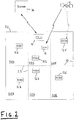
Figure 2 is a plan schematic illustrating a field, the subdivision of the field into parcels, and the allocation of field parcels to respective autonomous agricultural machines; -
Figures 3A and 3B respectively represent a seeding plan and a map of actual seeding positions; -
Figures 4A and 4B represent the reallocation of workload amongst a group of autonomous agricultural machines following failure of one machine; -
Figures 5A - 5C are a sequence representing replenishing of an autonomous agricultural machine by a host vehicle; -
Figure 6 shows an alternative form of replenishing of an autonomous agricultural vehicle by a host vehicle; and -
Figure 7 represents a plurality of autonomous agricultural vehicles being carried by a host vehicle. -
Figure 1 schematically represents the components of an automated agriculture system for performing an agricultural operation on a field. Ahost vehicle 10, also referred to herein as a central logistical unit (CLU), is accompanied in the field by one or more autonomous agricultural machines (AAMs) orrobots 12 configurable for performing the agricultural operation, for example as planters, feeders, weeders or sprayers. Preferably a cluster ofrobots 12A, 12B etc. is provided to allow for dynamic allocation and reallocation of tasks to individual robots, as discussed further below. A control subsystem operable to control the performance of the agricultural operation is suitably provided in a distributed manner (cloud computing) represented byremote server 14. - Positional guidance for the
robots 12 is provided by a global navigation satellite system (GNSS) represented bysatellite 16, with real-time kinematic (RTK) enhancement to enable centimetre accuracy in the positioning of therobots 12. The RTK reference station orbeacon 18 is provided by the host vehicle, preferably carried by theCLU 10 as shown which relays the RTK-derivedposition correction data 19 to therobots 12. In an alternative arrangement shown inFigure 2 , theCLU 10 may be a further AAM configured to position theRTK beacon 18 at a selected location relative to thefield 20 to be worked. Alternatively (referring back toFigure 1 ), theCLU 10 may be provided with means to receive correction signals via mobile phone communication from an RTK reference station situated distant to the field (identified as RTK networks 18') and forward this signal to therobots 12. The RTK reference station orbeacon 18 installed on the CLU or positioned by the CLU can then be omitted. - Mobile communication devices 22 (e.g. smartphone, tablet) are used as a human machine interface to display system states, diagnostics etc. and receive strategic orders from a remote operator. Furthermore
mobile communication devices 22 may be able to control and distribute software updates provided by suppliers or dealers. - In the following example, the agricultural task to be performed is seeding the
field 20. Therobots 12 are relatively small and light (< 50 kg) and have a drive system, communication and location means and a seeding unit on board. An optimum position (target GNSS position) of each seed in the field is defined offline, as represented by the seed plan inFigure 3A . Therobots 12A, 12B navigate and seed without human interaction, within a respective limited,predefined area 20A, 20B as shown inFigure 2 and with an optimized seed pattern. Therespective areas 20A, 20B etc. each have a surroundinggeofence 23. Alternatively, therobots 12A, 12B may work fields in contoured paths (or any other shape or in parallel) whereby each robot is working a predetermined path coordinated with the path the other robots. In such an arrangement, the field would not be worked inareas 20A, 20B defined with ageofence 23 but in path lines for eachrobot 12A, 12B. Leaving the allowed area (or path) by a robot or communication breakdown will lead to an immediate fail safe stop. A cloud based optimizing and supervising algorithm performs offline and online path and duty planning of the robot group (discussed further below) and reacts to any system disturbance like robot errors or failure, obstacles or dynamically changing soil conditions. - The communication between the
robots 12 and the cloud (via CLU as a relay station) will now be described. As real time communication between the system components is not feasible due to costs and technical challenges, the communication will be provided in packages e.g. via mobile phone communication. The control subsystem (cloud) sends adata package 28 containing the seeding (task) plan (in which position a seed has to be placed) and then aborts communication. The robots receive the package and work through the (task) seeding plan. During this work, the robot stores data: - 1. the position where the seed was placed.
- 2. at least two times and the related position (e.g. time: 12.01 and Position X, time 12.02 and position Y)
- 3. additionally the robot may send data indicative of robot functionality (e.g. current of the motor).
- This data is assembled in a
package 30 and is then sent via theCLU 10 to the cloud after a defined time interval. The cloud uses the data for a number of purposes. Firstly, due to obstacles or other causes, a seed may not be positioned exactly according to the plan ofFigure 3A , so the location of each individual planted seed is stored as represented atFigure 3B , where the crossed circles identify those seeds out of position. This stored position information can be used in subsequent agricultural operations for e.g. weed control, repeated fertilizing (to apply fertilizer only at positions with a seed), and individual plant monitoring. - The seed plan shown in
Figure 3A provides a seed deposition in rows known from standard seeders dragged by tractors today. Alternatively, the seed plan may provide a seed deposition which is irregular or in any other non-row shape to follow the needs of individual plants or different crops. A seed plan with irregular shape may result in that areas of the field contain too many stones or other obstacles for sufficient crop growth. - Additionally, the data referring to time and position can be used to detect failure. E.g. the cloud can decide if the robot is moving too slowly or wrongly with reference to the planned path (deviation between planned time/position and reached time/position). This may be caused by wet soil and slippery conditions for example. In such circumstances, the cloud can then change the task and/or path plan.
- Using data indicative of robot functions may help to sort out problems, at the same time preserving the simplicity approach: if the motor shows low performance but the vehicle should otherwise move fast (detected by the time and position data as above), the energy in the robot may be low, indicating a recharge may be required.
- To overcome complex error handling, system failures are detected solely by means of the robots actual position/movement in relation to the pre-planned and dynamically recalculated path/position.
Figure 4A represents a field divided into six substantiallyequal parcels 20A - 20F with each being tended by a respective robot 12A - 12F. If one of therobots 12E fails or becomes stuck, then as shown inFigure 4B the cloud algorithm repartitions the field into five substantiallyequal parcels 21A - 21 E, assigns respective ones of the remaining robots 12A - 12D, 12F to each parcel, calculates for each robot a respective new path to be followed, and delivers the new instruction to each . - Failed or stuck units are shut down and an alert will be sent to the farmer or any other operator (dealer or contractor) via the
handheld device 22. Collision can be foreseen by monitoring the actual paths of all robots and will be avoided by the algorithm in the cloud. - To overcome cost issues associated with multi sensor robots or large autonomous equipment, the
single robot units 12 of the present system only use position detection (GNSS) and communication with cloud services to navigate and operate. TheCLU 10 provides a GNSS/RTK base and relay station for communication with the cloud. - As shown by
Figures 5A to 5C , thehost vehicle CLU 10 comprises areservoir 34 holding a resource required to enable the or eachrobot 12 to perform the agricultural operation. Each robot and theCLU 10 comprise mutually configured means 36, 38 for delivery of the resource from CLU to robot in the field. InFigure 5A arobot 12 having low supply in anonboard reservoir 40 approaches the CLU. InFigure 5B the mutually configured means 36, 38 cooperate to position the robot such that resource from theCLU reservoir 34 may be transferred to therobot reservoir 40 with minimal or zero spillage. InFigure 5C , with the mutually configured means 36, 38 having disengaged, the replenishedrobot 12 returns to the performance of the agricultural operation. - As will be understood, there are many forms that the mutually configured means 36, 38 may take, from simple guide rails or bodies to complex electromagnetic clamping systems, although simpler options are preferred in order to keep the cost of a robot to a minimum. Where the robot is configured as a planter, resource delivered will include seeds and optionally also fertilizer. Where the robot is instead configured as an application vehicle (e.g. a sprayer), the delivered resource may be water, fertilizer, pesticide or any other liquid, gaseous or solid matter as required.
- In an alternative or additional variant, the delivered resource includes energy such as fuel for the robot. As represented by
Figure 6 , where the robot is electrically driven the resource from the CLU will be an electrical charge from abattery 42 or generator of the CLU. Although shown differently coupled than inFigure 5 , it will be understood that the mutually configured means 36, 38 may additionally be arranged to provide a current path between CLU and robot when engaged to enable battery charging and replenishment ofreservoir 40 to be performed simultaneously. In a further alternative, theCLU 10 may provide means to exchange the complete battery instead of recharging it, to minimize down time for a robot. The CLU may then be enabled to recharge the exchanged and recharged battery for the next robot. The CLU may also be provided with means to generate electrical energy such as by means of solar panels, fuel cells or other such means. - In a variant, where the
robot 12 is configured to perform a task such as harvesting or weeding, the mutually configured means may be arranged to permit material accumulated by the robot to be transferred to a hopper or reservoir of theCLU 10, reversing the order ofFigures 5A-5C . - The
CLU 10 also acts as storage/transport device and, as shown inFigure 7 , is operable to carry two ormore robots 12 to a field to be worked. This is advantageous as the robots need not be designed to meet legal requirements to travel on public roads. Suitably, the CLU is provided with a mechanism to refuel or recharge the robots during transport. - In the foregoing the applicants have described a system for performing an agricultural operation on a field, including a host vehicle, two or more autonomous agricultural machines configured for performing the said agricultural operation; and a control subsystem for path planning and controlling the movement of each autonomous agricultural machine relative to the host vehicle in the performance of the agricultural operation. The control subsystem is configured to dynamically re-plan the movement of one or more of the autonomous agricultural machines in response to a detected failure of an autonomous agricultural machine as indicated by its position relative to its planned path.
Claims (12)
- A system for performing an agricultural operation on a field, said system comprising:a host vehicle (10);two or more autonomous agricultural machines (AAM) (12) configurable for performing the said agricultural operation, said AAMs being provided with means of determining their location by reference to a global navigation satellite system (GNSS) (16);wherein the AAMs (12) are in wireless communication with the host vehicle (19, 30, 28); anda control subsystem (14) for path planning and controlling the movement of each AAM (12) relative to the host vehicle (10) in the performance of the agricultural operations, said control subsystem (14) being in communication with the host vehicle and also in communication with the AAMs via the host vehicle;
characterised in that the control subsystem is configured to dynamically re-plan the movement of one or more of the AAM's in response to a detected operational failure of an AAM as indicated by its position as determined by the AAM by reference to the GNSS, and as communicated to the control subsystem via the host vehicle, relative to its planned path. - A system as claimed in claim 1, wherein a failure of an AAM is indicated if that AAM is on its planned path but not moving at a predetermined speed.
- A system as claimed in claim 1 or claim 2, wherein failure of an AAM is indicated if that AAM remains stationary for longer than a predetermined period.
- A system as claimed in any of claims 1 to 3, wherein path planning and control data is transmitted wirelessly as one or more data packets from the control subsystem to an AAM and, each AAM is configured to, after a predetermined interval, transmit a response packet.
- A system as claimed in claim 4, wherein each AAM is configured to include performance data of the AAM in the response packet.
- A system as claimed in claim 5, wherein the performance data includes position and timestamp data.
- A system as claimed in claim 5 or 6, wherein the collated performance data is stored in storage means associated with the control subsystem as a field map for future operations.
- A system as claimed in any of claims 5 to 7, wherein the control subsystem is configured to detect failure of an AAM based on performance data.
- A system as claimed in claim 4, wherein failure of an AAM is indicated by the absence of receipt by the control subsystem of a response packet.
- A system as claimed in any preceding claim wherein the control subsystem is a processing device remote from the AAM's.
- A system as claimed in any of claims 1 to 9, wherein the control subsystem is an access means to a control program hosted across distributed devices.
- A system as claimed in any of claims 1 to 9, wherein the control subsystem is a processing device carried by the host vehicle.
Applications Claiming Priority (2)
| Application Number | Priority Date | Filing Date | Title |
|---|---|---|---|
| GBGB1421527.1A GB201421527D0 (en) | 2014-12-04 | 2014-12-04 | Automated agriculture system |
| PCT/EP2015/078393 WO2016087535A1 (en) | 2014-12-04 | 2015-12-02 | Automated agriculture system |
Publications (2)
| Publication Number | Publication Date |
|---|---|
| EP3226674A1 EP3226674A1 (en) | 2017-10-11 |
| EP3226674B1 true EP3226674B1 (en) | 2019-06-12 |
Family
ID=52425418
Family Applications (1)
| Application Number | Title | Priority Date | Filing Date |
|---|---|---|---|
| EP15804460.2A Active EP3226674B1 (en) | 2014-12-04 | 2015-12-02 | Automated agriculture system |
Country Status (5)
| Country | Link |
|---|---|
| US (1) | US10185317B2 (en) |
| EP (1) | EP3226674B1 (en) |
| JP (1) | JP2018500655A (en) |
| GB (1) | GB201421527D0 (en) |
| WO (1) | WO2016087535A1 (en) |
Cited By (1)
| Publication number | Priority date | Publication date | Assignee | Title |
|---|---|---|---|---|
| EP4312489A4 (en) * | 2021-03-31 | 2025-01-15 | Earthsense,Inc. | METHODS FOR MANAGING COORDINATED AUTONOMOUS TEAMS OF UNDER-CANOPY ROBOTIC SYSTEMS FOR AN AGRICULTURAL FIELD AND DEVICES |
Families Citing this family (108)
| Publication number | Priority date | Publication date | Assignee | Title |
|---|---|---|---|---|
| US10165722B2 (en) * | 2014-12-05 | 2019-01-01 | Deere & Company | Scouting systems |
| EP3383162B1 (en) * | 2015-12-06 | 2023-09-13 | Robotic Lawn Care Sweden AB | Method and means for mowing lawns |
| DE102017002964A1 (en) * | 2016-04-22 | 2017-10-26 | Sew-Eurodrive Gmbh & Co Kg | Method for operating a production plant and production plant |
| US9949423B2 (en) * | 2016-06-10 | 2018-04-24 | Cnh Industrial America Llc | Customizable equipment library for command and control software |
| GB201616127D0 (en) * | 2016-09-22 | 2016-11-09 | Agco International Gmbh | Self-propelled seed planter |
| BR112019007680A2 (en) * | 2016-10-24 | 2019-07-02 | Agco International Gmbh | land mapping and guidance system |
| WO2018116770A1 (en) * | 2016-12-19 | 2018-06-28 | 株式会社クボタ | Work vehicle automatic traveling system |
| JP7034589B2 (en) | 2016-12-28 | 2022-03-14 | ヤンマーパワーテクノロジー株式会社 | Work vehicle route generation system |
| WO2018142483A1 (en) * | 2017-01-31 | 2018-08-09 | 本田技研工業株式会社 | Unmanned working system, management server, and unmanned working machine |
| JP6805928B2 (en) * | 2017-03-28 | 2020-12-23 | 井関農機株式会社 | Work management system for work vehicles |
| WO2019014779A1 (en) * | 2017-07-21 | 2019-01-24 | Morris Industries Ltd. | Autonomous agricultural system |
| JP6992312B2 (en) * | 2017-08-04 | 2022-01-13 | オムロン株式会社 | Simulation equipment, control equipment, and simulation programs |
| GB201718536D0 (en) | 2017-11-09 | 2017-12-27 | Agco Int Gmbh | Seed planter transfer unit |
| DE102018202154A1 (en) | 2018-02-13 | 2019-08-14 | Robert Bosch Gmbh | Autonomous agricultural system, method of operation |
| DE102018203123A1 (en) | 2018-03-02 | 2019-09-05 | Robert Bosch Gmbh | System for monitoring an implement using manually definable boundaries of land |
| JP2020017207A (en) | 2018-07-27 | 2020-01-30 | ソニー株式会社 | Moving object and control method |
| US11653588B2 (en) | 2018-10-26 | 2023-05-23 | Deere & Company | Yield map generation and control system |
| US11467605B2 (en) | 2019-04-10 | 2022-10-11 | Deere & Company | Zonal machine control |
| US12069978B2 (en) | 2018-10-26 | 2024-08-27 | Deere & Company | Predictive environmental characteristic map generation and control system |
| US11589509B2 (en) | 2018-10-26 | 2023-02-28 | Deere & Company | Predictive machine characteristic map generation and control system |
| US11079725B2 (en) | 2019-04-10 | 2021-08-03 | Deere & Company | Machine control using real-time model |
| US11178818B2 (en) | 2018-10-26 | 2021-11-23 | Deere & Company | Harvesting machine control system with fill level processing based on yield data |
| US11641800B2 (en) | 2020-02-06 | 2023-05-09 | Deere & Company | Agricultural harvesting machine with pre-emergence weed detection and mitigation system |
| US11672203B2 (en) | 2018-10-26 | 2023-06-13 | Deere & Company | Predictive map generation and control |
| US11240961B2 (en) | 2018-10-26 | 2022-02-08 | Deere & Company | Controlling a harvesting machine based on a geo-spatial representation indicating where the harvesting machine is likely to reach capacity |
| US11957072B2 (en) | 2020-02-06 | 2024-04-16 | Deere & Company | Pre-emergence weed detection and mitigation system |
| CA3120202C (en) * | 2018-11-15 | 2023-10-03 | Raven Industries, Inc. | Integrated platform and common software structural architecture for autonomous agricultural vehicle and machinery operation. |
| CA3116625A1 (en) | 2018-11-28 | 2020-06-04 | The Toro Company | Autonomous ground surface treatment systems, vehicles, and methods |
| US11003182B2 (en) | 2019-01-04 | 2021-05-11 | Ford Global Technologies, Llc | Vehicle monitoring and control infrastructure |
| BR102019003863A2 (en) * | 2019-02-25 | 2019-07-09 | Ncb Sistemas Embarcados Eireli - Epp | MULTI-USE BOARDING SYSTEM FOR AUTONOMOUS RELEASE OF BIOLOGICAL AGENTS IN BIOLOGICAL CONTROL OF PRECISION PEST |
| JP7122452B2 (en) * | 2019-02-26 | 2022-08-19 | 本田技研工業株式会社 | automatic work system |
| US11234366B2 (en) | 2019-04-10 | 2022-02-01 | Deere & Company | Image selection for machine control |
| US11778945B2 (en) | 2019-04-10 | 2023-10-10 | Deere & Company | Machine control using real-time model |
| FR3095572B1 (en) | 2019-05-02 | 2023-03-17 | Agreenculture | Method for managing fleets of self-guided agricultural vehicles |
| US11285612B2 (en) * | 2019-08-20 | 2022-03-29 | X Development Llc | Coordinating agricultural robots |
| GB2583787B (en) * | 2019-09-10 | 2021-06-09 | Small Robot Company Ltd | Autonomous farming devices, systems and methods |
| US12117846B2 (en) * | 2019-09-19 | 2024-10-15 | Topcon Positioning Systems, Inc. | Method and apparatus for multi-machine collaborative farming |
| US12035648B2 (en) | 2020-02-06 | 2024-07-16 | Deere & Company | Predictive weed map generation and control system |
| US12329148B2 (en) | 2020-02-06 | 2025-06-17 | Deere & Company | Predictive weed map and material application machine control |
| US12225846B2 (en) | 2020-02-06 | 2025-02-18 | Deere & Company | Machine control using a predictive map |
| US12016257B2 (en) | 2020-02-19 | 2024-06-25 | Sabanto, Inc. | Methods for detecting and clearing debris from planter gauge wheels, closing wheels and seed tubes |
| JP6944561B2 (en) * | 2020-03-19 | 2021-10-06 | 株式会社日本総合研究所 | Information processing equipment, information processing methods, and programs |
| US11477940B2 (en) | 2020-03-26 | 2022-10-25 | Deere & Company | Mobile work machine control based on zone parameter modification |
| US12461083B2 (en) | 2020-08-03 | 2025-11-04 | Sabanto, Inc. | Methods for improved agricultural procedures |
| CN111923052B (en) * | 2020-09-10 | 2024-04-26 | 刘斌 | Agriculture and forestry robot control system |
| FR3114218A1 (en) * | 2020-09-24 | 2022-03-25 | Kuhn Sas | Method of working a plot by a fleet of at least two agricultural robots |
| DE102020125393A1 (en) | 2020-09-29 | 2022-03-31 | Claas Selbstfahrende Erntemaschinen Gmbh | Procedure for carrying out an agricultural activity |
| US12069986B2 (en) | 2020-10-09 | 2024-08-27 | Deere & Company | Map generation and control system |
| US11895948B2 (en) | 2020-10-09 | 2024-02-13 | Deere & Company | Predictive map generation and control based on soil properties |
| US11983009B2 (en) | 2020-10-09 | 2024-05-14 | Deere & Company | Map generation and control system |
| US11889788B2 (en) | 2020-10-09 | 2024-02-06 | Deere & Company | Predictive biomass map generation and control |
| US11711995B2 (en) | 2020-10-09 | 2023-08-01 | Deere & Company | Machine control using a predictive map |
| US12550802B2 (en) | 2020-10-08 | 2026-02-17 | Deere & Company | Predictive machine characteristic map generation and control system |
| US11849671B2 (en) | 2020-10-09 | 2023-12-26 | Deere & Company | Crop state map generation and control system |
| US11474523B2 (en) | 2020-10-09 | 2022-10-18 | Deere & Company | Machine control using a predictive speed map |
| US11845449B2 (en) | 2020-10-09 | 2023-12-19 | Deere & Company | Map generation and control system |
| US12386354B2 (en) | 2020-10-09 | 2025-08-12 | Deere & Company | Predictive power map generation and control system |
| US12178158B2 (en) | 2020-10-09 | 2024-12-31 | Deere & Company | Predictive map generation and control system for an agricultural work machine |
| US11927459B2 (en) | 2020-10-09 | 2024-03-12 | Deere & Company | Machine control using a predictive map |
| US11844311B2 (en) | 2020-10-09 | 2023-12-19 | Deere & Company | Machine control using a predictive map |
| US11675354B2 (en) | 2020-10-09 | 2023-06-13 | Deere & Company | Machine control using a predictive map |
| US11849672B2 (en) | 2020-10-09 | 2023-12-26 | Deere & Company | Machine control using a predictive map |
| US12419220B2 (en) | 2020-10-09 | 2025-09-23 | Deere & Company | Predictive map generation and control system |
| US12013245B2 (en) | 2020-10-09 | 2024-06-18 | Deere & Company | Predictive map generation and control system |
| US11874669B2 (en) | 2020-10-09 | 2024-01-16 | Deere & Company | Map generation and control system |
| US11946747B2 (en) | 2020-10-09 | 2024-04-02 | Deere & Company | Crop constituent map generation and control system |
| US12422847B2 (en) | 2020-10-09 | 2025-09-23 | Deere & Company | Predictive agricultural model and map generation |
| US11650587B2 (en) | 2020-10-09 | 2023-05-16 | Deere & Company | Predictive power map generation and control system |
| US11727680B2 (en) | 2020-10-09 | 2023-08-15 | Deere & Company | Predictive map generation based on seeding characteristics and control |
| US11871697B2 (en) | 2020-10-09 | 2024-01-16 | Deere & Company | Crop moisture map generation and control system |
| US11592822B2 (en) | 2020-10-09 | 2023-02-28 | Deere & Company | Machine control using a predictive map |
| US11635765B2 (en) | 2020-10-09 | 2023-04-25 | Deere & Company | Crop state map generation and control system |
| US11825768B2 (en) | 2020-10-09 | 2023-11-28 | Deere & Company | Machine control using a predictive map |
| US12250905B2 (en) | 2020-10-09 | 2025-03-18 | Deere & Company | Machine control using a predictive map |
| US11889787B2 (en) | 2020-10-09 | 2024-02-06 | Deere & Company | Predictive speed map generation and control system |
| DE102021101629A1 (en) | 2021-01-26 | 2022-07-28 | Horsch Maschinen Gmbh | AUTONOMOUS AGRICULTURAL CARRIER AND AUTONOMOUS AGRICULTURAL MACHINERY COMBINATION |
| US11980134B2 (en) * | 2021-03-09 | 2024-05-14 | Deere & Company | Operator commanded placement for control of filling mechanisms |
| US12004449B2 (en) | 2021-03-24 | 2024-06-11 | Deere & Company | Control system for controlling filling mechanisms in communication with a mobile device |
| US20220305658A1 (en) * | 2021-03-29 | 2022-09-29 | Husqvarna Ab | Operation for a Robotic Work Tool |
| JP7673506B2 (en) * | 2021-06-08 | 2025-05-09 | 井関農機株式会社 | Work vehicles |
| US11930738B2 (en) | 2021-06-28 | 2024-03-19 | Deere & Company | Closed loop control of filling mechanisms |
| CA3233366A1 (en) * | 2021-10-01 | 2023-04-06 | Tiago PEREIRA SCARPIN | Autonomous robot platform for pest identification and control |
| US12229886B2 (en) | 2021-10-01 | 2025-02-18 | Deere & Company | Historical crop state model, predictive crop state map generation and control system |
| KR20230051351A (en) | 2021-10-08 | 2023-04-18 | 오병호 | Smart farming system using scouting drone and autonomous robot |
| SE2151284A1 (en) * | 2021-10-21 | 2023-03-21 | Komatsu Forest Ab | Self-driving log forwarder shuttle |
| DE102021130011A1 (en) | 2021-11-17 | 2023-05-17 | Deere & Company | Self-propelled agricultural work machine |
| JP7627206B2 (en) * | 2021-12-03 | 2025-02-05 | ヤンマーホールディングス株式会社 | Autonomous driving method, work vehicle, and automated driving system |
| US12310286B2 (en) | 2021-12-14 | 2025-05-27 | Deere & Company | Crop constituent sensing |
| US12302791B2 (en) | 2021-12-20 | 2025-05-20 | Deere & Company | Crop constituents, predictive mapping, and agricultural harvester control |
| US12245549B2 (en) | 2022-01-11 | 2025-03-11 | Deere & Company | Predictive response map generation and control system |
| US12520759B2 (en) | 2022-01-26 | 2026-01-13 | Deere & Company | Systems and methods for predicting material dynamics |
| US12082531B2 (en) | 2022-01-26 | 2024-09-10 | Deere & Company | Systems and methods for predicting material dynamics |
| DE102022102965A1 (en) * | 2022-02-09 | 2023-08-10 | Amazonen-Werke H. Dreyer SE & Co. KG | Agricultural transport and/or processing system |
| US12295288B2 (en) | 2022-04-05 | 2025-05-13 | Deere &Company | Predictive machine setting map generation and control system |
| US12058951B2 (en) | 2022-04-08 | 2024-08-13 | Deere & Company | Predictive nutrient map and control |
| US12582035B2 (en) | 2022-04-08 | 2026-03-24 | Deere & Company | Systems and methods for predictive power requirements and control |
| US12298767B2 (en) | 2022-04-08 | 2025-05-13 | Deere & Company | Predictive material consumption map and control |
| US12284934B2 (en) | 2022-04-08 | 2025-04-29 | Deere & Company | Systems and methods for predictive tractive characteristics and control |
| US12358493B2 (en) | 2022-04-08 | 2025-07-15 | Deere & Company | Systems and methods for predictive power requirements and control |
| DE102022110211A1 (en) | 2022-04-27 | 2023-11-02 | Claas E-Systems Gmbh | Swarm assistance system for autonomous universal agricultural machines |
| DE102022110106A1 (en) * | 2022-04-27 | 2023-11-02 | Claas Selbstfahrende Erntemaschinen Gmbh | Procedure for operational planning and coordination of a vehicle fleet |
| JP2024005433A (en) * | 2022-06-30 | 2024-01-17 | 株式会社クボタ | work equipment |
| TWI811050B (en) * | 2022-08-03 | 2023-08-01 | 優式機器人股份有限公司 | Control method for the cooperation of multiple mobile robots |
| CN115835171A (en) * | 2022-11-24 | 2023-03-21 | 深圳技术大学 | A mangrove tidal flat planting robot system and control method |
| EP4628427A4 (en) * | 2022-11-29 | 2026-01-21 | Fuji Corp | AUTOMATIC MOTION DEVICE, MANAGEMENT DEVICE, CONVEYING SYSTEM AND CONTROL METHOD AND MANAGEMENT METHOD OF AN AUTOMATIC MOTION DEVICE |
| WO2025129620A1 (en) * | 2023-12-22 | 2025-06-26 | Greenworks (Jiangsu) Co., Ltd. | Methods, network entities and control units for handling lawn mowers with abnormal behavior |
| DE102024110367A1 (en) * | 2024-04-12 | 2025-10-16 | Lemken Gmbh & Co. Kg | Agricultural implement |
| US20260050271A1 (en) * | 2024-08-16 | 2026-02-19 | Deere & Company | Setting machine sync homepoints using equipment models |
Citations (4)
| Publication number | Priority date | Publication date | Assignee | Title |
|---|---|---|---|---|
| EP1602267A2 (en) * | 2004-04-06 | 2005-12-07 | CLAAS Selbstfahrende Erntemaschinen GmbH | Route planning system for agricultural working machines |
| EP1754405A1 (en) | 2005-08-16 | 2007-02-21 | Deere & Company | Mobile station for an unmanned vehicle |
| EP1840690A2 (en) | 2006-03-30 | 2007-10-03 | CLAAS Selbstfahrende Erntemaschinen GmbH | Method for creating a rounting plan for agricultural machinery |
| WO2009107960A2 (en) * | 2008-02-26 | 2009-09-03 | 전북대학교산학협력단 | Farm machine transport robot system |
Family Cites Families (12)
| Publication number | Priority date | Publication date | Assignee | Title |
|---|---|---|---|---|
| JP2002074436A (en) * | 2000-08-31 | 2002-03-15 | Iseki & Co Ltd | Work vehicle management system |
| NL1020804C2 (en) | 2002-06-06 | 2003-12-09 | Lely Entpr Ag | Method and system for performing at least two agricultural operations on an agricultural plot. |
| US20070233337A1 (en) * | 2005-09-14 | 2007-10-04 | Plishner Paul J | Semi-autonomous guidance system for a vehicle |
| US8947531B2 (en) * | 2006-06-19 | 2015-02-03 | Oshkosh Corporation | Vehicle diagnostics based on information communicated between vehicles |
| US9026315B2 (en) * | 2010-10-13 | 2015-05-05 | Deere & Company | Apparatus for machine coordination which maintains line-of-site contact |
| JP5147896B2 (en) * | 2010-05-14 | 2013-02-20 | 中国電力株式会社 | Automatic cultivation method and automatic cultivation system |
| JP4999965B2 (en) * | 2010-06-04 | 2012-08-15 | 中国電力株式会社 | Automatic cultivation method and automatic cultivation system |
| US8874360B2 (en) * | 2012-03-09 | 2014-10-28 | Proxy Technologies Inc. | Autonomous vehicle and method for coordinating the paths of multiple autonomous vehicles |
| US9382003B2 (en) * | 2013-03-24 | 2016-07-05 | Bee Robotics Corporation | Aerial farm robot system for crop dusting, planting, fertilizing and other field jobs |
| WO2015057638A1 (en) | 2013-10-14 | 2015-04-23 | Kinze Manufacturing, Inc. | Autonomous systems, methods, and apparatus for ag based operations |
| US9671790B2 (en) * | 2014-05-20 | 2017-06-06 | Verizon Patent And Licensing Inc. | Scheduling of unmanned aerial vehicles for mission performance |
| US9606544B2 (en) * | 2014-10-31 | 2017-03-28 | Clearpath Robotics, Inc. | System, computing device and method for unmanned vehicle fleet control |
-
2014
- 2014-12-04 GB GBGB1421527.1A patent/GB201421527D0/en not_active Ceased
-
2015
- 2015-12-02 EP EP15804460.2A patent/EP3226674B1/en active Active
- 2015-12-02 US US15/532,200 patent/US10185317B2/en active Active
- 2015-12-02 WO PCT/EP2015/078393 patent/WO2016087535A1/en not_active Ceased
- 2015-12-02 JP JP2017527375A patent/JP2018500655A/en active Pending
Patent Citations (4)
| Publication number | Priority date | Publication date | Assignee | Title |
|---|---|---|---|---|
| EP1602267A2 (en) * | 2004-04-06 | 2005-12-07 | CLAAS Selbstfahrende Erntemaschinen GmbH | Route planning system for agricultural working machines |
| EP1754405A1 (en) | 2005-08-16 | 2007-02-21 | Deere & Company | Mobile station for an unmanned vehicle |
| EP1840690A2 (en) | 2006-03-30 | 2007-10-03 | CLAAS Selbstfahrende Erntemaschinen GmbH | Method for creating a rounting plan for agricultural machinery |
| WO2009107960A2 (en) * | 2008-02-26 | 2009-09-03 | 전북대학교산학협력단 | Farm machine transport robot system |
Non-Patent Citations (1)
| Title |
|---|
| R.W. GUNDERSON ET AL.: "The collective GIS and the computer-controlled farm", GEOSPATIAL SOLUTIONS, July 2000 (2000-07-01), pages 2 - 6, XP055244568 |
Cited By (1)
| Publication number | Priority date | Publication date | Assignee | Title |
|---|---|---|---|---|
| EP4312489A4 (en) * | 2021-03-31 | 2025-01-15 | Earthsense,Inc. | METHODS FOR MANAGING COORDINATED AUTONOMOUS TEAMS OF UNDER-CANOPY ROBOTIC SYSTEMS FOR AN AGRICULTURAL FIELD AND DEVICES |
Also Published As
| Publication number | Publication date |
|---|---|
| WO2016087535A1 (en) | 2016-06-09 |
| GB201421527D0 (en) | 2015-01-21 |
| JP2018500655A (en) | 2018-01-11 |
| US10185317B2 (en) | 2019-01-22 |
| EP3226674A1 (en) | 2017-10-11 |
| US20170336787A1 (en) | 2017-11-23 |
Similar Documents
| Publication | Publication Date | Title |
|---|---|---|
| US10185317B2 (en) | Automated agriculture system | |
| JP6671236B2 (en) | Resource supply system and work vehicle | |
| Ball et al. | Robotics for sustainable broad-acre agriculture | |
| US9382003B2 (en) | Aerial farm robot system for crop dusting, planting, fertilizing and other field jobs | |
| US9891629B2 (en) | Autonomous robotic agricultural machine and system thereof | |
| US10416314B2 (en) | Machine control system and method | |
| EP3366133B1 (en) | Adjustable row unit and vehicle with adjustable row unit | |
| EP3366134B1 (en) | Adjustable row unit and vehicle with adjustable row unit | |
| JP6622858B2 (en) | Intelligent garden management system incorporating a robot exploration vehicle | |
| US20220221877A1 (en) | Method for managing fleets of self-guided agricultural vehicles | |
| GB2583787A (en) | Autonomous farming devices, systems and methods | |
| WO2020210607A1 (en) | Autonomous robot system for steep terrain farming operations | |
| Noguchi | Agricultural vehicle robot | |
| US20160307448A1 (en) | Hybrid airship-drone farm robot system for crop dusting, planting, fertilizing and other field jobs | |
| EP3937627B1 (en) | Unmanned aerial vehicle | |
| AU2017269203B2 (en) | Support vehicle for an agricultural system | |
| US12001221B2 (en) | Methods for managing coordinated autonomous teams of under-canopy robotic systems for an agricultural field and devices | |
| JP6968216B2 (en) | Resource supply system and work vehicle | |
| Abhiram et al. | Autonomous fertilizer spraying mobile robot | |
| Rogers et al. | An open source seeding agri-robot | |
| Emmi et al. | Configuring a fleet of ground robots for agricultural tasks | |
| Ahsan et al. | An IoT-Based Autonomous Weeding Hoe for Smart Farming | |
| Nagasaka et al. | Autonomous rice field operation project in NARO | |
| Salah et al. | Cooperative Robotic Systems in Agriculture | |
| WO2023234254A1 (en) | Material supply system and material supply method |
Legal Events
| Date | Code | Title | Description |
|---|---|---|---|
| STAA | Information on the status of an ep patent application or granted ep patent |
Free format text: STATUS: THE INTERNATIONAL PUBLICATION HAS BEEN MADE |
|
| PUAI | Public reference made under article 153(3) epc to a published international application that has entered the european phase |
Free format text: ORIGINAL CODE: 0009012 |
|
| STAA | Information on the status of an ep patent application or granted ep patent |
Free format text: STATUS: REQUEST FOR EXAMINATION WAS MADE |
|
| 17P | Request for examination filed |
Effective date: 20170704 |
|
| AK | Designated contracting states |
Kind code of ref document: A1 Designated state(s): AL AT BE BG CH CY CZ DE DK EE ES FI FR GB GR HR HU IE IS IT LI LT LU LV MC MK MT NL NO PL PT RO RS SE SI SK SM TR |
|
| AX | Request for extension of the european patent |
Extension state: BA ME |
|
| DAV | Request for validation of the european patent (deleted) | ||
| DAX | Request for extension of the european patent (deleted) | ||
| GRAP | Despatch of communication of intention to grant a patent |
Free format text: ORIGINAL CODE: EPIDOSNIGR1 |
|
| STAA | Information on the status of an ep patent application or granted ep patent |
Free format text: STATUS: GRANT OF PATENT IS INTENDED |
|
| RIC1 | Information provided on ipc code assigned before grant |
Ipc: A01B 69/00 20060101ALI20190124BHEP Ipc: G05D 1/00 20060101ALI20190124BHEP Ipc: A01B 79/00 20060101ALI20190124BHEP Ipc: A01B 69/04 20060101AFI20190124BHEP Ipc: G05D 1/02 20060101ALI20190124BHEP |
|
| INTG | Intention to grant announced |
Effective date: 20190212 |
|
| GRAS | Grant fee paid |
Free format text: ORIGINAL CODE: EPIDOSNIGR3 |
|
| GRAA | (expected) grant |
Free format text: ORIGINAL CODE: 0009210 |
|
| STAA | Information on the status of an ep patent application or granted ep patent |
Free format text: STATUS: THE PATENT HAS BEEN GRANTED |
|
| AK | Designated contracting states |
Kind code of ref document: B1 Designated state(s): AL AT BE BG CH CY CZ DE DK EE ES FI FR GB GR HR HU IE IS IT LI LT LU LV MC MK MT NL NO PL PT RO RS SE SI SK SM TR |
|
| REG | Reference to a national code |
Ref country code: GB Ref legal event code: FG4D |
|
| REG | Reference to a national code |
Ref country code: CH Ref legal event code: EP |
|
| REG | Reference to a national code |
Ref country code: AT Ref legal event code: REF Ref document number: 1141324 Country of ref document: AT Kind code of ref document: T Effective date: 20190615 |
|
| REG | Reference to a national code |
Ref country code: DE Ref legal event code: R096 Ref document number: 602015031947 Country of ref document: DE |
|
| REG | Reference to a national code |
Ref country code: IE Ref legal event code: FG4D |
|
| REG | Reference to a national code |
Ref country code: NL Ref legal event code: MP Effective date: 20190612 |
|
| REG | Reference to a national code |
Ref country code: LT Ref legal event code: MG4D |
|
| PG25 | Lapsed in a contracting state [announced via postgrant information from national office to epo] |
Ref country code: AL Free format text: LAPSE BECAUSE OF FAILURE TO SUBMIT A TRANSLATION OF THE DESCRIPTION OR TO PAY THE FEE WITHIN THE PRESCRIBED TIME-LIMIT Effective date: 20190612 Ref country code: NO Free format text: LAPSE BECAUSE OF FAILURE TO SUBMIT A TRANSLATION OF THE DESCRIPTION OR TO PAY THE FEE WITHIN THE PRESCRIBED TIME-LIMIT Effective date: 20190912 Ref country code: SE Free format text: LAPSE BECAUSE OF FAILURE TO SUBMIT A TRANSLATION OF THE DESCRIPTION OR TO PAY THE FEE WITHIN THE PRESCRIBED TIME-LIMIT Effective date: 20190612 Ref country code: HR Free format text: LAPSE BECAUSE OF FAILURE TO SUBMIT A TRANSLATION OF THE DESCRIPTION OR TO PAY THE FEE WITHIN THE PRESCRIBED TIME-LIMIT Effective date: 20190612 Ref country code: LT Free format text: LAPSE BECAUSE OF FAILURE TO SUBMIT A TRANSLATION OF THE DESCRIPTION OR TO PAY THE FEE WITHIN THE PRESCRIBED TIME-LIMIT Effective date: 20190612 Ref country code: FI Free format text: LAPSE BECAUSE OF FAILURE TO SUBMIT A TRANSLATION OF THE DESCRIPTION OR TO PAY THE FEE WITHIN THE PRESCRIBED TIME-LIMIT Effective date: 20190612 |
|
| PG25 | Lapsed in a contracting state [announced via postgrant information from national office to epo] |
Ref country code: LV Free format text: LAPSE BECAUSE OF FAILURE TO SUBMIT A TRANSLATION OF THE DESCRIPTION OR TO PAY THE FEE WITHIN THE PRESCRIBED TIME-LIMIT Effective date: 20190612 Ref country code: RS Free format text: LAPSE BECAUSE OF FAILURE TO SUBMIT A TRANSLATION OF THE DESCRIPTION OR TO PAY THE FEE WITHIN THE PRESCRIBED TIME-LIMIT Effective date: 20190612 Ref country code: BG Free format text: LAPSE BECAUSE OF FAILURE TO SUBMIT A TRANSLATION OF THE DESCRIPTION OR TO PAY THE FEE WITHIN THE PRESCRIBED TIME-LIMIT Effective date: 20190912 Ref country code: GR Free format text: LAPSE BECAUSE OF FAILURE TO SUBMIT A TRANSLATION OF THE DESCRIPTION OR TO PAY THE FEE WITHIN THE PRESCRIBED TIME-LIMIT Effective date: 20190913 |
|
| REG | Reference to a national code |
Ref country code: AT Ref legal event code: MK05 Ref document number: 1141324 Country of ref document: AT Kind code of ref document: T Effective date: 20190612 |
|
| PG25 | Lapsed in a contracting state [announced via postgrant information from national office to epo] |
Ref country code: PT Free format text: LAPSE BECAUSE OF FAILURE TO SUBMIT A TRANSLATION OF THE DESCRIPTION OR TO PAY THE FEE WITHIN THE PRESCRIBED TIME-LIMIT Effective date: 20191014 Ref country code: SK Free format text: LAPSE BECAUSE OF FAILURE TO SUBMIT A TRANSLATION OF THE DESCRIPTION OR TO PAY THE FEE WITHIN THE PRESCRIBED TIME-LIMIT Effective date: 20190612 Ref country code: EE Free format text: LAPSE BECAUSE OF FAILURE TO SUBMIT A TRANSLATION OF THE DESCRIPTION OR TO PAY THE FEE WITHIN THE PRESCRIBED TIME-LIMIT Effective date: 20190612 Ref country code: AT Free format text: LAPSE BECAUSE OF FAILURE TO SUBMIT A TRANSLATION OF THE DESCRIPTION OR TO PAY THE FEE WITHIN THE PRESCRIBED TIME-LIMIT Effective date: 20190612 Ref country code: CZ Free format text: LAPSE BECAUSE OF FAILURE TO SUBMIT A TRANSLATION OF THE DESCRIPTION OR TO PAY THE FEE WITHIN THE PRESCRIBED TIME-LIMIT Effective date: 20190612 Ref country code: RO Free format text: LAPSE BECAUSE OF FAILURE TO SUBMIT A TRANSLATION OF THE DESCRIPTION OR TO PAY THE FEE WITHIN THE PRESCRIBED TIME-LIMIT Effective date: 20190612 Ref country code: NL Free format text: LAPSE BECAUSE OF FAILURE TO SUBMIT A TRANSLATION OF THE DESCRIPTION OR TO PAY THE FEE WITHIN THE PRESCRIBED TIME-LIMIT Effective date: 20190612 |
|
| PG25 | Lapsed in a contracting state [announced via postgrant information from national office to epo] |
Ref country code: ES Free format text: LAPSE BECAUSE OF FAILURE TO SUBMIT A TRANSLATION OF THE DESCRIPTION OR TO PAY THE FEE WITHIN THE PRESCRIBED TIME-LIMIT Effective date: 20190612 Ref country code: IT Free format text: LAPSE BECAUSE OF FAILURE TO SUBMIT A TRANSLATION OF THE DESCRIPTION OR TO PAY THE FEE WITHIN THE PRESCRIBED TIME-LIMIT Effective date: 20190612 Ref country code: IS Free format text: LAPSE BECAUSE OF FAILURE TO SUBMIT A TRANSLATION OF THE DESCRIPTION OR TO PAY THE FEE WITHIN THE PRESCRIBED TIME-LIMIT Effective date: 20191012 Ref country code: SM Free format text: LAPSE BECAUSE OF FAILURE TO SUBMIT A TRANSLATION OF THE DESCRIPTION OR TO PAY THE FEE WITHIN THE PRESCRIBED TIME-LIMIT Effective date: 20190612 |
|
| REG | Reference to a national code |
Ref country code: DE Ref legal event code: R026 Ref document number: 602015031947 Country of ref document: DE |
|
| PLBI | Opposition filed |
Free format text: ORIGINAL CODE: 0009260 |
|
| PLAX | Notice of opposition and request to file observation + time limit sent |
Free format text: ORIGINAL CODE: EPIDOSNOBS2 |
|
| PG25 | Lapsed in a contracting state [announced via postgrant information from national office to epo] |
Ref country code: TR Free format text: LAPSE BECAUSE OF FAILURE TO SUBMIT A TRANSLATION OF THE DESCRIPTION OR TO PAY THE FEE WITHIN THE PRESCRIBED TIME-LIMIT Effective date: 20190612 |
|
| 26 | Opposition filed |
Opponent name: DEERE & COMPANY/JOHN DEERE GMBH & CO. KG Effective date: 20200309 |
|
| PG25 | Lapsed in a contracting state [announced via postgrant information from national office to epo] |
Ref country code: PL Free format text: LAPSE BECAUSE OF FAILURE TO SUBMIT A TRANSLATION OF THE DESCRIPTION OR TO PAY THE FEE WITHIN THE PRESCRIBED TIME-LIMIT Effective date: 20190612 Ref country code: DK Free format text: LAPSE BECAUSE OF FAILURE TO SUBMIT A TRANSLATION OF THE DESCRIPTION OR TO PAY THE FEE WITHIN THE PRESCRIBED TIME-LIMIT Effective date: 20190612 |
|
| PG25 | Lapsed in a contracting state [announced via postgrant information from national office to epo] |
Ref country code: SI Free format text: LAPSE BECAUSE OF FAILURE TO SUBMIT A TRANSLATION OF THE DESCRIPTION OR TO PAY THE FEE WITHIN THE PRESCRIBED TIME-LIMIT Effective date: 20190612 Ref country code: IS Free format text: LAPSE BECAUSE OF FAILURE TO SUBMIT A TRANSLATION OF THE DESCRIPTION OR TO PAY THE FEE WITHIN THE PRESCRIBED TIME-LIMIT Effective date: 20200224 |
|
| PLBB | Reply of patent proprietor to notice(s) of opposition received |
Free format text: ORIGINAL CODE: EPIDOSNOBS3 |
|
| PG2D | Information on lapse in contracting state deleted |
Ref country code: IS |
|
| REG | Reference to a national code |
Ref country code: CH Ref legal event code: PL |
|
| REG | Reference to a national code |
Ref country code: BE Ref legal event code: MM Effective date: 20191231 |
|
| PG25 | Lapsed in a contracting state [announced via postgrant information from national office to epo] |
Ref country code: MC Free format text: LAPSE BECAUSE OF FAILURE TO SUBMIT A TRANSLATION OF THE DESCRIPTION OR TO PAY THE FEE WITHIN THE PRESCRIBED TIME-LIMIT Effective date: 20190612 |
|
| PG25 | Lapsed in a contracting state [announced via postgrant information from national office to epo] |
Ref country code: IE Free format text: LAPSE BECAUSE OF NON-PAYMENT OF DUE FEES Effective date: 20191202 Ref country code: LU Free format text: LAPSE BECAUSE OF NON-PAYMENT OF DUE FEES Effective date: 20191202 |
|
| PG25 | Lapsed in a contracting state [announced via postgrant information from national office to epo] |
Ref country code: LI Free format text: LAPSE BECAUSE OF NON-PAYMENT OF DUE FEES Effective date: 20191231 Ref country code: BE Free format text: LAPSE BECAUSE OF NON-PAYMENT OF DUE FEES Effective date: 20191231 Ref country code: CH Free format text: LAPSE BECAUSE OF NON-PAYMENT OF DUE FEES Effective date: 20191231 |
|
| PG25 | Lapsed in a contracting state [announced via postgrant information from national office to epo] |
Ref country code: CY Free format text: LAPSE BECAUSE OF FAILURE TO SUBMIT A TRANSLATION OF THE DESCRIPTION OR TO PAY THE FEE WITHIN THE PRESCRIBED TIME-LIMIT Effective date: 20190612 |
|
| PG25 | Lapsed in a contracting state [announced via postgrant information from national office to epo] |
Ref country code: MT Free format text: LAPSE BECAUSE OF FAILURE TO SUBMIT A TRANSLATION OF THE DESCRIPTION OR TO PAY THE FEE WITHIN THE PRESCRIBED TIME-LIMIT Effective date: 20190612 Ref country code: HU Free format text: LAPSE BECAUSE OF FAILURE TO SUBMIT A TRANSLATION OF THE DESCRIPTION OR TO PAY THE FEE WITHIN THE PRESCRIBED TIME-LIMIT; INVALID AB INITIO Effective date: 20151202 |
|
| REG | Reference to a national code |
Ref country code: DE Ref legal event code: R100 Ref document number: 602015031947 Country of ref document: DE |
|
| PLCK | Communication despatched that opposition was rejected |
Free format text: ORIGINAL CODE: EPIDOSNREJ1 |
|
| PLBN | Opposition rejected |
Free format text: ORIGINAL CODE: 0009273 |
|
| STAA | Information on the status of an ep patent application or granted ep patent |
Free format text: STATUS: OPPOSITION REJECTED |
|
| 27O | Opposition rejected |
Effective date: 20211019 |
|
| PG25 | Lapsed in a contracting state [announced via postgrant information from national office to epo] |
Ref country code: MK Free format text: LAPSE BECAUSE OF FAILURE TO SUBMIT A TRANSLATION OF THE DESCRIPTION OR TO PAY THE FEE WITHIN THE PRESCRIBED TIME-LIMIT Effective date: 20190612 |
|
| P01 | Opt-out of the competence of the unified patent court (upc) registered |
Effective date: 20230518 |
|
| PGFP | Annual fee paid to national office [announced via postgrant information from national office to epo] |
Ref country code: DE Payment date: 20251211 Year of fee payment: 11 |
|
| PGFP | Annual fee paid to national office [announced via postgrant information from national office to epo] |
Ref country code: GB Payment date: 20251219 Year of fee payment: 11 |
|
| PGFP | Annual fee paid to national office [announced via postgrant information from national office to epo] |
Ref country code: FR Payment date: 20251223 Year of fee payment: 11 |