EP3226585A1 - Bluetooth voice pairing apparatus and method - Google Patents
Bluetooth voice pairing apparatus and method Download PDFInfo
- Publication number
- EP3226585A1 EP3226585A1 EP17159211.6A EP17159211A EP3226585A1 EP 3226585 A1 EP3226585 A1 EP 3226585A1 EP 17159211 A EP17159211 A EP 17159211A EP 3226585 A1 EP3226585 A1 EP 3226585A1
- Authority
- EP
- European Patent Office
- Prior art keywords
- passkey
- passkey code
- code
- accessory
- pairing
- Prior art date
- Legal status (The legal status is an assumption and is not a legal conclusion. Google has not performed a legal analysis and makes no representation as to the accuracy of the status listed.)
- Granted
Links
Images

Classifications
-
- H—ELECTRICITY
- H04—ELECTRIC COMMUNICATION TECHNIQUE
- H04W—WIRELESS COMMUNICATION NETWORKS
- H04W12/00—Security arrangements; Authentication; Protecting privacy or anonymity
- H04W12/06—Authentication
-
- H—ELECTRICITY
- H04—ELECTRIC COMMUNICATION TECHNIQUE
- H04L—TRANSMISSION OF DIGITAL INFORMATION, e.g. TELEGRAPHIC COMMUNICATION
- H04L63/00—Network architectures or network communication protocols for network security
- H04L63/06—Network architectures or network communication protocols for network security for supporting key management in a packet data network
- H04L63/062—Network architectures or network communication protocols for network security for supporting key management in a packet data network for key distribution, e.g. centrally by trusted party
-
- H—ELECTRICITY
- H04—ELECTRIC COMMUNICATION TECHNIQUE
- H04L—TRANSMISSION OF DIGITAL INFORMATION, e.g. TELEGRAPHIC COMMUNICATION
- H04L63/00—Network architectures or network communication protocols for network security
- H04L63/08—Network architectures or network communication protocols for network security for authentication of entities
- H04L63/0876—Network architectures or network communication protocols for network security for authentication of entities based on the identity of the terminal or configuration, e.g. MAC address, hardware or software configuration or device fingerprint
-
- H—ELECTRICITY
- H04—ELECTRIC COMMUNICATION TECHNIQUE
- H04L—TRANSMISSION OF DIGITAL INFORMATION, e.g. TELEGRAPHIC COMMUNICATION
- H04L63/00—Network architectures or network communication protocols for network security
- H04L63/18—Network architectures or network communication protocols for network security using different networks or channels, e.g. using out of band channels
-
- H—ELECTRICITY
- H04—ELECTRIC COMMUNICATION TECHNIQUE
- H04W—WIRELESS COMMUNICATION NETWORKS
- H04W12/00—Security arrangements; Authentication; Protecting privacy or anonymity
- H04W12/04—Key management, e.g. using generic bootstrapping architecture [GBA]
-
- H—ELECTRICITY
- H04—ELECTRIC COMMUNICATION TECHNIQUE
- H04W—WIRELESS COMMUNICATION NETWORKS
- H04W12/00—Security arrangements; Authentication; Protecting privacy or anonymity
- H04W12/50—Secure pairing of devices
-
- H—ELECTRICITY
- H04—ELECTRIC COMMUNICATION TECHNIQUE
- H04W—WIRELESS COMMUNICATION NETWORKS
- H04W4/00—Services specially adapted for wireless communication networks; Facilities therefor
- H04W4/80—Services using short range communication, e.g. near-field communication [NFC], radio-frequency identification [RFID] or low energy communication
-
- G—PHYSICS
- G06—COMPUTING OR CALCULATING; COUNTING
- G06F—ELECTRIC DIGITAL DATA PROCESSING
- G06F21/00—Security arrangements for protecting computers, components thereof, programs or data against unauthorised activity
- G06F21/30—Authentication, i.e. establishing the identity or authorisation of security principals
- G06F21/44—Program or device authentication
- G06F21/445—Program or device authentication by mutual authentication, e.g. between devices or programs
-
- H—ELECTRICITY
- H04—ELECTRIC COMMUNICATION TECHNIQUE
- H04W—WIRELESS COMMUNICATION NETWORKS
- H04W12/00—Security arrangements; Authentication; Protecting privacy or anonymity
- H04W12/60—Context-dependent security
- H04W12/65—Environment-dependent, e.g. using captured environmental data
-
- H—ELECTRICITY
- H04—ELECTRIC COMMUNICATION TECHNIQUE
- H04W—WIRELESS COMMUNICATION NETWORKS
- H04W84/00—Network topologies
- H04W84/18—Self-organising networks, e.g. ad-hoc networks or sensor networks
Definitions
- a first aspect uses the "Passkey Entry" model which utilizes the Text-To-Speech functionality of a Bluetooth accessory to audibly play the passkey code.
- a Text-To-Speech module, and possibly a speaker, may be added if one is not already present in the Bluetooth accessory.
- a changing passkey code is generated by the pairing procedure and provided to the user. The user would be required to input the current passkey code as an audibly spoken passkey to the phone using a keyboard on the phone (which could be a physical keyboard or a virtual keyboard displayed on the phone's display screen). Successfully inputting the correct current version of the changing passkey code causes the two devices to associate with one another.
- the second aspect also uses the "Passkey Entry” association model, but would be used the other way around.
- the phone would display the current version of the changing passkey code on the phone screen.
- the user would see the current passkey code on the phone screen and would be required to say the digits of the current passkey code as audible speech.
- the device that the user seeks to pair with the phone is provided with a speech recognition module, and possibly a microphone, if it does not already have one or both of these.
- the speech recognition module in the Bluetooth accessory would transform the audible speech of the user into text digits.
- the text digits from the speech recognition module would be assembled to form a complete passkey code number and would be sent to the pairing system to complete the pairing procedure if the spoken passkey code is the correct current version.
- An integrated Text-To-Speech module (indicated as TTS in the drawing) in the accessory 14 receives the passkey code and converts the digits of the code into an audio file, which can also be a sequence of audio files, which correspond to the digits of the passkey code.
- the audio file is an audio signal of the spoken digits of the passkey code.
- the accessory plays the audio file as an audible output of the accessory so that it can be heard by a user. For example, the audio file may be played through a speaker of the accessory.
- the text to speech conversion and playing of the audio file are shown in the drawing at 20.
- the prompt for a passkey code after the devices have found one another causes the link manager 12 of the phone 10 to generate a passkey request that is sent to the phone 10 as shown at 22.
- the phone 10 presents to the user a request for the passkey code, for example on the display of the phone 10.
- the accessory 14 plays the audio file of the code at 20
- the user may hear the audible digits of the passkey code and may enter the digits into the input of the phone 10, as shown at 24.
- the user may enter the passkey digits into the phone keyboard.
- the phone keyboard by which the user enters the passkey code may be by a physical keyboard on the phone or may be a virtual keyboard for example as shown on the screen of the phone.
- a wireless accessory 80 has a wireless communication circuit 82 that detects that the accessory has been discovered by a smart phone 84 or that has discovered a smart phone 84.
- a passkey code generator 86 in the accessory 80 generates a changing passkey code.
- the generated passkey code is sent to a text to speech module 88.
- the text to speech module 88 may be a program that is stored in memory 90 and that is executed by a processor 92.
- the output of the text to speech module 88 is an audio file that is played through a speaker 94. A user hears the output of the speaker 94 as an audible representation of the passkey code.
- a method according to the fifth aspect wherein the first communicating includes displaying the passkey code on the first device.
- the displaying includes displaying the passkey code as a text string on a display screen of the first device.
- a mobile phone in an eighteenth aspect, wherein the physical input includes one of a virtual keyboard and a physical keyboard.
- a mobile phone for use with a secure wireless connection, comprising: a wireless communication circuit in the mobile phone, the wireless communication circuit being operable in at least one of a first mode and a second mode, the first mode being a discoverable mode and the second mode being a searching mode; a passkey code generator in the mobile phone, the passkey code generator being operable to generate a changing passkey code upon the mobile phone discovering a second device or upon the second device discovering the mobile phone; a display device in the mobile phone, the display device being operable to display the passkey code generated by the passkey code generator; and a communication circuit for receiving a passkey code from a second device for comparison to the passkey code generated by the passkey code generator in the mobile phone.
Landscapes
- Engineering & Computer Science (AREA)
- Signal Processing (AREA)
- Computer Networks & Wireless Communication (AREA)
- Computer Security & Cryptography (AREA)
- General Engineering & Computer Science (AREA)
- Computer Hardware Design (AREA)
- Computing Systems (AREA)
- Power Engineering (AREA)
- Telephone Function (AREA)
- Mobile Radio Communication Systems (AREA)
- Software Systems (AREA)
- Theoretical Computer Science (AREA)
- Telephonic Communication Services (AREA)
- Physics & Mathematics (AREA)
- General Physics & Mathematics (AREA)
Abstract
Description
- The present disclosure relates generally to a method and apparatus for pairing devices using wireless communication, and more particularly to a method and apparatus for adding security when pairing devices using wireless communication.
- Bluetooth is the primary wireless technology used to connect mobile telephones, laptop computers, tablet computers and the like to different accessory devices, such as keyboards, mice, speakers, watches, and headsets. Bluetooth wireless communication is often used to transfer voice data, audio playback data, and different other types of data between mobile phones and their accessories, e.g. headsets, earphones, speakers, etc.
- When two devices use Bluetooth technology to pass data between the devices, an encryption and authentication process which is referred to as "Bluetooth Pairing" is used. During Bluetooth Pairing, long term and/or short term keys are exchanged, which are used during the Bluetooth Pairing for encryption and authentication. For example, a link key is generated and shared between the two devices as a shared secret. The link key may be used to encrypt information that is exchanged for example during an asynchronous connectionless link.
- The pairing procedure is the most vulnerable part of the data exchange in terms of link security. The link is not secure in the beginning of the pairing procedure. The lack of a secure link at this stage allows a potential attacker to receive and understand all communication between the two sides. In addition, the different keys that may be used for security once the link is authenticated are exchanged between the two sides during the pairing procedure. If an attacker were to receive and understand the keys which are exchanged between the two sides during the pairing procedure, the attacker would be able to use the keys to decrypt all future data that is exchanged between the two sides. The attacker may even use the keys to pretend to be one of the two devices. The presence of an attacker that is able to understand the exchanged keys and possibly even take the place of one of the pairing devices means that encryption and authentication between only the desired pairing devices is no longer guaranteed.
- The pairing procedure eventually produces a key to be used for all security operations. This key is also known as the "link key". The link key security strength depends most on the association model used during the pairing procedure. The association model chosen for the pairing procedure is an outcome of the input and output capabilities of the pairing devices defined in the Bluetooth Specification [see, for example, Bluetooth Specification Version 4.2 [Vol. 3, Part C] Table 5.7: 10 Capability Mapping to Authentication Stage 1]. For example, a screen may serve as an output device, and a touch screen or a keyboard may serve as an input device.
- When one of the pairing devices (the Bluetooth accessory, for instance) has no output capability and no input capability, without considering the capabilities of a second device, two optional association models for pairing the devices can be selected. The first pairing model is named "Just Works." The Just Works association model does not require any user intervention during the pairing process and the devices assume they are the only devices around which are pairing with one another. The second possible association model is "Passkey Entry." In the Passkey Entry association model a constant well-known passkey has to be entered in the phone to pair with the Bluetooth accessory. The same passkey code is used by the user of each device.
- Both of the Just Works and Passkey Entry association models are exposed to potential man-in-the-middle (MITM) attacks and are considered unauthenticated. This means that an attacker that has been actively eavesdropping during the pairing procedure may choose to act as a man-in-the-middle MITM and identify itself as the other device towards each of the two pairing devices.
- Using the Just Works and Passkey Entry association models during pairing results in the entire connection of the devices being considered unauthenticated and therefore is categorized by the security section of the Bluetooth Specification as low - medium security
- [see, for example, Bluetooth Specification Version 4.2 [Vol 3, Part C] Table 5.8: Security Level mapping to link key requirements].
- Unfortunately, these two association models are the most common ones for pairing between phones and no-screen, no-keyboard accessories such as Bluetooth headsets, earphones and speakers.
- Other known solutions like the ones presented in the article of "A comparative study of secure device pairing methods" usually use OOB channel for the association and pairing process. This means that both pairing devices have to be familiar with this specific method instead of using the method in the Bluetooth Specification. Even the method presented in the article named "Loud and Clear" uses only a small portion of the possibilities of using vocal modules for the pairing process.
-
-
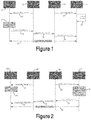
Figure 1 is a block diagram showing communications used in pairing of Bluetooth devices according to a first aspect; -
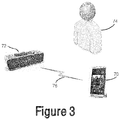
Figure 2 is a block diagram showing communications used in pairing of Bluetooth devices according to a second aspect; -
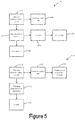
Figure 3 is a schematic illustration of a smart phone pairing with a Bluetooth wireless speaker accessory; -
Figure 4 is a functional block diagram of a smart phone and a Bluetooth accessory according to the first aspect; and -
Figure 5 is a functional block diagram of a smart phone and a Bluetooth accessory according to the second aspect. - Using different, non-orthodox methods for output and input would allow two Bluetooth devices to pair using a more secured association model such as the "Passkey Entry" model with a changing random passkey. Using this association model will provide the pairing procedure with the highest security level that the Bluetooth Specification grants (High Security, according to the Bluetooth Specification Version 4.2 [Vol 3, Part C] Table 5.8: Security Level mapping to link key requirements). This means that even if an attacker were actively (electronically) eavesdropping during the pairing procedure the attacker would not be able to retrieve the security keys or to identify itself as one of the pairing devices. Therefore an attacker would not be able to break the encryption or the authentication of a Bluetooth link between devices.
- The present aspects include two possibilities to use the high security association model for devices which currently use low security association models.
- A first aspect uses the "Passkey Entry" model which utilizes the Text-To-Speech functionality of a Bluetooth accessory to audibly play the passkey code. A Text-To-Speech module, and possibly a speaker, may be added if one is not already present in the Bluetooth accessory. Instead of the passkey code being constant as in the prior method, a changing passkey code is generated by the pairing procedure and provided to the user. The user would be required to input the current passkey code as an audibly spoken passkey to the phone using a keyboard on the phone (which could be a physical keyboard or a virtual keyboard displayed on the phone's display screen). Successfully inputting the correct current version of the changing passkey code causes the two devices to associate with one another.
- The second aspect also uses the "Passkey Entry" association model, but would be used the other way around. The phone would display the current version of the changing passkey code on the phone screen. The user would see the current passkey code on the phone screen and would be required to say the digits of the current passkey code as audible speech. The device that the user seeks to pair with the phone is provided with a speech recognition module, and possibly a microphone, if it does not already have one or both of these. The speech recognition module in the Bluetooth accessory would transform the audible speech of the user into text digits. The text digits from the speech recognition module would be assembled to form a complete passkey code number and would be sent to the pairing system to complete the pairing procedure if the spoken passkey code is the correct current version.
- The present aspects outperform known systems by enabling the high security "Passkey Entry" association model to be used with a changing key. The "Passkey Entry" association model allows the pairing procedure to be authenticated and therefore the pairing procedure produces an authenticated link key to be used in further stages of the connection when passing data between the Bluetooth devices. Using the association model grants the entire connection between the devices the highest security level according to the Bluetooth Specification.
- Adding a Text-to-Speech module or a Speech Recognition module to a Bluetooth accessory will not increase the overall complexity of the Bluetooth accessory in a significant manner. Since both the Text-To-Speech and the Speech Recognition modules can be implemented in software, the addition of either or both of these modules to a device should not have any significant effect on the cost or complexity of the device. The present aspects do not require that a Bluetooth accessory which lacks a screen or keyboard be provided with a screen and keyboard merely for providing the increased security in the Bluetooth communication. The addition of one or more new software modules to a device is very simple to implement if the device does not already have such modules. The overall requirements of memory, power consumption or MIPS of the Bluetooth accessory may not be changed due to this minor addition, nor need the device be made more complicated. The voice recognition Speech To Text (STT) and Text To Speech (TTS) software modules, once either or both are added to the device, provide additional output and input capabilities for the device that may be used for other functions. The utilization of either of these modules in the pairing procedure offers significant advantage over existing pairing solutions.
- Two aspects with utilize the high security association model for the authentication stage of the Bluetooth pairing will be described. Each of the aspects of the association model may use Bluetooth accessories without a screen and without a keyboard. Instead, the models use a Text-To-Speech module for output purposes or a Speech Recognition module for input purposes. The pairing procedure is initiated by one of the pairing devices to the second device. For terminology the present application will name the first device as the pairing initiator and will name the second device as the pairing responder (which is the same terminology as in the Bluetooth Specification). The aspects do not change or modify the pairing procedure as defined by the Bluetooth Specification at all. The aspects only enable devices which so far have not been able to use the high security association model to now use the high security model.
- The first and second aspects use the "Passkey Entry" association model. This association model starts with the exchange of the pairing devices' public keys. After the exchange of the public keys the pairing initiator outputs a random generated passkey on its output means. The user is expected to input the same passkey code into the pairing responder using an input to the pairing responder device. For example, the user may manually input the same passkey using the input means of the pairing responder. The pairing procedure continues by comparing each bit of the passkey. After confirming that all of the bits are equal, the devices are considered authenticated.
- The first aspect as shown in
Figure 1 uses the "Passkey Entry" association model. A Bluetooth host phone (labeled BT Host Phone) 10 has a link manager (labeled LM BT Phone) 12. A Bluetooth accessory (labeled BT Host Accessory) 14 has a link manager (labeled LM BT Accessory) 16. The pairing of thephone 10 and theaccessory 14 is begun by setting one of the devices to discoverable mode and the other device to searching mode. Once the devices have found one another, a prompt for a passkey is activated. In this figure, thelink manager 16 of theBluetooth accessory 14 recognizes the passkey prompt and generates a passkey code. The generated passkey code is transmitted from thelink manager 16 to theBluetooth accessory 14 as shown at 18. The passkey code is a changing passkey code that may be different each time these devices are paired, or at least are not the same each time these devices are paired. - An integrated Text-To-Speech module (indicated as TTS in the drawing) in the
accessory 14 receives the passkey code and converts the digits of the code into an audio file, which can also be a sequence of audio files, which correspond to the digits of the passkey code. The audio file is an audio signal of the spoken digits of the passkey code. The accessory plays the audio file as an audible output of the accessory so that it can be heard by a user. For example, the audio file may be played through a speaker of the accessory. The text to speech conversion and playing of the audio file are shown in the drawing at 20. - The prompt for a passkey code after the devices have found one another causes the
link manager 12 of thephone 10 to generate a passkey request that is sent to thephone 10 as shown at 22. Thephone 10 presents to the user a request for the passkey code, for example on the display of thephone 10. When the accessory 14 plays the audio file of the code at 20, the user may hear the audible digits of the passkey code and may enter the digits into the input of thephone 10, as shown at 24. For example, the user may enter the passkey digits into the phone keyboard. The phone keyboard by which the user enters the passkey code may be by a physical keyboard on the phone or may be a virtual keyboard for example as shown on the screen of the phone. - The rest of the association model would continue the same as described in the Bluetooth Specification. In particular, the
host phone 10 sends a command to thelink manager 12 of the phone to compare the passkey bits entered by the user into thephone 10 to the current passkey code, as shown at 26. Thelink manager 12 of the phone sends a comparepasskey bits communication 28 to thelink manager 16 of the accessory. Thelink manager 16 of the accessory sends a comparepasskey bits communication 30 to thehost accessory 14. If the passkey bits as entered by the user into thephone 10 match the passkey bits as generated by theaccessory 14 and as played as an audio file by the accessory (in other words, it is the current passkey), the authentication is complete as indicated at 32. Once authentication is complete, the Bluetooth connection and communications may proceed according to the Bluetooth Specification. - To use this association model, the
Bluetooth accessory 14 need only have an output capability, and need not have other I/O (input or output) capabilities. According to the first aspect as shown inFigure 1 , the "Passkey Entry" association model uses a Text-To-Speech module on theBluetooth accessory 14 to play the changing passkey code as an audio output. - The second aspect as shown in
Figure 2 also uses the "Passkey Entry" association model but in a different way. This aspect can be used only with device that has a microphone or that is provided with a microphone. InFigure 2 , a Bluetooth host phone 40 (labeled as BT Host Phone) has a link manager (labeled as LM BT Phone) 42. A Bluetooth accessory device (labeled as BT Host Accessory) 44 has a link manager (labeled as LM BT Accessory) 46. The pairing of thephone 40 and theaccessory 44 is begun by setting one of the devices to discoverable mode and the other device to searching mode. Once the devices have found one another, a prompt for a passkey is activated. Thelink manager 42 of thephone 40 sends a communication to thephone 40 to generate a passkey code as shown at 46. Thephone 40 generates a changing passkey code and displays the current passkey code on phone display screen as shown at 48. - The discovery of the devices by each other and the passkey prompt activation results in the
accessory link manager 46 sending a pass key request to theaccessory 44, as shown at 50. Theaccessory 44 awaits an audio signal as the user speaks the current passkey code. As shown atblock 52, the user reads aloud the passkey digits so that the spoken digits are detected by a microphone of theBluetooth accessory 44. TheBluetooth accessory 44 includes a Speech Recognition module operates to transform the speech into text. The sequence of spoken digits is transformed from an audio stream into a sequence of text numbers in theBluetooth accessory 44 as a passkey code in text format. The rest of the association model would continue the same as described in the Bluetooth Specification. In particular, theBluetooth host accessory 44 sends acommunication 54 to thelink manager 46 to compare the passkey code that was received by theaccessory 44 to the passkey code sent by thephone 40. Thelink manager 46 of theaccessory 44 sends acommunication 56 to thelink manager 42 of thephone 40 to compare the passkey code that was received by theaccessory 44 to the passkey code sent by thephone 40. Thelink manager 42 of thephone 40 sends acommunication 58 to thehost phone 40 to compare the passkey code that was received by theaccessory 44 to the passkey code sent by thephone 40. If the passkey code received by theaccessory 44 as spoken digits and converted to text matches the passkey code displayed by thephone 40, the Bluetooth connection is considered authenticated. As shown at 60 the authentication is complete and the communications can proceed. - A Bluetooth accessory need only have input capabilities to use this association model, and need not have other I/O capabilities. The aspect shown in
Figure 2 requires a Speech to Text module on the Bluetooth accessory to use of the "Passkey Entry" association model. A Speech Recognition component that performs a Speech-To-Text function requires only a bit more sophistication on the Bluetooth accessory side but is also rather simple to implement in software and doesn't require any additional hardware. - The present aspects have been described as used with Bluetooth wireless communications. It is foreseen that the present association model aspects may be used for authentication of other wireless technologies as well.
-
Figure 3 shows an example of asmart phone 70 and a Bluetooth enabledaccessory 72 that auser 74 wishes to link wirelessly. In this example, theaccessory 72 is a wireless speaker. An example of a Bluetooth enabled smart phone and Bluetooth enabled speaker are shown for purposes of illustrating the present aspects. The present aspects are not limited to the illustrated example. Any smart phone or other phone, tablet computer, laptop computer, netbook computer, notebook computer, desktop computer, workstation computer, server computer, personal digital assistant, music player device, or other mobile or stationary electronic device or any other Bluetooth enabled device may be used in the present aspect. Similarly, any Bluetooth enabled accessory or other device may be used as the accessory in the present aspects. Further, the present aspects refer to Bluetooth wireless communications but the aspects are not limited to Bluetooth technology and may be utilized in other wireless communications. - According to the first aspect as shown in
Figure 1 , thespeaker accessory 72 may generate the changing passkey code, convert it to an audio file and play the audio file of the passkey code so that theuser 74 may hear it. Theuser 74 may enter the passkey code into thesmartphone 70. Communications as shown inFigure 1 result in authentication of theaccessory 72 andphone 70 for aBluetooth link 76 between the two devices if the user-entered passkey code matches the passkey code played audibly by thespeaker 72. - Alternately, the
link 76 may be established according to the second aspect. Again with reference toFigure 3 , thesmart phone 70 may display a passkey code on its screen. Theuser 74 speaks the displayed code aloud so that the spoken code is detected by theaccessory 72. Theaccessory 72 detects the spoken code and converts the spoken code into text. Communication of the passkey code as text according toFigure 2 back to thephone 70 provides a determination as to whether the passkey code of thephone 70 and the code received by the accessory 72 from the user match. If they codes match, thewireless connection 76 is established. - Turning to
Figure 4 , awireless accessory 80 has awireless communication circuit 82 that detects that the accessory has been discovered by asmart phone 84 or that has discovered asmart phone 84. Apasskey code generator 86 in theaccessory 80 generates a changing passkey code. The generated passkey code is sent to a text tospeech module 88. The text tospeech module 88 may be a program that is stored inmemory 90 and that is executed by aprocessor 92. The output of the text tospeech module 88 is an audio file that is played through aspeaker 94. A user hears the output of thespeaker 94 as an audible representation of the passkey code. - The
smart phone 84 has awireless communication circuit 96 that detects that thesmart phone 84 has been discovered by theaccessory 80 or has discovered theaccessory 80. Akeyboard 98 awaits an input from the user. The user inputs a sequence of digits on thekeyboard 98. If entered correctly by the user, the sequence of digits entered into the keyboard is the same sequence of digits as the audible output of thespeaker 94. Acommunication link 100 sends the entered sequence of digits from thesmart phone 84 to acommunication link 102 in theaccessory 80. The accessory has a passkeycode comparison module 104 that compares the sequence of digits received by thecommunication link 102 to the passkey code generated by thepasskey code generator 86. If the digits match, the link is authenticated and can continue as a secure wireless link. Theaccessory 80 andsmart phone 84 of course include other functional elements beyond those shown here, as is known. - With reference to
Figure 5 , the second aspect is shown including awireless accessory 110 that has awireless communication circuit 112 by which the accessory may be discovered or may discover another device. Asmart phone 114 also includes awireless communication circuit 116. Upon being discovered by theaccessory 110 or upon thesmart phone 114 discovering theaccessory 110, a changingpasskey code generator 118 generates a passkey code. The generated code is shown as a sequence of digits on a display 120. The display 120 is viewed by the user who reads the digit sequence aloud so that it is audible. - In the
accessory 110, the audible speech of the user is detected by amicrophone 122. The signal from the microphone is sent to a speech totext module 124. Themodule 124 converts the spoken digits into text which are related from theaccessory 110 via acommunication link 126 to thesmart phone 126. As noted above, the speech to textmodule 124 may be a program stored inmemory 128 and executed by aprocessor 130. - The
smart phone 114 receives the digits via acommunication link 132 and sends them to a passkeycode comparison module 134 for comparison to the generated passkey code. If the digits match, the link is authenticated. - In a first aspect, a method for authenticating a wireless link between a first device and a second device, comprising: initiating a pairing between the first device and the second device; generating a changing passkey code in the first device; first communicating the passkey code from the first device, wherein the first communicating including outputting the passkey code from the first device, the outputting of the passkey code enabling communication of a communicated passkey code from the first device to a second device as an audible signal; second communicating including receiving the communicated passkey code from the second device by the first device for comparison of the communicated passkey code to the generated passkey code in the first device; and if the communicated passkey code matches the generated passkey code, authenticating the pairing of the first device and the second device.
- In a second aspect, a method according the first aspect, wherein the first communicating includes outputting of an audible signal representing the passkey code from the first device.
- In a third aspect, a method according to the second aspect, wherein the outputting of the audible signal includes converting text of the passkey code generated by the first device into a speech signal, and playing the speech signal as the audible signal from the first device.
- In a fourth aspect, a method according to the second aspect, wherein the second communicating includes receiving at the first device the passkey code that has been input into the second device as a physical input by a user.
- In a fifth aspect, a method according to the first aspect, wherein the second communicating includes receiving by the first device a passkey code that has been input into the second device as an audible signal.
- In a sixth aspect, a method according to the fifth aspect, wherein the first communicating includes displaying the passkey code on the first device.
- In a seventh aspect, a method according to a sixth aspect, wherein the displaying includes displaying a text representation of the passkey code on a screen of the second device.
- In an eighth aspect, method for authenticating a wireless link between a first device and a second device, comprising: initiating a pairing between the first device and the second device; generating a changing passkey code in the first device as a text string; converting the text string into an audio file corresponding to the passkey code in the first device; playing the audio file by the first device as an audible output; receiving a communicated passkey code by the first device for comparison to the passkey code generated in the first device, the communicated passkey code being received from a second device at which the communicated passkey code was input as a physical input; and if the communicated passkey code matches the generated passkey code, authenticating the pairing of the first device and the second device.
- In a ninth aspect, method for authenticating a wireless link between a first device and a second device, comprising: initiating a pairing between the first device and the second device; generating a changing passkey code in the first device; displaying the passkey code on the first device; receiving a communicated passkey code from the second device by the first device, wherein the communicated passkey code has been received at the second device as an audible signal representing the passkey code and converted from the received audible signal in the second device into a text string representing the received audible signal; and if the communicated text string matches the generated passkey code, authenticating the pairing of the first device and the second device.
- In a tenth aspect, wherein the displaying includes displaying the passkey code as a text string on a display screen of the first device.
- In an eleventh aspect, a first device for wireless communication with a second device, comprising: a wireless communication circuit in the first device, the wireless communication circuit being operable in at least one of a first and second mode, the first mode being a discoverable mode and the second mode being a searching mode; a changing passkey code generator in the first device, the changing passkey code being operable to generate a passkey code upon the first device discovering the second device or the second device discovering the first device, the passkey code including a text string; a text to speech module in the first device, the text to speech module being operable to produce an audio file from the text string of the passkey code; and a speaker in the first device, the speaker being connected to receive the audio file from the text to speech module and being operable to play the audio file as an audible signal.
- In a twelfth aspect, a first device according to the eleventh aspect, wherein the text to speech module includes a memory in the first device in which is stored a text to speech program, and a processor in the first device that is connected to receive the text to speech program from the memory and that is operable to execute the text to speech program.
- In a thirteenth aspect, a first device according to the eleventh aspect, further comprising: a communication link for receiving at the first device a communication from the second device, the communication including a communicated passkey code received by the second device, the communicated passkey code being received for comparison with the passkey code generated by the first device.
- In a fourteenth aspect, a method according to the eleventh aspect, wherein the first device is one of a wireless speaker, a headset, a headphone, earphones, a keyboard, a computer mouse, a pointing device, and a watch.
- In a fifteenth aspect, a first device for wireless communication with a second device, comprising: a wireless communication circuit in the first device, the wireless communication circuit being operable in at least one of a first and second mode, the first mode being a discoverable mode and the second mode being a searching mode; a microphone in the first device; a speech to text module connected to the microphone, the speech to text module being operable to convert an audible signal representing a passkey code to a text string; and a communication link operable for sending the text string generated by the speech to text module in the first device to the second device.
- In a sixteenth aspect, a first device according to a fifteenth aspect, wherein the first device is one of a wireless speaker, a headset, a headphone, earphones, a keyboard, a computer mouse, a pointing device, and a watch.
- In a seventeenth aspect, a mobile phone for use with a secure wireless connection, comprising: a wireless communication circuit in the mobile phone, the wireless communication circuit being operable in at least one of a first mode and a second mode, the first mode being a discoverable mode and the second mode being a searching mode, the wireless communication circuit being operable to generate a request for a changing passkey code upon the mobile phone discovering a second device or upon the second device discovering the mobile phone; a physical input of the mobile phone, the physical input being operable for receiving the changing passkey code from a user of the phone; and a communication circuit for transmitting the received changing passkey code to the second device for authentication.
- In an eighteenth aspect, a mobile phone according to a seventeenth aspect, wherein the physical input includes one of a virtual keyboard and a physical keyboard.
- In a nineteenth aspect, a mobile phone for use with a secure wireless connection, comprising: a wireless communication circuit in the mobile phone, the wireless communication circuit being operable in at least one of a first mode and a second mode, the first mode being a discoverable mode and the second mode being a searching mode; a passkey code generator in the mobile phone, the passkey code generator being operable to generate a changing passkey code upon the mobile phone discovering a second device or upon the second device discovering the mobile phone; a display device in the mobile phone, the display device being operable to display the passkey code generated by the passkey code generator; and a communication circuit for receiving a passkey code from a second device for comparison to the passkey code generated by the passkey code generator in the mobile phone.
- While the foregoing has been described in conjunction with exemplary aspect, it is understood that the term "exemplary" is merely meant as an example, rather than the best or optimal. Accordingly, the disclosure is intended to cover alternatives, modifications and equivalents, which may be included within the scope of the disclosure.
- Although specific aspects have been illustrated and described herein, it will be appreciated by those of ordinary skill in the art that a variety of alternate and/or equivalent implementations may be substituted for the specific aspects shown and described without departing from the scope of the present application. This application is intended to cover any adaptations or variations of the specific aspects discussed herein.
Claims (15)
- A method for authenticating a wireless link between a first device and a second device, comprising:initiating a pairing between the first device and the second device;generating a changing passkey code in the first device;first communicating the passkey code from the first device, wherein the first communicating including outputting the passkey code from the first device, the outputting of the passkey code enabling communication of a communicated passkey code from the first device to a second device as an audible signal;second communicating including receiving the communicated passkey code from the second device by the first device for comparison of the communicated passkey code to the generated passkey code in the first device; andif the communicated passkey code matches the generated passkey code, authenticating the pairing of the first device and the second device.
- A method as claimed in claim 1, wherein the first communicating includes outputting of an audible signal representing the passkey code from the first device.
- A method as claimed in claim 2, wherein the outputting of the audible signal includes converting text of the passkey code generated by the first device into a speech signal, and playing the speech signal as the audible signal from the first device.
- A method as claimed in claim 2, wherein the second communicating includes receiving at the first device the passkey code that has been input into the second device as a physical input by a user.
- A method as claimed in claim 2, wherein the first device is an accessory and the second device is a phone.
- A method as claimed in claim 1, wherein the second communicating includes receiving by the first device a passkey code that has been input into the second device as an audible signal.
- A method as claimed in claim 6, wherein the first communicating includes displaying the passkey code on the first device.
- A method as claimed in claim 7, wherein the displaying includes displaying a text representation of the passkey code on a screen of the second device.
- A method as claimed in claim 6, wherein the first device is a phone and the second device is an accessory.
- An apparatus for authenticating a wireless link between a first device and a second device, comprising:means for initiating a pairing between the first device and the second device;means for generating a changing passkey code in the first device;first means for communicating operable to perform a first communicating of the passkey code from the first device, wherein the first communicating including outputting the passkey code from the first device, the outputting of the passkey code enabling communication of a communicated passkey code from the first device to a second device as an audible signal;second means for communicating operable to perform a second communicating including receiving the communicated passkey code from the second device by the first device for comparison of the communicated passkey code to the generated passkey code in the first device; andauthenticating means, if the communicated passkey code matches the generated passkey code, authenticating the pairing of the first device and the second device.
- A method as claimed in claim 10, wherein the first means for communicating includes means for outputting of an audible signal representing the passkey code from the first device.
- A method as claimed in claim 11, wherein the means for outputting of the audible signal includes means for converting text of the passkey code generated by the first device into a speech signal, and means for playing the speech signal as the audible signal from the first device.
- A method as claimed in claim 11, wherein the second means for communicating includes means for receiving at the first device the passkey code that has been input into the second device as a physical input by a user.
- A method as claimed in claim 10, wherein the second means for communicating includes means for receiving by the first device a passkey code that has been input into the second device as an audible signal.
- A method as claimed in claim 14, wherein the first means for communicating includes means for displaying the passkey code on the first device.
Priority Applications (1)
| Application Number | Priority Date | Filing Date | Title |
|---|---|---|---|
| EP19167557.8A EP3541099A1 (en) | 2016-04-02 | 2017-03-03 | Bluetooth voice pairing apparatus and method |
Applications Claiming Priority (1)
| Application Number | Priority Date | Filing Date | Title |
|---|---|---|---|
| US15/089,514 US9924358B2 (en) | 2016-04-02 | 2016-04-02 | Bluetooth voice pairing apparatus and method |
Related Child Applications (2)
| Application Number | Title | Priority Date | Filing Date |
|---|---|---|---|
| EP19167557.8A Division-Into EP3541099A1 (en) | 2016-04-02 | 2017-03-03 | Bluetooth voice pairing apparatus and method |
| EP19167557.8A Division EP3541099A1 (en) | 2016-04-02 | 2017-03-03 | Bluetooth voice pairing apparatus and method |
Publications (2)
| Publication Number | Publication Date |
|---|---|
| EP3226585A1 true EP3226585A1 (en) | 2017-10-04 |
| EP3226585B1 EP3226585B1 (en) | 2019-05-22 |
Family
ID=58265787
Family Applications (2)
| Application Number | Title | Priority Date | Filing Date |
|---|---|---|---|
| EP17159211.6A Active EP3226585B1 (en) | 2016-04-02 | 2017-03-03 | Bluetooth voice pairing apparatus and method |
| EP19167557.8A Withdrawn EP3541099A1 (en) | 2016-04-02 | 2017-03-03 | Bluetooth voice pairing apparatus and method |
Family Applications After (1)
| Application Number | Title | Priority Date | Filing Date |
|---|---|---|---|
| EP19167557.8A Withdrawn EP3541099A1 (en) | 2016-04-02 | 2017-03-03 | Bluetooth voice pairing apparatus and method |
Country Status (3)
| Country | Link |
|---|---|
| US (1) | US9924358B2 (en) |
| EP (2) | EP3226585B1 (en) |
| CN (1) | CN107277745B (en) |
Cited By (3)
| Publication number | Priority date | Publication date | Assignee | Title |
|---|---|---|---|---|
| WO2021137113A1 (en) * | 2019-12-30 | 2021-07-08 | Telecom Italia Spa | Method for authenticating a user, and artificial intelligence system operating according to said method |
| CN115225121A (en) * | 2022-07-04 | 2022-10-21 | 维沃移动通信有限公司 | Bluetooth data output method, device, electronic device and storage medium |
| EP4576672A1 (en) * | 2023-12-21 | 2025-06-25 | Sagemcom Broadband Sas | Method for authenticating a user for accessing a management service of a terminal device and corresponding access authorization system |
Families Citing this family (9)
| Publication number | Priority date | Publication date | Assignee | Title |
|---|---|---|---|---|
| CN109754821B (en) * | 2017-11-07 | 2023-05-02 | 北京京东尚科信息技术有限公司 | Information processing method and system thereof, computer system and computer readable medium |
| US10708769B2 (en) * | 2017-12-20 | 2020-07-07 | Bose Corporation | Cloud assisted accessory pairing |
| US20220355121A1 (en) * | 2019-10-14 | 2022-11-10 | Cochlear Limited | System and method for identifying a recipient of an implantable sensory prosthesis |
| CN110972051B (en) * | 2019-12-20 | 2021-04-02 | 深圳市博音科技有限公司 | One-to-two type bone conduction hearing aid method |
| DE102020209508A1 (en) | 2020-07-28 | 2022-02-03 | Sivantos Pte. Ltd. | Method for setting up a short-range radio link and hearing aid |
| CN113228722B (en) * | 2021-03-29 | 2023-02-10 | 华为技术有限公司 | A pairing method and device |
| CN113676899A (en) * | 2021-08-09 | 2021-11-19 | 深圳市猿人创新科技有限公司 | Device matching method, device and electronic device |
| AU2022441766A1 (en) * | 2022-02-21 | 2024-08-15 | Electrolux Appliances Aktiebolag | Method for pairing an electronic accessory provided with one or more motion sensors to a household appliance connected to a computer network |
| BE1030705B1 (en) * | 2022-07-11 | 2024-02-06 | Miele & Cie | Secure authentication and connection of two household devices using Bluetooth low energy technology |
Citations (4)
| Publication number | Priority date | Publication date | Assignee | Title |
|---|---|---|---|---|
| US20080268776A1 (en) * | 2007-04-25 | 2008-10-30 | General Instrument Corporation | Method and Apparatus for Secure Pairing of Bluetooth Devices |
| US20130242706A1 (en) * | 2012-03-14 | 2013-09-19 | Robert Bosch Gmbh | Device Pairing with Audio Fingerprint Encodings |
| US8711656B1 (en) * | 2010-08-27 | 2014-04-29 | Verifone Systems, Inc. | Sonic fast-sync system and method for bluetooth |
| US20150099466A1 (en) * | 2013-10-07 | 2015-04-09 | Tyfone, Inc. | Audio sequence out-of-band bluetooth pairing |
Family Cites Families (17)
| Publication number | Priority date | Publication date | Assignee | Title |
|---|---|---|---|---|
| US7516325B2 (en) * | 2001-04-06 | 2009-04-07 | Certicom Corp. | Device authentication in a PKI |
| US20050010417A1 (en) * | 2003-07-11 | 2005-01-13 | Holmes David W. | Simplified wireless device pairing |
| US20060116107A1 (en) * | 2004-11-24 | 2006-06-01 | Hulvey Robert W | System and method for pairing wireless headsets and headphones |
| CN101626256A (en) * | 2008-07-07 | 2010-01-13 | 英华达(南京)科技有限公司 | Method for establishing bluetooth wireless transmission |
| US8260262B2 (en) * | 2009-06-22 | 2012-09-04 | Mourad Ben Ayed | Systems for three factor authentication challenge |
| US20100332236A1 (en) * | 2009-06-25 | 2010-12-30 | Blueant Wireless Pty Limited | Voice-triggered operation of electronic devices |
| US9000914B2 (en) * | 2010-03-15 | 2015-04-07 | Welch Allyn, Inc. | Personal area network pairing |
| CN102307350B (en) * | 2011-09-14 | 2016-02-03 | 深圳Tcl新技术有限公司 | The association authentication method of mobile terminal and television set, television set and system |
| US9628514B2 (en) * | 2011-11-10 | 2017-04-18 | Skype | Device association using an audio signal |
| US20140046664A1 (en) * | 2012-08-13 | 2014-02-13 | Plantronics, Inc. | Secure Device Pairing Using Voice Input |
| US9736587B2 (en) * | 2012-08-31 | 2017-08-15 | Qualcomm Incorporated | Smart tool for headphones |
| US9280704B2 (en) * | 2013-06-12 | 2016-03-08 | The Code Corporation | Communicating wireless pairing information for pairing an electronic device to a host system |
| WO2015028050A1 (en) * | 2013-08-27 | 2015-03-05 | Phonak Ag | Method for controlling and/or configuring a user-specific hearing system via a communication network |
| CN103533391B (en) * | 2013-10-12 | 2016-09-14 | 青岛旲天下智能科技有限公司 | The method of work of the Bidirectional interdynamic digital television box system that a kind of voice-control is mutual |
| CN104050764A (en) * | 2014-06-09 | 2014-09-17 | 卢大伟 | Method and system for achieving anti-theft monitoring and alarm between mobile phones through Bluetooth communication |
| CN204103936U (en) * | 2014-10-31 | 2015-01-14 | 上海众人科技有限公司 | A kind of dynamic token and dynamic token Verification System |
| CN105450269B (en) * | 2015-12-21 | 2017-09-22 | 飞天诚信科技股份有限公司 | It is a kind of to realize the method and device that secure interactive between bluetooth equipment matches certification |
-
2016
- 2016-04-02 US US15/089,514 patent/US9924358B2/en not_active Expired - Fee Related
-
2017
- 2017-03-03 CN CN201710223192.6A patent/CN107277745B/en active Active
- 2017-03-03 EP EP17159211.6A patent/EP3226585B1/en active Active
- 2017-03-03 EP EP19167557.8A patent/EP3541099A1/en not_active Withdrawn
Patent Citations (4)
| Publication number | Priority date | Publication date | Assignee | Title |
|---|---|---|---|---|
| US20080268776A1 (en) * | 2007-04-25 | 2008-10-30 | General Instrument Corporation | Method and Apparatus for Secure Pairing of Bluetooth Devices |
| US8711656B1 (en) * | 2010-08-27 | 2014-04-29 | Verifone Systems, Inc. | Sonic fast-sync system and method for bluetooth |
| US20130242706A1 (en) * | 2012-03-14 | 2013-09-19 | Robert Bosch Gmbh | Device Pairing with Audio Fingerprint Encodings |
| US20150099466A1 (en) * | 2013-10-07 | 2015-04-09 | Tyfone, Inc. | Audio sequence out-of-band bluetooth pairing |
Non-Patent Citations (1)
| Title |
|---|
| CLAUDIO SORIENTE ET AL: "HAPADEP: Human Asisted Pure Audio Device Pairing", INTERNATIONAL ASSOCIATION FOR CRYPTOLOGIC RESEARCH,, vol. 20070322:141124, 13 March 2007 (2007-03-13), pages 1 - 11, XP061002273 * |
Cited By (4)
| Publication number | Priority date | Publication date | Assignee | Title |
|---|---|---|---|---|
| WO2021137113A1 (en) * | 2019-12-30 | 2021-07-08 | Telecom Italia Spa | Method for authenticating a user, and artificial intelligence system operating according to said method |
| CN115225121A (en) * | 2022-07-04 | 2022-10-21 | 维沃移动通信有限公司 | Bluetooth data output method, device, electronic device and storage medium |
| EP4576672A1 (en) * | 2023-12-21 | 2025-06-25 | Sagemcom Broadband Sas | Method for authenticating a user for accessing a management service of a terminal device and corresponding access authorization system |
| FR3157594A1 (en) * | 2023-12-21 | 2025-06-27 | Sagemcom Broadband Sas | METHOD FOR AUTHENTICATING A USER FOR ACCESS TO A TERMINAL DEVICE MANAGEMENT SERVICE AND CORRESPONDING ACCESS AUTHORIZATION SYSTEM. |
Also Published As
| Publication number | Publication date |
|---|---|
| CN107277745B (en) | 2023-06-06 |
| CN107277745A (en) | 2017-10-20 |
| EP3226585B1 (en) | 2019-05-22 |
| US20170289798A1 (en) | 2017-10-05 |
| US9924358B2 (en) | 2018-03-20 |
| EP3541099A1 (en) | 2019-09-18 |
Similar Documents
| Publication | Publication Date | Title |
|---|---|---|
| US9924358B2 (en) | Bluetooth voice pairing apparatus and method | |
| RU2398356C2 (en) | Method of setting up wireless communication line and system for setting up wireless communication | |
| JP5820053B2 (en) | Pairing and authentication process between host device and limited-input wireless device | |
| US20110217950A1 (en) | Apparatus & method to improve pairing security in Bluetooth™ headsets & earbuds | |
| EP2847706B1 (en) | Device pairing with audio fingerprint encodings | |
| CN101809955B (en) | Flash pairing between bluetooth devices | |
| US20060116107A1 (en) | System and method for pairing wireless headsets and headphones | |
| US9503462B2 (en) | Authenticating security parameters | |
| US11165571B2 (en) | Transmitting authentication data over an audio channel | |
| EP3412014A1 (en) | Liveness determination based on sensor signals | |
| JP2006079595A (en) | Security of audio-based access to application data | |
| CN109951765B (en) | Electronic device providing secure audio output | |
| JP2014521152A (en) | Authentication method for anti-shoulder surfing | |
| CN103973696A (en) | Data processing method of voice communication | |
| US9949122B2 (en) | Challenge-response-test image to phone for secure pairing | |
| US8698597B2 (en) | System and method for associating an electronic device with a remote device having a voice interface | |
| CN103974243B (en) | A kind of data handling system of voice call | |
| CN103974242A (en) | Data processing method of voice communication | |
| US20230262469A1 (en) | Using patterns to pair bluetooth devices | |
| CN103986711A (en) | Data processing method for voice communication | |
| US9792917B2 (en) | Audio processing device and method and electro-acoustic converting device and method | |
| EP2139274B1 (en) | System and method for associating an electronic device with a remote device having a voice interface | |
| JP7707793B2 (en) | SONIC WAVE OUTPUT DEVICE, SONIC WAVE OUTPUT METHOD, AND SONIC WAVE OUTPUT PROGRAM | |
| WO2018010432A1 (en) | Sound code tag-based configuration method, device and storage medium | |
| CN104301512A (en) | Electronic device and information processing method |
Legal Events
| Date | Code | Title | Description |
|---|---|---|---|
| PUAI | Public reference made under article 153(3) epc to a published international application that has entered the european phase |
Free format text: ORIGINAL CODE: 0009012 |
|
| STAA | Information on the status of an ep patent application or granted ep patent |
Free format text: STATUS: REQUEST FOR EXAMINATION WAS MADE |
|
| 17P | Request for examination filed |
Effective date: 20170303 |
|
| AK | Designated contracting states |
Kind code of ref document: A1 Designated state(s): AL AT BE BG CH CY CZ DE DK EE ES FI FR GB GR HR HU IE IS IT LI LT LU LV MC MK MT NL NO PL PT RO RS SE SI SK SM TR |
|
| AX | Request for extension of the european patent |
Extension state: BA ME |
|
| STAA | Information on the status of an ep patent application or granted ep patent |
Free format text: STATUS: EXAMINATION IS IN PROGRESS |
|
| 17Q | First examination report despatched |
Effective date: 20180502 |
|
| REG | Reference to a national code |
Ref country code: DE Ref legal event code: R079 Ref document number: 602017004035 Country of ref document: DE Free format text: PREVIOUS MAIN CLASS: H04W0004000000 Ipc: H04W0004800000 |
|
| GRAP | Despatch of communication of intention to grant a patent |
Free format text: ORIGINAL CODE: EPIDOSNIGR1 |
|
| STAA | Information on the status of an ep patent application or granted ep patent |
Free format text: STATUS: GRANT OF PATENT IS INTENDED |
|
| RIC1 | Information provided on ipc code assigned before grant |
Ipc: H04W 4/80 20180101AFI20181210BHEP Ipc: G06F 21/44 20130101ALI20181210BHEP Ipc: H04W 12/06 20090101ALI20181210BHEP Ipc: H04W 12/04 20090101ALI20181210BHEP Ipc: H04L 29/06 20060101ALI20181210BHEP Ipc: H04W 4/00 20180101ALI20181210BHEP |
|
| INTG | Intention to grant announced |
Effective date: 20190109 |
|
| RIC1 | Information provided on ipc code assigned before grant |
Ipc: H04W 12/06 20090101ALI20181210BHEP Ipc: H04L 29/06 20060101ALI20181210BHEP Ipc: H04W 12/04 20090101ALI20181210BHEP Ipc: G06F 21/44 20130101ALI20181210BHEP Ipc: H04W 4/00 20180101ALI20181210BHEP Ipc: H04W 4/80 20180101AFI20181210BHEP |
|
| GRAS | Grant fee paid |
Free format text: ORIGINAL CODE: EPIDOSNIGR3 |
|
| GRAA | (expected) grant |
Free format text: ORIGINAL CODE: 0009210 |
|
| STAA | Information on the status of an ep patent application or granted ep patent |
Free format text: STATUS: THE PATENT HAS BEEN GRANTED |
|
| AK | Designated contracting states |
Kind code of ref document: B1 Designated state(s): AL AT BE BG CH CY CZ DE DK EE ES FI FR GB GR HR HU IE IS IT LI LT LU LV MC MK MT NL NO PL PT RO RS SE SI SK SM TR |
|
| REG | Reference to a national code |
Ref country code: GB Ref legal event code: FG4D |
|
| REG | Reference to a national code |
Ref country code: CH Ref legal event code: EP |
|
| REG | Reference to a national code |
Ref country code: IE Ref legal event code: FG4D |
|
| REG | Reference to a national code |
Ref country code: DE Ref legal event code: R096 Ref document number: 602017004035 Country of ref document: DE |
|
| REG | Reference to a national code |
Ref country code: AT Ref legal event code: REF Ref document number: 1137569 Country of ref document: AT Kind code of ref document: T Effective date: 20190615 |
|
| REG | Reference to a national code |
Ref country code: NL Ref legal event code: FP |
|
| REG | Reference to a national code |
Ref country code: LT Ref legal event code: MG4D |
|
| PG25 | Lapsed in a contracting state [announced via postgrant information from national office to epo] |
Ref country code: AL Free format text: LAPSE BECAUSE OF FAILURE TO SUBMIT A TRANSLATION OF THE DESCRIPTION OR TO PAY THE FEE WITHIN THE PRESCRIBED TIME-LIMIT Effective date: 20190522 Ref country code: PT Free format text: LAPSE BECAUSE OF FAILURE TO SUBMIT A TRANSLATION OF THE DESCRIPTION OR TO PAY THE FEE WITHIN THE PRESCRIBED TIME-LIMIT Effective date: 20190922 Ref country code: LT Free format text: LAPSE BECAUSE OF FAILURE TO SUBMIT A TRANSLATION OF THE DESCRIPTION OR TO PAY THE FEE WITHIN THE PRESCRIBED TIME-LIMIT Effective date: 20190522 Ref country code: HR Free format text: LAPSE BECAUSE OF FAILURE TO SUBMIT A TRANSLATION OF THE DESCRIPTION OR TO PAY THE FEE WITHIN THE PRESCRIBED TIME-LIMIT Effective date: 20190522 Ref country code: SE Free format text: LAPSE BECAUSE OF FAILURE TO SUBMIT A TRANSLATION OF THE DESCRIPTION OR TO PAY THE FEE WITHIN THE PRESCRIBED TIME-LIMIT Effective date: 20190522 Ref country code: NO Free format text: LAPSE BECAUSE OF FAILURE TO SUBMIT A TRANSLATION OF THE DESCRIPTION OR TO PAY THE FEE WITHIN THE PRESCRIBED TIME-LIMIT Effective date: 20190822 |
|
| PG25 | Lapsed in a contracting state [announced via postgrant information from national office to epo] |
Ref country code: BG Free format text: LAPSE BECAUSE OF FAILURE TO SUBMIT A TRANSLATION OF THE DESCRIPTION OR TO PAY THE FEE WITHIN THE PRESCRIBED TIME-LIMIT Effective date: 20190822 Ref country code: GR Free format text: LAPSE BECAUSE OF FAILURE TO SUBMIT A TRANSLATION OF THE DESCRIPTION OR TO PAY THE FEE WITHIN THE PRESCRIBED TIME-LIMIT Effective date: 20190823 Ref country code: RS Free format text: LAPSE BECAUSE OF FAILURE TO SUBMIT A TRANSLATION OF THE DESCRIPTION OR TO PAY THE FEE WITHIN THE PRESCRIBED TIME-LIMIT Effective date: 20190522 Ref country code: LV Free format text: LAPSE BECAUSE OF FAILURE TO SUBMIT A TRANSLATION OF THE DESCRIPTION OR TO PAY THE FEE WITHIN THE PRESCRIBED TIME-LIMIT Effective date: 20190522 |
|
| REG | Reference to a national code |
Ref country code: AT Ref legal event code: MK05 Ref document number: 1137569 Country of ref document: AT Kind code of ref document: T Effective date: 20190522 |
|
| PG25 | Lapsed in a contracting state [announced via postgrant information from national office to epo] |
Ref country code: CZ Free format text: LAPSE BECAUSE OF FAILURE TO SUBMIT A TRANSLATION OF THE DESCRIPTION OR TO PAY THE FEE WITHIN THE PRESCRIBED TIME-LIMIT Effective date: 20190522 Ref country code: RO Free format text: LAPSE BECAUSE OF FAILURE TO SUBMIT A TRANSLATION OF THE DESCRIPTION OR TO PAY THE FEE WITHIN THE PRESCRIBED TIME-LIMIT Effective date: 20190522 Ref country code: AT Free format text: LAPSE BECAUSE OF FAILURE TO SUBMIT A TRANSLATION OF THE DESCRIPTION OR TO PAY THE FEE WITHIN THE PRESCRIBED TIME-LIMIT Effective date: 20190522 Ref country code: EE Free format text: LAPSE BECAUSE OF FAILURE TO SUBMIT A TRANSLATION OF THE DESCRIPTION OR TO PAY THE FEE WITHIN THE PRESCRIBED TIME-LIMIT Effective date: 20190522 Ref country code: DK Free format text: LAPSE BECAUSE OF FAILURE TO SUBMIT A TRANSLATION OF THE DESCRIPTION OR TO PAY THE FEE WITHIN THE PRESCRIBED TIME-LIMIT Effective date: 20190522 Ref country code: SK Free format text: LAPSE BECAUSE OF FAILURE TO SUBMIT A TRANSLATION OF THE DESCRIPTION OR TO PAY THE FEE WITHIN THE PRESCRIBED TIME-LIMIT Effective date: 20190522 |
|
| REG | Reference to a national code |
Ref country code: DE Ref legal event code: R097 Ref document number: 602017004035 Country of ref document: DE |
|
| PG25 | Lapsed in a contracting state [announced via postgrant information from national office to epo] |
Ref country code: SM Free format text: LAPSE BECAUSE OF FAILURE TO SUBMIT A TRANSLATION OF THE DESCRIPTION OR TO PAY THE FEE WITHIN THE PRESCRIBED TIME-LIMIT Effective date: 20190522 Ref country code: IT Free format text: LAPSE BECAUSE OF FAILURE TO SUBMIT A TRANSLATION OF THE DESCRIPTION OR TO PAY THE FEE WITHIN THE PRESCRIBED TIME-LIMIT Effective date: 20190522 |
|
| PLBE | No opposition filed within time limit |
Free format text: ORIGINAL CODE: 0009261 |
|
| STAA | Information on the status of an ep patent application or granted ep patent |
Free format text: STATUS: NO OPPOSITION FILED WITHIN TIME LIMIT |
|
| PG25 | Lapsed in a contracting state [announced via postgrant information from national office to epo] |
Ref country code: TR Free format text: LAPSE BECAUSE OF FAILURE TO SUBMIT A TRANSLATION OF THE DESCRIPTION OR TO PAY THE FEE WITHIN THE PRESCRIBED TIME-LIMIT Effective date: 20190522 |
|
| 26N | No opposition filed |
Effective date: 20200225 |
|
| PG25 | Lapsed in a contracting state [announced via postgrant information from national office to epo] |
Ref country code: PL Free format text: LAPSE BECAUSE OF FAILURE TO SUBMIT A TRANSLATION OF THE DESCRIPTION OR TO PAY THE FEE WITHIN THE PRESCRIBED TIME-LIMIT Effective date: 20190522 |
|
| PG25 | Lapsed in a contracting state [announced via postgrant information from national office to epo] |
Ref country code: SI Free format text: LAPSE BECAUSE OF FAILURE TO SUBMIT A TRANSLATION OF THE DESCRIPTION OR TO PAY THE FEE WITHIN THE PRESCRIBED TIME-LIMIT Effective date: 20190522 |
|
| PG25 | Lapsed in a contracting state [announced via postgrant information from national office to epo] |
Ref country code: ES Free format text: LAPSE BECAUSE OF FAILURE TO SUBMIT A TRANSLATION OF THE DESCRIPTION OR TO PAY THE FEE WITHIN THE PRESCRIBED TIME-LIMIT Effective date: 20190522 Ref country code: MC Free format text: LAPSE BECAUSE OF FAILURE TO SUBMIT A TRANSLATION OF THE DESCRIPTION OR TO PAY THE FEE WITHIN THE PRESCRIBED TIME-LIMIT Effective date: 20190522 |
|
| REG | Reference to a national code |
Ref country code: CH Ref legal event code: PL |
|
| REG | Reference to a national code |
Ref country code: BE Ref legal event code: MM Effective date: 20200331 |
|
| PG25 | Lapsed in a contracting state [announced via postgrant information from national office to epo] |
Ref country code: LU Free format text: LAPSE BECAUSE OF NON-PAYMENT OF DUE FEES Effective date: 20200303 |
|
| PG25 | Lapsed in a contracting state [announced via postgrant information from national office to epo] |
Ref country code: LI Free format text: LAPSE BECAUSE OF NON-PAYMENT OF DUE FEES Effective date: 20200331 Ref country code: IE Free format text: LAPSE BECAUSE OF NON-PAYMENT OF DUE FEES Effective date: 20200303 Ref country code: CH Free format text: LAPSE BECAUSE OF NON-PAYMENT OF DUE FEES Effective date: 20200331 |
|
| PG25 | Lapsed in a contracting state [announced via postgrant information from national office to epo] |
Ref country code: BE Free format text: LAPSE BECAUSE OF NON-PAYMENT OF DUE FEES Effective date: 20200331 |
|
| REG | Reference to a national code |
Ref country code: FI Ref legal event code: PCE Owner name: INTEL CORPORATION |
|
| REG | Reference to a national code |
Ref country code: DE Ref legal event code: R081 Ref document number: 602017004035 Country of ref document: DE Owner name: INTEL CORPORATION, SANTA CLARA, US Free format text: FORMER OWNER: INTEL IP CORPORATION, SANTA CLARA, CA, US |
|
| REG | Reference to a national code |
Ref country code: NL Ref legal event code: PD Owner name: INTEL CORPORATION; US Free format text: DETAILS ASSIGNMENT: CHANGE OF OWNER(S), ASSIGNMENT; FORMER OWNER NAME: INTEL IP CORPORATION Effective date: 20210623 |
|
| REG | Reference to a national code |
Ref country code: GB Ref legal event code: 732E Free format text: REGISTERED BETWEEN 20210715 AND 20210721 |
|
| PG25 | Lapsed in a contracting state [announced via postgrant information from national office to epo] |
Ref country code: MT Free format text: LAPSE BECAUSE OF FAILURE TO SUBMIT A TRANSLATION OF THE DESCRIPTION OR TO PAY THE FEE WITHIN THE PRESCRIBED TIME-LIMIT Effective date: 20190522 Ref country code: CY Free format text: LAPSE BECAUSE OF FAILURE TO SUBMIT A TRANSLATION OF THE DESCRIPTION OR TO PAY THE FEE WITHIN THE PRESCRIBED TIME-LIMIT Effective date: 20190522 |
|
| PG25 | Lapsed in a contracting state [announced via postgrant information from national office to epo] |
Ref country code: MK Free format text: LAPSE BECAUSE OF FAILURE TO SUBMIT A TRANSLATION OF THE DESCRIPTION OR TO PAY THE FEE WITHIN THE PRESCRIBED TIME-LIMIT Effective date: 20190522 Ref country code: IS Free format text: LAPSE BECAUSE OF FAILURE TO SUBMIT A TRANSLATION OF THE DESCRIPTION OR TO PAY THE FEE WITHIN THE PRESCRIBED TIME-LIMIT Effective date: 20190922 |
|
| P01 | Opt-out of the competence of the unified patent court (upc) registered |
Effective date: 20230518 |
|
| PGFP | Annual fee paid to national office [announced via postgrant information from national office to epo] |
Ref country code: NL Payment date: 20231215 Year of fee payment: 8 Ref country code: FR Payment date: 20231212 Year of fee payment: 8 |
|
| PGFP | Annual fee paid to national office [announced via postgrant information from national office to epo] |
Ref country code: FI Payment date: 20240315 Year of fee payment: 8 Ref country code: DE Payment date: 20231128 Year of fee payment: 8 Ref country code: GB Payment date: 20240108 Year of fee payment: 8 |
|
| REG | Reference to a national code |
Ref country code: DE Ref legal event code: R119 Ref document number: 602017004035 Country of ref document: DE |
|
| PG25 | Lapsed in a contracting state [announced via postgrant information from national office to epo] |
Ref country code: FI Free format text: LAPSE BECAUSE OF NON-PAYMENT OF DUE FEES Effective date: 20250303 |
|
| REG | Reference to a national code |
Ref country code: NL Ref legal event code: MM Effective date: 20250401 |
|
| GBPC | Gb: european patent ceased through non-payment of renewal fee |
Effective date: 20250303 |
|
| PG25 | Lapsed in a contracting state [announced via postgrant information from national office to epo] |
Ref country code: NL Free format text: LAPSE BECAUSE OF NON-PAYMENT OF DUE FEES Effective date: 20250401 |
|
| PG25 | Lapsed in a contracting state [announced via postgrant information from national office to epo] |
Ref country code: DE Free format text: LAPSE BECAUSE OF NON-PAYMENT OF DUE FEES Effective date: 20251001 |
|
| PG25 | Lapsed in a contracting state [announced via postgrant information from national office to epo] |
Ref country code: GB Free format text: LAPSE BECAUSE OF NON-PAYMENT OF DUE FEES Effective date: 20250303 |
|
| PG25 | Lapsed in a contracting state [announced via postgrant information from national office to epo] |
Ref country code: FR Free format text: LAPSE BECAUSE OF NON-PAYMENT OF DUE FEES Effective date: 20250331 |