EP3226336A1 - Biofuel cells and bioreactor composed of biocatalytic complex comprising sterilized soil - Google Patents
Biofuel cells and bioreactor composed of biocatalytic complex comprising sterilized soil Download PDFInfo
- Publication number
- EP3226336A1 EP3226336A1 EP16162941.5A EP16162941A EP3226336A1 EP 3226336 A1 EP3226336 A1 EP 3226336A1 EP 16162941 A EP16162941 A EP 16162941A EP 3226336 A1 EP3226336 A1 EP 3226336A1
- Authority
- EP
- European Patent Office
- Prior art keywords
- soil
- anode
- cathode
- sterilized
- sterilized soil
- Prior art date
- Legal status (The legal status is an assumption and is not a legal conclusion. Google has not performed a legal analysis and makes no representation as to the accuracy of the status listed.)
- Withdrawn
Links
- 239000002689 soil Substances 0.000 title claims abstract description 249
- 239000002551 biofuel Substances 0.000 title claims abstract description 22
- 230000002210 biocatalytic effect Effects 0.000 title claims abstract description 14
- 239000011159 matrix material Substances 0.000 claims abstract description 81
- 239000000758 substrate Substances 0.000 claims abstract description 56
- 238000000034 method Methods 0.000 claims abstract description 30
- 102000004190 Enzymes Human genes 0.000 claims abstract description 14
- 108090000790 Enzymes Proteins 0.000 claims abstract description 14
- 239000003792 electrolyte Substances 0.000 claims description 37
- 239000004020 conductor Substances 0.000 claims description 20
- 230000005611 electricity Effects 0.000 claims description 17
- 229910052500 inorganic mineral Inorganic materials 0.000 claims description 17
- 239000011707 mineral Substances 0.000 claims description 17
- 230000008569 process Effects 0.000 claims description 17
- 239000004927 clay Substances 0.000 claims description 13
- 239000002245 particle Substances 0.000 claims description 12
- 230000015572 biosynthetic process Effects 0.000 claims description 10
- 239000000654 additive Substances 0.000 claims description 8
- 238000003786 synthesis reaction Methods 0.000 claims description 8
- 230000006641 stabilisation Effects 0.000 claims description 3
- 230000004102 tricarboxylic acid cycle Effects 0.000 claims description 3
- 238000011105 stabilization Methods 0.000 claims description 2
- 230000003834 intracellular effect Effects 0.000 abstract description 5
- 238000004659 sterilization and disinfection Methods 0.000 abstract description 5
- 238000005842 biochemical reaction Methods 0.000 abstract description 4
- 230000004060 metabolic process Effects 0.000 abstract description 4
- 230000003851 biochemical process Effects 0.000 abstract description 2
- 230000008878 coupling Effects 0.000 abstract description 2
- 238000010168 coupling process Methods 0.000 abstract description 2
- 238000005859 coupling reaction Methods 0.000 abstract description 2
- 238000000338 in vitro Methods 0.000 abstract description 2
- 210000004027 cell Anatomy 0.000 description 76
- 229910002092 carbon dioxide Inorganic materials 0.000 description 62
- CURLTUGMZLYLDI-UHFFFAOYSA-N Carbon dioxide Chemical compound O=C=O CURLTUGMZLYLDI-UHFFFAOYSA-N 0.000 description 60
- 239000001569 carbon dioxide Substances 0.000 description 59
- 239000008103 glucose Substances 0.000 description 43
- WQZGKKKJIJFFOK-GASJEMHNSA-N Glucose Natural products OC[C@H]1OC(O)[C@H](O)[C@@H](O)[C@@H]1O WQZGKKKJIJFFOK-GASJEMHNSA-N 0.000 description 42
- WQZGKKKJIJFFOK-VFUOTHLCSA-N beta-D-glucose Chemical compound OC[C@H]1O[C@@H](O)[C@H](O)[C@@H](O)[C@@H]1O WQZGKKKJIJFFOK-VFUOTHLCSA-N 0.000 description 41
- 238000007254 oxidation reaction Methods 0.000 description 38
- 239000000446 fuel Substances 0.000 description 34
- PEDCQBHIVMGVHV-UHFFFAOYSA-N Glycerine Chemical compound OCC(O)CO PEDCQBHIVMGVHV-UHFFFAOYSA-N 0.000 description 33
- XLYOFNOQVPJJNP-UHFFFAOYSA-N water Substances O XLYOFNOQVPJJNP-UHFFFAOYSA-N 0.000 description 33
- 238000011534 incubation Methods 0.000 description 32
- 230000003647 oxidation Effects 0.000 description 32
- 229940041514 candida albicans extract Drugs 0.000 description 31
- 239000012138 yeast extract Substances 0.000 description 31
- OKTJSMMVPCPJKN-UHFFFAOYSA-N Carbon Chemical compound [C] OKTJSMMVPCPJKN-UHFFFAOYSA-N 0.000 description 23
- 238000011282 treatment Methods 0.000 description 21
- 229910052799 carbon Inorganic materials 0.000 description 20
- 239000003054 catalyst Substances 0.000 description 20
- 239000000126 substance Substances 0.000 description 20
- 239000000243 solution Substances 0.000 description 18
- TWRXJAOTZQYOKJ-UHFFFAOYSA-L Magnesium chloride Chemical compound [Mg+2].[Cl-].[Cl-] TWRXJAOTZQYOKJ-UHFFFAOYSA-L 0.000 description 16
- 239000007789 gas Substances 0.000 description 16
- 238000005259 measurement Methods 0.000 description 16
- 230000001590 oxidative effect Effects 0.000 description 16
- 238000002360 preparation method Methods 0.000 description 14
- 238000004519 manufacturing process Methods 0.000 description 13
- 239000008057 potassium phosphate buffer Substances 0.000 description 13
- 238000005070 sampling Methods 0.000 description 13
- 239000004576 sand Substances 0.000 description 13
- 230000001965 increasing effect Effects 0.000 description 12
- 239000000203 mixture Substances 0.000 description 12
- BASFCYQUMIYNBI-UHFFFAOYSA-N platinum Chemical compound [Pt] BASFCYQUMIYNBI-UHFFFAOYSA-N 0.000 description 12
- 150000001875 compounds Chemical class 0.000 description 11
- LCTONWCANYUPML-UHFFFAOYSA-M Pyruvate Chemical compound CC(=O)C([O-])=O LCTONWCANYUPML-UHFFFAOYSA-M 0.000 description 10
- KPGXRSRHYNQIFN-UHFFFAOYSA-L 2-oxoglutarate(2-) Chemical compound [O-]C(=O)CCC(=O)C([O-])=O KPGXRSRHYNQIFN-UHFFFAOYSA-L 0.000 description 9
- 230000000694 effects Effects 0.000 description 9
- 239000002609 medium Substances 0.000 description 9
- 229910021380 Manganese Chloride Inorganic materials 0.000 description 8
- GLFNIEUTAYBVOC-UHFFFAOYSA-L Manganese chloride Chemical compound Cl[Mn]Cl GLFNIEUTAYBVOC-UHFFFAOYSA-L 0.000 description 8
- 238000009825 accumulation Methods 0.000 description 8
- 229910001629 magnesium chloride Inorganic materials 0.000 description 8
- 239000011565 manganese chloride Substances 0.000 description 8
- 150000002894 organic compounds Chemical class 0.000 description 8
- 229920003229 poly(methyl methacrylate) Polymers 0.000 description 8
- 239000004016 soil organic matter Substances 0.000 description 8
- 230000003247 decreasing effect Effects 0.000 description 7
- 230000029058 respiratory gaseous exchange Effects 0.000 description 7
- IJGRMHOSHXDMSA-UHFFFAOYSA-N Atomic nitrogen Chemical compound N#N IJGRMHOSHXDMSA-UHFFFAOYSA-N 0.000 description 6
- 238000000840 electrochemical analysis Methods 0.000 description 6
- 238000002474 experimental method Methods 0.000 description 6
- 239000000284 extract Substances 0.000 description 6
- 238000002347 injection Methods 0.000 description 6
- 239000007924 injection Substances 0.000 description 6
- 239000012528 membrane Substances 0.000 description 6
- 229910052751 metal Inorganic materials 0.000 description 6
- 239000002184 metal Substances 0.000 description 6
- 239000011435 rock Substances 0.000 description 6
- 238000001914 filtration Methods 0.000 description 5
- 230000001404 mediated effect Effects 0.000 description 5
- 229910052697 platinum Inorganic materials 0.000 description 5
- 239000011148 porous material Substances 0.000 description 5
- YBJHBAHKTGYVGT-ZKWXMUAHSA-N (+)-Biotin Chemical compound N1C(=O)N[C@@H]2[C@H](CCCCC(=O)O)SC[C@@H]21 YBJHBAHKTGYVGT-ZKWXMUAHSA-N 0.000 description 4
- 230000003197 catalytic effect Effects 0.000 description 4
- 238000005119 centrifugation Methods 0.000 description 4
- 238000006243 chemical reaction Methods 0.000 description 4
- 238000004587 chromatography analysis Methods 0.000 description 4
- 239000000835 fiber Substances 0.000 description 4
- XEEYBQQBJWHFJM-UHFFFAOYSA-N iron Substances [Fe] XEEYBQQBJWHFJM-UHFFFAOYSA-N 0.000 description 4
- 230000000155 isotopic effect Effects 0.000 description 4
- 150000002739 metals Chemical class 0.000 description 4
- 230000000813 microbial effect Effects 0.000 description 4
- 244000005700 microbiome Species 0.000 description 4
- 229910052757 nitrogen Inorganic materials 0.000 description 4
- 229920000131 polyvinylidene Polymers 0.000 description 4
- 229920006395 saturated elastomer Polymers 0.000 description 4
- 229910052717 sulfur Inorganic materials 0.000 description 4
- OKKJLVBELUTLKV-UHFFFAOYSA-N Methanol Chemical compound OC OKKJLVBELUTLKV-UHFFFAOYSA-N 0.000 description 3
- 229920000557 Nafion® Polymers 0.000 description 3
- 240000004808 Saccharomyces cerevisiae Species 0.000 description 3
- 229910052782 aluminium Inorganic materials 0.000 description 3
- XAGFODPZIPBFFR-UHFFFAOYSA-N aluminium Chemical compound [Al] XAGFODPZIPBFFR-UHFFFAOYSA-N 0.000 description 3
- 238000011109 contamination Methods 0.000 description 3
- 238000009792 diffusion process Methods 0.000 description 3
- 238000007599 discharging Methods 0.000 description 3
- 238000002848 electrochemical method Methods 0.000 description 3
- 238000000605 extraction Methods 0.000 description 3
- 238000002509 fluorescent in situ hybridization Methods 0.000 description 3
- 238000002372 labelling Methods 0.000 description 3
- 238000011068 loading method Methods 0.000 description 3
- 238000002156 mixing Methods 0.000 description 3
- 239000005416 organic matter Substances 0.000 description 3
- 239000008188 pellet Substances 0.000 description 3
- 229920000642 polymer Polymers 0.000 description 3
- 239000004926 polymethyl methacrylate Substances 0.000 description 3
- -1 silt Substances 0.000 description 3
- 230000001954 sterilising effect Effects 0.000 description 3
- 230000000638 stimulation Effects 0.000 description 3
- 238000012360 testing method Methods 0.000 description 3
- VHUUQVKOLVNVRT-UHFFFAOYSA-N Ammonium hydroxide Chemical compound [NH4+].[OH-] VHUUQVKOLVNVRT-UHFFFAOYSA-N 0.000 description 2
- 229920000049 Carbon (fiber) Polymers 0.000 description 2
- RYGMFSIKBFXOCR-UHFFFAOYSA-N Copper Chemical compound [Cu] RYGMFSIKBFXOCR-UHFFFAOYSA-N 0.000 description 2
- 239000011665 D-biotin Substances 0.000 description 2
- 235000000638 D-biotin Nutrition 0.000 description 2
- 241000235058 Komagataella pastoris Species 0.000 description 2
- HBBGRARXTFLTSG-UHFFFAOYSA-N Lithium ion Chemical compound [Li+] HBBGRARXTFLTSG-UHFFFAOYSA-N 0.000 description 2
- 230000010718 Oxidation Activity Effects 0.000 description 2
- BQCADISMDOOEFD-UHFFFAOYSA-N Silver Chemical compound [Ag] BQCADISMDOOEFD-UHFFFAOYSA-N 0.000 description 2
- 229910000831 Steel Inorganic materials 0.000 description 2
- 230000004913 activation Effects 0.000 description 2
- 238000005273 aeration Methods 0.000 description 2
- 230000003698 anagen phase Effects 0.000 description 2
- 238000004458 analytical method Methods 0.000 description 2
- 230000005587 bubbling Effects 0.000 description 2
- 239000000872 buffer Substances 0.000 description 2
- 239000004917 carbon fiber Substances 0.000 description 2
- 239000002041 carbon nanotube Substances 0.000 description 2
- 229910021393 carbon nanotube Inorganic materials 0.000 description 2
- 125000002091 cationic group Chemical group 0.000 description 2
- 229910052802 copper Inorganic materials 0.000 description 2
- 239000010949 copper Substances 0.000 description 2
- 238000005868 electrolysis reaction Methods 0.000 description 2
- 238000004146 energy storage Methods 0.000 description 2
- 239000010419 fine particle Substances 0.000 description 2
- 238000004868 gas analysis Methods 0.000 description 2
- 229910021397 glassy carbon Inorganic materials 0.000 description 2
- PCHJSUWPFVWCPO-UHFFFAOYSA-N gold Chemical compound [Au] PCHJSUWPFVWCPO-UHFFFAOYSA-N 0.000 description 2
- 229910052737 gold Inorganic materials 0.000 description 2
- 239000010931 gold Substances 0.000 description 2
- 239000001963 growth medium Substances 0.000 description 2
- 238000010438 heat treatment Methods 0.000 description 2
- 230000036512 infertility Effects 0.000 description 2
- 229910001416 lithium ion Inorganic materials 0.000 description 2
- 235000021073 macronutrients Nutrition 0.000 description 2
- 239000000463 material Substances 0.000 description 2
- BDAGIHXWWSANSR-UHFFFAOYSA-N methanoic acid Natural products OC=O BDAGIHXWWSANSR-UHFFFAOYSA-N 0.000 description 2
- 235000013369 micronutrients Nutrition 0.000 description 2
- 230000033116 oxidation-reduction process Effects 0.000 description 2
- 230000004783 oxidative metabolism Effects 0.000 description 2
- 238000004181 pedogenesis Methods 0.000 description 2
- 230000002085 persistent effect Effects 0.000 description 2
- 230000009467 reduction Effects 0.000 description 2
- 230000001105 regulatory effect Effects 0.000 description 2
- 150000003839 salts Chemical class 0.000 description 2
- 239000000523 sample Substances 0.000 description 2
- 239000013049 sediment Substances 0.000 description 2
- 229910052709 silver Inorganic materials 0.000 description 2
- 239000004332 silver Substances 0.000 description 2
- 239000010959 steel Substances 0.000 description 2
- 238000003756 stirring Methods 0.000 description 2
- 230000001960 triggered effect Effects 0.000 description 2
- OSWFIVFLDKOXQC-UHFFFAOYSA-N 4-(3-methoxyphenyl)aniline Chemical compound COC1=CC=CC(C=2C=CC(N)=CC=2)=C1 OSWFIVFLDKOXQC-UHFFFAOYSA-N 0.000 description 1
- 239000002028 Biomass Substances 0.000 description 1
- LFQSCWFLJHTTHZ-UHFFFAOYSA-N Ethanol Chemical compound CCO LFQSCWFLJHTTHZ-UHFFFAOYSA-N 0.000 description 1
- IAYPIBMASNFSPL-UHFFFAOYSA-N Ethylene oxide Chemical compound C1CO1 IAYPIBMASNFSPL-UHFFFAOYSA-N 0.000 description 1
- SXRSQZLOMIGNAQ-UHFFFAOYSA-N Glutaraldehyde Chemical compound O=CCCCC=O SXRSQZLOMIGNAQ-UHFFFAOYSA-N 0.000 description 1
- UFHFLCQGNIYNRP-UHFFFAOYSA-N Hydrogen Chemical compound [H][H] UFHFLCQGNIYNRP-UHFFFAOYSA-N 0.000 description 1
- BAWFJGJZGIEFAR-NNYOXOHSSA-O NAD(+) Chemical compound NC(=O)C1=CC=C[N+]([C@H]2[C@@H]([C@H](O)[C@@H](COP(O)(=O)OP(O)(=O)OC[C@@H]3[C@H]([C@@H](O)[C@@H](O3)N3C4=NC=NC(N)=C4N=C3)O)O2)O)=C1 BAWFJGJZGIEFAR-NNYOXOHSSA-O 0.000 description 1
- 239000002253 acid Substances 0.000 description 1
- 150000007513 acids Chemical class 0.000 description 1
- 230000000996 additive effect Effects 0.000 description 1
- 230000009418 agronomic effect Effects 0.000 description 1
- 239000004411 aluminium Substances 0.000 description 1
- 150000001450 anions Chemical class 0.000 description 1
- 238000013459 approach Methods 0.000 description 1
- QVGXLLKOCUKJST-UHFFFAOYSA-N atomic oxygen Chemical compound [O] QVGXLLKOCUKJST-UHFFFAOYSA-N 0.000 description 1
- 239000000090 biomarker Substances 0.000 description 1
- 244000309464 bull Species 0.000 description 1
- 150000001720 carbohydrates Chemical class 0.000 description 1
- 235000014633 carbohydrates Nutrition 0.000 description 1
- 150000001768 cations Chemical class 0.000 description 1
- 230000019522 cellular metabolic process Effects 0.000 description 1
- 210000003850 cellular structure Anatomy 0.000 description 1
- 230000008859 change Effects 0.000 description 1
- 238000002485 combustion reaction Methods 0.000 description 1
- 229920001940 conductive polymer Polymers 0.000 description 1
- 230000001955 cumulated effect Effects 0.000 description 1
- 238000006114 decarboxylation reaction Methods 0.000 description 1
- 235000014113 dietary fatty acids Nutrition 0.000 description 1
- ZOMNIUBKTOKEHS-UHFFFAOYSA-L dimercury dichloride Chemical class Cl[Hg][Hg]Cl ZOMNIUBKTOKEHS-UHFFFAOYSA-L 0.000 description 1
- 239000002001 electrolyte material Substances 0.000 description 1
- 238000001493 electron microscopy Methods 0.000 description 1
- 230000002708 enhancing effect Effects 0.000 description 1
- 230000007613 environmental effect Effects 0.000 description 1
- 229930195729 fatty acid Natural products 0.000 description 1
- 239000000194 fatty acid Substances 0.000 description 1
- 150000004665 fatty acids Chemical class 0.000 description 1
- 230000004907 flux Effects 0.000 description 1
- 235000013305 food Nutrition 0.000 description 1
- 235000019253 formic acid Nutrition 0.000 description 1
- 238000003958 fumigation Methods 0.000 description 1
- 230000005251 gamma ray Effects 0.000 description 1
- 238000004817 gas chromatography Methods 0.000 description 1
- 235000003869 genetically modified organism Nutrition 0.000 description 1
- 238000004128 high performance liquid chromatography Methods 0.000 description 1
- 239000001257 hydrogen Substances 0.000 description 1
- 229910052739 hydrogen Inorganic materials 0.000 description 1
- 230000001939 inductive effect Effects 0.000 description 1
- 230000003993 interaction Effects 0.000 description 1
- 229910052742 iron Inorganic materials 0.000 description 1
- 239000007788 liquid Substances 0.000 description 1
- 230000007774 longterm Effects 0.000 description 1
- 238000012423 maintenance Methods 0.000 description 1
- 238000012269 metabolic engineering Methods 0.000 description 1
- 239000002207 metabolite Substances 0.000 description 1
- WSFSSNUMVMOOMR-NJFSPNSNSA-N methanone Chemical compound O=[14CH2] WSFSSNUMVMOOMR-NJFSPNSNSA-N 0.000 description 1
- 229930027945 nicotinamide-adenine dinucleotide Natural products 0.000 description 1
- BOPGDPNILDQYTO-NNYOXOHSSA-N nicotinamide-adenine dinucleotide Chemical compound C1=CCC(C(=O)N)=CN1[C@H]1[C@H](O)[C@H](O)[C@@H](COP(O)(=O)OP(O)(=O)OC[C@@H]2[C@H]([C@@H](O)[C@@H](O2)N2C3=NC=NC(N)=C3N=C2)O)O1 BOPGDPNILDQYTO-NNYOXOHSSA-N 0.000 description 1
- 238000000399 optical microscopy Methods 0.000 description 1
- 239000002420 orchard Substances 0.000 description 1
- 239000011146 organic particle Substances 0.000 description 1
- GIDFDWJDIHKDMB-UHFFFAOYSA-N osmium ruthenium Chemical compound [Ru].[Os] GIDFDWJDIHKDMB-UHFFFAOYSA-N 0.000 description 1
- 229910052760 oxygen Inorganic materials 0.000 description 1
- 239000001301 oxygen Substances 0.000 description 1
- 230000000704 physical effect Effects 0.000 description 1
- 239000002798 polar solvent Substances 0.000 description 1
- 229920000767 polyaniline Polymers 0.000 description 1
- 229920005862 polyol Polymers 0.000 description 1
- 150000003077 polyols Chemical class 0.000 description 1
- 229920000128 polypyrrole Polymers 0.000 description 1
- 150000004728 pyruvic acid derivatives Chemical class 0.000 description 1
- 230000000241 respiratory effect Effects 0.000 description 1
- 230000028327 secretion Effects 0.000 description 1
- 238000001179 sorption measurement Methods 0.000 description 1
- 241000894007 species Species 0.000 description 1
- 238000010186 staining Methods 0.000 description 1
- 230000004936 stimulating effect Effects 0.000 description 1
- 239000004575 stone Substances 0.000 description 1
- 230000003407 synthetizing effect Effects 0.000 description 1
- 231100000167 toxic agent Toxicity 0.000 description 1
- 230000002588 toxic effect Effects 0.000 description 1
- 238000012546 transfer Methods 0.000 description 1
Images



Classifications
-
- H—ELECTRICITY
- H01—ELECTRIC ELEMENTS
- H01M—PROCESSES OR MEANS, e.g. BATTERIES, FOR THE DIRECT CONVERSION OF CHEMICAL ENERGY INTO ELECTRICAL ENERGY
- H01M8/00—Fuel cells; Manufacture thereof
- H01M8/16—Biochemical fuel cells, i.e. cells in which microorganisms function as catalysts
-
- H—ELECTRICITY
- H01—ELECTRIC ELEMENTS
- H01M—PROCESSES OR MEANS, e.g. BATTERIES, FOR THE DIRECT CONVERSION OF CHEMICAL ENERGY INTO ELECTRICAL ENERGY
- H01M4/00—Electrodes
- H01M4/86—Inert electrodes with catalytic activity, e.g. for fuel cells
- H01M4/88—Processes of manufacture
- H01M4/8803—Supports for the deposition of the catalytic active composition
-
- H—ELECTRICITY
- H01—ELECTRIC ELEMENTS
- H01M—PROCESSES OR MEANS, e.g. BATTERIES, FOR THE DIRECT CONVERSION OF CHEMICAL ENERGY INTO ELECTRICAL ENERGY
- H01M4/00—Electrodes
- H01M4/86—Inert electrodes with catalytic activity, e.g. for fuel cells
- H01M4/88—Processes of manufacture
- H01M4/8817—Treatment of supports before application of the catalytic active composition
-
- Y—GENERAL TAGGING OF NEW TECHNOLOGICAL DEVELOPMENTS; GENERAL TAGGING OF CROSS-SECTIONAL TECHNOLOGIES SPANNING OVER SEVERAL SECTIONS OF THE IPC; TECHNICAL SUBJECTS COVERED BY FORMER USPC CROSS-REFERENCE ART COLLECTIONS [XRACs] AND DIGESTS
- Y02—TECHNOLOGIES OR APPLICATIONS FOR MITIGATION OR ADAPTATION AGAINST CLIMATE CHANGE
- Y02E—REDUCTION OF GREENHOUSE GAS [GHG] EMISSIONS, RELATED TO ENERGY GENERATION, TRANSMISSION OR DISTRIBUTION
- Y02E60/00—Enabling technologies; Technologies with a potential or indirect contribution to GHG emissions mitigation
- Y02E60/30—Hydrogen technology
- Y02E60/50—Fuel cells
Definitions
- the present invention consists of in vitro methods of reconstituting, manipulating and coupling multistep biochemical reactions or complete biochemical processes usually encountered in living cells using extracellular components of the intracellular metabolism (substrates, enzymes, co-factors) naturally present in soil matrix after sterilisation, such components of the intracellular metabolism may alternatively be added to said sterilized soil matrix.
- This invention lies on the discovery that the soil matrix contains numerous extracellular bio- and chemical catalysts (enzymes, metals, minerals) able to mediate the multistep chemical reactions typically found in living cells; this phenomenon has been firstly described by Maire et al. (Biogeosciences, 10, 1155-1167, 2013 ) who highlighted a respiratory release of CO 2 from sterilized soils.
- biocatalytic complex composed of sterilized soil in which complex multistep biochemical reactions may be carried out; such biocatalytic complex can be used in bioreactors for:
- biofuel cell composed of:
- the sterilized soil of the anode is able to convert chemical energy from organic compounds (CO 2 released by oxidation reduction) already present in or added to said soil into electricity.
- a soil is defined as a complex medium, essentially inorganic, porous, and comprising microbial-transformed organic matter.
- soil thus refers to any natural soil or natural soil mixture, but also to any combination of components (such as sand, silt, clay and/or synthetic structures) capable of reproducing the physical properties (presence of aggregates,%) and chemical (oxidation-reduction properties,%) of natural soils which are extensively described in the scientific literature ( Jenny, H. 1941. Factors of soil formation: a system of quantitative pedology. McGraw-Hill, New York ; Calvet, R. 2003. Le sol:itess etsch. Tome 1 Constitution, structure et fells aux interfaces. Editions France Agricole. Par is; Wesley, L.D. 2009. Soil formation, composition and basic concepts, in Fundamentals of soil mechanics for sedimentary and residual soils, John Wiley & Sons, Inc, Holokin, NJ, USA ).
- components such as sand, silt, clay and/or synthetic structures
- the preferred physico-chemical properties of soil are:
- the soil particles are defined as follows: clay ( ⁇ 0.2 microns), loam (2-50 microns) and fine sand (50-250 microns). All particles bigger than 250 microns are considered as coarse sand and stone and are not essential for the invention.
- the soil may be of natural or of synthetic origin.
- a soil matrix can be artificially prepared by mixing minerals of different sizes (clay, loam and sand) in different proportions.
- This mineral matrix can be activated by adding organic matter and different catalyzers, this activation can be performed by incubating soil minerals with micro-organisms before sterilization or by addition of extracellular components, such as enzymes, co-factors, metals, minerals, before or after sterilization.
- Table 1 below presents some examples of physico-chemical composition of soils usable for the invention.
- Table I Sampling information Soil texture ( in g per kg ) Soil chemical properties Soil organic matter Soil layer (in cm) Land use Country Clay Fine loam Coarse loam Fine sand Coarse sand CEC Met son (cmol+/kg) Al oxides (g per 100g) Fe oxides (g per 100 g) pH Soil organic C content (%) Soil organic N content (%) soil C/N 0-20 Grassland Austria 163 265 146 169 257 20,7 0,458 2,09 6,6 5.60 0,67 8.43 0-20 Grassland Brazil 143 39 21 270 527 3,94 0,475 2,05 7 1,48 0,12 11,95 0-20 Forest Danemark 101 109 115 440 235 9,52 0,182 0,55 4,3 3,37 0,37 9,13 40-60 Forest Danemark 147 81 80 353 339 7,29 0,19 0,681 6,4 0,33
- the soil matrix must be sterilized by a highly efficient method in order to block microbial uptake and secretion of substrates, intermediate metabolites, co-factors and catalysts.
- the soil is thus treated so that it does not contain any viable microorganism, viable cells being cells able to multiply and colonize soil matrix; the achievement of an efficient sterilization may be assessed by any method known by the person skilled in the art, for example, by cultivation, optical microscopy observations after live-dead staining and/or fluorescent in situ hybridization, biomass estimation (fumigation-extraction method), biomarkers concentration (DNA, RNA), electron microscopy observation ( Vance et al., Soil Biology and Biochemistry, 19, 703-707, 1987 ; Danovaro et al., Applied Environmental Microbiology, 67, 1384-1387, 2001 ; McNamara et al., Applied Soil Ecology, 24, 117-132, 2003 ; Maire et al. Biogeosciences, 10, 1155-1167, 2013 ).
- Soil matrix may be sterilized by any methods known by the person skilled in the art; said method may be chosen amongst irradiation with gamma rays (for example at 45 kGy), toxics (fumigation with ClCH 3 , glutaraldehyde, formaldehyde, ethylene oxide%) and heat treatments (autoclaving, dry heating%) or combination thereof.
- an electrolyte is a substance that produces an electrically conducting solution when dissolved in a polar solvent, such as water; this includes most soluble salts, acids, and bases.
- a polar solvent such as water
- the soil matrix naturally contains electrolytes, but their quantity might be insufficient, that is why the addition of electrolyte in the invention is optional but can improve the efficiency of process.
- the salt concentration in added electrolyte is preferentially comprised between 10 to 200 mM.
- the moisture content of sterilized soil is preferentially comprises between 10 and 200% of dry weight of soil.
- the soil matrix may be enriched with additives inducing or increasing its activation such as enzymes (e.g. enzymes involved in Krebs cycle), co-factors (e.g. NAD+/NADH), metals (e.g. Fe 2+ / 3+ ), minerals (e.g. clay).
- additives inducing or increasing its activation such as enzymes (e.g. enzymes involved in Krebs cycle), co-factors (e.g. NAD+/NADH), metals (e.g. Fe 2+ / 3+ ), minerals (e.g. clay).
- additives inducing or increasing its activation
- enzymes e.g. enzymes involved in Krebs cycle
- co-factors e.g. NAD+/NADH
- metals e.g. Fe 2+ / 3+
- minerals e.g. clay.
- cell-free cell extracts such as cell-free yeast extract as described in Example 2.
- additives are preferably introduced initially in the sterilized soil; their concentration is preferably comprised between 1 and 20 mmole.L -1 electrolytes, these ranges of concentration are expressed as a function of the initial volume of electrolyte added to the soil, for co-factors, between 1 and 3000 U.L -1 electrolytes for enzymes depending on type of enzymes....
- the working of the biofuel cell of the invention may require the addition of substrate consisting of carbonated organic compounds; substrate includes different carbohydrates (glucose, pyruvates, keto glutarate etc), polyol (e.g. glycerol) or alcohol (e.g. methanol).
- concentration of the added substrate is preferably comprised between 5 and 100 mmole.L -1 electrolytes.
- the first conductive material is composed of a conductive material, such as a conductive metal, in particular platinum, copper, silver, aluminum, gold or steel, or carbon, for instance vitreous carbon, carbon fibers, fibers of carbon nanotubes.
- a conductive material such as a conductive metal, in particular platinum, copper, silver, aluminum, gold or steel, or carbon, for instance vitreous carbon, carbon fibers, fibers of carbon nanotubes.
- this first conductive material is such that it offers a large exchange surface; it may be a wire, a mesh, a plate, a cylinder or fiber web...
- the second conductive material is also composed of conductive material, such as a conductive metal, in particular platinum, copper, silver, aluminum, gold or steel, or carbon, for instance vitreous carbon, carbon fibers, fibers of carbon nanotubes, or else.
- conductive material such as a conductive metal, in particular platinum, copper, silver, aluminum, gold or steel, or carbon, for instance vitreous carbon, carbon fibers, fibers of carbon nanotubes, or else.
- this second conductive material is such that it offers a large exchange surface; it may be a wire, a mesh, a plate, a cylinder or fiber web...
- a redox polymer is applied on the anode and/or the cathode in order to improve the electrical conduction between the sterilized soil matrix and the second conductive material and also the stability of the system;
- the redox polymer may, for example, be chosen from ferrocene-, osmium- and ruthenium-based polymers and conductive polymers such as, for example, polypyrrole and polyaniline.
- the anode and the cathode of the biofuel cell of the invention are separated by a proton exchange membrane such as nafion,
- the conductive material of the cathode is partially entrapped in a second biocatalytic complex composed of a sterilized soil matrix and optionally a second electrolyte.
- Said second biocatalytic complex composed of a sterilized soil matrix and said second electrolyte are as defined before.
- the electrolyte of the anode and the second electrolyte are the same.
- the present invention also refers to the use of a biocatalytic complex composed of:
- the sterilized soil, electrolyte and conductive material are as defined above.
- the present invention further refers to a process of electricity generation using the biofuel cell according to the invention, said process comprising the steps of preparing a biofuel cell as described before and of collecting the generated electricity.
- the process of electricity generation comprises an additional step of introducing substrate and/or additives in the sterilized soil of the anode of said biofuel cell.
- the present invention also refers to a bioreactor for the electrochemical synthesis of organic molecules composed of:
- the working of the bioreactor for the electrochemical synthesis of organic molecules of the invention may require the addition of additives and/or electrolytes as previously defined.
- the present invention further relates to a process of electrochemical synthesis of organic molecules using the bioreactor for the electrochemical synthesis of organic molecules as described above comprising the steps of:
- the synthesized organic molecules are fuels that can be used as source of energy in proposed biofuel cell or other systems.
- synthesized organic molecules are substance of interest and are purified. Description of the figures:
- Example 1 Setting a highly persistent (>800 days) oxidative activity in a soil matrix.
- a natural soil matrix where living cells have been fully destroyed is able to maintain an oxidative process during at least 1606 days.
- the oxidative process leads to the decarboxylation of diverse organic C compounds present in the soil matrix and 13 C-labelled glucose added to the soil matrix.
- the samples were from the 0-20 cm soil layer at the site of Theix (Massif Central, France).
- the soil is a sandy loam Cambisol developed on granitic rock.
- Fresh soil samples were mixed, sieved at 2 mm, dried to 5% (w/w of water per dry soil) and irradiated with gamma rays at 45 kGy ( 60 Co, IONISOS, ISO14001, France).
- Experimental microcosms consisted of 20 g of ⁇ -irradiated-soil incubated with 6 mL of water (S treatment) or 5 mL of water and 1 mL of 13 C-labelled glucose solution (S+G treatment).
- the glucose solution was sterilized by filtration at 0.2 ⁇ m. Three replicates per treatment were prepared. The volumes of water and glucose solution were calculated to incubate soils at a water potential of -100 kPa.
- Gals analysis, O 2 and CO 2 concentrations were analyzed by gas chromatography.
- the isotopic composition ( ⁇ 13 C) of CO 2 was quantified using a cavity ring down spectrometer analyzer coupled to a small injection system (Picarro 2131-i analyzer, (Picarro Inc., Santa Clara, CA, USA).
- the gas samples were diluted with synthetic air (O 2 , 20%; N 2 , 80%) when CO 2 concentration exceeded the operating range of the analyzer.
- the cumulated amount of CO 2 was divided by the duration of the period (in days) to calculate the average daily CO 2 emission rate.
- the daily CO 2 emission rate was expressed in mg C-CO 2 (mg of carbon released as the form of CO 2 ) per day per incubation flask.
- the soil matrix mediated oxidation activity of soil organic C into CO 2 during the 1606 days of incubation (see Figure 1 ).
- the rate of total CO 2 emissions was maximal during the first hours of incubation with 13.2 ⁇ 0.5 ⁇ mol C-CO 2 / day / flask and rapidly decreased with time during the first days of incubation. After 10.3 days of incubation, the rate of total CO 2 emissions reached 2.36 ⁇ 0.18 ⁇ mol C-CO 2 / day / flask. Thereafter, the rate of total CO 2 emissions slowly decreased with time to finally stabilize at 0.31 ⁇ 0.007 ⁇ mol C-CO 2 / day / flask after 1125 days of incubation. The soil oxidation activity did not significantly change between 1125 and 1606 days of incubation.
- the soil matrix oxidized the labelled 13 C- glucose into 13 C-CO 2 throughout the 1606 days of incubation (see Figure 2 ).
- the rate of glucose oxidation changed with time. It increased with time until to peak at 0.113 ⁇ 0.008 ⁇ mol C-CO 2 / day / flask after 53 days of incubation. Thereafter, the rate of glucose oxidation decreased with time to finally stabilize to 0.0573 ⁇ 0.0008 ⁇ mol C-CO 2 / day / flask at 1606 days of incubation.
- Example 2 Increasing the oxidative activity of a soil matrix by adding a cell extract.
- Pichia pastoris cells were cultured at 28°C in a 1.5 L capacity Applikon bioreactor containing synthetic medium.
- This medium contained 80 ⁇ g L-1 D-biotin, 40 g L-1 glycerol, and a mixture of micro and macronutrients.
- the pH of the medium was regulated at 5 using a NH 4 OH solution (15%, v/v) that also served as a nitrogen source.
- Dissolved O 2 was measured using a polarographic probe and was maintained at over 30% saturation by stirring up to 1800 rpm and aeration (an injection of 1L of air per liter of medium per minute).
- the yeast culture was harvested at the end of the growth phase by centrifugation at 5000 x g for 10 min at 5°C to yield a hard pellet.
- Yeast extract incubation in solution and soil matrix.
- Experimental microcosms consisted of 5 mL of cell-free yeast extract and 1 mL of 13 C-labelled glucose with or without addition of 20g of ⁇ -irradiated-soil (S+G+YE and G+YE treatments, respectively) placed in 250mL airtight flasks. Irradiated-soil with glucose was incubated as control (S+G treatment).
- the glucose solution was sterilized by filtration at 0.2 ⁇ m. Three replicates per treatment were prepared.
- the volume of solutions were adjusted to incubate soils at a water potential of-100 kPa.
- Water and soil matrix microcosms were incubated at 25°C for 845 days.
- the CO 2 accumulation and O 2 consumption generated by the oxidative metabolism in soil matrix and yeast extract were analyzed after 0.5, 0.8, 1.4, 3.5, 10.3, 19.3, 53, 142, 1125 and 1606 days of incubation.
- flasks were flushed with synthetic air (O 2 , 20%; N 2 , 80%) moistened by bubbling in water and sterilized by filtration at 0.2 ⁇ m. All manipulations were done under sterile conditions and the sterility of microcosms was verified throughout the incubation through direct fluorescence microscopic observations and TSA-FISH method.
- yeast extract significantly increased rate of total CO 2 emissions and glucose oxidation from soil matrix (see Figure 3 & Table II).
- the stimulation of soil oxidative activity was maximal during hours following yeast extract addition with 1534% increase of total CO 2 emissions at 0.5 day of incubation (Table II).
- the stimulation of total CO 2 emissions rapidly decreased from 0.5 to 3.5 days of incubation and tends to stabilize thereafter.
- the rate of total CO 2 emissions was increased by 60% in the S+G+YE treatment compared to the control S+G.
- the oxidation of 13 C-labelled glucose into 13 CO 2 was also stimulated by the addition of yeast extract though the stimulation was less pronounced than for total CO 2 emissions.
- Example 3 Air breathing fuel cell using soil matrix catalysts at the anode.
- This example demonstrates the possibility of building an air breathing fuel cell by using soil matrix catalysts at the anode.
- the anode made with sterilized soil was able to convert chemical energy from a variety of fuels such as glycerol, pyruvate and keto-glutarate into electricity. These fuels have high energy-storage densities (higher than lithium-ion batteries) and were completely oxidized by soil catalysts.
- the very high stability of soil catalysts can maintain fuel oxidation and electricity production during hundred days.
- the anode consisted of 15 g of ⁇ -irradiated-soil, 15 mL of electrolytes and a carbon paper collecting the electrons generated by oxidation reactions (see Figure 6 ).
- Four substrate treatments were tested: no substrate addition, glycerol, pyruvate and keto-glutarate.
- electrolytes contained 0.1 M potassium phosphate buffer (pH 7.5), 10 mM MgCl 2 , 0.5 MnCl 2 .
- 10 mM of glycerol, pyruvate or keto-glutarate were added to 0.1 M potassium phosphate buffer (pH 7.5), 10 mM MgCl 2 and 0.5 MnCl 2 .
- the cathode was platinum gauze (20 cm 2 ), electrodeposited with platinum-black.
- the catholyte 0.1 M potassium phosphate buffer (pH 7.5) was continuously saturated with O 2 .
- the anode and cathode were fixed into a polymethylmethacrylat (PMMA) tube of 5 cm diameter and 8 cm high.
- the anode was surmounted by a reservoir of 100 mL where CO 2 released by oxidation reactions could accumulate (see Figure 6 ).
- the reservoir was also used to add electrolyte with fresh substrate when the substrate added at the beginning of the experiment was exhausted.
- the anode was separated from the reservoir with a polyvinylidene mesh of 0.2 ⁇ m pore size to maintain soil matrix in contact with the carbon paper and the proton exchange membrane (PEM). The mesh was also used to prevent soil matrix from microbial contamination during cell loading with fresh substrate.
- PMMA polymethylmethacrylat
- the reservoir was equipped of two valves in order to flush reservoir and anode with pure N 2 at the beginning of experiment and after each gas measurement. These flushes ensured the anoxic condition at the anode.
- the reservoir was also equipped of a septum to allow gas sampling. All components of fuel cell were sterilized and assembled under sterile conditions.
- the total oxidation of soil organic C and added substrates were measured during periods of inactivity and activity of fuel cell.
- the measurement during cell inactivity allowed determining the stability of fuel cell in absence of any connection.
- the measurement during cell activity allowed determining the efficiency of converting chemical energy in electricity.
- the total oxidation of soil organic C and added substrates corresponded to the accumulation of CO 2 in cell reservoir.
- the CO 2 accumulation was quantified by repeated measurement of CO 2 concentration by chromatography after sampling of gas reservoir.
- the oxidation of added 13 C-labelied substrate was specifically quantified by following the production of 13 C-labelled CO 2 .
- the isotopic composition (delta 13 C) was determined using a cavity ring down spectrometer analyzer coupled to a small injection system (Picarro 2131-i analyzer, Picarro Inc., Santa Clara, CA, USA).
- Electrochemical characterization of fuel cell All electrochemical tests were performed using a multi-potentiostat interfaced to a PC. These tests included power density, current density and open circuit potential, as well as charging and discharging profile output. The stability over time of fuel cell was determined by conducting electrochemical tests after 10, 50 and 100 days of cell building. Additional inputs of 13 C-labelled substrates were performed when substrates were exhausted.
- Example 4 Air breathing fuel cell using soil matrix catalysts at the anode and at the cathode.
- This example demonstrates the possibility of building an air breathing fuel cell by using soil matrix catalysts at anode and cathode.
- the anode made with sterilized soil was able to convert chemical energy from a variety of biofuels such as glycerol, pyruvate and keto-glutarate into electricity. These fuels have high energy-storage densities (higher than lithium-ion batteries) and were completely oxidized by soil catalysts.
- soil catalysts efficiently reduced O 2 into H 2 O using the flux of H + generated by the anode.
- the very high stability of soil catalysts allows maintaining fuel oxidation and electricity production during at least hundred days.
- the anode consisted of 15 g of ⁇ -irradiated-soil, 15 mL of electrolytes and a carbon paper collecting the electrons generated by oxidation reactions (see Figure 7 ).
- Four substrate treatments were tested: no substrate addition, glycerol, pyruvate and keto-glutarate.
- electrolytes contained 0.1 M potassium phosphate buffer (pH 7.5), 10 mM MgCl 2 , 0.5 MnCl 2 .
- 10 mM of glycerol, pyruvate or Keto-glutarate were added to 0.1 M potassium phosphate buffer (pH 7.5), 10 mM MgCl 2 and 0.5 MnCl 2 .
- the cathode consisted of 15 g of ⁇ -irradiated-soil, 7 mL of electrolytes and a carbon paper transferring the electrons to soil catalysts (see Figure 7 ). Electrolytes were composed of 0.1 M potassium phosphate buffer (pH 7.5), 10 mM MgCl 2 , 0.5 MnCl 2 . The soil matrix was placed in contact of the proton exchange membrane (PEM, Nafion) in one side and the air from the other side. The soil matrix was protected from airborne microorganisms thanks to a polyvinylidene mesh of 0.2 ⁇ m pore size. The side in contact with air was saturated in O 2 .
- PEM proton exchange membrane
- the anode and cathode were fixed into a polymethylmethacrylate (PMMA) tube of 5 cm diameter and 8 cm high.
- the anode was surmounted by a reservoir of 100 mL where gas released by oxidation reactions can accumulate as represented in Figure 7 .
- the reservoir was also used to add electrolyte with fresh substrate when the substrate added at the beginning of the experiment was exhausted.
- the anode was separated from the reservoir with a polyvinylidene mesh of 0.2 ⁇ m pore size to maintain soil matrix in contact with the carbon paper and the proton exchange membrane (PEM). The mesh was also used to prevent soil matrix from microbial contamination during cell loading with fresh substrate.
- PMMA polymethylmethacrylate
- the reservoir was equipped of two valves in order to flush reservoir and anode with pure N 2 at the beginning of experiment and after each gas measurement. These flushes ensured the anoxic condition at the anode.
- the reservoir was also equipped of a septum to allow gas sampling. All components of fuel cell were sterilized and assembled under sterile conditions.
- the total oxidation of soil organic C and added substrates were measured during periods of inactivity and activity of fuel cell.
- the measurement during cell inactivity allowed determining the stability of fuel cell in absence of any connection.
- the measurement during cell activity allowed determining efficiency of converting chemical energy in electricity.
- the total oxidation of soil organic C and added substrates corresponded to the accumulation of CO 2 in the cell reservoir. CO 2 accumulation was quantified by repeated measurements of CO 2 concentration by chromatography after sampling of gas reservoir.
- the oxidation of added 13 C-labelled substrate was specifically quantified by following the production of 13 C-labelled CO 2 .
- the isotopic composition (delta 13 C) was determined using a cavity ring down spectrometer analyzer coupled to a small injection system (Picarro 2131-i analyzer, Picarro Inc., Santa Clara, CA, USA).
- Electrochemical characterization of fuel cell All electrochemical tests were performed using a multi-potentiostat interfaced to a PC. These tests included power density, current density and open circuit potential, as well as charging and discharging profile output. The stability over time of the fuel cell was determined by conducting electrochemical tests after 10, 50 and 100 days of cell building. The potential of the anode and cathode were referenced to a saturated calomel electrode located within the anode and cathode compartments, respectively. Additional inputs of 13 C-labelled substrates were performed when substrates were exhausted.
- Example 5 Air breathing fuel cell with an anode bio-enhanced by the transfer of cell extract to soil matrix.
- This example shows the possibility of enhancing the power of the air breathing fuel cell by transferring yeast extract in soil matrix.
- the supply of yeast extract in soil matrix significantly increased the catalytic power of the anode. Consequently, the current density and power density of the fuel cell were significantly increased. This stimulating effect of yeast extract was maintained during hundreds of days.
- Pichia pastoris cells were cultured at 28°C in a 1.5 L capacity Applikon bioreactor containing synthetic medium.
- This medium contained 80 ⁇ g L -1 D-biotin, 40g L -1 glycerol and a mixture of micro and macronutrients. pH of the medium was regulated at 5 using a NH 4 OH solution (15%, v/v) that also served as a nitrogen source. Dissolved O 2 was measured using a polarographic probe and was maintained at over 30% saturation by stirring up to 1800 rpm and aeration (an injection of 1 L of air per liter of medium per minute).
- the yeast culture was harvested at the end of the growth phase by centrifugation at 5000 x g for 10 min at 5°C to yield a hard pellet.
- the sediment was washed and re-decanted three times in 0.1 M potassium phosphate buffer (pH 7.5).
- the yeast extract was filtered under sterile conditions at 0.2 ⁇ m to obtain a cell-free extract.
- the cell-free yeast extract was immediately incorporated into water and soil matrix microcosms under sterile conditions.
- the anode consisted of 15 g of ⁇ -irradiated-soil, 15 mL of electrolytes and a carbon paper collecting the electrons generated by oxidation reactions (see Figure 7 ).
- the electrolytes were composed of 15 mL of yeast extract with 10 mM pyruvate, 10 mM MgCl 2 and 0.5 MnCl 2 .
- the 13 C labelling enabled to separate the oxidation of soil organic C and added substrates.
- Cathode preparation The cathode was platinum gauze (20 cm 2 ), electrodeposited with platinum-black.
- the catholyte 0.1 M potassium phosphate buffer (pH 7.5)) was continuously saturated with O 2 .
- the anode and the cathode were fixed into a polymethylmethacrylate (PMMA) tube of 5 cm diameter and 8 cm high.
- PMMA polymethylmethacrylate
- the anode was surmounted by a reservoir of 100 mL where gas released by oxidation reactions can accumulate (see Figure 7 ).
- the reservoir was also used to add electrolyte with fresh substrate when the substrate added at the beginning of the experiment was exhausted.
- the anode was separated from the reservoir with a polyvinylidene mesh of 0.2 ⁇ m pore size to maintain soil matrix in contact with the carbon mesh and the proton exchange membrane (PEM).
- PEM proton exchange membrane
- the reservoir was equipped of two valves in order to flush reservoir and anode with pure N 2 at the beginning of experiment and after each gas measurement. These flushes ensured the anoxic condition at the anode.
- the reservoir was also equipped of a septum to allow gas sampling. All components of fuel cell were sterilized and assembled under sterile conditions.
- the total oxidation of soil organic C and added substrates were measured during periods of inactivity and activity of fuel cell.
- the measurement during cell inactivity allowed determining the stability of fuel cell in absence of any connection.
- the measurement during cell activity allowed determining efficiency of converting chemical energy in electricity.
- the total oxidation of soil organic C and added substrates corresponded to the accumulation of CO 2 in cell reservoir.
- the CO 2 accumulation was quantified by repeated measurement of CO 2 concentration by chromatography after sampling of gas reservoir.
- the oxidation of added 13 C-labelled substrate was specifically quantified by following the production of 13 C-labelled CO 2 .
- the isotopic composition (delta 13 C) was determined using a cavity ring down spectrometer analyzer coupled to a small injection system (Picarro 2131-i analyzer, Picarro Inc., Santa Clara, CA, USA).
- Electrochemical characterization of fuel cell All electrochemical tests were performed using a multi-potentiostat interfaced to a PC. These tests included power density, current density and open circuit potential, as well as charging and discharging profile output. The stability over time of the fuel cell was determined by conducting electrochemical tests after 10, 50 and 100 days of cell building. Additional inputs of 13 C-labelled substrates were performed when substrates were exhausted.
- Example 6 Bioreactor allowing electrochemical synthesis of organic molecules with soil matrix as catalyser.
- This example shows the possibility of synthesis of organic molecules from CO 2 and H 2 O using the energy provided by an electric current.
- the anode and the cathode were made with soil matrix and were saturated with H 2 O and CO 2 , respectively.
- the CO 2 was labelled with 13 C .
- Application of a potential of -0,4V induced the release of O 2 at the anode indicating water electrolysis.
- the water electrolysis at the anode was paralleled to formation of 13 C-labelled organic compounds and hydrogen at the cathode. These compounds could be isolated using soil extraction with water. Production of O 2 , H 2 and 13 C-labelled organic compounds was not detectable without connection of anode and cathode to electricity.
- the anode consisted of 15 g of ⁇ -irradiated-soil, 15 mL of electrolytes and a carbon paper collecting the electrons from the oxidation of H 2 O into O 2 (see Figure 8 ).
- Electrolytes contained 0.1 M potassium phosphate buffer (pH 7.5), 10 mM MgCl 2 and 0.5 MnCl 2 .
- the anode was connected to a reservoir (100 mL) filled with pure N 2 .
- Cathode preparation The cathode consisted of 15 g of ⁇ -irradiated-soil, 15 mL of electrolytes and a carbon paper distributing the electrons into the soil matrix (see Figure 8 ).
- Electrolytes contained 0.1 M potassium phosphate buffer (pH 7.5), 10 mM MgCl 2 and 0.5 MnCl 2 .
- the cathode was connected to a reservoir (100 mL) filled with pure CO 2 .
- Electrode assembling The anode and cathode were fixed into a Polymethylmethacrylate (PMMA) tube of 5 cm diameter and 12 cm high (see Figure 8 ). The anode and cathode were separated with a proton exchange membrane (Nafion). The reservoirs connected to anode and cathode were equipped of septum enabling gas sampling. The reservoirs were also equipped of valves in order to regularly flush the anode and cathode with N 2 and CO 2 , respectively.
- PMMA Polymethylmethacrylate
- Nafion proton exchange membrane
- the total amount of 13 C-labelled compounds produced at the cathode was quantified by sampling 3 mL of cathode solution (mix of water & soil matrix). The solution was freeze dried before to be analyzed with an elemental analyzer coupled to an Isotop Ratio Mass Spectrometer. The soluble fraction of 13 C-labelled organic compounds produced at the cathode was quantified after extraction of 3 mL of cathode solution with 3 mL of water and filtration at 0.45 ⁇ m. Samples were then examined by a TOC-meter coupled to an Isotop Ratio Mass Spectrometer in order to quantity the amount and delta 13 C of soluble compounds.
- Samples were also analyzed by ultra-high-performance liquid chromatograph (HPLC) in order to determined the chemical composition of soluble compounds.
- HPLC ultra-high-performance liquid chromatograph
- VFAs volatile fatty acids
- 1 mL of cathode solution was filtered through a 0,45 ⁇ m pore size filter and 50 ⁇ L of formic acid (50% v/v) was added. Samples were then analyzed by a gas chromatograph.
Landscapes
- Chemical & Material Sciences (AREA)
- Chemical Kinetics & Catalysis (AREA)
- General Chemical & Material Sciences (AREA)
- Engineering & Computer Science (AREA)
- Manufacturing & Machinery (AREA)
- Electrochemistry (AREA)
- Life Sciences & Earth Sciences (AREA)
- Microbiology (AREA)
- Sustainable Energy (AREA)
- Sustainable Development (AREA)
- Biochemistry (AREA)
- Composite Materials (AREA)
- Micro-Organisms Or Cultivation Processes Thereof (AREA)
- Processing Of Solid Wastes (AREA)
Abstract
The present invention consists in biofuel cells and bioreactors of biocatalytic complex comprising sterilized soil ; such biofuel cells and bioreactors use in vitro methods of reconstituting, manipulating and coupling multistep biochemical reactions or complete biochemical processes usually encountered in living cells using extracellular components of the intracellular metabolism (substrates, enzymes, co-factors) naturally present in soil matrix after sterilisation, such components of the intracellular metabolism may alternatively be added to said sterilized soil matrix.
Description
- The present invention consists of in vitro methods of reconstituting, manipulating and coupling multistep biochemical reactions or complete biochemical processes usually encountered in living cells using extracellular components of the intracellular metabolism (substrates, enzymes, co-factors) naturally present in soil matrix after sterilisation, such components of the intracellular metabolism may alternatively be added to said sterilized soil matrix.
- This invention lies on the discovery that the soil matrix contains numerous extracellular bio- and chemical catalysts (enzymes, metals, minerals) able to mediate the multistep chemical reactions typically found in living cells; this phenomenon has been firstly described by Maire et al. (Biogeosciences, 10, 1155-1167, 2013) who highlighted a respiratory release of CO2 from sterilized soils.
- The article from Maire et al. raised several questions from the scientific community regarding the fact that the observed chemical reactions could only be mediated by extracellular soil components and if the tested soil was properly sterilized.
- The Inventors pursue the works presented by Maire et al.; they conformed those observations and also the occurrence of biochemical reactions mediated by extracellular catalytic components, they further demonstrated a high stabilisation of those extracellular catalytic components in the soil (maintenance of catalytic activities during >1600 days) (submitted manuscript).
- Based on these additional results, the Inventors have developed biocatalytic complex composed of sterilized soil in which complex multistep biochemical reactions may be carried out; such biocatalytic complex can be used in bioreactors for:
- 1) The production of electricity due to the deep or complete oxidation of organic compounds in biofuel cell.
- 2) The production of organic components of interest through a metabolic engineering using soil catalysts and/or soil matrix to stabilize enzymes, an alternative to current approach based on genetically modified organisms. The considered products are fuels, foods and chemical compounds with added value. The invention can also be used to convert mineral compounds (H2O, CO2) and electricity into organic compounds which can further be used as source of energy in proposed biofuel cell or other systems. Therefore, this electrochemical conversion represents a mean to store energy.
- Accordingly, the present invention relates to biofuel cell composed of:
- an anode comprising a biocatalytic complex composed of a sterilized soil and optionally an electrolyte, and a first conductive material partially entrapped into said sterilized soil; and
- a cathode comprising a second conductive material in the presence of O2;
wherein soil matrix contains at least one of the two following properties:- the presence of organic or mineral catalyzers including enzymes stabilized on soil particles (e.g. enzymes of Krebs cycle), metallic species (e.g. Fe2+/3+), minerals (e.g. clay) or other organo-mineral catalyzers; and/or
- the presence of organic or mineral particles allowing the stabilization of at least two different catalyzers.
- In such biofuel cell, the sterilized soil of the anode is able to convert chemical energy from organic compounds (CO2 released by oxidation reduction) already present in or added to said soil into electricity.
- There are different ways to define a soil: its origin, its composition, its physical and chemical properties, its agronomic qualities, etc.
- In the context of the present invention, a soil is defined as a complex medium, essentially inorganic, porous, and comprising microbial-transformed organic matter.
- The term "soil" thus refers to any natural soil or natural soil mixture, but also to any combination of components (such as sand, silt, clay and/or synthetic structures) capable of reproducing the physical properties (presence of aggregates,...) and chemical (oxidation-reduction properties,...) of natural soils which are extensively described in the scientific literature (Jenny, H. 1941. Factors of soil formation: a system of quantitative pedology. McGraw-Hill, New York; Calvet, R. 2003. Le sol: propriétés et fonctions. is; Wesley, L.D. 2009. Soil formation, composition and basic concepts, in Fundamentals of soil mechanics for sedimentary and residual soils, John Wiley & Sons, Inc, Holokin, NJ, USA).
- For the purpose of the invention, the preferred physico-chemical properties of soil are:
- the presence of fine mineral and/or organic particles (clay, loam) having an apparent diameter lower than 200 microns, preferably lower than 50 microns with a specific surface area higher than 5 m2.g-1 and containing positive and/or negative electric charges; these fine particles can adsorb catalyzers or act as catalyzers. The concentration of fine particles is preferentially comprised between 100 and 900 g.kg-1 soil;
- The presence of electric charges on soil particles. These charges promote adsorption of catalyzers and electric connectivity of soil matrix. The electric charges of soil particles can be estimated by measuring the cationic exchange capacity (CEC) using the method of Metson (Metson, A.J., 1956. Methods of chemical analysis for soil survey samples. NZ Soil Bur Bull n°12). The CEC of soil particles is preferentially comprised between 1 and 50 cmol.kg-1 soil;
- The presence of humified soil organic matter (SOM) that can adsorb catalyzers or act as catalyzers;
- The SOM can also be used as a source of substrate for the purpose of the invention (biobattery);
- The fine textured minerals must be mixed with coarse textured materials (e.g. sand) to facilitate diffusion of soluble compounds and gas in soil matrix; the minimal concentration of coarse textured materials is preferentially greater than 100 g.kg-1 soil;
- A micro-heterogeneity of soil pH and redox (at micro- and nanoscale);
- A buffer capacity: the soil matrix must contain cations and anions able to buffer variation of the pH;
- The porosity of soil matrix permitting gas and soluble compounds diffusion;
- The soil pH is preferentially between 3 to 9;
- The organic matter content is preferentially between 5 to 500 g of C kg-1 soil;
- The soil organic matter must be preferentially humified (previously transformed by soil microorganisms) with C/N ratio between 5 and 20. The soil C/N ratio is determined after measurement of soil organic C and N content by combustion using an elemental analyzer.
- The soil particles are defined as follows: clay (<0.2 microns), loam (2-50 microns) and fine sand (50-250 microns). All particles bigger than 250 microns are considered as coarse sand and stone and are not essential for the invention.
- The soil may be of natural or of synthetic origin.
- A soil matrix can be artificially prepared by mixing minerals of different sizes (clay, loam and sand) in different proportions.
- This mineral matrix can be activated by adding organic matter and different catalyzers, this activation can be performed by incubating soil minerals with micro-organisms before sterilization or by addition of extracellular components, such as enzymes, co-factors, metals, minerals, before or after sterilization.
- Table 1 below presents some examples of physico-chemical composition of soils usable for the invention.
Table I Sampling information Soil texture (in g per kg) Soil chemical properties Soil organic matter Soil layer (in cm) Land use Country Clay Fine loam Coarse loam Fine sand Coarse sand CEC Met son (cmol+/kg) Al oxides (g per 100g) Fe oxides (g per 100 g) pH Soil organic C content (%) Soil organic N content (%) soil C/N 0-20 Grassland Austria 163 265 146 169 257 20,7 0,458 2,09 6,6 5.60 0,67 8.43 0-20 Grassland Brazil 143 39 21 270 527 3,94 0,475 2,05 7 1,48 0,12 11,95 0-20 Forest Danemark 101 109 115 440 235 9,52 0,182 0,55 4,3 3,37 0,37 9,13 40-60 Forest Danemark 147 81 80 353 339 7,29 0,19 0,681 6,4 0,33 0,03 10,01 0-20 Forest Finland 64 146 127 202 461 9,93 1,04 1.26 5,5 2,64 0,30 8,75 0-20 Crops France 153 266 481 77 23 13,3 0,113 0,87 7,8 1,68 0,37 4,59 40-60 Crops France 276 252 4)0 57 5 12,5 0,131 1,06 8 0,67 0,10 6,63 0-20 Grassland France 193 452 98 79 178 25,1 1,88 3,2 5,3 12,19 1,66 7,33 40-60 Grassland France 70 362 119 72 377 11,3 0,911 2,25 6,4 1,85 0,29 6,38 0-20 Crops Fance (FWI) 672 190 46 42 50 12,3 1,08 6,95 4,9 1,20 0,20 5,96 0-20 Forest Germany 194 207 177 307 115 10,5 0,222 0,815 4,2 2,61 0,14 18,93 Sampling information Soil texture (in g per kg) Soil chemical properties Soil organic matter Sampling information Soil texture (in g per kg) Soil chemical properties Soil organic matter Sampling information Soil texture (in g per kg) Soil chemical properties Soil organic matter Sampling information Soil texture (in g per kg) Soil chemical properties 40-60 Forest Germany 283 205 177 251 84 10,9 0,444 1,8 4,9 0,43 0,05 9,39 0-20 Forest Nederland 62 74 100 297 467 7,98 <0.02 0,091 3 6,02 0,64 9,44 0-20 Grassland Hungary 100 24 25 535 316 10,2 <0.02 <0.02 8,6 4,40 0,56 7,80 0-20 Forest Italy 298 267 166 195 74 17,6 <0.02 0,272 7,9 4,06 0,51 8,03 0-20 Crops Niger 48 13 41 518 380 1,22 0,039 0,486 6,8 0,13 0,02 5,94 0-20 Grassland New Zealand 297 281 200 101 121 25,2 0,492 1,54 6,5 4,26 0,30 14.27 0-20 Crops Pakistan 88 94 109 401 308 3,69 0,109 0,509 9,1 1,18 0,07 16,52 0-20 Forest Quebec 148 307 160 215 170 20,9 0,616 1,55 3,9 6,71 1,04 6,45 0-10 Grassland Russia 249 310 328 80 33 16,7 0,093 0,605 7,2 2,18 0,33 6,59 0-20 Crops Russia 493 366 121 15 5 40 0,301 1,01 7,3 5,15 0,80 6,46 0-20 Savannah (herbaceous area) Senegal 75 20 49 474 382 5,26 0,054 0,398 7,2 0,61 0,08 7,65 40-60 Savannah (herbaceous area) Senegal 64 11 25 488 412 3,54 0,052 0,418 7,6 0,40 0.06 7,08 0-20 Grassland UK 175 145 99 313 268 10,4 0,208 1,43 6,3 2,26 0,21 10,69 0-20 Peatland UK 305 255 107 202 131 38 0,463 0,475 4,8 21,97 3,30 6,66 0-20 Crops USA 226 517 174 12 71 10,8 0,373 2,66 7,4 1,90 0,26 7,21 0-20 Grassland USA 234 490 179 11 86 11,7 0,489 2,69 6,7 1,92 0,31 6,27 0-20 Orchard Vietnam 680 141 49 71 59 9,68 1,06 8,82 5,3 2,34 0,27 8,55 10-40 Savannah (herbaceous area) South Africa 238 62 62 158 480 20,8 0,293 2,64 7,9 1,43 0,17 8,42 0-20 Grassland France 258 179 75 95 393 21,5 0,736 2,79 6,2 3,90 0,52 7,51 0-30 Crops Germany 290 351 308 29 22 14,5 0,186 1,59 6.5 1,70 0,29 5,89 CEC: cationic exchange capacity. C: carbon. N: nitrogen. Al: aluminium. Fe: iron. - For the purpose of the invention, the soil matrix must be sterilized by a highly efficient method in order to block microbial uptake and secretion of substrates, intermediate metabolites, co-factors and catalysts.
- The soil is thus treated so that it does not contain any viable microorganism, viable cells being cells able to multiply and colonize soil matrix; the achievement of an efficient sterilization may be assessed by any method known by the person skilled in the art, for example, by cultivation, optical microscopy observations after live-dead staining and/or fluorescent in situ hybridization, biomass estimation (fumigation-extraction method), biomarkers concentration (DNA, RNA), electron microscopy observation (Vance et al., Soil Biology and Biochemistry, 19, 703-707, 1987; Danovaro et al., Applied Environmental Microbiology, 67, 1384-1387, 2001; McNamara et al., Applied Soil Ecology, 24, 117-132, 2003; Maire et al. Biogeosciences, 10, 1155-1167, 2013).
- Soil matrix may be sterilized by any methods known by the person skilled in the art; said method may be chosen amongst irradiation with gamma rays (for example at 45 kGy), toxics (fumigation with ClCH3, glutaraldehyde, formaldehyde, ethylene oxide...) and heat treatments (autoclaving, dry heating...) or combination thereof.
- According to the present invention, an electrolyte is a substance that produces an electrically conducting solution when dissolved in a polar solvent, such as water; this includes most soluble salts, acids, and bases. The soil matrix naturally contains electrolytes, but their quantity might be insufficient, that is why the addition of electrolyte in the invention is optional but can improve the efficiency of process. The salt concentration in added electrolyte is preferentially comprised between 10 to 200 mM.
- For the purpose of the present invention, the moisture content of sterilized soil is preferentially comprises between 10 and 200% of dry weight of soil.
- Optionally, the soil matrix may be enriched with additives inducing or increasing its activation such as enzymes (e.g. enzymes involved in Krebs cycle), co-factors (e.g. NAD+/NADH), metals (e.g. Fe2+/3+), minerals (e.g. clay)... Examples of such additive also include cell-free cell extracts such as cell-free yeast extract as described in Example 2. These additives are preferably introduced initially in the sterilized soil; their concentration is preferably comprised between 1 and 20 mmole.L-1 electrolytes, these ranges of concentration are expressed as a function of the initial volume of electrolyte added to the soil, for co-factors, between 1 and 3000 U.L-1 electrolytes for enzymes depending on type of enzymes....
- The working of the biofuel cell of the invention may require the addition of substrate consisting of carbonated organic compounds; substrate includes different carbohydrates (glucose, pyruvates, keto glutarate etc), polyol (e.g. glycerol) or alcohol (e.g. methanol). The concentration of the added substrate is preferably comprised between 5 and 100 mmole.L-1 electrolytes.
- The first conductive material (anode) is composed of a conductive material, such as a conductive metal, in particular platinum, copper, silver, aluminum, gold or steel, or carbon, for instance vitreous carbon, carbon fibers, fibers of carbon nanotubes.
- The preferred form of this first conductive material is such that it offers a large exchange surface; it may be a wire, a mesh, a plate, a cylinder or fiber web...
- The second conductive material (cathode) is also composed of conductive material, such as a conductive metal, in particular platinum, copper, silver, aluminum, gold or steel, or carbon, for instance vitreous carbon, carbon fibers, fibers of carbon nanotubes, or else.
- The preferred form of this second conductive material is such that it offers a large exchange surface; it may be a wire, a mesh, a plate, a cylinder or fiber web...
- Optionally a redox polymer is applied on the anode and/or the cathode in order to improve the electrical conduction between the sterilized soil matrix and the second conductive material and also the stability of the system; the redox polymer may, for example, be chosen from ferrocene-, osmium- and ruthenium-based polymers and conductive polymers such as, for example, polypyrrole and polyaniline.
- Preferably, the anode and the cathode of the biofuel cell of the invention are separated by a proton exchange membrane such as nafion,
- In a particular embodiment of the biofuel cell of the invention, the conductive material of the cathode is partially entrapped in a second biocatalytic complex composed of a sterilized soil matrix and optionally a second electrolyte. Said second biocatalytic complex composed of a sterilized soil matrix and said second electrolyte are as defined before. In such embodiment, the electrolyte of the anode and the second electrolyte are the same.
- The present invention also refers to the use of a biocatalytic complex composed of:
- a sterilized soil and optionally an electrolyte, and
- a conductive material partially entrapped into said soil,
- The sterilized soil, electrolyte and conductive material are as defined above.
- The present invention further refers to a process of electricity generation using the biofuel cell according to the invention, said process comprising the steps of preparing a biofuel cell as described before and of collecting the generated electricity.
- Optionally, the process of electricity generation comprises an additional step of introducing substrate and/or additives in the sterilized soil of the anode of said biofuel cell.
- The present invention also refers to a bioreactor for the electrochemical synthesis of organic molecules composed of:
- an anode comprising a first biocatalytic complex composed of a first sterilized soil and optionally a first electrolyte in the presence of H2O, and a first conductive material partially entrapped into said first sterilized soil;
- a cathode comprising a second biocatalytic complex composed of a second sterilized soil and optionally a second electrolyte in presence of CO2, and a second conductive material partially entrapped into said second sterilized soil;
- an electric generator connected to said anode and cathode.
- The working of the bioreactor for the electrochemical synthesis of organic molecules of the invention may require the addition of additives and/or electrolytes as previously defined.
- The present invention further relates to a process of electrochemical synthesis of organic molecules using the bioreactor for the electrochemical synthesis of organic molecules as described above comprising the steps of:
- introducing additives in the first/second sterilized soil of said bioreactor, and
- recovering the sterilized soil enriched in said synthesized organic molecules.
- In one embodiment the synthesized organic molecules are fuels that can be used as source of energy in proposed biofuel cell or other systems.
- In another embodiment, synthesized organic molecules are substance of interest and are purified.
Description of the figures: -
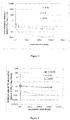
Figure 1 is a graph showing the rate of total CO2 emissions from irradiated soils with and without addition of 13C-labelled glucose (S and S+G treatments, respectively) as described in Examples 1 and 2. -
Figure 2 is a graph showing the emission rate of 13C-labelled CO2 from the irradiated soil amended with 13C-labelled glucose (S+G treatment) as described in Examples 1 and 2. -
Figure 3 is a graph showing the rate of total CO2 emissions from yeast extract incubated with glucose (G+YE), irradiated soil with 13C-labelled glucose (S+G) and irradiated soil with 13C-labelled glucose and yeast extract (S+G+YE) as described in Example 2. -
Figure 4 is a graph showing the emission rate of 13C-labelled CO2 from yeast extract incubated with 13C-labelled glucose (G+YE), yeast extract incubated with 13C-labelled glucose and irradiated soil (S+G+YE) and irradiated soil incubated with 13C-labelled glucose (S+G). -
Figure 5 is a graph showing the emission rate of 13C-labelled CO2 from yeast extract with 13C-labelled glucose and irradiated soil (S+G+YE) and irradiated soil incubated with 13C-labelled glucose (S+G). -
Figure 6 is a scheme of the fuel cell described in Example 3; it is composed of an anode generating a gradient of H+ and electrons from the oxidation of organic substrates. The complete oxidation of substrates at the anode is ensured by the diversity of catalysts present in soil particles. The reduction of O2 into H2O at the cathode is mediated by platinum. -
Figure 7 is a scheme of the fuel cell describes in Examples 4 and 5; it is composed of an anode generating a gradient of H+ and electrons from the oxidation of organic substrates. The complete oxidation of substrates at the anode is ensured by the diversity of catalysts present in soil particles. The reduction of O2 into H2O at the cathode is mediated by catalysts of soil matrix. -
Figure 8 is a scheme of the electrochemical production unit described in Example 6. The unit produces small organic C molecules (CHO) from carbon dioxide (CO2) and water (H2O) using the energy provided by an electric current. The reactions are catalyzed by a soil matrix prepared with γ-irradiated-soil. The water is oxidised into oxygen (O2) at the cathode while the CO2 is reduced into CHO at the cathode using the protons (H+) released by the oxidation of water. The protons (H+) can also be reduced into H2 at the cathode. - A natural soil matrix where living cells have been fully destroyed is able to maintain an oxidative process during at least 1606 days. The oxidative process leads to the decarboxylation of diverse organic C compounds present in the soil matrix and 13C-labelled glucose added to the soil matrix.
- Preparation of the soil matrix. The samples were from the 0-20 cm soil layer at the site of Theix (Massif Central, France). The soil is a sandy loam Cambisol developed on granitic rock. The soil has the following characteristics: pHwater = 6.5, carbon content = 39 g C kg-1, clay = 26%, silt = 25%, sand = 49%. Fresh soil samples were mixed, sieved at 2 mm, dried to 5% (w/w of water per dry soil) and irradiated with gamma rays at 45 kGy (60Co, IONISOS, ISO14001, France).
- Incubations of soil matrix. Experimental microcosms consisted of 20 g of γ-irradiated-soil incubated with 6 mL of water (S treatment) or 5 mL of water and 1 mL of 13C-labelled glucose solution (S+G treatment). The glucose solution contained 60 mg C-glucose mL-1 and was prepared by mixing unlabelled glucose with 13C labelled glucose (C6 Atom% 13C = 99%) to obtain a final delta 13C of 3712‰. The glucose solution was sterilized by filtration at 0.2µm. Three replicates per treatment were prepared. The volumes of water and glucose solution were calculated to incubate soils at a water potential of -100 kPa. Water and soil matrix microcosms were incubated at 25°C for 845 days. The CO2 accumulation and O2 consumption generated by the oxidative metabolism in the soil matrix were analysed after 0.5, 0.8, 1.4, 3.5, 10.3, 19.3, 53, 142, 1125 and 1606 days of incubation. After each gas analysis, flasks were flushed with synthetic air (O2, 20%; N2, 80%) moistened by bubbling in water and sterilized by filtration at 0.2 µm. All manipulations were done under sterile conditions and the sterility of microcosms was verified throughout the incubation through direct fluorescence microscopic observations and TSA-FISH method.
- Gals analysis, O2 and CO2 concentrations were analyzed by gas chromatography. The isotopic composition (δ 13C) of CO2 was quantified using a cavity ring down spectrometer analyzer coupled to a small injection system (Picarro 2131-i analyzer, (Picarro Inc., Santa Clara, CA, USA). The gas samples were diluted with synthetic air (O2, 20%; N2, 80%) when CO2 concentration exceeded the operating range of the analyzer. For each period of incubation, the cumulated amount of CO2 was divided by the duration of the period (in days) to calculate the average daily CO2 emission rate. The daily CO2 emission rate was expressed in mg C-CO2 (mg of carbon released as the form of CO2) per day per incubation flask.
- The soil matrix mediated oxidation activity of soil organic C into CO2 during the 1606 days of incubation (see
Figure 1 ). The rate of total CO2 emissions was maximal during the first hours of incubation with 13.2 ± 0.5 µmol C-CO2 / day / flask and rapidly decreased with time during the first days of incubation. After 10.3 days of incubation, the rate of total CO2 emissions reached 2.36 ± 0.18 µmol C-CO2 / day / flask. Thereafter, the rate of total CO2 emissions slowly decreased with time to finally stabilize at 0.31 ± 0.007 µmol C-CO2 / day / flask after 1125 days of incubation. The soil oxidation activity did not significantly change between 1125 and 1606 days of incubation. These results demonstrate the role of soil matrix in providing a persistent oxidative process able to transform soil organic C in CO2. - The addition of glucose to soil had no effect on total CO2 emissions during the first 145 days of incubation. From 845 to 1606 days of incubation, glucose addition significantly increased the rate of total CO2 emissions. These results indicate that the oxidative process carried out by the soil matrix has access to reserve of organic C present in soil. Therefore, the soil oxidative process can maintain during hundreds days of incubation without external addition of primary substrates. After a long period of incubation, when the availability of soluble C becomes limiting, the soil oxidative process can be stimulated by the addition of primary substrate.
- The soil matrix oxidized the labelled 13C- glucose into 13C-CO2 throughout the 1606 days of incubation (see
Figure 2 ). The rate of glucose oxidation changed with time. It increased with time until to peak at 0.113 ± 0.008 µmol C-CO2 / day / flask after 53 days of incubation. Thereafter, the rate of glucose oxidation decreased with time to finally stabilize to 0.0573 ± 0.0008 µmol C-CO2 / day / flask at 1606 days of incubation. These results demonstrate the capacity of soil matrix to deeply oxidize highly stable molecules such as glucose. - Comparison of
Figures 1 & 2 shows that the rate of 13C-CO2 emissions is low compared to that of total CO2 emissions. This result signifies that the main source of primary substrates for oxidation process is the soil organic C but not the added glucose. - The possibility of increasing the oxidative activity of a sterilized soil matrix by adding the intracellular content of yeasts is demonstrated in this example. The supply of yeast extract significantly increased the rate of total CO2 emissions and glucose oxidation from soil matrix during 1606 days of incubation. Without soil matrix, the oxidative activity of yeast extract rapidly and dramatically decreased over the time. After 1606 days of incubation, the oxidation rate induced by the yeast extract is 31 times higher in the soil matrix than in solution. These findings demonstrate 1) the possibility of manipulating the oxidative activity of soil matrix by adding cell components and 2) the capacity of soil matrix to stabilize a respiratory-like cellular metabolism.
- Preparation of soil matrix. The samples were from the 0-20 cm soil layer at the site of Theix (Massif Central, France). The soil is sandy loam Cambisol developed on granitic rock. The soil has the following characteristics: pHwater = 6.5, carbon content = 39 g C kg-1, clay = 26%, silt = 25%, sand = 49%. Fresh soil samples were mixed, sieved at 2 mm, dried to 5 % (w/w of water per dry soil) and irradiated with gamma rays at 45 kGy (60Co, IONISOS, ISO14001, France).
- Procluction of cell-free yeast-extract. Pichia pastoris cells were cultured at 28°C in a 1.5 L capacity Applikon bioreactor containing synthetic medium. This medium contained 80 µg L-1 D-biotin, 40 g L-1 glycerol, and a mixture of micro and macronutrients. The pH of the medium was regulated at 5 using a NH4OH solution (15%, v/v) that also served as a nitrogen source. Dissolved O2 was measured using a polarographic probe and was maintained at over 30% saturation by stirring up to 1800 rpm and aeration (an injection of 1L of air per liter of medium per minute). The yeast culture was harvested at the end of the growth phase by centrifugation at 5000 x g for 10 min at 5°C to yield a hard pellet. To remove the culture medium, cells were washed and re-centrifuged three times in potassium phosphate buffer (0.1M, pH = 6.5). The cell pellet was re-suspended in a small volume of potassium phosphate buffer (Vyeast/Vbuffer = 2/1) before cells were disrupted with a French pressure cell press (100 MPa). Unbroken cells and large cell debris were removed from the yeast extract by centrifugation at 25000 x g and 5°C. The yeast extract was filtered under sterile conditions at 0.2 µm to obtain a cell-free extract. The cell-free yeast extract was immediately incorporated into water and soil matrix microcosms under sterile conditions.
- Yeast extract. incubation in solution and soil matrix. Experimental microcosms consisted of 5 mL of cell-free yeast extract and 1 mL of 13C-labelled glucose with or without addition of 20g of γ-irradiated-soil (S+G+YE and G+YE treatments, respectively) placed in 250mL airtight flasks. Irradiated-soil with glucose was incubated as control (S+G treatment). The glucose solution contained 60 mg glucose mL-1 and was prepared by mixing unlabelled glucose with 13C labelled glucose (C6 Atom% 13C = 99%) to obtain a final delta 13C of 3712‰. The glucose solution was sterilized by filtration at 0.2µm. Three replicates per treatment were prepared. The volume of solutions (glucose + yeast extract) were adjusted to incubate soils at a water potential of-100 kPa. Water and soil matrix microcosms were incubated at 25°C for 845 days. The CO2 accumulation and O2 consumption generated by the oxidative metabolism in soil matrix and yeast extract were analyzed after 0.5, 0.8, 1.4, 3.5, 10.3, 19.3, 53, 142, 1125 and 1606 days of incubation. After gas analysis, flasks were flushed with synthetic air (O2, 20%; N2, 80%) moistened by bubbling in water and sterilized by filtration at 0.2µm. All manipulations were done under sterile conditions and the sterility of microcosms was verified throughout the incubation through direct fluorescence microscopic observations and TSA-FISH method.
- The incubation of yeast extract with glucose in solution or soil matrix triggered intense oxidative activities during the first hours of incubation (see
Figure 1 ). The rate of total CO2 emissions was higher in G+YE than in S, S+G or S+G+YE treatments during the first hours of incubation. This short-term negative effect of soil matrix is explained by the limited diffusion of substrates and co-factors in soil matrix compared to water. It might also be due to interactions between soil particles and enzymes decreasing their activity. However, the rate of total CO2 emissions in G+YE decreased below that of S+G or S+G+YE treatments from day 19.3 until the end of incubation. After 1606 days of incubation, the oxidative activity is in average 16 times higher in S+G or S+G+YE treatment than in G+YE treatment. The lower oxidative activity in G+YE treatment cannot be afforded to a lack of substrate since only 30% of added labelled glucose were oxidized (data not shown). These results demonstrate the exceptional stability of soil catalysts compared to free catalysts in solutions. The catalysts of soil matrix were able to mineralize a diversity of C sources including soil organic C compounds and added 13C-labelled glucose (seeFigures 1 & 2 ). - The addition of yeast extract significantly increased rate of total CO2 emissions and glucose oxidation from soil matrix (see
Figure 3 & Table II). The stimulation of soil oxidative activity was maximal during hours following yeast extract addition with 1534% increase of total CO2 emissions at 0.5 day of incubation (Table II). The stimulation of total CO2 emissions rapidly decreased from 0.5 to 3.5 days of incubation and tends to stabilize thereafter. After 1606 days of incubations, the rate of total CO2 emissions was increased by 60% in the S+G+YE treatment compared to the control S+G. The oxidation of 13C-labelled glucose into 13CO2 was also stimulated by the addition of yeast extract though the stimulation was less pronounced than for total CO2 emissions. After 1606 days of incubation, the rate of glucose oxidation was increased by 12% in the S+G+YE treatment compared to the control S+G. Collectively, these results demonstrate the possibility of increasing the oxidative process generated in a soil matrix over long-term (>1600 days) by adding a cell extract.Table II. Rate of total CO2 emissions from irradiated soil incubated with 13C-labelled glucose (S+G) and irradiated soil 13C-labelled glucose and yeast extract (S+G-E YE), and percentage increase of rate of total CO2 emissions triggered by addition of yeast extract. Time (days) Rate of total CO2 % increase emissions (µmole C-CO2 /day /flask) S+G S+G+YE 0.50 12.71 207.66 1534% 3.54 2.19 4.53 107% 10.29 2.42 5.63 133% 19.29 1.86 3.87 109% 53.00 1.65 2.73 65% 142.00 0.78 1.46 88% 1125.00 0.34 0.52 51% 1606.00 0.32 0.52 62% - This example demonstrates the possibility of building an air breathing fuel cell by using soil matrix catalysts at the anode. The anode made with sterilized soil was able to convert chemical energy from a variety of fuels such as glycerol, pyruvate and keto-glutarate into electricity. These fuels have high energy-storage densities (higher than lithium-ion batteries) and were completely oxidized by soil catalysts. The very high stability of soil catalysts can maintain fuel oxidation and electricity production during hundred days.
- Preparation of soil matrix. The samples were from the 0-20 cm soil layer at the site of Theix (Massif Central, France). The soil is sandy loam Cambisol developed on granitic rock. The soil has the following characteristics: pHwater = 6.5, carbon content = 39 g C kg-1, clay = 26%, silt = 25%, sand = 49%. Fresh soil samples were mixed, sieved at 2 mm, dried to 5 % (w/w of water per dry soil) and irradiated with gamma rays at 45 kGy (60Co, IONISOS, ISO14001, France).
- Anode preparation. The anode consisted of 15 g of γ-irradiated-soil, 15 mL of electrolytes and a carbon paper collecting the electrons generated by oxidation reactions (see
Figure 6 ). Four substrate treatments were tested: no substrate addition, glycerol, pyruvate and keto-glutarate. For the no substrate treatment, electrolytes contained 0.1 M potassium phosphate buffer (pH 7.5), 10 mM MgCl2, 0.5 MnCl2. For substrate treatment, 10 mM of glycerol, pyruvate or keto-glutarate were added to 0.1 M potassium phosphate buffer (pH 7.5), 10 mM MgCl2 and 0.5 MnCl2. The glycerol, pyruvate and keto-glutarate were 13C labelled (delta 13C = 2500 ‰). The 13C labelling enabled to separate the oxidation of soil organic C and added substrates. - Cathode preparation. The cathode was platinum gauze (20 cm2), electrodeposited with platinum-black. The catholyte (0.1 M potassium phosphate buffer (pH 7.5)) was continuously saturated with O2.
- Fuel cell assembling. The anode and cathode were fixed into a polymethylmethacrylat (PMMA) tube of 5 cm diameter and 8 cm high. The anode was surmounted by a reservoir of 100 mL where CO2 released by oxidation reactions could accumulate (see
Figure 6 ). The reservoir was also used to add electrolyte with fresh substrate when the substrate added at the beginning of the experiment was exhausted. The anode was separated from the reservoir with a polyvinylidene mesh of 0.2 µm pore size to maintain soil matrix in contact with the carbon paper and the proton exchange membrane (PEM). The mesh was also used to prevent soil matrix from microbial contamination during cell loading with fresh substrate. The reservoir was equipped of two valves in order to flush reservoir and anode with pure N2 at the beginning of experiment and after each gas measurement. These flushes ensured the anoxic condition at the anode. The reservoir was also equipped of a septum to allow gas sampling. All components of fuel cell were sterilized and assembled under sterile conditions. - Measurement of soil organic C and added substrate oxidation. The total oxidation of soil organic C and added substrates were measured during periods of inactivity and activity of fuel cell. The measurement during cell inactivity allowed determining the stability of fuel cell in absence of any connection. The measurement during cell activity allowed determining the efficiency of converting chemical energy in electricity. The total oxidation of soil organic C and added substrates corresponded to the accumulation of CO2 in cell reservoir. The CO2 accumulation was quantified by repeated measurement of CO2 concentration by chromatography after sampling of gas reservoir. The oxidation of added 13C-labelied substrate was specifically quantified by following the production of 13C-labelled CO2. The isotopic composition (delta 13C) was determined using a cavity ring down spectrometer analyzer coupled to a small injection system (Picarro 2131-i analyzer, Picarro Inc., Santa Clara, CA, USA).
- Electrochemical characterization of fuel cell. All electrochemical tests were performed using a multi-potentiostat interfaced to a PC. These tests included power density, current density and open circuit potential, as well as charging and discharging profile output. The stability over time of fuel cell was determined by conducting electrochemical tests after 10, 50 and 100 days of cell building. Additional inputs of 13C-labelled substrates were performed when substrates were exhausted.
- This example demonstrates the possibility of building an air breathing fuel cell by using soil matrix catalysts at anode and cathode. The anode made with sterilized soil was able to convert chemical energy from a variety of biofuels such as glycerol, pyruvate and keto-glutarate into electricity. These fuels have high energy-storage densities (higher than lithium-ion batteries) and were completely oxidized by soil catalysts. At the cathode, soil catalysts efficiently reduced O2 into H2O using the flux of H+ generated by the anode. The very high stability of soil catalysts allows maintaining fuel oxidation and electricity production during at least hundred days. These findings demonstrate the possibility of building an air breathing fuel cell without using any rare metals as catalyst.
- Preparation of soil matrix. The samples were from the 0-20 cm soil layer at the site of Theix (Massif Central, France). The soil is sandy loam Cambisol developed on granitic rock. The soil has the following characteristics: pHwater = 6.5, carbon content = 39 g C kg-1, clay = 26%, silt = 25%, sand = 49%. Fresh soil samples were mixed, sieved at 2 mm, dried to 5 % (w/w of water per dry soil) and irradiated with gamma rays at 45 kGy (60Co, IONISOS, ISO14001, France).
- Anode preparation. The anode consisted of 15 g of γ-irradiated-soil, 15 mL of electrolytes and a carbon paper collecting the electrons generated by oxidation reactions (see
Figure 7 ). Four substrate treatments were tested: no substrate addition, glycerol, pyruvate and keto-glutarate. For the no substrate treatment, electrolytes contained 0.1 M potassium phosphate buffer (pH 7.5), 10 mM MgCl2, 0.5 MnCl2. For substrate treatment, 10 mM of glycerol, pyruvate or Keto-glutarate were added to 0.1 M potassium phosphate buffer (pH 7.5), 10 mM MgCl2 and 0.5 MnCl2. The glycerol, pyruvate and keto-glutarate were 13C labelled (delta 13C = 2500 ‰). The 13C labelling enabled to separate the oxidation of soil organic C and added substrates. - Cathode preparation. The cathode consisted of 15 g of γ-irradiated-soil, 7 mL of electrolytes and a carbon paper transferring the electrons to soil catalysts (see
Figure 7 ). Electrolytes were composed of 0.1 M potassium phosphate buffer (pH 7.5), 10 mM MgCl2, 0.5 MnCl2. The soil matrix was placed in contact of the proton exchange membrane (PEM, Nafion) in one side and the air from the other side. The soil matrix was protected from airborne microorganisms thanks to a polyvinylidene mesh of 0.2 µm pore size. The side in contact with air was saturated in O2. - Fuel cell assembling. The anode and cathode were fixed into a polymethylmethacrylate (PMMA) tube of 5 cm diameter and 8 cm high. The anode was surmounted by a reservoir of 100 mL where gas released by oxidation reactions can accumulate as represented in
Figure 7 . The reservoir was also used to add electrolyte with fresh substrate when the substrate added at the beginning of the experiment was exhausted. The anode was separated from the reservoir with a polyvinylidene mesh of 0.2 µm pore size to maintain soil matrix in contact with the carbon paper and the proton exchange membrane (PEM). The mesh was also used to prevent soil matrix from microbial contamination during cell loading with fresh substrate. The reservoir was equipped of two valves in order to flush reservoir and anode with pure N2 at the beginning of experiment and after each gas measurement. These flushes ensured the anoxic condition at the anode. The reservoir was also equipped of a septum to allow gas sampling. All components of fuel cell were sterilized and assembled under sterile conditions. - Measurement of soil organic C and added substrate oxidation. The total oxidation of soil organic C and added substrates were measured during periods of inactivity and activity of fuel cell. The measurement during cell inactivity allowed determining the stability of fuel cell in absence of any connection. The measurement during cell activity allowed determining efficiency of converting chemical energy in electricity. The total oxidation of soil organic C and added substrates corresponded to the accumulation of CO2 in the cell reservoir. CO2 accumulation was quantified by repeated measurements of CO2 concentration by chromatography after sampling of gas reservoir. The oxidation of added 13C-labelled substrate was specifically quantified by following the production of 13C-labelled CO2. The isotopic composition (delta 13C) was determined using a cavity ring down spectrometer analyzer coupled to a small injection system (Picarro 2131-i analyzer, Picarro Inc., Santa Clara, CA, USA).
- Electrochemical characterization of fuel cell. All electrochemical tests were performed using a multi-potentiostat interfaced to a PC. These tests included power density, current density and open circuit potential, as well as charging and discharging profile output. The stability over time of the fuel cell was determined by conducting electrochemical tests after 10, 50 and 100 days of cell building. The potential of the anode and cathode were referenced to a saturated calomel electrode located within the anode and cathode compartments, respectively. Additional inputs of 13C-labelled substrates were performed when substrates were exhausted.
- This example shows the possibility of enhancing the power of the air breathing fuel cell by transferring yeast extract in soil matrix. The supply of yeast extract in soil matrix significantly increased the catalytic power of the anode. Consequently, the current density and power density of the fuel cell were significantly increased. This stimulating effect of yeast extract was maintained during hundreds of days.
- Production of cell-free yeast-extract. Pichia pastoris cells were cultured at 28°C in a 1.5 L capacity Applikon bioreactor containing synthetic medium. This medium contained 80 µg L-1 D-biotin, 40g L-1 glycerol and a mixture of micro and macronutrients. pH of the medium was regulated at 5 using a NH4OH solution (15%, v/v) that also served as a nitrogen source. Dissolved O2 was measured using a polarographic probe and was maintained at over 30% saturation by stirring up to 1800 rpm and aeration (an injection of 1 L of air per liter of medium per minute). The yeast culture was harvested at the end of the growth phase by centrifugation at 5000 x g for 10 min at 5°C to yield a hard pellet. To remove the culture media, the sediment was washed and re-decanted three times in 0.1 M potassium phosphate buffer (pH 7.5). The sediment was re-suspended in a small volume of potassium phosphate buffer (Vyeast/Vbuffer = 2/1) before cells were disrupted with a French pressure cell press (100 MPa). Unbroken cells and large cell debris were removed from the yeast extract by centrifugation at 25000 x g and 5°C. The yeast extract was filtered under sterile conditions at 0.2 µm to obtain a cell-free extract. The cell-free yeast extract was immediately incorporated into water and soil matrix microcosms under sterile conditions.
- Preparation of soil matrix. The samples were from the 0-20 cm soil layer at the site of Theix (Massif Central, France). The soil is sandy loam Cambisol developed on granitic rock. The soil has the following characteristics: pHwater = 6.5, carbon content = 39 g C kg-1, clay = 26%, silt = 25%, sand = 49%. Fresh soil samples were mixed, sieved at 2 mm, dried to 5% (w/w of water per dry soil) and irradiated with gamma rays at 45 kGy (60Co, IONISOS, ISO14001, France).
- Anode preparation. The anode consisted of 15 g of γ-irradiated-soil, 15 mL of electrolytes and a carbon paper collecting the electrons generated by oxidation reactions (see
Figure 7 ). The electrolytes were composed of 15 mL of yeast extract with 10 mM pyruvate, 10 mM MgCl2 and 0.5 MnCl2. The pyruvate was 13C labelled (delta 13C = 2500 ‰). The 13C labelling enabled to separate the oxidation of soil organic C and added substrates. Cathode preparation. The cathode was platinum gauze (20 cm2), electrodeposited with platinum-black. The catholyte (0.1 M potassium phosphate buffer (pH 7.5))) was continuously saturated with O2. - Fusel cell assembling. The anode and the cathode were fixed into a polymethylmethacrylate (PMMA) tube of 5 cm diameter and 8 cm high. The anode was surmounted by a reservoir of 100 mL where gas released by oxidation reactions can accumulate (see
Figure 7 ). The reservoir was also used to add electrolyte with fresh substrate when the substrate added at the beginning of the experiment was exhausted. The anode was separated from the reservoir with a polyvinylidene mesh of 0.2 µm pore size to maintain soil matrix in contact with the carbon mesh and the proton exchange membrane (PEM). The mesh was also used to prevent soil matrix from microbial contamination during cell loading with fresh substrate. The reservoir was equipped of two valves in order to flush reservoir and anode with pure N2 at the beginning of experiment and after each gas measurement. These flushes ensured the anoxic condition at the anode. The reservoir was also equipped of a septum to allow gas sampling. All components of fuel cell were sterilized and assembled under sterile conditions. - Measurement of soil organic C and added substrate oxidation. The total oxidation of soil organic C and added substrates were measured during periods of inactivity and activity of fuel cell. The measurement during cell inactivity allowed determining the stability of fuel cell in absence of any connection. The measurement during cell activity allowed determining efficiency of converting chemical energy in electricity. The total oxidation of soil organic C and added substrates corresponded to the accumulation of CO2 in cell reservoir. The CO2 accumulation was quantified by repeated measurement of CO2 concentration by chromatography after sampling of gas reservoir. The oxidation of added 13C-labelled substrate was specifically quantified by following the production of 13C-labelled CO2. The isotopic composition (delta 13C) was determined using a cavity ring down spectrometer analyzer coupled to a small injection system (Picarro 2131-i analyzer, Picarro Inc., Santa Clara, CA, USA).
- Electrochemical characterization of fuel cell. All electrochemical tests were performed using a multi-potentiostat interfaced to a PC. These tests included power density, current density and open circuit potential, as well as charging and discharging profile output. The stability over time of the fuel cell was determined by conducting electrochemical tests after 10, 50 and 100 days of cell building. Additional inputs of 13C-labelled substrates were performed when substrates were exhausted.
- This example shows the possibility of synthesis of organic molecules from CO2 and H2O using the energy provided by an electric current. The anode and the cathode were made with soil matrix and were saturated with H2O and CO2, respectively. The CO2 was labelled with 13C . Application of a potential of -0,4V induced the release of O2 at the anode indicating water electrolysis. The water electrolysis at the anode was paralleled to formation of 13C-labelled organic compounds and hydrogen at the cathode. These compounds could be isolated using soil extraction with water. Production of O2, H2 and 13C-labelled organic compounds was not detectable without connection of anode and cathode to electricity. These findings demonstrated the possibility of synthetizing organic molecules from O2 and H2O using electricity as source of energy.
- Preparation of soil matrix. The samples were from the 0-20 cm soil layer at the site of Theix (Massif Central, France). The soil is sandy loam Cambisol developed on granitic rock. The soil has the following characteristics: pHwater = 6.5, carbon content = 39 g C kg-1, clay = 26%, silt = 25%, sand = 49%. Fresh soil samples were mixed, sieved at 2 mm, dried to 5 % (w/w of water per dry soil) and irradiated with gamma ray at 45 kGy (60Co, IONISOS, ISO14001, France).
- Anode preparation. The anode consisted of 15 g of γ-irradiated-soil, 15 mL of electrolytes and a carbon paper collecting the electrons from the oxidation of H2O into O2 (see
Figure 8 ). Electrolytes contained 0.1 M potassium phosphate buffer (pH 7.5), 10 mM MgCl2 and 0.5 MnCl2. The anode was connected to a reservoir (100 mL) filled with pure N2. Cathode preparation. The cathode consisted of 15 g of γ-irradiated-soil, 15 mL of electrolytes and a carbon paper distributing the electrons into the soil matrix (seeFigure 8 ). Electrolytes contained 0.1 M potassium phosphate buffer (pH 7.5), 10 mM MgCl2 and 0.5 MnCl2. The cathode was connected to a reservoir (100 mL) filled with pure CO2. The CO2 was 13C labelled (13C abundance = 99%) in order to trace the formation of small 13C-labelled organic C compounds in soil matrix. - Electrode assembling. The anode and cathode were fixed into a Polymethylmethacrylate (PMMA) tube of 5 cm diameter and 12 cm high (see
Figure 8 ). The anode and cathode were separated with a proton exchange membrane (Nafion). The reservoirs connected to anode and cathode were equipped of septum enabling gas sampling. The reservoirs were also equipped of valves in order to regularly flush the anode and cathode with N2 and CO2, respectively. - Production of O2, H2 and small 13C-labelled organic compounds. A potential of -0,4V was applied between the anode and cathode to generate the electro-catalyses (see
Figure 8 ). The potential applied with a potentiostat was maintained during three weeks. The current density uptake and electrons consumed by the electrochemical system were quantified with the potentiostat and expressed per unit of cathode area. The production of O2 at the anode was quantified by measuring the pressure and the O2 concentration in the reservoir connected to the anode. The production of H2 at the cathode was quantified by measuring the pressure and the H2 concentration in the reservoir connected to the anode. Concentration of O2 and H2 was measured by chromatography. The total amount of 13C-labelled compounds produced at the cathode was quantified by sampling 3 mL of cathode solution (mix of water & soil matrix). The solution was freeze dried before to be analyzed with an elemental analyzer coupled to an Isotop Ratio Mass Spectrometer. The soluble fraction of 13C-labelled organic compounds produced at the cathode was quantified after extraction of 3 mL of cathode solution with 3 mL of water and filtration at 0.45 µm. Samples were then examined by a TOC-meter coupled to an Isotop Ratio Mass Spectrometer in order to quantity the amount and delta 13C of soluble compounds. Samples were also analyzed by ultra-high-performance liquid chromatograph (HPLC) in order to determined the chemical composition of soluble compounds. To analyze for volatile fatty acids (VFAs), 1 mL of cathode solution was filtered through a 0,45 µm pore size filter and 50 µL of formic acid (50% v/v) was added. Samples were then analyzed by a gas chromatograph.
Claims (7)
- Biofuel cell composed of:- an anode comprising a biocatalytic complex composed of a sterilized soil and optionally an electrolyte, and a first conductive material partially entrapped into said sterilized soil; and- a cathode comprising a second conductive material in presence of O2wherein soil matrix contains at least one of the two following properties:- the presence of organic or mineral catalyzers including enzymes stabilized on soil particles (e.g. enzymes of Krebs cycle), metallic species (e.g. Fe2+/3+), minerals (e.g. clay) or other organo-mineral catalyzers; and/or- the presence of organic or mineral particles allowing the stabilization of at least two different catalyzers.
- Biofuel cell according to claim 1 wherein the conductive material of the cathode is partially entrapped in a second sterilized soil matrix comprising a second electrolyte.
- Use of a biocatalytic complex composed of:- a sterilized soil and optionally an electrolyte, and- a conductive material partially entrapped into said soil,as an electrode in a biofuel cell.
- Process of electricity generation using the biofuel cell according to claim 1 comprising the steps of preparing said biofuel cell and of collecting the generated electricity.
- Process according to claim 4, wherein said process comprises an additional step of introducing substrates and/or additives in the sterilized soil of the anode of said biofuel cell.
- Bioreactor for the electrochemical synthesis of organic molecules composed of:- an anode comprising a first biocatalytic complex composed of a first sterilized soil and optionally a first electrolyte in the presence of H2O, and a first conductive material partially entrapped into said first sterilized soil;- a cathode comprising a second biocatalytic complex composed of a second sterilized soil and optionally a second electrolyte in presence of CO2, and a second conductive material partially entrapped into said second sterilized soil;- an electric generator connected to said anode and cathode.
- Process of electrochemical synthesis of organic molecules using the bioreactor of claim 6 comprising the steps of:- introducing additives in the first/second sterilized soil of said bioreactor, and- recovering said synthesized organic molecules.
Priority Applications (3)
| Application Number | Priority Date | Filing Date | Title |
|---|---|---|---|
| EP16162941.5A EP3226336A1 (en) | 2016-03-30 | 2016-03-30 | Biofuel cells and bioreactor composed of biocatalytic complex comprising sterilized soil |
| EP17714469.8A EP3437150B1 (en) | 2016-03-30 | 2017-03-30 | Biofuel cells and bioreactor of biocatalytic complex comprising of sterilized soil |
| PCT/EP2017/057606 WO2017167917A1 (en) | 2016-03-30 | 2017-03-30 | Biofuel cells and bioreactor of biocatalytic complex comprising of sterilized soil |
Applications Claiming Priority (1)
| Application Number | Priority Date | Filing Date | Title |
|---|---|---|---|
| EP16162941.5A EP3226336A1 (en) | 2016-03-30 | 2016-03-30 | Biofuel cells and bioreactor composed of biocatalytic complex comprising sterilized soil |
Publications (1)
| Publication Number | Publication Date |
|---|---|
| EP3226336A1 true EP3226336A1 (en) | 2017-10-04 |
Family
ID=55646400
Family Applications (2)
| Application Number | Title | Priority Date | Filing Date |
|---|---|---|---|
| EP16162941.5A Withdrawn EP3226336A1 (en) | 2016-03-30 | 2016-03-30 | Biofuel cells and bioreactor composed of biocatalytic complex comprising sterilized soil |
| EP17714469.8A Active EP3437150B1 (en) | 2016-03-30 | 2017-03-30 | Biofuel cells and bioreactor of biocatalytic complex comprising of sterilized soil |
Family Applications After (1)
| Application Number | Title | Priority Date | Filing Date |
|---|---|---|---|
| EP17714469.8A Active EP3437150B1 (en) | 2016-03-30 | 2017-03-30 | Biofuel cells and bioreactor of biocatalytic complex comprising of sterilized soil |
Country Status (2)
| Country | Link |
|---|---|
| EP (2) | EP3226336A1 (en) |
| WO (1) | WO2017167917A1 (en) |
-
2016
- 2016-03-30 EP EP16162941.5A patent/EP3226336A1/en not_active Withdrawn
-
2017
- 2017-03-30 WO PCT/EP2017/057606 patent/WO2017167917A1/en not_active Ceased
- 2017-03-30 EP EP17714469.8A patent/EP3437150B1/en active Active
Non-Patent Citations (11)
| Title |
|---|
| "Fundamentals of soil mechanics for sedimentary and residual soils", JOHN WILEY & SONS, INC |
| BLANKINSHIP JOSEPH C ET AL: "Separating cellular metabolism from exoenzyme activity in soil organic matter decomposition", SOIL BIOLOGY AND BIOCHEMISTRY, PERGAMON, OXFORD, GB, vol. 71, 21 January 2014 (2014-01-21), pages 68 - 75, XP028616620, ISSN: 0038-0717, DOI: 10.1016/J.SOILBIO.2014.01.010 * |
| CALVET, R.: "Le sol: propriétés et fonctions. Tome 1 Constitution, structure et phénomènes aux interfaces", 2003, WESLEY, L.D |
| DANOVARO ET AL., APPLIED ENVIRONMENTAL MICROBIOLOGY, vol. 67, 2001, pages 1384 - 1387 |
| JENNY, H: "Factors of soil formation: a system of quantitative pedology", 1941, MCGRAW-HILL |
| MAIRE ET AL., BIOGEOSCIENCES, vol. 10, 2013, pages 1155 - 1167 |
| MCNAMARA ET AL., APPLIED SOIL ECOLOGY, vol. 24, 2003, pages 117 - 132 |
| METSON, A.J.: "Methods of chemical analysis for soil survey samples", NZ SOIL BUR BULL, 1956 |
| SINSABAUGH ROBERT L ET AL: "Scaling microbial biomass, metabolism and resource supply", BIOGEOCHEMISTRY, KLUWER ACADEMIC PUBLISHERS, AMSTERDAM, NL, vol. 122, no. 2, 16 December 2014 (2014-12-16), pages 175 - 190, XP035432155, ISSN: 0168-2563, [retrieved on 20141216], DOI: 10.1007/S10533-014-0058-Z * |
| V. MAIRE ET AL: "An unknown oxidative metabolism substantially contributes to soil CO<sub>2</sub> emissions", BIOGEOSCIENCES, vol. 10, no. 2, 21 February 2013 (2013-02-21), pages 1155 - 1167, XP055283840, DOI: 10.5194/bg-10-1155-2013 * |
| VANCE ET AL., SOIL BIOLOGY AND BIOCHEMISTRY, vol. 19, 1987, pages 703 - 707 |
Also Published As
| Publication number | Publication date |
|---|---|
| WO2017167917A1 (en) | 2017-10-05 |
| EP3437150B1 (en) | 2019-12-25 |
| EP3437150A1 (en) | 2019-02-06 |
Similar Documents
| Publication | Publication Date | Title |
|---|---|---|
| Liu et al. | A novel green composite conductive material enhancing anaerobic digestion of waste activated sludge via improving electron transfer and metabolic activity | |
| Ye et al. | Light-driven carbon dioxide reduction to methane by Methanosarcina barkeri-CdS biohybrid | |
| Kracke et al. | In situ electrochemical H 2 production for efficient and stable power-to-gas electromethanogenesis | |
| Izadi et al. | Parameters influencing the development of highly conductive and efficient biofilm during microbial electrosynthesis: the importance of applied potential and inorganic carbon source | |
| Rosenbaum et al. | Aerated Shewanella oneidensis in continuously fed bioelectrochemical systems for power and hydrogen production | |
| Tartakovsky et al. | Biocatalyzed hydrogen production in a continuous flow microbial fuel cell with a gas phase cathode | |
| Ma et al. | Silver supported on titania as an active catalyst for electrochemical carbon dioxide reduction | |
| Tartakovsky et al. | High rate membrane-less microbial electrolysis cell for continuous hydrogen production | |
| Cercado et al. | Garden compost inoculum leads to microbial bioanodes with potential-independent characteristics | |
| Cui et al. | Converting CO2 to single-cell protein via an integrated electrocatalytic-biosynthetic system | |
| Zang et al. | Mechanism and applications of bidirectional extracellular electron transfer of Shewanella | |
| Rahimnejad et al. | Low voltage power generation in a biofuel cell using anaerobic cultures | |
| He et al. | Magnetic assembling GO/Fe3O4/microbes as hybridized biofilms for enhanced methane production in microbial electrosynthesis | |
| Zhang et al. | Clarifying catalytic behaviors and electron transfer routes of electroactive biofilm during bioelectroconversion of CO2 to CH4 | |
| Park et al. | Electrode reaction of Desulfovibrio desulfuricans modified with organic conductive compounds | |
| Hu et al. | In-situ growth of N@ MoO2 microflowers on carbon cloth for high-performance anodes in microbial fuel cells | |
| Zhang et al. | Bio-reduced graphene oxide on hollow fibers as gas-diffusible anodes for enhancing bioelectrochemical methane oxidation | |
| Ma et al. | Boosting the microbial electrosynthesis of acetate from CO2 by hydrogen evolution catalysts of Pt nanoparticles/rGO | |
| Ghiara et al. | Biochar based cathode enriched with hydroxyapatite and Cu nanoparticles boosting electromethanogenesis | |
| Zhang et al. | Catalytic membrane cathode integrated in a proton exchange membrane-free microbial fuel cell for coking wastewater treatment | |
| Huang et al. | Bidirectional extracellular electron transfers by Stenotrophomonas sp. and by Serratia marcescens via tunable extracellular polymeric substances at low or at high solution conductivity | |
| Zhang et al. | Unveiling the microbial co-metabolism behavior for electrical-driven degradation of phenol in bioanode | |
| EP3437150B1 (en) | Biofuel cells and bioreactor of biocatalytic complex comprising of sterilized soil | |
| Zhang et al. | Electricity-powered cryptic CO2 fixation pathway in heterotrophic Shewanella oneidensis for acetate synthesis | |
| JP4092401B2 (en) | Hydrogen production method |
Legal Events
| Date | Code | Title | Description |
|---|---|---|---|
| PUAI | Public reference made under article 153(3) epc to a published international application that has entered the european phase |
Free format text: ORIGINAL CODE: 0009012 |
|
| AK | Designated contracting states |
Kind code of ref document: A1 Designated state(s): AL AT BE BG CH CY CZ DE DK EE ES FI FR GB GR HR HU IE IS IT LI LT LU LV MC MK MT NL NO PL PT RO RS SE SI SK SM TR |
|
| AX | Request for extension of the european patent |
Extension state: BA ME |
|
| STAA | Information on the status of an ep patent application or granted ep patent |
Free format text: STATUS: THE APPLICATION IS DEEMED TO BE WITHDRAWN |
|
| 18D | Application deemed to be withdrawn |
Effective date: 20180405 |