EP3226240B1 - Systeme de segregation des messages audio dans un cockpit - Google Patents
Systeme de segregation des messages audio dans un cockpit Download PDFInfo
- Publication number
- EP3226240B1 EP3226240B1 EP17161122.1A EP17161122A EP3226240B1 EP 3226240 B1 EP3226240 B1 EP 3226240B1 EP 17161122 A EP17161122 A EP 17161122A EP 3226240 B1 EP3226240 B1 EP 3226240B1
- Authority
- EP
- European Patent Office
- Prior art keywords
- audio
- messages
- audio messages
- aircraft
- segregating
- Prior art date
- Legal status (The legal status is an assumption and is not a legal conclusion. Google has not performed a legal analysis and makes no representation as to the accuracy of the status listed.)
- Active
Links
Images
Classifications
-
- G—PHYSICS
- G10—MUSICAL INSTRUMENTS; ACOUSTICS
- G10L—SPEECH ANALYSIS TECHNIQUES OR SPEECH SYNTHESIS; SPEECH RECOGNITION; SPEECH OR VOICE PROCESSING TECHNIQUES; SPEECH OR AUDIO CODING OR DECODING
- G10L15/00—Speech recognition
- G10L15/04—Segmentation; Word boundary detection
-
- H—ELECTRICITY
- H04—ELECTRIC COMMUNICATION TECHNIQUE
- H04R—LOUDSPEAKERS, MICROPHONES, GRAMOPHONE PICK-UPS OR LIKE ACOUSTIC ELECTROMECHANICAL TRANSDUCERS; ELECTRIC HEARING AIDS; PUBLIC ADDRESS SYSTEMS
- H04R3/00—Circuits for transducers
- H04R3/12—Circuits for transducers for distributing signals to two or more loudspeakers
-
- G—PHYSICS
- G06—COMPUTING OR CALCULATING; COUNTING
- G06F—ELECTRIC DIGITAL DATA PROCESSING
- G06F16/00—Information retrieval; Database structures therefor; File system structures therefor
- G06F16/60—Information retrieval; Database structures therefor; File system structures therefor of audio data
- G06F16/68—Retrieval characterised by using metadata, e.g. metadata not derived from the content or metadata generated manually
- G06F16/683—Retrieval characterised by using metadata, e.g. metadata not derived from the content or metadata generated manually using metadata automatically derived from the content
-
- G—PHYSICS
- G08—SIGNALLING
- G08G—TRAFFIC CONTROL SYSTEMS
- G08G5/00—Traffic control systems for aircraft
- G08G5/20—Arrangements for acquiring, generating, sharing or displaying traffic information
- G08G5/21—Arrangements for acquiring, generating, sharing or displaying traffic information located onboard the aircraft
-
- G—PHYSICS
- G08—SIGNALLING
- G08G—TRAFFIC CONTROL SYSTEMS
- G08G5/00—Traffic control systems for aircraft
- G08G5/20—Arrangements for acquiring, generating, sharing or displaying traffic information
- G08G5/25—Transmission of traffic-related information between aircraft
-
- G—PHYSICS
- G10—MUSICAL INSTRUMENTS; ACOUSTICS
- G10L—SPEECH ANALYSIS TECHNIQUES OR SPEECH SYNTHESIS; SPEECH RECOGNITION; SPEECH OR VOICE PROCESSING TECHNIQUES; SPEECH OR AUDIO CODING OR DECODING
- G10L15/00—Speech recognition
- G10L15/08—Speech classification or search
-
- G—PHYSICS
- G10—MUSICAL INSTRUMENTS; ACOUSTICS
- G10L—SPEECH ANALYSIS TECHNIQUES OR SPEECH SYNTHESIS; SPEECH RECOGNITION; SPEECH OR VOICE PROCESSING TECHNIQUES; SPEECH OR AUDIO CODING OR DECODING
- G10L21/00—Speech or voice signal processing techniques to produce another audible or non-audible signal, e.g. visual or tactile, in order to modify its quality or its intelligibility
- G10L21/02—Speech enhancement, e.g. noise reduction or echo cancellation
- G10L21/0272—Voice signal separating
-
- G—PHYSICS
- G10—MUSICAL INSTRUMENTS; ACOUSTICS
- G10L—SPEECH ANALYSIS TECHNIQUES OR SPEECH SYNTHESIS; SPEECH RECOGNITION; SPEECH OR VOICE PROCESSING TECHNIQUES; SPEECH OR AUDIO CODING OR DECODING
- G10L25/00—Speech or voice analysis techniques not restricted to a single one of groups G10L15/00 - G10L21/00
- G10L25/48—Speech or voice analysis techniques not restricted to a single one of groups G10L15/00 - G10L21/00 specially adapted for particular use
-
- G—PHYSICS
- G10—MUSICAL INSTRUMENTS; ACOUSTICS
- G10L—SPEECH ANALYSIS TECHNIQUES OR SPEECH SYNTHESIS; SPEECH RECOGNITION; SPEECH OR VOICE PROCESSING TECHNIQUES; SPEECH OR AUDIO CODING OR DECODING
- G10L15/00—Speech recognition
- G10L15/08—Speech classification or search
- G10L2015/088—Word spotting
-
- H—ELECTRICITY
- H04—ELECTRIC COMMUNICATION TECHNIQUE
- H04R—LOUDSPEAKERS, MICROPHONES, GRAMOPHONE PICK-UPS OR LIKE ACOUSTIC ELECTROMECHANICAL TRANSDUCERS; ELECTRIC HEARING AIDS; PUBLIC ADDRESS SYSTEMS
- H04R2430/00—Signal processing covered by H04R, not provided for in its groups
Definitions
- the field of the invention is that of the man-machine interfaces within the cockpits of aircraft and more particularly the sound interfaces necessary for the communication inside the cockpits.
- the sound interfaces can be emitted by the helmet of the pilots or by the loudspeakers of the cockpit.
- the sounds emitted are multiple and of various natures. These are sound alerts, audio messages from air traffic control or "ATC”, an acronym for "Air Traffic Control”, automatic broadcast service or “ATIS”, meaning "Automatic Terminal Information Service”, pilots themselves. , cabin crew or “cabin crew”, mechanics ...
- Audio message is the part of the audio stream having a meaning.
- a controller setpoint sent on the ATC frequency is an audio message.
- the problem is that these different reception channels emit audio streams that are merged and emitted by the headphone speakers into a single stereo sound.
- the pilots focus hard on a message without being distracted by those who are issued at the same time. In this context, certain alerts or flight instructions may be misinterpreted or ignored. It is also difficult to know who is sending the message.
- the audio message listening system according to the invention as described in claims 1 to 7 does not have the above disadvantages. It is an intelligent system for listening and processing information contained in audio messages. It also allows a return of information adapted to the needs of the operator. It makes it possible to ensure the selection of the audio messages according to their importance by means of simple criteria.
- the keywords are aircraft identifiers.
- the processing of an audio message consists of a modification of the voice reading said audio message.
- the first priority is assigned to the audio messages whose call sign is that of the first aircraft.
- the reception means 11 pick up the audio signals coming from outside the device or from inside the device.
- the external signals have different origins. They can come from air traffic control 1 or "ATC” or the automatic broadcast service 2 or "ATIS".
- the receiving members then consist of receiving antennas. Internal signals can come from the pilots themselves or the cabin crew or cabin crew.
- the reception is provided by microphones. These reception means are symbolized by a single antenna 11 on the figure 1 .
- the simplest treatment is to keep only the most important messages and to delete the others.
- a second treatment is to increase the sound of the most important messages or to lower the volume of messages considered as secondary.
- a third treatment is to change the tone of the messages.
- a final treatment consists of spatializing the sound, that is, creating the illusion that the audio message comes from a specific direction.
- the messages sent in the two earphones may be slightly offset in time or in intensity or frequency to create this illusion.
- the most important audio messages may thus seem to come from a privileged position, for example in front of or in the vicinity of the receiver, while the least important messages come from a secondary position, behind or on the side or far from the one who receives it.
- This spatialization of sounds makes it possible to better focus one's attention on a given source. This effect is called the "Cocktail Party" effect.
- the attitude information of the headset can be used to make the spatialization independent of the position of the headset.
- the sound origin of the message appears fixed in space.
- Treatments can also be graphic.
- the audio message is transcribed as text and then sent to the display devices of the device.
- the audio and graphics processing can be implemented separately or simultaneously, some messages being intended to be read and others heard.
- the messages are sent either to the listening means 16 of the device, or to the various display devices of the device.
- the main means of listening as represented on the figure 1 , is the headphones of the crew members. There are also speakers in the cockpit.
- the various visualization devices include the large display screens of the dashboard, the so-called “head-up” display systems and the helmet or head visualization systems.
Landscapes
- Engineering & Computer Science (AREA)
- Physics & Mathematics (AREA)
- Multimedia (AREA)
- Acoustics & Sound (AREA)
- Health & Medical Sciences (AREA)
- Human Computer Interaction (AREA)
- Audiology, Speech & Language Pathology (AREA)
- Computational Linguistics (AREA)
- General Physics & Mathematics (AREA)
- Signal Processing (AREA)
- Aviation & Aerospace Engineering (AREA)
- Theoretical Computer Science (AREA)
- Library & Information Science (AREA)
- Quality & Reliability (AREA)
- General Engineering & Computer Science (AREA)
- Databases & Information Systems (AREA)
- Data Mining & Analysis (AREA)
- Otolaryngology (AREA)
- General Health & Medical Sciences (AREA)
- Traffic Control Systems (AREA)
- Mobile Radio Communication Systems (AREA)
- Circuits Of Receivers In General (AREA)
- Management Or Editing Of Information On Record Carriers (AREA)
- Fittings On The Vehicle Exterior For Carrying Loads, And Devices For Holding Or Mounting Articles (AREA)
Description
- Le domaine de l'invention est celui des interfaces homme machine au sein des cockpits d'aéronefs et plus particulièrement des interfaces sonores nécessaires pour la communication à l'intérieur des cockpits.
- Actuellement, dans les cockpits d'avion, les interfaces sonores peuvent être émises par le casque des pilotes ou par les hauts parleurs du cockpit. Les sons émis sont multiples et de diverses natures. Ce sont des alertes sonores, des messages audio provenant du contrôle aérien ou « ATC », acronyme signifiant « Air traffic Control », du service automatique de diffusion ou « ATIS », acronyme signifiant « Automatic Terminal Information Service », des pilotes eux-mêmes, du personnel navigant commercial ou « PNC », des mécaniciens ...
- On entend par message audio la partie du flux audio ayant un sens. Par exemple, une consigne du contrôleur envoyée sur la fréquence ATC est un message audio. Le problème est que ces différents canaux de réception émettent des flux audio qui sont fusionnés et émis par les hauts parleurs du casque en un unique son stéréo. Les pilotes se focalisent difficilement sur un message sans être déconcentrés par ceux qui sont émis en même temps. Dans ce contexte certaines alertes ou certaines consignes de vol peuvent être mal interprétées ou ignorées. Il est également difficile de savoir qui émet le message.
- Dans le domaine aéronautique, pour pallier à ce problème, des postes de commande ou « control panels » physiques, tels que l' « ACP », acronyme de « Audio Control Panel » ou le « RMP », acronyme de « Radio Management Panel », permettent de sélectionner les canaux de réception et de gérer le niveau sonore de chacun d'entre eux.
- Dans le domaine aéronautique, ces postes de commande ne sont pas totalement satisfaisants parce que la ségrégation nécessite une intervention du pilote et reste fixe une fois réglée. Par ailleurs, cette ségrégation se fait entre différents flux audio et non pas à l'intérieur d'un même flux. Enfin, elle est uniquement basée sur un réglage du volume.
- Dans le domaine grand public une nouvelle solution technologique voit le jour. Il s'agit de la spatialisation des sons. Cette technique se développe notamment pour le home-cinéma. Elle n'offre pas à elle seule une solution répondant aux besoins opérationnels des pilotes et compatible des systèmes avioniques actuels.
- Le système d'écoute des messages audio selon l'invention telle que décrite dans les revendications 1 à 7 ne présente pas les inconvénients précédents. C'est un système intelligent d'écoute et de traitement de l'information contenue dans les messages audio. Il permet aussi une restitution de l'information adaptée aux besoins de l'opérateur. Il permet d'assurer une sélection des messages audio selon leur importance au moyen de critères simples.
- Plus précisément, l'invention a pour objet un système de ségrégation de messages audio dans un cockpit d'un premier aéronef, ledit système comprenant des moyens de réception et d'enregistrement desdits messages audio, une base de données de mots-clés desdits messages audio, lesdits mots-clés comportant les identifiants du premier aéronef et/ou de seconds aéronefs et des moyens d'écoute desdites messages audio,
caractérisé en ce que le système comporte : - un premier calculateur qui a comme fonctions la reconnaissance des mots-clés desdits messages audio et la séparation desdits messages audio en fonction desdits mots-clés,
- un second calculateur qui a comme fonctions le classement desdits messages selon un ordre de priorité et le traitement desdits messages audio selon ledit ordre de priorité et ;
- des moyens de transmission aux moyens d'écoute desdits messages traités selon ledit ordre de priorité, l'ordre des priorités des messages audio étant fonction de la distance ou de l'attitude ou de la trajectoire de seconds aéronefs proches du premier aéronef, lesdits seconds aéronefs étant identifiés par les indicatifs de leurs messages audio.
- Avantageusement, les mots-clés sont des indicatifs d'aéronef.
- Avantageusement, le système comporte des moyens de représentation graphique et des moyens d'affichage des messages audio.
- Avantageusement, le traitement d'un message audio consiste en une adaptation de son niveau sonore.
- Avantageusement, le traitement d'un message audio consiste en une spatialisation du son dudit message audio.
- Avantageusement, le traitement d'un message audio consiste en une modification de la voix lisant ledit message audio.
- Avantageusement, la première priorité est attribuée aux messages audio dont l'indicatif est celui du premier aéronef.
- L'invention sera mieux comprise et d'autres avantages apparaîtront à la lecture de la description qui va suivre donnée à titre non limitatif et grâce à la
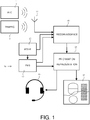
figure 1 annexée qui représente le synoptique général du système de ségrégation de messages audio selon l'invention. - A titre d'exemple non limitatif, la
figure 1 représente le synoptique général d'un système 10 de ségrégation de messages audio selon l'invention. Ce système 10 comporte : - Des moyens de réception 11 des signaux audio ;
- Une ou plusieurs bases de données 12 et 13 ;
- Un premier calculateur 14 ;
- Un second calculateur 15 ;
- Des moyen d'écoute 16 ou de visualisation 17.
- Les moyens de réception 11 captent les signaux audio venant de l'extérieur de l'appareil ou de l'intérieur de l'appareil. Les signaux extérieurs ont différentes origines. Ils peuvent être issus du contrôle aérien 1 ou « ATC » ou du service automatique de diffusion 2 ou « ATIS ». Les organes récepteurs sont alors constitués d'antennes réceptrices. Les signaux internes peuvent venir des pilotes eux-mêmes ou du personnel navigant commercial ou PNC. La réception est assurée par des microphones. Ces moyens de réception sont symbolisés par une unique antenne 11 sur la
figure 1 . - Une ou plusieurs bases de données 12 et 13 comportent au moins les indicatifs ou identifiant des aéronefs ainsi que des mots-clés propres aux échanges aéronautiques. Les indicatifs sont connus sous le terme anglais de « call signs » ou de « tags ». Celui du porteur est fourni par le système de gestion de vol 13 ou « FMS », acronyme signifiant « Flight Management System », les identifiants des autres appareils sont fournis par le système 12 de surveillance de l'espace aérien en charge des informations dites « ADS-B », acronyme signifiant « Automatic Dépendent Surveillance-Broadcast ».
- L'ensemble des informations issues des moyens de réception 11 et des bases de données 12 et 13 est traité par un calculateur ou un processeur 14 qui assure les fonctions suivantes :
- ∘ Mémorisation des signaux audio reçus ;
- ∘ Repérage des mots-clés dans les signaux reçus. Ces mots-clés appartiennent entre autres à la phraséologie ATC / Pilotes. Ainsi, le système découpe le flux audio en sous messages destinés chacun à un interlocuteur donné. Par ailleurs, ces mots-clés comportent les identifiants. Dans la grande majorité des cas, un message de type aéronautique commence ou finit par l'identifiant de l'émetteur, ce qui facilite sa détection ;
- ∘ Découpage des signaux audio par identifiant reconnu en sous-messages audio.
- Les sous-messages audio sont envoyés à un second calculateur 15 dont les fonctions sont essentiellement :
- ∘ Classement des messages selon un ordre de priorité dépendant de l'identifiant. Classiquement, la première priorité est attribuée aux messages audio dont l'indicatif est celui de l'aéronef lui-même. Ensuite, l'ordre des priorités des messages audio peut être fonction de la distance ou l'attitude ou de la trajectoire de seconds aéronefs proches de l'aéronef, ces seconds aéronefs étant identifiés par les indicatifs de leurs messages audio. Il est important de prendre en compte ces différents paramètres dans la mesure où, en vol, un avion peut être proche du porteur mais s'en éloigner. De la même façon, sur un aéroport, un avion peut être proche du porteur mais se trouver sur un taxiway parallèle.
- ∘ Traitement des messages audio en fonction de leur ordre de priorité. Les traitements peuvent être purement audio.
- ∘ Mémorisation des messages traités pour une écoute ultérieure.
- Le traitement le plus simple consiste à ne conserver que les messages les plus importants et à supprimer les autres. Un second traitement consiste à augmenter le son des messages les plus importants ou à baisser le volume des messages considérés comme secondaires. Un troisième traitement consiste à modifier la tonalité des messages.
- Enfin, un dernier traitement consiste à spatialiser le son, c'est-à-dire à créer l'illusion que le message audio provient d'une direction déterminée. Par exemple, lorsque le son est envoyé dans un casque audio comportant deux écouteurs, les messages envoyés dans les deux écouteurs peuvent être légèrement décalés dans le temps ou en intensité ou en fréquence pour créer cette illusion. Les messages audio les plus importants peuvent ainsi sembler venir d'une position privilégiée, par exemple devant ou au voisinage de celui qui le reçoit tandis que les messages les moins importants viennent d'une position secondaire, derrière ou sur le coté ou loin de celui qui le reçoit. Cette spatialisation des sons permet de mieux focaliser son attention sur une source donnée. Cet effet est nommé l'effet « Cocktail party ».
- Lorsque le casque audio est muni d'un système de détection de position ou d'attitude, l'information d'attitude du casque peut être utilisée de façon à rendre la spatialisation indépendante de la position du casque. Ainsi, l'origine sonore du message apparaît fixe dans l'espace.
- Les traitements peuvent être également graphiques. Le message audio est transcrit sous forme de texte, puis ensuite envoyé aux dispositifs de visualisation de l'appareil. Les traitements audio et graphiques peuvent être mis en oeuvre séparément ou simultanément, certains messages étant destinés à être lus et d'autres entendus.
- Les différents traitements du signal décrits ci-dessus sont facilement accessibles à l'homme du métier.
- Une fois mis en forme, les messages sont envoyés soit aux moyens d'écoute 16 de l'appareil, soit aux différents dispositifs de visualisation de l'appareil. Le principal moyen d'écoute, comme représenté sur la
figure 1 , est le casque audio des membres de l'équipage. Il existe également des haut-parleurs dans le cockpit. - Les différents dispositifs de visualisation comprennent les grands écrans de visualisation de la planche de bord, les systèmes de visualisation dits « Tête Haute » et les systèmes se visualisation de casque ou de tête.
Claims (7)
- Système (10) de ségrégation de messages audio dans un cockpit d'un premier aéronef, ledit système comprenant des moyens de réception (11) et d'enregistrement desdits messages audio, une base de données de mots-clés (12, 13) desdits messages audio, lesdits mots-clés comportant les identifiants du premier aéronef et/ou de seconds aéronefs et des moyens d'écoute (16) desdites messages audio,
caractérisé en ce que le système comporte :un premier calculateur (14) qui a comme fonctions la reconnaissance des mots-clés desdits messages audio et la séparation desdits messages audio en fonction desdits mots-clés,un second calculateur (15) qui a comme fonctions le classement desdits messages selon un ordre de priorité et le traitement desdits messages audio selon ledit ordre de priorité et ;des moyens de transmission aux moyens d'écoute desdits messages traités selon ledit ordre de priorité, l'ordre des priorités des messages audio étant fonction de la distance ou de l'attitude ou de la trajectoire de seconds aéronefs proches du premier aéronef, lesdits seconds aéronefs étant identifiés par les indicatifs de leurs messages audio. - Système de ségrégation de messages audio selon la revendication 1, caractérisé en ce que les mots-clés sont des indicatifs d'aéronef.
- Système de ségrégation de messages audio selon l'une des revendications précédentes, caractérisé en ce que le système comporte des moyens de représentation graphique et des moyens d'affichage (17) des messages audio.
- Système de ségrégation de messages audio selon l'une des revendications précédentes, caractérisé en ce que le traitement d'un message audio consiste en une adaptation de son niveau sonore.
- Système de ségrégation de messages audio selon l'une des revendications précédentes, caractérisé en ce que le traitement d'un message audio consiste en une spatialisation du son dudit message audio.
- Système de ségrégation de messages audio selon l'une des revendications précédentes, caractérisé en ce que le traitement d'un message audio consiste en une modification de la voix lisant ledit message audio.
- Système de ségrégation de messages audio selon l'une des revendications précédentes, caractérisé en ce que la première priorité est attribuée aux messages audio dont l'indicatif est celui du premier aéronef.
Applications Claiming Priority (1)
| Application Number | Priority Date | Filing Date | Title |
|---|---|---|---|
| FR1600548A FR3049753B1 (fr) | 2016-04-01 | 2016-04-01 | Systeme de segregation des messages audio dans un cockpit |
Publications (2)
| Publication Number | Publication Date |
|---|---|
| EP3226240A1 EP3226240A1 (fr) | 2017-10-04 |
| EP3226240B1 true EP3226240B1 (fr) | 2019-05-22 |
Family
ID=56137402
Family Applications (1)
| Application Number | Title | Priority Date | Filing Date |
|---|---|---|---|
| EP17161122.1A Active EP3226240B1 (fr) | 2016-04-01 | 2017-03-15 | Systeme de segregation des messages audio dans un cockpit |
Country Status (4)
| Country | Link |
|---|---|
| US (1) | US20170287467A1 (fr) |
| EP (1) | EP3226240B1 (fr) |
| CN (1) | CN107277696A (fr) |
| FR (1) | FR3049753B1 (fr) |
Families Citing this family (9)
| Publication number | Priority date | Publication date | Assignee | Title |
|---|---|---|---|---|
| FR3080941B1 (fr) | 2018-05-04 | 2020-04-17 | Thales | Systeme et procede de reconnaissance vocale pour aeronef |
| US11087747B2 (en) * | 2019-05-29 | 2021-08-10 | Honeywell International Inc. | Aircraft systems and methods for retrospective audio analysis |
| US12151826B2 (en) | 2021-02-25 | 2024-11-26 | Honeywell International Inc. | Methods and systems for efficiently briefing past cockpit conversations |
| EP4116970B1 (fr) * | 2021-07-07 | 2024-07-31 | Honeywell International Inc. | Lecture de transcription à emphase variable |
| US12008289B2 (en) | 2021-07-07 | 2024-06-11 | Honeywell International Inc. | Methods and systems for transcription playback with variable emphasis |
| US11941993B2 (en) * | 2021-07-28 | 2024-03-26 | Honeywell International Inc. | Systems and methods for presenting messages to flight crew |
| EP4287165A1 (fr) * | 2022-05-30 | 2023-12-06 | Honeywell International Inc. | Procédé et système pour filtrer et trier des distances dans la transcription de contrôle de trafic aérien (atc) |
| US12469395B2 (en) | 2022-05-30 | 2025-11-11 | Honeywell International Inc. | Method and system to filter and sort clearances in air traffic control (ATC) transcription |
| US12451116B2 (en) | 2023-09-27 | 2025-10-21 | Honeywell International Inc. | System and method for enhanced playback of air traffic control communication |
Family Cites Families (9)
| Publication number | Priority date | Publication date | Assignee | Title |
|---|---|---|---|---|
| US7260231B1 (en) * | 1999-05-26 | 2007-08-21 | Donald Scott Wedge | Multi-channel audio panel |
| US8718301B1 (en) * | 2004-10-25 | 2014-05-06 | Hewlett-Packard Development Company, L.P. | Telescopic spatial radio system |
| US7580377B2 (en) * | 2006-02-16 | 2009-08-25 | Honeywell International Inc. | Systems and method of datalink auditory communications for air traffic control |
| US7733903B2 (en) * | 2006-08-04 | 2010-06-08 | International Business Machines Corporation | Text transcriptions for voice communications |
| US8095107B2 (en) * | 2006-12-21 | 2012-01-10 | The Boeing Company | Voice messaging prioritization |
| FR2955687B1 (fr) * | 2010-01-26 | 2017-12-08 | Airbus Operations Sas | Systeme et procede de gestion de messages sonores d'alerte dans un aeronef |
| US8306675B2 (en) * | 2010-05-13 | 2012-11-06 | Prus Robert S | Graphic display system for assisting vehicle operators |
| US8704701B2 (en) * | 2011-10-18 | 2014-04-22 | The Boeing Company | Automatic monitoring of flight related radio communications |
| US10535351B2 (en) * | 2014-08-27 | 2020-01-14 | Gulfstream Aerospace Corporation | Aircraft and instrumentation system for voice transcription of radio communications |
-
2016
- 2016-04-01 FR FR1600548A patent/FR3049753B1/fr not_active Expired - Fee Related
-
2017
- 2017-03-15 EP EP17161122.1A patent/EP3226240B1/fr active Active
- 2017-03-30 CN CN201710200147.9A patent/CN107277696A/zh active Pending
- 2017-03-30 US US15/475,056 patent/US20170287467A1/en not_active Abandoned
Non-Patent Citations (1)
| Title |
|---|
| None * |
Also Published As
| Publication number | Publication date |
|---|---|
| EP3226240A1 (fr) | 2017-10-04 |
| CN107277696A (zh) | 2017-10-20 |
| FR3049753B1 (fr) | 2019-04-05 |
| FR3049753A1 (fr) | 2017-10-06 |
| US20170287467A1 (en) | 2017-10-05 |
Similar Documents
| Publication | Publication Date | Title |
|---|---|---|
| EP3226240A1 (fr) | Systeme de segregation des messages audio dans un cockpit | |
| EP2674926B1 (fr) | Dispositif d'aide à la communication dans le domaine aéronautique | |
| US11018754B2 (en) | RF communications system and method | |
| US20170221369A1 (en) | System and method for monitoring a communication channel and displaying information | |
| US20190221214A1 (en) | Visualization of audio announcements using augmented reality | |
| FR3056321A1 (fr) | Procede et dispositif d'identification d'un aeronef destinataire d'une communication audio | |
| US20130033387A1 (en) | System and method for receiving and analyzing text-based messages in an aircraft | |
| FR3019414A1 (fr) | Procede de transmission en vol de donnees de type boite noire | |
| US20110133980A1 (en) | Systems and methods integrated air traffic control management | |
| US10133542B2 (en) | Modification of distracting sounds | |
| US20180174588A1 (en) | Methods and apparatus for post-processing speech recognition results of received radio voice messages onboard an aircraft | |
| FR2925739A1 (fr) | Procede et dispositif de prevention des collisions au sol pour aeronefs. | |
| EP4155206A1 (fr) | Gestion d'appariement de haut-parleurs sans fil d'aéronef avec de multiples émetteurs d'appariement | |
| FR3013444A1 (fr) | Procede et systeme d'affichage de phenomenes meteorologiques rencontres par un aeronef volant le long d'un plan de vol. | |
| US9466290B2 (en) | Systems and methods for aviation communication monitoring using speech recognition | |
| EP3602031A1 (fr) | Procédé de surveillance des moteurs d'un aéronef | |
| EP1719095A1 (fr) | Procede automatique de transmission des alertes de surveillance d'un aeronef vers le sol | |
| EP2843646B1 (fr) | Procédé de géo-localisation de données brutes échangées lors d'une transmission air/sol et dispositif de géo-localisation correspondant | |
| US20220179223A1 (en) | Heads-up user interface and controls for interactive heads-up display of traffic targets | |
| US8095107B2 (en) | Voice messaging prioritization | |
| US8188907B2 (en) | Aircraft collision avoidance alarm | |
| US12469395B2 (en) | Method and system to filter and sort clearances in air traffic control (ATC) transcription | |
| US20140253415A1 (en) | Information sharing between integrated virtual environment (ive) devices and vehicle computing systems | |
| US10001966B1 (en) | Systems and methods for sequencing audio communications | |
| US20200168109A1 (en) | Predicting low visibility set-up options for an airport moving map |
Legal Events
| Date | Code | Title | Description |
|---|---|---|---|
| PUAI | Public reference made under article 153(3) epc to a published international application that has entered the european phase |
Free format text: ORIGINAL CODE: 0009012 |
|
| STAA | Information on the status of an ep patent application or granted ep patent |
Free format text: STATUS: THE APPLICATION HAS BEEN PUBLISHED |
|
| AK | Designated contracting states |
Kind code of ref document: A1 Designated state(s): AL AT BE BG CH CY CZ DE DK EE ES FI FR GB GR HR HU IE IS IT LI LT LU LV MC MK MT NL NO PL PT RO RS SE SI SK SM TR |
|
| AX | Request for extension of the european patent |
Extension state: BA ME |
|
| STAA | Information on the status of an ep patent application or granted ep patent |
Free format text: STATUS: REQUEST FOR EXAMINATION WAS MADE |
|
| 17P | Request for examination filed |
Effective date: 20180323 |
|
| RBV | Designated contracting states (corrected) |
Designated state(s): AL AT BE BG CH CY CZ DE DK EE ES FI FR GB GR HR HU IE IS IT LI LT LU LV MC MK MT NL NO PL PT RO RS SE SI SK SM TR |
|
| RIC1 | Information provided on ipc code assigned before grant |
Ipc: G08G 5/00 20060101ALI20190116BHEP Ipc: G10L 21/0272 20130101ALI20190116BHEP Ipc: G10L 15/08 20060101AFI20190116BHEP Ipc: G06F 16/683 20190101ALN20190116BHEP Ipc: G10L 15/04 20130101ALN20190116BHEP Ipc: G10L 25/48 20130101ALI20190116BHEP |
|
| GRAP | Despatch of communication of intention to grant a patent |
Free format text: ORIGINAL CODE: EPIDOSNIGR1 |
|
| STAA | Information on the status of an ep patent application or granted ep patent |
Free format text: STATUS: GRANT OF PATENT IS INTENDED |
|
| INTG | Intention to grant announced |
Effective date: 20190228 |
|
| GRAS | Grant fee paid |
Free format text: ORIGINAL CODE: EPIDOSNIGR3 |
|
| GRAA | (expected) grant |
Free format text: ORIGINAL CODE: 0009210 |
|
| STAA | Information on the status of an ep patent application or granted ep patent |
Free format text: STATUS: THE PATENT HAS BEEN GRANTED |
|
| AK | Designated contracting states |
Kind code of ref document: B1 Designated state(s): AL AT BE BG CH CY CZ DE DK EE ES FI FR GB GR HR HU IE IS IT LI LT LU LV MC MK MT NL NO PL PT RO RS SE SI SK SM TR |
|
| REG | Reference to a national code |
Ref country code: GB Ref legal event code: FG4D Free format text: NOT ENGLISH |
|
| REG | Reference to a national code |
Ref country code: CH Ref legal event code: EP |
|
| REG | Reference to a national code |
Ref country code: IE Ref legal event code: FG4D Free format text: LANGUAGE OF EP DOCUMENT: FRENCH |
|
| REG | Reference to a national code |
Ref country code: AT Ref legal event code: REF Ref document number: 1137047 Country of ref document: AT Kind code of ref document: T Effective date: 20190615 |
|
| REG | Reference to a national code |
Ref country code: DE Ref legal event code: R096 Ref document number: 602017004036 Country of ref document: DE |
|
| REG | Reference to a national code |
Ref country code: NL Ref legal event code: MP Effective date: 20190522 |
|
| REG | Reference to a national code |
Ref country code: LT Ref legal event code: MG4D |
|
| PG25 | Lapsed in a contracting state [announced via postgrant information from national office to epo] |
Ref country code: LT Free format text: LAPSE BECAUSE OF FAILURE TO SUBMIT A TRANSLATION OF THE DESCRIPTION OR TO PAY THE FEE WITHIN THE PRESCRIBED TIME-LIMIT Effective date: 20190522 Ref country code: NL Free format text: LAPSE BECAUSE OF FAILURE TO SUBMIT A TRANSLATION OF THE DESCRIPTION OR TO PAY THE FEE WITHIN THE PRESCRIBED TIME-LIMIT Effective date: 20190522 Ref country code: FI Free format text: LAPSE BECAUSE OF FAILURE TO SUBMIT A TRANSLATION OF THE DESCRIPTION OR TO PAY THE FEE WITHIN THE PRESCRIBED TIME-LIMIT Effective date: 20190522 Ref country code: HR Free format text: LAPSE BECAUSE OF FAILURE TO SUBMIT A TRANSLATION OF THE DESCRIPTION OR TO PAY THE FEE WITHIN THE PRESCRIBED TIME-LIMIT Effective date: 20190522 Ref country code: SE Free format text: LAPSE BECAUSE OF FAILURE TO SUBMIT A TRANSLATION OF THE DESCRIPTION OR TO PAY THE FEE WITHIN THE PRESCRIBED TIME-LIMIT Effective date: 20190522 Ref country code: AL Free format text: LAPSE BECAUSE OF FAILURE TO SUBMIT A TRANSLATION OF THE DESCRIPTION OR TO PAY THE FEE WITHIN THE PRESCRIBED TIME-LIMIT Effective date: 20190522 Ref country code: NO Free format text: LAPSE BECAUSE OF FAILURE TO SUBMIT A TRANSLATION OF THE DESCRIPTION OR TO PAY THE FEE WITHIN THE PRESCRIBED TIME-LIMIT Effective date: 20190822 Ref country code: PT Free format text: LAPSE BECAUSE OF FAILURE TO SUBMIT A TRANSLATION OF THE DESCRIPTION OR TO PAY THE FEE WITHIN THE PRESCRIBED TIME-LIMIT Effective date: 20190922 |
|
| PG25 | Lapsed in a contracting state [announced via postgrant information from national office to epo] |
Ref country code: GR Free format text: LAPSE BECAUSE OF FAILURE TO SUBMIT A TRANSLATION OF THE DESCRIPTION OR TO PAY THE FEE WITHIN THE PRESCRIBED TIME-LIMIT Effective date: 20190823 Ref country code: LV Free format text: LAPSE BECAUSE OF FAILURE TO SUBMIT A TRANSLATION OF THE DESCRIPTION OR TO PAY THE FEE WITHIN THE PRESCRIBED TIME-LIMIT Effective date: 20190522 Ref country code: RS Free format text: LAPSE BECAUSE OF FAILURE TO SUBMIT A TRANSLATION OF THE DESCRIPTION OR TO PAY THE FEE WITHIN THE PRESCRIBED TIME-LIMIT Effective date: 20190522 Ref country code: BG Free format text: LAPSE BECAUSE OF FAILURE TO SUBMIT A TRANSLATION OF THE DESCRIPTION OR TO PAY THE FEE WITHIN THE PRESCRIBED TIME-LIMIT Effective date: 20190822 |
|
| REG | Reference to a national code |
Ref country code: AT Ref legal event code: MK05 Ref document number: 1137047 Country of ref document: AT Kind code of ref document: T Effective date: 20190522 |
|
| PG25 | Lapsed in a contracting state [announced via postgrant information from national office to epo] |
Ref country code: DK Free format text: LAPSE BECAUSE OF FAILURE TO SUBMIT A TRANSLATION OF THE DESCRIPTION OR TO PAY THE FEE WITHIN THE PRESCRIBED TIME-LIMIT Effective date: 20190522 Ref country code: EE Free format text: LAPSE BECAUSE OF FAILURE TO SUBMIT A TRANSLATION OF THE DESCRIPTION OR TO PAY THE FEE WITHIN THE PRESCRIBED TIME-LIMIT Effective date: 20190522 Ref country code: AT Free format text: LAPSE BECAUSE OF FAILURE TO SUBMIT A TRANSLATION OF THE DESCRIPTION OR TO PAY THE FEE WITHIN THE PRESCRIBED TIME-LIMIT Effective date: 20190522 Ref country code: CZ Free format text: LAPSE BECAUSE OF FAILURE TO SUBMIT A TRANSLATION OF THE DESCRIPTION OR TO PAY THE FEE WITHIN THE PRESCRIBED TIME-LIMIT Effective date: 20190522 Ref country code: RO Free format text: LAPSE BECAUSE OF FAILURE TO SUBMIT A TRANSLATION OF THE DESCRIPTION OR TO PAY THE FEE WITHIN THE PRESCRIBED TIME-LIMIT Effective date: 20190522 Ref country code: SK Free format text: LAPSE BECAUSE OF FAILURE TO SUBMIT A TRANSLATION OF THE DESCRIPTION OR TO PAY THE FEE WITHIN THE PRESCRIBED TIME-LIMIT Effective date: 20190522 |
|
| REG | Reference to a national code |
Ref country code: DE Ref legal event code: R097 Ref document number: 602017004036 Country of ref document: DE |
|
| PG25 | Lapsed in a contracting state [announced via postgrant information from national office to epo] |
Ref country code: SM Free format text: LAPSE BECAUSE OF FAILURE TO SUBMIT A TRANSLATION OF THE DESCRIPTION OR TO PAY THE FEE WITHIN THE PRESCRIBED TIME-LIMIT Effective date: 20190522 Ref country code: IT Free format text: LAPSE BECAUSE OF FAILURE TO SUBMIT A TRANSLATION OF THE DESCRIPTION OR TO PAY THE FEE WITHIN THE PRESCRIBED TIME-LIMIT Effective date: 20190522 |
|
| PLBE | No opposition filed within time limit |
Free format text: ORIGINAL CODE: 0009261 |
|
| STAA | Information on the status of an ep patent application or granted ep patent |
Free format text: STATUS: NO OPPOSITION FILED WITHIN TIME LIMIT |
|
| PG25 | Lapsed in a contracting state [announced via postgrant information from national office to epo] |
Ref country code: TR Free format text: LAPSE BECAUSE OF FAILURE TO SUBMIT A TRANSLATION OF THE DESCRIPTION OR TO PAY THE FEE WITHIN THE PRESCRIBED TIME-LIMIT Effective date: 20190522 |
|
| 26N | No opposition filed |
Effective date: 20200225 |
|
| PG25 | Lapsed in a contracting state [announced via postgrant information from national office to epo] |
Ref country code: PL Free format text: LAPSE BECAUSE OF FAILURE TO SUBMIT A TRANSLATION OF THE DESCRIPTION OR TO PAY THE FEE WITHIN THE PRESCRIBED TIME-LIMIT Effective date: 20190522 |
|
| PG25 | Lapsed in a contracting state [announced via postgrant information from national office to epo] |
Ref country code: SI Free format text: LAPSE BECAUSE OF FAILURE TO SUBMIT A TRANSLATION OF THE DESCRIPTION OR TO PAY THE FEE WITHIN THE PRESCRIBED TIME-LIMIT Effective date: 20190522 |
|
| REG | Reference to a national code |
Ref country code: DE Ref legal event code: R119 Ref document number: 602017004036 Country of ref document: DE |
|
| PG25 | Lapsed in a contracting state [announced via postgrant information from national office to epo] |
Ref country code: ES Free format text: LAPSE BECAUSE OF FAILURE TO SUBMIT A TRANSLATION OF THE DESCRIPTION OR TO PAY THE FEE WITHIN THE PRESCRIBED TIME-LIMIT Effective date: 20190522 Ref country code: MC Free format text: LAPSE BECAUSE OF FAILURE TO SUBMIT A TRANSLATION OF THE DESCRIPTION OR TO PAY THE FEE WITHIN THE PRESCRIBED TIME-LIMIT Effective date: 20190522 |
|
| REG | Reference to a national code |
Ref country code: CH Ref legal event code: PL |
|
| REG | Reference to a national code |
Ref country code: BE Ref legal event code: MM Effective date: 20200331 |
|
| PG25 | Lapsed in a contracting state [announced via postgrant information from national office to epo] |
Ref country code: LU Free format text: LAPSE BECAUSE OF NON-PAYMENT OF DUE FEES Effective date: 20200315 |
|
| PG25 | Lapsed in a contracting state [announced via postgrant information from national office to epo] |
Ref country code: LI Free format text: LAPSE BECAUSE OF NON-PAYMENT OF DUE FEES Effective date: 20200331 Ref country code: DE Free format text: LAPSE BECAUSE OF NON-PAYMENT OF DUE FEES Effective date: 20201001 Ref country code: IE Free format text: LAPSE BECAUSE OF NON-PAYMENT OF DUE FEES Effective date: 20200315 Ref country code: CH Free format text: LAPSE BECAUSE OF NON-PAYMENT OF DUE FEES Effective date: 20200331 |
|
| PG25 | Lapsed in a contracting state [announced via postgrant information from national office to epo] |
Ref country code: BE Free format text: LAPSE BECAUSE OF NON-PAYMENT OF DUE FEES Effective date: 20200331 |
|
| GBPC | Gb: european patent ceased through non-payment of renewal fee |
Effective date: 20210315 |
|
| PG25 | Lapsed in a contracting state [announced via postgrant information from national office to epo] |
Ref country code: GB Free format text: LAPSE BECAUSE OF NON-PAYMENT OF DUE FEES Effective date: 20210315 |
|
| PG25 | Lapsed in a contracting state [announced via postgrant information from national office to epo] |
Ref country code: MT Free format text: LAPSE BECAUSE OF FAILURE TO SUBMIT A TRANSLATION OF THE DESCRIPTION OR TO PAY THE FEE WITHIN THE PRESCRIBED TIME-LIMIT Effective date: 20190522 Ref country code: CY Free format text: LAPSE BECAUSE OF FAILURE TO SUBMIT A TRANSLATION OF THE DESCRIPTION OR TO PAY THE FEE WITHIN THE PRESCRIBED TIME-LIMIT Effective date: 20190522 |
|
| PG25 | Lapsed in a contracting state [announced via postgrant information from national office to epo] |
Ref country code: MK Free format text: LAPSE BECAUSE OF FAILURE TO SUBMIT A TRANSLATION OF THE DESCRIPTION OR TO PAY THE FEE WITHIN THE PRESCRIBED TIME-LIMIT Effective date: 20190522 Ref country code: IS Free format text: LAPSE BECAUSE OF FAILURE TO SUBMIT A TRANSLATION OF THE DESCRIPTION OR TO PAY THE FEE WITHIN THE PRESCRIBED TIME-LIMIT Effective date: 20190922 |
|
| P01 | Opt-out of the competence of the unified patent court (upc) registered |
Effective date: 20230427 |
|
| PGFP | Annual fee paid to national office [announced via postgrant information from national office to epo] |
Ref country code: FR Payment date: 20260223 Year of fee payment: 10 |