EP3216174B1 - Data center inbound routing optimization in the event of virtual machine mobility - Google Patents
Data center inbound routing optimization in the event of virtual machine mobility Download PDFInfo
- Publication number
- EP3216174B1 EP3216174B1 EP15794779.7A EP15794779A EP3216174B1 EP 3216174 B1 EP3216174 B1 EP 3216174B1 EP 15794779 A EP15794779 A EP 15794779A EP 3216174 B1 EP3216174 B1 EP 3216174B1
- Authority
- EP
- European Patent Office
- Prior art keywords
- data center
- network device
- evpn
- lisp
- network
- Prior art date
- Legal status (The legal status is an assumption and is not a legal conclusion. Google has not performed a legal analysis and makes no representation as to the accuracy of the status listed.)
- Active
Links
Images

Classifications
-
- H—ELECTRICITY
- H04—ELECTRIC COMMUNICATION TECHNIQUE
- H04L—TRANSMISSION OF DIGITAL INFORMATION, e.g. TELEGRAPHIC COMMUNICATION
- H04L45/00—Routing or path finding of packets in data switching networks
- H04L45/50—Routing or path finding of packets in data switching networks using label swapping, e.g. multi-protocol label switch [MPLS]
- H04L45/505—Cell based
-
- H—ELECTRICITY
- H04—ELECTRIC COMMUNICATION TECHNIQUE
- H04L—TRANSMISSION OF DIGITAL INFORMATION, e.g. TELEGRAPHIC COMMUNICATION
- H04L12/00—Data switching networks
- H04L12/28—Data switching networks characterised by path configuration, e.g. LAN [Local Area Networks] or WAN [Wide Area Networks]
- H04L12/46—Interconnection of networks
- H04L12/4641—Virtual LANs, VLANs, e.g. virtual private networks [VPN]
-
- G—PHYSICS
- G06—COMPUTING OR CALCULATING; COUNTING
- G06F—ELECTRIC DIGITAL DATA PROCESSING
- G06F21/00—Security arrangements for protecting computers, components thereof, programs or data against unauthorised activity
- G06F21/50—Monitoring users, programs or devices to maintain the integrity of platforms, e.g. of processors, firmware or operating systems
- G06F21/52—Monitoring users, programs or devices to maintain the integrity of platforms, e.g. of processors, firmware or operating systems during program execution, e.g. stack integrity ; Preventing unwanted data erasure; Buffer overflow
- G06F21/53—Monitoring users, programs or devices to maintain the integrity of platforms, e.g. of processors, firmware or operating systems during program execution, e.g. stack integrity ; Preventing unwanted data erasure; Buffer overflow by executing in a restricted environment, e.g. sandbox or secure virtual machine
-
- G—PHYSICS
- G06—COMPUTING OR CALCULATING; COUNTING
- G06F—ELECTRIC DIGITAL DATA PROCESSING
- G06F9/00—Arrangements for program control, e.g. control units
- G06F9/06—Arrangements for program control, e.g. control units using stored programs, i.e. using an internal store of processing equipment to receive or retain programs
- G06F9/44—Arrangements for executing specific programs
- G06F9/455—Emulation; Interpretation; Software simulation, e.g. virtualisation or emulation of application or operating system execution engines
- G06F9/45533—Hypervisors; Virtual machine monitors
- G06F9/45558—Hypervisor-specific management and integration aspects
-
- G—PHYSICS
- G06—COMPUTING OR CALCULATING; COUNTING
- G06F—ELECTRIC DIGITAL DATA PROCESSING
- G06F9/00—Arrangements for program control, e.g. control units
- G06F9/06—Arrangements for program control, e.g. control units using stored programs, i.e. using an internal store of processing equipment to receive or retain programs
- G06F9/46—Multiprogramming arrangements
- G06F9/50—Allocation of resources, e.g. of the central processing unit [CPU]
- G06F9/5061—Partitioning or combining of resources
- G06F9/5077—Logical partitioning of resources; Management or configuration of virtualized resources
-
- G—PHYSICS
- G06—COMPUTING OR CALCULATING; COUNTING
- G06F—ELECTRIC DIGITAL DATA PROCESSING
- G06F9/00—Arrangements for program control, e.g. control units
- G06F9/06—Arrangements for program control, e.g. control units using stored programs, i.e. using an internal store of processing equipment to receive or retain programs
- G06F9/46—Multiprogramming arrangements
- G06F9/50—Allocation of resources, e.g. of the central processing unit [CPU]
- G06F9/5083—Techniques for rebalancing the load in a distributed system
- G06F9/5088—Techniques for rebalancing the load in a distributed system involving task migration
-
- H—ELECTRICITY
- H04—ELECTRIC COMMUNICATION TECHNIQUE
- H04L—TRANSMISSION OF DIGITAL INFORMATION, e.g. TELEGRAPHIC COMMUNICATION
- H04L45/00—Routing or path finding of packets in data switching networks
- H04L45/58—Association of routers
- H04L45/586—Association of routers of virtual routers
-
- H—ELECTRICITY
- H04—ELECTRIC COMMUNICATION TECHNIQUE
- H04L—TRANSMISSION OF DIGITAL INFORMATION, e.g. TELEGRAPHIC COMMUNICATION
- H04L45/00—Routing or path finding of packets in data switching networks
- H04L45/64—Routing or path finding of packets in data switching networks using an overlay routing layer
-
- H—ELECTRICITY
- H04—ELECTRIC COMMUNICATION TECHNIQUE
- H04L—TRANSMISSION OF DIGITAL INFORMATION, e.g. TELEGRAPHIC COMMUNICATION
- H04L45/00—Routing or path finding of packets in data switching networks
- H04L45/66—Layer 2 routing, e.g. in Ethernet based MAN's
-
- H—ELECTRICITY
- H04—ELECTRIC COMMUNICATION TECHNIQUE
- H04L—TRANSMISSION OF DIGITAL INFORMATION, e.g. TELEGRAPHIC COMMUNICATION
- H04L67/00—Network arrangements or protocols for supporting network services or applications
- H04L67/01—Protocols
- H04L67/10—Protocols in which an application is distributed across nodes in the network
- H04L67/1001—Protocols in which an application is distributed across nodes in the network for accessing one among a plurality of replicated servers
-
- H—ELECTRICITY
- H04—ELECTRIC COMMUNICATION TECHNIQUE
- H04L—TRANSMISSION OF DIGITAL INFORMATION, e.g. TELEGRAPHIC COMMUNICATION
- H04L67/00—Network arrangements or protocols for supporting network services or applications
- H04L67/50—Network services
- H04L67/56—Provisioning of proxy services
-
- G—PHYSICS
- G06—COMPUTING OR CALCULATING; COUNTING
- G06F—ELECTRIC DIGITAL DATA PROCESSING
- G06F9/00—Arrangements for program control, e.g. control units
- G06F9/06—Arrangements for program control, e.g. control units using stored programs, i.e. using an internal store of processing equipment to receive or retain programs
- G06F9/44—Arrangements for executing specific programs
- G06F9/455—Emulation; Interpretation; Software simulation, e.g. virtualisation or emulation of application or operating system execution engines
- G06F9/45533—Hypervisors; Virtual machine monitors
- G06F9/45558—Hypervisor-specific management and integration aspects
- G06F2009/4557—Distribution of virtual machine instances; Migration and load balancing
-
- G—PHYSICS
- G06—COMPUTING OR CALCULATING; COUNTING
- G06F—ELECTRIC DIGITAL DATA PROCESSING
- G06F9/00—Arrangements for program control, e.g. control units
- G06F9/06—Arrangements for program control, e.g. control units using stored programs, i.e. using an internal store of processing equipment to receive or retain programs
- G06F9/44—Arrangements for executing specific programs
- G06F9/455—Emulation; Interpretation; Software simulation, e.g. virtualisation or emulation of application or operating system execution engines
- G06F9/45533—Hypervisors; Virtual machine monitors
- G06F9/45558—Hypervisor-specific management and integration aspects
- G06F2009/45595—Network integration; Enabling network access in virtual machine instances
-
- H—ELECTRICITY
- H04—ELECTRIC COMMUNICATION TECHNIQUE
- H04L—TRANSMISSION OF DIGITAL INFORMATION, e.g. TELEGRAPHIC COMMUNICATION
- H04L49/00—Packet switching elements
- H04L49/70—Virtual switches
Definitions
- the invention is defined as a computer-implemented method according to claim 1 and an apparatus according to claim 9.
- Various embodiments are defined by the dependent claims.
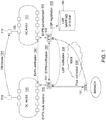
- FIG. 1 illustrates an approach for optimizing inbound routing in the event of VM mobility without injecting host routes into the wide area network, according to an embodiment.
- a VM 110 moves from a first physical data center ("Data Center West 120") to a second physical data center ("Data Center East 121") and connects to a network device 125 i at Data Center East 121.
- Data Center West 120 a first physical data center
- Data Center East 121 a second physical data center
- BGP Border Gateway Protocol
- the gateway router determines that its routing table does not include a local route for the VM, then at step 230, the gateway router registers the new location of the moved VM in a LISP mapping system. As discussed, such registration may involve sending a Map-Register message to the LISP mapping system, which is abstracted from the wide area network (WAN) so that host route information is in the WAN but not instantiated in routing protocols that are topology bound.
- the LISP mapping system maintains EID-to-RLOC mappings.
- the gateway router may query the LISP mapping system to resolve the EID-to-RLOC mapping for that VM and route traffic to the gateway router indicated by such a mapping.
- the gateway router may not relay mobility signaling at all. Rather, ordinary EVPN mechanisms may be used to relay mobility signaling, without the gateway router's participation.
- an EVPN protocol session may be run between border leaves of two data centers to interconnect the data centers.
- Such an EVPN session may accomplish VM mobility signaling by advertising BGP (host) routes with EVPN-NLRIs including BGP community attributes that contain the mobility sequence number and ClassID.
Landscapes
- Engineering & Computer Science (AREA)
- Software Systems (AREA)
- Computer Networks & Wireless Communication (AREA)
- Signal Processing (AREA)
- Theoretical Computer Science (AREA)
- Computer Security & Cryptography (AREA)
- Physics & Mathematics (AREA)
- General Engineering & Computer Science (AREA)
- General Physics & Mathematics (AREA)
- Computer Hardware Design (AREA)
- Data Exchanges In Wide-Area Networks (AREA)
Description
- Embodiments of the present disclosure generally relate to network communication and, more particularly, to data center inbound routing optimization following movement of a virtual machine.
- In a Multiprotocol Label Switching (MPLS) Ethernet virtual private network (EVPN), data centers are interconnected by means of an MPLS provider core network. Each data center may include devices that use the Multiprotocol-Border Gateway Protocol (MP-BGP) to dynamically communicate with each other.
- BGP MPLS based EVPN is capable of supporting virtual machine (VM) mobility across data centers. As VMs move across data centers, traffic should be routed to those VMs along optimal paths, rather than taking sub-optimal detours. One technique for routing optimization involves injecting host routes of moved VMs into the wide area network (WAN) BGP to prevent traffic tromboning, in which the traffic flows first to the original data center from which the VM departed and only then to the new data center at which the VM landed. Injecting such host-level information into the WAN can result in a number of problems. For example, scalability issues arise as the number of moved VMs increases, which causes more information to be injected into the WAN, as well as an explosion of states in the data centers as the set of host route information maintained in the data centers increases. In addition, third party networks between the data centers may refuse to accept such a fine level of granularity in the host routes. That is, third party networks between the data centers may not accept routes smaller than a certain size, which would rule out such host routes.
- A paper by Bouet Mathieu et al entitled "Distributed SDN for Mission-Critical Networks" published at the 2014 IEEE Military Communications Conference discloses an extensible Distributed SDN Control plane (DISCO) able to cope with the distributed and heterogeneous nature of modern mission-critical networks. DISCO controllers manage their own network domain and communicate with each other to provide end-to-end network services. The Internet Draft publication <draft-ietf-l2vpn-evpn-11.txt>, also entitled BGP MPLS Based Ethernet VPN, by Sajassi et al, which is available through the IETF discloses procedures for BGP MPLS-based Ethernet VPNs (EVPN). The Internet Draft publication < draft-rabadan-l2vpn-dci-evpn-overlay-01.txt>, also entitled Data Center Interconnect Solution for E-VPN Overlay networks, by Rabadan et al, which is also available through the IETF discloses how Network Virtualization Overlay networks (NVO3) can be connected to a Wide Area Network (WAN) in order to extend the layer-2 connectivity required for some tenants. A paper by Sunat Tripathi et al entitled "Crossbow virtual wire: network in a box" published in 2009in Usenix introduces new abstractions that provide virtual network interface cards (VNICs) and virtual switches that can have dedicated hardware resources and bandwidth assigned to them. Multiple VNICs can be assigned to OpenSolaris zones to create virtual network machines (VNM) that provide higher level networking functionality like virtual routing, virtual load balancing, and so on. The Internet Draft publication < draft-hertoghs-nvo3-lisp-controlplane-unified-02.txt>, also entitled A Unified LISP Mapping Database for L2 and L3 Network Virtualization Overlays, by Hertoghs et al, which is available through the IETF explains how the Locator/ID Separation Protocol (LISP) Control Plane can be used to offer a unified (offering L2 AND L3) Overlay solution that matches the framework and requirements of Network Virtualization over L3 (NVO3). This information is provided as input to the NVO3 analysis of the suitability of existing IETF protocols to the NVO3 requirements. A White paper entitled "Cisco Dynamic Fabric Automation Technology: Overview and Deployment Considerations" published in 2014 by Cisco introduces the Cisco Nexus® unified fabric technology innovation called Cisco® Dynamic Fabric Automation (DFA). Cisco DFA helps simplify, optimize, and automate the unified fabric environment by offering an architecture based on four main building blocks.
- The invention is defined as a computer-implemented method according to claim 1 and an apparatus according to claim 9. Various embodiments are defined by the dependent claims.
- So that the manner in which the above recited features of the present invention can be understood in detail, a more particular description of the invention, briefly summarized above, may be had by reference to embodiments, some of which are illustrated in the appended drawings. It is to be noted, however, that the appended drawings illustrate only typical embodiments of this invention and are therefore not to be considered limiting of its scope, for the invention may admit to other equally effective embodiments.
-
Figure 1 illustrates an approach for optimizing inbound routing in the event of VM mobility, according to an embodiment. -
Figure 2 illustrates a method for registering the location of a moved VM in a LISP mapping system and relaying the mobility event, according to an embodiment. -
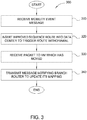
Figure 3 illustrates a method for inserting an improved sequence in response to receiving a mobility event message and notifying a branch router to update its mapping, according to an embodiment. -
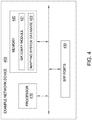
Figure 4 illustrates an exemplary network device, according to an embodiment. - Embodiments described herein provide data center routing optimization in the event of virtual machine (VM) mobility. In one embodiment, a first gateway router, acting as an interface between an Ethernet Virtual Private Network (EVPN) domain and a Locator/ID Separation Protocol (LISP) domain, detects a EVPN mobility message advertised when a VM that has moved connects to a network device at the data center. LISP is a technology for network virtualization used to deploy Internet based virtual private networks (VPNS), and LISP provides on-demand tunneling for traffic exchanges across VPN sites and the data center. In response to detecting the EVPN mobility message, the first gateway router initiates a LISP mobility event that registers the new location (i.e., an address of network infrastructure) of the moved VM to a LISP mapping system. The LISP mapping system maintains a database outside of the wide area network (WAN) used to handle endpoint reachability information without polluting routing protocols in the WAN itself. Traffic can then be tunneled to the appropriate data center based on information obtained from the LISP mapping system.
- In addition to registering the new location with the LISP mapping system, the first gateway router may notify a second gateway router, located at another data center from which the VM departed. In response, the second gateway router cleans up state information maintained in the second gateway router and other network devices in the other data center. The notification may be made via EVPN or LISP mechanisms. Cleaning up state data may include the second gateway router inserting an improved sequence number into the other data center to trigger route withdrawal. After route withdrawal, the second gateway router may still receive traffic flows to the VM that has moved and, in such cases, the second gateway router will notify the sender of the traffic to retrieve a mapping for the moved VM from the LISP mapping system. Using the new mapping, the sender may redirect traffic to the data center at which the VM is now located, eliminating the sub-optimal detour through the data center from which the VM departed.
-
Figure 1 illustrates an approach for optimizing inbound routing in the event of VM mobility without injecting host routes into the wide area network, according to an embodiment. As shown, at 101, aVM 110 moves from a first physical data center ("Data Center West 120") to a second physical data center ("Data Center East 121") and connects to anetwork device 125i at Data Center East 121. Commercially available software exists for moving VMs, including across data centers. Illustratively, each of the data centers 120-121 has Ethernet virtual private network (EVPN) running therein and is a separate Border Gateway Protocol (BGP) domain. More specifically, the EVPN within a data center may be a BGP session using an EVPN address family that runs amongst nodes (e.g., top-of-rack switches and border leaves) in the data center to inform each other of the state within the network fabric in the data center. Alternatively, one of the data centers 120-121 may be EVPN-based and the other may be LISP-based. - At 102, the connection of the
VM 110 to thenetwork device 125i is detected by thenetwork device 125i, which then determines whether theVM 110 has moved using EVPN mechanisms. In particular, thenetwork device 125i may determine if a route or sequence number for the VM already exists in its routing table, in which case thenetwork device 125i may assume that the VM was previously elsewhere and has just moved to Date Center East 121. If thenetwork device 125i determines that theVM 110 has moved, then thenetwork device 125i advertises the move with an improved sequence number. This EVPN advertisement message propagates across the network fabric. In response to receiving the message, network devices in Data Center East 121 reconverge their tables to indicate the new route by which theVM 110 is reachable and the improved sequence number. - At 103, a gateway router ("xTR") 132 at the edge of the network receives the EVPN advertisement message. Although shown as an edge device separate from network devices in the data center, the
gateway router 132 may instead be one of the network devices, such as a border leaf node. Thegateway router 132 is a LISP-enabled device, capable of encapsulating and decapsulating LISP packets, that acts as an interface between the EVPN domain and a LISP domain. - In response to receiving the EVPN advertisement message, the
gateway router 132 may determine that its routing table does not contain a local route for the VM, thereby indicating that this is a moved VM and triggering LISP mobility mechanisms. The LISP mobility mechanisms include thegateway router 132 registering, in aLISP mapping system 140, that VM 110 is now reachable via thegateway router 132. Such registration may involve sending a Map-Register message to theLISP mapping system 140. TheLISP mapping system 140 includes a database, maintained on a router or any device reachable over the network, and the database contains mappings of endpoint identifier (EID) addresses identifying endpoints to route locator (RLOC) addresses identifying locations, thereby splitting the identity and location of VMs into different numbering spaces. EIDs addresses may include IP addresses and prefixes identifying the end-points (e.g., VMs), and EID reachability may be achieved by resolving EID-to-RLOC mappings, typically by sending a LISP Map-Request query to a map resolver device. RLOC addresses may include IP addresses and prefixes identifying different routers in the IP network, and reachability within the RLOC space may be achieved by traditional routing methods. Note, theLISP mapping system 140 is abstracted from the wide area network (WAN) and, as a result, the host route information is in the WAN but not instantiated in WAN routing protocols that are currently topology bound. - In some embodiments, the
gateway router 132 may also transmit a message back to agateway router 131 atData Center West 120 notifying thegateway router 131 of the VM's move. This notification is also referred to herein as "mobility signaling." Similar togateway router 132,gateway router 131 is shown as an edge device separate from network devices in theData Center West 120, but thegateway router 131 may instead be one of the network devices, such as a border leaf node. The mobility notification transmitted fromgateway router 132 to thegateway router 131 may be a LISP mobility notification, shown inFigure 1 as 104, or an EVPN notification, shown as 104'. In the case of the LISP mobility notification in particular, the EVPN mobility semantics from the EVPN advertisement may be relayed into the LISP mobility signaling mechanism, namely the Map-Notify message that is propagated back to the departure siteData Center West 120. For example, the LISP mobility notification may be extended to relay EVPN route attribute metadata such as sequence number and metadata such as ClassID. ClassID is a form of metadata in EVPN that creates grouping information for the VM. - In another embodiment, a notification may be transmitted by the
network device 125i itself using EVPN mechanisms, shown as 104", and thegateway router 132 may not participate in this process. In particular, an EVPN protocol session may be run between border leaves ofData Center West 120 andData Center East 121 to interconnect the data centers. Such an EVPN session may accomplish VM mobility signaling by advertising BGP (host) routes with EVPN Network Layer Reachability Information (NLRIs) including BGP community attributes that contain the mobility sequence number and ClassID. - In yet another embodiment, shown as 104', the
gateway router 132 is interposed in the EVPN session and forwards the EVPN session to thegateway router 131. - In response to receiving either the EVPN or LISP mobility notification, the
gateway router 131 removes local routing information in its own routing table, and further inserts the route having the improved sequence number into theData Center West 120 network at 105. Such an insertion triggers route withdrawal, in which network devices inData Center West 120 reconverge their tables to indicate the new route by which theVM 110 is reachable and the improved sequence number. - At 106, the
gateway router 131 receives traffic to theVM 110 from a router 133 at a branch location. In response, thegateway router 131 determines that theVM 110 is not atData Center West 120 and sends a notification back to the router 133 instructing the router 133 to request a mapping of EID addresses to route locator addresses for the movedVM 110 from theLISP mapping system 140. By making such a request, the router 133 may resolve the new EID-to-RLOC mapping, update its cache to indicate thatVM 110 is now reachable via thegateway router 132, and redirect traffic flows toData Center East 121. That is, the router 133 is notified by the LISP infrastructure of the VM move and tunnels traffic flows toData Center East 121 where the VM has moved. -
Figure 2 illustrates amethod 200 performed by a gateway router at the data center where a VM lands to register the location of a moved VM in a LISP mapping system and relay the mobility event back to the data center from which the VM departed, according to an embodiment. As shown, themethod 200 begins atstep 210, where the gateway router receives an EVPN mobility event advertisement. As discussed, when a VM moves across data centers and attaches to a network device at the landing site, that network device may detect the VM and advertise an improved sequence for the route by which the VM is now reachable. In particular, the network device may determine whether its routing table already includes a route for the moved VM, and if the routing table includes such a route, identified by its sequence number, then the network device assumes that the VM has moved and advertises an improved sequence number corresponding to the new route by which the VM is now reachable. Such an advertised message propagates across the network fabric and eventually reaches the edges of the data center, at which the gateway router is located. - In response to receiving the EVPN mobility event advertisement, the gateway router determines whether its own routing table includes a local route for the VM at
step 220. That is, the gateway router determines whether the routing table includes a route that points to the data center in which the gateway router is located. Not having such a route, or having a 0 route installed, may indicate that the VM is away, i.e., not at the data center. The gateway router may thus determine if a VM has just moved to the data center based on whether there is a local route in the routing table for the VM or if there is instead no such route or a 0 route. - If the gateway router determines that its routing table does not include a local route for the VM, then at
step 230, the gateway router registers the new location of the moved VM in a LISP mapping system. As discussed, such registration may involve sending a Map-Register message to the LISP mapping system, which is abstracted from the wide area network (WAN) so that host route information is in the WAN but not instantiated in routing protocols that are topology bound. The LISP mapping system maintains EID-to-RLOC mappings. When a gateway router receives traffic to a particular VM, the gateway router may query the LISP mapping system to resolve the EID-to-RLOC mapping for that VM and route traffic to the gateway router indicated by such a mapping. Accordingly, when a VM moves and the gateway router at the data center's edge receives the EVPN mobility advertisement message, the gateway router may register the new location of the moved VM to the LISP mapping system. Doing so permits other routers routing packets to the moved VM to query the LISP mapping system, resolve the latest mapping, and redirect traffic according to the mapping. - At
step 240, the gateway router relays the mobility event back to the data center from which the VM departed. As discussed, either EVPN or LISP mechanisms may be used to relay the mobility event. In one embodiment, corresponding to 104' inFigure 1 , the gateway router may simply forward the EVPN session to a remote gateway router in the data center from which the VM departed. That is, the gateway router relays an EVPN signal in this embodiment. - In another embodiment, corresponding to 104 in
Figure 1 , the mobility event may be relayed using LISP mechanisms. In such a case, the gateway router may receive the EVPN mobility event advertisement and this EVPN session may then trigger a LISP mobility event notification, namely a Map-Notify message. In particular, the gateway router may receive the EVPN advertisement of the improved sequence, discussed above, and check its routing tables to determine whether the improved sequence is a new host route or the VM is currently listed as remote. As the mobility signaling is relayed into LISP, the EVPN domain does not need to be stretched across data centers. In a particular embodiment, the LISP mobility notification may be extended to relay EVPN route attribute metadata such as sequence number and metadata associated with the VM such as ClassID, between domains without the need for an intermediate BGP EVPN. In another embodiment, the EVPN event may trigger a Map-Register, which in turn will be received at the map-server where a Map Notify is triggered, with both the map-register and map-notify containing the EVPN route attribute metadata. - In yet another embodiment, corresponding to 104" in
Figure 1 , the gateway router may not relay mobility signaling at all. Rather, ordinary EVPN mechanisms may be used to relay mobility signaling, without the gateway router's participation. For example, an EVPN protocol session may be run between border leaves of two data centers to interconnect the data centers. Such an EVPN session may accomplish VM mobility signaling by advertising BGP (host) routes with EVPN-NLRIs including BGP community attributes that contain the mobility sequence number and ClassID. -
Figure 3 illustrates amethod 300 performed by a gateway router at the data center from which a VM departs to insert an improved sequence in response to receiving a mobility event message and notify a branch router to update its mapping, according to an embodiment. As shown, themethod 300 begins atstep 310, where the gateway router at the data center receives a mobility event message. As discussed, mobility signaling may be relayed using EVPN or LISP mechanisms to the gateway router at the data center from which the VM departed. - At
step 320, the gateway router at the data center from which the VM departed inserts into that data center the improved sequence in the mobility event message. In one embodiment, the gateway router may check its routing table to determine whether a local route already exists for the VM in the routing table. If a local route already exists, which would be the case for a VM that has moved, then the gateway router inserts the improved sequence into the data center. In addition, the gateway router may remove the local route or insert a 0 route in its own routing table, indicating that the VM is now away. Doing so helps minimize the state maintained on the gateway router. - Insertion of the improved sequence into the data center triggers route withdrawal in the data center. As discussed, route withdrawal is a BGP mechanism for updating the state in the routing domain so that old/expired information/state can be removed. In addition, any network device currently advertising a route with a previous sequence number will stop advertising that route. There would then not be a route in the data center for the departed VM, or the route for the departed VM may be a default route that indicates that packets to the VM should be routed to the gateway router.
- At
step 330, the gateway router receives, from a branch location router, a packet to the VM which has moved. In response, the gateway router transmits a message notifying the branch router to update its mapping atstep 340. The gateway router knows to transmit this message, as there is no local route or a 0 route in its routing table, indicating that the VM is not at the data center. After receiving the message, the branch router may then query the LISP mapping system to resolve the latest EID-to-RLOC mapping for the moved VM. Thereafter, the branch location router may tunnel traffic flows to the VM according to the mapping. -
Figure 4 illustrates an exemplary network device, according to an embodiment. Theexemplary network device 400 may be a gateway router in one embodiment. Here, "router" is generally used to refer to devices that forward packets based on network and higher layer information, according to the Open Systems Interconnection (OSI) model. In other embodiments, thenetwork device 400 may also be a switch, gateway, or other network device. In a particular embodiment, thenetwork device 400 may be a specially configured router such as those available from Cisco Systems, Inc. of San Jose, California. - As shown, the
network device 420 includes aprocessor 410, amemory 420, small form-factor pluggable (SFP) ports 430 (e.g., Ethernet ports), and a bus (e.g., a PCI bus). The components of thenetwork device 400 are provided for explanatory purposes. A person skilled in the art can configure thenetwork device 400 in many other ways. When acting under the control of appropriate software or firmware, theprocessor 420 is responsible for such router tasks as routing table computations, network management, and general processing of packets. Theprocessor 420 typically accomplishes all of these functions under the control of software including, e.g., an operating system and any appropriate applications software stored in thememory 420. - Illustratively, the
memory 420 includes agateway module 421 and amapping system database 422. Thegateway module 421 is configured to receive an EVPN advertisement of a VM mobility event, determine whether there is a local route installed for the VM, and, if not, register the route of the VM to themapping system database 422. In some embodiments, thegateway module 421 may further send an EVPN or LISP mobility notification back to the data center from which the VM departed. Conversely, thegateway module 421 may receives such an EVPN or LISP notification from another router, thegateway module 421 may respond by removing the local route in its routing table (or making it a 0 route) and inserting an improved sequence number into the data center, thereby triggering route withdrawal within that data center. - The
mapping system database 422 is configured to maintain EID-to-RLOC mappings for VMs. As discussed, EIDs can be at different RLOCs based on the EID-RLOC mappings, depending on where an EID attaches to the network. In contrast, RLOCs are associated with the topology and are reachable by traditional routing. EID-to-RLOC mappings may be resolved using entries stored in themapping system database 422 so that routing is redirected for inbound optimization when VMs move across data centers. Note, not everynetwork device 420 may have themapping system database 422 process, although least one instance of themapping system database 422 should be present/reachable in some device in the network. Network devices which do not have themapping system database 422 may instead include a mapping cache (not shown) which caches EID-to-RLOC mappings retrieved from themapping system database 422. - Advantageously, techniques disclosed herein provide an interface between the EVPN mobility database and the LISP mobility infrastructure that enables scalable data center inbound traffic optimization in the event of VM mobility, preventing the need to inject host routes into the BGP WAN. EVPN and LISP may be used where they are most effective. Within data centers, EVPN may be used, as having complete states is preferable, and routers may wait for routers may wait for full convergence of EVPN so as to avoid losing even a single packet. Across data centers, economy in terms of the number of states maintained in border gateways is preferable, and LISP may be used to achieve this. In addition, techniques disclosed herein relay mobility signaling into LISP so that BGP/EVPN community attribute information may be relayed between domains without the need for an intermediate BGP/EVPN domain between data centers.
- While the foregoing is directed to embodiments of the present invention, it is not considered as limiting the scope thereof which is determined by the claims that follow.
Claims (9)
- A computer-implemented method, comprising:receiving (210), by a first network device (125i) in a second data center (121), an Ethernet virtual private network, EVPN, mobility event advertisement (102) subsequent to a virtual machine, VM, (110) moving from a first data center (120) to the second data center (121);the method being characterized in that it further comprises, in response to receiving the EVPN mobility event advertisement (102) and determining (220) that a local route has not been installed for the VM (110) in a routing table of the first network device (125i):registering (230), by the first network device (125i), a current location of the moved VM (110) in a Locator/ID Separation Protocol, LISP, mapping system (140); andnotifying (240), by either the first network device (125i) or another network device in the second data center (121), a second network device in the first data center (120) of the VM move.
- The method of claim 1, wherein, after receiving the notification of the VM move, the second network device further inserts, into the first data center, an improved sequence number to trigger route withdrawal.
- The method of claim 2, wherein the second network device further transmits, to a router at a branch location which routes a packet to the VM via the second network device, a message to update a mapping maintained by the router.
- The method of claim 1, wherein the second network device is notified via an EVPN mobility notification.
- The method of claim 1, wherein the second network device is notified via a LISP mobility notification extended to relay EVPN route attribute metadata and metadata associated with the VM.
- The method of claim 5, wherein the EVPN route attribute metadata includes a sequence number and the metadata associated with the VM includes a ClassID.
- The method of claim 1, wherein the second data center includes an EVPN domain and the first data center includes a LISP domain.
- The method of claim 1, wherein the first network device is a border leaf node of a fabric network in the second data center, and wherein the second network device is a border leaf node of a fabric network in the first data center.
- An apparatus, located in a second data center, the apparatus comprising:
at least one processing unit configured to optimize inbound routing by performing all steps of a method according to any one of the preceding claims.
Applications Claiming Priority (2)
| Application Number | Priority Date | Filing Date | Title |
|---|---|---|---|
| US14/536,381 US9912584B2 (en) | 2014-11-07 | 2014-11-07 | Data center inbound routing optimization in the event of virtual machine mobility |
| PCT/US2015/059257 WO2016073729A1 (en) | 2014-11-07 | 2015-11-05 | Data center inbound routing optimization in the event of virtual machine mobility |
Publications (2)
| Publication Number | Publication Date |
|---|---|
| EP3216174A1 EP3216174A1 (en) | 2017-09-13 |
| EP3216174B1 true EP3216174B1 (en) | 2020-03-25 |
Family
ID=54542603
Family Applications (1)
| Application Number | Title | Priority Date | Filing Date |
|---|---|---|---|
| EP15794779.7A Active EP3216174B1 (en) | 2014-11-07 | 2015-11-05 | Data center inbound routing optimization in the event of virtual machine mobility |
Country Status (4)
| Country | Link |
|---|---|
| US (1) | US9912584B2 (en) |
| EP (1) | EP3216174B1 (en) |
| CN (1) | CN107113218B (en) |
| WO (1) | WO2016073729A1 (en) |
Families Citing this family (22)
| Publication number | Priority date | Publication date | Assignee | Title |
|---|---|---|---|---|
| JP2016019270A (en) * | 2014-07-11 | 2016-02-01 | 富士通株式会社 | Communication method and communication program |
| CN109246008B (en) * | 2014-07-23 | 2021-08-20 | 华为技术有限公司 | Network device, system and method for sending BGP information |
| US9590902B2 (en) * | 2014-11-10 | 2017-03-07 | Juniper Networks, Inc. | Signaling aliasing capability in data centers |
| CN105991440B (en) * | 2015-02-12 | 2019-03-15 | 新华三技术有限公司 | The method and apparatus of flow interrupt caused by preventing virtual machine VM from migrating |
| US10187290B2 (en) * | 2016-03-24 | 2019-01-22 | Juniper Networks, Inc. | Method, system, and apparatus for preventing tromboning in inter-subnet traffic within data center architectures |
| US10349333B2 (en) | 2016-05-06 | 2019-07-09 | Futurewei Technologies, Inc. | Predictive routing for mobility |
| US10298698B2 (en) | 2016-07-08 | 2019-05-21 | Cisco Technology, Inc. | Endpoint location tracking |
| US10313224B2 (en) | 2016-09-13 | 2019-06-04 | Cisco Technology, Inc. | Seamless host mobility |
| US10432544B2 (en) | 2017-04-25 | 2019-10-01 | Cisco Technology, Inc. | Enhanced sequence number updating of routes associated with migrating virtual machines |
| EP3622777B1 (en) | 2017-05-12 | 2021-07-07 | Telefonaktiebolaget LM Ericsson (Publ) | Local identifier locator network protocol (ilnp) breakout |
| US10547467B2 (en) * | 2017-06-19 | 2020-01-28 | Cisco Technology | Selective traffic leaking in enterprise fabric with extranet |
| WO2020096594A1 (en) | 2018-11-07 | 2020-05-14 | Telefonaktiebolaget Lm Ericsson (Publ) | Local identifier locator network protocol (ilnp) breakout |
| US11057292B1 (en) | 2019-06-07 | 2021-07-06 | Cisco Technology, Inc. | Border node traffic convergence |
| CN112751767B (en) * | 2019-10-30 | 2024-04-16 | 华为技术有限公司 | Routing information transmission method and device, data center internet network |
| US11546208B2 (en) * | 2019-12-31 | 2023-01-03 | Vmware, Inc. | Multi-site hybrid networks across cloud environments |
| US12113770B2 (en) * | 2020-01-08 | 2024-10-08 | Cisco Technology, Inc. | DHCP snooping with host mobility |
| CN111277500A (en) * | 2020-01-15 | 2020-06-12 | 山东汇贸电子口岸有限公司 | Data center EVPN networking multi-outlet design method and system |
| WO2021168818A1 (en) * | 2020-02-28 | 2021-09-02 | 新华三技术有限公司 | Method and apparatus for route update |
| US12323870B2 (en) | 2021-11-29 | 2025-06-03 | Cisco Technology, Inc. | Seamless handoff between wireless access points (APs) with use of pre-convergence packet replication |
| US20240314060A1 (en) * | 2023-03-13 | 2024-09-19 | Cisco Technology, Inc. | Mobility enhancement for interconnected ethernet virtual private networks |
| US12381718B2 (en) * | 2023-07-07 | 2025-08-05 | Cisco Technology, Inc. | Secure EVPN with MKA over BGP |
| US12549478B2 (en) * | 2024-01-29 | 2026-02-10 | Cisco Technology, Inc. | Proactive convergence of endpoint reachability in data centers |
Family Cites Families (20)
| Publication number | Priority date | Publication date | Assignee | Title |
|---|---|---|---|---|
| CN101465812B (en) * | 2009-01-06 | 2012-03-21 | 北京航空航天大学 | Redirection method for virtual machine network connection when on-line migrating striding sub network |
| US9497039B2 (en) * | 2009-05-28 | 2016-11-15 | Microsoft Technology Licensing, Llc | Agile data center network architecture |
| US9049653B2 (en) * | 2009-07-02 | 2015-06-02 | Futurewei Technologies, Inc. | Handover in core-edge separation technology in wireless communications |
| US8705513B2 (en) * | 2009-12-15 | 2014-04-22 | At&T Intellectual Property I, L.P. | Methods and apparatus to communicatively couple virtual private networks to virtual machines within distributive computing networks |
| JP5190084B2 (en) * | 2010-03-30 | 2013-04-24 | 株式会社日立製作所 | Virtual machine migration method and system |
| US8473557B2 (en) * | 2010-08-24 | 2013-06-25 | At&T Intellectual Property I, L.P. | Methods and apparatus to migrate virtual machines between distributive computing networks across a wide area network |
| CN103036919B (en) * | 2011-09-30 | 2015-12-09 | 上海贝尔股份有限公司 | For realizing the method and apparatus of the migration of virtual machine in virtual privately owned cloud |
| US8990371B2 (en) * | 2012-01-31 | 2015-03-24 | International Business Machines Corporation | Interconnecting data centers for migration of virtual machines |
| US9184981B2 (en) * | 2012-03-09 | 2015-11-10 | Futurewei Technologies, Inc. | System and apparatus for distributed mobility management based network layer virtual machine mobility protocol |
| US9313048B2 (en) * | 2012-04-04 | 2016-04-12 | Cisco Technology, Inc. | Location aware virtual service provisioning in a hybrid cloud environment |
| US9325562B2 (en) * | 2012-05-15 | 2016-04-26 | International Business Machines Corporation | Overlay tunnel information exchange protocol |
| US8997094B2 (en) * | 2012-06-29 | 2015-03-31 | Pulse Secure, Llc | Migrating virtual machines between computing devices |
| US8837476B2 (en) * | 2012-09-07 | 2014-09-16 | International Business Machines Corporation | Overlay network capable of supporting storage area network (SAN) traffic |
| US8953624B2 (en) * | 2012-12-20 | 2015-02-10 | Cisco Technology, Inc. | Intelligent host route distribution for low latency forwarding and ubiquitous virtual machine mobility in interconnected data centers |
| US10263848B2 (en) * | 2013-03-20 | 2019-04-16 | Wolting Holding B.V. | Compiler for and method for software defined networks |
| US9178828B2 (en) * | 2013-04-26 | 2015-11-03 | Cisco Technology, Inc. | Architecture for agentless service insertion |
| US9369473B2 (en) * | 2013-09-06 | 2016-06-14 | Cisco Technology, Inc. | Method and system for extending network resources campus-wide based on user role and location |
| US9178816B1 (en) * | 2013-09-27 | 2015-11-03 | Juniper Networks, Inc. | Control plane messaging in all-active multi-homed ethernet virtual private networks |
| US9276871B1 (en) * | 2014-03-20 | 2016-03-01 | Cisco Technology, Inc. | LISP stretched subnet mode for data center migrations |
| CN103973574B (en) * | 2014-05-19 | 2017-12-15 | 新华三技术有限公司 | Position and the data message forwarding method and device in identity separated protocol network |
-
2014
- 2014-11-07 US US14/536,381 patent/US9912584B2/en not_active Expired - Fee Related
-
2015
- 2015-11-05 EP EP15794779.7A patent/EP3216174B1/en active Active
- 2015-11-05 CN CN201580060492.6A patent/CN107113218B/en active Active
- 2015-11-05 WO PCT/US2015/059257 patent/WO2016073729A1/en not_active Ceased
Also Published As
| Publication number | Publication date |
|---|---|
| US20160134526A1 (en) | 2016-05-12 |
| WO2016073729A1 (en) | 2016-05-12 |
| CN107113218B (en) | 2020-06-09 |
| US9912584B2 (en) | 2018-03-06 |
| EP3216174A1 (en) | 2017-09-13 |
| CN107113218A (en) | 2017-08-29 |
Similar Documents
| Publication | Publication Date | Title |
|---|---|---|
| US9912584B2 (en) | Data center inbound routing optimization in the event of virtual machine mobility | |
| TWI889632B (en) | System for host routed overlay with deterministic host learning and localized integrated routing and bridging | |
| US10673736B2 (en) | Traffic reduction in data center fabrics | |
| US10148456B2 (en) | Connecting multiple customer sites over a wide area network using an overlay network | |
| US9992154B2 (en) | Layer 3 convergence for EVPN link failure | |
| US10666561B2 (en) | Virtual machine migration | |
| US9461943B2 (en) | Network assisted virtual machine mobility | |
| US9100213B1 (en) | Synchronizing VPLS gateway MAC addresses | |
| CN106936777B (en) | Cloud computing distributed network implementation method and system based on OpenFlow | |
| JP5579853B2 (en) | Method and system for realizing virtual private network | |
| EP3226487B1 (en) | Mass mac withdrawal for evpn-dci using virtual esi | |
| CN113765829A (en) | Activity detection and route convergence in software defined networked distributed systems | |
| US9276871B1 (en) | LISP stretched subnet mode for data center migrations | |
| EP4144046B1 (en) | Communication of policy changes in lisp-based software defined networks | |
| CN103546374A (en) | Message forwarding method and device in two-layered edge network | |
| WO2007010354A1 (en) | Router and method for protocol process migration | |
| US10432544B2 (en) | Enhanced sequence number updating of routes associated with migrating virtual machines | |
| CN113037883B (en) | A method and device for updating a MAC address entry | |
| CN104539530A (en) | Host/standby switching uninterrupted forwarding method | |
| CN117880097A (en) | Cloud tenant EIP migration method, device, computer equipment and storage medium | |
| CN105897949A (en) | Method and system for directly accessing data center internal network | |
| Xu et al. | Virtual Subnet: A BGP/MPLS IP VPN-Based Subnet Extension Solution | |
| Xu et al. | RFC 7814: Virtual Subnet: A BGP/MPLS IP VPN-Based Subnet Extension Solution |
Legal Events
| Date | Code | Title | Description |
|---|---|---|---|
| STAA | Information on the status of an ep patent application or granted ep patent |
Free format text: STATUS: THE INTERNATIONAL PUBLICATION HAS BEEN MADE |
|
| PUAI | Public reference made under article 153(3) epc to a published international application that has entered the european phase |
Free format text: ORIGINAL CODE: 0009012 |
|
| STAA | Information on the status of an ep patent application or granted ep patent |
Free format text: STATUS: REQUEST FOR EXAMINATION WAS MADE |
|
| 17P | Request for examination filed |
Effective date: 20170228 |
|
| AK | Designated contracting states |
Kind code of ref document: A1 Designated state(s): AL AT BE BG CH CY CZ DE DK EE ES FI FR GB GR HR HU IE IS IT LI LT LU LV MC MK MT NL NO PL PT RO RS SE SI SK SM TR |
|
| AX | Request for extension of the european patent |
Extension state: BA ME |
|
| DAV | Request for validation of the european patent (deleted) | ||
| DAX | Request for extension of the european patent (deleted) | ||
| STAA | Information on the status of an ep patent application or granted ep patent |
Free format text: STATUS: EXAMINATION IS IN PROGRESS |
|
| 17Q | First examination report despatched |
Effective date: 20180907 |
|
| REG | Reference to a national code |
Ref country code: DE Ref legal event code: R079 Ref document number: 602015049483 Country of ref document: DE Free format text: PREVIOUS MAIN CLASS: H04L0012460000 Ipc: H04L0012723000 |
|
| RIC1 | Information provided on ipc code assigned before grant |
Ipc: H04L 29/08 20060101ALI20190909BHEP Ipc: H04L 12/715 20130101ALI20190909BHEP Ipc: H04L 12/46 20060101ALI20190909BHEP Ipc: G06F 21/53 20130101ALI20190909BHEP Ipc: H04L 12/723 20130101AFI20190909BHEP Ipc: G06F 9/455 20180101ALI20190909BHEP Ipc: H04L 12/931 20130101ALI20190909BHEP Ipc: H04L 12/721 20130101ALI20190909BHEP Ipc: H04L 12/713 20130101ALI20190909BHEP Ipc: G06F 9/50 20060101ALI20190909BHEP |
|
| GRAP | Despatch of communication of intention to grant a patent |
Free format text: ORIGINAL CODE: EPIDOSNIGR1 |
|
| STAA | Information on the status of an ep patent application or granted ep patent |
Free format text: STATUS: GRANT OF PATENT IS INTENDED |
|
| INTG | Intention to grant announced |
Effective date: 20191018 |
|
| GRAS | Grant fee paid |
Free format text: ORIGINAL CODE: EPIDOSNIGR3 |
|
| GRAA | (expected) grant |
Free format text: ORIGINAL CODE: 0009210 |
|
| STAA | Information on the status of an ep patent application or granted ep patent |
Free format text: STATUS: THE PATENT HAS BEEN GRANTED |
|
| AK | Designated contracting states |
Kind code of ref document: B1 Designated state(s): AL AT BE BG CH CY CZ DE DK EE ES FI FR GB GR HR HU IE IS IT LI LT LU LV MC MK MT NL NO PL PT RO RS SE SI SK SM TR |
|
| REG | Reference to a national code |
Ref country code: GB Ref legal event code: FG4D |
|
| REG | Reference to a national code |
Ref country code: AT Ref legal event code: REF Ref document number: 1249865 Country of ref document: AT Kind code of ref document: T Effective date: 20200415 Ref country code: IE Ref legal event code: FG4D |
|
| REG | Reference to a national code |
Ref country code: DE Ref legal event code: R096 Ref document number: 602015049483 Country of ref document: DE |
|
| PG25 | Lapsed in a contracting state [announced via postgrant information from national office to epo] |
Ref country code: RS Free format text: LAPSE BECAUSE OF FAILURE TO SUBMIT A TRANSLATION OF THE DESCRIPTION OR TO PAY THE FEE WITHIN THE PRESCRIBED TIME-LIMIT Effective date: 20200325 Ref country code: FI Free format text: LAPSE BECAUSE OF FAILURE TO SUBMIT A TRANSLATION OF THE DESCRIPTION OR TO PAY THE FEE WITHIN THE PRESCRIBED TIME-LIMIT Effective date: 20200325 Ref country code: NO Free format text: LAPSE BECAUSE OF FAILURE TO SUBMIT A TRANSLATION OF THE DESCRIPTION OR TO PAY THE FEE WITHIN THE PRESCRIBED TIME-LIMIT Effective date: 20200625 |
|
| PG25 | Lapsed in a contracting state [announced via postgrant information from national office to epo] |
Ref country code: LV Free format text: LAPSE BECAUSE OF FAILURE TO SUBMIT A TRANSLATION OF THE DESCRIPTION OR TO PAY THE FEE WITHIN THE PRESCRIBED TIME-LIMIT Effective date: 20200325 Ref country code: SE Free format text: LAPSE BECAUSE OF FAILURE TO SUBMIT A TRANSLATION OF THE DESCRIPTION OR TO PAY THE FEE WITHIN THE PRESCRIBED TIME-LIMIT Effective date: 20200325 Ref country code: HR Free format text: LAPSE BECAUSE OF FAILURE TO SUBMIT A TRANSLATION OF THE DESCRIPTION OR TO PAY THE FEE WITHIN THE PRESCRIBED TIME-LIMIT Effective date: 20200325 Ref country code: GR Free format text: LAPSE BECAUSE OF FAILURE TO SUBMIT A TRANSLATION OF THE DESCRIPTION OR TO PAY THE FEE WITHIN THE PRESCRIBED TIME-LIMIT Effective date: 20200626 Ref country code: BG Free format text: LAPSE BECAUSE OF FAILURE TO SUBMIT A TRANSLATION OF THE DESCRIPTION OR TO PAY THE FEE WITHIN THE PRESCRIBED TIME-LIMIT Effective date: 20200625 |
|
| REG | Reference to a national code |
Ref country code: NL Ref legal event code: MP Effective date: 20200325 |
|
| REG | Reference to a national code |
Ref country code: LT Ref legal event code: MG4D |
|
| PG25 | Lapsed in a contracting state [announced via postgrant information from national office to epo] |
Ref country code: NL Free format text: LAPSE BECAUSE OF FAILURE TO SUBMIT A TRANSLATION OF THE DESCRIPTION OR TO PAY THE FEE WITHIN THE PRESCRIBED TIME-LIMIT Effective date: 20200325 |
|
| PG25 | Lapsed in a contracting state [announced via postgrant information from national office to epo] |
Ref country code: RO Free format text: LAPSE BECAUSE OF FAILURE TO SUBMIT A TRANSLATION OF THE DESCRIPTION OR TO PAY THE FEE WITHIN THE PRESCRIBED TIME-LIMIT Effective date: 20200325 Ref country code: IS Free format text: LAPSE BECAUSE OF FAILURE TO SUBMIT A TRANSLATION OF THE DESCRIPTION OR TO PAY THE FEE WITHIN THE PRESCRIBED TIME-LIMIT Effective date: 20200725 Ref country code: CZ Free format text: LAPSE BECAUSE OF FAILURE TO SUBMIT A TRANSLATION OF THE DESCRIPTION OR TO PAY THE FEE WITHIN THE PRESCRIBED TIME-LIMIT Effective date: 20200325 Ref country code: SK Free format text: LAPSE BECAUSE OF FAILURE TO SUBMIT A TRANSLATION OF THE DESCRIPTION OR TO PAY THE FEE WITHIN THE PRESCRIBED TIME-LIMIT Effective date: 20200325 Ref country code: LT Free format text: LAPSE BECAUSE OF FAILURE TO SUBMIT A TRANSLATION OF THE DESCRIPTION OR TO PAY THE FEE WITHIN THE PRESCRIBED TIME-LIMIT Effective date: 20200325 Ref country code: PT Free format text: LAPSE BECAUSE OF FAILURE TO SUBMIT A TRANSLATION OF THE DESCRIPTION OR TO PAY THE FEE WITHIN THE PRESCRIBED TIME-LIMIT Effective date: 20200818 Ref country code: EE Free format text: LAPSE BECAUSE OF FAILURE TO SUBMIT A TRANSLATION OF THE DESCRIPTION OR TO PAY THE FEE WITHIN THE PRESCRIBED TIME-LIMIT Effective date: 20200325 Ref country code: SM Free format text: LAPSE BECAUSE OF FAILURE TO SUBMIT A TRANSLATION OF THE DESCRIPTION OR TO PAY THE FEE WITHIN THE PRESCRIBED TIME-LIMIT Effective date: 20200325 |
|
| REG | Reference to a national code |
Ref country code: AT Ref legal event code: MK05 Ref document number: 1249865 Country of ref document: AT Kind code of ref document: T Effective date: 20200325 |
|
| REG | Reference to a national code |
Ref country code: DE Ref legal event code: R097 Ref document number: 602015049483 Country of ref document: DE |
|
| PG25 | Lapsed in a contracting state [announced via postgrant information from national office to epo] |
Ref country code: AT Free format text: LAPSE BECAUSE OF FAILURE TO SUBMIT A TRANSLATION OF THE DESCRIPTION OR TO PAY THE FEE WITHIN THE PRESCRIBED TIME-LIMIT Effective date: 20200325 Ref country code: ES Free format text: LAPSE BECAUSE OF FAILURE TO SUBMIT A TRANSLATION OF THE DESCRIPTION OR TO PAY THE FEE WITHIN THE PRESCRIBED TIME-LIMIT Effective date: 20200325 Ref country code: IT Free format text: LAPSE BECAUSE OF FAILURE TO SUBMIT A TRANSLATION OF THE DESCRIPTION OR TO PAY THE FEE WITHIN THE PRESCRIBED TIME-LIMIT Effective date: 20200325 Ref country code: DK Free format text: LAPSE BECAUSE OF FAILURE TO SUBMIT A TRANSLATION OF THE DESCRIPTION OR TO PAY THE FEE WITHIN THE PRESCRIBED TIME-LIMIT Effective date: 20200325 |
|
| PLBE | No opposition filed within time limit |
Free format text: ORIGINAL CODE: 0009261 |
|
| STAA | Information on the status of an ep patent application or granted ep patent |
Free format text: STATUS: NO OPPOSITION FILED WITHIN TIME LIMIT |
|
| PG25 | Lapsed in a contracting state [announced via postgrant information from national office to epo] |
Ref country code: PL Free format text: LAPSE BECAUSE OF FAILURE TO SUBMIT A TRANSLATION OF THE DESCRIPTION OR TO PAY THE FEE WITHIN THE PRESCRIBED TIME-LIMIT Effective date: 20200325 |
|
| 26N | No opposition filed |
Effective date: 20210112 |
|
| PG25 | Lapsed in a contracting state [announced via postgrant information from national office to epo] |
Ref country code: SI Free format text: LAPSE BECAUSE OF FAILURE TO SUBMIT A TRANSLATION OF THE DESCRIPTION OR TO PAY THE FEE WITHIN THE PRESCRIBED TIME-LIMIT Effective date: 20200325 |
|
| PG25 | Lapsed in a contracting state [announced via postgrant information from national office to epo] |
Ref country code: MC Free format text: LAPSE BECAUSE OF FAILURE TO SUBMIT A TRANSLATION OF THE DESCRIPTION OR TO PAY THE FEE WITHIN THE PRESCRIBED TIME-LIMIT Effective date: 20200325 |
|
| REG | Reference to a national code |
Ref country code: CH Ref legal event code: PL |
|
| PG25 | Lapsed in a contracting state [announced via postgrant information from national office to epo] |
Ref country code: LU Free format text: LAPSE BECAUSE OF NON-PAYMENT OF DUE FEES Effective date: 20201105 |
|
| REG | Reference to a national code |
Ref country code: BE Ref legal event code: MM Effective date: 20201130 |
|
| PG25 | Lapsed in a contracting state [announced via postgrant information from national office to epo] |
Ref country code: LI Free format text: LAPSE BECAUSE OF NON-PAYMENT OF DUE FEES Effective date: 20201130 Ref country code: CH Free format text: LAPSE BECAUSE OF NON-PAYMENT OF DUE FEES Effective date: 20201130 |
|
| PG25 | Lapsed in a contracting state [announced via postgrant information from national office to epo] |
Ref country code: IE Free format text: LAPSE BECAUSE OF NON-PAYMENT OF DUE FEES Effective date: 20201105 |
|
| REG | Reference to a national code |
Ref country code: DE Ref legal event code: R079 Ref document number: 602015049483 Country of ref document: DE Free format text: PREVIOUS MAIN CLASS: H04L0012723000 Ipc: H04L0045500000 |
|
| PG25 | Lapsed in a contracting state [announced via postgrant information from national office to epo] |
Ref country code: TR Free format text: LAPSE BECAUSE OF FAILURE TO SUBMIT A TRANSLATION OF THE DESCRIPTION OR TO PAY THE FEE WITHIN THE PRESCRIBED TIME-LIMIT Effective date: 20200325 Ref country code: MT Free format text: LAPSE BECAUSE OF FAILURE TO SUBMIT A TRANSLATION OF THE DESCRIPTION OR TO PAY THE FEE WITHIN THE PRESCRIBED TIME-LIMIT Effective date: 20200325 Ref country code: CY Free format text: LAPSE BECAUSE OF FAILURE TO SUBMIT A TRANSLATION OF THE DESCRIPTION OR TO PAY THE FEE WITHIN THE PRESCRIBED TIME-LIMIT Effective date: 20200325 |
|
| PG25 | Lapsed in a contracting state [announced via postgrant information from national office to epo] |
Ref country code: MK Free format text: LAPSE BECAUSE OF FAILURE TO SUBMIT A TRANSLATION OF THE DESCRIPTION OR TO PAY THE FEE WITHIN THE PRESCRIBED TIME-LIMIT Effective date: 20200325 Ref country code: AL Free format text: LAPSE BECAUSE OF FAILURE TO SUBMIT A TRANSLATION OF THE DESCRIPTION OR TO PAY THE FEE WITHIN THE PRESCRIBED TIME-LIMIT Effective date: 20200325 |
|
| PG25 | Lapsed in a contracting state [announced via postgrant information from national office to epo] |
Ref country code: BE Free format text: LAPSE BECAUSE OF NON-PAYMENT OF DUE FEES Effective date: 20201130 |
|
| P01 | Opt-out of the competence of the unified patent court (upc) registered |
Effective date: 20230525 |
|
| PGFP | Annual fee paid to national office [announced via postgrant information from national office to epo] |
Ref country code: GB Payment date: 20231129 Year of fee payment: 9 |
|
| PGFP | Annual fee paid to national office [announced via postgrant information from national office to epo] |
Ref country code: FR Payment date: 20231129 Year of fee payment: 9 Ref country code: DE Payment date: 20231128 Year of fee payment: 9 |
|
| REG | Reference to a national code |
Ref country code: DE Ref legal event code: R119 Ref document number: 602015049483 Country of ref document: DE |
|
| GBPC | Gb: european patent ceased through non-payment of renewal fee |
Effective date: 20241105 |
|
| PG25 | Lapsed in a contracting state [announced via postgrant information from national office to epo] |
Ref country code: DE Free format text: LAPSE BECAUSE OF NON-PAYMENT OF DUE FEES Effective date: 20250603 |
|
| PG25 | Lapsed in a contracting state [announced via postgrant information from national office to epo] |
Ref country code: GB Free format text: LAPSE BECAUSE OF NON-PAYMENT OF DUE FEES Effective date: 20241105 |
|
| PG25 | Lapsed in a contracting state [announced via postgrant information from national office to epo] |
Ref country code: FR Free format text: LAPSE BECAUSE OF NON-PAYMENT OF DUE FEES Effective date: 20241130 |