EP3212840B1 - Method and arrangement for discharge dilution - Google Patents
Method and arrangement for discharge dilution Download PDFInfo
- Publication number
- EP3212840B1 EP3212840B1 EP15856135.7A EP15856135A EP3212840B1 EP 3212840 B1 EP3212840 B1 EP 3212840B1 EP 15856135 A EP15856135 A EP 15856135A EP 3212840 B1 EP3212840 B1 EP 3212840B1
- Authority
- EP
- European Patent Office
- Prior art keywords
- pulp
- discharge
- digester
- screening process
- liquor
- Prior art date
- Legal status (The legal status is an assumption and is not a legal conclusion. Google has not performed a legal analysis and makes no representation as to the accuracy of the status listed.)
- Active
Links
- 238000000034 method Methods 0.000 title claims description 69
- 239000012895 dilution Substances 0.000 title claims description 37
- 238000010790 dilution Methods 0.000 title claims description 37
- 238000012216 screening Methods 0.000 claims description 61
- 238000010411 cooking Methods 0.000 claims description 15
- 238000007865 diluting Methods 0.000 claims description 12
- 239000002657 fibrous material Substances 0.000 claims description 5
- 239000000835 fiber Substances 0.000 description 18
- 239000007788 liquid Substances 0.000 description 10
- 238000005516 engineering process Methods 0.000 description 9
- 239000002023 wood Substances 0.000 description 7
- 238000006073 displacement reaction Methods 0.000 description 6
- 238000005470 impregnation Methods 0.000 description 6
- 239000012978 lignocellulosic material Substances 0.000 description 6
- 239000002562 thickening agent Substances 0.000 description 6
- 238000004519 manufacturing process Methods 0.000 description 5
- 238000004537 pulping Methods 0.000 description 5
- 238000007599 discharging Methods 0.000 description 4
- 229920005610 lignin Polymers 0.000 description 4
- 239000000463 material Substances 0.000 description 4
- 239000002028 Biomass Substances 0.000 description 3
- 241000196324 Embryophyta Species 0.000 description 3
- HEMHJVSKTPXQMS-UHFFFAOYSA-M Sodium hydroxide Chemical compound [OH-].[Na+] HEMHJVSKTPXQMS-UHFFFAOYSA-M 0.000 description 3
- 239000002655 kraft paper Substances 0.000 description 3
- 239000000123 paper Substances 0.000 description 3
- 238000003860 storage Methods 0.000 description 3
- 239000000126 substance Substances 0.000 description 3
- 230000008719 thickening Effects 0.000 description 3
- 241000609240 Ambelania acida Species 0.000 description 2
- 229920002488 Hemicellulose Polymers 0.000 description 2
- 241001520808 Panicum virgatum Species 0.000 description 2
- 229920001131 Pulp (paper) Polymers 0.000 description 2
- LSNNMFCWUKXFEE-UHFFFAOYSA-N Sulfurous acid Chemical compound OS(O)=O LSNNMFCWUKXFEE-UHFFFAOYSA-N 0.000 description 2
- 230000006978 adaptation Effects 0.000 description 2
- 239000000654 additive Substances 0.000 description 2
- 239000010905 bagasse Substances 0.000 description 2
- 238000004061 bleaching Methods 0.000 description 2
- 238000001311 chemical methods and process Methods 0.000 description 2
- 239000002029 lignocellulosic biomass Substances 0.000 description 2
- 239000000047 product Substances 0.000 description 2
- 239000002699 waste material Substances 0.000 description 2
- 244000025254 Cannabis sativa Species 0.000 description 1
- 229920003043 Cellulose fiber Polymers 0.000 description 1
- 235000015696 Portulacaria afra Nutrition 0.000 description 1
- 240000000111 Saccharum officinarum Species 0.000 description 1
- 235000007201 Saccharum officinarum Nutrition 0.000 description 1
- 244000177175 Typha elephantina Species 0.000 description 1
- 235000018747 Typha elephantina Nutrition 0.000 description 1
- 229920002522 Wood fibre Polymers 0.000 description 1
- 240000008042 Zea mays Species 0.000 description 1
- 235000005824 Zea mays ssp. parviglumis Nutrition 0.000 description 1
- 235000002017 Zea mays subsp mays Nutrition 0.000 description 1
- 239000012670 alkaline solution Substances 0.000 description 1
- 239000007864 aqueous solution Substances 0.000 description 1
- 238000010009 beating Methods 0.000 description 1
- 230000009286 beneficial effect Effects 0.000 description 1
- 239000002551 biofuel Substances 0.000 description 1
- 239000006227 byproduct Substances 0.000 description 1
- 229920002678 cellulose Polymers 0.000 description 1
- 239000001913 cellulose Substances 0.000 description 1
- 238000006243 chemical reaction Methods 0.000 description 1
- 238000004140 cleaning Methods 0.000 description 1
- 239000002131 composite material Substances 0.000 description 1
- 235000005822 corn Nutrition 0.000 description 1
- 230000001419 dependent effect Effects 0.000 description 1
- 238000003113 dilution method Methods 0.000 description 1
- 238000002156 mixing Methods 0.000 description 1
- 238000002360 preparation method Methods 0.000 description 1
- 239000002994 raw material Substances 0.000 description 1
- 238000007670 refining Methods 0.000 description 1
- 229910052979 sodium sulfide Inorganic materials 0.000 description 1
- GRVFOGOEDUUMBP-UHFFFAOYSA-N sodium sulfide (anhydrous) Chemical compound [Na+].[Na+].[S-2] GRVFOGOEDUUMBP-UHFFFAOYSA-N 0.000 description 1
- 239000007787 solid Substances 0.000 description 1
- 239000000243 solution Substances 0.000 description 1
- 239000010907 stover Substances 0.000 description 1
- 239000010902 straw Substances 0.000 description 1
- XLYOFNOQVPJJNP-UHFFFAOYSA-N water Substances O XLYOFNOQVPJJNP-UHFFFAOYSA-N 0.000 description 1
- 239000002025 wood fiber Substances 0.000 description 1
Images


Classifications
-
- D—TEXTILES; PAPER
- D21—PAPER-MAKING; PRODUCTION OF CELLULOSE
- D21C—PRODUCTION OF CELLULOSE BY REMOVING NON-CELLULOSE SUBSTANCES FROM CELLULOSE-CONTAINING MATERIALS; REGENERATION OF PULPING LIQUORS; APPARATUS THEREFOR
- D21C3/00—Pulping cellulose-containing materials
-
- D—TEXTILES; PAPER
- D21—PAPER-MAKING; PRODUCTION OF CELLULOSE
- D21C—PRODUCTION OF CELLULOSE BY REMOVING NON-CELLULOSE SUBSTANCES FROM CELLULOSE-CONTAINING MATERIALS; REGENERATION OF PULPING LIQUORS; APPARATUS THEREFOR
- D21C3/00—Pulping cellulose-containing materials
- D21C3/22—Other features of pulping processes
- D21C3/24—Continuous processes
-
- D—TEXTILES; PAPER
- D21—PAPER-MAKING; PRODUCTION OF CELLULOSE
- D21C—PRODUCTION OF CELLULOSE BY REMOVING NON-CELLULOSE SUBSTANCES FROM CELLULOSE-CONTAINING MATERIALS; REGENERATION OF PULPING LIQUORS; APPARATUS THEREFOR
- D21C9/00—After-treatment of cellulose pulp, e.g. of wood pulp, or cotton linters ; Treatment of dilute or dewatered pulp or process improvement taking place after obtaining the raw cellulosic material and not provided for elsewhere
-
- D—TEXTILES; PAPER
- D21—PAPER-MAKING; PRODUCTION OF CELLULOSE
- D21D—TREATMENT OF THE MATERIALS BEFORE PASSING TO THE PAPER-MAKING MACHINE
- D21D5/00—Purification of the pulp suspension by mechanical means; Apparatus therefor
- D21D5/02—Straining or screening the pulp
Definitions
- the present invention relates to pulp manufacturing processes in general, and particularly to adaptations of discharge dilution to enable improvements in screening in such processes.
- Pulp processing typically comprises introducing wood chips or other lignocellulosic material into a digester or cooker together with an impregnation liquid e.g. black liquor from a displacement tank and the chips or other lignocellulosic material is preheated and pre-impregnated.
- Black liquor is the waste product from the so called Kraft process when pulpwood is digested into paper pulp removing lignin, hemicelluloses and other extractives from the wood to free the cellulose fibers.
- black liquor is an aqueous solution of lignin residues, hemicellulose, and the inorganic chemicals used in the process.
- white liquor is a strongly alkaline solution typically of sodium hydroxide and sodium sulfide which is used to break the bonds between lignin and cellulose.
- white liquor is the "pure" impregnation liquid whereas the black liquor is recycled impregnation liquid.
- hot black and white liquor is introduced into the digester and displaces the initially introduced impregnation liquid back into the displacement tank. Due to the introduction of hot liquor the fiber is heated and cooked during a period of maintaining the temperature at a desired level. The cooking dissolves or softens the lignin in the material and the cooking time and temperature is dependent on the material to be cooked as well as desired fiber properties after cooking.
- black liquor e.g.
- the digester is discharged to an atmospheric storage tower e.g. discharge tank from which the cooked pulp is transported via piping to e.g. a screening process in order to deliver a finished pulp with predetermined properties e.g. predetermined fiber fractions i.e. concentration of fibers in the pulp.
- predetermined properties e.g. predetermined fiber fractions i.e. concentration of fibers in the pulp.
- wood pulp can be defined as wood chips mechanically ground and/or chemically digested at elevated temperatures to produce fibers for use in manufacturing paper or fiber-based wood composites [1].
- pulp can be manufactured from other lignocellulosic materials, e.g. bagasse.
- Lignocellulose or lignocellulosic material refers to plant dry matter (biomass), so called lignocellulosic biomass.
- So called virgin biomass includes all naturally occurring terrestrial plants such as trees, bushes and grass.
- So called waste biomass is produced as a low value byproduct of various industrial sectors such as agricultural (corn stover, sugarcane bagasse, straw etc.), forestry (saw mill and paper mill discards).
- Energy crops are crops with high yield of lignocellulosic biomass produced to serve as a raw material for production of second generation biofuel examples include switch grass (Panicum virgatum) and Elephant grass.
- Pulp consistency is defined as the mass concentration of fibers in water. Consistency is calculated as (dry weight of sample/wet weight of sample) x100%. Pulp consistency is roughly divided into three ranges:
- the different ranges of consistency are found in different parts of the pulping and papermaking process, for example high consistency can be found in e.g. mechanical pulping, reject refining, bleaching, storage, medium consistency in e.g. cooking, bleaching, storage, re-pulping, low consistency in stock preparation, cleaning, screening, beating, and blending.
- liquor from the displacement liquor tank is utilized in order to dilute the pulp in the discharge sequence.
- the dilution is necessary in order to enable emptying or discharging the pulp from the digester and into the discharge tank.
- some of the process steps are fed with a pulp at low consistency and using liquor for its function.
- a reject washer is often such a process step/stage.
- the accept from these process steps which is a low consistency pulp which resembles pure liquor more than a thicker pulp, is subsequently fed to a reject tank and then fed to the discharge tank.
- the flow from the reject tank then lowers the consistency in the system significantly.
- a so called delta thickener is added, which removes most of the liquor from the pulp fed to the discharge tank
- the pulp fed to the discharge tank from batch cooking does not have high consistency enough to handle all the liquor from the reject tank as dilution in the discharge tank without lowering the screen feed consistency more than desired.
- the consistency is increased with a thickening device e.g. delta thickener or the like in order to enable the screening being fed at a normal consistency.
- the thickening agent or device varies. The thickening agent and/or machinery introduces both unwanted process steps and material into the process, thus increasing both time and costs for the pulping process.
- the present invention relates to improved discharge method and arrangement in pulp processing.
- the proposed technology discloses a method of providing a diluted discharge pulp, comprising the steps of providing pulp with a first consistency in a digester, which pulp comprises cooked lignocellulosic fibrous material, diluting the provided pulp by feeding a reject liquor from a screening process into the digester during a discharge sequence to provide a diluted pulp in the digester, where the reject liquor from the screening process is a pulp with a lower consistency than the pulp with a first consistency, and feeding the diluted pulp through a discharge pipe to a discharge tank to provide a diluted discharge pulp.
- the pulp can be diluted without addition of any unwanted additives and reject liquor can be reused in the discharge process.
- the present disclosure will be described in the context of a batch cooking process. However, it is easily adapted for a case of continuous cooking. Further, although the background and the description of the proposed technology primarily describes the so called Kraft process, it is equally applicable to sulfite processes or similar with appropriate adaptation of processing terminology.
- the inventors have identified the benefits of reusing reject liquor or low consistency pulp, i.e. pulp with a low concentration of solid fibers, from the screening process for diluting the pulp during the discharge sequence.
- reject liquor or low consistency pulp i.e. pulp with a low concentration of solid fibers
- the same functionality can be met by using liquor from a screening reject tank.
- the dilution is then reduced so that it is not necessary to add any thickening device to run screening in normal consistency.
- reusing low consistency reject liquor from the screening process for dilution during the discharge sequence will reduce the need for additives or machinery that increase the consistency of the feed into the screening process.
- the pulp can comprise processed wood fiber [1] or other processed lignocellulosic fiber.
- the method includes the steps of providing S10 pulp with a first consistency in a digester, said pulp comprising digested or cooked wood chips or other lignocellulosic fibrous material at a certain concentration. Subsequently, diluting S20 the provided pulp by feeding a low consistency screening reject liquor, i.e.
- the low consistency screening reject liquor is in fact a pulp with low consistency, i.e. lower consistency than the pulp with a first consistency.
- the low consistency screening reject liquor has a lower concentration of fibers than the pulp with a first consistency.
- the diluting step S20 comprises feeding a first fraction of the reject liquor from the screening process into the discharge pipe to further dilute the pulp.
- the method includes the further steps of diluting S40 the discharge pulp in the discharge tank with a second fraction of the reject liquor from the screening process, before (which is common for all embodiments) feeding S50 the (diluted or undiluted) discharge pulp to the screening process for screening S60.
- the method includes an intermediate step of feeding the reject liquor from the screening process to a buffer, and subsequently feeding the first and/or second fraction from the buffer to the digester and optionally also to the discharge pipe and/or to the discharge tank.
- step S25 it is possible to control, in step S25, the dilution in order to achieve a diluted pulp with a predetermined consistency or concentration of fibers. This may be performed by determining the concentration of the pulp in the digester and diluting the pulp in order to achieve a wanted concentration. More commonly though is diluting the pulp just enough to enable discharging the pulp from the digester.
- the discharge dilution arrangement 100 comprises a digester 1 configured for receiving at least a lignocellulosic fibrous material and a cooking liquor to cook into a pulp. Further, the discharge dilution arrangement 100 includes a discharge tank 2 configured for receiving said pulp from said digester 1 and for outputting said pulp to a screening process. The digester 1 and the discharge tank 2 are connectable via a discharge pipe 3, configured for feeding cooked pulp from the digester 1 to the discharge tank 2.
- the discharge dilution arrangement 100 includes a digester dilution pipe 4 configured for feeding a reject liquor from the screening process into at least the digester tank 1 to dilute the pulp, where the reject liquor from the screening process is a pulp with a lower consistency than the pulp in the digester.
- the screening reject liquor is fed into the digester 1 at the bottom of the tank.
- the discharge dilution arrangement 100 includes a first discharge dilution pipe 4' configured for additionally feeding the reject liquor from the screening process into the discharge pipe 3 to further dilute the pulp in the discharge pipe 3.
- the discharge dilution arrangement 100 further includes a second discharge dilution pipe 5 configured for additionally feeding the reject liquor from the screening process into the discharge tank 2 as well to further dilute the pulp.
- the discharge dilution arrangement 100 further comprises a buffer tank 6 arranged to receive the reject liquor from the screening process and to provide a first fraction of the reject liquor from the screening process to the digester dilution pipe 4 and optionally also a second fraction of the reject liquor from the screening process via the second discharge dilution pipe 5 to the discharge tank 2, to provide a diluted discharge pulp.
- the buffer tank 6 is further configured to provide a third fraction of the reject liquor from the screening process via the first discharge dilution pipe 4' to the discharge pipe 3.
- a digester 1 is disclosed with a capacity for processing 20 t/h of wood chips or other lignocellulosic material. Impregnation and/or cooking liquid, e.g. black and/or white liquor or similar depending on the chemical process used, is added to achieve a concentration of fibers in the pulp, or first consistency of the pulp, of approximately 10%, corresponding to a total volume of 200 m 3 /h of cooked pulp. In order to enable emptying or discharging the digester 1, more liquor or similar is added to dilute the cooked pulp and to reduce the consistency of the cooked pulp to e.g. 5%.
- Impregnation and/or cooking liquid e.g. black and/or white liquor or similar depending on the chemical process used, is added to achieve a concentration of fibers in the pulp, or first consistency of the pulp, of approximately 10%, corresponding to a total volume of 200 m 3 /h of cooked pulp.
- more liquor or similar is added to dilute the cooked pulp and to reduce the consistency of the cooked pulp to e
- the discharge 2 is fed with screening reject liquor to further lower the concentration of fibers to about 3%.
- the low consistency screening reject liquor is fed with a capacity of 2 t/h and a concentration of fibers, or consistency, of 0.6%, which corresponds to 330 m 3 /h.
- the discharge tank 2 outputs 22 t/h with a consistency of 3% and a volume of 730 m 3 /h.
- the dilution in both the digester 1 and optionally the discharge tank 2 is provided by adding the low consistency screening reject liquor, in contrast to the prior art.
- a digester 1 is disclosed with a capacity for processing 20 t/h of wood chips or other lignocellulosic material.
- Impregnation and/or cooking liquid e.g. black and/or white liquor or similar depending on the chemical process used, is added to achieve a concentration or first consistency of approximately 10%, corresponding to a total volume of 200 m 3 /h of cooked pulp.
- a low consistency screening reject liquor with a consistency of approximately 0.6% is added to dilute the cooked pulp in the digester.
- the discharge 2 is also fed with the low consistency screening reject liquor.
- the addition of screening reject liquor is performed with 0.8t/h with a consistency of 0.6% corresponding to 130 m 3 /h.
- the discharge tank 2 outputs 22 t/h with a concentration of 4.1% and a volume of 530 m 3 /h.
- the above described fiber concentrations are merely examples.
- the above mentioned first consistency is typically around 10%, but can also vary within consistency intervals of for example around 9.5-10.5%, 9-11%, 8-12%.
- the low consistency screening reject liquor is potentially 0.6%, but can also vary within concentration intervals of for example 0.3-1%.
- the resulting diluted pulp is diluted to such an extent that it is possible to empty the digester with a minimum of dilution. As an example the diluted pulp could be between 4-7%, or 4-6%, 4-5%, 4.5-5.5%.
- the specific concentrations can vary also outside the above given example intervals.
Landscapes
- Engineering & Computer Science (AREA)
- Life Sciences & Earth Sciences (AREA)
- Wood Science & Technology (AREA)
- Mechanical Engineering (AREA)
- Paper (AREA)
Description
- The present invention relates to pulp manufacturing processes in general, and particularly to adaptations of discharge dilution to enable improvements in screening in such processes.
- Pulp processing (e.g. Kraft process or sulfite process) typically comprises introducing wood chips or other lignocellulosic material into a digester or cooker together with an impregnation liquid e.g. black liquor from a displacement tank and the chips or other lignocellulosic material is preheated and pre-impregnated. Black liquor is the waste product from the so called Kraft process when pulpwood is digested into paper pulp removing lignin, hemicelluloses and other extractives from the wood to free the cellulose fibers. Thereby, black liquor is an aqueous solution of lignin residues, hemicellulose, and the inorganic chemicals used in the process. Correspondingly, white liquor is a strongly alkaline solution typically of sodium hydroxide and sodium sulfide which is used to break the bonds between lignin and cellulose. Thereby, white liquor is the "pure" impregnation liquid whereas the black liquor is recycled impregnation liquid. Subsequently, hot black and white liquor is introduced into the digester and displaces the initially introduced impregnation liquid back into the displacement tank. Due to the introduction of hot liquor the fiber is heated and cooked during a period of maintaining the temperature at a desired level. The cooking dissolves or softens the lignin in the material and the cooking time and temperature is dependent on the material to be cooked as well as desired fiber properties after cooking. After cooking, black liquor e.g. displacement liquor (from the displacement tank) with a lower temperature is introduced into the digester to lower the temperature and thereby terminate the cooking reactions. Finally the digester is discharged to an atmospheric storage tower e.g. discharge tank from which the cooked pulp is transported via piping to e.g. a screening process in order to deliver a finished pulp with predetermined properties e.g. predetermined fiber fractions i.e. concentration of fibers in the pulp.
- In this context, wood pulp can be defined as wood chips mechanically ground and/or chemically digested at elevated temperatures to produce fibers for use in manufacturing paper or fiber-based wood composites [1]. In the same manner pulp can be manufactured from other lignocellulosic materials, e.g. bagasse. Lignocellulose or lignocellulosic material refers to plant dry matter (biomass), so called lignocellulosic biomass. So called virgin biomass includes all naturally occurring terrestrial plants such as trees, bushes and grass. So called waste biomass is produced as a low value byproduct of various industrial sectors such as agricultural (corn stover, sugarcane bagasse, straw etc.), forestry (saw mill and paper mill discards). Energy crops are crops with high yield of lignocellulosic biomass produced to serve as a raw material for production of second generation biofuel examples include switch grass (Panicum virgatum) and Elephant grass.
- Pulp consistency is defined as the mass concentration of fibers in water. Consistency is calculated as (dry weight of sample/wet weight of sample) x100%. Pulp consistency is roughly divided into three ranges:
- Low consistency: <5%
- Medium consistency: 5 - 15%
- High consistency: >15%
- The different ranges of consistency are found in different parts of the pulping and papermaking process, for example high consistency can be found in e.g. mechanical pulping, reject refining, bleaching, storage, medium consistency in e.g. cooking, bleaching, storage, re-pulping, low consistency in stock preparation, cleaning, screening, beating, and blending.
- In present pulp manufacture processes, liquor from the displacement liquor tank is utilized in order to dilute the pulp in the discharge sequence. The dilution is necessary in order to enable emptying or discharging the pulp from the digester and into the discharge tank. In the subsequent screening process some of the process steps are fed with a pulp at low consistency and using liquor for its function. A reject washer is often such a process step/stage. The accept from these process steps, which is a low consistency pulp which resembles pure liquor more than a thicker pulp, is subsequently fed to a reject tank and then fed to the discharge tank. The flow from the reject tank then lowers the consistency in the system significantly. To reduce the consequences of the reject tank flow, typically a so called delta thickener is added, which removes most of the liquor from the pulp fed to the discharge tank
- Consequently, the pulp fed to the discharge tank from batch cooking does not have high consistency enough to handle all the liquor from the reject tank as dilution in the discharge tank without lowering the screen feed consistency more than desired. In many applications today, the consistency is increased with a thickening device e.g. delta thickener or the like in order to enable the screening being fed at a normal consistency. Depending on the manufacturer of the processing equipment, the thickening agent or device varies. The thickening agent and/or machinery introduces both unwanted process steps and material into the process, thus increasing both time and costs for the pulping process.
- Therefore, there is a need for an improved dilution method and arrangement in the discharge sequence without the above mentioned disadvantages.
- The present invention relates to improved discharge method and arrangement in pulp processing.
- In a first aspect the proposed technology discloses a method of providing a diluted discharge pulp, comprising the steps of providing pulp with a first consistency in a digester, which pulp comprises cooked lignocellulosic fibrous material, diluting the provided pulp by feeding a reject liquor from a screening process into the digester during a discharge sequence to provide a diluted pulp in the digester, where the reject liquor from the screening process is a pulp with a lower consistency than the pulp with a first consistency, and feeding the diluted pulp through a discharge pipe to a discharge tank to provide a diluted discharge pulp.
- By means of the proposed technology the pulp can be diluted without addition of any unwanted additives and reject liquor can be reused in the discharge process.
- The invention, together with further objects and advantages thereof, may best be understood by referring to the following description taken together with the accompanying drawings, in which:
-
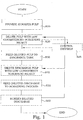
Fig. 1 is a flow chart of an embodiment of a method according to the proposed technology; -
Fig. 2 is a schematic block chart of a system according to the proposed technology. -
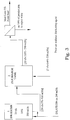
Fig. 3 is a schematic block chart illustrating prior art; -
Fig. 4 is a schematic block chart illustrating the benefits of the embodiments of the proposed technology; - The present disclosure will be described in the context of a batch cooking process. However, it is easily adapted for a case of continuous cooking. Further, although the background and the description of the proposed technology primarily describes the so called Kraft process, it is equally applicable to sulfite processes or similar with appropriate adaptation of processing terminology.
- The inventors have identified the benefits of reusing reject liquor or low consistency pulp, i.e. pulp with a low concentration of solid fibers, from the screening process for diluting the pulp during the discharge sequence. In other words, instead of using liquor from the displacement liquor tank during the discharge sequence, the same functionality can be met by using liquor from a screening reject tank. As most of the flow from the reject tank will be used in the cooking discharge sequence, only a small part will be sent to the bottom of the discharge tank to control the consistency. The dilution is then reduced so that it is not necessary to add any thickening device to run screening in normal consistency. Thereby, reusing low consistency reject liquor from the screening process for dilution during the discharge sequence will reduce the need for additives or machinery that increase the consistency of the feed into the screening process.
- With reference to
Figure 1 , embodiments of a method of providing a diluted discharge pulp in a pulp processing plant will be described. In this context the pulp can comprise processed wood fiber [1] or other processed lignocellulosic fiber. According to a first embodiment, the method includes the steps of providing S10 pulp with a first consistency in a digester, said pulp comprising digested or cooked wood chips or other lignocellulosic fibrous material at a certain concentration. Subsequently, diluting S20 the provided pulp by feeding a low consistency screening reject liquor, i.e. a reject liquor from a screening process, into the digester to provide a diluted pulp in the digester, and finally feeding S30 the diluted pulp through a discharge pipe to a discharge tank to provide a diluted discharge pulp. As described above, the low consistency screening reject liquor is in fact a pulp with low consistency, i.e. lower consistency than the pulp with a first consistency. Thus, the low consistency screening reject liquor has a lower concentration of fibers than the pulp with a first consistency. - According to a further embodiment, the diluting step S20 comprises feeding a first fraction of the reject liquor from the screening process into the discharge pipe to further dilute the pulp.
- According to yet another embodiment, the method includes the further steps of diluting S40 the discharge pulp in the discharge tank with a second fraction of the reject liquor from the screening process, before (which is common for all embodiments) feeding S50 the (diluted or undiluted) discharge pulp to the screening process for screening S60.
- According to a further embodiment, the method includes an intermediate step of feeding the reject liquor from the screening process to a buffer, and subsequently feeding the first and/or second fraction from the buffer to the digester and optionally also to the discharge pipe and/or to the discharge tank.
- In the above described embodiments, no mention is made to the consistency or concentration of the diluted pulp. However, according to a further embodiment, it is possible to control, in step S25, the dilution in order to achieve a diluted pulp with a predetermined consistency or concentration of fibers. This may be performed by determining the concentration of the pulp in the digester and diluting the pulp in order to achieve a wanted concentration. More commonly though is diluting the pulp just enough to enable discharging the pulp from the digester.
- With reference to
Figure 2 embodiments of adischarge dilution arrangement 100 according to the present disclosure will be described. - According to a first embodiment, the
discharge dilution arrangement 100, comprises adigester 1 configured for receiving at least a lignocellulosic fibrous material and a cooking liquor to cook into a pulp. Further, thedischarge dilution arrangement 100 includes adischarge tank 2 configured for receiving said pulp from saiddigester 1 and for outputting said pulp to a screening process. Thedigester 1 and thedischarge tank 2 are connectable via adischarge pipe 3, configured for feeding cooked pulp from thedigester 1 to thedischarge tank 2. Finally, thedischarge dilution arrangement 100 includes adigester dilution pipe 4 configured for feeding a reject liquor from the screening process into at least thedigester tank 1 to dilute the pulp, where the reject liquor from the screening process is a pulp with a lower consistency than the pulp in the digester. Preferably, the screening reject liquor is fed into thedigester 1 at the bottom of the tank. However, it is also technically feasible to add the screening reject liquor to other parts of the tank as well. - According to a further embodiment, the
discharge dilution arrangement 100 includes a first discharge dilution pipe 4' configured for additionally feeding the reject liquor from the screening process into thedischarge pipe 3 to further dilute the pulp in thedischarge pipe 3. - According to another embodiment, the
discharge dilution arrangement 100 further includes a seconddischarge dilution pipe 5 configured for additionally feeding the reject liquor from the screening process into thedischarge tank 2 as well to further dilute the pulp. - In order to improve the control of the dilution and ensure a sustainable and even access to the reject liquor, it might prove beneficial to collect the reject liquor into a buffer tank from which the reject liquor is then distributed to the parts of the arrangements where dilution is required. According to a further embodiment, the
discharge dilution arrangement 100 further comprises abuffer tank 6 arranged to receive the reject liquor from the screening process and to provide a first fraction of the reject liquor from the screening process to thedigester dilution pipe 4 and optionally also a second fraction of the reject liquor from the screening process via the seconddischarge dilution pipe 5 to thedischarge tank 2, to provide a diluted discharge pulp. - For those cases where a dilution in the
discharge pipe 3 is also required, according to a further embodiment, thebuffer tank 6 is further configured to provide a third fraction of the reject liquor from the screening process via the first discharge dilution pipe 4' to thedischarge pipe 3. - The above described arrangements can be implemented for both batch digesters and continuous digesters.
- In order to further explain the benefits of the above described embodiments, an example of the impact of various concentrations of fibers in the pulp in the different process steps will be described with reference to
Figure 3 andFigure 4 . The consistency and consistency intervals of the pulp are to be viewed as non-limiting examples and are indicated merely to illustrate the benefits of the proposed technology. - In
Figure 3 , which illustrates prior art without the use of a thickening device, adigester 1 is disclosed with a capacity for processing 20 t/h of wood chips or other lignocellulosic material. Impregnation and/or cooking liquid, e.g. black and/or white liquor or similar depending on the chemical process used, is added to achieve a concentration of fibers in the pulp, or first consistency of the pulp, of approximately 10%, corresponding to a total volume of 200 m3/h of cooked pulp. In order to enable emptying or discharging thedigester 1, more liquor or similar is added to dilute the cooked pulp and to reduce the consistency of the cooked pulp to e.g. 5%. In order to handle the processing capacity of 200 m3/h from thedigester 1, it is necessary to add 200 m3/h of dilution liquid e.g. liquor or similar, thereby resulting in a feed of 400 m3/h of diluted cooked pulp from thedigester 1 to thedischarge tank 2. This results in a doubling of the processed volume. - As discussed previously, it is then potentially necessary to further dilute the cooked pulp in order to enable emptying the
discharge tank 2 into the subsequent screening process. Accordingly, thedischarge 2 is fed with screening reject liquor to further lower the concentration of fibers to about 3%. In this example the low consistency screening reject liquor is fed with a capacity of 2 t/h and a concentration of fibers, or consistency, of 0.6%, which corresponds to 330 m3/h. Thereby, thedischarge tank 2 outputs 22 t/h with a consistency of 3% and a volume of 730 m3/h. Through the screening process a screened pulp with a consistency of maximum 3% is provided to press feed and about 10% of the production is provided to a screening reject wash. - With reference to
Figure 4 , the dilution in both thedigester 1 and optionally thedischarge tank 2 is provided by adding the low consistency screening reject liquor, in contrast to the prior art. In a corresponding manner as inFigure 3 , adigester 1 is disclosed with a capacity for processing 20 t/h of wood chips or other lignocellulosic material. Impregnation and/or cooking liquid, e.g. black and/or white liquor or similar depending on the chemical process used, is added to achieve a concentration or first consistency of approximately 10%, corresponding to a total volume of 200 m3/h of cooked pulp. In order to enable emptying or discharging thedigester 1, a low consistency screening reject liquor with a consistency of approximately 0.6% is added to dilute the cooked pulp in the digester. In order to handle the processing capacity of 200 m3/h from thedigester 1, it is necessary to add 1.2 t/h of the low consistency screening reject liquor with a consistency of 0.6%, thereby resulting in a feed of 400 m3/h of diluted cooked pulp with a concentration of 5.3% from thedigester 1 to thedischarge tank 2. This results in a doubling of the processed volume, in a similar manner as inFigure 3 . - As discussed previously, with reference to
Figure 3 , it is then potentially necessary to further dilute the cooked pulp. Accordingly, thedischarge 2 is also fed with the low consistency screening reject liquor. However, in contrast to the prior art solution inFigure 3 the addition of screening reject liquor is performed with 0.8t/h with a consistency of 0.6% corresponding to 130 m3/h. Thereby, thedischarge tank 2 outputs 22 t/h with a concentration of 4.1% and a volume of 530 m3/h. - In case of using some other liquid than the low consistency screening reject liquor it is easy to see the benefits of the current embodiments. Using a diluting liquid with 0% fibers corresponds to an output volume of 730 m3/h from the
discharge tank 2 as illustrated inFigure 3 (without a thickening agent) to provide the necessary screening consistency of 3-4.5%. By utilizing a diluting liquid with 0.6% fibers the processed volume can be reduced to 530 m3/h, which is a significant improvement and saves both time and money. - As mentioned before, the above described fiber concentrations are merely examples. The above mentioned first consistency is typically around 10%, but can also vary within consistency intervals of for example around 9.5-10.5%, 9-11%, 8-12%. The low consistency screening reject liquor is potentially 0.6%, but can also vary within concentration intervals of for example 0.3-1%. The resulting diluted pulp is diluted to such an extent that it is possible to empty the digester with a minimum of dilution. As an example the diluted pulp could be between 4-7%, or 4-6%, 4-5%, 4.5-5.5%. Basically, depending on the material to be processed, the chemicals used, the cooking or digesting parameters applied in the process, the type of screening and other variables the specific concentrations can vary also outside the above given example intervals.
- With the presently proposed technology it is possible to achieve a desired consistency of the pulp and at the same time avoiding the need for a thickening agent or machinery to be introduced into the system.
-
- [1] "Fact Sheet Agriculture and Natural Resources", F-85-13, Forest Products Terminology, E. McConnell, N Irby, (2013) Ohio State University, http://ohiowood.osu.edu/images/F_85_13_FP_Terminology_Fact_Sheet.pdf
- [2] Chemical Pulping, 6A and 6B, J Gullichsen, C-J Fogelholm, Paper Making Science and Technology, ISBN 952-5216-06-3, (1999) Jyväskylä, Finland
Claims (9)
- A method of providing a diluted discharge pulp, comprising
providing (S10) pulp with a first consistency in a digester, said pulp comprising cooked lignocellulosic fibrous material,
characterized by
diluting (S20) said provided pulp by feeding a reject liquor from a screening process into said digester during a discharge sequence to provide a diluted pulp in said digester, said reject liquor from said screening process being a pulp with a lower consistency than said pulp with a first consistency, and
feeding (S30) said diluted pulp through a discharge pipe to a discharge tank to provide a diluted discharge pulp. - The method according to claim 1, wherein said diluting step (S20) additionally comprises feeding a first fraction of said reject liquor from said screening process into said discharge pipe to further dilute the diluted pulp.
- The method according to claim 2, comprising the further steps of diluting (S40) said discharge pulp in said discharge tank with a second fraction of said reject liquor from said screening process, and feeding said diluted discharge pulp to said screening process.
- The method according to any of claims 1-3, comprising the step of feeding said reject liquor from said screening process to a buffer, and subsequently feeding said reject liquor from said buffer to at least said digester, and optionally to said discharge pipe, and optionally to said discharge tank.
- A discharge dilution arrangement (100), comprising
a digester (1) configured for receiving at least a lignocellulosic fibrous material and a cooking liquor to cook into a pulp;
a discharge tank (2) configured for receiving said pulp from said digester (1) and for outputting said pulp to a screening process; and
a discharge pipe (3), configured for feeding cooked pulp from said digester (1) to said discharge tank (2),
characterized by
a digester dilution pipe (4) configured for feeding a reject liquor from said screening process into at least a bottom section of said digester tank (1) to dilute the pulp in the digester (1), said reject liquor from said screening process being a pulp with a lower consistency than the pulp in the digester, and
a first discharge dilution pipe (4') configured for additionally feeding said reject liquor from said screening process into said discharge pipe (3) to further dilute the pulp in the discharge pipe (3). - The discharge dilution arrangement according to claim 5, comprising,
a second discharge dilution pipe (5) configured for additionally feeding said reject liquor from said screening process into said discharge tank (2) to further dilute the pulp. - The discharge dilution arrangement according to claim 5 or 6, wherein said arrangement further comprises a buffer tank (6) arranged to receive said reject liquor from said screening process and to provide said reject liquor from said screening process to said digester dilution pipe (4) and optionally a first fraction of said reject liquor from said screening process to said first discharge dilution pipe (4'), to provide a diluted discharged pulp with a predetermined consistency.
- The discharge dilution arrangement according to any of claims 5-7, wherein said buffer tank (6) is further configured to provide a second fraction of said reject liquor from said screening process via said second discharge dilution pipe (5) to said discharge tank (2).
- The discharge dilution arrangement according to any of claims 5-8, wherein said digester (1) is a batch digester or a continuous digester.
Applications Claiming Priority (2)
| Application Number | Priority Date | Filing Date | Title |
|---|---|---|---|
| SE1451303A SE539501C2 (en) | 2014-10-31 | 2014-10-31 | Method and arrangement for discharge dilution |
| PCT/SE2015/051141 WO2016068783A1 (en) | 2014-10-31 | 2015-10-28 | Method and arrangement for discharge dilution |
Publications (3)
| Publication Number | Publication Date |
|---|---|
| EP3212840A1 EP3212840A1 (en) | 2017-09-06 |
| EP3212840A4 EP3212840A4 (en) | 2018-04-11 |
| EP3212840B1 true EP3212840B1 (en) | 2020-02-05 |
Family
ID=55857932
Family Applications (1)
| Application Number | Title | Priority Date | Filing Date |
|---|---|---|---|
| EP15856135.7A Active EP3212840B1 (en) | 2014-10-31 | 2015-10-28 | Method and arrangement for discharge dilution |
Country Status (4)
| Country | Link |
|---|---|
| EP (1) | EP3212840B1 (en) |
| CA (1) | CA2966142A1 (en) |
| SE (1) | SE539501C2 (en) |
| WO (1) | WO2016068783A1 (en) |
Family Cites Families (13)
| Publication number | Priority date | Publication date | Assignee | Title |
|---|---|---|---|---|
| US3303088A (en) * | 1963-04-19 | 1967-02-07 | Lummus Co | Continuous liquid-phase rapid pulping |
| US3259538A (en) * | 1963-04-22 | 1966-07-05 | Lummus Co | Comprehensive pulping system for producing paper pulp |
| US3830688A (en) * | 1970-10-23 | 1974-08-20 | Skogsaegarnas Ind Ab | Method of reducing the discharge of waste products from pulp mills |
| SE394466C (en) * | 1974-05-16 | 1986-06-23 | Mannbro Systems Handelsbolag | SEE CONTINUOUS ALKALIC DELIGNIFICATION OF LIGNOCELLULOSAMENTAL MATERIAL IN TWO OR MULTIPLE STEPS, WHICH ARE LAST WITH Oxygen |
| US5066362A (en) * | 1987-12-01 | 1991-11-19 | Kamyr, Inc. | Extended delignification in pressure diffusers |
| FI93748B (en) * | 1992-06-09 | 1995-02-15 | Ahlstroem Oy | Method and apparatus for treating fiber suspension |
| US6302997B1 (en) * | 1999-08-30 | 2001-10-16 | North Carolina State University | Process for producing a pulp suitable for papermaking from nonwood fibrous materials |
| US20020129911A1 (en) * | 2000-10-16 | 2002-09-19 | Marcoccia Bruno S. | Process and configuration for providing external upflow/internal downflow in a continuous digester |
| SE0004050L (en) * | 2000-11-03 | 2001-11-05 | Kvaerner Pulping Tech | Continuous boiling of pulp with net mid-stream flow in the bottom portion of the boiler |
| FI120505B (en) * | 2002-07-12 | 2009-11-13 | Stora Enso Oyj | Continuous process for boiling cellulose-based pulp and pulp boiler suitable for the process |
| FI20022055A7 (en) * | 2002-11-19 | 2004-05-20 | Advanced Fiber Tech Aft Trust | Method and apparatus for treating fiber suspension |
| FI123023B (en) * | 2009-09-01 | 2012-10-15 | Andritz Oy | Method and apparatus for separating soap |
| WO2011102760A1 (en) * | 2010-02-17 | 2011-08-25 | Metso Paper Sweden Ab | Method and system for recycling of rejects in a process for cooking chemical pulp |
-
2014
- 2014-10-31 SE SE1451303A patent/SE539501C2/en unknown
-
2015
- 2015-10-28 CA CA2966142A patent/CA2966142A1/en not_active Abandoned
- 2015-10-28 WO PCT/SE2015/051141 patent/WO2016068783A1/en not_active Ceased
- 2015-10-28 EP EP15856135.7A patent/EP3212840B1/en active Active
Non-Patent Citations (1)
| Title |
|---|
| None * |
Also Published As
| Publication number | Publication date |
|---|---|
| SE539501C2 (en) | 2017-10-03 |
| EP3212840A4 (en) | 2018-04-11 |
| WO2016068783A1 (en) | 2016-05-06 |
| EP3212840A1 (en) | 2017-09-06 |
| CA2966142A1 (en) | 2016-05-06 |
| SE1451303A1 (en) | 2016-05-01 |
Similar Documents
| Publication | Publication Date | Title |
|---|---|---|
| Sugesty et al. | Bamboo as raw materials for dissolving pulp with environmental friendly technology for rayon fiber | |
| Duarte et al. | Effect of hot water extraction on hardwood kraft pulp fibers (Acer saccharum, sugar maple) | |
| Andrade et al. | Dissolving pulp production from sugar cane bagasse | |
| Matin et al. | Dissolving pulp from jute stick | |
| Ai et al. | Fiber length and pulping characteristics of switchgrass, alfalfa stems, hybrid poplar and willow biomasses | |
| Malik et al. | Valorization of wheat straw for the paper industry: Pre-extraction of reducing sugars and its effect on pulping and papermaking properties | |
| Batalha et al. | Dissolving pulp production from bamboo | |
| US11624154B2 (en) | Method for preparing unbleached biomechanical pulp from straw | |
| Vena et al. | Effect of alkaline hemicellulose extraction on kraft pulp fibers from Eucalyptus grandis | |
| Leh et al. | Optimisation of oxygen delignification in production of totally chlorine-free cellulose pulps from oil palm empty fruit bunch fibre | |
| Liu et al. | Effect of hot-water extraction (HWE) severity on bleached pulp based biorefinery performance of eucalyptus during the HWE–Kraft–ECF bleaching process | |
| Fatriasari et al. | The Kraft Pulp And Paper Properties of Sweet Sorghum Bagasse (Sorghum bicolor L Moench). | |
| Stoklosa et al. | Fractionation and improved enzymatic deconstruction of hardwoods with alkaline delignification | |
| Salehi et al. | Comparison of MEA/AQ, soda and soda/AQ pulping of wheat and rye straw | |
| Jahan et al. | Chemical characteristics of ribbon retted jute and its effect on pulping and papermaking properties | |
| Kumar et al. | Banana fibre (Musa sapientum): a suitable raw material for handmade paper industry via enzymatic refining | |
| Aklilu | Optimization and modeling of ethanol–alkali pulping process of bamboo (Yushania alpina) by response surface methodology | |
| Sutradhar et al. | Potassium hydroxide pulping of four non-woods | |
| SHAMSURI et al. | Review on the paper making process from bamboo as a paper product | |
| Popy et al. | Mild potassium hydroxide pulping of straw | |
| Ribeiro et al. | Effect of residual effective alkali on eucalyptus kraft pulp yield and chemistry | |
| Darmawan et al. | Delignification of Abaca Fiber (Musa textilis) as potential substitute for Eucalyptus pellita | |
| Puitel et al. | Lignocellulosic agricultural residues—A virgin fibre supply solution for paper-based packaging | |
| US8012308B2 (en) | Manufacturing method of mechanical pulp from cornstalk cellulose | |
| EP3212840A1 (en) | Method and arrangement for discharge dilution |
Legal Events
| Date | Code | Title | Description |
|---|---|---|---|
| STAA | Information on the status of an ep patent application or granted ep patent |
Free format text: STATUS: THE INTERNATIONAL PUBLICATION HAS BEEN MADE |
|
| PUAI | Public reference made under article 153(3) epc to a published international application that has entered the european phase |
Free format text: ORIGINAL CODE: 0009012 |
|
| STAA | Information on the status of an ep patent application or granted ep patent |
Free format text: STATUS: REQUEST FOR EXAMINATION WAS MADE |
|
| 17P | Request for examination filed |
Effective date: 20170531 |
|
| AK | Designated contracting states |
Kind code of ref document: A1 Designated state(s): AL AT BE BG CH CY CZ DE DK EE ES FI FR GB GR HR HU IE IS IT LI LT LU LV MC MK MT NL NO PL PT RO RS SE SI SK SM TR |
|
| AX | Request for extension of the european patent |
Extension state: BA ME |
|
| RIN1 | Information on inventor provided before grant (corrected) |
Inventor name: KUUSISTO, PETTERI Inventor name: ENGELFELDT, ANDREAS |
|
| DAV | Request for validation of the european patent (deleted) | ||
| DAX | Request for extension of the european patent (deleted) | ||
| A4 | Supplementary search report drawn up and despatched |
Effective date: 20180308 |
|
| RIC1 | Information provided on ipc code assigned before grant |
Ipc: D21C 9/00 20060101ALI20180303BHEP Ipc: D21D 5/02 20060101ALI20180303BHEP Ipc: D21C 3/00 20060101AFI20180303BHEP |
|
| STAA | Information on the status of an ep patent application or granted ep patent |
Free format text: STATUS: EXAMINATION IS IN PROGRESS |
|
| 17Q | First examination report despatched |
Effective date: 20190130 |
|
| GRAP | Despatch of communication of intention to grant a patent |
Free format text: ORIGINAL CODE: EPIDOSNIGR1 |
|
| STAA | Information on the status of an ep patent application or granted ep patent |
Free format text: STATUS: GRANT OF PATENT IS INTENDED |
|
| INTG | Intention to grant announced |
Effective date: 20190913 |
|
| GRAS | Grant fee paid |
Free format text: ORIGINAL CODE: EPIDOSNIGR3 |
|
| GRAA | (expected) grant |
Free format text: ORIGINAL CODE: 0009210 |
|
| STAA | Information on the status of an ep patent application or granted ep patent |
Free format text: STATUS: THE PATENT HAS BEEN GRANTED |
|
| AK | Designated contracting states |
Kind code of ref document: B1 Designated state(s): AL AT BE BG CH CY CZ DE DK EE ES FI FR GB GR HR HU IE IS IT LI LT LU LV MC MK MT NL NO PL PT RO RS SE SI SK SM TR |
|
| REG | Reference to a national code |
Ref country code: GB Ref legal event code: FG4D |
|
| REG | Reference to a national code |
Ref country code: AT Ref legal event code: REF Ref document number: 1229974 Country of ref document: AT Kind code of ref document: T Effective date: 20200215 |
|
| REG | Reference to a national code |
Ref country code: DE Ref legal event code: R096 Ref document number: 602015046537 Country of ref document: DE |
|
| REG | Reference to a national code |
Ref country code: IE Ref legal event code: FG4D |
|
| REG | Reference to a national code |
Ref country code: FI Ref legal event code: FGE |
|
| REG | Reference to a national code |
Ref country code: CH Ref legal event code: EP |
|
| REG | Reference to a national code |
Ref country code: NL Ref legal event code: MP Effective date: 20200205 |
|
| PG25 | Lapsed in a contracting state [announced via postgrant information from national office to epo] |
Ref country code: RS Free format text: LAPSE BECAUSE OF FAILURE TO SUBMIT A TRANSLATION OF THE DESCRIPTION OR TO PAY THE FEE WITHIN THE PRESCRIBED TIME-LIMIT Effective date: 20200205 Ref country code: NO Free format text: LAPSE BECAUSE OF FAILURE TO SUBMIT A TRANSLATION OF THE DESCRIPTION OR TO PAY THE FEE WITHIN THE PRESCRIBED TIME-LIMIT Effective date: 20200505 Ref country code: PT Free format text: LAPSE BECAUSE OF FAILURE TO SUBMIT A TRANSLATION OF THE DESCRIPTION OR TO PAY THE FEE WITHIN THE PRESCRIBED TIME-LIMIT Effective date: 20200628 |
|
| REG | Reference to a national code |
Ref country code: LT Ref legal event code: MG4D |
|
| PG25 | Lapsed in a contracting state [announced via postgrant information from national office to epo] |
Ref country code: SE Free format text: LAPSE BECAUSE OF FAILURE TO SUBMIT A TRANSLATION OF THE DESCRIPTION OR TO PAY THE FEE WITHIN THE PRESCRIBED TIME-LIMIT Effective date: 20200205 Ref country code: LV Free format text: LAPSE BECAUSE OF FAILURE TO SUBMIT A TRANSLATION OF THE DESCRIPTION OR TO PAY THE FEE WITHIN THE PRESCRIBED TIME-LIMIT Effective date: 20200205 Ref country code: GR Free format text: LAPSE BECAUSE OF FAILURE TO SUBMIT A TRANSLATION OF THE DESCRIPTION OR TO PAY THE FEE WITHIN THE PRESCRIBED TIME-LIMIT Effective date: 20200506 Ref country code: HR Free format text: LAPSE BECAUSE OF FAILURE TO SUBMIT A TRANSLATION OF THE DESCRIPTION OR TO PAY THE FEE WITHIN THE PRESCRIBED TIME-LIMIT Effective date: 20200205 Ref country code: IS Free format text: LAPSE BECAUSE OF FAILURE TO SUBMIT A TRANSLATION OF THE DESCRIPTION OR TO PAY THE FEE WITHIN THE PRESCRIBED TIME-LIMIT Effective date: 20200605 Ref country code: BG Free format text: LAPSE BECAUSE OF FAILURE TO SUBMIT A TRANSLATION OF THE DESCRIPTION OR TO PAY THE FEE WITHIN THE PRESCRIBED TIME-LIMIT Effective date: 20200505 |
|
| PG25 | Lapsed in a contracting state [announced via postgrant information from national office to epo] |
Ref country code: NL Free format text: LAPSE BECAUSE OF FAILURE TO SUBMIT A TRANSLATION OF THE DESCRIPTION OR TO PAY THE FEE WITHIN THE PRESCRIBED TIME-LIMIT Effective date: 20200205 |
|
| PG25 | Lapsed in a contracting state [announced via postgrant information from national office to epo] |
Ref country code: SK Free format text: LAPSE BECAUSE OF FAILURE TO SUBMIT A TRANSLATION OF THE DESCRIPTION OR TO PAY THE FEE WITHIN THE PRESCRIBED TIME-LIMIT Effective date: 20200205 Ref country code: RO Free format text: LAPSE BECAUSE OF FAILURE TO SUBMIT A TRANSLATION OF THE DESCRIPTION OR TO PAY THE FEE WITHIN THE PRESCRIBED TIME-LIMIT Effective date: 20200205 Ref country code: LT Free format text: LAPSE BECAUSE OF FAILURE TO SUBMIT A TRANSLATION OF THE DESCRIPTION OR TO PAY THE FEE WITHIN THE PRESCRIBED TIME-LIMIT Effective date: 20200205 Ref country code: CZ Free format text: LAPSE BECAUSE OF FAILURE TO SUBMIT A TRANSLATION OF THE DESCRIPTION OR TO PAY THE FEE WITHIN THE PRESCRIBED TIME-LIMIT Effective date: 20200205 Ref country code: ES Free format text: LAPSE BECAUSE OF FAILURE TO SUBMIT A TRANSLATION OF THE DESCRIPTION OR TO PAY THE FEE WITHIN THE PRESCRIBED TIME-LIMIT Effective date: 20200205 Ref country code: EE Free format text: LAPSE BECAUSE OF FAILURE TO SUBMIT A TRANSLATION OF THE DESCRIPTION OR TO PAY THE FEE WITHIN THE PRESCRIBED TIME-LIMIT Effective date: 20200205 Ref country code: SM Free format text: LAPSE BECAUSE OF FAILURE TO SUBMIT A TRANSLATION OF THE DESCRIPTION OR TO PAY THE FEE WITHIN THE PRESCRIBED TIME-LIMIT Effective date: 20200205 Ref country code: DK Free format text: LAPSE BECAUSE OF FAILURE TO SUBMIT A TRANSLATION OF THE DESCRIPTION OR TO PAY THE FEE WITHIN THE PRESCRIBED TIME-LIMIT Effective date: 20200205 |
|
| REG | Reference to a national code |
Ref country code: DE Ref legal event code: R097 Ref document number: 602015046537 Country of ref document: DE |
|
| PLBE | No opposition filed within time limit |
Free format text: ORIGINAL CODE: 0009261 |
|
| STAA | Information on the status of an ep patent application or granted ep patent |
Free format text: STATUS: NO OPPOSITION FILED WITHIN TIME LIMIT |
|
| 26N | No opposition filed |
Effective date: 20201106 |
|
| PG25 | Lapsed in a contracting state [announced via postgrant information from national office to epo] |
Ref country code: IT Free format text: LAPSE BECAUSE OF FAILURE TO SUBMIT A TRANSLATION OF THE DESCRIPTION OR TO PAY THE FEE WITHIN THE PRESCRIBED TIME-LIMIT Effective date: 20200205 |
|
| PGFP | Annual fee paid to national office [announced via postgrant information from national office to epo] |
Ref country code: FI Payment date: 20201021 Year of fee payment: 6 Ref country code: AT Payment date: 20201022 Year of fee payment: 6 |
|
| PG25 | Lapsed in a contracting state [announced via postgrant information from national office to epo] |
Ref country code: SI Free format text: LAPSE BECAUSE OF FAILURE TO SUBMIT A TRANSLATION OF THE DESCRIPTION OR TO PAY THE FEE WITHIN THE PRESCRIBED TIME-LIMIT Effective date: 20200205 Ref country code: PL Free format text: LAPSE BECAUSE OF FAILURE TO SUBMIT A TRANSLATION OF THE DESCRIPTION OR TO PAY THE FEE WITHIN THE PRESCRIBED TIME-LIMIT Effective date: 20200205 |
|
| REG | Reference to a national code |
Ref country code: AT Ref legal event code: UEP Ref document number: 1229974 Country of ref document: AT Kind code of ref document: T Effective date: 20200205 |
|
| REG | Reference to a national code |
Ref country code: DE Ref legal event code: R119 Ref document number: 602015046537 Country of ref document: DE |
|
| REG | Reference to a national code |
Ref country code: CH Ref legal event code: PL |
|
| GBPC | Gb: european patent ceased through non-payment of renewal fee |
Effective date: 20201028 |
|
| PG25 | Lapsed in a contracting state [announced via postgrant information from national office to epo] |
Ref country code: MC Free format text: LAPSE BECAUSE OF FAILURE TO SUBMIT A TRANSLATION OF THE DESCRIPTION OR TO PAY THE FEE WITHIN THE PRESCRIBED TIME-LIMIT Effective date: 20200205 Ref country code: LU Free format text: LAPSE BECAUSE OF NON-PAYMENT OF DUE FEES Effective date: 20201028 |
|
| REG | Reference to a national code |
Ref country code: BE Ref legal event code: MM Effective date: 20201031 |
|
| PG25 | Lapsed in a contracting state [announced via postgrant information from national office to epo] |
Ref country code: DE Free format text: LAPSE BECAUSE OF NON-PAYMENT OF DUE FEES Effective date: 20210501 Ref country code: FR Free format text: LAPSE BECAUSE OF NON-PAYMENT OF DUE FEES Effective date: 20201031 |
|
| PG25 | Lapsed in a contracting state [announced via postgrant information from national office to epo] |
Ref country code: CH Free format text: LAPSE BECAUSE OF NON-PAYMENT OF DUE FEES Effective date: 20201031 Ref country code: BE Free format text: LAPSE BECAUSE OF NON-PAYMENT OF DUE FEES Effective date: 20201031 Ref country code: GB Free format text: LAPSE BECAUSE OF NON-PAYMENT OF DUE FEES Effective date: 20201028 Ref country code: LI Free format text: LAPSE BECAUSE OF NON-PAYMENT OF DUE FEES Effective date: 20201031 |
|
| PG25 | Lapsed in a contracting state [announced via postgrant information from national office to epo] |
Ref country code: IE Free format text: LAPSE BECAUSE OF NON-PAYMENT OF DUE FEES Effective date: 20201028 |
|
| REG | Reference to a national code |
Ref country code: FI Ref legal event code: MAE |
|
| PG25 | Lapsed in a contracting state [announced via postgrant information from national office to epo] |
Ref country code: TR Free format text: LAPSE BECAUSE OF FAILURE TO SUBMIT A TRANSLATION OF THE DESCRIPTION OR TO PAY THE FEE WITHIN THE PRESCRIBED TIME-LIMIT Effective date: 20200205 Ref country code: MT Free format text: LAPSE BECAUSE OF FAILURE TO SUBMIT A TRANSLATION OF THE DESCRIPTION OR TO PAY THE FEE WITHIN THE PRESCRIBED TIME-LIMIT Effective date: 20200205 Ref country code: CY Free format text: LAPSE BECAUSE OF FAILURE TO SUBMIT A TRANSLATION OF THE DESCRIPTION OR TO PAY THE FEE WITHIN THE PRESCRIBED TIME-LIMIT Effective date: 20200205 |
|
| REG | Reference to a national code |
Ref country code: AT Ref legal event code: MM01 Ref document number: 1229974 Country of ref document: AT Kind code of ref document: T Effective date: 20211028 |
|
| PG25 | Lapsed in a contracting state [announced via postgrant information from national office to epo] |
Ref country code: MK Free format text: LAPSE BECAUSE OF FAILURE TO SUBMIT A TRANSLATION OF THE DESCRIPTION OR TO PAY THE FEE WITHIN THE PRESCRIBED TIME-LIMIT Effective date: 20200205 Ref country code: AL Free format text: LAPSE BECAUSE OF FAILURE TO SUBMIT A TRANSLATION OF THE DESCRIPTION OR TO PAY THE FEE WITHIN THE PRESCRIBED TIME-LIMIT Effective date: 20200205 |
|
| PG25 | Lapsed in a contracting state [announced via postgrant information from national office to epo] |
Ref country code: FI Free format text: LAPSE BECAUSE OF NON-PAYMENT OF DUE FEES Effective date: 20211028 Ref country code: AT Free format text: LAPSE BECAUSE OF NON-PAYMENT OF DUE FEES Effective date: 20211028 |