EP3211089A1 - Detection method for dna repair-related genes which respond to low-level radiation - Google Patents
Detection method for dna repair-related genes which respond to low-level radiation Download PDFInfo
- Publication number
- EP3211089A1 EP3211089A1 EP14904279.8A EP14904279A EP3211089A1 EP 3211089 A1 EP3211089 A1 EP 3211089A1 EP 14904279 A EP14904279 A EP 14904279A EP 3211089 A1 EP3211089 A1 EP 3211089A1
- Authority
- EP
- European Patent Office
- Prior art keywords
- low
- genes
- radiation
- dose
- dna repair
- Prior art date
- Legal status (The legal status is an assumption and is not a legal conclusion. Google has not performed a legal analysis and makes no representation as to the accuracy of the status listed.)
- Granted
Links
Images


Classifications
-
- C—CHEMISTRY; METALLURGY
- C12—BIOCHEMISTRY; BEER; SPIRITS; WINE; VINEGAR; MICROBIOLOGY; ENZYMOLOGY; MUTATION OR GENETIC ENGINEERING
- C12Q—MEASURING OR TESTING PROCESSES INVOLVING ENZYMES, NUCLEIC ACIDS OR MICROORGANISMS; COMPOSITIONS OR TEST PAPERS THEREFOR; PROCESSES OF PREPARING SUCH COMPOSITIONS; CONDITION-RESPONSIVE CONTROL IN MICROBIOLOGICAL OR ENZYMOLOGICAL PROCESSES
- C12Q1/00—Measuring or testing processes involving enzymes, nucleic acids or microorganisms; Compositions therefor; Processes of preparing such compositions
- C12Q1/68—Measuring or testing processes involving enzymes, nucleic acids or microorganisms; Compositions therefor; Processes of preparing such compositions involving nucleic acids
- C12Q1/6844—Nucleic acid amplification reactions
-
- C—CHEMISTRY; METALLURGY
- C12—BIOCHEMISTRY; BEER; SPIRITS; WINE; VINEGAR; MICROBIOLOGY; ENZYMOLOGY; MUTATION OR GENETIC ENGINEERING
- C12Q—MEASURING OR TESTING PROCESSES INVOLVING ENZYMES, NUCLEIC ACIDS OR MICROORGANISMS; COMPOSITIONS OR TEST PAPERS THEREFOR; PROCESSES OF PREPARING SUCH COMPOSITIONS; CONDITION-RESPONSIVE CONTROL IN MICROBIOLOGICAL OR ENZYMOLOGICAL PROCESSES
- C12Q1/00—Measuring or testing processes involving enzymes, nucleic acids or microorganisms; Compositions therefor; Processes of preparing such compositions
- C12Q1/68—Measuring or testing processes involving enzymes, nucleic acids or microorganisms; Compositions therefor; Processes of preparing such compositions involving nucleic acids
- C12Q1/6876—Nucleic acid products used in the analysis of nucleic acids, e.g. primers or probes
- C12Q1/6883—Nucleic acid products used in the analysis of nucleic acids, e.g. primers or probes for diseases caused by alterations of genetic material
- C12Q1/6886—Nucleic acid products used in the analysis of nucleic acids, e.g. primers or probes for diseases caused by alterations of genetic material for cancer
-
- C—CHEMISTRY; METALLURGY
- C12—BIOCHEMISTRY; BEER; SPIRITS; WINE; VINEGAR; MICROBIOLOGY; ENZYMOLOGY; MUTATION OR GENETIC ENGINEERING
- C12Q—MEASURING OR TESTING PROCESSES INVOLVING ENZYMES, NUCLEIC ACIDS OR MICROORGANISMS; COMPOSITIONS OR TEST PAPERS THEREFOR; PROCESSES OF PREPARING SUCH COMPOSITIONS; CONDITION-RESPONSIVE CONTROL IN MICROBIOLOGICAL OR ENZYMOLOGICAL PROCESSES
- C12Q1/00—Measuring or testing processes involving enzymes, nucleic acids or microorganisms; Compositions therefor; Processes of preparing such compositions
- C12Q1/68—Measuring or testing processes involving enzymes, nucleic acids or microorganisms; Compositions therefor; Processes of preparing such compositions involving nucleic acids
- C12Q1/6844—Nucleic acid amplification reactions
- C12Q1/686—Polymerase chain reaction [PCR]
-
- C—CHEMISTRY; METALLURGY
- C12—BIOCHEMISTRY; BEER; SPIRITS; WINE; VINEGAR; MICROBIOLOGY; ENZYMOLOGY; MUTATION OR GENETIC ENGINEERING
- C12Q—MEASURING OR TESTING PROCESSES INVOLVING ENZYMES, NUCLEIC ACIDS OR MICROORGANISMS; COMPOSITIONS OR TEST PAPERS THEREFOR; PROCESSES OF PREPARING SUCH COMPOSITIONS; CONDITION-RESPONSIVE CONTROL IN MICROBIOLOGICAL OR ENZYMOLOGICAL PROCESSES
- C12Q1/00—Measuring or testing processes involving enzymes, nucleic acids or microorganisms; Compositions therefor; Processes of preparing such compositions
- C12Q1/68—Measuring or testing processes involving enzymes, nucleic acids or microorganisms; Compositions therefor; Processes of preparing such compositions involving nucleic acids
- C12Q1/6876—Nucleic acid products used in the analysis of nucleic acids, e.g. primers or probes
- C12Q1/6883—Nucleic acid products used in the analysis of nucleic acids, e.g. primers or probes for diseases caused by alterations of genetic material
-
- C—CHEMISTRY; METALLURGY
- C12—BIOCHEMISTRY; BEER; SPIRITS; WINE; VINEGAR; MICROBIOLOGY; ENZYMOLOGY; MUTATION OR GENETIC ENGINEERING
- C12Q—MEASURING OR TESTING PROCESSES INVOLVING ENZYMES, NUCLEIC ACIDS OR MICROORGANISMS; COMPOSITIONS OR TEST PAPERS THEREFOR; PROCESSES OF PREPARING SUCH COMPOSITIONS; CONDITION-RESPONSIVE CONTROL IN MICROBIOLOGICAL OR ENZYMOLOGICAL PROCESSES
- C12Q2600/00—Oligonucleotides characterized by their use
- C12Q2600/142—Toxicological screening, e.g. expression profiles which identify toxicity
-
- C—CHEMISTRY; METALLURGY
- C12—BIOCHEMISTRY; BEER; SPIRITS; WINE; VINEGAR; MICROBIOLOGY; ENZYMOLOGY; MUTATION OR GENETIC ENGINEERING
- C12Q—MEASURING OR TESTING PROCESSES INVOLVING ENZYMES, NUCLEIC ACIDS OR MICROORGANISMS; COMPOSITIONS OR TEST PAPERS THEREFOR; PROCESSES OF PREPARING SUCH COMPOSITIONS; CONDITION-RESPONSIVE CONTROL IN MICROBIOLOGICAL OR ENZYMOLOGICAL PROCESSES
- C12Q2600/00—Oligonucleotides characterized by their use
- C12Q2600/158—Expression markers
Definitions
- the present invention relates to a detection method for DNA repair-associated genes responsive to low-dose radiation, and more particularly, to a method comprising exposing AKR/J mice, as a thymus cancer model, and normal ICR mice to low-dose radiation, collecting thymuses from the mice, identifying DNA repair-associated genes that are expressed commonly or differentially in response to radiation exposure, and amplifying the genes to measure expression levels thereof.
- the present invention provides a method of detecting a DNA repair-associated gene which responds to low-dose radiation, comprising the steps of (1) breeding AKR/J mice, as a thymus cancer model, and normal ICR mice in a low-dose radiation environment; (2) collecting thymuses from the AKR/J thymus cancer mouse model and the normal ICR mice which have been bred at the step (1); (3) analyzing genes in the thymuses collected at the step (2); (4) detecting, among the genes analyzed at the step (3), a DNA repair-associated gene expressed commonly or differentially in the AKR/J thymus cancer mouse model and the normal ICR mice; and (5) amplifying the gene detected at the step (4) and measuring the expression level thereof.
- the low-dose radiation is characterized by being delivered at a dose rate of 0.7 mGy/h.
- mice are characterized by being housed in a low-dose radiation environment of 0.7 mGy/h until the total cumulative dose reaches 1.7 Gy.
- the DNA repair-associated gene is characterized by being amplified with a primer selected from among primers specific to Cyp11a1, Ptgs2, Rnd3, Plxncl and cyp2el genes.
- the expression level is characterized by being measured by a Venn diagram, quantitative polymerase chain reaction, detection assay for a specific protein and a statistical SAS program.
- the present invention provides a method of detecting a DNA repair-associated gene which responds to low-dose radiation, comprising the steps of (1) breeding AKR/J mice, as a thymus cancer model, and normal ICR mice in a low-dose radiation environment; (2) collecting thymuses from the AKR/J thymus cancer mouse model and the normal ICR mice which have been bred at the step (1); (3) analyzing genes in the thymuses collected at the step (2); (4) detecting, among the genes analyzed at the step (3), a DNA repair-associated gene expressed commonly or differentially in the AKR/J thymus cancer mouse model and the normal ICR mice; and (5) amplifying the gene detected at the step (4) and measuring the expression level thereof.
- the present invention has the following effects: the genes have the potential for use as genetic markers for DNA repair in response to low-dose radiation, making it possible to evaluate the relationship between radiation exposure and carcinogenesis for industrial and medical workers; the genes can be applied as indicators for DNA repair in response to low-dose radiation for evaluating cancer progress and the effects of radiation therapy for cancer patients; and the genes can be applied to assess the dose-response relationship between radiation doses and cancer incidence.
- AKR/J mice and normal mice were reared under low-dose-rate (0.7 mGy/h) irradiation.
- mice started to die Day 100
- thymuses were collected and analyzed for gene expression.
- mice from normal mice (ICR) reared under the same conditions thymuses were collected and analyzed for gene expression.
- identified were DNA repair-associated genes expressed commonly or differentially between the two species of mice, and the genes were amplified for protein detection, thus affording genomic and proteomic profiling.
- mice and ICR mice were purchased from Shizuoka laboratory Center (Japan) and maintained under specific pathogen-free conditions for an adaptation period of one week.
- Five mice in each group were housed in a low-dose-rate (0.7 mGy/h) radiation facility for a period of 100 days until the total cumulative dose reached 1.7 Gy. Thereafter, thymuses were collected, rapidly frozen in liquid nitrogen, and analyzed for gene expression.
- Gene expression patterns in the thymuses were compared between AKR/J mice and ICR mice, which were exposed to low-dose radiation. As a result, identified were DNA repair-associated genes responsive to low-dose-rate (0.7 mGy/h) radiation, and the genes were investigated for their functions.
- the genes were analyzed using a Venn diagram, quantitative polymerase chain reaction, detection assay for specific proteins and the SAS statistical program (ANOVA, t-test).
- thymuses were collected at the early stage of carcinogenesis (Day 100). Focusing on genes associated with DNA damage and repair, genes species-specifically responsive to low-dose radiation were selected and analyzed for relative expression levels via polymerase chain reaction.
- Ptgs2, Rnd3 and Plxncl genes in AKR/J mice irradiated with low-dose radiation and cyp2el gene in ICR mice were found to be species-specifically responsive to low-dose radiation.
- TEST EXAMPLE 2 Evaluation for protein expression in thymuses from low-dose radiation-irradiated AKR/J and ICR mice
- Protein expression levels were estimated in the mouse thymuses prepared in Example 1, which were irradiated with low-dose radiation, along with a control group in which mice were exposed to high-dose radiation (0.8 Gy/min, the total dose: 4.5 Gy).
- Rnd3 and Plxncl genes were identified as species-specifically responsive to low-dose radiation.
- sequence listing was submitted as an electronic file.
Landscapes
- Chemical & Material Sciences (AREA)
- Life Sciences & Earth Sciences (AREA)
- Organic Chemistry (AREA)
- Health & Medical Sciences (AREA)
- Proteomics, Peptides & Aminoacids (AREA)
- Engineering & Computer Science (AREA)
- Zoology (AREA)
- Wood Science & Technology (AREA)
- Genetics & Genomics (AREA)
- Analytical Chemistry (AREA)
- Immunology (AREA)
- General Health & Medical Sciences (AREA)
- General Engineering & Computer Science (AREA)
- Bioinformatics & Cheminformatics (AREA)
- Biotechnology (AREA)
- Microbiology (AREA)
- Molecular Biology (AREA)
- Biochemistry (AREA)
- Biophysics (AREA)
- Physics & Mathematics (AREA)
- Pathology (AREA)
- Chemical Kinetics & Catalysis (AREA)
- Hospice & Palliative Care (AREA)
- Oncology (AREA)
- Measuring Or Testing Involving Enzymes Or Micro-Organisms (AREA)
- Toxicology (AREA)
Abstract
Description
- The present invention relates to a detection method for DNA repair-associated genes responsive to low-dose radiation, and more particularly, to a method comprising exposing AKR/J mice, as a thymus cancer model, and normal ICR mice to low-dose radiation, collecting thymuses from the mice, identifying DNA repair-associated genes that are expressed commonly or differentially in response to radiation exposure, and amplifying the genes to measure expression levels thereof.
- A variety of strategies have been applied to identify specific genes which are sensitive to low-dose radiation (0.7 mGy/h), but gene expression at the protein level has not been confirmed. In contrast, the genes identified in the present invention are revealed by differences in gene expression at the RNA level as well as at the protein level. Also, no attempts have been made to compare the expression patterns of genes associated with DAN damage and repair between healthy mice and cancer-induced mice, both of which are subjected to low doses of radiation. Moreover, it has not previously been known that the genes identified in the present invention are responsive to low-dose radiation. Some conventional studies, as will be described below, have characterized gene expression profiles which are responsive to low doses of radiation.
- i) A human myeloid leukemia cell line was irradiated to a dose between 2 and 50 cGy, and the induction of five genes, CDKN1A, GADD45A, MDM2, BTG2 and PHLDA3, was observed (Amundson et al, 2003).
- ii) When human blood was irradiated at doses of 0.5, 2 and 8 Gy, radiation-sensitive genes, FDXR, CDKN1A, PHPT1, BBC3 and SESN1, were identified, which have the potential for use to assess the amount of radiation exposure in the event of a radiation accident (Paul and Amundson, 2008).
- iii) After C57BL/6J mice were irradiated at a dose rate of 0.032 to 13 µGy/min for a period of 485 days, kidneys and testicles were collected and subjected to microarray analysis, which identified genes sensitive to low doses of radiation (Taki et al, 2009).
- iv) After male C57BL/6J mice were irradiated to 8 Gy, 0.4 Gy or 0.02 Gy at a dose rate of 17-20 mGy/day or 0.86-1.0 mGy/day for a period of 401 to 485 days, livers were collected and assessed by microarray analysis and reverse transcription polymerase chain reaction (RT-PCR), resulting in the identification of genes sensitive to low-dose radiation (Uehara et al, 2010).
- v) Microarray and quantitative polymerase chain reaction (qPCR) analysis revealed 39 genes sensitive to low-dose radiation in Drosophila melanogaster exposed to low-dose radiation (Seong et al, 2011).
- vi) When human blood was irradiated to 0, 0.02, 0.1, 0.5, 1, 2 and 4 Gy, microarray analysis revealed a total of nine genes responding to low doses of radiation. Also, gene groups differentially expressed according to dose rates and post-irradiation times were selected so as to be used for bio-dosimetry assay (Knops et al, 2012).
- vii) Zebra Danio embryos were irradiated with 0.1 or 1 Gy, and liver mRNA was used for microarray and quantitative PCR analysis, resulting in the identification of radiation-sensitive genes (Jaafar et al, 2013).
- viii) Human blood was exposed to 5 to 500 mGy radiation and assessed by microarray analysis, thus identifying genes sensitive to low-dose radiation (Nosel et al, 2013).
- The interpretation of the data obtained from cell lines is generally difficult to directly apply to humans or animals, and animal experiments, which have employed mainly mice, show low cancer incidence and have many limitations in interpreting mouse responses to low-dose radiation as human responses. In order to overcome these problems, the present inventors conducted intensive and thorough research into carcinogenesis induced by radiation employing AKR/J mice, as a thymus cancer model, and normal ICR mice, which have been commonly widely used for cancer studies, resulting in differences in radiation responses being observed between the tumor model and normal mice, the differential responses being analyzed by the following method, leading to the present invention.
- 1) The thymus cancer model AKR/J mice and the normal ICR mice were exposed to low-dose radiation (0.7 mGy/h), and gene profiles responsive to low-dose radiation are identified in thymuses. 2) Then, focusing on genes associated with DNA repair, the genes are analyzed for their functions.
- It is therefore an object of the present invention to provide a method of detecting a DNA repair-associated gene which responds to low-dose radiation, comprising the steps of (1) breeding AKR/J mice, as a thymus cancer model, and normal ICR mice in a low-dose radiation environment; (2) collecting thymuses from the AKR/J thymus cancer mouse model and the normal ICR mice which have been bred at the step (1); (3) analyzing genes in the thymuses collected at the step (2) ; (4) detecting, among the genes analyzed at the step (3), a DNA repair-associated gene expressed commonly or differentially in the AKR/J thymus cancer mouse model and the normal ICR mice; and (5) amplifying the gene detected at the step (4) and measuring the expression level thereof.
- In order to accomplish the above objects, the present invention provides a method of detecting a DNA repair-associated gene which responds to low-dose radiation, comprising the steps of (1) breeding AKR/J mice, as a thymus cancer model, and normal ICR mice in a low-dose radiation environment; (2) collecting thymuses from the AKR/J thymus cancer mouse model and the normal ICR mice which have been bred at the step (1); (3) analyzing genes in the thymuses collected at the step (2); (4) detecting, among the genes analyzed at the step (3), a DNA repair-associated gene expressed commonly or differentially in the AKR/J thymus cancer mouse model and the normal ICR mice; and (5) amplifying the gene detected at the step (4) and measuring the expression level thereof.
- At the step (1), the low-dose radiation is characterized by being delivered at a dose rate of 0.7 mGy/h.
- At the step (1), the mice are characterized by being housed in a low-dose radiation environment of 0.7 mGy/h until the total cumulative dose reaches 1.7 Gy.
- At the step (5), the DNA repair-associated gene is characterized by being amplified with a primer selected from among primers specific to Cyp11a1, Ptgs2, Rnd3, Plxncl and cyp2el genes.
- At the step (5), the expression level is characterized by being measured by a Venn diagram, quantitative polymerase chain reaction, detection assay for a specific protein and a statistical SAS program.
- As described above, the present invention provides a method of detecting a DNA repair-associated gene which responds to low-dose radiation, comprising the steps of (1) breeding AKR/J mice, as a thymus cancer model, and normal ICR mice in a low-dose radiation environment; (2) collecting thymuses from the AKR/J thymus cancer mouse model and the normal ICR mice which have been bred at the step (1); (3) analyzing genes in the thymuses collected at the step (2); (4) detecting, among the genes analyzed at the step (3), a DNA repair-associated gene expressed commonly or differentially in the AKR/J thymus cancer mouse model and the normal ICR mice; and (5) amplifying the gene detected at the step (4) and measuring the expression level thereof. Thereby, the present invention has the following effects: the genes have the potential for use as genetic markers for DNA repair in response to low-dose radiation, making it possible to evaluate the relationship between radiation exposure and carcinogenesis for industrial and medical workers; the genes can be applied as indicators for DNA repair in response to low-dose radiation for evaluating cancer progress and the effects of radiation therapy for cancer patients; and the genes can be applied to assess the dose-response relationship between radiation doses and cancer incidence.
-
-
FIG. 1 is a graph showing the relative expression levels of genes, among genes associated with DNA damage and repair, being species-specifically responsive to low-dose radiation, the expression being analyzed by polymerase chain reaction; -
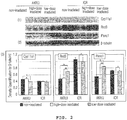
FIG. 2 shows the protein expression levels in thymuses from AKR/J mice and ICR mice, both of which were exposed to low-dose radiation ((1) DNA repair-associated genes in response to low-dose radiation (Cyp11a1, Rnd3 and Plxncl), (2) loading control, and (3) quantitative analysis for proteins of interest, in which the density of each protein band was measured and quantified relative to the density of β-tubulin); and -
FIG. 3 is a schematic diagram showing gene expression responses to low-dose radiation and subsequent cellular changes in the thymus from a mouse exposed to low-dose radiation. - Hereinafter, the present invention will be described in detail.
- Generally, it is known that high-dose-rate radiation causes DNA damage and eventually induces cancer. In contrast, low-dose-rate radiation is known to stimulate repair of damaged DNA, apoptosis, immune responses and antioxidant capacity so that cancer incidence is suppressed. However, many cases do not satisfy the low dose rate (≤ 6mGy/h) radiation recommended by the United Nations Scientific Committee on the Effects of Atomic Radiation (UNSCEAR 2000). Also, the interpretation of the data obtained from cell lines is generally difficult to directly apply to humans. Moreover, even if experimental animals were used, there are no conventional reports that confirm the effects of low-dose radiation on DNA repair with reference to protein levels. In the present invention, AKR/J mice and normal mice (ICR) were reared under low-dose-rate (0.7 mGy/h) irradiation. When mice started to die (Day 100), thymuses were collected and analyzed for gene expression. Also, from normal mice (ICR) reared under the same conditions, thymuses were collected and analyzed for gene expression. Finally, identified were DNA repair-associated genes expressed commonly or differentially between the two species of mice, and the genes were amplified for protein detection, thus affording genomic and proteomic profiling.
- Hereinafter, the present invention will be explained in more detail with reference to the following examples. The following examples are provided only to illustrate the present invention, but it is to be understood that the present invention is not deemed to be limited thereto.
- Seven-week-old female AKR/J mice and ICR mice were purchased from Shizuoka laboratory Center (Japan) and maintained under specific pathogen-free conditions for an adaptation period of one week. Five mice in each group were housed in a low-dose-rate (0.7 mGy/h) radiation facility for a period of 100 days until the total cumulative dose reached 1.7 Gy. Thereafter, thymuses were collected, rapidly frozen in liquid nitrogen, and analyzed for gene expression.
- Gene expression patterns in the thymuses were compared between AKR/J mice and ICR mice, which were exposed to low-dose radiation. As a result, identified were DNA repair-associated genes responsive to low-dose-rate (0.7 mGy/h) radiation, and the genes were investigated for their functions.
- The genes were analyzed using a Venn diagram, quantitative polymerase chain reaction, detection assay for specific proteins and the SAS statistical program (ANOVA, t-test).
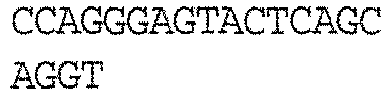
- For DNA repair-associated genes identified as radiation-responsive in thymuses from mice exposed to low-dose-rate (0.7 mGy/h) radiation, expression levels were analyzed using primers having nucleotide sequences listed in Table 1, below.
TABLE 1 Gene accession No. Genes Forward (5'→3') Reverse (5'→3') NM_019779 Cypllal 

NM_011198 Ptgs2 

NM_028810 Pnd3 

NM_018797 Plxncl 

NM_021282 Cyp2el 
- After AKR/J mice and ICR mice were exposed to low-dose-rate (0.7 mGy/h) radiation, thymuses were collected at the early stage of carcinogenesis (Day 100). Focusing on genes associated with DNA damage and repair, genes species-specifically responsive to low-dose radiation were selected and analyzed for relative expression levels via polymerase chain reaction.
- As shown in
FIG. 1 , Ptgs2, Rnd3 and Plxncl genes in AKR/J mice irradiated with low-dose radiation and cyp2el gene in ICR mice were found to be species-specifically responsive to low-dose radiation. - Protein expression levels were estimated in the mouse thymuses prepared in Example 1, which were irradiated with low-dose radiation, along with a control group in which mice were exposed to high-dose radiation (0.8 Gy/min, the total dose: 4.5 Gy).
- As shown in
FIG. 2 , in the AKR/J mice irradiated with low-dose radiation, Rnd3 and Plxncl genes were identified as species-specifically responsive to low-dose radiation. - Hereinbefore, the present invention has been described in detail with reference to specific examples thereof. Although the preferred embodiments of the present invention have been disclosed for illustrative purposes, those skilled in the art will appreciate that various modifications, additions and substitutions are possible, without departing from the scope and spirit of the invention. Thus, the actual scope of the present invention will be defined by the appended claims and equivalents thereof.
- The sequence listing was submitted as an electronic file.


Claims (5)
- A method of detecting a DNA repair-associated gene which responds to low-dose radiation, comprising the steps of:(1) breeding AKR/J mice, as a thymus cancer model, and normal ICR mice in a low-dose radiation environment;(2) collecting thymuses from the AKR/J thymus cancer mouse model and the normal ICR mice which have been bred at the step (1);(3) analyzing genes in the thymuses collected at the step (2) ;(4) detecting, among the genes analyzed at the step (3), a DNA repair-associated gene expressed commonly or differentially in the AKR/J thymus cancer mouse model and the normal ICR mice; and(5) amplifying the gene detected at the step (4) and measuring an expression level thereof.
- The method of claim 1, wherein, at the step (1), the low-dose radiation is delivered at a dose rate of 0.7 mGy/h.
- The method of claim 1, wherein, at the step (1), the mice are housed in a low-dose radiation environment of 0.7 mGy/h until a total cumulative dose reaches 1.7 Gy.
- The method of claim 1, wherein, at the step (5), the DNA repair-associated gene is amplified with a primer selected from among primers specific to Ptgs2, Rnd3, Plxncl and cyp2el genes.
- The method of claim 1, wherein, at the step (5), the expression level is measured by a Venn diagram, quantitative polymerase chain reaction, detection assay for a specific protein and a SAS statistical program.
Applications Claiming Priority (2)
| Application Number | Priority Date | Filing Date | Title |
|---|---|---|---|
| KR1020140143216A KR101714383B1 (en) | 2014-10-22 | 2014-10-22 | Detection method of sensitive genes for low level radioactiveray |
| PCT/KR2014/011853 WO2016064023A1 (en) | 2014-10-22 | 2014-12-04 | Detection method for dna repair-related genes which respond to low-level radiation |
Publications (3)
| Publication Number | Publication Date |
|---|---|
| EP3211089A1 true EP3211089A1 (en) | 2017-08-30 |
| EP3211089A4 EP3211089A4 (en) | 2018-03-07 |
| EP3211089B1 EP3211089B1 (en) | 2020-02-26 |
Family
ID=55761051
Family Applications (1)
| Application Number | Title | Priority Date | Filing Date |
|---|---|---|---|
| EP14904279.8A Active EP3211089B1 (en) | 2014-10-22 | 2014-12-04 | Detection method for dna repair-related genes which respond to low-level radiation |
Country Status (6)
| Country | Link |
|---|---|
| US (1) | US10718027B2 (en) |
| EP (1) | EP3211089B1 (en) |
| JP (1) | JP2017531439A (en) |
| KR (1) | KR101714383B1 (en) |
| CN (1) | CN107208130A (en) |
| WO (1) | WO2016064023A1 (en) |
Families Citing this family (4)
| Publication number | Priority date | Publication date | Assignee | Title |
|---|---|---|---|---|
| KR101875116B1 (en) * | 2016-10-28 | 2018-07-06 | 한국수력원자력 주식회사 | Immune-response indicator protein of low-dose radiation exposure and detecting method thereof |
| KR102034828B1 (en) * | 2017-09-26 | 2019-11-08 | 한국수력원자력 주식회사 | Telomere regulator genes in low-dose-rate irradiated EL4 cells and their detecting method |
| CN109913543B (en) * | 2019-01-09 | 2022-05-03 | 中国人民解放军军事科学院军事医学研究院 | Radiation sensitive gene marker and application thereof in X-ray radiation dose monitoring |
| CN113774125A (en) * | 2021-08-25 | 2021-12-10 | 中国辐射防护研究院 | Screening and function analysis method for related genes of amifostine for resisting radiation damage |
Family Cites Families (7)
| Publication number | Priority date | Publication date | Assignee | Title |
|---|---|---|---|---|
| AU2005203059B2 (en) | 2004-07-16 | 2011-11-24 | Johnson & Johnson Consumer Companies, Inc. | Use of legume products for the treatment and prevention of radiotherapy-induced skin damage |
| JP2014524252A (en) * | 2011-08-17 | 2014-09-22 | コリア ハイドロ アンド ニュークリア パワー カンパニー リミティッド | Cancer progression observation index gene group and method for detecting the gene group |
| CN102417932B (en) * | 2011-12-23 | 2013-09-04 | 苏州大学 | Use of fat mass and obesity associated gene (FTO gene) as radiation bio-dosimeter |
| KR101320741B1 (en) | 2012-01-26 | 2013-10-21 | 한국수력원자력 주식회사 | Method for detecting DNA recovery genes that regulate cancer in mice with gamma-radiation |
| KR101445560B1 (en) * | 2012-05-10 | 2014-09-29 | 한국수력원자력 주식회사 | Detection Method of Sensitive Genes for Low-Dose-Rate Radiation and Genes Detected by This Method |
| KR101472789B1 (en) * | 2012-05-10 | 2014-12-15 | 한국수력원자력 주식회사 | Detection Method of Sensitive Genes for Low-Dose-Rate Radiation and Genes Detected by This Method |
| KR101445559B1 (en) | 2012-05-10 | 2014-11-03 | 한국수력원자력 주식회사 | Detection Method of Sensitive Genes for High-Dose-Rate Radiation and Genes Detected by This Method |
-
2014
- 2014-10-22 KR KR1020140143216A patent/KR101714383B1/en active Active
- 2014-12-04 US US15/521,282 patent/US10718027B2/en active Active
- 2014-12-04 WO PCT/KR2014/011853 patent/WO2016064023A1/en not_active Ceased
- 2014-12-04 JP JP2017521246A patent/JP2017531439A/en active Pending
- 2014-12-04 EP EP14904279.8A patent/EP3211089B1/en active Active
- 2014-12-04 CN CN201480082846.2A patent/CN107208130A/en active Pending
Also Published As
| Publication number | Publication date |
|---|---|
| WO2016064023A1 (en) | 2016-04-28 |
| EP3211089A4 (en) | 2018-03-07 |
| US10718027B2 (en) | 2020-07-21 |
| KR101714383B1 (en) | 2017-03-10 |
| JP2017531439A (en) | 2017-10-26 |
| CN107208130A (en) | 2017-09-26 |
| EP3211089B1 (en) | 2020-02-26 |
| KR20160047621A (en) | 2016-05-03 |
| US20190119754A1 (en) | 2019-04-25 |
Similar Documents
| Publication | Publication Date | Title |
|---|---|---|
| Jacob et al. | Identification of sensitive serum microRNA biomarkers for radiation biodosimetry | |
| Ovsyannikova et al. | Genome-wide association study of antibody response to smallpox vaccine | |
| US11613784B2 (en) | Next-generation biomarkers to detect sun damage and predict skin cancer risk | |
| Macaeva et al. | Radiation-induced alternative transcription and splicing events and their applicability to practical biodosimetry | |
| Ament et al. | High resolution time-course mapping of early transcriptomic, molecular and cellular phenotypes in Huntington’s disease CAG knock-in mice across multiple genetic backgrounds | |
| EP3211089B1 (en) | Detection method for dna repair-related genes which respond to low-level radiation | |
| US11339444B2 (en) | Method for detecting Defb6 gene sensitive to low-level ionizing radiation, and gene detected by the method | |
| Walter et al. | FFPE tissue as a feasible source for gene expression analysis–a comparison of three reference genes and one tumor marker | |
| Yin et al. | Identification of genes expressed in hyperpigmented skin using meta-analysis of microarray data sets | |
| KR101445560B1 (en) | Detection Method of Sensitive Genes for Low-Dose-Rate Radiation and Genes Detected by This Method | |
| US9411929B2 (en) | Method of determining RNA integrity | |
| CN108603231B (en) | Ways to detect cancer recurrence | |
| Tawichasri et al. | Using blood and non-invasive shed skin samples to identify sex of caenophidian snakes based on multiplex PCR assay | |
| Ghandhi et al. | Cross-platform validation of a mouse blood gene signature for quantitative reconstruction of radiation dose | |
| US20150285823A1 (en) | Compositions and methods related to dormant senescence-prone cells (dspc) | |
| Ishida et al. | Genomic and gene expression signatures of radiation in medulloblastomas after low-dose irradiation in Ptch1 heterozygous mice | |
| JP2007093341A (en) | Methods for detecting low-dose radiation exposure in living organisms | |
| KR101118342B1 (en) | Method discrimination for product traceability and identification of chicken using Microsatellite DNA | |
| Seok et al. | Sex identification using ZFX and ZFY genes in leopard cats (Prionailurus bengalensis euptilurus) in Korea | |
| Bakhshalizadeh et al. | Identification of potential candidate genes associated with milk protein differences in Holstein cows: a meta-analysis integrating GWAS and RNA-Seq transcriptome | |
| JP2003038198A (en) | Method for analyzing nucleic acid defining a gene whose expression level changes due to schizophrenia | |
| KR102074523B1 (en) | Biomarker composition for prediction of the compounds causing hepatotoxicity and screening method of the compounds causing hepatotoxicity using the same | |
| KR20110103592A (en) | DNA typing kit and diagnostic kit for MBC4 gene-related diseases using polymorphism of the MC4 gene | |
| Serteyn et al. | Osteochondrosis-related gene expression in equine leukocytes differs among affected joints in foals | |
| Velegzhaninov et al. | Differential DNA repair and molecular stress responses to low compared to high doses of ionizing radiation in normal human fibroblasts |
Legal Events
| Date | Code | Title | Description |
|---|---|---|---|
| STAA | Information on the status of an ep patent application or granted ep patent |
Free format text: STATUS: THE INTERNATIONAL PUBLICATION HAS BEEN MADE |
|
| PUAI | Public reference made under article 153(3) epc to a published international application that has entered the european phase |
Free format text: ORIGINAL CODE: 0009012 |
|
| STAA | Information on the status of an ep patent application or granted ep patent |
Free format text: STATUS: REQUEST FOR EXAMINATION WAS MADE |
|
| 17P | Request for examination filed |
Effective date: 20170503 |
|
| AK | Designated contracting states |
Kind code of ref document: A1 Designated state(s): AL AT BE BG CH CY CZ DE DK EE ES FI FR GB GR HR HU IE IS IT LI LT LU LV MC MK MT NL NO PL PT RO RS SE SI SK SM TR |
|
| AX | Request for extension of the european patent |
Extension state: BA ME |
|
| DAX | Request for extension of the european patent (deleted) | ||
| A4 | Supplementary search report drawn up and despatched |
Effective date: 20180206 |
|
| RIC1 | Information provided on ipc code assigned before grant |
Ipc: C12Q 1/6883 20180101ALI20180129BHEP Ipc: C12Q 1/686 20180101AFI20180129BHEP Ipc: C12Q 1/6886 20180101ALI20180129BHEP |
|
| STAA | Information on the status of an ep patent application or granted ep patent |
Free format text: STATUS: EXAMINATION IS IN PROGRESS |
|
| 17Q | First examination report despatched |
Effective date: 20181130 |
|
| RIC1 | Information provided on ipc code assigned before grant |
Ipc: C12Q 1/686 20180101AFI20180129BHEP Ipc: C12Q 1/6886 20180101ALI20180129BHEP Ipc: C12Q 1/6883 20180101ALI20180129BHEP |
|
| REG | Reference to a national code |
Ref country code: DE Ref legal event code: R079 Ref document number: 602014061726 Country of ref document: DE Free format text: PREVIOUS MAIN CLASS: C12Q0001680000 Ipc: C12Q0001688600 |
|
| RIC1 | Information provided on ipc code assigned before grant |
Ipc: C12Q 1/6883 20180101ALI20190701BHEP Ipc: C12Q 1/6886 20180101AFI20190701BHEP |
|
| GRAP | Despatch of communication of intention to grant a patent |
Free format text: ORIGINAL CODE: EPIDOSNIGR1 |
|
| STAA | Information on the status of an ep patent application or granted ep patent |
Free format text: STATUS: GRANT OF PATENT IS INTENDED |
|
| INTG | Intention to grant announced |
Effective date: 20190906 |
|
| GRAS | Grant fee paid |
Free format text: ORIGINAL CODE: EPIDOSNIGR3 |
|
| GRAA | (expected) grant |
Free format text: ORIGINAL CODE: 0009210 |
|
| STAA | Information on the status of an ep patent application or granted ep patent |
Free format text: STATUS: THE PATENT HAS BEEN GRANTED |
|
| AK | Designated contracting states |
Kind code of ref document: B1 Designated state(s): AL AT BE BG CH CY CZ DE DK EE ES FI FR GB GR HR HU IE IS IT LI LT LU LV MC MK MT NL NO PL PT RO RS SE SI SK SM TR |
|
| REG | Reference to a national code |
Ref country code: GB Ref legal event code: FG4D |
|
| REG | Reference to a national code |
Ref country code: CH Ref legal event code: EP |
|
| REG | Reference to a national code |
Ref country code: AT Ref legal event code: REF Ref document number: 1237673 Country of ref document: AT Kind code of ref document: T Effective date: 20200315 |
|
| REG | Reference to a national code |
Ref country code: IE Ref legal event code: FG4D |
|
| REG | Reference to a national code |
Ref country code: DE Ref legal event code: R096 Ref document number: 602014061726 Country of ref document: DE |
|
| PG25 | Lapsed in a contracting state [announced via postgrant information from national office to epo] |
Ref country code: FI Free format text: LAPSE BECAUSE OF FAILURE TO SUBMIT A TRANSLATION OF THE DESCRIPTION OR TO PAY THE FEE WITHIN THE PRESCRIBED TIME-LIMIT Effective date: 20200226 Ref country code: RS Free format text: LAPSE BECAUSE OF FAILURE TO SUBMIT A TRANSLATION OF THE DESCRIPTION OR TO PAY THE FEE WITHIN THE PRESCRIBED TIME-LIMIT Effective date: 20200226 Ref country code: NO Free format text: LAPSE BECAUSE OF FAILURE TO SUBMIT A TRANSLATION OF THE DESCRIPTION OR TO PAY THE FEE WITHIN THE PRESCRIBED TIME-LIMIT Effective date: 20200526 |
|
| REG | Reference to a national code |
Ref country code: NL Ref legal event code: MP Effective date: 20200226 |
|
| REG | Reference to a national code |
Ref country code: LT Ref legal event code: MG4D |
|
| PG25 | Lapsed in a contracting state [announced via postgrant information from national office to epo] |
Ref country code: LV Free format text: LAPSE BECAUSE OF FAILURE TO SUBMIT A TRANSLATION OF THE DESCRIPTION OR TO PAY THE FEE WITHIN THE PRESCRIBED TIME-LIMIT Effective date: 20200226 Ref country code: SE Free format text: LAPSE BECAUSE OF FAILURE TO SUBMIT A TRANSLATION OF THE DESCRIPTION OR TO PAY THE FEE WITHIN THE PRESCRIBED TIME-LIMIT Effective date: 20200226 Ref country code: IS Free format text: LAPSE BECAUSE OF FAILURE TO SUBMIT A TRANSLATION OF THE DESCRIPTION OR TO PAY THE FEE WITHIN THE PRESCRIBED TIME-LIMIT Effective date: 20200626 Ref country code: HR Free format text: LAPSE BECAUSE OF FAILURE TO SUBMIT A TRANSLATION OF THE DESCRIPTION OR TO PAY THE FEE WITHIN THE PRESCRIBED TIME-LIMIT Effective date: 20200226 Ref country code: BG Free format text: LAPSE BECAUSE OF FAILURE TO SUBMIT A TRANSLATION OF THE DESCRIPTION OR TO PAY THE FEE WITHIN THE PRESCRIBED TIME-LIMIT Effective date: 20200526 Ref country code: GR Free format text: LAPSE BECAUSE OF FAILURE TO SUBMIT A TRANSLATION OF THE DESCRIPTION OR TO PAY THE FEE WITHIN THE PRESCRIBED TIME-LIMIT Effective date: 20200527 |
|
| PG25 | Lapsed in a contracting state [announced via postgrant information from national office to epo] |
Ref country code: NL Free format text: LAPSE BECAUSE OF FAILURE TO SUBMIT A TRANSLATION OF THE DESCRIPTION OR TO PAY THE FEE WITHIN THE PRESCRIBED TIME-LIMIT Effective date: 20200226 |
|
| PG25 | Lapsed in a contracting state [announced via postgrant information from national office to epo] |
Ref country code: SK Free format text: LAPSE BECAUSE OF FAILURE TO SUBMIT A TRANSLATION OF THE DESCRIPTION OR TO PAY THE FEE WITHIN THE PRESCRIBED TIME-LIMIT Effective date: 20200226 Ref country code: PT Free format text: LAPSE BECAUSE OF FAILURE TO SUBMIT A TRANSLATION OF THE DESCRIPTION OR TO PAY THE FEE WITHIN THE PRESCRIBED TIME-LIMIT Effective date: 20200719 Ref country code: LT Free format text: LAPSE BECAUSE OF FAILURE TO SUBMIT A TRANSLATION OF THE DESCRIPTION OR TO PAY THE FEE WITHIN THE PRESCRIBED TIME-LIMIT Effective date: 20200226 Ref country code: SM Free format text: LAPSE BECAUSE OF FAILURE TO SUBMIT A TRANSLATION OF THE DESCRIPTION OR TO PAY THE FEE WITHIN THE PRESCRIBED TIME-LIMIT Effective date: 20200226 Ref country code: EE Free format text: LAPSE BECAUSE OF FAILURE TO SUBMIT A TRANSLATION OF THE DESCRIPTION OR TO PAY THE FEE WITHIN THE PRESCRIBED TIME-LIMIT Effective date: 20200226 Ref country code: RO Free format text: LAPSE BECAUSE OF FAILURE TO SUBMIT A TRANSLATION OF THE DESCRIPTION OR TO PAY THE FEE WITHIN THE PRESCRIBED TIME-LIMIT Effective date: 20200226 Ref country code: CZ Free format text: LAPSE BECAUSE OF FAILURE TO SUBMIT A TRANSLATION OF THE DESCRIPTION OR TO PAY THE FEE WITHIN THE PRESCRIBED TIME-LIMIT Effective date: 20200226 Ref country code: DK Free format text: LAPSE BECAUSE OF FAILURE TO SUBMIT A TRANSLATION OF THE DESCRIPTION OR TO PAY THE FEE WITHIN THE PRESCRIBED TIME-LIMIT Effective date: 20200226 Ref country code: ES Free format text: LAPSE BECAUSE OF FAILURE TO SUBMIT A TRANSLATION OF THE DESCRIPTION OR TO PAY THE FEE WITHIN THE PRESCRIBED TIME-LIMIT Effective date: 20200226 |
|
| REG | Reference to a national code |
Ref country code: AT Ref legal event code: MK05 Ref document number: 1237673 Country of ref document: AT Kind code of ref document: T Effective date: 20200226 |
|
| REG | Reference to a national code |
Ref country code: DE Ref legal event code: R097 Ref document number: 602014061726 Country of ref document: DE |
|
| PLBE | No opposition filed within time limit |
Free format text: ORIGINAL CODE: 0009261 |
|
| STAA | Information on the status of an ep patent application or granted ep patent |
Free format text: STATUS: NO OPPOSITION FILED WITHIN TIME LIMIT |
|
| PG25 | Lapsed in a contracting state [announced via postgrant information from national office to epo] |
Ref country code: IT Free format text: LAPSE BECAUSE OF FAILURE TO SUBMIT A TRANSLATION OF THE DESCRIPTION OR TO PAY THE FEE WITHIN THE PRESCRIBED TIME-LIMIT Effective date: 20200226 Ref country code: AT Free format text: LAPSE BECAUSE OF FAILURE TO SUBMIT A TRANSLATION OF THE DESCRIPTION OR TO PAY THE FEE WITHIN THE PRESCRIBED TIME-LIMIT Effective date: 20200226 |
|
| 26N | No opposition filed |
Effective date: 20201127 |
|
| PG25 | Lapsed in a contracting state [announced via postgrant information from national office to epo] |
Ref country code: SI Free format text: LAPSE BECAUSE OF FAILURE TO SUBMIT A TRANSLATION OF THE DESCRIPTION OR TO PAY THE FEE WITHIN THE PRESCRIBED TIME-LIMIT Effective date: 20200226 Ref country code: PL Free format text: LAPSE BECAUSE OF FAILURE TO SUBMIT A TRANSLATION OF THE DESCRIPTION OR TO PAY THE FEE WITHIN THE PRESCRIBED TIME-LIMIT Effective date: 20200226 |
|
| REG | Reference to a national code |
Ref country code: DE Ref legal event code: R119 Ref document number: 602014061726 Country of ref document: DE |
|
| REG | Reference to a national code |
Ref country code: CH Ref legal event code: PL |
|
| PG25 | Lapsed in a contracting state [announced via postgrant information from national office to epo] |
Ref country code: MC Free format text: LAPSE BECAUSE OF FAILURE TO SUBMIT A TRANSLATION OF THE DESCRIPTION OR TO PAY THE FEE WITHIN THE PRESCRIBED TIME-LIMIT Effective date: 20200226 |
|
| REG | Reference to a national code |
Ref country code: BE Ref legal event code: MM Effective date: 20201231 |
|
| PG25 | Lapsed in a contracting state [announced via postgrant information from national office to epo] |
Ref country code: IE Free format text: LAPSE BECAUSE OF NON-PAYMENT OF DUE FEES Effective date: 20201204 Ref country code: LU Free format text: LAPSE BECAUSE OF NON-PAYMENT OF DUE FEES Effective date: 20201204 |
|
| PG25 | Lapsed in a contracting state [announced via postgrant information from national office to epo] |
Ref country code: LI Free format text: LAPSE BECAUSE OF NON-PAYMENT OF DUE FEES Effective date: 20201231 Ref country code: DE Free format text: LAPSE BECAUSE OF NON-PAYMENT OF DUE FEES Effective date: 20210701 Ref country code: CH Free format text: LAPSE BECAUSE OF NON-PAYMENT OF DUE FEES Effective date: 20201231 |
|
| PG25 | Lapsed in a contracting state [announced via postgrant information from national office to epo] |
Ref country code: TR Free format text: LAPSE BECAUSE OF FAILURE TO SUBMIT A TRANSLATION OF THE DESCRIPTION OR TO PAY THE FEE WITHIN THE PRESCRIBED TIME-LIMIT Effective date: 20200226 Ref country code: MT Free format text: LAPSE BECAUSE OF FAILURE TO SUBMIT A TRANSLATION OF THE DESCRIPTION OR TO PAY THE FEE WITHIN THE PRESCRIBED TIME-LIMIT Effective date: 20200226 Ref country code: CY Free format text: LAPSE BECAUSE OF FAILURE TO SUBMIT A TRANSLATION OF THE DESCRIPTION OR TO PAY THE FEE WITHIN THE PRESCRIBED TIME-LIMIT Effective date: 20200226 |
|
| PG25 | Lapsed in a contracting state [announced via postgrant information from national office to epo] |
Ref country code: MK Free format text: LAPSE BECAUSE OF FAILURE TO SUBMIT A TRANSLATION OF THE DESCRIPTION OR TO PAY THE FEE WITHIN THE PRESCRIBED TIME-LIMIT Effective date: 20200226 Ref country code: AL Free format text: LAPSE BECAUSE OF FAILURE TO SUBMIT A TRANSLATION OF THE DESCRIPTION OR TO PAY THE FEE WITHIN THE PRESCRIBED TIME-LIMIT Effective date: 20200226 |
|
| PG25 | Lapsed in a contracting state [announced via postgrant information from national office to epo] |
Ref country code: BE Free format text: LAPSE BECAUSE OF NON-PAYMENT OF DUE FEES Effective date: 20201231 |
|
| PGFP | Annual fee paid to national office [announced via postgrant information from national office to epo] |
Ref country code: FR Payment date: 20251222 Year of fee payment: 12 |
|
| PGFP | Annual fee paid to national office [announced via postgrant information from national office to epo] |
Ref country code: GB Payment date: 20260106 Year of fee payment: 12 |