EP3210360B1 - Distribution of media content identifiers to wireless communication devices - Google Patents
Distribution of media content identifiers to wireless communication devices Download PDFInfo
- Publication number
- EP3210360B1 EP3210360B1 EP15790372.5A EP15790372A EP3210360B1 EP 3210360 B1 EP3210360 B1 EP 3210360B1 EP 15790372 A EP15790372 A EP 15790372A EP 3210360 B1 EP3210360 B1 EP 3210360B1
- Authority
- EP
- European Patent Office
- Prior art keywords
- network
- content
- wireless communication
- user
- media
- Prior art date
- Legal status (The legal status is an assumption and is not a legal conclusion. Google has not performed a legal analysis and makes no representation as to the accuracy of the status listed.)
- Active
Links
Images





Classifications
-
- H—ELECTRICITY
- H04—ELECTRIC COMMUNICATION TECHNIQUE
- H04W—WIRELESS COMMUNICATION NETWORKS
- H04W4/00—Services specially adapted for wireless communication networks; Facilities therefor
- H04W4/06—Selective distribution of broadcast services, e.g. multimedia broadcast multicast service [MBMS]; Services to user groups; One-way selective calling services
- H04W4/08—User group management
-
- H—ELECTRICITY
- H04—ELECTRIC COMMUNICATION TECHNIQUE
- H04L—TRANSMISSION OF DIGITAL INFORMATION, e.g. TELEGRAPHIC COMMUNICATION
- H04L61/00—Network arrangements, protocols or services for addressing or naming
- H04L61/30—Managing network names, e.g. use of aliases or nicknames
- H04L61/3015—Name registration, generation or assignment
-
- H—ELECTRICITY
- H04—ELECTRIC COMMUNICATION TECHNIQUE
- H04L—TRANSMISSION OF DIGITAL INFORMATION, e.g. TELEGRAPHIC COMMUNICATION
- H04L65/00—Network arrangements, protocols or services for supporting real-time applications in data packet communication
- H04L65/60—Network streaming of media packets
- H04L65/61—Network streaming of media packets for supporting one-way streaming services, e.g. Internet radio
- H04L65/611—Network streaming of media packets for supporting one-way streaming services, e.g. Internet radio for multicast or broadcast
-
- H—ELECTRICITY
- H04—ELECTRIC COMMUNICATION TECHNIQUE
- H04L—TRANSMISSION OF DIGITAL INFORMATION, e.g. TELEGRAPHIC COMMUNICATION
- H04L65/00—Network arrangements, protocols or services for supporting real-time applications in data packet communication
- H04L65/60—Network streaming of media packets
- H04L65/61—Network streaming of media packets for supporting one-way streaming services, e.g. Internet radio
- H04L65/612—Network streaming of media packets for supporting one-way streaming services, e.g. Internet radio for unicast
-
- H—ELECTRICITY
- H04—ELECTRIC COMMUNICATION TECHNIQUE
- H04L—TRANSMISSION OF DIGITAL INFORMATION, e.g. TELEGRAPHIC COMMUNICATION
- H04L67/00—Network arrangements or protocols for supporting network services or applications
- H04L67/50—Network services
- H04L67/56—Provisioning of proxy services
- H04L67/563—Data redirection of data network streams
-
- H—ELECTRICITY
- H04—ELECTRIC COMMUNICATION TECHNIQUE
- H04L—TRANSMISSION OF DIGITAL INFORMATION, e.g. TELEGRAPHIC COMMUNICATION
- H04L67/00—Network arrangements or protocols for supporting network services or applications
- H04L67/50—Network services
- H04L67/60—Scheduling or organising the servicing of application requests, e.g. requests for application data transmissions using the analysis and optimisation of the required network resources
- H04L67/63—Routing a service request depending on the request content or context
-
- H—ELECTRICITY
- H04—ELECTRIC COMMUNICATION TECHNIQUE
- H04W—WIRELESS COMMUNICATION NETWORKS
- H04W76/00—Connection management
- H04W76/40—Connection management for selective distribution or broadcast
-
- H—ELECTRICITY
- H04—ELECTRIC COMMUNICATION TECHNIQUE
- H04W—WIRELESS COMMUNICATION NETWORKS
- H04W76/00—Connection management
- H04W76/10—Connection setup
- H04W76/11—Allocation or use of connection identifiers
-
- H—ELECTRICITY
- H04—ELECTRIC COMMUNICATION TECHNIQUE
- H04W—WIRELESS COMMUNICATION NETWORKS
- H04W92/00—Interfaces specially adapted for wireless communication networks
- H04W92/16—Interfaces between hierarchically similar devices
- H04W92/24—Interfaces between hierarchically similar devices between backbone network devices
Definitions
- Universal Plug and Play (uPnP) systems allow users to conveniently install and interface numerous data processing products.
- a user may plug various uPnP devices into a power source and allow the user devices to discover and automatically interface with one another.
- the user may plug media servers and media clients into their Local Area Network (LAN) and allow the media servers and clients to find each other and exchange media inventory, requests, and content.
- LAN Local Area Network
- the Digital Living Network Alliance (DLNA) certifies various user media devices as complying with their uPnP specifications.
- CDNs Content Delivery Networks
- CDNI Content Delivery Network Interface
- FCI Footprint and Capabilities Interface
- Some CDNs use wireless communication networks to deliver their media content to user devices like televisions, computers, and phones. Many of these wireless networks have enhanced Multimedia Broadcast Multicast Service (eMBMS) systems to wirelessly multicast high-consumption media content.
- eMBMS Multimedia Broadcast Multicast Service
- the CDNs may use these wireless network eMBMS systems to deliver their media content.
- wireless communication networks and CDNs do not interface with user devices and their associated uPnP systems in an efficient and effective manner.
- the CDNs and eMBMS systems do not effectively interact with user wireless devices and media servers that have uPnP media capability.
- EP 2 744 168 discloses live content distribution optimization over a content delivery network, including multicast distribution of TV content.
- An entity within the network acts as a proxy for a live streaming request, and acts as a server from the end user's point of view.
- a live streaming optimizer (LISTO) server in a transport network of the content delivery network requests the live media content to a network end point, and transmits the content to a user.
- a mediator provides information about the requested live media content to the LISTO server, including the network end point, so that an instructor can send back that information to the LISTO server (the instructor having access to information regarding the topology of the content delivery network).
- US 2012/246480 discloses a method for using a first device to control transfer of encrypted media content from a content provider to a second device, the first device having a security association with the communications network.
- a data network receives data associating media content identifiers with a content network identifier and a content user identifier.
- a wireless network receives a registration indicating the content network identifier and the content user identifier and transfers the content network identifier and the content user identifier to the data network.
- the data network identifies the media content identifiers associated with the content network identifier and the content user identifier and transfers the media content identifiers to the wireless communication network.
- the wireless network receives a media request from a wireless communication device indicating the content network identifier and the content user identifier.
- the wireless network transfers the media content identifiers associated with content network identifier and the content user identifier to the wireless communication device.
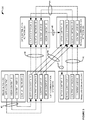
- FIGS 1-2 illustrate communication system 100 to transfer media content identifiers to wireless communication device 140.
- communication system 100 comprises data distribution network 120, wireless communication network 130, and wireless communication device 140.
- Data distribution network 120 comprises modems, routers, gateways, servers, communication controllers and databases, and/or some other content-delivery network elements.
- Wireless communication network 130 comprises wireless base stations, routers, gateways, media controllers and databases, mobility management systems, multicast coordination systems, and/or some other communication network elements.
- Wireless communication device 140 comprises a phone, computer, media player, or some other apparatus having radio and data capability.
- Data distribution network 120 and wireless communication network 130 communicate over data communication links that use IP, CDNI, and/or some other data protocol.
- Wireless communication network 130 and wireless communication device 140 communicate over wireless communication links that use LTE, Wireless Fidelity (Wifi), and/or some other wireless protocol. These wireless communication links use the wireless protocols (LTE, Wifi, other) to transport the data protocols (IP, CDNI, other).
- Data distribution network 120 and wireless communication network 130 typically communicate with many other systems over various communication interfaces including the Internet. These communication links and interfaces may be direct or may comprise various intermediate devices, systems, and networks.
- Communication system 100 stores, associates, and transfers various data including content network identifiers (IDs), content user IDs, media content IDs, and media content.
- the media content comprises video, audio, graphics, data files, data objects, and/or some other block of data.
- the media content IDs comprise uniform resource IDs, data object IDs, data addresses, storage locations, or some other suitable code.
- the content network IDs comprise data strings that identify individual content delivery networks within a larger content-delivery infrastructure.
- the content delivery networks may be small or large and include media servers, controllers, and the like.
- the content user IDs identify individual consumers of the media content and comprise device numbers, account codes, user names, and the like.
- data distribution system 120 receives, associates, and stores content inventory data that comprises a content network ID, content user ID, and media content ID.
- the content inventory data was generated by a user communication system (or proxy) that regularly collects and registers content inventory data with data distribution system 120 over the Internet or some other data communication network.
- wireless communication network 130 wirelessly receives user service registration data indicating the same content network ID and the same content user ID received by data distribution network 120.
- the user service registration data was generated by a user communication system (or proxy) that regularly attaches and communicates over wireless communication network 130.
- the user communication system that sends the content inventory data to data distribution system 120 may be the same as the user communication system that sends the user service registration data to wireless communication network 130.
- wireless communication network 130 transfer the content network ID and the content user ID to the data distribution network 120.
- data distribution network 120 receives the content network ID and the content user ID sent from wireless communication network 130.
- Data distribution network 120 responsively identifies the media content ID based on its association with the same content network ID and the same content user ID in both the content inventory data and the user service registration.
- Data distribution network 120 transfers the media content ID associated with the content network ID and the content user ID for delivery to wireless communication network 130.
- wireless communication network 130 wirelessly receives a media request having the content network ID and the content user ID sent from wireless communication device 140. These content IDs may be sent responsive to wireless attachment, application launch, user instruction, or some other trigger.
- wireless communication network 130 responsively identifies the media content ID based on its association with the same content network ID and the same content user ID in both the media request, the user service registration, and the content inventory data. Wireless communication network 130 transfers the media content ID associated with the content network ID and the content user ID for delivery to wireless communication device 140.
- a multitude of additional media content identifiers could be delivered to wireless communication device 140 or other user devices in a similar manner based on numerous content network IDs and content user IDs. As desired, additional layers of security and restricted access to media content identifiers could be implemented.
- Data distribution network 120 receives content inventory data associating media content identifiers with a content network identifier and a content user identifier (201).
- Wireless communication network 130 wirelessly receives a user service registration indicating the content network identifier and the content user identifier (202).
- Wireless communication network 130 responsively transfers the content network identifier and the content user identifier to data distribution network 120 (203).
- Data distribution network 120 responsively identifies the media content identifiers associated with the content network identifier and the content user identifier based on the content inventory data (204).
- Data distribution network 120 transfers the media content identifiers associated with the content network identifier and the content user identifier to wireless communication network 130 (205).
- Wireless communication network 130 wirelessly receives a media request from wireless communication device 140 indicating the content network identifier and the content user identifier (206).
- Wireless communication network 130 responsively transfers the media content identifiers associated with content network identifier and the content user identifier to wireless communication device 140 (207).
- communication system 100 wirelessly distributes media content identifiers content to user devices in a robust manner based on complex combinations of media content IDs, content network IDs, and content user IDs. As desired, additional layers of security and restricted access to media content identifiers could be implemented.
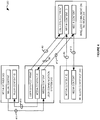
- FIGS 3-4 illustrate communication system 300 to transfer media content IDs and media content to wireless communication device 340 through user communication system 310.
- Communication system 300 is an example of communication system 100, although system 100 may have alternative configurations and operations.
- communication system 300 comprises media server 305, user communication system 310, data distribution network 320, wireless communication network 330, and wireless communication device 340.
- Media server 305 comprises computer and communications circuitry, memory, and software. Media server 305 and user communication system 310 communicate over a Local Area Network (LAN) or some other communication system.
- media server 305 is a universal plug and play network-attached storage device with media serving logic.
- Media server 305 stores media content and an associated media content ID, content user ID, and content network ID. Note that media content may be associated with various media content IDs, content user IDs, and content network IDs that are not shown for clarity. Likewise, media server 305 typically stores additional media content that is not shown for clarity.
- User communication system 310 comprises computer and communications circuitry, memory, and software.
- User communication system 310 has a user communication system ID such as an address, serial number, signature, and the like.
- User communication system 310 and data distribution network 320 communicate over data communication links that use IP, CDNI, and/or some other data protocol.
- User communication system 310 and wireless communication network 330 communicate over wireless communication links that use LTE, Wireless Fidelity (Wifi), and/or some other wireless protocol to transport the data protocols (IP, CDNI, other).
- User communication system 310 and wireless communication network 330 may also communicate over data communication links that use IP or some other data protocol.
- user communication system 310 comprises an LTE femtocell.
- Wireless communication device 340 has a wireless communication device ID, such as an address, serial number, signature, and the like.
- Wireless communication network 330 associates the wireless communication device ID for wireless communication device 340 with the user communication system ID for user communication system 310. The association may be based on a multi-device media access plan.
- media server 305 transfers the media content ID, content network ID, and content user ID for its current content to user communication system 310.
- This data transfer may be a push and/or pull and typically occurs on a frequent basis.
- user communication system 310 transfers its own user communication device ID along with the media content ID, content network ID, and content user ID to data distribution network 320.
- Data distribution system 320 receives, associates, and stores content inventory data that comprises the user communication system device ID, content network ID, content user ID, media content ID.
- user communication system 310 transfers its own user communication system ID along with the content network ID and content user ID to wireless communication network 330 in a user service registration.
- wireless communication network 330 transfers the user communication system ID, content network ID, and content user ID to the data distribution network 320.
- data distribution network 320 receives the user communication system ID, content network ID and the content user ID sent from wireless communication network 330.
- Data distribution network 320 responsively identifies the media content ID based on its association with the same user communication system ID, same content network ID, and same content user ID in both the content inventory data and the user service registration.
- Data distribution network 320 transfers the media content ID associated with the user communication system ID, content network ID, and content user ID for delivery to wireless communication network 330.
- wireless communication network 330 wirelessly receives a media request having the wireless communication device ID, content network ID, and content user ID from wireless communication device 340. These IDs may be sent responsive to wireless attachment, application launch, user instruction, or some other trigger.
- wireless communication network 330 responsively identifies the media content ID based on its association with the same content network ID and the same content user ID in both the media request, the user service registration, and the content inventory data.
- wireless communication network 330 enforces security by transferring the media content ID only if the wireless communication device ID from the media request is associated with the user communication ID from the user service registration and the content inventory data.
- wireless communication network 330 already associates the wireless communication device ID for device 340 with the user communication ID for system 310, so the media content identifier is transferred by network 330 to wireless communication device 340.
- the third operation (#3) of Figure 3 is updated with user communication system 310 transferring its content-delivery footprint data to wireless communication network 330 in the user service registration.
- the content-delivery footprint data indicates the IP network addresses served by communication system 330.
- the footprint data indicates the IP address allocations and translations that occur within wireless communication network 330 and user communication device 310.
- Wireless communication network 330 associates the footprint data with the media content ID based on their common association with the same communication system ID, content network ID, and content user ID.
- wireless communication device 340 transfers a content request indicating the media content ID to wireless communication network 330. Like the media request, additional layers of data and security could be implemented for the content request.
- wireless communication network 330 identifies a network address for the media content indicator based on the footprint data associated with the media content indicator. For example, a public network address is identified that will translate through wireless communication network 330 and wireless communication system 310 to transfer the requested media content ID to media server 305. Wireless communication network 330 transfers the media content ID with the network address to user communication system 310.
- the ninth operation (#9) is modified where wireless communication network 330 returns a redirect request with the network address for the media content ID to wireless communication device 340.
- Wireless communication device 340 then retrieves the media content from media server 305 over wireless communication system 330 and user communication system 310 using the network address and the media content ID.
- user communication system 310 processes the network address using its translations to transfer the media content ID to media server 305.
- media server 305 transfers the media content to user communication system 310 based on the media content identifier and media request.
- user communication system 310 transfers the media content to wireless communication network 330 based on the media request.
- wireless communication network 330 transfers the media content to wireless communication device 340 responsive to the media request.
- server ID for media server 305 could be used in a similar manner to the content network IDs in the above examples.
- communication system 300 wirelessly distributes media content identifiers and media content to user devices in a robust manner based on complex combinations of footprint data, media content IDs, user communication system IDs, content network IDs, and content user IDs. As desired, additional layers of security and restricted access to media content identifiers could be implemented.
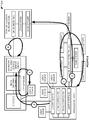
- FIG 5-8 illustrate communication system 500 to distribute media Uniform Resource Identifiers (URIs) and associated media content to various user devices.
- Communication system 500 comprises a Long Term Evolution (LTE) network, Content Delivery Network (CDN), and user equipment.
- the user equipment includes: a wireless hotspot, Local Area Network (LAN), media servers, media renderers, IP routers/modems, and other user devices.
- LTE Long Term Evolution
- CDN Content Delivery Network
- the user equipment includes: a wireless hotspot, Local Area Network (LAN), media servers, media renderers, IP routers/modems, and other user devices.
- LAN Local Area Network
- media servers media renderers
- IP routers/modems IP routers/modems
- the media servers and renderers comprise Digital Living Network Alliance (DLNA) systems.
- the DLNA servers obtain media content from various sources.
- the DLNA renderers obtain the media content from the DLNA servers for presentation to DLNA users.
- the user devices are also DNLA capable with controller, server, and/or renderer functionality for the DLNA users.
- the servers, renderers, and users have associated DLNA server, renderer, and user IDs.
- Various combinations of DLNA servers form DLNA networks that have DLNA network IDs.
- the wireless hotspot comprises LTE/Wifi transceivers, a CDNI controller, DLNA controller, and LAN/IP interface.
- the LTE network comprises an eNodeB, Multimedia Broadcast Multicast System (MBMS) Gateway (M-GW), and Broadcast Multicast Service Center (BM-SC).
- the CDN comprises a BM-SC interface, CDNI systems, and DLNA control systems.
- the DLNA controller in the wireless hotspot initially discovers DLNA servers, renderers, and other devices over the LAN and the LTE/Wifi transceivers.
- the wireless hotspot obtains DLNA data including DLNA network IDs, server IDs, user IDs.
- the wireless hotspot obtains URIs for media content hosted by the DLNA servers and also obtains additional metadata including media usage and transfer records.
- the wireless DLNA controller in the wireless hotspot transfers the DLNA data (network IDs, server IDs, user IDs, URIs, usage/transfer records) to the DLNA systems in the CDN.
- the CDNI controller in the wireless hotspot gathers DLNA network, server, and user IDs.
- the CDNI controller also gathers Footprint and Capabilities Interface (FCI) data for the hotspot including IP allocations and translations in itself and the LTE network, supported CDNI capabilities, and the like.
- FCI Footprint and Capabilities Interface
- the CDNI controller in the wireless hotspot registers with the BM-SC in the LTE network.
- the CDNI controller transfers the DLNA IDs and the FCI data to the BM-SC in this eMBMS registration along with the device identifier for the wireless hotspot.
- the BM-SC transfers the hotspot device identifier, DLNA IDs, and FCI data to the BM-SC interface in the CDN.
- the CDNI systems in the CDN identify media content URIs for various DLNA networks, servers, and users from its DLNA data based on common associations with the hotspot device IDs and DLNA IDs.
- the CDNI systems may also process usage and transfer records to identify additional media content URIs to preposition the DLNA networks, servers, and users.
- the CDN returns the media content URIs for the DLNA networks, servers, and users to the BM-SC.
- the user device operated by User A transfers a media request to the BM-SC indicating a user device ID, DLNA network ID, and DLNA user ID.
- This data may be sent responsive to wireless attachment, application launch, user instruction, or some other trigger.
- the BM-SC identifies media content URIs for User A based on URI association with the common DLNA network ID and DLNA user ID.
- a layer of security is applied by verifying an LTE network association between the hotspot ID and user device ID.
- the BM-SC sends the identified media content URIs for User A to the user device operated by User A.
- the device operated by User A transfers one of the URIs to the BM-SC (or some other LTE system like a gateway).
- the BM-SC identifies an IP prefix for the URI based on the footprint data that is associated with the hotspot ID that is associated with the DLNA IDs that are associated with the URI. For example, a network address is identified that will translate through the LTE network and the wireless hotspot to the appropriate DLNA network and server.
- the BM-SC transfers the IP prefix and URI to the CDNI controller and on to the DLNA controller in the wireless hotspot.
- the DLNA controller in the wireless hotspot transfers the URI to the appropriate DLNA server.
- the DLNA server returns the media content for the URI to the DLNA controller in the wireless hotspot.
- the CDNI controller in the wireless hotspot transfers the media content for the URI over the LTE network to the device for User A. Additional CDNI request routing data may be exchanged to facilitate this transfer.
- the device operated by User A transfers one of the URIs to the BM-SC (or some other LTE system like a gateway).
- the BM-SC identifies an IP prefix for the URI based on the footprint data that is associated with the hotspot ID that is associated with the DLNA IDs that are associated with the URI. For example, a network address is identified that will translate through the LTE network and the wireless hotspot to the appropriate DLNA server.
- the BM-SC transfers the IP prefix and URI to the device of User A in a redirect request.
- the device for User A transfers the URI to the DLNA controller in the wireless hotspot through the LTE network, hotspot transceivers, and CDNI controller.
- the DLNA controller in the wireless hotspot transfers the URI to the appropriate DLNA server.
- the DLNA server returns the media content for the URI to the DLNA controller in the wireless hotspot.
- the CDNI controller in the wireless hotspot transfers the media content for the URI over the LTE network to the device for User A. Additional CDNI request routing data may be exchanged to facilitate this transfer.
- communication system 500 wirelessly distributes URIs and associated media content to user devices in a robust manner based on complex combinations of the URIs with IP address translations, Hotspot IDs, DLNA network IDs, DLNA server IDs, and DLNA user IDs.
- additional layers of security and restricted access to the URIs could be implemented.
- wireless network records associating multiple user devices may be used to securely screen requests for the user's CDN URIs.
- Communication system 500 efficiently associates DLNA data from frequent uPnP device feeds to the CDN with periodic wireless network registration data to associate the CDN URIs for a user with their current wireless communication devices of choice.
- FIG. 9 illustrates user communications system 900 to distribute media content identifiers to user devices.
- User communications system 900 is an example of user communication system 310 and the wireless hotspot, although these systems may use alternative configurations and operations.
- User communications system 900 comprises Wifi transceiver 921, Bluetooth transceiver 922, LTE transceiver 923, Universal Serial Bus (USB) transceiver 924, and Ethernet transceiver 925.
- Communication transceivers 921-925 comprise communication components, such as antennas, ports, amplifiers, filters, modulators, signal processors, and the like.
- User communications system 900 comprises processing system 903.
- Processing system 903 comprises processing circuitry 904 and storage system 905.
- Storage system 905 stores software 906.
- Software 906 includes software modules 911-915. Some conventional aspects of user communication system 900 are omitted for clarity, such as power supplies, enclosures, and the like.
- User communication system 900 may be centralized or distributed and may include various virtualized components.
- processing circuitry 904 comprises circuit boards, integrated circuitry, and associated electronics.
- Storage system 905 comprises non-transitory, machine-readable, data storage media, such as flash drives, disc drives, memory circuitry, servers, and the like.
- Software 906 comprises machine-readable instructions that control the operation of processing circuitry 904 when executed.
- Software 906 includes software modules 911-915 and may also include operating systems, applications, data structures, virtual machines, utilities, databases, and the like. All or portions of software 906 may be externally stored on one or more storage media, such as flash drives, discs, servers, and the like.
- tether module 911 directs circuitry 904 to establish tether connections for user devices over transceivers 921-925.
- footprint module 912 directs circuitry 904 to obtain and report IP address allocation and translation data, CDNI data, and the like for itself and access networks.
- LTE module 913 directs circuitry 904 to attach, register, and exchange data with LTE networks.
- DLNA module 914 directs circuitry 904 to gather DLNA data and content from networked or tethered DLNA systems.
- CDNI module 915 directs circuitry 904 to transfer CDNI signaling including FCI data, DLNA data, and hotspot data to CDNs and BM-SCs.
- LTE network data processing system 1000 is an example of wireless communication network 130, wireless communication network 330, and the LTE BM-SC, although these systems may use alternative configurations and operations.
- LTE network data processing system 1000 comprises LTE eNodeB transceivers 1021, Mobility Management Entity (MME)/Media Control Entity (MCE) transceivers 1022, and CDNI transceivers 1023.
- Communication transceivers 1021-1023 comprise communication components, such as ports, microprocessors, memory, software, and the like.
- LTE network data processing system 1000 comprises processing system 1003.
- Processing system 1003 comprises processing circuitry 1004 and storage system 1005.
- Storage system 1005 stores software 1006.
- Software 1006 includes software modules 1011-1012. Some conventional aspects of LTE network data processing system 1000 are omitted for clarity, such as power supplies, enclosures, and the like.
- LTE network data processing system 1000 may be centralized or distributed and may include various virtualized components.
- processing circuitry 1004 comprises circuit boards, integrated circuitry, and associated electronics.
- Storage system 1005 comprises non-transitory, machine-readable, data storage media, such as flash drives, disc drives, memory circuitry, servers, and the like.
- Software 1006 comprises machine-readable instructions that control the operation of processing circuitry 1004 when executed.
- Software 1006 includes software modules 1011-1012 and may also include operating systems, applications, data structures, virtual machines, utilities, databases, and the like. All or portions of software 1006 may be externally stored on one or more storage media, such as flash drives, discs, servers, and the like.
- gateway module 1011 directs circuitry 1004 to execute LTE multimedia gateway, packet gateway, and service gateway virtual machines.
- the gateway virtual machines allocate and translate IP addresses.
- the gateway virtual machines also drive the eMBMS operation of the eNodeBs.
- BM-SC module 1012 directs circuitry 1004 to execute a BM-SC virtual machine.
- the BM-SC virtual machine controls the eMBMS operation of the gateways and eNodeBs.
- the BM-SC virtual machine also interacts with CDNs and user systems to make the DLNA and FCI data associations and support the data flows as described herein.
- FIG 11 illustrates Content Delivery Network (CDN) data processing system 1100 to distribute media content identifiers to user devices.
- CDN data processing system 1100 is an example of data distribution network 120, data distribution network 320, and the CDN of Figure 5 , although these systems may use alternative configurations and operations.
- CDN data processing system 1100 comprises Internet transceivers 1121, LTE network transceivers 1122, and CDN transceivers 1123.
- Communication transceivers 1121-1123 comprise communication components, such as ports, microprocessors, memory, software, and the like.
- CDN data processing system 1100 comprises processing system 1103.
- Processing system 1103 comprises processing circuitry 1104 and storage system 1105.
- Storage system 1105 stores software 1106.
- Software 1106 includes software modules 1111-1113. Some conventional aspects of CDN data processing system 1100 are omitted for clarity, such as power supplies, enclosures, and the like.
- CDN data processing system 1100 may be centralized or distributed and may include various virtualized components.
- processing circuitry 1104 comprises circuit boards, integrated circuitry, and associated electronics.
- Storage system 1105 comprises non-transitory, machine-readable, data storage media, such as flash drives, disc drives, memory circuitry, servers, and the like.
- Software 1106 comprises machine-readable instructions that control the operation of processing circuitry 1104 when executed.
- Software 1106 includes software modules 1111-1113 and may also include operating systems, applications, data structures, virtual machines, utilities, databases, and the like. All or portions of software 1106 may be externally stored on one or more storage media, such as flash drives, discs, servers, and the like.
- BM-SC module 1111 directs circuitry 1104 to interface with LTE systems and BM-SCs as described herein to exchange FCI data, DLNA data, and user registration data.
- CDNI module 1112 directs circuitry 1104 to control CDN operations and make the associations between the media content inventory data and the wireless network registration data as described herein.
- DLNA module 1113 directs circuitry 1104 to collect DLNA data indicating media content IDs in association with DLNA network, server, and user IDs as described herein.
Landscapes
- Engineering & Computer Science (AREA)
- Multimedia (AREA)
- Computer Networks & Wireless Communication (AREA)
- Signal Processing (AREA)
- Mobile Radio Communication Systems (AREA)
Description
- Universal Plug and Play (uPnP) systems allow users to conveniently install and interface numerous data processing products. A user may plug various uPnP devices into a power source and allow the user devices to discover and automatically interface with one another. For example, the user may plug media servers and media clients into their Local Area Network (LAN) and allow the media servers and clients to find each other and exchange media inventory, requests, and content. The Digital Living Network Alliance (DLNA) certifies various user media devices as complying with their uPnP specifications.
- Content Delivery Networks (CDNs) also transfer media content, such as video, audio, graphics, and data objects for delivery to various end-user devices. In many content-delivery architectures, two CDNs are used - one for the content source and another for the content destination. These two CDNs exchange data to dynamically distribute media content from source to destination. The data interactions between CDNs are directed by Content Delivery Network Interface (CDNI) standards. CDNI specifies operations like control, logging, prepositioning, inventory, and footprint discovery. The footprint discovery uses Footprint and Capabilities Interface (FCI) data that describes the IP address ranges served by the CDNs.
- Some CDNs use wireless communication networks to deliver their media content to user devices like televisions, computers, and phones. Many of these wireless networks have enhanced Multimedia Broadcast Multicast Service (eMBMS) systems to wirelessly multicast high-consumption media content. The CDNs may use these wireless network eMBMS systems to deliver their media content. Unfortunately, wireless communication networks and CDNs do not interface with user devices and their associated uPnP systems in an efficient and effective manner. In particular, the CDNs and eMBMS systems do not effectively interact with user wireless devices and media servers that have uPnP media capability.
-
EP 2 744 168US 2012/246480 discloses a method for using a first device to control transfer of encrypted media content from a content provider to a second device, the first device having a security association with the communications network. - A data network receives data associating media content identifiers with a content network identifier and a content user identifier. A wireless network receives a registration indicating the content network identifier and the content user identifier and transfers the content network identifier and the content user identifier to the data network. The data network identifies the media content identifiers associated with the content network identifier and the content user identifier and transfers the media content identifiers to the wireless communication network. The wireless network receives a media request from a wireless communication device indicating the content network identifier and the content user identifier. The wireless network transfers the media content identifiers associated with content network identifier and the content user identifier to the wireless communication device.
-
-
Figures 1-2 illustrate a communication system to transfer media content identifiers to a wireless communication device. -
Figures 3-4 illustrate a communication system to transfer media content identifiers and media content to a wireless communication device through a user communication system. -
Figures 5-8 illustratecommunication system 500 to distribute media Uniform Resource Identifiers (URIs) and associated media content to various user devices. -
Figure 9 illustrates a user communications system to distribute media content identifiers to user devices. -
Figure 10 illustrates an LTE network data processing system to distribute media content identifiers to user devices. -
Figure 11 illustrates a content distribution network data processing system to distribute media content identifiers to user devices. -
Figures 1-2 illustratecommunication system 100 to transfer media content identifiers towireless communication device 140. Referring toFigure 1 ,communication system 100 comprisesdata distribution network 120,wireless communication network 130, andwireless communication device 140.Data distribution network 120 comprises modems, routers, gateways, servers, communication controllers and databases, and/or some other content-delivery network elements.Wireless communication network 130 comprises wireless base stations, routers, gateways, media controllers and databases, mobility management systems, multicast coordination systems, and/or some other communication network elements.Wireless communication device 140 comprises a phone, computer, media player, or some other apparatus having radio and data capability. -
Data distribution network 120 andwireless communication network 130 communicate over data communication links that use IP, CDNI, and/or some other data protocol.Wireless communication network 130 andwireless communication device 140 communicate over wireless communication links that use LTE, Wireless Fidelity (Wifi), and/or some other wireless protocol. These wireless communication links use the wireless protocols (LTE, Wifi, other) to transport the data protocols (IP, CDNI, other).Data distribution network 120 andwireless communication network 130 typically communicate with many other systems over various communication interfaces including the Internet. These communication links and interfaces may be direct or may comprise various intermediate devices, systems, and networks. -
Communication system 100 stores, associates, and transfers various data including content network identifiers (IDs), content user IDs, media content IDs, and media content. The media content comprises video, audio, graphics, data files, data objects, and/or some other block of data. The media content IDs comprise uniform resource IDs, data object IDs, data addresses, storage locations, or some other suitable code. The content network IDs comprise data strings that identify individual content delivery networks within a larger content-delivery infrastructure. The content delivery networks may be small or large and include media servers, controllers, and the like. The content user IDs identify individual consumers of the media content and comprise device numbers, account codes, user names, and the like. - In a first operation (#1),
data distribution system 120 receives, associates, and stores content inventory data that comprises a content network ID, content user ID, and media content ID. The content inventory data was generated by a user communication system (or proxy) that regularly collects and registers content inventory data withdata distribution system 120 over the Internet or some other data communication network. - In a second operation (#2),
wireless communication network 130 wirelessly receives user service registration data indicating the same content network ID and the same content user ID received bydata distribution network 120. The user service registration data was generated by a user communication system (or proxy) that regularly attaches and communicates overwireless communication network 130. The user communication system that sends the content inventory data todata distribution system 120 may be the same as the user communication system that sends the user service registration data towireless communication network 130. - In a third operation (#3) and in response to the user service registration,
wireless communication network 130 transfer the content network ID and the content user ID to thedata distribution network 120. - In a fourth operation (#4),
data distribution network 120 receives the content network ID and the content user ID sent fromwireless communication network 130.Data distribution network 120 responsively identifies the media content ID based on its association with the same content network ID and the same content user ID in both the content inventory data and the user service registration.Data distribution network 120 transfers the media content ID associated with the content network ID and the content user ID for delivery towireless communication network 130. - In a fifth operation (#5),
wireless communication network 130 wirelessly receives a media request having the content network ID and the content user ID sent fromwireless communication device 140. These content IDs may be sent responsive to wireless attachment, application launch, user instruction, or some other trigger. - In a sixth operation (#6),
wireless communication network 130 responsively identifies the media content ID based on its association with the same content network ID and the same content user ID in both the media request, the user service registration, and the content inventory data.Wireless communication network 130 transfers the media content ID associated with the content network ID and the content user ID for delivery towireless communication device 140. - A multitude of additional media content identifiers could be delivered to
wireless communication device 140 or other user devices in a similar manner based on numerous content network IDs and content user IDs. As desired, additional layers of security and restricted access to media content identifiers could be implemented. - Referring to
Figure 2 , the operation ofcommunication system 100 is described.Data distribution network 120 receives content inventory data associating media content identifiers with a content network identifier and a content user identifier (201).Wireless communication network 130 wirelessly receives a user service registration indicating the content network identifier and the content user identifier (202).Wireless communication network 130 responsively transfers the content network identifier and the content user identifier to data distribution network 120 (203). -
Data distribution network 120 responsively identifies the media content identifiers associated with the content network identifier and the content user identifier based on the content inventory data (204).Data distribution network 120 transfers the media content identifiers associated with the content network identifier and the content user identifier to wireless communication network 130 (205).Wireless communication network 130 wirelessly receives a media request fromwireless communication device 140 indicating the content network identifier and the content user identifier (206).Wireless communication network 130 responsively transfers the media content identifiers associated with content network identifier and the content user identifier to wireless communication device 140 (207). - Advantageously,
communication system 100 wirelessly distributes media content identifiers content to user devices in a robust manner based on complex combinations of media content IDs, content network IDs, and content user IDs. As desired, additional layers of security and restricted access to media content identifiers could be implemented. -
Figures 3-4 illustratecommunication system 300 to transfer media content IDs and media content towireless communication device 340 through user communication system 310.Communication system 300 is an example ofcommunication system 100, althoughsystem 100 may have alternative configurations and operations. Referring toFigure 3 ,communication system 300 comprisesmedia server 305, user communication system 310, data distribution network 320,wireless communication network 330, andwireless communication device 340. -
Media server 305 comprises computer and communications circuitry, memory, and software.Media server 305 and user communication system 310 communicate over a Local Area Network (LAN) or some other communication system. In some examples,media server 305 is a universal plug and play network-attached storage device with media serving logic.Media server 305 stores media content and an associated media content ID, content user ID, and content network ID. Note that media content may be associated with various media content IDs, content user IDs, and content network IDs that are not shown for clarity. Likewise,media server 305 typically stores additional media content that is not shown for clarity. - User communication system 310 comprises computer and communications circuitry, memory, and software. User communication system 310 has a user communication system ID such as an address, serial number, signature, and the like. User communication system 310 and data distribution network 320 communicate over data communication links that use IP, CDNI, and/or some other data protocol. User communication system 310 and
wireless communication network 330 communicate over wireless communication links that use LTE, Wireless Fidelity (Wifi), and/or some other wireless protocol to transport the data protocols (IP, CDNI, other). User communication system 310 andwireless communication network 330 may also communicate over data communication links that use IP or some other data protocol. In some examples, user communication system 310 comprises an LTE femtocell. -
Wireless communication device 340 has a wireless communication device ID, such as an address, serial number, signature, and the like.Wireless communication network 330 associates the wireless communication device ID forwireless communication device 340 with the user communication system ID for user communication system 310. The association may be based on a multi-device media access plan. - In a first operation (#1),
media server 305 transfers the media content ID, content network ID, and content user ID for its current content to user communication system 310. This data transfer may be a push and/or pull and typically occurs on a frequent basis. - In a second operation (#2), user communication system 310 transfers its own user communication device ID along with the media content ID, content network ID, and content user ID to data distribution network 320. Data distribution system 320 receives, associates, and stores content inventory data that comprises the user communication system device ID, content network ID, content user ID, media content ID.
- In a third operation (#3), user communication system 310 transfers its own user communication system ID along with the content network ID and content user ID to
wireless communication network 330 in a user service registration. - In a fourth (#4) and in response to the user service registration,
wireless communication network 330 transfers the user communication system ID, content network ID, and content user ID to the data distribution network 320. - In a fifth operation (#5), data distribution network 320 receives the user communication system ID, content network ID and the content user ID sent from
wireless communication network 330. Data distribution network 320 responsively identifies the media content ID based on its association with the same user communication system ID, same content network ID, and same content user ID in both the content inventory data and the user service registration. Data distribution network 320 transfers the media content ID associated with the user communication system ID, content network ID, and content user ID for delivery towireless communication network 330. - In a sixth operation (#6),
wireless communication network 330 wirelessly receives a media request having the wireless communication device ID, content network ID, and content user ID fromwireless communication device 340. These IDs may be sent responsive to wireless attachment, application launch, user instruction, or some other trigger. - In a seventh operation (#7),
wireless communication network 330 responsively identifies the media content ID based on its association with the same content network ID and the same content user ID in both the media request, the user service registration, and the content inventory data. In addition,wireless communication network 330 enforces security by transferring the media content ID only if the wireless communication device ID from the media request is associated with the user communication ID from the user service registration and the content inventory data. In this example,wireless communication network 330 already associates the wireless communication device ID fordevice 340 with the user communication ID for system 310, so the media content identifier is transferred bynetwork 330 towireless communication device 340. - Referring to
Figure 4 , the third operation (#3) ofFigure 3 is updated with user communication system 310 transferring its content-delivery footprint data towireless communication network 330 in the user service registration. The content-delivery footprint data indicates the IP network addresses served bycommunication system 330. In some examples, the footprint data indicates the IP address allocations and translations that occur withinwireless communication network 330 and user communication device 310.Wireless communication network 330 associates the footprint data with the media content ID based on their common association with the same communication system ID, content network ID, and content user ID. - In an eighth operation (#8),
wireless communication device 340 transfers a content request indicating the media content ID towireless communication network 330. Like the media request, additional layers of data and security could be implemented for the content request. - In a ninth operation (#9),
wireless communication network 330 identifies a network address for the media content indicator based on the footprint data associated with the media content indicator. For example, a public network address is identified that will translate throughwireless communication network 330 and wireless communication system 310 to transfer the requested media content ID tomedia server 305.Wireless communication network 330 transfers the media content ID with the network address to user communication system 310. - In an alternative, the ninth operation (#9) is modified where
wireless communication network 330 returns a redirect request with the network address for the media content ID towireless communication device 340.Wireless communication device 340 then retrieves the media content frommedia server 305 overwireless communication system 330 and user communication system 310 using the network address and the media content ID. - In a tenth operation (#10), user communication system 310 processes the network address using its translations to transfer the media content ID to
media server 305. In an eleventh operation (#11),media server 305 transfers the media content to user communication system 310 based on the media content identifier and media request. In a twelfth operation (#12), user communication system 310 transfers the media content towireless communication network 330 based on the media request. In a thirteenth operation (#13),wireless communication network 330 transfers the media content towireless communication device 340 responsive to the media request. - Note that additional messaging and CDNI data exchange may occur to facilitate the transfer. Also note that a server ID for
media server 305 could be used in a similar manner to the content network IDs in the above examples. - Advantageously,
communication system 300 wirelessly distributes media content identifiers and media content to user devices in a robust manner based on complex combinations of footprint data, media content IDs, user communication system IDs, content network IDs, and content user IDs. As desired, additional layers of security and restricted access to media content identifiers could be implemented. -
Figure 5-8 illustratecommunication system 500 to distribute media Uniform Resource Identifiers (URIs) and associated media content to various user devices.Communication system 500 comprises a Long Term Evolution (LTE) network, Content Delivery Network (CDN), and user equipment. The user equipment includes: a wireless hotspot, Local Area Network (LAN), media servers, media renderers, IP routers/modems, and other user devices. - The media servers and renderers comprise Digital Living Network Alliance (DLNA) systems. The DLNA servers obtain media content from various sources. The DLNA renderers obtain the media content from the DLNA servers for presentation to DLNA users. The user devices are also DNLA capable with controller, server, and/or renderer functionality for the DLNA users. The servers, renderers, and users have associated DLNA server, renderer, and user IDs. Various combinations of DLNA servers form DLNA networks that have DLNA network IDs.
- The wireless hotspot comprises LTE/Wifi transceivers, a CDNI controller, DLNA controller, and LAN/IP interface. The LTE network comprises an eNodeB, Multimedia Broadcast Multicast System (MBMS) Gateway (M-GW), and Broadcast Multicast Service Center (BM-SC). The CDN comprises a BM-SC interface, CDNI systems, and DLNA control systems.
- Referring to
Figure 6 , the DLNA controller in the wireless hotspot initially discovers DLNA servers, renderers, and other devices over the LAN and the LTE/Wifi transceivers. The wireless hotspot obtains DLNA data including DLNA network IDs, server IDs, user IDs. The wireless hotspot obtains URIs for media content hosted by the DLNA servers and also obtains additional metadata including media usage and transfer records. - Second, the wireless DLNA controller in the wireless hotspot transfers the DLNA data (network IDs, server IDs, user IDs, URIs, usage/transfer records) to the DLNA systems in the CDN.
- Third, the CDNI controller in the wireless hotspot gathers DLNA network, server, and user IDs. The CDNI controller also gathers Footprint and Capabilities Interface (FCI) data for the hotspot including IP allocations and translations in itself and the LTE network, supported CDNI capabilities, and the like. The CDNI controller in the wireless hotspot registers with the BM-SC in the LTE network. The CDNI controller transfers the DLNA IDs and the FCI data to the BM-SC in this eMBMS registration along with the device identifier for the wireless hotspot.
- Fourth, the BM-SC transfers the hotspot device identifier, DLNA IDs, and FCI data to the BM-SC interface in the CDN. The CDNI systems in the CDN identify media content URIs for various DLNA networks, servers, and users from its DLNA data based on common associations with the hotspot device IDs and DLNA IDs. The CDNI systems may also process usage and transfer records to identify additional media content URIs to preposition the DLNA networks, servers, and users. The CDN returns the media content URIs for the DLNA networks, servers, and users to the BM-SC.
- Fifth, the user device operated by User A transfers a media request to the BM-SC indicating a user device ID, DLNA network ID, and DLNA user ID. This data may be sent responsive to wireless attachment, application launch, user instruction, or some other trigger. The BM-SC identifies media content URIs for User A based on URI association with the common DLNA network ID and DLNA user ID. A layer of security is applied by verifying an LTE network association between the hotspot ID and user device ID. The BM-SC sends the identified media content URIs for User A to the user device operated by User A.
- Referring to
Figure 7 , operations continue after the URI distribution ofFigure 6 , but the operations are renumbered for clarity. First, the device operated by User A transfers one of the URIs to the BM-SC (or some other LTE system like a gateway). Second, the BM-SC identifies an IP prefix for the URI based on the footprint data that is associated with the hotspot ID that is associated with the DLNA IDs that are associated with the URI. For example, a network address is identified that will translate through the LTE network and the wireless hotspot to the appropriate DLNA network and server. The BM-SC transfers the IP prefix and URI to the CDNI controller and on to the DLNA controller in the wireless hotspot. Third, the DLNA controller in the wireless hotspot transfers the URI to the appropriate DLNA server. The DLNA server returns the media content for the URI to the DLNA controller in the wireless hotspot. Fourth, the CDNI controller in the wireless hotspot transfers the media content for the URI over the LTE network to the device for User A. Additional CDNI request routing data may be exchanged to facilitate this transfer. - Referring to
Figure 8 , operations continue after the URI distribution ofFigure 6 , but the operations are renumbered for clarity. First, the device operated by User A transfers one of the URIs to the BM-SC (or some other LTE system like a gateway). Second, the BM-SC identifies an IP prefix for the URI based on the footprint data that is associated with the hotspot ID that is associated with the DLNA IDs that are associated with the URI. For example, a network address is identified that will translate through the LTE network and the wireless hotspot to the appropriate DLNA server. The BM-SC transfers the IP prefix and URI to the device of User A in a redirect request. Third, the device for User A transfers the URI to the DLNA controller in the wireless hotspot through the LTE network, hotspot transceivers, and CDNI controller. Fourth, the DLNA controller in the wireless hotspot transfers the URI to the appropriate DLNA server. The DLNA server returns the media content for the URI to the DLNA controller in the wireless hotspot. Fifth, the CDNI controller in the wireless hotspot transfers the media content for the URI over the LTE network to the device for User A. Additional CDNI request routing data may be exchanged to facilitate this transfer. - Advantageously,
communication system 500 wirelessly distributes URIs and associated media content to user devices in a robust manner based on complex combinations of the URIs with IP address translations, Hotspot IDs, DLNA network IDs, DLNA server IDs, and DLNA user IDs. As desired, additional layers of security and restricted access to the URIs could be implemented. For example, wireless network records associating multiple user devices may be used to securely screen requests for the user's CDN URIs.Communication system 500 efficiently associates DLNA data from frequent uPnP device feeds to the CDN with periodic wireless network registration data to associate the CDN URIs for a user with their current wireless communication devices of choice. -
Figure 9 illustrates user communications system 900 to distribute media content identifiers to user devices. User communications system 900 is an example of user communication system 310 and the wireless hotspot, although these systems may use alternative configurations and operations. User communications system 900 comprisesWifi transceiver 921,Bluetooth transceiver 922,LTE transceiver 923, Universal Serial Bus (USB)transceiver 924, andEthernet transceiver 925. Communication transceivers 921-925 comprise communication components, such as antennas, ports, amplifiers, filters, modulators, signal processors, and the like. - User communications system 900 comprises
processing system 903.Processing system 903 comprisesprocessing circuitry 904 andstorage system 905.Storage system 905stores software 906.Software 906 includes software modules 911-915. Some conventional aspects of user communication system 900 are omitted for clarity, such as power supplies, enclosures, and the like. User communication system 900 may be centralized or distributed and may include various virtualized components. - In
processing system 903,processing circuitry 904 comprises circuit boards, integrated circuitry, and associated electronics.Storage system 905 comprises non-transitory, machine-readable, data storage media, such as flash drives, disc drives, memory circuitry, servers, and the like.Software 906 comprises machine-readable instructions that control the operation ofprocessing circuitry 904 when executed.Software 906 includes software modules 911-915 and may also include operating systems, applications, data structures, virtual machines, utilities, databases, and the like. All or portions ofsoftware 906 may be externally stored on one or more storage media, such as flash drives, discs, servers, and the like. - When executed by processing
circuitry 904,tether module 911 directscircuitry 904 to establish tether connections for user devices over transceivers 921-925. When executed by processingcircuitry 904,footprint module 912 directscircuitry 904 to obtain and report IP address allocation and translation data, CDNI data, and the like for itself and access networks. When executed by processingcircuitry 904,LTE module 913 directscircuitry 904 to attach, register, and exchange data with LTE networks. When executed by processingcircuitry 904,DLNA module 914 directscircuitry 904 to gather DLNA data and content from networked or tethered DLNA systems. When executed by processingcircuitry 904,CDNI module 915 directscircuitry 904 to transfer CDNI signaling including FCI data, DLNA data, and hotspot data to CDNs and BM-SCs. -
Figure 10 illustrates LTE networkdata processing system 1000 to distribute media content identifiers to user devices. LTE networkdata processing system 1000 is an example ofwireless communication network 130,wireless communication network 330, and the LTE BM-SC, although these systems may use alternative configurations and operations. LTE networkdata processing system 1000 comprisesLTE eNodeB transceivers 1021, Mobility Management Entity (MME)/Media Control Entity (MCE)transceivers 1022, andCDNI transceivers 1023. Communication transceivers 1021-1023 comprise communication components, such as ports, microprocessors, memory, software, and the like. - LTE network
data processing system 1000 comprisesprocessing system 1003.Processing system 1003 comprisesprocessing circuitry 1004 andstorage system 1005.Storage system 1005stores software 1006.Software 1006 includes software modules 1011-1012. Some conventional aspects of LTE networkdata processing system 1000 are omitted for clarity, such as power supplies, enclosures, and the like. LTE networkdata processing system 1000 may be centralized or distributed and may include various virtualized components. - In
processing system 1003,processing circuitry 1004 comprises circuit boards, integrated circuitry, and associated electronics.Storage system 1005 comprises non-transitory, machine-readable, data storage media, such as flash drives, disc drives, memory circuitry, servers, and the like.Software 1006 comprises machine-readable instructions that control the operation ofprocessing circuitry 1004 when executed.Software 1006 includes software modules 1011-1012 and may also include operating systems, applications, data structures, virtual machines, utilities, databases, and the like. All or portions ofsoftware 1006 may be externally stored on one or more storage media, such as flash drives, discs, servers, and the like. - When executed by processing
circuitry 1004,gateway module 1011 directscircuitry 1004 to execute LTE multimedia gateway, packet gateway, and service gateway virtual machines. The gateway virtual machines allocate and translate IP addresses. The gateway virtual machines also drive the eMBMS operation of the eNodeBs. When executed by processingcircuitry 1004, BM-SC module 1012 directscircuitry 1004 to execute a BM-SC virtual machine. The BM-SC virtual machine controls the eMBMS operation of the gateways and eNodeBs. The BM-SC virtual machine also interacts with CDNs and user systems to make the DLNA and FCI data associations and support the data flows as described herein. -
Figure 11 illustrates Content Delivery Network (CDN)data processing system 1100 to distribute media content identifiers to user devices. CDNdata processing system 1100 is an example ofdata distribution network 120, data distribution network 320, and the CDN ofFigure 5 , although these systems may use alternative configurations and operations. CDNdata processing system 1100 comprisesInternet transceivers 1121,LTE network transceivers 1122, andCDN transceivers 1123. Communication transceivers 1121-1123 comprise communication components, such as ports, microprocessors, memory, software, and the like. - CDN
data processing system 1100 comprisesprocessing system 1103.Processing system 1103 comprisesprocessing circuitry 1104 andstorage system 1105.Storage system 1105stores software 1106.Software 1106 includes software modules 1111-1113. Some conventional aspects of CDNdata processing system 1100 are omitted for clarity, such as power supplies, enclosures, and the like. CDNdata processing system 1100 may be centralized or distributed and may include various virtualized components. - In
processing system 1103,processing circuitry 1104 comprises circuit boards, integrated circuitry, and associated electronics.Storage system 1105 comprises non-transitory, machine-readable, data storage media, such as flash drives, disc drives, memory circuitry, servers, and the like.Software 1106 comprises machine-readable instructions that control the operation ofprocessing circuitry 1104 when executed.Software 1106 includes software modules 1111-1113 and may also include operating systems, applications, data structures, virtual machines, utilities, databases, and the like. All or portions ofsoftware 1106 may be externally stored on one or more storage media, such as flash drives, discs, servers, and the like. - When executed by processing
circuitry 1104, BM-SC module 1111 directscircuitry 1104 to interface with LTE systems and BM-SCs as described herein to exchange FCI data, DLNA data, and user registration data. When executed by processingcircuitry 1104,CDNI module 1112 directscircuitry 1104 to control CDN operations and make the associations between the media content inventory data and the wireless network registration data as described herein. When executed by processingcircuitry 1104,DLNA module 1113 directscircuitry 1104 to collect DLNA data indicating media content IDs in association with DLNA network, server, and user IDs as described herein. - The above description and associated figures teach the best mode of the invention. The following claims specify the scope of the invention. Those skilled in the art will appreciate that the features described above can be combined in various ways to form multiple variations of the invention. As a result, the invention is not limited to the specific embodiments described above, but only by the following claims.
Claims (14)
- A method of operating a communication system (100, 300, 500) to serve media content hosted by a media server (305) to a wireless communication device (140, 340) operated by a user, the method characterized by:a user network device (310, 900) within the user local network determining content inventory data for the user that indicates a content network identifier, a content user identifier, and media content identifiers for the media content hosted by the media server (305), and discovered by the user network device (310, 900) transferring the content inventory data to a Content Delivery Network, CDN, (120, 320, 1100) associated with the content network identifier;the CDN (120, 320, 1100) receiving the content inventory data from the user network device (310, 900);a wireless communication network (130, 330, 1000) wirelesslyreceiving a user multimedia service registration from the user network device (310, 900) indicating the content network identifier and the content user identifier, and the wireless communication network (130, 330, 1000) responsivelytransferring the content network identifier and the content user identifier to the CDN (120, 320, 1100) associated with the content network identifier;the CDN (120, 320, 1100)receiving the content network identifier and the content user identifier from the wireless communication network (130, 330, 1000) and in response, the CDN (120, 320, 1100)identifying the media content identifiers for the media content hosted by the media server (305) that are associated with the content network identifier and the content user identifier by the content inventory data, and the CDN (120, 320, 1100)transferring the media content identifiers to the wireless communication network (130, 330, 1000);the wireless communication network (130, 330, 1000)receiving the media content identifiers for the media content hosted by the media server (305) from the CDN (120, 320, 1100); and the wireless communication network (130, 330, 1000) wirelesslyreceiving a media request from the wireless communication device (140, 340) indicating the content network identifier and the content user identifier, and in response, the wireless communication network (130, 330, 1000) wirelesslytransferring the media content identifiers for the media content hosted by the media server (305) to the wireless communication device (140, 340),wherein the wireless communication device (140, 340) uses the media content identifiers to request the media content hosted by the media server (305) over the wireless communication network (130, 330, 1000).
- The method of claim 1 wherein:the wireless communication network (130, 330, 1000) receiving the user multimedia service registration from the user network device (110, 310, 900) comprises receiving content-delivery footprint data that indicates internet protocol address translations used in the wireless communication network (130, 330, 1000) for the user network device (110, 310, 900); and further comprisingthe wireless communication network (130, 330, 1000) associating the internet protocol address translations for the user network device (110, 310, 900) with the media content identifiers hosted by the media server (305).
- The method of claim 2 further comprising:the wireless communication network (130, 330, 1000) wirelessly receiving a content request from the wireless communication device (140, 340) indicating one of the media content identifiers; andthe wireless communication network (130, 330, 1000) responsively identifying a network address for the one of the media content identifiers based on the association of the one of the media content identifiers with the internet protocol address translations for the user network device (110, 310, 900); andthe wireless communication network (130, 330, 1000) forwarding the content request to the user network device (110, 310, 900) with the network address and the one of the media content identifiers.
- The method of claim 2 further comprising:the wireless communication network (130, 330, 1000) wirelessly receiving a content request from the wireless communication device (140, 340) indicating one of the media content identifiers;the wireless communication network (130, 330, 1000) identifying a network address for the one of the media content identifiers based on the association of the one of the media content identifiers with the internet protocol address translations for the user network device (110, 310, 900); andthe wireless communication network (130, 330, 1000) transferring a redirect request to the wireless communication device (140, 340) indicating the network address for the one of the media content identifiers.
- The method of claim 1 wherein the media content identifiers comprise uniform resource identifiers.
- The method of claim 1 wherein the content network identifier indicates a Digital Living Network. Alliance, DLNA, content network.
- The method of claim 1 wherein the wireless communication network (130, 330, 1000) comprises a Long Term Evolution, LTE, network.
- A communication system (100, 300, 500) to serve media content hosted by a media server (305) to a wireless communication device (140, 340) operated by a user, the communication system (100, 300, 500) characterized by:a user network device (310, 900) within the user local network configured todetermine content inventory data for the user that indicates a content network identifier, a content user identifier, and media content identifiers for the media content hosted by the discovered media server (305), and configured totransfer the content inventory data to a Content Delivery Network, CDN, (120, 320, 1100) associated with the content network identifier;the CDN (120, 320, 1100) configured to receive the content inventory data from the user network device (310, 900);a wireless communication network (130, 330, 1000) configured to wirelesslyreceive a user service registration indicating the content network identifier and the content user identifier and responsivelytransfer the content network identifier and the content user identifier to the CDN (120, 320, 1100) associated with the content network identifier;the CDN (120, 320, 1100) configured toreceive the content network identifier and the content user identifier from the wireless communication network (130, 330, 1000) and in response, toidentify the media content identifiers for the media content hosted by the media server (305) that are associated with the content network identifier and the content user identifier by the content inventory data andtransfer the media content identifiers to the wireless communication network (130, 330, 1000);the wireless communication network (130, 330, 1000) configured toreceive the media content identifiers for the media content hosted by the media server (305) from the CDN (120, 320, 1100), wirelesslyreceive a media request from the wireless communication device (140, 340) indicating the content network identifier and the content user identifier, and in response, wirelesslytransfer the media content identifiers for the media content hosted by the media server (305) to the wireless communication device (140, 340),wherein the wireless communication device (140, 340) is configured to use the media content identifiers to request the media content hosted by the media server (305) over the wireless communication network (130, 330, 1000).
- The communication system (100, 300, 500) of claim 8 wherein the wireless communication network (130, 330, 1000) is configured to receive content-delivery footprint data that indicates internet protocol address translations used in the wireless communication network (130, 330, 1000) for the user network device (110, 310, 900) in the user service multimedia registration and associate the internet protocol address translations for the user network device (110, 310, 900)with the media content identifiers hosted by the media server (305).
- The communication system (100, 300, 500) of claim 9 wherein the wireless communication network (130, 330, 1000) is configured to wirelessly receive a content request from the wireless communication device (140, 340) indicating one of the media content identifiers and responsively identify a network address for the one of the media content identifiers based on the association of the one of the media content identifiers with the internet protocol address translations for the user network device (110, 310, 900), and forward the content request to the user network device (110, 310, 900 with the network address and the one of the media content identifiers.
- The communication system (100, 300, 500) of claim 9 wherein the wireless communication network (130, 330, 1000) is configured to wirelessly receive a content request from the wireless communication device (140, 340) indicating one of the media content identifiers, identify a network address for the one of the media content identifiers based on the association of the one of the media content identifiers with the internet protocol address translations for the user network device (110, 310, 900), and transfer a redirect request to the wireless communication device (140, 340) indicating the network address for the one of the media content identifiers.
- The communication system (100, 300, 500) of claim 8 wherein the media content identifiers comprise uniform resource identifiers.
- The communication system (100, 300, 500) of claim 8 wherein the content network identifier indicates a Digital Living Network Alliance, DLNA, content network.
- The communication system (100, 300, 500) of claim 8 wherein the wireless communication network (130, 330, 1000) comprises a Long Term Evolution, LTE, network.
Applications Claiming Priority (2)
| Application Number | Priority Date | Filing Date | Title |
|---|---|---|---|
| US14/522,926 US9609489B2 (en) | 2014-10-24 | 2014-10-24 | Distribution of media content identifiers to wireless communication devices |
| PCT/US2015/056343 WO2016064802A1 (en) | 2014-10-24 | 2015-10-20 | Distribution of media content identifiers to wireless communication devices |
Publications (2)
| Publication Number | Publication Date |
|---|---|
| EP3210360A1 EP3210360A1 (en) | 2017-08-30 |
| EP3210360B1 true EP3210360B1 (en) | 2020-10-14 |
Family
ID=54396997
Family Applications (1)
| Application Number | Title | Priority Date | Filing Date |
|---|---|---|---|
| EP15790372.5A Active EP3210360B1 (en) | 2014-10-24 | 2015-10-20 | Distribution of media content identifiers to wireless communication devices |
Country Status (4)
| Country | Link |
|---|---|
| US (1) | US9609489B2 (en) |
| EP (1) | EP3210360B1 (en) |
| CA (1) | CA2965486C (en) |
| WO (1) | WO2016064802A1 (en) |
Families Citing this family (2)
| Publication number | Priority date | Publication date | Assignee | Title |
|---|---|---|---|---|
| WO2020100154A1 (en) * | 2018-11-16 | 2020-05-22 | Pai K Narayan | A system and method for generating a content network |
| US10655289B1 (en) * | 2019-04-26 | 2020-05-19 | Kevin B. Kelly | Pet waste collection device with articulated rectangular frame |
Family Cites Families (41)
| Publication number | Priority date | Publication date | Assignee | Title |
|---|---|---|---|---|
| US6353614B1 (en) | 1998-03-05 | 2002-03-05 | 3Com Corporation | Method and protocol for distributed network address translation |
| EP1388073B1 (en) | 2001-03-01 | 2018-01-10 | Akamai Technologies, Inc. | Optimal route selection in a content delivery network |
| US20030037139A1 (en) | 2001-08-20 | 2003-02-20 | Koninklijke Philips Electronics N.V. | Content distribution model |
| US8112531B2 (en) | 2004-07-14 | 2012-02-07 | Nokia Corporation | Grouping of session objects |
| US8576846B2 (en) | 2005-10-05 | 2013-11-05 | Qualcomm Incorporated | Peer-to-peer communication in ad hoc wireless network |
| JP4706542B2 (en) | 2006-04-10 | 2011-06-22 | 株式会社日立製作所 | Communication device |
| WO2008115142A1 (en) | 2007-03-19 | 2008-09-25 | Emdo Ab | System, method and device for downloading media products |
| US7787818B2 (en) | 2007-03-27 | 2010-08-31 | Iocast Llc | Customized content delivery system and method |
| US8498628B2 (en) | 2007-03-27 | 2013-07-30 | Iocast Llc | Content delivery system and method |
| US8068821B2 (en) * | 2007-03-29 | 2011-11-29 | Alcatel Lucent | Method and apparatus for providing content to users using unicast and broadcast wireless networks |
| CN101296246B (en) | 2007-04-24 | 2012-06-27 | 华为技术有限公司 | Method and device for transmitting and receiving notice message through one-way file transfer protocol |
| WO2008147367A1 (en) | 2007-06-01 | 2008-12-04 | Thomson Licensing | Apparatus and method for performing power management in a receiver |
| KR100848273B1 (en) | 2007-07-03 | 2008-07-25 | 삼성전자주식회사 | File processing apparatus and method of digital broadcast receiver |
| US8233488B2 (en) | 2007-09-14 | 2012-07-31 | At&T Intellectual Property I, Lp | Methods and systems for network address translation management |
| EP2235642A4 (en) | 2007-12-13 | 2016-08-03 | Highwinds Holdings Inc | CONTENT DELIVERY NETWORK |
| US20090178091A1 (en) | 2008-01-08 | 2009-07-09 | Hiroki Miyamoto | Contents distribution method and receiving device |
| CN101674288B (en) | 2008-09-12 | 2013-02-13 | 华为技术有限公司 | Method, device and system for managing address prefix distribution |
| US8140701B2 (en) | 2009-03-06 | 2012-03-20 | Microsoft Corporation | Scalable dynamic content delivery and feedback system |
| US10264029B2 (en) | 2009-10-30 | 2019-04-16 | Time Warner Cable Enterprises Llc | Methods and apparatus for packetized content delivery over a content delivery network |
| EP2510663A4 (en) | 2009-12-07 | 2015-02-25 | Ericsson Telefon Ab L M | Method and arrangement for enabling play-out of media |
| US8665873B2 (en) | 2010-05-27 | 2014-03-04 | Futurewei Technologies, Inc. | Network address translator 64 for dual stack mobile internet protocol version six |
| US9210735B2 (en) | 2010-07-02 | 2015-12-08 | Futurewei Technologies, Inc. | Network address translation six to four for proxy mobile internet protocol version six |
| CN102577328A (en) | 2010-07-15 | 2012-07-11 | 莫维克网络公司 | Hierarchical device type recognition, caching control and enhanced CDN communication in a wireless mobile network |
| WO2012012334A2 (en) | 2010-07-19 | 2012-01-26 | Movik Networks | Content pre-fetching and cdn assist methods in a wireless mobile network |
| KR20120076444A (en) | 2010-10-22 | 2012-07-09 | 한국전자통신연구원 | System for chatting service using embms and control method for user equipment, ebm-sc and service provider server of the system for chatting service using embms |
| WO2012060995A2 (en) | 2010-11-01 | 2012-05-10 | Michael Luna | Distributed caching in a wireless network of content delivered for a mobile application over a long-held request |
| US8984144B2 (en) | 2011-03-02 | 2015-03-17 | Comcast Cable Communications, Llc | Delivery of content |
| US9485108B2 (en) | 2011-03-14 | 2016-11-01 | Qualcomm Incorporated | System and apparatus for using multichannel file delivery over unidirectional transport (“FLUTE”) protocol for delivering different classes of files in a broadcast network |
| JP2012226397A (en) * | 2011-04-14 | 2012-11-15 | Hitachi Solutions Ltd | Dlna content conversion device, dlna content conversion method, and dlna content conversion program |
| US8719876B2 (en) | 2011-05-06 | 2014-05-06 | Verizon Patent And Licensing Inc. | Video on demand architecture |
| US20140245359A1 (en) | 2011-06-01 | 2014-08-28 | Interdigital Patent Holdings, Inc. | Content Delivery Network Interconnection (CDNI) Mechanism |
| WO2013113181A1 (en) | 2012-01-31 | 2013-08-08 | Telefonaktiebolaget L M Ericsson (Publ) | Server selection in communications network with respect to a mobile user |
| CN102611571B (en) | 2012-02-13 | 2015-03-25 | 华为技术有限公司 | Method and device for rapidly recovering port control protocol |
| US9426123B2 (en) | 2012-02-23 | 2016-08-23 | Time Warner Cable Enterprises Llc | Apparatus and methods for content distribution to packet-enabled devices via a network bridge |
| EP2823625A2 (en) | 2012-03-09 | 2015-01-14 | Interdigital Patent Holdings, Inc. | Method and system for cdn exchange interconnection |
| US20140052824A1 (en) | 2012-08-20 | 2014-02-20 | Qualcomm Incorporated | Conveying state information for streaming media |
| EP2744168B1 (en) | 2012-12-13 | 2017-08-23 | Telefonica S.A. | System, method and live streaming optimizer server for live content distribution optimization over a content delivery network |
| US8868066B2 (en) | 2012-12-20 | 2014-10-21 | Nokia Siemens Networks Oy | Efficient cache selection for content delivery networks and user equipments |
| US9191922B2 (en) | 2013-01-04 | 2015-11-17 | Qualcomm Incorporated | Evolved multimedia broadcast/multicast services (eMBMS) cluster management |
| US9538261B2 (en) * | 2013-08-08 | 2017-01-03 | Peel Technologies, Inc. | Intelligent URL system for recommending video programs |
| US10257549B2 (en) * | 2014-07-24 | 2019-04-09 | Disney Enterprises, Inc. | Enhancing TV with wireless broadcast messages |
-
2014
- 2014-10-24 US US14/522,926 patent/US9609489B2/en active Active
-
2015
- 2015-10-20 EP EP15790372.5A patent/EP3210360B1/en active Active
- 2015-10-20 CA CA2965486A patent/CA2965486C/en active Active
- 2015-10-20 WO PCT/US2015/056343 patent/WO2016064802A1/en not_active Ceased
Non-Patent Citations (1)
| Title |
|---|
| None * |
Also Published As
| Publication number | Publication date |
|---|---|
| EP3210360A1 (en) | 2017-08-30 |
| US9609489B2 (en) | 2017-03-28 |
| CA2965486A1 (en) | 2016-04-28 |
| CA2965486C (en) | 2019-07-02 |
| WO2016064802A1 (en) | 2016-04-28 |
| US20160119763A1 (en) | 2016-04-28 |
Similar Documents
| Publication | Publication Date | Title |
|---|---|---|
| EP3216223B1 (en) | Collaborative distributed/unstructured service management framework for wireless-display platform | |
| US20200059976A1 (en) | IoT DEVICE CONNECTIVITY, DISCOVERY, AND NETWORKING | |
| US20110299543A1 (en) | Method and System for Providing Virtual Gateway Services | |
| CN102739779B (en) | A kind of digital home's exchange method based on DLNA, system and relevant device | |
| EP3595325B1 (en) | Method for realizing multicast and relevant network device | |
| US10567950B2 (en) | Content delivery network request handling in wireless communication systems | |
| CN107006054B (en) | Wireless docking method and system for audio-video relay | |
| US10015235B2 (en) | Distribution of media content to wireless communication devices | |
| CN104838625A (en) | Communication system, control device, communication control method, transmission control method, and transmission control program | |
| CN102638382A (en) | Method for realizing DLNA (Digital Living Network Alliance) and DLNA agent equipment | |
| US20160241642A1 (en) | Multimedia sharing method, registration method, server and proxy server | |
| US11240658B2 (en) | Content-delivery footprint and capabilities data transfer from wireless communication devices | |
| EP3210360B1 (en) | Distribution of media content identifiers to wireless communication devices | |
| US9705794B2 (en) | Discovery of network address allocations and translations in wireless communication systems | |
| US20160028650A1 (en) | Method and system for a user to create favorite server lists for multiple services | |
| CN107078965B (en) | Streaming media service providing method and device | |
| TWI575909B (en) | Network grouping system and the network grouping method thereof | |
| CA2962923C (en) | Content delivery metadata exchange in wireless communication systems | |
| KR101393017B1 (en) | Hole punching distribution system for controlling significant terminals and method thereof |
Legal Events
| Date | Code | Title | Description |
|---|---|---|---|
| STAA | Information on the status of an ep patent application or granted ep patent |
Free format text: STATUS: THE INTERNATIONAL PUBLICATION HAS BEEN MADE |
|
| PUAI | Public reference made under article 153(3) epc to a published international application that has entered the european phase |
Free format text: ORIGINAL CODE: 0009012 |
|
| STAA | Information on the status of an ep patent application or granted ep patent |
Free format text: STATUS: REQUEST FOR EXAMINATION WAS MADE |
|
| 17P | Request for examination filed |
Effective date: 20170413 |
|
| AK | Designated contracting states |
Kind code of ref document: A1 Designated state(s): AL AT BE BG CH CY CZ DE DK EE ES FI FR GB GR HR HU IE IS IT LI LT LU LV MC MK MT NL NO PL PT RO RS SE SI SK SM TR |
|
| AX | Request for extension of the european patent |
Extension state: BA ME |
|
| DAV | Request for validation of the european patent (deleted) | ||
| DAX | Request for extension of the european patent (deleted) | ||
| STAA | Information on the status of an ep patent application or granted ep patent |
Free format text: STATUS: EXAMINATION IS IN PROGRESS |
|
| 17Q | First examination report despatched |
Effective date: 20180404 |
|
| GRAP | Despatch of communication of intention to grant a patent |
Free format text: ORIGINAL CODE: EPIDOSNIGR1 |
|
| STAA | Information on the status of an ep patent application or granted ep patent |
Free format text: STATUS: GRANT OF PATENT IS INTENDED |
|
| INTG | Intention to grant announced |
Effective date: 20200708 |
|
| GRAS | Grant fee paid |
Free format text: ORIGINAL CODE: EPIDOSNIGR3 |
|
| GRAA | (expected) grant |
Free format text: ORIGINAL CODE: 0009210 |
|
| STAA | Information on the status of an ep patent application or granted ep patent |
Free format text: STATUS: THE PATENT HAS BEEN GRANTED |
|
| AK | Designated contracting states |
Kind code of ref document: B1 Designated state(s): AL AT BE BG CH CY CZ DE DK EE ES FI FR GB GR HR HU IE IS IT LI LT LU LV MC MK MT NL NO PL PT RO RS SE SI SK SM TR |
|
| REG | Reference to a national code |
Ref country code: GB Ref legal event code: FG4D |
|
| REG | Reference to a national code |
Ref country code: AT Ref legal event code: REF Ref document number: 1324666 Country of ref document: AT Kind code of ref document: T Effective date: 20201015 Ref country code: CH Ref legal event code: EP |
|
| REG | Reference to a national code |
Ref country code: DE Ref legal event code: R096 Ref document number: 602015060501 Country of ref document: DE |
|
| REG | Reference to a national code |
Ref country code: IE Ref legal event code: FG4D |
|
| REG | Reference to a national code |
Ref country code: AT Ref legal event code: MK05 Ref document number: 1324666 Country of ref document: AT Kind code of ref document: T Effective date: 20201014 |
|
| REG | Reference to a national code |
Ref country code: NL Ref legal event code: MP Effective date: 20201014 |
|
| PG25 | Lapsed in a contracting state [announced via postgrant information from national office to epo] |
Ref country code: RS Free format text: LAPSE BECAUSE OF FAILURE TO SUBMIT A TRANSLATION OF THE DESCRIPTION OR TO PAY THE FEE WITHIN THE PRESCRIBED TIME-LIMIT Effective date: 20201014 Ref country code: PT Free format text: LAPSE BECAUSE OF FAILURE TO SUBMIT A TRANSLATION OF THE DESCRIPTION OR TO PAY THE FEE WITHIN THE PRESCRIBED TIME-LIMIT Effective date: 20210215 Ref country code: FI Free format text: LAPSE BECAUSE OF FAILURE TO SUBMIT A TRANSLATION OF THE DESCRIPTION OR TO PAY THE FEE WITHIN THE PRESCRIBED TIME-LIMIT Effective date: 20201014 Ref country code: NL Free format text: LAPSE BECAUSE OF FAILURE TO SUBMIT A TRANSLATION OF THE DESCRIPTION OR TO PAY THE FEE WITHIN THE PRESCRIBED TIME-LIMIT Effective date: 20201014 Ref country code: NO Free format text: LAPSE BECAUSE OF FAILURE TO SUBMIT A TRANSLATION OF THE DESCRIPTION OR TO PAY THE FEE WITHIN THE PRESCRIBED TIME-LIMIT Effective date: 20210114 Ref country code: GR Free format text: LAPSE BECAUSE OF FAILURE TO SUBMIT A TRANSLATION OF THE DESCRIPTION OR TO PAY THE FEE WITHIN THE PRESCRIBED TIME-LIMIT Effective date: 20210115 |
|
| REG | Reference to a national code |
Ref country code: LT Ref legal event code: MG4D |
|
| PG25 | Lapsed in a contracting state [announced via postgrant information from national office to epo] |
Ref country code: BG Free format text: LAPSE BECAUSE OF FAILURE TO SUBMIT A TRANSLATION OF THE DESCRIPTION OR TO PAY THE FEE WITHIN THE PRESCRIBED TIME-LIMIT Effective date: 20210114 Ref country code: ES Free format text: LAPSE BECAUSE OF FAILURE TO SUBMIT A TRANSLATION OF THE DESCRIPTION OR TO PAY THE FEE WITHIN THE PRESCRIBED TIME-LIMIT Effective date: 20201014 Ref country code: AT Free format text: LAPSE BECAUSE OF FAILURE TO SUBMIT A TRANSLATION OF THE DESCRIPTION OR TO PAY THE FEE WITHIN THE PRESCRIBED TIME-LIMIT Effective date: 20201014 Ref country code: SE Free format text: LAPSE BECAUSE OF FAILURE TO SUBMIT A TRANSLATION OF THE DESCRIPTION OR TO PAY THE FEE WITHIN THE PRESCRIBED TIME-LIMIT Effective date: 20201014 Ref country code: LV Free format text: LAPSE BECAUSE OF FAILURE TO SUBMIT A TRANSLATION OF THE DESCRIPTION OR TO PAY THE FEE WITHIN THE PRESCRIBED TIME-LIMIT Effective date: 20201014 Ref country code: IS Free format text: LAPSE BECAUSE OF FAILURE TO SUBMIT A TRANSLATION OF THE DESCRIPTION OR TO PAY THE FEE WITHIN THE PRESCRIBED TIME-LIMIT Effective date: 20210214 Ref country code: PL Free format text: LAPSE BECAUSE OF FAILURE TO SUBMIT A TRANSLATION OF THE DESCRIPTION OR TO PAY THE FEE WITHIN THE PRESCRIBED TIME-LIMIT Effective date: 20201014 |
|
| REG | Reference to a national code |
Ref country code: CH Ref legal event code: PL |
|
| PG25 | Lapsed in a contracting state [announced via postgrant information from national office to epo] |
Ref country code: HR Free format text: LAPSE BECAUSE OF FAILURE TO SUBMIT A TRANSLATION OF THE DESCRIPTION OR TO PAY THE FEE WITHIN THE PRESCRIBED TIME-LIMIT Effective date: 20201014 Ref country code: LU Free format text: LAPSE BECAUSE OF NON-PAYMENT OF DUE FEES Effective date: 20201020 |
|
| REG | Reference to a national code |
Ref country code: DE Ref legal event code: R097 Ref document number: 602015060501 Country of ref document: DE Ref country code: BE Ref legal event code: MM Effective date: 20201031 |
|
| PG25 | Lapsed in a contracting state [announced via postgrant information from national office to epo] |
Ref country code: RO Free format text: LAPSE BECAUSE OF FAILURE TO SUBMIT A TRANSLATION OF THE DESCRIPTION OR TO PAY THE FEE WITHIN THE PRESCRIBED TIME-LIMIT Effective date: 20201014 Ref country code: SK Free format text: LAPSE BECAUSE OF FAILURE TO SUBMIT A TRANSLATION OF THE DESCRIPTION OR TO PAY THE FEE WITHIN THE PRESCRIBED TIME-LIMIT Effective date: 20201014 Ref country code: LT Free format text: LAPSE BECAUSE OF FAILURE TO SUBMIT A TRANSLATION OF THE DESCRIPTION OR TO PAY THE FEE WITHIN THE PRESCRIBED TIME-LIMIT Effective date: 20201014 Ref country code: MC Free format text: LAPSE BECAUSE OF FAILURE TO SUBMIT A TRANSLATION OF THE DESCRIPTION OR TO PAY THE FEE WITHIN THE PRESCRIBED TIME-LIMIT Effective date: 20201014 Ref country code: SM Free format text: LAPSE BECAUSE OF FAILURE TO SUBMIT A TRANSLATION OF THE DESCRIPTION OR TO PAY THE FEE WITHIN THE PRESCRIBED TIME-LIMIT Effective date: 20201014 Ref country code: EE Free format text: LAPSE BECAUSE OF FAILURE TO SUBMIT A TRANSLATION OF THE DESCRIPTION OR TO PAY THE FEE WITHIN THE PRESCRIBED TIME-LIMIT Effective date: 20201014 Ref country code: CZ Free format text: LAPSE BECAUSE OF FAILURE TO SUBMIT A TRANSLATION OF THE DESCRIPTION OR TO PAY THE FEE WITHIN THE PRESCRIBED TIME-LIMIT Effective date: 20201014 |
|
| PLBE | No opposition filed within time limit |
Free format text: ORIGINAL CODE: 0009261 |
|
| STAA | Information on the status of an ep patent application or granted ep patent |
Free format text: STATUS: NO OPPOSITION FILED WITHIN TIME LIMIT |
|
| PG25 | Lapsed in a contracting state [announced via postgrant information from national office to epo] |
Ref country code: LI Free format text: LAPSE BECAUSE OF NON-PAYMENT OF DUE FEES Effective date: 20201031 Ref country code: BE Free format text: LAPSE BECAUSE OF NON-PAYMENT OF DUE FEES Effective date: 20201031 Ref country code: DK Free format text: LAPSE BECAUSE OF FAILURE TO SUBMIT A TRANSLATION OF THE DESCRIPTION OR TO PAY THE FEE WITHIN THE PRESCRIBED TIME-LIMIT Effective date: 20201014 Ref country code: CH Free format text: LAPSE BECAUSE OF NON-PAYMENT OF DUE FEES Effective date: 20201031 |
|
| 26N | No opposition filed |
Effective date: 20210715 |
|
| PG25 | Lapsed in a contracting state [announced via postgrant information from national office to epo] |
Ref country code: FR Free format text: LAPSE BECAUSE OF NON-PAYMENT OF DUE FEES Effective date: 20201214 Ref country code: AL Free format text: LAPSE BECAUSE OF FAILURE TO SUBMIT A TRANSLATION OF THE DESCRIPTION OR TO PAY THE FEE WITHIN THE PRESCRIBED TIME-LIMIT Effective date: 20201014 Ref country code: IT Free format text: LAPSE BECAUSE OF FAILURE TO SUBMIT A TRANSLATION OF THE DESCRIPTION OR TO PAY THE FEE WITHIN THE PRESCRIBED TIME-LIMIT Effective date: 20201014 Ref country code: IE Free format text: LAPSE BECAUSE OF NON-PAYMENT OF DUE FEES Effective date: 20201020 |
|
| REG | Reference to a national code |
Ref country code: DE Ref legal event code: R079 Ref document number: 602015060501 Country of ref document: DE Free format text: PREVIOUS MAIN CLASS: H04L0029060000 Ipc: H04L0065000000 |
|
| PG25 | Lapsed in a contracting state [announced via postgrant information from national office to epo] |
Ref country code: SI Free format text: LAPSE BECAUSE OF FAILURE TO SUBMIT A TRANSLATION OF THE DESCRIPTION OR TO PAY THE FEE WITHIN THE PRESCRIBED TIME-LIMIT Effective date: 20201014 |
|
| PG25 | Lapsed in a contracting state [announced via postgrant information from national office to epo] |
Ref country code: IS Free format text: LAPSE BECAUSE OF FAILURE TO SUBMIT A TRANSLATION OF THE DESCRIPTION OR TO PAY THE FEE WITHIN THE PRESCRIBED TIME-LIMIT Effective date: 20210214 Ref country code: TR Free format text: LAPSE BECAUSE OF FAILURE TO SUBMIT A TRANSLATION OF THE DESCRIPTION OR TO PAY THE FEE WITHIN THE PRESCRIBED TIME-LIMIT Effective date: 20201014 Ref country code: MT Free format text: LAPSE BECAUSE OF FAILURE TO SUBMIT A TRANSLATION OF THE DESCRIPTION OR TO PAY THE FEE WITHIN THE PRESCRIBED TIME-LIMIT Effective date: 20201014 Ref country code: CY Free format text: LAPSE BECAUSE OF FAILURE TO SUBMIT A TRANSLATION OF THE DESCRIPTION OR TO PAY THE FEE WITHIN THE PRESCRIBED TIME-LIMIT Effective date: 20201014 |
|
| PG25 | Lapsed in a contracting state [announced via postgrant information from national office to epo] |
Ref country code: MK Free format text: LAPSE BECAUSE OF FAILURE TO SUBMIT A TRANSLATION OF THE DESCRIPTION OR TO PAY THE FEE WITHIN THE PRESCRIBED TIME-LIMIT Effective date: 20201014 |
|
| REG | Reference to a national code |
Ref country code: DE Ref legal event code: R081 Ref document number: 602015060501 Country of ref document: DE Owner name: T-MOBILE INNOVATIONS LLC (N.D.GES.D. STAATES D, US Free format text: FORMER OWNER: SPRINT COMMUNICATIONS COMPANY L.P., OVERLAND PARK, KAN., US |
|
| REG | Reference to a national code |
Ref country code: GB Ref legal event code: 732E Free format text: REGISTERED BETWEEN 20240125 AND 20240131 |
|
| PGFP | Annual fee paid to national office [announced via postgrant information from national office to epo] |
Ref country code: GB Payment date: 20250923 Year of fee payment: 11 |
|
| PGFP | Annual fee paid to national office [announced via postgrant information from national office to epo] |
Ref country code: DE Payment date: 20250923 Year of fee payment: 11 |