EP3209133B1 - Herbicidal compounds - Google Patents
Herbicidal compounds Download PDFInfo
- Publication number
- EP3209133B1 EP3209133B1 EP15797021.1A EP15797021A EP3209133B1 EP 3209133 B1 EP3209133 B1 EP 3209133B1 EP 15797021 A EP15797021 A EP 15797021A EP 3209133 B1 EP3209133 B1 EP 3209133B1
- Authority
- EP
- European Patent Office
- Prior art keywords
- alkyl
- compound
- formula
- alkoxy
- fluoroalkyl
- Prior art date
- Legal status (The legal status is an assumption and is not a legal conclusion. Google has not performed a legal analysis and makes no representation as to the accuracy of the status listed.)
- Active
Links
- 0 Cc1cc(-c(c(*)c2)ncc2Cl)cc(C)c1C(C(CC1CC(*)=O)=O)C1=O Chemical compound Cc1cc(-c(c(*)c2)ncc2Cl)cc(C)c1C(C(CC1CC(*)=O)=O)C1=O 0.000 description 21
- RTQXMMSBBDIIGE-UHFFFAOYSA-N Bc1cc(C)c(C(C(C=C2)=O)C2=O)c(C)c1 Chemical compound Bc1cc(C)c(C(C(C=C2)=O)C2=O)c(C)c1 RTQXMMSBBDIIGE-UHFFFAOYSA-N 0.000 description 1
- HYYRVRJTMMGXRB-UHFFFAOYSA-N CC(C)(/C=[O]/CC=C)NC(CC(CC(C1c(c(C)c2)c(C)cc2C#CC)=O)C1=O)=O Chemical compound CC(C)(/C=[O]/CC=C)NC(CC(CC(C1c(c(C)c2)c(C)cc2C#CC)=O)C1=O)=O HYYRVRJTMMGXRB-UHFFFAOYSA-N 0.000 description 1
- QLKARWTXTRIBEK-UHFFFAOYSA-N CC(C)(C)C(N(C1COC1)C(CC(CC(OC(C(C)(C)C)=O)=C1c2c(C)cc(C)cc2C)C1=O)=O)=O Chemical compound CC(C)(C)C(N(C1COC1)C(CC(CC(OC(C(C)(C)C)=O)=C1c2c(C)cc(C)cc2C)C1=O)=O)=O QLKARWTXTRIBEK-UHFFFAOYSA-N 0.000 description 1
- BWJFPNBUQFJBMY-UHFFFAOYSA-N CC(C)(C)NC(CC(CC(C1c(c(C)c2)c(C)cc2-c(c(Cl)c2)ncc2Cl)=O)C1=O)=O Chemical compound CC(C)(C)NC(CC(CC(C1c(c(C)c2)c(C)cc2-c(c(Cl)c2)ncc2Cl)=O)C1=O)=O BWJFPNBUQFJBMY-UHFFFAOYSA-N 0.000 description 1
- LRTRVNGWTMDGEB-UHFFFAOYSA-N CC(C)(C)NC(CC(CC(C1c(c(C)c2)c(C)cc2-c(cc2)ccc2F)=O)C1=O)=O Chemical compound CC(C)(C)NC(CC(CC(C1c(c(C)c2)c(C)cc2-c(cc2)ccc2F)=O)C1=O)=O LRTRVNGWTMDGEB-UHFFFAOYSA-N 0.000 description 1
- HLHNYMHZSUYIPK-UHFFFAOYSA-N CC(C)(c1ccccc1)NC(CC(CC(C1c2c(C)cc(C)cc2C)=O)C1=O)=O Chemical compound CC(C)(c1ccccc1)NC(CC(CC(C1c2c(C)cc(C)cc2C)=O)C1=O)=O HLHNYMHZSUYIPK-UHFFFAOYSA-N 0.000 description 1
- VPUSDLYCQGNWRG-AWXGFKGUSA-N CC(C)CC/C(/C)=C\[C@@H](C)CC[C@@](CO)(CC[C@@H]1C[C@H](N)O)[C@@]11OC1 Chemical compound CC(C)CC/C(/C)=C\[C@@H](C)CC[C@@](CO)(CC[C@@H]1C[C@H](N)O)[C@@]11OC1 VPUSDLYCQGNWRG-AWXGFKGUSA-N 0.000 description 1
- VHQAOPNKVQUIIY-UHFFFAOYSA-N CC(C)NC(CC(CC(C1c(c(C)c2)c(C)cc2-c(c(F)c2)ccc2C#N)=O)C1=O)=O Chemical compound CC(C)NC(CC(CC(C1c(c(C)c2)c(C)cc2-c(c(F)c2)ccc2C#N)=O)C1=O)=O VHQAOPNKVQUIIY-UHFFFAOYSA-N 0.000 description 1
- LTJXNSSPTNVCON-UHFFFAOYSA-N CC(CC(CC(C1c2c(C)cc(C)cc2C)=O)C1=O)=O Chemical compound CC(CC(CC(C1c2c(C)cc(C)cc2C)=O)C1=O)=O LTJXNSSPTNVCON-UHFFFAOYSA-N 0.000 description 1
- UAMRBTNQFYKJMB-UHFFFAOYSA-N CC(CNC(CC(CC(C1c2c(C)cc(C)cc2C)=O)C1=O)=O)Cl Chemical compound CC(CNC(CC(CC(C1c2c(C)cc(C)cc2C)=O)C1=O)=O)Cl UAMRBTNQFYKJMB-UHFFFAOYSA-N 0.000 description 1
- XVOQEDMPWWJKNO-UHFFFAOYSA-N CC(COC)NC(CC(CC(C1c(c(C)c2)c(C)cc2-c(nc2)ncc2Cl)=O)C1=O)=O Chemical compound CC(COC)NC(CC(CC(C1c(c(C)c2)c(C)cc2-c(nc2)ncc2Cl)=O)C1=O)=O XVOQEDMPWWJKNO-UHFFFAOYSA-N 0.000 description 1
- WVHJBVPYIIBODU-UHFFFAOYSA-N CC1(C=O)OC=CC1 Chemical compound CC1(C=O)OC=CC1 WVHJBVPYIIBODU-UHFFFAOYSA-N 0.000 description 1
- XMPOGLMYWRPXJQ-UHFFFAOYSA-N CCC(C)NC(CC(CC(C1c2c(C)cc(C)cc2C)=O)C1=O)=O Chemical compound CCC(C)NC(CC(CC(C1c2c(C)cc(C)cc2C)=O)C1=O)=O XMPOGLMYWRPXJQ-UHFFFAOYSA-N 0.000 description 1
- GIUHNVBJICPGRC-UHFFFAOYSA-N CCC(COc1cc(C)c(C(C(CC2CC(C3CCOCCCC3)=O)=O)C2=O)c(C)c1)(F)F Chemical compound CCC(COc1cc(C)c(C(C(CC2CC(C3CCOCCCC3)=O)=O)C2=O)c(C)c1)(F)F GIUHNVBJICPGRC-UHFFFAOYSA-N 0.000 description 1
- RJKQCNJYHITPPO-UHFFFAOYSA-N CCCN(C)C(CC(CC(C1c(c(C)c2)c(C)cc2C#CC)=O)C1=O)=O Chemical compound CCCN(C)C(CC(CC(C1c(c(C)c2)c(C)cc2C#CC)=O)C1=O)=O RJKQCNJYHITPPO-UHFFFAOYSA-N 0.000 description 1
- QQHLHZFRPWPDMF-UHFFFAOYSA-N CCCN(C)C(CC(CC(C1c(c(C)c2)c(CC)cc2C#CC)=O)C1=O)=O Chemical compound CCCN(C)C(CC(CC(C1c(c(C)c2)c(CC)cc2C#CC)=O)C1=O)=O QQHLHZFRPWPDMF-UHFFFAOYSA-N 0.000 description 1
- FXWLSSOMLBUADR-UHFFFAOYSA-N CCN(C)C(CC(CC(C1c2c(C)cc(C)cc2C)=O)C1=O)=O Chemical compound CCN(C)C(CC(CC(C1c2c(C)cc(C)cc2C)=O)C1=O)=O FXWLSSOMLBUADR-UHFFFAOYSA-N 0.000 description 1
- KTESVZKPNQYLLA-UHFFFAOYSA-N CCSC(OC(CC(CC(NC(C)(C)C)=O)C1=O)=C1c(c(C)c1)c(C)cc1-c(nc1)ncc1Cl)=O Chemical compound CCSC(OC(CC(CC(NC(C)(C)C)=O)C1=O)=C1c(c(C)c1)c(C)cc1-c(nc1)ncc1Cl)=O KTESVZKPNQYLLA-UHFFFAOYSA-N 0.000 description 1
- DVZDWTZNCRZWOI-PTNGSMBKSA-N CCc1cc(C)cc(C)c1C(C(C/C1=C/C(NCC=C)=O)=O)C1=O Chemical compound CCc1cc(C)cc(C)c1C(C(C/C1=C/C(NCC=C)=O)=O)C1=O DVZDWTZNCRZWOI-PTNGSMBKSA-N 0.000 description 1
- KTLXEYLUNSTITH-UHFFFAOYSA-N CCc1cc(C)cc(C)c1C(C(CC1CC(N(C)CC#C)=O)=O)C1=O Chemical compound CCc1cc(C)cc(C)c1C(C(CC1CC(N(C)CC#C)=O)=O)C1=O KTLXEYLUNSTITH-UHFFFAOYSA-N 0.000 description 1
- LKKNDJVPHCTHGJ-PHDIDXHHSA-N C[C@H](C[C@H](NC)O)CO Chemical compound C[C@H](C[C@H](NC)O)CO LKKNDJVPHCTHGJ-PHDIDXHHSA-N 0.000 description 1
- FPCSAEIDGCAADX-CISYCMJJSA-N Cc1c(C(C(C[C@H]2CC(NCc3cc(F)ccc3)=O)=O)C2=O)c(C)cc(OCC(F)(F)F)c1 Chemical compound Cc1c(C(C(C[C@H]2CC(NCc3cc(F)ccc3)=O)=O)C2=O)c(C)cc(OCC(F)(F)F)c1 FPCSAEIDGCAADX-CISYCMJJSA-N 0.000 description 1
- VDAVJILLJQXMPG-UHFFFAOYSA-N Cc1c(C(c2ccc[o]2)O)c(C)cc(Br)c1 Chemical compound Cc1c(C(c2ccc[o]2)O)c(C)cc(Br)c1 VDAVJILLJQXMPG-UHFFFAOYSA-N 0.000 description 1
- FJWFMLGENNEUHL-UHFFFAOYSA-N Cc1cc(-[n]2ncc(Cl)c2)cc(C)c1C(C(CC1CC(NC2(CC2)c2ncccc2)=O)=O)C1=O Chemical compound Cc1cc(-[n]2ncc(Cl)c2)cc(C)c1C(C(CC1CC(NC2(CC2)c2ncccc2)=O)=O)C1=O FJWFMLGENNEUHL-UHFFFAOYSA-N 0.000 description 1
- WJOATFWNQUHDPO-UHFFFAOYSA-N Cc1cc(-c([s]2)ccc2Cl)cc(C)c1C(C(CC1CC(NCc2cnc(C)cn2)=O)=O)C1=O Chemical compound Cc1cc(-c([s]2)ccc2Cl)cc(C)c1C(C(CC1CC(NCc2cnc(C)cn2)=O)=O)C1=O WJOATFWNQUHDPO-UHFFFAOYSA-N 0.000 description 1
- XZLVAUVMVAJLIK-UHFFFAOYSA-N Cc1cc(-c(c(F)c2)ncc2Cl)cc(C)c1C(C(CC1CC(NC2CC2)=O)=O)C1=O Chemical compound Cc1cc(-c(c(F)c2)ncc2Cl)cc(C)c1C(C(CC1CC(NC2CC2)=O)=O)C1=O XZLVAUVMVAJLIK-UHFFFAOYSA-N 0.000 description 1
- BIVPFYUWUHSGEI-UHFFFAOYSA-N Cc1cc(-c(c(F)c2)ncc2Cl)cc(C)c1C(C(CC1CC(NCc2cnc(C)cn2)=O)=O)C1=O Chemical compound Cc1cc(-c(c(F)c2)ncc2Cl)cc(C)c1C(C(CC1CC(NCc2cnc(C)cn2)=O)=O)C1=O BIVPFYUWUHSGEI-UHFFFAOYSA-N 0.000 description 1
- QBYHMQHLSOXSEP-ONEGZZNKSA-N Cc1cc(-c(nc2)ncc2Cl)cc(C)c1C(C(CC1CC(NC/C=C/Cl)=O)=O)C1=O Chemical compound Cc1cc(-c(nc2)ncc2Cl)cc(C)c1C(C(CC1CC(NC/C=C/Cl)=O)=O)C1=O QBYHMQHLSOXSEP-ONEGZZNKSA-N 0.000 description 1
- OMQYVIMBRVKJEA-UHFFFAOYSA-N Cc1cc(-c2ncc(C(F)(F)F)cc2)cc(C)c1C(C(CC1CC(NCc2cccc(C(F)(F)F)c2)=O)=O)C1=O Chemical compound Cc1cc(-c2ncc(C(F)(F)F)cc2)cc(C)c1C(C(CC1CC(NCc2cccc(C(F)(F)F)c2)=O)=O)C1=O OMQYVIMBRVKJEA-UHFFFAOYSA-N 0.000 description 1
- DLVDCSSSMBXLDA-UHFFFAOYSA-N Cc1cc(Br)cc(C)c1C(C(C=C1)O)C1=O Chemical compound Cc1cc(Br)cc(C)c1C(C(C=C1)O)C1=O DLVDCSSSMBXLDA-UHFFFAOYSA-N 0.000 description 1
- VHFAXZWQEFSXLY-UHFFFAOYSA-N Cc1cc(Br)cc(C)c1C(C(CC1)=O)=C1OC Chemical compound Cc1cc(Br)cc(C)c1C(C(CC1)=O)=C1OC VHFAXZWQEFSXLY-UHFFFAOYSA-N 0.000 description 1
- AEASCKUEJBJPEL-UHFFFAOYSA-N Cc1cc(Br)cc(C)c1C(C(CC1)=O)C1=O Chemical compound Cc1cc(Br)cc(C)c1C(C(CC1)=O)C1=O AEASCKUEJBJPEL-UHFFFAOYSA-N 0.000 description 1
- IHTCODUQYGOFAQ-UHFFFAOYSA-N Cc1cc(C#CC)cc(C)c1C(C(CC1CC(NC2CCC2)=O)=O)C1=O Chemical compound Cc1cc(C#CC)cc(C)c1C(C(CC1CC(NC2CCC2)=O)=O)C1=O IHTCODUQYGOFAQ-UHFFFAOYSA-N 0.000 description 1
- LOVXNJRSTVBHGC-UHFFFAOYSA-N Cc1cc(C)c(C(C(CC2CC(NC(C3)CC3(F)F)=O)=O)C2=O)c(C)c1 Chemical compound Cc1cc(C)c(C(C(CC2CC(NC(C3)CC3(F)F)=O)=O)C2=O)c(C)c1 LOVXNJRSTVBHGC-UHFFFAOYSA-N 0.000 description 1
- CUXALEUQBMCEJU-UHFFFAOYSA-N Cc1cc(C)c(C(C(CC2CC(NC3CCCC3)=O)=O)C2=O)c(C)c1 Chemical compound Cc1cc(C)c(C(C(CC2CC(NC3CCCC3)=O)=O)C2=O)c(C)c1 CUXALEUQBMCEJU-UHFFFAOYSA-N 0.000 description 1
- JLWPTGABFUWGEC-UHFFFAOYSA-N Cc1cc(C)c(C(C(CC2CC(NC3COC3)=O)=O)C2=O)c(C)c1 Chemical compound Cc1cc(C)c(C(C(CC2CC(NC3COC3)=O)=O)C2=O)c(C)c1 JLWPTGABFUWGEC-UHFFFAOYSA-N 0.000 description 1
- OFCXGHQHDUKKPB-UHFFFAOYSA-N Cc1cc(C)c(C(C(CC2CC(NCC3CCC3)=O)=O)C2=O)c(C)c1 Chemical compound Cc1cc(C)c(C(C(CC2CC(NCC3CCC3)=O)=O)C2=O)c(C)c1 OFCXGHQHDUKKPB-UHFFFAOYSA-N 0.000 description 1
- KUCYJSQEDWPGRT-UHFFFAOYSA-N Cc1cc(C)c(C(C(CC2CC(NCc(cccc3)c3OC)=O)=O)C2=O)c(C)c1 Chemical compound Cc1cc(C)c(C(C(CC2CC(NCc(cccc3)c3OC)=O)=O)C2=O)c(C)c1 KUCYJSQEDWPGRT-UHFFFAOYSA-N 0.000 description 1
- AKMPAELKSDWVJC-UHFFFAOYSA-N Cc1cc(C)c(C(C(CC2CC(NCc3ccccc3)=O)=O)C2=O)c(C)c1 Chemical compound Cc1cc(C)c(C(C(CC2CC(NCc3ccccc3)=O)=O)C2=O)c(C)c1 AKMPAELKSDWVJC-UHFFFAOYSA-N 0.000 description 1
- ZAIJJHOEBZMBRS-UHFFFAOYSA-N Cc1cc(C)c(C(C(CC2CC(NCc3nc4ccccc4[s]3)=O)=O)C2=O)c(C)c1 Chemical compound Cc1cc(C)c(C(C(CC2CC(NCc3nc4ccccc4[s]3)=O)=O)C2=O)c(C)c1 ZAIJJHOEBZMBRS-UHFFFAOYSA-N 0.000 description 1
- KMBGRWHPORDWQH-UHFFFAOYSA-N Cc1cc(C)c(C(C(CC2CC=O)=O)C2=O)c(C)c1 Chemical compound Cc1cc(C)c(C(C(CC2CC=O)=O)C2=O)c(C)c1 KMBGRWHPORDWQH-UHFFFAOYSA-N 0.000 description 1
- QMLTZVNWXNALOQ-ONEGZZNKSA-N Cc1cc(C2N=CC(Cl)=C2)cc(C)c1C1(C(C(CC(NC/C=C/Cl)=O)C2)OC1)C2=O Chemical compound Cc1cc(C2N=CC(Cl)=C2)cc(C)c1C1(C(C(CC(NC/C=C/Cl)=O)C2)OC1)C2=O QMLTZVNWXNALOQ-ONEGZZNKSA-N 0.000 description 1
- UZPPLSWGTFHJIF-UHFFFAOYSA-N Cc1cc(OCC(F)(F)F)cc(C)c1C(C(CC1CC(NCc2cccc(C3CCCC3)c2)=O)=O)C1=O Chemical compound Cc1cc(OCC(F)(F)F)cc(C)c1C(C(CC1CC(NCc2cccc(C3CCCC3)c2)=O)=O)C1=O UZPPLSWGTFHJIF-UHFFFAOYSA-N 0.000 description 1
- RBUFJTQTAJJTDQ-UHFFFAOYSA-N Cc1cccc(C)c1C(C(CC1CC(NCc(cc2)ccc2C#N)=O)=O)C1=O Chemical compound Cc1cccc(C)c1C(C(CC1CC(NCc(cc2)ccc2C#N)=O)=O)C1=O RBUFJTQTAJJTDQ-UHFFFAOYSA-N 0.000 description 1
- PWSOUXGKAFBEKL-UHFFFAOYSA-N O=C(CC1[IH+])CC1=O Chemical compound O=C(CC1[IH+])CC1=O PWSOUXGKAFBEKL-UHFFFAOYSA-N 0.000 description 1
Classifications
-
- C—CHEMISTRY; METALLURGY
- C07—ORGANIC CHEMISTRY
- C07C—ACYCLIC OR CARBOCYCLIC COMPOUNDS
- C07C235/00—Carboxylic acid amides, the carbon skeleton of the acid part being further substituted by oxygen atoms
- C07C235/70—Carboxylic acid amides, the carbon skeleton of the acid part being further substituted by oxygen atoms having carbon atoms of carboxamide groups and doubly-bound oxygen atoms bound to the same carbon skeleton
- C07C235/72—Carboxylic acid amides, the carbon skeleton of the acid part being further substituted by oxygen atoms having carbon atoms of carboxamide groups and doubly-bound oxygen atoms bound to the same carbon skeleton with the carbon atoms of the carboxamide groups bound to acyclic carbon atoms
- C07C235/76—Carboxylic acid amides, the carbon skeleton of the acid part being further substituted by oxygen atoms having carbon atoms of carboxamide groups and doubly-bound oxygen atoms bound to the same carbon skeleton with the carbon atoms of the carboxamide groups bound to acyclic carbon atoms of an unsaturated carbon skeleton
- C07C235/78—Carboxylic acid amides, the carbon skeleton of the acid part being further substituted by oxygen atoms having carbon atoms of carboxamide groups and doubly-bound oxygen atoms bound to the same carbon skeleton with the carbon atoms of the carboxamide groups bound to acyclic carbon atoms of an unsaturated carbon skeleton the carbon skeleton containing rings
-
- A—HUMAN NECESSITIES
- A01—AGRICULTURE; FORESTRY; ANIMAL HUSBANDRY; HUNTING; TRAPPING; FISHING
- A01N—PRESERVATION OF BODIES OF HUMANS OR ANIMALS OR PLANTS OR PARTS THEREOF; BIOCIDES, e.g. AS DISINFECTANTS, AS PESTICIDES OR AS HERBICIDES; PEST REPELLANTS OR ATTRACTANTS; PLANT GROWTH REGULATORS
- A01N37/00—Biocides, pest repellants or attractants, or plant growth regulators containing organic compounds containing a carbon atom having three bonds to hetero atoms with at the most two bonds to halogen, e.g. carboxylic acids
- A01N37/18—Biocides, pest repellants or attractants, or plant growth regulators containing organic compounds containing a carbon atom having three bonds to hetero atoms with at the most two bonds to halogen, e.g. carboxylic acids containing the group —CO—N<, e.g. carboxylic acid amides or imides; Thio analogues thereof
-
- A—HUMAN NECESSITIES
- A01—AGRICULTURE; FORESTRY; ANIMAL HUSBANDRY; HUNTING; TRAPPING; FISHING
- A01N—PRESERVATION OF BODIES OF HUMANS OR ANIMALS OR PLANTS OR PARTS THEREOF; BIOCIDES, e.g. AS DISINFECTANTS, AS PESTICIDES OR AS HERBICIDES; PEST REPELLANTS OR ATTRACTANTS; PLANT GROWTH REGULATORS
- A01N37/00—Biocides, pest repellants or attractants, or plant growth regulators containing organic compounds containing a carbon atom having three bonds to hetero atoms with at the most two bonds to halogen, e.g. carboxylic acids
- A01N37/34—Nitriles
-
- A—HUMAN NECESSITIES
- A01—AGRICULTURE; FORESTRY; ANIMAL HUSBANDRY; HUNTING; TRAPPING; FISHING
- A01N—PRESERVATION OF BODIES OF HUMANS OR ANIMALS OR PLANTS OR PARTS THEREOF; BIOCIDES, e.g. AS DISINFECTANTS, AS PESTICIDES OR AS HERBICIDES; PEST REPELLANTS OR ATTRACTANTS; PLANT GROWTH REGULATORS
- A01N37/00—Biocides, pest repellants or attractants, or plant growth regulators containing organic compounds containing a carbon atom having three bonds to hetero atoms with at the most two bonds to halogen, e.g. carboxylic acids
- A01N37/42—Biocides, pest repellants or attractants, or plant growth regulators containing organic compounds containing a carbon atom having three bonds to hetero atoms with at the most two bonds to halogen, e.g. carboxylic acids containing within the same carbon skeleton a carboxylic group or a thio analogue, or a derivative thereof, and a carbon atom having only two bonds to hetero atoms with at the most one bond to halogen, e.g. keto-carboxylic acids
-
- A—HUMAN NECESSITIES
- A01—AGRICULTURE; FORESTRY; ANIMAL HUSBANDRY; HUNTING; TRAPPING; FISHING
- A01N—PRESERVATION OF BODIES OF HUMANS OR ANIMALS OR PLANTS OR PARTS THEREOF; BIOCIDES, e.g. AS DISINFECTANTS, AS PESTICIDES OR AS HERBICIDES; PEST REPELLANTS OR ATTRACTANTS; PLANT GROWTH REGULATORS
- A01N43/00—Biocides, pest repellants or attractants, or plant growth regulators containing heterocyclic compounds
- A01N43/02—Biocides, pest repellants or attractants, or plant growth regulators containing heterocyclic compounds having rings with one or more oxygen or sulfur atoms as the only ring hetero atoms
- A01N43/04—Biocides, pest repellants or attractants, or plant growth regulators containing heterocyclic compounds having rings with one or more oxygen or sulfur atoms as the only ring hetero atoms with one hetero atom
- A01N43/06—Biocides, pest repellants or attractants, or plant growth regulators containing heterocyclic compounds having rings with one or more oxygen or sulfur atoms as the only ring hetero atoms with one hetero atom five-membered rings
- A01N43/08—Biocides, pest repellants or attractants, or plant growth regulators containing heterocyclic compounds having rings with one or more oxygen or sulfur atoms as the only ring hetero atoms with one hetero atom five-membered rings with oxygen as the ring hetero atom
-
- A—HUMAN NECESSITIES
- A01—AGRICULTURE; FORESTRY; ANIMAL HUSBANDRY; HUNTING; TRAPPING; FISHING
- A01N—PRESERVATION OF BODIES OF HUMANS OR ANIMALS OR PLANTS OR PARTS THEREOF; BIOCIDES, e.g. AS DISINFECTANTS, AS PESTICIDES OR AS HERBICIDES; PEST REPELLANTS OR ATTRACTANTS; PLANT GROWTH REGULATORS
- A01N43/00—Biocides, pest repellants or attractants, or plant growth regulators containing heterocyclic compounds
- A01N43/02—Biocides, pest repellants or attractants, or plant growth regulators containing heterocyclic compounds having rings with one or more oxygen or sulfur atoms as the only ring hetero atoms
- A01N43/04—Biocides, pest repellants or attractants, or plant growth regulators containing heterocyclic compounds having rings with one or more oxygen or sulfur atoms as the only ring hetero atoms with one hetero atom
- A01N43/06—Biocides, pest repellants or attractants, or plant growth regulators containing heterocyclic compounds having rings with one or more oxygen or sulfur atoms as the only ring hetero atoms with one hetero atom five-membered rings
- A01N43/10—Biocides, pest repellants or attractants, or plant growth regulators containing heterocyclic compounds having rings with one or more oxygen or sulfur atoms as the only ring hetero atoms with one hetero atom five-membered rings with sulfur as the ring hetero atom
-
- A—HUMAN NECESSITIES
- A01—AGRICULTURE; FORESTRY; ANIMAL HUSBANDRY; HUNTING; TRAPPING; FISHING
- A01N—PRESERVATION OF BODIES OF HUMANS OR ANIMALS OR PLANTS OR PARTS THEREOF; BIOCIDES, e.g. AS DISINFECTANTS, AS PESTICIDES OR AS HERBICIDES; PEST REPELLANTS OR ATTRACTANTS; PLANT GROWTH REGULATORS
- A01N43/00—Biocides, pest repellants or attractants, or plant growth regulators containing heterocyclic compounds
- A01N43/02—Biocides, pest repellants or attractants, or plant growth regulators containing heterocyclic compounds having rings with one or more oxygen or sulfur atoms as the only ring hetero atoms
- A01N43/04—Biocides, pest repellants or attractants, or plant growth regulators containing heterocyclic compounds having rings with one or more oxygen or sulfur atoms as the only ring hetero atoms with one hetero atom
- A01N43/14—Biocides, pest repellants or attractants, or plant growth regulators containing heterocyclic compounds having rings with one or more oxygen or sulfur atoms as the only ring hetero atoms with one hetero atom six-membered rings
- A01N43/16—Biocides, pest repellants or attractants, or plant growth regulators containing heterocyclic compounds having rings with one or more oxygen or sulfur atoms as the only ring hetero atoms with one hetero atom six-membered rings with oxygen as the ring hetero atom
-
- A—HUMAN NECESSITIES
- A01—AGRICULTURE; FORESTRY; ANIMAL HUSBANDRY; HUNTING; TRAPPING; FISHING
- A01N—PRESERVATION OF BODIES OF HUMANS OR ANIMALS OR PLANTS OR PARTS THEREOF; BIOCIDES, e.g. AS DISINFECTANTS, AS PESTICIDES OR AS HERBICIDES; PEST REPELLANTS OR ATTRACTANTS; PLANT GROWTH REGULATORS
- A01N43/00—Biocides, pest repellants or attractants, or plant growth regulators containing heterocyclic compounds
- A01N43/34—Biocides, pest repellants or attractants, or plant growth regulators containing heterocyclic compounds having rings with one nitrogen atom as the only ring hetero atom
- A01N43/40—Biocides, pest repellants or attractants, or plant growth regulators containing heterocyclic compounds having rings with one nitrogen atom as the only ring hetero atom six-membered rings
-
- A—HUMAN NECESSITIES
- A01—AGRICULTURE; FORESTRY; ANIMAL HUSBANDRY; HUNTING; TRAPPING; FISHING
- A01N—PRESERVATION OF BODIES OF HUMANS OR ANIMALS OR PLANTS OR PARTS THEREOF; BIOCIDES, e.g. AS DISINFECTANTS, AS PESTICIDES OR AS HERBICIDES; PEST REPELLANTS OR ATTRACTANTS; PLANT GROWTH REGULATORS
- A01N43/00—Biocides, pest repellants or attractants, or plant growth regulators containing heterocyclic compounds
- A01N43/48—Biocides, pest repellants or attractants, or plant growth regulators containing heterocyclic compounds having rings with two nitrogen atoms as the only ring hetero atoms
- A01N43/54—1,3-Diazines; Hydrogenated 1,3-diazines
-
- A—HUMAN NECESSITIES
- A01—AGRICULTURE; FORESTRY; ANIMAL HUSBANDRY; HUNTING; TRAPPING; FISHING
- A01N—PRESERVATION OF BODIES OF HUMANS OR ANIMALS OR PLANTS OR PARTS THEREOF; BIOCIDES, e.g. AS DISINFECTANTS, AS PESTICIDES OR AS HERBICIDES; PEST REPELLANTS OR ATTRACTANTS; PLANT GROWTH REGULATORS
- A01N43/00—Biocides, pest repellants or attractants, or plant growth regulators containing heterocyclic compounds
- A01N43/48—Biocides, pest repellants or attractants, or plant growth regulators containing heterocyclic compounds having rings with two nitrogen atoms as the only ring hetero atoms
- A01N43/56—1,2-Diazoles; Hydrogenated 1,2-diazoles
-
- A—HUMAN NECESSITIES
- A01—AGRICULTURE; FORESTRY; ANIMAL HUSBANDRY; HUNTING; TRAPPING; FISHING
- A01N—PRESERVATION OF BODIES OF HUMANS OR ANIMALS OR PLANTS OR PARTS THEREOF; BIOCIDES, e.g. AS DISINFECTANTS, AS PESTICIDES OR AS HERBICIDES; PEST REPELLANTS OR ATTRACTANTS; PLANT GROWTH REGULATORS
- A01N43/00—Biocides, pest repellants or attractants, or plant growth regulators containing heterocyclic compounds
- A01N43/48—Biocides, pest repellants or attractants, or plant growth regulators containing heterocyclic compounds having rings with two nitrogen atoms as the only ring hetero atoms
- A01N43/58—1,2-Diazines; Hydrogenated 1,2-diazines
-
- A—HUMAN NECESSITIES
- A01—AGRICULTURE; FORESTRY; ANIMAL HUSBANDRY; HUNTING; TRAPPING; FISHING
- A01N—PRESERVATION OF BODIES OF HUMANS OR ANIMALS OR PLANTS OR PARTS THEREOF; BIOCIDES, e.g. AS DISINFECTANTS, AS PESTICIDES OR AS HERBICIDES; PEST REPELLANTS OR ATTRACTANTS; PLANT GROWTH REGULATORS
- A01N43/00—Biocides, pest repellants or attractants, or plant growth regulators containing heterocyclic compounds
- A01N43/48—Biocides, pest repellants or attractants, or plant growth regulators containing heterocyclic compounds having rings with two nitrogen atoms as the only ring hetero atoms
- A01N43/60—1,4-Diazines; Hydrogenated 1,4-diazines
-
- A—HUMAN NECESSITIES
- A01—AGRICULTURE; FORESTRY; ANIMAL HUSBANDRY; HUNTING; TRAPPING; FISHING
- A01N—PRESERVATION OF BODIES OF HUMANS OR ANIMALS OR PLANTS OR PARTS THEREOF; BIOCIDES, e.g. AS DISINFECTANTS, AS PESTICIDES OR AS HERBICIDES; PEST REPELLANTS OR ATTRACTANTS; PLANT GROWTH REGULATORS
- A01N43/00—Biocides, pest repellants or attractants, or plant growth regulators containing heterocyclic compounds
- A01N43/72—Biocides, pest repellants or attractants, or plant growth regulators containing heterocyclic compounds having rings with nitrogen atoms and oxygen or sulfur atoms as ring hetero atoms
- A01N43/74—Biocides, pest repellants or attractants, or plant growth regulators containing heterocyclic compounds having rings with nitrogen atoms and oxygen or sulfur atoms as ring hetero atoms five-membered rings with one nitrogen atom and either one oxygen atom or one sulfur atom in positions 1,3
- A01N43/78—1,3-Thiazoles; Hydrogenated 1,3-thiazoles
-
- A—HUMAN NECESSITIES
- A01—AGRICULTURE; FORESTRY; ANIMAL HUSBANDRY; HUNTING; TRAPPING; FISHING
- A01N—PRESERVATION OF BODIES OF HUMANS OR ANIMALS OR PLANTS OR PARTS THEREOF; BIOCIDES, e.g. AS DISINFECTANTS, AS PESTICIDES OR AS HERBICIDES; PEST REPELLANTS OR ATTRACTANTS; PLANT GROWTH REGULATORS
- A01N43/00—Biocides, pest repellants or attractants, or plant growth regulators containing heterocyclic compounds
- A01N43/72—Biocides, pest repellants or attractants, or plant growth regulators containing heterocyclic compounds having rings with nitrogen atoms and oxygen or sulfur atoms as ring hetero atoms
- A01N43/80—Biocides, pest repellants or attractants, or plant growth regulators containing heterocyclic compounds having rings with nitrogen atoms and oxygen or sulfur atoms as ring hetero atoms five-membered rings with one nitrogen atom and either one oxygen atom or one sulfur atom in positions 1,2
-
- A—HUMAN NECESSITIES
- A01—AGRICULTURE; FORESTRY; ANIMAL HUSBANDRY; HUNTING; TRAPPING; FISHING
- A01N—PRESERVATION OF BODIES OF HUMANS OR ANIMALS OR PLANTS OR PARTS THEREOF; BIOCIDES, e.g. AS DISINFECTANTS, AS PESTICIDES OR AS HERBICIDES; PEST REPELLANTS OR ATTRACTANTS; PLANT GROWTH REGULATORS
- A01N43/00—Biocides, pest repellants or attractants, or plant growth regulators containing heterocyclic compounds
- A01N43/72—Biocides, pest repellants or attractants, or plant growth regulators containing heterocyclic compounds having rings with nitrogen atoms and oxygen or sulfur atoms as ring hetero atoms
- A01N43/84—Biocides, pest repellants or attractants, or plant growth regulators containing heterocyclic compounds having rings with nitrogen atoms and oxygen or sulfur atoms as ring hetero atoms six-membered rings with one nitrogen atom and either one oxygen atom or one sulfur atom in positions 1,4
-
- C—CHEMISTRY; METALLURGY
- C07—ORGANIC CHEMISTRY
- C07D—HETEROCYCLIC COMPOUNDS
- C07D213/00—Heterocyclic compounds containing six-membered rings, not condensed with other rings, with one nitrogen atom as the only ring hetero atom and three or more double bonds between ring members or between ring members and non-ring members
- C07D213/02—Heterocyclic compounds containing six-membered rings, not condensed with other rings, with one nitrogen atom as the only ring hetero atom and three or more double bonds between ring members or between ring members and non-ring members having three double bonds between ring members or between ring members and non-ring members
- C07D213/04—Heterocyclic compounds containing six-membered rings, not condensed with other rings, with one nitrogen atom as the only ring hetero atom and three or more double bonds between ring members or between ring members and non-ring members having three double bonds between ring members or between ring members and non-ring members having no bond between the ring nitrogen atom and a non-ring member or having only hydrogen or carbon atoms directly attached to the ring nitrogen atom
- C07D213/24—Heterocyclic compounds containing six-membered rings, not condensed with other rings, with one nitrogen atom as the only ring hetero atom and three or more double bonds between ring members or between ring members and non-ring members having three double bonds between ring members or between ring members and non-ring members having no bond between the ring nitrogen atom and a non-ring member or having only hydrogen or carbon atoms directly attached to the ring nitrogen atom with substituted hydrocarbon radicals attached to ring carbon atoms
- C07D213/36—Radicals substituted by singly-bound nitrogen atoms
- C07D213/40—Acylated substituent nitrogen atom
-
- C—CHEMISTRY; METALLURGY
- C07—ORGANIC CHEMISTRY
- C07D—HETEROCYCLIC COMPOUNDS
- C07D213/00—Heterocyclic compounds containing six-membered rings, not condensed with other rings, with one nitrogen atom as the only ring hetero atom and three or more double bonds between ring members or between ring members and non-ring members
- C07D213/02—Heterocyclic compounds containing six-membered rings, not condensed with other rings, with one nitrogen atom as the only ring hetero atom and three or more double bonds between ring members or between ring members and non-ring members having three double bonds between ring members or between ring members and non-ring members
- C07D213/04—Heterocyclic compounds containing six-membered rings, not condensed with other rings, with one nitrogen atom as the only ring hetero atom and three or more double bonds between ring members or between ring members and non-ring members having three double bonds between ring members or between ring members and non-ring members having no bond between the ring nitrogen atom and a non-ring member or having only hydrogen or carbon atoms directly attached to the ring nitrogen atom
- C07D213/24—Heterocyclic compounds containing six-membered rings, not condensed with other rings, with one nitrogen atom as the only ring hetero atom and three or more double bonds between ring members or between ring members and non-ring members having three double bonds between ring members or between ring members and non-ring members having no bond between the ring nitrogen atom and a non-ring member or having only hydrogen or carbon atoms directly attached to the ring nitrogen atom with substituted hydrocarbon radicals attached to ring carbon atoms
- C07D213/44—Radicals substituted by doubly-bound oxygen, sulfur, or nitrogen atoms, or by two such atoms singly-bound to the same carbon atom
- C07D213/46—Oxygen atoms
- C07D213/50—Ketonic radicals
-
- C—CHEMISTRY; METALLURGY
- C07—ORGANIC CHEMISTRY
- C07D—HETEROCYCLIC COMPOUNDS
- C07D213/00—Heterocyclic compounds containing six-membered rings, not condensed with other rings, with one nitrogen atom as the only ring hetero atom and three or more double bonds between ring members or between ring members and non-ring members
- C07D213/02—Heterocyclic compounds containing six-membered rings, not condensed with other rings, with one nitrogen atom as the only ring hetero atom and three or more double bonds between ring members or between ring members and non-ring members having three double bonds between ring members or between ring members and non-ring members
- C07D213/04—Heterocyclic compounds containing six-membered rings, not condensed with other rings, with one nitrogen atom as the only ring hetero atom and three or more double bonds between ring members or between ring members and non-ring members having three double bonds between ring members or between ring members and non-ring members having no bond between the ring nitrogen atom and a non-ring member or having only hydrogen or carbon atoms directly attached to the ring nitrogen atom
- C07D213/60—Heterocyclic compounds containing six-membered rings, not condensed with other rings, with one nitrogen atom as the only ring hetero atom and three or more double bonds between ring members or between ring members and non-ring members having three double bonds between ring members or between ring members and non-ring members having no bond between the ring nitrogen atom and a non-ring member or having only hydrogen or carbon atoms directly attached to the ring nitrogen atom with hetero atoms or with carbon atoms having three bonds to hetero atoms with at the most one bond to halogen, e.g. ester or nitrile radicals, directly attached to ring carbon atoms
- C07D213/61—Halogen atoms or nitro radicals
-
- C—CHEMISTRY; METALLURGY
- C07—ORGANIC CHEMISTRY
- C07D—HETEROCYCLIC COMPOUNDS
- C07D231/00—Heterocyclic compounds containing 1,2-diazole or hydrogenated 1,2-diazole rings
- C07D231/02—Heterocyclic compounds containing 1,2-diazole or hydrogenated 1,2-diazole rings not condensed with other rings
- C07D231/10—Heterocyclic compounds containing 1,2-diazole or hydrogenated 1,2-diazole rings not condensed with other rings having two or three double bonds between ring members or between ring members and non-ring members
- C07D231/14—Heterocyclic compounds containing 1,2-diazole or hydrogenated 1,2-diazole rings not condensed with other rings having two or three double bonds between ring members or between ring members and non-ring members with hetero atoms or with carbon atoms having three bonds to hetero atoms with at the most one bond to halogen, e.g. ester or nitrile radicals, directly attached to ring carbon atoms
- C07D231/16—Halogen atoms or nitro radicals
-
- C—CHEMISTRY; METALLURGY
- C07—ORGANIC CHEMISTRY
- C07D—HETEROCYCLIC COMPOUNDS
- C07D239/00—Heterocyclic compounds containing 1,3-diazine or hydrogenated 1,3-diazine rings
- C07D239/02—Heterocyclic compounds containing 1,3-diazine or hydrogenated 1,3-diazine rings not condensed with other rings
- C07D239/24—Heterocyclic compounds containing 1,3-diazine or hydrogenated 1,3-diazine rings not condensed with other rings having three or more double bonds between ring members or between ring members and non-ring members
- C07D239/28—Heterocyclic compounds containing 1,3-diazine or hydrogenated 1,3-diazine rings not condensed with other rings having three or more double bonds between ring members or between ring members and non-ring members with hetero atoms or with carbon atoms having three bonds to hetero atoms with at the most one bond to halogen, directly attached to ring carbon atoms
- C07D239/30—Halogen atoms or nitro radicals
-
- C—CHEMISTRY; METALLURGY
- C07—ORGANIC CHEMISTRY
- C07D—HETEROCYCLIC COMPOUNDS
- C07D277/00—Heterocyclic compounds containing 1,3-thiazole or hydrogenated 1,3-thiazole rings
- C07D277/02—Heterocyclic compounds containing 1,3-thiazole or hydrogenated 1,3-thiazole rings not condensed with other rings
- C07D277/20—Heterocyclic compounds containing 1,3-thiazole or hydrogenated 1,3-thiazole rings not condensed with other rings having two or three double bonds between ring members or between ring members and non-ring members
- C07D277/22—Heterocyclic compounds containing 1,3-thiazole or hydrogenated 1,3-thiazole rings not condensed with other rings having two or three double bonds between ring members or between ring members and non-ring members with only hydrogen atoms, hydrocarbon or substituted hydrocarbon radicals, directly attached to ring carbon atoms
- C07D277/24—Radicals substituted by oxygen atoms
-
- C—CHEMISTRY; METALLURGY
- C07—ORGANIC CHEMISTRY
- C07D—HETEROCYCLIC COMPOUNDS
- C07D277/00—Heterocyclic compounds containing 1,3-thiazole or hydrogenated 1,3-thiazole rings
- C07D277/02—Heterocyclic compounds containing 1,3-thiazole or hydrogenated 1,3-thiazole rings not condensed with other rings
- C07D277/20—Heterocyclic compounds containing 1,3-thiazole or hydrogenated 1,3-thiazole rings not condensed with other rings having two or three double bonds between ring members or between ring members and non-ring members
- C07D277/22—Heterocyclic compounds containing 1,3-thiazole or hydrogenated 1,3-thiazole rings not condensed with other rings having two or three double bonds between ring members or between ring members and non-ring members with only hydrogen atoms, hydrocarbon or substituted hydrocarbon radicals, directly attached to ring carbon atoms
- C07D277/28—Radicals substituted by nitrogen atoms
-
- C—CHEMISTRY; METALLURGY
- C07—ORGANIC CHEMISTRY
- C07D—HETEROCYCLIC COMPOUNDS
- C07D277/00—Heterocyclic compounds containing 1,3-thiazole or hydrogenated 1,3-thiazole rings
- C07D277/02—Heterocyclic compounds containing 1,3-thiazole or hydrogenated 1,3-thiazole rings not condensed with other rings
- C07D277/20—Heterocyclic compounds containing 1,3-thiazole or hydrogenated 1,3-thiazole rings not condensed with other rings having two or three double bonds between ring members or between ring members and non-ring members
- C07D277/32—Heterocyclic compounds containing 1,3-thiazole or hydrogenated 1,3-thiazole rings not condensed with other rings having two or three double bonds between ring members or between ring members and non-ring members with hetero atoms or with carbon atoms having three bonds to hetero atoms with at the most one bond to halogen, e.g. ester or nitrile radicals, directly attached to ring carbon atoms
- C07D277/56—Carbon atoms having three bonds to hetero atoms with at the most one bond to halogen
-
- C—CHEMISTRY; METALLURGY
- C07—ORGANIC CHEMISTRY
- C07D—HETEROCYCLIC COMPOUNDS
- C07D277/00—Heterocyclic compounds containing 1,3-thiazole or hydrogenated 1,3-thiazole rings
- C07D277/60—Heterocyclic compounds containing 1,3-thiazole or hydrogenated 1,3-thiazole rings condensed with carbocyclic rings or ring systems
- C07D277/62—Benzothiazoles
- C07D277/64—Benzothiazoles with only hydrocarbon or substituted hydrocarbon radicals attached in position 2
-
- C—CHEMISTRY; METALLURGY
- C07—ORGANIC CHEMISTRY
- C07D—HETEROCYCLIC COMPOUNDS
- C07D295/00—Heterocyclic compounds containing polymethylene-imine rings with at least five ring members, 3-azabicyclo [3.2.2] nonane, piperazine, morpholine or thiomorpholine rings, having only hydrogen atoms directly attached to the ring carbon atoms
- C07D295/16—Heterocyclic compounds containing polymethylene-imine rings with at least five ring members, 3-azabicyclo [3.2.2] nonane, piperazine, morpholine or thiomorpholine rings, having only hydrogen atoms directly attached to the ring carbon atoms acylated on ring nitrogen atoms
- C07D295/18—Heterocyclic compounds containing polymethylene-imine rings with at least five ring members, 3-azabicyclo [3.2.2] nonane, piperazine, morpholine or thiomorpholine rings, having only hydrogen atoms directly attached to the ring carbon atoms acylated on ring nitrogen atoms by radicals derived from carboxylic acids, or sulfur or nitrogen analogues thereof
- C07D295/182—Radicals derived from carboxylic acids
- C07D295/185—Radicals derived from carboxylic acids from aliphatic carboxylic acids
-
- C—CHEMISTRY; METALLURGY
- C07—ORGANIC CHEMISTRY
- C07D—HETEROCYCLIC COMPOUNDS
- C07D305/00—Heterocyclic compounds containing four-membered rings having one oxygen atom as the only ring hetero atoms
- C07D305/02—Heterocyclic compounds containing four-membered rings having one oxygen atom as the only ring hetero atoms not condensed with other rings
- C07D305/04—Heterocyclic compounds containing four-membered rings having one oxygen atom as the only ring hetero atoms not condensed with other rings having no double bonds between ring members or between ring members and non-ring members
- C07D305/08—Heterocyclic compounds containing four-membered rings having one oxygen atom as the only ring hetero atoms not condensed with other rings having no double bonds between ring members or between ring members and non-ring members with hetero atoms or with carbon atoms having three bonds to hetero atoms with at the most one bond to halogen, e.g. ester or nitrile radicals, directly attached to ring atoms
-
- C—CHEMISTRY; METALLURGY
- C07—ORGANIC CHEMISTRY
- C07D—HETEROCYCLIC COMPOUNDS
- C07D307/00—Heterocyclic compounds containing five-membered rings having one oxygen atom as the only ring hetero atom
- C07D307/02—Heterocyclic compounds containing five-membered rings having one oxygen atom as the only ring hetero atom not condensed with other rings
- C07D307/34—Heterocyclic compounds containing five-membered rings having one oxygen atom as the only ring hetero atom not condensed with other rings having two or three double bonds between ring members or between ring members and non-ring members
- C07D307/38—Heterocyclic compounds containing five-membered rings having one oxygen atom as the only ring hetero atom not condensed with other rings having two or three double bonds between ring members or between ring members and non-ring members with substituted hydrocarbon radicals attached to ring carbon atoms
- C07D307/52—Radicals substituted by nitrogen atoms not forming part of a nitro radical
-
- C—CHEMISTRY; METALLURGY
- C07—ORGANIC CHEMISTRY
- C07D—HETEROCYCLIC COMPOUNDS
- C07D309/00—Heterocyclic compounds containing six-membered rings having one oxygen atom as the only ring hetero atom, not condensed with other rings
- C07D309/02—Heterocyclic compounds containing six-membered rings having one oxygen atom as the only ring hetero atom, not condensed with other rings having no double bonds between ring members or between ring members and non-ring members
- C07D309/04—Heterocyclic compounds containing six-membered rings having one oxygen atom as the only ring hetero atom, not condensed with other rings having no double bonds between ring members or between ring members and non-ring members with only hydrogen atoms, hydrocarbon or substituted hydrocarbon radicals, directly attached to ring carbon atoms
-
- C—CHEMISTRY; METALLURGY
- C07—ORGANIC CHEMISTRY
- C07D—HETEROCYCLIC COMPOUNDS
- C07D309/00—Heterocyclic compounds containing six-membered rings having one oxygen atom as the only ring hetero atom, not condensed with other rings
- C07D309/02—Heterocyclic compounds containing six-membered rings having one oxygen atom as the only ring hetero atom, not condensed with other rings having no double bonds between ring members or between ring members and non-ring members
- C07D309/08—Heterocyclic compounds containing six-membered rings having one oxygen atom as the only ring hetero atom, not condensed with other rings having no double bonds between ring members or between ring members and non-ring members with hetero atoms or with carbon atoms having three bonds to hetero atoms with at the most one bond to halogen, e.g. ester or nitrile radicals, directly attached to ring carbon atoms
- C07D309/14—Nitrogen atoms not forming part of a nitro radical
-
- C—CHEMISTRY; METALLURGY
- C07—ORGANIC CHEMISTRY
- C07D—HETEROCYCLIC COMPOUNDS
- C07D331/00—Heterocyclic compounds containing rings of less than five members, having one sulfur atom as the only ring hetero atom
- C07D331/04—Four-membered rings
-
- C—CHEMISTRY; METALLURGY
- C07—ORGANIC CHEMISTRY
- C07D—HETEROCYCLIC COMPOUNDS
- C07D333/00—Heterocyclic compounds containing five-membered rings having one sulfur atom as the only ring hetero atom
- C07D333/02—Heterocyclic compounds containing five-membered rings having one sulfur atom as the only ring hetero atom not condensed with other rings
- C07D333/04—Heterocyclic compounds containing five-membered rings having one sulfur atom as the only ring hetero atom not condensed with other rings not substituted on the ring sulphur atom
- C07D333/06—Heterocyclic compounds containing five-membered rings having one sulfur atom as the only ring hetero atom not condensed with other rings not substituted on the ring sulphur atom with only hydrogen atoms, hydrocarbon or substituted hydrocarbon radicals, directly attached to the ring carbon atoms
- C07D333/14—Radicals substituted by singly bound hetero atoms other than halogen
- C07D333/20—Radicals substituted by singly bound hetero atoms other than halogen by nitrogen atoms
-
- C—CHEMISTRY; METALLURGY
- C07—ORGANIC CHEMISTRY
- C07D—HETEROCYCLIC COMPOUNDS
- C07D333/00—Heterocyclic compounds containing five-membered rings having one sulfur atom as the only ring hetero atom
- C07D333/02—Heterocyclic compounds containing five-membered rings having one sulfur atom as the only ring hetero atom not condensed with other rings
- C07D333/04—Heterocyclic compounds containing five-membered rings having one sulfur atom as the only ring hetero atom not condensed with other rings not substituted on the ring sulphur atom
- C07D333/26—Heterocyclic compounds containing five-membered rings having one sulfur atom as the only ring hetero atom not condensed with other rings not substituted on the ring sulphur atom with hetero atoms or with carbon atoms having three bonds to hetero atoms with at the most one bond to halogen, e.g. ester or nitrile radicals, directly attached to ring carbon atoms
- C07D333/28—Halogen atoms
-
- C—CHEMISTRY; METALLURGY
- C07—ORGANIC CHEMISTRY
- C07D—HETEROCYCLIC COMPOUNDS
- C07D401/00—Heterocyclic compounds containing two or more hetero rings, having nitrogen atoms as the only ring hetero atoms, at least one ring being a six-membered ring with only one nitrogen atom
- C07D401/02—Heterocyclic compounds containing two or more hetero rings, having nitrogen atoms as the only ring hetero atoms, at least one ring being a six-membered ring with only one nitrogen atom containing two hetero rings
- C07D401/12—Heterocyclic compounds containing two or more hetero rings, having nitrogen atoms as the only ring hetero atoms, at least one ring being a six-membered ring with only one nitrogen atom containing two hetero rings linked by a chain containing hetero atoms as chain links
-
- C—CHEMISTRY; METALLURGY
- C07—ORGANIC CHEMISTRY
- C07D—HETEROCYCLIC COMPOUNDS
- C07D409/00—Heterocyclic compounds containing two or more hetero rings, at least one ring having sulfur atoms as the only ring hetero atoms
- C07D409/02—Heterocyclic compounds containing two or more hetero rings, at least one ring having sulfur atoms as the only ring hetero atoms containing two hetero rings
- C07D409/12—Heterocyclic compounds containing two or more hetero rings, at least one ring having sulfur atoms as the only ring hetero atoms containing two hetero rings linked by a chain containing hetero atoms as chain links
-
- C—CHEMISTRY; METALLURGY
- C07—ORGANIC CHEMISTRY
- C07D—HETEROCYCLIC COMPOUNDS
- C07D417/00—Heterocyclic compounds containing two or more hetero rings, at least one ring having nitrogen and sulfur atoms as the only ring hetero atoms, not provided for by group C07D415/00
- C07D417/02—Heterocyclic compounds containing two or more hetero rings, at least one ring having nitrogen and sulfur atoms as the only ring hetero atoms, not provided for by group C07D415/00 containing two hetero rings
- C07D417/12—Heterocyclic compounds containing two or more hetero rings, at least one ring having nitrogen and sulfur atoms as the only ring hetero atoms, not provided for by group C07D415/00 containing two hetero rings linked by a chain containing hetero atoms as chain links
Definitions
- the present invention relates to novel, herbicidally active cyclopentanedione compounds, specifically 2-(substituted-phenyl)-cyclopentane-1,3-dione compounds, and derivatives thereof (e.g. enol ketone tautomer derivatives thereof), to processes for their preparation, to herbicidal compositions comprising those compounds, and to their use in controlling weeds such as grassy monocotyledonous weeds, especially in crops of useful plants, or in inhibiting undesired plant growth.
- weeds such as grassy monocotyledonous weeds
- US 4,338,122 discloses 2-aryl-1,3-cyclopentanedione compounds exhibiting acaricidal and herbicidal activity.
- WO 96/01798 discloses 2-aryl-cyclopentane-1,3-dione derivatives and their use as pesticides and herbicides.
- WO 96/03366 discloses fused 2-(2,4,6-trimethylphenyl)cyclopentane-1,3-dione derivatives and their use as pesticides and herbicides.
- WO 99/43649A1 discloses inter alia (4-aryl-phenyl)-substituted or (4-heteroaryl-phenyl)-substituted cyclic keto-enols, including several types of cyclic diones and derivatives thereof.
- WO 99/48869 A1 discloses inter alia (3-aryl-phenyl)-substituted or (3-heteroaryl-phenyl)-substituted cyclic keto-enols, including several types of cyclic diones and derivatives thereof.
- WO01/17972A2 discloses (4-methyl-phenyl)-substituted (such as 4-methyl-2,6-diethyl-phenyl- substituted) heterocycles (e.g. heterocyclic diones) or cyclopentane-1,3-dione derivatives, suitable for use as herbicides.
- WO 01/74770 discloses C 2 -phenyl-substituted cyclic ketoenols and their use as pesticides and herbicides.
- WO 03/013249A1 discloses selective herbicidal compositions comprising (a) a (substituted-phenyl)-substituted cyclic ketoenol and (b) a compound which improves crop plant compatibility, in particular cloquintocet-mexyl or mefenpyr-diethyl.
- the cyclic ketoenol (whose tautomer is a cyclic dione) can for example be a 2-(substituted-phenyl)-cyclopentane-1,3-dione, or a derivative (e.g. ester or carbonate derivative) thereof.
- WO 2007/068427A2 discloses a composition comprising (a) a (substituted-phenyl)-substituted cyclic ketoenol as a herbicide, and (b) an ammonium and/or phosphonium salt to boost activity.
- the cyclic ketoenol (whose tautomer is a cyclic dione) can for example be a 2-(substituted-phenyl)-cyclopentane-1,3-dione or a derivative (e.g. ester or carbonate derivative) thereof.
- WO 2009/019005A2 discloses fused bicyclic and oxygen-bridged cyclopentanedione derivatives, specifically 10-oxatricyclo-[5.2.1.0 2,6 ]decane-3,5-diones and derivatives, which are substituted by substituted-phenyl and which have herbicidal activity.
- WO 2010/000773A1 discloses 5-(heterocyclylalkyl)-3-hydroxy-2-phenyl-cyclopent-2-enones and certain derivatives thereof as herbicides.
- WO 2010/069834A1 discloses cyclopentane-1,3-diones having both heteroarylmethyl- and 2-(substituted-phenyl)- substituents on the cyclopentane ring, and derivatives thereof containing latentiating groups; these compounds are disclosed as having herbicidal properties.
- WO 2011/007146A1 discloses certain 2-(substituted-phenyl)-cyclopentane-1,3-dione derivatives having herbicidal and/or plant-growth-inhibiting properties, in which at the 4-position of the cyclopentane-1,3-dione there is a substituent A-CHR 4 - in which A is unsubstituted or substituted C 3 -C 7 cycloalkyl or A is optionally substituted phenyl.
- cyclopentane-1,3-dione compounds substituted by substituted-phenyl and having herbicidal activity are described in WO 2010/089210A1 and WO 2010/102848A1 .
- WO 2010/102758A2 discloses (haloalkylmethoxy-)-phenyl-substituted cyclic keto-enols as pest control agents and/or as herbicides.
- WO 2013/079672A1 discloses that certain substituted spiroheterocyclic pyrrolidine dione compounds, having an alkynyl-phenyl- headgroup, have herbicidal properties.
- WO 2013/079708A1 discloses cyclopentane-1,3-dione compounds and derivatives (e.g. fused and/or spirocyclic bicyclic derivatives) thereof, which are substituted at the 2-position of the cyclopentane-1,3-dione by a phenyl which itself is substituted at the 4-position by (specifically) either prop-1-ynyl or chloroethynyl and at the 2-position by (specifically) either methyl or chlorine, and derivatives of the enol ketone tautomer of such cyclopentanediones, which have herbicidal activity and/or plant-growth-inhibiting properties, especially in the control of grassy monocotyledonous weeds and/or when used post-emergence.
- a phenyl which itself is substituted at the 4-position by (specifically) either prop-1-ynyl or chloroethynyl and at the 2-position by (specifically) either methyl
- each alkyl moiety either alone or as part of a larger group can be straight-chained or branched.
- the alkyl is, for example, methyl, ethyl, n -propyl, isopropyl, n -butyl, sec -butyl, isobutyl, tert -butyl, n -pentyl, neopentyl, or n -hexyl.
- the alkyl groups can e.g. be C 1 -C 6 alkyl groups (except where already defined more narrowly), but are preferably C 1 -C 4 alkyl or C 1 -C 3 alkyl groups (except where already defined more narrowly), and, more preferably, are C 1 -C 2 alkyl groups such as methyl.
- Alkenyl and alkynyl moieties can be in the form of straight or branched chains, and the alkenyl moieties, where appropriate, can be of either the ( E )- or ( Z )-configuration.
- the alkenyl or alkynyl are typically C 2 -C 3 alkenyl or C 2 -C 3 alkynyl such as vinyl, allyl, ethynyl, propargyl or prop-1-ynyl.
- Alkenyl and alkynyl moieties can contain one or more double and/or triple bonds in any combination; but preferably contain only one double bond (for alkenyl) or only one triple bond (for alkynyl).
- Halogen is fluorine, chlorine, bromine or iodine.
- Preferred halogens are fluorine, chlorine or bromine. More preferably, in various aspects and/or embodiments of the invention, halogen is fluorine or chlorine.
- Fluoroalkyl groups are alkyl groups which are substituted with one or more (e.g. 1, 2, 3, 4 or 5; in particular 1, 2 or 3; e.g. 1 or 2) fluorine atoms.
- Fluoroalkyl is typically C 1 -C 3 fluoroalkyl or C 1 -C 2 fluoroalkyl (preferably C 1 fluoroalkyl), such as CF 3 , CHF 2 , CH 2 F, CH 3 CHF-, CF 3 CH 2 -, CHF 2 CH 2 -, CH 2 FCH 2 -, CHF 2 CF 2 - or (CH 3 ) 2 CF-.
- Fluoroalkoxy is typically C 1 -C 3 fluoroalkoxy or C 1 -C 2 fluoroalkoxy (preferably C 1 fluoroalkoxy), such as CF 3 O, CHF 2 O, CH 2 FO, CH 3 CHFO-, CF 3 CH 2 O-, CHF 2 CH 2 O- or CH 2 FCH 2 O-.
- aryl means phenyl or naphthyl.
- a preferred aryl group is phenyl.
- heteroaryl as used herein means an aromatic ring system containing at least one ring heteroatom and consisting either of a single ring or of two fused rings.
- single rings will contain 1, 2 or 3 ring heteroatoms and bicyclic systems 1, 2, 3 or 4 ring heteroatoms which will preferably be selected from nitrogen, oxygen and sulfur.
- a "heteroaryl” is furyl, thienyl, pyrrolyl, pyrazolyl, imidazolyl, 1,2,3-triazolyl, 1,2,4-triazolyl, oxazolyl, isoxazolyl, thiazolyl, isothiazolyl, 1,2,4-oxadiazolyl, 1,3,4-oxadiazolyl, 1,2,5-oxadiazolyl, 1,2,3-thiadiazolyl, 1,2,4-thiadiazolyl, 1,3,4-thiadiazolyl, 1,2,5-thiadiazolyl, pyridyl, pyrimidinyl, pyridazinyl, pyrazinyl, 1,2,3-triazinyl, 1,2,4-triazinyl, 1,3,5-triazinyl, benzofuryl, benzisofuryl, benzothienyl, benzisothienyl, indolyl, iso
- heterocyclyl as used herein, except where explicitly stated otherwise, means a 4, 5, 6 or 7 (in particular 5, 6 or 7) membered monocyclic organic ring or a 8, 9, 10 or 11 (in particular 8, 9 or 10) membered fused bicyclic organic ring system, which is fully saturated, and which has one or two (preferably one) ring heteroatoms independently selected from oxygen, sulfur and nitrogen.
- the heterocyclyl has two ring heteroatoms, preferably, the two ring heteroatoms are separated by at least two ring carbon atoms.
- the heterocyclyl is attached at a ring carbon atom within the heterocyclyl.
- the heterocyclyl can be tetrahydrofuranyl, tetrahydropyranyl, tetrahydrothiophenyl, 1,4-dioxanyl, 1,4-dithianyl, morpholinyl, thiomorpholinyl, pyrrolidinyl, piperidinyl or piperazinyl; more particularly tetrahydrofuranyl (e.g. tetrahydrofuran-2-yl or particularly tetrahydrofuran-3-yl), tetrahydropyranyl (e.g.
- tetrahydropyran-2-yl tetrahydropyran-3-yl or particularly tetrahydropyran-4-yl
- morpholinyl pyrrolidinyl (e.g. pyrrolidin-2-yl or particularly pyrrolidin-3-yl)
- piperidinyl e.g. piperidin-2-yl, piperidin-3-yl or particularly piperidin-4-yl
- the heterocyclyl when optionally substituted, is optionally substituted by 1 or 2 (e.g. 1) ring-carbon substituents independently being C 1 -C 3 alkyl (e.g.
- a cycloalkyl is cyclopropyl, cyclobutyl, cyclopentyl or cyclohexyl.
- (Cycloalkyl)alkyl is preferably (cycloalkyl)methyl such as (C 3 -C 6 cycloalkyl)methyl in particular cyclopropylmethyl.
- cycloalkenyl is cyclopentenyl or cyclohexenyl.
- the invention relates also to the agriculturally acceptable salts which the compounds of formula I are able to form with transition metal, alkali metal and alkaline earth metal bases, amines, quaternary ammonium bases or tertiary sulfonium bases.
- transition metal alkali metal and alkaline earth metal salt formers
- hydroxides of copper, iron, lithium, sodium, potassium, magnesium and calcium special mention should be made of the hydroxides of copper, iron, lithium, sodium, potassium, magnesium and calcium, and preferably the hydroxides, bicarbonates and carbonates of sodium and potassium.
- Examples of amines suitable for ammonium salt formation include ammonia as well as primary, secondary and tertiary C 1 -C 18 alkylamines, C 1 -C 4 hydroxyalkylamines and C 2 -C 4 alkoxyalkyl-amines, for example methylamine, ethylamine, n-propylamine, isopropylamine, the four butylamine isomers, n -amylamine, isoamylamine, hexylamine, heptylamine, octylamine, nonylamine, decylamine, pentadecylamine, hexadecylamine, heptadecylamine, octadecylamine, methylethylamine, methylisopropylamine, methylhexylamine, methylnonylamine, methylpentadecylamine, methyloctadecylamine,
- Preferred quaternary ammonium bases suitable for salt formation correspond, for example, to the formula [N(R a R b R c R d )]OH, wherein R a , R b , R c and R d are each independently of the others hydrogen, C 1 -C 4 alkyl.
- Further suitable tetraalkylammonium bases with other anions can be obtained, for example, by anion exchange reactions.
- Preferred tertiary sulfonium bases suitable for salt formation correspond, for example, to the formula [SR e R f R g ]OH, wherein R e , R f and R g are each independently of the others C 1 -C 4 alkyl.
- Trimethylsulfonium hydroxide is especially preferred.
- Suitable sulfonium bases may be obtained from the reaction of thioethers, in particular dialkylsulfides, with alkylhalides, followed by conversion to a suitable base, for example a hydroxide, by anion exchange reactions.
- the compounds of formula I according to the invention also include hydrates which may be formed during the salt formation.
- the latentiating groups i.e. leaving or removeable groups
- G for example, without limitation, the latentiating groups where G is -C(X a )-R a or -C(X b )-X c -R b , et al.
- G is H
- these processes include enzymatic cleavage or other in/on-plant cleavage (e.g.
- Some compounds bearing such groups G occasionally offer certain advantages or different technical properties, such as improved and/or more consistent and/or different penetration of the cuticula of the plants treated, increased and/or different tolerance of certain crops, improved and/or different compatibility or stability in formulated mixtures containing other herbicides, herbicide safeners, plant growth regulators, fungicides or insecticides, or reduced and/or different leaching properties in soils.
- G is hydrogen; an agriculturally acceptable metal (e.g. an agriculturally acceptable alkali metal or alkaline earth metal), or an agriculturally acceptable sulfonium or ammonium group; or G is -C(X a )-R a or -C(X b )-X c -R b , wherein X a , R a , X b , X c and R b are as defined herein. More preferably, G is hydrogen, or an agriculturally acceptable alkali metal (e.g. lithium, sodium or potassium) or an agriculturally acceptable alkaline earth metal (e.g. calcium or magnesium), or -C(X a )-R a or -C(X b )-X c -R b .
- an agriculturally acceptable metal e.g. lithium, sodium or potassium
- an agriculturally acceptable alkaline earth metal e.g. calcium or magnesium
- G is a group -C(X a )-R a or -C(X b )-X c -R b , wherein X a , R a , X b , X c and R b are as defined herein.
- X a , X b , X c , X d , X e and/or X f are oxygen; and/or X c is sulfur. More preferably, X a , X b , X c , X d , X e and X f are oxygen; and/or X c is sulfur.
- R a is C 1 -C 10 alkyl (e.g. C 1 -C 6 alkyl), C 2 -C 6 alkenyl (e.g. C 2 -C 4 alkenyl), C 2 -C 6 alkynyl (e.g.
- C 2 -C 4 alkynyl C 3 -C 6 cycloalkyl, C 3 -C 6 cycloalkyl-methyl-, C 1 -C 4 alkoxyC 1 -C 4 alkyl, phenyl-methyl- (in which the phenyl is optionally substituted by 1 or 2 of, independently, C 1 -C 2 alkyl, C 1 fluoroalkyl, C 1 -C 2 alkoxy, C 1 fluoroalkoxy, fluorine, chlorine or cyano); phenyl or phenyl substituted by 1 or 2 of, independently, C 1 -C 2 alkyl, C 1 fluoroalkyl, C 1 -C 2 alkoxy, C 1 fluoroalkoxy, fluorine, chlorine or cyano; or monocyclic heteroaryl or monocyclic heteroaryl substituted by 1 or 2 of, independently, C 1 -C 2 alkyl, C 1 fluoroalkyl, C 1 -C 2 alkoxy
- R a is C 1 -C 10 alkyl (e.g. C 1 -C 6 alkyl), C 2 -C 6 alkenyl (e.g. C 2 -C 4 alkenyl), C 2 -C 6 alkynyl (e.g. C 2 -C 4 alkynyl), C 3 -C 6 cycloalkyl, or C 1 -C 4 alkoxyC 1 -C 4 alkyl.
- R b is C 1 -C 10 alkyl (e.g. C 1 -C 6 alkyl), C 2 -C 5 alkenyl-CH 2 - (e.g. C 2 -C 3 alkenyl-CH 2 -), C 2 -C 4 alkenyl-CH(Me)- (e.g. C 2 -C 3 alkenyl-CH(Me)-), C 2 -C 5 alkynyl-CH 2 - (e.g. C 2 -C 3 alkynyl-CH 2 -), C 2 -C 4 alkynyl-CH(Me)- (e.g.
- R b is C 1 -C 10 alkyl (e.g. C 1 -C 6 alkyl), C 2 -C 5 alkenyl-CH 2 - (e.g. C 2 -C 3 alkenyl-CH 2 -), C 2 -C 4 alkenyl-CH(Me)- (e.g. C 2 -C 3 alkenyl-CH(Me)-), C 2 -C 5 alkynyl-CH 2 - (e.g. C 2 -C 3 alkynyl-CH 2 -), C 2 -C 4 alkynyl-CH(Me)- (e.g. C 2 -C 3 alkynyl-CH(Me)-), C 3 -C 6 cycloalkyl, or C 1 -C 4 alkoxyC 1 -C 4 alkyl.
- C 1 -C 10 alkyl e.g. C 1 -C 6 alkyl
- X a , X b and X c are oxygen (and/or X c is sulfur); and R a is C 1 -C 10 alkyl (e.g. C 1 -C 6 alkyl), C 2 -C 6 alkenyl (e.g. C 2 -C 4 alkenyl), C 2 -C 6 alkynyl (e.g.
- C 2 -C 4 alkynyl C 3 -C 6 cycloalkyl, C 3 -C 6 cycloalkyl-methyl-, C 1 -C 4 alkoxyC 1 -C 4 alkyl, phenyl-methyl- (in which the phenyl is optionally substituted by 1 or 2 of, independently, C 1 -C 2 alkyl, C 1 fluoroalkyl, C 1 -C 2 alkoxy, C 1 fluoroalkoxy, fluorine, chlorine or cyano); phenyl or phenyl substituted by 1 or 2 of, independently, C 1 -C 2 alkyl, C 1 fluoroalkyl, C 1 -C 2 alkoxy, C 1 fluoroalkoxy, fluorine, chlorine or cyano; or monocyclic heteroaryl or monocyclic heteroaryl substituted by 1 or 2 of, independently, C 1 -C 2 alkyl, C 1 fluoroalkyl, C 1 -C 2 alkoxy
- C 1 -C 6 alkyl C 2 -C 5 alkenyl-CH 2 - (e.g. C 2 -C 3 alkenyl-CH 2 -), C 2 -C 4 alkenyl-CH(Me)- (e.g. C 2 -C 3 alkenyl-CH(Me)-), C 2 -C 5 alkynyl-CH 2 - (e.g. C 2 -C 3 alkynyl-CH 2 -), C 2 -C 4 alkynyl-CH(Me)- (e.g.
- G is hydrogen, -C(X a )-R a or -C(X b )-X c -R b .
- G is hydrogen, or an agriculturally acceptable alkali metal or alkaline earth metal, or an agriculturally acceptable sulfonium or ammonium group.
- G is hydrogen, or an agriculturally acceptable alkali metal (e.g. lithium, sodium or potassium) or an agriculturally acceptable alkaline earth metal (e.g. calcium or magnesium).
- G is hydrogen
- R 1 is selected from the group consisting of methyl, ethyl, cyclopropyl, ethynyl, fluorine, chlorine, bromine, methoxy, difluoromethoxy and trifluoromethoxy. In a more preferred embodiment of the present invention, R 1 is selected from the group consisting of methyl, ethyl, ethynyl, fluorine, chlorine, bromine, methoxy, difluoromethoxy and trifluoromethoxy. In an even more preferred embodiment, R 1 is selected from the group consisting of methyl, fluorine, chlorine, bromine, difluoromethoxy and trifluoromethoxy. Still more preferably, R 1 is selected from the group consisting of methyl, fluorine and chlorine. More preferably, R 1 is methyl or chlorine, most preferably methyl.
- R 2 is R 2A and R 3 is R 3A ; or (b): R 2 is R 2B and R 3 is R 3B .
- R 2 is R 2A and R 3 is R 3A .
- R 3A is hydrogen or methyl.
- R 3A is hydrogen
- R 2A is halogen, then preferably it is chlorine or bromine.
- R 2A is (C 1 -C 2 fluoroalkyl)-methoxy-, then preferably it is C 1 fluoroalkyl-methoxy-, such as CF 3 CH 2 O or CHF 2 CH 2 O.
- R 2A can be -C ⁇ C-R 2AA .
- R 2AA is hydrogen, fluorine or trifluoromethyl. More preferably, R 2AA is hydrogen.
- R 2A is selected from the group consisting of methyl, ethynyl and prop-1-ynyl; or
- R 2A is phenyl optionally substituted by 1, 2 or 3 (preferably 1 or 2) substituents independently being halogen (in particular fluorine, chlorine or bromine, more particularly fluorine or chlorine), C 1 -C 2 alkyl, C 1 -C 2 fluoroalkyl, C 1 -C 2 alkoxy, C 1 -C 2 fluoroalkoxy, cyano or nitro, provided that either one or none (i.e. no more than one) of these optional substituents are C 1 -C 2 alkyl, C 1 -C 2 alkoxy or nitro; or
- R 2A is monocyclic 6-membered or 5-membered heteroaryl (e.g. pyridin-2-yl, pyridin-3-yl, pyrimidin-2-yl, pyrimidin-5-yl, pyridazin-3-yl, or pyrazol-1-yl) optionally substituted by 1, 2 or 3 (preferably 1 or 2) substituents independently being halogen (in particular fluorine, chlorine or bromine, more particularly fluorine or chlorine), C 1 -C 2 alkyl, C 1 -C 2 fluoroalkyl, C 1 -C 2 alkoxy, C 1 -C 2 fluoroalkoxy, cyano or nitro, provided that either one or none (i.e. no more than one) of these optional substituents are C 1 -C 2 alkyl, C 1 -C 2 alkoxy or nitro.
- substituents independently being halogen (in particular fluorine, chlorine or bromine, more particularly fluorine or chlorine), C 1
- R 2A is of sub-formula (2Aa): , in which:
- R 2A is optionally substituted monocyclic heteroaryl (e.g. monocyclic 6-membered or 5-membered heteroaryl, in particular pyridin-2-yl, pyridin-3-yl, pyrimidin-2-yl, pyrimidin-5-yl, pyridazin-3-yl, or pyrazol-1-yl)
- R 2A is selected from the group consisting of (R 2Ab ), (R 2Ac ), (R 2Ad ), (R 2Ae ), (R 2Af ), R 2Ag , R Ah , R 2Ai and R 2Aj : wherein:
- R 19 is selected from the group consisting of halogen (in particular fluorine, chlorine or bromine), C 1 fluoroalkyl (e.g. trifluoromethyl), C 1 fluoroalkoxy (e.g. difluoromethoxy or trifluoromethoxy) and cyano. More preferably, R 19 is halogen; even more preferably fluorine, chlorine or bromine. Most preferably, R 19 is fluorine or chlorine; in particular chlorine.
- R 20 is selected from the group consisting of hydrogen, fluorine and chlorine; more preferably hydrogen or fluorine. Most preferably, R 20 is hydrogen.
- R 21 is selected from the group consisting of hydrogen, halogen (in particular fluorine, chlorine or bromine, more particularly fluorine or chlorine) and C 1 fluoroalkyl (e.g. trifluoromethyl). More preferably, R 21 is hydrogen or halogen; even more preferably hydrogen, fluorine, chlorine or bromine. Most preferably, R 21 is hydrogen, fluorine or chlorine; in particular hydrogen or fluorine.
- halogen in particular fluorine, chlorine or bromine, more particularly fluorine or chlorine
- C 1 fluoroalkyl e.g. trifluoromethyl
- R 21 is hydrogen or halogen; even more preferably hydrogen, fluorine, chlorine or bromine.
- R 21 is hydrogen, fluorine or chlorine; in particular hydrogen or fluorine.
- R 22 is selected from the group consisting of hydrogen, fluorine, chlorine, methyl, C 1 fluoroalkyl (e.g. trifluoromethyl) and C 1 fluoroalkoxy (e.g. difluoromethoxy or trifluoromethoxy). Most preferably R 22 is fluorine or chlorine, in particular chlorine.
- R 2A is optionally substituted monocyclic heteroaryl of sub-formula (2 Ab ), wherein R 19 is fluorine or chlorine, R 20 is hydrogen and R 21 is fluorine.
- R 4 is selected from the group consisting of hydrogen, methyl, fluorine, chlorine, methoxy, ethoxy, C 1 fluoroalkyl-methoxy- (in particular trifluoromethyl-methoxy- or difluoromethyl-methoxy-), or MeO-CH 2 -CH 2 -O-. Still more preferably, e.g. in all aspects and/or embodiments of the invention, R 4 is methyl, chlorine or methoxy.
- R 1 is methyl, R 3 is hydrogen and R 4 is methyl;
- R 1 is methyl, R 3 is hydrogen and R 4 is vinyl;
- R 1 is methyl, R 3 is hydrogen and R 4 is ethynyl;
- R 1 is methyl, R 3 is hydrogen and R 4 is hydrogen;
- R 1 is ethyl, R 3 is hydrogen and R 4 is hydrogen; or
- R 1 is methoxy-, R 3 is hydrogen and R 4 is hydrogen.
- R 1 is methyl or ethyl, preferably methyl
- R 2 is methyl or prop-1-ynyl
- R 3 is hydrogen
- R 4 is methyl
- R 1 is methyl or ethyl, preferably methyl
- R 2 is methyl or prop-1-ynyl
- R 3 is hydrogen
- R 4 is vinyl
- R 1 is methyl or ethyl, preferably methyl
- R 2 is methyl or prop-1-ynyl
- R 3 is hydrogen
- R 4 is ethynyl
- R 1 is methyl or ethyl, preferably methyl
- R 2 is R 2Ab (wherein R 19 is fluorine or chlorine, R 20 is hydrogen and R 21 is fluorine), R 3 is hydrogen and R 4 is methyl.
- R 1 is methyl or ethyl, preferably methyl
- R 2 is R 2Ab (wherein R 19 is fluorine or chlorine, R 20 is hydrogen and R 21 is fluorine), R 3 is hydrogen and R 4 is vinyl.
- R 1 is methyl or ethyl, preferably methyl
- R 2 is R 2Ab (wherein R 19 is fluorine or chlorine, R 20 is hydrogen and R 21 is fluorine), R 3 is hydrogen and R 4 is ethynyl.
- R 5 , R 6 , R 7 , R 8 and R 9 are hydrogen.
- R 10 is hydrogen or C 1 -C 6 alkyl (e.g methyl, ethyl), more preferably hydrogen.
- R 11 is selected from the group consisting of C 1 -C 6 alkyl, C 2 -C 6 alkenyl, C 2 -C 6 alkynyl, C 1 -C 6 alkoxyC 1 -C 6 -alkyl- and C 1 -C 6 alkoxy-C 2 -C 3 -alkoxy-C 2 -C 3 -alkyl-.
- R 11 is -(CH 2 ) n -X 2 -R 13 wherein R 13 is selected from the group consisting of R 13a to R 13o wherein
- R 11 is -(CH 2 ) n -R 13 wherein n is 1, and R 13 is R 13a .
- R 10 and R 11 together form a four to six membered heterocycle, the heterocycle comprising one or more heteroatoms selected from the group consisting of oxygen, nitrogen and sulphur; the heterocycle being optionally substituted by one or more independent R 12 .
- n 0, 1 or 2.
- the compound of Formula (I) is a compound of formula (Ia): wherein R 1 , R 2 , R 3 , R 4 , R 5 , R 6 , R 7 , R 8 , R 9 , R 10 , R 11 and G are as defined in any of claims 1 to 14.
- this broadest definition of formula (Ia) includes compounds which are substantially racemic at the ring-carbon atom bonded to R 7 and -CR 8 R 9 -(CO)NR 10 R 11 , and also includes compounds enriched with isomer(s) having the stereochemistry indicated at the ring-carbon atom bonded to R 7 and -CR 8 R 9 -(CO)NR 10 R 11 .
- more than 50% (still more preferably more than 70% or more than 80%, most preferably more than 90% or more than 95%) by molarity of the compound of formula (Ia) has the indicated stereochemistry at the ring-carbon atom bonded to R 7 and -CR 8 R 9 -(CO)NR 10 R 11 .
- This more preferred definition of formula (Ia) includes compounds enriched with isomer(s) having the stereochemistry indicated at the ring-carbon atom bonded to R 7 and -CR 8 R 9 -(CO)NR 10 R 11 .
- O-acylation of cyclic 1,3-diones may be effected by procedures similar to those described, for example, by R. Haines, US4175135 , and by T. Wheeler, US4422870 , US4659372 and US4436666 .
- diones of formula (A) may be treated with an acylating agent preferably in the presence of at least one equivalent of a suitable base, and optionally in the presence of a suitable solvent.
- the base may be inorganic, such as an alkali metal carbonate or hydroxide, or a metal hydride, or an organic base such as a tertiary amine or metal alkoxide.
- suitable inorganic bases include sodium carbonate, sodium or potassium hydroxide; a suitable metal hydride is sodium hydride; and suitable organic bases include trialkylamines, such as trimethylamine and triethylamine, pyridines or other amine bases such as 1,4-diazobicyclo[2.2.2]-octane and 1,8-diazabicyclo[5.4.0]undec-7-ene.
- Preferred bases include triethylamine and pyridine.
- Suitable solvents for this reaction are selected to be compatible with the reagents and include ethers such as tetrahydrofuran and 1,2-dimethoxyethane and halogenated solvents such as dichloromethane and chloroform.
- acylating agent is a carboxylic acid
- acylation is preferably effected in the presence of a known coupling agent such as 2-chloro-1-methylpyridinium iodide, N,N '-dicyclohexylcarbodiimide, 1-(3-dimethylaminopropyl)-3-ethylcarbodiimide and N,N '-carbodiimidazole, and optionally in the presence of a base such as triethylamine or pyridine in a suitable solvent such as tetrahydrofuran, dichloromethane or acetonitrile.
- a known coupling agent such as 2-chloro-1-methylpyridinium iodide, N,N '-dicyclohexylcarbodiimide, 1-(3-dimethylaminopropyl)-3-ethylcarbodiimide and N,N '-carbodiimidazole
- a base such as
- Phosphorylation of cyclic 1,3-diones may be effected using a phosphoryl halide or thiophosphoryl halide and a base by procedures analogous to those described by L. Hodakowski, US4409153 .
- Sulfonylation of a compound of formula (A) may be achieved using an alkyl or aryl sulfonyl halide, preferably in the presence of at least one equivalent of base, for example by the procedure of C. Kowalski and K. Fields, J. Org. Chem., (1981), 46, 197-201
- a compound of formula I may be prepared from a compound of formula B via an amide bond forming reaction with a compound of formula K optionally in the presence of a suitable solvent and/or in the presence of a suitable coupling reagent and/or in the presence of a suitable base or via transformation to an activated intermediate.
- suitable solvents include N,N-dimethylformamide or dichloromethane
- suitable coupling reagents include a carbodiimide (e.g. dicyclohexylcarbodiimide) or a phosphonic anhydride (e.g.
- Suitable activated intermediates include acid chlorides, mixed anhydrides or activated esters (e.g. pentafluorophenyl ester).
- a compound of formula IA may be prepared from a compound of formula BA.
- a compound of formula I may be prepared from a compound of formula C (where R 23 is typically, but not limited to C 1 -C 6 alkyl) via a direct amide formation optionally in the presence of a suitable solvent and/or in the presence of a suitable catalyst.
- Suitable catalysts may include 1,5,7-triazabicyclo[4.4.0]dec-5-ene (see for example R.M. Waymouth et al J. Org. Chem (2009) 9490 ) or Zr(O t -Bu) 4 (see for example J.A. Porco Jr et al J. Am. Chem. Soc (2005) 10039 ).
- Suitable solvents may include THF or toluene.
- a compound of formula IA may be prepared from a compound of formula CA.
- a compound of formula B may be prepared from a compound of formula C (where R 23 is typically, but not limited to C 1 -C 6 alkyl) via an ester hydrolysis reaction optionally in the presence of a suitable solvent and/or using a suitable reagent.
- suitable solvents include tetrahydrofuran or water and suitable reagents include alkali metal hydroxides such as lithium, sodium or potassium hydroxide or other hydroxide sources such as tetrabutyl ammonium hydroxide (see for example H. Yamamoto et al Synlett (1998) 882 ).
- a compound of formula BA may be prepared from a compound of formula CA.
- a compound of formula C and/or of formula CA may be prepared from a compound of formula D via an alkylation reaction with a compund of formula L (where X 1 is a suitable leaving group such as, but not limited to I, Br or OTf), optionally in the presence of a suitable solvent and/or using a suitable base.
- Suitable solvents include tetrahydrofuran and suitable bases include lithium, sodium or potassium hexamethyldisilazide or lithium diisopropylamide (see for example WO2010069834 ).
- a compound of formula B may be prepared from a compound of formula E via a hydrolysis reaction, optionally in the presence of a suitable reagent and/or in a suitable solvent.
- suitable reagents may include phthalic acid (see for example F. Chemat et al; J. Chem. Soc (1994), 2597 ), sodium hydroxide or hydrogen chloride.
- Suitable solvents include water, ethanol or 1,4-dioxane.
- a compound of formula BA may be prepared from a compound of formula EA.
- a compound of formula E and/or a compound of formula EA may be prepared from a compound of formula D via an alkylation reaction with a compound of formula M (where X 2 is a suitable leaving group such as but not limited to I, Br or OTf), optionally in the presence of a suitable solvent and/or using a suitable base.
- suitable solvents include tetrahydrofuran and suitable bases may include lithium, sodium or potassium hexamethyldisilazide (see for example Merck Sharp and Dohme Corp; WO2012/139495 ), lithium diisopropyl amide (see for example R.D. Dillard et al; J. Med. Chem (1991), 2768 ) or sodium hydride (see for example A.S. Demir et al; Tetrahedron (2005), 10482 ).
- a compound of formula B may be prepared from a compound of formula F via an oxidation reaction, optionally in the presence of a suitable solvent and/or in the presence of a suitable oxidising agent.
- suitable solvents include acetone, t-butanol, water or carbon tetrachloride.
- Suitable oxidising agents may include but are not limited to Jones' reagent (see for example S. Poulain et al; Tetrahedron (1999), 3595 ), potassium permanganate (see for example M. Kordes et al; EJOC (2000), 3235 ) or ruthenium trichloride/sodium periodate (see for example Merrell Pharmaceticals Inc; US6340761 ).
- a compound of formula BA may be prepared from a compound of formula FA.
- a compound of formula F and/or a compound of formula FA may be prepared from a compound of formula D via alkylation with a compound of formula N (see for example T. Schlaeger et al; Synthesis (2008), 1793 ) optionally in the presence of a suitable base and/or in the presence of a suitable solvent.
- Suitable bases may include lithium, sodium or potassium hexamethyldisilazide or lithium diisopropyl amide.
- Suitable solvents may include tetrahydrofuran.
- a compound of Formula I may be prepared from a compound of formula G via a reduction using a suitable reducing agent, optionally in the presence of a suitable catalyst and/or in the presence of a suitable solvent.
- Suitable reducing agents may include hydrogen gas or zinc dust/acetic acid.
- Suitable catalysts may include, but not limited to, palladium on carbon.
- Suitable solvents may include ethanol, methanol or ethyl acetate.
- a compound of formula 1A may be prepared from a compound of formula G1.
- a compound of formula G may be prepared from a compound of formula H via an amide bond forming reaction with a compound of formula K optionally in the presence of a suitable solvent and/or in the presence of a suitable coupling reagent and/or in the presence of a suitable base or via transformation to an activated intermediate.
- suitable solvents include N,N-dimethylformamide or dichloromethane
- suitable coupling reagents include a carbodiimide (e.g. dicyclohexylcarbodiimide) or a phosphonic anhydride (e.g.
- Suitable activated intermdiates include acid chlorides, mixed anhydrides or activated esters (e.g. pentafluorophenyl ester).
- a compound of formula GA may be prepared from a compound of formula HA.
- a compound of formula H may be prepared from a compound of formula J via a hydrolysis reaction optionally in the presence of a suitable reagent and/or in the presence of a suitable solvent.
- Suitable reagents may include lithium, sodium or potassium hydroxide or trifluoroacetic acid.
- Suitable solvents may include tetrahydrofuran, water or dichloromethane.
- a compound of formula HA may be prepared from a compound of formula JA
- Suitable bases for the condensation may include lithium diisopropylamide (see for example S. Chasset et al WO12140243 ) and suitable reagents for the elimination may include methane sulfonyl chloride, optionally in the presence of a suitable base such as triethylamine (see for example B.M. Trost et al JACS (2005) 14785 ).
- a compound of formula G may be prepared from a compound of formula J (where R 23 is typically, but not limited to C 1 -C 6 alkyl) via a direct amide forming reaction with a compound of formula K optionally in the presence of a suitable solvent and/or in the presence of a suitable catalyst.
- Suitable catalysts may include 1,5,7-triazabicyclo[4.4.0]dec-5-ene (see for example R.M. Waymouth et al J. Org. Chem (2009) 9490 ) or Zr(O t -Bu) 4 (see for example J.A. Porco Jr et al J. Am. Chem. Soc (2005) 10039 ).
- suitable solvents may include THF or toluene.
- a compound of formula GA may be prepared from a compound of formula JA.
- a compound of formula I and/or a compound of formula IA may be prepared from a compound of formula D via alkylation with a compound of formula P (where X 3 is a suitable leaving group such as, but not limited to I, Br or OTf) optionally in the presence of a suitable base and/or in the presence of a suitable solvent.
- Suitable bases may include lithium, sodium or potassium hexamethyldisilazide or lithium diisopropyl amide.
- Suitable solvents may include tetrahydrofuran.
- compounds within Formula D are made using the processes described in WO 2013/079708 and WO 2010/089210 .
- the reaction scheme for these processes is shown below (and is illustrated for compounds of Formula D in which R 2 is Br, R 1 and R 4 are Me; R 3 , R 5 , R 6 and R 7 are H; and G is Me):
- compounds within Formula D are made via the following coupling process scheme, as disclosed in Example 1 step 1 on pages 54-55 of WO 2010/000773 A1 and/or as disclosed in WO 2010/069834 A1 and/or WO 2011/073060 A2 .
- the coupling process scheme below is illustrated for compounds of Formula D in which R 1 , R 2 and R 4 are Me; R 3 , R 5 , R 6 and R 7 are H; and G is Me:
- Typical reagents for the above-shown coupling process are potassium phosphate, Pd(OAc) 2 , and S-Phos (which is 2-(dicyclohexylpho'ph'no)-2',6'-dimethoxybiphenyl).
- the 2,4,6-trimethyl-phenyl boronic acid shown above is commercially available.
- the present invention provides a herbicidal composition, e.g. for use in a method of controlling weeds (preferably monocotyledonous such as grassy monocotyledonous weeds) in crops of useful plants, which composition comprises a compound of formula (I) as defined herein (e.g. a herbicidally effective amount thereof), and a substantially-inert agrochemically acceptable substance (e.g. an agrochemically acceptable carrier, diluent and/or solvent, an agrochemically acceptable adjuvant, an an agrochemically acceptable emulsifier / surfactant / surface-active substance, and/or another agrochemically acceptable additive).
- agrochemically acceptable substance e.g. an agrochemically acceptable carrier, diluent and/or solvent, an agrochemically acceptable adjuvant, an an agrochemically acceptable emulsifier / surfactant / surface-active substance, and/or another agrochemically acceptable additive.
- the present invention provides a herbicidal composition, e.g. for use in a method of controlling weeds (preferably monocotyledonous such as grassy monocotyledonous weeds) in crops of useful plants, comprising a compound of formula (I) as defined herein (e.g. a herbicidally effective amount thereof), and an agrochemically acceptable carrier, diluent and/or solvent.
- weeds preferably monocotyledonous such as grassy monocotyledonous weeds
- an agrochemically acceptable carrier, diluent and/or solvent e.g. a herbicidally effective amount thereof.
- the compound of the formula (I) is optionally present (e.g. where chemically possible) as an agrochemically acceptable salt (e.g. agrochemically acceptable metal, sulfonium or ammonium salt) thereof.
- an agrochemically acceptable salt e.g. agrochemically acceptable metal, sulfonium or ammonium salt
- the herbicidal composition also comprises one or more further herbicides, e.g. as mixture partner(s) for the compound of formula (I), and/or a safener. See the combinations and mixtures section herein for more details of examples of these.
- the compounds of formula (I) according to the invention can be used as crop protection agents in unmodified form, as obtained by synthesis, but, for use as herbicides, they are generally formulated into herbicidal compositions (formulations), e.g. in a variety of ways, containing one or more substantially-inert agrochemically acceptable substances (e.g. an agrochemically acceptable carrier, diluent and/or solvent, an agrochemically acceptable adjuvant, an agrochemically acceptable emulsifier / surfactant / surface-active substance, and/or another agrochemically acceptable additive).
- agrochemically acceptable substances e.g. an agrochemically acceptable carrier, diluent and/or solvent, an agrochemically acceptable adjuvant, an agrochemically acceptable emulsifier / surfactant / surface-active substance, and/or another agrochemically acceptable additive.
- the formulations can be in various physical forms, for example in the form of dusting powders, gels, wettable powders, coated or impregnated granules for manual or mechanical distribution on target sites, water-dispersible granules, water-soluble granules, emulsifiable granules, water-dispersible tablets, effervescent compressed tablets, water-soluble tapes, emulsifiable concentrates, microemulsifiable concentrates, oil-in-water (EW) or water-in-oil (WO) emulsions, other multiphase systems such as oil/water/oil and water/oil/water products, oil flowables, aqueous dispersions, oily dispersions, suspoemulsions, capsule suspensions, soluble liquids, water-soluble concentrates (with water or a water-miscible organic solvent as carrier), impregnated polymer films or in other forms known, for example, from the Manual
- Such formulations can either be used directly or are diluted prior to use. They can then be applied through suitable ground or aerial application spray equipment or other ground application equipment such as central pivot irrigation systems or drip/trickle irrigation means. Diluted formulations can be prepared, for example, with water, liquid fertilisers, micronutrients, biological organisms, oil or solvents.
- the formulations can be prepared, for example, by mixing the active ingredient with formulation adjuvants in order to obtain compositions in the form of finely divided solids, granules, solutions, dispersions or emulsions.
- the active ingredients can also be contained in fine microcapsules consisting of a core and a polymeric shell. Microcapsules usually have a diameter of from 0.1 to 500 microns. They contain active ingredients in an amount of about from 25 to 95 % by weight of the capsule weight.
- the active ingredients can be present in the form of liquid technical material, in the form of a suitable solution, in the form of fine particles in solid or liquid dispersion or as a monolithic solid.
- the encapsulating membranes comprise, for example, natural and synthetic gums, cellulose, styrene-butadiene copolymers or other similar suitable membrane forming material, polyacrylonitrile, polyacrylate, polyester, polyamides, polyureas, polyurethane, aminoplast resins or chemically modified starch or other polymers that are known to the person skilled in the art in this connection.
- microcapsules it is possible for fine so called “microcapsules” to be formed wherein the active ingredient is present in the form of finely divided particles in a solid matrix of a base substance, but in that case the microcapsule is not encapsulated with a diffusion limiting membrane as outlined in the preceding paragraph.
- the active ingredients may be adsorbed on a porous carrier. This may enable the active ingredients to be released into their surroundings in controlled amounts (e.g. slow release).
- Other forms of controlled release formulations are granules or powders in which the active ingredient is dispersed or dissolved in a solid matrix consisting of a polymer, a wax or a suitable solid substance of lower molecular weight.
- Suitable polymers are polyvinyl acetates, polystyrenes, polyolefins, polyvinyl alcohols, polyvinyl pyrrolidones, alkylated polyvinyl pyrrolidones, copolymers of polyvinyl pyrrolidones and maleic anhydride and esters and half-esters thereof, chemically modified cellulose esters like carboxymethyl cellulose, methyl cellulose, hydroxyethyl cellulose, examples of suitable waxes are polyethylene wax, oxidized polyethylene wax, ester waxes like montan waxes, waxes of natural origin like carnauba wax, candelilla wax, bees wax etc. Other suitable matrix materials for slow release formulations are starch, stearin, lignin.
- formulation ingredients suitable for the preparation of the compositions according to the invention are generally known per se.
- liquid carrier and/or solvent e.g. organic solvent
- a liquid carrier and/or solvent e.g. organic solvent
- an aromatic solvent such as toluene, m-xylene, o-xylene, p-xylene or a mixture thereof, cumene
- an aromatic hydrocarbon blend with a boiling range between 140 and 320 °C e.g. known under various trademarks such as Solvesso®, Shellsol A®, Caromax®, Hydrosol®
- a paraffinic or isoparaffinic carrier such as paraffin oil, mineral oil, a de-aromatized hydrocarbon solvent with a boiling range between 50 and 320 °C (e.g.
- Exxsol® a non-dearomatized hydrocarbon solvent with a boiling range between 100 and 320 °C
- Varsol® an isoparaffinic solvent with a boiling range between 100 and 320 °C
- a hydrocarbon such as cyclohexane, tetrahydronaphthalene (tetralin), decahydronaphthalene, alpha-pinene, d-limonene, hexadecane, isooctane; an ester solvent such as ethyl acetate, n or iso- butyl acetate, amyl acetate, i -bornyl acetate, 2-ethylhexyl acetate, a C 6 - C 18 alkyl ester of acetic acid (e.g.
- PEG 400 a polypropylenglycol with a molecular mass of 400 - 4000, or glycerol; glycerol acetate, glycerol diacetate, glycerol triacetate, 1,4-dioxane, diethylene glycol abietate, chlorobenzene, chlorotoluene; a fatty acid ester such as methyl octanoate, isopropyl myristate, methyl laurate, methyl oleate, a mixture of C 8 -C 10 fatty acid methyl esters, rapeseed oil methyl ester, rapeseed oil ethyl ester, soybean oil methyl ester, soybean oil ethyl ester; a vegetable oil (e.g.
- rapeseed oil or soybean oil a fatty acid such as oleic acid, linoleic acid, or linolenic acid; or an ester of phosphoric or phosphonic acid such as triethyl phosphate, a C 3 -C 18 -tris-alkyl phosphate, an alkylaryl phosphate, or bis-octyl-octyl phosphonate.
- a fatty acid such as oleic acid, linoleic acid, or linolenic acid
- an ester of phosphoric or phosphonic acid such as triethyl phosphate, a C 3 -C 18 -tris-alkyl phosphate, an alkylaryl phosphate, or bis-octyl-octyl phosphonate.
- Water is generally the liquid carrier of choice for the dilution of the concentrates.
- Suitable solid carriers are, for example, talc, titanium dioxide, pyrophyllite clay, silica (fumed or precipated silica and optionally functionalised or treated, for instance silanised), attapulgite clay, kieselguhr, limestone, calcium carbonate, bentonite, calcium montomorillonite, cottonseed husks, wheatmeal, soybean flour, pumice, wood flour, ground walnut shells, lignin and similar materials, as described, for example, in the EPA CFR 180.1001.
- (c) & (d). Powdered or granulated fertilisers can also be used as solid carriers.
- a large number of surface-active substances can advantageously be used both in solid and in liquid formulations (herbicidal compositions), especially in those formulations (herbicidal compositions) which can be diluted with a carrier prior to use.
- Surface-active substances may be anionic, cationic, amphoteric, non-ionic or polymeric and they may be used as emulsifiying, wetting, dispersing or suspending agents or for other purposes.
- Typical surface-active substances include, for example, salts of alkyl sulfates, such as diethanolammonium lauryl sulfate; Sodium lauryl sulfate, salts of alkylarylsulfonates, such as calcium or sodium dodecylbenzenesulfonate; alkylphenol-alkylene oxide addition products, such as nonylphenol ethoxylates; alcohol-alkylene oxide addition products, such as tridecyl alcohol ethoxylate; soaps, such as sodium stearate; salts of alkylnaphthalenesulfonates, such as sodium dibutylnaphthalenesulfonate; dialkyl esters of sulfosuccinate salts, such as sodium di(2-ethylhexyl)sulfosuccinate; sorbitol esters, such as sorbitol oleate; quaternary amines, such as lauryl trimethylammonium
- compositions which can typically be used in formulations (herbicidal compositions) include crystallisation inhibitors, viscosity-modifying substances, suspending agents, dyes, anti-oxidants, foaming agents, light absorbers, mixing aids, anti-foams, complexing agents, neutralising or pH-modifying substances and/or buffers, corrosion-inhibitors, fragrances, wetting agents, absorption improvers, micronutrients, plasticisers, glidants, lubricants, dispersants, thickeners, anti-freezes, microbiocides, compatibility agents and/or solubilisers; and/or also liquid and/or solid fertilisers.
- inert ingredients include crystallisation inhibitors, viscosity-modifying substances, suspending agents, dyes, anti-oxidants, foaming agents, light absorbers, mixing aids, anti-foams, complexing agents, neutralising or pH-modifying substances and/or buffers, corrosion-inhibitors, fragrances, wetting agents, absorption improvers, micronutri
- the herbicidal compositions may also comprise additional active substances, for example further herbicides, herbicide safeners, plant growth regulators, fungicides or insecticides.
- the herbicidal compositions according to the invention can additionally include an additive (commonly referred to as an adjuvant), comprising a mineral oil, an oil of vegetable or animal origin, alkyl (e.g. C 1 -C 6 alkyl) esters of such oils or mixtures of such oils and oil derivatives / oil esters.
- an additive commonly referred to as an adjuvant
- the amount of oil additive (oil adjuvant) used in the composition according to the invention is generally from 0.01 to 10 %, based on the spray mixture.
- the oil additive (oil adjuvant) can be added to the spray tank in the desired concentration after the spray mixture has been prepared.
- oil additives comprise mineral oils or an oil of vegetable origin, for example rapeseed oil, olive oil or sunflower oil, emulsifiable vegetable oil, such as AMIGO® (Loveland Products Inc.), C 1 -C 6 alkyl esters of oils of vegetable origin, for example the methyl esters, or an oil of animal origin, such as fish oil or beef tallow.
- a preferred oil additive (oil adjuvant) contains methylated rapeseed oil (rapeseed oil methyl ester).
- oil adjuvant contains, for example, as active components essentially 80 % by weight alkyl esters of fish oils and 15 % by weight methylated rapeseed oil (rapeseed oil methyl ester), and also 5 % by weight of customary emulsifiers and pH modifiers.
- Especially preferred oil additives (oil adjuvants) comprise C 1 -C 6 alkyl ester(s) of C 8 -C 22 fatty acid(s), especially the methyl ester(s) of C 8 -C 22 (especially C 12 -C 18 ) fatty acid(s); preferably the methyl ester of lauric acid, of palmitic acid, or of oleic acid.
- esters are known as methyl laurate (CAS-111-82-0 ), methyl palmitate (CAS-112-39-0 ) and methyl oleate ( CAS-112-62-9 ) respectively.
- a preferred fatty acid methyl ester derivative is AGNIQUE ME 18 RD-F® (e.g. available from Cognis).
- Those and other oil derivatives are also known from the Compendium of Herbicide Adjuvants, 5th Edition, Southern Illinois University, 2000 .
- oil additives oil adjuvants
- surface-active substances such as non-ionic, anionic, cationic or amphoteric surfactants.
- suitable anionic, non-ionic, cationic or amphoteric surfactants are listed on pages 7 and 8 of WO97/34485 .
- Preferred surface-active substances are anionic surfactants of the dodecylbenzylsulfonate type, especially the calcium salts thereof, and also non-ionic surfactants of the fatty alcohol ethoxylate type.
- non-ionic sufactants special preference is given to ethoxylated C 12 -C 22 fatty alcohols preferably having a degree of ethoxylation of from 5 to 40.
- surfactants are the Genapol types (Clariant).
- silicone surfactants especially polyalkyl-oxide-modified heptamethyltrisiloxanes, which are commercially available e.g. as SILWET L-77®, and also perfluorinated surfactants.
- concentration of surface-active substances in relation to the total oil additive (oil adjuvant) is generally from 1 to 50 % by weight of the oil additive (oil adjuvant).
- oil additives that consist of mixtures of oils and/or mineral oils and/or derivatives thereof with surfactants
- TURBOCHARGE® oil additives
- ADIGOR® both (Syngenta Crop Protection AG), ACTIPRON® (BP Oil UK Limited), AGRI-DEX® (Helena Chemical Company).
- the above-mentioned surface-active substances may also be used in the formulations alone, that is to say without oil additives (oil adjuvants).
- oil additive oil adjuvant
- surfactant mixture can contribute to a further enhancement of action.
- Suitable solvents are, for example, heavy aromatic hydrocarbon solvents such as SOLVESSO® or AROMATIC® solvents (Exxon Corporation).
- concentration of such solvents can e.g. be from 10 to 80 % by weight of the oil additive (oil adjuvant).
- oil additives (oil adjuvants) which may be in admixture with solvents, are described, for example, in US 4 834 908 .
- a commercially available oil additive disclosed therein is known by the name MERGE® (BASF).
- oil additives (oil adjuvants) that are preferred according to the invention are SCORE® and ADIGOR® (both Syngenta Crop Protection AG).
- oil additives oil adjuvants
- formulations of alkylpyrrolidones e.g. AGRIMAX® from ISP
- formulations of synthetic latices such as, for example, polyacrylamide, polyvinyl compounds or poly-1-p-menthene (e.g. BOND®, COURIER® or EMERALD®) can also be used.
- a particularly preferred oil adjuvant (oil additive), e.g. for use in the herbicidal compositions of the invention, is an emulsifiable concentrate which consists of:
- the above emulsifiable concentrate oil adjuvant is used, it is preferably added to the herbicidal composition after dilution (e.g. with water and/or in a spray tank), typically before application to weeds and/or to crops of useful plants and/or to the locus thereof.
- the herbicidal composition e.g. after dilution (e.g. with water and/or in a spray tank), contains the above emulsifiable concentrate oil adjuvant, and additionally ammonium sulphate and/or isopropyl alcohol.
- Such adjuvant oils as described in the preceding paragraphs may be employed as a or the carrier liquid in which an active compound is dissolved, emulsified or dispersed as appropriate to the physical form of the active compound.
- the herbicidal composition of the invention comprises an agrochemically acceptable adjuvant comprising 1,2-cyclohexane dicarboxylic acid di-isononyl ester (e.g. CAS Registry no. 166412-78-8 ), e.g. as available from BASF as HexamollTM DINCHTM.
- "Isononyl” in this context is thought to mean one or more, preferably a mixture of two or more, branched isomers of C 9 H 19 .
- the herbicidal composition e.g. after dilution (e.g. with water and/or in a spray tank), contains 1,2-cyclohexane dicarboxylic acid di-isononyl ester, and additionally ammonium sulphate and/or isopropyl alcohol.
- the herbicidal composition of the invention comprises an agrochemically acceptable adjuvant comprising an organic phosphate and/or organic phosphonate adjuvant.
- the phosphate adjuvant is a tris-[C 4 -C 12 alkyl or 2-(C 2 -C 6 alkoxy)ethyl-] ester of phosphoric acid, or more preferably is tris-(2-ethylhexyl) phosphate, tris-n-octyl phosphate and/or tris-[2-(n-butoxy)ethyl] phosphate, or most preferably is tris-(2-ethylhexyl) phosphate.
- the phosphonate adjuvant is a bis-(C 3 -C 12 alkyl) ester of a C 3 -C 12 alkyl-phosphonic acid, or more preferably is bis-(2-ethylhexyl) (2-ethylhexyl)phosphonate, bis-(2-ethylhexyl) (n-octyl)phosphonate and/or di-n-butyl (n-butyl)phosphonate.
- the formulations generally contain from 0.1 to 99 % by weight, especially from 0.1 to 95 % by weight, of a compound of formula I and from 1 to 99.9 % by weight of a substantially-inert agrochemically acceptable substance, which preferably includes a formulation adjuvant and/or from 0 to 30 % or from 0 to 25 % (in particular from 0.5 to 30 % or from 0.5 to 25 %) by weight of a surface-active substance.
- a substantially-inert agrochemically acceptable substance which preferably includes a formulation adjuvant and/or from 0 to 30 % or from 0 to 25 % (in particular from 0.5 to 30 % or from 0.5 to 25 %) by weight of a surface-active substance.
- a formulation adjuvant and/or from 0 to 30 % or from 0 to 25 % (in particular from 0.5 to 30 % or from 0.5 to 25 %) by weight of a surface-active substance.
- the end user will normally employ dilute formulations (her
- the rate of application of the compounds of formula I may vary within wide limits and depends upon the nature of the soil, the method of application (pre- or post-emergence; seed dressing; application to the seed furrow; no tillage application etc.), the crop plant, the weed or grass to be controlled, the prevailing climatic conditions, and other factors governed by the method of application, the time of application and the target crop.
- the compounds of formula I according to the invention are generally applied (preferably post-emergence) at a rate of from 1 to 2000 g/ha, preferably from 1 to 1000 g / ha and most preferably at from 1 to 500 g / ha or from 5 to 500 g/ha.
- Emulsifiable concentrates are:
- active ingredient 0.3 to 95 %, preferably 0.5 to 60 % such as 1 to 40 % surface-active agents: 1 to 30 %, preferably 3 to 20% such as 5 to 15 % solvents as liquid carrier: 1 to 80 %, preferably 1 to 60% such as 1 to 40 %
- active ingredient 0.1 to 10 %, preferably 0.1 to 5 % solid carriers: 99.9 to 90 %, preferably 99.9 to 99 %
- active ingredient 1 to 75 %, preferably 3 to 50 % or 10 to 50 % water: 98 to 24 %, preferably 95 to 30 % or 88 to 30 % surface-active agents: 1 to 40 %, preferably 2 to 30 %
- active ingredient 0.5 to 90 %, preferably 1 to 80 % surface-active agents: 0.5 to 20 %, preferably 1 to 15 % solid carriers: 5 to 95 %, preferably 15 to 90 %
- active ingredient 0.1 to 30 %, preferably 0.1 to 15 % solid carriers: 99.5 to 70 %, preferably 97 to 85 %
- active ingredient 1 to 90 %, preferably 10 to 80 % surface-active agents: 0.5 to 80 %, preferably 5 to 30 % solid carriers: 90 to 10 %, preferably 70 to 30 %
- Emulsifiable concentrates a) b) c) d) active ingredient 5 % 10 % 25 % 50 % calcium dodecylbenzenesulfonate 6 % 8 % 6 % 8 % castor oil polyglycol ether (36 mol of ethylene oxide) 4 % - 4 % 4% octylphenol polyglycol ether (7-8 mol of ethylene oxide) - 4 % - 2 % NMP (N-methyl-2-pyrrolidone) - 10 % - 20% aromatic hydrocarbon mixture C 9 -C 12 85 % 68 % 65 % 16%
- Emulsions of any desired concentration can be prepared from such concentrates by dilution with water.
- the solutions are suitable for application undiluted or after dilution with water.
- F3. Wettable powders a) b) c) d) active ingredient 5 % 25 % 50 % 80 % sodium lignosulfonate 4 % - 3 % - sodium lauryl sulfate 2 % 3 % - 4 % sodium diisobutylnaphthalenesulfonate - 6 % 5 % 6 % octylphenol polyglycol ether (7-8 mol of ethylene oxide) - 1 % 2 % - highly disperse silicic acid 1 % 3 % 5 % 10 % kaolin 88 % 62 % 35 % -
- the active ingredient is thoroughly mixed with the adjuvants and the mixture is thoroughly ground in a suitable mill, yielding wettable powders which can be diluted with water to give suspensions of any desired concentration.
- F4. Coated granules a) b) c) active ingredient 0.1 % 5 % 15 % highly dispersed silica 0.9 % 2 % 2 % inorganic carrier (diameter 0.1 - 1 mm) 99.0 % 93 % 83 % e.g. CaCO 3 or SiO 2
- the active ingredient is dissolved in methylene chloride, the solution is sprayed onto the carrier and the solvent is subsequently evaporated off in vacuo.
- F5. Coated granules a) b) c) active ingredient 0.1 % 5 % 15 % polyethylene glycol MW 200 1.0 % 2 % 3 % highly dispersed silica 0.9 % 1 % 2 % inorganic carrier 98.0 % 92 % 80 % (diameter 0.1 - 1 mm) e.g. CaCO 3 or SiO 2
- the finely ground active ingredient is applied uniformly, in a mixer, to the carrier moistened with polyethylene glycol.
- Non-dusty coated granules are obtained in this manner.
- F6. Extruded granules a) b) c) d) active ingredient 0.1 % 3 % 5 % 15 % sodium lignosulfonate 1.5 % 2 % 3% 4 % carboxymethylcellulose 1.4 % 2 % 2 % 2 % 2 % kaolin 97.0 % 93 % 90 % 79 %
- the active ingredient is mixed and ground with the adjuvants and the mixture is moistened with water. The resulting mixture is extruded and then dried in a stream of air.
- F7. Water-dispersible granules a) b) c) d) active ingredient 5 % 10 % 40 % 90 % sodium lignosulfonate 20 % 20 % 15 % 7 % dibutyl naphthalene sulfonate 5 % 5 % 4 % 2 % Gum arabic 2 % 1 % 1 % 1 % Diatomaceous earth 20 % 30 % 5 % - Sodium sulfate - 4 % 5 % - kaolin 48 % 30 % 30 % 30 % 30 -
- the active ingredient is mixed and ground with the adjuvants and the mixture is moistened with water. The resulting mixture is extruded and then dried in a stream of air.
- F8. Dusts a) b) c) active ingredient 0.1 % 1 % 5 % talcum 39.9 % 49 % 35 % kaolin 60.0 % 50 % 60 %
- Ready-to-use dusts are obtained by mixing the active ingredient with the carriers and grinding the mixture in a suitable mill.
- Suspension concentrates a) b) c) d) active ingredient 3 % 10 % 25 % 50 % propylene glycol 5 % 5 % 5 % 5 % nonylphenol polyglycol ether (15 mol of ethylene oxide) - 1 % 2 % - sodium lignosulfonate 3 % 3 % 7 % 6 % heteropolysacharide (Xanthan) 0.2 % 0.2 % % % 0.2 % 1,2-benzisothiazolin-3-one 0.1 % 0.1 % % 0.1 % 0.1 % silicone oil emulsion 0.7 % % % % % water 88 % 80 % 60 % 38 %
- the finely ground active ingredient is intimately mixed with the adjuvants, yielding a suspension concentrate from which suspensions of any desired concentration can be prepared by dilution with water.
- Herbicidal uses - crops of useful plants, weeds, application rates.
- the present invention provides a method of controlling weeds (e.g. monocotyledonous weeds such as grassy monocotyledonous weeds) in crops of useful plants, which comprises applying a compound of the formula (I), or a herbicidal composition comprising such a compound, to the weeds and/or to the plants and/or to the locus thereof.
- weeds e.g. monocotyledonous weeds such as grassy monocotyledonous weeds
- a herbicidal composition comprising such a compound
- the present invention provides a herbicidal composition, in particular for use in a method of controlling weeds (preferably monocotyledonous weeds, more preferably grassy monocotyledonous weeds) in crops of useful plants, comprising a compound of formula (I) as defined herein (e.g. a herbicidally effective amount thereof), and an agrochemically acceptable carrier, diluent and/or solvent.
- weeds preferably monocotyledonous weeds, more preferably grassy monocotyledonous weeds
- the compound of the formula (I) is optionally present (e.g. where chemically possible) as an agrochemically acceptable salt (e.g. agrochemically acceptable metal, sulfonium or ammonium salt) thereof.
- an agrochemically acceptable salt e.g. agrochemically acceptable metal, sulfonium or ammonium salt
- the herbicidal composition also comprises one or more further herbicides, e.g. as mixture partner(s) for the compound of formula (I), and/or a safener. See the combinations and mixtures section herein for more details of examples of these.
- crops of useful plants comprise (e.g. are), in particular, cereals (preferably non-oat cereals, in particular wheat, barley, rye and/or triticale), rice, corn (maize), sugarcane, leguminous crops [preferably soybean, peanut, and/or pulse crops; more preferably soybean; wherein typically the pulse crops comprise dry beans (e.g. kidney or haricot or pinto bean which is Phaseolus vulgaris, or mung bean which is Vigna radiata ), chickpea, blackeye bean (i.e.
- black-eyed pea Vigna unguiculata ), lentil, dry broad beans, and/or dry peas such as garden peas], cotton, rape (in particular oilseed rape or canola), sunflower, linseed, sugarbeet, fodder beet, potato, vegetables (preferably dicotyledonous vegetables), flax, tobacco, plantation crops (such as conifer trees, olives and/or olive trees, oil palms, coffee, or vines), and/or fruit crops (in particular dicotyledonous and/or broadleaved fruit, and/or in particular pome fruit, stone fruit, bush fruit, citrus fruit, pineapple, banana, and/or strawberry).
- vegetables preferably dicotyledonous vegetables
- flax such as conifer trees, olives and/or olive trees, oil palms, coffee, or vines
- fruit crops in particular dicotyledonous and/or broadleaved fruit, and/or in particular pome fruit, stone fruit, bush fruit, citrus fruit, pineapple
- the crops of useful plants comprise (e.g. are) cereals (preferably non-oat cereals, more particularly wheat, barley, rye and/or triticale), rice, corn (maize), sugarcane, leguminous crops (preferably soybean, peanut, and/or pulse crops, more preferably soybean), cotton, rape (in particular oilseed rape or canola), sunflower, linseed, sugarbeet, fodder beet, potato, and/or vegetables (preferably dicotyledonous vegetables).
- cereals preferably non-oat cereals, more particularly wheat, barley, rye and/or triticale
- rice corn
- corn corn
- sugarcane leguminous crops
- leguminous crops preferably soybean, peanut, and/or pulse crops, more preferably soybean
- cotton, rape in particular oilseed rape or canola
- sunflower linseed
- sugarbeet preferably fodder beet
- vegetables preferably dicotyledonous vegetables
- the crops of useful plants comprise (e.g. are) non-oat cereals, more particularly wheat, barley, rye and/or triticale.
- Crops is to be understood as also including crops that have been rendered tolerant to herbicides or classes of herbicides (for example ALS, GS, EPSPS, PPO and/or HPPD inhibitors, and/or 2,4-D or dicamba) as a result of conventional methods of breeding or genetic engineering.
- herbicides or classes of herbicides for example ALS, GS, EPSPS, PPO and/or HPPD inhibitors, and/or 2,4-D or dicamba
- An example of a crop that has been rendered tolerant e.g. to imidazolinones (which are ALS inhibitors), such as imazamox, by conventional methods of breeding is Clearfield® summer rape (canola) and/or Clearfield® wheat and/or Clearfield® rice (all from BASF).
- crops that have been rendered tolerant to herbicides by genetic engineering methods include e.g.
- glyphosate- or glufosinate- resistant/tolerant maize or soybean varieties in particular those commercially available under the trade name RoundupReady® or RoundupReady® 2 (both from Monsanto, both glyphosate-tolerant) or LibertyLink® (from Bayer, glufosinate-tolerant).
- RoundupReady® or RoundupReady® 2 both from Monsanto, both glyphosate-tolerant
- LibertyLink® from Bayer, glufosinate-tolerant
- Glufosinate-tolerant rice (LibertyLink®) also has been published.
- 2,4-D-tolerant soybean e.g. soybean genetically-modified to be tolerant to the herbicide 2,4-D
- dicamba-tolerant soybean e.g. soybean genetically-modified to be tolerant to the herbicide dicamba.
- Such 2,4-D-tolerant or dicamba-tolerant soybean crops can also, in particular, be tolerant to glyphosate or glufosinate.
- crops of useful plants include soybeans containing a dicamba-tolerance trait combined (stacked) with a glyphosate-tolerance trait, such that these soybeans have tolerance to the herbicides glyphosate and dicamba (for example Genuity® Roundup Ready® 2 Xtend soybeans, currently under development by Monsanto).
- Crops are also to be understood as being those which have been rendered resistant to harmful insects by genetic engineering methods, for example Bt maize (resistant to European corn borer), Bt cotton (resistant to cotton boll weevil) and also Bt potatoes (resistant to Colorado beetle).
- Bt maize are the Bt-176 maize hybrids of NK® (Syngenta Seeds).
- the Bt toxin is a protein that is formed naturally by Bacillus thuringiensis soil bacteria.
- Examples of toxins and transgenic plants able to synthesise such toxins are described in EP-A-451 878 , EP-A-374 753 , WO 93/07278 , WO 95/34656 , WO 03/052073 and EP-A-427 529 .
- Examples of transgenic plants that contain one or more genes which code for an insecticidal resistance and express one or more toxins are KnockOut® (maize), Yield Gard® (maize), NuCOTIN33B® (cotton), Bollgard® (cotton), NewLeaf® (potatoes), NatureGard® and Protexcta®. Plant crops and their seed material can be resistant to herbicides and at the same time also to insect feeding ("stacked" transgenic events).
- Seed can, for example, have the ability to express an insecticidally active Cry3 protein and at the same time be glyphosate-tolerant.
- the term "crops" is to be understood as also including crops obtained as a result of conventional methods of breeding or genetic engineering which contain so-called output traits (e.g. improved flavour, storage stability, nutritional content).
- the weeds may be either monocotyledonous (e.g. grassy) and/or dicotyledonous weeds.
- the weeds e.g. to be controlled and/or growth-inhibited, comprise or are monocotyledonous weeds, more preferably grassy monocotyledonous weeds.
- the monocotyledonous (preferably grassy monocotyledonous) weeds comprise (e.g. are) weeds from the genus Agrostis, Alopecurus, Apera, Avena, Brachiaria, Bromus, Cenchrus, Cyperus (a genus of sedges), Digitaria, Echinochloa, Eleusine, Eriochloa, Fimbristylis (a genus of sedges), Juncus (a genus of rushes), Leptochloa, Lolium, Monochoria, Ottochloa, Panicum, Pennisetum, Phalaris, Poa, Rottboellia, Sagittaria, Scirpus (a genus of sedges), Setaria and/or Sorghum; in particular: Alopecurus myosuroides (ALOMY, English name "blackgrass”)
- the monocotyledonous weeds are grassy monocotyledonous weeds; in which case they typically comprise (e.g. are) weeds from the genus Agrostis, Alopecurus, Apera, Avena, Brachiaria, Bromus, Cenchrus, Digitaria, Echinochloa, Eleusine, Eriochloa, Leptochloa, Lolium, Ottochloa, Panicum, Pennisetum, Phalaris, Poa, Rottboellia, Setaria and/or Sorghum.
- grassy monocotyledonous weeds typically comprise (e.g. are) weeds from the genus Agrostis, Alopecurus, Apera, Avena, Brachiaria, Bromus, Cenchrus, Digitaria, Echinochloa, Eleusine, Eriochloa, Leptochloa, Lolium, Ottochloa, Panicum, Pennisetum, Phalaris
- the grassy monocotyledonous weeds are "warm-season" grassy weeds; in which case they typically comprise (e.g. are) weeds from the genus Brachiaria, Cenchrus, Digitaria, Echinochloa, Eleusine, Eriochloa, Leptochloa, Ottochloa, Panicum, Pennisetum, Phalaris, Rottboellia, Setaria and/or Sorghum.
- the grassy monocotyledonous weeds are "cool-season" grassy weeds; in which case they typically comprise (e.g. are) weeds from the genus Agrostis, Alopecurus, Apera, Avena, Bromus, Lolium and/or Poa.
- control and/or growth inhibition of weeds from the genus Alopecurus, Apera, Avena, especially Avena fatua, Bromus, Lolium, Phalaris, and/or Setaria is preferred; in particular Alopecurus, Avena (especially Avena fatua ), Lolium and/or Setaria (especially Setaria viridis, Setaria lutescens, Setaria faberi and/or Setaria glauca ).
- the weeds e.g. to be controlled and/or growth-inhibited e.g. by applying a compound of formula (I)
- grassy monocotyledonous weeds e.g. Agrostis, Alopecurus, Apera, Avena, Brachiaria, Bromus, Cenchrus, Digitaria, Echinochloa, Eleusine, Eriochloa, Leptochloa, Lolium, Ottochloa, Panicum, Pennisetum, Phalari
- Such resistant (in particular ACCase-inhibitor-resistant, glyphosate-resistant, and/or ALS-inhibitor-resistant) grassy weeds can more particularly comprise Alopecurus myosuroides, Apera spica-venti, Avena fatua, Avena sterilis, Brachiaria decumbens, Brachiaria plantaginea, Digitaria horizontalis, Digitaria insularis, Digitaria sanguinalis, Echinochloa colona, Echinochloa crus-galli, Eleusine indica, Lolium multiflorum, Lolium rigidum, Lolium perenne, Phalaris minor, Phalaris paradoxa, Setaria viridis, Setaria faberi, Setaria glauca, and/or Sorghum halapense; or can more particularly comprise Alopecurus myosuroides, Apera spica-venti, Avena fatua, Avena sterilis,
- the compound of formula (I) can be applied to grassy monocotyledonous weeds (e.g. selected from one of the above-mentioned list(s) of grassy weeds):
- dicotyledonous weeds comprise (e.g. are) Abutilon, Amaranthus, Chenopodium, Chrysanthemum, Galium, Ipomoea, Kochia, Nasturtium, Polygonum, Sida, Sinapsis, Solanum, Stellaria, Viola, Veronica and/or Xanthium.
- Areas under cultivation, and/or the locus are to be understood as including land where the crop plants are already growing as well as land intended for the cultivation of those crop plants.
- the rate of application (typically to the weeds and/or to the crops of useful plants and/or to the locus thereof) of the compound of formula (I) is generally from 1 to 2000 g of the compound of formula (I) per hectare (ha) (measured as the free compound, i.e. excluding the weight of any associated salt counterion(s)), in particular from 5 to 500 g/ha, preferably from 10 to 400 g/ha, of the compound of formula (I) (measured as the salt-free compound, i.e. excluding the weight of any associated salt counterion(s)).
- the compound of formula (I) can be applied (typically to the weeds and/or to the crops of useful plants and/or to the locus thereof) pre- and/or post-emergence, but preferably is applied post-emergence.
- the present invention provides a herbicidal composition, e.g. for use in a method of controlling weeds (in particular monocotyledonous such as grassy monocotyledonous weeds) in crops of useful plants, comprising a compound of formula (I) as defined herein (e.g. a herbicidally effective amount thereof), and an agrochemically acceptable carrier, diluent and/or solvent, and also comprising one or more further herbicides, and/or a safener.
- a herbicidal composition e.g. for use in a method of controlling weeds (in particular monocotyledonous such as grassy monocotyledonous weeds) in crops of useful plants, comprising a compound of formula (I) as defined herein (e.g. a herbicidally effective amount thereof), and an agrochemically acceptable carrier, diluent and/or solvent, and also comprising one or more further herbicides, and/or a safener.
- the compound of the formula (I) is optionally present (e.g. where chemically possible) as an agrochemically acceptable salt (e.g. agrochemically acceptable metal, sulfonium or ammonium salt) thereof.
- an agrochemically acceptable salt e.g. agrochemically acceptable metal, sulfonium or ammonium salt
- the compounds of formula (I) according to the invention can be used in combination with one or more further herbicides, e.g. as mixture partner(s) for the compound of formula (I).
- the compound of the formula (I) is one of the specific compounds disclosed herein e.g. hereinbelow (in particular, any of compounds A1 to A29, or A30 to A41, or A42 or A45, or any of the compounds disclosed in any of Tables 1 to 60), present either as a free compound and/or as an agrochemically acceptable salt thereof.
- compound of formula (I) + one of the specific herbicidal compounds disclosed in WO 2010/059680 e.g. as defined in one of the examples therein and/or e.g. can be plus cloquintocet-mexyl or another safener
- compound of formula (I) + one of the specific herbicidal compounds disclosed in WO 2010/059671 e.g. as defined in one of the examples therein and/or e.g.
- compound of formula I + halauxifen which is 4-amino-3-chloro-6-(4-chloro-2-fluoro-3-methoxyphenyl)pyridine-2-carboxylic acid, CAS Reg. No. 943832-60-8
- compound of formula I + halauxifen-methyl which is methyl 4-amino-3-chloro-6-(4-chloro-2-fluoro-3-methoxyphenyl)pyridine-2-carboxylate, CAS Reg. No.
- compound of formula I + aminocyclopyrachlor which is 6-amino-5-chloro-2-cyclopropylpyrimidine-4-carboxylic acid, CAS Reg. No. 858956-08-8
- compound of formula I + aminocyclopyrachlor-methyl which is methyl 6-amino-5-chloro-2-cyclopropylpyrimidine-4-carboxylate, CAS Reg. No. 858954-83-3
- compound of formula I + aminocyclopyrachlor-potassium which is potassium 6-amino-5-chloro-2-cyclopropylpyrimidine-4-carboxylate, CAS Reg. No.
- the mixture partners for the compound of formula (I) are optionally in the form of an ester (in particular an agrochemically acceptable ester) or a salt (in particular an agrochemically acceptable salt) thereof (e.g. where chemically possible).
- the above-mentioned mixture partners for the compound of formula (I) are generally mentioned e.g. in The Pesticide Manual, 15th Edition (2009 ) or 16th edition (2012), ed. C.D.S. Tomlin, British Crop Production Council .
- compound of formula I + aclonifen compound of formula I + amidosulfuron, compound of formula I + aminopyralid, compound of formula I + beflubutamid, compound of formula I + benfluralin, compound of formula I + bifenox, compound of formula I + bromoxynil, compound of formula I + bromoxynil heptanoate, compound of formula I + bromoxynil octanoate, compound of formula I + bromoxynil heptanoate + bromoxynil octanoate, compound of formula I + butafenacil, compound of formula I + carbetamide, compound of formula I + carfentrazone, compound of formula I + carfentrazone-ethyl, compound of formula I + chlorotoluron, compound of formula I + chlorpropham, compound of formula I + chlorsulfuron, compound of formula I + cinidon-ethyl, compound of formula I +
- compound of formula (I) + one of the specific herbicidal compounds disclosed in WO 2010/059676 e.g. as defined in one of the examples therein and/or e.g. can be plus cloquintocet-mexyl as safener
- compound of formula (I) + one of the specific herbicidal compounds disclosed in WO 2010/059680 e.g. as defined in one of the examples therein and/or e.g.
- compound of formula I + halauxifen which is 4-amino-3-chloro-6-(4-chloro-2-fluoro-3-methoxyphenyl)pyridine-2-carboxylic acid, CAS Reg. No. 943832-60-8
- compound of formula I + halauxifen-methyl which is methyl 4-amino-3-chloro-6-(4-chloro-2-fluoro-3-methoxyphenyl)pyridine-2-carboxylate, CAS Reg. No.
- mixture partners for the compound of formula (I) may optionally be in the form of an ester (in particular an agrochemically acceptable ester) or a salt (in particular an agrochemically acceptable salt) thereof (e.g. where chemically possible).
- a mixture comprising: a compound of formula (I) + amidosulfuron, compound of formula (I) + aminopyralid, compound of formula (I) + beflubutamid, compound of formula (I) + bromoxynil, compound of formula (I) + bromoxynil heptanoate, compound of formula (I) + bromoxynil octanoate, compound of formula (I) + bromoxynil heptanoate + bromoxynil octanoate, compound of formula (I) + carfentrazone, compound of formula (I) + carfentrazone-ethyl, compound of formula (I) + chlorotoluron, compound of formula (I) + chlorsulfuron, compound of formula (I) + clodinafop, compound of formula (I) + clodinafop-propargyl, compound of formula (I) + clopyralid, compound of formula (I) + 2,4-
- compound of formula (I) + one of the specific herbicidal compounds disclosed in WO 2010/059676 e.g. as defined in one of the examples therein and/or e.g. can be plus cloquintocet-mexyl as safener
- compound of formula (I) + one of the specific herbicidal compounds disclosed in WO 2010/059680 e.g. as defined in one of the examples therein and/or e.g.
- compound of formula I + halauxifen which is 4-amino-3-chloro-6-(4-chloro-2-fluoro-3-methoxyphenyl)pyridine-2-carboxylic acid, CAS Reg. No. 943832-60-8
- compound of formula I + halauxifen-methyl which is methyl 4-amino-3-chloro-6-(4-chloro-2-fluoro-3-methoxyphenyl)pyridine-2-carboxylate, CAS Reg. No.
- mixture partners for the compound of formula (I) may optionally be in the form of an ester (in particular an agrochemically acceptable ester) or a salt (in particular an agrochemically acceptable salt) thereof (e.g. where chemically possible).
- compound of formula I + halauxifen which is 4-amino-3-chloro-6-(4-chloro-2-fluoro-3-methoxyphenyl)pyridine-2-carboxylic acid, CAS Reg. No. 943832-60-8
- compound of formula I + halauxifen-methyl which is methyl 4-amino-3-chloro-6-(4-chloro-2-fluoro-3-methoxyphenyl)pyridine-2-carboxylate, CAS Reg. No.
- a mixture comprising: a compound of formula (I) + azimsulfuron, compound of formula (I) + bensulfuron, compound of formula (I) + bensulfuron-methyl, compound of formula (I) + benzobicyclon, compound of formula (I) + benzofenap, compound of formula (I) + bispyribac, compound of formula (I) + bispyribac-sodium, compound of formula (I) + clomazone, compound of formula (I) + clomeprop, compound of formula (I) + cyhalofop, compound of formula (I) + cyhalofop-butyl, compound of formula (I) + 2,4-D, compound of formula (I) + 2,4-D-dimethylammonium, compound of formula (I) + 2,4-D-2-ethylhexyl, compound of formula (I) + a choline salt of 2,4-D (see e.g.
- compound of formula I + halauxifen which is 4-amino-3-chloro-6-(4-chloro-2-fluoro-3-methoxyphenyl)pyridine-2-carboxylic acid, CAS Reg. No. 943832-60-8
- compound of formula I + halauxifen-methyl which is methyl 4-amino-3-chloro-6-(4-chloro-2-fluoro-3-methoxyphenyl)pyridine-2-carboxylate, CAS Reg. No.
- compound of formula (I) + acifluorfen compound of formula (I) + acifluorfen-sodium, compound of formula (I) + ametryn, compound of formula (I) + atrazine, compound of formula (I) + bentazone, compound of formula (I) + bicyclopyrone, compound of formula (I) + bromoxynil, compound of formula (I) + bromoxynil heptanoate, compound of formula (I) + bromoxynil octanoate, compound of formula (I) + bromoxynil heptanoate + bromoxynil octanoate, compound of formula (I) + carfentrazone, compound of formula (I) + carfentrazone-ethyl, compound of formula (I) + chloransulam, compound of formula (I) + chloransulam-methyl, compound of formula (I) + chlorimuron, compound of formula (I) + chlorimuron
- compound of formula (I) + 2,4-D + glyphosate especially for applications to 2,4-D-tolerant and/or glyphosate-tolerant soybean, e.g. genetically-modified
- compound of formula (I) + 2,4-D-dimethylammonium + glyphosate especially for applications to 2,4-D-tolerant and/or glyphosate-tolerant soybean, e.g. genetically-modified
- compound of formula (I) + 2,4-D-2-ethylhexyl + glyphosate especially for applications to 2,4-D-tolerant and/or glyphosate-tolerant soybean, e.g.
- compound of formula (I) + a choline salt of 2,4-D + glyphosate see e.g. Examples 2 and 3 of WO2010/123871A1 ) (especially for applications to 2,4-D-tolerant and/or glyphosate-tolerant soybean, e.g. genetically-modified), compound of formula (I) + dicamba (especially for applications to dicamba-tolerant soybean, e.g. genetically-modified), compound of formula (I) + dicamba-dimethylammonium (especially for applications to dicamba-tolerant soybean, e.g. genetically-modified), compound of formula (I) + dicamba-potassium (especially for applications to dicamba-tolerant soybean, e.g.
- compound of formula (I) + dicamba + glyphosate especially for applications to dicamba-tolerant and/or glyphosate-tolerant soybean, e.g. genetically-modified
- compound of formula (I) + dicamba-dimethylammonium + glyphosate especially for applications to dicamba-tolerant and/or glyphosate-tolerant soybean, e.g. genetically-modified
- compound of formula (I) + dicamba-potassium + glyphosate especially for applications to dicamba-tolerant and/or glyphosate-tolerant soybean, e.g.
- compound of formula (I) + dicamba-sodium + glyphosate especially for applications to dicamba-tolerant and/or glyphosate-tolerant soybean, e.g. genetically-modified
- compound of formula (I) + dicamba-diglycolamine + glyphosate especially for applications to dicamba-tolerant and/or glyphosate-tolerant soybean, e.g. genetically-modified
- compound of formula (I) + a N,N -bis-[aminopropyl]methylamine salt of dicamba + glyphosate see e.g.
- the safener comprises (e.g. is) cloquintocet-mexyl, cloquintocet acid or an agrochemically acceptable salt thereof, mefenpyr-diethyl and/or isoxadifen-ethyl; in particular for use on non-oat cereals such as wheat, barley, rye and/or triticale.
- Cloquintocet-mexyl is particularly valuable and is the most preferred safener, especially for use on non-oat cereals such as wheat, barley, rye and/or triticale.
- the weight ratio of the compound of formula (I) to the safener can vary over a large range and is, typically, from 200:1 to 1:200, especially from 50:1 to 1:50, more especially from 20:1 to 1:20, even more especially from 20:1 to 1:10.
- the safener comprises (e.g.
- the weight ratio of the compound of formula (I) to the safener is from 20:1 to 1:10, more preferably from 15:1 to 1:2 (this can be, for example, for use on non-oat cereals).
- these weight ratios are measured as the free compound(s), i.e. excluding the weight of any associated salt counterion(s).
- Application rates of herbicide (e.g. compound of formula (I)) and/or safener The rate of application of safener relative to the compound of formula (I) is largely dependent upon the mode of application.
- these application rates are measured as the free compound, i.e. excluding the weight of any associated salt counterion(s).
- the application of the compound of formula (I) is preferably post-emergence.
- the compounds and/or herbicidal compositions according to the invention are suitable for all methods of application customary in agriculture, such as, for example, pre-emergence application, post-emergence application and seed dressing. Post-emergence application is preferred.
- the safeners can be used for pretreating the seed material of the crop plant (dressing the seed or seedlings) or introduced into the soil before or after sowing, followed by the application of the (unsafened) compound of the formula (I), optionally in combination with a co-herbicide. It can, however, also be applied alone or together with the herbicide before or after emergence of the plants. The treatment of the plants or the seed material with the safener can therefore take place in principle independently of the time of application of the herbicide.
- the treatment of the plant by simultaneous application of herbicide and safener is generally preferred.
- the rate of application of safener relative to herbicide is largely dependent upon the mode of application.
- In the case of field and/or soil and/or plant treatment e.g. in a field or glasshouse, generally from 0.001 to 5.0 kg of safener/ha, preferably from 0.001 to 0.5 kg of safener/ha, are applied.
- Ha hectare.
- seed dressing generally from 0.001 to 10 g of safener/kg of seed, preferably from 0.05 to 2 g of safener/kg of seed, are applied.
- safener solutions which contain the active ingredient in a concentration of from 1 to 10 000 ppm, preferably from 100 to 1000 ppm.
- a safener in the case of field and/or soil and/or plant treatment (e.g. post-emergence application), generally from 1 to 2000 g of herbicide (in particular compound of formula (I)) / ha, but preferably from 5 to 1000 g of herbicide (in particular compound of formula (I)) / ha, more preferably from 10 to 400 g of herbicide (in particular compound of formula (I)) / ha, is applied.
- a safener in the case of field and/or soil and/or plant treatment (e.g. post-emergence application), generally from 0.5 to 1000 g of safener/ha, preferably from 2 to 500 g of safener/ha, more preferably from 5 to 200 g of safener/ha, is applied.
- the herbicidal composition or mixture comprising the compound of formula (I) and one or more further herbicides can be applied together with one of the safeners mentioned herein, e.g. hereinabove.
- Step 1 Synthesis of ethyl 2-(trifluoromethylsulfonyloxy)acetate
- Step 2 Synthesis of ethyl 2-[4-methoxy-2-oxo-3-(2,4,6-trimethylphenyl)cyclopent-3-en-1-yl]acetate
- the reaction was stirred at -78°C for 30 minutes then allowed to warm to room temperature.
- the reaction was quenched with water (100 mL) and brine (50 mL) then was extracted with EtOAc (3 x 75 mL).
- the combined organic extracts were washed with brine (50mL), dried over MgSO 4 and evaporated to dryness under reduced pressure to give a yellow oil (5.92g).
- the crude product was purified by flash chromatography on silica using a gradient of 100% isohexane to 100% EtOAc as eluent to give the desired product (3.83g, 73%) as a colourless oil.
- Step 3 Synthesis of 2-[4-methoxy-2-oxo-3-(2,4,6-trimethylphenyl)cyclopent-3-en-1-yl]acetic acid
- Step 4 Synthesis of 2-[4-methoxy-2-oxo-3-(2,4,6-trimethylphenyl)cyclopent-3-en-1-yl]-N-phenethyl-acetamide
- Step 5 Synthesis of 2-[2,4-dioxo-3-(2,4,6-trimethylphenyl)cyclopentyl]-N-phenethyl-acetamide
- Step 1 Synthesis of N-tert-butyl-2-[4-methoxy-2-oxo-3-(2,4,6-trimethylphenyl)cyclopent-3-en-1-yl]acetamide
- Step 2 Synthesis of N-tert-butyl-2-[2,4-dioxo-3-(2,4,6-trimethylphenyl)cyclopentyl]acetamide
- Step 1 Synthesis of ethyl 2-[3-(2,6-dimethyl-4-prop-1-ynyl-phenyl)-4-methoxy-2-oxo-cyclopent-3-en-1-yl]acetate
- a microwave vial was charged with ethyl 2-[3-(4-bromo-2,6-dimethyl-phenyl)-4-methoxy-2-oxo-cyclopent-3-en-1-yl]acetate (0.20g, 0.0005 mol), cesium fluoride (0.159g, 0.00105 mmol), Cu(I)I (0.02g, 0.000105 mmol), PdCl2(dppf) (0.058g, 0.00008 mol) and DMF (2 mL). The vial was capped, evacuated and purged with nitrogen.
- Tributyl(prop-1-ynyl)stannane (0.52g, 0.0016mol) was then added and the reaction mixture heated at 120°C under microwave irradiation for 1 hour.
- the reaction mixture was diluted with water and extracted with ethyl acetate (x3).
- the combined organic extracts were washed with water and brine, dried over MgSO 4 and evaporated to dryness under reduced pressure to give a brown gum.
- the crude product was purified by flash chromatography on silica using a gradient of 5% EtOAc in isohexane to 100% EtOAc to give the desired product (0.168g, 94%) as an orange gum.
- Step 2 Synthesis of 2-[3-(2,6-dimethyl-4-prop-1-ynyl-phenyl)-4-methoxy-2-oxo-cyclopent-3-en-1-yl]acetic acid
- Step 3 Synthesis of 2-[3-(2,6-dimethyl-4-prop-1-ynyl-phenyl)-2,4-dioxo-cyclopentyl]-N-isopropyl-acetamide
- the crude intermediate enol ether was dissolved in morpholine (2 mL) and heated at 100°C for 3 hrs and then evaporated to dryness under reduced pressure to give an orange syrup.
- the crude product was diluted with 2M HCl and extracted with EtOAc (x3). The combined organic extracts were washed with water, then brine, dried over MgSO 4 and evaporated to dryness under reduced pressure to give a pale yellow gum (0.25g).
- Step 1 Synthesis of ethyl 2-[3-[2,6-dimethyl-4-(2-trimethylsilylethynyl)phenyl]-4-methoxy-2-oxo-cyclopent-3-en-1-yl]acetate
- tributyl(trimethylsilylethynyl)tin (0.635g, 0.0016 mol per vial/2.54g, 0.0065 mol in total) was added to each vial and they were each heated at 130°C under microwave irradiation for 30mins. The reactions were combined, poured into water and extracted with ethyl acetate (x3). The combined organic extracts were washed with brine, dried over MgSO 4 and evaporated to dryness under reduced pressure to give a brown oil (6.0g).
- Step 2 Synthesis of 2-[3-(4-ethynyl-2,6-dimethyl-phenyl)-4-methoxy-2-oxo-cyclopent-3-en-1-yl]acetic acid
- Step 3 Synthesis of 2-[3-(4-ethynyl-2,6-dimethyl-phenyl)-2,4-dioxo-cyclopentyl]-N-sec-butyl-acetamide
- Step 1 Synthesis of ethyl 2-[3-[4-(4-fluorophenyl)-2,6-dimethyl-phenyl]-4-methoxy-2-oxo-cyclopent-3-en-1-yl]acetate
- a microwave vial was charged with ethyl 2-[3-(4-bromo-2,6-dimethyl-phenyl)-4-methoxy-2-oxo-cyclopent-3-en-1-yl]acetate (0.50g, 0.0013 mol), cesium fluoride (0.598g, 0.00393 mol), PdCl 2 (dppf) (0.096g, 0.00013 mol), 4-fluorophenyl boronic acid (0.257g, 0.00184 mol) and degassed 1,2-dimethoxyethane (4 mL).
- the vial was capped, evacuated and purged with nitrogen and then the reaction heated at 160°C under microwave irradiation for 40 minutes.
- reaction mixture was evaporated to dryness under reduced pressure and the crude product purified by flash chromatography on silica using a gradient of 5% EtOAc in isohexane to 100% EtOAc as eluent to give the desired product (0.38 g, 73%) as a pale orange solid.
- Step 2 Synthesis of 2-[3-[4-(4-fluorophenyl)-2,6-dimethyl-phenyl]-4-methoxy-2-oxo-cyclopent-3-en-1-yl]acetic acid
- Step 3 Synthesis of 2-[3-[4-(4-fluorophenyl)-2,6-dimethyl-phenyl]-2,4-dioxo-cyclopentyl]-N-isopropyl-acetamide
- Step 1 Synthesis of ethyl 2-[3-[2,6-dimethyl-4-(4,4,5,5-tetramethyl-1,3,2-dioxaborolan-2-yl)phenyl]-4-methoxy-2-oxo-cyclopent-3-en-1-yl]acetate
- the vials were capped, evacuated and purged with nitrogen and heated at 150°C under microwave irradiation for 15 minutes.
- the reactions were combined, evaporated to dryness under reduced pressure and the residue purified by flash chromatography on silica using a gradient of 5% EtOAc in isohexane to 100% EtOAc as eluent to give the desired product as (1.40g,) an orange oil.
- Step 2 Synthesis of ethyl 2-[3-[4-(5-chloro-3-fluoro-2-pyridyl)-2,6-dimethyl-phenyl]-4-methoxy-2-oxo-cyclopent-3-en-1-yl]acetate
- a microwave vial was charged with ethyl 2-[3-[2,6-dimethyl-4-(4,4,5,5-tetramethyl-1,3,2-dioxaborolan-2-yl)phenyl]-4-methoxy-2-oxo-cyclopent-3-en-1-yl]acetate (0.20g, 0.00047 mol), 2-bromo-5-chloro-3-fluoro-pyridine (0.147g, 0.0007 mol) and PdCl 2 (dppf) (0.068g, 0.000093 mmol), 1,2-dimethoxyethane (degassed) (3.2 mL) and a solution of tripotassium phosphate (0.397g, 0.00187 mol) in water (0.8 mL).
- the vial was capped then evacuated and purged with nitrogen and the reaction heated at 130°C under microwave irradiation for 30 minutes.
- the reaction mixture was diluted with water and EtOAc and then filtered through celite. The phases of the filtrate were separated and the aqueous extracted with EtOAc (x2). The combined organic extracts were washed with brine, dried over MgSO 4 and evaporated to dryness under reduced pressure to give a brown gum.
- Step 3 Synthesis of 2-[3-[4-(5-chloro-3-fluoro-2-pyridyl)-2,6-dimethyl-phenyl]-4-methoxy-2-oxo-cyclopent-3-en-1-yl]acetic acid
- Step 4 Synthesis of N-tert-butyl-2-[3-[4-(5-chloro-3-fluoro-2-pyridyl)-2,6-dimethyl-phenyl]-2,4-dioxo-cyclopentyl]acetamide
- Step 1 Synthesis of ethyl 2-[3-[4-(4-chloropyrazol-1-yl)-2,6-dimethyl-phenyl]-2,4-dioxo-cyclopentyl]acetate
- the reaction mixture was extracted with Et 2 OAc (x3). The combined organic extracts were washed with brine, dried over MgSO 4 and evaporated to dryness under reduced pressure to give a brown oil.
- the residue was dissolved in acetone (260 mL) and potassium carbonate (17.9g, 0.129 mol) and methyl iodide (26.8 mL, 0.431 mol) were added. The reaction was stirred at room temperature for two hours then evaporated to dryness under reduced pressure. The residue was diluted with water and extracted with EtOAc (x 3). The combined organic extracts were dried over MgSO 4 and evaporated to dryness under reduced pressure to give a brown solid.
- Step 2 Synthesis of 2-[3-[4-(4-chloropyrazol-1-yl)-2,6-dimethyl-phenyl]-2,4-dioxo-cyclopentyl]acetic acid
- Step 3 Synthesis of N-tert-butyl-2-[3-[4-(4-chloropyrazol-1-yl)-2,6-dimethyl-phenyl]-2,4-dioxo-cyclopentyl]acetamide
- Step 1 Synthesis of ethyl 2-[2-methoxy-4-oxo-3-(2,4,6-trimethylphenyl)cyclopent-2-en-1-yl]acetate
- Step 3 Synthesis of (2,3,4,5,6-pentafluorophenyl) 2-[2-methoxy-4-oxo-3-(2,4,6-trimethylphenyl)cyclopent-2-en-1-yl]acetate
- Step 4 Synthesis of 2-[2-methoxy-4-oxo-3-(2,4,6-trimethylphenyl)cyclopent-2-en-1-yl]-N-[[3-(trifluoromethyl)phenyl]methyl]acetamide
- Step 5 Synthesis of 2-[2,4-dioxo-3-(2,4,6-trimethylphenyl)cyclopentyl]-N-[[3-(trifluoromethyl)phenyl]methyl]acetamide
- Step 1 Synthesis of [4-[2-(tert-butylamino)-2-oxo-ethyl]-2-[4-(5-chloropyrimidin-2-yl)-2,6-dimethyl-phenyl]-3-oxo-cyclopenten-1-yl]4-methoxybenzoate
- the mixture was poured into 2M HCl(aq) (200 mL), then partitioned with ethyl acetate (100 mL). The phases were separated and the aqueous layer was extracted with ethyl acetate (100 mL). The combined organic layers were washed sequentially with 2M HCl(aq) (2 x 100 mL) and brine (100 mL). The organic layer was dried (MgSO4) and concentrated under reduced pressure.
- Step 3 Synthesis of 2-[2-bromo-4-(3,5-difluoro-2-pyridyl)-6-methyl-phenyl]-3-methoxy-cyclopent-2-en-1-one
- N -dimethylformamide 5 L/mol was added tributyl-(3,5-difluoro-2-pyridyl)stannane (0.625 mmol) followed by cesium fluoride (0.833 mmol) and cuprous hydroiodide (0.0417 mmol). After degassing with nitrogen, the Palladium (dppf) dichloride (0.0208 mmol) was added and the mixture heated in the microwave for 30 mins at 130°C.
- Step 4 Synthesis of 2-[3-[2-bromo-4-(3,5-difluoro-2-pyridyl)-6-methyl-phenyl]-2-methoxy-4-oxo-cyclopent-2-en-1-yl]acetonitrile
- Step 5 Synthesis of 2-[3-[2-bromo-4-(3,5-difluoro-2-pyridyl)-6-methyl-phenyl]-2-methoxy-4-oxo-cyclopent-2-en-1-yl]-N-tert-butyl-acetamide
- Step 6 Synthesis of N-tert-butyl-2-[3-[4-(3,5-difluoro-2-pyridyl)-2-methyl-6-(2-trimethylsilylethynyl)phenyl]-2-methoxy-4-oxo-cyclopent-2-en-1-yl]acetamide
- Step 7 Synthesis of N-tert-butyl-2-[3-[4-(3,5-difluoro-2-pyridyl)-2-ethynyl-6-methyl-phenyl]-2,4-dioxo-cyclopentyl]acetamide
- N-tert-butyl-2-[3-[4-(3,5-difluoro-2-pyridyl)-2-methyl-6-(2-trimethylsilylethynyl)phenyl]-2-methoxy-4-oxo-cyclopent-2-en-1-yl]acetamide (0.270 g, 0.515 mmol) was suspended in acetone (5 mL/mmol) and hydrochloric acid (2M solution, 5.15 mmol) was added. The reaction mixture was heated at 60°C for 10.5 h. The reaction mixture was concentrated in vacuo and the resulting aqueous layer was extracted with EtOAc.
- Step 1 Synthesis of N-tert-butyl-2-[3-[4-(3,5-difluoro-2-pyridyl)-2-methyl-6-vinyl-phenyl]-2,4-dioxo-cyclopentyl]acetamide
- Step 2 Synthesis of N-tert-butyl-2-[3-[4-(3,5-difluoro-2-pyridyl)-2-methyl-6-vinyl-phenyl]-2,4-dioxo-cyclopentyl]acetamide
- N-tert-butyl-2-[3-[4-(3,5-difluoro-2-pyridyl)-2-methyl-phenyl]-2-methoxy-4-oxo-cyclopent-2-en-1-yl]acetamide (0.200 g, 0.467 mmol) was suspended in acetone (5.89 mL/mmol) and hydrochloric acid (2M solution) (5.89 mL/mmol, 5.50 mmol) was added. The reaction mixture was heated at 60°C for 10.5 hour. The reaction mixture was concentrated in vacuo to remove the acetone and the resulting aqueous layer was extracted with EtOAc.
- Step 1 Synthesis of 6-[4-(4-chloropyrazol-1-yl)-2,6-dimethyl-phenyl]-3a,4-dihydro-3H-cyclopenta[b]furan-2,5-dione
- Step 2 Synthesis of 2-[3-[4-(4-chloropyrazol-1-yl)-2,6-dimethyl-phenyl]-2,4-dioxo-cyclopentyl]-N-propyl-acetamide
- reaction mixture was washed with 2M HCl then purified by flash chromatography on silica using a 0% to 50 % MeCN/DCM as eluant to give 2-[3-[4-(4-chloropyrazol-1-yl)-2,6-dimethyl-phenyl]-2,4-dioxo-cyclopentyl]-N-propyl-acetamide (82 mg).
- Example 13 Chiral HPLC or SFC separation of enantiomers.
- any specific compound of the invention is separated into the two corresponding enantiomerically pure (or subtantially enantiomerically pure) compounds using a chiral HPLC or SFC column.
- the chiral HPLC uses the following method and the following conditions.
- Chiral HPLC column a (s,s) WhelkO1 - 5 micron - 21mm x 250mm HPLC column, manufactured by Regis Technologies, Inc.
- the chiral stationary phase is (S,S) 1-(3-5-dinitrobenzamido)-1,2,3,4-tetrahydrophenanthrene.
- the solvent system to be used as an eluent for the column varies depending on the racemic compound to be separated into enantiomers, but one example of a solvent system is: a 30 : 70 (by volume) mixture of Solvent A and Solvent B, in which: Solvent A is isohexane containing 0.1% v/v of trifluoroacetic acid (TFA), and Solvent B is ethanol.
- Solvent A is isohexane containing 0.1% v/v of trifluoroacetic acid (TFA)
- Solvent B is ethanol.
- Compound B75 (racemic), was separated into individual enantiomer compounds using a chiral HPLC column, by the following method and under the following conditions.
- the chiral HPLC column used was a (s,s) WhelkO1 - 5 micron - 20mm x 250mm HPLC column, manufactured by Regis Technologies Inc.
- the chiral stationary phase is (S,S) 1-(3-5-dinitrobenzamido)-1,2,3,4-tetrahydrophenanthrene.
- the solvent system used as an eluent for the column was a 63: 37 (by volume) mixture of Solvent A and Solvent B, in which:
- NMR spectra were run in the deuterated solvent specified and on an instrument operating at the indicated frequency.
- HPLC retention times were acquired on Waters Aquity UPLC-MS using a Sample Organizer with Sample Manager FTN, H-class QSM, Column Manager, 2 x Column Manager Aux, photodiode array, ELSD and SQD 2 equipped with a Waters HSS T3 C18 column (column length 30 mm, internal diameter of column 2.1 mm, particle size 1.8 micron).
- these compounds can generally be prepared by methods similar to those shown in the Examples and/or in the process section hereinabove using appropriate starting materials.
- Seeds of a variety of monocotyledonous and dicotyledonous test plants are sown in standard soil in pots.
- the plants are cultivated for one day (for pre-emergence (PRE)) or for about 12 days (for post-emergence (POST)) under controlled conditions in a glasshouse (warm climate species at 24/18°C, cool climate species at 20/16°C, both at day/night; 16 hours light; 65% humidity).
- Alopecurus myosuroides ALOMY
- Avena fatua AVEFA
- LLOLPE Lolium perenne
- Echinochloa crus-galli EHCG
- Table B1 - Pre / Post-emergence herbicidal activity (percentage phytotoxicity) Compound Rate g/ha LOLPE ALOMY ECHCG AVEFA PRE POST PRE POST PRE POST PRE POST A1 250 100 80 60 60 90 80 60 60 A2 250 80 80 80 80 70 50 10 70 A3 250 100 90 100 90 100 90 90 90 90 A4 250 80 90 50 50 70 80 30 80 A5 250 100 80 100 90 100 80 70 80 A6 250 100 90 90 90 100 90 60 90 A7 250 100 100 100 80 90 90 100 60 90 A8 250 100 100 100 100 100 100 100 100 100 100 A9 250 90 80 90 80 100 90 90 100 A10 250 90 90 70 80 90 90 70 60 A11 250 70 70 70 80 70 80 50 70 A12 250 100 90 90 100 100 80 70 80 A13 250 70 80 50 80 40 70
- Table B2 Pre- / Post-emergence herbicidal activity (percentage phytotoxicity) Compound Rate g/ha LOLPE ALOMY ECHCG AVEFA PRE POST PRE POST PRE POST PRE POST B1 250 20 20 20 0 70 60 0 0 B2 250 80 30 40 40 80 10 60 30 B3 250 90 80 60 0 90 70 50 10 B5 250 100 90 100 100 100 100 90 100 B6 250 0 20 0 50 0 90 0 70 B7 250 90 80 100 100 80 100 90 100 B8 250 100 90 80 80 90 100 90 100 B9 250 90 70 70 70 100 70 70 70 B10 250 0 30 0 30 0 70 0 70 B11 250 90 80 70 70 70 70 70 70 B12 250 90 90 70 60 100 90 30 60 B13 250 90 90 50 50 90 80 40 70 B14 250 90 90 70 70 70 70 80 B15 250 100 90 80 70 90 90 80 90 B16 250 90 90 80 70 90 90 30 70 B17 250 90 70 20 40 90 70 0 50 B18 250 100 100 70 80 90 90 80 90 B
- Seeds of the Winter Wheat variety 'Hereward' were seed treated with a wettable powder formulation of the cereal herbicide safener, cloquintocet mexyl, at a rate of 0.5 grams per kilogram of dry seed prior to the initiation of glasshouse testing.
- Three seeds were sown per 1.5 inch plastic pot into a sandy loam soil at a depth of 1cm, 8 days prior to application of the test compounds and was watered and grown under controlled conditions in a glasshouse (at 24/16°C, day/night; 14 hours light; 65 % humidity).
- the plants were sprayed Post-emergence with an aqueous spray solution derived from the formulation of the technical active ingredient in acetone / water (50:50) solution containing 0.5% Tween 20 (polyoxyethelyene sorbitan monolaurate, CAS RN 9005-64-5 ).
Landscapes
- Organic Chemistry (AREA)
- Chemical & Material Sciences (AREA)
- Life Sciences & Earth Sciences (AREA)
- Health & Medical Sciences (AREA)
- Environmental Sciences (AREA)
- Engineering & Computer Science (AREA)
- Dentistry (AREA)
- General Health & Medical Sciences (AREA)
- Wood Science & Technology (AREA)
- Zoology (AREA)
- Plant Pathology (AREA)
- Pest Control & Pesticides (AREA)
- Agronomy & Crop Science (AREA)
- Plural Heterocyclic Compounds (AREA)
- Agricultural Chemicals And Associated Chemicals (AREA)
- Organic Low-Molecular-Weight Compounds And Preparation Thereof (AREA)
- Nitrogen Condensed Heterocyclic Rings (AREA)
- Pharmaceuticals Containing Other Organic And Inorganic Compounds (AREA)
Description
- The present invention relates to novel, herbicidally active cyclopentanedione compounds, specifically 2-(substituted-phenyl)-cyclopentane-1,3-dione compounds, and derivatives thereof (e.g. enol ketone tautomer derivatives thereof), to processes for their preparation, to herbicidal compositions comprising those compounds, and to their use in controlling weeds such as grassy monocotyledonous weeds, especially in crops of useful plants, or in inhibiting undesired plant growth.
-
US 4,338,122 discloses 2-aryl-1,3-cyclopentanedione compounds exhibiting acaricidal and herbicidal activity.WO 96/01798 WO 96/03366 -
WO 99/43649A1 WO 99/48869 A1 -
WO01/17972A2 WO 01/74770 -
WO 03/013249A1 WO 03/013249 A1 -
WO 2007/068427A2 discloses a composition comprising (a) a (substituted-phenyl)-substituted cyclic ketoenol as a herbicide, and (b) an ammonium and/or phosphonium salt to boost activity. InWO 2007/068427 A2 , the cyclic ketoenol (whose tautomer is a cyclic dione) can for example be a 2-(substituted-phenyl)-cyclopentane-1,3-dione or a derivative (e.g. ester or carbonate derivative) thereof. -
WO 2009/019005A2 discloses fused bicyclic and oxygen-bridged cyclopentanedione derivatives, specifically 10-oxatricyclo-[5.2.1.02,6]decane-3,5-diones and derivatives, which are substituted by substituted-phenyl and which have herbicidal activity. -
WO 2010/000773A1 discloses 5-(heterocyclylalkyl)-3-hydroxy-2-phenyl-cyclopent-2-enones and certain derivatives thereof as herbicides. -
WO 2010/069834A1 discloses cyclopentane-1,3-diones having both heteroarylmethyl- and 2-(substituted-phenyl)- substituents on the cyclopentane ring, and derivatives thereof containing latentiating groups; these compounds are disclosed as having herbicidal properties. -
WO 2011/007146A1 discloses certain 2-(substituted-phenyl)-cyclopentane-1,3-dione derivatives having herbicidal and/or plant-growth-inhibiting properties, in which at the 4-position of the cyclopentane-1,3-dione there is a substituent A-CHR4- in which A is unsubstituted or substituted C3-C7cycloalkyl or A is optionally substituted phenyl. - Other cyclopentane-1,3-dione compounds substituted by substituted-phenyl and having herbicidal activity are described in
WO 2010/089210A1 andWO 2010/102848A1 . -
WO 2010/102758A2 discloses (haloalkylmethoxy-)-phenyl-substituted cyclic keto-enols as pest control agents and/or as herbicides. -
WO 2013/079672A1 discloses that certain substituted spiroheterocyclic pyrrolidine dione compounds, having an alkynyl-phenyl- headgroup, have herbicidal properties. -
WO 2013/079708A1 discloses cyclopentane-1,3-dione compounds and derivatives (e.g. fused and/or spirocyclic bicyclic derivatives) thereof, which are substituted at the 2-position of the cyclopentane-1,3-dione by a phenyl which itself is substituted at the 4-position by (specifically) either prop-1-ynyl or chloroethynyl and at the 2-position by (specifically) either methyl or chlorine, and derivatives of the enol ketone tautomer of such cyclopentanediones, which have herbicidal activity and/or plant-growth-inhibiting properties, especially in the control of grassy monocotyledonous weeds and/or when used post-emergence. - 2-(Substituted-phenyl)-cyclopentane-1,3-dione compounds, and derivatives of the enol ketone tautomer of such cyclopentane-1,3-diones, which have an alkynyl-methyl- or similar substituent on the cyclopentane-1,3-dione, and which have herbicidal activity and/or plant-growth-inhibiting properties, especially in the control of grassy monocotyledonous weeds and/or when used post-emergence, have now been found, which are encompassed by the present invention.
- Thus, according to the present invention there is provided a compound of formula (I):

- R1 is selected from the group consisting of methyl, ethyl, n-propyl, cyclopropyl, trifluoromethyl, vinyl, ethynyl, fluorine, chlorine, bromine, methoxy, difluoromethoxy and trifluoromethoxy; and
- either (a): R2 is R2A and R3 is R3A;
- or (b): R2 is R2B and R3 is R3B;
- wherein:
- R2A is selected from the group consisting of hydrogen, methyl, ethyl, n-propyl, isopropyl, cyclopropyl, C1-C2fluoroalkyl, vinyl, prop-1-enyl, prop-1-ynyl, -C≡C-R2AA, halogen and (C1-C2fluoroalkyl)-methoxy-; wherein R2AA is selected from the group consisting of hydrogen, chlorine, fluorine, trifluoromethyl, ethyl and cyclopropyl;
- or R2A is phenyl optionally substituted by 1, 2 or 3 substituents independently selected from the group consisting of halogen, C1-C2alkyl, C1-C2fluoroalkyl, methoxymethyl, vinyl, ethynyl, C1-C3alkoxy, C1-C2fluoroalkoxy, -S(O)pmethyl, cyano or nitro, provided that either one or none (i.e. no more than one) of these optional substituents are methoxymethyl, vinyl, ethynyl, -S(O)pmethyl or nitro;
- or R2A is a monocyclic heteroaryl optionally substituted by 1, 2 or 3 substituents independently selected from the group consisting of halogen, C1-C2alkyl, C1-C2fluoroalkyl, methoxymethyl, vinyl, ethynyl, C1-C3alkoxy, C1-C2fluoroalkoxy,-S(O)pmethyl, cyano and nitro, provided that either one or none (i.e. no more than one) of these optional substituents are methoxymethyl, vinyl, ethynyl, -S(O)pmethyl or nitro;
- R3A is selected from the group consisting of hydrogen, methyl, fluorine and chlorine;
- and wherein
- R2B is hydrogen, methyl or fluorine; and
- either R3B is phenyl optionally substituted by 1, 2 or 3 substituents independently selected from the group consisting of halogen, C1-C2alkyl, C1-C2fluoroalkyl, methoxymethyl, vinyl, ethynyl, C1-C2alkoxy, C1-C2fluoroalkoxy, -S(O)pmethyl, cyano and nitro, provided that either one or none (i.e. no more than one) of these optional substituents are methoxymethyl, vinyl, ethynyl, -S(O)pmethyl or nitro; or
- R3B is a monocyclic heteroaryl optionally substituted by 1, 2 or 3 substituents independently selected from the group consisting of halogen, C1-C2alkyl, C1-C2fluoroalkyl, methoxymethyl, vinyl, ethynyl, C1-C2alkoxy, C1-C2fluoroalkoxy,-S(O)pmethyl, cyano and nitro, provided that either one or none (i.e. no more than one) of these optional substituents are methoxymethyl, vinyl, ethynyl, -S(O)pmethyl or nitro;
- R4 is selected from the group consisting of hydrogen, methyl, ethyl, n-propyl, cyclopropyl, trifluoromethyl, vinyl, ethynyl, fluorine, chlorine, bromine, C1-C3alkoxy, C1-C2fluoroalkoxy, C1-C2alkoxy-C1-C3alkoxy-, or C1fluoroalkoxy-C1-C3alkoxy-;
- R5, R6 and R7 are independently selected from the group consisting of hydrogen, C1-C6alkyl, C2-C3 alkenyl, C2-C3alkynyl, C1-C2haloalkyl and C1-C2alkoxyC1-C2alkyl;
- R8 and R9 are independently selected from the group consisting of hydrogen, fluorine and C1-C3alkyl;
- R10 is selected from the group consisting of hydrogen, C1-C6alkyl, C3-C8cycloalkyl, C1-C6haloalkyl, C2-C6alkenyl, C2-C6haloalkenyl, C2-C6alkynyl, C2-C6haloalkynyl, C1-C6alkylcyano, C1-C6alkoxyC1-C6-alkyl-, C1-C6alkoxy-C2-C6-alkenyl-, C1-C6alkoxy-C2-C6-alkynyl-, C1-C6alkenyloxyC1-C6-alkyl-, C1-C6alkoxy-C2-C3-alkoxy-C2-C3-alkyl-, C1-C6alkylcarbonyl- and C1-C6alkylcarbonylC1-C6-alkyl-;
- R11 is selected from the group consisting of hydrogen, C1-C6alkyl, C3-C8cycloalkyl, C1-C6haloalkyl, C2-C6alkenyl, C2-C6haloalkenyl, C2-C6alkynyl, C2-C6haloalkynyl, C1-C6alkylcyano, C1-C6alkoxyC1-C6-alkyl-, C1-C6alkoxy-C2-C6-alkenyl-, C1-C6alkoxy-C2-C6-alkynyl-, C1-C6alkenyloxyC1-C6-alkyl-, C1-C6alkoxy-C2-C3-alkoxy-C2-C3-alkyl-, C1-C6alkylcarbonyl-, C1-C6alkylcarbonylC1-C6-alkyl-; or
- R11 is -(CR'R")n-X1-R13 wherein X1 is a bond, -(CH=CH)- or -(C=O)- and wherein R' and R" are independently selected from hydrogen and methyl or together from a C2-C3 alkylene chain); or
- R10 and R11 together form a four to six membered heterocycle, the heterocycle comprising one or more heteroatoms selected from the group consisting of oxygen, nitrogen and sulphur; the heterocycle being optionally substituted by one or more independent R12;
- R12 is selected from the group consisting of halogen, C1-C6alkyl, C1-C6haloalkyl, C1-C6haloalkoxy, C1-C6alkoxy-, nitro, -(CO)OR14, cyano, phenyl, pyridyl;
- R13 is a three- to ten-membered mono- or bicyclic ring system, which may be aromatic, saturated or partially saturated and can contain from 1 to 4 heteroatoms each independently selected from the group consisting of nitrogen, oxygen and sulphur the ring system being optionally substituted by one or more R12 substituents;
- R14 is H or C1-C6 alkyl;
- n = 0, 1, 2, 3 or 4;
- p = 0, 1 or 2; and
- G is hydrogen; an agriculturally acceptable metal, or an agriculturally acceptable sulfonium or ammonium group; or
- G is -C(Xa)-Ra, -C(Xb)-Xc-Rb, -C(Xd)-N(Rc)-Rd, -SO2-Re, -P(Xe)(Rf)-Rg, -CH2-Xf-Rh; or phenyl-CH2- or phenyl-CH(C1-C2alkyl)- (in each of which the phenyl is optionally substituted by 1, 2 or 3 of, independently, C1-C2alkyl, C1fluoroalkyl, C1-C2alkoxy, C1fluoroalkoxy, fluorine, chlorine, bromine, cyano or nitro), or heteroaryl-CH2- or heteroaryl-CH(C1-C2alkyl)- (in each of which the heteroaryl is optionally substituted by 1, 2 or 3 of, independently, C1-C2alkyl, C1fluoroalkyl, C1-C2alkoxy, C1fluoroalkoxy, fluorine, chlorine, bromine, cyano or nitro), or phenyl-C(O)-CH2- (wherein the phenyl is optionally substituted by 1, 2 or 3 of, independently, C1-C2alkyl, C1fluoroalkyl, C1-C2alkoxy, C1fluoroalkoxy, fluorine, chlorine, bromine, cyano or nitro); or C1-C6alkoxy-C(O)-CH2-, C1-C6alkyl-C(O)-CH2-, C1-C6alkoxy-C(O)-CH=CH-, C2-C7alken-1-yl-CH2-, C2-C7alken-1-yl-CH(C1-C2alkyl)-, C2-C4fluoroalken-1-yl-CH2-, C2-C7alkyn-1-yl-CH2-, or C2-C7alkyn-1-yl-CH(C1-C2alkyl)-;
- wherein Xa, Xb, Xc, Xd, Xe and Xf are independently of each other oxygen or sulfur; and wherein
- Ra is H, C1-C21alkyl, C2-C21alkenyl, C2-C18alkynyl, C1-C10fluoroalkyl, C1-C10cyanoalkyl, C1-C10nitroalkyl, C1-C10aminoalkyl, C1-C5alkylamino(C1-C5)alkyl, C2-C8dialkylamino(C1-C5)alkyl, C3-C7cycloalkyl(C1-C5)alkyl, C1-C5alkoxy(C1-C5)alkyl, C3-C5alkenyloxy(C1-C5)alkyl, C3-C5alkynyloxy(C1-C5)alkyl, C1-C5alkylthio(C1-C5)alkyl, C1-C5alkylsulfinyl(C1-C5)alkyl, C1-C5alkylsulfonyl(C1-C5)alkyl, C2-C3alkylideneaminoxy(C1-C5)alkyl, C1-C5alkylcarbonyl(C1-C5)alkyl, C1-C5alkoxycarbonyl(C1-C5)alkyl, aminocarbonyl(C1-C5)alkyl, C1-C5alkylaminocarbonyl(C1-C5)alkyl, C2-C8dialkylaminocarbonyl(C1-C5)alkyl, C1-C5alkylcarbonylamino(C1-C5)alkyl, N-(C1-C5)alkylcarbonyl-N-(C1-C5)alkylamino(C1-C5)alkyl, C3-C6trialkylsilyl(C1-C5)alkyl, phenyl(C1-C5)alkyl (wherein the phenyl is optionally substituted by 1, 2 or 3 of, independently, C1-C3alkyl, C1-C3fluoroalkyl, C1-C3alkoxy, C1-C3fluoroalkoxy, C1-C3alkylthio, C1-C3alkylsulfinyl, C1-C3alkylsulfonyl, halogen, cyano, or nitro), heteroaryl(C1-C5)alkyl (wherein the heteroaryl is optionally substituted by 1, 2 or 3 of, independently, C1-C3alkyl, C1-C3fluoroalkyl, C1-C3alkoxy, C1-C3fluoroalkoxy, C1-C3alkylthio, C1-C3alkylsulfinyl, C1-C3alkylsulfonyl, halogen, cyano, or nitro), C2-C5fluoroalkenyl, C3-C8cycloalkyl; phenyl or phenyl substituted by 1, 2 or 3 of, independently, C1-C3alkyl, C1-C3fluoroalkyl, C1-C3alkoxy, C1-C3fluoroalkoxy, halogen, cyano or nitro; or heteroaryl or heteroaryl substituted by 1, 2 or 3 of, independently, C1-C3 alkyl, C1-C3fluoroalkyl, C1-C3alkoxy, C1-C3fluoroalkoxy, halogen, cyano or nitro;
- Rb is C1-C18alkyl, C3-C18alkenyl, C3-C18alkynyl, C2-C10fluoroalkyl, C1-C10cyanoalkyl, C1-C10nitroalkyl, C2-C10aminoalkyl, C1-C5alkylamino(C1-C5)alkyl, C2-C3dialkylamino(C1-C5)alkyl, C3-C7cycloalkyl(C1-C5)alkyl, C1-C5alkoxy(C1-C5)alkyl, C3-C5alkenyloxy(C1-C5)alkyl, C3-C5alkynyloxy(C1-C5)alkyl, C1-C5alkylthio(C1-C5)alkyl, C1-C5alkylsulfinyl(C1-C5)alkyl, C1-C5alkylsulfonyl(C1-C5)alkyl, C2-C3alkylideneaminoxy(C1-C5)alkyl, C1-C5alkylcarbonyl(C1-C5)alkyl, C1-C5alkoxycarbonyl(C1-C5)alkyl, aminocarbonyl(C1-C5)alkyl, C1-C5alkylaminocarbonyl(C1-C5)alkyl, C2-C8dialkylaminocarbonyl(C1-C5)alkyl, C1-C5alkylcarbonylamino(C1-C5)alkyl, N-(C1-C5)alkylcarbonyl-N-(C1-C5)alkylamino(C1-C5)alkyl, C3-C6trialkylsilyl(C1-C5)alkyl, phenyl(C1-C5)alkyl (wherein the phenyl is optionally substituted by 1, 2 or 3 of, independently, C1-C3alkyl, C1-C3fluoroalkyl, C1-C3alkoxy, C1-C3fluoroalkoxy, C1-C3alkylthio, C1-C3alkylsulfinyl, C1-C3alkylsulfonyl, halogen, cyano, or nitro), heteroarylC1-C5alkyl (wherein the heteroaryl is optionally substituted by 1, 2 or 3 of, independently, C1-C3alkyl, C1-C3fluoroalkyl, C1-C3alkoxy, C1-C3fluoroalkoxy, C1-C3alkyl-thio, C1-C3alkylsulfinyl, C1-C3alkylsulfonyl, halogen, cyano, or nitro), C3-C5fluoroalkenyl, C3-C8cycloalkyl; phenyl or phenyl substituted by 1, 2 or 3 of, independently, C1-C3alkyl, C1-C3fluoroalkyl, C1-C3alkoxy, C1-C3fluoroalkoxy, halogen, cyano or nitro; or heteroaryl or heteroaryl substituted by 1, 2 or 3 of, independently, C1-C3 alkyl, C1-C3fluoroalkyl, C1-C3alkoxy, C1-C3fluoroalkoxy, halogen, cyano or nitro; and
- Rc and Rd are each independently of each other hydrogen, C1-C10alkyl, C3-C10alkenyl, C3-C10alkynyl, C2-C10fluoroalkyl, C1-C10cyanoalkyl, C1-C10nitroalkyl, C1-C10aminoalkyl, C1-C5alkylamino(C1-C5)alkyl, C2-C3dialkylamino(C1-C5)alkyl, C3-C7cycloalkyl(C1-C5)alkyl, C1-C5alkoxy(C1-C5)alkyl, C3-C5alkenyloxy(C1-C5)alkyl, C3-C5alkynyloxy(C1-C5)alkyl, C1-C5alkylthio(C1-C5)alkyl, C1-C5alkylsulfinyl(C1-C5)alkyl, C1-C5alkylsulfonyl(C1-C5)alkyl, C2-C8alkylideneaminoxy(C1-C5)alkyl, C1-C5alkylcarbonyl(C1-C5)alkyl, C1-C5alkoxycarbonyl(C1-C5)alkyl, aminocarbonyl(C1-C5)alkyl, C1-C5alkylaminocarbonyl(C1-C5)alkyl, C2-C8dialkylaminocarbonyl(C1-C5)alkyl, C1-C5alkylcarbonylamino(C1-C5)alkyl, N-(C1-C5)alkylcarbonyl-N-(C2-C5)alkylaminoalkyl, C3-C6trialkylsilyl(C1-C5)alkyl, phenyl(C1-C5)alkyl (wherein the phenyl is optionally substituted by 1, 2 or 3 of, independently, C1-C3alkyl, C1-C3fluoroalkyl, C1-C3alkoxy, C1-C3fluoroalkoxy, C1-C3alkylthio, C1-C3alkylsulfinyl, C1-C3alkylsulfonyl, halogen, cyano, or nitro), heteroaryl(C1-C5)alkyl (wherein the heteroaryl is optionally substituted by 1, 2 or 3 of, independently, C1-C3alkyl, C1-C3fluoroalkyl, C1-C3alkoxy, C1-C3fluoroalkoxy, C1-C3alkylthio, C1-C3alkylsulfinyl, C1-C3alkylsulfonyl, halogen, cyano, or nitro), C2-C5fluoroalkenyl, C3-C8cycloalkyl; phenyl or phenyl substituted by 1, 2 or 3 of, independently, C1-C3alkyl, C1-C3fluoroalkyl, C1-C3alkoxy, C1-C3fluoroalkoxy, halogen, cyano or nitro; heteroaryl or heteroaryl substituted by 1, 2 or 3 of, independently, C1-C3alkyl, C1-C3fluoroalkyl, C1-C3alkoxy, C1-C3fluoroalkoxy, halogen, cyano or nitro; heteroarylamino or heteroarylamino substituted by 1, 2 or 3 of, independently, C1-C3alkyl, C1-C3fluoroalkyl, C1-C3alkoxy, C1-C3fluoroalkoxy, halogen, cyano or nitro; diheteroarylamino or diheteroarylamino substituted by 1, 2 or 3 of, independently, C1-C3alkyl, C1-C3fluoroalkyl, C1-C3alkoxy, C1-C3fluoroalkoxy, halogen, cyano or nitro; phenylamino or phenylamino substituted by 1, 2 or 3 of, independently, C1-C3alkyl, C1-C3fluoroalkyl, C1-C3alkoxy, C1-C3fluoroalkoxy, halogen, cyano or by nitro; diphenylamino or diphenylamino substituted by 1, 2 or 3 of, independently, C1-C3alkyl, C1-C3fluoroalkyl, C1-C3alkoxy, C1-C3fluoroalkoxy, halogen, cyano or nitro; or C3-C7cycloalkylamino, di(C3-C7cycloalkyl)amino or C3-C7cycloalkoxy;
or Rc and Rd, together with the nitrogen to which they are bonded, to form an unsubstituted 4, 5, 6 or 7 (e.g. 5 or 6) membered ring, optionally containing one heteroatom selected from O or S; and - Re is C1-C10alkyl, C2-C10alkenyl, C2-C10alkynyl, C1-C10fluoroalkyl, C1-C10cyanoalkyl, C1-C10nitroalkyl, C1-C10aminoalkyl, C1-C5alkylamino(C1-C5)alkyl, C2-C8dialkylamino(C1-C5)alkyl, C3-C7cycloalkyl(C1-C5)alkyl, C1-C5alkoxy(C1-C5)alkyl, C3-C5alkenyloxy(C1-C5)alkyl, C3-C5alkynyloxy(C1-C5)alkyl, C1-C5alkylthio(C1-C5)alkyl, C1-C5alkylsulfinyl(C1-C5)alkyl, C1-C5alkylsulfonyl(C1-C5)alkyl, C2-C8alkylideneaminoxy(C1-C5)alkyl, C1-C5alkylcarbonyl(C1-C5)alkyl, C1-C5alkoxycarbonyl(C1-C5)alkyl, aminocarbonyl(C1-C5)alkyl, C1-C5alkylaminocarbonyl(C1-C5)alkyl, C2-C8dialkylaminocarbonyl(C1-C5)alkyl, C1-C5alkylcarbonylamino(C1-C5)alkyl, N-(C1-C5)alkylcarbonyl-N-(C1-C5)alkylamino(C1-C5)alkyl, C3-C6trialkylsilyl(C1-C5)alkyl, phenyl(C1-C5)alkyl (wherein the phenyl is optionally substituted by 1, 2 or 3 of, independently, C1-C3alkyl, C1-C3fluoroalkyl, C1-C3alkoxy, C1-C3fluoroalkoxy, C1-C3alkylthio, C1-C3alkylsulfinyl, C1-C3alkylsulfonyl, halogen, cyano, or nitro), heteroaryl(C1-C5)alkyl (wherein the heteroaryl is optionally substituted by 1, 2 or 3 of, independently, C1-C3alkyl, C1-C3fluoroalkyl, C1-C3alkoxy, C1-C3fluoroalkoxy, C1-C3alkylthio, C1-C3alkylsulfinyl, C1-C3alkylsulfonyl, halogen, cyano, or nitro), C2-C5fluoroalkenyl, C3-C8cycloalkyl; phenyl or phenyl substituted by 1, 2 or 3 of, independently, C1-C3alkyl, C1-C3fluoroalkyl, C1-C3alkoxy, C1-C3fluoroalkoxy, halogen, cyano or nitro; heteroaryl or heteroaryl substituted by 1, 2 or 3 of, independently, C1-C3alkyl, C1-C3fluoroalkyl, C1-C3alkoxy, C1-C3fluoroalkoxy, halogen, cyano or nitro; heteroarylamino or heteroarylamino substituted by 1, 2 or 3 of, independently, C1-C3 alkyl, C1-C3fluoroalkyl, C1-C3alkoxy, C1-C3fluoroalkoxy, halogen, cyano or nitro; diheteroarylamino or diheteroarylamino substituted by 1, 2 or 3 of, independently, C1-C3alkyl, C1-C3fluoroalkyl, C1-C3alkoxy, C1-C3fluoroalkoxy, halogen, cyano or nitro; phenylamino or phenylamino substituted by 1, 2 or 3 of, independently, C1-C3alkyl, C1-C3fluoroalkyl, C1-C3alkoxy, C1-C3fluoroalkoxy, halogen, cyano or nitro; diphenylamino or diphenylamino substituted by 1, 2 or 3 of, independently, C1-C3alkyl, C1-C3fluoroalkyl, C1-C3alkoxy, C1-C3fluoroalkoxy, halogen, cyano or nitro; or C3-C7cycloalkylamino, di(C3-C7cycloalkyl)amino, C3-C7cycloalkoxy, C1-C10alkoxy, C1-C10fluoroalkoxy, C1-C5alkylamino or di(C1-C4alkyl)amino;
- Rf and Rg are are each independently of each other C1-C10alkyl, C2-C10alkenyl, C2-C10alkynyl, C1-C10alkoxy, C1-C10fluoroalkyl, C1-C10cyanoalkyl, C1-C10nitroalkyl, C1-C10aminoalkyl, C1-C5alkylamino(C1-C5)alkyl, C2-C8dialkylamino(C1-C5)alkyl, C3-C7cycloalkyl(C1-C5)alkyl, C1-C5alkoxy(C1-C5)alkyl, C3-C5alkenyloxy(C1-C5)alkyl, C3-C5alkynyloxy(C1-C5)alkyl, C1-C5alkylthio(C1-C5)alkyl, C1-C5alkylsulfinyl(C1-C5)alkyl, C1-C5alkylsulfonyl(C1-C5)alkyl, C2-C3alkylideneaminoxy(C1-C5)alkyl, C1-C5alkylcarbonyl(C1-C5)alkyl, C1-C5alkoxycarbonyl(C1-C5)alkyl, aminocarbonyl(C1-C5)alkyl, C1-C5alkylaminocarbonyl(C1-C5)alkyl, C2-C8dialkylaminocarbonyl(C1-C5)alkyl, C1-C5alkylcarbonylamino(C1-C5)alkyl, N-(C1-C5)alkylcarbonyl-N-(C2-C5)alkylaminoalkyl, C3-C6trialkylsilyl(C1-C5)alkyl, phenyl(C1-C5)alkyl (wherein the phenyl is optionally substituted by 1, 2 or 3 of, independently, C1-C3alkyl, C1-C3fluoroalkyl, C1-C3alkoxy, C1-C3fluoroalkoxy, C1-C3alkylthio, C1-C3alkylsulfinyl, C1-C3alkylsulfonyl, halogen, cyano, or nitro), heteroaryl(C1-C5)alkyl (wherein the heteroaryl is optionally substituted by 1, 2 or 3 of, independently, C1-C3alkyl, C1-C3fluoroalkyl, C1-C3alkoxy, C1-C3fluoroalkoxy, C1-C3alkylthio, C1-C3alkylsulfinyl, C1-C3alkylsulfonyl, halogen, cyano, or nitro), C2-C5fluoroalkenyl, C3-C8cycloalkyl; phenyl or phenyl substituted by 1, 2 or 3 of, independently, C1-C3alkyl, C1-C3fluoroalkyl, C1-C3alkoxy, C1-C3fluoroalkoxy, halogen, cyano or nitro; heteroaryl or heteroaryl substituted by 1, 2 or 3 of, independently, C1-C3 alkyl, C1-C3fluoroalkyl, C1-C3alkoxy, C1-C3fluoroalkoxy, halogen, cyano or nitro; heteroarylamino or heteroarylamino substituted by 1, 2 or 3 of, independently, C1-C3 alkyl, C1-C3fluoroalkyl, C1-C3alkoxy, C1-C3fluoroalkoxy, halogen, cyano or nitro; diheteroarylamino or diheteroarylamino substituted by 1, 2 or 3 of, independently, C1-C3 alkyl, C1-C3fluoroalkyl, C1-C3alkoxy, C1-C3fluoroalkoxy, halogen, cyano or nitro; phenylamino or phenylamino substituted by 1, 2 or 3 of, independently, C1-C3alkyl, C1-C3fluoroalkyl, C1-C3alkoxy, C1-C3fluoroalkoxy, halogen, cyano or nitro; diphenylamino or diphenylamino substituted by 1, 2 or 3 of, independently, C1-C3alkyl, C1-C3fluoroalkyl, C1-C3alkoxy, C1-C3fluoroalkoxy, halogen, cyano or nitro; or C3-C7cycloalkylamino, di(C3-C7cycloalkyl)amino, C3-C7cycloalkoxy, C1-C10fluoroalkoxy, C1-C5alkylamino or di(C1-C4alkyl)amino; or benzyloxy or phenoxy, wherein the benzyl and phenyl groups are in turn optionally substituted by 1, 2 or 3 of, independently, C1-C3alkyl, C1-C3fluoroalkyl, C1-C3alkoxy, C1-C3fluoroalkoxy, halogen, cyano or nitro; and
- Rh is C1-C10alkyl, C3-C10alkenyl, C3-C10alkynyl, C1-C10fluoroalkyl, C1-C10cyanoalkyl, C1-C10nitroalkyl, C2-C10aminoalkyl, C1-C5alkylamino(C1-C5)alkyl, C2-C8dialkylamino(C1-C5)alkyl, C3-C7cycloalkyl(C1-C5)alkyl, C1-C5alkoxy(C1-C5)alkyl, C3-C5alkenyloxy(C1-C5)alkyl, C3-C5alkynyloxy(C1-C5)alkyl, C1-C5alkylthio(C1-C5)alkyl, C1-C5alkylsulfinyl(C1-C5)alkyl, C1-C5alkylsulfonyl(C1-C5)alkyl, C2-C8alkylideneaminoxy(C1-C5)alkyl, C1-C5alkylcarbonyl(C1-C5)alkyl, C1-C5alkoxycarbonyl(C1-C5)alkyl, aminocarbonyl(C1-C5)alkyl, C1-C5alkylaminocarbonyl(C1-C5)alkyl, C2-C8dialkylaminocarbonyl(C1-C5)alkyl, C1-C5alkylcarbonylamino(C1-C5)alkyl, N-(C1-C5)alkylcarbonyl-N-(C1-C5)alkylamino(C1-C5)alkyl, C3-C6trialkylsilyl(C1-C5)alkyl, phenyl(C1-C5)alkyl (wherein the phenyl is optionally substituted by 1, 2 or 3 of, independently, C1-C3alkyl, C1-C3fluoroalkyl, C1-C3alkoxy, C1-C3fluoroalkoxy, C1-C3alkylthio, C1-C3alkylsulfinyl, C1-C3 alkylsulfonyl, halogen, cyano or nitro), heteroaryl(C1-C5)alkyl (wherein the heteroaryl is optionally substituted by 1, 2 or 3 of, independently, C1-C3alkyl, C1-C3fluoroalkyl, C1-C3alkoxy, C1-C3fluoroalkoxy, C1-C3alkylthio, C1-C3alkylsulfinyl, C1-C3 alkylsulfonyl, halogen, cyano or nitro), phenoxy(C1-C5)alkyl (wherein the phenyl is optionally substituted by 1, 2 or 3 of, independently, C1-C3alkyl, C1-C3fluoroalkyl, C1-C3alkoxy, C1-C3fluoroalkoxy, C1-C3alkylthio, C1-C3alkylsulfinyl, C1-C3 alkylsulfonyl, halogen, cyano or nitro), heteroaryloxy(C1-C5)alkyl (wherein the heteroaryl is optionally substituted by 1, 2 or 3 of, independently, C1-C3alkyl, C1-C3fluoroalkyl, C1-C3alkoxy, C1-C3fluoroalkoxy, C1-C3alkylthio, C1-C3alkylsulfinyl, C1-C3 alkylsulfonyl, halogen, cyano or nitro), C3-C5fluoroalkenyl, C3-C8cycloalkyl; phenyl or phenyl substituted by 1, 2 or 3 of, independently, C1-C3alkyl, C1-C3fluoroalkyl, C1-C3alkoxy, C1-C3fluoroalkoxy, halogen, cyano or nitro; heteroaryl or heteroaryl substituted by 1, 2 or 3 of, independently, C1-C3alkyl, C1-C3fluoroalkyl, C1-C3alkoxy, C1-C3fluoroalkoxy, halogen, cyano or nitro; C1-C6alkyl-C(O)-; or phenyl-C(O)- wherein the phenyl is optionally substituted by 1 or 2 of, independently, C1-C2alkyl, C1fluoroalkyl, C1-C2alkoxy, C1fluoroalkoxy, fluorine, chlorine, bromine, cyano or nitro;
- wherein "heteroaryl" means an aromatic ring system containing at least one ring heteroatom and consisting either of a single ring or of two fused rings;
- and wherein the compound of formula (I) is optionally present as an agrochemically acceptable salt thereof.
- In the substituent definitions of the compounds of the formula I, each alkyl moiety either alone or as part of a larger group (such as alkoxy, alkylthio, alkoxycarbonyl, alkylcarbonyl, alkylaminocarbonyl, or dialkylaminocarbonyl, et al.) can be straight-chained or branched. Typically, the alkyl is, for example, methyl, ethyl, n-propyl, isopropyl, n-butyl, sec-butyl, isobutyl, tert-butyl, n-pentyl, neopentyl, or n-hexyl. The alkyl groups can e.g. be C1-C6alkyl groups (except where already defined more narrowly), but are preferably C1-C4alkyl or C1-C3alkyl groups (except where already defined more narrowly), and, more preferably, are C1-C2alkyl groups such as methyl.
- Alkenyl and alkynyl moieties can be in the form of straight or branched chains, and the alkenyl moieties, where appropriate, can be of either the (E)- or (Z)-configuration. The alkenyl or alkynyl are typically C2-C3alkenyl or C2-C3alkynyl such as vinyl, allyl, ethynyl, propargyl or prop-1-ynyl. Alkenyl and alkynyl moieties can contain one or more double and/or triple bonds in any combination; but preferably contain only one double bond (for alkenyl) or only one triple bond (for alkynyl).
- Halogen is fluorine, chlorine, bromine or iodine. Preferred halogens are fluorine, chlorine or bromine. More preferably, in various aspects and/or embodiments of the invention, halogen is fluorine or chlorine.
- Fluoroalkyl groups are alkyl groups which are substituted with one or more (e.g. 1, 2, 3, 4 or 5; in particular 1, 2 or 3; e.g. 1 or 2) fluorine atoms. Fluoroalkyl is typically C1-C3fluoroalkyl or C1-C2fluoroalkyl (preferably C1fluoroalkyl), such as CF3, CHF2, CH2F, CH3CHF-, CF3CH2-, CHF2CH2-, CH2FCH2-, CHF2CF2- or (CH3)2CF-. Fluoroalkoxy is typically C1-C3fluoroalkoxy or C1-C2fluoroalkoxy (preferably C1fluoroalkoxy), such as CF3O, CHF2O, CH2FO, CH3CHFO-, CF3CH2O-, CHF2CH2O- or CH2FCH2O-.
- In the context of the present specification the term "aryl" means phenyl or naphthyl. A preferred aryl group is phenyl.
- The term "heteroaryl" as used herein means an aromatic ring system containing at least one ring heteroatom and consisting either of a single ring or of two fused rings. Preferably, single rings will contain 1, 2 or 3 ring heteroatoms and bicyclic systems 1, 2, 3 or 4 ring heteroatoms which will preferably be selected from nitrogen, oxygen and sulfur. Typically, a "heteroaryl" is furyl, thienyl, pyrrolyl, pyrazolyl, imidazolyl, 1,2,3-triazolyl, 1,2,4-triazolyl, oxazolyl, isoxazolyl, thiazolyl, isothiazolyl, 1,2,4-oxadiazolyl, 1,3,4-oxadiazolyl, 1,2,5-oxadiazolyl, 1,2,3-thiadiazolyl, 1,2,4-thiadiazolyl, 1,3,4-thiadiazolyl, 1,2,5-thiadiazolyl, pyridyl, pyrimidinyl, pyridazinyl, pyrazinyl, 1,2,3-triazinyl, 1,2,4-triazinyl, 1,3,5-triazinyl, benzofuryl, benzisofuryl, benzothienyl, benzisothienyl, indolyl, isoindolyl, indazolyl, benzothiazolyl, benzisothiazolyl, benzoxazolyl, benzisoxazolyl, benzimidazolyl, 2,1,3-benzoxadiazole, quinolinyl, isoquinolinyl, cinnolinyl, phthalazinyl, quinazolinyl, quinoxalinyl, naphthyridinyl, benzotriazinyl, purinyl, pteridinyl or indolizinyl; optionally present, where chemically possible, as an agrochemically acceptable salt thereof.
- The term "heterocyclyl" as used herein, except where explicitly stated otherwise, means a 4, 5, 6 or 7 (in particular 5, 6 or 7) membered monocyclic organic ring or a 8, 9, 10 or 11 (in particular 8, 9 or 10) membered fused bicyclic organic ring system, which is fully saturated, and which has one or two (preferably one) ring heteroatoms independently selected from oxygen, sulfur and nitrogen. Where the heterocyclyl has two ring heteroatoms, preferably, the two ring heteroatoms are separated by at least two ring carbon atoms. Preferably, the heterocyclyl is attached at a ring carbon atom within the heterocyclyl. In particular, the heterocyclyl can be tetrahydrofuranyl, tetrahydropyranyl, tetrahydrothiophenyl, 1,4-dioxanyl, 1,4-dithianyl, morpholinyl, thiomorpholinyl, pyrrolidinyl, piperidinyl or piperazinyl; more particularly tetrahydrofuranyl (e.g. tetrahydrofuran-2-yl or particularly tetrahydrofuran-3-yl), tetrahydropyranyl (e.g. tetrahydropyran-2-yl, tetrahydropyran-3-yl or particularly tetrahydropyran-4-yl), morpholinyl, pyrrolidinyl (e.g. pyrrolidin-2-yl or particularly pyrrolidin-3-yl), piperidinyl (e.g. piperidin-2-yl, piperidin-3-yl or particularly piperidin-4-yl) or piperazinyl. In a particular embodiment, the heterocyclyl, when optionally substituted, is optionally substituted by 1 or 2 (e.g. 1) ring-carbon substituents independently being C1-C3alkyl (e.g. C1-C2alkyl), C1-C2fluoroalkyl or oxo (=O), and/or is optionally substituted by one C1-C3alkyl (e.g. C1-C2alkyl), C1-C2fluoroalkyl or C1-C3alkoxy (e.g. C1-C2alkyl or C1-C2fluoroalkyl) substituent on a ring nitrogen if present, and/or is optionally substituted by one or two oxo (=O) substituents on a ring sulfur if present.
- Preferably, a cycloalkyl is cyclopropyl, cyclobutyl, cyclopentyl or cyclohexyl. (Cycloalkyl)alkyl is preferably (cycloalkyl)methyl such as (C3-C6cycloalkyl)methyl in particular cyclopropylmethyl. Preferably, cycloalkenyl is cyclopentenyl or cyclohexenyl.
- The invention relates also to the agriculturally acceptable salts which the compounds of formula I are able to form with transition metal, alkali metal and alkaline earth metal bases, amines, quaternary ammonium bases or tertiary sulfonium bases.
- Among the transition metal, alkali metal and alkaline earth metal salt formers, special mention should be made of the hydroxides of copper, iron, lithium, sodium, potassium, magnesium and calcium, and preferably the hydroxides, bicarbonates and carbonates of sodium and potassium.
- Examples of amines suitable for ammonium salt formation include ammonia as well as primary, secondary and tertiary C1-C18alkylamines, C1-C4hydroxyalkylamines and C2-C4alkoxyalkyl-amines, for example methylamine, ethylamine, n-propylamine, isopropylamine, the four butylamine isomers, n-amylamine, isoamylamine, hexylamine, heptylamine, octylamine, nonylamine, decylamine, pentadecylamine, hexadecylamine, heptadecylamine, octadecylamine, methylethylamine, methylisopropylamine, methylhexylamine, methylnonylamine, methylpentadecylamine, methyloctadecylamine, ethylbutylamine, ethylheptylamine, ethyloctylamine, hexylheptylamine, hexyloctylamine, dimethylamine, diethylamine, di-n-propylamine, di-isopropylamine, di-n-butylamine, di-n-amylamine, di-isoamylamine, dihexylamine, diheptylamine, dioctylamine, ethanolamine, n-propanolamine, isopropanolamine, N,N-diethanolamine, N-ethylpropanolamine, N-butylethanolamine, allylamine, n-but-2-enylamine, n-pent-2-enylamine, 2,3-dimethylbut-2-enylamine, dibut-2-enylamine, n-hex-2-enylamine, propylenediamine, trimethylamine, triethylamine, tri-n-propylamine, tri-isopropylamine, tri-n-butylamine, tri-isobutylamine, tri-sec-butylamine, tri-n-amylamine, methoxyethylamine and ethoxyethylamine; heterocyclic amines, for example pyridine, quinoline, isoquinoline, morpholine, piperidine, pyrrolidine, indoline, quinuclidine and azepine; primary arylamines, for example anilines, methoxyanilines, ethoxyanilines, o-, m- and p-toluidines, phenylenediamines, benzidines, naphthylamines and o-, m- and p-chloroanilines; but especially triethylamine, isopropylamine and di-isopropylamine.
- Preferred quaternary ammonium bases suitable for salt formation correspond, for example, to the formula [N(RaRbRcRd)]OH, wherein Ra, Rb, Rc and Rd are each independently of the others hydrogen, C1-C4alkyl. Further suitable tetraalkylammonium bases with other anions can be obtained, for example, by anion exchange reactions.
- Preferred tertiary sulfonium bases suitable for salt formation correspond, for example, to the formula [SReRfRg]OH, wherein Re, Rf and Rg are each independently of the others C1-C4 alkyl. Trimethylsulfonium hydroxide is especially preferred. Suitable sulfonium bases may be obtained from the reaction of thioethers, in particular dialkylsulfides, with alkylhalides, followed by conversion to a suitable base, for example a hydroxide, by anion exchange reactions.
- It should be understood that in those compounds of formula I, where G is a metal, ammonium or sulfonium as mentioned above and as such represents a cation, the corresponding negative charge is largely delocalised across the O-C=C-C=O unit.
- The compounds of formula I according to the invention also include hydrates which may be formed during the salt formation.
- The latentiating groups (i.e. leaving or removeable groups) within G (for example, without limitation, the latentiating groups where G is -C(Xa)-Ra or -C(Xb)-Xc-Rb, et al.) are generally selected to allow their removal, typically by one or a combination of biochemical, chemical or physical processes, to afford the corresponding compound of formula (I) where G is H, before, during or following (preferably during or following) application of the compound of formula (I) to the treated area (e.g. field) or to plants. Examples of these processes include enzymatic cleavage or other in/on-plant cleavage (e.g. cleavage of ester and/or carbonate moieties), chemical hydrolysis, and/or photolysis. Some compounds bearing such groups G occasionally offer certain advantages or different technical properties, such as improved and/or more consistent and/or different penetration of the cuticula of the plants treated, increased and/or different tolerance of certain crops, improved and/or different compatibility or stability in formulated mixtures containing other herbicides, herbicide safeners, plant growth regulators, fungicides or insecticides, or reduced and/or different leaching properties in soils.
- The preferred (including more preferred, most preferred, et al.), suitable and/or particular values of the substituents in, or other features of, the compound of formula (I), in particular (and without limitation): G, R1, R2, R2A, R2AA, R2B, R3, R3A, R3B, R4, R4A, R4B, R4C, R5, R6, R7, R8, R9, R10, R11, R11B, R12, R12A, R12AA, R12B, R13, R13A, R13AA, R13B, R14, R14A, R14B, R15, R16, Ra, Rb, Rc, Rd, Re, Rf, Rg, Rh, Xa, Xb, Xc, Xd, Xe, and/or Xf; are set out below (and/or generally herein), and can be either taken alone or taken together with one or more of any other preferred (including more preferred, most preferred, et al.), suitable and/or particular values of the substituents in, or other features of, the compound of formula (I), in any and all possible combination(s) thereof.
- Preferably, e.g. in all aspects and/or embodiments of the invention, G is hydrogen; an agriculturally acceptable metal (e.g. an agriculturally acceptable alkali metal or alkaline earth metal), or an agriculturally acceptable sulfonium or ammonium group; or G is -C(Xa)-Ra or -C(Xb)-Xc-Rb, wherein Xa, Ra, Xb, Xc and Rb are as defined herein. More preferably, G is hydrogen, or an agriculturally acceptable alkali metal (e.g. lithium, sodium or potassium) or an agriculturally acceptable alkaline earth metal (e.g. calcium or magnesium), or -C(Xa)-Ra or -C(Xb)-Xc-Rb.
- In a particular embodiment, G is a group -C(Xa)-Ra or -C(Xb)-Xc-Rb, wherein Xa, Ra, Xb, Xc and Rb are as defined herein.
- Preferably, Xa, Xb, Xc, Xd, Xe and/or Xf are oxygen; and/or Xc is sulfur. More preferably, Xa, Xb, Xc, Xd, Xe and Xf are oxygen; and/or Xc is sulfur.
- Preferably, Ra is C1-C10alkyl (e.g. C1-C6alkyl), C2-C6alkenyl (e.g. C2-C4alkenyl), C2-C6alkynyl (e.g. C2-C4alkynyl), C3-C6cycloalkyl, C3-C6cycloalkyl-methyl-, C1-C4alkoxyC1-C4alkyl, phenyl-methyl- (in which the phenyl is optionally substituted by 1 or 2 of, independently, C1-C2alkyl, C1fluoroalkyl, C1-C2alkoxy, C1fluoroalkoxy, fluorine, chlorine or cyano); phenyl or phenyl substituted by 1 or 2 of, independently, C1-C2alkyl, C1fluoroalkyl, C1-C2alkoxy, C1fluoroalkoxy, fluorine, chlorine or cyano; or monocyclic heteroaryl or monocyclic heteroaryl substituted by 1 or 2 of, independently, C1-C2alkyl, C1fluoroalkyl, C1-C2alkoxy, C1fluoroalkoxy, fluorine, chlorine or cyano.
- More preferably, Ra is C1-C10alkyl (e.g. C1-C6alkyl), C2-C6alkenyl (e.g. C2-C4alkenyl), C2-C6alkynyl (e.g. C2-C4alkynyl), C3-C6cycloalkyl, or C1-C4alkoxyC1-C4alkyl.
- Preferably, Rb is C1-C10alkyl (e.g. C1-C6alkyl), C2-C5alkenyl-CH2- (e.g. C2-C3alkenyl-CH2-), C2-C4alkenyl-CH(Me)- (e.g. C2-C3alkenyl-CH(Me)-), C2-C5alkynyl-CH2- (e.g. C2-C3alkynyl-CH2-), C2-C4alkynyl-CH(Me)- (e.g. C2-C3alkynyl-CH(Me)-), C3-C6cycloalkyl, C3-C6cycloalkyl-methyl-, C1-C4alkoxyC1-C4alkyl, phenyl-methyl- (in which the phenyl is optionally substituted by 1 or 2 of, independently, C1-C2alkyl, C1fluoroalkyl, C1-C2alkoxy, C1fluoroalkoxy, fluorine, chlorine or cyano); phenyl or phenyl substituted by 1 or 2 of, independently, C1-C2alkyl, C1fluoroalkyl, C1-C2alkoxy, C1fluoroalkoxy, fluorine, chlorine or cyano; or monocyclic heteroaryl or monocyclic heteroaryl substituted by 1 or 2 of, independently, C1-C2alkyl, C1fluoroalkyl, C1-C2alkoxy, C1fluoroalkoxy, fluorine, chlorine or cyano.
- More preferably, Rb is C1-C10alkyl (e.g. C1-C6alkyl), C2-C5alkenyl-CH2- (e.g. C2-C3alkenyl-CH2-), C2-C4alkenyl-CH(Me)- (e.g. C2-C3alkenyl-CH(Me)-), C2-C5alkynyl-CH2- (e.g. C2-C3alkynyl-CH2-), C2-C4alkynyl-CH(Me)- (e.g. C2-C3alkynyl-CH(Me)-), C3-C6cycloalkyl, or C1-C4alkoxyC1-C4alkyl.
- Preferably, Xa, Xb and Xc are oxygen (and/or Xc is sulfur); and
Ra is C1-C10alkyl (e.g. C1-C6alkyl), C2-C6alkenyl (e.g. C2-C4alkenyl), C2-C6alkynyl (e.g. C2-C4alkynyl), C3-C6cycloalkyl, C3-C6cycloalkyl-methyl-, C1-C4alkoxyC1-C4alkyl, phenyl-methyl- (in which the phenyl is optionally substituted by 1 or 2 of, independently, C1-C2alkyl, C1fluoroalkyl, C1-C2alkoxy, C1fluoroalkoxy, fluorine, chlorine or cyano); phenyl or phenyl substituted by 1 or 2 of, independently, C1-C2alkyl, C1fluoroalkyl, C1-C2alkoxy, C1fluoroalkoxy, fluorine, chlorine or cyano; or monocyclic heteroaryl or monocyclic heteroaryl substituted by 1 or 2 of, independently, C1-C2alkyl, C1fluoroalkyl, C1-C2alkoxy, C1fluoroalkoxy, fluorine, chlorine or cyano;
and
Rb is C1-C10alkyl (e.g. C1-C6alkyl), C2-C5alkenyl-CH2- (e.g. C2-C3alkenyl-CH2-), C2-C4alkenyl-CH(Me)- (e.g. C2-C3alkenyl-CH(Me)-), C2-C5alkynyl-CH2- (e.g. C2-C3alkynyl-CH2-), C2-C4alkynyl-CH(Me)- (e.g. C2-C3alkynyl-CH(Me)-), C3-C6cycloalkyl, C3-C6cycloalkyl-methyl-, C1-C4alkoxyC1-C4alkyl, phenyl-methyl- (in which the phenyl is optionally substituted by 1 or 2 of, independently, C1-C2alkyl, C1fluoroalkyl, C1-C2alkoxy, C1fluoroalkoxy, fluorine, chlorine or cyano); phenyl or phenyl substituted by 1 or 2 of, independently, C1-C2alkyl, C1fluoroalkyl, C1-C2alkoxy, C1fluoroalkoxy, fluorine, chlorine or cyano; or monocyclic heteroaryl or monocyclic heteroaryl substituted by 1 or 2 of, independently, C1-C2alkyl, C1fluoroalkyl, C1-C2alkoxy, C1fluoroalkoxy, fluorine, chlorine or cyano. - In a particularly preferable embodiment, G is hydrogen, -C(Xa)-Ra or -C(Xb)-Xc-Rb.
- In another preferable embodiment, G is hydrogen, or an agriculturally acceptable alkali metal or alkaline earth metal, or an agriculturally acceptable sulfonium or ammonium group. In a particular embodiment, G is hydrogen, or an agriculturally acceptable alkali metal (e.g. lithium, sodium or potassium) or an agriculturally acceptable alkaline earth metal (e.g. calcium or magnesium).
- Most preferably, G is hydrogen.
- In a preferred embodiment of the present invention, R1 is selected from the group consisting of methyl, ethyl, cyclopropyl, ethynyl, fluorine, chlorine, bromine, methoxy, difluoromethoxy and trifluoromethoxy. In a more preferred embodiment of the present invention, R1 is selected from the group consisting of methyl, ethyl, ethynyl, fluorine, chlorine, bromine, methoxy, difluoromethoxy and trifluoromethoxy. In an even more preferred embodiment, R1 is selected from the group consisting of methyl, fluorine, chlorine, bromine, difluoromethoxy and trifluoromethoxy. Still more preferably, R1 is selected from the group consisting of methyl, fluorine and chlorine. More preferably, R1 is methyl or chlorine, most preferably methyl.
- In the context of the present invention, either (a): R2 is R2A and R3 is R3A; or (b): R2 is R2B and R3 is R3B.
- Most preferably, e.g. in all aspects and/or embodiments of the invention, R2 is R2A and R3 is R3A.
- Preferably, e.g. in all aspects and/or embodiments of the invention, R3A is hydrogen or methyl.
- Most preferably, e.g. in all aspects and/or embodiments of the invention, R3A is hydrogen.
- When R2A is halogen, then preferably it is chlorine or bromine.
- When R2A is (C1-C2fluoroalkyl)-methoxy-, then preferably it is C1fluoroalkyl-methoxy-, such as CF3CH2O or CHF2CH2O.
- R2A can be -C≡C-R2AA. Preferably, R2AA is hydrogen, fluorine or trifluoromethyl. More preferably, R2AA is hydrogen.
- Preferably, e.g. in all aspects and/or embodiments of the invention, R2A is selected from the group consisting of methyl, ethynyl and prop-1-ynyl; or
- R2A is phenyl optionally substituted by 1, 2 or 3 (preferably 1 or 2) substituents independently being halogen (in particular fluorine, chlorine or bromine, more particularly fluorine or chlorine), C1-C2alkyl, C1-C2fluoroalkyl, C1-C2alkoxy, C1-C2fluoroalkoxy, cyano or nitro, provided that either one or none (i.e. no more than one) of these optional substituents are C1-C2alkyl, C1-C2alkoxy or nitro; or
- R2A is monocyclic 6-membered or 5-membered heteroaryl (e.g. pyridin-2-yl, pyridin-3-yl, pyrimidin-2-yl, pyrimidin-5-yl, pyridazin-3-yl, or pyrazol-1-yl) optionally substituted by 1, 2 or 3 (preferably 1 or 2) substituents independently being halogen (in particular fluorine, chlorine or bromine, more particularly fluorine or chlorine), C1-C2alkyl, C1-C2fluoroalkyl, C1-C2alkoxy, C1-C2fluoroalkoxy, cyano or nitro, provided that either one or none (i.e. no more than one) of these optional substituents are C1-C2alkyl, C1-C2alkoxy or nitro.
- Preferably, e.g. in all aspects and/or embodiments of the invention, when R2A is optionally substituted phenyl, then R2A is of sub-formula (2Aa):
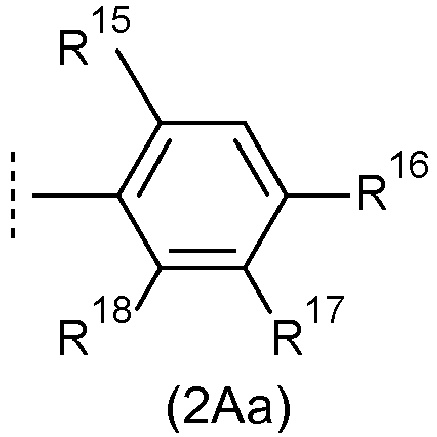
- R15 is selected from the group consisting of hydrogen, C1-C2alkyl (preferably methyl), fluorine and chlorine, in particular hydrogen;
- R16 is selected from the group consisting of hydrogen, halogen (especially fluorine or chlorine), C1-C2alkyl, C1-C2fluoroalkyl, C1-C2alkoxy, C1-C2fluoroalkoxy, cyano and nitro;
- R17 is selected from the group consisting of hydrogen, halogen (especially fluorine or chlorine), C1-C2alkyl, C1-C2fluoroalkyl, C1-C2alkoxy, C1-C2fluoroalkoxy, cyano and nitro; and
- R18 is selected from the group consisting of hydrogen, halogen (especially fluorine or chlorine), C1-C2alkyl, C1-C2fluoroalkyl, C1-C2alkoxy, C1-C2fluoroalkoxy, cyano and nitro.
- In an especially preferred embodiment,
- R15 is hydrogen;
- R16 is fluorine, chlorine, bromine, C1fluoroalkyl, C1fluoroalkoxy, or cyano;
- R17 is hydrogen, fluorine or chlorine; and
- R18 is hydrogen, fluorine, chlorine, bromine, or C1fluoroalkyl.
- Preferably, e.g. in all aspects and/or embodiments of the invention, when R2A is optionally substituted monocyclic heteroaryl (e.g. monocyclic 6-membered or 5-membered heteroaryl, in particular pyridin-2-yl, pyridin-3-yl, pyrimidin-2-yl, pyrimidin-5-yl, pyridazin-3-yl, or pyrazol-1-yl)), then R2A is selected from the group consisting of (R2Ab), (R2Ac), (R2Ad), (R2Ae), (R2Af), R2Ag, RAh, R2Ai and R2Aj:


- R19 is selected from the group consisting of halogen (in particular fluorine, chlorine or bromine, more particularly fluorine or chlorine), C1-C2alkyl, C1-C2fluoroalkyl, C1-C2alkoxy, C1-C2fluoroalkoxy, cyano and nitro;
- R20 is selected from the group consisting of hydrogen, halogen (in particular fluorine, chlorine or bromine, more particularly fluorine or chlorine), C1-C2alkyl, C1-C2fluoroalkyl, C1-C2alkoxy, C1-C2fluoroalkoxy, cyano and nitro; and
- R21 is selected from the group consisting of hydrogen, halogen (in particular fluorine, chlorine or bromine, more particularly fluorine or chlorine), C1-C2alkyl, C1-C2fluoroalkyl, C1-C2alkoxy, C1-C2fluoroalkoxy, cyano and nitro;
provided that either one or none (i.e. no more than one) of R19, R20 and R21 are C1-C2alkyl, C1-C2alkoxy or nitro; and - R22 is selected from the group consisting of hydrogen, halogen (in particular fluorine, chlorine or bromine, more particularly fluorine or chlorine), methyl, C1fluoroalkyl (e.g. trifluoromethyl), C1fluoroalkoxy (e.g. difluoromethoxy or trifluoromethoxy) and cyano.
- Preferably, R19 is selected from the group consisting of halogen (in particular fluorine, chlorine or bromine), C1fluoroalkyl (e.g. trifluoromethyl), C1fluoroalkoxy (e.g. difluoromethoxy or trifluoromethoxy) and cyano. More preferably, R19 is halogen; even more preferably fluorine, chlorine or bromine. Most preferably, R19 is fluorine or chlorine; in particular chlorine.
- Preferably, R20 is selected from the group consisting of hydrogen, fluorine and chlorine; more preferably hydrogen or fluorine. Most preferably, R20 is hydrogen.
- Preferably, R21 is selected from the group consisting of hydrogen, halogen (in particular fluorine, chlorine or bromine, more particularly fluorine or chlorine) and C1fluoroalkyl (e.g. trifluoromethyl). More preferably, R21 is hydrogen or halogen; even more preferably hydrogen, fluorine, chlorine or bromine. Most preferably, R21 is hydrogen, fluorine or chlorine; in particular hydrogen or fluorine.
- Preferably, R22 is selected from the group consisting of hydrogen, fluorine, chlorine, methyl, C1fluoroalkyl (e.g. trifluoromethyl) and C1fluoroalkoxy (e.g. difluoromethoxy or trifluoromethoxy). Most preferably R22 is fluorine or chlorine, in particular chlorine.
- In a particularly preferred embodiment of the present invention, R2A is optionally substituted monocyclic heteroaryl of sub-formula (2Ab), wherein R19 is fluorine or chlorine, R20 is hydrogen and R21 is fluorine.
- In another preferred embodiment of the present invention, R4 is selected from the group consisting of hydrogen, methyl, fluorine, chlorine, methoxy, ethoxy, C1fluoroalkyl-methoxy- (in particular trifluoromethyl-methoxy- or difluoromethyl-methoxy-), or MeO-CH2-CH2-O-. Still more preferably, e.g. in all aspects and/or embodiments of the invention, R4 is methyl, chlorine or methoxy.
- In a particularly preferred embodiment of the present invention, is a compound of Formula (I) wherein (i) R1 is methyl, R3 is hydrogen and R4 is methyl; (ii) R1 is methyl, R3 is hydrogen and R4 is vinyl; (iii) R1 is methyl, R3 is hydrogen and R4 is ethynyl; (iv) R1 is methyl, R3 is hydrogen and R4 is hydrogen; (v) R1 is ethyl, R3 is hydrogen and R4 is hydrogen; or (vi) R1 is methoxy-, R3 is hydrogen and R4 is hydrogen.
- In a particularly preferred embodiment of the present invention, is a compound of Formula (I) wherein R1 is methyl or ethyl, preferably methyl, R2 is methyl or prop-1-ynyl, R3 is hydrogen and R4 is methyl.
- In a particularly preferred embodiment of the present invention, is a compound of Formula (I) wherein R1 is methyl or ethyl, preferably methyl, R2 is methyl or prop-1-ynyl, R3 is hydrogen and R4 is vinyl.
- In a particularly preferred embodiment of the present invention, is a compound of Formula (I) wherein R1 is methyl or ethyl, preferably methyl, R2 is methyl or prop-1-ynyl, R3 is hydrogen and R4 is ethynyl.
- In a particularly preferred embodiment of the present invention, is a compound of Formula (I) wherein R1 is methyl or ethyl, preferably methyl, R2 is R2Ab (wherein R19 is fluorine or chlorine, R20 is hydrogen and R21 is fluorine), R3 is hydrogen and R4 is methyl.
- In a particularly preferred embodiment of the present invention, is a compound of Formula (I) wherein R1 is methyl or ethyl, preferably methyl, R2 is R2Ab (wherein R19 is fluorine or chlorine, R20 is hydrogen and R21 is fluorine), R3 is hydrogen and R4 is vinyl.
- In a particularly preferred embodiment of the present invention, is a compound of Formula (I) wherein R1 is methyl or ethyl, preferably methyl, R2 is R2Ab (wherein R19 is fluorine or chlorine, R20 is hydrogen and R21 is fluorine), R3 is hydrogen and R4 is ethynyl.
- In another preferred embodiment of the present invention, R5, R6, R7, R8 and R9 are hydrogen.
- In another preferred embodiment of the present invention, R10 is hydrogen or C1-C6alkyl (e.g methyl, ethyl), more preferably hydrogen.
- In another preferred embodiment of the present invention, R11 is selected from the group consisting of C1-C6alkyl, C2-C6alkenyl, C2-C6alkynyl, C1-C6alkoxyC1-C6-alkyl- and C1-C6alkoxy-C2-C3-alkoxy-C2-C3-alkyl-.
- In another preferred embodiment of the present invention, R11 is -(CH2)n-X2-R13 wherein R13 is selected from the group consisting of R13a to R13o


- R12a is selected from the group consisting of hydrogen, C1-C4alkyl (especially methyl), C1-C4haloalkyl, halogen (especially chorine or fluorine), C1-C4alkoxy (especially methoxy), cyano and nitro;
- R12b is selected from the group consisting of hydrogen, C1-C4alkyl (especially methyl), halogen (especially chorine or fluorine), C1-C4alkoxy, nitro and phenyl;
- R12c is selected from the group consisting of hydrogen, C1-C4alkyl (especially methyl), halogen (especially chorine or fluorine), C1-C4alkoxy, C1-C4haloalkyl (especially CF3) and C1-C4haloalkoxy- (especially -OCH3);
- R12d is hydrogen or halogen (especially chlorine);
- R12e is selected from the group consisting of hydrogen, halogen (especially bromine) and C1-C2alkyl (especially methyl); and
- R12f is hydrogen or C1-C2alkyl (especially methyl).
- In a particularly preferred embodiment, R11 is -(CH2)n-R13 wherein n is 1, and R13 is R13a.
- In another embodiment of the present invention, R10 and R11 together form a four to six membered heterocycle, the heterocycle comprising one or more heteroatoms selected from the group consisting of oxygen, nitrogen and sulphur; the heterocycle being optionally substituted by one or more independent R12.
- Preferably, n = 0, 1 or 2.
- In another embodiment of the present invention, the compound of Formula (I) is a compound of formula (Ia):

- Preferably, 40% or more (in particular 45% or more) by molarity of the compound of formula (Ia) has the indicated stereochemistry at the ring-carbon atom bonded to R7 and -CR8R9-(CO)NR10R11. For example, this broadest definition of formula (Ia) includes compounds which are substantially racemic at the ring-carbon atom bonded to R7 and -CR8R9-(CO)NR10R11, and also includes compounds enriched with isomer(s) having the stereochemistry indicated at the ring-carbon atom bonded to R7 and -CR8R9-(CO)NR10R11.
- More preferably, more than 50% (still more preferably more than 70% or more than 80%, most preferably more than 90% or more than 95%) by molarity of the compound of formula (Ia) has the indicated stereochemistry at the ring-carbon atom bonded to R7 and -CR8R9-(CO)NR10R11. This more preferred definition of formula (Ia) includes compounds enriched with isomer(s) having the stereochemistry indicated at the ring-carbon atom bonded to R7 and -CR8R9-(CO)NR10R11.
- Depending on the nature of the substituents G, R1, R2, R3, R4, R5, R6, R7, R8, R9, and R10, compounds of formula (I) may exist in different isomeric or tautomeric forms.
- For example, when G is hydrogen, compounds of formula (I) may exist in different tautomeric forms. This invention covers all such isomers and/or tautomers and/or mixtures thereof in all proportions. These isomers and/or tautomers are within the scope of the claimed compounds of formula (I).
- Processes for preparation of compounds, e.g. a compound of formula (I) (which optionally can be an agrochemically acceptable salt thereof), are now described, and form further aspects of the present invention.
- A compound of formula I, wherein G is C1-C8alkyl, C2-C8fluoroalkyl, phenylC1-C8alkyl (wherein the phenyl is optionally substituted by 1, 2 or 3 of, independently, C1-C3alkyl, C1-C3fluoroalkyl, C1-C3alkoxy, C1-C3fluoroalkoxy, C1-C3alkylthio, C1-C3alkylsulfinyl, C1-C3alkylsulfonyl, halogen, cyano or nitro), heteroarylC1-C8alkyl (wherein the heteroaryl is optionally substituted by 1, 2 or 3 of, independently, C1-C3alkyl, C1-C3fluoroalkyl, C1-C3alkoxy, C1-C3fluoroalkoxy, C1-C3alkylthio, C1-C3alkylsulfinyl, C1-C3 alkylsulfonyl, halogen, cyano or nitro), C2-C7alkenyl-CH2-, C2-C7alkenyl-CH(Me)-, C2-C7alkenyl-CMe2-, C2-C4fluoroalkenyl-CH2-,C2-C7alkynyl-CH2-, -C(Xa)-Ra, -C(Xb)-Xc-Rb, -C(Xd)-N(Rc)-Rd, -SO2-Re, -P(Xe)(Rf)-Rg or -CH2-Xf-Rh, may be prepared by treating a compound of formula (A), which is a compound of formula I wherein G is H, with a reagent G-Z, wherein G-Z is an alkylating agent such as an alkyl halide (the definition of alkyl halides includes simple C1-C8 alkyl halides such as methyl iodide and ethyl iodide, substituted alkyl halides such as chloromethyl alkyl ethers, Cl-CH2-Xf-Rh, wherein Xf is oxygen, and chloromethyl alkyl sulfides Cl-CH2-Xf-Rh, wherein Xf is sulfur), a C1-C8alkyl sulfonate, or a di(C1-C8alkyl) sulfate, or with a C3-C8alkenyl halide, or with a C3-C8alkynyl halide, or with an acylating agent such as a carboxylic acid, HO-C(Xa)Ra, wherein Xa is oxygen, an acid chloride, Cl-C(Xa)Ra, wherein Xa is oxygen, or acid anhydride, [RaC(Xa)]2O, wherein Xa is oxygen, or an isocyanate, RcN=C=O, or a carbamoyl chloride, Cl-C(Xd)-N(Rc)-Rd (wherein Xd is oxygen and with the proviso that neither Rc or Rd is hydrogen), or a thiocarbamoyl chloride Cl-(Xd)-N(Rc)-Rd (wherein Xd is sulfur and with the proviso that neither Rc or Rd is hydrogen) or a chloroformate, Cl-C(Xb)-Xc-Rb, (wherein Xb and Xc are oxygen), or a chlorothioformate Cl-C(Xb)-Xc-Rb (wherein Xb is oxygen and Xc is sulfur), or a chlorodithioformate Cl-C(Xb)-Xc-Rb, (wherein Xb and Xc are sulfur), or an isothiocyanate, RcN=C=S, or by sequential treatment with carbon disulfide and an alkylating agent, or with a phosphorylating agent such as a phosphoryl chloride, Cl-P(Xe)(Rf)-Rg or with a sulfonylating agent such as a sulfonyl chloride Cl-SO2-Re, preferably in the presence of at least one equivalent of base. Where substituents R3 and R4 are not equal to substituents R5 and R6, these reactions may produce, in addition to a compound of formula I, a second compound of formula (IA). This invention covers both a compound of formula I and a compound of formula (IA), together with mixtures of these compounds in any ratio.
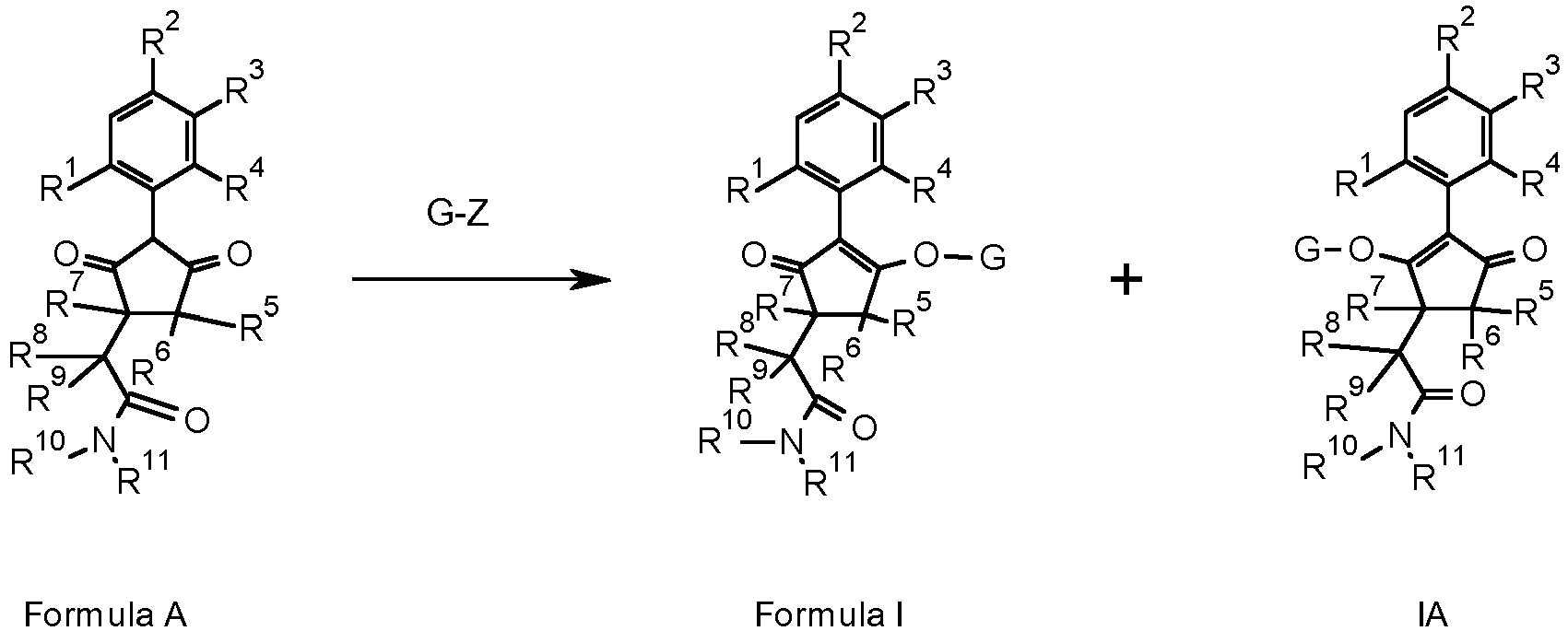
- The O-alkylation of cyclic 1,3-diones is known; suitable methods are described, for example, by
T. Wheeler, US4436666 . Alternative procedures have been reported by M. Pizzorno and S. Albonico, Chem. Ind. (London), (1972), 425-426; H. Born et al., J. Chem. Soc., (1953), 1779-1782; M. G. Constantino et al., Synth. Commun., (1992), 22 (19), 2859-2864; Y. Tian et al., Synth. Commun., (1997), 27 (9), 1577-1582; S. Chandra Roy et al., Chem. Letters, (2006), 35 (1), 16-17; P. K. Zubaidha et al., Tetrahedron Lett., (2004), 45, 7187-7188. - The O-acylation of cyclic 1,3-diones may be effected by procedures similar to those described, for example, by
R. Haines, US4175135 , and byT. Wheeler, US4422870 ,US4659372 andUS4436666 . Typically diones of formula (A) may be treated with an acylating agent preferably in the presence of at least one equivalent of a suitable base, and optionally in the presence of a suitable solvent. The base may be inorganic, such as an alkali metal carbonate or hydroxide, or a metal hydride, or an organic base such as a tertiary amine or metal alkoxide. Examples of suitable inorganic bases include sodium carbonate, sodium or potassium hydroxide; a suitable metal hydride is sodium hydride; and suitable organic bases include trialkylamines, such as trimethylamine and triethylamine, pyridines or other amine bases such as 1,4-diazobicyclo[2.2.2]-octane and 1,8-diazabicyclo[5.4.0]undec-7-ene. Preferred bases include triethylamine and pyridine. Suitable solvents for this reaction are selected to be compatible with the reagents and include ethers such as tetrahydrofuran and 1,2-dimethoxyethane and halogenated solvents such as dichloromethane and chloroform. Certain bases, such as pyridine and triethylamine, may be employed successfully as both base and solvent. For cases where the acylating agent is a carboxylic acid, acylation is preferably effected in the presence of a known coupling agent such as 2-chloro-1-methylpyridinium iodide, N,N'-dicyclohexylcarbodiimide, 1-(3-dimethylaminopropyl)-3-ethylcarbodiimide and N,N'-carbodiimidazole, and optionally in the presence of a base such as triethylamine or pyridine in a suitable solvent such as tetrahydrofuran, dichloromethane or acetonitrile. Suitable procedures are described, for example, by W. Zhang and G. Pugh, Tetrahedron Lett., (1999), 40 (43), 7595-7598; T. Isobe and T. Ishikawa, J. Org. Chem., (1999), 64 (19), 6984-6988 and K. Nicolaou, T. Montagnon, G. Vassilikogiannakis, C. Mathison, J. Am. Chem. Soc., (2005), 127(24), 8872-8888. - Phosphorylation of cyclic 1,3-diones may be effected using a phosphoryl halide or thiophosphoryl halide and a base by procedures analogous to those described by
L. Hodakowski, US4409153 . - Sulfonylation of a compound of formula (A) may be achieved using an alkyl or aryl sulfonyl halide, preferably in the presence of at least one equivalent of base, for example by the procedure of C. Kowalski and K. Fields, J. Org. Chem., (1981), 46, 197-201

- A compound of formula I may be prepared from a compound of formula B via an amide bond forming reaction with a compound of formula K optionally in the presence of a suitable solvent and/or in the presence of a suitable coupling reagent and/or in the presence of a suitable base or via transformation to an activated intermediate. Suitable solvents include N,N-dimethylformamide or dichloromethane, suitable coupling reagents include a carbodiimide (e.g. dicyclohexylcarbodiimide) or a phosphonic anhydride (e.g. 2,4,6-tripropyl-1,3,5,2,4,6-trioxatriphosphorinane-2,4,6-trioxide) or a (benzotriazol-1-yloxy)trialkylaminophosphonium salt (e.g. benzotriazol-1-yloxy(tripyrrolidin-1-yl)phosphonium hexafluorophosphate) and suitable bases include N,N-diisopropylethylamine or triethylamine. Suitable activated intermediates include acid chlorides, mixed anhydrides or activated esters (e.g. pentafluorophenyl ester).
- Compounds of formula K are well known in the literature, are available from commercial sources or can be prepared via methods well known in the literature.

- In an identical fashion, a compound of formula IA may be prepared from a compound of formula BA.

- In an alternative approach, a compound of formula I may be prepared from a compound of formula C (where R23 is typically, but not limited to C1-C6 alkyl) via a direct amide formation optionally in the presence of a suitable solvent and/or in the presence of a suitable catalyst. Suitable catalysts may include 1,5,7-triazabicyclo[4.4.0]dec-5-ene (see for example R.M. Waymouth et al J. Org. Chem (2009) 9490) or Zr(Ot-Bu)4 (see for example J.A. Porco Jr et al J. Am. Chem. Soc (2005) 10039). Suitable solvents may include THF or toluene.

- In an identical fashion, a compound of formula IA may be prepared from a compound of formula CA.

- A compound of formula B may be prepared from a compound of formula C (where R23 is typically, but not limited to C1-C6 alkyl) via an ester hydrolysis reaction optionally in the presence of a suitable solvent and/or using a suitable reagent. Suitable solvents include tetrahydrofuran or water and suitable reagents include alkali metal hydroxides such as lithium, sodium or potassium hydroxide or other hydroxide sources such as tetrabutyl ammonium hydroxide (see for example H. Yamamoto et al Synlett (1998) 882).

- In an identical fashion, a compound of formula BA may be prepared from a compound of formula CA.

- A compound of formula C and/or of formula CA may be prepared from a compound of formula D via an alkylation reaction with a compund of formula L (where X1 is a suitable leaving group such as, but not limited to I, Br or OTf), optionally in the presence of a suitable solvent and/or using a suitable base. Suitable solvents include tetrahydrofuran and suitable bases include lithium, sodium or potassium hexamethyldisilazide or lithium diisopropylamide (see for example
WO2010069834 ). - Compounds of formula L are well known in the literature, are available from commercial sources or can be prepared via methods well known in the literature.

- In an alternative approach, a compound of formula B may be prepared from a compound of formula E via a hydrolysis reaction, optionally in the presence of a suitable reagent and/or in a suitable solvent. Suitable reagents may include phthalic acid (see for example F. Chemat et al; J. Chem. Soc (1994), 2597), sodium hydroxide or hydrogen chloride. Suitable solvents include water, ethanol or 1,4-dioxane.

- In an identical fashion, a compound of formula BA may be prepared from a compound of formula EA.

- A compound of formula E and/or a compound of formula EA may be prepared from a compound of formula D via an alkylation reaction with a compound of formula M (where X2 is a suitable leaving group such as but not limited to I, Br or OTf), optionally in the presence of a suitable solvent and/or using a suitable base. Suitable solvents include tetrahydrofuran and suitable bases may include lithium, sodium or potassium hexamethyldisilazide (see for example Merck Sharp and Dohme Corp;
WO2012/139495 ), lithium diisopropyl amide (see for example R.D. Dillard et al; J. Med. Chem (1991), 2768) or sodium hydride (see for example A.S. Demir et al; Tetrahedron (2005), 10482).
- In a yet further alternative approach, a compound of formula B may be prepared from a compound of formula F via an oxidation reaction, optionally in the presence of a suitable solvent and/or in the presence of a suitable oxidising agent. Suitable solvents include acetone, t-butanol, water or carbon tetrachloride. Suitable oxidising agents may include but are not limited to Jones' reagent (see for example S. Poulain et al; Tetrahedron (1999), 3595), potassium permanganate (see for example M. Kordes et al; EJOC (2000), 3235) or ruthenium trichloride/sodium periodate (see for example Merrell Pharmaceticals Inc;
US6340761 ).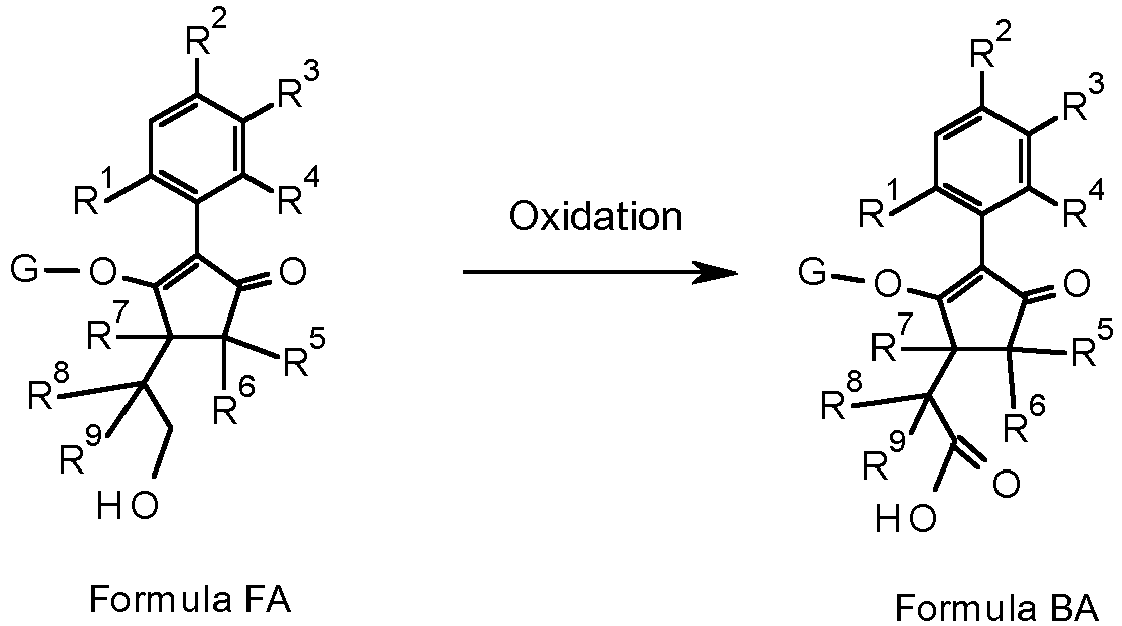
- In an identical fashion, a compound of formula BA may be prepared from a compound of formula FA.
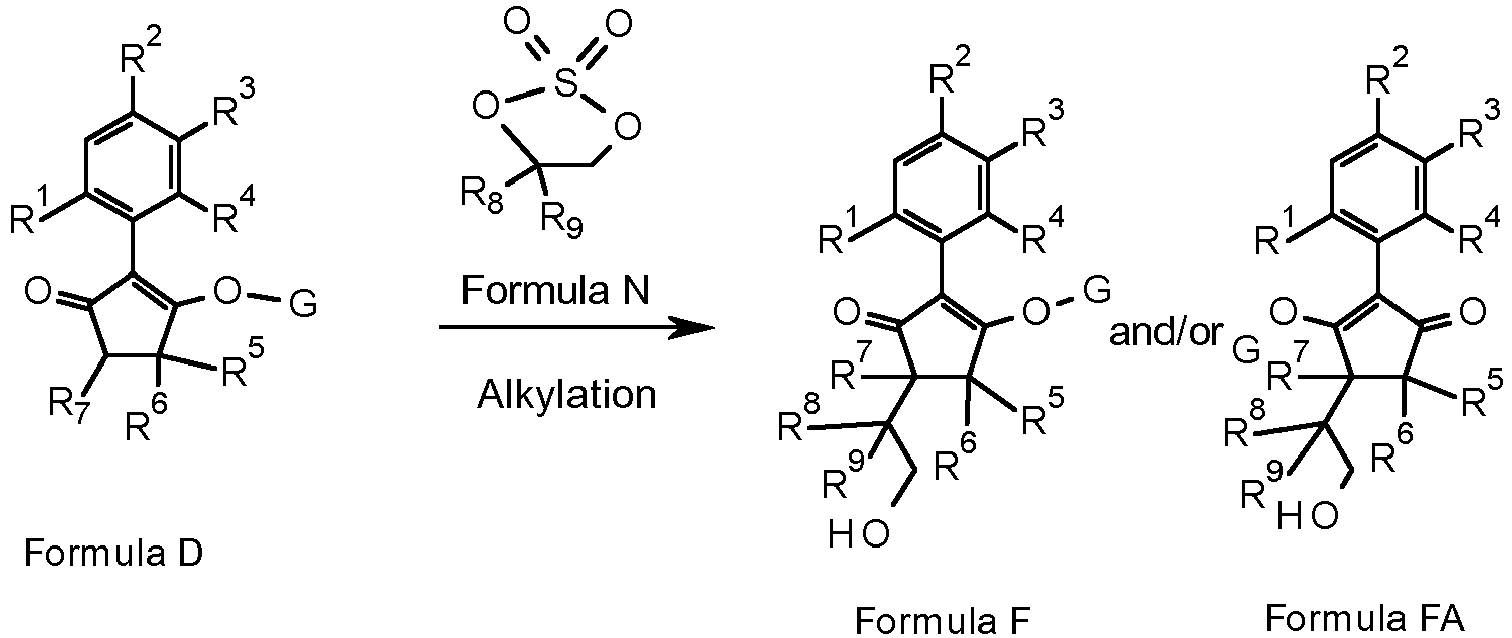
- A compound of formula F and/or a compound of formula FA may be prepared from a compound of formula D via alkylation with a compound of formula N (see for example T. Schlaeger et al; Synthesis (2008), 1793) optionally in the presence of a suitable base and/or in the presence of a suitable solvent. Suitable bases may include lithium, sodium or potassium hexamethyldisilazide or lithium diisopropyl amide. Suitable solvents may include tetrahydrofuran.
- Compounds of formula N are well known in the literature, are available from commercial sources or can be prepared via methods well known in the literature.

- A compound of Formula I may be prepared from a compound of formula G via a reduction using a suitable reducing agent, optionally in the presence of a suitable catalyst and/or in the presence of a suitable solvent. Suitable reducing agents may include hydrogen gas or zinc dust/acetic acid. Suitable catalysts may include, but not limited to, palladium on carbon. Suitable solvents may include ethanol, methanol or ethyl acetate.

- In an identical fashion, a compound of formula 1A may be prepared from a compound of formula G1.

- In an alternative approach, a compound of formula G may be prepared from a compound of formula H via an amide bond forming reaction with a compound of formula K optionally in the presence of a suitable solvent and/or in the presence of a suitable coupling reagent and/or in the presence of a suitable base or via transformation to an activated intermediate. Suitable solvents include N,N-dimethylformamide or dichloromethane, suitable coupling reagents include a carbodiimide (e.g. dicyclohexylcarbodiimide) or a phosphonic anhydride (e.g. 2,4,6-tripropyl-1,3,5,2,4,6-trioxatriphosphorinane-2,4,6-trioxide) or a (benzotriazol-1-yloxy)trialkylaminophosphonium salt (e.g. benzotriazol-1-yloxy(tripyrrolidin-1-yl)phosphonium hexafluorophosphate) and suitable bases include N,N-diisopropylethylamine or triethylamine. Suitable activated intermdiates include acid chlorides, mixed anhydrides or activated esters (e.g. pentafluorophenyl ester).

- In an identical fashion, a compound of formula GA may be prepared from a compound of formula HA.

- A compound of formula H may be prepared from a compound of formula J via a hydrolysis reaction optionally in the presence of a suitable reagent and/or in the presence of a suitable solvent. Suitable reagents may include lithium, sodium or potassium hydroxide or trifluoroacetic acid. Suitable solvents may include tetrahydrofuran, water or dichloromethane.

- In an identical fashion, a compound of formula HA may be prepared from a compound of formula JA

S. Chasset et al WO12140243 - Compounds of formula O are well known in the literature, are available from commercial sources or can be prepared via methods well known in the literature.

- In an alternative approach, a compound of formula G may be prepared from a compound of formula J (where R23 is typically, but not limited to C1-C6 alkyl) via a direct amide forming reaction with a compound of formula K optionally in the presence of a suitable solvent and/or in the presence of a suitable catalyst. Suitable catalysts may include 1,5,7-triazabicyclo[4.4.0]dec-5-ene (see for example R.M. Waymouth et al J. Org. Chem (2009) 9490) or Zr(Ot-Bu)4 (see for example J.A. Porco Jr et al J. Am. Chem. Soc (2005) 10039).Suitable solvents may include THF or toluene.

- In an identical fashion, a compound of formula GA may be prepared from a compound of formula JA.

- In yet another alternative approach, a compound of formula I and/or a compound of formula IA may be prepared from a compound of formula D via alkylation with a compound of formula P (where X3 is a suitable leaving group such as, but not limited to I, Br or OTf) optionally in the presence of a suitable base and/or in the presence of a suitable solvent. Suitable bases may include lithium, sodium or potassium hexamethyldisilazide or lithium diisopropyl amide. Suitable solvents may include tetrahydrofuran.
- Compounds of formula P are well known in the literature, are available from commercial sources or can be prepared via methods well known in the literature.
- In one embodiment, compounds within Formula D are made using the processes described in
WO 2013/079708 andWO 2010/089210 . The reaction scheme for these processes is shown below (and is illustrated for compounds of Formula D in which R2 is Br, R1 and R4 are Me; R3, R5, R6 and R7 are H; and G is Me):
- In an alternative embodiment, compounds within Formula D are made via the following coupling process scheme, as disclosed in Example 1 step 1 on pages 54-55 of
WO 2010/000773 A1 and/or as disclosed inWO 2010/069834 A1 and/orWO 2011/073060 A2 . The coupling process scheme below is illustrated for compounds of Formula D in which R1, R2 and R4 are Me; R3, R5, R6 and R7 are H; and G is Me:
- Typical reagents for the above-shown coupling process (in
WO 2010/000773 A1 ) are potassium phosphate, Pd(OAc)2, and S-Phos (which is 2-(dicyclohexylpho'ph'no)-2',6'-dimethoxybiphenyl). The 2,4,6-trimethyl-phenyl boronic acid shown above is commercially available. - In another aspect, the present invention provides a herbicidal composition, e.g. for use in a method of controlling weeds (preferably monocotyledonous such as grassy monocotyledonous weeds) in crops of useful plants, which composition comprises a compound of formula (I) as defined herein (e.g. a herbicidally effective amount thereof), and a substantially-inert agrochemically acceptable substance (e.g. an agrochemically acceptable carrier, diluent and/or solvent, an agrochemically acceptable adjuvant, an an agrochemically acceptable emulsifier / surfactant / surface-active substance, and/or another agrochemically acceptable additive).
- In a further aspect, the present invention provides a herbicidal composition, e.g. for use in a method of controlling weeds (preferably monocotyledonous such as grassy monocotyledonous weeds) in crops of useful plants, comprising a compound of formula (I) as defined herein (e.g. a herbicidally effective amount thereof), and an agrochemically acceptable carrier, diluent and/or solvent.
- In all aspects of the invention, the compound of the formula (I) is optionally present (e.g. where chemically possible) as an agrochemically acceptable salt (e.g. agrochemically acceptable metal, sulfonium or ammonium salt) thereof.
- In one particular embodiment, the herbicidal composition also comprises one or more further herbicides, e.g. as mixture partner(s) for the compound of formula (I), and/or a safener. See the combinations and mixtures section herein for more details of examples of these.
- The compounds of formula (I) according to the invention can be used as crop protection agents in unmodified form, as obtained by synthesis, but, for use as herbicides, they are generally formulated into herbicidal compositions (formulations), e.g. in a variety of ways, containing one or more substantially-inert agrochemically acceptable substances (e.g. an agrochemically acceptable carrier, diluent and/or solvent, an agrochemically acceptable adjuvant, an agrochemically acceptable emulsifier / surfactant / surface-active substance, and/or another agrochemically acceptable additive).
- The formulations (herbicidal compositions) can be in various physical forms, for example in the form of dusting powders, gels, wettable powders, coated or impregnated granules for manual or mechanical distribution on target sites, water-dispersible granules, water-soluble granules, emulsifiable granules, water-dispersible tablets, effervescent compressed tablets, water-soluble tapes, emulsifiable concentrates, microemulsifiable concentrates, oil-in-water (EW) or water-in-oil (WO) emulsions, other multiphase systems such as oil/water/oil and water/oil/water products, oil flowables, aqueous dispersions, oily dispersions, suspoemulsions, capsule suspensions, soluble liquids, water-soluble concentrates (with water or a water-miscible organic solvent as carrier), impregnated polymer films or in other forms known, for example, from the Manual on Development and Use of FAO Specifications for Plant Protection Products, 5th Edition, 1999. The active ingredient may be incorporated into microfibers or micro-rods formed of polymers or polymerizable monomers and having diameter of about 0.1 to about 50 microns and aspect ratio of between about 10 and about 1000.
- Such formulations can either be used directly or are diluted prior to use. They can then be applied through suitable ground or aerial application spray equipment or other ground application equipment such as central pivot irrigation systems or drip/trickle irrigation means. Diluted formulations can be prepared, for example, with water, liquid fertilisers, micronutrients, biological organisms, oil or solvents.
- The formulations can be prepared, for example, by mixing the active ingredient with formulation adjuvants in order to obtain compositions in the form of finely divided solids, granules, solutions, dispersions or emulsions. The active ingredients can also be contained in fine microcapsules consisting of a core and a polymeric shell. Microcapsules usually have a diameter of from 0.1 to 500 microns. They contain active ingredients in an amount of about from 25 to 95 % by weight of the capsule weight. The active ingredients can be present in the form of liquid technical material, in the form of a suitable solution, in the form of fine particles in solid or liquid dispersion or as a monolithic solid. The encapsulating membranes comprise, for example, natural and synthetic gums, cellulose, styrene-butadiene copolymers or other similar suitable membrane forming material, polyacrylonitrile, polyacrylate, polyester, polyamides, polyureas, polyurethane, aminoplast resins or chemically modified starch or other polymers that are known to the person skilled in the art in this connection.
- Alternatively it is possible for fine so called "microcapsules" to be formed wherein the active ingredient is present in the form of finely divided particles in a solid matrix of a base substance, but in that case the microcapsule is not encapsulated with a diffusion limiting membrane as outlined in the preceding paragraph.
- The active ingredients may be adsorbed on a porous carrier. This may enable the active ingredients to be released into their surroundings in controlled amounts (e.g. slow release). Other forms of controlled release formulations are granules or powders in which the active ingredient is dispersed or dissolved in a solid matrix consisting of a polymer, a wax or a suitable solid substance of lower molecular weight. Suitable polymers are polyvinyl acetates, polystyrenes, polyolefins, polyvinyl alcohols, polyvinyl pyrrolidones, alkylated polyvinyl pyrrolidones, copolymers of polyvinyl pyrrolidones and maleic anhydride and esters and half-esters thereof, chemically modified cellulose esters like carboxymethyl cellulose, methyl cellulose, hydroxyethyl cellulose, examples of suitable waxes are polyethylene wax, oxidized polyethylene wax, ester waxes like montan waxes, waxes of natural origin like carnauba wax, candelilla wax, bees wax etc. Other suitable matrix materials for slow release formulations are starch, stearin, lignin.
- The formulation ingredients (e.g. inert ingredients) suitable for the preparation of the compositions according to the invention are generally known per se.
- As a liquid carrier and/or solvent (e.g. organic solvent), e.g. for use in the herbicidal composition(s) according to the invention, there may be used: water, an aromatic solvent such as toluene, m-xylene, o-xylene, p-xylene or a mixture thereof, cumene, an aromatic hydrocarbon blend with a boiling range between 140 and 320 °C (e.g. known under various trademarks such as Solvesso®, Shellsol A®, Caromax®, Hydrosol®), a paraffinic or isoparaffinic carrier such as paraffin oil, mineral oil, a de-aromatized hydrocarbon solvent with a boiling range between 50 and 320 °C (e.g. known for instance under the trademark Exxsol®), a non-dearomatized hydrocarbon solvent with a boiling range between 100 and 320 °C (e.g. known under the tradename Varsol®), an isoparaffinic solvent with a boiling range between 100 and 320 °C (e.g. known under tradenames like Isopar® or Shellsol T®), a hydrocarbon such as cyclohexane, tetrahydronaphthalene (tetralin), decahydronaphthalene, alpha-pinene, d-limonene, hexadecane, isooctane; an ester solvent such as ethyl acetate, nor iso- butyl acetate, amyl acetate, i-bornyl acetate, 2-ethylhexyl acetate, a C6 - C18 alkyl ester of acetic acid (e.g. known under the tradename Exxate®), lactic acid ethylester, lactic acid propylester, lactic acid butylester, benzyl benzoate, benzyl lactate, dipropyleneglycol dibenzoate, or a dialkyl ester of succinic, maleic or fumaric acid; a polar solvent such as N-methyl pyrrolidone, N-ethyl pyrrolidone, C3-C18-alkyl pyrrolidones, gamma-butyrolactone, dimethylsulfoxide, N,N-dimethylformamide, N,N-dimethylacetamide, N,N-dimethyllactamide, a C4-C18 fatty acid dimethylamide, benzoic acid dimethylamide, acetonitrile, acetone, methyl ethyl ketone, methyl-isobutyl ketone, isoamyl ketone, 2-heptanone, cyclohexanone, isophorone, methyl isobutenyl ketone (mesityl oxide), acetophenone, ethylene carbonate, propylene carbonate, or butylene carbonate;
an alcoholic solvent or diluent such as methanol, ethanol, propanol, n- or iso- butanol, n- or iso- pentanol, 2-ethyl hexanol, n-octanol, tetrahydrofurfuryl alcohol, 2-methyl-2,4-pentanediol, 4-hydroxy-4-methyl-2-pentanone, cyclohexanol, benzyl alcohol, ethylene glycol, ethylene glycol butyl ether, ethylene glycol methyl ether, diethylene glycol, diethylene glycol butyl ether, diethylene glycol monoethyl ether, diethylene glycol monomethyl ether, propylene glycol, dipropylene glycol, dipropylene glycol monomethyl ether, or another similar glycol monoether solvent based on a ethylene glycol, propylene glycol or butylene glycol feedstock, triethylene glycol, polyethylene glycol (e.g. PEG 400), a polypropylenglycol with a molecular mass of 400 - 4000, or glycerol;
glycerol acetate, glycerol diacetate, glycerol triacetate, 1,4-dioxane, diethylene glycol abietate, chlorobenzene, chlorotoluene; a fatty acid ester such as methyl octanoate, isopropyl myristate, methyl laurate, methyl oleate, a mixture of C8-C10 fatty acid methyl esters, rapeseed oil methyl ester, rapeseed oil ethyl ester, soybean oil methyl ester, soybean oil ethyl ester; a vegetable oil (e.g. rapeseed oil or soybean oil); a fatty acid such as oleic acid, linoleic acid, or linolenic acid; or an ester of phosphoric or phosphonic acid such as triethyl phosphate, a C3-C18-tris-alkyl phosphate, an alkylaryl phosphate, or bis-octyl-octyl phosphonate. - Water is generally the liquid carrier of choice for the dilution of the concentrates.
- Suitable solid carriers are, for example, talc, titanium dioxide, pyrophyllite clay, silica (fumed or precipated silica and optionally functionalised or treated, for instance silanised), attapulgite clay, kieselguhr, limestone, calcium carbonate, bentonite, calcium montomorillonite, cottonseed husks, wheatmeal, soybean flour, pumice, wood flour, ground walnut shells, lignin and similar materials, as described, for example, in the EPA CFR 180.1001. (c) & (d). Powdered or granulated fertilisers can also be used as solid carriers.
- A large number of surface-active substances can advantageously be used both in solid and in liquid formulations (herbicidal compositions), especially in those formulations (herbicidal compositions) which can be diluted with a carrier prior to use. Surface-active substances may be anionic, cationic, amphoteric, non-ionic or polymeric and they may be used as emulsifiying, wetting, dispersing or suspending agents or for other purposes. Typical surface-active substances include, for example, salts of alkyl sulfates, such as diethanolammonium lauryl sulfate; Sodium lauryl sulfate, salts of alkylarylsulfonates, such as calcium or sodium dodecylbenzenesulfonate; alkylphenol-alkylene oxide addition products, such as nonylphenol ethoxylates; alcohol-alkylene oxide addition products, such as tridecyl alcohol ethoxylate; soaps, such as sodium stearate; salts of alkylnaphthalenesulfonates, such as sodium dibutylnaphthalenesulfonate; dialkyl esters of sulfosuccinate salts, such as sodium di(2-ethylhexyl)sulfosuccinate; sorbitol esters, such as sorbitol oleate; quaternary amines, such as lauryl trimethylammonium chloride, polyethylene glycol esters of fatty acids, such as polyethylene glycol stearate; block copolymers of ethylene oxide and propylene oxide; and salts of mono- and di-alkyl phosphate esters; and also further substances described e.g. in "McCutcheon's Detergents and Emulsifiers Annual", MC Publishing Corp., Ridgewood, New Jersey, 1981.
- Further formulation ingredients (e.g. inert ingredients) which can typically be used in formulations (herbicidal compositions) include crystallisation inhibitors, viscosity-modifying substances, suspending agents, dyes, anti-oxidants, foaming agents, light absorbers, mixing aids, anti-foams, complexing agents, neutralising or pH-modifying substances and/or buffers, corrosion-inhibitors, fragrances, wetting agents, absorption improvers, micronutrients, plasticisers, glidants, lubricants, dispersants, thickeners, anti-freezes, microbiocides, compatibility agents and/or solubilisers; and/or also liquid and/or solid fertilisers.
- The herbicidal compositions (formulations) may also comprise additional active substances, for example further herbicides, herbicide safeners, plant growth regulators, fungicides or insecticides.
- The herbicidal compositions according to the invention can additionally include an additive (commonly referred to as an adjuvant), comprising a mineral oil, an oil of vegetable or animal origin, alkyl (e.g. C1-C6alkyl) esters of such oils or mixtures of such oils and oil derivatives / oil esters. The amount of oil additive (oil adjuvant) used in the composition according to the invention is generally from 0.01 to 10 %, based on the spray mixture. For example, the oil additive (oil adjuvant) can be added to the spray tank in the desired concentration after the spray mixture has been prepared. Preferred oil additives (oil adjuvants) comprise mineral oils or an oil of vegetable origin, for example rapeseed oil, olive oil or sunflower oil, emulsifiable vegetable oil, such as AMIGO® (Loveland Products Inc.), C1-C6alkyl esters of oils of vegetable origin, for example the methyl esters, or an oil of animal origin, such as fish oil or beef tallow. A preferred oil additive (oil adjuvant) contains methylated rapeseed oil (rapeseed oil methyl ester). Another preferred oil additive (oil adjuvant) contains, for example, as active components essentially 80 % by weight alkyl esters of fish oils and 15 % by weight methylated rapeseed oil (rapeseed oil methyl ester), and also 5 % by weight of customary emulsifiers and pH modifiers. Especially preferred oil additives (oil adjuvants) comprise C1-C6alkyl ester(s) of C8-C22 fatty acid(s), especially the methyl ester(s) of C8-C22 (especially C12-C18) fatty acid(s); preferably the methyl ester of lauric acid, of palmitic acid, or of oleic acid. Those esters are known as methyl laurate (CAS-111-82-0), methyl palmitate (CAS-112-39-0) and methyl oleate (CAS-112-62-9) respectively. A preferred fatty acid methyl ester derivative is AGNIQUE ME 18 RD-F® (e.g. available from Cognis). Those and other oil derivatives are also known from the Compendium of Herbicide Adjuvants, 5th Edition, Southern Illinois University, 2000.
- The application and action of the above-mentioned oil additives (oil adjuvants) can be further improved by combining them with surface-active substances, such as non-ionic, anionic, cationic or amphoteric surfactants. Examples of suitable anionic, non-ionic, cationic or amphoteric surfactants, e.g. for this purpose, are listed on pages 7 and 8 of
WO97/34485 - The above-mentioned surface-active substances may also be used in the formulations alone, that is to say without oil additives (oil adjuvants).
- Furthermore, the addition of an organic solvent to the oil additive (oil adjuvant) / surfactant mixture can contribute to a further enhancement of action. Suitable solvents are, for example, heavy aromatic hydrocarbon solvents such as SOLVESSO® or AROMATIC® solvents (Exxon Corporation). The concentration of such solvents can e.g. be from 10 to 80 % by weight of the oil additive (oil adjuvant). Such oil additives (oil adjuvants), which may be in admixture with solvents, are described, for example, in
US 4 834 908 . A commercially available oil additive disclosed therein is known by the name MERGE® (BASF). Further such oil additives (oil adjuvants) that are preferred according to the invention are SCORE® and ADIGOR® (both Syngenta Crop Protection AG). - In addition to the oil additives (oil adjuvants) listed above, in order to enhance the activity of the compositions according to the invention it is also possible for formulations of alkylpyrrolidones, (e.g. AGRIMAX® from ISP) to be added to the spray mixture. Formulations of synthetic latices, such as, for example, polyacrylamide, polyvinyl compounds or poly-1-p-menthene (e.g. BOND®, COURIER® or EMERALD®) can also be used.
- A particularly preferred oil adjuvant (oil additive), e.g. for use in the herbicidal compositions of the invention, is an emulsifiable concentrate which consists of:
- (i) ethoxylated alcohols, which preferably includes ethoxylated C12-C22 fatty alcohols (preferably having a degree of ethoxylation of from 5 to 40); and
- (ii) a mixture of heavy aromatic hydrocarbons, which preferably includes (or more preferably includes 50% or more by weight of the heavy aromatic hydrocarbons of) a mixture of naphthalenes each of which is substituted by one or more alkyls wherein the alkyl(s) in total have 1-4 carbon atoms per naphthalene molecule (e.g. Solvesso 200 ND™); and
- (iii) methylated rapeseed oil (rapeseed oil methyl ester) (e.g. Agnique ME 18 RD-F™), as an adjuvant; preferably present at about 47% w/w and/or about 45% w/v of the oil adjuvant / oil additive / emulsifiable concentrate. One example of such a emulsifiable concentrate oil adjuvant (oil additive) is ADIGOR™, currently available in many countries from Syngenta.
- When the above emulsifiable concentrate oil adjuvant is used, it is preferably added to the herbicidal composition after dilution (e.g. with water and/or in a spray tank), typically before application to weeds and/or to crops of useful plants and/or to the locus thereof. In one particular embodiment, the herbicidal composition, e.g. after dilution (e.g. with water and/or in a spray tank), contains the above emulsifiable concentrate oil adjuvant, and additionally ammonium sulphate and/or isopropyl alcohol.
- Such adjuvant oils as described in the preceding paragraphs may be employed as a or the carrier liquid in which an active compound is dissolved, emulsified or dispersed as appropriate to the physical form of the active compound.
- In an alternative particular embodiment, the herbicidal composition of the invention comprises an agrochemically acceptable adjuvant comprising 1,2-cyclohexane dicarboxylic acid di-isononyl ester (e.g. CAS Registry no. 166412-78-8), e.g. as available from BASF as Hexamoll™ DINCH™. "Isononyl" in this context is thought to mean one or more, preferably a mixture of two or more, branched isomers of C9H19. In one particular embodiment, the herbicidal composition, e.g. after dilution (e.g. with water and/or in a spray tank), contains 1,2-cyclohexane dicarboxylic acid di-isononyl ester, and additionally ammonium sulphate and/or isopropyl alcohol.
- In an alternative particular embodiment, the herbicidal composition of the invention comprises an agrochemically acceptable adjuvant comprising an organic phosphate and/or organic phosphonate adjuvant. Preferably, the phosphate adjuvant is a tris-[C4-C12alkyl or 2-(C2-C6alkoxy)ethyl-] ester of phosphoric acid, or more preferably is tris-(2-ethylhexyl) phosphate, tris-n-octyl phosphate and/or tris-[2-(n-butoxy)ethyl] phosphate, or most preferably is tris-(2-ethylhexyl) phosphate. Preferably, the phosphonate adjuvant is a bis-(C3-C12alkyl) ester of a C3-C12alkyl-phosphonic acid, or more preferably is bis-(2-ethylhexyl) (2-ethylhexyl)phosphonate, bis-(2-ethylhexyl) (n-octyl)phosphonate and/or di-n-butyl (n-butyl)phosphonate.
- The formulations (herbicidal compositions) generally contain from 0.1 to 99 % by weight, especially from 0.1 to 95 % by weight, of a compound of formula I and from 1 to 99.9 % by weight of a substantially-inert agrochemically acceptable substance, which preferably includes a formulation adjuvant and/or from 0 to 30 % or from 0 to 25 % (in particular from 0.5 to 30 % or from 0.5 to 25 %) by weight of a surface-active substance. Whereas herbicidal compositions (especially commercial products) will preferably be formulated as concentrates, the end user will normally employ dilute formulations (herbicidal compositions), e.g. formulations (herbicidal compositions) diluted with water, in particular when applying the herbicidal composition to weeds and/or to crops of useful plants and/or to the locus thereof.
- The rate of application of the compounds of formula I may vary within wide limits and depends upon the nature of the soil, the method of application (pre- or post-emergence; seed dressing; application to the seed furrow; no tillage application etc.), the crop plant, the weed or grass to be controlled, the prevailing climatic conditions, and other factors governed by the method of application, the time of application and the target crop. The compounds of formula I according to the invention are generally applied (preferably post-emergence) at a rate of from 1 to 2000 g/ha, preferably from 1 to 1000 g / ha and most preferably at from 1 to 500 g / ha or from 5 to 500 g/ha.
- Preferred formulations / compositions have especially the following representative compositions:
(% = percent by weight of the composition): -
active ingredient: 0.3 to 95 %, preferably 0.5 to 60 % such as 1 to 40 % surface-active agents: 1 to 30 %, preferably 3 to 20% such as 5 to 15 % solvents as liquid carrier: 1 to 80 %, preferably 1 to 60% such as 1 to 40 % -
active ingredient: 0.1 to 10 %, preferably 0.1 to 5 % solid carriers: 99.9 to 90 %, preferably 99.9 to 99 % -
active ingredient: 1 to 75 %, preferably 3 to 50 % or 10 to 50 % water: 98 to 24 %, preferably 95 to 30 % or 88 to 30 % surface-active agents: 1 to 40 %, preferably 2 to 30 % -
active ingredient: 0.5 to 90 %, preferably 1 to 80 % surface-active agents: 0.5 to 20 %, preferably 1 to 15 % solid carriers: 5 to 95 %, preferably 15 to 90 % -
active ingredient: 0.1 to 30 %, preferably 0.1 to 15 % solid carriers: 99.5 to 70 %, preferably 97 to 85 % -
active ingredient: 1 to 90 %, preferably 10 to 80 % surface-active agents: 0.5 to 80 %, preferably 5 to 30 % solid carriers: 90 to 10 %, preferably 70 to 30 % - The following Examples further illustrate, but do not limit, the invention.
F1. Emulsifiable concentrates a) b) c) d) active ingredient 5 % 10 % 25 % 50 % calcium dodecylbenzenesulfonate 6 % 8 % 6 % 8 % castor oil polyglycol ether (36 mol of ethylene oxide) 4 % - 4 % 4% octylphenol polyglycol ether (7-8 mol of ethylene oxide) - 4 % - 2 % NMP (N-methyl-2-pyrrolidone) - 10 % - 20% aromatic hydrocarbon mixture C9-C12 85 % 68 % 65 % 16% - Emulsions of any desired concentration can be prepared from such concentrates by dilution with water.
F2. Solutions a) b) c) d) active ingredient 5 % 10 % 50 % 90 % 1-methoxy-3-(3-methoxy-propoxy)-propane 40 % 50 % - - polyethylene glycol MW 400 20 % 10 % - - NMP (N-methyl-2-pyrrolidone) - - 50 % 10 % aromatic hydrocarbon mixture C9-C12 35 % 30 % - - - The solutions are suitable for application undiluted or after dilution with water.
F3. Wettable powders a) b) c) d) active ingredient 5 % 25 % 50 % 80 % sodium lignosulfonate 4 % - 3 % - sodium lauryl sulfate 2 % 3 % - 4 % sodium diisobutylnaphthalenesulfonate - 6 % 5 % 6 % octylphenol polyglycol ether (7-8 mol of ethylene oxide) - 1 % 2 % - highly disperse silicic acid 1 % 3 % 5 % 10 % kaolin 88 % 62 % 35 % - - The active ingredient is thoroughly mixed with the adjuvants and the mixture is thoroughly ground in a suitable mill, yielding wettable powders which can be diluted with water to give suspensions of any desired concentration.
F4. Coated granules a) b) c) active ingredient 0.1 % 5 % 15 % highly dispersed silica 0.9 % 2 % 2 % inorganic carrier (diameter 0.1 - 1 mm) 99.0 % 93 % 83 % e.g. CaCO3 or SiO2 - The active ingredient is dissolved in methylene chloride, the solution is sprayed onto the carrier and the solvent is subsequently evaporated off in vacuo.
F5. Coated granules a) b) c) active ingredient 0.1 % 5 % 15 % polyethylene glycol MW 200 1.0 % 2 % 3 % highly dispersed silica 0.9 % 1 % 2 % inorganic carrier 98.0 % 92 % 80 % (diameter 0.1 - 1 mm) e.g. CaCO3 or SiO2 - The finely ground active ingredient is applied uniformly, in a mixer, to the carrier moistened with polyethylene glycol. Non-dusty coated granules are obtained in this manner.
F6. Extruded granules a) b) c) d) active ingredient 0.1 % 3 % 5 % 15 % sodium lignosulfonate 1.5 % 2 % 3% 4 % carboxymethylcellulose 1.4 % 2 % 2 % 2 % kaolin 97.0 % 93 % 90 % 79 % - The active ingredient is mixed and ground with the adjuvants and the mixture is moistened with water. The resulting mixture is extruded and then dried in a stream of air.
F7. Water-dispersible granules a) b) c) d) active ingredient 5 % 10 % 40 % 90 % sodium lignosulfonate 20 % 20 % 15 % 7 % dibutyl naphthalene sulfonate 5 % 5 % 4 % 2 % Gum arabic 2 % 1 % 1 % 1 % Diatomaceous earth 20 % 30 % 5 % - Sodium sulfate - 4 % 5 % - kaolin 48 % 30 % 30 % - - The active ingredient is mixed and ground with the adjuvants and the mixture is moistened with water. The resulting mixture is extruded and then dried in a stream of air.
F8. Dusts a) b) c) active ingredient 0.1 % 1 % 5 % talcum 39.9 % 49 % 35 % kaolin 60.0 % 50 % 60 % - Ready-to-use dusts are obtained by mixing the active ingredient with the carriers and grinding the mixture in a suitable mill.
F9. Suspension concentrates a) b) c) d) active ingredient 3 % 10 % 25 % 50 % propylene glycol 5 % 5 % 5 % 5 % nonylphenol polyglycol ether (15 mol of ethylene oxide) - 1 % 2 % - sodium lignosulfonate 3 % 3 % 7 % 6 % heteropolysacharide (Xanthan) 0.2 % 0.2 % 0.2 % 0.2 % 1,2-benzisothiazolin-3-one 0.1 % 0.1 % 0.1 % 0.1 % silicone oil emulsion 0.7 % 0.7 % 0.7 % 0.7 % water 88 % 80 % 60 % 38 % - The finely ground active ingredient is intimately mixed with the adjuvants, yielding a suspension concentrate from which suspensions of any desired concentration can be prepared by dilution with water.
- In a further aspect, the present invention provides a method of controlling weeds (e.g. monocotyledonous weeds such as grassy monocotyledonous weeds) in crops of useful plants, which comprises applying a compound of the formula (I), or a herbicidal composition comprising such a compound, to the weeds and/or to the plants and/or to the locus thereof.
- In a further aspect, the present invention provides a herbicidal composition, in particular for use in a method of controlling weeds (preferably monocotyledonous weeds, more preferably grassy monocotyledonous weeds) in crops of useful plants, comprising a compound of formula (I) as defined herein (e.g. a herbicidally effective amount thereof), and an agrochemically acceptable carrier, diluent and/or solvent.
- In all aspects of the invention, the compound of the formula (I) is optionally present (e.g. where chemically possible) as an agrochemically acceptable salt (e.g. agrochemically acceptable metal, sulfonium or ammonium salt) thereof.
- In one particular embodiment, the herbicidal composition also comprises one or more further herbicides, e.g. as mixture partner(s) for the compound of formula (I), and/or a safener. See the combinations and mixtures section herein for more details of examples of these.
- In all aspects of the invention (e.g. the methods of use of the invention), crops of useful plants, e.g. on or in which or at the locus of which the compounds or compositions according to the invention can be used, comprise (e.g. are), in particular, cereals (preferably non-oat cereals, in particular wheat, barley, rye and/or triticale), rice, corn (maize), sugarcane, leguminous crops [preferably soybean, peanut, and/or pulse crops; more preferably soybean; wherein typically the pulse crops comprise dry beans (e.g. kidney or haricot or pinto bean which is Phaseolus vulgaris, or mung bean which is Vigna radiata), chickpea, blackeye bean (i.e. black-eyed pea, Vigna unguiculata), lentil, dry broad beans, and/or dry peas such as garden peas], cotton, rape (in particular oilseed rape or canola), sunflower, linseed, sugarbeet, fodder beet, potato, vegetables (preferably dicotyledonous vegetables), flax, tobacco, plantation crops (such as conifer trees, olives and/or olive trees, oil palms, coffee, or vines), and/or fruit crops (in particular dicotyledonous and/or broadleaved fruit, and/or in particular pome fruit, stone fruit, bush fruit, citrus fruit, pineapple, banana, and/or strawberry). Preferably, in all aspects of the invention, the crops of useful plants, e.g. on or in which or at the locus of which the compounds or compositions according to the invention can be used, comprise (e.g. are) cereals (preferably non-oat cereals, more particularly wheat, barley, rye and/or triticale), rice, corn (maize), sugarcane, leguminous crops (preferably soybean, peanut, and/or pulse crops, more preferably soybean), cotton, rape (in particular oilseed rape or canola), sunflower, linseed, sugarbeet, fodder beet, potato, and/or vegetables (preferably dicotyledonous vegetables).
- Most preferably, in all aspects of the invention, the crops of useful plants, e.g. on or in which or at the locus of which the compounds or compositions according to the invention can be used, comprise (e.g. are) non-oat cereals, more particularly wheat, barley, rye and/or triticale.
- The term "crops" is to be understood as also including crops that have been rendered tolerant to herbicides or classes of herbicides (for example ALS, GS, EPSPS, PPO and/or HPPD inhibitors, and/or 2,4-D or dicamba) as a result of conventional methods of breeding or genetic engineering. An example of a crop that has been rendered tolerant e.g. to imidazolinones (which are ALS inhibitors), such as imazamox, by conventional methods of breeding is Clearfield® summer rape (canola) and/or Clearfield® wheat and/or Clearfield® rice (all from BASF). Examples of crops that have been rendered tolerant to herbicides by genetic engineering methods include e.g. glyphosate- or glufosinate- resistant/tolerant maize or soybean varieties, in particular those commercially available under the trade name RoundupReady® or RoundupReady® 2 (both from Monsanto, both glyphosate-tolerant) or LibertyLink® (from Bayer, glufosinate-tolerant). Glufosinate-tolerant rice (LibertyLink®) also has been published.
- Other crops of useful plants include 2,4-D-tolerant soybean, e.g. soybean genetically-modified to be tolerant to the herbicide 2,4-D, or dicamba-tolerant soybean, e.g. soybean genetically-modified to be tolerant to the herbicide dicamba. Such 2,4-D-tolerant or dicamba-tolerant soybean crops can also, in particular, be tolerant to glyphosate or glufosinate. For example, crops of useful plants include soybeans containing a dicamba-tolerance trait combined (stacked) with a glyphosate-tolerance trait, such that these soybeans have tolerance to the herbicides glyphosate and dicamba (for example Genuity® Roundup Ready® 2 Xtend soybeans, currently under development by Monsanto).
- Crops are also to be understood as being those which have been rendered resistant to harmful insects by genetic engineering methods, for example Bt maize (resistant to European corn borer), Bt cotton (resistant to cotton boll weevil) and also Bt potatoes (resistant to Colorado beetle). Examples of Bt maize are the Bt-176 maize hybrids of NK® (Syngenta Seeds). The Bt toxin is a protein that is formed naturally by Bacillus thuringiensis soil bacteria. Examples of toxins and transgenic plants able to synthesise such toxins are described in
EP-A-451 878 EP-A-374 753 WO 93/07278 WO 95/34656 WO 03/052073 EP-A-427 529 - In all aspects of the invention, the weeds, e.g. to be controlled and/or growth-inhibited, may be either monocotyledonous (e.g. grassy) and/or dicotyledonous weeds. Preferably the weeds, e.g. to be controlled and/or growth-inhibited, comprise or are monocotyledonous weeds, more preferably grassy monocotyledonous weeds.
- In all aspects of the invention, typically, the monocotyledonous (preferably grassy monocotyledonous) weeds, e.g. to be controlled and/or growth-inhibited, comprise (e.g. are) weeds from the genus Agrostis, Alopecurus, Apera, Avena, Brachiaria, Bromus, Cenchrus, Cyperus (a genus of sedges), Digitaria, Echinochloa, Eleusine, Eriochloa, Fimbristylis (a genus of sedges), Juncus (a genus of rushes), Leptochloa, Lolium, Monochoria, Ottochloa, Panicum, Pennisetum, Phalaris, Poa, Rottboellia, Sagittaria, Scirpus (a genus of sedges), Setaria and/or Sorghum; in particular: Alopecurus myosuroides (ALOMY, English name "blackgrass"), Apera spica-venti, Avena fatua (AVEFA, English name "wild oats"), Avena ludoviciana, Avena sterilis, Avena sativa (English name "oats" (volunteer)), Brachiaria decumbens, Brachiaria plantaginea, Bromus tectorum, Digitaria horizontalis, Digitaria insularis, Digitaria sanguinalis (DIGSA), Echinochloa crus-galli (English name "common barnyard grass", ECHCG), Echinochloa oryzoides, Echinochloa colona or colonum, Eleusine indica, Eriochloa villosa (English name "woolly cupgrass"), Leptochloa chinensis, Leptochloa panicoides, Lolium perenne (LOLPE, English name "perennial ryegrass"), Lolium multiflorum (LOLMU, English name "Italian ryegrass"), Lolium persicum (English name "Persian darnel"), Lolium rigidum, Panicum miliaceum (English name "wild proso millet"), Phalaris minor, Phalaris paradoxa, Poa annua (POAAN, English name "annual bluegrass"), Scirpus maritimus, Scirpus juncoides, Setaria viridis (SETVI, English name "green foxtail"), Setaria faberi (SETFA, English name "giant foxtail"), Setaria glauca, Setaria lutescens (English name "yellow foxtail"), Sorghum bicolor, and/or Sorghum halepense (English name "Johnson grass").
- In one preferred embodiment of all aspects of the invention, the monocotyledonous weeds, e.g. to be controlled and/or growth-inhibited, are grassy monocotyledonous weeds; in which case they typically comprise (e.g. are) weeds from the genus Agrostis, Alopecurus, Apera, Avena, Brachiaria, Bromus, Cenchrus, Digitaria, Echinochloa, Eleusine, Eriochloa, Leptochloa, Lolium, Ottochloa, Panicum, Pennisetum, Phalaris, Poa, Rottboellia, Setaria and/or Sorghum.
- In one particular embodiment of all aspects of the invention, the grassy monocotyledonous weeds, e.g. to be controlled and/or growth-inhibited, are "warm-season" grassy weeds; in which case they typically comprise (e.g. are) weeds from the genus Brachiaria, Cenchrus, Digitaria, Echinochloa, Eleusine, Eriochloa, Leptochloa, Ottochloa, Panicum, Pennisetum, Phalaris, Rottboellia, Setaria and/or Sorghum.
- In another particular embodiment of all aspects of the invention, the grassy monocotyledonous weeds, e.g. to be controlled and/or growth-inhibited, are "cool-season" grassy weeds; in which case they typically comprise (e.g. are) weeds from the genus Agrostis, Alopecurus, Apera, Avena, Bromus, Lolium and/or Poa.
- In non-oat cereal crops such as wheat and/or barley, control and/or growth inhibition of weeds from the genus Alopecurus, Apera, Avena, especially Avena fatua, Bromus, Lolium, Phalaris, and/or Setaria is preferred; in particular Alopecurus, Avena (especially Avena fatua), Lolium and/or Setaria (especially Setaria viridis, Setaria lutescens, Setaria faberi and/or Setaria glauca).
- In all aspects of the invention, in a particular embodiment, the weeds, e.g. to be controlled and/or growth-inhibited e.g. by applying a compound of formula (I), may be grassy monocotyledonous weeds (e.g. Agrostis, Alopecurus, Apera, Avena, Brachiaria, Bromus, Cenchrus, Digitaria, Echinochloa, Eleusine, Eriochloa, Leptochloa, Lolium, Ottochloa, Panicum, Pennisetum, Phalaris, Poa, Rottboellia, Setaria and/or Sorghum weeds),
- which are resistant to one or more ACCase inhibitor herbicides (ACCase = acetyl-coenzyme A carboxylase) selected from the group consisting of pinoxaden, clodinafop-propargyl, fenoxaprop-P-ethyl, diclofop-methyl, fluazifop-P-butyl, haloxyfop-P-methyl, quizalofop-P-ethyl, propaquizafop, cyhalofop-butyl, clethodim, sethoxydim, cycloxydim, tralkoxydim and butroxydim;
- and/or which are resistant to glyphosate;
- and/or which are resistant to one or more ALS inhibitor herbicides (ALS = acetolactate synthase), such as one or more sulfonyl urea herbicides (e.g. iodosulfuron-methyl, mesosulfuron-methyl, tribenuron-methyl, triasulfuron, prosulfuron, sulfosulfuron, pyrazosulfuron-ethyl, bensulfuron-methyl, nicosulfuron, flazasulfuron, iofensulfuron, metsulfuron-methyl, or any other sulfonyl urea herbicide disclosed in The Pesticide Manual, 15th edition (2009) or 16th edition (2012), ed. C.D.S. Tomlin, British Crop Protection Council) and/or one or more triazolopyrimidine herbicides (e.g. florasulam, pyroxsulam or penoxsulam) and/or one or more pyrimidinyl-(thio or oxy)-benzoate herbicides (e.g. bispyribac-sodium or pyriftalid) and/or one or more sulfonylamino-carbonyl-triazolinone herbicides (e.g. thiencarbazone-methyl, propoxycarbazone-sodium or flucarbazone-sodium) and/or one or more imidazolinone herbicides (e.g. imazamox).
- Such resistant (in particular ACCase-inhibitor-resistant, glyphosate-resistant, and/or ALS-inhibitor-resistant) grassy weeds can more particularly comprise Alopecurus myosuroides, Apera spica-venti, Avena fatua, Avena sterilis, Brachiaria decumbens, Brachiaria plantaginea, Digitaria horizontalis, Digitaria insularis, Digitaria sanguinalis, Echinochloa colona, Echinochloa crus-galli, Eleusine indica, Lolium multiflorum, Lolium rigidum, Lolium perenne, Phalaris minor, Phalaris paradoxa, Setaria viridis, Setaria faberi, Setaria glauca, and/or Sorghum halapense; or can more particularly comprise Alopecurus myosuroides, Apera spica-venti, Avena fatua, Avena sterilis, Digitaria sanguinalis, Echinochloa colona, Echinochloa crus-galli, Lolium multiflorum, Lolium rigidum, Lolium perenne, Phalaris minor, Phalaris paradoxa, Setaria viridis, Setaria faberi and/or Sorghum halapense.
- In an even more particular embodiment of the invention, the compound of formula (I) can be applied to grassy monocotyledonous weeds (e.g. selected from one of the above-mentioned list(s) of grassy weeds):
- (a1) which are resistant to one or more ACCase inhibitor herbicides (e.g. selected from the above-mentioned list of ACCase inhibitor herbicides) at least partly by means of mutation (e.g. substitution) of one or more amino acids on the ACCase target site in the weed (e.g. see S.B. Powles and Qin Yu, "Evolution in Action: Plants Resistant to Herbicides", Annu. Rev. Plant Biol., 2010, 61, pp. 317-347, e.g. see pages 325-327 therein in particular Table 3, incorporated herein by reference, for examples of such resistant weeds and/or amino acid substitutions); and/or
- (a2) which are resistant to glyphosate at least partly by means of mutation (e.g. substitution) of one or more amino acids on the EPSPS target site in the weed targeted by glyphosate (e.g. see above-mentioned S.B. Powles and Qin Yu article, pp. 327-329); and/or (a3) which are resistant to one or more ALS inhibitor herbicides (e.g. selected from the above-mentioned list of ALS inhibitor herbicides) at least partly by mutation (e.g. substitution) of one or more amino acids on the ALS target site in the weed (e.g. see S.B. Powles and Qin Yu, "Evolution in Action: Plants Resistant to Herbicides", Annu. Rev. Plant Biol., 2010, 61, pp. 317-347, e.g. see pages 322-324 therein in particular Table 2, incorporated herein by reference, for examples of such resistant weeds and/or amino acid substitutions); and/or (b) which are resistant to: one or more ACCase inhibitor herbicides (e.g. selected from the above-mentioned list), and/or glyphosate, and/or one or more ALS inhibitor herbicides (e.g. selected from the above-mentioned list); at least partly by metabolic-type herbicidal resistance e.g. at least partly by cytochrome P450-mediated herbicide metabolism (e.g. see S.B. Powles and Qin Yu, "Evolution in Action: Plants Resistant to Herbicides", Annu. Rev. Plant Biol., 2010, 61, pp. 317-347, e.g. see Table 4 on page 328 therein, incorporated herein by reference, for examples of such resistant weeds).
- Typically, dicotyledonous weeds, e.g. to be controlled, comprise (e.g. are) Abutilon, Amaranthus, Chenopodium, Chrysanthemum, Galium, Ipomoea, Kochia, Nasturtium, Polygonum, Sida, Sinapsis, Solanum, Stellaria, Viola, Veronica and/or Xanthium.
- Areas under cultivation, and/or the locus (e.g. of weeds and/or of crops of useful plants), are to be understood as including land where the crop plants are already growing as well as land intended for the cultivation of those crop plants.
- In all aspects of the invention, the rate of application (typically to the weeds and/or to the crops of useful plants and/or to the locus thereof) of the compound of formula (I) (which optionally may be an agrochemically acceptable salt thereof) is generally from 1 to 2000 g of the compound of formula (I) per hectare (ha) (measured as the free compound, i.e. excluding the weight of any associated salt counterion(s)), in particular from 5 to 500 g/ha, preferably from 10 to 400 g/ha, of the compound of formula (I) (measured as the salt-free compound, i.e. excluding the weight of any associated salt counterion(s)).
- In all aspects of the invention, the compound of formula (I) can be applied (typically to the weeds and/or to the crops of useful plants and/or to the locus thereof) pre- and/or post-emergence, but preferably is applied post-emergence.
- In a further aspect, the present invention provides a herbicidal composition, e.g. for use in a method of controlling weeds (in particular monocotyledonous such as grassy monocotyledonous weeds) in crops of useful plants, comprising a compound of formula (I) as defined herein (e.g. a herbicidally effective amount thereof), and an agrochemically acceptable carrier, diluent and/or solvent, and also comprising one or more further herbicides, and/or a safener.
- In all aspects of the invention, the compound of the formula (I) is optionally present (e.g. where chemically possible) as an agrochemically acceptable salt (e.g. agrochemically acceptable metal, sulfonium or ammonium salt) thereof.
- Examples of these mixtures / compositions, comprising one or more further herbicides and/or a safener, follow.
- The compounds of formula (I) according to the invention can be used in combination with one or more further herbicides, e.g. as mixture partner(s) for the compound of formula (I). Preferably, in these mixtures (in particular in the specific mixtures disclosed hereinbelow), the compound of the formula (I) is one of the specific compounds disclosed herein e.g. hereinbelow (in particular, any of compounds A1 to A29, or A30 to A41, or A42 or A45, or any of the compounds disclosed in any of Tables 1 to 60), present either as a free compound and/or as an agrochemically acceptable salt thereof.
- In particular, the following mixtures of the compound of formula (I) with one or more further herbicides are particularly disclosed:
compound of formula I + acetochlor, compound of formula I + acifluorfen, compound of formula I + acifluorfen-sodium, compound of formula I + aclonifen, compound of formula I + acrolein, compound of formula I + alachlor, compound of formula I + alloxydim, compound of formula I + allyl alcohol, compound of formula I + ametryn, compound of formula I + amicarbazone, compound of formula I + amidosulfuron, compound of formula I + aminopyralid, compound of formula I + amitrole, compound of formula I + ammonium sulfamate, compound of formula I + anilofos, compound of formula I + asulam, compound of formula I + atraton, compound of formula I + atrazine, compound of formula I + azimsulfuron, compound of formula I + BCPC, compound of formula I + beflubutamid, compound of formula I + benazolin, compound of formula I + benfluralin, compound of formula I + benfuresate, compound of formula I + bensulfuron, compound of formula I + bensulfuron-methyl, compound of formula I + bensulide, compound of formula I + bentazone, compound of formula I + benzfendizone, compound of formula I + benzobicyclon, compound of formula I + benzofenap, compound of formula I + bifenox, compound of formula I + bilanafos, compound of formula I + bispyribac, compound of formula I + bispyribac-sodium, compound of formula I + borax, compound of formula I + bromacil, compound of formula I + bromobutide, compound of formula I + bromoxynil, compound of formula I + bromoxynil heptanoate, compound of formula I + bromoxynil octanoate, compound of formula I + bromoxynil heptanoate + bromoxynil octanoate, compound of formula I + butachlor, compound of formula I + butafenacil, compound of formula I + butamifos, compound of formula I + butralin, compound of formula I + butroxydim, compound of formula I + butylate, compound of formula I + cacodylic acid, compound of formula I + calcium chlorate, compound of formula I + cafenstrole, compound of formula I + carbetamide, compound of formula I + carfentrazone, compound of formula I + carfentrazone-ethyl, compound of formula I + CDEA, compound of formula I + CEPC, compound of formula I + chloransulam, compound of formula I + chloransulam-methyl, compound of formula I + chlorflurenol, compound of formula I + chlorflurenol-methyl, compound of formula I + chloridazon, compound of formula I + chlorimuron, compound of formula I + chlorimuron-ethyl, compound of formula I + chloroacetic acid, compound of formula I + chlorotoluron, compound of formula I + chlorpropham, compound of formula I + chlorsulfuron, compound of formula I + chlorthal, compound of formula I + chlorthal-dimethyl, compound of formula I + cinidon-ethyl, compound of formula I + cinmethylin, compound of formula I + cinosulfuron, compound of formula I + cisanilide, compound of formula I + clethodim, compound of formula I + clodinafop, compound of formula I + clodinafop-propargyl, compound of formula I + clomazone, compound of formula I + clomeprop, compound of formula I + clopyralid, compound of formula I + cloransulam, compound of formula I + cloransulam-methyl, compound of formula I + CMA, compound of formula I + 4-CPB, compound of formula I + CPMF, compound of formula I + 4-CPP, compound of formula I + CPPC, compound of formula I + cresol, compound of formula I + cumyluron, compound of formula I + cyanamide, compound of formula I + cyanazine, compound of formula I + cycloate, compound of formula I + cyclosulfamuron, compound of formula I + cycloxydim, compound of formula I + cyhalofop, compound of formula I + cyhalofop-butyl, compound of formula I + 2,4-D, compound of formula I + 2,4-D-dimethylammonium, compound of formula I + 2,4-D-2-ethylhexyl, compound of formula I + a choline salt of 2,4-D (see e.g. Examples 2 and 3 ofWO2010/123871A1 ), compound of formula I + 2,4-D + glyphosate, compound of formula I + 2,4-D-dimethylammonium + glyphosate, compound of formula I + 2,4-D-2-ethylhexyl + glyphosate, compound of formula I + a choline salt of 2,4-D + glyphosate (see e.g. Examples 2 and 3 ofWO2010/123871A1 ), compound of formula I + 3,4-DA, compound of formula I + daimuron, compound of formula I + dalapon, compound of formula I + dazomet, compound of formula I + 2,4-DB, compound of formula I + 3,4-DB, compound of formula I + 2,4-DEB, compound of formula I + desmedipham, compound of formula I + dicamba, compound of formula I + dicamba-dimethylammonium, compound of formula I + dicamba-potassium, compound of formula I + dicamba-sodium, compound of formula I + dicamba-diglycolamine, compound of formula I + a N,N-bis-[aminopropyl]methylamine salt of dicamba (see e.g.US2012/0184434A1 ), compound of formula I + dicamba + glyphosate, compound of formula I + dicamba-dimethylammonium + glyphosate, compound of formula I + dicamba-potassium + glyphosate, compound of formula I + dicamba-sodium + glyphosate, compound of formula I + dicamba-diglycolamine + glyphosate, compound of formula I + a N,N-bis-[aminopropyl]methylamine salt of dicamba + glyphosate (see e.g.US2012/0184434A1 ), compound of formula I + dichlobenil, compound of formula I + ortho-dichlorobenzene, compound of formula I + para-dichlorobenzene, compound of formula I + dichlorprop, compound of formula I + dichlorprop-P, compound of formula I + diclofop, compound of formula I + diclofop-methyl, compound of formula I + diclosulam, compound of formula I + difenzoquat, compound of formula I + difenzoquat metilsulfate, compound of formula I + diflufenican, compound of formula I + diflufenzopyr, compound of formula I + dimefuron, compound of formula I + dimepiperate, compound of formula I + dimethachlor, compound of formula I + dimethametryn, compound of formula I + dimethenamid, compound of formula I + dimethenamid-P, compound of formula I + dimethipin, compound of formula I + dimethylarsinic acid, compound of formula I + dinitramine, compound of formula I + dinoterb, compound of formula I + diphenamid, compound of formula I + diquat, compound of formula I + diquat dibromide, compound of formula I + dithiopyr, compound of formula I + diuron, compound of formula I + DNOC, compound of formula I + 3,4-DP, compound of formula I + DSMA, compound of formula I + EBEP, compound of formula I + endothal, compound of formula I + EPTC, compound of formula I + esprocarb, compound of formula I + ethalfluralin, compound of formula I + ethametsulfuron, compound of formula I + ethametsulfuron-methyl, compound of formula I + ethofumesate, compound of formula I + ethoxyfen, compound of formula I + ethoxysulfuron, compound of formula I + etobenzanid, compound of formula (I) + fenoxaprop, compound of formula (I) + fenoxaprop-ethyl, compound of formula I + fenoxaprop-P, compound of formula I + fenoxaprop-P-ethyl, compound of formula I + fenoxasulfone (CAS Reg. No. 639826-16-7), compound of formula I + fentrazamide, compound of formula I + ferrous sulfate, compound of formula I + flamprop-M, compound of formula I + flazasulfuron, compound of formula I + florasulam, compound of formula I + fluazifop, compound of formula I + fluazifop-butyl, compound of formula I + fluazifop-P, compound of formula I + fluazifop-P-butyl, compound of formula I + flucarbazone, compound of formula I + flucarbazone-sodium, compound of formula I + flucetosulfuron, compound of formula I + fluchloralin, compound of formula I + flufenacet, compound of formula I + flufenpyr, compound of formula I + flufenpyr-ethyl, compound of formula I + flumetsulam, compound of formula I + flumiclorac, compound of formula I + flumiclorac-pentyl, compound of formula I + flumioxazin, compound of formula I + fluometuron, compound of formula I + fluoroglycofen, compound of formula I + fluoroglycofen-ethyl, compound of formula I + flupropanate, compound of formula I + flupyrsulfuron, compound of formula I + flupyrsulfuron-methyl-sodium, compound of formula I + flurenol, compound of formula I + fluridone, compound of formula I + flurochloridone, compound of formula I + fluroxypyr, compound of formula I + fluroxypyr-meptyl, compound of formula I + fluroxypyr-butometyl, compound of formula I + flurtamone, compound of formula I + fluthiacet, compound of formula I + fluthiacet-methyl, compound of formula I + fomesafen, compound of formula I + foramsulfuron, compound of formula I + fosamine, compound of formula I + glufosinate, compound of formula I + glufosinate-ammonium, compound of formula I + glufosinate-P, compound of formula I + glyphosate, compound of formula I + glyphosate-diammonium, compound of formula I + glyphosate-isopropylammonium, compound of formula I + glyphosate-potassium, compound of formula I + halosulfuron, compound of formula I + halosulfuron-methyl, compound of formula I + haloxyfop, compound of formula I + haloxyfop-P, compound of formula (I) + haloxyfop-methyl, compound of formula (I) + haloxyfop-P-methyl, compound of formula I + HC-252, compound of formula I + hexazinone, compound of formula I + imazamethabenz, compound of formula I + imazamethabenz-methyl, compound of formula I + imazamox, compound of formula I + imazapic, compound of formula I + imazapyr, compound of formula I + imazaquin, compound of formula I + imazethapyr, compound of formula I + imazosulfuron, compound of formula I + indanofan, compound of formula I + iodomethane, compound of formula I + iodosulfuron, compound of formula I + iodosulfuron-methyl-sodium, compound of formula I + ioxynil, compound of formula I + ipfencarbazone (CAS Reg. No. 212201-70-2), compound of formula I + isoproturon, compound of formula I + isouron, compound of formula I + isoxaben, compound of formula I + isoxachlortole, compound of formula I + isoxaflutole, compound of formula I + karbutilate, compound of formula I + lactofen, compound of formula I + lenacil, compound of formula I + linuron, compound of formula I + MAA, compound of formula I + MAMA, compound of formula I + MCPA, compound of formula I + MCPA-thioethyl, compound of formula I + MCPB, compound of formula I + mecoprop, compound of formula I + mecoprop-P, compound of formula I + mefenacet, compound of formula I + mefluidide, compound of formula I + mesosulfuron, compound of formula I + mesosulfuron-methyl, compound of formula I + mesotrione, compound of formula I + metam, compound of formula I + metamifop, compound of formula I + metamitron, compound of formula I + metazachlor, compound of formula I + metazosulfuron (NC-620, CAS Reg. No. 868680-84-6), compound of formula I + methabenzthiazuron, compound of formula I + methylarsonic acid, compound of formula I + methyldymron, compound of formula I + methyl isothiocyanate, compound of formula I + metobenzuron, compound of formula I + metolachlor, compound of formula I + S-metolachlor, compound of formula I + metosulam, compound of formula I + metoxuron, compound of formula I + metribuzin, compound of formula I + metsulfuron, compound of formula I + metsulfuron-methyl, compound of formula I + MK-616, compound of formula I + molinate, compound of formula I + monolinuron, compound of formula I + MSMA, compound of formula I + naproanilide, compound of formula I + napropamide, compound of formula I + naptalam, compound of formula I + neburon, compound of formula I + nicosulfuron, compound of formula I + nonanoic acid, compound of formula I + norflurazon, compound of formula I + oleic acid (fatty acids), compound of formula I + orbencarb, compound of formula I + orthosulfamuron, compound of formula I + oryzalin, compound of formula I + oxadiargyl, compound of formula I + oxadiazon, compound of formula I + oxasulfuron, compound of formula I + oxaziclomefone, compound of formula I + oxyfluorfen, compound of formula I + paraquat, compound of formula I + paraquat dichloride, compound of formula I + pebulate, compound of formula I + pendimethalin, compound of formula I + penoxsulam, compound of formula I + pentachlorophenol, compound of formula I + pentanochlor, compound of formula I + pentoxazone, compound of formula I + pethoxamid, compound of formula I + petrolium oils, compound of formula I + phenmedipham, compound of formula I + phenmedipham-ethyl, compound of formula I + picloram, compound of formula I + picolinafen, compound of formula I + pinoxaden, compound of formula I + piperophos, compound of formula I + potassium arsenite, compound of formula I + potassium azide, compound of formula I + pretilachlor, compound of formula I + primisulfuron, compound of formula I + primisulfuron-methyl, compound of formula I + prodiamine, compound of formula I + profluazol, compound of formula I + profoxydim, compound of formula I + prometon, compound of formula I + prometryn, compound of formula I + propachlor, compound of formula I + propanil, compound of formula I + propaquizafop, compound of formula I + propazine, compound of formula I + propham, compound of formula I + propisochlor, compound of formula I + propoxycarbazone, compound of formula I + propoxycarbazone-sodium, compound of formula I + propyrisulfuron (TH-547, CAS Reg. No. 570415-88-2), compound of formula I + propyzamide, compound of formula I + prosulfocarb, compound of formula I + prosulfuron, compound of formula I + pyraclonil, compound of formula I + pyraflufen, compound of formula I + pyraflufen-ethyl, compound of formula I + pyrazolynate, compound of formula I + pyrazosulfuron, compound of formula I + pyrazosulfuron-ethyl, compound of formula I + pyrazoxyfen, compound of formula I + pyribenzoxim, compound of formula I + pyributicarb, compound of formula I + pyridafol, compound of formula I + pyridate, compound of formula I + pyriftalid, compound of formula I + pyriminobac, compound of formula I + pyriminobac-methyl, compound of formula I + pyrimisulfan, compound of formula I + pyrithiobac, compound of formula I + pyrithiobac-sodium, compound of formula I + quinclorac, compound of formula I + quinmerac, compound of formula I + quinoclamine, compound of formula I + quizalofop, compound of formula I + quizalofop-ethyl, compound of formula I + quizalofop-P, compound of formula I + quizalofop-P-ethyl, compound of formula I + quizalofop-P-tefuryl, compound of formula I + rimsulfuron, compound of formula I + sethoxydim, compound of formula I + siduron, compound of formula I + simazine, compound of formula I + simetryn, compound of formula I + SMA, compound of formula I + sodium arsenite, compound of formula I + sodium azide, compound of formula I + sodium chlorate, compound of formula I + sulcotrione, compound of formula I + sulfentrazone, compound of formula I + sulfometuron, compound of formula I + sulfometuron-methyl, compound of formula I + sulfosate, compound of formula I + sulfosulfuron, compound of formula I + sulfuric acid, compound of formula I + tar oils, compound of formula I + 2,3,6-TBA, compound of formula I + TCA, compound of formula I + TCA-sodium, compound of formula I + tebuthiuron, compound of formula I + tepraloxydim, compound of formula I + terbacil, compound of formula I + terbumeton, compound of formula I + terbuthylazine, compound of formula I + terbutryn, compound of formula I + thenylchlor, compound of formula I + thiazopyr, compound of formula I + thifensulfuron, compound of formula I + thifensulfuron-methyl, compound of formula I + thiobencarb, compound of formula I + tiocarbazil, compound of formula I + topramezone, compound of formula I + tralkoxydim, compound of formula I + tri-allate, compound of formula I + triasulfuron, compound of formula I + triaziflam, compound of formula I + tribenuron, compound of formula I + tribenuron-methyl, compound of formula I + tricamba, compound of formula I + triclopyr, compound of formula I + trietazine, compound of formula I + trifloxysulfuron, compound of formula I + trifloxysulfuron-sodium, compound of formula I + trifluralin, compound of formula I + triflusulfuron, compound of formula I + triflusulfuron-methyl, compound of formula I + trihydroxytriazine, compound of formula I + tritosulfuron, compound of formula I + [3-[2-chloro-4-fluoro-5-(1-methyl-6-trifluoromethyl-2,4-dioxo-1,2,3,4-tetrahydropyrimidin-3-yl)phenoxy]-2-pyridyloxy]acetic acid ethyl ester (CAS Reg. No. 353292-31-6), compound of formula I + 4-[(4,5-dihydro-3-methoxy-4-methyl-5-oxo)-1H-1,2,4-triazol-1-ylcarbonylsulfamoyl]-5-methylthiophene-3-carboxylic acid (BAY636), compound of formula I + BAY747 (CAS Reg. No. 335104-84-2), compound of formula I + topramezone (CAS Reg. No. 210631-68-8), compound of formula I + 4-hydroxy-3-[[2-[(2-methoxyethoxy)-methyl]-6-(trifluoromethyl)-3-pyridinyl]carbonyl]-bicyclo[3.2.1]oct-3-en-2-one (which is bicyclopyrone, CAS Reg. No. 352010-68-5), compound of formula I + 4-hydroxy-3-[[2-(3-methoxypropyl)-6-(difluoromethyl)-3-pyridinyl]carbonyl]-bicyclo[3.2.1]oct-3-en-2-one, compound of formula (I) + 4-(4'-chloro-4-cyclopropyl-2'-fluorobiphenyl-3-yl)-2,2,6,6-tetramethyl-2H-pyran-3,5(4H,6H)-dione (which is the compound of Example P8 disclosed on pages 31-32 and 35-36 ofWO 2010/136431 A9 , and which is also compound A-13 disclosed in pages 4, 5, 7 and 11 ofWO 2011/073616 A2 , these parts of these publications being incorporated herein by reference), compound of formula (I) + 4-(2',4'-dichloro-4-cyclopropylbiphenyl-3-yl)-2,2,6,6-tetramethyl-2H-pyran-3,5(4H,6H)-dione (which is the compound of Example P9 disclosed on pages 36-37 and 40-41 ofWO 2010/136431 A9 , and which is also compound A-12 disclosed in page 10 ofWO 2011/073616 A2 , these parts of these publications being incorporated herein by reference), compound of formula (I) + 4-(4'-chloro-4-ethyl-2'-fluorobiphenyl-3-yl)-2,2,6,6-tetramethyl-2H-pyran-3,5(4H,6H)-dione (which is compound A-66 disclosed on page 95 ofWO 2008/071405 A1 , and which is also compound A-4 disclosed on page 7 ofWO 2011/073615 A2 , these parts of these publications being incorporated herein by reference), compound of formula (I) + 4-(2',4'-dichloro-4-ethylbiphenyl-3-yl)-2,2,6,6-tetramethyl-2H-pyran-3,5(4H,6H)-dione (which is compound A-45 disclosed on page 93 ofWO 2008/071405 A1 , and which is also the compound of Example P10 disclosed on pages 41 and 45 ofWO 2010/136431 A9 , and which is also compound A-7 disclosed on page 7 ofWO 2011/073615 A2 , these parts of these publications being incorporated herein by reference), compound of formula (I) + 4-(2',4'-dichloro-4-ethylbiphenyl-3-yl)-5-(methoxycarbonyloxy)-2,2,6,6-tetramethyl-2H-pyran-3(6H)-one (which is compound D-26 disclosed on page 231 ofWO 2008/071405 A1 , and which is also compound A-9 disclosed on page 8 ofWO 2011/073615 A2 , these parts of these publications being incorporated herein by reference), compound of formula (I) + one of the specific herbicidal compounds disclosed inWO 2010/059676 (e.g. as defined in one of the examples therein and/or e.g. can be plus cloquintocet-mexyl as safener) these parts of which are incorporated herein by reference, compound of formula (I) + one of the specific herbicidal compounds disclosed inWO 2010/059680 (e.g. as defined in one of the examples therein and/or e.g. can be plus cloquintocet-mexyl or another safener) these parts of which are incorporated herein by reference, and compound of formula (I) + one of the specific herbicidal compounds disclosed inWO 2010/059671 (e.g. as defined in one of the examples therein and/or e.g. can be plus a safener) these parts of which are incorporated herein by reference, compound of formula I + halauxifen (which is 4-amino-3-chloro-6-(4-chloro-2-fluoro-3-methoxyphenyl)pyridine-2-carboxylic acid, CAS Reg. No. 943832-60-8), compound of formula I + halauxifen-methyl (which is methyl 4-amino-3-chloro-6-(4-chloro-2-fluoro-3-methoxyphenyl)pyridine-2-carboxylate, CAS Reg. No. 943831-98-9), compound of formula I + aminocyclopyrachlor (which is 6-amino-5-chloro-2-cyclopropylpyrimidine-4-carboxylic acid, CAS Reg. No. 858956-08-8), compound of formula I + aminocyclopyrachlor-methyl (which is methyl 6-amino-5-chloro-2-cyclopropylpyrimidine-4-carboxylate, CAS Reg. No. 858954-83-3), compound of formula I + aminocyclopyrachlor-potassium (which is potassium 6-amino-5-chloro-2-cyclopropylpyrimidine-4-carboxylate, CAS Reg. No. 858956-35-1), compound of formula I + saflufenacil (which is N'-{2-chloro-4-fluoro-5-[1,2,3,6-tetrahydro-3-methyl-2,6-dioxo-4-(trifluoromethyl)pyrimidin-1-yl]benzoyl}-N-isopropyl-N-methylsulfamide, CAS Reg. No. 372137-35-4), compound of formula I + iofensulfuron (which is 1-(2-iodophenylsulfonyl)-3-(4-methoxy-6-methyl-1,3,5-triazin-2-yl)urea, CAS Reg. No. 1144097-22-2), compound of formula I + iofensulfuron-sodium (which is sodium N-(2-iodophenylsulfonyl)-N'-(4-methoxy-6-methyl-1,3,5-triazin-2-yl)carbamimidate, CAS Reg. No. 1144097-30-2), compound of formula I + clacyfos (which is dimethyl [(1RS)-1-(2,4-dichlorophenoxyacetoxy)ethyl]phosphonate, also named Ivxiancaolin or luxiancaolin, CAS Reg. No. 215655-76-8), compound of formula I + cyclopyrimorate (which is 6-chloro-3-(2-cyclopropyl-6-methylphenoxy)pyridazin-4-yl morpholine-4-carboxylate, CAS Reg. No. 499231-24-2), or compound of formula I + triafamone (which is N-[2-[(4,6-dimethoxy-1,3,5-triazin-2-yl)carbonyl]-6-fluorophenyl]-N-methyl-1,1-difluoromethanesulfonamide, CAS Reg. No. 874195-61-6). - The mixture partners for the compound of formula (I) are optionally in the form of an ester (in particular an agrochemically acceptable ester) or a salt (in particular an agrochemically acceptable salt) thereof (e.g. where chemically possible). The above-mentioned mixture partners for the compound of formula (I), are generally mentioned e.g. in The Pesticide Manual, 15th Edition (2009) or 16th edition (2012), ed. C.D.S. Tomlin, British Crop Production Council.
- In the present patent specification, "CAS Reg. No." or "CAS RN" means the Chemical Abstracts Service Registry Number of the stated compound.
- For applications in cereals, the following mixtures are preferred: compound of formula I + aclonifen, compound of formula I + amidosulfuron, compound of formula I + aminopyralid, compound of formula I + beflubutamid, compound of formula I + benfluralin, compound of formula I + bifenox, compound of formula I + bromoxynil, compound of formula I + bromoxynil heptanoate, compound of formula I + bromoxynil octanoate, compound of formula I + bromoxynil heptanoate + bromoxynil octanoate, compound of formula I + butafenacil, compound of formula I + carbetamide, compound of formula I + carfentrazone, compound of formula I + carfentrazone-ethyl, compound of formula I + chlorotoluron, compound of formula I + chlorpropham, compound of formula I + chlorsulfuron, compound of formula I + cinidon-ethyl, compound of formula I + clodinafop, compound of formula I + clodinafop-propargyl, compound of formula I + clopyralid, compound of formula I + 2,4-D, compound of formula I + 2,4-D-dimethylammonium, compound of formula I + 2,4-D-2-ethylhexyl, compound of formula I + a choline salt of 2,4-D (see e.g. Examples 2 and 3 of
WO2010/123871A1 ), compound of formula I + dicamba, compound of formula I + dicamba-dimethylammonium, compound of formula I + dicamba-potassium, compound of formula I + dicamba-sodium, compound of formula I + dicamba-diglycolamine, compound of formula I + a N,N-bis-[aminopropyl]methylamine salt of dicamba (see e.g.US2012/0184434A1 ), compound of formula I + dichlobenil, compound of formula I + dichlorprop, compound of formula I + diclofop, compound of formula I + diclofop-methyl, compound of formula I + difenzoquat, compound of formula I + difenzoquat metilsulfate, compound of formula I + diflufenican, compound of formula I + diquat, compound of formula I + diquat dibromide, compound of formula (I) + fenoxaprop, compound of formula (I) + fenoxaprop-ethyl, compound of formula I + fenoxaprop-P, compound of formula I + fenoxaprop-P-ethyl, compound of formula I + flamprop-M, compound of formula I + florasulam, compound of formula I + fluazifop-P-butyl, compound of formula I + flucarbazone, compound of formula I + flucarbazone-sodium, compound of formula I + flufenacet, compound of formula I + flupyrsulfuron, compound of formula I + flupyrsulfuron-methyl-sodium, compound of formula I + flurochloridone, compound of formula I + fluroxypyr, compound of formula I + fluroxypyr-meptyl, compound of formula I + fluroxypyr-butometyl, compound of formula I + flurtamone, compound of formula I + imazamethabenz-methyl, compound of formula I + imazamox, compound of formula I + iodosulfuron, compound of formula I + iodosulfuron-methyl-sodium, compound of formula I + ioxynil, compound of formula I + isoproturon, compound of formula I + linuron, compound of formula I + MCPA, compound of formula I + mecoprop, compound of formula I + mecoprop-P, compound of formula I + mesosulfuron, compound of formula I + mesosulfuron-methyl, compound of formula I + mesotrione, compound of formula I + metribuzin, compound of formula I + metsulfuron, compound of formula I + metsulfuron-methyl, compound of formula I + pendimethalin, compound of formula I + picolinafen, compound of formula I + pinoxaden, compound of formula I + prodiamine, compound of formula I + propanil, compound of formula I + propoxycarbazone, compound of formula I + propoxycarbazone-sodium, compound of formula I + prosulfocarb, compound of formula I + pyrasulfotole, compound of formula I + pyridate, compound of formula I + pyroxasulfone (KIH-485), compound of formula I + pyroxsulam compound of formula I + sulfosulfuron, compound of formula 1 + tembotrione, compound of formula I + terbutryn, compound of formula I + thifensulfuron, compound of formula I + thiencarbazone, compound of formula I + thifensulfuron-methyl, compound of formula I + topramezone, compound of formula I + tralkoxydim, compound of formula I + triallate, compound of formula I + triasulfuron, compound of formula I + tribenuron, compound of formula I + tribenuron-methyl, compound of formula I + trifluralin, compound of formula I + trinexapac-ethyl and compound of formula I + tritosulfuron, compound of formula I + 4-hydroxy-3-[[2-[(2-methoxyethoxy)methyl]-6-(trifluoromethyl)-3-pyridinyl]carbonyl]-bicyclo[3.2.1]oct-3-en-2-one (which is bicyclopyrone, CAS Reg. No. 352010-68-5), compound of formula (I) + one of the specific herbicidal compounds disclosed inWO 2010/059676 (e.g. as defined in one of the examples therein and/or e.g. can be plus cloquintocet-mexyl as safener) these parts of which are incorporated herein by reference, compound of formula (I) + one of the specific herbicidal compounds disclosed inWO 2010/059680 (e.g. as defined in one of the examples therein and/or e.g. can be plus cloquintocet-mexyl or another safener) these parts of which are incorporated herein by reference, compound of formula I + halauxifen (which is 4-amino-3-chloro-6-(4-chloro-2-fluoro-3-methoxyphenyl)pyridine-2-carboxylic acid, CAS Reg. No. 943832-60-8), compound of formula I + halauxifen-methyl (which is methyl 4-amino-3-chloro-6-(4-chloro-2-fluoro-3-methoxyphenyl)pyridine-2-carboxylate, CAS Reg. No. 943831-98-9), compound of formula I + iofensulfuron (which is 1-(2-iodophenylsulfonyl)-3-(4-methoxy-6-methyl-1,3,5-triazin-2-yl)urea, CAS Reg. No. 1144097-22-2), or compound of formula I + iofensulfuron-sodium (which is sodium N-(2-iodophenylsulfonyl)-N'-(4-methoxy-6-methyl-1,3,5-triazin-2-yl)carbamimidate, CAS Reg. No. 1144097-30-2);
wherein the mixture partners for the compound of formula (I) may optionally be in the form of an ester (in particular an agrochemically acceptable ester) or a salt (in particular an agrochemically acceptable salt) thereof (e.g. where chemically possible). - For applications in cereals, more preferred is a mixture comprising: a compound of formula (I) + amidosulfuron, compound of formula (I) + aminopyralid, compound of formula (I) + beflubutamid, compound of formula (I) + bromoxynil, compound of formula (I) + bromoxynil heptanoate, compound of formula (I) + bromoxynil octanoate, compound of formula (I) + bromoxynil heptanoate + bromoxynil octanoate, compound of formula (I) + carfentrazone, compound of formula (I) + carfentrazone-ethyl, compound of formula (I) + chlorotoluron, compound of formula (I) + chlorsulfuron, compound of formula (I) + clodinafop, compound of formula (I) + clodinafop-propargyl, compound of formula (I) + clopyralid, compound of formula (I) + 2,4-D, compound of formula (I) + 2,4-D-dimethylammonium, compound of formula (I) + 2,4-D-2-ethylhexyl, compound of formula (I) + a choline salt of 2,4-D (see e.g. Examples 2 and 3 of
WO2010/123871A1 ), compound of formula (I) + dicamba, compound of formula (I) + dicamba-dimethylammonium, compound of formula (I) + dicamba-potassium, compound of formula (I) + dicamba-sodium, compound of formula (I) + dicamba-diglycolamine, compound of formula (I) + a N,N-bis-[aminopropyl]methylamine salt of dicamba (see e.g.US2012/0184434A1 ), compound of formula (I) + difenzoquat, compound of formula (I) + difenzoquat metilsulfate, compound of formula (I) + diflufenican, compound of formula (I) + fenoxaprop-P, compound of formula (I) + fenoxaprop-P-ethyl, compound of formula (I) + florasulam, compound of formula (I) + flucarbazone, compound of formula (I) + flucarbazone-sodium, compound of formula (I) + flufenacet, compound of formula (I) + flupyrsulfuron, compound of formula (I) + flupyrsulfuron-methyl-sodium, compound of formula (I) + fluroxypyr, compound of formula I + fluroxypyr-meptyl, compound of formula I + fluroxypyr-butometyl, compound of formula (I) + flurtamone, compound of formula (I) + iodosulfuron, compound of formula (I) + iodosulfuron-methyl-sodium, compound of formula (I) + MCPA, compound of formula (I) + mesosulfuron, compound of formula (I) + mesosulfuron-methyl, compound of formula (I) + metsulfuron, compound of formula (I) + metsulfuron-methyl, compound of formula (I) + pendimethalin, compound of formula (I) + picolinafen, compound of formula (I) + pinoxaden, compound of formula (I) + prosulfocarb, compound of formula (I) + pyrasulfotole, compound of formula (I) + pyroxasulfone (KIH-485), compound of formula (I) + pyroxsulam, compound of formula (I) + sulfosulfuron, compound of formula (I) + thifensulfuron, compound of formula (I) + thifensulfuron-methyl, compound of formula I + topramezone, compound of formula (I) + tralkoxydim, compound of formula (I) + triasulfuron, compound of formula (I) + tribenuron, compound of formula (I) + tribenuron-methyl, compound of formula (I) + trifluralin, compound of formula (I) + trinexapac-ethyl, compound of formula (I) + tritosulfuron, compound of formula I + 4-hydroxy-3-[[2-[(2-methoxyethoxy)-methyl]-6-(trifluoromethyl)-3-pyridinyl]carbonyl]-bicyclo[3.2.1]oct-3-en-2-one (which is bicyclopyrone, CAS Reg. No. 352010-68-5), compound of formula (I) + one of the specific herbicidal compounds disclosed inWO 2010/059676 (e.g. as defined in one of the examples therein and/or e.g. can be plus cloquintocet-mexyl as safener) these parts of which are incorporated herein by reference, compound of formula (I) + one of the specific herbicidal compounds disclosed inWO 2010/059680 (e.g. as defined in one of the examples therein and/or e.g. can be plus cloquintocet-mexyl or another safener) these parts of which are incorporated herein by reference, compound of formula I + halauxifen (which is 4-amino-3-chloro-6-(4-chloro-2-fluoro-3-methoxyphenyl)pyridine-2-carboxylic acid, CAS Reg. No. 943832-60-8), compound of formula I + halauxifen-methyl (which is methyl 4-amino-3-chloro-6-(4-chloro-2-fluoro-3-methoxyphenyl)pyridine-2-carboxylate, CAS Reg. No. 943831-98-9), compound of formula I + iofensulfuron (which is 1-(2-iodophenylsulfonyl)-3-(4-methoxy-6-methyl-1,3,5-triazin-2-yl)urea, CAS Reg. No. 1144097-22-2), or compound of formula I + iofensulfuron-sodium (which is sodium N-(2-iodophenylsulfonyl)-N'-(4-methoxy-6-methyl-1,3,5-triazin-2-yl)carbamimidate, CAS Reg. No. 1144097-30-2);
wherein the mixture partners for the compound of formula (I) may optionally be in the form of an ester (in particular an agrochemically acceptable ester) or a salt (in particular an agrochemically acceptable salt) thereof (e.g. where chemically possible). - For applications in rice, the following mixtures are preferred: compound of formula (I) + azimsulfuron, compound of formula (I) + bensulfuron, compound of formula (I) + bensulfuron-methyl, compound of formula (I) + benzobicyclon, compound of formula (I) + benzofenap, compound of formula (I) + bispyribac, compound of formula (I) + bispyribac-sodium, compound of formula (I) + butachlor, compound of formula (I) + cafenstrole, compound of formula (I) + cinosulfuron, compound of formula (I) + clomazone, compound of formula (I) + clomeprop, compound of formula (I) + cyclosulfamuron, compound of formula (I) + cyhalofop, compound of formula (I) + cyhalofop-butyl, compound of formula (I) + 2,4-D, compound of formula (I) + 2,4-D-dimethylammonium, compound of formula (I) + 2,4-D-2-ethylhexyl, compound of formula (I) + a choline salt of 2,4-D (see e.g. Examples 2 and 3 of
WO2010/123871A1 ), compound of formula (I) + daimuron, compound of formula (I) + dicamba, compound of formula (I) + dicamba-dimethylammonium, compound of formula (I) + dicamba-potassium, compound of formula (I) + dicamba-sodium, compound of formula (I) + dicamba-diglycolamine, compound of formula (I) + a N,N-bis-[aminopropyl]methylamine salt of dicamba (see e.g.US2012/0184434A1 ), compound of formula (I) + diquat, compound of formula (I) + diquat dibromide, compound of formula (I) + esprocarb, compound of formula (I) + ethoxysulfuron, compound of formula (I) + fenoxaprop, compound of formula (I) + fenoxaprop-ethyl, compound of formula (I) + fenoxaprop-P, compound of formula (I) + fenoxaprop-P-ethyl, compound of formula I + fenoxasulfone (CAS Reg. No. 639826-16-7), compound of formula (I) + fentrazamide, compound of formula (I) + florasulam, compound of formula (I) + glufosinate-ammonium, compound of formula (I) + glyphosate, compound of formula (I) + glyphosate-diammonium, compound of formula (I) + glyphosate-isopropylammonium, compound of formula (I) + glyphosate-potassium, compound of formula (I) + halosulfuron, compound of formula (I) + halosulfuron-methyl, compound of formula (I) + imazosulfuron, compound of formula I + ipfencarbazone (CAS Reg. No. 212201-70-2), compound of formula (I) + MCPA, compound of formula (I) + mefenacet, compound of formula (I) + mesotrione, compound of formula (I) + metamifop, compound of formula I + metazosulfuron (NC-620, CAS Reg. No. 868680-84-6), compound of formula (I) + metsulfuron, compound of formula (I) + metsulfuron-methyl, compound of formula (I) + n-methyl glyphosate, compound of formula (I) + orthosulfamuron, compound of formula (I) + oryzalin, compound of formula (I) + oxadiargyl, compound of formula (I) + oxadiazon, compound of formula (I) + paraquat dichloride, compound of formula (I) + pendimethalin, compound of formula (I) + penoxsulam, compound of formula (I) + pretilachlor, compound of formula (I) + profoxydim, compound of formula (I) + propanil, compound of formula I + propyrisulfuron (TH-547, CAS Reg. No. 570415-88-2), compound of formula (I) + pyrazolynate, compound of formula (I) + pyrazosulfuron, compound of formula (I) + pyrazosulfuron-ethyl, compound of formula (I) + pyrazoxyfen, compound of formula (I) + pyribenzoxim, compound of formula (I) + pyriftalid, compound of formula (I) + pyriminobac, compound of formula (I) + pyriminobac-methyl, compound of formula (I) + pyrimisulfan, compound of formula (I) + quinclorac, compound of formula (I) + tefuryltrione, compound of formula (I) + triasulfuron and compound of formula (I) + trinexapac-ethyl, compound of formula (I) + 4-(4'-chloro-4-cyclopropyl-2'-fluorobiphenyl-3-yl)-2,2,6,6-tetramethyl-2H-pyran-3,5(4H,6H)-dione (which is the compound of Example P8 disclosed on pages 31-32 and 35-36 ofWO 2010/136431 A9 , and which is also compound A-13 disclosed in pages 4, 5, 7 and 11 ofWO 2011/073616 A2 ), compound of formula (I) + 4-(2',4'-dichloro-4-cyclopropylbiphenyl-3-yl)-2,2,6,6-tetramethyl-2H-pyran-3,5(4H,6H)-dione (which is the compound of Example P9 disclosed on pages 36-37 and 40-41 ofWO 2010/136431 A9 , and which is also compound A-12 disclosed in page 10 ofWO 2011/073616 A2 ), compound of formula (I) + 4-(4'-chloro-4-ethyl-2'-fluorobiphenyl-3-yl)-2,2,6,6-tetramethyl-2H-pyran-3,5(4H,6H)-dione (which is compound A-66 disclosed on page 95 ofWO 2008/071405 A1 , and which is also compound A-4 disclosed on page 7 ofWO 2011/073615 A2 ), compound of formula (I) + 4-(2',4'-dichloro-4-ethylbiphenyl-3-yl)-2,2,6,6-tetramethyl-2H-pyran-3,5(4H,6H)-dione (which is compound A-45 disclosed on page 93 ofWO 2008/071405 A1 , and which is also the compound of Example P10 disclosed on pages 41 and 45 ofWO 2010/136431 A9 , and which is also compound A-7 disclosed on page 7 ofWO 2011/073615 A2 ), compound of formula (I) + 4-(2',4'-dichloro-4-ethylbiphenyl-3-yl)-5-(methoxycarbonyloxy)-2,2,6,6-tetramethyl-2H-pyran-3(6H)-one (which is compound D-26 disclosed on page 231 ofWO 2008/071405 A1 , and which is also compound A-9 disclosed on page 8 ofWO 2011/073615 A2 ), compound of formula (I) + one of the specific herbicidal compounds disclosed inWO 2010/059671 (e.g. as defined in one of the examples therein and/or e.g. can be plus a safener) these parts of which are incorporated herein by reference, compound of formula I + halauxifen (which is 4-amino-3-chloro-6-(4-chloro-2-fluoro-3-methoxyphenyl)pyridine-2-carboxylic acid, CAS Reg. No. 943832-60-8), compound of formula I + halauxifen-methyl (which is methyl 4-amino-3-chloro-6-(4-chloro-2-fluoro-3-methoxyphenyl)pyridine-2-carboxylate, CAS Reg. No. 943831-98-9), compound of formula I + iofensulfuron (which is 1-(2-iodophenylsulfonyl)-3-(4-methoxy-6-methyl-1,3,5-triazin-2-yl)urea, CAS Reg. No. 1144097-22-2), compound of formula I + iofensulfuron-sodium (which is sodium N-(2-iodophenylsulfonyl)-N'-(4-methoxy-6-methyl-1,3,5-triazin-2-yl)carbamimidate, CAS Reg. No. 1144097-30-2), or compound of formula I + triafamone (which is N-[2-[(4,6-dimethoxy-1,3,5-triazin-2-yl)carbonyl]-6-fluorophenyl]-N-methyl-1,1-difluoromethanesulfonamide, CAS Reg. No. 874195-61-6);
wherein the mixture partners for the compound of formula (I) may optionally be in the form of an ester (in particular an agrochemically acceptable ester) or a salt (in particular an agrochemically acceptable salt) thereof (e.g. where chemically possible). - For applications in rice, more preferred is a mixture comprising: a compound of formula (I) + azimsulfuron, compound of formula (I) + bensulfuron, compound of formula (I) + bensulfuron-methyl, compound of formula (I) + benzobicyclon, compound of formula (I) + benzofenap, compound of formula (I) + bispyribac, compound of formula (I) + bispyribac-sodium, compound of formula (I) + clomazone, compound of formula (I) + clomeprop, compound of formula (I) + cyhalofop, compound of formula (I) + cyhalofop-butyl, compound of formula (I) + 2,4-D, compound of formula (I) + 2,4-D-dimethylammonium, compound of formula (I) + 2,4-D-2-ethylhexyl, compound of formula (I) + a choline salt of 2,4-D (see e.g. Examples 2 and 3 of
WO2010/123871A1 ), compound of formula (I) + daimuron, compound of formula (I) + dicamba, compound of formula (I) + dicamba-dimethylammonium, compound of formula (I) + dicamba-potassium, compound of formula (I) + dicamba-sodium, compound of formula (I) + dicamba-diglycolamine, compound of formula (I) + a N,N-bis-[aminopropyl]methylamine salt of dicamba (see e.g.US2012/0184434A1 ), compound of formula (I) + esprocarb, compound of formula (I) + ethoxysulfuron, compound of formula (I) + fenoxaprop-P, compound of formula (I) + fenoxaprop-P-ethyl, compound of formula I + fenoxasulfone (CAS Reg. No. 639826-16-7), compound of formula (I) + fentrazamide, compound of formula (I) + florasulam, compound of formula (I) + halosulfuron, compound of formula (I) + halosulfuron-methyl, compound of formula (I) + imazosulfuron, compound of formula I + ipfencarbazone (CAS Reg. No. 212201-70-2), compound of formula (I) + MCPA, compound of formula (I) + mefenacet, compound of formula (I) + mesotrione, compound of formula I + metazosulfuron (NC-620, CAS Reg. No. 868680-84-6), compound of formula (I) + metsulfuron, compound of formula (I) + metsulfuron-methyl, compound of formula (I) + orthosulfamuron, compound of formula (I) + oxadiargyl, compound of formula (I) + oxadiazon, compound of formula (I) + pendimethalin, compound of formula (I) + penoxsulam, compound of formula (I) + pretilachlor, compound of formula I + propyrisulfuron (TH-547, CAS Reg. No. 570415-88-2), compound of formula (I) + pyrazolynate, compound of formula (I) + pyrazosulfuron, compound of formula (I) + pyrazosulfuron-ethyl, compound of formula (I) + pyrazoxyfen, compound of formula (I) + pyribenzoxim, compound of formula (I) + pyriftalid, compound of formula (I) + pyriminobac, compound of formula (I) + pyriminobac-methyl, compound of formula (I) + pyrimisulfan, compound of formula (I) + quinclorac, compound of formula (I) + tefuryltrione, compound of formula (I) + triasulfuron and compound of formula (I) + trinexapac-ethyl, compound of formula (I) + 4-(4'-chloro-4-cyclopropyl-2'-fluorobiphenyl-3-yl)-2,2,6,6-tetramethyl-2H-pyran-3,5(4H,6H)-dione (which is the compound of Example P8 disclosed on pages 31-32 and 35-36 ofWO 2010/136431 A9 , and which is also compound A-13 disclosed in pages 4, 5, 7 and 11 ofWO 2011/073616 A2 ), compound of formula (I) + 4-(2',4'-dichloro-4-cyclopropylbiphenyl-3-yl)-2,2,6,6-tetramethyl-2H-pyran-3,5(4H,6H)-dione (which is the compound of Example P9 disclosed on pages 36-37 and 40-41 ofWO 2010/136431 A9 , and which is also compound A-12 disclosed in page 10 ofWO 2011/073616 A2 ), compound of formula (I) + 4-(4'-chloro-4-ethyl-2'-fluorobiphenyl-3-yl)-2,2,6,6-tetramethyl-2H-pyran-3,5(4H,6H)-dione (which is compound A-66 disclosed on page 95 ofWO 2008/071405 A1 , and which is also compound A-4 disclosed on page 7 ofWO 2011/073615 A2 ), compound of formula (I) + 4-(2',4'-dichloro-4-ethylbiphenyl-3-yl)-2,2,6,6-tetramethyl-2H-pyran-3,5(4H,6H)-dione (which is compound A-45 disclosed on page 93 ofWO 2008/071405 A1 , and which is also the compound of Example P10 disclosed on pages 41 and 45 ofWO 2010/136431 A9 , and which is also compound A-7 disclosed on page 7 ofWO 2011/073615 A2 ), compound of formula (I) + 4-(2',4'-dichloro-4-ethylbiphenyl-3-yl)-5-(methoxycarbonyloxy)-2,2,6,6-tetramethyl-2H-pyran-3(6H)-one (which is compound D-26 disclosed on page 231 ofWO 2008/071405 A1 , and which is also compound A-9 disclosed on page 8 ofWO 2011/073615 A2 ), compound of formula (I) + one of the specific herbicidal compounds disclosed inWO 2010/059671 (e.g. as defined in one of the examples therein and/or e.g. can be plus a safener) these parts of which are incorporated herein by reference, compound of formula I + halauxifen (which is 4-amino-3-chloro-6-(4-chloro-2-fluoro-3-methoxyphenyl)pyridine-2-carboxylic acid, CAS Reg. No. 943832-60-8), compound of formula I + halauxifen-methyl (which is methyl 4-amino-3-chloro-6-(4-chloro-2-fluoro-3-methoxyphenyl)pyridine-2-carboxylate, CAS Reg. No. 943831-98-9), compound of formula I + iofensulfuron (which is 1-(2-iodophenylsulfonyl)-3-(4-methoxy-6-methyl-1,3,5-triazin-2-yl)urea, CAS Reg. No. 1144097-22-2), compound of formula I + iofensulfuron-sodium (which is sodium N-(2-iodophenylsulfonyl)-N'-(4-methoxy-6-methyl-1,3,5-triazin-2-yl)carbamimidate, CAS Reg. No. 1144097-30-2), or compound of formula I + triafamone (which is N-[2-[(4,6-dimethoxy-1,3,5-triazin-2-yl)carbonyl]-6-fluorophenyl]-N-methyl-1,1-difluoromethanesulfonamide, CAS Reg. No. 874195-61-6);
wherein the mixture partners for the compound of formula (I) may optionally be in the form of an ester (in particular an agrochemically acceptable ester) or a salt (in particular an agrochemically acceptable salt) thereof (e.g. where chemically possible). - For applications in soybean, the following mixtures are preferred:
compound of formula (I) + acifluorfen, compound of formula (I) + acifluorfen-sodium, compound of formula (I) + ametryn, compound of formula (I) + atrazine, compound of formula (I) + bentazone, compound of formula (I) + bicyclopyrone, compound of formula (I) + bromoxynil, compound of formula (I) + bromoxynil heptanoate, compound of formula (I) + bromoxynil octanoate, compound of formula (I) + bromoxynil heptanoate + bromoxynil octanoate, compound of formula (I) + carfentrazone, compound of formula (I) + carfentrazone-ethyl, compound of formula (I) + chloransulam, compound of formula (I) + chloransulam-methyl, compound of formula (I) + chlorimuron, compound of formula (I) + chlorimuron-ethyl, compound of formula (I) + clethodim, compound of formula (I) + clomazone, compound of formula (I) + cyanazine, compound of formula (I) + 2,4-D (especially for applications to 2,4-D-tolerant soybean, e.g. genetically-modified), compound of formula (I) + 2,4-D-dimethylammonium (especially for applications to 2,4-D-tolerant soybean, e.g. genetically-modified), compound of formula (I) + 2,4-D-2-ethylhexyl (especially for applications to 2,4-D-tolerant soybean, e.g. genetically-modified), compound of formula (I) + a choline salt of 2,4-D (see e.g. Examples 2 and 3 ofWO2010/123871A1 ) (especially for applications to 2,4-D-tolerant soybean, e.g. genetically-modified), compound of formula (I) + 2,4-D + glyphosate (especially for applications to 2,4-D-tolerant and/or glyphosate-tolerant soybean, e.g. genetically-modified), compound of formula (I) + 2,4-D-dimethylammonium + glyphosate (especially for applications to 2,4-D-tolerant and/or glyphosate-tolerant soybean, e.g. genetically-modified), compound of formula (I) + 2,4-D-2-ethylhexyl + glyphosate (especially for applications to 2,4-D-tolerant and/or glyphosate-tolerant soybean, e.g. genetically-modified), compound of formula (I) + a choline salt of 2,4-D + glyphosate (see e.g. Examples 2 and 3 ofWO2010/123871A1 ) (especially for applications to 2,4-D-tolerant and/or glyphosate-tolerant soybean, e.g. genetically-modified), compound of formula (I) + dicamba (especially for applications to dicamba-tolerant soybean, e.g. genetically-modified), compound of formula (I) + dicamba-dimethylammonium (especially for applications to dicamba-tolerant soybean, e.g. genetically-modified), compound of formula (I) + dicamba-potassium (especially for applications to dicamba-tolerant soybean, e.g. genetically-modified), compound of formula (I) + dicamba-sodium (especially for applications to dicamba-tolerant soybean, e.g. genetically-modified), compound of formula (I) + dicamba-diglycolamine (especially for applications to dicamba-tolerant soybean, e.g. genetically-modified), compound of formula (I) + a N,N-bis-[aminopropyl]methylamine salt of dicamba (see e.g.US2012/0184434A1 ) (especially for applications to dicamba-tolerant soybean, e.g. genetically-modified), compound of formula (I) + dicamba + glyphosate (especially for applications to dicamba-tolerant and/or glyphosate-tolerant soybean, e.g. genetically-modified), compound of formula (I) + dicamba-dimethylammonium + glyphosate (especially for applications to dicamba-tolerant and/or glyphosate-tolerant soybean, e.g. genetically-modified), compound of formula (I) + dicamba-potassium + glyphosate (especially for applications to dicamba-tolerant and/or glyphosate-tolerant soybean, e.g. genetically-modified), compound of formula (I) + dicamba-sodium + glyphosate (especially for applications to dicamba-tolerant and/or glyphosate-tolerant soybean, e.g. genetically-modified), compound of formula (I) + dicamba-diglycolamine + glyphosate (especially for applications to dicamba-tolerant and/or glyphosate-tolerant soybean, e.g. genetically-modified), compound of formula (I) + a N,N-bis-[aminopropyl]methylamine salt of dicamba + glyphosate (see e.g.US2012/0184434A1 ) (especially for applications to dicamba-tolerant and/or glyphosate-tolerant soybean, e.g. genetically-modified), compound of formula (I) + diclosulam, compound of formula (I) + dimethenamid, compound of formula (I) + dimethenamid-P, compound of formula (I) + diquat, compound of formula (I) + diquat dibromide, compound of formula (I) + diuron, compound of formula (I) + fenoxaprop, compound of formula (I) + fenoxaprop-ethyl, compound of formula (I) + fenoxaprop-P, compound of formula (I) + fenoxaprop-P-ethyl, compound of formula (I) + fluazifop, compound of formula (I) + fluazifop-butyl, compound of formula (I) + fluazifop-P, compound of formula (I) + fluazifop-P-butyl, compound of formula (I) + flufenacet, compound of formula (I) + flumetsulam, compound of formula (I) + flumioxazin, compound of formula (I) + fluthiacet, compound of formula (I) + fluthiacet-methyl, compound of formula (I) + fomesafen, compound of formula (I) + glufosinate (especially for applications to glufosinate-tolerant soybean, e.g. genetically-modified), compound of formula (I) + glufosinate-ammonium (especially for applications to glufosinate-tolerant soybean, e.g. genetically-modified), compound of formula (I) + glyphosate (especially for applications to glyphosate-tolerant soybean, e.g. genetically-modified), compound of formula (I) + glyphosate-diammonium (especially for applications to glyphosate-tolerant soybean, e.g. genetically-modified), compound of formula (I) + glyphosate-isopropylammonium (especially for applications to glyphosate-tolerant soybean, e.g. genetically-modified), compound of formula (I) + glyphosate-potassium (especially for applications to glyphosate-tolerant soybean, e.g. genetically-modified), compound of formula (I) + imazethapyr, compound of formula (I) + lactofen, compound of formula (I) + mesotrione, compound of formula (I) + metolachlor, compound of formula (I) + S-metolachlor, compound of formula (I) + metribuzin, compound of formula (I) + oxyfluorfen, compound of formula (I) + paraquat, compound of formula (I) + paraquat dichloride, compound of formula (I) + pendimethalin, compound of formula (I) + pyroxasulfone, compound of formula I + quizalofop, compound of formula I + quizalofop-ethyl, compound of formula I + quizalofop-P, compound of formula I + quizalofop-P-ethyl, compound of formula I + quizalofop-P-tefuryl, compound of formula (I) + saflufenacil, compound of formula (I) + sethoxydim, compound of formula (I) + sulfentrazone, compound of formula (I) + thifensulfuron, compound of formula (I) + thifensulfuron-methyl, compound of formula (I) + tribenuron, compound of formula (I) + tribenuron-methyl, compound of formula (I) + trifluralin, compound of formula (I) + 4-(4'-chloro-4-cyclopropyl-2'-fluorobiphenyl-3-yl)-2,2,6,6-tetramethyl-2H-pyran-3,5(4H,6H)-dione (which is the compound of Example P8 disclosed on pages 31-32 and 35-36 ofWO 2010/136431 A9 , and which is also compound A-13 disclosed in pages 4, 5, 7 and 11 ofWO 2011/073616 A2 ), compound of formula (I) + 4-(2',4'-dichloro-4-cyclopropylbiphenyl-3-yl)-2,2,6,6-tetramethyl-2H-pyran-3,5(4H,6H)-dione (which is the compound of Example P9 disclosed on pages 36-37 and 40-41 ofWO 2010/136431 A9 , and which is also compound A-12 disclosed in page 10 ofWO 2011/073616 A2 ), compound of formula (I) + 4-(4'-chloro-4-ethyl-2'-fluorobiphenyl-3-yl)-2,2,6,6-tetramethyl-2H-pyran-3,5(4H,6H)-dione (which is compound A-66 disclosed on page 95 ofWO 2008/071405 A1 , and which is also compound A-4 disclosed on page 7 ofWO 2011/073615 A2 ), compound of formula (I) + 4-(2',4'-dichloro-4-ethylbiphenyl-3-yl)-2,2,6,6-tetramethyl-2H-pyran-3,5(4H,6H)-dione (which is compound A-45 disclosed on page 93 ofWO 2008/071405 A1 , and which is also the compound of Example P10 disclosed on pages 41 and 45 ofWO 2010/136431 A9 (, and which is also compound A-7 disclosed on page 7 ofWO 2011/073615 A2 ), or compound of formula (I) + 4-(2',4'-dichloro-4-ethylbiphenyl-3-yl)-5-(methoxycarbonyloxy)-2,2,6,6-tetramethyl-2H-pyran-3(6H)-one (which is compound D-26 disclosed on page 231 ofWO 2008/071405 A1 , and which is also compound A-9 disclosed on page 8 ofWO 2011/073615 A2 ); wherein the mixture partners for the compound of formula (I) may optionally be in the form of an ester (in particular an agrochemically acceptable ester) or a salt (in particular an agrochemically acceptable salt) thereof (e.g. where chemically possible). - The following mixtures with safeners, especially, come into consideration:
compound of formula I + cloquintocet-mexyl, compound of formula I + cloquintocet acid or an agrochemically acceptable salt thereof, compound of formula I + fenchlorazole-ethyl, compound of formula I + fenchlorazole acid or an agrochemically acceptable salt thereof, compound of formula I + mefenpyr-diethyl, compound of formula I + mefenpyr diacid, compound of formula I + isoxadifen-ethyl, compound of formula I + isoxadifen acid, compound of formula I + furilazole, compound of formula I + furilazole R isomer, compound of formula (I) + N-(2-methoxybenzoyl)-4-[(methylaminocarbonyl)amino]benzenesulfonamide, compound of formula I + benoxacor, compound of formula I + dichlormid, compound of formula I + AD-67, compound of formula I + oxabetrinil, compound of formula I + cyometrinil, compound of formula I + cyometrinil Z-isomer, compound of formula I + fenclorim, compound of formula I + cyprosulfamide, compound of formula I + naphthalic anhydride, compound of formula I + flurazole, compound of formula I + CL 304,415, compound of formula I + dicyclonon, compound of formula I + fluxofenim, compound of formula I + DKA-24, compound of formula I + R-29148 and compound of formula I + PPG-1292. - The above-mentioned safeners and herbicides are described, for example, in the Pesticide Manual, 14th Edition, British Crop Production Council, 2006; or The Pesticide Manual 15th edition (2009) or 16th edition (2012), ed. C.D.S. Tomlin, British Crop Production Council. R-29148 is described, for example by P.B. Goldsbrough et al., Plant Physiology, (2002), Vol. 130 pp. 1497-1505 and references therein. PPG-1292 is known from
WO 2009/211761 . N-(2-methoxybenzoyl)-4-[(methylaminocarbonyl)amino]benzenesulfonamide is known from e.g.EP365484 - Even more preferably, the safener comprises (e.g. is) cloquintocet-mexyl, cloquintocet acid or an agrochemically acceptable salt thereof, mefenpyr-diethyl and/or isoxadifen-ethyl; in particular for use on non-oat cereals such as wheat, barley, rye and/or triticale. Cloquintocet-mexyl is particularly valuable and is the most preferred safener, especially for use on non-oat cereals such as wheat, barley, rye and/or triticale.
- In the above-mentioned compositions or mixtures comprising a compound of formula (I) (in particular, one of the specific compounds disclosed herein, present either as a free compound and/or as an agrochemically acceptable salt thereof) with a safener, the weight ratio of the compound of formula (I) to the safener can vary over a large range and is, typically, from 200:1 to 1:200, especially from 50:1 to 1:50, more especially from 20:1 to 1:20, even more especially from 20:1 to 1:10. Preferably, the safener comprises (e.g. is) cloquintocet-mexyl, cloquintocet acid or an agrochemically acceptable salt thereof, mefenpyr-diethyl and/or isoxadifen-ethyl, and the weight ratio of the compound of formula (I) to the safener is from 20:1 to 1:10, more preferably from 15:1 to 1:2 (this can be, for example, for use on non-oat cereals). Typically, these weight ratios are measured as the free compound(s), i.e. excluding the weight of any associated salt counterion(s).
- Application rates of herbicide (e.g. compound of formula (I)) and/or safener: The rate of application of safener relative to the compound of formula (I) is largely dependent upon the mode of application. In the case of field and/or soil and/or plant treatment (e.g. in a field or glasshouse): for example from 0.5 to 1000 g of safener per ha, or preferably from 1 to 250 g or from 2 to 200 g of safener per ha, are applied; and/or generally from 1 to 2000 g of compound of formula (I) per ha, or preferably from 5 to 500 g or from 10 to 400 g of compound of formula (I) per ha, are applied. ha = hectare. Typically, these application rates are measured as the free compound, i.e. excluding the weight of any associated salt counterion(s). In field and/or plant treatment, the application of the compound of formula (I) is preferably post-emergence.
- The compounds and/or herbicidal compositions according to the invention are suitable for all methods of application customary in agriculture, such as, for example, pre-emergence application, post-emergence application and seed dressing. Post-emergence application is preferred. Depending upon the intended use, the safeners can be used for pretreating the seed material of the crop plant (dressing the seed or seedlings) or introduced into the soil before or after sowing, followed by the application of the (unsafened) compound of the formula (I), optionally in combination with a co-herbicide. It can, however, also be applied alone or together with the herbicide before or after emergence of the plants. The treatment of the plants or the seed material with the safener can therefore take place in principle independently of the time of application of the herbicide. The treatment of the plant by simultaneous application of herbicide and safener (e.g. in the form of a tank mixture) is generally preferred. The rate of application of safener relative to herbicide is largely dependent upon the mode of application. In the case of field and/or soil and/or plant treatment (e.g. in a field or glasshouse), generally from 0.001 to 5.0 kg of safener/ha, preferably from 0.001 to 0.5 kg of safener/ha, are applied. Ha = hectare. In the case of seed dressing, generally from 0.001 to 10 g of safener/kg of seed, preferably from 0.05 to 2 g of safener/kg of seed, are applied. When the safener is applied in liquid form, with seed soaking, shortly before sowing, it is advantageous to use safener solutions which contain the active ingredient in a concentration of from 1 to 10 000 ppm, preferably from 100 to 1000 ppm.
- In the invention, in the case of field and/or soil and/or plant treatment (e.g. post-emergence application), generally from 1 to 2000 g of herbicide (in particular compound of formula (I)) / ha, but preferably from 5 to 1000 g of herbicide (in particular compound of formula (I)) / ha, more preferably from 10 to 400 g of herbicide (in particular compound of formula (I)) / ha, is applied. If a safener is used, in the case of field and/or soil and/or plant treatment (e.g. post-emergence application), generally from 0.5 to 1000 g of safener/ha, preferably from 2 to 500 g of safener/ha, more preferably from 5 to 200 g of safener/ha, is applied.
- In one particular embodiment, the herbicidal composition or mixture comprising the compound of formula (I) and one or more further herbicides (e.g. as mentioned hereinabove) can be applied together with one of the safeners mentioned herein, e.g. hereinabove.
- The following Examples illustrate the invention further but do not limit the invention.
- Those skilled in the art will appreciate that certain compounds described below are β-ketoenols (beta-ketoenols), and as such may exist as a single tautomer or as a mixture of keto-enol and diketone tautomers, as described, for example by J. March, Advanced Organic Chemistry, third edition, John Wiley and Sons. The compounds shown below, and in Table T1 herein, are generally drawn as an arbitrary single enol tautomer, but it should be inferred that this description covers both the diketone form and any possible enols which could arise through tautomerism. Where more than one tautomer is observed in proton NMR (1H NMR), the data shown are for the mixture of tautomers. Furthermore, some of the compounds shown below have the possibility of being present in at least two enantiomeric forms; unless drawn as single enantiomers, these compounds will usually be present as a mixture of enantiomers. Additionally, some of the compounds can exist as diastereoisomers, and it should be inferred that these can be present as a mixture of diastereoisomers or as any possible single diastereoisomer. Within the detailed experimental section the diketone tautomer is chosen for naming purposes, even if the predominant tautomer is the enol form.
- Typical Abbreviations:
- DCM - dichloromethane
- DMF - N,N-dimethylformamide
- LDA - lithium diisopropylamide
- Tf - trifluoromethanesulfonate
- THF - tetrahydrofuran
- RT - room temperature (typically ca. 15-30°C such as ca. 18-25°C)
- NMR - nuclear magnetic resonance
- To a stirred solution of ethyl glycolate (7.1g, 0.068 mol) in DCM (200 mL) at 0°C was added pyridine (11.0 mL, 0.136 mol) followed by dropwise addition of trifluoromethane sulfonic anhydride (14.3 mL, 0.085 mol). The reaction was stirred at 0°C for 3 hours then allowed to warm to room temperature. The reaction was quenched by addition of water (100 mL) and 2M HCl (50 mL). The phases were separated and the aqueous phase extracted with further DCM (2 x 50 mL). The combined organic extracts were washed with 2M HCl (50 mL), water (50 mL), saturated aqueous NaHCO3 solution (50 mL) and water (50 mL) then dried over MgSO4 and evaporated to dryness under reduced pressure to give the desired product (8.2g) as a colourless oil which was used without further purification.
1H NMR (400 MHz, CDCl3) δ ppm 4.90 (s, 2H), 4.30 (q, 2H), 1.30 (t, 3H). - To a stirred solution of 3-methoxy-2-(2,4,6-trimethylphenyl)cyclopent-2-en-1-one (3.97g, 0.0173 mol) in THF (170 mL) at -78°C under an N2 atmosphere was added dropwise a solution of LDA (10.0 mL of a 1.8M solution in THF/heptane/ethylbenzene). The reaction was stirred at -78°C for 1.5 hours then a solution of ethyl 2-(trifluoromethylsulfonyloxy)acetate (4.5g, 0.019 mol) in THF (25 mL) was added portionwise over 5 minutes. The reaction was stirred at -78°C for 30 minutes then allowed to warm to room temperature. The reaction was quenched with water (100 mL) and brine (50 mL) then was extracted with EtOAc (3 x 75 mL). The combined organic extracts were washed with brine (50mL), dried over MgSO4 and evaporated to dryness under reduced pressure to give a yellow oil (5.92g). The crude product was purified by flash chromatography on silica using a gradient of 100% isohexane to 100% EtOAc as eluent to give the desired product (3.83g, 73%) as a colourless oil.
1H NMR (400 MHz, CDCl3) δ ppm 6.85 (s, 2H), 4.15 (q, 2H), 3.75 (s, 3H), 3.05 (dd, 1H), 3.05-2.95 (m, 2H), 2.60 (dd, 1H), 2.50 (dd, 1H), 2.25 (s, 3H), 2.10 (2 x s, 2 x 3H), 1.25 (t, 3H). - To a stirred solution of ethyl 2-[4-methoxy-2-oxo-3-(2,4,6-trimethylphenyl)cyclopent-3-en-1-yl]acetate (1.08g, 0.0034 mol) in THF (40 mL) and water (40 mL) was added NaOH (0.273g, 0.0068 mol). The reaction was stirred at room temperature for 3 hours then diluted with water (40 mL). The reaction pH was adjusted to 3-4 with 2M HCl then extracted with EtOAc (3 x 50 mL). The combined organic extracts were dried over MgSO4 and evaporated to dryness under reduced pressure to give the desired product (0.748g) as a white solid which was used without further purificiation.
1H NMR (400 MHz, CDCl3) δ ppm 6.85 (s, 2H), 3.75 (s, 3H), 3.10 (dd, 1H), 3.00-2.90 (m, 2H), 2.60-2.55 (m, 2H), 2.30 (s, 3H), 2.10 (2 x s, 2 x 3H). - To a stirred solution of 2-[4-methoxy-2-oxo-3-(2,4,6-trimethylphenyl)cyclopent-3-en-1-yl]acetic acid (0.35g, 0.0012 mol) in DCM (25 mL) was added oxalyl chloride (0.213 mL, 0.0024 mol) followed by 2 drops of NMP (effervescence ensued). The reaction was stirred at room temperature for 3 hours then evaporated to dryness under reduced pressure. The residue was dissolved in DCM (25 mL) and Et3N (0.75 mL, 0.005 mol) added followed by dropwise addition of phenethylamine (0.525 mL, 0.0042 mol). The reaction was stirred at room temperature for 73 hours then diluted with water (25 mL). The phases were separated and the aqueous phase extracted with DCM (2 x 25 mL). The combined organic extracts were dried over MgSO4 and evaporated to dryness under reduced pressure to give a brown oil (0.411g). The crude product was purified by flash chromatography on silica using a gradient of 100% isohexane to 100% EtOAc as eluent to give the desired product (0.081g) 1H NMR (400 MHz, CDCl3) δ ppm 7.30-7.15 (m, 5H), 6.85 (s, 2H), 6.35 (br, 1H), 3.80 (s, 3H), 3.55-3.45 (m, 1H), 3.40-3.35 (m, 1H), 3.05 (dd, 1H), 2.95-2.90 (m, 1H), 2.80-2.70 (m, 4H), 2.35 (dd, 1H), 2.25 (s, 3H), 2.10 (s, 3H), 2.05 (s, 3H).
- A solution of 2-[4-methoxy-2-oxo-3-(2,4,6-trimethylphenyl)cyclopent-3-en-1-yl]-N-phenethyl-acetamide (0.064g, 0.00016 mol) in acetone (2 mL) and 2M HCl (2 mL) was added to a microwave vial, capped and heated at 50°C for 10 minutes under microwave irradiation followed by further heating at 100°C for 5 minutes under microwave irradiation. The reaction was diluted with water (20 mL) and extracted with EtOAc (3 x 10 mL). The combined organic extracts were washed with brine (10 mL), dried over MgSO4 and evaporated to dryness under reduced pressure. The crude product was purified by flash chromatography on silica using a gradient of 100% isohexane to 100% EtOAc as eluent to give the desired product as an off-white solid (0.034g).
1H NMR (400 MHz, CDCl3) δ ppm 7.35-7.30 (m, 2H), 7.25 (m, 1H), 7.20 (d, 2H), 6.85 (s, 6H), 6.05 (br, 1H), 3.60 (m, 2H), 3.25 (m, 1H), 2.90-2.80 (m, 3H), 2.65 (d, 2H), 2.25 (s, 3H), 2.20 (dd, 1H), 2.10 (2 x s, 2 x 3H). - Example 2: Synthesis of N-tert-butyl-2-[2,4-dioxo-3-(2,4,6-trimethylphenyl)cyclopentyl]-acetamide (Compound A2).
- To a solution of 2-[4-methoxy-2-oxo-3-(2,4,6-trimethylphenyl)cyclopent-3-en-1-yl]acetic acid (0.15g, 0.00052 mol) in DMF (5 mL) were added t-butylamine (0.047g, 0.00062 mol), 1-propane phosphonic anydride (50 mass% solution in EtOAc) (0.50g, 0.00078 mol) and 4-dimethylaminopyridine (0.064g, 0.00052 mol). The reaction was stirred at room temperature for 24 hours then diluted with Et2O and washed with brine (x3). The organic phase was dried over MgSO4 and evaporated to dryness under reduced pressure to give an orange gum (161 mg). The crude product was purified by flash chromatography on silica using a gradient of 5% EtOAc in isohexane to 100% EtOAc as eluent to give the desired product (0.087g, 47%). 1H NMR (400 MHz, CDCl3) δ 6.86(s, 2H), 6.03(br, 1H), 3.77(s, 3H), 3.10(dd, 1H), 2.99-2.91(m, 1H), 2.78(dd, 1H), 2.71(dd, 1H), 2.33-2.29(m, 1H), 2.26(s, 3H), 2.20-2.04(m, 6H), 1.33(s, 9H).
- A suspension of N-tert-butyl-2-[4-methoxy-2-oxo-3-(2,4,6-trimethylphenyl)cyclopent-3-en-1-yl]acetamide (0.087g, 0.00025 mol) in morpholine (1 mL) was heated at 100°C for six hours. The reaction was evaporated to dryness under reduced pressure and the residue partitioned between 2M HCl and DCM. The aqueous phase was extracted with DCM (x2) and the combined organic extracts washed with water and brine, dried over MgSO4 and evaporated to dryness under reduced pressure to give a pale yellow gum. The crude product was purified by flash chromatography on silica using a gradient of 5% EtOAc in isohexane to 100% EtOAc to give the desired product (0.019g, 23%) as a white powder.
1H NMR (400 MHz, CDCl3) δ ppm 6.87(s, 2H), 5.83(s, 1H), 3.32-3.23(m, 1H), 2.93-2.83(m, 1H), 2.72-2.58(m, 2H), 2.25(s, 3H), 2.24-2.14(m, 1H), 2.11(s, 6H), 1.38(s, 9H). - A microwave vial was charged with ethyl 2-[3-(4-bromo-2,6-dimethyl-phenyl)-4-methoxy-2-oxo-cyclopent-3-en-1-yl]acetate (0.20g, 0.0005 mol), cesium fluoride (0.159g, 0.00105 mmol), Cu(I)I (0.02g, 0.000105 mmol), PdCl2(dppf) (0.058g, 0.00008 mol) and DMF (2 mL). The vial was capped, evacuated and purged with nitrogen. Tributyl(prop-1-ynyl)stannane (0.52g, 0.0016mol) was then added and the reaction mixture heated at 120°C under microwave irradiation for 1 hour. The reaction mixture was diluted with water and extracted with ethyl acetate (x3). The combined organic extracts were washed with water and brine, dried over MgSO4 and evaporated to dryness under reduced pressure to give a brown gum. The crude product was purified by flash chromatography on silica using a gradient of 5% EtOAc in isohexane to 100% EtOAc to give the desired product (0.168g, 94%) as an orange gum.
1H NMR δ ppm 7.08(s, 2H), 4.16(q, 2H), 3.72(s, 3H), 3.11-3.02(m, 1H), 3.01-2.93(m, 2H), 2.63-2.55(m, 1H), 2.54-2.43(m, 1H), 2.09(d, 6H), 2.02(s, 3H), 1.26(t, 3H). - To a solution of ethyl 2-[3-(2,6-dimethyl-4-prop-1-ynyl-phenyl)-4-methoxy-2-oxo-cyclopent-3-en-1-yl]acetate (0.168g, 0.00049 mol) in THF (1.7 mL) was added a solution of lithium hydroxide monohydrate (0.041g, 0.00099 mol) in water (1.7 mL). The reaction mixture was allowed to stir at room temperature overnight then diluted with water and the pH adjusted to ∼4 with 2M HCl. The reaction was then extracted with ethyl acetate (x3) and the combined organic extracts washed with water, then brine, dried over MgSO4 and evaporated to dryness under reduced pressure to give the desired product (0.153g, 99%) as a brown gum which was used without further purification.
1H NMR (CDCl3) δ ppm 7.08(s, 2H), 3.74(s, 3H), 3.15-2.83(m, 3H), 2.70-2.52(m, 2H), 2.11 (s, 3H), 2.07(s, 3H), 2.03(s, 3H). - To a solution of 2-[3-(2,6-dimethyl-4-prop-1-ynyl-phenyl)-4-methoxy-2-oxo-cyclopent-3-en-1-yl]acetic acid (0.153g, 0.0004898 mol) in DMF (2 mL) was added 1-propanephosponic anhydride (50 mass% solution in EtOAc) (0.44 mL, 0.001469 mmol), isopropylamine (0.083 mL, 0.00098 mol) and 4-dimethylaminopyridine (0.06g, 0.00049 mol). The reaction was stirred at room temperature overnight and then evaporated to dryness under reduced pressure to give a brown solid.
- The crude intermediate enol ether was dissolved in morpholine (2 mL) and heated at 100°C for 3 hrs and then evaporated to dryness under reduced pressure to give an orange syrup. The crude product was diluted with 2M HCl and extracted with EtOAc (x3). The combined organic extracts were washed with water, then brine, dried over MgSO4 and evaporated to dryness under reduced pressure to give a pale yellow gum (0.25g). The crude product was purified by flash chromatography on silica using a gradient of 5% EtOAc in isohexane to 100% EtOAc as eluent to give an off-white powder (88mg) which was triturated with Et2O to give the desired product (0.04g, 24%) as a white powder.
1H NMR (d4-MeOH) δ ppm 7.03(s, 2H), 3.98(m, 1H), 3.19-3.10(m, 1H), 2.87(dd, 1H), 2.71(dd, 1H), 2.47-2.34(m, 2H), 2.06(s, 6H), 1.99(s, 3H), 1.14(dd, 6H) - A solution of ethyl 2-[3-(4-bromo-2,6-dimethyl-phenyl)-4-methoxy-2-oxo-cyclopent-3-en-1-yl]acetate (2.0 g, 0.0052 mol) in degassed toluene (40 mL) was divided equally into four microwave vials. To each vial was added palladium(0) tetrakis(triphenylphosphine) (0.045g, 0.00004 mol per vial/0.182g, 0.0001574 mol in total). The vials were capped then evacuated and purged with nitrogen. To each vial was added tributyl(trimethylsilylethynyl)tin (0.635g, 0.0016 mol per vial/2.54g, 0.0065 mol in total) was added to each vial and they were each heated at 130°C under microwave irradiation for 30mins. The reactions were combined, poured into water and extracted with ethyl acetate (x3). The combined organic extracts were washed with brine, dried over MgSO4 and evaporated to dryness under reduced pressure to give a brown oil (6.0g). The crude product was purified by flash chromatography on silica using a gradient of 5-100% ethyl acetate in isohexane as eluent to give the desired product (1.99g, 95%) as a yellow oil.
1H NMR (400 MHz, CDCl3) δ ppm 7.17(s, 2H), 4.16(q, 2H), 3.71(s, 3H), 3.11-3.02(m, 1H), 3.02-2.92(m, 2H), 2.63-2.55(m, 1H), 2.56-2.47(m, 1H), 2.10(s, 6H), 1.28(t, 3H), 0.22(s, 9H). - To a stirred solution of ethyl 2-[3-[2,6-dimethyl-4-(2-trimethylsilylethynyl)phenyl]-4-methoxy-2-oxo-cyclopent-3-en-1-yl]acetate (0. 50 g, 0.001254 mol) in THF (5 mL) was added a solution of lithium hydroxide monohydrate (0.105g, 0.0025 mol) in water (5 mL). The reaction was stirred at room temperature overnight then diluted with water and then the pH adjusted to ∼4 with 2M HCl. The reaction mixture was then extracted with ethyl acetate (x3). The combined organic extracts were, washed with water, then brine, dried over MgSO4 and evaporated to dryness under reduced pressure to give the desired product (0.391g, quant) which was used without further purification.
1H NMR (400 MHz, CDCl3) δ ppm 7.18(s, 2H), 3.76(s, 1H), 3.44(s, 3H), 3.14-2.82(m, 3H), 2.70-2.40(m, 2H), 2.12(s, 6H). - To a solution of 2-[3-(4-ethynyl-2,6-dimethyl-phenyl)-4-methoxy-2-oxo-cyclopent-3-en-1-yl]acetic acid (0.391g, 0.0013 mol) in DMF (2 mL) was added 1-propanephosponic anhydride (50 mass% solution in EtOAc) (1.17 mL, 0.0039 mmol), sec-butylamine (0.192g, 0.00262 mol) and 4-dimethylaminopyridine (0.160g, 0.00131 mol). The reaction was stirred at room temperature overnight then evaporated to dryness under reduced pressure. To the residue was added morpholine (2 mL) and the reaction heated to 100°C for 3 hours. The reaction was evaporated to dryness under reduced pressure to give a brown syrup. To this residue was added 2M HCl then extracted with DCM (x3). The combined organic extracts were washed with water, then brine, dried over MgSO4 and evaporated to dryness under reduced pressure to give a brown gum (0.506g). The crude product was purified by flash chromatography on silica using a 5% EtOAc in isohexane to 100% EtOAc gradient as eluent followed by mass-directed HPLC to give the desired product (0.108g, 24%) as an off white solid.
1H NMR (400 MHz, d4-MeOH) δ ppm 7.14(s, 2H), 3.81 (q, 1H), 3.38(s, 1H), 3.21-3.11(m, 1H), 2.93-2.85(m, 1H), 2.78-2.69(m, 1H), 2.50-2.38(m, 2H), 2.09(s, 6H), 1.56-1.42(m, 2H), 1.22(d, 3H), 0.96-0.87(m, 3H). - A microwave vial was charged with ethyl 2-[3-(4-bromo-2,6-dimethyl-phenyl)-4-methoxy-2-oxo-cyclopent-3-en-1-yl]acetate (0.50g, 0.0013 mol), cesium fluoride (0.598g, 0.00393 mol), PdCl2(dppf) (0.096g, 0.00013 mol), 4-fluorophenyl boronic acid (0.257g, 0.00184 mol) and degassed 1,2-dimethoxyethane (4 mL). The vial was capped, evacuated and purged with nitrogen and then the reaction heated at 160°C under microwave irradiation for 40 minutes. The reaction mixture was evaporated to dryness under reduced pressure and the crude product purified by flash chromatography on silica using a gradient of 5% EtOAc in isohexane to 100% EtOAc as eluent to give the desired product (0.38 g, 73%) as a pale orange solid.
1H NMR (400 MHz, CDCl3) δ ppm 7.55-7.48(m, 2H), 7.22(s, 2H), 7.12-7.05(m, 2H), 4.18(q, 2H), 3.80(s, 3H), 3.17-3.06(m, 1H), 3.06-2.95(m, 2H), 2.64(dd, 1H), 2.58-2.48(m, 1H), 2.19(s, 6H), 1.29(t, 3H). - To a stirred solution of ethyl 2-[3-[4-(4-fluorophenyl)-2,6-dimethyl-phenyl]-4-methoxy-2-oxo-cyclopent-3-en-1-yl]acetate (0.35g, 0.00088 mol) in THF (3.5 mL) was added a solution of lithium hydroxide (0.085g, 0.0035 mol). The reaction was stirred at room temperature for 2 hrs then poured into water, acidified with 2M HCl and extracted with DCM (x3). The combined organic extracts were washed with water, then brine, dried over MgSO4 and evaporated to dryness under reduced pressure to give the desired product (0.378g, quant) as a pale yellow solid.
1H NMR (400 MHz, CDCl3) δ ppm 7.55-7.47(m, 2H), 7.22(s, 2H), 7.09(t, 2H), 3.81(s, 3H), 3.19-3.10(m, 1H), 3.10-2.94(m, 2H), 2.71-2.60(m, 2H), 2.19(d, 6H). - To a solution of 2-[3-[4-(4-fluorophenyl)-2,6-dimethyl-phenyl]-4-methoxy-2-oxo-cyclopent-3-en-1-yl]acetic acid (0.189g, 0.000513 mol) in DMF (2 mL) was added 1-propanephosponic anhydride (50 mass% solution in EtOAc) (0.46 mL, 0.00154 mmol), isopropylamine (0.087 mL, 0.00103 mol) and 4-dimethylaminopyridine (0.063g, 0.000513 mol). The reaction was stirred at room temperature overnight then evaporated to dryness under reduced pressure. To the residue was added morpholine (2 mL) and the reaction heated to 100°C for 4 hours. The reaction was evaporated to dryness under reduced pressure to give a brown syrup. To this residue was added 2M HCl then extracted with EtOAc (x3). The combined organic extracts were washed with water, then brine, dried over MgSO4 and evaporated to dryness under reduced pressure. The crude product was purified by mass-directed HPLC to give the desired product (0.077g, 38%) as an off white solid.
1H NMR (400 MHz, d4-MeOH) δ ppm 7.62-7.57(m, 2H), 7.27(s, 2H), 7.13(t, 2H), 3.99(m, 1H), 3.22-3.12(m, 1H), 2.94-2.85(m, 1H), 2.77-2.70(m, 1H), 2.49-2.38(m, 2H), 2.17(s, 6H), 1.19-1.12(m, 6H). - Two microwave vials were charged with equal portions of ethyl 2-[3-(4-bromo-2,6-dimethylphenyl)-4-methoxy-2-oxo-cyclopent-3-en-1-yl]acetate (1.20g, 0.0031 mol), bis(pinacolato)diboron (1.20g, 0.0047 mol), tris(dibenzylideneacetone)dipalladium(0) (0.12g, 0.00013 mol), 2-dicyclohexylphosphino-2',6'-dimethoxybiphenyl (0.21 g, 0.0005 mol), potassium acetate (0.46g, 0.0047 mol) and 1,4-dioxane (24 mL). The vials were capped, evacuated and purged with nitrogen and heated at 150°C under microwave irradiation for 15 minutes. The reactions were combined, evaporated to dryness under reduced pressure and the residue purified by flash chromatography on silica using a gradient of 5% EtOAc in isohexane to 100% EtOAc as eluent to give the desired product as (1.40g,) an orange oil.
1H NMR (400 MHzCDCl3) δ ppm 7.49(s, 2H), 4.17(q, 2H), 3.69(s, 3H), 3.12-3.02(m, 1H), 3.02-2.92(m, 2H), 2.62-2.54(m, 1H), 2.54-2.44(m, 1H), 2.13(d, 6H), 1.33(s, 12H), 1.25(t, 3H). - A microwave vial was charged with ethyl 2-[3-[2,6-dimethyl-4-(4,4,5,5-tetramethyl-1,3,2-dioxaborolan-2-yl)phenyl]-4-methoxy-2-oxo-cyclopent-3-en-1-yl]acetate (0.20g, 0.00047 mol), 2-bromo-5-chloro-3-fluoro-pyridine (0.147g, 0.0007 mol) and PdCl2(dppf) (0.068g, 0.000093 mmol), 1,2-dimethoxyethane (degassed) (3.2 mL) and a solution of tripotassium phosphate (0.397g, 0.00187 mol) in water (0.8 mL). The vial was capped then evacuated and purged with nitrogen and the reaction heated at 130°C under microwave irradiation for 30 minutes. The reaction mixture was diluted with water and EtOAc and then filtered through celite. The phases of the filtrate were separated and the aqueous extracted with EtOAc (x2). The combined organic extracts were washed with brine, dried over MgSO4 and evaporated to dryness under reduced pressure to give a brown gum. The crude product was purified by flash chromatography on silica using a gradient of 5% EtOAc in isohexane to 100% EtOAc to give the desired product (0.131g) as a brown gum (131mg),
1H NMR (400 MHz, CDCl3) δ ppm 8.47(s, 1H), 7.62(s, 2H), 7.51(d, 1H), 4.18(q, 2H), 3.76(s, 3H), 3.14-2.94(m, 3H), 2.68-2.45(m, 2H), 2.22(s, 6H), 1.28(t, 3H). - To a stirred solution of ethyl 2-[3-[4-(5-chloro-3-fluoro-2-pyridyl)-2,6-dimethyl-phenyl]-4-methoxy-2-oxo-cyclopent-3-en-1-yl]acetate (0.131g, 0.00033 mol) in THF (1.3 mL) and water (2.6 mL) was added lithium hydroxide (0.029g, 0.0012 mol). The reaction was stirred at room temperature overnight then diluted with water and the pH adjusted to 5 with 2M HCl. The reaction was extracted with ethyl acetate (x3) and the combined organic extracts dried over MgSO4 and evaporated to dryness under reduced pressure to give the desired product (0.081 g) as a brown gum which was used without further purification.
1H NMR (400 MHz, d4-MeOH) δ ppm 8.39(s, 1H), 7.53(d, 1H), 7.47(s, 2H), 3.69(s, 3H), 3.16-3.04(m, 1H), 2.93-2.79(m, 1H), 2.79-2.66(m, 2H), 2.38-2.25(m, 1H), 2.16(s, 3H), 2.09(s, 3H). Step 4: Synthesis of N-tert-butyl-2-[3-[4-(5-chloro-3-fluoro-2-pyridyl)-2,6-dimethyl-phenyl]-2,4-dioxo-cyclopentyl]acetamide - To a solution of 2-[3-[4-(5-chloro-3-fluoro-2-pyridyl)-2,6-dimethyl-phenyl]-4-methoxy-2-oxo-cyclopent-3-en-1-yl]acetic acid (0.189g, 0.000513 mol) in DMF (2 mL) was added 1-propanephosponic anhydride (50 mass% solution in EtOAc) (0.38 mL, 0.00064 mmol), t-butylamine (0.045 mL, 0.00042 mol) and 4-dimethylaminopyridine (0.027g, 0.00021 mol). The reaction was stirred at room temperature overnight then evaporated to dryness under reduced pressure. The residue was diluted with water and the pH was adjusted to 5 with saturated aqueous sodium hydrogen carbonate solution then extracted with EtOAc (x3). The combined organic extracts were, washed with brine, dried over MgSO4 and evaporated to dryness under reduced pressure to give a brown gum. The crude product was purified by flash chromatography on silica using a gradient of 5% EtOAc in isohexane to 100% EtOAc as eluent to give the desired product (0.030g, 32%) as a brown gum.
1H NMR (400 MHzd4-MeOH) δ ppm 8.46(s, 1H), 7.85(br.s, 1H), 7.81(d, 1H), 7.59(s, 2H), 3.21-3.12(m, 1H), 2.99-2.83(m, 1H), 2.74-2.68(m, 1H), 2.50-2.39(m, 2H), 2.19(s, 6H), 1.34(s, 9H). - To a solution of ethyl 2-[3-(4-bromo-2,6-dimethyl-phenyl)-4-methoxy-2-oxo-cyclopent-3-en-1-yl]acetate (6.6g, 0.017 mol) in DMF (130 mL) was added 4-chloropyrazole (3.5g, 0.035 mol), CuI (6.6g, 0.035 mol), dimethyl glycine (7.1g, 0.069 mol) and potassium carbonate (6.9g, 0.069 mol). The reaction was evacuated and purged with nitrogen three times then heated at 140°C overnight. The reaction was allowed to cool to room temperature then diluted with water and the pH was adjusted to 4 with 2M HCl. The reaction mixture was extracted with Et2OAc (x3). The combined organic extracts were washed with brine, dried over MgSO4 and evaporated to dryness under reduced pressure to give a brown oil. The residue was dissolved in acetone (260 mL) and potassium carbonate (17.9g, 0.129 mol) and methyl iodide (26.8 mL, 0.431 mol) were added. The reaction was stirred at room temperature for two hours then evaporated to dryness under reduced pressure. The residue was diluted with water and extracted with EtOAc (x 3). The combined organic extracts were dried over MgSO4 and evaporated to dryness under reduced pressure to give a brown solid. The crude product was purified by flash chromatography on silica using a gradient of 5% EtOAc in isohexane to 100% EtOAc as eluent to give the desired product (3.12g, 46%) as a pale orange solid.
1H NMR (400 MHz, d4-MeOH) δ ppm 8.34(s, 1H), 7.68(s, 1H), 7.46(s, 2H), 4.18(q, 2H), 3.13-3.03(m, 1H), 3.03-2.95(m, 1H), 2.92-2.81 (m, 1H), 2.69-2.53(m, 2H), 2.20(s, 6H), 1.28(t, 3H) - Step 2: Synthesis of 2-[3-[4-(4-chloropyrazol-1-yl)-2,6-dimethyl-phenyl]-2,4-dioxo-cyclopentyl]acetic acid
- To a stirred solution of 2-[3-[4-(4-chloropyrazol-1-yl)-2,6-dimethyl-phenyl]-2,4-dioxo-cyclopentyl]acetate (3.12g, 0.00802 mol) in THF (31 mL) and water (31 mL) was added lithium hydroxide monohydrate (0.673g, 0.016 mmol) and the reaction stirred at room temperature overnight. The reaction mixture pH was adjusted to ∼5 with 2M HCl then extracted with EtOAc(x3). The combined organic extracts were washed with water then brine, dried over MgSO4 and evaporated to dryness under reduced pressure to give the desired product (3.1g, quant) as a pale yellow crushed foam which was used without further purification.
1H NMR (400 MHz, d4-MeOH) δ ppm 8.31(s, 1H), 7.64(s, 1H), 7.42(s, 2H), 3.10-3.02(m, 1H), 3.02-2.92(m, 1H), 2.89-2.80(m, 1H), 2.63-2.50(m, 2H), 2.18(s, 6H). - To a solution of 2-[3-[4-(4-chloropyrazol-1-yl)-2,6-dimethyl-phenyl]-2,4-dioxo-cyclopentyl]acetic acid (0.17g, 0.00047 mol) in DMF (2 mL) was added 1-propanephosponic anhydride (50 mass% solution in EtOAc) (0.42 mL, 0.00141 mol), t-butylamine (0.10 mL, 0.00094 mol) and 4-dimethylaminopyridine (0.058g, 0.000471 mol) and the reaction stirred at room temperature overnight. The reaction mixture was diluted with water and the pH adjusted to 5 with 2M HCl. It was then extracted with Et2O (x3). The combined organic extracts were washed with brine, dried over MgSO4 and evaporated to dryness under reduced pressure to give a yellow gum. The crude product was purified by flash chromatography on silica using a gradient of 50% EtOAc in isohexane to 100% EtOAc as eluent to give the desired product (0.098g, 50%) as a white crushed foam.
1H NMR (400 MHz, d4-MeOH) δ 8.33(s, 1H), 7.67(s, 1H), 7.44(s, 2H), 3.23-3.12(m, 1H), 2.98-2.85(m, 1H), 2.76-2.65(m, 1H), 2.52-2.38(m, 2H), 2.20(s, 6H), 1.38(s, 9H). - To a stirred solution of 3-methoxy-2-(2,4,6-trimethylphenyl)cyclopent-2-en-1-one (8.31 g, 0.0361 mol) in THF (70 mL) at -78°C under a nitrogen atmosphere was added dropwise lithium bis(trimethylsilyl)amide (1M in THF) (39.7 mL, 0.0397 mol) was added dropwise maintaining temperature at <-60°C. Once addition was complete the reaction mixture was warmed to 0°C (ice bath) and allowed to stir at this temperature for 1.5 hrs. The reaction was then cooled to -78°C and a solution of ethyl 2-(trifluoromethylsulfonyloxy)acetate (9.54g, 0.0404 mmol) in THF (15ml) was added dropwise maintaining temperature at <-60°C. Once addition was complete the reaction mixture was allowed to warm to 0°C and stir at this temperature for 2hrs. The reaction mixture was quenched with water. The organic solvent was removed under reduced pressure and the residue was extracted with ethyl acetate (x3). The combined organic extracts were washed with brine, dried over MgSO4 and evaporated to dryness under reduced pressure to give an orange oil (14.5g). The crude product was purified by flash chromatography on silica using a gradient of 5% EtOAc in isohexane to 100% EtOAc as eluent to give the desired product (11.8 g, quant) as an orange oil.
1H NMR (400MHz, CDCl3) δ ppm 6.84 (2H, s), 4.18 (2H, q), 3.52 (3H, s), 3.37-3.29 (1H, m), 2.91-2.80 (2H, m), 2.49-2.41 (1H, m), 2.33 (1H, d), 2.00(6H, s), 1.28 (3H, t). - To a solution of ethyl 2-[2-methoxy-4-oxo-3-(2,4,6-trimethylphenyl)cyclopent-2-en-1-yl]acetate (1.0 g, 0.0032 mol) in EtOH (7.5 mL) was added a suspension of tetrabutylammonium hydroxide (2.46g, 0.0095 mol) in water (2.5 mL). This reaction was stirred at room temperature for 2.5hrs then diluted with water, acidified with 2M HCl and extracted with EtOAc (x3). The combined organic extracts were washed with water, then brine, dried over MgSO4 and evaporated to dryness under reduced pressure to give the desired product as an orange solid (804mg) which was used without further purification.
1H NMR (400 MHz, d4MeOH) δ ppm 6.88 (2H, s), 3.54(3H, s), 3.39-3.27 (1H, m), 2.88-2.77 (2H, m), 2.58-2.50 (1H, m), 2.39 (1H, dd), 2.15 (3H, s), 2.09 (6H, s). - To a stirred solution of 2-[2-methoxy-4-oxo-3-(2,4,6-trimethylphenyl)cyclopent-2-en-1-yl]acetic acid (8.94g, 0.031 mol) in DCM (110 mL) was added 2,3,4,5,6-pentafluorophenol (7.13g, 0.039 mmol) followed by 1-Ethyl-3-(3-dimethylaminopropyl)carbodiimide hydrochloride (7.43g, 0.039 mmol). This reaction mixture was stirred at room temperature for 72 hours then the solvent removed under reduced pressure. The residue was diluted with water and extracted with EtOAc (x3). The combined organic extracts were washed with saturated aqueous NaHCO3, then water and brine, dried over MgSO4 and evaporated to dryness under reduced pressure to give a dark orange oil (35g). The crude product was purified by flash chromatography on silica using a gradient of 5% EtOAc in isohexane to 100% EtOAc as eluent to give the desired product (12.39g) as an orange oil.
1H NMR (400 MHz, CDCl3) δ ppm 6.84 (2H, s), 3.55 (3H, s), 3.52-3.43 (1H, m), 3.18(1H, dd), 2.99-2.84 (2H, m), 2.42 (1H, dd), 2.25 (3H, s), 2.11 (6H, s). - To a stirred solution of (2,3,4,5,6-pentafluorophenyl) 2-[2-methoxy-4-oxo-3-(2,4,6-trimethylphenyl)cyclopent-2-en-1-yl]acetate (1.00g, 0.0022 mol) in DCM (10 mL) was added the [3-(trifluoromethyl)phenyl]methanamine (0.463g, 0.002.64 mmol) followed by the N,N-diethylethanamine (0.767 mL, 0.0055 mol). The reaction was stirred overnight at room temperature then evaporated to dryness under reduced pressure. The crude product was purified by flash chromatography on silica using a gradient of 100% isohexane to 100% EtOAc to give the desired product (0.680g).
1H NMR (400 MHz, CDCl3) δ ppm 7.60-7.45 (m, 4H), 6.85 (s, 2H), 5.95 (br, 1H), 4.55 (dd, 1H), 4.45 (dd, 1H), 3.50 (s, 3H), 3.50-3.40 (m, 1H), 2.90-2.80 (m, 2H), 2.35-2.25 (m, 2H), 2.25 (s, 3H), 2.05 (2 x s, 2 x 3H). - To a stirred solution of 2-[4-methoxy-2-oxo-3-(2,4,6-trimethylphenyl)cyclopent-3-en-1-yl]-N-[[3-(trifluoromethyl)phenyl]methyl]acetamide (0.680g, 0.00153 mol,) in acetone (15 mL) was added 2M HCl (10 mL). The reaction was heated at 70°C for 1 hour then organic solvent was removed under reduced pressure. The aqueous residue was extracted with DCM and the organic extract evaporated to dryness under reduced pressure. The crude product was purified by flash chromatography on silica using a gradient of 100% isohexane to 100% EtOAc as eluent to give the desired product (0.363g) as a white solid.
1H NMR (400 MHz, d4-MeOH) δ ppm 8.70 (br, 1H), 7.55-7.45 (m, 4H), 6.85 (s, 2H), 4.45 (s, 2H), 3.20-3.10 (m, 1H), 2.90-2.75 (m, 2H), 2.50-2.35 (m, 2H), 2.25 (s, 3H), 2.05 (2 x s, 2 x 3H). - To a stirred solution of N-tert-butyl-2-[3-[4-(5-chloropyrimidin-2-yl)-2,6-dimethyl-phenyl]-2,4-dioxo-cyclopentyl]acetamide (0.15g, 0.3505 mmol) in DCM was added triethylamine (0.054 ml, 0.351 mmol) and 4-methoxybenzoyl chloride (0.066g, 0.386 mmol). The reaction was stirred at room temperature for 2 hours then evaporated to dryness under reduced pressure. The crude material was purified by flash chromatography on silica using a gradient of 5% EtOAc/isohexane to 100% EtOAc as eluent to give the desired product (0.163g, 83%) as a white solid.
1H NMR (400 MHz, CDCl3) 8.70 (s, 2H), 8.09 (s, 2H), 7.83 (d, 2H), 6.86 (d, 2H), 5.91 (s, 1H), 3.80 (s, 3H), 3.53 (dd, 1H), 3.28-3.14 (m, 2H), 2.79 (dd, 1H), 2.48-2.39 (m, 1H), 2.27 (d, 6H), 1.33 (s, 9H) - To a solution of 1,5-dibromo-2-iodo-3-methyl-benzene (5.00 g, 13.30 mmol) in dry tetrahydrofuran (27 mL) under N2 at -78°C was added dropwise a solution of isopropylmagnesium chloride lithium chloride complex (1.12 mol/L in THF 15.57 mmol) over a period of 90 mins, maintaining the temperature below -78°C. The reaction was stirred for 30 min and a solution of furan-2-carbaldehyde (15.30 mmol) in tetrahydrofuran (6 mL) was then added dropwise over 15 mins. The mixture was stirred cold for a further 30 mins, allowed to warm to room temperature and stirred for 1 hour. The mixture was added into saturated NH4Cl(aq) and this mixture was extracted with ethyl acetate. The combined ethyl acetate layers were dried (MgSO4) and concentrated under reduced pressure. The residue was purified by flash chromatography on silica using a gradient of 100% isohexane to 20% EtOAc/isohexane as eluent to give (2,4-dibromo-6-methyl-phenyl)-(2-furyl)methanol (2.838 g, 62% yield).
1H NMR (400MHz, CDCl3) 7.64 - 7.54 (m, 1H), 7.43 - 7.38 (m, 1H), 7.31 (d, 1H), 6.46 (d, 1H), 6.35 - 6.31 (m, 1H), 6.09 - 6.03 (m, 1H), 2.78 (d, 1H), 2.43 - 2.38 (m, 3H) - (2,4-dibromo-6-methyl-phenyl)-(2-furyl)methanol (2.830 g, 6.543 mmol) was dissolved in N,N-dimethylacetamide (28 mL, 300 mmol). 4-methylbenzenesulfonic acid hydrate (3.952 mmol) was added and the mixture was heated under reflux for 4 h, then cooled to 0°C. After the addition of potassium carbonate (19.63 mmol) and methyl iodide (3.0 equiv., 19.63 mmol), the mixture was allowed to warm to room temperature and stirred overnight. The mixture was poured into 2M HCl(aq) (200 mL), then partitioned with ethyl acetate (100 mL). The phases were separated and the aqueous layer was extracted with ethyl acetate (100 mL). The combined organic layers were washed sequentially with 2M HCl(aq) (2 x 100 mL) and brine (100 mL). The organic layer was dried (MgSO4) and concentrated under reduced pressure. The residue was purified by flash chromatography on silica using a gradient of 10% EtOAc/isohexane to 100% EtOAc as eluent to give 2-(2,4-dibromo-6-methyl-phenyl)-3-methoxy-cyclopent-2-en-1-one (1.462 g, 62% yield).
- To a solution of 2-(2,4-dibromo-6-methyl-phenyl)-3-methoxy-cyclopent-2-en-1-one (0.150 g, 0.417 mmol) in N,N-dimethylformamide (5 L/mol) was added tributyl-(3,5-difluoro-2-pyridyl)stannane (0.625 mmol) followed by cesium fluoride (0.833 mmol) and cuprous hydroiodide (0.0417 mmol). After degassing with nitrogen, the Palladium (dppf) dichloride (0.0208 mmol) was added and the mixture heated in the microwave for 30 mins at 130°C. The reaction was diluted with EtOAc, filtered and concentrated in vacuo. The resulting residue was purified by flash chromatography on silica using a gradient of 5% EtOAc/isohexane to 100% EtOAc/isohexane as eluent to give 2-[2-bromo-4-(3,5-difluoro-2-pyridyl)-6-methyl-phenyl]-3-methoxy-cyclopent-2-en-1-one (0.066 g, 40% yield)
- 2-[2-bromo-4-(3,5-difluoro-2-pyridyl)-6-methyl-phenyl]-3-methoxy-cyclopent-2-en-1-one (0.400 g, 1.01 mmol) was dissolved in tetrahydrofuran (30 mL/g) and cooled to -70°C. Lithium bis(trimethylsilyl)amide (1M in THF, 1.12 mmol) was added dropwise, and stirred for 1 hour. 2-Bromoacetonitrile (1.14 mmol) was then added dropwise and after stirring for 30 mins, the reaction mixture was allowed to warm to 0°C and was stirred for a further 1 hr. The reaction mixture was quenched with 0.5M NH4Cl and extracted with ethyl acetate. The organic layer was combined, washed with brine, dried (MgSO4) and concentrated. The resulting residue was purified by flash chromatography on silica using a gradient of 5% EtOAc/isohexane to 100% EtOAc as eluent to give 2-[3-[2-bromo-4-(3,5-difluoro-2-pyridyl)-6-methyl-phenyl]-4-methoxy-2-oxo-cyclopent-3-en-1-yl]acetonitrile (0.104 g, 24% yield) and 2-[3-[2-bromo-4-(3,5-difluoro-2-pyridyl)-6-methyl-phenyl]-2-methoxy-4-oxo-cyclopent-2-en-1-yl]acetonitrile (0.230 g, 52% yield).
- 2-[3-[2-bromo-4-(3,5-difluoro-2-pyridyl)-6-methyl-phenyl]-4-methoxy-2-oxo-cyclopent-3-en-1-yl]acetonitrile: 1H NMR (400MHz, CDCl3) 8.48 - 8.41 (m, 1H), 8.04 (s, 1H), 7.84 - 7.74 (m, 1H), 7.37 - 7.26 (m, 1H), 3.74 - 3.66 (m, 3H), 3.00 - 2.76 (m, 2H), 2.55 - 2.48 (m, 2H), 2.43 - 2.37 (m, 3H), 2.32 -2.20 (m, 1H). 2-[3-[2-bromo-4-(3,5-difluoro-2-pyridyl)-6-methyl-phenyl]-2-methoxy-4-oxo-cyclopent-2-en-1-yl]acetonitrile: 1H NMR (400MHz, CDCl3) 8.48 - 8.41 (m, 1H), 8.04 (s, 1H), 7.84 - 7.74 (m, 1H), 7.37 - 7.26 (m, 1H), 3.74 - 3.66 (m, 3H), 3.00 - 2.76 (m, 2H), 2.55 - 2.48 (m, 2H), 2.43 - 2.37 (m, 3H), 2.32 - 2.20 (m, 1H)
- The 2-[3-[2-bromo-4-(3,5-difluoro-2-pyridyl)-6-methyl-phenyl]-2-methoxy-4-oxo-cyclopent-2-en-1-yl]acetonitrile (0.500 g, 1.15 mmol) was suspended in tert-butyl acetate (5.00 mL, 37.1 mmol) and sulfuric acid (0.3 mL, 6 mmol) was added. The reaction mixture was heated at 45°C for 5 h 30 mins, allowed to cool to room temperature then diluted with saturated sodium bicarbonate solution and extracted with EtOAc. The organic layer was dried and concentrated in vacuo and purified by flash chromatography on silica using a 5% MeOH/DCM eluant to give 2-[3-[2-bromo-4-(3,5-difluoro-2-pyridyl)-6-methyl-phenyl]-2-methoxy-4-oxo-cyclopent-2-en-1-yl]-N-tert-butyl-acetamide (0.558 g, 95% yield)
1H NMR (400MHz, CDCl3) 8.46 - 8.40 (m, 1H), 8.06 - 8.00 (m, 1H), 7.76 (s, 1H), 7.37 - 7.27 (m, 1H), 3.66 - 3.61 (m, 3H), 3.51 - 3.41 (m, 1H), 2.92 - 2.76 (m, 2H), 2.33 - 2.26 (m, 4H), 2.22 - 2.14 (m, 1H), 1.40 - 1.35 (m, 9H). - 2-[3-[2-bromo-4-(3,5-difluoro-2-pyridyl)-6-methyl-phenyl]-2-methoxy-4-oxo-cyclopent-2-en-1-yl]-N-tert-butyl-acetamide (0.294 g, 0.579 mmol), trimethyl(2-tributylstannylethynyl)silane (0.869 mmol) and [1,1'-bis(diphenylphosphino)ferrocene] dichloropalladium(II) (0.0290 mmol) was dissolved in toluene (17 mL/mmol). The reaction was stirred at 160°C for 2 hours under air. Upon cooling, the reaction was filtered and concentrated in vacuo and purified by flash chromatography on silica using a 5% MeOH/DCM eluant to give N-tert-butyl-2-[3-[4-(3,5-difluoro-2-pyridyl)-2-methyl-6-(2-trimethylsilylethynyl)phenyl]-2-methoxy-4-oxo-cyclopent-2-en-1-yl]acetamide (0.272 g, 89% yield).
1H NMR (400MHz, CDCl3) 8.46 - 8.36 (m, 1H), 7.95 - 7.88 (m, 1H), 7.80 - 7.68 (m, 1H), 7.34 - 7.28 (m, 1H), 3.69 - 3.59 (m, 3H), 3.53 - 3.31 (m, 1H), 2.94 - 2.73 (m, 2H), 2.41 - 2.31 (m, 1H), 2.29 - 2.24 (m, 3H), 2.23 - 2.08 (m, 1H), 1.58 - 1.51 (m, 9H), 0.24 - 0.18 (m, 9H) - The N-tert-butyl-2-[3-[4-(3,5-difluoro-2-pyridyl)-2-methyl-6-(2-trimethylsilylethynyl)phenyl]-2-methoxy-4-oxo-cyclopent-2-en-1-yl]acetamide (0.270 g, 0.515 mmol) was suspended in acetone (5 mL/mmol) and hydrochloric acid (2M solution, 5.15 mmol) was added. The reaction mixture was heated at 60°C for 10.5 h. The reaction mixture was concentrated in vacuo and the resulting aqueous layer was extracted with EtOAc. The organic layer was dried and concentrated in vacuo and purified by flash chromatography on silica using a 5% MeOH/DCM eluant to give N-tert-butyl-2-[3-[4-(3,5-difluoro-2-pyridyl)-2-methyl-6-(2-trimethylsilylethynyl)phenyl]-2,4-dioxo-cyclopentyl]acetamide (0.113 g, 43% yield) and N-tert-butyl-2-[3-[4-(3,5-difluoro-2-pyridyl)-2-ethynyl-6-methyl-phenyl]-2,4-dioxo-cyclopentyl]acetamide (0.043 g, 19% yield).
- N-tert-butyl-2-[3-[4-(3,5-difluoro-2-pyridyl)-2-methyl-6-(2-trimethylsilylethynyl)phenyl]-2,4-dioxo-cyclopentyl]acetamide : 1H NMR (400MHz, CD3OD) 8.31 - 8.23 (m, 1H), 7.61 (d, 1H), 7.56 (s, 1H), 7.49 - 7.41 (m, 1H), 3.04 - 2.86 (m, 1H), 2.79 - 2.62 (m, 1H), 2.56 - 2.41 (m, 1H), 2.35 - 2.17 (m, 2H), 2.07 - 1.96 (m, 3H), 1.16 (d, 9H), 0.03 -0.05 (m, 9H)
N-tert-butyl-2-[3-[4-(3,5-difluoro-2-pyridyl)-2-ethynyl-6-methyl-phenyl]-2,4-dioxo-cyclopentyl]acetamide: 1H NMR (400MHz, CD3OD) δ = 8.51 (dd, 1H), 8.13 - 8.01 (m, 1H), 7.95 (s, 1H), 7.75 - 7.68 (m, 1H), 3.24 - 3.07 (m, 1H), 2.99 - 2.79 (m, 1H), 2.75 - 2.65 (m, 1H), 2.54 (d, 1H), 2.44 (br. s., 2H), 2.31 (s, 3H), 1.41 - 1.35 (m, 9H) - 2-[3-[2-bromo-4-(3,5-difluoro-2-pyridyl)-6-methyl-phenyl]-2-methoxy-4-oxo-cyclopent-2-en-1-yl]-N-tert-butyl-acetamide (0.294 g, 0.579 mmol), tributyl(vinyl)stannane (0.869 mmol) and [1,1'-bis(diphenylphosphino)ferrocene] dichloropalladium(II) (0.0290 mmol) was dissolved in toluene (17 mL/mmol) and stirred at 160°C for 2 hours under air. The reaction was cooled to room temperature, filtered and the solvent removed in vacuo. The resulting residue was purified by flash chromatography on silica using a 10% MeOH/DCM eluant to give N-tert-butyl-2-[3-[4-(3,5-difluoro-2-pyridyl)-2-methyl-6-vinyl-phenyl]-2-methoxy-4-oxo-cyclopent-2-en-1-yl]acetamide (0.201 g, 76% yield).
1H NMR (400MHz, CDCl3) 8.44 (d, 1H), 7.97 (s, 1H), 7.70 (br. s., 1H), 7.34 - 7.28 (m, 1H), 6.66 (dt, 1H), 5.81 - 5.71 (m, 1H), 5.31 - 5.26 (m, 1H), 3.56 - 3.50 (m, 3H), 3.43 (br. s., 1H), 2.95 - 2.81 (m, 1H), 2.77 - 2.65 (m, 1H), 2.46 - 2.38 (m, 2H), 2.29 - 2.22 (m, 3H), 1.37 (d, 9H). - The N-tert-butyl-2-[3-[4-(3,5-difluoro-2-pyridyl)-2-methyl-phenyl]-2-methoxy-4-oxo-cyclopent-2-en-1-yl]acetamide (0.200 g, 0.467 mmol) was suspended in acetone (5.89 mL/mmol) and hydrochloric acid (2M solution) (5.89 mL/mmol, 5.50 mmol) was added. The reaction mixture was heated at 60°C for 10.5 hour. The reaction mixture was concentrated in vacuo to remove the acetone and the resulting aqueous layer was extracted with EtOAc. The organic layers were dried (MgSO4) and concentrated in vacuo, and the resulting residue was purified by flash chromatography on silica using a 10% MeOH/DCM eluant to give N-tert-butyl-2-[3-[4-(3,5-difluoro-2-pyridyl)-2-methyl-6-vinyl-phenyl]-2,4-dioxo-cyclopentyl]acetamide (0.090 g, 44% yield).
1H NMR (400MHz, CD3OD) δ = 8.50 - 8.45 (m, 1H), 7.97 (s, 1H), 7.74 - 7.64 (m, 2H), 6.70 (ddd, 1H), 5.73 (dd, 1H), 5.28 - 5.17 (m, 1H), 3.26 - 3.13 (m, 1H), 2.99 - 2.86 (m, 1H), 2.79 - 2.68 (m, 1H), 2.52 - 2.41 (m, 2H), 2.25 - 2.19 (m, 3H), 1.40 - 1.33 (m, 9H) - The 2-[3-[4-(4-chloropyrazol-1-yl)-2,6-dimethyl-phenyl]-2,4-dioxo-cyclopentyl]acetic acid (1.66 mmol, 0.600 g) was dissolved in dichloromethane (15.0 mL) and 3-(ethyliminomethyleneamino)-N,N-dimethyl-propan-1-amine hydrochloride (2.08 mmol, 0.399 g) was added. After 3 h, a further portion of 3-(ethyliminomethyleneamino)-N,N-dimethyl-propan-1-amine hydrochloride (0.249 mmol, 0.0478 g) was added and stirring continued for a further 1 hour. The crude reaction mixture was directly used in the next step without further processing.
- A DCM solution of 6-[4-(4-chloropyrazol-1-yl)-2,6-dimethyl-phenyl]-3a,4-dihydro-3H-cyclopenta[b]furan-2,5-dione (0.415 mmol, 0.142 g) was added to propan-1-amine hydrochloride (0.498 mmol, 0.0476 g) and N,N-diethylethanamine (0.830 mmol, 0.0840 g, 0.116 mL) and stirred at room temperature overnight. The reaction mixture was washed with 2M HCl then purified by flash chromatography on silica using a 0% to 50 % MeCN/DCM as eluant to give 2-[3-[4-(4-chloropyrazol-1-yl)-2,6-dimethyl-phenyl]-2,4-dioxo-cyclopentyl]-N-propyl-acetamide (82 mg).
1H NMR (400MHz, CDCl3) 14.16 - 13.45 (m, 1H), 7.87 (s, 1H), 7.59 (s, 1H), 7.31 (s, 2H), 7.15 - 7.01 (m, 1H), 3.36 - 3.03 (m, 3H), 2.85 (dd, 1H), 2.61 (d, 2H), 2.18 (d, 7H), 1.57 - 1.32 (m, 2H), 0.87 (t, 3H) - In one optional embodiment of the invention, any specific compound of the invention is separated into the two corresponding enantiomerically pure (or subtantially enantiomerically pure) compounds using a chiral HPLC or SFC column. In one optional example, the chiral HPLC uses the following method and the following conditions.
- Chiral HPLC column: a (s,s) WhelkO1 - 5 micron - 21mm x 250mm HPLC column, manufactured by Regis Technologies, Inc. In this column, the chiral stationary phase is (S,S) 1-(3-5-dinitrobenzamido)-1,2,3,4-tetrahydrophenanthrene.
- The solvent system to be used as an eluent for the column varies depending on the racemic compound to be separated into enantiomers, but one example of a solvent system is:
a 30 : 70 (by volume) mixture of Solvent A and Solvent B, in which:
Solvent A is isohexane containing 0.1% v/v of trifluoroacetic acid (TFA), and Solvent B is ethanol. - Other conditions (these are sample conditions only and may vary widely):
- Flow rate through column: about 21 ml/minute. Run time: about 20 minutes.
- Loading (compound loaded onto column): about 50mg/ml of compound in ethanol. Volume of sample (compound) injected per run = about 1800 microlitres.
- Number of injections of compound = about 5.
-
- HPLC = high performance (or high pressure) liquid chromatography.
- SFC = Supercritical fluid chromatography
- The above procedure using chiral HPLC is used to separate the enantiomers of other compounds of formula (I) of the present the invention. Alternative chiral columns which might be useful to achieve this are as follows:
- (s,s) WhelkO1 - 5 micron - 21mm x 250mm HPLC column, manufactured by Regis Technologies, Inc [in this column, the chiral stationary phase is (S,S) 1-(3-5-dinitrobenzamido)-1,2,3,4-tetrahydrophenanthrene];
- Kromasil® AmyCoat™ [whose chiral stationary phase is tris-(3,5-dimethylphenyl)carbamoyl amylose];
- Kromasil® CelluCoat™ [whose chiral stationary phase is tris-(3,5-dimethylphenyl)carbamoyl cellulose];
- Chiralpak® IA [whose chiral stationary phase is a (3,5-dimethylphenyl)carbamate derivative of amylose];
- Chiralpak® IB [whose chiral stationary phase is tris-(3,5-dimethylphenyl)carbamate derivative of cellulose];
- Chiralpak® IC [whose chiral stationary phase is cellulose tris(3,5-dichlorophenyl) carbamate]; Lux® Amylose-2 [whose chiral stationary phase is amylose tris(5-chloro-2-methylphenylcarbamate)]; or
- Lux® Cellulose-2 [whose chiral stationary phase is Cellulose tris(3-chloro-4-methylphenylcarbamate)].
- Lux® Cellulose-4 [whose chiral stationary phase is Cellulose tris(4-chloro-3-methylphenylcarbamate)]
- Compound B75 (racemic), was separated into individual enantiomer compounds using a chiral HPLC column, by the following method and under the following conditions.
- The chiral HPLC column used was a (s,s) WhelkO1 - 5 micron - 20mm x 250mm HPLC column, manufactured by Regis Technologies Inc. In this column, the chiral stationary phase is (S,S) 1-(3-5-dinitrobenzamido)-1,2,3,4-tetrahydrophenanthrene.
- The solvent system used as an eluent for the column was a 63: 37 (by volume) mixture of Solvent A and Solvent B, in which:
- Solvent A is isohexane containing 1.0% v/v of ethanol and 0.2% v/v of glacial acetic acid, and Solvent B is ethanol. Other conditions were as follows:
- Flow rate through column: 24 ml/minute.
- Loading (compound loaded onto column): 53mg/ml in isopropanol.
- Volume of sample (compound) injected per run = 0.30 to 0.35 ml
- Number of injections of compound = 60
- Length of run = 20 minutes
- Chiral HPLC on a total of 150 mg of compound B75 (racemic) under the above conditions gave 41 mg of 100% enantiomeric excess (e.e.) at retention time 14.77 and 37 mg of 93% e.e at retention time 16.48.
- NMR spectra were run in the deuterated solvent specified and on an instrument operating at the indicated frequency.
- HPLC retention times were acquired on Waters Aquity UPLC-MS using a Sample Organizer with Sample Manager FTN, H-class QSM, Column Manager, 2 x Column Manager Aux, photodiode array, ELSD and SQD 2 equipped with a Waters HSS T3 C18 column (column length 30 mm, internal diameter of column 2.1 mm, particle size 1.8 micron). The analysis was conducted using a two minute run time, according to the following gradient table:
Time (mins) Solvent A (%) Solvent B (%) Flow (ml / mn) 0 95 5 0.7 1.75 0 100 0.7 1.76 0 100 0.7 2 0 5 0.7 2.01 95 5 0.7 2.11 95 5 0.7 Solvent A: H2O with 0.05% TFA
Solvent B: CH3CN with 0.05% TFA - Additional compounds in Tables T1 an T2 below illustrate the present invention, and are particular embodiments of the compounds of formula (I) according to the present invention.
- For the most part, these compounds can generally be prepared by methods similar to those shown in the Examples and/or in the process section hereinabove using appropriate starting materials.
- It should be noted that certain compounds of the invention may exist as a mixture of isomers, including sometimes atropisomers, e.g. as noted above, under the conditions used to obtain the 1H NMR data. Where this has occurred, the characterising data are reported for all isomers present at ambient temperature in the specified solvent. Unless otherwise stated, proton (1H) NMR spectra disclosed herein were recorded at ambient temperature.
Compound Number Structure 1H NMR (400 MHz, CDCl3) unless stated A1 
7.35-7.30 (m, 2H), 7.25 (m, 1H), 7.20 (d, 2H), 6.85 (s, 6H), 6.05 (br, 1H), 3.60 (m, 2H), 3.25 (m, 1H), 2.90-2.80 (m, 3H), 2.65 (d, 2H), 2.25 (s, 3H), 2.20 (dd, 1H), 2.10 (2 x s, 2 x 3H). A2 
6.87 (s, 2H), 5.83 (s, 1H), 3.32-3.23 (m, 1H), 2.93-2.83 (m, 1H), 2.72-2.58 (m, 2H), 2.25(s, 3H), 2.24-2.14 (m, 1H), 2.11 (s, 6H), 1.38 (s, 9H). A3 
6.86 (s, 2H), 5.92 (br. s, 1H), 3.99-3.87 (m, 1H), 3.32-3.21 (m, 1H), 2.94-2.84 (m, 1H), 2.69 (d, 2H), 2.25 (s, 3H), 2.24-2.15 (m, 1H), 2.11 (s, 6H), 1.55-1.44 (m, 2H), 1.20-1.12 (m, 3H), 0.98-0.88 (m, 3H) A4 
7.39-7.29 (m, 3H), 7.29-7.23 (m, 2H), 6.86 (s, 2H), 6.70 (br. m, 1H), 4.49-4.36 (m, 2H), 3.30-3.21 (m, 1H), 2.89-2.81 (m, 1H), 2.74-2.62 (m, 2H), 2.24 (s, 3H), 2.22-2.12 (m, 1H), 2.09 (s, 6H) A5 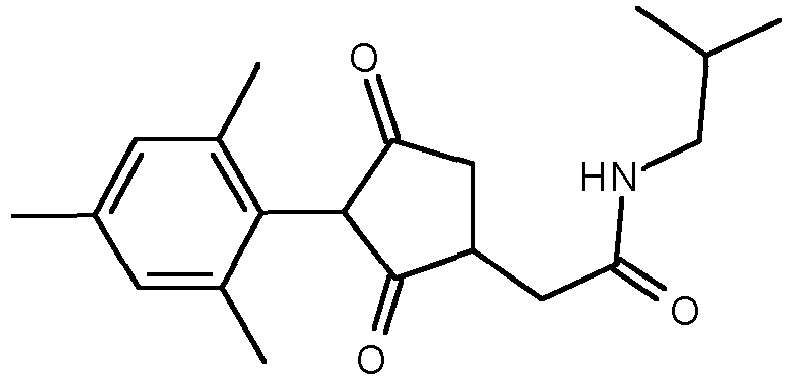
7.60 (s, 1H), 6.85 (s, 2H), 3.28-3.15 (m, 1H), 3.13-3.02 (m, 2H), 2.94-2.72 (m, 2H), 2.72-2.61 (m, 2H), 2.25 (s, 3H), 2.10 (s, 6H), 1.87-1.74 (m, 1H), 0.92 (d, 6H) A6 
7.26 (m, 1H), 6.97 (m, 2H), 6.87 (d, 2H), 6.67 (br.s, 1H), 4.68-4.53 (m, 2H), 3.31-3.22 (m, 1H), 2.92-2.82 (m, 1H), 2.73-2.62 (m, 2H), 2.25 (s, 3H), 2.23-2.14 (m, 1H), 2.10 (d, 6H) A7 
6.84 (s, 2H), 4.02-3.93 (m, 1H), 3.18-3.08 (m, 1H), 2.91-2.82 (m, 1H), 2.74-2.68 (m, 1H), 2.44-2.33 (m, 2H), 2.23 (s, 3H), 2.04 (s, 6H), 1.15 (d, 6H) A8 
(d4-MeOH) 7.03 (s, 2H), 3.98 (m, 1H), 3.19-3.10 (m, 1H), 2.87 (dd, 1H), 2.71 (dd, 1H), 2.47-2.34 (m, 2H), 2.06 (s, 6H), 1.99 (s, 3H), 1.14 (dd, 6H) A9 
(d4-MeOH) 7.14 (s,2H), 3.81 (q, 1H), 3.38(s,1H), 3.21-3.11 (m,1H), 2.93-2.85 (m, 1H), 2.78-2.69 (m, 1H), 2.50-2.38(m,2H), 2.09 (s,6H), 1.56-1.42 (m,2H), 1.22 (d,3H), 0.96-0.87 (m, 3H) A10 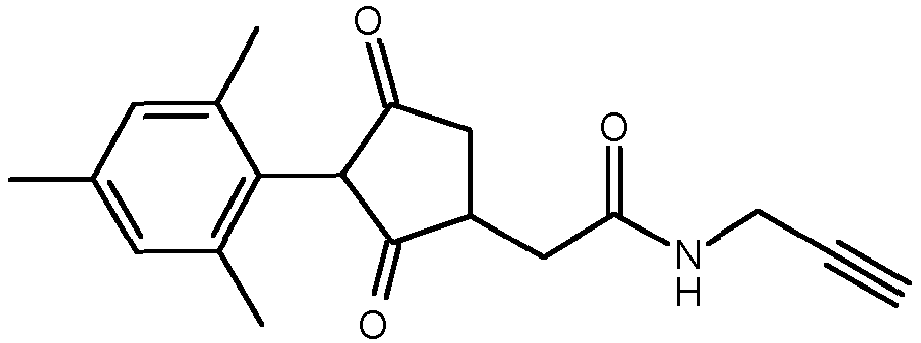
12.40 (1H, br), 6.95 (t, 1H), 6.85 (2 x s, 2H), 4.10-3.95 (m, 2H), 3.30-3.20 (m, 1H), 2.90 (dd, 1H), 2.80-2.60 (m, 2H), 2.30 (s, 1H), 2.25 (s, 3H), 2.20 (d, 1H), 2.10 (s, 6H) A11 
(d4-MeOH) (restricted rotation) 6.85 (s, 2H), 3.12 (br, 1H), 2.95-2.85 (m, 1H), 2.80-2.70 (m, 1H), 2.50-2.30 (m, 2H), 2.25 (s, 3H), 2.12 (s, 1H), 2.05 (s, 6H), 1.60 (s, 3.9H), 1.35 (s, 2.1H) A12 
13.10 (br, 1H), 6.85 (2 x s, 2H), 6.50 (t, 1H), 3.30-3.15 (3H, m), 2.90 (d, 1H), 2.70-2.60 (m, 2H), 2.25 (s, 3H), 2.20 (d, 1H), 2.10 (s, 6H), 1.50-1.40 (m, 2H), 1.35-1.30 (m, 2H), 0.90 (t, 3H) A13 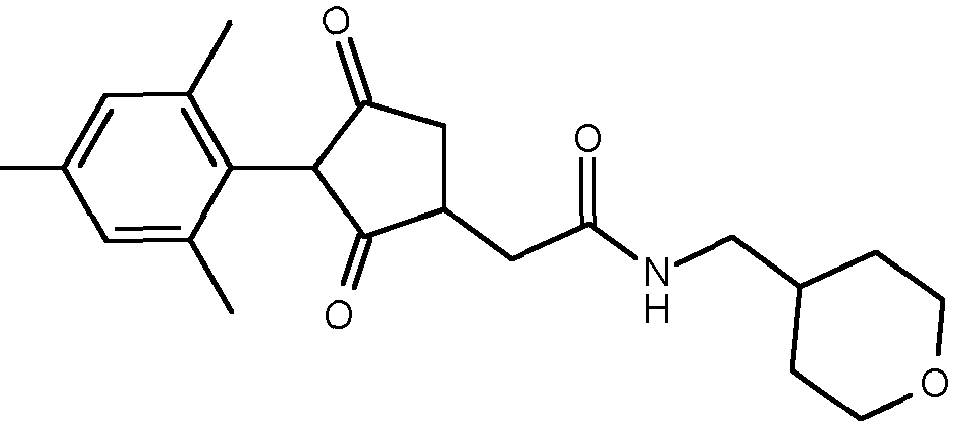
13.10 (br, 1H), 7.05 (t, 1H), 6.87 (2 x s, 2H), 4.00-3.90 (m, 2H), 3.35 (t, 2H), 3.30-3.20 (m, 1H), 3.15-3.00 (m, 2H), 2.90 (dd, 1H), 2.75 (d, 1H), 2.65-2.60 (m, 1H), 2.30 (s, 3H), 2.20 (dd, 1H), 2.10 (s, 6H), 1.75-1.65 (m, 1H), 1.55 (d, 2H), 1.30-1.20 (m, 2H) A14 
(d4-MeOH) 6.85 (2H, s), 3.20-3.10 (1H, m), 3.05 (2H, s), 2.90 (1H, dd), 2.80 (1H, dd), 2.50-2.40 (2H, m), 2.25 (3H, s), 2.05 (6H, s), 0.90 (9H, s) A15 
6.87 (s, 2H), 3.25-3.15 (m, 1H), 2.92-2.78 (m, 2H), 2.80-2.70 (m, 1H), 2.70-2.58 (m, 1H), 2.25 (s, 3H), 2.15 (d, 1H), 2.12 (s, 6H), 0.85-0.75 (m, 2H), 0.60-0.50 (m, 2H) A16 
(d4-MeOH) 6.90 (2H, s), 4.14-4.10 (1H, m), 3.90-3.80 (5H, m), 3.20-3.10 (1H, m), 2.90 (1H, dd), 2.75 (1H, dd), 2.50-2.40 (2H, m), 2.18 (3H, s), 2.10 (6H, s), 1.18 (3H, d) A17 
6.88 (s, 1H), 6.87 (s, 1H), 6.72 (br, 1H), 4.05-3.90 (m, 3H), 3.50-3.42 (m, 2H), 3.25 (br, 1H), 2.89 (dd, 1H), 2.25 (s, 3H), 2.17(d, 1H), 2.11 (s, 3H), 2.10 (s, 3H), 2.06-1.97 (m, 2H), 1.90-1.80 (m, 2H), 1.55-1.40 (m, 2H) A18 
9.88 (s, 1H), 8.60 (d, 1H), 8.20 (t, 1H), 7.68-7.60 (m, 2H), 6.85 (s, 2H), 3.25-3.15 (m, 1H), 2.92-2.78 (m, 2H), 2.70-2.58 (m, 1H), 2.26 (d, 1H), 2.23 (s, 3H), 2.05 (s, 6H), 1.60-1.50 (m, 4H) A19 
(d4MeOH) 6.87 (s, 2H), 3.20-3.10 (m, 1H), 3.08 (d, 2H), 2.90-2.82 (m, 1H), 2.78-2.72 (m, 1H), 2.50-2.38 (m, 2H), 2.23 (s, 3H), 2.05 (s, 6H), 1.02-0.90 (m, 1H), 0.55-0.45 (m, 2H), 0.24-0.18 (m, 2H) A20 
(d4MeOH) 6.86 (s, 2H), 3.22 (q, 2H), 3.18-2.18 (m, 1H), 2.92-2.82 (m, 1H), 2.76-2.70 (m, 1H), 2.50-2.38 (m, 2H), 2.24 (s, 3H), 2.00 (s, 6H), 1.12 (t, 3H) A21 
(d4MeOH) 6.86 (s, 2H), 4.18-4.08 (m, 1H), 3.20-3.10 (m, 1H), 2.90-2.80 (m, 1H), 2.74-2.64 (m, 1H), 2.45-2.35 (m, 2H), 2.23 (s, 3H), 2.05 (s, 6H), 2.00-1.88 (m, 2H), 1.75-1.65 (m, 2H), 1.65-1.55 (m, 2H), 1.52-1.40 (m, 2H) A22 
(d4MeOH) 6.85 (s, 2H), 3.65-3.45 (m, 4H), 3.20-3.10 (m, 1H), 2.94-2.82 (m, 2H), 2.80-2.70 (m, 1H), 2.43 (d, 1H), 2.25 (s, 3H), 2.05 (s, 6H), 1.70-1.50 (m, 6H) A23 
9.80 (s, 1H), 8.45 (s, 1H), 8.10 (dd, 1H), 7.80 (d, 1H), 6.87 (s, 2H), 4.70 (s, 2H), 3.22-3.13 (m, 1H), 2.93-2.82 (m, 2H), 2.70-2.62 (1H, m), 2.52 (3H, s), 2.26 (d, 1H), 2.23 (3H, s), 2.06 (d, 6H) A24 
12.1 (s, 1H), 6.86 (d, 2H), 3.82-2.58 (m, 8H), 3.47-3.35 (m, 1H), 3.11 (d, 1H), 2.98-2.88 (m, 1H), 2.64-2.50 (m, 1H), 2.30-2.20 (m, 1H), 2.25 (s, 3H), 2.10 (d, 6H) A25 
(restricted rotation) 12.70 (1H, 2 x s), 6.85 (2H, 2 x s), 3.60-3.25 (3H, m), 3.10 (1H, d), 3.05 (3H, 2 x s), 2.65-2.50 (1H, s), 2.30-2.20 (4H, m), 2.10 (6H, 2 x s), 1.70-1.55 (2H, m), 1.00-0.90 (3H, 2 x t) A26 
12.8 (s, 1H), 6.86 (s, 2H), 6.35 (br, 1H), 3.30-3.18 (m, 3H), 2.92-2.84 (m, 1H), 2.72-2.65 (m, 2H), 2.30 (s, 3H), 2.20 (d, 1H), 2.12 (s, 6H), 1.55 (q, 2H), 0.95 (t, 3H) A27 
12.8 (s, 1H), 6.87 (s, 2H), 5.73 (s, 1H), 3.30-3.20 (m, 1H), 2.90-2.80 (m, 1H), 2.75-2.65 (m, 2H), 2.27 (s, 3H), 2.20 (d, 1H), 2.12 (s, 6H), 1.75 (q, 2H), 1.32 (s, 6H), 0.86 (t, 3H) A28 
(d4-MeOH) 7.05 (2H, s), 3.98 (2H, s), 3.15-3.10 (1H, m), 2.90 (1H, dd), 2.75 (1H, dd), 2.60 (1H, s), 2.50-2.40 (2H, m), 2.10 (6H, s), 2.00 (3H, s) A29 
13.1 (1H, s), 7.09 (2H, s), 6.49-6.42 (1H, br), 3.30-3.20 (3H, m), 2.93-2.83 (1H, m), 2.70-2.60 (2H, m), 2.20 (1H, d), 2.12 (6H, s), 2.01 (3H, s), 1.52-1.42 (2H, m), 1.40-1.29 (2H, m), 0.92 (3H, t) A30 
13.1 (1H, s), 7.08 (2H, s), 6.58 (br, 1H), 3.30-3.20 (1H, m), 3.15-3.05 (2H, m), 2.93-2.83 (1H, m), 2.75-2.60 (2H, m), 2.18 (1H, d), 2.10 (6H, s), 2.02 (3H, s), 1.83-1.70 (1H, m), 0.92 (6H, d) A31 
13.1 (1H, s), 7.08 (2H, s), 5.95 (1H, br), 3.30-3.21 (1H, m), 2.92-2.82 (1H, m), 2.67-.60 (2H, m), 2.17 (1H, d), 2.10 (6H, s), 2.02 (3H, s), 1.36 (9H, s) A32 
13.20 (1H, br), 7.10 (2H, 2 x s), 6.90 (1H, br), 3.30-3.20 (1H, br), 2.85 (1H, dd), 2.80-2.70 (1H, m), 2.20-2.10 (8H, m), 2.05 (3H, s), 0.85-0.75 (2H, m), 0.55-0.50 (2H, m) A33 
(d4-MeOH) 7.06 (s, 2H), 3.84 (m, 1H), 3.22-3.13 (m, 1H), 2.92 (dd, 1H), 2.76 (dd, 1H), 2.52-2.42 (m, 2H), 2.09 (s, 6H), 2.02 (s, 3H), 1.52 (m, 2H), 1.16 (d, 3H), 0.99-0.91 (m, 3H) A34 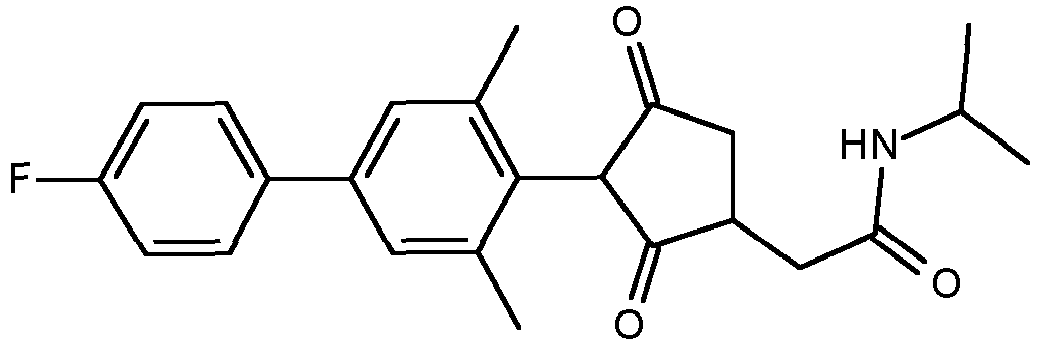
(d4-MeOH) 7.62-7.57 (m, 2H), 7.27 (s, 2H), 7.13 (t, 2H), 3.99 (m, 1H), 3.22-3.12 (m, 1H), 2.94-2.85 (m, 1H), 2.77-2.70 (m, 1H), 2.49-2.38 (m, 2H), 2.17 (s, 6H), 1.19-1.12 (m, 6H) A35 
(d4-MeOH) 7.58 (d, 2H), 7.40 (d, 2H), 7.29 (s, 2H), 3.99 (m, 1H), 3.22-3.11 (m, 1H), 2.95-2.85 (m, 1H), 2.78-2.69 (m, 1H), 2.50-2.38 (m, 2H), 2.18 (s, 6H), 1.99-1.22 (m, 6H) A36 
(d4-MeOH) 7.62-7.56 (m, 2H), 7.26 (s, 2H), 7.12 (t, 2H), 3.22-3.12 (m, 1H), 2.94-2.85 (m, 1H), 2.74-2.66 (m, 1H), 2.51-2.35 (m, 2H), 2.17 (s, 6H), 1.35 (s, 9H) A37 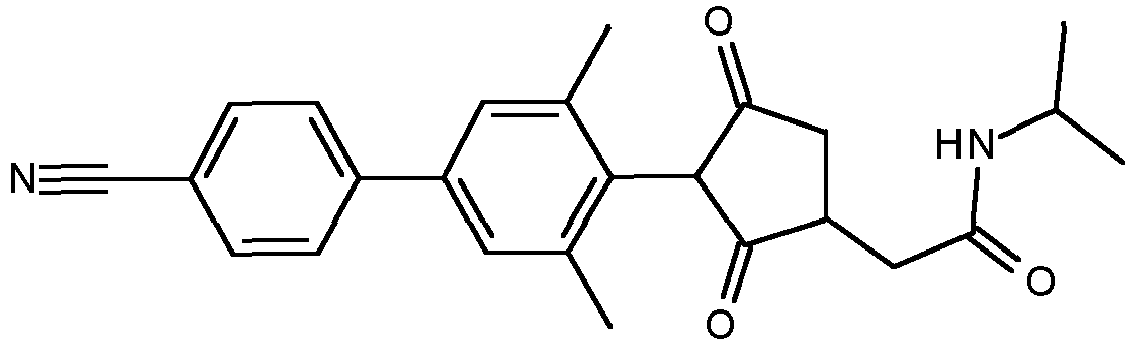
(d4-MeOH) 7.85-7.77 (m, 4H), 7.39 (s, 2H), 4.02 (m, 1H), 3.28-3.16 (m, 1H), 3.00-2.91 (m, 1H), 2.80-2.72 (m, 1H), 2.54-2.42 (m, 2H), 2.22 (s, 6H),1.22-1.16 (m, 6H) A38 
(d4-MeOH) 7.69-7.59 (m, 3H), 7.26 (s, 2H), 3.99 (m, 1H), 3.23-3.12 (m, 1H), 2.96-2.87 (m, 1H), 2.78-2.70 (m, 1H), 2.51-2.37 (m, 2H), 2.19 (s, 6H), 1.20-1.12 (m, 6H) A39 
(d4-MeOH) 8.50 (s, 1H), 7.85 (d, 1H), 7.61 (s, 2H), 3.24-3.13 (m, 1H), 2.98-2.88 (m, 1H), 2.77-2.68 (m, 1H), 2.53-2.39 (m, 2H), 2.21 (s, 6H), 1.38(s, 9H) A40 
(d4-MeOH) 8.81 (s, 2H), 8.09 (s, 2H), 3.23-3.11 (m, 1H), 2.97-2.86 (m, 1H), 2.75-2.65 (m, 1H), 2.54-2.33 (m, 2H), 2.21 (s, 6H), 1.35 (s, 9H) A41 
(d4-MeOH) 8.58 (1H, s), 7.92-7.85 (2H, m), 7.68 (2H, s), 3.25-3.12 (1H, br), 2.98-2.88 (1H, m), 2.77-2.68 (1H, m), 2.52-2.39 (2H, br.m), 2.22 (6H, s), 1.38 (9H, s) A42 
(d4-MeOH) 7.18 (s, 2H), 4.06-3.94 (m, 1H), 3.40 (s, 1H), 3.22-3.12 (m, 1H), 2.98-2.85 (m, 1H), 2.78-2.69 (m, 1H), 2.50-2.38 (m, 2H), 2.11 (s, 6H), 1.17 (d, 6H) A43 
(d4-MeOH) 7.16 (s, 2H), 3.41 (s, 1H), 3.22-3.12 (m, 1H), 2.95-2.85 (m, 1H), 2.74-2.65 (m, 1H), 2.51-2.38 (m, 2H), 2.11 (s, 6H), 1.37 (s, 9H) A44 
(d4-MeOH) 8.50 (s, 1H), 7.85 (d, 1H), 7.61 (s, 2H), 3.28-3.16 (m, 1H), 3.23 (t, 2H), 3.00-2.90 (m, 1H), 2.83-2.74 (m, 1H), 2.55-2.43 (m, 2H), 2.21 (s, 6H),1.59-1.48 (m, 2H), 1.47-1.34 (m, 2H), 0.98 (t, 3H) A45 
(d4-MeOH) 8.50 (s, 1H), 7.85 (d, 1H), 7.62 (s, 2H), 3.23-3.13 (m, 1H), 3.00-2.90 (m, 1H), 2.79-2.66 (m, 2H), 2.54-2.35 (m, 2H), 2.22 (s, 6H), 0.79-0.71 (m, 2H), 0.56-0.49 (m, 2H) A46 
(d4-MeOH) 8.49 (s, 1H), 7.82 (d, 1H), 7.61 (s, 2H), 3.23-3.13 (m, 1H), 2.98-2.89 (m, 1H), 2.79-2.69 (m, 1H), 2.53-2.40 (m, 2H), 2.21 (s, 6H), 1.78 (q, 2H), 1.32 (s, 6H), 0.89 (t, 3H) A47 
(d4-MeOH) 8.51 (s, 1H), 7.85 (d, 1H), 7.62 (s, 2H), 3.50 (t, 2H), 3.42 (t, 2H), 3.38 (s, 3H), 3.24-3.13 (m, 1H), 2.98-2.88 (m, 1H), 2.85-2.77 (m, 1H), 2.57-2.44 (m, 2H), 2.22 (s, 6H) A48 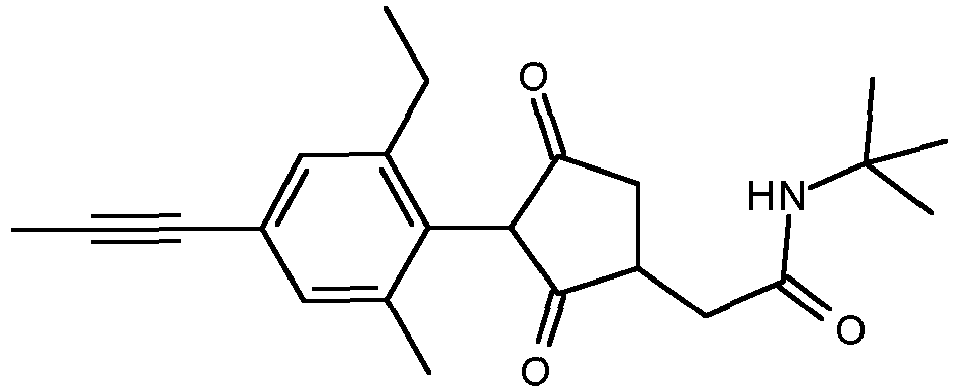
(d4-MeOH) 7.04 (s, 2H), 3.20-3.08 (m, 1H), 2.92-2.82 (m, 1H), 2.72-2.65 (m, 1H), 2.45-2.32 (m, 4H), 2.04 (s, 3H), 2.00 (s, 3H), 1.34 (s, 9H), 1.05 (t, 3H) A49 
(d4-MeOH) 7.05 (s, 2H), 3.49-3.42 (m, 2H), 3.42-3.35 (m, 2H), 3.34 (s, 3H), 3.19-3.09 (m, 1H), 2.93-2.83 (m, 1H), 2.79-2.70 (m, 1H), 2.50-2.32 (m, 4H), 2.04 (s, 3H), 2.00 (s, 3H),1.05(t, 3H) A50 
(d4-MeOH) 7.05 (s, 2H), 3.20-3.06 (m, 1H), 2.93-2.81 (m, 1H), 2.74-2.66 (m, 1H), 2.49-2.33 (m, 4H), 2.04 (s, 3H), 2.00 (s, 3H), 1.80-1.70 (m, 2H), 1.29 (s, 6H), 1.05 (t, 3H), 0.87 (t, 3H) A51 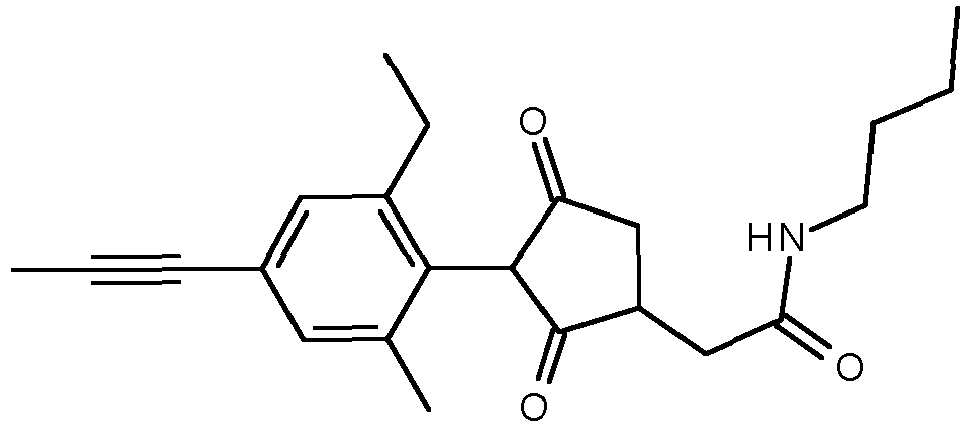
(d4-MeOH) 7.06 (s, 2H), 3.20 (t, 2H), 3.18-3.10 (m, 1H), 2.93-2.84 (m, 1H), 2.78-2.69 (m, 1H), 2.48-2.32 (m, 4H), 2.04 (s, 3H), 2.00 (s, 3H), 1.54-1.45 (m, 2H), 1.42-1.32 (m, 2H), 1.05 (t, 3H), 0.94 (t, 3H) A52 
(d4-MeOH) 7.06 (s, 2H), 4.17-4.07 (m, 1H), 3.20-3.08 (m, 1H), 2.92-2.81 (m, 1H), 2.74-2.67 (m, 1H), 2.49-2.33 (m, 4H), 2.03 (s, 3H), 2.00 (s, 3H), 2.00-1.87 (m, 2H), 1.78-1.65 (m, 2H), 1.65-1.53 (m, 2H), 1.53-1.41 (m, 2H), 1.05 (t, 3H) A53 
(d4-MeOH) 7.05 (s, 2H), 3.20-3.10 (m, 1H), 3.03 (s, 2H), 2.94-2.84 (m, 1H), 2.83-2.73 (m, 1H), 2.53-2.43 (m, 2H), 2.43-2.33 (q, 2H), 2.04 (s, 3H), 2.00 (s, 3H), 1.05 (t, 3H), 0.92 (s, 9H) A54 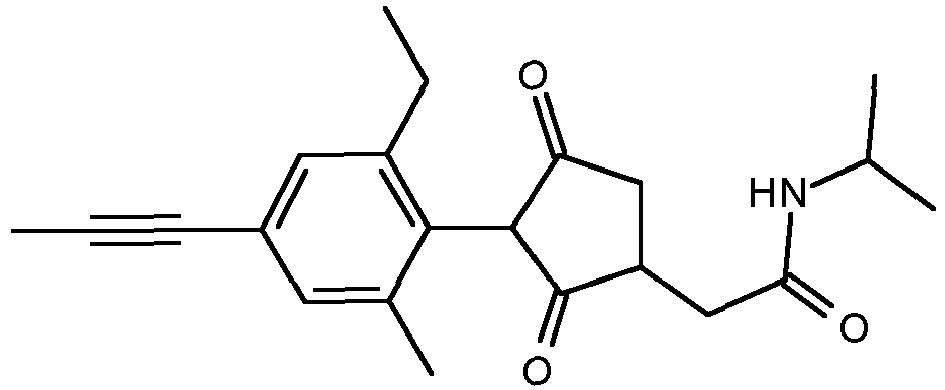
(d4-MeOH) 7.05 (s, 2H), 4.03-3.93 (m, 1H), 3.20-3.08 (m, 1H), 2.93-2.81 (m, 1H), 2.74-2.66 (m, 1H), 2.50-2.32 (m, 4H), 2.04 (s, 3H), 2.00 (s, 3H), 1.19-1.10 (m, 6H), 1.04 (t, 3H) A55 
12.85 (1H, br), 7.36-7.34 (1H, m), 7.20 (1H, s), 7.10 (2H, 2 x s), 7.05 (1H, d), 6.55 (1H, br), 4.55-4.40 (1H, m), 3.35-3.25 (1H, m), 2.90 (1H, dd), 2.75-2.70 (1H, m), 2.20 (1H, dd), 2.15-2.10 (7H, m), 2.05 (3H, s) A56 
(d6-DMSO) Diagnostic peaks 7.03 (s, 2H), 2.95-2.85 (m, 1H), 2.80-2.70 (m, 1H), 2.70-2.55 (m, 1H), 2.40-2.30 (m, 1H), 2.30-2.15 (m, 1H), 2.05-1.97 (m, 12H) A57 
12.90 (1H, br), 7.10 (2H, 2 x s), 6.00-5.95 (1H, br), 5.80-5.70 (1H, m), 5.20 (1H, s), 5.15 (1H, d), 3.45-3.40 (2H, m), 3.30-3.25 (1H, m), 2.90 (1H, dd), 2.70 (1H, d), 2.35-2.30 (2H, m), 2.25 (1H, dd), 2.15-2.10 (7H, m), 2.05 (3H,s) A58 
12.60 (1H, br), 7.10 (2H, 2 x s), 6.75 (1H, br), 3.55-3.45 (2H, m), 3.35 (1H, br), 2.90 (1H, dd), 2.75-2.65 (1H, m), 2.45-2.30 (2H, m), 2.20 (1H, dd), 2.15-2.10 (7H, m), 2.02 (3H, s) A59 
12.55 (1H, br), 7.10 (2H, 2 x s), 6.85 (1H, br), 4.30 (2H, br), 3.30 (1H, br), 2.95-2.80 (1H, m), 2.75 (1H, dd), 2.25 (1H, dd), 2.15-2.10 (7H, m), 2.05 (3H, s), 1.20 (9H, s). A60 
13.10 (1H, br), 7.10 (2H, 2 x s), 5.65 (1H, br), 3.30-3.20 (1H, m), 2.90 (1H, dd), 2.70-2.65 (1H, m), 2.20 (1H, dd), 2.15-2.10 (7H, m), 2.05 (3H, s), 1.75 (2H, q), 1.35 (6H, s), 0.85 (3H, t) A61 
Restricted rotation 12.60 (1H, br), 7.05 (2H, 2 x s), 3.50-3.25 (2H, m), 3.10 (1H, d), 3.05 (3H, s), 2.90 (1H, dd), 2.60-2.50 (1H, m), 2.35 (1H, d), 2.10-2.05 (7H, m), 2.00 (3H, s), 1.70-1.50 (2H, m), 0.90 (3H, t) A62 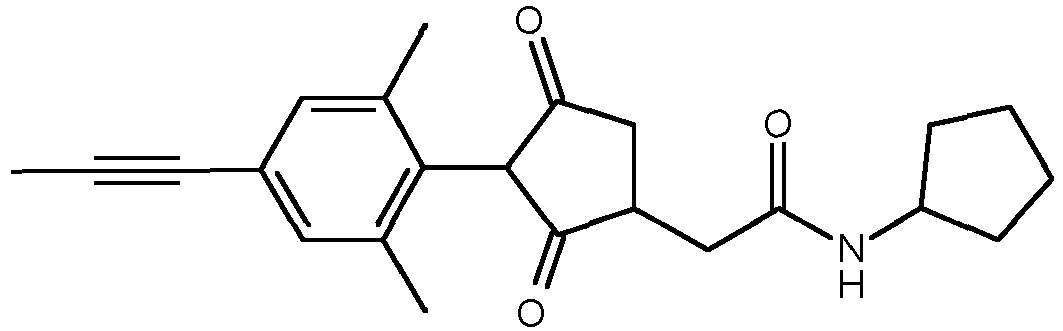
13.15 (1h, br), 7.08 (2H, 2 x s), 6.20 (1H, br), 4.25-4.15 (1H, m), 3.25 (1H, br), 2.88 (1H, dd), 2.70-2.65 (1H, m), 2.18 (1H, dd), 2.15-2.05 (7H, m), 2.05 (3H, s), 1.80-1.30 (8H, m) A63 
7.08 (s, 2H), 3.86 (br, 1H), 3.40-3.35 (m, 1H), 3.10 (d, 2H), 2.95-2.82 (m, 1H), 2.72-2.60 (m, 2H), 2.14-2.05 (m, 7H),2.02 (s, 3H), 1.03-0.94 (m, 1H), 0.58-0.50 (m, 2H), 0.25-0.20 (m, 2H) A64 
13.10 (1H, br), 7.10 (2H, 2 x s), 6.22 (1H, br), 5.95-5.80 (1H, m), 5.35-5.20 (2H, m), 4.02 (2H, d), 3.38 (2H, s), 3.25 (1H, br), 2.90 (1H, dd), 2.70 (1H, d), 2.20 (1H, dd), 2.15-2.10 (7H, m), 2.05 (3H, s), 1.40 (6H, 2 x s) A65 
13.15 (1H, br), 7.10 (2H, 2 x s), 6.40 (1H, br), 3.30-3.20 (1H, m), 3.10-3.00 (2H, m), 2.90 (1H, dd), 2.70-2.65 (1H, m), 2.20 (1H, dd), 2.15-2.10 (7H, m), 2.05 (3H, s), 0.90 (9H, s) A66 
(d4-MeOH) 7.08 (s, 2H), 3.20-3.10 (m, 1H), 2.95-2.85 (m, 1H), 2.76-2.68 (m, 2H), 2.50-2.32 (m, 4H), 2.07 (s, 3H), 2.02 (s, 3H), 1.06 (t, 3H), 0.79-0.72 (m, 2H), 0.55-0.48 (m, 2H) A67 
(d4-MeOH) 8.33 (s, 1H), 7.67 (s, 1H), 7.44 (s, 2H), 3.23-3.12 (m, 1H), 2.98-2.85 (m, 1H), 2.76-2.65 (m, 1H), 2.52-2.38 (m, 2H), 2.20 (s, 6H), 1.38 (s, 9H) A68 
(d4-MeOH) 7.08 (s, 2H), 4.00 (s, 2H), 3.20-3.10 (m, 1H), 2.97-2.86 (m, 1H), 2.83-2.73 (m, 1H), 2.61 (s, 1H), 2.51-2.35 (m, 4H), 2.07 (s, 3H), 2.01 (s, 3H), 1.08(t, 3H) A69 
(d4-MeOH) 8.47 (s, 1H), 7.82 (d, 1H), 7.59 (s, 2H), 3.99 (s, 2H), 3.21-3.11 (m, 1H), 2.99-2.88 (m, 1H), 2.82-2.73 (m, 1H), 2.61 (s, 1H), 2.54-2.41 (m, 2H), 2.18(s, 6H) A70 
(d4-MeOH) 8.21 (s, 1H), 7.53 (s, 1H), 7.32 (s, 2H), 4.08-3.99 (m, 1H), 3.11-3.02 (m, 1H), 2.84-2.74 (m, 1H), 2.68-2.59 (m, 1H), 2.41-2.28 (m, 2H), 2.08 (s, 6H), 1.90-1.75 (m, 2H), 1.71-1.57 (m, 2H), 1.57-1.43 (m, 2H), 1.43-1.30 (m, 2H) A71 
(d4-MeOH) 8.50 (d, 1H), 8.32 (s, 1H), 7.84 (t, 1H), 7.66 (s, 1H), 7.49-7.41 (m, 1H), 7.43 (s, 2H), 7.38-7.31 (m, 1H), 4.55 (s, 2H), 3.28-3.18 (m, 1H), 3.02-2.82 (m, 2H), 2.65-2.51 (m, 2H), 2.19 (d, 6H) A72 
(d4-MeOH) 8.34 (s, 1H), 7.68 (s, 1H), 7.44 (s, 2H), 3.25-3.12 (m, 1H), 3.05 (d, 2H), 2.99-2.88 (m, 1H), 2.84-2.74 (m, 1H), 2.54-2.43 (m, 2H), 2.20 (s, 6H), 1.88-1.74 (m, 1H), 0.94 (d, 6H) A73 
(d4-MeOH) 8.41 (d, 1H), 8.32 (s, 1H), 7.73 (t, 1H), 7.66 (s, 1H), 7.49 (d, 1H), 7.43 (s, 2H), 7.22-7.13 (m, 1H), 3.27-3.18 (m, 1H), 3.03-2.53 (m, 1H), 2.90-2.81 (m, 1H), 2.63-2.52 (m, 2H), 2.19 (d, 6H), 1.64-1.56 (m, 2H), 1.34-1.26 (m, 2H) A74 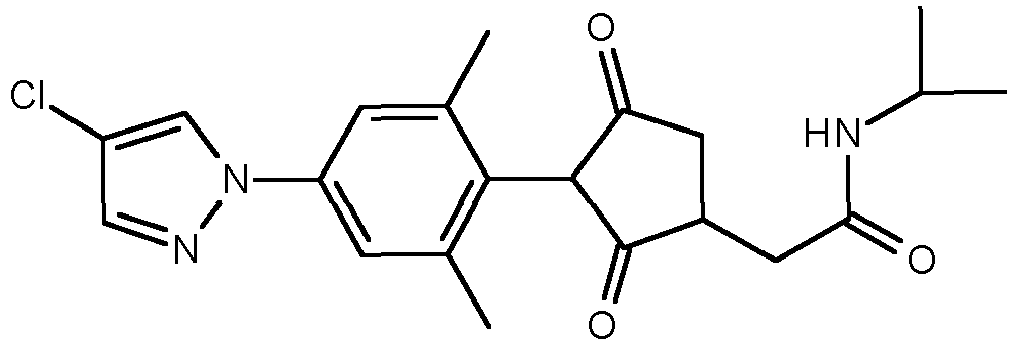
(d4-MeOH) 8.33 (1H, s), 7.68 (1H, s), 7.45 (2H, s), 4.08-3.94 (1H, m), 3.25-3.12 (1H, br), 2.99-2.88 (1H, m), 2.80-2.70 (1H, m), 2.54-2.49 (2H, br.m), 2.20 (6H, s), 1.18 (6H, d) A75 
(d4-MeOH) 8.33 (1H, s), 7.68 (1H, s), 7.45 (2H, s), 3.23-3.12 (1H, br), 2.99-2.89 (1H, m), 2.79-2.69 (1H, m), 2.54-2.49 (2H, br.m), 2.20 (6H, s), 0.79-0.72 (m, 2H), 0.57-0.48 (m, 2H) A76 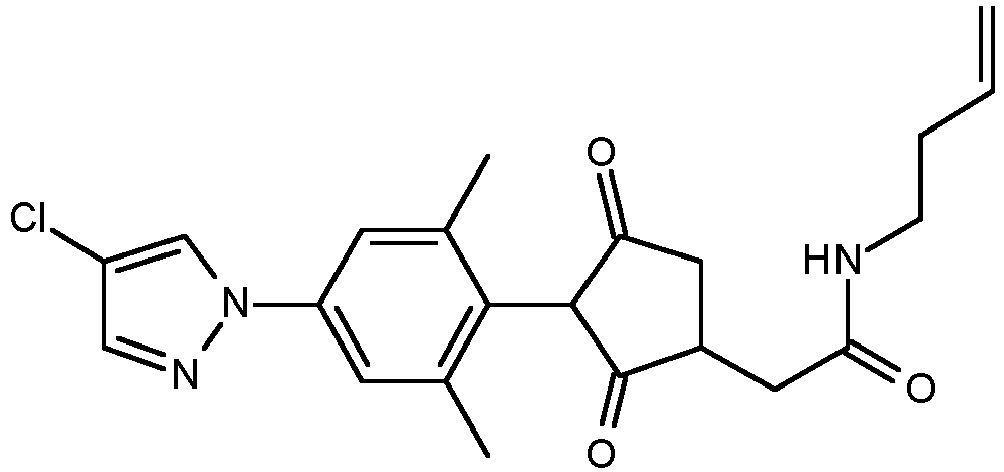
(d4-MeOH) 8.33 (1H, s), 7.66 (1H, s), 7.44 (2H, s), 5.89-5.77 (1H, m), 5.15-5.03 (2H, m), 3.35-3.26 (2H, m), 3.22-3.12 (1H, br), 2.99-2.88 (1H, m), 2.81-2.71 (1H, m), 2.53-2.41 (2H, br.m), 2.32-2.24 (2H, m), 2.19 (6H, s) A77 
(d4-MeOH) 8.33 (1H, s), 7.67 (1H, s), 7.44 (2H, s), 3.53-3.46 (2H, m), 3.46-3.38 (2H, m), 3.37 (3H, s), 3.25-3.12 (1H, br), 2.98-2.88 (1H, m), 2.82-2.73 (1H, m), 2.56-2.44 (2H, br.m), 2.20(6H, s) A78 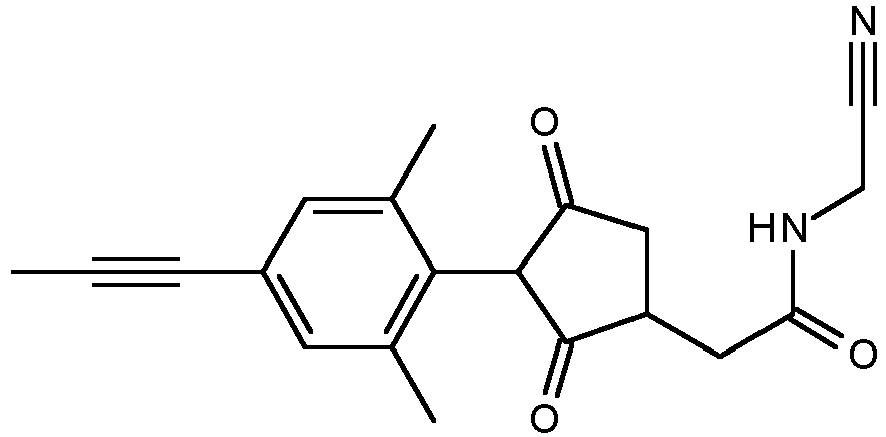
(d4-MeOH) 7.05 (2H, s), 4.18 (2H, s), 3.18-3.08 (1H, br), 2.99-2.90 (1H, m), 2.86-2.78 (1H, m), 2.54-2.42 (2H, m), 2.08 (6H, s), 2.01 (3H, s) A79 
(d4-MeOH) 7.05 (s, 2H), 3.41-3.32 (m, 2H), 3.23-3.12 (m, 1H), 3.06, 2.96 (s, 3H), 2.97-2.72 (m, 2H), 2.50-2.34 (m, 4H), 2.06 (s, 3H), 2.00 (s, 3H), 1.70-1.52 (m, 2H), 1.06 (t, 3H), 0.98-0.86 (m, 3H) A80 
(d4-MeOH) 8.36(1H, s), 7.78-7.72(1H, m), 7.56-7.49(1H, m), 7.51(2H, s), 3.12-3.02(1H, m), 2.84-2.75(1H, m), 2.63-2.54(1H, m), 2.38-2.36(2H,m), 2.09(6H, s), 1.24(9H,s) A81 
12.90 (1H, s), 7.10 (2H, 2 x s), 6.05 (1H, br), 4.45-4.35 (1H, m), 3.30-3.25 (1H, m), 2.90 (1H, dd), 2.75-2.70 (1H, m), 2.45-2.35 (2H, m), 2.20 (1H, dd), 2.15-2.10 (7H, m), 2.05 (3H, s), 2.00-1.85 (2H, m), 1.85-1.75 (2H, m) A82 
(d4-MeOH) 6.89 (2H, s), 3.16-3.07 (1H, m), 2.99-2.89 (1H, m), 2.78-2.68 (1H, m), 2.52-2.43 (1H, m), 2.41-2.32 (1H, m), 2.27 (3H, s), 2.07 (6H, s), 1.52-1.45 (2H, m), 1.28-1.18 (2H, m) A83 
(d4-MeOH) 6.88 (2H, s), 4.18 (2H, s), 3.18-3.08 (1H, m), 2.99-2.49 (1H, m), 2.87-2.78 (1H, m), 2.53-2.40 (2H, m), 2.26 (3H, s), 2.07 (6H, s) A84 
(d4-MeOH) 6.87 (2H, s), 6.02 (1H, s), 4.39 (2H, s), 3.75 (2H, s), 3.19-3.10 (1H, m), 2.95-2.85 (1H, m), 2.83-2.73 (1H, m), 2.50-2.40 (2H, m), 2.27 (3H, s), 2.18 (3H, s), 2.06 (6H, d) A85 
(d4-MeOH) 8.45 (1H, s), 7.67 (1H, t), 7.56 (2H, s), 3.24 (1H, br), 2.98-2.88 (1H, m), 2.78-2.69 (1H, m), 2.53-2.48 (2H, br. m), 2.21 (6H, s), 1.38 (9H, s) A86 
(d4-MeOH) 6.89 (2H, s), 3.94 (t, 2H), 3.19-3.11 (1H, m), 2.97-2.87 (1H, m), 2.83-2.75 (1H, m), 2.67 (2H, t), 2.51-2.39 (2H, m), 2.27 (3H, s), 2.08 (6H, s) A87 
(d4-MeOH) 8.62 (2H, s), 7.95 (2H, s), 3.39-3.32 (2H, m), 3.32-3.26 (2H, m), 3.25 (3H, s), 3.12-3.03 (m, 1H), 2.87-2.78 (m, 1H), 2.72-2.62 (1H, m), 2.44-2.32 (2H, m), 2.11 (6H, s) A88 
(d4-MeOH) 7.20 (1H, t), 7.15-7.05 (3H, m), 6.85 (2H, s), 4.35 (2H, s), 3.15-3.10 (1H, m), 2.90 (1H, dd), 2.80 (1H, dd), 2.50-2.40 (2H, m), 2.35 (3H, s), 2.25 (3H, s), 2.10 (6H, s) A89 
(d4-MeOH) 7.60-7.45 (4H, m), 6.85 (2H, s), 4.45 (2H, s), 3.20-3.10 (1H, m), 2.90-2.80 (2H, m), 2.50-2.40 (2H, m), 2.25 (3H, s), 2.05 (6H, 2 x s) A90 
(d4-MeOH) 7.25-7.15 (2H, m), 6.95-6.85 (2H, m), 6.85 (2H, s), 4.35 (2H, s), 3.80 (3H, s), 3.15-3.05 (1H, m), 2.85 (1H, dd), 2.75 (1H, dd), 2.50-2.35 (2H, m), 2.25 (3H, s), 2.05 (6H, s) A91 
(d4-MeOH) 6.85 (2H, s), 5.50-5.45 (1H, m), 3.30-3.25 (2H, m), 3.15-3.10 (1H, m), 2.85 (1H, dd), 2.75 (1H, dd), 2.45-2.35 (2H, m), 2.25 (3H, s), 2.15 (2H, t), 2.05 (6H, s), 2.00-1.90 (4H, m), 1.70-1.55 (4H, m) A92 
(d4-MeOH) 7.50 (2H, d), 7.25 (2H, d), 6.85 (2H, s), 4.40 (2H, s), 3.20-3.15 (1H, m), 2.90 (1H, dd), 2.80 (1H, dd), 2.55-2.45 (2H, m), 2.30 (3H, s), 2.05 (6H, 2 x s) A93 
(d4-MeOH) 7.35 (2H, t), 7.05 (2H, t), 6.85 (2H, s), 5.05-4.95 (1H, m), 3.15-3.05 (1H, m), 2.85 (1H, dd), 2.75 (1H, dd), 2.50-2.40 (2H, m), 2.25 (3H, s), 2.05 (6H, s), 1.40 (3H, s) A94 
(d4-MeOH) 6.85 (2H, s), 5.85-5.70 (1H, m), 5.12-5.00 (2H, m), 3.25 (2H, t), 3.15-3.10 (1H, m), 2.85 (1H, dd), 2.70 (1H, dd), 2.45-2.35 (2H, m), 2.25-2.20 (5H, m), 2.05 (6H, s) A95 
(d4-MeOH) 7.45 (1H, s), 7.40 (1H, d), 7.30 (1H, d), 6.85 (1H, s), 4.45 (2H, s), 3.20-3.10 (1H, m), 2.90 (1H, dd), 2.85 (1H, dd), 2.55-2.45 (2H, m), 2.25 (3H, s), 2.07 (3H, s), 2.05 (3H, s) A96 
(d4-MeOH), 7.30-7.15 (4H, m), 6.85 (2H, s), 4.30 (2H, s), 3.15-3.10 (1H, m), 2.85 (1H, dd), 2.75 (1H, dd), 2.45-2.40 (2H, m), 2.25 (3H, s), 2.05 (6H, s) A97 
(d4-MeOH) 6.85 (2H, s), 6.10 (1H, d), 5.90 (1H, d), 4.30 (2H, s), 3.15-3.10 (1H, m), 2.85 (1H, dd), 2.75 (1H, dd), 2.45-2.40 (2H, m), 2.22 (3H, s), 2.21 (3H, s), 2.05 (6H, s). A98 
(d4-MeOH) 8.65 (1H, s), 7.95 (1H, d), 7.75 (1H, d), 6.85 (2H, s), 4.47 (2H, s), 3.20-3.15 (1H, m), 2.90 (1H, dd), 2.80 (1H, dd), 2.55-2.45 (2H, m), 2.25 9(3H, s), 2.04 (3H, s), 2.02 (3H, s) A99 
(d4-MeOH) 7.45 (2H, d), 6.85 (2H, s), 6.40 (1H, s), 4.20 (2H, s), 3.20-3.10 (1H, m), 2.85 (1H, dd), 2.75 (1H, dd), 2.45-2.35 (2H, m), 2.20 (3H, s), 2.05 (6H, s) A100 
(d4-MeOH) 7.90 (2H, t), 7.45 (1H, t), 7.35 (1H, t), 6.82 (2H, s), 4.75 (2H, s), 3.20-3.10 (1H, m), 2.95-2.85 (2H, m), 2.60-2.45 (2H, m), 2.22 (3H, s), 2.05 (6H, s) A101 
(d4-MeOH) 7.22 (2H, d), 7.05 (2H, d), 6.85 (2H, 2 x s), 6.35 (1H, d), 5.82 (1H, d), 3.25-3.15 (1H, m), 2.95 (1H, dd), 2.80 (1H, dd), 2.55-2.40 (2H, m), 2.30 (3H, s), 2.25 (3H, s), 2.05 (6H, s), 1.15-1.05 (4H, m) A102 
(d4-MeOH) 8.02 (1H, d), 7.65 (1H, t), 7.60 (1H, d), 7.50 (1H, t), 6.85 (2H, s), 4.65 (2H, s), 3.20-3.10 (1H, m), 2.90 (1H, dd), 2.55-2.40 (2H, m), 2.25 (3H, s), 2.03 (3H, s), 2.02 (3H, s) A103 
(d4-MeOH) (diagnostic peaks) 6.85 (s, 2H), 3.15 (br, 1H), 2.92-2.83 (m, 1H), 2.80-2.70 (m, 1H), 2.48-2.35 (m, 2H), 2.25 (s, 3H), 2.05 (s, 6H), 1.95-0.85 (m, 14H) A104 
(d4-MeOH) 6.85 (2H, s), 4.10 (2H, s), 3.35 (3H, s), 3.15-3.10 (1H, m), 2.90 (1H, dd), 2.75 (1H, dd), 2.45-2.35 (2H, m), 2.25 (3H, s), 2.05 (6H, s), 1.60 (6H, s) A105 
(d4-MeOH) 7.35 (1H, s), 6.85 (2H, s), 4.60 (2H, s), 3.20-3.10 (1H, m), 2.95 (1H, dd), 2.85 (1H, dd), 2.50-2.45 (2H, m), 2.45 (3H, s), 2.15 (3H, s), 2.05 (6H, s) A106 
(d4-MeOH) 7.30-7.15 (4H, m), 6.85 (2H, m), 5.37 (1H, t), 3.20-3.10 (1H, m), 3.00-2.70 (4H, m), 2.50-2.40 (3H, m), 2.25 (3H, s), 2.05 (6H, s), 1.90-1.80 (1H, m) A107 
(d4-MeOH) 8.45 (1H, d), 7.75 (1H, d), 7.35 (1H, dd), 6.85 (2H, s), 4.62 (2H, s), 3.20-3.10 (1H, m), 2.95-2.80 (2H, m), 2.60-2.45 (2H, m), 2.25 (3H, s), 2.03 (3H, s), 2.02 (3H, s) A108 
(d4-MeOH) 7.72 (d, 1H), 7.65 (dd, 1H), 7.51 (d, 1H), 7.45 (dd, 1H), 6.83 (s, 2H), 4.60 (s, 2H), 3.16 (br, 1H), 2.98-2.70 (m, 2H), 2.52-2.45 (m, 2H), 2.25 (s, 3H), 2.04 (s, 3H), 2.02 (s, 3H) A109 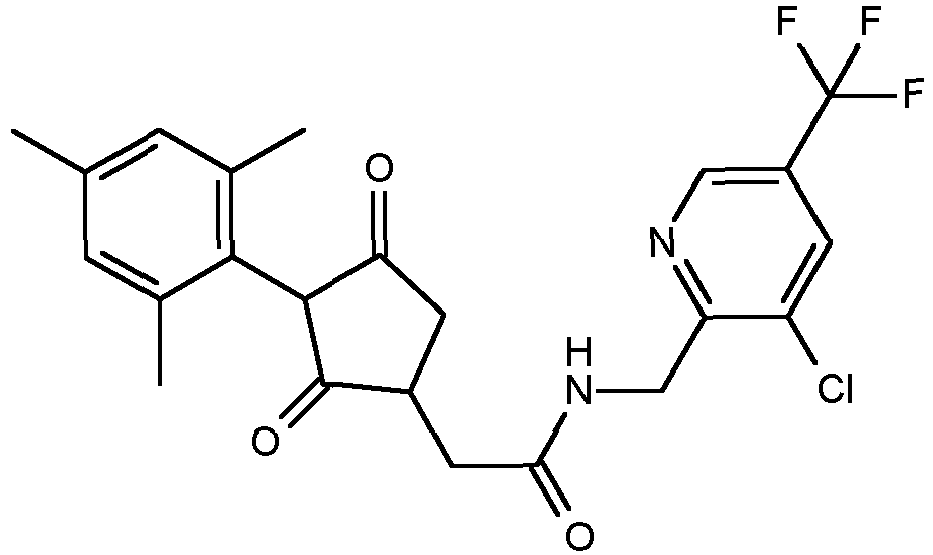
(d4-MeOH) 8.78 (1H, s), 8.20 (1H, s), 6.85 (2H, s), 4.65 (2H, dd), 3.20-3.10 (1H, m), 2.95-2.85 (2H, m), 2.65-2.50 (2H, m), 2.25 (3H, s), 2.04 (3H, s), 2.02 (3H, s) A110 
(d4-MeOH) 7.35 (1H, t), 7.27 (1H, dd), 7.15-7.05 (2H, m), 6.85 (2H, s), 4.40 (2H, s), 3.15-3.10 (1H, m), 2.85 (1H, dd), 2.80 (1H, dd), 2.50-2.40 (2H, m), 2.25 (3H, s), 2.05 (6H, s) A111 
13.25 (1H, br), 8.45 (1H, s), 7.62 (2H, s), 7.50 (1H, d), 6.65 (1H, br), 5.80-5.70 (1H, m), 5.15-5.10 (2H, m), 3.40-3.20 (3H, m), 2.90 (1H, dd), 2.75-2.65 (2H, m), 2.30-2.20 (9H, m) A112 
12.90 (1H, br), 8.45 (1H, s), 7.65 (2H, s), 7.50 (1H, d), 6.95 (1H, br), 4.10 (2H, s), 3.35 (3H, s), 3.35-3.25 (1H, m), 2.90 (1H, dd), 2.75-2.60 (2H, m), 2.30-2.20 (7H, m), 1.65 (6H, s) A113 
12.70 (1H, br), 8.72 (1H, s), 8.45 (1H, s), 8.00 (1H, s), 7.70-7.60 (3H, m), 7.50(1H, d), 4.80-4.75 (2H, m), 3.45-3.30 (1H, m), 3.05-2.50 (3H, m), 2.35 (1H, d), 2.23 (3H, s), 2.22 (3H, s) A114 
8.45 (3H, s), 7.90 (1H, br), 7.78 (1H, d), 7.65 (2H, s), 7.50 (1H, d), 7.35-7.30 (1H, m), 4.75-4.70 (2H, m), 3.40-3.35 (1H, m), 3.05-2.70 (3H, m), 2.35 (1H, dd), 2.23 (3H, s), 2.22 (3H, s) A115 
13.00 (1H, br), 8.60 (1H, s), 8.45 (1H, s), 8.25 (1H, br), 7.75 (1H, br), 7.65-7.55 (3H, m), 7.50 (1H, d), 4.45-4.20 (2H, m), 3.25 (1H, br), 2.95-2.60 (3H, m), 2.25-2.15 (7H, m) A116 
8.45 (1H, s), 8.25 (1H, s), 8.15 (1H, br), 7.60 (2H, s), 7.55-7.45 (2H, m), 7.25 (1H, d), 4.30-4.20 (2H, m), 3.25-3.20 (1H, m), 2.90 (1H, dd), 2.70-2.60 (2H, m), 2.25 (1H, d), 2.20 (3H, s), 2.15 (3H, s) A117 
12.90 (1H, br), 8.45 (1H, s), 7.62 (2H, s), 7.50 (1H, d), 7.30 (2H, d), 7.15 (1H, br), 6.90 (1H, br), 4.50-4.30 (2H, m), 3.40-3.30 (1H, m), 2.95 (1H, dd), 2.80-2.70 (2H, m), 2.30-2.20 (7H, m) A118 
13.00 (1H, br), 8.45 (1H, s), 7.60 (2H, s), 7.50 (1H, d), 7.35-7.30 (2H, m), 7.15-7.00 (2H, m), 4.55-4.40 (2H, m), 3.30-3.20 (1H, m), 2.90 (1H, dd), 2.75-2.65 (2H, m), 2.25-2.15 (7H, m) A119 
8.45 (1H, s), 7.62 (2H, s), 7.50 (2H, d), 7.40 (1H, br), 7.25 (1H, t), 7.10-7.00 (2H, m), 4.35 (2H, d), 3.30-3.20 (1H, m), 2.85 (1H, dd), 2.75-2.65 (2H, m), 2.35 (3H, s), 2.25-2.15 (7H, m) A120 
13.30 (1H, br), 8.45 (1H, s), 7.90 (1H, br), 7.60 (2H, s), 7.60-7.40 (5H, m), 4.45-4.30 (2H, m), 3.25 (1H, br), 2.90 (1H, dd), 2.75-2.60 (2H, m), 2.25-2.10 (7H, m) A121 
12.60 (1H, br), 8.45 (1H, s), 7.65 (2H, s), 7.50 (1H, d), 7.35 (2H, d), 7.20 (2H, d), 6.45 (1H, br), 4.55-4.45 (2H, m), 3.35 (1H, br), 2.95 (1H, dd), 2.85-2.75 (2H, m), 2.30-2.20 (7H, m) A122 
13.30 (1H, br), 8.40 (1H, s), 8.35 (1H, br), 8.15-8.05 (2H, m), 7.60-7.45 (5H, m), 4.40-4.30 (2H, m), 3.25 (1H, br), 2.90 (1H, dd), 2.85-2.65 (2H, m), 2.20-2.15 (7H, m) A123 
(d4-MeOH) 8.50 (s, 1H), 7.85 (d, 1H), 7.60 (s, 2H), 7.37 (s, 1H), 4.61 (s, 2H), 3.20 (br, 1H), 3.00-2.90 (m, 1H), 2.87 (dd, 1H), 2.55-2.50 (m, 2H), 2.45 (s, 3H), 2.20 (s, 6H) A124 
Restricted rotation 13.25 (1H, br), 8.45 (1H, s), 7.65-7.60 (3H, m), 7.50 (1H, d), 7.30-7.20 (2H, m), 7.05-6.95 (2H, m), 5.10-5.00 (1H, m), 3.25 (1H, br), 2.95-2.65 (3H, m), 2.25-2.15 (7H, m), 1.50-1.40 (3H, m) A125 
13.10 (1H, br), 8.45 (1H, s), 7.65 (2H, s), 7.50 (1H, d), 7.40 (1H, br), 7.25-7.20 (1H, m), 7.00-6.90 (2H, m), 4.65-4.50 (2H, m), 3.30 (1H, br), 2.90 (1H, dd), 2.75-2.65 (2H, m), 2.25-2.15 (7H, m) A126 
13.20 (1H, br), 8.45 (1H, s), 7.65 (2H, s), 7.50 (1H, d), 7.35-7.25 (2H, m), 7.00-6.90 (2H, m), 6.75 (1H, br), 4.50 (2H, d), 3.90 (3H, s), 3.30 (1H, br), 2.90 (1H, dd), 2.75-2.70 (2H, m), 2.25-2.15 (7H, m) A127 
13.00 (1H, br), 8.45 (1H, s), 7.62 (2H, s), 7.25 (1H, s), 6.95 (1H, br), 6.92 (1H, d), 4.45-4.35 (2H, m), 3.30 (1H, br), 2.90 (1H, dd), 2.65-2.60 (2H, m), 2.25-2.15 (7H, m) A128 
8.45 (1H, s), 7.95 (1H, t), 7.60 (2H, 2 x s), 7.55 (1H, d), 7.35 (1H, s), 4.40-4.30 (2H, m), 3.25 (1H, br), 2.90 (1H, dd), 2.70-2.60 (2H, m), 2.25-2.20 (1H, m), 2.20 (3H, s), 2.15 (3H, s) A129 
A130 
13.30 (1H, br), 8.40 (1H, s), 7.60 (2H, s), 7.55 (1H, br), 7.50 (1H, d), 7.30 (1H, br), 7.15 (1H, s), 7.00 (1H, d), 4.45-4.35 (2H, m), 3.25 (1H, br), 2.90 (1H, dd), 2.80-2.65 (2H, m), 2.25-2.10 (7H, m) A131 
13.00 (1H, br), 8.45 (1H, s), 7.65 (2H, s), 7.50 (1H, d), 7.15 (1H, br), 7.15 (1H, d), 6.70 (1H, d), 4.60-4.50 (2H, m), 3.30 (1H, br), 2.90 (1H, dd), 2.75-2.65 (2H, m), 2.25-2.15 (10H, m) A132 
(d4-MeOH) 8.54 (s, 1H), 8.50 (d, 1H), 7.98-7.90 (m, 2H), 7.87 (d, 1H), 7.62 (s, 2H), 7.41-7.35 (m, 1H), 4.68 (s, 2H), 3.27-3.18 (m, 1H), 3.00-2.82 (m, 2H), 2.68-2.52 (m, 2H), 2.19 (d, 6H) A133 
(d4-MeOH) 8.95 (s, 2H), 7.64-7.50 (m, 4H), 7.39 (s, 2H), 4.48 (s, 2H), 3.26-3.14 (m, 1H), 2.94 (dd, 1H), 2.84 (dd, 1H), 2.59-2.47 (m, 2H), 2.20 (d, 6H) A134 
(d4-MeOH) 8.59 (s, 1H), 7.92-7.82 (m, 2H), 7.66 (s, 2H), 7.37-7.21 (m, 4H), 4.39 (s, 2H), 3.24-3.14 (m, 1H), 2.94 (dd, 1H), 2.83 (dd, 1H), 2.59-2.47 (m, 2H), 2.19 (d, 6H) A135 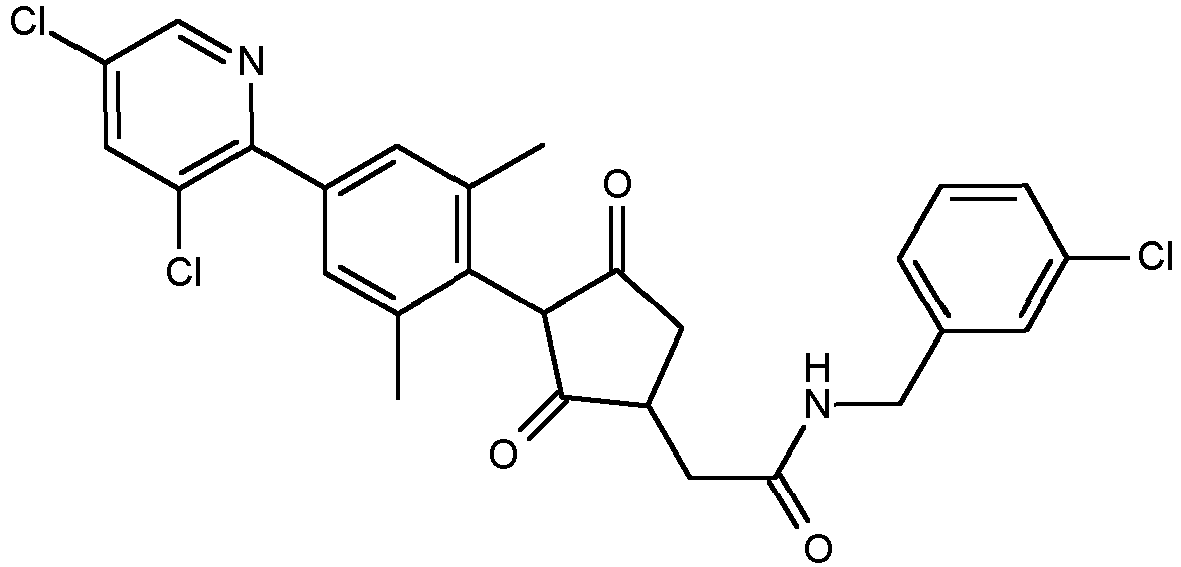
(d4-MeOH) 8.53 (s, 1H), 8.07 (s, 1H), 7.37-7.20 (m, 6H), 4.36 (s, 2H), 3.24-3.14 (m, 1H), 2.94 (dd, 1H), 2.83 (dd, 1H), 2.56-2.44 (m, 2H), 2.18 (d, 6H) A136 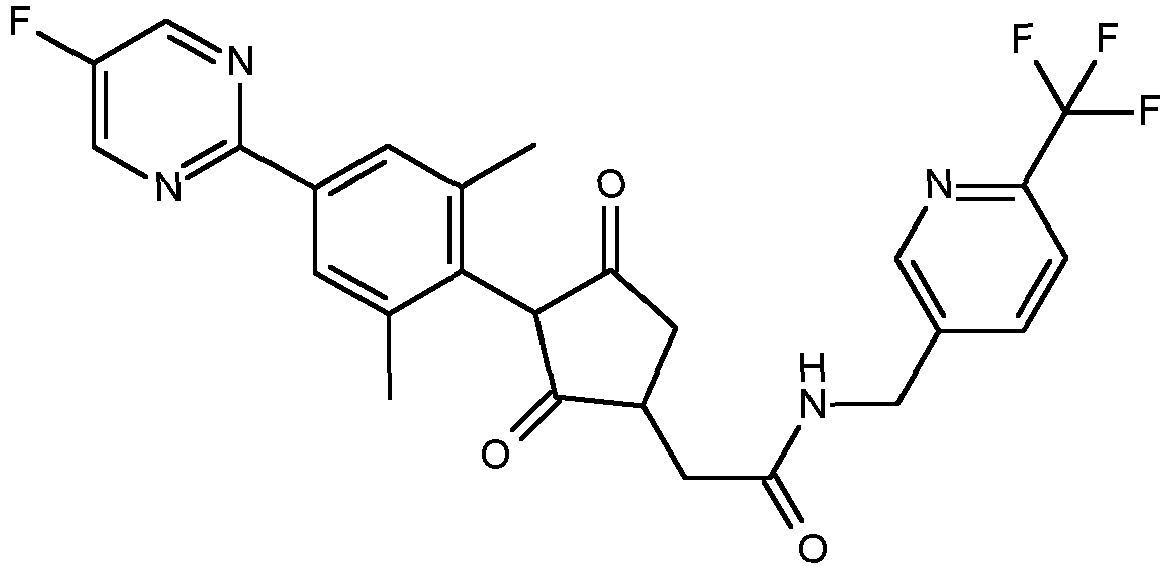
(d4-MeOH) 8.75 (s, 2H), 8.67 (s, 1H), 8.08 (s, 2H), 7.99 (d, 1H), 7.78 (d, 1H), 4.52 (s, 2H), 3.25-3.16 (m, 1H), 2.98 (dd, 1H), 2.85 (dd, 1H), 2.61-2.50 (m, 2H), 2.20 (d, 6H) A137 
8.00 - 7.84 (m, 2H), 7.82 - 7.73 (m, 1H), 7.67 - 7.58 (m, 2H), 7.54 - 7.40 (m, 3H), 7.27 (d, 2H), 4.76 - 4.56 (m, 2H), 3.32 (br, 1H), 3.03 - 2.87 (m, 2H), 2.84 - 2.70 (m, 1H), 2.29 (d, 1H), 2.18 (d, 6H) A138 
(d4-MeOH) 8.72 (s, 2H), 8.04 (s, 2H), 7.33-7.19 (m, 4H), 4.37 (s, 2H), 3.25-3.13 (m, 1H), 2.93 (dd, 1H), 2.82 (dd, 1H), 2.57-2.43 (m, 2H), 2.19 (s, 6H) A139 
(d4-MeOH) 8.90 (s, 2H), 7.34 (s, 2H), 7.28 (d, 1H), 6.99 (s, 1H), 6.95-6.91 (m, 1H), 4.54 (s, 2H), 3.22-3.13 (m, 1H), 2.92 (dd, 1H), 2.79 (dd, 1H), 2.53-2.42 (m, 2H), 2.18 (s, 6H) A140* 
(d4-MeOH) 8.72 (s, 2H), 8.51-8.44 (m, 1H), 8.02 (s, 2H), 7.96 (d, 1H), 7.44-7.38 (m, 1H), 4.64 (s, 2H), 3.28-3.18 (m, 1H), 3.02-2.92 (m, 1H), 2.91-2.81 (m, 1H), 2.69-2.52 (m, 2H), 2.19 (d, 6H) A141 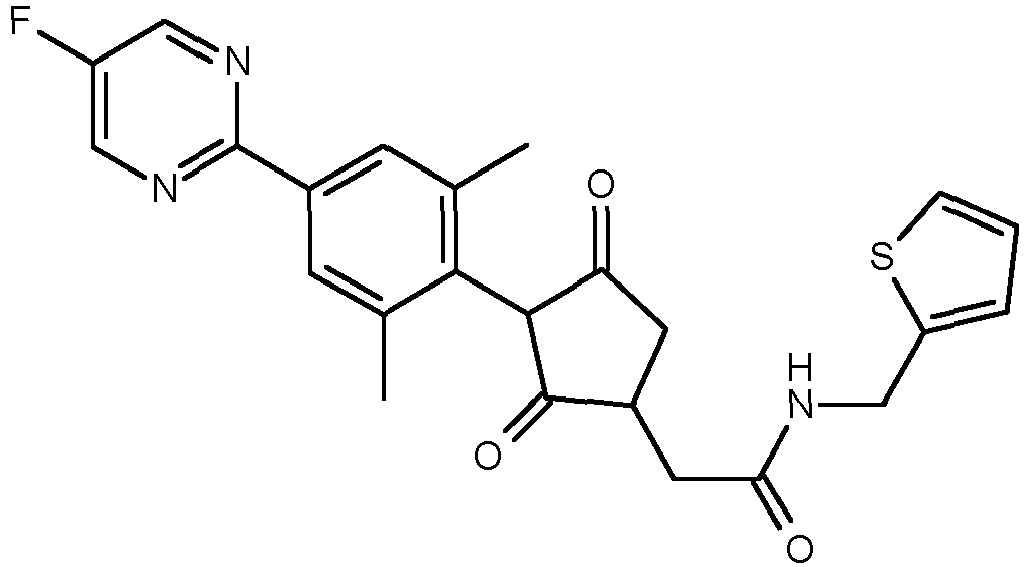
(d4-MeOH) 8.71 (s, 2H), 8.04 (s, 2H), 7.28 (d, 1H), 6.99 (s, 1H), 6.96-6.91 (m, 1H), 4.55 (s, 2H), 3.22-3.12 (m, 1H), 2.92 (dd, 1H), 2.79 (dd, 1H), 2.52-2.41 (m, 2H), 2.18 (s, 6H) A142 
(d-4 MeOH) 9.11 (s, 1H), 9.04 (s, 2H), 7.39 (s, 2H), 7.35-7.21 (m, 4H), 4.39 (s, 2H), 3.24-3.16 (m, 1H), 2.95 (dd, 1H), 2.83 (dd, 1H), 2.59-2.47 (m, 2H), 2.20 (s, 6H) A143* 
(d4-MeOH) 9.10 (s, 1H), 9.02 (s, 2H), 8.49 (d, 1H), 7.93 (d, 1H), 7.42-7.35 (m, 3H), 4.68 (s, 2H), 3.28-3.19 (m, 1H), 2.98 (dd, 1H), 2.88 (dd, 1H), 2.69-2.53 (m, 2H), 2.20 (d, 6H) A144 
(d4-MeOH) 8.36 (s, 2H), 6.92 (s, 2H), 4.40 (s, 2H), 3.11-3.00 (m, 1H), 2.84-2.69 (m, 2H), 2.47-2.34 (m, 2H), 2.42 (s, 3H), 1.94 (d, 6H), 1.89 (s, 3H) A145 
(d4-MeOH) 8.73 (s, 2H), 8.06 (s, 2H), 7.64-7.49 (m, 4H), 4.46 (s, 2H), 3.26-3.14 (m, 1H), 2.94 (dd, 1H), 2.84 (dd, 1H), 2.57-2.43 (m, 2H), 2.19 (d, 6H) A146 
(d4-MeOH) 8.56 (s, 1H), 7.90-7.81 (m, 2H), 7.65 (s, 2H), 7.62 (s, 1H), 7.60-7.49 (m, 3H), 4.46 (s, 2H), 3.24-3.14 (m, 1H), 2.94 (dd, 1H), 2.84 (dd, 1H), 2.59-2.45 (m, 2H), 2.19 (d, 6H) A147 
(d4-MeOH) 9.11 (s, 1H), 8.75 (s, 2H), 8.50 (s, 1H), 8.40 (s, 1H), 7.69-7.58 (m, 1H), 7.18 (d, 2H), 4.65-4.52 (m, 2H), 3.47-3.26 (m, 1H), 2.99 (dd, 1H), 2.89-2.76 (m, 2H), 2.58 (s, 3H), 2.47-2.34 (m, 1H), 2.20 (d, 6H) A148 
(d4-MeOH) 8.87 (s, 1H), 8.63 (s, 1H), 7.73 (s, 2H), 7.28 (d, 1H), 6.99 (s, 1H), 6.96-6.91 (m, 1H), 4.56 (s, 2H), 3.33-3.13 (m, 1H), 2.93 (dd, 1H), 2.79 (dd, 1H), 2.54-2.42 (m, 2H), 2.19 (s, 6H) A149 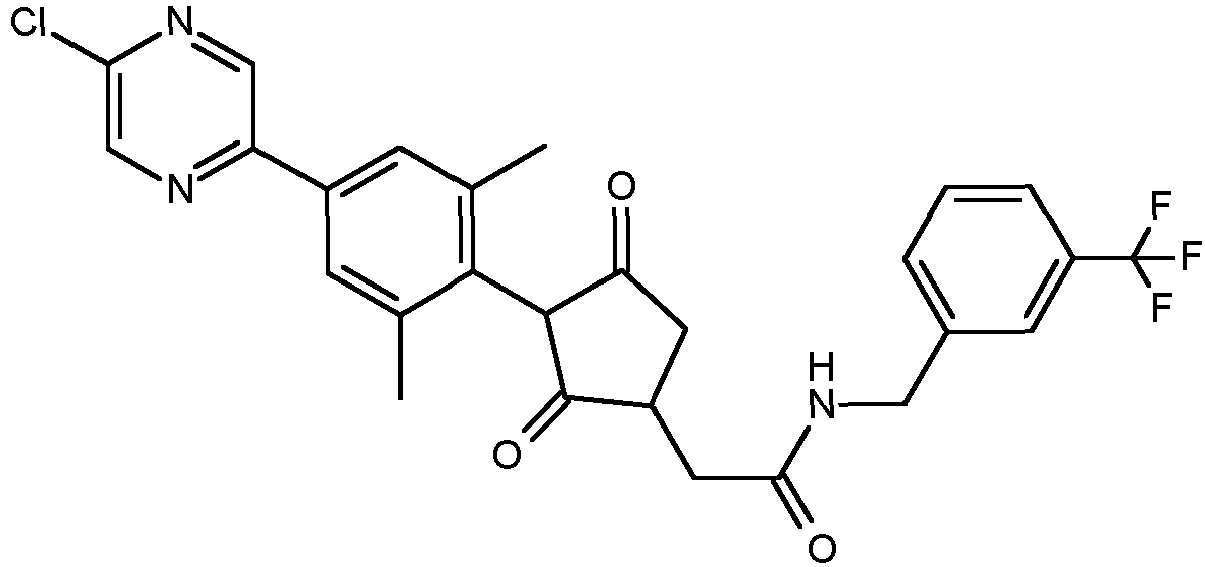
(d4-MeOH) 8.90 (s, 1H), 8.66 (s, 1H), 7.76 (s, 2H), 7.63-7.50 (m, 4H), 4.48 (s, 2H), 3.27-3.14 (m, 1H), 2.95 (dd, 1H), 2.84 (dd, 1H), 2.59-2.45 (m, 2H), 2.19 (d, 6H) A150 
(d4-MeOH) 8.48 (s, 1H), 7.89 (dd, 1H), 7.31 (s, 2H), 7.28 (d, 1H), 7.01-6.98 (m, 1H), 6.95-6.91 (m, 1H), 4.56 (s, 2H), 3.22-3.14 (m, 1H), 2.92 (dd, 1H), 2.79 (dd, 1H), 2.52-2.41 (m, 2H), 2.18 (d, 6H) A151 
(d4-MeOH) 8.16 (d, 1H), 7.81 (d, 1H), 7.77 (s, 2H), 7.29 (d, 1H), 7.00 (s, 1H), 6.97-6.91 (m, 1H), 4.58 (s, 2H), 3.25-3.12 (m, 1H), 2.94 (dd, 1H), 2.81 (dd, 1H), 2.56-2.41 (m, 2H), 2.22 (s, 6H) A152 
(d4-MeOH) 8.50-8.44 (m, 3H), 7.82 (d, 1H), 7.59 (s, 2H), 4.52 (s, 2H), 3.24-3.14 (m, 1H), 2.94 (dd, 1H), 2.86 (dd, 1H), 2.60-2.49 (m, 2H), 2.52 (s, 3H), 2.18 (d, 6H) A153 
(d4-MeOH) 8.89 (s, 1H), 8.12 (d, 1H), 8.03 (d, 1H), 7.78 (s, 2H), 7.64-7.49 (m, 4H), 4.47 (s, 2H), 3.25-3.14 (m, 1H), 2.95 (dd, 1H), 2.84 (dd, 1H), 2.59-2.47 (m, 2H), 2.21 (d, 6H) A154 
(d4-MeOH) 8.56 (s, 1H), 8.04 (s, 1H), 7.66-7.60 (m, 3H), 7.60-7.48 (m, 4H), 4.46 (s, 2H), 3.25-3.14 (m, 1H), 2.95 (dd, 1H), 2.83 (dd, 1H), 2.60-2.48 (m, 2H), 2.21 (d, 6H) A155* 
(d4-MeOH) 8.49 (d, 1H), 8.14 (d, 1H), 7.94 (d, 1H), 7.82 (d, 1H), 7.74 (s, 2H), 7.43-7.38 (m, 1H), 4.67 (s, 2H), 3.28-3.18 (m, 1H), 2.98 (dd, 1H), 2.88 (dd, 1H), 2.69-2.53 (m, 2H), 2.21 (d, 6H) A156 
(d4-MeOH) 8.90 (s, 1H), 8.13 (d, 1H), 8.01 (d, 1H), 7.78 (s, 2H), 7.28 (d, 1H), 6.99 (s, 1H), 6.96-6.92 (m, 1H), 4.57 (s, 2H), 3.22-3.13 (m, 1H), 2.92 (dd, 1H), 2.80 (dd, 1H), 2.53-2.42 (m, 2H), 2.19 (s, 6H) A157 
(d4-MeOH) 8.73 (s, 2H), 8.47 (d, 2H), 8.04 (s, 2H), 4.52 (s, 2H), 3.22-3.14 (m, 1H), 2.93 (dd, 1H), 2.86 (dd, 1H), 2.59-2.48 (m, 2H), 2.53 (s, 3H), 2.18 (d, 6H) A158 
(d4-MeOH) 8.41 (s, 1H), 7.75 (s, 2H), 7.64-7.50 (m, 6H), 4.47 (s, 2H), 3.22-3.12 (m, 1H), 2.96 -2.82 (m, 2H), 2.53-2.42 (m, 2H), 2.39 (s, 3H), 2.19 (d, 6H) A159 
Restricted rotation 6.86 (2H, 2 x s), 3.45-3.05 (4H, m), 3.03 and 2.99 (3H, 2 x s), 2.95-2.85 (1H, m), 2.62-2.50 (1H, m), 2.30-2.25 (1H, m), 2.24 (3H, s), 2.15-2.05 (6H, m), 0.96 (3H, t), 0.90 (3H, dd) A160 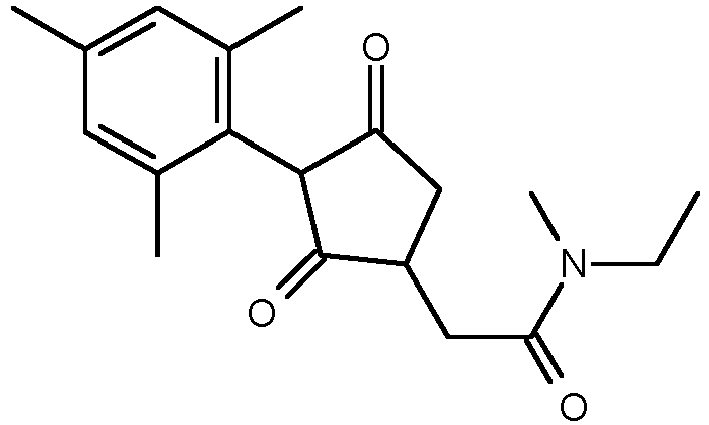
Restricted rotation 6.75 (2H, 2 x s), 3.55-3.30 (3H, m), 3.15-2.92 (2H, m), 3.04 and 3.00 (3H, 2 x s), 2.65-2.50 (1H, m), 2.35 (1H, d), 2.16 (3H, s), 2.08 (3H, s), 2.07 (3H, s), 1.25 and 1.15 (3H, 2 x t) A161 
Restricted rotation 6.84 and 6.82 (2H, 2 x s), 4.95-4.80 (0.6H, m), 4.12-4.02 (0.4H, m), 3.40 (1H, br), 3.20-3.02 (1H, m), 2.97-2.90 (1H, m), 2.88 and 2.87 (3H, 2 x s), 2.60-2.45 (1H, m), 2.27 (1H, d), 2.22 (3H, s), 2.11 (3H, s), 2.10 (3H, s), 1.25 (2.4H, t), 1.14 (3.6H, t) A162 
6.79 (s, 2H), 3.61-3.45 (m, 2H), 3.45-3.40 (m, 1H), 3.05-2.95 (m, 2H), 2.70-2.60 (m, 1H), 2.35 (d, 1H), 2.19 (s, 3H), 2.12-1.95 (m, 12H) A163 
6.84 (2H, 2 x s), 4.03-3.83 (2H, m), 3.77-3.64 (2H, m), 3.37 (1H, br), 3.07 (1H, d), 2.90 (1H, dd), 2.70-2.50 (5H, m), 2.30-2.20 (1H, m), 2.23 (3H, s), 2.10 (3H, s), 2.08 (3H, s) A164 
(d4-MeOH) 8.30 - 8.10 (m, 1H), 6.88 (2 x s, 2H), 3.15 - 2.59 (m, 3H), 2.27 (s, 4H), 2.19 - 2.03 (m, 6H), 1.44 - 1.30 (m, 9H), 1.26 - 0.95 (m, 3H) A165 
(d4-MeOH) 8.68 - 8.48 (m, 1H), 7.39 - 7.20 (m, 1H), 7.07 - 6.83 (m, 4H), 4.71 - 4.41 (m, 2H), 3.42 - 2.61 (m, 3H), 2.52 - 2.35 (m, 1H), 2.27 (s, 3H), 2.14 - 2.02 (m, 6H), 1.32 - 1.00 (m, 3H) A166 
(d4-MeOH) 7.75 - 7.41 (m, 4H), 6.88 (d, 2H), 4.60 - 4.28 (m, 2H), 3.41 - 2.38 (m, 4H), 2.26 (s, 3H), 2.07 (d, 6H), 1.33 - 1.04 (m, 3H) A167 
(d4-MeOH) 8.46 (d, 1H), 8.05 - 7.88 (m, 1H), 7.75 (d, 1H), 7.26 (br. s., 1H), 6.88 (s, 2H), 4.73 - 4.48 (m, 2H), 3.47 - 2.29 (m, 4H), 2.29 - 1.94 (m, 9H), 1.34 - 1.02 (m, 3H) A168 
(d4-MeOH) 8.53 (s, 1H), 8.08 (s, 1H), 7.87 (br.s, 1H), 7.34 (s, 2H), 3.22-3.12 (m, 1H), 2.91 (dd, 1H), 2.70 (dd, 1H), 2.51-2.37 (m, 2H), 2.18 (s, 6H), 1.35 (s, 9H) A169 
(d6- DMSO) 2.35 (br.s, 1H), 8.31 (br.s, 1H), 7.98 (br.s, 1H), 7.90 (br.s, 1H), 7.32 (d, 1H), 7.18-7.10 (br.s, 2H), 7.13 (d, 1H), 4.01 (br.s, 2H), 3.25-3.14 (br.m, 1H), 3.04-2.94 (br.m, 1H), 2.67-2.54 (br.m, 1H), 2.43 (s, 3H), 2.08-2.00 (m, 2H), 1.88 (br.d, 6H) A170 
6.83 (2H, 2 x s), 3.49-3.40 (2H, m), 3.39-3.30 (3H, m), 3.05 (1H, d), 2.90 (1H, dd), 2.52 (1H, dd), 2.30 (1H, dd), 2.22 (3H, s), 2.11 (3H, s), 2.09 (3H, s), 1.24 (3H, t), 1.16 (3H, t) A171 
Restricted rotation 6.87 and 6.86 (2H, 2 x s), 3.43 (1H, q), 3.36-3.32 (3H, m), 3.24 (1H, t), 3.15 91H, br d), 2.88 (1H, dd), 2.56 (1H, br), 2.27 (1H, d), 2.25 (3H, s), 2.12 (3H, s), 2.10 (3H, s), 1.67-1.56 (2H, m), 1.23 and 1.16 (3H, 2 x t), 0.96 and 0.91 (3H, 2 x t) A172 
Restricted rotation 6.87 and 6.85 (2H, 2 x s), 4.65-4.50 (1H, m), 3.75 (1H, d), 3.37 (1H, br), 3.20-3.05 (2H, m), 2.95-2.85 (1H, m), 2.70-2.50 (2H, m), 2.30-2.20 (1H, m), 2.25 (3H, s), 2.15-2.08 (6H, m), 1.80-1.55 (3H, m), 1.20-1.10 (2H, m), 0.98 (3H, dd) A173 
Restricted rotation 6.88 and 6.86 (2 x s, 2H), 4.70-4.53 (m, 1H), 3.81-3.67 (m, 1H), 3.50-3.32 (m, 1H), 3.21-3.03 (m, 1H), 2.98-2.83 (m, 1H), 2.69-2.46 (m, 2H), 2.34-2.20 (m, 4H, 2.17-2.04 (m, 7H), 1.96-1.79 (m, 1H), 1.75-1.59 (m, 2H), 1.00-0.90 (m, 6H), 0.88-0.75 (m, 1H) A174 
14.10 - 13.35 (m, 1H), 8.02 (br. s., 1H), 6.89 (d, 2H), 3.44 - 2.97 (m, 6H), 2.97-2.54 (m, 4H), 2.54 - 2.31 (m, 1H), 2.31 - 1.86 (m, 10H) A175 
13.50 (1H, br), 7.42 (1H, br), 6.86 (2H, s), 5.79-5.60 (1H, m), 5.18-5.03 (2H, m), 3.72-3.60 (2H, m), 3.08 (1H, br), 2.81 (1H, dd), 2.62 (1H, d), 2.54-2.36 (1H, m), 2.23 (3H, s), 2.20-2.10 (1H, m), 2.10 (6H, s) A176 
13.60 (1H, br), 7.45 (1H, br), 6.87 (2H, s), 3.42 (2H, t), 3.35 (3H, s), 3.30-3.20 (2H, m), 3.15 (1H, br), 2.75 (1H, dd), 2.62-2.45 (2H, m), 2.25 (3H, s), 2.15 (1H, d), 2.10 (6H, s), 1.75-1.65 (2H, m) A177 
7.60 (1H, br), 6.86 (2H, s), 3.15 (1H, br), 3.05-2.90 (1H, m), 2.90-2.75 (2H, m), 2.65 (1H, d), 2.50-2.40 (1H, m), 2.25 (3H, s), 2.12 (1H, d), 2.09 (6H, s), 1.50-1.25 (2H, m), 1.12-1.00 (1H, m), 0.90-0.80 (6H, m) A178 
7.35 (1H, br), 6.85 (2H, s), 3.20-3.10 (1H, m), 3.10-3.00 (2H, m), 2.82 (1H, dd), 2.62 (1H, d), 2.50-2.10 (1H, m), 2.25 (3H, s), 2.12 (1H, d), 2.10 (6H, s), 1.40-1.20 (10H, m), 0.88 (3H, t) A179 
13.60 (1H, br), 7.72 (1H, br), 6.87 (2H, s), 3.60-3.50 (6H, m), 3.39 (3H, s), 3.38-3.29 (2H, m), 3.18 (1H, m), 2.75 (1H, dd), 2.68-2.47 (2H, m), 2.25 (3H, s), 2.18 (1H, d), 2.10 (6H, s), 1.79-1.70 (2H, m) A180 
13.25 (1H, br), 8.08 (1H, br), 6.87 (2H, s), 4.69 (2H, dd), 4.51-4.41 (2H, m), 3.18 (1H, br), 2.87 (1H, dd), 2.70 (1H, d), 2.52-2.45 (1H, m), 2.28 (3H, s), 2.16 (1H, d), 2.10 (6H, s) A181 
(∼1:1 mixture of cis/trans) 8.20 (1H, br), 6.87 (2H, s), 5.20-5.00 (0.5H, m), 4.90-4.65 (0.5H, m), 4.48-4.35 (m, 0.5H), 3.90-3.80 (0.5H, m), 3.10 (1H, br), 2.95-2.75 (2H, m), 2.65-2.40 (3H, m), 2.30-2.10 (5H, m), 2.10-2.05 (7H, m) A182 
8.50 (1H, br), 6.85 (2H, s), 4.85-4.70 (3H, m), 4.45-4.35 (2H, m), 3.15-3.05 (1H, m), 2.81 (1H, dd), 2.57 (1H, d), 2.45-2.40 (1H, m), 2.25 (3H, s), 2.20 (1H, d), 2.10 (6H, s) A183 
Restricted rotation and mix of diastereoisomers 6.86 (2H, s), 5.66-5.50 (1H, m), 3.32 (1H, br), 3.16-2.77 (5H, m), 2.72-2.49 (1H, m), 2.36 (1H, s), 2.30-2.18 (4H, m), 2.15-2.03 (6H, m), 1.55-1.33 (3H, m) A184 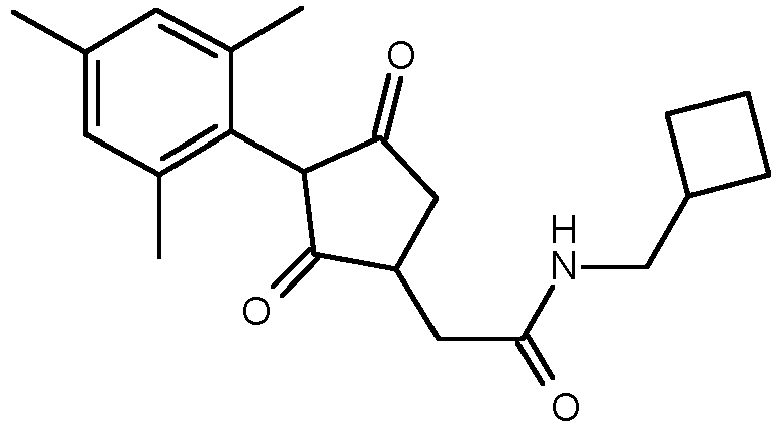
7.34 (1H, br), 6.87 (2H, s), 3.20-3.00 (3H, m), 2.72 (1H, dd), 2.65 (1H, d), 2.50-2.40 (1H, m), 2.35-2.25 (1H, m), 2.25 (3H, s), 2.12 (1H, d), 2.10 (6H, s), 2.00-1.90 (2H, m), 1.85-1.75 (2H, m), 1.67-1.52 (2H, m) A185 
(d4-MeOH) 6.85 (2H, s), 4.15-4.10 (1H, m), 2.95-2.85 (3H, m), 2.75-2.65 (2H, m), 2.60-2.45 (2H, m), 2.30-2.25 (2H, m), 2.25 (3H, s), 2.10 (3H, s), 2.05 (3H, s) A186 
(d4-MeOH) 7.82 (d, 1H), 7.62 (s, 2H), 7.54 (d, 1H), 3.21-3.13 (m, 1H), 2.41 (dd, 1H), 2.70 (dd, 1H), 2.50-2.39 (m, 2H), 2.19 (s, 6H), 1.35 (s, 9H) A187 
(d4-MeOH) 6.87 (s, 2H), 4.60 (br, 2H), 3.20-3.12 (m, 1H), 2.92 (dd, 1H), 2.73 (dd, 1H), 2.54 (dd, 1H), 2.41 (d, 1H), 2.25 (s, 3H), 2.10 (s, 6H) Table T2 Compound Number Structure Physical Data LCMS or 1H NMR (400 MHz, CDCl3) unless stated. B1 
1H NMR (400 MHz, d6-DMSO) 10.4 (s, 1H), 7.72 (s, 4H), 6.74 (s, 2H), 3.00-2.70 (m, 3H), 2.48-2.35 (m, 2H), 2.14 (s, 3H), 1.92 (d, 6H) B2 
1H NMR (CDCl3+2 drops of d6-DMSO) 9.65 (br, 1H), 7.30 (s, 1H), 6.99 (d, 1H), 6.87 (d, 2H), 6.81 (d, 1H), 3.86 (2 x s, 6H), 3.40-3.22 (m, 1H), 3.06-2.75 (m, 2H), 2.26 (s, 3H), 2.20-2.02 (m, 8H) B3 
8.66 (br.s, 1H), 7.95-7.85 (m, 1H), 6.91-6.81 (m, 1H), 6.81 (s, 2H), 3.31-3.22 (m, 1H), 2.97-2.82 (m, 2H), 2.82-2.72 (m, 1H), 2.32-2.23 (m, 1H), 2.20 (s, 3H), 2.06 (s, 6H) B4 
1.83 mins m/z 394.28 [M+H]+ B5 
1H NMR (400 MHz, CD3OD) 8.75 (s, 2H), 8.07 (s, 2H), 3.24-3.11 (m, 1H), 3.01-2.84 (m, 1H), 2.79-2.62 (m, 1H), 2.54-2.33 (m, 2H), 2.20 (s, 6H), 1.36 (s, 9H) B6 
1.20 mins, m/z = 484.14 (M+H)+ B7 
7.84-7.60 (m, 1H), 6.86 (s, 2H), 3.66-3.49 (m, 6H), 3.43-3.08 (m, 6H), 2.83 (s, 1H), 2.70-2.44 (m, 2H), 2.32-2.02 (m, 10H), 1.75 (t, 2H) B8 
1H NMR (400 MHz, CD3OD) 6.88 (s, 2H), 4.57 (br.s., 2H), 3.25-3.08 (m, 1H), 2.92 (dd, 1H), 2.74 (d, 1H), 2.63-2.35 (m, 2H), 2.26 (s, 3H), 2.09 (d, 6H) B9 
1.22mins, m/z = 389.24 (M+H)+ B10 
1.27mins, m/z = 422.26 (M+H)+ B11 
1.29 mins, m/z = 394.26 (M+H)+ B12 
1.36 mins, m/z = 378.26 (M+H)+ B13 
1.38 mins, m/z = 398.21 (M+H)+ B14 
1.37 mins, m/z = 378.25 (M+H)+ B15 
1.41 mins, m/z = 432.24 (M+H)+ B16 
1.30 mins, m/z = 382.21 (M+H)+ B17 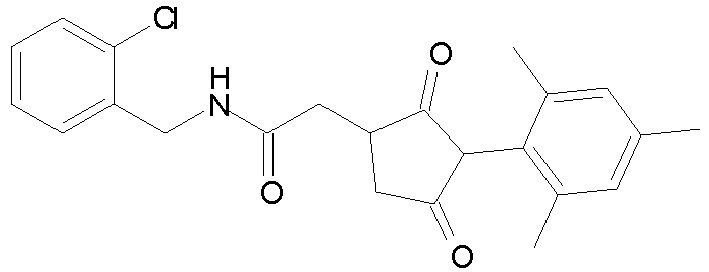
1.36 mins, m/z = 398.21 (M+H)+ B18 
1.29 mins, m/z = 394..26(M+H)+ B19 
1.41 mins, m/z = 432.23 (M+H)+ B20 
1.27 mins, m/z = 409.25 (M+H)+ B21 
1.30 mins, m/z = 382.21 (M+H)+ B22 
1.38 mins, m/z = 442.1 (M+H)+ B23 
1.40 mins, m/z = 442.1 (M+H)+ B24 
7.60 (s, 1H), 7.52 (s, 2H), 6.42 (s, 1H), 3.28-3.19 (m, 1H), 2.84 (dd, 1H), 2.65-2.59 (m, 2H), 2.19 (d, 6H), 2.19-2.12 (m, 1H), 1.33 (s, 9H) B25 
6.87 (s, 2H), 6.76 (d, 1H), 4.09-3.94 (m, 1H), 3.30-3.12 (m, 1H), 2.93-2.79 (m, 1H), 2.73-2.48 (m, 2H), 2.25 (s, 3H), 2.10 (s, 6H), 1.65-1.48 (m, 1H), 1.37-1.14 (m, 3H), 1.11-1.02 (m, 3H), 0.94-0.81 (m, 6H) B26 
6.78 (s, 2H), 6.66-6.53 (m, 1H), 3.93-3.80 (m, 1H), 3.30-3.16 (m, 1H), 2.96-2.81 (m, 1H), 2.75-2.55 (m, 2H), 2.25-2.18 (m, 4H), 2.07 (s, 6H), 1.09-0.98 (m, 3H), 0.90-0.85 (m, 9H) B27 
6.78 (s, 2H), 6.27 (s, 1H), 5.81-5.62 (m, 1H), 5.18-5.04 (m, 2H), 3.72-3.54 (m, 1H), 3.24-3.20 (m, 1H), 2.92-2.85 (m, 1H), 2.63-2.58 (m, 1H), 2.44-2.40 (m, 2H), 2.23-2.18 (m, 4H), 2.08 (s, 3H), 2.07 (s, 3H), 1.32 (s, 6H) B28 
6.79 (s, 2H), 6.62 (d, 1H), 4.07-3.90 (m, 1H) 3.75-3.54 (m, 1H), 3.27-3.20 (m, 1H), 2.95-2.82 (m, 1H), 2.67-2.50 (m, 2H), 2.25-2.20 (m, 4H), 2.08 (s, 6H), 1.88-1.66 (m, 3H), 1.64-1.32 (m, 5H), 1.16-0.99 (m, 5H) B29 
7.37-7.19 (m, 5H), 7.08 (s, 1H), 6.79 (s, 2H), 3.70-3.55 (m, 1H), 3.23-3.12 (m, 1H), 2.88-2.82 (m, 1H), 2.72-2.67 (m, 1H), 2.59-2.52 (m, 1H), 2.19 (s, 3H), 2.07 (s, 3H), 2.04 (s, 3H), 1.65 (s, 3H), 1.63 (s, 3H) B30 
1H NMR (400 MHz, CD3OD) 8.44 (s, 1H), 7.69 (s, 2H), 3.22-3.13 (m, 1H), 2.92 (dd, 1H), 2.70 (dd, 1H), 2.52-2.39 (m, 2H), 2.20 (s, 6H), 1.36 (s, 9H) B31 
6.81 (s,2H), 6.49-6.38 (m, 1H), 3.44-3.25 (m, 2H), 2.97-2.81 (m, 1H), 2.73-2.61 (m, 2H), 2.25-2.21 (m, 4H), 2.09 (s, 6H), 1.23-1.19 (m, 3H), 0.77-0.73 (m, 1H), 0.59-0.39 (m, 2H), 0.38-0.16 (m, 2H) B32 
6.88 (s, 2H), 3.20-3.10 (m, 1H), 2.93-2.86 (m, 1H), 2.74-2.68 (m, 1H), 2.45-2.32 (m, 4H), 2.27 (s, 3H), 2.08 (s, 6H), 2.08-2.00 (m, 2H), 1.95-1.85 (m, 2H), 1.47 (s, 3H) B33 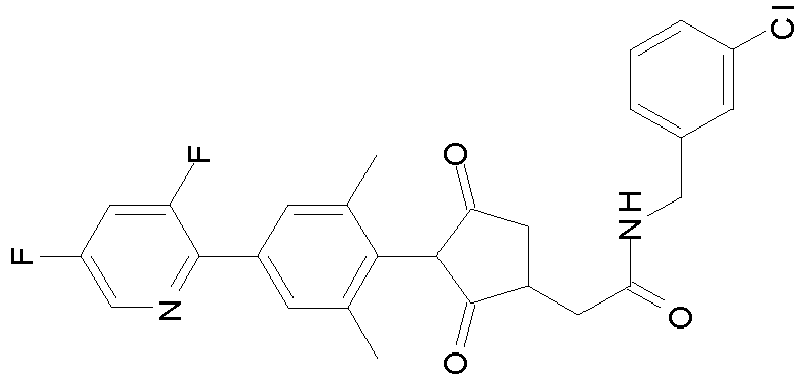
1H NMR (400 MHz, CD3OD) 8.42 (s, 1H), 7.68-7.60 (m, 1H), 7.53 (s, 2H), 7.34-7.20 (m, 4H), 4.38 (s, 2H), 3.23-3.14 (m, 1H), 2.93 (dd, 1H), 2.83 (dd, 1H), 2.56-2.46 (m, 2H), 2.19 (d, 6H) B34 
7.42 (d, 2H), 7.27 (d, 2H), 6.84 (s, 2H), 4.37 (s, 2H), 3.44 (s, 1H), 3.19-3.10 (m, 1H), 2.88 (dd, 1H), 2.79 (dd, 1H), 2.50-2.39 (m, 2H), 2.23 (s, 3H), 2.03 (d, 6H) B35 
13.16-12.86 (m, 1H), 6.86 (d, 3H), 3.32-3.12 (m, 1H), 2.90-2.70 (m, 1H), 2.69-2.42 (m, 2H), 2.25 (s, 3H), 2.10 (s, 7H), 1.80 (s, 3H), 1.53 (d, 6H) B36 
8.00-7.63 (m, 1H), 6.88 (d, 2H), 4.11 (t, 2H), 3.83 (d, 2H), 3.29-3.07 (m, 1H), 2.85 (dd, 1H), 2.60 (br.s., 2H), 2.31-2.03 (m, 10H) B37 
7.71-7.43 (m, 1H), 6.88 (d, 2H), 3.29-3.06 (m, 3H), 2.83 (dd, 1H), 2.73-2.39 (m, 2H), 2.34-1.94 (m, 13H) B38 
6.86 (d, 2H), 4.40-3.95 (m, 2H), 3.42-3.26 (m, 1H), 3.18-2.95 (m, 4H), 2.88 (dd, 1H), 2.77-2.53 (m, 1H), 2.44-2.19 (m, 5H), 2.10 (d, 6H) B39 
1 HNMR (400 MHz, CD3OD) 6.86 (s, 2H), 4.00-3.80 (m, 2H), 3.16-3.04 (m, 1H), 2.87 (dd, 1H), 2.74 (dd, 1H), 2.49-2.32 (m, 2H), 2.25 (s, 3H), 2.06 (s, 6H), 1.39 (d, 6H) B40 
1H NMR (400 MHz, CD3OD) 6.91-6.80 (m, 2H), 3.56-3.39 (m, 1H), 3.28-3.11 (m, 2H), 2.95-2.76 (m, 2H), 2.50-2.41 (m, 2H), 2.28-2.21 (m, 3H), 2.11-2.01 (m, 6H), 1.99-1.86 (m, 1H), 1.66 (dd, 1H), 1.31 (t, 1H) B41 
1H NMR (400 MHz, CD3OD) 6.86 (s, 2H), 3.13 (dq, 1H), 2.86 (dd, 1H), 2.72-2.64 (m, 1H), 2.45-2.33 (m, 2H), 2.25 (s, 3H), 2.07-1.98 (m, 8H), 1.79-1.57 (m, 6H), 1.44-1.36 (m, 3H) B42 
10.63-10.36 (m, 1H), 6.85 (d, 2H), 3.24 (d, 3H), 2.66 (br.s., 3H), 2.24 (s, 4H), 2.06 (d, 6H), 1.40 (d, 6H) B43 
8.16 (s, 1H), 6.87 (d, 2H), 3.30-3.11 (m, 1H), 2.95-2.44 (m, 3H), 2.26 (s, 4H), 2.07 (s, 6H), 1.49 (d, 6H) B44 
13.94-13.14 (m, 1H), 7.72-7.37 (m, 1H), 6.86 (s, 2H), 4.91-4.58 (m, 2H), 3.69-3.37 (m, 2H), 3.26-3.03 (m, 1H), 2.81 (dd, 3H), 2.31-2.00 (m, 10H), 1.67 (s, 3H) B45 
6.86 (d, 2H), 4.44-4.14 (m, 4H), 3.45-2.95 (m, 2H), 2.89 (dd, 1H), 2.81-2.64 (m, 1H), 2.40 (s, 1H), 2.34-2.19 (m, 5H), 2.09 (d, 6H) B46 
13.68-13.20 (m, 1H), 7.98-7.53 (m, 1H), 6.88 (d, 2H), 6.05 (d, 1H), 5.82-5.57 (m, 1H), 3.93-3.36 (m, 2H), 3.23-3.01 (m, 1H), 2.92-2.72 (m, 1H), 2.70-2.35 (m, 2H), 2.34-2.02 (m, 10H) B47 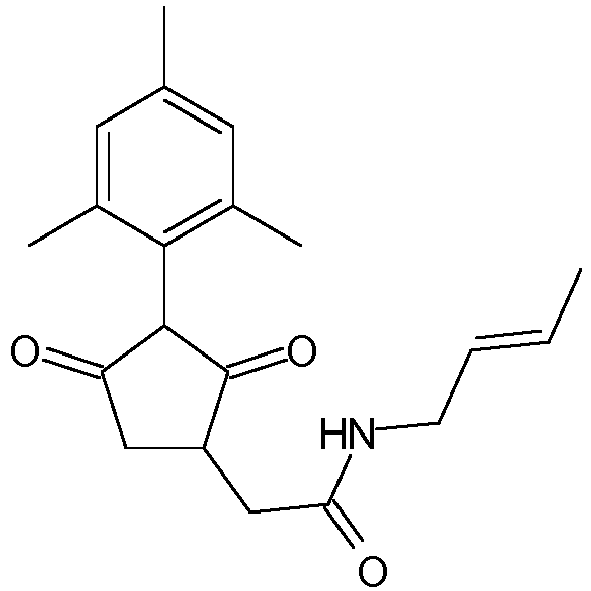
13.69-13.30 (m, 1H), 7.22-7.00 (m, 1H), 6.86 (s, 2H), 5.68-5.19 (m, 2H), 3.66 (d, 2H), 3.32-3.02 (m, 1H), 2.79 (d, 1H), 2.67-2.38 (m, 2H), 2.33-1.95 (m, 10H), 1.75-1.55 (m, 3H) B48 
1H NMR (400 MHz, CD3OD) 8.83 (s, 1H), 8.37 (s, 1H), 7.59 (s, 2H), 3.22-3.13 (m, 1H), 2.91 (dd, 1H), 2.72 (dd, 1H), 2.50-2.39 (m, 2H), 2.22 (s, 6H), 1.36 (s, 9H) B49 
1HNMR (400 MHz, CD3OD) 8.78 (s, 2H), 8.06 (s, 2H), 7.87 (br, 1H), 3.22-3.13 (m, 1H), 2.92 (dd, 1H), 2.70 (dd, 1H), 2.50-2.38 (m, 2H), 2.20 (s, 6H), 1.34 (s, 9H) B50 
1 HNMR (400 MHz, CD3OD) 8.75 (s, 2H), 8.04 (s, 2H), 7.88 (br, 1H), 3.22-3.13 (m, 1H), 2.91 (dd, 1H), 2.69 (dd, 1H), 2.51-2.38 (m, 2H), 2.20 (s, 6H), 1.34 (s, 9H) B51 
1HNMR (400 MHz,d4MeOH, 14ba357) 8.41 (s, 1H), 7.88 (br, 1H), 7.62 (t, 1H), 7.53 (s, 2H), 3.22-3.13 (m, 1H), 2.91 (dd, 1H), 2.70 (dd, 1H), 2.50-2.38 (m, 2H), 2.19 (s, 6H), 1.34 (s, 9H) B52 
1HNMR (400 MHz, CD3OD) 8.41 (s, 1H), 7.78 (br, 1H), 7.52 (t, 1H), 7.42 (s, 2H), 3.11-3.02 (m, 1H), 2.80 (dd, 1H), 2.59 (dd, 1H), 2.39-2.28 (m, 2H), 2.08 (s, 6H), 1.24 (s, 9H) B53 
8.48 (s, 1H), 7.81 (d, 1H), 7.58 (s, 2H), 3.21-3.12 (m, 1H), 2.93 (dd, 1H), 2.79 (dd, 1H), 2.56-2.43 (m, 2H), 2.19 (s, 6H) B54 
1H NMR (400 MHz, CD3OD) 8.44 (d, 1H), 7.65 (ddd, 8.4, 1H), 7.55 (s, 2H), 3.24-3.12 (m, 1H), 2.95 (dd, 1H), 2.80 (m, 1H), 2.51 (t, 2H), 2.23-2.13 (m, 6H) B55 
7.20-7.03 (m, 1H), 6.86 (d, 2H), 3.64-3.30 (m, 5H), 3.27-3.14 (m, 1H), 2.93-2.74 (m, 1H), 2.74-2.47 (m, 2H), 2.40 (d, 1H), 2.32-1.89 (m, 10H), 1.58 (s, 3H) B56 
7.76-7.47 (m, 1H), 6.87 (s, 2H), 4.82-4.48 (m, 1H), 3.23-3.03 (m, 1H), 2.89-2.70 (m, 1H), 2.65-2.34 (m, 2H), 2.31-2.03 (m, 11H), 1.37 (d, 3H) B 57 
1H NMR (400 MHz, CD3OD) 6.85 (s, 2H), 6.09-5.71 (m, 1H), 3.64-3.50 (m, 2H), 3.15-3.04 (m, 1H), 2.93-2.76 (m, 2H), 2.46-2.36 (m, 2H), 2.24 (s, 3H), 2.08-2.01 (m, 6H) B58 
1H NMR (400 MHz, CD3OD) 6.89-6.81 (m, 2H), 4.44 (dd, 1H), 3.12 (br.s., 1H), 2.99-2.75 (m, 2H), 2.54-2.36 (m, 2H), 2.28-2.21 (m, 3H), 2.06 (d, 6H), 1.36-1.28 (m, 1H), 0.78-0.62 (m, 2H), 0.57-0.43 (m, 2H) B59 
1H NMR (400 MHz, CD3OD) 6.86 (s, 2H), 3.97-3.84 (m, 2H), 3.17-3.04 (m, 1H), 2.94-2.79 (m, 2H), 2.49-2.36 (m, 2H), 2.26-2.19 (m, 3H), 2.05 (s, 6H) B60 
1H NMR (400 MHz, CD3OD) 6.86 (s, 2H), 5.84-5.53 (m, 1H), 3.40 (d, 2H), 3.13 (dd, 1H), 2.95-2.72 (m, 2H), 2.49-2.36 (m, 2H), 2.27-2.19 (m, 3H), 2.09-2.01 (m, 6H), 0.83-0.66 (m, 4H) B61 
1H NMR (400 MHz, CD3OD) 6.89-6.80 (m, 2H), 4.56-4.35 (m, 2H), 3.58-3.41 (m, 2H), 3.19-3.07 (m, 1H), 2.94-2.71 (m, 2H), 2.49-2.40 (m, 2H), 2.24 (s, 3H), 2.09-2.03 (m, 6H) B62 
7.88-7.67 (m, 1H), 6.87 (d, 2H), 5.44-4.89 (m, 3H), 3.26-3.04 (m, 1H), 2.87 (d, 1H), 2.74-2.48 (m, 2H), 2.25 (s, 4H), 2.15-2.02 (m, 6H), 1.21-0.79 (m, 4H) B63 
1H NMR (400 MHz, CD3OD) 6.92-6.76 (m, 2H), 4.65 (dtd, 1H), 3.13 (d, 1H), 2.94-2.76 (m, 2H), 2.51-2.33 (m, 2H), 2.25 (s, 3H), 2.05 (s, 6H), 1.36-1.28 (m, 3H) B64 
1H NMR (400 MHz, CD3OD) 8.31-8.23 (m, 1H), 8.09 (d, 1H), 7.77 (ddd, 1H), 7.16-7.02 (m, 1H), 6.91-6.80 (m, 2H), 3.20 (dtd, 1H), 3.05-2.88 (m, 2H), 2.67 (dd, 1H), 2.56 (dd, 1H), 2.28-2.19 (m, 3H), 2.07 (d, 6H) B65 
1H NMR (400 MHz, CD3OD) 6.85 (s, 2H), 3.13 (d, 1H), 2.86 (dd, 1H), 2.70 (dd, 1H), 2.48-2.31 (m, 2H), 2.24 (s, 3H), 2.06 (s, 6H), 1.36-1.28 (m, 1H), 1.25 (d, 6H), 0.46-0.30 (m, 4H) B66 
1H NMR (400 MHz, CD3OD) 8.30 (d, 1H), 7.27 (s, 1H), 7.17 (d, 1H), 6.84 (s, 2H), 4.48 (s, 2H), 3.19-3.10 (m, 1H), 2.93-2.80 (m, 2H), 2.57-2.42 (m, 2H), 2.36 (s, 3H), 2.23 (s, 3H), 2.03 (d, 6H) B67 
1H NMR (400 MHz, CD3OD) 8.32 (d, 1H), 7.67 (d, 1H), 7.30-7.23 (m, 1H), 6.82 (s, 2H), 4.53 (s, 2H), 3.20-3.11 (m, 1H), 2.91-2.76 (m, 2H), 2.57-2.49 (m, 1H), 2.49-2.40 (m, 1H), 2.35 (s, 3H), 2.12 (s, 3H), 2.03 (d, 6H) B68 
1H NMR (400 MHz, CD3OD) 7.69 (t, 1H), 7.24-7.14 (m, 2H), 6.83 (s, 2H), 4.47 (s, 2H), 3.19-3.10 (m, 1H), 2.92-2.78 (m, 2H), 2.55-2.42 (m, 2H), 2.52 (s, 3H), 2.23 (s, 3H), 2.04 (d, 6H) B69 
1H NMR (400 MHz, CD3OD) 7.64 (d, 2H), 7.44 (d, 2H), 6.84 (s, 2H), 4.42 (s, 2H), 3.18-3.10 (m, 1H), 2.89 (dd, 1H), 2.80 (dd, 1H), 2.52-2.41 (m, 2H), 2.23 (s, 3H), 2.03 (d, 6H) B70 
1H NMR (400 MHz, CD3OD) 8.41 (s, 1H), 7.67-7.59 (m, 1H), 7.52 (s, 2H), 7.36-7.28 (m, 1H), 7.11 (d, 1H), 7.03 (d, 1H), 7.11-6.93 (m, 1H), 4.39 (s, 2H), 3.23-3.14 (m, 1H), 2.93 (dd, 1H), 2.83 (dd, 1H), 2.57-2.46 (m, 2H), 2.18 (s, 6H) B71 
1H NMR (400 MHz, CD3OD) 8.42 (s, 1H), 7.67-7.59 (m, 1H), 7.52 (s, 2H), 6.95-6.88 (m, 2H), 6.87-6.78 (m, 1H), 4.38 (s, 2H), 3.22-3.14 (m, 1H), 2.94 (dd, 1H), 2.85 (dd, 1H), 2.57-2.48 (m, 2H), 2.18 (s, 6H) B72 
1H NMR (400 MHz, CD3OD) 8.42 (s, 1H), 7.68-7.59 (m, 1H), 7.53 (s, 2H), 7.36-7.28 (m, 2H), 7.08-7.00 (m, 2H), 4.37 (s, 2H), 3.23-3.14 (m, 1H), 2.92 (dd, 1H), 2.81 (dd, 1H), 2.56-2.44 (m, 2H), 2.19 (s, 6H) B73 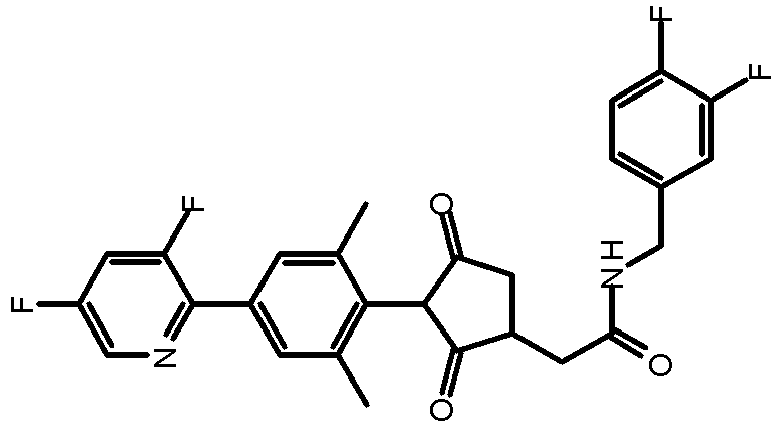
1H NMR (400 MHz, CD3OD) 8.42 (s, 1H), 7.69-7.62 (m, 1H), 7.54 (s, 2H), 7.27-7.15 (m, 2H), 7.15-7.08 (m, 1H), 4.36 (s, 2H), 3.23-3.14 (m, 1H), 2.93 (dd, 1H), 2.82 (dd, 1H), 2.54-2.44 (m, 2H), 2.19 (s, 6H) B74 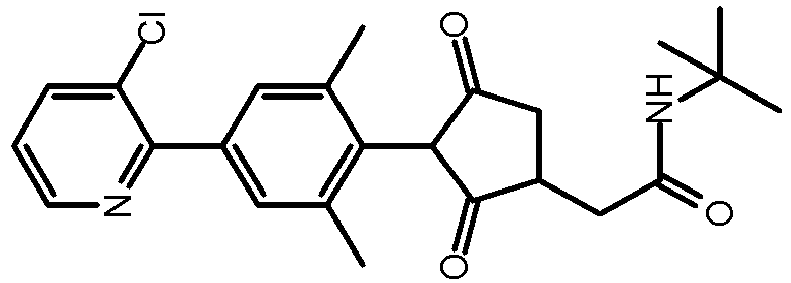
8.51 (d, 1H), 7.97 (d, 1H), 7.89-7.83 (m, 1H), 7.31 (s, 2H), 3.22-3.13 (m, 1H), 2.91 (dd, 1H), 2.71 (dd, 1H), 2.49-2.39 (m, 2H), 2.19 (s, 6H), 1.34 (s, 9H) B75 
1H NMR (400 MHz, CD3OD) 8.99-8.79 (m, 1H), 8.18-8.01 (m, 1H), 7.99-7.86 (m, 1H), 7.74 (s, 2H), 7.64-7.51 (m, 1H), 3.30-3.13 (m, 1H), 3.04-2.86 (m, 1H), 2.78-2.51 (m, 2H), 2.48-2.33 (m, 1H), 2.25 (d, 6H), 1.38 (s, 9H) B76 
1H NMR (400 MHz, CD3OD) 6.91-6.79 (m, 2H), 4.60-4.39 (m, 4H), 3.36-3.32 (m, 2H), 3.14 (d, 1H), 2.93-2.71 (m, 2H), 2.49-2.39 (m, 2H), 2.36-2.27 (m, 1H), 2.27-2.21 (m, 3H), 2.10-2.00 (m, 6H) B77 
1H NMR (400 MHz, CD3OD) 8.44 (d, 1H), 7.65 (ddd, 1H), 7.55 (s, 2H), 3.56-3.43 (m, 1H), 3.28-3.21 (m, 1H), 3.24-3.11 (m, 1H), 2.99-2.90 (m, 1H), 2.85-2.75 (m, 1H), 2.57-2.45 (m, 2H), 2.22-2.14 (m, 6H), 2.00-1.87 (m, 1H), 1.68 (dd, 1H), 1.35-1.26 (m, 1H) B78 
1H NMR (400 MHz, CD3OD) 6.88-6.79 (m, 2H), 3.12 (dd, 1H), 2.87 (dd, 1H), 2.74-2.62 (m, 1H), 2.45-2.29 (m, 2H), 2.27-2.19 (m, 3H), 2.09-1.97 (m, 6H), 1.42-1.28 (m, 1H), 0.72-0.57 (m, 4H), 0.44-0.35 (m, 2H), 0.23-0.12 (m, 2H) B79 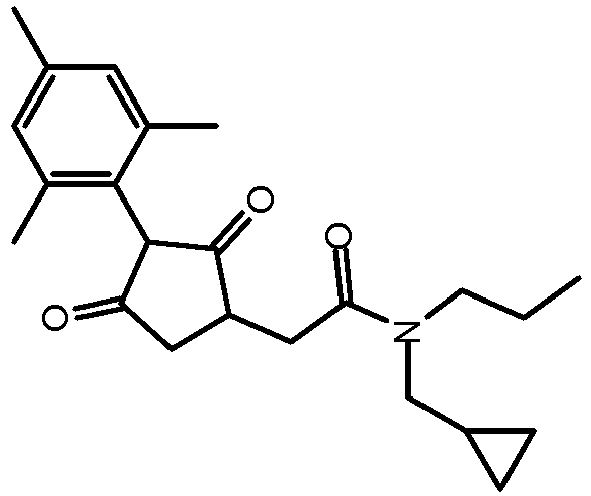
1H NMR (400 MHz, CD3OD) 6.86 (s, 2H), 3.48-3.36 (m, 2H), 3.37-3.27 (m, 1H), 3.25-3.10 (m, 1H), 2.98-2.86 (m, 2H), 2.80 (br.s., 1H), 2.42 (d, 1H), 2.27-2.20 (m, 3H), 2.10-2.01 (m, 6H), 1.74-1.57 (m, 2H), 1.12-0.99 (m, 1H), 0.93 (td, 3H), 0.53-0.45 (m, 1H), 0.63-0.44 (m, 2H), 0.34-0.23 (m, 2H) B80 
1H NMR (400 MHz, CD3OD) 6.90-6.80 (m, 2H), 3.16 (br.s., 1H), 3.01-2.99 (m, 3H), 2.97-2.83 (m, 1H), 2.41-2.21 (m, 5H), 2.13-2.08 (m, 1H), 2.09-1.98 (m, 6H), 1.46-1.43 (m, 9H) B81 
1H NMR (400 MHz, CD3OD) 6.86 (s, 2H), 4.74-4.50 (m, 1H), 3.21-3.05 (m, 1H), 2.94-2.68 (m, 3H), 2.51-2.35 (m, 2H), 2.25 (s, 3H), 2.05 (s, 6H), 1.18-1.04 (m, 1H), 0.99-0.84 (m, 1H) B82 
1H NMR (400 MHz, CD3OD) 6.90-6.78 (m, 2H), 3.74-3.64 (m, 1H), 3.26 (s, 1H), 3.15 (d, 1H), 2.93-2.75 (m, 2H), 2.57-2.37 (m, 2H), 2.26-2.18 (m, 3H), 2.10-2.01 (m, 6H), 1.54-1.47 (m, 1H), 1.41-1.36 (m, 3H), 1.34-1.25 (m, 1H) B83 
1H NMR (400 MHz, CD3OD) 8.84 (s, 1H), 8.36 (s, 1H), 7.42 (s, 2H), 3.22-3.14 (m, 1H), 2.92 (dd, 1H), 2.70 (dd, 1H), 2.51-2.39 (m, 2H), 2.19 (s, 6H), 1.34 (s, 9H) B84 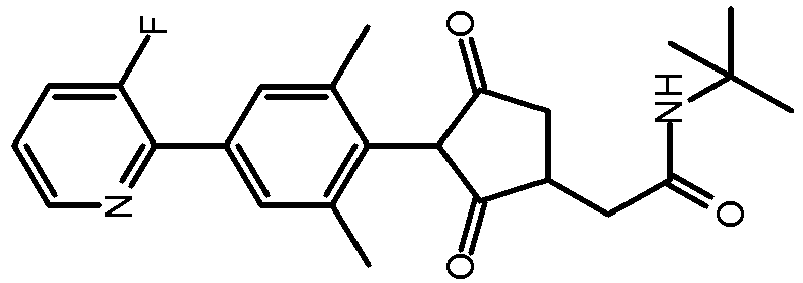
1H NMR (400 MHz, CD3OD) 8.47 (d, 1H), 7.78 (t, 1H), 7.52 (s, 2H), 7.51-7.44 (m, 1H), 3.22-3.14 (m, 1H), 2.91 (dd, 1H), 2.71 (dd, 1H), 2.52-2.39 (m, 2H), 2.19 (s, 6H), 1.34 (s, 9H) B85 
8.77 (s, 1H), 8.14 (dd, 1H), 7.53 (s, 2H), 3.23-3.14 (m, 1H), 2.92 (dd, 1H), 2.71 (dd, 1H), 2.51-2.39 (m, 2H), 2.21 (s, 6H), 1.35 (s, 9H) B86 
7.42-7.26 (m, 4H), 6.84 (s, 2H), 4.33 (s, 2H), 3.48 (s, 1H), 3.19-3.09 (m, 1H), 2.88 (dd, 1H), 2.79 (dd, 1H), 2.50-2.38 (m, 2H), 2.23 (s, 3H), 2.04 (s, 6H) B87 
8.78 (s, 1H), 8.15 (dd, 1H), 7.54 (s, 2H), 3.23-3.14 (m, 1H), 2.92 (dd, 1H), 2.71 (dd, 1H), 2.51-2.40 (m, 2H), 2.21 (s, 6H), 1.35 (s, 9H) B88 
1H NMR (400 MHz, CD3OD) 8.43 (s, 1H), 7.69-7.49 (m, 7H), 4.48 (s, 2H), 3.25-3.17 (m, 1H), 2.95 (dd, 1H), 2.87 (dd, 1H), 2.59-2.49 (m, 2H), 2.20 (d, 6H) B89 
1H NMR (400 MHz, CD3OD) 8.45 (s, 1H), 7.71-7.60 (m, 3H), 7.57 (s, 2H), 7.51 (d, 2H), 4.49 (s, 2H), 3.27-3.18 (m, 1H), 2.97 (dd, 1H), 2.87 (dd, 1H), 2.60-2.51 (m, 2H), 2.20 (d, 6H) B90 
1H NMR (400 MHz, CD3OD) 8.44 (s, 1H), 7.70-7.62 (m, 1H), 7.56 (s, 2H), 7.50 (s, 1H), 7.42 (d, 1H), 7.33-7.22 (m, 2H), 4.39 (s, 2H), 3.25-3.17 (m, 1H), 2.96 (dd, 1H), 2.85 (dd, 1H), 2.58-2.48 (m, 2H), 2.20 (s, 6H) B91 
1H NMR (400 MHz, CD3OD) 8.42 (s, 1H), 7.66-7.58 (m, 1H), 7.53 (s, 2H), 7.21 (d, 2H), 6.86 (d, 2H), 4.32 (s, 2H), 3.73 (s, 3H), 3.23-3.14 (m, 1H), 2.91 (dd, 1H), 2.79 (dd, 1H), 2.53-2.43 (m, 2H), 2.18 (d, 6H) B92 
1H NMR (400 MHz, CD3OD) 6.89-6.79 (m, 2H), 4.71-4.46 (m, 2H), 3.94 (d, 2H), 3.19-3.05 (m, 1H), 2.94-2.75 (m, 2H), 2.50-2.38 (m, 2H), 2.28-2.21 (m, 3H), 2.05 (s, 6H) B93 
1 NMR (400 MHz, CD3OD) 8.49 (dd, 1H), 7.88-7.78 (m, 1H), 7.60 (s, 2H), 3.75-3.51 (m, 8H), 3.25-3.11 (m, 1H), 3.07-2.86 (m, 2H), 2.83-2.44 (m, 2H), 2.21 (d, 6H) B94 
1H NMR (400 MHz, CD3OD) 8.49 (dd, 1H), 7.89-7.78 (m, 1H), 7.60 (s, 2H), 4.87-4.81 (m, 2H), 3.78 (s, 2H), 3.24-3.13 (m, 1H), 3.00-2.78 (m, 2H), 2.56-2.40 (m, 2H), 2.20 (s, 6H), 1.78-1.71 (m, 3H) B95 
1H NMR (400 MHz, CD3OD) 8.49 (dd, 1H), 7.90-7.77 (m, 1H), 7.60 (s, 2H), 4.57-4.37 (m, 2H), 3.57-(m, 2H), 3.24-3.12 (m, 1H), 2.94 (dd, 1H), 2.81 (dd, 1H), 2.53-2.42 (m, 2H), 2.23-2.14 (m, 6H) B96 
1H NMR (400 MHz, CD3OD) 6.86 (s, 2H), 3.72-3.66 (m, 3H), 3.17-3.05 (m, 1H), 2.89 (dd, 1H), 2.68-2.44 (m, 2H), 2.29-2.19 (m, 4H), 2.09-1.98 (m, 6H) B97 
1H NMR (500 MHz, CD3OD) 6.91-6.78 (m, 2H), 3.26-3.23 (m, 1H), 2.93-2.81 (m, 1H), 2.76-2.67 (m, 1H), 2.82-2.65 (m, 1H), 2.46-2.30 (m, 2H), 2.28-2.21 (m, 3H), 2.07-2.00 (m, 6H), 1.34-1.20 (m, 2H), 1.14-0.99 (m, 1H) B98 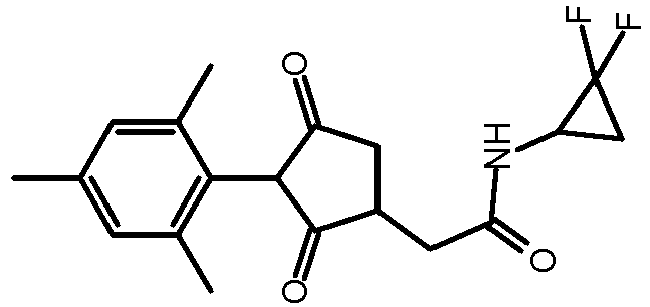
1H NMR (500 MHz, CD3OD) 6.91-6.82 (m, 2H), 3.34-3.22 (m, 1H), 3.18-3.00 (m, 1H), 2.95-2.86 (m, 1H), 2.78 (ddd, 1H), 2.50-2.34 (m, 2H), 2.28-2.20 (m, 3H), 2.09-1.97 (m, 6H), 1.85-1.73 (m, 1H), 1.48-1.33 (m, 1H) B99 
1H NMR (400 MHz, CD3OD) 8.78 (s, 1H), 8.26 (d, 1H), 7.73 (s, 2H), 3.22-3.14 (m, 1H), 2.92 (dd, 1H), 2.70 (dd, 1H), 2.51-2.39 (m, 2H), 2.20 (s, 6H), 1.36 (s, 9H) B100 
1H NMR (400 MHz, CD3OD) 8.41 (s, 1H), 7.67-7.58 (m, 1H), 7.53 (s, 2H), 7.44 (d, 2H), 7.21 (d, 2H), 4.33 (s, 2H), 3.22-3.14 (m, 1H), 2.92 (dd, 1H), 2.81 (dd, 1H), 2.54-2.45 (m, 2H), 2.18 (d, 6H) B101 
1H NMR (400 MHz, CD3OD) 8.48-8.35 (m, 1H), 7.65 (ddd, 1H), 7.55 (s, 2H), 3.74-3.52 (m, 8H), 3.25-3.11 (m, 1H), 3.03-2.90 (m, 2H), 2.84-2.71 (m, 1H), 2.51 (dd, 1H), 2.23-2.13 (m, 6H) B102 
1H NMR (400 MHz, CD3OD) 6.93-6.76 (m, 2H), 5.88-5.78 (m, 1H), 5.59-5.44 (m, 1H), 4.10-4.01 (m, 2H), 3.20-3.08 (m, 1H), 2.98-2.76 (m, 2H), 2.55-2.37 (m, 2H), 2.27-2.21 (m, 3H), 2.09-1.97 (m, 6H) B103 
1H NMR (400 MHz, CD3OD) 8.49 (d, 1H), 7.88-7.79 (m, 1H), 7.60 (s, 2H), 3.28-3.13 (m, 3H), 2.93 (dd, 1H), 2.81-2.69 (m, 1H), 2.54-2.37 (m, 2H), 2.24-2.16 (m, 6H), 1.19-1.10 (m, 3H) B104 
7.58 (s, 1H), 7.14 (s, 2H), 3.28-3.12 (m, 1H), 2.98-2.88 (m, 1H), 2.74-2.67 (m, 1H), 2.53-2.37 (m, 2H), 2.30 (s, 3H), 2.18 (s, 6H), 1.35 (s, 9H) B105 
8.22 (s, 1H), 7.38 (s, 2H), 3.22-3.12 (m, 1H), 2.89 (dd, 1H), 2.69 (dd, 1H), 2.50-2.38 (m, 2H), 2.28 (s, 3H), 2.16 (s, 6H), 1.35 (s, 9H) B106 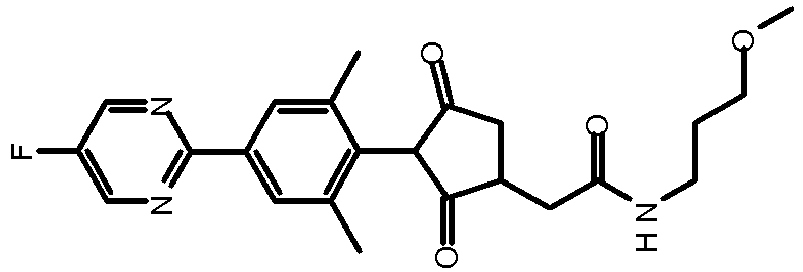
8.62 (s, 2H), 8.13-8.00 (m, 2H), 7.46-7.32 (m, 1H), 3.46-3.35 (m, 2H), 3.31 (s, 6H), 2.95-2.75 (m, 1H), 2.69-2.54 (m, 2H), 2.23 (d, 7H), 1.78-1.60 (m, 2H) B107 
8.72 (s, 2H), 8.04 (s, 2H), 3.24-3.09 (m, 1H), 3.01-2.86 (m, 1H), 2.85-2.70 (m, 1H), 2.58-2.40 (m, 2H), 2.20 (s, 6H) B108 
8.62 (s, 2H), 8.05 (d, 2H), 7.48-7.30 (m, 1H), 5.81-5.58 (m, 1H), 5.20-5.01 (m, 2H), 3.83-3.59 (m, 2H), 3.28-3.07 (m, 1H), 2.95-2.77 (m, 1H), 2.72-2.44 (m, 2H), 2.20 (d, 7H) B109 
8.63 (s, 2H), 8.11-8.00 (m, 2H), 7.65-7.47 (m, 1H), 3.30-3.13 (m, 1H), 3.08-2.98 (m, 2H), 2.96-2.85 (m, 1H), 2.76-2.60 (m, 2H), 2.42-2.27 (m, 1H), 2.23 (d, 6H), 0.89 (s, 9H) B110 
8.61 (s, 2H), 8.03 (d, 2H), 4.44-4.17 (m, 4H), 3.48-3.27 (m, 1H), 2.92 (s, 3H), 2.50-2.12 (m, 9H) B111 
14.14-13.60 (m, 1H), 8.62 (s, 2H), 8.07 (d, 2H), 3.08 (d, 3H), 2.95-2.78 (m, 1H), 2.72-2.44 (m, 2H), 2.22 (d, 7H), 1.46-1.14 (m, 4H), 0.85 (t, 3H) B112 
14.07-13.16 (m, 1H), 8.62 (s, 2H), 8.07 (d, 2H), 7.21-7.03 (m, 1H), 3.34-3.14 (m, 1H), 3.07-2.80 (m, 3H), 2.63 (s, 2H), 2.23 (d, 7H), 1.66 (s, 1H), 0.83 (dd, 6H) B113 
1H NMR (400 MHz, CD3OD) 8.74 (s, 2H), 8.07 (s, 2H), 3.24-3.08 (m, 1H), 3.00-2.84 (m, 1H), 2.80-2.69 (m, 1H), 2.62 (s, 1H), 2.56-2.33 (m, 2H), 2.21 (s, 6H), 1.60 (s, 6H) B114 
1H NMR (400 MHz, CD3OD) 8.75 (s, 2H), 8.14-7.88 (m, 2H), 4.27-3.91 (m, 1H), 3.26-3.07 (m, 1H), 2.99-2.83 (m, 1H), 2.80-2.67 (m, 1H), 2.55-2.35 (m, 2H), 2.20 (s, 6H), 1.99-1.87 (m, 2H), 1.84-1.40 (m, 6H) B115 
1H NMR (400 MHz, CD3OD) 6.93-6.78 (m, 2H), 6.47-6.35 (m, 1H), 6.27-6.15 (m, 1H), 4.01-3.70 (m, 2H), 3.17-3.09 (m, 1H), 2.93-2.85 (m, 1H), 2.76 (dd, 1H), 2.51-2.37 (m, 2H), 2.27-2.20 (m, 3H), 2.10-2.01 (m, 6H) B116 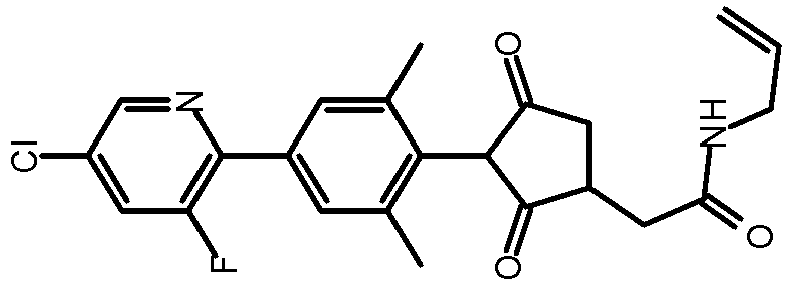
1H NMR (400 MHz, CD3OD) 8.53-8.42 (m, 1H), 7.84 (dd, 1H), 7.60 (s, 2H), 5.86 (tdd, 1H), 5.29-5.07 (m, 2H), 3.84 (d, 2H), 3.24-3.13 (m, 1H), 2.94 (dd, 1H), 2.81 (dd, 1H), 2.55-2.43 (m, 2H), 2.21-2.17 (m, 6H) B117 
1H NMR (400MHz, Methanol) Shift = 7.25 - 7.08 (m, 2H), 5.85 (tdd, J=5.4, 10.5, 17.2 Hz, 1H), 5.25 - 5.06 (m, 2H), 3.89 - 3.77 (m, 2H), 3.15 (d, J=6.0 Hz, 1H), 2.91 (dd, J=7.0, 17.9 Hz, 1H), 2.80 - 2.66 (m, 1H), 2.52 - 2.37 (m, 2H), 2.14 - 2.00 (m, 6H) B118 
1H NMR (400 MHz, CD3OD) 8.55-8.40 (m, 1H), 7.84 (dd, 1H), 7.60 (s, 2H), 4.00 (quin, 1H), 3.19 (d, 1H), 2.92 (dd, 1H), 2.74 (dd, 1H), 2.52-2.39 (m, 2H), 2.24-2.17 (m, 6H), 1.18-1.13 (m, 6H) B119 
1H NMR (400 MHz, CD3OD) 8.55-8.45 (m, 1H), 7.84 (dd, 1H), 7.60 (s, 2H), 3.90-3.69 (m, 1H), 3.24-3.12 (m, 1H), 2.93 (dd, 1H), 2.77 (ddd, 1H), 2.53-2.33 (m, 2H), 2.23-2.17 (m, 6H), 1.56-1.40 (m, 2H), 1.14 (dd, 3H), 0.93 (dt, 3H) B120 
1HNMR (400 MHz, CD3OD) 7.29-7.11 (m, 2H), 3.81 (sxt, 1H), 3.21-3.03 (m, 1H), 2.89 (ddd, 1H), 2.74 (ddd, 1H), 2.50-2.33 (m, 2H), 2.13-1.98 (m, 6H), 1.56-1.41 (m, 2H), 1.18-1.06 (m, 3H), 0.92 (dt, 3H) B121 
1H NMR (400 MHz, CD3OD) 8.52-8.40 (m, 1H), 7.84 (dd, 1H), 7.60 (s, 2H), 4.18-3.96 (m, 1H), 3.41-3.34 (m, 5H), 3.23-3.12 (m, 1H), 2.92 (dd, 1H), 2.82-2.65 (m, 1H), 2.54-2.37 (m, 2H), 2.24-2.17 (m, 6H), 1.15 (dd, 3H) B122 
1HNMR (400 MHz, CD3OD) 7.25-7.13 (m, 2H), 3.26-3.12 (m, 1H), 3.07 (d, 2H), 2.90 (dd, 1H), 2.75 (dd, 1H), 2.55-2.38 (m, 2H), 2.09 (s, 6H), 1.05-0.89 (m, 1H), 0.54-0.45 (m, 2H), 0.26-0.11 (m, 2H) B123 
1H NMR (400 MHz, CD3OD) 8.52-8.43 (m, 1H), 7.88-7.72 (m, 1H), 7.63-7.45 (m, 2H), 3.24-3.14 (m, 1H), 3.10-3.02 (m, 2H), 2.93 (dd, 1H), 2.78 (dd, 1H), 2.55-2.41 (m, 2H), 2.23-2.18 (m, 6H), 1.07-0.90 (m, 1H), 0.58-0.46 (m, 2H), 0.29-0.16 (m, 2H) B124 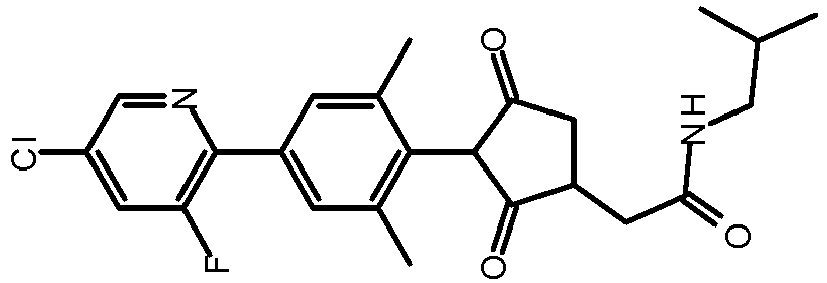
1H NMR (400 MHz, CD3OD) 8.54-8.36 (m, 1H), 7.84 (dd, 1H), 7.60 (s, 2H), 3.25-3.12 (m, 1H), 3.04 (d, 2H), 2.93 (dd, 1H), 2.79 (dd, 1H), 2.55-2.41 (m, 2H), 2.20 (s, 6H), 1.80 (quind, 1H), 0.94 (d, 6H) B125 
1H NMR (400 MHz, CD3OD) 8.49 (d, 1H), 7.84 (dd, 1H), 7.65-7.45 (m, 2H), 4.22-4.05 (m, 1H), 3.24-3.08 (m, 1H), 2.92 (dd, 1H), 2.74 (dd, 1H), 2.46 (d, 2H), 2.24-2.17 (m, 6H), 2.04-1.87 (m, 2H), 1.78-1.67 (m, 2H), 1.66-1.58 (m, 2H), 1.49 (td, 2H) B126 
1H NMR (400 MHz, CD3OD) 8.49 (dd, 1H), 7.84 (dd, 1H), 7.60 (s, 2H), 3.21-3.08 (m, 1H), 2.94 (dd, 1H), 2.75 (dd, 1H), 2.65 (s, 1H), 2.52-2.38 (m, 2H), 2.21-2.17 (m, 6H), 1.62-1.52 (m, 6H) B127 
1H NMR (400 MHz, CD3OD) 7.26-7.03 (m, 2H), 3.14 (d, 1H), 2.91 (dd, 1H), 2.72 (dd, 1H), 2.66-2.60 (m, 1H), 2.53-2.33 (m, 2H), 2.12-2.03 (m, 6H), 1.63-1.53 (m, 6H) B128 
1H NMR (400 MHz, CD3OD) 8.49 (dd, 1H), 7.84 (dd, 1H), 7.60 (s, 2H), 3.44 (t, 2H), 3.33 (s, 3H), 3.29-3.26 (m, 2H), 3.24-3.10 (m, 1H), 2.93 (dd, 1H), 2.77 (dd, 1H), 2.54-2.39 (m, 2H), 2.21-2.16 (m, 6H), 1.78 (quin, 2H) B129 
1H NMR (400 MHz, CD3OD) 8.49 (dd, 1H), 7.84 (dd, 1H), 7.65-7.54 (m, 2H), 7.34 (dt, 1H), 7.13 (d, 1H), 7.08-6.92 (m, 2H), 4.41 (s, 2H), 3.26-3.13 (m, 1H), 3.00-2.78 (m, 2H), 2.56-2.46 (m, 2H), 2.19 (d, 6H) B130 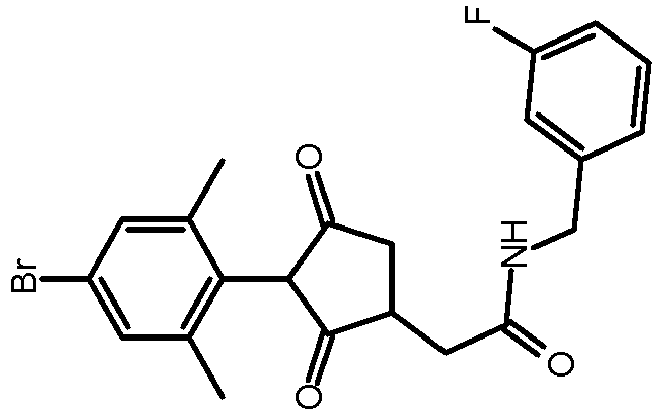
1H NMR (400 MHz, CD3OD) 7.39-7.27 (m, 1H), 7.21 (s, 2H), 7.11 (d, 1H), 7.05 (dd, 1H), 6.98 (dt, 1H), 4.45-4.33 (m, 2H), 3.26-3.11 (m, 1H), 2.91 (dd, 1H), 2.81 (dd, 1H), 2.57-2.43 (m, 2H), 2.13-2.07 (m, 6H) B131 
1H NMR (400 MHz, CD3OD) 8.49 (dd, 1H), 7.84 (dd, 1H), 7.60 (s, 2H), 7.23 (t, 1H), 6.90-6.85 (m, 2H), 6.82 (dd, 1H), 4.41-4.33 (m, 2H), 3.80-3.75 (m, 3H), 3.26-3.10 (m, 1H), 2.94 (dd, 1H), 2.83 (dd, 1H), 2.51 (d, 2H), 2.19 (d, 6H) B132 
1HNMR (400 MHz, CD3OD) 7.25-7.17 (m, 4H), 6.91-6.85 (m, 2H), 4.41-4.29 (m, 2H), 3.80-3.73 (m, 3H), 3.17 (d, 1H), 2.91 (dd, 1H), 2.80 (dd, 1H), 2.55-2.41 (m, 2H), 2.08 (d, 6H) B133 
1H NMR (400 MHz, CD3OD) 6.86 (s, 2H), 5.45-5.27 (m, 2H), 4.01 (s, 2H), 3.13 (br.s., 1H), 2.93-2.76 (m, 2H), 2.50-2.40 (m, 2H), 2.28-2.19 (m, 3H), 2.09-2.02 (m, 6H) B134 
1H NMR (400 MHz, CD3OD15bn227h1) 7.25-7.09 (m, 2H), 4.14-3.97 (m, 1H), 3.41-3.32 (m, 5H), 3.20-3.06 (m, 1H), 2.89 (dd, 1H), 2.80-2.66 (m, 1H), 2.52-2.37 (m, 2H), 2.13-2.02 (m, 6H), 1.18-1.04 (m, 3H) B135 
13.92-13.60 (m, 1H), 7.89 (s, 1H), 7.61 (s, 1H), 7.40-7.29 (m, 2H), 6.87-6.69 (m, 1H), 3.37-3.13 (m, 1H), 2.96-2.40 (m, 5H), 2.18 (d, 4H), 1.39-1.27 (m, 9H), 1.14 (dt, 3H) B136 
13.77-13.36 (m, 1H), 7.12-6.92 (m, 2H), 6.83-6.58 (m, 1H), 6.45-6.05 (m, 2H), 3.30-3.02 (m, 1H), 2.42 (d, 5H), 2.11 (s, 4H), 1.85 (dd, 3H), 1.34-1.19 (m, 9H), 1.10 (d, 3H) B137 
12.50-12.02 (m, 1H), 7.03 (dd, 2H), 6.41-6.04 (m, 2H), 3.95-3.44 (m, 8H), 3.40-3.25 (m, 1H), 3.19-2.81 (m, 2H), 2.42 (d, 3H), 2.32 2.07 (m, 4H), 1.85 (dd, 3H), 1.10 (dt, 3H) B138 
1H NMR (400 MHz, CD3OD) 8.94-8.81 (m, 1H), 6.86 (s, 2H), 3.19-3.02 (m, 1H), 2.98-2.83 (m, 1H), 2.73 (s, 1H), 2.53-2.30 (m, 2H), 2.25 (s, 3H), 2.05 (s, 6H), 1.27 (s, 2H), 1.10 (s, 2H) B139 
6.65 (s, 2H), 6.52-6.33 (m, 1H), 4.31 (d, 2H), 3.33-3.12 (m, 1H), 2.93-2.76 (m, 1H), 2.73-2.49 (m, 2H), 2.13 (d, 7H), 1.32 (s, 9H) B140 
1HNMR (400 MHz, CD3OD) 7.25-7.11 (m, 2H), 4.03-3.90 (m, 1H), 3.19-3.09 (m, 1H), 2.89 (dd, 1H), 2.73-2.65 (m, 1H), 2.49-2.36 (m, 2H), 2.09 (s, 6H), 1.19-1.11 (m, 6H) B141 
1H NMR (400 MHz, CD3OD) 7.24-7.14 (m, 2H), 3.51 (td, 1H), 3.29-3.21 (m, 1H), 3.15 (br.s., 1H), 2.92 (ddd, 1H), 2.78 (ddd, 1H), 2.57-2.42 (m, 2H), 2.09 (d, 6H), 2.00-1.89 (m, 1H), 1.67 (dd, 10.5Hz, 1H), 1.38-1.21 (m, 1H) B142 
1H NMR (400 MHz, CD3OD) 7.25-7.05 (m, 2H), 5.85-5.48 (m, 1H), 3.45-3.34 (m, 2H), 3.13 (d, 1H), 2.90 (dd, 1H), 2.82-2.68 (m, 1H), 2.52-2.35 (m, 2H), 2.14-2.07 (m, 6H), 0.83-0.64 (m, 4H) B143 
1H NMR (400 MHz, CD3OD) 8.54-8.40 (m, 1H), 7.81 (dd, 1H), 7.61-7.51 (m, 2H), 5.92-5.47 (m, 1H), 3.45-3.36 (m, 2H), 3.23-3.12 (m, 1H), 3.00-2.87 (m, 1H), 2.85-2.73 (m, 1H), 2.53-2.35 (m, 2H), 2.22-2.12 (m, 6H), 0.81-0.66 (m, 4H) B144 
1H NMR (400 MHz, CD3OD) 8.49-8.34 (m, 1H), 7.89-7.71 (m, 1H), 7.66-7.45 (m, 2H), 3.23-3.08 (m, 3H), 2.99-2.85 (m, 1H), 2.77 (dd, 1H), 2.53-2.44 (m, 2H), 2.24-2.10 (m, 6H), 1.59-1.47 (m, 2H), 1.01-0.85 (m, 3H) B145 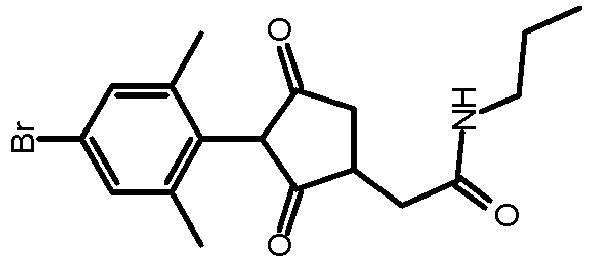
1HNMR (400 MHz, CD3OD) 7.25-7.15 (m, 2H), 3.22-3.03 (m, 3H), 2.90 (dd, 1H), 2.74 (dd, 1H), 2.52-2.37 (m, 2H), 2.09 (s, 6H), 1.54 (sxt, 2H), 0.98-0.87 (m, 3H) B146 
6.64 (s, 2H), 4.39-4.20 (m, 2H), 3.85-3.43 (m, 8H), 3.39-3.24 (m, 1H), 2.87 (s, 2H), 2.68-2.49 (m, 1H), 2.29-2.18 (m, 1H), 2.12 (d, 6H) B147 
13.69-13.21 (m, 1H), 7.46-7.27 (m, 1H), 6.64 (s, 2H), 4.93-4.62 (m, 2H), 4.30 (d, 2H), 3.82-3.51 (m, 2H), 3.31-3.07 (m, 1H), 2.95-2.43 (m, 3H), 2.11 (s, 7H), 1.69 (s, 3H) B148 
7.21-6.99 (m, 3H), 3.80-3.24 (m, 9H), 2.89 (dd, 2H), 2.45 (t, 3H), 2.32-2.07 (m, 4H), 1.10 (dt, 3H) B149 
7.28-6.99 (m, 4H), 3.24-3.09 (m, 1H), 2.85 (d, 1H), 2.57 (d, 2H), 2.49-2.38 (m, 2H), 2.35-2.22 (m, 1H), 2.12 (d, 3H), 1.34 (d, 9H), 1.10 (t, 3H) B150 
14.19-13.47 (m, 1H), 7.67-7.39 (m, 1H), 7.22-6.92 (m, 3H), 2.98 (s, 4H), 2.44 (dd, 4H), 2.13 (d, 4H), 1.47-1.31 (m, 2H), 1.10 (q, 3H), 0.84 (t, 3H) B151 
13.61-13.02 (m, 1H), 8.11-7.64 (m, 1H), 7.24-6.97 (m, 3H), 3.87-3.58 (m, 2H), 3.28-3.04 (m, 1H), 2.97-2.73 (m, 1H), 2.68-2.50 (m, 1H), 2.50-2.03 (m, 8H), 1.10 (dt, 3H) B152 
13.89-13.46 (m, 1H), 7.89-7.53 (m, 1H), 7.21-6.99 (m, 3H), 4.90-4.63 (m, 2H), 3.57 (d, 2H), 3.23-3.03 (m, 1H), 2.91-2.74 (m, 1H), 2.69-2.55 (m, 1H), 2.55-2.30 (m, 3H), 2.11 (d, 4H), 1.67 (s, 3H), 1.10 (td, 3H) B153 
7.05 (s, 2H), 6.33 (d, 2H), 3.23-3.05 (m, 1H), 2.74 (d, 2H), 2.54-2.33 (m, 4H), 2.07 (s, 3H), 1.92-1.76 (m, 3H), 1.07 (t, 3H) B154 
1H NMR (400 MHz, CD3OD) 6.71 (s, 2H), 4.46 (d, 2H), 3.21-2.36 (m, 5H), 2.09 (s, 6H) B155 
7.07 (d, 2H), 3.81-3.20 (m, 9H), 2.86 (dd, 2H), 2.71-2.43 (m, 1H), 2.31-1.98 (m, 10H) B156 
7.52-7.31 (m, 1H), 7.08 (s, 2H), 3.42 (t, 2H), 3.36-3.11 (m, 6H), 2.90-2.76 (m, 1H), 2.62-2.44 (m, 2H), 2.23-1.95 (m, 10H), 1.71 (s, 2H) B157 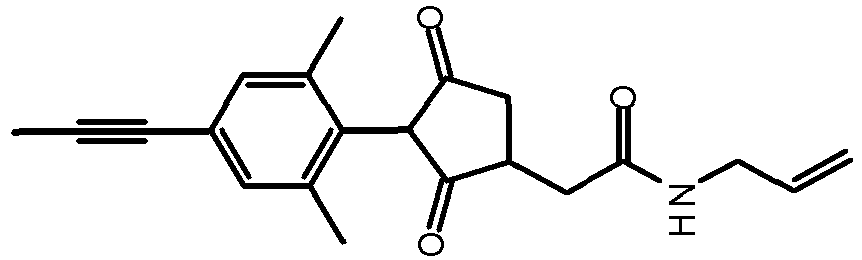
7.48-7.30 (m, 1H), 7.08 (s, 2H), 5.80-5.51 (m, 1H), 5.20-5.04 (m, 2H), 3.71 (s, 2H), 3.24-3.04 (m, 1H), 2.91-2.74 (m, 1H), 2.67-2.38 (m, 2H), 2.22-1.95 (m, 10H) B158 
1H NMR (400 MHz, CD3OD) 6.86 (s, 2H), 3.45-3.37 (m, 1H), 3.23 (dd, 1H), 3.13 (d, 1H), 2.88 (dd, 1H), 2.77 (dd, 1H), 2.50-2.35 (m, 2H), 2.28-2.20 (m, 3H), 2.06 (s, 6H), 1.96-1.83 (m, 1H), 1.49 (ddt, 1H), 1.23-1.10 (m, 1H) B159 
1H NMR (400 MHz, CD3OD) 6.86 (s, 2H), 6.04 (t, 1H), 3.93 (d, 2H), 3.13 (br.s., 1H), 2.93-2.87 (m, 1H), 2.81-2.68 (m, 1H), 2.48-2.34 (m, 2H), 2.27-2.20 (m, 3H), 2.08-2.00 (m, 6H) B160 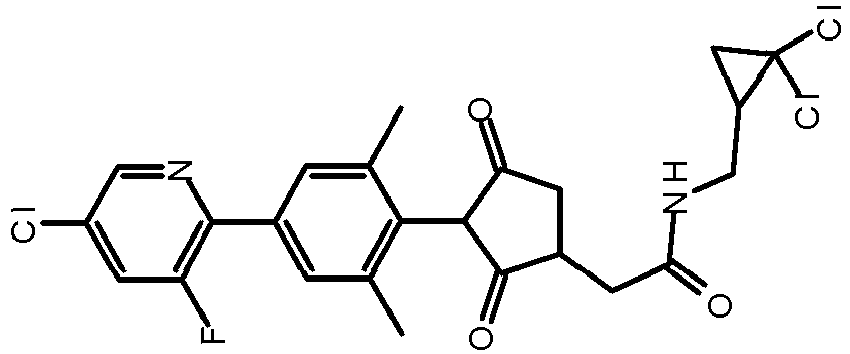
1H NMR (400 MHz, CD3OD) 8.48 (s, 1H), 7.83 (dd, 1H), 7.60 (s, 2H), 3.51 (td, 1H), 3.31-3.24 (m, 1H), 3.19 (d, 1H), 2.95 (dd, 1H), 2.81 (ddd, 1H), 2.58-2.37 (m, 2H), 2.25-2.14 (m, 6H), 2.02-1.90 (m, 1H), 1.72-1.60 (m, 1H), 1.36-1.18 (m, 1H) B161 
1H NMR (400 MHz, CD3OD) 8.56-8.37 (m, 1H), 7.84 (dd, 1H), 7.60 (s, 2H), 5.74-5.59 (m, 1H), 5.55-5.36 (m, 1H), 3.91-3.72 (m, 2H), 3.23-3.11 (m, 1H), 2.93 (dd, 1H), 2.77 (dd, 1H), 2.52-2.39 (m, 2H), 2.19 (s, 6H), 1.74-1.64 (m, 3H) B162 
1H NMR (400 MHz, CD3OD) 8.49 (d, 1H), 7.84 (dd, 1H), 7.60 (s, 2H), 6.33 (d, 1H), 6.04-5.77 (m, 1H), 3.83 (d, 2H), 3.15 (d, 1H), 2.94 (dd, 1H), 2.78 (dd, 1H), 2.57-2.41 (m, 2H), 2.23-2.18 (m, 6H) B163 
1H NMR (400 MHz, CD3OD) 6.90-6.71 (m, 2H), 5.27-5.14 (m, 1H), 3.79 (d, 2H), 3.23-3.03 (m, 1H), 2.87 (dd, 1H), 2.78-2.66 (m, 1H), 2.48-2.34 (m, 2H), 2.26-2.19 (m, 3H), 2.08-1.97 (m, 6H), 1.77-1.65 (m, 6H) B164 
12.71-12.00 (m, 1H), 6.75-6.55 (m, 2H), 4.32 (q, 2H), 3.90-3.45 (m, 8H), 3.36 (br.s., 1H), 2.90 (dd, 2H), 2.43 (quin, 3H), 2.24 (d, 1H), 2.12 (d, 3H), 1.10 (dt, 3H) B165 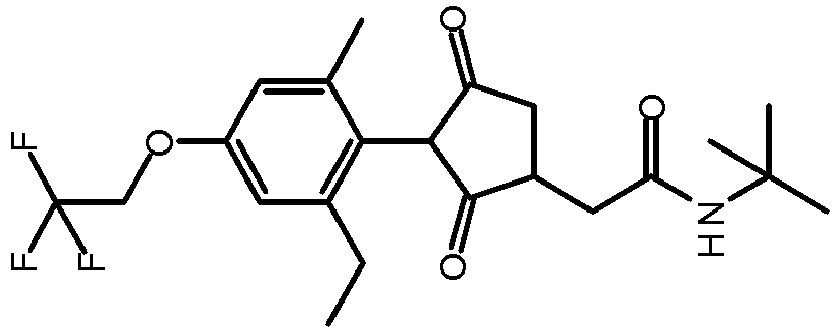
13.85-13.21 (m, 1H), 6.81-6.56 (m, 3H), 4.32 (q, 2H), 3.34-3.12 (m, 1H), 2.43 (dd, 5H), 2.11 (d, 4H), 1.37-1.25 (m, 9H), 1.10 (dt, 3H) B166 
13.49-12.77 (m, 1H), 7.96-7.55 (m, 1H), 6.82-6.51 (m, 2H), 4.33 (q, 2H), 3.98-3.73 (m, 2H), 3.29-3.07 (m, 1H), 2.92-2.32 (m, 5H), 2.29-2.04 (m, 5H), 1.09 (dt, 3H) B167 
1H NMR (400 MHz, CD3OD) 6.72 (s, 2H), 4.48 (d, 2H), 3.24-3.02 (m, 1H), 2.99-2.66 (m, 2H), 2.58-2.31 (m, 4H), 2.08 (s, 3H), 1.07 (t, 3H) B168 
1H NMR (400 MHz, CD3OD) 7.05 (s, 2H), 3.21-3.05 (m, 1H), 2.98-2.66 (m, 2H), 2.46 (s, 2H), 2.06 (s, 6H), 2.02-1.93 (m, 3H) B169 
6.89 (t, 2H), 3.85-3.44 (m, 8H), 3.42-3.25 (m, 1H), 2.90 (dd, 2H), 2.68-2.34 (m, 3H), 2.27-2.20 (m, 4H), 2.09 (d, 3H), 1.09 (dt, 3H) B170 
6.94-6.79 (m, 2H), 6.69-6.55 (m, 1H), 3.30-3.08 (m, 1H), 2.90-2.75 (m, 1H), 2.41 (d, 4H), 2.27 (s, 3H), 2.09 (s, 4H), 1.29 (d, 9H), 1.09 (dt, 3H) B171 
1H NMR (400 MHz, CD3OD) 6.88 (br.s., 2H), 3.11 (br.s., 1H), 2.88 (dd, 1H), 2.75 (dd, 1H), 2.52-2.32 (m, 4H), 2.26 (s, 3H), 2.05 (s, 3H), 1.05 (t, 3H) B172 
12.55-11.92 (m, 1H), 7.01 (d, 2H), 6.47-6.06 (m, 2H), 3.90-3.26 (m, 9H), 3.2-2.89 (dd, 2H), 2.66-2.45 (m, 1H), 2.38-2.03 (m, 7H), 1.85 (dd, 3H) B173 
7.09-6.93 (m, 2H), 6.74-6.53 (m, 1H), 6.40-5.96 (m, 2H), 3.32-3.05 (m, 1H), 2.93-2.71 (m, 1H), 2.69-2.40 (m, 2H), 2.12 (d, 7H), 1.84 (dd, 3H), 1.29 (s, 9H) B174 
7.74-7.54 (m, 1H), 7.02 (d, 2H), 6.34-6.09 (m, 2H), 3.93-3.71 (m, 2H), 3.22-3.05 (m, 1H), 2.93-2.73 (m, 1H), 2.68-2.39 (m, 2H), 2.25-2.02 (m, 8H), 1.84 (dd, 3H) B175 
1H NMR (400 MHz, CD3OD) 7.02 (s, 2H), 6.39-6.10 (m, 2H), 3.21-3.04 (m, 1H), 2.99-2.84 (m, 1H), 2.80-2.66 (m, 1H), 2.51-2.35 (m, 2H), 2.08 (s, 6H), 1.84 (dd, 3H) B176 
1H NMR (400 MHz, CD3OD) 7.25-7.13 (m, 2H), 6.31 (td, 1H), 5.50-5.59 (m, 1H), 3.82 (dd, 2H), 3.14 (d, 1H), 2.91 (dd, 1H), 2.81-2.66 (m, 1H), 2.51-2.38 (m, 2H), 2.09 (s, 6H) B177 
1H NMR (400 MHz, CD3OD) 7.26-7.12 (m, 2H), 5.73-5.59 (m, 1H), 5.54-5.39 (m, 1H), 3.91-3.70 (m, 2H), 3.22-3.09 (m, 1H), 2.95-2.80 (m, 1H), 2.74 (dd, 1H), 2.51-2.39 (m, 2H), 2.09 (s, 6H), 1.73-1.52 (m, 3H) B178 
1H NMR (400 MHz, CD3OD) 8.52-8.39 (m, 1H), 7.84 (dd, 1H), 7.60 (s, 2H), 3.24-3.11 (m, 1H), 3.07-3.01 (m, 2H), 2.97-2.91 (m, 1H), 2.82 (dd, 1H), 2.58-2.42 (m, 2H), 2.23-2.16 (m, 6H), 0.99-0.87 (m, 9H) B179 
1H NMR (400 MHz, CD3OD) 6.86 (s, 2H), 5.85 (dddd, 1H), 5.21-5.12 (m, 1H), 5.09-5.04 (m, 1H), 4.47 (t, 1H), 3.13 (d, 1H), 2.88 (dd, 1H), 2.77 (dd, 1H), 2.42 (d, 2H), 2.25 (s, 3H), 2.06 (s, 6H), 1.26-1.18 (m, 3H) B180 
1H NMR (400 MHz, CD30D) 6.91-6.76 (m, 2H), 3.53-3.44 (m, 2H), 3.35 (s, 3H), 3.20-3.03 (m, 1H), 2.86 (dd, 1H), 2.70 (dd, 1H), 2.50-2.34 (m, 2H), 2.29-2.19 (m, 3H), 2.06 (s, 6H), 1.35-1.27 (m, 6H) B181 
1H NMR (400 MHz, CD3OD) 8.44 (d, 1H), 7.65 (ddd, 1H), 7.55 (s, 2H), 7.36-7.21 (m, 5H), 4.41 (s, 2H), 3.20 (br.s., 1H), 2.94 (dd, 1H), 2.84 (dd, 1H), 2.58-2.45 (m, 2H), 2.23-2.14 (m, 6H) B182 
7.91-7.57 (m, 1H), 7.29-7.20 (m, 2H), 7.16 (s, 1H), 7.10-6.95 (m, 3H), 4.28-4.03 (m, 2H), 3.27-3.09 (m, 1H), 2.91-2.72 (m, 1H), 2.69-2.42 (m, 2H), 2.27-1.91 (m, 10H) B183 
13.90-13.26 (m, 1H), 8.07-7.66 (m, 1H), 7.35-7.18 (m, 1H), 7.11-6.77 (m, 5H), 4.19 (d, 2H), 3.22-3.04 (m, 1H), 2.79 (d, 1H), 2.69-2.33 (m, 2H), 2.22-1.89 (m, 9H) B184 
7.78-7.51 (m, 1H), 7.19-7.01 (m, 4H), 6.83 (d, 2H), 4.20 (d, 2H), 3.77 (s, 3H), 3.24-3.05 (m, 1H), 2.74 (d, 1H), 2.47 (s, 2H), 2.14-1.93 (m, 10H) B185 
13.93-13.42 (m, 1H), 7.87-7.57 (m, 1H), 7.42-6.98 (m, 7H), 4.24 (d, 2H), 3.32-2.95 (m, 1H), 2.86-2.62 (m, 1H), 2.60-2.33 (m, 2H), 2.14-1.91 (m, 10H) B186 
1H NMR (400 MHz, CD3OD) 7.67 (d, 2H), 7.46 (d, 2H), 7.04 (s, 2H), 4.44 (s, 2H), 3.23-3.09 (m, 1H), 2.99-2.72 (m, 2H), 2.59-2.41 (m, 2H), 2.13-1.94 (m, 9H) B187 
13.81-12.98 (m, 1H), 7.97 (br.s., 1H), 7.41-7.08 (m, 3H), 7.06-6.89 (m, 3H), 6.43-5.96 (m, 2H), 4.19-3.86 (m, 2H), 3.30-2.96 (m, 1H), 2.88-2.61 (m, 2H), 2.36 (d, 3H), 2.21-1.92 (m, 4H), 1.85 (dd, 3H), 1.05 (td, 3H) B188 
7.79-7.56 (m, 1H), 7.33-7.19 (m, 1H), 7.08-6.79 (m, 5H), 6.39-6.07 (m, 2H), 4.28-4.01 (m, 2H), 3.33-3.11 (m, 1H), 2.94-2.65 (m, 2H), 2.55 (s, 1H), 2.45-2.27 (m, 2H), 2.05 (d, 4H), 1.85 (dd, 3H), 1.06 (td, 3H) B189 
7.67-7.43 (m, 1H), 7.09 (d, 2H), 7.06-6.97 (m, 2H), 6.88-6.74 (m, 2H), 6.38-6.10 (m, 2H), 4.16 (s, 2H), 3.77 (s, 3H), 3.20-3.03 (m, 1H), 2.83-2.67 (m, 1H), 2.37 (d, 4H), 2.06 (s, 4H), 1.84 (dd, 3H), 1.07 (dt, 3H) B190 
13.80-13.02 (m, 1H), 7.92-7.58 (m, 1H), 7.40-7.08 (m, 5H), 7.00 (d, 2H), 6.42-5.89 (m, 2H), 4.19 (s, 2H), 3.28-2.99 (m, 1H), 2.84-2.26 (m, 5H), 2.16-1.75 (m, 7H), 1.06 (dt, 3H) B191 
13.76-12.91 (m, 1H), 8.60-8.25 (m, 1H), 7.53 (d, 2H), 7.16 (d, 2H), 7.03-6.87 (m, 2H), 6.39-6.07 (m, 2H), 4.19-3.81 (m, 2H), 3.31-3.11 (m, 1H), 2.96-2.76 (m, 2H), 2.63-2.45 (m, 1H), 2.45-2.11 (m, 3H), 2.02 (d, 3H), 1.86 (dd, 3H), 1.03 (td, 3H) B192 
14.12-13.30 (m, 1H), 7.20-6.94 (m, 3H), 6.47-5.98 (m, 2H), 4.13-3.82 (m, 1H), 3.16 (br.s., 1H), 2.81 (dd, 1H), 2.67-2.34 (m, 4H), 2.23-2.01 (m, 4H), 1.85 (dd, 3H), 1.20-0.97 (m, 9H) B193 
13.83-12.88 (m, 1H), 7.63-7.34 (m, 1H), 7.11-6.90 (m, 2H), 6.47-6.05 (m, 2H), 5.79-5.55 (m, 1H), 5.19-4.97 (m, 2H), 3.65 (br.s., 2H), 3.28-3.03 (m, 1H), 2.93-2.72 (m, 1H), 2.40 (d, 4H), 2.09 (s, 4H), 1.85 (dd, 3H), 1.08 (dt, 3H) B194 
12.84 (br.s., 1H), 7.09-6.93 (m, 2H), 6.46-6.05 (m, 2H), 3.63-3.20 (m, 3H), 3.16-2.66 (m, 5H), 2.61-1.96 (m, 7H), 1.85 (dd, 3H), 1.32-0.97 (m, 6H) B195 
12.50-11.80 (m, 1H), 7.14-6.89 (m, 2H), 6.44-6.00 (m, 2H), 4.19 (d, 2H), 3.47-2.78 (m, 5H), 2.73-1.76 (m, 12H), 1.23-0.96 (m, 3H) B196 
13.85-13.09 (m, 1H), 7.47-7.19 (m, 1H), 7.00-6.82 (m, 2H), 6.31-5.97 (m, 2H), 3.15-2.96 (m, 1H), 2.89-2.62 (m, 3H), 2.30 (q, 4H), 2.12-1.92 (m, 4H), 1.73 (dd, 3H), 0.97 (dt, 3H), 0.70 (br.s., 1H), 0.42-0.24 (m, 2H), 0.12-0.07 (m, 2H) B197 
1H NMR (400 MHz, CD3OD) 8.47 (dd, 1H), 7.82 (dd, 1H), 7.59 (s, 2H), 3.47-3.36 (m, 1H), 3.28-3.13 (m, 2H), 3.01-2.88 (m, 1H), 2.79 (dd, 1H), 2.51-2.42 (m, 2H), 2.19 (s, 6H), 1.94-1.84 (m, 1H), 1.58-1.43 (m, 1H), 1.27-1.10 (m, 1H) B198 
1H NMR (400 MHz, CD3OD) 7.28-7.13 (m, 2H), 3.45-3.35 (m, 1H), 3.25-3.12 (m, 2H), 2.97-2.88 (m, 1H), 2.76 (dd, 1H), 2.53-2.45 (m, 2H), 2.09 (s, 6H), 1.98-1.76 (m, 1H), 1.49 (ddt, 1H), 1.23-1.03 (m, 1H) B199 
1H NMR (400 MHz, CD3OD) 8.44 (d, 1H), 7.72-7.62 (m, 3H), 7.55 (br.s., 2H), 7.49 (d, 2H), 4.48 (s, 2H), 3.24-3.15 (m, 1H), 2.99-2.81 (m, 2H), 2.57-2.48 (m, 2H), 2.21-2.14 (m, 6H) B200 
1H NMR (400 MHz, CD3OD) 8.44 (d, 1H), 7.67-7.60 (m, 1H), 7.55 (s, 2H), 4.95-4.88 (m, 2H), 3.78 (s, 2H), 3.18 (br.s., 1H), 2.94 (dd, 1H), 2.86-2.78 (m, 1H), 2.50 (d, 2H), 2.20 (s, 6H), 1.78-1.72 (m, 3H) B201 
1H NMR (400 MHz, CD3OD) 8.44 (d, 1H), 7.65 (ddd, 1H), 7.55 (s, 2H), 3.28-3.22 (m, 2H), 3.20-3.10 (m, 1H), 2.92 (dd, 1H), 2.76 (dd, 1H), 2.47 (d, 2H), 2.21-2.08 (m, 6H), 1.20-1.10 (m, 3H) B202 
1H NMR (400 MHz, CD3OD) 8.85 (s, 1H), 8.44 (d, 1H), 8.12 (dd, 1H), 7.69-7.61 (m, 1H), 7.60-7.52 (m, 3H), 4.59 (s, 2H), 3.18-3.08 (m, 1H), 2.95-2.84 (m, 2H), 2.61-2.45 (m, 2H), 2.19 (d, 6H) B203 
1H NMR (400 MHz, CD3OD) 8.44 (d, 1H), 7.65 (ddd, 1H), 7.55 (s, 2H), 4.05-3.92 (m, 1H), 3.26-3.11 (m, 1H), 2.91 (dd, 1H), 2.74 (dd, 1H), 2.52-2.35 (m, 2H), 2.24-2.13 (m, 6H), 1.16 (dd, 6H) B204 
1.43 mins, m/z = 482.14 (M+H)+ B205 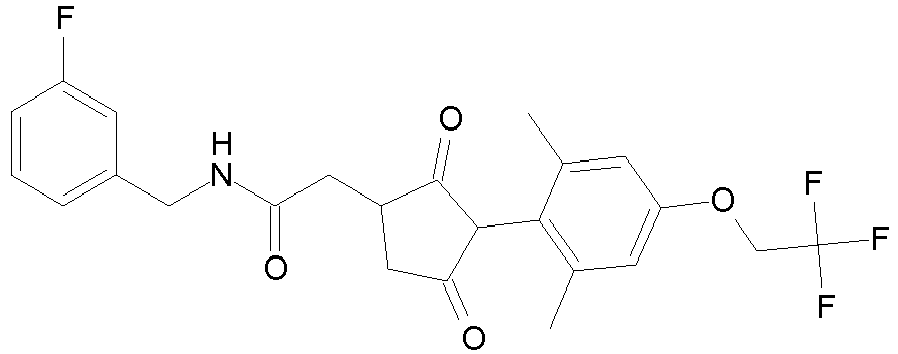
1.35 mins, m/z = 466.18 (M+H)+ B206 
1.34 mins, m/z = 478.20 (M+H)+ B207 
1.27 mins, m/z = 473.17 (M+H)+ B208 
1.26 mins, m/z = 400.18 (M+H)+ B209 
1.21 mins, m/z = 398.17 (M+H)+ B210 
1.28 mins, m/z = 412.18 (M+H)+ B211 
1.26 mins, m/z = 400.18 (M+H)+ B212 
1.46 mins, m/z = 428.21 (M+H)+ B213 
1.23 mins, m/z = 410.17 (M+H)+ B214 
1.40 mins, m/z = 480.220 (M+H)+ B215 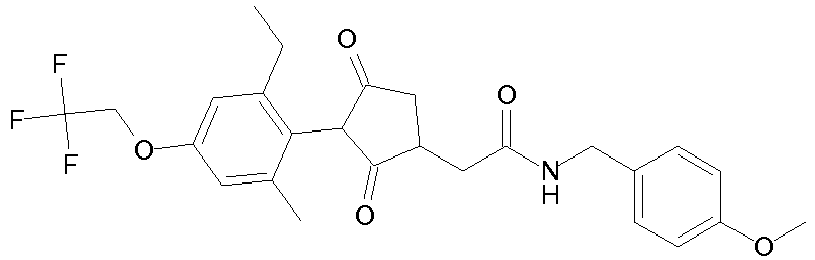
1.38 mins, m/z = 492.21 (M+H)+ B216 
1.32 mins, m/z = 487.20 (M+H)+ B217 
1.31 mins, m/z = 414.20 (M+H)+ B218 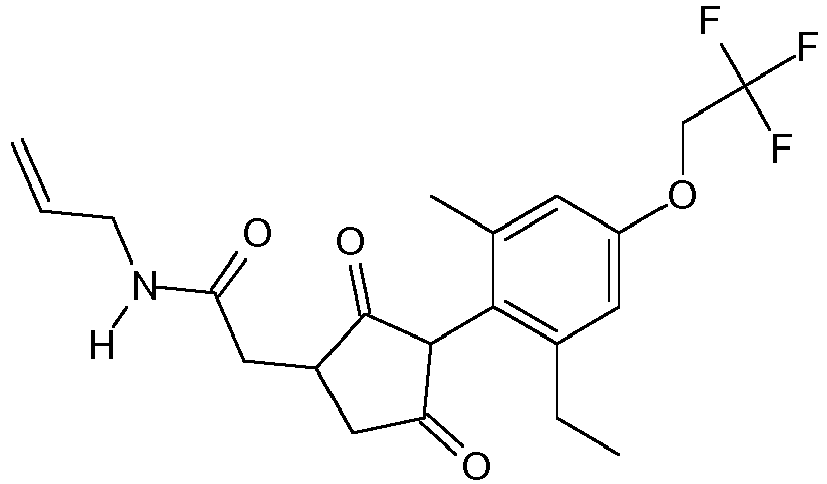
1.26 mins, m/z = 412.18 (M+H)+ B219 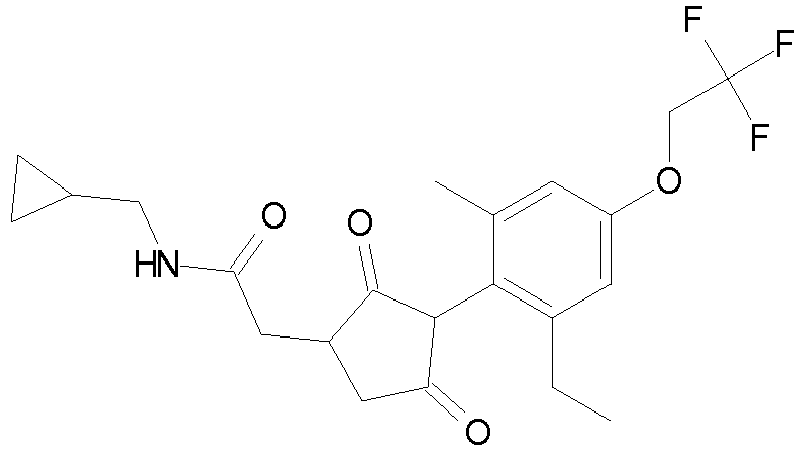
1.33 mins, m/z = 426.20 (M+H)+ B220 
1.32 mins, m/z = 414.20 (M+H)+ B221 
1.51 mins, m/z = 442.22 (M+H)+ B222 
1.28 mins, m/z = 424.18 (M+H)+ B223 
1.36 mins, m/z = 468.15 (M+H)+ B224 
1.35 mins, m/z = 480.18 (M+H)+ B225 
1.27 mins, m/z = 475.17 (M+H)+ B226 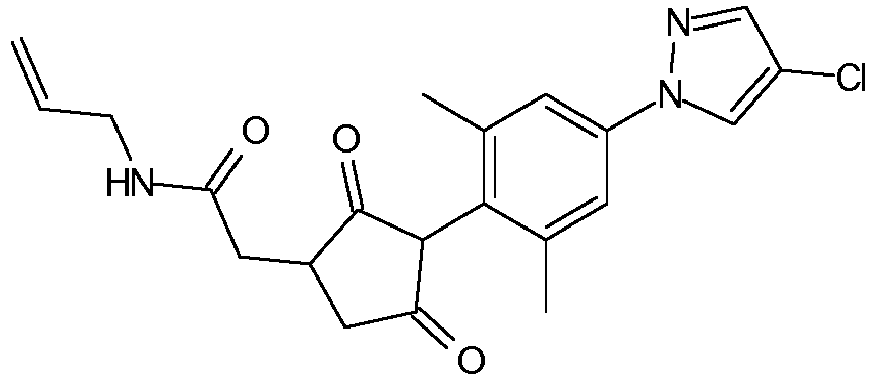
1.21 mins, m/z = 400.16 (M+H)+ B227 
1.28 mins, m/z = 414.17 (M+H)+ B228 
1.26 mins, m/z = 402.16 (M+H)+ B229 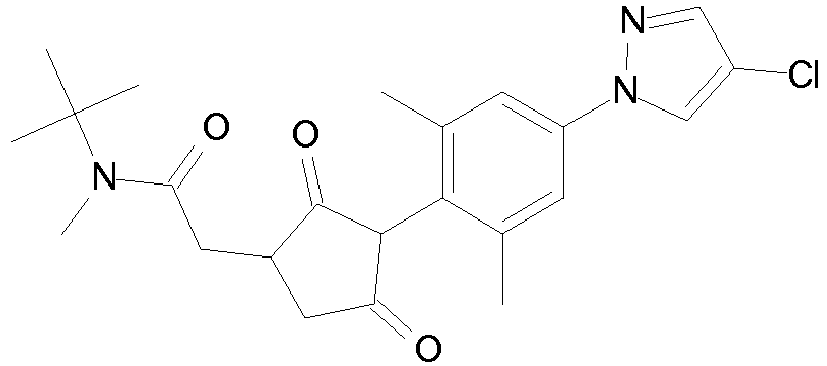
1.48 mins, m/z = 430.20 (M+H)+ B230 
1.23 mins, m/z = 412.14 (M+H)+ B231 
1.47 mins, m/z = 498.14 (M+H)+ B232 
1.40 mins, m/z = 482.18 (M+H)+ B233 
1.39 mins, m/z = 494.19 (M+H)+ B234 
1.32 mins, m/z = 489.18 (M+H)+ B235 
1.32 mins, m/z = 416.17 (M+H)+ B236 
1.26 mins, m/z = 414.16 (M+H)+ B237 
1.34 mins, m/z = 428.18 (M+H)+ B238 
1.32 mins, m/z = 416.19 (M+H)+ B239 
1.52 mins, m/z = 444.21 (M+H)+ B240 
1.28 mins, m/z = 426.17 (M+H)+ B241 
1.47 mins, m/z = 424.19 (M+H)+ B242 
1.41 mins, m/z = 408.21 (M+H)+ B243 
1.39 mins, m/z = 420.24 (M+H)+ B244 
1.32 mins, m/z = 415.21 (M+H)+ B245 
1.31 mins, m/z = 342.22 (M+H)+ B246 
1.26 mins, m/z = 340.22 (M+H)+ B247 
1.33 mins, m/z = 354.21 (M+H)+ B248 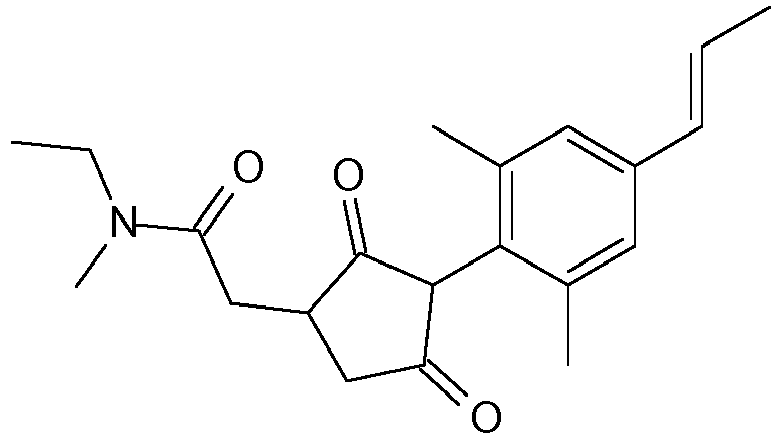
1.32 mins, m/z = 342.23 (M+H)+ B249 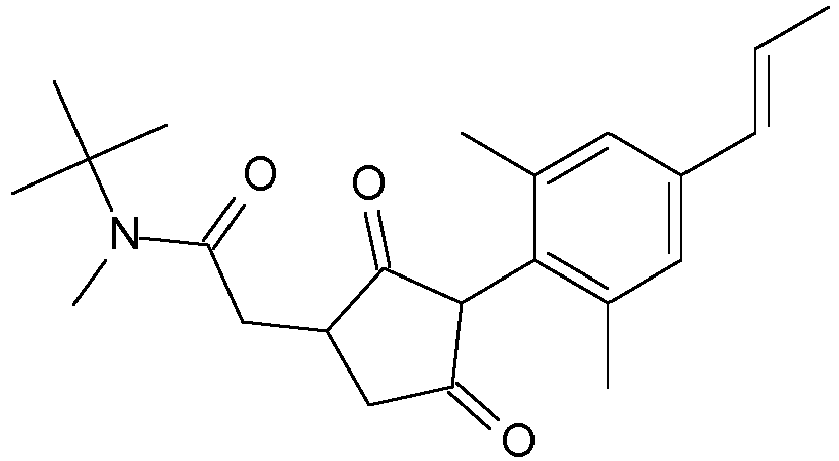
1.53 mins, m/z = 370.24 (M+H)+ B250 
1.28 mins, m/z = 352.20 (M+H)+ B251 
1.43 mins, m/z = 412.18 (M+H)+ B252 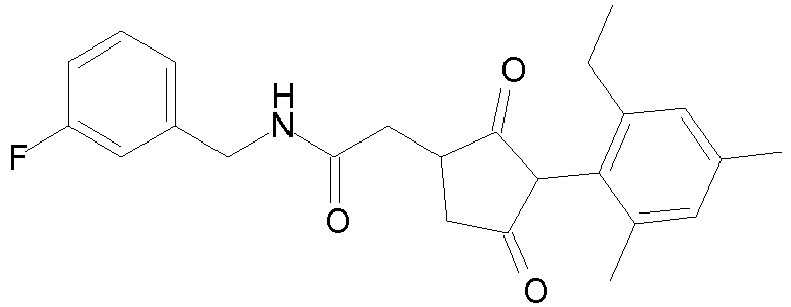
1.35 mins, m/z = 396.20 (M+H)+ B253 
1.35 mins, m/z = 408.23 (M+H)+ B254 
1.27 mins, m/z = 403.21 (M+H)+ B255 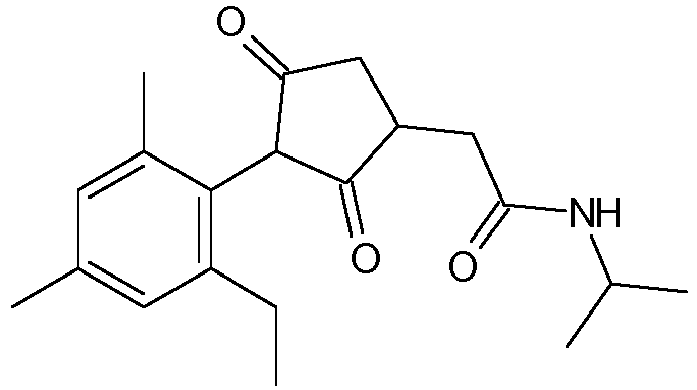
1.25 mins, m/z = 330.23 (M+H)+ B256 
1.19 mins, m/z = 328.21 (M+H)+ B257 
1.27 mins, m/z = 342.23 (M+H)+ B258 
1.25 mins, m/z = 330.23 (M+H)+ B259 
1.48 mins, m/z = 358.23 (M+H)+ B260 
1.21 mins, m/z = 340.21 (M+H)+ B261 
1.46 mins, m/z = 496.16 (M+H)+ B262 
484.13 mins, m/z = 1.38 (M+H)+ B263 
13.76-13.08 (m, 1H), 8.60 (s, 2H), 8.04 (s, 2H), 7.47-7.11 (m, 6H), 4.32 (d, 2H), 3.38-3.09 (m, 1H), 2.95-2.73 (m, 1H), 2.62 (br.s., 2H), 2.19 (d, 7H) B264 
8.60 (s, 2H), 8.02 (s, 2H), 7.73-7.54 (m, 1H), 7.33-7.18 (m, 1H), 7.02-6.79 (m, 3H), 4.23 (dd, 2H), 3.31-3.11 (m, 1H), 2.85 (dd, 1H), 2.77-2.49 (m, 2H), 2.28-2.09 (m, 7H) B265 
1H NMR (400 MHz, CD3OD) 8.44 (d, 1H), 7.72-7.63 (m, 1H), 7.58-7.52 (m, 2H), 3.26-3.13 (m, 1H), 3.12-3.07 (m, 3H), 2.99 (s, 4H), 2.97-2.86 (m, 2H), 2.48 (d, 1H), 2.25-2.16 (m, 6H) B266 
1H NMR (400 MHz, CD3OD) 8.44 (d, 1H), 7.65 (ddd, 1H), 7.59-7.49 (m, 2H), 3.65-3.52 (m, 8H), 3.38-3.34 (m, 6H), 3.25-3.12 (m, 1H), 2.99-2.84 (m, 3H), 2.51-2.34 (m, 1H), 2.20 (d, 6H) B267 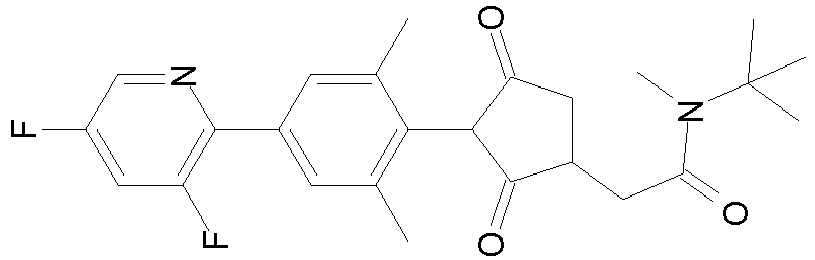
1H NMR (400 MHz, CD3OD) 8.44 (d, 1H), 7.69-7.60 (m, 1H), 7.58-7.52 (m, 2H), 3.48-3.36 (m, 1H), 3.25-3.12 (m, 1H), 3.02-2.96 (m, 3H), 2.99-2.82 (m, 2H), 2.48-2.31 (m, 1H), 2.24-2.14 (m, 6H), 1.49-1.43 (m, 9H) B268 
1H NMR (400 MHz, CD3OD) 8.96-8.81 (m, 2H), 8.10 (s, 2H), 3.20-3.09 (m, 1H), 2.90 (dd, 1H), 2.71 (dd, 1H), 2.49-2.34 (m, 2H), 2.21 (s, 6H), 1.36 (s, 9H) B269 
1H NMR (400 MHz, CD3OD) 8.44 (d, 1H), 7.65 (ddd, 1H), 7.55 (s, 2H), 3.22-3.11 (m, 1H), 2.92 (dd, 1H), 2.80-2.71 (m, 4H), 2.47 (d, 2H), 2.19 (s, 6H) B270 
1H NMR (400 MHz, CD3OD) 9.11-9.03 (m, 2H), 8.15 (s, 2H), 3.25-3.14 (m, 1H), 2.99-2.85 (m, 1H), 2.78-2.64 (m, 1H), 2.54-2.38 (m, 2H), 2.26-2.18 (m, 6H), 1.38-1.31 (m, 9H) B271 
8.60 (s, 2H), 8.14-7.95 (m, 2H), 7.23-7.08 (m, 3H), 6.92-6.71 (m, 2H), 4.37-4.20 (m, 2H), 3.78 (s, 3H), 3.35-3.09 (m, 1H), 2.93-2.75 (m, 1H), 2.72-2.50 (m, 2H), 2.20 (d, 7H) B272 
8.62 (s, 2H), 8.39-8.17 (m, 1H), 7.99 (s, 2H), 7.50 (d, 2H), 7.24-7.08 (m, 2H), 4.30-3.98 (m, 2H), 3.30-3.12 (m, 1H), 2.95-2.70 (m, 2H), 2.67-2.51 (m, 1H), 2.15 (s, 7H), B273 
12.87-12.10 (m, 1H), 8.62 (s, 2H), 8.07 (d, 2H), 7.44-6.77 (m, 4H), 4.56 (s, 2H), 3.57-3.35 (m, 1H), 3.28-2.79 (m, 5H), 2.77-2.54 (m, 1H), 2.41-2.14 (m, 7H) B274 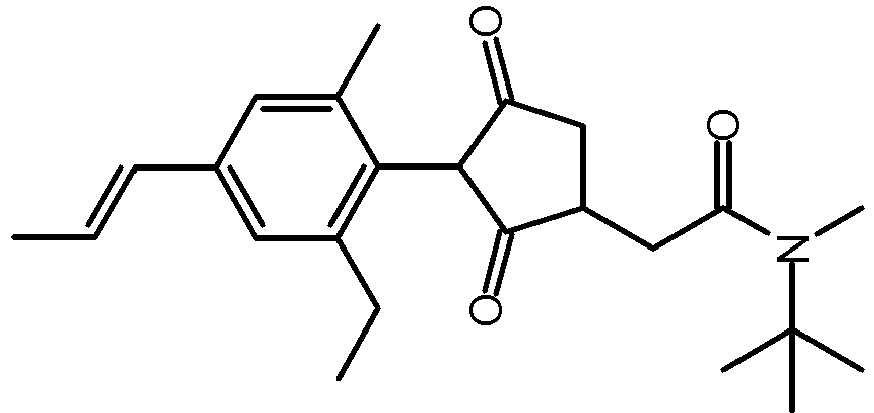
12.75-12.43 (m, 1H), 7.10-6.93 (m, 2H), 6.43-5.99 (m, 2H), 3.51-3.30 (m, 1H), 2.99 (d, 5H), 2.69-2.20 (m, 4H), 2.12 (d, 3H), 1.85 (dd, 3H), 1.45 (s, 9H), 1.11 (t, 3H) B275 
13.60-12.87 (m, 1H), 8.63 (s, 2H), 8.07 (d, 2H), 6.35-5.93 (m, 1H), 4.30-3.94 (m, 1H), 3.45-3.11 (m, 1H), 2.90 (s, 1H), 2.67 (d, 2H), 2.25 (d, 7H), 1.18 (dd, 6H) B276 
12.74-11.76 (m, 1H), 8.63 (s, 2H), 8.07 (d, 2H), 3.99-3.27 (m, 9H), 2.94 (m, 2H), 2.70-2.49 (m, 1H), 2.25 (d, 6H) B277 
13.63-13.02 (m, 1H), 8.63 (s, 2H), 8.07 (br.s., 2H), 6.75-6.45 (m, 1H), 3.26 (d, 3H), 2.98-2.79 (m, 1H), 2.66 (br.s., 2H), 2.24 (d, 7H), 1.12 (t, 3H) B278 
13.53-13.03 (m, 1H), 8.62 (s, 2H), 8.06 (br.s., 2H), 7.07-6.78 (m, 1H), 4.95-4.65 (m, 2H), 3.88-3.53 (m, 2H), 3.41-3.14 (m, 1H), 3.03-2.51 (m, 3H), 2.22 (d, 7H), 1.69 (s, 3H) B279 
13.05-12.46 (m, 1H), 8.63 (s, 2H), 8.06 (d, 2H), 3.52-3.26 (m, 1H), 3.05 (d, 8H), 2.68-2.51 (m, 1H), 2.25 (d, 7H) B280 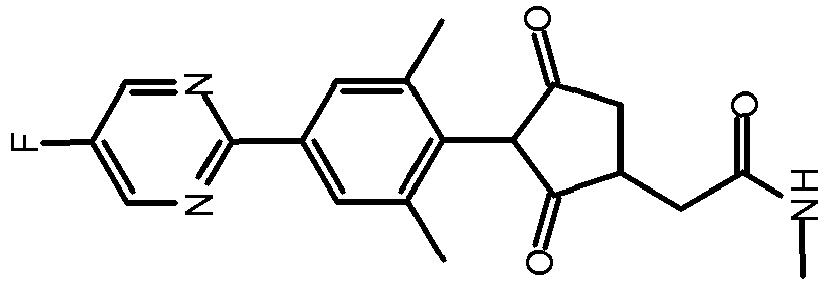
8.63 (s, 2H), 8.05 (d, 2H), 7.19-7.03 (m, 1H), 3.35-3.10 (m, 1H), 3.02-2.81 (m, 1H), 2.75-2.46 (m, 5H), 2.22 (d, 7H) B281 
13.03-12.28 (m, 1H), 8.62 (s, 2H), 8.20-7.84 (m, 2H), 3.77-3.45 (m, 8H), 3.33 (d, 8H), 3.00-2.83 (m, 1H), 2.76-2.51 (m, 1H), 2.26 (d, 7H) B282 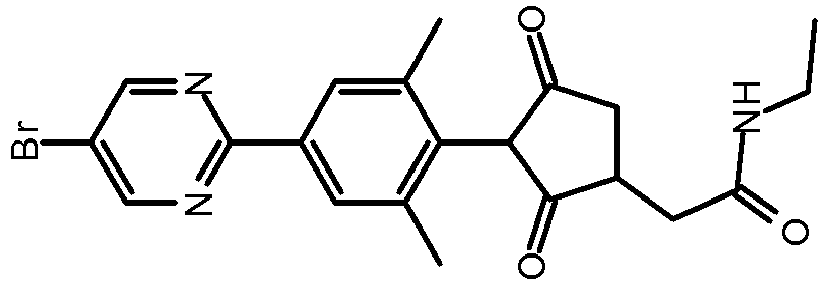
1H NMR (400MHz, Methanol) Shift = 8.90 (s, 2H), 8.18 - 8.02 (m, 2H), 3.27 - 3.22 (m, 2H), 3.18 (br. s., 1H), 2.92 (dd, J=7.1, 18.0 Hz, 1H), 2.76 (dd, J=6.5, 15.1 Hz, 1H), 2.47 (d, J=16.0 Hz, 2H), 2.20 (s, 6H), 1.14 (t, J=7.3 Hz, 3H) B283 
1H NMR (400 MHz, CD3OD) 8.90 (s, 2H), 8.10 (s, 2H), 4.86-4.77 (m, 2H), 3.78 (s, 2H), 3.23-3.13 (m, 1H), 2.94 (dd, 1H), 2.83 (dd, 1H), 2.50 (d, 2H), 2.20 (s, 6H), 1.75 (s, 3H) B284 
1H NMR (400 MHz, CD3OD) 9.14 (s, 2H), 8.21 (s, 2H), 7.36-7.21 (m, 4H), 4.39 (s, 2H), 3.26-3.15 (m, 1H), 2.99-2.78 (m, 2H), 2.59-2.45 (m, 2H), 2.26-2.17 (m, 6H) B285 
1H NMR (400 MHz, CD3OD) 8.97-8.80 (m, 2H), 8.17-7.85 (m, 2H), 3.78-3.49 (m, 8H), 3.24-3.12 (m, 1H), 3.05-2.89 (m, 2H), 2.82-2.72 (m, 1H), 2.61-2.31 (m, 1H), 2.26-2.16 (m, 6H) B286 
1H NMR (400 MHz, CD3OD) 9.14 (s, 2H), 8.21 (br.s., 2H), 3.24 (d, 3H), 2.99-2.88 (m, 1H), 2.80-2.68 (m, 1H), 2.51-2.37 (m, 2H), 2.22 (s, 6H), 1.15 (t, 3H) B287 
1H NMR (400 MHz, CD3OD) 9.14 (s, 2H), 8.21 (s, 2H), 4.85 (br.s., 2H), 3.84-3.70 (m, 2H), 3.20 (br.s., 1H), 3.01-2.92 (m, 1H), 2.87-2.76 (m, 1H), 2.51 (d, 2H), 2.24-2.14 (m, 6H), 1.80-1.66 (m, 3H) B288 
1H NMR (400 MHz, CD3OD) 9.18-9.05 (m, 2H), 8.20 (s, 2H), 3.72-3.50 (m, 6H), 3.20 (d, 1H), 3.05-2.74 (m, 5H), 2.59-2.41 (m, 1H), 2.27-2.17 (m, 6H) B289 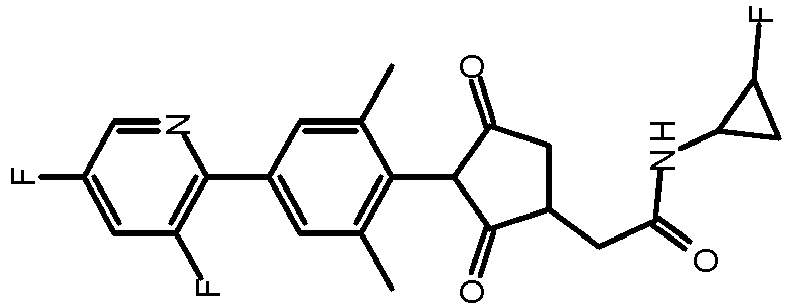
1H NMR (400 MHz, CD3OD) 8.44 (d, 1H), 7.65 (ddd, 1H), 7.55 (s, 2H), 4.77-4.50 (m, 1H), 3.22-3.07 (m, 1H), 2.98-2.70 (m, 3H), 2.56-2.38 (m, 2H), 2.20 (s, 6H), 1.16-1.05 (m, 1H), 1.00-0.86 (m, 1H) B290 
1H NMR (400 MHz, CD3OD) 8.44 (d, 1H), 7.65 (ddd, 1H), 7.55 (s, 2H), 6.33 (td, 1H), 6.01-5.89 (m, 1H), 3.87-3.75 (m, 2H), 3.23-3.08 (m, 1H), 3.00-2.88 (m, 1H), 2.84-2.66 (m, 1H), 2.56-2.37 (m, 2H), 2.23-2.17 (m, 6H) B291 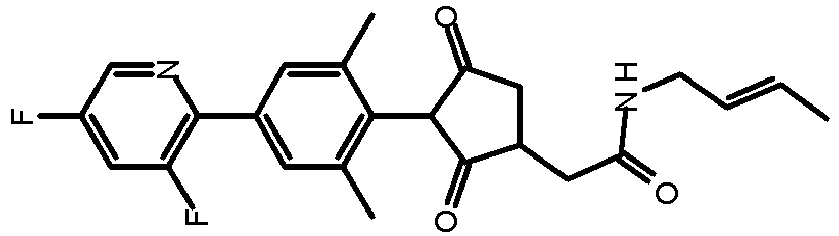
1H NMR (400 MHz, CD3OD) 12.43-12.31 (m, 1H), 11.64-11.55 (m, 1H), 11.54-11.47 (m, 2H), 9.71-9.54 (m, 1H), 9.50-9.37 (m, 1H), 7.87-7.67 (m, 2H), 7.20-7.06 (m, 1H), 6.94-6.66 (m, 2H), 6.50-6.36 (m, 2H), 6.17-6.09 (m, 6H), 5.69-5.56 (m, 3H) B292 
1H NMR (400MHz, Methanol) Shift = 8.75 (s, 2H), 8.16 - 7.98 (m, 2H), 3.38 - 3.32 (m, 1H), 3.23 - 3.07 (m, 1H), 2.95 (ddd, J=3.9, 7.1, 17.9 Hz, 1H), 2.82 (dd, J=5.0, 15.3 Hz, 1H), 2.56-2.39 (m, 2H), 2.20 (s, 6H), 1.88 - 1.73 (m, 1H), 1.51 - 1.37 (m, 1H) B293 
1H NMR (400 MHz, CD3OD) 8.80-8.62 (m, 2H), 8.08 (s, 2H), 4.79-4.51 (m, 1H), 3.24-3.08 (m, 1H), 2.98-2.72 (m, 3H), 2.58-2.40 (m, 2H), 2.24-2.10 (m, 6H), 1.18-1.06 (m, 1H), 1.01-0.82 (m, 1H) B294 
1H NMR (400 MHz, CD3OD) 8.75 (s, 2H), 8.08 (s, 2H), 4.69-4.46 (m, 2H), 3.95 (d, 2H), 3.23-3.11 (m, 1H), 2.95 (dd, 1H), 2.84-2.72 (m, 1H), 2.58-2.42 (m, 2H), 2.23-2.15 (m, 6H) B295 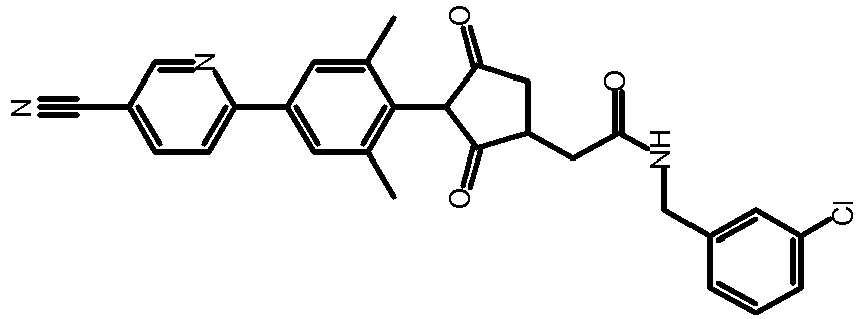
8.86 (d, 1H), 7.94 (dd, 1H), 7.77 (d, 1H), 7.67 (s, 3H), 7.26-7.02 (m, 4H), 4.28 (dd, 2H), 3.36-3.14 (m, 1H), 2.95-2.54 (m, 3H), 2.18 (d, 7H) B296 
8.75-8.58 (m, 1H), 7.99-7.80 (m, 1H), 7.61 (s, 3H), 4.14-3.93 (m, 1H), 3.28-3.10 (m, 1H), 2.93 (br.s., 4H), 2.76-2.28 (m, 3H), 2.22 (d, 6H), 1.25-1.11 (m, 6H) B297 
12.54-12.26 (m, 1H), 8.78-8.56 (m, 1H), 7.91-7.77 (m, 1H), 7.64 (s, 3H), 6.27-5.90 (m, 1H), 3.49-3.24 (m, 1H), 3.06-2.85 (m, 1H), 2.79-2.61 1(m, 2H), 2.42 (s, 1H), 2.24 (d, 7H), 1.69 (d, 6H) B298 
8.79-8.58 (m, 1H), 7.89-7.78 (m, 1H), 7.64 (s, 3H), 6.19-5.90 (m, 1H), 5.00-4.77 (m, 2H), 4.00-3.70 (m, 2H), 3.41-3.25 (m, 1H), 3.03-2.84 (m, 1H), 2.83-2.70 (m, 2H), 2.24 (d, 7H), 1.77 (s, 3H) B299 
12.45-12.14 (m, 1H), 8.78-8.54 (m, 1H), 7.91-7.76 (m, 1H), 7.70-7.53 (m, 3H), 3.89-3.34 (m, 8H), 3.21-3.05 (m, 1H), 3.02-2.81 (m, 1H), 2.69-2.49 (m, 1H), 2.24 (d, 7H) B300 
1H NMR (400 MHz, CD3OD) 8.49 (dd, 1H), 7.84 (dd, 1H), 7.64-7.45 (m, 2H), 5.89-5.76 (m, 1H), 5.23-5.15 (m, 1H), 5.07 (qd, 1H), 4.49 (quin, 1H), 3.24-3.11 (m, 1H), 2.94 (dd, 1H), 2.79 (dd, 1H), 2.57-2.42 (m, 2H), 2.23-2.12 (m, 6H), 1.31-1.16 (m, 3H) B301 
1HNMR (400 MHz, CD3OD) 7.25-7.04 (m, 2H), 5.94-5.68 (m, 1H), 5.23-5.12 (m, 1H), 5.07 (qd, 1H), 4.53-4.39 (m, 1H), 3.20-3.08 (m, 1H), 2.90 (dd, 1H), 2.76 (ddd, 1H), 2.56-2.34 (m, 2H), 2.14-2.01 (m, 6H), 1.28-1.03 (m, 3H) B302 
1H NMR (400 MHz, CD3OD) 8.82-8.68 (m, 2H), 8.14-7.99 (m, 2H), 6.32 (td, 1H), 6.01-5.86 (m, 1H), 3.83 (dd, 2H), 3.24-3.10 (m, 1H), 2.94 (dd, 1H), 2.78 (dd, 1H), 2.56-2.38 (m, 2H), 2.24-2.16 (m, 6H) B303 
1H NMR (400MHz, Methanol) Shift = 8.77 - 8.70 (m, 2H), 8.07 (s, 2H), 5.73 - 5.61 (m, 1H), 5.53 - 5.41 (m, 1H), 3.76 (d, J=5.9 Hz, 2H), 3.22 - 3.09 (m, 1H), 2.91 (dd, J=7.2, 18.0 Hz, 1H), 2.78 (dd, J=6.2, 14.9 Hz, 1H), 2.53-2.38 (m, 2H), 2.20 (s, 6H), 1.71 - 1.61 (m, 3H) B304 
1H NMR (400 MHz, CD3OD) 8.48-8.34 (m, 1H), 7.69-7.60 (m, 1H), 7.55 (s, 2H), 4.70-4.46 (m, 2H), 4.00-3.89 (m, 2H), 3.22-3.09 (m, 1H), 2.94 (dd, 1H), 2.86-2.75 (m, 1H), 2.56-2.41 (m, 2H), 2.22-2.16 (m, 6H) B305 
14.28-13.63 (m, 1H), 8.70 (s, 2H), 8.08 (d, 2H), 7.46-7.30 (m, 1H), 3.14 (dd, 3H), 2.94-2.78 (m, 1H), 2.69-2.40 (m, 2H), 2.22 (d, 7H), 1.03 (t, 3H) B306 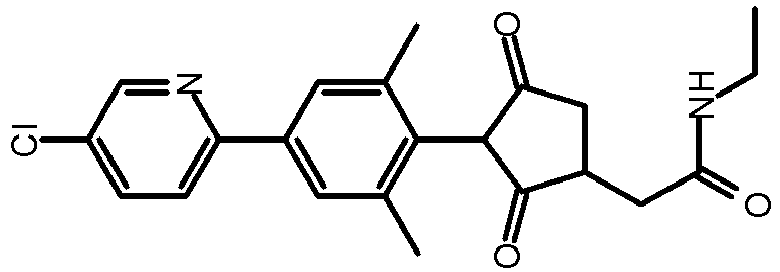
14.19-13.13 (m, 1H), 8.57 (d, 1H), 7.85-7.51 (m, 4H), 7.41-7.26 (m, 1H), 3.18 (quin, 3H), 2.83 (dd, 1H), 2.53 (d, 2H), 2.32-2.06 (m, 7H), 1.06 (t, 3H) B307 
13.90 (br.s., 1H), 7.88 (s, 1H), 7.59 (s, 1H), 7.38-7.18 (m, 2H), 3.32-3.09 (m, 3H), 2.96-2.74 (m, 1H), 2.69-2.45 (m, 2H), 2.18 (d, 7H), 1.07 (t, 3H) B308 
13.73-12.98 (m, 1H), 7.87 (s, 1H), 7.59 (s, 2H), 7.36-7.26 (m, 2H), 6.12 (d, 1H), 5.88-5.61 (m, 1H), 3.96 (s, 1H), 3.72 (br.s., 1H), 3.34-3.07 (m, 1H), 2.81 (s, 1H), 2.57 (br.s., 2H), 2.16 (d, 7H) B309 
13.49 (br.s., 1H), 7.87 (s, 1H), 7.60 (s, 1H), 7.43-7.22 (m, 2H), 7.06-6.74 (m, 1H), 4.34-3.98 (m, 1H), 3.52-3.13 (m, 6H), 2.68 (br.s., 3H), 2.20 (d, 7H), 1.34-1.08 (m, 3H) B310 
13.93-12.81 (m, 1H), 7.88 (s, 1H), 7.60 (s, 1H), 7.38-7.25 (m, 2H), 7.15-6.98 (m, 1H), 4.28-3.98 (m, 1H), 3.46-3.12 (m, 6H), 3.02-2.78 (m, 1H), 2.76-2.52 (m, 2H), 2.18 (d, 7H), 1.16 (dd, 3H) B311 
7.86 (s, 1H), 7.59 (s, 1H), 7.35-7.17 (m, 3H), 4.90-4.72 (m, 2H), 3.73 (d, 2H), 3.33-3.14 (m, 1H), 2.85 (dd, 1H), 2.65 (d, 2H), 2.28-2.08 (m, 7H), 1.74-1.64 (m, 3H) B312 
13.82-13.18 (m, 1H), 7.82 (s, 2H), 7.56 (s, 1H), 7.44-7.02 (m, 6H), 4.24 (t, 2H), 3.33-3.09 (m, 1H), 2.92-2.45 (m, 3H), 2.13 (d, 7H) B313 
7.87 (s, 1H), 7.59 (s, 1H), 7.42 (s, 1H), 7.34-7.24 (m, 2H), 3.34-3.11 (m, 1H), 2.82 (dd, 1H), 2.58 (d, 2H), 2.36 (s, 1H), 2.26-2.06 (m, 7H), 1.66-1.48 (m, 6H) B314 
14.16-13.45 (m, 1H), 7.87 (s, 1H), 7.59 (s, 1H), 7.31 (s, 2H), 7.15-7.01 (m, 1H), 3.36-3.03 (m, 3H), 2.85 (dd, 1H), 2.61 (d, 2H), 2.18 (d, 7H), 1.57-1.32 (m, 2H), 0.87 (t, 3H) B315 
14.33-13.55 (m, 1H), 7.87 (s, 1H), 7.59 (s, 1H), 7.37-7.24 (m, 2H), 7.08 (br.s., 1H), 3.84 (s, 1H), 3.35-3.10 (m, 1H), 3.02-2.75 (m, 1H), 2.70-2.49 (m, 2H), 2.18 (d, 7H), 1.51-1.31 (m, 2H), 1.08 (dd, 3H), 0.85 (td, 3H) B316 
7.87 (s, 1H), 7.58 (s, 2H), 7.33-7.23 (m, 2H), 5.87-5.64 (m, 1H), 5.23-5.00 (m, 2H), 4.59-4.36 (m, 1H), 3.32-3.10 (m, 1H), 2.94-2.77 (m, 1H), 2.75-2.47 (m, 2H), 2.16 (d, 7H), 1.20 (dd, 3H) B317 
13.36-12.89 (m, 1H), 7.86 (s, 1H), 7.60 (s, 2H), 7.28 (d, 2H), 3.94 (br.s., 2H), 3.38-3.11 (m, 1H), 2.94-2.76 (m, 1H), 2.74-2.44 (m, 2H), 2.33-2.03 (m, 8H) B318 
1H NMR (400 MHz, CD3OD) 8.95-8.84 (m, 1H), 8.19-8.07 (m, 1H), 8.00 (s, 1H), 7.76 (s, 2H), 3.23 (s, 3H), 3.04-2.83 (m, 1H), 2.82-2.69 (m, 1H), 2.56-2.41 (m, 2H), 2.21 (s, 6H), 1.14 (t, 3H) B319 
8.90 (dd, 1H), 7.99 (dd, 1H), 7.84 (dd, 1H), 7.71 (s, 2H), 4.94-4.77 (m, 2H), 3.81 (s, 2H), 3.34-3.17 2.65 (m, 2H), 2.47-2.30 (m, 1H), 2.24 (d, 6H), 1.75 (s, 3H) B320 
8.90 (dd, 1H), 8.06-7.95 (m, 1H), 7.85 (d, 1H), 7.71 (s, 2H), 4.12-3.93 (m, 1H), 3.32-3.13 (m, 1H), 3.03-2.79 (m, 1H), 2.73-2.57 (m, 2H), 2.45-2.30 (m, 1H), 2.24 (d, 6H), 1.17 (t, 6H) B321 
1H NMR (400 MHz, CD3OD) 8.91 (d, 1H), 8.20-8.06 (m, 1H), 7.97 (s, 1H), 7.75 (s, 2H), 3.72 (d, 8H), 3.29-3.16 (m, 1H), 3.11-2.86 (m, 2H), 2.84-2.59 (m, 1H), 2.57-2.43 (m, 1H), 2.25 (s, 6H) B322 
13.20-12.79 (m, 1H), 8.83-8.56 (m, 1H), 7.91-7.72 (m, 1H), 7.64 (s, 3H), 5.97-5.48 (m, 1H), 3.39-3.24 (m, 1H), 3.08-2.82 (m, 1H), 2.79-2.57 (m, 2H), 2.24 (d, 7H), 1.40 (s, 9H) B323 
13.14-12.73 (m, 1H), 8.83-8.57 (m, 1H), 7.92-7.75 (m, 1H), 7.64 (s, 3H), 6.15-5.79 (m, 1H), 3.57-3.20 (m, 5H), 3.00-2.84 (m, 1H), 2.24 (d, 7H), 1.35-1.06 (m, 3H) B324 
8.82 (dd, 1H), 7.98-7.87 (m, 1H), 7.83-7.71 (m, 1H), 7.67 (s, 2H), 7.48-7.33 (m, 1H), 7.15 (d, 2H), 6.83 (d, 2H), 4.37-4.19 (m, 2H), 3.77 (s, 3H), 3.29-3.09 (m, 1H), 2.89-2.72 (m, 1H), 2.70-2.48 (m, 2H), 2.19 (d, 7H) B325 
1H NMR (400 MHz, CD3OD) 8.49 (dd, 1H), 7.84 (dd, 1H), 7.60 (s, 2H), 3.53-3.43 (m, 2H), 3.36 (s, 3H), 3.21-3.09 (m, 1H), 2.90 (dd, 1H), 2.73 (dd, 1H), 2.45 (d, 2H), 2.23-2.13 (m, 6H), 1.32 (d, 6H) B326 
1 HNMR (400 MHz, CD3OD) 8.75 (s, 2H), 8.80-8.71 (m, 2H), 8.80-8.71 (m, 2H), 8.08 (s, 2H), 6.43 (td, 1H), 6.27-6.17 (m, 1H), 3.98 (dd, 2H), 3.22-3.12 (m, 1H), 2.94 (dd, 1H), 2.79 (dd, 1H), 2.54-2.41 (m, 2H), 2.20 (s, 6H) B327 
1H NMR (400MHz, Methanol) Shift = 8.75 (s, 2H), 8.08 (s, 2H), 3.63 - 3.54 (m, 1H), 3.52 - 3.42 (m, 3H), 3.35 - 3.33 (m, 1H), 3.27 - 3.11 (m, 2H), 2.90 (dd, J=7.0, 17.9 Hz, 1H), 2.73 (dd, J=6.5, 15.0 Hz, 1H), 2.53 - 2.35 (m, 2H), 2.21 (s, 6H), 1.32 (d, J=1.3 Hz, 6H) B328 
1H NMR (400 MHz, CD3OD) 8.75 (s, 2H), 8.13-7.94 (m, 2H), 5.86 (dddd, 1H), 5.24-5.13 (m, 1H), 5.07 (dd, 1H), 4.56-4.41 (m, 1H), 3.17 (br.s., 1H), 2.93 (dd, 1H), 2.79 (dd, 1H), 2.48 (d, 2H), 2.21 (s, 6H), 1.27-1.19 (m, 3H) B329 
1H NMR (400 MHz, CD3OD) 8.44 (d, 1H), 7.67-7.60 (m, 1H), 7.55 (s, 2H), 3.51-3.44 (m, 2H), 3.37 (s, 3H), 3.21-3.06 (m, 1H), 2.90 (dd, 1H), 2.73 (dd, 1H), 2.44 (d, 2H), 2.20 (s, 6H), 1.32 (d, 6H) B330 
1H NMR (400 MHz, CD3OD) 8.44 (d, 1H), 7.65 (ddd, 1H), 7.55 (s, 2H), 5.86 (dddd, 1H), 5.17 (qd, 1H), 5.07 (qd, 1H), 4.49 (t, 1H), 3.25-3.13 (m, 1H), 2.93 (dd, 1H), 2.79 (dd, 1H), 2.57-2.39 (m, 2H), 2.20 (s, 6H), 1.30-1.22 (m, 3H) B331 
1H NMR (400 MHz, CD3OD) 8.75 (s, 2H), 8.08 (s, 2H), 3.26-3.13 (m, 1H), 3.01 (s, 3H), 2.99-2.87 (m, 2H), 2.82 (d, 1H), 2.42 (d, 1H), 2.25-2.09 (m, 6H), 1.50-1.39 (m, 9H) B332 
1H NMR (400 MHz, CD3OD) 8.75 (s, 2H), 8.08 (s, 2H), 4.20-4.04 (m, 1H), 3.40-3.32 (m, 5H), 3.27-3.10 (m, 1H), 2.92 (dd, 1H), 2.77 (dd, 1H), 2.53-2.36 (m, 2H), 2.25-2.08 (m, 6H), 1.15 (dd, 3H) B333 
1H NMR (400 MHz, CD3OD) 8.79-8.68 (m, 2H), 8.11-8.01 (m, 2H), 4.03-3.95 (m, 2H), 3.23-3.09 (m, 1H), 2.94 (dd, 1H), 2.79 (dd, 1H), 2.63-2.59 (m, 1H), 2.58-2.39 (m, 2H), 2.22-2.18 (m, 6H) B334 
1H NMR (400MHz, Methanol) Shift = 8.75 (s, 2H), 8.08 (s, 2H), 4.27 - 4.20 (m, 2H), 3.23 - 3.09 (m, 3H), 3.06-2.93 (m, 3H), 2.83 (s, 1H), 2.66 (t, J=2.5 Hz, 1H), 2.50 (d, J=16.1 Hz, 1H), 2.21 (d, J=4.3 Hz, 6H) B335 
1H NMR (400 MHz, CD3OD) 8.44 (d, 1H), 7.65 (ddd, 1H), 7.55 (s, 2H), 4.18-4.04 (m, 1H), 3.39-3.33 (m, 5H), 3.24-3.12 (m, 1H), 2.92 (dd, 1H), 2.82-2.71 (m, 1H), 2.46 (d, 2H), 2.20 (s, 6H), 1.17-1.10 (m, 3H) B336 
1H NMR (400 MHz, CD3OD) 8.44 (d, 1H), 7.65 (ddd, 1H), 7.55 (s, 2H), 3.99 (d, 2H), 3.22-3.08 (m, 1H), 2.93 (dd, 1H), 2.86-2.72 (m, 1H), 2.61 (t, 1H), 2.54-2.38 (m, 2H), 2.24-2.17 (m, 6H) B337 
1.38 mins, m/z = 480.22 (M+H)+ B338 
1.45 mins, m/z = 494.24 (M+H)+ B339 
1.47 mins, m/z = 542.13 (M+H)+ B340 
1.27 mins, m/z = 414.23 (M+H)+ B341 
1.29 mins, m/z = 426.21 (M+H)+ B342 
1.29 mins, m/z = 426.22 (M+H)+ B343 
1.28 mins, m/z = 438.22 (M+H)+ B344 
1.35 mins, m/z = 458.26 (M+H)+ B345 
1.29 mins, m/z = 426.21 (M+H)+ B346 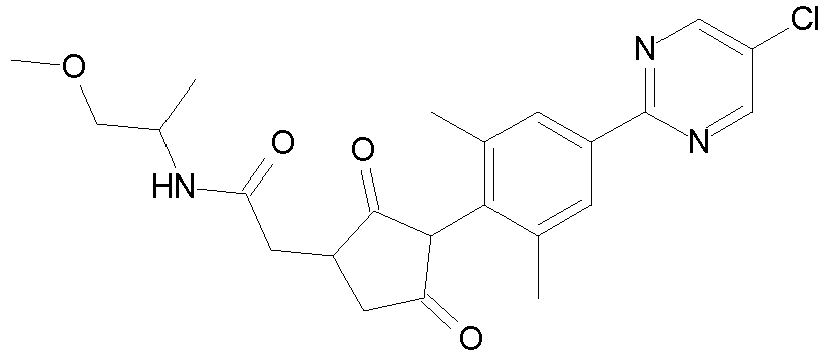
1.21 mins, m/z = 444.23 (M+H)+ B347 
1.28 mins, m/z = 414.23 (M+H)+ B348 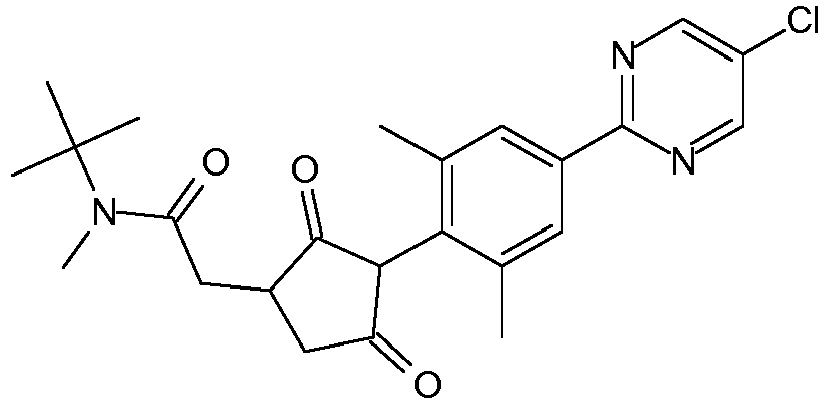
1.51 mins, m/z = 442.25 (M+H)+ B349 
1.24 mins, m/z = 424.20 (M+H)+ B350 
1.21 mins, m/z = 412.21 (M+H)+ B351 
1.36 mins, m/z = 428.23 (M+H)+ B352 
1.29 mins, m/z = 446.17 (M+H)+ B353 
1.32 mins, m/z = 468.20 (M+H)+ B354 
1.44 mins, m/z = 496.20 (M+H)+ B355 
1.45 mins, m/z = 476.25 (M+H)+ B356 
1.36 mins, m/z = 492.25 (M+H)+ B357* 
1.36 mins, m/z = 479.24 (M+H)+ B358* 
1.43 mins, m/z = 493.24 (M+H)+ B359* 
1.45 mins, m/z = 541.13 (M+H)+ B360* 
1.26 mins, m/z = 413.24 (M+H)+ B361* 
1.27 mins, m/z = 425.24 (M+H)+ B362* 
1.28 mins, m/z = 425.23 (M+H)+ B363* 
1.27 mins, m/z = 437.23 (M+H)+ B364* 
1.33 mins, m/z = 457.27 (M+H)+ B365* 
1.28 mins, m/z = 425.23 (M+H)+ B366* 
1.18 mins, m/z = 443.24 (M+H)+ B367* 
1.26 mins, m/z = 413.23 (M+H)+ B368* 
1.48 mins, m/z = 441.26 (M+H)+ B369* 
1.22 mins, m/z = 423.23(M+H)+ B370* 
1.20 mins, m/z = 411.22 (M+H)+ B371* 
1.34 mins, m/z = 427.24 (M+H)+ B372* 
1.27 mins, m/z = 445.17 (M+H)+ B373* 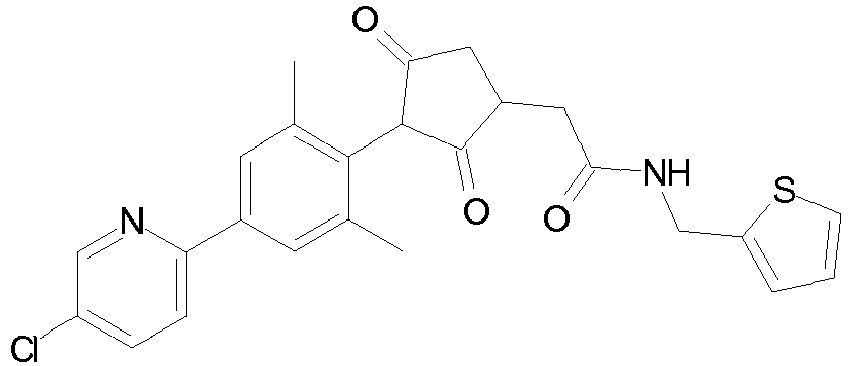
1.31 mins, m/z = 467.19 (M+H)+ B374* 
1.44 mins, m/z = 495.20 (M+H)+ B375* 
1.43 mins, m/z = 475.25 (M+H)+ B376 
1HNMR (400 MHz, CD3OD) 9.05-8.99 (m, 1H), 8.71-8.63 (m, 1H), 8.44-8.36 (m, 1H), 8.08-7.99 (m, 1H), 7.77-7.71 (m, 1H), 6.78-6.61 (m, 1H), 5.88 (d, 1H), 5.33 (dd, 1H), 3.27-3.17 (m, 1H), 3.02-2.89 (m, 1H), 2.79-2.67 (m, 1H), 2.64-2.47 (m, 2H), 2.28 (d, 3H), 1.40-1.33 (m, 9H) B377 
12.71 (br. s., 1H), 7.94 (br. s., 1H), 7.51 (dd, J=8.5, 5.4 Hz, 2H), 7.24 (s, 2H), 7.03-7.17 (m, 2H),3.34 (br. s., 1H), 2.96 (d, J=11.1 Hz, 2H), 2.52-2.76 (m, 1H), 2.34 (br. s., 1H), 2.18 (s, 6H), 1.53 (d, J=7.1 Hz, 6H), B378 
8.33 (s, 1H), 7.48 (d, J=8.3 Hz, 2H), 7.36 (d, J=8.3 Hz, 2H), 7.23 (br. s., 2H), 3.20 (br. s., 1H), 2.89-3.08 (m, 1H), 2.69 (br. s., 2H), 2.35 (br. s., 1H), 2.19 (d, J=4.6 Hz, 6H), 1.65 (s, 6H). B379 
12.25-13.40 (br.s., 1H), 8.05 (br. s., 1H), 6.95-7.19 (m, 2H), 3.29 (br. s., 1H), 2.88 (d, J= 11.0 Hz, 2H), 2.59 (br. s., 1H), 2.12-2.25 (m, 1H), 1.96-2.12 (m, 9H), 1.51 (d, J=9.9 Hz, 6H). B380* 
1.35 mins, m/z = 491.25 (M+H)+ B381* 
1HNMR (400 MHz, CD3OD) 8.52-8.46 (m, 1H), 7.88 (s, 1H), 7.80 (s, 1H), 7.74-7.66 (m, 1H), 3.15 (d, 1H), 2.92 (ddd, 1H), 2.74 (ddd, 1H), 2.60-2.50 (m, 1H), 2.53-2.34 (m, 2H), 2.26 (d, 3H), 1.42-1.34 (m, 9H) B382 
1 HNMR (400 MHz, CD3OD) 8.50-8.45 (m, 1H), 7.97 (s, 1H), 7.74-7.64 (m, 2H), 6.70 (ddd, 1H), 5.73 (dd, 1H), 5.28-5.17 (m, 1H), 3.26-3.13 (m, 1H), 2.99-2.86 (m, 1H), 2.79-2.68 (m, 1H), 2.52-2.41 (m, 2H), 2.25-2.19 (m, 3H), 1.40-1.33 (m, 9H) B383* 
1.27 mins, m/z = 463.24 (M+H)+ B384* 
1.34 mins, m/z = 523.14/525.12 (M+H)+ B385* 
1.13 mins, m/z = 397.24 (M+H)+ B386* 
1.16 mins, m/z = 409.23 (M+H)+ B387* 
1.01 mins, m/z = 393.21 (M+H)+ B388* 
1.15 mins, m/z = 421.23 (M+H)+ B389* 
1.21 mins, m/z = 441.25 (M+H)+ B390* 
1.16 mins, m/z = 409.24 (M+H)+ B391* 
1.06 mins, m/z = 427.26 (M+H)+ B392* 
1.13 mins, m/z = 397.24 (M+H)+ B393* 
1.36 mins, m/z = 425.28 (M+H)+ B394* 
1.10 mins, m/z = 407.21 (M+H)+ B395* 
1.07 mins, m/z = 395.23 (M+H)+ B396* 
1.21 mins, m/z = 411.26 (M+H)+ B397* 
1.19 mins, m/z = 451.19 (M+H)+ B398* 
1.31 mins, m/z = 459.27 (M+H)+ B399* 
1.23 mins, m/z = 475.25 (M+H)+ B400* 
1.16 mins, m/z = 429.18 (M+H)+ B401* 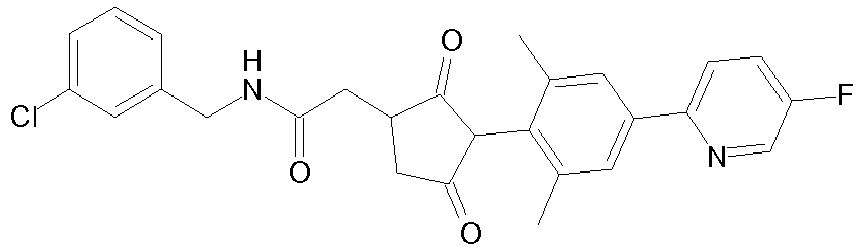
1.32 mins, m/z = 479.20 (M+H)+ B402 
1HNMR (400 MHz, DMSO-d6) 7.76 (s, 1H), 7.04-6.94 (m, 1H), 6.82 (s, 2H), 6.74-6.57 (m, 5H), 4.13 (s, 2H), 2.33 (br.s., 1H), 2.21-2.06 (m, 1H), 1.93-1.87 (m, 1H), 1.85-1.76 (m, 1H), 1.71 (br.s., 1H), 1.53-1.45 (m, 1H), 1.44 (s, 6H) B403 
1HNMR (400 MHz, CD3OD) 8.43 (d, 1H), 7.65 (ddd, 1H), 7.55 (s, 2H), 3.13 (br.s., 1H), 2.89 (dd, 1H), 2.71 (dd, 1H), 2.47 (d, 1H), 2.31-2.24 (m, 1H), 2.22-2.16 (m, 6H) B404 
1HNMR (400 MHz, CD3OD) 8.82-8.74 (m, 2H), 8.49 (s, 1H), 8.21-8.10 (m, 1H), 6.67 (ddd, 1H), 5.83-5.70 (m, 1H), 5.27-5.12 (m, 1H), 3.24-3.13 (m, 1H), 2.93 (ddd, 1H), 2.72 (ddd, 1H), 2.51-2.38 (m, 2H), 2.25-2.17 (m, 3H), 1.40-1.31 (m, 9H) B405 
1HNMR (400 MHz, CD3OD) 8.82-8.71 (m, 2H), 8.27 (s, 1H), 8.27-8.13 (m, 1H), 3.20 (dtd, 1H), 2.93 (dd, 1H), 2.75-2.66 (m, 1H), 2.54-2.38 (m, 2H), 2.30-2.16 (m, 3H), 1.39-1.31 (m, 9H) Compound Number Structure 1H NMR (400 MHz, CDCl3) unless stated P1 
8.70 (s, 2H), 8.09 (s, 2H), 7.83 (d, 2H), 6.86 (d, 2H), 5.91 (s, 1H), 3.80 (s, 3H), 3.53 (dd, 1H), 3.28-3.14 (m, 2H), 2.79 (dd, 1H), 2.48-2.39 (m, 1H), 2.27 (d, 6H), 1.33 (s, 9H) P2 
(400 MHz, d4-MeOH) 8.69 (s, 2H), 8.02 (s, 2H), 7.95-7.88 (m, 2H), 7.64 (s, 1H), 7.11 (t, 2H), 3.47 (dd, 1H), 3.23-3.12 (m, 2H), 2.77 (dd, 1H), 2.56-2.48 (m, 1H), 2.26 (d, 6H), 1.36 (s, 9H) P3 
(400 MHz, d4-MeOH) 8.82 (s, 2H), 8.11 (s, 2H), 3.24 (dd, 1H), 3.17-3.09 (m, 1H), 2.92 (dd, 1H), 2.71 (dd, 1H), 2.42 (dd, 1H), 2.21 (s, 6H), 1.34 (s, 9H), 1.09 (s, 9H) P4 
(400 MHz, d4-MeOH) 8.75 (s, 2H), 8.04 (s, 2H), 7.61 (s, 1H), 4.18 (q, 2H), 3.36 (dd, 1H), 31.5-3.08 (m, 1H), 3.03 (dd, 1H), 2.70 (dd, 1H), 2.43 (dd, 1H), 2.19 (d, 6H), 1.33 (s, 9H), 1.20 (t, 3H) P5 
(400 MHz, d4-MeOH) 8.74 (s, 2H), 8.04 (s, 2H), 7.59 (s, 1H), 3.33 (dd, 1H), 3.14-3.06 (m, 1H), 3.01 (dd, 1H), 2.80 (q, 2H), 2.70 (dd, 1H), 2.44 (dd, 1H), 2.19 (d, 6H), 1.33 (s, 9H), 1.27 (t, 3H) P6 
8.72 (s, 2H), 8.09 (s, 2H), 6.12 (s, 1H), 5.13 (dd, 2H), 3.68-3.56 (m, 2H), 3.27 (dd, 1H), 3.07-3.00 (m, 1H), 2.89 (dd, 1H), 2.74 (dd, 1H), 2.36-2.28 (m, 1H), 2.21 (d, 6H), 1.32 (s, 9H), 1.18 (t, 3H) P7 
8.72 (s, 2H), 8.07 (s, 2H), 5.48 (s, 1H), 3.97-3.88 (m, 1H), 3.32-3.21 (m, 4H), 3.01 (dd, 1H), 2.71 (dd, 1H), 2.52 (d, 1H), 2.28-2.21 (m, 1H), 2.23 (d, 6H), 1.87-1.72 (m, 4H), 1.35 (s, 9H) P8 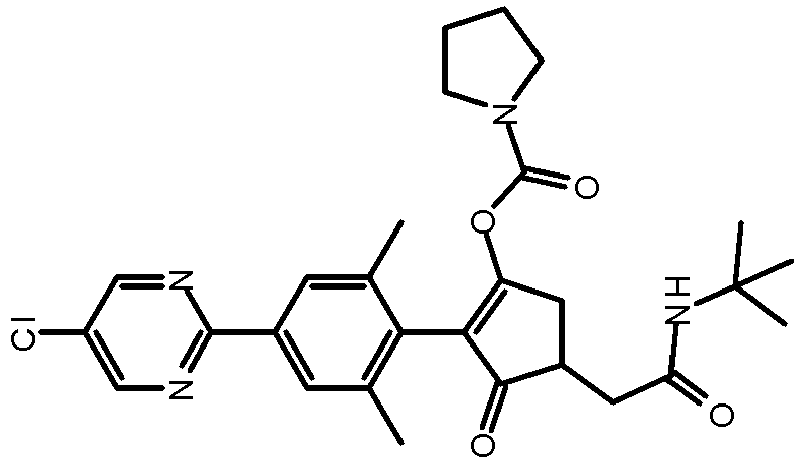
8.72 (s, 2H), 8.08 (s, 2H), 5.81 (s, 1H), 3.50 (dd, 1H), 3.40-3.32 (m, 2H), 3.23-3.07 (m, 4H), 2.74 (dd, 1H), 2.40-2.32 (m, 1H), 2.22 (d, 6H), 1.88-1.77 (m, 4H), 1.33 (s, 9H) P9 
6.83 (s, 2H), 3.75-3.61 (m, 2H), 3.45-3.33 (m, 2H), 3.30 (s, 4H), 3.17-3.03 (m, 2H), 2.91-2.72 (m, 2H), 2.25 (s, 3H), 2.08 (d, 6H), 1.89-1.77 (m, 2H), 1.31 (s, 9H), 1.08 (s, 9H) P10 
6.84 (s, 2H), 6.38-6.21 (m, 1H), 3.53-3.19 (m, 8H), 3.16-3.04 (m, 1H), 3.01-2.89 (m, 1H), 2.86-2.69 (m, 1H), 2.50-2.31 (m, 1H), 2.25 (s, 3H), 2.06 (d, 6H), 1.85-1.70 (m, 2H), 1.08 (s, 9H) P11 
6.84 (s, 2H), 6.33-6.21 (m, 1H), 5.94-5.82 (m, 1H), 3.31-3.17 (m, 1H), 3.12-3.01 (m, 1H), 2.99-2.86 (m, 1H), 2.85-2.69 (m, 1H), 2.54-2.40 (m, 1H), 2.25 (s, 3H), 2.05 (d, 6H), 1.08 (s, 9H) P12 
6.84 (s, 2H), 5.01-4.83 (m, 1H), 4.83-4.54 (m, 3H), 3.33-3.17 (m, 1H), 3.14-3.01 (m, 1H), 2.93-2.73 (m, 2H), 2.59-2.43 (m, 1H), 2.25 (s, 3H), 2.07 (d, 6H), 1.35-0.98 (m, 19H) P13 
7.26-7.11 (m, 1H), 6.90-6.77 (m, 2H), 5.05-4.90 (m, 1H), 4.86-4.75 (m, 2H), 4.40 (s, 2H), 3.34-3.19 (m, 1H), 3.17-3.04 (m, 1H), 2.99-2.88 (m, 1H), 2.85-2.72 (m, 1H), 2.53-2.39 (m, 1H), 2.25 (s, 3H), 2.13-1.99 (m, 6H), 1.09 (s, 9H) P14 
6.84 (s, 2H), 4.75-1.7 (m, 18H), 1.35-0.98 (m, 21H) P15 
7.15-7.00 (s, 1H), 6.90-6.77 (m, 2H), 4.75-4.60 (m, 2H), 4.30-4.40 (m, 2H), 3.33-3.25 (m, 1H), 3.17-3.04 (m, 1H), 2.99-2.88 (m, 1H), 2.85-2.72 (m, 1H), 2.45-2.35 (m, 1H), 2.25 (s, 3H), 2.13-1.99 (m, 6H), 1.09-1.00 (m, 12H) * Trifluoroacetyl (TFA) salt. - Seeds of a variety of monocotyledonous and dicotyledonous test plants are sown in standard soil in pots. The plants are cultivated for one day (for pre-emergence (PRE)) or for about 12 days (for post-emergence (POST)) under controlled conditions in a glasshouse (warm climate species at 24/18°C, cool climate species at 20/16°C, both at day/night; 16 hours light; 65% humidity).
- The test plants are then grown on, in a glasshouse (greenhouse) under controlled conditions (warm climate species at 24/18°C, cool climate species at 20/16°C, both at day/night; 16 hours light; 65% humidity) and are watered twice daily. 15 days after application of the test herbicide (15DAA) (for post-emergence), and 20 days after application of the test herbicide (20DAA) (for pre-emergence), the test plants are evaluated visually, and an assessed percentage phytotoxicity score is given for each herbicidal application on each plant species (with 100% = total damage to plant; 0% = no damage to plant).
- The plant species tested are as follows: Alopecurus myosuroides (ALOMY), Avena fatua (AVEFA), Lolium perenne (LOLPE), Echinochloa crus-galli (ECHCG).
Table B1:- Pre/Post-emergence herbicidal activity (percentage phytotoxicity) Compound Rate g/ha LOLPE ALOMY ECHCG AVEFA PRE POST PRE POST PRE POST PRE POST A1 250 100 80 60 60 90 80 60 60 A2 250 80 80 80 80 70 50 10 70 A3 250 100 90 100 90 100 90 90 90 A4 250 80 90 50 50 70 80 30 80 A5 250 100 80 100 90 100 80 70 80 A6 250 100 90 90 90 100 90 60 90 A7 250 100 100 80 90 90 100 60 90 A8 250 100 100 100 100 100 100 100 100 A9 250 90 80 90 80 100 90 90 100 A10 250 90 90 70 80 90 90 70 60 A11 250 70 70 70 80 70 80 50 70 A12 250 100 90 90 100 100 80 70 80 A13 250 70 80 50 80 100 80 40 70 A14 250 80 80 90 80 100 80 70 70 A15 250 100 100 80 80 100 100 50 80 A16 250 80 80 90 90 100 100 90 90 A17 250 70 80 70 80 70 80 40 70 A18 250 60 80 60 70 60 70 20 50 A19 250 90 90 90 90 90 80 70 80 A20 250 100 100 70 80 100 100 70 80 A21 250 80 80 70 80 80 80 50 70 A22 250 70 80 60 80 100 90 30 60 A23 250 70 80 80 80 100 90 60 70 A24 250 90 100 80 90 100 100 90 90 A25 250 90 90 70 70 80 90 70 70 A26 250 100 90 80 80 80 80 70 80 A27 250 80 80 70 80 80 80 70 80 A28 250 90 100 100 100 90 100 100 100 A29 250 100 100 100 100 100 100 90 100 A30 250 100 100 100 100 100 100 100 100 A31 250 100 100 100 100 100 100 90 100 A32 250 90 100 70 100 100 100 80 100 A33 250 100 100 100 100 100 100 100 100 A34 250 100 100 100 100 100 100 100 100 A35 250 100 100 90 90 100 100 100 100 A36 250 100 90 100 90 100 100 100 100 A37 250 100 80 90 80 100 90 90 100 A38 250 90 80 80 80 100 90 90 100 A39 250 100 100 100 100 100 100 100 100 A40 250 100 100 100 100 100 100 90 100 A41 250 100 100 100 100 100 100 70 100 A42 250 100 90 100 100 100 80 100 100 A43 250 100 90 100 100 100 90 100 90 A44 250 100 100 100 100 100 100 100 100 A45 250 100 100 100 100 100 100 100 100 A46 250 90 100 100 100 100 100 90 100 A47 250 100 100 100 100 100 100 100 100 A48 250 100 100 100 100 100 100 90 100 A49 250 100 100 100 100 100 100 100 100 A50 250 100 100 100 100 90 100 100 100 A51 250 100 100 100 100 100 100 100 100 A52 250 90 90 100 100 90 100 90 100 A53 250 90 90 90 100 100 100 80 90 A54 250 100 100 100 100 100 100 100 100 A55 250 90 90 90 90 100 100 80 100 A56 250 90 90 100 100 100 100 90 100 A57 250 100 100 100 100 100 100 90 100 A58 250 90 90 100 100 100 100 100 100 A59 250 70 70 100 90 90 90 70 90 A60 250 100 90 100 100 100 100 100 100 A61 250 100 90 100 100 100 100 90 100 A62 250 100 60 100 90 100 100 90 90 A63 250 100 90 100 100 100 100 90 100 A64 250 80 70 70 90 100 100 70 90 A65 250 90 80 100 90 100 100 70 90 A66 250 100 100 100 90 100 100 100 100 A67 250 90 70 100 80 90 100 90 80 A68 250 100 100 70 90 100 100 100 100 A69 250 100 100 100 100 100 100 100 100 A70 250 70 70 70 90 100 90 70 70 A71 250 60 70 80 100 90 100 80 90 A72 250 90 80 90 90 100 90 90 90 A73 250 30 40 70 70 90 90 10 80 A74 250 90 90 100 100 100 100 90 100 A75 250 90 90 100 100 100 100 90 100 A76 250 90 80 90 100 100 100 90 90 A77 250 80 80 80 90 100 100 80 90 A78 250 20 30 10 80 60 100 30 40 A79 250 100 100 100 100 100 100 100 100 A80 250 100 100 100 100 100 100 90 100 A81 250 100 90 100 90 100 100 100 100 A82 250 - 30 - 10 - 30 - 10 A83 250 - 30 - 50 - 70 - 10 A84 250 10 20 40 60 0 70 0 20 A85 250 100 90 100 100 90 100 80 100 A86 250 10 50 0 30 20 80 0 40 A87 250 80 80 80 100 90 100 90 100 A88 250 100 100 90 70 70 80 0 10 A89 250 90 100 90 90 100 100 60 90 A90 250 60 70 0 0 40 80 0 0 A91 250 70 70 30 10 20 0 30 0 A92 250 90 40 70 60 80 80 60 70 A93 250 90 80 90 100 60 70 20 40 A94 250 90 90 90 80 60 80 20 70 A94 250 - 60 - 0 - 80 - 0 A96 250 100 100 100 80 100 80 70 80 A97 250 90 70 30 70 0 0 0 20 A98 250 80 80 100 90 80 60 20 90 A99 250 20 70 20 60 0 0 0 30 A100 250 80 70 90 70 20 20 0 0 A101 250 - 40 - 10 - 20 - 0 A102 250 60 70 20 70 50 10 0 70 A103 250 - 20 - 60 - 20 - 10 A104 250 80 60 90 90 80 70 0 70 A105 250 70 70 80 80 70 60 20 0 A106 250 70 70 0 30 20 20 0 0 A107 250 90 80 80 80 80 70 10 90 A108 250 80 60 0 0 30 20 0 60 A109 250 90 80 90 90 80 80 50 80 A110 250 100 80 70 60 90 80 50 70 A111 250 100 100 90 100 100 100 90 100 A112 250 100 100 80 90 100 100 90 100 A113 250 90 100 80 100 100 100 90 100 A114 250 90 100 90 100 100 100 90 100 A115 250 90 100 90 100 90 100 90 100 A116 250 80 100 80 90 100 100 90 100 A117 250 90 100 70 90 100 100 70 100 A118 250 90 100 80 90 100 100 100 100 A119 250 70 90 40 60 100 100 60 90 A120 250 80 100 80 100 100 100 90 100 A121 250 80 100 90 100 90 100 90 100 A122 250 20 70 70 90 90 100 0 100 A123 250 80 90 60 80 90 100 70 80 A124 250 90 100 70 90 90 100 80 100 A125 250 90 100 70 90 100 100 80 100 A126 250 80 80 30 30 100 100 50 90 A127 250 60 90 0 70 60 100 20 70 A128 250 90 100 80 100 100 100 80 100 A129 250 - 20 - 50 - 90 - 70 A130 250 90 100 70 90 100 100 90 100 A131 250 70 100 40 90 100 100 50 100 A132 250 90 100 90 100 100 100 90 100 A133 250 80 80 30 90 90 100 90 100 A134 250 80 100 70 90 90 100 90 90 A135 250 70 90 20 90 60 100 30 100 A136 250 80 90 80 100 90 100 90 100 A137 250 70 60 60 40 70 90 60 70 A138 250 100 100 90 90 100 100 100 100 A139 250 0 10 0 10 90 20 0 30 A140 250 100 90 90 100 100 100 100 100 A141 250 100 90 90 90 100 100 90 100 A142 250 20 20 0 - 30 60 0 - A143 250 10 20 0 - 10 40 0 - A144 250 90 90 80 80 100 100 90 100 A145 250 100 90 100 100 100 100 100 100 A146 250 90 100 80 100 90 100 90 100 A147 250 - 0 - 20 - 60 - 20 A148 250 80 90 70 70 100 100 80 100 A149 250 90 100 80 100 100 100 100 100 A150 250 80 70 70 70 90 90 50 90 A151 250 80 40 40 40 100 70 70 50 A152 250 90 100 70 90 100 90 100 100 A153 250 60 70 30 90 90 90 70 90 A154 250 80 70 50 80 80 100 60 90 A155 250 70 70 40 50 70 90 100 70 A156 250 80 80 60 70 100 100 70 80 A157 250 70 90 60 80 90 100 70 90 A158 250 60 80 20 70 80 90 20 70 A159 250 90 90 60 70 90 80 20 50 A160 250 100 100 70 70 100 90 80 90 A161 250 100 90 20 70 100 80 30 30 A162 250 100 100 70 90 100 90 70 90 A163 250 60 60 10 30 70 70 30 30 A164 250 60 60 70 70 70 70 10 70 A165 250 70 80 60 60 100 90 0 80 A166 250 70 70 40 40 70 90 20 70 A167 250 80 60 20 20 80 80 10 70 A168 250 80 100 80 90 80 100 20 90 A171 250 70 80 60 70 80 70 20 70 A172 250 90 60 80 80 80 70 40 70 A173 250 80 60 50 20 10 30 10 30 A174 250 - 0 - 40 - 10 - 0 A175 250 100 90 80 80 90 90 70 90 A176 250 100 100 90 90 100 100 90 90 A177 250 100 80 100 80 90 90 60 80 A178 250 80 70 20 70 80 40 0 70 A179 250 90 80 100 100 80 100 90 100 A180 250 0 30 40 70 20 70 0 70 A181 250 100 100 90 90 90 80 90 90 A182 250 70 40 70 70 0 80 20 70 A183 250 90 70 50 70 80 80 0 70 A184 250 90 80 90 90 90 90 0 70 A185 250 70 70 80 80 70 70 60 80 A186 250 60 60 40 40 70 80 0 30 A187 250 100 90 80 80 90 100 90 100 P1 250 100 100 100 100 100 100 100 100 P2 250 100 100 90 100 100 100 90 100 P3 250 100 100 100 100 100 100 80 90 P4 250 100 100 90 90 100 100 90 100 P5 250 100 100 100 100 100 100 90 100 Note: a hyphen (-) in the table above indicates that no measurement was made. Table B2:- Pre-/Post-emergence herbicidal activity (percentage phytotoxicity) Compound Rate g/ha LOLPE ALOMY ECHCG AVEFA PRE POST PRE POST PRE POST PRE POST B1 250 20 20 20 0 70 60 0 0 B2 250 80 30 40 40 80 10 60 30 B3 250 90 80 60 0 90 70 50 10 B5 250 100 90 100 100 100 100 90 100 B6 250 0 20 0 50 0 90 0 70 B7 250 90 80 100 100 80 100 90 100 B8 250 100 90 80 80 90 100 90 100 B9 250 90 70 70 70 100 70 70 70 B10 250 0 30 0 30 0 70 0 70 B11 250 90 80 70 70 90 70 70 70 B12 250 90 90 70 60 100 90 30 60 B13 250 90 90 50 50 90 80 40 70 B14 250 90 90 70 70 70 90 70 80 B15 250 100 90 80 70 90 90 80 90 B16 250 90 90 80 70 90 90 30 70 B17 250 90 70 20 40 90 70 0 50 B18 250 100 100 70 80 90 90 80 90 B19 250 80 70 10 50 90 70 20 50 B20 250 70 40 80 70 90 90 90 80 B21 250 100 90 80 80 100 90 50 90 B22 250 90 80 30 30 90 80 100 20 B23 250 100 90 70 60 90 90 60 70 B24 250 100 90 80 90 100 100 80 80 B25 250 90 80 90 80 90 90 70 80 B26 250 70 60 60 70 70 60 20 60 B27 250 60 70 30 70 60 40 20 70 B28 250 80 50 50 50 60 70 50 60 B29 250 80 70 30 70 80 70 10 60 B30 250 70 30 60 70 70 80 70 90 B31 250 90 80 100 80 90 80 70 80 B32 250 90 50 90 70 80 80 0 40 B33 250 100 90 100 90 100 100 100 100 B34 250 90 80 70 60 100 100 80 90 B35 250 80 70 90 80 80 70 0 70 B36 250 80 50 50 30 0 20 0 40 B37 250 100 80 70 70 90 90 90 100 B38 250 100 90 70 70 100 90 60 90 B39 250 60 60 30 80 0 50 30 70 B40 250 90 80 90 80 90 90 70 90 B41 250 70 60 70 80 60 60 30 70 B42 250 0 40 0 60 0 0 0 60 B43 250 60 80 70 80 40 60 30 80 B44 250 100 90 90 90 90 90 60 90 B45 250 80 80 70 80 60 80 10 80 B46 250 100 90 90 90 90 90 60 90 B47 250 100 90 90 90 90 90 60 80 B48 250 80 90 90 80 90 100 30 80 B49 250 100 100 100 100 100 100 90 100 B50 250 100 100 90 100 100 100 70 90 B51 250 100 100 90 100 100 100 80 100 B52 250 100 100 90 100 90 100 70 90 B53 250 90 100 90 90 90 100 100 100 B54 250 80 100 80 100 80 100 80 100 B55 250 70 70 80 80 50 60 30 60 B56 250 80 90 80 90 90 90 70 90 B57 250 80 80 70 70 90 80 20 80 B58 250 20 50 10 50 20 20 40 70 B59 250 90 80 70 70 90 80 30 70 B60 250 80 80 90 80 90 90 60 80 B61 250 90 90 70 80 90 90 70 90 B62 250 90 90 80 70 90 70 40 70 B63 250 80 70 80 70 80 70 50 70 B64 250 70 80 80 80 80 70 50 70 B65 250 80 70 80 70 90 70 60 50 B66 250 90 90 90 90 90 80 0 80 B67 250 90 70 90 90 90 80 10 80 B68 250 80 70 80 90 80 70 10 80 B69 250 90 80 50 40 90 80 80 100 B70 250 90 100 80 100 100 100 80 100 B71 250 90 100 90 100 100 100 90 100 B72 250 100 100 100 100 100 100 70 100 B73 250 90 100 90 100 100 100 90 100 B74 250 30 50 10 60 10 60 0 60 B75 250 90 100 100 100 100 100 90 100 B76 250 90 80 90 80 90 80 70 80 B77 250 100 100 90 100 100 100 90 100 B78 250 90 80 80 80 90 90 40 80 B79 250 80 80 60 60 80 60 0 10 B80 250 100 90 90 80 90 90 0 60 B81 250 90 90 70 80 90 80 0 90 B82 250 80 70 70 70 90 50 40 60 B83 250 80 80 80 70 90 90 30 80 B84 250 100 100 90 100 100 100 80 100 B85 250 70 80 70 70 20 100 10 50 B86 250 90 100 70 70 80 90 60 100 B87 250 70 80 40 70 20 80 10 30 B88 250 90 100 90 100 90 100 70 100 B89 250 90 100 90 100 100 100 60 100 B90 250 100 100 90 100 100 100 70 100 B91 250 90 100 80 100 80 100 70 100 B92 250 100 90 90 90 90 80 30 80 B93 250 90 100 80 100 100 100 70 100 B94 250 100 100 100 100 100 100 90 100 B95 250 100 100 100 100 100 100 100 100 B96 250 80 80 0 20 30 90 0 60 B97 250 80 70 80 70 90 80 0 50 B98 250 90 80 60 60 80 60 0 20 B99 250 80 80 70 70 70 80 30 20 B100 250 90 100 80 100 100 100 60 100 B101 250 100 100 90 90 100 100 70 90 B102 250 100 90 60 60 80 60 0 60 B103 250 100 100 100 100 100 100 90 100 B104 250 10 70 40 80 20 70 10 80 B105 250 70 60 70 70 100 100 20 60 B106 250 90 100 80 100 100 100 70 100 B107 250 20 80 60 80 60 80 10 90 B108 250 90 100 100 100 100 100 90 100 B109 63 60 70 70 20 80 90 100 80 B110 250 80 90 90 100 100 100 80 100 B111 250 100 100 70 100 100 100 90 100 B112 250 100 100 100 100 100 100 100 100 B113 250 90 100 90 100 100 100 90 100 B114 250 90 90 90 90 100 100 60 90 B115 250 100 100 80 80 100 90 50 80 B116 250 100 100 100 100 100 100 90 100 B117 250 70 70 70 80 70 70 20 70 B118 250 100 100 100 100 100 100 90 100 B119 250 100 100 100 100 100 100 90 100 B120 250 90 90 80 80 80 80 70 90 B121 250 100 100 100 100 100 100 90 100 B122 250 90 100 80 100 70 100 80 100 B123 250 100 100 100 100 100 100 90 100 B124 250 100 100 90 100 100 100 100 100 B125 250 100 100 80 90 100 100 40 100 B126 250 100 100 100 100 100 100 90 100 B127 250 70 90 90 90 70 100 80 100 B128 250 100 100 100 100 100 100 100 100 B129 250 90 100 90 100 70 100 50 100 B130 250 80 100 80 90 70 90 40 90 B131 250 80 90 80 90 90 100 30 100 B132 250 80 70 80 60 20 80 30 20 B133 250 100 90 80 50 80 50 0 60 B134 250 80 80 90 90 70 80 70 90 B135 250 100 100 100 100 100 100 90 100 B136 16 90 100 90 60 100 90 100 100 B137 250 50 100 20 100 60 90 50 100 B138 250 70 80 80 90 90 80 0 70 B139 250 90 80 60 90 100 100 50 90 B140 250 90 90 90 90 70 80 80 90 B141 250 80 80 90 80 70 80 60 90 B142 250 70 90 90 90 0 80 70 90 B143 250 100 100 90 100 100 100 90 100 B144 250 100 100 100 100 100 100 100 100 B145 250 90 90 70 80 80 80 60 90 B146 250 90 90 90 80 100 100 50 90 B147 250 90 60 90 80 100 90 50 90 B148 250 80 90 70 90 100 100 70 100 B149 250 90 80 90 90 100 90 80 90 B150 250 100 100 100 100 100 100 90 100 B151 250 90 90 100 100 100 100 90 100 B152 250 100 90 100 100 100 100 50 90 B153 250 80 100 90 100 90 100 70 100 B154 250 70 70 90 70 80 90 50 70 B155 250 100 100 90 100 100 100 100 100 B156 250 100 100 100 100 100 100 100 100 B157 250 100 100 100 100 100 100 90 100 B158 250 100 90 90 90 100 80 90 80 B159 250 90 90 80 70 90 80 0 90 B160 250 90 100 90 100 100 100 80 100 B161 250 100 100 90 100 90 100 80 100 B162 250 100 100 100 100 100 100 90 100 B163 250 100 80 90 80 90 90 50 80 B164 250 100 100 100 100 100 100 100 90 B165 250 100 100 100 100 100 100 100 100 B166 250 100 100 100 100 100 100 100 100 B167 250 100 90 100 100 100 100 90 100 B168 250 100 100 100 100 100 100 100 100 B169 250 100 100 100 100 100 100 100 100 B170 250 100 100 100 100 100 100 90 90 B171 250 100 90 100 100 100 100 100 100 B172 250 100 90 80 90 100 100 80 90 B173 250 90 80 90 90 90 90 60 80 B174 250 100 90 100 100 90 100 70 90 B175 250 100 80 100 90 100 90 90 100 B176 250 90 80 90 80 80 80 60 80 B177 250 90 80 90 80 90 90 30 80 B178 250 100 100 100 100 100 100 90 90 B179 250 100 90 90 90 100 100 70 80 B180 250 90 80 90 90 90 90 60 90 B181 250 100 100 70 100 100 100 70 100 B182 250 100 100 100 100 100 100 90 100 B183 250 100 90 100 100 100 100 90 100 B184 250 100 90 90 90 100 100 90 90 B185 250 70 100 80 100 100 100 60 100 B186 250 90 90 90 90 100 100 100 90 B187 250 80 90 70 70 80 100 10 70 B188 250 80 90 60 80 80 100 40 100 B189 250 80 90 60 90 80 100 40 90 B190 250 70 80 60 70 80 100 40 90 B191 250 70 90 60 50 80 100 40 90 B192 250 100 100 100 100 100 100 90 100 B193 250 100 100 100 100 100 100 90 100 B194 250 100 100 100 100 90 100 80 100 B195 250 100 100 90 100 100 100 80 100 B196 250 100 100 100 100 100 100 80 100 B197 250 90 100 100 100 100 100 90 100 B198 250 70 100 90 100 80 100 60 100 B199 250 70 90 80 100 50 100 60 100 B200 250 100 100 100 100 100 100 90 100 B201 250 100 100 100 100 100 100 100 100 B202 250 60 70 80 90 70 90 70 80 B203 250 100 100 100 100 100 100 100 100 B204 250 90 90 90 100 90 100 80 100 B205 250 90 90 100 100 90 90 80 90 B206 250 80 90 80 90 90 90 70 90 B207 250 10 60 40 80 40 90 0 50 B208 250 80 90 90 90 100 100 80 90 B209 250 90 80 100 90 100 100 80 80 B210 250 100 90 100 100 100 100 80 90 B211 250 NC 90 90 90 100 100 80 90 B212 250 90 70 60 90 100 90 60 60 B213 250 70 90 80 90 90 100 50 90 B214 250 90 100 100 100 100 100 90 100 B215 250 90 100 90 100 90 100 80 100 B216 250 70 90 80 100 90 100 70 90 B217 250 100 100 100 100 100 100 100 100 B218 250 100 100 100 100 100 100 90 100 B219 250 100 100 100 100 90 100 90 100 B220 250 100 100 100 100 100 100 90 100 B221 250 100 100 100 100 100 100 100 100 B222 250 100 100 100 100 100 100 90 100 B223 250 80 80 90 90 90 100 70 100 B224 250 70 80 80 80 70 90 50 80 B225 250 0 60 0 60 0 70 0 70 B226 250 80 90 100 100 100 100 90 90 B227 250 80 90 80 100 80 100 80 100 B228 250 100 100 100 100 90 100 90 100 B229 250 90 70 90 80 100 100 90 80 B230 250 90 90 90 100 100 100 90 100 B231 250 80 90 50 90 80 90 20 100 B232 250 90 100 90 100 90 100 70 100 B233 250 70 70 70 60 70 100 60 70 B234 250 70 80 60 90 70 90 80 100 B235 250 100 100 100 100 100 100 100 100 B236 250 90 100 90 100 90 100 90 100 B237 250 90 100 100 100 90 100 90 100 B238 250 100 100 100 100 100 100 100 100 B239 250 100 100 100 90 100 100 90 100 B240 250 90 100 100 100 90 100 90 100 B241 250 80 90 60 80 70 100 50 100 B242 250 0 100 0 90 0 100 0 90 B243 250 0 70 0 80 0 90 0 50 B244 250 0 60 0 0 0 90 0 80 B245 250 90 100 100 100 90 100 90 100 B246 250 90 100 60 100 70 100 50 100 B247 250 80 100 90 100 60 100 80 100 B248 250 80 100 50 100 60 100 50 100 B249 250 70 60 80 70 80 80 30 70 B250 250 80 100 50 100 90 100 50 90 B251 250 90 100 90 100 90 100 60 90 B252 250 100 100 100 100 100 100 70 90 B253 250 90 100 100 100 90 100 80 100 B254 250 90 100 90 100 100 100 90 100 B255 250 100 100 100 100 100 100 80 100 B256 250 100 100 100 100 100 100 100 100 B257 250 100 100 100 100 100 100 90 100 B258 250 100 100 100 100 100 100 90 100 B259 250 100 100 100 100 100 100 90 100 B260 250 100 100 90 100 100 100 80 100 B261 250 90 100 80 100 90 100 80 100 B262 250 60 70 60 70 80 100 40 90 B263 250 80 100 90 100 100 100 80 100 B264 250 90 100 100 100 100 100 80 100 B265 250 100 100 100 100 100 100 100 100 B266 250 90 80 100 100 100 100 40 100 B267 250 100 100 100 100 100 100 80 100 B268 250 100 100 100 90 100 100 90 100 B269 250 100 100 100 100 100 100 100 100 B270 250 100 90 100 100 100 100 90 100 B271 250 80 90 80 100 100 100 80 100 B272 250 50 80 80 100 90 100 80 100 B273 250 100 100 90 100 100 100 90 100 B274 250 70 90 70 100 70 100 50 100 B275 250 100 100 100 100 100 100 100 100 B276 250 90 100 100 90 100 100 80 90 B277 250 100 100 100 100 100 100 100 100 B278 250 100 90 100 100 100 100 100 100 B279 250 100 100 100 100 100 100 100 100 B280 250 100 100 100 100 100 100 100 100 B281 250 80 90 80 100 100 100 80 100 B282 250 100 100 100 100 100 100 100 100 B283 250 100 100 100 100 100 100 90 100 B284 250 90 100 100 100 100 100 70 100 B285 250 100 100 90 100 100 100 90 100 B286 250 90 100 100 100 100 100 90 100 B287 250 90 90 90 90 100 100 90 100 B288 250 90 90 80 100 90 100 80 90 B289 250 100 100 100 100 100 100 100 100 B290 250 100 100 100 100 100 100 100 100 B291 250 100 90 100 90 100 100 90 100 B292 250 70 90 100 100 100 100 90 100 B293 250 90 90 90 100 90 100 60 100 B294 250 100 100 90 100 100 100 100 100 B295 250 90 90 80 90 90 100 60 100 B296 250 90 100 90 100 100 100 90 100 B297 250 90 100 90 100 100 100 90 100 B298 250 90 90 90 100 100 100 90 100 B299 250 100 100 90 90 100 100 90 90 B300 250 100 100 100 100 100 100 100 100 B301 250 70 50 80 70 60 70 50 70 B302 250 100 100 100 100 100 100 100 100 B303 250 80 100 90 100 100 100 80 100 B304 250 100 100 100 100 90 100 100 100 B305 250 100 100 100 100 100 100 100 100 B306 250 100 100 100 100 100 100 100 100 B307 250 100 90 100 90 100 100 100 100 B308 250 80 60 90 90 80 100 80 100 B309 250 80 60 90 100 100 100 80 100 B310 250 90 70 90 90 90 100 80 100 B311 250 90 70 80 80 90 100 80 90 B312 250 70 80 10 90 70 100 10 100 B313 250 90 70 90 90 100 90 80 70 B314 250 90 90 100 100 100 80 90 100 B315 250 70 80 80 90 100 100 80 100 B316 250 80 90 90 90 90 100 80 100 B317 250 90 90 90 100 100 100 90 100 B318 250 100 90 90 90 90 100 90 100 B319 250 0 60 0 70 0 100 0 80 B320 250 100 100 100 100 100 100 100 100 B321 250 90 90 70 90 100 100 80 100 B322 250 90 100 90 100 90 100 70 100 B323 250 100 100 100 100 100 100 90 100 B324 250 60 80 30 70 30 100 0 90 B325 250 100 100 100 100 100 100 70 100 B326 250 100 100 100 100 100 100 80 100 B327 250 100 90 100 100 100 100 80 100 B328 250 100 100 100 100 100 100 100 100 B329 250 100 100 100 100 100 100 80 100 B330 250 100 100 100 100 100 100 100 100 B331 250 100 100 100 90 100 100 90 100 B332 250 100 100 100 100 100 100 100 100 B333 250 100 90 100 100 100 100 100 40 B334 250 100 90 100 100 100 100 100 100 B335 250 100 100 100 100 90 100 100 100 B336 250 100 100 100 100 100 100 100 100 B337 250 90 100 90 100 90 100 90 100 B338 250 100 90 100 100 100 100 80 100 B339 250 90 100 40 100 100 100 70 100 B340 250 100 100 100 100 100 100 100 100 B341 250 80 100 100 100 100 100 80 100 B342 250 100 100 100 100 100 100 90 100 B343 250 100 100 100 100 100 100 90 100 B344 250 80 90 90 100 100 100 80 100 B345 250 100 100 100 100 100 100 90 100 B346 250 100 100 100 100 100 100 90 100 B347 250 100 100 100 100 100 100 100 100 B348 250 90 100 80 100 100 100 80 100 B349 250 90 100 100 100 90 100 90 100 B350 250 100 100 100 100 100 100 90 100 B351 250 100 100 100 100 100 100 90 100 B352 250 90 100 100 100 100 100 90 90 B353 250 90 100 80 90 100 100 90 100 B354 250 80 90 70 90 90 100 80 100 B355 250 70 100 50 80 90 100 70 90 B356 250 80 100 60 90 100 100 60 100 B357 250 100 90 80 90 100 100 90 100 B358 250 90 90 90 100 100 100 100 100 B359 250 90 90 90 90 80 100 70 100 B360 250 100 100 100 100 100 100 100 100 B361 250 90 90 90 100 100 100 100 100 B362 250 100 90 100 90 100 100 100 100 B363 250 100 90 100 90 100 100 90 100 B364 250 90 90 100 100 90 90 80 90 B365 250 100 90 100 90 100 100 90 90 B366 250 100 90 100 90 100 100 100 100 B367 250 100 100 90 90 100 100 100 100 B368 250 100 100 90 90 100 100 90 100 B369 250 100 90 100 90 100 100 100 100 B370 250 100 100 100 90 100 100 100 100 B371 250 100 100 90 100 100 100 90 100 B372 250 100 90 90 90 100 100 100 100 B373 250 100 80 70 80 100 100 80 100 B374 250 90 90 70 90 90 100 90 100 B375 250 80 80 60 40 90 100 70 70 B376 250 60 100 30 90 60 100 80 90 B377 250 80 30 90 90 100 90 90 100 B378 250 80 70 70 80 90 100 90 100 B379 250 70 60 90 90 70 90 70 90 B380 250 80 90 70 70 90 100 80 90 B381 250 90 100 70 100 70 100 70 100 B382 250 60 100 60 100 60 100 40 100 B383 250 100 90 90 100 100 90 90 100 B384 250 80 90 80 90 90 40 80 100 B385 250 100 100 100 100 100 100 100 100 B386 250 100 90 100 100 100 40 100 100 B387 250 90 90 90 90 100 90 100 100 B388 250 90 90 90 90 100 100 90 100 B389 250 100 90 90 100 100 100 90 100 B390 250 100 90 100 100 100 90 100 100 B391 250 100 90 90 90 100 100 100 100 B392 250 100 90 100 90 100 100 100 100 B393 250 100 90 100 90 100 100 90 100 B394 250 100 90 100 100 100 100 100 100 B395 250 100 90 100 100 100 100 100 100 B396 250 100 90 100 90 100 100 100 100 B397 250 70 90 70 90 100 100 80 90 B398 250 70 90 50 80 70 100 40 80 B399 250 70 90 60 90 70 100 40 100 B400 250 100 90 100 100 100 100 100 100 B401 250 90 90 80 90 80 100 70 100 B402 250 80 90 60 90 80 100 70 100 B403 250 20 80 60 90 0 100 50 100 B404 250 80 100 80 90 90 100 70 100 B405 250 100 100 90 100 100 100 90 100 P6 250 100 100 100 100 100 100 100 90 P7 250 30 40 0 70 50 80 10 60 P8 250 50 70 30 70 70 90 10 80 P9 250 90 80 90 80 90 80 60 80 P10 250 90 90 90 90 90 90 60 90 P11 250 80 90 70 80 90 90 30 90 P12 250 60 80 20 80 70 60 0 60 P13 250 10 70 50 80 20 80 10 70 P14 250 70 80 70 80 70 70 10 80 P15 250 80 80 70 90 100 80 40 80 Note: a hyphen (-) in the table above indicates that no measurement was made. - Seeds of the Winter Wheat variety 'Hereward' were seed treated with a wettable powder formulation of the cereal herbicide safener, cloquintocet mexyl, at a rate of 0.5 grams per kilogram of dry seed prior to the initiation of glasshouse testing. Three seeds were sown per 1.5 inch plastic pot into a sandy loam soil at a depth of 1cm, 8 days prior to application of the test compounds and was watered and grown under controlled conditions in a glasshouse (at 24/16°C, day/night; 14 hours light; 65 % humidity). The plants were sprayed Post-emergence with an aqueous spray solution derived from the formulation of the technical active ingredient in acetone / water (50:50) solution containing 0.5% Tween 20 (polyoxyethelyene sorbitan monolaurate, CAS RN 9005-64-5).
- The test plants were then grown in a glasshouse under controlled conditions (at 24/16°C, day/night; 14 hours light; 65 % humidity) and watered twice daily. After 13 days for pre and post-emergence, the test was evaluated (100 = total damage to plant; 0 = no damage to plant).
Table 3: Post-emergence herbicidal activity against cereal crops (wheat) +/- safener (cloquintocet-mexyl (CQC) - Results (percentage phytotoxicity) Post-emergence Crop Selectivity Compound Rate (g/ha) Wheat - CQC + CQC A1 250 60 0 A2 250 10 10 A3 250 60 10 A4 250 60 10 A5 250 80 10 A6 250 70 10 A7 250 30 20 A12 250 70 0 A14 250 60 10 A15 250 20 20 A16 250 80 30 A18 250 70 20 A19 250 80 40 A20 250 40 20 A21 250 60 0 A22 250 60 50 A25 250 40 0 A26 250 70 40 A27 250 30 20 A39 250 80 50 A43 250 90 50 A59 250 80 50 A67 250 70 0 A70 250 70 20 A73 250 80 20 A80 250 70 20 A85 250 80 10 A138 250 70 40 A142 250 70 50 A145 250 60 30 A146 250 80 50
Claims (15)
- A compound of formula (I):
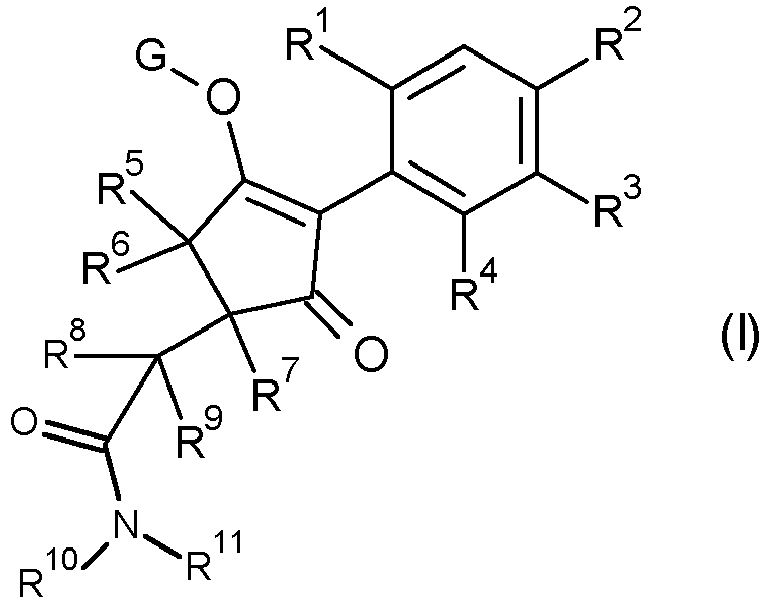 R1 is selected from the group consisting of methyl, ethyl, n-propyl, cyclopropyl, trifluoromethyl, vinyl, ethynyl, fluorine, chlorine, bromine, methoxy, difluoromethoxy and trifluoromethoxy; andeither (a): R2 is R2A and R3 is R3A;or (b): R2 is R2B and R3 is R3B;wherein:and whereinR2A is selected from the group consisting of hydrogen, methyl, ethyl, n-propyl, isopropyl, cyclopropyl, C1-C2fluoroalkyl, vinyl, prop-1-enyl, prop-1-ynyl, -C≡C-R2AA, halogen and (C1-C2fluoroalkyl)-methoxy-; wherein R2AA is selected from the group consisting of hydrogen, fluorine, chlorine, trifluoromethyl, ethyl and cyclopropyl;or R2A is phenyl optionally substituted by 1, 2 or 3 substituents independently selected from the group consisting of halogen, C1-C2alkyl, C1-C2fluoroalkyl, methoxymethyl, vinyl, ethynyl, C1-C3alkoxy, C1-C2fluoroalkoxy, -S(O)pmethyl, cyano or nitro, provided that either one or none (i.e. no more than one) of these optional substituents are methoxymethyl, vinyl, ethynyl, -S(O)pmethyl or nitro;or R2A is a monocyclic heteroaryl optionally substituted by 1, 2 or 3 substituents independently selected from the group consisting of halogen, C1-C2alkyl, C1-C2fluoroalkyl, methoxymethyl, vinyl, ethynyl, C1-C3alkoxy, C1-C2fluoroalkoxy,-S(O)pmethyl, cyano and nitro, provided that either one or none (i.e. no more than one) of these optional substituents are methoxymethyl, vinyl, ethynyl, -S(O)pmethyl or nitro;R3A is selected from the group consisting of hydrogen, methyl, fluorine and chlorine;R2B is hydrogen, methyl or fluorine; andeither R3B is phenyl optionally substituted by 1, 2 or 3 substituents independently selected from the group consisting of halogen, C1-C2alkyl, C1-C2fluoroalkyl, methoxymethyl, vinyl, ethynyl, C1-C2alkoxy, C1-C2fluoroalkoxy, -S(O)pmethyl, cyano and nitro, provided that either one or none (i.e. no more than one) of these optional substituents are methoxymethyl, vinyl, ethynyl, -S(O)pmethyl or nitro; orR3B is a monocyclic heteroaryl optionally substituted by 1, 2 or 3 substituents independently selected from the group consisting of halogen, C1-C2alkyl, C1-C2fluoroalkyl, methoxymethyl, vinyl, ethynyl, C1-C2alkoxy, C1-C2fluoroalkoxy,-S(O)pmethyl, cyano and nitro, provided that either one or none (i.e. no more than one) of these optional substituents are methoxymethyl, vinyl, ethynyl, -S(O)pmethyl or nitro;R4 is selected from the group consisting of hydrogen, methyl, ethyl, n-propyl, cyclopropyl, trifluoromethyl, vinyl, ethynyl, fluorine, chlorine, bromine, C1-C3alkoxy, C1-C2fluoroalkoxy, C1-C2alkoxy-C1-C3alkoxy-, or C1fluoroalkoxy-C1-C3alkoxy-;R5, R6 and R7 are independently selected from the group consisting of hydrogen, C1-C6alkyl, C2-C3 alkenyl, C2-C3alkynyl, C1-C2haloalkyl and C1-C2alkoxyC1-C2alkyl;R8 and R9 are independently selected from the group consisting of hydrogen, fluorine and C1-C3alkyl;R10 is selected from the group consisting of hydrogen, C1-C6alkyl, C3-C8cycloalkyl, C1-C6haloalkyl, C2-C6alkenyl, C2-C6haloalkenyl, C2-C6alkynyl, C2-C6haloalkynyl, C1-C6alkylcyano, C1-C6alkoxyC1-C6-alkyl-, C1-C6alkoxy-C2-C6-alkenyl-, C1-C6alkoxy-C2-C6-alkynyl-, C1-C6alkenyloxyC1-C6-alkyl-, C1-C6alkoxy-C2-C3-alkoxy-C2-C3-alkyl-, C1-C6alkylcarbonyl- and C1-C6alkylcarbonylC1-C6-alkyl-;R11 is selected from the group consisting of hydrogen, C1-C6alkyl, C3-C8cycloalkyl, C1-C6haloalkyl, C2-C6alkenyl, C2-C6haloalkenyl, C2-C6alkynyl, C2-C6haloalkynyl, C1-C6alkylcyano, C1-C6alkoxyC1-C6-alkyl-, C1-C6alkoxy-C2-C6-alkenyl-, C1-C6alkoxy-C2-C6-alkynyl-, C1-C6alkenyloxyC1-C6-alkyl-, C1-C6alkoxy-C2-C3-alkoxy-C2-C3-alkyl-, C1-C6alkylcarbonyl-, C1-C6alkylcarbonylC1-C6-alkyl-; orR11 is -(CR'R")n-X1-R13 wherein X1 is a bond, -(CH=CH)- or -(C=O)- and wherein R' and R" are independently selected from hydrogen and methyl or together from a C2-C3 alkylene chain); orR10 and R11 together form a four to six membered heterocycle, the heterocycle comprising one or more heteroatoms selected from the group consisting of oxygen, nitrogen and sulphur; the heterocycle being optionally substituted by one or more independent R12;R12 is selected from the group consisting of halogen, C1-C6alkyl, C1-C6haloalkyl, C1-C6haloalkoxy, C1-C6alkoxy-, nitro, -(CO)OR14, cyano, phenyl, pyridyl;R13 is a three- to ten-membered mono- or bicyclic ring system, which may be aromatic, saturated or partially saturated and can contain from 1 to 4 heteroatoms each independently selected from the group consisting of nitrogen, oxygen and sulphur the ring system being optionally substituted by one or more R12 substituents;R14 is H or C1-C6 alkyl;n = 0, 1, 2, 3 or 4;p = 0, 1 or 2; andG is hydrogen; an agriculturally acceptable metal, or an agriculturally acceptable sulfonium or ammonium group; orG is -C(Xa)-Ra, -C(Xb)-Xc-Rb, -C(Xd)-N(Rc)-Rd, -SO2-Re, -P(Xe)(Rf)-Rg, -CH2-Xf-Rh; or phenyl-CH2- or phenyl-CH(C1-C2alkyl)- (in each of which the phenyl is optionally substituted by 1, 2 or 3 of, independently, C1-C2alkyl, C1fluoroalkyl, C1-C2alkoxy, C1fluoroalkoxy, fluorine, chlorine, bromine, cyano or nitro), or heteroaryl-CH2- or heteroaryl-CH(C1-C2alkyl)- (in each of which the heteroaryl is optionally substituted by 1, 2 or 3 of, independently, C1-C2alkyl, C1fluoroalkyl, C1-C2alkoxy, C1fluoroalkoxy, fluorine, chlorine, bromine, cyano or nitro), or phenyl-C(O)-CH2- (wherein the phenyl is optionally substituted by 1, 2 or 3 of, independently, C1-C2alkyl, C1fluoroalkyl, C1-C2alkoxy, C1fluoroalkoxy, fluorine, chlorine, bromine, cyano or nitro); or C1-C6alkoxy-C(O)-CH2-, C1-C6alkyl-C(O)-CH2-, C1-C6alkoxy-C(O)-CH=CH-, C2-C7alken-1-yl-CH2-, C2-C7alken-1-yl-CH(C1-C2alkyl)-, C2-C4fluoroalken-1-yl-CH2-, C2-C7alkyn-1-yl-CH2-, or C2-C7alkyn-1-yl-CH(C1-C2alkyl)-;wherein Xa, Xb, Xc, Xd, Xe and Xf are independently of each other oxygen or sulfur; and whereinRa is H, C1-C21alkyl, C2-C21alkenyl, C2-C18alkynyl, C1-C10fluoroalkyl, C1-C10cyanoalkyl, C1-C10nitroalkyl, C1-C10aminoalkyl, C1-C5alkylamino(C1-C5)alkyl, C2-C8dialkylamino(C1-C5)alkyl, C3-C7cycloalkyl(C1-C5)alkyl, C1-C5alkoxy(C1-C5)alkyl, C3-C5alkenyloxy(C1-C5)alkyl, C3-C5alkynyloxy (C1-C5)alkyl, C1-C5alkylthio(C1-C5)alkyl, C1-C5alkylsulfinyl(C1-C5)alkyl, C1-C5alkylsulfonyl(C1-C5)alkyl, C2-C8alkylideneaminoxy(C1-C5)alkyl, C1-C5alkylcarbonyl(C1-C5)alkyl, C1-C5alkoxycarbonyl(C1-C5)alkyl, aminocarbonyl(C1-C5)alkyl, C1-C5alkylaminocarbonyl(C1-C5)alkyl, C2-C8dialkylaminocarbonyl(C1-C5)alkyl, C1-C5alkylcarbonylamino(C1-C5)alkyl, N-(C1-C5)alkylcarbonyl-N-(C1-C5)alkylamino(C1-C5)alkyl, C3-C6trialkylsilyl(C1-C5)alkyl, phenyl(C1-C5)alkyl (wherein the phenyl is optionally substituted by 1, 2 or 3 of, independently, C1-C3alkyl, C1-C3fluoroalkyl, C1-C3alkoxy, C1-C3fluoroalkoxy, C1-C3alkylthio, C1-C3alkylsulfinyl, C1-C3alkylsulfonyl, halogen, cyano, or nitro), heteroaryl(C1-C5)alkyl (wherein the heteroaryl is optionally substituted by 1, 2 or 3 of, independently, C1-C3alkyl, C1-C3fluoroalkyl, C1-C3alkoxy, C1-C3fluoroalkoxy, C1-C3alkylthio, C1-C3alkylsulfinyl, C1-C3alkylsulfonyl, halogen, cyano, or nitro), C2-C5fluoroalkenyl, C3-C8cycloalkyl; phenyl or phenyl substituted by 1, 2 or 3 of, independently, C1-C3alkyl, C1-C3fluoroalkyl, C1-C3alkoxy, C1-C3fluoroalkoxy, halogen, cyano or nitro; or heteroaryl or heteroaryl substituted by 1, 2 or 3 of, independently, C1-C3 alkyl, C1-C3fluoroalkyl, C1-C3alkoxy, C1-C3fluoroalkoxy, halogen, cyano or nitro;Rb is C1-C18alkyl, C3-C18alkenyl, C3-C18alkynyl, C2-C10fluoroalkyl, C1-C10cyanoalkyl, C1-C10nitroalkyl, C2-C10aminoalkyl, C1-C5alkylamino(C1-C5)alkyl, C2-C8dialkylamino(C1-C5)alkyl, C3-C7cycloalkyl(C1-C5)alkyl, C1-C5alkoxy(C1-C5)alkyl, C3-C5alkenyloxy(C1-C5)alkyl, C3-C5alkynyloxy(C1-C5)alkyl, C1-C5alkylthio(C1-C5)alkyl, C1-C5alkylsulfinyl(C1-C5)alkyl, C1-C5alkylsulfonyl(C1-C5)alkyl, C2-C8alkylideneaminoxy(C1-C5)alkyl, C1-C5alkylcarbonyl(C1-C5)alkyl, C1-C5alkoxycarbonyl(C1-C5)alkyl, aminocarbonyl(C1-C5)alkyl, C1-C5alkylaminocarbonyl(C1-C5)alkyl, C2-C8dialkylaminocarbonyl(C1-C5)alkyl, C1-C5alkylcarbonylamino(C1-C5)alkyl, N-(C1-C5)alkylcarbonyl-N-(C1-C5)alkylamino(C1-C5)alkyl, C3-C6trialkylsilyl(C1-C5)alkyl, phenyl(C1-C5)alkyl (wherein the phenyl is optionally substituted by 1, 2 or 3 of, independently, C1-C3alkyl, C1-C3fluoroalkyl, C1-C3alkoxy, C1-C3fluoroalkoxy, C1-C3alkylthio, C1-C3alkylsulfinyl, C1-C3alkylsulfonyl, halogen, cyano, or nitro), heteroarylC1-C5alkyl (wherein the heteroaryl is optionally substituted by 1, 2 or 3 of, independently, C1-C3alkyl, C1-C3fluoroalkyl, C1-C3alkoxy, C1-C3fluoroalkoxy, C1-C3alkyl-thio, C1-C3alkylsulfinyl, C1-C3alkylsulfonyl, halogen, cyano, or nitro), C3-C5fluoroalkenyl, C3-C8cycloalkyl; phenyl or phenyl substituted by 1, 2 or 3 of, independently, C1-C3alkyl, C1-C3fluoroalkyl, C1-C3alkoxy, C1-C3fluoroalkoxy, halogen, cyano or nitro; or heteroaryl or heteroaryl substituted by 1, 2 or 3 of, independently, C1-C3 alkyl, C1-C3fluoroalkyl, C1-C3alkoxy, C1-C3fluoroalkoxy, halogen, cyano or nitro; andRc and Rd are each independently of each other hydrogen, C1-C10alkyl, C3-C10alkenyl, C3-C10alkynyl, C2-C10fluoroalkyl, C1-C10cyanoalkyl, C1-C10nitroalkyl, C1-C10aminoalkyl, C1-C5alkylamino(C1-C5)alkyl, C2-C8dialkylamino(C1-C5)alkyl, C3-C7cycloalkyl(C1-C5)alkyl, C1-C5alkoxy(C1-C5)alkyl, C3-C5alkenyloxy(C1-C5)alkyl, C3-C5alkynyloxy(C1-C5)alkyl, C1-C5alkylthio(C1-C5)alkyl, C1-C5alkylsulfinyl(C1-C5)alkyl, C1-C5alkylsulfonyl(C1-C5)alkyl, C2-C8alkylideneaminoxy(C1-C5)alkyl, C1-C5alkylcarbonyl(C1-C5)alkyl, C1-C5alkoxycarbonyl(C1-C5)alkyl, aminocarbonyl(C1-C5)alkyl, C1-C5alkylaminocarbonyl(C1-C5)alkyl, C2-C8dialkylaminocarbonyl(C1-C5)alkyl, C1-C5alkylcarbonylamino(C1-C5)alkyl, N-(C1-C5)alkylcarbonyl-N-(C2-C5)alkylaminoalkyl, C3-C6trialkylsilyl(C1-C5)alkyl, phenyl(C1-C5)alkyl (wherein the phenyl is optionally substituted by 1, 2 or 3 of, independently, C1-C3alkyl, C1-C3fluoroalkyl, C1-C3alkoxy, C1-C3fluoroalkoxy, C1-C3alkylthio, C1-C3alkylsulfinyl, C1-C3alkylsulfonyl, halogen, cyano, or nitro), heteroaryl(C1-C5)alkyl (wherein the heteroaryl is optionally substituted by 1, 2 or 3 of, independently, C1-C3alkyl, C1-C3fluoroalkyl, C1-C3alkoxy, C1-C3fluoroalkoxy, C1-C3alkylthio, C1-C3alkylsulfinyl, C1-C3alkylsulfonyl, halogen, cyano, or nitro), C2-C5fluoroalkenyl, C3-C8cycloalkyl; phenyl or phenyl substituted by 1, 2 or 3 of, independently, C1-C3alkyl, C1-C3fluoroalkyl, C1-C3alkoxy, C1-C3fluoroalkoxy, halogen, cyano or nitro; heteroaryl or heteroaryl substituted by 1, 2 or 3 of, independently, C1-C3alkyl, C1-C3fluoroalkyl, C1-C3alkoxy, C1-C3fluoroalkoxy, halogen, cyano or nitro; heteroarylamino or heteroarylamino substituted by 1, 2 or 3 of, independently, C1-C3alkyl, C1-C3fluoroalkyl, C1-C3alkoxy, C1-C3fluoroalkoxy, halogen, cyano or nitro; diheteroarylamino or diheteroarylamino substituted by 1, 2 or 3 of, independently, C1-C3alkyl, C1-C3fluoroalkyl, C1-C3alkoxy, C1-C3fluoroalkoxy, halogen, cyano or nitro; phenylamino or phenylamino substituted by 1, 2 or 3 of, independently, C1-C3alkyl, C1-C3fluoroalkyl, C1-C3alkoxy, C1-C3fluoroalkoxy, halogen, cyano or by nitro; diphenylamino or diphenylamino substituted by 1, 2 or 3 of, independently, C1-C3alkyl, C1-C3fluoroalkyl, C1-C3alkoxy, C1-C3fluoroalkoxy, halogen, cyano or nitro; or C3-C7cycloalkylamino, di(C3-C7cycloalkyl)amino or C3-C7cycloalkoxy;or Rc and Rd, together with the nitrogen to which they are bonded, to form an unsubstituted 4, 5, 6 or 7 (e.g. 5 or 6) membered ring, optionally containing one heteroatom selected from O or S; andRe is C1-C10alkyl, C2-C10alkenyl, C2-C10alkynyl, C1-C10fluoroalkyl, C1-C10cyanoalkyl, C1-C10nitroalkyl, C1-C10aminoalkyl, C1-C5alkylamino(C1-C5)alkyl, C2-C8dialkylamino(C1-C5)alkyl, C3-C7cycloalkyl(C1-C5)alkyl, C1-C5alkoxy(C1-C5)alkyl, C3-C5alkenyloxy(C1-C5)alkyl, C3-C5alkynyloxy(C1-C5)alkyl, C1-C5alkylthio(C1-C5)alkyl, C1-C5alkylsulfinyl(C1-C5)alkyl, C1-C5alkylsulfonyl(C1-C5)alkyl, C2-C8alkylideneaminoxy(C1-C5)alkyl, C1-C5alkylcarbonyl(C1-C5)alkyl, C1-C5alkoxycarbonyl(C1-C5)alkyl, aminocarbonyl(C1-C5)alkyl, C1-C5alkylaminocarbonyl(C1-C5)alkyl, C2-C8dialkylaminocarbonyl(C1-C5)alkyl, C1-C5alkylcarbonylamino(C1-C5)alkyl, N-(C1-C5)alkylcarbonyl-N-(C1-C5)alkylamino(C1-C5)alkyl, C3-C6trialkylsilyl(C1-C5)alkyl, phenyl(C1-C5)alkyl (wherein the phenyl is optionally substituted by 1, 2 or 3 of, independently, C1-C3alkyl, C1-C3fluoroalkyl, C1-C3alkoxy, C1-C3fluoroalkoxy, C1-C3alkylthio, C1-C3alkylsulfinyl, C1-C3alkylsulfonyl, halogen, cyano, or nitro), heteroaryl(C1-C5)alkyl (wherein the heteroaryl is optionally substituted by 1, 2 or 3 of, independently, C1-C3alkyl, C1-C3fluoroalkyl, C1-C3alkoxy, C1-C3fluoroalkoxy, C1-C3alkylthio, C1-C3alkylsulfinyl, C1-C3alkylsulfonyl, halogen, cyano, or nitro), C2-C5fluoroalkenyl, C3-C8cycloalkyl; phenyl or phenyl substituted by 1, 2 or 3 of, independently, C1-C3alkyl, C1-C3fluoroalkyl, C1-C3alkoxy, C1-C3fluoroalkoxy, halogen, cyano or nitro; heteroaryl or heteroaryl substituted by 1, 2 or 3 of, independently, C1-C3alkyl, C1-C3fluoroalkyl, C1-C3alkoxy, C1-C3fluoroalkoxy, halogen, cyano or nitro; heteroarylamino or heteroarylamino substituted by 1, 2 or 3 of, independently, C1-C3 alkyl, C1-C3fluoroalkyl, C1-C3alkoxy, C1-C3fluoroalkoxy, halogen, cyano or nitro; diheteroarylamino or diheteroarylamino substituted by 1, 2 or 3 of, independently, C1-C3alkyl, C1-C3fluoroalkyl, C1-C3alkoxy, C1-C3fluoroalkoxy, halogen, cyano or nitro; phenylamino or phenylamino substituted by 1, 2 or 3 of, independently, C1-C3alkyl, C1-C3fluoroalkyl, C1-C3alkoxy, C1-C3fluoroalkoxy, halogen, cyano or nitro; diphenylamino or diphenylamino substituted by 1, 2 or 3 of, independently, C1-C3alkyl, C1-C3fluoroalkyl, C1-C3alkoxy, C1-C3fluoroalkoxy, halogen, cyano or nitro; or C3-C7cycloalkylamino, di(C3-C7cycloalkyl)amino, C3-C7cycloalkoxy, C1-C10alkoxy, C1-C10fluoroalkoxy, C1-C5alkylamino or di(C1-C4alkyl)amino;Rf and Rg are are each independently of each other C1-C10alkyl, C2-C10alkenyl, C2-C10alkynyl, C1-C10alkoxy, C1-C10fluoroalkyl, C1-C10cyanoalkyl, C1-C10nitroalkyl, C1-C10aminoalkyl, C1-C5alkylamino(C1-C5)alkyl, C2-C8dialkylamino(C1-C5)alkyl, C3-C7cycloalkyl(C1-C5)alkyl, C1-C5alkoxy(C1-C5)alkyl, C3-C5alkenyloxy(C1-C5)alkyl, C3-C5alkynyloxy(C1-C5)alkyl, C1-C5alkylthio(C1-C5)alkyl, C1-C5alkylsulfinyl(C1-C5)alkyl, C1-C5alkylsulfonyl(C1-C5)alkyl, C2-C8alkylideneaminoxy(C1-C5)alkyl, C1-C5alkylcarbonyl(C1-C5)alkyl, C1-C5alkoxycarbonyl(C1-C5)alkyl, aminocarbonyl(C1-C5)alkyl, C1-C5alkylaminocarbonyl(C1-C5)alkyl, C2-C8dialkylaminocarbonyl(C1-C5)alkyl, C1-C5alkylcarbonylamino(C1-C5)alkyl, N-(C1-C5)alkylcarbonyl-N-(C2-C5)alkylaminoalkyl, C3-C6trialkylsilyl(C1-C5)alkyl, phenyl(C1-C5)alkyl (wherein the phenyl is optionally substituted by 1, 2 or 3 of, independently, C1-C3alkyl, C1-C3fluoroalkyl, C1-C3alkoxy, C1-C3fluoroalkoxy, C1-C3alkylthio, C1-C3alkylsulfinyl, C1-C3alkylsulfonyl, halogen, cyano, or nitro), heteroaryl(C1-C5)alkyl (wherein the heteroaryl is optionally substituted by 1, 2 or 3 of, independently, C1-C3alkyl, C1-C3fluoroalkyl, C1-C3alkoxy, C1-C3fluoroalkoxy, C1-C3alkylthio, C1-C3alkylsulfinyl, C1-C3alkylsulfonyl, halogen, cyano, or nitro), C2-C5fluoroalkenyl, C3-C8cycloalkyl; phenyl or phenyl substituted by 1, 2 or 3 of, independently, C1-C3alkyl, C1-C3fluoroalkyl, C1-C3alkoxy, C1-C3fluoroalkoxy, halogen, cyano or nitro; heteroaryl or heteroaryl substituted by 1, 2 or 3 of, independently, C1-C3 alkyl, C1-C3fluoroalkyl, C1-C3alkoxy, C1-C3fluoroalkoxy, halogen, cyano or nitro; heteroarylamino or heteroarylamino substituted by 1, 2 or 3 of, independently, C1-C3 alkyl, C1-C3fluoroalkyl, C1-C3alkoxy, C1-C3fluoroalkoxy, halogen, cyano or nitro; diheteroarylamino or diheteroarylamino substituted by 1, 2 or 3 of, independently, C1-C3 alkyl, C1-C3fluoroalkyl, C1-C3alkoxy, C1-C3fluoroalkoxy, halogen, cyano or nitro; phenylamino or phenylamino substituted by 1, 2 or 3 of, independently, C1-C3alkyl, C1-C3fluoroalkyl, C1-C3alkoxy, C1-C3fluoroalkoxy, halogen, cyano or nitro; diphenylamino or diphenylamino substituted by 1, 2 or 3 of, independently, C1-C3alkyl, C1-C3fluoroalkyl, C1-C3alkoxy, C1-C3fluoroalkoxy, halogen, cyano or nitro; or C3-C7cycloalkylamino, di(C3-C7cycloalkyl)amino, C3-C7cycloalkoxy, C1-C10fluoroalkoxy, C1-C5alkylamino or di(C1-C4alkyl)amino; or benzyloxy or phenoxy, wherein the benzyl and phenyl groups are in turn optionally substituted by 1, 2 or 3 of, independently, C1-C3alkyl, C1-C3fluoroalkyl, C1-C3alkoxy, C1-C3fluoroalkoxy, halogen, cyano or nitro; andRh is C1-C10alkyl, C3-C10alkenyl, C3-C10alkynyl, C1-C10fluoroalkyl, C1-C10cyanoalkyl, C1-C10nitroalkyl, C2-C10aminoalkyl, C1-C5alkylamino(C1-C5)alkyl, C2-C8dialkylamino(C1-C5)alkyl, C3-C7cycloalkyl(C1-C5)alkyl, C1-C5alkoxy(C1-C5)alkyl, C3-C5alkenyloxy(C1-C5)alkyl, C3-C5alkynyloxy(C1-C5)alkyl, C1-C5alkylthio(C1-C5)alkyl, C1-C5alkylsulfinyl(C1-C5)alkyl, C1-C5alkylsulfonyl(C1-C5)alkyl, C2-C8alkylideneaminoxy(C1-C5)alkyl, C1-C5alkylcarbonyl(C1-C5)alkyl, C1-C5alkoxycarbonyl(C1-C5)alkyl, aminocarbonyl(C1-C5)alkyl, C1-C5alkylaminocarbonyl(C1-C5)alkyl, C2-C8dialkylaminocarbonyl(C1-C5)alkyl, C1-C5alkylcarbonylamino(C1-C5)alkyl, M-(Ci-C5)alkylcarbonyl-N-(C1-C5)alkylamino(C1-C5)alkyl, C3-C6trialkylsilyl(C1-C5)alkyl, phenyl(C1-C5)alkyl (wherein the phenyl is optionally substituted by 1, 2 or 3 of, independently, C1-C3alkyl, C1-C3fluoroalkyl, C1-C3alkoxy, C1-C3fluoroalkoxy, C1-C3alkylthio, C1-C3alkylsulfinyl, C1-C3 alkylsulfonyl, halogen, cyano or nitro), heteroaryl(C1-C5)alkyl (wherein the heteroaryl is optionally substituted by 1, 2 or 3 of, independently, C1-C3alkyl, C1-C3fluoroalkyl, C1-C3alkoxy, C1-C3fluoroalkoxy, C1-C3alkylthio, C1-C3alkylsulfinyl, C1-C3 alkylsulfonyl, halogen, cyano or nitro), phenoxy(C1-C5)alkyl (wherein the phenyl is optionally substituted by 1, 2 or 3 of, independently, C1-C3alkyl, C1-C3fluoroalkyl, C1-C3alkoxy, C1-C3fluoroalkoxy, C1-C3alkylthio, C1-C3alkylsulfinyl, C1-C3 alkylsulfonyl, halogen, cyano or nitro), heteroaryloxy(C1-C5)alkyl (wherein the heteroaryl is optionally substituted by 1, 2 or 3 of, independently, C1-C3alkyl, C1-C3fluoroalkyl, C1-C3alkoxy, C1-C3fluoroalkoxy, C1-C3alkylthio, C1-C3alkylsulfinyl, C1-C3 alkylsulfonyl, halogen, cyano or nitro), C3-C5fluoroalkenyl, C3-C8cycloalkyl; phenyl or phenyl substituted by 1, 2 or 3 of, independently, C1-C3alkyl, C1-C3fluoroalkyl, C1-C3alkoxy, C1-C3fluoroalkoxy, halogen, cyano or nitro; heteroaryl or heteroaryl substituted by 1, 2 or 3 of, independently, C1-C3alkyl, C1-C3fluoroalkyl, C1-C3alkoxy, C1-C3fluoroalkoxy, halogen, cyano or nitro; C1-C6alkyl-C(O)-; or phenyl-C(O)- wherein the phenyl is optionally substituted by 1 or 2 of, independently, C1-C2alkyl, C1fluoroalkyl, C1-C2alkoxy, C1fluoroalkoxy, fluorine, chlorine, bromine, cyano or nitro;wherein "heteroaryl" means an aromatic ring system containing at least one ring heteroatom and consisting either of a single ring or of two fused rings;and wherein the compound of formula (I) is optionally present as an agrochemically acceptable salt thereof.
 - A compound as claimed in claim 1, wherein G is hydrogen.
- A compound according to claim 1 or claim 2, wherein R1 is selected from the group consisting of methyl, fluorine, chlorine, bromine, methoxy, difluoromethoxy and trifluoromethoxy.
- A compound according to any one of the previous claims, wherein R2 is R2A and R3 is R3A and wherein R2A is selected from the group consisting of methyl, ethynyl and prop-1-ynyl and R3A is hydrogen or methyl.
- A compound according to any one of previous claims 1 to 3, wherein R2 is R2A and R3 is R3A wherein R3A is hydrogen or methyl, and wherein R2A is of sub-formula (2Aa):
 R15 is selected from the group consisting of hydrogen, C1-C2alkyl, fluorine and chlorine;R16 is selected from the group consisting of hydrogen, halogen, C1-C2alkyl, C1-C2fluoroalkyl, C1-C2alkoxy, C1-C2fluoroalkoxy, cyano and nitro;R17 is selected from the group consisting of hydrogen, halogen, C1-C2alkyl, C1-C2fluoroalkyl, C1-C2alkoxy, C1-C2fluoroalkoxy, cyano and nitro; andR18 is selected from the group consisting of hydrogen, halogen, C1-C2alkyl, C1-C2fluoroalkyl, C1-C2alkoxy, C1-C2fluoroalkoxy, cyano and nitro.
 - A compound according to any one of claims 1 to 3, wherein: R2A is selected from the group consisting of (R2Ab), (R2Ac), (R2Ad), (R2Ae), (R2Af), R2Ag, RhAh, R2Ai and R2Aj:


 R19 is selected from the group consisting of halogen, C1-C2alkyl, C1-C2fluoroalkyl, C1-C2alkoxy, C1-C2fluoroalkoxy, cyano and nitro;R20 is selected from the group consisting of hydrogen, halogen (in particular fluorine, chlorine or bromine, more particularly fluorine or chlorine), C1-C2alkyl, C1-C2fluoroalkyl, C1-C2alkoxy, C1-C2fluoroalkoxy, cyano and nitro; andR21 is selected from the group consisting of hydrogen, halogen (in particular fluorine, chlorine or bromine, more particularly fluorine or chlorine), C1-C2alkyl, C1-C2fluoroalkyl, C1-C2alkoxy, C1-C2fluoroalkoxy, cyano and nitro; provided that either one or none (i.e. no more than one) of R19, R20 and R21 are C1-C2alkyl, C1-C2alkoxy or nitro; andR22 is selected from the group consisting of hydrogen, halogen, methyl, C1fluoroalkyl, C1fluoroalkoxy and cyano.
 - A compound according to any one of the previous claims, wherein R4 is selected from the group consisting of hydrogen, methyl, fluorine, chlorine, methoxy, ethoxy, C1fluoroalkyl-methoxy- and MeO-CH2-CH2-O-.
- A compound according to any one of the previous claims, wherein R5, R6, R7, R8 and R9 are hydrogen.
- A compound according to any one of the previous claims, wherein R10 is hydrogen.
- A compound according to any one of the previous claims, wherein R11 is selected from the group consisting of C1-C6alkyl, C2-C6alkenyl, C2-C6alkynyl, C1-C6alkoxyC1-C6-alkyl-, C1-C6alkoxy-C2-C3-alkoxy-C2-C3-alkyl- and-(CH2)n-X2-R13.
- A compound according to claim 10, wherein R11 is is -(CH2)n-X2-R13 and wherein R13 is selected from the group consisting of R13a to R13o


R12a is selected from the group consisting of hydrogen, C1-C4alkyl, C1-C4haloalkyl, halogen, C1-C4alkoxy, cyano and nitro;
R12b is selected from the group consisting of hydrogen, C1-C4alkyl, halogen, C1-C4alkoxy, nitro and phenyl;
R12c is selected from the group consisting of hydrogen, C1-C4alkyl, halogen, C1-C4alkoxy, C1-C4haloalkyl and C1-C4haloalkoxy-;
R12d is hydrogen or halogen;
R12e is selected from the group consisting of hydrogen, halogen and C1-C2alkyl; and
R12f is hydrogen or C1-C2alkyl. - A compound according to any one of previous claims 1 to 9, wherein R10 and R11 together form a four to six membered heterocycle, the heterocycle comprising one or more heteroatoms selected from the group consisting of oxygen, nitrogen and sulphur; the heterocycle being optionally substituted by one or more independent R12.
- A compound of any one of claims 1 to 12, wherein the compound of formula (I) is a compound of formula (Ia):

- A herbicidal composition which comprises:(i) a compound of formula (I), as defined in any of claims 1 to 13, and(ii) an agrochemically acceptable carrier, diluent and/or solvent; and(iii) optionally one or more further herbicides and/or optionally a safener.
- A method of controlling grassy monocotyledonous weeds in crops of useful plants, comprising applying a compound of formula (I), as defined in any of claims 1 to 13, or a herbicidal composition comprising such a compound, to the weeds and/or to the plants and/or to the locus thereof.
Applications Claiming Priority (2)
| Application Number | Priority Date | Filing Date | Title |
|---|---|---|---|
| GBGB1418567.2A GB201418567D0 (en) | 2014-10-20 | 2014-10-20 | Improvements in or relating to organic compounds |
| PCT/EP2015/073707 WO2016062587A1 (en) | 2014-10-20 | 2015-10-13 | Herbicidal compounds |
Publications (2)
| Publication Number | Publication Date |
|---|---|
| EP3209133A1 EP3209133A1 (en) | 2017-08-30 |
| EP3209133B1 true EP3209133B1 (en) | 2018-10-03 |
Family
ID=52013248
Family Applications (1)
| Application Number | Title | Priority Date | Filing Date |
|---|---|---|---|
| EP15797021.1A Active EP3209133B1 (en) | 2014-10-20 | 2015-10-13 | Herbicidal compounds |
Country Status (10)
| Country | Link |
|---|---|
| US (1) | US10206394B2 (en) |
| EP (1) | EP3209133B1 (en) |
| CN (1) | CN106795101B (en) |
| AR (1) | AR102294A1 (en) |
| AU (1) | AU2015335174B2 (en) |
| CA (1) | CA2963045C (en) |
| ES (1) | ES2703860T3 (en) |
| GB (1) | GB201418567D0 (en) |
| UY (1) | UY36365A (en) |
| WO (1) | WO2016062587A1 (en) |
Families Citing this family (3)
| Publication number | Priority date | Publication date | Assignee | Title |
|---|---|---|---|---|
| WO2017217553A1 (en) * | 2016-06-17 | 2017-12-21 | 日産化学工業株式会社 | Oxime compound and herbicide |
| WO2018131690A1 (en) * | 2017-01-13 | 2018-07-19 | 日産化学工業株式会社 | Ketone or oxime compound and herbicide |
| CN111196773B (en) * | 2018-11-16 | 2022-05-06 | 沈阳化工研究院有限公司 | A kind of 2-(3-oxo-2-pentylcyclopentyl)acetamide derivative and application thereof |
Family Cites Families (7)
| Publication number | Priority date | Publication date | Assignee | Title |
|---|---|---|---|---|
| ES2059058T3 (en) * | 1990-05-22 | 1994-11-01 | R Tech Ueno Ltd | SYNERGIC COMBINATION FOR OPHTHALMIC USE. |
| JP3187438B2 (en) * | 1996-06-10 | 2001-07-11 | 株式会社アールテック・ウエノ | Endothelin antagonist |
| GB0812310D0 (en) * | 2008-07-03 | 2008-08-13 | Syngenta Ltd | Novel herbicides |
| GB0912385D0 (en) * | 2009-07-16 | 2009-08-26 | Syngenta Ltd | Novel herbicides |
| HUE031437T2 (en) * | 2011-11-30 | 2017-07-28 | Syngenta Ltd | 2-(substituted-phenyl)-cyclopentane-1,3-dione compounds, and derivatives thereof |
| UA116804C2 (en) * | 2013-04-19 | 2018-05-10 | Сінгента Лімітед | Herbicidally active 2-(substituted-phenyl)-cyclopentane-1,3-dione compounds and derivatives thereof |
| GB201418764D0 (en) * | 2014-10-22 | 2014-12-03 | Syngenta Participations Ag | Improvements in or relating to organic compounds |
-
2014
- 2014-10-20 GB GBGB1418567.2A patent/GB201418567D0/en not_active Ceased
-
2015
- 2015-10-13 WO PCT/EP2015/073707 patent/WO2016062587A1/en not_active Ceased
- 2015-10-13 CN CN201580055273.9A patent/CN106795101B/en active Active
- 2015-10-13 AU AU2015335174A patent/AU2015335174B2/en active Active
- 2015-10-13 ES ES15797021T patent/ES2703860T3/en active Active
- 2015-10-13 EP EP15797021.1A patent/EP3209133B1/en active Active
- 2015-10-13 CA CA2963045A patent/CA2963045C/en active Active
- 2015-10-13 US US15/520,233 patent/US10206394B2/en active Active
- 2015-10-16 AR ARP150103350A patent/AR102294A1/en active IP Right Grant
- 2015-10-19 UY UY0001036365A patent/UY36365A/en not_active Application Discontinuation
Non-Patent Citations (1)
| Title |
|---|
| None * |
Also Published As
| Publication number | Publication date |
|---|---|
| AU2015335174B2 (en) | 2019-03-28 |
| AU2015335174A1 (en) | 2017-04-27 |
| CA2963045C (en) | 2023-04-04 |
| WO2016062587A1 (en) | 2016-04-28 |
| CN106795101B (en) | 2019-09-20 |
| AR102294A1 (en) | 2017-02-15 |
| US20170311596A1 (en) | 2017-11-02 |
| GB201418567D0 (en) | 2014-12-03 |
| ES2703860T3 (en) | 2019-03-12 |
| CA2963045A1 (en) | 2016-04-28 |
| US10206394B2 (en) | 2019-02-19 |
| CN106795101A (en) | 2017-05-31 |
| UY36365A (en) | 2016-06-01 |
| EP3209133A1 (en) | 2017-08-30 |
Similar Documents
| Publication | Publication Date | Title |
|---|---|---|
| EP1799657B1 (en) | Isoxazoline derivatives and their use as herbicides | |
| EP3762378B1 (en) | Herbicidal compounds | |
| AU2015335172B2 (en) | Herbicidal compounds | |
| EP3046907A1 (en) | Herbicidally active 2-halogen-4-alkynyl-phenyl-pyrazolidine-dione or pyrrolidine-dione derivatives | |
| WO2015032702A1 (en) | Herbicidally active 2-halogen-4-alkynyl- phenyl-pyrazolidine-dione or pyrrolidine-dione derivatives | |
| EP3209133B1 (en) | Herbicidal compounds | |
| US9808003B2 (en) | Herbicidally active 2-(substituted-phenyl)-cyclopentane-1,3-dione compounds and derivatives thereof | |
| WO2011033251A1 (en) | Herbicidal isoxazoline derivatives | |
| EP3004063B1 (en) | Herbicidally active 2-(substituted-phenyl)-cyclopentane-1,3-dione compounds and derivatives thereof |
Legal Events
| Date | Code | Title | Description |
|---|---|---|---|
| PUAI | Public reference made under article 153(3) epc to a published international application that has entered the european phase |
Free format text: ORIGINAL CODE: 0009012 |
|
| 17P | Request for examination filed |
Effective date: 20170522 |
|
| AK | Designated contracting states |
Kind code of ref document: A1 Designated state(s): AL AT BE BG CH CY CZ DE DK EE ES FI FR GB GR HR HU IE IS IT LI LT LU LV MC MK MT NL NO PL PT RO RS SE SI SK SM TR |
|
| AX | Request for extension of the european patent |
Extension state: BA ME |
|
| DAV | Request for validation of the european patent (deleted) | ||
| DAX | Request for extension of the european patent (deleted) | ||
| REG | Reference to a national code |
Ref country code: DE Ref legal event code: R079 Ref document number: 602015017608 Country of ref document: DE Free format text: PREVIOUS MAIN CLASS: A01P0013020000 Ipc: A01N0037180000 |
|
| GRAP | Despatch of communication of intention to grant a patent |
Free format text: ORIGINAL CODE: EPIDOSNIGR1 |
|
| RIC1 | Information provided on ipc code assigned before grant |
Ipc: C07D 231/16 20060101ALI20180411BHEP Ipc: A01N 43/60 20060101ALI20180411BHEP Ipc: C07D 333/20 20060101ALI20180411BHEP Ipc: A01N 43/40 20060101ALI20180411BHEP Ipc: A01N 43/54 20060101ALI20180411BHEP Ipc: A01P 13/02 20060101ALI20180411BHEP Ipc: A01N 43/58 20060101ALI20180411BHEP Ipc: A01N 37/18 20060101AFI20180411BHEP Ipc: A01N 43/10 20060101ALI20180411BHEP Ipc: A01N 43/56 20060101ALI20180411BHEP Ipc: C07D 333/28 20060101ALI20180411BHEP Ipc: C07D 331/04 20060101ALI20180411BHEP Ipc: A01N 43/08 20060101ALI20180411BHEP Ipc: A01N 43/16 20060101ALI20180411BHEP Ipc: A01N 37/34 20060101ALI20180411BHEP Ipc: C07D 401/12 20060101ALI20180411BHEP Ipc: A01N 43/80 20060101ALI20180411BHEP Ipc: A01N 43/78 20060101ALI20180411BHEP Ipc: C07D 309/04 20060101ALI20180411BHEP |
|
| INTG | Intention to grant announced |
Effective date: 20180502 |
|
| GRAS | Grant fee paid |
Free format text: ORIGINAL CODE: EPIDOSNIGR3 |
|
| GRAA | (expected) grant |
Free format text: ORIGINAL CODE: 0009210 |
|
| AK | Designated contracting states |
Kind code of ref document: B1 Designated state(s): AL AT BE BG CH CY CZ DE DK EE ES FI FR GB GR HR HU IE IS IT LI LT LU LV MC MK MT NL NO PL PT RO RS SE SI SK SM TR |
|
| REG | Reference to a national code |
Ref country code: GB Ref legal event code: FG4D |
|
| REG | Reference to a national code |
Ref country code: CH Ref legal event code: EP Ref country code: AT Ref legal event code: REF Ref document number: 1047632 Country of ref document: AT Kind code of ref document: T Effective date: 20181015 |
|
| REG | Reference to a national code |
Ref country code: IE Ref legal event code: FG4D Ref country code: DE Ref legal event code: R096 Ref document number: 602015017608 Country of ref document: DE |
|
| REG | Reference to a national code |
Ref country code: NL Ref legal event code: MP Effective date: 20181003 |
|
| REG | Reference to a national code |
Ref country code: LT Ref legal event code: MG4D |
|
| REG | Reference to a national code |
Ref country code: ES Ref legal event code: FG2A Ref document number: 2703860 Country of ref document: ES Kind code of ref document: T3 Effective date: 20190312 |
|
| REG | Reference to a national code |
Ref country code: AT Ref legal event code: MK05 Ref document number: 1047632 Country of ref document: AT Kind code of ref document: T Effective date: 20181003 |
|
| REG | Reference to a national code |
Ref country code: GB Ref legal event code: 732E Free format text: REGISTERED BETWEEN 20190228 AND 20190306 |
|
| PG25 | Lapsed in a contracting state [announced via postgrant information from national office to epo] |
Ref country code: NL Free format text: LAPSE BECAUSE OF FAILURE TO SUBMIT A TRANSLATION OF THE DESCRIPTION OR TO PAY THE FEE WITHIN THE PRESCRIBED TIME-LIMIT Effective date: 20181003 |
|
| PG25 | Lapsed in a contracting state [announced via postgrant information from national office to epo] |
Ref country code: BG Free format text: LAPSE BECAUSE OF FAILURE TO SUBMIT A TRANSLATION OF THE DESCRIPTION OR TO PAY THE FEE WITHIN THE PRESCRIBED TIME-LIMIT Effective date: 20190103 Ref country code: NO Free format text: LAPSE BECAUSE OF FAILURE TO SUBMIT A TRANSLATION OF THE DESCRIPTION OR TO PAY THE FEE WITHIN THE PRESCRIBED TIME-LIMIT Effective date: 20190103 Ref country code: PL Free format text: LAPSE BECAUSE OF FAILURE TO SUBMIT A TRANSLATION OF THE DESCRIPTION OR TO PAY THE FEE WITHIN THE PRESCRIBED TIME-LIMIT Effective date: 20181003 Ref country code: FI Free format text: LAPSE BECAUSE OF FAILURE TO SUBMIT A TRANSLATION OF THE DESCRIPTION OR TO PAY THE FEE WITHIN THE PRESCRIBED TIME-LIMIT Effective date: 20181003 Ref country code: LT Free format text: LAPSE BECAUSE OF FAILURE TO SUBMIT A TRANSLATION OF THE DESCRIPTION OR TO PAY THE FEE WITHIN THE PRESCRIBED TIME-LIMIT Effective date: 20181003 Ref country code: AT Free format text: LAPSE BECAUSE OF FAILURE TO SUBMIT A TRANSLATION OF THE DESCRIPTION OR TO PAY THE FEE WITHIN THE PRESCRIBED TIME-LIMIT Effective date: 20181003 Ref country code: IS Free format text: LAPSE BECAUSE OF FAILURE TO SUBMIT A TRANSLATION OF THE DESCRIPTION OR TO PAY THE FEE WITHIN THE PRESCRIBED TIME-LIMIT Effective date: 20190203 Ref country code: CZ Free format text: LAPSE BECAUSE OF FAILURE TO SUBMIT A TRANSLATION OF THE DESCRIPTION OR TO PAY THE FEE WITHIN THE PRESCRIBED TIME-LIMIT Effective date: 20181003 Ref country code: LV Free format text: LAPSE BECAUSE OF FAILURE TO SUBMIT A TRANSLATION OF THE DESCRIPTION OR TO PAY THE FEE WITHIN THE PRESCRIBED TIME-LIMIT Effective date: 20181003 Ref country code: HR Free format text: LAPSE BECAUSE OF FAILURE TO SUBMIT A TRANSLATION OF THE DESCRIPTION OR TO PAY THE FEE WITHIN THE PRESCRIBED TIME-LIMIT Effective date: 20181003 |
|
| PG25 | Lapsed in a contracting state [announced via postgrant information from national office to epo] |
Ref country code: AL Free format text: LAPSE BECAUSE OF FAILURE TO SUBMIT A TRANSLATION OF THE DESCRIPTION OR TO PAY THE FEE WITHIN THE PRESCRIBED TIME-LIMIT Effective date: 20181003 Ref country code: SE Free format text: LAPSE BECAUSE OF FAILURE TO SUBMIT A TRANSLATION OF THE DESCRIPTION OR TO PAY THE FEE WITHIN THE PRESCRIBED TIME-LIMIT Effective date: 20181003 Ref country code: RS Free format text: LAPSE BECAUSE OF FAILURE TO SUBMIT A TRANSLATION OF THE DESCRIPTION OR TO PAY THE FEE WITHIN THE PRESCRIBED TIME-LIMIT Effective date: 20181003 Ref country code: PT Free format text: LAPSE BECAUSE OF FAILURE TO SUBMIT A TRANSLATION OF THE DESCRIPTION OR TO PAY THE FEE WITHIN THE PRESCRIBED TIME-LIMIT Effective date: 20190203 Ref country code: GR Free format text: LAPSE BECAUSE OF FAILURE TO SUBMIT A TRANSLATION OF THE DESCRIPTION OR TO PAY THE FEE WITHIN THE PRESCRIBED TIME-LIMIT Effective date: 20190104 |
|
| REG | Reference to a national code |
Ref country code: CH Ref legal event code: PL |
|
| REG | Reference to a national code |
Ref country code: BE Ref legal event code: MM Effective date: 20181031 |
|
| PG25 | Lapsed in a contracting state [announced via postgrant information from national office to epo] |
Ref country code: LU Free format text: LAPSE BECAUSE OF NON-PAYMENT OF DUE FEES Effective date: 20181013 |
|
| REG | Reference to a national code |
Ref country code: DE Ref legal event code: R097 Ref document number: 602015017608 Country of ref document: DE |
|
| REG | Reference to a national code |
Ref country code: IE Ref legal event code: MM4A |
|
| PG25 | Lapsed in a contracting state [announced via postgrant information from national office to epo] |
Ref country code: DK Free format text: LAPSE BECAUSE OF FAILURE TO SUBMIT A TRANSLATION OF THE DESCRIPTION OR TO PAY THE FEE WITHIN THE PRESCRIBED TIME-LIMIT Effective date: 20181003 |
|
| PLBE | No opposition filed within time limit |
Free format text: ORIGINAL CODE: 0009261 |
|
| STAA | Information on the status of an ep patent application or granted ep patent |
Free format text: STATUS: NO OPPOSITION FILED WITHIN TIME LIMIT |
|
| PG25 | Lapsed in a contracting state [announced via postgrant information from national office to epo] |
Ref country code: CH Free format text: LAPSE BECAUSE OF NON-PAYMENT OF DUE FEES Effective date: 20181031 Ref country code: BE Free format text: LAPSE BECAUSE OF NON-PAYMENT OF DUE FEES Effective date: 20181031 Ref country code: EE Free format text: LAPSE BECAUSE OF FAILURE TO SUBMIT A TRANSLATION OF THE DESCRIPTION OR TO PAY THE FEE WITHIN THE PRESCRIBED TIME-LIMIT Effective date: 20181003 Ref country code: RO Free format text: LAPSE BECAUSE OF FAILURE TO SUBMIT A TRANSLATION OF THE DESCRIPTION OR TO PAY THE FEE WITHIN THE PRESCRIBED TIME-LIMIT Effective date: 20181003 Ref country code: LI Free format text: LAPSE BECAUSE OF NON-PAYMENT OF DUE FEES Effective date: 20181031 Ref country code: SM Free format text: LAPSE BECAUSE OF FAILURE TO SUBMIT A TRANSLATION OF THE DESCRIPTION OR TO PAY THE FEE WITHIN THE PRESCRIBED TIME-LIMIT Effective date: 20181003 Ref country code: SK Free format text: LAPSE BECAUSE OF FAILURE TO SUBMIT A TRANSLATION OF THE DESCRIPTION OR TO PAY THE FEE WITHIN THE PRESCRIBED TIME-LIMIT Effective date: 20181003 Ref country code: MC Free format text: LAPSE BECAUSE OF FAILURE TO SUBMIT A TRANSLATION OF THE DESCRIPTION OR TO PAY THE FEE WITHIN THE PRESCRIBED TIME-LIMIT Effective date: 20181003 |
|
| 26N | No opposition filed |
Effective date: 20190704 |
|
| PG25 | Lapsed in a contracting state [announced via postgrant information from national office to epo] |
Ref country code: IE Free format text: LAPSE BECAUSE OF NON-PAYMENT OF DUE FEES Effective date: 20181013 Ref country code: SI Free format text: LAPSE BECAUSE OF FAILURE TO SUBMIT A TRANSLATION OF THE DESCRIPTION OR TO PAY THE FEE WITHIN THE PRESCRIBED TIME-LIMIT Effective date: 20181003 |
|
| PG25 | Lapsed in a contracting state [announced via postgrant information from national office to epo] |
Ref country code: MT Free format text: LAPSE BECAUSE OF NON-PAYMENT OF DUE FEES Effective date: 20181013 |
|
| PG25 | Lapsed in a contracting state [announced via postgrant information from national office to epo] |
Ref country code: TR Free format text: LAPSE BECAUSE OF FAILURE TO SUBMIT A TRANSLATION OF THE DESCRIPTION OR TO PAY THE FEE WITHIN THE PRESCRIBED TIME-LIMIT Effective date: 20181003 |
|
| PG25 | Lapsed in a contracting state [announced via postgrant information from national office to epo] |
Ref country code: HU Free format text: LAPSE BECAUSE OF FAILURE TO SUBMIT A TRANSLATION OF THE DESCRIPTION OR TO PAY THE FEE WITHIN THE PRESCRIBED TIME-LIMIT; INVALID AB INITIO Effective date: 20151013 Ref country code: MK Free format text: LAPSE BECAUSE OF NON-PAYMENT OF DUE FEES Effective date: 20181003 Ref country code: CY Free format text: LAPSE BECAUSE OF FAILURE TO SUBMIT A TRANSLATION OF THE DESCRIPTION OR TO PAY THE FEE WITHIN THE PRESCRIBED TIME-LIMIT Effective date: 20181003 |
|
| REG | Reference to a national code |
Ref country code: FR Ref legal event code: PLFP Year of fee payment: 8 |
|
| PGFP | Annual fee paid to national office [announced via postgrant information from national office to epo] |
Ref country code: DE Payment date: 20251028 Year of fee payment: 11 |
|
| PGFP | Annual fee paid to national office [announced via postgrant information from national office to epo] |
Ref country code: GB Payment date: 20251023 Year of fee payment: 11 |
|
| PGFP | Annual fee paid to national office [announced via postgrant information from national office to epo] |
Ref country code: IT Payment date: 20251022 Year of fee payment: 11 |
|
| PGFP | Annual fee paid to national office [announced via postgrant information from national office to epo] |
Ref country code: FR Payment date: 20251027 Year of fee payment: 11 |
|
| PGFP | Annual fee paid to national office [announced via postgrant information from national office to epo] |
Ref country code: ES Payment date: 20251118 Year of fee payment: 11 |
|
| REG | Reference to a national code |
Ref country code: DE Ref legal event code: R081 Ref document number: 602015017608 Country of ref document: DE Owner name: SYNGENTA CROP PROTECTION AG, CH Free format text: FORMER OWNER: SYNGENTA PARTICIPATIONS AG, BASEL, CH |