EP3207919A1 - Palmitoylated peptides for reducing the appearance of melanin in skin or hair - Google Patents
Palmitoylated peptides for reducing the appearance of melanin in skin or hair Download PDFInfo
- Publication number
- EP3207919A1 EP3207919A1 EP17166331.3A EP17166331A EP3207919A1 EP 3207919 A1 EP3207919 A1 EP 3207919A1 EP 17166331 A EP17166331 A EP 17166331A EP 3207919 A1 EP3207919 A1 EP 3207919A1
- Authority
- EP
- European Patent Office
- Prior art keywords
- tyrosinase
- melanin
- palmitoylated
- hair
- palmitoylation
- Prior art date
- Legal status (The legal status is an assumption and is not a legal conclusion. Google has not performed a legal analysis and makes no representation as to the accuracy of the status listed.)
- Withdrawn
Links
- XUMBMVFBXHLACL-UHFFFAOYSA-N Melanin Chemical compound O=C1C(=O)C(C2=CNC3=C(C(C(=O)C4=C32)=O)C)=C2C4=CNC2=C1C XUMBMVFBXHLACL-UHFFFAOYSA-N 0.000 title claims description 52
- 108090000765 processed proteins & peptides Proteins 0.000 title claims description 17
- 102000004196 processed proteins & peptides Human genes 0.000 title description 5
- 239000000203 mixture Substances 0.000 claims abstract description 10
- 239000003112 inhibitor Substances 0.000 claims description 20
- 102000005327 Palmitoyl protein thioesterase Human genes 0.000 claims description 14
- 108020002591 Palmitoyl protein thioesterase Proteins 0.000 claims description 14
- OBMZMSLWNNWEJA-XNCRXQDQSA-N C1=CC=2C(C[C@@H]3NC(=O)[C@@H](NC(=O)[C@H](NC(=O)N(CC#CCN(CCCC[C@H](NC(=O)[C@@H](CC4=CC=CC=C4)NC3=O)C(=O)N)CC=C)NC(=O)[C@@H](N)C)CC3=CNC4=C3C=CC=C4)C)=CNC=2C=C1 Chemical compound C1=CC=2C(C[C@@H]3NC(=O)[C@@H](NC(=O)[C@H](NC(=O)N(CC#CCN(CCCC[C@H](NC(=O)[C@@H](CC4=CC=CC=C4)NC3=O)C(=O)N)CC=C)NC(=O)[C@@H](N)C)CC3=CNC4=C3C=CC=C4)C)=CNC=2C=C1 OBMZMSLWNNWEJA-XNCRXQDQSA-N 0.000 claims description 9
- 101710176384 Peptide 1 Proteins 0.000 claims description 9
- 150000001413 amino acids Chemical class 0.000 claims description 6
- 239000002537 cosmetic Substances 0.000 claims description 6
- 230000009467 reduction Effects 0.000 claims description 5
- 238000002560 therapeutic procedure Methods 0.000 claims 2
- 230000002087 whitening effect Effects 0.000 claims 1
- 102000003425 Tyrosinase Human genes 0.000 abstract description 71
- 108060008724 Tyrosinase Proteins 0.000 abstract description 71
- 230000026792 palmitoylation Effects 0.000 abstract description 43
- 230000003061 melanogenesis Effects 0.000 abstract description 12
- 238000000034 method Methods 0.000 abstract description 7
- 230000000694 effects Effects 0.000 description 31
- IAZDPXIOMUYVGZ-UHFFFAOYSA-N Dimethylsulphoxide Chemical compound CS(C)=O IAZDPXIOMUYVGZ-UHFFFAOYSA-N 0.000 description 24
- 210000003491 skin Anatomy 0.000 description 23
- 108090000623 proteins and genes Proteins 0.000 description 22
- 102000004169 proteins and genes Human genes 0.000 description 19
- 235000018102 proteins Nutrition 0.000 description 18
- 210000004027 cell Anatomy 0.000 description 16
- 210000002780 melanosome Anatomy 0.000 description 14
- 238000001262 western blot Methods 0.000 description 11
- 230000005764 inhibitory process Effects 0.000 description 9
- 230000008099 melanin synthesis Effects 0.000 description 9
- 101000606090 Homo sapiens Tyrosinase Proteins 0.000 description 8
- 108020004459 Small interfering RNA Proteins 0.000 description 8
- BEJNERDRQOWKJM-UHFFFAOYSA-N kojic acid Chemical compound OCC1=CC(=O)C(O)=CO1 BEJNERDRQOWKJM-UHFFFAOYSA-N 0.000 description 7
- 229960004705 kojic acid Drugs 0.000 description 7
- WZNJWVWKTVETCG-UHFFFAOYSA-N kojic acid Natural products OC(=O)C(N)CN1C=CC(=O)C(O)=C1 WZNJWVWKTVETCG-UHFFFAOYSA-N 0.000 description 7
- 210000002752 melanocyte Anatomy 0.000 description 7
- 102000004190 Enzymes Human genes 0.000 description 6
- 108090000790 Enzymes Proteins 0.000 description 6
- 230000015556 catabolic process Effects 0.000 description 6
- YPHMISFOHDHNIV-FSZOTQKASA-N cycloheximide Chemical compound C1[C@@H](C)C[C@H](C)C(=O)[C@@H]1[C@H](O)CC1CC(=O)NC(=O)C1 YPHMISFOHDHNIV-FSZOTQKASA-N 0.000 description 6
- 238000006731 degradation reaction Methods 0.000 description 6
- 238000011534 incubation Methods 0.000 description 5
- 102100024976 Melanoregulin Human genes 0.000 description 4
- 101710138082 Melanoregulin Proteins 0.000 description 4
- 238000004458 analytical method Methods 0.000 description 4
- 235000018417 cysteine Nutrition 0.000 description 4
- XUJNEKJLAYXESH-UHFFFAOYSA-N cysteine Natural products SCC(N)C(O)=O XUJNEKJLAYXESH-UHFFFAOYSA-N 0.000 description 4
- 230000002401 inhibitory effect Effects 0.000 description 4
- 230000004807 localization Effects 0.000 description 4
- 108020004999 messenger RNA Proteins 0.000 description 4
- 125000001312 palmitoyl group Chemical group O=C([*])C([H])([H])C([H])([H])C([H])([H])C([H])([H])C([H])([H])C([H])([H])C([H])([H])C([H])([H])C([H])([H])C([H])([H])C([H])([H])C([H])([H])C([H])([H])C([H])([H])C([H])([H])[H] 0.000 description 4
- 230000019612 pigmentation Effects 0.000 description 4
- 230000032258 transport Effects 0.000 description 4
- 102000005488 Thioesterase Human genes 0.000 description 3
- 210000000170 cell membrane Anatomy 0.000 description 3
- 150000001875 compounds Chemical class 0.000 description 3
- 230000003247 decreasing effect Effects 0.000 description 3
- 230000013595 glycosylation Effects 0.000 description 3
- 238000006206 glycosylation reaction Methods 0.000 description 3
- 230000004048 modification Effects 0.000 description 3
- 238000012986 modification Methods 0.000 description 3
- 238000012216 screening Methods 0.000 description 3
- 108020002982 thioesterase Proteins 0.000 description 3
- 230000034512 ubiquitination Effects 0.000 description 3
- 238000010798 ubiquitination Methods 0.000 description 3
- CIWBSHSKHKDKBQ-JLAZNSOCSA-N Ascorbic acid Chemical compound OC[C@H](O)[C@H]1OC(=O)C(O)=C1O CIWBSHSKHKDKBQ-JLAZNSOCSA-N 0.000 description 2
- 108020004705 Codon Proteins 0.000 description 2
- QIGBRXMKCJKVMJ-UHFFFAOYSA-N Hydroquinone Chemical compound OC1=CC=C(O)C=C1 QIGBRXMKCJKVMJ-UHFFFAOYSA-N 0.000 description 2
- WTDRDQBEARUVNC-UHFFFAOYSA-N L-Dopa Natural products OC(=O)C(N)CC1=CC=C(O)C(O)=C1 WTDRDQBEARUVNC-UHFFFAOYSA-N 0.000 description 2
- QNAYBMKLOCPYGJ-REOHCLBHSA-N L-alanine Chemical compound C[C@H](N)C(O)=O QNAYBMKLOCPYGJ-REOHCLBHSA-N 0.000 description 2
- 229940123573 Protein synthesis inhibitor Drugs 0.000 description 2
- 238000009825 accumulation Methods 0.000 description 2
- 235000004279 alanine Nutrition 0.000 description 2
- 235000001014 amino acid Nutrition 0.000 description 2
- 230000030570 cellular localization Effects 0.000 description 2
- 238000010790 dilution Methods 0.000 description 2
- 239000012895 dilution Substances 0.000 description 2
- MHUWZNTUIIFHAS-CLFAGFIQSA-N dioleoyl phosphatidic acid Chemical compound CCCCCCCC\C=C/CCCCCCCC(=O)OCC(COP(O)(O)=O)OC(=O)CCCCCCC\C=C/CCCCCCCC MHUWZNTUIIFHAS-CLFAGFIQSA-N 0.000 description 2
- 210000002472 endoplasmic reticulum Anatomy 0.000 description 2
- 210000001163 endosome Anatomy 0.000 description 2
- 230000030279 gene silencing Effects 0.000 description 2
- 102000006602 glyceraldehyde-3-phosphate dehydrogenase Human genes 0.000 description 2
- 108020004445 glyceraldehyde-3-phosphate dehydrogenase Proteins 0.000 description 2
- IPCSVZSSVZVIGE-UHFFFAOYSA-M hexadecanoate Chemical compound CCCCCCCCCCCCCCCC([O-])=O IPCSVZSSVZVIGE-UHFFFAOYSA-M 0.000 description 2
- 238000000338 in vitro Methods 0.000 description 2
- 229960004502 levodopa Drugs 0.000 description 2
- 150000002632 lipids Chemical class 0.000 description 2
- 210000004962 mammalian cell Anatomy 0.000 description 2
- 230000010534 mechanism of action Effects 0.000 description 2
- 230000036564 melanin content Effects 0.000 description 2
- 239000012528 membrane Substances 0.000 description 2
- 238000001466 metabolic labeling Methods 0.000 description 2
- 230000035772 mutation Effects 0.000 description 2
- 230000003647 oxidation Effects 0.000 description 2
- 238000007254 oxidation reaction Methods 0.000 description 2
- 229940125537 palmitoylation inhibitor Drugs 0.000 description 2
- 239000013641 positive control Substances 0.000 description 2
- 239000000007 protein synthesis inhibitor Substances 0.000 description 2
- 230000002441 reversible effect Effects 0.000 description 2
- 238000002415 sodium dodecyl sulfate polyacrylamide gel electrophoresis Methods 0.000 description 2
- 239000000758 substrate Substances 0.000 description 2
- 238000001890 transfection Methods 0.000 description 2
- 238000012546 transfer Methods 0.000 description 2
- PUPZLCDOIYMWBV-UHFFFAOYSA-N (+/-)-1,3-Butanediol Chemical compound CC(O)CCO PUPZLCDOIYMWBV-UHFFFAOYSA-N 0.000 description 1
- VBHPCZASCJDFNB-CYPVLMBRSA-N (2S)-2-aminobutanedioic acid (2S)-2-amino-3-(1H-imidazol-5-yl)propanoic acid (2R)-2-amino-3-sulfanylpropanoic acid Chemical compound N[C@@H](CS)C(=O)O.N[C@@H](CC1=CNC=N1)C(=O)O.N[C@@H](CC1=CNC=N1)C(=O)O.N[C@@H](CC(=O)O)C(=O)O VBHPCZASCJDFNB-CYPVLMBRSA-N 0.000 description 1
- XHWPXBNFKWLGJH-ZETCQYMHSA-N (2s)-2-amino-3-(4-amino-3-hydroxyphenyl)propanoic acid Chemical compound OC(=O)[C@@H](N)CC1=CC=C(N)C(O)=C1 XHWPXBNFKWLGJH-ZETCQYMHSA-N 0.000 description 1
- 108091032973 (ribonucleotides)n+m Proteins 0.000 description 1
- FPIPGXGPPPQFEQ-UHFFFAOYSA-N 13-cis retinol Natural products OCC=C(C)C=CC=C(C)C=CC1=C(C)CCCC1(C)C FPIPGXGPPPQFEQ-UHFFFAOYSA-N 0.000 description 1
- DPRAYRYQQAXQPE-UHFFFAOYSA-N 2-bromohexadecanoic acid Chemical compound CCCCCCCCCCCCCCC(Br)C(O)=O DPRAYRYQQAXQPE-UHFFFAOYSA-N 0.000 description 1
- KKJUPNGICOCCDW-UHFFFAOYSA-N 7-N,N-Dimethylamino-1,2,3,4,5-pentathiocyclooctane Chemical compound CN(C)C1CSSSSSC1 KKJUPNGICOCCDW-UHFFFAOYSA-N 0.000 description 1
- 102000057234 Acyl transferases Human genes 0.000 description 1
- 108700016155 Acyl transferases Proteins 0.000 description 1
- 208000031277 Amaurotic familial idiocy Diseases 0.000 description 1
- 239000004475 Arginine Substances 0.000 description 1
- BYUQATUKPXLFLZ-UIOOFZCWSA-N CCCCCCCCCCCCCCCC(=O)NCC(=O)N[C@H](C(=O)N[C@@H](CCCCN)C(O)=O)CC1=CN=CN1 Chemical compound CCCCCCCCCCCCCCCC(=O)NCC(=O)N[C@H](C(=O)N[C@@H](CCCCN)C(O)=O)CC1=CN=CN1 BYUQATUKPXLFLZ-UIOOFZCWSA-N 0.000 description 1
- 108091035707 Consensus sequence Proteins 0.000 description 1
- RYGMFSIKBFXOCR-UHFFFAOYSA-N Copper Chemical compound [Cu] RYGMFSIKBFXOCR-UHFFFAOYSA-N 0.000 description 1
- ZZZCUOFIHGPKAK-UHFFFAOYSA-N D-erythro-ascorbic acid Natural products OCC1OC(=O)C(O)=C1O ZZZCUOFIHGPKAK-UHFFFAOYSA-N 0.000 description 1
- 229920002307 Dextran Polymers 0.000 description 1
- 102000005744 Glycoside Hydrolases Human genes 0.000 description 1
- 108010031186 Glycoside Hydrolases Proteins 0.000 description 1
- 101000620359 Homo sapiens Melanocyte protein PMEL Proteins 0.000 description 1
- 101000731000 Homo sapiens Membrane-associated progesterone receptor component 1 Proteins 0.000 description 1
- ODKSFYDXXFIFQN-BYPYZUCNSA-P L-argininium(2+) Chemical compound NC(=[NH2+])NCCC[C@H]([NH3+])C(O)=O ODKSFYDXXFIFQN-BYPYZUCNSA-P 0.000 description 1
- HNDVDQJCIGZPNO-YFKPBYRVSA-N L-histidine Chemical compound OC(=O)[C@@H](N)CC1=CN=CN1 HNDVDQJCIGZPNO-YFKPBYRVSA-N 0.000 description 1
- COLNVLDHVKWLRT-QMMMGPOBSA-N L-phenylalanine Chemical compound OC(=O)[C@@H](N)CC1=CC=CC=C1 COLNVLDHVKWLRT-QMMMGPOBSA-N 0.000 description 1
- 102100022430 Melanocyte protein PMEL Human genes 0.000 description 1
- 102100032399 Membrane-associated progesterone receptor component 1 Human genes 0.000 description 1
- 102000010750 Metalloproteins Human genes 0.000 description 1
- 108010063312 Metalloproteins Proteins 0.000 description 1
- 102000005431 Molecular Chaperones Human genes 0.000 description 1
- 108010006519 Molecular Chaperones Proteins 0.000 description 1
- 208000002537 Neuronal Ceroid-Lipofuscinoses Diseases 0.000 description 1
- 102100023498 Palmitoyltransferase ZDHHC9 Human genes 0.000 description 1
- 101710098449 Palmitoyltransferase ZDHHC9 Proteins 0.000 description 1
- 241001313099 Pieris napi Species 0.000 description 1
- 238000011529 RT qPCR Methods 0.000 description 1
- 230000006191 S-acylation Effects 0.000 description 1
- 101000895926 Streptomyces plicatus Endo-beta-N-acetylglucosaminidase H Proteins 0.000 description 1
- 108091023040 Transcription factor Proteins 0.000 description 1
- 102000040945 Transcription factor Human genes 0.000 description 1
- 102000004357 Transferases Human genes 0.000 description 1
- 108090000992 Transferases Proteins 0.000 description 1
- 102000004243 Tubulin Human genes 0.000 description 1
- 108090000704 Tubulin Proteins 0.000 description 1
- 102000044159 Ubiquitin Human genes 0.000 description 1
- 108090000848 Ubiquitin Proteins 0.000 description 1
- FPIPGXGPPPQFEQ-BOOMUCAASA-N Vitamin A Natural products OC/C=C(/C)\C=C\C=C(\C)/C=C/C1=C(C)CCCC1(C)C FPIPGXGPPPQFEQ-BOOMUCAASA-N 0.000 description 1
- 229930003268 Vitamin C Natural products 0.000 description 1
- 108091009220 ZDHHC9 Proteins 0.000 description 1
- 230000004913 activation Effects 0.000 description 1
- 230000032683 aging Effects 0.000 description 1
- FPIPGXGPPPQFEQ-OVSJKPMPSA-N all-trans-retinol Chemical compound OC\C=C(/C)\C=C\C=C(/C)\C=C\C1=C(C)CCCC1(C)C FPIPGXGPPPQFEQ-OVSJKPMPSA-N 0.000 description 1
- 229940121363 anti-inflammatory agent Drugs 0.000 description 1
- 239000002260 anti-inflammatory agent Substances 0.000 description 1
- 230000003110 anti-inflammatory effect Effects 0.000 description 1
- 230000000845 anti-microbial effect Effects 0.000 description 1
- 239000003963 antioxidant agent Substances 0.000 description 1
- 235000006708 antioxidants Nutrition 0.000 description 1
- ODKSFYDXXFIFQN-UHFFFAOYSA-N arginine Natural products OC(=O)C(N)CCCNC(N)=N ODKSFYDXXFIFQN-UHFFFAOYSA-N 0.000 description 1
- 229930192649 bafilomycin Natural products 0.000 description 1
- XDHNQDDQEHDUTM-UHFFFAOYSA-N bafliomycin A1 Natural products COC1C=CC=C(C)CC(C)C(O)C(C)C=C(C)C=C(OC)C(=O)OC1C(C)C(O)C(C)C1(O)OC(C(C)C)C(C)C(O)C1 XDHNQDDQEHDUTM-UHFFFAOYSA-N 0.000 description 1
- 230000015572 biosynthetic process Effects 0.000 description 1
- 230000000903 blocking effect Effects 0.000 description 1
- 102220352928 c.35C>A Human genes 0.000 description 1
- 239000013592 cell lysate Substances 0.000 description 1
- 230000005754 cellular signaling Effects 0.000 description 1
- 230000004700 cellular uptake Effects 0.000 description 1
- 230000008859 change Effects 0.000 description 1
- 229910052802 copper Inorganic materials 0.000 description 1
- 239000010949 copper Substances 0.000 description 1
- 239000006071 cream Substances 0.000 description 1
- 125000000151 cysteine group Chemical group N[C@@H](CS)C(=O)* 0.000 description 1
- 210000000172 cytosol Anatomy 0.000 description 1
- 230000003013 cytotoxicity Effects 0.000 description 1
- 231100000135 cytotoxicity Toxicity 0.000 description 1
- 230000006069 depalmitoylation Effects 0.000 description 1
- 230000029087 digestion Effects 0.000 description 1
- 231100000673 dose–response relationship Toxicity 0.000 description 1
- 239000000839 emulsion Substances 0.000 description 1
- 230000002255 enzymatic effect Effects 0.000 description 1
- 239000003205 fragrance Substances 0.000 description 1
- 125000003976 glyceryl group Chemical group [H]C([*])([H])C(O[H])([H])C(O[H])([H])[H] 0.000 description 1
- 210000002288 golgi apparatus Anatomy 0.000 description 1
- HNDVDQJCIGZPNO-UHFFFAOYSA-N histidine Natural products OC(=O)C(N)CC1=CN=CN1 HNDVDQJCIGZPNO-UHFFFAOYSA-N 0.000 description 1
- 210000005260 human cell Anatomy 0.000 description 1
- 239000000017 hydrogel Substances 0.000 description 1
- 230000003834 intracellular effect Effects 0.000 description 1
- 208000017476 juvenile neuronal ceroid lipofuscinosis Diseases 0.000 description 1
- 210000002510 keratinocyte Anatomy 0.000 description 1
- 239000006210 lotion Substances 0.000 description 1
- 230000014759 maintenance of location Effects 0.000 description 1
- 230000007246 mechanism Effects 0.000 description 1
- 239000003607 modifier Substances 0.000 description 1
- 201000007607 neuronal ceroid lipofuscinosis 3 Diseases 0.000 description 1
- 235000015097 nutrients Nutrition 0.000 description 1
- 210000003463 organelle Anatomy 0.000 description 1
- IPCSVZSSVZVIGE-UHFFFAOYSA-N palmitic acid group Chemical group C(CCCCCCCCCCCCCCC)(=O)O IPCSVZSSVZVIGE-UHFFFAOYSA-N 0.000 description 1
- 229940093441 palmitoyl oligopeptide Drugs 0.000 description 1
- 108091005636 palmitoylated proteins Proteins 0.000 description 1
- 230000037361 pathway Effects 0.000 description 1
- 239000008188 pellet Substances 0.000 description 1
- 230000000144 pharmacologic effect Effects 0.000 description 1
- COLNVLDHVKWLRT-UHFFFAOYSA-N phenylalanine Natural products OC(=O)C(N)CC1=CC=CC=C1 COLNVLDHVKWLRT-UHFFFAOYSA-N 0.000 description 1
- 229920000724 poly(L-arginine) polymer Polymers 0.000 description 1
- 108010011110 polyarginine Proteins 0.000 description 1
- 229920000642 polymer Polymers 0.000 description 1
- 229920000193 polymethacrylate Polymers 0.000 description 1
- 229920001296 polysiloxane Polymers 0.000 description 1
- 230000001323 posttranslational effect Effects 0.000 description 1
- 230000003389 potentiating effect Effects 0.000 description 1
- 239000003755 preservative agent Substances 0.000 description 1
- 230000008569 process Effects 0.000 description 1
- 230000017854 proteolysis Effects 0.000 description 1
- 230000002829 reductive effect Effects 0.000 description 1
- 230000017403 regulation of melanin biosynthetic process Effects 0.000 description 1
- 238000011160 research Methods 0.000 description 1
- 238000012552 review Methods 0.000 description 1
- 210000003705 ribosome Anatomy 0.000 description 1
- 210000002966 serum Anatomy 0.000 description 1
- -1 serums Substances 0.000 description 1
- 230000004960 subcellular localization Effects 0.000 description 1
- 230000000475 sunscreen effect Effects 0.000 description 1
- 239000000516 sunscreening agent Substances 0.000 description 1
- 238000003786 synthesis reaction Methods 0.000 description 1
- 230000002194 synthesizing effect Effects 0.000 description 1
- 150000003573 thiols Chemical class 0.000 description 1
- 210000001519 tissue Anatomy 0.000 description 1
- 235000013619 trace mineral Nutrition 0.000 description 1
- 239000011573 trace mineral Substances 0.000 description 1
- 235000013343 vitamin Nutrition 0.000 description 1
- 229930003231 vitamin Natural products 0.000 description 1
- 239000011782 vitamin Substances 0.000 description 1
- 229940088594 vitamin Drugs 0.000 description 1
- 235000019155 vitamin A Nutrition 0.000 description 1
- 239000011719 vitamin A Substances 0.000 description 1
- 235000019154 vitamin C Nutrition 0.000 description 1
- 239000011718 vitamin C Substances 0.000 description 1
- 229940045997 vitamin a Drugs 0.000 description 1
- XLYOFNOQVPJJNP-UHFFFAOYSA-N water Substances O XLYOFNOQVPJJNP-UHFFFAOYSA-N 0.000 description 1
Images







Classifications
-
- A—HUMAN NECESSITIES
- A61—MEDICAL OR VETERINARY SCIENCE; HYGIENE
- A61K—PREPARATIONS FOR MEDICAL, DENTAL OR TOILETRY PURPOSES
- A61K8/00—Cosmetics or similar toiletry preparations
- A61K8/18—Cosmetics or similar toiletry preparations characterised by the composition
- A61K8/30—Cosmetics or similar toiletry preparations characterised by the composition containing organic compounds
- A61K8/64—Proteins; Peptides; Derivatives or degradation products thereof
- A61K8/66—Enzymes
-
- A—HUMAN NECESSITIES
- A61—MEDICAL OR VETERINARY SCIENCE; HYGIENE
- A61K—PREPARATIONS FOR MEDICAL, DENTAL OR TOILETRY PURPOSES
- A61K31/00—Medicinal preparations containing organic active ingredients
- A61K31/185—Acids; Anhydrides, halides or salts thereof, e.g. sulfur acids, imidic, hydrazonic or hydroximic acids
- A61K31/19—Carboxylic acids, e.g. valproic acid
- A61K31/20—Carboxylic acids, e.g. valproic acid having a carboxyl group bound to a chain of seven or more carbon atoms, e.g. stearic, palmitic, arachidic acids
-
- A—HUMAN NECESSITIES
- A61—MEDICAL OR VETERINARY SCIENCE; HYGIENE
- A61K—PREPARATIONS FOR MEDICAL, DENTAL OR TOILETRY PURPOSES
- A61K38/00—Medicinal preparations containing peptides
- A61K38/005—Enzyme inhibitors
-
- A—HUMAN NECESSITIES
- A61—MEDICAL OR VETERINARY SCIENCE; HYGIENE
- A61K—PREPARATIONS FOR MEDICAL, DENTAL OR TOILETRY PURPOSES
- A61K38/00—Medicinal preparations containing peptides
- A61K38/04—Peptides having up to 20 amino acids in a fully defined sequence; Derivatives thereof
- A61K38/06—Tripeptides
-
- A—HUMAN NECESSITIES
- A61—MEDICAL OR VETERINARY SCIENCE; HYGIENE
- A61K—PREPARATIONS FOR MEDICAL, DENTAL OR TOILETRY PURPOSES
- A61K38/00—Medicinal preparations containing peptides
- A61K38/04—Peptides having up to 20 amino acids in a fully defined sequence; Derivatives thereof
- A61K38/08—Peptides having 5 to 11 amino acids
-
- A—HUMAN NECESSITIES
- A61—MEDICAL OR VETERINARY SCIENCE; HYGIENE
- A61K—PREPARATIONS FOR MEDICAL, DENTAL OR TOILETRY PURPOSES
- A61K45/00—Medicinal preparations containing active ingredients not provided for in groups A61K31/00 - A61K41/00
- A61K45/06—Mixtures of active ingredients without chemical characterisation, e.g. antiphlogistics and cardiaca
-
- A—HUMAN NECESSITIES
- A61—MEDICAL OR VETERINARY SCIENCE; HYGIENE
- A61K—PREPARATIONS FOR MEDICAL, DENTAL OR TOILETRY PURPOSES
- A61K8/00—Cosmetics or similar toiletry preparations
- A61K8/18—Cosmetics or similar toiletry preparations characterised by the composition
- A61K8/30—Cosmetics or similar toiletry preparations characterised by the composition containing organic compounds
- A61K8/33—Cosmetics or similar toiletry preparations characterised by the composition containing organic compounds containing oxygen
- A61K8/36—Carboxylic acids; Salts or anhydrides thereof
- A61K8/361—Carboxylic acids having more than seven carbon atoms in an unbroken chain; Salts or anhydrides thereof
-
- A—HUMAN NECESSITIES
- A61—MEDICAL OR VETERINARY SCIENCE; HYGIENE
- A61K—PREPARATIONS FOR MEDICAL, DENTAL OR TOILETRY PURPOSES
- A61K8/00—Cosmetics or similar toiletry preparations
- A61K8/18—Cosmetics or similar toiletry preparations characterised by the composition
- A61K8/30—Cosmetics or similar toiletry preparations characterised by the composition containing organic compounds
- A61K8/64—Proteins; Peptides; Derivatives or degradation products thereof
-
- A—HUMAN NECESSITIES
- A61—MEDICAL OR VETERINARY SCIENCE; HYGIENE
- A61P—SPECIFIC THERAPEUTIC ACTIVITY OF CHEMICAL COMPOUNDS OR MEDICINAL PREPARATIONS
- A61P17/00—Drugs for dermatological disorders
-
- A—HUMAN NECESSITIES
- A61—MEDICAL OR VETERINARY SCIENCE; HYGIENE
- A61P—SPECIFIC THERAPEUTIC ACTIVITY OF CHEMICAL COMPOUNDS OR MEDICINAL PREPARATIONS
- A61P43/00—Drugs for specific purposes, not provided for in groups A61P1/00-A61P41/00
-
- A—HUMAN NECESSITIES
- A61—MEDICAL OR VETERINARY SCIENCE; HYGIENE
- A61Q—SPECIFIC USE OF COSMETICS OR SIMILAR TOILETRY PREPARATIONS
- A61Q17/00—Barrier preparations; Preparations brought into direct contact with the skin for affording protection against external influences, e.g. sunlight, X-rays or other harmful rays, corrosive materials, bacteria or insect stings
- A61Q17/04—Topical preparations for affording protection against sunlight or other radiation; Topical sun tanning preparations
-
- A—HUMAN NECESSITIES
- A61—MEDICAL OR VETERINARY SCIENCE; HYGIENE
- A61Q—SPECIFIC USE OF COSMETICS OR SIMILAR TOILETRY PREPARATIONS
- A61Q19/00—Preparations for care of the skin
- A61Q19/02—Preparations for care of the skin for chemically bleaching or whitening the skin
-
- A—HUMAN NECESSITIES
- A61—MEDICAL OR VETERINARY SCIENCE; HYGIENE
- A61Q—SPECIFIC USE OF COSMETICS OR SIMILAR TOILETRY PREPARATIONS
- A61Q5/00—Preparations for care of the hair
- A61Q5/08—Preparations for bleaching the hair
-
- A—HUMAN NECESSITIES
- A61—MEDICAL OR VETERINARY SCIENCE; HYGIENE
- A61Q—SPECIFIC USE OF COSMETICS OR SIMILAR TOILETRY PREPARATIONS
- A61Q5/00—Preparations for care of the hair
- A61Q5/10—Preparations for permanently dyeing the hair
-
- A—HUMAN NECESSITIES
- A61—MEDICAL OR VETERINARY SCIENCE; HYGIENE
- A61K—PREPARATIONS FOR MEDICAL, DENTAL OR TOILETRY PURPOSES
- A61K2800/00—Properties of cosmetic compositions or active ingredients thereof or formulation aids used therein and process related aspects
- A61K2800/74—Biological properties of particular ingredients
- A61K2800/78—Enzyme modulators, e.g. Enzyme agonists
- A61K2800/782—Enzyme inhibitors; Enzyme antagonists
Definitions
- the invention relates to the regulation of melanin synthesis. More specifically, the invention is concerned with compositions and methods which modify the activity of tyrosinase.
- Pigmentation of human skin and hair is a concern for people around in the world. In some cases the desire is to have an overall lighter complexion. Most generally people wish to have even skin tone regardless of the underlying color. All people wish to delay the appearance of grey hair, which is a sign of aging.
- melanocyte Pigmentation of skin and hair is controlled by the specialized cell called a melanocyte.
- the melanocyte contains within it an organelle called a melanosome which manufactures the forms of melanin (including black eumelanin and red pheomelanin) and then the melanocyte distributes it within the skin or hair.
- the most important enzyme in the biosynthesis of melanin is tyrosinase, and its inhibition has been the focus of most commercial products that are designed to lighten skin color.
- Tyrosinase is a metalloprotein that is synthesized at ribosomes, trafficked through the Golgi apparatus to a pre-melanosome, and then loaded into it. As the pre-melanosome matures, copper molecules are also loaded into it as co-factors for the tyrosinase, and the pH is increased to reach the optimum for the enzyme. The mature melanosome then begins synthesizing melanin.
- a method for increasing the appearance of melanin in mammalian skin or hair in need of such increase comprising treating the skin or hair with one or more inhibitors of DHHC 2, 3, 7, 15,6, 11, 17, 21, or 22 is provided.
- a method for reducing the appearance of melanin in mammalian skin or hair in need of such reduction by treating the skin or hair with one or more inhibitors of PPT-type enzymes is provided.
- a method for reducing the appearance of melanin in mammalian skin or hair in need of such reduction by treating the skin or hair with at least one palmitoylated peptide.
- a cosmetic or dermatological composition for increasing the appearance of melanin in mammalian skin or hair comprising a melanin increasing-effective amount of one or more inhibitors of DHHC 2, 3, 7, 15, 6, 11, 17, 21, or 22, in a cosmetically or dermatologically acceptable vehicle is provided.
- a cosmetic or dermatological composition for reducing the appearance of melanin in mammalian skin or hair comprising a melanin reducing-effective amount of one or more inhibitors of PPT-type enzymes in a cosmetically or dermatologically acceptable vehicle.
- a cosmetic or dermatological composition for reducing the appearance of melanin in mammalian skin or hair comprising a melanin reducing-effective amount of at least one palmitoylated peptide in a cosmetically or dermatologically acceptable vehicle is provided.
- Palmitoylation or S-acylation is a reversible post-translational lipid modification that affects the localization and activity of many proteins.
- palmitoylation is an enzymatic process of attaching a palmitic acid group to a cysteine residue of a protein accomplished by a palmitoyl acyl transferase (PAT).
- PATs share a DHHC domain (aspartate-histidine-histidine-cysteine signagure motif) and there are 23 or 24 separate DHHC-containing proteins in mammalian cells, each with its own substrate specificity.
- the consensus sequence for the target of the DHHC-containing proteins is not known, other than it contains a cysteine. Dozens of proteins are palmitoylated and the list is not yet complete.
- DHHC-containing proteins are mainly localized in the Golgi membrane where they cause relocation of target proteins by palmitoylation shortly after their synthesis.
- Palmitoylation is enzymatically reversible by acyl-protein thioesterases (APTs) and palmitoyl-protein thioesterases (PPTs), which are ubiquitously located in the cytosol. There appear to be several APTs but only two PPTs in mammalian cells. Palmitoylated proteins are trafficked away from Golgi and attach to endosomes, lysozomes or plasma membranes. As a consequence of relocation they may be degraded (e.g. in lysozomes) or they can become substrates for PPT, change their localization and/or return to the Golgi for re-palmitoylation.
- APTs acyl-protein thioesterases
- PPTs palmitoyl-protein thioesterases
- the relative activity of a DHHC PAT and the APT/PPTs determine the localization of a protein, whether more concentrated near the Golgi or dispersed to endosome or plasma membrane.
- the system is dynamic, with proteins constantly shuttled back and forth and being degraded.
- Palmitoyl:protein thioesterase (PPT1) Inhibitors of Palmitoyl:protein thioesterase (PPT1) are described by Dawson et al. ( Dawson, G., Schroeder, C., Dawson, P. Palmitoyl:protein thioesterase (PPT1) inhibitors can act as pharmacological chaperones in infantile Batten Disease. Bioch. Biophys. Res. Comm. 395:66-69, 2010 .) Inhibitors with the N-terminal addition of the lipophilic fluorophore NBD, CS38 (NBD- ⁇ AGDap(Pal)VKIKK), was a 3-fold better inhibitor than Dap1 (AcGDap(Pal)VKIKK).
- CS38 was the most potent peptide inhibitor with an IC 50 of 2 ⁇ M.
- the NBD form of the authentic thiol (CS8: GGC(Pal) VKIKK) had comparable inhibitory activity to CS38.
- siRNA to this PAT inhibited MITF (microthalmia-associated transcription factor) RNA and tyrosinase protein accumulation.
- MITF microthalmia-associated transcription factor
- tyrosinase protein accumulation was reversed by incubation with bafilomycin, which raises the pH of lysozomes and inhibits protein degradation.
- bafilomycin raises the pH of lysozomes and inhibits protein degradation.
- inhibition of palmitoylation should reduce melanogenesis.
- PAT DHHC9 is not a specific modifier of tyrosinase.
- Palmitoylation localizes the melanoregulin protein to melanosomes thereby inhibiting the transfer of melanin from melanocytes.
- the present invention resides in the surprising discovery by the inventors that palmitoylation/depalmitoylation of tyrosinase plays a role in melanogenesis. More specifically, the inventors have discovered that the palmitoylation of tyrosinase in melanocytes, by PATs (Palmitoyl-acyl transferases or DHHCs), leads to trafficking of tyrosinase away from melanosomes, resulting in a decrease in the appearance of melanin in skin and hair. The inventors theorize that the altered localization of tyrosinase away from the melanosome leads to its degradation.
- PATs Panoyl-acyl transferases or DHHCs
- PPTs palmitoyl-protein thioesterases
- PPTs which are responsible for the de-palmitoylation of tyrosinase
- PPTs are inhibited by palmitoylated peptides; that is, peptides containing a palmitoylated amino acid.
- Exemplary peptides useful for the purposes of the present invention include Palmitoylated peptide-1 or PP1 (Glyceryl Polymethacrylate (and) PEG-8 (and) Palmitoyl Oligopeptide, containing 100 ppm of the palmitoylated hexapeptide Palmitoyl-val-gly-val-ala-pro-glu), available as Biopeptide EL from Sederma, and Palmitoylated peptide-2 or PP2 (water (and) Butylene Glycol (and) Dextran (and) Palmitoyl Tripeptide-8, containing 500 ppm of a palmitoylated tri-peptide consisting of arginine, histidine, and phenylalanine), available as Neutrazen from Lucas Meyer Cosmetics.
- Palmitoylated peptide-1 or PP1 Glyceryl Polymethacrylate (and) PEG-8 (and) Palmitoyl Oligopeptide, containing 100 ppm
- the inhibitors of DHHC, PPT and/or APT may be used either alone or in combination with other inhibitors or promoters of pigmentation, such as hydroquinone, kojic acid and the like. These inhibitors can be combined with other cosmetically or dermatologically useful compounds such as sunscreens, anti-inflammatories, vitamin A and its derivatives, vitamin C and its derivatives and other vitamins, trace minerals and nutrients.
- the inhibitors can be mixed with common delivery forms for skin, such as emulsions, lotions, creams, serums, hydrogels, polymers, silicones, and the like. They can be combined with fragrances, antimicrobial compounds, preservatives and antioxidants.
- NHEM normal human epidermal melanocytes
- 2-BP 2-bromopalmitate
- total tyrosinase was determined by Western-blot (WB) using the mouse monoclonal anti-tyrosinase IgG antibody T311 (1:120 dilution).
- Total tyrosinase protein level was normalized by tubulin. Palmitoylated tyrosinase was evaluated by acyl-RAC and WB.
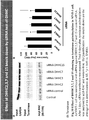
- FIGs. 2A and 2B are the average of three determinations SE. *p ⁇ 0.05 vs. DMSO.
- NHEM were cultured with 2-BP for 6 or 24 hours. Tyrosinase mRNA levels were analyzed by real time quantitative PCR. The results shown are the average of three determinations ⁇ SE. *p ⁇ 0.05 vs. DMSO ( FIG. 4A ). NHEM were incubated with 5 ⁇ M 2-BP for 24 hours. Glycosidase digestion treatment by endo H and WB analysis on mature and immature form of tyrosinase were conducted by WB ( FIG. 4B ). It was observed that incubation of NHEM with 2-BP resulted in a decrease of tyrosinase mRNA expression, but had no effect on the glycosylation of tyrosinase.
- NHEM were treated with 1 ⁇ g/ml cycloheximide, protein synthesis inhibitor, and with ( ⁇ ) or without ( ⁇ ) 10 ⁇ M 2-BP for 4 hours.
- Tyrosinase levels were analyzed by WB using the mouse monoclonal anti-tyrosinase IgG antibody T311 (1:120 dilution).
- the band intensities of tyrosinase were normalized by the band intensities of Glyceraldehyde 3-phosphate dehydrogenase (GAPDH) as internal control for each condition.
- GPDH Glyceraldehyde 3-phosphate dehydrogenase
- NHEM were treated with 5 ⁇ M 2-BP for 24 hours. Equal protein amounts of cell lysate were used for IP by tyrosinase, and the ubiquitinated (UB) level of tyrosinase was analyzed by WB using anti-UB antibody.
- UB ubiquitinated
- PATs share a DHHC-rich domain and can be clustered into genetically conserved DHHC family proteins ( Tsutsumi R, Fukata Y, Fukata M "Discovery of protein-palmitoylating enzymes", Eur J Physiol. 2008 Sep;456(6):1199-206 .). This is shown schematically in FIG. 8 .
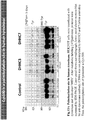
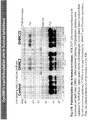
- HEK293T cells were transfected with tyrosinase and individual DHHCs. After metabolic labeling with [3H]palmitate, proteins were separated by SDS-PAGE ( FIG. 9 ).
- the upper panel shows WB by anti-tyrosinase antibody; the lower panel shows an autoradiograph.
- DHHC 3, 7, 15 each show a strong effect, and DHHC 2, 6, 11, 17, 21, 22 each show a weak effect, on tyrosinase palmitoylation.
- DHHC 2, 3, 7 and/or 15 participate in tyrosinase palmitoylation.
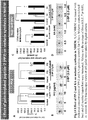
- MNT-1 cells were transfected with siRNA against DHHC 2, 3, 7 and 15 or control siRNA. After 3 days, siRNA transfection was repeated. At 6 days after the initial transfection, tyrosinase palmitoylation was analyzed by acyl-RAC and WB. The results ( FIG.10 ) show the average of six determinations ⁇ SE. * p ⁇ 0.05 vs. DMSO. Results indicate that DHHC 2, 3, 7 and 15 may participate in tyrosinase palmitoylation. The reductions observed in the amounts of palmitoylated tyrosinase using siRNA to DHHC 2 and 15 are statistically significant.
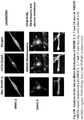
- NHEM (Asian) transfected with DHHC 2, 3, 7 and 15 with myc tags were stained with anti-myc antibody and also labeled with antibodies against Vtilb (Golgi body) or HMB45 (melanosome). Results are shown in FIGs. 11A and 11B .
- DHHC 2 was found to be localized in the melanosome, the plasma membrane, and in the Golgi body. Also found to be localized in the Golgi body were DHHC 7 and 15.
- DHHC 3 was found to be localized in the endoplasmic reticulum (ER).
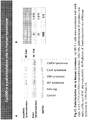
- MNT-1 cells were transfected with a wild-type tyrosinase or one of three tyrosinases, mutated at one of three key cysteine codons, which resulted in the replacement of cysteine with alanine, as follows: C8A, C35A or C500A.
- palmitoylation of tyrosinase was analyzed by acyl-RAC and WB. Results shown in FIG. 12A indicate that mutation in the codon for Cys500 results in a loss of tyrosinase palmitoylation, indicating that Cys500 is a palmitoylation site in human tyrosinase.
- Prediction of the most likely S-palmitoylation sites in human tyrosinase by software CSS-Palm 3.0, as shown in FIG. 12B supports the finding.
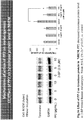
- HEK293T cells were transfected with tyrosinase and individual DHHC. After 4 hour metabolic labeling with [3H]palmitate, proteins were separated by SDS-PAGE.
- the upper panel is an autoradiograph and the lower panel shows a WB analysis using anti-tyrosinase antibody.
- the results indicate that tyrosinase with mutation of C500A was not palmitoylated by DHHC 2, 3, 7 or 15 (white asterisks), further supporting the observation in Example 9, above, that the palmitoylation site of tyrosinase is Cys500.
- NHEM (Asian) were incubated for 120 hours in the presence of PP2, with or without 2-BP.
- PP2 inhibited melanin synthesis both in 2-BP-treated cells and in cells not treated with 2-BP without cytotoxicity ( FIGs. 14A and 14B ).
- Mean ⁇ S.E. (N 3) * p ⁇ 0.05, vs. control.
- KA Kojic Acid
- PP2 did not inhibit human tyrosinase (DOPA oxidation) activity in vitro , while Kojic acid (positive control) inhibited tyrosinase activity in a dose dependent manner.
- Mean ⁇ S.E. (N 4) * p ⁇ 0.05, vs . control.
- NHEM were incubated for 48 hours in the presence of PP2 with or without 2-BP.
- PP2 decreased tyrosinase protein level in 2-BP-treated human NHEM (Asian).
- Mean ⁇ S.E. (N 3) * p ⁇ 0.05, vs. control.
Landscapes
- Health & Medical Sciences (AREA)
- Life Sciences & Earth Sciences (AREA)
- Veterinary Medicine (AREA)
- Public Health (AREA)
- General Health & Medical Sciences (AREA)
- Animal Behavior & Ethology (AREA)
- Epidemiology (AREA)
- Medicinal Chemistry (AREA)
- Chemical & Material Sciences (AREA)
- Pharmacology & Pharmacy (AREA)
- Bioinformatics & Cheminformatics (AREA)
- Engineering & Computer Science (AREA)
- Proteomics, Peptides & Aminoacids (AREA)
- Immunology (AREA)
- Birds (AREA)
- Dermatology (AREA)
- Gastroenterology & Hepatology (AREA)
- Chemical Kinetics & Catalysis (AREA)
- General Chemical & Material Sciences (AREA)
- Nuclear Medicine, Radiotherapy & Molecular Imaging (AREA)
- Organic Chemistry (AREA)
- Emergency Medicine (AREA)
- Cosmetics (AREA)
- Medicines That Contain Protein Lipid Enzymes And Other Medicines (AREA)
- Peptides Or Proteins (AREA)
Abstract
Description
- The present application claims priority from
U.S. Provisional Application No. 61/740,048, filed December 20, 2012 - The invention relates to the regulation of melanin synthesis. More specifically, the invention is concerned with compositions and methods which modify the activity of tyrosinase.
- Pigmentation of human skin and hair is a concern for people around in the world. In some cases the desire is to have an overall lighter complexion. Most generally people wish to have even skin tone regardless of the underlying color. All people wish to delay the appearance of grey hair, which is a sign of aging.
- Pigmentation of skin and hair is controlled by the specialized cell called a melanocyte. The melanocyte contains within it an organelle called a melanosome which manufactures the forms of melanin (including black eumelanin and red pheomelanin) and then the melanocyte distributes it within the skin or hair. The most important enzyme in the biosynthesis of melanin is tyrosinase, and its inhibition has been the focus of most commercial products that are designed to lighten skin color.
- Tyrosinase is a metalloprotein that is synthesized at ribosomes, trafficked through the Golgi apparatus to a pre-melanosome, and then loaded into it. As the pre-melanosome matures, copper molecules are also loaded into it as co-factors for the tyrosinase, and the pH is increased to reach the optimum for the enzyme. The mature melanosome then begins synthesizing melanin.
- The trafficking of tyrosinase is not well understood. Recently, palmitoylation of proteins has received attention as a mechanism of subcellular localization of mammalian proteins (reviewed in T. Iwanaga, R. Tsutsumi, J. Noritake, Y. Fukata, M. Fukata "Dynamic protein palmitoylation in cellular signaling, Progress in Lipid Research 48:117-127, 2009; C. Salaun, J. Greaves, L. Chamberlain "The intracellular dynamic of protein palmitoylation" J. Cell Biol. 191:1229-1238, 2010; C. Aicart-Ramos, R. Valero, I. Rodrigues-Crespo "Protein palmitoylation and subcellular trafficking" Bioch. Biophys. Acta 1808:2981-2994. 2011). Tyrosinase is not disclosed as a target of palmitoylation in any of these reviews.
- In accordance with one aspect of the invention, a method for increasing the appearance of melanin in mammalian skin or hair in need of such increase, comprising treating the skin or hair with one or more inhibitors of
DHHC - In accordance with a second aspect of the invention, a method for reducing the appearance of melanin in mammalian skin or hair in need of such reduction by treating the skin or hair with one or more inhibitors of PPT-type enzymes is provided.
- In accordance with a third aspect of the invention, a method is provided for reducing the appearance of melanin in mammalian skin or hair in need of such reduction by treating the skin or hair with at least one palmitoylated peptide.
- In accordance with a fourth aspect of the invention, a cosmetic or dermatological composition for increasing the appearance of melanin in mammalian skin or hair, comprising a melanin increasing-effective amount of one or more inhibitors of
DHHC - In accordance with a fifth aspect of the invention, there is provided a cosmetic or dermatological composition for reducing the appearance of melanin in mammalian skin or hair, comprising a melanin reducing-effective amount of one or more inhibitors of PPT-type enzymes in a cosmetically or dermatologically acceptable vehicle.
- In accordance with a sixth aspect of the invention, a cosmetic or dermatological composition for reducing the appearance of melanin in mammalian skin or hair comprising a melanin reducing-effective amount of at least one palmitoylated peptide in a cosmetically or dermatologically acceptable vehicle is provided.
- Other aspects and objectives of the present invention will become more apparent from the ensuing description and claims.
-
-
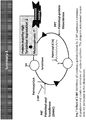
FIG. 1 is a schematic representation of the cycle of protein palmitoylation. -
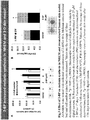
FIGs. 2A and 2B depict the effect of palmitoylation inhibitor (2-BP) on palmitoylation of tyrosinase. -
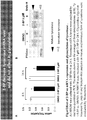
FIGs. 3A and 3B represent the effect of 2-BP on melanin synthesis in NHEM and reconstructed human skin model. -
FIGs. 4A and 4B illustrate the effect of 2-BP on mRNA expression and glycosylation of tyrosinase. -
FIGs. 5A and 5B represent the effect of 2-BP on degradation of tyrosinase. -
FIG. 6 depicts the effect of 2-BP on ubiquitination of tyrosinase. -
FIG. 7 represents the effect of 2-BP on tyrosinase palmitoylation. -
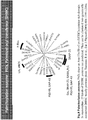
FIG. 8 is an illustration of the DHHC (Palmitoylation) family of proteins. -
FIG. 9 represents the results of screening for tyrosinase specific DHHC. -
FIGs. 10A and 10B illustrate the effect ofDHHC -
FIGs. 11A and11B represent analysis of the intracellular localizations ofDHHC -
FIGs. 12A and 12B illustrate the Palmitoylation site in human tyrosinase. -
FIGs. 13A and13B illustrate the Palmitoylation site in human tyrosinase. -
FIGs. 14A-14D depict the effect of PP-2 and KA on melanin synthesis in NHEM. -
FIG. 15 represents the effect of PP-2 and KA on human tyrosinase (DOPA oxidation) activity in vitro. -
FIG.16 depicts the effect of PP-2 on tyrosinase protein in NHEM. - Protein palmitoylation or S-acylation is a reversible post-translational lipid modification that affects the localization and activity of many proteins. As indicated schematically in
FIG. 1 , palmitoylation is an enzymatic process of attaching a palmitic acid group to a cysteine residue of a protein accomplished by a palmitoyl acyl transferase (PAT). PATs share a DHHC domain (aspartate-histidine-histidine-cysteine signagure motif) and there are 23 or 24 separate DHHC-containing proteins in mammalian cells, each with its own substrate specificity. The consensus sequence for the target of the DHHC-containing proteins is not known, other than it contains a cysteine. Dozens of proteins are palmitoylated and the list is not yet complete. DHHC-containing proteins are mainly localized in the Golgi membrane where they cause relocation of target proteins by palmitoylation shortly after their synthesis. - Palmitoylation is enzymatically reversible by acyl-protein thioesterases (APTs) and palmitoyl-protein thioesterases (PPTs), which are ubiquitously located in the cytosol. There appear to be several APTs but only two PPTs in mammalian cells. Palmitoylated proteins are trafficked away from Golgi and attach to endosomes, lysozomes or plasma membranes. As a consequence of relocation they may be degraded (e.g. in lysozomes) or they can become substrates for PPT, change their localization and/or return to the Golgi for re-palmitoylation. In this way, the relative activity of a DHHC PAT and the APT/PPTs determine the localization of a protein, whether more concentrated near the Golgi or dispersed to endosome or plasma membrane. The system is dynamic, with proteins constantly shuttled back and forth and being degraded.
- Inhibitors of Palmitoyl:protein thioesterase (PPT1) are described by Dawson et al. (Dawson, G., Schroeder, C., Dawson, P. Palmitoyl:protein thioesterase (PPT1) inhibitors can act as pharmacological chaperones in infantile Batten Disease. Bioch. Biophys. Res. Comm. 395:66-69, 2010.) Inhibitors with the N-terminal addition of the lipophilic fluorophore NBD, CS38 (NBD-βAGDap(Pal)VKIKK), was a 3-fold better inhibitor than Dap1 (AcGDap(Pal)VKIKK). CS38 was the most potent peptide inhibitor with an IC50 of 2µM. The NBD form of the authentic thiol (CS8: GGC(Pal) VKIKK) had comparable inhibitory activity to CS38. Additional peptides with TAT like polyarginine (R7) tails (AcGDap(Palm)GGR7) designed to promote cellular uptake, were also strong PPT1 inhibitors (for example AcGDap(Pal)GG)R)7). Any truncation of the VKIKK eliminated inhibitory activity. Inhibition of APTs is much less effective in blocking melanogenesis.
- Virtually nothing is known about the role of palmitoylation in melanogenesis. In a genome-wide screen of genes that influence melanogenesis, the gene ZDHHC9 was identified as one in which inhibition by siRNA reduced melanogenesis (A. Ganesan, H. Ho, B. Bodemann, S. Petersen, J. Aruri, S. Koshy, Z. Richardson, L. Le, T. Krasieva, M. Roth, P. Farmer, M. White "Genome-wide siRNA functional genomics of pigmentation identifies novel genes and pathways that impact melanogenesis in human cells". PLOS Genetics 4(12):e1000298, doi:10.1371/journal.pgen.1000298, 2008). The siRNA to this PAT inhibited MITF (microthalmia-associated transcription factor) RNA and tyrosinase protein accumulation. The siRNA inhibition of tyrosinase protein was reversed by incubation with bafilomycin, which raises the pH of lysozomes and inhibits protein degradation. They suggest that their screening method identifies novel genes that impact melanosome trafficking/sorting of melanosome protein cargo. However, they imply that inhibition of palmitoylation should reduce melanogenesis. In fact, as uncovered in the present invention, general inhibition of palmitoylation increases melanogenesis, and PAT DHHC9 is not a specific modifier of tyrosinase.
- Wu et al. studied palmitoylation of melanoregulin, a protein that, in its palmitoylated form, prevents the transfer of melanin from melanocytes to keratinocytes, (X. Wu, J. Martina, J. Hammer "Melanoregulin is stably targeted to the melanosome membrane by palmitoylation" Bioch. Biophys. Res. Comm. 426:209-214.) Palmitoylation localizes the melanoregulin protein to melanosomes thereby inhibiting the transfer of melanin from melanocytes. It was observed that inhibition of palmitoylation of melanoregulin reduces its accumulation at lysozomes and, by inference, at melanosomes. Wu et al. do not present any evidence regarding melanogenesis or tyrosinase.
- The present invention resides in the surprising discovery by the inventors that palmitoylation/depalmitoylation of tyrosinase plays a role in melanogenesis. More specifically, the inventors have discovered that the palmitoylation of tyrosinase in melanocytes, by PATs (Palmitoyl-acyl transferases or DHHCs), leads to trafficking of tyrosinase away from melanosomes, resulting in a decrease in the appearance of melanin in skin and hair. The inventors theorize that the altered localization of tyrosinase away from the melanosome leads to its degradation. Furthermore, the inhibition of the palmitoylation of tyrosinase, that is, the inhibition of PATs, presumably results in the retention of tyrosinase in the melanosomes, and in the increased appearance of melanin in skin and hair. Compounds which inhibit PATs include 2-bromopalimitate (2-BP). As shown in the examples, below, the inventors have determined that the PATs responsible for the tyrosinase palmitoylation are
DHHC DHHC DHHC 9 does not appear to palmitoylate tyrosinase. It was further ascertained that tyrosinase is palmitoylated oncysteine 500, since mutating this amino acid to alanine blocks palmitoylation of the enzyme. - The inventors have further discovered, as shown in the examples below, that inhibiting PPTs (palmitoyl-protein thioesterases), which are responsible for the de-palmitoylation of tyrosinase, leads to increased degradation of tyrosinase and a decrease in the appearance of melanin in skin and hair. PPTs are inhibited by palmitoylated peptides; that is, peptides containing a palmitoylated amino acid. Exemplary peptides useful for the purposes of the present invention include Palmitoylated peptide-1 or PP1 (Glyceryl Polymethacrylate (and) PEG-8 (and) Palmitoyl Oligopeptide, containing 100 ppm of the palmitoylated hexapeptide Palmitoyl-val-gly-val-ala-pro-glu), available as Biopeptide EL from Sederma, and Palmitoylated peptide-2 or PP2 (water (and) Butylene Glycol (and) Dextran (and) Palmitoyl Tripeptide-8, containing 500 ppm of a palmitoylated tri-peptide consisting of arginine, histidine, and phenylalanine), available as Neutrazen from Lucas Meyer Cosmetics.
- The inhibitors of DHHC, PPT and/or APT may be used either alone or in combination with other inhibitors or promoters of pigmentation, such as hydroquinone, kojic acid and the like. These inhibitors can be combined with other cosmetically or dermatologically useful compounds such as sunscreens, anti-inflammatories, vitamin A and its derivatives, vitamin C and its derivatives and other vitamins, trace minerals and nutrients. The inhibitors can be mixed with common delivery forms for skin, such as emulsions, lotions, creams, serums, hydrogels, polymers, silicones, and the like. They can be combined with fragrances, antimicrobial compounds, preservatives and antioxidants.
- Normal human epidermal melanocytes (NHEM) were incubated with 2-bromopalmitate (2-BP) for 24 hours, and total tyrosinase was determined by Western-blot (WB) using the mouse monoclonal anti-tyrosinase IgG antibody T311 (1:120 dilution). Total tyrosinase protein level was normalized by tubulin. Palmitoylated tyrosinase was evaluated by acyl-RAC and WB. The results shown in
FIGs. 2A and 2B , are the average of three determinations SE. *p < 0.05 vs. DMSO. - Incubation of NHEM with various concentrations of 2-BP, an inhibitor of palmitoylation, compared with a DMSO control, resulted in a statistically significant increase in the total amount of tyrosinase protein per cell. Additionally, while the amount of total protein increased, the amount of palmitoylated tyrosinase decreased.
- NHEM were treated with indicated concentrations of 2-BP for 48 hours. Melanin content (closed bar) and cell number (open bar) were measured. Values are the average of three determinations ± SE. *p < 0.05 vs. DMSO. Macroscopic views of cell pellet were taken by digital camera (
FIG. 3A ). Reconstructed human skin models (Asian type) were incubated with 25 µM 2-BP for 17 days. Eumelanin (EM) and pheomelanin (PM) contents were determined and calculated by following formula. EM=PTCA*25, PM=4-AHP* 9. Values are the average of three determinations ± SE. *p < 0.05 vs. DMSO. Macroscopic views of a human skin model after 17 days were taken by digital camera (FIG. 3B ). - Incubation of NHEM with 2-BP at various concentrations, compared with a DMSO control, resulted in a statistically significant increase in melanin content per cell. Furthermore, incubating human skin models with 2-BP also resulted in a statistically significant increase in total melanin: eumelanin (EM) and pheomelanin (PM) content of the tissue.
- NHEM were cultured with 2-BP for 6 or 24 hours. Tyrosinase mRNA levels were analyzed by real time quantitative PCR. The results shown are the average of three determinations ± SE. *p < 0.05 vs. DMSO (
FIG. 4A ). NHEM were incubated with 5 µM 2-BP for 24 hours. Glycosidase digestion treatment by endo H and WB analysis on mature and immature form of tyrosinase were conducted by WB (FIG. 4B ). It was observed that incubation of NHEM with 2-BP resulted in a decrease of tyrosinase mRNA expression, but had no effect on the glycosylation of tyrosinase. - NHEM were treated with 1 µ g/ml cycloheximide, protein synthesis inhibitor, and with (■) or without (◊) 10 µM 2-BP for 4 hours. Tyrosinase levels were analyzed by WB using the mouse monoclonal anti-tyrosinase IgG antibody T311 (1:120 dilution). The band intensities of tyrosinase were normalized by the band intensities of Glyceraldehyde 3-phosphate dehydrogenase (GAPDH) as internal control for each condition. The results shown are the average of three determinations ± SE. *p < 0.05 vs. DMSO (
FIGs. 5A and 5B ). - As shown in the figures, when NHEM are treated with cycloheximide, a protein synthesis inhibitor, tyrosinase levels are decreased. However, the additional presence of 2-BP in the incubation medium suppresses the effect of the cycloheximide, indicating that 2-BP suppresses the degradation of tyrosinase.
- NHEM were treated with 5 µM 2-BP for 24 hours. Equal protein amounts of cell lysate were used for IP by tyrosinase, and the ubiquitinated (UB) level of tyrosinase was analyzed by WB using anti-UB antibody.
- The results, shown in
FIG. 6 indicate that 2-BP has no effect on ubiquitination of tyrosinase. Thus, it was observed, as indicated in the schematic inFIG. 7 , that while 2-BP suppresses tyrosinase degradation and results in activation of melanin synthesis, the ubiquitin proteasomal system does not participate in this phenomenon. - As indicated hereinabove, PATs share a DHHC-rich domain and can be clustered into genetically conserved DHHC family proteins (Tsutsumi R, Fukata Y, Fukata M "Discovery of protein-palmitoylating enzymes", Eur J Physiol. 2008 Sep;456(6):1199-206.). This is shown schematically in
FIG. 8 . To elucidate which of these DHHCs is involved in tyrosinase palmitoylation, HEK293T cells were transfected with tyrosinase and individual DHHCs. After metabolic labeling with [3H]palmitate, proteins were separated by SDS-PAGE (FIG. 9 ). The upper panel shows WB by anti-tyrosinase antibody; the lower panel shows an autoradiograph.DHHC DHHC - To assess whether
DHHC DHHC DHHC FIG.10 ) show the average of six determinations ± SE. *p < 0.05 vs. DMSO. Results indicate thatDHHC DHHC - NHEM (Asian) transfected with
DHHC FIGs. 11A and11B .DHHC 2 was found to be localized in the melanosome, the plasma membrane, and in the Golgi body. Also found to be localized in the Golgi body wereDHHC DHHC 3 was found to be localized in the endoplasmic reticulum (ER). - MNT-1 cells were transfected with a wild-type tyrosinase or one of three tyrosinases, mutated at one of three key cysteine codons, which resulted in the replacement of cysteine with alanine, as follows: C8A, C35A or C500A. After 48 hours, palmitoylation of tyrosinase was analyzed by acyl-RAC and WB. Results shown in
FIG. 12A indicate that mutation in the codon for Cys500 results in a loss of tyrosinase palmitoylation, indicating that Cys500 is a palmitoylation site in human tyrosinase. Prediction of the most likely S-palmitoylation sites in human tyrosinase by software CSS-Palm 3.0, as shown inFIG. 12B , supports the finding. - HEK293T cells were transfected with tyrosinase and individual DHHC. After 4 hour metabolic labeling with [3H]palmitate, proteins were separated by SDS-PAGE. In each of
FIGs. 13A and13B , the upper panel is an autoradiograph and the lower panel shows a WB analysis using anti-tyrosinase antibody. The results indicate that tyrosinase with mutation of C500A was not palmitoylated byDHHC - NHEM (Asian) were incubated for 120 hours in the presence of PP2, with or without 2-BP. PP2 inhibited melanin synthesis both in 2-BP-treated cells and in cells not treated with 2-BP without cytotoxicity (
FIGs. 14A and 14B ). Mean ±S.E. (N=3) * p<0.05, vs. control. - Kojic Acid (KA) was used as a positive control. As shown in
FIGs. 14C and 14D , KA mildly inhibited melanin synthesis both in 2-BP treated cells and cells not treated with 2-BP. - As shown in
FIG. 15 , PP2 did not inhibit human tyrosinase (DOPA oxidation) activity in vitro, while Kojic acid (positive control) inhibited tyrosinase activity in a dose dependent manner. Mean ±S.E. (N=4) * p<0.05, vs. control. - NHEM were incubated for 48 hours in the presence of PP2 with or without 2-BP. As shown in
FIG. 16 , PP2 decreased tyrosinase protein level in 2-BP-treated human NHEM (Asian). Mean ±S.E. (N=3) * p<0.05, vs. control. - While the present invention has been described hereinabove with reference to specific embodiments, features and aspects, it will be recognized that the invention is not thus limited, but rather extends in utility to other modifications, variations, applications, and embodiments, and accordingly all such other modifications, variations, applications, and embodiments are to be regarded as being within the spirit and scope of the present invention.
Claims (5)
- A non-therapeutic method for reducing the appearance of melanin in mammalian skin or hair in need of such reduction by treating the skin or hair with a cosmetic composition comprising a melanin reducing-effective amount at least one inhibitor of palmitoyl-protein thioesterase (PPT) wherein the at least one inhibitor of PPT is at least one peptide containing at least one palmitoylated amino acid wherein the peptide containing at least one palmitoylated amino acid is selected from the group consisting of palmitoylated peptide-1 (PP1) and palmitoylated peptide-2 (PP2).
- A non-therapeutic method for reducing the appearance of melanin in mammalian skin or hair in need of such reduction by treating the skin or hair with a cosmetic composition comprising a melanin reducing-effective amount of at least one palmitoylated peptide wherein the at least one palmitoylated peptide is at least one peptide containing at least one palmitoylated amino acid, and wherein the at least one palmitoylated peptide is selected from the group consisting of palmitoylated peptide-1 (PP1) or palmitoylated peptide-2 (PP2).
- A dermatological composition for use for reducing the appearance of melanin in mammalian skin or hair, comprising a melanin reducing-effective amount of at least one inhibitor of palmitoyl-protein thioesterase (PPT) in a dermatologically acceptable vehicle, wherein the at least one inhibitor of PPT comprises at least one peptide containing at least one palmitoylated amino acid, and wherein the at least one inhibitor of PPT comprises palmitoylated peptide-1 (PP1).
- A dermatological composition for use for reducing the appearance of melanin in mammalian skin or hair comprising a melanin reducing-effective amount of at least one palmitoylated peptide in a dermatologically acceptable vehicle, wherein the at least one palmitoylated peptide comprises palmitoylated peptide-1 (PP1).
- The dermatological composition of claim 4 which further comprises an additional whitening active.
Applications Claiming Priority (2)
| Application Number | Priority Date | Filing Date | Title |
|---|---|---|---|
| US201261740048P | 2012-12-20 | 2012-12-20 | |
| EP13864592.4A EP2934474A4 (en) | 2012-12-20 | 2013-12-12 | Modulation of melanogenesis by modification of tyrosinase by palmitoylation |
Related Parent Applications (1)
| Application Number | Title | Priority Date | Filing Date |
|---|---|---|---|
| EP13864592.4A Division EP2934474A4 (en) | 2012-12-20 | 2013-12-12 | Modulation of melanogenesis by modification of tyrosinase by palmitoylation |
Publications (1)
| Publication Number | Publication Date |
|---|---|
| EP3207919A1 true EP3207919A1 (en) | 2017-08-23 |
Family
ID=50974888
Family Applications (2)
| Application Number | Title | Priority Date | Filing Date |
|---|---|---|---|
| EP13864592.4A Withdrawn EP2934474A4 (en) | 2012-12-20 | 2013-12-12 | Modulation of melanogenesis by modification of tyrosinase by palmitoylation |
| EP17166331.3A Withdrawn EP3207919A1 (en) | 2012-12-20 | 2013-12-12 | Palmitoylated peptides for reducing the appearance of melanin in skin or hair |
Family Applications Before (1)
| Application Number | Title | Priority Date | Filing Date |
|---|---|---|---|
| EP13864592.4A Withdrawn EP2934474A4 (en) | 2012-12-20 | 2013-12-12 | Modulation of melanogenesis by modification of tyrosinase by palmitoylation |
Country Status (8)
| Country | Link |
|---|---|
| US (4) | US20140178319A1 (en) |
| EP (2) | EP2934474A4 (en) |
| JP (2) | JP6246832B2 (en) |
| KR (2) | KR101870094B1 (en) |
| CN (1) | CN104918602B (en) |
| AU (1) | AU2013363330B2 (en) |
| CA (1) | CA2895238C (en) |
| WO (1) | WO2014099609A1 (en) |
Families Citing this family (5)
| Publication number | Priority date | Publication date | Assignee | Title |
|---|---|---|---|---|
| EP2934474A4 (en) * | 2012-12-20 | 2016-10-12 | Elc Man Llc | Modulation of melanogenesis by modification of tyrosinase by palmitoylation |
| WO2017178838A1 (en) * | 2016-04-13 | 2017-10-19 | University Of Dundee | Binding modulation |
| CN106916203B (en) * | 2017-03-29 | 2020-06-30 | 佛山科学技术学院 | Palmitoylation heptapeptide, and purification method and application thereof |
| CN109453154A (en) * | 2017-09-06 | 2019-03-12 | 上海交通大学医学院附属仁济医院 | A kind of inhibitor of PD-L1 and preparation method thereof |
| EP4613259A1 (en) | 2022-10-31 | 2025-09-10 | Chemyunion Ltda | Pharmaceutical, dermatological or cosmetic compounds and compositions for reducing melanin synthesis, stimulating type i collagen production, skin depigmentation and/or promoting a skin anti-aging effect in an individual or animal, uses and methods |
Citations (4)
| Publication number | Priority date | Publication date | Assignee | Title |
|---|---|---|---|---|
| WO2004101609A2 (en) * | 2003-05-12 | 2004-11-25 | Sederma | Cosmetic or dermopharmaceutical composition for reducing the signs of cutaneous ageing |
| FR2944435A1 (en) * | 2009-04-17 | 2010-10-22 | Sederma Sa | COSMETIC COMPOSITION COMPRISING ORIDONIN |
| US20110044920A1 (en) * | 2009-08-07 | 2011-02-24 | Mary Kay Inc. | Topical skin care formulations |
| US20110183914A1 (en) * | 2005-04-27 | 2011-07-28 | Rosemarie Osborne | Personal Care Compositions |
Family Cites Families (12)
| Publication number | Priority date | Publication date | Assignee | Title |
|---|---|---|---|---|
| GB9212276D0 (en) * | 1992-06-10 | 1992-07-22 | Harper David R | Anti-viral agents |
| US6890954B1 (en) * | 1999-09-23 | 2005-05-10 | Marilyn D. Resh | Uses of 2-bromopalmitate in the treatment of autoimmune disease |
| US20030153619A1 (en) * | 2002-01-29 | 2003-08-14 | Hwang Cheng Shine | Reduction of hair growth |
| US20060100146A1 (en) * | 2004-08-16 | 2006-05-11 | Sturley Stephen L | AWAT-related methods and articles |
| US7875302B2 (en) * | 2004-12-14 | 2011-01-25 | Access Business Group International Llc | Methods of using grape seed extract to stimulate tyrosinase gene expression |
| US8357360B2 (en) * | 2005-04-23 | 2013-01-22 | E-L Management Corp. | Cosmetic compositions containing an aqueous dispersion of silicone elastomers and methods of use |
| US20080254055A1 (en) | 2007-04-11 | 2008-10-16 | John Erich Oblong | Compositions for Regulation of Hair Growth |
| EP2014276A1 (en) * | 2007-06-20 | 2009-01-14 | Cognis IP Management GmbH | Cosmetic compositions comprising sclareolide and hesperidin methyl chalcone |
| CN102395598B (en) * | 2009-04-17 | 2014-07-30 | 利普泰股份公司 | Peptides for the treatment and/or care of the skin and/or hair, and their use in cosmetic or pharmaceutical compositions |
| JP5956107B2 (en) * | 2010-11-13 | 2016-07-20 | 学校法人昭和大学 | Blackening accelerator for skin and hair, external preparation for promoting blackening, and food and drink for promoting blackening containing the blackening accelerator |
| KR20120068148A (en) * | 2010-12-17 | 2012-06-27 | 계명대학교 산학협력단 | Composition for improving vitiligo or canities comprising extract from sophora japonica as active ingredient |
| EP2934474A4 (en) * | 2012-12-20 | 2016-10-12 | Elc Man Llc | Modulation of melanogenesis by modification of tyrosinase by palmitoylation |
-
2013
- 2013-12-12 EP EP13864592.4A patent/EP2934474A4/en not_active Withdrawn
- 2013-12-12 KR KR1020177005427A patent/KR101870094B1/en active Active
- 2013-12-12 CN CN201380067441.7A patent/CN104918602B/en active Active
- 2013-12-12 KR KR1020157019032A patent/KR20150093844A/en not_active Ceased
- 2013-12-12 AU AU2013363330A patent/AU2013363330B2/en active Active
- 2013-12-12 US US14/104,412 patent/US20140178319A1/en not_active Abandoned
- 2013-12-12 WO PCT/US2013/074666 patent/WO2014099609A1/en not_active Ceased
- 2013-12-12 JP JP2015549496A patent/JP6246832B2/en active Active
- 2013-12-12 EP EP17166331.3A patent/EP3207919A1/en not_active Withdrawn
- 2013-12-12 CA CA2895238A patent/CA2895238C/en active Active
-
2015
- 2015-03-31 US US14/675,247 patent/US9283166B2/en active Active
- 2015-03-31 US US14/675,321 patent/US20150283054A1/en not_active Abandoned
- 2015-03-31 US US14/675,361 patent/US20150283105A1/en not_active Abandoned
-
2016
- 2016-11-30 JP JP2016231907A patent/JP2017078074A/en active Pending
Patent Citations (4)
| Publication number | Priority date | Publication date | Assignee | Title |
|---|---|---|---|---|
| WO2004101609A2 (en) * | 2003-05-12 | 2004-11-25 | Sederma | Cosmetic or dermopharmaceutical composition for reducing the signs of cutaneous ageing |
| US20110183914A1 (en) * | 2005-04-27 | 2011-07-28 | Rosemarie Osborne | Personal Care Compositions |
| FR2944435A1 (en) * | 2009-04-17 | 2010-10-22 | Sederma Sa | COSMETIC COMPOSITION COMPRISING ORIDONIN |
| US20110044920A1 (en) * | 2009-08-07 | 2011-02-24 | Mary Kay Inc. | Topical skin care formulations |
Non-Patent Citations (10)
| Title |
|---|
| A. GANESAN, H; HO, B. BODEMANN; S. PETERSEN; J. ARURI; S. KOSHY; Z. RICHARDSON; L. LE; T. KRASIEVA, M. ROTH; P. FARMER; M. WHITE: "Genome-wide siRNA functional genomics of pigmentation identifies novel genes and pathways that impact melanogenesis in human cells", PLOS GENETICS, vol. 4, no. 12, 2008, pages E1000298 |
| ANAND K. GANESAN ET AL: "Genome-Wide siRNA-Based Functional Genomics of Pigmentation Identifies Novel Genes and Pathways That Impact Melanogenesis in Human Cells", PLOS GENETICS, vol. 4, no. 12, 5 December 2008 (2008-12-05), pages e1000298, XP055110458, DOI: 10.1371/journal.pgen.1000298 * |
| C. AICART-RAMOS; R. VALERO; I. RODRIGUES-CRESPO: "Protein palmitoylation and subcellular trafficking", BIOCH. BIOPHYS. ACTA, vol. 1808, 2011, pages 2981 - 2994, XP028316570, DOI: doi:10.1016/j.bbamem.2011.07.009 |
| C. SALAUN; J. GREAVES; L. CHAMBERLAIN: "The intracellular dynamic of protein palmitoylation", J. CELL BIOL., vol. 191, 2010, pages 1229 - 1238 |
| DATABASE GNPD [online] MINTEL; 30 November 2012 (2012-11-30), ANONYMOUS: "Radiant night peel 15% - intensive skin renewal treatment", XP002761077, retrieved from www.gnpd.com Database accession no. 1857082 * |
| DATABASE GNPD [online] MINTEL; 31 January 2006 (2006-01-31), ANONYMOUS: "Skin brightening daily moisturiser SPF 30", XP002761076, retrieved from www.gnpd.com Database accession no. 427648 * |
| DAWSON; DAWSON, G.; SCHROEDER, C.; DAWSON, P ET AL.: "Palmitoyl:protein thioesterase (PPT1) inhibitors can act as pharmacological chaperones in infantile Batten Disease", BIOCH. BIOPHVS. RES. COMM, vol. 395, 2010, pages 66 - 69, XP027020269, DOI: doi:10.1016/j.bbrc.2010.03.137 |
| T. IWANAGA; R. TSUTSUMI; J. NORITAKE; Y. FUKATA; M. FUKATA: "Dynamic protein palmitoylation in cellular signaling", PROGRESS IN LIPID RESEARCH, vol. 48, 2009, pages 117 - 127, XP026144405, DOI: doi:10.1016/j.plipres.2009.02.001 |
| TSUTSUMI R; FUKATA Y; FUKATA M: "Discovery of protein-palmitoylating enzymes", EUR J PHYSIOL, vol. 456, no. 6, September 2008 (2008-09-01), pages 1199 - 206, XP019630265 |
| X. WU; J. MARTINA; J. HAMMER: "Melanoregulin is stably targeted to the melanosome membrane by palmitoylation", BIOCH. BIOPHYS. RES. COMM, vol. 426, pages 209 - 214 |
Also Published As
| Publication number | Publication date |
|---|---|
| AU2013363330B2 (en) | 2016-04-14 |
| CA2895238A1 (en) | 2014-06-26 |
| JP2016504997A (en) | 2016-02-18 |
| US20150283105A1 (en) | 2015-10-08 |
| EP2934474A4 (en) | 2016-10-12 |
| KR20170024166A (en) | 2017-03-06 |
| US20150283104A1 (en) | 2015-10-08 |
| CA2895238C (en) | 2018-01-09 |
| EP2934474A1 (en) | 2015-10-28 |
| KR101870094B1 (en) | 2018-06-22 |
| US20140178319A1 (en) | 2014-06-26 |
| AU2013363330A1 (en) | 2015-07-30 |
| JP6246832B2 (en) | 2017-12-13 |
| US20150283054A1 (en) | 2015-10-08 |
| WO2014099609A1 (en) | 2014-06-26 |
| KR20150093844A (en) | 2015-08-18 |
| CN104918602B (en) | 2018-05-01 |
| CN104918602A (en) | 2015-09-16 |
| US9283166B2 (en) | 2016-03-15 |
| JP2017078074A (en) | 2017-04-27 |
Similar Documents
| Publication | Publication Date | Title |
|---|---|---|
| US9283166B2 (en) | Modulation of melanogenesis by modification of tyrosinase by palmitoylation | |
| CA2816900C (en) | Collagen hydrolysate for use to improve the health of human skin, hair and/or nails | |
| Usuki et al. | The inhibitory effect of glycolic acid and lactic acid on melanin synthesis in melanoma cells | |
| Ubeid et al. | Short-sequence oligopeptides with inhibitory activity against mushroom and human tyrosinase | |
| Singh et al. | Kojic acid peptide: a new compound with anti-tyrosinase potential | |
| KR20120082888A (en) | A composition for delaying cellular senescence | |
| Park et al. | D‐tyrosine negatively regulates melanin synthesis by competitively inhibiting tyrosinase activity | |
| Kim et al. | Identification of small peptides and glycinamide that inhibit melanin synthesis using a positional scanning synthetic peptide combinatorial library | |
| Sato et al. | Depigmenting mechanisms of all-trans retinoic acid and retinol on B16 melanoma cells | |
| US20100317736A1 (en) | Composition of the skin external application or the food for accelerating proline recycling by containing theanine | |
| Hong et al. | Palmitoyl copper peptide and acetyl tyrosine complex enhances melanin production in both A375 and B16 cell lines | |
| Kuo et al. | N-(4-bromophenethyl) caffeamide inhibits melanogenesis by regulating AKT/glycogen synthase kinase 3 beta/microphthalmia-associated transcription factor and tyrosinase-related protein 1/tyrosinase | |
| Zhuang et al. | A novel tyrosinase inhibitory peptide derived from Sipunculus nudus suppresses melanogenesis in B16F10 cells by down-regulating TRP-1/TRP-2 expression | |
| Kondo et al. | Inhibitory effects of autolysate of Leuconostoc mesenteroides isolated from kimoto on melanogenesis | |
| Jamaluddin et al. | Effect of Aspergilus oryzae-fermented broken rice, brewers’ rice and rice bran on melanogenesis in highly pigmented human melanoma, MNT-1 | |
| KR20230105165A (en) | Composition for Improving Skin Function | |
| Kwathai et al. | Siamese crocodile serum hydrolysate peptides: Potent tyrosinase inhibitors and melanogenesis regulators for hyperpigmentation | |
| US20220193180A1 (en) | Aging progression suppressing agent, and food or beverage product comprising same | |
| Nomura et al. | Cooperation of Cysteine, Ascorbic Acid, Pyridoxine, and α-Lipoic Acid in Antioxidant Effects on Human Keratinocytes and 3D Human Skin Models | |
| Moriya | Placental Extract Inhibits Melanogenesis by Inducing the Proteasome-Dependent Degradation of Tyrosinase and TRP-1 | |
| Yanhong et al. | Skin-whitening effect of Haematococcus pluvialis extract and its synergy with Niacinamide | |
| Hatai et al. | Inhibitory effect of Buah Merah oil on melanogenesis via degradation of tyrosinase | |
| Hatai et al. | Efek Penghambatan Minyak Buah Merah Terhadap Melanogenesis Melalui | |
| Albakry et al. | The Mechanism and Potential of Palm Vitamin E as a Skin-lightening Agent |
Legal Events
| Date | Code | Title | Description |
|---|---|---|---|
| PUAI | Public reference made under article 153(3) epc to a published international application that has entered the european phase |
Free format text: ORIGINAL CODE: 0009012 |
|
| AC | Divisional application: reference to earlier application |
Ref document number: 2934474 Country of ref document: EP Kind code of ref document: P |
|
| AK | Designated contracting states |
Kind code of ref document: A1 Designated state(s): AL AT BE BG CH CY CZ DE DK EE ES FI FR GB GR HR HU IE IS IT LI LT LU LV MC MK MT NL NO PL PT RO RS SE SI SK SM TR |
|
| 17P | Request for examination filed |
Effective date: 20180216 |
|
| RBV | Designated contracting states (corrected) |
Designated state(s): AL AT BE BG CH CY CZ DE DK EE ES FI FR GB GR HR HU IE IS IT LI LT LU LV MC MK MT NL NO PL PT RO RS SE SI SK SM TR |
|
| 17Q | First examination report despatched |
Effective date: 20190522 |
|
| STAA | Information on the status of an ep patent application or granted ep patent |
Free format text: STATUS: THE APPLICATION IS DEEMED TO BE WITHDRAWN |
|
| 18D | Application deemed to be withdrawn |
Effective date: 20191203 |