EP3200404B1 - Content-centric network on-demand distance vector route method - Google Patents
Content-centric network on-demand distance vector route method Download PDFInfo
- Publication number
- EP3200404B1 EP3200404B1 EP14902333.5A EP14902333A EP3200404B1 EP 3200404 B1 EP3200404 B1 EP 3200404B1 EP 14902333 A EP14902333 A EP 14902333A EP 3200404 B1 EP3200404 B1 EP 3200404B1
- Authority
- EP
- European Patent Office
- Prior art keywords
- route
- node
- ccn
- packet
- content
- Prior art date
- Legal status (The legal status is an assumption and is not a legal conclusion. Google has not performed a legal analysis and makes no representation as to the accuracy of the status listed.)
- Active
Links
Images


Classifications
-
- H—ELECTRICITY
- H04—ELECTRIC COMMUNICATION TECHNIQUE
- H04W—WIRELESS COMMUNICATION NETWORKS
- H04W40/00—Communication routing or communication path finding
- H04W40/24—Connectivity information management, e.g. connectivity discovery or connectivity update
- H04W40/246—Connectivity information discovery
-
- H—ELECTRICITY
- H04—ELECTRIC COMMUNICATION TECHNIQUE
- H04L—TRANSMISSION OF DIGITAL INFORMATION, e.g. TELEGRAPHIC COMMUNICATION
- H04L45/00—Routing or path finding of packets in data switching networks
- H04L45/02—Topology update or discovery
-
- H—ELECTRICITY
- H04—ELECTRIC COMMUNICATION TECHNIQUE
- H04L—TRANSMISSION OF DIGITAL INFORMATION, e.g. TELEGRAPHIC COMMUNICATION
- H04L45/00—Routing or path finding of packets in data switching networks
- H04L45/12—Shortest path evaluation
- H04L45/122—Shortest path evaluation by minimising distances, e.g. by selecting a route with minimum of number of hops
-
- H—ELECTRICITY
- H04—ELECTRIC COMMUNICATION TECHNIQUE
- H04L—TRANSMISSION OF DIGITAL INFORMATION, e.g. TELEGRAPHIC COMMUNICATION
- H04L45/00—Routing or path finding of packets in data switching networks
- H04L45/26—Route discovery packet
Definitions
- the present invention relates to a network routing method, and in particular to a content-centric network on-demand distance vector route method.
- a content-centric network represents a network structure with content or information as the center.
- the CCN takes content as the center, and does not concern a provider of the content, but concerns the content itself only.
- the CCN better satisfies requirements for information content consumption by naming of content and routing based on content naming.
- the CCN discards a traditional protocol stack structure with IP as thin waist, and adopts a protocol stack structure with a content name as the core, which is compatible with different transmission manners (IP, Ethernet, P2P, etc.) downwards, and supports different service applications (content distributing, streaming media, voice of internet phone, etc.) upwards.
- This design idea with content as the center causes the CCN to support congenitally a movement of the content and a user in a network, provide a trustable certification of information, and be capable of improving greatly the broadcasting efficiency of the information in the network, and have incomparable superiority in architecture over the traditional IP network.
- On-Demand routing is described in document WO2007/015822A1 .
- the NDN project group proposes an OSPFN routing method on the basis of OSPF.
- the OSPFN routing method is not optimized for the defects of the large number of route table items and the slow route lookup.
- the NDN project group proposes the named-data link state routing method NLSR.
- the NLSR protocol further describes a method for naming a router and a link based on a URL, determines a format of an information packet for link state of interaction between neighboring nodes, and describes related multi-path computation and route failure recovery mechanism.
- the NLSR does not solve the problem that the route table items are difficult to be aggregated when routing is performed in CCN.
- the existing content-centric network performs a route query based on data naming, which itself has a contradiction between a limitless naming space and limited route table items. It is a problem to be solved that how to compress route table items by suitable route packets and decreasing route entries as much as possible.
- An objective of the present invention lies in that in order to overcome defects existing in the routing method of the content-centric network in the prior art, the present invention provides an on-demand distance vector route method.
- the present invention provides a content-centric network on-demand distance vector route method comprising:
- the above-described technical solution further comprises: step 4) deleting an invalid path with a route error packet CCN_RRER when a node is invalid or a route is invalid due to an update of a cache, wherein the route error packet CCN_RRER comprises at least: an unreachable requested content, a number of entries of the unreachable requested content, an identification of an unreachable content provider and a sequence number of the unreachable content provider.
- the step 2) comprises:
- step 3 comprises:
- step 4) comprises:
- a content-centric network on-demand distance vector route method mainly adopts three route control messages, which are respectively: a route request packet CCN_RREQ, a route reply packet CCN_RREP and a route error packet CCN_RRER, wherein the route request packet CCN_RREQ may be carried in an interest packet of the content-centric network, and include the following information: a hash valve of a requested content, an address of a requesting source node, a sequence number of the requesting source node or the like; the route reply packet CCN_RREP may be carried in a data packet of the content-centric network, and include the following information: a hash value of the requested content, an address of a content provider, a sequence number of the content provider and the like.
- Fig. 1 is a schematic diagram of a data structure of a route request packet CCN_RREQ, wherein Type refers to a type of the packet, a value thereof is set as 1.
- P is a flag bit that only a content provider may reply with the CCN-RREQ packet, meaning that only the content provider may respond to this CCN-RREQ packet and an intermediate node which has a route but has no content cannot respond to this CCN-RREQ packet.
- U is a sequence number-unknowable flag bit, which means that the sequence number of the content provider is unknown for the present node.
- Reserved is a reserved bit, the value thereof is 0 currently.
- Hop Count represents the number of hops from an originating node for the CCN-RREQ packet to a node processing the packet.
- RREQ ID is an ID of the CCN-RREQ packet, and generated by the node generating the CCN packet, and used together with a subsequent Originator ID.
- Originator ID is an ID of a node generating the CCN packet.
- Target hash is a hash value of the requested content.
- Provider ID is an ID of a content provider known by the present node.
- Provider Sequence Number is a serial number of the above described Provider ID. The last two items may be null if there is no known content provider.
- Fig. 2 is a schematic diagram of a data structure of a route reply packet CCN_RREP, wherein Type refers to a type of the packet, a value thereof is set as 2.
- P is a content provider flag bit, which means that the CCN-RREP packet is transmitted by the content provider.
- S, F and R are reserved bits, the values thereof are 0 currently.
- Hop Count represents the number of hops from a node generating the CCN-RREP packet to a node processing the packet.
- Provider ID is an ID of the node generating the CCN-RREP packet.
- Provider Sequence Number is a sequence number of a generating node associated with the route. Lifetime is a lifetime of a route in ms. Target hash is a hash value of a required content.
- Fig. 3 is a schematic diagram of a data structure of a route error packet CCN_RRER, wherein Type is a type of the packet, the value thereof is set as 2.
- N is a "don't delete" flag bit.
- T is a target hash-unreachable flag bit.
- L is a link interruption flag bit.
- R is a reserved bit, the value thereof is 0 currently.
- Target Count is the number of entries of unreachable hash values in the message.
- Unreachable Provider ID is an ID of an unreachable content provider.
- Unreachable Provider Sequence number is a sequence number associated with the above-described content provider.
- Target Hash is a hash value of unreachable content.
- Step 1) broadcasting, by a node when needing to request a route (this node is also referred to as a request source), a route request packet CCN_RREQ to other nodes in a network to start a route discovery process;
- step 2) replying, by a target node after receiving the route request packet CCN RREQ, with a route reply packet CCN_RREP;
- step 3 establishing, by the request source after receiving the route reply packet CCN_RREP returned by the target node, a path between the request source and the target node according to content contained in the packet.
- the circumstances that the node needs to request a route comprise: when a node needs a route to a hash value of a certain content, and no corresponding valid route entries exists in a route table of the node.
- step 2) further comprises:
- step 3) further comprises:
- the method according to the present invention further comprises: step 4), deleting an invalid path with a route error packet CCN_RRER when the node is invalid or the route is invalid due to the update of a cache.
- This step specifically comprises:
Landscapes
- Engineering & Computer Science (AREA)
- Computer Networks & Wireless Communication (AREA)
- Signal Processing (AREA)
- Data Exchanges In Wide-Area Networks (AREA)
Description
- The present invention relates to a network routing method, and in particular to a content-centric network on-demand distance vector route method.
- A content-centric network (CCN) represents a network structure with content or information as the center. The CCN takes content as the center, and does not concern a provider of the content, but concerns the content itself only. The CCN better satisfies requirements for information content consumption by naming of content and routing based on content naming. The CCN discards a traditional protocol stack structure with IP as thin waist, and adopts a protocol stack structure with a content name as the core, which is compatible with different transmission manners (IP, Ethernet, P2P, etc.) downwards, and supports different service applications (content distributing, streaming media, voice of internet phone, etc.) upwards. This design idea with content as the center causes the CCN to support congenitally a movement of the content and a user in a network, provide a trustable certification of information, and be capable of improving greatly the broadcasting efficiency of the information in the network, and have incomparable superiority in architecture over the traditional IP network. A example of On-Demand routing is described in document
WO2007/015822A1 . - In 2012, in order to be capable of updating automatically an FIB table according to a change of network topology when deployed on a CCN testbed, the NDN project group proposes an OSPFN routing method on the basis of OSPF. However, the OSPFN routing method is not optimized for the defects of the large number of route table items and the slow route lookup.
- Thereafter, the NDN project group proposes the named-data link state routing method NLSR. The NLSR protocol further describes a method for naming a router and a link based on a URL, determines a format of an information packet for link state of interaction between neighboring nodes, and describes related multi-path computation and route failure recovery mechanism. However the NLSR does not solve the problem that the route table items are difficult to be aggregated when routing is performed in CCN.
- In sum, the existing content-centric network performs a route query based on data naming, which itself has a contradiction between a limitless naming space and limited route table items. It is a problem to be solved that how to compress route table items by suitable route packets and decreasing route entries as much as possible.
- An objective of the present invention lies in that in order to overcome defects existing in the routing method of the content-centric network in the prior art, the present invention provides an on-demand distance vector route method.
- In order to achieve the above described objective, the present invention provides a content-centric network on-demand distance vector route method comprising:
- step 1), broadcasting, by a request source node that needs to request a route, a route request packet CCN_RREQ to other nodes in a network to start a route discovery process, wherein the route request packet CCN_RREQ is carried in an interest packet of the content-centric network, and comprises at least the following information: a hash value of a requested content, an address of the request source node and a sequence number of the request source node;
- step 2), replying, by a target node after receiving the route request packet CCN RREQ, with a route reply packet CCN_RREP, wherein the route reply packet CCN_RREP is carried in a data packet of the content-centric network, and comprises at least the following information: a hash value of the requested content, an address of a content provider and a sequence number of the content provider; and
- step 3), establishing, by the request source node after receiving the route reply packet CCN_RREP returned by the target node, a path between the request source node and the target node according to content contained in the packet.
- The above-described technical solution further comprises:
step 4) deleting an invalid path with a route error packet CCN_RRER when a node is invalid or a route is invalid due to an update of a cache, wherein the route error packet CCN_RRER comprises at least: an unreachable requested content, a number of entries of the unreachable requested content, an identification of an unreachable content provider and a sequence number of the unreachable content provider. - In the above-described technical solution, the step 2) comprises:
- step 201), receiving, by a node, the route request packet CCN_RREQ;
- step 202), checking, by the node, whether the route request packet CCN_RREQ is transmitted by the present node itself, that is, whether the request source node in the route request packet CCN_RREQ is the present node; if yes, performing the next step, otherwise turning to step 204);
- step 203), discarding the route request packet CCN RREQ, and ending operations;
- step 204), checking, by the node, whether the received route request packet CCN_RREQ has been received previously; if yes, performing the step 203), otherwise performing the next step;
- step 205), checking, by the node, whether the content requested by the route request packet CCN_RREQ exists in its own cache table; if yes, the node being the content provider, and performing the next step, otherwise turning to step 207);
- step 206), replying with the route reply packet CCN_RREP to the node that transmits the route request packet CCN_RREQ;
- step 207), reviewing, by the node, whether an entry corresponding to a valid path of the content requested by the route request packet CCN_RREQ exists in a route table; if yes, performing step 206), otherwise performing the next step; and
- step 208), caching and broadcasting the route request packet CCN RREQ.
- In the above-described technical solution, the step 3) comprises:
- step 301), receiving, by a node, the route reply packet CCN_RREP;
- step 302), judging, by the node, whether a valid route from the present node to a target hash is saved in its own route table; if yes, performing the next step, otherwise turning to step 307); wherein the target hash refers to the hash value of the content contained in the route reply packet CCN_RREP, and the valid route refers to a route that a lifetime of the route entry does not expire;
- step 303), judging, by the node, whether a valid route to a content target in the route reply packet CCN_RREP of the same content provider exists in its own route table; if yes, performing the next step, otherwise turning to step 306);
- step 304), comparing a sequence number of a destination node of a respective route entry in the route table and a sequence number of a destination node in the route reply packet CCN-RREP; if the sequence number of the destination node in the route reply packet CCN_RREP is more recent, turning to step 307), otherwise performing the next step;
- step 305) performing step 307) if the sequence number of the destination node in the route reply packet CCN_RREP is the same as the sequence number of the destination node of the respective route entry in the route table, but has a less number of hops; otherwise turning to step 308);
- step 306), judging whether a multi-path table item of the content in the route table is already saturated; if yes, turning to step 308), otherwise performing the next step;
- step 307), adding or updating the respective route entry, forwarding the route reply packet CCN_RREP to a previous hop node according to an Intesrst table of the CNN, and ending operations; and
- step 308), discarding the route reply packet CCN_RREP, and ending operations.
- In the above-described technical solution, the step 4) comprises:
- step 401), detecting, by a previous hop node of the destination node in the path, whether the route is invalid; if the node when forwarding the interest packet finds that a distance from itself to the content provider is 1, the node is the previous hop node of the destination node, and the node starts a timeout timer when sending the interest packet;
- step 402), judging, by the node, that the path is already invalid, if the timeout timer has already expired, but the previous hop node of the destination node does not receive the data packet sent by a corresponding content provider as expected;
- step 403), marking, by the previous hop node of the destination node, a corresponding path as invalid, and sending the CCN_RRER packet to its pervious hop node in the corresponding path to notify the previous hop node that this path is already invalid; and
- step 404), reviewing first, by the node after receiving the CCN_RRER packet, whether a valid path of the corresponding content provider exists; if yes, marking the corresponding path as invalid, and sending the CCN_RRER packet to the previous hop node in the corresponding path to notify the node that the path is already invalid; if no, discarding the CCN RRER packet.
- The advantages of the present invention are in that:
- 1. the method according to the present invention decreases route table items, improves the efficiency of route querying, and reduces effectively the routing cost, by establishing the route on-demand;
- 2. the method deletes the invalid route timely by detecting the invalid route and performing route repair.
-
-
Fig. 1 is a schematic diagram of a data structure of a route request packet CCN RREQ; -
Fig. 2 is a schematic diagram of a data structure of a route reply packet CCN_RREP; -
Fig. 3 is a schematic diagram of a data structure of a route error packet CCN_RRER; -
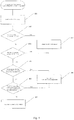
Fig. 4 is a flow diagram for a target node replying with the route reply packet CCN_RREP in a method according to the present invention; -
Fig. 5 is a flow diagram for establishing a path between a request source and a target node in a method according to the present invention. - Now the present invention is further described in conjunction with the accompanying drawings.
- A content-centric network on-demand distance vector route method according to the present invention mainly adopts three route control messages, which are respectively: a route request packet CCN_RREQ, a route reply packet CCN_RREP and a route error packet CCN_RRER, wherein the route request packet CCN_RREQ may be carried in an interest packet of the content-centric network, and include the following information: a hash valve of a requested content, an address of a requesting source node, a sequence number of the requesting source node or the like; the route reply packet CCN_RREP may be carried in a data packet of the content-centric network, and include the following information: a hash value of the requested content, an address of a content provider, a sequence number of the content provider and the like.
- The above described three route control messages play an important role in the route method according to the present invention. Data structures of these packets are explained further below.
-
Fig. 1 is a schematic diagram of a data structure of a route request packet CCN_RREQ, wherein Type refers to a type of the packet, a value thereof is set as 1. P is a flag bit that only a content provider may reply with the CCN-RREQ packet, meaning that only the content provider may respond to this CCN-RREQ packet and an intermediate node which has a route but has no content cannot respond to this CCN-RREQ packet. U is a sequence number-unknowable flag bit, which means that the sequence number of the content provider is unknown for the present node. Reserved is a reserved bit, the value thereof is 0 currently. Hop Count represents the number of hops from an originating node for the CCN-RREQ packet to a node processing the packet. RREQ ID is an ID of the CCN-RREQ packet, and generated by the node generating the CCN packet, and used together with a subsequent Originator ID. Originator ID is an ID of a node generating the CCN packet. Target hash is a hash value of the requested content. Provider ID is an ID of a content provider known by the present node. Provider Sequence Number is a serial number of the above described Provider ID. The last two items may be null if there is no known content provider. -
Fig. 2 is a schematic diagram of a data structure of a route reply packet CCN_RREP, wherein Type refers to a type of the packet, a value thereof is set as 2. P is a content provider flag bit, which means that the CCN-RREP packet is transmitted by the content provider. S, F and R are reserved bits, the values thereof are 0 currently. Hop Count represents the number of hops from a node generating the CCN-RREP packet to a node processing the packet. Provider ID is an ID of the node generating the CCN-RREP packet. Provider Sequence Number is a sequence number of a generating node associated with the route. Lifetime is a lifetime of a route in ms. Target hash is a hash value of a required content. -
Fig. 3 is a schematic diagram of a data structure of a route error packet CCN_RRER, wherein Type is a type of the packet, the value thereof is set as 2. N is a "don't delete" flag bit. T is a target hash-unreachable flag bit. L is a link interruption flag bit. R is a reserved bit, the value thereof is 0 currently. Target Count is the number of entries of unreachable hash values in the message. Unreachable Provider ID is an ID of an unreachable content provider. Unreachable Provider Sequence number is a sequence number associated with the above-described content provider. Target Hash is a hash value of unreachable content. - Specific implementation steps of the method according to the present invention are explained below in detail.
- Step 1), broadcasting, by a node when needing to request a route (this node is also referred to as a request source), a route request packet CCN_RREQ to other nodes in a network to start a route discovery process;
- step 2), replying, by a target node after receiving the route request packet CCN RREQ, with a route reply packet CCN_RREP;
- step 3), establishing, by the request source after receiving the route reply packet CCN_RREP returned by the target node, a path between the request source and the target node according to content contained in the packet.
- In step 1), the circumstances that the node needs to request a route comprise: when a node needs a route to a hash value of a certain content, and no corresponding valid route entries exists in a route table of the node.
- Referring to
Fig. 4 , the step 2) further comprises: - step 201), receiving, by a node, the route request packet CCN_RREQ;
- step 202), checking, by the node, whether the route request packet CCN_RREQ is transmitted by the present node on its own, that is, whether a request source node in the route request packet CCN_RREQ is the present node; if yes, performing the next step, otherwise turning to step 204);
- step 203), discarding the route request packet CCN_RREQ, ending operations;
- step 204), checking, by the node, whether the received route request packet CCN_RREQ has been received previously; if yes, performing step 203), otherwise performing the next step;
- step 205), checking, by the node, whether the content requested by the route request packet CCN_RREQ (i.e. content corresponding to the hash value of the requested content in the route request packet CCN_RREQ) exists in its own cache table; if yes, the node being the content provider, and performing the next step, otherwise turning to step 207);
- step 206), replying with the route reply packet CCN_RREP to the node that transmits the route request packet CCN_RREQ;
- step 207), reviewing, by the node, whether an entry corresponding to a valid path of the content requested by the route request packet CCN_RREQ exists in the route table; if yes, performing step 206), otherwise performing the next step;
- step 208), caching and broadcasting the route request packet CCN RREQ; the step of caching the route request packet CCN_RREQ can prevent the identical CCN_RREQ packet from being received by the node later, and the step of broadcasting the route request packet CCN_RREQ aids other nodes in the network to receive the route request packet CCN RREQ.
- Referring to
Fig. 5 , the step 3) further comprises: - step 301), receiving, by a node, the route reply packet CCN_RREP; the node may be an arbitrary node between a destination node to the request source node;
- step 302), judging, by the node, whether a valid route from the present node to a target hash is saved in its own route table; if yes, performing the next step, otherwise turning to step 307); wherein the target hash refers to the hash value of the content contained in the route reply packet CCN_RREP; the valid route refers to the route that a lifetime of the route entry does not expire;
- step 303), judging, by the node, whether a valid route to a content target in the route reply packet CCN_RREP of the same content provider exists in its own route table; if yes, performing the next step, otherwise turning to step 306);
- step 304), comparing a sequence number of the destination node of a respective route entry in the route table and a sequence number of the destination node in the route reply packet CCN_RREP, if the sequence number of the destination node in the route reply packet CCN_RREP is more recent, turning to step 307), otherwise performing the next step;
- step 305), performing step 307) if the sequence number of the destination node in the route reply packet CCN_RREP is the same as the sequence number of the destination node of the respective route entry in the route table but has a less number of hops; otherwise turning to step 308);
- step 306), judging whether a multi-path table item of the content in the route table is statured; if yes, turning to step 308), otherwise performing the next step;
- step 307), adding or updating a respective route entry, forwarding the route reply packet CN_RREP to the previous hop node according to an Intesrst table of CCN, and ending operations;
- step 308), discarding the route reply packet CCN_RREP, and ending operations.
- As an optional implementation, the method according to the present invention further comprises:
step 4), deleting an invalid path with a route error packet CCN_RRER when the node is invalid or the route is invalid due to the update of a cache. - This step specifically comprises:
- step 401), detecting, by a previous hop node of the destination node in the path, whether the route is invalid; if a node when forwarding an interest packet finds that the distance from itself to the content provider is 1, the node is the previous hop node of the destination node, and the node starts a time-out timer when sending the interest packet;
- step 402), judging, by the node, that this path is already invalid if the time-out timer has already expires and the previous hop node of the destination node has not received a data packet sent by a corresponding content provider as expected;
- step 403), marking, by the previous hop node of the destination node, a corresponding path as invalid, and sending the CCN_RRER packet to its previous node in the corresponding path to notify the previous hop node that this path is already invalid;
- step 404), reviewing first, by the node after receiving the CCN_RRER packet, whether a valid path of the corresponding content provider exists; if yes, marking the corresponding path as invalid and sending the CCN_RRER packet to the previous hop node in the corresponding path to notify the node that this path is already invalid; if no, discarding the CCN_RRER packet.
- Finally, it should be noted that the aforementioned embodiments are only used for illustrating, rather than limiting the technical solution of the present invention. Although the present invention has been described in detail with reference to the embodiments, those skilled in the art should understand that modifications or equivalent substitutions can be made to the technical solution of the present invention without departing from the scope of the technical solution of the present invention, and thereby should all be covered by the scope of the claims of the present invention.
Claims (5)
- A content-centric network on-demand distance vector route method, comprising:step 1), broadcasting, by a request source node that needs to request a route, a route request packet CCN_RREQ to other nodes in a network to start a route discovery process, wherein the route request packet CCN_RREQ is carried in an interest packet of the content-centric network, and comprises at least the following information: a hash value of a requested content, an address of the request source node and a sequence number of the request source node;step 2), replying, by a target node after receiving the route request packet CCN_RREQ, with a route reply packet CCN_RREP (206), wherein the route reply packet CCN_RREP is carried in a data packet of the content-centric network, and comprises at least the following information: a hash value of the requested content, an address of a content provider and a sequence number of the content provider; andstep 3), establishing, by the request source node after receiving the route reply packet CCN_RREP returned by the target node, a path between the request source node and the target node according to content contained in the packet.
- The content-centric network on-demand distance vector route method of claim 1, further comprising:
step 4) deleting an invalid path with a route error packet CCN_RRER when a node is invalid or a route is invalid due to an update of a cache, wherein the route error packet CCN_RRER comprises at least: an unreachable requested content, a number of entries of the unreachable requested content, an identification of an unreachable content provider and a sequence number of the unreachable content provider. - The content-centric network on-demand distance vector route method of claim 1 or 2, wherein the step 2) comprises:step 201), receiving, by a node, the route request packet CCN_RREQ;step 202), checking, by the node, whether the route request packet CCN_RREQ is transmitted by the present node itself, that is, whether the request source node in the route request packet CCN_RREQ is the present node; if yes, performing the next step, otherwise turning to step 204);step 203), discarding the route request packet CCN_RREQ, and ending operations;step 204), checking, by the node, whether the received route request packet CCN RREQ has been received previously; if yes, performing the step 203), otherwise performing the next step;step 205), checking, by the node, whether the content requested by the route request packet CCN_RREQ exists in its own cache table; if yes, the node being the content provider, and performing the next step, otherwise turning to step 207);step 206), replying with the route reply packet CCN_RREP to the node that transmits the route request packet CCN_RREQ;step 207), reviewing, by the node, whether an entry corresponding to a valid path of the content requested by the route request packet CCN_RREQ exists in a route table; if yes, performing step 206), otherwise performing the next step; andstep 208), caching and broadcasting the route request packet CCN_RREQ.
- The content-centric network on-demand distance vector route method of claim 1 or 2, wherein the step 3) comprises:step 301), receiving, by a node, the route reply packet CCN_RREP;step 302), judging, by the node, whether a valid route from the present node to a target hash is saved in its own route table; if yes, performing the next step, otherwise turning to step 307); wherein the target hash refers to the hash value of the content contained in the route reply packet CCN_RREP, and the valid route refers to a route that a lifetime of the route entry does not expire;step 303), judging, by the node, whether a valid route to a content target in the route reply packet CCN_RREP of the same content provider exists in its own route table; if yes, performing the next step, otherwise turning to step 306);step 304), comparing a sequence number of a destination node of a respective route entry in the route table and a sequence number of a destination node in the route reply packet CCN-RREP; if the sequence number of the destination node in the route reply packet CCN_RREP is more recent, turning to step 307), otherwise performing the next step;step 305) performing step 307) if the sequence number of the destination node in the route reply packet CCN_RREP is the same as the sequence number of the destination node of the respective route entry in the route table, but has a less number of hops; otherwise turning to step 308);step 306), judging whether a multi-path table item of the content in the route table is already saturated; if yes, turning to step 308), otherwise performing the next step;step 307), adding or updating the respective route entry, forwarding the route reply packet CCN_RREP to a previous hop node according to an Intesrst table of the CNN, and ending operations; andstep 308), discarding the route reply packet CCN_RREP, and ending operations.
- The content-centric network on-demand distance vector route method of claim 2, wherein the step 4) comprises:step 401), detecting, by a previous hop node of the destination node in the path, whether the route is invalid; if the node when forwarding the interest packet finds that a distance from itself to the content provider is 1, the node is the previous hop node of the destination node, and the node starts a timeout timer when sending the interest packet;step 402), judging, by the node, that the path is already invalid, if the timeout timer has already expired, but the previous hop node of the destination node does not receive the data packet sent by a corresponding content provider as expected;step 403), marking, by the previous hop node of the destination node, a corresponding path as invalid, and sending the CCN_RRER packet to its pervious hop node in the corresponding path to notify the previous hop node that this path is already invalid; andstep 404), reviewing first, by the node after receiving the CCN RRER packet, whether a valid path of the corresponding content provider exists; if yes, marking the corresponding path as invalid, and sending the CCN RRER packet to the previous hop node in the corresponding path to notify the node that the path is already invalid; if no, discarding the CCN RRER packet.
Applications Claiming Priority (2)
| Application Number | Priority Date | Filing Date | Title |
|---|---|---|---|
| CN201410492153.2A CN105515980B (en) | 2014-09-23 | 2014-09-23 | A kind of content center network demand distance vector method for routing |
| PCT/CN2014/093490 WO2016045199A1 (en) | 2014-09-23 | 2014-12-10 | Content-centric network on-demand distance vector route method |
Publications (3)
| Publication Number | Publication Date |
|---|---|
| EP3200404A1 EP3200404A1 (en) | 2017-08-02 |
| EP3200404A4 EP3200404A4 (en) | 2017-10-11 |
| EP3200404B1 true EP3200404B1 (en) | 2018-05-23 |
Family
ID=55580190
Family Applications (1)
| Application Number | Title | Priority Date | Filing Date |
|---|---|---|---|
| EP14902333.5A Active EP3200404B1 (en) | 2014-09-23 | 2014-12-10 | Content-centric network on-demand distance vector route method |
Country Status (4)
| Country | Link |
|---|---|
| US (1) | US20170302563A1 (en) |
| EP (1) | EP3200404B1 (en) |
| CN (1) | CN105515980B (en) |
| WO (1) | WO2016045199A1 (en) |
Families Citing this family (8)
| Publication number | Priority date | Publication date | Assignee | Title |
|---|---|---|---|---|
| PL3391677T3 (en) * | 2015-12-16 | 2021-07-12 | Telefonaktiebolaget Lm Ericsson (Publ) | Multilayer body and security document |
| CN106792975B (en) * | 2016-12-09 | 2020-04-10 | 南京理工大学 | AODV routing protocol optimization method based on distance estimation |
| CN106792965B (en) * | 2016-12-16 | 2019-07-30 | 中国电子科技集团公司第五十四研究所 | Routing method for searching under fleet's traveling scene |
| US20190199633A1 (en) * | 2017-12-27 | 2019-06-27 | Futurewei Technologies, Inc. | Method and apparatus for forwarding in information centric networking |
| US10917328B2 (en) * | 2019-06-27 | 2021-02-09 | Intel Corporation | Routing updates in ICN based networks |
| CN113660162B (en) * | 2021-08-09 | 2024-04-09 | 陕西悟空云信息技术有限公司 | Semi-centralized routing method and system for proximity cache perception |
| CN114598398B (en) * | 2022-02-22 | 2023-12-22 | 中国船舶重工集团公司第七一五研究所 | Hydroacoustic network data transmission method based on adaptive retransmission |
| US12621247B2 (en) * | 2023-05-31 | 2026-05-05 | Arista Networks, Inc. | Determining when routes may be advertised by a network device in the context of asynchronous hardware platform processing code responses |
Family Cites Families (10)
| Publication number | Priority date | Publication date | Assignee | Title |
|---|---|---|---|---|
| CA2616587C (en) * | 2005-07-20 | 2017-07-11 | Firetide, Inc. | Route optimization for on-demand routing protocols for mesh networks |
| CN100391204C (en) * | 2005-12-23 | 2008-05-28 | 上海大学 | A Method for Establishing On-Demand Distance Vector Routing in Lightweight Ad Hoc Networks |
| CN102036337B (en) * | 2010-12-15 | 2013-02-27 | 山东大学 | Communication Method Based on Improved AODV Protocol |
| EP2562978B1 (en) * | 2011-08-12 | 2014-10-08 | Alcatel Lucent | Content router of a content centric network |
| CN102271380B (en) * | 2011-09-02 | 2013-10-16 | 中山大学 | Ad hoc ondemand distance vector routing establishment method based on game theory of Ad hoc network |
| CN102271378B (en) * | 2011-09-14 | 2014-06-11 | 中国矿业大学 | Routing method based on AODV (Ad hoc On-demand Distance Vector) protocol |
| CN102340840B (en) * | 2011-10-19 | 2014-06-04 | 北京握奇数据系统有限公司 | Method, device and node for establishing route |
| US8762570B2 (en) * | 2012-02-21 | 2014-06-24 | Futurewei Technologies, Inc. | Method and apparatus for adaptive forwarding strategies in content-centric networking |
| KR20140067337A (en) * | 2012-11-26 | 2014-06-05 | 삼성전자주식회사 | System for encryting content name |
| CN103595637B (en) * | 2013-10-27 | 2017-03-29 | 西安电子科技大学 | Based on tree and the content center network node processing data method of Hash table |
-
2014
- 2014-09-23 CN CN201410492153.2A patent/CN105515980B/en active Active
- 2014-12-10 WO PCT/CN2014/093490 patent/WO2016045199A1/en not_active Ceased
- 2014-12-10 EP EP14902333.5A patent/EP3200404B1/en active Active
- 2014-12-10 US US15/513,561 patent/US20170302563A1/en not_active Abandoned
Non-Patent Citations (1)
| Title |
|---|
| None * |
Also Published As
| Publication number | Publication date |
|---|---|
| US20170302563A1 (en) | 2017-10-19 |
| CN105515980B (en) | 2018-05-22 |
| EP3200404A1 (en) | 2017-08-02 |
| CN105515980A (en) | 2016-04-20 |
| EP3200404A4 (en) | 2017-10-11 |
| WO2016045199A1 (en) | 2016-03-31 |
Similar Documents
| Publication | Publication Date | Title |
|---|---|---|
| EP3200404A1 (en) | Content-centric network on-demand distance vector route method | |
| US10476793B2 (en) | Multicast flow overlay using registration over a reliable transport | |
| CN101489276B (en) | A Multicast Routing Method in Mobile Ad Hoc Network | |
| CN101815287B (en) | Wireless sensor network routing method and system based on tree network | |
| CN101222414A (en) | Device, system and method for realizing multicast communication | |
| CN103260211B (en) | A kind of AOMDV method for routing of improvement | |
| KR20120019502A (en) | Method and device for multiple rendezvous points processing multicast services of mobile multicast source jointly | |
| WO2009111959A1 (en) | Method and device for route installation and distribution | |
| CN106411736A (en) | Node resource discovery strategy optimization method for software defined satellite network | |
| CN103415056A (en) | Method for on-demand routing of mobile self-organizing network based on link quality | |
| CN102186221A (en) | Method and device for updating routing table item | |
| CN102170660B (en) | Multi-path route constructing method and system based on APDV (Ad Hoc On-demand Distance Vector) | |
| WO2016086713A1 (en) | Equal-cost multi-path outbound interface update method and apparatus | |
| CN103974365A (en) | Ad Hoc mobile network route restoring method | |
| CN102118826B (en) | Multi-hop communication method for nodes of network | |
| EP3166263B1 (en) | Routing calculation method and device for trill isis | |
| Jin et al. | MANET for Disaster Relief based on NDN | |
| CN104426778B (en) | Route renewing method and routing device | |
| CN101753419B (en) | Method for transmitting and forwarding data, equipment, and multiple-address space mobile network | |
| JP2009124303A (en) | Message transfer method in ad hoc network | |
| CN101383758B (en) | Multi-address space mobile network structure, router device and data transmitting method | |
| CN101997752B (en) | Control net element and routing control method thereof | |
| JPWO2008105039A1 (en) | Nodes in ad hoc networks and ad hoc network systems | |
| CN106658636B (en) | Millimeter wave network multi-path return routing method based on residual bandwidth | |
| CN102916894A (en) | Network traffic forwarding method and source routing equipment |
Legal Events
| Date | Code | Title | Description |
|---|---|---|---|
| PUAI | Public reference made under article 153(3) epc to a published international application that has entered the european phase |
Free format text: ORIGINAL CODE: 0009012 |
|
| 17P | Request for examination filed |
Effective date: 20170322 |
|
| AK | Designated contracting states |
Kind code of ref document: A1 Designated state(s): AL AT BE BG CH CY CZ DE DK EE ES FI FR GB GR HR HU IE IS IT LI LT LU LV MC MK MT NL NO PL PT RO RS SE SI SK SM TR |
|
| AX | Request for extension of the european patent |
Extension state: BA ME |
|
| A4 | Supplementary search report drawn up and despatched |
Effective date: 20170907 |
|
| RIC1 | Information provided on ipc code assigned before grant |
Ipc: H04W 40/24 20090101ALI20170901BHEP Ipc: H04L 12/721 20130101AFI20170901BHEP Ipc: H04L 12/751 20130101ALI20170901BHEP |
|
| DAX | Request for extension of the european patent (deleted) | ||
| GRAP | Despatch of communication of intention to grant a patent |
Free format text: ORIGINAL CODE: EPIDOSNIGR1 |
|
| RIC1 | Information provided on ipc code assigned before grant |
Ipc: H04L 12/721 20130101AFI20180116BHEP Ipc: H04W 40/24 20090101ALI20180116BHEP Ipc: H04L 12/751 20130101ALI20180116BHEP Ipc: H04L 12/733 20130101ALI20180116BHEP |
|
| INTG | Intention to grant announced |
Effective date: 20180129 |
|
| GRAS | Grant fee paid |
Free format text: ORIGINAL CODE: EPIDOSNIGR3 |
|
| GRAA | (expected) grant |
Free format text: ORIGINAL CODE: 0009210 |
|
| AK | Designated contracting states |
Kind code of ref document: B1 Designated state(s): AL AT BE BG CH CY CZ DE DK EE ES FI FR GB GR HR HU IE IS IT LI LT LU LV MC MK MT NL NO PL PT RO RS SE SI SK SM TR |
|
| REG | Reference to a national code |
Ref country code: GB Ref legal event code: FG4D |
|
| REG | Reference to a national code |
Ref country code: CH Ref legal event code: EP |
|
| REG | Reference to a national code |
Ref country code: IE Ref legal event code: FG4D |
|
| REG | Reference to a national code |
Ref country code: AT Ref legal event code: REF Ref document number: 1002416 Country of ref document: AT Kind code of ref document: T Effective date: 20180615 |
|
| REG | Reference to a national code |
Ref country code: DE Ref legal event code: R096 Ref document number: 602014026030 Country of ref document: DE |
|
| REG | Reference to a national code |
Ref country code: NL Ref legal event code: MP Effective date: 20180523 |
|
| REG | Reference to a national code |
Ref country code: LT Ref legal event code: MG4D |
|
| PG25 | Lapsed in a contracting state [announced via postgrant information from national office to epo] |
Ref country code: ES Free format text: LAPSE BECAUSE OF FAILURE TO SUBMIT A TRANSLATION OF THE DESCRIPTION OR TO PAY THE FEE WITHIN THE PRESCRIBED TIME-LIMIT Effective date: 20180523 Ref country code: LT Free format text: LAPSE BECAUSE OF FAILURE TO SUBMIT A TRANSLATION OF THE DESCRIPTION OR TO PAY THE FEE WITHIN THE PRESCRIBED TIME-LIMIT Effective date: 20180523 Ref country code: FI Free format text: LAPSE BECAUSE OF FAILURE TO SUBMIT A TRANSLATION OF THE DESCRIPTION OR TO PAY THE FEE WITHIN THE PRESCRIBED TIME-LIMIT Effective date: 20180523 Ref country code: NO Free format text: LAPSE BECAUSE OF FAILURE TO SUBMIT A TRANSLATION OF THE DESCRIPTION OR TO PAY THE FEE WITHIN THE PRESCRIBED TIME-LIMIT Effective date: 20180823 Ref country code: BG Free format text: LAPSE BECAUSE OF FAILURE TO SUBMIT A TRANSLATION OF THE DESCRIPTION OR TO PAY THE FEE WITHIN THE PRESCRIBED TIME-LIMIT Effective date: 20180823 Ref country code: SE Free format text: LAPSE BECAUSE OF FAILURE TO SUBMIT A TRANSLATION OF THE DESCRIPTION OR TO PAY THE FEE WITHIN THE PRESCRIBED TIME-LIMIT Effective date: 20180523 |
|
| PG25 | Lapsed in a contracting state [announced via postgrant information from national office to epo] |
Ref country code: RS Free format text: LAPSE BECAUSE OF FAILURE TO SUBMIT A TRANSLATION OF THE DESCRIPTION OR TO PAY THE FEE WITHIN THE PRESCRIBED TIME-LIMIT Effective date: 20180523 Ref country code: GR Free format text: LAPSE BECAUSE OF FAILURE TO SUBMIT A TRANSLATION OF THE DESCRIPTION OR TO PAY THE FEE WITHIN THE PRESCRIBED TIME-LIMIT Effective date: 20180824 Ref country code: HR Free format text: LAPSE BECAUSE OF FAILURE TO SUBMIT A TRANSLATION OF THE DESCRIPTION OR TO PAY THE FEE WITHIN THE PRESCRIBED TIME-LIMIT Effective date: 20180523 Ref country code: LV Free format text: LAPSE BECAUSE OF FAILURE TO SUBMIT A TRANSLATION OF THE DESCRIPTION OR TO PAY THE FEE WITHIN THE PRESCRIBED TIME-LIMIT Effective date: 20180523 Ref country code: NL Free format text: LAPSE BECAUSE OF FAILURE TO SUBMIT A TRANSLATION OF THE DESCRIPTION OR TO PAY THE FEE WITHIN THE PRESCRIBED TIME-LIMIT Effective date: 20180523 |
|
| REG | Reference to a national code |
Ref country code: AT Ref legal event code: MK05 Ref document number: 1002416 Country of ref document: AT Kind code of ref document: T Effective date: 20180523 |
|
| PG25 | Lapsed in a contracting state [announced via postgrant information from national office to epo] |
Ref country code: SK Free format text: LAPSE BECAUSE OF FAILURE TO SUBMIT A TRANSLATION OF THE DESCRIPTION OR TO PAY THE FEE WITHIN THE PRESCRIBED TIME-LIMIT Effective date: 20180523 Ref country code: RO Free format text: LAPSE BECAUSE OF FAILURE TO SUBMIT A TRANSLATION OF THE DESCRIPTION OR TO PAY THE FEE WITHIN THE PRESCRIBED TIME-LIMIT Effective date: 20180523 Ref country code: CZ Free format text: LAPSE BECAUSE OF FAILURE TO SUBMIT A TRANSLATION OF THE DESCRIPTION OR TO PAY THE FEE WITHIN THE PRESCRIBED TIME-LIMIT Effective date: 20180523 Ref country code: PL Free format text: LAPSE BECAUSE OF FAILURE TO SUBMIT A TRANSLATION OF THE DESCRIPTION OR TO PAY THE FEE WITHIN THE PRESCRIBED TIME-LIMIT Effective date: 20180523 Ref country code: DK Free format text: LAPSE BECAUSE OF FAILURE TO SUBMIT A TRANSLATION OF THE DESCRIPTION OR TO PAY THE FEE WITHIN THE PRESCRIBED TIME-LIMIT Effective date: 20180523 Ref country code: AT Free format text: LAPSE BECAUSE OF FAILURE TO SUBMIT A TRANSLATION OF THE DESCRIPTION OR TO PAY THE FEE WITHIN THE PRESCRIBED TIME-LIMIT Effective date: 20180523 Ref country code: EE Free format text: LAPSE BECAUSE OF FAILURE TO SUBMIT A TRANSLATION OF THE DESCRIPTION OR TO PAY THE FEE WITHIN THE PRESCRIBED TIME-LIMIT Effective date: 20180523 |
|
| REG | Reference to a national code |
Ref country code: DE Ref legal event code: R097 Ref document number: 602014026030 Country of ref document: DE |
|
| PG25 | Lapsed in a contracting state [announced via postgrant information from national office to epo] |
Ref country code: SM Free format text: LAPSE BECAUSE OF FAILURE TO SUBMIT A TRANSLATION OF THE DESCRIPTION OR TO PAY THE FEE WITHIN THE PRESCRIBED TIME-LIMIT Effective date: 20180523 Ref country code: IT Free format text: LAPSE BECAUSE OF FAILURE TO SUBMIT A TRANSLATION OF THE DESCRIPTION OR TO PAY THE FEE WITHIN THE PRESCRIBED TIME-LIMIT Effective date: 20180523 |
|
| PLBE | No opposition filed within time limit |
Free format text: ORIGINAL CODE: 0009261 |
|
| STAA | Information on the status of an ep patent application or granted ep patent |
Free format text: STATUS: NO OPPOSITION FILED WITHIN TIME LIMIT |
|
| 26N | No opposition filed |
Effective date: 20190226 |
|
| REG | Reference to a national code |
Ref country code: CH Ref legal event code: PL |
|
| GBPC | Gb: european patent ceased through non-payment of renewal fee |
Effective date: 20181210 |
|
| PG25 | Lapsed in a contracting state [announced via postgrant information from national office to epo] |
Ref country code: LU Free format text: LAPSE BECAUSE OF NON-PAYMENT OF DUE FEES Effective date: 20181210 Ref country code: MC Free format text: LAPSE BECAUSE OF FAILURE TO SUBMIT A TRANSLATION OF THE DESCRIPTION OR TO PAY THE FEE WITHIN THE PRESCRIBED TIME-LIMIT Effective date: 20180523 |
|
| REG | Reference to a national code |
Ref country code: IE Ref legal event code: MM4A |
|
| REG | Reference to a national code |
Ref country code: BE Ref legal event code: MM Effective date: 20181231 |
|
| PG25 | Lapsed in a contracting state [announced via postgrant information from national office to epo] |
Ref country code: FR Free format text: LAPSE BECAUSE OF NON-PAYMENT OF DUE FEES Effective date: 20181231 Ref country code: IE Free format text: LAPSE BECAUSE OF NON-PAYMENT OF DUE FEES Effective date: 20181210 |
|
| PG25 | Lapsed in a contracting state [announced via postgrant information from national office to epo] |
Ref country code: AL Free format text: LAPSE BECAUSE OF FAILURE TO SUBMIT A TRANSLATION OF THE DESCRIPTION OR TO PAY THE FEE WITHIN THE PRESCRIBED TIME-LIMIT Effective date: 20180523 Ref country code: BE Free format text: LAPSE BECAUSE OF NON-PAYMENT OF DUE FEES Effective date: 20181231 |
|
| PG25 | Lapsed in a contracting state [announced via postgrant information from national office to epo] |
Ref country code: GB Free format text: LAPSE BECAUSE OF NON-PAYMENT OF DUE FEES Effective date: 20181210 Ref country code: CH Free format text: LAPSE BECAUSE OF NON-PAYMENT OF DUE FEES Effective date: 20181231 Ref country code: LI Free format text: LAPSE BECAUSE OF NON-PAYMENT OF DUE FEES Effective date: 20181231 |
|
| PG25 | Lapsed in a contracting state [announced via postgrant information from national office to epo] |
Ref country code: MT Free format text: LAPSE BECAUSE OF NON-PAYMENT OF DUE FEES Effective date: 20181210 |
|
| PG25 | Lapsed in a contracting state [announced via postgrant information from national office to epo] |
Ref country code: TR Free format text: LAPSE BECAUSE OF FAILURE TO SUBMIT A TRANSLATION OF THE DESCRIPTION OR TO PAY THE FEE WITHIN THE PRESCRIBED TIME-LIMIT Effective date: 20180523 |
|
| PG25 | Lapsed in a contracting state [announced via postgrant information from national office to epo] |
Ref country code: PT Free format text: LAPSE BECAUSE OF FAILURE TO SUBMIT A TRANSLATION OF THE DESCRIPTION OR TO PAY THE FEE WITHIN THE PRESCRIBED TIME-LIMIT Effective date: 20180523 |
|
| PG25 | Lapsed in a contracting state [announced via postgrant information from national office to epo] |
Ref country code: MK Free format text: LAPSE BECAUSE OF NON-PAYMENT OF DUE FEES Effective date: 20180523 Ref country code: HU Free format text: LAPSE BECAUSE OF FAILURE TO SUBMIT A TRANSLATION OF THE DESCRIPTION OR TO PAY THE FEE WITHIN THE PRESCRIBED TIME-LIMIT; INVALID AB INITIO Effective date: 20141210 Ref country code: CY Free format text: LAPSE BECAUSE OF FAILURE TO SUBMIT A TRANSLATION OF THE DESCRIPTION OR TO PAY THE FEE WITHIN THE PRESCRIBED TIME-LIMIT Effective date: 20180523 |
|
| PG25 | Lapsed in a contracting state [announced via postgrant information from national office to epo] |
Ref country code: IS Free format text: LAPSE BECAUSE OF FAILURE TO SUBMIT A TRANSLATION OF THE DESCRIPTION OR TO PAY THE FEE WITHIN THE PRESCRIBED TIME-LIMIT Effective date: 20180923 |
|
| PG25 | Lapsed in a contracting state [announced via postgrant information from national office to epo] |
Ref country code: SI Free format text: LAPSE BECAUSE OF NON-PAYMENT OF DUE FEES Effective date: 20181210 |
|
| REG | Reference to a national code |
Ref country code: DE Ref legal event code: R081 Ref document number: 602014026030 Country of ref document: DE Owner name: ZHENGZHOU SEANET TECHNOLOGIES CO., LTD., CN Free format text: FORMER OWNER: INSTITUTE OF ACOUSTICS, CHINESE ACADEMY OF SCIENCES, HAIDIAN DISTRICT, BEIJING, CN |
|
| REG | Reference to a national code |
Ref country code: DE Ref legal event code: R079 Ref document number: 602014026030 Country of ref document: DE Free format text: PREVIOUS MAIN CLASS: H04L0012721000 Ipc: H04L0045000000 |
|
| P01 | Opt-out of the competence of the unified patent court (upc) registered |
Effective date: 20230529 |
|
| PGFP | Annual fee paid to national office [announced via postgrant information from national office to epo] |
Ref country code: DE Payment date: 20251231 Year of fee payment: 12 |