EP3199521A1 - Abscisic acid derivative - Google Patents
Abscisic acid derivative Download PDFInfo
- Publication number
- EP3199521A1 EP3199521A1 EP15843429.0A EP15843429A EP3199521A1 EP 3199521 A1 EP3199521 A1 EP 3199521A1 EP 15843429 A EP15843429 A EP 15843429A EP 3199521 A1 EP3199521 A1 EP 3199521A1
- Authority
- EP
- European Patent Office
- Prior art keywords
- group
- compound
- salt
- phenyl
- abscisic acid
- Prior art date
- Legal status (The legal status is an assumption and is not a legal conclusion. Google has not performed a legal analysis and makes no representation as to the accuracy of the status listed.)
- Withdrawn
Links
- 150000003529 abscisic acid derivatives Chemical class 0.000 title description 5
- 150000001875 compounds Chemical class 0.000 claims abstract description 99
- -1 pentafluorosulfanyl group Chemical group 0.000 claims abstract description 38
- 125000001997 phenyl group Chemical group [H]C1=C([H])C([H])=C(*)C([H])=C1[H] 0.000 claims abstract description 34
- 125000004169 (C1-C6) alkyl group Chemical group 0.000 claims abstract description 22
- 108091005721 ABA receptors Proteins 0.000 claims abstract description 21
- 125000005843 halogen group Chemical group 0.000 claims abstract description 21
- 150000003839 salts Chemical class 0.000 claims abstract description 21
- 125000001624 naphthyl group Chemical group 0.000 claims abstract description 18
- 125000001424 substituent group Chemical group 0.000 claims abstract description 14
- 125000004435 hydrogen atom Chemical group [H]* 0.000 claims abstract description 13
- 125000004191 (C1-C6) alkoxy group Chemical group 0.000 claims abstract description 9
- 239000005648 plant growth regulator Substances 0.000 claims abstract description 9
- 125000000738 acetamido group Chemical group [H]C([H])([H])C(=O)N([H])[*] 0.000 claims abstract description 8
- 125000002777 acetyl group Chemical group [H]C([H])([H])C(*)=O 0.000 claims abstract description 8
- 125000003277 amino group Chemical group 0.000 claims abstract description 8
- 125000002887 hydroxy group Chemical group [H]O* 0.000 claims abstract description 8
- 125000005677 ethinylene group Chemical group [*:2]C#C[*:1] 0.000 claims abstract description 7
- 125000000816 ethylene group Chemical group [H]C([H])([*:1])C([H])([H])[*:2] 0.000 claims abstract description 7
- 125000005678 ethenylene group Chemical group [H]C([*:1])=C([H])[*:2] 0.000 claims abstract description 6
- 125000001637 1-naphthyl group Chemical group [H]C1=C([H])C([H])=C2C(*)=C([H])C([H])=C([H])C2=C1[H] 0.000 claims description 9
- 239000003112 inhibitor Substances 0.000 claims description 3
- 230000002401 inhibitory effect Effects 0.000 abstract 1
- JLIDBLDQVAYHNE-YKALOCIXSA-N (+)-Abscisic acid Chemical compound OC(=O)/C=C(/C)\C=C\[C@@]1(O)C(C)=CC(=O)CC1(C)C JLIDBLDQVAYHNE-YKALOCIXSA-N 0.000 description 49
- 239000000243 solution Substances 0.000 description 40
- 238000006243 chemical reaction Methods 0.000 description 32
- OKKJLVBELUTLKV-UHFFFAOYSA-N Methanol Chemical compound OC OKKJLVBELUTLKV-UHFFFAOYSA-N 0.000 description 27
- 239000007864 aqueous solution Substances 0.000 description 23
- 238000012360 testing method Methods 0.000 description 23
- XEKOWRVHYACXOJ-UHFFFAOYSA-N Ethyl acetate Chemical compound CCOC(C)=O XEKOWRVHYACXOJ-UHFFFAOYSA-N 0.000 description 22
- WYURNTSHIVDZCO-UHFFFAOYSA-N Tetrahydrofuran Chemical compound C1CCOC1 WYURNTSHIVDZCO-UHFFFAOYSA-N 0.000 description 20
- HEDRZPFGACZZDS-MICDWDOJSA-N Trichloro(2H)methane Chemical compound [2H]C(Cl)(Cl)Cl HEDRZPFGACZZDS-MICDWDOJSA-N 0.000 description 20
- 239000000126 substance Substances 0.000 description 19
- 241000219195 Arabidopsis thaliana Species 0.000 description 16
- FAPWRFPIFSIZLT-UHFFFAOYSA-M Sodium chloride Chemical compound [Na+].[Cl-] FAPWRFPIFSIZLT-UHFFFAOYSA-M 0.000 description 15
- ZMANZCXQSJIPKH-UHFFFAOYSA-N Triethylamine Chemical compound CCN(CC)CC ZMANZCXQSJIPKH-UHFFFAOYSA-N 0.000 description 15
- 230000015572 biosynthetic process Effects 0.000 description 15
- 230000000052 comparative effect Effects 0.000 description 15
- 230000007226 seed germination Effects 0.000 description 14
- XLYOFNOQVPJJNP-UHFFFAOYSA-N water Chemical compound O XLYOFNOQVPJJNP-UHFFFAOYSA-N 0.000 description 14
- IAZDPXIOMUYVGZ-UHFFFAOYSA-N Dimethylsulphoxide Chemical compound CS(C)=O IAZDPXIOMUYVGZ-UHFFFAOYSA-N 0.000 description 13
- 238000003786 synthesis reaction Methods 0.000 description 13
- 238000005160 1H NMR spectroscopy Methods 0.000 description 12
- VEXZGXHMUGYJMC-UHFFFAOYSA-N Hydrochloric acid Chemical compound Cl VEXZGXHMUGYJMC-UHFFFAOYSA-N 0.000 description 12
- 241000196324 Embryophyta Species 0.000 description 11
- FCRACOPGPMPSHN-UHFFFAOYSA-N desoxyabscisic acid Natural products OC(=O)C=C(C)C=CC1C(C)=CC(=O)CC1(C)C FCRACOPGPMPSHN-UHFFFAOYSA-N 0.000 description 11
- 239000003480 eluent Substances 0.000 description 10
- 238000010898 silica gel chromatography Methods 0.000 description 10
- YLQBMQCUIZJEEH-UHFFFAOYSA-N tetrahydrofuran Natural products C=1C=COC=1 YLQBMQCUIZJEEH-UHFFFAOYSA-N 0.000 description 10
- LFQSCWFLJHTTHZ-UHFFFAOYSA-N Ethanol Chemical compound CCO LFQSCWFLJHTTHZ-UHFFFAOYSA-N 0.000 description 9
- 230000000694 effects Effects 0.000 description 9
- 238000000034 method Methods 0.000 description 9
- 125000001820 oxy group Chemical group [*:1]O[*:2] 0.000 description 9
- 229920006395 saturated elastomer Polymers 0.000 description 9
- OKKJLVBELUTLKV-MZCSYVLQSA-N Deuterated methanol Chemical compound [2H]OC([2H])([2H])[2H] OKKJLVBELUTLKV-MZCSYVLQSA-N 0.000 description 8
- PMZURENOXWZQFD-UHFFFAOYSA-L Sodium Sulfate Chemical compound [Na+].[Na+].[O-]S([O-])(=O)=O PMZURENOXWZQFD-UHFFFAOYSA-L 0.000 description 8
- OAYLNYINCPYISS-UHFFFAOYSA-N ethyl acetate;hexane Chemical compound CCCCCC.CCOC(C)=O OAYLNYINCPYISS-UHFFFAOYSA-N 0.000 description 8
- 229910052938 sodium sulfate Inorganic materials 0.000 description 8
- 235000011152 sodium sulphate Nutrition 0.000 description 8
- 101100242413 Arabidopsis thaliana HAB1 gene Proteins 0.000 description 7
- 238000001816 cooling Methods 0.000 description 7
- 238000004519 manufacturing process Methods 0.000 description 7
- 239000000203 mixture Substances 0.000 description 7
- 210000000056 organ Anatomy 0.000 description 7
- 239000011780 sodium chloride Substances 0.000 description 7
- KEAYESYHFKHZAL-UHFFFAOYSA-N Sodium Chemical compound [Na] KEAYESYHFKHZAL-UHFFFAOYSA-N 0.000 description 6
- 239000012153 distilled water Substances 0.000 description 6
- 125000001037 p-tolyl group Chemical group [H]C1=C([H])C(=C([H])C([H])=C1*)C([H])([H])[H] 0.000 description 6
- 239000000047 product Substances 0.000 description 6
- 239000012312 sodium hydride Substances 0.000 description 6
- 229910000104 sodium hydride Inorganic materials 0.000 description 6
- 125000001622 2-naphthyl group Chemical group [H]C1=C([H])C([H])=C2C([H])=C(*)C([H])=C([H])C2=C1[H] 0.000 description 5
- 101000611262 Caenorhabditis elegans Probable protein phosphatase 2C T23F11.1 Proteins 0.000 description 5
- 101000688229 Leishmania chagasi Protein phosphatase 2C Proteins 0.000 description 5
- 230000012010 growth Effects 0.000 description 5
- 238000003756 stirring Methods 0.000 description 5
- 125000004172 4-methoxyphenyl group Chemical group [H]C1=C([H])C(OC([H])([H])[H])=C([H])C([H])=C1* 0.000 description 4
- NLXLAEXVIDQMFP-UHFFFAOYSA-N Ammonia chloride Chemical compound [NH4+].[Cl-] NLXLAEXVIDQMFP-UHFFFAOYSA-N 0.000 description 4
- 244000221633 Brassica rapa subsp chinensis Species 0.000 description 4
- 235000010149 Brassica rapa subsp chinensis Nutrition 0.000 description 4
- 108090000790 Enzymes Proteins 0.000 description 4
- 102000004190 Enzymes Human genes 0.000 description 4
- 235000003228 Lactuca sativa Nutrition 0.000 description 4
- 230000003042 antagnostic effect Effects 0.000 description 4
- 230000003247 decreasing effect Effects 0.000 description 4
- 239000012458 free base Substances 0.000 description 4
- 239000012535 impurity Substances 0.000 description 4
- 239000004033 plastic Substances 0.000 description 4
- 239000007787 solid Substances 0.000 description 4
- JOXIMZWYDAKGHI-UHFFFAOYSA-N toluene-4-sulfonic acid Chemical compound CC1=CC=C(S(O)(=O)=O)C=C1 JOXIMZWYDAKGHI-UHFFFAOYSA-N 0.000 description 4
- YYROPELSRYBVMQ-UHFFFAOYSA-N 4-toluenesulfonyl chloride Chemical compound CC1=CC=C(S(Cl)(=O)=O)C=C1 YYROPELSRYBVMQ-UHFFFAOYSA-N 0.000 description 3
- 229920001817 Agar Polymers 0.000 description 3
- YMWUJEATGCHHMB-UHFFFAOYSA-N Dichloromethane Chemical compound ClCCl YMWUJEATGCHHMB-UHFFFAOYSA-N 0.000 description 3
- 241000208822 Lactuca Species 0.000 description 3
- 239000005987 S-Abscisic acid Substances 0.000 description 3
- 238000002835 absorbance Methods 0.000 description 3
- 239000008272 agar Substances 0.000 description 3
- 238000013459 approach Methods 0.000 description 3
- YNHIGQDRGKUECZ-UHFFFAOYSA-L bis(triphenylphosphine)palladium(ii) dichloride Chemical compound [Cl-].[Cl-].[Pd+2].C1=CC=CC=C1P(C=1C=CC=CC=1)C1=CC=CC=C1.C1=CC=CC=C1P(C=1C=CC=CC=1)C1=CC=CC=C1 YNHIGQDRGKUECZ-UHFFFAOYSA-L 0.000 description 3
- 239000003795 chemical substances by application Substances 0.000 description 3
- 230000030609 dephosphorylation Effects 0.000 description 3
- 230000035784 germination Effects 0.000 description 3
- 238000005259 measurement Methods 0.000 description 3
- 125000002496 methyl group Chemical group [H]C([H])([H])* 0.000 description 3
- VLKZOEOYAKHREP-UHFFFAOYSA-N n-Hexane Chemical compound CCCCCC VLKZOEOYAKHREP-UHFFFAOYSA-N 0.000 description 3
- 230000008635 plant growth Effects 0.000 description 3
- 102000004169 proteins and genes Human genes 0.000 description 3
- 108090000623 proteins and genes Proteins 0.000 description 3
- 239000002464 receptor antagonist Substances 0.000 description 3
- 229940044551 receptor antagonist Drugs 0.000 description 3
- 239000012064 sodium phosphate buffer Substances 0.000 description 3
- ASWITJWPKOZSSR-KKEAEHIVSA-N (2Z,4E)-5-[(1S,4S)-1-hydroxy-2,6,6-trimethyl-4-prop-2-ynoxycyclohex-2-en-1-yl]-3-methylpenta-2,4-dienoic acid Chemical compound O[C@@]1(C(=C[C@H](CC1(C)C)OCC#C)C)/C=C/C(=C\C(=O)O)/C ASWITJWPKOZSSR-KKEAEHIVSA-N 0.000 description 2
- 125000006273 (C1-C3) alkyl group Chemical group 0.000 description 2
- 238000001644 13C nuclear magnetic resonance spectroscopy Methods 0.000 description 2
- VAJVDSVGBWFCLW-UHFFFAOYSA-N 3-Phenyl-1-propanol Chemical compound OCCCC1=CC=CC=C1 VAJVDSVGBWFCLW-UHFFFAOYSA-N 0.000 description 2
- NITUNGCLDSFVDL-UHFFFAOYSA-N 3-phenylprop-2-yn-1-ol Chemical compound OCC#CC1=CC=CC=C1 NITUNGCLDSFVDL-UHFFFAOYSA-N 0.000 description 2
- XZKIHKMTEMTJQX-UHFFFAOYSA-N 4-Nitrophenyl Phosphate Chemical compound OP(O)(=O)OC1=CC=C([N+]([O-])=O)C=C1 XZKIHKMTEMTJQX-UHFFFAOYSA-N 0.000 description 2
- 229910021595 Copper(I) iodide Inorganic materials 0.000 description 2
- 206010053759 Growth retardation Diseases 0.000 description 2
- 241000218922 Magnoliophyta Species 0.000 description 2
- 101150023830 PYR1 gene Proteins 0.000 description 2
- 241000592344 Spermatophyta Species 0.000 description 2
- 239000000654 additive Substances 0.000 description 2
- 125000000217 alkyl group Chemical group 0.000 description 2
- 235000019270 ammonium chloride Nutrition 0.000 description 2
- 239000005557 antagonist Substances 0.000 description 2
- 125000004432 carbon atom Chemical group C* 0.000 description 2
- 210000004027 cell Anatomy 0.000 description 2
- 239000003638 chemical reducing agent Substances 0.000 description 2
- 229910052801 chlorine Inorganic materials 0.000 description 2
- 125000001309 chloro group Chemical group Cl* 0.000 description 2
- LSXDOTMGLUJQCM-UHFFFAOYSA-M copper(i) iodide Chemical compound I[Cu] LSXDOTMGLUJQCM-UHFFFAOYSA-M 0.000 description 2
- ZUOUZKKEUPVFJK-UHFFFAOYSA-N diphenyl Chemical group C1=CC=CC=C1C1=CC=CC=C1 ZUOUZKKEUPVFJK-UHFFFAOYSA-N 0.000 description 2
- 239000006185 dispersion Substances 0.000 description 2
- 125000001495 ethyl group Chemical group [H]C([H])([H])C([H])([H])* 0.000 description 2
- 241001233957 eudicotyledons Species 0.000 description 2
- 229910052731 fluorine Inorganic materials 0.000 description 2
- 125000001153 fluoro group Chemical group F* 0.000 description 2
- 230000001976 improved effect Effects 0.000 description 2
- 125000000040 m-tolyl group Chemical group [H]C1=C([H])C(*)=C([H])C(=C1[H])C([H])([H])[H] 0.000 description 2
- 239000002609 medium Substances 0.000 description 2
- 239000006870 ms-medium Substances 0.000 description 2
- 125000004123 n-propyl group Chemical group [H]C([H])([H])C([H])([H])C([H])([H])* 0.000 description 2
- 125000003854 p-chlorophenyl group Chemical group [H]C1=C([H])C(*)=C([H])C([H])=C1Cl 0.000 description 2
- 238000002360 preparation method Methods 0.000 description 2
- 239000002994 raw material Substances 0.000 description 2
- 238000011084 recovery Methods 0.000 description 2
- 238000006722 reduction reaction Methods 0.000 description 2
- 230000004044 response Effects 0.000 description 2
- 239000011734 sodium Substances 0.000 description 2
- 239000012279 sodium borohydride Substances 0.000 description 2
- 229910000033 sodium borohydride Inorganic materials 0.000 description 2
- 239000002689 soil Substances 0.000 description 2
- 230000035882 stress Effects 0.000 description 2
- 239000006228 supernatant Substances 0.000 description 2
- 230000001629 suppression Effects 0.000 description 2
- 238000004448 titration Methods 0.000 description 2
- MWGXQVSTMXPXIW-FUZQYHGZSA-N (2Z,4E)-5-[(1S,4S)-1,4-dihydroxy-2,6,6-trimethylcyclohex-2-en-1-yl]-3-methylpenta-2,4-dienoic acid Chemical compound O[C@@]1(C(=C[C@H](CC1(C)C)O)C)/C=C/C(=C\C(=O)O)/C MWGXQVSTMXPXIW-FUZQYHGZSA-N 0.000 description 1
- LBWBNAYGYNRRRL-LSOCWDKJSA-N (2Z,4E)-5-[(1S,4S)-1-hydroxy-2,6,6-trimethyl-4-(3-phenylprop-2-ynoxy)cyclohex-2-en-1-yl]-3-methylpenta-2,4-dienoic acid Chemical compound O[C@@]1(C(=C[C@H](CC1(C)C)OCC#CC1=CC=CC=C1)C)/C=C/C(=C\C(=O)O)/C LBWBNAYGYNRRRL-LSOCWDKJSA-N 0.000 description 1
- LHDMQJTYLOVTPS-UHFFFAOYSA-N 1-(3-bromoprop-1-ynyl)naphthalene Chemical compound C1=CC=C2C(C#CCBr)=CC=CC2=C1 LHDMQJTYLOVTPS-UHFFFAOYSA-N 0.000 description 1
- 125000004776 1-fluoroethyl group Chemical group [H]C([H])([H])C([H])(F)* 0.000 description 1
- HNEGJTWNOOWEMH-UHFFFAOYSA-N 1-fluoropropane Chemical group [CH2]CCF HNEGJTWNOOWEMH-UHFFFAOYSA-N 0.000 description 1
- 125000004206 2,2,2-trifluoroethyl group Chemical group [H]C([H])(*)C(F)(F)F 0.000 description 1
- 125000004778 2,2-difluoroethyl group Chemical group [H]C([H])(*)C([H])(F)F 0.000 description 1
- 125000001340 2-chloroethyl group Chemical group [H]C([H])(Cl)C([H])([H])* 0.000 description 1
- 125000004777 2-fluoroethyl group Chemical group [H]C([H])(F)C([H])([H])* 0.000 description 1
- BTJIUGUIPKRLHP-UHFFFAOYSA-N 4-nitrophenol Chemical compound OC1=CC=C([N+]([O-])=O)C=C1 BTJIUGUIPKRLHP-UHFFFAOYSA-N 0.000 description 1
- ZCYVEMRRCGMTRW-UHFFFAOYSA-N 7553-56-2 Chemical group [I] ZCYVEMRRCGMTRW-UHFFFAOYSA-N 0.000 description 1
- WKBOTKDWSSQWDR-UHFFFAOYSA-N Bromine atom Chemical group [Br] WKBOTKDWSSQWDR-UHFFFAOYSA-N 0.000 description 1
- 241000195940 Bryophyta Species 0.000 description 1
- ITJADSRLJHSTLZ-JQLAWNJSSA-N CC(C)(C[C@@H](C=C1C)O/C=C(\C)/c2ccc(C)cc2)[C@]1(/C=C/C(/C)=C\C(O)=O)O Chemical compound CC(C)(C[C@@H](C=C1C)O/C=C(\C)/c2ccc(C)cc2)[C@]1(/C=C/C(/C)=C\C(O)=O)O ITJADSRLJHSTLZ-JQLAWNJSSA-N 0.000 description 1
- 0 CC(C)(C[C@](C=C1C)OC**)[C@]1(C=CC(C)=CC(O)O)O Chemical compound CC(C)(C[C@](C=C1C)OC**)[C@]1(C=CC(C)=CC(O)O)O 0.000 description 1
- 241000218631 Coniferophyta Species 0.000 description 1
- 229920000742 Cotton Polymers 0.000 description 1
- 241000588724 Escherichia coli Species 0.000 description 1
- 206010021033 Hypomenorrhoea Diseases 0.000 description 1
- 102000004310 Ion Channels Human genes 0.000 description 1
- 240000008415 Lactuca sativa Species 0.000 description 1
- 241000209510 Liliopsida Species 0.000 description 1
- 229910021380 Manganese Chloride Inorganic materials 0.000 description 1
- GLFNIEUTAYBVOC-UHFFFAOYSA-L Manganese chloride Chemical compound Cl[Mn]Cl GLFNIEUTAYBVOC-UHFFFAOYSA-L 0.000 description 1
- MBBZMMPHUWSWHV-BDVNFPICSA-N N-methylglucamine Chemical class CNC[C@H](O)[C@@H](O)[C@H](O)[C@H](O)CO MBBZMMPHUWSWHV-BDVNFPICSA-N 0.000 description 1
- 101100300089 Oryza sativa subsp. japonica PYL10 gene Proteins 0.000 description 1
- 101150002064 PYL5 gene Proteins 0.000 description 1
- 102000001253 Protein Kinase Human genes 0.000 description 1
- 230000010799 Receptor Interactions Effects 0.000 description 1
- VYPSYNLAJGMNEJ-UHFFFAOYSA-N Silicium dioxide Chemical compound O=[Si]=O VYPSYNLAJGMNEJ-UHFFFAOYSA-N 0.000 description 1
- 102000040945 Transcription factor Human genes 0.000 description 1
- 108091023040 Transcription factor Proteins 0.000 description 1
- 239000002253 acid Substances 0.000 description 1
- 230000009471 action Effects 0.000 description 1
- 230000003213 activating effect Effects 0.000 description 1
- 239000000443 aerosol Substances 0.000 description 1
- 229910052783 alkali metal Inorganic materials 0.000 description 1
- 229910052784 alkaline earth metal Inorganic materials 0.000 description 1
- 125000004414 alkyl thio group Chemical group 0.000 description 1
- 159000000013 aluminium salts Chemical class 0.000 description 1
- 150000003863 ammonium salts Chemical class 0.000 description 1
- 229940121375 antifungal agent Drugs 0.000 description 1
- 239000003429 antifungal agent Substances 0.000 description 1
- YCOXTKKNXUZSKD-UHFFFAOYSA-N as-o-xylenol Natural products CC1=CC=C(O)C=C1C YCOXTKKNXUZSKD-UHFFFAOYSA-N 0.000 description 1
- 239000002585 base Substances 0.000 description 1
- JUHORIMYRDESRB-UHFFFAOYSA-N benzathine Chemical class C=1C=CC=CC=1CNCCNCC1=CC=CC=C1 JUHORIMYRDESRB-UHFFFAOYSA-N 0.000 description 1
- 230000033228 biological regulation Effects 0.000 description 1
- 239000007844 bleaching agent Substances 0.000 description 1
- 159000000007 calcium salts Chemical class 0.000 description 1
- 239000007810 chemical reaction solvent Substances 0.000 description 1
- 239000011248 coating agent Substances 0.000 description 1
- 210000004748 cultured cell Anatomy 0.000 description 1
- 238000006209 dephosphorylation reaction Methods 0.000 description 1
- WBKFWQBXFREOFH-UHFFFAOYSA-N dichloromethane;ethyl acetate Chemical compound ClCCl.CCOC(C)=O WBKFWQBXFREOFH-UHFFFAOYSA-N 0.000 description 1
- YNHIGQDRGKUECZ-UHFFFAOYSA-N dichloropalladium;triphenylphosphanium Chemical compound Cl[Pd]Cl.C1=CC=CC=C1[PH+](C=1C=CC=CC=1)C1=CC=CC=C1.C1=CC=CC=C1[PH+](C=1C=CC=CC=1)C1=CC=CC=C1 YNHIGQDRGKUECZ-UHFFFAOYSA-N 0.000 description 1
- ZBCBWPMODOFKDW-UHFFFAOYSA-N diethanolamine Chemical class OCCNCCO ZBCBWPMODOFKDW-UHFFFAOYSA-N 0.000 description 1
- 150000005332 diethylamines Chemical class 0.000 description 1
- 230000004069 differentiation Effects 0.000 description 1
- 125000001028 difluoromethyl group Chemical group [H]C(F)(F)* 0.000 description 1
- 238000010494 dissociation reaction Methods 0.000 description 1
- 230000005593 dissociations Effects 0.000 description 1
- 239000000428 dust Substances 0.000 description 1
- 239000003995 emulsifying agent Substances 0.000 description 1
- 239000000839 emulsion Substances 0.000 description 1
- 230000006342 environmental stress response Effects 0.000 description 1
- 125000001301 ethoxy group Chemical group [H]C([H])([H])C([H])([H])O* 0.000 description 1
- 239000003337 fertilizer Substances 0.000 description 1
- 239000000706 filtrate Substances 0.000 description 1
- 230000009969 flowable effect Effects 0.000 description 1
- 125000004216 fluoromethyl group Chemical group [H]C([H])(F)* 0.000 description 1
- 239000002316 fumigant Substances 0.000 description 1
- 230000002070 germicidal effect Effects 0.000 description 1
- 239000012869 germination medium Substances 0.000 description 1
- 239000008187 granular material Substances 0.000 description 1
- 238000010438 heat treatment Methods 0.000 description 1
- 238000004128 high performance liquid chromatography Methods 0.000 description 1
- 239000000413 hydrolysate Substances 0.000 description 1
- 230000001939 inductive effect Effects 0.000 description 1
- 230000000977 initiatory effect Effects 0.000 description 1
- 239000002917 insecticide Substances 0.000 description 1
- 229910052740 iodine Inorganic materials 0.000 description 1
- SNHMUERNLJLMHN-UHFFFAOYSA-N iodobenzene Chemical compound IC1=CC=CC=C1 SNHMUERNLJLMHN-UHFFFAOYSA-N 0.000 description 1
- 125000000959 isobutyl group Chemical group [H]C([H])([H])C([H])(C([H])([H])[H])C([H])([H])* 0.000 description 1
- 125000001972 isopentyl group Chemical group [H]C([H])([H])C([H])(C([H])([H])[H])C([H])([H])C([H])([H])* 0.000 description 1
- 125000001449 isopropyl group Chemical group [H]C([H])([H])C([H])(*)C([H])([H])[H] 0.000 description 1
- 150000002576 ketones Chemical class 0.000 description 1
- 239000007788 liquid Substances 0.000 description 1
- 239000012280 lithium aluminium hydride Substances 0.000 description 1
- 159000000003 magnesium salts Chemical class 0.000 description 1
- 235000002867 manganese chloride Nutrition 0.000 description 1
- 239000011565 manganese chloride Substances 0.000 description 1
- 229940099607 manganese chloride Drugs 0.000 description 1
- 125000000956 methoxy group Chemical group [H]C([H])([H])O* 0.000 description 1
- 239000003094 microcapsule Substances 0.000 description 1
- 125000004108 n-butyl group Chemical group [H]C([H])([H])C([H])([H])C([H])([H])C([H])([H])* 0.000 description 1
- 125000001280 n-hexyl group Chemical group C(CCCCC)* 0.000 description 1
- 125000000740 n-pentyl group Chemical group [H]C([H])([H])C([H])([H])C([H])([H])C([H])([H])C([H])([H])* 0.000 description 1
- 125000001971 neopentyl group Chemical group [H]C([*])([H])C(C([H])([H])[H])(C([H])([H])[H])C([H])([H])[H] 0.000 description 1
- 125000004043 oxo group Chemical group O=* 0.000 description 1
- FRYANWYSCROOCU-UHFFFAOYSA-N pentafluoro-(4-iodophenyl)-$l^{6}-sulfane Chemical compound FS(F)(F)(F)(F)C1=CC=C(I)C=C1 FRYANWYSCROOCU-UHFFFAOYSA-N 0.000 description 1
- 239000000546 pharmaceutical excipient Substances 0.000 description 1
- 229930195732 phytohormone Natural products 0.000 description 1
- 239000013612 plasmid Substances 0.000 description 1
- 159000000001 potassium salts Chemical class 0.000 description 1
- TVDSBUOJIPERQY-UHFFFAOYSA-N prop-2-yn-1-ol Chemical compound OCC#C TVDSBUOJIPERQY-UHFFFAOYSA-N 0.000 description 1
- 108060006633 protein kinase Proteins 0.000 description 1
- 230000035484 reaction time Effects 0.000 description 1
- 230000009467 reduction Effects 0.000 description 1
- 230000001850 reproductive effect Effects 0.000 description 1
- 125000002914 sec-butyl group Chemical group [H]C([H])([H])C([H])([H])C([H])(*)C([H])([H])[H] 0.000 description 1
- 230000008117 seed development Effects 0.000 description 1
- 230000014284 seed dormancy process Effects 0.000 description 1
- 230000019491 signal transduction Effects 0.000 description 1
- 239000000741 silica gel Substances 0.000 description 1
- 229910002027 silica gel Inorganic materials 0.000 description 1
- 230000000391 smoking effect Effects 0.000 description 1
- 159000000000 sodium salts Chemical class 0.000 description 1
- 238000005507 spraying Methods 0.000 description 1
- 239000000758 substrate Substances 0.000 description 1
- 125000000999 tert-butyl group Chemical group [H]C([H])([H])C(*)(C([H])([H])[H])C([H])([H])[H] 0.000 description 1
- 125000002088 tosyl group Chemical group [H]C1=C([H])C(=C([H])C([H])=C1C([H])([H])[H])S(*)(=O)=O 0.000 description 1
- KPZSTOVTJYRDIO-UHFFFAOYSA-K trichlorocerium;heptahydrate Chemical compound O.O.O.O.O.O.O.Cl[Ce](Cl)Cl KPZSTOVTJYRDIO-UHFFFAOYSA-K 0.000 description 1
- 125000003866 trichloromethyl group Chemical group ClC(Cl)(Cl)* 0.000 description 1
- 125000002023 trifluoromethyl group Chemical group FC(F)(F)* 0.000 description 1
- 229910021642 ultra pure water Inorganic materials 0.000 description 1
- 239000012498 ultrapure water Substances 0.000 description 1
- 239000010455 vermiculite Substances 0.000 description 1
- 235000019354 vermiculite Nutrition 0.000 description 1
- 229910052902 vermiculite Inorganic materials 0.000 description 1
- 239000004552 water soluble powder Substances 0.000 description 1
- 239000004563 wettable powder Substances 0.000 description 1
- 239000000080 wetting agent Substances 0.000 description 1
- DGVVWUTYPXICAM-UHFFFAOYSA-N β‐Mercaptoethanol Chemical compound OCCS DGVVWUTYPXICAM-UHFFFAOYSA-N 0.000 description 1
Images


Classifications
-
- C—CHEMISTRY; METALLURGY
- C07—ORGANIC CHEMISTRY
- C07C—ACYCLIC OR CARBOCYCLIC COMPOUNDS
- C07C403/00—Derivatives of cyclohexane or of a cyclohexene or of cyclohexadiene, having a side-chain containing an acyclic unsaturated part of at least four carbon atoms, this part being directly attached to the cyclohexane or cyclohexene or cyclohexadiene rings, e.g. vitamin A, beta-carotene, beta-ionone
- C07C403/22—Derivatives of cyclohexane or of a cyclohexene or of cyclohexadiene, having a side-chain containing an acyclic unsaturated part of at least four carbon atoms, this part being directly attached to the cyclohexane or cyclohexene or cyclohexadiene rings, e.g. vitamin A, beta-carotene, beta-ionone having side-chains substituted by sulfur atoms
-
- A—HUMAN NECESSITIES
- A01—AGRICULTURE; FORESTRY; ANIMAL HUSBANDRY; HUNTING; TRAPPING; FISHING
- A01N—PRESERVATION OF BODIES OF HUMANS OR ANIMALS OR PLANTS OR PARTS THEREOF; BIOCIDES, e.g. AS DISINFECTANTS, AS PESTICIDES OR AS HERBICIDES; PEST REPELLANTS OR ATTRACTANTS; PLANT GROWTH REGULATORS
- A01N37/00—Biocides, pest repellants or attractants, or plant growth regulators containing organic compounds containing a carbon atom having three bonds to hetero atoms with at the most two bonds to halogen, e.g. carboxylic acids
- A01N37/36—Biocides, pest repellants or attractants, or plant growth regulators containing organic compounds containing a carbon atom having three bonds to hetero atoms with at the most two bonds to halogen, e.g. carboxylic acids containing at least one carboxylic group or a thio analogue, or a derivative thereof, and a singly bound oxygen or sulfur atom attached to the same carbon skeleton, this oxygen or sulfur atom not being a member of a carboxylic group or of a thio analogue, or of a derivative thereof, e.g. hydroxy-carboxylic acids
-
- A—HUMAN NECESSITIES
- A01—AGRICULTURE; FORESTRY; ANIMAL HUSBANDRY; HUNTING; TRAPPING; FISHING
- A01N—PRESERVATION OF BODIES OF HUMANS OR ANIMALS OR PLANTS OR PARTS THEREOF; BIOCIDES, e.g. AS DISINFECTANTS, AS PESTICIDES OR AS HERBICIDES; PEST REPELLANTS OR ATTRACTANTS; PLANT GROWTH REGULATORS
- A01N37/00—Biocides, pest repellants or attractants, or plant growth regulators containing organic compounds containing a carbon atom having three bonds to hetero atoms with at the most two bonds to halogen, e.g. carboxylic acids
- A01N37/36—Biocides, pest repellants or attractants, or plant growth regulators containing organic compounds containing a carbon atom having three bonds to hetero atoms with at the most two bonds to halogen, e.g. carboxylic acids containing at least one carboxylic group or a thio analogue, or a derivative thereof, and a singly bound oxygen or sulfur atom attached to the same carbon skeleton, this oxygen or sulfur atom not being a member of a carboxylic group or of a thio analogue, or of a derivative thereof, e.g. hydroxy-carboxylic acids
- A01N37/38—Biocides, pest repellants or attractants, or plant growth regulators containing organic compounds containing a carbon atom having three bonds to hetero atoms with at the most two bonds to halogen, e.g. carboxylic acids containing at least one carboxylic group or a thio analogue, or a derivative thereof, and a singly bound oxygen or sulfur atom attached to the same carbon skeleton, this oxygen or sulfur atom not being a member of a carboxylic group or of a thio analogue, or of a derivative thereof, e.g. hydroxy-carboxylic acids having at least one oxygen or sulfur atom attached to an aromatic ring system
-
- A—HUMAN NECESSITIES
- A01—AGRICULTURE; FORESTRY; ANIMAL HUSBANDRY; HUNTING; TRAPPING; FISHING
- A01P—BIOCIDAL, PEST REPELLANT, PEST ATTRACTANT OR PLANT GROWTH REGULATORY ACTIVITY OF CHEMICAL COMPOUNDS OR PREPARATIONS
- A01P21/00—Plant growth regulators
-
- C—CHEMISTRY; METALLURGY
- C07—ORGANIC CHEMISTRY
- C07C—ACYCLIC OR CARBOCYCLIC COMPOUNDS
- C07C403/00—Derivatives of cyclohexane or of a cyclohexene or of cyclohexadiene, having a side-chain containing an acyclic unsaturated part of at least four carbon atoms, this part being directly attached to the cyclohexane or cyclohexene or cyclohexadiene rings, e.g. vitamin A, beta-carotene, beta-ionone
- C07C403/20—Derivatives of cyclohexane or of a cyclohexene or of cyclohexadiene, having a side-chain containing an acyclic unsaturated part of at least four carbon atoms, this part being directly attached to the cyclohexane or cyclohexene or cyclohexadiene rings, e.g. vitamin A, beta-carotene, beta-ionone having side-chains substituted by carboxyl groups or halides, anhydrides, or (thio)esters thereof
Definitions
- the present invention relates to an abscisic acid derivative. More specifically, the present invention relates to an abscisic acid receptor antagonist
- Abscisic acid is a phytohormone playing an important role in the seed dormancy and the environmental stress response.
- the abscisic acid receptor when bonded to abscisic acid, changes the three-dimensional conformation thereof and bonds to protein phosphatase PP2C to inhibit the enzyme activity thereof, thereby activating the signal transduction thereafter.
- Abscisic acid receptor antagonists are expected to be applied to the agricultural field as the plant growth regulator and, in recent years, it has been reported that an abscisic acid derivative obtained by introducing an alkyl sulfanyl group into the 3'-position of abscisic acid has the abscisic acid receptor antagonistic action (Non Patent Literature 1).
- Non Patent Literature 1 Takeuchi et aL, "Designed abscisic acid analogs as antagonists of PYL-PP 2C receptor interactions", Nature Chemical Biology, vol.10, pp.477-482 (2014 )
- the present invention has an object to provide a novel abscisic acid receptor antagonist
- the present inventors have conducted extensive studies and found that an abscisic acid derivative in which the 4'-position oxo group of abscisic acid is replaced with a substituted or unsubstituted 2-propanyloxy group, 2-propenyloxy group or 2-propynyloxy group has the abscisic acid receptor antagonistic action, whereby the present invention has been accomplished.
- the present invention provides a compound represented by formula (IV) or a salt thereof: wherein X is an ethylene group, an ethenylene group or an ethynylene group, R 1 is a hydrogen atom, a phenyl group or a naphthyl group, and the phenyl group and naphthyl group each optionally have a substituent selected from the group consisting of a halogen atom, a hydroxyl group, a C1-6 alkyl group, a C1-6 alkyl group substituted with a halogen atom, a C1-6 alkoxy group, an acetyl group, an amino group, an acetylamino group, a phenyl group and a pentafluorosulfanyl group.
- X is an ethylene group, an ethenylene group or an ethynylene group
- R 1 is a hydrogen atom, a phenyl group or a naphthyl group
- the present invention provides a compound represented by formula (I) or a salt thereof: wherein R 2 is a hydrogen atom, a phenyl group or a naphthyl group, and the phenyl group and naphthyl group each optionally have a substituent selected from the group consisting of a halogen atom, a hydroxyl group, a C1-6 alkyl group, a C1-6 alkyl group substituted with a halogen atom, a C1-6 alkoxy group, an acetyl group, an amino group, an acetylamino group and a phenyl group.
- R 2 is a hydrogen atom, a phenyl group or a naphthyl group
- the phenyl group and naphthyl group each optionally have a substituent selected from the group consisting of a halogen atom, a hydroxyl group, a C1-6 alkyl group, a C1-6 alkyl group substituted with a hal
- R 2 may be a phenyl group or a 1-naphthyl group.
- the compound or the salt thereof can be used as an inhibitor of the abscisic acid receptor and also be used as a plant growth regulator.
- the compound represented by the formula (IV) or formula (I) or the salt thereof has an abscisic acid receptor antagonistic action and can be a plant growth regulator such as for controlling the seed germination.
- halogen atom herein means a fluorine atom, a chlorine atom, a bromine atom and an iodine atom, with a fluorine atom and a chlorine atom being preferable.
- C1-6 alkyl group herein means a straight or branched alkyl group having 1 to 6 carbon atoms, and examples thereof include a methyl group, an ethyl group, an n-propyl group, an isopropyl group, an n-butyl group, an isobutyl group, a sec-butyl group, a tert-butyl group, an n-pentyl group, an isopentyl group, a neopentyl group and an n-hexyl group.
- the C1-6 alkyl group is, more preferably, a C1-3 alkyl group, which is a alkyl group having 1 to 3 carbon atoms, such as a methyl group, an ethyl group and an n-propyl group.
- C1-6 alkyl groups substituted with a halogen atom herein means a group formed by replacing one or more hydrogen atoms in a C1-6 alkyl group with halogen atoms, and examples thereof include fluoromethyl, difluoromethyl, trifluoromethyl, trichloromethyl, 1-fluoroethyl, 2-fluoroethyl, 2-chloroethyl, 1,2-difluoroethyl, 2,2-difluoroethyl, 2,2,2-trifluoroethyl, 1-fluoropropyl, 2-fluoropropyl, 3-fluoropropyl and 3-chloropropyl.
- the C1-6 alkyl group substituted with a halogen atom are, more preferably, a C1-3 alkyl group substituted with a halogen atom.
- C1-6 alkoxy groups herein means an oxy group to which a C1-6 alkyl group is bonded, and examples thereof include a methoxy group, an ethoxy group, a 1-propyloxy group, a 2-propyloxy group, a 1-butyloxy group, a 2-methylpropyloxy group, a 1-methylpropyloxy group, a 1,1-dimethylethoxy group.
- naphthyl group herein means a 1-naphthyl group or a 2-naphthyl group.
- the compound according to the present embodiment is represented by the formula (IV).
- the compound is sometimes referred to as the compound (IV).
- X is an ethylene group, an ethenylene group or an ethynylene group
- R 1 is a hydrogen atom, a phenyl group or a naphthyl group
- the phenyl group and naphthyl group each optionally have a substituent selected from the group consisting of a halogen atom, a hydroxyl group, a C1-6 alkyl group, a C1-6 alkyl group substituted with a halogen atom, a C1-6 alkoxy group, an acetyl group, an amino group, an acetylamino group, a phenyl group and a pentafluorosulfanyl group.
- the compound (IV) may be the compound represented by the formula (I) (hereinafter, also referred to as the "compound (I)”): wherein R 2 is a hydrogen atom, a phenyl group or a naphthyl group, and the phenyl group and naphthyl group each optionally have a substituent selected from the group consisting of a halogen atom, a hydroxyl group, a C1-6 alkyl group, a C1-6 alkyl group substituted with a halogen atom, a C1-6 alkoxy group, an acetyl group, an amino group, an acetylamino group and a phenyl group.
- R 2 is a hydrogen atom, a phenyl group or a naphthyl group
- the phenyl group and naphthyl group each optionally have a substituent selected from the group consisting of a halogen atom, a hydroxyl group, a C1-6 alkyl group
- R 1 or R 2 is the phenyl group or the naphthyl group with a substituent
- the substituent may be at any position and the number of the substituent may be one or more.
- R 1 or R 2 is the phenyl group with a substituent, it is preferable that the number of the substituent is one and that the position of the substituent is the meta-position or the para-position.
- R 1 is, preferably, a hydrogen atom, a phenyl group, a 1-naphthyl group, a 2-naphthyl group, a p-trifluoromethylphenyl group, a p-methoxyphenyl group, a p-acetyl phenyl group, a p-tolyl group, an m-tolyl group, a p-hydroxyphenyl group, a p-aminophenyl group, a p-acetylaminophenyl group, a p-chlorophenyl group, a p-biphenyl group or a p-pentatluorosulfanyl group.
- R 1 is, more preferably, a hydrogen atom, a phenyl group, a 1-naphthyl group, a 2-naphthyl group, a p-trifuoromethylphenyl group, a p-methoxyphenyl group, a p-acetyl phenyl group, a p-tolyl group or a p-pentafluorosulfanyl group.
- R 1 is, most preferably, a phenyl group, a p-tolyl group or a 1-naphthyl group.
- R 2 is, preferably, a hydrogen atom, a phenyl group, a 1-naphthyl group, a 2-naphthyl group, a p-trifluoromethylphenyl group, a p-methoxyphenyl group, a p-acetyl phenyl group, a p-tolyl group, an m-tolyl group, a p-hydroxyphenyl group, a p-aminophenyl group, a p-acetylamioophenyl group, a p-chlorophenyl group or a p-biphenyl group.
- R 2 is, more preferably, a hydrogen atom, a phenyl group, a 1-naphthyl group, a 2-naphthyl group, a p-trifluoromethylphenyl group, a p-methoxyphenyl group, a p-acetyl phenyl group or a p-tolyl group.
- R 2 is, more preferably, a phenyl group, a p-tolyl group or a 1-naphthyl group.
- X may be any of an ethylene group, an ethenylene group or an ethynylene group, with an ethylene group or an ethynylene group being preferable.
- the compound (IV) may be in the form of a salt
- the salt include inorganic base salts and organic base salts.
- the inorganic base salt include alkali metal salts such as sodium salts and potassium salts, alkaline earth metal salts such as calcium salts and magnesium salts, aluminium salts and ammonium salts.
- the organic base salt include diethylamine salts, diethanolamine salts, meglumine salts and N,N'-dibenzylethylenediamine salts.
- the compound (I) can be produced by the following reaction scheme: wherein Ts represents a tosyl group.
- Step 1 is reducing an abscisic acid (hereinafter, sometimes referred to as ABA) to obtain a compound (II) by
- ABA abscisic acid
- the reaction of Step 1 can be carried out using a reducing agent capable of achieving the reduction from ketone to alcohol under the reaction conditions (reaction solvent, reaction temperature and reaction time) commonly employed for the reduction reaction.
- the reducing agent include sodium borohydride and lithium aluminium hydride.
- Examples of the specific reaction condition include those described in Production Example 1.
- Step 2 is reacting the compound (II) with a compound (III) to obtain the compound (I).
- the reaction is carried out in the presence of a base such as sodium hydride.
- a base such as sodium hydride.
- the reaction of Step 2 can be carried out
- the compound (I) obtained in the form of a free base can be converted to a salt by a routine method.
- the compound (I) obtained in the form of a salt can be converted to a free base by a routine method.
- the compound (III) can be produced easily by those skilled in the art using commercial compounds as raw materials. For example, making reference to Production Example 2 for the reaction conditions, the compound (III) can be produced.
- the compound (IV) can be produced by the same method as the compound (I).
- the compound (IV) can be obtained by reacting the compound (II) with a compound represented by formula (V) (hereinafter, also referred to as "compound (V)").
- Examples of the specific reaction condition include those described in Example 9.
- the compound (IV) obtained in the form of a free base can be converted to a salt by a routine method.
- the compound (IV) obtained in the form of a salt can be converted to a free base by a routine method.
- X is an ethylene group, an ethenylene group or an ethynylene group
- R 1 is a hydrogen atom, a phenyl group or a naphthyl group
- the phenyl group and naphthyl group each optionally have a substituent selected from the group consisting of a halogen atom, a hydroxyl group, a C1-6 alkyl group, a C1-6 alkyl group substituted with a halogen atom, a C1-6 alkoxy group, an acetyl group, an amino group, an acetylamino group, a phenyl group and a pentafluorosulfanyl group.
- the compound (V) can be produced easily by those skilled in the art using commercial compounds as raw materials. For example, making reference to Production Example 3 for the reaction conditions, the compound (V) can be produced.
- the compound (IV) has the abscisic acid receptor antagonistic action and hence can also be used as an inhibitor of the abscisic acid receptor.
- the abscisic acid receptor means any preceptors belonging to the protein family known as PYR/PYL/RCAR proteins.
- PP2C dephosphorylates protein kinase SnRK2 to maintain an inactive state.
- the abscisic acid is synthesized and delivered to a target organ, followed by bonding to an abscisic acid receptor.
- the abscisic acid receptor forms a conjugate with PP2C thereby suppressing the dephosphorylation by PP2C. Consequently, SnRK2 autophosphorylates to changes to an activated state and thus activates the downstream ion channel and the transcription factors, thereby inducing the abscisic acid response.
- the compound (IV) inhabits the bonding between the abscisic acid and the abscisic acid receptor and the subsequent conjugate formation with PP2C, so that the abscisic acid response is not induced even when the abscisic acid is synthesized due to stresses.
- the compound (IV) can regulate the plant growth.
- the compound (IV) can be a plant growth regulator.
- the plant growth is not particularly limited as long as it is the phenomenon involving the typical differentiation or growth of a plant cell and encompasses not only extension and expansion of the organs structuring a plant body but also seed germination, flower bud formation and seed development
- the target plant is not particularly limited and may be seed plants, pteridophytes or bryophytes.
- the seed plants may be gymnosperms or angiosperms, and the angiosperms may be monocotyledons or dicotyledons.
- the target plant organ is not particularly limited and may be any of roots, stems, leaves, flowers, reproductive organs, seeds, and may further be cultured cells.
- the concentrations and contact method of the compound (IV) applied to a plant can be suitably adjusted depending on the kind and organ of a target plant and the purpose.
- the target plant and the target organ are a dicotyledon and a seed, respectively.
- the plant growth regulator containing the compound (IV) may contain, in addition to the compound (IV), a germicide, an antifungal agent, an insecticide or a compound having the plant growth regulation action other than the compound (IV).
- the regulator may further contain known preparation additives. Examples of the preparation additives include an excipient, an emulsifier and a wetting agent.
- the form of the plant growth regulator of the present invention is not particularly limited and may be, for examples, an emulsion, a wettable powder, a water soluble powder, a liquid, a granule, a dust, a microcapsule, a fumigant, a smoking agent, an aerosol, a flowable, a paste, a tablet, a coating agent, an agent for ultra-low volume spraying, an oil agent or a compounded fertilizer, from which a user can suitably select in accordance with a target plant and organ thereof and a purpose.
- the plant growth regulator in these forms can be produced by a known method
- the oily substance was subjected to silica gel column chromatography (289 g, 2.1 cm inner diameter x 40 cm length) using hexane-ethyl acetate (0-20-100%, step gradient) as an eluent thereby obtaining 3-phenylprop-2-yn-1-ol (a brownish oily substance, 4.56 g) (yield 88%). 4.00 g (30.3 mmol) of 3-phenylprop-2-yn-1-ol was dissolved in 8 mL of tetrahydrofuran.
- the resultant was washed three times with a saturated aqueous solution of sodium chloride, dried over sodium sulfate, and filtered using cotton, and the filtrate was concentrated under reduced pressure thereby obtaining 475 mg of a colorless clear oily substance.
- the oily substance was subjected to silica gel column chromatography (Wakosil C-200 921 g, 16 mm inner diameter x 95 mm length) using hexane-ethyl acetate (1:9) as an eluent thereby obtaining 339.3 mg (yield 79%) of the titled compound.
- the solution was heated to room temperature and stirred for 44 hours, and 100 mL of 2M hydrochloric acid was added thereto while cooling in an ice bath thereby terminating the reaction.
- the reaction solution was added to 900 mL of distilled water and partition-extracted three times with 600 mL of ethyl acetate.
- the resultant was washed three times with a saturated aqueous solution of sodium chloride, dried over sodium sulfate and concentrated thereby obtaining 8.34 g of a brownish oily substance.
- the oily substance was subjected to silica gel column chromatography (1039 g, 4.1 cm inner diameter x 39 cm length) using hexane-ethyl acetate (0-20-40%, step gradient) as an eluent thereby obtaining a mixture of impurities and the intended product (a brownish oily substance, 2.34 g), and the mixture was further subjected to silica gel column chromatography (398 g, 2.5 cm inner diameter x 40 cm length) using dichlotnmethane-ethyl acetate (30%) as an eluent thereby obtaining 1.375 g (yield 33%) of the titled compound.
- the oily substance was subjected to silica gel column chromatography (5 g, 0.5 cm inner diameter x 28 cm length) using hexane-ethyl acetate (0-20-30-100%, step gradient) as an eluent thereby obtaining methyl (2Z,4E)-5-((1S,4S)-1-hydroxy 2,6,6-trimethyl-4-((3-naphthalene-1-yl)prop-2-yn-1-yl)oxy)c yclohex-2-en-1-yl)-3-methylpenta-2,4-dienoic acid (a light yellow oily substance, 3 mg) (yield 3%).
- the obtained substance was dissolved in 1.5 mL of methanol, and 1.8 mL of 1M sodium hydride was added thereto while cooling in an ice bath, followed by stirring the resultant solution for 3.5 hours.
- 2 mL of 1M hydrochloric acid was added to terminate the reaction, and 30 mL of distilled water was added thereto,
- the resultant solution was partition-extracted three times with 20 mL of ethyl acetate, and the resultant was washed three times with saturated sodium chloride, dried over sodium sulfate, and concentrated thereby obtaining 5.6 mg of a light yellow oily substance.
- the oily substance was subjected to silica gel column chromatography (2 g, 0.5 cm inner diameter x 15 cm length) using hexane-ethyl acetate (0-30-40%, step gradient) as an eluent thereby obtaining 0.8 mg (yield 27.5%) of the titled compound.
- the oily substance was subjected to silica gel column chromatography (12 g, 14 mm inner diameter x 160 mm length) using dichloromethane-ethyl acetate (0-20%, step gradient) as an eluent thereby obtaining 53 mg of a mixture of the intended product and impurities.
- the mixture was further subjected to high performance liquid chromatography (Hydrosphere C 18, 20 mm inner diameter x 150 mm length) using 77% methanol as an eluate thereby obtaining 30.3 mg (yield 25%) of the titled compound.
- the titled compound was synthesized in accordance with the method described in Non Patent Literature 1.
- thale cress Arabidopsis thaliana , Col-0
- 500 ⁇ L of an aqueous solution of 70% ethanol for 30 minutes were immersed in 500 ⁇ L of an aqueous solution of 70% ethanol for 30 minutes, subsequently in 500 ⁇ L of a 100% ethanol solution for 1 minute, washed five times in 1 mL of distilled water, then immersed in distilled water and, in a dark place, vernalized at 4°C for 3 days.
- a solution of the sample in methanol was put in a 1.5 mL-microtube, and methanol was removed therefrom under reduced pressure.
- Germination rate % Number of seeds germinated / Number of seeds planted ⁇ 100 [Table 1] Sample Germination rate (%) 24 Hours later 36 Hours later 48 Hours later 60 Hours later Control 0 86 100 100 Example 1 0 86 100 100 Example 2 11 27 77 100 Example 3 0 13.3 60 71.1 Example 4 8 33 75 92 Example 5 5 37 79 95 Example 6 0 17 75 92 Example 7 0 86 100 100 Example 8 0 60 100 100 100 100 Example 9 1 88 100 100 Comparative Example 1 0 85 100 100 0.3 ⁇ MABA 0 0 16.2 32.6 0.3 ⁇ MABA + Example 1 0 79 100 100 0.3 ⁇ MABA + Example 2 9 22 53 89 0.3 ⁇ MABA +Example 3 0 6.9 20.7 48.3 0.3 ⁇ MABA + Example 4 0 29 58 100 0.3 ⁇ MABA
- the concentrations are all 3 ⁇ M in Examples and Comparative Example.
- Test Example 1 The same test was carried out as in Test Example 1 with the concentrations of the compound of Example 1 for treatment varying from 0.3 ⁇ M to 30 ⁇ M. The results are shown in Figure 1 . It was revealed that the seed germination rates decreased by ABA are recovered also in these concentrations range when the compound of Example 1 was co-applied with ABA.
- Test Example 2 The same test was carried out as in Test Example 2 using lettuce ( Lactuca sativa ) and bok choy ( Brassica rapa var. chinensis ) in place of thale cress.
- the compounds of Examples 1 and 2 co-applied with ABA also recovered the seed germination rates once decreased by ABA for the seeds of lettuce and bok choy.
- a plasmid (pGex-2T-GST-HAB1 or pET28-6 xHis-PYL) encoded with PYR/PYL/RCAR proteins (PYL, abscisic acid receptor) or protein dephosphorylation enzyme HAB1 of thale cress was transformed to Escherichia coli (HAB1:BL21(DE3)pLysS, PYL:BL21-codonplus(DE3)-RIPL).
- Isopropyl- ⁇ -thiogalactopyranoside was added to the culture broth, which had been subjected to pro-culture (30°C,180 rpm, 15 hours) and main culture (30°C,180 rpm, 4 hours), and the protein-expressed (16°C, 150 rpm, 18 hours) crude enzyme solution was purified using FPLC thereby preparing the recombined PYL (PYR1, PYL1-6, PYL8-10) and HAB1.
- ⁇ -Mercaptoethanol, a manganese chloride aqueous solution, HAB1, PYL, a solution of the sample in dimethylsulfoxide and ultrapure water were sequentially added to a 96-well plate, allowed to stand at 22°C for 30 minutes.
- HAB 1 specific activity % Absorbance when sample was added / Absorbance of control ⁇ 100 [Table 2] Sample HAB1 Specific activity (%) None PYR1 PYL1 PYL2 PYL3 PYL4 PYL5 PYL6 PYL8 PYL9 PYL10 Example 1 83.8 99.6 98.1 96.6 88.6 108 85.8 122 105 111 93.7 ABA 97 18.6 18.6 13.1 16.8 18.2 155 19.5 13.9 31 16.2 ABA+
- a sodium phosphate buffer solution of a recombined PYL5 was prepared in the same procedure as in Test Example 5, and put in a reaction cell of an isothermal titration calorimeter (GE Healthcare, MicroCal iTC200), and a sodium phosphate buffer solution of the compound of Example 1 was put in the syringe. Then, the calorimeter was set to 20°C and the measurement was carried out The same measurement as above was also carried out for the compounds of Examples 7 to 9. Table 3 shows the results, with the results when the sodium phosphate buffer solution of ABA or the compound of Comparative Example 1 as the reference for comparison was used.
- Dissociation constant Kds of the compounds of Examples 1 and 7 to 9 are lower than those of ABA and the compound of Comparative Example 1 thereby revealing that the affinity of these compounds to the ABA receptor is higher.
- Example 1 0.07 ⁇ 0.02 -7.9 ⁇ 0.1 -1.7 -9.6 ⁇ 0.1 Comparative Example 1 0.48 ⁇ 0.10 -9.7 ⁇ 02 1.2 -9.6 ⁇ 0.1
- Example 7 0.07 ⁇ 0.02 -5.5 ⁇ 0.1 -4.2 -9.6 ⁇ 02
- Example 8 0.18 ⁇ 0.01 -4.9 ⁇ 0.1 -4.1 -9.0 ⁇ 0.1
- Example 9 0.36 ⁇ 0.07 -6.7 ⁇ 0.1 -2.0 -8.6 ⁇ 0.1
- Seeds of thale cress ( Arabidopsis thaliana, Col-0) were sequentially immersed for 1 minute respectively in 500 ⁇ L of an aqueous solution of 5% bleach + 1% SDS, 500 ⁇ L of a 70% aqueous solution of ethanol and 500 ⁇ L of a 70% aqueous solution of ethanol, washed five times in 1 mL of sterilized water, and then suspended in a 0.1% aqueous solution of agar.
- the seedlings were cultured at 22°C under conditions of 16 hour light period - 8 hour dark period, and 1 mL of an aqueous solution (prepared so as the final concentration of the compound of Example 7 to be 50 ⁇ M) of 0.1% DMSO (containing the compound of Example 7) + 0.1% Approach BI (tradename (registered trademark), product of Kao Corporation) was sprayed once a day. Further, 300 mL of an aqueous solution of 2000-fold diluted HYPONeX was added every week. The same treatment as above was carried out using the compound of Comparative Example 1.
- the growth conditions of thale cress were compared after three weeks' culture and found that, when only ABA was applied, the growth of thale cress was notably suppressed. Contrary, when the compound of Comparative Example 1 and ABA were co-applied, the growth suppression effect of ABA was not substantially improved. However, when the compound of Example 7 and ABA were co-applied, the growth suppression effect by ABA was notably improved and the thale cress growth was recovered to the same extent as the controls.
Landscapes
- Chemical & Material Sciences (AREA)
- Organic Chemistry (AREA)
- Life Sciences & Earth Sciences (AREA)
- Environmental Sciences (AREA)
- Wood Science & Technology (AREA)
- Plant Pathology (AREA)
- Zoology (AREA)
- Engineering & Computer Science (AREA)
- Pest Control & Pesticides (AREA)
- General Health & Medical Sciences (AREA)
- Dentistry (AREA)
- Health & Medical Sciences (AREA)
- Agronomy & Crop Science (AREA)
- Botany (AREA)
- Chemical Kinetics & Catalysis (AREA)
- General Chemical & Material Sciences (AREA)
- Organic Low-Molecular-Weight Compounds And Preparation Thereof (AREA)
- Agricultural Chemicals And Associated Chemicals (AREA)
Abstract

Description
- The present invention relates to an abscisic acid derivative. More specifically, the present invention relates to an abscisic acid receptor antagonist
- Abscisic acid is a phytohormone playing an important role in the seed dormancy and the environmental stress response. The abscisic acid receptor, when bonded to abscisic acid, changes the three-dimensional conformation thereof and bonds to protein phosphatase PP2C to inhibit the enzyme activity thereof, thereby activating the signal transduction thereafter.
- Abscisic acid receptor antagonists are expected to be applied to the agricultural field as the plant growth regulator and, in recent years, it has been reported that an abscisic acid derivative obtained by introducing an alkyl sulfanyl group into the 3'-position of abscisic acid has the abscisic acid receptor antagonistic action (Non Patent Literature 1).
- Non Patent Literature 1: Takeuchi et aL, "Designed abscisic acid analogs as antagonists of PYL-PP 2C receptor interactions", Nature Chemical Biology, vol.10, pp.477-482 (2014)
- The present invention has an object to provide a novel abscisic acid receptor antagonist
- The present inventors have conducted extensive studies and found that an abscisic acid derivative in which the 4'-position oxo group of abscisic acid is replaced with a substituted or unsubstituted 2-propanyloxy group, 2-propenyloxy group or 2-propynyloxy group has the abscisic acid receptor antagonistic action, whereby the present invention has been accomplished.
- More specifically, the present invention provides a compound represented by formula (IV) or a salt thereof:

- Further, the present invention provides a compound represented by formula (I) or a salt thereof:

- In the above compound or the salt thereof, R2 may be a phenyl group or a 1-naphthyl group.
- The compound or the salt thereof can be used as an inhibitor of the abscisic acid receptor and also be used as a plant growth regulator.
- The compound represented by the formula (IV) or formula (I) or the salt thereof has an abscisic acid receptor antagonistic action and can be a plant growth regulator such as for controlling the seed germination.
-
- [
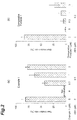
Figure 1] Figure 1 includes graphs showing the examination results of the influence of the compound of Example 1 on the seed germination of thale cress. - [
Figure 2] Figure 2 includes graphs showing the results of the influence of the compounds of Example 1 and Comparative Example 1 on the seed germination of thale cress, for comparison. - [
Figure 3] Figure 3 includes graphs showing the examination results of the influence of the compound of Example 1 on the abscisic acid receptor. - Hereinbelow, the terms herein used will be defined, and then the present invention will be described in details.
- The "halogen atom" herein means a fluorine atom, a chlorine atom, a bromine atom and an iodine atom, with a fluorine atom and a chlorine atom being preferable.
- The "C1-6 alkyl group" herein means a straight or branched alkyl group having 1 to 6 carbon atoms, and examples thereof include a methyl group, an ethyl group, an n-propyl group, an isopropyl group, an n-butyl group, an isobutyl group, a sec-butyl group, a tert-butyl group, an n-pentyl group, an isopentyl group, a neopentyl group and an n-hexyl group. The C1-6 alkyl group is, more preferably, a C1-3 alkyl group, which is a alkyl group having 1 to 3 carbon atoms, such as a methyl group, an ethyl group and an n-propyl group.
- The "C1-6 alkyl groups substituted with a halogen atom" herein means a group formed by replacing one or more hydrogen atoms in a C1-6 alkyl group with halogen atoms, and examples thereof include fluoromethyl, difluoromethyl, trifluoromethyl, trichloromethyl, 1-fluoroethyl, 2-fluoroethyl, 2-chloroethyl, 1,2-difluoroethyl, 2,2-difluoroethyl, 2,2,2-trifluoroethyl, 1-fluoropropyl, 2-fluoropropyl, 3-fluoropropyl and 3-chloropropyl. The C1-6 alkyl group substituted with a halogen atom are, more preferably, a C1-3 alkyl group substituted with a halogen atom.
- The "C1-6 alkoxy groups" herein means an oxy group to which a C1-6 alkyl group is bonded, and examples thereof include a methoxy group, an ethoxy group, a 1-propyloxy group, a 2-propyloxy group, a 1-butyloxy group, a 2-methylpropyloxy group, a 1-methylpropyloxy group, a 1,1-dimethylethoxy group.
- The "naphthyl group" herein means a 1-naphthyl group or a 2-naphthyl group.
- The compound according to the present embodiment is represented by the formula (IV). Hereinafter, the compound is sometimes referred to as the compound (IV).

- The compound (IV) may be the compound represented by the formula (I) (hereinafter, also referred to as the "compound (I)"):

- When R1 or R2 is the phenyl group or the naphthyl group with a substituent, the substituent may be at any position and the number of the substituent may be one or more. When R1 or R2 is the phenyl group with a substituent, it is preferable that the number of the substituent is one and that the position of the substituent is the meta-position or the para-position.
- R1 is, preferably, a hydrogen atom, a phenyl group, a 1-naphthyl group, a 2-naphthyl group, a p-trifluoromethylphenyl group, a p-methoxyphenyl group, a p-acetyl phenyl group, a p-tolyl group, an m-tolyl group, a p-hydroxyphenyl group, a p-aminophenyl group, a p-acetylaminophenyl group, a p-chlorophenyl group, a p-biphenyl group or a p-pentatluorosulfanyl group.
- R1 is, more preferably, a hydrogen atom, a phenyl group, a 1-naphthyl group, a 2-naphthyl group, a p-trifuoromethylphenyl group, a p-methoxyphenyl group, a p-acetyl phenyl group, a p-tolyl group or a p-pentafluorosulfanyl group.
- R1 is, most preferably, a phenyl group, a p-tolyl group or a 1-naphthyl group.
- R2 is, preferably, a hydrogen atom, a phenyl group, a 1-naphthyl group, a 2-naphthyl group, a p-trifluoromethylphenyl group, a p-methoxyphenyl group, a p-acetyl phenyl group, a p-tolyl group, an m-tolyl group, a p-hydroxyphenyl group, a p-aminophenyl group, a p-acetylamioophenyl group, a p-chlorophenyl group or a p-biphenyl group.
- R2 is, more preferably, a hydrogen atom, a phenyl group, a 1-naphthyl group, a 2-naphthyl group, a p-trifluoromethylphenyl group, a p-methoxyphenyl group, a p-acetyl phenyl group or a p-tolyl group.
- R2 is, more preferably, a phenyl group, a p-tolyl group or a 1-naphthyl group.
- X may be any of an ethylene group, an ethenylene group or an ethynylene group, with an ethylene group or an ethynylene group being preferable.
- The compound (IV) may be in the form of a salt Examples of the salt include inorganic base salts and organic base salts. Examples of the inorganic base salt include alkali metal salts such as sodium salts and potassium salts, alkaline earth metal salts such as calcium salts and magnesium salts, aluminium salts and ammonium salts. Examples of the organic base salt include diethylamine salts, diethanolamine salts, meglumine salts and N,N'-dibenzylethylenediamine salts.
- The compound (I) can be produced by the following reaction scheme:

-
Step 1 is reducing an abscisic acid (hereinafter, sometimes referred to as ABA) to obtain a compound (II) by The reaction ofStep 1 can be carried out using a reducing agent capable of achieving the reduction from ketone to alcohol under the reaction conditions (reaction solvent, reaction temperature and reaction time) commonly employed for the reduction reaction. Examples of the reducing agent include sodium borohydride and lithium aluminium hydride. Examples of the specific reaction condition include those described in Production Example 1. - Step 2 is reacting the compound (II) with a compound (III) to obtain the compound (I). The reaction is carried out in the presence of a base such as sodium hydride. For example, making reference to Example 1 for the reaction conditions, the reaction of Step 2 can be carried out The compound (I) obtained in the form of a free base can be converted to a salt by a routine method. Similarly, the compound (I) obtained in the form of a salt can be converted to a free base by a routine method.
- The compound (III) can be produced easily by those skilled in the art using commercial compounds as raw materials. For example, making reference to Production Example 2 for the reaction conditions, the compound (III) can be produced.
- The compound (IV) can be produced by the same method as the compound (I). For example, the compound (IV) can be obtained by reacting the compound (II) with a compound represented by formula (V) (hereinafter, also referred to as "compound (V)"). Examples of the specific reaction condition include those described in Example 9. The compound (IV) obtained in the form of a free base can be converted to a salt by a routine method. Similarly, the compound (IV) obtained in the form of a salt can be converted to a free base by a routine method.

- The compound (V) can be produced easily by those skilled in the art using commercial compounds as raw materials. For example, making reference to Production Example 3 for the reaction conditions, the compound (V) can be produced.
- The compound (IV) has the abscisic acid receptor antagonistic action and hence can also be used as an inhibitor of the abscisic acid receptor. The abscisic acid receptor means any preceptors belonging to the protein family known as PYR/PYL/RCAR proteins.
- Typically, in a plant, PP2C dephosphorylates protein kinase SnRK2 to maintain an inactive state. When a plant is exposed to stresses, the abscisic acid is synthesized and delivered to a target organ, followed by bonding to an abscisic acid receptor. When the abscisic acid bonds to the abscisic acid receptor, the abscisic acid receptor forms a conjugate with PP2C thereby suppressing the dephosphorylation by PP2C. Consequently, SnRK2 autophosphorylates to changes to an activated state and thus activates the downstream ion channel and the transcription factors, thereby inducing the abscisic acid response.
- In the compound (IV)-applied plant, the compound (IV) inhabits the bonding between the abscisic acid and the abscisic acid receptor and the subsequent conjugate formation with PP2C, so that the abscisic acid response is not induced even when the abscisic acid is synthesized due to stresses. Thus, the compound (IV) can regulate the plant growth.
- As described above, the compound (IV) can be a plant growth regulator. The plant growth is not particularly limited as long as it is the phenomenon involving the typical differentiation or growth of a plant cell and encompasses not only extension and expansion of the organs structuring a plant body but also seed germination, flower bud formation and seed development
- The target plant is not particularly limited and may be seed plants, pteridophytes or bryophytes. The seed plants may be gymnosperms or angiosperms, and the angiosperms may be monocotyledons or dicotyledons.
- The target plant organ is not particularly limited and may be any of roots, stems, leaves, flowers, reproductive organs, seeds, and may further be cultured cells.
- The concentrations and contact method of the compound (IV) applied to a plant can be suitably adjusted depending on the kind and organ of a target plant and the purpose. For example, when the target plant and the target organ are a dicotyledon and a seed, respectively. for the purpose of seed germination, it is preferable to cultivate using a culture broth obtained by dissolving the compound (IV) in the typical culture broth to a concentration of 0.3 to 300 µM.
- The plant growth regulator containing the compound (IV) may contain, in addition to the compound (IV), a germicide, an antifungal agent, an insecticide or a compound having the plant growth regulation action other than the compound (IV). The regulator may further contain known preparation additives. Examples of the preparation additives include an excipient, an emulsifier and a wetting agent. The form of the plant growth regulator of the present invention is not particularly limited and may be, for examples, an emulsion, a wettable powder, a water soluble powder, a liquid, a granule, a dust, a microcapsule, a fumigant, a smoking agent, an aerosol, a flowable, a paste, a tablet, a coating agent, an agent for ultra-low volume spraying, an oil agent or a compounded fertilizer, from which a user can suitably select in accordance with a target plant and organ thereof and a purpose. The plant growth regulator in these forms can be produced by a known method
-

- 11.2 g of S-abscisic acid (purity 90%) (10 g, 37.8 mmol in terms of S-abscisic acid) was dissolved in 400 mL of methanol. 42.9 g (115.1 mmol) of cerium (III) chloride heptahydrate was added thereto and dissolved and subsequently 14.7 g (389 mmol) of sodium borohydride was slowly added while cooling in an ice bath. The solution was heated to room temperature and stirred for 15 minutes, and subsequently 200 mL of a saturated aqueous solution of ammonium chloride was added while cooling in an ice bath thereby terminating the reaction, followed by concentrating the reaction solution under reduced pressure using an evaporator to remove methanol. 200 mL of 2M hydrochloric acid was added thereto, followed by confirming the pH of the reaction solution to be 1 to 2 using a pH test paper, and 400 mL of distilled water was added thereto to partition-extract three times with 600 mL of ethyl acetate. The resultant was washed three times with a saturated aqueous solution of sodium chloride, dried over sodium sulfate, and concentrated thereby obtaining 16.87 g of a white solid The solid was subjected to silica gel column chromatography (365 g, 4 cm inner diameter x 30 cm length) using hexane-ethyl acetate (0-30-50%, step gradient) as an eluent thereby obtaining an intended product (white solid, 4.35 g) and a mixture of the intended product and impurities (white solid, 6.58 g) and subsequently only the mixture with impurities was further subjected to silica gel column chromatography (995 g, 3 cm inner diameter x 33 cm length) using hexane-ethyl acetate (0-30-65%, step gradient) as an eluent thereby obtaining 1.38 g (total 5.73 g, yield 56%) of the titled compound.
1H NMR (270 MHz, CD3OD):δ 0.81 (3H, s), 0.92 (3H, s), 1.51 (1H, dd, J = 13.2 and 9.9 Hz), 1.55 (3H, d, J = 1.65 Hz), 1.63 (1H, ddd, J = 13.2, 6.6 and 1.3 Hz), 1.92 (3H, d, J = 1.3 Hz), 4.09 (1H, m), 5.43 (1H, m), 5.60 (1H, q, J = 1.0 Hz), 6.12 (1H, dd, J = 16.2 and 0.7 Hz), 7.58 (1H, dd, J = 162 and 0.7 Hz) -

- 8.0 g (39.2 mmol) of iodobenzene was dissolved in 50 mL of tetrahydrofuran, and 7.93 g (78.4 mmol) of triethylamine, 566 mg (0.784 mmol) of bis(triphenylphosphine)palladium(II) dichloride and 519 mg (2.74 mmol) of copper(I) iodide were added thereto while cooling in an ice bath, followed by stirring for 30 minutes. To the resultant solution, 10 mL of a solution of 2.20 g (39.2 mmol) of propargyl alcohol in tetrahydrofuran was added using a dropping funnel, followed by heating to room temperature, and the resultant solution was stirred for 30 minutes and passed through a short column (silica gel 64 - 210 µm diameter, 1.5 cm inner diameter x 25 cm height) thereby terminating the reaction The obtained solution was washed three times with a saturated aqueous solution of sodium chloride, dried over sodium sulfate, and concentrated thereby obtaining 6.29 g of a brownish oily substance. The oily substance was subjected to silica gel column chromatography (289 g, 2.1 cm inner diameter x 40 cm length) using hexane-ethyl acetate (0-20-100%, step gradient) as an eluent thereby obtaining 3-phenylprop-2-yn-1-ol (a brownish oily substance, 4.56 g) (yield 88%). 4.00 g (30.3 mmol) of 3-phenylprop-2-yn-1-ol was dissolved in 8 mL of tetrahydrofuran. To the resultant solution, 20 mL of a solution of 12.3 g (121 mmol) of triethylamine and 11.8 g (60.6 mmol) of p-toluenesulfonyl chloride in tetrahydrofuran was added under a condition of -10°C. The solution was heated to 0°C and stirred for 90 minutes, and subsequently the reaction solution was added to a separatory funnel containing 400 mL of ethyl acetate. 20 mL of 1M hydrochloric acid was added thereto, and the separatory funnel was shaken thoroughly to remove triethylamine. The same operation was repeated again and the solution was washed four times with a saturated aqueous solution of sodium chloride, dried over sodium sulfate, and concentrated thereby obtaining 10.0 g of a brownish oily substance. The oily substance was subjected to silica gel column chromatography (995 g, 4.1 cm inner diameter x 38 cm length) using hexane-ethyl acetate (0-10%, step gradient) as an eluent thereby obtaining 3.60 g (yield 42%) of the titled compound.
1H NMR (270 MHz, CDCl3):δ 2.39 (3H, s), 4.95 (2H, s), 7.24-7.37 (7H, m), 7.85 (2H, m) -

- 200 mg (1.47 mmol) of 3-phenyl-1-propanol was dissolved in 2 mL of dichloromethane, and 339.6 mg (1.78 mmol) of paratoluenesulfonyl chloride and 178.1 mg (1.76 mmol) of triethylamine were added thereto. The solution was stirred at room temperature for 2 hours, followed by adding 8 mL of distilled water and 2 mL of 1M hydrochloric acid thereto, and the resultant solution was partition-extracted three times with 10 mL of ethyl acetate. The resultant was washed three times with a saturated aqueous solution of sodium chloride, dried over sodium sulfate, and filtered using cotton, and the filtrate was concentrated under reduced pressure thereby obtaining 475 mg of a colorless clear oily substance. The oily substance was subjected to silica gel column chromatography (Wakosil C-200 921 g, 16 mm inner diameter x 95 mm length) using hexane-ethyl acetate (1:9) as an eluent thereby obtaining 339.3 mg (yield 79%) of the titled compound.
1H NMR (270 MHz, CDCl3): δ 1.91 (2H, m), 2.45 (3H, s), 2.60 (2H, t, J=7.6 Hz), 4.00 (2H, t, J=6.3 Hz), 7.04-7.23 (5H, m), 7.43 (2H, m), 7.78 (2H, m) -

- 2.78 g (1.67 g, 64.8 mmol in terms of sodium hydride) of sodium hydride (
oily dispersion 60%) was dissolved in 100 mL of hexane, followed by removing the supernatant To the resultant solution, 50 mL of tetrahydrofuran was added and, after removing the supernatant, 200 mL of tetrahydrofuran was added to the resultant. 5.72 g (21.5 mmol) of (2Z,4E)-5-((1S,4S)-(1,4-dihydroxy-2,6,6-trimethylcyclohex-2-en-1-yl)-3-methylpenta-2,4-di enoic acid was added thereto while cooling in an ice bath, followed by stirring the solution for 30 minutes, and further 40 mL of a solution of 3.09 g (10.8 mmol) of 4-methylbenzene sulfonic acid 3-phenylprop-2-yn-1-yl in tetrahydrofuran was added thereto. The solution was heated to room temperature and stirred for 44 hours, and 100 mL of 2M hydrochloric acid was added thereto while cooling in an ice bath thereby terminating the reaction. The reaction solution was added to 900 mL of distilled water and partition-extracted three times with 600 mL of ethyl acetate. The resultant was washed three times with a saturated aqueous solution of sodium chloride, dried over sodium sulfate and concentrated thereby obtaining 8.34 g of a brownish oily substance. The oily substance was subjected to silica gel column chromatography (1039 g, 4.1 cm inner diameter x 39 cm length) using hexane-ethyl acetate (0-20-40%, step gradient) as an eluent thereby obtaining a mixture of impurities and the intended product (a brownish oily substance, 2.34 g), and the mixture was further subjected to silica gel column chromatography (398 g, 2.5 cm inner diameter x 40 cm length) using dichlotnmethane-ethyl acetate (30%) as an eluent thereby obtaining 1.375 g (yield 33%) of the titled compound.
1H NMR (500 MHz, CDCl3):δ 0.92 (3H, s, H3-9'), 1.06 (3H, s, H3-8'), 1.67 (3H, m, H3-7'), 1.72 (1H, dd, J = 13.1 and 9.5 Hz, H-5'), 1.90 (1H, m, H-5'), 2.01 (3H, d, J = 0.6 Hz, H3-6), 4.27 (1H, m, H-4), 4.42 (1H, d, J = 15.9 Hz, H-1"), 4.47 (1H, d, J = 15.9 Hz, H-1"), 5.68 (1H, brs, H-3'), 5.71 (1H, s, H-2), 6.21 (1H, d, J = 15.9 Hz, H-5), 7.31 (3H, m, H-6", 7" and 8"), 7.44 (2H, m, H-5" and 9"), 7.74 (1H, d, J = 15.9 Hz, H-4)
13C NMR (125 MHz, CDCl3):δ 17.7 (C7'), 21.5 (C6), 22.7 (C8'), 25.3 (C9'), 39.7 (C6'), 40.7 (C5'), 56.1 (C1"), 72.3 (C4'), 79.3 (C1'), 85.5 (C2"), 86.0 (C3"), 117.0 (C2), 122.7 (C4"), 124.6 (C3'), 126.5 (C4), 128.3 (C6" and 8"), 128.4 (C7"), 131.7 (C5" and 9"), 139.1 (C2'), 140.3 (C5), 152.2 (C3),170.6 (C1)
UV λ max (MeOH) nm(ε): 242.4 (27600), 250.4 (29000)
HRMS (m/z): [M+Na]+ calc'd. for C24H28O4Na, 403.1885; found, 403.1880. -

- The reaction was carried out in the same manner as in Production Example 1 using S-abscisic acid-methyl in place of S-abscisic acid thereby obtaining 865.9 mg (yield 75.5%) of methyl (2Z,4E)-5-((1S,4S)-1,4-dihydroxy-2,6,6-trimethylcyclohex-2-en-1-yl)-3-methylpenta-2,4-die noic acid. 30.0 mg (0.107 mmol) of methyl (2Z,4E)-5-((1S,4S)-1,4-dihydroxy-2,6,6-trimethylcyclohex-2-en-1-yl)-3-methylpenta-2,4-die noic acid was dissolved in 1.0 mL of tetrahydrofuran, and 8.6 mg (5.22 mg, 0214 mmol in terms of sodium hydride) of sodium hydride (
oily dispersion 60%) was added thereto while cooling in an ice bath, followed by stirring the resultant solution for 30 minutes. To the solution, 26.2 mg (0.107 mmol) of 1-(3-bromoprop-1-yn-1-yl)naphthalene was added, and the resultant solution was heated to room temperature. After stirring for 4 hours, the reaction solution was added to 30 mL of a saturated aqueous solution of ammonium chloride thereby terminating the reaction, and the resultant solution was partition-extracted three times with ethyl acetate. The resultant was washed three times with a saturated aqueous solution of sodium chloride and dried over sodium sulfate thereby obtaining 55.4 mg of a light yellow oily substance. The oily substance was subjected to silica gel column chromatography (5 g, 0.5 cm inner diameter x 28 cm length) using hexane-ethyl acetate (0-20-30-100%, step gradient) as an eluent thereby obtaining methyl (2Z,4E)-5-((1S,4S)-1-hydroxy 2,6,6-trimethyl-4-((3-naphthalene-1-yl)prop-2-yn-1-yl)oxy)c yclohex-2-en-1-yl)-3-methylpenta-2,4-dienoic acid (a light yellow oily substance, 3 mg) (yield 3%). The obtained substance was dissolved in 1.5 mL of methanol, and 1.8 mL of 1M sodium hydride was added thereto while cooling in an ice bath, followed by stirring the resultant solution for 3.5 hours. To the solution, 2 mL of 1M hydrochloric acid was added to terminate the reaction, and 30 mL of distilled water was added thereto, The resultant solution was partition-extracted three times with 20 mL of ethyl acetate, and the resultant was washed three times with saturated sodium chloride, dried over sodium sulfate, and concentrated thereby obtaining 5.6 mg of a light yellow oily substance. The oily substance was subjected to silica gel column chromatography (2 g, 0.5 cm inner diameter x 15 cm length) using hexane-ethyl acetate (0-30-40%, step gradient) as an eluent thereby obtaining 0.8 mg (yield 27.5%) of the titled compound.
1H NMR (500 MHz, CD3OD):δ 0.95 (3H, s, H3-9'), 1.07 (3H, s, H3-8'), 1.70 (3H, dd, J = 1.5 and 1.5 Hz, H3-7'), 1.76 (1H, dd, J = 13.1 and 9.8 Hz, H-5'), 1.92 (1H, ddd, J = 13.1,6.4 and 1.5 Hz, H-5'), 2.01 (3H, d, J = 1.2 Hz, H3-6), 4.41 (1H, m, H4'), 4.60 (2H, d, J = 1.5 Hz, OCH2-), 5.70 (1H, brs, H-2), 5.73 (1H, m, H-3'), 6.22 (1H, d, J = 162 Hz, H-5), 7.44 (1H, dd, J = 8.2 and 7.3 Hz, H-6"), 7.54 (2H, m, H-10" and 11 "), 7.65 (1H, dd, J = 7.3 and 1.2 Hz, H-5"), 7.73 (1H, d, J = 16.2 Hz, H-4), 7.88 (2H, m, H-7" and 12"), 8.30 (1H, d, J = 82 Hz, H-9")
13C NMR(125 MHz, CD3OD):δ 18.4 (C7'), 21.4 (C6), 23.3 (C8'), 25.7 (C9'), 40.9 (C6), 41.7 (C5'), 56.8 (C1"), 74.1 (C4'), 80.2 (C1'), 84.8 (C2"), 91.9 (C3"), 118.8 (C2), 121.5 (C8"), 125.6 (C3'), 126.3 (C6"), 126.9 (C9"), 127.5 (C11"), 127.9 (C10"), 128.2 (C4), 129.4 (C12"), 130.0 (C7"), 131.5 (C5"), 134.6 (C4" or 13"), 134.7 (C4" or 13"), 141.1 (C5), 141.2 (C2'), 151.4 (C3), 169.8 (C1)
UV λ max (MeOH) nm(ε): 226.8 (59700), 262.2 (18000), 297.0 (13700), 310.4 (8410) HRMS (m/z): [M+Na]+ calc'd. for C28H30O4Na, 453.2042; found 453.2045. -

- The reaction was carried out in the same manner as in Example 1 using 4-methylbenzene sulfonic acid prop-2-yn-1-yl in place of 4-methylbenzene sulfonic acid 3-phenylprop-2-yn-1-yl thereby obtaining the titled compound (yield 9%).
1H NMR (270 MHz, CDCl3):δ 0.92 (3H, s, H3-8' or 9'), 1.05 (3H, s, H3-8' or 9'), 1.63-1.71 (4H, m, H3-7' and H-5'), 1.86 (1H, ddd, J = 13.2, 6.6 and 1.3 Hz, H-5'), 2.02 (3H, d, J = 1.0 Hz, H3-6), 2.43 (1H, t, J = 2.3 Hz, H-3"), 4.16-4.23 (3H, m, H-4' and H2-1"), 5.64 (1H, m, H-3'), 5.72 (1H, s, H-2), 6.19 (1H, d, J = 162 Hz, H-5), 7.35 (1H, d, J = 16.2 Hz, H-4) -

- The reaction was carried out in the same manner as in Example 1 using 4-methylbenzene sulfonic acid 3-(4-trifluoromethyl)phenylprop-2-yn-1-yl) in place of 4-methylbenzene sulfonic acid 3-phenylprop-2-yn-1-yl thereby obtaining the titled compound (yield 18%).
1H NMR (270 MHz, CDCl3):δ 0.93 (3H, s), 1.07 (3H, s), 1.63-1.73 (4H, m), 1.82-1.93 (1H, m), 2.02 (3H, s), 4.14-4.29 (3H, m), 5.68 (1H, m), 5.71 (1H, s), 6.20 (1H, d, J = 16.1 Hz), 7.52-7.60 (4H, m), 7.74 (1H, d, J = 16.1 Hz) -

- The reaction was carried out in the same manner as in Example 1 using 4-methylbenzene sulfonic acid 3-(4-methoxy)phenylprop-2-yn-1-yl in place of 4-methylbenzene sulfonic acid 3-phenylprop-2-yn-1-yl thereby obtaining the titled compound (yield 3%).
1H NMR (270 MHz, CDCl3):δ 0.90 (3H, s), 1.04 (3H, s), 1.65 (3H, s), 1.70 (1H, dd, J = 12.5 and 9.6 Hz), 1.89 (1H, dd, J = 12.5 and 6.6 Hz), 1.99 (3H, s), 3.85 (3H, s), 4.24 (1H, m), 4.36-4.48 (2H, m), 5.66 (1H, s), 5.71 (1H, s), 6.16 (1H, s), 6.81-6.87 (2H, m), 7.35-7.41 (2H, m), 7.73 (1H, s) -

- The reaction was carried out in the same manner as Example 1 using 4-methylbenzene sulfonic acid 3-(4-acetyl)phenylprop-2-yn-1-yl in place of 4-methylbenzene sulfonic acid 3-phenylprop-2-yn-1-yl thereby obtaining the titled compound (yield 0.5%).
1H NMR (270 MHz, CDCl3):δ 0.93 (3H, s), 1.07 (3H, s), 1.68 (3H, s), 1.72 (1H, dd, J = 13.5 and 9.6 Hz), 1.90 (1H, dd, J = 13.5 and 6.9 Hz), 2.02 (3H, s), 2.60 (3H, s), 425 (1H, m), 4.46 (2H, m), 5.69 (1H, s), 5.72 (1H, s), 6.21 (1H, d, J = 162 Hz), 7.50-7.53 (2H, m), 7.74 (1H, d, J = 16.2 Hz), 7.89-7.92 (2H, m) -

- The reaction was carried out in the same manner as in Example 1 using 4-methylbenzene sulfonic acid 3-(4-methyl)phenylprop-2-yn-1-yl in place of 4-methylbenzene sulfonic acid 3-phenylprop-2-yn-1-yl thereby obtaining the titled compound (yield 18%).
1H NMR (500 MHz, CDCl3): δ 0.91 (3H, s), 1.05 (3H, s), 1.66 (3H, m), 1.71 (1H, dd, J = 13.1 and 9.8 Hz), 1.89 (1H, m), 2.00 (3H, s), 2.34 (3H, s), 4.26 (1H, m), 4.41 (1H, d, J = 15.9 Hz), 4.45 (1H, d, J = 15.9 Hz), 5.67 (1H, s), 5.71 (1H, s), 6.19 (1H, d, J = 15.9 Hz), 7.10-7.12 (3H, m), 7.32-7.34 (2H, m), 7.74 (1H, d, J = 15.9 Hz) -

- 3.2 mg (17 nmol) of copper(I) iodide, 3.2 mg (4.6 nmol) of trans-dichlorobis(triphenylphosphine)palladium (II), 1.0 mL of triethylamine and 1 mL of a solution of 75.6 mg (229 nmol) of 4-iodophenylsulphur pentafluoride in tetrahydrofuran were added to 2 mL of a solution of 72.0 mg (237 nmol) of (2Z,4E)-5-((1S,4S)-1-hydroxy-2,6,6-trimethyl4-(prop-2-yn-1-yloxy)cyclohex-2-en-1-yl)-3 methylpenta-2,4-dienoic acid in tetrahydrofuran. The solution was stirred at room temperature for 6 hours, subsequently 5 mL of an aqueous solution of 1M hydrochloric acid was added thereto and the reaction solution was partition-extracted three times with 20 mL of ethyl acetate. The resultant was washed three times with a saturated aqueous solution of sodium chloride, dried over sodium sulfate, and concentrated thereby obtaining 114 mg of a brownish oily substance. The oily substance was subjected to silica gel column chromatography (12 g, 14 mm inner diameter x 160 mm length) using dichloromethane-ethyl acetate (0-20%, step gradient) as an eluent thereby obtaining 53 mg of a mixture of the intended product and impurities. The mixture was further subjected to high performance liquid chromatography (
Hydrosphere C 18, 20 mm inner diameter x 150 mm length) using 77% methanol as an eluate thereby obtaining 30.3 mg (yield 25%) of the titled compound.
1H NMR (500 MHz, CD3OD): δ 0.94 (3H, s), 1.04 (3H, s), 1.68 (3H, m), 1.69 (1H, dd, J = 13.0 and 9.3 Hz), 1.84 (1H, ddd, J = 13.0, 6.4 and 1.5 Hz), 2.01 (3H, d, J = 0.9 Hz), 4.27 (1H, m), 4.45 (1H, d, J = 16.4 Hz), 4.49 (1H, d, J = 16.4 Hz), 5.66 (1H, m), 5.71 (1H, m), 6.17 (1H, d, J= 16.1 Hz), 7.58-7.60 (2H, m), 7.68 (1H, d, J = 16.1 Hz), 7.79-7.82 (2H, m) -

- The reaction was carried out in the same manner as in Example 1 using 4-methylbenzene sulfonic acid 3-phenylpropan-1-yl in place of 4-methylbenzene sulfonic acid 3-phenylprop-2-yn-1-yl thereby obtaining the titled compound (yield 44%).
1H NMR (500 MHz, CDCl3): δ 0.91 (3H, s), 1.00 (3H, s), 1.62 (1H, dd), 1.66 (3H, s), 1.75 (1H, ddd, J=13.2, 6.3 and 1.0 Hz), 1.85 (2H, m), 2.01 (3H, s), 2.68 (2H, t, J=7.3 Hz), 3.49 (2H, m), 3.96 (1H, m), 5.58 (1H, m), 5.73 (1H, brs), 6.17 (1H, d, J=15.2 Hz), 7.20 (5H, m), 7.68 (1H, d, J=15.2 Hz) -

- The titled compound was synthesized in accordance with the method described in
Non Patent Literature 1. - Seeds of thale cress (Arabidopsis thaliana, Col-0) were immersed in 500 µL of an aqueous solution of 70% ethanol for 30 minutes, subsequently in 500 µL of a 100% ethanol solution for 1 minute, washed five times in 1 mL of distilled water, then immersed in distilled water and, in a dark place, vernalized at 4°C for 3 days. A solution of the sample in methanol was put in a 1.5 mL-microtube, and methanol was removed therefrom under reduced pressure. An aqueous solution of 0.5% agar (containing 1/2 MS medium inorganic salts) at 70°C was added thereto and stirred, and subsequently the obtained mixture was placed in a 96-well plate to prepare the medium containing the sample. All samples were prepared so as to have a concentration of 3 µM of the compound in Examples 1 to 9 and Comparative Example 1. Further, when ABA is applied, the ABA concentration was adjusted to 0.3 µM. 20 to 30 vernalized seeds of thale cress were planted in each well and cultured at 22°C under continuous light to monitor the number of seeds germinated over time. The germination rate was calculated by the following formula (1). Note that those cultured in medium prepared using methanol in the same manner were used as controls. The results are shown in Table 1. It was revealed that the seed germination rates decreased by ABA are recovered when the compounds of Examples 1 to 9 were co-applied with ABA.

[Table 1] Sample Germination rate (%) 24 Hours later 36 Hours later 48 Hours later 60 Hours later Control 0 86 100 100 Example 1 0 86 100 100 Example 2 11 27 77 100 Example 3 0 13.3 60 71.1 Example 4 8 33 75 92 Example 5 5 37 79 95 Example 6 0 17 75 92 Example 7 0 86 100 100 Example 8 0 60 100 100 Example 9 1 88 100 100 Comparative Example 1 0 85 100 100 0.3 µMABA 0 0 16.2 32.6 0.3 µMABA + Example 1 0 79 100 100 0.3 µMABA + Example 2 9 22 53 89 0.3 µMABA +Example 3 0 6.9 20.7 48.3 0.3 µMABA + Example 4 0 29 58 100 0.3 µMABA + Example 5 0 30 67 100 0.3 µMABA + Example 6 7 28 52 72 0.3 µMABA + Example 7 0 76 100 100 0.3 µMABA +Example 8 0 0 23 89 0.3 µMABA + Example 9 0 60 100 100 0.3 µMABA + Comparative Example 1 0 28 67 89 - The concentrations are all 3 µM in Examples and Comparative Example.
- The same test was carried out as in Test Example 1 with the concentrations of the compound of Example 1 for treatment varying from 0.3 µM to 30 µM. The results are shown in
Figure 1 . It was revealed that the seed germination rates decreased by ABA are recovered also in these concentrations range when the compound of Example 1 was co-applied with ABA. - Similarly, the same test was carried out with the concentrations of the compound of Example 2 for treatment varying from 0.3 µM to 30 µM. It was revealed that the seed germination rates decreased by ABA are recovered also in these concentrations range when the compound of Example 2 was co-applied with ABA.
- The same test was carried out as in Test Example 2 using lettuce (Lactuca sativa) and bok choy (Brassica rapa var. chinensis) in place of thale cress. The compounds of Examples 1 and 2 co-applied with ABA also recovered the seed germination rates once decreased by ABA for the seeds of lettuce and bok choy.
- The same test was carried out as in Test Example 2 with the concentrations of the compounds for treatment varying from 0.3 µM to 3 µm to compare the recovery effects on seed germination rate of the compound of Example 1 and the compound of Comparative Example 1. The results are shown in
Figure 2 . It was revealed that the compound of Example 1 excels in the recovery effect on seed germination rate more than the compound of Comparative Example 1. - A plasmid (pGex-2T-GST-HAB1 or pET28-6 xHis-PYL) encoded with PYR/PYL/RCAR proteins (PYL, abscisic acid receptor) or protein dephosphorylation enzyme HAB1 of thale cress was transformed to Escherichia coli (HAB1:BL21(DE3)pLysS, PYL:BL21-codonplus(DE3)-RIPL). Isopropyl-β-thiogalactopyranoside was added to the culture broth, which had been subjected to pro-culture (30°C,180 rpm, 15 hours) and main culture (30°C,180 rpm, 4 hours), and the protein-expressed (16°C, 150 rpm, 18 hours) crude enzyme solution was purified using FPLC thereby preparing the recombined PYL (PYR1, PYL1-6, PYL8-10) and HAB1. β-Mercaptoethanol, a manganese chloride aqueous solution, HAB1, PYL, a solution of the sample in dimethylsulfoxide and ultrapure water were sequentially added to a 96-well plate, allowed to stand at 22°C for 30 minutes. Subsequently p-nitrophenylphosphate, which is the artificial substrate of HAB1, was added thereto to start the reaction, and the plate was placed in a microplate reader (TECAN, Infinite™ N200 NanoQuant). The absorbance at 405 nm due to p-nitrophenol, which is the hydrolysate of p-nitrophenylphosphate, was measured 3 minutes later from the reaction initiation, and HAB1 activity was calculated by the following formula (2). Note that the fraction to which only dimethylsulfoxide was added was considered to be the control and the activity thereof was defined as 100%. The results are shown in
Figure 3 and Table 2. It was revealed that the compounds of Example 1 and 4 to 9 act as the antagonist against the ABA receptor.
[Table 2] Sample HAB1 Specific activity (%) None PYR1 PYL1 PYL2 PYL3 PYL4 PYL5 PYL6 PYL8 PYL9 PYL10 Example 1 83.8 99.6 98.1 96.6 88.6 108 85.8 122 105 111 93.7 ABA 97 18.6 18.6 13.1 16.8 18.2 155 19.5 13.9 31 16.2 ABA+ Example 1 81 49 55.6 84.8 49.2 853 87 87.6 76.9 90 90.7 Example 4 - 55.4 - - - - - - - - - Example 5 - 92.3 - - - - - - - - - Example 6 - 87.9 - - - - - - - - - Example 7 - 95.7 136 133 121 119 85.5 93.5 98.5 - 99.0 Example 8 - 105 - - - - - - - - - Example 9 - 87.8 - - - - - - - - - ABA+ Example 4 - 36.7 - - - - - - - - - ABA+ Example 5 - 50.5 - - - - - - - - - ABA+ Example 6 - 41.5 - - - - - - - - - ABA+ Example 7 - 62.6 87.7 113 61 101 74.6 61.0 98.7 - 82.5 ABA+ Example 8 - 62.9 - - - - - - - - - ABA+ Example 9 - 32.1 - - - - - - - - - -: Not measured - A sodium phosphate buffer solution of a recombined PYL5 was prepared in the same procedure as in Test Example 5, and put in a reaction cell of an isothermal titration calorimeter (GE Healthcare, MicroCal iTC200), and a sodium phosphate buffer solution of the compound of Example 1 was put in the syringe. Then, the calorimeter was set to 20°C and the measurement was carried out The same measurement as above was also carried out for the compounds of Examples 7 to 9. Table 3 shows the results, with the results when the sodium phosphate buffer solution of ABA or the compound of Comparative Example 1 as the reference for comparison was used. Dissociation constant Kds of the compounds of Examples 1 and 7 to 9 are lower than those of ABA and the compound of Comparative Example 1 thereby revealing that the affinity of these compounds to the ABA receptor is higher.
[Table 3] Sample Kd (µM) ΔH (kcal/mol) -TΔS (kcal/mol) ΔG (kcal/mol) ABA 0.88±0.11 -7.8±0.1 -0.3 -8.1±0.1 Example 1 0.07±0.02 -7.9±0.1 -1.7 -9.6±0.1 Comparative Example 1 0.48±0.10 -9.7±02 1.2 -9.6±0.1 Example 7 0.07±0.02 -5.5±0.1 -4.2 -9.6±02 Example 8 0.18±0.01 -4.9±0.1 -4.1 -9.0±0.1 Example 9 0.36±0.07 -6.7±0.1 -2.0 -8.6±0.1 - Seeds of thale cress (Arabidopsis thaliana, Col-0) were sequentially immersed for 1 minute respectively in 500 µL of an aqueous solution of 5% bleach + 1% SDS, 500 µL of a 70% aqueous solution of ethanol and 500 µL of a 70% aqueous solution of ethanol, washed five times in 1 mL of sterilized water, and then suspended in a 0.1% aqueous solution of agar. 25 mL each of germination medium (containing 1/2 MS medium inorganic salts) sterilized in an autoclave was added to a sterilized plastic petri dish, in which 60 to 80 seeds suspended in the 0.1% aqueous solution of agar were planted and, in a dark place, the seeds were vemilized at 4°C for 3 days. The seeds were cultured at 22°C under continuous light for 10 days. 40 g each of sterilized soil (organic culture soil: vermiculite = 1:1) was added to a plastic pot (50 mm x 50 mm x 50 mm, 35 mm bottom surface x 35 mm height). Six plastic pots thus provided were placed in a 3000 mL-tray, 300 mL (depth 10 mm) of an aqueous solution of 1000-fold diluted HYPONeX (tradename (registered trademark), product of HYPONeX JAPAN CORP., LTD.) was added thereto and five roots each of thale cress seedlings were transplanted from the plastic petri dish. The seedlings were cultured at 22°C under conditions of 16 hour light period - 8 hour dark period, and 1 mL of an aqueous solution (prepared so as the final concentration of the compound of Example 7 to be 50 µM) of 0.1% DMSO (containing the compound of Example 7) + 0.1% Approach BI (tradename (registered trademark), product of Kao Corporation) was sprayed once a day. Further, 300 mL of an aqueous solution of 2000-fold diluted HYPONeX was added every week. The same treatment as above was carried out using the compound of Comparative Example 1. Note that the seedlings, to which 1 mL of an aqueous solution of 0.1% DMSO + 0.1% Approach BI without containing the above compound was sprayed once a day, were used as controls. Furthermore, a test was carried out under the same conditions as above in which ABA was added to 1 mL of an aqueous solution of 0.1 % DMSO (containing the compound of Example 7, containing the compound of Comparative Example 1, or not containing these compounds) + 0.1% Approach BI (prepared so as to have a final concentration of 50 µM when containing the compound) to a final concentration of 5 µM, the obtained solution being sprayed once a day. The growth conditions of thale cress were compared after three weeks' culture and found that, when only ABA was applied, the growth of thale cress was notably suppressed. Contrary, when the compound of Comparative Example 1 and ABA were co-applied, the growth suppression effect of ABA was not substantially improved. However, when the compound of Example 7 and ABA were co-applied, the growth suppression effect by ABA was notably improved and the thale cress growth was recovered to the same extent as the controls.
Claims (5)
- A compound represented by formula (IV) or a salt thereof:

- The compound or the salt thereof according to claim 1, being a compound represented by formula (I) or a salt thereof:

- The compound or the salt thereof according to claim 2, wherein R2 is a phenyl group or a 1-naphthyl group.
- An inhibitor of an abscisic acid receptor, comprising the compound or the salt thereof according to any one of claims 1 to 3.
- A plant growth regulator comprising the compound or the salt thereof according to any one of claims 1 to 3.
Applications Claiming Priority (2)
| Application Number | Priority Date | Filing Date | Title |
|---|---|---|---|
| JP2014193597 | 2014-09-24 | ||
| PCT/JP2015/076335 WO2016047532A1 (en) | 2014-09-24 | 2015-09-16 | Abscisic acid derivative |
Publications (2)
| Publication Number | Publication Date |
|---|---|
| EP3199521A1 true EP3199521A1 (en) | 2017-08-02 |
| EP3199521A4 EP3199521A4 (en) | 2018-05-02 |
Family
ID=55581059
Family Applications (1)
| Application Number | Title | Priority Date | Filing Date |
|---|---|---|---|
| EP15843429.0A Withdrawn EP3199521A4 (en) | 2014-09-24 | 2015-09-16 | Abscisic acid derivative |
Country Status (5)
| Country | Link |
|---|---|
| US (1) | US10125095B2 (en) |
| EP (1) | EP3199521A4 (en) |
| JP (1) | JP6583737B2 (en) |
| CN (1) | CN106715391B (en) |
| WO (1) | WO2016047532A1 (en) |
Family Cites Families (8)
| Publication number | Priority date | Publication date | Assignee | Title |
|---|---|---|---|---|
| GB1123487A (en) | 1966-03-04 | 1968-08-14 | Shell Int Research | Novel organic acid derivatives |
| US5518995A (en) * | 1988-12-01 | 1996-05-21 | National Research Council Of Canada | Use of compounds to enhance synchrony of germination and emergence in plants |
| EP0371882A3 (en) * | 1988-12-01 | 1991-04-24 | Her Majesty In Right Of Canada As Represented By The National Research Council Of Canada | Abscisic acid-related plant growth regulators - germination promoters |
| JP2770546B2 (en) * | 1989-08-18 | 1998-07-02 | 財団法人相模中央化学研究所 | Optically active epoxycyclohexane derivative and method for producing the same |
| WO1994015467A1 (en) * | 1993-01-07 | 1994-07-21 | National Research Council Of Canada | Use of compounds to confer low temperature tolerance to plants |
| CA2647900C (en) * | 2008-12-23 | 2017-05-16 | National Research Council Of Canada | Inhibitors of a 9-cis-epoxycarotenoid dioxygenase |
| AR090010A1 (en) * | 2011-04-15 | 2014-10-15 | Bayer Cropscience Ag | 5- (CICLOHEX-2-EN-1-IL) -PENTA-2,4-DIENOS AND 5- (CICLOHEX-2-EN-1-IL) -PENT-2-EN-4-INOS REPLACED AS ACTIVE PRINCIPLES AGAINST THE ABIOTIC STRESS OF PLANTS, USES AND TREATMENT METHODS |
| CN102391147B (en) | 2011-09-27 | 2014-03-26 | 中国农业大学 | Preparation and activity of aryl formyl amino cyclopropanecarboxylic acid |
-
2015
- 2015-09-16 US US15/513,765 patent/US10125095B2/en not_active Expired - Fee Related
- 2015-09-16 JP JP2016550137A patent/JP6583737B2/en active Active
- 2015-09-16 CN CN201580051292.4A patent/CN106715391B/en not_active Expired - Fee Related
- 2015-09-16 WO PCT/JP2015/076335 patent/WO2016047532A1/en not_active Ceased
- 2015-09-16 EP EP15843429.0A patent/EP3199521A4/en not_active Withdrawn
Also Published As
| Publication number | Publication date |
|---|---|
| JP6583737B2 (en) | 2019-10-09 |
| US10125095B2 (en) | 2018-11-13 |
| EP3199521A4 (en) | 2018-05-02 |
| CN106715391A (en) | 2017-05-24 |
| CN106715391B (en) | 2019-03-05 |
| US20170283375A1 (en) | 2017-10-05 |
| WO2016047532A1 (en) | 2016-03-31 |
| JPWO2016047532A1 (en) | 2017-07-13 |
Similar Documents
| Publication | Publication Date | Title |
|---|---|---|
| US6004905A (en) | Hyperabas: biologically active abscisic acid analogs with unsaturated carbon substituents at the 8'-methyl or 9'-methyl carbon atoms | |
| KR20160072154A (en) | Processes for the preparation of pesticidal compounds | |
| KR20160074543A (en) | Processes for the preparation of pesticidal compounds | |
| CN106749080B (en) | Plant growth regulator with high stress resistance and its preparation method and use | |
| US10299476B2 (en) | 3′-substituted-abscisic acid derivatives | |
| US12161114B2 (en) | Overpowered ABA receptor agonists | |
| US10125095B2 (en) | Abscisic acid derivative | |
| US20050014651A1 (en) | Abscisic acid biosynthesis inhibitor | |
| JPWO2004022546A1 (en) | Substances that inhibit the biosynthesis of jasmonic acid | |
| CN106749044B (en) | ABA analogs for enhancing plant stress resistance | |
| EP1104756A1 (en) | Brassionosteroid biosynthesis inhibitors | |
| JP2547739B2 (en) | Plant growth regulator containing an imidazole derivative as an active ingredient | |
| JPH0625133B2 (en) | Pyrazole derivative, its production method and selective herbicide | |
| EP0229098A1 (en) | Plant growth regulating compositions and process for regulating plant growth | |
| JP7325429B2 (en) | Plant salt tolerance improver | |
| EP0327114B1 (en) | Imidazole derivatives, processes for preparing the same and fungicidal compositions comprising the derivative for agricultural and horticultural uses | |
| JP4824968B2 (en) | Phosphonic acid derivatives and acid addition salts thereof, and agricultural and horticultural disease control agents using the same | |
| US9820487B2 (en) | Abscinazole | |
| JPH02111769A (en) | Azole derivative, its production, pharmaceutical or vertinarily composition for preventing aromatase containing the same, antifungal composition for plant containing the same, control of disease due to fungi of plant and plant growth regulating method | |
| CA2236019A1 (en) | Aryl acrylics for use as fungicide | |
| CN121108125A (en) | A bicyclooctano-1,2,4-oxadiazole derivative, its preparation method and application | |
| CN101302173A (en) | Oxime ether compounds, preparation method and application in flower preservation | |
| JPH10158256A (en) | 3-Epidiberreic acid ethers and method for producing the same |
Legal Events
| Date | Code | Title | Description |
|---|---|---|---|
| PUAI | Public reference made under article 153(3) epc to a published international application that has entered the european phase |
Free format text: ORIGINAL CODE: 0009012 |
|
| 17P | Request for examination filed |
Effective date: 20170411 |
|
| AK | Designated contracting states |
Kind code of ref document: A1 Designated state(s): AL AT BE BG CH CY CZ DE DK EE ES FI FR GB GR HR HU IE IS IT LI LT LU LV MC MK MT NL NO PL PT RO RS SE SI SK SM TR |
|
| AX | Request for extension of the european patent |
Extension state: BA ME |
|
| DAV | Request for validation of the european patent (deleted) | ||
| DAX | Request for extension of the european patent (deleted) | ||
| A4 | Supplementary search report drawn up and despatched |
Effective date: 20180405 |
|
| RIC1 | Information provided on ipc code assigned before grant |
Ipc: C07C 403/22 20060101AFI20180329BHEP Ipc: A01P 21/00 20060101ALI20180329BHEP Ipc: A01N 37/36 20060101ALI20180329BHEP Ipc: C07C 403/20 20060101ALI20180329BHEP |
|
| 17Q | First examination report despatched |
Effective date: 20190822 |
|
| STAA | Information on the status of an ep patent application or granted ep patent |
Free format text: STATUS: THE APPLICATION HAS BEEN WITHDRAWN |
|
| 18W | Application withdrawn |
Effective date: 20191206 |