EP3186399B1 - Methods for rapid and sensitive detection of hotspot mutations - Google Patents
Methods for rapid and sensitive detection of hotspot mutations Download PDFInfo
- Publication number
- EP3186399B1 EP3186399B1 EP15837033.8A EP15837033A EP3186399B1 EP 3186399 B1 EP3186399 B1 EP 3186399B1 EP 15837033 A EP15837033 A EP 15837033A EP 3186399 B1 EP3186399 B1 EP 3186399B1
- Authority
- EP
- European Patent Office
- Prior art keywords
- seq
- primers
- idh1
- tert
- amplification
- Prior art date
- Legal status (The legal status is an assumption and is not a legal conclusion. Google has not performed a legal analysis and makes no representation as to the accuracy of the status listed.)
- Not-in-force
Links
Images



Classifications
-
- C—CHEMISTRY; METALLURGY
- C12—BIOCHEMISTRY; BEER; SPIRITS; WINE; VINEGAR; MICROBIOLOGY; ENZYMOLOGY; MUTATION OR GENETIC ENGINEERING
- C12Q—MEASURING OR TESTING PROCESSES INVOLVING ENZYMES, NUCLEIC ACIDS OR MICROORGANISMS; COMPOSITIONS OR TEST PAPERS THEREFOR; PROCESSES OF PREPARING SUCH COMPOSITIONS; CONDITION-RESPONSIVE CONTROL IN MICROBIOLOGICAL OR ENZYMOLOGICAL PROCESSES
- C12Q1/00—Measuring or testing processes involving enzymes, nucleic acids or microorganisms; Compositions therefor; Processes of preparing such compositions
- C12Q1/68—Measuring or testing processes involving enzymes, nucleic acids or microorganisms; Compositions therefor; Processes of preparing such compositions involving nucleic acids
- C12Q1/6876—Nucleic acid products used in the analysis of nucleic acids, e.g. primers or probes
- C12Q1/6883—Nucleic acid products used in the analysis of nucleic acids, e.g. primers or probes for diseases caused by alterations of genetic material
- C12Q1/6886—Nucleic acid products used in the analysis of nucleic acids, e.g. primers or probes for diseases caused by alterations of genetic material for cancer
-
- C—CHEMISTRY; METALLURGY
- C12—BIOCHEMISTRY; BEER; SPIRITS; WINE; VINEGAR; MICROBIOLOGY; ENZYMOLOGY; MUTATION OR GENETIC ENGINEERING
- C12Q—MEASURING OR TESTING PROCESSES INVOLVING ENZYMES, NUCLEIC ACIDS OR MICROORGANISMS; COMPOSITIONS OR TEST PAPERS THEREFOR; PROCESSES OF PREPARING SUCH COMPOSITIONS; CONDITION-RESPONSIVE CONTROL IN MICROBIOLOGICAL OR ENZYMOLOGICAL PROCESSES
- C12Q2521/00—Reaction characterised by the enzymatic activity
- C12Q2521/10—Nucleotidyl transfering
- C12Q2521/101—DNA polymerase
-
- C—CHEMISTRY; METALLURGY
- C12—BIOCHEMISTRY; BEER; SPIRITS; WINE; VINEGAR; MICROBIOLOGY; ENZYMOLOGY; MUTATION OR GENETIC ENGINEERING
- C12Q—MEASURING OR TESTING PROCESSES INVOLVING ENZYMES, NUCLEIC ACIDS OR MICROORGANISMS; COMPOSITIONS OR TEST PAPERS THEREFOR; PROCESSES OF PREPARING SUCH COMPOSITIONS; CONDITION-RESPONSIVE CONTROL IN MICROBIOLOGICAL OR ENZYMOLOGICAL PROCESSES
- C12Q2525/00—Reactions involving modified oligonucleotides, nucleic acids, or nucleotides
- C12Q2525/10—Modifications characterised by
- C12Q2525/117—Modifications characterised by incorporating modified base
-
- C—CHEMISTRY; METALLURGY
- C12—BIOCHEMISTRY; BEER; SPIRITS; WINE; VINEGAR; MICROBIOLOGY; ENZYMOLOGY; MUTATION OR GENETIC ENGINEERING
- C12Q—MEASURING OR TESTING PROCESSES INVOLVING ENZYMES, NUCLEIC ACIDS OR MICROORGANISMS; COMPOSITIONS OR TEST PAPERS THEREFOR; PROCESSES OF PREPARING SUCH COMPOSITIONS; CONDITION-RESPONSIVE CONTROL IN MICROBIOLOGICAL OR ENZYMOLOGICAL PROCESSES
- C12Q2527/00—Reactions demanding special reaction conditions
- C12Q2527/101—Temperature
-
- C—CHEMISTRY; METALLURGY
- C12—BIOCHEMISTRY; BEER; SPIRITS; WINE; VINEGAR; MICROBIOLOGY; ENZYMOLOGY; MUTATION OR GENETIC ENGINEERING
- C12Q—MEASURING OR TESTING PROCESSES INVOLVING ENZYMES, NUCLEIC ACIDS OR MICROORGANISMS; COMPOSITIONS OR TEST PAPERS THEREFOR; PROCESSES OF PREPARING SUCH COMPOSITIONS; CONDITION-RESPONSIVE CONTROL IN MICROBIOLOGICAL OR ENZYMOLOGICAL PROCESSES
- C12Q2531/00—Reactions of nucleic acids characterised by
- C12Q2531/10—Reactions of nucleic acids characterised by the purpose being amplify/increase the copy number of target nucleic acid
- C12Q2531/113—PCR
-
- C—CHEMISTRY; METALLURGY
- C12—BIOCHEMISTRY; BEER; SPIRITS; WINE; VINEGAR; MICROBIOLOGY; ENZYMOLOGY; MUTATION OR GENETIC ENGINEERING
- C12Q—MEASURING OR TESTING PROCESSES INVOLVING ENZYMES, NUCLEIC ACIDS OR MICROORGANISMS; COMPOSITIONS OR TEST PAPERS THEREFOR; PROCESSES OF PREPARING SUCH COMPOSITIONS; CONDITION-RESPONSIVE CONTROL IN MICROBIOLOGICAL OR ENZYMOLOGICAL PROCESSES
- C12Q2600/00—Oligonucleotides characterized by their use
- C12Q2600/156—Polymorphic or mutational markers
-
- C—CHEMISTRY; METALLURGY
- C12—BIOCHEMISTRY; BEER; SPIRITS; WINE; VINEGAR; MICROBIOLOGY; ENZYMOLOGY; MUTATION OR GENETIC ENGINEERING
- C12Q—MEASURING OR TESTING PROCESSES INVOLVING ENZYMES, NUCLEIC ACIDS OR MICROORGANISMS; COMPOSITIONS OR TEST PAPERS THEREFOR; PROCESSES OF PREPARING SUCH COMPOSITIONS; CONDITION-RESPONSIVE CONTROL IN MICROBIOLOGICAL OR ENZYMOLOGICAL PROCESSES
- C12Q2600/00—Oligonucleotides characterized by their use
- C12Q2600/158—Expression markers
-
- C—CHEMISTRY; METALLURGY
- C12—BIOCHEMISTRY; BEER; SPIRITS; WINE; VINEGAR; MICROBIOLOGY; ENZYMOLOGY; MUTATION OR GENETIC ENGINEERING
- C12Q—MEASURING OR TESTING PROCESSES INVOLVING ENZYMES, NUCLEIC ACIDS OR MICROORGANISMS; COMPOSITIONS OR TEST PAPERS THEREFOR; PROCESSES OF PREPARING SUCH COMPOSITIONS; CONDITION-RESPONSIVE CONTROL IN MICROBIOLOGICAL OR ENZYMOLOGICAL PROCESSES
- C12Q2600/00—Oligonucleotides characterized by their use
- C12Q2600/16—Primer sets for multiplex assays
-
- C—CHEMISTRY; METALLURGY
- C12—BIOCHEMISTRY; BEER; SPIRITS; WINE; VINEGAR; MICROBIOLOGY; ENZYMOLOGY; MUTATION OR GENETIC ENGINEERING
- C12Q—MEASURING OR TESTING PROCESSES INVOLVING ENZYMES, NUCLEIC ACIDS OR MICROORGANISMS; COMPOSITIONS OR TEST PAPERS THEREFOR; PROCESSES OF PREPARING SUCH COMPOSITIONS; CONDITION-RESPONSIVE CONTROL IN MICROBIOLOGICAL OR ENZYMOLOGICAL PROCESSES
- C12Q2600/00—Oligonucleotides characterized by their use
- C12Q2600/166—Oligonucleotides used as internal standards, controls or normalisation probes
Definitions
- This invention is related to the area of genetic and biochemical assays. In particular, it relates to assays of neoplastic samples and their components.
- Malignant gliomas are the most common primary central nervous system (CNS) malignancy in adults, responsible for >14,000 deaths in the U.S. in 2012 2 .
- the World Health Organization (WHO) has established a number of histologic and clinical criteria used for classifying gliomas into various subtypes and grading them I to IV, indicating their degree of malignancy.
- Diffuse gliomas (WHO grade II-IV), which include astrocytomas, oligodendrogliomas, oligoastrocytomas, and glioblastomas (GBM) 3 are of particular clinical importance as they account for 80% of all primary malignant brain tumors. These tumors are diffusely infiltrative, which makes curative surgical resection impossible.
- grade II-III diffuse gliomas also have the ability to progress to higher WHO grade IV GBM.
- GBM is the most common malignant brain tumor in adults and has the worst survival (median overall survival 12-15 months) 4 . Additionally, even among entities with identical histology, patient outcome can vary substantially. This is best exhibited by primary GBM, which occurs de novo as compared to secondary GBM, which progresses from lower grades. Both tumors histologically are indistinguishable, but genetically and clinically these diseases are distinct, as the survival of patients with secondary GBM is almost double that of primary GBM 5 .
- Accurate diagnosis of diffuse glioma is particularly challenging due to heterogeneity, invasiveness, reactive parenchyma, and ambiguity among morphologic features. These diagnostic challenges are reflected by the high degree of inter-observer variability seen in clinical use of these criteria. In a study of 244 gliomas reviewed independently by four neuropathologists, concordance rates were as low as 52% 6 . Accurate diagnosis of diffuse glioma is critically important for clinical decision-making for patients. This diagnosis determines the treatment regimen, and particular subtypes are known to show increased treatment response to particular chemotherapies (e.g., procarbazine, CCNU, and vincristine for oligodendroglioma treatment). Additionally, histologic subtype dictates patient prognosis. Objective, tumor specific markers are clearly needed for more accurate diagnosis, prognosis and delivery of personalized care to glioma patients.
- chemotherapies e.g., procarbazine, CCNU, and vincristine for
- alterations in the TERT promoter and IDH1 / 2 are the most promising due in large part to their frequency and their occurrence as single nucleotide substitutions at specific genomic loci ("hotspots").
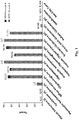
- hotspots we found that the degree to which these mutations co-occur or occur exclusively defines glioma subtypes: e.g., IDH1 / 2 mutations occur in >50% of secondary GBMs but are infrequent in primary GBMs ( ⁇ 5%) ( Fig. 1 ), while TERT promoter mutations are found in >80% of primary GBMs as well as in >70% of oligodendrogliomas ( Fig. 2 ).
- glioma established by TERT / IDH status effectively stratifies glioma patients into subtypes with distinct prognoses, more effectively than by histology alone, providing physicians with an objective test to guide more appropriate treatment ( Fig. 3 ).
- OS overall survival
- IDH1 / 2 mutations exhibit a median OS of 125 months.
- IDH1 and IDH2 mutations have been found in high frequencies in other types of cancers as well, including chondrosarcoma (56%) 12 , enchondroma (87%), spindle cell hemangioma (70%) 13,14 , acute myeloid leukemia (15%) 15 , and cholangiocarcinoma of intrahepatic origin (22-28%) 16 .
- glioma subtype-specific and highly recurrent mutations call for diagnostic assays that are able to rapidly, sensitively, and specifically detect these mutations in IDH1 / 2 and the TERT promoter.
- diagnostic assays would aid neuropathologists in these challenging diagnoses, provide patients with more precise prognostic information, and allow physicians to tailor therapy to a patient tumor's unique molecular signature.
- a diagnostic tool would assist in rapid and sensitive detection of these mutations also.
- CN103571953A ; CN103923976A ; Labussiere et al., Neurobiology, 1200-1206, 2014 ; and Catteau et al., Acta Neuropathologica Communications, 2, 58, 2014 disclose the detection of various TERT and IDH1/2 mutations. However, there is no disclosure of the detection of a mutation of the TERT promoter nucleotide 228 sequence.
- the invention provides a method for testing a body sample of a human with a tumor, as defined in the appended claims.
- Tumor DNA of a body sample of the human is amplified with a set of amplification primers.
- Each amplification primer comprises a sequence selected from SEQ ID NO: 1-14.
- Amplification products comprising TERT promoter and IDH1 and IDH2 sequences are thereby generated. Thereafter, the amplification products are detected.
- the inventors have developed a highly sensitive quantitative PCR (qPCR)-based assay that can detect the TERT promoter, IDH1 / 2 hotspot mutations swiftly, specifically, and sensitively.
- This qPCR-based diagnostic assay can detect mutant DNA in high backgrounds of normal DNA, such as when the mutant DNA is as low as 0.1% mutant alleles. This is a 200-fold higher sensitivity than traditional methods based on Sanger sequencing.
- detection limits are similar to other expensive, time consuming and complex techniques such as BEAMing, however the qPCR assay can be done in a matter of a few hours, requiring a single PCR step. Due to this assay's sensitivity, it permits detecting mutations in circulating tumor DNA (ctDNA).
- ctDNAs are often found in very limited amounts in the blood, urine, and CSF of cancer patients, but hold the promise of being used as a "liquid biopsy," through which patients can be diagnosed without surgical intervention. Tumor recurrence or drug resistance development can be monitored by examining these body fluids.
- the assay is not limited to using body fluids, however, and can similarly be used on more traditional tissue and biopsy samples.
- This technology can be applied to detect hotspot mutations in IDH1, IDH2, TERT promoter mutations in DNA extracted from tumor tissues as well as from "liquid biopsy” samples, including DNA extracted from CSF, plasma, serum, urine, and other body fluids. Further, the identification of these mutations is relevant not only to brain tumors, but also to many other tumor types in which these mutations are frequent, including liver and bladder cancer, skin cancers (melanoma, squamous and basal cell carcinoma), acute myeloid leukemia, cholangiocarcinoma, soft tissue tumors (echondroma, chondrosarcoma, spindle cell hemangioma, myxoid liposarcoma, atypical fibroxanthoma, myxoid liposarcoma) and thyroid cancer.
- liver and bladder cancer skin cancers (melanoma, squamous and basal cell carcinoma), acute myeloid leukemia, cholangiocarcinoma, soft tissue tumors (echond
- Body samples can be any convenient and expendable part of the body which contains tumor DNA.
- This may be a tumor tissue, margin tissue, biopsy sample, metastatic sample, lymph, cerebra spinal fluid, blood, including serum or plasma, urine saliva, mucus, and tears. Other fluids which drain a particular organ containing a tumor may also be sampled and tested.
- the DNA may be tested in the body sample, or it can be extracted using techniques known in the art.
- the DNA may be pre-amplified prior to the amplification to test for a mutation in TERT promoter, IDH1, and IDH2.
- the DNA may be depleted of extraneous sequences to render the target sequences a larger proportion of the analyte.
- the DNA that is tested may be genomic DNA, including without limitation mitochondrial DNA, amplified DNA, and cDNA.
- amplification cycles may be conducted at a higher temperature that is customary for PCR, to introduce a higher level of stringency and specificity.
- Higher temperatures may be at least 66°C, at least 67°C, at least 68 °C, at least 69°C, at least 70°C, at least 71°C, at least 72°C, at least 73°C, at least 74°C, or at least 75°C, for example.
- Low temperature amplification cycles can be used after initial higher temperature cycles.
- Low temperature cycles may be conducted at 60 degrees, at less than 60°C, at less than 59°C, at less than 58 °C, at less than 57°C, at less than 56°C, at less than 55°C, at less than 54°C, at less than 53°C, at less than 52°C, or at less than 51°C, for example.
- Multiplex reactions can be used in the assays if convenient in the particular setting. In a multiplex setting more than one set of primer pairs is used simultaneously in the same reaction mixture. In some cases it may be preferable to separate amplifications so that the reactions have less complexity, using fewer primer pairs, or even using a single primer pair.
- single reactions of the assay may use primer trios, e.g., having wild-type and mutant specific primers and a common primer. This can be considered a single reaction, rather than a multiplex for multiple different genomic segments.
- LNA-modified nucleotides in the assays are typically used at the 3' end of primers to enhance specificity.
- the primers can also have additional sequences that are not complementary to the target genomic segments.
- the additional sequences or tags can be used for convenience of assaying. As an example, and as discussed below, M13 sequences are added to the 5' end of the primers to facilitate sequencing of the amplicons formed using the primers.
- Tag sequences can be used as hybridization tags for identifying and/or quantifying. Tag sequences can be used for any additional functionality or for no functionality. Additional nucleotides complementary to the target can also be added to the 5' end of the primers with minimal effect on sensitivity.
- High fidelity polymerases may be used to contribute to the accuracy of the amplification reactions. Many such polymerases are known in the art and can be selected by the skilled artisan. Exemplary DNA polymerases include FideliTaq TM DNA polymerase, Easy-A TM High-Fidelity PCR Cloning Enzyme, Herculase ® II Fusion DNA Polymerase, Herculase ® Enhanced DNA Polymerase, PfuUltra TM High-fidelity DNA Polymerase, ACCUZYME TM DNA Polymerase, VELOCITY TM DNA Polymerase, Vent TM (exo-) DNA Polymerase, KAPA HiFi HotStart TM DNA polymerase, and Pfx50 TM DNA Polymerase.
- FideliTaq TM DNA polymerase Easy-A TM High-Fidelity PCR Cloning Enzyme
- Herculase ® II Fusion DNA Polymerase Herculase ® Enhanced DNA Polymerase
- the assay can be done on the complementary strand to detect the complementary nucleotides of the named mutations on the sense strand.
- Allele-specific PCR is a form of DNA template amplification used for selective amplification of template containing a variation of interest and thus a method for SNP genotyping 18 .
- Most methods rely on discriminating primers that have higher complementarity to a target sequence with the genotype of interest. This is most often done by forcing the primer's 3' to be at the location of the mutation and complementary only to the target variant or wild type nucleotide. In this way, PCR efficiency is reduced when the primer binds to non-target alleles, delivering selective amplification ( Figure 6 ).
- LNA locked nucleic acids
- This platform has been employed for allele discrimination in the context of identification of bacterial species 20 , cystic fibrosis genetic alterations 19 , BRAF mutations 21 , HBV drug resistance mutations 22 , mitochondrial mutations (in MELAS and NARP) 23 , among other applications.
- TERT promoter IDH1 Pre-amplification of TERT promoter IDH1: R132 Primer 1 Primer 2 Target size Amplicon size ⁇ Purpose IDH1 R132 AS LNA WT or R132H AS LNA MUT IDH1 R132 Common 80 bp 98 bp WT/MUT R132 Detection IDH1 R132 Common 2 IDH1 R132 Common 102 bp 138 bp IDH1 exon 4 copy number/normalization. Pre-amplification of IDH1.
- IDH2 R172 Primer 1 Primer 2 Taget size Amplicon size ⁇ Purpose IDH2 R172 AS LNA WT or R172K AS LNA MUT IDH2 R172 Common 72 bp 90 bp WT/MUT R172 Detection IDH2 R172 Common 2 IDH2 R172 Common 77 bp 113 bp IDH2 exon 4 copy number/normalization . Pre-amplification of IDH2. ⁇ Note target regions amplified are 18 bp shorter for AS amplicons and 36 bp shorter for non-AS amplicons due to M13 sequence tags added
- the PCR program and reagents efficiently amplify the TERT promoter and IDH1 / 2 exon 4 both in an allele-specific and non-AS fashion and in two different contexts: (1) PCR of genomic DNA and (2) nested PCR of pre-amplified genomic DNA.
- the first program is recommended for applications in which mutation status is needed rapidly and there is sufficient sample to perform PCR with replicates.
- the second program is recommended for applications in which there is limited DNA or the DNA is of poor quality.
- the amplification program we employ uses an initial phase of amplification at a high annealing temperature ( ⁇ 66 0 C) followed by a second phase of amplification at a lower annealing temperature ( ⁇ 60 0 C).
- the reaction conditions for this PCR are shown in Table 4. Many GC-rich kits and other polymerases were used and had difficulties in particular with the TERT promoter.
- the read out for our assay is a SYBR green signal, using the KAPA SYBR Fast 2X MasterMix (KK4600, Boston, MA, USA).
- the primer concentration has been varied and works across a large range of concentrations. Additionally, input >50 ng can be used, but begins to inhibit the reaction.
- a second approach for mutation detection is a nested qPCR approach that works very well for: low quality samples (i.e., ctDNA, FFPE gDNA), and samples of low analyte quantity that are insufficient for necessary replicates ( i . e ., fine needle biopsies).
- This nested qPCR assay also has highly reliable quantification as PCR inhibition and differences in primer efficiencies are much less significant in a nested PCR context.
- the locus of interest is amplified with a non-biased (NB) primer set in TERT promoter, IDH1 , or IDH2 , or all three in a multiplex fashion, using a high fidelity enzyme for limited cycle number ( ⁇ 20 cycles) at a high annealing temperature ( ⁇ 66 0 C) (Table 5,6).
- NB non-biased
- the resulting PCR product is purified (either using column-based or bead-based approach) and diluted (usually 1:1000) and serves as the template for the next round of amplification, which is using the allele-specific LNA-modified primers described above.
- the nested PCR is performed at an annealing temperature ⁇ 66 ⁇ C as this offers the highest discrimination (Table 7, 8).
- TERT probe /56FAM/CGGGTCCCC/ZEN/GGCCCAGC/3IaBkFQ/ (SEQ ID NO: 22-23); IDH1 probe: /56-FAM/ATGACTTAC/ZEN/TTGATCCCCATAAGCATGA/3IABkFQ/ (SEQ ID NO: 24-25 ).
- the TERT probe is designed in the common region between C228T and C250T, whereas the IDH1 probe is designed in the region between the allele-specific primer and the common primer, and as such can be used for all allele-specific IDH reactions (R132S, C, L, G and H).
- This information can be used to normalize the Ct value from allele-specific PCR amplifying the WT or MUT allele and provide a quantitative readout of the mutant allele fraction, enabling cross comparison of samples. As is mentioned in section E, this is not necessary if samples are all at identical concentrations. In addition to this, a number of standardized samples are run alongside tested samples for the purpose of validation, including samples such as: 50% mutant sample (positive control), 1% mutant sample (low mutation positive control), 0% wildtype sample (negative control), and a no template control. These standards were generated by isolation of genomic DNA (gDNA) from cell lines with known TERT / IDH status.
- gDNA genomic DNA
- gDNA from the following cell lines: DAOY (C228T), A375 (C250T), HCT116 (wildtype) and HCT116 IDH1 R132H knockin #2 (IDH1 R132H). Dilution of these samples with gDNA wildtype at the target locus yields the 1% and lower standards needed.
- Another source of standard is plasmid DNA with the target mutations, which we have generated as "100% standards" using TOPO cloning (K4810-01, Life technologies). We used inserts generated by PCR amplification of a portion of the TERT promoter/IDH1/2 from tumor samples with the mutations of interest.
- Each primer set is run in triplicate on the samples.
- An example run for detecting the mutant alleles for TERT and IDH1 i.e., the most common glioma-related mutations is using the following primer sets in Table 9.
- the wildtype AS primer sets can also be used as an alternative to the non-biased (NB) amplicons for more accurate quantification. Primers for non-biased amplicons show no specificity for a particular allele (mutant or wild type) and should amplify both types of alleles equally. Table 9.
- Primer combinations for testing for TERT promoter C228T, C250T and IDH1 R132H Primer combination Forward Primer Name Reverse Primer Name Purpose TERT AS 228 MUT TERT C228T AS LNA MUT TERT C228 Common TERT promoter C228T detection and quantification TERT AS 250 MUT TERT C250T AS LNA MUT TERT C250 Common 2 TERT promoter C250T detection and quantification TERT NB TERT C228 Common TERT C250 Common 2 Reference for copy number at TERT promoter locus IDH1 R132H AS MUT IDH1 R132H AS LNA MUT IDH1 R132 Common IDH1 R132H detection and quantification IDH1 NB IDH1 R132 Common IDH1 R132 Common 2 Reference for copy number at IDH1 hlinel hlinel forward hlinel reverse Reference for copy number using linel elements, do not use with nesting
- heterozygote calibrator was designed to serve as a 50% mutation/50% WT sample, as dilutions can only approximate relative ratios of mutant and wildtype allele fractions. This standard works best as a standard for the nested PCR approach mentioned previously.
- a heterozygous calibrator plasmid has been previously generated for single mutations, such as BRAF V600E mutation 32 , however here we made a single calibrator for multiple mutations: IDH1 R132H and TERT C228T/C250T, greatly facilitating quantification and workflow ( Figure 7 ).
- the two target regions are separated by > 3100 bp and the respective mutations are roughly equidistant from each other to ensure limited primer interference.
- the triplicate Ct values are averaged for each primer set and normalized by primer efficiency values.
- the average Ct value for the AS mutant primers are then normalized by the average Ct value for the respective common (NB) primer set.
- E AS refers to the efficiency of the AS mutant primer combination
- control refers to the mean Ct value for the positive control of known mutation percentage (in this case 50%)
- sample refers to the mean Ct value for the sample being assessed.
- the same information is in the denominator, but all with reference to the apporopriate NB primer set being used for normalization (e.g., TERT common, IDH1 common, line1).
Landscapes
- Chemical & Material Sciences (AREA)
- Life Sciences & Earth Sciences (AREA)
- Health & Medical Sciences (AREA)
- Organic Chemistry (AREA)
- Proteomics, Peptides & Aminoacids (AREA)
- Engineering & Computer Science (AREA)
- Immunology (AREA)
- Pathology (AREA)
- Analytical Chemistry (AREA)
- Zoology (AREA)
- Genetics & Genomics (AREA)
- Wood Science & Technology (AREA)
- Physics & Mathematics (AREA)
- Biotechnology (AREA)
- Microbiology (AREA)
- Molecular Biology (AREA)
- Hospice & Palliative Care (AREA)
- Biophysics (AREA)
- Oncology (AREA)
- Biochemistry (AREA)
- Bioinformatics & Cheminformatics (AREA)
- General Engineering & Computer Science (AREA)
- General Health & Medical Sciences (AREA)
- Measuring Or Testing Involving Enzymes Or Micro-Organisms (AREA)
Description
- This invention is related to the area of genetic and biochemical assays. In particular, it relates to assays of neoplastic samples and their components.
- Malignant gliomas are the most common primary central nervous system (CNS) malignancy in adults, responsible for >14,000 deaths in the U.S. in 2012 2. The World Health Organization (WHO) has established a number of histologic and clinical criteria used for classifying gliomas into various subtypes and grading them I to IV, indicating their degree of malignancy. Diffuse gliomas (WHO grade II-IV), which include astrocytomas, oligodendrogliomas, oligoastrocytomas, and glioblastomas (GBM)3 are of particular clinical importance as they account for 80% of all primary malignant brain tumors. These tumors are diffusely infiltrative, which makes curative surgical resection impossible. Additionally, grade II-III diffuse gliomas also have the ability to progress to higher WHO grade IV GBM. GBM is the most common malignant brain tumor in adults and has the worst survival (median overall survival 12-15 months)4. Additionally, even among entities with identical histology, patient outcome can vary substantially. This is best exhibited by primary GBM, which occurs de novo as compared to secondary GBM, which progresses from lower grades. Both tumors histologically are indistinguishable, but genetically and clinically these diseases are distinct, as the survival of patients with secondary GBM is almost double that of primary GBM5.
- Accurate diagnosis of diffuse glioma is particularly challenging due to heterogeneity, invasiveness, reactive parenchyma, and ambiguity among morphologic features. These diagnostic challenges are reflected by the high degree of inter-observer variability seen in clinical use of these criteria. In a study of 244 gliomas reviewed independently by four neuropathologists, concordance rates were as low as 52%6. Accurate diagnosis of diffuse glioma is critically important for clinical decision-making for patients. This diagnosis determines the treatment regimen, and particular subtypes are known to show increased treatment response to particular chemotherapies (e.g., procarbazine, CCNU, and vincristine for oligodendroglioma treatment). Additionally, histologic subtype dictates patient prognosis. Objective, tumor specific markers are clearly needed for more accurate diagnosis, prognosis and delivery of personalized care to glioma patients.
- To address these needs, large-scale sequencing studies have profiled the genetic alterations found in diffuse glioma. Many alterations were noted, such as frequent mutations in
isocitrate dehydrogenase 1 and 2 (IDH1/2) 1, the promoter of telomerase reverse transcriptase (TERT) 7, alpha thalassemia mental retardation syndrome X-linked (ATRX)8,9, homolog of Drosophila capicua (CIC), far upstream element binding protein 1 (FUBP1)10, among others. These findings have helped to establish clear objective molecular subtypes of glioma. In terms of relevance to diagnosis, alterations in the TERT promoter and IDH1/2 are the most promising due in large part to their frequency and their occurrence as single nucleotide substitutions at specific genomic loci ("hotspots"). In diffuse glioma, we found that the degree to which these mutations co-occur or occur exclusively defines glioma subtypes: e.g., IDH1/2 mutations occur in >50% of secondary GBMs but are infrequent in primary GBMs (<5%) (Fig. 1 ), while TERT promoter mutations are found in >80% of primary GBMs as well as in >70% of oligodendrogliomas (Fig. 2 ). Furthermore, we found that the genetic subtypes of glioma established by TERT/IDH status effectively stratifies glioma patients into subtypes with distinct prognoses, more effectively than by histology alone, providing physicians with an objective test to guide more appropriate treatment (Fig. 3 ). For example, patients with gliomas harboring TERT promoter mutations have median overall survival (OS) of 11.5 months, while those with both TERT promoter and IDH1/2 mutations exhibit a median OS of 125 months. Additionally, our studies have revealed that the "mixed histology" oligoastrocytomas, which likely reflect the ambiguity of histologic classification most, genetically stratify into either a astrocytic (TERTWTIDHMUT) or oligodendroglial (TERTMUTIDHMUT) signature (Fig. 3 ). We have expanded our study of these mutations to a number of other tumor types and found that TERT promoter mutations are also frequent in other cancers, most notably liver cancer (44.2%), bladder cancer (66%), myxoid liposarcoma (79.1%), and medulloblastoma (21%), in which early diagnosis, recurrence and therapeutic response monitoring is critical7,11. (Fig. 2 ) Similarly, IDH1 and IDH2 mutations have been found in high frequencies in other types of cancers as well, including chondrosarcoma (56%)12, enchondroma (87%), spindle cell hemangioma (70%)13,14, acute myeloid leukemia (15%)15, and cholangiocarcinoma of intrahepatic origin (22-28%)16. - These glioma subtype-specific and highly recurrent mutations call for diagnostic assays that are able to rapidly, sensitively, and specifically detect these mutations in IDH1/2 and the TERT promoter. Such a tool would aid neuropathologists in these challenging diagnoses, provide patients with more precise prognostic information, and allow physicians to tailor therapy to a patient tumor's unique molecular signature. Additionally, for the many other aforementioned cancer types with frequent mutations in IDH1/2 and the TERT promoter at these loci, such a diagnostic tool would assist in rapid and sensitive detection of these mutations also.
-
CN103571953A ;CN103923976A ; Labussiere et al., Neurobiology, 1200-1206, 2014; and Catteau et al., Acta Neuropathologica Communications, 2, 58, 2014 disclose the detection of various TERT and IDH1/2 mutations. However, there is no disclosure of the detection of a mutation of the TERT promoter nucleotide 228 sequence. - Current diagnostic efforts for mutation detection are based on Sanger sequencing, which is time-consuming, costly, and most importantly is limited by poor sensitivity (limit of detection ~20% mutant alleles)17. Samples of low tumor percentage (<40% tumor, for heterozygous mutations implies <20% mutant alleles) can be misdiagnosed as lacking mutations due to limited sensitivity (
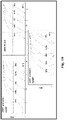
Figure 4 ,5 ). Such scenarios of low tumor percentage are very realistic in the context of diffuse glioma and other malignancies. In addition to the inherent heterogeneity and invasive nature of diffuse glioma, tumor biopsies can contain minimal tumor tissue, leading to poor sampling. Necrosis is a feature common to many cancers that can also limit usable tissue. These limitations have significant diagnostic and prognostic implications and can result in misguided therapy, making them inadequate for clinical use. - There is a continuing need in the field to make clinical analyses faster, more sensitive, and more specific.
- The invention provides a method for testing a body sample of a human with a tumor, as defined in the appended claims. Tumor DNA of a body sample of the human is amplified with a set of amplification primers. Each amplification primer comprises a sequence selected from SEQ ID NO: 1-14. Amplification products comprising TERT promoter and IDH1 and IDH2 sequences are thereby generated. Thereafter, the amplification products are detected.
- These and other embodiments which will be apparent to those of skill in the art upon reading the specification provide the art with assays which are robust, rapid, and reproducible.
-
-
FIG. 1 . Mutations in IDH1 and IDH2 across different tumor types. IDH1 and IDH2 mutations occur frequently in diffuse glioma (WHO grade II-III) and secondary GBM (WHO grade IV).1 -
FIG. 2 . Frequency of TERT promoter mutations across a large panel of tumor subtypes.7 -
FIG. 3 . TERT/IDH based genetic classification for diffuse glioma. The predominant genetic signatures include: TERTMUTIDHMUT, made up primarily of histologic oligodendrogliomas; TERTWTIDHMUT, made up of progressive astrocytomas; TERTMUTIDHWT, made up of primary GBMs; and TERTWTIDHWT, made up of GBMs. Red indicates TERT promoter mutation at either C228T or C250T; Green indicates mutation at either R132 of IDH1 or R172 of IDH2. -
FIG. 4 . Potential issues with sampling tissue from cancer patients. False negatives can result from low percentages of tumor cells in a background of normal tissue or from a subclonal tumor cell population in a background of other cancer cells. -
FIG. 5 . Sanger sequencing chromatograms on dilutions of genomic DNA with specified mutation. At <20% mutant allele fraction, the peak for the mutant allele becomes indistinguishable from background, limiting use of this approach for clinical samples, in particular for diffuse glioma which is heterogeneous and invasive. -
FIG. 6 is a schematic showing the overview of allele-specific qPCR using LNA primers. -
FIG. 7 is a schematic drawing showing TERT promoter C228/C250T and IDH1 R132H heterozygous calibrator plasmid based on PGL3-enh vector. TERT C228T, C250T and IDH1 R132H are present in ratios of 50% in each plasmid, with 300 bp of each target cloned into pGL3-enh plasmid. Loci are distanced 3kb from each other to limit cross reactivity of primers. Additional genetic loci of interest can be added alongside these segments to generate reproducible mutant allele fractions of mutations. -
FIG. 8 . Detailed schematic of TERT promoter C228T/C250T and IDH1 R132H heterozygous calibrator plasmid, cloned into sites ~3kb away from each other in pgl3-enh vector -
FIG. 9 . Dilution of target mutation to varying mutant allele fractions (10%, 1%, 0.1%). Across these ranges, the allele-specific assays show excellent linearity (R2>0.994). -
FIG. 10 . TERT/IDH Allele-specific LNA qPCR test detects 0.1% mutant allele fraction (-15 mutant copies). -
FIG. 11 . TERT/IDH Allele-specific LNA qPCR in nested format retains high discrimination, while using only 50 ng of gDNA pre-amplified as a template. - The inventors have developed a highly sensitive quantitative PCR (qPCR)-based assay that can detect the TERT promoter, IDH1/2 hotspot mutations swiftly, specifically, and sensitively. This qPCR-based diagnostic assay can detect mutant DNA in high backgrounds of normal DNA, such as when the mutant DNA is as low as 0.1% mutant alleles. This is a 200-fold higher sensitivity than traditional methods based on Sanger sequencing. Such detection limits are similar to other expensive, time consuming and complex techniques such as BEAMing, however the qPCR assay can be done in a matter of a few hours, requiring a single PCR step. Due to this assay's sensitivity, it permits detecting mutations in circulating tumor DNA (ctDNA). ctDNAs are often found in very limited amounts in the blood, urine, and CSF of cancer patients, but hold the promise of being used as a "liquid biopsy," through which patients can be diagnosed without surgical intervention. Tumor recurrence or drug resistance development can be monitored by examining these body fluids. The assay is not limited to using body fluids, however, and can similarly be used on more traditional tissue and biopsy samples.
- This technology can be applied to detect hotspot mutations in IDH1, IDH2, TERT promoter mutations in DNA extracted from tumor tissues as well as from "liquid biopsy" samples, including DNA extracted from CSF, plasma, serum, urine, and other body fluids. Further, the identification of these mutations is relevant not only to brain tumors, but also to many other tumor types in which these mutations are frequent, including liver and bladder cancer, skin cancers (melanoma, squamous and basal cell carcinoma), acute myeloid leukemia, cholangiocarcinoma, soft tissue tumors (echondroma, chondrosarcoma, spindle cell hemangioma, myxoid liposarcoma, atypical fibroxanthoma, myxoid liposarcoma) and thyroid cancer.
- Body samples can be any convenient and expendable part of the body which contains tumor DNA. This may be a tumor tissue, margin tissue, biopsy sample, metastatic sample, lymph, cerebra spinal fluid, blood, including serum or plasma, urine saliva, mucus, and tears. Other fluids which drain a particular organ containing a tumor may also be sampled and tested. The DNA may be tested in the body sample, or it can be extracted using techniques known in the art. The DNA may be pre-amplified prior to the amplification to test for a mutation in TERT promoter, IDH1, and IDH2. The DNA may be depleted of extraneous sequences to render the target sequences a larger proportion of the analyte. The DNA that is tested may be genomic DNA, including without limitation mitochondrial DNA, amplified DNA, and cDNA.
- As part of the assay, amplification cycles may be conducted at a higher temperature that is customary for PCR, to introduce a higher level of stringency and specificity. Higher temperatures may be at least 66°C, at least 67°C, at least 68 °C, at least 69°C, at least 70°C, at least 71°C, at least 72°C, at least 73°C, at least 74°C, or at least 75°C, for example. Similarly, it may be desirable to conduct the pre-amplification step, if used, at such an elevated temperature. Low temperature amplification cycles can be used after initial higher temperature cycles. Low temperature cycles may be conducted at 60 degrees, at less than 60°C, at less than 59°C, at less than 58 °C, at less than 57°C, at less than 56°C, at less than 55°C, at less than 54°C, at less than 53°C, at less than 52°C, or at less than 51°C, for example.
- Multiplex reactions can be used in the assays if convenient in the particular setting. In a multiplex setting more than one set of primer pairs is used simultaneously in the same reaction mixture. In some cases it may be preferable to separate amplifications so that the reactions have less complexity, using fewer primer pairs, or even using a single primer pair. As described below, single reactions of the assay may use primer trios, e.g., having wild-type and mutant specific primers and a common primer. This can be considered a single reaction, rather than a multiplex for multiple different genomic segments.
- LNA-modified nucleotides in the assays are typically used at the 3' end of primers to enhance specificity. The primers can also have additional sequences that are not complementary to the target genomic segments. The additional sequences or tags, can be used for convenience of assaying. As an example, and as discussed below, M13 sequences are added to the 5' end of the primers to facilitate sequencing of the amplicons formed using the primers. Tag sequences can be used as hybridization tags for identifying and/or quantifying. Tag sequences can be used for any additional functionality or for no functionality. Additional nucleotides complementary to the target can also be added to the 5' end of the primers with minimal effect on sensitivity.
- High fidelity polymerases may be used to contribute to the accuracy of the amplification reactions. Many such polymerases are known in the art and can be selected by the skilled artisan. Exemplary DNA polymerases include FideliTaq™ DNA polymerase, Easy-A™ High-Fidelity PCR Cloning Enzyme, Herculase® II Fusion DNA Polymerase, Herculase® Enhanced DNA Polymerase, PfuUltra™ High-fidelity DNA Polymerase, ACCUZYME™ DNA Polymerase, VELOCITY™ DNA Polymerase, Vent™ (exo-) DNA Polymerase, KAPA HiFi HotStart™ DNA polymerase, and Pfx50 ™ DNA Polymerase.
- While the mutations that are the targets of the assays are referred to as TERT C228T and C250T, the complement of these designations can also be assayed at the same position to assess the complementary nucleotides. Similarly for IDH1/IDH2 although R132 and R172 are mentioned throughout, the assay can be done on the complementary strand to detect the complementary nucleotides of the named mutations on the sense strand.
- The above disclosure generally describes the present invention. All references disclosed herein are expressly incorporated by reference. A more complete understanding can be obtained by reference to the following specific examples which are provided herein for purposes of illustration only, and are not intended to limit the scope of the invention.
- Allele-specific PCR is a form of DNA template amplification used for selective amplification of template containing a variation of interest and thus a method for SNP genotyping18. Most methods rely on discriminating primers that have higher complementarity to a target sequence with the genotype of interest. This is most often done by forcing the primer's 3' to be at the location of the mutation and complementary only to the target variant or wild type nucleotide. In this way, PCR efficiency is reduced when the primer binds to non-target alleles, delivering selective amplification (
Figure 6 ). - A major advance in this area has been the use of an alternate nucleic acid at the 3' end of these allele-specific primers known as locked nucleic acids (LNA). LNA is a nucleic acid analog with a methylene bridge between the 2'-O and 4'-C of a nucleic acid, which generates a bicyclic structure that locks the ribose moiety into a C3'-end conformation. This confirmation increases the Tm when the LNA base hybridizes with its complement, greatly increasing the specificity of the primer for its target mutation or single nucleotide polymorphism (most sources measure at least 9 cycle greater difference LNA vs. DNA)19. This platform has been employed for allele discrimination in the context of identification of bacterial species20, cystic fibrosis genetic alterations19, BRAF mutations21, HBV drug resistance mutations22, mitochondrial mutations (in MELAS and NARP) 23, among other applications.
- Although other approaches have been used for detecting mutations in the TERT promoter and IDH1/2 as alternatives to Sanger sequencing, including TaqMan LNA probes24, High Resolution Melting Curve Analysis (traditional25 and FRET-based26), SNaPshot27,28, pyrosequencing29, COLD PCR HRM30, and SafeSeq31, these techniques are either resource intensive or lack sensitivity and therefore are not practical as true clinical diagnostics.
- We have designed and tested a number of allele-specific primers for use as diagnostics for detection of the most frequent mutations in both the TERT promoter and IDH1/2 as well as their non-allele specific opposing primers needed for amplification (Table 1A). Of note, to establish these high performance, allele-specific (AS) primers we have designed over 10 different candidate AS primers which have varying length, forced mismatches introduced (3'-1 and -2 positions), and varied position of the LNA in an attempt to improve the discrimination of these primers. To test this discrimination ability, we used standard dilutions of tumor DNA in a background of normal DNA down to 15 copies or 0.1% and assessed the primers with the greatest ΔCt on qPCR while still producing a specific product. In addition, we have tested over 20 different candidate opposing primers again to produce a PCR product without background that specifically amplifies this region of the TERT promoter and that generates a small enough amplicon (<160 bp) capable of amplifying fragmented DNA sources (i.e., formaldehyde fixed paraffin embedded (FFPE), ctDNA). Other opposing primers also work with the candidate AS primers, however we have selected the smallest amplicons to facilitate qPCR (Table 1,2). Finally we have also developed similar allele-specific primers for the extremely rare IDH1 R132 mutations R132C,G,S,L) and IDH2 R172 mutations (R172M,W,G) however although these can be used, for application in glioma, the IDH1 R132H primer set is of most use.
Table 1A: High performance allele-specific primers for detection and quantification of most common TERT promoter (C228T, C250T), IDH1 (R132H), and IDH2 (R172K) hotspot mutations (∗Note: + indicates). M13 tags (TGTAAAACGACGGCCAGT; SEQ ID NO: 28 ) and CAG GAA ACA GCT ATG ACC; SEQ ID NO: 29) were added to the 5' end of the common primers to facilitate sequencing. SEQ ID NO: Primer Sequence (5' -> 3') Lenght 1 TERT C228 AS LNA WT CTGGGAGGGCCCGGA+ G 16 2 TERT C228T AS LNA MUT CTGGGAGGGCCCGGA+A 16 3 TERT C228 Common GTCCTGCCCCTTCACCTTC 19 4 TERT C250 AS LNA WT CCCGTCCCGACCCCT+ C 16 5 TERT C250T AS LNA MUT CCCGTCCCGACCCCT+ T 16 6 TERT C250 Common 2CAGCGCTGCCTGAAACTC 18 7 IDH1 R132 AS LNA WT GGGTAAAACCTATCATCATAGGTC+ G 25 8 IDH1 R132H AS LNA MUT GGGTAAAACCTATCATCATAGGTC+A 25 9 IDH1 R132 Common AACATGCAAAATCACATTATTGCC 24 10 IDH1 R132 Common 2ATCCCCCGGCTTGTGAGT 18 11 IDH2 R172 AS LNA WT AAGCCCATCACCATTGGCA+ G 20 12 IDH2 R172K AS LNA MUT AAGCCCATCACCATTGGCA+A 20 13 IDH2 R172 Common AGGTCAGTGGATCCCCTCTC 20 14 IDH2 R172 Common 2GGACCAAGCCCATCACCATT 20 Table 1B: High performance allele-specific primers for detection of rare IDH1 and IDH2 mutations (note these primer sets use the same opposing Common primers as in 1A). SEQ ID NO: Primer Name Primer Sequence (5' -> 3') Lenght 15 IDH1 R132C AS LNA MUT GGGTAAAACCTATCATCATAGGT+ T 24 16 IDH1 R132G AS LNA MUT GGGTAAAACCTATCATCATAGGT+ G 24 17 IDH1 R132S AS LNA MUT GGGTAAAACCTATCATCATAGGT+A 24 18 IDH1 R132L AS LNA MUT GGGTAAAACCTATCATCATAGGTC+ T 25 19 IDH2 R172M AS LNA MUT AAGCCCATCACCATTGGCA+ T 20 20 IDH2 R172W AS LNA MUT AAGCCCATCACCATTGGC+G 19 21 IDH2 R172G AS LNA MUT AAGCCCATCACCATTGGC+T 19 Table 2: Primer sets for allele-specific qPCR assay for genotyping the TERT promoter and IDH1/2 TERT: C228 and C250 Primer 1 Primer 2Target size Amplicon size∗ Purpose TERT C228 AS LNA WT or C228T AS LNA MUT TERT C228 Common 101 bp 119 bp WT/MUT TERT C228 Detection TERT C250 AS LNA WT or C250T AS LNA MUT TERT C250 Common 2115 bp 133 bp WT/MUT TERT C250 Detection TERT C228 Common TERT C250 Common 2163 bp 199 bp TERT promoter copy number/normalization. Pre-amplification of TERT promoter IDH1: R132 Primer 1 Primer 2Target size Amplicon size∗ Purpose IDH1 R132 AS LNA WT or R132H AS LNA MUT IDH1 R132 Common 80 bp 98 bp WT/MUT R132 Detection IDH1 R132 Common 2IDH1 R132 Common 102 bp 138 bp IDH1 exon 4 copy number/normalization. Pre-amplification of IDH1. IDH2: R172 Primer 1 Primer 2Taget size Amplicon size∗ Purpose IDH2 R172 AS LNA WT or R172K AS LNA MUT IDH2 R172 Common 72 bp 90 bp WT/MUT R172 Detection IDH2 R172 Common 2IDH2 R172 Common 77 bp 113 bp IDH2 exon 4 copy number/normalization. Pre-amplification of IDH2. ∗Note target regions amplified are 18 bp shorter for AS amplicons and 36 bp shorter for non-AS amplicons due to M13 sequence tags added - The PCR program and reagents efficiently amplify the TERT promoter and IDH1/2 exon 4 both in an allele-specific and non-AS fashion and in two different contexts: (1) PCR of genomic DNA and (2) nested PCR of pre-amplified genomic DNA. For applications in which mutation status is needed rapidly and there is sufficient sample to perform PCR with replicates, the first program is recommended. For applications in which there is limited DNA or the DNA is of poor quality, the second program is recommended.
- It is challenging to create a PCR program to allow for efficient allele-specific PCR in particular because of the limitation in location of the primers. The TERT promoter is notoriously challenging to amplify due to its high GC content (> 80% through the region of interest and 88% in the stretch from C228 to C250) and repetitive sequence (10 runs of 4G's in the region of interest). For maximum discrimination between wildtype and mutant alleles, the amplification program we employ uses an initial phase of amplification at a high annealing temperature (≥660C) followed by a second phase of amplification at a lower annealing temperature (≤600C). This program on our thermocycler with
ramp rate 5°C/sec, takes < 1 hour excluding the melt curve (Table 3). This can be adjusted with shorter denaturation with higher temperature (e.g., 1 min at 98°C) and shorter annealing times to facilitate even more rapid detection, which may be applicable in scenarios of intraoperative diagnosis. We have also used traditional single annealing temperature programs, which work best at higher annealing tepmeratures (≥660C), but they are less sensitive. Below we have listed the program for maximum discrimination that works best for all primer sets. Allele-specific (AS) primers were purchased from Exiqon (Woburn, MA, USA) as custom oligonucleotides that had been subjected to dual HPLC purification. Non-AS primers were purchased from IDT (Coralville, Iowa, USA) as custom oligonucleotides with standard purification

- The reaction conditions for this PCR are shown in Table 4. Many GC-rich kits and other polymerases were used and had difficulties in particular with the TERT promoter. The read out for our assay is a SYBR green signal, using the KAPA SYBR Fast 2X MasterMix (KK4600, Boston, MA, USA). The primer concentration has been varied and works across a large range of concentrations. Additionally, input >50 ng can be used, but begins to inhibit the reaction.

- A second approach for mutation detection is a nested qPCR approach that works very well for: low quality samples (i.e., ctDNA, FFPE gDNA), and samples of low analyte quantity that are insufficient for necessary replicates (i.e., fine needle biopsies). This nested qPCR assay also has highly reliable quantification as PCR inhibition and differences in primer efficiencies are much less significant in a nested PCR context. To use this approach, the locus of interest is amplified with a non-biased (NB) primer set in TERT promoter, IDH1, or IDH2, or all three in a multiplex fashion, using a high fidelity enzyme for limited cycle number (<20 cycles) at a high annealing temperature (≥ 660C) (Table 5,6). Then, the resulting PCR product is purified (either using column-based or bead-based approach) and diluted (usually 1:1000) and serves as the template for the next round of amplification, which is using the allele-specific LNA-modified primers described above. The nested PCR is performed at an annealing temperature ≥ 66□C as this offers the highest discrimination (Table 7, 8). The benefit of this nested approach is that there is a much greater supply of template, all generated from 1-50 ng of gDNA, which can be screensed for many more mutations than would otherwise be possible. Below we describe the high performance PCR programs for nested qPCR. It is beneficial to split pre-amplification reactions into multiple reactions (e.g., 50 µl split into 5x10 µl), which can then be pooled. Following this step, one can purify PCR products using a column or bead-based approach.


- If using a probe for detection in nested qPCR, the protocol should use either of the two probe mixtures mentioned in Table 8 and either of these probes depending on TERT or IDH detection: TERT probe: /56FAM/CGGGTCCCC/ZEN/GGCCCAGC/3IaBkFQ/ (SEQ ID NO: 22-23); IDH1 probe: /56-FAM/ATGACTTAC/ZEN/TTGATCCCCATAAGCATGA/3IABkFQ/ (SEQ ID NO: 24-25 ). The TERT probe is designed in the common region between C228T and C250T, whereas the IDH1 probe is designed in the region between the allele-specific primer and the common primer, and as such can be used for all allele-specific IDH reactions (R132S, C, L, G and H).
- Alongside the AS TERT and IDH1/2 primer sets, we use primers to amplify in a non-allele-specific fashion the TERT promoter region surrounding the two mutations (C228T and C250T), IDH1 exon 4 surrounding the R132H mutation, and also primers designed to amplify the highly repetitive human line-1 elements (hline1Fwd: 5' TCACTCAAAGCCGCTCAACTAC-3' (SEQ ID NO: 26), hline1Rev: 5'-TCTGCCTTCATTTCGTTATGTACC-3') (SEQ ID NO: 27). This information can be used to normalize the Ct value from allele-specific PCR amplifying the WT or MUT allele and provide a quantitative readout of the mutant allele fraction, enabling cross comparison of samples. As is mentioned in section E, this is not necessary if samples are all at identical concentrations. In addition to this, a number of standardized samples are run alongside tested samples for the purpose of validation, including samples such as: 50% mutant sample (positive control), 1% mutant sample (low mutation positive control), 0% wildtype sample (negative control), and a no template control. These standards were generated by isolation of genomic DNA (gDNA) from cell lines with known TERT/IDH status. As an example, we use gDNA from the following cell lines: DAOY (C228T), A375 (C250T), HCT116 (wildtype) and HCT116 IDH1 R132H knockin #2 (IDH1 R132H). Dilution of these samples with gDNA wildtype at the target locus yields the 1% and lower standards needed. Another source of standard is plasmid DNA with the target mutations, which we have generated as "100% standards" using TOPO cloning (K4810-01, Life technologies). We used inserts generated by PCR amplification of a portion of the TERT promoter/IDH1/2 from tumor samples with the mutations of interest. Additionally, to serve as a more realistic quantitative control, we have generated a perfect heterozygote plasmid with both the TERT and IDH1 mutations of interest (see details below,
Figure 7 ), which can be expanded to other target mutations by cloning these loci into the same plasmid or in a similar fashion into independent plasmids. - Each primer set is run in triplicate on the samples. An example run for detecting the mutant alleles for TERT and IDH1 (i.e., the most common glioma-related mutations) is using the following primer sets in Table 9. The wildtype AS primer sets can also be used as an alternative to the non-biased (NB) amplicons for more accurate quantification. Primers for non-biased amplicons show no specificity for a particular allele (mutant or wild type) and should amplify both types of alleles equally.
Table 9. Primer combinations for testing for TERT promoter C228T, C250T and IDH1 R132H Primer combination Forward Primer Name Reverse Primer Name Purpose TERT AS 228 MUT TERT C228T AS LNA MUT TERT C228 Common TERT promoter C228T detection and quantification TERT AS 250 MUT TERT C250T AS LNA MUT TERT C250 Common 2TERT promoter C250T detection and quantification TERT NB TERT C228 Common TERT C250 Common 2Reference for copy number at TERT promoter locus IDH1 R132H AS MUT IDH1 R132H AS LNA MUT IDH1 R132 Common IDH1 R132H detection and quantification IDH1 NB IDH1 R132 Common IDH1 R132 Common 2Reference for copy number at IDH1 hlinel hlinel forward hlinel reverse Reference for copy number using linel elements, do not use with nesting - We designed the heterozygote calibrator to serve as a 50% mutation/50% WT sample, as dilutions can only approximate relative ratios of mutant and wildtype allele fractions. This standard works best as a standard for the nested PCR approach mentioned previously. A heterozygous calibrator plasmid has been previously generated for single mutations, such as BRAF V600E mutation32, however here we made a single calibrator for multiple mutations: IDH1 R132H and TERT C228T/C250T, greatly facilitating quantification and workflow (
Figure 7 ). The two target regions are separated by > 3100 bp and the respective mutations are roughly equidistant from each other to ensure limited primer interference. These standards were generated by first designing genes for synthesis by GENEWIZ where the portion of the TERT promoter (the 228 and 250 loci +/- ~150 bp) and the portion of the IDH1 exon 4 (R132 or c.395G locus +/- ~ 150 bp) in pUC-57-ampR plasmids, along with synthetic restriction enzyme sites separating each gene fragment in case of desire to separate the loci from each other (some authors cite this as improving its performance as a standard). These were cloned into the vector pGL3-enh (Promega) which is only used as it has cloning sites that are approximally equidistant from each other, ensuring that the two TERT-IDH blocks making up the "heterozygote" are maximally separated. Additionally we generated an equivalent plasmid where all loci were wildtype as a negative control, with two copies of each gene locus. This system can be expanded to other mutations of interest, for example rarer IDH1 mutations and IDH2 mutations. We have introduced restriction enzyme sites surrounding each locus to facilitate expansion with other loci and to enable selective linearization. - There are several options for data analysis. One approach that is most straightforward is to ensure all samples have equal concentrations and use a trend-line generated from the dilution of standard cell line DNA to various mutation percentages to back-calculate the mutant allele fraction (
Figure 9 ). As shown below, the trend-lines have excellent linearity (R2>0.994). - For use of samples with varying DNA input amounts, we have employed approaches that normalize the Ct value to a measurement of the sample's copy number (using Ct value of the non-bias/common amplicon or of hline1), and use the positive control sample as a mutant allele percentage standard. (The Ct (cycle threshold) is defined as the number of cycles required for the fluorescent signal to cross the threshold (ie exceeds background level). This type of normalized calculation additionally requires an estimation of the primer efficiency. Based on dilutions of genomic DNA, we have estimated the primer efficiencies for each primer combination (Table 10).
Table 10. Primer combinations and their efficiencies Primer Combination Name Efficiency TERT C228T AS LNA MUT+ TERT C228 Common 106.5% TERT C250T AS LNA MUT + TERT C250 Common 291.80% TERT C228 Common + TERT C250 Common 282.33% IDH1 R132H AS LNA MUT + IDH1 R132 Common 105.8% IDH1 R132 Common + IDH1 R132 Common 291.05% - The triplicate Ct values are averaged for each primer set and normalized by primer efficiency values. For each sample, the average Ct value for the AS mutant primers are then normalized by the average Ct value for the respective common (NB) primer set. Using the equation below (by Pfaffl et al.), where EAS refers to the efficiency of the AS mutant primer combination, control refers to the mean Ct value for the positive control of known mutation percentage (in this
case 50%), and sample refers to the mean Ct value for the sample being assessed. The same information is in the denominator, but all with reference to the apporopriate NB primer set being used for normalization (e.g., TERT common, IDH1 common, line1). For more accurate values, we recommend adjusting the equation using the AS mutant vs. AS wildtype for comparson, which yields a ratio of mutant:wildtype allele fraction which can be adjusted to yield the mutant allele fraction alone.
- These approaches work for both allele-specific qPCR of gDNA and nested qPCR of pre-amplified, purified PCR product. In the context of nesting qPCR, we recommend using the pre-amplified heterozygous calibrator plasmid as a highly accurate standard with 50% of each target mutation, and normalizing to this as the reference, although pre-amplified genomic DNA of known mutation percentage can also be used.
- Using the above primer sets and conditions, we have tested the limit of detection of these primers in high levels of background and found that it can reliably detect down to 15 mutant genomic DNA copies in a background of 15,000 wildtype copies (0.1%), and distinguishes this from 0% (wildtype) samples (
Figure 10 ). Using nested qPCR, high discrimination can also be achieved with allele-specific PCR (Figure 11 ). - To test our assay in a clinically relevant context, we have taken DNA from 43 glioma samples that have been previously genotyped using Sanger sequencing and identified using this method as TERT promoter WT and IDH1 R132 WT. We used our qPCR assay and identified 9 samples with TERT promoter C228T mutations and 3 samples with IDH1 R132H mutations, totaling 12 samples or 28% of the total, all with percentages <10% that had been previously undetectable by traditional methods (Table 11). In addition, this assay was completed within ~1 hr with quantitative results, whereas Sanger sequencing involves an additional sequencing step following PCR.
Table 11. Cases with low level mutations detected by qPCR but not by Sanger sequencing (false negatives). Case TERT Sanger TERT qPCR Histology A WT C228T GBM B WT C228T GBM C WT C228T GBM D WT C228T Anaplastic Astrocytoma E WT C228T GBM F WT C228T GBM G WT C228T GBM Case ID IDH1 Sanger IDH1 qPCR Histology H WT R132H Astrocytoma K WT R132H Astrocytoma -
- 1. Yan, H. et al. IDH1 and IDH2 mutations in gliomas. N Engl J Med 360, 765-73 (2009).
- 2. Jansen, M., Yip, S. & Louis, D.N. Molecular pathology in adult gliomas: diagnostic, prognostic, and predictive markers. Lancet Neurol 9, 717-26 (2010).
- 3. Louis, D.N., International Agency for Research on Cancer., World Health Organization. & Deutsches Krebsforschungszentrum Heidelberg. WHO classification of tumours of the central nervous system, 309 p. (International Agency for Research on Cancer : Distributed by WHO Press, World Health Organization, Lyon Geneva, Switzerland, 2007).
- 4. Ostrom, Q.T. et al. CBTRUS statistical report: primary brain and central nervous system tumors diagnosed in the United States in 2007-2011. ).
- 5. Ohgaki, H. & Kleihues, P. The definition of primary and secondary glioblastoma. Clin Cancer Res 19, 764-72 (2013).
- 6. Coons, S.W., Johnson, P.C., Scheithauer, B.W., Yates, A.J. & Pearl, D.K. Improving diagnostic accuracy and interobserver concordance in the classification and grading of primary gliomas. Cancer 79, 1381-93 (1997).
- 7. Killela, P.J. et al. TERT promoter mutations occur frequently in gliomas and a subset of tumors derived from cells with low rates of self-renewal. Proc Natl Acad Sci U S A 110, 6021-6 (2013).
- 8. Jiao, Y. et al. Frequent ATRX, CIC, FUBP1 and IDH1 mutations refine the classification of malignant gliomas. Oncotarget 3, 709-22 (2012).
- 9. Heaphy, C.M. et al. Altered telomeres in tumors with ATRX and DAXX mutations. Science 333, 425 (2011).
- 10. Bettegowda, C. et al. Mutations in CIC and FUBP1 contribute to human oligodendroglioma. Science 333, 1453-5 (2011).
- 11. Killela, P.J. et al. Mutations in IDH1, IDH2, and in the TERT promoter define clinically distinct subgroups of adult malignant gliomas. Oncotarget (2014).
- 12. Amary, M.F. et al. IDH1 and IDH2 mutations are frequent events in central chondrosarcoma and central and periosteal chondromas but not in other mesenchymal tumours. J Pathol 224, 334-43 (2011).
- 13. Pansuriya, T.C. et al. Somatic mosaic IDH1 and IDH2 mutations are associated with enchondroma and spindle cell hemangioma in Ollier disease and Maffucci syndrome. Nat Genet 43, 1256-61 (2011).
- 14. Kipp, B.R. et al. ).
- 15. Mardis, E.R. et al. Recurring mutations found by sequencing an acute myeloid leukemia genome. N Engl J Med 361, 1058-66 (2009).
- 16. Borger, D.R. et al. Frequent mutation of isocitrate dehydrogenase (IDH)1 and IDH2 in cholangiocarcinoma identified through broad-based tumor genotyping. Oncologist 17, 72-9 (2012).
- 17. Davidson, C.J. et al. Improving the limit of detection for Sanger sequencing: A comparison of methodologies for KRAS variant detection. Biotechniques 2012(2012).
- 18. Wu, D.Y., Ugozzoli, L., Pal, B.K. & Wallace, R.B. Allele-specific enzymatic amplification of beta-globin genomic DNA for diagnosis of sickle cell anemia. Proc Natl Acad Sci U S A 86, 2757-60 (1989).
- 19. Latorra, D., Campbell, K., Wolter, A. & Hurley, J.M. Enhanced allele-specific PCR discrimination in SNP genotyping using 3' locked nucleic acid (LNA) primers. ).
- 20. Rupp, J., Solbach, W. & Gieffers, J. Single-nucleotide-polymorphism-specific PCR for quantification and discrimination of Chlamydia pneumoniae genotypes by use of a "locked" nucleic acid. Appl Environ Microbiol 72, 3785-7 (2006).
- 21. Morandi, L. et al. Allele specific locked nucleic acid quantitative PCR (ASLNAqPCR): an accurate and cost-effective assay to diagnose and quantify KRAS and BRAF mutation. PLoS One 7, e36084 (2012).
- 22. Zeng, Y. et al. Establishment of real time allele specific locked nucleic acid quantitative PCR for detection of HBV YIDD (ATT) mutation and evaluation of its application. PLoS One 9, e90029 (2014).
- 23. Strand, H., Ingebretsen, O.C. & Nilssen, O. Real-time detection and quantification of mitochondrial mutations with oligonucleotide primers containing locked nucleic acid. Clin Chim Acta 390, 126-33 (2008).
- 24. Remke, M. et al. TERT promoter mutations are highly recurrent in SHH subgroup medulloblastoma. Acta Neuropathol 126, 917-29 (2013).
- 25. Patel, K.P. et al. Diagnostic testing for IDH1 and IDH2 variants in acute myeloid leukemia an algorithmic approach using high-resolution melting curve analysis. JMol Diagn 13, 678-86 (2011).
- 26. Horbinski, C., Kelly, L., Nikiforov, Y.E., Durso, M.B. & Nikiforova, M.N. Detection of IDH1 and IDH2 mutations by fluorescence melting curve analysis as a diagnostic tool for brain biopsies. ).
- 27. Hurst, C.D., Platt, F.M. & Knowles, M.A. Comprehensive mutation analysis of the TERT promoter in bladder cancer and detection of mutations in voided urine. Eur Urol 65, 367-9 (2014).
- 28. Allory, Y. et al. Telomerase reverse transcriptase promoter mutations in bladder cancer: high frequency across stages, detection in urine, and lack of association with outcome. Eur Urol 65, 360-6 (2014).
- 29. Qu, Y. et al. Low frequency of TERT promoter mutations in a large cohort of gallbladder and gastric cancers. Int J Cancer 134, 2993-4 (2014).
- 30. Boisselier, B. et al. COLD PCR HRM: a highly sensitive detection method for IDH1 mutations. Hum Mutat 31, 1360-5 (2010).
- 31. Kinde, I. et al. TERT promoter mutations occur early in urothelial neoplasia and are biomarkers of early disease and disease recurrence in urine. Cancer Res 73, 7162-7 (2013).
- 32. Szankasi, P. et al. A quantitative allele-specific PCR test for the BRAF V600E mutation using a single heterozygous control plasmid for quantitation: a model for qPCR testing without standard curves. ).
-
- <110> Yan, Hai He, Yiping Yang, Rui Diplas, Bill H Hansen, Landon Bigner, Darell
- <120> methods for reapid and sensitive
detection of hotspot mutations - <130> 000250.00218
- <150> 62/014197
<151> 2014-08-14 - <160> 29
- <170> FastSEQ for Windows Version 4.0
- <210> 1
<211> 16
<212> DNA
<213> Artificial Sequence - <220>
<223> Primer - <400> 1
ctgggagggc ccggag 16 - <210> 2
<211> 16
<212> DNA
<213> Artificial Sequence - <220>
<223> Primer - <400> 2
ctgggagggc ccggaa 16 - <210> 3
<211> 19
<212> DNA
<213> Artificial Sequence - <220>
<223> Primer - <400> 3
gtcctgcccc ttcaccttc 19 - <210> 4
<211> 16
<212> DNA
<213> Artificial Sequence - <220>
<223> Primer - <400> 4
cccgtcccga cccctc 16 - <210> 5
<211> 16
<212> DNA
<213> Artificial Sequence - <220>
<223> Primer - <400> 5
cccgtcccga cccctt 16 - <210> 6
<211> 36
<212> DNA
<213> Artificial Sequence - <220>
<223> Primer - <400> 6
caggaaacag ctatgaccca gcgctgcctg aaactc 36 - <210> 7
<211> 25
<212> DNA
<213> Artificial Sequence - <220>
<223> Primer - <400> 7
gggtaaaacc tatcatcata ggtcg 25 - <210> 8
<211> 25
<212> DNA
<213> Artificial Sequence - <220>
<223> Primer - <400> 8
gggtaaaacc tatcatcata ggtca 25 - <210> 9
<211> 24
<212> DNA
<213> Artificial Sequence - <220>
<223> Primer - <400> 9
aacatgcaaa atcacattat tgcc 24 - <210> 10
<211> 36
<212> DNA
<213> Artificial Sequence - <220>
<223> Primer - <400> 10
caggaaacag ctatgaccat cccccggctt gtgagt 36 - <210> 11
<211> 20
<212> DNA
<213> Artificial Sequence - <220>
<223> Primer - <400> 11
aagcccatca ccattggcag 20 - <210> 12
<211> 20
<212> DNA
<213> Artificial Sequence - <220>
<223> Primer - <400> 12
aagcccatca ccattggcaa 20 - <210> 13
<211> 20
<212> DNA
<213> Artificial Sequence - <220>
<223> Primer - <400> 13
aggtcagtgg atcccctctc 20 - <210> 14
<211> 38
<212> DNA
<213> Artificial Sequence - <220>
<223> Primer - <400> 14
caggaaacag ctatgaccgg accaagccca tcaccatt 38 - <210> 15
<211> 24
<212> DNA
<213> Artificial Sequence - <220>
<223> Primer - <400> 15
gggtaaaacc tatcatcata ggtt 24 - <210> 16
<211> 24
<212> DNA
<213> Artificial Sequence - <220>
<223> Primer - <400> 16
gggtaaaacc tatcatcata ggtg 24 - <210> 17
<211> 24
<212> DNA
<213> Artificial Sequence - <220>
<223> Primer - <400> 17
gggtaaaacc tatcatcata ggta 24 - <210> 18
<211> 25
<212> DNA
<213> Artificial Sequence - <220>
<223> Primer - <400> 18
gggtaaaacc tatcatcata ggtct 25 - <210> 19
<211> 20
<212> DNA
<213> Artificial Sequence - <220>
<223> Primer - <400> 19
aagcccatca ccattggcat 20 - <210> 20
<211> 19
<212> DNA
<213> Artificial Sequence - <220>
<223> Primer - <400> 20
aagcccatca ccattggcg 19 - <210> 21
<211> 19
<212> DNA
<213> Artificial Sequence - <220>
<223> Primer - <400> 21
aagcccatca ccattggct 19 - <210> 22
<211> 9
<212> DNA
<213> Artificial Sequence - <220>
<223> Primer - <400> 22
cgggtcccc 9 - <210> 23
<211> 8
<212> DNA
<213> Artificial Sequence - <220>
<223> Primer - <400> 23
ggcccagc 8 - <210> 24
<211> 9
<212> DNA
<213> Artificial Sequence - <220>
<223> Primer - <400> 24
atgacttac 9 - <210> 25
<211> 19
<212> DNA
<213> Artificial Sequence - <220>
<223> Primer - <400> 25
ttgatcccca taagcatga 19 - <210> 26
<211> 22
<212> DNA
<213> Artificial Sequence - <220>
<223> Primer - <400> 26
tcactcaaag ccgctcaact ac 22 - <210> 27
<211> 24
<212> DNA
<213> Artificial Sequence - <220>
<223> Primer - <400> 27
tctgccttca tttcgttatg tacc 24 - <210> 28
<211> 18
<212> DNA
<213> Inovirus enterobacteria phage M13 - <400> 28
tgtaaaacga cggccagt 18 - <210> 29
<211> 18
<212> DNA
<213> Inovirus enterobacteria phage M13 - <400> 29
caggaaacag ctatgacc 18
Claims (15)
- A method of testing a body sample of a human with a tumor, comprising:amplifying tumor DNA of a body sample of the human with a set of amplification primers, wherein each primer comprises a sequence selected from SEQ ID NO: 1-14 to generate amplification products comprising at least one TERT promoter nucleotide 228 sequence, at least one TERT promoter nucleotide 250 sequence, at least one IDH1 codon 132 sequence, and at least one IDH2 codon 172 sequence;wherein primers comprising SEQ ID NO: 1 and 3 amplify wild-type TERT C228 when appropriate template is present;wherein primers comprising SEQ ID NO: 2 and 3 amplify mutant TERT C228T when appropriate template is present;wherein primers comprising SEQ ID NO: 4 and 6 amplify wild-type TERT C250 when appropriate template is present;wherein primers comprising SEQ ID NO: 5 and 6 amplify mutant TERT C250T when appropriate template is present;wherein primers comprising SEQ ID NO: 7 and 9 amplify wild-type IDH1 R132 when appropriate template is present;wherein primers comprising SEQ ID NO: 8 and 9 amplify mutant IDH1 R132H when appropriate template is present;wherein primers comprising SEQ ID NO: 11 and 13 amplify wild-type IDH2 R172 when appropriate template is present;
wherein primers comprising SEQ ID NO: 12 and 13 amplify mutant IDH2 R172H when appropriate template is present; anddetecting the amplification products. - The method of claim 1 further comprising amplifying tumor DNA in the body sample with a set of amplification primers comprising SEQ ID NO: 15-21 to amplify rare mutations IDH1 R132C, IDH1R132G, IDH1 R132S, IDH1 R132L, IDH1 R172M, IDH2 R172W, and IDH2 R172G, respectively.
- The method of claim 1 wherein the tumor DNA is genomic DNA.
- The method of claim 1 wherein the tumor DNA is genomic DNA that has been subjected to pre-amplification using primers comprising sequences of SEQ ID NOS: 3 and 6 to pre-amplify TERT promoter sequences; SEQ ID NO: 9 and 10 to pre-amplify IDH1 sequences; and SEQ ID NO: 13 and 14 to pre-amplify IDH2 sequences.
- The method of claim 1 wherein at least a portion of cycles of the amplifying are conducted at >66° C.
- The method of claim 5 wherein a portion of the cycles of the amplifying are conducted at <60°C.
- The method of claim 1 wherein separate aliquots of the tumor DNA of the body sample are amplified with sets of primers comprising (a) SEQ ID NO: 1-3; (b) SEQ ID NO: 4-6; (c) SEQ ID NO: 3 and 6; (d) SEQ ID NO: 7-9; (e) SEQ ID NO: 9 and 10; (f) SEQ ID NO: 11-13; (g) SEQ ID NO: 13-14.
- The method of claim 1 wherein the amplification is performed as a quantitative PCR.
- The method of claim 4 wherein:(1) the pre-amplification employs a high fidelity DNA polymerase;(2) the pre-amplification employs an annealing temperature of >66° C;(3) the pre-amplification employs an annealing temperature of >68° C; or(4) the pre-amplification is conducted as a multiplex reaction.
- The method of claim 1 wherein:(1) the body sample is selected from the group consisting of cerebral spinal fluid (CSF), blood, lymph, serum, plasma, urine, saliva, mucus, and tears;(2) the body sample is a biopsy sample; or(3) the body sample is a needle aspirate.
- The method of claim 1 wherein:(1) at last one of said primers of SEQ ID NOs: 1, 2, 4, 5, 7, 8, 11, and 12 comprise an LNA-modified nucleotide at its 3' end; or(2) each of said primers of SEQ ID NOs: 1, 2, 4, 5, 7, 8, 11, and 12 comprise an LNA-modified nucleotide at its 3' end.
- The method of claim 2 wherein:(1) at least one of said primers of SEQ ID NOs: 15-21 comprise an LNA-modified nucleotide at its 3' end; or(2) each of said primers of SEQ ID NOs: 15-21 comprise an LNA-modified nucleotide at its 3' end.
- The method of claim 1 wherein a tag sequence is attached to the 5' end of at least one of the primers.
- The method of claim 2 wherein a tag sequence is attached to the 5'end of at least one of the primers.
- The method of claim 1 wherein the set of amplification primers comprises a primer according to SEQ ID NO: 1 and a primer according to SEQ ID NO: 2.
Applications Claiming Priority (2)
| Application Number | Priority Date | Filing Date | Title |
|---|---|---|---|
| US201462041197P | 2014-08-25 | 2014-08-25 | |
| PCT/US2015/046519 WO2016032947A1 (en) | 2014-08-25 | 2015-08-24 | Methods for rapid and sensitive detection of hotspot mutations |
Publications (3)
| Publication Number | Publication Date |
|---|---|
| EP3186399A1 EP3186399A1 (en) | 2017-07-05 |
| EP3186399A4 EP3186399A4 (en) | 2018-07-18 |
| EP3186399B1 true EP3186399B1 (en) | 2022-06-22 |
Family
ID=55400402
Family Applications (1)
| Application Number | Title | Priority Date | Filing Date |
|---|---|---|---|
| EP15837033.8A Not-in-force EP3186399B1 (en) | 2014-08-25 | 2015-08-24 | Methods for rapid and sensitive detection of hotspot mutations |
Country Status (9)
| Country | Link |
|---|---|
| US (1) | US10633711B2 (en) |
| EP (1) | EP3186399B1 (en) |
| JP (1) | JP6438119B2 (en) |
| KR (2) | KR20170042725A (en) |
| CN (1) | CN106795563B (en) |
| AU (1) | AU2015306907C9 (en) |
| BR (1) | BR112017003559A2 (en) |
| SG (2) | SG10201805800XA (en) |
| WO (1) | WO2016032947A1 (en) |
Families Citing this family (9)
| Publication number | Priority date | Publication date | Assignee | Title |
|---|---|---|---|---|
| CN107541557A (en) * | 2017-09-27 | 2018-01-05 | 迈基诺(重庆)基因科技有限责任公司 | A kind of fluorescence quantifying PCR method for detecting mankind's TERT gene promoter hot spot mutations and application thereof |
| GB201801255D0 (en) * | 2018-01-25 | 2018-03-14 | Univ Nottingham | Detection of mutant nucleic acid sequences |
| US20210363588A1 (en) * | 2018-03-09 | 2021-11-25 | Duke University | Addressing Treatments for Glioblastoma |
| CN110724742A (en) * | 2019-10-18 | 2020-01-24 | 航天中心医院 | Kit for detecting hot spot mutation of human TERT gene promoter |
| CN111424094A (en) * | 2019-10-18 | 2020-07-17 | 航天中心医院 | A method for detecting hot spot mutation of human TERT gene promoter |
| CN114381518A (en) * | 2020-10-05 | 2022-04-22 | 复旦大学附属华山医院 | A primer and kit for rapid detection and typing of glioma mutation sites |
| CN115261463B (en) * | 2021-04-30 | 2024-06-07 | 北京泛生子基因科技有限公司 | Kit, primer probe combination, and primer combination for detecting human IDH gene and TERT gene promoter mutation |
| CN114182003B (en) * | 2022-01-11 | 2024-06-25 | 杭州百迈生物股份有限公司 | Kit for CYP3A5 polymorphic locus genotyping detection and detection method thereof |
| KR20250027308A (en) * | 2023-08-16 | 2025-02-26 | (주) 제노텍 | A simultaneous determination method of copy numbers and variation types of genes and kits thereof |
Family Cites Families (10)
| Publication number | Priority date | Publication date | Assignee | Title |
|---|---|---|---|---|
| EP2527460B1 (en) * | 2004-05-27 | 2014-12-24 | The Regents of The University of Colorado | Methods for prediction of clinical outcome to epidermal growth factor receptor inhibitors by cancer patients |
| AU2008242250B2 (en) * | 2007-04-19 | 2014-03-27 | Molecular Detection Inc. | Methods, compositions and kits for detection and analysis of antibiotic-resistant bacteria |
| EP2326735B1 (en) * | 2008-09-03 | 2016-11-16 | The Johns Hopkins University | Genetic alterations in isocitrate dehydrogenase and other genes in malignant glioma |
| WO2010083250A2 (en) * | 2009-01-13 | 2010-07-22 | Fluidigm Corporation | Single-cell nucleic acid analysis |
| CA2764315A1 (en) * | 2009-06-02 | 2010-12-09 | Monoquant Pty Ltd | A method of nucleic acid amplification |
| US20130143747A1 (en) * | 2011-12-05 | 2013-06-06 | Myriad Genetics, Incorporated | Methods of detecting cancer |
| GB201004339D0 (en) * | 2010-03-16 | 2010-04-28 | Enigma Diagnostics Ltd | Sequence detection assay |
| EP2569637B1 (en) * | 2010-05-14 | 2015-04-08 | Deutsches Krebsforschungszentrum | Methods for the diagnosis and prognosis of a tumor using bcat1 protein |
| CN103571953A (en) * | 2013-10-28 | 2014-02-12 | 深圳市第二人民医院 | Detection method of single nucleotide polymorphism sequences of TERT (telomerase reverse transcriptase) promoters |
| CN103923976A (en) * | 2014-01-28 | 2014-07-16 | 吴松 | Method for detecting single nueleotide polymorphism of TERT |
-
2015
- 2015-08-24 JP JP2017511219A patent/JP6438119B2/en active Active
- 2015-08-24 KR KR1020177007188A patent/KR20170042725A/en not_active Ceased
- 2015-08-24 WO PCT/US2015/046519 patent/WO2016032947A1/en not_active Ceased
- 2015-08-24 BR BR112017003559A patent/BR112017003559A2/en not_active Application Discontinuation
- 2015-08-24 SG SG10201805800XA patent/SG10201805800XA/en unknown
- 2015-08-24 EP EP15837033.8A patent/EP3186399B1/en not_active Not-in-force
- 2015-08-24 SG SG11201701220PA patent/SG11201701220PA/en unknown
- 2015-08-24 US US15/505,777 patent/US10633711B2/en active Active
- 2015-08-24 KR KR1020197015966A patent/KR102278401B1/en not_active Expired - Fee Related
- 2015-08-24 CN CN201580045332.4A patent/CN106795563B/en active Active
- 2015-08-24 AU AU2015306907A patent/AU2015306907C9/en not_active Ceased
Also Published As
| Publication number | Publication date |
|---|---|
| EP3186399A1 (en) | 2017-07-05 |
| AU2015306907C9 (en) | 2019-11-21 |
| US10633711B2 (en) | 2020-04-28 |
| CN106795563A (en) | 2017-05-31 |
| EP3186399A4 (en) | 2018-07-18 |
| KR20190065479A (en) | 2019-06-11 |
| SG10201805800XA (en) | 2018-08-30 |
| JP6438119B2 (en) | 2018-12-12 |
| CN106795563B (en) | 2021-08-06 |
| KR20170042725A (en) | 2017-04-19 |
| AU2015306907C1 (en) | 2019-11-07 |
| AU2015306907B2 (en) | 2018-07-19 |
| US20170247765A1 (en) | 2017-08-31 |
| SG11201701220PA (en) | 2017-03-30 |
| WO2016032947A1 (en) | 2016-03-03 |
| BR112017003559A2 (en) | 2017-12-19 |
| KR102278401B1 (en) | 2021-07-19 |
| AU2015306907A1 (en) | 2017-03-09 |
| JP2017525375A (en) | 2017-09-07 |
Similar Documents
| Publication | Publication Date | Title |
|---|---|---|
| US10633711B2 (en) | Methods for rapid and sensitive detection of hotspot mutations | |
| EP3218523B1 (en) | Use of circulating cell-free rna for diagnosis and/or monitoring cancer | |
| EP3334834B1 (en) | Method of preparing cell free nucleic acid molecules by in situ amplification | |
| US10590473B2 (en) | Rapid quantitative detection of single nucleotide polymorphisms or somatic variants and methods to identify malignant neoplasms | |
| EP4036251A1 (en) | Analytical methods for cell free nucleic acids and applications | |
| EP2748339B1 (en) | Multiplexed kras mutation detection assay | |
| Jackson et al. | Multiplex preamplification of serum DNA to facilitate reliable detection of extremely rare cancer mutations in circulating DNA by digital PCR | |
| JP2008545418A (en) | Use of free circulating DNA for cancer diagnosis, prognosis, and treatment | |
| JP2008515393A (en) | Multiple mode multiplexed reaction elimination method | |
| JP2004533241A (en) | Detection of microsatellite instability and its use in tumor diagnosis | |
| JP2008510454A (en) | Identification of markers in lung and breast cancer | |
| Abou Daya et al. | Circulating tumor DNA, liquid biopsy, and next generation sequencing: A comprehensive technical and clinical applications review | |
| KR20160022017A (en) | Mirna biomarker for dignosing recurrent ovarian cancer or predicting recurrence of ovarain cancer and its use | |
| Portier et al. | Quantitative assessment of mutant allele burden in solid tumors by semiconductor-based next-generation sequencing | |
| Yu et al. | Arms-qPCR improves detection sensitivity of earlier diagnosis of papillary thyroid cancers with worse prognosis determined by coexisting BRAF V600E and Tert promoter mutations | |
| Chen et al. | Establishment of multiplex allele-specific blocker PCR for enrichment and detection of 4 common EGFR mutations in non-small cell lung cancer | |
| US20240336975A1 (en) | Biomarkers Predicting Response of Breast Cancer to Immunotherapy | |
| Boresowicz et al. | Telomere length and TERT abnormalities in pituitary adenomas | |
| Liu et al. | Identification of DNA variants at ultra-low variant allele frequencies via Taq polymerase cleavage of wild-specific blockers | |
| EP2496710B1 (en) | Determination of 17q gain in neuroblastoma patients by analysis of circulating dna | |
| HK1238684B (en) | Methods for rapid and sensitive detection of hotspot mutations | |
| EP4499876B1 (en) | Method for detecting microsatellite instability in cancer patient | |
| HK1238684A1 (en) | Methods for rapid and sensitive detection of hotspot mutations | |
| Shek et al. | A Novel Digital PCR Assay for Accurate Detection and Differentiation of Focal and Non-Focal Subtypes of MET Amplification in Lung Cancer | |
| JP2011015679A (en) | Method and reagent for early detection of melanoma |
Legal Events
| Date | Code | Title | Description |
|---|---|---|---|
| STAA | Information on the status of an ep patent application or granted ep patent |
Free format text: STATUS: THE INTERNATIONAL PUBLICATION HAS BEEN MADE |
|
| PUAI | Public reference made under article 153(3) epc to a published international application that has entered the european phase |
Free format text: ORIGINAL CODE: 0009012 |
|
| STAA | Information on the status of an ep patent application or granted ep patent |
Free format text: STATUS: REQUEST FOR EXAMINATION WAS MADE |
|
| 17P | Request for examination filed |
Effective date: 20170322 |
|
| AK | Designated contracting states |
Kind code of ref document: A1 Designated state(s): AL AT BE BG CH CY CZ DE DK EE ES FI FR GB GR HR HU IE IS IT LI LT LU LV MC MK MT NL NO PL PT RO RS SE SI SK SM TR |
|
| AX | Request for extension of the european patent |
Extension state: BA ME |
|
| DAV | Request for validation of the european patent (deleted) | ||
| DAX | Request for extension of the european patent (deleted) | ||
| RIC1 | Information provided on ipc code assigned before grant |
Ipc: C12N 15/10 20060101ALI20180301BHEP Ipc: C12Q 1/68 20060101AFI20180301BHEP Ipc: C12P 19/34 20060101ALI20180301BHEP |
|
| A4 | Supplementary search report drawn up and despatched |
Effective date: 20180615 |
|
| RIC1 | Information provided on ipc code assigned before grant |
Ipc: C12Q 1/68 20060101AFI20180611BHEP Ipc: C12N 15/10 20060101ALI20180611BHEP Ipc: C12P 19/34 20060101ALI20180611BHEP |
|
| STAA | Information on the status of an ep patent application or granted ep patent |
Free format text: STATUS: EXAMINATION IS IN PROGRESS |
|
| 17Q | First examination report despatched |
Effective date: 20200430 |
|
| GRAP | Despatch of communication of intention to grant a patent |
Free format text: ORIGINAL CODE: EPIDOSNIGR1 |
|
| STAA | Information on the status of an ep patent application or granted ep patent |
Free format text: STATUS: GRANT OF PATENT IS INTENDED |
|
| INTG | Intention to grant announced |
Effective date: 20220105 |
|
| GRAS | Grant fee paid |
Free format text: ORIGINAL CODE: EPIDOSNIGR3 |
|
| GRAA | (expected) grant |
Free format text: ORIGINAL CODE: 0009210 |
|
| STAA | Information on the status of an ep patent application or granted ep patent |
Free format text: STATUS: THE PATENT HAS BEEN GRANTED |
|
| AK | Designated contracting states |
Kind code of ref document: B1 Designated state(s): AL AT BE BG CH CY CZ DE DK EE ES FI FR GB GR HR HU IE IS IT LI LT LU LV MC MK MT NL NO PL PT RO RS SE SI SK SM TR |
|
| REG | Reference to a national code |
Ref country code: GB Ref legal event code: FG4D |
|
| REG | Reference to a national code |
Ref country code: CH Ref legal event code: EP |
|
| REG | Reference to a national code |
Ref country code: DE Ref legal event code: R096 Ref document number: 602015079581 Country of ref document: DE |
|
| REG | Reference to a national code |
Ref country code: AT Ref legal event code: REF Ref document number: 1499804 Country of ref document: AT Kind code of ref document: T Effective date: 20220715 |
|
| REG | Reference to a national code |
Ref country code: IE Ref legal event code: FG4D |
|
| REG | Reference to a national code |
Ref country code: LT Ref legal event code: MG9D |
|
| REG | Reference to a national code |
Ref country code: NL Ref legal event code: MP Effective date: 20220622 |
|
| PG25 | Lapsed in a contracting state [announced via postgrant information from national office to epo] |
Ref country code: SE Free format text: LAPSE BECAUSE OF FAILURE TO SUBMIT A TRANSLATION OF THE DESCRIPTION OR TO PAY THE FEE WITHIN THE PRESCRIBED TIME-LIMIT Effective date: 20220622 Ref country code: NO Free format text: LAPSE BECAUSE OF FAILURE TO SUBMIT A TRANSLATION OF THE DESCRIPTION OR TO PAY THE FEE WITHIN THE PRESCRIBED TIME-LIMIT Effective date: 20220922 Ref country code: LT Free format text: LAPSE BECAUSE OF FAILURE TO SUBMIT A TRANSLATION OF THE DESCRIPTION OR TO PAY THE FEE WITHIN THE PRESCRIBED TIME-LIMIT Effective date: 20220622 Ref country code: HR Free format text: LAPSE BECAUSE OF FAILURE TO SUBMIT A TRANSLATION OF THE DESCRIPTION OR TO PAY THE FEE WITHIN THE PRESCRIBED TIME-LIMIT Effective date: 20220622 Ref country code: GR Free format text: LAPSE BECAUSE OF FAILURE TO SUBMIT A TRANSLATION OF THE DESCRIPTION OR TO PAY THE FEE WITHIN THE PRESCRIBED TIME-LIMIT Effective date: 20220923 Ref country code: FI Free format text: LAPSE BECAUSE OF FAILURE TO SUBMIT A TRANSLATION OF THE DESCRIPTION OR TO PAY THE FEE WITHIN THE PRESCRIBED TIME-LIMIT Effective date: 20220622 Ref country code: BG Free format text: LAPSE BECAUSE OF FAILURE TO SUBMIT A TRANSLATION OF THE DESCRIPTION OR TO PAY THE FEE WITHIN THE PRESCRIBED TIME-LIMIT Effective date: 20220922 |
|
| REG | Reference to a national code |
Ref country code: AT Ref legal event code: MK05 Ref document number: 1499804 Country of ref document: AT Kind code of ref document: T Effective date: 20220622 |
|
| PG25 | Lapsed in a contracting state [announced via postgrant information from national office to epo] |
Ref country code: RS Free format text: LAPSE BECAUSE OF FAILURE TO SUBMIT A TRANSLATION OF THE DESCRIPTION OR TO PAY THE FEE WITHIN THE PRESCRIBED TIME-LIMIT Effective date: 20220622 Ref country code: LV Free format text: LAPSE BECAUSE OF FAILURE TO SUBMIT A TRANSLATION OF THE DESCRIPTION OR TO PAY THE FEE WITHIN THE PRESCRIBED TIME-LIMIT Effective date: 20220622 |
|
| PG25 | Lapsed in a contracting state [announced via postgrant information from national office to epo] |
Ref country code: NL Free format text: LAPSE BECAUSE OF FAILURE TO SUBMIT A TRANSLATION OF THE DESCRIPTION OR TO PAY THE FEE WITHIN THE PRESCRIBED TIME-LIMIT Effective date: 20220622 |
|
| PG25 | Lapsed in a contracting state [announced via postgrant information from national office to epo] |
Ref country code: SM Free format text: LAPSE BECAUSE OF FAILURE TO SUBMIT A TRANSLATION OF THE DESCRIPTION OR TO PAY THE FEE WITHIN THE PRESCRIBED TIME-LIMIT Effective date: 20220622 Ref country code: SK Free format text: LAPSE BECAUSE OF FAILURE TO SUBMIT A TRANSLATION OF THE DESCRIPTION OR TO PAY THE FEE WITHIN THE PRESCRIBED TIME-LIMIT Effective date: 20220622 Ref country code: RO Free format text: LAPSE BECAUSE OF FAILURE TO SUBMIT A TRANSLATION OF THE DESCRIPTION OR TO PAY THE FEE WITHIN THE PRESCRIBED TIME-LIMIT Effective date: 20220622 Ref country code: PT Free format text: LAPSE BECAUSE OF FAILURE TO SUBMIT A TRANSLATION OF THE DESCRIPTION OR TO PAY THE FEE WITHIN THE PRESCRIBED TIME-LIMIT Effective date: 20221024 Ref country code: ES Free format text: LAPSE BECAUSE OF FAILURE TO SUBMIT A TRANSLATION OF THE DESCRIPTION OR TO PAY THE FEE WITHIN THE PRESCRIBED TIME-LIMIT Effective date: 20220622 Ref country code: EE Free format text: LAPSE BECAUSE OF FAILURE TO SUBMIT A TRANSLATION OF THE DESCRIPTION OR TO PAY THE FEE WITHIN THE PRESCRIBED TIME-LIMIT Effective date: 20220622 Ref country code: CZ Free format text: LAPSE BECAUSE OF FAILURE TO SUBMIT A TRANSLATION OF THE DESCRIPTION OR TO PAY THE FEE WITHIN THE PRESCRIBED TIME-LIMIT Effective date: 20220622 Ref country code: AT Free format text: LAPSE BECAUSE OF FAILURE TO SUBMIT A TRANSLATION OF THE DESCRIPTION OR TO PAY THE FEE WITHIN THE PRESCRIBED TIME-LIMIT Effective date: 20220622 |
|
| PG25 | Lapsed in a contracting state [announced via postgrant information from national office to epo] |
Ref country code: PL Free format text: LAPSE BECAUSE OF FAILURE TO SUBMIT A TRANSLATION OF THE DESCRIPTION OR TO PAY THE FEE WITHIN THE PRESCRIBED TIME-LIMIT Effective date: 20220622 Ref country code: IS Free format text: LAPSE BECAUSE OF FAILURE TO SUBMIT A TRANSLATION OF THE DESCRIPTION OR TO PAY THE FEE WITHIN THE PRESCRIBED TIME-LIMIT Effective date: 20221022 |
|
| REG | Reference to a national code |
Ref country code: DE Ref legal event code: R097 Ref document number: 602015079581 Country of ref document: DE |
|
| PG25 | Lapsed in a contracting state [announced via postgrant information from national office to epo] |
Ref country code: MC Free format text: LAPSE BECAUSE OF FAILURE TO SUBMIT A TRANSLATION OF THE DESCRIPTION OR TO PAY THE FEE WITHIN THE PRESCRIBED TIME-LIMIT Effective date: 20220622 Ref country code: AL Free format text: LAPSE BECAUSE OF FAILURE TO SUBMIT A TRANSLATION OF THE DESCRIPTION OR TO PAY THE FEE WITHIN THE PRESCRIBED TIME-LIMIT Effective date: 20220622 |
|
| REG | Reference to a national code |
Ref country code: CH Ref legal event code: PL |
|
| PG25 | Lapsed in a contracting state [announced via postgrant information from national office to epo] |
Ref country code: LU Free format text: LAPSE BECAUSE OF NON-PAYMENT OF DUE FEES Effective date: 20220824 Ref country code: LI Free format text: LAPSE BECAUSE OF NON-PAYMENT OF DUE FEES Effective date: 20220831 Ref country code: DK Free format text: LAPSE BECAUSE OF FAILURE TO SUBMIT A TRANSLATION OF THE DESCRIPTION OR TO PAY THE FEE WITHIN THE PRESCRIBED TIME-LIMIT Effective date: 20220622 Ref country code: CH Free format text: LAPSE BECAUSE OF NON-PAYMENT OF DUE FEES Effective date: 20220831 |
|
| PLBE | No opposition filed within time limit |
Free format text: ORIGINAL CODE: 0009261 |
|
| STAA | Information on the status of an ep patent application or granted ep patent |
Free format text: STATUS: NO OPPOSITION FILED WITHIN TIME LIMIT |
|
| REG | Reference to a national code |
Ref country code: BE Ref legal event code: MM Effective date: 20220831 |
|
| GBPC | Gb: european patent ceased through non-payment of renewal fee |
Effective date: 20220922 |
|
| 26N | No opposition filed |
Effective date: 20230323 |
|
| P01 | Opt-out of the competence of the unified patent court (upc) registered |
Effective date: 20230526 |
|
| PG25 | Lapsed in a contracting state [announced via postgrant information from national office to epo] |
Ref country code: IE Free format text: LAPSE BECAUSE OF NON-PAYMENT OF DUE FEES Effective date: 20220824 Ref country code: FR Free format text: LAPSE BECAUSE OF NON-PAYMENT OF DUE FEES Effective date: 20220831 |
|
| PG25 | Lapsed in a contracting state [announced via postgrant information from national office to epo] |
Ref country code: SI Free format text: LAPSE BECAUSE OF FAILURE TO SUBMIT A TRANSLATION OF THE DESCRIPTION OR TO PAY THE FEE WITHIN THE PRESCRIBED TIME-LIMIT Effective date: 20220622 |
|
| PG25 | Lapsed in a contracting state [announced via postgrant information from national office to epo] |
Ref country code: BE Free format text: LAPSE BECAUSE OF NON-PAYMENT OF DUE FEES Effective date: 20220831 |
|
| PG25 | Lapsed in a contracting state [announced via postgrant information from national office to epo] |
Ref country code: GB Free format text: LAPSE BECAUSE OF NON-PAYMENT OF DUE FEES Effective date: 20220922 |
|
| PG25 | Lapsed in a contracting state [announced via postgrant information from national office to epo] |
Ref country code: IT Free format text: LAPSE BECAUSE OF FAILURE TO SUBMIT A TRANSLATION OF THE DESCRIPTION OR TO PAY THE FEE WITHIN THE PRESCRIBED TIME-LIMIT Effective date: 20220622 |
|
| PG25 | Lapsed in a contracting state [announced via postgrant information from national office to epo] |
Ref country code: HU Free format text: LAPSE BECAUSE OF FAILURE TO SUBMIT A TRANSLATION OF THE DESCRIPTION OR TO PAY THE FEE WITHIN THE PRESCRIBED TIME-LIMIT; INVALID AB INITIO Effective date: 20150824 |
|
| PG25 | Lapsed in a contracting state [announced via postgrant information from national office to epo] |
Ref country code: CY Free format text: LAPSE BECAUSE OF FAILURE TO SUBMIT A TRANSLATION OF THE DESCRIPTION OR TO PAY THE FEE WITHIN THE PRESCRIBED TIME-LIMIT Effective date: 20220622 |
|
| PG25 | Lapsed in a contracting state [announced via postgrant information from national office to epo] |
Ref country code: MK Free format text: LAPSE BECAUSE OF FAILURE TO SUBMIT A TRANSLATION OF THE DESCRIPTION OR TO PAY THE FEE WITHIN THE PRESCRIBED TIME-LIMIT Effective date: 20220622 |
|
| PG25 | Lapsed in a contracting state [announced via postgrant information from national office to epo] |
Ref country code: TR Free format text: LAPSE BECAUSE OF FAILURE TO SUBMIT A TRANSLATION OF THE DESCRIPTION OR TO PAY THE FEE WITHIN THE PRESCRIBED TIME-LIMIT Effective date: 20220622 |
|
| PG25 | Lapsed in a contracting state [announced via postgrant information from national office to epo] |
Ref country code: MT Free format text: LAPSE BECAUSE OF FAILURE TO SUBMIT A TRANSLATION OF THE DESCRIPTION OR TO PAY THE FEE WITHIN THE PRESCRIBED TIME-LIMIT Effective date: 20220622 |
|
| PGFP | Annual fee paid to national office [announced via postgrant information from national office to epo] |
Ref country code: DE Payment date: 20240828 Year of fee payment: 10 |
|
| PG25 | Lapsed in a contracting state [announced via postgrant information from national office to epo] |
Ref country code: BG Free format text: LAPSE BECAUSE OF FAILURE TO SUBMIT A TRANSLATION OF THE DESCRIPTION OR TO PAY THE FEE WITHIN THE PRESCRIBED TIME-LIMIT Effective date: 20220622 |
|
| PG25 | Lapsed in a contracting state [announced via postgrant information from national office to epo] |
Ref country code: BG Free format text: LAPSE BECAUSE OF FAILURE TO SUBMIT A TRANSLATION OF THE DESCRIPTION OR TO PAY THE FEE WITHIN THE PRESCRIBED TIME-LIMIT Effective date: 20220622 |
|
| REG | Reference to a national code |
Ref country code: DE Ref legal event code: R119 Ref document number: 602015079581 Country of ref document: DE |