EP3186370B1 - Enzyme with high lytic activity against enterococcus cell and a method of modification of the gene thereof, enabling overproduction of active enzyme in bacterial cells - Google Patents
Enzyme with high lytic activity against enterococcus cell and a method of modification of the gene thereof, enabling overproduction of active enzyme in bacterial cells Download PDFInfo
- Publication number
- EP3186370B1 EP3186370B1 EP15780935.1A EP15780935A EP3186370B1 EP 3186370 B1 EP3186370 B1 EP 3186370B1 EP 15780935 A EP15780935 A EP 15780935A EP 3186370 B1 EP3186370 B1 EP 3186370B1
- Authority
- EP
- European Patent Office
- Prior art keywords
- ef12c29
- protein
- amiv2
- cells
- enzyme
- Prior art date
- Legal status (The legal status is an assumption and is not a legal conclusion. Google has not performed a legal analysis and makes no representation as to the accuracy of the status listed.)
- Active
Links
Images





Classifications
-
- C—CHEMISTRY; METALLURGY
- C12—BIOCHEMISTRY; BEER; SPIRITS; WINE; VINEGAR; MICROBIOLOGY; ENZYMOLOGY; MUTATION OR GENETIC ENGINEERING
- C12N—MICROORGANISMS OR ENZYMES; COMPOSITIONS THEREOF; PROPAGATING, PRESERVING, OR MAINTAINING MICROORGANISMS; MUTATION OR GENETIC ENGINEERING; CULTURE MEDIA
- C12N9/00—Enzymes; Proenzymes; Compositions thereof; Processes for preparing, activating, inhibiting, separating or purifying enzymes
- C12N9/14—Hydrolases (3)
- C12N9/24—Hydrolases (3) acting on glycosyl compounds (3.2)
- C12N9/2402—Hydrolases (3) acting on glycosyl compounds (3.2) hydrolysing O- and S- glycosyl compounds (3.2.1)
- C12N9/2462—Lysozyme (3.2.1.17)
-
- A—HUMAN NECESSITIES
- A61—MEDICAL OR VETERINARY SCIENCE; HYGIENE
- A61P—SPECIFIC THERAPEUTIC ACTIVITY OF CHEMICAL COMPOUNDS OR MEDICINAL PREPARATIONS
- A61P31/00—Antiinfectives, i.e. antibiotics, antiseptics, chemotherapeutics
- A61P31/04—Antibacterial agents
-
- C—CHEMISTRY; METALLURGY
- C12—BIOCHEMISTRY; BEER; SPIRITS; WINE; VINEGAR; MICROBIOLOGY; ENZYMOLOGY; MUTATION OR GENETIC ENGINEERING
- C12N—MICROORGANISMS OR ENZYMES; COMPOSITIONS THEREOF; PROPAGATING, PRESERVING, OR MAINTAINING MICROORGANISMS; MUTATION OR GENETIC ENGINEERING; CULTURE MEDIA
- C12N1/00—Microorganisms; Compositions thereof; Processes of propagating, maintaining or preserving microorganisms or compositions thereof; Processes of preparing or isolating a composition containing a microorganism; Culture media therefor
- C12N1/06—Lysis of microorganisms
-
- C—CHEMISTRY; METALLURGY
- C12—BIOCHEMISTRY; BEER; SPIRITS; WINE; VINEGAR; MICROBIOLOGY; ENZYMOLOGY; MUTATION OR GENETIC ENGINEERING
- C12N—MICROORGANISMS OR ENZYMES; COMPOSITIONS THEREOF; PROPAGATING, PRESERVING, OR MAINTAINING MICROORGANISMS; MUTATION OR GENETIC ENGINEERING; CULTURE MEDIA
- C12N9/00—Enzymes; Proenzymes; Compositions thereof; Processes for preparing, activating, inhibiting, separating or purifying enzymes
- C12N9/14—Hydrolases (3)
- C12N9/48—Hydrolases (3) acting on peptide bonds (3.4)
- C12N9/50—Proteinases, e.g. Endopeptidases (3.4.21-3.4.25)
- C12N9/503—Proteinases, e.g. Endopeptidases (3.4.21-3.4.25) derived from viruses
-
- C—CHEMISTRY; METALLURGY
- C12—BIOCHEMISTRY; BEER; SPIRITS; WINE; VINEGAR; MICROBIOLOGY; ENZYMOLOGY; MUTATION OR GENETIC ENGINEERING
- C12N—MICROORGANISMS OR ENZYMES; COMPOSITIONS THEREOF; PROPAGATING, PRESERVING, OR MAINTAINING MICROORGANISMS; MUTATION OR GENETIC ENGINEERING; CULTURE MEDIA
- C12N9/00—Enzymes; Proenzymes; Compositions thereof; Processes for preparing, activating, inhibiting, separating or purifying enzymes
- C12N9/14—Hydrolases (3)
- C12N9/78—Hydrolases (3) acting on carbon to nitrogen bonds other than peptide bonds (3.5)
- C12N9/80—Hydrolases (3) acting on carbon to nitrogen bonds other than peptide bonds (3.5) acting on amide bonds in linear amides (3.5.1)
-
- A—HUMAN NECESSITIES
- A61—MEDICAL OR VETERINARY SCIENCE; HYGIENE
- A61K—PREPARATIONS FOR MEDICAL, DENTAL OR TOILETRY PURPOSES
- A61K38/00—Medicinal preparations containing peptides
Definitions
- the object of the invention is an Ef12c29-ami lysin of an Enterococcus faecalis bacteriophage, having high lytic activity against Enterococcus cells, and a sequence of the gene encoding it, a method of modification of this gene and of a product thereof enabling overproduction of modified lysin in an active form in bacterial cells, and use of the modified lysin for peptidoglycan digestion and destruction of cells of Enterococcus or other bacteria, for the purposes of biochemical preparations in research, biotechnology and industry and as an antibacterial agent.
- the main problem in controlling undesired bacteria and in obtaining contents of bacteria in biochemical preparations, biotechnology and industry is to cause destruction of bacterial cells.
- a protective element of bacterial cells which counteracts intracellular osmotic pressure, is a rigid cell wall built of peptidoglycan, surrounding the cytoplasm (Silhavy et al., 2010). It is separated from the cytoplasm by a cytoplasmic membrane. Cell wall damage leads to cell death and to release of its contents due to the so-called osmotic lysis - rupturing of the cytoplasmic membrane inflated by intracellular pressure. Therefore, numerous enzymes capable of damaging cell wall by digesting chemical bonds in peptidoglycan, including the commonly known lysozyme, have bactericidal activity. They are also used to obtain the contents of bacterial cells, e.g. during isolation of bacterial nucleic acids or proteins (Salazar and Asenjo, 2007).
- the ability to digest peptidoglycan is exhibited inter alia by endolysins - bacteriophage-encoded lysins (Nelson et al., 2012). They are accumulated in cells during the phage lytic development. They digest the bonds between structural elements of the cell wall peptidoglycan, causing cell lysis and the release of the phages multiplied therein to the outside.
- the cell wall of Gram-positive bacteria is thick and in direct contact with the ambient environment. This enables external use of endolysins as agents killing these bacteria in antibacterial therapies and disinfection, as well as in biochemical preparation, as agents aiding the release of cell contents.
- phage endolysins and lysins of different origin are limited by the presence in these enzymes of domains with affinity to cell walls of specific bacteria or catalytic activity limited to specific bonds between peptidoglycan components (Nelson et al., 2012). These components may differ in bacteria from different taxons (Vollmer et al., 2008).
- Enterococcus faecalis and Enterococcus faecium are Gram-positive lactic acid bacteria, forming a natural component of the microflora inhabiting mucous membranes, mainly of the human and animal gastrointestinal system.
- the enterococci have thick, multilayered peptidoglycan composed of polysaccharides, peptides and teichoic acid (Vollmer et al., 2008).
- the peptide bridge crosslinking the major structural elements of their peptidoglycan comprises an atypical D-asparagine residue.
- peptidoglycan is characterized by high O-acetylation levels (Pfeffer et al., 2006). Therefore, lytic enzymes that effectively digest peptidoglycan of other bacteria, such as lysozyme, are inactive or show weak activity against enterococcal cell walls. Whereas a combination of lysozyme with mutanolysin is used for enterococcus cell lysis, effective lysis requires high concentrations of both enzymes and long reaction times (Billot-Klein et al., 1996).
- EP2157100 describes peptidoglycan lysing enzymes from different sources of bacteria including bacteria of genus Enterococcus. One of them is the enzyme digesting peptidoglycan (Fab20VL). Despite high similarity of amino acid sequence known enzyme possess significant different lytic activity than the phage Ef12c29 amidase.
- enterococci may cause serious diseases: bacteremia, endocarditis or urinary tract inflammation.
- enterococci may cause serious diseases: bacteremia, endocarditis or urinary tract inflammation.
- lytic enzymes capable of effective destruction of living Enterococcus cells, are desired as antibacterial agents against enterococci, alternative to antibiotics.
- the object of the present invention is to provide a lytic enzyme, capable of being overproduced in bacterial cells, enabling efficient destruction of cell walls of Gram-positive bacteria, in particular of the genus Enterococcus, and characterized by high enzymatic activity, particularly against the Enterococcus cell wall.
- the subject of the invention is a polypeptide having the activity of digestion of peptidoglycan, particularly one produced by bacterial cells of the genus Enterococcus, comprising the amino acid sequence designated as SEQ ID NO: 3.
- the polypeptide according to the invention comprises an amino acid sequence designated as SEQ ID NO: 4.
- a further subject of the invention is a polynucleotide comprising a sequence encoding the polypeptide according to the invention as defined above.
- the polynucleotide according to the invention comprises the nucleotide sequence designated as SEQ ID NO: 1.
- a further subject of the invention is a use of the polypeptide according to the invention as defined above, for non-therapeutic digestion of peptidoglycan, particularly one produced by bacterial cells of the genus Enterococcus.
- a further object of the invention is the polypeptide according to the invention as defined above, for use in the treatment or prevention of bacterial infections, particularly those caused by bacteria of the genus Enterococcus.
- the object of one of the demonstrated embodiments of the invention is a phage lysin having an amino acid sequence with features differentiating it from known lysins and with high lytic activity against bacteria, particularly including bacteria of the genus Enterococcus.
- a further embodiment of the invention relates to a modification of the said lysin protein, providing for overproduction thereof in bacterial cells in an active form.
- Ef12c29_ORF15 gene SEQ ID NO: 1
- Ef12c29-ami having the amino acid sequence of SEQ ID NO: 2
- lytic enzymes - N-acetylmuramoyl-L-alanine amidases Fig. 1 ; Fig. 2
- Lytic activity of only one of the homologs (designated as GI:225626379 on Fig. 2 ), partially differing from Ef12c29-ami within the predicted catalytic portion and totally different within the predicted substrate-binding portion, has been initially verified previously (Son et al., 2010). The others were predicted on the basis of the amino acid sequence translated from the DNA sequence only. Interestingly, the four recently purified proteins having lytic activity against Enterococcus (Sugahara et al., 2007; Yoong et al., 2004; Zhang et al., 2013; Uchiyama et al., 2011) did not show any significant homology with Ef12c29-ami.
- Ef12c29-amiv1 The gene deprived of 5'-end, encoding a truncated version of the Ef12c29-ami protein, designated for the purposes of this invention as Ef12c29-amiv1 (SEQ ID NO: 3), was cloned to the pCOLDIII plasmid in such a way that the deleted fragment of the 5'-end would be replaced with the ATGAATCACAAAGTGCATATGGAGCTC sequence of the pCOLDIII vector, linked in frame to the truncated gene sequence for the Ef12c29-ami protein and encoding a fragment with the amino acid sequence of MNHKVHMEL.
- Transformants were obtained without any problems, harboring an insert with a desired sequence, which overproduced the Ef12c29-ami protein, having a sequence of 19 amino acid residues of the N-terminus replaced with the MNHKVHMEL sequence, designated for the purposes of the present invention as Ef12c29-amiv2 (SEQ ID NO: 4) ( Fig. 4 ).
- the Ef12c29-amiv2 protein was obtained in a version comprising six histidine residues at the terminus, which allowed its purification using standard methods ( Fig. 5 ).
- the protein is active both in the lysis of dead and living bacterial cells of Gram-positive bacteria, including in particular bacterial cells of the genus Enterococcus ( Fig. 5 - 8 ).
- the specific activity of Ef12c29-amiv2 measured as the decrease in optical density of the bacterial suspension of the Enterococcus genus over time, per mg of protein, proved to be several-fold higher than the specific activity of the commercially available and utilized so far for the lysis of Enterococcus cells mutanolysin of Streptomyces globisporus (Sigma-Aldrich) measured in parallel experiments ( Fig. 9 ).
- Ef12c29-amiv2 lysin is active in the lysis of living cells of Gram-positive bacteria different than bacteria of the genus Enterococcus, such as Staphylococcus aureus, Bacillus subtilis and Streptococcus, although the activity thereof was in this case weaker than the activity with the optimal substrate - which proved to be the cells of the genus Enterococcus ( Fig. 8 ). This does not preclude modifications of Ef12c29-amiv2 that alter specificity thereof.
- Ef12c29-amiv2 may be successfully used to lyse bacterial cells or to destroy isolated peptidoglycan thereof, with all possible applications, including obtaining of the contents of bacteria in processes of isolation of cellular components thereof and as an anti-bacterial agent in disinfection of materials and environment, as well as in prevention and treatment of infections.
- Optimal functioning of the enzyme in physiological conditions makes it particularly useful in medical and veterinary applications, through administration thereof into the organism.
- Example 1 Identification of a gene (in accordance with the sequence of SEQ ID NO: 1) encoding the active Ef12c29-ami endolysin (in accordance with the sequence of SEQ ID NO: 2) in the Enterococcus faecalis bacteriophage Ef12c29 genome.
- Ef12c29-ami protein a highly hydrophobic domain having features of the SAR domain was detected, similar to a transmembrane domain ( Fig. 3 ).
- the gene encoding the full-length Ef12c29-ami protein was amplified with primers 5'-CACCATGAAATTAAAAGGTATTTTATTT and 5'-TACTAATGTACCCCACGTGTTGT, the amplification product was ligated with linearized DNA of the pBAD TOPO vector from Invitrogen.
- Competent cells of the Escherichia coli GC5TM (F- F80IacZDM15 ⁇ [IacZYAargF]U169 endA1 recA1relA1 gyrA96 hsdR17 [rk-,mk+] phoA supE44 thi-1 I-T1R) were transformed with the ligation mixture.
- the transformants were seeded on a complete medium with ampicillin, glucose and without arabinose, in the previously described selection conditions for the pBAD-TOPO plasmid, ensuring maximal repression of the cloned gene transcription from the pBAD promoter controlling it (Guzman et al., 1995).
- Example 2 Construction of a modified Ef12c29-ami endolysin gene, encoding a modified Ef12c29-amiv2 protein (in accordance with the sequence of SEQ ID NO: 4) not exhibiting toxicity to bacterial cells producing it.
- the Ef12c29-ami gene of the Ef12c29 phage deprived of a 57 base pair fragment from the 5'-end, encoding a potential signal for trans-membrane transport was amplified with the following primers:
- Example 3 Preliminary evaluation of lytic activity of the Ef12c29-amiv2 protein against cell walls of killed cells of the Enterococcus genus.
- E. coli BL21(DE3)-T1 R cell culture 400 ml of fresh LB medium with ampicillin was seeded with 1/100 volume of E. coli BL21(DE3)-T1 R cell culture, comprising the pCOLDIII-Ef12c29-amiv2 plasmid and sampled from an overnight culture in the same medium.
- expression of the Ef12c29-amiv2 encoding gene was induced by transferring the culture to temperature of 16°C and adding 1 mM IPTG. After 16 hours the culture was centrifuged to obtain bacterial pellet. For complete recovery of Ef12c29-amiv2 the protein was purified in denaturing conditions.
- Bacteria were lysed in buffer containing 20 mM Tris-HCI pH 7.0 and 500 mM NaCl, by sonication, the obtained lysate was centrifuged and the obtained pellet was dissolved in binding buffer containing 200 mM sodium phosphate pH 7.8; 500 mM NaCl, 8 M urea.
- Protein solutions obtained after elution were sealed in dialysis sacks (Sigma, permeability 14 000 Da) and dialyzed sequentially for 2-12 hours on a magnetic stirrer in buffers (0.5 M NaCl, 50 mM KiPO 4 pH 7.8; 0.4 M arginine) containing decreasing concentrations of urea (in sequence 4 M, 2 M, 1 M, 0.5 M) and finally in buffer without urea. From 400 ml of culture of induced cells 5 mg of purified Ef12c29-amiv2 protein were routinely obtained.
- the purified enzyme was stored in aliquots in -80°C in buffer containing 0.5 M NaCl, 50 mM KiPO 4 pH 7.8; 0.4 M arginine, 50% glycerol and after thawing was used for activity measurements. Proteins obtained at consecutive Ef12c29-amiv2 purification stages and the preliminary evaluation of Ef12c29-amiv2 lytic activity is shown on Fig. 5 . Ef12c29-amiv2 lytic activity was roughly estimated using a zymogram method, according to the known procedure (Leclerc and Asselin, 1989).
- Polyacrylamide gel (10%) wherein the proteins were separated to estimate lytic activity comprised 0.2% volume of autoclaved bacterial cells of the Enterococcus faecalis Krz strain or Enterococcus faecium, from the pellet of an overnight culture which was centrifuged after autoclaving.
- Example 4 Evaluation of Ef12c29-amiv2 lytic activity against living cells of the Enterococcus faecalis Krz strain and determination of optimal pH for enzyme activity.
- Ef12c29-amiv2 lytic activity against living Enterococcus faecalis cells and the effect of various factors on this activity were determined using the Bioscreen C MBR apparatus (Growth Curves USA), in 100-well plates with wells for 200 ⁇ l of bacterial culture, in 37°C with shaking.
- the suspension (190 ⁇ l) was added to the wells of the Bioscreen apparatus plate, and then the purified enzyme solution (10 ⁇ l) was added to the indicated amount and the decrease in optical density of the culture over time was measured.
- the purified enzyme was derived from thawed samples stored in -80°C in buffer containing 0.5 M NaCl, 50 mM KiPO 4 pH 7.8; 0.4 M arginine and 50% glycerol.
- the Ef12c29-amiv2 protein was found to be lytically-active against living cells of the E. faecalis Krz strain and the enzyme concentration at which it was characterized by the highest processivity in cell lysis was determined to be 125 nM ( Fig. 6 ).
- Example 5 Evaluation of the range of Ef12c29-amiv2 lytic activity against living cells of Gram-positive bacterial strains representing different genera.
- Ef12c29 lytic activity against living cells representing strains of the selected Gram-positive bacterial species was determined using cells of the following strains: E. faecium 577, S. aureus PS80, B. subtilis YB1015 and Streptococcus B205.
- the E . faecalis Krz strain was used as positive control and the E . coli DH5 ⁇ strain, representing Gram-negative bacteria, as negative control.
- the cell wall of Gram-negative bacteria cells is surrounded by an outer cell membrane, protecting them against lytic activity of externally administered endolysins.
- the measurements of Ef12c29-amiv2 lytic activity were done in the Bioscreen C apparatus, in accordance with example 4.
- the specific Ef12c29-amiv2 activity was calculated as the decrease in optical density of bacterial suspension (OD 600 ) per minute per mg of the Ef12c29-amiv2 protein.
- the Ef12c29-amiv2 protein showed high lytic activity in the assays, both against the E. faecalis Krz strain cells and E. faecium 577, wherein activity in the case of E . faecium 577 was only slightly lower ( Fig. 8 ).
- Ef12c29-amiv2 lytic activity was observed also in the case of S . aureus, B. subtilis and Streptococcus cells but it was several fold lower.
- Example 6 Comparison of the Ef12c29-amiv2 lysin specific activity with the specific activity of mutanolysin and lysostaphin.
Landscapes
- Health & Medical Sciences (AREA)
- Life Sciences & Earth Sciences (AREA)
- Chemical & Material Sciences (AREA)
- Engineering & Computer Science (AREA)
- Organic Chemistry (AREA)
- Zoology (AREA)
- Bioinformatics & Cheminformatics (AREA)
- Wood Science & Technology (AREA)
- Genetics & Genomics (AREA)
- Biotechnology (AREA)
- General Health & Medical Sciences (AREA)
- Medicinal Chemistry (AREA)
- General Engineering & Computer Science (AREA)
- Biochemistry (AREA)
- Biomedical Technology (AREA)
- Microbiology (AREA)
- Molecular Biology (AREA)
- Virology (AREA)
- Nuclear Medicine, Radiotherapy & Molecular Imaging (AREA)
- General Chemical & Material Sciences (AREA)
- Oncology (AREA)
- Chemical Kinetics & Catalysis (AREA)
- Communicable Diseases (AREA)
- Veterinary Medicine (AREA)
- Public Health (AREA)
- Pharmacology & Pharmacy (AREA)
- Animal Behavior & Ethology (AREA)
- Mycology (AREA)
- Tropical Medicine & Parasitology (AREA)
- Peptides Or Proteins (AREA)
- Enzymes And Modification Thereof (AREA)
- Measuring Or Testing Involving Enzymes Or Micro-Organisms (AREA)
- Micro-Organisms Or Cultivation Processes Thereof (AREA)
Description
- The object of the invention is an Ef12c29-ami lysin of an Enterococcus faecalis bacteriophage, having high lytic activity against Enterococcus cells, and a sequence of the gene encoding it, a method of modification of this gene and of a product thereof enabling overproduction of modified lysin in an active form in bacterial cells, and use of the modified lysin for peptidoglycan digestion and destruction of cells of Enterococcus or other bacteria, for the purposes of biochemical preparations in research, biotechnology and industry and as an antibacterial agent.
- The main problem in controlling undesired bacteria and in obtaining contents of bacteria in biochemical preparations, biotechnology and industry is to cause destruction of bacterial cells.
- A protective element of bacterial cells, which counteracts intracellular osmotic pressure, is a rigid cell wall built of peptidoglycan, surrounding the cytoplasm (Silhavy et al., 2010). It is separated from the cytoplasm by a cytoplasmic membrane. Cell wall damage leads to cell death and to release of its contents due to the so-called osmotic lysis - rupturing of the cytoplasmic membrane inflated by intracellular pressure. Therefore, numerous enzymes capable of damaging cell wall by digesting chemical bonds in peptidoglycan, including the commonly known lysozyme, have bactericidal activity. They are also used to obtain the contents of bacterial cells, e.g. during isolation of bacterial nucleic acids or proteins (Salazar and Asenjo, 2007).
- The ability to digest peptidoglycan is exhibited inter alia by endolysins - bacteriophage-encoded lysins (Nelson et al., 2012). They are accumulated in cells during the phage lytic development. They digest the bonds between structural elements of the cell wall peptidoglycan, causing cell lysis and the release of the phages multiplied therein to the outside. The cell wall of Gram-positive bacteria is thick and in direct contact with the ambient environment. This enables external use of endolysins as agents killing these bacteria in antibacterial therapies and disinfection, as well as in biochemical preparation, as agents aiding the release of cell contents. Due to bacteriolytic activity and narrow specificity, often limited to a species, of Gram-positive bacteria bacteriophage lysins, they are also exceptionally safe tools in the struggle against multidrug-resistant strains of bacterial pathogens (Pastagia et al., 2013).
- The specificity of phage endolysins and lysins of different origin is limited by the presence in these enzymes of domains with affinity to cell walls of specific bacteria or catalytic activity limited to specific bonds between peptidoglycan components (Nelson et al., 2012). These components may differ in bacteria from different taxons (Vollmer et al., 2008).
- Enterococcus faecalis and Enterococcus faecium are Gram-positive lactic acid bacteria, forming a natural component of the microflora inhabiting mucous membranes, mainly of the human and animal gastrointestinal system. As typical representatives of Gram-positive cells, the enterococci have thick, multilayered peptidoglycan composed of polysaccharides, peptides and teichoic acid (Vollmer et al., 2008). However, the peptide bridge crosslinking the major structural elements of their peptidoglycan comprises an atypical D-asparagine residue.
- Additionally, their peptidoglycan is characterized by high O-acetylation levels (Pfeffer et al., 2006). Therefore, lytic enzymes that effectively digest peptidoglycan of other bacteria, such as lysozyme, are inactive or show weak activity against enterococcal cell walls. Whereas a combination of lysozyme with mutanolysin is used for enterococcus cell lysis, effective lysis requires high concentrations of both enzymes and long reaction times (Billot-Klein et al., 1996).
- This is a problem while using the commonly available preparations for rapid bacterial lysis against enterococcus cells or in nucleic acids or proteins isolation methods from microorganism consortia that may contain enterococci, e.g. for the purposes of metagenomic studies.
-
EP2157100 describes peptidoglycan lysing enzymes from different sources of bacteria including bacteria of genus Enterococcus. One of them is the enzyme digesting peptidoglycan (Fab20VL). Despite high similarity of amino acid sequence known enzyme possess significant different lytic activity than the phage Ef12c29 amidase. - Furthermore, in recent years, the E. faecalis and E. faecium strains have become one of the major causes of hospital-derived infections, due to acquiring drug resistance, including resistance against vancomycin considered the last-chance antibiotic (Arias and Murray, 2012).
- Particularly in individuals with weakened immune response, enterococci may cause serious diseases: bacteremia, endocarditis or urinary tract inflammation. The number of patient-isolated Enterococcus strains resistant to beta lactam antibiotics and vancomycin, considered the last-chance antibiotic, is increasing at an alarming rate. In this respect, lytic enzymes, capable of effective destruction of living Enterococcus cells, are desired as antibacterial agents against enterococci, alternative to antibiotics.
- The object of the present invention is to provide a lytic enzyme, capable of being overproduced in bacterial cells, enabling efficient destruction of cell walls of Gram-positive bacteria, in particular of the genus Enterococcus, and characterized by high enzymatic activity, particularly against the Enterococcus cell wall.
- The subject of the invention is a polypeptide having the activity of digestion of peptidoglycan, particularly one produced by bacterial cells of the genus Enterococcus, comprising the amino acid sequence designated as SEQ ID NO: 3. Preferably, the polypeptide according to the invention comprises an amino acid sequence designated as SEQ ID NO: 4.
- A further subject of the invention is a polynucleotide comprising a sequence encoding the polypeptide according to the invention as defined above. Preferably, the polynucleotide according to the invention comprises the nucleotide sequence designated as SEQ ID NO: 1.
- A further subject of the invention is a use of the polypeptide according to the invention as defined above, for non-therapeutic digestion of peptidoglycan, particularly one produced by bacterial cells of the genus Enterococcus.
- A further object of the invention is the polypeptide according to the invention as defined above, for use in the treatment or prevention of bacterial infections, particularly those caused by bacteria of the genus Enterococcus.
- The object of one of the demonstrated embodiments of the invention is a phage lysin having an amino acid sequence with features differentiating it from known lysins and with high lytic activity against bacteria, particularly including bacteria of the genus Enterococcus.
- A further embodiment of the invention relates to a modification of the said lysin protein, providing for overproduction thereof in bacterial cells in an active form.
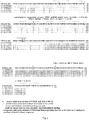
- While searching for genes encoding potential endolysins in the genome of an Enterococcus faecalis bacteriophage Ef12c29, the inventors have identified the Ef12c29_ORF15 gene (SEQ ID NO: 1), wherein the protein product thereof being designated as Ef12c29-ami (having the amino acid sequence of SEQ ID NO: 2), has properties characteristic of lytic enzymes - N-acetylmuramoyl-L-alanine amidases (
Fig. 1 ;Fig. 2 ). Unexpectedly it was found to differ substantially from homologs deposited in protein databases by the presence of at least four unique amino acid residues in the regions of the predicted active center and the predicted substrate-binding domain. Lytic activity of only one of the homologs (designated as GI:225626379 onFig. 2 ), partially differing from Ef12c29-ami within the predicted catalytic portion and totally different within the predicted substrate-binding portion, has been initially verified previously (Son et al., 2010). The others were predicted on the basis of the amino acid sequence translated from the DNA sequence only. Interestingly, the four recently purified proteins having lytic activity against Enterococcus (Sugahara et al., 2007; Yoong et al., 2004; Zhang et al., 2013; Uchiyama et al., 2011) did not show any significant homology with Ef12c29-ami. - It was unexpectedly found that the attempts to clone the whole gene encoding the Ef12c29-ami protein were unsuccessful, probably due to lysis of the cells harboring the correct clones.
- Although most of phage endolysins may be overproduced in bacterial cells, because their amino acids sequences do not contain signals for transport across the cytoplasmic membrane, there are such endolysins having a signal for trans-membrane transport at their N-terminus, the so-called SAR sequence (Young, 2005). Overproduction of these endolysins in bacterial cells is problematic. By penetrating through the cytoplasmic membrane they gain access to the cell wall, digest it and cause lysis. Until now, the so-called 'consensus' sequence for endolysin SAR regions has not been found. It is only known that they are hydrophobic regions having sequences that may resemble transmembrane domains. The analysis of the amino acid sequence of the Ef12c29-ami protein, performed for the purposes of the present invention, demonstrated that the N-terminus thereof comprises clusters of hydrophobic amino acid residues, similar to those present in the known SAR domains of phage endolysins and that it could potentially play the role of a transmembrane domain mediating in enzyme transport across the cytoplasmic membrane (
Fig. 3 ). - In order to eliminate the Ef12c29-ami endolysin toxicity to bacterial cells, it was attempted to clone the amplified gene encoding Ef12c29-ami, in a version deprived of a DNA fragment from the 5'-end of the gene encoding 19 amino acid residues from the N-terminus of the protein. The gene deprived of 5'-end, encoding a truncated version of the Ef12c29-ami protein, designated for the purposes of this invention as Ef12c29-amiv1 (SEQ ID NO: 3), was cloned to the pCOLDIII plasmid in such a way that the deleted fragment of the 5'-end would be replaced with the ATGAATCACAAAGTGCATATGGAGCTC sequence of the pCOLDIII vector, linked in frame to the truncated gene sequence for the Ef12c29-ami protein and encoding a fragment with the amino acid sequence of MNHKVHMEL. Transformants were obtained without any problems, harboring an insert with a desired sequence, which overproduced the Ef12c29-ami protein, having a sequence of 19 amino acid residues of the N-terminus replaced with the MNHKVHMEL sequence, designated for the purposes of the present invention as Ef12c29-amiv2 (SEQ ID NO: 4) (
Fig. 4 ). The Ef12c29-amiv2 protein was obtained in a version comprising six histidine residues at the terminus, which allowed its purification using standard methods (Fig. 5 ). - The known SAR sequences play a key role in the process of activation of the endolysins comprising these (Young, 2014). Unexpectedly, during the work leading to the present invention, it was determined that the Ef12c29-amiv2 protein is lytically-active despite the lack of an original Ef12c29-ami protein N-terminal fragment therein.
- It was shown that the protein is active both in the lysis of dead and living bacterial cells of Gram-positive bacteria, including in particular bacterial cells of the genus Enterococcus (
Fig. 5 - 8 ). Moreover, the specific activity of Ef12c29-amiv2, measured as the decrease in optical density of the bacterial suspension of the Enterococcus genus over time, per mg of protein, proved to be several-fold higher than the specific activity of the commercially available and utilized so far for the lysis of Enterococcus cells mutanolysin of Streptomyces globisporus (Sigma-Aldrich) measured in parallel experiments (Fig. 9 ). The one measured with Enterococcus cells as a substrate proved to be higher from the specific activity of lysostaphin as well, measured with the substrate of this enzyme - Staphylococcus aureus cells. It was also established that the Ef12c29-amiv2 lysin is active in the lysis of living cells of Gram-positive bacteria different than bacteria of the genus Enterococcus, such as Staphylococcus aureus, Bacillus subtilis and Streptococcus, although the activity thereof was in this case weaker than the activity with the optimal substrate - which proved to be the cells of the genus Enterococcus (Fig. 8 ). This does not preclude modifications of Ef12c29-amiv2 that alter specificity thereof. It is therefore clear that Ef12c29-amiv2 may be successfully used to lyse bacterial cells or to destroy isolated peptidoglycan thereof, with all possible applications, including obtaining of the contents of bacteria in processes of isolation of cellular components thereof and as an anti-bacterial agent in disinfection of materials and environment, as well as in prevention and treatment of infections. Optimal functioning of the enzyme in physiological conditions (pH 7.0, 37°C) makes it particularly useful in medical and veterinary applications, through administration thereof into the organism. - The embodiments of the invention are illustrated by the following figures:
-
Figure 1 shows the nucleotide sequence of the Ef12c29 phage endolysin gene, designated as Ef12c29_ORF15 (SEQ ID NO: 1) and the amino acid sequence of the product of this gene, designated as Ef12c29-ami (SEQ ID NO: 2), according to the present invention. -
Figure 2 shows an alignment of the Ef12c29-ami endolysin amino acid sequence with sequences of homologous endolysins from protein database, with indication of amino acid residues unique to the Ef12c29-ami endolysin (indicated by the ▼ mark). The numbers of Ef12c29-ami homologs from the NCBI protein database indicate the following: GI:589893026 - lysin IME-IF4_42 of Enterococcus phage IME-IF4 (predicted on the basis of DNA sequence: NC_023551.1); GI:601127805 - N-acetylmuramoyl-L-alanine amidase family protein of Enterococcus phage AUEF3 (predicted on the basis of DNA sequence: AHN83275); GI:225626379 - EFAP1_gp02 amidase of Enterococcus faecalis phage EFAP-1; GI:397134311 - putative endolysin of Enterococcus phage EfaCPT1 (predicted on the basis of DNA sequence: JX193904); GI:589287202 - lysin, N-acetylmuramoyl-L-alanine amidase [Enterococcus phage IME_EF3] (predicted on the basis of DNA sequence: NC_023595.2). -
Figure 3 shows an alignment of the amino acid sequence of the N-terminus of the Ef12c29-ami protein with sequences of N-termini of selected phage endolysins comprising the SAR domain. Hydrophobic amino acid residues are highlighted in grey, positively charged residues are underlined. N-termini of the known endolysins with the SAR domain are shown according to Young (2005). -
Figure 4 shows the amino acid sequences of the Ef12c29-ami lysin, modified by removing a 19 amino acid residues long fragment thereof from the N-terminus of the protein and designated as Ef12c29-amiv1 (SEQ ID NO: 3), and the amino acid sequence of the Ef12c29-ami lysin modified by replacing 19 amino acid residues from the N-terminus thereof with a fragment with the sequence of MNHKVHMEL and designated as Ef12c29-amiv2 (SEQ ID NO: 4), according to the present invention. -
Figure 5 shows the consecutive steps of purification of the Ef12c29-amiv2 protein and preliminary verification of the Ef12c29-amiv2 protein lytic activity using a zymogram method. The proteins were separated by electrophoresis in a polyacrylamide gel with SDS. The consecutive lanes on the gel (A) represent the obtained after separation in polyacrylamide gel: 1 and 7 - size marker proteins (PageRuler Prestained Protein Ladder, Thermo Scientific, Cat. No. 26616; the size of selected marker proteins given in kDa), 2 - proteins from pellet obtained after lysis and centrifugation of the BL21(DE3)-T1R strain cells, harboring a derivative of the pCOLDIII plasmid, encoding the Ef12c29-amiv2 protein in non-denaturing conditions, 3 - lysate proteins dissolved in buffer with 8 M urea, 4 - lysate proteins dissolved in buffer with 8 M urea remaining in the filtrate from the cobalt substrate TALON column (FT), 5 - proteins of the first eluate fraction from the column (E1), 6 - proteins of the second eluate fraction from the column (E2), 8 - proteins of the E1 fraction after dialysis, proteins of the E2 fraction after dialysis. Ef12c29-amiv2-6xHis is indicated by arrow. Preliminary detection of lytic activity of the purified Ef12c29-amiv2 protein was conducted by a zymogram method (B), after protein separation in polyacrylamide gel containing 0.2% suspension of killed Enterococcus faecalis Krz (left panel) or Enterococcus faecium 577 (right panel) cells. The consecutive lanes on gel B represent: 1 - size marker proteins, 2 - proteins of cell lysate BL21/pCOLDIII-Ef12c29-amiv2 dissolved in buffer with 8 M urea, 3 - lysate proteins dissolved in buffer with 8 M urea remaining in the filtrate from the cobalt substrate TALON column (FT), 4 - proteins of the first eluate fraction from the column (E1) in 8 M urea, 5 and 6 - proteins of the E1 fraction after dialysis. Clear zones in the gel indicating zones of cell lysis are marked by arrow. -
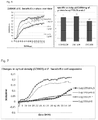
Figure 6 shows a graph of dependency of Ef12c29-amiv2 endolysin lytic activity against the Enterococcus faecalis Krz strain cells on the endolysin protein concentration in the reaction mixture. Enzyme processivity is shown as the decrease in optical density of the bacterial suspension over time (left panel) and the specific activity of the enzyme calculated on this basis as the decrease in optical density of the bacterial suspension per minute per mg of the purified Ef12c29-amiv2 protein. -
Figure 7 shows a graph of dependency of Ef12c29-amiv2 endolysin lytic activity on the pH of the reaction mixture. Activity measurements were conducted in Bioscreen apparatus (see example 4) following the addition of 1 µg of the purified Ef12c29-amiv2 protein to 200 µl of cell suspension. Enzyme activity is shown as the decrease in optical density of the bacterial suspension over time. against -
Figure 8 shows a comparison of Ef12c29-amiv2 endolysin specific activity against Enterococus faecalis Krz,Enterococcus faecium 577, Staphylococcus aureus PS80, Bacillus subtilis YB1015, Streptococcus B205 and Escherichia coli DH5α cells. -
Figure 9 shows a comparison of Ef12c29-amiv2 specific lytic activity with lysostaphin and mutanolysin. - In order to better understand the essence of the invention it is illustrated by the examples below, showing the method of cloning of the modified Ef12c29-ami endolysin gene, the method of overexpression of this gene and of purification of the product thereof, and the determination of lytic activity and specificity of the modified Ef12c29-ami2 endolysin. They also demonstrate a significantly higher activity of the modified Ef12c29-ami2 endolysin in digesting cell walls of the Enterococcus cells in comparison with mutanolysin. In all examples, unless stated otherwise, standard molecular biology methods described by Sambrook et al. (1989) were used.
- Example 1. Identification of a gene (in accordance with the sequence of SEQ ID NO: 1) encoding the active Ef12c29-ami endolysin (in accordance with the sequence of SEQ ID NO: 2) in the Enterococcus faecalis bacteriophage Ef12c29 genome.
- As a result of bioinformatical analysis of the Ef12c29 bacteriophage genome sequence, a gene was identified (SEQ ID NO: 1) encoding a protein designated according to the present invention Ef12c29--mi (SEQ ID NO. 2) (
Fig. 1 ) having features of a potential endolysin showing amidase activity (Fig. 2 ). In the regions of the potentially critical Ef12c29-ami domains responsible for catalytic activity or substrate binding, four unique amino acid residues were detected, differentiating Ef12c29-ami from the sequence of the closest protein homolog from the NCBI database, predicted on the basis of translation of a DNA sequence deposited in the GenBank database. Additionally, at the N-terminus of the Ef12c29-ami protein a highly hydrophobic domain having features of the SAR domain was detected, similar to a transmembrane domain (Fig. 3 ). The gene encoding the full-length Ef12c29-ami protein was amplified with primers 5'-CACCATGAAATTAAAAGGTATTTTATTT and 5'-TACTAATGTACCCCACGTGTTGT, the amplification product was ligated with linearized DNA of the pBAD TOPO vector from Invitrogen. Competent cells of the Escherichia coli GC5™ (F- F80IacZDM15 Δ[IacZYAargF]U169 endA1 recA1relA1 gyrA96 hsdR17 [rk-,mk+] phoA supE44 thi-1 I-T1R) were transformed with the ligation mixture. The transformants were seeded on a complete medium with ampicillin, glucose and without arabinose, in the previously described selection conditions for the pBAD-TOPO plasmid, ensuring maximal repression of the cloned gene transcription from the pBAD promoter controlling it (Guzman et al., 1995). Despite obtaining numerous transformant colonies, it was unexpectedly found that the cells thereof undergo lysis on the plate, which renders plasmid DNA isolation impossible. After seeding them to liquid cultures, no growth was observed due to lysis. Cells from few cultures that had not undergone lysis did not contain the plasmid. The obtained result indicates high lytic activity of the Ef12c29-ami protein against bacterial peptidoglycan and the ability of this protein to penetrate from cytoplasm to periplasm in the absence of helper proteins, which is consistent with the presence of a potential signal for trans-membrane transport at the N-terminus of Ef12c29-ami. - The attempt to clone the Ef12c29-ami encoding gene was repeated in the pCOLDIII vector (Quing et al., 2004). DNA fragments obtained as a result of amplification of the whole Ef12c29-ami encoding sequence with the following primers
- 5'-TAAGAGCTCATGAAATTAAAAGGTATTTTATTTG and
- 5'-ACATCTAGATTAATGATGATGATGATGATGTACTAATGTACCCCACGTGT,
- Example 2. Construction of a modified Ef12c29-ami endolysin gene, encoding a modified Ef12c29-amiv2 protein (in accordance with the sequence of SEQ ID NO: 4) not exhibiting toxicity to bacterial cells producing it.
- In order to obtain a modified form of the Ef12c29-ami endolysin, capable of being overproduced in bacterial cells, the Ef12c29-ami gene of the Ef12c29 phage deprived of a 57 base pair fragment from the 5'-end, encoding a potential signal for trans-membrane transport, was amplified with the following primers:
- 5'-TTGAGCTCATGCAAACAGCTAACGCATATGAAGTTA and
- 5'-ACATCTAGATTAATGATGATGATGATGATGTACTAATGTACCCCACGTGT,
- Example 3. Preliminary evaluation of lytic activity of the Ef12c29-amiv2 protein against cell walls of killed cells of the Enterococcus genus.
- 400 ml of fresh LB medium with ampicillin was seeded with 1/100 volume of E. coli BL21(DE3)-T1R cell culture, comprising the pCOLDIII-Ef12c29-amiv2 plasmid and sampled from an overnight culture in the same medium. The culture was conducted in 37°C until reaching cell optical density at wavelength of 600 nm (OD600) = 0.7-1.0. Next, expression of the Ef12c29-amiv2 encoding gene was induced by transferring the culture to temperature of 16°C and adding 1 mM IPTG. After 16 hours the culture was centrifuged to obtain bacterial pellet. For complete recovery of Ef12c29-amiv2 the protein was purified in denaturing conditions. Bacteria were lysed in buffer containing 20 mM Tris-HCI pH 7.0 and 500 mM NaCl, by sonication, the obtained lysate was centrifuged and the obtained pellet was dissolved in binding buffer containing 200 mM sodium phosphate pH 7.8; 500 mM NaCl, 8 M urea. The dissolved proteins were bound on the TALON Metal Affinity Resin substrate (Clontech) by mixing overnight in 4°C, using 1 ml of substrate per 10 ml of protein dissolved in the binding buffer. Washing the substrate with bound proteins and elution were performed using buffers with lowered pH (pH= 6 and 4, respectively). Protein solutions obtained after elution were sealed in dialysis sacks (Sigma, permeability 14 000 Da) and dialyzed sequentially for 2-12 hours on a magnetic stirrer in buffers (0.5 M NaCl, 50 mM KiPO4 pH 7.8; 0.4 M arginine) containing decreasing concentrations of urea (in sequence 4 M, 2 M, 1 M, 0.5 M) and finally in buffer without urea. From 400 ml of culture of induced
cells 5 mg of purified Ef12c29-amiv2 protein were routinely obtained. The purified enzyme was stored in aliquots in -80°C in buffer containing 0.5 M NaCl, 50 mM KiPO4 pH 7.8; 0.4 M arginine, 50% glycerol and after thawing was used for activity measurements. Proteins obtained at consecutive Ef12c29-amiv2 purification stages and the preliminary evaluation of Ef12c29-amiv2 lytic activity is shown onFig. 5 . Ef12c29-amiv2 lytic activity was roughly estimated using a zymogram method, according to the known procedure (Leclerc and Asselin, 1989). Polyacrylamide gel (10%) wherein the proteins were separated to estimate lytic activity, comprised 0.2% volume of autoclaved bacterial cells of the Enterococcus faecalis Krz strain or Enterococcus faecium, from the pellet of an overnight culture which was centrifuged after autoclaving. - Example 4. Evaluation of Ef12c29-amiv2 lytic activity against living cells of the Enterococcus faecalis Krz strain and determination of optimal pH for enzyme activity.
- Ef12c29-amiv2 lytic activity against living Enterococcus faecalis cells and the effect of various factors on this activity were determined using the Bioscreen C MBR apparatus (Growth Curves USA), in 100-well plates with wells for 200 µl of bacterial culture, in 37°C with shaking. Living bacterial cells used in the assays were derived from an exponentially growing culture in LB medium. After the culture has reached optical density OD600=0.4 it was centrifuged and the pellet was suspended in STB buffer: 150 mM NaCl, 10 mM Tris pH 4.5-8.8, so that the optical density (OD600) of the suspension was 1. The suspension (190 µl) was added to the wells of the Bioscreen apparatus plate, and then the purified enzyme solution (10 µl) was added to the indicated amount and the decrease in optical density of the culture over time was measured. The purified enzyme was derived from thawed samples stored in -80°C in buffer containing 0.5 M NaCl, 50 mM KiPO4 pH 7.8; 0.4 M arginine and 50% glycerol. The Ef12c29-amiv2 protein was found to be lytically-active against living cells of the E. faecalis Krz strain and the enzyme concentration at which it was characterized by the highest processivity in cell lysis was determined to be 125 nM (
Fig. 6 ). After adding the enzyme to the cell suspension, a clear decrease in culture density was observed after only 14 minutes. By testing the effect of different pH values on the enzyme lytic activity it was established that the Ef12c29-amiv2 protein is the most active inpH 7 conditions, while inpH 6 conditions it shows an only slightly reduced lytic activity (Fig. 7 ). - Example 5. Evaluation of the range of Ef12c29-amiv2 lytic activity against living cells of Gram-positive bacterial strains representing different genera.
- The range of Ef12c29 lytic activity against living cells representing strains of the selected Gram-positive bacterial species was determined using cells of the following strains:
E. faecium 577, S. aureus PS80, B. subtilis YB1015 and Streptococcus B205. The E. faecalis Krz strain was used as positive control and the E. coli DH5α strain, representing Gram-negative bacteria, as negative control. The cell wall of Gram-negative bacteria cells is surrounded by an outer cell membrane, protecting them against lytic activity of externally administered endolysins. The measurements of Ef12c29-amiv2 lytic activity were done in the Bioscreen C apparatus, in accordance with example 4. The specific Ef12c29-amiv2 activity was calculated as the decrease in optical density of bacterial suspension (OD600) per minute per mg of the Ef12c29-amiv2 protein. Unexpectedly, the Ef12c29-amiv2 protein showed high lytic activity in the assays, both against the E. faecalis Krz strain cells andE. faecium 577, wherein activity in the case ofE . faecium 577 was only slightly lower (Fig. 8 ). Ef12c29-amiv2 lytic activity was observed also in the case of S. aureus, B. subtilis and Streptococcus cells but it was several fold lower. - Example 6. Comparison of the Ef12c29-amiv2 lysin specific activity with the specific activity of mutanolysin and lysostaphin.
- In order to compare the Ef12c29-amiv2 lysin lytic activity with mutanolysin, often utilized in combination with lysozyme for lysis of Enterococcus cells, dynamics of the decrease in optical density of living Enterococcus faecalis Krz cells after the addition of the Ef12c29-amiv2 lysin or mutanolysin (Sigma-Aldrich) was studied in the Bioscreen C apparatus (see Example 4) (
Fig. 9 ). The specific Ef12c29-amiv2 activity, measured as the decrease in cell optical density per minute per mg of protein of the added enzyme, proved to be several fold higher than mutanolysin specific activity. In a similar experiment, the specific activity of Ef12c29-amiv2 and lysostaphin were compared against living Staphylococcus aureus cells as the substrate. Although in this case the Ef12c29-amiv2 lysin showed an 8-fold lower lytic activity than lysostaphin, the comparison of the specific activities of Ef12c29-amiv2 and lysostaphin with substrates specific to each of the proteins (E. faecalis Krz and S. aureus PS80, respectively) proved to be in favor for the Ef12c29-amiv2 lysin. -
- <110> IBB PAN
IITD PAN - <120> Polypeptide, nucleotide encoding it and use thereof
<130> PK/2685/RW
<160> 12
<170> PatentIn version 3.5 - <210> 1
<211> 1098
<212> DNA
<213> Bacteriophage Enterococcus faecalis Ef12c29 Ef12c29_ORF15 gene encoding Ef12c29-ami protein - <400> 1

- <210> 2
<211> 365
<212> PRT
<213> Bacteriophage Enterococcus faecalis Ef12c29-ami - <400> 2

- <210> 3
<211> 346
<212> PRT
<213> artificial
<220>
<223> protein Ef12c29-amiv1 - <400> 3


- <210> 4
<211> 355
<212> PRT
<213> artificial
<220>
<223> protein Ef12c29-amiv2 - <400> 4


- <210> 5
<211> 27
<212> DNA
<213> artificial
<220>
<223> alternative 5' sequence - <400> 5

- <210> 6
<211> 9
<212> PRT
<213> artificial
<220>
<223> alternative N-sequence - <400> 6

- <210> 7
<211> 28
<212> DNA
<213> artificial
<220>
<223>primer 1 - <400> 7

- <210> 8
<211> 23
<212> DNA
<213> artificial
<220>
<223>primer 2 - <400> 8

- <210> 9
<211> 34
<212> DNA
<213> artificial
<220>
<223>primer 3 - <400> 9

- <210> 10
<211> 50
<212> DNA
<213> artificial
<220>
<223>primer 4 - <400> 10

- <210> 11
<211> 36
<212> DNA
<213> artificial
<220>
<223>primer 5 - <400> 11

- <210> 12
<211> 50
<212> DNA
<213> artificial
<220>
<223>primer 6 - <400> 12

-
- Arias CA, Murray BE. 2012. The rise of the Enterococcus: beyond vancomycin resistance. Nat Rev Microbiol. 10: 266-278.
- Billot-Klein D, Shlaes D, Bryant D, Bell D, van Heijenoort J, Gutmann L. 1996. Peptidoglycan structure of Enterococcus faecium expressing vancomycin resistance of the VanB type. Biochem J. 313: 711-715.
- Guzman, L.-M., Belin, D., Carson, M. J., and Beckwith, J. 1995. Tight regulation, modulation, and high-level expression by vectors containing the arabinose pBAD promoter. J. Bacteriol. 177: 4121-4130.
- Leclerc, D., A. Asselin. 1989. Detection of bacterial cell wall hydrolysis after denaturing polyacrylamide gel electrophoresis. Can. J. Microbiol. 35: 749-753.
- Nelson D., Schmelcher M., Rodriguez-Rubio L., Klumpp J., Pritchard D. G., Dong S., Donovan D. M. 2012. Endolysins as antimicrobials. Adv. Virus. Res. 83: 299 - 365.
- Qing G, Ma LC, Khorchid A, Swapna GV, Mal TK, Takayama MM, Xia B, Phadtare S, Ke H, Acton T, Montelione GT, Ikura M, Inouye M. 2004. Cold-shock induced high-yield protein production in Escherichia coli. Nat Biotechnol. 22: 877-82.
- Pastagia M, Schuch R, Fischetti VA, Huang DB. 2013. Lysins: the arrival of pathogen-directed anti-infectives. J Med Microbiol. 62: 1506-1516.
- Pfeffer JM, Strating H, Weadge JT, Clarke AJ. 2006. Peptidoglycan O acetylation and autolysin profile of Enterococcus faecalis in the viable but nonculturable state. J. Bacteriol. 188: 902-908.
- Salazar O, Asenjo JA. 2007. Enzymatic lysis of microbial cells. Biotechnol Lett. 29: 985-994.
- Sambrook et al., 1989. Molecular cloning: A Laboratory Manual, 2nd edition, Cold Spring Harbor Laboratory Press, Cold Spring Harbor, New York.
- Silhavy TJ, Kahne D, Walker S. 2010. The bacterial cell envelope. Cold Spring Harb Perspect Biol. 2(5):a000414.
- Son JS, Jun SY, Kim EB, Park JE, Paik HR, Yoon SJ, Kang SH, Choi YJ. 2010. Complete genome sequence of a newly isolated lytic bacteriophage, EFAP-1 of Enterococcus faecalis, and antibacterial activity of its endolysin EFAL-1. J Appl Microbiol. 108: 1769-1779.
- Sugahara K, Yokoi KJ, Nakamura Y, Nishino T, Yamakawa A, Taketo A, Kodaira K. 2007. Mutational and biochemical analyses of the endolysin Lys(gaY) encoded by the Lactobacillus gasseri JCM 1131T phage phi gaY. Gene. 404: 41-52.
- Uchiyama J, Takemura I, Hayashi I, Matsuzaki S, Satoh M, Ujihara T, Murakami M, Imajoh M, Sugai M, Daibata M. 2011. Characterization of lytic enzyme open reading frame 9 (ORF9) derived from Enterococcus faecalis bacteriophage phiEF24C. Appl Environ Microbiol. 77: 580-585.
- Vollmer W, Blanot D, de Pedro MA. 2008. Peptidoglycan structure and architecture. FEMS Microbiol Rev. 32: 149-167.
- Yoong P, Schuch R, Nelson D, Fischetti VA. 2004. Identification of a broadly active phage lytic enzyme with lethal activity against antibiotic-resistant Enterococcus faecalis and Enterococcus faecium. J Bacteriol. 186: 4808-4812.
- Young R. 2005. Phage lysis. W: Phages. Their Role in Bacterial Pathogenesis and Biotechnology. Waldor K.M., Friedman D.I., Adhya S.A. (ed.) ASM Press, Washington D.C., 2005; 92-128.
- Young R. 2014 Phage lysis: three steps, three choices, one outcome. J Microbiol. 52: 243 - 258.
- Zhang W, Mi Z, Yin X, Fan H, An X, Zhang Z, Chen J, Tong Y. 2013. Characterization of Enterococcus faecalis phage IME-EF1 and its endolysin. PLoS One. 13;8(11):e80435.
-
- <110> IBB PAN
IITD PAN - <120> Polipeptyd, koduj1cy go polinukleotyd oraz jego zastosowania
- <130> PK/2685/RW
- <160> 12
- <170> PatentIn version 3.5
- <210> 1
<211> 1098
<212> DNA
<213> Bacteriophage Enterococcus faecalis Ef12c29-ami - <400> 1

- <210> 2
<211> 365
<212> PRT
<213> Bacteriophage Enterococcus faecalis Ef12c29-ami - <400> 2


- <210> 3
<211> 346
<212> PRT
<213> artificial - <220>
<223> protein Ef12c29-amiv1 - <400> 3


- <210> 4
<211> 355
<212> PRT
<213> artificial - <220>
<223> protein Ef12c29-amiv2 - <400> 4


- <210> 5
<211> 27
<212> DNA
<213> artificial - <220>
<223> alternative 5' sequence - <400> 5
atgaatcaca aagtgcatat ggagctc 27 - <210> 6
<211> 9
<212> PRT
<213> artificial - <220>
<223> alternative N-sequence - <400> 6

- <210> 7
<211> 28
<212> DNA
<213> artificial - <220>
<223>primer 1 - <400> 7
caccatgaaa ttaaaaggta ttttattt 28 - <210> 8
<211> 23
<212> DNA
<213> artificial - <220>
<223>primer 2 - <400> 8
tactaatgta ccccacgtgt tgt 23 - <210> 9
<211> 34
<212> DNA
<213> artificial - <220>
<223>primer 3 - <400> 9
taagagctca tgaaattaaa aggtatttta tttg 34 - <210> 10
<211> 50
<212> DNA
<213> artificial - <220>
<223>primer 4 - <400> 10
acatctagat taatgatgat gatgatgatg tactaatgta ccccacgtgt 50 - <210> 11
<211> 36
<212> DNA
<213> artificial - <220>
<223>primer 5 - <400> 11
ttgagctcat gcaaacagct aacgcatatg aagtta 36 - <210> 12
<211> 50
<212> DNA
<213> artificial - <220>
<223>primer 6 - <400> 12
acatctagat taatgatgat gatgatgatg tactaatgta ccccacgtgt 50
Claims (6)
- A polypeptide having the activity of digestion of peptidoglycan, particularly one produced by bacterial cells of the genus Enterococcus, comprising the amino acid sequence designated as SEQ ID NO: 3.
- The polypeptide according to claim 1, characterized in that it comprises an amino acid sequence designated as SEQ ID NO: 4.
- A polynucleotide comprising a sequence encoding the polypeptide according to claim 1 or 2.
- The polynucleotide according to claim 3, characterized in that it contains the nucleotide sequence designated as SEQ ID NO: 1.
- Use of the polypeptide according to claim 1 or 2 for non-therapeutic digestion of peptidoglycan, particularly one produced by bacterial cells of the genus Enterococcus.
- The polypeptide according to claim 1 or 2, for use in the treatment or prevention of bacterial infections, particularly those caused by bacteria of the genus Enterococcus.
Applications Claiming Priority (2)
| Application Number | Priority Date | Filing Date | Title |
|---|---|---|---|
| PL409283A PL229262B1 (en) | 2014-08-27 | 2014-08-27 | Enzyme with high lytic activity in relation to the cells of Enterococcus and method for modification of this gene, allowing the overproduction of the active gene in bacterial cells |
| PCT/IB2015/056510 WO2016030855A1 (en) | 2014-08-27 | 2015-08-27 | Enzyme with high lytic activity against enterococcus cell and a method of modification of the gene thereof, enabling overproduction of active enzyme in bacterial cells |
Publications (2)
| Publication Number | Publication Date |
|---|---|
| EP3186370A1 EP3186370A1 (en) | 2017-07-05 |
| EP3186370B1 true EP3186370B1 (en) | 2020-01-01 |
Family
ID=54325010
Family Applications (1)
| Application Number | Title | Priority Date | Filing Date |
|---|---|---|---|
| EP15780935.1A Active EP3186370B1 (en) | 2014-08-27 | 2015-08-27 | Enzyme with high lytic activity against enterococcus cell and a method of modification of the gene thereof, enabling overproduction of active enzyme in bacterial cells |
Country Status (3)
| Country | Link |
|---|---|
| EP (1) | EP3186370B1 (en) |
| PL (1) | PL229262B1 (en) |
| WO (1) | WO2016030855A1 (en) |
Families Citing this family (2)
| Publication number | Priority date | Publication date | Assignee | Title |
|---|---|---|---|---|
| KR101957266B1 (en) * | 2017-02-22 | 2019-03-13 | 주식회사 인트론바이오테크놀로지 | Novel antibacterial protein EFAL-2 having lytic activity against Enterococcus faecium |
| CN111909917B (en) * | 2019-05-10 | 2022-10-14 | 中国科学院微生物研究所 | Endolysin Lysmeta1 and coding gene and application thereof |
Family Cites Families (1)
| Publication number | Priority date | Publication date | Assignee | Title |
|---|---|---|---|---|
| EP2157100A1 (en) * | 2008-08-19 | 2010-02-24 | Profos AG | Artificial peptidoglycan lysing enzymes and peptidoglycan binding proteins |
-
2014
- 2014-08-27 PL PL409283A patent/PL229262B1/en unknown
-
2015
- 2015-08-27 EP EP15780935.1A patent/EP3186370B1/en active Active
- 2015-08-27 WO PCT/IB2015/056510 patent/WO2016030855A1/en not_active Ceased
Non-Patent Citations (1)
| Title |
|---|
| None * |
Also Published As
| Publication number | Publication date |
|---|---|
| PL409283A1 (en) | 2016-02-29 |
| WO2016030855A1 (en) | 2016-03-03 |
| PL229262B1 (en) | 2018-06-29 |
| EP3186370A1 (en) | 2017-07-05 |
Similar Documents
| Publication | Publication Date | Title |
|---|---|---|
| EP2702070B1 (en) | New antimicrobial agents | |
| AU2009273845B2 (en) | Triple acting antimicrobials that are refractory to resistance development | |
| KR101701890B1 (en) | Antimicrobial agents | |
| Schmelcher et al. | Listeria bacteriophage peptidoglycan hydrolases feature high thermoresistance and reveal increased activity after divalent metal cation substitution | |
| Wang et al. | The antibacterial activity of E. coli bacteriophage lysin lysep3 is enhanced by fusing the Bacillus amyloliquefaciens bacteriophage endolysin binding domain D8 to the C-terminal region | |
| Wang et al. | The Vibrio parahaemolyticus-infecting bacteriophage qdvp001: genome sequence and endolysin with a modular structure | |
| CN102186878A (en) | Artificial peptidoglycan lysing enzymes and peptidoglycan binding proteins | |
| Hu et al. | Characterization of a novel LysM domain from Lactobacillus fermentum bacteriophage endolysin and its use as an anchor to display heterologous proteins on the surfaces of lactic acid bacteria | |
| AU2016257306A1 (en) | Altering microbial populations and modifying microbiota | |
| Proença et al. | Phage endolysins with broad antimicrobial activity against Enterococcus faecalis clinical strains | |
| EP2661495A1 (en) | Fusion of peptidoglycan hydrolase enzymes to a protein transduction domain allows eradication of both extracellular and intracellular gram positive pathogens | |
| WO2017015652A1 (en) | Bacteriophage for treating staphylococcus infections | |
| US8790639B2 (en) | Enhanced antimicrobial lytic activity of a chimeric Ply187 endolysin | |
| US8492519B2 (en) | Protease-stable, cell wall-lysing enzymes | |
| Heselpoth et al. | Enzybiotics: endolysins and bacteriocins | |
| EP4262843B1 (en) | Antimicrobial protein, antimicrobial recombinant protein with lytic properties, expression vector, method of their preparation and use | |
| Jarábková et al. | Phage endolysin: a way to understand a binding function of C-terminal domains a mini review | |
| Tišáková et al. | Bacteriophage endolysins and their use in biotechnological processes | |
| CN107828769B (en) | A thermostable lyase MMPpgh and a polynucleotide encoding the enzyme | |
| CN110592057B (en) | Chimeric lyase ILTphg and polynucleotides encoding same | |
| CN115927270B (en) | Staphylococcus aureus phage lyase, variant thereof and application thereof | |
| WO2016030855A1 (en) | Enzyme with high lytic activity against enterococcus cell and a method of modification of the gene thereof, enabling overproduction of active enzyme in bacterial cells | |
| EP2582813A1 (en) | Methods of generating and screening for lytic chimeric polypeptides | |
| Lee et al. | A novel lysozyme from Xanthomonas oryzae phage ϕXo411 active against Xanthomonas and Stenotrophomonas | |
| CN114107271B (en) | Heat-resistant and nutrient-resistant salmonella broad spectrum lyase with in-vitro cleavage activity, and preparation and application thereof |
Legal Events
| Date | Code | Title | Description |
|---|---|---|---|
| STAA | Information on the status of an ep patent application or granted ep patent |
Free format text: STATUS: THE INTERNATIONAL PUBLICATION HAS BEEN MADE |
|
| PUAI | Public reference made under article 153(3) epc to a published international application that has entered the european phase |
Free format text: ORIGINAL CODE: 0009012 |
|
| STAA | Information on the status of an ep patent application or granted ep patent |
Free format text: STATUS: REQUEST FOR EXAMINATION WAS MADE |
|
| 17P | Request for examination filed |
Effective date: 20170327 |
|
| AK | Designated contracting states |
Kind code of ref document: A1 Designated state(s): AL AT BE BG CH CY CZ DE DK EE ES FI FR GB GR HR HU IE IS IT LI LT LU LV MC MK MT NL NO PL PT RO RS SE SI SK SM TR |
|
| AX | Request for extension of the european patent |
Extension state: BA ME |
|
| DAV | Request for validation of the european patent (deleted) | ||
| DAX | Request for extension of the european patent (deleted) | ||
| STAA | Information on the status of an ep patent application or granted ep patent |
Free format text: STATUS: EXAMINATION IS IN PROGRESS |
|
| 17Q | First examination report despatched |
Effective date: 20180608 |
|
| GRAP | Despatch of communication of intention to grant a patent |
Free format text: ORIGINAL CODE: EPIDOSNIGR1 |
|
| STAA | Information on the status of an ep patent application or granted ep patent |
Free format text: STATUS: GRANT OF PATENT IS INTENDED |
|
| INTG | Intention to grant announced |
Effective date: 20190712 |
|
| GRAS | Grant fee paid |
Free format text: ORIGINAL CODE: EPIDOSNIGR3 |
|
| GRAA | (expected) grant |
Free format text: ORIGINAL CODE: 0009210 |
|
| STAA | Information on the status of an ep patent application or granted ep patent |
Free format text: STATUS: THE PATENT HAS BEEN GRANTED |
|
| AK | Designated contracting states |
Kind code of ref document: B1 Designated state(s): AL AT BE BG CH CY CZ DE DK EE ES FI FR GB GR HR HU IE IS IT LI LT LU LV MC MK MT NL NO PL PT RO RS SE SI SK SM TR |
|
| REG | Reference to a national code |
Ref country code: GB Ref legal event code: FG4D |
|
| REG | Reference to a national code |
Ref country code: CH Ref legal event code: EP Ref country code: AT Ref legal event code: REF Ref document number: 1219804 Country of ref document: AT Kind code of ref document: T Effective date: 20200115 |
|
| REG | Reference to a national code |
Ref country code: IE Ref legal event code: FG4D |
|
| REG | Reference to a national code |
Ref country code: DE Ref legal event code: R096 Ref document number: 602015044744 Country of ref document: DE |
|
| REG | Reference to a national code |
Ref country code: NL Ref legal event code: MP Effective date: 20200101 |
|
| REG | Reference to a national code |
Ref country code: LT Ref legal event code: MG4D |
|
| PG25 | Lapsed in a contracting state [announced via postgrant information from national office to epo] |
Ref country code: FI Free format text: LAPSE BECAUSE OF FAILURE TO SUBMIT A TRANSLATION OF THE DESCRIPTION OR TO PAY THE FEE WITHIN THE PRESCRIBED TIME-LIMIT Effective date: 20200101 Ref country code: PT Free format text: LAPSE BECAUSE OF FAILURE TO SUBMIT A TRANSLATION OF THE DESCRIPTION OR TO PAY THE FEE WITHIN THE PRESCRIBED TIME-LIMIT Effective date: 20200527 Ref country code: RS Free format text: LAPSE BECAUSE OF FAILURE TO SUBMIT A TRANSLATION OF THE DESCRIPTION OR TO PAY THE FEE WITHIN THE PRESCRIBED TIME-LIMIT Effective date: 20200101 Ref country code: NO Free format text: LAPSE BECAUSE OF FAILURE TO SUBMIT A TRANSLATION OF THE DESCRIPTION OR TO PAY THE FEE WITHIN THE PRESCRIBED TIME-LIMIT Effective date: 20200401 Ref country code: LT Free format text: LAPSE BECAUSE OF FAILURE TO SUBMIT A TRANSLATION OF THE DESCRIPTION OR TO PAY THE FEE WITHIN THE PRESCRIBED TIME-LIMIT Effective date: 20200101 Ref country code: CZ Free format text: LAPSE BECAUSE OF FAILURE TO SUBMIT A TRANSLATION OF THE DESCRIPTION OR TO PAY THE FEE WITHIN THE PRESCRIBED TIME-LIMIT Effective date: 20200101 Ref country code: NL Free format text: LAPSE BECAUSE OF FAILURE TO SUBMIT A TRANSLATION OF THE DESCRIPTION OR TO PAY THE FEE WITHIN THE PRESCRIBED TIME-LIMIT Effective date: 20200101 |
|
| REG | Reference to a national code |
Ref country code: CH Ref legal event code: NV Representative=s name: ISLER AND PEDRAZZINI AG, CH |
|
| PG25 | Lapsed in a contracting state [announced via postgrant information from national office to epo] |
Ref country code: GR Free format text: LAPSE BECAUSE OF FAILURE TO SUBMIT A TRANSLATION OF THE DESCRIPTION OR TO PAY THE FEE WITHIN THE PRESCRIBED TIME-LIMIT Effective date: 20200402 Ref country code: BG Free format text: LAPSE BECAUSE OF FAILURE TO SUBMIT A TRANSLATION OF THE DESCRIPTION OR TO PAY THE FEE WITHIN THE PRESCRIBED TIME-LIMIT Effective date: 20200401 Ref country code: HR Free format text: LAPSE BECAUSE OF FAILURE TO SUBMIT A TRANSLATION OF THE DESCRIPTION OR TO PAY THE FEE WITHIN THE PRESCRIBED TIME-LIMIT Effective date: 20200101 Ref country code: LV Free format text: LAPSE BECAUSE OF FAILURE TO SUBMIT A TRANSLATION OF THE DESCRIPTION OR TO PAY THE FEE WITHIN THE PRESCRIBED TIME-LIMIT Effective date: 20200101 Ref country code: SE Free format text: LAPSE BECAUSE OF FAILURE TO SUBMIT A TRANSLATION OF THE DESCRIPTION OR TO PAY THE FEE WITHIN THE PRESCRIBED TIME-LIMIT Effective date: 20200101 Ref country code: IS Free format text: LAPSE BECAUSE OF FAILURE TO SUBMIT A TRANSLATION OF THE DESCRIPTION OR TO PAY THE FEE WITHIN THE PRESCRIBED TIME-LIMIT Effective date: 20200501 |
|
| REG | Reference to a national code |
Ref country code: DE Ref legal event code: R097 Ref document number: 602015044744 Country of ref document: DE |
|
| PG25 | Lapsed in a contracting state [announced via postgrant information from national office to epo] |
Ref country code: ES Free format text: LAPSE BECAUSE OF FAILURE TO SUBMIT A TRANSLATION OF THE DESCRIPTION OR TO PAY THE FEE WITHIN THE PRESCRIBED TIME-LIMIT Effective date: 20200101 Ref country code: SM Free format text: LAPSE BECAUSE OF FAILURE TO SUBMIT A TRANSLATION OF THE DESCRIPTION OR TO PAY THE FEE WITHIN THE PRESCRIBED TIME-LIMIT Effective date: 20200101 Ref country code: EE Free format text: LAPSE BECAUSE OF FAILURE TO SUBMIT A TRANSLATION OF THE DESCRIPTION OR TO PAY THE FEE WITHIN THE PRESCRIBED TIME-LIMIT Effective date: 20200101 Ref country code: SK Free format text: LAPSE BECAUSE OF FAILURE TO SUBMIT A TRANSLATION OF THE DESCRIPTION OR TO PAY THE FEE WITHIN THE PRESCRIBED TIME-LIMIT Effective date: 20200101 Ref country code: RO Free format text: LAPSE BECAUSE OF FAILURE TO SUBMIT A TRANSLATION OF THE DESCRIPTION OR TO PAY THE FEE WITHIN THE PRESCRIBED TIME-LIMIT Effective date: 20200101 Ref country code: DK Free format text: LAPSE BECAUSE OF FAILURE TO SUBMIT A TRANSLATION OF THE DESCRIPTION OR TO PAY THE FEE WITHIN THE PRESCRIBED TIME-LIMIT Effective date: 20200101 |
|
| PLBE | No opposition filed within time limit |
Free format text: ORIGINAL CODE: 0009261 |
|
| STAA | Information on the status of an ep patent application or granted ep patent |
Free format text: STATUS: NO OPPOSITION FILED WITHIN TIME LIMIT |
|
| REG | Reference to a national code |
Ref country code: AT Ref legal event code: MK05 Ref document number: 1219804 Country of ref document: AT Kind code of ref document: T Effective date: 20200101 |
|
| 26N | No opposition filed |
Effective date: 20201002 |
|
| PG25 | Lapsed in a contracting state [announced via postgrant information from national office to epo] |
Ref country code: IT Free format text: LAPSE BECAUSE OF FAILURE TO SUBMIT A TRANSLATION OF THE DESCRIPTION OR TO PAY THE FEE WITHIN THE PRESCRIBED TIME-LIMIT Effective date: 20200101 Ref country code: AT Free format text: LAPSE BECAUSE OF FAILURE TO SUBMIT A TRANSLATION OF THE DESCRIPTION OR TO PAY THE FEE WITHIN THE PRESCRIBED TIME-LIMIT Effective date: 20200101 |
|
| PG25 | Lapsed in a contracting state [announced via postgrant information from national office to epo] |
Ref country code: PL Free format text: LAPSE BECAUSE OF FAILURE TO SUBMIT A TRANSLATION OF THE DESCRIPTION OR TO PAY THE FEE WITHIN THE PRESCRIBED TIME-LIMIT Effective date: 20200101 Ref country code: SI Free format text: LAPSE BECAUSE OF FAILURE TO SUBMIT A TRANSLATION OF THE DESCRIPTION OR TO PAY THE FEE WITHIN THE PRESCRIBED TIME-LIMIT Effective date: 20200101 |
|
| PG25 | Lapsed in a contracting state [announced via postgrant information from national office to epo] |
Ref country code: MC Free format text: LAPSE BECAUSE OF FAILURE TO SUBMIT A TRANSLATION OF THE DESCRIPTION OR TO PAY THE FEE WITHIN THE PRESCRIBED TIME-LIMIT Effective date: 20200101 |
|
| PG25 | Lapsed in a contracting state [announced via postgrant information from national office to epo] |
Ref country code: LU Free format text: LAPSE BECAUSE OF NON-PAYMENT OF DUE FEES Effective date: 20200827 |
|
| REG | Reference to a national code |
Ref country code: BE Ref legal event code: MM Effective date: 20200831 |
|
| PG25 | Lapsed in a contracting state [announced via postgrant information from national office to epo] |
Ref country code: BE Free format text: LAPSE BECAUSE OF NON-PAYMENT OF DUE FEES Effective date: 20200831 |
|
| PG25 | Lapsed in a contracting state [announced via postgrant information from national office to epo] |
Ref country code: TR Free format text: LAPSE BECAUSE OF FAILURE TO SUBMIT A TRANSLATION OF THE DESCRIPTION OR TO PAY THE FEE WITHIN THE PRESCRIBED TIME-LIMIT Effective date: 20200101 Ref country code: MT Free format text: LAPSE BECAUSE OF FAILURE TO SUBMIT A TRANSLATION OF THE DESCRIPTION OR TO PAY THE FEE WITHIN THE PRESCRIBED TIME-LIMIT Effective date: 20200101 Ref country code: CY Free format text: LAPSE BECAUSE OF FAILURE TO SUBMIT A TRANSLATION OF THE DESCRIPTION OR TO PAY THE FEE WITHIN THE PRESCRIBED TIME-LIMIT Effective date: 20200101 |
|
| PG25 | Lapsed in a contracting state [announced via postgrant information from national office to epo] |
Ref country code: MK Free format text: LAPSE BECAUSE OF FAILURE TO SUBMIT A TRANSLATION OF THE DESCRIPTION OR TO PAY THE FEE WITHIN THE PRESCRIBED TIME-LIMIT Effective date: 20200101 Ref country code: AL Free format text: LAPSE BECAUSE OF FAILURE TO SUBMIT A TRANSLATION OF THE DESCRIPTION OR TO PAY THE FEE WITHIN THE PRESCRIBED TIME-LIMIT Effective date: 20200101 |
|
| REG | Reference to a national code |
Ref country code: DE Ref legal event code: R082 Ref document number: 602015044744 Country of ref document: DE Representative=s name: KRAUSS, JAN, DR., DE |
|
| P01 | Opt-out of the competence of the unified patent court (upc) registered |
Effective date: 20230719 |
|
| PGFP | Annual fee paid to national office [announced via postgrant information from national office to epo] |
Ref country code: DE Payment date: 20250804 Year of fee payment: 11 |
|
| PGFP | Annual fee paid to national office [announced via postgrant information from national office to epo] |
Ref country code: GB Payment date: 20250820 Year of fee payment: 11 |
|
| PGFP | Annual fee paid to national office [announced via postgrant information from national office to epo] |
Ref country code: FR Payment date: 20250829 Year of fee payment: 11 |
|
| PGFP | Annual fee paid to national office [announced via postgrant information from national office to epo] |
Ref country code: CH Payment date: 20250901 Year of fee payment: 11 |
|
| PGFP | Annual fee paid to national office [announced via postgrant information from national office to epo] |
Ref country code: IE Payment date: 20250718 Year of fee payment: 11 |