EP3184097A1 - Oral biofilm inhibitor - Google Patents
Oral biofilm inhibitor Download PDFInfo
- Publication number
- EP3184097A1 EP3184097A1 EP15834162.8A EP15834162A EP3184097A1 EP 3184097 A1 EP3184097 A1 EP 3184097A1 EP 15834162 A EP15834162 A EP 15834162A EP 3184097 A1 EP3184097 A1 EP 3184097A1
- Authority
- EP
- European Patent Office
- Prior art keywords
- antimicrobial agent
- cured product
- curable composition
- oral
- oral biofilm
- Prior art date
- Legal status (The legal status is an assumption and is not a legal conclusion. Google has not performed a legal analysis and makes no representation as to the accuracy of the status listed.)
- Granted
Links
- 239000003112 inhibitor Substances 0.000 title claims abstract description 54
- 239000000203 mixture Substances 0.000 claims abstract description 77
- 239000004599 antimicrobial Substances 0.000 claims abstract description 61
- 230000032770 biofilm formation Effects 0.000 claims abstract description 22
- 230000007547 defect Effects 0.000 claims abstract description 16
- 210000000214 mouth Anatomy 0.000 claims abstract description 15
- 230000002401 inhibitory effect Effects 0.000 claims abstract description 11
- XLYOFNOQVPJJNP-UHFFFAOYSA-N water Substances O XLYOFNOQVPJJNP-UHFFFAOYSA-N 0.000 claims description 20
- 239000007788 liquid Substances 0.000 claims description 16
- 239000003795 chemical substances by application Substances 0.000 claims description 14
- 238000004519 manufacturing process Methods 0.000 claims description 11
- 238000002156 mixing Methods 0.000 claims description 6
- 239000001963 growth medium Substances 0.000 description 34
- 230000000052 comparative effect Effects 0.000 description 24
- 238000011156 evaluation Methods 0.000 description 22
- 241000894006 Bacteria Species 0.000 description 21
- 229960001927 cetylpyridinium chloride Drugs 0.000 description 12
- YMKDRGPMQRFJGP-UHFFFAOYSA-M cetylpyridinium chloride Chemical compound [Cl-].CCCCCCCCCCCCCCCC[N+]1=CC=CC=C1 YMKDRGPMQRFJGP-UHFFFAOYSA-M 0.000 description 12
- 238000001723 curing Methods 0.000 description 12
- 230000005764 inhibitory process Effects 0.000 description 10
- 238000005259 measurement Methods 0.000 description 9
- 230000001580 bacterial effect Effects 0.000 description 8
- 210000004400 mucous membrane Anatomy 0.000 description 8
- 230000000845 anti-microbial effect Effects 0.000 description 7
- OSGAYBCDTDRGGQ-UHFFFAOYSA-L calcium sulfate Chemical compound [Ca+2].[O-]S([O-])(=O)=O OSGAYBCDTDRGGQ-UHFFFAOYSA-L 0.000 description 6
- 230000000694 effects Effects 0.000 description 6
- 238000007654 immersion Methods 0.000 description 6
- 241000699673 Mesocricetus auratus Species 0.000 description 5
- 201000010099 disease Diseases 0.000 description 5
- 208000037265 diseases, disorders, signs and symptoms Diseases 0.000 description 5
- 230000035755 proliferation Effects 0.000 description 5
- 241000222122 Candida albicans Species 0.000 description 4
- 206010035669 Pneumonia aspiration Diseases 0.000 description 4
- 241000194019 Streptococcus mutans Species 0.000 description 4
- 201000009807 aspiration pneumonia Diseases 0.000 description 4
- 230000007794 irritation Effects 0.000 description 4
- 239000002609 medium Substances 0.000 description 4
- 230000009885 systemic effect Effects 0.000 description 4
- 208000025157 Oral disease Diseases 0.000 description 3
- 229940095731 candida albicans Drugs 0.000 description 3
- 239000012153 distilled water Substances 0.000 description 3
- 238000001035 drying Methods 0.000 description 3
- 210000004072 lung Anatomy 0.000 description 3
- 208000030194 mouth disease Diseases 0.000 description 3
- 231100000344 non-irritating Toxicity 0.000 description 3
- 238000012360 testing method Methods 0.000 description 3
- IJALWSVNUBBQRA-UHFFFAOYSA-N 4-Isopropyl-3-methylphenol Chemical compound CC(C)C1=CC=C(O)C=C1C IJALWSVNUBBQRA-UHFFFAOYSA-N 0.000 description 2
- 238000002835 absorbance Methods 0.000 description 2
- 238000010521 absorption reaction Methods 0.000 description 2
- 230000003698 anagen phase Effects 0.000 description 2
- 210000004556 brain Anatomy 0.000 description 2
- 125000002091 cationic group Chemical group 0.000 description 2
- 238000006243 chemical reaction Methods 0.000 description 2
- 208000002925 dental caries Diseases 0.000 description 2
- 238000001802 infusion Methods 0.000 description 2
- NFIDBGJMFKNGGQ-UHFFFAOYSA-N isopropylmethylphenol Natural products CC(C)CC1=CC=CC=C1O NFIDBGJMFKNGGQ-UHFFFAOYSA-N 0.000 description 2
- 238000009630 liquid culture Methods 0.000 description 2
- 238000000034 method Methods 0.000 description 2
- 231100000017 mucous membrane irritation Toxicity 0.000 description 2
- WEXRUCMBJFQVBZ-UHFFFAOYSA-N pentobarbital Chemical compound CCCC(C)C1(CC)C(=O)NC(=O)NC1=O WEXRUCMBJFQVBZ-UHFFFAOYSA-N 0.000 description 2
- 208000028169 periodontal disease Diseases 0.000 description 2
- 210000003296 saliva Anatomy 0.000 description 2
- 239000000725 suspension Substances 0.000 description 2
- MGSRCZKZVOBKFT-UHFFFAOYSA-N thymol Chemical compound CC(C)C1=CC=C(C)C=C1O MGSRCZKZVOBKFT-UHFFFAOYSA-N 0.000 description 2
- 206010006326 Breath odour Diseases 0.000 description 1
- 241000699800 Cricetinae Species 0.000 description 1
- LFQSCWFLJHTTHZ-UHFFFAOYSA-N Ethanol Chemical compound CCO LFQSCWFLJHTTHZ-UHFFFAOYSA-N 0.000 description 1
- 208000032139 Halitosis Diseases 0.000 description 1
- 206010061218 Inflammation Diseases 0.000 description 1
- 241001465754 Metazoa Species 0.000 description 1
- 206010028980 Neoplasm Diseases 0.000 description 1
- 206010035664 Pneumonia Diseases 0.000 description 1
- 241001149563 Streptococcus mutans ATCC 25175 Species 0.000 description 1
- 239000005844 Thymol Substances 0.000 description 1
- XTXRWKRVRITETP-UHFFFAOYSA-N Vinyl acetate Chemical compound CC(=O)OC=C XTXRWKRVRITETP-UHFFFAOYSA-N 0.000 description 1
- 208000027418 Wounds and injury Diseases 0.000 description 1
- 230000015572 biosynthetic process Effects 0.000 description 1
- 235000019658 bitter taste Nutrition 0.000 description 1
- 238000009835 boiling Methods 0.000 description 1
- 201000011510 cancer Diseases 0.000 description 1
- 239000003086 colorant Substances 0.000 description 1
- 230000006835 compression Effects 0.000 description 1
- 238000007906 compression Methods 0.000 description 1
- 230000001010 compromised effect Effects 0.000 description 1
- 230000006378 damage Effects 0.000 description 1
- 238000011161 development Methods 0.000 description 1
- 230000018109 developmental process Effects 0.000 description 1
- 238000000445 field-emission scanning electron microscopy Methods 0.000 description 1
- 238000011049 filling Methods 0.000 description 1
- 239000000796 flavoring agent Substances 0.000 description 1
- 235000019634 flavors Nutrition 0.000 description 1
- 208000007565 gingivitis Diseases 0.000 description 1
- 230000036039 immunity Effects 0.000 description 1
- 230000004054 inflammatory process Effects 0.000 description 1
- 208000014674 injury Diseases 0.000 description 1
- 239000011256 inorganic filler Substances 0.000 description 1
- 229910003475 inorganic filler Inorganic materials 0.000 description 1
- 230000009545 invasion Effects 0.000 description 1
- 238000011835 investigation Methods 0.000 description 1
- 238000004020 luminiscence type Methods 0.000 description 1
- 230000018984 mastication Effects 0.000 description 1
- 238000010077 mastication Methods 0.000 description 1
- 239000002736 nonionic surfactant Substances 0.000 description 1
- 229960001412 pentobarbital Drugs 0.000 description 1
- 238000002360 preparation method Methods 0.000 description 1
- 239000011347 resin Substances 0.000 description 1
- 229920005989 resin Polymers 0.000 description 1
- 238000002560 therapeutic procedure Methods 0.000 description 1
- 229920001187 thermosetting polymer Polymers 0.000 description 1
- 239000002562 thickening agent Substances 0.000 description 1
- 229960000790 thymol Drugs 0.000 description 1
- 230000000007 visual effect Effects 0.000 description 1
Images

Classifications
-
- A—HUMAN NECESSITIES
- A61—MEDICAL OR VETERINARY SCIENCE; HYGIENE
- A61K—PREPARATIONS FOR MEDICAL, DENTAL OR TOILETRY PURPOSES
- A61K8/00—Cosmetics or similar toiletry preparations
- A61K8/18—Cosmetics or similar toiletry preparations characterised by the composition
- A61K8/30—Cosmetics or similar toiletry preparations characterised by the composition containing organic compounds
- A61K8/49—Cosmetics or similar toiletry preparations characterised by the composition containing organic compounds containing heterocyclic compounds
- A61K8/4906—Cosmetics or similar toiletry preparations characterised by the composition containing organic compounds containing heterocyclic compounds with one nitrogen as the only hetero atom
- A61K8/4926—Cosmetics or similar toiletry preparations characterised by the composition containing organic compounds containing heterocyclic compounds with one nitrogen as the only hetero atom having six membered rings
-
- A—HUMAN NECESSITIES
- A61—MEDICAL OR VETERINARY SCIENCE; HYGIENE
- A61K—PREPARATIONS FOR MEDICAL, DENTAL OR TOILETRY PURPOSES
- A61K45/00—Medicinal preparations containing active ingredients not provided for in groups A61K31/00 - A61K41/00
-
- A—HUMAN NECESSITIES
- A61—MEDICAL OR VETERINARY SCIENCE; HYGIENE
- A61K—PREPARATIONS FOR MEDICAL, DENTAL OR TOILETRY PURPOSES
- A61K6/00—Preparations for dentistry
- A61K6/20—Protective coatings for natural or artificial teeth, e.g. sealings, dye coatings or varnish
-
- A—HUMAN NECESSITIES
- A61—MEDICAL OR VETERINARY SCIENCE; HYGIENE
- A61K—PREPARATIONS FOR MEDICAL, DENTAL OR TOILETRY PURPOSES
- A61K6/00—Preparations for dentistry
- A61K6/80—Preparations for artificial teeth, for filling teeth or for capping teeth
-
- A—HUMAN NECESSITIES
- A61—MEDICAL OR VETERINARY SCIENCE; HYGIENE
- A61K—PREPARATIONS FOR MEDICAL, DENTAL OR TOILETRY PURPOSES
- A61K6/00—Preparations for dentistry
- A61K6/80—Preparations for artificial teeth, for filling teeth or for capping teeth
- A61K6/884—Preparations for artificial teeth, for filling teeth or for capping teeth comprising natural or synthetic resins
-
- A—HUMAN NECESSITIES
- A61—MEDICAL OR VETERINARY SCIENCE; HYGIENE
- A61K—PREPARATIONS FOR MEDICAL, DENTAL OR TOILETRY PURPOSES
- A61K9/00—Medicinal preparations characterised by special physical form
- A61K9/08—Solutions
-
- A—HUMAN NECESSITIES
- A61—MEDICAL OR VETERINARY SCIENCE; HYGIENE
- A61P—SPECIFIC THERAPEUTIC ACTIVITY OF CHEMICAL COMPOUNDS OR MEDICINAL PREPARATIONS
- A61P1/00—Drugs for disorders of the alimentary tract or the digestive system
- A61P1/02—Stomatological preparations, e.g. drugs for caries, aphtae, periodontitis
-
- A—HUMAN NECESSITIES
- A61—MEDICAL OR VETERINARY SCIENCE; HYGIENE
- A61P—SPECIFIC THERAPEUTIC ACTIVITY OF CHEMICAL COMPOUNDS OR MEDICINAL PREPARATIONS
- A61P31/00—Antiinfectives, i.e. antibiotics, antiseptics, chemotherapeutics
- A61P31/04—Antibacterial agents
-
- A—HUMAN NECESSITIES
- A61—MEDICAL OR VETERINARY SCIENCE; HYGIENE
- A61Q—SPECIFIC USE OF COSMETICS OR SIMILAR TOILETRY PREPARATIONS
- A61Q11/00—Preparations for care of the teeth, of the oral cavity or of dentures; Dentifrices, e.g. toothpastes; Mouth rinses
Definitions
- the present invention relates to an oral biofilm inhibitor.
- Patent Reference No. 1 has described a dental hydraulic temporary sealer composition comprising 10 to 90 % by weight of calcium sulfate, 5 to 40 % by weight of a vinyl acetate resin, 1 to 40 % by weight of an inorganic filler, 1 to 30 % by weight of an alcohol with a boiling point of 110 °C or higher and 0.001 to 5 % by weight of a nonionic surfactant.
- the reference has described that there can be provided a dental hydraulic temporary sealer composition which is significantly improved in initial curability, sealability and filling operability in an oral cavity compared to a conventional dental hydraulic temporary sealer.
- Patent Reference No. 1 has, however, not described or implied inhibition of biofilm formation.
- Patent Reference No. 1 JP 2011-213608 A
- an objective of the present invention is to provide an oral biofilm inhibitor excellent for inhibiting oral biofilm formation.
- an oral biofilm inhibitor comprising a curable composition containing an antimicrobial agent, wherein a compressive strength of a cured product formed by curing the composition is 150 MPa or less, and a content of the antimicrobial agent is 0.001 to 3 % by weight.
- the oral biofilm inhibitor used for inhibiting biofilm formation in an oral cavity by applying a curable composition containing an antimicrobial agent to a dental defect site for allowing the composition to cure at the dental defect site, and then disintegrating the cured composition.
- the oral biofilm inhibitor as described above, wherein the curable composition is again applied to the site where the cured composition has been disintegrated, is also a preferable embodiment of the present invention.
- an oral biofilm inhibitor kit comprising a curable composition and an antimicrobial agent, wherein a compressive strength of a cured product formed by curing an oral biofilm inhibitor is 150 MPa or less, and the curable composition and the antimicrobial agent are blended for use such that a content of the antimicrobial agent in the oral biofilm inhibitor comes to be 0.001 to 3 % by weight.
- an oral biofilm inhibitor kit comprising a curable composition and a liquid agent containing water as a main component, wherein at least one of the curable composition and the liquid agent containing water as a main component comprises the antimicrobial agent; a compressive strength of a cured product formed by curing the oral biofilm inhibitor is 150 MPa or less; and the curable composition and the liquid agent are blended for use such that a content of the antimicrobial agent comes to be 0.001 to 3 % by weight.
- the above problems can be also solved by providing a method for producing an oral biofilm inhibitor comprising a curable composition containing an antimicrobial agent, comprising blending the curable composition and the antimicrobial agent such that a content of the antimicrobial agent in the oral biofilm inhibitor comes to be 0.001 to 3 % by weight.
- an oral biofilm inhibitor excellent for inhibiting oral biofilm formation there can be provided an oral biofilm inhibitor excellent for inhibiting oral biofilm formation.
- the present invention is characterized in an oral biofilm inhibitor comprising a curable composition containing an antimicrobial agent, wherein a compressive strength of a cured product formed by curing the composition is 150 MPa or less, and a content of the antimicrobial agent is 0.001 to 3 % by weight.
- a compressive strength of a cured product formed by curing the composition is a particular value or less and a content of the antimicrobial agent in the inhibitor is within a particular range.
- a content of the antimicrobial agent in the oral biofilm inhibitor of the present invention is 0.001 to 3 % by weight. It has been observed that when a content of the antimicrobial agent is within this range, the inhibitor is antimicrobially effective in a culture medium and a biofilm is not formed on the surface of a cured product. If a content of the antimicrobial agent is more than 3 % by weight, inhibiting biofilm formation is difficult. As shown in Examples later, when a cured product with a content of the antimicrobial agent being 5 % by weight is immersed in a S. mutans culture medium, antimicrobial effect was observed in the culture medium but a biofilm was formed on the surface of the cured product.
- a content of the antimicrobial agent is preferably 2 % by weight or less, more preferably 1 % by weight or less. Furthermore, if a content of the antimicrobial agent is less than 0.001 % by weight, biofilm formation cannot be inhibited, and a content of the antimicrobial agent is preferably 0.005 % by weight or more, more preferably 0.01 % by weight or more.
- an antimicrobial agent examples include cationic antimicrobial agents such as cetylpyridinium chloride (CPC), thymol and isopropylmethylphenol (IPMP).
- CPC cetylpyridinium chloride
- IPMP isopropylmethylphenol
- a compressive strength of a cured product formed by curing a curable composition containing an antimicrobial agent is 150 MPa or less. If a compressive strength is more than 150 MPa, biofilm formation cannot be inhibited, and a compressive strength is preferably 100 MPa or less, more preferably 50 MPa or less, further preferably 25 MPa or less, particularly preferably 10 MPa or less. If a compressive strength is too low, formability may not be maintained. Therefore, it is generally 0.01 MPa or more, preferably 0.05 MPa or more.
- a compressive strength of a cured product in the present invention is defined in accordance with "compressive strength test" described in JIS T6602. As seen from Examples later, three cured products are pressed at a crosshead speed of 2 mm/min and a load at the time of crush of the cured products is measured and an average is calculated to determine a compressive strength.
- a curable composition there are no particular restrictions to the type of a curable composition as long as a cured product formed by curing a curable composition containing an antimicrobial agent has a compressive strength of 150 MPa or less.
- the curable composition is preferably at least one of a hydraulic composition, a photocurable composition and a thermosetting composition.
- a hydraulic composition is well handleable because it cures by reaction with a liquid agent containing water as a main component.
- a curable composition is more preferably a hydraulic composition, further preferably, because it cures by reaction with water in saliva, a hydraulic composition containing calcium sulfate as a main component.
- a liquid agent containing water as a main component can be pure water or a liquid agent containing water as a main component and other components.
- a main component refers to a component with a content of generally 50 % by weight or more, preferably 80 % by weight or more.
- curable composition before curing there are no particular restrictions to the form of a curable composition before curing, and it is preferably a paste in the light of easy application to an oral cavity.
- the oral biofilm inhibitor can contain a component other than an antimicrobial agent as long as the effects of the present invention are not deteriorated; for example, a flavor, a colorant, a thickener can be appropriately added.
- a content of these components is generally 10 % by weight or less, preferably 5 % by weight or less.
- an oral biofilm inhibitor used for inhibiting biofilm formation in an oral cavity by applying a curable composition containing an antimicrobial agent to a dental defect site for allowing the composition to cure at the dental defect site, and then disintegrating the cured composition.
- An oral biofilm inhibitor of the present invention has moderate compressive strength, so that the inhibitor may partly disintegrate, for example, by mastication. Thus, owing to disintegration of the inhibitor, the antimicrobial agent contained in the inhibitor is released in an oral cavity. As a result, oral biofilm formation can be more effectively inhibited.
- a preferable embodiment of the present invention is applying again a curable composition containing an antimicrobial agent to the site where the cured composition has been disintegrated.
- an oral cavity can be consistently kept clean.
- a dental defect site can be a dental defect site due to dental caries or periodontal disease, a dental defect site due to injury, a cavity or the like.
- a method for curing a curable composition at a dental defect site When the curable composition is a hydraulic composition containing calcium sulfate as a main component, it reacts with water in saliva and therefore, a curing method is convenient. Water can be, if necessary, applied to the surface of the composition after applying the hydraulic composition to the dental defect site.
- kits comprising a curable composition and an antimicrobial agent.
- a compressive strength of a cured product formed by curing the oral biofilm inhibitor is 150 MPa or less.
- the kit is provided for use by blending the components such that a content of the antimicrobial agent in the oral biofilm inhibitor comes to be 0.001 to 3 % by weight.
- an oral biofilm inhibitor kit comprising a curable composition and a liquid agent containing water as a main component.
- a curable composition and a liquid agent containing water as a main component contains an antimicrobial agent.
- a compressive strength of a cured product formed by curing an oral biofilm inhibitor is 150 MPa or less.
- the kit is provided for use by blending the components such that a content of an antimicrobial agent in the oral biofilm inhibitor comes to be 0.001 to 3 % by weight.
- a curable composition and an antimicrobial agent are blended such that a content of the antimicrobial agent in the oral biofilm inhibitor comes to be 0.001 to 3 % by weight.
- the curable composition and the antimicrobial agent can be blended by, but not limited to, manual mixing, a mixing device or the like.
- the curable composition and the antimicrobial agent can be blended for preparing the inhibitor immediately before application to a dental defect site.
- a liquid agent containing water as a main component when used, a liquid agent containing water as a main component can be blended with a curable composition containing an antimicrobial agent, or a liquid agent containing water as a main component and antimicrobial agent can be blended with a curable composition.
- an oral biofilm inhibitor of the present invention is excellent in inhibitory effects on oral biofilm formation, it could be used to various applications.
- subjects are, in addition to patients with an oral disease, immune-compromised patients (for example, patients with cancer under therapy), elderly adults and the like.
- a patient is immune-compromised, risk of developing various systemic diseases is increased.
- a systemic disease that can be mentioned is, for example, aspiration pneumonia.
- Aspiration pneumonia refers to a disease where oral bacteria invade a lung through misswallowing and grow in the lung, causing inflammation. Invasion by oral bacteria into a lung does not necessarily lead to development of pneumonia, but when immunity is compromised, risk of developing aspiration pneumonia is increased.
- an oral biofilm inhibitor of the present invention to an oral cavity, various systemic diseases such as aspiration pneumonia can be prevented.
- an oral biofilm inhibitor of the present invention can be conveniently used, it can be used not only in a dental clinic but also in home care. Furthermore, It can be used in a wide-scale disaster site. If a wide-scale disaster occurs, it becomes difficult to keep an oral cavity clean due to disrupted water supply, leading to deteriorated hygienic environment in the oral cavity. Thus, it may cause a systemic disease as described above. Since an oral cavity can be consistently kept clean by use an oral biofilm inhibitor of the present invention, the use of the inhibitor in a wide-scale disaster site offers particularly numerous benefits.
- a cured product was produced as described below.
- a compressive strength of the cured product obtained was measured in accordance with "compressive strength test" described in JIS T6602. The measurement was conducted for three cured products; the cured product was pressed at a crosshead speed of 2 mm/min and a load at the time of crush of the cured product was measured and an average was calculated.
- the cured product used for the measurement had an average diameter of 5.1 mm and an average height of 10.6 mm.
- a measurement apparatus used was "Autograph AG-X 20kN" from Shimadzu Corporation. As a result, a compressive strength per 5.1 mm diameter of the cured product was 1.31 kgf/ ⁇ 5.1 mm. It was converted to a compressive strength per unit area (MPa), which was 0.63 MPa. The results are shown in Table 1 and FIG. 1 .
- a buccal-pouch mucous membrane irritation examination using a syrian hamster was conducted.
- a cured product extract was obtained by extracting the cured product with 200 mL of PBS per 1 g of the product at 37 °C for 12 hours.
- the cured product extract was applied 4 times every 1 hour to the inside of the right buccal pouch of each of five syrian hamsters.
- the buccal pouch mucous membrane was visually observed for up to 24 hours after the final application and at the end of visual observation, the animal was euthanized by overdose of pentobarbital.
- both right and left buccal pouches were isolated and subjected to histopathological examination.
- the left buccal pouch was used as an untreated control.
- FIG. 2 (Cav-CPC0.5) is a photograph of the histopathological examination.
- An S. mutans culture medium was prepared as described below.
- FIG. 4 shows an electron microgram at a magnification of 1000 and an electron microgram at a magnification of 10000.
- the electron micrograms (“Cav-CPC0.5", " ⁇ 10000")
- the presence of bacteria on the surface of the cured product was visually observed. As a result, no bacteria were observed and biofilm was not formed on the cured product.
- the field emission-type scanning electron microscope used was "FE-SEM DS-720" from Topcon Corporation.
- FIG. 9 shows an electron microgram at a magnification of 1000 and an electron microgram at a magnification of 10000 (Cav-CPC0.5). As a result, no bacteria were observed and biofilm was not formed on the cured product.
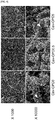
- a cured product was produced as described in Example 1, except that 1.90 g of Caviton and 0.1 g of CPC were blended at room temperature to afford a mixture in "Production of a cured product” in Example 1. Then, “Measurement of strength”, “Evaluation of antimicrobial effect” and “Evaluation of biofilm inhibition” were conducted as described in Example 1. The results obtained are shown in Table 1 and FIGs. 1, 3 and 4 . As shown in FIG. 4 , the presence of bacteria on the surface of the cured product was visually observed for the electron microgram obtained ("Cav-CPC5", " ⁇ 10000").
- FIG. 2 (Cav-CPC5) is a photograph of the histopathological examination.
- a cured product was produced as described in Example 1, except that CPC was absent and 2 g of Caviton was used in "Production of a cured product” in Example 1. Furthermore, “Measurement of strength”, “Evaluation of antimicrobial effect” and “Evaluation of biofilm inhibition” were conducted as described in Example 1. The results obtained are shown in Table 1 and FIG. 1, 3 and 4 . As shown in FIG. 4 , the presence of bacteria on the surface of the cured product was visually observed for the electron microgram obtained ("Cav-CPC0", " ⁇ 10000"). As a result, in the area of the electron microgram (13 ⁇ m ⁇ 9 ⁇ m), 208 bacteria (arrow in the photograph) were observed, indicating biofilm formation on the cured product.
- FIG. 2 (Cav-CPC0) is a photograph of the histopathological examination.
- a cured product was produced as described in Example 1, except that in “Production of a cured product" in Example 1, a dental hydraulic temporary sealer was changed to "Panavia F” from Morita Corporation and 0.4975 g of Panavia F and 0.0025 g of CPC were blended at room temperature to afford a mixture. Then, “Measurement of strength”, “Evaluation of antimicrobial effect” and “Evaluation of biofilm inhibition” were conducted as described in Example 1. The results obtained are shown in Table 1 and FIGs. 5 to 7 . In Comparative Examples 3 to 5, an S. mutans culture medium was newly prepared as described in Example 1. In FIG.
- a cured product was produced as described in Example 1, except that in “Production of a cured product” in Example 1, a dental hydraulic temporary sealer was changed to "Panavia F” from Morita Corporation and 0.475 g of Panavia F and 0.025 g of CPC were blended at room temperature to afford a mixture. Then, “Measurement of strength”, “Evaluation of antimicrobial effect” and “Evaluation of biofilm inhibition” were conducted as described in Example 1. The results obtained are shown in Table 1 and FIGs. 5 to 7 . As shown in FIG. 7 , the presence of bacteria on the surface of the cured product was visually observed for the electron microgram obtained ("Pana-CPC5", " ⁇ 10000"). As a result, in the area of the electron microgram (13 ⁇ m ⁇ 9 ⁇ m), 60 bacteria were observed, indicating biofilm formation on the cured product.
- a cured product was produced as described in Example 1, except that in "Production of a cured product" in Example 1, a dental hydraulic temporary sealer was changed to "Panavia F” from Morita Corporation and CPC was absent and 0.5 g of Panavia F was used. Then, “Measurement of strength”, “Evaluation of antimicrobial effect” and “Evaluation of biofilm inhibition” were conducted as described in Example 1. The results obtained are shown in Table 1 and FIGs. 5 to 7 . As shown in FIG. 7 , the presence of bacteria on the surface of the cured product was visually observed for the electron microgram obtained ("Pana-CPCO", " ⁇ 10000"). As a result, in the area of the electron microgram (13 ⁇ m ⁇ 9 ⁇ m), more than 300 bacteria were observed, indicating biofilm formation on the cured product.
- a cured product was produced as described in Example 1, except that in “Production of a cured product” in Example 1, 1.90 g of Caviton and 0.1 g of CPC were blended at room temperature to afford a mixture. Then, “Evaluation of bacterial proliferation activity” and “Evaluation of biofilm inhibition” were conducted as described in Example 1, using the Candida albicans culture medium prepared in Example 2. The amount of ATP in the culture medium at 6 and 12 hours is shown in Table 2 and FIG. 8 .
- FIG. 9 shows an electron microgram at a magnification of 1000 and an electron microgram at a magnification of 10000 (Cav-CPC5). As a result, in the area of the electron microgram (13 ⁇ m ⁇ 9 ⁇ m), more than 300 bacteria (the arrow in the photograph) were observed, indicating biofilm formation on the cured product.
- a cured product was produced as described in Example 1, except that in “Production of a cured product” in Example 1, CPC was absent and 2 g of Caviton was used. Then, "Evaluation of bacterial proliferation activity” and “Evaluation of biofilm inhibition” were conducted as described in Example 1, using the Candida albicans culture medium prepared in Example 2. The amount of ATP in the culture medium at 6 and 12 hours is shown in Table 2 and FIG. 8 .
- FIG. 9 shows an electron microgram at a magnification of 1000 and an electron microgram at a magnification of 10000 (Cav-CPC0).
Landscapes
- Health & Medical Sciences (AREA)
- Life Sciences & Earth Sciences (AREA)
- Veterinary Medicine (AREA)
- Public Health (AREA)
- General Health & Medical Sciences (AREA)
- Animal Behavior & Ethology (AREA)
- Epidemiology (AREA)
- Oral & Maxillofacial Surgery (AREA)
- Chemical & Material Sciences (AREA)
- Pharmacology & Pharmacy (AREA)
- Medicinal Chemistry (AREA)
- Plastic & Reconstructive Surgery (AREA)
- Birds (AREA)
- General Chemical & Material Sciences (AREA)
- Chemical Kinetics & Catalysis (AREA)
- Nuclear Medicine, Radiotherapy & Molecular Imaging (AREA)
- Organic Chemistry (AREA)
- Oncology (AREA)
- Engineering & Computer Science (AREA)
- Bioinformatics & Cheminformatics (AREA)
- Communicable Diseases (AREA)
- Pharmaceuticals Containing Other Organic And Inorganic Compounds (AREA)
- Dental Preparations (AREA)
- Cosmetics (AREA)
- Agricultural Chemicals And Associated Chemicals (AREA)
Abstract
Description
- The present invention relates to an oral biofilm inhibitor.
- It has been known that various bacteria and so forth present in an oral cavity cause oral diseases such as dental caries, periodontal disease, gingivitis and halitosis. Generally, in an oral cavity, many of oral bacteria exist not alone, but as a bacterial flora called as a biofilm. In the light of preventing oral diseases, it is, therefore, important to inhibit oral biofilm formation.
- Patent Reference No. 1 has described a dental hydraulic temporary sealer composition comprising 10 to 90 % by weight of calcium sulfate, 5 to 40 % by weight of a vinyl acetate resin, 1 to 40 % by weight of an inorganic filler, 1 to 30 % by weight of an alcohol with a boiling point of 110 °C or higher and 0.001 to 5 % by weight of a nonionic surfactant. The reference has described that there can be provided a dental hydraulic temporary sealer composition which is significantly improved in initial curability, sealability and filling operability in an oral cavity compared to a conventional dental hydraulic temporary sealer. Patent Reference No. 1 has, however, not described or implied inhibition of biofilm formation.
- Patent Reference No. 1:
JP 2011-213608 A - To solve the above problems, an objective of the present invention is to provide an oral biofilm inhibitor excellent for inhibiting oral biofilm formation.
- The above problems can be solved by providing an oral biofilm inhibitor comprising a curable composition containing an antimicrobial agent, wherein a compressive strength of a cured product formed by curing the composition is 150 MPa or less, and a content of the antimicrobial agent is 0.001 to 3 % by weight.
- Here, preferred is the oral biofilm inhibitor used for inhibiting biofilm formation in an oral cavity by applying a curable composition containing an antimicrobial agent to a dental defect site for allowing the composition to cure at the dental defect site, and then disintegrating the cured composition.
- The oral biofilm inhibitor as described above, wherein the curable composition is again applied to the site where the cured composition has been disintegrated, is also a preferable embodiment of the present invention.
- The above problems can be also solved by providing an oral biofilm inhibitor kit comprising a curable composition and an antimicrobial agent, wherein a compressive strength of a cured product formed by curing an oral biofilm inhibitor is 150 MPa or less, and the curable composition and the antimicrobial agent are blended for use such that a content of the antimicrobial agent in the oral biofilm inhibitor comes to be 0.001 to 3 % by weight.
- The above problems can be also solved by providing an oral biofilm inhibitor kit comprising a curable composition and a liquid agent containing water as a main component, wherein at least one of the curable composition and the liquid agent containing water as a main component comprises the antimicrobial agent; a compressive strength of a cured product formed by curing the oral biofilm inhibitor is 150 MPa or less; and the curable composition and the liquid agent are blended for use such that a content of the antimicrobial agent comes to be 0.001 to 3 % by weight.
- The above problems can be also solved by providing a method for producing an oral biofilm inhibitor comprising a curable composition containing an antimicrobial agent, comprising blending the curable composition and the antimicrobial agent such that a content of the antimicrobial agent in the oral biofilm inhibitor comes to be 0.001 to 3 % by weight.
- According to the present invention, there can be provided an oral biofilm inhibitor excellent for inhibiting oral biofilm formation.
-
-
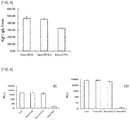
FIG. 1 is a graph showing compressive strength of a cured product in Example 1, and Comparative Examples 1 and 2. -
FIG. 2 is a photograph of histopathological examination in Example 1, and Comparative Examples 1 and 2. -
FIG. 3 is a graph showing the amount of ATP in a culture medium after 6 and 12 hours in Example 1, and Comparative Examples 1 and 2. -
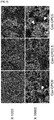
FIG. 4 is an electron microgram of the surface of a cured product after immersion in a culture medium in Example 1, and Comparative Examples 1 and 2 (magnification: 1000 and 10000). -
FIG. 5 is a graph showing compressive strength of a cured product in Comparative Examples 3 to 5. -
FIG. 6 is a graph showing the amount of ATP in a culture medium after 6 and 12 hours in Comparative Examples 3 to 5. -
FIG. 7 is an electron microgram of the surface of a cured product after immersion in a culture medium in Comparative Examples 3 to 5 (magnification: 1000 and 10000). -
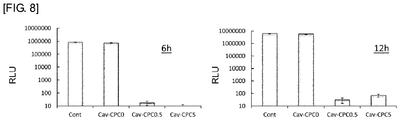
FIG. 8 is a graph showing the amount of ATP in a culture medium after 6 and 12 hours in Example 2, and Comparative Examples 6 and 7. -
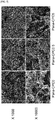
FIG. 9 is an electron microgram of the surface of a cured product after immersion in a culture medium in Example 2, and Comparative Examples 6 and 7 (magnification: 1000 and 10000). - The present invention is characterized in an oral biofilm inhibitor comprising a curable composition containing an antimicrobial agent, wherein a compressive strength of a cured product formed by curing the composition is 150 MPa or less, and a content of the antimicrobial agent is 0.001 to 3 % by weight. In the present invention, it is extremely important that a compressive strength of a cured product formed by curing the composition is a particular value or less and a content of the antimicrobial agent in the inhibitor is within a particular range. We have found that an oral biofilm inhibitor of the present invention exhibits excellent inhibitory effect to biofilm formation, only when the conditions described above are met.
- It is important that a content of the antimicrobial agent in the oral biofilm inhibitor of the present invention is 0.001 to 3 % by weight. It has been observed that when a content of the antimicrobial agent is within this range, the inhibitor is antimicrobially effective in a culture medium and a biofilm is not formed on the surface of a cured product. If a content of the antimicrobial agent is more than 3 % by weight, inhibiting biofilm formation is difficult. As shown in Examples later, when a cured product with a content of the antimicrobial agent being 5 % by weight is immersed in a S. mutans culture medium, antimicrobial effect was observed in the culture medium but a biofilm was formed on the surface of the cured product. Surprisingly, it has been found for the first time by our investigation that when a content of the antimicrobial agent in the inhibitor is increased, biofilm inhibitory effect is rather lowered. It is, therefore, significant to employ a formation that a content of the antimicrobial agent is 3 % by weight or less.
- It is generally known that many of cationic antimicrobial agents are bitter. In the light of suppressing bitterness when it is put into an oral cavity, a lower content of the antimicrobial agent is preferable. Seen from this point of view, a content of the antimicrobial agent is preferably 2 % by weight or less, more preferably 1 % by weight or less. Furthermore, if a content of the antimicrobial agent is less than 0.001 % by weight, biofilm formation cannot be inhibited, and a content of the antimicrobial agent is preferably 0.005 % by weight or more, more preferably 0.01 % by weight or more.
- Herein, there are no particular restrictions to the type of an antimicrobial agent. Examples of an antimicrobial agent include cationic antimicrobial agents such as cetylpyridinium chloride (CPC), thymol and isopropylmethylphenol (IPMP).
- In an oral biofilm inhibitor of the present invention, it is also important that a compressive strength of a cured product formed by curing a curable composition containing an antimicrobial agent is 150 MPa or less. If a compressive strength is more than 150 MPa, biofilm formation cannot be inhibited, and a compressive strength is preferably 100 MPa or less, more preferably 50 MPa or less, further preferably 25 MPa or less, particularly preferably 10 MPa or less. If a compressive strength is too low, formability may not be maintained. Therefore, it is generally 0.01 MPa or more, preferably 0.05 MPa or more. A compressive strength of a cured product in the present invention is defined in accordance with "compressive strength test" described in JIS T6602. As seen from Examples later, three cured products are pressed at a crosshead speed of 2 mm/min and a load at the time of crush of the cured products is measured and an average is calculated to determine a compressive strength.
- There are no particular restrictions to the type of a curable composition as long as a cured product formed by curing a curable composition containing an antimicrobial agent has a compressive strength of 150 MPa or less. The curable composition is preferably at least one of a hydraulic composition, a photocurable composition and a thermosetting composition. Among these, a hydraulic composition is well handleable because it cures by reaction with a liquid agent containing water as a main component. In this regard, a curable composition is more preferably a hydraulic composition, further preferably, because it cures by reaction with water in saliva, a hydraulic composition containing calcium sulfate as a main component. Herein, a liquid agent containing water as a main component can be pure water or a liquid agent containing water as a main component and other components. Furthermore, a main component refers to a component with a content of generally 50 % by weight or more, preferably 80 % by weight or more.
- There are no particular restrictions to the form of a curable composition before curing, and it is preferably a paste in the light of easy application to an oral cavity.
- The oral biofilm inhibitor can contain a component other than an antimicrobial agent as long as the effects of the present invention are not deteriorated; for example, a flavor, a colorant, a thickener can be appropriately added. A content of these components is generally 10 % by weight or less, preferably 5 % by weight or less.
- Herein, preferred is an oral biofilm inhibitor used for inhibiting biofilm formation in an oral cavity by applying a curable composition containing an antimicrobial agent to a dental defect site for allowing the composition to cure at the dental defect site, and then disintegrating the cured composition.
- An oral biofilm inhibitor of the present invention has moderate compressive strength, so that the inhibitor may partly disintegrate, for example, by mastication. Thus, owing to disintegration of the inhibitor, the antimicrobial agent contained in the inhibitor is released in an oral cavity. As a result, oral biofilm formation can be more effectively inhibited.
- A preferable embodiment of the present invention is applying again a curable composition containing an antimicrobial agent to the site where the cured composition has been disintegrated. Thus, an oral cavity can be consistently kept clean.
- There are no particular restrictions to a method of applying a curable composition containing an antimicrobial agent to a dental defect site as long as the dental defect site can be completely sealed. A dental defect site can be a dental defect site due to dental caries or periodontal disease, a dental defect site due to injury, a cavity or the like. There are also no restrictions to a method for curing a curable composition at a dental defect site. When the curable composition is a hydraulic composition containing calcium sulfate as a main component, it reacts with water in saliva and therefore, a curing method is convenient. Water can be, if necessary, applied to the surface of the composition after applying the hydraulic composition to the dental defect site.
- Another embodiment of the present invention is an oral biofilm inhibitor kit comprising a curable composition and an antimicrobial agent. Herein, a compressive strength of a cured product formed by curing the oral biofilm inhibitor is 150 MPa or less. The kit is provided for use by blending the components such that a content of the antimicrobial agent in the oral biofilm inhibitor comes to be 0.001 to 3 % by weight.
- Another embodiment of the present invention is an oral biofilm inhibitor kit comprising a curable composition and a liquid agent containing water as a main component. Here, at least one of the curable composition and the liquid agent containing water as a main component contains an antimicrobial agent. A compressive strength of a cured product formed by curing an oral biofilm inhibitor is 150 MPa or less. The kit is provided for use by blending the components such that a content of an antimicrobial agent in the oral biofilm inhibitor comes to be 0.001 to 3 % by weight.
- There are no particular restrictions to a method for producing an oral biofilm inhibitor of the present invention; specifically, a curable composition and an antimicrobial agent are blended such that a content of the antimicrobial agent in the oral biofilm inhibitor comes to be 0.001 to 3 % by weight. The curable composition and the antimicrobial agent can be blended by, but not limited to, manual mixing, a mixing device or the like. The curable composition and the antimicrobial agent can be blended for preparing the inhibitor immediately before application to a dental defect site. Herein, when a liquid agent containing water as a main component is used, a liquid agent containing water as a main component can be blended with a curable composition containing an antimicrobial agent, or a liquid agent containing water as a main component and antimicrobial agent can be blended with a curable composition.
- Since an oral biofilm inhibitor of the present invention is excellent in inhibitory effects on oral biofilm formation, it could be used to various applications. Supposed subjects are, in addition to patients with an oral disease, immune-compromised patients (for example, patients with cancer under therapy), elderly adults and the like. When a patient is immune-compromised, risk of developing various systemic diseases is increased. Such a systemic disease that can be mentioned is, for example, aspiration pneumonia. Aspiration pneumonia refers to a disease where oral bacteria invade a lung through misswallowing and grow in the lung, causing inflammation. Invasion by oral bacteria into a lung does not necessarily lead to development of pneumonia, but when immunity is compromised, risk of developing aspiration pneumonia is increased. By applying an oral biofilm inhibitor of the present invention to an oral cavity, various systemic diseases such as aspiration pneumonia can be prevented.
- Since an oral biofilm inhibitor of the present invention can be conveniently used, it can be used not only in a dental clinic but also in home care. Furthermore, It can be used in a wide-scale disaster site. If a wide-scale disaster occurs, it becomes difficult to keep an oral cavity clean due to disrupted water supply, leading to deteriorated hygienic environment in the oral cavity. Thus, it may cause a systemic disease as described above. Since an oral cavity can be consistently kept clean by use an oral biofilm inhibitor of the present invention, the use of the inhibitor in a wide-scale disaster site offers particularly numerous benefits.
- The present invention will be further specifically described with reference to Examples.
- A cured product was produced as described below.
- (1) 1.99 g of dental hydraulic temporary sealer ("Caviton", from GC Corporation) and 0.01 g of cetylpyridinium chloride (hereinafter, sometimes abbreviated as "CPC") were blended at room temperature to give a mixture.
- (2) a mold with a diameter of 5 mm and a depth of 10 mm was filled with the mixture obtained.
- (3) this mold was immersed in distilled water.
- (4) after immersion of the mold in distilled water for 24 hours, the mold was removed from the distilled water.
- (5) the removed mold was placed in a drying chamber (37 °C).
- (6) after placing the mold in the drying chamber for 3 days, the mold was removed from the drying chamber and the cylindrical cured product was taken out from the mold.
- A compressive strength of the cured product obtained was measured in accordance with "compressive strength test" described in JIS T6602. The measurement was conducted for three cured products; the cured product was pressed at a crosshead speed of 2 mm/min and a load at the time of crush of the cured product was measured and an average was calculated. The cured product used for the measurement had an average diameter of 5.1 mm and an average height of 10.6 mm. A measurement apparatus used was "Autograph AG-X 20kN" from Shimadzu Corporation. As a result, a compressive strength per 5.1 mm diameter of the cured product was 1.31 kgf/ϕ5.1 mm. It was converted to a compressive strength per unit area (MPa), which was 0.63 MPa. The results are shown in Table 1 and
FIG. 1 . - For evaluating irritation to oral mucous membrane of a cured product extract, a buccal-pouch mucous membrane irritation examination using a syrian hamster was conducted. A cured product extract was obtained by extracting the cured product with 200 mL of PBS per 1 g of the product at 37 °C for 12 hours. The cured product extract was applied 4 times every 1 hour to the inside of the right buccal pouch of each of five syrian hamsters. The buccal pouch mucous membrane was visually observed for up to 24 hours after the final application and at the end of visual observation, the animal was euthanized by overdose of pentobarbital. Then, both right and left buccal pouches were isolated and subjected to histopathological examination. The left buccal pouch was used as an untreated control.
- Examination name: buccal pouch mucous membrane irritation examination of a CPC-containing Caviton extract using hamsters
- Examination number: G102 (590-005), GLP: not applicable
- Examiner: Public Interest Incorporated Foundation, BioSafety Research Center
- As a result, the cured product extract was judged to be nonirritating to the buccal pouch mucous membrane of the syrian hamster.
FIG. 2 (Cav-CPC0.5) is a photograph of the histopathological examination. - An S. mutans culture medium was prepared as described below.
- (1) Streptococcus mutans ATCC25175 strain was cultured under aerobic conditions at 37 °C, using BactoTM Brain Heart Infusion (Becton, Dickinson and Company, Sparks, MD, USA) liquid culture medium.
- (2) After cultivation to a logarithmic growth phase under aerobic conditions, an absorbance at a wavelength of 660 nm (A660) was measured using an absorption spectrometer ("SPECTRONIC 20A", from Shimadzu Corporation), and the cultivated medium was diluted to 1×10⁵ cfu/mL with the above liquid medium, to prepare a bacterial suspension.
- 12 milliliter of the culture medium prepared was taken and kept at 37 °C, and the cured product was immersed in the culture medium. 48 hours after immersion of the cured product in the culture medium, the cured product was taken off from the culture medium. Here, for measuring the amount of ATP in the culture medium, the culture medium was taken 6 and 12 hours after immersion of the cured product in the culture medium. Then, the amount of ATP in the culture medium was measured using a testing kit and a tester ("Lucifer HS set" and "Lumitester C-110" from Kikkoman Biochemifa Company). The amount of ATP in the culture medium at 6 and 12 hours is shown in Table 1 and
FIG. 3 . Table 1 andFIG. 3 show that the smaller RLU (luminescence amount) is, the more bacterial proliferation is suppressed. InFIG. 3 , "Cont" indicates RLU of the culture medium after 6 hours (average: 37206.0, standard deviation: 1857.2) and after 12 hours (average: 689864.7, standard deviation: 38395.5) when the cured product was not immersed in the culture medium. - The surface of the cured product removed from the culture medium was observed by a field emission-type scanning electron microscope.
FIG. 4 shows an electron microgram at a magnification of 1000 and an electron microgram at a magnification of 10000. For the electron micrograms ("Cav-CPC0.5", "×10000"), the presence of bacteria on the surface of the cured product was visually observed. As a result, no bacteria were observed and biofilm was not formed on the cured product. The field emission-type scanning electron microscope used was "FE-SEM DS-720" from Topcon Corporation. - "Evaluation of bacterial proliferation activity" and "Evaluation of biofilm inhibition" were conducted as described in Example 1, using a Candida albicans culture medium prepared as described below. The amount of ATP in the culture medium at 6 and 12 hours is shown in Table 2 and
FIG. 8 .FIG. 9 shows an electron microgram at a magnification of 1000 and an electron microgram at a magnification of 10000 (Cav-CPC0.5). As a result, no bacteria were observed and biofilm was not formed on the cured product. -
- (1) C. albicans (clinical isolate) was cultured under aerobic conditions at 37 °C, using BactoTM Brain Heart Infusion (Becton, Dickinson and Company, Sparks, MD, USA) liquid culture medium.
- (2) After cultivation to a logarithmic growth phase under aerobic conditions, an absorbance at a wavelength of 660 nm (A660) was measured using an absorption spectrometer ("miniphoto 518R", from TAITEC Corporation), and the cultivated medium was diluted to 1×10⁵ cfu/mL with the above liquid medium, to prepare a bacterial suspension.
- A cured product was produced as described in Example 1, except that 1.90 g of Caviton and 0.1 g of CPC were blended at room temperature to afford a mixture in "Production of a cured product" in Example 1. Then, "Measurement of strength", "Evaluation of antimicrobial effect" and "Evaluation of biofilm inhibition" were conducted as described in Example 1. The results obtained are shown in Table 1 and
FIGs. 1, 3 and4 . As shown inFIG. 4 , the presence of bacteria on the surface of the cured product was visually observed for the electron microgram obtained ("Cav-CPC5", "×10000"). As a result, in the area of the electron microgram (13 µm × 9 µm), 45 bacteria (arrow in the photograph) were observed, indicating biofilm formation on the cured product. Furthermore, "Evaluation of irritation to oral mucous membrane" was conducted as described in Example 1. As a result, the cured product extract was judged to be nonirritating to the buccal pouch mucous membrane of the syrian hamster.FIG. 2 (Cav-CPC5) is a photograph of the histopathological examination. - A cured product was produced as described in Example 1, except that CPC was absent and 2 g of Caviton was used in "Production of a cured product" in Example 1. Furthermore, "Measurement of strength", "Evaluation of antimicrobial effect" and "Evaluation of biofilm inhibition" were conducted as described in Example 1. The results obtained are shown in Table 1 and
FIG. 1, 3 and4 . As shown inFIG. 4 , the presence of bacteria on the surface of the cured product was visually observed for the electron microgram obtained ("Cav-CPC0", "×10000"). As a result, in the area of the electron microgram (13 µm × 9 µm), 208 bacteria (arrow in the photograph) were observed, indicating biofilm formation on the cured product. Furthermore, "Evaluation of irritation to oral mucous membrane" was conducted as described in Example 1. As a result, the cured product extract was judged to be nonirritating to the buccal pouch mucous membrane of the syrian hamster.FIG. 2 (Cav-CPC0) is a photograph of the histopathological examination. - A cured product was produced as described in Example 1, except that in "Production of a cured product" in Example 1, a dental hydraulic temporary sealer was changed to "Panavia F" from Morita Corporation and 0.4975 g of Panavia F and 0.0025 g of CPC were blended at room temperature to afford a mixture. Then, "Measurement of strength", "Evaluation of antimicrobial effect" and "Evaluation of biofilm inhibition" were conducted as described in Example 1. The results obtained are shown in Table 1 and
FIGs. 5 to 7 . In Comparative Examples 3 to 5, an S. mutans culture medium was newly prepared as described in Example 1. InFIG. 6 , "Cont" indicates RLU of the culture medium after 6 hours (average: 33152, standard deviation: 433) and after 12 hours (average: 682856, standard deviation: 44861) when the cured product was not immersed in the culture medium. As shown inFIG. 7 , the presence of bacteria on the surface of the cured product was visually observed for the electron microgram obtained ("Pana-CPC0.5", "×10000"). As a result, in the area of the electron microgram (13 µm × 9 µm), more than 300 bacteria were observed, indicating biofilm formation on the cured product. - A cured product was produced as described in Example 1, except that in "Production of a cured product" in Example 1, a dental hydraulic temporary sealer was changed to "Panavia F" from Morita Corporation and 0.475 g of Panavia F and 0.025 g of CPC were blended at room temperature to afford a mixture. Then, "Measurement of strength", "Evaluation of antimicrobial effect" and "Evaluation of biofilm inhibition" were conducted as described in Example 1. The results obtained are shown in Table 1 and
FIGs. 5 to 7 . As shown inFIG. 7 , the presence of bacteria on the surface of the cured product was visually observed for the electron microgram obtained ("Pana-CPC5", "×10000"). As a result, in the area of the electron microgram (13 µm × 9 µm), 60 bacteria were observed, indicating biofilm formation on the cured product. - A cured product was produced as described in Example 1, except that in "Production of a cured product" in Example 1, a dental hydraulic temporary sealer was changed to "Panavia F" from Morita Corporation and CPC was absent and 0.5 g of Panavia F was used. Then, "Measurement of strength", "Evaluation of antimicrobial effect" and "Evaluation of biofilm inhibition" were conducted as described in Example 1. The results obtained are shown in Table 1 and
FIGs. 5 to 7 . As shown inFIG. 7 , the presence of bacteria on the surface of the cured product was visually observed for the electron microgram obtained ("Pana-CPCO", "×10000"). As a result, in the area of the electron microgram (13 µm × 9 µm), more than 300 bacteria were observed, indicating biofilm formation on the cured product. - A cured product was produced as described in Example 1, except that in "Production of a cured product" in Example 1, 1.90 g of Caviton and 0.1 g of CPC were blended at room temperature to afford a mixture. Then, "Evaluation of bacterial proliferation activity" and "Evaluation of biofilm inhibition" were conducted as described in Example 1, using the Candida albicans culture medium prepared in Example 2. The amount of ATP in the culture medium at 6 and 12 hours is shown in Table 2 and
FIG. 8 .FIG. 9 shows an electron microgram at a magnification of 1000 and an electron microgram at a magnification of 10000 (Cav-CPC5). As a result, in the area of the electron microgram (13 µm × 9 µm), more than 300 bacteria (the arrow in the photograph) were observed, indicating biofilm formation on the cured product. - A cured product was produced as described in Example 1, except that in "Production of a cured product" in Example 1, CPC was absent and 2 g of Caviton was used. Then, "Evaluation of bacterial proliferation activity" and "Evaluation of biofilm inhibition" were conducted as described in Example 1, using the Candida albicans culture medium prepared in Example 2. The amount of ATP in the culture medium at 6 and 12 hours is shown in Table 2 and
FIG. 8 .FIG. 9 shows an electron microgram at a magnification of 1000 and an electron microgram at a magnification of 10000 (Cav-CPC0). As a result, in the area of the electron microgram (13 µm × 9 µm), more than 300 bacteria (the arrow in the photograph) were observed, indicating biofilm formation on the cured product.[Table 1] Cured product RLU Compression strength (kgf/ϕ5mm, MPa) No. of bacteria Curable composition (brand) Antimicrobial agent (% by weight) Notation after 6 hours after 12 hours Average Standard deviation Average Standard deviation Average Standard deviation kgf/ϕ5mm MPa kgf/ϕ5mm MPa Example 1 Caviton 0.5 Cav-CPCO.5 251.0 84.9 33.7 11.6 1.31 0.63 0.11 0.05 0 Comparative Example 1 Caviton 5 Cav-CPC5 183.7 108.2 32.7 8.4 4.06 1.95 0.30 0.14 45 Comparative Example 2 Caviton 0 Cav-CPC0 31772.7 10064.1 501523.0 142926.7 1.43 0.69 0.22 0.10 208 Comparative Example 3 Panavia F 0.5 Pana-CPC0.5 24763 11415 438532 263885 456.29 223.30 7.78 6.40 more than 300 Comparative Example 4 Panavia F 5 Pana-CPC5 25 27 15 5 326.57 160.86 1.35 2.41 60 Comparative Example 5 Panavia F 0 Pana-CPC0 33485 3925 716111 35169 468.76 227.11 25.96 23.92 more than 300 [Table 2] Cured product RLU No. of bacteria Curable composition (brand) Antimicrobial agent (% by weight) Notation after 6 hours after 12 hours Average Standard deviation Average Standard deviation Example 2 Caviton 0.5 Cav-CPC0.5 17 6 30 14 0 Comparative Example 6 Caviton 5 Cav- CPC5 10 3 70 18 more than 300 Comparative Example 7 Caviton 0 Cav-CPC0 745142 56511 5489307 235605 more than 300
Claims (6)
- An oral biofilm inhibitor comprising a curable composition containing an antimicrobial agent, wherein a compressive strength of a cured product formed by curing the composition is 150 MPa or less, and a content of the antimicrobial agent is 0.001 to 3 % by weight.
- The oral biofilm inhibitor according to Claim 1, used for inhibiting biofilm formation in an oral cavity by applying the curable composition containing the antimicrobial agent to a dental defect site for allowing the composition to cure at the dental defect site, and then disintegrating the cured composition.
- The oral biofilm inhibitor according to Claim 2, wherein the curable composition is again applied to the site where the cured composition has been disintegrated.
- An oral biofilm inhibitor kit comprising a curable composition and an antimicrobial agent, wherein
a compressive strength of a cured product formed by curing an oral biofilm inhibitor is 150 MPa or less, and
the curable composition and the antimicrobial agent are blended for use such that a content of the antimicrobial agent in the oral biofilm inhibitor comes to be 0.001 to 3 % by weight. - An oral biofilm inhibitor kit comprising a curable composition and a liquid agent containing water as a main component, wherein
at least one of the curable composition and the liquid agent containing water as a main component comprises the antimicrobial agent,
a compressive strength of a cured product formed by curing the oral biofilm inhibitor is 150 MPa or less, and
the curable composition and the liquid agent are blended for use such that a content of the antimicrobial agent comes to be 0.001 to 3 % by weight. - A method for producing an oral biofilm inhibitor comprising a curable composition containing an antimicrobial agent according to any of Claims 1 to 3, comprising blending the curable composition and the antimicrobial agent such that a content of the antimicrobial agent in the oral biofilm inhibitor comes to be 0.001 to 3 % by weight.
Applications Claiming Priority (2)
| Application Number | Priority Date | Filing Date | Title |
|---|---|---|---|
| JP2014169033 | 2014-08-22 | ||
| PCT/JP2015/073635 WO2016027901A1 (en) | 2014-08-22 | 2015-08-21 | Oral biofilm inhibitor |
Publications (3)
| Publication Number | Publication Date |
|---|---|
| EP3184097A1 true EP3184097A1 (en) | 2017-06-28 |
| EP3184097A4 EP3184097A4 (en) | 2018-04-04 |
| EP3184097B1 EP3184097B1 (en) | 2020-02-19 |
Family
ID=55350840
Family Applications (1)
| Application Number | Title | Priority Date | Filing Date |
|---|---|---|---|
| EP15834162.8A Active EP3184097B1 (en) | 2014-08-22 | 2015-08-21 | Oral biofilm inhibitor |
Country Status (4)
| Country | Link |
|---|---|
| US (1) | US10307342B2 (en) |
| EP (1) | EP3184097B1 (en) |
| JP (1) | JP6541111B2 (en) |
| WO (1) | WO2016027901A1 (en) |
Family Cites Families (11)
| Publication number | Priority date | Publication date | Assignee | Title |
|---|---|---|---|---|
| US3431208A (en) * | 1965-11-17 | 1969-03-04 | Schering Corp | Denture spray |
| US5330746A (en) * | 1988-05-03 | 1994-07-19 | Yissum Research Development Company Of The Hebrew University Of Jerusalem | Dental varnish composition, and method of use |
| US6500004B2 (en) * | 2000-12-14 | 2002-12-31 | Ultradent Products, Inc. | Endodontic sealing compositions and methods for using such compositions |
| JP2002503520A (en) | 1998-02-19 | 2002-02-05 | オラシューティカル エルエルシー | Antibacterial denture adhesive composition |
| US8658712B2 (en) * | 2007-02-09 | 2014-02-25 | Dentsply International Inc. | Methods of treatment of the dental pulp and filling root canals using water-based material |
| JP5059938B2 (en) * | 2008-03-28 | 2012-10-31 | 独立行政法人海洋研究開発機構 | Pressure vessel, buoyant body and exploration device provided with the same |
| JP2009167204A (en) | 2009-03-18 | 2009-07-30 | Sangi Co Ltd | Improved 3DS home care agent |
| US20120027829A1 (en) * | 2009-03-30 | 2012-02-02 | Kuraray Medical Inc. | Dentin mineralizing agent and method for production thereof |
| JP2011213608A (en) * | 2010-03-31 | 2011-10-27 | Gc Corp | Dental hydraulic temporary sealing material composition |
| US20130189337A1 (en) * | 2010-10-06 | 2013-07-25 | Kuraray Noritake Dental Inc. | Dentinal tubule sealant and method for producing the same |
| JP5834623B2 (en) | 2011-08-25 | 2015-12-24 | ライオン株式会社 | Oral ointment composition and oral biofilm disinfectant |
-
2015
- 2015-08-21 US US15/505,411 patent/US10307342B2/en not_active Expired - Fee Related
- 2015-08-21 WO PCT/JP2015/073635 patent/WO2016027901A1/en not_active Ceased
- 2015-08-21 EP EP15834162.8A patent/EP3184097B1/en active Active
- 2015-08-21 JP JP2016544275A patent/JP6541111B2/en active Active
Also Published As
| Publication number | Publication date |
|---|---|
| EP3184097B1 (en) | 2020-02-19 |
| US20170273874A1 (en) | 2017-09-28 |
| EP3184097A4 (en) | 2018-04-04 |
| US10307342B2 (en) | 2019-06-04 |
| JPWO2016027901A1 (en) | 2017-06-22 |
| JP6541111B2 (en) | 2019-07-10 |
| WO2016027901A1 (en) | 2016-02-25 |
Similar Documents
| Publication | Publication Date | Title |
|---|---|---|
| Ngo et al. | Chemical exchange between glass-ionomer restorations and residual carious dentine in permanent molars: an in vivo study | |
| Degrazia et al. | Polymerisation, antibacterial and bioactivity properties of experimental orthodontic adhesives containing triclosan-loaded halloysite nanotubes | |
| Madhubala et al. | Comparative evaluation of propolis and triantibiotic mixture as an intracanal medicament against Enterococcus faecalis | |
| De Castilho et al. | In vitro and in vivo investigation of the biological and mechanical behaviour of resin-modified glass-ionomer cement containing chlorhexidine | |
| CN105534875A (en) | Anti-bacterial anti-allergy composition for oral care products, toothpaste and preparation method of toothpaste | |
| CN101999990B (en) | Anti-caries and antiallergic mouth wash | |
| Ribeiro et al. | Rationale for the partial removal of carious tissue in primary teeth | |
| Roth et al. | Microbial Biofilm Proliferation within Sealer–Root Dentin Interfaces Is Affected by Sealer Type and Aging Period | |
| Behnaz et al. | Evaluation and comparison of antibacterial and physicochemical properties of synthesized zinc oxide-nano particle-containing adhesive with commercial adhesive: an experimental study | |
| EP3673892B1 (en) | Fluorine coating agent having enhanced dental tubule permeability and coating endurance and method for preparing same | |
| Gürel et al. | Antimicrobial activities of different bioceramic root canal sealers on various bacterial species | |
| JP2005232043A (en) | Antibacterial dental composition | |
| EP3461335B1 (en) | Method for producing orthopaedic and dental acrylic materials having antimicrobial properties, using copper nanoparticle technology | |
| US10307342B2 (en) | Oral biofilm inhibitor | |
| Shokouhinejad et al. | The sealing ability of resilon and gutta-parcha following different smear layer removal methods: an ex vivo study | |
| KR20160063814A (en) | Oral composition comprising fermented extract of blackberry and manufacturing method thereof | |
| JP5439642B2 (en) | Bactericidal root canal sealer and preparation kit | |
| JP5108068B2 (en) | Lactobacillus fermentum SG-A95 (Lactobacillus fermentum SG-A95) for improving bacteria in the oral cavity and health composition thereof | |
| JPS60181004A (en) | Dental cement composition | |
| EP4063042A1 (en) | Composite material with silver integration as an antibacterial matrix material, especially for biofilm reduction | |
| US20120195838A1 (en) | Oral composition for denture wearers | |
| Hsiu et al. | The effect of dentin surface treatment with disinfectant on the shear bonding strength of luting cements | |
| Somani et al. | Comparative evaluation of shear bond strength of conventional type II glass ionomer cement and triclosan incorporated type II glass ionomer cement: an in vitro study | |
| Kupka et al. | Effect of addition of antimicrobial triclosan on selected properties of water-activated glass ionomer cement | |
| CN106539697A (en) | Preventing decayed tooth antiallergic antiscuffing paste and preparation method thereof |
Legal Events
| Date | Code | Title | Description |
|---|---|---|---|
| STAA | Information on the status of an ep patent application or granted ep patent |
Free format text: STATUS: THE INTERNATIONAL PUBLICATION HAS BEEN MADE |
|
| PUAI | Public reference made under article 153(3) epc to a published international application that has entered the european phase |
Free format text: ORIGINAL CODE: 0009012 |
|
| STAA | Information on the status of an ep patent application or granted ep patent |
Free format text: STATUS: REQUEST FOR EXAMINATION WAS MADE |
|
| 17P | Request for examination filed |
Effective date: 20170316 |
|
| AK | Designated contracting states |
Kind code of ref document: A1 Designated state(s): AL AT BE BG CH CY CZ DE DK EE ES FI FR GB GR HR HU IE IS IT LI LT LU LV MC MK MT NL NO PL PT RO RS SE SI SK SM TR |
|
| AX | Request for extension of the european patent |
Extension state: BA ME |
|
| DAV | Request for validation of the european patent (deleted) | ||
| DAX | Request for extension of the european patent (deleted) | ||
| A4 | Supplementary search report drawn up and despatched |
Effective date: 20180301 |
|
| RIC1 | Information provided on ipc code assigned before grant |
Ipc: A61Q 11/00 20060101ALI20180223BHEP Ipc: A61P 1/02 20060101ALI20180223BHEP Ipc: A61K 45/00 20060101ALI20180223BHEP Ipc: A61K 6/08 20060101AFI20180223BHEP Ipc: A61K 6/00 20060101ALI20180223BHEP Ipc: A61K 9/08 20060101ALI20180223BHEP |
|
| STAA | Information on the status of an ep patent application or granted ep patent |
Free format text: STATUS: EXAMINATION IS IN PROGRESS |
|
| 17Q | First examination report despatched |
Effective date: 20190129 |
|
| REG | Reference to a national code |
Ref country code: DE Ref legal event code: R079 Ref document number: 602015047457 Country of ref document: DE Free format text: PREVIOUS MAIN CLASS: A61K0006080000 Ipc: A61K0006020000 |
|
| GRAP | Despatch of communication of intention to grant a patent |
Free format text: ORIGINAL CODE: EPIDOSNIGR1 |
|
| STAA | Information on the status of an ep patent application or granted ep patent |
Free format text: STATUS: GRANT OF PATENT IS INTENDED |
|
| RIC1 | Information provided on ipc code assigned before grant |
Ipc: A61K 6/02 20060101AFI20190902BHEP Ipc: A61K 45/00 20060101ALI20190902BHEP Ipc: A61Q 11/00 20060101ALI20190902BHEP Ipc: A61K 6/08 20060101ALI20190902BHEP Ipc: A61K 9/08 20060101ALI20190902BHEP Ipc: A61K 8/49 20060101ALI20190902BHEP Ipc: A61K 6/00 20060101ALI20190902BHEP |
|
| INTG | Intention to grant announced |
Effective date: 20190927 |
|
| GRAS | Grant fee paid |
Free format text: ORIGINAL CODE: EPIDOSNIGR3 |
|
| GRAA | (expected) grant |
Free format text: ORIGINAL CODE: 0009210 |
|
| STAA | Information on the status of an ep patent application or granted ep patent |
Free format text: STATUS: THE PATENT HAS BEEN GRANTED |
|
| AK | Designated contracting states |
Kind code of ref document: B1 Designated state(s): AL AT BE BG CH CY CZ DE DK EE ES FI FR GB GR HR HU IE IS IT LI LT LU LV MC MK MT NL NO PL PT RO RS SE SI SK SM TR |
|
| REG | Reference to a national code |
Ref country code: CH Ref legal event code: EP |
|
| REG | Reference to a national code |
Ref country code: DE Ref legal event code: R096 Ref document number: 602015047457 Country of ref document: DE |
|
| REG | Reference to a national code |
Ref country code: AT Ref legal event code: REF Ref document number: 1234108 Country of ref document: AT Kind code of ref document: T Effective date: 20200315 |
|
| REG | Reference to a national code |
Ref country code: IE Ref legal event code: FG4D |
|
| REG | Reference to a national code |
Ref country code: DE Ref legal event code: R079 Ref document number: 602015047457 Country of ref document: DE Free format text: PREVIOUS MAIN CLASS: A61K0006020000 Ipc: A61K0006800000 |
|
| REG | Reference to a national code |
Ref country code: NL Ref legal event code: MP Effective date: 20200219 |
|
| PG25 | Lapsed in a contracting state [announced via postgrant information from national office to epo] |
Ref country code: RS Free format text: LAPSE BECAUSE OF FAILURE TO SUBMIT A TRANSLATION OF THE DESCRIPTION OR TO PAY THE FEE WITHIN THE PRESCRIBED TIME-LIMIT Effective date: 20200219 Ref country code: NO Free format text: LAPSE BECAUSE OF FAILURE TO SUBMIT A TRANSLATION OF THE DESCRIPTION OR TO PAY THE FEE WITHIN THE PRESCRIBED TIME-LIMIT Effective date: 20200519 Ref country code: FI Free format text: LAPSE BECAUSE OF FAILURE TO SUBMIT A TRANSLATION OF THE DESCRIPTION OR TO PAY THE FEE WITHIN THE PRESCRIBED TIME-LIMIT Effective date: 20200219 |
|
| REG | Reference to a national code |
Ref country code: LT Ref legal event code: MG4D |
|
| PG25 | Lapsed in a contracting state [announced via postgrant information from national office to epo] |
Ref country code: GR Free format text: LAPSE BECAUSE OF FAILURE TO SUBMIT A TRANSLATION OF THE DESCRIPTION OR TO PAY THE FEE WITHIN THE PRESCRIBED TIME-LIMIT Effective date: 20200520 Ref country code: HR Free format text: LAPSE BECAUSE OF FAILURE TO SUBMIT A TRANSLATION OF THE DESCRIPTION OR TO PAY THE FEE WITHIN THE PRESCRIBED TIME-LIMIT Effective date: 20200219 Ref country code: SE Free format text: LAPSE BECAUSE OF FAILURE TO SUBMIT A TRANSLATION OF THE DESCRIPTION OR TO PAY THE FEE WITHIN THE PRESCRIBED TIME-LIMIT Effective date: 20200219 Ref country code: LV Free format text: LAPSE BECAUSE OF FAILURE TO SUBMIT A TRANSLATION OF THE DESCRIPTION OR TO PAY THE FEE WITHIN THE PRESCRIBED TIME-LIMIT Effective date: 20200219 Ref country code: IS Free format text: LAPSE BECAUSE OF FAILURE TO SUBMIT A TRANSLATION OF THE DESCRIPTION OR TO PAY THE FEE WITHIN THE PRESCRIBED TIME-LIMIT Effective date: 20200619 Ref country code: BG Free format text: LAPSE BECAUSE OF FAILURE TO SUBMIT A TRANSLATION OF THE DESCRIPTION OR TO PAY THE FEE WITHIN THE PRESCRIBED TIME-LIMIT Effective date: 20200519 |
|
| PG25 | Lapsed in a contracting state [announced via postgrant information from national office to epo] |
Ref country code: NL Free format text: LAPSE BECAUSE OF FAILURE TO SUBMIT A TRANSLATION OF THE DESCRIPTION OR TO PAY THE FEE WITHIN THE PRESCRIBED TIME-LIMIT Effective date: 20200219 |
|
| PG25 | Lapsed in a contracting state [announced via postgrant information from national office to epo] |
Ref country code: SM Free format text: LAPSE BECAUSE OF FAILURE TO SUBMIT A TRANSLATION OF THE DESCRIPTION OR TO PAY THE FEE WITHIN THE PRESCRIBED TIME-LIMIT Effective date: 20200219 Ref country code: LT Free format text: LAPSE BECAUSE OF FAILURE TO SUBMIT A TRANSLATION OF THE DESCRIPTION OR TO PAY THE FEE WITHIN THE PRESCRIBED TIME-LIMIT Effective date: 20200219 Ref country code: PT Free format text: LAPSE BECAUSE OF FAILURE TO SUBMIT A TRANSLATION OF THE DESCRIPTION OR TO PAY THE FEE WITHIN THE PRESCRIBED TIME-LIMIT Effective date: 20200712 Ref country code: SK Free format text: LAPSE BECAUSE OF FAILURE TO SUBMIT A TRANSLATION OF THE DESCRIPTION OR TO PAY THE FEE WITHIN THE PRESCRIBED TIME-LIMIT Effective date: 20200219 Ref country code: ES Free format text: LAPSE BECAUSE OF FAILURE TO SUBMIT A TRANSLATION OF THE DESCRIPTION OR TO PAY THE FEE WITHIN THE PRESCRIBED TIME-LIMIT Effective date: 20200219 Ref country code: CZ Free format text: LAPSE BECAUSE OF FAILURE TO SUBMIT A TRANSLATION OF THE DESCRIPTION OR TO PAY THE FEE WITHIN THE PRESCRIBED TIME-LIMIT Effective date: 20200219 Ref country code: RO Free format text: LAPSE BECAUSE OF FAILURE TO SUBMIT A TRANSLATION OF THE DESCRIPTION OR TO PAY THE FEE WITHIN THE PRESCRIBED TIME-LIMIT Effective date: 20200219 Ref country code: DK Free format text: LAPSE BECAUSE OF FAILURE TO SUBMIT A TRANSLATION OF THE DESCRIPTION OR TO PAY THE FEE WITHIN THE PRESCRIBED TIME-LIMIT Effective date: 20200219 Ref country code: EE Free format text: LAPSE BECAUSE OF FAILURE TO SUBMIT A TRANSLATION OF THE DESCRIPTION OR TO PAY THE FEE WITHIN THE PRESCRIBED TIME-LIMIT Effective date: 20200219 |
|
| REG | Reference to a national code |
Ref country code: AT Ref legal event code: MK05 Ref document number: 1234108 Country of ref document: AT Kind code of ref document: T Effective date: 20200219 |
|
| REG | Reference to a national code |
Ref country code: DE Ref legal event code: R097 Ref document number: 602015047457 Country of ref document: DE |
|
| PLBE | No opposition filed within time limit |
Free format text: ORIGINAL CODE: 0009261 |
|
| STAA | Information on the status of an ep patent application or granted ep patent |
Free format text: STATUS: NO OPPOSITION FILED WITHIN TIME LIMIT |
|
| 26N | No opposition filed |
Effective date: 20201120 |
|
| PG25 | Lapsed in a contracting state [announced via postgrant information from national office to epo] |
Ref country code: IT Free format text: LAPSE BECAUSE OF FAILURE TO SUBMIT A TRANSLATION OF THE DESCRIPTION OR TO PAY THE FEE WITHIN THE PRESCRIBED TIME-LIMIT Effective date: 20200219 Ref country code: AT Free format text: LAPSE BECAUSE OF FAILURE TO SUBMIT A TRANSLATION OF THE DESCRIPTION OR TO PAY THE FEE WITHIN THE PRESCRIBED TIME-LIMIT Effective date: 20200219 |
|
| PG25 | Lapsed in a contracting state [announced via postgrant information from national office to epo] |
Ref country code: SI Free format text: LAPSE BECAUSE OF FAILURE TO SUBMIT A TRANSLATION OF THE DESCRIPTION OR TO PAY THE FEE WITHIN THE PRESCRIBED TIME-LIMIT Effective date: 20200219 Ref country code: PL Free format text: LAPSE BECAUSE OF FAILURE TO SUBMIT A TRANSLATION OF THE DESCRIPTION OR TO PAY THE FEE WITHIN THE PRESCRIBED TIME-LIMIT Effective date: 20200219 |
|
| PG25 | Lapsed in a contracting state [announced via postgrant information from national office to epo] |
Ref country code: MC Free format text: LAPSE BECAUSE OF FAILURE TO SUBMIT A TRANSLATION OF THE DESCRIPTION OR TO PAY THE FEE WITHIN THE PRESCRIBED TIME-LIMIT Effective date: 20200219 |
|
| REG | Reference to a national code |
Ref country code: CH Ref legal event code: PL |
|
| GBPC | Gb: european patent ceased through non-payment of renewal fee |
Effective date: 20200821 |
|
| PG25 | Lapsed in a contracting state [announced via postgrant information from national office to epo] |
Ref country code: LI Free format text: LAPSE BECAUSE OF NON-PAYMENT OF DUE FEES Effective date: 20200831 Ref country code: LU Free format text: LAPSE BECAUSE OF NON-PAYMENT OF DUE FEES Effective date: 20200821 Ref country code: CH Free format text: LAPSE BECAUSE OF NON-PAYMENT OF DUE FEES Effective date: 20200831 |
|
| REG | Reference to a national code |
Ref country code: BE Ref legal event code: MM Effective date: 20200831 |
|
| PG25 | Lapsed in a contracting state [announced via postgrant information from national office to epo] |
Ref country code: FR Free format text: LAPSE BECAUSE OF NON-PAYMENT OF DUE FEES Effective date: 20200831 |
|
| PG25 | Lapsed in a contracting state [announced via postgrant information from national office to epo] |
Ref country code: GB Free format text: LAPSE BECAUSE OF NON-PAYMENT OF DUE FEES Effective date: 20200821 Ref country code: IE Free format text: LAPSE BECAUSE OF NON-PAYMENT OF DUE FEES Effective date: 20200821 Ref country code: BE Free format text: LAPSE BECAUSE OF NON-PAYMENT OF DUE FEES Effective date: 20200831 |
|
| PGFP | Annual fee paid to national office [announced via postgrant information from national office to epo] |
Ref country code: DE Payment date: 20210818 Year of fee payment: 7 |
|
| PG25 | Lapsed in a contracting state [announced via postgrant information from national office to epo] |
Ref country code: TR Free format text: LAPSE BECAUSE OF FAILURE TO SUBMIT A TRANSLATION OF THE DESCRIPTION OR TO PAY THE FEE WITHIN THE PRESCRIBED TIME-LIMIT Effective date: 20200219 Ref country code: MT Free format text: LAPSE BECAUSE OF FAILURE TO SUBMIT A TRANSLATION OF THE DESCRIPTION OR TO PAY THE FEE WITHIN THE PRESCRIBED TIME-LIMIT Effective date: 20200219 Ref country code: CY Free format text: LAPSE BECAUSE OF FAILURE TO SUBMIT A TRANSLATION OF THE DESCRIPTION OR TO PAY THE FEE WITHIN THE PRESCRIBED TIME-LIMIT Effective date: 20200219 |
|
| PG25 | Lapsed in a contracting state [announced via postgrant information from national office to epo] |
Ref country code: MK Free format text: LAPSE BECAUSE OF FAILURE TO SUBMIT A TRANSLATION OF THE DESCRIPTION OR TO PAY THE FEE WITHIN THE PRESCRIBED TIME-LIMIT Effective date: 20200219 Ref country code: AL Free format text: LAPSE BECAUSE OF FAILURE TO SUBMIT A TRANSLATION OF THE DESCRIPTION OR TO PAY THE FEE WITHIN THE PRESCRIBED TIME-LIMIT Effective date: 20200219 |
|
| REG | Reference to a national code |
Ref country code: DE Ref legal event code: R119 Ref document number: 602015047457 Country of ref document: DE |
|
| PG25 | Lapsed in a contracting state [announced via postgrant information from national office to epo] |
Ref country code: DE Free format text: LAPSE BECAUSE OF NON-PAYMENT OF DUE FEES Effective date: 20230301 |