EP3183274B1 - A ph responsive hybrid hydrogel and method of synthesis thereof - Google Patents
A ph responsive hybrid hydrogel and method of synthesis thereof Download PDFInfo
- Publication number
- EP3183274B1 EP3183274B1 EP14815918.9A EP14815918A EP3183274B1 EP 3183274 B1 EP3183274 B1 EP 3183274B1 EP 14815918 A EP14815918 A EP 14815918A EP 3183274 B1 EP3183274 B1 EP 3183274B1
- Authority
- EP
- European Patent Office
- Prior art keywords
- hydrogel
- maa
- sbs
- responsive
- initiator
- Prior art date
- Legal status (The legal status is an assumption and is not a legal conclusion. Google has not performed a legal analysis and makes no representation as to the accuracy of the status listed.)
- Not-in-force
Links
- 239000000017 hydrogel Substances 0.000 title claims description 131
- 238000000034 method Methods 0.000 title claims description 27
- 230000015572 biosynthetic process Effects 0.000 title claims description 15
- 238000003786 synthesis reaction Methods 0.000 title claims description 14
- FACXGONDLDSNOE-UHFFFAOYSA-N buta-1,3-diene;styrene Chemical compound C=CC=C.C=CC1=CC=CC=C1.C=CC1=CC=CC=C1 FACXGONDLDSNOE-UHFFFAOYSA-N 0.000 claims description 71
- 229920000468 styrene butadiene styrene block copolymer Polymers 0.000 claims description 71
- 239000003999 initiator Substances 0.000 claims description 29
- 239000002245 particle Substances 0.000 claims description 24
- 239000000243 solution Substances 0.000 claims description 24
- 229960001233 pregabalin Drugs 0.000 claims description 21
- AYXYPKUFHZROOJ-ZETCQYMHSA-N pregabalin Chemical compound CC(C)C[C@H](CN)CC(O)=O AYXYPKUFHZROOJ-ZETCQYMHSA-N 0.000 claims description 21
- GSEJCLTVZPLZKY-UHFFFAOYSA-N Triethanolamine Chemical compound OCCN(CCO)CCO GSEJCLTVZPLZKY-UHFFFAOYSA-N 0.000 claims description 18
- 239000000203 mixture Substances 0.000 claims description 18
- -1 poly(ethylenglycol) Polymers 0.000 claims description 15
- SEACYXSIPDVVMV-UHFFFAOYSA-L eosin Y Chemical compound [Na+].[Na+].[O-]C(=O)C1=CC=CC=C1C1=C2C=C(Br)C(=O)C(Br)=C2OC2=C(Br)C([O-])=C(Br)C=C21 SEACYXSIPDVVMV-UHFFFAOYSA-L 0.000 claims description 12
- CERQOIWHTDAKMF-UHFFFAOYSA-N Methacrylic acid Chemical compound CC(=C)C(O)=O CERQOIWHTDAKMF-UHFFFAOYSA-N 0.000 claims description 11
- 238000009472 formulation Methods 0.000 claims description 11
- 239000004480 active ingredient Substances 0.000 claims description 10
- LYCAIKOWRPUZTN-UHFFFAOYSA-N ethylene glycol Substances OCCO LYCAIKOWRPUZTN-UHFFFAOYSA-N 0.000 claims description 10
- 125000005395 methacrylic acid group Chemical group 0.000 claims description 10
- XLYOFNOQVPJJNP-UHFFFAOYSA-N water Substances O XLYOFNOQVPJJNP-UHFFFAOYSA-N 0.000 claims description 10
- 238000012377 drug delivery Methods 0.000 claims description 9
- 230000002194 synthesizing effect Effects 0.000 claims description 9
- 239000008194 pharmaceutical composition Substances 0.000 claims description 8
- 239000003431 cross linking reagent Substances 0.000 claims description 5
- STVZJERGLQHEKB-UHFFFAOYSA-N ethylene glycol dimethacrylate Chemical compound CC(=C)C(=O)OCCOC(=O)C(C)=C STVZJERGLQHEKB-UHFFFAOYSA-N 0.000 claims description 5
- RXRHXOLQBOFMDI-UHFFFAOYSA-N methoxymethane;2-methylprop-2-enoic acid Chemical compound COC.CC(=C)C(O)=O RXRHXOLQBOFMDI-UHFFFAOYSA-N 0.000 claims description 5
- 239000000178 monomer Substances 0.000 claims description 5
- UGJMXCAKCUNAIE-UHFFFAOYSA-N Gabapentin Chemical compound OC(=O)CC1(CN)CCCCC1 UGJMXCAKCUNAIE-UHFFFAOYSA-N 0.000 claims description 4
- 238000013270 controlled release Methods 0.000 claims description 4
- 230000008569 process Effects 0.000 claims description 4
- 239000000443 aerosol Substances 0.000 claims description 3
- 239000002775 capsule Substances 0.000 claims description 3
- 239000007924 injection Substances 0.000 claims description 3
- 238000002347 injection Methods 0.000 claims description 3
- 239000000546 pharmaceutical excipient Substances 0.000 claims description 3
- 239000000829 suppository Substances 0.000 claims description 3
- 239000006188 syrup Substances 0.000 claims description 3
- 235000020357 syrup Nutrition 0.000 claims description 3
- KJADKKWYZYXHBB-XBWDGYHZSA-N Topiramic acid Chemical compound C1O[C@@]2(COS(N)(=O)=O)OC(C)(C)O[C@H]2[C@@H]2OC(C)(C)O[C@@H]21 KJADKKWYZYXHBB-XBWDGYHZSA-N 0.000 claims description 2
- 239000001961 anticonvulsive agent Substances 0.000 claims description 2
- 229940124447 delivery agent Drugs 0.000 claims description 2
- 229960002870 gabapentin Drugs 0.000 claims description 2
- 238000001990 intravenous administration Methods 0.000 claims description 2
- 229960001848 lamotrigine Drugs 0.000 claims description 2
- PYZRQGJRPPTADH-UHFFFAOYSA-N lamotrigine Chemical compound NC1=NC(N)=NN=C1C1=CC=CC(Cl)=C1Cl PYZRQGJRPPTADH-UHFFFAOYSA-N 0.000 claims description 2
- 229960004002 levetiracetam Drugs 0.000 claims description 2
- HPHUVLMMVZITSG-ZCFIWIBFSA-N levetiracetam Chemical compound CC[C@H](C(N)=O)N1CCCC1=O HPHUVLMMVZITSG-ZCFIWIBFSA-N 0.000 claims description 2
- 230000003387 muscular Effects 0.000 claims description 2
- 229960001816 oxcarbazepine Drugs 0.000 claims description 2
- CTRLABGOLIVAIY-UHFFFAOYSA-N oxcarbazepine Chemical compound C1C(=O)C2=CC=CC=C2N(C(=O)N)C2=CC=CC=C21 CTRLABGOLIVAIY-UHFFFAOYSA-N 0.000 claims description 2
- 238000013268 sustained release Methods 0.000 claims description 2
- 239000012730 sustained-release form Substances 0.000 claims description 2
- 229960001918 tiagabine Drugs 0.000 claims description 2
- PBJUNZJWGZTSKL-MRXNPFEDSA-N tiagabine Chemical compound C1=CSC(C(=CCCN2C[C@@H](CCC2)C(O)=O)C2=C(C=CS2)C)=C1C PBJUNZJWGZTSKL-MRXNPFEDSA-N 0.000 claims description 2
- 229960004394 topiramate Drugs 0.000 claims description 2
- 229960002911 zonisamide Drugs 0.000 claims description 2
- UBQNRHZMVUUOMG-UHFFFAOYSA-N zonisamide Chemical compound C1=CC=C2C(CS(=O)(=O)N)=NOC2=C1 UBQNRHZMVUUOMG-UHFFFAOYSA-N 0.000 claims description 2
- 230000008961 swelling Effects 0.000 description 25
- 239000003814 drug Substances 0.000 description 11
- 238000002474 experimental method Methods 0.000 description 11
- 238000009792 diffusion process Methods 0.000 description 9
- 229940079593 drug Drugs 0.000 description 8
- 210000002950 fibroblast Anatomy 0.000 description 7
- 239000000499 gel Substances 0.000 description 7
- 230000007794 irritation Effects 0.000 description 7
- 210000004027 cell Anatomy 0.000 description 5
- 230000007613 environmental effect Effects 0.000 description 5
- 238000000338 in vitro Methods 0.000 description 5
- 239000000872 buffer Substances 0.000 description 4
- 238000006243 chemical reaction Methods 0.000 description 4
- 239000002131 composite material Substances 0.000 description 4
- 206010015150 Erythema Diseases 0.000 description 3
- 206010030113 Oedema Diseases 0.000 description 3
- 241000283973 Oryctolagus cuniculus Species 0.000 description 3
- 238000010521 absorption reaction Methods 0.000 description 3
- 239000007853 buffer solution Substances 0.000 description 3
- 238000013043 cell viability test Methods 0.000 description 3
- 230000003247 decreasing effect Effects 0.000 description 3
- 231100000321 erythema Toxicity 0.000 description 3
- 239000002609 medium Substances 0.000 description 3
- 238000010899 nucleation Methods 0.000 description 3
- 229920000642 polymer Polymers 0.000 description 3
- 230000002441 reversible effect Effects 0.000 description 3
- 230000002522 swelling effect Effects 0.000 description 3
- 238000012360 testing method Methods 0.000 description 3
- XKRFYHLGVUSROY-UHFFFAOYSA-N Argon Chemical compound [Ar] XKRFYHLGVUSROY-UHFFFAOYSA-N 0.000 description 2
- 239000006144 Dulbecco’s modified Eagle's medium Substances 0.000 description 2
- LFQSCWFLJHTTHZ-UHFFFAOYSA-N Ethanol Chemical compound CCO LFQSCWFLJHTTHZ-UHFFFAOYSA-N 0.000 description 2
- 206010028980 Neoplasm Diseases 0.000 description 2
- 241000283977 Oryctolagus Species 0.000 description 2
- FAPWRFPIFSIZLT-UHFFFAOYSA-M Sodium chloride Chemical compound [Na+].[Cl-] FAPWRFPIFSIZLT-UHFFFAOYSA-M 0.000 description 2
- 230000002378 acidificating effect Effects 0.000 description 2
- 238000013459 approach Methods 0.000 description 2
- 230000003833 cell viability Effects 0.000 description 2
- 230000008859 change Effects 0.000 description 2
- 239000012153 distilled water Substances 0.000 description 2
- 239000012091 fetal bovine serum Substances 0.000 description 2
- 239000001963 growth medium Substances 0.000 description 2
- 238000002513 implantation Methods 0.000 description 2
- 238000001727 in vivo Methods 0.000 description 2
- 238000011534 incubation Methods 0.000 description 2
- JVTAAEKCZFNVCJ-UHFFFAOYSA-N lactic acid Chemical compound CC(O)C(O)=O JVTAAEKCZFNVCJ-UHFFFAOYSA-N 0.000 description 2
- 238000012986 modification Methods 0.000 description 2
- 230000004048 modification Effects 0.000 description 2
- 239000013642 negative control Substances 0.000 description 2
- 230000000704 physical effect Effects 0.000 description 2
- 239000006187 pill Substances 0.000 description 2
- 229920001485 poly(butyl acrylate) polymer Polymers 0.000 description 2
- 229920003229 poly(methyl methacrylate) Polymers 0.000 description 2
- 239000004926 polymethyl methacrylate Substances 0.000 description 2
- 230000035484 reaction time Effects 0.000 description 2
- 230000009257 reactivity Effects 0.000 description 2
- 230000004044 response Effects 0.000 description 2
- 239000011550 stock solution Substances 0.000 description 2
- UCSJYZPVAKXKNQ-HZYVHMACSA-N streptomycin Chemical compound CN[C@H]1[C@H](O)[C@@H](O)[C@H](CO)O[C@H]1O[C@@H]1[C@](C=O)(O)[C@H](C)O[C@H]1O[C@@H]1[C@@H](NC(N)=N)[C@H](O)[C@@H](NC(N)=N)[C@H](O)[C@H]1O UCSJYZPVAKXKNQ-HZYVHMACSA-N 0.000 description 2
- 239000003826 tablet Substances 0.000 description 2
- 230000035899 viability Effects 0.000 description 2
- 108091003079 Bovine Serum Albumin Proteins 0.000 description 1
- 238000003734 CellTiter-Glo Luminescent Cell Viability Assay Methods 0.000 description 1
- ZDXPYRJPNDTMRX-VKHMYHEASA-N L-glutamine Chemical compound OC(=O)[C@@H](N)CCC(N)=O ZDXPYRJPNDTMRX-VKHMYHEASA-N 0.000 description 1
- 229930182816 L-glutamine Natural products 0.000 description 1
- 206010067482 No adverse event Diseases 0.000 description 1
- 229930182555 Penicillin Natural products 0.000 description 1
- JGSARLDLIJGVTE-MBNYWOFBSA-N Penicillin G Chemical compound N([C@H]1[C@H]2SC([C@@H](N2C1=O)C(O)=O)(C)C)C(=O)CC1=CC=CC=C1 JGSARLDLIJGVTE-MBNYWOFBSA-N 0.000 description 1
- 102000035195 Peptidases Human genes 0.000 description 1
- 108091005804 Peptidases Proteins 0.000 description 1
- 239000002671 adjuvant Substances 0.000 description 1
- 230000004075 alteration Effects 0.000 description 1
- 239000007864 aqueous solution Substances 0.000 description 1
- 229910052786 argon Inorganic materials 0.000 description 1
- 238000003556 assay Methods 0.000 description 1
- 238000011088 calibration curve Methods 0.000 description 1
- 239000000969 carrier Substances 0.000 description 1
- 239000006143 cell culture medium Substances 0.000 description 1
- 239000006285 cell suspension Substances 0.000 description 1
- 238000003570 cell viability assay Methods 0.000 description 1
- 238000012054 celltiter-glo Methods 0.000 description 1
- 239000003153 chemical reaction reagent Substances 0.000 description 1
- 238000013267 controlled drug release Methods 0.000 description 1
- 239000006071 cream Substances 0.000 description 1
- 231100000135 cytotoxicity Toxicity 0.000 description 1
- 230000003013 cytotoxicity Effects 0.000 description 1
- 239000003085 diluting agent Substances 0.000 description 1
- 239000002552 dosage form Substances 0.000 description 1
- 230000005684 electric field Effects 0.000 description 1
- 238000005538 encapsulation Methods 0.000 description 1
- 238000011156 evaluation Methods 0.000 description 1
- 239000000284 extract Substances 0.000 description 1
- 239000000945 filler Substances 0.000 description 1
- 239000012530 fluid Substances 0.000 description 1
- 238000007306 functionalization reaction Methods 0.000 description 1
- 210000001035 gastrointestinal tract Anatomy 0.000 description 1
- 229920001477 hydrophilic polymer Polymers 0.000 description 1
- 238000010348 incorporation Methods 0.000 description 1
- 230000006698 induction Effects 0.000 description 1
- 230000028709 inflammatory response Effects 0.000 description 1
- 235000014655 lactic acid Nutrition 0.000 description 1
- 239000004310 lactic acid Substances 0.000 description 1
- 231100001231 less toxic Toxicity 0.000 description 1
- 238000012698 light-induced step-growth polymerization Methods 0.000 description 1
- 239000007937 lozenge Substances 0.000 description 1
- 238000004020 luminiscence type Methods 0.000 description 1
- 239000000463 material Substances 0.000 description 1
- 238000005259 measurement Methods 0.000 description 1
- 230000001404 mediated effect Effects 0.000 description 1
- 230000002503 metabolic effect Effects 0.000 description 1
- 239000002105 nanoparticle Substances 0.000 description 1
- 229920005615 natural polymer Polymers 0.000 description 1
- 230000007935 neutral effect Effects 0.000 description 1
- 231100000252 nontoxic Toxicity 0.000 description 1
- 239000002674 ointment Substances 0.000 description 1
- 229940126701 oral medication Drugs 0.000 description 1
- 239000006072 paste Substances 0.000 description 1
- 229940049954 penicillin Drugs 0.000 description 1
- 230000001766 physiological effect Effects 0.000 description 1
- 239000002504 physiological saline solution Substances 0.000 description 1
- 238000006116 polymerization reaction Methods 0.000 description 1
- 239000013641 positive control Substances 0.000 description 1
- 229940024999 proteolytic enzymes for treatment of wounds and ulcers Drugs 0.000 description 1
- 230000002685 pulmonary effect Effects 0.000 description 1
- 238000010526 radical polymerization reaction Methods 0.000 description 1
- 238000011160 research Methods 0.000 description 1
- 230000004043 responsiveness Effects 0.000 description 1
- 230000035945 sensitivity Effects 0.000 description 1
- 239000002520 smart material Substances 0.000 description 1
- 239000011780 sodium chloride Substances 0.000 description 1
- 238000001179 sorption measurement Methods 0.000 description 1
- 239000007921 spray Substances 0.000 description 1
- 239000003381 stabilizer Substances 0.000 description 1
- 230000003068 static effect Effects 0.000 description 1
- 229960005322 streptomycin Drugs 0.000 description 1
- 230000002459 sustained effect Effects 0.000 description 1
- 229920001059 synthetic polymer Polymers 0.000 description 1
- 230000000699 topical effect Effects 0.000 description 1
- 231100000419 toxicity Toxicity 0.000 description 1
- 230000001988 toxicity Effects 0.000 description 1
- 230000007723 transport mechanism Effects 0.000 description 1
Images



Classifications
-
- C—CHEMISTRY; METALLURGY
- C08—ORGANIC MACROMOLECULAR COMPOUNDS; THEIR PREPARATION OR CHEMICAL WORKING-UP; COMPOSITIONS BASED THEREON
- C08F—MACROMOLECULAR COMPOUNDS OBTAINED BY REACTIONS ONLY INVOLVING CARBON-TO-CARBON UNSATURATED BONDS
- C08F290/00—Macromolecular compounds obtained by polymerising monomers on to polymers modified by introduction of aliphatic unsaturated end or side groups
- C08F290/02—Macromolecular compounds obtained by polymerising monomers on to polymers modified by introduction of aliphatic unsaturated end or side groups on to polymers modified by introduction of unsaturated end groups
- C08F290/06—Polymers provided for in subclass C08G
- C08F290/062—Polyethers
-
- A—HUMAN NECESSITIES
- A61—MEDICAL OR VETERINARY SCIENCE; HYGIENE
- A61K—PREPARATIONS FOR MEDICAL, DENTAL OR TOILETRY PURPOSES
- A61K31/00—Medicinal preparations containing organic active ingredients
- A61K31/185—Acids; Anhydrides, halides or salts thereof, e.g. sulfur acids, imidic, hydrazonic or hydroximic acids
- A61K31/19—Carboxylic acids, e.g. valproic acid
- A61K31/195—Carboxylic acids, e.g. valproic acid having an amino group
- A61K31/197—Carboxylic acids, e.g. valproic acid having an amino group the amino and the carboxyl groups being attached to the same acyclic carbon chain, e.g. gamma-aminobutyric acid [GABA], beta-alanine, epsilon-aminocaproic acid or pantothenic acid
-
- A—HUMAN NECESSITIES
- A61—MEDICAL OR VETERINARY SCIENCE; HYGIENE
- A61K—PREPARATIONS FOR MEDICAL, DENTAL OR TOILETRY PURPOSES
- A61K47/00—Medicinal preparations characterised by the non-active ingredients used, e.g. carriers or inert additives; Targeting or modifying agents chemically bound to the active ingredient
- A61K47/30—Macromolecular organic or inorganic compounds, e.g. inorganic polyphosphates
- A61K47/32—Macromolecular compounds obtained by reactions only involving carbon-to-carbon unsaturated bonds, e.g. carbomers, poly(meth)acrylates, or polyvinyl pyrrolidone
-
- A—HUMAN NECESSITIES
- A61—MEDICAL OR VETERINARY SCIENCE; HYGIENE
- A61K—PREPARATIONS FOR MEDICAL, DENTAL OR TOILETRY PURPOSES
- A61K9/00—Medicinal preparations characterised by special physical form
- A61K9/0012—Galenical forms characterised by the site of application
- A61K9/0019—Injectable compositions; Intramuscular, intravenous, arterial, subcutaneous administration; Compositions to be administered through the skin in an invasive manner
- A61K9/0024—Solid, semi-solid or solidifying implants, which are implanted or injected in body tissue
-
- C—CHEMISTRY; METALLURGY
- C08—ORGANIC MACROMOLECULAR COMPOUNDS; THEIR PREPARATION OR CHEMICAL WORKING-UP; COMPOSITIONS BASED THEREON
- C08F—MACROMOLECULAR COMPOUNDS OBTAINED BY REACTIONS ONLY INVOLVING CARBON-TO-CARBON UNSATURATED BONDS
- C08F2/00—Processes of polymerisation
- C08F2/46—Polymerisation initiated by wave energy or particle radiation
- C08F2/48—Polymerisation initiated by wave energy or particle radiation by ultraviolet or visible light
-
- C—CHEMISTRY; METALLURGY
- C08—ORGANIC MACROMOLECULAR COMPOUNDS; THEIR PREPARATION OR CHEMICAL WORKING-UP; COMPOSITIONS BASED THEREON
- C08F—MACROMOLECULAR COMPOUNDS OBTAINED BY REACTIONS ONLY INVOLVING CARBON-TO-CARBON UNSATURATED BONDS
- C08F257/00—Macromolecular compounds obtained by polymerising monomers on to polymers of aromatic monomers as defined in group C08F12/00
-
- C—CHEMISTRY; METALLURGY
- C08—ORGANIC MACROMOLECULAR COMPOUNDS; THEIR PREPARATION OR CHEMICAL WORKING-UP; COMPOSITIONS BASED THEREON
- C08F—MACROMOLECULAR COMPOUNDS OBTAINED BY REACTIONS ONLY INVOLVING CARBON-TO-CARBON UNSATURATED BONDS
- C08F299/00—Macromolecular compounds obtained by interreacting polymers involving only carbon-to-carbon unsaturated bond reactions, in the absence of non-macromolecular monomers
-
- C—CHEMISTRY; METALLURGY
- C08—ORGANIC MACROMOLECULAR COMPOUNDS; THEIR PREPARATION OR CHEMICAL WORKING-UP; COMPOSITIONS BASED THEREON
- C08L—COMPOSITIONS OF MACROMOLECULAR COMPOUNDS
- C08L51/00—Compositions of graft polymers in which the grafted component is obtained by reactions only involving carbon-to-carbon unsaturated bonds; Compositions of derivatives of such polymers
- C08L51/003—Compositions of graft polymers in which the grafted component is obtained by reactions only involving carbon-to-carbon unsaturated bonds; Compositions of derivatives of such polymers grafted on to macromolecular compounds obtained by reactions only involving unsaturated carbon-to-carbon bonds
-
- C—CHEMISTRY; METALLURGY
- C08—ORGANIC MACROMOLECULAR COMPOUNDS; THEIR PREPARATION OR CHEMICAL WORKING-UP; COMPOSITIONS BASED THEREON
- C08L—COMPOSITIONS OF MACROMOLECULAR COMPOUNDS
- C08L53/00—Compositions of block copolymers containing at least one sequence of a polymer obtained by reactions only involving carbon-to-carbon unsaturated bonds; Compositions of derivatives of such polymers
- C08L53/02—Compositions of block copolymers containing at least one sequence of a polymer obtained by reactions only involving carbon-to-carbon unsaturated bonds; Compositions of derivatives of such polymers of vinyl-aromatic monomers and conjugated dienes
-
- A—HUMAN NECESSITIES
- A61—MEDICAL OR VETERINARY SCIENCE; HYGIENE
- A61K—PREPARATIONS FOR MEDICAL, DENTAL OR TOILETRY PURPOSES
- A61K9/00—Medicinal preparations characterised by special physical form
- A61K9/06—Ointments; Bases therefor; Other semi-solid forms, e.g. creams, sticks, gels
Definitions
- the present invention is related to a pH responsive hybrid hydrogel, namely styrene-butadiene-styrene (SBS) incorporated poly(methacrylic acid-grafted-Ethylene Glycol) P(MAA-g-EG) hydrogel synthesized via visible light photopolymerization.
- SBS styrene-butadiene-styrene
- Stimuli responsive hydrogel networks also referred as smart materials can exhibit desirable physicochemical properties depending on their collapsed or swollen states. These properties change significantly in response to changes in environmental properties such as elevated temperatures, wavelength of light, electric field, ionic strength and pH.
- pH sensitive hydrogels can detect changes in environmental pH that causes corresponding modification on the physical properties of hydrogels such as shape and size. pH sensitive hydrogels are specifically useful for oral administration of the drug along the digestive tract due to the drastically different pH conditions observed at different locations, or for targeted drug delivery into tumor site due to alterations in the acidity of the tumor tissues.
- P(MAA-g-EG) hydrogels are known to be used as pH responsive polymeric networks. And also in prior art, there are studies regarding to functionalization of P(MAA-g-EG) hydrogels, especially for sequential delivery of therapeutics. A combination of a stimuli responsive hydrophilic network with a less hydrophilic component might have the potential to provide site specific and sustained drug delivery. For example, in a study by Schoener et al.
- UV light mediated polymerization is used for the synthesis of both P(MAA-g-EG) hydrogels dispersed with poly(methylmethacrylate) (PMMA) nanoparticles and amphiphilic interpenetrating networks (IPNs) of P(MAA-g-EG) and poly(n-butyl acrylate) PBA and their use as the oral drug delivery agents for pharmaceutical use was enclosed in the study as well.
- PMMA poly(methylmethacrylate)
- IPNs amphiphilic interpenetrating networks
- Photoinitiated free radical polymerization using UV light is a widely used method for the synthesis of P(MAA-g-EG) hydrogels. Although this method works efficiently, high amounts of photo initiators and co-initiators are being used which affects the biocompatible character of the resulting hydrogel.
- One aspect of the invention is directed to a pH responsive hybrid hydrogel, namely Styrene-Butadiene-Styrene (SBS) incorporated poly(Methacrylic acid-grafted-Ethylene Glycol) P(MAA-g-EG), that is synthesized through photopolymerization induced by visible light in the presence of a photo-initiator and a co-initiator.
- SBS Styrene-Butadiene-Styrene
- P(MAA-g-EG) poly(Methacrylic acid-grafted-Ethylene Glycol)
- the photo-initiator is selected to be Eosin Y
- the co-initiator is selected to be Triethanolamine (TEA).
- the incorporated SBS is selected to be either in disc form or in crushed particle form.
- the resulting P(MAA-g-EG) hydrogel turned out to be a functional hydrogel with improved integrity, advanced swelling properties, enhanced swelling properties with less toxicity
- Another aspect of the invention is the method of synthesizing a pH responsive hybrid hydrogel, SBS incorporated poly(Methacrylic acid-grafted-Ethylene Glycol) P(MAA-g-EG) by visible light induction.
- Eosin Y is used as the photo-initiator and Triethanolamine (TEA) is used as the co-initiator in the disclosed method of synthesis.
- TAA Triethanolamine
- the method of synthesizing P(MAA-g-EG) hydrogel is characterized with the following steps
- Cytotoxicity levels of the hydrogel that is obtained via the method of synthesis described in this invention is proved to be comparatively low via cell viability tests.
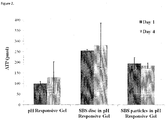
- In vitro Cell Viability tests were done with Mouse 3T3 fibroblasts and the fibroblasts were analyzed after 1 and 4 days of incubation. Best fibroblast viability was observed in the sample of pH responsive hydrogel with SBS particles. (as shown in Figure 2 .)
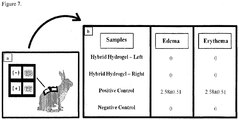
- irritation and intracutaneous reactivity of the resulting hydrogel is tested and had been demonstrated that the hybrid hydrogels did not result in any intracutaneous reaction such as erythema and edema in rabbits which is a significant indication about the biocompatibility of pH responsive hydrogels synthesized with the approach developed here.
- This invention enclosed in this application is the first example to visible light photopolymerized hybrid p(MAA-g-EG) hydrogel and the method of synthesis thereof. It is also proved that the method of synthesis enclosed in this invention is advantageous over UV-light initiated photopolymerization since less amount of photo-initiator is used and the reaction time is also shorter.
- the resulting p(MAA-g-EG) hydrogel is proved to have enhanced swelling behavior, and since less amount of initiator is employed, the resulting hydrogel becomes less toxic hence more biocompatible. These properties make the hydrogel a good candidate for pharmaceutical applications especially for controlled release applications.
- the main aspect of the invention is a novel pH responsive hybrid hydrogel, namely Styrene-Butadiene-Styrene (SBS) incorporated poly(Methacrylic acid-grafted-Ethylene Glycol) p(MAA-g-EG), which is synthesized via visible light induced photopolymerization.
- SBS Styrene-Butadiene-Styrene
- MAA-g-EG poly(Methacrylic acid-grafted-Ethylene Glycol) p(MAA-g-EG)
- Eosin Y is used as the photo-initiator
- Triethanolamine (TEA) is used as the co-initiator for the synthesis of aforementioned pH responsive hybrid hydrogel.
- the incorporated SBS is added to poly(Methacrylic acid-grafted-Ethylene Glycol) p(MAA-g-EG) prepolymer solution either in the disc form or in crushed particle form.
- pH responsive hybrid hydrogel as described above wherein the method of synthesis is characterized by a process comprising the following steps
- Another aspect of the invention is a method of synthesizing a pH responsive hydrid hydrogel, namely Styrene-Butadiene-Styrene (SBS) incorporated poly(Methacrylic acid-grafted-Ethylene Glycol) p(MAA-g-EG) via visible light induced photopolymerization.
- SBS Styrene-Butadiene-Styrene
- Eosin Y is used as the photo-initiator
- Triethanolamine (TEA) is used as the co-initiator in the said method.
- the SBS is added to the p(MAA-g-EG) prepolymer solution either in disc form or crushed particle form in the aforementioned method of synthesis of the hybrid polymer.
- Another aspect of the invention is the use of the pH responsive hybrid hydrogel described before for drug delivery applications such as controlled release, sustained release or sequential release.
- Another aspect of the invention is a pharmaceutical composition
- a pharmaceutical composition comprising the disclosed pH responsive hybrid hydrogel, an active ingredient and pharmaceutically acceptable excipients.
- the active ingredient is selected from a group of anticonvulsant drugs comprising gabapentin, lamotrigine, levetiracetam, oxcarbazepine, pregabalin, tiagabine, topiramate and zonisamide and most preferably the active ingredient is selected to be pregabalin.
- Disclosed pharmaceutical composition is selected to be in the form of a tablet, capsule, intravenous formulation, intranasal formulation, transdermal formulation, formulation for muscular injection, syrup, suppository or aerosol.
- Hydrogels as used here in this invention refers to hydrophilic polymer chains those may be either natural or synthetic polymers and are capable of absorbing high amounts of water. Hydrogels find a wide range of application areas such as targeted drug delivery, tissue engineering, biosensors, and diapers as such.
- pH-responsive hydrogels with the definition as used in the this invention refers to hydrogels that are capable of detecting environmental pH changes that cause a corresponding modification on the physical properties of the polymer such as shape and size and as a result of this change they release the load they have.
- This type of hydrogels are also known as “smart” or “intelligent” gels since they are capable of sensing the environmental changes, in this case pH changes there are also other types of hydrogels that are responsive to other environmental changes such as temperature, concentration and as such.
- “Hybrid hydrogels” are defined as the hydrogels that are assembled from at least 2 different types of polymeric systems.
- SBS Styrene-Butadiene-Styrene
- SBS Styrene-Butadiene-Styrene
- crushed form refers to shredded form of SBS and obtained by shredding the disc form.
- the active ingredient or a pharmaceutical formulation containing the active ingredient may be administered whether systemically or at the site including but not limited to oral, topical, pulmonary, rectal, vaginal, and parenteral.
- an active ingredient as a pharmaceutical composition
- a pharmaceutical composition comprising at least one active ingredient together with one or more pharmaceutically acceptable excipients such as carriers, fillers, diluents, buffers, adjuvants, stabilizers, or other materials.
- formulations may be prepared by any method known in the pharmaceutical literature and may be presented in unit dosage form.
- Formulations may be in the following forms but not limited to tablets, capsules, syrup, lozenges, pills, cachets, sachets, pills, ointments, gells, creams, sprays, pastes, aerosols or suppositories.
- the P(MAA-g-EG) prepolymer solution consisted of 3.6 g of MAA and 2.0 g of PEGMMA, and 0.5 mol % TEGDMA.
- 225 mM TEA and 0.03 mM eosin Y were added into the prepolymer solution, which included 50:50 (w/w) solution of ethanol and water mixture.
- crosslinked SBS in the form of disc and shredded particles were added into the prepolymer solution, shaken at 120 rpm for 24 h.
- the solution was exposed to green light (514 nm and 7.5 mW/cm 2 ) using argon laser for 20 min.
- hybrid gels were rinsed with distilled water for several days and freeze-dried.
- DMGA buffer solutions at 0.1 M and with a range of pH 3.8 to pH 7.0 were used at 37°C.
- the hydrogel was kept in DMGA buffer solution with a specific pH and weighed at specified time intervals for the calculation of equilibrium weight swelling ratio.
- Reversible swelling/deswelling behavior of all types of hydrogels was characterized using 0.1 M DMGA buffer solutions with pH values within 2.2-7.0 range at 37°C. For these experiments, ionic strength of DMGA buffers were maintained with sodium chloride and the temperature of the medium was kept at 37°C.
- Pregabalin loading studies were carried out with visible light cured P(MAA-g-EG) hydrogels.
- P(MAA-g-EG) hydrogels were incubated for 16 hours in 10 ml pregabalin stock solution, which was prepared in 1 x PBS (pH 7.4) at a concentration of 0.25 mg/ml.
- hydrogels were collapsed with the addition of 2 ⁇ l of 6 M HCl in order to keep the drug within the network.
- pregabalin-loaded hydrogels were rinsed with distilled water.
- Pregabalin-loaded hydrogels were placed in 1 x PBS (pH 7.4) at 100 rpm and 37°C for release experiments. For every 30 minutes up to 7 hours, 500 ⁇ l samples were taken and replaced with 1 x PBS (pH:7.4) to sustain sink conditions. The same experiment was repeated at low pH conditions, where the solution buffer was replaced with 1xPBS at a pH of 2.
- M t C t ⁇ V + ⁇ C t ⁇ 1 ⁇ V s
- C t the concentration of pregabalin in the release solution at time t
- V the total volume of release solution (10 ml)
- V s the sample volume that is taken (500 ⁇ l).
- PGB loading and release experiments were carried out with P(MAA-g-EG) hydrogels synthesized with visible-light-induced polymerization.
- PGB was loaded as 56.67 ⁇ 8.34%, 62.29 ⁇ 1.72% and 63.48 ⁇ 2.35% into P(MAA-gEG), SBS disc incorporated P(MAA-g-EG), and SBS particle incorporated P(MAA-g-EG) hydrogel, respectively [Table 1].
- Slightly higher levels of loading efficiencies were obtained when SBS was added into the responsive network.
- Table 1 Loading efficiency of pregabalin into visible light cured hydrogels.
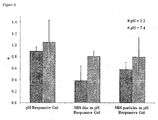
- n were lower for low pH conditions for all types of gels (As shown in Fig. 6 ). This is expected as the pH sensitive P(MAA-g-EG) collapses at this condition and thus the transport of PGB is likely to be dominated by Fickian diffusion (Shown in Fig. 6 ). Moreover, SBS-containing gels exhibited lower n values meaning Fickian diffusion forces were more dominant both at lower and higher pH values compared to the diffusion through pure P(MAA-g-EG) hydrogel. The diffusion behavior was found to be similar for SBS disc-embedded and SBS particle containing hybrid gels, however the disk embedded hybrid hydrogels exhibited a lower n value at low pH.
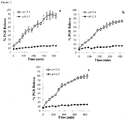
- Percent PGB release was decreased with addition of crosslinked SBS gel into the hydrophilic pH sensitive P(MAA-g-EG) network. As hydrophobicity of P(MAA-g-EG) hydrogels increase with addition of SBS disc or particles, PGB release from hybrid hydrogels was decreased as shown in Figure 5 . Additionally, hybrid hydrogels containing SBS particles exhibited slightly higher levels of PGB release compared to the other type of hybrid hydrogels containing an SBS disc ( Fig. 5 (b,c)).
- hybrid hydrogels were used. Cells were cultured at 37°C with 5% CO 2 in an incubator and maintained in Dulbecco Modified Eagle's Medium DMEM which was supplemented with 1% Penicillin/Streptomycin, 2mM L-Glutamin and 10% fetal bovine serum FBS. The hybrid hydrogels were immersed in the complete culture medium for 24 h, at 37°C before seeding. For static seeding of the cells, composite hydrogels were located in 24-well plate and 50 ⁇ l cell suspensions (3 ⁇ 105 cell/mL) were seeded onto the hydrogels. After 15 minutes, 1 mL of compete culture medium was added to each well.
- the hydrogels were placed in the incubator for 24 h, and CellTiter-Glo luminescent cell viability assay was used on days 1 and 4 to characterize the metabolic activity of cells. Standard curve was generated using ATP solutions at specific concentrations (1, 0.1 and 0.01 ⁇ M) prepared in cell culture medium. Next, 150 ⁇ l from each hydrogel medium was taken and placed in the same amount of CellTiter-Glo Reagent. Both ATP solutions and samples were incubated at 25°C for 15 minutes and then, luminescence was measured using a plate reader.
- Figure 2 shows the results of in vitro cell viability tests after seeding three types of pH responsive hydrogels on Mouse 3T3 Fibroblasts and incubating for 1 - 4 days. ATP amounts indicate that three types of hybrid hydrogels have no toxic effects on fibroblast growth. Better fibroblast viability was observed in the sample of pH responsive hydrogel with SBS particles.
- the ISO Standard defines irritation as a localized inflammatory response to a single or continuous application of the test sample.
- the irritation test was used to assess the irritation potential of pH responsive P(MAA-g-EG) hydrogels. Fluid extracts from 0.2 g/mL (w/v) of the dried pH responsive hydrogel was directly applied on the right and left back skin of three healthy female New Zealand rabbits, and rabbits were incubated at 37°C for 72 h. The right caudal zone of the back was used as positive control (90% lactic acid) whereas the left side was used as a negative control (physiological saline solution) At 1, 24, 48, and 72 hours after injection, the intracutaneous reaction was assessed using the evaluation criteria. The criteria of classification of the intracutaneous reactions (erythema and edema) are: 0 - 0.4 insignificant, 0.5 - 1.9 slight, 2 - 4.9 moderate, 5 - 8 severe.
Landscapes
- Health & Medical Sciences (AREA)
- Chemical & Material Sciences (AREA)
- Medicinal Chemistry (AREA)
- Chemical Kinetics & Catalysis (AREA)
- Polymers & Plastics (AREA)
- Organic Chemistry (AREA)
- Animal Behavior & Ethology (AREA)
- Veterinary Medicine (AREA)
- Epidemiology (AREA)
- Life Sciences & Earth Sciences (AREA)
- Pharmacology & Pharmacy (AREA)
- General Health & Medical Sciences (AREA)
- Public Health (AREA)
- Neurosurgery (AREA)
- Engineering & Computer Science (AREA)
- Biomedical Technology (AREA)
- Dermatology (AREA)
- Inorganic Chemistry (AREA)
- Medicinal Preparation (AREA)
- Addition Polymer Or Copolymer, Post-Treatments, Or Chemical Modifications (AREA)
Description
- The present invention is related to a pH responsive hybrid hydrogel, namely styrene-butadiene-styrene (SBS) incorporated poly(methacrylic acid-grafted-Ethylene Glycol) P(MAA-g-EG) hydrogel synthesized via visible light photopolymerization.
- Effective and efficient delivery of drugs is an important area of research in pharmaceutical industry due to the significant challenges related to the physiological properties of therapeutics. For example, biomolecular therapeutics degrade by proteolytic enzymes and hence can only remain in the plasma circulation for a short period of time therefore higher dose use is required. In order to overcome those and such problems functional and responsive polymeric network structures as delivery vehicles for controlled drug release are being developed. And sequential delivery of drugs with altered hydrophobicities is achieved via responsiveness to specific stimuli. Polymeric hydrogels are attracting special attention due to their biocompatible character, capacity to retain water, and permeable structures. As a result they have been increasingly used in biomedical and pharmaceutical applications including drug delivery systems. Stimuli responsive hydrogel networks also referred as smart materials can exhibit desirable physicochemical properties depending on their collapsed or swollen states. These properties change significantly in response to changes in environmental properties such as elevated temperatures, wavelength of light, electric field, ionic strength and pH. Particularly, pH sensitive hydrogels can detect changes in environmental pH that causes corresponding modification on the physical properties of hydrogels such as shape and size. pH sensitive hydrogels are specifically useful for oral administration of the drug along the digestive tract due to the drastically different pH conditions observed at different locations, or for targeted drug delivery into tumor site due to alterations in the acidity of the tumor tissues.
- Poly(methacrylic acid-grafted-Ethylene Glycol) (P(MAA-g-EG)) hydrogels are known to be used as pH responsive polymeric networks. And also in prior art, there are studies regarding to functionalization of P(MAA-g-EG) hydrogels, especially for sequential delivery of therapeutics. A combination of a stimuli responsive hydrophilic network with a less hydrophilic component might have the potential to provide site specific and sustained drug delivery. For example, in a study by Schoener et al. that was published in 2012, UV light mediated polymerization is used for the synthesis of both P(MAA-g-EG) hydrogels dispersed with poly(methylmethacrylate) (PMMA) nanoparticles and amphiphilic interpenetrating networks (IPNs) of P(MAA-g-EG) and poly(n-butyl acrylate) PBA and their use as the oral drug delivery agents for pharmaceutical use was enclosed in the study as well. (Schoener CA, Hutson HN, Peppas NA. J Biomed Mater Res Part A 2012;101:2229-36.) Photoinitiated free radical polymerization using UV light is a widely used method for the synthesis of P(MAA-g-EG) hydrogels. Although this method works efficiently, high amounts of photo initiators and co-initiators are being used which affects the biocompatible character of the resulting hydrogel.
- It is apparent that there is a substantial need for a biocompatible, functionalized, effective, responsive hybrid hydrogels to be used in drug delivery applications and an efficient way of synthesizing such hydrogels. Here, in this invention visible light induced photopolymerization of pH responsive composite P(MAA-g-EG) hydrogel is suggested as a drug delivery vehicle for controlled release applications and by this method lesser amount of initiator is used and shorter reaction time is realized. The resulting polymer is functional, has improved integrity, enhanced biocompatibility and advanced swelling properties.
- One aspect of the invention is directed to a pH responsive hybrid hydrogel, namely Styrene-Butadiene-Styrene (SBS) incorporated poly(Methacrylic acid-grafted-Ethylene Glycol) P(MAA-g-EG), that is synthesized through photopolymerization induced by visible light in the presence of a photo-initiator and a co-initiator. In a selected embodiment of the invention the photo-initiator is selected to be Eosin Y and the co-initiator is selected to be Triethanolamine (TEA). In a preferred embodiment of the invention, the incorporated SBS is selected to be either in disc form or in crushed particle form. The resulting P(MAA-g-EG) hydrogel turned out to be a functional hydrogel with improved integrity, advanced swelling properties, enhanced swelling properties with less toxicity.
- Another aspect of the invention is the method of synthesizing a pH responsive hybrid hydrogel, SBS incorporated poly(Methacrylic acid-grafted-Ethylene Glycol) P(MAA-g-EG) by visible light induction. In a preferred embodiment of the invention, Eosin Y is used as the photo-initiator and Triethanolamine (TEA) is used as the co-initiator in the disclosed method of synthesis. And in a more preferred embodiment of the invention the method of synthesizing P(MAA-g-EG) hydrogel is characterized with the following steps
- i. The monomers methacrylic acid (MAA) and poly(ethylenglycol) monomethyl ether monomethacrylate (PEGMMA) and the crosslinking agent tetraetylene glycol dimethacrylate (TEGDMA) is mixed and the photo-initiator triethanolamine and a co-initiator eosin Y are added to the solution and
- ii. Styrene-butadiene-styrene (SBS) either in disc form or crushed form is added to the mixture and shaken
- iii. the resulting solution is then exposed to visible light and
- iv. finally washed with water and finally freeze dried
- Cytotoxicity levels of the hydrogel that is obtained via the method of synthesis described in this invention is proved to be comparatively low via cell viability tests. In vitro Cell Viability tests were done with Mouse 3T3 fibroblasts and the fibroblasts were analyzed after 1 and 4 days of incubation. Best fibroblast viability was observed in the sample of pH responsive hydrogel with SBS particles. (as shown in
Figure 2 .) Also, irritation and intracutaneous reactivity of the resulting hydrogel is tested and had been demonstrated that the hybrid hydrogels did not result in any intracutaneous reaction such as erythema and edema in rabbits which is a significant indication about the biocompatibility of pH responsive hydrogels synthesized with the approach developed here. - This invention enclosed in this application is the first example to visible light photopolymerized hybrid p(MAA-g-EG) hydrogel and the method of synthesis thereof. It is also proved that the method of synthesis enclosed in this invention is advantageous over UV-light initiated photopolymerization since less amount of photo-initiator is used and the reaction time is also shorter. The resulting p(MAA-g-EG) hydrogel is proved to have enhanced swelling behavior, and since less amount of initiator is employed, the resulting hydrogel becomes less toxic hence more biocompatible. These properties make the hydrogel a good candidate for pharmaceutical applications especially for controlled release applications.
-
-
Figure 1 . Scheme for synthesis of hyrophobic SBS formation and its subsequent encapsulation within pH responsive hydrogels. -
Figure 2 . In vitro cell viability assay results. (ATP amounts for visible light induced pH responsive P(MAA-g-EG) hydrogel; disc SBS incorporated P(MAA-g-EG) hybrid hydrogel and particle SBS incorporated P(MAA-g-EG) hybrid hydrogel. -
Figure 3 . Dynamic swelling behavior of (a) pH responsive hydrogel P(MAA-g-EG) (b) crosslinked SBS disc embedded into P(MAA-g-EG) hydrogel, (c) crosslinked SBS particles dispersed into P(MAA-g-EG) hydrogel that were photopolymerized under UV light. Dynamic swelling/deswelling behavior of (d) pH responsive hydrogel P(MAA-g-EG) (e) crosslinked SBS disc embedded into P(MAA-g-EG) hydrogel, (f) crosslinked SBS particles dispersed into P(MAA-g-EG) hydrogel that were photopolymerized under visible light. -
Figure 4 . Reversible swelling/deswelling behavior of (a) pH responsive hydrogel P(MAA-g-EG) (b) crosslinked SBS disc embedded into P(MAA-g-EG) hydrogel, (c) crosslinked SBS particles dispersed into P(MAA-g-EG) hydrogel which all had been photopolymerized under UV light. Reversible swelling/deswelling behavior of (d) pH responsive hydrogel P(MAA-g-EG) (e) crosslinked SBS disc embedded into P(MAA-g-EG) hydrogel, (f) crosslinked SBS particles dispersed into P(MAA-g-EG) hydrogel which all had been photopolymerized under visible light. -
Figure 5 . Release behavior of pregabalin at pH=2.2 and pH=7.0 from (a) pH responsive P(MAA-g-EG) hydrogel , (b) SBS embedded into P(MAA-g-EG) hydrogel, and (c) SBS particles dispersed into P(MAA-g-EG) hydrogel that were photopolymerized under visible light. -
Figure 6 . The values of power law coefficient (n) for pH responsive P(MAA-g-EG) hydrogel and its composite forms at pH=2.2 and pH=7.0. -
Figure 7 . In vivo implantation experiments for irritation with hybrid P(MAA-g-EG) hydrogels. Localized imflammatory response on the right and left back skin of three healthy female New Zealand rabbits which were incubated at 37°C for 72 h. - The main aspect of the invention is a novel pH responsive hybrid hydrogel, namely Styrene-Butadiene-Styrene (SBS) incorporated poly(Methacrylic acid-grafted-Ethylene Glycol) p(MAA-g-EG), which is synthesized via visible light induced photopolymerization. In a preferred embodiment of the invention Eosin Y is used as the photo-initiator and Triethanolamine (TEA) is used as the co-initiator for the synthesis of aforementioned pH responsive hybrid hydrogel.
- In another aspect of the invention, the incorporated SBS is added to poly(Methacrylic acid-grafted-Ethylene Glycol) p(MAA-g-EG) prepolymer solution either in the disc form or in crushed particle form.
- In a preferred embodiment of the invention, pH responsive hybrid hydrogel as described above wherein the method of synthesis is characterized by a process comprising the following steps
- i. The monomers methacrylic acid (MAA) and poly(ethylenglycol) monomethyl ether monomethacrylate (PEGMMA) and the crosslinking agent tetraetylene glycol dimethacrylate (TEGDMA) is mixed and the photo-initiator triethanolamine and a co-initiator eosin Y are added to the solution and
- ii. Styrene-butadiene-styrene (SBS) either in disc form or crushed form is added to the mixture and shaken
- iii. the resulting solution is then exposed to visible light and
- iv. finally washed with water and freeze dried.
- Another aspect of the invention is a method of synthesizing a pH responsive hydrid hydrogel, namely Styrene-Butadiene-Styrene (SBS) incorporated poly(Methacrylic acid-grafted-Ethylene Glycol) p(MAA-g-EG) via visible light induced photopolymerization. In a preferred embodiment of the invention, Eosin Y is used as the photo-initiator and Triethanolamine (TEA) is used as the co-initiator in the said method.
- In a preferred embodiment of the invention the SBS is added to the p(MAA-g-EG) prepolymer solution either in disc form or crushed particle form in the aforementioned method of synthesis of the hybrid polymer.
- In the preferred embodiment of the invention the method of synthesizing the pH responsive hybrid hydrogel is characterized by a process comprising the following steps
- i. The monomers methacrylic acid (MAA) and poly(ethylenglycol) monomethyl ether monomethacrylate (PEGMMA) and the crosslinking agent tetraetylene glycol dimethacrylate (TEGDMA) is mixed and the photo-initiator triethanolamine and a co-initiator eosin Y are added to the solution and
- ii. Styrene-butadiene-styrene (SBS) either in disc form or crushed form is added to the mixture and shaken
- iii. the resulting solution is then exposed to visible light and
- iv. finally washed with water and freeze dried
- Another aspect of the invention is the use of the pH responsive hybrid hydrogel described before for drug delivery applications such as controlled release, sustained release or sequential release.
- Another aspect of the invention is a pharmaceutical composition comprising the disclosed pH responsive hybrid hydrogel, an active ingredient and pharmaceutically acceptable excipients. In a preferred embodiment of the invention the active ingredient is selected from a group of anticonvulsant drugs comprising gabapentin, lamotrigine, levetiracetam, oxcarbazepine, pregabalin, tiagabine, topiramate and zonisamide and most preferably the active ingredient is selected to be pregabalin.
- Disclosed pharmaceutical composition is selected to be in the form of a tablet, capsule, intravenous formulation, intranasal formulation, transdermal formulation, formulation for muscular injection, syrup, suppository or aerosol.
- Hydrogels as used here in this invention refers to hydrophilic polymer chains those may be either natural or synthetic polymers and are capable of absorbing high amounts of water. Hydrogels find a wide range of application areas such as targeted drug delivery, tissue engineering, biosensors, and diapers as such.
- pH-responsive hydrogels with the definition as used in the this invention refers to hydrogels that are capable of detecting environmental pH changes that cause a corresponding modification on the physical properties of the polymer such as shape and size and as a result of this change they release the load they have. This type of hydrogels are also known as "smart" or "intelligent" gels since they are capable of sensing the environmental changes, in this case pH changes there are also other types of hydrogels that are responsive to other environmental changes such as temperature, concentration and as such. "Hybrid hydrogels" are defined as the hydrogels that are assembled from at least 2 different types of polymeric systems.
- "Styrene-Butadiene-Styrene (SBS) in disc form" refers to SBS discs as synthesized with respect to the method detailed in this description; and "Styrene-Butadiene-Styrene (SBS) in crushed form" refers to shredded form of SBS and obtained by shredding the disc form.
- The active ingredient or a pharmaceutical formulation containing the active ingredient may be administered whether systemically or at the site including but not limited to oral, topical, pulmonary, rectal, vaginal, and parenteral.
- It is preferable to formulate an active ingredient as a pharmaceutical composition comprising at least one active ingredient together with one or more pharmaceutically acceptable excipients such as carriers, fillers, diluents, buffers, adjuvants, stabilizers, or other materials.
- The formulations may be prepared by any method known in the pharmaceutical literature and may be presented in unit dosage form. Formulations may be in the following forms but not limited to tablets, capsules, syrup, lozenges, pills, cachets, sachets, pills, ointments, gells, creams, sprays, pastes, aerosols or suppositories.
- The following examples are provided to illustrate the present invention and are not intended to limit the scope of the invention.
- The P(MAA-g-EG) prepolymer solution consisted of 3.6 g of MAA and 2.0 g of PEGMMA, and 0.5 mol % TEGDMA. Next, 225 mM TEA and 0.03 mM eosin Y were added into the prepolymer solution, which included 50:50 (w/w) solution of ethanol and water mixture. Then, crosslinked SBS in the form of disc and shredded particles were added into the prepolymer solution, shaken at 120 rpm for 24 h. Next, the solution was exposed to green light (514 nm and 7.5 mW/cm2) using argon laser for 20 min. Finally, hybrid gels were rinsed with distilled water for several days and freeze-dried. (
Figure 1 ) - Dynamic weight swelling experiments were carried out in different pH solutions in order to further characterize pH sensitivity of the hydrogel. DMGA buffer solutions at 0.1 M and with a range of pH 3.8 to pH 7.0 were used at 37°C. The hydrogel was kept in DMGA buffer solution with a specific pH and weighed at specified time intervals for the calculation of equilibrium weight swelling ratio. The weight swelling ratio, q represents the swelling ratio of the network and was calculated using the following equation:

- For all dynamic swelling experiments, minimal swelling is observed in acidic condition while maximum swelling occurred in basic environment is reported. Hydrogels cured with visible light had higher swelling ratios compared to their UV photopolymerized counterparts. Swelling ratios as high as 37 could be obtained for P(MAA-g-EG) hydrogel synthesized with visible light, where this ratio was around 17 for hydrogels formed with UV light. The results revealed that incorporation of crosslinked SBS into the responsive hydrogels cured with UV light causes statistically not significant differences in swelling, where the ratios ranged between 15 and 20. However, this observation was not valid when light exposure wavelength was changed to visible range, and addition of crosslinked SBS into system in the form of disc or particles reduced swelling from 37 down to 22. (Shown in
Figure 3 ) Reversibility of swelling was also tested for hydrogels formed with both UV and visible light cured hydrogels through incubation of samples at low pH (pH:2.2) and high pH (pH:7.0) buffers (Shown inFigure 4 ). It was observed that, hydrogels synthesized under different conditions can all respond to repeated changes in pH, where highest swelling was obtained for P(MAA-g-EG) hydrogel cured under visible light. Addition of crosslinked SBS disc or particles into the P(MAA-g-EG) hydrogels influenced weight swelling ratios significantly, where lower swelling weight ratios were obtained when visible light exposure was used. - Pregabalin loading studies were carried out with visible light cured P(MAA-g-EG) hydrogels. P(MAA-g-EG) hydrogels were incubated for 16 hours in 10 ml pregabalin stock solution, which was prepared in 1 x PBS (pH 7.4) at a concentration of 0.25 mg/ml. Next, hydrogels were collapsed with the addition of 2 µl of 6 M HCl in order to keep the drug within the network. In order to eliminate any drug adsorption on the surface, pregabalin-loaded hydrogels were rinsed with distilled water.
- UV-visible spectrophotometer at 210 nm wavelength was used to measure pregabalin absorption. Standard calibration curve for the absorption of pregabalin in aqueous solution was generated for determination of concentration in unknown samples. Loading efficiency of pregabalin into hybrid gels was calculated as follows:

- Pregabalin-loaded hydrogels were placed in 1 x PBS (pH 7.4) at 100 rpm and 37°C for release experiments. For every 30 minutes up to 7 hours, 500 µl samples were taken and replaced with 1 x PBS (pH:7.4) to sustain sink conditions. The same experiment was repeated at low pH conditions, where the solution buffer was replaced with 1xPBS at a pH of 2. Pregabalin concentrations obtained from absorption measurements were used to calculate mass released at time t (Mt ) using the following equation:


- PGB loading and release experiments were carried out with P(MAA-g-EG) hydrogels synthesized with visible-light-induced polymerization. Depending on the network structure and composition of hybrid hydrogels, different PGB loading efficiencies were obtained. For example, PGB was loaded as 56.67±8.34%, 62.29±1.72% and 63.48±2.35% into P(MAA-gEG), SBS disc incorporated P(MAA-g-EG), and SBS particle incorporated P(MAA-g-EG) hydrogel, respectively [Table 1]. Slightly higher levels of loading efficiencies were obtained when SBS was added into the responsive network.
Table 1. Loading efficiency of pregabalin into visible light cured hydrogels. Formulation of Hydrogel % Loading Efficiency Weight Swelling Ratio Pure P(MAA-g-EG) 56.67 ± 8.34 40 SBS disc embedded into P(MAA-g-EG) 62.29 ±1.72 22 SBS particles into P(MAA-g-EG) 63.48 ± 2.35 23 - Drug release studies were carried out at constant pH medium where drug release profiles were observed for different hydrogel samples. In neutral pH environment, 86.37% of PGB was released from hydrophilic pH responsive P(MAA-g-EG) hydrogel within 400 minutes, whereas in acidic pH only 15.32% of PGB release was observed [Shown in
Fig. 5(a)]. Figure 5b and 5c demonstrates a decreased PGB release from composite pH responsive hydrogels compared to pH responsive P(MAA-g-EG) hydrogel. At high pH condition, 74.31% PGB was released from P(MAA-g-EG) hydrogels having crosslinked SBS disc inside, whereas at low pH only 16.37% PGB was released from the network (Shown inFig. 5(b) ). - When crosslinked SBS particles were introduced into the pH sensitive hydrogel, 79.53% and 14.85% of the drug was released at pH:7.4 and at pH:2.2, respectively (Shown in
Fig. 5(c) ). The transport of PGB from each hydrogel sample (pure pH-responsive, SBS disc embedded and SBS particle containing) was modeled using equation (5). Exponent n in the equation describes the mode of transport, and was determined for each condition at high (pH:7.4) and low (pH:2.2) pH conditions. Values of n closer to 0.45 designate a Fickian mode of diffusion, whereas values closer to 0.89 designate a swelling-controlled diffusion behavior. It was observed that the values of n were lower for low pH conditions for all types of gels (As shown inFig. 6 ). This is expected as the pH sensitive P(MAA-g-EG) collapses at this condition and thus the transport of PGB is likely to be dominated by Fickian diffusion (Shown inFig. 6 ). Moreover, SBS-containing gels exhibited lower n values meaning Fickian diffusion forces were more dominant both at lower and higher pH values compared to the diffusion through pure P(MAA-g-EG) hydrogel. The diffusion behavior was found to be similar for SBS disc-embedded and SBS particle containing hybrid gels, however the disk embedded hybrid hydrogels exhibited a lower n value at low pH. Percent PGB release was decreased with addition of crosslinked SBS gel into the hydrophilic pH sensitive P(MAA-g-EG) network. As hydrophobicity of P(MAA-g-EG) hydrogels increase with addition of SBS disc or particles, PGB release from hybrid hydrogels was decreased as shown inFigure 5 . Additionally, hybrid hydrogels containing SBS particles exhibited slightly higher levels of PGB release compared to the other type of hybrid hydrogels containing an SBS disc (Fig. 5 (b,c)). - To investigate in vitro cell viability of hybrid hydrogels, mouse fibroblast 3T3 cell lines were used. Cells were cultured at 37°C with 5% CO2 in an incubator and maintained in Dulbecco Modified Eagle's Medium DMEM which was supplemented with 1% Penicillin/Streptomycin, 2mM L-Glutamin and 10% fetal bovine serum FBS. The hybrid hydrogels were immersed in the complete culture medium for 24 h, at 37°C before seeding. For static seeding of the cells, composite hydrogels were located in 24-well plate and 50 µl cell suspensions (3× 10⁵ cell/mL) were seeded onto the hydrogels. After 15 minutes, 1 mL of compete culture medium was added to each well. The hydrogels were placed in the incubator for 24 h, and CellTiter-Glo luminescent cell viability assay was used on
days -
Figure 2 shows the results of in vitro cell viability tests after seeding three types of pH responsive hydrogels on Mouse 3T3 Fibroblasts and incubating for 1 - 4 days. ATP amounts indicate that three types of hybrid hydrogels have no toxic effects on fibroblast growth. Better fibroblast viability was observed in the sample of pH responsive hydrogel with SBS particles. - The ISO Standard defines irritation as a localized inflammatory response to a single or continuous application of the test sample. Here, the irritation test was used to assess the irritation potential of pH responsive P(MAA-g-EG) hydrogels. Fluid extracts from 0.2 g/mL (w/v) of the dried pH responsive hydrogel was directly applied on the right and left back skin of three healthy female New Zealand rabbits, and rabbits were incubated at 37°C for 72 h. The right caudal zone of the back was used as positive control (90% lactic acid) whereas the left side was used as a negative control (physiological saline solution) At 1, 24, 48, and 72 hours after injection, the intracutaneous reaction was assessed using the evaluation criteria. The criteria of classification of the intracutaneous reactions (erythema and edema) are: 0 - 0.4 insignificant, 0.5 - 1.9 slight, 2 - 4.9 moderate, 5 - 8 severe.
- The irritation assay demonstrated that, pH sensitive P(MAA-g-EG) hydrogel with SBS particles, did not result in any intracutaneous reaction such as erythema and edema in rabbits, when compared to the negative control at all the observation times of 1, 24, 48, and 72 h (as shown in
fig 7(b) ). This is a significant indication about the biocompatibility of pH responsive hydrogels synthesized with the approach developed here.
Claims (13)
- A pH responsive hydrogel, namely Styrene-Butadiene-Styrene (SBS) incorporated poly(Methacrylic acid-grafted-Ethylene Glycol) p(MAA-g-EG), which is synthesized via visible light induced photopolymerization.
- The pH responsive hybrid hydrogel as described in Claim 1 wherein Eosin Y is used as the photo-initiator and Triethanolamine (TEA) is used as the co-initiator in the synthesis.
- The pH responsive hybrid hydrogel as described in Claim 1 wherein the incorporated SBS is either in the disc form or in crushed particle form.
- The pH responsive hybrid hydrogel as described in Claims 1 - 3 wherein the method of synthesis is characterized by a process comprising the following stepsi. The monomers methacrylic acid (MAA) and poly(ethylenglycol) monomethyl ether monomethacrylate (PEGMMA) and the crosslinking agent tetraetylene glycol dimethacrylate (TEGDMA) is mixed and the photo-initiator triethanolamine and a co-initiator eosin Y are added to the solution andii. Styrene-butadiene-styrene (SBS) either in disc form or crushed form is added to the mixture and shakeniii. the resulting solution is then exposed to visible light andiv. finally washed with water and finally freeze dried
- A method of synthesizing a pH responsive hydrogel, namely Styrene-Butadiene-Styrene (SBS) incorporated poly(Methacrylic acid-grafted-Ethylene Glycol) p(MAA-g-EG) via visible light induced photopolymerization.
- The method of synthesizing the pH responsive hybrid hydrogel as described in claim 5 wherein Eosin Y is used as the photo-initiator and Triethanolamine (TEA) is used as the co-initiator.
- The method of synthesizing the pH responsive hybrid hydrogel as described in claim 5 wherein SBS is either in disc form or crushed particle form.
- The method of synthesizing the pH responsive hybrid hydrogel, as described in claims 5-7 wherein the method is characterized by a process comprising the following stepsi. The monomers methacrylic acid (MAA) and poly(ethylenglycol) monomethyl ether monomethacrylate (PEGMMA) and the crosslinking agent tetraetylene glycol dimethacrylate (TEGDMA) is mixed and the photo-initiator triethanolamine and a co-initiator eosin Y are added to the solution andii. Styrene-butadiene-styrene (SBS) either in disc form or crushed form is added to the mixture and shakeniii. the resulting solution is then exposed to visible light andiv. finally washed with water and freeze dried
- Use of the pH responsive hybrid hydrogel in accordance with the claims 1-4 as drug delivery agent for controlled release, sustained release or sequential release.
- A pharmaceutical composition comprising the pH-responsive hybrid hydrogel according to claims 1-4, an active ingredient and pharmaceutically acceptable excipients.
- A pharmaceutical composition according to claim 10, the active ingredient is selected from a group of anticonvulsant drugs comprising gabapentin, lamotrigine, levetiracetam, oxcarbazepine, pregabalin, tiagabine, topiramate and zonisamide.
- A pharmaceutical composition according to claim 11, the active ingredient is selected to be pregabalin.
- The pharmaceutical composition according to claims 10-12 is in the form of a tablet, capsule, intravenous formulation, intranasal formulation, transdermal formulation, formulation for muscular injection, syrup, suppository or aerosol.
Applications Claiming Priority (1)
| Application Number | Priority Date | Filing Date | Title |
|---|---|---|---|
| PCT/TR2014/000289 WO2016028238A1 (en) | 2014-08-22 | 2014-08-22 | A ph responsive hybrid hydrogel and method of synthesis thereof |
Publications (2)
| Publication Number | Publication Date |
|---|---|
| EP3183274A1 EP3183274A1 (en) | 2017-06-28 |
| EP3183274B1 true EP3183274B1 (en) | 2018-05-02 |
Family
ID=52134301
Family Applications (1)
| Application Number | Title | Priority Date | Filing Date |
|---|---|---|---|
| EP14815918.9A Not-in-force EP3183274B1 (en) | 2014-08-22 | 2014-08-22 | A ph responsive hybrid hydrogel and method of synthesis thereof |
Country Status (4)
| Country | Link |
|---|---|
| US (1) | US10022446B2 (en) |
| EP (1) | EP3183274B1 (en) |
| TR (1) | TR201810903T4 (en) |
| WO (1) | WO2016028238A1 (en) |
Families Citing this family (1)
| Publication number | Priority date | Publication date | Assignee | Title |
|---|---|---|---|---|
| CN112175039B (en) * | 2019-12-08 | 2021-08-31 | 兰州大学 | A green, broad-spectrum protein cross-linking method |
Family Cites Families (1)
| Publication number | Priority date | Publication date | Assignee | Title |
|---|---|---|---|---|
| EP1492519B1 (en) | 2003-03-21 | 2006-11-15 | Dynogen Pharmaceuticals, Inc. | Methods for treating lower urinary tract disorders using antimuscarinics and alpha-2-delta subunit calcium channel modulators |
-
2014
- 2014-08-22 EP EP14815918.9A patent/EP3183274B1/en not_active Not-in-force
- 2014-08-22 TR TR2018/10903T patent/TR201810903T4/en unknown
- 2014-08-22 US US15/503,716 patent/US10022446B2/en not_active Expired - Fee Related
- 2014-08-22 WO PCT/TR2014/000289 patent/WO2016028238A1/en not_active Ceased
Non-Patent Citations (1)
| Title |
|---|
| None * |
Also Published As
| Publication number | Publication date |
|---|---|
| TR201810903T4 (en) | 2018-08-27 |
| US20170266291A1 (en) | 2017-09-21 |
| EP3183274A1 (en) | 2017-06-28 |
| US10022446B2 (en) | 2018-07-17 |
| WO2016028238A1 (en) | 2016-02-25 |
Similar Documents
| Publication | Publication Date | Title |
|---|---|---|
| Ata et al. | Loading of Cefixime to pH sensitive chitosan based hydrogel and investigation of controlled release kinetics | |
| Abbasi et al. | Novel biodegradable pH-sensitive hydrogels: An efficient controlled release system to manage ulcerative colitis | |
| Noddeland et al. | Design and characterization of matrix metalloproteinase-responsive hydrogels for the treatment of inflammatory skin diseases | |
| Dadsetan et al. | A stimuli-responsive hydrogel for doxorubicin delivery | |
| Tighsazzadeh et al. | Development and evaluation of performance characteristics of timolol-loaded composite ocular films as potential delivery platforms for treatment of glaucoma | |
| Merkel et al. | The effect of particle size on the biodistribution of low-modulus hydrogel PRINT particles | |
| Popescu et al. | Alginate/poloxamer hydrogel obtained by thiol-acrylate photopolymerization for the alleviation of the inflammatory response of human keratinocytes | |
| Anseth et al. | In situ forming degradable networks and their application in tissue engineering and drug delivery | |
| Cevik et al. | Visible-light-induced synthesis of pH-responsive composite hydrogels for controlled delivery of the anticonvulsant drug pregabalin | |
| Fitaihi et al. | Role of chitosan on controlling the characteristics and antifungal activity of bioadhesive fluconazole vaginal tablets | |
| Ross et al. | Effects of molecular weight and loading on matrix metalloproteinase-2 mediated release from poly (ethylene glycol) diacrylate hydrogels | |
| Gu et al. | Sustained interferon-γ delivery from a photocrosslinked biodegradable elastomer | |
| Paul et al. | Novel gels: implications for drug delivery | |
| Robbens et al. | Eco-, geno-and human toxicology of bio-active nanoparticles for biomedical applications | |
| US20200299627A1 (en) | Crosslinked hydrogel compositions for regulating states of encapsulated cancer cells | |
| Wang et al. | HClO/ClO–-indicative interpenetrating polymer network hydrogels as intelligent bioactive materials for wound healing | |
| Kurra et al. | Development and optimization of sustained release mucoadhesive composite beads for colon targeting | |
| Chaniyara et al. | Formulation & Evaluation of Floatable In-situ Gel for Stomach-specific Drug Delivery of Ofloxacin | |
| US20160106868A1 (en) | Oxygen free radical detection | |
| Shailaja et al. | A novel bioadhesive polymer: grafting of tamarind seed polysaccharide and evaluation of its use in buccal delivery of metoprolol succinate | |
| US10022446B2 (en) | PH responsive hybrid hydrogel and method of synthesis thereof | |
| Zhao et al. | ROS/pH dual-responsive quercetin-loaded guanosine borate supramolecular hydrogel enema in dextran sulfate sodium-induced colitis in mice | |
| Rencber et al. | Preparation and characterization of mucoadhesive gels containing pentoxifylline loaded nanoparticles for vaginal delivery of genital ulcer | |
| Ijaz et al. | Synthesis, characterizations, and evaluation of crosslinked 5-fluorouracil-loaded thiolated chitosan-co-polymethacrylic acid hydrogel for colorectal cancer-targeted drug delivery | |
| Nistor et al. | Biocompatibility, biodegradability, and drug carrier ability of hybrid collagen-based hydrogel nanocomposites |
Legal Events
| Date | Code | Title | Description |
|---|---|---|---|
| PUAI | Public reference made under article 153(3) epc to a published international application that has entered the european phase |
Free format text: ORIGINAL CODE: 0009012 |
|
| 17P | Request for examination filed |
Effective date: 20170207 |
|
| AK | Designated contracting states |
Kind code of ref document: A1 Designated state(s): AL AT BE BG CH CY CZ DE DK EE ES FI FR GB GR HR HU IE IS IT LI LT LU LV MC MK MT NL NO PL PT RO RS SE SI SK SM TR |
|
| AX | Request for extension of the european patent |
Extension state: BA ME |
|
| DAX | Request for extension of the european patent (deleted) | ||
| GRAP | Despatch of communication of intention to grant a patent |
Free format text: ORIGINAL CODE: EPIDOSNIGR1 |
|
| RIC1 | Information provided on ipc code assigned before grant |
Ipc: A61K 9/00 20060101ALI20171124BHEP Ipc: A61K 9/06 20060101ALN20171124BHEP Ipc: C08F 299/00 20060101ALI20171124BHEP Ipc: C08F 290/06 20060101ALI20171124BHEP Ipc: C08F 2/48 20060101AFI20171124BHEP Ipc: A61K 47/32 20060101ALI20171124BHEP Ipc: A61K 31/197 20060101ALI20171124BHEP Ipc: C08F 257/00 20060101ALI20171124BHEP Ipc: C08L 53/02 20060101ALI20171124BHEP Ipc: C08L 51/00 20060101ALI20171124BHEP |
|
| INTG | Intention to grant announced |
Effective date: 20171212 |
|
| GRAS | Grant fee paid |
Free format text: ORIGINAL CODE: EPIDOSNIGR3 |
|
| GRAA | (expected) grant |
Free format text: ORIGINAL CODE: 0009210 |
|
| AK | Designated contracting states |
Kind code of ref document: B1 Designated state(s): AL AT BE BG CH CY CZ DE DK EE ES FI FR GB GR HR HU IE IS IT LI LT LU LV MC MK MT NL NO PL PT RO RS SE SI SK SM TR |
|
| REG | Reference to a national code |
Ref country code: GB Ref legal event code: FG4D |
|
| REG | Reference to a national code |
Ref country code: CH Ref legal event code: EP Ref country code: AT Ref legal event code: REF Ref document number: 995152 Country of ref document: AT Kind code of ref document: T Effective date: 20180515 |
|
| REG | Reference to a national code |
Ref country code: IE Ref legal event code: FG4D |
|
| REG | Reference to a national code |
Ref country code: DE Ref legal event code: R096 Ref document number: 602014024991 Country of ref document: DE |
|
| REG | Reference to a national code |
Ref country code: FR Ref legal event code: PLFP Year of fee payment: 5 |
|
| REG | Reference to a national code |
Ref country code: CH Ref legal event code: NV Representative=s name: ARNOLD AND SIEDSMA AG, CH |
|
| REG | Reference to a national code |
Ref country code: NL Ref legal event code: MP Effective date: 20180502 |
|
| REG | Reference to a national code |
Ref country code: LT Ref legal event code: MG4D |
|
| PG25 | Lapsed in a contracting state [announced via postgrant information from national office to epo] |
Ref country code: FI Free format text: LAPSE BECAUSE OF FAILURE TO SUBMIT A TRANSLATION OF THE DESCRIPTION OR TO PAY THE FEE WITHIN THE PRESCRIBED TIME-LIMIT Effective date: 20180502 Ref country code: LT Free format text: LAPSE BECAUSE OF FAILURE TO SUBMIT A TRANSLATION OF THE DESCRIPTION OR TO PAY THE FEE WITHIN THE PRESCRIBED TIME-LIMIT Effective date: 20180502 Ref country code: BG Free format text: LAPSE BECAUSE OF FAILURE TO SUBMIT A TRANSLATION OF THE DESCRIPTION OR TO PAY THE FEE WITHIN THE PRESCRIBED TIME-LIMIT Effective date: 20180802 Ref country code: ES Free format text: LAPSE BECAUSE OF FAILURE TO SUBMIT A TRANSLATION OF THE DESCRIPTION OR TO PAY THE FEE WITHIN THE PRESCRIBED TIME-LIMIT Effective date: 20180502 Ref country code: SE Free format text: LAPSE BECAUSE OF FAILURE TO SUBMIT A TRANSLATION OF THE DESCRIPTION OR TO PAY THE FEE WITHIN THE PRESCRIBED TIME-LIMIT Effective date: 20180502 Ref country code: NO Free format text: LAPSE BECAUSE OF FAILURE TO SUBMIT A TRANSLATION OF THE DESCRIPTION OR TO PAY THE FEE WITHIN THE PRESCRIBED TIME-LIMIT Effective date: 20180802 |
|
| PG25 | Lapsed in a contracting state [announced via postgrant information from national office to epo] |
Ref country code: HR Free format text: LAPSE BECAUSE OF FAILURE TO SUBMIT A TRANSLATION OF THE DESCRIPTION OR TO PAY THE FEE WITHIN THE PRESCRIBED TIME-LIMIT Effective date: 20180502 Ref country code: RS Free format text: LAPSE BECAUSE OF FAILURE TO SUBMIT A TRANSLATION OF THE DESCRIPTION OR TO PAY THE FEE WITHIN THE PRESCRIBED TIME-LIMIT Effective date: 20180502 Ref country code: LV Free format text: LAPSE BECAUSE OF FAILURE TO SUBMIT A TRANSLATION OF THE DESCRIPTION OR TO PAY THE FEE WITHIN THE PRESCRIBED TIME-LIMIT Effective date: 20180502 Ref country code: GR Free format text: LAPSE BECAUSE OF FAILURE TO SUBMIT A TRANSLATION OF THE DESCRIPTION OR TO PAY THE FEE WITHIN THE PRESCRIBED TIME-LIMIT Effective date: 20180803 Ref country code: NL Free format text: LAPSE BECAUSE OF FAILURE TO SUBMIT A TRANSLATION OF THE DESCRIPTION OR TO PAY THE FEE WITHIN THE PRESCRIBED TIME-LIMIT Effective date: 20180502 |
|
| REG | Reference to a national code |
Ref country code: AT Ref legal event code: MK05 Ref document number: 995152 Country of ref document: AT Kind code of ref document: T Effective date: 20180502 |
|
| PG25 | Lapsed in a contracting state [announced via postgrant information from national office to epo] |
Ref country code: DK Free format text: LAPSE BECAUSE OF FAILURE TO SUBMIT A TRANSLATION OF THE DESCRIPTION OR TO PAY THE FEE WITHIN THE PRESCRIBED TIME-LIMIT Effective date: 20180502 Ref country code: AT Free format text: LAPSE BECAUSE OF FAILURE TO SUBMIT A TRANSLATION OF THE DESCRIPTION OR TO PAY THE FEE WITHIN THE PRESCRIBED TIME-LIMIT Effective date: 20180502 Ref country code: PL Free format text: LAPSE BECAUSE OF FAILURE TO SUBMIT A TRANSLATION OF THE DESCRIPTION OR TO PAY THE FEE WITHIN THE PRESCRIBED TIME-LIMIT Effective date: 20180502 Ref country code: CZ Free format text: LAPSE BECAUSE OF FAILURE TO SUBMIT A TRANSLATION OF THE DESCRIPTION OR TO PAY THE FEE WITHIN THE PRESCRIBED TIME-LIMIT Effective date: 20180502 Ref country code: SK Free format text: LAPSE BECAUSE OF FAILURE TO SUBMIT A TRANSLATION OF THE DESCRIPTION OR TO PAY THE FEE WITHIN THE PRESCRIBED TIME-LIMIT Effective date: 20180502 Ref country code: RO Free format text: LAPSE BECAUSE OF FAILURE TO SUBMIT A TRANSLATION OF THE DESCRIPTION OR TO PAY THE FEE WITHIN THE PRESCRIBED TIME-LIMIT Effective date: 20180502 Ref country code: EE Free format text: LAPSE BECAUSE OF FAILURE TO SUBMIT A TRANSLATION OF THE DESCRIPTION OR TO PAY THE FEE WITHIN THE PRESCRIBED TIME-LIMIT Effective date: 20180502 |
|
| REG | Reference to a national code |
Ref country code: DE Ref legal event code: R097 Ref document number: 602014024991 Country of ref document: DE |
|
| PG25 | Lapsed in a contracting state [announced via postgrant information from national office to epo] |
Ref country code: SM Free format text: LAPSE BECAUSE OF FAILURE TO SUBMIT A TRANSLATION OF THE DESCRIPTION OR TO PAY THE FEE WITHIN THE PRESCRIBED TIME-LIMIT Effective date: 20180502 Ref country code: IT Free format text: LAPSE BECAUSE OF FAILURE TO SUBMIT A TRANSLATION OF THE DESCRIPTION OR TO PAY THE FEE WITHIN THE PRESCRIBED TIME-LIMIT Effective date: 20180502 |
|
| PLBE | No opposition filed within time limit |
Free format text: ORIGINAL CODE: 0009261 |
|
| STAA | Information on the status of an ep patent application or granted ep patent |
Free format text: STATUS: NO OPPOSITION FILED WITHIN TIME LIMIT |
|
| PG25 | Lapsed in a contracting state [announced via postgrant information from national office to epo] |
Ref country code: MC Free format text: LAPSE BECAUSE OF FAILURE TO SUBMIT A TRANSLATION OF THE DESCRIPTION OR TO PAY THE FEE WITHIN THE PRESCRIBED TIME-LIMIT Effective date: 20180502 |
|
| 26N | No opposition filed |
Effective date: 20190205 |
|
| PG25 | Lapsed in a contracting state [announced via postgrant information from national office to epo] |
Ref country code: LU Free format text: LAPSE BECAUSE OF NON-PAYMENT OF DUE FEES Effective date: 20180822 |
|
| REG | Reference to a national code |
Ref country code: BE Ref legal event code: MM Effective date: 20180831 |
|
| PG25 | Lapsed in a contracting state [announced via postgrant information from national office to epo] |
Ref country code: BE Free format text: LAPSE BECAUSE OF NON-PAYMENT OF DUE FEES Effective date: 20180831 |
|
| PGFP | Annual fee paid to national office [announced via postgrant information from national office to epo] |
Ref country code: FR Payment date: 20190823 Year of fee payment: 6 Ref country code: TR Payment date: 20190716 Year of fee payment: 6 |
|
| PG25 | Lapsed in a contracting state [announced via postgrant information from national office to epo] |
Ref country code: AL Free format text: LAPSE BECAUSE OF FAILURE TO SUBMIT A TRANSLATION OF THE DESCRIPTION OR TO PAY THE FEE WITHIN THE PRESCRIBED TIME-LIMIT Effective date: 20180502 |
|
| PGFP | Annual fee paid to national office [announced via postgrant information from national office to epo] |
Ref country code: GB Payment date: 20190719 Year of fee payment: 6 |
|
| PG25 | Lapsed in a contracting state [announced via postgrant information from national office to epo] |
Ref country code: MT Free format text: LAPSE BECAUSE OF NON-PAYMENT OF DUE FEES Effective date: 20180822 |
|
| PGFP | Annual fee paid to national office [announced via postgrant information from national office to epo] |
Ref country code: DE Payment date: 20191031 Year of fee payment: 6 Ref country code: CH Payment date: 20190830 Year of fee payment: 6 |
|
| PG25 | Lapsed in a contracting state [announced via postgrant information from national office to epo] |
Ref country code: PT Free format text: LAPSE BECAUSE OF FAILURE TO SUBMIT A TRANSLATION OF THE DESCRIPTION OR TO PAY THE FEE WITHIN THE PRESCRIBED TIME-LIMIT Effective date: 20180502 |
|
| PG25 | Lapsed in a contracting state [announced via postgrant information from national office to epo] |
Ref country code: HU Free format text: LAPSE BECAUSE OF FAILURE TO SUBMIT A TRANSLATION OF THE DESCRIPTION OR TO PAY THE FEE WITHIN THE PRESCRIBED TIME-LIMIT; INVALID AB INITIO Effective date: 20140822 Ref country code: MK Free format text: LAPSE BECAUSE OF NON-PAYMENT OF DUE FEES Effective date: 20180502 Ref country code: IE Free format text: LAPSE BECAUSE OF NON-PAYMENT OF DUE FEES Effective date: 20180822 Ref country code: CY Free format text: LAPSE BECAUSE OF FAILURE TO SUBMIT A TRANSLATION OF THE DESCRIPTION OR TO PAY THE FEE WITHIN THE PRESCRIBED TIME-LIMIT Effective date: 20180502 |
|
| PG25 | Lapsed in a contracting state [announced via postgrant information from national office to epo] |
Ref country code: IS Free format text: LAPSE BECAUSE OF FAILURE TO SUBMIT A TRANSLATION OF THE DESCRIPTION OR TO PAY THE FEE WITHIN THE PRESCRIBED TIME-LIMIT Effective date: 20180902 |
|
| PG25 | Lapsed in a contracting state [announced via postgrant information from national office to epo] |
Ref country code: SI Free format text: LAPSE BECAUSE OF NON-PAYMENT OF DUE FEES Effective date: 20180822 |
|
| REG | Reference to a national code |
Ref country code: DE Ref legal event code: R119 Ref document number: 602014024991 Country of ref document: DE |
|
| REG | Reference to a national code |
Ref country code: CH Ref legal event code: PL |
|
| GBPC | Gb: european patent ceased through non-payment of renewal fee |
Effective date: 20200822 |
|
| PG25 | Lapsed in a contracting state [announced via postgrant information from national office to epo] |
Ref country code: CH Free format text: LAPSE BECAUSE OF NON-PAYMENT OF DUE FEES Effective date: 20200831 Ref country code: LI Free format text: LAPSE BECAUSE OF NON-PAYMENT OF DUE FEES Effective date: 20200831 |
|
| PG25 | Lapsed in a contracting state [announced via postgrant information from national office to epo] |
Ref country code: DE Free format text: LAPSE BECAUSE OF NON-PAYMENT OF DUE FEES Effective date: 20210302 Ref country code: FR Free format text: LAPSE BECAUSE OF NON-PAYMENT OF DUE FEES Effective date: 20200831 |
|
| PG25 | Lapsed in a contracting state [announced via postgrant information from national office to epo] |
Ref country code: GB Free format text: LAPSE BECAUSE OF NON-PAYMENT OF DUE FEES Effective date: 20200822 |
|
| PG25 | Lapsed in a contracting state [announced via postgrant information from national office to epo] |
Ref country code: TR Free format text: LAPSE BECAUSE OF NON-PAYMENT OF DUE FEES Effective date: 20200822 |