EP3177284B1 - Oligomeric forms of 3-hydroxybutyrate - Google Patents
Oligomeric forms of 3-hydroxybutyrate Download PDFInfo
- Publication number
- EP3177284B1 EP3177284B1 EP15748271.2A EP15748271A EP3177284B1 EP 3177284 B1 EP3177284 B1 EP 3177284B1 EP 15748271 A EP15748271 A EP 15748271A EP 3177284 B1 EP3177284 B1 EP 3177284B1
- Authority
- EP
- European Patent Office
- Prior art keywords
- molecule
- use according
- general formula
- ester
- alkyl group
- Prior art date
- Legal status (The legal status is an assumption and is not a legal conclusion. Google has not performed a legal analysis and makes no representation as to the accuracy of the status listed.)
- Active
Links
Images


Classifications
-
- A—HUMAN NECESSITIES
- A61—MEDICAL OR VETERINARY SCIENCE; HYGIENE
- A61K—PREPARATIONS FOR MEDICAL, DENTAL OR TOILETRY PURPOSES
- A61K31/00—Medicinal preparations containing organic active ingredients
- A61K31/21—Esters, e.g. nitroglycerine, selenocyanates
- A61K31/215—Esters, e.g. nitroglycerine, selenocyanates of carboxylic acids
- A61K31/22—Esters, e.g. nitroglycerine, selenocyanates of carboxylic acids of acyclic acids, e.g. pravastatin
-
- A—HUMAN NECESSITIES
- A01—AGRICULTURE; FORESTRY; ANIMAL HUSBANDRY; HUNTING; TRAPPING; FISHING
- A01N—PRESERVATION OF BODIES OF HUMANS OR ANIMALS OR PLANTS OR PARTS THEREOF; BIOCIDES, e.g. AS DISINFECTANTS, AS PESTICIDES OR AS HERBICIDES; PEST REPELLANTS OR ATTRACTANTS; PLANT GROWTH REGULATORS
- A01N1/00—Preservation of bodies of humans or animals, or parts thereof
- A01N1/10—Preservation of living parts
- A01N1/12—Chemical aspects of preservation
- A01N1/122—Preservation or perfusion media
- A01N1/126—Physiologically active agents, e.g. antioxidants or nutrients
-
- A—HUMAN NECESSITIES
- A01—AGRICULTURE; FORESTRY; ANIMAL HUSBANDRY; HUNTING; TRAPPING; FISHING
- A01N—PRESERVATION OF BODIES OF HUMANS OR ANIMALS OR PLANTS OR PARTS THEREOF; BIOCIDES, e.g. AS DISINFECTANTS, AS PESTICIDES OR AS HERBICIDES; PEST REPELLANTS OR ATTRACTANTS; PLANT GROWTH REGULATORS
- A01N37/00—Biocides, pest repellants or attractants, or plant growth regulators containing organic compounds containing a carbon atom having three bonds to hetero atoms with at the most two bonds to halogen, e.g. carboxylic acids
- A01N37/36—Biocides, pest repellants or attractants, or plant growth regulators containing organic compounds containing a carbon atom having three bonds to hetero atoms with at the most two bonds to halogen, e.g. carboxylic acids containing at least one carboxylic group or a thio analogue, or a derivative thereof, and a singly bound oxygen or sulfur atom attached to the same carbon skeleton, this oxygen or sulfur atom not being a member of a carboxylic group or of a thio analogue, or of a derivative thereof, e.g. hydroxy-carboxylic acids
-
- A—HUMAN NECESSITIES
- A61—MEDICAL OR VETERINARY SCIENCE; HYGIENE
- A61K—PREPARATIONS FOR MEDICAL, DENTAL OR TOILETRY PURPOSES
- A61K9/00—Medicinal preparations characterised by special physical form
- A61K9/0012—Galenical forms characterised by the site of application
- A61K9/0048—Eye, e.g. artificial tears
-
- A—HUMAN NECESSITIES
- A61—MEDICAL OR VETERINARY SCIENCE; HYGIENE
- A61P—SPECIFIC THERAPEUTIC ACTIVITY OF CHEMICAL COMPOUNDS OR MEDICINAL PREPARATIONS
- A61P25/00—Drugs for disorders of the nervous system
-
- A—HUMAN NECESSITIES
- A61—MEDICAL OR VETERINARY SCIENCE; HYGIENE
- A61P—SPECIFIC THERAPEUTIC ACTIVITY OF CHEMICAL COMPOUNDS OR MEDICINAL PREPARATIONS
- A61P25/00—Drugs for disorders of the nervous system
- A61P25/14—Drugs for disorders of the nervous system for treating abnormal movements, e.g. chorea, dyskinesia
-
- A—HUMAN NECESSITIES
- A61—MEDICAL OR VETERINARY SCIENCE; HYGIENE
- A61P—SPECIFIC THERAPEUTIC ACTIVITY OF CHEMICAL COMPOUNDS OR MEDICINAL PREPARATIONS
- A61P25/00—Drugs for disorders of the nervous system
- A61P25/14—Drugs for disorders of the nervous system for treating abnormal movements, e.g. chorea, dyskinesia
- A61P25/16—Anti-Parkinson drugs
-
- A—HUMAN NECESSITIES
- A61—MEDICAL OR VETERINARY SCIENCE; HYGIENE
- A61P—SPECIFIC THERAPEUTIC ACTIVITY OF CHEMICAL COMPOUNDS OR MEDICINAL PREPARATIONS
- A61P25/00—Drugs for disorders of the nervous system
- A61P25/28—Drugs for disorders of the nervous system for treating neurodegenerative disorders of the central nervous system, e.g. nootropic agents, cognition enhancers, drugs for treating Alzheimer's disease or other forms of dementia
-
- A—HUMAN NECESSITIES
- A61—MEDICAL OR VETERINARY SCIENCE; HYGIENE
- A61P—SPECIFIC THERAPEUTIC ACTIVITY OF CHEMICAL COMPOUNDS OR MEDICINAL PREPARATIONS
- A61P27/00—Drugs for disorders of the senses
- A61P27/02—Ophthalmic agents
-
- A—HUMAN NECESSITIES
- A61—MEDICAL OR VETERINARY SCIENCE; HYGIENE
- A61P—SPECIFIC THERAPEUTIC ACTIVITY OF CHEMICAL COMPOUNDS OR MEDICINAL PREPARATIONS
- A61P27/00—Drugs for disorders of the senses
- A61P27/02—Ophthalmic agents
- A61P27/06—Antiglaucoma agents or miotics
-
- C—CHEMISTRY; METALLURGY
- C07—ORGANIC CHEMISTRY
- C07C—ACYCLIC OR CARBOCYCLIC COMPOUNDS
- C07C69/00—Esters of carboxylic acids; Esters of carbonic or haloformic acids
- C07C69/66—Esters of carboxylic acids having esterified carboxylic groups bound to acyclic carbon atoms and having any of the groups OH, O—metal, —CHO, keto, ether, acyloxy, groups, groups, or in the acid moiety
- C07C69/67—Esters of carboxylic acids having esterified carboxylic groups bound to acyclic carbon atoms and having any of the groups OH, O—metal, —CHO, keto, ether, acyloxy, groups, groups, or in the acid moiety of saturated acids
- C07C69/675—Esters of carboxylic acids having esterified carboxylic groups bound to acyclic carbon atoms and having any of the groups OH, O—metal, —CHO, keto, ether, acyloxy, groups, groups, or in the acid moiety of saturated acids of saturated hydroxy-carboxylic acids
Definitions
- the present invention relates to oligomeric forms of 3-hydroxybutyrate, particularly 3-hydroxybutyrate methyl ester dimer and trimer for use in the treatment of an ophthalmic disorder via parenteral, local or gastro-resistant administration.
- Oxidative stress reflects an imbalance between the systemic manifestation of reactive oxygen species and a biological system's ability to readily detoxify the reactive intermediates or to repair the resulting damage. Disturbances in the normal redox state of cells can cause toxic effects through the production of peroxides and free radicals that damage all components of the cell.
- Oxidative stress is thought to be involved in the development of various disorders and diseases, such as cancer, Parkinson's disease, Alzheimer's disease, atherosclerosis, heart failure, myocardial infarction, fragile X syndrome, Sickle Cell Disease, lichen planus, vitiligo, autism, and chronic fatigue syndrome, certain cardiovascular diseases and ischemia.
- Oxidative stress also contributes to tissue injury following irradiation and hyperoxia, as well as in diabetes.
- Oxidative stress is also thought to contribute to the aging process and age related cancer.
- the reactive species produced in oxidative stress can cause direct damage to the DNA and are therefore mutagenic, and it may also suppress apoptosis and promote proliferation, invasiveness and metastasis.
- Infection by Helicobacter pylori which increases the production of reactive oxygen and nitrogen species in human stomach is also thought to be important in the development of gastric cancer.
- oxidative stress is associated with increased production of oxidizing species or a significant decrease in the effectiveness of antioxidant defenses, such as glutathione.
- Production of reactive oxygen species (ROS), such as free radicals and peroxides, is a particularly destructive aspect of oxidative stress.
- ROS reactive oxygen species
- An antioxidant is a molecule that inhibits the oxidation of other molecules.
- Antioxidants are often reducing agents, such as thiols, ascorbic acid, or polyphenols.
- keto compounds such as 3-hydroxy butyrate
- Pharmaceutical compositions of 3-hydroxy butyrate and oligomers thereof suggested for treatment of neurodegenerative disorders, such as Alzheimer's disease, are disclosed in WO 2006020179 , US 2009253781 and WO 0004895 . These documents also disclose similar compositions for neutriceutical use.
- JP2005065652 discloses the dimer and trimer of (R)-3-hydroxybutyric acid as well as their methyl esters.
- the compounds are useful for the treatment of Parkinson's disease or other nerve diseases, ischemia, cancer and myocardial infarction.
- WO9841200 also discloses the dimer or trimer of (R)-3-hydroxybutyric acid. Also acetoasetate esters are disclosed. The compounds are found to be useful for the treatment or prevention of neurodegenerative diseases, including Alzheimer's and Parkinson's disease and diabetes.
- ketone bodies such as beta-hydroxybutyrate, may have a therapeutic benefit in diseases of the eye associated with neurodegeneration.
- antioxidants in pharmacology is intensively studied, particularly as treatments for stroke and neurodegenerative diseases. According to National Institute of Health report, scientific studies involving more than 100,000 people combined have tested whether antioxidant supplements such as vitamins C and E, selenium, and carotenoids can help prevent chronic diseases. In most instances, antioxidants did not reduce the risks of developing these diseases.
- ophthalmic degeneration such as ocular or retinar degeneration.
- the oculus and the retina are particularly subjected to UV induced formation of oxygen radicals and the subsequent degeneration caused thereby.
- present molecules are water-soluble or water-dispersible which allows for facile formulation and administration of them.
- molecules of general formula I wherein Z is a carboxylic acid, a pharmaceutically acceptable salt or an ester thereof, and n is an integer 1 or 2, have been found to exhibit valuable pharmacological activity.
- Exemplary pharmaceutically salts of molecules of general formula I wherein Z is COO - are sodium, potassium, lithium, magnesium, calcium, and ammonium salts.
- esters i.e. wherein Z is COOR.
- exemplary esters are alkyl and aryl esters.
- Alkyl esters in particular lower alkyl esters, are preferable.
- “Lower alkyl esters” are esters in which the alkyl of the alcohol residue has 1 to 6, in particular 1 to 4 carbon atoms.
- Exemplary alkyl groups are methyl, ethyl, n -propyl, i -propyl, n -butyl, sec -butyl and tert -butyl.
- a particular alkyl group is methyl.
- the alkyl group may include also heteroatoms, such as one or more of the following: halogen, oxygen, sulfur and mixtures thereof.
- Particularly preferable molecules for use as a medicament are the dimer (formula 1 ) and the trimer (formula 2 ). These molecules of general formula I are water soluble and they can enter cells by simple diffusion or they can be carried by transporters.
- molecules of general formula I used as a medicament carboxylic acids, i.e. wherein Z is COOH and their pharmaceutically acceptable salts.
- exemplary pharmaceutically salts of molecules of General formula I wherein Z is COO- are sodium, potassium, lithium, magnesium, calcium, and ammonium salts.
- WO2008110034 teaches that use of the compounds in the manufacture of medicaments for improving of learning and/or memory of subjects.
- WO2008110034 is silent about the use of the compounds for the present uses.
- Nutritional and therapeutic uses of 3-hydroxyalkanoate oligomers are disclosed in US 20020013339 .
- Particularly preferable molecules for use as a medicament are the dimer ( 4 ) and the trimer ( 5 ). These molecules of general formula I are water soluble and they can enter cells by simple diffusion or they can be carried by transporters.
- the structures of molecules 4, 5 and 6 shown above are drawn as free acids. It is however obvious that the present description concerns also the corresponding carboxylate ions and pharmaceutically acceptable salts.
- the present description concerns molecules of general formula I wherein the n is an integer 1 or 2, for use in treating, retinitis pigmentosa, age-related macular degeneration, glaucoma, or diabetic retinopathy.
- molecules of general formula I may be administrated as such or in the form of suitable pharmaceutical composition, using conventional techniques and excipients.
- suitable pharmaceutical forms include aqueous, oleaginous suspension, dispersions as well as sterile powders, which may be used for the extemporaneous preparation of injectable solutions or dispersions.
- the compositions may also be solutions or suspensions in non-toxic diluents or solvents.
- dimers and trimers of 3-hydroxybutyrate are much more effective than the monomer as antioxidants.
- dimers or trimers or other oligomers are intaken orally, they will decompose to monomers in the gastrointestinal tract, most likely due to the low pH in the stomach.
- the oligomers are administered in a gastroresistent way.
- the compounds are administered parenterally, locally (e.g. topically) or, if orally, e.g. as entero-tablets or -capsules or other entero-formulations.
- entero-formulation the compound passes the stomach uncleaved.
- Parenteral administration causes a systemic effect and includes, for example, intravenous, intramuscular, intraperitoneal, transdermal, subcutaneous, sublingual, pulmonal, nasal, rectal, and intravesical administration.
- Local administration includes delivery as topical formulations such as ointments or creams; ear drops, eye drops, intraocular injections, intratumoral injections, etc.
- Entero-formulations have typically a shell or coating, which prevents decomposition already in the stomach.
- the present oligomers are administered in the form of intraocular injections. This is particularly useful for treatment of ocular degeneration, for example blue light induced ocular degeneration.
- Another exemplary administration route is topical administration, e.g. by the use of dispersions, suspensions or solutions.
- dispersions e.g., ophthalmic drops, for example for treatment of ocular degeneration
- ophthalmic drops for example for treatment of ocular degeneration
- the required amount of the active compound may depend on the particular condition to be treated.
- Any kind of pharmaceutically acceptable solid or liquid carrier or excipient known to those skilled in the medicinal and pharmaceutical arts, may be used in the pharmaceutical preparation.
- the active component is used in effective amounts.
- the route of administration already discussed above, the dosage as well as the exact formulation are chosen depending on the subject's condition.
- the interval can be adjusted individually to provide levels of the active compound in the blood plasma that are sufficient to maintain and obtain the desired therapeutic effects.
- doses employed for humans typically are in the range of 0.0001 mg/kg to about 1000 mg/kg per day, in a range of about 0.01 mg/kg to about 500 mg/kg per dose of inhibitor.
- the present oligomer, or mixture of oligomers is administered at 0.01 to 100 mg/kg body weight, for example at 0.1 to 50 mg/kg body weight.
- the dosage forms may comprise the active component in concentrations of about 0.1 to 250 mM, in particular about 0.5 to 100 mM, for example about 1 to 50 mM.
- Amounts and regimens for the administration of the pharmaceutical compositions can be determined readily by those with ordinary skill in the clinical art of treating symptoms and disorders. Generally, the dosage depends on considerations such as age, gender and general health of the patient to be treated; kind of concurrent treatment, if any; frequency of the treatment and nature of the effect desired; duration of the symptoms; and other variables.
- a desired dose may be administered in one or more applications to obtain the desired results.
- compositions according to the present alternatives may be provided as unit dosage forms.
- the present oligomer(s) can be used as the single active pharmaceutical ingredient of the pharmaceutical composition or the oligomer(s) can be used together with other active components.
- the present oligomer(s) can be combined with hyaluronic acid for example in ophthalmic drops or with ranibizumab in injectable compositions.
- Means and methods for formulating the present pharmaceutical preparations are known to persons skilled in the art, and may be manufactured in a manner which is in itself known, for example, by means of conventional mixing, granulating, and dissolving, lyophilizing or similar processes.
- the pharmaceutical composition may contain formulation materials for modifying, maintaining or preserving, for example, the pH, osmolarity, viscosity, clarity, color, isotonicity, odor, sterility, stability, rate of dissolution or release, adsorption or penetration of the composition.
- formulation materials for modifying, maintaining or preserving for example, the pH, osmolarity, viscosity, clarity, color, isotonicity, odor, sterility, stability, rate of dissolution or release, adsorption or penetration of the composition.
- the present description concerns a pharmaceutical composition, including molecule of general formula I and one or more excipients.
- excipients are antiadherents (e.g. magnesium stearate), binders (e.g. saccharides such as sucrose, lactose, starches, cellulose, xylitol, sorbitol and maltitol, proteins such as gelatine, synthetic polymers such as polyvinylpyrrolidone and polyethylene glycol), coatings (e.g. hydroxypropyl methylcellulose), disintegrants (e.g. crosslinked polyvinylpyrrolidone, crosslinked sodium carboxymethyl cellulose and sodium starch glycolate), fillers (e.g.
- antiadherents e.g. magnesium stearate
- binders e.g. saccharides such as sucrose, lactose, starches, cellulose, xylitol, sorbitol and maltitol, proteins such as gelatine, synthetic
- flavours e.g. mint, cherry, anise, peach, apricot, liquorice and vanilla
- colours e.g. lubricants (e.g. talk, silica, stearin, magnesium stearate and stearic acid), glidants, sorbents, preservatives (e.g. antioxidants, cysteine, methionine, citric acid, sodium citrate, parabens), and sweeteners (e.g. syrups and sugars).
- lubricants e.g. talk, silica, stearin, magnesium stearate and stearic acid
- glidants e.g. glidants
- sorbents e.g. antioxidants, cysteine, methionine, citric acid, sodium citrate, parabens
- sweeteners e.g. syrups and sugars.
- an injectable aqueous composition of the present oligomer(s) comprises oligomer(s), typically at 0.1 to 100 mg, together with one or more of ⁇ , ⁇ -trehalose optionally in the form of a salt, such as monohydrate or dihydrate, surfactants, such as polysorbate, histidine optionally in the form of a salt, such as hydrochloride or monohydrate.
- a salt such as monohydrate or dihydrate
- surfactants such as polysorbate
- histidine optionally in the form of a salt, such as hydrochloride or monohydrate.
- the dimer ( 1; FAA-1 ) and the trimer ( 2; FAA-2 ) have significantly better hydroxyl radical scavenging activity than the prior art antioxidants L-ascorbic acid, L-glutathione and 3-hydroxybutyric acid.
- the antioxidants of the present description show increase of survival from the hydroxyl radical stress of eukaryotic yeast cells 10 to 100 fold compared to glutathione.
- Figure 3 shows the situation where a shoot tip of Scots pine is grown in a medium in the A) absence, and B) presence, of molecules ( 1 ) and ( 2 ).
- the shoot tip grown in the absence of the antioxidants of the present description is dead, while the shoot tip grown in the presence the antioxidants of the present description is alive after five weeks.
- Molecules of structure 1 and 2 were prepared from 3-HB polymer by degradation. Accordingly, Poly 3-hydroxybutyric acid (PHB) was depolymerized as disclosed by Athlan et al. (1997) with minor modifications. A half gram of PHB was dissolved in 35 ml of dichloroethane by heat and stirring. Before refluxing, 75 mg of p -toluenesulfonic acid and 25 ml of methanol was added. The method was optimized to a reflux time of 16h for the maximum yield. A liquid-liquid extraction was made twice using 5 mM ammonium acetate, and the aqueous phases were collected and freeze-dried.
- PHB Poly 3-hydroxybutyric acid
- the oligomers were diluted to eluent (40% MeOH) and purified with isocratic flash chromatography (Sepra C-18-E, 50 ⁇ m (Phenomenex) sorbent). From the 10 ml/min flow, 1-minute fractions were collected. The fractions containing compounds 1 and 2 were purified further with preparative-scale HPLC equipped with 1525 binary pump, 2998 photodiode array detector, UV fraction manager, 2767 sample manager, and Atlantis prep T3 OBD 5 ⁇ m column (19 ⁇ 50 mm). The injection volume was 500 ⁇ l and the HPLC gradient consisted of 0.1% CH 3 CO 2 H (A) and methanol (B). The gradient was started from 20% of B, changing linearly to 100% B in 10 min, and 48-s fractions were automatically collected at the flow rate of 20 ml/min. Compounds 1 and 2 were identified by TOF-MS and NMR analysis.
- M. extorquens DSM13060 (Wild type; a plant growth-promoting conifer endophyte; Pirttilä et al 2000) was grown to stationary phase (4 days) at room temperature in DM1 medium (D1 medium without growth regulators; Hohtola 1988, Pirttilä et al. 2008), and bacterial cells were removed by centrifugation and filtering through 0.2 mm filters (Schleicher & Schuell, Keene, NH) to obtain sterile conditioned medium.
- the conditioned medium was freeze-dried and fractioned by gradient flash chromatography (Sepra C-18-E, 50 ⁇ m [Phenomenex] sorbent) with 0.1% formic acid and acetonitrile. The compounds present in each fraction were analyzed by LC-MS.
- the conditioned DM1 medium was fractionated into 10 parts by semi-preparative HPLC, each containing at most one 3-HB oligomer.
- Yeast strains ( gsh1 ⁇ (YJL101c) and gsh2 ⁇ (YOL049w); EUROSCARF) were streaked from glycerol stocks onto YEPD agar plates (1% w/v Bacto yeast extract; 2% w/v Bacto peptone; 2% w/v D-glucose; 2% w/v agar) and incubated at +30°C for 48 h.
- YEPD agar plates 1% w/v Bacto yeast extract; 2% w/v Bacto peptone; 2% w/v D-glucose; 2% w/v agar
- Yeast pre-cultures were inoculated from the plates and grown in liquid SG minimal medium (0.67% w/v yeast nitrogen base without amino acids; 2% w/v glucose with appropriate supplements: uracil, 0.02 mg/ml; amino acids, 0.03 mg/ml) at +30°C in orbital shaker with 180 rpm to stationary phase (1.0-1.2 OD 600 ). Growth was measured spectrophotometrically at 600 nm (OD 600 ) and the cell densities were adjusted to 1.0 OD600 before inoculation of the final density of 0.25 OD 600 into each assay reaction.
- liquid SG minimal medium 0.67% w/v yeast nitrogen base without amino acids; 2% w/v glucose with appropriate supplements: uracil, 0.02 mg/ml; amino acids, 0.03 mg/ml
- Assay reactions were prepared according to Moore et al. (2006) and analyzed in black 96-well polystyrene plates (FluoroNunc, Thermo Scientific) with a Victor3 multilabel plate reader (PerkinElmer, Turku, Finland). Each reaction mixture contained 170 ⁇ l of 9.28 ⁇ 10 -8 M fluorescein (FL) prepared in 75 mM sodium phosphate buffer (pH 7.4), 30 ⁇ l of blank or sample or standard, 40 ⁇ l of 0.1990 M H 2 O 2 , and 60 ⁇ l of 3.43 mM FeCl 3 , pipetted to the 96-well plate in same order.
- FL 9.28 ⁇ 10 -8 M fluorescein
- Trolox standards (20, 40, 60, 80, and 100 ⁇ M), control solutions of glutathione, vitamin C, 3-HB monomer (3-hydroxybutyric acid, 3-HBA) (Sigma-Aldrich, St. Louis, MO), and the 3-HB oligomer samples were freshly prepared in 50% acetone for each assay. Each reaction was pipetted onto the 96-well plate in triplicate. Fluorescence was measured at the excitation wavelength of 485 nm and the emission wavelength of 535 nm. Read time for each well was 0.1 s, and each plate was read once per minute for 3 h. Based on the area under the curve (AUC) of the Trolox concentrations and the net area under the fluorescein decay curve (Ou et al. 2001), the relative HOSC values were calculated by using the regression equation for the pure compounds. Values were expressed as Trolox equivalents (TE), where one micromole of TE corresponds to one micromole of sample. The experiment was repeated three times.
- TE Trolox equivalents
- AUC Area Under Curve
- the 3-HB monomer, 3-hydroxybutyric acid is ubiquitous, found in all living organisms. In mammals, it was recently reported to have ROS scavenging capacity, preventing lipoperoxidation and neuronal death (Haces et al. 2008), and inhibiting histone deacetylases during oxidative stress (Shimazu et al. 2013). In the present description it has been shown that methyl-esterified 3-HB di- and trimers, have more than 10-fold hydroxyl radical scavenging-capacity compared to the monomer 3-hydroxybutyric acid.
- a yeast deletion mutant bioassay was developed on the basis of HOSC assay (Moore et al. 2006). Hydroxyl radicals were generated under physiological pH (7.4) in Fenton-like Fe 3+ /H 2 O 2 reaction. The original assay settings were adjusted for yeast cells in phosphate buffered SG medium, and the pH and O 2 levels were monitored by SENBIT® system (Vasala et al. 2006). The concentration of hydrogen peroxide was optimized to a sub-lethal level (2.5 mM) and the reaction was supplemented with appropriate amount of FeCl 3 (0.0646 mM) to produce a constant flux of •OH radicals.
- the total reaction volume was down-scaled to 1 ml, which made the assay suitable for the natural products low in quantity.
- the assay reactions were pipetted to sterile 15-ml snap-cap tubes in the following order: 612 ⁇ l of 74 mM sodium phosphate buffer (pH 7.4), 25 ⁇ l of 100 mM H 2 O 2 , 12.9 ⁇ l of 5 mM FeCl 3 , the test compound or the control, and water up to the total volume of 100 ⁇ l. Based on the previous HOSC assay results, 1 mM glutathione (reduced) was used as the positive antioxidant control.
- the monomer of 3-hydroxybutyric acid (3-HBA) (Sigma-Aldrich, St. Louis, MO) was tested in concentrations of 20 mM, 10 mM, 5 mM and 2.5 mM for screening of yeast strains sensitive to •OR.
- the dimer of 3-hydroxybutyrate ( 1 ) was tested in 200 ⁇ M and 100 ⁇ M, and the trimer ( 2 ) was tested in concentrations of 100 ⁇ M and 50 ⁇ M. Finally, 250 ⁇ l of yeast culture was diluted to 1.0 OD600 in SG medium and added to the reaction to make the final cell density of 0.25 OD600.
- the assay reactions were incubated at +30°C in an orbital shaker with 195 rpm for 6 hours in a tilted position to ensure aeration.
- Five 10-fold serial dilutions resulting in six individual samples from 1 ⁇ 10 6 (100) to 100 (1 ⁇ 10 -5 ) cells were prepared in a sterile 96-well plate and spotted with a multi-channel pipette onto SG agar plates, resulting in six individual 4- ⁇ l spots per treatment.
- the viability of the pine tissue was assessed for up to 6 weeks visually ( Figure 3 ) and by 1% (w/v) acetocarmine staining. The viability on each fraction was recorded as percentage of live buds. The experiment was twice with each oligomer (mono- to decamer) on each Petri plate containing 18-31 pine shoot tips.
- the present description discloses molecules of General formula I for use in treating ophthalmic degeneration, such as ocular or retinar degeneration
Landscapes
- Health & Medical Sciences (AREA)
- Life Sciences & Earth Sciences (AREA)
- Chemical & Material Sciences (AREA)
- General Health & Medical Sciences (AREA)
- Engineering & Computer Science (AREA)
- Organic Chemistry (AREA)
- Animal Behavior & Ethology (AREA)
- Pharmacology & Pharmacy (AREA)
- Veterinary Medicine (AREA)
- Public Health (AREA)
- Medicinal Chemistry (AREA)
- Bioinformatics & Cheminformatics (AREA)
- Neurology (AREA)
- Neurosurgery (AREA)
- Nuclear Medicine, Radiotherapy & Molecular Imaging (AREA)
- Biomedical Technology (AREA)
- General Chemical & Material Sciences (AREA)
- Chemical Kinetics & Catalysis (AREA)
- Ophthalmology & Optometry (AREA)
- Wood Science & Technology (AREA)
- Dentistry (AREA)
- Environmental Sciences (AREA)
- Zoology (AREA)
- Epidemiology (AREA)
- Emergency Medicine (AREA)
- Pest Control & Pesticides (AREA)
- Plant Pathology (AREA)
- Agronomy & Crop Science (AREA)
- Psychology (AREA)
- Psychiatry (AREA)
- Hospice & Palliative Care (AREA)
- Acyclic And Carbocyclic Compounds In Medicinal Compositions (AREA)
- Organic Low-Molecular-Weight Compounds And Preparation Thereof (AREA)
- Agricultural Chemicals And Associated Chemicals (AREA)
Description
- The present invention relates to oligomeric forms of 3-hydroxybutyrate, particularly 3-hydroxybutyrate methyl ester dimer and trimer for use in the treatment of an ophthalmic disorder via parenteral, local or gastro-resistant administration.
- Oxidative stress reflects an imbalance between the systemic manifestation of reactive oxygen species and a biological system's ability to readily detoxify the reactive intermediates or to repair the resulting damage. Disturbances in the normal redox state of cells can cause toxic effects through the production of peroxides and free radicals that damage all components of the cell.
- In humans, oxidative stress is thought to be involved in the development of various disorders and diseases, such as cancer, Parkinson's disease, Alzheimer's disease, atherosclerosis, heart failure, myocardial infarction, fragile X syndrome, Sickle Cell Disease, lichen planus, vitiligo, autism, and chronic fatigue syndrome, certain cardiovascular diseases and ischemia. Oxidative stress also contributes to tissue injury following irradiation and hyperoxia, as well as in diabetes. Oxidative stress is also thought to contribute to the aging process and age related cancer. The reactive species produced in oxidative stress can cause direct damage to the DNA and are therefore mutagenic, and it may also suppress apoptosis and promote proliferation, invasiveness and metastasis. Infection by Helicobacter pylori which increases the production of reactive oxygen and nitrogen species in human stomach is also thought to be important in the development of gastric cancer.
- Chemically, oxidative stress is associated with increased production of oxidizing species or a significant decrease in the effectiveness of antioxidant defenses, such as glutathione. Production of reactive oxygen species (ROS), such as free radicals and peroxides, is a particularly destructive aspect of oxidative stress.
- An antioxidant is a molecule that inhibits the oxidation of other molecules. Antioxidants are often reducing agents, such as thiols, ascorbic acid, or polyphenols.
- Also some keto compounds, such as 3-hydroxy butyrate have been used. Pharmaceutical compositions of 3-hydroxy butyrate and oligomers thereof suggested for treatment of neurodegenerative disorders, such as Alzheimer's disease, are disclosed in
WO 2006020179 ,US 2009253781 andWO 0004895 -
JP2005065652 -
WO9841200 - Zamowski et al., Medical hypothesis, discovery and innovation in ophthalmology, p. 45-49, 2012, disclose that ketone bodies, such as beta-hydroxybutyrate, may have a therapeutic benefit in diseases of the eye associated with neurodegeneration.
- The use of antioxidants in pharmacology is intensively studied, particularly as treatments for stroke and neurodegenerative diseases. According to National Institute of Health report, scientific studies involving more than 100,000 people combined have tested whether antioxidant supplements such as vitamins C and E, selenium, and carotenoids can help prevent chronic diseases. In most instances, antioxidants did not reduce the risks of developing these diseases.
- Accordingly, there is still need for developing further antioxidants.
- The invention is defined by the appended claims. Any subject-matter falling outside the scope of the claims is provided for information purposes only.
- It is an aim of the present description to provide pharmaceutically active compounds for treating, preventing or inhibiting development of ophthalmic degeneration, such as ocular or retinar degeneration. The oculus and the retina are particularly subjected to UV induced formation of oxygen radicals and the subsequent degeneration caused thereby.
- In the present description, it has been observed that molecules of general formula I,

- Z is a carboxylic acid, or a pharmaceutically acceptable salt, or an ester thereof, and
- n is an integer of 1 or 2,
- increase viability of prokaryotic and eukaryotic cells by alleviating oxidative stress.
- The verbs "to comprise" and "to include" are used in this document as open limitations that neither exclude nor require the existence of also un-recited features. The features recited in depending claims are mutually freely combinable unless otherwise explicitly stated. Furthermore, it is to be understood that the use of "a" or "an", i.e. a singular form, throughout this document does not exclude a plurality.
- In the present context, when discussing the present compounds, enantiomers as well as racemic forms are included.
- Based on hydroxyl radical scavenging assays the dimeric (general formula I, n = 1) and trimeric (general formula I, n = 2) molecules show more than tenfold higher antioxidant capacity against hydroxyl radicals over the known antioxidants than the monomeric compound 3-hydroxybutyric acid or ascorbic acid and thus protect ROS challenged cells effectively from oxidative damage in low concentrations. Excellent antioxidant activity will be reached, for example in ophthalmic therapy.
- Further, the present molecules are water-soluble or water-dispersible which allows for facile formulation and administration of them.
-
-
Figure 1 is a bar chart showing hydroxyl radical scavenging activity (from left to right) of ascorbic acid, glutathione, 3-hydroxybutyric acid (3-HBA), 3-HB dimer (compound 1) 3-HB trimer (compound 2) in fluorometric •OH scavenging capacity (HOSC) assay; -
Figure 2 shows reversal of hypersensitivity of yeast GSH pathway deletion mutants gsh1Δ and gsh2Δ to hydroxyl radical stress (2,5 mM H2O2, 65 µM FeCl3) by treatment from top to bottom: untreated control (no stress, no antioxidants); treated control (stress, no antioxidants), glutathione, 3-HB dimer (compound 1), and 3-HB trimer (compound 2); and -
Figure 3 show shoot tip of Scots pine grown on A) control medium and B) medium including molecules of formula (1) and (2) after 5 weeks. Scale bar = 1 mm. - As disclosed in the present description, molecules of general formula I
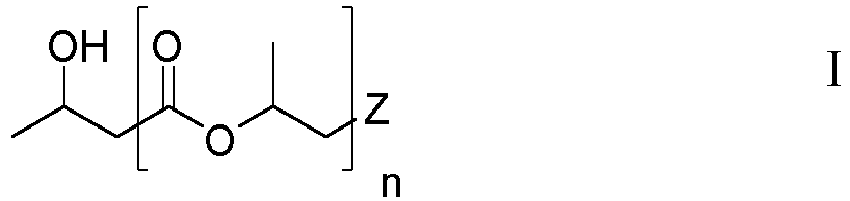
Z is a carboxylic acid, a pharmaceutically acceptable salt or an ester thereof, and n is an integer 1 or 2, have been found to exhibit valuable pharmacological activity. - Particularly those wherein Z is COOMe, and n is 1 or 2 increase viability of prokaryotic and eukaryotic cells by alleviating oxidative stress significantly better than 3-hydroxybutyric acid known in the art.
- Particularly, the present invention concerns molecules of general formula I, wherein n is 1 or 2, and wherein Z is selected from the group of carboxylic acids (Z = COOH), pharmaceutically acceptable salts and esters (COOR) thereof, for use in the treatment of ophthalmic disorder, wherein the molecule is administered via parenteral, local or gastro-resistant oral administration.
- The term "pharmaceutically acceptable salt" is defined in the review article of Berge et al. [J. Pharm Sci, 66, 1977, 1].
- Exemplary pharmaceutically salts of molecules of general formula I wherein Z is COO- are sodium, potassium, lithium, magnesium, calcium, and ammonium salts.
- According to one alternative the molecules of general formula I used as a medicament are esters, i.e. wherein Z is COOR. Exemplary esters are alkyl and aryl esters. Alkyl esters, in particular lower alkyl esters, are preferable. "Lower alkyl esters" are esters in which the alkyl of the alcohol residue has 1 to 6, in particular 1 to 4 carbon atoms. Exemplary alkyl groups are methyl, ethyl, n-propyl, i-propyl, n-butyl, sec-butyl and tert-butyl. A particular alkyl group is methyl. The alkyl group may include also heteroatoms, such as one or more of the following: halogen, oxygen, sulfur and mixtures thereof.
- Particular molecules of general formula I of the present description for use in the treatment of ophthalmic disorder are the following:


- Particularly preferable molecules for use as a medicament are the dimer (formula 1) and the trimer (formula 2). These molecules of general formula I are water soluble and they can enter cells by simple diffusion or they can be carried by transporters.
- According to another alternatives the molecules of general formula I used as a medicament carboxylic acids, i.e. wherein Z is COOH and their pharmaceutically acceptable salts. Exemplary pharmaceutically salts of molecules of General formula I wherein Z is COO- are sodium, potassium, lithium, magnesium, calcium, and ammonium salts.
- Particular molecules of general formula I of the present description for use in the treatment of an ophthalmic disorder are the following:


- It should be noted that monomeric 3-hydroxy fatty acid and its derivatives are known in the art as active components of pharmaceutical composition for improving of learning and/or memory of subjects. Thus,
WO2008110034 teaches that use of the compounds in the manufacture of medicaments for improving of learning and/or memory of subjects.WO2008110034 is silent about the use of the compounds for the present uses. Nutritional and therapeutic uses of 3-hydroxyalkanoate oligomers are disclosed inUS 20020013339 . Particularly preferable molecules for use as a medicament are the dimer (4) and the trimer (5). These molecules of general formula I are water soluble and they can enter cells by simple diffusion or they can be carried by transporters. The structures of molecules 4, 5 and 6 shown above are drawn as free acids. It is however obvious that the present description concerns also the corresponding carboxylate ions and pharmaceutically acceptable salts. - According to one alternative the present description concerns molecules of general formula I wherein the n is an integer 1 or 2, for use in treating, retinitis pigmentosa, age-related macular degeneration, glaucoma, or diabetic retinopathy.
- For the considered therapeutic or preventive uses, molecules of general formula I may be administrated as such or in the form of suitable pharmaceutical composition, using conventional techniques and excipients. Typical pharmaceutical forms include aqueous, oleaginous suspension, dispersions as well as sterile powders, which may be used for the extemporaneous preparation of injectable solutions or dispersions. The compositions may also be solutions or suspensions in non-toxic diluents or solvents.
- In the present description it has been found that dimers and trimers of 3-hydroxybutyrate are much more effective than the monomer as antioxidants. In this respect reference is made to
Figure 1 . However, if such dimers or trimers or other oligomers are intaken orally, they will decompose to monomers in the gastrointestinal tract, most likely due to the low pH in the stomach. - According to this description, such decomposition in the gastrointestinal tract is prevented. Therefore the oligomers will reach their therapeutic target site in vivo in an uncleaved, non-decomposed form. Therefore, no loss of activity of the administered compound will occur.
- According to the invention, the oligomers are administered in a gastroresistent way. This means that the compounds are administered parenterally, locally (e.g. topically) or, if orally, e.g. as entero-tablets or -capsules or other entero-formulations. In the entero-formulation, the compound passes the stomach uncleaved.
- Parenteral administration causes a systemic effect and includes, for example, intravenous, intramuscular, intraperitoneal, transdermal, subcutaneous, sublingual, pulmonal, nasal, rectal, and intravesical administration.
- Local administration includes delivery as topical formulations such as ointments or creams; ear drops, eye drops, intraocular injections, intratumoral injections, etc. Entero-formulations have typically a shell or coating, which prevents decomposition already in the stomach.
- In one alternative, the present oligomers are administered in the form of intraocular injections. This is particularly useful for treatment of ocular degeneration, for example blue light induced ocular degeneration.
- Another exemplary administration route is topical administration, e.g. by the use of dispersions, suspensions or solutions. Examples of these include ophthalmic drops, for example for treatment of ocular degeneration,
The required amount of the active compound may depend on the particular condition to be treated. Any kind of pharmaceutically acceptable solid or liquid carrier or excipient known to those skilled in the medicinal and pharmaceutical arts, may be used in the pharmaceutical preparation. - Thus, generally speaking, the active component is used in effective amounts. The route of administration, already discussed above, the dosage as well as the exact formulation are chosen depending on the subject's condition. Thus, the interval can be adjusted individually to provide levels of the active compound in the blood plasma that are sufficient to maintain and obtain the desired therapeutic effects. In general, however, doses employed for humans typically are in the range of 0.0001 mg/kg to about 1000 mg/kg per day, in a range of about 0.01 mg/kg to about 500 mg/kg per dose of inhibitor. Typically, the present oligomer, or mixture of oligomers, is administered at 0.01 to 100 mg/kg body weight, for example at 0.1 to 50 mg/kg body weight.
- In practice, the dosage forms may comprise the active component in concentrations of about 0.1 to 250 mM, in particular about 0.5 to 100 mM, for example about 1 to 50 mM.
- Amounts and regimens for the administration of the pharmaceutical compositions can be determined readily by those with ordinary skill in the clinical art of treating symptoms and disorders. Generally, the dosage depends on considerations such as age, gender and general health of the patient to be treated; kind of concurrent treatment, if any; frequency of the treatment and nature of the effect desired; duration of the symptoms; and other variables. A desired dose may be administered in one or more applications to obtain the desired results.
- If desired, the pharmaceutical compositions according to the present alternatives may be provided as unit dosage forms.
- The present oligomer(s) can be used as the single active pharmaceutical ingredient of the pharmaceutical composition or the oligomer(s) can be used together with other active components. Thus, for treatment of ophthalmic conditions, the present oligomer(s) can be combined with hyaluronic acid for example in ophthalmic drops or with ranibizumab in injectable compositions.
- Means and methods for formulating the present pharmaceutical preparations are known to persons skilled in the art, and may be manufactured in a manner which is in itself known, for example, by means of conventional mixing, granulating, and dissolving, lyophilizing or similar processes.
- As conventional, the pharmaceutical composition may contain formulation materials for modifying, maintaining or preserving, for example, the pH, osmolarity, viscosity, clarity, color, isotonicity, odor, sterility, stability, rate of dissolution or release, adsorption or penetration of the composition.
- According to one alternative the present description concerns a pharmaceutical composition, including molecule of general formula I and one or more excipients. Exemplary excipients are antiadherents (e.g. magnesium stearate), binders (e.g. saccharides such as sucrose, lactose, starches, cellulose, xylitol, sorbitol and maltitol, proteins such as gelatine, synthetic polymers such as polyvinylpyrrolidone and polyethylene glycol), coatings (e.g. hydroxypropyl methylcellulose), disintegrants (e.g. crosslinked polyvinylpyrrolidone, crosslinked sodium carboxymethyl cellulose and sodium starch glycolate), fillers (e.g. plant cellulose, mannitol, sorbitol, calcium carbonate, and magnesium stearate), flavours (e.g. mint, cherry, anise, peach, apricot, liquorice and vanilla), colours, lubricants (e.g. talk, silica, stearin, magnesium stearate and stearic acid), glidants, sorbents, preservatives (e.g. antioxidants, cysteine, methionine, citric acid, sodium citrate, parabens), and sweeteners (e.g. syrups and sugars).
- Based on the above, in one alternative, an injectable aqueous composition of the present oligomer(s) comprises oligomer(s), typically at 0.1 to 100 mg, together with one or more of α,α-trehalose optionally in the form of a salt, such as monohydrate or dihydrate, surfactants, such as polysorbate, histidine optionally in the form of a salt, such as hydrochloride or monohydrate.
- Exemplary uses of compounds of general formula I as antioxidants are disclosed in
Figures 1 and2 . - As shown in
Figure 1 , the dimer (1; FAA-1) and the trimer (2; FAA-2) have significantly better hydroxyl radical scavenging activity than the prior art antioxidants L-ascorbic acid, L-glutathione and 3-hydroxybutyric acid. As shown inFigure 2 , the antioxidants of the present description show increase of survival from the hydroxyl radical stress of eukaryotic yeast cells 10 to 100 fold compared to glutathione. -
Figure 3 shows the situation where a shoot tip of Scots pine is grown in a medium in the A) absence, and B) presence, of molecules (1) and (2). The shoot tip grown in the absence of the antioxidants of the present description is dead, while the shoot tip grown in the presence the antioxidants of the present description is alive after five weeks. - The following non-limiting examples illustrate the present technology:
- Molecules of structure 1 and 2 were prepared from 3-HB polymer by degradation. Accordingly, Poly 3-hydroxybutyric acid (PHB) was depolymerized as disclosed by Athlan et al. (1997) with minor modifications. A half gram of PHB was dissolved in 35 ml of dichloroethane by heat and stirring. Before refluxing, 75 mg of p-toluenesulfonic acid and 25 ml of methanol was added. The method was optimized to a reflux time of 16h for the maximum yield. A liquid-liquid extraction was made twice using 5 mM ammonium acetate, and the aqueous phases were collected and freeze-dried.
- The oligomers were diluted to eluent (40% MeOH) and purified with isocratic flash chromatography (Sepra C-18-E, 50 µm (Phenomenex) sorbent). From the 10 ml/min flow, 1-minute fractions were collected. The fractions containing compounds 1 and 2 were purified further with preparative-scale HPLC equipped with 1525 binary pump, 2998 photodiode array detector, UV fraction manager, 2767 sample manager, and Atlantis prep T3 OBD 5 µm column (19×50 mm). The injection volume was 500 µl and the HPLC gradient consisted of 0.1% CH3CO2H (A) and methanol (B). The gradient was started from 20% of B, changing linearly to 100% B in 10 min, and 48-s fractions were automatically collected at the flow rate of 20 ml/min. Compounds 1 and 2 were identified by TOF-MS and NMR analysis.
- M. extorquens DSM13060 (Wild type; a plant growth-promoting conifer endophyte; Pirttilä et al 2000) was grown to stationary phase (4 days) at room temperature in DM1 medium (D1 medium without growth regulators; Hohtola 1988, Pirttilä et al. 2008), and bacterial cells were removed by centrifugation and filtering through 0.2 mm filters (Schleicher & Schuell, Keene, NH) to obtain sterile conditioned medium. The conditioned medium was freeze-dried and fractioned by gradient flash chromatography (Sepra C-18-E, 50 µm [Phenomenex] sorbent) with 0.1% formic acid and acetonitrile. The compounds present in each fraction were analyzed by LC-MS. The conditioned DM1 medium was fractionated into 10 parts by semi-preparative HPLC, each containing at most one 3-HB oligomer.
- Yeast strains (gsh1Δ (YJL101c) and gsh2Δ (YOL049w); EUROSCARF) were streaked from glycerol stocks onto YEPD agar plates (1% w/v Bacto yeast extract; 2% w/v Bacto peptone; 2% w/v D-glucose; 2% w/v agar) and incubated at +30°C for 48 h. Yeast pre-cultures were inoculated from the plates and grown in liquid SG minimal medium (0.67% w/v yeast nitrogen base without amino acids; 2% w/v glucose with appropriate supplements: uracil, 0.02 mg/ml; amino acids, 0.03 mg/ml) at +30°C in orbital shaker with 180 rpm to stationary phase (1.0-1.2 OD600). Growth was measured spectrophotometrically at 600 nm (OD600) and the cell densities were adjusted to 1.0 OD600 before inoculation of the final density of 0.25 OD600 into each assay reaction.
- Assay reactions were prepared according to Moore et al. (2006) and analyzed in black 96-well polystyrene plates (FluoroNunc, Thermo Scientific) with a Victor3 multilabel plate reader (PerkinElmer, Turku, Finland). Each reaction mixture contained 170 µl of 9.28 × 10⁻⁸ M fluorescein (FL) prepared in 75 mM sodium phosphate buffer (pH 7.4), 30 µl of blank or sample or standard, 40 µl of 0.1990 M H2O2, and 60 µl of 3.43 mM FeCl3, pipetted to the 96-well plate in same order. Trolox standards (20, 40, 60, 80, and 100 µM), control solutions of glutathione, vitamin C, 3-HB monomer (3-hydroxybutyric acid, 3-HBA) (Sigma-Aldrich, St. Louis, MO), and the 3-HB oligomer samples were freshly prepared in 50% acetone for each assay. Each reaction was pipetted onto the 96-well plate in triplicate. Fluorescence was measured at the excitation wavelength of 485 nm and the emission wavelength of 535 nm. Read time for each well was 0.1 s, and each plate was read once per minute for 3 h. Based on the area under the curve (AUC) of the Trolox concentrations and the net area under the fluorescein decay curve (Ou et al. 2001), the relative HOSC values were calculated by using the regression equation for the pure compounds. Values were expressed as Trolox equivalents (TE), where one micromole of TE corresponds to one micromole of sample. The experiment was repeated three times.
- Calculation of Area Under Curve (AUC) values:

- f0 = the initial fluorescence reading at 0 min
- fi = the final fluorescence reading
- Calculation of relative HOSC values for pure compounds:

Fe3+ + O·2- → Fe2+ + O2 (1)
Fe2+ + H2O2 → Fe3+ + OH- + OH· (Fenton reaction) (2)
- The net reaction:
O·2- + H2O2 → O2 + OH- + OH· (3)
- Fluorometric •OH scavenging capacity (HOSC) assays for 3-HB mono-, di- and trimers (molecules of general formula 1, wherein n is 1 and 2, respectively), along with glutathione and ascorbic acid was performed. The radical scavenging capacity of these compounds was compared under Fenton's reaction, against Trolox, an analog of vitamin E. As shown in
Figure 1 , both 3-HB di- and trimers were 3-times better •OH scavengers than glutathione, a thiol responsible for intracellular redox homeostasis in living cells, and 10-times better than ascorbic acid, the most common antioxidant found in nature. 3-HB di- and trimers showed also 10-times better scavenging capacity when compared to the commercial 3-HB monomer, 3-hydroxybutyric acid (3-HBA). Oligomers of 3-HB having a chain length longer than four units had low antioxidant activity. - The 3-HB monomer, 3-hydroxybutyric acid, is ubiquitous, found in all living organisms. In mammals, it was recently reported to have ROS scavenging capacity, preventing lipoperoxidation and neuronal death (Haces et al. 2008), and inhibiting histone deacetylases during oxidative stress (Shimazu et al. 2013). In the present description it has been shown that methyl-esterified 3-HB di- and trimers, have more than 10-fold hydroxyl radical scavenging-capacity compared to the monomer 3-hydroxybutyric acid.
- To validate the alleviation of oxidative stress in living cells and to identify the cellular target proteins for hydroxyl radical scavenging in eukaryotic cells, a yeast deletion mutant bioassay was developed on the basis of HOSC assay (Moore et al. 2006). Hydroxyl radicals were generated under physiological pH (7.4) in Fenton-like Fe3+/H2O2 reaction. The original assay settings were adjusted for yeast cells in phosphate buffered SG medium, and the pH and O2 levels were monitored by SENBIT® system (Vasala et al. 2006). The concentration of hydrogen peroxide was optimized to a sub-lethal level (2.5 mM) and the reaction was supplemented with appropriate amount of FeCl3 (0.0646 mM) to produce a constant flux of •OH radicals.
- The total reaction volume was down-scaled to 1 ml, which made the assay suitable for the natural products low in quantity. The assay reactions were pipetted to sterile 15-ml snap-cap tubes in the following order: 612 µl of 74 mM sodium phosphate buffer (pH 7.4), 25 µl of 100 mM H2O2, 12.9 µl of 5 mM FeCl3, the test compound or the control, and water up to the total volume of 100 µl. Based on the previous HOSC assay results, 1 mM glutathione (reduced) was used as the positive antioxidant control.
- The monomer of 3-hydroxybutyric acid (3-HBA) (Sigma-Aldrich, St. Louis, MO) was tested in concentrations of 20 mM, 10 mM, 5 mM and 2.5 mM for screening of yeast strains sensitive to •OR.
- The dimer of 3-hydroxybutyrate (1) was tested in 200 µM and 100 µM, and the trimer (2) was tested in concentrations of 100 µM and 50 µM. Finally, 250 µl of yeast culture was diluted to 1.0 OD600 in SG medium and added to the reaction to make the final cell density of 0.25 OD600.
- The assay reactions were incubated at +30°C in an orbital shaker with 195 rpm for 6 hours in a tilted position to ensure aeration. Five 10-fold serial dilutions resulting in six individual samples from 1×10⁶ (100) to 100 (1×10⁻⁵) cells were prepared in a sterile 96-well plate and spotted with a multi-channel pipette onto SG agar plates, resulting in six individual 4-µl spots per treatment.
- Up to five separate treatments were pipetted per Petri plate including the treated control (H2O2+FeCl3, without antioxidant), untreated control (H2O, no oxidative stress), positive control (H2O2+FeCl3, 1 mM glutathione), and the test compounds. All treatments were pipetted in triplicate, and the experiment was repeated three times. Cell growth was monitored at +30°C for 72 hours and Petri plates were scanned digitally to high-quality computer images after 48 and 72 hours. Hydroxyl radical-induced stress and the alleviation of stress by antioxidant compounds in various deletion mutant strains of S. cerevisiae were evaluated visually.
- Shoot tips (n=9-13) of Scots pine (Pinus sylvestris L.) were collected from young (>10 years) trees and surface-sterilized in 70% ethanol for 1 min and in 6% Ca(ClO)2 for 20 min, and rinsed thoroughly three times with sterile water. After rinsing in sterile water, the shoot tips (buds) were aseptically peeled in a laminar flow hood and placed on the media. The pine shoot tips were grown in 8/16 h photoperiod at +25±1°C in the presence and absence of molecules of general formula I, wherein n is from 2 to 10. The viability of the pine tissue was assessed for up to 6 weeks visually (
Figure 3 ) and by 1% (w/v) acetocarmine staining. The viability on each fraction was recorded as percentage of live buds. The experiment was twice with each oligomer (mono- to decamer) on each Petri plate containing 18-31 pine shoot tips. - The specific examples provided in the description given above are merely illustrative.
- The present description discloses molecules of General formula I for use in treating ophthalmic degeneration, such as ocular or retinar degeneration
-
WO2008110034
US 20020013339
WO 2006020179
US 2009253781
WO 0004895
JP 2005065652
WO 2009089144
WO 9841200 -
- Athlan, A, Braud, C., Vert, M, (1997) Abiotic aging of water-soluble 3-hydroxybutyric acid oligomers as monitored by capillary zone electrophoresis. J. Environ. Polymer Degradation. 5, 243-247.
- Berge SM, Bighley LD, Monkhouse DC (1977) Pharmaceutical salts. J. Pharm Sci, 66: 1-19.
- Haces ML, Hernandez-Fonseca K, Medina-Campos ON, Montiel T, Pedraza-Chaverri J, Massieu L (2008) Antioxidant capacity contributes to protection of ketone bodies against oxidative damage induced during hypoglycemic conditions. Exp. Neurol. 211: 85-96.
- Hohtola, A., (1988) Seasonal changes in explant viability and contamination of tissue cultures from mature Scots pine. Plant Cell, Tissue and Organ Culture. 15, 211-222.
- Liochev, S. I. (1999). The mechanism of' Fenton-like" reactions and their importance for biological systems. A biologist's view. Metal ions in biological systems, 36, 1.
- Kehrer, J. P. (2000). The Haber-Weiss reaction and mechanisms of toxicity. Toxicology, 149(1), 43-50.
- Moore J, Yin JJ, Yu LL (2006) Novel fluorometric assay for hydroxyl radical scavenging capacity (HOSC) estimation. J. Agric. Food Chem. 54: 617-26.
- Ou B, Hampsch-Woodill M, Prior RL (2001) Development and validation of an improved oxygen radical absorbance capacity assay using fluorescein as the fluorescent probe. J. Agric. Food Chem. 49, 4619-4626.
- Pirttilä AM, Laukkanen H, Pospiech H, Myllylä R, Hohtola A (2000) Detection of intracellular bacteria in the buds of Scots pine (Pinus sylvestris L.) by in situ hybridization. Appl. Env. Microbiol. 66:3073-3077.
- Pirttilä AM, Podolich O, Koskimäki JJ, Hohtola E, Hohtola E (2008) Role of origin and endophyte infection in browning of bud-derived tissue cultures of Scots pine (Pinus sylvestris L.). Plant Cell, Tissue and Organ Culture. 95, 47-55.
- Shimazu T, Hirschey MD, Newman J, He W, Shirakawa K, Le Moan N, Grueter CA, Lim H, Saunders LR, Stevens RD, Newgard CB, Farese Jr. RV, de Cabo R, Ulrich S, Akassoglou K, Verdin E (2013) Suppression of oxidative stress by β-hydroxybutyrate, an endogenous histone deacetylase inhibitor. Science 339: 211-214.
- Vasala A, Panula J, Bollok M, Illman L, Hälsig C, Neubauer P. (2006) A new wireless system for decentralised measurement of physiological parameters from shake flasks. Microb. Cell. Fact. 5, 8.
- Zarnowski T, Tulidowicz-Bielak M, Kosior-Jarecka E, Zarnowska I, Turski WA, Gasior M (2012) A Ketonic Diet May Offer Neuroprotection in Glaucoma and Mitochondrial Diseases of the Optic Nerve. MEHDI Ophthalmology Journal; 1(3):45-49 .
Claims (12)
- A molecule of general formula I
 n is an integer 1 or 2, andZ is selected from a carboxylic acid, its pharmaceutically acceptable salt or ester,for use in the treatment of an ophthalmic disorder, wherein said molecule is administered via parenteral, local or gastro-resistant oral administration.
 - The molecule for use according to claim 1, wherein Z is methyl ester.
- The molecule for use according to claim 1, wherein the ophthalmic disorder is a retinal neurodegenerative disorder.
- The molecule for use according to claim 3, wherein the disorder is selected from the group of retinitis pigmentosa, age-related macular degeneration, glaucoma, and diabetic retinopathy.
- The molecule for use according to claim 1-4, wherein said molecule is administered topically in a topical formulation.
- The molecule for use according to claim 1-5, wherein said topical formulation is an ointment, cream, eye drops, or intraocular injection.
- The molecule for use according to any of claims 1 and 3 to 6 wherein Z is an ester, in particular having the formula COOR, wherein R stands for an alkyl group, preferably a lower alkyl group having 1 to 6, in particular 1 to 4 carbon atoms, said alkyl group being selected from the group of methyl, ethyl, n-propyl, i-propyl, n-butyl, sec-butyl and tert-butyl, said alkyl group optionally including heteroatoms, such as one or more of the group of halogen, oxygen and sulfur.
- The molecule for use according to any of claims 1 and 3 to 7, wherein n is an integer 1 or 2, and wherein Z is an ester having the formula COOR, wherein R stands for a lower alkyl group with 1 to 4 carbon atoms.
- The molecule for use according to any of claims 1 to 8 selected from

- A pharmaceutical composition for parenteral, local or gastro-resistant oral administration comprising a molecule of general formula I,
 wherein n is an integer 1 or 2 and wherein Z is selected from a carboxylic acid, its pharmaceutically acceptable salt and ester, andone or more excipients and preferably also a pharmaceutically suitable carrier, for use in the treatment of an ophthalmic disease.
 - The pharmaceutical composition for use according to claim 10, wherein the molecule of general formula I is selected from

- The pharmaceutical composition for use according to claim 10 or 11, wherein said composition is an eye drop product.
Applications Claiming Priority (2)
| Application Number | Priority Date | Filing Date | Title |
|---|---|---|---|
| FI20145687 | 2014-07-21 | ||
| PCT/FI2015/050509 WO2016012657A1 (en) | 2014-07-21 | 2015-07-21 | Oligomeric forms of 3-hydroxybutyrate |
Publications (2)
| Publication Number | Publication Date |
|---|---|
| EP3177284A1 EP3177284A1 (en) | 2017-06-14 |
| EP3177284B1 true EP3177284B1 (en) | 2020-01-15 |
Family
ID=53801006
Family Applications (1)
| Application Number | Title | Priority Date | Filing Date |
|---|---|---|---|
| EP15748271.2A Active EP3177284B1 (en) | 2014-07-21 | 2015-07-21 | Oligomeric forms of 3-hydroxybutyrate |
Country Status (4)
| Country | Link |
|---|---|
| US (1) | US10137102B2 (en) |
| EP (1) | EP3177284B1 (en) |
| JP (1) | JP6721583B2 (en) |
| WO (1) | WO2016012657A1 (en) |
Families Citing this family (5)
| Publication number | Priority date | Publication date | Assignee | Title |
|---|---|---|---|---|
| WO2019183564A1 (en) * | 2018-03-23 | 2019-09-26 | Concert Pharmaceuticals, Inc. | DEUTERATED ANALOGS OF D-β-HYDROXYBUTYRIC ACID AND USES THEREOF |
| CN110452121A (en) * | 2018-05-08 | 2019-11-15 | 香港纺织及成衣研发中心 | A kind of bio-based material with antibacterial effect and its application |
| GB201918657D0 (en) | 2019-12-17 | 2020-01-29 | Tdeltas Ltd | Compounds for new use |
| BR112023000684A2 (en) * | 2020-07-13 | 2023-01-31 | Ioi Oleo Gmbh | METHOD FOR PRODUCING OXOBUTANOL ESTERS OF POLYMERIC CARBOXYLIC ACIDS |
| CN112359071A (en) | 2020-10-26 | 2021-02-12 | 浙江英玛特生物科技有限公司 | Water-soluble controllable antibacterial substance and synthesis process thereof |
Family Cites Families (17)
| Publication number | Priority date | Publication date | Assignee | Title |
|---|---|---|---|---|
| FR2486072A1 (en) * | 1980-07-03 | 1982-01-08 | Solvay | PROCESS FOR THE PRODUCTION OF B-HYDROXYBUTYRIC ACID AND ITS OLIGOCONDENSATES |
| FR2641532B1 (en) * | 1989-01-06 | 1991-03-29 | Solvay | PROCESS FOR THE PREPARATION OF (BETA) -HYDROXYBUTYRIC ACID ESTERS |
| US5116868A (en) | 1989-05-03 | 1992-05-26 | The Johns Hopkins University | Effective ophthalmic irrigation solution |
| JP4598203B2 (en) * | 1995-12-01 | 2010-12-15 | ビーティージー・インターナショナル・リミテッド | Brain function improver |
| US20090253781A1 (en) | 2002-05-24 | 2009-10-08 | Btg International Limited | Therapeutic compositions |
| DK1017379T3 (en) | 1997-03-17 | 2015-02-16 | Btg Int Ltd | Therapeutic compositions comprising ketone compounds and precursors thereof |
| US6380244B2 (en) | 1998-07-22 | 2002-04-30 | Metabolix, Inc. | Nutritional and therapeutic uses of 3-hydroxyalkanoate oligomers |
| JP2003313123A (en) | 2002-02-20 | 2003-11-06 | Ophtecs Corp | Composition for preventing and/or treating ophthalmopathy (excluding ophthalmopathy caused by dry eye) caused by apoptosis |
| US7825134B2 (en) | 2003-05-19 | 2010-11-02 | Othera Holding, Inc. | Amelioration of cataracts, macular degeneration and other ophthalmic diseases |
| JP2005065652A (en) | 2003-08-28 | 2005-03-17 | Meiji Milk Prod Co Ltd | Method for producing 3-hydroxybutyric acids |
| WO2005032534A1 (en) | 2003-10-06 | 2005-04-14 | Ophtecs Corporation | Ophthalmic composition for treating lacrimal disorders |
| EP1778213B1 (en) * | 2004-07-16 | 2017-04-05 | BTG International Limited | A method for the synthesis of oligomeric compounds |
| WO2006020179A2 (en) | 2004-07-20 | 2006-02-23 | Ketocytonyx Inc. | Oligomeric ketone compounds |
| NL1031028C2 (en) | 2005-04-15 | 2006-10-17 | Inge Van Laarhoven | Orthosis for supporting a user's leg while walking. |
| CN101489543A (en) | 2007-03-14 | 2009-07-22 | 汕头大学 | 3-hydroxy fatty acids and derivatives thereof for improving learning and/or memory in a subject |
| EP2240017B1 (en) | 2008-01-04 | 2019-03-13 | Oxford University Innovation Limited | Ketone bodies and ketone body esters as blood lipid lowering agents |
| GB201206192D0 (en) | 2012-04-05 | 2012-05-23 | Tdeltas Ltd | Ketone bodies and ketone body esters and for maintaining or improving muscle power output |
-
2015
- 2015-07-21 EP EP15748271.2A patent/EP3177284B1/en active Active
- 2015-07-21 US US15/327,395 patent/US10137102B2/en active Active
- 2015-07-21 JP JP2017524113A patent/JP6721583B2/en not_active Expired - Fee Related
- 2015-07-21 WO PCT/FI2015/050509 patent/WO2016012657A1/en not_active Ceased
Non-Patent Citations (1)
| Title |
|---|
| TOMASZ ZARNOWSKI ET AL: "A ketogenic diet may offer neuroprotection in glaucoma and mitochondrial diseases of the optic nerve", MEDICAL HYPOTHESIS, DISCOVERY AND INNOVATION IN OPHTHALMOLOGY, 1 January 2012 (2012-01-01), Iran, pages 45, XP055454891, Retrieved from the Internet <URL:https://www.ncbi.nlm.nih.gov/pmc/articles/PMC3939735/pdf/mehdiophth-1-045.pdf> [retrieved on 20180227] * |
Also Published As
| Publication number | Publication date |
|---|---|
| US10137102B2 (en) | 2018-11-27 |
| EP3177284A1 (en) | 2017-06-14 |
| JP6721583B2 (en) | 2020-07-15 |
| JP2017522386A (en) | 2017-08-10 |
| WO2016012657A1 (en) | 2016-01-28 |
| US20170196826A1 (en) | 2017-07-13 |
Similar Documents
| Publication | Publication Date | Title |
|---|---|---|
| US10137102B2 (en) | Oligomeric forms of 3-hydroxybutyrate | |
| JP2018203773A (en) | Astaxanthin anti-inflammatory synergistic combinations | |
| JP2004506657A (en) | Bioavailable compositions of natural and synthetic HCA | |
| JP6803898B2 (en) | Anti-inflammatory synergistic combination containing omega-3 fatty acids and tomato lycopene | |
| JPWO2006025247A1 (en) | Mitochondrial activator | |
| JP5686496B2 (en) | Metabolic syndrome improvement / prevention composition | |
| JPWO2017135466A1 (en) | A composition containing xanthophyll and a processed plant of the genus Hishi | |
| JP2022522798A (en) | Method for producing spirulina extract, pharmaceutical composition for improving cognitive function and health functional food containing spirulina extract | |
| KR102643653B1 (en) | Novel aminoaromatic compounds or pharmaceutically acceptable salt thereof and pharmaceutical composition for prevention or treatment of neurodegenerative diseases comprising the same as an active ingredient | |
| EP3246304A2 (en) | Diphenyl derivative and uses thereof | |
| US20170007554A1 (en) | Medicine for preventing ischemic diseases | |
| JP3585045B2 (en) | Application of riluzole in the treatment of mitochondrial diseases | |
| CN109476627B (en) | Phenolic compounds and their combination with benzodiazepines fused to 1,4-dihydropyridine for use in the treatment of lesions of the central nervous system and vascular system | |
| JP2023535712A (en) | Novel Therapeutic Uses of Compounds for Improving Mitochondrial Function and Treating Mitochondrial Diseases | |
| JP5919208B2 (en) | Brain protectant | |
| EP3482750A1 (en) | Novel use of sesquiterpene derivative | |
| KR102757367B1 (en) | A mitochondria-targeting compounds for enhancing mitochondia viability and ROS-scavenge and use thereof | |
| JP5070040B2 (en) | Vascular insufficiency improving agent | |
| US20220112208A1 (en) | Compounds with antiinflammatory activity and methods of use thereof | |
| EP3302463B1 (en) | Use of 3-deoxyanthocyanidins for treating ocular diseases | |
| KR20210046115A (en) | Niacin derivative and pharmaceutical composition containing the same | |
| KR102854101B1 (en) | Composition for improving cognitive function, preventing or treating neurodegenerative diseases with wasp venom derived from Vespa velutina nigrithorax as an active ingredient | |
| KR101711603B1 (en) | Composition comprising stipitalide as active ingredients | |
| CN112752764A (en) | Novel zinc complexes, their production and use | |
| CN116528845B (en) | Amino aromatic compounds or pharmaceutically acceptable salts of such compounds, and pharmaceutical compositions containing such compounds as active ingredients for the prevention or treatment of neurodegenerative diseases. |
Legal Events
| Date | Code | Title | Description |
|---|---|---|---|
| STAA | Information on the status of an ep patent application or granted ep patent |
Free format text: STATUS: THE INTERNATIONAL PUBLICATION HAS BEEN MADE |
|
| PUAI | Public reference made under article 153(3) epc to a published international application that has entered the european phase |
Free format text: ORIGINAL CODE: 0009012 |
|
| STAA | Information on the status of an ep patent application or granted ep patent |
Free format text: STATUS: REQUEST FOR EXAMINATION WAS MADE |
|
| 17P | Request for examination filed |
Effective date: 20170220 |
|
| AK | Designated contracting states |
Kind code of ref document: A1 Designated state(s): AL AT BE BG CH CY CZ DE DK EE ES FI FR GB GR HR HU IE IS IT LI LT LU LV MC MK MT NL NO PL PT RO RS SE SI SK SM TR |
|
| AX | Request for extension of the european patent |
Extension state: BA ME |
|
| DAV | Request for validation of the european patent (deleted) | ||
| DAX | Request for extension of the european patent (deleted) | ||
| STAA | Information on the status of an ep patent application or granted ep patent |
Free format text: STATUS: EXAMINATION IS IN PROGRESS |
|
| 17Q | First examination report despatched |
Effective date: 20180821 |
|
| GRAP | Despatch of communication of intention to grant a patent |
Free format text: ORIGINAL CODE: EPIDOSNIGR1 |
|
| STAA | Information on the status of an ep patent application or granted ep patent |
Free format text: STATUS: GRANT OF PATENT IS INTENDED |
|
| RIC1 | Information provided on ipc code assigned before grant |
Ipc: A61K 31/22 20060101AFI20190705BHEP Ipc: A61P 27/02 20060101ALI20190705BHEP Ipc: C07C 69/675 20060101ALI20190705BHEP Ipc: C12P 7/42 20060101ALI20190705BHEP Ipc: A61P 27/06 20060101ALI20190705BHEP Ipc: C12P 7/62 20060101ALI20190705BHEP Ipc: A61K 9/00 20060101ALI20190705BHEP |
|
| INTG | Intention to grant announced |
Effective date: 20190729 |
|
| RAP1 | Party data changed (applicant data changed or rights of an application transferred) |
Owner name: OULUN YLIOPISTO |
|
| GRAS | Grant fee paid |
Free format text: ORIGINAL CODE: EPIDOSNIGR3 |
|
| GRAA | (expected) grant |
Free format text: ORIGINAL CODE: 0009210 |
|
| STAA | Information on the status of an ep patent application or granted ep patent |
Free format text: STATUS: THE PATENT HAS BEEN GRANTED |
|
| AK | Designated contracting states |
Kind code of ref document: B1 Designated state(s): AL AT BE BG CH CY CZ DE DK EE ES FI FR GB GR HR HU IE IS IT LI LT LU LV MC MK MT NL NO PL PT RO RS SE SI SK SM TR |
|
| REG | Reference to a national code |
Ref country code: CH Ref legal event code: EP Ref country code: GB Ref legal event code: FG4D |
|
| REG | Reference to a national code |
Ref country code: IE Ref legal event code: FG4D |
|
| REG | Reference to a national code |
Ref country code: DE Ref legal event code: R096 Ref document number: 602015045624 Country of ref document: DE |
|
| REG | Reference to a national code |
Ref country code: AT Ref legal event code: REF Ref document number: 1224548 Country of ref document: AT Kind code of ref document: T Effective date: 20200215 |
|
| REG | Reference to a national code |
Ref country code: NL Ref legal event code: MP Effective date: 20200115 |
|
| REG | Reference to a national code |
Ref country code: LT Ref legal event code: MG4D |
|
| PG25 | Lapsed in a contracting state [announced via postgrant information from national office to epo] |
Ref country code: PT Free format text: LAPSE BECAUSE OF FAILURE TO SUBMIT A TRANSLATION OF THE DESCRIPTION OR TO PAY THE FEE WITHIN THE PRESCRIBED TIME-LIMIT Effective date: 20200607 Ref country code: RS Free format text: LAPSE BECAUSE OF FAILURE TO SUBMIT A TRANSLATION OF THE DESCRIPTION OR TO PAY THE FEE WITHIN THE PRESCRIBED TIME-LIMIT Effective date: 20200115 Ref country code: NO Free format text: LAPSE BECAUSE OF FAILURE TO SUBMIT A TRANSLATION OF THE DESCRIPTION OR TO PAY THE FEE WITHIN THE PRESCRIBED TIME-LIMIT Effective date: 20200415 Ref country code: FI Free format text: LAPSE BECAUSE OF FAILURE TO SUBMIT A TRANSLATION OF THE DESCRIPTION OR TO PAY THE FEE WITHIN THE PRESCRIBED TIME-LIMIT Effective date: 20200115 Ref country code: NL Free format text: LAPSE BECAUSE OF FAILURE TO SUBMIT A TRANSLATION OF THE DESCRIPTION OR TO PAY THE FEE WITHIN THE PRESCRIBED TIME-LIMIT Effective date: 20200115 |
|
| PG25 | Lapsed in a contracting state [announced via postgrant information from national office to epo] |
Ref country code: HR Free format text: LAPSE BECAUSE OF FAILURE TO SUBMIT A TRANSLATION OF THE DESCRIPTION OR TO PAY THE FEE WITHIN THE PRESCRIBED TIME-LIMIT Effective date: 20200115 Ref country code: SE Free format text: LAPSE BECAUSE OF FAILURE TO SUBMIT A TRANSLATION OF THE DESCRIPTION OR TO PAY THE FEE WITHIN THE PRESCRIBED TIME-LIMIT Effective date: 20200115 Ref country code: LV Free format text: LAPSE BECAUSE OF FAILURE TO SUBMIT A TRANSLATION OF THE DESCRIPTION OR TO PAY THE FEE WITHIN THE PRESCRIBED TIME-LIMIT Effective date: 20200115 Ref country code: GR Free format text: LAPSE BECAUSE OF FAILURE TO SUBMIT A TRANSLATION OF THE DESCRIPTION OR TO PAY THE FEE WITHIN THE PRESCRIBED TIME-LIMIT Effective date: 20200416 Ref country code: IS Free format text: LAPSE BECAUSE OF FAILURE TO SUBMIT A TRANSLATION OF THE DESCRIPTION OR TO PAY THE FEE WITHIN THE PRESCRIBED TIME-LIMIT Effective date: 20200515 Ref country code: BG Free format text: LAPSE BECAUSE OF FAILURE TO SUBMIT A TRANSLATION OF THE DESCRIPTION OR TO PAY THE FEE WITHIN THE PRESCRIBED TIME-LIMIT Effective date: 20200415 |
|
| REG | Reference to a national code |
Ref country code: DE Ref legal event code: R097 Ref document number: 602015045624 Country of ref document: DE |
|
| PG25 | Lapsed in a contracting state [announced via postgrant information from national office to epo] |
Ref country code: CZ Free format text: LAPSE BECAUSE OF FAILURE TO SUBMIT A TRANSLATION OF THE DESCRIPTION OR TO PAY THE FEE WITHIN THE PRESCRIBED TIME-LIMIT Effective date: 20200115 Ref country code: RO Free format text: LAPSE BECAUSE OF FAILURE TO SUBMIT A TRANSLATION OF THE DESCRIPTION OR TO PAY THE FEE WITHIN THE PRESCRIBED TIME-LIMIT Effective date: 20200115 Ref country code: SK Free format text: LAPSE BECAUSE OF FAILURE TO SUBMIT A TRANSLATION OF THE DESCRIPTION OR TO PAY THE FEE WITHIN THE PRESCRIBED TIME-LIMIT Effective date: 20200115 Ref country code: LT Free format text: LAPSE BECAUSE OF FAILURE TO SUBMIT A TRANSLATION OF THE DESCRIPTION OR TO PAY THE FEE WITHIN THE PRESCRIBED TIME-LIMIT Effective date: 20200115 Ref country code: ES Free format text: LAPSE BECAUSE OF FAILURE TO SUBMIT A TRANSLATION OF THE DESCRIPTION OR TO PAY THE FEE WITHIN THE PRESCRIBED TIME-LIMIT Effective date: 20200115 Ref country code: DK Free format text: LAPSE BECAUSE OF FAILURE TO SUBMIT A TRANSLATION OF THE DESCRIPTION OR TO PAY THE FEE WITHIN THE PRESCRIBED TIME-LIMIT Effective date: 20200115 Ref country code: EE Free format text: LAPSE BECAUSE OF FAILURE TO SUBMIT A TRANSLATION OF THE DESCRIPTION OR TO PAY THE FEE WITHIN THE PRESCRIBED TIME-LIMIT Effective date: 20200115 Ref country code: SM Free format text: LAPSE BECAUSE OF FAILURE TO SUBMIT A TRANSLATION OF THE DESCRIPTION OR TO PAY THE FEE WITHIN THE PRESCRIBED TIME-LIMIT Effective date: 20200115 |
|
| REG | Reference to a national code |
Ref country code: AT Ref legal event code: MK05 Ref document number: 1224548 Country of ref document: AT Kind code of ref document: T Effective date: 20200115 |
|
| PLBE | No opposition filed within time limit |
Free format text: ORIGINAL CODE: 0009261 |
|
| STAA | Information on the status of an ep patent application or granted ep patent |
Free format text: STATUS: NO OPPOSITION FILED WITHIN TIME LIMIT |
|
| 26N | No opposition filed |
Effective date: 20201016 |
|
| PG25 | Lapsed in a contracting state [announced via postgrant information from national office to epo] |
Ref country code: AT Free format text: LAPSE BECAUSE OF FAILURE TO SUBMIT A TRANSLATION OF THE DESCRIPTION OR TO PAY THE FEE WITHIN THE PRESCRIBED TIME-LIMIT Effective date: 20200115 Ref country code: IT Free format text: LAPSE BECAUSE OF FAILURE TO SUBMIT A TRANSLATION OF THE DESCRIPTION OR TO PAY THE FEE WITHIN THE PRESCRIBED TIME-LIMIT Effective date: 20200115 |
|
| PG25 | Lapsed in a contracting state [announced via postgrant information from national office to epo] |
Ref country code: MC Free format text: LAPSE BECAUSE OF FAILURE TO SUBMIT A TRANSLATION OF THE DESCRIPTION OR TO PAY THE FEE WITHIN THE PRESCRIBED TIME-LIMIT Effective date: 20200115 Ref country code: SI Free format text: LAPSE BECAUSE OF FAILURE TO SUBMIT A TRANSLATION OF THE DESCRIPTION OR TO PAY THE FEE WITHIN THE PRESCRIBED TIME-LIMIT Effective date: 20200115 Ref country code: PL Free format text: LAPSE BECAUSE OF FAILURE TO SUBMIT A TRANSLATION OF THE DESCRIPTION OR TO PAY THE FEE WITHIN THE PRESCRIBED TIME-LIMIT Effective date: 20200115 |
|
| REG | Reference to a national code |
Ref country code: CH Ref legal event code: PL |
|
| REG | Reference to a national code |
Ref country code: BE Ref legal event code: MM Effective date: 20200731 |
|
| PG25 | Lapsed in a contracting state [announced via postgrant information from national office to epo] |
Ref country code: LI Free format text: LAPSE BECAUSE OF NON-PAYMENT OF DUE FEES Effective date: 20200731 Ref country code: LU Free format text: LAPSE BECAUSE OF NON-PAYMENT OF DUE FEES Effective date: 20200721 Ref country code: CH Free format text: LAPSE BECAUSE OF NON-PAYMENT OF DUE FEES Effective date: 20200731 |
|
| PG25 | Lapsed in a contracting state [announced via postgrant information from national office to epo] |
Ref country code: BE Free format text: LAPSE BECAUSE OF NON-PAYMENT OF DUE FEES Effective date: 20200731 |
|
| PG25 | Lapsed in a contracting state [announced via postgrant information from national office to epo] |
Ref country code: IE Free format text: LAPSE BECAUSE OF NON-PAYMENT OF DUE FEES Effective date: 20200721 |
|
| PG25 | Lapsed in a contracting state [announced via postgrant information from national office to epo] |
Ref country code: TR Free format text: LAPSE BECAUSE OF FAILURE TO SUBMIT A TRANSLATION OF THE DESCRIPTION OR TO PAY THE FEE WITHIN THE PRESCRIBED TIME-LIMIT Effective date: 20200115 Ref country code: MT Free format text: LAPSE BECAUSE OF FAILURE TO SUBMIT A TRANSLATION OF THE DESCRIPTION OR TO PAY THE FEE WITHIN THE PRESCRIBED TIME-LIMIT Effective date: 20200115 Ref country code: CY Free format text: LAPSE BECAUSE OF FAILURE TO SUBMIT A TRANSLATION OF THE DESCRIPTION OR TO PAY THE FEE WITHIN THE PRESCRIBED TIME-LIMIT Effective date: 20200115 |
|
| PG25 | Lapsed in a contracting state [announced via postgrant information from national office to epo] |
Ref country code: MK Free format text: LAPSE BECAUSE OF FAILURE TO SUBMIT A TRANSLATION OF THE DESCRIPTION OR TO PAY THE FEE WITHIN THE PRESCRIBED TIME-LIMIT Effective date: 20200115 Ref country code: AL Free format text: LAPSE BECAUSE OF FAILURE TO SUBMIT A TRANSLATION OF THE DESCRIPTION OR TO PAY THE FEE WITHIN THE PRESCRIBED TIME-LIMIT Effective date: 20200115 |
|
| PGFP | Annual fee paid to national office [announced via postgrant information from national office to epo] |
Ref country code: GB Payment date: 20220721 Year of fee payment: 8 Ref country code: DE Payment date: 20220720 Year of fee payment: 8 |
|
| PGFP | Annual fee paid to national office [announced via postgrant information from national office to epo] |
Ref country code: FR Payment date: 20220720 Year of fee payment: 8 |
|
| REG | Reference to a national code |
Ref country code: DE Ref legal event code: R119 Ref document number: 602015045624 Country of ref document: DE |
|
| GBPC | Gb: european patent ceased through non-payment of renewal fee |
Effective date: 20230721 |
|
| PG25 | Lapsed in a contracting state [announced via postgrant information from national office to epo] |
Ref country code: DE Free format text: LAPSE BECAUSE OF NON-PAYMENT OF DUE FEES Effective date: 20240201 Ref country code: GB Free format text: LAPSE BECAUSE OF NON-PAYMENT OF DUE FEES Effective date: 20230721 |
|
| PG25 | Lapsed in a contracting state [announced via postgrant information from national office to epo] |
Ref country code: FR Free format text: LAPSE BECAUSE OF NON-PAYMENT OF DUE FEES Effective date: 20230731 |