EP3166624B1 - Treating rotator cuff conditions - Google Patents
Treating rotator cuff conditions Download PDFInfo
- Publication number
- EP3166624B1 EP3166624B1 EP15818814.4A EP15818814A EP3166624B1 EP 3166624 B1 EP3166624 B1 EP 3166624B1 EP 15818814 A EP15818814 A EP 15818814A EP 3166624 B1 EP3166624 B1 EP 3166624B1
- Authority
- EP
- European Patent Office
- Prior art keywords
- rotator cuff
- composition
- bmp
- polypeptide
- tendon
- Prior art date
- Legal status (The legal status is an assumption and is not a legal conclusion. Google has not performed a legal analysis and makes no representation as to the accuracy of the status listed.)
- Active
Links
Images

Classifications
-
- A—HUMAN NECESSITIES
- A61—MEDICAL OR VETERINARY SCIENCE; HYGIENE
- A61K—PREPARATIONS FOR MEDICAL, DENTAL OR TOILETRY PURPOSES
- A61K38/00—Medicinal preparations containing peptides
- A61K38/16—Peptides having more than 20 amino acids; Gastrins; Somatostatins; Melanotropins; Derivatives thereof
- A61K38/17—Peptides having more than 20 amino acids; Gastrins; Somatostatins; Melanotropins; Derivatives thereof from animals; from humans
- A61K38/18—Growth factors; Growth regulators
- A61K38/1875—Bone morphogenic factor; Osteogenins; Osteogenic factor; Bone-inducing factor
-
- A—HUMAN NECESSITIES
- A61—MEDICAL OR VETERINARY SCIENCE; HYGIENE
- A61K—PREPARATIONS FOR MEDICAL, DENTAL OR TOILETRY PURPOSES
- A61K35/00—Medicinal preparations containing materials or reaction products thereof with undetermined constitution
- A61K35/12—Materials from mammals; Compositions comprising non-specified tissues or cells; Compositions comprising non-embryonic stem cells; Genetically modified cells
- A61K35/28—Bone marrow; Haematopoietic stem cells; Mesenchymal stem cells of any origin, e.g. adipose-derived stem cells
-
- A—HUMAN NECESSITIES
- A61—MEDICAL OR VETERINARY SCIENCE; HYGIENE
- A61K—PREPARATIONS FOR MEDICAL, DENTAL OR TOILETRY PURPOSES
- A61K38/00—Medicinal preparations containing peptides
- A61K38/16—Peptides having more than 20 amino acids; Gastrins; Somatostatins; Melanotropins; Derivatives thereof
- A61K38/17—Peptides having more than 20 amino acids; Gastrins; Somatostatins; Melanotropins; Derivatives thereof from animals; from humans
- A61K38/1703—Peptides having more than 20 amino acids; Gastrins; Somatostatins; Melanotropins; Derivatives thereof from animals; from humans from vertebrates
- A61K38/1709—Peptides having more than 20 amino acids; Gastrins; Somatostatins; Melanotropins; Derivatives thereof from animals; from humans from vertebrates from mammals
-
- A—HUMAN NECESSITIES
- A61—MEDICAL OR VETERINARY SCIENCE; HYGIENE
- A61K—PREPARATIONS FOR MEDICAL, DENTAL OR TOILETRY PURPOSES
- A61K9/00—Medicinal preparations characterised by special physical form
- A61K9/0012—Galenical forms characterised by the site of application
- A61K9/0019—Injectable compositions; Intramuscular, intravenous, arterial, subcutaneous administration; Compositions to be administered through the skin in an invasive manner
-
- A—HUMAN NECESSITIES
- A61—MEDICAL OR VETERINARY SCIENCE; HYGIENE
- A61P—SPECIFIC THERAPEUTIC ACTIVITY OF CHEMICAL COMPOUNDS OR MEDICINAL PREPARATIONS
- A61P21/00—Drugs for disorders of the muscular or neuromuscular system
Definitions
- This document provides methods and materials related to treating rotator cuff conditions (e.g., rotator cuff tendonitis or rotator cuff injuries such as partial or complete rotator cuff tears).
- rotator cuff conditions e.g., rotator cuff tendonitis or rotator cuff injuries such as partial or complete rotator cuff tears.
- this document provides methods and materials for using BMP-5 polypeptides, optionally in combination with inhibitors of SIRT6, SIRT7, and/or HDAC10 polypeptide expression or activity to treat rotator cuff conditions.
- the rotator cuff is a group of muscles and tendons that surround the shoulder joint, keeping the head of your upper arm bone firmly within the shallow socket of the shoulder. A rotator cuff injury can cause pain as well as loss of shoulder function.
- This document provides methods and materials related to treating rotator cuff conditions (e.g., rotator cuff tendonitis or rotator cuff injuries such as partial or complete rotator cuff tears).
- this document provides methods and materials for using BMP-5 polypeptides to treat rotator cuff conditions.
- a composition that includes BMP-5 polypeptides and/or cells (e.g., stem cells) designed to express BMP-5 polypeptides can be administered to (e.g., injected into) the rotator cuff region of a mammal suffering from a rotator cuff condition.
- a composition that includes BMP-5 polypeptides and/or cells (e.g., stem cells) designed to express BMP-5 polypeptides can be introduced at the time of a surgical repair.
- the administered (e.g., injected) composition can reduce or reverse tendon degeneration, enhance healing, and/or increase tendon strength.
- inhibitors of SIRT6, SIRT7, and/or HDAC10 polypeptide expression or activity can be used in conjunction with BMP-5 polypeptides to treat a rotator cuff condition.
- an inhibitor of HDAC10 expression can be combined with a BMP-5 polypeptide to form a composition that is used to treat a mammal suffering from a rotator cuff condition.
- one aspect of this document features a method for treating a mammal having a rotator cuff condition.
- the method comprises, or consists essentially of, injecting a composition comprising a BMP-5 polypeptide into a rotator cuff region of the mammal, wherein injection of the composition reduces or reverses tendon degeneration, enhances tendon healing, or increases tendon strength.
- the mammal can be a human.
- the rotator cuff condition can be a rotator cuff condition wherein a rotator cuff tendon is partially torn.
- the rotator cuff condition can be a rotator cuff condition wherein a rotator cuff tendon is ruptured.
- the rotator cuff condition can be rotator cuff tendonitis.
- the injection can be an intra-articular injection into a joint space.
- the injection can be an injection into a subacromial space.
- the injection can be a direct injection into a damaged tendon.
- the BMP-5 polypeptide can be a human BMP-5 polypeptide.
- the BMP-5 polypeptide can comprise the amino acid sequence set forth in SEQ ID NO: 1.
- this document features a method for treating a mammal having a rotator cuff condition.
- the method comprises, or consists essentially of, administering a composition into a rotator cuff region of the mammal, wherein composition comprises cells comprising an exogenous nucleic acid encoding a BMP-5 polypeptide, wherein the cells express the BMP-5 polypeptide, and wherein administration of the composition reduces or reverses tendon degeneration, enhances tendon healing, or increases tendon strength.
- the mammal can be a human.
- the rotator cuff condition can be a rotator cuff condition wherein a rotator cuff tendon is partially torn.
- the rotator cuff condition can be a rotator cuff condition wherein a rotator cuff tendon is ruptured.
- the rotator cuff condition can be rotator cuff tendonitis.
- the administration can be an intra-articular injection into a joint space.
- the administration can be an injection into a subacromial space.
- the administration can be a direct injection into a damaged tendon.
- the BMP-5 polypeptide can be a human BMP-5 polypeptide.
- the BMP-5 polypeptide can comprise the amino acid sequence set forth in SEQ ID NO:1.
- this document features a method for treating a mammal having a rotator cuff condition.
- the method comprises, or consists essentially of, administering a composition to a rotator cuff region of the mammal, wherein the composition comprises an inhibitor of SIRT6, SIRT7, or HDAC10 polypeptide expression or activity, wherein the composition further comprises a BMP-5 polypeptide or cells comprising an exogenous nucleic acid encoding a BMP-5 polypeptide, wherein the cells express the BMP-5 polypeptide, and wherein administration of the composition reduces or reverses tendon degeneration, enhances tendon healing, or increases tendon strength.
- the mammal can be a human.
- the rotator cuff condition can be a rotator cuff condition wherein a rotator cuff tendon is partially torn.
- the rotator cuff condition can be a rotator cuff condition wherein a rotator cuff tendon is ruptured.
- the rotator cuff condition can be rotator cuff tendonitis.
- the administration can be an intra-articular injection into a joint space.
- the administration can be an injection into a subacromial space.
- the administration can be a direct injection into a damaged tendon.
- the composition can comprise an inhibitor of SIRT6 polypeptide expression or activity.
- the composition can comprise an inhibitor of SIRT7 polypeptide expression or activity.
- the composition can comprise an inhibitor of HDAC10 polypeptide expression or activity (e.g., CUDC-907, pracinostat, abexinostat, or quisinostat).
- compositions that includes BMP-5 polypeptides and/or cells (e.g., stem cells) designed to express BMP-5 polypeptides can be administered to (e.g., injected into) the rotator cuff region of a mammal suffering from a rotator cuff condition.
- the administered (e.g., injected) composition can reduce or reverse tendon degeneration, enhance healing, and/or increase tendon strength.
- Any appropriate rotator cuff condition can be treated as described herein.
- rotator cuff tendonitis or rotator cuff injuries such as partial rotator cuff tears or rotator cuff ruptures can be treated as described herein.
- any appropriate mammal can be treated as described herein. For example, humans, monkeys, dogs, horses, sheep, pigs, goats, rabbits, rats or mice can be treated as described herein.
- a composition that includes BMP-5 polypeptides can be used to treat rotator cuff conditions.
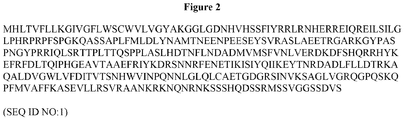
- An example of a BMP-5 polypeptide that can be used as described herein includes, without limitation, a human BMP-5 polypeptide having the amino acid sequence set forth in SEQ ID NO:1.
- a composition that includes a human BMP-5 polypeptide can be administered to a human having a rotator cuff condition under conditions wherein the composition reduces or reverses tendon degeneration, enhances healing, and/or increases tendon strength.
- a composition that includes one or more inhibitors of SIRT6, SIRT7, and/or HDAC10 polypeptide expression or activity and a BMP-5 polypeptide or cells expressing a BMP-5 polypeptide can be used to treat rotator cuff conditions.
- inhibitors of SIRT6 polypeptide expression or activity include, without limitation, anti-SIRT6 antibodies, siRNA molecules against SIRT6, microRNAs targeting SIRT6, and constructs designed to edit genomic DNA to reduce expression of SIRT6 (e.g., CRISPR based strategies).
- Additional examples of inhibitors of SIRT6 polypeptide expression or activity include, without limitation, those inhibitors described elsewhere (see, e.g., Parenti et al., J. Med.
- an inhibitor of SIRT6 polypeptide activity can have the following structure:
- commercial kits can be used to identify SIRT6 inhibitors.
- the SIRT6 Inhibitor Screening Kit available from BioVision Inc. Cat. No. K323-100 can be used to identify SIRT6 inhibitors.
- inhibitors of SIRT7 polypeptide expression or activity include, without limitation, anti-SIRT7 antibodies, siRNA molecules against SIRT7, microRNAs targeting SIRT7, and constructs designed to edit genomic DNA to reduce expression of SIRT7 (e.g., CRISPR based strategies).
- inhibitors of HDAC10 polypeptide expression or activity include, without limitation, anti-HDACIO antibodies, siRNA molecules against HDAC10, microRNAs targeting HDAC10, constructs designed to edit genomic DNA to reduce expression of HDAC10 (e.g., CRISPR based strategies), CUDC-907, pracinostat (also known as SB939; (E)-3-(2-Butyl-1-(2-(diethylamino)ethyl)-1H-benzo[d]imidazol-5-yl)-N-hydroxyacrylamide), abexinostat (also known as PCI-24781; 3-[(Dimethylamino)methyl]-N- ⁇ 2-[4-(hydroxycarbamoyl)phenoxy]ethyl ⁇ -1-benzofuran-2-carboxamide), quisinostat (N-Hydroxy-2-[4-( ⁇ [(1-methyl-1H-indol-3-yl)methyl]amino ⁇ methyl)-1-piperidinyl]
- compositions that includes one or more inhibitors of SIRT6, SIRT7, and/or HDAC10 polypeptide expression or activity can be administered to a human having a rotator cuff condition under conditions wherein the composition reduces or reverses tendon degeneration, enhances healing, and/or increases tendon strength.
- antibody refers to intact antibodies as well as antibody fragments that retain some ability to bind an epitope. Such fragments include, without limitation, Fab, F(ab') 2 , and Fv antibody fragments.
- epitope refers to an antigenic determinant on an antigen to which the paratope of an antibody binds. Epitopic determinants usually consist of chemically active surface groupings of molecules (e.g., amino acid or sugar residues) and usually have specific three dimensional structural characteristics as well as specific charge characteristics.
- the antibodies provided herein can be any antibody (e.g., a monoclonal antibody) having binding affinity (e.g., specific binding affinity) for a SIRT6, SIRT7, or HDAC10 polypeptide.
- an anti-SIRT6 antibody preparation or an anti-SIRT7 antibody preparation provided herein can be a preparation of Fab fragments having the ability to bind to SIRT6 (e.g., human SIRT6) or SIRT7 (e.g., a human SIRT7).
- SIRT6 e.g., human SIRT6
- SIRT7 e.g., a human SIRT7
- Any appropriate method can be used to produce Fab fragments from intact antibodies. For example, standard papain digestion methods can be used to make a Fab antibody preparation.
- Antibodies provided herein can be prepared using any appropriate method.
- a sample containing a human SIRT6 polypeptide can be used as an immunogen to elicit an immune response in an animal such that specific antibodies are produced.
- the immunogen used to immunize an animal can be chemically synthesized or derived from translated cDNA.
- the immunogen can be conjugated to a carrier polypeptide, if desired.
- Commonly used carriers that are chemically coupled to an immunizing polypeptide include, without limitation, keyhole limpet hemocyanin (KLH), thyroglobulin, bovine serum albumin (BSA), and tetanus toxoid.
- polyclonal antibodies The preparation of polyclonal antibodies is well known to those skilled in the art. See, e.g., Green et al., Production of Polyclonal Antisera, in IMMUNOCHEMICAL PROTOCOLS (Manson, ed.), pages 1 5 (Humana Press 1992 ) and Coligan et al., Production of Polyclonal Antisera in Rabbits, Rats, Mice and Hamsters, in CURRENT PROTOCOLS IN IMMUNOLOGY, section 2.4.1 (1992 ).
- monoclonal antibodies can be obtained by injecting mice with a composition comprising an antigen, verifying the presence of antibody production by analyzing a serum sample, removing the spleen to obtain B lymphocytes, fusing the B lymphocytes with myeloma cells to produce hybridomas, cloning the hybridomas, selecting positive clones that produce antibodies to the antigen, and isolating the antibodies from the hybridoma cultures.
- Monoclonal antibodies can be isolated and purified from hybridoma cultures by a variety of well-established techniques. Such isolation techniques include affinity chromatography with Protein A Sepharose, size exclusion chromatography, and ion exchange chromatography.
- Multiplication in vitro can be carried out in suitable culture media such as Dulbecco's Modified Eagle Medium or RPMI 1640 medium, optionally replenished by mammalian serum such as fetal calf serum, or trace elements and growth sustaining supplements such as normal mouse peritoneal exudate cells, spleen cells, and bone marrow macrophages.
- suitable culture media such as Dulbecco's Modified Eagle Medium or RPMI 1640 medium
- mammalian serum such as fetal calf serum
- trace elements and growth sustaining supplements such as normal mouse peritoneal exudate cells, spleen cells, and bone marrow macrophages.
- Production in vitro provides relatively pure antibody preparations and allows scale up to yield large amounts of the desired antibodies.
- Large scale hybridoma cultivation can be carried out by homogenous suspension culture in an airlift reactor, in a continuous stirrer reactor, or in immobilized or entrapped cell culture.
- Multiplication in vivo may be carried out by injecting cell clones into mammals histocompatible with the parent cells (e.g., osyngeneic mice) to cause growth of antibody producing tumors.
- the animals are primed with a hydrocarbon, especially oils such as pristane (tetramethylpentadecane) prior to injection. After one to three weeks, the desired monoclonal antibody is recovered from the body fluid of the animal.
- the antibodies provided herein can be made using non-human primates.
- General techniques for raising therapeutically useful antibodies in baboons can be found, for example, in Goldenberg et al., International Patent Publication WO 91/11465 (1991 ) and Losman et al., Int. J. Cancer, 46:310 (1990 ).
- the antibodies can be humanized monoclonal antibodies.
- Humanized monoclonal antibodies can be produced by transferring mouse complementarity determining regions (CDRs) from heavy and light variable chains of the mouse immunoglobulin into a human variable domain, and then substituting human residues in the framework regions of the murine counterparts.
- CDRs mouse complementarity determining regions
- the use of antibody components derived from humanized monoclonal antibodies obviates potential problems associated with the immunogenicity of murine constant regions when treating humans.
- General techniques for cloning murine immunoglobulin variable domains are described, for example, by Orlandi et al., Proc. Nat'l. Acad. Sci. USA 86:3833 (1989 ).
- Antibodies provided herein can be derived from human antibody fragments isolated from a combinatorial immunoglobulin library. See, for example, Barbas et al., METHODS: A COMPANION TO METHODS IN ENZYMOLOGY, VOL. 2, page 119 (1991 ) and Winter et al., Ann. Rev. Immunol. 12: 433 (1994 ).
- Cloning and expression vectors that are useful for producing a human immunoglobulin phage library can be obtained, for example, from STRATAGENE Cloning Systems (La Jolla, CA).
- antibodies provided herein can be derived from a human monoclonal antibody.
- Such antibodies can be obtained from transgenic mice that have been "engineered” to produce specific human antibodies in response to antigenic challenge.
- elements of the human heavy and light chain loci are introduced into strains of mice derived from embryonic stem cell lines that contain targeted disruptions of the endogenous heavy and light chain loci.
- the transgenic mice can synthesize human antibodies specific for human antigens and can be used to produce human antibody secreting hybridomas.
- Methods for obtaining human antibodies from transgenic mice are described by Green et al. (Nature Genet., 7:13 (1994 )), Lonberg et al. (Nature, 368:856 (1994 )), and Taylor et al. (Int. Immunol., 6:579 (1994 )).
- Antibody fragments can be prepared by proteolytic hydrolysis of an intact antibody or by the expression of a nucleic acid encoding the fragment. Antibody fragments can be obtained by pepsin or papain digestion of intact antibodies by conventional methods. For example, Fab fragments can be produced by enzymatic cleavage of antibodies with papain. In some cases, antibody fragments can be produced by enzymatic cleavage of antibodies with pepsin to provide a 5S fragment denoted F(ab') 2 .
- This fragment can be further cleaved using a thiol reducing agent, and optionally a blocking group for the sulfhydryl groups resulting from cleavage of disulfide linkages, to produce 3.5S Fab' monovalent fragments.
- a thiol reducing agent and optionally a blocking group for the sulfhydryl groups resulting from cleavage of disulfide linkages, to produce 3.5S Fab' monovalent fragments.
- an enzymatic cleavage using pepsin can be used to produce two monovalent Fab' fragments and an Fc fragment directly.
- cleaving antibodies such as separation of heavy chains to form monovalent light heavy chain fragments, further cleavage of fragments, or other enzymatic, chemical, or genetic techniques may also be used provided the fragments retain some ability to bind (e.g., selectively bind) its epitope.
- the antibodies provided herein can be substantially pure.
- substantially pure as used herein with reference to an antibody means the antibody is substantially free of other polypeptides, lipids, carbohydrates, and nucleic acid with which it is naturally associated.
- a substantially pure antibody is any antibody that is removed from its natural environment and is at least 60 percent pure.
- a substantially pure antibody can be at least about 65, 70, 75, 80, 85, 90, 95, or 99 percent pure.
- a composition that includes one or more inhibitors of a BMP-5 polypeptide inhibitor can be used to treat rotator cuff conditions.
- BMP-5 polypeptide inhibitors include, without limitation, a Noggin polypeptide, chordin, gremlin, glycosaminoglycans (GAGs), and GAG modifying enzymes.
- GAGs glycosaminoglycans
- inhibitors of a BMP-5 polypeptide inhibitor include, without limitation, anti-Noggin, anti-chordin, and anti-gremlin antibodies, and siRNA molecules against Noggin, chordin, and gremlin.
- Administration of such inhibitors of a BMP-5 polypeptide inhibitor can reduce or block the activity of a BMP-5 polypeptide inhibitor to enhance BMP-5 signaling in injured or degenerative rotator cuff tendons.
- a composition that includes cells expressing a BMP-5 polypeptide can be used to treat rotator cuff conditions.
- cells e.g., stem cells
- exogenous nucleic acid e.g., an expression vector
- the cells can express the BMP-5 polypeptides.
- Examples of cells that can be designed to express BMP-5 polypeptides and used to treat rotator cuff conditions include, without limitation, stem cells (e.g., adipose derived stem cells, bone marrow derived stem cells, induced pluripotent stem cells, and primary mesenchymal cells), osteoblasts, and osteoblastic cells, cells within bone or bone fragments cultured ex vivo , and cell lines capable of producing recombinant polypeptides (e.g. CHO, COS, and Hela cells).
- the cells can be cells obtained from the mammal (e.g., human) that is being treated.
- stem cells can be obtained from a patient, designed to express human BMP-5 polypeptides, and administered to that same patient.
- vectors that can be used to direct the expression of BMP-5 within cells include, without limitation, plasmids, synthetic mRNAs, and viral vectors (e.g., AAV, foamy virus, sendai virus, lentivirus, measles virus, or adenovirus vectors).
- a composition provided herein e.g., a composition containing a BMP-5 polypeptide or a cell designed to express a BMP-5 polypeptide
- a composition containing a BMP-5 polypeptide or a cell designed to express a BMP-5 polypeptide can be administered to a rotator cuff region of a mammal by intra-articular injection into the joint space, injection into the subacromial space, direct injection into damaged tendons, delivery as a topical at the time of surgical repair that could include delivery to the tendon itself, delivery to the bone tendon interface, or delivery directly into the joint space.
- a composition provided herein e.g., a composition containing a BMP-5 polypeptide or a cell designed to express a BMP-5 polypeptide
- a suture placed into the joint, adjacent to the tendon, or at the bone tendon interface can be administered to a rotator cuff region of a mammal using a suture placed into the joint, adjacent to the tendon, or at the bone tendon interface.
- a composition provided herein can lack a tissue scaffold (e.g., a biodegradable nanofiber scaffold or a collagen scaffold).
- a tissue scaffold e.g., a biodegradable nanofiber scaffold or a collagen scaffold.
- a liquid composition without a tissue scaffold structure can be designed to include a BMP-5 polypeptide or a cell designed to express a BMP-5 polypeptide and can be administered to (e.g., injected into) a mammal to treat a rotator cuff condition.
- the methods and materials provided herein can be used to treat tendonitis or a tendon disorder such as an Achilles tendon disorder, a patellar tendon disorder, a quadriceps tendon disorder, or an epicondylitis.
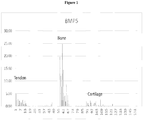
- BMP5 expression also was examined across various tissue types including bone, cartilage, muscle, tendon, and ligament. BMP5 exhibited the highest levels of expression in bone, but it showed the second highest levels of expression in tendon ( Figure 1 ). These results suggest that BMP5 is involved in the maintenance of a normal tendon phenotype. These results also suggest that BMP5 polypeptides can be used therapeutically to treat degenerative rotator cuff disease, for example, as a prophylactic agent prior to rupture or as an adjunct to treat tendons that are undergoing repair (e.g., surgical repair).
- RNA sequencing data also revealed a global down-regulation in gene expression in diseased rotator cuff tendon, which includes hundreds of regulatory transcription factors.
- SIRT6, SIRT7, HDAC10, RING1, and CARM1 are epigenetic regulators that promote gene silencing and were found to have elevated expression levels in degenerative tendon samples (Table 4). Table 4. The expression of gene silencing epigenetic regulators in rotator cuff tendon. GeneID Fold Change Diseased vs Intact Tendon SIRT6 3.34 HDAC10 2.48 SIRT7 2.27 RING1 2.26 CARM1 2.06
- SIRT6, SIRT7, HDAC10, RING1, and CARM1 are involved in the diseased rotator cuff tendon phenotype.
- inhibitors of SIRT6, SIRT7, HDAC10, RING1, and CARM1 expression or activity can be used therapeutically to treat degenerative rotator cuff disease, for example, as a prophylactic agent prior to rupture or as an adjunct to treat tendons that are undergoing repair (e.g., surgical repair).
- Example 2 Injecting BMP-5 polypeptides to treat damaged/ruptured rotator cuff tendons
- BMP-5 polypeptides are synthesized at GMP-grade facilities using eukaryotic cells lines (e.g., CHO cells, HeLa cells, or adipose derived mesenchymal stem cells) to produce BMP-5.
- the BMP-5 is purified from cell extracts.
- 0.5 to 10 mg of BMP-5 polypeptide is formulated with 1 to 10 mL of 4 mM HCl or other soluble solution to obtain a liquid composition having a final concentration of about 0.5 to 5 mg/mL.
- This liquid composition is injected at a dose of 0.1 to 5 mg/mL directly into degenerative or surgically repaired tendons or into the joint space to deliver a total amount of BMP-5 in the range of 0.1 mg and 50 mg per administration.
- Example 3 Injecting cells designed to express BMP-5 polypeptides to treat damaged/ruptured rotator cuff tendons
- a viral vector or other nucleic acid-based vector designed to express BMP-5 constitutively in a cell is introduced into stem cells or other somatic cell types. These modified cells are formulated with saline or other cell culture medium to obtain a liquid composition having a final concentration of about 100,000 to 20 x 10 6 cells/mL. This liquid composition is injected at a dose of about 100,000 to 20 x 10 6 cells/mL directly into a damaged tendon or a joint/subacromial space to deliver a total number of cells in the range of 100,000 and 20 x 10 6 per administration.
- BMP-5 expressing stem cells are injected with or without ultrasound guidance. In some cases, these techniques can be used to treat degenerative tendons at risk for rupture or to augment surgical repair of previously ruptured tendons.
Landscapes
- Health & Medical Sciences (AREA)
- Life Sciences & Earth Sciences (AREA)
- Pharmacology & Pharmacy (AREA)
- Veterinary Medicine (AREA)
- Public Health (AREA)
- General Health & Medical Sciences (AREA)
- Chemical & Material Sciences (AREA)
- Animal Behavior & Ethology (AREA)
- Medicinal Chemistry (AREA)
- Engineering & Computer Science (AREA)
- Immunology (AREA)
- Epidemiology (AREA)
- Bioinformatics & Cheminformatics (AREA)
- Zoology (AREA)
- Proteomics, Peptides & Aminoacids (AREA)
- Gastroenterology & Hepatology (AREA)
- Orthopedic Medicine & Surgery (AREA)
- Developmental Biology & Embryology (AREA)
- Cell Biology (AREA)
- Organic Chemistry (AREA)
- Chemical Kinetics & Catalysis (AREA)
- General Chemical & Material Sciences (AREA)
- Nuclear Medicine, Radiotherapy & Molecular Imaging (AREA)
- Physical Education & Sports Medicine (AREA)
- Neurology (AREA)
- Marine Sciences & Fisheries (AREA)
- Hematology (AREA)
- Biomedical Technology (AREA)
- Biotechnology (AREA)
- Virology (AREA)
- Dermatology (AREA)
- Medicines That Contain Protein Lipid Enzymes And Other Medicines (AREA)
- Peptides Or Proteins (AREA)
- Pharmaceuticals Containing Other Organic And Inorganic Compounds (AREA)
- Medicines Containing Material From Animals Or Micro-Organisms (AREA)
Description
- This document provides methods and materials related to treating rotator cuff conditions (e.g., rotator cuff tendonitis or rotator cuff injuries such as partial or complete rotator cuff tears). For example, this document provides methods and materials for using BMP-5 polypeptides, optionally in combination with inhibitors of SIRT6, SIRT7, and/or HDAC10 polypeptide expression or activity to treat rotator cuff conditions.
- The rotator cuff is a group of muscles and tendons that surround the shoulder joint, keeping the head of your upper arm bone firmly within the shallow socket of the shoulder. A rotator cuff injury can cause pain as well as loss of shoulder function.
- Kovacevic D et al. describe in Clinical Orthopaedics and Related Research, vol. 466, no. 3, 10 February 2008, on pages 622-633 a biological augmentation of rotator cuff tendon repair.
- Chaudhury S et al. describe in Journal of Shoulder and Elbow Surgery, vol. 21, no. 2, 2 November 2011, on pages 191-199 gene expression patterns in rotator cuff tears and tendinopathies.
- Dean BJF et al. describe in Bone and Joint Research, vol. 1, no. 7, 23 July 2012, on pages 158-166 the histological and molecular changes in rotator cuff disease.
- The present invention is defined by the independent claims. The dependent claim depict other embodiments of the invention.
- This document provides methods and materials related to treating rotator cuff conditions (e.g., rotator cuff tendonitis or rotator cuff injuries such as partial or complete rotator cuff tears). For example, this document provides methods and materials for using BMP-5 polypeptides to treat rotator cuff conditions. In some cases, a composition that includes BMP-5 polypeptides and/or cells (e.g., stem cells) designed to express BMP-5 polypeptides can be administered to (e.g., injected into) the rotator cuff region of a mammal suffering from a rotator cuff condition. In some cases, a composition that includes BMP-5 polypeptides and/or cells (e.g., stem cells) designed to express BMP-5 polypeptides can be introduced at the time of a surgical repair. In such cases, the administered (e.g., injected) composition can reduce or reverse tendon degeneration, enhance healing, and/or increase tendon strength.
- In some cases, inhibitors of SIRT6, SIRT7, and/or HDAC10 polypeptide expression or activity can be used in conjunction with BMP-5 polypeptides to treat a rotator cuff condition. For example, an inhibitor of HDAC10 expression can be combined with a BMP-5 polypeptide to form a composition that is used to treat a mammal suffering from a rotator cuff condition.
- In general, one aspect of this document features a method for treating a mammal having a rotator cuff condition. The method comprises, or consists essentially of, injecting a composition comprising a BMP-5 polypeptide into a rotator cuff region of the mammal, wherein injection of the composition reduces or reverses tendon degeneration, enhances tendon healing, or increases tendon strength. The mammal can be a human. The rotator cuff condition can be a rotator cuff condition wherein a rotator cuff tendon is partially torn. The rotator cuff condition can be a rotator cuff condition wherein a rotator cuff tendon is ruptured. The rotator cuff condition can be rotator cuff tendonitis. The injection can be an intra-articular injection into a joint space. The injection can be an injection into a subacromial space. The injection can be a direct injection into a damaged tendon. The BMP-5 polypeptide can be a human BMP-5 polypeptide. The BMP-5 polypeptide can comprise the amino acid sequence set forth in SEQ ID NO: 1.
- In another aspect, this document features a method for treating a mammal having a rotator cuff condition. The method comprises, or consists essentially of, administering a composition into a rotator cuff region of the mammal, wherein composition comprises cells comprising an exogenous nucleic acid encoding a BMP-5 polypeptide, wherein the cells express the BMP-5 polypeptide, and wherein administration of the composition reduces or reverses tendon degeneration, enhances tendon healing, or increases tendon strength. The mammal can be a human. The rotator cuff condition can be a rotator cuff condition wherein a rotator cuff tendon is partially torn. The rotator cuff condition can be a rotator cuff condition wherein a rotator cuff tendon is ruptured. The rotator cuff condition can be rotator cuff tendonitis. The administration can be an intra-articular injection into a joint space. The administration can be an injection into a subacromial space. The administration can be a direct injection into a damaged tendon. The BMP-5 polypeptide can be a human BMP-5 polypeptide. The BMP-5 polypeptide can comprise the amino acid sequence set forth in SEQ ID NO:1.
- In another aspect, this document features a method for treating a mammal having a rotator cuff condition. The method comprises, or consists essentially of, administering a composition to a rotator cuff region of the mammal, wherein the composition comprises an inhibitor of SIRT6, SIRT7, or HDAC10 polypeptide expression or activity, wherein the composition further comprises a BMP-5 polypeptide or cells comprising an exogenous nucleic acid encoding a BMP-5 polypeptide, wherein the cells express the BMP-5 polypeptide, and wherein administration of the composition reduces or reverses tendon degeneration, enhances tendon healing, or increases tendon strength. The mammal can be a human. The rotator cuff condition can be a rotator cuff condition wherein a rotator cuff tendon is partially torn. The rotator cuff condition can be a rotator cuff condition wherein a rotator cuff tendon is ruptured. The rotator cuff condition can be rotator cuff tendonitis. The administration can be an intra-articular injection into a joint space. The administration can be an injection into a subacromial space. The administration can be a direct injection into a damaged tendon. The composition can comprise an inhibitor of SIRT6 polypeptide expression or activity. The composition can comprise an inhibitor of SIRT7 polypeptide expression or activity. The composition can comprise an inhibitor of HDAC10 polypeptide expression or activity (e.g., CUDC-907, pracinostat, abexinostat, or quisinostat)..
- Unless otherwise defined, all technical and scientific terms used herein have the same meaning as commonly understood by one of ordinary skill in the art to which this invention pertains. Although methods and materials similar or equivalent to those described herein can be used to practice the invention, suitable methods and materials are described below. In case of conflict between the present specification and references mentioned herein, the present specification, including definitions, will control. In addition, the materials, methods, and examples are illustrative only and not intended to be limiting.
- The details of one or more embodiments of the invention are set forth in the accompanying drawings and the description below. Other features, objects, and advantages of the invention will be apparent from the description and drawings, and from the claims.
-
-
Figure 1 is a graph plotting the level of BMP5 expression is various tissue types including bone, cartilage, muscle, tendon (supraspinatus, subscapularis, patellar tendon, posterior tibial tendon, and Achilles tendon), and ligament. -
Figure 2 is an amino acid sequence (SEQ ID NO: 1) listing of a human BMP-5 polypeptide. -
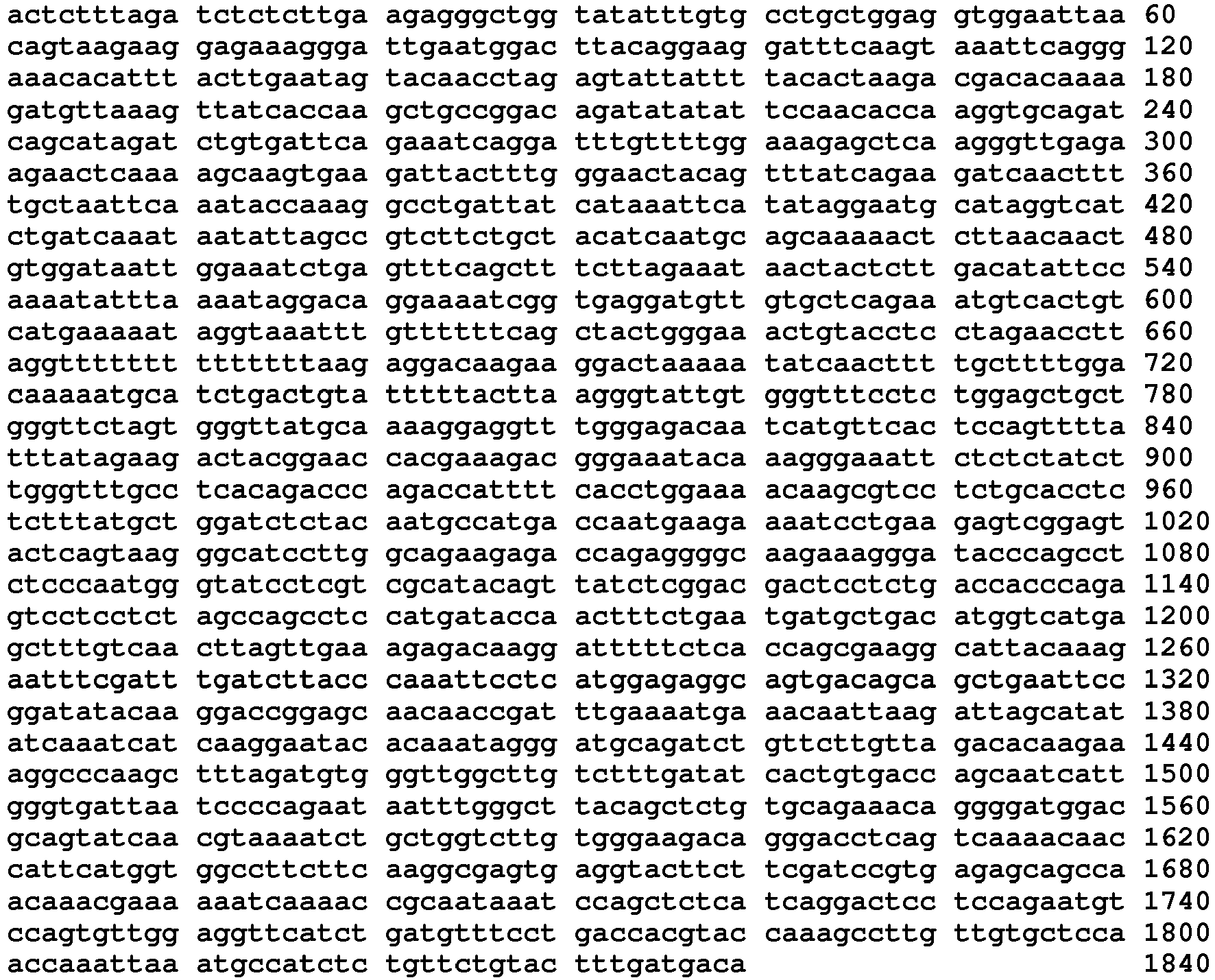
Figure 3 is a nucleotide sequence (SEQ ID NO:2) listing of a nucleic acid that encodes a BMP-5 polypeptide. - This document provides methods and materials related to using BMP-5 polypeptides, cells expressing BMP-5 polypeptides, inhibitors of SIRT6 polypeptide expression or activity, inhibitors of SIRT7 polypeptide expression or activity, inhibitors of HDAC10 polypeptide expression or activity, or combinations thereof to treat rotator cuff conditions. For example, a composition that includes BMP-5 polypeptides and/or cells (e.g., stem cells) designed to express BMP-5 polypeptides can be administered to (e.g., injected into) the rotator cuff region of a mammal suffering from a rotator cuff condition. In such cases, the administered (e.g., injected) composition can reduce or reverse tendon degeneration, enhance healing, and/or increase tendon strength. Any appropriate rotator cuff condition can be treated as described herein. For example, rotator cuff tendonitis or rotator cuff injuries such as partial rotator cuff tears or rotator cuff ruptures can be treated as described herein. In addition, any appropriate mammal can be treated as described herein. For example, humans, monkeys, dogs, horses, sheep, pigs, goats, rabbits, rats or mice can be treated as described herein.
- In some cases, a composition that includes BMP-5 polypeptides can be used to treat rotator cuff conditions. An example of a BMP-5 polypeptide that can be used as described herein includes, without limitation, a human BMP-5 polypeptide having the amino acid sequence set forth in SEQ ID NO:1. As described herein, a composition that includes a human BMP-5 polypeptide can be administered to a human having a rotator cuff condition under conditions wherein the composition reduces or reverses tendon degeneration, enhances healing, and/or increases tendon strength.
- In some cases, a composition that includes one or more inhibitors of SIRT6, SIRT7, and/or HDAC10 polypeptide expression or activity and a BMP-5 polypeptide or cells expressing a BMP-5 polypeptide can be used to treat rotator cuff conditions. Examples of inhibitors of SIRT6 polypeptide expression or activity include, without limitation, anti-SIRT6 antibodies, siRNA molecules against SIRT6, microRNAs targeting SIRT6, and constructs designed to edit genomic DNA to reduce expression of SIRT6 (e.g., CRISPR based strategies). Additional examples of inhibitors of SIRT6 polypeptide expression or activity include, without limitation, those inhibitors described elsewhere (see, e.g., Parenti et al., J. Med. Chem., 57(11):4796-804 (2014) and He et al., Org. Biomol. Chem., 12(38):7498-502 (2014)). In some cases, an inhibitor of SIRT6 polypeptide activity can have the following structure:

- Examples of inhibitors of SIRT7 polypeptide expression or activity include, without limitation, anti-SIRT7 antibodies, siRNA molecules against SIRT7, microRNAs targeting SIRT7, and constructs designed to edit genomic DNA to reduce expression of SIRT7 (e.g., CRISPR based strategies).
- Examples of inhibitors of HDAC10 polypeptide expression or activity include, without limitation, anti-HDACIO antibodies, siRNA molecules against HDAC10, microRNAs targeting HDAC10, constructs designed to edit genomic DNA to reduce expression of HDAC10 (e.g., CRISPR based strategies), CUDC-907, pracinostat (also known as SB939; (E)-3-(2-Butyl-1-(2-(diethylamino)ethyl)-1H-benzo[d]imidazol-5-yl)-N-hydroxyacrylamide), abexinostat (also known as PCI-24781; 3-[(Dimethylamino)methyl]-N-{2-[4-(hydroxycarbamoyl)phenoxy]ethyl}-1-benzofuran-2-carboxamide), quisinostat (N-Hydroxy-2-[4-({[(1-methyl-1H-indol-3-yl)methyl]amino}methyl)-1-piperidinyl]-5-pyrimidinecarboxamide), pracinostat (SB939), CUDC-101, CUDC-907, PCI-34051, and N-hydroxy-4-(2-((2-hydroxyethyl)(phenyl)amino)-2-oxoethyl)benzamide (CAS 1429651-50-2).
- As described herein, a composition that includes one or more inhibitors of SIRT6, SIRT7, and/or HDAC10 polypeptide expression or activity can be administered to a human having a rotator cuff condition under conditions wherein the composition reduces or reverses tendon degeneration, enhances healing, and/or increases tendon strength.
- The term "antibody" as used herein refers to intact antibodies as well as antibody fragments that retain some ability to bind an epitope. Such fragments include, without limitation, Fab, F(ab')2, and Fv antibody fragments. The term "epitope" refers to an antigenic determinant on an antigen to which the paratope of an antibody binds. Epitopic determinants usually consist of chemically active surface groupings of molecules (e.g., amino acid or sugar residues) and usually have specific three dimensional structural characteristics as well as specific charge characteristics.
- The antibodies provided herein can be any antibody (e.g., a monoclonal antibody) having binding affinity (e.g., specific binding affinity) for a SIRT6, SIRT7, or HDAC10 polypeptide. For example, an anti-SIRT6 antibody preparation or an anti-SIRT7 antibody preparation provided herein can be a preparation of Fab fragments having the ability to bind to SIRT6 (e.g., human SIRT6) or SIRT7 (e.g., a human SIRT7). Any appropriate method can be used to produce Fab fragments from intact antibodies. For example, standard papain digestion methods can be used to make a Fab antibody preparation.
- Antibodies provided herein can be prepared using any appropriate method. For example, a sample containing a human SIRT6 polypeptide can be used as an immunogen to elicit an immune response in an animal such that specific antibodies are produced. The immunogen used to immunize an animal can be chemically synthesized or derived from translated cDNA. In some cases, the immunogen can be conjugated to a carrier polypeptide, if desired. Commonly used carriers that are chemically coupled to an immunizing polypeptide include, without limitation, keyhole limpet hemocyanin (KLH), thyroglobulin, bovine serum albumin (BSA), and tetanus toxoid.
- The preparation of polyclonal antibodies is well known to those skilled in the art. See, e.g., Green et al., Production of Polyclonal Antisera, in IMMUNOCHEMICAL PROTOCOLS (Manson, ed.), ) and Coligan et al., Production of Polyclonal Antisera in Rabbits, Rats, Mice and Hamsters, in CURRENT PROTOCOLS IN IMMUNOLOGY, section 2.4.1 (1992). In addition, those of skill in the art will know of various techniques common in the immunology arts for purification and concentration of polyclonal antibodies, as well as monoclonal antibodies (Coligan, et al., ).
- The preparation of monoclonal antibodies also is well known to those skilled in the art. See, e.g., Kohler & Milstein, Nature 256:495 (1975); Coligan et al., sections 2.5.1 2.6.7; and Harlow et al., ANTIBODIES: A LABORATORY MANUAL, page 726 (Cold Spring Harbor Pub. 1988). Briefly, monoclonal antibodies can be obtained by injecting mice with a composition comprising an antigen, verifying the presence of antibody production by analyzing a serum sample, removing the spleen to obtain B lymphocytes, fusing the B lymphocytes with myeloma cells to produce hybridomas, cloning the hybridomas, selecting positive clones that produce antibodies to the antigen, and isolating the antibodies from the hybridoma cultures. Monoclonal antibodies can be isolated and purified from hybridoma cultures by a variety of well-established techniques. Such isolation techniques include affinity chromatography with Protein A Sepharose, size exclusion chromatography, and ion exchange chromatography. See, e.g., Coligan et al., sections 2.7.1 2.7.12 and sections 2.9.1 2.9.3; Barnes et al., Purification of Immunoglobulin G (IgG), in METHODS IN MOLECULAR BIOLOGY, VOL. 10, pages 79 104 (Humana Press 1992).
- In addition, methods of in vitro and in vivo multiplication of monoclonal antibodies are well known to those skilled in the art. Multiplication in vitro can be carried out in suitable culture media such as Dulbecco's Modified Eagle Medium or RPMI 1640 medium, optionally replenished by mammalian serum such as fetal calf serum, or trace elements and growth sustaining supplements such as normal mouse peritoneal exudate cells, spleen cells, and bone marrow macrophages. Production in vitro provides relatively pure antibody preparations and allows scale up to yield large amounts of the desired antibodies. Large scale hybridoma cultivation can be carried out by homogenous suspension culture in an airlift reactor, in a continuous stirrer reactor, or in immobilized or entrapped cell culture. Multiplication in vivo may be carried out by injecting cell clones into mammals histocompatible with the parent cells (e.g., osyngeneic mice) to cause growth of antibody producing tumors. Optionally, the animals are primed with a hydrocarbon, especially oils such as pristane (tetramethylpentadecane) prior to injection. After one to three weeks, the desired monoclonal antibody is recovered from the body fluid of the animal.
- In some cases, the antibodies provided herein can be made using non-human primates. General techniques for raising therapeutically useful antibodies in baboons can be found, for example, in Goldenberg et al., International Patent Publication
WO 91/11465 (1991 - In some cases, the antibodies can be humanized monoclonal antibodies. Humanized monoclonal antibodies can be produced by transferring mouse complementarity determining regions (CDRs) from heavy and light variable chains of the mouse immunoglobulin into a human variable domain, and then substituting human residues in the framework regions of the murine counterparts. The use of antibody components derived from humanized monoclonal antibodies obviates potential problems associated with the immunogenicity of murine constant regions when treating humans. General techniques for cloning murine immunoglobulin variable domains are described, for example, by Orlandi et al., Proc. Nat'l. Acad. Sci. USA 86:3833 (1989). Techniques for producing humanized monoclonal antibodies are described, for example, by Jones et al., Nature 321:522 (1986); Riechmann et al., Nature 332:323 (1988); Verhoeyen et al., Science 239:1534 (1988); Carter et al., Proc. Nat'l. Acad. Sci. USA 89:4285 (1992); and Sandhu, Crit. Rev. Biotech. 12:437 (1992); Singer et al., J. Immunol. 150:2844 (1993). In some cases, humanization such as super humanization can be used as described elsewhere (Hwang et al., Methods, 36:35-42 (2005)). In some cases, SDR grafting (Kashmiri et al., Methods, 36:25-34 (2005)), human string content optimization (Lazar et al., Mol. Immunol., 44:1986-1998 (2007)), framework shuffling (Dall'Acqua et al., Methods, 36:43-60 (2005); and Damschroder et al., Mol. Immunol., 44:3049-3060 (2007)), and phage display approaches (Rosok et al., J. Biol. Chem., 271:22611-22618 (1996); Radar et al., Proc. Natl Acad. Sci. USA, 95:8910-8915 (1998); and Huse et al., Science, 246:1275-1281 (1989)) can be used to obtain anti-SIRT6, anti-SIRT7, or anti-HDACIO antibody preparations. In some cases, fully human antibodies can be generated from recombinant human antibody library screening techniques as described elsewhere (Griffiths et al., EMBO J., 13:3245-3260 (1994); and Knappik et al., J. Mol. Biol., 296:57-86 (2000)).
- Antibodies provided herein can be derived from human antibody fragments isolated from a combinatorial immunoglobulin library. See, for example, Barbas et al., METHODS: A COMPANION TO METHODS IN ENZYMOLOGY, VOL. 2, page 119 (1991) and Winter et al., Ann. Rev. Immunol. 12: 433 (1994). Cloning and expression vectors that are useful for producing a human immunoglobulin phage library can be obtained, for example, from STRATAGENE Cloning Systems (La Jolla, CA).
- In addition, antibodies provided herein can be derived from a human monoclonal antibody. Such antibodies can be obtained from transgenic mice that have been "engineered" to produce specific human antibodies in response to antigenic challenge. In this technique, elements of the human heavy and light chain loci are introduced into strains of mice derived from embryonic stem cell lines that contain targeted disruptions of the endogenous heavy and light chain loci. The transgenic mice can synthesize human antibodies specific for human antigens and can be used to produce human antibody secreting hybridomas. Methods for obtaining human antibodies from transgenic mice are described by Green et al. (Nature Genet., 7:13 (1994)), Lonberg et al. (Nature, 368:856 (1994)), and Taylor et al. (Int. Immunol., 6:579 (1994)).
- Antibody fragments can be prepared by proteolytic hydrolysis of an intact antibody or by the expression of a nucleic acid encoding the fragment. Antibody fragments can be obtained by pepsin or papain digestion of intact antibodies by conventional methods. For example, Fab fragments can be produced by enzymatic cleavage of antibodies with papain. In some cases, antibody fragments can be produced by enzymatic cleavage of antibodies with pepsin to provide a 5S fragment denoted F(ab')2. This fragment can be further cleaved using a thiol reducing agent, and optionally a blocking group for the sulfhydryl groups resulting from cleavage of disulfide linkages, to produce 3.5S Fab' monovalent fragments. In some cases, an enzymatic cleavage using pepsin can be used to produce two monovalent Fab' fragments and an Fc fragment directly. These methods are described, for example, by Goldenberg (
U.S. Patent Nos. 4,036,945 and4,331,647 ). See also Nisonhoff et al., Arch. Biochem. Biophys. 89:230 (1960); Porter, Biochem. J. 73:119 (1959); Edelman et al., METHODS IN ENZYMOLOGY, VOL. 1, page 422 (Academic Press 1967); and Coligan et al. at sections 2.8.1 2.8.10 and 2.10.1 2.10.4. - Other methods of cleaving antibodies, such as separation of heavy chains to form monovalent light heavy chain fragments, further cleavage of fragments, or other enzymatic, chemical, or genetic techniques may also be used provided the fragments retain some ability to bind (e.g., selectively bind) its epitope.
- The antibodies provided herein can be substantially pure. The term "substantially pure" as used herein with reference to an antibody means the antibody is substantially free of other polypeptides, lipids, carbohydrates, and nucleic acid with which it is naturally associated. Thus, a substantially pure antibody is any antibody that is removed from its natural environment and is at least 60 percent pure. A substantially pure antibody can be at least about 65, 70, 75, 80, 85, 90, 95, or 99 percent pure.
- In some cases, a composition that includes one or more inhibitors of a BMP-5 polypeptide inhibitor can be used to treat rotator cuff conditions. Examples of BMP-5 polypeptide inhibitors include, without limitation, a Noggin polypeptide, chordin, gremlin, glycosaminoglycans (GAGs), and GAG modifying enzymes. Examples of inhibitors of a BMP-5 polypeptide inhibitor include, without limitation, anti-Noggin, anti-chordin, and anti-gremlin antibodies, and siRNA molecules against Noggin, chordin, and gremlin. Administration of such inhibitors of a BMP-5 polypeptide inhibitor can reduce or block the activity of a BMP-5 polypeptide inhibitor to enhance BMP-5 signaling in injured or degenerative rotator cuff tendons.
- In some cases, a composition that includes cells expressing a BMP-5 polypeptide can be used to treat rotator cuff conditions. For example, cells (e.g., stem cells) can be transfected to include exogenous nucleic acid (e.g., an expression vector) that encodes a BMP-5 polypeptide. In such cases, the cells can express the BMP-5 polypeptides. Examples of cells that can be designed to express BMP-5 polypeptides and used to treat rotator cuff conditions include, without limitation, stem cells (e.g., adipose derived stem cells, bone marrow derived stem cells, induced pluripotent stem cells, and primary mesenchymal cells), osteoblasts, and osteoblastic cells, cells within bone or bone fragments cultured ex vivo, and cell lines capable of producing recombinant polypeptides (e.g. CHO, COS, and Hela cells). In some cases, the cells can be cells obtained from the mammal (e.g., human) that is being treated. For example, stem cells can be obtained from a patient, designed to express human BMP-5 polypeptides, and administered to that same patient. Examples of vectors that can be used to direct the expression of BMP-5 within cells include, without limitation, plasmids, synthetic mRNAs, and viral vectors (e.g., AAV, foamy virus, sendai virus, lentivirus, measles virus, or adenovirus vectors).
- A composition provided herein (e.g., a composition containing a BMP-5 polypeptide or a cell designed to express a BMP-5 polypeptide) can be administered to a rotator cuff region of a mammal by intra-articular injection into the joint space, injection into the subacromial space, direct injection into damaged tendons, delivery as a topical at the time of surgical repair that could include delivery to the tendon itself, delivery to the bone tendon interface, or delivery directly into the joint space. In some cases, a composition provided herein (e.g., a composition containing a BMP-5 polypeptide or a cell designed to express a BMP-5 polypeptide) can be administered to a rotator cuff region of a mammal using a suture placed into the joint, adjacent to the tendon, or at the bone tendon interface.
- In some cases, a composition provided herein (e.g., a composition containing a BMP-5 polypeptide or a cell designed to express a BMP-5 polypeptide) can lack a tissue scaffold (e.g., a biodegradable nanofiber scaffold or a collagen scaffold). For example, a liquid composition without a tissue scaffold structure can be designed to include a BMP-5 polypeptide or a cell designed to express a BMP-5 polypeptide and can be administered to (e.g., injected into) a mammal to treat a rotator cuff condition.
- In some cases, the methods and materials provided herein (e.g., a composition containing a BMP-5 polypeptide or a cell designed to express a BMP-5 polypeptide) can be used to treat tendonitis or a tendon disorder such as an Achilles tendon disorder, a patellar tendon disorder, a quadriceps tendon disorder, or an epicondylitis.
- The invention will be further described in the following examples, which do not limit the scope of the invention described in the claims.
- High throughput RNA-sequencing of intact and ruptured rotator cuff tendons was performed. The sequencing analysis initially identified the BMP receptor, ACVR1C, as being highly up-regulated in intact tendons versus damaged/ruptured rotator cuff tendons (Table 1).
Table 1. Expression of BMP receptors in rotator cuff tendon. Gene Fold Change Intact vs Diseased Tendon ACVR1 3.06 ACVR1B 4.41 ACVR1C 52.41 ACVR2A 4.15 ACVR2B 2.27 ACVRL1 0.76 BMPR1A 3.48 BMPR1B 1.57 BMPR2 2.91 - Once the ACVR1C receptor was identified, the ligands that bind to the ACVR1C receptor as well as downstream signaling molecules related to this receptor were evaluated. An evaluation of sequencing data revealed that BMP5 exhibited the greatest increase in expression amongst the possible ACVR1C receptor ligands, showing an 11.06 fold increase in intact rotator cuff tendon compared to diseased ruptured tendons (Table 2). A decrease in BMP signaling in damaged rotator cuff tendon also was confirmed by a reduction in the mRNA levels of the BMP specific SMAD proteins (SMAD1, SMAD5, and SMAD9), which are normally activated by the binding of BMPs to the ACVR1C receptor (Table 3).
Table 2. Expression of BMP in intact versus diseased rotator cuff tendon. Gene Fold Change Intact vs Diseased Tendon BMP1 0.34 BMP2 1.54 BMP2K 1.69 BMP4 2.72 BMP5 11.06 BMP6 3.17 BMP7 0.59 BMP8A 1.09 BMP8B 2.49 Table 3. Expression of SMAD polypeptides that are activated via downstream signaling through ACVR1C. Gene Fold Change Intact vs Diseased Tendon SMAD1 6.17 SMAD2 2.04 SMAD3 2.26 SMAD4 1.92 SMAD5 3.25 SMAD6 2.89 SMAD7 2.92 SMAD9 4.11 - BMP5 expression also was examined across various tissue types including bone, cartilage, muscle, tendon, and ligament. BMP5 exhibited the highest levels of expression in bone, but it showed the second highest levels of expression in tendon (
Figure 1 ). These results suggest that BMP5 is involved in the maintenance of a normal tendon phenotype. These results also suggest that BMP5 polypeptides can be used therapeutically to treat degenerative rotator cuff disease, for example, as a prophylactic agent prior to rupture or as an adjunct to treat tendons that are undergoing repair (e.g., surgical repair). - RNA sequencing data also revealed a global down-regulation in gene expression in diseased rotator cuff tendon, which includes hundreds of regulatory transcription factors. SIRT6, SIRT7, HDAC10, RING1, and CARM1 are epigenetic regulators that promote gene silencing and were found to have elevated expression levels in degenerative tendon samples (Table 4).
Table 4. The expression of gene silencing epigenetic regulators in rotator cuff tendon. GeneID Fold Change Diseased vs Intact Tendon SIRT6 3.34 HDAC10 2.48 SIRT7 2.27 RING1 2.26 CARM1 2.06 - These results suggest that SIRT6, SIRT7, HDAC10, RING1, and CARM1 are involved in the diseased rotator cuff tendon phenotype. These results also suggest that inhibitors of SIRT6, SIRT7, HDAC10, RING1, and CARM1 expression or activity can be used therapeutically to treat degenerative rotator cuff disease, for example, as a prophylactic agent prior to rupture or as an adjunct to treat tendons that are undergoing repair (e.g., surgical repair).
- BMP-5 polypeptides are synthesized at GMP-grade facilities using eukaryotic cells lines (e.g., CHO cells, HeLa cells, or adipose derived mesenchymal stem cells) to produce BMP-5. The BMP-5 is purified from cell extracts. 0.5 to 10 mg of BMP-5 polypeptide is formulated with 1 to 10 mL of 4 mM HCl or other soluble solution to obtain a liquid composition having a final concentration of about 0.5 to 5 mg/mL. This liquid composition is injected at a dose of 0.1 to 5 mg/mL directly into degenerative or surgically repaired tendons or into the joint space to deliver a total amount of BMP-5 in the range of 0.1 mg and 50 mg per administration.
- A viral vector or other nucleic acid-based vector designed to express BMP-5 constitutively in a cell is introduced into stem cells or other somatic cell types. These modified cells are formulated with saline or other cell culture medium to obtain a liquid composition having a final concentration of about 100,000 to 20 x 106 cells/mL. This liquid composition is injected at a dose of about 100,000 to 20 x 106 cells/mL directly into a damaged tendon or a joint/subacromial space to deliver a total number of cells in the range of 100,000 and 20 x 106 per administration. BMP-5 expressing stem cells are injected with or without ultrasound guidance. In some cases, these techniques can be used to treat degenerative tendons at risk for rupture or to augment surgical repair of previously ruptured tendons.
- It is to be understood that while the invention has been described in conjunction with the detailed description thereof, the foregoing description is intended to illustrate and not limit the scope of the invention, which is defined by the scope of the appended claims. Other aspects, advantages, and modifications are within the scope of the following claims.
-
- <110> Mayo Foundation for Medical Education and Research
- <120> TREATING ROTATOR CUFF CONDITIONS
- <130> 07039-1343WO1
- <150>
US 62/022,516
<151> 2014-07-09 - <160> 2
- <170> FastSEQ for Windows Version 4.0
- <210> 1
<211> 348
<212> PRT
<213> Homo sapiens - <400> 1


- <210> 2
<211> 1840
<212> DNA
<213> Homo sapiens - <400> 2
Claims (13)
- Composition comprising a BMP-5 polypeptide for use in treating a mammal having a rotator cuff condition,
wherein said composition is to be administered into a rotator cuff region of said mammal, wherein administration of said composition reduces or reverses tendon degeneration, enhances tendon healing, or increases tendon strength. - Composition comprising cells comprising an exogenous nucleic acid encoding a BMP-5 polypeptide for use in treating a mammal having a rotator cuff condition,
wherein said composition is to be administered into a rotator cuff region of said mammal, wherein said cells express said BMP-5 polypeptide, and wherein administration of said composition reduces or reverses tendon degeneration, enhances tendon healing, or increases tendon strength. - The composition for use according to claims 1 or 2, wherein said BMP-5 polypeptide is a human BMP-5 polypeptide.
- The composition for use of any of claims 1-3, wherein said BMP-5 polypeptide comprises the amino acid sequence set forth in SEQ ID NO:1.
- Composition comprising an inhibitor of SIRT6, SIRT7, or HDAC10 polypeptide expression or activity for use in treating a mammal having a rotator cuff condition,
wherein said composition further comprises a BMP-5 polypeptide or cells comprising an exogenous nucleic acid encoding a BMP-5 polypeptide, wherein said cells express said BMP-5 polypeptide, and
wherein said composition is to be administered to a rotator cuff region of said mammal, wherein administration of said composition reduces or reverses tendon degeneration, enhances tendon healing, or increases tendon strength. - The composition for use of any of claims 1-5, wherein said mammal is a human.
- The composition for use of any of claims 1-6, wherein said rotator cuff condition is a rotator cuff condition wherein a rotator cuff tendon is partially torn.
- The composition for use of any of claims 1-7, wherein said rotator cuff condition is a rotator cuff condition wherein a rotator cuff tendon is ruptured.
- The composition for use of any of claims 1-8, wherein said rotator cuff condition is rotator cuff tendonitis.
- The composition for use of any of claims 1-9, wherein said administration is an intra-articular injection into a joint space.
- The composition for use of any of claims 1-9, wherein said administration is an injection into a subacromial space.
- The composition for use of any of claims 1-9, wherein said administration is a direct injection into a damaged tendon.
- The composition for use of claim 5, wherein said inhibitor is CUDC-907, pracinostat, abexinostat, or quisinostat.
Applications Claiming Priority (2)
| Application Number | Priority Date | Filing Date | Title |
|---|---|---|---|
| US201462022516P | 2014-07-09 | 2014-07-09 | |
| PCT/US2015/039743 WO2016007742A1 (en) | 2014-07-09 | 2015-07-09 | Treating rotator cuff conditions |
Publications (3)
| Publication Number | Publication Date |
|---|---|
| EP3166624A1 EP3166624A1 (en) | 2017-05-17 |
| EP3166624A4 EP3166624A4 (en) | 2018-06-27 |
| EP3166624B1 true EP3166624B1 (en) | 2020-06-03 |
Family
ID=55064896
Family Applications (1)
| Application Number | Title | Priority Date | Filing Date |
|---|---|---|---|
| EP15818814.4A Active EP3166624B1 (en) | 2014-07-09 | 2015-07-09 | Treating rotator cuff conditions |
Country Status (4)
| Country | Link |
|---|---|
| US (2) | US10610570B2 (en) |
| EP (1) | EP3166624B1 (en) |
| JP (1) | JP2017525675A (en) |
| WO (1) | WO2016007742A1 (en) |
Families Citing this family (4)
| Publication number | Priority date | Publication date | Assignee | Title |
|---|---|---|---|---|
| WO2017011762A1 (en) | 2015-07-16 | 2017-01-19 | Mayo Foundation For Medical Education And Research | Treating rotator cuff conditions |
| JP2023501925A (en) * | 2019-10-24 | 2023-01-20 | ウェイク・フォレスト・ユニヴァーシティ・ヘルス・サイエンシズ | Rotator cuff therapy using muscle fiber fragments |
| US12310928B2 (en) | 2020-11-16 | 2025-05-27 | University Of Utah Research Foundation | Enthesis healing |
| WO2024015257A1 (en) * | 2022-07-15 | 2024-01-18 | Mayo Foundation For Medical Education And Research | Methods and materials for promoting bone growth |
Family Cites Families (16)
| Publication number | Priority date | Publication date | Assignee | Title |
|---|---|---|---|---|
| US4036945A (en) | 1976-05-03 | 1977-07-19 | The Massachusetts General Hospital | Composition and method for determining the size and location of myocardial infarcts |
| US4331647A (en) | 1980-03-03 | 1982-05-25 | Goldenberg Milton David | Tumor localization and therapy with labeled antibody fragments specific to tumor-associated markers |
| US5939388A (en) * | 1986-07-01 | 1999-08-17 | Rosen; Vicki A. | Methods of administering BMP-5 compositions |
| DE69030172T2 (en) | 1990-01-26 | 1997-06-19 | Immunomedics Inc | Vaccines against cancer and infectious diseases |
| EP1364656B1 (en) * | 1995-06-05 | 2013-11-20 | Genetics Institute, LLC | Use of bone morphogenetic proteins for healing and repair of connective tissue attachment |
| PL373863A1 (en) * | 2001-10-31 | 2005-09-19 | Alcon, Inc. | Bone morphogenic proteins (bmp), bmp receptors and bmp binding proteins and their use in the diagnosis and treatment of glaucoma |
| US20040186182A1 (en) * | 2002-12-18 | 2004-09-23 | Algorx | Administration of capsaicinoids |
| US20050118230A1 (en) | 2003-10-22 | 2005-06-02 | Encelle, Inc. | Methods and compositions for regenerating connective tissue |
| WO2006130690A2 (en) | 2005-06-01 | 2006-12-07 | Joslin Diabetes Center, Inc. | Methods and compositions for inducing brown adipogenesis |
| CA2656278C (en) | 2006-06-30 | 2016-02-09 | Biomimetic Therapeutics, Inc. | Compositions and methods for treating rotator cuff injuries |
| US8753391B2 (en) | 2007-02-12 | 2014-06-17 | The Trustees Of Columbia University In The City Of New York | Fully synthetic implantable multi-phased scaffold |
| US9161903B2 (en) * | 2008-10-31 | 2015-10-20 | Warsaw Orthopedic, Inc. | Flowable composition that hardens on delivery to a target tissue site beneath the skin |
| GB0908174D0 (en) | 2009-05-13 | 2009-06-24 | Isis Innovation | Steroid containing composition and uses thereof |
| JP2012126720A (en) | 2010-11-26 | 2012-07-05 | Chiba Univ | Collagen production promotor, proteoglycan production promotor and chondrocyte migration promotor |
| US20150064163A1 (en) * | 2011-09-02 | 2015-03-05 | Lifenet Health | BMP Peptides & Methods of Use |
| WO2017011762A1 (en) | 2015-07-16 | 2017-01-19 | Mayo Foundation For Medical Education And Research | Treating rotator cuff conditions |
-
2015
- 2015-07-09 US US15/321,767 patent/US10610570B2/en active Active
- 2015-07-09 WO PCT/US2015/039743 patent/WO2016007742A1/en not_active Ceased
- 2015-07-09 JP JP2017500883A patent/JP2017525675A/en active Pending
- 2015-07-09 EP EP15818814.4A patent/EP3166624B1/en active Active
-
2020
- 2020-04-03 US US16/840,173 patent/US20200397864A1/en active Pending
Non-Patent Citations (1)
| Title |
|---|
| None * |
Also Published As
| Publication number | Publication date |
|---|---|
| US10610570B2 (en) | 2020-04-07 |
| EP3166624A4 (en) | 2018-06-27 |
| JP2017525675A (en) | 2017-09-07 |
| US20200397864A1 (en) | 2020-12-24 |
| WO2016007742A1 (en) | 2016-01-14 |
| EP3166624A1 (en) | 2017-05-17 |
| US20170128534A1 (en) | 2017-05-11 |
Similar Documents
| Publication | Publication Date | Title |
|---|---|---|
| US20200397864A1 (en) | Treating rotator cuff conditions | |
| JP7440943B2 (en) | Compounds for inducing tissue formation and their use | |
| AU2002308348B2 (en) | Ganglioside-associated recombinant antibodies and the use thereof in the diagnosis and treatment of tumours | |
| US20140141020A1 (en) | Anti-cd3 therapies | |
| JP2002517182A (en) | Integrin heterodimers and subunits thereof | |
| JP5704722B2 (en) | Cell adhesion inhibitor and use thereof | |
| Yao et al. | Expression of sclerostin scFv and the effect of sclerostin scFv on healing of osteoporotic femur fracture in rats | |
| WO2015175732A2 (en) | Recurrent fusion genes in human cancers | |
| Chanas‐Sacré et al. | Identification of PSF, the polypyrimidine tract‐binding protein–associated splicing factor, as a developmentally regulated neuronal protein | |
| JP6029019B2 (en) | Cell adhesion inhibitor, cell growth inhibitor, and cancer test method and test kit | |
| US11426462B2 (en) | Monovalent anti-CD3 adjuvants | |
| CN114206380A (en) | Cancer vaccine compositions and methods for preventing and/or treating cancer | |
| CN112126620A (en) | A method for gene editing to improve the differentiation efficiency of adipose stem cells | |
| EP1819736B1 (en) | Use of endosialin binding proteins to isolate endosialin positive cells | |
| US20230159652A1 (en) | Transferrin receptor 1 targeting for carcinogenesis prevention | |
| CN117069835B (en) | anti-vWF/PF 4 protein monoclonal antibody and application thereof | |
| CN117986356B (en) | Method for preparing antibody | |
| Bamdad et al. | 1st-in-human CAR T targets MUC1 transmembrane cleavage product | |
| CN119432714A (en) | Cells for determining biological activity of anti-TGFβ superfamily protein antibodies and their applications | |
| WO2017127170A1 (en) | Monovalent anti-cd3 adjuvants | |
| JPS61238800A (en) | Monoclonal antibody amf and production thereof |
Legal Events
| Date | Code | Title | Description |
|---|---|---|---|
| STAA | Information on the status of an ep patent application or granted ep patent |
Free format text: STATUS: THE INTERNATIONAL PUBLICATION HAS BEEN MADE |
|
| PUAI | Public reference made under article 153(3) epc to a published international application that has entered the european phase |
Free format text: ORIGINAL CODE: 0009012 |
|
| STAA | Information on the status of an ep patent application or granted ep patent |
Free format text: STATUS: REQUEST FOR EXAMINATION WAS MADE |
|
| 17P | Request for examination filed |
Effective date: 20170202 |
|
| AK | Designated contracting states |
Kind code of ref document: A1 Designated state(s): AL AT BE BG CH CY CZ DE DK EE ES FI FR GB GR HR HU IE IS IT LI LT LU LV MC MK MT NL NO PL PT RO RS SE SI SK SM TR |
|
| AX | Request for extension of the european patent |
Extension state: BA ME |
|
| DAV | Request for validation of the european patent (deleted) | ||
| DAX | Request for extension of the european patent (deleted) | ||
| RIC1 | Information provided on ipc code assigned before grant |
Ipc: A61K 35/28 20150101ALI20180220BHEP Ipc: A61K 38/18 20060101ALI20180220BHEP Ipc: A61P 21/00 20060101ALI20180220BHEP Ipc: C12N 5/00 20060101ALI20180220BHEP Ipc: A61K 38/17 20060101AFI20180220BHEP |
|
| A4 | Supplementary search report drawn up and despatched |
Effective date: 20180529 |
|
| RIC1 | Information provided on ipc code assigned before grant |
Ipc: A61K 35/28 20150101ALI20180523BHEP Ipc: A61K 38/18 20060101ALI20180523BHEP Ipc: A61K 38/17 20060101AFI20180523BHEP Ipc: C12N 5/00 20060101ALI20180523BHEP Ipc: A61P 21/00 20060101ALI20180523BHEP |
|
| REG | Reference to a national code |
Ref country code: DE Ref legal event code: R079 Ref document number: 602015053864 Country of ref document: DE Free format text: PREVIOUS MAIN CLASS: A61K0038000000 Ipc: A61K0038170000 |
|
| GRAP | Despatch of communication of intention to grant a patent |
Free format text: ORIGINAL CODE: EPIDOSNIGR1 |
|
| STAA | Information on the status of an ep patent application or granted ep patent |
Free format text: STATUS: GRANT OF PATENT IS INTENDED |
|
| RIC1 | Information provided on ipc code assigned before grant |
Ipc: C12N 5/00 20060101ALI20191114BHEP Ipc: A61P 21/00 20060101ALI20191114BHEP Ipc: A61K 35/28 20150101ALI20191114BHEP Ipc: A61K 38/17 20060101AFI20191114BHEP Ipc: A61K 38/18 20060101ALI20191114BHEP |
|
| INTG | Intention to grant announced |
Effective date: 20191213 |
|
| GRAJ | Information related to disapproval of communication of intention to grant by the applicant or resumption of examination proceedings by the epo deleted |
Free format text: ORIGINAL CODE: EPIDOSDIGR1 |
|
| STAA | Information on the status of an ep patent application or granted ep patent |
Free format text: STATUS: REQUEST FOR EXAMINATION WAS MADE |
|
| GRAR | Information related to intention to grant a patent recorded |
Free format text: ORIGINAL CODE: EPIDOSNIGR71 |
|
| GRAS | Grant fee paid |
Free format text: ORIGINAL CODE: EPIDOSNIGR3 |
|
| STAA | Information on the status of an ep patent application or granted ep patent |
Free format text: STATUS: GRANT OF PATENT IS INTENDED |
|
| GRAA | (expected) grant |
Free format text: ORIGINAL CODE: 0009210 |
|
| STAA | Information on the status of an ep patent application or granted ep patent |
Free format text: STATUS: THE PATENT HAS BEEN GRANTED |
|
| INTC | Intention to grant announced (deleted) | ||
| INTG | Intention to grant announced |
Effective date: 20200422 |
|
| AK | Designated contracting states |
Kind code of ref document: B1 Designated state(s): AL AT BE BG CH CY CZ DE DK EE ES FI FR GB GR HR HU IE IS IT LI LT LU LV MC MK MT NL NO PL PT RO RS SE SI SK SM TR |
|
| REG | Reference to a national code |
Ref country code: GB Ref legal event code: FG4D |
|
| REG | Reference to a national code |
Ref country code: CH Ref legal event code: EP Ref country code: AT Ref legal event code: REF Ref document number: 1276298 Country of ref document: AT Kind code of ref document: T Effective date: 20200615 |
|
| REG | Reference to a national code |
Ref country code: DE Ref legal event code: R096 Ref document number: 602015053864 Country of ref document: DE |
|
| REG | Reference to a national code |
Ref country code: LT Ref legal event code: MG4D |
|
| PG25 | Lapsed in a contracting state [announced via postgrant information from national office to epo] |
Ref country code: SE Free format text: LAPSE BECAUSE OF FAILURE TO SUBMIT A TRANSLATION OF THE DESCRIPTION OR TO PAY THE FEE WITHIN THE PRESCRIBED TIME-LIMIT Effective date: 20200603 Ref country code: NO Free format text: LAPSE BECAUSE OF FAILURE TO SUBMIT A TRANSLATION OF THE DESCRIPTION OR TO PAY THE FEE WITHIN THE PRESCRIBED TIME-LIMIT Effective date: 20200903 Ref country code: GR Free format text: LAPSE BECAUSE OF FAILURE TO SUBMIT A TRANSLATION OF THE DESCRIPTION OR TO PAY THE FEE WITHIN THE PRESCRIBED TIME-LIMIT Effective date: 20200904 Ref country code: FI Free format text: LAPSE BECAUSE OF FAILURE TO SUBMIT A TRANSLATION OF THE DESCRIPTION OR TO PAY THE FEE WITHIN THE PRESCRIBED TIME-LIMIT Effective date: 20200603 Ref country code: LT Free format text: LAPSE BECAUSE OF FAILURE TO SUBMIT A TRANSLATION OF THE DESCRIPTION OR TO PAY THE FEE WITHIN THE PRESCRIBED TIME-LIMIT Effective date: 20200603 |
|
| REG | Reference to a national code |
Ref country code: NL Ref legal event code: MP Effective date: 20200603 |
|
| PG25 | Lapsed in a contracting state [announced via postgrant information from national office to epo] |
Ref country code: LV Free format text: LAPSE BECAUSE OF FAILURE TO SUBMIT A TRANSLATION OF THE DESCRIPTION OR TO PAY THE FEE WITHIN THE PRESCRIBED TIME-LIMIT Effective date: 20200603 Ref country code: RS Free format text: LAPSE BECAUSE OF FAILURE TO SUBMIT A TRANSLATION OF THE DESCRIPTION OR TO PAY THE FEE WITHIN THE PRESCRIBED TIME-LIMIT Effective date: 20200603 Ref country code: HR Free format text: LAPSE BECAUSE OF FAILURE TO SUBMIT A TRANSLATION OF THE DESCRIPTION OR TO PAY THE FEE WITHIN THE PRESCRIBED TIME-LIMIT Effective date: 20200603 Ref country code: BG Free format text: LAPSE BECAUSE OF FAILURE TO SUBMIT A TRANSLATION OF THE DESCRIPTION OR TO PAY THE FEE WITHIN THE PRESCRIBED TIME-LIMIT Effective date: 20200903 |
|
| REG | Reference to a national code |
Ref country code: AT Ref legal event code: MK05 Ref document number: 1276298 Country of ref document: AT Kind code of ref document: T Effective date: 20200603 |
|
| PG25 | Lapsed in a contracting state [announced via postgrant information from national office to epo] |
Ref country code: AL Free format text: LAPSE BECAUSE OF FAILURE TO SUBMIT A TRANSLATION OF THE DESCRIPTION OR TO PAY THE FEE WITHIN THE PRESCRIBED TIME-LIMIT Effective date: 20200603 Ref country code: NL Free format text: LAPSE BECAUSE OF FAILURE TO SUBMIT A TRANSLATION OF THE DESCRIPTION OR TO PAY THE FEE WITHIN THE PRESCRIBED TIME-LIMIT Effective date: 20200603 |
|
| PG25 | Lapsed in a contracting state [announced via postgrant information from national office to epo] |
Ref country code: SM Free format text: LAPSE BECAUSE OF FAILURE TO SUBMIT A TRANSLATION OF THE DESCRIPTION OR TO PAY THE FEE WITHIN THE PRESCRIBED TIME-LIMIT Effective date: 20200603 Ref country code: EE Free format text: LAPSE BECAUSE OF FAILURE TO SUBMIT A TRANSLATION OF THE DESCRIPTION OR TO PAY THE FEE WITHIN THE PRESCRIBED TIME-LIMIT Effective date: 20200603 Ref country code: PT Free format text: LAPSE BECAUSE OF FAILURE TO SUBMIT A TRANSLATION OF THE DESCRIPTION OR TO PAY THE FEE WITHIN THE PRESCRIBED TIME-LIMIT Effective date: 20201006 Ref country code: ES Free format text: LAPSE BECAUSE OF FAILURE TO SUBMIT A TRANSLATION OF THE DESCRIPTION OR TO PAY THE FEE WITHIN THE PRESCRIBED TIME-LIMIT Effective date: 20200603 Ref country code: RO Free format text: LAPSE BECAUSE OF FAILURE TO SUBMIT A TRANSLATION OF THE DESCRIPTION OR TO PAY THE FEE WITHIN THE PRESCRIBED TIME-LIMIT Effective date: 20200603 Ref country code: IT Free format text: LAPSE BECAUSE OF FAILURE TO SUBMIT A TRANSLATION OF THE DESCRIPTION OR TO PAY THE FEE WITHIN THE PRESCRIBED TIME-LIMIT Effective date: 20200603 Ref country code: AT Free format text: LAPSE BECAUSE OF FAILURE TO SUBMIT A TRANSLATION OF THE DESCRIPTION OR TO PAY THE FEE WITHIN THE PRESCRIBED TIME-LIMIT Effective date: 20200603 Ref country code: CZ Free format text: LAPSE BECAUSE OF FAILURE TO SUBMIT A TRANSLATION OF THE DESCRIPTION OR TO PAY THE FEE WITHIN THE PRESCRIBED TIME-LIMIT Effective date: 20200603 |
|
| PG25 | Lapsed in a contracting state [announced via postgrant information from national office to epo] |
Ref country code: PL Free format text: LAPSE BECAUSE OF FAILURE TO SUBMIT A TRANSLATION OF THE DESCRIPTION OR TO PAY THE FEE WITHIN THE PRESCRIBED TIME-LIMIT Effective date: 20200603 Ref country code: SK Free format text: LAPSE BECAUSE OF FAILURE TO SUBMIT A TRANSLATION OF THE DESCRIPTION OR TO PAY THE FEE WITHIN THE PRESCRIBED TIME-LIMIT Effective date: 20200603 Ref country code: IS Free format text: LAPSE BECAUSE OF FAILURE TO SUBMIT A TRANSLATION OF THE DESCRIPTION OR TO PAY THE FEE WITHIN THE PRESCRIBED TIME-LIMIT Effective date: 20201003 |
|
| REG | Reference to a national code |
Ref country code: CH Ref legal event code: PL |
|
| REG | Reference to a national code |
Ref country code: DE Ref legal event code: R097 Ref document number: 602015053864 Country of ref document: DE |
|
| PG25 | Lapsed in a contracting state [announced via postgrant information from national office to epo] |
Ref country code: MC Free format text: LAPSE BECAUSE OF FAILURE TO SUBMIT A TRANSLATION OF THE DESCRIPTION OR TO PAY THE FEE WITHIN THE PRESCRIBED TIME-LIMIT Effective date: 20200603 |
|
| PLBE | No opposition filed within time limit |
Free format text: ORIGINAL CODE: 0009261 |
|
| STAA | Information on the status of an ep patent application or granted ep patent |
Free format text: STATUS: NO OPPOSITION FILED WITHIN TIME LIMIT |
|
| REG | Reference to a national code |
Ref country code: BE Ref legal event code: MM Effective date: 20200731 |
|
| PG25 | Lapsed in a contracting state [announced via postgrant information from national office to epo] |
Ref country code: CH Free format text: LAPSE BECAUSE OF NON-PAYMENT OF DUE FEES Effective date: 20200731 Ref country code: DK Free format text: LAPSE BECAUSE OF FAILURE TO SUBMIT A TRANSLATION OF THE DESCRIPTION OR TO PAY THE FEE WITHIN THE PRESCRIBED TIME-LIMIT Effective date: 20200603 Ref country code: LI Free format text: LAPSE BECAUSE OF NON-PAYMENT OF DUE FEES Effective date: 20200731 Ref country code: LU Free format text: LAPSE BECAUSE OF NON-PAYMENT OF DUE FEES Effective date: 20200709 |
|
| 26N | No opposition filed |
Effective date: 20210304 |
|
| PG25 | Lapsed in a contracting state [announced via postgrant information from national office to epo] |
Ref country code: SI Free format text: LAPSE BECAUSE OF FAILURE TO SUBMIT A TRANSLATION OF THE DESCRIPTION OR TO PAY THE FEE WITHIN THE PRESCRIBED TIME-LIMIT Effective date: 20200603 Ref country code: BE Free format text: LAPSE BECAUSE OF NON-PAYMENT OF DUE FEES Effective date: 20200731 |
|
| PG25 | Lapsed in a contracting state [announced via postgrant information from national office to epo] |
Ref country code: IE Free format text: LAPSE BECAUSE OF NON-PAYMENT OF DUE FEES Effective date: 20200709 |
|
| PG25 | Lapsed in a contracting state [announced via postgrant information from national office to epo] |
Ref country code: TR Free format text: LAPSE BECAUSE OF FAILURE TO SUBMIT A TRANSLATION OF THE DESCRIPTION OR TO PAY THE FEE WITHIN THE PRESCRIBED TIME-LIMIT Effective date: 20200603 Ref country code: MT Free format text: LAPSE BECAUSE OF FAILURE TO SUBMIT A TRANSLATION OF THE DESCRIPTION OR TO PAY THE FEE WITHIN THE PRESCRIBED TIME-LIMIT Effective date: 20200603 Ref country code: CY Free format text: LAPSE BECAUSE OF FAILURE TO SUBMIT A TRANSLATION OF THE DESCRIPTION OR TO PAY THE FEE WITHIN THE PRESCRIBED TIME-LIMIT Effective date: 20200603 |
|
| PG25 | Lapsed in a contracting state [announced via postgrant information from national office to epo] |
Ref country code: MK Free format text: LAPSE BECAUSE OF FAILURE TO SUBMIT A TRANSLATION OF THE DESCRIPTION OR TO PAY THE FEE WITHIN THE PRESCRIBED TIME-LIMIT Effective date: 20200603 |
|
| P01 | Opt-out of the competence of the unified patent court (upc) registered |
Effective date: 20230612 |
|
| PGFP | Annual fee paid to national office [announced via postgrant information from national office to epo] |
Ref country code: GB Payment date: 20250626 Year of fee payment: 11 |
|
| PGFP | Annual fee paid to national office [announced via postgrant information from national office to epo] |
Ref country code: DE Payment date: 20250702 Year of fee payment: 11 |
|
| PGFP | Annual fee paid to national office [announced via postgrant information from national office to epo] |
Ref country code: FR Payment date: 20250703 Year of fee payment: 11 |