EP3160460B1 - Ketobutyrate compounds and compositions for treating age-related symptoms and diseases - Google Patents
Ketobutyrate compounds and compositions for treating age-related symptoms and diseases Download PDFInfo
- Publication number
- EP3160460B1 EP3160460B1 EP15815637.2A EP15815637A EP3160460B1 EP 3160460 B1 EP3160460 B1 EP 3160460B1 EP 15815637 A EP15815637 A EP 15815637A EP 3160460 B1 EP3160460 B1 EP 3160460B1
- Authority
- EP
- European Patent Office
- Prior art keywords
- subject
- ketobutyrate
- age
- compound
- acid
- Prior art date
- Legal status (The legal status is an assumption and is not a legal conclusion. Google has not performed a legal analysis and makes no representation as to the accuracy of the status listed.)
- Active
Links
Images






Classifications
-
- A—HUMAN NECESSITIES
- A61—MEDICAL OR VETERINARY SCIENCE; HYGIENE
- A61K—PREPARATIONS FOR MEDICAL, DENTAL OR TOILETRY PURPOSES
- A61K31/00—Medicinal preparations containing organic active ingredients
- A61K31/185—Acids; Anhydrides, halides or salts thereof, e.g. sulfur acids, imidic, hydrazonic or hydroximic acids
- A61K31/19—Carboxylic acids, e.g. valproic acid
- A61K31/191—Carboxylic acids, e.g. valproic acid having two or more hydroxy groups, e.g. gluconic acid
-
- A—HUMAN NECESSITIES
- A61—MEDICAL OR VETERINARY SCIENCE; HYGIENE
- A61K—PREPARATIONS FOR MEDICAL, DENTAL OR TOILETRY PURPOSES
- A61K31/00—Medicinal preparations containing organic active ingredients
- A61K31/185—Acids; Anhydrides, halides or salts thereof, e.g. sulfur acids, imidic, hydrazonic or hydroximic acids
- A61K31/19—Carboxylic acids, e.g. valproic acid
-
- A—HUMAN NECESSITIES
- A23—FOODS OR FOODSTUFFS; TREATMENT THEREOF, NOT COVERED BY OTHER CLASSES
- A23L—FOODS, FOODSTUFFS OR NON-ALCOHOLIC BEVERAGES, NOT OTHERWISE PROVIDED FOR; PREPARATION OR TREATMENT THEREOF
- A23L33/00—Modifying nutritive qualities of foods; Dietetic products; Preparation or treatment thereof
- A23L33/10—Modifying nutritive qualities of foods; Dietetic products; Preparation or treatment thereof using additives
-
- A—HUMAN NECESSITIES
- A61—MEDICAL OR VETERINARY SCIENCE; HYGIENE
- A61P—SPECIFIC THERAPEUTIC ACTIVITY OF CHEMICAL COMPOUNDS OR MEDICINAL PREPARATIONS
- A61P17/00—Drugs for dermatological disorders
- A61P17/14—Drugs for dermatological disorders for baldness or alopecia
-
- A—HUMAN NECESSITIES
- A61—MEDICAL OR VETERINARY SCIENCE; HYGIENE
- A61P—SPECIFIC THERAPEUTIC ACTIVITY OF CHEMICAL COMPOUNDS OR MEDICINAL PREPARATIONS
- A61P25/00—Drugs for disorders of the nervous system
- A61P25/28—Drugs for disorders of the nervous system for treating neurodegenerative disorders of the central nervous system, e.g. nootropic agents, cognition enhancers, drugs for treating Alzheimer's disease or other forms of dementia
-
- A—HUMAN NECESSITIES
- A61—MEDICAL OR VETERINARY SCIENCE; HYGIENE
- A61P—SPECIFIC THERAPEUTIC ACTIVITY OF CHEMICAL COMPOUNDS OR MEDICINAL PREPARATIONS
- A61P3/00—Drugs for disorders of the metabolism
- A61P3/02—Nutrients, e.g. vitamins, minerals
-
- A—HUMAN NECESSITIES
- A61—MEDICAL OR VETERINARY SCIENCE; HYGIENE
- A61P—SPECIFIC THERAPEUTIC ACTIVITY OF CHEMICAL COMPOUNDS OR MEDICINAL PREPARATIONS
- A61P31/00—Antiinfectives, i.e. antibiotics, antiseptics, chemotherapeutics
-
- A—HUMAN NECESSITIES
- A61—MEDICAL OR VETERINARY SCIENCE; HYGIENE
- A61P—SPECIFIC THERAPEUTIC ACTIVITY OF CHEMICAL COMPOUNDS OR MEDICINAL PREPARATIONS
- A61P43/00—Drugs for specific purposes, not provided for in groups A61P1/00-A61P41/00
-
- A—HUMAN NECESSITIES
- A61—MEDICAL OR VETERINARY SCIENCE; HYGIENE
- A61P—SPECIFIC THERAPEUTIC ACTIVITY OF CHEMICAL COMPOUNDS OR MEDICINAL PREPARATIONS
- A61P9/00—Drugs for disorders of the cardiovascular system
-
- A—HUMAN NECESSITIES
- A61—MEDICAL OR VETERINARY SCIENCE; HYGIENE
- A61P—SPECIFIC THERAPEUTIC ACTIVITY OF CHEMICAL COMPOUNDS OR MEDICINAL PREPARATIONS
- A61P9/00—Drugs for disorders of the cardiovascular system
- A61P9/04—Inotropic agents, i.e. stimulants of cardiac contraction; Drugs for heart failure
-
- A—HUMAN NECESSITIES
- A61—MEDICAL OR VETERINARY SCIENCE; HYGIENE
- A61P—SPECIFIC THERAPEUTIC ACTIVITY OF CHEMICAL COMPOUNDS OR MEDICINAL PREPARATIONS
- A61P9/00—Drugs for disorders of the cardiovascular system
- A61P9/10—Drugs for disorders of the cardiovascular system for treating ischaemic or atherosclerotic diseases, e.g. antianginal drugs, coronary vasodilators, drugs for myocardial infarction, retinopathy, cerebrovascula insufficiency, renal arteriosclerosis
-
- A—HUMAN NECESSITIES
- A23—FOODS OR FOODSTUFFS; TREATMENT THEREOF, NOT COVERED BY OTHER CLASSES
- A23V—INDEXING SCHEME RELATING TO FOODS, FOODSTUFFS OR NON-ALCOHOLIC BEVERAGES AND LACTIC OR PROPIONIC ACID BACTERIA USED IN FOODSTUFFS OR FOOD PREPARATION
- A23V2002/00—Food compositions, function of food ingredients or processes for food or foodstuffs
-
- A—HUMAN NECESSITIES
- A23—FOODS OR FOODSTUFFS; TREATMENT THEREOF, NOT COVERED BY OTHER CLASSES
- A23V—INDEXING SCHEME RELATING TO FOODS, FOODSTUFFS OR NON-ALCOHOLIC BEVERAGES AND LACTIC OR PROPIONIC ACID BACTERIA USED IN FOODSTUFFS OR FOOD PREPARATION
- A23V2200/00—Function of food ingredients
- A23V2200/30—Foods, ingredients or supplements having a functional effect on health
- A23V2200/322—Foods, ingredients or supplements having a functional effect on health having an effect on the health of the nervous system or on mental function
Definitions
- the present invention relates to a ketobutyrate compound for use in treating myocardial infarction in a subject.
- the present disclosure further relates to treating, inhibiting, or reducing aging and age-related symptoms and diseases.
- DR dietary restriction
- CR calorie restriction
- US 2012/0022425 A1 discloses the use of alpha-ketobutyrate to inhibit the production of lactic acid from pyruvate within discs to alleviate back pain.
- the present invention relates to a ketobutyrate compound for use in treating myocardial infarction in a subject, wherein a therapeutically effective amount of the compound is administered to the subject.
- the present disclosure provides methods for treating, inhibiting, or reducing aging, an age-related symptom, and/or an age-related disease in a subject which comprises administering to the subject a therapeutically effective amount of a compound that inhibits NADH dehydrogenase.
- the compound is a ketobutyrate compound.
- the compound is alpha-ketobutyrate or alpha-ketobutyric acid.
- the therapeutically effective amount of the ketobutyrate compound is less than the amount of alpha-ketoglutarate needed to produce the same observable difference. See Chin, et al., (2014) Nature 510:397-401 and the Extended Data Figures related thereto.
- the therapeutically effective amount of the ketobutyrate compound is less than half the amount of alpha-ketoglutarate needed to produce the same observable difference. In some embodiments, the therapeutically effective amount of the ketobutyrate compound is about 1/16 the amount of alpha-ketoglutarate needed to produce the same observable difference. In some embodiments, the therapeutically effective amount of the ketobutyrate compound is administered as several doses over a given period of time, e.g., a daily dose for a week or more. In some embodiments, the ketobutyrate compound is administered as a daily dose of about 0.01-1.0, preferably about 0.01-0.5, more preferably about 0.1-0.2 grams per kilogram body weight per day.
- the methods comprise increasing the alpha-ketobutyrate levels in the subject by about 30-60%, about 45-55%, or about 50%.
- the age-related symptom is cholesterol build-up, stiffening of arterial walls, increased blood pressure, immunosenescence, muscle loss, bone loss, arthritis, osteoporosis, memory loss, hearing loss, visual decline, increased wrinkles, hair loss, hair thinning, hair graying, decreased stress resistance, dementia, loss of hearing, loss of vision, loss of mobility, loss of muscle strength, loss of stamina, frailty, fatigue, increased susceptibility to infection, dry skin, wrinkled skin, altered sleep patterns, altered circadian cycles, metabolic changes, biochemical changes, or the like.
- the age-related symptom is hair loss, hair thinning, hair graying, loss of mobility, loss of stamina, fatigue, increased susceptibility to infection, a metabolic change, or a biochemical change.
- the age-related disease is a cancer (e.g., gliomas, leukemia, lymphoma, breast cancer, prostate cancer, lung cancer, etc.), a neurodegenerative disease (e.g., Parkinson's disease, Alzheimer's disease, Huntington's disease, dementia, etc.), sarcopenia, osteopenia, osteoporosis, arthritis, atherosclerosis, cardiovascular disease, hypertension, cataracts, presbyopia, glaucoma, type 2 diabetes, metabolic syndrome, alopecia, chronic inflammation, immunosenescence, or the like, or an age-related condition such as cardiac hypertrophy, cardiomyopathy, heart failure, or cardiovascular disease.
- a cancer e.g., gliomas, leukemia, lymphoma, breast cancer, prostate cancer, lung cancer, etc.
- the age-related disease is cardiac hypertrophy, heart failure, myocardial infarction, ischemia reperfusion injury, or Alzheimer's Disease.
- the lifespan of the subject is extended by up to about 10%, 30%, 40%, 50%, 60%, or 70% as compared to untreated control subjects.
- the present disclosure provides a ketobutyrate compound for use in treating, inhibiting, or reducing aging of a subject; treating, inhibiting, or reducing an age-related symptom in a subject; treating, inhibiting, or reducing an age-related disease in a subject; increasing the lifespan of a subject; or treating, inhibiting, or reducing cardiac hypertrophy and/or myocardial infarction in a subject.
- the ketobutyrate compound is alpha-ketobutyrate or alpha-ketobutyric acid.
- the age-related symptom is cholesterol build-up, stiffening of arterial walls, increased blood pressure, immunosenescence, muscle loss, bone loss, arthritis, osteoporosis, memory loss, hearing loss, visual decline, increased wrinkles, hair loss, hair thinning, hair graying, decreased stress resistance, dementia, loss of hearing, loss of vision, loss of mobility, loss of muscle strength, loss of stamina, frailty, fatigue, increased susceptibility to infection, dry skin, wrinkled skin, altered sleep patterns, altered circadian cycles, metabolic changes, biochemical changes, or the like.
- the age-related symptom is hair loss, hair thinning, hair graying, loss of mobility, loss of stamina, fatigue, increased susceptibility to infection, a metabolic change, or a biochemical change.
- the age-related disease is a cancer (e.g., gliomas, leukemia, lymphoma, breast cancer, prostate cancer, lung cancer, etc.), a neurodegenerative disease (e.g., Parkinson's disease, Alzheimer's disease, Huntington's disease, dementia, etc.), sarcopenia, osteopenia, osteoporosis, arthritis, atherosclerosis, cardiovascular disease, hypertension, cataracts, presbyopia, glaucoma, type 2 diabetes, metabolic syndrome, alopecia, chronic inflammation, immunosenescence, or the like, or an age-related condition such as cardiac hypertrophy, cardiomyopathy, heart failure, or cardiovascular disease.
- the age-related disease is cardiac hypertrophy, heart failure, myocardial infarction, isch, etc.
- the present disclosure provides a composition comprising a purified and/or concentrated amount of one or more ketobutyrate compounds and a pharmaceutically acceptable carrier or foodstuff.
- the level of purification or concentration in the composition is not one that is naturally found in nature.
- the carrier or foodstuff is not found associated with the one or more ketobutyrate compounds in nature.
- the present disclosure provides a foodstuff, such as milk or orange juice, having one or more ketobutyrate compounds added thereto.
- compositions further comprise at least one ketoglutarate compound such as ⁇ -ketoglutarate (a-ketoglutarate), derivatives of ⁇ -ketoglutarate (e.g., the derivatives set forth in MacKenzie, et al. (2007) Mol Cell Biol 27(9):3282-3289 )), analogues of ⁇ -ketoglutarate (e.g., phosphonate analogues (e.g., those recited in Bunik, et al.
- ketoglutarate compound such as ⁇ -ketoglutarate (a-ketoglutarate), derivatives of ⁇ -ketoglutarate (e.g., the derivatives set forth in MacKenzie, et al. (2007) Mol Cell Biol 27(9):3282-3289 )
- analogues of ⁇ -ketoglutarate e.g., phosphonate analogues (e.g., those recited in Bunik, et al.
- esters of ⁇ -ketoglutarate e.g., dimethyl ⁇ -ketoglutarate and octyl ⁇ -ketoglutarate
- esters of ⁇ -ketoglutarate e.g., dimethyl ⁇ -ketoglutarate and octyl ⁇ -ketoglutarate
- various species specific analogues e.g., human ⁇ -ketoglutarate, porcine ⁇ - ketoglutarate, murine ⁇ -ketoglutarate , bovine ⁇ -ketoglutarate, and the like.
- the amounts of the one or more ketobutyrate compounds and the ketoglutarate compound are present in amounts not found in nature.
- the present disclosure provides medicaments and methods of making medicaments for treating, inhibiting, or reducing aging, an age-related symptom, and/or an age-related disease in a subject or extending the lifespan of the subject, said medicaments comprise a therapeutically effective amount of a ketobutyrate compound.
- the compound is alpha-ketobutyrate or alpha-ketobutyric acid.
- the present disclosure provides use of one or more ketobutryate compounds in the manufacture of a medicament for treating, inhibiting, or reducing aging, an age-related symptom, and/or an age-related disease in a subject or extending the lifespan of the subject.
- the medicaments comprise a therapeutically effective amount of a ketobutyrate compound.
- the compound is alpha-ketobutyrate or alpha-ketobutyric acid.
- the present invention relates to a ketobutyrate compound for use in treating myocardial infarction in a subject, wherein a therapeutically effective amount of the compound is administered to the subject.
- ⁇ -ketobutyrate a-KB
- a-KG ⁇ -ketoglutarate
- ⁇ -KB is a keto acid involved in amino acid catabolism and succinyl CoA synthesis.
- NADH dehydrogenase Complex I of the electron transport chain.
- ⁇ -KB does not inhibit either ATP synthase or TOR (target of rapamycin).
- ROS reactive oxygen species
- the present disclosure is directed to methods for treating, inhibiting, or reducing aging, age-related symptoms, and/or age-related diseases in a subject which comprises administering the subject at least one ketobutyrate compound. In some embodiments, the present disclosure is directed to methods for increasing the lifespan of a subject which comprises administering the subject at least one ketobutyrate compound. In some embodiments, the present disclosure is directed to compositions for treating, inhibiting, or reducing aging, age-related symptoms, and/or age-related diseases in a subject, said compositions comprise at least one ketobutyrate compound. In some embodiments, the present disclosure is directed to compositions for increasing the lifespan of a subject, said compositions comprise at least one ketobutyrate compound.
- the subject is an animal, which may or may not be an animal model of aging, an age-related symptom, and/or an age-related disease.
- the subject is a nematode, a rodent, or a non-human primate.
- the subject is a human.
- age-related symptoms refers to biological and/or physical symptoms resulting from aging and includes cholesterol build-up, stiffening of arterial walls, increased blood pressure, immunosenescence, muscle loss, bone loss, arthritis, osteoporosis, memory loss, hearing loss, visual decline, increased wrinkles, hair loss, hair thinning, hair graying, decreased stress resistance, dementia, loss of hearing, loss of vision, loss of mobility, loss of muscle strength, loss of stamina, frailty, fatigue, increased susceptibility to infection, dry skin, wrinkled skin, altered sleep patterns, altered circadian cycles, metabolic changes, biochemical changes, and the like. Metabolic and/or biochemical changes can be evidenced by various biomarkers known in the art.
- an age-related symptom refers to an increase in biomarkers indicative of untreated control subjects who are aging. In some embodiments, an age-related symptom refers to an increase in biomarkers indicative of untreated control subjects who are aged. In some embodiments, an age-related symptom refers to a biomarker profile indicative of untreated control subjects who are aging. In some embodiments, an age-related symptom refers to a biomarker profile indicative of untreated control subjects who are aged. Biomarkers and biomarker profiles that are indicative of a subject who is aging and/or an aged subject include atrial natriuretic factor (ANF), B-type natriuretic peptide (BNP), and those as set forth in US20080124752 .
- ANF atrial natriuretic factor
- BNP B-type natriuretic peptide
- a subject who is "aging” refers to a subject in the period of life when untreated control subjects begin to physically, mentally, and/or biologically deteriorate.
- a subject who is aging is one whose chronological age is at least at the median point of the average lifespan of untreated control subjects.
- an "aged" subject is one whose chronological age is at least two-thirds the average life expectancy of untreated control subjects. For example, if the average life expectancy of a given strain of a laboratory mouse is 2 years, an aged mouse of that strain is at least 16 months, and if the average life expectancy of another strain of laboratory mouse is 3 years, an aged mouse of that strain is 24 months. For humans, if the average life expectancy of a human is about 80 years, an aged human is about 53 years. It should be noted that a subject who is aging may or may not be an aged subject.
- age-related diseases refers to diseases and disorders often associated with aging and includes cancers (e.g., gliomas, leukemia, lymphoma, breast cancer, prostate cancer, lung cancer, etc.), neurodegenerative diseases (e.g., Parkinson's disease, Alzheimer's disease, Huntington's disease, dementia, etc.), sarcopenia, osteopenia, osteoporosis, arthritis, atherosclerosis, cardiovascular disease, hypertension, cataracts, presbyopia, glaucoma, type 2 diabetes, metabolic syndrome, alopecia, chronic inflammation, immunosenescence, and the like.
- an “age-related heart condition” refers to cardiac hypertrophy, cardiomyopathy, heart failure, and cardiovascular disease.
- methods and compositions of the present disclosure that treat, inhibit, or reduce “aging” in subjects are those that treat, inhibit, or reduce age-related symptoms as compared to untreated control subjects.
- methods and compositions of the present disclosure that treat, inhibit, or reduce “aging” in subjects are those that result in clinical improvement in the clinical symptoms of an age-related disease in a subject as compared to untreated control subjects and/or as compared to the base-line of the subjects prior to treatment.
- methods and compositions that treat, inhibit, or reduce “aging” in subjects are those that result in a subject having a biological age and/or a metabolic age that is typical of untreated control subjects who are chronologically younger than the treated subject.
- methods and compositions that treat, inhibit, or reduce "aging" in subjects are those that result in a decrease in the biological age and/or metabolic age of the subject as compared to the biological age and/or metabolic age of the subject before treatment.
- Methods for measuring a subject's biological age and/or metabolic age and comparing to one's chronological age are known in the art. See, for example, US 7,273,453 and US 20080124752 .
- methods and compositions that increase the "lifespan" of subjects are those that result in a subject having a lifespan that is longer than the average lifespan of untreated control subjects.
- ketobutyrate compounds include ⁇ -ketobutyrate, ⁇ -ketobutyric acid, and compounds having the following structural formula I: wherein
- Ra is a negative charge, H, or -CH3.
- Z is a double bond.
- Ra is a negative charge
- H, or -CH 3 and Rb is H, -CH 3 , -CH 2 -CH 3 , a straight or branched C1-C3 alkyl, a straight or branched C1-C4 alkyl, a straight or branched C1-C5 alkyl, a straight or branched C1-C10 alkyl
- -CH 2 CH 3
- a straight or branched C1-C3 alkenyl a straight or branched C1-C4 alkenyl, a straight or branched C1-C5 alkenyl, or a straight or branched C1-C10 alkenyl.
- Ra is a negative charge, H, or -CH 3
- Z is a double bond.
- a "C1-Cn alkyl” refers to an alkyl having 1-n carbon atoms, where "n” is a positive integer.
- a “C1-Cn alkenyl” refers to an alkenyl having 1-n carbon atoms, where "n” is a positive integer.
- the alkyls and alkenyls as set forth for Formula I may be substituted or unsubstituted with one or more suitable functional groups that may increase or decrease, but not completely abrogate the ability of the compound to inhibit or reduce the activity NADH dehydrogenase.
- KB may be used to refer to the term “ketobutyrate”, e.g., ⁇ -ketobutyrate is abbreviated as ⁇ -KB.
- Ketobutyrate compounds also include various species specific analogues.
- a-KB includes human ⁇ -ketobutyrate, porcine ⁇ -ketobutyrate, murine ⁇ -ketobutyrate, bovine ⁇ -ketobutyrate, and the like.
- a “pharmaceutically acceptable solvate” refers to a solvate form of a specified compound that retains the biological effectiveness of such compound.
- solvates include compounds for use of the invention in combination with water, isopropanol, ethanol, methanol, dimethyl sulfoxide, ethyl acetate, acetic acid, ethanolamine, or acetone.
- solvates For example, a complex with water is known as a "hydrate”.
- Solvates of compounds of Formula I are within the scope of the invention.
- pharmaceutically acceptable salts refers to salt forms that are pharmacologically acceptable and substantially non-toxic to the subject being treated with the compound for use of the invention.
- Pharmaceutically acceptable salts include conventional acid-addition salts or base-addition salts formed from suitable non-toxic organic or inorganic acids or inorganic bases.
- Exemplary acid-addition salts include those derived from inorganic acids such as hydrochloric acid, hydrobromic acid, hydroiodic acid, sulfuric acid, sulfamic acid, phosphoric acid, and nitric acid, and those derived from organic acids such as p-toluenesulfonic acid, methanesulfonic acid, ethane-disulfonic acid, isethionic acid, oxalic acid, p-bromophenylsulfonic acid, carbonic acid, succinic acid, citric acid, benzoic acid, 2-acetoxybenzoic acid, acetic acid, phenylacetic acid, propionic acid, glycolic acid, stearic acid, lactic acid, malic acid, tartaric acid, ascorbic acid, maleic acid, hydroxymaleic acid, glutamic acid, salicylic acid, sulfanilic acid, and fumaric acid.
- inorganic acids such as hydrochloric acid, hydro
- Exemplary base-addition salts include those derived from ammonium hydroxides (e.g., a quaternary ammonium hydroxide such as tetramethylammonium hydroxide), those derived from inorganic bases such as alkali or alkaline earth-metal (e.g., sodium, potassium, lithium, calcium, or magnesium) hydroxides, and those derived from non-toxic organic bases such as basic amino acids.
- ammonium hydroxides e.g., a quaternary ammonium hydroxide such as tetramethylammonium hydroxide
- inorganic bases such as alkali or alkaline earth-metal (e.g., sodium, potassium, lithium, calcium, or magnesium) hydroxides
- non-toxic organic bases such as basic amino acids.
- a pharmaceutically acceptable prodrug is a compound that may be converted under physiological conditions or by solvolysis to the specified compound or to a pharmaceutically acceptable salt of such compound.
- a pharmaceutically active metabolite refers to a pharmacologically active product produced through metabolism in the body of a specified compound or salt thereof. Prodrugs and active metabolites of a compound may be identified using routine techniques known in the art. See, e.g., Bertolini, G. et al., (1997) J. Med. Chem. 40:2011-2016 ; Shan, D. et al., J. Pharm. Sci., 86(7):765-767 ; Bagshawe K., (1995) Drug Dev. Res.
- the amount of the ketobutyrate compound administered to the subject is a therapeutically effective amount.
- a “therapeutically effective amount” refers to an amount of one or more compounds for use of the present invention that, when administered to a subject, (i) treats or inhibits the particular disease, condition, or disorder, (ii) attenuates, ameliorates, or eliminates one or more symptoms of the particular disease, condition, or disorder, and/or (iii) inhibits or delays the onset of one or more symptoms of the particular disease, condition, or disorder, as compared to a control.
- a therapeutically effective amount of one or more compounds for use of the present invention will vary depending upon factors such as the given compound(s), the pharmaceutical formulation, route of administration, the type of disease or disorder, the degree of the disease or disorder, and the identity of the subject being treated, but can nevertheless be readily determined by one skilled in the art.
- a "therapeutically effective amount" of one or more ketobutyrate compounds is an amount that treats, inhibits, or reduces aging in a subject.
- a "therapeutically effective amount" of one or more ketobutyrate compounds is an amount that treats, inhibits, or reduces one or more age-related symptoms in a subject.
- a "therapeutically effective amount" of one or more ketobutyrate compounds is an amount that treats, inhibits, or reduces one or more age-related diseases in a subject. In some embodiments, a "therapeutically effective amount" of one or more ketobutyrate compounds is an amount that increases the lifespan of a subject.
- a therapeutically effective amount of the one or more ketobutyrate compounds is administered as a daily dose of about 0.01-2, about 0.25-2, about 0.5-2, about 1-2, or about 2 grams per kilogram weight of the subject per day.
- ⁇ -KB is about 1-fold more potent than ⁇ -KG in treating, inhibiting, or reducing aging and age-related symptoms. Therefore, in some embodiments, a therapeutically effective amount of the one or more ketobutyrate compounds is administered as a daily dose of about 0.1-1, about 0.25-1, about 0.5-1, or about 1 gram per kilogram weight of the subject per day.
- one or more ketobutyrate compounds is administered as a daily dose of about 0.01-1.0, about 0.01-0.5, or about 0.1-0.2 grams per kilogram weight of the subject per day.
- the amount of the one or more ketobutyrate compounds administered to a subject is one that results in about a 10-50%, about a 20-50%, about a 30-50%, or about a 40-50%, increase in ⁇ -KB levels in the subject.
- the amount of the one or more ketobutyrate compounds administered to a subject is one that results in about a 25% increase in ⁇ -KB levels in the subject. In some embodiments, the amount of the one or more ketobutyrate compounds administered to a subject is one that results in about a 50% increase in ⁇ -KB levels in the subject.
- the therapeutically effective amount may be administered as a single dose or as multiple doses over a period of time.
- a subject may be treated with one or more ketobutyrate compounds at least once.
- the subject may be treated with the one or more ketobutyrate compounds from about one time per week to about once daily for a given treatment period.
- the length of the treatment period will depend on a variety of factors such as the severity of the disease or disorder, the concentration and activity of the one or more compounds for use of the present invention, or a combination thereof. It will also be appreciated that the effective dosage of the one or more compounds used for treatment may increase or decrease over the course of a particular treatment.
- the one or more ketobutyrate compounds to be administered to a subject may be provided as a pharmaceutical formulation.
- Pharmaceutical formulations may be prepared in a unit-dosage form appropriate for the desired mode of administration.
- the pharmaceutical formulations may be administered by any suitable route including oral, rectal, nasal, topical (including buccal and sublingual), vaginal, and parenteral (including subcutaneous, intramuscular, intravenous, and intradermal). It will be appreciated that the route of administration may vary with the condition and age of the recipient, the nature of the condition to be treated, and the given compound(s) for use of the present invention. In some embodiments, the route of administration is oral. In some embodiments, the one or more ketobutyrate compounds are provided in the form of a foodstuff.
- ketobutyrate compounds used in the pharmaceutical formulations will vary according to the particular compound(s) being used, the particular composition formulated, the mode of administration, and the particular site, subject, and disease being treated. Optimal dosages for a given set of conditions may be ascertained by those skilled in the art using dosage determination tests in view of the experimental data for a given compound. Administration of prodrugs may be dosed at weight levels that are chemically equivalent to the weight levels of the fully active forms.
- compositions of this disclosure comprise a therapeutically effective amount of one or more compounds of the present disclosure, and an inert, pharmaceutically acceptable carrier or diluent.
- pharmaceutically acceptable carrier is intended to include any and all solvents, dispersion media, coatings, antibacterial, and antifungal agents, isotonic and absorption delaying agents, and the like, compatible with pharmaceutical administration.
- the pharmaceutical carrier employed may be either a solid or liquid.
- Exemplary of solid carriers are lactose, sucrose, talc, gelatin, agar, pectin, acacia, magnesium stearate, stearic acid, and the like.
- Exemplary of liquid carriers are syrup, peanut oil, olive oil, water, and the like.
- the carrier or diluent may include time-delay or time-release material known in the art, such as glyceryl monostearate or glyceryl distearate alone or with a wax, ethylcellulose, hydroxypropylmethylcellulose, methylmethacrylate, and the like.
- time-delay or time-release material known in the art, such as glyceryl monostearate or glyceryl distearate alone or with a wax, ethylcellulose, hydroxypropylmethylcellulose, methylmethacrylate, and the like.
- time-delay or time-release material known in the art, such as glyceryl monostearate or glyceryl distearate alone or with a wax, ethylcellulose, hydroxypropylmethylcellulose, methylmethacrylate, and the like.
- Toxicity and therapeutic efficacy of ketobutyrate compounds can be determined by standard pharmaceutical procedures in cell cultures or experimental animals, e.g., for determining the LD 50 (the dose lethal to 50% of the population) and the ED 50 (the dose therapeutically effective in 50% of the population).
- the dose ratio between toxic and therapeutic effects is the therapeutic index and it can be expressed as the ratio LD 50 /ED 50 .
- Compounds exhibiting large therapeutic indices are preferred. While compounds that exhibit toxic side effects may be used, care should be taken to design a delivery system that targets such compounds to the site of affected tissue in order to minimize potential damage to uninfected cells and, thereby, reduce side effects.
- the data obtained from the cell culture assays and animal studies can be used in formulating a range of dosage for use in humans.
- the dosage of such compounds lies preferably within a range of circulating concentrations that include the ED 50 with little or no toxicity.
- the dosage may vary within this range depending upon the dosage form employed and the route of administration utilized.
- the therapeutically effective dose can be estimated initially from cell culture assays.
- a dose may be formulated in animal models to achieve a circulating plasma concentration range that includes the IC 50 (i.e., the concentration of the test compound that achieves a half-maximal inhibition of symptoms) as determined in cell culture.
- IC 50 i.e., the concentration of the test compound that achieves a half-maximal inhibition of symptoms
- levels in plasma may be measured, for example, by high performance liquid chromatography.
- ⁇ -KB extends both the mean and maximum lifespan of adult C. elegans
- C. elegans were synchronized by performing either a timed egg lay or an egg preparation (mix ⁇ 100 gravid worms in 70 ⁇ l M9 buffer, 25 ⁇ l bleach, and 5 ⁇ l 10 N NaOH). Once the worms reached adulthood, they were picked onto NGM treatment plates containing 1.5% dimethyl sulfoxide (DMSO; Sigma D8418), 49.5 ⁇ M 5-fluoro-2'-deoxyuridine (FUDR, Sigma F0503), 50 ⁇ g/ml ampicillin, and ⁇ -KB (Sigma K401).
- DMSO dimethyl sulfoxide
- FUDR 5-fluoro-2'-deoxyuridine
- Plates containing ⁇ -KB were adjusted to pH 6.0 (i.e., the same pH as the control plates) by the addition of NaOH. Treatment plates were seeded with OP50 E. coli as the C. elegans food source. To assess the survival of the worms, the animals were prodded with a platinum wire every 2-3 days, and those that failed to respond were scored as dead. Worms were moved to new plates every 4 days. All lifespan experiments were conducted at 20 °C.
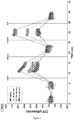
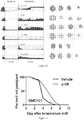
- Figure 1 shows that ⁇ -KB extends the lifespan of subjects as compared to the average lifespan of untreated control subjects.
- ⁇ -KB specifically inhibits NADH dehydrogenase
- the tissue was disrupted in 10 volumes of MSHE+BSA with a glass Dounce homogenizer (5-6 strokes) and the homogenate was centrifuged at 800 x g for 10 minutes to remove tissue debris and nuclei. The supernatant was decanted through a cell strainer and centrifuged at 8,000 x g for 10 minutes. The dark mitochondrial pellet was resuspended in MSHE+BSA and recentrifuged at 8,000 x g for 10 minutes.
- the final mitochondrial pellet was resuspended in 30 ⁇ l of MAS buffer (70 mM sucrose, 220 mM mannitol, 10 mM KH 2 PO 4 , 5 mM MgCl 2 , 2 mM HEPES, 1 mM EGTA, and 0.2% fatty acid free BSA, pH 7.2). Isolated mitochondrial respiration was measured by running coupling and electron flow assays as described.
- MAS buffer 70 mM sucrose, 220 mM mannitol, 10 mM KH 2 PO 4 , 5 mM MgCl 2 , 2 mM HEPES, 1 mM EGTA, and 0.2% fatty acid free BSA, pH 7.2.
- Mitochondrial respiration begins in a coupled state 2; state 3 is initiated by 2 mM ADP; state 4o (oligomycin insensitive, that is, complex V independent) is induced by 2.5 ⁇ M oligomycin; and state 3u (FCCP-uncoupled maximal respiratory capacity) by 4 ⁇ M FCCP (Carbonyl cyanide 4-(trifluoromethoxy)phenylhydrazone, ab120081, Abcam). Finally, 1.5 ⁇ g mL antimycin A was injected at the end of the assay.
- the MAS buffer was supplemented with 10 mM sodium pyruvate (Complex I substrate), 2 mM malate (Complex II inhibitor) and 4 ⁇ M FCCP, and the mitochondria are seeded the same way as described for the coupling assay.
- the sequential injections were as follows: 2 ⁇ M rotenone (Complex I inhibitor), 10 mM succinate (Complex II substrate), 4 ⁇ M antimycin A (Complex III inhibitor), and 10 mM/100 ⁇ M ascorbate/tetramethylphenylenediamine (Complex IV substrate).
- Results show that ⁇ -KB only inhibits state 3 and state 3u respiration when respiration is driven by NADH dehydrogenase substrates (Pyruvate and Malate). Consistently, ⁇ -KB only inhibits NADH dehydrogenase activity in the electron flow assay.
- Mitochondria were isolated from mouse liver as described earlier. The final mitochondrial pellet was resuspended in 30 ⁇ l of MAS buffer (70 mM sucrose, 220 mM mannitol, 10 mM KH 2 PO 4 , 5 mM MgCl 2 , 2 mM HEPES, 1 mM EGTA, and 0.2% fatty acid free BSA, pH 7.2).
- MAS buffer 70 mM sucrose, 220 mM mannitol, 10 mM KH 2 PO 4 , 5 mM MgCl 2 , 2 mM HEPES, 1 mM EGTA, and 0.2% fatty acid free BSA, pH 7.2.
- Mitochondrial respiration was measured by running coupling and electron flow assays.
- 20 ⁇ g of mitochondria in complete MAS buffer (MAS buffer supplemented with 10 mM succinate and 2 ⁇ M rotenone or 10 mM pyruvate and 2 mM malate) were seeded into a XF24 Seahorse plate by centrifugation at 2,000 g for 20 minutes at 4 °C.
- the mitochondria were supplemented with complete MAS buffer for a total of 500 ⁇ l (with 1% DMSO or ⁇ -KB), and warmed at 37 °C for 30 minutes before starting the OCR measurements.
- Mitochondrial respiration begins in a coupled state 2; state 3 is initiated by 2 mM ADP; state 4o (oligomycin insensitive, that is, complex V independent) is induced by 2.5 ⁇ M oligomycin; and state 3u (FCCP-uncoupled maximal respiratory capacity) by 4 ⁇ M FCCP. Finally, 1.5 ⁇ g/mL antimycin A was injected at the end of the assay.
- the MAS buffer was supplemented with 10 mM sodium pyruvate (Complex I substrate), 2 mM malate (Complex II inhibitor) and 4 ⁇ M FCCP, and the mitochondria were seeded the same way as described for the coupling assay.
- the sequential injections were as follows: 2 ⁇ M rotenone (Complex I inhibitor), 10 mM succinate (Complex II substrate), 4 ⁇ M antimycin A (Complex III inhibitor) and 10 mM/100 ⁇ M ascorbate/tetramethylphenylenediamine (Complex IV substrate).
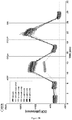
- Figure 2 shows the results of the NADH dehydrogenase (Complex I) driven coupling assay (supplemented with malate and pyruvate).
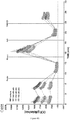
- the results of the Complex II driven coupling assay (supplemented with succinate and rotenone) are shown in Figure 3A (a-KB) and Figure 3B (3-HB).
- the results of the electron flow assay are shown in Figure 4A (a-KB) and Figure 4B (3-HB).
- ⁇ -KB affects mitochondrial bioenergetics in human cells
- ⁇ -KB not only in the isolated mitochondrial model, but also in cellular models, affects mitochondrial bioenergetics. It was found that ⁇ -KB inhibits cellular respiration. Moreover, ⁇ -KB increases cellular ROS levels. These phenotypes resemble the effects of rotenone, which is a known inhibitor of NADH dehydrogenase. Together these results show that ⁇ -KB affects mitochondria, probably through inhibition of NADH dehydrogenase.
- OCR oxygen consumption rates
- ROS Reactive oxygen species
- ⁇ -KB increases the cellular ROS, similarly as rotenone. This further supports the hypothesis that ⁇ -KB inhibits the NADH dehydrogenase.
- ⁇ -KB exhibits promising activities against cardiac hypertrophy induced by isoproterenol and by transverse aortic constriction (TAC).
- TAC transverse aortic constriction
- ⁇ -KB exhibits promising activities against cardiac hypertrophy induced by isoproterenol and by transverse aortic constriction (TAC).
- TAC transverse aortic constriction
- Surgical procedure was performed one day before treatment with vehicle or ⁇ -KB.
- Cardiac output was assessed 3 weeks post-treatment by determining the cardiac ejection fraction (EF) by echo. The EF was decreased in the ⁇ -KB-treated mice (0.168 ⁇ 0.023) versus vehicle-treated mice (0.218 ⁇ 0.014), P ⁇ 0.05.
- cardiomyocytes of neonatal rats were isolated by collagenase digestion and cultured overnight in DMEM containing 10% FCS, and then culture medium was changed to serum-free high glucose DMEM with supplement of ITS (insulin, transferrin, and sodiumselenite).
- ITS insulin, transferrin, and sodiumselenite
- Catecholamine-induced cardiac hypertrophy Hypertrophy of cardiomyocytes was induced by treating the cells with 1 mM isoproterenol (ISO) or phenylephrine (PE) for 48 hours.
- ⁇ -KB (1 mM) completely abolished ISO- and PE-induced hypertrophy, as well as suppressed the induced overexpression of ANF and BNP, which are hypertrophy associated markers.
- Transverse aortic constriction in mice was used to induce pressure overload-induced heart failure and cardiac hypertrophy.
- TAC surgical procedure was performed one day before treatment with vehicle or ⁇ -KB.
- C57BL/6 male mice were treated with ⁇ -KB at 30 mg/kg body weight per day in drinking water.
- Cardiac output was assessed 3 weeks post-treatment by determining the cardiac ejection fraction (EF) measured by Echo.
- EF cardiac ejection fraction
- ⁇ -KB significantly enhances the cardiac output in the TAC-induced heart failure mouse model, and also appeared to decrease mortality in these mice.
- mice Aged mice (22-23 month old C57BL/6J), including both males and females, were fed either water or ⁇ -KB (8 mM in drinking water or 90 mg/kg body weight) for 7 months. During the study period, no adverse effects of ⁇ -KB were observed in treated animals. A-KB treated mice exhibited normal behavior and physical activities during the test period compared to untreated control animals. Mice were examined at least twice a week for signs of ill health, and severely sick or immobilized mice were subject to termination. The lifespan of ⁇ -KB treated male group was extended. All the males in untreated control group (5 of 5) died or were terminated due to severe illness before the completion of the 7 months test. Remarkably, most of the males in the ⁇ -KB treated group (4 of 5) lived healthily and were still in excellent health at the end of the 7 months study period.
- ⁇ -KB delays paralysis in a C. elegans Alzheimer's Disease model
- ⁇ -KB helps reduce HCV infection
- Huh7.5 cells were infected with the Renilla reporter HCV for 5 hours and subsequently treated with 1 mM and 1 ⁇ M of ⁇ -KB. 72 hours post treatment, the cells were lysed and luciferase activity was measured. JG-98, which is a suppressor of viral assembly, was used as a positive control and water was used as a negative control. As shown in Figure 12A , ⁇ -KB inhibits or reduces viral infection.
- Huh7.5 cells were treated with 1 mM, 100 ⁇ M, 10 ⁇ M, 1 ⁇ M, and 100 nM ⁇ -KB. MTT assays were performed every 24 hours up to 72 hours post treatment. Luteolin, an anti-cancer compound which is cytotoxic, was used as a positive control and water was used as a negative control. As shown in Figure 12B , ⁇ -KB is not cytotoxic.
- the Pyruvate Dehydrogenase (PDH) Enzyme Activity Microplate Assay Kit (Abcam, ab 109902) was used. The assay was performed according to the protocol provided. Detergent was added to bovine heart mitochondrial lysate (Abcam, ab110338) and followed by an incubation at 4 °C for 20 minutes to release PDH. The sample was then centrifuged at 14,000 x g for 10 minutes. Supernatant was diluted with the incubation buffer and added to a PDH antibody-coated 96-well plate.
- PDH Pyruvate Dehydrogenase
- reaction mix containing 10, 20, 50, 200, and 800 ⁇ M ⁇ -KB or vehicle control (distilled water). Each condition was performed in triplicates. Kinetic measurements of absorbance at 450 nm with 1 minute intervals were taken, and PDH activity was calculated from the slope of the absorbance to time. The readings were normalized to vehicle mean (as 100 percent).
- ⁇ -KB directly inhibits ETC Complex I diaphorase (NADH: acceptor oxidoreductase)
- the Complex I Enzyme Activity Microplate Assay Kit (Abcam, ab109721) was used. The assay was performed according to the protocol provided. Bovine Heart Mitochondria lysate (Abcam, ab110338) was added with detergent, followed by incubation on ice for 30 minutes to release Complex I and then centrifuged at 12,000 g, 4 °C for 20 minutes. Supernatant was collected and diluted with the buffer provided and then added to a Complex I antibody-coated 96-well plate.
- Bovine Heart Mitochondria lysate (Abcam, ab110338) was added with detergent, followed by incubation on ice for 30 minutes to release Complex I and then centrifuged at 12,000 g, 4 °C for 20 minutes. Supernatant was collected and diluted with the buffer provided and then added to a Complex I antibody-coated 96-well plate.
- reaction mix containing 50, 200, or 800 ⁇ M ⁇ -KB or vehicle control (distilled water). Each condition was performed in triplicates. Kinetic measurements of absorbance at 450 nm with 1 minute intervals were taken, and Complex I diaphorase activity was calculated from the slope of the absorbance to time. The readings were normalized to vehicle mean (as 100 percent).
- ⁇ -KB does not extend the lifespan of the long-lived complex I mutant C. elegans strain
- the nuo-6 gene encodes the C. elegans ortholog of the NDUFB4/B15 subunit of the mitochondrial electron transport chain complex I, also known as the NADH dehydrogenase complex.
- the nuo-6(qm200) mutant strain has reduced Complex I function and is long-lived compared to wild-type N2 C. elegans.
- the inability of ⁇ -KB to extend the lifespan of the nuo-6(qm200) strain is consistent with an anti-aging mechanism of ⁇ -KB mediated through complex I.
- ⁇ -KB does extend the lifespan of the even longer-lived daf-2(e1370) strain, or of the eat-2(ad1116) strain, as shown in Figure 15C .
- These findings are important because they demonstrate that the anti-aging effect of ⁇ -KB is independent of two major aging pathways, the insulin/IGF-1 signaling pathway (daf-2) and the dietary restriction pathway (eat-2). This not only demonstrates the specificity of lifespan extension through mitochondrial ETC inhibition, but also suggests that ⁇ -KB may work synergistically with molecules that extend lifespan through both the insulin/IGF-1 pathway and the dietary restriction pathway.
- non-human animal includes all vertebrates, e.g., mammals and non-mammals, such as non-human primates, horses, sheep, dogs, cows, pigs, chickens, and other veterinary subjects and test animals.
- a and/or B means “A, B, or both A and B” and "A, B, C, and/or D” means “A, B, C, D, or a combination thereof” and said "combination thereof” means any subset of A, B, C, and D, for example, a single member subset (e.g., A or B or C or D), a two-member subset (e.g., A and B; A and C; etc.), or a three-member subset (e.g., A, B, and C; or A, B, and D; etc.), or all four members (e.g., A, B, C, and D).
- a single member subset e.g., A or B or C or D
- a two-member subset e.g., A and B; A and C; etc.
- a three-member subset e.g., A, B, and C; or A, B, and D; etc.
- all four members e.g.
Landscapes
- Health & Medical Sciences (AREA)
- Life Sciences & Earth Sciences (AREA)
- Chemical & Material Sciences (AREA)
- Public Health (AREA)
- Pharmacology & Pharmacy (AREA)
- Medicinal Chemistry (AREA)
- Animal Behavior & Ethology (AREA)
- General Health & Medical Sciences (AREA)
- Veterinary Medicine (AREA)
- Engineering & Computer Science (AREA)
- Bioinformatics & Cheminformatics (AREA)
- Organic Chemistry (AREA)
- Chemical Kinetics & Catalysis (AREA)
- General Chemical & Material Sciences (AREA)
- Nuclear Medicine, Radiotherapy & Molecular Imaging (AREA)
- Cardiology (AREA)
- Epidemiology (AREA)
- Heart & Thoracic Surgery (AREA)
- Nutrition Science (AREA)
- Hospice & Palliative Care (AREA)
- Biomedical Technology (AREA)
- Neurosurgery (AREA)
- Neurology (AREA)
- Mycology (AREA)
- Food Science & Technology (AREA)
- Polymers & Plastics (AREA)
- Oncology (AREA)
- Hematology (AREA)
- Diabetes (AREA)
- Dermatology (AREA)
- Urology & Nephrology (AREA)
- Vascular Medicine (AREA)
- Psychiatry (AREA)
- Communicable Diseases (AREA)
- Obesity (AREA)
- Acyclic And Carbocyclic Compounds In Medicinal Compositions (AREA)
- Coloring Foods And Improving Nutritive Qualities (AREA)
- Medicines That Contain Protein Lipid Enzymes And Other Medicines (AREA)
Description
- The present invention relates to a ketobutyrate compound for use in treating myocardial infarction in a subject. The present disclosure further relates to treating, inhibiting, or reducing aging and age-related symptoms and diseases.
- Metabolism and aging are intimately linked. Compared to ad libitum feeding, dietary restriction (DR) or calorie restriction (CR) consistently extends lifespan and delays age-related diseases in evolutionarily diverse organisms. Similar conditions of nutrient limitation and genetic or pharmacological perturbations of nutrient or energy metabolism also have longevity benefits. Several compounds that modulate aging with largely undefined molecular mechanisms have been identified.
- However, a need still exists for treatments for age-related symptoms and age-related diseases including cancer, diabetes, and cardiovascular disease, and extending the lifespans of subjects.
-
US 2012/0022425 A1 discloses the use of alpha-ketobutyrate to inhibit the production of lactic acid from pyruvate within discs to alleviate back pain. - The present invention relates to a ketobutyrate compound for use in treating myocardial infarction in a subject, wherein a therapeutically effective amount of the compound is administered to the subject.
- In some embodiments, the present disclosure provides methods for treating, inhibiting, or reducing aging, an age-related symptom, and/or an age-related disease in a subject which comprises administering to the subject a therapeutically effective amount of a compound that inhibits NADH dehydrogenase. In some embodiments, the compound is a ketobutyrate compound. In some embodiments, the compound is alpha-ketobutyrate or alpha-ketobutyric acid. In some embodiments, the therapeutically effective amount of the ketobutyrate compound is less than the amount of alpha-ketoglutarate needed to produce the same observable difference. See Chin, et al., (2014) Nature 510:397-401 and the Extended Data Figures related thereto. In some embodiments, the therapeutically effective amount of the ketobutyrate compound is less than half the amount of alpha-ketoglutarate needed to produce the same observable difference. In some embodiments, the therapeutically effective amount of the ketobutyrate compound is about 1/16 the amount of alpha-ketoglutarate needed to produce the same observable difference. In some embodiments, the therapeutically effective amount of the ketobutyrate compound is administered as several doses over a given period of time, e.g., a daily dose for a week or more. In some embodiments, the ketobutyrate compound is administered as a daily dose of about 0.01-1.0, preferably about 0.01-0.5, more preferably about 0.1-0.2 grams per kilogram body weight per day. In some embodiments, about 0.05 to about 2 grams of the ketobutyrate compound per kilogram weight of the subject is administered to the subject daily for at least a week. In some embodiments, the methods comprise increasing the alpha-ketobutyrate levels in the subject by about 30-60%, about 45-55%, or about 50%. In some embodiments, the age-related symptom is cholesterol build-up, stiffening of arterial walls, increased blood pressure, immunosenescence, muscle loss, bone loss, arthritis, osteoporosis, memory loss, hearing loss, visual decline, increased wrinkles, hair loss, hair thinning, hair graying, decreased stress resistance, dementia, loss of hearing, loss of vision, loss of mobility, loss of muscle strength, loss of stamina, frailty, fatigue, increased susceptibility to infection, dry skin, wrinkled skin, altered sleep patterns, altered circadian cycles, metabolic changes, biochemical changes, or the like. In some embodiments, the age-related symptom is hair loss, hair thinning, hair graying, loss of mobility, loss of stamina, fatigue, increased susceptibility to infection, a metabolic change, or a biochemical change. In some embodiments, the age-related disease is a cancer (e.g., gliomas, leukemia, lymphoma, breast cancer, prostate cancer, lung cancer, etc.), a neurodegenerative disease (e.g., Parkinson's disease, Alzheimer's disease, Huntington's disease, dementia, etc.), sarcopenia, osteopenia, osteoporosis, arthritis, atherosclerosis, cardiovascular disease, hypertension, cataracts, presbyopia, glaucoma,
type 2 diabetes, metabolic syndrome, alopecia, chronic inflammation, immunosenescence, or the like, or an age-related condition such as cardiac hypertrophy, cardiomyopathy, heart failure, or cardiovascular disease. In some embodiments, the age-related disease is cardiac hypertrophy, heart failure, myocardial infarction, ischemia reperfusion injury, or Alzheimer's Disease. In some embodiments, the lifespan of the subject is extended by up to about 10%, 30%, 40%, 50%, 60%, or 70% as compared to untreated control subjects. - In some embodiments, the present disclosure provides a ketobutyrate compound for use in treating, inhibiting, or reducing aging of a subject; treating, inhibiting, or reducing an age-related symptom in a subject; treating, inhibiting, or reducing an age-related disease in a subject; increasing the lifespan of a subject; or treating, inhibiting, or reducing cardiac hypertrophy and/or myocardial infarction in a subject. In some embodiments, the ketobutyrate compound is alpha-ketobutyrate or alpha-ketobutyric acid. In some embodiments, the age-related symptom is cholesterol build-up, stiffening of arterial walls, increased blood pressure, immunosenescence, muscle loss, bone loss, arthritis, osteoporosis, memory loss, hearing loss, visual decline, increased wrinkles, hair loss, hair thinning, hair graying, decreased stress resistance, dementia, loss of hearing, loss of vision, loss of mobility, loss of muscle strength, loss of stamina, frailty, fatigue, increased susceptibility to infection, dry skin, wrinkled skin, altered sleep patterns, altered circadian cycles, metabolic changes, biochemical changes, or the like. In some embodiments, the age-related symptom is hair loss, hair thinning, hair graying, loss of mobility, loss of stamina, fatigue, increased susceptibility to infection, a metabolic change, or a biochemical change. In some embodiments, the age-related disease is a cancer (e.g., gliomas, leukemia, lymphoma, breast cancer, prostate cancer, lung cancer, etc.), a neurodegenerative disease (e.g., Parkinson's disease, Alzheimer's disease, Huntington's disease, dementia, etc.), sarcopenia, osteopenia, osteoporosis, arthritis, atherosclerosis, cardiovascular disease, hypertension, cataracts, presbyopia, glaucoma,
type 2 diabetes, metabolic syndrome, alopecia, chronic inflammation, immunosenescence, or the like, or an age-related condition such as cardiac hypertrophy, cardiomyopathy, heart failure, or cardiovascular disease. In some embodiments, the age-related disease is cardiac hypertrophy, heart failure, myocardial infarction, ischemia reperfusion injury, or Alzheimer's Disease. - In some embodiments, the present disclosure provides a composition comprising a purified and/or concentrated amount of one or more ketobutyrate compounds and a pharmaceutically acceptable carrier or foodstuff. In some embodiments, the level of purification or concentration in the composition is not one that is naturally found in nature. In some embodiments, the carrier or foodstuff is not found associated with the one or more ketobutyrate compounds in nature. For example, in some embodiments, the present disclosure provides a foodstuff, such as milk or orange juice, having one or more ketobutyrate compounds added thereto. In some embodiments, the compositions further comprise at least one ketoglutarate compound such as α-ketoglutarate (a-ketoglutarate), derivatives of α-ketoglutarate (e.g., the derivatives set forth in MacKenzie, et al. (2007) Mol Cell Biol 27(9):3282-3289)), analogues of α-ketoglutarate (e.g., phosphonate analogues (e.g., those recited in Bunik, et al. (2005) Biochemistry 44(31):10552-61), esters of α-ketoglutarate (e.g., dimethyl α-ketoglutarate and octyl α-ketoglutarate), and various species specific analogues, e.g., human α-ketoglutarate, porcine α- ketoglutarate, murine α-ketoglutarate , bovine α-ketoglutarate, and the like. In some embodiments, the amounts of the one or more ketobutyrate compounds and the ketoglutarate compound are present in amounts not found in nature.
- In some embodiments, the present disclosure provides medicaments and methods of making medicaments for treating, inhibiting, or reducing aging, an age-related symptom, and/or an age-related disease in a subject or extending the lifespan of the subject, said medicaments comprise a therapeutically effective amount of a ketobutyrate compound. In some embodiments, the compound is alpha-ketobutyrate or alpha-ketobutyric acid.
- In some embodiments, the present disclosure provides use of one or more ketobutryate compounds in the manufacture of a medicament for treating, inhibiting, or reducing aging, an age-related symptom, and/or an age-related disease in a subject or extending the lifespan of the subject. In some embodiments, the medicaments comprise a therapeutically effective amount of a ketobutyrate compound. In some embodiments, the compound is alpha-ketobutyrate or alpha-ketobutyric acid.
- Both the foregoing general description and the following detailed description provide further explanation of the invention as claimed. The accompanying drawings are included to provide a further understanding of the invention and are incorporated in and constitute part of this specification, illustrate several embodiments of the invention, and together with the description serve to explain the principles of the invention.
- This invention is further understood by reference to the drawings wherein:
-
Figure 1 shows that α-KB extends the lifespan of subjects as compared to the average lifespan of untreated control subjects. -
Figure 2 shows the results of the NADH dehydrogenase (Complex I) driven coupling assay (supplemented with malate and pyruvate). Between the ADP and Oligo points of the graph and between the FCCP and AA points of the graph, the data points from top to bottom are DMSO, 50 µM α-KB, 100 µM α-KB, and 200 µM α-KB. -
Figure 3A shows the results of α-KB in the Complex II driven coupling assay (supplemented with succinate and rotenone). Between the ADP and Oligo points of the graph, the top data points are DMSO and the bottom data points are 0.5 mM α-KB. -
Figure 3B shows the results of octyl α-KG (octyl α-ketoglutarate) and 3-HB in the Complex II driven coupling assay (supplemented with succinate and rotenone). Between the ADP and Oligo points of the graph, the bottom data points are 0.6 mM octyl α-KG and the top data points are DMSO and 0.1 mM, 0.2 mM, 1 mM, 2 mM, and 4 mM of 3-HB. -
Figure 4A shows the results of α-KB in the electron flow assay. Before the Rote point of the graph, the top data points are vehicle, the middle data points are 100 µM α-KB, and the bottom data points are 500 µM α-KB and 250 µM α-KB. Between the Succ and AA points of the graph, the top data points are vehicle and the bottom data points are 250 µM α-KB. -
Figure 4B shows the results of vehicle and 10 mM, 0.2 mM, 0.5 mM, 2 mM, and 4 mM 3-HB in the electron flow assay. -
Figure 5A shows the effect of α-KB on basal respiration. -
Figure 5B shows the effect of 3-HB on basal respiration. -
Figure 6A shows the effect of α-KB on maximal respiration (mitochondrial respiration upon FCCP treatment). -
Figure 6B shows the effect of 3-HB on maximal respiration (mitochondrial respiration upon FCCP treatment). -
Figure 7 shows that α-KB increases the cellular ROS in a dose dependent manner. -
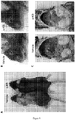
Figure 8 , panels A-C, show the absence of age-related symptoms in aged mice treated with α-KB. Panel A shows that mice treated with α-KB have improved hair density (or reduced hair loss) as compared to untreated control mice. Panel B shows that α-KB treated mice have no cataracts and exhibit reduced hair graying as compared to untreated control mice. Panel C shows α-KB treated mice had healthy livers (color, size, fat content) as compared to untreated controls. -
Figures 9A-9C show that post-ischemic administration of α-KB reduces the myocardial infarct size. **P<0.01, n = about 5-6 mice per group. -
Figure 9A shows the experimental schematics. The LAD is occluded in male mice for 30 minutes followed by a 24 hour reperfusion. At the onset of reperfusion one bolus of α-KB or PBS was applied via tail vein. -
Figure 9B shows the percentage of area at risk (AAR) divided by LV. -
Figure 9C shows the infarct size (IS) divided by AAR. -
Figure 10 , left, shows that post-ischemic administration of 2-KB restores heart function after ischemia. Isolated hearts were subjected to 30 minutes ischemia followed by 60 minutes of reperfusion with control buffer, 2-KB, (R)-2-hydroxybutyrate, (R)-3-hydroxybutyrate (also known as ketone body), α-KG, and the Complex I inhibitor rotenone. LVDP is shown as a function of time. -
Figure 10 , right, shows the infarct size resulting from treatment with the indicated compounds before reperfusion. The pictures are inverse color images for better reproducibility. -
Figure 11 shows that α-KB delays paralysis in C. elegans compared to vehicle treated worms. -
Figure 12A shows that α-KB inhibits or reduces HCV infection in a dose dependent manner. Butler, α-KB. -
Figure 12B shows that the inhibition of HCV infection by α-KB is not a result of cytotoxicity. Butler, α-KB. -
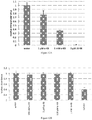
Figure 13 shows that α-KB inhibits pyruvate dehydrogenase and thereby decreases ETC Complex I activity. In the graph, after the vehicle, the first bars are 50 µM, 200 µM, and 800 µM. -
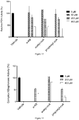
Figure 14 shows that α-KB directly inhibits ETC Complex I diaphorase (NADH: acceptor oxidoreductase. In the graph, after the vehicle, the first bars are 200 µm and the second bars are 800 µm. -
Figure 15A shows that α-KB does not further increase the lifespan of the long-lived nuo-6(qm200) mutant C. elegans strain. -
Figure 15B shows that α-KB increases the lifespan of the even longer-lived daf-2(e1370) mutant C. elegans strain. -
Figure 15C shows that α-KB increases the lifespan of the long-lived eat-2(ad1116) mutant C. elegans strain. - The present invention relates to a ketobutyrate compound for use in treating myocardial infarction in a subject, wherein a therapeutically effective amount of the compound is administered to the subject.
- Several small molecules were screened using a model organism for aging, Caenorhabditis elegans, to identify compounds that promote longevity and counter aging and age-related diseases. As disclosed herein, one molecule, α-ketobutyrate (a-KB), unexpectedly extended the mean lifespan of C. elegans at a significantly lower amount as compared to α-ketoglutarate (a-KG).
- α-KB is a keto acid involved in amino acid catabolism and succinyl CoA synthesis. Using isolated mitochondria coupling and electron flow assays, it was found that α-KB engages a distinct molecular target in vivo by inhibiting NADH dehydrogenase (Complex I of the electron transport chain). Unlike α-KG, α-KB does not inhibit either ATP synthase or TOR (target of rapamycin). It was also found that both genetic mutations (e.g., knockdown) and pharmacological perturbation of NADH dehydrogenase extend lifespan in C. elegans. Additionally, it was found that α-KB inhibits cellular respiration and induces reactive oxygen species (ROS).
- Therefore, in some embodiments, the present disclosure is directed to methods for treating, inhibiting, or reducing aging, age-related symptoms, and/or age-related diseases in a subject which comprises administering the subject at least one ketobutyrate compound. In some embodiments, the present disclosure is directed to methods for increasing the lifespan of a subject which comprises administering the subject at least one ketobutyrate compound. In some embodiments, the present disclosure is directed to compositions for treating, inhibiting, or reducing aging, age-related symptoms, and/or age-related diseases in a subject, said compositions comprise at least one ketobutyrate compound. In some embodiments, the present disclosure is directed to compositions for increasing the lifespan of a subject, said compositions comprise at least one ketobutyrate compound. In some embodiments, the subject is an animal, which may or may not be an animal model of aging, an age-related symptom, and/or an age-related disease. In some embodiments, the subject is a nematode, a rodent, or a non-human primate. In some embodiments, the subject is a human.
- As used herein, "age-related symptoms" refers to biological and/or physical symptoms resulting from aging and includes cholesterol build-up, stiffening of arterial walls, increased blood pressure, immunosenescence, muscle loss, bone loss, arthritis, osteoporosis, memory loss, hearing loss, visual decline, increased wrinkles, hair loss, hair thinning, hair graying, decreased stress resistance, dementia, loss of hearing, loss of vision, loss of mobility, loss of muscle strength, loss of stamina, frailty, fatigue, increased susceptibility to infection, dry skin, wrinkled skin, altered sleep patterns, altered circadian cycles, metabolic changes, biochemical changes, and the like. Metabolic and/or biochemical changes can be evidenced by various biomarkers known in the art. In some embodiments, an age-related symptom refers to an increase in biomarkers indicative of untreated control subjects who are aging. In some embodiments, an age-related symptom refers to an increase in biomarkers indicative of untreated control subjects who are aged. In some embodiments, an age-related symptom refers to a biomarker profile indicative of untreated control subjects who are aging. In some embodiments, an age-related symptom refers to a biomarker profile indicative of untreated control subjects who are aged. Biomarkers and biomarker profiles that are indicative of a subject who is aging and/or an aged subject include atrial natriuretic factor (ANF), B-type natriuretic peptide (BNP), and those as set forth in
US20080124752 . - As used herein, a subject who is "aging" refers to a subject in the period of life when untreated control subjects begin to physically, mentally, and/or biologically deteriorate. In some embodiments, a subject who is aging is one whose chronological age is at least at the median point of the average lifespan of untreated control subjects.
- As used herein, an "aged" subject is one whose chronological age is at least two-thirds the average life expectancy of untreated control subjects. For example, if the average life expectancy of a given strain of a laboratory mouse is 2 years, an aged mouse of that strain is at least 16 months, and if the average life expectancy of another strain of laboratory mouse is 3 years, an aged mouse of that strain is 24 months. For humans, if the average life expectancy of a human is about 80 years, an aged human is about 53 years. It should be noted that a subject who is aging may or may not be an aged subject.
- As used herein, "age-related diseases" refers to diseases and disorders often associated with aging and includes cancers (e.g., gliomas, leukemia, lymphoma, breast cancer, prostate cancer, lung cancer, etc.), neurodegenerative diseases (e.g., Parkinson's disease, Alzheimer's disease, Huntington's disease, dementia, etc.), sarcopenia, osteopenia, osteoporosis, arthritis, atherosclerosis, cardiovascular disease, hypertension, cataracts, presbyopia, glaucoma,
type 2 diabetes, metabolic syndrome, alopecia, chronic inflammation, immunosenescence, and the like. As used herein, an "age-related heart condition" refers to cardiac hypertrophy, cardiomyopathy, heart failure, and cardiovascular disease. - In some embodiments, methods and compositions of the present disclosure that treat, inhibit, or reduce "aging" in subjects are those that treat, inhibit, or reduce age-related symptoms as compared to untreated control subjects. In some embodiments, methods and compositions of the present disclosure that treat, inhibit, or reduce "aging" in subjects are those that result in clinical improvement in the clinical symptoms of an age-related disease in a subject as compared to untreated control subjects and/or as compared to the base-line of the subjects prior to treatment. In some embodiments, methods and compositions that treat, inhibit, or reduce "aging" in subjects are those that result in a subject having a biological age and/or a metabolic age that is typical of untreated control subjects who are chronologically younger than the treated subject. In some embodiments, methods and compositions that treat, inhibit, or reduce "aging" in subjects are those that result in a decrease in the biological age and/or metabolic age of the subject as compared to the biological age and/or metabolic age of the subject before treatment. Methods for measuring a subject's biological age and/or metabolic age and comparing to one's chronological age are known in the art. See, for example,
US 7,273,453 andUS 20080124752 . In some embodiments, methods and compositions that increase the "lifespan" of subjects are those that result in a subject having a lifespan that is longer than the average lifespan of untreated control subjects. - As used herein, "ketobutyrate compounds" include α-ketobutyrate, α-ketobutyric acid, and compounds having the following structural formula I:

- Ra is a negative charge, H, -CH3, -CH2-CH3, a straight or branched C1-C3 alkyl, a straight or branched C1-C4 alkyl, a straight or branched C1-C5 alkyl, a straight or branched C1-C10 alkyl, -CH2=CH3, a straight or branched C1-C3 alkenyl, a straight or branched C1-C4 alkenyl, a straight or branched C1-C5 alkenyl, or a straight or branched C1-C10 alkenyl,
- Rb is H, -CH3, -CH2-CH3, a straight or branched C1-C3 alkyl, a straight or branched C1-C4 alkyl, a straight or branched C1-C5 alkyl, a straight or branched C1-C10 alkyl, -CH2 = CH3, a straight or branched C1-C3 alkenyl, a straight or branched C1-C4 alkenyl, a straight or branched C1-C5 alkenyl, or a straight or branched C1-C10 alkenyl,
- Rc is optionally present, and if present, Rc is H, -CH3, -CH2-CH3, a straight or branched C1-C3 alkyl, a straight or branched C1-C4 alkyl, a straight or branched C1-C5 alkyl, a straight or branched C1-C10 alkyl, -CH2=CH3, a straight or branched C1-C3 alkenyl, a straight or branched C1-C4 alkenyl, a straight or branched C1-C5 alkenyl, or a straight or branched C1-C10 alkenyl, and if absent, Z is a double bond,
- and pharmaceutically acceptable solvates, salts, prodrugs, and metabolites thereof.
- In some embodiments, Ra is a negative charge, H, or -CH3. In some embodiments, Rb is H, -CH3, -CH2-CH3, a straight or branched C1-C3 alkyl, -CH2=CH3, or a straight or branched C1-C3 alkenyl. In some embodiments, Z is a double bond. In some embodiments, Ra is a negative charge, H, or -CH3 and Rb is H, -CH3, -CH2-CH3, a straight or branched C1-C3 alkyl, a straight or branched C1-C4 alkyl, a straight or branched C1-C5 alkyl, a straight or branched C1-C10 alkyl, -CH2=CH3, a straight or branched C1-C3 alkenyl, a straight or branched C1-C4 alkenyl, a straight or branched C1-C5 alkenyl, or a straight or branched C1-C10 alkenyl. In some embodiments, Ra is a negative charge, H, or -CH3 and Rb is H, -CH3, -CH2-CH3, a straight or branched C1-C3 alkyl, -CH2=CH3, or a straight or branched C1-C3 alkenyl. In some embodiments, Ra is a negative charge, H, or -CH3, Rb is H, -CH3, -CH2-CH3, a straight or branched C1-C3 alkyl, -CH2=CH3, or a straight or branched C1-C3 alkenyl, and Z is a double bond.
- As used herein, a "C1-Cn alkyl" refers to an alkyl having 1-n carbon atoms, where "n" is a positive integer. Similarly, a "C1-Cn alkenyl" refers to an alkenyl having 1-n carbon atoms, where "n" is a positive integer. The alkyls and alkenyls as set forth for Formula I may be substituted or unsubstituted with one or more suitable functional groups that may increase or decrease, but not completely abrogate the ability of the compound to inhibit or reduce the activity NADH dehydrogenase.
- As used herein, the abbreviation "KB" may be used to refer to the term "ketobutyrate", e.g., α-ketobutyrate is abbreviated as α-KB. Ketobutyrate compounds also include various species specific analogues. For example, unless explicitly specified as being of a particular species, "a-KB" includes human α-ketobutyrate, porcine α-ketobutyrate, murine α-ketobutyrate, bovine α-ketobutyrate, and the like.
- A "pharmaceutically acceptable solvate" refers to a solvate form of a specified compound that retains the biological effectiveness of such compound. Examples of solvates include compounds for use of the invention in combination with water, isopropanol, ethanol, methanol, dimethyl sulfoxide, ethyl acetate, acetic acid, ethanolamine, or acetone. Those skilled in the art of organic chemistry will appreciate that many organic compounds can form complexes with solvents in which they are reacted or from which they are precipitated or crystallized. These complexes are known as "solvates". For example, a complex with water is known as a "hydrate". Solvates of compounds of Formula I are within the scope of the invention. It will also be appreciated by those skilled in organic chemistry that many organic compounds can exist in more than one crystalline form. For example, crystalline form may vary from solvate to solvate. Thus, all crystalline forms of the compounds of Formula I or the pharmaceutically acceptable solvates thereof are within the scope of the present invention.
- The term "pharmaceutically acceptable salts" refers to salt forms that are pharmacologically acceptable and substantially non-toxic to the subject being treated with the compound for use of the invention. Pharmaceutically acceptable salts include conventional acid-addition salts or base-addition salts formed from suitable non-toxic organic or inorganic acids or inorganic bases. Exemplary acid-addition salts include those derived from inorganic acids such as hydrochloric acid, hydrobromic acid, hydroiodic acid, sulfuric acid, sulfamic acid, phosphoric acid, and nitric acid, and those derived from organic acids such as p-toluenesulfonic acid, methanesulfonic acid, ethane-disulfonic acid, isethionic acid, oxalic acid, p-bromophenylsulfonic acid, carbonic acid, succinic acid, citric acid, benzoic acid, 2-acetoxybenzoic acid, acetic acid, phenylacetic acid, propionic acid, glycolic acid, stearic acid, lactic acid, malic acid, tartaric acid, ascorbic acid, maleic acid, hydroxymaleic acid, glutamic acid, salicylic acid, sulfanilic acid, and fumaric acid. Exemplary base-addition salts include those derived from ammonium hydroxides (e.g., a quaternary ammonium hydroxide such as tetramethylammonium hydroxide), those derived from inorganic bases such as alkali or alkaline earth-metal (e.g., sodium, potassium, lithium, calcium, or magnesium) hydroxides, and those derived from non-toxic organic bases such as basic amino acids.
- "A pharmaceutically acceptable prodrug" is a compound that may be converted under physiological conditions or by solvolysis to the specified compound or to a pharmaceutically acceptable salt of such compound. "A pharmaceutically active metabolite" refers to a pharmacologically active product produced through metabolism in the body of a specified compound or salt thereof. Prodrugs and active metabolites of a compound may be identified using routine techniques known in the art. See, e.g., Bertolini, G. et al., (1997) J. Med. Chem. 40:2011-2016; Shan, D. et al., J. Pharm. Sci., 86(7):765-767; Bagshawe K., (1995) Drug Dev. Res. 34:220-230; Bodor, N., (1984) Advances in Drug Res. 13:224-331; Bundgaard, H., Design of Prodrugs (Elsevier Press, 1985) and Larsen, I. K., Design and Application of Prodrugs, Drug Design and Development (Krogsgaard-Larsen et al., eds., Harwood Academic Publishers, 1991).
- In some embodiments, the amount of the ketobutyrate compound administered to the subject is a therapeutically effective amount. A "therapeutically effective amount", refers to an amount of one or more compounds for use of the present invention that, when administered to a subject, (i) treats or inhibits the particular disease, condition, or disorder, (ii) attenuates, ameliorates, or eliminates one or more symptoms of the particular disease, condition, or disorder, and/or (iii) inhibits or delays the onset of one or more symptoms of the particular disease, condition, or disorder, as compared to a control. A therapeutically effective amount of one or more compounds for use of the present invention will vary depending upon factors such as the given compound(s), the pharmaceutical formulation, route of administration, the type of disease or disorder, the degree of the disease or disorder, and the identity of the subject being treated, but can nevertheless be readily determined by one skilled in the art. For example, in some embodiments, a "therapeutically effective amount" of one or more ketobutyrate compounds is an amount that treats, inhibits, or reduces aging in a subject. In some embodiments, a "therapeutically effective amount" of one or more ketobutyrate compounds is an amount that treats, inhibits, or reduces one or more age-related symptoms in a subject. In some embodiments, a "therapeutically effective amount" of one or more ketobutyrate compounds is an amount that treats, inhibits, or reduces one or more age-related diseases in a subject. In some embodiments, a "therapeutically effective amount" of one or more ketobutyrate compounds is an amount that increases the lifespan of a subject.
- In some embodiments, a therapeutically effective amount of the one or more ketobutyrate compounds is administered as a daily dose of about 0.01-2, about 0.25-2, about 0.5-2, about 1-2, or about 2 grams per kilogram weight of the subject per day. As disclosed herein, α-KB is about 1-fold more potent than α-KG in treating, inhibiting, or reducing aging and age-related symptoms. Therefore, in some embodiments, a therapeutically effective amount of the one or more ketobutyrate compounds is administered as a daily dose of about 0.1-1, about 0.25-1, about 0.5-1, or about 1 gram per kilogram weight of the subject per day. In some embodiments, one or more ketobutyrate compounds is administered as a daily dose of about 0.01-1.0, about 0.01-0.5, or about 0.1-0.2 grams per kilogram weight of the subject per day. The skilled artisan will appreciate that certain factors may influence the dosage required to effectively treat a subject, including but not limited to the severity of the disease or disorder, previous treatments, the general health and/or age of the subject, and other diseases present. In some embodiments, the amount of the one or more ketobutyrate compounds administered to a subject is one that results in about a 10-50%, about a 20-50%, about a 30-50%, or about a 40-50%, increase in α-KB levels in the subject. In some embodiments, the amount of the one or more ketobutyrate compounds administered to a subject is one that results in about a 25% increase in α-KB levels in the subject. In some embodiments, the amount of the one or more ketobutyrate compounds administered to a subject is one that results in about a 50% increase in α-KB levels in the subject.
- The therapeutically effective amount may be administered as a single dose or as multiple doses over a period of time. For example, a subject may be treated with one or more ketobutyrate compounds at least once. However, the subject may be treated with the one or more ketobutyrate compounds from about one time per week to about once daily for a given treatment period. The length of the treatment period will depend on a variety of factors such as the severity of the disease or disorder, the concentration and activity of the one or more compounds for use of the present invention, or a combination thereof. It will also be appreciated that the effective dosage of the one or more compounds used for treatment may increase or decrease over the course of a particular treatment.
- The one or more ketobutyrate compounds to be administered to a subject may be provided as a pharmaceutical formulation. Pharmaceutical formulations may be prepared in a unit-dosage form appropriate for the desired mode of administration. The pharmaceutical formulations may be administered by any suitable route including oral, rectal, nasal, topical (including buccal and sublingual), vaginal, and parenteral (including subcutaneous, intramuscular, intravenous, and intradermal). It will be appreciated that the route of administration may vary with the condition and age of the recipient, the nature of the condition to be treated, and the given compound(s) for use of the present invention. In some embodiments, the route of administration is oral. In some embodiments, the one or more ketobutyrate compounds are provided in the form of a foodstuff.
- It will be appreciated that the actual dosages of the ketobutyrate compounds used in the pharmaceutical formulations will vary according to the particular compound(s) being used, the particular composition formulated, the mode of administration, and the particular site, subject, and disease being treated. Optimal dosages for a given set of conditions may be ascertained by those skilled in the art using dosage determination tests in view of the experimental data for a given compound. Administration of prodrugs may be dosed at weight levels that are chemically equivalent to the weight levels of the fully active forms.
- Pharmaceutical formulations of this disclosure comprise a therapeutically effective amount of one or more compounds of the present disclosure, and an inert, pharmaceutically acceptable carrier or diluent. As used herein the language "pharmaceutically acceptable carrier" is intended to include any and all solvents, dispersion media, coatings, antibacterial, and antifungal agents, isotonic and absorption delaying agents, and the like, compatible with pharmaceutical administration. The pharmaceutical carrier employed may be either a solid or liquid. Exemplary of solid carriers are lactose, sucrose, talc, gelatin, agar, pectin, acacia, magnesium stearate, stearic acid, and the like. Exemplary of liquid carriers are syrup, peanut oil, olive oil, water, and the like. Similarly, the carrier or diluent may include time-delay or time-release material known in the art, such as glyceryl monostearate or glyceryl distearate alone or with a wax, ethylcellulose, hydroxypropylmethylcellulose, methylmethacrylate, and the like. The use of such media and agents for pharmaceutically active substances is known in the art.
- Toxicity and therapeutic efficacy of ketobutyrate compounds can be determined by standard pharmaceutical procedures in cell cultures or experimental animals, e.g., for determining the LD50 (the dose lethal to 50% of the population) and the ED50 (the dose therapeutically effective in 50% of the population). The dose ratio between toxic and therapeutic effects is the therapeutic index and it can be expressed as the ratio LD50/ED50. Compounds exhibiting large therapeutic indices are preferred. While compounds that exhibit toxic side effects may be used, care should be taken to design a delivery system that targets such compounds to the site of affected tissue in order to minimize potential damage to uninfected cells and, thereby, reduce side effects.
- The data obtained from the cell culture assays and animal studies can be used in formulating a range of dosage for use in humans. The dosage of such compounds lies preferably within a range of circulating concentrations that include the ED50 with little or no toxicity. The dosage may vary within this range depending upon the dosage form employed and the route of administration utilized. For any compound used in the method of the disclosure, the therapeutically effective dose can be estimated initially from cell culture assays. A dose may be formulated in animal models to achieve a circulating plasma concentration range that includes the IC50 (i.e., the concentration of the test compound that achieves a half-maximal inhibition of symptoms) as determined in cell culture. Such information can be used to more accurately determine useful doses in humans. Levels in plasma may be measured, for example, by high performance liquid chromatography.
- The following examples are intended to illustrate but not to limit the invention.
- To show that α-KB extends lifespan extension, the following experiment was conducted. C. elegans were synchronized by performing either a timed egg lay or an egg preparation (mix <100 gravid worms in 70 µl M9 buffer, 25 µl bleach, and 5 µl 10 N NaOH). Once the worms reached adulthood, they were picked onto NGM treatment plates containing 1.5% dimethyl sulfoxide (DMSO; Sigma D8418), 49.5 µM 5-fluoro-2'-deoxyuridine (FUDR, Sigma F0503), 50 µg/ml ampicillin, and α-KB (Sigma K401). Plates containing α-KB were adjusted to pH 6.0 (i.e., the same pH as the control plates) by the addition of NaOH. Treatment plates were seeded with OP50 E. coli as the C. elegans food source. To assess the survival of the worms, the animals were prodded with a platinum wire every 2-3 days, and those that failed to respond were scored as dead. Worms were moved to new plates every 4 days. All lifespan experiments were conducted at 20 °C.
-
Figure 1 shows that α-KB extends the lifespan of subjects as compared to the average lifespan of untreated control subjects. - To show that α-KB inhibits NADH dehydrogenase, the following experiment was conducted. Animal studies were performed under approved UCLA animal research protocols. Mitochondria from 3-month-old C57BL/6 mice were isolated. Briefly, livers were extracted, minced at 4 °C in MSHE+BSA (70 mM sucrose, 210 mM mannitol, 5 mM HEPES, 1 mM EGTA, and 0.5% fatty acid free BSA, pH 7.2), and rinsed several times to remove blood. All subsequent steps were performed on ice or at 4 °C. The tissue was disrupted in 10 volumes of MSHE+BSA with a glass Dounce homogenizer (5-6 strokes) and the homogenate was centrifuged at 800 x g for 10 minutes to remove tissue debris and nuclei. The supernatant was decanted through a cell strainer and centrifuged at 8,000 x g for 10 minutes. The dark mitochondrial pellet was resuspended in MSHE+BSA and recentrifuged at 8,000 x g for 10 minutes. The final mitochondrial pellet was resuspended in 30 µl of MAS buffer (70 mM sucrose, 220 mM mannitol, 10 mM KH2PO4, 5 mM MgCl2, 2 mM HEPES, 1 mM EGTA, and 0.2% fatty acid free BSA, pH 7.2). Isolated mitochondrial respiration was measured by running coupling and electron flow assays as described.
- For the coupling assay, 17 µg of mitochondria in complete MAS buffer (MAS buffer supplemented with 10 mM succinate and 2 µM rotenone or supplemented with 10 mM sodium pyruvate and 2 mM malate) were seeded into a XF24 Seahorse plate by centrifugation at 2,000 g for 20 minutes at 4 °C. Just before the assay, the mitochondria were supplemented with complete MAS buffer for a total of 500 µl (with 1% DMSO or α-KB), and warmed at 37 °C for 30 minutes before starting the OCR measurements. Mitochondrial respiration begins in a coupled
state 2;state 3 is initiated by 2 mM ADP; state 4o (oligomycin insensitive, that is, complex V independent) is induced by 2.5 µM oligomycin; and state 3u (FCCP-uncoupled maximal respiratory capacity) by 4 µM FCCP (Carbonyl cyanide 4-(trifluoromethoxy)phenylhydrazone, ab120081, Abcam). Finally, 1.5 µg mL antimycin A was injected at the end of the assay. - For the electron flow assay, the MAS buffer was supplemented with 10 mM sodium pyruvate (Complex I substrate), 2 mM malate (Complex II inhibitor) and 4 µM FCCP, and the mitochondria are seeded the same way as described for the coupling assay. After basal readings, the sequential injections were as follows: 2 µM rotenone (Complex I inhibitor), 10 mM succinate (Complex II substrate), 4 µM antimycin A (Complex III inhibitor), and 10 mM/100 µM ascorbate/tetramethylphenylenediamine (Complex IV substrate).
- Results show that α-KB only inhibits
state 3 and state 3u respiration when respiration is driven by NADH dehydrogenase substrates (Pyruvate and Malate). Consistently, α-KB only inhibits NADH dehydrogenase activity in the electron flow assay. - To study the effect of α-KB on mitochondrial respiration, coupling and electron flow assays were performed using isolated mitochondria. Mitochondria were isolated from mouse liver as described earlier. The final mitochondrial pellet was resuspended in 30 µl of MAS buffer (70 mM sucrose, 220 mM mannitol, 10 mM KH2PO4, 5 mM MgCl2, 2 mM HEPES, 1 mM EGTA, and 0.2% fatty acid free BSA, pH 7.2).
- Mitochondrial respiration was measured by running coupling and electron flow assays. For the coupling assay, 20 µg of mitochondria in complete MAS buffer (MAS buffer supplemented with 10 mM succinate and 2 µM rotenone or 10 mM pyruvate and 2 mM malate) were seeded into a XF24 Seahorse plate by centrifugation at 2,000 g for 20 minutes at 4 °C. Just before the assay, the mitochondria were supplemented with complete MAS buffer for a total of 500 µl (with 1% DMSO or α-KB), and warmed at 37 °C for 30 minutes before starting the OCR measurements. Mitochondrial respiration begins in a coupled
state 2;state 3 is initiated by 2 mM ADP; state 4o (oligomycin insensitive, that is, complex V independent) is induced by 2.5 µM oligomycin; and state 3u (FCCP-uncoupled maximal respiratory capacity) by 4 µM FCCP. Finally, 1.5 µg/mL antimycin A was injected at the end of the assay. - For the electron flow assay, the MAS buffer was supplemented with 10 mM sodium pyruvate (Complex I substrate), 2 mM malate (Complex II inhibitor) and 4 µM FCCP, and the mitochondria were seeded the same way as described for the coupling assay. After basal readings, the sequential injections were as follows: 2 µM rotenone (Complex I inhibitor), 10 mM succinate (Complex II substrate), 4 µM antimycin A (Complex III inhibitor) and 10 mM/100 µM ascorbate/tetramethylphenylenediamine (Complex IV substrate).
- When respiration is driven by NADH dehydrogenase (supplemented with NADH dehydrogenase substrates, pyruvate and malate), there is a significant decrease in ADP-induced and FCCP-induced respiration upon α-KB treatment; when Complex II substrate (succinate) is supplemented, there is no effect of α-KB on mitochondrial respiration. These results strongly indicate that NADH dehydrogenase is specifically inhibited by α-KB. This hypothesis is further validated by the electron flow assay, wherein only NADH dehydrogenase related respiration is inhibited by α-KB treatment. A similar endogenous metabolite, (R)-3-hydroxybutyrate (3-HB) does not affect Complex II-driven coupling or any step in electron flow, further indicating the specificity of α-KB in inhibiting NADH dehydrogenase.
-
Figure 2 shows the results of the NADH dehydrogenase (Complex I) driven coupling assay (supplemented with malate and pyruvate). The results of the Complex II driven coupling assay (supplemented with succinate and rotenone) are shown inFigure 3A (a-KB) andFigure 3B (3-HB). The results of the electron flow assay are shown inFigure 4A (a-KB) andFigure 4B (3-HB). - α-KB, not only in the isolated mitochondrial model, but also in cellular models, affects mitochondrial bioenergetics. It was found that α-KB inhibits cellular respiration. Moreover, α-KB increases cellular ROS levels. These phenotypes resemble the effects of rotenone, which is a known inhibitor of NADH dehydrogenase. Together these results show that α-KB affects mitochondria, probably through inhibition of NADH dehydrogenase.
- Measurement of oxygen consumption rates (OCR). OCR measurements were made using a Seahorse XF-24 analyzer (Seahorse Bioscience). C2C12 Cells were seeded in Seahorse XF-24 cell culture microplates at 30,000 cells per well in DMEM media supplemented with 10% FBS and 10 mM glucose, and incubated at 37 °C and 5% CO2 overnight. Treatment with α-KB or DMSO (vehicle control) was for 1 hour. Cells were washed in unbuffered DMEM medium (pH 7.4, 10 mM glucose) just before measurements, and maintained in this buffer with indicated concentrations of α-KB. OCR was measured three times under basal conditions and normalized to protein concentration per well.
- Upon α-KB treatment, basal respiration (
Figure 5A ) and maximal respiration (mitochondrial respiration upon FCCP treatment) (Figure 6A ) are both inhibited, similar to rotenone treatment. As shown inFigures 5B and6B , 3-HB again does not have any effect in this assay. - Measurement of ROS. C2C12 cells were seeded in 96-well plates at density of 250,000 cells/mL. Reactive oxygen species (ROS) levels were measured using 2', 7'-dichlorodihydrofluorescein diacetate (H2DCF-DA) after 3 hours of drug treatment.
- As shown in
Figure 7 , α-KB increases the cellular ROS, similarly as rotenone. This further supports the hypothesis that α-KB inhibits the NADH dehydrogenase. - Using cellular and animals models in collaboration with Jake Lusis, Meisheng Jiang and Yibin Wang at UCLA, it was found that α-KB exhibits promising activities against cardiac hypertrophy induced by isoproterenol and by transverse aortic constriction (TAC). For example, administration of α-KB to C57BL/6 mice rescues TAC induced cardiac hypertrophy heart failure. Surgical procedure was performed one day before treatment with vehicle or α-KB. Cardiac output was assessed 3 weeks post-treatment by determining the cardiac ejection fraction (EF) by echo. The EF was decreased in the α-KB-treated mice (0.168 ± 0.023) versus vehicle-treated mice (0.218 ± 0.014), P < 0.05.
- In additional experiments, cardiomyocytes of neonatal rats were isolated by collagenase digestion and cultured overnight in DMEM containing 10% FCS, and then culture medium was changed to serum-free high glucose DMEM with supplement of ITS (insulin, transferrin, and sodiumselenite).
Catecholamine-induced cardiac hypertrophy. Hypertrophy of cardiomyocytes was induced by treating the cells with 1 mM isoproterenol (ISO) or phenylephrine (PE) for 48 hours. α-KB (1 mM) completely abolished ISO- and PE-induced hypertrophy, as well as suppressed the induced overexpression of ANF and BNP, which are hypertrophy associated markers. - Transverse aortic constriction (TAC) in mice was used to induce pressure overload-induced heart failure and cardiac hypertrophy. TAC surgical procedure was performed one day before treatment with vehicle or α-KB. C57BL/6 male mice were treated with α-KB at 30 mg/kg body weight per day in drinking water. Cardiac output was assessed 3 weeks post-treatment by determining the cardiac ejection fraction (EF) measured by Echo.
- The EF for the control mice at three weeks after the TAC procedure was 0.218 ± 0.014 (n = 8, including 5 tested in previous experiments), and for α-KB treated animals was 0.268 ± 0.023 (n = 7) (Mean, SEM), P< 0.05. At the end of experiment (5 weeks), the heart (mg)/body (g) ratios were 13.23 ± 1.0 (n = 2) for the control group, and 10.72 ± 1.98 (n = 6) (Mean, STEDV) for the α-KB treated group, P = 0.147. Thus, α-KB significantly enhances the cardiac output in the TAC-induced heart failure mouse model, and also appeared to decrease mortality in these mice.
- Aged mice (22-23 month old C57BL/6J), including both males and females, were fed either water or α-KB (8 mM in drinking water or 90 mg/kg body weight) for 7 months. During the study period, no adverse effects of α-KB were observed in treated animals. A-KB treated mice exhibited normal behavior and physical activities during the test period compared to untreated control animals. Mice were examined at least twice a week for signs of ill health, and severely sick or immobilized mice were subject to termination. The lifespan of α-KB treated male group was extended. All the males in untreated control group (5 of 5) died or were terminated due to severe illness before the completion of the 7 months test. Remarkably, most of the males in the α-KB treated group (4 of 5) lived healthily and were still in excellent health at the end of the 7 months study period.
- Although the lifespan of females in treated and untreated groups were indistinguishable, the female mice treated with α-KB exhibited improved hair and fur appearance starting at about 2 to about 3 months after the animals received α-KB treatment (
Figure 8 , panel A, shows them at 7 months post treatment). Hair density in the treated female group was higher than that in the untreated control (Figure 8 , panel A). The gray hair in α-KB treated group was reduced compared to the untreated group (Figure 8 , panel B). For the treated male group, the effect on gray hair and hair density appeared to be minimal. α-KB treatment also greatly improved liver appearance. In aged untreated animals, the liver lost its characteristic reddish color and assumed a yellowish tint. Livers from the both male and female treated animals exhibited healthy appearance of reddish color without any yellowish tint (Figure 8 , panel C). Taken together, these results suggest α-KB possesses anti-aging property to delay or even reverse the aging process in mammals. - To examine the cardioprotective role of α-KB, an in vivo model of ischemia reperfusion injury was used. The left coronary artery was occluded for 30 minutes in male mice followed by 24 hours of reperfusion. One single bolus of PBS (vehicle control) or α-KB (800 µM) was applied through the tail vein at the onset of reperfusion (
Figure 9A ). The area at risk (AAR) to left ventricle ratio was similar in both groups, 64.1 ± 2.3 in α-KB (n = 6) vs. 56.8 ± 3.3 (n = 5) in control treatment, indicating that the two groups were subjected to a comparable degree of ischemic risk (Figure 9B ). However, the infarct size was significantly smaller in the α-KB group compared to the control; the ratio of infarct size to AAR was 31.2 ± 3.6 in α-KB (n = 6) vs. 44.5 ± 3.0 in the control (n = 5), P = 0.02 (Figure 9C ).Figure 10 shows the infarct sizes resulting from treatment before reperfusion. - To show that α-KB delays paralysis in a C. elegans model of Alzheimer's disease, the GMC101 C. elegans strain that was developed by Gawain McColl at the University of Melbourne, Australia, which expresses the full length human amyloid-beta 1-42 protein in the body wall muscle cells, leading to a fully-penetrant age-progressive paralysis was used. Worms were age-synchronized by performing a timed egg lay for 3 hours with about 100 gravid adults and the eggs placed in a 20 °C incubator. Once the eggs had developed to the L4 stage at 42 hours post egg lay, they were picked onto NGM treatment plates containing 49.5 µM 5-fluoro-2'-deoxyuridine (FUDR, Sigma F0503) to prevent progeny production and either 4 mM α-KB or vehicle (water) control. The worms were then shifted to 30 °C to induce amyloid-beta aggregation and paralysis. Worms were assessed for paralysis daily, beginning on the second day of treatment, by the failure to perform whole body bends and significantly move forwards and backwards upon gentle prodding with a platinum wire. Most paralyzed worms could still move their heads and part of their body. All worms were transferred to fresh treatment plates on
Day 4. As shown inFigure 11 ,4 mM α-KB delayed paralysis by up to 37% compared to vehicle treated worms. - As subjects age, their susceptibility to infection increases. Therefore, to determine whether α-KB reduces ones susceptibility to age-related infection, Huh7.5 cells were infected with the Renilla reporter HCV for 5 hours and subsequently treated with 1 mM and 1 µM of α-KB. 72 hours post treatment, the cells were lysed and luciferase activity was measured. JG-98, which is a suppressor of viral assembly, was used as a positive control and water was used as a negative control. As shown in
Figure 12A , α-KB inhibits or reduces viral infection. To ensure that the anti-viral activity of α-KB is not the result of cytotoxicity, Huh7.5 cells were treated with 1 mM, 100 µM, 10 µM, 1 µM, and 100 nM α-KB. MTT assays were performed every 24 hours up to 72 hours post treatment. Luteolin, an anti-cancer compound which is cytotoxic, was used as a positive control and water was used as a negative control. As shown inFigure 12B , α-KB is not cytotoxic. - To examine the effect of α-KB on pyruvate dehydrogenase, the Pyruvate Dehydrogenase (PDH) Enzyme Activity Microplate Assay Kit (Abcam, ab 109902) was used. The assay was performed according to the protocol provided. Detergent was added to bovine heart mitochondrial lysate (Abcam, ab110338) and followed by an incubation at 4 °C for 20 minutes to release PDH. The sample was then centrifuged at 14,000 x g for 10 minutes. Supernatant was diluted with the incubation buffer and added to a PDH antibody-coated 96-well plate. After 3 hours incubation followed by 2X wash with stabilizer buffer, the wells were added with 200 µL of reaction mix containing 10, 20, 50, 200, and 800 µM α-KB or vehicle control (distilled water). Each condition was performed in triplicates. Kinetic measurements of absorbance at 450 nm with 1 minute intervals were taken, and PDH activity was calculated from the slope of the absorbance to time. The readings were normalized to vehicle mean (as 100 percent). As shown in
Figure 13 , the normalized activity (percentage) for 200 and 800 µM α-KB treated wells were significantly lower than control: vehicle (water), 100 ± 14.9; 200 µM α-KB, 68.0 ± 11.8, P = 0.0408; 800 µM α-KB, 41.6 ± 7.89, P = 0.004. - To assess if α-KB can affect the diaphorase (NADH: acceptor oxidoreductase) activity of Complex I, the Complex I Enzyme Activity Microplate Assay Kit (Abcam, ab109721) was used. The assay was performed according to the protocol provided. Bovine Heart Mitochondria lysate (Abcam, ab110338) was added with detergent, followed by incubation on ice for 30 minutes to release Complex I and then centrifuged at 12,000 g, 4 °C for 20 minutes. Supernatant was collected and diluted with the buffer provided and then added to a Complex I antibody-coated 96-well plate. After a 3 hour incubation followed by 2X wash with stabilizer buffer, the wells were added with 200 µL of reaction mix containing 50, 200, or 800 µM α-KB or vehicle control (distilled water). Each condition was performed in triplicates. Kinetic measurements of absorbance at 450 nm with 1 minute intervals were taken, and Complex I diaphorase activity was calculated from the slope of the absorbance to time. The readings were normalized to vehicle mean (as 100 percent).
- The nuo-6 gene encodes the C. elegans ortholog of the NDUFB4/B15 subunit of the mitochondrial electron transport chain complex I, also known as the NADH dehydrogenase complex. As shown in
Figure 15A , the nuo-6(qm200) mutant strain has reduced Complex I function and is long-lived compared to wild-type N2 C. elegans. The inability of α-KB to extend the lifespan of the nuo-6(qm200) strain is consistent with an anti-aging mechanism of α-KB mediated through complex I. On the other hand, as shown inFigure 15B , α-KB does extend the lifespan of the even longer-lived daf-2(e1370) strain, or of the eat-2(ad1116) strain, as shown inFigure 15C . These findings are important because they demonstrate that the anti-aging effect of α-KB is independent of two major aging pathways, the insulin/IGF-1 signaling pathway (daf-2) and the dietary restriction pathway (eat-2). This not only demonstrates the specificity of lifespan extension through mitochondrial ETC inhibition, but also suggests that α-KB may work synergistically with molecules that extend lifespan through both the insulin/IGF-1 pathway and the dietary restriction pathway. - All scientific and technical terms used in this application have meanings commonly used in the art unless otherwise specified.
- As used herein, the term "subject" includes humans and non-human animals. The term "non-human animal" includes all vertebrates, e.g., mammals and non-mammals, such as non-human primates, horses, sheep, dogs, cows, pigs, chickens, and other veterinary subjects and test animals.
- The use of the singular can include the plural unless specifically stated otherwise. As used in the specification and the appended claims, the singular forms "a", "an", and "the" can include plural referents unless the context clearly dictates otherwise. The use of "or" can mean "and/or" unless stated otherwise. As used herein, "and/or" means "and" or "or". For example, "A and/or B" means "A, B, or both A and B" and "A, B, C, and/or D" means "A, B, C, D, or a combination thereof" and said "combination thereof" means any subset of A, B, C, and D, for example, a single member subset (e.g., A or B or C or D), a two-member subset (e.g., A and B; A and C; etc.), or a three-member subset (e.g., A, B, and C; or A, B, and D; etc.), or all four members (e.g., A, B, C, and D).
Claims (6)
- A ketobutyrate compound for use in treating myocardial infarction in a subject, wherein a therapeutically effective amount of the compound is administered to the subject.
- The ketobutyrate compound for use according to claim 1, wherein the ketobutyrate compound is alpha-ketobutyrate or alpha-ketobutyric acid.
- The ketobutyrate compound for use according to claim 1 or 2, wherein the therapeutically effective amount is administered as several doses over a given period of time, e.g., a daily dose for a week or more.
- The ketobutyrate compound for use according to claim 1 or 2, wherein the ketobutyrate compound is administered as a daily dose of about 0.01-1.0, preferably about 0.01-0.5, more preferably about 0.1-0.2 grams per kilogram body weight per day.
- The ketobutyrate compound for use according to claim 1 or 2, wherein about 0.05 to about 2 grams per kilogram weight of the subject is administered to the subject daily for at least a week.
- The ketobutyrate compound for use of any one of claims 1 to 5, wherein the subject is mammalian, preferably human.
Applications Claiming Priority (2)
| Application Number | Priority Date | Filing Date | Title |
|---|---|---|---|
| US201462019055P | 2014-06-30 | 2014-06-30 | |
| PCT/US2015/038227 WO2016003854A1 (en) | 2014-06-30 | 2015-06-29 | Ketobutyrate compounds and compositions for treating age-related symptoms and diseases |
Publications (3)
| Publication Number | Publication Date |
|---|---|
| EP3160460A1 EP3160460A1 (en) | 2017-05-03 |
| EP3160460A4 EP3160460A4 (en) | 2018-01-31 |
| EP3160460B1 true EP3160460B1 (en) | 2020-08-05 |
Family
ID=55019860
Family Applications (1)
| Application Number | Title | Priority Date | Filing Date |
|---|---|---|---|
| EP15815637.2A Active EP3160460B1 (en) | 2014-06-30 | 2015-06-29 | Ketobutyrate compounds and compositions for treating age-related symptoms and diseases |
Country Status (8)
| Country | Link |
|---|---|
| US (1) | US10729668B2 (en) |
| EP (1) | EP3160460B1 (en) |
| JP (1) | JP2017520553A (en) |
| KR (1) | KR102596106B1 (en) |
| CN (1) | CN106659701B (en) |
| AU (1) | AU2015284409B2 (en) |
| CA (1) | CA2953387C (en) |
| WO (1) | WO2016003854A1 (en) |
Families Citing this family (9)
| Publication number | Priority date | Publication date | Assignee | Title |
|---|---|---|---|---|
| US10123985B2 (en) * | 2015-06-08 | 2018-11-13 | Whitehead Institute For Biomedical Research | Therapeutic strategies for treating mitochondrial disorders |
| KR20190080875A (en) * | 2016-09-30 | 2019-07-08 | 더 리젠츠 오브 더 유니버시티 오브 캘리포니아 | Alpha-ketobutyrate, alpha-ketoglutarate, and 2-hydroxybutyrate for hair growth stimulation |
| WO2018200736A2 (en) * | 2017-04-25 | 2018-11-01 | The Buck Institute For Research On Aging | Formulations for extending lifespan and healthspan |
| JP6977999B2 (en) * | 2018-08-22 | 2021-12-08 | 国立大学法人京都大学 | Embryo culture medium and embryo culture method |
| US11802103B2 (en) | 2018-09-25 | 2023-10-31 | Ponce De Leon Health Designated Activity Company | Process of making calcium alpha-ketoglutarate |
| EP3867223B1 (en) * | 2018-10-17 | 2025-12-10 | The Regents of the University of California | Prodrugs of alpha-ketoglutarate, alpha-ketobutyrate, alpha-ketoisovalerate, and alpha-ketoisohexanoate, and uses thereof |
| BR112021021278A2 (en) * | 2019-05-17 | 2022-01-18 | Univ California | Mitochondrial respirometry in frozen specimens |
| CN113197884A (en) * | 2021-06-24 | 2021-08-03 | 云南大学 | Application of alpha-ketobutyric acid in preparation of medicine for preventing and/or treating non-alcoholic fatty liver disease |
| CN117281801B (en) * | 2023-09-15 | 2025-09-02 | 云南贝泰妮生物科技集团股份有限公司 | Application of alpha-ketobutyrate in preparing skin care products and medicines for preventing and or treating skin photoaging |
Family Cites Families (16)
| Publication number | Priority date | Publication date | Assignee | Title |
|---|---|---|---|---|
| US6537972B1 (en) * | 1997-06-02 | 2003-03-25 | Subsidiary No. 3., Inc. | Compositions and methods for inhibiting human immunodeficiency virus infection by down-regulating human cellular genes |
| US6149924A (en) * | 1998-07-20 | 2000-11-21 | Biomed Research & Technologies, Inc. | Composition for enhancing lipid production, barrier function, hydrogen peroxide neutralization, and moisturization of the skin |
| EP2368898B1 (en) | 1999-11-18 | 2014-10-01 | Ischemix, Inc | Compositions and methods for counteracting effects of reactive oxygen species and free radicals |
| FR2822704B1 (en) * | 2001-03-29 | 2005-02-18 | Chiesi Sa | SALTS OF KETOACIDES AND GASTRORESISTANT AMINO ACIDS AND THEIR USE FOR THE PREPARATION OF MEDICAMENTS |
| US8076373B2 (en) | 2001-09-11 | 2011-12-13 | North Cell Pharmacetical | Method for treating mammalian diseases and injuries caused by the over-expression of peroxynitrite |
| US7923454B2 (en) | 2002-05-17 | 2011-04-12 | Jenken Biosciences, Inc. | Opioid and opioid-like compounds and uses thereof |
| US7273453B2 (en) | 2004-04-12 | 2007-09-25 | Frank Shallenberger | Method for analyzing the biological age of a subject |
| US20090214382A1 (en) * | 2004-05-05 | 2009-08-27 | Wilson Burgess | Methods of sterilizing biological mixtures using alpha-keto acids |
| US7288525B2 (en) * | 2004-12-28 | 2007-10-30 | The Research Foundation Of State University Of New York | Method for lowering serum homocysteine |
| NZ560633A (en) | 2005-03-11 | 2011-08-26 | Neuprotect Pty Ltd | Flavonoid compounds and uses thereof |
| KR100679306B1 (en) | 2005-03-31 | 2007-02-06 | 아미코젠주식회사 | Pharmaceutical composition for the treatment or prevention of cranial nerve disease containing lignan compound |
| WO2008063783A2 (en) | 2006-10-13 | 2008-05-29 | Metabolon, Inc. | Biomarkers related to metabolic age and methods using the same |
| US9358249B2 (en) | 2008-11-18 | 2016-06-07 | The Regents Of The University Of California | Use of Pateamine A for the treatment of age-related muscle wasting |
| KR20130128018A (en) * | 2009-04-10 | 2013-11-25 | 하이얀 치 | Novel anti-aging agents and methods to identify them |
| TW201119651A (en) | 2009-10-26 | 2011-06-16 | Lg Life Sciences Ltd | Pharmaceutical composition comprising indole compound |
| US8690857B2 (en) * | 2010-07-23 | 2014-04-08 | Aleeva Medical Inc. | Alleviate back pain with lactic acid inhibitors |
-
2015
- 2015-06-29 AU AU2015284409A patent/AU2015284409B2/en active Active
- 2015-06-29 JP JP2016574149A patent/JP2017520553A/en active Pending
- 2015-06-29 US US15/319,589 patent/US10729668B2/en active Active
- 2015-06-29 CN CN201580035440.3A patent/CN106659701B/en active Active
- 2015-06-29 KR KR1020177000226A patent/KR102596106B1/en active Active
- 2015-06-29 WO PCT/US2015/038227 patent/WO2016003854A1/en not_active Ceased
- 2015-06-29 CA CA2953387A patent/CA2953387C/en active Active
- 2015-06-29 EP EP15815637.2A patent/EP3160460B1/en active Active
Non-Patent Citations (1)
| Title |
|---|
| None * |
Also Published As
| Publication number | Publication date |
|---|---|
| WO2016003854A1 (en) | 2016-01-07 |
| EP3160460A1 (en) | 2017-05-03 |
| KR102596106B1 (en) | 2023-10-30 |
| EP3160460A4 (en) | 2018-01-31 |
| JP2017520553A (en) | 2017-07-27 |
| US20170128395A1 (en) | 2017-05-11 |
| KR20170016931A (en) | 2017-02-14 |
| CN106659701B (en) | 2021-04-27 |
| CN106659701A (en) | 2017-05-10 |
| CA2953387A1 (en) | 2016-01-07 |
| AU2015284409A1 (en) | 2017-01-12 |
| CA2953387C (en) | 2023-11-28 |
| US10729668B2 (en) | 2020-08-04 |
| AU2015284409B2 (en) | 2020-06-25 |
Similar Documents
| Publication | Publication Date | Title |
|---|---|---|
| US10729668B2 (en) | Ketobutyrate compounds and compositions for treating age-related symptoms and diseases | |
| Espinosa et al. | Reactive oxygen species and calcium signals in skeletal muscle: a crosstalk involved in both normal signaling and disease | |
| AU2022204588A1 (en) | Compositions of selenoorganic compounds and methods of use thereof | |
| US20240082283A1 (en) | Methods of treating diseases | |
| EP2875813B1 (en) | Prophylactic/therapeutic agent for influenza virus infection | |
| US20140241990A1 (en) | Methods of using adenosine a1 receptor activation for treating depression | |
| EP4218752A1 (en) | Marker for determining anti-cancer effects of mitochondrial oxidative phosphorylation pathway inhibitor | |
| US20230098254A1 (en) | Scutellariae radix compounds and use thereof for inhibiting oxidative phosphorylation pathway of mitochondria | |
| CN104873500A (en) | Application of compound ZLN005 | |
| JP2009531301A (en) | Hexose compounds for cancer treatment | |
| KR20230031827A (en) | Novel therapeutic uses of compounds for enhancing mitochondrial function and treating mitochondrial diseases | |
| IL300055A (en) | Use of alverine or its derivatives for the treatment of mitochondrial diseases or dysfunction associated with mitochondrial complex i deficiencies | |
| WO2023123008A1 (en) | Biguanide derivative and use thereof | |
| US20190240172A1 (en) | Pharmaceutical composition for preventing or treating diabetes and/or hyperlipidemia comprising midodrine or pharmaceutically acceptable salt thereof as active ingredient | |
| US20240415878A1 (en) | Compositions and Methods for Modulating Mitochondrial Function | |
| Grishina et al. | Accelerated utilization of lactate under the effect of hypoxen after intensive exercise | |
| Wilson et al. | ORALLY ACTIVE, CLINICALLY TRANSLATABLE SENOLYTICS RESTORE Α-KLOTHO IN MICE AND HUMANS | |
| JP2025521872A (en) | Use of Ebselen or one of its derivatives for treating mitochondrial pathology or dysfunction | |
| Saed | Targeting Metabolic Dysregulation in Metabolic Dysfunction-Associated Steatotic Liver Disease | |
| WO2017048252A1 (en) | Compositions of selenoorganic compounds and methods of use thereof | |
| Murakami et al. | Unmetabolized fenofibrate, but not fenofibric acid, activates AMPK and inhibits the expression of phosphoenolpyruvate carboxykinase in hepatocytes | |
| Aksentijevic et al. | Metabolic Inflexibility of Malonyl CoA Decarboxylase (MCD) Knockout Mice Leads to Cardiac Remodelling and High Mortality During Peri-Weaning Period | |
| Young et al. | 96 Biochemical analysis of POLG2 variants associated with mitochondrial disease | |
| HK1235284A1 (en) | Compositions of selenoorganic compounds and methods of use thereof | |
| TW201836595A (en) | Use of tetrahydrocurcumin for preparing medicine for treating liver fibrosis and pharmaceutical composition thereof |
Legal Events
| Date | Code | Title | Description |
|---|---|---|---|
| STAA | Information on the status of an ep patent application or granted ep patent |
Free format text: STATUS: THE INTERNATIONAL PUBLICATION HAS BEEN MADE |
|
| PUAI | Public reference made under article 153(3) epc to a published international application that has entered the european phase |
Free format text: ORIGINAL CODE: 0009012 |
|
| STAA | Information on the status of an ep patent application or granted ep patent |
Free format text: STATUS: REQUEST FOR EXAMINATION WAS MADE |
|
| 17P | Request for examination filed |
Effective date: 20170111 |
|
| AK | Designated contracting states |
Kind code of ref document: A1 Designated state(s): AL AT BE BG CH CY CZ DE DK EE ES FI FR GB GR HR HU IE IS IT LI LT LU LV MC MK MT NL NO PL PT RO RS SE SI SK SM TR |
|
| AX | Request for extension of the european patent |
Extension state: BA ME |
|
| DAV | Request for validation of the european patent (deleted) | ||
| DAX | Request for extension of the european patent (deleted) | ||
| A4 | Supplementary search report drawn up and despatched |
Effective date: 20180105 |
|
| RIC1 | Information provided on ipc code assigned before grant |
Ipc: A61K 31/19 20060101ALI20171222BHEP Ipc: A61P 9/00 20060101ALI20171222BHEP Ipc: A61K 31/121 20060101AFI20171222BHEP Ipc: A61P 43/00 20060101ALI20171222BHEP |
|
| REG | Reference to a national code |
Ref country code: HK Ref legal event code: DE Ref document number: 1236814 Country of ref document: HK |
|
| STAA | Information on the status of an ep patent application or granted ep patent |
Free format text: STATUS: EXAMINATION IS IN PROGRESS |
|
| 17Q | First examination report despatched |
Effective date: 20190514 |
|
| GRAP | Despatch of communication of intention to grant a patent |
Free format text: ORIGINAL CODE: EPIDOSNIGR1 |
|
| STAA | Information on the status of an ep patent application or granted ep patent |
Free format text: STATUS: GRANT OF PATENT IS INTENDED |
|
| INTG | Intention to grant announced |
Effective date: 20200121 |
|
| RIN1 | Information on inventor provided before grant (corrected) |
Inventor name: EGHBALI, MANSOUREH Inventor name: VERGNES, LAURENT Inventor name: FRENCH, SAMUEL WHEELER Inventor name: YIN, XIANG Inventor name: HUANG, JING Inventor name: CHIN, RANDALL Inventor name: REUE, KAREN Inventor name: LI, JINGYUAN Inventor name: FU, XUDONG Inventor name: HWANG, HEEJUN Inventor name: KHACHATOORIAN, RONIK Inventor name: LOMENICK, BRETT E. Inventor name: JIANG, MEISHENG |
|
| GRAS | Grant fee paid |
Free format text: ORIGINAL CODE: EPIDOSNIGR3 |
|
| GRAA | (expected) grant |
Free format text: ORIGINAL CODE: 0009210 |
|
| STAA | Information on the status of an ep patent application or granted ep patent |
Free format text: STATUS: THE PATENT HAS BEEN GRANTED |
|
| AK | Designated contracting states |
Kind code of ref document: B1 Designated state(s): AL AT BE BG CH CY CZ DE DK EE ES FI FR GB GR HR HU IE IS IT LI LT LU LV MC MK MT NL NO PL PT RO RS SE SI SK SM TR |
|
| REG | Reference to a national code |
Ref country code: GB Ref legal event code: FG4D |
|
| REG | Reference to a national code |
Ref country code: CH Ref legal event code: EP |
|
| REG | Reference to a national code |
Ref country code: AT Ref legal event code: REF Ref document number: 1297728 Country of ref document: AT Kind code of ref document: T Effective date: 20200815 |
|
| REG | Reference to a national code |
Ref country code: DE Ref legal event code: R096 Ref document number: 602015057073 Country of ref document: DE |
|
| REG | Reference to a national code |
Ref country code: IE Ref legal event code: FG4D |
|
| REG | Reference to a national code |
Ref country code: CH Ref legal event code: NV Representative=s name: STOLMAR AND PARTNER INTELLECTUAL PROPERTY S.A., CH |
|
| REG | Reference to a national code |
Ref country code: LT Ref legal event code: MG4D |
|
| REG | Reference to a national code |
Ref country code: NL Ref legal event code: MP Effective date: 20200805 |
|
| REG | Reference to a national code |
Ref country code: AT Ref legal event code: MK05 Ref document number: 1297728 Country of ref document: AT Kind code of ref document: T Effective date: 20200805 |
|
| PG25 | Lapsed in a contracting state [announced via postgrant information from national office to epo] |
Ref country code: LT Free format text: LAPSE BECAUSE OF FAILURE TO SUBMIT A TRANSLATION OF THE DESCRIPTION OR TO PAY THE FEE WITHIN THE PRESCRIBED TIME-LIMIT Effective date: 20200805 Ref country code: AT Free format text: LAPSE BECAUSE OF FAILURE TO SUBMIT A TRANSLATION OF THE DESCRIPTION OR TO PAY THE FEE WITHIN THE PRESCRIBED TIME-LIMIT Effective date: 20200805 Ref country code: HR Free format text: LAPSE BECAUSE OF FAILURE TO SUBMIT A TRANSLATION OF THE DESCRIPTION OR TO PAY THE FEE WITHIN THE PRESCRIBED TIME-LIMIT Effective date: 20200805 Ref country code: FI Free format text: LAPSE BECAUSE OF FAILURE TO SUBMIT A TRANSLATION OF THE DESCRIPTION OR TO PAY THE FEE WITHIN THE PRESCRIBED TIME-LIMIT Effective date: 20200805 Ref country code: NO Free format text: LAPSE BECAUSE OF FAILURE TO SUBMIT A TRANSLATION OF THE DESCRIPTION OR TO PAY THE FEE WITHIN THE PRESCRIBED TIME-LIMIT Effective date: 20201105 Ref country code: GR Free format text: LAPSE BECAUSE OF FAILURE TO SUBMIT A TRANSLATION OF THE DESCRIPTION OR TO PAY THE FEE WITHIN THE PRESCRIBED TIME-LIMIT Effective date: 20201106 Ref country code: SE Free format text: LAPSE BECAUSE OF FAILURE TO SUBMIT A TRANSLATION OF THE DESCRIPTION OR TO PAY THE FEE WITHIN THE PRESCRIBED TIME-LIMIT Effective date: 20200805 Ref country code: PT Free format text: LAPSE BECAUSE OF FAILURE TO SUBMIT A TRANSLATION OF THE DESCRIPTION OR TO PAY THE FEE WITHIN THE PRESCRIBED TIME-LIMIT Effective date: 20201207 Ref country code: ES Free format text: LAPSE BECAUSE OF FAILURE TO SUBMIT A TRANSLATION OF THE DESCRIPTION OR TO PAY THE FEE WITHIN THE PRESCRIBED TIME-LIMIT Effective date: 20200805 Ref country code: BG Free format text: LAPSE BECAUSE OF FAILURE TO SUBMIT A TRANSLATION OF THE DESCRIPTION OR TO PAY THE FEE WITHIN THE PRESCRIBED TIME-LIMIT Effective date: 20201105 |
|
| PG25 | Lapsed in a contracting state [announced via postgrant information from national office to epo] |
Ref country code: PL Free format text: LAPSE BECAUSE OF FAILURE TO SUBMIT A TRANSLATION OF THE DESCRIPTION OR TO PAY THE FEE WITHIN THE PRESCRIBED TIME-LIMIT Effective date: 20200805 Ref country code: NL Free format text: LAPSE BECAUSE OF FAILURE TO SUBMIT A TRANSLATION OF THE DESCRIPTION OR TO PAY THE FEE WITHIN THE PRESCRIBED TIME-LIMIT Effective date: 20200805 Ref country code: LV Free format text: LAPSE BECAUSE OF FAILURE TO SUBMIT A TRANSLATION OF THE DESCRIPTION OR TO PAY THE FEE WITHIN THE PRESCRIBED TIME-LIMIT Effective date: 20200805 Ref country code: RS Free format text: LAPSE BECAUSE OF FAILURE TO SUBMIT A TRANSLATION OF THE DESCRIPTION OR TO PAY THE FEE WITHIN THE PRESCRIBED TIME-LIMIT Effective date: 20200805 Ref country code: IS Free format text: LAPSE BECAUSE OF FAILURE TO SUBMIT A TRANSLATION OF THE DESCRIPTION OR TO PAY THE FEE WITHIN THE PRESCRIBED TIME-LIMIT Effective date: 20201205 |
|
| PG25 | Lapsed in a contracting state [announced via postgrant information from national office to epo] |
Ref country code: DK Free format text: LAPSE BECAUSE OF FAILURE TO SUBMIT A TRANSLATION OF THE DESCRIPTION OR TO PAY THE FEE WITHIN THE PRESCRIBED TIME-LIMIT Effective date: 20200805 Ref country code: CZ Free format text: LAPSE BECAUSE OF FAILURE TO SUBMIT A TRANSLATION OF THE DESCRIPTION OR TO PAY THE FEE WITHIN THE PRESCRIBED TIME-LIMIT Effective date: 20200805 Ref country code: SM Free format text: LAPSE BECAUSE OF FAILURE TO SUBMIT A TRANSLATION OF THE DESCRIPTION OR TO PAY THE FEE WITHIN THE PRESCRIBED TIME-LIMIT Effective date: 20200805 Ref country code: RO Free format text: LAPSE BECAUSE OF FAILURE TO SUBMIT A TRANSLATION OF THE DESCRIPTION OR TO PAY THE FEE WITHIN THE PRESCRIBED TIME-LIMIT Effective date: 20200805 Ref country code: EE Free format text: LAPSE BECAUSE OF FAILURE TO SUBMIT A TRANSLATION OF THE DESCRIPTION OR TO PAY THE FEE WITHIN THE PRESCRIBED TIME-LIMIT Effective date: 20200805 |
|
| REG | Reference to a national code |
Ref country code: DE Ref legal event code: R097 Ref document number: 602015057073 Country of ref document: DE |
|
| PG25 | Lapsed in a contracting state [announced via postgrant information from national office to epo] |
Ref country code: AL Free format text: LAPSE BECAUSE OF FAILURE TO SUBMIT A TRANSLATION OF THE DESCRIPTION OR TO PAY THE FEE WITHIN THE PRESCRIBED TIME-LIMIT Effective date: 20200805 |
|
| PLBE | No opposition filed within time limit |
Free format text: ORIGINAL CODE: 0009261 |
|
| STAA | Information on the status of an ep patent application or granted ep patent |
Free format text: STATUS: NO OPPOSITION FILED WITHIN TIME LIMIT |
|
| PG25 | Lapsed in a contracting state [announced via postgrant information from national office to epo] |
Ref country code: SK Free format text: LAPSE BECAUSE OF FAILURE TO SUBMIT A TRANSLATION OF THE DESCRIPTION OR TO PAY THE FEE WITHIN THE PRESCRIBED TIME-LIMIT Effective date: 20200805 |
|
| 26N | No opposition filed |
Effective date: 20210507 |
|
| PG25 | Lapsed in a contracting state [announced via postgrant information from national office to epo] |
Ref country code: IT Free format text: LAPSE BECAUSE OF FAILURE TO SUBMIT A TRANSLATION OF THE DESCRIPTION OR TO PAY THE FEE WITHIN THE PRESCRIBED TIME-LIMIT Effective date: 20200805 |
|
| PG25 | Lapsed in a contracting state [announced via postgrant information from national office to epo] |
Ref country code: SI Free format text: LAPSE BECAUSE OF FAILURE TO SUBMIT A TRANSLATION OF THE DESCRIPTION OR TO PAY THE FEE WITHIN THE PRESCRIBED TIME-LIMIT Effective date: 20200805 |
|
| PG25 | Lapsed in a contracting state [announced via postgrant information from national office to epo] |
Ref country code: MC Free format text: LAPSE BECAUSE OF FAILURE TO SUBMIT A TRANSLATION OF THE DESCRIPTION OR TO PAY THE FEE WITHIN THE PRESCRIBED TIME-LIMIT Effective date: 20200805 |
|
| REG | Reference to a national code |
Ref country code: BE Ref legal event code: MM Effective date: 20210630 |
|
| PG25 | Lapsed in a contracting state [announced via postgrant information from national office to epo] |
Ref country code: LU Free format text: LAPSE BECAUSE OF NON-PAYMENT OF DUE FEES Effective date: 20210629 |
|
| PG25 | Lapsed in a contracting state [announced via postgrant information from national office to epo] |
Ref country code: BE Free format text: LAPSE BECAUSE OF NON-PAYMENT OF DUE FEES Effective date: 20210630 |
|
| PG25 | Lapsed in a contracting state [announced via postgrant information from national office to epo] |
Ref country code: HU Free format text: LAPSE BECAUSE OF FAILURE TO SUBMIT A TRANSLATION OF THE DESCRIPTION OR TO PAY THE FEE WITHIN THE PRESCRIBED TIME-LIMIT; INVALID AB INITIO Effective date: 20150629 |
|
| P01 | Opt-out of the competence of the unified patent court (upc) registered |
Effective date: 20230510 |
|
| PG25 | Lapsed in a contracting state [announced via postgrant information from national office to epo] |
Ref country code: CY Free format text: LAPSE BECAUSE OF FAILURE TO SUBMIT A TRANSLATION OF THE DESCRIPTION OR TO PAY THE FEE WITHIN THE PRESCRIBED TIME-LIMIT Effective date: 20200805 |
|
| REG | Reference to a national code |
Ref country code: HK Ref legal event code: WD Ref document number: 1236814 Country of ref document: HK |
|
| PG25 | Lapsed in a contracting state [announced via postgrant information from national office to epo] |
Ref country code: MK Free format text: LAPSE BECAUSE OF FAILURE TO SUBMIT A TRANSLATION OF THE DESCRIPTION OR TO PAY THE FEE WITHIN THE PRESCRIBED TIME-LIMIT Effective date: 20200805 |
|
| PG25 | Lapsed in a contracting state [announced via postgrant information from national office to epo] |
Ref country code: MT Free format text: LAPSE BECAUSE OF FAILURE TO SUBMIT A TRANSLATION OF THE DESCRIPTION OR TO PAY THE FEE WITHIN THE PRESCRIBED TIME-LIMIT Effective date: 20200805 |
|
| PGFP | Annual fee paid to national office [announced via postgrant information from national office to epo] |
Ref country code: DE Payment date: 20250827 Year of fee payment: 11 |
|
| PGFP | Annual fee paid to national office [announced via postgrant information from national office to epo] |
Ref country code: GB Payment date: 20250827 Year of fee payment: 11 |
|
| PGFP | Annual fee paid to national office [announced via postgrant information from national office to epo] |
Ref country code: FR Payment date: 20250825 Year of fee payment: 11 |
|
| PGFP | Annual fee paid to national office [announced via postgrant information from national office to epo] |
Ref country code: CH Payment date: 20250827 Year of fee payment: 11 |
|
| PGFP | Annual fee paid to national office [announced via postgrant information from national office to epo] |
Ref country code: IE Payment date: 20250827 Year of fee payment: 11 |
|
| PG25 | Lapsed in a contracting state [announced via postgrant information from national office to epo] |
Ref country code: TR Free format text: LAPSE BECAUSE OF FAILURE TO SUBMIT A TRANSLATION OF THE DESCRIPTION OR TO PAY THE FEE WITHIN THE PRESCRIBED TIME-LIMIT Effective date: 20200805 |