EP3157565B1 - Treatment of polybacterials infections - Google Patents
Treatment of polybacterials infections Download PDFInfo
- Publication number
- EP3157565B1 EP3157565B1 EP15809174.4A EP15809174A EP3157565B1 EP 3157565 B1 EP3157565 B1 EP 3157565B1 EP 15809174 A EP15809174 A EP 15809174A EP 3157565 B1 EP3157565 B1 EP 3157565B1
- Authority
- EP
- European Patent Office
- Prior art keywords
- antibody
- aureus
- antigen
- aeruginosa
- alpha toxin
- Prior art date
- Legal status (The legal status is an assumption and is not a legal conclusion. Google has not performed a legal analysis and makes no representation as to the accuracy of the status listed.)
- Active
Links
Images





Classifications
-
- C—CHEMISTRY; METALLURGY
- C07—ORGANIC CHEMISTRY
- C07K—PEPTIDES
- C07K16/00—Immunoglobulins [IG], e.g. monoclonal or polyclonal antibodies
- C07K16/12—Immunoglobulins [IG], e.g. monoclonal or polyclonal antibodies against material from bacteria
- C07K16/1267—Gram-positive bacteria
- C07K16/1271—Micrococcaceae (F); Staphylococcaceae (F), e.g. Staphylococcus (G)
-
- A—HUMAN NECESSITIES
- A61—MEDICAL OR VETERINARY SCIENCE; HYGIENE
- A61K—PREPARATIONS FOR MEDICAL, DENTAL OR TOILETRY PURPOSES
- A61K39/00—Medicinal preparations containing antigens or antibodies
- A61K39/395—Antibodies; Immunoglobulins; Immune serum, e.g. antilymphocytic serum
-
- A—HUMAN NECESSITIES
- A61—MEDICAL OR VETERINARY SCIENCE; HYGIENE
- A61K—PREPARATIONS FOR MEDICAL, DENTAL OR TOILETRY PURPOSES
- A61K31/00—Medicinal preparations containing organic active ingredients
- A61K31/33—Heterocyclic compounds
- A61K31/395—Heterocyclic compounds having nitrogen as a ring hetero atom, e.g. guanethidine or rifamycins
- A61K31/495—Heterocyclic compounds having nitrogen as a ring hetero atom, e.g. guanethidine or rifamycins having six-membered rings with two or more nitrogen atoms as the only ring heteroatoms, e.g. piperazine or tetrazines
- A61K31/496—Non-condensed piperazines containing further heterocyclic rings, e.g. rifampin, thiothixene or sparfloxacin
-
- A—HUMAN NECESSITIES
- A61—MEDICAL OR VETERINARY SCIENCE; HYGIENE
- A61K—PREPARATIONS FOR MEDICAL, DENTAL OR TOILETRY PURPOSES
- A61K39/00—Medicinal preparations containing antigens or antibodies
- A61K39/395—Antibodies; Immunoglobulins; Immune serum, e.g. antilymphocytic serum
- A61K39/40—Antibodies; Immunoglobulins; Immune serum, e.g. antilymphocytic serum bacterial
-
- A—HUMAN NECESSITIES
- A61—MEDICAL OR VETERINARY SCIENCE; HYGIENE
- A61P—SPECIFIC THERAPEUTIC ACTIVITY OF CHEMICAL COMPOUNDS OR MEDICINAL PREPARATIONS
- A61P11/00—Drugs for disorders of the respiratory system
-
- A—HUMAN NECESSITIES
- A61—MEDICAL OR VETERINARY SCIENCE; HYGIENE
- A61P—SPECIFIC THERAPEUTIC ACTIVITY OF CHEMICAL COMPOUNDS OR MEDICINAL PREPARATIONS
- A61P17/00—Drugs for dermatological disorders
-
- A—HUMAN NECESSITIES
- A61—MEDICAL OR VETERINARY SCIENCE; HYGIENE
- A61P—SPECIFIC THERAPEUTIC ACTIVITY OF CHEMICAL COMPOUNDS OR MEDICINAL PREPARATIONS
- A61P17/00—Drugs for dermatological disorders
- A61P17/02—Drugs for dermatological disorders for treating wounds, ulcers, burns, scars, keloids, or the like
-
- A—HUMAN NECESSITIES
- A61—MEDICAL OR VETERINARY SCIENCE; HYGIENE
- A61P—SPECIFIC THERAPEUTIC ACTIVITY OF CHEMICAL COMPOUNDS OR MEDICINAL PREPARATIONS
- A61P27/00—Drugs for disorders of the senses
- A61P27/02—Ophthalmic agents
-
- A—HUMAN NECESSITIES
- A61—MEDICAL OR VETERINARY SCIENCE; HYGIENE
- A61P—SPECIFIC THERAPEUTIC ACTIVITY OF CHEMICAL COMPOUNDS OR MEDICINAL PREPARATIONS
- A61P31/00—Antiinfectives, i.e. antibiotics, antiseptics, chemotherapeutics
- A61P31/04—Antibacterial agents
-
- C—CHEMISTRY; METALLURGY
- C07—ORGANIC CHEMISTRY
- C07K—PEPTIDES
- C07K16/00—Immunoglobulins [IG], e.g. monoclonal or polyclonal antibodies
- C07K16/12—Immunoglobulins [IG], e.g. monoclonal or polyclonal antibodies against material from bacteria
- C07K16/1203—Gram-negative bacteria
- C07K16/1214—Pseudomonadaceae (F)
-
- A—HUMAN NECESSITIES
- A61—MEDICAL OR VETERINARY SCIENCE; HYGIENE
- A61K—PREPARATIONS FOR MEDICAL, DENTAL OR TOILETRY PURPOSES
- A61K39/00—Medicinal preparations containing antigens or antibodies
- A61K2039/505—Medicinal preparations containing antigens or antibodies comprising antibodies
-
- A—HUMAN NECESSITIES
- A61—MEDICAL OR VETERINARY SCIENCE; HYGIENE
- A61K—PREPARATIONS FOR MEDICAL, DENTAL OR TOILETRY PURPOSES
- A61K39/00—Medicinal preparations containing antigens or antibodies
- A61K2039/505—Medicinal preparations containing antigens or antibodies comprising antibodies
- A61K2039/507—Comprising a combination of two or more separate antibodies
-
- C—CHEMISTRY; METALLURGY
- C07—ORGANIC CHEMISTRY
- C07K—PEPTIDES
- C07K2317/00—Immunoglobulins specific features
- C07K2317/30—Immunoglobulins specific features characterized by aspects of specificity or valency
- C07K2317/31—Immunoglobulins specific features characterized by aspects of specificity or valency multispecific
-
- C—CHEMISTRY; METALLURGY
- C07—ORGANIC CHEMISTRY
- C07K—PEPTIDES
- C07K2317/00—Immunoglobulins specific features
- C07K2317/50—Immunoglobulins specific features characterized by immunoglobulin fragments
- C07K2317/51—Complete heavy chain or Fd fragment, i.e. VH + CH1
-
- C—CHEMISTRY; METALLURGY
- C07—ORGANIC CHEMISTRY
- C07K—PEPTIDES
- C07K2317/00—Immunoglobulins specific features
- C07K2317/50—Immunoglobulins specific features characterized by immunoglobulin fragments
- C07K2317/515—Complete light chain, i.e. VL + CL
-
- C—CHEMISTRY; METALLURGY
- C07—ORGANIC CHEMISTRY
- C07K—PEPTIDES
- C07K2317/00—Immunoglobulins specific features
- C07K2317/50—Immunoglobulins specific features characterized by immunoglobulin fragments
- C07K2317/56—Immunoglobulins specific features characterized by immunoglobulin fragments variable (Fv) region, i.e. VH and/or VL
-
- C—CHEMISTRY; METALLURGY
- C07—ORGANIC CHEMISTRY
- C07K—PEPTIDES
- C07K2317/00—Immunoglobulins specific features
- C07K2317/50—Immunoglobulins specific features characterized by immunoglobulin fragments
- C07K2317/56—Immunoglobulins specific features characterized by immunoglobulin fragments variable (Fv) region, i.e. VH and/or VL
- C07K2317/565—Complementarity determining region [CDR]
-
- C—CHEMISTRY; METALLURGY
- C07—ORGANIC CHEMISTRY
- C07K—PEPTIDES
- C07K2317/00—Immunoglobulins specific features
- C07K2317/60—Immunoglobulins specific features characterized by non-natural combinations of immunoglobulin fragments
- C07K2317/62—Immunoglobulins specific features characterized by non-natural combinations of immunoglobulin fragments comprising only variable region components
- C07K2317/622—Single chain antibody (scFv)
-
- C—CHEMISTRY; METALLURGY
- C07—ORGANIC CHEMISTRY
- C07K—PEPTIDES
- C07K2317/00—Immunoglobulins specific features
- C07K2317/70—Immunoglobulins specific features characterized by effect upon binding to a cell or to an antigen
- C07K2317/76—Antagonist effect on antigen, e.g. neutralization or inhibition of binding
Definitions
- the technology relates to the use of anti-bacterial antibodies or antigen-binding fragments thereof for the treatment and prevention of infections including polybacterial infections.
- Opportunistic infections are infections that are more frequent and/or more severe as a result of a particularly suitable environment such as a weakened immune system. They frequently present in hospitalized and/or immunosuppressed patients. Often times, opportunistic infections are polymicrobial, i.e., involving multiple infectious agents. Two important opportunistic bacteria are Staphylococcus aureus and Pseudomonas aeruginosa.
- Staphylococcus aureus is a Gram-positive, facultatively aerobic, clump-forming cocci bacterium that commonly colonizes the nose and skin of healthy humans. Approximately 20-30% of the population is colonized with S. aureus at any given time. Mucosal and epidermal barriers (skin) normally protect against S. aureus infections, but opportunistic S. aureus infections can become serious, causing a variety of diseases or conditions, non-limiting examples of which include bacteremia, cellulitis, eyelid infections, food poisoning, joint infections, skin infections, scalded skin syndrome, toxic shock syndrome, pneumonia, osteomyelitis, endocarditis, meningitis, and abscess formation.
- Pseudomonas aeruginosa is a Gram-negative bacterium that causes both acute and chronic infections.
- P. aeruginosa is a common cause of hospital-acquired infections in the Western world. It is a frequent causative agent of bacteremia in burn victims and immune compromised individuals. It is also the most common cause of nosocomial Gram-negative pneumonia, especially in mechanically ventilated patients, and is the most prevalent pathogen in the lungs of individuals with cystic fibrosis.
- the invention provides an antibody or antigen-binding fragment thereof comprising the VH and VL sequences of SEQ ID NOs: 45 and 46 for use in the treatment or prevention of a polybacterial infection in a patient, wherein the polybacterial infection comprises S. aureus and at least one other gram negative bacterium, the growth of which is potentiated by the S. aureus alpha toxin.
- references in the description to methods of treatment or diagnostic refer to the compounds, pharmaceutical compositions and medicaments of the present invention for use in a method for treatment of the human (or animal) body by therapy or for diagnostic.
- the antibody or antigen-binding fragment thereof specifically binds to a S. aureus antigen, and the S. aureus antigen is alpha toxin.
- the antibody or antigen-binding fragment thereof that binds to S. aureus alpha toxin binds to the same alpha toxin epitope as an antibody comprising the VH and VL sequences of SEQ ID NOs:45 and.
- aureus alpha toxin is an antibody or antigen-binding fragment thereof comprising (a) a VH CDR1 comprising the amino acid sequence of SEQ ID NO: 57; (b) a VH CDR2 comprising the amino acid sequence of SEQ ID NO:58; (c) a VH CDR3 comprising the amino acid sequence of SEQ ID NO:59; (d) a VL CDR1 comprising the amino acid sequence of SEQ ID NO:1; (e) a VL CDR2 comprising the amino acid sequence of SEQ ID NO:2; and (f) a VL CDR3 comprising the amino acid sequence of SEQ ID NO:56.
- aureus alpha toxin comprises the VH CDR1, VH CDR2, VH CDR3, VL CDR1, VL CDR2, and VL CDR3 of SEQ ID NOs:57, 58, 59, 1, 2, and 56.
- the VH and the VL of the antibody or antigen-binding fragment thereof that binds to S. aureus alpha comprise to the amino acid sequences of SEQ ID NOs:45 and 46.
- the antibody or antigen-binding fragment thereof that binds to S. aureus alpha toxin binds to the same alpha toxin epitope as an antibody comprising the VH and VL sequences of SEQ ID NOs:45 and 46.
- the antibody or antigen-binding fragment thereof that binds to S. aureus alpha toxin comprises the VH CDR1, VH CDR2, VH CDR3, VL CDR1, VL CDR2, and VL CDR3 sequences of SEQ ID NOs:57, 58, 59, 1, 2, and 56, respectively.
- aureus alpha toxin comprise the amino acid sequences of SEQ ID NOs:45 and 46.
- the antibody or antigen-binding fragment thereof that specifically binds to S. aureus alpha toxin comprises a heavy chain comprising the amino acid sequence of SEQ ID NO:68 and a light chain comprising the amino acid sequence of SEQ ID NO:69.
- the antibody or antigen-binding fragment thereof that binds to an S . aureus antigen is administered for two or more prevention or treatment cycles.
- the methods provided herein comprise administering an antibody or antigen-binding fragment thereof that binds to an S. aureus antigen and administering a second anti-bacterial agent.
- the polybacterial infection may be an ocular infection, a lung infection, a burn infection, a wound infection, a surgical wound infection, a skin infection, a soft tissue infection, a blood infection, a bone infection, or a combination of two or more of said infections.
- the patient may have acute pneumonia, burn injury, corneal infection, cystic fibrosis, ventilator-associated pneumonia, a skin infection, a wound infection, or a combination thereof.
- the patient may be hospitalized.
- Administering an antibody or antigen-binding fragment thereof may result in the outcomes shown in Figures 8-10 and described in Examples 3-4.
- a or “an” entity refers to one or more of that entity; for example, “an antibody or antigen-binding fragment thereof” is understood to represent one or more antibodies or antigen-binding fragments thereof.
- the terms “a” (or “an”), “one or more,” and “at least one” can be used interchangeably herein.
- antibody means an immunoglobulin molecule that recognizes and specifically binds to a target, such as a protein, polypeptide, peptide, carbohydrate, polynucleotide, lipid, or combinations of the foregoing through at least one antigen recognition site within the variable region of the immunoglobulin molecule.
- an antibody encompasses intact polyclonal antibodies, intact monoclonal antibodies, antibody fragments (such as Fab, Fab', F(ab')2, and Fv fragments), single chain Fv (scFv) mutants, multispecific antibodies such as bispecific antibodies generated from at least two intact antibodies, chimeric antibodies, humanized antibodies, human antibodies, fusion proteins comprising an antigen determination portion of an antibody, and any other modified immunoglobulin molecule comprising an antigen recognition site so long as the antibodies exhibit the desired biological activity.
- An antibody can be of any the five major classes of immunoglobulins: IgA, IgD, IgE, IgG, and IgM, or subclasses (isotypes) thereof (e.g.
- IgG1, IgG2, IgG3, IgG4, IgA1 and IgA2) based on the identity of their heavy-chain constant domains referred to as alpha, delta, epsilon, gamma, and mu, respectively.
- the different classes of immunoglobulins have different and well known subunit structures and three-dimensional configurations.
- Antibodies can be naked or conjugated to other molecules such as toxins, radioisotopes, etc.
- antibody fragment refers to a portion of an intact antibody and refers to the antigenic determining variable regions of an intact antibody.
- antibody fragments include, but are not limited to Fab, Fab', F(ab')2, and Fv fragments, linear antibodies, single chain antibodies, and multispecific antibodies formed from antibody fragments.
- a “monoclonal antibody” refers to a homogeneous antibody population involved in the highly specific recognition and binding of a single antigenic determinant, or epitope. This is in contrast to polyclonal antibodies that typically include different antibodies directed against different antigenic determinants.
- monoclonal antibody encompasses both intact and full-length monoclonal antibodies as well as antibody fragments (such as Fab, Fab', F(ab')2, Fv), single chain (scFv) mutants, fusion proteins comprising an antibody portion, and any other modified immunoglobulin molecule comprising an antigen recognition site.
- monoclonal antibody refers to such antibodies made in any number of ways including, but not limited to, by hybridoma, phage selection, recombinant expression, and transgenic animals.
- humanized antibody refers to an antibody derived from a non-human (e.g., murine) immunoglobulin, which has been engineered to contain minimal non-human ( e.g., murine) sequences.
- humanized antibodies are human immunoglobulins in which residues from the complementary determining region (CDR) are replaced by residues from the CDR of a non-human species (e.g., mouse, rat, rabbit, or hamster) that have the desired specificity, affinity, and capability ( Jones et al., 1986, Nature, 321:522-525 ; Riechmann et al., 1988, Nature, 332:323-327 ; Verhoeyen et al., 1988, Science, 239:1534-1536 ).
- the Fv framework region (FW) residues of a human immunoglobulin are replaced with the corresponding residues in an antibody from a non-human species that has the desired specificity, affinity, and capability.
- the humanized antibody can be further modified by the substitution of additional residues either in the Fv framework region and/or within the replaced non-human residues to refine and optimize antibody specificity, affinity, and/or capability.
- the humanized antibody will comprise substantially all of at least one, and typically two or three, variable domains containing all or substantially all of the CDR regions that correspond to the non-human immunoglobulin whereas all or substantially all of the FR regions are those of a human immunoglobulin consensus sequence.
- the humanized antibody can also comprise at least a portion of an immunoglobulin constant region or domain (Fc), typically that of a human immunoglobulin. Examples of methods used to generate humanized antibodies are described in U.S. Pat. Nos. 5,225,539 or 5,639,641 .
- variable region of an antibody refers to the variable region of the antibody light chain or the variable region of the antibody heavy chain, either alone or in combination.
- the variable regions of the heavy and light chain each consist of four framework regions (FW) connected by three complementarity determining regions (CDRs) also known as hypervariable regions.
- the CDRs in each chain are held together in close proximity by the FW regions and, with the CDRs from the other chain, contribute to the formation of the antigen-binding site of antibodies.
- There are at least two techniques for determining CDRs (1) an approach based on cross-species sequence variability (i.e., Kabat et al.
- the Kabat numbering system is generally used when referring to a residue in the variable domain (approximately residues 1-107 of the light chain and residues 1-113 of the heavy chain) (e.g,, Kabat et al., Sequences of Immunological Interest, 5th Ed. Public Health Service, National Institutes of Health, Bethesda, Md. (1991 )).
- amino acid position numbering refers to the numbering system used for heavy chain variable domains or light chain variable domains of the compilation of antibodies in Kabat et al., Sequences of Proteins of Immunological Interest, 5th Ed. Public Health Service, National Institutes of Health, Bethesda, Md. (1991 ). Using this numbering system, the actual linear amino acid sequence can contain fewer or additional amino acids corresponding to a shortening of, or insertion into, a FW or CDR of the variable domain.
- a heavy chain variable domain can include a single amino acid insert (residue 52a according to Kabat) after residue 52 of H2 and inserted residues ( e.g., residues 82a, 82b, and 82c, etc. according to Kabat) after heavy chain FW residue 82.
- the Kabat numbering of residues can be determined for a given antibody by alignment at regions of homology of the sequence of the antibody with a "standard" Kabat numbered sequence.
- Chothia refers instead to the location of the structural loops ( Chothia and Lesk, J. Mol. Biol. 196:901-917 (1987 )).
- the end of the Chothia CDR-H1 loop when numbered using the Kabat numbering convention varies between H32 and H34 depending on the length of the loop (this is because the Kabat numbering scheme places the insertions at H35A and H35B; if neither 35A nor 35B is present, the loop ends at 32; if only 35A is present, the loop ends at 33; if both 35A and 35B are present, the loop ends at 34).
- the AbM hypervariable regions represent a compromise between the Kabat CDRs and Chothia structural loops, and are used by Oxford Molecular's AbM antibody modeling software.
- the Fc region includes the polypeptides comprising the constant region of an antibody excluding the first constant region immunoglobulin domain.
- Fc refers to the last two constant region immunoglobulin domains of IgA, IgD, and IgG, and the last three constant region immunoglobulin domains of IgE and IgM, and the flexible hinge N-terminal to these domains.
- IgA and IgM Fc can include the J chain.
- Fc comprises immunoglobulin domains Cgamma2 and Cgamma3 (C ⁇ 2 and C ⁇ 3) and the hinge between Cgamma1 (C ⁇ 1) and Cgamma2 (C ⁇ 2).
- the human IgG heavy chain Fc region is usually defined to comprise residues C226 or P230 to its carboxyl-terminus, wherein the numbering is according to the EU index as set forth in Kabat ( Kabat et al., Sequences of Proteins of Immunological Interest, 5th Ed. Public Health Service, National Institutes of Health, Bethesda, Md. (1991 )).
- Fc can refer to this region in isolation, or this region in the context of an antibody, antibody fragment, or Fc fusion protein.
- Polymorphisms have been observed at a number of different Fc positions, including but not limited to positions 270, 272, 312, 315, 356, and 358 as numbered by the EU index, and thus slight differences between the presented sequence and sequences in the prior art may exist.
- human antibody means an antibody produced by a human or an antibody having an amino acid sequence corresponding to an antibody produced by a human made using any technique known in the art. This definition of a human antibody includes intact or full-length antibodies, fragments thereof, and/or antibodies comprising at least one human heavy and/or light chain polypeptide such as, for example, an antibody comprising murine light chain and human heavy chain polypeptides.
- chimeric antibodies refers to antibodies wherein the amino acid sequence of the immunoglobulin molecule is derived from two or more species.
- the variable region of both light and heavy chains corresponds to the variable region of antibodies derived from one species of mammals (e.g., mouse, rat, rabbit, etc.) with the desired specificity, affinity, and capability while the constant regions are homologous to the sequences in antibodies derived from another (usually human) to avoid eliciting an immune response in that species.
- Binding affinity generally refers to the strength of the sum total of non-covalent interactions between a single binding site of a molecule (e.g., an antibody) and its binding partner (e.g., an antigen). Unless indicated otherwise, as used herein, "binding affinity” refers to intrinsic binding affinity which reflects a 1:1 interaction between members of a binding pair ( e.g., antibody and antigen).
- the affinity of a molecule X for its partner Y can generally be represented by the dissociation constant (K D ). Affinity can be measured by common methods known in the art, including those described herein.
- Low-affinity antibodies generally bind antigen slowly and tend to dissociate readily, whereas high-affinity antibodies generally bind antigen faster and tend to remain bound longer.
- a variety of methods of measuring binding affinity are known in the art, any of which can be used for purposes of the present disclosure.
- bispecific antibody refers to an antibody that has binding sites for two different antigens within a single antibody molecule. It will be appreciated that other molecules in addition to the canonical antibody structure can be constructed with two binding specificities. It will further be appreciated that antigen binding by bispecific antibodies can be simultaneous or sequential. Triomas and hybrid hybridomas are two examples of cell lines that can secrete bispecific antibodies. Bispecific antibodies can also be constructed by recombinant means.
- an antibody binds to an epitope via its antigen binding domain, and that the binding entails some complementarity between the antigen binding domain and the epitope. According to this definition, an antibody is said to "specifically bind” to an epitope when it binds to that epitope, via its antigen binding domain more readily than it would bind to a random, unrelated epitope.
- the term “specificity” is used herein to qualify the relative affinity by which a certain antibody binds to a certain epitope.
- antibody “A” may be deemed to have a higher specificity for a given epitope than antibody "B,” or antibody “A” may be said to bind to epitope “C” with a higher specificity than it has for related epitope “D.”
- preferentially binds it is meant that the antibody specifically binds to an epitope more readily than it would bind to a related, similar, homologous, or analogous epitope.
- an antibody which "preferentially binds" to a given epitope would more likely bind to that epitope than to a related epitope, even though such an antibody may cross-react with the related epitope.
- An antibody is said to "competitively inhibit" binding of a reference antibody to a given epitope if it preferentially binds to that epitope to the extent that it blocks, to some degree, binding of the reference antibody to the epitope.
- Competitive inhibition may be determined by any method known in the art, for example, competition ELISA assays.
- An antibody may be said to competitively inhibit binding of the reference antibody to a given epitope by at least 90%, at least 80%, at least 70%, at least 60%, or at least 50%.
- YTE mutations refers to a combination of the three mutations, M252Y, S254T, and T256E, wherein the numbering is according to the EU index as set forth in Kabat, introduced into the heavy chain of an IgG. See U.S. Patent No. 7,658,921 .
- Terms such as “treating” or “treatment” or “to treat” or “alleviating” or “to alleviate” refer to therapeutic measures that cure, slow down, lessen symptoms of, and/or halt progression of a diagnosed pathologic condition or disorder, e.g., infection.
- those in need of treatment include those already diagnosed with or suspected of having the disorder.
- a subject may be successfully "treated" for a microbial infection according to the methods of the present disclosure if the patient shows one or more of the following: a reduction in the symptoms of microbial infection, a reduction in the number or a complete absence of the microbe in the patient (e.g., as assessed using a sample obtained from the patient), reduction in the amount or complete absence of an indicator of the microbe (e.g., alpha toxin of S. aureus ) in the patient, and/or a reduction in the severity and/or frequency of a symptom or symptoms of the infection.
- a reduction in the symptoms of microbial infection e.g., a reduction in the number or a complete absence of the microbe in the patient (e.g., as assessed using a sample obtained from the patient), reduction in the amount or complete absence of an indicator of the microbe (e.g., alpha toxin of S. aureus ) in the patient, and/or a reduction in the severity and/or frequency of a symptom or symptoms
- Prophylactic or preventative measures refer to measures that prevent and/or slow the development of a targeted pathologic condition or disorder, e.g., infection.
- a targeted pathologic condition or disorder e.g., infection.
- those in need of prophylactic or preventative measures include those prone to have the disorder and those in whom the disorder is to be prevented.
- pharmaceutical formulation refers to a preparation which is in such form as to permit the biological activity of the active ingredient to be effective, and which contains no additional components which are unacceptably toxic to a subject to which the formulation would be administered.
- the formulation can be sterile.
- an “effective amount” of an antibody or immunoconjugate as disclosed herein is an amount sufficient to carry out a specifically stated purpose.
- An “effective amount” can be determined empirically and in a routine manner, in relation to the stated purpose.
- Administration "in combination with” one or more further therapeutic agents includes simultaneous (concurrent) and consecutive administration in any order.
- the antibody or antigen-binding fragment thereof for use according to the methods provided herein specifically binds to a Staphylococcus antigen (e.g., polypeptide and/or carbohydrate).
- a Staphylococcus antigen e.g., polypeptide and/or carbohydrate
- the antibody or antigen-binding fragment thereof specifically binds to a Staphylococcus aureus antigen (e.g., polypeptide and/or carbohydrate).
- Staphylococcus aureus antigen e.g., polypeptide and/or carbohydrate.
- S. aureus expresses a number of virulence factors, including capsular polysaccharides and protein toxins.
- One virulence factor often associated with S. aureus infection that is the major cytotoxic agent is alpha toxin (also known as alpha-hemolysin or Hla), a pore-forming and hemolytic exoprotein produced by most pathogenic strains of S. aureus.
- the toxin forms heptameric pores in membranes of susceptible cells such as white blood cells, platelets, erythrocytes, peripheral blood monocytes, macrophages, keratinocytes, fibroblasts and endothelial cells.
- susceptible cells such as white blood cells, platelets, erythrocytes, peripheral blood monocytes, macrophages, keratinocytes, fibroblasts and endothelial cells.
- Alpha toxin pore formation often leads to cell dysfunction or lysis.
- the antibody or antigen-binding fragment thereof specifically binds to Staphylococcus aureus alpha toxin.
- the S. aureus alpha toxin comprises the amino acid sequence of SEQ ID NO:70.
- the antibody or antigen-binding fragment thereof that specifically binds to S. aureus alpha toxin binds to the same alpha toxin epitope as an antibody comprising the heavy chain variable region (VH) and light chain variable region (VL) sequences of; SEQ ID NOs:45 and 46;
- the antibody or antigen-binding fragment thereof that specifically binds to S. aureus alpha toxin binds to the same alpha toxin epitope as an antibody comprising the VH and VL sequences of SEQ ID NOs:45 and 46.
- the antibody or antigen-binding fragment thereof that specifically binds to S. aureus alpha toxin competitively inhibits the binding of an antibody comprising the VH and VL sequences of SEQ ID NOs:45 and 46 to S . aureus alpha toxin.
- the antibody or antigen-binding fragment thereof that specifically binds to S. aureus alpha toxin competitively inhibits the binding of an antibody comprising the VH and VL sequences of SEQ ID NOs:45 and 46 to S. aureus alpha toxin.
- the antibody or antigen-binding fragment thereof that specifically binds to S. aureus alpha toxin is an antibody or antigen-binding fragment thereof comprising (a) a VH CDR1 comprising the amino acid sequence of SEQ ID NO:57; (b) a VH CDR2 comprising the amino acid sequence of SEQ ID NO:58; (c) a VH CDR3 comprising the amino acid sequence of SEQ ID NO:59; (d) a VL CDR1 comprising the amino acid sequence of SEQ ID NO:1; (e) a VL CDR2 comprising the amino acid sequence of SEQ ID NO:2; and (f) a VL CDR3 comprising the amino acid sequence of SEQ ID NO:56.
- VH CDR1, VH CDR2, VH CDR3, VL CDR1, VL CDR2, and VL CDR3 comprise the amino acid sequences of SEQ ID NOs:57, 58, 59, 1, 2, and 56.
- the VH CDR1, VH CDR2, VH CDR3, VL CDR1, VL CDR2, and VL CDR3 correspond to the amino acid sequences of SEQ ID NOs:57, 58, 59, 1, 2, and 56.
- the VH and VL comprise the amino acid sequences of SEQ ID NOs:45 and 46.
- the VH and VL correspond to the amino acid sequences of SEQ ID NOs:45 and 46.
- the antibody or antigen-binding fragment thereof that specifically binds to S. aureus alpha toxin comprises a heavy chain comprising the amino acid sequence of SEQ ID NO:68 and a light chain comprising the amino acid sequence of SEQ ID NO:69 (i.e., MEDI4893).
- the antibody or antigen-binding fragment thereof that specifically binds to S. aureus alpha toxin may bind to a fragment of the S. aureus alpha toxin of SEQ ID NO:70 comprising (a) amino acids 261-272 of SEQ ID NO:70; (b) amino acids 173-201 of SEQ ID NO:70; (c) amino acids 261-272 of SEQ ID NO:70 and amino acids 173-201 of SEQ ID NO:70; or (d) amino acids 248-277 of SEQ ID NO:70.
- the antibody or antigen-binding fragment thereof that specifically binds to S. aureus alpha toxin may bind to a fragment of the S.
- aureus alpha toxin of SEQ ID NO:70 consisting of (a) amino acids 261-272 of SEQ ID NO:70; (b) amino acids 173-201 of SEQ ID NO:70; (c) amino acids 261-272 of SEQ ID NO:70 and amino acids 173-201 of SEQ ID NO:70; or (d) amino acids 248-277 of SEQ ID NO:70.
- the antibody or antigen-binding fragment thereof that specifically binds to S. aureus alpha toxin may (a) have an affinity constant (K D ) for alpha toxin of about 13 nM or less; (b) binds to alpha toxin monomers, but not inhibit binding of alpha toxin to alpha toxin receptor; (c) inhibits the formation of alpha toxin oligomers by at least 50%, 60%, 70%, 80%, 90%, or 95%; (d) reduces alpha toxin cytolytic activity by at least 50%, 60%, 70%, 80%, 90%, or 95% (e.g., as determined by cell lysis and hemolysis assays); (e) reduces cell infiltration and pro-inflammatory cytokine release; or (f) a combination thereof.
- K D affinity constant
- An antibody or antigen-binding fragment thereof as described herein may specifically binds to an S . aureus epitope (e.g., alpha toxin) with an affinity characterized by a dissociation constant (KD) no greater than 5 ⁇ 10 -2 M, 10 -2 M, 5 ⁇ 10 -3 M, 10 -3 M, 5 ⁇ 10 -4 M, 10 -4 M, 5 ⁇ 10 -5 M, 10 -5 M, 5 ⁇ 10 -6 M, 10 -6 M, 5 ⁇ 10 -7 M, 10 -7 M, 5 ⁇ 10 -8 M, 10 -8 M, 5 ⁇ 10 -9 M, 10 -9 M, 5 ⁇ 10 -10 M, 10 -10 M, 5 ⁇ 10 -11 M, 10 -11 M, 5 ⁇ 10 -12 M, 10 -12 M, 5 ⁇ 10 -13 M, 10 -13 M, 5 ⁇ 10 -14 M, 10 -14 M, 5 ⁇ 10 -15 M, or 10 -15 M.
- KD dissociation constant
- An anti-alpha toxin antibody or antigen-binding fragment may alters the biological properties of alpha toxin, alpha toxin expressing cells, or other bacterial cells.
- An anti-alpha toxin antibody or antigen-binding fragment may neutralize the biological activity of alpha toxin by binding to the polypeptide and inhibiting the assembly of alpha toxin monomers into a transmembrane pore (e.g., alpha toxin heptamer).
- Neutralization assays can be performed using methods known in the art using, in some circumstances, commercially available reagents.
- Neutralization of alpha toxin often is measured with an IC50 of 1 ⁇ 10 -6 M or less, 1 ⁇ 10 -7 M or less, 1 ⁇ 10 -8 M or less, 1 ⁇ 10 -9 M or less, 1 ⁇ 10 -10 M or less and 1 ⁇ 10 -11 M or less.
- An anti-alpha toxin antibody or fragment may neutralize the ability of alpha toxin to oligomerize and form a transmembrane pore.
- inhibitor concentration 50% represents the concentration of an inhibitor (e.g., an anti-alpha toxin antibody or fragment provided herein) that is required for 50% inhibition of a given activity of the molecule the inhibitor targets (e.g., alpha toxin oligomerization to form a transmembrane pore heptamer complex).
- IC50 inhibitor concentration 50%
- a lower IC50 value generally corresponds to a more potent inhibitor.
- An anti-alpha toxin antibody or fragment may inhibit one or more biological activities of alpha toxin.
- the term "inhibition” as used herein, refers to any statistically significant decrease in biological activity, including full blocking of the activity. For example, “inhibition” can refer to a decrease of about 10%, 20%, 30%, 40%, 50%, 60%, 70%, 80%, 90%, or 100% in biological activity.
- An anti-alpha toxin antibody or fragment may inhibit one or more biological activities of alpha toxin by at least 10%, 20%, 30%, 40%, 50%, 60%, 70%, 80%, 90%, or 100%.
- An anti-alpha toxin antibody or fragment may deplete alpha toxin secreted by pathogenic S. aureus.
- An anti-alpha toxin antibody or fragment may achieve at least about 20%, at least about 30%, at least about 40%, at least about 50%, at least about 60%, at least about 70%, at least about 80%, at least about 90%, at least about 95%, or about 100% depletion of alpha toxin secreted by S. aureus.
- An anti-alpha toxin antibody or fragment may inhibit in vitro stimulated alpha toxin activity (e.g., receptor binding, oligomerization) and/or proliferation of cells expressing or secreting alpha toxin.
- An anti-alpha toxin antibody or fragment sometimes inhibits in vitro alpha toxin activity, S. aureus pathogenicity by at least about 10%, at least about 20%, at least about 30%, at least about 40%, at least about 50% or at least about 75%.
- Methods for measuring cell proliferation, pathogenicity, and alpha hemolysin activity are known in the art.
- An anti-alpha toxin antibody or antigen-binding fragment may inhibit the expression of one or more inducible genes that responds directly or indirectly to the environment created by S. aureus infection and/or alpha toxin expression and function.
- An anti-alpha toxin antibody or antigen-binding fragment may inhibit the expression of one or more inducible genes that responds directly or indirectly to the environment created by S. aureus infection and/or alpha toxin expression and function by at least 20%, by at least 30%, by at least 40%, by at least 50%, by at least 60%, by at least 70%, by at least 80%, by at least 90%, by at least 100%, by at least 120%, by at least 140%, by at least 160%, by at least 180%, or by at least 200%
- an anti-Staphylococcus antibody or antigen-binding fragment provided herein can be formulated with a pharmaceutically acceptable carrier as pharmaceutical (therapeutic) compositions, and can be administered by a variety of methods known in the art. The route and/or mode of administration may vary depending upon the desired results.
- the pharmaceutical formulations comprising an anti-Staphylococcus antibody or antigen-binding fragment are referred to as formulations of the technology.
- pharmaceutically acceptable carrier means one or more non-toxic materials that do not interfere with the effectiveness of the biological activity of the active ingredients. Such preparations routinely contain salts, buffering agents, preservatives, compatible carriers, and optionally other therapeutic agents.
- Such pharmaceutically acceptable preparations also routinely contain compatible solid or liquid fillers, diluents or encapsulating substances which are suitable for administration into a human.
- carrier denotes an organic or inorganic ingredient, natural or synthetic, with which the active ingredient is combined to facilitate the application.
- the components of the pharmaceutical compositions also are capable of being comingled with the antibodies and antigen-binding fragments thereof of the present technology, and with each other, in a manner such that there is no interaction which would substantially impair the desired pharmaceutical efficacy.
- compositions of the present technology can be formulated for a particular dosage. Dosage regimens can be adjusted to provide the optimum desired response (e.g., a therapeutic response). For example, a single bolus can be administered, several divided doses can be administered over time or the dose can be proportionally reduced or increased as indicated by the exigencies of the therapeutic situation. It is especially advantageous to formulate parenteral compositions in dosage unit form for ease of administration and uniformity of dosage. Dosage unit form as used herein refers to physically discrete units suited as unitary dosages for the subjects to be treated; each unit contains a predetermined quantity of active compound calculated to produce the desired therapeutic effect in association with the required pharmaceutical carrier.
- compositions of the present technology can be formulated for particular routes of administration, such as oral, nasal, pulmonary, topical (including buccal and sublingual), rectal, vaginal, and/or parenteral administration.
- routes of administration such as oral, nasal, pulmonary, topical (including buccal and sublingual), rectal, vaginal, and/or parenteral administration.
- the formulations can conveniently be presented in unit dosage form and can be prepared by any methods known in the art of pharmacy.
- the amount of active ingredient which can be combined with a carrier material to produce a single dosage form will vary depending upon the subject being treated, and the particular mode of administration.
- the amount of active ingredient which can be combined with a carrier material to produce a single dosage form will generally be that amount of the composition which produces a therapeutic effect.
- the invention provides an antibody or antigen-binding fragment thereof comprising the VH and VL sequences of SEQ ID NOs: 45 and 46 for use in the treatment or prevention of a polybacterial infection in a patient, wherein the polybacterial infection comprises S. aureus and at least one other gram negative bacterium, the growth of which is potentiated by the S. aureus alpha toxin.
- Administration of the anti-S.aureus antibody or antigen-binding fragment thereof e.g., an anti-alpha toxin antibody or antigen-binding fragment thereof
- Administration of the anti-Saureus antibody or antigen-binding fragment thereof can increase survival.
- Administration of the anti-Saureus antibody or antigen-binding fragment thereof e.g., an anti-alpha toxin antibody or antigen-binding fragment thereof
- the number of colony forming units (CFU) in a samples obtained from a patient with a polybacterial infection can provide an indication of the severity of the infection.
- Administration of an antibody or antigen-binding fragment thereof that specifically binds to a Staphylococcus aureus antigen may decreases Pseudomonas (e.g., P. aeruginosa) CFU in a sample obtained from a patient by at least 50%.
- Administration of an antibody or antigen-binding fragment thereof that specifically binds to a Staphylococcus aureus antigen (e.g., alpha toxin) may decrease Pseudomonas (e.g., P.
- aeruginosa CFU in a sample obtained from a patient by at least 75%.
- Administration of an antibody or antigen-binding fragment thereof that specifically binds to a Staphylococcus aureus antigen may decreases Pseudomonas (e.g., P. aeruginosa) CFU in a sample obtained from a patient by at least 80%.
- Administration of an antibody or antigen-binding fragment thereof that specifically binds to a Staphylococcus aureus antigen (e.g., alpha toxin) may decrease Pseudomonas (e.g., P.
- aeruginosa CFU in a sample obtained from a patient by at least 85%.
- Administration of an antibody or antigen-binding fragment thereof that specifically binds to a Staphylococcus aureus antigen may decrease Pseudomonas (e.g., P. aeruginosa) CFU in a sample obtained from a patient by at least 90%.
- Administration of an antibody or antigen-binding fragment thereof that specifically binds to a Staphylococcus aureus antigen (e.g., alpha toxin) may decrease Pseudomonas (e.g., P.
- aeruginosa CFU in a sample obtained from a patient by at least 95%.
- Administration of an antibody or antigen-binding fragment thereof that specifically to a Staphylococcus aureus antigen (e.g., alpha toxin) may decreases Pseudomonas (e.g., P. aeruginosa) CFU in a sample obtained from a patient by at least 96%.
- Administration of an antibody or antigen-binding fragment thereof that specifically binds to a Staphylococcus aureus antigen (e.g., alpha toxin) may decrease Pseudomonas (e.g., P. aeruginosa) CFU in a sample obtained from a patient by at least 97%.
- an antibody or antigen-binding fragment thereof that specifically binds to a Staphylococcus aureus antigen may decrease Pseudomonas (e.g., P. aeruginosa) CFU in a sample obtained from a patient by at least 98%.
- Administration of an antibody or antigen-binding fragment thereof that specifically binds to a Staphylococcus aureus antigen may decreases Pseudomonas (e.g., P. aeruginosa) CFU in a sample obtained from a patient by at least 99%.
- Administration of an antibody or antigen-binding fragment thereof that specifically binds to a Staphylococcus aureus antigen may eliminates Pseudomonas (e.g., P. aeruginosa) CFU in a sample obtained from a patient.
- Pseudomonas e.g., P. aeruginosa
- the polybacterial infection may be an ocular infection, a lung infection, a burn infection, a wound infection, a surgical wound infection, a skin infection, a soft tissue infection, a blood infection, a bone infection, or a combination of two or more of said infections.
- the patient may suffer from acute pneumonia, burn injury, corneal infection, cystic fibrosis, ventilator-associated pneumonia, a skin infection, a wound infection, or a combination thereof.
- anti-bacterial antibodies or antigen-binding fragments thereof e.g. anti -Staphylococcus, anti-S. aureus, anti-alpha toxin, anti- Pseudomonas, anti-P. aeruginosa, anti-Psl, anti-PcrV, or anti-Psl and PcrV antibodies, or antigen-binding fragments thereof
- the route of administration of the anti-bacterial antibodies or antigen-binding fragments thereof can be, for example, oral, parenteral, by inhalation or topical.
- parenteral as used herein includes, e.g., intravenous, intraarterial, intraperitoneal, intramuscular, or subcutaneous administration.
- a suitable form for administration would be a solution for injection, in particular for intravenous or intraarterial injection or drip.
- anti-bacterial antibodies or antigen-binding fragments thereof can be delivered directly to the site of the adverse cellular population e.g., infection thereby increasing the exposure of the diseased tissue to the therapeutic agent.
- anti-bacterial antibodies or antigen-binding fragment thereof can be directly administered to ocular tissue, burn injury, or lung tissue.
- Anti-bacterial antibodies or antigen-binding fragments thereof can be administered in a pharmaceutically effective amount for the in vivo treatment of polybacterial infections (e.g., infections comprising Staphylococcus and/or Pseudomonas bacteria).
- polybacterial infections e.g., infections comprising Staphylococcus and/or Pseudomonas bacteria.
- the antibodies or antigen-binding fragments thereof are formulated so as to facilitate administration and promote stability of the active agent.
- Anti-bacterial antibodies or antigen-binding fragments thereof may be used in combination with other anti-bacterial agents such as antibiotics.
- Antibiotics include, for example, beta-lactam antibiotics (such as cephalexin), sulfa drugs (like co-trimoxazole/trimethoprim-sulfamethoxazole), tetracyclines (like doxycycline and minocycline), clindamycin, vancomycin, linezolid, daptomycin, teicoplanin, quinupristin/dalfopristin (synercid), tigecycline, ciprofloxacin, meropenem, tobramycin, and aztreonam.
- the antibiotic is ciprofloxacin.
- Example 1 Staphylococcus aureus potentiates infection with Pseudomonas aeruginosa
- CFU colony forming units
- mice were inoculated with a mixture of P. aeruginosa and S. aureus at a final concentration of 5.5e7 CFU per mouse of S. aureus and 1.1e5 CFU per mouse of P. aeruginosa. Mortality was monitored for seven days. As shown in Figure 1 , these doses were well below the lethal doses when administered individually. Therefore, the majority of the mice treated with either P. aeruginosa or S. aureus survived ( Figure 2A ). However, none of the mice treated with the combination survived ( Figure 2A ).
- mice were inoculated with a combination of P. aeruginosa and S. aureus as described above, and five mice/group were euthanized at various times. Their lungs were removed, and following homogenization in 1 mL phosphate buffered saline (PBS), aliquots were plated on mannitol-salt agar in order to quantitate S. aureus or on pseudomonoas isolation agar in order to quantitate P. aeruginosa. Levels of P. aeruginosa were significantly higher in mice inoculated with both P. aeruginosa and S.
- PBS phosphate buffered saline
- Example 2 S. aureus alpha toxin potentiates infection with P. aeruginosa
- mice were inoculated with either wild-type (WT) or mutant ( ⁇ hla ) S. aureus alone (single infection) or in combination with P. aeruginosa (mixed infection). Levels of S. aureus and P. aeruginosa were then measured at 24 hours and 36 hours after inoculation.
- WT wild-type
- ⁇ hla mutant S. aureus alone
- P. aeruginosa mixed infection
- aureus levels were lower in mice receiving inoculations with S. aureus lacking alpha toxin ( ⁇ hla ) than with wild-type S. aureus.
- P. aeruginosa levels were lower in mice receiving inoculations with S. aureus lacking alpha toxin ( ⁇ hla ) than with wild-type S. aureus.
- mice were inoculated with 1e5 CFU P. aeruginosa, 0.1 ⁇ g alpha toxin, or a combination thereof. Those mice inoculated with only P. aeruginosa or alpha toxin survived, but many mice inoculated with the combination did not ( Figure 6A ). Thus, native alpha toxin enhances mortality when combined with P. aeruginosa. Administration of an anti-alpha toxin antibody, LC10, 24 hours prior to the inoculation was sufficient to reverse this effect. Mice receiving the combination of P. aeruginosa and alpha toxin after receiving LC10 survived ( Figure 6A ).
- mice inoculated with 1e5 CFU P. aeruginosa alone showed low levels of P. aeruginosa growth ( Figure 7 ).
- co-inoculating with any of 1e8 CFU S. aureus, 1e8 CFU S. aureus lacking alpha toxin, or 0.1 mg alpha toxin increased P. aeruginosa ( Figure 7 ).
- Administration of 15 mg/kg of LC10 along with the 0.1 mg alpha toxin prevented the increase in P. aeruginosa ( Figure 7 ).
- alpha toxin of S. aureus is important for the ability of S. aureus to potentiate growth of P. aeruginosa and is sufficient to potentiate growth of P. aeruginosa.
- an anti- S . aureus alpha toxin antibody suppresses the alpha toxin-medicated P. aeruginosa growth.
- Example 3 The combination of anti-alpha toxin and anti- P . aeruginosa antibodies promotes survival in a S . aureus and P. aeruginosa polymicrobial infection model
- mice were given 15 mg/kg LC10 (an anti- S . aureus alpha toxin antibody) in combination with 1 mg/kg MEDI3902 (a bispecific antibody that binds to P. aeruginosa Psl and PcrV), or 15 mg/kg isotype control antibody (R347).
- the antibodies were administered 24 hours prior to inoculation with 1e5 CFU P. aeruginosa and/or 1e8 CFU S. aureus. Mice inoculated with only S. aureus or P. aeruginosa survived ( Figure 8 ).
- mice inoculated with both S. aureus and P. aeruginosa did not survive when they received the control antibody ( Figure 8 ).
- Administration of the LC10 and MEDI3902 antibodies was able to rescue mice receiving both S. aureus and P. aeruginosa ( Figure 8 ).
- mice were given 15 mg/kg LC10 and 1 mg/kg MEDI3902 or 15 mg/kg R347 at three different times: 48-hours prior to inoculation, 24-hours prior to inoculation, or 1 hour after inoculation. All mice were inoculated with 5e7 - 1e8 CFU S. aureus and 5e4 CFU P. aeruginosa. Administration at any of the three times tested was sufficient to increase survival of mice over seven days as compared to administration of the control antibody ( Figure 9 ).
- Example 4 Anti-alpha toxin antibody is sufficient to inhibit the growth P. aeruginosa in a S. aureus and P. aeruginosa co-infection model
- mice were given either (i) a combination of 15 mg/kg LC10 and 1 mg/kg MEDI3902, (ii) 15 mg/kg LC10, (iii) 1 mg/kg MEDI3902, or (iv) 15 mg/kg control antibody (R347).
- the antibodies were administered 24 hours before the mice were inoculated with 5e7 CFU S. aureus and 1e5 CFU P. aeruginosa.
- Lungs were harvested 24 hours after infection, and the homogenates were plated on selective agar to assess S. aureus and P. aeruginosa growth.
- anti-S. aureus alpha toxin antibodies can inhibit growth of P. aeruginosa in a mixed colony containing both S. aureus and P. aeruginosa.
- anti-P. aeruginosa antibodies reduce S. aureus CFU in an S. aureus / P. aeruginosa co -infection model.
- Example 5 Proliferation and systemic dissemination of P. aeruginosa correlates with AT dependent loss of airway barrier integrity
- ADAM10 AT binding to its receptor, ADAM10, on epithelial cell surface results in vascular leakage due to reorganization of junctional proteins and cell lysis (Bubeck Nat Med ADAM10 gp junction).
- Epithelial necrosis was observed in lung sections from mice infected with S. aureus or treated with AT. Additionally, an increase in airway hemoglobin was observed in mice infected with S. aureus or AT, indicating the presence of red blood cells. Therefore we hypothesized that AT may promote Gram-negative dissemination by perturbation of the epithelial barrier.
- the spleen contained significantly larger numbers of P. aeruginosa in comparison to animals infected with P.
- Example 6 S . aureus AT potentiates infection with diverse Gram-negative bacteria
Landscapes
- Health & Medical Sciences (AREA)
- Chemical & Material Sciences (AREA)
- Medicinal Chemistry (AREA)
- Life Sciences & Earth Sciences (AREA)
- Organic Chemistry (AREA)
- General Health & Medical Sciences (AREA)
- Pharmacology & Pharmacy (AREA)
- Veterinary Medicine (AREA)
- Public Health (AREA)
- Animal Behavior & Ethology (AREA)
- Immunology (AREA)
- Biochemistry (AREA)
- Proteomics, Peptides & Aminoacids (AREA)
- Molecular Biology (AREA)
- Genetics & Genomics (AREA)
- Biophysics (AREA)
- Bioinformatics & Cheminformatics (AREA)
- Engineering & Computer Science (AREA)
- Nuclear Medicine, Radiotherapy & Molecular Imaging (AREA)
- Chemical Kinetics & Catalysis (AREA)
- General Chemical & Material Sciences (AREA)
- Epidemiology (AREA)
- Mycology (AREA)
- Microbiology (AREA)
- Dermatology (AREA)
- Oncology (AREA)
- Pulmonology (AREA)
- Communicable Diseases (AREA)
- Ophthalmology & Optometry (AREA)
- Peptides Or Proteins (AREA)
- Medicines Containing Antibodies Or Antigens For Use As Internal Diagnostic Agents (AREA)
- Medicines That Contain Protein Lipid Enzymes And Other Medicines (AREA)
- Pharmaceuticals Containing Other Organic And Inorganic Compounds (AREA)
Description
- The technology relates to the use of anti-bacterial antibodies or antigen-binding fragments thereof for the treatment and prevention of infections including polybacterial infections.
- Opportunistic infections are infections that are more frequent and/or more severe as a result of a particularly suitable environment such as a weakened immune system. They frequently present in hospitalized and/or immunosuppressed patients. Often times, opportunistic infections are polymicrobial, i.e., involving multiple infectious agents. Two important opportunistic bacteria are Staphylococcus aureus and Pseudomonas aeruginosa.
- Staphylococcus aureus (S. aureus) is a Gram-positive, facultatively aerobic, clump-forming cocci bacterium that commonly colonizes the nose and skin of healthy humans. Approximately 20-30% of the population is colonized with S. aureus at any given time. Mucosal and epidermal barriers (skin) normally protect against S. aureus infections, but opportunistic S. aureus infections can become serious, causing a variety of diseases or conditions, non-limiting examples of which include bacteremia, cellulitis, eyelid infections, food poisoning, joint infections, skin infections, scalded skin syndrome, toxic shock syndrome, pneumonia, osteomyelitis, endocarditis, meningitis, and abscess formation.
- Pseudomonas aeruginosa (P. aeruginosa) is a Gram-negative bacterium that causes both acute and chronic infections. P. aeruginosa is a common cause of hospital-acquired infections in the Western world. It is a frequent causative agent of bacteremia in burn victims and immune compromised individuals. It is also the most common cause of nosocomial Gram-negative pneumonia, especially in mechanically ventilated patients, and is the most prevalent pathogen in the lungs of individuals with cystic fibrosis.
- Infections with bacteria such as S. aureus and P. aeruginosa are associated with increased morbidity and mortality, and S. aureus and P. aeruginosa are commonly isolated from the same patient. In view of this, as well as the fact that multidrug resistance is increasing, there is a need for novel strategies for preventing and treating bacterial infections including polybacterial infections.
- The invention provides an antibody or antigen-binding fragment thereof comprising the VH and VL sequences of SEQ ID NOs: 45 and 46 for use in the treatment or prevention of a polybacterial infection in a patient, wherein the polybacterial infection comprises S. aureus and at least one other gram negative bacterium, the growth of which is potentiated by the S. aureus alpha toxin.
- Any references in the description to methods of treatment or diagnostic refer to the compounds, pharmaceutical compositions and medicaments of the present invention for use in a method for treatment of the human (or animal) body by therapy or for diagnostic.
- The antibody or antigen-binding fragment thereof specifically binds to a S. aureus antigen, and the S. aureus antigen is alpha toxin. The antibody or antigen-binding fragment thereof that binds to S. aureus alpha toxin binds to the same alpha toxin epitope as an antibody comprising the VH and VL sequences of SEQ ID NOs:45 and. The antibody or antigen-binding fragment thereof that binds to S. aureus alpha toxin is an antibody or antigen-binding fragment thereof comprising (a) a VH CDR1 comprising the amino acid sequence of SEQ ID NO: 57; (b) a VH CDR2 comprising the amino acid sequence of SEQ ID NO:58; (c) a VH CDR3 comprising the amino acid sequence of SEQ ID NO:59; (d) a VL CDR1 comprising the amino acid sequence of SEQ ID NO:1; (e) a VL CDR2 comprising the amino acid sequence of SEQ ID NO:2; and (f) a VL CDR3 comprising the amino acid sequence of SEQ ID NO:56. The antibody or antigen-binding fragment thereof that binds to S. aureus alpha toxin comprises the VH CDR1, VH CDR2, VH CDR3, VL CDR1, VL CDR2, and VL CDR3 of SEQ ID NOs:57, 58, 59, 1, 2, and 56. The VH and the VL of the antibody or antigen-binding fragment thereof that binds to S. aureus alpha comprise to the amino acid sequences of SEQ ID NOs:45 and 46.
- The antibody or antigen-binding fragment thereof that binds to S. aureus alpha toxin binds to the same alpha toxin epitope as an antibody comprising the VH and VL sequences of SEQ ID NOs:45 and 46. The antibody or antigen-binding fragment thereof that binds to S. aureus alpha toxin comprises the VH CDR1, VH CDR2, VH CDR3, VL CDR1, VL CDR2, and VL CDR3 sequences of SEQ ID NOs:57, 58, 59, 1, 2, and 56, respectively. The VH and VL of the antibody or antigen-binding fragment thereof that binds to S. aureus alpha toxin comprise the amino acid sequences of SEQ ID NOs:45 and 46. In certain aspects, the antibody or antigen-binding fragment thereof that specifically binds to S. aureus alpha toxin comprises a heavy chain comprising the amino acid sequence of SEQ ID NO:68 and a light chain comprising the amino acid sequence of SEQ ID NO:69.
- In certain aspects, the antibody or antigen-binding fragment thereof that binds to an S. aureus antigen is administered for two or more prevention or treatment cycles.
- In certain aspects, the methods provided herein comprise administering an antibody or antigen-binding fragment thereof that binds to an S. aureus antigen and administering a second anti-bacterial agent.
- The polybacterial infection may be an ocular infection, a lung infection, a burn infection, a wound infection, a surgical wound infection, a skin infection, a soft tissue infection, a blood infection, a bone infection, or a combination of two or more of said infections.
- The patient may have acute pneumonia, burn injury, corneal infection, cystic fibrosis, ventilator-associated pneumonia, a skin infection, a wound infection, or a combination thereof.
- The patient may be hospitalized.
- Administering an antibody or antigen-binding fragment thereof (e.g., an antibody or antigen-binding fragment thereof that binds to an S. aureus antigen) may result in the outcomes shown in
Figures 8-10 and described in Examples 3-4. -
-
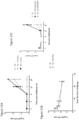
Figure 1 shows the survival of mice inoculated with Pseudomonas aeruginosa strain 6077 (A) or Staphylococcus aureus strain SF8300 (B). -
Figure 2A shows the survival of mice inoculated with P. aeruginosa ("PA 6077"), S. aureus ("SA SF8300) ("Combo Infection").Figure 2B shows the colony forming units (CFU) of P. aeruginosa ("PA CFU") and S. aureus ("SA CFU") from the lungs of mice inoculated with P. aeruginosa and/or S. aureus. -
Figure 3 shows the CFU of P. aeruginosa ("PA Counts") and S. aureus ("SA Counts") measured in mice inoculated with P. aeruginosa ("PA"), S. aureus ("SA"), or both (SA+PA). -
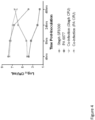
Figure 4 shows the CFU per mL of lung homogenate in inoculated mice. Mice were inoculated with wild-type S. aureus ("SA SF8300 WT") alone (circles) or in combination with P. aeruginosa ("PA 6077") (triangles), where levels of S. aureus were measured at 4, 8, 24 and 48 hours post-inoculation. Mice were also inoculated with P. aeruginosa ("PA 6077") alone (squares) or in combination with wild-type S. aureus ("SA SF8300 WT"), where levels of P. aeruginosa ("PA") were measured at 4, 8, 24 and 48 hours post-inoculation. -
Figure 5 shows the survival of mice inoculated with wild-type S. aureus ("SA SF8300 WT" ), S. aureus containing a deletion in the gene encoding for alpha toxin ("SA SF8300 Δhla"), P. aeruginosa ("PA 6077"), or a combination thereof. -
Figure 6A shows the survival of mice that received S. aureus alpha toxin ("AT"), P. aeruginosa ("PA 6077"), P. aeruginosa in combination with alpha toxin, or P. aeruginosa in combination with alpha toxin and an anti-alpha toxin antibody (LC10).Figure 6B also shows the survival of mice that received S. aureus alpha toxin ("AT"), and P. aeruginosa ("PA 6077"), and also shows the survival of mice that received wild-type S. aureus ("SA SF8300 WT"), wild-type S. aureus ("SA SF8300 WT") in combination with P. aeruginosa ("PA 6077"), or P. aeruginosa ("PA 6077") with a cell pellet obtained from heat-killed S. aureus ("SA HK Cells") or supernatant obtained from heat-killed S. aureus ("SA HK SUP"). -
Figure 7 shows the level of P. aeruginosa in mice treated with P. aeruginosa ("PA 6077") alone or in combination with wild-type S. aureus ("SA SF8300 WT), S. aureus containing a deletion in the gene encoding for alpha toxin ("SA SF8300 Δhla"), alpha toxin (AT), or both alpha toxin and the anti-alpha toxin antibody LC10. -
Figure 8 shows the survival of mice that received either a control antibody ("R347"), an anti-S. aureus alpha toxin antibody ("LC10"), an anti-P. aeruginosa antibody ("3902"), or a combination of an anti-S. aureus alpha toxin antibody ("LC10") and an anti-P. aeruginosa antibody ("3902"), and were then inoculated with S. aureus ("SA") and P. aeruginosa ("PA"). -
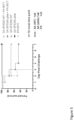
Figure 9 shows the survival of mice that received a combination of 15 mg/kg anti-S. aureus alpha toxin antibody ("LC10") and 1 mg/kg anti-P. aeruginosa antibody ("3902") or 15 mg/kg control antibody ("R347") 48 hours before, 24 hours before, or 1 hour after inoculation with S. aureus ("SA") and P. aeruginosa ("PA"). -
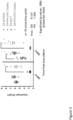
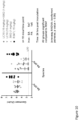
Figure 10 shows the levels of S. aureus ("SA CFU") and P. aeruginosa ("PA CFU") in mice receiving either 15 mg/kg anti-S. aureus alpha toxin antibody ("LC10"), 1 mg/kg anti-P. aeruginosa antibody ("3902"), or 15 mg/kg control antibody ("R347"). -
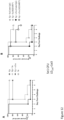
Figure 11(A) shows that LC10 reduces pulmonary CFU and dissemination. A) Groups of mice were injected with LC10 (□), or the iso-type control IgG (∘) and challenged intranasally 24 h later with 1e5 CFU of P.aeruginosa and 5e7 CFU S.aureus, or P.aeruginosa + AT. Lungs and spleens were removed at the indicated times for CFU determination.Figure 11(B) S. aureus bacterial burden in the spleens of mice in the mono (Sa) or co-infected (Sa + Pa (Sa)) mice at the indicated time points following intranasal challenge as described above.Figure 11(C) Numbers of P. aeruginosa recovered from distal organs at 24 and 48 h in mono infection, co-infection and co-infection combined with prophylaxis using LC10. -
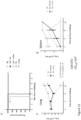
Figure 12 shows that α-Toxin also potentiates Klebsiella pneumoniae and Acinetobacter baumannii virulence in lung infection model. A) Groups of mice were infected intranasally with K. pneumonia 5e1 (■), K. pneumoniae 5e1 + S. aureus (5e7) (△), K. pneumoniae 5e1 + AT (●), S. aureus (△). Survival was monitored for 7 days B) Animals were injected with LC10 (△),or the iso-type IgG (A) and challenged intranasally 24 h later as described above with K. pneumoniae + S. aureus, or K. pneumoniae + AT LC10 (∘),or the iso-type IgG (●) . CFU recovery from the lungs (C) and spleens (D) 24 h post-challenge. E) Groups of mice were infected intranasally with A. baumannii (8e5) (■), A. baumannii 8e5 + S. aureus (5e7) (△), A. baumannii 8e5 + AT (●), S. aureus (△).Animals were injected with LC10 (△),or the iso-type IgG (A) and challenged intranasally 24 h later with A. baumannii + S. aureus, or A. baumannii + AT LC10 (∘),or the iso-type IgG (●). CFU recovery from the lungs (F) and spleens (G) 24 h post-challenge. - It is to be noted that the term "a" or "an" entity refers to one or more of that entity; for example, "an antibody or antigen-binding fragment thereof" is understood to represent one or more antibodies or antigen-binding fragments thereof. As such, the terms "a" (or "an"), "one or more," and "at least one" can be used interchangeably herein.
- The term "antibody" means an immunoglobulin molecule that recognizes and specifically binds to a target, such as a protein, polypeptide, peptide, carbohydrate, polynucleotide, lipid, or combinations of the foregoing through at least one antigen recognition site within the variable region of the immunoglobulin molecule. As used herein, the term "antibody" encompasses intact polyclonal antibodies, intact monoclonal antibodies, antibody fragments (such as Fab, Fab', F(ab')2, and Fv fragments), single chain Fv (scFv) mutants, multispecific antibodies such as bispecific antibodies generated from at least two intact antibodies, chimeric antibodies, humanized antibodies, human antibodies, fusion proteins comprising an antigen determination portion of an antibody, and any other modified immunoglobulin molecule comprising an antigen recognition site so long as the antibodies exhibit the desired biological activity. An antibody can be of any the five major classes of immunoglobulins: IgA, IgD, IgE, IgG, and IgM, or subclasses (isotypes) thereof (e.g. IgG1, IgG2, IgG3, IgG4, IgA1 and IgA2), based on the identity of their heavy-chain constant domains referred to as alpha, delta, epsilon, gamma, and mu, respectively. The different classes of immunoglobulins have different and well known subunit structures and three-dimensional configurations. Antibodies can be naked or conjugated to other molecules such as toxins, radioisotopes, etc.
- The term "antibody fragment" refers to a portion of an intact antibody and refers to the antigenic determining variable regions of an intact antibody. Examples of antibody fragments include, but are not limited to Fab, Fab', F(ab')2, and Fv fragments, linear antibodies, single chain antibodies, and multispecific antibodies formed from antibody fragments.
- A "monoclonal antibody" refers to a homogeneous antibody population involved in the highly specific recognition and binding of a single antigenic determinant, or epitope. This is in contrast to polyclonal antibodies that typically include different antibodies directed against different antigenic determinants.
- The term "monoclonal antibody" encompasses both intact and full-length monoclonal antibodies as well as antibody fragments (such as Fab, Fab', F(ab')2, Fv), single chain (scFv) mutants, fusion proteins comprising an antibody portion, and any other modified immunoglobulin molecule comprising an antigen recognition site. Furthermore, "monoclonal antibody" refers to such antibodies made in any number of ways including, but not limited to, by hybridoma, phage selection, recombinant expression, and transgenic animals.
- The term "humanized antibody" refers to an antibody derived from a non-human (e.g., murine) immunoglobulin, which has been engineered to contain minimal non-human (e.g., murine) sequences. Typically, humanized antibodies are human immunoglobulins in which residues from the complementary determining region (CDR) are replaced by residues from the CDR of a non-human species (e.g., mouse, rat, rabbit, or hamster) that have the desired specificity, affinity, and capability (Jones et al., 1986, Nature, 321:522-525; Riechmann et al., 1988, Nature, 332:323-327; Verhoeyen et al., 1988, Science, 239:1534-1536). In some instances, the Fv framework region (FW) residues of a human immunoglobulin are replaced with the corresponding residues in an antibody from a non-human species that has the desired specificity, affinity, and capability.
- The humanized antibody can be further modified by the substitution of additional residues either in the Fv framework region and/or within the replaced non-human residues to refine and optimize antibody specificity, affinity, and/or capability. In general, the humanized antibody will comprise substantially all of at least one, and typically two or three, variable domains containing all or substantially all of the CDR regions that correspond to the non-human immunoglobulin whereas all or substantially all of the FR regions are those of a human immunoglobulin consensus sequence. The humanized antibody can also comprise at least a portion of an immunoglobulin constant region or domain (Fc), typically that of a human immunoglobulin. Examples of methods used to generate humanized antibodies are described in
U.S. Pat. Nos. 5,225,539 or5,639,641 . - A "variable region" of an antibody refers to the variable region of the antibody light chain or the variable region of the antibody heavy chain, either alone or in combination. The variable regions of the heavy and light chain each consist of four framework regions (FW) connected by three complementarity determining regions (CDRs) also known as hypervariable regions. The CDRs in each chain are held together in close proximity by the FW regions and, with the CDRs from the other chain, contribute to the formation of the antigen-binding site of antibodies. There are at least two techniques for determining CDRs: (1) an approach based on cross-species sequence variability (i.e., Kabat et al. Sequences of Proteins of Immunological Interest, (5th ed., 1991, National Institutes of Health, Bethesda Md.)); and (2) an approach based on crystallographic studies of antigen-antibody complexes (Al-lazikani et al. (1997) J. Molec. Biol. 273:927-948)). In addition, combinations of these two approaches are sometimes used in the art to determine CDRs.
- The Kabat numbering system is generally used when referring to a residue in the variable domain (approximately residues 1-107 of the light chain and residues 1-113 of the heavy chain) (e.g,, Kabat et al., Sequences of Immunological Interest, 5th Ed. Public Health Service, National Institutes of Health, Bethesda, Md. (1991)).
- The amino acid position numbering as in Kabat, refers to the numbering system used for heavy chain variable domains or light chain variable domains of the compilation of antibodies in Kabat et al., Sequences of Proteins of Immunological Interest, 5th Ed. Public Health Service, National Institutes of Health, Bethesda, Md. (1991). Using this numbering system, the actual linear amino acid sequence can contain fewer or additional amino acids corresponding to a shortening of, or insertion into, a FW or CDR of the variable domain. For example, a heavy chain variable domain can include a single amino acid insert (residue 52a according to Kabat) after residue 52 of H2 and inserted residues (e.g., residues 82a, 82b, and 82c, etc. according to Kabat) after heavy chain FW residue 82.
Table 1 Loop Kabat AbM Chothia L1 L24-L34 L24-L34 L24-L34 L2 L50-L56 L50-L56 L50-L56 L3 L89-L97 L89-L97 L89-L97 H1 H31-H35B H26-H35B H26-H32..34 (Kabat Numbering) H1 H31-H35 H26-H35 H26-H32 (Chothia Numbering) H2 H50-H65 H50-H58 H52-H56 H3 H95-H102 H95-H102 H95-H102 - The Kabat numbering of residues can be determined for a given antibody by alignment at regions of homology of the sequence of the antibody with a "standard" Kabat numbered sequence. Chothia refers instead to the location of the structural loops (Chothia and Lesk, J. Mol. Biol. 196:901-917 (1987)). The end of the Chothia CDR-H1 loop when numbered using the Kabat numbering convention varies between H32 and H34 depending on the length of the loop (this is because the Kabat numbering scheme places the insertions at H35A and H35B; if neither 35A nor 35B is present, the loop ends at 32; if only 35A is present, the loop ends at 33; if both 35A and 35B are present, the loop ends at 34). The AbM hypervariable regions represent a compromise between the Kabat CDRs and Chothia structural loops, and are used by Oxford Molecular's AbM antibody modeling software.
- As used herein the Fc region includes the polypeptides comprising the constant region of an antibody excluding the first constant region immunoglobulin domain. Thus Fc refers to the last two constant region immunoglobulin domains of IgA, IgD, and IgG, and the last three constant region immunoglobulin domains of IgE and IgM, and the flexible hinge N-terminal to these domains. For IgA and IgM Fc can include the J chain. For IgG, Fc comprises immunoglobulin domains Cgamma2 and Cgamma3 (Cγ2 and Cγ3) and the hinge between Cgamma1 (Cγ1) and Cgamma2 (Cγ2). Although the boundaries of the Fc region can vary, the human IgG heavy chain Fc region is usually defined to comprise residues C226 or P230 to its carboxyl-terminus, wherein the numbering is according to the EU index as set forth in Kabat (Kabat et al., Sequences of Proteins of Immunological Interest, 5th Ed. Public Health Service, National Institutes of Health, Bethesda, Md. (1991)). Fc can refer to this region in isolation, or this region in the context of an antibody, antibody fragment, or Fc fusion protein. Polymorphisms have been observed at a number of different Fc positions, including but not limited to positions 270, 272, 312, 315, 356, and 358 as numbered by the EU index, and thus slight differences between the presented sequence and sequences in the prior art may exist.
- The term "human antibody" means an antibody produced by a human or an antibody having an amino acid sequence corresponding to an antibody produced by a human made using any technique known in the art. This definition of a human antibody includes intact or full-length antibodies, fragments thereof, and/or antibodies comprising at least one human heavy and/or light chain polypeptide such as, for example, an antibody comprising murine light chain and human heavy chain polypeptides.
- The term "chimeric antibodies" refers to antibodies wherein the amino acid sequence of the immunoglobulin molecule is derived from two or more species. Typically, the variable region of both light and heavy chains corresponds to the variable region of antibodies derived from one species of mammals (e.g., mouse, rat, rabbit, etc.) with the desired specificity, affinity, and capability while the constant regions are homologous to the sequences in antibodies derived from another (usually human) to avoid eliciting an immune response in that species.
- "Binding affinity" generally refers to the strength of the sum total of non-covalent interactions between a single binding site of a molecule (e.g., an antibody) and its binding partner (e.g., an antigen). Unless indicated otherwise, as used herein, "binding affinity" refers to intrinsic binding affinity which reflects a 1:1 interaction between members of a binding pair (e.g., antibody and antigen). The affinity of a molecule X for its partner Y can generally be represented by the dissociation constant (KD). Affinity can be measured by common methods known in the art, including those described herein. Low-affinity antibodies generally bind antigen slowly and tend to dissociate readily, whereas high-affinity antibodies generally bind antigen faster and tend to remain bound longer. A variety of methods of measuring binding affinity are known in the art, any of which can be used for purposes of the present disclosure.
- The term "bispecific antibody" as used herein refers to an antibody that has binding sites for two different antigens within a single antibody molecule. It will be appreciated that other molecules in addition to the canonical antibody structure can be constructed with two binding specificities. It will further be appreciated that antigen binding by bispecific antibodies can be simultaneous or sequential. Triomas and hybrid hybridomas are two examples of cell lines that can secrete bispecific antibodies. Bispecific antibodies can also be constructed by recombinant means.
- By "specifically binds," it is generally meant that an antibody binds to an epitope via its antigen binding domain, and that the binding entails some complementarity between the antigen binding domain and the epitope. According to this definition, an antibody is said to "specifically bind" to an epitope when it binds to that epitope, via its antigen binding domain more readily than it would bind to a random, unrelated epitope. The term "specificity" is used herein to qualify the relative affinity by which a certain antibody binds to a certain epitope. For example, antibody "A" may be deemed to have a higher specificity for a given epitope than antibody "B," or antibody "A" may be said to bind to epitope "C" with a higher specificity than it has for related epitope "D."
- By "preferentially binds," it is meant that the antibody specifically binds to an epitope more readily than it would bind to a related, similar, homologous, or analogous epitope. Thus, an antibody which "preferentially binds" to a given epitope would more likely bind to that epitope than to a related epitope, even though such an antibody may cross-react with the related epitope.
- An antibody is said to "competitively inhibit" binding of a reference antibody to a given epitope if it preferentially binds to that epitope to the extent that it blocks, to some degree, binding of the reference antibody to the epitope. Competitive inhibition may be determined by any method known in the art, for example, competition ELISA assays. An antibody may be said to competitively inhibit binding of the reference antibody to a given epitope by at least 90%, at least 80%, at least 70%, at least 60%, or at least 50%.
- The term "YTE" mutations refers to a combination of the three mutations, M252Y, S254T, and T256E, wherein the numbering is according to the EU index as set forth in Kabat, introduced into the heavy chain of an IgG. See
U.S. Patent No. 7,658,921 . - Terms such as "treating" or "treatment" or "to treat" or "alleviating" or "to alleviate" refer to therapeutic measures that cure, slow down, lessen symptoms of, and/or halt progression of a diagnosed pathologic condition or disorder, e.g., infection. Thus, those in need of treatment include those already diagnosed with or suspected of having the disorder. A subject may be successfully "treated" for a microbial infection according to the methods of the present disclosure if the patient shows one or more of the following: a reduction in the symptoms of microbial infection, a reduction in the number or a complete absence of the microbe in the patient (e.g., as assessed using a sample obtained from the patient), reduction in the amount or complete absence of an indicator of the microbe (e.g., alpha toxin of S. aureus) in the patient, and/or a reduction in the severity and/or frequency of a symptom or symptoms of the infection.
- Prophylactic or preventative measures refer to measures that prevent and/or slow the development of a targeted pathologic condition or disorder, e.g., infection. Thus, those in need of prophylactic or preventative measures include those prone to have the disorder and those in whom the disorder is to be prevented.
- The term "pharmaceutical formulation" "pharmaceutical composition" refers to a preparation which is in such form as to permit the biological activity of the active ingredient to be effective, and which contains no additional components which are unacceptably toxic to a subject to which the formulation would be administered. The formulation can be sterile.
- An "effective amount" of an antibody or immunoconjugate as disclosed herein is an amount sufficient to carry out a specifically stated purpose. An "effective amount" can be determined empirically and in a routine manner, in relation to the stated purpose.
- Administration "in combination with" one or more further therapeutic agents includes simultaneous (concurrent) and consecutive administration in any order.
- In certain aspects, the antibody or antigen-binding fragment thereof for use according to the methods provided herein specifically binds to a Staphylococcus antigen (e.g., polypeptide and/or carbohydrate).
- In certain aspects, the antibody or antigen-binding fragment thereof specifically binds to a Staphylococcus aureus antigen (e.g., polypeptide and/or carbohydrate). S. aureus expresses a number of virulence factors, including capsular polysaccharides and protein toxins. One virulence factor often associated with S. aureus infection that is the major cytotoxic agent is alpha toxin (also known as alpha-hemolysin or Hla), a pore-forming and hemolytic exoprotein produced by most pathogenic strains of S. aureus. The toxin forms heptameric pores in membranes of susceptible cells such as white blood cells, platelets, erythrocytes, peripheral blood monocytes, macrophages, keratinocytes, fibroblasts and endothelial cells. Alpha toxin pore formation often leads to cell dysfunction or lysis. Accordingly, in certain aspects, the antibody or antigen-binding fragment thereof specifically binds to Staphylococcus aureus alpha toxin. In certain aspects, the S. aureus alpha toxin comprises the amino acid sequence of SEQ ID NO:70.
Table 2: Anti-Alpha Toxin Antibody Sequence SEQ ID NOs Antibody VL VL CDR1 VL CDR2 VL CDR3 VH VH CDR1 VH CDR2 VH CDR3 LC10 46 1 2 56 45 57 58 59 - The antibody or antigen-binding fragment thereof that specifically binds to S. aureus alpha toxin binds to the same alpha toxin epitope as an antibody comprising the heavy chain variable region (VH) and light chain variable region (VL) sequences of; SEQ ID NOs:45 and 46; The antibody or antigen-binding fragment thereof that specifically binds to S. aureus alpha toxin binds to the same alpha toxin epitope as an antibody comprising the VH and VL sequences of SEQ ID NOs:45 and 46.
- The antibody or antigen-binding fragment thereof that specifically binds to S. aureus alpha toxin competitively inhibits the binding of an antibody comprising the VH and VL sequences of SEQ ID NOs:45 and 46 to S. aureus alpha toxin. The antibody or antigen-binding fragment thereof that specifically binds to S. aureus alpha toxin competitively inhibits the binding of an antibody comprising the VH and VL sequences of SEQ ID NOs:45 and 46 to S. aureus alpha toxin.
- The antibody or antigen-binding fragment thereof that specifically binds to S. aureus alpha toxin is an antibody or antigen-binding fragment thereof comprising (a) a VH CDR1 comprising the amino acid sequence of SEQ ID NO:57; (b) a VH CDR2 comprising the amino acid sequence of SEQ ID NO:58; (c) a VH CDR3 comprising the amino acid sequence of SEQ ID NO:59; (d) a VL CDR1 comprising the amino acid sequence of SEQ ID NO:1; (e) a VL CDR2 comprising the amino acid sequence of SEQ ID NO:2; and (f) a VL CDR3 comprising the amino acid sequence of SEQ ID NO:56.
- The VH CDR1, VH CDR2, VH CDR3, VL CDR1, VL CDR2, and VL CDR3 comprise the amino acid sequences of SEQ ID NOs:57, 58, 59, 1, 2, and 56. The VH CDR1, VH CDR2, VH CDR3, VL CDR1, VL CDR2, and VL CDR3 correspond to the amino acid sequences of SEQ ID NOs:57, 58, 59, 1, 2, and 56.
- The VH and VL comprise the amino acid sequences of SEQ ID NOs:45 and 46. The VH and VL correspond to the amino acid sequences of SEQ ID NOs:45 and 46.
- In certain aspects, the antibody or antigen-binding fragment thereof that specifically binds to S. aureus alpha toxin comprises a heavy chain comprising the amino acid sequence of SEQ ID NO:68 and a light chain comprising the amino acid sequence of SEQ ID NO:69 (i.e., MEDI4893).
- The antibody or antigen-binding fragment thereof that specifically binds to S. aureus alpha toxin may bind to a fragment of the S. aureus alpha toxin of SEQ ID NO:70 comprising (a) amino acids 261-272 of SEQ ID NO:70; (b) amino acids 173-201 of SEQ ID NO:70; (c) amino acids 261-272 of SEQ ID NO:70 and amino acids 173-201 of SEQ ID NO:70; or (d) amino acids 248-277 of SEQ ID NO:70. The antibody or antigen-binding fragment thereof that specifically binds to S. aureus alpha toxin may bind to a fragment of the S. aureus alpha toxin of SEQ ID NO:70 consisting of (a) amino acids 261-272 of SEQ ID NO:70; (b) amino acids 173-201 of SEQ ID NO:70; (c) amino acids 261-272 of SEQ ID NO:70 and amino acids 173-201 of SEQ ID NO:70; or (d) amino acids 248-277 of SEQ ID NO:70.
- The antibody or antigen-binding fragment thereof that specifically binds to S. aureus alpha toxin may (a) have an affinity constant (KD) for alpha toxin of about 13 nM or less; (b) binds to alpha toxin monomers, but not inhibit binding of alpha toxin to alpha toxin receptor; (c) inhibits the formation of alpha toxin oligomers by at least 50%, 60%, 70%, 80%, 90%, or 95%; (d) reduces alpha toxin cytolytic activity by at least 50%, 60%, 70%, 80%, 90%, or 95% (e.g., as determined by cell lysis and hemolysis assays); (e) reduces cell infiltration and pro-inflammatory cytokine release; or (f) a combination thereof.
- An antibody or antigen-binding fragment thereof as described herein may specifically binds to an S. aureus epitope (e.g., alpha toxin) with an affinity characterized by a dissociation constant (KD) no greater than 5 × 10⁻² M, 10-2 M, 5 × 10⁻³ M, 10-3 M, 5 × 10⁻⁴ M, 10-4 M, 5 × 10⁻⁵ M, 10-5 M, 5 × 10⁻⁶ M, 10-6 M, 5 × 10⁻⁷ M, 10-7 M, 5 × 10⁻⁸ M, 10-8 M, 5 × 10⁻⁹ M, 10-9 M, 5 × 10⁻¹⁰ M, 10-10 M, 5 × 10-11 M, 10-11 M, 5 × 10-12 M, 10-12 M, 5 × 10-13 M, 10-13 M, 5 × 10-14 M, 10-14 M, 5 × 10-15 M, or 10-15 M.
- An anti-alpha toxin antibody or antigen-binding fragment may alters the biological properties of alpha toxin, alpha toxin expressing cells, or other bacterial cells. An anti-alpha toxin antibody or antigen-binding fragment may neutralize the biological activity of alpha toxin by binding to the polypeptide and inhibiting the assembly of alpha toxin monomers into a transmembrane pore (e.g., alpha toxin heptamer). Neutralization assays can be performed using methods known in the art using, in some circumstances, commercially available reagents. Neutralization of alpha toxin often is measured with an IC50 of 1×10⁻⁶ M or less, 1×10⁻⁷ M or less, 1×10⁻⁸ M or less, 1×10⁻⁹ M or less, 1×10⁻¹⁰ M or less and 1×10-11 M or less. An anti-alpha toxin antibody or fragment may neutralize the ability of alpha toxin to oligomerize and form a transmembrane pore. The term "
inhibitory concentration 50%" (abbreviated as "IC50") represents the concentration of an inhibitor (e.g., an anti-alpha toxin antibody or fragment provided herein) that is required for 50% inhibition of a given activity of the molecule the inhibitor targets (e.g., alpha toxin oligomerization to form a transmembrane pore heptamer complex). A lower IC50 value generally corresponds to a more potent inhibitor. - An anti-alpha toxin antibody or fragment may inhibit one or more biological activities of alpha toxin. The term "inhibition" as used herein, refers to any statistically significant decrease in biological activity, including full blocking of the activity. For example, "inhibition" can refer to a decrease of about 10%, 20%, 30%, 40%, 50%, 60%, 70%, 80%, 90%, or 100% in biological activity. An anti-alpha toxin antibody or fragment may inhibit one or more biological activities of alpha toxin by at least 10%, 20%, 30%, 40%, 50%, 60%, 70%, 80%, 90%, or 100%.
- An anti-alpha toxin antibody or fragment may deplete alpha toxin secreted by pathogenic S. aureus. An anti-alpha toxin antibody or fragment may achieve at least about 20%, at least about 30%, at least about 40%, at least about 50%, at least about 60%, at least about 70%, at least about 80%, at least about 90%, at least about 95%, or about 100% depletion of alpha toxin secreted by S. aureus.
- An anti-alpha toxin antibody or fragment may inhibit in vitro stimulated alpha toxin activity (e.g., receptor binding, oligomerization) and/or proliferation of cells expressing or secreting alpha toxin. An anti-alpha toxin antibody or fragment sometimes inhibits in vitro alpha toxin activity, S. aureus pathogenicity by at least about 10%, at least about 20%, at least about 30%, at least about 40%, at least about 50% or at least about 75%. Methods for measuring cell proliferation, pathogenicity, and alpha hemolysin activity are known in the art.
- An anti-alpha toxin antibody or antigen-binding fragment may inhibit the expression of one or more inducible genes that responds directly or indirectly to the environment created by S. aureus infection and/or alpha toxin expression and function. An anti-alpha toxin antibody or antigen-binding fragment may inhibit the expression of one or more inducible genes that responds directly or indirectly to the environment created by S. aureus infection and/or alpha toxin expression and function by at least 20%, by at least 30%, by at least 40%, by at least 50%, by at least 60%, by at least 70%, by at least 80%, by at least 90%, by at least 100%, by at least 120%, by at least 140%, by at least 160%, by at least 180%, or by at least 200%
- In certain embodiments, an anti-Staphylococcus antibody or antigen-binding fragment provided herein can be formulated with a pharmaceutically acceptable carrier as pharmaceutical (therapeutic) compositions, and can be administered by a variety of methods known in the art. The route and/or mode of administration may vary depending upon the desired results. As used herein, the pharmaceutical formulations comprising an anti-Staphylococcus antibody or antigen-binding fragment are referred to as formulations of the technology. The term "pharmaceutically acceptable carrier" means one or more non-toxic materials that do not interfere with the effectiveness of the biological activity of the active ingredients. Such preparations routinely contain salts, buffering agents, preservatives, compatible carriers, and optionally other therapeutic agents. Such pharmaceutically acceptable preparations also routinely contain compatible solid or liquid fillers, diluents or encapsulating substances which are suitable for administration into a human. The term "carrier" denotes an organic or inorganic ingredient, natural or synthetic, with which the active ingredient is combined to facilitate the application. The components of the pharmaceutical compositions also are capable of being comingled with the antibodies and antigen-binding fragments thereof of the present technology, and with each other, in a manner such that there is no interaction which would substantially impair the desired pharmaceutical efficacy.
- Therapeutic compositions of the present technology can be formulated for a particular dosage. Dosage regimens can be adjusted to provide the optimum desired response (e.g., a therapeutic response). For example, a single bolus can be administered, several divided doses can be administered over time or the dose can be proportionally reduced or increased as indicated by the exigencies of the therapeutic situation. It is especially advantageous to formulate parenteral compositions in dosage unit form for ease of administration and uniformity of dosage. Dosage unit form as used herein refers to physically discrete units suited as unitary dosages for the subjects to be treated; each unit contains a predetermined quantity of active compound calculated to produce the desired therapeutic effect in association with the required pharmaceutical carrier.
- Therapeutic compositions of the present technology can be formulated for particular routes of administration, such as oral, nasal, pulmonary, topical (including buccal and sublingual), rectal, vaginal, and/or parenteral administration. The formulations can conveniently be presented in unit dosage form and can be prepared by any methods known in the art of pharmacy. The amount of active ingredient which can be combined with a carrier material to produce a single dosage form will vary depending upon the subject being treated, and the particular mode of administration. The amount of active ingredient which can be combined with a carrier material to produce a single dosage form will generally be that amount of the composition which produces a therapeutic effect.
- The invention provides an antibody or antigen-binding fragment thereof comprising the VH and VL sequences of SEQ ID NOs: 45 and 46 for use in the treatment or prevention of a polybacterial infection in a patient, wherein the polybacterial infection comprises S. aureus and at least one other gram negative bacterium, the growth of which is potentiated by the S. aureus alpha toxin. Administration of the anti-S.aureus antibody or antigen-binding fragment thereof (e.g., an anti-alpha toxin antibody or antigen-binding fragment thereof) can inhibit the growth of at least one other bacterium. Administration of the anti-Saureus antibody or antigen-binding fragment thereof (e.g., an anti-alpha toxin antibody or antigen-binding fragment thereof) can increase survival. Administration of the anti-Saureus antibody or antigen-binding fragment thereof (e.g., an anti-alpha toxin antibody or antigen-binding fragment thereof) can decrease mortality.
- The number of colony forming units (CFU) in a samples obtained from a patient with a polybacterial infection can provide an indication of the severity of the infection. Administration of an antibody or antigen-binding fragment thereof that specifically binds to a Staphylococcus aureus antigen (e.g., alpha toxin) may decreases Pseudomonas (e.g., P. aeruginosa) CFU in a sample obtained from a patient by at least 50%. Administration of an antibody or antigen-binding fragment thereof that specifically binds to a Staphylococcus aureus antigen (e.g., alpha toxin) may decrease Pseudomonas (e.g., P. aeruginosa) CFU in a sample obtained from a patient by at least 75%. Administration of an antibody or antigen-binding fragment thereof that specifically binds to a Staphylococcus aureus antigen (e.g., alpha toxin) may decreases Pseudomonas (e.g., P. aeruginosa) CFU in a sample obtained from a patient by at least 80%. Administration of an antibody or antigen-binding fragment thereof that specifically binds to a Staphylococcus aureus antigen (e.g., alpha toxin) may decrease Pseudomonas (e.g., P. aeruginosa) CFU in a sample obtained from a patient by at least 85%. Administration of an antibody or antigen-binding fragment thereof that specifically binds to a Staphylococcus aureus antigen (e.g., alpha toxin) may decrease Pseudomonas (e.g., P. aeruginosa) CFU in a sample obtained from a patient by at least 90%. Administration of an antibody or antigen-binding fragment thereof that specifically binds to a Staphylococcus aureus antigen (e.g., alpha toxin) may decrease Pseudomonas (e.g., P. aeruginosa) CFU in a sample obtained from a patient by at least 95%. Administration of an antibody or antigen-binding fragment thereof that specifically to a Staphylococcus aureus antigen (e.g., alpha toxin) may decreases Pseudomonas (e.g., P. aeruginosa) CFU in a sample obtained from a patient by at least 96%. Administration of an antibody or antigen-binding fragment thereof that specifically binds to a Staphylococcus aureus antigen (e.g., alpha toxin) may decrease Pseudomonas (e.g., P. aeruginosa) CFU in a sample obtained from a patient by at least 97%. Administration of an antibody or antigen-binding fragment thereof that specifically binds to a Staphylococcus aureus antigen (e.g., alpha toxin) may decrease Pseudomonas (e.g., P. aeruginosa) CFU in a sample obtained from a patient by at least 98%. Administration of an antibody or antigen-binding fragment thereof that specifically binds to a Staphylococcus aureus antigen (e.g., alpha toxin) may decreases Pseudomonas (e.g., P. aeruginosa) CFU in a sample obtained from a patient by at least 99%. Administration of an antibody or antigen-binding fragment thereof that specifically binds to a Staphylococcus aureus antigen (e.g., alpha toxin) may eliminates Pseudomonas (e.g., P. aeruginosa) CFU in a sample obtained from a patient.
- The polybacterial infection may be an ocular infection, a lung infection, a burn infection, a wound infection, a surgical wound infection, a skin infection, a soft tissue infection, a blood infection, a bone infection, or a combination of two or more of said infections.
- The patient may suffer from acute pneumonia, burn injury, corneal infection, cystic fibrosis, ventilator-associated pneumonia, a skin infection, a wound infection, or a combination thereof.
- Methods of preparing and administering anti-bacterial antibodies or antigen-binding fragments thereof (e.g. anti-Staphylococcus, anti-S. aureus, anti-alpha toxin, anti-Pseudomonas, anti-P. aeruginosa, anti-Psl, anti-PcrV, or anti-Psl and PcrV antibodies, or antigen-binding fragments thereof) are well known to or are readily determined by those skilled in the art. The route of administration of the anti-bacterial antibodies or antigen-binding fragments thereof can be, for example, oral, parenteral, by inhalation or topical. The term parenteral as used herein includes, e.g., intravenous, intraarterial, intraperitoneal, intramuscular, or subcutaneous administration. A suitable form for administration would be a solution for injection, in particular for intravenous or intraarterial injection or drip. However, in other methods compatible with the disclosures herein, anti-bacterial antibodies or antigen-binding fragments thereof can be delivered directly to the site of the adverse cellular population e.g., infection thereby increasing the exposure of the diseased tissue to the therapeutic agent. For example, anti-bacterial antibodies or antigen-binding fragment thereof can be directly administered to ocular tissue, burn injury, or lung tissue.
- Anti-bacterial antibodies or antigen-binding fragments thereof (e.g. anti-Staphylococcus, anti-S. aureus, anti-alpha toxin, anti-Pseudomonas, anti-P. aeruginosa, anti-Psl, anti-PcrV, or anti-Psl and PcrV antibodies, or antigen-binding fragments thereof) can be administered in a pharmaceutically effective amount for the in vivo treatment of polybacterial infections (e.g., infections comprising Staphylococcus and/or Pseudomonas bacteria). In this regard, it will be appreciated that the antibodies or antigen-binding fragments thereof are formulated so as to facilitate administration and promote stability of the active agent.
- Anti-bacterial antibodies or antigen-binding fragments thereof (e.g. anti-alpha toxin, or antigen-binding fragments thereof) may be used in combination with other anti-bacterial agents such as antibiotics. Antibiotics include, for example, beta-lactam antibiotics (such as cephalexin), sulfa drugs (like co-trimoxazole/trimethoprim-sulfamethoxazole), tetracyclines (like doxycycline and minocycline), clindamycin, vancomycin, linezolid, daptomycin, teicoplanin, quinupristin/dalfopristin (synercid), tigecycline, ciprofloxacin, meropenem, tobramycin, and aztreonam. In certain embodiments, the antibiotic is ciprofloxacin.
- Mice were inoculated with either
Pseudomonas aeruginosa strain 6077 or Staphylococcus aureus strain SF8300 and their survival was assessed. Mice (n=10) were briefly anesthetized in 3% isoflurane/O2, and 50 µl of bacteria (at various concentrations) was deposited on the tip of the nares. Mortality was monitored for seven days. As shown inFigure 1A , all mice treated with 7.5e4 colony forming units (CFU) of P. aeruginosa survived over the seven day period, but no mice treated with 8.00e5 CFU survived. In addition, all mice treated with 1.25e8 CFU S. aureus survived over the seven day period, but no mice treated with either 2.25e8 or 3.25e8 CFU S. aureus survived (Figure 1B ). - In order to investigate, co-infection kinetics, mice were inoculated with a mixture of P. aeruginosa and S. aureus at a final concentration of 5.5e7 CFU per mouse of S. aureus and 1.1e5 CFU per mouse of P. aeruginosa. Mortality was monitored for seven days. As shown in
Figure 1 , these doses were well below the lethal doses when administered individually. Therefore, the majority of the mice treated with either P. aeruginosa or S. aureus survived (Figure 2A ). However, none of the mice treated with the combination survived (Figure 2A ). - P. aeruginosa and S. aureus colonization in the mice was also examined. In these experiments, mice were inoculated with a combination of P. aeruginosa and S. aureus as described above, and five mice/group were euthanized at various times. Their lungs were removed, and following homogenization in 1 mL phosphate buffered saline (PBS), aliquots were plated on mannitol-salt agar in order to quantitate S. aureus or on pseudomonoas isolation agar in order to quantitate P. aeruginosa. Levels of P. aeruginosa were significantly higher in mice inoculated with both P. aeruginosa and S. aureus than in mice inoculated with only P. aeruginosa (
Figure 2B ). In addition, levels of P. aeruginosa were significantly higher in mice inoculated with both P. aeruginosa and S. aureus than in mice inoculated with only P. aeruginosa at both 24 hours and 36 hours post-inoculation (Figure 3 ). In an additional experiment, colonization in mice inoculated with 6.1e7 CFU S. aureus and/or 1.3e5 CFU P. aeruginosa was also examined. In these experiments, levels of S. aureus were significantly higher in mice inoculated with both P. aeruginosa and S. aureus than in mice inoculated with onlyS. aureus 48 hours post-inoculation (Figure 4 ). - These data demonstrate that S. aureus potentiates growth of P. aeruginosa. Furthermore, these data also demonstrate that S. aureus and P. aeruginosa combination of normally sub-lethal challenge doses increase lethality in a lung infection model. A summary of titration of P. aeruginosa and S. aureus challenge doses in a lung co-infection model is shown below where the intranasal challenge involved the P. aeruginosa strain: 6077 (exoU) : LD100 = ~1e6 and the S. aureus strain: SF8300 (cMRSA) : LD100 = ~2e8.
P. aeruginosa challenge (CFU/mouse S. aureus challenge (CFU/mouse) Survival (7 days) 1e5 0 100% 0 5e7 80-100% 1e5 5e7 0-10% 1e5 2.5 e7 40% 1e4 5e7 100% 1e3 5e7 100% 1e2 5e7 100% - In order to determine if S. aureus alpha toxin was necessary for S. aureus to potentiate P. aeruginosa growth, experiments were conducted with an S. aureus strain containing a deletion in the gene encoding for alpha toxin (also known as alpha-hemolysin (hla)). In these experiments, mice were inoculated with either wild-type (WT) or mutant (Δhla) S. aureus alone (single infection) or in combination with P. aeruginosa (mixed infection). Levels of S. aureus and P. aeruginosa were then measured at 24 hours and 36 hours after inoculation. S. aureus levels were lower in mice receiving inoculations with S. aureus lacking alpha toxin (Δhla) than with wild-type S. aureus. In addition, P. aeruginosa levels were lower in mice receiving inoculations with S. aureus lacking alpha toxin (Δhla) than with wild-type S. aureus.
- The effect of S. aureus alpha toxin on the survival of mice was also evaluated. Mice were inoculated with 1e8 CFU wild-type S. aureus, 1e8 CFU S. aureus lacking alpha toxin, 1e5 CFU P. aeruginosa, or a combination thereof. As shown in
Figure 5 , none of the mice that received both wild-type S. aureus and P. aeruginosa survived. On the other hand all of the mice that received either P. aeruginosa or S. aureus lacking alpha toxin survived (Figure 5 ). Notably, a greater number of mice that received S. aureus lacking alpha toxin in combination with P. aeruginosa survived than mice that received wild-type S. aureus in combination with P. aeruginosa (Figure 5 ). - In order to determine if S. aureus alpha toxin is sufficient to potentiate the growth of P. aeruginosa, mice were inoculated with 1e5 CFU P. aeruginosa, 0.1 µg alpha toxin, or a combination thereof. Those mice inoculated with only P. aeruginosa or alpha toxin survived, but many mice inoculated with the combination did not (
Figure 6A ). Thus, native alpha toxin enhances mortality when combined with P. aeruginosa. Administration of an anti-alpha toxin antibody, LC10, 24 hours prior to the inoculation was sufficient to reverse this effect. Mice receiving the combination of P. aeruginosa and alpha toxin after receiving LC10 survived (Figure 6A ). - Additional experiments demonstrated that heat-killed S. aureus were not able to potentiate growth of P. aeruginosa. Mice inoculated with 1e5 CFU P. aeruginosa in combination with either the cell pellet or supernatant obtained from heat-killed S. aureus survived (
Figure 6B ). - Analysis of P. aeruginosa levels in treated mice revealed similar results. In particular, mice inoculated with 1e5 CFU P. aeruginosa alone showed low levels of P. aeruginosa growth (
Figure 7 ). However, co-inoculating with any of 1e8 CFU S. aureus, 1e8 CFU S. aureus lacking alpha toxin, or 0.1 mg alpha toxin increased P. aeruginosa (Figure 7 ). Administration of 15 mg/kg of LC10 along with the 0.1 mg alpha toxin prevented the increase in P. aeruginosa (Figure 7 ). - These data indicate that the alpha toxin of S. aureus is important for the ability of S. aureus to potentiate growth of P. aeruginosa and is sufficient to potentiate growth of P. aeruginosa. Moreover, an anti-S. aureus alpha toxin antibody suppresses the alpha toxin-medicated P. aeruginosa growth.
- In order to determine if antibodies could increase survival of mice co-inoculated with P. aeruginosa and S. aureus, mice were given 15 mg/kg LC10 (an anti-S. aureus alpha toxin antibody) in combination with 1 mg/kg MEDI3902 (a bispecific antibody that binds to P. aeruginosa Psl and PcrV), or 15 mg/kg isotype control antibody (R347). The antibodies were administered 24 hours prior to inoculation with 1e5 CFU P. aeruginosa and/or 1e8 CFU S. aureus. Mice inoculated with only S. aureus or P. aeruginosa survived (
Figure 8 ). However, mice inoculated with both S. aureus and P. aeruginosa did not survive when they received the control antibody (Figure 8 ). Administration of the LC10 and MEDI3902 antibodies was able to rescue mice receiving both S. aureus and P. aeruginosa (Figure 8 ). - Similar experiments were performed in which the amounts of S. aureus and P. aeruginosa in the inoculations were varied. The inoculations contained 5e7 CFU S. aureus and 1.1e5 CFU P. aeruginosa. The combination of LC10 and MEDI3902 antibodies dramatically increased survival of mice over seven days as compared to the control antibody (R347).
- In order to assess the important of the timing of administration of the protective anti-S. aureus and P. aeruginosa antibodies, mice were given 15 mg/kg LC10 and 1 mg/kg MEDI3902 or 15 mg/kg R347 at three different times: 48-hours prior to inoculation, 24-hours prior to inoculation, or 1 hour after inoculation. All mice were inoculated with 5e7 - 1e8 CFU S. aureus and 5e4 CFU P. aeruginosa. Administration at any of the three times tested was sufficient to increase survival of mice over seven days as compared to administration of the control antibody (
Figure 9 ). - These data demonstrate that the combination of anti-S. aureus and P. aeruginosa antibodies prevents infections by mixed S. aureus and P. aeruginosa colonies.
- In order to examine the effects of individual antibodies on the growth of mixed colonies of S. aureus and P. aeruginosa, mice were given either (i) a combination of 15 mg/kg LC10 and 1 mg/kg MEDI3902, (ii) 15 mg/kg LC10, (iii) 1 mg/kg MEDI3902, or (iv) 15 mg/kg control antibody (R347). The antibodies were administered 24 hours before the mice were inoculated with 5e7 CFU S. aureus and 1e5 CFU P. aeruginosa. Lungs were harvested 24 hours after infection, and the homogenates were plated on selective agar to assess S. aureus and P. aeruginosa growth. Surprisingly, administration of the anti-S. aureus alpha toxin antibody decreased both S. aureus and P. aeruginosa growth, and administration of the anti-P. aeruginosa antibody decreased both S. aureus and P. aeruginosa growth (
Figure 10 ). - These data demonstrate that anti-S. aureus alpha toxin antibodies can inhibit growth of P. aeruginosa in a mixed colony containing both S. aureus and P. aeruginosa. In addition, anti-P. aeruginosa antibodies reduce S. aureus CFU in an S. aureus/ P. aeruginosa co -infection model.
- AT binding to its receptor, ADAM10, on epithelial cell surface results in vascular leakage due to reorganization of junctional proteins and cell lysis (Bubeck Nat Med ADAM10 gp junction). Epithelial necrosis was observed in lung sections from mice infected with S. aureus or treated with AT. Additionally, an increase in airway hemoglobin was observed in mice infected with S. aureus or AT, indicating the presence of red blood cells. Therefore we hypothesized that AT may promote Gram-negative dissemination by perturbation of the epithelial barrier. In the mixed-infection with either S. aureus or purified AT, the spleen contained significantly larger numbers of P. aeruginosa in comparison to animals infected with P. aeruginosa alone (
Fig. 11A ). There was no difference in S. aureus bacterial burden in the spleens of mice in the mono or co-infected mouse groups (Fig. 11B ). Prophylaxis with LC10 significantly decreased the numbers of P. aeruginosa recovered from distal organs at 24 and 48 h (FigFig. 11C ). These data demonstrate that AT promotes systemic dissemination of P. aeruginosa during a mixed infection. - To determine if the effect of AT is specific to P. aeruginosa or could be observed during SA co-infection with other Gram-negative organisms, SA co-infections were performed with either K. pneumoniae or A. baumannii. Sub-lethal IN challenge doses of 5e1 CFU/mouse K. pneumoniae or 1e6 CFU/mouse A. baumannii (1/20 and 1/10 LD100 respectively) with 5e7 CFU/mouse S. aureus resulted in 90-100% lethality and increased Gram-negative bacterial burden in the lung and distal tissues compared to Gram-negative mono-infections (
Figs 12B ,C ,E,F ). Similar to results with Pa, LC10 prophylaxis and co-infection with Δhla prevented lethality and reduced Gram-negative bacterial burden suggesting AT plays a key role in the potentiation of co-infections with these pathogens as well. Consistent with this hypothesis, co-administration of a sub-lethal AT dose along with either Kp or Ab was sufficient to potentiate growth of the Gram-negative pathogen and, to induce a lethal infection. These data show that S. aureus AT expression potentiates respiratory infection with a range of Gram-negative opportunistic bacterial pathogens.
Claims (7)
- An antibody or antigen-binding fragment thereof comprising the VH and VL sequences of SEQ ID NOs: 45 and 46 for use in the treatment or prevention of a polybacterial infection in a patient, wherein the polybacterial infection comprises S. aureus and at least one other gram negative bacterium, the growth of which is potentiated by the S. aureus alpha toxin.
- An antibody or antigen-binding fragment thereof for use according to claim 1, wherein the at least one other bacterium is Pseudomonas aeruginosa (P. aeruginosa), Klebsiella pneumoniae (K. pneumoniae) or Acinetobacter baumannii (A. baumannii).
- An antibody or antigen-binding fragment thereof for use according to claim 1 or 2, wherein the antibody or antigen-binding fragment thereof is administered for two or more prevention ortreatment cycles.
- An antibody or antigen-binding fragment thereof for use according to any one of claims 1- 3, further comprising administering a second anti-bacterial agent.
- An antibody or antigen-binding fragment thereof for use according to claim 4, wherein the second anti-bacterial agent is an antibiotic.
- An antibody or antigen-binding fragment thereof for use according to claim 5, wherein the antibiotic is ciprofloxacin.
- The antibody or antigen-binding fragment thereof for use according to any one of claims 1-6, wherein the antibody comprises a heavy chain comprising the amino acid sequence of SEQ ID NO: 68 and a light chain comprising the amino acid sequence of SEQ ID NO: 69.
Applications Claiming Priority (3)
| Application Number | Priority Date | Filing Date | Title |
|---|---|---|---|
| US201462014506P | 2014-06-19 | 2014-06-19 | |
| US201562140849P | 2015-03-31 | 2015-03-31 | |
| PCT/US2015/036576 WO2015196011A1 (en) | 2014-06-19 | 2015-06-19 | Treatment of polybacterials infections |
Publications (3)
| Publication Number | Publication Date |
|---|---|
| EP3157565A1 EP3157565A1 (en) | 2017-04-26 |
| EP3157565A4 EP3157565A4 (en) | 2018-03-21 |
| EP3157565B1 true EP3157565B1 (en) | 2024-04-24 |
Family
ID=54936121
Family Applications (1)
| Application Number | Title | Priority Date | Filing Date |
|---|---|---|---|
| EP15809174.4A Active EP3157565B1 (en) | 2014-06-19 | 2015-06-19 | Treatment of polybacterials infections |
Country Status (11)
| Country | Link |
|---|---|
| US (1) | US11168132B2 (en) |
| EP (1) | EP3157565B1 (en) |
| JP (2) | JP6845016B2 (en) |
| KR (1) | KR102549870B1 (en) |
| CN (1) | CN106456767B (en) |
| AU (1) | AU2015276938B2 (en) |
| CA (1) | CA2952278A1 (en) |
| ES (1) | ES2983252T3 (en) |
| SG (2) | SG11201609652RA (en) |
| TW (1) | TWI719938B (en) |
| WO (1) | WO2015196011A1 (en) |
Families Citing this family (18)
| Publication number | Priority date | Publication date | Assignee | Title |
|---|---|---|---|---|
| RS57024B1 (en) | 2011-06-10 | 2018-05-31 | Medimmune Ltd | Anti-pseudomonas psl binding molecules and uses thereof |
| US10597439B2 (en) | 2011-11-07 | 2020-03-24 | Medimmune Limited | Combination therapies using anti-pseudomonas PSL and PCRV binding molecules |
| CN104968797B (en) * | 2012-11-06 | 2018-11-30 | 米迪缪尼有限公司 | Antibodies to surface determinants of Staphylococcus aureus |
| JP6506172B2 (en) | 2012-11-06 | 2019-04-24 | メディミューン,エルエルシー | Method of treating Staphylococcus aureus (S. aureus) related diseases |
| WO2017095744A1 (en) | 2015-11-30 | 2017-06-08 | Medimmune, Llc | Method for preventing or treating nosocomial pneumonia |
| EA201892525A1 (en) * | 2016-05-05 | 2019-04-30 | Дзе Трастиз Оф Дзе Юниверсити Оф Пенсильвания | DNA ANTIBODY DESIGNS FOR USE AGAINST PSEUDOMONAS AERUGINOSA |
| TWI781130B (en) | 2017-01-03 | 2022-10-21 | 美商再生元醫藥公司 | Human antibodies to s. aureus hemolysin a toxin |
| US11155606B2 (en) | 2018-07-24 | 2021-10-26 | Medimmune, Llc | Antibody directed against S. aureus clumping factor a (ClfA) |
| WO2020076790A1 (en) | 2018-10-09 | 2020-04-16 | Medimmune, Llc | Antibodies directed against staphylococcus aureus leukotoxins |
| BR112021006622A2 (en) | 2018-10-09 | 2021-07-20 | Medimmune, Llc | anti-staphylococcus aureus antibody combinations |
| GB201816553D0 (en) | 2018-10-10 | 2018-11-28 | Centauri Therapeutics Ltd | Novel compounds and therapeutic uses thereof |
| GB201816554D0 (en) | 2018-10-10 | 2018-11-28 | Centauri Therapeutics Ltd | Novel compounds and therapeutic uses thereof |
| WO2020172233A1 (en) * | 2019-02-22 | 2020-08-27 | The Trustees Of Columbia University In The City Of New York | Treatment of prostate cancer by androgen ablation and il-8 blockade |
| US12264194B2 (en) | 2019-03-13 | 2025-04-01 | Medimmune, Llc | Decreasing Staphylococcus aureus infections in colonized patients |
| BR112021023335A2 (en) * | 2019-06-11 | 2022-01-04 | Regeneron Pharma | Isolated recombinant or antigen-binding fragment thereof and isolated monoclonal or antigen-binding fragment thereof, pharmaceutical composition, isolated polynucleotide molecule, vector, cell, method of decreasing the risk of acquiring p. aeruginosa, and methods of decreasing the bacterial load in a subject with a p. aeruginosa, of increasing survival or the probability of survival of a subject suffering from p. aeruginosa or a subject at risk of infection with p. aeruginosa, to improve or reduce the severity, duration, or frequency of occurrence of at least one symptom of a p. aeruginosa, to increase survival or the likelihood of survival of a subject suffering from cystic fibrosis |
| JP7774293B2 (en) * | 2019-07-24 | 2025-11-21 | 国立研究開発法人科学技術振興機構 | Innovative antibody enzyme manufacturing technology |
| FR3114970B1 (en) | 2020-10-08 | 2023-06-30 | Univ Tours | COMBINATION OF INHALED ANTIBODIES WITH IMMUNO-MODULATING AGENTS FOR THE TREATMENT OR PREVENTION OF RESPIRATORY INFECTIONS |
| WO2025117765A1 (en) * | 2023-12-01 | 2025-06-05 | University Of Washington | Protective monoclonal antibodies to pseudomonas aeruginosa |
Family Cites Families (8)
| Publication number | Priority date | Publication date | Assignee | Title |
|---|---|---|---|---|
| US20090053235A1 (en) | 2006-06-12 | 2009-02-26 | Nabi Biopharmaceuticals | Use of alpha-toxin for treating and preventing staphylococcus infections |
| JP2013515079A (en) * | 2009-12-22 | 2013-05-02 | カロバイオス ファーマシューティカルズ インコーポレイティッド | Methods for treating Staphylococcus infections in patients with low levels of pathogenic Pseudomonas aeruginosa infection |
| BR112013020086B1 (en) * | 2011-02-08 | 2020-12-08 | Medimmune, Llc | ISOLATED ANTIBODY OR ITS ANTIGEN BINDING FRAGMENT, COMPOSITION UNDERSTANDING THE ANTIBODY ANTIBODY OR FRAGMENT, KIT, USE OF AN EFFECTIVE QUANTITY OF AN ANTIBODY OR ITS ANTIGEN BINDING FRAGMENT AND THE ANTIGEN LAYING METHOD |
| US10597439B2 (en) | 2011-11-07 | 2020-03-24 | Medimmune Limited | Combination therapies using anti-pseudomonas PSL and PCRV binding molecules |
| CN104968797B (en) | 2012-11-06 | 2018-11-30 | 米迪缪尼有限公司 | Antibodies to surface determinants of Staphylococcus aureus |
| JP2015535005A (en) * | 2012-11-06 | 2015-12-07 | メディミューン,エルエルシー | Combination therapy with anti-Pseudomonas Psl and PcrV binding molecules |
| JP6506172B2 (en) | 2012-11-06 | 2019-04-24 | メディミューン,エルエルシー | Method of treating Staphylococcus aureus (S. aureus) related diseases |
| WO2017075188A2 (en) | 2015-10-30 | 2017-05-04 | Medimmune, Llc | Methods of using anti-alpha toxin antibody |
-
2015
- 2015-06-18 TW TW104119861A patent/TWI719938B/en active
- 2015-06-19 JP JP2016573926A patent/JP6845016B2/en active Active
- 2015-06-19 KR KR1020167034742A patent/KR102549870B1/en active Active
- 2015-06-19 ES ES15809174T patent/ES2983252T3/en active Active
- 2015-06-19 CN CN201580032548.7A patent/CN106456767B/en active Active
- 2015-06-19 SG SG11201609652RA patent/SG11201609652RA/en unknown
- 2015-06-19 EP EP15809174.4A patent/EP3157565B1/en active Active
- 2015-06-19 WO PCT/US2015/036576 patent/WO2015196011A1/en not_active Ceased
- 2015-06-19 AU AU2015276938A patent/AU2015276938B2/en active Active
- 2015-06-19 US US15/319,958 patent/US11168132B2/en active Active
- 2015-06-19 SG SG10201811361XA patent/SG10201811361XA/en unknown
- 2015-06-19 CA CA2952278A patent/CA2952278A1/en active Pending
-
2020
- 2020-12-18 JP JP2020209896A patent/JP2021063090A/en active Pending
Also Published As
| Publication number | Publication date |
|---|---|
| KR102549870B1 (en) | 2023-06-29 |
| CN106456767B (en) | 2021-07-09 |
| EP3157565A4 (en) | 2018-03-21 |
| US11168132B2 (en) | 2021-11-09 |
| JP2021063090A (en) | 2021-04-22 |
| WO2015196011A1 (en) | 2015-12-23 |
| ES2983252T3 (en) | 2024-10-22 |
| AU2015276938A1 (en) | 2017-01-05 |
| SG10201811361XA (en) | 2019-01-30 |
| JP2017519768A (en) | 2017-07-20 |
| US20170129943A1 (en) | 2017-05-11 |
| CA2952278A1 (en) | 2015-12-23 |
| JP6845016B2 (en) | 2021-03-17 |
| EP3157565A1 (en) | 2017-04-26 |
| TW201613575A (en) | 2016-04-16 |
| TWI719938B (en) | 2021-03-01 |
| SG11201609652RA (en) | 2016-12-29 |
| AU2015276938B2 (en) | 2020-11-19 |
| KR20170015329A (en) | 2017-02-08 |
| CN106456767A (en) | 2017-02-22 |
Similar Documents
| Publication | Publication Date | Title |
|---|---|---|
| US11168132B2 (en) | Treatment of polybacterial infections | |
| US11447543B2 (en) | Antibodies to S. aureus surface determinants | |
| JP6506172B2 (en) | Method of treating Staphylococcus aureus (S. aureus) related diseases | |
| EP2464665B1 (en) | Human monoclonal antibody against s. aureus derived alpha-toxin and its use in treating or preventing abscess formation | |
| KR20210072057A (en) | Combinations of Anti-Staphylococcal Antibodies | |
| WO2021052461A1 (en) | Anti-alpha-hemolysin antibody and use thereof | |
| JP7110095B2 (en) | How to prevent or treat nosocomial pneumonia | |
| KR102120620B1 (en) | Treatment of mucositis with immunoglobulin | |
| HK1236126A1 (en) | Treatment of polybacterials infections | |
| HK1236126B (en) | Treatment of polybacterials infections | |
| RU2808018C2 (en) | Antibodies to surface determinants of s. aureus | |
| HK40025295A (en) | Antibodies to s. aureus surface determinants | |
| HK1215452B (en) | Antibodies to s. aureus surface determinants | |
| HK1201453A1 (en) | Combination therapies using anti- pseudomonas psl and pcrv binding molecules | |
| HK1201453B (en) | Combination therapies using anti- pseudomonas psl and pcrv binding molecules |
Legal Events
| Date | Code | Title | Description |
|---|---|---|---|
| STAA | Information on the status of an ep patent application or granted ep patent |
Free format text: STATUS: THE INTERNATIONAL PUBLICATION HAS BEEN MADE |
|
| PUAI | Public reference made under article 153(3) epc to a published international application that has entered the european phase |
Free format text: ORIGINAL CODE: 0009012 |
|
| STAA | Information on the status of an ep patent application or granted ep patent |
Free format text: STATUS: REQUEST FOR EXAMINATION WAS MADE |
|
| 17P | Request for examination filed |
Effective date: 20170118 |
|
| AK | Designated contracting states |
Kind code of ref document: A1 Designated state(s): AL AT BE BG CH CY CZ DE DK EE ES FI FR GB GR HR HU IE IS IT LI LT LU LV MC MK MT NL NO PL PT RO RS SE SI SK SM TR |
|
| AX | Request for extension of the european patent |
Extension state: BA ME |
|
| DAV | Request for validation of the european patent (deleted) | ||
| DAX | Request for extension of the european patent (deleted) | ||
| RIC1 | Information provided on ipc code assigned before grant |
Ipc: A61K 39/40 20060101AFI20171102BHEP |
|
| A4 | Supplementary search report drawn up and despatched |
Effective date: 20180216 |
|
| RIC1 | Information provided on ipc code assigned before grant |
Ipc: A61K 39/40 20060101AFI20180212BHEP |
|
| REG | Reference to a national code |
Ref country code: HK Ref legal event code: DE Ref document number: 1236126 Country of ref document: HK |
|
| STAA | Information on the status of an ep patent application or granted ep patent |
Free format text: STATUS: EXAMINATION IS IN PROGRESS |
|
| 17Q | First examination report despatched |
Effective date: 20200415 |
|
| GRAP | Despatch of communication of intention to grant a patent |
Free format text: ORIGINAL CODE: EPIDOSNIGR1 |
|
| STAA | Information on the status of an ep patent application or granted ep patent |
Free format text: STATUS: GRANT OF PATENT IS INTENDED |
|
| INTG | Intention to grant announced |
Effective date: 20231121 |
|
| RAP3 | Party data changed (applicant data changed or rights of an application transferred) |
Owner name: MEDIMMUNE, LLC |
|
| P01 | Opt-out of the competence of the unified patent court (upc) registered |
Effective date: 20240202 |
|
| GRAS | Grant fee paid |
Free format text: ORIGINAL CODE: EPIDOSNIGR3 |
|
| GRAA | (expected) grant |
Free format text: ORIGINAL CODE: 0009210 |
|
| STAA | Information on the status of an ep patent application or granted ep patent |
Free format text: STATUS: THE PATENT HAS BEEN GRANTED |
|
| AK | Designated contracting states |
Kind code of ref document: B1 Designated state(s): AL AT BE BG CH CY CZ DE DK EE ES FI FR GB GR HR HU IE IS IT LI LT LU LV MC MK MT NL NO PL PT RO RS SE SI SK SM TR |
|
| REG | Reference to a national code |
Ref country code: GB Ref legal event code: FG4D |
|
| REG | Reference to a national code |
Ref country code: CH Ref legal event code: EP |
|
| REG | Reference to a national code |
Ref country code: DE Ref legal event code: R096 Ref document number: 602015088451 Country of ref document: DE |
|
| REG | Reference to a national code |
Ref country code: IE Ref legal event code: FG4D |
|
| REG | Reference to a national code |
Ref country code: LT Ref legal event code: MG9D |
|
| REG | Reference to a national code |
Ref country code: NL Ref legal event code: MP Effective date: 20240424 |
|
| REG | Reference to a national code |
Ref country code: AT Ref legal event code: MK05 Ref document number: 1678889 Country of ref document: AT Kind code of ref document: T Effective date: 20240424 |
|
| PG25 | Lapsed in a contracting state [announced via postgrant information from national office to epo] |
Ref country code: NL Free format text: LAPSE BECAUSE OF FAILURE TO SUBMIT A TRANSLATION OF THE DESCRIPTION OR TO PAY THE FEE WITHIN THE PRESCRIBED TIME-LIMIT Effective date: 20240424 |
|
| PG25 | Lapsed in a contracting state [announced via postgrant information from national office to epo] |
Ref country code: NL Free format text: LAPSE BECAUSE OF FAILURE TO SUBMIT A TRANSLATION OF THE DESCRIPTION OR TO PAY THE FEE WITHIN THE PRESCRIBED TIME-LIMIT Effective date: 20240424 |
|
| PG25 | Lapsed in a contracting state [announced via postgrant information from national office to epo] |
Ref country code: IS Free format text: LAPSE BECAUSE OF FAILURE TO SUBMIT A TRANSLATION OF THE DESCRIPTION OR TO PAY THE FEE WITHIN THE PRESCRIBED TIME-LIMIT Effective date: 20240824 |
|
| PG25 | Lapsed in a contracting state [announced via postgrant information from national office to epo] |
Ref country code: BG Free format text: LAPSE BECAUSE OF FAILURE TO SUBMIT A TRANSLATION OF THE DESCRIPTION OR TO PAY THE FEE WITHIN THE PRESCRIBED TIME-LIMIT Effective date: 20240424 |
|
| PG25 | Lapsed in a contracting state [announced via postgrant information from national office to epo] |
Ref country code: HR Free format text: LAPSE BECAUSE OF FAILURE TO SUBMIT A TRANSLATION OF THE DESCRIPTION OR TO PAY THE FEE WITHIN THE PRESCRIBED TIME-LIMIT Effective date: 20240424 Ref country code: FI Free format text: LAPSE BECAUSE OF FAILURE TO SUBMIT A TRANSLATION OF THE DESCRIPTION OR TO PAY THE FEE WITHIN THE PRESCRIBED TIME-LIMIT Effective date: 20240424 |
|
| PG25 | Lapsed in a contracting state [announced via postgrant information from national office to epo] |
Ref country code: GR Free format text: LAPSE BECAUSE OF FAILURE TO SUBMIT A TRANSLATION OF THE DESCRIPTION OR TO PAY THE FEE WITHIN THE PRESCRIBED TIME-LIMIT Effective date: 20240725 |
|
| PG25 | Lapsed in a contracting state [announced via postgrant information from national office to epo] |
Ref country code: PT Free format text: LAPSE BECAUSE OF FAILURE TO SUBMIT A TRANSLATION OF THE DESCRIPTION OR TO PAY THE FEE WITHIN THE PRESCRIBED TIME-LIMIT Effective date: 20240826 |
|
| REG | Reference to a national code |
Ref country code: ES Ref legal event code: FG2A Ref document number: 2983252 Country of ref document: ES Kind code of ref document: T3 Effective date: 20241022 |
|
| PG25 | Lapsed in a contracting state [announced via postgrant information from national office to epo] |
Ref country code: AT Free format text: LAPSE BECAUSE OF FAILURE TO SUBMIT A TRANSLATION OF THE DESCRIPTION OR TO PAY THE FEE WITHIN THE PRESCRIBED TIME-LIMIT Effective date: 20240424 |
|
| PG25 | Lapsed in a contracting state [announced via postgrant information from national office to epo] |
Ref country code: PL Free format text: LAPSE BECAUSE OF FAILURE TO SUBMIT A TRANSLATION OF THE DESCRIPTION OR TO PAY THE FEE WITHIN THE PRESCRIBED TIME-LIMIT Effective date: 20240424 |
|
| PG25 | Lapsed in a contracting state [announced via postgrant information from national office to epo] |
Ref country code: LV Free format text: LAPSE BECAUSE OF FAILURE TO SUBMIT A TRANSLATION OF THE DESCRIPTION OR TO PAY THE FEE WITHIN THE PRESCRIBED TIME-LIMIT Effective date: 20240424 |
|
| PG25 | Lapsed in a contracting state [announced via postgrant information from national office to epo] |
Ref country code: PT Free format text: LAPSE BECAUSE OF FAILURE TO SUBMIT A TRANSLATION OF THE DESCRIPTION OR TO PAY THE FEE WITHIN THE PRESCRIBED TIME-LIMIT Effective date: 20240826 Ref country code: PL Free format text: LAPSE BECAUSE OF FAILURE TO SUBMIT A TRANSLATION OF THE DESCRIPTION OR TO PAY THE FEE WITHIN THE PRESCRIBED TIME-LIMIT Effective date: 20240424 Ref country code: NO Free format text: LAPSE BECAUSE OF FAILURE TO SUBMIT A TRANSLATION OF THE DESCRIPTION OR TO PAY THE FEE WITHIN THE PRESCRIBED TIME-LIMIT Effective date: 20240724 Ref country code: LV Free format text: LAPSE BECAUSE OF FAILURE TO SUBMIT A TRANSLATION OF THE DESCRIPTION OR TO PAY THE FEE WITHIN THE PRESCRIBED TIME-LIMIT Effective date: 20240424 Ref country code: IS Free format text: LAPSE BECAUSE OF FAILURE TO SUBMIT A TRANSLATION OF THE DESCRIPTION OR TO PAY THE FEE WITHIN THE PRESCRIBED TIME-LIMIT Effective date: 20240824 Ref country code: HR Free format text: LAPSE BECAUSE OF FAILURE TO SUBMIT A TRANSLATION OF THE DESCRIPTION OR TO PAY THE FEE WITHIN THE PRESCRIBED TIME-LIMIT Effective date: 20240424 Ref country code: GR Free format text: LAPSE BECAUSE OF FAILURE TO SUBMIT A TRANSLATION OF THE DESCRIPTION OR TO PAY THE FEE WITHIN THE PRESCRIBED TIME-LIMIT Effective date: 20240725 Ref country code: FI Free format text: LAPSE BECAUSE OF FAILURE TO SUBMIT A TRANSLATION OF THE DESCRIPTION OR TO PAY THE FEE WITHIN THE PRESCRIBED TIME-LIMIT Effective date: 20240424 Ref country code: BG Free format text: LAPSE BECAUSE OF FAILURE TO SUBMIT A TRANSLATION OF THE DESCRIPTION OR TO PAY THE FEE WITHIN THE PRESCRIBED TIME-LIMIT Effective date: 20240424 Ref country code: AT Free format text: LAPSE BECAUSE OF FAILURE TO SUBMIT A TRANSLATION OF THE DESCRIPTION OR TO PAY THE FEE WITHIN THE PRESCRIBED TIME-LIMIT Effective date: 20240424 Ref country code: RS Free format text: LAPSE BECAUSE OF FAILURE TO SUBMIT A TRANSLATION OF THE DESCRIPTION OR TO PAY THE FEE WITHIN THE PRESCRIBED TIME-LIMIT Effective date: 20240724 |
|
| PG25 | Lapsed in a contracting state [announced via postgrant information from national office to epo] |
Ref country code: DK Free format text: LAPSE BECAUSE OF FAILURE TO SUBMIT A TRANSLATION OF THE DESCRIPTION OR TO PAY THE FEE WITHIN THE PRESCRIBED TIME-LIMIT Effective date: 20240424 |
|
| PG25 | Lapsed in a contracting state [announced via postgrant information from national office to epo] |
Ref country code: EE Free format text: LAPSE BECAUSE OF FAILURE TO SUBMIT A TRANSLATION OF THE DESCRIPTION OR TO PAY THE FEE WITHIN THE PRESCRIBED TIME-LIMIT Effective date: 20240424 |
|
| PG25 | Lapsed in a contracting state [announced via postgrant information from national office to epo] |
Ref country code: CZ Free format text: LAPSE BECAUSE OF FAILURE TO SUBMIT A TRANSLATION OF THE DESCRIPTION OR TO PAY THE FEE WITHIN THE PRESCRIBED TIME-LIMIT Effective date: 20240424 |
|
| PG25 | Lapsed in a contracting state [announced via postgrant information from national office to epo] |
Ref country code: RO Free format text: LAPSE BECAUSE OF FAILURE TO SUBMIT A TRANSLATION OF THE DESCRIPTION OR TO PAY THE FEE WITHIN THE PRESCRIBED TIME-LIMIT Effective date: 20240424 Ref country code: SK Free format text: LAPSE BECAUSE OF FAILURE TO SUBMIT A TRANSLATION OF THE DESCRIPTION OR TO PAY THE FEE WITHIN THE PRESCRIBED TIME-LIMIT Effective date: 20240424 |
|
| REG | Reference to a national code |
Ref country code: DE Ref legal event code: R097 Ref document number: 602015088451 Country of ref document: DE |
|
| PG25 | Lapsed in a contracting state [announced via postgrant information from national office to epo] |
Ref country code: SM Free format text: LAPSE BECAUSE OF FAILURE TO SUBMIT A TRANSLATION OF THE DESCRIPTION OR TO PAY THE FEE WITHIN THE PRESCRIBED TIME-LIMIT Effective date: 20240424 |
|
| PG25 | Lapsed in a contracting state [announced via postgrant information from national office to epo] |
Ref country code: SM Free format text: LAPSE BECAUSE OF FAILURE TO SUBMIT A TRANSLATION OF THE DESCRIPTION OR TO PAY THE FEE WITHIN THE PRESCRIBED TIME-LIMIT Effective date: 20240424 Ref country code: SK Free format text: LAPSE BECAUSE OF FAILURE TO SUBMIT A TRANSLATION OF THE DESCRIPTION OR TO PAY THE FEE WITHIN THE PRESCRIBED TIME-LIMIT Effective date: 20240424 Ref country code: RO Free format text: LAPSE BECAUSE OF FAILURE TO SUBMIT A TRANSLATION OF THE DESCRIPTION OR TO PAY THE FEE WITHIN THE PRESCRIBED TIME-LIMIT Effective date: 20240424 Ref country code: EE Free format text: LAPSE BECAUSE OF FAILURE TO SUBMIT A TRANSLATION OF THE DESCRIPTION OR TO PAY THE FEE WITHIN THE PRESCRIBED TIME-LIMIT Effective date: 20240424 Ref country code: DK Free format text: LAPSE BECAUSE OF FAILURE TO SUBMIT A TRANSLATION OF THE DESCRIPTION OR TO PAY THE FEE WITHIN THE PRESCRIBED TIME-LIMIT Effective date: 20240424 Ref country code: CZ Free format text: LAPSE BECAUSE OF FAILURE TO SUBMIT A TRANSLATION OF THE DESCRIPTION OR TO PAY THE FEE WITHIN THE PRESCRIBED TIME-LIMIT Effective date: 20240424 Ref country code: MC Free format text: LAPSE BECAUSE OF FAILURE TO SUBMIT A TRANSLATION OF THE DESCRIPTION OR TO PAY THE FEE WITHIN THE PRESCRIBED TIME-LIMIT Effective date: 20240424 |
|
| REG | Reference to a national code |
Ref country code: CH Ref legal event code: PL |
|
| PG25 | Lapsed in a contracting state [announced via postgrant information from national office to epo] |
Ref country code: LU Free format text: LAPSE BECAUSE OF NON-PAYMENT OF DUE FEES Effective date: 20240619 |
|
| PLBE | No opposition filed within time limit |
Free format text: ORIGINAL CODE: 0009261 |
|
| STAA | Information on the status of an ep patent application or granted ep patent |
Free format text: STATUS: NO OPPOSITION FILED WITHIN TIME LIMIT |
|
| 26N | No opposition filed |
Effective date: 20250127 |
|
| PG25 | Lapsed in a contracting state [announced via postgrant information from national office to epo] |
Ref country code: IE Free format text: LAPSE BECAUSE OF NON-PAYMENT OF DUE FEES Effective date: 20240619 |
|
| PG25 | Lapsed in a contracting state [announced via postgrant information from national office to epo] |
Ref country code: SI Free format text: LAPSE BECAUSE OF FAILURE TO SUBMIT A TRANSLATION OF THE DESCRIPTION OR TO PAY THE FEE WITHIN THE PRESCRIBED TIME-LIMIT Effective date: 20240424 Ref country code: BE Free format text: LAPSE BECAUSE OF NON-PAYMENT OF DUE FEES Effective date: 20240630 Ref country code: CH Free format text: LAPSE BECAUSE OF NON-PAYMENT OF DUE FEES Effective date: 20240630 |
|
| REG | Reference to a national code |
Ref country code: BE Ref legal event code: MM Effective date: 20240630 |
|
| PGFP | Annual fee paid to national office [announced via postgrant information from national office to epo] |
Ref country code: DE Payment date: 20250520 Year of fee payment: 11 |
|
| PGFP | Annual fee paid to national office [announced via postgrant information from national office to epo] |
Ref country code: GB Payment date: 20250520 Year of fee payment: 11 |
|
| PGFP | Annual fee paid to national office [announced via postgrant information from national office to epo] |
Ref country code: FR Payment date: 20250520 Year of fee payment: 11 |
|
| PG25 | Lapsed in a contracting state [announced via postgrant information from national office to epo] |
Ref country code: SE Free format text: LAPSE BECAUSE OF FAILURE TO SUBMIT A TRANSLATION OF THE DESCRIPTION OR TO PAY THE FEE WITHIN THE PRESCRIBED TIME-LIMIT Effective date: 20240424 |
|
| PGFP | Annual fee paid to national office [announced via postgrant information from national office to epo] |
Ref country code: ES Payment date: 20250701 Year of fee payment: 11 |
|
| PG25 | Lapsed in a contracting state [announced via postgrant information from national office to epo] |
Ref country code: CY Free format text: LAPSE BECAUSE OF FAILURE TO SUBMIT A TRANSLATION OF THE DESCRIPTION OR TO PAY THE FEE WITHIN THE PRESCRIBED TIME-LIMIT; INVALID AB INITIO Effective date: 20150619 |
|
| PG25 | Lapsed in a contracting state [announced via postgrant information from national office to epo] |
Ref country code: IT Free format text: LAPSE BECAUSE OF NON-PAYMENT OF DUE FEES Effective date: 20240619 |
|
| PG25 | Lapsed in a contracting state [announced via postgrant information from national office to epo] |
Ref country code: HU Free format text: LAPSE BECAUSE OF FAILURE TO SUBMIT A TRANSLATION OF THE DESCRIPTION OR TO PAY THE FEE WITHIN THE PRESCRIBED TIME-LIMIT; INVALID AB INITIO Effective date: 20150619 |
|
| PG25 | Lapsed in a contracting state [announced via postgrant information from national office to epo] |
Ref country code: IT Free format text: LAPSE BECAUSE OF NON-PAYMENT OF DUE FEES Effective date: 20240619 |
|
| PGFP | Annual fee paid to national office [announced via postgrant information from national office to epo] |
Ref country code: IT Payment date: 20250520 Year of fee payment: 11 |
|
| PGRI | Patent reinstated in contracting state [announced from national office to epo] |
Ref country code: IT Effective date: 20241031 |