EP3151251A1 - Signal cable and its application - Google Patents
Signal cable and its application Download PDFInfo
- Publication number
- EP3151251A1 EP3151251A1 EP15460089.4A EP15460089A EP3151251A1 EP 3151251 A1 EP3151251 A1 EP 3151251A1 EP 15460089 A EP15460089 A EP 15460089A EP 3151251 A1 EP3151251 A1 EP 3151251A1
- Authority
- EP
- European Patent Office
- Prior art keywords
- layer
- graphene
- signal
- signal cable
- polymer
- Prior art date
- Legal status (The legal status is an assumption and is not a legal conclusion. Google has not performed a legal analysis and makes no representation as to the accuracy of the status listed.)
- Granted
Links
- OKTJSMMVPCPJKN-UHFFFAOYSA-N Carbon Chemical compound [C] OKTJSMMVPCPJKN-UHFFFAOYSA-N 0.000 claims abstract description 41
- 229910021389 graphene Inorganic materials 0.000 claims abstract description 41
- 229920000642 polymer Polymers 0.000 claims abstract description 16
- 239000004020 conductor Substances 0.000 claims abstract description 14
- 230000001681 protective effect Effects 0.000 claims abstract description 6
- 230000008878 coupling Effects 0.000 claims abstract description 3
- 238000010168 coupling process Methods 0.000 claims abstract description 3
- 238000005859 coupling reaction Methods 0.000 claims abstract description 3
- -1 polyethylene terephthalate Polymers 0.000 claims description 31
- 239000010410 layer Substances 0.000 claims description 28
- 229920000915 polyvinyl chloride Polymers 0.000 claims description 11
- 239000004800 polyvinyl chloride Substances 0.000 claims description 11
- 239000004743 Polypropylene Substances 0.000 claims description 10
- 229920000139 polyethylene terephthalate Polymers 0.000 claims description 10
- 239000005020 polyethylene terephthalate Substances 0.000 claims description 10
- 229920001155 polypropylene Polymers 0.000 claims description 10
- 229920003171 Poly (ethylene oxide) Polymers 0.000 claims description 6
- 229920012266 Poly(ether sulfone) PES Polymers 0.000 claims description 6
- 239000000463 material Substances 0.000 claims description 6
- 239000004417 polycarbonate Substances 0.000 claims description 6
- 229920000515 polycarbonate Polymers 0.000 claims description 6
- 229920003051 synthetic elastomer Polymers 0.000 claims description 5
- 239000005061 synthetic rubber Substances 0.000 claims description 5
- 239000004809 Teflon Substances 0.000 claims description 4
- 229920006362 Teflon® Polymers 0.000 claims description 4
- 229920003207 poly(ethylene-2,6-naphthalate) Polymers 0.000 claims description 3
- 239000011112 polyethylene naphthalate Substances 0.000 claims description 3
- 239000011241 protective layer Substances 0.000 claims description 3
- 239000002071 nanotube Substances 0.000 claims description 2
- 230000005540 biological transmission Effects 0.000 description 13
- RYGMFSIKBFXOCR-UHFFFAOYSA-N Copper Chemical compound [Cu] RYGMFSIKBFXOCR-UHFFFAOYSA-N 0.000 description 8
- 229910052802 copper Inorganic materials 0.000 description 8
- 239000010949 copper Substances 0.000 description 8
- 230000010355 oscillation Effects 0.000 description 6
- 229910052751 metal Inorganic materials 0.000 description 5
- 239000002184 metal Substances 0.000 description 5
- XEEYBQQBJWHFJM-UHFFFAOYSA-N Iron Chemical compound [Fe] XEEYBQQBJWHFJM-UHFFFAOYSA-N 0.000 description 4
- 238000005516 engineering process Methods 0.000 description 4
- 230000003071 parasitic effect Effects 0.000 description 4
- 230000005236 sound signal Effects 0.000 description 4
- BQCADISMDOOEFD-UHFFFAOYSA-N Silver Chemical compound [Ag] BQCADISMDOOEFD-UHFFFAOYSA-N 0.000 description 3
- 238000013016 damping Methods 0.000 description 3
- 229910052709 silver Inorganic materials 0.000 description 3
- 239000004332 silver Substances 0.000 description 3
- 238000001228 spectrum Methods 0.000 description 3
- 208000032365 Electromagnetic interference Diseases 0.000 description 2
- 206010021703 Indifference Diseases 0.000 description 2
- PXHVJJICTQNCMI-UHFFFAOYSA-N Nickel Chemical compound [Ni] PXHVJJICTQNCMI-UHFFFAOYSA-N 0.000 description 2
- 239000004698 Polyethylene Substances 0.000 description 2
- 229910052782 aluminium Inorganic materials 0.000 description 2
- XAGFODPZIPBFFR-UHFFFAOYSA-N aluminium Chemical compound [Al] XAGFODPZIPBFFR-UHFFFAOYSA-N 0.000 description 2
- 230000015572 biosynthetic process Effects 0.000 description 2
- 230000000694 effects Effects 0.000 description 2
- 239000003574 free electron Substances 0.000 description 2
- PCHJSUWPFVWCPO-UHFFFAOYSA-N gold Chemical compound [Au] PCHJSUWPFVWCPO-UHFFFAOYSA-N 0.000 description 2
- 229910052737 gold Inorganic materials 0.000 description 2
- 239000010931 gold Substances 0.000 description 2
- 230000001939 inductive effect Effects 0.000 description 2
- 239000011810 insulating material Substances 0.000 description 2
- 229910052742 iron Inorganic materials 0.000 description 2
- 238000004519 manufacturing process Methods 0.000 description 2
- 229920003023 plastic Polymers 0.000 description 2
- 239000004033 plastic Substances 0.000 description 2
- 229920000573 polyethylene Polymers 0.000 description 2
- VYZAMTAEIAYCRO-UHFFFAOYSA-N Chromium Chemical compound [Cr] VYZAMTAEIAYCRO-UHFFFAOYSA-N 0.000 description 1
- 229910052765 Lutetium Inorganic materials 0.000 description 1
- ZOKXTWBITQBERF-UHFFFAOYSA-N Molybdenum Chemical compound [Mo] ZOKXTWBITQBERF-UHFFFAOYSA-N 0.000 description 1
- KJTLSVCANCCWHF-UHFFFAOYSA-N Ruthenium Chemical compound [Ru] KJTLSVCANCCWHF-UHFFFAOYSA-N 0.000 description 1
- RTAQQCXQSZGOHL-UHFFFAOYSA-N Titanium Chemical compound [Ti] RTAQQCXQSZGOHL-UHFFFAOYSA-N 0.000 description 1
- HCHKCACWOHOZIP-UHFFFAOYSA-N Zinc Chemical compound [Zn] HCHKCACWOHOZIP-UHFFFAOYSA-N 0.000 description 1
- 239000004411 aluminium Substances 0.000 description 1
- 230000027455 binding Effects 0.000 description 1
- 238000009739 binding Methods 0.000 description 1
- 229910052793 cadmium Inorganic materials 0.000 description 1
- BDOSMKKIYDKNTQ-UHFFFAOYSA-N cadmium atom Chemical compound [Cd] BDOSMKKIYDKNTQ-UHFFFAOYSA-N 0.000 description 1
- 230000015556 catabolic process Effects 0.000 description 1
- 229910052804 chromium Inorganic materials 0.000 description 1
- 239000011651 chromium Substances 0.000 description 1
- 229910017052 cobalt Inorganic materials 0.000 description 1
- 239000010941 cobalt Substances 0.000 description 1
- GUTLYIVDDKVIGB-UHFFFAOYSA-N cobalt atom Chemical compound [Co] GUTLYIVDDKVIGB-UHFFFAOYSA-N 0.000 description 1
- 239000002131 composite material Substances 0.000 description 1
- 230000006835 compression Effects 0.000 description 1
- 238000007906 compression Methods 0.000 description 1
- 238000006731 degradation reaction Methods 0.000 description 1
- 230000000593 degrading effect Effects 0.000 description 1
- 229920001971 elastomer Polymers 0.000 description 1
- 230000005672 electromagnetic field Effects 0.000 description 1
- 230000005284 excitation Effects 0.000 description 1
- 230000002349 favourable effect Effects 0.000 description 1
- 229910052735 hafnium Inorganic materials 0.000 description 1
- VBJZVLUMGGDVMO-UHFFFAOYSA-N hafnium atom Chemical compound [Hf] VBJZVLUMGGDVMO-UHFFFAOYSA-N 0.000 description 1
- 238000010438 heat treatment Methods 0.000 description 1
- 208000013403 hyperactivity Diseases 0.000 description 1
- 230000006698 induction Effects 0.000 description 1
- 238000009413 insulation Methods 0.000 description 1
- 229910052741 iridium Inorganic materials 0.000 description 1
- GKOZUEZYRPOHIO-UHFFFAOYSA-N iridium atom Chemical compound [Ir] GKOZUEZYRPOHIO-UHFFFAOYSA-N 0.000 description 1
- OHSVLFRHMCKCQY-UHFFFAOYSA-N lutetium atom Chemical compound [Lu] OHSVLFRHMCKCQY-UHFFFAOYSA-N 0.000 description 1
- 230000007257 malfunction Effects 0.000 description 1
- WPBNNNQJVZRUHP-UHFFFAOYSA-L manganese(2+);methyl n-[[2-(methoxycarbonylcarbamothioylamino)phenyl]carbamothioyl]carbamate;n-[2-(sulfidocarbothioylamino)ethyl]carbamodithioate Chemical compound [Mn+2].[S-]C(=S)NCCNC([S-])=S.COC(=O)NC(=S)NC1=CC=CC=C1NC(=S)NC(=O)OC WPBNNNQJVZRUHP-UHFFFAOYSA-L 0.000 description 1
- 238000005259 measurement Methods 0.000 description 1
- 150000002739 metals Chemical class 0.000 description 1
- 229910052750 molybdenum Inorganic materials 0.000 description 1
- 239000011733 molybdenum Substances 0.000 description 1
- 230000007935 neutral effect Effects 0.000 description 1
- 229910052759 nickel Inorganic materials 0.000 description 1
- 229910052762 osmium Inorganic materials 0.000 description 1
- SYQBFIAQOQZEGI-UHFFFAOYSA-N osmium atom Chemical compound [Os] SYQBFIAQOQZEGI-UHFFFAOYSA-N 0.000 description 1
- 230000008092 positive effect Effects 0.000 description 1
- 239000010970 precious metal Substances 0.000 description 1
- 229910052702 rhenium Inorganic materials 0.000 description 1
- WUAPFZMCVAUBPE-UHFFFAOYSA-N rhenium atom Chemical compound [Re] WUAPFZMCVAUBPE-UHFFFAOYSA-N 0.000 description 1
- 238000005096 rolling process Methods 0.000 description 1
- 239000005060 rubber Substances 0.000 description 1
- 229910052707 ruthenium Inorganic materials 0.000 description 1
- 229910052706 scandium Inorganic materials 0.000 description 1
- SIXSYDAISGFNSX-UHFFFAOYSA-N scandium atom Chemical compound [Sc] SIXSYDAISGFNSX-UHFFFAOYSA-N 0.000 description 1
- 238000005728 strengthening Methods 0.000 description 1
- 208000024891 symptom Diseases 0.000 description 1
- 229910052715 tantalum Inorganic materials 0.000 description 1
- GUVRBAGPIYLISA-UHFFFAOYSA-N tantalum atom Chemical compound [Ta] GUVRBAGPIYLISA-UHFFFAOYSA-N 0.000 description 1
- 229910052713 technetium Inorganic materials 0.000 description 1
- GKLVYJBZJHMRIY-UHFFFAOYSA-N technetium atom Chemical compound [Tc] GKLVYJBZJHMRIY-UHFFFAOYSA-N 0.000 description 1
- 229910052719 titanium Inorganic materials 0.000 description 1
- 239000010936 titanium Substances 0.000 description 1
- WFKWXMTUELFFGS-UHFFFAOYSA-N tungsten Chemical compound [W] WFKWXMTUELFFGS-UHFFFAOYSA-N 0.000 description 1
- 229910052721 tungsten Inorganic materials 0.000 description 1
- 239000010937 tungsten Substances 0.000 description 1
- 229910052725 zinc Inorganic materials 0.000 description 1
- 239000011701 zinc Substances 0.000 description 1
Images


Classifications
-
- H—ELECTRICITY
- H01—ELECTRIC ELEMENTS
- H01B—CABLES; CONDUCTORS; INSULATORS; SELECTION OF MATERIALS FOR THEIR CONDUCTIVE, INSULATING OR DIELECTRIC PROPERTIES
- H01B11/00—Communication cables or conductors
- H01B11/02—Cables with twisted pairs or quads
- H01B11/12—Arrangements for exhibiting specific transmission characteristics
-
- H—ELECTRICITY
- H01—ELECTRIC ELEMENTS
- H01B—CABLES; CONDUCTORS; INSULATORS; SELECTION OF MATERIALS FOR THEIR CONDUCTIVE, INSULATING OR DIELECTRIC PROPERTIES
- H01B1/00—Conductors or conductive bodies characterised by the conductive materials; Selection of materials as conductors
- H01B1/04—Conductors or conductive bodies characterised by the conductive materials; Selection of materials as conductors mainly consisting of carbon-silicon compounds, carbon or silicon
-
- C—CHEMISTRY; METALLURGY
- C01—INORGANIC CHEMISTRY
- C01B—NON-METALLIC ELEMENTS; COMPOUNDS THEREOF; METALLOIDS OR COMPOUNDS THEREOF NOT COVERED BY SUBCLASS C01C
- C01B32/00—Carbon; Compounds thereof
- C01B32/15—Nano-sized carbon materials
- C01B32/182—Graphene
-
- H—ELECTRICITY
- H01—ELECTRIC ELEMENTS
- H01B—CABLES; CONDUCTORS; INSULATORS; SELECTION OF MATERIALS FOR THEIR CONDUCTIVE, INSULATING OR DIELECTRIC PROPERTIES
- H01B7/00—Insulated conductors or cables characterised by their form
- H01B7/0009—Details relating to the conductive cores
- H01B7/0018—Strip or foil conductors
Definitions
- the present invention is a signal cable and its application.
- the signal cable is a cable for transferring high level input from an audio amplifier to a speaker or a loudspeaker. It is composed mainly of two wires insulated with plastic. It is most commonly described by the surface area of the conductor, as expressed in square millimeters, e.g. 2 ⁇ 1,5 mm 2 , 2 ⁇ 2,5 mm 2 , etc.
- the marking also uses AWG unit. A cable with a larger diameter makes less resistance to the signal.
- the invention relates to graphene connecting wires, especially for audio systems, for example used to connect a turntable with preamplifier called interconnects in the audio industry and cables that connect a specific LF amplifier with a speaker system.
- These are crucial elements of a passive audio track.
- Wires connecting the turntable preamplifier and cables connecting the amplifier with the speakers are a very important part of a sound track often giving an ungroomed character to the sound of music programs, music, and affect the unreadability of musical instrument sounds and speech.
- the use of poor quality cables clearly breaks or degrades readability, colour, understanding and sound quality. Cables and wires form a kind of transmission medium for acoustic waves of the whole spectrum of the sound spectrum bands connecting the amplifier with speakers.
- Speaker cables and interconnects are made up mostly of two electrical conductors insulated with plastic.
- An important parameter of interconnects and speaker cables is a cross-section of electrical cable. Frequently described by the conductor surface area constructed of copper, expressed in square millimeters, for example 2 ⁇ 0,5 mm 2 , 2x1 mm 2 (interconnects), 2 ⁇ 1,5 mm 2 , 2 ⁇ 2,5 mm 2 (power cables), etc.
- a cable with a larger diameter makes less resistance to the signal which is favourable for direct impact on the power fed back into the speakers. Less power is dissipated in the transmission medium with a larger cross-section so more energy (power) arrives at the speakers.
- This is important information directly relating to users of audiophile tube power amplifiers in SE (Single End) configuration, whose output power is approx. 8, for amplifiers built on tubes, for example 300B, 2A3 and similar or transistor amplifiers working in the class A. with an output power not usually exceeding approx. 15 W.
- the publication CN 103123830 A discloses a layered material, wherein the graphene is "located" between the insulating and conductive material in the form of two-dimensional monatomic or polyatomic structured layer.
- the insulating material proposed is, polyethylene, polyvinyl chloride, etc.
- the conductive material proposed is copper, aluminum, silver or gold. According to the publication CN 103123830 A the layered material to be wound into a roll in order to obtain the desired effect, then one, two or more such rolls placed in a rubber tube to obtain cable for high voltages.
- the disadvantage of this is the use of precious metals as a conductive material, which increases the cost of the production of cables, as well as the necessity of rolling the roll, which is not convenient for the production of such cables and causes additional costs.
- the power cable is known from CN 103123830 A is also not suitable as a signal cable for connecting audio, video or measurement devices.
- the publication CN 203617033 U represents the utility model of cable for high voltages, which comprises several rollers in the middle, wherein each roll has a material containing a microchip with graphene uniformly dispersed in polyethylene.
- the diameter of the graphene microchips is not greater than 10 microns.
- the publication CN 103811095 A discloses graphene cable comprising a metal core and a layer of graphene.
- the layer of graphene comprises from 1 to 10 layers of graphene deposited from vapour on a metal core.
- the metal core is made of copper, iron, aluminium or other metals, it may also be covered with another metal from the group: scandium, titanium, silver, chromium, manganese, iron, cobalt, nickel, copper, zinc, technetium, ruthenium, silver, cadmium , lutetium, hafnium, tantalum, tungsten, rhenium, osmium, iridium, molybdenum, gold, etc.
- the signal cable for transmitting the signal between the transmitter and the receiver, providing an electrical connection by a connecting part, wherein said connecting portion comprises a layer of graphene disposed on a polymer layer, characterised in that it comprises two conductors, wherein each conductor includes a connecting portion arranged in a protective insulating layer and the coupling portion takes the form of a tape, in which the graphene layer is disposed between two polymer layers.
- the two wires are connected together along one edge of the protective insulating layer.
- graphene layer is in a two-dimensional form having a thickness of one atom or more than one atom or three dimensional and preferably they are nanotubes arranged in different directions, in particular parallel or perpendicular to the surface of the polymer.
- the polymer layer is a polymer selected from the group consisting of polyethylene terephthalate (PET), polyethylene naphthalate (TEN), polyethersulfone (PES), and polycarbonate (PC), polypropylene (PP), poly(ethylene oxide) (PEO), poly(vinyl chloride) (PVC), synthetic rubber, most preferably: polyethersulfone (PES), polycarbonate (PC).
- PET polyethylene terephthalate
- TEN polyethylene naphthalate
- PES polyethersulfone
- PC polycarbonate
- PP polypropylene
- PEO poly(ethylene oxide)
- PVC poly(vinyl chloride)
- synthetic rubber most preferably: polyethersulfone (PES), polycarbonate (PC).
- the protective layer is a layer with a very high resistance, preferably made of a material selected from the group including: Teflon, polyethylene terephthalate (PET), polypropylene (PP), poly(vinyl chloride) (PVC), synthetic rubber.
- a material selected from the group including: Teflon, polyethylene terephthalate (PET), polypropylene (PP), poly(vinyl chloride) (PVC), synthetic rubber.
- the graphene is in its pure or doped form.
- each of the connectors includes plugs: the first plug for connecting a signal transmitter, and a second plug intended for connection to a signal receiver electrically connected by a connecting part.
- the invention further encompasses the use of the signal cable to transmit the signal between the transmitter and the receiver.
- the figure uses the following indications: 1 - graphene; 2 - polymer; 3 - the protective layer, for example Teflon; 4 - preamplifier and amplifier; 5 - signal source, e.g. DVD / CD player; 6 - speakers.
- both interconnects and speaker wires contain a graphene layer 1 disposed between two polymer layers 2, which is not the signal carrier.
- Transmission medium is graphene.
- Said polymer layer 2 is a polymer selected from the group consisting of polyethylene terephthalate (PET), polyethylene naphthalate (TEN), polyethersulfone (PES), and polycarbonate (PC), polypropylene (PP), poly(ethylene oxide) (PEO), poly(vinyl chloride) (PVC), synthetic rubber, most preferably: polyethersulfone (PES), polycarbonate (PC), which ensure its integrity, hardness, flexibility, resistance to compression.
- Graphene layer 1 provides a very good conductive properties while maintaining the transparency of the material.
- Graphene layer 1 is homogeneous and forms a surface characterised by a uniform level of electro-acoustic-wave propagation, which is audio signal composed in many ways. Accordingly, due to the fact that graphene has a two-dimensional structure (homogeneous) electrons move in one, or in a controlled plane (as free electrons) to either the front or the back (in copper as free electrons they move chaotically and in multidimensional structure).
- the cross-section of a medium for the transmission of sonic signals built on the basis of graphene is shown in Fig. 1 .
- Cables built with graphene provide high level of electroacoustic properties, which is a transmission medium of almost perfect characteristics.
- Reference signal in this case, from the source 5 which is a turntable, a preamplifier, a power amplifier, seen as the output signal is matched in phase of the signal, the minimum power loss, a short propagation time, a short unit of time for transmission of energy of low-frequency to a load which are speakers, low noise floor, it is almost identical to the reference signal source.
- Fig. 2 shows the physical form of the medium on the basis of graphene to be used for interconnects
- Fig. 3 shows the physical form of the medium on the basis of graphene to be used for speaker cables.
- a definite damping coefficient for the entire system, amplifier, cables, speakers is assumed, but no more than given by the manufacturer of the amplifier (DF). Usually it is 200 (at 1kHz for 8 ⁇ load at 4 ⁇ will be higher), although this value often increases at low frequencies and can even reach 1400. Assuming higher values of DF creates higher demands for the system for efficiency and, as one may guess, larger cross-sections of wires are used. These considerations apply to cables commonly used in audio equipment, as well as due to the relatively large parasitic phenomena relating to options other than graphene options.
- the connection of sound source 5 with preamplifier or amplifier 4 is shown in Fig. 4 .
- connection of amplifier 4 with a loudspeaker system 6 is shown in Fig. 5 .
- interconnects and speaker cables constructed on the basis of graphene has a positive effect on the operation of individual degrees LF and significantly affects the quality and fidelity of sound reproduction by the system or audio device.
- the present invention relates to transmission media, i.e. Interconnects and speaker cables made of graphene, which have the following characteristics:
- Presented passive elements of the audio track can be used both in professional and commercial audio-video equipment.
- Presented transmission media are especially recommended to: electroacousticians, sound engineers and producers, musicians, music lovers, audiophiles, etc.
- Interconnects can also be part of a larger whole, i.e. the microphone track, alone or being part of a mixer, console, including additional signal processors, such as, for example a noise gate, filters, dynamics compressors, parametric equalisers, limiters, and other types of equipment used in the audio art.
- additional signal processors such as, for example a noise gate, filters, dynamics compressors, parametric equalisers, limiters, and other types of equipment used in the audio art.
Landscapes
- Communication Cables (AREA)
Abstract
Description
- The present invention is a signal cable and its application.
- The signal cable is a cable for transferring high level input from an audio amplifier to a speaker or a loudspeaker. It is composed mainly of two wires insulated with plastic. It is most commonly described by the surface area of the conductor, as expressed in square millimeters, e.g. 2×1,5 mm2, 2×2,5 mm2, etc. The marking also uses AWG unit. A cable with a larger diameter makes less resistance to the signal.
- The invention relates to graphene connecting wires, especially for audio systems, for example used to connect a turntable with preamplifier called interconnects in the audio industry and cables that connect a specific LF amplifier with a speaker system. These are crucial elements of a passive audio track. Wires connecting the turntable preamplifier and cables connecting the amplifier with the speakers are a very important part of a sound track often giving an ungroomed character to the sound of music programs, music, and affect the unreadability of musical instrument sounds and speech. The use of poor quality cables clearly breaks or degrades readability, colour, understanding and sound quality. Cables and wires form a kind of transmission medium for acoustic waves of the whole spectrum of the sound spectrum bands connecting the amplifier with speakers. They are supposed to transfer both the signal of small amplitude and large amplitude signal to and from an audio amplifier to a speaker or a loudspeaker. Therefore, their quality is extremely important if we want fidelity and quality of sound reproduction fed from the source to the amplifier, or for understanding, reading the information contained in the audio signal. Speaker cables and interconnects are made up mostly of two electrical conductors insulated with plastic. An important parameter of interconnects and speaker cables is a cross-section of electrical cable. Frequently described by the conductor surface area constructed of copper, expressed in square millimeters, for example 2×0,5 mm2, 2x1 mm2 (interconnects), 2×1,5 mm2, 2×2,5 mm2 (power cables), etc. A cable with a larger diameter makes less resistance to the signal which is favourable for direct impact on the power fed back into the speakers. Less power is dissipated in the transmission medium with a larger cross-section so more energy (power) arrives at the speakers. This is important information directly relating to users of audiophile tube power amplifiers in SE (Single End) configuration, whose output power is approx. 8, for amplifiers built on tubes, for example 300B, 2A3 and similar or transistor amplifiers working in the class A. with an output power not usually exceeding approx. 15 W.
- Similar expectation apply to the cables connecting the turntable and the preamplifier. But in this case we do not use and do not have high power of the transmitted signal more resistant to external interference. On the contrary, in the interconnects we are dealing with small signals, where very high resistance is important and their susceptibility to interference reaching and besieging them from the outside negligible. When strengthening this type of signals minimal own medium, i.e. interconnects, noise is necessary and indeed indispensable. Unwanted own characteristics, though characteristic of each medium, will always be present, i.e. capacitance, inductance, resistivity, which have a direct impact on the spectrum and audio quality, or the quality of information, which is reinforced in subsequent stages audio system can affect the information.
- The publication
CN 103123830 A discloses a layered material, wherein the graphene is "located" between the insulating and conductive material in the form of two-dimensional monatomic or polyatomic structured layer. The insulating material proposed is, polyethylene, polyvinyl chloride, etc. And the conductive material proposed is copper, aluminum, silver or gold. According to the publicationCN 103123830 A the layered material to be wound into a roll in order to obtain the desired effect, then one, two or more such rolls placed in a rubber tube to obtain cable for high voltages. The disadvantage of this is the use of precious metals as a conductive material, which increases the cost of the production of cables, as well as the necessity of rolling the roll, which is not convenient for the production of such cables and causes additional costs. The power cable is known fromCN 103123830 A is also not suitable as a signal cable for connecting audio, video or measurement devices. - Also the publication
CN 203617033 U represents the utility model of cable for high voltages, which comprises several rollers in the middle, wherein each roll has a material containing a microchip with graphene uniformly dispersed in polyethylene. The diameter of the graphene microchips is not greater than 10 microns. - The publication
CN 103811095 A discloses graphene cable comprising a metal core and a layer of graphene. The layer of graphene comprises from 1 to 10 layers of graphene deposited from vapour on a metal core. The metal core is made of copper, iron, aluminium or other metals, it may also be covered with another metal from the group: scandium, titanium, silver, chromium, manganese, iron, cobalt, nickel, copper, zinc, technetium, ruthenium, silver, cadmium , lutetium, hafnium, tantalum, tungsten, rhenium, osmium, iridium, molybdenum, gold, etc. - According to the invention the signal cable for transmitting the signal between the transmitter and the receiver, providing an electrical connection by a connecting part, wherein said connecting portion comprises a layer of graphene disposed on a polymer layer, characterised in that it comprises two conductors, wherein each conductor includes a connecting portion arranged in a protective insulating layer and the coupling portion takes the form of a tape, in which the graphene layer is disposed between two polymer layers.
- Preferably, the two wires are connected together along one edge of the protective insulating layer.
- Preferably graphene layer is in a two-dimensional form having a thickness of one atom or more than one atom or three dimensional and preferably they are nanotubes arranged in different directions, in particular parallel or perpendicular to the surface of the polymer.
- Preferably, the polymer layer is a polymer selected from the group consisting of polyethylene terephthalate (PET), polyethylene naphthalate (TEN), polyethersulfone (PES), and polycarbonate (PC), polypropylene (PP), poly(ethylene oxide) (PEO), poly(vinyl chloride) (PVC), synthetic rubber, most preferably: polyethersulfone (PES), polycarbonate (PC).
- Preferably, the protective layer is a layer with a very high resistance, preferably made of a material selected from the group including: Teflon, polyethylene terephthalate (PET), polypropylene (PP), poly(vinyl chloride) (PVC), synthetic rubber.
- Preferably, the graphene is in its pure or doped form.
- Preferably, each of the connectors includes plugs: the first plug for connecting a signal transmitter, and a second plug intended for connection to a signal receiver electrically connected by a connecting part.
- The invention further encompasses the use of the signal cable to transmit the signal between the transmitter and the receiver.
- The invention will now be further described in the preferred embodiment, with reference to the accompanying drawings, in which:
-
Fig. 1 shows a cross section of the interconnect (speaker wire) of the invention embodiment. -
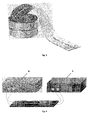
Fig. 2 shows the physical form of the medium on the basis of graphene to be used for interconnects. -
Fig. 3 shows the physical form of the medium on the basis of graphene to be used for speaker cables. -
Fig. 4 shows the connection of sound sources with preamplifier and power amplifier, -
Fig. 5 shows the combination of an amplifier with loudspeaker system. - Moreover, the figure uses the following indications: 1 - graphene; 2 - polymer; 3 - the protective layer, for example Teflon; 4 - preamplifier and amplifier; 5 - signal source, e.g. DVD / CD player; 6 - speakers.
- Presented wires, both interconnects and speaker wires contain a
graphene layer 1 disposed between twopolymer layers 2, which is not the signal carrier. Transmission medium is graphene. Saidpolymer layer 2 is a polymer selected from the group consisting of polyethylene terephthalate (PET), polyethylene naphthalate (TEN), polyethersulfone (PES), and polycarbonate (PC), polypropylene (PP), poly(ethylene oxide) (PEO), poly(vinyl chloride) (PVC), synthetic rubber, most preferably: polyethersulfone (PES), polycarbonate (PC), which ensure its integrity, hardness, flexibility, resistance to compression. Graphenelayer 1, provides a very good conductive properties while maintaining the transparency of the material. Interconnects (wires) are enclosed in a protectiveTeflon insulation layer 3 with a very high resistance, which is so inert that it does not affect the nature of the transmitted information.Graphene layer 1 is homogeneous and forms a surface characterised by a uniform level of electro-acoustic-wave propagation, which is audio signal composed in many ways. Accordingly, due to the fact that graphene has a two-dimensional structure (homogeneous) electrons move in one, or in a controlled plane (as free electrons) to either the front or the back (in copper as free electrons they move chaotically and in multidimensional structure). The cross-section of a medium for the transmission of sonic signals built on the basis of graphene is shown inFig. 1 . - Cables built with graphene provide high level of electroacoustic properties, which is a transmission medium of almost perfect characteristics. Reference signal, in this case, from the
source 5 which is a turntable, a preamplifier, a power amplifier, seen as the output signal is matched in phase of the signal, the minimum power loss, a short propagation time, a short unit of time for transmission of energy of low-frequency to a load which are speakers, low noise floor, it is almost identical to the reference signal source. It is characterised by considerable indifference to inducing a spurious HF electromagnetic energy (High Frequency Energy) that passes through the presented cable in its various sections, and also has a resistance to RFI (Radio Frequency Interference) and EMI (Electro Magnetic Interference), which comes with a minimum capacity and inductance of the electrical structure of graphene. In addition, the presented passive elements of the audio track meet the requirements for mechanical strength. The physical form of a medium for the transmission of sonic signals built on the basis of graphene is shown inFig. 2 andFig. 3 .Fig. 2 shows the physical form of the medium on the basis of graphene to be used for interconnects, andFig. 3 shows the physical form of the medium on the basis of graphene to be used for speaker cables. - Commonly used speaker cables have a sufficiently large cross-sections depending on the power of an audio amplifier, so as not to cause loss of power. The thinner the cross-section, the higher the resistivity, so more power loss hangs on the cable and less on the speaker terminals. Minimum wire cross-section (medium) connecting the amplifier with the speaker system should have a larger cross-section than the calculated one, but it should not be less. It should be mentioned here that an important determinant of minimum quality speaker cables is so called damping coefficient. It is an important parameter for electroacoustics laws given in the amplifier manual as Damping Factor (DF).
- For the calculation of the minimum cross-section of a single conductor of a speaker cable, a definite damping coefficient for the entire system, amplifier, cables, speakers is assumed, but no more than given by the manufacturer of the amplifier (DF). Usually it is 200 (at 1kHz for 8Ω load at 4Ω will be higher), although this value often increases at low frequencies and can even reach 1400. Assuming higher values of DF creates higher demands for the system for efficiency and, as one may guess, larger cross-sections of wires are used. These considerations apply to cables commonly used in audio equipment, as well as due to the relatively large parasitic phenomena relating to options other than graphene options. The connection of
sound source 5 with preamplifier oramplifier 4 is shown inFig. 4 . In contrast, connection ofamplifier 4 with aloudspeaker system 6 is shown inFig. 5 . - In the proposed solution there is no need to use thick, heavy cables, if with no loss of sonic qualities better, thinner, lighter, faster cables and interconnects can be used. The use of graphene cable to the speakers or loudspeaker also eliminates other problems with the speaker cables, which in the case of using a cable built based on graphene technology compared to technology based on, for example, copper almost does not exist, i.e. oscillations of the parasitic nature over acoustic. Such oscillations can be clearly seen on the oscilloscope. Their symptom is usually unjustified heating of the amplifier heat sink, even with minimal input signal, and even in its absence due to the nature of the medium (inductance, capacitance, resistance). The formation of oscillations of a hum impact of SEM (strength of electromagnetic energy at a frequency of 50 Hz and harmonics) of high-field inductions in interconnects and audio cables. Oscillations can cause hyperactivity of the protection circuitry, resulting in malfunction of the amplifier. In the case of the use of these media active audio tracks can be minimized, so low pass filters in the amplifier degrading sound, bindings (twisting) of the conventional speaker cables brought out of the power amplifier or can be dispensed with. What affects the appearance of parasitic capacitance and lowering the frequency response of audio bandwidth thereby worsening the quality of sound reproduction.
- It is well known that every element of the acoustic route and the design of preamplifiers and power systems, medium (transmission line) has an impact on the nature of sound quality SVM drive amplifier, and consequently speaker units. The type and quality of the components used to build audio transmission paths connecting the particular microphone preamplifiers, CD and DVD drives with power amplifiers and speaker systems have significant and not contestable influence on the character and quality of sound creation. In a situation where we use the media presented one has the impression that the character of the sound is created only by active elements. The transmission line - the presence of media on the basis of graphene in terms of acoustics is not felt. Transmission, reproduction and creation of sound occur by means of active audio track.
- The use of interconnects and speaker cables constructed on the basis of graphene has a positive effect on the operation of individual degrees LF and significantly affects the quality and fidelity of sound reproduction by the system or audio device.
- The present invention relates to transmission media, i.e. Interconnects and speaker cables made of graphene, which have the following characteristics:
- The vast flow velocity of electrons, about 1/300 the speed of light is the flow of electrons in the medium of graphene.
- They are characterised by substantial indifference to ubiquitous electromagnetic energy interference with low and high field intensity at high frequencies.
- Almost no formation of oscillations of a hum under the influence of electromagnetic energy at a frequency of 50 Hz and harmonics of high electromagnetic field intensity generated by long power cables, transformers, power supply circuits, etc.
- Very small capacitance, inductance and resistivity. Therefore, the said parameters minimally affect the sonic qualities of the audio systems working on graphene-based media.
- Very good mechanical strength and low weight compared to interconnects, cables built in technology based on, for example, copper, etc.
- Lack of parasitic excitation of audio sets of over-acoustic character present compared to cable interconnects constructed in technology based on copper.
- Lack of additional electromagnetic screens, which often in addition to improving these properties and performance degrade them and generate unnecessary costs.
- First and foremost they are characterised by pure, detailed, neutral, fully controlled sound reaching our consciousness, subconscious and superconscious.
- Presented passive elements of the audio track can be used both in professional and commercial audio-video equipment. Presented transmission media are especially recommended to: electroacousticians, sound engineers and producers, musicians, music lovers, audiophiles, etc.
- Interconnects can also be part of a larger whole, i.e. the microphone track, alone or being part of a mixer, console, including additional signal processors, such as, for example a noise gate, filters, dynamics compressors, parametric equalisers, limiters, and other types of equipment used in the audio art.
- They can also act as media for connections: analogue, audio signals, mono, stereo, video signal, composite, RGB, aerial, digital connections, multi-channel, etc.
- In order to minimise the potential risks of the work of cables as part of propagation and receiving items, i.e. sending and receiving antenna for frequencies above sound, which can cause harmful oscillations, e.g. a power amplifier, it is necessary to keep a greater distance between the speaker and input wires (low current). The problem often occurring with power amplifiers are the low-frequency acoustic currents, which occur most often when connected to the load of an inductive character, for example, speaker transformers in these tube amplifiers SE, though often in poorly designed transformers tube in push-pull amplifiers. Not only expensive audio amplifiers are equipped with active protection circuits speakers, as well as systems analysing interdependencies between inputs and outputs quickly correcting performance characteristics of the amplifier. In a situation in which de facto degradation of the audio signal information occurs. Using these graphene media we avoid these undesirable effects of electro-physical phenomena.
Claims (8)
- A signal cable for transmitting the signal between the transmitter and the receiver, providing an electrical connection by a connecting part, wherein said connecting portion comprises a layer of graphene disposed on a polymer layer, characterised in that it comprises two conductors, wherein each conductor includes a connecting portion arranged in a protective insulating layer (3) and the coupling portion takes the form of a tape, in which the graphene layer (1) is disposed between two polymer layers.
- The signal cable of claim 1, characterised in that the two wires are connected together along one edge of the protective insulating layer (3).
- The signal cable of claim 1 or 2, characterised in that the graphene layer (1) is two-dimensional with a thickness of one atom or more than one atom or three dimensional and preferably they are nanotubes arranged in different directions, in particular parallel or perpendicular to the surface of the polymer.
- The signal cable of claim 1, 2 or 3, characterised in that the polymer layer (2) is a polymer selected from the group consisting of polyethylene terephthalate (PET), polyethylene naphthalate (TEN), polyethersulfone (PES), and polycarbonate (PC), polypropylene (PP), poly(ethylene oxide) (PEO), poly(vinyl chloride) (PVC), synthetic rubber, most preferably: polyethersulfone (PES), polycarbonate (PC).
- The signal cable of claim 1, 2, 3 or 4, characterised in that the protective layer (3) is a layer with a very high resistance, preferably made of a material selected from the group including: Teflon, polyethylene terephthalate (PET), polypropylene (PP), poly(vinyl chloride) (PVC), synthetic rubber.
- The signal cable of claim 1, 2, 3, 4 or 5, characterised in that the graphene (2) is in pure or doped form.
- The signal cable according to any one of claims. 1 to 6, characterised in that each of the conductors has plugs: the first plug for connecting a signal transmitter, and a second plug intended for connection to a signal receiver electrically connected by a connecting part.
- Use of a signal cable according to any one of claims from 1 to 7 for signal transfer between the transmitter and the receiver.
Priority Applications (1)
| Application Number | Priority Date | Filing Date | Title |
|---|---|---|---|
| EP15460089.4A EP3151251B1 (en) | 2015-09-30 | 2015-09-30 | Signal cable and its application |
Applications Claiming Priority (1)
| Application Number | Priority Date | Filing Date | Title |
|---|---|---|---|
| EP15460089.4A EP3151251B1 (en) | 2015-09-30 | 2015-09-30 | Signal cable and its application |
Publications (2)
| Publication Number | Publication Date |
|---|---|
| EP3151251A1 true EP3151251A1 (en) | 2017-04-05 |
| EP3151251B1 EP3151251B1 (en) | 2020-05-06 |
Family
ID=54365183
Family Applications (1)
| Application Number | Title | Priority Date | Filing Date |
|---|---|---|---|
| EP15460089.4A Active EP3151251B1 (en) | 2015-09-30 | 2015-09-30 | Signal cable and its application |
Country Status (1)
| Country | Link |
|---|---|
| EP (1) | EP3151251B1 (en) |
Cited By (3)
| Publication number | Priority date | Publication date | Assignee | Title |
|---|---|---|---|---|
| CN108666043A (en) * | 2018-05-04 | 2018-10-16 | 福建通宇电缆有限公司 | A kind of anti-breaking cable |
| ES2886275A1 (en) * | 2020-06-15 | 2021-12-16 | Pamies Javier Biela | PROCEDURE FOR MANUFACTURING AN ELECTRICAL SUPPLY AND DATA TRANSMISSION CABLE AND PRODUCT OBTAINED (Machine-translation by Google Translate, not legally binding) |
| CN116390465A (en) * | 2023-04-14 | 2023-07-04 | 浙江大华技术股份有限公司 | Absorbing sheath and its application in cables |
Citations (6)
| Publication number | Priority date | Publication date | Assignee | Title |
|---|---|---|---|---|
| CN103123830A (en) | 2013-03-14 | 2013-05-29 | 南京科孚纳米技术有限公司 | Method for preparing graphene wire and cable |
| US20130140059A1 (en) * | 2010-08-09 | 2013-06-06 | Spindeco Oy | Spin-current effect in carbon coated conductors |
| US20130322891A1 (en) * | 2012-05-29 | 2013-12-05 | The Boeing Company | Nanotube Signal Transmission System |
| US20130319727A1 (en) * | 2012-05-29 | 2013-12-05 | Aurora Flight Sciences Corporation | Apparatus and method for an aircraft conductor sandwich assembly embedded to an aircraft structure |
| CN103811095A (en) | 2013-11-22 | 2014-05-21 | 许子寒 | Graphene wire cable conductor |
| CN203617033U (en) | 2013-10-28 | 2014-05-28 | 江苏中超电缆股份有限公司 | Graphene composite high-semiconductive polyethylene-shielded power cable |
-
2015
- 2015-09-30 EP EP15460089.4A patent/EP3151251B1/en active Active
Patent Citations (6)
| Publication number | Priority date | Publication date | Assignee | Title |
|---|---|---|---|---|
| US20130140059A1 (en) * | 2010-08-09 | 2013-06-06 | Spindeco Oy | Spin-current effect in carbon coated conductors |
| US20130322891A1 (en) * | 2012-05-29 | 2013-12-05 | The Boeing Company | Nanotube Signal Transmission System |
| US20130319727A1 (en) * | 2012-05-29 | 2013-12-05 | Aurora Flight Sciences Corporation | Apparatus and method for an aircraft conductor sandwich assembly embedded to an aircraft structure |
| CN103123830A (en) | 2013-03-14 | 2013-05-29 | 南京科孚纳米技术有限公司 | Method for preparing graphene wire and cable |
| CN203617033U (en) | 2013-10-28 | 2014-05-28 | 江苏中超电缆股份有限公司 | Graphene composite high-semiconductive polyethylene-shielded power cable |
| CN103811095A (en) | 2013-11-22 | 2014-05-21 | 许子寒 | Graphene wire cable conductor |
Cited By (3)
| Publication number | Priority date | Publication date | Assignee | Title |
|---|---|---|---|---|
| CN108666043A (en) * | 2018-05-04 | 2018-10-16 | 福建通宇电缆有限公司 | A kind of anti-breaking cable |
| ES2886275A1 (en) * | 2020-06-15 | 2021-12-16 | Pamies Javier Biela | PROCEDURE FOR MANUFACTURING AN ELECTRICAL SUPPLY AND DATA TRANSMISSION CABLE AND PRODUCT OBTAINED (Machine-translation by Google Translate, not legally binding) |
| CN116390465A (en) * | 2023-04-14 | 2023-07-04 | 浙江大华技术股份有限公司 | Absorbing sheath and its application in cables |
Also Published As
| Publication number | Publication date |
|---|---|
| EP3151251B1 (en) | 2020-05-06 |
Similar Documents
| Publication | Publication Date | Title |
|---|---|---|
| US5110999A (en) | Audiophile cable transferring power substantially free from phase delays | |
| US5393933A (en) | Characteristic impedance corrected audio signal cable | |
| US7541538B1 (en) | Multiconductor cable structures | |
| US6969805B2 (en) | Structure of audio signal cable | |
| EP3151251B1 (en) | Signal cable and its application | |
| EP3439326B1 (en) | Acoustic reproduction device, method, and program | |
| US20080053682A1 (en) | Cable Structure | |
| CN104427441A (en) | Integrated audio signal processing circuit, audio system and method for reducing crosstalk noise | |
| US9768483B2 (en) | Signal cable and its application | |
| CN113810816B (en) | Headphones, FM signal receiving system and method | |
| CN111405419B (en) | Audio signal processing method, device and readable storage medium | |
| EP3151258A1 (en) | Graphene capacitor, particularly for audio systems, and its use | |
| CN217061581U (en) | Cable for a hearing device, corresponding hearing device and kit | |
| CN205320231U (en) | Multimedia system | |
| CN114040317B (en) | Sound channel compensation method and device for sound, electronic equipment and storage medium | |
| CN205596282U (en) | Headset | |
| CN102572632A (en) | Vehicle-mounted information system device with earphone interface | |
| US20170092431A1 (en) | Graphene capacitor, particularly for audio systems, and its use | |
| CN202502775U (en) | Horn connection wire | |
| WO2014081434A2 (en) | Apparatus and method for connecting and transmitting a voltage and/or current varying signal and/or electrical power between electrical equipment and electrical devices | |
| CN220401916U (en) | Sound equipment | |
| CN217008776U (en) | Small-signal high-frequency wire for high-fidelity sound equipment | |
| EP1566817A1 (en) | Improved structure of audio signal cable | |
| CN202602860U (en) | A kind of earphone with filtering function | |
| CN206611556U (en) | A new bluetooth double-circle earphone |
Legal Events
| Date | Code | Title | Description |
|---|---|---|---|
| PUAI | Public reference made under article 153(3) epc to a published international application that has entered the european phase |
Free format text: ORIGINAL CODE: 0009012 |
|
| STAA | Information on the status of an ep patent application or granted ep patent |
Free format text: STATUS: REQUEST FOR EXAMINATION WAS MADE |
|
| 17P | Request for examination filed |
Effective date: 20150930 |
|
| AK | Designated contracting states |
Kind code of ref document: A1 Designated state(s): AL AT BE BG CH CY CZ DE DK EE ES FI FR GB GR HR HU IE IS IT LI LT LU LV MC MK MT NL NO PL PT RO RS SE SI SK SM TR |
|
| AX | Request for extension of the european patent |
Extension state: BA ME |
|
| RAP1 | Party data changed (applicant data changed or rights of an application transferred) |
Owner name: RYBKA, WOJCIECH |
|
| GRAP | Despatch of communication of intention to grant a patent |
Free format text: ORIGINAL CODE: EPIDOSNIGR1 |
|
| STAA | Information on the status of an ep patent application or granted ep patent |
Free format text: STATUS: GRANT OF PATENT IS INTENDED |
|
| RIC1 | Information provided on ipc code assigned before grant |
Ipc: H01B 11/12 20060101AFI20191106BHEP Ipc: H01B 7/00 20060101ALN20191106BHEP Ipc: C01B 32/182 20170101ALN20191106BHEP Ipc: H01B 1/04 20060101ALI20191106BHEP |
|
| RIC1 | Information provided on ipc code assigned before grant |
Ipc: H01B 11/12 20060101AFI20191108BHEP Ipc: C01B 32/182 20170101ALN20191108BHEP Ipc: H01B 1/04 20060101ALI20191108BHEP Ipc: H01B 7/00 20060101ALN20191108BHEP |
|
| INTG | Intention to grant announced |
Effective date: 20191127 |
|
| GRAS | Grant fee paid |
Free format text: ORIGINAL CODE: EPIDOSNIGR3 |
|
| GRAA | (expected) grant |
Free format text: ORIGINAL CODE: 0009210 |
|
| STAA | Information on the status of an ep patent application or granted ep patent |
Free format text: STATUS: THE PATENT HAS BEEN GRANTED |
|
| AK | Designated contracting states |
Kind code of ref document: B1 Designated state(s): AL AT BE BG CH CY CZ DE DK EE ES FI FR GB GR HR HU IE IS IT LI LT LU LV MC MK MT NL NO PL PT RO RS SE SI SK SM TR |
|
| REG | Reference to a national code |
Ref country code: GB Ref legal event code: FG4D |
|
| REG | Reference to a national code |
Ref country code: CH Ref legal event code: EP Ref country code: AT Ref legal event code: REF Ref document number: 1268133 Country of ref document: AT Kind code of ref document: T Effective date: 20200515 |
|
| REG | Reference to a national code |
Ref country code: DE Ref legal event code: R096 Ref document number: 602015052104 Country of ref document: DE |
|
| REG | Reference to a national code |
Ref country code: IE Ref legal event code: FG4D |
|
| REG | Reference to a national code |
Ref country code: LT Ref legal event code: MG4D |
|
| REG | Reference to a national code |
Ref country code: NL Ref legal event code: MP Effective date: 20200506 |
|
| PG25 | Lapsed in a contracting state [announced via postgrant information from national office to epo] |
Ref country code: GR Free format text: LAPSE BECAUSE OF FAILURE TO SUBMIT A TRANSLATION OF THE DESCRIPTION OR TO PAY THE FEE WITHIN THE PRESCRIBED TIME-LIMIT Effective date: 20200807 Ref country code: FI Free format text: LAPSE BECAUSE OF FAILURE TO SUBMIT A TRANSLATION OF THE DESCRIPTION OR TO PAY THE FEE WITHIN THE PRESCRIBED TIME-LIMIT Effective date: 20200506 Ref country code: LT Free format text: LAPSE BECAUSE OF FAILURE TO SUBMIT A TRANSLATION OF THE DESCRIPTION OR TO PAY THE FEE WITHIN THE PRESCRIBED TIME-LIMIT Effective date: 20200506 Ref country code: IS Free format text: LAPSE BECAUSE OF FAILURE TO SUBMIT A TRANSLATION OF THE DESCRIPTION OR TO PAY THE FEE WITHIN THE PRESCRIBED TIME-LIMIT Effective date: 20200906 Ref country code: PT Free format text: LAPSE BECAUSE OF FAILURE TO SUBMIT A TRANSLATION OF THE DESCRIPTION OR TO PAY THE FEE WITHIN THE PRESCRIBED TIME-LIMIT Effective date: 20200907 Ref country code: NO Free format text: LAPSE BECAUSE OF FAILURE TO SUBMIT A TRANSLATION OF THE DESCRIPTION OR TO PAY THE FEE WITHIN THE PRESCRIBED TIME-LIMIT Effective date: 20200806 Ref country code: SE Free format text: LAPSE BECAUSE OF FAILURE TO SUBMIT A TRANSLATION OF THE DESCRIPTION OR TO PAY THE FEE WITHIN THE PRESCRIBED TIME-LIMIT Effective date: 20200506 |
|
| PG25 | Lapsed in a contracting state [announced via postgrant information from national office to epo] |
Ref country code: HR Free format text: LAPSE BECAUSE OF FAILURE TO SUBMIT A TRANSLATION OF THE DESCRIPTION OR TO PAY THE FEE WITHIN THE PRESCRIBED TIME-LIMIT Effective date: 20200506 Ref country code: RS Free format text: LAPSE BECAUSE OF FAILURE TO SUBMIT A TRANSLATION OF THE DESCRIPTION OR TO PAY THE FEE WITHIN THE PRESCRIBED TIME-LIMIT Effective date: 20200506 Ref country code: LV Free format text: LAPSE BECAUSE OF FAILURE TO SUBMIT A TRANSLATION OF THE DESCRIPTION OR TO PAY THE FEE WITHIN THE PRESCRIBED TIME-LIMIT Effective date: 20200506 Ref country code: BG Free format text: LAPSE BECAUSE OF FAILURE TO SUBMIT A TRANSLATION OF THE DESCRIPTION OR TO PAY THE FEE WITHIN THE PRESCRIBED TIME-LIMIT Effective date: 20200806 |
|
| REG | Reference to a national code |
Ref country code: AT Ref legal event code: MK05 Ref document number: 1268133 Country of ref document: AT Kind code of ref document: T Effective date: 20200506 |
|
| PG25 | Lapsed in a contracting state [announced via postgrant information from national office to epo] |
Ref country code: AL Free format text: LAPSE BECAUSE OF FAILURE TO SUBMIT A TRANSLATION OF THE DESCRIPTION OR TO PAY THE FEE WITHIN THE PRESCRIBED TIME-LIMIT Effective date: 20200506 Ref country code: NL Free format text: LAPSE BECAUSE OF FAILURE TO SUBMIT A TRANSLATION OF THE DESCRIPTION OR TO PAY THE FEE WITHIN THE PRESCRIBED TIME-LIMIT Effective date: 20200506 |
|
| PG25 | Lapsed in a contracting state [announced via postgrant information from national office to epo] |
Ref country code: ES Free format text: LAPSE BECAUSE OF FAILURE TO SUBMIT A TRANSLATION OF THE DESCRIPTION OR TO PAY THE FEE WITHIN THE PRESCRIBED TIME-LIMIT Effective date: 20200506 Ref country code: AT Free format text: LAPSE BECAUSE OF FAILURE TO SUBMIT A TRANSLATION OF THE DESCRIPTION OR TO PAY THE FEE WITHIN THE PRESCRIBED TIME-LIMIT Effective date: 20200506 Ref country code: RO Free format text: LAPSE BECAUSE OF FAILURE TO SUBMIT A TRANSLATION OF THE DESCRIPTION OR TO PAY THE FEE WITHIN THE PRESCRIBED TIME-LIMIT Effective date: 20200506 Ref country code: CZ Free format text: LAPSE BECAUSE OF FAILURE TO SUBMIT A TRANSLATION OF THE DESCRIPTION OR TO PAY THE FEE WITHIN THE PRESCRIBED TIME-LIMIT Effective date: 20200506 Ref country code: SM Free format text: LAPSE BECAUSE OF FAILURE TO SUBMIT A TRANSLATION OF THE DESCRIPTION OR TO PAY THE FEE WITHIN THE PRESCRIBED TIME-LIMIT Effective date: 20200506 Ref country code: IT Free format text: LAPSE BECAUSE OF FAILURE TO SUBMIT A TRANSLATION OF THE DESCRIPTION OR TO PAY THE FEE WITHIN THE PRESCRIBED TIME-LIMIT Effective date: 20200506 Ref country code: EE Free format text: LAPSE BECAUSE OF FAILURE TO SUBMIT A TRANSLATION OF THE DESCRIPTION OR TO PAY THE FEE WITHIN THE PRESCRIBED TIME-LIMIT Effective date: 20200506 Ref country code: DK Free format text: LAPSE BECAUSE OF FAILURE TO SUBMIT A TRANSLATION OF THE DESCRIPTION OR TO PAY THE FEE WITHIN THE PRESCRIBED TIME-LIMIT Effective date: 20200506 |
|
| REG | Reference to a national code |
Ref country code: DE Ref legal event code: R097 Ref document number: 602015052104 Country of ref document: DE |
|
| PG25 | Lapsed in a contracting state [announced via postgrant information from national office to epo] |
Ref country code: SK Free format text: LAPSE BECAUSE OF FAILURE TO SUBMIT A TRANSLATION OF THE DESCRIPTION OR TO PAY THE FEE WITHIN THE PRESCRIBED TIME-LIMIT Effective date: 20200506 Ref country code: PL Free format text: LAPSE BECAUSE OF FAILURE TO SUBMIT A TRANSLATION OF THE DESCRIPTION OR TO PAY THE FEE WITHIN THE PRESCRIBED TIME-LIMIT Effective date: 20200506 |
|
| PLBE | No opposition filed within time limit |
Free format text: ORIGINAL CODE: 0009261 |
|
| STAA | Information on the status of an ep patent application or granted ep patent |
Free format text: STATUS: NO OPPOSITION FILED WITHIN TIME LIMIT |
|
| REG | Reference to a national code |
Ref country code: DE Ref legal event code: R119 Ref document number: 602015052104 Country of ref document: DE |
|
| 26N | No opposition filed |
Effective date: 20210209 |
|
| PG25 | Lapsed in a contracting state [announced via postgrant information from national office to epo] |
Ref country code: MC Free format text: LAPSE BECAUSE OF FAILURE TO SUBMIT A TRANSLATION OF THE DESCRIPTION OR TO PAY THE FEE WITHIN THE PRESCRIBED TIME-LIMIT Effective date: 20200506 |
|
| REG | Reference to a national code |
Ref country code: CH Ref legal event code: PL |
|
| GBPC | Gb: european patent ceased through non-payment of renewal fee |
Effective date: 20200930 |
|
| PG25 | Lapsed in a contracting state [announced via postgrant information from national office to epo] |
Ref country code: SI Free format text: LAPSE BECAUSE OF FAILURE TO SUBMIT A TRANSLATION OF THE DESCRIPTION OR TO PAY THE FEE WITHIN THE PRESCRIBED TIME-LIMIT Effective date: 20200506 |
|
| REG | Reference to a national code |
Ref country code: BE Ref legal event code: MM Effective date: 20200930 |
|
| PG25 | Lapsed in a contracting state [announced via postgrant information from national office to epo] |
Ref country code: LU Free format text: LAPSE BECAUSE OF NON-PAYMENT OF DUE FEES Effective date: 20200930 |
|
| PG25 | Lapsed in a contracting state [announced via postgrant information from national office to epo] |
Ref country code: DE Free format text: LAPSE BECAUSE OF NON-PAYMENT OF DUE FEES Effective date: 20210401 Ref country code: FR Free format text: LAPSE BECAUSE OF NON-PAYMENT OF DUE FEES Effective date: 20200930 |
|
| PG25 | Lapsed in a contracting state [announced via postgrant information from national office to epo] |
Ref country code: GB Free format text: LAPSE BECAUSE OF NON-PAYMENT OF DUE FEES Effective date: 20200930 Ref country code: LI Free format text: LAPSE BECAUSE OF NON-PAYMENT OF DUE FEES Effective date: 20200930 Ref country code: IE Free format text: LAPSE BECAUSE OF NON-PAYMENT OF DUE FEES Effective date: 20200930 Ref country code: CH Free format text: LAPSE BECAUSE OF NON-PAYMENT OF DUE FEES Effective date: 20200930 Ref country code: BE Free format text: LAPSE BECAUSE OF NON-PAYMENT OF DUE FEES Effective date: 20200930 |
|
| PG25 | Lapsed in a contracting state [announced via postgrant information from national office to epo] |
Ref country code: TR Free format text: LAPSE BECAUSE OF FAILURE TO SUBMIT A TRANSLATION OF THE DESCRIPTION OR TO PAY THE FEE WITHIN THE PRESCRIBED TIME-LIMIT Effective date: 20200506 Ref country code: MT Free format text: LAPSE BECAUSE OF FAILURE TO SUBMIT A TRANSLATION OF THE DESCRIPTION OR TO PAY THE FEE WITHIN THE PRESCRIBED TIME-LIMIT Effective date: 20200506 Ref country code: CY Free format text: LAPSE BECAUSE OF FAILURE TO SUBMIT A TRANSLATION OF THE DESCRIPTION OR TO PAY THE FEE WITHIN THE PRESCRIBED TIME-LIMIT Effective date: 20200506 |
|
| PG25 | Lapsed in a contracting state [announced via postgrant information from national office to epo] |
Ref country code: MK Free format text: LAPSE BECAUSE OF FAILURE TO SUBMIT A TRANSLATION OF THE DESCRIPTION OR TO PAY THE FEE WITHIN THE PRESCRIBED TIME-LIMIT Effective date: 20200506 |