EP3145548B1 - Aqueous gel composition and its use - Google Patents
Aqueous gel composition and its use Download PDFInfo
- Publication number
- EP3145548B1 EP3145548B1 EP15727329.3A EP15727329A EP3145548B1 EP 3145548 B1 EP3145548 B1 EP 3145548B1 EP 15727329 A EP15727329 A EP 15727329A EP 3145548 B1 EP3145548 B1 EP 3145548B1
- Authority
- EP
- European Patent Office
- Prior art keywords
- composition
- weight
- aqueous gel
- agent
- range
- Prior art date
- Legal status (The legal status is an assumption and is not a legal conclusion. Google has not performed a legal analysis and makes no representation as to the accuracy of the status listed.)
- Active
Links
Classifications
-
- A—HUMAN NECESSITIES
- A61—MEDICAL OR VETERINARY SCIENCE; HYGIENE
- A61K—PREPARATIONS FOR MEDICAL, DENTAL OR TOILETRY PURPOSES
- A61K9/00—Medicinal preparations characterised by special physical form
- A61K9/06—Ointments; Bases therefor; Other semi-solid forms, e.g. creams, sticks, gels
-
- A—HUMAN NECESSITIES
- A61—MEDICAL OR VETERINARY SCIENCE; HYGIENE
- A61K—PREPARATIONS FOR MEDICAL, DENTAL OR TOILETRY PURPOSES
- A61K31/00—Medicinal preparations containing organic active ingredients
- A61K31/16—Amides, e.g. hydroxamic acids
- A61K31/165—Amides, e.g. hydroxamic acids having aromatic rings, e.g. colchicine, atenolol, progabide
- A61K31/167—Amides, e.g. hydroxamic acids having aromatic rings, e.g. colchicine, atenolol, progabide having the nitrogen of a carboxamide group directly attached to the aromatic ring, e.g. lidocaine, paracetamol
-
- A—HUMAN NECESSITIES
- A61—MEDICAL OR VETERINARY SCIENCE; HYGIENE
- A61K—PREPARATIONS FOR MEDICAL, DENTAL OR TOILETRY PURPOSES
- A61K31/00—Medicinal preparations containing organic active ingredients
- A61K31/21—Esters, e.g. nitroglycerine, selenocyanates
- A61K31/215—Esters, e.g. nitroglycerine, selenocyanates of carboxylic acids
- A61K31/235—Esters, e.g. nitroglycerine, selenocyanates of carboxylic acids having an aromatic ring attached to a carboxyl group
- A61K31/24—Esters, e.g. nitroglycerine, selenocyanates of carboxylic acids having an aromatic ring attached to a carboxyl group having an amino or nitro group
- A61K31/245—Amino benzoic acid types, e.g. procaine, novocaine
-
- A—HUMAN NECESSITIES
- A61—MEDICAL OR VETERINARY SCIENCE; HYGIENE
- A61K—PREPARATIONS FOR MEDICAL, DENTAL OR TOILETRY PURPOSES
- A61K31/00—Medicinal preparations containing organic active ingredients
- A61K31/33—Heterocyclic compounds
- A61K31/395—Heterocyclic compounds having nitrogen as a ring hetero atom, e.g. guanethidine or rifamycins
- A61K31/435—Heterocyclic compounds having nitrogen as a ring hetero atom, e.g. guanethidine or rifamycins having six-membered rings with one nitrogen as the only ring hetero atom
- A61K31/439—Heterocyclic compounds having nitrogen as a ring hetero atom, e.g. guanethidine or rifamycins having six-membered rings with one nitrogen as the only ring hetero atom the ring forming part of a bridged ring system, e.g. quinuclidine
-
- A—HUMAN NECESSITIES
- A61—MEDICAL OR VETERINARY SCIENCE; HYGIENE
- A61K—PREPARATIONS FOR MEDICAL, DENTAL OR TOILETRY PURPOSES
- A61K31/00—Medicinal preparations containing organic active ingredients
- A61K31/33—Heterocyclic compounds
- A61K31/395—Heterocyclic compounds having nitrogen as a ring hetero atom, e.g. guanethidine or rifamycins
- A61K31/435—Heterocyclic compounds having nitrogen as a ring hetero atom, e.g. guanethidine or rifamycins having six-membered rings with one nitrogen as the only ring hetero atom
- A61K31/44—Non condensed pyridines; Hydrogenated derivatives thereof
- A61K31/445—Non condensed piperidines, e.g. piperocaine
-
- A—HUMAN NECESSITIES
- A61—MEDICAL OR VETERINARY SCIENCE; HYGIENE
- A61K—PREPARATIONS FOR MEDICAL, DENTAL OR TOILETRY PURPOSES
- A61K31/00—Medicinal preparations containing organic active ingredients
- A61K31/33—Heterocyclic compounds
- A61K31/395—Heterocyclic compounds having nitrogen as a ring hetero atom, e.g. guanethidine or rifamycins
- A61K31/435—Heterocyclic compounds having nitrogen as a ring hetero atom, e.g. guanethidine or rifamycins having six-membered rings with one nitrogen as the only ring hetero atom
- A61K31/47—Quinolines; Isoquinolines
-
- A—HUMAN NECESSITIES
- A61—MEDICAL OR VETERINARY SCIENCE; HYGIENE
- A61K—PREPARATIONS FOR MEDICAL, DENTAL OR TOILETRY PURPOSES
- A61K45/00—Medicinal preparations containing active ingredients not provided for in groups A61K31/00 - A61K41/00
- A61K45/06—Mixtures of active ingredients without chemical characterisation, e.g. antiphlogistics and cardiaca
-
- A—HUMAN NECESSITIES
- A61—MEDICAL OR VETERINARY SCIENCE; HYGIENE
- A61K—PREPARATIONS FOR MEDICAL, DENTAL OR TOILETRY PURPOSES
- A61K47/00—Medicinal preparations characterised by the non-active ingredients used, e.g. carriers or inert additives; Targeting or modifying agents chemically bound to the active ingredient
- A61K47/06—Organic compounds, e.g. natural or synthetic hydrocarbons, polyolefins, mineral oil, petrolatum or ozokerite
- A61K47/08—Organic compounds, e.g. natural or synthetic hydrocarbons, polyolefins, mineral oil, petrolatum or ozokerite containing oxygen, e.g. ethers, acetals, ketones, quinones, aldehydes, peroxides
- A61K47/10—Alcohols; Phenols; Salts thereof, e.g. glycerol; Polyethylene glycols [PEG]; Poloxamers; PEG/POE alkyl ethers
-
- A—HUMAN NECESSITIES
- A61—MEDICAL OR VETERINARY SCIENCE; HYGIENE
- A61K—PREPARATIONS FOR MEDICAL, DENTAL OR TOILETRY PURPOSES
- A61K47/00—Medicinal preparations characterised by the non-active ingredients used, e.g. carriers or inert additives; Targeting or modifying agents chemically bound to the active ingredient
- A61K47/30—Macromolecular organic or inorganic compounds, e.g. inorganic polyphosphates
- A61K47/36—Polysaccharides; Derivatives thereof, e.g. gums, starch, alginate, dextrin, hyaluronic acid, chitosan, inulin, agar or pectin
- A61K47/38—Cellulose; Derivatives thereof
-
- A—HUMAN NECESSITIES
- A61—MEDICAL OR VETERINARY SCIENCE; HYGIENE
- A61K—PREPARATIONS FOR MEDICAL, DENTAL OR TOILETRY PURPOSES
- A61K9/00—Medicinal preparations characterised by special physical form
- A61K9/0012—Galenical forms characterised by the site of application
- A61K9/0034—Urogenital system, e.g. vagina, uterus, cervix, penis, scrotum, urethra, bladder; Personal lubricants
-
- A—HUMAN NECESSITIES
- A61—MEDICAL OR VETERINARY SCIENCE; HYGIENE
- A61K—PREPARATIONS FOR MEDICAL, DENTAL OR TOILETRY PURPOSES
- A61K9/00—Medicinal preparations characterised by special physical form
- A61K9/0012—Galenical forms characterised by the site of application
- A61K9/0053—Mouth and digestive tract, i.e. intraoral and peroral administration
- A61K9/006—Oral mucosa, e.g. mucoadhesive forms, sublingual droplets; Buccal patches or films; Buccal sprays
Definitions
- the present invention relates to an aqueous gel as well as its use. More particularly the present invention relates to an aqueous gel showing transparency, lubricity, stringiness, elongation, extensiveness and cohesiveness while being devoid of taste and smell and not being tacky.
- the aqueous gel according to the invention may be used as a lubricant, e.g. as carrier for active ingredients such as local anaesthetics, analgesics and other API's and as a carrier for excipients, as a saliva replacement or food lubricant, and as a lubricant on mucosal surfaces, serosal surfaces and skin. Other uses may be submucosal application either for endoscopic mucosal lifting or for carrier of excipients.
- Hydrophilic polymers are well known in the art as rheology modifiers of aqueous systems. For instance, they are used as thickeners for a wide range of functional systems such as cosmetics, personal care products and medicine.
- Artificial saliva or saliva substitutes can be used to replace moisture and lubricate in the oral cavity and thereby alleviate oral dryness. These substitutes are available commercially, but they can also be compounded. Artificial salivas are formulated to mimic natural saliva. However, they are often proven to be ineffective for most patients suffering from persistent salivary gland hypofunction and xerostomia (i.e., sensation of dry mouth).
- Saliva is important for the maintenance of oral health, and also plays an essential role in a number of oral and gastrointestinal functions. Consequently, patients with reduced salivary secretion and changes in their saliva composition are more susceptible to dental caries, oral infections and mucosal lesions, and often have symptoms of a dry and sore mouth, burning and itching oral mucosa, difficulties in chewing and swallowing dry foods, impaired sense of taste, difficulty in speaking, and problems with acid reflux. These distressing consequences of salivary hypofunction also have a significant negative impact on quality of life and general health status. Several diseases and medical conditions as well as the medications used for treating them, are associated with salivary gland hypofunction (objective evidence of diminished salivary output) and xerostomia (subjective sensation of dry mouth). In autoimmune diseases like Sjögren's syndrome, salivary gland dysfunction is largely related to structural changes in the salivary glands.
- Different spray formulations are available, which are meant to be applied directly to the mouth and throat of a patient suffering from salivary gland hypofunction before swallowing a food item.
- the patient liquefies the food in a blender or food processor.
- US 4,740,365 discloses a sustained-release preparation used for mucous membranes in the oral cavity.
- US 5,068,225 relates to a viscoelastic fluid for use in surgery and other therapies and method of using same.
- US 6,133,325 relates to bioresorbable compositions of carboxypolysaccharide polyether intermacromolecular complexes and methods for their use in reducing surgical adhesions.
- US 8,823,334 relates to a topical anesthetic containing about 3 wt% to 10 wt% tetracaine in a vehicle suitable for administration to the mucosa.
- WO 92/03124 discloses a polymeric complex composition comprising a reaction complex formed from a polycarbophil and alginic acid.
- WO 92/09256 relates to a water-based human tissue lubricant.
- WO 02/087519 relates to shaving compositions containing highly lubricious water soluble polymers.
- US 2005/0226822 relates to oral care products containing ovomucin.
- US2005/0244521 discloses a tobacco composition comprising tobacco and a "format", wherein said composition is readily disintegrable in the mouth, and wherein said format may comprise a polymer.
- WO 2006/028578 discloses use of polyethylene glycol based fluidized polymer suspension in functional systems.
- WO 2006/124219 discloses a shaving composition comprising water, a water dispersible surface active agent, a lubricious water soluble polymer, water insoluble particles, and a hydrogel-forming polymer.
- EP 0 613 684 relates to a solid form product for alleviating xerostomia.
- active ingredients to the oral cavity and throat such as local anaesthetics, analgesics, anti-inflammatory agents, anti-infective agents such as antifungal, antibacterial, antiviral and anti-parasitic agents, caries preventive agents, and optionally, pH regulating agents, flavouring agents, taste correcting substances, texture modifiers, colourants and preservatives.
- aqueous gel composition comprising:
- aqueous gel composition comprising:
- aqueous gel composition comprising:
- the present invention relates to an aqueous gel composition
- an aqueous gel composition comprising water, at least one polysaccharide and at least one high molecular weight polyethylene oxide, wherein the water content is above 98 % by weight of the composition, more preferably in the range 98.5-99.5 % by weight of the composition, such as in the range 98.7-99.3 % by weight of the composition.
- the present invention relates to an aqueous gel composition according to the invention for use as a lubricant for mucosal membranes, serosal surfaces, skin and for submucosal applications.
- the present invention relates to an aqueous gel composition according to the invention for use as a lubricant for devices and appliances.
- aqueous gel refers to an aqueous dispersion comprising water and a hydrophilic polymeric substance dispersed therein.
- additive refers to any active ingredient for use in an aqueous gel composition according to the invention.
- Non-limiting examples thereof include local anaesthetics, analgesics, anti-inflammatory agents, anti-infective agents such as antifungal, antibacterial, antiviral and anti-parasitic drugs, anti-caries agents or caries-preventive agents, and excipients such as pH regulating agents, preservatives, texture modifiers, colourants, flavouring agents and taste correcting substances.
- polysaccharide refers to a polymeric carbohydrate molecule composed of long chains of monosaccharide units bound together by glycosidic linkages.
- cellulose refers to an organic compound with the general formula (C 6 H 10 O 5 ) n , a polysaccharide consisting of a linear chain of several hundred to over ten thousand ⁇ (1 ⁇ 4) linked D-glucose units.
- a “derivative" of cellulose refers to a cellulose compound, wherein the hydroxyl groups thereof are partially or fully reacted with various substituents.
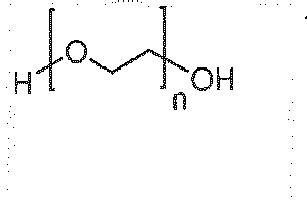
- polyethylene oxide PEO
- polyoxyethylene POE
- PEG polyethylene glycol
- saliva substitute refers to a substance used to substitute the saliva in patients having a dry mouth or xerostomia.
- food lubricant refers to a preparation which, when added to food prior to insertion into the mouth will, upon mastication enable the formation of an easily swallowable bolus.
- lubricancy and “lubricity”, which in the present context are used interchangeably, refers to the property of a composition to lubricate, i.e. make slippery, smooth and lessen friction.
- the water content of the aqueous gel composition is at least 95 % by weight of the composition, more preferably at least 97 % by weight of the composition.
- the water content is above 98 % by weight of the composition, more preferably in the range 98.5-99.5 % by weight of the composition, such as in the range 98.7-99.3 % by weight of the composition.
- the at least one polysaccharide is selected from the group consisting of cellulose and derivatives thereof, optionally substituted alkylcelluloses, gums, pectin, carrageenan and alginates.
- the at least one cellulose and derivatives thereof, optionally substituted alkylcelluloses, gums, pectin and carrageenan is selected from the group consisting of methylcellulose, carboxy-methylcellulose, hydroxyethylcellulose, hydroxypropylcellulose, hydroxypropylmethylcellulose, xanthan gum, tara gum, guar gum, arabic (Acacia) gum, gellan gum, pullulan gum, cassia gum, carob gum, carregeenan, pectin, locust bean gum, welan gum, konjac, and karaya.
- the methylcellulose, carboxy-methylcellulose, hydroxyethylcellulose, hydroxypropylcellulose, hydroxypropylmethylcellulose, xanthan gum, tara gum, guar gum, arabic (Acacia) gum, gellan gum, pullulan gum, cassia gum, carob gum, carregeenan, pectin, locust bean gum, welan gum, konjac, and karaya is preferably selected from the group consisting of methylcellulose, carboxy-methylcellulose, hydroxypropylmethylcellulose, xanthan gum, and guar gum, more preferably methylcellulose, hydroxypropyl methylcellulose, carboxymethylcellulose, gellan gum or xanthan gum.
- the above polysaccharides are devoid of any taste and smell and are available at low cost.
- the at least one polysaccharide is a methylcellulose or a hydroxypropylmethyl cellulose and is preferably hydroxypropylmethyl cellulose (HPMC).
- HPMC hydroxypropylmethyl cellulose
- Methylcellulose and hydroxypropyl methylcellulose are available commercially under the trade name METHOCEL TM as a line of cellulose ether products produced by The Dow Chemical Company.
- the initial letter identifies the type of cellulose ether.
- An “A” identifies methylcellulose products and "E", “F”, “K”, “J” and "310-series” identify different hydroxypropyl methylcelluloses.
- the at least one high molecular weight polyethylene oxide is of a molecular weight of at least 200,000, preferably of a molecular weight of at least 600,000, preferably of a molecular weight of at least 1,000,000, such as in the range 1,000,000 to 7,000,000, more preferably of a molecular weight in the range 1,000,000-6,000,000, such as of a molecular weight in the range 1,000,000 to 5,000,000, such as of a molecular weight in the range 1,000,000 to 4,000,000.
- Polyethylene oxide polymers are available commercially under the trade name of POLYOX TM followed by a subscript indicating its type.
- POLYOX TM 301 refers to a PEO having a molecular weight of approximately 4,000,000
- POLYOX TM 303 refers to a PEO having a molecular weight of approximately 7,000,000.
- the content of the at least one polysaccharide is in the range 0.1-3 % by weight of the composition, more preferably in the range 0.3-2.0 % by weight of the composition, such as in the range 0.4-1.5 % by weight of the composition, more preferably in the range 0.5-1.5 % by weight of the composition, such as about 0.6-1.2 % by weight of the composition, such as about 0.8 % by weight of the composition.
- the content of the at least one high molecular weight polyethylene oxide is in the range 0.05-2 % by weight of the composition, more preferably in the range 0.1-1 % by weight of the composition, more preferably in the range 0.1-0.5 % by weight of the composition, such as about 0.3 % by weight of the composition.
- the content of the at least one polysaccharide in the composition is in the range 0.5-1.5 % by weight of the composition , preferably in the range 0.6-1.2 % by weight of the composition, such as about 0.8 % by weight of the composition, and the content of the at least one high molecular weight polyethylene oxide in the composition is in the range 0.1-1 % by weight of the composition, preferably in the range 0.1-0.5 % by weight of the composition, such as about 0.3 % by weight of the composition.
- the aqueous gel composition according to the invention comprises a local anaesthetic agent or analgesic agent selected from procaine, amethocaine, cocaine, lidocaine (also known as Lignocaine), prilocaine, bupivacaine, levobupivacaine, ropivacaine, mepivacaine, dibucaine, benzocaine, tetracaine, etidiocine, and ropivacaine. It is to be understood, however, that the above list is non-exhaustive and that other local anaesthetic agents or analgesic agents may be used in a particular aqueous gel composition according to the invention.
- the aqueous gel composition further comprises at least one additive.
- additives selected from the group consisting of a flavouring agent, a taste correcting substance, a texture modifier (such as one or more lipids), a colourant, a pH regulating agent, a preservative, a therapeutically active agent, such as sucralfate, a steroid, a caries-preventive agent (such as e.g. fluoride), an antifungal agent, an antibacterial agent (such as e.g. Lyzozyme, triclosan, metronidazole), an antiviral agent (acyclovir), and an anti-parasitic agent.
- the aqueous gel composition according to the invention may be prepared in a manner known per se.
- non-limiting examples of the preparation thereof may be found in Handbook of Pharmaceutical Excipients, fifth ed., Raymond C Rowe et al. and include mixing of the polymers with ice-cold water under vigorous agitation; wetting the polymers with a portion of hot, 65-85°C, water and then adding, under agitation, the rest of the water as ice or ice-water; or the polymers may be moistened with an organic solvent such as ethanol prior to the addition of water.
- the aqueous gel composition comprises an active ingredient for the treatment of oral mucosal conditions/diseases such as lichen planus, candidiasis, angular cheilitis, recurrent aphthous stomatitis, recurrent herpes labialis, glossitis/stomatitis migrans, discoid lupus lesions, burning mouth syndrome, burning mouth syndrome, mucositis a.o.
- oral mucosal conditions/diseases such as lichen planus, candidiasis, angular cheilitis, recurrent aphthous stomatitis, recurrent herpes labialis, glossitis/stomatitis migrans, discoid lupus lesions, burning mouth syndrome, burning mouth syndrome, mucositis a.o.
- it might be used as eye lubricant and as carrier of active substances to the eyes.
- it may be used as lubricant in massage and sexual activities.
- it might be used as a carrier of active substances to the vagina, urethra, uterus, nose, sinus, throat, ears, or rectum or any other mucosal or serosal tissue or skin.
- a number of aqueous gel compositions were prepared by adding the pre-weighted and premixed polymers to the water at low temperature (under 3°C) while agitating the water with an Electrolux Stick Mixer ESTM 6200 at highest speed. The agitation was maintained until no more dry particles or lumps could be seen.
- An aqueous vehicle having the following composition:
- sucralfate-containing gel composition was administered to patients with xerostomia also having inflammatory mucosal lesions twice daily at a dose of one spoonful per dose. Significant symptom relief was observed after a few days of treatment.
Landscapes
- Health & Medical Sciences (AREA)
- Chemical & Material Sciences (AREA)
- Veterinary Medicine (AREA)
- Medicinal Chemistry (AREA)
- Pharmacology & Pharmacy (AREA)
- Epidemiology (AREA)
- Life Sciences & Earth Sciences (AREA)
- Animal Behavior & Ethology (AREA)
- General Health & Medical Sciences (AREA)
- Public Health (AREA)
- Engineering & Computer Science (AREA)
- Pain & Pain Management (AREA)
- Inorganic Chemistry (AREA)
- Chemical Kinetics & Catalysis (AREA)
- General Chemical & Material Sciences (AREA)
- Oil, Petroleum & Natural Gas (AREA)
- Emergency Medicine (AREA)
- Nutrition Science (AREA)
- Physiology (AREA)
- Gynecology & Obstetrics (AREA)
- Reproductive Health (AREA)
- Urology & Nephrology (AREA)
- Medicinal Preparation (AREA)
- Pharmaceuticals Containing Other Organic And Inorganic Compounds (AREA)
Description
- The present invention relates to an aqueous gel as well as its use. More particularly the present invention relates to an aqueous gel showing transparency, lubricity, stringiness, elongation, extensiveness and cohesiveness while being devoid of taste and smell and not being tacky. The aqueous gel according to the invention may be used as a lubricant, e.g. as carrier for active ingredients such as local anaesthetics, analgesics and other API's and as a carrier for excipients, as a saliva replacement or food lubricant, and as a lubricant on mucosal surfaces, serosal surfaces and skin. Other uses may be submucosal application either for endoscopic mucosal lifting or for carrier of excipients.
- Hydrophilic polymers are well known in the art as rheology modifiers of aqueous systems. For instance, they are used as thickeners for a wide range of functional systems such as cosmetics, personal care products and medicine.
- Local anaesthetics for use in the throat of a patient undergoing direct oro-pharyngeal examination or surgery or endoscopic examination of the upper gastrointestinal tract or respiratory tract are known in the dosage forms of sprays or viscous gels. However, the known products have a number of drawbacks. Thus, those products are mostly disliked by patients as they have an offending taste and numb, besides the intended site, the tongue and parts of the buccal cavity. A spray, while usually applied with a long nozzle directly to the throat, is transported as aerosol by the breathing to the oral cavity. A gel, usually applied with a spoon may spill on the way or regurgitate into the mouth In the case of endoscopy procedures, the gel may interfere with the clarity of the images.
- Artificial saliva or saliva substitutes can be used to replace moisture and lubricate in the oral cavity and thereby alleviate oral dryness. These substitutes are available commercially, but they can also be compounded. Artificial salivas are formulated to mimic natural saliva. However, they are often proven to be ineffective for most patients suffering from persistent salivary gland hypofunction and xerostomia (i.e., sensation of dry mouth).
- Saliva is important for the maintenance of oral health, and also plays an essential role in a number of oral and gastrointestinal functions. Consequently, patients with reduced salivary secretion and changes in their saliva composition are more susceptible to dental caries, oral infections and mucosal lesions, and often have symptoms of a dry and sore mouth, burning and itching oral mucosa, difficulties in chewing and swallowing dry foods, impaired sense of taste, difficulty in speaking, and problems with acid reflux. These distressing consequences of salivary hypofunction also have a significant negative impact on quality of life and general health status. Several diseases and medical conditions as well as the medications used for treating them, are associated with salivary gland hypofunction (objective evidence of diminished salivary output) and xerostomia (subjective sensation of dry mouth). In autoimmune diseases like Sjögren's syndrome, salivary gland dysfunction is largely related to structural changes in the salivary glands.
- Patients who have undergone radiotherapy to cancer in the head and neck region also often have reduced or no saliva production due to destruction of the gland tissue.
- Patients with salivary gland hypofunction often add sauces and gravy to foods in large amounts to compensate for the lack of saliva but in the case of salads and fruits which do not readily form a bolus, this does not help, taste becomes a problem and taking artificial saliva can be awkward and embarrassing (as well as ineffective). Further, by changing the taste of the food item, sauces and gravies make it harder to fully appreciate the original taste. These problems with eating can lead to weight loss, nutritional insufficiency, social isolation and impaired quality of life.
- Commercially available products come in a variety of formulations including solutions, sprays, gels and lozenges. In general, they contain an agent to increase viscosity, such as carboxymethylcellulose or hydroxyethylcellulose, minerals such as calcium and phosphate ions and fluoride, preservatives such as methyl- or propylparaben, flavourings and related agents. Attempts have been made to include "natural components" of saliva such as hyaluronic acid or mucins but the results have been disappointing and those products are expensive.
- Different spray formulations are available, which are meant to be applied directly to the mouth and throat of a patient suffering from salivary gland hypofunction before swallowing a food item. Alternatively (or alongside), the patient liquefies the food in a blender or food processor.
- The use of these formulations is associated with social stigmatization, as it will be obvious for everyone that the patient is struggling with the intake of food.
-
US 4,740,365 discloses a sustained-release preparation used for mucous membranes in the oral cavity. -
US 5,068,225 relates to a viscoelastic fluid for use in surgery and other therapies and method of using same. -
US 6,133,325 relates to bioresorbable compositions of carboxypolysaccharide polyether intermacromolecular complexes and methods for their use in reducing surgical adhesions. -
US 8,823,334 relates to a topical anesthetic containing about 3 wt% to 10 wt% tetracaine in a vehicle suitable for administration to the mucosa. -
WO 92/03124 -
WO 92/09256 -
WO 02/087519 -
US 2005/0226822 relates to oral care products containing ovomucin. -
US2005/0244521 discloses a tobacco composition comprising tobacco and a "format", wherein said composition is readily disintegrable in the mouth, and wherein said format may comprise a polymer. -
WO 2006/028578 discloses use of polyethylene glycol based fluidized polymer suspension in functional systems. -
WO 2006/124219 discloses a shaving composition comprising water, a water dispersible surface active agent, a lubricious water soluble polymer, water insoluble particles, and a hydrogel-forming polymer. -
EP 0 613 684 relates to a solid form product for alleviating xerostomia. - There is, however, a need for a lubricant for mucosal membranes, serosal surfaces and for submucosal applications in the form of a gel which exhibits stringiness and lubricity while not being tacky.
- It is an object of embodiments of the invention to provide an aqueous gel composition which acts as a lubricant for mucosal membranes, serosal surfaces or skin, and which exhibits stringiness, lubricity and is non-tacky.
- It is a further object of embodiments of the invention to provide a gel composition which fills as many functions of the natural saliva as possible; it lubricates the mouth enabling normal speech, provides a comfortable feeling of hydration, wetting and lubrication, blends efficiently with solid food and lubricates the passage of food through the throat.
- It is a further object of embodiments of the invention to provide a gel, which acts as a carrier for active ingredients to the oral cavity and throat such as local anaesthetics, analgesics, anti-inflammatory agents, anti-infective agents such as antifungal, antibacterial, antiviral and anti-parasitic agents, caries preventive agents, and optionally, pH regulating agents, flavouring agents, taste correcting substances, texture modifiers, colourants and preservatives.
- It is a further object of embodiments of the invention to provide a gel which is used to lubricate insertion of devices and appliances to other body cavities such as vagina, uterus, rectum, urethra, ear canal, lacrimal duct, nose, sinuses, thoracic and abdominal cavity and oesophagus.
- It is a further object of embodiments of the invention to provide an aqueous gel composition which may be used to lift the mucosa by submucosal injection either in order to perform endoscopic submucosal resection/dissection or to function as a carrier of active substances.
- It has been found by the present inventors that, by combining at least one polysaccharide and at least one high molecular weight polyethylene oxide in a composition having a high water content, an aqueous gel composition having a desirable combination of properties is obtained.
- So, in a first aspect the present invention relates to an aqueous gel composition comprising:
- a) water, at least one polysaccharide and at least one high molecular weight polyethylene oxide, wherein the water content is at least 90 % by weight of the composition; and
- b) a local anaesthetic agent or an analgesic agent;
- In a second aspect the present invention relates to an aqueous gel composition comprising:
- a) water, at least one polysaccharide and at least one high molecular weight polyethylene oxide, wherein the water content is at least 90 % by weight of the composition; and
- b) optionally a caries-preventive agent, an antifungal agent, an antibacterial agent, an antiviral agent, an anti-parasitic agent, a flavouring agent, a taste correcting substance, a texture modifier, a colourant, a pH regulating agent, and a preservative;
- In a third aspect the present invention relates to an aqueous gel composition comprising:
- a) water, at least one polysaccharide and at least one high molecular weight polyethylene oxide, wherein the water content is at least 90 % by weight of the composition; and
- b) optionally a caries-preventive agent, an antifungal agent, an antibacterial agent, an antiviral agent, an anti-parasitic agent, a flavouring agent, a taste correcting substance, a texture modifier, a colourant, a pH regulating agent, and a preservative;
- In a fourth aspect the present invention relates to an aqueous gel composition comprising water, at least one polysaccharide and at least one high molecular weight polyethylene oxide, wherein the water content is above 98 % by weight of the composition, more preferably in the range 98.5-99.5 % by weight of the composition, such as in the range 98.7-99.3 % by weight of the composition.
- In a fifth aspect the present invention relates to an aqueous gel composition according to the invention for use as a lubricant for mucosal membranes, serosal surfaces, skin and for submucosal applications.
- In a sixth aspect the present invention relates to an aqueous gel composition according to the invention for use as a lubricant for devices and appliances.
- The term "aqueous gel" refers to an aqueous dispersion comprising water and a hydrophilic polymeric substance dispersed therein.
- The term "additive" refers to any active ingredient for use in an aqueous gel composition according to the invention. Non-limiting examples thereof include local anaesthetics, analgesics, anti-inflammatory agents, anti-infective agents such as antifungal, antibacterial, antiviral and anti-parasitic drugs, anti-caries agents or caries-preventive agents, and excipients such as pH regulating agents, preservatives, texture modifiers, colourants, flavouring agents and taste correcting substances.
- The term "polysaccharide" refers to a polymeric carbohydrate molecule composed of long chains of monosaccharide units bound together by glycosidic linkages.
- The term "cellulose" refers to an organic compound with the general formula (C6H10O5)n, a polysaccharide consisting of a linear chain of several hundred to over ten thousand β(1→4) linked D-glucose units. A "derivative" of cellulose refers to a cellulose compound, wherein the hydroxyl groups thereof are partially or fully reacted with various substituents.
- The terms "polyethylene oxide" (PEO) and polyoxyethylene (POE) refer to a polyether compound of the general formula H-(O-CH2-CH2)n-OH. Polyethylene glycol (PEG) has the same structure as PEO/POE but the starting monomers ethylene oxide and ethylene glycol respectively and the synthesis methods used are different.
- The term "saliva substitute" refers to a substance used to substitute the saliva in patients having a dry mouth or xerostomia.
- The term "food lubricant" refers to a preparation which, when added to food prior to insertion into the mouth will, upon mastication enable the formation of an easily swallowable bolus.
- The terms "lubricancy" and "lubricity", which in the present context are used interchangeably, refers to the property of a composition to lubricate, i.e. make slippery, smooth and lessen friction.
- In an embodiment of the invention the water content of the aqueous gel composition is at least 95 % by weight of the composition, more preferably at least 97 % by weight of the composition. Thereby a gel having highly desirable properties in terms of stringiness, lubricity and cohesiveness may be obtained.
- In an embodiment of the invention the water content is above 98 % by weight of the composition, more preferably in the range 98.5-99.5 % by weight of the composition, such as in the range 98.7-99.3 % by weight of the composition.
- In an embodiment of the invention the at least one polysaccharide is selected from the group consisting of cellulose and derivatives thereof, optionally substituted alkylcelluloses, gums, pectin, carrageenan and alginates.
- In an embodiment of the invention the at least one cellulose and derivatives thereof, optionally substituted alkylcelluloses, gums, pectin and carrageenan is selected from the group consisting of methylcellulose, carboxy-methylcellulose, hydroxyethylcellulose, hydroxypropylcellulose, hydroxypropylmethylcellulose, xanthan gum, tara gum, guar gum, arabic (Acacia) gum, gellan gum, pullulan gum, cassia gum, carob gum, carregeenan, pectin, locust bean gum, welan gum, konjac, and karaya.
- In an embodiment of the invention the methylcellulose, carboxy-methylcellulose, hydroxyethylcellulose, hydroxypropylcellulose, hydroxypropylmethylcellulose, xanthan gum, tara gum, guar gum, arabic (Acacia) gum, gellan gum, pullulan gum, cassia gum, carob gum, carregeenan, pectin, locust bean gum, welan gum, konjac, and karaya is preferably selected from the group consisting of methylcellulose, carboxy-methylcellulose, hydroxypropylmethylcellulose, xanthan gum, and guar gum, more preferably methylcellulose, hydroxypropyl methylcellulose, carboxymethylcellulose, gellan gum or xanthan gum. The above polysaccharides are devoid of any taste and smell and are available at low cost.
- In an embodiment of the invention the at least one polysaccharide is a methylcellulose or a hydroxypropylmethyl cellulose and is preferably hydroxypropylmethyl cellulose (HPMC). Methylcellulose and hydroxypropyl methylcellulose are available commercially under the trade name METHOCEL™ as a line of cellulose ether products produced by The Dow Chemical Company. The initial letter identifies the type of cellulose ether. An "A" identifies methylcellulose products and "E", "F", "K", "J" and "310-series" identify different hydroxypropyl methylcelluloses.
- In an embodiment of the invention the at least one high molecular weight polyethylene oxide is of a molecular weight of at least 200,000, preferably of a molecular weight of at least 600,000, preferably of a molecular weight of at least 1,000,000, such as in the range 1,000,000 to 7,000,000, more preferably of a molecular weight in the range 1,000,000-6,000,000, such as of a molecular weight in the range 1,000,000 to 5,000,000, such as of a molecular weight in the range 1,000,000 to 4,000,000. Polyethylene oxide polymers are available commercially under the trade name of POLYOX™ followed by a subscript indicating its type. Thus e.g. POLYOX™ 301 refers to a PEO having a molecular weight of approximately 4,000,000, whereas POLYOX™ 303 refers to a PEO having a molecular weight of approximately 7,000,000.
- In an embodiment of the invention the content of the at least one polysaccharide is in the range 0.1-3 % by weight of the composition, more preferably in the range 0.3-2.0 % by weight of the composition, such as in the range 0.4-1.5 % by weight of the composition, more preferably in the range 0.5-1.5 % by weight of the composition, such as about 0.6-1.2 % by weight of the composition, such as about 0.8 % by weight of the composition.
- In an embodiment of the invention the content of the at least one high molecular weight polyethylene oxide is in the range 0.05-2 % by weight of the composition, more preferably in the range 0.1-1 % by weight of the composition, more preferably in the range 0.1-0.5 % by weight of the composition, such as about 0.3 % by weight of the composition.
- In an embodiment of the invention the content of the at least one polysaccharide in the composition is in the range 0.5-1.5 % by weight of the composition , preferably in the range 0.6-1.2 % by weight of the composition, such as about 0.8 % by weight of the composition, and the content of the at least one high molecular weight polyethylene oxide in the composition is in the range 0.1-1 % by weight of the composition, preferably in the range 0.1-0.5 % by weight of the composition, such as about 0.3 % by weight of the composition.
- In an embodiment of the invention the aqueous gel composition according to the invention comprises a local anaesthetic agent or analgesic agent selected from procaine, amethocaine, cocaine, lidocaine (also known as Lignocaine), prilocaine, bupivacaine, levobupivacaine, ropivacaine, mepivacaine, dibucaine, benzocaine, tetracaine, etidiocine, and ropivacaine. It is to be understood, however, that the above list is non-exhaustive and that other local anaesthetic agents or analgesic agents may be used in a particular aqueous gel composition according to the invention.
- In an embodiment of the invention the aqueous gel composition further comprises at least one additive. Non-limiting examples thereof include additives selected from the group consisting of a flavouring agent, a taste correcting substance, a texture modifier (such as one or more lipids), a colourant, a pH regulating agent, a preservative, a therapeutically active agent, such as sucralfate, a steroid, a caries-preventive agent (such as e.g. fluoride), an antifungal agent, an antibacterial agent ( such as e.g. Lyzozyme, triclosan, metronidazole), an antiviral agent (acyclovir), and an anti-parasitic agent. A person skilled in the art will readily be able to select any suitable additive according to the purpose intended and it is to be understood, that the above list is non-exhaustive and merely illustrate exemplary additives and that other additives may be used singly or in combination in a particular aqueous gel composition according to the invention.
- The aqueous gel composition according to the invention may be prepared in a manner known per se. Thus, non-limiting examples of the preparation thereof may be found in Handbook of Pharmaceutical Excipients, fifth ed., Raymond C Rowe et al. and include mixing of the polymers with ice-cold water under vigorous agitation; wetting the polymers with a portion of hot, 65-85°C, water and then adding, under agitation, the rest of the water as ice or ice-water; or the polymers may be moistened with an organic solvent such as ethanol prior to the addition of water.
- In an embodiment of the invention the aqueous gel composition comprises an active ingredient for the treatment of oral mucosal conditions/diseases such as lichen planus, candidiasis, angular cheilitis, recurrent aphthous stomatitis, recurrent herpes labialis, glossitis/stomatitis migrans, discoid lupus lesions, burning mouth syndrome, burning mouth syndrome, mucositis a.o.
- In another embodiment, it might be used as eye lubricant and as carrier of active substances to the eyes.
- Further, it may be used as lubricant in massage and sexual activities.
- In another embodiment, it might be used as a carrier of active substances to the vagina, urethra, uterus, nose, sinus, throat, ears, or rectum or any other mucosal or serosal tissue or skin.
- Finally it might be useful in lubricating skin to skin friction, devices-skin friction, such as with prosthetic devices, and friction of device parts such as endoscope against sleeves and mouth-guards and intra-device friction such as wires in an endoscope.
- A number of aqueous gel compositions were prepared by adding the pre-weighted and premixed polymers to the water at low temperature (under 3°C) while agitating the water with an Electrolux Stick Mixer ESTM 6200 at highest speed. The agitation was maintained until no more dry particles or lumps could be seen.
- The quality of the individual gel compositions appears from the below table I.
Table I Material 1 (M1) Material 2 (M2) Molecular structure material 1 Molecular structure material 2 Quality of gel Comment Conc. (M1%,M2%) Methocel K250M (HPMC) Polyox 301 

- 0,03/0,3 + 0,1/0,3 ++ 0,3/0,3 +++ 0,8/0,3 +++ 1,0/0,3 Methocel K250M (HPMC) - 
- + No stringiness (all conc.) 0.6 ++ 0.8 ++ 1.0 Polyox 301 - 
- - Water like with stringiness 0.3 Methocel K250M (HPMC) Polyox N60K 

++ Thin 0,8/1,5 Methocel K250M (HPMC) Polyox N12K 

++ Thin 0,8/0,75 Material 1 (M1) Material 2 (M2) Molecular structure material 1 Molecular structure material 2 Quality of gel Comment Cone. (M1%,M2%) Maize starch - 
- Jelly 10 Maize starch Polyox 301 

+ Jelly/gel 5/0,3 CMC 40.000 Polyox 301 

+++ 0,8/0,3 Kelcogel (gellan gum) Polyox 301 

++ 0,1/0,3 ++ 0,2/0,3 - Jelly 0,8/0,3 Methocel K15M (HPMC) Polyox 301 
++ 0,8/0,3 Keltrol (xanthan gum) Polyox 301 

- Jelly 0,7/0,3 Methylcellu lose SGA - - - 2 
+ Very thin 5 Methylcellu lose SGA Polyox 301 

+(+) 5/0,3 Methocel A40M (MC) Polyox 301 

+ A thin gel 0,8/0,3 Methocel fast hydrating K100M (HPMC) Polyox 301 

++ 0,8/0,3 Methocel K4M (HPMC) Polyox 301 

+ 0,8/0,3 Methocel K4M (HPMC) - 
- - 0,8 Material 1 (Ml) Material 2 (M2) Molecular structure material 1 Molecular structure material 2 Quality of gel Comment Cone. (M1%,M2%) Methocel F4M (HPMC) Polyox 301 

- 0,8/0,3 Methocel F4M (HPMC) - 
- - 0,8 Methocel E4M (HPMC) Polyox 301 

+ 0,8/0,3 Methocel E4M (HPMC) - 
- - 0,8 Methocel A4M (MC) Polyox 301 

+ 0,8/0,3 Methocel A4M (MC) - 
- 0,8 Arabic gum - +(+) Arabic gum Polyox 301 
++ - - An aqueous vehicle having the following composition:
- 0.2 % by weight of polyethylene oxide (Polyox WSR 301)
- 0.5 % by weight of HPMC (Methocel K250M)
- q.s. water
- The sucralfate-containing gel composition was administered to patients with xerostomia also having inflammatory mucosal lesions twice daily at a dose of one spoonful per dose. Significant symptom relief was observed after a few days of treatment.
-
-
US 4,740,365 -
US 5,068,225 -
US 6,133,325 -
US 8,623,334 -
WO 92/03124 -
WO 92/09256 -
WO 02/087519 -
US 2005/0226822 -
US 2005/0244521 -
WO 2006/028578 -
WO 2006/124219 -
EP 0 613 684
Claims (16)
- An aqueous gel composition comprising water, at least one polysaccharide and at least one high molecular weight polyethylene oxide of a molecular weight in the range 1,000,000 to 7,000,000, wherein the water content is at least 90% by weight of the composition, the content of the at least one polysaccharide in the composition is in the range 0.5-1.5% by weight of the composition, and the content of the at least one high molecular weight polyethylene oxide in the composition is in the range 0.1-1% by weight of the composition.
- The aqueous gel composition according to claim 1, wherein the water content is at least 95% by weight of the composition, more preferably at least 97% by weight of the composition, more preferably above 98% by weight of the composition, more preferably in the range 98.5-99.5% by weight of the composition, such as in the range 98.7-99.3% by weight of the composition.
- The aqueous gel composition according to any one of the preceding claims, wherein the at least one polysaccharide is selected from the group consisting of cellulose and derivatives thereof, optionally substituted alkylcelluloses, gums, pectin, carrageenan and alginates, preferably wherein the at least one cellulose and derivatives thereof, optionally substituted alkylcelluloses, gums, pectin and carrageenan is selected from the group consisting of methylcellulose, carboxy-methylcellulose, hydroxyethylcellulose, hydroxypropylcellulose, hydroxypropylmethylcellulose, xanthan gum, tara gum, guar gum, arabic (Acacia) gum, gellan gum, pullulan gum, cassia gum, carob gum, carregeenan, pectin, locust bean gum, welan gum, konjac, and karaya, preferably selected from the group consisting of methylcellulose, carboxy-methylcellulose, hydroxypropyl methylcellulose, xanthan gum, and guar gum, more preferably methylcellulose, hydroxypropyl methylcellulose, carboxymethylcellulose, gellan gum or xanthan gum, preferably wherein the at least one cellulose and derivatives thereof is selected from methylcellulose and hydroxypropyl methylcellulose, and is preferably hydroxypropyl methylcellulose.
- The aqueous gel composition according to any one of the preceding claims, wherein the at least one high molecular weight polyethylene oxide is of a molecular weight in the range 1,000,000-6,000,000, such as of a molecular weight in the range 1,000,000 to 5,000,000, such as of a molecular weight in the range 1,000,000 to 4,000,000.
- The aqueous gel composition according to any one of the preceding claims, wherein the content of the at least one polysaccharide is in the range 0.5-1.5% by weight of the composition, such as about 0.6-1.2% by weight of the composition, such as about 0.8% by weight of the composition.
- The aqueous gel composition according to any one of the preceding claims, wherein the content of the at least one high molecular weight polyethylene oxide is in the range 0.1-1% by weight of the composition, preferably in the range 0.1-0.5% by weight of the composition, such as about 0.3% by weight of the composition.
- The aqueous gel composition according to any one of the preceding claims, wherein the content of the at least one polysaccharide in the composition is in the range 0.6-1.2% by weight of the composition, such as about 0.8% by weight of the composition, and the content of the at least one high molecular weight polyethylene oxide in the composition is in the range 0.1-0.5% by weight of the composition, such as about 0.3% by weight of the composition.
- The aqueous gel composition according to any one of the preceding claims, further comprising at least one additive selected from the group consisting of a caries-preventive agent, a flavouring agent, a taste correcting substance, a texture modifier, a colourant, a pH regulating agent, and a preservative.
- The aqueous gel composition according to any one of the preceding claims, further comprising at least one therapeutically active agent, such as a local anaesthetic agent, an analgesic agent, an anti-infective agent such as an antifungal agent, an antibacterial agent, an antiviral agent, and an anti-parasitic agent.
- The aqueous gel composition according to claim 9, which comprises the local anaesthetic agent or analgesic agent.
- The aqueous gel composition according to any claim 10, wherein the local anaesthetic agent or analgesic agent are selected from procaine, amethocaine, cocaine, lidocaine (also known as Lignocaine), prilocaine, bupivacaine, levobupivacaine, ropivacaine, mepivacaine, dibucaine, benzocaine, tetracaine, etidiocine, and ropivacaine.
- The aqueous gel composition according to claim 9 or 10 for use as an oral or endoscopic local anaesthetic or analgesic.
- Use of an aqueous gel composition according to any one of claims 1-8 as a non-therapeutic saliva substitute.
- The aqueous gel composition according to any one of claims 1-11 for use as a therapeutic saliva substitute.
- Use of an aqueous gel composition according to any one of claims 1-8 as a food lubricant.
- An aqueous gel composition according to any one of claims 1-11 for use as a therapeutic lubricant for mucosal membranes, serosal surfaces and skin and for submucosal applications.
Applications Claiming Priority (2)
| Application Number | Priority Date | Filing Date | Title |
|---|---|---|---|
| EP14169457 | 2014-05-22 | ||
| PCT/EP2015/061282 WO2015177288A1 (en) | 2014-05-22 | 2015-05-21 | Aqueous gel composition and its use |
Publications (2)
| Publication Number | Publication Date |
|---|---|
| EP3145548A1 EP3145548A1 (en) | 2017-03-29 |
| EP3145548B1 true EP3145548B1 (en) | 2022-04-13 |
Family
ID=50774669
Family Applications (1)
| Application Number | Title | Priority Date | Filing Date |
|---|---|---|---|
| EP15727329.3A Active EP3145548B1 (en) | 2014-05-22 | 2015-05-21 | Aqueous gel composition and its use |
Country Status (8)
| Country | Link |
|---|---|
| US (2) | US20170189333A1 (en) |
| EP (1) | EP3145548B1 (en) |
| AU (1) | AU2015261841B2 (en) |
| CA (1) | CA2949304C (en) |
| DK (1) | DK3145548T3 (en) |
| ES (1) | ES2916210T3 (en) |
| PL (1) | PL3145548T3 (en) |
| WO (1) | WO2015177288A1 (en) |
Families Citing this family (4)
| Publication number | Priority date | Publication date | Assignee | Title |
|---|---|---|---|---|
| FR3108841B1 (en) | 2020-04-06 | 2023-11-03 | Algotherapeutix | TOPICAL PHARMACEUTICAL COMPOSITION IN AQUEOUS GEL FORM COMPRISING AT LEAST AMITRIPTYLINE |
| FR3123563B1 (en) * | 2021-06-03 | 2025-02-14 | Algotherapeutix | Use of amitriptyline and/or one of its pharmaceutically acceptable salts as a preservative |
| FR3155133A1 (en) | 2023-11-13 | 2025-05-16 | Centre National De La Recherche Scientifique | Use of hydrogels for the prevention of urinary tract infections |
| WO2026093641A1 (en) | 2024-11-04 | 2026-05-07 | Medhydrate Oy | A natural hydrating hydrogel composition, method for producing and using the same |
Family Cites Families (12)
| Publication number | Priority date | Publication date | Assignee | Title |
|---|---|---|---|---|
| EP0159604B1 (en) | 1984-04-09 | 1990-11-07 | Toyo Boseki Kabushiki Kaisha | Sustained-release preparation applicable to mucous membrane in oral cavity |
| US5068225A (en) * | 1987-05-04 | 1991-11-26 | Mdr Group, Inc. | Viscoelastic fluid for use in surgery and other therapies and method of using same |
| AU8444291A (en) | 1990-08-21 | 1992-03-17 | Oramed, Inc. | Controlled release formulations and method |
| WO1992009256A1 (en) * | 1990-12-03 | 1992-06-11 | Medical Polymers, Inc. | Water-based human tissue lubricant |
| US5496558A (en) * | 1993-03-02 | 1996-03-05 | Block Drug Company Inc. | Solid form xerostomia product |
| US5906997A (en) * | 1997-06-17 | 1999-05-25 | Fzio Med, Inc. | Bioresorbable compositions of carboxypolysaccharide polyether intermacromolecular complexes and methods for their use in reducing surgical adhesions |
| US20030053980A1 (en) * | 2001-04-30 | 2003-03-20 | The Gillette Company | Shaving compositions containing highly lubricious water soluble polymers |
| WO2003090703A1 (en) * | 2002-04-25 | 2003-11-06 | Gaba International Ag | Oral care products containing ovomucin |
| CN104397869B (en) | 2003-11-07 | 2016-06-08 | 美国无烟烟草有限责任公司 | Tobacco compositions |
| MX2007000776A (en) | 2004-07-20 | 2007-04-02 | Hercules Inc | Use of polyethylene glycol based fluidized polymer suspension in functional systems. |
| US20060257350A1 (en) | 2005-05-13 | 2006-11-16 | The Gillette Company | Shave composition containing three types of lubricants |
| US8623334B1 (en) * | 2005-09-29 | 2014-01-07 | Alan J. Wickenhauser | Topical anesthetic |
-
2015
- 2015-05-21 EP EP15727329.3A patent/EP3145548B1/en active Active
- 2015-05-21 US US15/312,960 patent/US20170189333A1/en not_active Abandoned
- 2015-05-21 DK DK15727329.3T patent/DK3145548T3/en active
- 2015-05-21 WO PCT/EP2015/061282 patent/WO2015177288A1/en not_active Ceased
- 2015-05-21 ES ES15727329T patent/ES2916210T3/en active Active
- 2015-05-21 CA CA2949304A patent/CA2949304C/en active Active
- 2015-05-21 PL PL15727329.3T patent/PL3145548T3/en unknown
- 2015-05-21 AU AU2015261841A patent/AU2015261841B2/en active Active
-
2021
- 2021-01-13 US US17/147,957 patent/US11793752B2/en active Active
Also Published As
| Publication number | Publication date |
|---|---|
| DK3145548T3 (en) | 2022-07-04 |
| CA2949304C (en) | 2022-10-25 |
| EP3145548A1 (en) | 2017-03-29 |
| PL3145548T3 (en) | 2022-08-08 |
| WO2015177288A1 (en) | 2015-11-26 |
| ES2916210T3 (en) | 2022-06-29 |
| US20210137834A1 (en) | 2021-05-13 |
| AU2015261841A1 (en) | 2016-12-08 |
| US11793752B2 (en) | 2023-10-24 |
| US20170189333A1 (en) | 2017-07-06 |
| CA2949304A1 (en) | 2015-11-26 |
| AU2015261841B2 (en) | 2020-07-16 |
Similar Documents
| Publication | Publication Date | Title |
|---|---|---|
| US11793752B2 (en) | Aqueous gel composition and its use | |
| Dahiya et al. | A review on mouth dissolving films | |
| US8735373B2 (en) | Glycosaminoglycan oral use and compositions | |
| CN104666112B (en) | A kind of bioactivity hyaluronic acid toothpaste | |
| WO2006082842A1 (en) | Hard capsule having improved solubility | |
| RU2693384C2 (en) | Treatment of mucosal damages using hyaluronan delivered from adhering lozenge | |
| US20150037388A1 (en) | Edible slow dissolving film for treating oral ulcerations | |
| CN101524363B (en) | Artificial saliva | |
| JP6804432B2 (en) | Composition as an auxiliary means for oral drugs, and solid oral drugs | |
| US9241953B2 (en) | Glycosaminoglycan oral use and compositions | |
| Jujare et al. | Hydroxyethylcellulose as a versatile viscosity modifier in the development of sugar-free, elegant oral liquid formulations | |
| Nayak et al. | Application of Gellan Gum as a biomedical polymer | |
| JP2016084319A (en) | Liquid composition | |
| CN105050610A (en) | Lozenge for the treatment of sore throat, hoarseness and associated dry cough, and for the treatment of inflammatory diseases of the mouth and pharynx | |
| TW200402307A (en) | Nasal composition | |
| JP2008056667A (en) | Composition based on salt of hyaluronic acid for treating epithelial lesion | |
| JP5979466B2 (en) | Viscous liquid composition | |
| CN114828903B (en) | Synovial fluid substitutes | |
| JP7526596B2 (en) | Composition containing N-acetylglucosamine, proteoglycan and Japanese knotweed extract powder | |
| JP2938212B2 (en) | Denture stabilizer | |
| US20250205274A1 (en) | Formulations for treatment of xerostomia, and methods therefor | |
| EP1884241B1 (en) | A oral preparation comprising dyclonine hydrochloride | |
| WO2004078186A1 (en) | Ointment preparation for repairing injured skin | |
| EP4719346A1 (en) | Novel combinations of active ingredients, compositions containing them and their use in therapy | |
| CN116421791A (en) | A kind of lubricating composition for medical cavity and its preparation method and application |
Legal Events
| Date | Code | Title | Description |
|---|---|---|---|
| STAA | Information on the status of an ep patent application or granted ep patent |
Free format text: STATUS: THE INTERNATIONAL PUBLICATION HAS BEEN MADE |
|
| PUAI | Public reference made under article 153(3) epc to a published international application that has entered the european phase |
Free format text: ORIGINAL CODE: 0009012 |
|
| STAA | Information on the status of an ep patent application or granted ep patent |
Free format text: STATUS: REQUEST FOR EXAMINATION WAS MADE |
|
| 17P | Request for examination filed |
Effective date: 20161222 |
|
| AK | Designated contracting states |
Kind code of ref document: A1 Designated state(s): AL AT BE BG CH CY CZ DE DK EE ES FI FR GB GR HR HU IE IS IT LI LT LU LV MC MK MT NL NO PL PT RO RS SE SI SK SM TR |
|
| AX | Request for extension of the european patent |
Extension state: BA ME |
|
| DAV | Request for validation of the european patent (deleted) | ||
| DAX | Request for extension of the european patent (deleted) | ||
| STAA | Information on the status of an ep patent application or granted ep patent |
Free format text: STATUS: EXAMINATION IS IN PROGRESS |
|
| 17Q | First examination report despatched |
Effective date: 20191115 |
|
| GRAP | Despatch of communication of intention to grant a patent |
Free format text: ORIGINAL CODE: EPIDOSNIGR1 |
|
| STAA | Information on the status of an ep patent application or granted ep patent |
Free format text: STATUS: GRANT OF PATENT IS INTENDED |
|
| INTG | Intention to grant announced |
Effective date: 20200925 |
|
| GRAS | Grant fee paid |
Free format text: ORIGINAL CODE: EPIDOSNIGR3 |
|
| GRAA | (expected) grant |
Free format text: ORIGINAL CODE: 0009210 |
|
| STAA | Information on the status of an ep patent application or granted ep patent |
Free format text: STATUS: THE PATENT HAS BEEN GRANTED |
|
| AK | Designated contracting states |
Kind code of ref document: B1 Designated state(s): AL AT BE BG CH CY CZ DE DK EE ES FI FR GB GR HR HU IE IS IT LI LT LU LV MC MK MT NL NO PL PT RO RS SE SI SK SM TR |
|
| REG | Reference to a national code |
Ref country code: GB Ref legal event code: FG4D |
|
| REG | Reference to a national code |
Ref country code: CH Ref legal event code: EP |
|
| REG | Reference to a national code |
Ref country code: DE Ref legal event code: R096 Ref document number: 602015078200 Country of ref document: DE |
|
| REG | Reference to a national code |
Ref country code: IE Ref legal event code: FG4D |
|
| REG | Reference to a national code |
Ref country code: AT Ref legal event code: REF Ref document number: 1482890 Country of ref document: AT Kind code of ref document: T Effective date: 20220515 |
|
| REG | Reference to a national code |
Ref country code: NO Ref legal event code: T2 Effective date: 20220413 |
|
| REG | Reference to a national code |
Ref country code: FI Ref legal event code: FGE |
|
| REG | Reference to a national code |
Ref country code: NL Ref legal event code: FP Ref country code: ES Ref legal event code: FG2A Ref document number: 2916210 Country of ref document: ES Kind code of ref document: T3 Effective date: 20220629 |
|
| REG | Reference to a national code |
Ref country code: DK Ref legal event code: T3 Effective date: 20220630 |
|
| REG | Reference to a national code |
Ref country code: SE Ref legal event code: TRGR |
|
| REG | Reference to a national code |
Ref country code: LT Ref legal event code: MG9D |
|
| REG | Reference to a national code |
Ref country code: GR Ref legal event code: EP Ref document number: 20220401324 Country of ref document: GR Effective date: 20220808 |
|
| REG | Reference to a national code |
Ref country code: AT Ref legal event code: MK05 Ref document number: 1482890 Country of ref document: AT Kind code of ref document: T Effective date: 20220413 |
|
| PG25 | Lapsed in a contracting state [announced via postgrant information from national office to epo] |
Ref country code: PT Free format text: LAPSE BECAUSE OF FAILURE TO SUBMIT A TRANSLATION OF THE DESCRIPTION OR TO PAY THE FEE WITHIN THE PRESCRIBED TIME-LIMIT Effective date: 20220816 Ref country code: LT Free format text: LAPSE BECAUSE OF FAILURE TO SUBMIT A TRANSLATION OF THE DESCRIPTION OR TO PAY THE FEE WITHIN THE PRESCRIBED TIME-LIMIT Effective date: 20220413 Ref country code: HR Free format text: LAPSE BECAUSE OF FAILURE TO SUBMIT A TRANSLATION OF THE DESCRIPTION OR TO PAY THE FEE WITHIN THE PRESCRIBED TIME-LIMIT Effective date: 20220413 Ref country code: BG Free format text: LAPSE BECAUSE OF FAILURE TO SUBMIT A TRANSLATION OF THE DESCRIPTION OR TO PAY THE FEE WITHIN THE PRESCRIBED TIME-LIMIT Effective date: 20220713 Ref country code: AT Free format text: LAPSE BECAUSE OF FAILURE TO SUBMIT A TRANSLATION OF THE DESCRIPTION OR TO PAY THE FEE WITHIN THE PRESCRIBED TIME-LIMIT Effective date: 20220413 |
|
| PG25 | Lapsed in a contracting state [announced via postgrant information from national office to epo] |
Ref country code: RS Free format text: LAPSE BECAUSE OF FAILURE TO SUBMIT A TRANSLATION OF THE DESCRIPTION OR TO PAY THE FEE WITHIN THE PRESCRIBED TIME-LIMIT Effective date: 20220413 Ref country code: LV Free format text: LAPSE BECAUSE OF FAILURE TO SUBMIT A TRANSLATION OF THE DESCRIPTION OR TO PAY THE FEE WITHIN THE PRESCRIBED TIME-LIMIT Effective date: 20220413 Ref country code: IS Free format text: LAPSE BECAUSE OF FAILURE TO SUBMIT A TRANSLATION OF THE DESCRIPTION OR TO PAY THE FEE WITHIN THE PRESCRIBED TIME-LIMIT Effective date: 20220813 |
|
| REG | Reference to a national code |
Ref country code: DE Ref legal event code: R097 Ref document number: 602015078200 Country of ref document: DE |
|
| REG | Reference to a national code |
Ref country code: BE Ref legal event code: MM Effective date: 20220531 |
|
| PG25 | Lapsed in a contracting state [announced via postgrant information from national office to epo] |
Ref country code: SM Free format text: LAPSE BECAUSE OF FAILURE TO SUBMIT A TRANSLATION OF THE DESCRIPTION OR TO PAY THE FEE WITHIN THE PRESCRIBED TIME-LIMIT Effective date: 20220413 Ref country code: SK Free format text: LAPSE BECAUSE OF FAILURE TO SUBMIT A TRANSLATION OF THE DESCRIPTION OR TO PAY THE FEE WITHIN THE PRESCRIBED TIME-LIMIT Effective date: 20220413 Ref country code: RO Free format text: LAPSE BECAUSE OF FAILURE TO SUBMIT A TRANSLATION OF THE DESCRIPTION OR TO PAY THE FEE WITHIN THE PRESCRIBED TIME-LIMIT Effective date: 20220413 Ref country code: MC Free format text: LAPSE BECAUSE OF FAILURE TO SUBMIT A TRANSLATION OF THE DESCRIPTION OR TO PAY THE FEE WITHIN THE PRESCRIBED TIME-LIMIT Effective date: 20220413 Ref country code: LU Free format text: LAPSE BECAUSE OF NON-PAYMENT OF DUE FEES Effective date: 20220521 Ref country code: EE Free format text: LAPSE BECAUSE OF FAILURE TO SUBMIT A TRANSLATION OF THE DESCRIPTION OR TO PAY THE FEE WITHIN THE PRESCRIBED TIME-LIMIT Effective date: 20220413 Ref country code: CZ Free format text: LAPSE BECAUSE OF FAILURE TO SUBMIT A TRANSLATION OF THE DESCRIPTION OR TO PAY THE FEE WITHIN THE PRESCRIBED TIME-LIMIT Effective date: 20220413 |
|
| PLBE | No opposition filed within time limit |
Free format text: ORIGINAL CODE: 0009261 |
|
| STAA | Information on the status of an ep patent application or granted ep patent |
Free format text: STATUS: NO OPPOSITION FILED WITHIN TIME LIMIT |
|
| 26N | No opposition filed |
Effective date: 20230116 |
|
| PG25 | Lapsed in a contracting state [announced via postgrant information from national office to epo] |
Ref country code: AL Free format text: LAPSE BECAUSE OF FAILURE TO SUBMIT A TRANSLATION OF THE DESCRIPTION OR TO PAY THE FEE WITHIN THE PRESCRIBED TIME-LIMIT Effective date: 20220413 |
|
| PG25 | Lapsed in a contracting state [announced via postgrant information from national office to epo] |
Ref country code: IE Free format text: LAPSE BECAUSE OF NON-PAYMENT OF DUE FEES Effective date: 20220521 |
|
| PG25 | Lapsed in a contracting state [announced via postgrant information from national office to epo] |
Ref country code: SI Free format text: LAPSE BECAUSE OF FAILURE TO SUBMIT A TRANSLATION OF THE DESCRIPTION OR TO PAY THE FEE WITHIN THE PRESCRIBED TIME-LIMIT Effective date: 20220413 Ref country code: BE Free format text: LAPSE BECAUSE OF NON-PAYMENT OF DUE FEES Effective date: 20220531 |
|
| P01 | Opt-out of the competence of the unified patent court (upc) registered |
Effective date: 20230508 |
|
| PG25 | Lapsed in a contracting state [announced via postgrant information from national office to epo] |
Ref country code: HU Free format text: LAPSE BECAUSE OF FAILURE TO SUBMIT A TRANSLATION OF THE DESCRIPTION OR TO PAY THE FEE WITHIN THE PRESCRIBED TIME-LIMIT; INVALID AB INITIO Effective date: 20150521 |
|
| PG25 | Lapsed in a contracting state [announced via postgrant information from national office to epo] |
Ref country code: MK Free format text: LAPSE BECAUSE OF FAILURE TO SUBMIT A TRANSLATION OF THE DESCRIPTION OR TO PAY THE FEE WITHIN THE PRESCRIBED TIME-LIMIT Effective date: 20220413 Ref country code: CY Free format text: LAPSE BECAUSE OF FAILURE TO SUBMIT A TRANSLATION OF THE DESCRIPTION OR TO PAY THE FEE WITHIN THE PRESCRIBED TIME-LIMIT Effective date: 20220413 |
|
| PG25 | Lapsed in a contracting state [announced via postgrant information from national office to epo] |
Ref country code: TR Free format text: LAPSE BECAUSE OF FAILURE TO SUBMIT A TRANSLATION OF THE DESCRIPTION OR TO PAY THE FEE WITHIN THE PRESCRIBED TIME-LIMIT Effective date: 20220413 |
|
| PG25 | Lapsed in a contracting state [announced via postgrant information from national office to epo] |
Ref country code: MT Free format text: LAPSE BECAUSE OF FAILURE TO SUBMIT A TRANSLATION OF THE DESCRIPTION OR TO PAY THE FEE WITHIN THE PRESCRIBED TIME-LIMIT Effective date: 20220413 |
|
| PG25 | Lapsed in a contracting state [announced via postgrant information from national office to epo] |
Ref country code: BG Free format text: LAPSE BECAUSE OF FAILURE TO SUBMIT A TRANSLATION OF THE DESCRIPTION OR TO PAY THE FEE WITHIN THE PRESCRIBED TIME-LIMIT Effective date: 20220413 |
|
| PG25 | Lapsed in a contracting state [announced via postgrant information from national office to epo] |
Ref country code: BG Free format text: LAPSE BECAUSE OF FAILURE TO SUBMIT A TRANSLATION OF THE DESCRIPTION OR TO PAY THE FEE WITHIN THE PRESCRIBED TIME-LIMIT Effective date: 20220413 |
|
| PGFP | Annual fee paid to national office [announced via postgrant information from national office to epo] |
Ref country code: NL Payment date: 20250522 Year of fee payment: 11 |
|
| PGFP | Annual fee paid to national office [announced via postgrant information from national office to epo] |
Ref country code: FI Payment date: 20250515 Year of fee payment: 11 |
|
| PGFP | Annual fee paid to national office [announced via postgrant information from national office to epo] |
Ref country code: PL Payment date: 20250430 Year of fee payment: 11 Ref country code: DE Payment date: 20250520 Year of fee payment: 11 |
|
| PGFP | Annual fee paid to national office [announced via postgrant information from national office to epo] |
Ref country code: ES Payment date: 20250611 Year of fee payment: 11 Ref country code: DK Payment date: 20250509 Year of fee payment: 11 |
|
| PGFP | Annual fee paid to national office [announced via postgrant information from national office to epo] |
Ref country code: NO Payment date: 20250519 Year of fee payment: 11 |
|
| PGFP | Annual fee paid to national office [announced via postgrant information from national office to epo] |
Ref country code: IT Payment date: 20250520 Year of fee payment: 11 |
|
| PGFP | Annual fee paid to national office [announced via postgrant information from national office to epo] |
Ref country code: FR Payment date: 20250516 Year of fee payment: 11 |
|
| PGFP | Annual fee paid to national office [announced via postgrant information from national office to epo] |
Ref country code: GR Payment date: 20250521 Year of fee payment: 11 |
|
| PGFP | Annual fee paid to national office [announced via postgrant information from national office to epo] |
Ref country code: CH Payment date: 20250601 Year of fee payment: 11 |
|
| PGFP | Annual fee paid to national office [announced via postgrant information from national office to epo] |
Ref country code: SE Payment date: 20250520 Year of fee payment: 11 |
|
| PGFP | Annual fee paid to national office [announced via postgrant information from national office to epo] |
Ref country code: GB Payment date: 20260317 Year of fee payment: 12 |