EP3144014A1 - A synthetic lethal drug combination for treating renal cell carcinoma - Google Patents
A synthetic lethal drug combination for treating renal cell carcinoma Download PDFInfo
- Publication number
- EP3144014A1 EP3144014A1 EP15306469.6A EP15306469A EP3144014A1 EP 3144014 A1 EP3144014 A1 EP 3144014A1 EP 15306469 A EP15306469 A EP 15306469A EP 3144014 A1 EP3144014 A1 EP 3144014A1
- Authority
- EP
- European Patent Office
- Prior art keywords
- inhibitor
- atm
- combination
- cells
- benzo
- Prior art date
- Legal status (The legal status is an assumption and is not a legal conclusion. Google has not performed a legal analysis and makes no representation as to the accuracy of the status listed.)
- Withdrawn
Links
Images






Classifications
-
- A—HUMAN NECESSITIES
- A61—MEDICAL OR VETERINARY SCIENCE; HYGIENE
- A61K—PREPARATIONS FOR MEDICAL, DENTAL OR TOILETRY PURPOSES
- A61K31/00—Medicinal preparations containing organic active ingredients
- A61K31/33—Heterocyclic compounds
- A61K31/395—Heterocyclic compounds having nitrogen as a ring hetero atom, e.g. guanethidine or rifamycins
- A61K31/535—Heterocyclic compounds having nitrogen as a ring hetero atom, e.g. guanethidine or rifamycins having six-membered rings with at least one nitrogen and one oxygen as the ring hetero atoms, e.g. 1,2-oxazines
- A61K31/5375—1,4-Oxazines, e.g. morpholine
- A61K31/5377—1,4-Oxazines, e.g. morpholine not condensed and containing further heterocyclic rings, e.g. timolol
-
- A—HUMAN NECESSITIES
- A61—MEDICAL OR VETERINARY SCIENCE; HYGIENE
- A61K—PREPARATIONS FOR MEDICAL, DENTAL OR TOILETRY PURPOSES
- A61K31/00—Medicinal preparations containing organic active ingredients
- A61K31/33—Heterocyclic compounds
- A61K31/395—Heterocyclic compounds having nitrogen as a ring hetero atom, e.g. guanethidine or rifamycins
- A61K31/435—Heterocyclic compounds having nitrogen as a ring hetero atom, e.g. guanethidine or rifamycins having six-membered rings with one nitrogen as the only ring hetero atom
- A61K31/4353—Heterocyclic compounds having nitrogen as a ring hetero atom, e.g. guanethidine or rifamycins having six-membered rings with one nitrogen as the only ring hetero atom ortho- or peri-condensed with heterocyclic ring systems
- A61K31/437—Heterocyclic compounds having nitrogen as a ring hetero atom, e.g. guanethidine or rifamycins having six-membered rings with one nitrogen as the only ring hetero atom ortho- or peri-condensed with heterocyclic ring systems the heterocyclic ring system containing a five-membered ring having nitrogen as a ring hetero atom, e.g. indolizine, beta-carboline
-
- A—HUMAN NECESSITIES
- A61—MEDICAL OR VETERINARY SCIENCE; HYGIENE
- A61K—PREPARATIONS FOR MEDICAL, DENTAL OR TOILETRY PURPOSES
- A61K31/00—Medicinal preparations containing organic active ingredients
- A61K31/33—Heterocyclic compounds
- A61K31/395—Heterocyclic compounds having nitrogen as a ring hetero atom, e.g. guanethidine or rifamycins
- A61K31/435—Heterocyclic compounds having nitrogen as a ring hetero atom, e.g. guanethidine or rifamycins having six-membered rings with one nitrogen as the only ring hetero atom
- A61K31/4353—Heterocyclic compounds having nitrogen as a ring hetero atom, e.g. guanethidine or rifamycins having six-membered rings with one nitrogen as the only ring hetero atom ortho- or peri-condensed with heterocyclic ring systems
- A61K31/4375—Heterocyclic compounds having nitrogen as a ring hetero atom, e.g. guanethidine or rifamycins having six-membered rings with one nitrogen as the only ring hetero atom ortho- or peri-condensed with heterocyclic ring systems the heterocyclic ring system containing a six-membered ring having nitrogen as a ring heteroatom, e.g. quinolizines, naphthyridines, berberine, vincamine
-
- A—HUMAN NECESSITIES
- A61—MEDICAL OR VETERINARY SCIENCE; HYGIENE
- A61K—PREPARATIONS FOR MEDICAL, DENTAL OR TOILETRY PURPOSES
- A61K31/00—Medicinal preparations containing organic active ingredients
- A61K31/33—Heterocyclic compounds
- A61K31/395—Heterocyclic compounds having nitrogen as a ring hetero atom, e.g. guanethidine or rifamycins
- A61K31/435—Heterocyclic compounds having nitrogen as a ring hetero atom, e.g. guanethidine or rifamycins having six-membered rings with one nitrogen as the only ring hetero atom
- A61K31/47—Quinolines; Isoquinolines
- A61K31/4738—Quinolines; Isoquinolines ortho- or peri-condensed with heterocyclic ring systems
- A61K31/4745—Quinolines; Isoquinolines ortho- or peri-condensed with heterocyclic ring systems condensed with ring systems having nitrogen as a ring hetero atom, e.g. phenantrolines
-
- A—HUMAN NECESSITIES
- A61—MEDICAL OR VETERINARY SCIENCE; HYGIENE
- A61K—PREPARATIONS FOR MEDICAL, DENTAL OR TOILETRY PURPOSES
- A61K45/00—Medicinal preparations containing active ingredients not provided for in groups A61K31/00 - A61K41/00
- A61K45/06—Mixtures of active ingredients without chemical characterisation, e.g. antiphlogistics and cardiaca
-
- A—HUMAN NECESSITIES
- A61—MEDICAL OR VETERINARY SCIENCE; HYGIENE
- A61P—SPECIFIC THERAPEUTIC ACTIVITY OF CHEMICAL COMPOUNDS OR MEDICINAL PREPARATIONS
- A61P35/00—Antineoplastic agents
Definitions
- the present invention pertains to the domain of cancer treatment. More precisely, the present invention relates to a novel combined treatment of renal cell carcinoma.
- Renal cell carcinoma is the eighth leading malignancy in the world, accounting for 4% of all cancers. Approximately 30% of RCC patients present with metastatic disease at the time of diagnosis and nearly half of the remainder will subsequently develop metastasis (mRCC) (Negrier, Escudier et al. 1998, McDermott, Regan et al. 2005).
- ccRCCs Clear Cell Renal Cell Carcinoma
- VHL Von Hipped Lindau
- RCC is notably highly resistant to chemotherapy. Moreover, treatment of mRCC is difficult because it shows no or limited responsiveness to conventional anticancer therapies, such as radiation, chemotherapy and cytokine therapy (Figlin, Stemberg et al. 2012).
- TKIs Tyrosine Kinase inhibitors
- mTOR mammalian target of rapamycin
- Synthetic lethality In classical genetics, this term refers to the interaction between two genetic perturbations which confer lethality when combined, whereas each perturbation alone does not. Synthetic lethality can also apply to cases in which the combination of a mutation or inactivation of one gene and the action of a chemical compound causes lethality, whereas the mutation/inactivation or the compound alone is non-lethal.
- a synthetic lethal approach to cancer therapy is currently being explored as a means to develop targeted therapies to reduce off-target effects in chemotherapies and chemopreventive drugs (McLornan, List et al. 2014).
- RNA small interfering RNA
- shRNA short hairpin RNA
- chemical inhibitors small interfering RNA
- the inventors have performed a novel type of screening. As described in the experimental part below, they used the highly aggressive 786-0 VHL null ccRCC human cell line and combined 36 shRNAs to silence different genes that have been shown to be involved in different types of cancer with 80 different drugs (FDA and non-FDA approved). By doing so, they identified several gene-drug interactions including synthetic-lethal interactions between components of signaling pathways and specific kinase inhibitors. Among them, the shRNA-mediated knockdown of CK2 ⁇ expression enhanced the sensitivity of 786-0 VHL- cells to KU-60019 (Selleckchem), an inhibitor of Ataxia Telangiectasia Mutated (ATM) kinase.
- Selleckchem an inhibitor of Ataxia Telangiectasia Mutated
- CK2 (formerly called “casein kinase II")
- ATM kinases in cell survival signaling pathways and their implication in cancer are well documented in the literature.
- CX-4945 has been shown to be effective in several in vitro and pre-clinical studies ( Siddiqui-Jain et al., Cancer Res December 15, 2010 70; 10288 ). The results show that CX-4945 can induce stabilization of the disease in several types of cancer. CX-4945 has been tested in Phase I of clinical trials in several types of solid tumors including Renal Carcinoma ( Marschke et al., Mol Cancer Ther 2009; 8(12 Suppl): C39 ).
- ATM inhibitor KU-60019 was used to radiosensitize gliomas cells (Golding et al, 2009), and was also tested in preclinical studies (Vechio et al., 2014).
- the present invention hence pertains to a combination of a first agent inhibiting a protein kinase CK2 (CK2) and a second agent inhibiting an Ataxia Telangiectasia Mutated (ATM) kinase, for use as a medicament.
- CK2 protein kinase CK2
- ATM Ataxia Telangiectasia Mutated
- the "first agent inhibiting a CK2" can be any molecule inhibiting either the expression or the activity of said CK2.
- the first agent can be a chemical molecule inhibiting the kinase activity of CK2, a siRNA targeting a gene encoding CK2 ⁇ and/or ⁇ ' (thereby inhibiting its expression) or a shRNA targeting a gene encoding CK2 ⁇ and/or ⁇ ' (thereby inhibiting its expression).
- the "second agent inhibiting an ATM kinase” can be any molecule inhibiting either the expression or the activity of said ATM kinase. Examples of such agents are chemical molecules inhibiting the kinase activity of ATM kinase, siRNAs targeting a gene encoding ATM kinase and shRNAs targeting a gene encoding ATM kinase.
- the first agent is 5-(3-chlorophenylamino)benzo[c][2,6]naphthyridine-8-carboxylic acid (CAS 1009820-21-6, called by its commercial name “CX-4945” in the experimental part below), or 5,11-Dimethyl-6H-pyrido[4,3-b]carbazole (CAS 519-23-3, commercially called “Ellipticine”), or 7-Chloro-10-Methyl-11h-Benzo[g]pyrido[4,3-B]indol-3-Ol (described as " compound 18" in the publication of prudent et al., Cancer Research 2010 ).
- CK2 inhibitors can be used according to the present invention.
- derivatives of these molecules can be used, provided they exhibit a CK2-inhibiting effect at least as efficient and selective as that of the cited molecules.
- the second agent is selected from the group consisting of 2-((2S,6R)-2,6-dimethylmorpholino)-N-(5-(6-morpholino-4-oxo-4H-pyran-2-yl)-9H-thioxanthen-2-yl)acetamide (CAS 925701-49-1, called by its commercial name "KU-60019" in the experimental part below) and 2-Morpholin-4-yl-6-thianthren-1-yl-pyran-4-one (CAS 587871-26-9).
- this list is not limitative, and other ATM kinase inhibitors can be used according to the present invention.
- derivatives of the cited molecules can be used, provided they exhibit an ATM kinase-inhibiting effect at least as efficient and selective as that of these molecules.
- a particular combination according to the present invention is 5-(3-chlorophenylamino)benzo[c][2,6]naphthyridine-8-carboxylic acid as the first agent and benzo[g]-pyridoindole as the second agent.
- the first and second agents can be comprised in a composition (in any pharmaceutically acceptable form, such as a pill, tablet, a powder present in a capsule, a liquid etc .), or in a kit of parts.
- the two agents can also be provided separately, and they will be considered as "combined" in the sense of the present invention as soon as they are administered to a same individual either together or separately, provided the time between the administration of the two agents does not exceed 1 week, preferably 48 hours and more preferable 24 hours.
- a combination according to the present invention is used as a medicament for treating a solid tumor which harbors a VHL inactivation.
- tumors are those which occur in subjects suffering from the von Hippel-Lindau disease, such as hemangioblastomas of the retina and central nervous system, clear cell carninomas of the kidney, pheochromocytomas, endolymphatic sac tumors, pancreatic islet cell tumors and papillary cystademonas of the epididymis (males) or broad ligament (females), as well as the sporadic counterparts of the tumors observed in VHL disease, such as ccRCC and hemangioblastomas (Kundo and Kaelin, 2001).
- the von Hippel-Lindau disease such as hemangioblastomas of the retina and central nervous system, clear cell carninomas of the kidney, pheochromocytomas, endolymphatic sac tumors, pancreatic islet cell tumors and papillary cystademonas of the epididymis (males) or broad ligament (females), as well as the spor
- kidney carcinomas renal clear cell carcinomas (ccRCC) are the most frequent and the most aggressive ones.
- the combination according to the present invention is used as a medicament for treating a renal clear cell carcinoma (ccRCC).
- Nephroectomy is the first line of treatment for renal cell carcinoma.
- the risk of metastasis is high even after kidney nephrectomy, especially when the tumor is VHL - deficient.
- administration of a combination according to the invention is particularly interesting before, during and/or after nephrectomy to prevent the formation of metastases.
- mRCC metastatic renal cell carcinoma
- a combination according to the invention is useful to selectively kill metastatic cells, which are VHL - in a (most often) VHL + environment.
- Another aspect of the present invention is hence the use of a combination as above-described, for treating a metastatic renal cell carcinoma (mRCC) or preventing the appearance of metastases.
- Another aspect of the present invention is the use of an ATM kinase inhibitor, as a medicament for potentiating the effect of a CK2 inhibitor in the treatment of a cancer which harbors a VHL inactivation.
- potentiating means enhancing the effect of the CK2 inhibitor, so that the combined effect is greater than the sum of the effects of each inhibitor alone, as is the case in synthetic lethality.
- Preferred ATM kinase inhibitors which can be used according to this aspect of the invention are 2-((2S,6R)-2,6-dimethylmorpholino)-N-(5-(6-morpholino-4-oxo-4H-pyran-2-yl)-9H-thioxanthen-2-yl)acetamide, 2-Morpholin-4-yl-6-thianthren-1-yl-pyran-4-one and derivatives thereof (as defined above).
- the ATM kinase inhibitor is preferably used for potentiating the effect of a CK2 inhibitor selected amongst 5-(3-chlorophenylamino)benzo[c][2,6]naphthyridine-8-carboxylic acid, 5,11-Dimethyl-6H-pyndo[4,3-b]carbazole, benzo[g]-pyridoindole and derivatives thereof.
- a CK2 inhibitor selected amongst 5-(3-chlorophenylamino)benzo[c][2,6]naphthyridine-8-carboxylic acid, 5,11-Dimethyl-6H-pyndo[4,3-b]carbazole, benzo[g]-pyridoindole and derivatives thereof.
- the ATM kinase inhibitor is preferably used for potentiating the effect of a CK2 inhibitor in the treatment of a cancer selected amongst RCC, ccRCC and mRCC.
- Yet another aspect of the present invention is the use of a CK2 inhibitor, for use as a medicament for potentiating the effect of an ATM kinase inhibitor in the treatment of a cancer which harbors a VHL inactivation.
- Preferred CK2 inhibitors used according to this aspect of the invention are 5-(3-chlorophenylamino)benzo[c][2,6]naphthyridine-8-carboxylic acid, 5,11-Dimethyl-6H-pyrido[4,3-b]carbazole, benzo[g]-pyridoindole and derivatives thereof.
- the CK2 inhibitor is used for potentiating the effect of an ATM kinase inhibitor which is preferably selected amongst 2-((2S,6R)-2,6-dimethylmorpholino)-N-(5-(6-morpholino-4-oxo-4H-pyran-2-yl)-9H-thioxanthen-2-yl)acetamide, 2-Morpholin-4-yl-6-thianthren-1-yl-pyran-4-one and derivatives thereof.
- an ATM kinase inhibitor which is preferably selected amongst 2-((2S,6R)-2,6-dimethylmorpholino)-N-(5-(6-morpholino-4-oxo-4H-pyran-2-yl)-9H-thioxanthen-2-yl)acetamide, 2-Morpholin-4-yl-6-thianthren-1-yl-pyran-4-one and derivatives thereof.
- the CK2 inhibitor is used for potentiating the effect of an ATM kinase inhibitor in the treatment of a cancer selected from RCC, ccRCC and mRCC.
- Lentiviral particles were provided by Sigma-Aldrich coming from the PLKO1 vector Hpgk-puro-cMV-tGFP, containing different shRNA sequences targeting different genes (see Table 2).
- Table 2 genes targeted by shRNA Gene Accession Number Gene Accession Number PDK1 NM_002610 BCL2A1 NM_004049 PLK2 NM_006622 TP53 NM_000546 PNCK NM_198452 ATM NM_000051 HCK NM_002110 ATR NM_001184 NEK6 NM_014397 CHEK1 NM_001274 TRIB3 NM_021158 CHEK2 NM_007194 PCTK3 / CDK18 NM_002596 MAPK14 NM_001315 MET NM_000245 CDK6 NM_001259 MELK NM_014791 PTK2 NM_005607 AURKB NM_004217 SRC NM_198291 KIT
- ccRCC cell lines 786-0, RCC4 and Caki-2 as well as normal renal proximal tubular epithelial cell line RPTEC were obtained from ATCC and Evercyte (Germany), respectively. Cells were grown in 10-cm diameter plates in a humidified incubator (37°C, 5% CO 2 ) with RPMI 1640 medium (Gibco) containing 10% of fetal bovine calf serum, penicillin [100U/mL], streptomycin [100 ⁇ g/mL] concerning 786-O.
- DMEN medium Glutamax 4,5mg/mL (Gibco) containing 10% of fetal bovine calf serum, penicillin [100U/mL], streptomycin [100 ⁇ g/mL] was used for the RCC4 cells and McCoy's medium containing 10% of fetal bovine calf serum, penicillin [100U/mL], streptomycin [100 ⁇ g/mL] was used for the Caki-2 cell line.
- RPTEC were cultured in ProXup (Evercyte). 786-0 and Caki2 cells were passed every 2-3 days and only once a week for RPTEC.
- the parental VHL null cell line was used to generate its derivative lines containing either the empty expression vector HA-pBABE or a functional VHL construct HA-VHL (VHL + cells). Stable transfectants were maintained in medium supplemented with 2 ⁇ g/ml puromycin.
- 786-O cells were plated into 6 well-plates (8 x 10 5 in 2 mL of serum-supplemented RPMI 1640 medium). The day after, adherent cells were incubated with lentiviral particles (1-5 MOI) diluted in 1000 ⁇ l of serum-supplemented medium containing 8 ⁇ g/ ⁇ L polybrene. After 4h, 1 mL of medium was added to cultures and transduction was maintained for 16 hours before washing cells and changing the medium. For stable transduction, puromycin selection started 36h post-infection (at the concentration of 2 ⁇ g/mL) and was maintained during all cell culture.
- the spheroids were prepared in 96-wells U-bottom tissue culture plate with low evaporation Lid (MicrotestTM, Becton Dickinson Labware, San Jose, CA) coated with 20mg/mL of poly-HEMA per well to allow the formation of spheroids.
- Renal cancer cells 786-O WT, 786-O pBABE and 786-O VHL were seeded at a density of 1x10 3 cells/mL in RPMI supplemented with 10% FCS. 90 ⁇ L (9x10 2 cells) of these cell suspensions were deposed in each well then tissue culture plates were incubated at 37°C and 5% CO 2 for 3 days before drug treatment for further 48h.
- Cytotoxicity was measured using PrestoBlue assay (Invitrogen, Carlsbad, CA). Cell lines were seeded in a 96-well microtiter plate at a concentration of 5 ⁇ 10 4 cells/mL. Cells were allowed to attach for 24 hrs at 37°C and 5% CO 2 . The cells were exposed to the negative control DMSO or positive drug CX-4945 at 20 ⁇ M for 48h or the other molecules at indicated concentrations.
- Cells were lysed in RIPA buffer containing a cocktail of protease and phosphatase inhibitors (Tris HCl pH 7.4 10 mM, NaCl 150 mM, SDS 0.1%, Na Deoxycholate 0.5%, EDTA 1 mM, Triton X100 1%, containing a protease inhibitor cocktail (Sigma P8340), phosphatase inhibitor cocktails 1 and 2 (Sigma P2850, P5726), 15 min and clarified at 16,000g for 15 min. Homogenates were quantified using BCA protein Assay kit (Thermo Scientific).
- a cocktail of protease and phosphatase inhibitors Tris HCl pH 7.4 10 mM, NaCl 150 mM, SDS 0.1%, Na Deoxycholate 0.5%, EDTA 1 mM, Triton X100 1%, containing a protease inhibitor cocktail (Sigma P8340), phosphatase inhibitor cocktails 1 and 2 (Sigma P2850
- SDS-PAGE was performed using pre-cast 4-12% gradient gel (Bio-Rad) and electrophoresed in NuPAGE buffer at 150 volts for 75 minutes. Separated proteins at 20 ⁇ g/lane were transferred to PVDF membranes (60 minutes at 100 Volts). Blotted membranes were blocked during 1h at room temperature with saturation buffer (1% BSA in TBST), and then incubated with primary antibody diluted in saturation buffer, during 1h30. Secondary antibodies were added for 1 hour. Detection was achieved by using Luminata Forte Western HRP substrate (Millipore) and Fusion FX acquisition systems. Anti- ⁇ actin (Abcam), GAPDH (Ambion) or HSP90 (Cell Signaling) were used to control for equal protein loading.
- Raw data were first imported into the database of the home-made analysis software TAMIS, used for analysis. For each test plate and assay type (PrestoBlue or vital Hoechst), mean of the eight DMSO negative control values was considered as 0% activity and mean of the eight CX-4945 positive control values was considered as 100% activity. Then, each compound X-related raw values were translated in activity percent, compared to DMSO (0%) and CX-4945 (100%).
- the activity percentage obtained with the compound X/Ctrl-shRNA was taken from the compound X /targeted-shRNA Y activity percentage in order to identify compound X/ targeted-shRNA Y pair showing additive, or even synergistic, effect compared to compound X/Ctrl-shRNA pair.
- ArrayScanVTI is a fluorescent microscope which allows the rapid and fully automated acquisition of images of fixed or live cells in 96-well microplates at different magnifications. Dedicated softwares are used to automatically perform High Content image Analysis like spheroid area measurement, fluorescent intensity measurement of each staining and counting of the number of dead cells.
- a Vibratome VT1200 (Leica Microsystems) was used to cut thin (300-500 ⁇ m) slices from fresh tissue. Samples were soaked in ice-cold sterile balanced salt solution, orientated, mounted, and immobilized using cyanoacrylate glue. Slicing speed was optimized according to tissue density and type; in general, slower slicing speed was used on the softer tissues and vice versa (0.03-0.08mm/neoplastic tissue; 0.01-0.08 mm/s normal tissue). Vibration amplitude was set at 2.95-3.0 mm.
- Organotypic inserts are Teflon membranes with 0.4- ⁇ m pores that allow preservation of 3D tissue structure in culture.
- Tissue culture was performed at 37 °C in a 5% CO 2 humidified incubator using 1 ml of DMEM media supplemented with 20% inactivated FBS (GIBCO), 100 U/mL penicillin (Invitrogen) and place in a rotor agitator to allow gas and fluids exchanges with the medium.
- the tissue slices were harvested at baseline time (T0) and thereafter, at 24-h intervals; the slices were incubated with the drugs at the indicated concentrations and after 24h and 48H, medium-containing Luciferin was added and imaged using IVIS. ROI levels allowed quantifying the efficacy of the drug treatment.
- Cell migration assay was performed as described in Gunter et al (2003). Briefly: after 3 days of stationary culture in polyHema coated round bottom 96 wells plate, individual multicellular spheroids were placed in 96 flat bottom well culture plates and treated either with DMSO, CX-4945, KU-60019 or the MIX of both. Upon adherence to the solid support, spheroids disassembled and released cells migrated away radially from their initial position. Cells were marked with Hoechst and images were taken with AXIObserver ZEISS microscope. The area covered by cells was measured every 24 h over a period of 7 days. The area covered by the cells was taken as an indicator of cellular migration ability.
- RNA interference RNA interference
- the inventors have established a multiplexed assay to analyze the cellular fitness of the shRNA-engineered cell lines in response to the chemical library. This method enabled to query a 36 x 80 drug-gene matrix, which allowed the interrogation of almost 2,880 drug-gene pairs.
- the library was screened at three concentrations, yielding over 8,640 data points ( Figure 1 ).
- cell viability markers were used to measure the effects of each combination in each cell line versus the control.
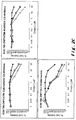
- the inventors used another ATM inhibitor KU-60019 (from Selleckchem) as well as another CK2 inhibitor named Ellipticine ( Figure 2C ). As KU-60019 showed to be significantly more efficient, this ATM inhibitor was used in the follow up experiments. The inventors then stably reintroduced the tumor suppressor VHL in 786-0 cells and measured the sensitivity of these cells to the CK2 and ATM inhibitors. They found that the synergistic anti-proliferative effect of the combination was much stronger in 786-O VHL- cells as compared to 786-0 VHL + cells ( Figure 3A, B ). One of the roles of VHL is to promote the degradation of HIF factors under normoxic conditions.
- VHL complex tags HIF-1 ⁇ with ubiquitin and thereby marks it for degradation by the 26S proteasome. It is admitted that in tumor, the cell environment is hypoxic. Consequently, it has been previously shown that there are differences in drug effects due to different VHL status in hypoxic conditions. Thus, the inventors looked at the effect of the CK2 and ATM inhibitors in low oxygen (1.5 %). As illustrated in Figure 4AB , 786-0 VHL + cultured and treated under hypoxic conditions are less sensitive to each inhibitor alone. However, the most striking observation was the strong synergetic effect of the combination in the VHL- cells as compared to the VHL + cells. The calculated theoretical additive cell death effect of both inhibitors was ⁇ 10% whereas the observed effect was 37%, clearly indicating a synthetic lethality process.
- VHL von Hippel-Lindau
- RPTEC that are described as "normal" renal epithelial cells, are as sensitive to these inhibitors as 786-O VHL + cells ( Figure 4D ) in normoxic conditions and some more sensitive in hypoxic conditions, suggesting a role of HIF in this response.
- MTS Multicellular Tumor Spheroids
- Tumor spheroid models are particularly interesting as they reproduce the multicellular resistance (MCR) associated to cell-cell interaction, low drug penetration, resistance of quiescent cells located in the deepest and hypoxic regions (Desoize 2000, Hirschhaeuser, Menne et al. 2010).
- MCR multicellular resistance
- Tumor spheroids generated from 786-O VHL- cells were treated for 48h with ATM or CK2 inhibitors or with their combination.
- 10 ⁇ M ATM inhibitor and 7.5 ⁇ M CX-4945 were the optimal concentrations that show a synergetic effect on the viability of 786-0 VHL - cells, as visualized by propidium iodide staining.
- mice were euthanized and tissue slices were generated from the tumors using a Vibratome (Leica). Tissue slices were placed in special supports that allow oxygen-gas exchange and were treated for 48h at different drug concentrations. Read-out of the drug effect on tumor slices was performed in vivo using either immunofluorescence (cell live and dead kit) or Luciferase activity measurement with IVIS Imaging reader ( Figure 8 ).
Landscapes
- Health & Medical Sciences (AREA)
- Life Sciences & Earth Sciences (AREA)
- Chemical & Material Sciences (AREA)
- Veterinary Medicine (AREA)
- Medicinal Chemistry (AREA)
- Animal Behavior & Ethology (AREA)
- General Health & Medical Sciences (AREA)
- Pharmacology & Pharmacy (AREA)
- Public Health (AREA)
- Epidemiology (AREA)
- Chemical Kinetics & Catalysis (AREA)
- Organic Chemistry (AREA)
- Nuclear Medicine, Radiotherapy & Molecular Imaging (AREA)
- General Chemical & Material Sciences (AREA)
- Pharmaceuticals Containing Other Organic And Inorganic Compounds (AREA)
- Medicines That Contain Protein Lipid Enzymes And Other Medicines (AREA)
Abstract
Description
- The present invention pertains to the domain of cancer treatment. More precisely, the present invention relates to a novel combined treatment of renal cell carcinoma.
- Renal cell carcinoma (RCC) is the eighth leading malignancy in the world, accounting for 4% of all cancers. Approximately 30% of RCC patients present with metastatic disease at the time of diagnosis and nearly half of the remainder will subsequently develop metastasis (mRCC) (Negrier, Escudier et al. 1998, McDermott, Regan et al. 2005).
- Clear Cell Renal Cell Carcinoma (ccRCCs) is the most common form of kidney cancer, accounting for 75% of all cases (Lopez-Beltran, Scarpelli et al. 2006).
- Inactivating or silencing mutations of the Von Hipped Lindau (VHL) Tumor Suppressor Gene represents ccRCC fingerprints.
- It has been shown that, under normoxic conditions, the oxygen-sensitive HIFα subunit is degraded by VHL-mediated ubiquitination. However, under hypoxic conditions, HIFα degradation is suppressed, leading to enhanced nuclear localization of HIFα and transcription of various target genes, including the angiogenic factor gene VEGF (Kaelin 2008) and other genes involved in tumor progression and metastasis.
- RCC is notably highly resistant to chemotherapy. Moreover, treatment of mRCC is difficult because it shows no or limited responsiveness to conventional anticancer therapies, such as radiation, chemotherapy and cytokine therapy (Figlin, Stemberg et al. 2012).
- However, several available kinase-targeted agents have shown beneficial effects for the treatment of patients with metastatic renal cell carcinoma (mRCC), including Tyrosine Kinase inhibitors (TKIs) like sunitinib, sorafenib, pazopanib and axitinib, the VEGF-targeted antibody bevacizumab and the mammalian target of rapamycin (mTOR) inhibitors temsirolimus and everolimus (Maj-Hes, Medioni et al. 2013). Although these targeted agents demonstrate antitumor activity and prolonged progression-free survival (PFS) some patients treated with them experience disease progression.
- Thus, the lack of long-term efficacy of current treatments reveals the urgent need to find other therapies focusing on the different pathways involved in this devastating disease.
- To this aim, the inventors have taken advantage of a new approach called "synthetic lethality". In classical genetics, this term refers to the interaction between two genetic perturbations which confer lethality when combined, whereas each perturbation alone does not. Synthetic lethality can also apply to cases in which the combination of a mutation or inactivation of one gene and the action of a chemical compound causes lethality, whereas the mutation/inactivation or the compound alone is non-lethal. A synthetic lethal approach to cancer therapy is currently being explored as a means to develop targeted therapies to reduce off-target effects in chemotherapies and chemopreventive drugs (McLornan, List et al. 2014).
- Genetic or pharmacological interference are among major mechanisms to achieve synthetic lethality in cancer. New drug combinations can be identified from high-throughput screening using small interfering RNA (siRNA), short hairpin RNA (shRNA) and/or small chemical inhibitors.
- To achieve this, the inventors have performed a novel type of screening. As described in the experimental part below, they used the highly aggressive 786-0 VHL null ccRCC human cell line and combined 36 shRNAs to silence different genes that have been shown to be involved in different types of cancer with 80 different drugs (FDA and non-FDA approved). By doing so, they identified several gene-drug interactions including synthetic-lethal interactions between components of signaling pathways and specific kinase inhibitors. Among them, the shRNA-mediated knockdown of CK2α expression enhanced the sensitivity of 786-0 VHL- cells to KU-60019 (Selleckchem), an inhibitor of Ataxia Telangiectasia Mutated (ATM) kinase. The same effect was also observed when the cells were treated with a combination of KU-60019 and CX-4945, a protein kinase CK2 inhibitor. Moreover, this synergistic anti-proliferative effect of the combination was much stronger in 786-0 VHL- cells as compared to 786-0 VHL+ cells. This differential effect was also observed with the RCC4 VHL- and RCC4 VI-IL+ cell lines, indicating that simultaneous pharmacologic inhibition of ATM and CK2 acted in a synergistic fashion to specifically impede VHL null ccRCC cell growth in a manner greater than the individual inhibitors alone.
- The role of CK2 (formerly called "casein kinase II"), and ATM kinases in cell survival signaling pathways and their implication in cancer are well documented in the literature.
- CX-4945 has been shown to be effective in several in vitro and pre-clinical studies (Siddiqui-Jain et al., Cancer Res December 15, 2010 70; 10288). The results show that CX-4945 can induce stabilization of the disease in several types of cancer. CX-4945 has been tested in Phase I of clinical trials in several types of solid tumors including Renal Carcinoma (Marschke et al., Mol Cancer Ther 2009; 8(12 Suppl): C39).
- ATM inhibitor KU-60019 was used to radiosensitize gliomas cells (Golding et al, 2009), and was also tested in preclinical studies (Vechio et al., 2014).
- Despite the fact that both kinases have been considered as relevant targets for the development of pharmacological inhibitors, the results disclosed below constitute the first demonstration that dual targeting of CK2 and ATM leads to a synergistic inhibition of proliferation/survival of cancer cells.
- The present invention hence pertains to a combination of a first agent inhibiting a protein kinase CK2 (CK2) and a second agent inhibiting an Ataxia Telangiectasia Mutated (ATM) kinase, for use as a medicament.
- In what precedes, the "first agent inhibiting a CK2" can be any molecule inhibiting either the expression or the activity of said CK2. In particular, the first agent can be a chemical molecule inhibiting the kinase activity of CK2, a siRNA targeting a gene encoding CK2α and/or α' (thereby inhibiting its expression) or a shRNA targeting a gene encoding CK2α and/or α' (thereby inhibiting its expression). Similarly, the "second agent inhibiting an ATM kinase" can be any molecule inhibiting either the expression or the activity of said ATM kinase. Examples of such agents are chemical molecules inhibiting the kinase activity of ATM kinase, siRNAs targeting a gene encoding ATM kinase and shRNAs targeting a gene encoding ATM kinase.
- According to a particular embodiment of the combinations according to the present invention, the first agent is 5-(3-chlorophenylamino)benzo[c][2,6]naphthyridine-8-carboxylic acid (CAS 1009820-21-6, called by its commercial name "CX-4945" in the experimental part below), or 5,11-Dimethyl-6H-pyrido[4,3-b]carbazole (CAS 519-23-3, commercially called "Ellipticine"), or 7-Chloro-10-Methyl-11h-Benzo[g]pyrido[4,3-B]indol-3-Ol (described as "
compound 18" in the publication of prudent et al., Cancer Research 2010 - According to another particular embodiment of the combinations according to the present invention, the second agent is selected from the group consisting of 2-((2S,6R)-2,6-dimethylmorpholino)-N-(5-(6-morpholino-4-oxo-4H-pyran-2-yl)-9H-thioxanthen-2-yl)acetamide (CAS 925701-49-1, called by its commercial name "KU-60019" in the experimental part below) and 2-Morpholin-4-yl-6-thianthren-1-yl-pyran-4-one (CAS 587871-26-9). Of course, this list is not limitative, and other ATM kinase inhibitors can be used according to the present invention. In particular, derivatives of the cited molecules can be used, provided they exhibit an ATM kinase-inhibiting effect at least as efficient and selective as that of these molecules.
- A particular combination according to the present invention is 5-(3-chlorophenylamino)benzo[c][2,6]naphthyridine-8-carboxylic acid as the first agent and benzo[g]-pyridoindole as the second agent.
- In the combinations described above, the first and second agents can be comprised in a composition (in any pharmaceutically acceptable form, such as a pill, tablet, a powder present in a capsule, a liquid etc.), or in a kit of parts. The two agents can also be provided separately, and they will be considered as "combined" in the sense of the present invention as soon as they are administered to a same individual either together or separately, provided the time between the administration of the two agents does not exceed 1 week, preferably 48 hours and more preferable 24 hours.
- As mentioned above, the inventors observed a synthetic-lethal interaction between CK2 inhibitors and ATM kinase inhibitors in a VHL null cell line. Further investigations revealed that the observed synergy between the two agents was weaker in cell lines which were not deficient for VHL. Hence, according to a preferred embodiment, a combination according to the present invention is used as a medicament for treating a solid tumor which harbors a VHL inactivation. Examples of such tumors are those which occur in subjects suffering from the von Hippel-Lindau disease, such as hemangioblastomas of the retina and central nervous system, clear cell carninomas of the kidney, pheochromocytomas, endolymphatic sac tumors, pancreatic islet cell tumors and papillary cystademonas of the epididymis (males) or broad ligament (females), as well as the sporadic counterparts of the tumors observed in VHL disease, such as ccRCC and hemangioblastomas (Kundo and Kaelin, 2001).
- Among kidney carcinomas, renal clear cell carcinomas (ccRCC) are the most frequent and the most aggressive ones. According to a particular embodiment, the combination according to the present invention is used as a medicament for treating a renal clear cell carcinoma (ccRCC).
- Nephroectomy is the first line of treatment for renal cell carcinoma. The risk of metastasis is high even after kidney nephrectomy, especially when the tumor is VHL- deficient. Since the synergy between CK2 inhibitor and ATM kinase inhibitor is particularly strong in VHL- cells, administration of a combination according to the invention is particularly interesting before, during and/or after nephrectomy to prevent the formation of metastases. In metastatic renal cell carcinoma (mRCC), a combination according to the invention is useful to selectively kill metastatic cells, which are VHL- in a (most often) VHL+ environment. Another aspect of the present invention is hence the use of a combination as above-described, for treating a metastatic renal cell carcinoma (mRCC) or preventing the appearance of metastases.
- Another aspect of the present invention is the use of an ATM kinase inhibitor, as a medicament for potentiating the effect of a CK2 inhibitor in the treatment of a cancer which harbors a VHL inactivation. In what precedes, "potentiating" means enhancing the effect of the CK2 inhibitor, so that the combined effect is greater than the sum of the effects of each inhibitor alone, as is the case in synthetic lethality.
- Preferred ATM kinase inhibitors which can be used according to this aspect of the invention are 2-((2S,6R)-2,6-dimethylmorpholino)-N-(5-(6-morpholino-4-oxo-4H-pyran-2-yl)-9H-thioxanthen-2-yl)acetamide, 2-Morpholin-4-yl-6-thianthren-1-yl-pyran-4-one and derivatives thereof (as defined above).
- The ATM kinase inhibitor is preferably used for potentiating the effect of a CK2 inhibitor selected amongst 5-(3-chlorophenylamino)benzo[c][2,6]naphthyridine-8-carboxylic acid, 5,11-Dimethyl-6H-pyndo[4,3-b]carbazole, benzo[g]-pyridoindole and derivatives thereof.
- According to a preferred embodiment, the ATM kinase inhibitor is preferably used for potentiating the effect of a CK2 inhibitor in the treatment of a cancer selected amongst RCC, ccRCC and mRCC.
- Yet another aspect of the present invention is the use of a CK2 inhibitor, for use as a medicament for potentiating the effect of an ATM kinase inhibitor in the treatment of a cancer which harbors a VHL inactivation.
- Preferred CK2 inhibitors used according to this aspect of the invention are 5-(3-chlorophenylamino)benzo[c][2,6]naphthyridine-8-carboxylic acid, 5,11-Dimethyl-6H-pyrido[4,3-b]carbazole, benzo[g]-pyridoindole and derivatives thereof.
- The CK2 inhibitor is used for potentiating the effect of an ATM kinase inhibitor which is preferably selected amongst 2-((2S,6R)-2,6-dimethylmorpholino)-N-(5-(6-morpholino-4-oxo-4H-pyran-2-yl)-9H-thioxanthen-2-yl)acetamide, 2-Morpholin-4-yl-6-thianthren-1-yl-pyran-4-one and derivatives thereof.
- According to a preferred embodiment, the CK2 inhibitor is used for potentiating the effect of an ATM kinase inhibitor in the treatment of a cancer selected from RCC, ccRCC and mRCC.
- The present invention will be understood more clearly from the further description which follows, which refers to examples illustrating the effect of the combined inhibition of ATM kinase and CK2 on cultured cells, as well as to the appended figures.
-
Figure 1 : Flow chart of the screening. -
Figure 2: A ) Indicated transfected 786-O cells (shCTRL in black and shCK2α in white) were treated with 1, 5 or 10 µM of ATM inhibitor for 48h. Cell viability was measured and represented as a percentage of growth inhibition compared to DMSO, taken as 0%. * represents p=0.44.
B) shCTRL 786-0 cells were treated with indicated concentrations of ATM inhibitor (white bars), CX-4945 (grey) or both (black) for 48h and cell viability was measured as in A. * represents p=0.03, between the sum of % cell growth inhibition of ATMi and CX-4945 vs the Mix of both.
C) Two different ATM inhibitors (ATM inhibitor KU-60019 (Sellekchem) and ATM inhibitor CAS 587871-26-9 (Calbiochem) were used to study their synergetic effect with two different inhibitors of CK2 (CX-4945 or Ellipticine) on 786-0 cell viability ●: ATM inhibitor; □: CK2 inhibitor; Δ: both). Cell viability was measured and represented as percentage of viability compared to cells treated with the vehicle (DMSO) taken as 100%. -
Figure 3: A ) 786-0 cells (VHL+ upper panel and VHL- lower panel) culture under 20 % O2 (Normoxia) were treated with increasing concentrations of CX-4945 in the absence (dotted line) or in the presence of KU-60019 (ATMi), dashed lines with circle 2.5 µM,triangle 5 µM and plain line withsquare 10 µM) for 48h. Cell death was measured and represented as a percentage compared to DMSO taken as 0%.
B) Cell growth inhibition of 786-0 cells (VHL+ upper panel and VHL- lower panel) upon treatment with 5 µM KU-60019 or 2.5 µM CX-4945 or both (MIX: 5µM KU60019 + 2.5 µM CX-4945) under normoxia. -
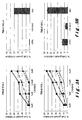
Figure 4: A ) 786-O cells (VHL+ upper panel and VHL- lower panel) cultured under 1.5 % 02 (Hypoxia) were treated with increasing concentrations of CX-4945 in the absence (dotted line) or in the presence of KU-60019 (ATMi), 2.5 µM (dashed line with circle), 5 µM (dashed line with triangle) and 10 µM (plain line with square) for 48h. Cell death was measured and represented as a percentage compared to DMSO taken as 0%.
B) Cell growth inhibition of 786-O cells (VHL+ upper panel and VHL- lower panel) upon treatment with 5 µM KU-60019 or 2.5 µM CX-4945 or both (MIX: 5µM KU-60019 + 2.5 µM CX-4945) under hypoxia. ** represents p=0.019.
C) Caki-2 cells were treated under normoxia (lower panel) or hypoxia (upper panel) with indicated concentrations of KU-60019 in the absence or in the presence of 2.5 or 5 µM (white, grey and black bars respectively) of CX-4945 for 48h. Cell viability was measured and represented as a percentage of cell death compared to DMSO, taken as 0%. * represents p=0. 16.
D) RPTEC cells were treated under normoxia (lower panel) or hypoxia (upper panel) with indicated concentrations of KU-60019 in the absence or in the presence of 2.5 or 5µM (white, grey and black bars respectively) of CX-4945 for 48h. Cell viability was measured and represented as apercentage of cell death compared to DMSO, taken as 0%. -
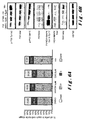
Figure 5 : 786-O cells (VHL- and VHL+) cultured under 1.5 % O2 (Hypoxia) were treated for 48h with DMSO (CTRL), 5 µM KU-60019 (ATMi), 2.5 µM CX-4945 or both (mix). Expression (total) and phosphorylation (P-) of ATM and αCatenin were assessed by Western blot. HSP90 was used as a loading control. -
Figure 6: A ) FACS analysis of 786-O VHL- cells treated for 48h with indicated compounds under hypoxic conditions and labeled with Propidium Iodide for cell cycle analysis.
B) Western blot analysis of 786-O VHL- cells treated for 48h with indicated compounds under hypoxic conditions. HSP90 was used as a loading control. -
Figure 7 : 786-0 VHL- cells were seeded on poly-Hema precoated U-bottom wells, grown for 3 days followed by 48h of treatment as indicated. A) Dead cells were visualized using Propidium Iodide.
B and C) Acquisitions and analysis were performed on ArrayScanVTI (ThermoScientific). -
Figure 8: A ) 786-O-Luc cells (3 millions) were injected under renal capsula. The tumor was grown for 5 weeks before surgery and processed to generate tissue slice culture. Tissue slices were imaged for Luciferase activity using IVIS apparatus before treatment and 48h after incubation with indicated molecules (square: 10 µM ATMinhibitor, triangle: 10 µM CX-4945, cross: 10µM ATMi+ 10 µM CX-4945, diamond: vehicle DMSO). B) Tissue slice cultures were further labeled with Live and Dead kit (Life Technologies) to visualize lived/dead cells (dot markers). -
Figure 9 : Spheroid migration assay: spheroids were grown as previously described for 3 days and then seeded in flat bottom tissue culture plates and treated with DMSO, KU-60019 (ATMi), CX-4945 (CX) or both (mix) at time that correspond to 0h. Pictures were taken at indicated time points and area occupied by the spreading cells was measured using ImageJ. Student test between ATMi and mix at 168h is <0.05. - All compounds were dissolved in pure DMSO at a concentration of 10mM. CX-4945 was synthesized at the Plateau Synthèse Organique, Département de Chimie moléculaire, UJF, Grenoble, according to the method described by (Pierre, Chua et al. 2010). The chemical library was composed of 2 commercial libraries, one from ENZO (screen-well kinases inhibitors) and the other from Selleckchem (Tyrosine kinase inhibitors) that were complemented with other inhibitors (see Table 1).
Table 1: chemical library Molecules Target Molecules Target Molecules Target Molecules Target U0126 MEK PHA66575 2 MET CHIR 99021 GSK3b Lapatinib EGFR AG370 PDGF R AT9283 AURORA A/ B Tyrphostin 25 EGFR TSU 68 TGFbR/FGF R1 SP600125 JUNK TIE 2 ANGR ML-7 MLCK CP 690550 JAK3 GEFITINIB EGFR GDC0941 PI3K Rapamycin mTOR STF 62247 autophagy induicer SUNITINIB VEGFR Roxolitinib JAK/STAT OSI 930 cKIT Baraserbib APATINIB VEGFR RG1462 EGFR KRN633 VEGFR AG 490 JAK2 DOXORUBI CIN Topoisomerase H89 PKA GSK 1838705 IGFR SU 4312 FLK1 VEMURAF ENIB ERK Kempollone GDK3b TGFb R inhib TGFbR Bosutinib ABL SB203580 P38 MAPK SU11274 MET ATM inhib ATM Pazopanib VEGFR LY294002 PI3K AG490 EGFR Piceatannol SYK AZ 960 JAK INDIRUBIN GSK3b PF562271 FAK Roscovitine CDK CX4945 CK2 PF2341066 MET Iniparib PARP Axitinib VEGFR & PDGFR Temsiroli mus mTOR SXG523 MET Enzastaurin PKC Imatinib ABL Aurora 1 inhib AURORA A WP1130 DUB/ ABL Tyrphostin 1 CTRL inactif INCB018 424 JAK/STAT AG 126 IRAK FASENTIN GLUT1 KN62 CamK Crenolanib PDGFR alpha GW 5074 cRAF YM155 Sirvivin BML257 AKT Saracatinib SRC Dasatinib ABL LAVENDUS TIN EGFR NVP-ADW742 IGFIR GSK1120 212 MEK Sorafenib VEGFR HYPERICIN PKC MK1775 WEE1 PP1 SRC Cyt 387 JAK Y27632 ROCK KX2-391 SRC ZM 336372 cRAF 5FU ADN Paclitaxel Tubuline Perifosine AKT AZD 0530 SRC/ABL Tosasertib Aurora - Lentiviral particles were provided by Sigma-Aldrich coming from the PLKO1 vector Hpgk-puro-cMV-tGFP, containing different shRNA sequences targeting different genes (see Table 2).
Table 2 : genes targeted by shRNA Gene Accession Number Gene Accession Number PDK1 NM_002610 BCL2A1 NM_004049 PLK2 NM_006622 TP53 NM_000546 PNCK NM_198452 ATM NM_000051 HCK NM_002110 ATR NM_001184 NEK6 NM_014397 CHEK1 NM_001274 TRIB3 NM_021158 CHEK2 NM_007194 PCTK3 / CDK18 NM_002596 MAPK14 NM_001315 MET NM_000245 CDK6 NM_001259 MELK NM_014791 PTK2 NM_005607 AURKB NM_004217 SRC NM_198291 KIT NM_000222 PAX2 NM_000278 PRKCD NM_006254 CSF1R NM_005211 PXK NM_017771 FGFR1 NM_015850 PDGFRL NM_006207 CA9 NM_001216 LCK NM_005356 AURORA NM_003600 PIM2 NM_006875 FLT1 NM_002019 MAPK1 NM_138957 CSNK2A1 NM_001895 AURKB NM_004217 CSNK2B NM_001320 - ccRCC cell lines 786-0, RCC4 and Caki-2 as well as normal renal proximal tubular epithelial cell line RPTEC were obtained from ATCC and Evercyte (Germany), respectively. Cells were grown in 10-cm diameter plates in a humidified incubator (37°C, 5% CO2) with RPMI 1640 medium (Gibco) containing 10% of fetal bovine calf serum, penicillin [100U/mL], streptomycin [100µg/mL] concerning 786-O.
DMEN medium Glutamax 4,5mg/mL (Gibco) containing 10% of fetal bovine calf serum, penicillin [100U/mL], streptomycin [100µg/mL] was used for the RCC4 cells and McCoy's medium containing 10% of fetal bovine calf serum, penicillin [100U/mL], streptomycin [100µg/mL] was used for the Caki-2 cell line. - RPTEC were cultured in ProXup (Evercyte). 786-0 and Caki2 cells were passed every 2-3 days and only once a week for RPTEC.
- The parental VHL null cell line was used to generate its derivative lines containing either the empty expression vector HA-pBABE or a functional VHL construct HA-VHL (VHL+ cells). Stable transfectants were maintained in medium supplemented with 2µg/ml puromycin.
- For infection, 786-O cells were plated into 6 well-plates (8 x 10⁵ in 2 mL of serum-supplemented RPMI 1640 medium). The day after, adherent cells were incubated with lentiviral particles (1-5 MOI) diluted in 1000 µl of serum-supplemented medium containing 8µg/µL polybrene. After 4h, 1 mL of medium was added to cultures and transduction was maintained for 16 hours before washing cells and changing the medium. For stable transduction, puromycin selection started 36h post-infection (at the concentration of 2µg/mL) and was maintained during all cell culture.
- For 3-D culture (spheroids), the spheroids were prepared in 96-wells U-bottom tissue culture plate with low evaporation Lid (MicrotestTM, Becton Dickinson Labware, San Jose, CA) coated with 20mg/mL of poly-HEMA per well to allow the formation of spheroids. Renal cancer cells 786-O WT, 786-O pBABE and 786-O VHL (taken from exponentially growing cultures) were seeded at a density of 1x10³ cells/mL in RPMI supplemented with 10% FCS. 90 µL (9x10² cells) of these cell suspensions were deposed in each well then tissue culture plates were incubated at 37°C and 5% CO2 for 3 days before drug treatment for further 48h.
- Cytotoxicity was measured using PrestoBlue assay (Invitrogen, Carlsbad, CA). Cell lines were seeded in a 96-well microtiter plate at a concentration of 5 × 10⁴ cells/mL. Cells were allowed to attach for 24 hrs at 37°C and 5% CO2. The cells were exposed to the negative control DMSO or positive drug CX-4945 at 20µM for 48h or the other molecules at indicated concentrations.
- Cells were lysed in RIPA buffer containing a cocktail of protease and phosphatase inhibitors (Tris HCl pH 7.4 10 mM, NaCl 150 mM, SDS 0.1%, Na Deoxycholate 0.5%,
EDTA 1 mM,Triton X100 1%, containing a protease inhibitor cocktail (Sigma P8340),phosphatase inhibitor cocktails 1 and 2 (Sigma P2850, P5726), 15 min and clarified at 16,000g for 15 min. Homogenates were quantified using BCA protein Assay kit (Thermo Scientific). SDS-PAGE was performed using pre-cast 4-12% gradient gel (Bio-Rad) and electrophoresed in NuPAGE buffer at 150 volts for 75 minutes. Separated proteins at 20µg/lane were transferred to PVDF membranes (60 minutes at 100 Volts). Blotted membranes were blocked during 1h at room temperature with saturation buffer (1% BSA in TBST), and then incubated with primary antibody diluted in saturation buffer, during 1h30. Secondary antibodies were added for 1 hour. Detection was achieved by using Luminata Forte Western HRP substrate (Millipore) and Fusion FX acquisition systems. Anti-βactin (Abcam), GAPDH (Ambion) or HSP90 (Cell Signaling) were used to control for equal protein loading. - In 96-well plates, 90µl of either Ctrl- or targeted-shRNA expressing 786-0 cell suspension (55.5x10³ cells/ml) were seeded and plates incubated overnight in a 5% CO2, 37°C, humidified atmosphere. Then, 10 µl of each compound was added at the indicated concentrations (1, 5 or 20 µM final concentration) using the CMBA's robotic platform. DMSO was used as a negative control and 20 µM CX-4945 as a positive control. Plates were further cultured for 48 hrs. Cells were labeled with vital Hoechst (33342) together with Prestoblue and the fluorescence reading was made through the Tecan's Infinite M100 reader. See Flow chart in
Figure 1 . - Primary and secondary High-Throughput Screening assays were evaluated and validated using a simple statistical parameter, the Z'-factor (Zhang, Chung et al. 1999).
- Raw data were first imported into the database of the home-made analysis software TAMIS, used for analysis. For each test plate and assay type (PrestoBlue or vital Hoechst), mean of the eight DMSO negative control values was considered as 0% activity and mean of the eight CX-4945 positive control values was considered as 100% activity. Then, each compound X-related raw values were translated in activity percent, compared to DMSO (0%) and CX-4945 (100%). Finally, for each compound X/targeted-shRNA Y pair and assay, the activity percentage obtained with the compound X/Ctrl-shRNA was taken from the compound X /targeted-shRNA Y activity percentage in order to identify compound X/ targeted-shRNA Y pair showing additive, or even synergistic, effect compared to compound X/Ctrl-shRNA pair.
- The statistical significance of differences between the means of two groups was evaluated by the two-tailed t-test and the level of significance was as indicated in the figure legends.
- Three days pre-formed spheroids were treated with the different drugs at indicated concentrations during 48H. After that, Hoechst (200ng/mL) and Propidium Iodide (1µg/mL) were added as markers of cell nuclei and cell death respectively. Images of IP and Hoechst fluorescence were acquired at the CMBA platform using the automated microscope ArrayScanVTI (ThermoScientific). ArrayScanVTI is a fluorescent microscope which allows the rapid and fully automated acquisition of images of fixed or live cells in 96-well microplates at different magnifications. Dedicated softwares are used to automatically perform High Content image Analysis like spheroid area measurement, fluorescent intensity measurement of each staining and counting of the number of dead cells.
- A Vibratome VT1200 (Leica Microsystems) was used to cut thin (300-500 µm) slices from fresh tissue. Samples were soaked in ice-cold sterile balanced salt solution, orientated, mounted, and immobilized using cyanoacrylate glue. Slicing speed was optimized according to tissue density and type; in general, slower slicing speed was used on the softer tissues and vice versa (0.03-0.08mm/neoplastic tissue; 0.01-0.08 mm/s normal tissue). Vibration amplitude was set at 2.95-3.0 mm.
- Tissue slices were cultured on organotypic inserts for up to 120 h (one slice per insert; Millipore). Organotypic inserts are Teflon membranes with 0.4-µm pores that allow preservation of 3D tissue structure in culture. Tissue culture was performed at 37 °C in a 5% CO2 humidified incubator using 1 ml of DMEM media supplemented with 20% inactivated FBS (GIBCO), 100 U/mL penicillin (Invitrogen) and place in a rotor agitator to allow gas and fluids exchanges with the medium. The tissue slices were harvested at baseline time (T0) and thereafter, at 24-h intervals; the slices were incubated with the drugs at the indicated concentrations and after 24h and 48H, medium-containing Luciferin was added and imaged using IVIS. ROI levels allowed quantifying the efficacy of the drug treatment.
- Cell migration assay was performed as described in Gunter et al (2003). Briefly: after 3 days of stationary culture in polyHema coated round bottom 96 wells plate, individual multicellular spheroids were placed in 96 flat bottom well culture plates and treated either with DMSO, CX-4945, KU-60019 or the MIX of both. Upon adherence to the solid support, spheroids disassembled and released cells migrated away radially from their initial position. Cells were marked with Hoechst and images were taken with AXIObserver ZEISS microscope. The area covered by cells was measured every 24 h over a period of 7 days. The area covered by the cells was taken as an indicator of cellular migration ability.
- As a first step to identify potential novel therapeutic targets in ccRCC, the screening platform was used to interrogate drug-gene interactions using the 786-O VHL- cell line. Cancer-relevant genetic aberrations were selected using literature and database search. This yielded a list of 36 genes that have been linked to several cancers including ccRCC (Table 2). To assess the effect of inhibition of these genes in cancer, the inventors manipulated their expression using RNA interference (RNAi). The chemical library mainly consisted of clinically relevant kinase inhibitors (including a series of FDA-approved therapeutics) that altogether comprised 80 small molecules (Table 1). Next, to search for drug-gene interactions, the inventors have established a multiplexed assay to analyze the cellular fitness of the shRNA-engineered cell lines in response to the chemical library. This method enabled to query a 36 x 80 drug-gene matrix, which allowed the interrogation of almost 2,880 drug-gene pairs. The library was screened at three concentrations, yielding over 8,640 data points (
Figure 1 ). As mentioned before, cell viability markers were used to measure the effects of each combination in each cell line versus the control. - Data analysis revealed several gene-drug interactions including synthetic-lethal interactions between components of signaling pathways and specific kinase inhibitors. Among them, the inventors found that the shRNA-mediated knockdown of CK2α expression enhanced the sensitivity of 786-0 VHL- cells to an inhibitor of Ataxia Telangiectasia Mutated (ATM) kinase (Calbiochem) (
Figure 2A ). The same synergistic effect was also observed when the cells were treated with a combination of ATM inhibitor plus CX-4945, a protein kinase CK2 inhibitor, suggesting a synthetic-lethal interaction (Figure 2B ). To confirm the specificity of the targeted-kinases, the inventors used another ATM inhibitor KU-60019 (from Selleckchem) as well as another CK2 inhibitor named Ellipticine (Figure 2C ). As KU-60019 showed to be significantly more efficient, this ATM inhibitor was used in the follow up experiments. The inventors then stably reintroduced the tumor suppressor VHL in 786-0 cells and measured the sensitivity of these cells to the CK2 and ATM inhibitors. They found that the synergistic anti-proliferative effect of the combination was much stronger in 786-O VHL- cells as compared to 786-0 VHL+ cells (Figure 3A, B ). One of the roles of VHL is to promote the degradation of HIF factors under normoxic conditions. Indeed, VHL complex tags HIF-1α with ubiquitin and thereby marks it for degradation by the 26S proteasome. It is admitted that in tumor, the cell environment is hypoxic. Consequently, it has been previously shown that there are differences in drug effects due to different VHL status in hypoxic conditions. Thus, the inventors looked at the effect of the CK2 and ATM inhibitors in low oxygen (1.5 %). As illustrated inFigure 4AB , 786-0 VHL+ cultured and treated under hypoxic conditions are less sensitive to each inhibitor alone. However, the most striking observation was the strong synergetic effect of the combination in the VHL- cells as compared to the VHL+ cells. The calculated theoretical additive cell death effect of both inhibitors was ∼10% whereas the observed effect was 37%, clearly indicating a synthetic lethality process. - Caki2 cell line was isolated from primary ccRCC and has a loss-of-function mutation in the von Hippel-Lindau (VHL) tumor-suppressor protein. These cells are known to form tumors in immunocompromised mice. In VHL mutated form of ccRCC cells like Caki2, this synergetic effect was also present (
Figure 4C ). As comparison, RPTEC that are described as "normal" renal epithelial cells, are as sensitive to these inhibitors as 786-O VHL+ cells (Figure 4D ) in normoxic conditions and some more sensitive in hypoxic conditions, suggesting a role of HIF in this response. - Western blot analysis was performed to visualize the inhibition, in hypoxic conditions, of ATM and CK2 in 786-0 cell lines by KU-60019 and CX-4945, respectively (
Figure 5 ). ATM was clearly inhibited by KU-60019 in VHL+/-, 1.5% O2 conditions, as evidenced by reduction in the canonical phosphorylation of P-ATM Ser1981. The same was observed for CK2 in 786-0 VHL-, using P-α-Catenin Ser641. Surprisingly, substrates phosphorylation was less affected in the mix both in normoxia and hypoxia. - To understand how cell viability might be affected by the treatments, the inventors looked for apoptosis markers. Neither PARP cleavage nor caspase activation were detected, indicating that the inhibitors did not induce apoptosis (data not shown). Cell cycle analysis was performed by FACS using Propidium Iodide labeling.
Figure 6A shows that there was barely detectable cell death induced by the combination of inhibitors (1.73%) as compared to control (0.46%). However, the G1 phase was extended in cells where ATM was inhibited, whereas CX4945 was without effect. Moreover, the combination of ATM and CK2 inhibitors increased the amount of G1-arrested cells (65%), while decreasing cells in S and G2/M phases (15 and 16% respectively) as compared to DMSO treated cells. These data were confirmed by Western blot analysis of proliferation-related markers (p38 MAPK and p42/p44 MAPK) as well as cell cycle arrest markers (P53 and BAX) (Figure 6B ). - In order to be closer to the tumor environment, the drug treatments were performed in Multicellular Tumor Spheroids (MTS), which are known to mimic micro-tumors more closely than cancer cell line monolayers. Indeed, MTS represent quite realistically the 3-D growth and organization of solid avascular tumors and consequently simulate more precisely the cell-cell interactions and micro-environmental conditions found in tumors, especially nutrient and oxygen gradients. Several studies indicated that drug sensitivity testing performed on Tumor spheroids can effectively predict the efficiency of new antitumor compounds in patients and has proven in numerous studies to be of tremendous interest in characterizing the effects of chemotherapeutics (Dubessy, Merlin et al. 2000). In that context, Tumor spheroid models are particularly interesting as they reproduce the multicellular resistance (MCR) associated to cell-cell interaction, low drug penetration, resistance of quiescent cells located in the deepest and hypoxic regions (
Desoize 2000, Hirschhaeuser, Menne et al. 2010). Tumor spheroids generated from 786-O VHL- cells were treated for 48h with ATM or CK2 inhibitors or with their combination. As shown inFigure 7 , 10 µM ATM inhibitor and 7.5 µM CX-4945 were the optimal concentrations that show a synergetic effect on the viability of 786-0 VHL- cells, as visualized by propidium iodide staining. - The majority of preclinical kidney cancer research is based on established cell lines. However, these cell lines frequently have undergone multiple changes influencing their biological behavior and therefore no longer reflect the primary tumor of origin. Freshly isolated primary epithelial cells, in contrast, may be more closely related to the malignant epithelial cells of the tumor. But it is most likely that separated tumor cells will behave differently in vitro, as both cell-cell and cell-matrix interactions are highly different compared to the in vivo situation. Therefore, to investigate tumor cell behavior ex vivo, it is necessary to maintain or reconstitute an environment closely resembling the tumor tissue.
- To achieve this, the inventors took advantage of our expertise in cutting pre-induced xenografts of kidney tumors(Vaira, Fedele et al. 2010). Briefly, 786-0 Luciferase cells were injected under the kidney capsule of nude mice and tumor growth was monitored through Luciferase intensity using an IVIS Imaging reader. After 6 weeks of growth, mice were euthanized and tissue slices were generated from the tumors using a Vibratome (Leica). Tissue slices were placed in special supports that allow oxygen-gas exchange and were treated for 48h at different drug concentrations. Read-out of the drug effect on tumor slices was performed in vivo using either immunofluorescence (cell live and dead kit) or Luciferase activity measurement with IVIS Imaging reader (
Figure 8 ). - To assess the effect of the combined inhibitors on the migration capacity of cancer cells, the inventors performed spheroid migration assay. The preliminary data shown in
figure 9 suggest that only the combination of the two inhibitors impair the cell spreading of treated spheroids. - In conclusion, considering that the CK2 inhibitor CX-4945 is currently evaluated for the treatment of several types of cancers, the above findings reveal a strategy to potentially improve the efficacy of CK2 inhibition in RCC by co-treatment with ATM inhibitors. There is a strong preclinical rationale to combine CK2 and ATM inhibitors to treat advanced stage RCC, with immediate implications for clinical evaluation.
-
- Desoize, B. (2000). "Contribution of three-dimensional culture to cancer research." Crit Rev Oncol Hematol 36(2-3): 59-60.
- Dubessy, C., J. M. Merlin, C. Marchal and F. Guillemin (2000). "Spheroids in radiobiology and photodynamic therapy." Crit Rev Oncol Hematol 36(2-3): 179-192.
- Figlin, R., C. Sternberg and C. G. Wood (2012). "Novel agents and approaches for advanced renal cell carcinoma." J Urol 188(3): 707-715.
- Golding Sarah E. et al, Improved ATM kinase inhibitor KU-60019 radiosensitizes glioma cells, compromises insulin, AKT and ERK prosurvival signaling, and inhibits migration and invasion; Mol Cancer Ther October 2009 8; 2894
- Günther W, Pawlak E, Damasceno R, Arnold H and AJ.Terzis (2003). "Temozolomide induces apoptosis and senescence in glioma cells cultured as multicellular spheroids. Br J Cancer. 2003 .
- Hirschhaeuser, F., H. Menne, C. Dittfeld, J. West, W. Mueller-Klieser and L. A. Kunz-Schughart (2010). "Multicellular tumor spheroids: an underestimated tool is catching up again." J Biotechnol 148(1): 3-15.
- Kundo, K. and Kaelin, W.G. (2001). "The von Hippel-Lindau Tumor Suppressor Gene." Experimental Cell Research 264, 117-125.
- Lopez-Beltran, A., M. Scarpelli, R. Montironi and Z. Kirkali (2006). "2004 WHO classification of the renal tumors of the adults." Eur Urol 49(5): 798-805.
- Maj-Hes, A., J. Medioni, F. Scotte, M. Schmidinger, G. Kramer, P. Combe, Y. Gornadha, R. Elaidi and S. Oudard (2013). "Rechallenge with mTOR inhibitors in metastatic renal cell carcinoma patients who progressed on previous mTOR inhibitor therapy." Oncology 85(1): 8-13.
- Marschke Robert F. et al, Abstract C39: Phase I clinical trial of CX-4945: A first-in-class orally administered small molecule inhibitor of protein kinase CK2; Mol Cancer Ther December 2009 8; C39
- McDermott, D. F., M. M. Regan, J. I. Clark, L. E. Flaherty, G. R. Weiss, T. F. Logan, J. M. Kirkwood, M. S. Gordon, J. A. Sosman, M. S. Ernstoff, C. P. Tretter, W. J. Urba, J. W. Smith, K. A. Margolin, J. W. Mier, J. A. Gollob, J. P. Dutcher and M. B. Atkins
- (2005). "Randomized phase III trial of high-dose interleukin-2 versus subcutaneous interleukin-2 and interferon in patients with metastatic renal cell carcinoma." J Clin Oncol 23(1): 133-141.
- McLornan, D. P., A. List and G. J. Mufti (2014). "Applying synthetic lethality for the selective targeting of cancer." N Engl J Med 371(18): 1725-1735.
- Negrier, S., B. Escudier, C. Lasset, J. Y. Douillard, J. Savary, C. Chevreau, A. Ravaud, A. Mercatello, J. Peny, M. Mousseau, T. Philip and T. Tursz (1998). "Recombinant human interleukin-2, recombinant human interferon alfa-2a, or both in metastatic renal-cell carcinoma. Groupe Francais d'Immunotherapie." N Engl J Med 338(18): 1272-1278.
- Pierre, F., P. C. Chua, S. E. O'Brien, A. Siddiqui-Jain, P. Bourbon, M. Haddach, J. Michaux, J. Nagasawa, M. K. Schwaebe, E. Stefan, A. Vialettes, J. P. Whitten, T. K. Chen, L. Darjania, R. Stansfield, K. Anderes, J. Bliesath, D. Drygin, C. Ho, M. Omori, C. Proffitt, N. Streiner, K. Trent, W. G. Rice and D. M. Ryckman (2010). "Discovery and SAR of 5-(3-Chlorophenylamino)benzo[c][2,6]naphthyridine-8-carboxylic acid (CX-4945), the first clinical stage inhibitor of protein kinase CK2 for the treatment of cancer." J Med Chem 54(2): 635-654.
- Prudent R, Moucadel V, Nguyen CH, Barette C, Schmidt F, Florent JC, Lafanechère L, Sautel CF, Duchemin-Pelletier E, Spreux E, Filhol O, Reiser JB and C. Cochet (2010). "Antitumor activity of pyridocarbazole and benzopyridoindole derivatives that inhibit protein kinase CK2." Cancer Res. 2010 .
- Siddiqui-Jain et al., "CX-4945, an orally bioavailable selective inhibitor of protein kinase CK2, inhibits prosurvival and angiogenic signaling and exhibits antitumor efficacy"; Cancer Res December 15, 2010 70; 10288.
- Vaira, V., G. Fedele, S. Pyne, E. Fasoli, G. Zadra, D. Bailey, E. Snyder, A. Faversani, G. Coggi, R. Flavin, S. Bosari and M. Loda (2010). "Preclinical model of organotypic culture for pharmacodynamic profiling of human tumors." Proc Natl Acad Sci U S A 107(18): 8352-8356.
- Vecchio, D. et al, (2014), Predictability, efficacy and safety of radiosensitization of glioblastoma-initiating cells by the ATM inhibitor KU-60019. Int. J. Cancer, 135: 479-491.
- Zhang, J. H., T. D. Chung and K. R. Oldenburg (1999). "A Simple Statistical Parameter for Use in Evaluation and Validation of High Throughput Screening Assays." J Biomol Screen 4(2): 67-73.
Claims (15)
- A combination of a first agent inhibiting a protein kinase CK2 (CK2) and a second agent inhibiting an Ataxia Telangiectasia Mutated (ATM) kinase, for use as a medicament.
- The combination of claim 1, for the use of claim 1, wherein said first agent is selected from the group consisting of chemical molecules inhibiting the kinase activity of CK2, siRNAs targeting a gene encoding CK2α and/or α' and shRNAs targeting a gene encoding CK2α and/or α', and said second agent is selected from the group consisting of chemical molecules inhibiting the kinase activity of ATM kinase, siRNAs targeting a gene encoding ATM kinase and shRNAs targeting a gene encoding ATM kinase.
- The combination of claim 1 or claim 2, for the use of claim 1, wherein said first agent is selected from the group consisting of 5-(3-chlorophenylamino)benzo[c][2,6]naphthyridine-8-carboxylic acid, 5,11-Dimethyl-6H-pyrido[4,3-b]carbazole, benzo[g]-pyridoindole and derivatives thereof.
- The combination of any of claims 1 to 3, for the use of claim 1, wherein said second agent is selected from the group consisting of 2-((2S,6R)-2,6-dimethylmorpholino)-N-(5-(6-morpholino-4-oxo-4H-pyran-2-yl)-9H-thioxanthen-2-yl)acetamide, 2-Morpholin-4-yl-6-thianthren-1-yl-pyran-4-one and derivatives thereof.
- The combination of any of claims 1 to 4, for the use of claim 1, wherein said first agent is 5-(3-chlorophenylamino)benzo[c][2,6]naphthyridine-8-carboxylic acid and said second agent is benzo[g]-pyridoindole.
- The combination of any of claims 1 to 5, for the use of claim 1, wherein said first and second agents are comprised in a composition or in a kit of parts.
- The combination of any of claims 1 to 6, for use as a medicament for treating a solid tumor which harbors a VHL inactivation.
- The combination of any of claims 1 to 6, for use as a medicament for treating a renal clear cell carcinoma (ccRCC).
- The combination of any of claims 1 to 6, for the use of claim 8, wherein said RCC is a metastatic renal cell carcinoma (mRCC).
- ATM kinase inhibitor, for use as a medicament for potentiating the effect of a CK2 inhibitor in the treatment of a cancer which harbors a VHL inactivation.
- The ATM kinase inhibitor of claim 10, for the use of claim 10, which is selected from the group consisting of 2-((2S,6R)-2,6-dimethylmorpholino)-N-(5-(6-morpholino-4-oxo-4H-pyran-2-yl)-9H-thioxanthen-2-yl)acetamide, 2-Morpholin-4-yl-6-thianthren-1-yl-pyran-4-one and derivatives thereof.
- The ATM kinase inhibitor of claim 10 or claim 11, for the use of claim 10, for potentiating the effect of a CK2 inhibitor elected from the group consisting of 5-(3-chlorophenylamino)benzo[c][2,5]naphthyridine-8-carboxylic acid, 5,11-Dimethyl-6H-pyrido[4,3-b]carbazole, benzo[g]-pyridoindole and derivatives thereof.
- The ATM kinase inhibitor of claim 10 or claim 11, for the use of claim 10 or claim 12, for potentiating the effect of a CK2 inhibitor in the treatment of a cancer selected amongst RCC, ccRCC and mRCC.
- A CK2 inhibitor, for use as a medicament for potentiating the effect of an ATM kinase inhibitor in the treatment of a cancer which harbors a VHL inactivation.
- The CK2 inhibitor of claim 14, for the use of claim 14, which is selected from the group consisting of 5-(3-chlorophenylamino)benzo[c][2,6]naphthyridine-8-carboxylic acid, 5,11-Dimethyl-6H-pyrido[4,3-b]carbazole, benzo[g]-pyridoindole and derivatives thereof.
Priority Applications (5)
| Application Number | Priority Date | Filing Date | Title |
|---|---|---|---|
| EP15306469.6A EP3144014A1 (en) | 2015-09-21 | 2015-09-21 | A synthetic lethal drug combination for treating renal cell carcinoma |
| EP16775552.9A EP3352794B1 (en) | 2015-09-21 | 2016-09-21 | Combination of a protein kinase ck2 inhibitor and an ataxia telangiectasia mutated (atm) kinase inhibitor for treating renal cell carcinoma |
| PCT/EP2016/072458 WO2017050842A1 (en) | 2015-09-21 | 2016-09-21 | A synthetic lethal drug combination for treating renal cell carcinoma |
| JP2018513290A JP7138563B2 (en) | 2015-09-21 | 2016-09-21 | Synthetic lethal drug combinations for treating renal cell carcinoma |
| US15/759,815 US10322133B2 (en) | 2015-09-21 | 2016-09-21 | Synthetic lethal drug combination for treating renal cell carcinoma |
Applications Claiming Priority (1)
| Application Number | Priority Date | Filing Date | Title |
|---|---|---|---|
| EP15306469.6A EP3144014A1 (en) | 2015-09-21 | 2015-09-21 | A synthetic lethal drug combination for treating renal cell carcinoma |
Publications (2)
| Publication Number | Publication Date |
|---|---|
| EP3144014A1 true EP3144014A1 (en) | 2017-03-22 |
| EP3144014A8 EP3144014A8 (en) | 2017-04-26 |
Family
ID=54252226
Family Applications (2)
| Application Number | Title | Priority Date | Filing Date |
|---|---|---|---|
| EP15306469.6A Withdrawn EP3144014A1 (en) | 2015-09-21 | 2015-09-21 | A synthetic lethal drug combination for treating renal cell carcinoma |
| EP16775552.9A Active EP3352794B1 (en) | 2015-09-21 | 2016-09-21 | Combination of a protein kinase ck2 inhibitor and an ataxia telangiectasia mutated (atm) kinase inhibitor for treating renal cell carcinoma |
Family Applications After (1)
| Application Number | Title | Priority Date | Filing Date |
|---|---|---|---|
| EP16775552.9A Active EP3352794B1 (en) | 2015-09-21 | 2016-09-21 | Combination of a protein kinase ck2 inhibitor and an ataxia telangiectasia mutated (atm) kinase inhibitor for treating renal cell carcinoma |
Country Status (4)
| Country | Link |
|---|---|
| US (1) | US10322133B2 (en) |
| EP (2) | EP3144014A1 (en) |
| JP (1) | JP7138563B2 (en) |
| WO (1) | WO2017050842A1 (en) |
Families Citing this family (1)
| Publication number | Priority date | Publication date | Assignee | Title |
|---|---|---|---|---|
| CN115105596B (en) * | 2022-07-18 | 2024-01-30 | 刘沐桑 | Application of Tel1 in preparation of medicine for reducing drug resistance of aspergillus fumigatus azoles |
Citations (2)
| Publication number | Priority date | Publication date | Assignee | Title |
|---|---|---|---|---|
| WO2009032213A1 (en) * | 2007-08-30 | 2009-03-12 | Cleveland State University | Control of malignant cells by kinase inhibition |
| US20090099191A1 (en) * | 2006-02-02 | 2009-04-16 | Gudkov Andrei V | Inhibition of nf-kb |
Family Cites Families (4)
| Publication number | Priority date | Publication date | Assignee | Title |
|---|---|---|---|---|
| FR2685346B1 (en) | 1991-12-18 | 1994-02-11 | Cis Bio International | PROCESS FOR THE PREPARATION OF DOUBLE-STRANDED RNA, AND ITS APPLICATIONS. |
| FR2857013B1 (en) | 2003-07-02 | 2005-09-30 | Commissariat Energie Atomique | SMALL INTERFERING RNA SPECIFIC OF ALPHA, ALPHA PRIME AND BETA SUBUNITS OF PROTEIN KINASE CK2 AND THEIR APPLICATIONS |
| US20090054507A1 (en) | 2006-09-12 | 2009-02-26 | Cleveland State University | Control of malignant cells by kinase inhibition |
| WO2011133668A2 (en) * | 2010-04-20 | 2011-10-27 | President And Fellows Of Harvard College | Methods and compositions for the treatment of cancer |
-
2015
- 2015-09-21 EP EP15306469.6A patent/EP3144014A1/en not_active Withdrawn
-
2016
- 2016-09-21 JP JP2018513290A patent/JP7138563B2/en active Active
- 2016-09-21 EP EP16775552.9A patent/EP3352794B1/en active Active
- 2016-09-21 WO PCT/EP2016/072458 patent/WO2017050842A1/en not_active Ceased
- 2016-09-21 US US15/759,815 patent/US10322133B2/en active Active
Patent Citations (2)
| Publication number | Priority date | Publication date | Assignee | Title |
|---|---|---|---|---|
| US20090099191A1 (en) * | 2006-02-02 | 2009-04-16 | Gudkov Andrei V | Inhibition of nf-kb |
| WO2009032213A1 (en) * | 2007-08-30 | 2009-03-12 | Cleveland State University | Control of malignant cells by kinase inhibition |
Non-Patent Citations (24)
| Title |
|---|
| ADAM SIDDIQUI-JAIN ET AL: "CX-4945, an Orally Bioavailable Selective Inhibitor of Protein Kinase CK2, Inhibits Prosurvival and Angiogenic Signaling and Exhibits Antitumor Efficacy", CANCER RESEARCH, AMERICAN ASSOCIATION FOR CANCER RESEARCH, US, vol. 70, 15 December 2010 (2010-12-15), pages 10288 - 10298, XP009148464, ISSN: 0008-5472, DOI: 10.1158/0008-5472.CAN-10-1893 * |
| ARTEAGA C L ET AL: "Elliptinium, a DNA intercalating agent with broad antitumor activity in a human tumor cloning system", EUROPEAN JOURNAL OF CANCER AND CLINICAL ONCOLOGY, PERGAMON PRESS LTD, vol. 23, no. 11, 1 November 1987 (1987-11-01), pages 1621 - 1626, XP026200084, ISSN: 0277-5379, [retrieved on 19871101], DOI: 10.1016/0277-5379(87)90440-8 * |
| DESOIZE, B.: "Contribution of three-dimensional culture to cancer research", CRIT REV ONCOL HEMATOL, vol. 36, no. 2-3, 2000, pages 59 - 60 |
| DUBESSY, C.; J. M. MERLIN; C. MARCHAL; F. GUILLEMIN: "Spheroids in radiobiology and photodynamic therapy", CRIT REV ONCOL HEMATOL, vol. 36, no. 2-3, 2000, pages 179 - 192 |
| FIGLIN, R.; C. STEMBERG; C. G. WOOD: "Novel and approaches for advanced renal cell carcinoma", J UROL, vol. 188, no. 3, 2012, pages 707 - 715 |
| GARNER KRISTEN ET AL: "Inhibition of ATM sensitizes cells to the topoisomerase I inhibitor SN38", AMERICAN ASSOCIATION FOR CANCER RESEARCH. PROCEEDINGS OF THE ANNUAL MEETING, AMERICAN ASSOCIATION FOR CANCER RESEARCH, US, vol. 50, 22 April 2009 (2009-04-22), pages 1109 - 1110, XP009188750, ISSN: 0197-016X * |
| GOLDING SARAH E ET AL.: "Improved ATM kinase inhibitor KU-60019 radiosensitizes glioma cells, compromises insulin, AKT and ERK prosurvival signaling, and inhibits migration and invasion", MOL CANCER THER, 8 October 2009 (2009-10-08), pages 2894 |
| GÜNTHER W; PAWLAK D ASCENO R; ARNOLD H; AJ.TERZIS: "Temozolomide induces apoptosis and senescence in glioma cells cultured as multicellular spheroids", BR J CANCER., vol. 88, no. 3, 10 February 2003 (2003-02-10), pages 463 - 9 |
| HIRSCHHAEUSER, F.; H. MENNE; C. DITTFELD; J. WEST; W. MUELLER-KLIESER; L. A. KUNZ-SCHUGHART: "Multicellular tumor spheroids: an underestimated tool is catching up again", J BIOTECHNOL, vol. 148, no. 1, 2010, pages 3 - 15 |
| KUNDO, K.; KAELIN, W.G.: "The von Hippel-Lindau Tumor Suppressor Gene", EXPERIMENTAL CELL RESEARCH, vol. 264, 2001, pages 117 - 125 |
| LOPEZ-BELTRAN, A.; M. SCARPELLI; R. MONTIRONI; KIRKA I: "2004 WHO classification of the renal tumors of the adults", EUR UROL, vol. 49, no. 5, 2006, pages 798 - 805 |
| MAJ-HES, A.; J. MEDIONI; F. SCOTTE; M. SCHMIDINGER; G. KRAMER; P. COMBE; Y. GORNADHA; R. ELAIDI; S. OUDARD: "Rechallenge with mTOR inhibitors in metastatic renal cell carcinoma patients who progressed on previous mTOR inhibitor therapy", ONCOLOGY, vol. 85, no. 1, 2013, pages 8 - 13 |
| MARSCHKE ROBERT F. ET AL.: "Abstract C39: Phase I clinical trial ofCX-4945: A first-in-class orally administered small molecule inhibitor of protein kinase CK2", MOL CANCER THER, 8 December 2009 (2009-12-08), pages C39 |
| MCDERMOTT, D. F.; M. M. REGAN; J. I. CLARK; L. E. FLAHERTY; G. R. WEISS; T. F. LOGAN; J. M. KIRKWOOD; M. S. GORDON; J. A. SOSMAN;: "Randomized phase III trial of high-dose interleukin-2 versus subcutaneous interleukin-2 and interferon in patients with metastatic renal cell carcinoma", J CLIN ONCOL, vol. 23, no. 1, 2005, pages 133 - 141 |
| MCLORNAN, D. P.; A. LIST; G. J. MUFTI: "Applying synthetic lethality for the selective targeting of cancer", N ENGL J MED, vol. 371, no. 18, 2014, pages 1725 - 1735 |
| NEGRIER, S.; B. ESCUDIER; C. LASSET; J. Y. DOUILLARD; J. SAVARY; C. CHEVREAU; A. RAVAUD; A. MERCATELLO; J. PENY; M. MOUSSEAU: "Recombinant human interleukin-2, recombinant human, interferon alfa-2a, or both in metastatic renal-cell carcinoma. Groupe Francais d'Immunotherapie", N ENGL J MED, vol. 338, no. 18, 1998, pages 1272 - 1278 |
| PIERRE, F.; P. C. CHUA; S. E. O'BRIEN; A. SIDDIQUI-JAIN; P. BOURBON; M. HADDACH; J. MICHAUX; J. NAGASAWA; M. K. SCHWAEBE; E. STEFA: "Discovery and SAR of 5-(3-Chlorophenylamino)benzo[c][2,6]naphthyridine-8-carboxylicacid(CX-4945),the first clinical stage inhibitor of protein kinase CK2 for the treatment of cancer", J MED CHEM, vol. 54, no. 2, 2010, pages 635 - 654 |
| PRUDENT ET AL., CANCER RESEARCH, 2010 |
| PRUDENT R; MOUCADEL V; NGUYEN CH; BARETTE C; SCHMIDT F; FLORENT JC; LAFANECHÈRE L; SAUTEL CF; DUCHEMIN-PELLETIER E; SPREUX E: "Antitumor activity ofpyridocarbazole and benzopyridoindole derivatives that inhibit protein kinase CK2", CANCER RES., vol. 70, no. 23, 1 December 2010 (2010-12-01), pages 9865 - 74 |
| R. PRUDENT ET AL: "Antitumor Activity of Pyridocarbazole and Benzopyridoindole Derivatives that Inhibit Protein Kinase CK2", CANCER RESEARCH, vol. 70, no. 23, 30 November 2010 (2010-11-30), US, pages 9865 - 9874, XP055253099, ISSN: 0008-5472, DOI: 10.1158/0008-5472.CAN-10-0917 * |
| SIDDIQUI-JAIN ET AL.: "CX-4945, an orally bioavailable selective inhibitor of protein kinase CK2, inhibits prosurvival and angiogenic signaling and exhibits antitumor efficacy", CANCER RES, vol. 70, 15 December 2010 (2010-12-15), pages 10288 |
| VAIRA, V.; G. FEDELE; S. PYNE; E. FASOLI; G. ZADRA; D. BAILEY; E. SNYDER; A. FAVERSANI; G. COGGI; R. FLAVIN: "Preclinical model of organotypic culture for pharmacodynamic profiling of human tumors", PROC NATL ACAD SCI U S A, vol. 107, no. 18, 2010, pages 8352 - 8356 |
| VECCHIO, D ET AL.: "Predictability, efficacy and safety of radiosensitization of glioblastoma-initiating cells by the ATM inhibitor KU-60019", INT. J. CANCER, vol. 135, 2014, pages 479 - 491 |
| ZHANG, J. H.; T. D. CHUNG; K. R. OLDENBURG: "A Simple Statistical Parameter for Use in Evaluation and Validation of High Throughput Screening Assays", J BIOMOL SCREEN, vol. 4, no. 2, 1999, pages 67 - 73 |
Also Published As
| Publication number | Publication date |
|---|---|
| US10322133B2 (en) | 2019-06-18 |
| US20180256587A1 (en) | 2018-09-13 |
| JP2018531224A (en) | 2018-10-25 |
| WO2017050842A1 (en) | 2017-03-30 |
| EP3352794B1 (en) | 2020-10-14 |
| JP7138563B2 (en) | 2022-09-16 |
| EP3352794A1 (en) | 2018-08-01 |
| EP3144014A8 (en) | 2017-04-26 |
Similar Documents
| Publication | Publication Date | Title |
|---|---|---|
| Ozkan-Dagliyan et al. | Low-dose vertical inhibition of the RAF-MEK-ERK cascade causes apoptotic death of KRAS mutant cancers | |
| Liu et al. | An IRAK1–PIN1 signalling axis drives intrinsic tumour resistance to radiation therapy | |
| Iniguez et al. | EWS/FLI confers tumor cell synthetic lethality to CDK12 inhibition in Ewing sarcoma | |
| Anderson et al. | A landscape of therapeutic cooperativity in KRAS mutant cancers reveals principles for controlling tumor evolution | |
| Moser et al. | Functional kinomics identifies candidate therapeutic targets in head and neck cancer | |
| Iurlaro et al. | Glucose deprivation induces ATF4-mediated apoptosis through TRAIL death receptors | |
| Vendetti et al. | The orally active and bioavailable ATR kinase inhibitor AZD6738 potentiates the anti-tumor effects of cisplatin to resolve ATM-deficient non-small cell lung cancer in vivo | |
| Bagnyukova et al. | Chemotherapy and signaling: How can targeted therapies supercharge cytotoxic agents? | |
| Kashatus et al. | Erk2 phosphorylation of Drp1 promotes mitochondrial fission and MAPK-driven tumor growth | |
| Shahi Thakuri et al. | Phytochemicals inhibit migration of triple negative breast cancer cells by targeting kinase signaling | |
| Shapiro | Cyclin-dependent kinase pathways as targets for cancer treatment | |
| Knudsen et al. | Biological specificity of CDK4/6 inhibitors: dose response relationship, in vivo signaling, and composite response signature | |
| Kumarasamy et al. | Chemotherapy impacts on the cellular response to CDK4/6 inhibition: distinct mechanisms of interaction and efficacy in models of pancreatic cancer | |
| Chen et al. | Dual cyclin‐dependent kinase 4/6 inhibition by PD‐0332991 induces apoptosis and senescence in oesophageal squamous cell carcinoma cells | |
| Chen et al. | Wip1 inhibitor GSK2830371 inhibits neuroblastoma growth by inducing Chk2/p53-mediated apoptosis | |
| CA3063450A1 (en) | Companion diagnostics for mitochondrial inhibitors | |
| Golden et al. | The oncogene AAMDC links PI3K-AKT-mTOR signaling with metabolic reprograming in estrogen receptor-positive breast cancer | |
| Velez et al. | Combined inhibition of ACLY and CDK4/6 reduces cancer cell growth and invasion | |
| Rausch et al. | Identification of low-dose multidrug combinations for sunitinib-naive and pre-treated renal cell carcinoma | |
| Takiguchi et al. | Crizotinib, a MET inhibitor, prevents peritoneal dissemination in pancreatic cancer | |
| Su et al. | Cepharanthine hydrochloride inhibits the Wnt/β-catenin/Hedgehog signaling axis in liver cancer | |
| Feng et al. | CK1δ stimulates ubiquitination‐dependent proteasomal degradation of ATF4 to promote chemoresistance in gastric Cancer | |
| D’Amico et al. | Translating hedgehog in cancer: controlling protein synthesis | |
| Chan et al. | DNAJ-PKAc fusion heightens PLK1 inhibitor sensitivity in fibrolamellar carcinoma | |
| Guillemette et al. | In vitro validation of the hippo pathway as a pharmacological target for canine mammary gland tumors |
Legal Events
| Date | Code | Title | Description |
|---|---|---|---|
| PUAI | Public reference made under article 153(3) epc to a published international application that has entered the european phase |
Free format text: ORIGINAL CODE: 0009012 |
|
| STAA | Information on the status of an ep patent application or granted ep patent |
Free format text: STATUS: THE APPLICATION HAS BEEN PUBLISHED |
|
| AK | Designated contracting states |
Kind code of ref document: A1 Designated state(s): AL AT BE BG CH CY CZ DE DK EE ES FI FR GB GR HR HU IE IS IT LI LT LU LV MC MK MT NL NO PL PT RO RS SE SI SK SM TR |
|
| AX | Request for extension of the european patent |
Extension state: BA ME |
|
| RAP1 | Party data changed (applicant data changed or rights of an application transferred) |
Owner name: COMMISSARIAT A L'ENERGIE ATOMIQUE ET AUX ENERGIES Owner name: INSTITUT NATIONAL DE LA SANTE ET DE LA RECHERCHE M |
|
| RIN1 | Information on inventor provided before grant (corrected) |
Inventor name: GIACOSA, SOFIA Inventor name: BARETTE, CAROLINE Inventor name: COCHET, CLAUDE Inventor name: FILHOL-COCHET, ODILE Inventor name: PILLET, CATHERINE Inventor name: SOLEILHAC, EMMANUELLE |
|
| STAA | Information on the status of an ep patent application or granted ep patent |
Free format text: STATUS: THE APPLICATION HAS BEEN WITHDRAWN |
|
| 18W | Application withdrawn |
Effective date: 20170629 |