EP3137090B1 - Use of ginsenoside m1 for treating iga nephropathy - Google Patents
Use of ginsenoside m1 for treating iga nephropathy Download PDFInfo
- Publication number
- EP3137090B1 EP3137090B1 EP15856570.5A EP15856570A EP3137090B1 EP 3137090 B1 EP3137090 B1 EP 3137090B1 EP 15856570 A EP15856570 A EP 15856570A EP 3137090 B1 EP3137090 B1 EP 3137090B1
- Authority
- EP
- European Patent Office
- Prior art keywords
- ginsenoside
- igan
- use according
- lchk168
- subject
- Prior art date
- Legal status (The legal status is an assumption and is not a legal conclusion. Google has not performed a legal analysis and makes no representation as to the accuracy of the status listed.)
- Active
Links
Images






Classifications
-
- A—HUMAN NECESSITIES
- A61—MEDICAL OR VETERINARY SCIENCE; HYGIENE
- A61K—PREPARATIONS FOR MEDICAL, DENTAL OR TOILETRY PURPOSES
- A61K31/00—Medicinal preparations containing organic active ingredients
- A61K31/70—Carbohydrates; Sugars; Derivatives thereof
- A61K31/7028—Compounds having saccharide radicals attached to non-saccharide compounds by glycosidic linkages
- A61K31/7034—Compounds having saccharide radicals attached to non-saccharide compounds by glycosidic linkages attached to a carbocyclic compound, e.g. phloridzin
- A61K31/704—Compounds having saccharide radicals attached to non-saccharide compounds by glycosidic linkages attached to a carbocyclic compound, e.g. phloridzin attached to a condensed carbocyclic ring system, e.g. sennosides, thiocolchicosides, escin, daunorubicin
-
- A—HUMAN NECESSITIES
- A61—MEDICAL OR VETERINARY SCIENCE; HYGIENE
- A61K—PREPARATIONS FOR MEDICAL, DENTAL OR TOILETRY PURPOSES
- A61K45/00—Medicinal preparations containing active ingredients not provided for in groups A61K31/00 - A61K41/00
- A61K45/06—Mixtures of active ingredients without chemical characterisation, e.g. antiphlogistics and cardiaca
-
- A—HUMAN NECESSITIES
- A61—MEDICAL OR VETERINARY SCIENCE; HYGIENE
- A61K—PREPARATIONS FOR MEDICAL, DENTAL OR TOILETRY PURPOSES
- A61K9/00—Medicinal preparations characterised by special physical form
- A61K9/0012—Galenical forms characterised by the site of application
- A61K9/0019—Injectable compositions; Intramuscular, intravenous, arterial, subcutaneous administration; Compositions to be administered through the skin in an invasive manner
-
- A—HUMAN NECESSITIES
- A61—MEDICAL OR VETERINARY SCIENCE; HYGIENE
- A61P—SPECIFIC THERAPEUTIC ACTIVITY OF CHEMICAL COMPOUNDS OR MEDICINAL PREPARATIONS
- A61P13/00—Drugs for disorders of the urinary system
- A61P13/12—Drugs for disorders of the urinary system of the kidneys
-
- A—HUMAN NECESSITIES
- A61—MEDICAL OR VETERINARY SCIENCE; HYGIENE
- A61K—PREPARATIONS FOR MEDICAL, DENTAL OR TOILETRY PURPOSES
- A61K2300/00—Mixtures or combinations of active ingredients, wherein at least one active ingredient is fully defined in groups A61K31/00 - A61K41/00
Definitions
- the present invention relates to ginsenoside M1 for use in the treatment of IgA nephropathy (IgAN).
- IgAN IgA nephropathy
- IgA nephropathy is the most common form of glomerulonephritis (GN) worldwide.
- the onset of IgAN may be associated with an upper respiratory tract infection [1,2].
- C3 and other classes of immunoglobulin deposits are detected in a pattern similar to the IgA.
- the most common histopathologic alterations include focal or diffuse expansion of mesangial regions with proliferative cells and extracellular matrix [3].
- lesions may be seen in patients with more severe lesions, including diffuse endocapillary proliferation, segmental sclerosis, segmental necrosis, and cellular crescent formation [4,5].
- IgAN reactive oxygen species
- glucocorticoid steroids have been used to treat some of IgAN patients, their efficacy in preserving the deterioration of renal function in IgAN remains largely unclear, and the long-term use of these drugs can cause severe adverse side effects because of potential uncontrollable immunosuppressive effects [9-11].
- Ginsenosides the main active ingredients of ginseng, are known to have a variety of pharmacological activities, e.g. antitumor, antidiabetic, antifatique, antiallergic and antioxidant activities. Ginsenosides share a basic structure, composed of gonane steroid nucleus having 17 carbon atoms arranged in four rings. Ginsenosides are metalized in the body, and a number of recent studies suggest that ginsenoside metabolites, rather than naturally occurring ginsenosides, are readily absorbed in the body and act as the active components.
- pharmacological activities e.g. antitumor, antidiabetic, antifatique, antiallergic and antioxidant activities.
- Ginsenosides share a basic structure, composed of gonane steroid nucleus having 17 carbon atoms arranged in four rings. Ginsenosides are metalized in the body, and a number of recent studies suggest that ginsenoside metabolites, rather than naturally
- ginsenoside M1 is known as one metabolite of protopanaxadiol-type ginsenosides via the gypenoside pathway by human gut bacteria.
- ginsenoside M1 is known as one metabolite of protopanaxadiol-type ginsenosides via the gypenoside pathway by human gut bacteria.
- no prior art references report the effect of ginsenoside M1 in treatment of IgAN.
- US 2013/178436 A1 disclsoes a composition for preventing, improving, or treating renal diseases, the composition including as an active ingredient a Maillard browning reaction product obtained by reacting ginsenoside Re, an extract of Panax species plant including ginsenoside Re, or glucose with amino acid at a temperature of 100 to 130° C. for 0.5 to 12 hours.
- a Maillard browning reaction product obtained by reacting ginsenoside Re, an extract of Panax species plant including ginsenoside Re, or glucose with amino acid at a temperature of 100 to 130° C. for 0.5 to 12 hours.
- WO 2015/165422 A1 describes a method of treating a subject afflicted with lupus nephritis comprising administering to the subject an amount of ginsenoside M1 effective to treat the subject.
- TW 200 930 387 discloses a pharmaceutical composition
- a pharmaceutical composition comprising a ginseng extract which includes ginsenosides for the active ingredient of treating aristolochic acid nephropathy.
- a pharmaceutical composition comprising a ginseng extract is disclosed which includes ginsenosides for active ingredients of treating cisplatin induced nephropathy.
- ginsenoside M1 is effective in alleviating the symptoms of IgA nephropathy (IgAN). Therefore, the present invention provides a new approach for treatment of IgAN in a subject.
- the present invention provides ginsenoside M1 for use in the treatment of IgA nephropathy (IgAN), wherein ginsenoside M1 is used in an amount of effective to a subject.
- IgAN IgA nephropathy
- the ginsenoside M1 of the present invention is effective in reducing one or more symptoms of IgAN in the subject, selected from the group consisting of (1) in the glomerulus: intrinsic cell proliferation including mesangial cell proliferation, crescent formation, neutrophil infiltration and segmental sclerosis; and (2) in the tubulointerstitial compartment: interstitial (especially peri-glomerular) mononuclear leukocyte inflammation, fibrosis, and tubular atrophy with proteinaceous casts, in the subject. Also, the ginsenoside M1 of the present invention is effective in reducing proteinuria or hematuria or lowering serum urea nitrogen level or serum creatinine level in the subject.
- ginsenoside M1 is administered by parenteral or enteral route.
- ginsenoside M1 for use in the treatment of IgA nephropathy (IgAN), wherein the ginsenoside M1 is administered in combination with one or more therapeutic agents for treating IgAN known in the art, including but not limited to corticosteroids (such as prednisolone), non-steriodal anti-inflammatory drugs (NSAIDs), cytotoxic drugs (such as cyclophosphamide, chlorambucil, and azathioprine), immunosuppressants (such as cyclosporine and Mycophenolate Mofetil), and vasodilators (such as angiotensin-converting-enzyme inhibitors (ACE inhibitors).
- corticosteroids such as prednisolone
- NSAIDs non-steriodal anti-inflammatory drugs
- cytotoxic drugs such as cyclophosphamide, chlorambucil, and azathioprine
- immunosuppressants such as cyclosporine and Mycophenolate Mofetil
- the present invention also describes use of ginsenoside M1 in manufacturing a medicament for treatment of IgAN in a subject in need.
- an element means one element or more than one element.
- ginsenoside M1 can prevent development of IgAN by administering it to IgAN mice.
- animals with IgAN present various symptoms including (1) in the glomerulus: intrinsic cell proliferation including mesangial cell proliferation, crescent formation, neutrophil infiltration and segmental sclerosis; and (2) in the tubulointerstitial compartment: interstitial (especially peri-glomerular) mononuclear leukocyte inflammation, fibrosis, and tubular atrophy with proteinaceous casts, or proteinuria or hematuria, or elevated serum urea nitrogen level or serum creatinine level.
- the present invention provides ginsenoside M1 for use in the treatment of IgA nephropathy (IgAN), wherein ginsenoside M1 is used in an amount of effective to a subject.
- the present invention also describes use of ginsenoside M1 for manufacturing a medicament for treating IgAN in a subject in need thereof.
- the ginsenoside of the invention is effective in improving any one of these symptoms in patients with IgAN.
- Ginsenoside M1 20-O- ⁇ -D-glucopyranosyl-20(S)-protopanaxadiol, is one of saponin metabolites known in the art.
- the chemical structure of ginsenoside M1 is as follows:
- Ginsenoside M1 is known as one metabolite ofprotopanaxadiol-type ginsenosides via the gypenoside pathway by human gut bacteria. Ginsenoside M1 can be found in blood or urine after intake. Ginsenoside M1 may be prepared from ginseng plants through fungi fermentation by methods known in the art, such as Taiwan Patent Application No. 094116005 (1280982) and U.S. Patent No. 7,932,057 . In certain embodiments, the ginseng plants for preparing the ginsenoside M1 include Araliaceae family, Panax genus, e.g. P. ginseng and P. pseudo-ginseng (also named Sanqi).
- the method of preparation of ginsenoside M1 includes the steps of (a) providing powder of ginseng plant materials (e.g. leaves or stems); (b) providing a fungus for fermenting the ginseng plant materials, wherein the fermentation temperature is ranged from 20-50° C., the fermentation humidity is ranged from 70-100%, the pH value is ranged from 4.0-6.0, and the fermentation period is ranged from 5-15 days; (c) extracting and collecting the fermentation products; and (d) isolating 20-O- ⁇ -D-glucopyranosyl-20(S)-protopanaxadiol from the fermentation products.
- ginseng plant materials e.g. leaves or stems
- ginsenoside M1 When ginsenoside M1 is described as “isolated” or “purified” in the present invention, it should be understood as not absolutely isolated or purified, but relatively isolated or purified.
- purified ginsenoside M1 refers to one that is more purified compared to its naturally existing form.
- a preparation comprising purified ginsenoside M1 may comprise ginsenoside M1 in an amount of more than 50%, more than 60%, more than 70%, more than 80%, more than 90%, or 100% (w/w) of the total preparation. It should be understood that when a certain number was used herein to show a ratio or dosage, said number generally includes that within the range of 10% more and less, or more specifically, the scope of 5% more and less than the number.
- the term "individual” or “subject” used herein includes human and non-human animals such as companion animals (such as dogs, cats and the like), farm animals (such as cows, sheep, pigs, horses and the like), or laboratory animals (such as rats, mice, guinea pigs and the like). Specifically, the subject is one afflicted with IgAN.
- treating refers to the application or administration of a composition including one or more active agents to a subject afflicted with a disorder, a symptom or conditions of the disorder, or a progression of the disorder, with the purpose to cure, heal, alleviate, relieve, alter, remedy, ameliorate, improve, or affect the disorder, the symptoms or conditions of the disorder, the disabilities induced by the disorder, or the progression of the disorder.
- an effective amount for treating IgAN refers to the amount of an active ingredient to confer a therapeutic effect in a treated subject.
- an effective amount for treating IgAN is an amount that can prohibit, improve, alleviate or reduce one or more symptoms or conditions such as (1) in the glomerulus: intrinsic cell proliferation including mesangial cell proliferation, crescent formation, neutrophil infiltration and segmental sclerosis; and (2) in the tubulointerstitial compartment: interstitial (especially peri-glomerular) mononuclear leukocyte inflammation, fibrosis, and tubular atrophy with proteinaceous casts, or proteinuria or hematuria, or elevated serum urea nitrogen level or serum creatinine level, in a subject having IgAN.
- the symptoms may be determined and evaluated using methods known in the art based on various disease progress-related indexes, for example by analyzing the amount of urine protein, blood urea nitrogen or serum creatinine, or by analyzing renal sections.
- the therapeutically effective amount may change depending on various reasons, such as administration route and frequency, body weight and species of the individual receiving said pharmaceutical, and purpose of administration. Persons skilled in the art may determine the dosage in each case based on the disclosure herein, established methods, and their own experience.
- the oral dosage of ginsenoside M1 used in the present invention is 10 to 1,000 mg/kg daily.
- the oral the oral dosage of ginsenoside M1 used in the present invention is 100 to 300 mg/kg daily, 50 to 150 mg/kg daily, 25 to 100 mg/kg daily, 10 to 50 mg/kg daily, or 5 to 30 mg/kg daily.
- ginsenoside M1 is administered periodically for a certain period of time, for example, daily administration for at least 15 days, one month or two months or longer.
- ginsenoside M1 may be used as an active ingredient for treating IgAN.
- a therapeutically effective amount of the active ingredient may be formulated with a pharmaceutically acceptable carrier into a pharmaceutical composition of an appropriate form for the purpose of delivery and absorption.
- the pharmaceutical composition of the present invention preferably comprises about 0.1% by weight to about 100% by weight of the active ingredient, wherein the percentage by weight is calculated based on the weight of the whole composition.
- pharmaceutically acceptable means that the carrier is compatible with the active ingredient in the composition, and preferably can stabilize said active ingredient and is safe to the individual receiving the treatment.
- Said carrier may be a diluent, vehicle, excipient, or matrix to the active ingredient.
- excipients include lactose, dextrose, sucrose, sorbose, mannose, starch, Arabic gum, calcium phosphate, alginates, tragacanth gum, gelatin, calcium silicate, microcrystalline cellulose, polyvinyl pyrrolidone, cellulose, sterilized water, syrup, and methylcellulose.
- the composition may additionally comprise lubricants, such as talc, magnesium stearate, and mineral oil; wetting agents; emulsifying and suspending agents; preservatives, such as methyl and propyl hydroxybenzoates; sweeteners; and flavoring agents.
- lubricants such as talc, magnesium stearate, and mineral oil
- wetting agents such as talc, magnesium stearate, and mineral oil
- emulsifying and suspending agents such as methyl and propyl hydroxybenzoates
- preservatives such as methyl and propyl hydroxybenzoates
- sweeteners such as methyl and propyl hydroxybenzoates
- the form of said composition may be tablets, pills, powder, lozenges, packets, troches, elixers, suspensions, lotions, solutions, syrups, soft and hard gelatin capsules, suppositories, sterilized injection fluid, and packaged powder.
- composition of the present invention may be delivered via any physiologically acceptable route, such as oral, parenteral (such as intramuscular, intravenous, subcutaneous, and intraperitoneal), transdermal, suppository, and intranasal methods.
- parenteral administration it is preferably used in the form of a sterile water solution, which may comprise other substances, such as salts or glucose sufficient to make the solution isotonic to blood.
- the water solution may be appropriately buffered (preferably with a pH value of 3 to 9) as needed.
- Preparation of an appropriate parenteral composition under sterile conditions may be accomplished with standard pharmacological techniques well known to persons skilled in the art, and no extra creative labor is required.
- ginsenoside M1 or compositions comprising ginsenoside M1 as the active ingredient may be used in treating individuals with IgAN.
- ginsenoside M1 or compositions comprising ginsenoside M1 as the active ingredient may be administered to individuals with IgAN or individuals with the risk of acquiring IgAN so as to prevent occurrence of the disease or improve the symptoms or delay deterioration of the symptoms.
- ginsenoside M1 or compositions comprising ginsenoside M1 as the active ingredient may be used in combination with existing therapeutic methods or medicaments, such as pharmaceutical treatment, including but not limited to corticosteroids (such as prednisolone), non-steriodal anti-inflammatory drugs (NSAIDs), cytotoxic drugs (such as cyclophosphamide, chlorambucil, and azathioprine), immunosuppressants (such as cyclosporine and Mycophenolate Mofetil), and vasodilators (such as angiotensin-converting-enzyme inhibitors (ACE inhibitors)).
- the medicament or therapeutic method used in combination may be used simultaneously (parallel) or sequentially.
- the medicaments may be mixed in the same formula or put in different formulas separately, such as separate capsules, pills, tablets, and injections.
- mice were obtained from the Academia Sinica (Professor John T. Kung, Institute of Molecular Biology, Taipei, Taiwan) and maintained at the animal center of the National Defense Medical Center (Taipei, Taiwan).
- IgAN was induced by daily injection of purified IgA anti-phosphorylcholine antibodies and pneumococcal C-polysaccharide antigen (PnC) [14]. All animal experiments were performed with the approval of the Institutional Animal Care and Use Committee of the National Defense Medical Center and complied with the NIH Guide for the Care and Use of Laboratory Animals.
- Ginsenoside Ml 20-O- ⁇ -D-glucopyranosyl-20(S)-protopanaxadiol (named LCHK168 below), was prepared by methods known in the art, such as those described in Taiwan Patent Application No. 094116005 (1280982) and U.S. Patent No. 7,932,057 .
- the mice were treated daily with 60mg/kg LCHK168 or with the vehicle, by oral gavage throughout the experiment, the first dose being given 2 day before disease induction.
- Body weight was measured weekly. Urine samples were collected in metabolic cages weekly and urine protein was determined. Serum samples were collected on days 14 and 28 to measure serum levels of blood urea nitrogen (BUN) and creatinine (Cr). For renal histopathology, the tissues were fixed in 10% buffered formalin and embedded in paraffin, and then sections (3 ⁇ m) were prepared and stained with hematoxylin and eosin (H&E). The percentage of glomeruli showing proliferation, neutrophil infiltration, sclerosis, or periglomerular inflammation was determined by counting 50 randomly sampled glomeruli by light microscopy at a magnification of 400X.
- BUN blood urea nitrogen
- Cr creatinine
- H&E hematoxylin and eosin
- ROS reactive oxygen species
- ROS activity was expressed as relative luminescence units (RLU) per 15 minutes per milligram of organ dry weight (i.e., RLU/15 min/mg) or as RLU /15 min/ml.
- Splenocytes from the mice were treated with Tris-buffered ammonium chloride to eliminate erythrocytes, washed and resuspended in RPMI1640 medium supplemented with 10% fetal calf serum, Hepes buffer, L-glutamine, and penicillin/streptomycin.
- the cells were triple-stained for activated T cell subtypes using FITC-conjugatedanti-mouse CD44, phycoerythrin-conjugated anti-mouse CD62 antibodies, and allophycocyanin-conjugated anti-mouse CD4 and analyzed using a FACSCalibur.
- DCs maturation was determined by the upregulation of costimulatory molecule expression.
- Cells were treated with IgA-IC, LCHK168 (1, 2 ⁇ M) and stained with mAbs specific for mouse CD40, CD80, and CD86 and then analyzed by flow cytometry.
- RT-PCR Real-time reverse transcription-polymerase chain reaction
- Renal cortex RNA was extracted using TRIzol reagent according to the manufacturer's instructions, and RT-PCR was used to measure TLR2 gene expression.
- the following primers were used: for TLR2, 5'-GTCTCT GCGACCTAGAAGTGGA -3' (SEQ ID NO: 1) and 5'-CGGAGGGAATAGAGGTGAAAGA-3' (SEQ ID NO: 2) and for GAPDH, 5'-TCCGCCCCTTCTGCCGATG-3' (SEQ ID NO: 3) and 5'-ACGGAAGGCCATGCCAGTGA-3' (SEQ ID NO: 4).
- Real-time quantification was performed using a Applied Biosystems according to the manufacturer's instructions. Amplifications were normalized to the values for GAPDH using the 2 - ⁇ Ct method.
- Each protein sample was run on a 8%SDS-PAGE gel and the proteins were electro blotted on to a polyvinylidene difluoride membrane , which was then incubated for 1h at room temperature in blocking buffer (Tris-buffered saline containing 5% skim milk) and then overnight at 4°C with rabbit antibodies against NLRP3 or ⁇ -actin. After being washed, the membrane was incubated for 1h at room temperature with HRP-conjugated goat anti-rabbit IgG antibody in the same buffer; then bound antibody was detected using UVP Biospectrum.
- blocking buffer Tris-buffered saline containing 5% skim milk
- rabbit antibodies against NLRP3 or ⁇ -actin After being washed, the membrane was incubated for 1h at room temperature with HRP-conjugated goat anti-rabbit IgG antibody in the same buffer; then bound antibody was detected using UVP Biospectrum.
- the disease control mice i.e., IgAN mice treated with vehicle (control IgAN mice), showed increased urine protein levels from day 14 of disease induction and these continued to rise up to the end of the study on day 28 ( Fig. 1 ). This effect was markedly inhibited by LCHK168 (IgAN+LCHK168), although the mice still showed mild proteinuria compared to normal untreated controls.
- IgAN+LCHK168 mice showed much better renal function. On day 14, there was no significant difference in serum levels of BUN and Cr between disease control, IgAN +LCHK168, and normal control mice.
- ROS ROS are considered a major detrimental factor leading to acceleration and progression in various types of renal disorders, including IgAN.
- IgAN IgAN.
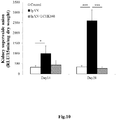
- LCHK168 administration greatly inhibited the increase in renal tissues ROS levels on day 14 and substantially inhibited the increase in ROS levels in renal tissues on day 28 compared to disease control mice ( *p ⁇ 0.05, *** p ⁇ 0.005).
- TLR2 TLR2 mRNA levels in the kidney by real-time RT-PCR ( Fig. 12 ). Compared to IgAN control mice, which showed significantly increased TLR2 mRNA levels at 28 days, mice in the IgAN + LCHK168 group had significantly lower TLR2 mRNA levels, although the difference at 14 days was not statistically significant. (* p ⁇ 0.05)
- ginsenoside M1 is effective in treating IgAN and preventing development of IgAN.
- the results shows (1) reduction of renal histopathologic features, (2) prevention of T cell and monocyte/macrophage infiltration, (3) prevention of fibrosis and collage deposition in renal interstitial tissues, (4) inhibition of production of reactive oxygen species, (5) reduction of systemic memory CD4+ T cells, (6) inhibition of dendritic cells' maturation, and (7) inhibition of NLRP3 inflammasome expression, by treatment with ginsenoside M1. All these findings suggest that ginsenoside M can be further developed to a candidate new drug for treatment or prevention of IgAN.
Landscapes
- Health & Medical Sciences (AREA)
- Life Sciences & Earth Sciences (AREA)
- Veterinary Medicine (AREA)
- Chemical & Material Sciences (AREA)
- Medicinal Chemistry (AREA)
- Pharmacology & Pharmacy (AREA)
- Animal Behavior & Ethology (AREA)
- General Health & Medical Sciences (AREA)
- Public Health (AREA)
- Epidemiology (AREA)
- Molecular Biology (AREA)
- Engineering & Computer Science (AREA)
- Bioinformatics & Cheminformatics (AREA)
- Urology & Nephrology (AREA)
- Chemical Kinetics & Catalysis (AREA)
- General Chemical & Material Sciences (AREA)
- Nuclear Medicine, Radiotherapy & Molecular Imaging (AREA)
- Organic Chemistry (AREA)
- Dermatology (AREA)
- Pharmaceuticals Containing Other Organic And Inorganic Compounds (AREA)
- Medicines That Contain Protein Lipid Enzymes And Other Medicines (AREA)
Description
- This application claims priority to
U.S. Provisional Application No. 62/074,247, filed on November 3, 2014 - The present invention relates to ginsenoside M1 for use in the treatment of IgA nephropathy (IgAN).
- IgA nephropathy (IgAN) is the most common form of glomerulonephritis (GN) worldwide. The onset of IgAN may be associated with an upper respiratory tract infection [1,2]. Frequently, C3 and other classes of immunoglobulin deposits are detected in a pattern similar to the IgA. The most common histopathologic alterations include focal or diffuse expansion of mesangial regions with proliferative cells and extracellular matrix [3]. Additionally, a wide variety of lesions may be seen in patients with more severe lesions, including diffuse endocapillary proliferation, segmental sclerosis, segmental necrosis, and cellular crescent formation [4,5]. And reactive oxygen species (ROS) have been reported to play a major pathogenic role in the development of a wide range of human and experimental glomerular disorders, including IgAN [6-8]. Although IgAN is considered an immune complex disease resulting from IgA-immune complex (IgA-IC) glomerular damage, the cause of the disease and the pathogenic mechanisms that propagate this disease are unknown.
- Although glucocorticoid steroids have been used to treat some of IgAN patients, their efficacy in preserving the deterioration of renal function in IgAN remains largely unclear, and the long-term use of these drugs can cause severe adverse side effects because of potential uncontrollable immunosuppressive effects [9-11].
- Ginsenosides, the main active ingredients of ginseng, are known to have a variety of pharmacological activities, e.g. antitumor, antidiabetic, antifatique, antiallergic and antioxidant activities. Ginsenosides share a basic structure, composed of gonane steroid nucleus having 17 carbon atoms arranged in four rings. Ginsenosides are metalized in the body, and a number of recent studies suggest that ginsenoside metabolites, rather than naturally occurring ginsenosides, are readily absorbed in the body and act as the active components. Among them, ginsenoside M1 is known as one metabolite of protopanaxadiol-type ginsenosides via the gypenoside pathway by human gut bacteria. Until now, no prior art references report the effect of ginsenoside M1 in treatment of IgAN.
-
US 2013/178436 A1 disclsoes a composition for preventing, improving, or treating renal diseases, the composition including as an active ingredient a Maillard browning reaction product obtained by reacting ginsenoside Re, an extract of Panax species plant including ginsenoside Re, or glucose with amino acid at a temperature of 100 to 130° C. for 0.5 to 12 hours. -
WO 2015/165422 A1 describes a method of treating a subject afflicted with lupus nephritis comprising administering to the subject an amount of ginsenoside M1 effective to treat the subject. Use of ginsenoside M1 for manufacturing a medicament for treating lupus nephritis in a subject in need. - In WO 2015172746 A1 a method of inhibing renal fivrosis in a subject in need thereof is provided.
-
TW 200 930 387 - In
TW 200 930 388 - In the present invention, it is unexpected found that ginsenoside M1 is effective in alleviating the symptoms of IgA nephropathy (IgAN). Therefore, the present invention provides a new approach for treatment of IgAN in a subject.
- In particular, the present invention provides ginsenoside M1 for use in the treatment of IgA nephropathy (IgAN), wherein ginsenoside M1 is used in an amount of effective to a subject.
- Specifically, the ginsenoside M1 of the present invention is effective in reducing one or more symptoms of IgAN in the subject, selected from the group consisting of (1) in the glomerulus: intrinsic cell proliferation including mesangial cell proliferation, crescent formation, neutrophil infiltration and segmental sclerosis; and (2) in the tubulointerstitial compartment: interstitial (especially peri-glomerular) mononuclear leukocyte inflammation, fibrosis, and tubular atrophy with proteinaceous casts, in the subject. Also, the ginsenoside M1 of the present invention is effective in reducing proteinuria or hematuria or lowering serum urea nitrogen level or serum creatinine level in the subject.
- In some embodiments, ginsenoside M1 is administered by parenteral or enteral route.
- In some embodiments, ginsenoside M1 for use in the treatment of IgA nephropathy (IgAN), wherein the ginsenoside M1 is administered in combination with one or more therapeutic agents for treating IgAN known in the art, including but not limited to corticosteroids (such as prednisolone), non-steriodal anti-inflammatory drugs (NSAIDs), cytotoxic drugs (such as cyclophosphamide, chlorambucil, and azathioprine), immunosuppressants (such as cyclosporine and Mycophenolate Mofetil), and vasodilators (such as angiotensin-converting-enzyme inhibitors (ACE inhibitors).
- The present invention also describes use of ginsenoside M1 in manufacturing a medicament for treatment of IgAN in a subject in need.
- The details of one or more embodiments of the invention are set forth in the description below. Other features or advantages of the present invention will be apparent from the following detailed description of several embodiments, and also from the appending claims.
- For the purpose of illustrating the invention, there are shown in the drawings embodiments. It should be understood, however, that the invention is not limited to the preferred embodiments shown. In the drawings:
-
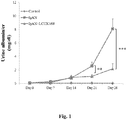
Fig. 1 shows the effects of LCHK168 on urine protein. Time-course studies of urine protein levels (ratio of urine protein to creatinine [Cr]). **p<0.01, ***p<0.005. -
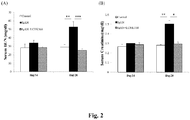
Fig. 2 shows the treatment with LCHK168 improves renal function in mice model of IgA nephropathy (IgAN). (A) Serum blood urea nitrogen (BUN) levels. (B) Serum creatinine (Cr) levels. *p<0.05, **p<0.01, ***p<0.005. -
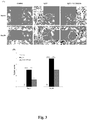
Fig. 3 shows the treatment with LCHK168 ameliorates the severe renal histopathologic features in mice model of IgA nephropathy (IgAN). (A) Kidney histopathological evaluation by H&E staining. Original magnification, 400X. (B) Scoring of the percentage of glomeruli affected by the indicated parameter. **p<0.01, ***p<0.005, #Not detectable. -
Fig. 4 shows the effects of LCHK168 on T cell infiltration. In mice with IgAN treated with LCHK168, as compared with vehicle-treated disease controls and normal controls. Staining of renal tissues for (A) CD3+ T cells. (B) Scoring of stained cells in the glomerulus and periglomeruli. Original magnification, 400X. **p<0.01, ***p<0.005, #Not detectable. -
Fig. 5 shows the effects of LCHK168 on monocyte/macrophage infiltration. In mice with IgAN treated with LCHK168, as compared with vehicle-treated disease controls and normal controls. Staining of renal tissues for (A) F4/80+ monocytes/macrophages. (B) Scoring of stained cells in the glomerulus and periglomeruli. Original magnification, 400X. *p<0.05, ***p<0.005, #Not detectable. -
Fig. 6 shows the effects of LCHK168 on Th cell infiltration. In mice with IgAN treated with LCHK168, as compared with vehicle-treated disease controls and normal controls. Staining of renal tissues for (A) CD4+ T cells. (B) Scoring of stained cells in the glomerulus and periglomeruli. Original magnification, 400X. *p<0.05, **p<0.01, ***p<0.005, #Not detectable. -
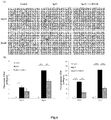
Fig. 7 shows the effects of LCHK168 on Tc cell infiltration. In mice with IgAN treated with LCHK168, as compared with vehicle-treated disease controls and normal controls. Staining of renal tissues for (A) CD8+ T cells. (B) Scoring of stained cells in the glomerulus and periglomeruli. Original magnification, 400X. *p<0.05, **p<0.01, ***p<0.005, #Not detectable. -
Fig. 8 shows the effects of LCHK168 on dendritic cells infiltration. In mice with IgAN treated with LCHK168, as compared with vehicle-treated disease controls and normal controls. Staining of renal tissues for (A) CD11c+ T cells. (B) Scoring of stained cells in the glomerulus and periglomeruli. Original magnification, 400X. **p<0.01, ***p<0.005, #Not detectable. -
Fig. 9 shows the effects of LCHK168 renal fibrosis-related gene expression. In mice with IgAN treated with LCHK168, as compared with vehicle-treated disease controls and normal controls. (A) Collagen IV were detected by immunohistochemical staining of the kidney tissue at day14 and 28 of treatment. (B) Scoring of stained cells in the glomerulus and periglomeruli. Original magnification, 400X. **p<0.01, ***p<0.005. -
Fig. 10 shows that LCHK168 protects against reactive oxygen species (ROS) production in the kidneys of mice with IgA nephropathy (IgAN). Tissue from the kidneys of mice with IgAN treated with LCHK168, as compared with vehicle-treated disease controls and normal controls, were evaluated atday -
Fig. 11 shows the Flow cytometry analysis treatment with LCHK168 modulates cellular immunity in mice with IgA nephropathy (IgAN). In mice with IgAN treated with LCHK168, as compared with vehicle-treated disease controls and normal controls, the immune response atday -
Fig. 12 shows that the treatment with LCHK168 reduces renal TLR2 mRNA levels in IgA nephropathy (IgAN). In mice with IgAN treated with LCHK168, as compared with vehicle-treated disease controls and normal controls, the mRNA levels of TLR2 (relative to GAPDH) were determined by real-time reverse transcription-polymerase chain reaction of the kidney tissue. *p<0.05. -
Fig. 13 shows that LCHK168 attenuated the IgA-immune complex (IgA-IC) DCs maturation. In DCs with IgA-IC treated with LCHK168, as compared with IgA-IC and mock, the expression levels of (A) CD40; (B) CD80; and (C) CD86 were determined by flow cytometry. (D) The percentage of the cell population with CD40, CD80 and CD86 dendritic cells. -
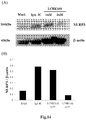
Fig. 14 shows that the activation of NLRP3 in IgA-IC stimulated DCs was reduced by LCHK168. In DCs with IgA-IC treated with LCHK168, as compared with IgA-IC and mock. Representative Western blots for (A) NLRP3 with β-actin as the loading control and (B) semiquantitative analysis for NLRP3. - Unless defined otherwise, all technical and scientific terms used herein have the meaning commonly understood by a person skilled in the art to which this invention belongs. As used herein, the following terms have the meanings ascribed to them unless specified otherwise.
- The articles "a" and "an" are used herein to refer to one or more than one (i.e., at least one) of the grammatical object of the article. By way of example, "an element" means one element or more than one element.
- In the present invention, it is unexpectedly found that ginsenoside M1 can prevent development of IgAN by administering it to IgAN mice. In particular, it is found that animals with IgAN present various symptoms including (1) in the glomerulus: intrinsic cell proliferation including mesangial cell proliferation, crescent formation, neutrophil infiltration and segmental sclerosis; and (2) in the tubulointerstitial compartment: interstitial (especially peri-glomerular) mononuclear leukocyte inflammation, fibrosis, and tubular atrophy with proteinaceous casts, or proteinuria or hematuria, or elevated serum urea nitrogen level or serum creatinine level.
- Therefore, the present invention provides ginsenoside M1 for use in the treatment of IgA nephropathy (IgAN), wherein ginsenoside M1 is used in an amount of effective to a subject. The present invention also describes use of ginsenoside M1 for manufacturing a medicament for treating IgAN in a subject in need thereof.
- The ginsenoside of the invention is effective in improving any one of these symptoms in patients with IgAN.
- Ginsenoside M1, 20-O-β-D-glucopyranosyl-20(S)-protopanaxadiol, is one of saponin metabolites known in the art. The chemical structure of ginsenoside M1 is as follows:

- Ginsenoside M1 is known as one metabolite ofprotopanaxadiol-type ginsenosides via the gypenoside pathway by human gut bacteria. Ginsenoside M1 can be found in blood or urine after intake. Ginsenoside M1 may be prepared from ginseng plants through fungi fermentation by methods known in the art, such as Taiwan Patent Application No.
094116005 U.S. Patent No. 7,932,057 . In certain embodiments, the ginseng plants for preparing the ginsenoside M1 include Araliaceae family, Panax genus, e.g. P. ginseng and P. pseudo-ginseng (also named Sanqi). In general, the method of preparation of ginsenoside M1 includes the steps of (a) providing powder of ginseng plant materials (e.g. leaves or stems); (b) providing a fungus for fermenting the ginseng plant materials, wherein the fermentation temperature is ranged from 20-50° C., the fermentation humidity is ranged from 70-100%, the pH value is ranged from 4.0-6.0, and the fermentation period is ranged from 5-15 days; (c) extracting and collecting the fermentation products; and (d) isolating 20-O-β-D-glucopyranosyl-20(S)-protopanaxadiol from the fermentation products. - When ginsenoside M1 is described as "isolated" or "purified" in the present invention, it should be understood as not absolutely isolated or purified, but relatively isolated or purified. For example, purified ginsenoside M1 refers to one that is more purified compared to its naturally existing form. In one embodiment, a preparation comprising purified ginsenoside M1 may comprise ginsenoside M1 in an amount of more than 50%, more than 60%, more than 70%, more than 80%, more than 90%, or 100% (w/w) of the total preparation. It should be understood that when a certain number was used herein to show a ratio or dosage, said number generally includes that within the range of 10% more and less, or more specifically, the scope of 5% more and less than the number.
- The term "individual" or "subject" used herein includes human and non-human animals such as companion animals (such as dogs, cats and the like), farm animals (such as cows, sheep, pigs, horses and the like), or laboratory animals (such as rats, mice, guinea pigs and the like). Specifically, the subject is one afflicted with IgAN.
- The term "treating" as used herein refers to the application or administration of a composition including one or more active agents to a subject afflicted with a disorder, a symptom or conditions of the disorder, or a progression of the disorder, with the purpose to cure, heal, alleviate, relieve, alter, remedy, ameliorate, improve, or affect the disorder, the symptoms or conditions of the disorder, the disabilities induced by the disorder, or the progression of the disorder.
- The term "therapeutically effective amount" used herein refers to the amount of an active ingredient to confer a therapeutic effect in a treated subject. For example, an effective amount for treating IgAN is an amount that can prohibit, improve, alleviate or reduce one or more symptoms or conditions such as (1) in the glomerulus: intrinsic cell proliferation including mesangial cell proliferation, crescent formation, neutrophil infiltration and segmental sclerosis; and (2) in the tubulointerstitial compartment: interstitial (especially peri-glomerular) mononuclear leukocyte inflammation, fibrosis, and tubular atrophy with proteinaceous casts, or proteinuria or hematuria, or elevated serum urea nitrogen level or serum creatinine level, in a subject having IgAN. The symptoms may be determined and evaluated using methods known in the art based on various disease progress-related indexes, for example by analyzing the amount of urine protein, blood urea nitrogen or serum creatinine, or by analyzing renal sections. The therapeutically effective amount may change depending on various reasons, such as administration route and frequency, body weight and species of the individual receiving said pharmaceutical, and purpose of administration. Persons skilled in the art may determine the dosage in each case based on the disclosure herein, established methods, and their own experience. For example, in certain embodiments, the oral dosage of ginsenoside M1 used in the present invention is 10 to 1,000 mg/kg daily. In some examples, the oral the oral dosage of ginsenoside M1 used in the present invention is 100 to 300 mg/kg daily, 50 to 150 mg/kg daily, 25 to 100 mg/kg daily, 10 to 50 mg/kg daily, or 5 to 30 mg/kg daily. In addition, in some embodiments of the invention, ginsenoside M1 is administered periodically for a certain period of time, for example, daily administration for at least 15 days, one month or two months or longer.
- According to the present invention, ginsenoside M1 may be used as an active ingredient for treating IgAN. In one embodiment, a therapeutically effective amount of the active ingredient may be formulated with a pharmaceutically acceptable carrier into a pharmaceutical composition of an appropriate form for the purpose of delivery and absorption. Depending on the mode of administration, the pharmaceutical composition of the present invention preferably comprises about 0.1% by weight to about 100% by weight of the active ingredient, wherein the percentage by weight is calculated based on the weight of the whole composition.
- As used herein, "pharmaceutically acceptable" means that the carrier is compatible with the active ingredient in the composition, and preferably can stabilize said active ingredient and is safe to the individual receiving the treatment. Said carrier may be a diluent, vehicle, excipient, or matrix to the active ingredient. Some examples of appropriate excipients include lactose, dextrose, sucrose, sorbose, mannose, starch, Arabic gum, calcium phosphate, alginates, tragacanth gum, gelatin, calcium silicate, microcrystalline cellulose, polyvinyl pyrrolidone, cellulose, sterilized water, syrup, and methylcellulose. The composition may additionally comprise lubricants, such as talc, magnesium stearate, and mineral oil; wetting agents; emulsifying and suspending agents; preservatives, such as methyl and propyl hydroxybenzoates; sweeteners; and flavoring agents. The composition of the present invention can provide the effect of rapid, continued, or delayed release of the active ingredient after administration to the patient.
- According to the present invention, the form of said composition may be tablets, pills, powder, lozenges, packets, troches, elixers, suspensions, lotions, solutions, syrups, soft and hard gelatin capsules, suppositories, sterilized injection fluid, and packaged powder.
- The composition of the present invention may be delivered via any physiologically acceptable route, such as oral, parenteral (such as intramuscular, intravenous, subcutaneous, and intraperitoneal), transdermal, suppository, and intranasal methods. Regarding parenteral administration, it is preferably used in the form of a sterile water solution, which may comprise other substances, such as salts or glucose sufficient to make the solution isotonic to blood. The water solution may be appropriately buffered (preferably with a pH value of 3 to 9) as needed. Preparation of an appropriate parenteral composition under sterile conditions may be accomplished with standard pharmacological techniques well known to persons skilled in the art, and no extra creative labor is required.
- According to the present invention, ginsenoside M1 or compositions comprising ginsenoside M1 as the active ingredient may be used in treating individuals with IgAN. Specifically, ginsenoside M1 or compositions comprising ginsenoside M1 as the active ingredient may be administered to individuals with IgAN or individuals with the risk of acquiring IgAN so as to prevent occurrence of the disease or improve the symptoms or delay deterioration of the symptoms.
- In addition, according to the present invention, ginsenoside M1 or compositions comprising ginsenoside M1 as the active ingredient may be used in combination with existing therapeutic methods or medicaments, such as pharmaceutical treatment, including but not limited to corticosteroids (such as prednisolone), non-steriodal anti-inflammatory drugs (NSAIDs), cytotoxic drugs (such as cyclophosphamide, chlorambucil, and azathioprine), immunosuppressants (such as cyclosporine and Mycophenolate Mofetil), and vasodilators (such as angiotensin-converting-enzyme inhibitors (ACE inhibitors)). In one embodiment, the medicament or therapeutic method used in combination may be used simultaneously (parallel) or sequentially. When medicaments are used in combination, the medicaments may be mixed in the same formula or put in different formulas separately, such as separate capsules, pills, tablets, and injections.
- The present invention is further illustrated by the following examples, which are provided for the purpose of demonstration rather than limitation.
- B-cell-deficient mice were obtained from the Academia Sinica (Professor John T. Kung, Institute of Molecular Biology, Taipei, Taiwan) and maintained at the animal center of the National Defense Medical Center (Taipei, Taiwan). IgAN was induced by daily injection of purified IgA anti-phosphorylcholine antibodies and pneumococcal C-polysaccharide antigen (PnC) [14]. All animal experiments were performed with the approval of the Institutional Animal Care and Use Committee of the National Defense Medical Center and complied with the NIH Guide for the Care and Use of Laboratory Animals.
- Ginsenoside Ml, 20-O-β-D-glucopyranosyl-20(S)-protopanaxadiol (named LCHK168 below), was prepared by methods known in the art, such as those described in Taiwan Patent Application No.
094116005 U.S. Patent No. 7,932,057 . The mice were treated daily with 60mg/kg LCHK168 or with the vehicle, by oral gavage throughout the experiment, the first dose being given 2 day before disease induction. - Body weight was measured weekly. Urine samples were collected in metabolic cages weekly and urine protein was determined. Serum samples were collected on
days - For IHC, formalin-fixed and paraffin-embedded tissue sections or frozen sections were incubated overnight at 4° C with anti- bodies against CD3, F4/80, CD4, CD8, CD11c, Collagen IV, diluted in DAKO antibody dilution buffer (DAKO), and then for 1 h at room temperature with horseradish peroxidase (HRP)-conjugated second antibodies (DAKO) in the same buffer; in the case of the HRP-conjugated antibodies, DAB (DAKO) was also added. Hematoxylin was used to counterstain nuclei. Positive cells was counted at a magnification of 400X in 20 consecutive glomeruli or in 20 randomly selected fields of the tubule interstitial compartment in the cortical area by Pax-It quantitative image analysis software.
- To measure ROS levels in renal tissue, the samples were incubated at room temperature with Krebs-Hepes buffer containing 1.25 mM lucigenin (Sigma, St. Louis, MO, USA) as substrate, and luminescence counts were measured in duplicate at 15-s intervals on a multilabel microplate reader (Hidex). ROS activity was expressed as relative luminescence units (RLU) per 15 minutes per milligram of organ dry weight (i.e., RLU/15 min/mg) or as RLU /15 min/ml.
- Splenocytes from the mice were treated with Tris-buffered ammonium chloride to eliminate erythrocytes, washed and resuspended in RPMI1640 medium supplemented with 10% fetal calf serum, Hepes buffer, L-glutamine, and penicillin/streptomycin. The cells were triple-stained for activated T cell subtypes using FITC-conjugatedanti-mouse CD44, phycoerythrin-conjugated anti-mouse CD62 antibodies, and allophycocyanin-conjugated anti-mouse CD4 and analyzed using a FACSCalibur.
- Dendritic cells (DCs) maturation was determined by the upregulation of costimulatory molecule expression. Cells were treated with IgA-IC, LCHK168 (1, 2µM) and stained with mAbs specific for mouse CD40, CD80, and CD86 and then analyzed by flow cytometry.
- Renal cortex RNA was extracted using TRIzol reagent according to the manufacturer's instructions, and RT-PCR was used to measure TLR2 gene expression. The following primers were used: for TLR2, 5'-GTCTCT GCGACCTAGAAGTGGA -3' (SEQ ID NO: 1) and 5'-CGGAGGGAATAGAGGTGAAAGA-3' (SEQ ID NO: 2) and for GAPDH, 5'-TCCGCCCCTTCTGCCGATG-3' (SEQ ID NO: 3) and 5'-ACGGAAGGCCATGCCAGTGA-3' (SEQ ID NO: 4). Real-time quantification was performed using a Applied Biosystems according to the manufacturer's instructions. Amplifications were normalized to the values for GAPDH using the 2 - Δ
Ct method. - Each protein sample was run on a 8%SDS-PAGE gel and the proteins were electro blotted on to a polyvinylidene difluoride membrane , which was then incubated for 1h at room temperature in blocking buffer (Tris-buffered saline containing 5% skim milk) and then overnight at 4°C with rabbit antibodies against NLRP3 or β-actin. After being washed, the membrane was incubated for 1h at room temperature with HRP-conjugated goat anti-rabbit IgG antibody in the same buffer; then bound antibody was detected using UVP Biospectrum.
- Values are means ± SE. Comparison between two groups was performed using Student's t-test. P value > 0.05 was considered statistically significant.
- The disease control mice, i.e., IgAN mice treated with vehicle (control IgAN mice), showed increased urine protein levels from
day 14 of disease induction and these continued to rise up to the end of the study on day 28 (Fig. 1 ). This effect was markedly inhibited by LCHK168 (IgAN+LCHK168), although the mice still showed mild proteinuria compared to normal untreated controls. In addition, compared to disease control mice, which showed significantly increased serum levels of BUN (Fig. 2A ) and Cr (Fig. 2B ) onday 28, IgAN+LCHK168 mice showed much better renal function. Onday 14, there was no significant difference in serum levels of BUN and Cr between disease control, IgAN +LCHK168, and normal control mice. - As shown in
Fig. 3 , onday 28, disease control IgAN mice showed diffuse proliferation associated with focal, but typical crescents; segmental sclerosis and/or neutrophil infiltration in the glomerulus, intense periglomerular mononuclear leukocyte infiltration, and scattered tubular atrophy associated with protein casts in the tubulointerstitial compartment, but this renal lesion was significantly inhibited by the administration of LCHK168. - Furthermore, we performed IHC to evaluate the phenotypes and distribution of mononuclear leukocytes that infiltrated the kidney in the mice. Focal, but intense, staining for CD3+ T cells (
Fig. 4 ), F4/80+ monocytes/macrophages (Fig. 5 ), CD4+ T cells (Fig. 6 ), CD8+ T cells (Fig. 7 ), CD11c+ dendritic cells (Fig. 8 ) and Collagen IV (Fig. 9 ) was seen in the renal interstitial tissue, mostly in a periglomerular pattern, in disease control mice onday 28 compared to normal controls, although only very few inflammatory cells and fibrosis were seen in the kidney onday 14. In contrast, IgAN + LCHK168 mice showed significantly decreased infiltration of these inflammatory cells and fibrosis in the kidney compared to disease control mice on day 28 (*p<0.05, **p<0.01, ***p<0.005). - ROS are considered a major detrimental factor leading to acceleration and progression in various types of renal disorders, including IgAN. We therefore measured ROS levels systemically in renal tissues. Disease control mice showed elevated ROS levels in renal tissues (
Fig. 10 ) onday 28 compared to normal controls. LCHK168 administration greatly inhibited the increase in renal tissues ROS levels onday 14 and substantially inhibited the increase in ROS levels in renal tissues onday 28 compared to disease control mice (*p<0.05, ***p<0.005). - Because cell-mediated immunity has long been implicated in the pathogenesis of IgAN, we examined T cell activation in splenocytes by flow cytometry. As shown in
Fig. 11 , an obvious increase memory CD4+ T cells was observed in disease control mice compared to normal controls. LCHK168 administration induced a significant reduction memory CD4+ T cells compared to disease control mice. (*p<0.05). - Investigators have demonstrated that expression levels of TLR2 are correlated with the renal inflammation and fibrosis in IgAN. We therefore measured TLR2 mRNA levels in the kidney by real-time RT-PCR (
Fig. 12 ). Compared to IgAN control mice, which showed significantly increased TLR2 mRNA levels at 28 days, mice in the IgAN + LCHK168 group had significantly lower TLR2 mRNA levels, although the difference at 14 days was not statistically significant. (*p<0.05) - Maturation is the key step in the DC-mediated regulation of immune responses. To investigate the effect of LCHK168 on DCs maturation, we examined the expression levels of CD40, CD80, and CD86 in DCs by flow cytometry. And detected NLRP3 inflammasome expression by Western blot. IgA-IC stimulation compared to mock enhanced the expression of CD40, CD80, and CD86 in DCs. In contrast, LCHK168 treatment significantly lowered the expression levels of these molecules (
Fig. 13 ). Moreover, DCs treated with LCHK168 showed significantly decreased NLRP3 protein expression (Fig. 14 ). - In summary, our study shows that ginsenoside M1 is effective in treating IgAN and preventing development of IgAN. In particular, the results shows (1) reduction of renal histopathologic features, (2) prevention of T cell and monocyte/macrophage infiltration, (3) prevention of fibrosis and collage deposition in renal interstitial tissues, (4) inhibition of production of reactive oxygen species, (5) reduction of systemic memory CD4+ T cells, (6) inhibition of dendritic cells' maturation, and (7) inhibition of NLRP3 inflammasome expression, by treatment with ginsenoside M1. All these findings suggest that ginsenoside M can be further developed to a candidate new drug for treatment or prevention of IgAN.
-
- 1. D'Amico G. The commonest glomerulonephritis in the world: IgA nephropathy. Q J Med. 1987 Sep; 64(245): 709-27 .
- 2. Julian BA, Waldo FB, Rifai A, Mestecky J. IgA nephropathy, the most common glomerulonephritis worldwide. A neglected disease in the United States? Am J Med. 1988 Jan;84(1): 129-32 .
- 3. Berger J, Hinglais N. Intercapillary deposits of IgA-IgG. J Urol Nephrol (Paris). 1968 Sep; 74(9):694-5 .
- 4. Ish M, Sar A, Lee D, Yilmaz S, Benediktsson H, Manns B, Hemmelgarn B. Histopathologic features aid in predicting risk for progression of IgA nephropathy. Clin J Am Soc Nephrol. 2010 Mar;5(3):425-30 .
- 5. Fujimi-Hayashida A, Ueda S, Yamagishi S, Kaida Y, Ando R, Nakayama Y, Fukami K, Okuda S. Association of asymmetric dimethylarginine with severity of kidney injury and decline in kidney function in IgA nephropathy. Am J Nephrol. 2011;33(1):1-6
- 6. Coppo R, Camilla R, Amore A, Peruzzi L. Oxidative stress in IgA nephropathy. Nephron Clin Pract. 2010;116(3):c196-8, discussion c199 .
- 7. Lai KN, Chan LY, Guo H, Tang SC, Leung JC. Additive effect of PPAR-γ agonist and ARB in treatment of experimental IgA nephropathy. Pediatr Nephrol. 2011 Feb;26(2):257-66 .
- 8. Ohashi N1, Katsurada A, Miyata K, Satou R, Saito T, Urushihara M, Kobori H. Role of activated intrarenal reactive oxygen species and renin-angiotensin system in IgA nephropathy model mice. Clin Exp Pharmacol Physiol. 2009 Aug;36(8): 750-5 .
- 9. Katafuchi R, Ikeda K, Mizumasa T, Tanaka H, Ando T, Yanase T, Masutani K, Kubo M, Fujimi S. Controlled, prospective trial of steroid treatment in IgA nephropathy: a limitation of low-dose prednisolone therapy. Am J Kidney Dis. 2003 May;41(5):972-83 .
- 10. Pozzi C, Bolasco PG, Fogazzi GB, Andrulli S, Altieri P, Ponticelli C, Locatelli F. Corticosteroids in IgA nephropathy: a randomised controlled trial. Lancet. 1999 Mar 13;353(9156):883-7 .
- 11. Shoji T, Nakanishi I, Suzuki A, Hayashi T, Togawa M, Okada N, Imai E, Hori M, Tsubakihara Y. Early treatment with corticosteroids ameliorates proteinuria, proliferative lesions, and mesangial phenotypic modulation in adult diffuse proliferative IgA nephropathy. Am J Kidney Dis. 2000 Feb;35(2):194-201 .
- 12. Wakabyashi, C., Hasegawa, H.,Murata, J. et al. The expression of in vivo anti-metastatic effect of ginseng protopanaxatriol saponins is mediated by their intestinal bacterial metabolites after oral administration. J Trad. Med., 1997,(14):180-185
- 13. Suda, K., Murakami, K., Murata, J., et al.. An intestinal bacterial metabolite of ginseng protopanaxdiol saponins inhibits tumor-induced neovascularization. J. Trad. Med., 2000, (17):144-150
- 14. Chao TK, Rifai A, Ka SM, Yang SM, Shui HA, Lin YF, Sytwu HK, Lee WH, Kung JT, Chen A. The endogenous immune response modulates the course of IgA-immune complex mediated nephropathy. Kidney Int. 2006 Jul; 70(2):283-97 .
-
- <110> LEE, Sheau-Long
- <120> USE OF GINSENOSIDE M1 FOR TREATING IGA NEPHROPATHY
- <130> WED0005WO
- <150>
US 62/074,247
<151> 2014-11-07 - <160> 4
- <170> PatentIn version 3.5
- <210> 1
<211> 22
<212> DNA
<213> Artificial Sequence - <220>
<223>TLR 2primer 1 - <400> 1
gtctctgcga cctagaagtg ga 22 - <210> 2
<211> 22
<212> DNA
<213> Artificial Sequence - <220>
<223>TLR2 primer 2 - <400> 2
cggagggaat agaggtgaaa ga 22 - <210> 3
<211> 19
<212> DNA
<213> Artificial Sequence - <220>
<223>GAPDH primer 1 - <400> 3
tccgcccctt ctgccgatg 19 - <210> 4
<211> 20
<212> DNA
<213> Artificial Sequence - <220>
<223>GAPDH primer 2 - <400> 4
acggaaggcc atgccagtga 20
Claims (9)
- Ginsenoside M1 for use in the treatment of IgA nephropathy (IgAN), wherein ginsenoside M1 is used in an amount of effective to a subject.
- Ginsenoside M1 for use according to claim 1, wherein the ginsenoside M1 is effective in reducing or alleviating one or more symptoms of IgAN selected from the group consisting of (1) in the glomerulus: intrinsic cell proliferation including mesangial cell proliferation, crescent formation, neutrophil infiltration and segmental sclerosis; and (2) in the tubulointerstitial compartment: interstitial (especially peri-glomerular) mononuclear leukocyte inflammation, fibrosis, and tubular atrophy with proteinaceous casts, in the subject.
- Ginsenoside M1 for use according to claim 1, wherein the ginsenoside is effective in reducing reactive oxygen species (ROS) levels, reducing systemic memory CD4+ T cells, inhibiting dendritic cells' maturation and/or inhibiting NLRP3 inflammasome expression, in renal tissues in the subject.
- Ginsenoside M1 for use according to claim 1, wherein the ginsenoside is effective in reducing proteinuria or hematuria or lowering serum urea nitrogen level or serum creatinine level in the subject.
- Ginsenoside M1 for use according to claim 1, wherein the ginsenoside M1 is administered by parenteral or enteral route.
- Ginsenoside M1 for use according to claim 1, wherein the ginsenoside M1 is administered in combination with one or more therapeutic agents for treating IgAN, selected from the group consisting of corticosteroids, non-steriodal anti-inflammatory drugs (NSAIDs), cytotoxic drugs, immunosuppressants, and vasodilators.
- Ginsenoside M1 for use according to claims 1 to 6 wherein the ginsenoside M1 is administered orally in a dosage of 10 to 1,000 mg/kg daily, preferably in a dosage of 100 to 300 mg/kg daily.
- Ginsenoside M1 for use according to claims 1 to 7, wherein the ginsenoside M1 is used in combination with existing therapeutic methods or medicaments.
- Ginsenoside M1 for use according to claim 8, wherein the existing medicaments is corticosteroids, non-steriodal anti-inflammatory drugs (NSAISs), cytotoxic drugs, immunosuppressant, or vasodilators.
Applications Claiming Priority (2)
| Application Number | Priority Date | Filing Date | Title |
|---|---|---|---|
| US201462074247P | 2014-11-03 | 2014-11-03 | |
| PCT/CN2015/093708 WO2016070795A1 (en) | 2014-11-03 | 2015-11-03 | Use of ginsenoside m1 for treating iga nephropathy |
Publications (3)
| Publication Number | Publication Date |
|---|---|
| EP3137090A1 EP3137090A1 (en) | 2017-03-08 |
| EP3137090A4 EP3137090A4 (en) | 2017-09-06 |
| EP3137090B1 true EP3137090B1 (en) | 2018-10-10 |
Family
ID=55908587
Family Applications (1)
| Application Number | Title | Priority Date | Filing Date |
|---|---|---|---|
| EP15856570.5A Active EP3137090B1 (en) | 2014-11-03 | 2015-11-03 | Use of ginsenoside m1 for treating iga nephropathy |
Country Status (9)
| Country | Link |
|---|---|
| US (1) | US10172876B2 (en) |
| EP (1) | EP3137090B1 (en) |
| JP (1) | JP6619361B2 (en) |
| KR (1) | KR102433847B1 (en) |
| CN (1) | CN106573010B (en) |
| DK (1) | DK3137090T3 (en) |
| ES (1) | ES2704059T3 (en) |
| TW (1) | TWI672144B (en) |
| WO (1) | WO2016070795A1 (en) |
Families Citing this family (8)
| Publication number | Priority date | Publication date | Assignee | Title |
|---|---|---|---|---|
| KR102360315B1 (en) * | 2014-05-16 | 2022-02-08 | 웰헤드 바이오로지컬 테크놀로지 코포레이션. | Use of ginsenoside m1 for inhibiting renal fibrosis |
| KR102761768B1 (en) * | 2018-04-23 | 2025-02-05 | 시우-롱 리 | Use of Ginsenoside M1 for the treatment of Huntington's disease |
| KR101928553B1 (en) * | 2018-08-07 | 2018-12-12 | 주식회사 모든바이오 | A Composition for Preventing or Treating Inflammasome Mediated Inflammatory Disease Containing Ginsenoside Compounds |
| WO2020145416A1 (en) * | 2019-01-07 | 2020-07-16 | 전진석 | Pharmaceutical composition for preventing or treating glomerular diseases, containing ginsenoside rg3 or pharmaceutically acceptable salt thereof as active ingredient |
| CN110564650B (en) * | 2019-09-29 | 2021-01-01 | 云南农业大学 | Pseudomonas mendii and application thereof |
| WO2021125313A1 (en) * | 2019-12-19 | 2021-06-24 | 大鵬薬品工業株式会社 | Therapeutic agent containing fused pyrimidine compound as active ingredient |
| EP3893890B1 (en) * | 2020-02-20 | 2025-12-10 | Sheau-Long Lee | Ginsenoside m1 for use in the treatment of damages in organs or tissues in a subject caused by infection with coronavirus |
| EP4491186A4 (en) * | 2022-03-07 | 2026-03-04 | Agingtarget Inc | SAIKOPAPONIN C AS A COMPOSITION FOR THE TREATMENT OR PREVENTION OF AGING VASCULAR DISEASES INCLUDING ARTERIOSCLEROSIS |
Family Cites Families (11)
| Publication number | Priority date | Publication date | Assignee | Title |
|---|---|---|---|---|
| JPH1036388A (en) * | 1996-07-25 | 1998-02-10 | Kureha Chem Ind Co Ltd | Synthesis inhibitor containing ginsenoside of protein belonging to hsp 27 family |
| WO2005102326A2 (en) * | 2004-04-23 | 2005-11-03 | Ab Science | Use of c-kit inhibitors for treating renal diseases |
| CN1682982A (en) * | 2005-02-22 | 2005-10-19 | 黄资源 | A Chinese medicinal pill for treating chronic nephropathy and renal insufficiency |
| GB0513553D0 (en) * | 2005-07-01 | 2005-08-10 | Fond D Amico Per La Ricerca Su | Rab3a |
| TW200930387A (en) * | 2008-01-10 | 2009-07-16 | Shih-Ming Chen | Pharmaceutical composition for treating aristolochic acid nephropathy |
| TW200930388A (en) * | 2008-01-10 | 2009-07-16 | Shih-Ming Chen | Pharmaceutical composition for treating cisplatin induced nephropathy |
| CN101507729B (en) | 2008-10-23 | 2010-12-22 | 昆明诺唯金参生物工程有限责任公司 | Use of ginsenoside Compound K in preparing medicine capable of preventing and treating atherosclerosis |
| US20130178436A1 (en) * | 2012-01-10 | 2013-07-11 | Korea Institute Of Science And Technology | Composition for preventing, improving, or treating renal disease including maillard browning reaction products of panax species plant extract |
| CN103690674B (en) * | 2013-12-20 | 2014-09-17 | 奇方(天津)医药科技有限公司 | Improved compound traditional Chinese medicinal preparation |
| ES2704027T3 (en) * | 2014-05-02 | 2019-03-13 | Lee Sheau Long | Use of ginsenoside M1 for the treatment of lupus nephritis |
| KR102360315B1 (en) * | 2014-05-16 | 2022-02-08 | 웰헤드 바이오로지컬 테크놀로지 코포레이션. | Use of ginsenoside m1 for inhibiting renal fibrosis |
-
2015
- 2015-11-03 JP JP2016570112A patent/JP6619361B2/en active Active
- 2015-11-03 EP EP15856570.5A patent/EP3137090B1/en active Active
- 2015-11-03 ES ES15856570T patent/ES2704059T3/en active Active
- 2015-11-03 KR KR1020167033784A patent/KR102433847B1/en active Active
- 2015-11-03 US US15/315,141 patent/US10172876B2/en active Active
- 2015-11-03 TW TW104136280A patent/TWI672144B/en active
- 2015-11-03 CN CN201580019677.2A patent/CN106573010B/en active Active
- 2015-11-03 WO PCT/CN2015/093708 patent/WO2016070795A1/en not_active Ceased
- 2015-11-03 DK DK15856570.5T patent/DK3137090T3/en active
Non-Patent Citations (1)
| Title |
|---|
| None * |
Also Published As
| Publication number | Publication date |
|---|---|
| CN106573010A (en) | 2017-04-19 |
| JP6619361B2 (en) | 2019-12-11 |
| WO2016070795A1 (en) | 2016-05-12 |
| DK3137090T3 (en) | 2019-01-21 |
| TWI672144B (en) | 2019-09-21 |
| US10172876B2 (en) | 2019-01-08 |
| KR102433847B1 (en) | 2022-08-17 |
| TW201630611A (en) | 2016-09-01 |
| CN106573010B (en) | 2019-04-19 |
| ES2704059T3 (en) | 2019-03-14 |
| JP2017533881A (en) | 2017-11-16 |
| EP3137090A4 (en) | 2017-09-06 |
| EP3137090A1 (en) | 2017-03-08 |
| US20180214466A1 (en) | 2018-08-02 |
| KR20170082456A (en) | 2017-07-14 |
Similar Documents
| Publication | Publication Date | Title |
|---|---|---|
| DK3137090T3 (en) | USE OF GINSENOSIDE M1 FOR TREATMENT OF IGA NEPHROPATHY | |
| KR102459500B1 (en) | Muscle atrophy inhibitor containing quercetin glycoside | |
| Zuo et al. | Inhibition of NF-κB pathway in fibroblast-like synoviocytes by α-mangostin implicated in protective effects on joints in rats suffering from adjuvant-induced arthritis | |
| JP2015536952A (en) | Administration and implementation of oligonucleotide cancer therapy | |
| JP2016509572A (en) | Methods of using biomarkers for the treatment of cancer by modulating BCL2 expression | |
| EP3137089B1 (en) | Use of ginsenoside m1 for treating lupus nephritis | |
| EP3146062B1 (en) | Use of ginsenoside m1 for inhibiting renal fibrosis | |
| CN103458884A (en) | Methods and compositions for treating kidney disease | |
| Nowak et al. | The position of monoclonal antibodies and small molecules in the treatment of thyroid orbitopathy | |
| CN115531396B (en) | Application of bile acids in the preparation of drugs that inhibit osteoclast differentiation | |
| EP4103170B1 (en) | A pharmaceutical combination for the treatment of a cancer | |
| HK1229702A1 (en) | Muscle atrophy inhibitor containing quercetin glycoside | |
| AU2013337251A1 (en) | Methods of using biomarkers for the treatment of cancer by modulation of BCL2|expression | |
| HK1233956A1 (en) | Use of enoximone in the treatment of atopic immune-related disorders, in pharmaceutical compositions as well as in pharmaceutical preparations | |
| HK1233956B (en) | Use of enoximone in the treatment of atopic immune-related disorders, in pharmaceutical compositions as well as in pharmaceutical preparations |
Legal Events
| Date | Code | Title | Description |
|---|---|---|---|
| STAA | Information on the status of an ep patent application or granted ep patent |
Free format text: STATUS: THE INTERNATIONAL PUBLICATION HAS BEEN MADE |
|
| PUAI | Public reference made under article 153(3) epc to a published international application that has entered the european phase |
Free format text: ORIGINAL CODE: 0009012 |
|
| STAA | Information on the status of an ep patent application or granted ep patent |
Free format text: STATUS: REQUEST FOR EXAMINATION WAS MADE |
|
| 17P | Request for examination filed |
Effective date: 20161129 |
|
| AK | Designated contracting states |
Kind code of ref document: A1 Designated state(s): AL AT BE BG CH CY CZ DE DK EE ES FI FR GB GR HR HU IE IS IT LI LT LU LV MC MK MT NL NO PL PT RO RS SE SI SK SM TR |
|
| AX | Request for extension of the european patent |
Extension state: BA ME |
|
| A4 | Supplementary search report drawn up and despatched |
Effective date: 20170809 |
|
| RIC1 | Information provided on ipc code assigned before grant |
Ipc: A61P 37/00 20060101ALI20170803BHEP Ipc: A61K 31/7042 20060101AFI20170803BHEP Ipc: A61P 13/12 20060101ALI20170803BHEP |
|
| DAV | Request for validation of the european patent (deleted) | ||
| DAX | Request for extension of the european patent (deleted) | ||
| STAA | Information on the status of an ep patent application or granted ep patent |
Free format text: STATUS: EXAMINATION IS IN PROGRESS |
|
| 17Q | First examination report despatched |
Effective date: 20180309 |
|
| RIN1 | Information on inventor provided before grant (corrected) |
Inventor name: CHEN, ANN Inventor name: HSU, WAN-HAN Inventor name: HUA, KUO-FENG Inventor name: LEE, YU-CHIEH Inventor name: KA, SHUK-MAN |
|
| GRAP | Despatch of communication of intention to grant a patent |
Free format text: ORIGINAL CODE: EPIDOSNIGR1 |
|
| STAA | Information on the status of an ep patent application or granted ep patent |
Free format text: STATUS: GRANT OF PATENT IS INTENDED |
|
| RIC1 | Information provided on ipc code assigned before grant |
Ipc: A61K 45/06 20060101ALI20180614BHEP Ipc: A61P 13/12 20060101ALI20180614BHEP Ipc: A61P 37/00 20060101ALI20180614BHEP Ipc: A61K 31/7042 20060101AFI20180614BHEP |
|
| RIN1 | Information on inventor provided before grant (corrected) |
Inventor name: HSU, WAN-HAN Inventor name: KA, SHUK-MAN Inventor name: HUA, KUO-FENG Inventor name: LEE, YU-CHIEH Inventor name: CHEN, ANN |
|
| INTG | Intention to grant announced |
Effective date: 20180703 |
|
| RAP1 | Party data changed (applicant data changed or rights of an application transferred) |
Owner name: LEE, SHEAU-LONG |
|
| RAP1 | Party data changed (applicant data changed or rights of an application transferred) |
Owner name: LEE, SHEAU-LONG |
|
| GRAS | Grant fee paid |
Free format text: ORIGINAL CODE: EPIDOSNIGR3 |
|
| GRAA | (expected) grant |
Free format text: ORIGINAL CODE: 0009210 |
|
| STAA | Information on the status of an ep patent application or granted ep patent |
Free format text: STATUS: THE PATENT HAS BEEN GRANTED |
|
| AK | Designated contracting states |
Kind code of ref document: B1 Designated state(s): AL AT BE BG CH CY CZ DE DK EE ES FI FR GB GR HR HU IE IS IT LI LT LU LV MC MK MT NL NO PL PT RO RS SE SI SK SM TR |
|
| REG | Reference to a national code |
Ref country code: GB Ref legal event code: FG4D |
|
| REG | Reference to a national code |
Ref country code: CH Ref legal event code: EP Ref country code: AT Ref legal event code: REF Ref document number: 1050439 Country of ref document: AT Kind code of ref document: T Effective date: 20181015 |
|
| REG | Reference to a national code |
Ref country code: IE Ref legal event code: FG4D |
|
| REG | Reference to a national code |
Ref country code: DE Ref legal event code: R096 Ref document number: 602015018101 Country of ref document: DE |
|
| REG | Reference to a national code |
Ref country code: NL Ref legal event code: FP |
|
| REG | Reference to a national code |
Ref country code: DK Ref legal event code: T3 Effective date: 20190107 |
|
| REG | Reference to a national code |
Ref country code: CH Ref legal event code: NV Representative=s name: ING. MARCO ZARDI C/O M. ZARDI AND CO. S.A., CH |
|
| REG | Reference to a national code |
Ref country code: SE Ref legal event code: TRGR |
|
| REG | Reference to a national code |
Ref country code: LT Ref legal event code: MG4D |
|
| REG | Reference to a national code |
Ref country code: ES Ref legal event code: FG2A Ref document number: 2704059 Country of ref document: ES Kind code of ref document: T3 Effective date: 20190314 |
|
| REG | Reference to a national code |
Ref country code: AT Ref legal event code: MK05 Ref document number: 1050439 Country of ref document: AT Kind code of ref document: T Effective date: 20181010 |
|
| PG25 | Lapsed in a contracting state [announced via postgrant information from national office to epo] |
Ref country code: LV Free format text: LAPSE BECAUSE OF FAILURE TO SUBMIT A TRANSLATION OF THE DESCRIPTION OR TO PAY THE FEE WITHIN THE PRESCRIBED TIME-LIMIT Effective date: 20181010 Ref country code: HR Free format text: LAPSE BECAUSE OF FAILURE TO SUBMIT A TRANSLATION OF THE DESCRIPTION OR TO PAY THE FEE WITHIN THE PRESCRIBED TIME-LIMIT Effective date: 20181010 Ref country code: PL Free format text: LAPSE BECAUSE OF FAILURE TO SUBMIT A TRANSLATION OF THE DESCRIPTION OR TO PAY THE FEE WITHIN THE PRESCRIBED TIME-LIMIT Effective date: 20181010 Ref country code: NO Free format text: LAPSE BECAUSE OF FAILURE TO SUBMIT A TRANSLATION OF THE DESCRIPTION OR TO PAY THE FEE WITHIN THE PRESCRIBED TIME-LIMIT Effective date: 20190110 Ref country code: BG Free format text: LAPSE BECAUSE OF FAILURE TO SUBMIT A TRANSLATION OF THE DESCRIPTION OR TO PAY THE FEE WITHIN THE PRESCRIBED TIME-LIMIT Effective date: 20190110 Ref country code: LT Free format text: LAPSE BECAUSE OF FAILURE TO SUBMIT A TRANSLATION OF THE DESCRIPTION OR TO PAY THE FEE WITHIN THE PRESCRIBED TIME-LIMIT Effective date: 20181010 Ref country code: FI Free format text: LAPSE BECAUSE OF FAILURE TO SUBMIT A TRANSLATION OF THE DESCRIPTION OR TO PAY THE FEE WITHIN THE PRESCRIBED TIME-LIMIT Effective date: 20181010 Ref country code: IS Free format text: LAPSE BECAUSE OF FAILURE TO SUBMIT A TRANSLATION OF THE DESCRIPTION OR TO PAY THE FEE WITHIN THE PRESCRIBED TIME-LIMIT Effective date: 20190210 Ref country code: AT Free format text: LAPSE BECAUSE OF FAILURE TO SUBMIT A TRANSLATION OF THE DESCRIPTION OR TO PAY THE FEE WITHIN THE PRESCRIBED TIME-LIMIT Effective date: 20181010 |
|
| PG25 | Lapsed in a contracting state [announced via postgrant information from national office to epo] |
Ref country code: RS Free format text: LAPSE BECAUSE OF FAILURE TO SUBMIT A TRANSLATION OF THE DESCRIPTION OR TO PAY THE FEE WITHIN THE PRESCRIBED TIME-LIMIT Effective date: 20181010 Ref country code: PT Free format text: LAPSE BECAUSE OF FAILURE TO SUBMIT A TRANSLATION OF THE DESCRIPTION OR TO PAY THE FEE WITHIN THE PRESCRIBED TIME-LIMIT Effective date: 20190210 Ref country code: GR Free format text: LAPSE BECAUSE OF FAILURE TO SUBMIT A TRANSLATION OF THE DESCRIPTION OR TO PAY THE FEE WITHIN THE PRESCRIBED TIME-LIMIT Effective date: 20190111 Ref country code: AL Free format text: LAPSE BECAUSE OF FAILURE TO SUBMIT A TRANSLATION OF THE DESCRIPTION OR TO PAY THE FEE WITHIN THE PRESCRIBED TIME-LIMIT Effective date: 20181010 |
|
| REG | Reference to a national code |
Ref country code: DE Ref legal event code: R097 Ref document number: 602015018101 Country of ref document: DE |
|
| PG25 | Lapsed in a contracting state [announced via postgrant information from national office to epo] |
Ref country code: CZ Free format text: LAPSE BECAUSE OF FAILURE TO SUBMIT A TRANSLATION OF THE DESCRIPTION OR TO PAY THE FEE WITHIN THE PRESCRIBED TIME-LIMIT Effective date: 20181010 Ref country code: LU Free format text: LAPSE BECAUSE OF NON-PAYMENT OF DUE FEES Effective date: 20181103 |
|
| PLBE | No opposition filed within time limit |
Free format text: ORIGINAL CODE: 0009261 |
|
| STAA | Information on the status of an ep patent application or granted ep patent |
Free format text: STATUS: NO OPPOSITION FILED WITHIN TIME LIMIT |
|
| REG | Reference to a national code |
Ref country code: BE Ref legal event code: MM Effective date: 20181130 |
|
| PG25 | Lapsed in a contracting state [announced via postgrant information from national office to epo] |
Ref country code: SK Free format text: LAPSE BECAUSE OF FAILURE TO SUBMIT A TRANSLATION OF THE DESCRIPTION OR TO PAY THE FEE WITHIN THE PRESCRIBED TIME-LIMIT Effective date: 20181010 Ref country code: MC Free format text: LAPSE BECAUSE OF FAILURE TO SUBMIT A TRANSLATION OF THE DESCRIPTION OR TO PAY THE FEE WITHIN THE PRESCRIBED TIME-LIMIT Effective date: 20181010 Ref country code: RO Free format text: LAPSE BECAUSE OF FAILURE TO SUBMIT A TRANSLATION OF THE DESCRIPTION OR TO PAY THE FEE WITHIN THE PRESCRIBED TIME-LIMIT Effective date: 20181010 Ref country code: SM Free format text: LAPSE BECAUSE OF FAILURE TO SUBMIT A TRANSLATION OF THE DESCRIPTION OR TO PAY THE FEE WITHIN THE PRESCRIBED TIME-LIMIT Effective date: 20181010 Ref country code: EE Free format text: LAPSE BECAUSE OF FAILURE TO SUBMIT A TRANSLATION OF THE DESCRIPTION OR TO PAY THE FEE WITHIN THE PRESCRIBED TIME-LIMIT Effective date: 20181010 |
|
| 26N | No opposition filed |
Effective date: 20190711 |
|
| PG25 | Lapsed in a contracting state [announced via postgrant information from national office to epo] |
Ref country code: SI Free format text: LAPSE BECAUSE OF FAILURE TO SUBMIT A TRANSLATION OF THE DESCRIPTION OR TO PAY THE FEE WITHIN THE PRESCRIBED TIME-LIMIT Effective date: 20181010 |
|
| PG25 | Lapsed in a contracting state [announced via postgrant information from national office to epo] |
Ref country code: BE Free format text: LAPSE BECAUSE OF NON-PAYMENT OF DUE FEES Effective date: 20181130 |
|
| PG25 | Lapsed in a contracting state [announced via postgrant information from national office to epo] |
Ref country code: MT Free format text: LAPSE BECAUSE OF NON-PAYMENT OF DUE FEES Effective date: 20181103 |
|
| PG25 | Lapsed in a contracting state [announced via postgrant information from national office to epo] |
Ref country code: TR Free format text: LAPSE BECAUSE OF FAILURE TO SUBMIT A TRANSLATION OF THE DESCRIPTION OR TO PAY THE FEE WITHIN THE PRESCRIBED TIME-LIMIT Effective date: 20181010 |
|
| PG25 | Lapsed in a contracting state [announced via postgrant information from national office to epo] |
Ref country code: MK Free format text: LAPSE BECAUSE OF NON-PAYMENT OF DUE FEES Effective date: 20181010 Ref country code: HU Free format text: LAPSE BECAUSE OF FAILURE TO SUBMIT A TRANSLATION OF THE DESCRIPTION OR TO PAY THE FEE WITHIN THE PRESCRIBED TIME-LIMIT; INVALID AB INITIO Effective date: 20151103 Ref country code: CY Free format text: LAPSE BECAUSE OF FAILURE TO SUBMIT A TRANSLATION OF THE DESCRIPTION OR TO PAY THE FEE WITHIN THE PRESCRIBED TIME-LIMIT Effective date: 20181010 |
|
| PGFP | Annual fee paid to national office [announced via postgrant information from national office to epo] |
Ref country code: SE Payment date: 20201127 Year of fee payment: 6 Ref country code: IE Payment date: 20201119 Year of fee payment: 6 Ref country code: DK Payment date: 20201127 Year of fee payment: 6 |
|
| REG | Reference to a national code |
Ref country code: DK Ref legal event code: EBP Effective date: 20211130 |
|
| PG25 | Lapsed in a contracting state [announced via postgrant information from national office to epo] |
Ref country code: SE Free format text: LAPSE BECAUSE OF NON-PAYMENT OF DUE FEES Effective date: 20211104 |
|
| PG25 | Lapsed in a contracting state [announced via postgrant information from national office to epo] |
Ref country code: IE Free format text: LAPSE BECAUSE OF NON-PAYMENT OF DUE FEES Effective date: 20211103 Ref country code: DK Free format text: LAPSE BECAUSE OF NON-PAYMENT OF DUE FEES Effective date: 20211130 |
|
| REG | Reference to a national code |
Ref country code: CH Ref legal event code: U11 Free format text: ST27 STATUS EVENT CODE: U-0-0-U10-U11 (AS PROVIDED BY THE NATIONAL OFFICE) Effective date: 20251201 |
|
| PGFP | Annual fee paid to national office [announced via postgrant information from national office to epo] |
Ref country code: NL Payment date: 20251127 Year of fee payment: 11 |
|
| PGFP | Annual fee paid to national office [announced via postgrant information from national office to epo] |
Ref country code: DE Payment date: 20251201 Year of fee payment: 11 |
|
| PGFP | Annual fee paid to national office [announced via postgrant information from national office to epo] |
Ref country code: GB Payment date: 20251125 Year of fee payment: 11 |
|
| PGFP | Annual fee paid to national office [announced via postgrant information from national office to epo] |
Ref country code: IT Payment date: 20251127 Year of fee payment: 11 |
|
| PGFP | Annual fee paid to national office [announced via postgrant information from national office to epo] |
Ref country code: FR Payment date: 20251128 Year of fee payment: 11 |
|
| PGFP | Annual fee paid to national office [announced via postgrant information from national office to epo] |
Ref country code: CH Payment date: 20251201 Year of fee payment: 11 |
|
| PGFP | Annual fee paid to national office [announced via postgrant information from national office to epo] |
Ref country code: ES Payment date: 20251201 Year of fee payment: 11 |