EP3130353A1 - Graphene nanostructure-based pharmaceutical composition for preventing or treating neurodegenerative diseases - Google Patents
Graphene nanostructure-based pharmaceutical composition for preventing or treating neurodegenerative diseases Download PDFInfo
- Publication number
- EP3130353A1 EP3130353A1 EP15774194.3A EP15774194A EP3130353A1 EP 3130353 A1 EP3130353 A1 EP 3130353A1 EP 15774194 A EP15774194 A EP 15774194A EP 3130353 A1 EP3130353 A1 EP 3130353A1
- Authority
- EP
- European Patent Office
- Prior art keywords
- pharmaceutical composition
- neurodegenerative diseases
- preventing
- treating neurodegenerative
- graphene
- Prior art date
- Legal status (The legal status is an assumption and is not a legal conclusion. Google has not performed a legal analysis and makes no representation as to the accuracy of the status listed.)
- Granted
Links
Images







Classifications
-
- A—HUMAN NECESSITIES
- A61—MEDICAL OR VETERINARY SCIENCE; HYGIENE
- A61K—PREPARATIONS FOR MEDICAL, DENTAL OR TOILETRY PURPOSES
- A61K31/00—Medicinal preparations containing organic active ingredients
- A61K31/185—Acids; Anhydrides, halides or salts thereof, e.g. sulfur acids, imidic, hydrazonic or hydroximic acids
- A61K31/19—Carboxylic acids, e.g. valproic acid
- A61K31/194—Carboxylic acids, e.g. valproic acid having two or more carboxyl groups, e.g. succinic, maleic or phthalic acid
-
- A—HUMAN NECESSITIES
- A61—MEDICAL OR VETERINARY SCIENCE; HYGIENE
- A61K—PREPARATIONS FOR MEDICAL, DENTAL OR TOILETRY PURPOSES
- A61K47/00—Medicinal preparations characterised by the non-active ingredients used, e.g. carriers or inert additives; Targeting or modifying agents chemically bound to the active ingredient
- A61K47/02—Inorganic compounds
-
- A—HUMAN NECESSITIES
- A61—MEDICAL OR VETERINARY SCIENCE; HYGIENE
- A61K—PREPARATIONS FOR MEDICAL, DENTAL OR TOILETRY PURPOSES
- A61K33/00—Medicinal preparations containing inorganic active ingredients
- A61K33/44—Elemental carbon, e.g. charcoal, carbon black
-
- A—HUMAN NECESSITIES
- A61—MEDICAL OR VETERINARY SCIENCE; HYGIENE
- A61K—PREPARATIONS FOR MEDICAL, DENTAL OR TOILETRY PURPOSES
- A61K41/00—Medicinal preparations obtained by treating materials with wave energy or particle radiation ; Therapies using these preparations
- A61K41/0052—Thermotherapy; Hyperthermia; Magnetic induction; Induction heating therapy
-
- A—HUMAN NECESSITIES
- A61—MEDICAL OR VETERINARY SCIENCE; HYGIENE
- A61K—PREPARATIONS FOR MEDICAL, DENTAL OR TOILETRY PURPOSES
- A61K47/00—Medicinal preparations characterised by the non-active ingredients used, e.g. carriers or inert additives; Targeting or modifying agents chemically bound to the active ingredient
- A61K47/06—Organic compounds, e.g. natural or synthetic hydrocarbons, polyolefins, mineral oil, petrolatum or ozokerite
-
- A—HUMAN NECESSITIES
- A61—MEDICAL OR VETERINARY SCIENCE; HYGIENE
- A61K—PREPARATIONS FOR MEDICAL, DENTAL OR TOILETRY PURPOSES
- A61K47/00—Medicinal preparations characterised by the non-active ingredients used, e.g. carriers or inert additives; Targeting or modifying agents chemically bound to the active ingredient
- A61K47/50—Medicinal preparations characterised by the non-active ingredients used, e.g. carriers or inert additives; Targeting or modifying agents chemically bound to the active ingredient the non-active ingredient being chemically bound to the active ingredient, e.g. polymer-drug conjugates
-
- A—HUMAN NECESSITIES
- A61—MEDICAL OR VETERINARY SCIENCE; HYGIENE
- A61K—PREPARATIONS FOR MEDICAL, DENTAL OR TOILETRY PURPOSES
- A61K49/00—Preparations for testing in vivo
- A61K49/001—Preparation for luminescence or biological staining
- A61K49/0013—Luminescence
- A61K49/0017—Fluorescence in vivo
- A61K49/0019—Fluorescence in vivo characterised by the fluorescent group, e.g. oligomeric, polymeric or dendritic molecules
- A61K49/0021—Fluorescence in vivo characterised by the fluorescent group, e.g. oligomeric, polymeric or dendritic molecules the fluorescent group being a small organic molecule
-
- A—HUMAN NECESSITIES
- A61—MEDICAL OR VETERINARY SCIENCE; HYGIENE
- A61K—PREPARATIONS FOR MEDICAL, DENTAL OR TOILETRY PURPOSES
- A61K49/00—Preparations for testing in vivo
- A61K49/001—Preparation for luminescence or biological staining
- A61K49/0013—Luminescence
- A61K49/0017—Fluorescence in vivo
- A61K49/005—Fluorescence in vivo characterised by the carrier molecule carrying the fluorescent agent
- A61K49/0052—Small organic molecules
-
- A—HUMAN NECESSITIES
- A61—MEDICAL OR VETERINARY SCIENCE; HYGIENE
- A61N—ELECTROTHERAPY; MAGNETOTHERAPY; RADIATION THERAPY; ULTRASOUND THERAPY
- A61N5/00—Radiation therapy
- A61N5/06—Radiation therapy using light
- A61N5/0613—Apparatus adapted for a specific treatment
- A61N5/062—Photodynamic therapy, i.e. excitation of an agent
-
- A—HUMAN NECESSITIES
- A61—MEDICAL OR VETERINARY SCIENCE; HYGIENE
- A61P—SPECIFIC THERAPEUTIC ACTIVITY OF CHEMICAL COMPOUNDS OR MEDICINAL PREPARATIONS
- A61P21/00—Drugs for disorders of the muscular or neuromuscular system
-
- A—HUMAN NECESSITIES
- A61—MEDICAL OR VETERINARY SCIENCE; HYGIENE
- A61P—SPECIFIC THERAPEUTIC ACTIVITY OF CHEMICAL COMPOUNDS OR MEDICINAL PREPARATIONS
- A61P21/00—Drugs for disorders of the muscular or neuromuscular system
- A61P21/02—Muscle relaxants, e.g. for tetanus or cramps
-
- A—HUMAN NECESSITIES
- A61—MEDICAL OR VETERINARY SCIENCE; HYGIENE
- A61P—SPECIFIC THERAPEUTIC ACTIVITY OF CHEMICAL COMPOUNDS OR MEDICINAL PREPARATIONS
- A61P25/00—Drugs for disorders of the nervous system
-
- A—HUMAN NECESSITIES
- A61—MEDICAL OR VETERINARY SCIENCE; HYGIENE
- A61P—SPECIFIC THERAPEUTIC ACTIVITY OF CHEMICAL COMPOUNDS OR MEDICINAL PREPARATIONS
- A61P25/00—Drugs for disorders of the nervous system
- A61P25/14—Drugs for disorders of the nervous system for treating abnormal movements, e.g. chorea, dyskinesia
-
- A—HUMAN NECESSITIES
- A61—MEDICAL OR VETERINARY SCIENCE; HYGIENE
- A61P—SPECIFIC THERAPEUTIC ACTIVITY OF CHEMICAL COMPOUNDS OR MEDICINAL PREPARATIONS
- A61P25/00—Drugs for disorders of the nervous system
- A61P25/14—Drugs for disorders of the nervous system for treating abnormal movements, e.g. chorea, dyskinesia
- A61P25/16—Anti-Parkinson drugs
-
- A—HUMAN NECESSITIES
- A61—MEDICAL OR VETERINARY SCIENCE; HYGIENE
- A61P—SPECIFIC THERAPEUTIC ACTIVITY OF CHEMICAL COMPOUNDS OR MEDICINAL PREPARATIONS
- A61P25/00—Drugs for disorders of the nervous system
- A61P25/28—Drugs for disorders of the nervous system for treating neurodegenerative disorders of the central nervous system, e.g. nootropic agents, cognition enhancers, drugs for treating Alzheimer's disease or other forms of dementia
-
- A—HUMAN NECESSITIES
- A61—MEDICAL OR VETERINARY SCIENCE; HYGIENE
- A61P—SPECIFIC THERAPEUTIC ACTIVITY OF CHEMICAL COMPOUNDS OR MEDICINAL PREPARATIONS
- A61P3/00—Drugs for disorders of the metabolism
-
- A—HUMAN NECESSITIES
- A61—MEDICAL OR VETERINARY SCIENCE; HYGIENE
- A61P—SPECIFIC THERAPEUTIC ACTIVITY OF CHEMICAL COMPOUNDS OR MEDICINAL PREPARATIONS
- A61P3/00—Drugs for disorders of the metabolism
- A61P3/08—Drugs for disorders of the metabolism for glucose homeostasis
- A61P3/10—Drugs for disorders of the metabolism for glucose homeostasis for hyperglycaemia, e.g. antidiabetics
-
- A—HUMAN NECESSITIES
- A61—MEDICAL OR VETERINARY SCIENCE; HYGIENE
- A61P—SPECIFIC THERAPEUTIC ACTIVITY OF CHEMICAL COMPOUNDS OR MEDICINAL PREPARATIONS
- A61P9/00—Drugs for disorders of the cardiovascular system
- A61P9/10—Drugs for disorders of the cardiovascular system for treating ischaemic or atherosclerotic diseases, e.g. antianginal drugs, coronary vasodilators, drugs for myocardial infarction, retinopathy, cerebrovascula insufficiency, renal arteriosclerosis
-
- C—CHEMISTRY; METALLURGY
- C01—INORGANIC CHEMISTRY
- C01B—NON-METALLIC ELEMENTS; COMPOUNDS THEREOF; METALLOIDS OR COMPOUNDS THEREOF NOT COVERED BY SUBCLASS C01C
- C01B32/00—Carbon; Compounds thereof
- C01B32/15—Nano-sized carbon materials
- C01B32/182—Graphene
-
- A—HUMAN NECESSITIES
- A61—MEDICAL OR VETERINARY SCIENCE; HYGIENE
- A61N—ELECTROTHERAPY; MAGNETOTHERAPY; RADIATION THERAPY; ULTRASOUND THERAPY
- A61N5/00—Radiation therapy
- A61N5/06—Radiation therapy using light
- A61N2005/0658—Radiation therapy using light characterised by the wavelength of light used
- A61N2005/0659—Radiation therapy using light characterised by the wavelength of light used infrared
- A61N2005/066—Radiation therapy using light characterised by the wavelength of light used infrared far infrared
-
- A—HUMAN NECESSITIES
- A61—MEDICAL OR VETERINARY SCIENCE; HYGIENE
- A61N—ELECTROTHERAPY; MAGNETOTHERAPY; RADIATION THERAPY; ULTRASOUND THERAPY
- A61N5/00—Radiation therapy
- A61N5/06—Radiation therapy using light
- A61N5/067—Radiation therapy using light using laser light
-
- C—CHEMISTRY; METALLURGY
- C01—INORGANIC CHEMISTRY
- C01B—NON-METALLIC ELEMENTS; COMPOUNDS THEREOF; METALLOIDS OR COMPOUNDS THEREOF NOT COVERED BY SUBCLASS C01C
- C01B2204/00—Structure or properties of graphene
- C01B2204/20—Graphene characterized by its properties
- C01B2204/32—Size or surface area
Definitions
- the present invention relates to a pharmaceutical composition for preventing or treating neurodegenerative diseases, the pharmaceutical composition including a graphene nanostructure as an active ingredient.
- protein misfolding causes normal proteins to lose their function and abnormal proteins to be accumulated in cells and produce toxicity and thus causes various diseases such as Alzheimer's disease, Parkinson's disease, Huntington's chorea, Lou Gehrig's disease, cancer, cystic fibrosis, and type II diabetes. That is, malfunction of proteostasis causes protein misfolding and its intracellular abnormal accumulation.
- Congo Red As one of anti-amyloid compounds researched relating to protein misfolding, Congo Red has an effect of inhibiting fibril formation caused by protein misfolding but is highly toxic to the body and cannot function to inhibit transition of misfolded proteins and thus delay the progress of a disease. Further, a conventional drug is formulated into a specific shape with a uniform size and thus does not have any particular advantage in the treatment of a disease in terms of entropy.
- the present disclosure provides a pharmaceutical composition for preventing or treating neurodegenerative diseases, the pharmaceutical composition including a graphene nanostructure as an active ingredient.
- a pharmaceutical composition for preventing or treating neurodegenerative diseases including a graphene nanostructure as an active ingredient.
- the pharmaceutical composition for preventing or treating neurodegenerative diseases is the first attempt to use a graphene nanostructure for preventing and treating neurodegenerative diseases.
- the graphene nanostructure is not toxic to the body and not accumulated in the body, but it has an excellent effect such as inhibiting fibril formation caused by protein misfolding to 80% and is effective in inhibiting transition of misfolded proteins and thus delaying the progress of a disease.
- the graphene nanostructure is not limited to a specific shape and the graphene nanostructures are different from each other in molecular weight, molecular formula, and shape, which inhibits formation of crystals in terms of entropy, and, thus, it is possible to fundamentally treat a disease.
- the graphene nanostructure exhibits fluorescence in a UV-vis range, and it is possible to track movement of the graphene nanostructure to act as a drug in the body by appropriately regulating the intensity of fluorescence. Also, it is possible to track a neuronal protein by bonding a material targeting the neuronal protein to a terminal functional groups of the graphene nanostructure.
- thee graphene nanostructure may be induced to a place near the neuronal protein and then a far-infrared laser less damaging a cell may be irradiated, so that fibrillation and aggregation can be inhibited by a photothermal effect of the graphene nanostructure.
- the term "on” that is used to designate a position of one element with respect to another element includes both a case that the one element is adjacent to the another element and a case that any other element exists between these two elements.
- the term “comprises or includes” and/or “comprising or including” used in the document means that one or more other components, steps, operation and/or existence or addition of elements are not excluded in addition to the described components, steps, operation and/or elements unless context dictates otherwise.
- the term “about or approximates” or “substantially” are intended to have meanings close to numerical values or ranges specified with an allowable error and intended to prevent accurate or absolute numerical values disclosed for understanding of the present disclosure from being illegally or unfairly used by any unconscionable third party.
- the term “step of” does not mean “step for”.
- graphene quantum dots refers to nano-sized fragments of graphene oxides or reduced graphene oxides.
- graphene refers to a material forming a polycyclic aromatic molecule with multiple carbon atoms covalently bonded to each other.
- the covalently bonded carbon atoms form a six-member ring as a repeating unit, but can further include a five-member ring and/or a seven-member ring.
- graphene oxide may be abbreviated as "GO”, and may include a structure in which a functional group containing oxygen such as a carboxyl group, a hydroxyl group, or an epoxy group is bonded onto graphene, but may not be limited thereto.
- reduced graphene oxide refers to graphene oxide decreased in a percentage of oxygen through a reduction process and may be abbreviated as “rGO”, but may not be limited thereto.
- a pharmaceutical composition for preventing or treating neurodegenerative diseases including a graphene nanostructure as an active ingredient.
- the pharmaceutical composition may further include a pharmaceutically acceptable carrier or excipient, but may not be limited thereto.
- the pharmaceutically acceptable carrier or excipient is not limited as long as it can be used in a pharmaceutical composition, and may include a member selected from the group consisting of, for example, vaseline, lanolin, polyethylene glycol, alcohol, and combinations thereof, but may not be limited thereto.
- the neurodegenerative diseases are relevant to protein misfolding, and may include a member selected from the group consisting of, for example, Alzheimer's disease, Parkinson's disease, Huntington's chorea, HIV dementia, stroke, senile systemic amyloidosis, primary systemic amyloidosis, secondary systemic amyloidosis, type II diabetes, amyotrophic amyloidosis, hemodialysis-related amyloidosis, transmissible spongiform encephalopathy, and multiple sclerosis, but may not be limited thereto.
- the graphene nanostructure may include graphite, graphene, or graphene quantum dots, but may not be limited thereto.
- the graphene quantum dots may have a size in the range of, for example, from about 1 nm to about 20 nm, from about 5 nm to about 20 nm, from about 10 nm to about 20 nm, from about 15 nm to about 20 nm, from about 1 nm to about 15 nm, from about 1 nm to about 10 nm, or from about 1 nm to about 5 nm, but may not be limited thereto.
- the graphene nanostructure may include graphene nanostructures with various sizes in the range of from about 1 nm to about 100 nm, for example, from about 10 nm to about 100 nm, from about 30 nm to about 100 nm, from about 50 nm to about 100 nm, from about 70 nm to about 100 nm, from about 90 nm to about 100 nm, from about 1 nm to about 90 nm, from about 1 nm to about 70 nm, from about 1 nm to about 50 nm, from about 1 nm to about 30 nm, or from about 1 nm to about 10 nm, but may not be limited thereto.
- the graphene nanostructure may inhibit fibril formation caused by protein misfolding, and also inhibit transition of misfolded proteins, but may not be limited thereto.
- the graphene nanostructure is not accumulated in the body and not toxic to the body.
- the graphene nanostructure may inhibit generation of reactive oxygen species in neurons through a mechanism that inhibits mitochondrial dysfunction caused by fibrillated proteins, but may not be limited thereto.
- the pharmaceutical composition may include a material targeting a neuronal protein, for example, Congo Red as an anti-amyloid material or thioflavin T or S as an amyloid detecting dye, which is bonded to a terminal functional group of the graphene nanostructure, but may not be limited thereto.
- a material targeting a neuronal protein for example, Congo Red as an anti-amyloid material or thioflavin T or S as an amyloid detecting dye, which is bonded to a terminal functional group of the graphene nanostructure, but may not be limited thereto.
- the graphene nanostructure may show a photothermal effect upon irradiation of a far-infrared laser, but may not be limited thereto.
- the pharmaceutical composition of the present disclosure has an advantage of being able to track a neuronal protein by bonding a material targeting the neuronal protein to a terminal functional groups of the graphene nanostructure.
- the graphene nanostructure may be induced to a place near the neuronal protein and then a far-infrared laser less damaging a cell may be irradiated, so that fibrillation and aggregation can be inhibited by a photothermal effect of the graphene nanostructure.
- GQDs were prepared with reference to the article disclosed in Nano Letters 2012 [ Nano Lett, 12, 844-849 (2012 )].
- a carbon fiber was put into a solution including a mixture of sulfuric acid and nitric acid at a ratio of 3:1 and then heated at 80°C for 24 hours (thermo-oxidation process). After completion of the reaction, the product was purified through dialysis and vacuum filtration and GQDs in the form of powder were finally obtained using a Rotovap.
- the prepared GQDs were particles with structurally various sizes (about 5 nm to about 20 nm) ( FIG. 1 ).
- the prepared GQDs had other characteristics such as exhibiting fluorescence under a UV lamp (Emission: 490 nm, and 550 nm) (JASCO FP-8300 Fluorescence Spectrometer) ( FIG. 2 ) and showing a photothermal effect upon irradiation of 808 nm NIR laser.
- FT-IR spectrum Thermo Scientific Nicolet iS 10 FT-IR Spectrometer
- a surface charge analyzed from Zeta potential (Malvern Zetasizer Nano ZS) was shown as about -20 mV ( FIG. 4 ).
- a material in which Congo Red as a material targeting a neuronal protein was bonded to a terminal functional group of the prepared graphene nanostructure (GQDs) was prepared by a reaction as shown in the following Reaction Formula.
- Samples 1, 2, and 3 were prepared by applying different amounts of the Congo Red (100 ⁇ g/ml, 250 ⁇ g/ml, and 500 ⁇ g/ml), respectively:
- a fibrillation inhibition effect of a graphene quantum dot was determined using PFFs (pre-formed fibrils) as an alpha-synuclein test model. Specifically, fibrils were formed about a week after injection of the PFFs into neurons and finally caused necrosis of the neurons. Fibrillation causes phosphorylation of alpha-synuclein and can be recognized by staining as shown in FIG. 5 .
- FIG. 6A and FIG. 6B A neuron survival rate (analyzed by TUNEL screening) in case of injecting GQDs only was higher than a case where only a PBS medium was injected, and, thus, it was confirmed that the GQDs were not toxic to neurons ( FIG. 6A and FIG. 6B ).
- the left images of FIG. 6A show TUNNEL screening in which a damaged cell is stained red, the middle images show DAPI staining in which DNA in a cell nucleus is stained blue, and the right images show quantification thereof.
- FIG. 7A In a test of whether the graphene nanostructure used herein inhibits generation of reactive oxygen species in neurons through a mechanism that inhibits mitochondrial dysfunction caused by fibrillated proteins, primarily cultured neurons were stained with 8-OHG (8-oxo-2'-deoxyguanosine as a main product of DNA oxidation) and then analyzed ( FIG. 7A ). As can be seen from FIG. 7A , it was observed that the amount of 8-OHG generated by the influence of reactive oxygen species remarkably decreased by addition of the graphene nanostructure. A test of mitochondrial dysfunction was confirmed through a basal respiratory rate and a maximal respiratory rate of a cell, and mitochondrial Complex I activity assay ( FIG. 7B ). As shown in the graph of FIG.
- FIG. 8A provides schematic diagrams of the test and FIG. 8B shows the result of the test.
- C1 Chamber 1
- C2 Chamber 2
- a sampling was performed in the same manner as an intracellular experiment (1 ⁇ g/ml GQDs and 1 ⁇ g/ml PFFs were incubated at 37 °C and then sampled on a silica substrate) and fibrillation inhibition of GQDs was analyzed using an OM (optical microscope), and as a result thereof, when only PFFs were incubated, a large lump expected as an aggregate of fibrils was observed ( FIG. 9A and FIG. 9B ), whereas when PFFs and GQDs were incubated, GQDs and alpha-synuclein oligomers were shown as being tangled ( FIG. 9C and FIG. 9D ). In the present result, the total amount of alpha-synuclein and GQDs was excessive and the images were not sufficiently clear to distinctly show the structures thereof, but it could be seen that the results of the two samples were definitely different from each other.
- a sampling was performed in the same manner as the sampling for OM analysis and fibrillation inhibition of GQDs was analyzed using an AFM (atomic force microscope), and as a result thereof, when only PFFs were incubated, a lewy body formed by aggregation of fibrils and PFFs was observed ( FIG. 10B ), whereas when PFFs and GQDs were incubated, GQDs and alpha-synuclein oligomers were shown as being tangled ( FIG. 10D ).
- FIG. 11A shows data obtained by sampling PFFs only on the TEM grid and conducting an analysis. As can be seen from the images, a very thick and long fibril bundle was observed. Meanwhile, in a sample in which GQDs were also included, as shown in the AFM image, GQDs and alpha-synuclein oligomers were shown as being tangled ( FIG. 11B ).
- FIG. 9 to FIG. 11 showed a marked difference between injection or non-injection of GQDs with PFFs, but these images were obtained in a dried state and thus could not show the exact state of PFFs after injection of GQDs.
- BN-PAGE blue native polyacrylamide gel electrophoresis
- FIG. 14 shows that when a NIR laser was irradiated, the GQDs showed a higher photothermal effect than Congo Red or distilled water and was increased in temperature depending on the concentration of GQDs (500 ⁇ g/mL, 250 ⁇ g/mL, 100 ⁇ g/mL) as the concentration of the GQDs was increased.
Landscapes
- Health & Medical Sciences (AREA)
- Chemical & Material Sciences (AREA)
- Life Sciences & Earth Sciences (AREA)
- Veterinary Medicine (AREA)
- Public Health (AREA)
- General Health & Medical Sciences (AREA)
- Animal Behavior & Ethology (AREA)
- Engineering & Computer Science (AREA)
- Pharmacology & Pharmacy (AREA)
- Medicinal Chemistry (AREA)
- Organic Chemistry (AREA)
- Bioinformatics & Cheminformatics (AREA)
- Epidemiology (AREA)
- Biomedical Technology (AREA)
- Nuclear Medicine, Radiotherapy & Molecular Imaging (AREA)
- General Chemical & Material Sciences (AREA)
- Chemical Kinetics & Catalysis (AREA)
- Neurology (AREA)
- Neurosurgery (AREA)
- Inorganic Chemistry (AREA)
- Diabetes (AREA)
- Materials Engineering (AREA)
- Nanotechnology (AREA)
- Obesity (AREA)
- Physical Education & Sports Medicine (AREA)
- Orthopedic Medicine & Surgery (AREA)
- Psychology (AREA)
- Hematology (AREA)
- Pathology (AREA)
- Biophysics (AREA)
- Radiology & Medical Imaging (AREA)
- Oil, Petroleum & Natural Gas (AREA)
- Hospice & Palliative Care (AREA)
- Urology & Nephrology (AREA)
- Vascular Medicine (AREA)
- Heart & Thoracic Surgery (AREA)
- Psychiatry (AREA)
- Pain & Pain Management (AREA)
- Endocrinology (AREA)
- Emergency Medicine (AREA)
Abstract
Description
- The present invention relates to a pharmaceutical composition for preventing or treating neurodegenerative diseases, the pharmaceutical composition including a graphene nanostructure as an active ingredient.
- It has been known that protein misfolding causes normal proteins to lose their function and abnormal proteins to be accumulated in cells and produce toxicity and thus causes various diseases such as Alzheimer's disease, Parkinson's disease, Huntington's chorea, Lou Gehrig's disease, cancer, cystic fibrosis, and type II diabetes. That is, malfunction of proteostasis causes protein misfolding and its intracellular abnormal accumulation.
- All the causes of neurodegenerative diseases have not yet been found, but it has been well known that aggregation of neuronal proteins is a main cause. Fibrillated proteins are gradually transmitted to adjacent neurons and finally necrose all the neurons in a specific part of the brain, so that the specific part cannot perform its functions. As for Parkinson's disease, the disease progresses while neurons that produce a neurotransmitter called dopamine are gradually necrosed. Sinemet is now the most common drug prescribed to Parkinson's disease patients, and Sinemet and other Parkinson's disease drugs do not function to fundamentally treat or delay the disease but supply Levodopa (L-DOPA) which is converted into dopamine in neurons to temporally reduce the symptoms. In the end, as the disease continues to progress, the effect of the drugs decreases, which causes death.
- As one of anti-amyloid compounds researched relating to protein misfolding, Congo Red has an effect of inhibiting fibril formation caused by protein misfolding but is highly toxic to the body and cannot function to inhibit transition of misfolded proteins and thus delay the progress of a disease. Further, a conventional drug is formulated into a specific shape with a uniform size and thus does not have any particular advantage in the treatment of a disease in terms of entropy.
- Accordingly, a lot of studies have been carried out to treat protein misfolding (Korean Patent Laid-open Publication No.
10-2009-0019790 - Accordingly, the present disclosure provides a pharmaceutical composition for preventing or treating neurodegenerative diseases, the pharmaceutical composition including a graphene nanostructure as an active ingredient.
- However, problems to be solved by the present disclosure are not limited to the above-described problems. Although not described herein, other problems to be solved by the present disclosure can be clearly understood by those skilled in the art from the following descriptions.
- In accordance with a first aspect of the present disclosure, there is provided a pharmaceutical composition for preventing or treating neurodegenerative diseases, the pharmaceutical composition including a graphene nanostructure as an active ingredient.
- According to the exemplary embodiments of the present disclosure, the pharmaceutical composition for preventing or treating neurodegenerative diseases, the pharmaceutical composition including a graphene nanostructure as an active ingredient is the first attempt to use a graphene nanostructure for preventing and treating neurodegenerative diseases. The graphene nanostructure is not toxic to the body and not accumulated in the body, but it has an excellent effect such as inhibiting fibril formation caused by protein misfolding to 80% and is effective in inhibiting transition of misfolded proteins and thus delaying the progress of a disease. Further, unlike the conventional drug, the graphene nanostructure is not limited to a specific shape and the graphene nanostructures are different from each other in molecular weight, molecular formula, and shape, which inhibits formation of crystals in terms of entropy, and, thus, it is possible to fundamentally treat a disease. Furthermore, the graphene nanostructure exhibits fluorescence in a UV-vis range, and it is possible to track movement of the graphene nanostructure to act as a drug in the body by appropriately regulating the intensity of fluorescence. Also, it is possible to track a neuronal protein by bonding a material targeting the neuronal protein to a terminal functional groups of the graphene nanostructure. As such, thee graphene nanostructure may be induced to a place near the neuronal protein and then a far-infrared laser less damaging a cell may be irradiated, so that fibrillation and aggregation can be inhibited by a photothermal effect of the graphene nanostructure.
-
-
FIG. 1 shows TEM and AFM images of graphene quantum dots in accordance with an example of the present disclosure. -
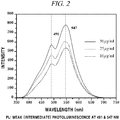
FIG. 2 is a graph showing the result of PL analysis on graphene quantum dots in accordance with an example of the present disclosure. -
FIG. 3 is a graph showing the result of FT-IR analysis on graphene quantum dots in accordance with an example of the present disclosure. -
FIG. 4 is a graph showing the result of Zeta potential measurement on graphene quantum dots in accordance with an example of the present disclosure. -
FIG. 5 shows a fibrillation inhibiting effect of a graphene nanostructure in accordance with an example of the present disclosure. -
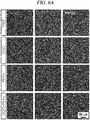
FIG. 6A andFIG. 6B provide (A) images and (B) graphs showing the result of analysis of a neuron survival rate affected by a graphene nanostructure in accordance with an example of the present disclosure. -
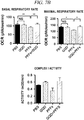
FIG. 7A andFIG. 7B provide (A) images and (B) graphs showing the result of analysis of 8-OHG staining which shows a reactive oxygen species generation inhibitory activity of a graphene nanostructure in accordance with an example of the present disclosure. -
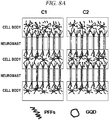
FIG. 8A andFIG. 8B provide (A) schematic diagrams of a test for confirming a-syn transition inhibition of a graphene nanostructure in accordance with an example of the present disclosure and (B) images showing the result thereof. -
FIG. 9 shows the result of TEM analysis of fibrillation inhibition of a graphene nanostructure in accordance with an example of the present disclosure. -
FIG. 10 shows the result of AFM analysis of fibrillation inhibition of graphene quantum dots in accordance with an example of the present disclosure. -
FIG. 11A andFIG. 11B show the result of high-resolution TEM analysis of fibrillation inhibition of a graphene nanostructure in accordance with an example of the present disclosure. -
FIG. 12 shows the result of BN-PAGE analysis on PFFs after injection of a graphene nanostructure in accordance with an example of the present disclosure. -
FIG. 13 provides images showing luminescent characteristics of a graphene nanostructure and Congo Red in accordance with an example of the present disclosure. -
FIG. 14 is a graph showing photothermal characteristics of a graphene nanostructure in accordance with an example of the present disclosure. -
FIG. 15 shows FT-IR spectra of samples prepared in accordance with an example of the present disclosure. -
FIG. 16 shows the result of fluorescence measurement on samples prepared in accordance with an example of the present disclosure. - Hereinafter, embodiments and examples of the present disclosure will be described in detail with reference to the accompanying drawings so that the present disclosure may be readily implemented by those skilled in the art.
- However, it is to be noted that the present disclosure is not limited to the embodiments and examples but can be embodied in various other ways. In drawings, parts irrelevant to the description are omitted for the simplicity of explanation, and like reference numerals denote like parts through the whole document.
- Through the whole document, the term "on" that is used to designate a position of one element with respect to another element includes both a case that the one element is adjacent to the another element and a case that any other element exists between these two elements.
- Further, through the whole document, the term "comprises or includes" and/or "comprising or including" used in the document means that one or more other components, steps, operation and/or existence or addition of elements are not excluded in addition to the described components, steps, operation and/or elements unless context dictates otherwise. Through the whole document, the term "about or approximates" or "substantially" are intended to have meanings close to numerical values or ranges specified with an allowable error and intended to prevent accurate or absolute numerical values disclosed for understanding of the present disclosure from being illegally or unfairly used by any unconscionable third party. Through the whole document, the term "step of" does not mean "step for".
- Through the whole document, the term "combination of" included in Markush type description means mixture or combination of one or more components, steps, operations and/or elements selected from a group consisting of components, steps, operation and/or elements described in Markush type and thereby means that the disclosure includes one or more components, steps, operations and/or elements selected from the Markush group.
- Through the whole document, the term "graphene quantum dots (GQDs)" refers to nano-sized fragments of graphene oxides or reduced graphene oxides.
- Through the whole document, the term "graphene" refers to a material forming a polycyclic aromatic molecule with multiple carbon atoms covalently bonded to each other. The covalently bonded carbon atoms form a six-member ring as a repeating unit, but can further include a five-member ring and/or a seven-member ring.
- Through the whole document, the term "graphene oxide" may be abbreviated as "GO", and may include a structure in which a functional group containing oxygen such as a carboxyl group, a hydroxyl group, or an epoxy group is bonded onto graphene, but may not be limited thereto.
- Through the whole document, the term "reduced graphene oxide" refers to graphene oxide decreased in a percentage of oxygen through a reduction process and may be abbreviated as "rGO", but may not be limited thereto.
- Hereinafter, the exemplary embodiments of the present disclosure will be described in detail, but the present disclosure may not be limited thereto.
- In accordance with a first aspect of the present disclosure, there is provided a pharmaceutical composition for preventing or treating neurodegenerative diseases, the pharmaceutical composition including a graphene nanostructure as an active ingredient.
- In accordance with an exemplary embodiment of the present disclosure, the pharmaceutical composition may further include a pharmaceutically acceptable carrier or excipient, but may not be limited thereto. The pharmaceutically acceptable carrier or excipient is not limited as long as it can be used in a pharmaceutical composition, and may include a member selected from the group consisting of, for example, vaseline, lanolin, polyethylene glycol, alcohol, and combinations thereof, but may not be limited thereto.
- In accordance with an exemplary embodiment of the present disclosure, the neurodegenerative diseases are relevant to protein misfolding, and may include a member selected from the group consisting of, for example, Alzheimer's disease, Parkinson's disease, Huntington's chorea, HIV dementia, stroke, senile systemic amyloidosis, primary systemic amyloidosis, secondary systemic amyloidosis, type II diabetes, amyotrophic amyloidosis, hemodialysis-related amyloidosis, transmissible spongiform encephalopathy, and multiple sclerosis, but may not be limited thereto.
- In accordance with an exemplary embodiment of the present disclosure, the graphene nanostructure may include graphite, graphene, or graphene quantum dots, but may not be limited thereto.
- The graphene quantum dots may have a size in the range of, for example, from about 1 nm to about 20 nm, from about 5 nm to about 20 nm, from about 10 nm to about 20 nm, from about 15 nm to about 20 nm, from about 1 nm to about 15 nm, from about 1 nm to about 10 nm, or from about 1 nm to about 5 nm, but may not be limited thereto.
- In accordance with an exemplary embodiment of the present disclosure, the graphene nanostructure may include graphene nanostructures with various sizes in the range of from about 1 nm to about 100 nm, for example, from about 10 nm to about 100 nm, from about 30 nm to about 100 nm, from about 50 nm to about 100 nm, from about 70 nm to about 100 nm, from about 90 nm to about 100 nm, from about 1 nm to about 90 nm, from about 1 nm to about 70 nm, from about 1 nm to about 50 nm, from about 1 nm to about 30 nm, or from about 1 nm to about 10 nm, but may not be limited thereto.
- In accordance with an exemplary embodiment of the present disclosure, the graphene nanostructure may inhibit fibril formation caused by protein misfolding, and also inhibit transition of misfolded proteins, but may not be limited thereto.
- In accordance with an exemplary embodiment of the present disclosure, the graphene nanostructure is not accumulated in the body and not toxic to the body.
- In accordance with an exemplary embodiment of the present disclosure, the graphene nanostructure may inhibit generation of reactive oxygen species in neurons through a mechanism that inhibits mitochondrial dysfunction caused by fibrillated proteins, but may not be limited thereto.
- In accordance with an exemplary embodiment of the present disclosure, the pharmaceutical composition may include a material targeting a neuronal protein, for example, Congo Red as an anti-amyloid material or thioflavin T or S as an amyloid detecting dye, which is bonded to a terminal functional group of the graphene nanostructure, but may not be limited thereto.
- The functional group according to the present disclosure may include oxygen atoms and may be -OH, -COOH, or -C=O, but may not be limited thereto.
- In accordance with an exemplary embodiment of the present disclosure, the graphene nanostructure may show a photothermal effect upon irradiation of a far-infrared laser, but may not be limited thereto.
- In accordance with an exemplary embodiment of the present disclosure, the pharmaceutical composition of the present disclosure has an advantage of being able to track a neuronal protein by bonding a material targeting the neuronal protein to a terminal functional groups of the graphene nanostructure. As such, the graphene nanostructure may be induced to a place near the neuronal protein and then a far-infrared laser less damaging a cell may be irradiated, so that fibrillation and aggregation can be inhibited by a photothermal effect of the graphene nanostructure.
- Hereinafter, examples of the present disclosure will be described in more detail, but the scope of the present disclosure is not limited thereto.
- GQDs were prepared with reference to the article disclosed in Nano Letters 2012 [Nano Lett, 12, 844-849 (2012)]. A carbon fiber was put into a solution including a mixture of sulfuric acid and nitric acid at a ratio of 3:1 and then heated at 80°C for 24 hours (thermo-oxidation process). After completion of the reaction, the product was purified through dialysis and vacuum filtration and GQDs in the form of powder were finally obtained using a Rotovap. The prepared GQDs were particles with structurally various sizes (about 5 nm to about 20 nm) (
FIG. 1 ). The prepared GQDs had other characteristics such as exhibiting fluorescence under a UV lamp (Emission: 490 nm, and 550 nm) (JASCO FP-8300 Fluorescence Spectrometer) (FIG. 2 ) and showing a photothermal effect upon irradiation of 808 nm NIR laser. According to the FT-IR spectrum (ThermoScientific Nicolet iS 10 FT-IR Spectrometer), a carboxyl group (-COOH) at a terminal of GQDs was observed at 1724 cm-1 and an aromatic C=C peak was observed at 1614 cm-1 (FIG. 3 ). A surface charge analyzed from Zeta potential (Malvern Zetasizer Nano ZS) was shown as about -20 mV (FIG. 4 ). - A material in which Congo Red as a material targeting a neuronal protein was bonded to a terminal functional group of the prepared graphene nanostructure (GQDs) was prepared by a reaction as shown in the following Reaction Formula.
Samples 
- A fibrillation inhibition effect of a graphene quantum dot was determined using PFFs (pre-formed fibrils) as an alpha-synuclein test model. Specifically, fibrils were formed about a week after injection of the PFFs into neurons and finally caused necrosis of the neurons. Fibrillation causes phosphorylation of alpha-synuclein and can be recognized by staining as shown in
FIG. 5 . It was observed that p-a-syn (phosphorylated alpha-synuclei) were dense in response to injection of PFFs (1 µg/mL) only, but upon injection of GQDs (1 µg/mL), the p-a-syn (phosphorylated alpha-synuclei) almost disappeared to the level that nothing was injected (FIG. 5 ). As can be seen fromFIG. 5 , the p-a-syn was reduced to about 80%, which can be practically considered that fibrillation is almost entirely inhibited. Further, a neuron survival rate increases by about 20% (FIG. 6B ). A neuron survival rate (analyzed by TUNEL screening) in case of injecting GQDs only was higher than a case where only a PBS medium was injected, and, thus, it was confirmed that the GQDs were not toxic to neurons (FIG. 6A andFIG. 6B ). The left images ofFIG. 6A show TUNNEL screening in which a damaged cell is stained red, the middle images show DAPI staining in which DNA in a cell nucleus is stained blue, and the right images show quantification thereof. - In a test of whether the graphene nanostructure used herein inhibits generation of reactive oxygen species in neurons through a mechanism that inhibits mitochondrial dysfunction caused by fibrillated proteins, primarily cultured neurons were stained with 8-OHG (8-oxo-2'-deoxyguanosine as a main product of DNA oxidation) and then analyzed (
FIG. 7A ). As can be seen fromFIG. 7A , it was observed that the amount of 8-OHG generated by the influence of reactive oxygen species remarkably decreased by addition of the graphene nanostructure. A test of mitochondrial dysfunction was confirmed through a basal respiratory rate and a maximal respiratory rate of a cell, and mitochondrial Complex I activity assay (FIG. 7B ). As shown in the graph ofFIG. 7B , it was observed that when only PFFs were injected into neurons, a respiratory rate of mitochondria remarkably decreased and Complex I activity also decreased, and when GQDs and PFFs were injected into the neurons, the respiratory rate recovered to a normal level. The result of analysis of mitochondrial dysfunction through this test is considered important since it corresponds to the neuron survival rate shown inFIG. 6B . - It is important to simply inhibit fibrillation and increase a neuron survival rate, but it is very important to inhibit transition to adjacent neurons in order to treat neurodegenerative diseases and slow the progress of the neurodegenerative disease. In order to confirm this fact, a microfluidic device was set up and it was checked which chamber GQDs should be put into in order to inhibit transition.
FIG. 8A provides schematic diagrams of the test andFIG. 8B shows the result of the test. In case of C1 (Chamber 1), GQDs were injected into neurons in a first chamber and in case of C2 (Chamber 2), GQDs were injected into neurons in a second chamber, and then, transition of fibrillation of alpha-synuclein to adjacent neurons was observed. In a positive control group including only PFFs without GQDs, it was observed that a fibrillated alpha-synuclein was transmitted toChambers 1 to 3. Secondly, in a device in which GQDs were put into a first neuron, fibrillation was not well developed from the first, and, thus, fibrillation of alpha-synuclein was rarely observed from second and third neurons. Finally, in a device in which GQDs were put into an intermediate neuron, fibrillation was developed to some degree in the first chamber, and the amount of fibrillation was noticeably decreased in the second neuron where the GQDs were included, and in the last neuron, it was observed that fibrillation was hardly developed. It is deemed that a difference in the degree of initial fibrillation between this device and a device which is the positive control group including only PFFs without GQDs is an error inherent in the device and caused by incomplete separation of GQDs from each neuron in the device. - A sampling was performed in the same manner as an intracellular experiment (1 µg/ml GQDs and 1 µg/ml PFFs were incubated at 37 °C and then sampled on a silica substrate) and fibrillation inhibition of GQDs was analyzed using an OM (optical microscope), and as a result thereof, when only PFFs were incubated, a large lump expected as an aggregate of fibrils was observed (
FIG. 9A and FIG. 9B ), whereas when PFFs and GQDs were incubated, GQDs and alpha-synuclein oligomers were shown as being tangled (FIG. 9C and FIG. 9D ). In the present result, the total amount of alpha-synuclein and GQDs was excessive and the images were not sufficiently clear to distinctly show the structures thereof, but it could be seen that the results of the two samples were definitely different from each other. - A sampling was performed in the same manner as the sampling for OM analysis and fibrillation inhibition of GQDs was analyzed using an AFM (atomic force microscope), and as a result thereof, when only PFFs were incubated, a lewy body formed by aggregation of fibrils and PFFs was observed (
FIG. 10B ), whereas when PFFs and GQDs were incubated, GQDs and alpha-synuclein oligomers were shown as being tangled (FIG. 10D ). - A sampling was performed on a TEM (transmission electron microscopy) grid in the same manner as the sampling for OM and AFM analyses, and an analysis was conducted using a high-resolution transmission electron microscope.
FIG. 11A shows data obtained by sampling PFFs only on the TEM grid and conducting an analysis. As can be seen from the images, a very thick and long fibril bundle was observed. Meanwhile, in a sample in which GQDs were also included, as shown in the AFM image, GQDs and alpha-synuclein oligomers were shown as being tangled (FIG. 11B ). - The images shown in
FIG. 9 to FIG. 11 showed a marked difference between injection or non-injection of GQDs with PFFs, but these images were obtained in a dried state and thus could not show the exact state of PFFs after injection of GQDs. For more detailed analysis, BN-PAGE (blue native polyacrylamide gel electrophoresis) was performed, and a result thereof was surprising (FIG. 12 ). InFIG. 12 ,Column 1 is about a negative control group in which only GQDs are included,Columns Columns - The GQDs prepared in Preparation Example 1 and a Congo Red solution (control group) were irradiated with infrared rays and fluorescence was photographed in the dark, and a result thereof was as shown in
FIG. 13 . - Further,
FIG. 14 shows that when a NIR laser was irradiated, the GQDs showed a higher photothermal effect than Congo Red or distilled water and was increased in temperature depending on the concentration of GQDs (500 µg/mL, 250 µg/mL, 100 µg/mL) as the concentration of the GQDs was increased. - A FT-IR analysis and a fluorescence measurement were performed using various samples (GQDs,
Sample 1,Sample 2, andSample 3 prepared in Preparation Examples 1 and 2, and a Congo Red solution as a comparative example). - Referring to
FIG. 15 showing FT-IR spectra, at a -NH2 peak 3419 cm-1 of Congo Red, the peak decreased as the concentration of Congo Red increased, and even at a carboxyl group (-COOH) peak 1710 cm-1 of a terminal of GQDs, the peak decreased as the concentration of Congo Red increased, and a peptide bond (-CONH) peak 1660 cm-1 was gradually formed by conjugation of GQDs and Congo Red, and an aromatic C=C peak 1614 cm-1 was maintained in all of the samples as expected. - Meanwhile, fluorescences of the samples depending on a wavelength were measured as shown in
FIG. 16 . Herein, Congo Red was used as a control group, andSample 1 showed the highest fluorescence peak. - The above description of the present disclosure is provided for the purpose of illustration, and it would be understood by those skilled in the art that various changes and modifications may be made without changing technical conception and essential features of the present disclosure. Thus, it is clear that the above-described examples are illustrative in all aspects and do not limit the present disclosure. For example, each component described to be of a single type can be implemented in a distributed manner. Likewise, components described to be distributed can be implemented in a combined manner.
- The scope of the present disclosure is defined by the following claims rather than by the detailed description of the embodiment. It shall be understood that all modifications and embodiments conceived from the meaning and scope of the claims and their equivalents are included in the scope of the present disclosure.
Claims (10)
- A pharmaceutical composition for preventing or treating neurodegenerative diseases, comprising a graphene nanostructure as an active ingredient.
- The pharmaceutical composition for preventing or treating neurodegenerative diseases of Claim 1, further comprising a pharmaceutically acceptable carrier or excipient.
- The pharmaceutical composition for preventing or treating neurodegenerative diseases of Claim 1,
wherein the neurodegenerative diseases include a member selected from the group consisting of Alzheimer's disease, Parkinson's disease, Huntington's chorea, HIV dementia, stroke, senile systemic amyloidosis, primary systemic amyloidosis, secondary systemic amyloidosis, type II diabetes, amyotrophic amyloidosis, hemodialysis-related amyloidosis, transmissible spongiform encephalopathy, and multiple sclerosis. - The pharmaceutical composition for preventing or treating neurodegenerative diseases of Claim 2,
wherein the pharmaceutically acceptable carrier or excipient includes a member selected from the group consisting of vaseline, lanolin, polyethylene glycol, alcohol, and combinations thereof. - The pharmaceutical composition for preventing or treating neurodegenerative diseases of Claim 1,
wherein the graphene nanostructure includes graphite, graphene, or graphene quantum dots. - The pharmaceutical composition for preventing or treating neurodegenerative diseases of Claim 1,
wherein the graphene nanostructure inhibits fibril formation caused by protein misfolding. - The pharmaceutical composition for preventing or treating neurodegenerative diseases of Claim 1,
wherein the graphene nanostructure inhibits transition of misfolded proteins. - The pharmaceutical composition for preventing or treating neurodegenerative diseases of Claim 1,
wherein the graphene nanostructure is not accumulated in the body. - The pharmaceutical composition for preventing or treating neurodegenerative diseases of Claim 1,
wherein a terminal functional group of the graphene nanostructure is bonded to a material targeting a neuronal protein. - The pharmaceutical composition for preventing or treating neurodegenerative diseases of Claim 1,
wherein the graphene nanostructure shows a photothermal effect upon irradiation of a far-infrared laser.
Priority Applications (1)
| Application Number | Priority Date | Filing Date | Title |
|---|---|---|---|
| PL15774194T PL3130353T3 (en) | 2014-04-04 | 2015-04-03 | Graphene nanostructure-based pharmaceutical composition for preventing or treating neurodegenerative diseases |
Applications Claiming Priority (2)
| Application Number | Priority Date | Filing Date | Title |
|---|---|---|---|
| KR20140040400 | 2014-04-04 | ||
| PCT/KR2015/003385 WO2015152688A1 (en) | 2014-04-04 | 2015-04-03 | Graphene nanostructure-based pharmaceutical composition for preventing or treating neurodegenerative diseases |
Publications (3)
| Publication Number | Publication Date |
|---|---|
| EP3130353A1 true EP3130353A1 (en) | 2017-02-15 |
| EP3130353A4 EP3130353A4 (en) | 2017-11-15 |
| EP3130353B1 EP3130353B1 (en) | 2020-07-22 |
Family
ID=54240900
Family Applications (1)
| Application Number | Title | Priority Date | Filing Date |
|---|---|---|---|
| EP15774194.3A Active EP3130353B1 (en) | 2014-04-04 | 2015-04-03 | Graphene nanostructure-based pharmaceutical composition for preventing or treating neurodegenerative diseases |
Country Status (8)
| Country | Link |
|---|---|
| US (2) | US20170189359A1 (en) |
| EP (1) | EP3130353B1 (en) |
| JP (1) | JP6585156B2 (en) |
| KR (1) | KR101747147B1 (en) |
| CN (2) | CN113018437A (en) |
| ES (1) | ES2814274T3 (en) |
| PL (1) | PL3130353T3 (en) |
| WO (1) | WO2015152688A1 (en) |
Cited By (3)
| Publication number | Priority date | Publication date | Assignee | Title |
|---|---|---|---|---|
| US20210252051A1 (en) * | 2018-07-06 | 2021-08-19 | Biographene Inc. | Graphene quantum dot as therapeutic agent for disease associated with abnormal fibrillation or aggregation of neuroprotein |
| US11786549B2 (en) | 2017-11-24 | 2023-10-17 | Seoul National University R&Db Foundation | Anti-inflammatory composition comprising graphene nano-structure |
| US12297111B2 (en) | 2018-07-17 | 2025-05-13 | Graphenano Medical Care, S.L. | Graphene product and therapeutic uses thereof |
Families Citing this family (8)
| Publication number | Priority date | Publication date | Assignee | Title |
|---|---|---|---|---|
| WO2020009551A1 (en) * | 2018-07-06 | 2020-01-09 | 바이오그래핀 주식회사 | Graphene quantum dot as therapeutic agent for disease associated with abnormal fibrillation or aggregation of neuroprotein |
| KR102179430B1 (en) * | 2019-01-30 | 2020-11-16 | 바이오그래핀 주식회사 | Pharmaceutical composition for preventing or treating lysosome storage disorder |
| CN110251532B (en) * | 2019-07-18 | 2022-04-15 | 苏州大学 | Application of carbon-based nano material in preparation of medicament for relieving or treating HD (high-definition) disease |
| KR102277665B1 (en) * | 2020-02-05 | 2021-07-15 | 바이오그래핀 주식회사 | Composition based on graphene for treating kidney disease |
| CN112089731A (en) * | 2020-09-29 | 2020-12-18 | 安徽医科大学第一附属医院 | Application and test method of nano-graphene oxide in the treatment of β-amyloid and Aβ-related diseases |
| CN112552902A (en) * | 2020-11-20 | 2021-03-26 | 扬州大学 | Graphene quantum dot assembly with foam structure and preparation method thereof |
| CN116327934A (en) * | 2023-03-30 | 2023-06-27 | 北京理工大学 | Preparation method and application of a purple phosphorus@nucleic acid aptamer nanosheet anti-beta amyloid protein aggregation |
| WO2024248251A1 (en) * | 2023-05-30 | 2024-12-05 | 그래핀스퀘어케미칼 주식회사 | Pharmaceutical composition for preventing or treating neurodegenerative diseases comprising graphene quantum dots as active ingredient |
Family Cites Families (10)
| Publication number | Priority date | Publication date | Assignee | Title |
|---|---|---|---|---|
| CN1688299A (en) * | 2002-01-29 | 2005-10-26 | 普罗特米克斯公司 | Suppression of cytotoxic protein conformers |
| US7163956B2 (en) * | 2003-10-10 | 2007-01-16 | C Sixty Inc. | Substituted fullerene compositions and their use as antioxidants |
| CN101267779A (en) * | 2005-07-27 | 2008-09-17 | 福罗里达大学研究基金会有限公司 | Using Heat Shock to Treat Eye Diseases |
| GB2432529B (en) | 2005-11-25 | 2008-04-23 | Univ Feng Chia | Antimicrobial compositions and wound dressings |
| JP2009537179A (en) | 2006-05-19 | 2009-10-29 | ザ スクリップス リサーチ インスティテュート | Treatment of protein misfolding |
| US9572834B2 (en) * | 2011-04-26 | 2017-02-21 | William Marsh Rice University | Use of carbon nanomaterials with antioxidant properties to treat oxidative stress |
| WO2013148341A1 (en) * | 2012-03-27 | 2013-10-03 | Duke University | Carbon nanotubes and methods of use |
| KR102020870B1 (en) * | 2012-04-30 | 2019-09-16 | 바이오그래핀 주식회사 | Magnetic resonance imaging contrast agent using graphene quantum dot or graphene oxide quantum dot, and manufacturing method of the same |
| US10114024B2 (en) | 2013-08-28 | 2018-10-30 | Nanyang Technological University | Biomolecule-graphene quantum dot conjugates and use thereof |
| US20160193249A1 (en) * | 2013-09-03 | 2016-07-07 | William Marsh Rice University | Treatment of inflammatory diseases by carbon materials |
-
2015
- 2015-04-03 US US15/301,853 patent/US20170189359A1/en not_active Abandoned
- 2015-04-03 PL PL15774194T patent/PL3130353T3/en unknown
- 2015-04-03 CN CN202110305054.9A patent/CN113018437A/en active Pending
- 2015-04-03 CN CN201580018344.8A patent/CN106470706A/en active Pending
- 2015-04-03 KR KR1020150047511A patent/KR101747147B1/en active Active
- 2015-04-03 ES ES15774194T patent/ES2814274T3/en active Active
- 2015-04-03 EP EP15774194.3A patent/EP3130353B1/en active Active
- 2015-04-03 JP JP2017503755A patent/JP6585156B2/en active Active
- 2015-04-03 WO PCT/KR2015/003385 patent/WO2015152688A1/en not_active Ceased
-
2018
- 2018-06-11 US US16/004,744 patent/US10772910B2/en active Active
Cited By (3)
| Publication number | Priority date | Publication date | Assignee | Title |
|---|---|---|---|---|
| US11786549B2 (en) | 2017-11-24 | 2023-10-17 | Seoul National University R&Db Foundation | Anti-inflammatory composition comprising graphene nano-structure |
| US20210252051A1 (en) * | 2018-07-06 | 2021-08-19 | Biographene Inc. | Graphene quantum dot as therapeutic agent for disease associated with abnormal fibrillation or aggregation of neuroprotein |
| US12297111B2 (en) | 2018-07-17 | 2025-05-13 | Graphenano Medical Care, S.L. | Graphene product and therapeutic uses thereof |
Also Published As
| Publication number | Publication date |
|---|---|
| US20170189359A1 (en) | 2017-07-06 |
| JP6585156B2 (en) | 2019-10-02 |
| KR101747147B1 (en) | 2017-06-14 |
| CN113018437A (en) | 2021-06-25 |
| JP2017510650A (en) | 2017-04-13 |
| EP3130353B1 (en) | 2020-07-22 |
| PL3130353T3 (en) | 2021-03-08 |
| US20180289646A1 (en) | 2018-10-11 |
| ES2814274T3 (en) | 2021-03-26 |
| US10772910B2 (en) | 2020-09-15 |
| EP3130353A4 (en) | 2017-11-15 |
| CN106470706A (en) | 2017-03-01 |
| WO2015152688A1 (en) | 2015-10-08 |
| KR20150115671A (en) | 2015-10-14 |
Similar Documents
| Publication | Publication Date | Title |
|---|---|---|
| EP3130353B1 (en) | Graphene nanostructure-based pharmaceutical composition for preventing or treating neurodegenerative diseases | |
| Kuznetsova et al. | Effect of chiral ligand concentration and binding mode on chiroptical activity of CdSe/CdS quantum dots | |
| Li et al. | Self‐Assembled Peptide–Polyoxometalate Hybrid Nanospheres: Two in One Enhances Targeted Inhibition of Amyloid β‐Peptide Aggregation Associated with Alzheimer's Disease | |
| Sun et al. | Cationic telluroviologen derivatives as type‐I photosensitizers for tumor photodynamic theranostics | |
| Mariani et al. | Elucidating electrostatic self-assembly: molecular parameters as key to thermodynamics and nanoparticle shape | |
| Ikeda et al. | Inhibition of the formation of amyloid β‐protein fibrils using biocompatible nanogels as artificial chaperones | |
| Prylutskyy et al. | Characterization of C60 fullerene complexation with antibiotic doxorubicin | |
| Wang et al. | Hyaluronic acid-based carbon dots for efficient gene delivery and cell imaging | |
| Nikoloudakis et al. | Self-assembly study of nanometric spheres from polyoxometalate-phenylalanine hybrids, an experimental and theoretical approach | |
| Lv et al. | Custom‐made piezoelectric solid solution material for cancer therapy | |
| Bagchi et al. | Effect of metal ions on the intrinsic blue fluorescence property and morphology of aromatic amino acid self-assembly | |
| Li et al. | Platinum-coordinated graphitic carbon nitride nanosheet used for targeted inhibition of amyloid β-peptide aggregation | |
| Yang et al. | Active site-targeted carbon dots for the inhibition of human insulin fibrillation | |
| Hu et al. | An investigation on the chemical structure of nitrogen and sulfur codoped carbon nanoparticles by ultra-performance liquid chromatography-tandem mass spectrometry: Q. Hu et al. | |
| Ye et al. | Efficient Modulation of β‑Amyloid Peptide Fibrillation with Polymer Nanoparticles Revealed by Super-Resolution Optical Microscopy | |
| Serda et al. | Synthesis and applications of [60] fullerene nanoconjugate with 5-aminolevulinic acid and its glycoconjugate as drug delivery vehicles | |
| Li et al. | Phalloidin-functionalized hyperbranched conjugated polyelectrolyte for filamentous actin imaging in living hela cells | |
| Hou et al. | Fullerene derivatives for tumor treatment: mechanisms and application | |
| Zhang et al. | Valence electron fluctuation in a high-entropy oxide heterojunction enables collaborative photodynamic and mild-thermal therapy for cutaneous biofilm infections | |
| Ma et al. | Curved carbon photo-oxygenation catalysts for the suppression and nanoscopic imaging of β-amyloid peptides fibrillation | |
| Nayak et al. | Covalent conjugation of carbon dots with plasmid and DNA condensation thereafter: realistic insights into the condensate morphology, energetics, and photophysics | |
| Ghosh et al. | Amyloid targeting red emitting AIE dots for diagnostic and therapeutic application against Alzheimer’s disease | |
| Wang et al. | Biomimetic chiral molecular tweezers based on tryptophan-containing peptides with chiroptical evolution | |
| Obstarczyk et al. | Crown ether-capped gold nanoclusters as a multimodal platform for bioimaging | |
| Lucignano et al. | Human ferritin nanocarriers for drug-delivery: A molecular view of the disassembly process |
Legal Events
| Date | Code | Title | Description |
|---|---|---|---|
| STAA | Information on the status of an ep patent application or granted ep patent |
Free format text: STATUS: THE INTERNATIONAL PUBLICATION HAS BEEN MADE |
|
| PUAI | Public reference made under article 153(3) epc to a published international application that has entered the european phase |
Free format text: ORIGINAL CODE: 0009012 |
|
| STAA | Information on the status of an ep patent application or granted ep patent |
Free format text: STATUS: REQUEST FOR EXAMINATION WAS MADE |
|
| 17P | Request for examination filed |
Effective date: 20161028 |
|
| AK | Designated contracting states |
Kind code of ref document: A1 Designated state(s): AL AT BE BG CH CY CZ DE DK EE ES FI FR GB GR HR HU IE IS IT LI LT LU LV MC MK MT NL NO PL PT RO RS SE SI SK SM TR |
|
| AX | Request for extension of the european patent |
Extension state: BA ME |
|
| DAV | Request for validation of the european patent (deleted) | ||
| DAX | Request for extension of the european patent (deleted) | ||
| A4 | Supplementary search report drawn up and despatched |
Effective date: 20171016 |
|
| RIC1 | Information provided on ipc code assigned before grant |
Ipc: A61K 31/194 20060101ALI20171010BHEP Ipc: A61K 41/00 20060101ALI20171010BHEP Ipc: A61K 47/04 20060101AFI20171010BHEP Ipc: A61P 25/28 20060101ALI20171010BHEP |
|
| STAA | Information on the status of an ep patent application or granted ep patent |
Free format text: STATUS: EXAMINATION IS IN PROGRESS |
|
| 17Q | First examination report despatched |
Effective date: 20180320 |
|
| GRAP | Despatch of communication of intention to grant a patent |
Free format text: ORIGINAL CODE: EPIDOSNIGR1 |
|
| STAA | Information on the status of an ep patent application or granted ep patent |
Free format text: STATUS: GRANT OF PATENT IS INTENDED |
|
| INTG | Intention to grant announced |
Effective date: 20200227 |
|
| GRAS | Grant fee paid |
Free format text: ORIGINAL CODE: EPIDOSNIGR3 |
|
| GRAA | (expected) grant |
Free format text: ORIGINAL CODE: 0009210 |
|
| STAA | Information on the status of an ep patent application or granted ep patent |
Free format text: STATUS: THE PATENT HAS BEEN GRANTED |
|
| AK | Designated contracting states |
Kind code of ref document: B1 Designated state(s): AL AT BE BG CH CY CZ DE DK EE ES FI FR GB GR HR HU IE IS IT LI LT LU LV MC MK MT NL NO PL PT RO RS SE SI SK SM TR |
|
| REG | Reference to a national code |
Ref country code: GB Ref legal event code: FG4D |
|
| REG | Reference to a national code |
Ref country code: CH Ref legal event code: EP |
|
| REG | Reference to a national code |
Ref country code: DE Ref legal event code: R096 Ref document number: 602015056191 Country of ref document: DE |
|
| REG | Reference to a national code |
Ref country code: AT Ref legal event code: REF Ref document number: 1292785 Country of ref document: AT Kind code of ref document: T Effective date: 20200815 |
|
| REG | Reference to a national code |
Ref country code: IE Ref legal event code: FG4D |
|
| REG | Reference to a national code |
Ref country code: NL Ref legal event code: FP |
|
| REG | Reference to a national code |
Ref country code: SE Ref legal event code: TRGR |
|
| REG | Reference to a national code |
Ref country code: LT Ref legal event code: MG4D |
|
| REG | Reference to a national code |
Ref country code: AT Ref legal event code: MK05 Ref document number: 1292785 Country of ref document: AT Kind code of ref document: T Effective date: 20200722 |
|
| PG25 | Lapsed in a contracting state [announced via postgrant information from national office to epo] |
Ref country code: LT Free format text: LAPSE BECAUSE OF FAILURE TO SUBMIT A TRANSLATION OF THE DESCRIPTION OR TO PAY THE FEE WITHIN THE PRESCRIBED TIME-LIMIT Effective date: 20200722 Ref country code: PT Free format text: LAPSE BECAUSE OF FAILURE TO SUBMIT A TRANSLATION OF THE DESCRIPTION OR TO PAY THE FEE WITHIN THE PRESCRIBED TIME-LIMIT Effective date: 20201123 Ref country code: BG Free format text: LAPSE BECAUSE OF FAILURE TO SUBMIT A TRANSLATION OF THE DESCRIPTION OR TO PAY THE FEE WITHIN THE PRESCRIBED TIME-LIMIT Effective date: 20201022 Ref country code: HR Free format text: LAPSE BECAUSE OF FAILURE TO SUBMIT A TRANSLATION OF THE DESCRIPTION OR TO PAY THE FEE WITHIN THE PRESCRIBED TIME-LIMIT Effective date: 20200722 Ref country code: GR Free format text: LAPSE BECAUSE OF FAILURE TO SUBMIT A TRANSLATION OF THE DESCRIPTION OR TO PAY THE FEE WITHIN THE PRESCRIBED TIME-LIMIT Effective date: 20201023 Ref country code: FI Free format text: LAPSE BECAUSE OF FAILURE TO SUBMIT A TRANSLATION OF THE DESCRIPTION OR TO PAY THE FEE WITHIN THE PRESCRIBED TIME-LIMIT Effective date: 20200722 Ref country code: AT Free format text: LAPSE BECAUSE OF FAILURE TO SUBMIT A TRANSLATION OF THE DESCRIPTION OR TO PAY THE FEE WITHIN THE PRESCRIBED TIME-LIMIT Effective date: 20200722 Ref country code: NO Free format text: LAPSE BECAUSE OF FAILURE TO SUBMIT A TRANSLATION OF THE DESCRIPTION OR TO PAY THE FEE WITHIN THE PRESCRIBED TIME-LIMIT Effective date: 20201022 |
|
| PG25 | Lapsed in a contracting state [announced via postgrant information from national office to epo] |
Ref country code: RS Free format text: LAPSE BECAUSE OF FAILURE TO SUBMIT A TRANSLATION OF THE DESCRIPTION OR TO PAY THE FEE WITHIN THE PRESCRIBED TIME-LIMIT Effective date: 20200722 Ref country code: LV Free format text: LAPSE BECAUSE OF FAILURE TO SUBMIT A TRANSLATION OF THE DESCRIPTION OR TO PAY THE FEE WITHIN THE PRESCRIBED TIME-LIMIT Effective date: 20200722 Ref country code: IS Free format text: LAPSE BECAUSE OF FAILURE TO SUBMIT A TRANSLATION OF THE DESCRIPTION OR TO PAY THE FEE WITHIN THE PRESCRIBED TIME-LIMIT Effective date: 20201122 |
|
| REG | Reference to a national code |
Ref country code: ES Ref legal event code: FG2A Ref document number: 2814274 Country of ref document: ES Kind code of ref document: T3 Effective date: 20210326 |
|
| REG | Reference to a national code |
Ref country code: DE Ref legal event code: R097 Ref document number: 602015056191 Country of ref document: DE |
|
| PG25 | Lapsed in a contracting state [announced via postgrant information from national office to epo] |
Ref country code: RO Free format text: LAPSE BECAUSE OF FAILURE TO SUBMIT A TRANSLATION OF THE DESCRIPTION OR TO PAY THE FEE WITHIN THE PRESCRIBED TIME-LIMIT Effective date: 20200722 Ref country code: SM Free format text: LAPSE BECAUSE OF FAILURE TO SUBMIT A TRANSLATION OF THE DESCRIPTION OR TO PAY THE FEE WITHIN THE PRESCRIBED TIME-LIMIT Effective date: 20200722 Ref country code: EE Free format text: LAPSE BECAUSE OF FAILURE TO SUBMIT A TRANSLATION OF THE DESCRIPTION OR TO PAY THE FEE WITHIN THE PRESCRIBED TIME-LIMIT Effective date: 20200722 Ref country code: DK Free format text: LAPSE BECAUSE OF FAILURE TO SUBMIT A TRANSLATION OF THE DESCRIPTION OR TO PAY THE FEE WITHIN THE PRESCRIBED TIME-LIMIT Effective date: 20200722 Ref country code: CZ Free format text: LAPSE BECAUSE OF FAILURE TO SUBMIT A TRANSLATION OF THE DESCRIPTION OR TO PAY THE FEE WITHIN THE PRESCRIBED TIME-LIMIT Effective date: 20200722 |
|
| PLBE | No opposition filed within time limit |
Free format text: ORIGINAL CODE: 0009261 |
|
| STAA | Information on the status of an ep patent application or granted ep patent |
Free format text: STATUS: NO OPPOSITION FILED WITHIN TIME LIMIT |
|
| PG25 | Lapsed in a contracting state [announced via postgrant information from national office to epo] |
Ref country code: AL Free format text: LAPSE BECAUSE OF FAILURE TO SUBMIT A TRANSLATION OF THE DESCRIPTION OR TO PAY THE FEE WITHIN THE PRESCRIBED TIME-LIMIT Effective date: 20200722 |
|
| 26N | No opposition filed |
Effective date: 20210423 |
|
| PG25 | Lapsed in a contracting state [announced via postgrant information from national office to epo] |
Ref country code: SK Free format text: LAPSE BECAUSE OF FAILURE TO SUBMIT A TRANSLATION OF THE DESCRIPTION OR TO PAY THE FEE WITHIN THE PRESCRIBED TIME-LIMIT Effective date: 20200722 |
|
| PG25 | Lapsed in a contracting state [announced via postgrant information from national office to epo] |
Ref country code: SI Free format text: LAPSE BECAUSE OF FAILURE TO SUBMIT A TRANSLATION OF THE DESCRIPTION OR TO PAY THE FEE WITHIN THE PRESCRIBED TIME-LIMIT Effective date: 20200722 |
|
| PG25 | Lapsed in a contracting state [announced via postgrant information from national office to epo] |
Ref country code: MC Free format text: LAPSE BECAUSE OF FAILURE TO SUBMIT A TRANSLATION OF THE DESCRIPTION OR TO PAY THE FEE WITHIN THE PRESCRIBED TIME-LIMIT Effective date: 20200722 |
|
| PG25 | Lapsed in a contracting state [announced via postgrant information from national office to epo] |
Ref country code: LU Free format text: LAPSE BECAUSE OF NON-PAYMENT OF DUE FEES Effective date: 20210403 |
|
| REG | Reference to a national code |
Ref country code: BE Ref legal event code: MM Effective date: 20210430 |
|
| PG25 | Lapsed in a contracting state [announced via postgrant information from national office to epo] |
Ref country code: IE Free format text: LAPSE BECAUSE OF NON-PAYMENT OF DUE FEES Effective date: 20210403 |
|
| PG25 | Lapsed in a contracting state [announced via postgrant information from national office to epo] |
Ref country code: IS Free format text: LAPSE BECAUSE OF FAILURE TO SUBMIT A TRANSLATION OF THE DESCRIPTION OR TO PAY THE FEE WITHIN THE PRESCRIBED TIME-LIMIT Effective date: 20201122 |
|
| PG25 | Lapsed in a contracting state [announced via postgrant information from national office to epo] |
Ref country code: BE Free format text: LAPSE BECAUSE OF NON-PAYMENT OF DUE FEES Effective date: 20210430 |
|
| PG25 | Lapsed in a contracting state [announced via postgrant information from national office to epo] |
Ref country code: HU Free format text: LAPSE BECAUSE OF FAILURE TO SUBMIT A TRANSLATION OF THE DESCRIPTION OR TO PAY THE FEE WITHIN THE PRESCRIBED TIME-LIMIT; INVALID AB INITIO Effective date: 20150403 |
|
| PG25 | Lapsed in a contracting state [announced via postgrant information from national office to epo] |
Ref country code: CY Free format text: LAPSE BECAUSE OF FAILURE TO SUBMIT A TRANSLATION OF THE DESCRIPTION OR TO PAY THE FEE WITHIN THE PRESCRIBED TIME-LIMIT Effective date: 20200722 |
|
| PG25 | Lapsed in a contracting state [announced via postgrant information from national office to epo] |
Ref country code: MK Free format text: LAPSE BECAUSE OF FAILURE TO SUBMIT A TRANSLATION OF THE DESCRIPTION OR TO PAY THE FEE WITHIN THE PRESCRIBED TIME-LIMIT Effective date: 20200722 |
|
| PG25 | Lapsed in a contracting state [announced via postgrant information from national office to epo] |
Ref country code: MT Free format text: LAPSE BECAUSE OF FAILURE TO SUBMIT A TRANSLATION OF THE DESCRIPTION OR TO PAY THE FEE WITHIN THE PRESCRIBED TIME-LIMIT Effective date: 20200722 |
|
| PGFP | Annual fee paid to national office [announced via postgrant information from national office to epo] |
Ref country code: NL Payment date: 20250414 Year of fee payment: 11 |
|
| PGFP | Annual fee paid to national office [announced via postgrant information from national office to epo] |
Ref country code: PL Payment date: 20250401 Year of fee payment: 11 |
|
| PGFP | Annual fee paid to national office [announced via postgrant information from national office to epo] |
Ref country code: IT Payment date: 20250411 Year of fee payment: 11 |
|
| PGFP | Annual fee paid to national office [announced via postgrant information from national office to epo] |
Ref country code: TR Payment date: 20250403 Year of fee payment: 11 |
|
| PGFP | Annual fee paid to national office [announced via postgrant information from national office to epo] |
Ref country code: SE Payment date: 20250430 Year of fee payment: 11 |
|
| REG | Reference to a national code |
Ref country code: CH Ref legal event code: U11 Free format text: ST27 STATUS EVENT CODE: U-0-0-U10-U11 (AS PROVIDED BY THE NATIONAL OFFICE) Effective date: 20260501 |
|
| PGFP | Annual fee paid to national office [announced via postgrant information from national office to epo] |
Ref country code: ES Payment date: 20260508 Year of fee payment: 12 |
|
| PGFP | Annual fee paid to national office [announced via postgrant information from national office to epo] |
Ref country code: GB Payment date: 20260422 Year of fee payment: 12 |
|
| PGFP | Annual fee paid to national office [announced via postgrant information from national office to epo] |
Ref country code: DE Payment date: 20260421 Year of fee payment: 12 |
|
| PGFP | Annual fee paid to national office [announced via postgrant information from national office to epo] |
Ref country code: CH Payment date: 20260501 Year of fee payment: 12 |
|
| PGFP | Annual fee paid to national office [announced via postgrant information from national office to epo] |
Ref country code: FR Payment date: 20260423 Year of fee payment: 12 |