EP3125170A1 - Apparatus and method for managing of study mode in energy management system - Google Patents
Apparatus and method for managing of study mode in energy management system Download PDFInfo
- Publication number
- EP3125170A1 EP3125170A1 EP16177197.7A EP16177197A EP3125170A1 EP 3125170 A1 EP3125170 A1 EP 3125170A1 EP 16177197 A EP16177197 A EP 16177197A EP 3125170 A1 EP3125170 A1 EP 3125170A1
- Authority
- EP
- European Patent Office
- Prior art keywords
- study
- data
- control unit
- file
- energy management
- Prior art date
- Legal status (The legal status is an assumption and is not a legal conclusion. Google has not performed a legal analysis and makes no representation as to the accuracy of the status listed.)
- Ceased
Links
Images



Classifications
-
- H—ELECTRICITY
- H02—GENERATION; CONVERSION OR DISTRIBUTION OF ELECTRIC POWER
- H02J—ELECTRIC POWER NETWORKS; CIRCUIT ARRANGEMENTS OR SYSTEMS FOR SUPPLYING OR DISTRIBUTING ELECTRIC POWER; SYSTEMS FOR STORING ELECTRIC ENERGY
- H02J13/00—Circuit arrangements for providing remote monitoring or remote control of equipment in a power distribution network
-
- G—PHYSICS
- G05—CONTROLLING; REGULATING
- G05B—CONTROL OR REGULATING SYSTEMS IN GENERAL; FUNCTIONAL ELEMENTS OF SUCH SYSTEMS; MONITORING OR TESTING ARRANGEMENTS FOR SUCH SYSTEMS OR ELEMENTS
- G05B15/00—Systems controlled by a computer
- G05B15/02—Systems controlled by a computer electric
-
- G—PHYSICS
- G06—COMPUTING OR CALCULATING; COUNTING
- G06Q—INFORMATION AND COMMUNICATION TECHNOLOGY [ICT] SPECIALLY ADAPTED FOR ADMINISTRATIVE, COMMERCIAL, FINANCIAL, MANAGERIAL OR SUPERVISORY PURPOSES; SYSTEMS OR METHODS SPECIALLY ADAPTED FOR ADMINISTRATIVE, COMMERCIAL, FINANCIAL, MANAGERIAL OR SUPERVISORY PURPOSES, NOT OTHERWISE PROVIDED FOR
- G06Q10/00—Administration; Management
- G06Q10/06—Resources, workflows, human or project management; Enterprise or organisation planning; Enterprise or organisation modelling
- G06Q10/063—Operations research, analysis or management
- G06Q10/0631—Resource planning, allocation, distributing or scheduling for enterprises or organisations
- G06Q10/06313—Resource planning in a project environment
-
- G—PHYSICS
- G06—COMPUTING OR CALCULATING; COUNTING
- G06Q—INFORMATION AND COMMUNICATION TECHNOLOGY [ICT] SPECIALLY ADAPTED FOR ADMINISTRATIVE, COMMERCIAL, FINANCIAL, MANAGERIAL OR SUPERVISORY PURPOSES; SYSTEMS OR METHODS SPECIALLY ADAPTED FOR ADMINISTRATIVE, COMMERCIAL, FINANCIAL, MANAGERIAL OR SUPERVISORY PURPOSES, NOT OTHERWISE PROVIDED FOR
- G06Q50/00—Information and communication technology [ICT] specially adapted for implementation of business processes of specific business sectors, e.g. utilities or tourism
- G06Q50/06—Energy or water supply
-
- G—PHYSICS
- G06—COMPUTING OR CALCULATING; COUNTING
- G06F—ELECTRIC DIGITAL DATA PROCESSING
- G06F11/00—Error detection; Error correction; Monitoring
- G06F11/30—Monitoring
- G06F11/3058—Monitoring arrangements for monitoring environmental properties or parameters of the computing system or of the computing system component, e.g. monitoring of power, currents, temperature, humidity, position, vibrations
- G06F11/3062—Monitoring arrangements for monitoring environmental properties or parameters of the computing system or of the computing system component, e.g. monitoring of power, currents, temperature, humidity, position, vibrations where the monitored property is the power consumption
-
- G—PHYSICS
- G06—COMPUTING OR CALCULATING; COUNTING
- G06F—ELECTRIC DIGITAL DATA PROCESSING
- G06F16/00—Information retrieval; Database structures therefor; File system structures therefor
- G06F16/10—File systems; File servers
- G06F16/16—File or folder operations, e.g. details of user interfaces specifically adapted to file systems
-
- Y—GENERAL TAGGING OF NEW TECHNOLOGICAL DEVELOPMENTS; GENERAL TAGGING OF CROSS-SECTIONAL TECHNOLOGIES SPANNING OVER SEVERAL SECTIONS OF THE IPC; TECHNICAL SUBJECTS COVERED BY FORMER USPC CROSS-REFERENCE ART COLLECTIONS [XRACs] AND DIGESTS
- Y02—TECHNOLOGIES OR APPLICATIONS FOR MITIGATION OR ADAPTATION AGAINST CLIMATE CHANGE
- Y02B—CLIMATE CHANGE MITIGATION TECHNOLOGIES RELATED TO BUILDINGS, e.g. HOUSING, HOUSE APPLIANCES OR RELATED END-USER APPLICATIONS
- Y02B90/00—Enabling technologies or technologies with a potential or indirect contribution to GHG emissions mitigation
- Y02B90/20—Smart grids as enabling technology in buildings sector
-
- Y—GENERAL TAGGING OF NEW TECHNOLOGICAL DEVELOPMENTS; GENERAL TAGGING OF CROSS-SECTIONAL TECHNOLOGIES SPANNING OVER SEVERAL SECTIONS OF THE IPC; TECHNICAL SUBJECTS COVERED BY FORMER USPC CROSS-REFERENCE ART COLLECTIONS [XRACs] AND DIGESTS
- Y04—INFORMATION OR COMMUNICATION TECHNOLOGIES HAVING AN IMPACT ON OTHER TECHNOLOGY AREAS
- Y04S—SYSTEMS INTEGRATING TECHNOLOGIES RELATED TO POWER NETWORK OPERATION, COMMUNICATION OR INFORMATION TECHNOLOGIES FOR IMPROVING THE ELECTRICAL POWER GENERATION, TRANSMISSION, DISTRIBUTION, MANAGEMENT OR USAGE, i.e. SMART GRIDS
- Y04S20/00—Management or operation of end-user stationary applications or the last stages of power distribution; Controlling, monitoring or operating thereof
Definitions
- the present invention relates to an energy management system and more particularly, to an apparatus and method for creating and managing a database for study mode for system analysis of an energy management system.
- an energy management system capable of monitoring and controlling a flow of energy is receiving the global spotlight.
- the energy management system is an integrated energy management solution capable of optimizing energy consumption by monitoring situations of energy consumption in real time and analyzing an aggregation of data based on hardware, software and ICT-based monitoring and control techniques.
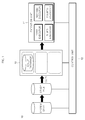
- a conventional energy management server 10 includes only a control unit 12 for controlling the overall operation of the energy management server 10. Therefore, the control unit 12 has a burden of performing a control operation for a study mode while controlling the general energy management system.
- control unit 12 receives an input for study generation from a client 30 (S101).
- the control unit 12 creates a study file based on system data being currently executed by the control unit 12 (S103).
- the study file may be a dump file in a binary format.
- system data being currently operated is required to operate a study mode.
- the system data cannot be, as it is, fetched to a processor for execution of the study mode.
- the control unit 12 creates the study file in a format allowing the system data to be copied to a study mode executor.
- control unit 12 When the study file is completed to be created, the control unit 12 generates a space for study database storage, in a study database storage unit 13 (S105). At this time, a plurality of spaces for study database storage may be generated.
- the control unit 12 copies the study file into the generated space to create a study database (S107).
- the created study database has the same values as the system data being currently operated. Accordingly, the created study database can be used to operate the study mode without having an effect on the system under operation.
- the control unit 12 delivers the created study database to an execution unit 14 (S109).
- the execution unit 14 may include a plurality of executors which can perform different study modes. Each of the executors may include a plurality of study processes.
- a task to create a dump file of the system under operation is a task to occupy a load factor of CPU. Therefore, this task imposes a burden on the control unit 12 which has to perform the control of the energy management system quickly in real time.
- control unit 12 of the conventional energy management server 10 cannot delete the created study mode and does not offer a creation and deletion procedure of the study mode to the client 30.
- an apparatus for managing a study mode in an energy management system including: a control unit configured to process data collected from a power system and operate an energy management system; a study file creator configured to create a study file based on data being currently operated in the control unit; and a study control unit configured to copy the study file and create a study database for study mode execution.
- control unit, the study file creator and the study control unit may be operated independently of each other.
- the study file may be a dump file in a binary format.
- the study file creator may compare static data of the collected data with stored re-use data and create the study file based on the re-use data and dynamic data of the collected data if the static data of the collected data matches the re-use data.
- the study file creator may create the study file based on the whole collected data if the static data of the collected data does not match the re-use data.
- the study control unit may generate a plurality of spaces for study database creation in a study database storage unit.
- an apparatus and method for managing a study mode in an energy management system which is capable of reducing creation time of a study database by distinguishing re-use data from data being operated in the energy management system.
- an apparatus and method for managing a study mode in an energy management system which is capable of easily grasping a possible problem by informing a client of present situations of creation and deletion of a study mode through a screen.
- an apparatus and method for managing a study mode in an energy management system which is capable of easily grasping a possible problem by informing a client of present situations of creation and deletion of a study mode through a screen.
- module and “part,” which are suffixes for elements, are given or used alone or in combination for the purpose of facilitating the description, but these terms are not intended to make a distinction between both.
- Combinations of blocks in the accompanying drawings and steps in a flow chart may be performed according to computer program instructions.
- These computer program instructions can be installed in general-purpose computers, special-purpose computers or other processors of programmable data processing equipment. Therefore, the instructions executed by the computers or other processors of programmable data processing equipment create means for performing functions described in blocks in the drawings or in steps in the flow chart.
- These computer program instructions can be stored in computer-usable or computer-readable memories which can assist in the computers or other processors of programmable data processing equipment to implement particular functions in particular manners. Therefore, the instructions stored in the computer-usable or computer-readable memories can be used to make products containing instruction means for performing the functions described in the blocks in the drawings or in the steps in the flow chart.
- the computer program instructions can also be installed in the computers or other processors of programmable data processing equipment. Therefore, a sequence of operation steps can be performed on the computers or other processors of programmable data processing equipment to produce computer-executable processes.
- the instructions operating the computers or other processors of programmable data processing equipment can provide steps for executing the functions described in the blocks in the drawings or in the steps in the flow chart.
- blocks or the steps may represent portions of modules, segments or codes including one or more executable instructions for executing a specified logical function(s).
- functions described in the blocks or steps may be performed out of a specified sequence. For example, two successive blocks or steps may be performed substantially at once or may be sometimes performed in a reverse order depending on a corresponding function.
- An energy management system is an integrated power management system for producing electric power economically and supplying it stably.
- the energy management system has a power generation planning function of automatically predicting power generation and demand, controlling the power generation capacity, and calculating economic dispatch and optimal power flow.
- the energy management system has a power system analysis function of interpreting and analyzing static and dynamic characteristics of a power system or power equipment and finding the optimal configuration and operation plan of the power system.
- the analysis function of the power system may include a function called a study mode of checking a system under current operation by duplicating this system in the same physical equipment and generating a test or event on simulation.
- the study mode must be able to copy data of the system under current operation in real time without missing and should not have an effect on the system under current operation.
- a process executed in the study mode has to be managed apart from the system and should not have an effect on the system.
- Fig. 3 is a block diagram illustrating the configuration of an energy management system according to an embodiment of the present invention.
- an energy management system 100 may include an energy management server 10, a client 30 and a power system 20.
- the energy management server 10 can receive data from the power system 20 and create the data in the form of a database. In addition, the energy management server 10 can provide the database to the client 30. In addition, the energy management server 10 can manage and control the power system 20. The energy management server 10 may be connected to a plurality of clients 30. In addition, the energy management server 10 may have a dual structure.
- the energy management server 10 may include a database 11 and a control unit 12.
- the database 11 can collect/store measurement data received from the power system 20 and store operational data based on the measurement data for each predetermined period. In addition, the database 11 can automatically create and store a list of measurement and operational data and store a list of policy data.
- the control unit 12 can control the overall operation of the energy management server 10.
- the control unit 12 can create the database 11 by processing data delivered from the power system 20.
- the control unit 12 can provide specified data to the client 30 at a request from the client 30.
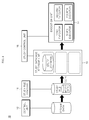
- Fig. 4 is a block diagram of an energy management server for study mode creation and management according to one embodiment of the present invention.
- the energy management server 10 for study mode creation and management includes the control unit 12 shown in Fig. 2 , a study file creator 15 and a study control unit 16.
- the study file creator 15 creates a study file based on system data being operated by the control unit 12.
- the study file creator 15 is configured independently of the control unit 12 and can create the study file at a request from the client 30 irrespective of the operation of the control unit 12.
- the study control unit 16 creates a study database by copying the study file. In addition, the study control unit 16 generates a space for storing the study database, in a study database storage unit 13. In addition, the study control unit 16 controls an operation of an executor using the study database. Likewise, the study control unit 16 is configured independently of the control unit 12 and can create and manage a study mode at a request from the client 30 irrespective of the operation of the control unit 12.
- the study file creator 15 and the study control unit 16 are configured separately from the control unit 12 and can perform an operation for study mode creation and management independently of the system operation of the control unit 12.
- the energy management system according to one embodiment of the present invention can reduce the overall load dependent on the execution of the study mode and can execute the study mode without having an effect on the existing energy management system.
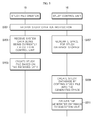
- Fig. 5 is a flow chart illustrating the operation of the energy management server 10 according to one embodiment of the present invention.
- the study file creator 15 and the study control unit 16 receive a study creation instruction from the client 30 (S201). In one embodiment, both of the study file creator 15 and the study control unit 16 can receive the study creation instruction. In an alternate embodiment, the study control unit 16 can receive the study creation instruction and control the operation of the study file creator.
- the study file creator 15 receives system data being currently executed by the control unit 12 (S203).
- the study mode is intended to use data being currently operated in the system to study a variety of situations.
- the study file creator 15 receives the system data being used in the control unit 12.
- the study file creator 15 creates a study file based on the received data (S205).
- the data being used in the control unit 12 cannot be directly fetched for study execution. Accordingly, the study file creator 15 creates the study file in the format of a dump file, as an intermediate step for creating a database for study execution.
- the study file creator 15 can use re-use data to create the study file.
- the re-use data used at this time may be static data which are fixed and unchanged in the study file.
- the re-use data may be data on a place name of a power plant.
- the study file creator 15 can store the static data as the re-use data and create a portion other than the re-use data as a study file in order to reduce a load.
- Fig. 6 is a flow chart for explaining an operation of using a re-use file to create a study file.
- the study file creator 15 determines whether or not static data of the received system data matches stored re-use data (S301).
- the system data may include static data and dynamic data.
- the dynamic data may be power, current or voltage.
- the static data may be a location or power generation capacity of a power feeder. In other words, the static data may be little varied and the dynamic data may be frequently varied.
- a static data item and a dynamic data item can be distinguished from each other and may be stationary. Accordingly, the study file creator 15 can compare the static data item with the re-use data to determine whether or not they match each other.
- the study file creator 15 can determine whether or not the static data matches the stored re-use data in correspondence to a change period for each static data item.
- the study file creator 15 may compare the static data with the stored re-use data in accordance to the change period for each static data item.
- the study file creator 15 can determine whether power per hour generated in a power feeder, of the dynamic data, matches the stored re-use data for each set period.
- the study file creator 15 creates a study file based on the re-use data and the dynamic data of the received system data (S303). Specifically, the re-use data and the dynamic data can be combined to create a single study file.
- the created study file may include a file header signaling the data.
- the file header can signal that the study file contain the re-use data.
- the study file can contain the re-use data and the dynamic data which are distinguished from each other.
- the re-use data and the dynamic data may be fixed at their respective locations.
- the study file creator 15 creates a study file based on the whole received system data (S305). Specifically, when the static data is different from the dynamic data, the re-use data has no room for use and accordingly the study file creator 15 creates a complete study file.
- the study file created in the same way may include a file header signaling the data. The file header can signal that the study file contain no re-use data.
- the study control unit 16 generates a space for study database storage independently of the operation of the study file creator 15 (S207).
- the study database may be a set of data used to execute the study mode.
- this data set is only for the purpose of execution of the study mode and is irrespective of the operation of an actual energy management system.
- the study control unit 16 can generate a plurality of storage spaces.
- a plurality of study modes may exist and accordingly the number of study databases required may be one or more.
- the number of study databases required may be one or more.
- the study control unit 16 creates the study database by copying the study file into the generated space (S209).
- the study control unit 16 delivers the created study database to the executor 14 (S211).
- the study control unit 16 can inform the client 30 that the study mode execution has been ready as the study database is delivered to the executor 14.
- the study control unit 16 can provide the client 30 with information of identifier, creation time and end time of the created study mode through a screen. Further, the study control unit 16 can provide the client 30 with information on deletion of the created study mode.
Landscapes
- Engineering & Computer Science (AREA)
- Business, Economics & Management (AREA)
- Human Resources & Organizations (AREA)
- Economics (AREA)
- Theoretical Computer Science (AREA)
- Physics & Mathematics (AREA)
- General Physics & Mathematics (AREA)
- Strategic Management (AREA)
- Health & Medical Sciences (AREA)
- General Business, Economics & Management (AREA)
- Tourism & Hospitality (AREA)
- Marketing (AREA)
- Entrepreneurship & Innovation (AREA)
- General Engineering & Computer Science (AREA)
- Primary Health Care (AREA)
- General Health & Medical Sciences (AREA)
- Water Supply & Treatment (AREA)
- Public Health (AREA)
- Quality & Reliability (AREA)
- Computing Systems (AREA)
- Biodiversity & Conservation Biology (AREA)
- Development Economics (AREA)
- Game Theory and Decision Science (AREA)
- Life Sciences & Earth Sciences (AREA)
- Educational Administration (AREA)
- Operations Research (AREA)
- Automation & Control Theory (AREA)
- Power Engineering (AREA)
- Databases & Information Systems (AREA)
- Data Mining & Analysis (AREA)
- Human Computer Interaction (AREA)
- Management, Administration, Business Operations System, And Electronic Commerce (AREA)
Abstract
Description
- The present invention relates to an energy management system and more particularly, to an apparatus and method for creating and managing a database for study mode for system analysis of an energy management system.
- Under circumstances of increased government regulation for improvement of energy efficiency and reduction of greenhouse gas, increased burden on energy costs, insufficient supply of power, and so on, there is a rising interest in reducing energy consumption and improving energy efficiency. Although the reduction of energy consumption requires measures which are systematic, sustainable and effective, satisfactory means have not been suggested until now. Therefore, for the purpose of reduction of energy consumption, there is a need of powerful means for determining where and how much energy is consumed, discovering factors of energy dissipation, and finding and fulfilling improvement plans.
- As such means, an energy management system (EMS) capable of monitoring and controlling a flow of energy is receiving the global spotlight. The energy management system is an integrated energy management solution capable of optimizing energy consumption by monitoring situations of energy consumption in real time and analyzing an aggregation of data based on hardware, software and ICT-based monitoring and control techniques.
- Prior to description on some embodiments of the present invention, problems on conventional study generation and management will described in detail below with reference to
Figs. 1 and2 . -
Fig. 1 is a block diagram of a conventional energy management server for generation of a study mode. -
Fig. 2 is a flow chart illustrating a process of generating the study mode in the conventional energy management server. - As illustrated in
Fig. 1 , a conventionalenergy management server 10 includes only acontrol unit 12 for controlling the overall operation of theenergy management server 10. Therefore, thecontrol unit 12 has a burden of performing a control operation for a study mode while controlling the general energy management system. - In more detail, referring to
Fig. 2 , thecontrol unit 12 receives an input for study generation from a client 30 (S101). - In response to the input from the
client 30, thecontrol unit 12 creates a study file based on system data being currently executed by the control unit 12 (S103). At this time, the study file may be a dump file in a binary format. Specifically, system data being currently operated is required to operate a study mode. However, the system data cannot be, as it is, fetched to a processor for execution of the study mode. Accordingly, thecontrol unit 12 creates the study file in a format allowing the system data to be copied to a study mode executor. - When the study file is completed to be created, the
control unit 12 generates a space for study database storage, in a study database storage unit 13 (S105). At this time, a plurality of spaces for study database storage may be generated. - Once the space for study database storage is generated, the
control unit 12 copies the study file into the generated space to create a study database (S107). The created study database has the same values as the system data being currently operated. Accordingly, the created study database can be used to operate the study mode without having an effect on the system under operation. - Once the study database is created, the
control unit 12 delivers the created study database to an execution unit 14 (S109). Theexecution unit 14 may include a plurality of executors which can perform different study modes. Each of the executors may include a plurality of study processes. - However, a task to create a dump file of the system under operation is a task to occupy a load factor of CPU. Therefore, this task imposes a burden on the
control unit 12 which has to perform the control of the energy management system quickly in real time. - In addition, there is a problem in that a series of tasks to create a study mode is necessarily in sequential progress. As a result, if a previous step is not completed, the
control unit 12 cannot proceed to the next step, which results in inefficient operation of the entire system. - Furthermore, the
control unit 12 of the conventionalenergy management server 10 cannot delete the created study mode and does not offer a creation and deletion procedure of the study mode to theclient 30. - It is an aspect of the present invention to provide an apparatus and method for managing a study mode in an energy management system, which is capable of reducing creation time of a study database by distinguishing re-use data from data being operated in the energy management system.
- It is another aspect of the present invention to provide an apparatus and method for managing a study mode in an energy management system, which is capable of reducing the overall load of the energy management system by separately performing a study file creation task and a memory space generation task for study mode operation.
- It is another aspect of the present invention to provide an apparatus and method for managing a study mode in an energy management system, which is capable of easily grasping a possible problem by informing a client of present situations of creation and deletion of a study mode through a screen.
- In accordance with one aspect of the present invention, there is provided an apparatus for managing a study mode in an energy management system, including: a control unit configured to process data collected from a power system and operate an energy management system; a study file creator configured to create a study file based on data being currently operated in the control unit; and a study control unit configured to copy the study file and create a study database for study mode execution.
- In one embodiment, the control unit, the study file creator and the study control unit may be operated independently of each other.
- In one embodiment, the study file may be a dump file in a binary format.
- In one embodiment, the study file creator may compare static data of the collected data with stored re-use data and create the study file based on the re-use data and dynamic data of the collected data if the static data of the collected data matches the re-use data.
- In one embodiment, the study file creator may create the study file based on the whole collected data if the static data of the collected data does not match the re-use data.
- In one embodiment, the study control unit may generate a plurality of spaces for study database creation in a study database storage unit.
- According to one embodiment of the present invention, it is possible to provide an apparatus and method for managing a study mode in an energy management system, which is capable of reducing creation time of a study database by distinguishing re-use data from data being operated in the energy management system.
- According to one embodiment of the present invention, it is possible to provide an apparatus and method for managing a study mode in an energy management system, which is capable of easily grasping a possible problem by informing a client of present situations of creation and deletion of a study mode through a screen.
- According to one embodiment of the present invention, it is possible to provide an apparatus and method for managing a study mode in an energy management system, which is capable of easily grasping a possible problem by informing a client of present situations of creation and deletion of a study mode through a screen.
-
-
Fig. 1 is a block diagram of a conventional energy management server for generation of a study mode. -
Fig. 2 is a flow chart illustrating a process of generating the study mode in the conventional energy management server. -
Fig. 3 is a block diagram illustrating the configuration of an energy management system according to an embodiment of the present invention. -
Fig. 4 is a block diagram of an energy management server for study mode creation and management according to one embodiment of the present invention. -
Fig. 5 is a flow chart illustrating an operation of the energy management server according to one embodiment of the present invention. -
Fig. 6 is a flow chart illustrating an operation of using a re-use file to create a study file. - Hereinafter, embodiments of the present invention will be described in detail with reference to the accompanying drawings. It should be understood that the present invention is not limited to the following embodiments, and that the embodiments are provided for illustrative purposes only. The scope of the invention should be defined only by the accompanying claims and equivalents thereof.
- In the following description, the terms "module" and "part," which are suffixes for elements, are given or used alone or in combination for the purpose of facilitating the description, but these terms are not intended to make a distinction between both.
- Combinations of blocks in the accompanying drawings and steps in a flow chart may be performed according to computer program instructions. These computer program instructions can be installed in general-purpose computers, special-purpose computers or other processors of programmable data processing equipment. Therefore, the instructions executed by the computers or other processors of programmable data processing equipment create means for performing functions described in blocks in the drawings or in steps in the flow chart. These computer program instructions can be stored in computer-usable or computer-readable memories which can assist in the computers or other processors of programmable data processing equipment to implement particular functions in particular manners. Therefore, the instructions stored in the computer-usable or computer-readable memories can be used to make products containing instruction means for performing the functions described in the blocks in the drawings or in the steps in the flow chart. The computer program instructions can also be installed in the computers or other processors of programmable data processing equipment. Therefore, a sequence of operation steps can be performed on the computers or other processors of programmable data processing equipment to produce computer-executable processes. In addition, the instructions operating the computers or other processors of programmable data processing equipment can provide steps for executing the functions described in the blocks in the drawings or in the steps in the flow chart.
- In addition, the blocks or the steps may represent portions of modules, segments or codes including one or more executable instructions for executing a specified logical function(s). In addition, in some alternative embodiments, it should be noted that the functions described in the blocks or steps may be performed out of a specified sequence. For example, two successive blocks or steps may be performed substantially at once or may be sometimes performed in a reverse order depending on a corresponding function.
- An energy management system is an integrated power management system for producing electric power economically and supplying it stably. The energy management system has a power generation planning function of automatically predicting power generation and demand, controlling the power generation capacity, and calculating economic dispatch and optimal power flow. In addition, the energy management system has a power system analysis function of interpreting and analyzing static and dynamic characteristics of a power system or power equipment and finding the optimal configuration and operation plan of the power system.
- The analysis function of the power system may include a function called a study mode of checking a system under current operation by duplicating this system in the same physical equipment and generating a test or event on simulation. The study mode must be able to copy data of the system under current operation in real time without missing and should not have an effect on the system under current operation. In addition, a process executed in the study mode has to be managed apart from the system and should not have an effect on the system.
- Hereinafter, some embodiments of the present invention will be described in detail with reference to the drawings.
-
Fig. 3 is a block diagram illustrating the configuration of an energy management system according to an embodiment of the present invention. - Referring to
Fig. 3 , anenergy management system 100 according to an embodiment of the present invention may include anenergy management server 10, aclient 30 and a power system 20. - The
energy management server 10 can receive data from the power system 20 and create the data in the form of a database. In addition, theenergy management server 10 can provide the database to theclient 30. In addition, theenergy management server 10 can manage and control the power system 20. Theenergy management server 10 may be connected to a plurality ofclients 30. In addition, theenergy management server 10 may have a dual structure. - The
energy management server 10 may include adatabase 11 and acontrol unit 12. - The
database 11 can collect/store measurement data received from the power system 20 and store operational data based on the measurement data for each predetermined period. In addition, thedatabase 11 can automatically create and store a list of measurement and operational data and store a list of policy data. - The
control unit 12 can control the overall operation of theenergy management server 10. In some embodiments, thecontrol unit 12 can create thedatabase 11 by processing data delivered from the power system 20. In other embodiments, thecontrol unit 12 can provide specified data to theclient 30 at a request from theclient 30. - Hereinafter, one embodiment of the present invention capable of solving the above-described problems will be described with reference to
Figs. 4 to 6 . -
Fig. 4 is a block diagram of an energy management server for study mode creation and management according to one embodiment of the present invention. - Referring to
Fig. 4 , theenergy management server 10 for study mode creation and management includes thecontrol unit 12 shown inFig. 2 , astudy file creator 15 and astudy control unit 16. - The
study file creator 15 creates a study file based on system data being operated by thecontrol unit 12. Thestudy file creator 15 is configured independently of thecontrol unit 12 and can create the study file at a request from theclient 30 irrespective of the operation of thecontrol unit 12. - The
study control unit 16 creates a study database by copying the study file. In addition, thestudy control unit 16 generates a space for storing the study database, in a studydatabase storage unit 13. In addition, thestudy control unit 16 controls an operation of an executor using the study database. Likewise, thestudy control unit 16 is configured independently of thecontrol unit 12 and can create and manage a study mode at a request from theclient 30 irrespective of the operation of thecontrol unit 12. - Accordingly, the
study file creator 15 and thestudy control unit 16 are configured separately from thecontrol unit 12 and can perform an operation for study mode creation and management independently of the system operation of thecontrol unit 12. As a result, the energy management system according to one embodiment of the present invention can reduce the overall load dependent on the execution of the study mode and can execute the study mode without having an effect on the existing energy management system. - Hereinafter, the operation of the
energy management server 10 ofFig. 4 will be described in more detail. -
Fig. 5 is a flow chart illustrating the operation of theenergy management server 10 according to one embodiment of the present invention. - The
study file creator 15 and thestudy control unit 16 receive a study creation instruction from the client 30 (S201). In one embodiment, both of thestudy file creator 15 and thestudy control unit 16 can receive the study creation instruction. In an alternate embodiment, thestudy control unit 16 can receive the study creation instruction and control the operation of the study file creator. - The
study file creator 15 receives system data being currently executed by the control unit 12 (S203). The study mode is intended to use data being currently operated in the system to study a variety of situations. Thestudy file creator 15 receives the system data being used in thecontrol unit 12. - The
study file creator 15 creates a study file based on the received data (S205). The data being used in thecontrol unit 12 cannot be directly fetched for study execution. Accordingly, thestudy file creator 15 creates the study file in the format of a dump file, as an intermediate step for creating a database for study execution. - When the study file is created, the
study file creator 15 can use re-use data to create the study file. The re-use data used at this time may be static data which are fixed and unchanged in the study file. For example, the re-use data may be data on a place name of a power plant. - If the
study file creator 15 creates the whole received system data in the form of a study file at all times, the size of the system data may be increased, which may cause a problem. Accordingly, thestudy file creator 15 can store the static data as the re-use data and create a portion other than the re-use data as a study file in order to reduce a load. - Hereinafter, a detailed study file creation procedure will be described with reference to
Fig. 6 . -
Fig. 6 is a flow chart for explaining an operation of using a re-use file to create a study file. - The
study file creator 15 determines whether or not static data of the received system data matches stored re-use data (S301). Specifically, the system data may include static data and dynamic data. As one example, the dynamic data may be power, current or voltage. As one example, the static data may be a location or power generation capacity of a power feeder. In other words, the static data may be little varied and the dynamic data may be frequently varied. - Incidentally, a static data item and a dynamic data item can be distinguished from each other and may be stationary. Accordingly, the
study file creator 15 can compare the static data item with the re-use data to determine whether or not they match each other. - In another embodiment, the
study file creator 15 can determine whether or not the static data matches the stored re-use data in correspondence to a change period for each static data item. - In more detail, without comparing all dynamic data with stored re-use data every time the
study file creator 15 receives the system data, thestudy file creator 15 may compare the static data with the stored re-use data in accordance to the change period for each static data item. - For example, the
study file creator 15 can determine whether power per hour generated in a power feeder, of the dynamic data, matches the stored re-use data for each set period. - If they match each other, the
study file creator 15 creates a study file based on the re-use data and the dynamic data of the received system data (S303). Specifically, the re-use data and the dynamic data can be combined to create a single study file. The created study file may include a file header signaling the data. The file header can signal that the study file contain the re-use data. In addition, the study file can contain the re-use data and the dynamic data which are distinguished from each other. In addition, the re-use data and the dynamic data may be fixed at their respective locations. - If they match each other, the
study file creator 15 creates a study file based on the whole received system data (S305). Specifically, when the static data is different from the dynamic data, the re-use data has no room for use and accordingly thestudy file creator 15 creates a complete study file. The study file created in the same way may include a file header signaling the data. The file header can signal that the study file contain no re-use data. - Returning to
Fig. 5 , thestudy control unit 16 generates a space for study database storage independently of the operation of the study file creator 15 (S207). In this case, the study database may be a set of data used to execute the study mode. However, this data set is only for the purpose of execution of the study mode and is irrespective of the operation of an actual energy management system. - The
study control unit 16 can generate a plurality of storage spaces. A plurality of study modes may exist and accordingly the number of study databases required may be one or more. In addition, since one study mode may include a plurality of execution processes, the number of study databases required may be one or more. - The
study control unit 16 creates the study database by copying the study file into the generated space (S209). - The
study control unit 16 delivers the created study database to the executor 14 (S211). - At this time, the
study control unit 16 can inform theclient 30 that the study mode execution has been ready as the study database is delivered to theexecutor 14. In addition, thestudy control unit 16 can provide theclient 30 with information of identifier, creation time and end time of the created study mode through a screen. Further, thestudy control unit 16 can provide theclient 30 with information on deletion of the created study mode. - While certain embodiments have been described, these embodiments have been presented by way of example only, and are not intended to limit the scope of the disclosures. Indeed, the novel methods and apparatuses described herein may be embodied in a variety of other forms; furthermore, various omissions, substitutions and changes in the form of the embodiments described herein may be made without departing from the spirit of the disclosures. The accompanying claims and their equivalents are intended to cover such forms or modifications as would fall within the scope and spirit of the disclosures.
Claims (5)
- An apparatus for managing a study mode in an energy management system, comprising:a control unit (12) configured to process data collected from a power system (20) and operate an energy management system (100);a study file creator (15) configured to create a study file based on data being currently operated in the control unit (12); anda study control unit (16) configured to copy the study file and create a study database for study mode execution,wherein the study file creator (15) compares static data of the collected data with stored re-use data and creates the study file based on the re-use data and dynamic data of the collected data if the static data of the collected data matches the re-use data.
- The apparatus according to claim 1, wherein the control unit (12), the study file creator (15) and the study control unit (16) are operated independently of each other.
- The apparatus according to claim 2, wherein the study file creator (15) creates the study file based on the whole collected data if the static data of the collected data does not match the re-use data.
- The apparatus according to claim 2, wherein the study control unit (15) generates a plurality of spaces for study database creation in a study database storage unit (13).
- The apparatus according to claim 1, wherein the study file is a dump file in a binary format.
Applications Claiming Priority (1)
| Application Number | Priority Date | Filing Date | Title |
|---|---|---|---|
| KR1020150107564A KR101717357B1 (en) | 2015-07-29 | 2015-07-29 | Apparatus and method for managing of study mode in energy management system |
Publications (1)
| Publication Number | Publication Date |
|---|---|
| EP3125170A1 true EP3125170A1 (en) | 2017-02-01 |
Family
ID=56296675
Family Applications (1)
| Application Number | Title | Priority Date | Filing Date |
|---|---|---|---|
| EP16177197.7A Ceased EP3125170A1 (en) | 2015-07-29 | 2016-06-30 | Apparatus and method for managing of study mode in energy management system |
Country Status (4)
| Country | Link |
|---|---|
| US (1) | US10044222B2 (en) |
| EP (1) | EP3125170A1 (en) |
| KR (1) | KR101717357B1 (en) |
| CN (1) | CN106408443A (en) |
Citations (3)
| Publication number | Priority date | Publication date | Assignee | Title |
|---|---|---|---|---|
| US20120179447A1 (en) * | 2011-01-07 | 2012-07-12 | Industrial Technology Research Institute | Hybrid Simulation System and Method |
| US20140324780A1 (en) * | 2013-04-30 | 2014-10-30 | Unisys Corporation | Database copy to mass storage |
| EP2857994A1 (en) * | 2013-09-09 | 2015-04-08 | LSIS Co., Ltd. | Data management apparatus and method of energy management system |
Family Cites Families (12)
| Publication number | Priority date | Publication date | Assignee | Title |
|---|---|---|---|---|
| JP3058564B2 (en) | 1994-07-14 | 2000-07-04 | 東京電力株式会社 | Transmission line failure section and failure mode evaluation method |
| JP4230893B2 (en) | 2003-12-01 | 2009-02-25 | 三菱電機株式会社 | Distributed monitoring and control device |
| JP4100414B2 (en) | 2005-04-25 | 2008-06-11 | 松下電工株式会社 | Equipment monitoring method and equipment monitoring apparatus |
| US7403850B1 (en) | 2005-09-29 | 2008-07-22 | Dynalco Controls Corporation | Automated fault diagnosis method and system for engine-compressor sets |
| US8479132B2 (en) * | 2006-06-16 | 2013-07-02 | Synopsys, Inc. | Active trace assertion based verification system |
| KR100934866B1 (en) * | 2007-11-06 | 2009-12-31 | 엘에스산전 주식회사 | Surveillance data collection and operation system of power system and method |
| JP4627553B2 (en) * | 2008-03-28 | 2011-02-09 | 株式会社日立製作所 | Plant control device and thermal power plant control device |
| KR100994880B1 (en) | 2008-07-11 | 2010-11-16 | 엘에스산전 주식회사 | Power monitoring data collection system and method using DNP communication |
| KR100964296B1 (en) | 2009-12-15 | 2010-06-16 | 한국전력거래소 | A data acquisition and supervisory control system |
| US8648607B2 (en) | 2010-01-05 | 2014-02-11 | Amperic, Inc. | Monitoring power usage |
| US9698625B2 (en) * | 2012-07-02 | 2017-07-04 | Kohler Co. | Power generation system with anticipatory operation |
| KR102125331B1 (en) | 2013-11-07 | 2020-06-22 | 삼성전자 주식회사 | Method and apparatus for detecting device connected to a smart plug |
-
2015
- 2015-07-29 KR KR1020150107564A patent/KR101717357B1/en active Active
-
2016
- 2016-06-30 EP EP16177197.7A patent/EP3125170A1/en not_active Ceased
- 2016-07-27 US US15/221,470 patent/US10044222B2/en active Active
- 2016-07-28 CN CN201610608013.6A patent/CN106408443A/en active Pending
Patent Citations (3)
| Publication number | Priority date | Publication date | Assignee | Title |
|---|---|---|---|---|
| US20120179447A1 (en) * | 2011-01-07 | 2012-07-12 | Industrial Technology Research Institute | Hybrid Simulation System and Method |
| US20140324780A1 (en) * | 2013-04-30 | 2014-10-30 | Unisys Corporation | Database copy to mass storage |
| EP2857994A1 (en) * | 2013-09-09 | 2015-04-08 | LSIS Co., Ltd. | Data management apparatus and method of energy management system |
Also Published As
| Publication number | Publication date |
|---|---|
| US20170033601A1 (en) | 2017-02-02 |
| CN106408443A (en) | 2017-02-15 |
| US10044222B2 (en) | 2018-08-07 |
| KR101717357B1 (en) | 2017-03-16 |
| KR20170014368A (en) | 2017-02-08 |
Similar Documents
| Publication | Publication Date | Title |
|---|---|---|
| CN110046149B (en) | Method, system and medium for automatic database migration | |
| CN106898826B (en) | Secondary Battery Solutions for Data Center Backup | |
| US20220035670A1 (en) | Orchestration of containerized applications | |
| US9477512B2 (en) | Task-based modeling for parallel data integration | |
| JP2018026114A (en) | Application profiling job management system, program, and method | |
| US8555277B2 (en) | Method and apparatus for activating a virtual machine in a virtual solution | |
| US20200151033A1 (en) | Programmable controller, management device, and control system | |
| US20230126185A1 (en) | Apparatus and method for executing automation scenario in parallel | |
| CN112181695A (en) | Abnormal application processing method, device, server and storage medium | |
| CN111736967B (en) | Multi-branch process control device, process template generation method and storage medium | |
| EP3125118B1 (en) | Apparatus and method for managing of database in energy management system | |
| US10044222B2 (en) | Apparatus and method for managing of study mode in energy management system | |
| US11592803B2 (en) | Storage medium, control apparatus, and control method | |
| Hongyan et al. | Predicting misconfiguration-induced unsuccessful executions of jobs in big data system | |
| JP2019154120A (en) | Operation planning method, operation planning apparatus, and program | |
| US10311056B2 (en) | Energy management system | |
| CN111581042A (en) | Cluster deployment method, deployment platform and server to be deployed | |
| EP3125168A1 (en) | Energy management system | |
| JP6199793B2 (en) | Job execution management system, job re-execution method, and job re-execution program | |
| CN114265563A (en) | Object storage method and device based on cloud computing and storage medium | |
| US12360754B2 (en) | Refining software package installation processes using configuration management files | |
| CN106815034A (en) | A kind of data updating method and device | |
| US20240303056A1 (en) | Method and system for compiling applications | |
| US20260099324A1 (en) | Systems and methods for efficient management of merge failures | |
| CN104699528B (en) | Scheduling method based on NetWeaver |
Legal Events
| Date | Code | Title | Description |
|---|---|---|---|
| PUAI | Public reference made under article 153(3) epc to a published international application that has entered the european phase |
Free format text: ORIGINAL CODE: 0009012 |
|
| STAA | Information on the status of an ep patent application or granted ep patent |
Free format text: STATUS: THE APPLICATION HAS BEEN PUBLISHED |
|
| AK | Designated contracting states |
Kind code of ref document: A1 Designated state(s): AL AT BE BG CH CY CZ DE DK EE ES FI FR GB GR HR HU IE IS IT LI LT LU LV MC MK MT NL NO PL PT RO RS SE SI SK SM TR |
|
| AX | Request for extension of the european patent |
Extension state: BA ME |
|
| STAA | Information on the status of an ep patent application or granted ep patent |
Free format text: STATUS: REQUEST FOR EXAMINATION WAS MADE |
|
| 17P | Request for examination filed |
Effective date: 20170726 |
|
| RBV | Designated contracting states (corrected) |
Designated state(s): AL AT BE BG CH CY CZ DE DK EE ES FI FR GB GR HR HU IE IS IT LI LT LU LV MC MK MT NL NO PL PT RO RS SE SI SK SM TR |
|
| STAA | Information on the status of an ep patent application or granted ep patent |
Free format text: STATUS: EXAMINATION IS IN PROGRESS |
|
| 17Q | First examination report despatched |
Effective date: 20180403 |
|
| STAA | Information on the status of an ep patent application or granted ep patent |
Free format text: STATUS: THE APPLICATION HAS BEEN REFUSED |
|
| 18R | Application refused |
Effective date: 20190516 |