EP3122354B1 - Tyrosine kinase inhibitors for use in a method of treating cancer in association with a reduced caloric intake - Google Patents
Tyrosine kinase inhibitors for use in a method of treating cancer in association with a reduced caloric intake Download PDFInfo
- Publication number
- EP3122354B1 EP3122354B1 EP15722940.2A EP15722940A EP3122354B1 EP 3122354 B1 EP3122354 B1 EP 3122354B1 EP 15722940 A EP15722940 A EP 15722940A EP 3122354 B1 EP3122354 B1 EP 3122354B1
- Authority
- EP
- European Patent Office
- Prior art keywords
- tyrosine kinase
- kinase inhibitor
- cancer
- caloric intake
- patient
- Prior art date
- Legal status (The legal status is an assumption and is not a legal conclusion. Google has not performed a legal analysis and makes no representation as to the accuracy of the status listed.)
- Active
Links
Images


Classifications
-
- A—HUMAN NECESSITIES
- A61—MEDICAL OR VETERINARY SCIENCE; HYGIENE
- A61K—PREPARATIONS FOR MEDICAL, DENTAL OR TOILETRY PURPOSES
- A61K31/00—Medicinal preparations containing organic active ingredients
- A61K31/33—Heterocyclic compounds
- A61K31/395—Heterocyclic compounds having nitrogen as a ring hetero atom, e.g. guanethidine or rifamycins
- A61K31/495—Heterocyclic compounds having nitrogen as a ring hetero atom, e.g. guanethidine or rifamycins having six-membered rings with two or more nitrogen atoms as the only ring heteroatoms, e.g. piperazine or tetrazines
- A61K31/505—Pyrimidines; Hydrogenated pyrimidines, e.g. trimethoprim
- A61K31/517—Pyrimidines; Hydrogenated pyrimidines, e.g. trimethoprim ortho- or peri-condensed with carbocyclic ring systems, e.g. quinazoline, perimidine
-
- A—HUMAN NECESSITIES
- A61—MEDICAL OR VETERINARY SCIENCE; HYGIENE
- A61K—PREPARATIONS FOR MEDICAL, DENTAL OR TOILETRY PURPOSES
- A61K31/00—Medicinal preparations containing organic active ingredients
- A61K31/33—Heterocyclic compounds
- A61K31/395—Heterocyclic compounds having nitrogen as a ring hetero atom, e.g. guanethidine or rifamycins
- A61K31/40—Heterocyclic compounds having nitrogen as a ring hetero atom, e.g. guanethidine or rifamycins having five-membered rings with one nitrogen as the only ring hetero atom, e.g. sulpiride, succinimide, tolmetin, buflomedil
- A61K31/403—Heterocyclic compounds having nitrogen as a ring hetero atom, e.g. guanethidine or rifamycins having five-membered rings with one nitrogen as the only ring hetero atom, e.g. sulpiride, succinimide, tolmetin, buflomedil condensed with carbocyclic rings, e.g. carbazole
-
- A—HUMAN NECESSITIES
- A61—MEDICAL OR VETERINARY SCIENCE; HYGIENE
- A61K—PREPARATIONS FOR MEDICAL, DENTAL OR TOILETRY PURPOSES
- A61K31/00—Medicinal preparations containing organic active ingredients
- A61K31/33—Heterocyclic compounds
- A61K31/395—Heterocyclic compounds having nitrogen as a ring hetero atom, e.g. guanethidine or rifamycins
- A61K31/435—Heterocyclic compounds having nitrogen as a ring hetero atom, e.g. guanethidine or rifamycins having six-membered rings with one nitrogen as the only ring hetero atom
- A61K31/4353—Heterocyclic compounds having nitrogen as a ring hetero atom, e.g. guanethidine or rifamycins having six-membered rings with one nitrogen as the only ring hetero atom ortho- or peri-condensed with heterocyclic ring systems
- A61K31/437—Heterocyclic compounds having nitrogen as a ring hetero atom, e.g. guanethidine or rifamycins having six-membered rings with one nitrogen as the only ring hetero atom ortho- or peri-condensed with heterocyclic ring systems the heterocyclic ring system containing a five-membered ring having nitrogen as a ring hetero atom, e.g. indolizine, beta-carboline
-
- A—HUMAN NECESSITIES
- A61—MEDICAL OR VETERINARY SCIENCE; HYGIENE
- A61K—PREPARATIONS FOR MEDICAL, DENTAL OR TOILETRY PURPOSES
- A61K31/00—Medicinal preparations containing organic active ingredients
- A61K31/33—Heterocyclic compounds
- A61K31/395—Heterocyclic compounds having nitrogen as a ring hetero atom, e.g. guanethidine or rifamycins
- A61K31/435—Heterocyclic compounds having nitrogen as a ring hetero atom, e.g. guanethidine or rifamycins having six-membered rings with one nitrogen as the only ring hetero atom
- A61K31/44—Non condensed pyridines; Hydrogenated derivatives thereof
-
- A—HUMAN NECESSITIES
- A61—MEDICAL OR VETERINARY SCIENCE; HYGIENE
- A61K—PREPARATIONS FOR MEDICAL, DENTAL OR TOILETRY PURPOSES
- A61K31/00—Medicinal preparations containing organic active ingredients
- A61K31/33—Heterocyclic compounds
- A61K31/395—Heterocyclic compounds having nitrogen as a ring hetero atom, e.g. guanethidine or rifamycins
- A61K31/435—Heterocyclic compounds having nitrogen as a ring hetero atom, e.g. guanethidine or rifamycins having six-membered rings with one nitrogen as the only ring hetero atom
- A61K31/44—Non condensed pyridines; Hydrogenated derivatives thereof
- A61K31/4427—Non condensed pyridines; Hydrogenated derivatives thereof containing further heterocyclic ring systems
- A61K31/4439—Non condensed pyridines; Hydrogenated derivatives thereof containing further heterocyclic ring systems containing a five-membered ring with nitrogen as a ring hetero atom, e.g. omeprazole
-
- A—HUMAN NECESSITIES
- A61—MEDICAL OR VETERINARY SCIENCE; HYGIENE
- A61K—PREPARATIONS FOR MEDICAL, DENTAL OR TOILETRY PURPOSES
- A61K31/00—Medicinal preparations containing organic active ingredients
- A61K31/33—Heterocyclic compounds
- A61K31/395—Heterocyclic compounds having nitrogen as a ring hetero atom, e.g. guanethidine or rifamycins
- A61K31/435—Heterocyclic compounds having nitrogen as a ring hetero atom, e.g. guanethidine or rifamycins having six-membered rings with one nitrogen as the only ring hetero atom
- A61K31/44—Non condensed pyridines; Hydrogenated derivatives thereof
- A61K31/445—Non condensed piperidines, e.g. piperocaine
- A61K31/4523—Non condensed piperidines, e.g. piperocaine containing further heterocyclic ring systems
- A61K31/4545—Non condensed piperidines, e.g. piperocaine containing further heterocyclic ring systems containing a six-membered ring with nitrogen as a ring hetero atom, e.g. pipamperone, anabasine
-
- A—HUMAN NECESSITIES
- A61—MEDICAL OR VETERINARY SCIENCE; HYGIENE
- A61K—PREPARATIONS FOR MEDICAL, DENTAL OR TOILETRY PURPOSES
- A61K31/00—Medicinal preparations containing organic active ingredients
- A61K31/33—Heterocyclic compounds
- A61K31/395—Heterocyclic compounds having nitrogen as a ring hetero atom, e.g. guanethidine or rifamycins
- A61K31/435—Heterocyclic compounds having nitrogen as a ring hetero atom, e.g. guanethidine or rifamycins having six-membered rings with one nitrogen as the only ring hetero atom
- A61K31/47—Quinolines; Isoquinolines
-
- A—HUMAN NECESSITIES
- A61—MEDICAL OR VETERINARY SCIENCE; HYGIENE
- A61K—PREPARATIONS FOR MEDICAL, DENTAL OR TOILETRY PURPOSES
- A61K31/00—Medicinal preparations containing organic active ingredients
- A61K31/33—Heterocyclic compounds
- A61K31/395—Heterocyclic compounds having nitrogen as a ring hetero atom, e.g. guanethidine or rifamycins
- A61K31/495—Heterocyclic compounds having nitrogen as a ring hetero atom, e.g. guanethidine or rifamycins having six-membered rings with two or more nitrogen atoms as the only ring heteroatoms, e.g. piperazine or tetrazines
- A61K31/496—Non-condensed piperazines containing further heterocyclic rings, e.g. rifampin, thiothixene or sparfloxacin
-
- A—HUMAN NECESSITIES
- A61—MEDICAL OR VETERINARY SCIENCE; HYGIENE
- A61K—PREPARATIONS FOR MEDICAL, DENTAL OR TOILETRY PURPOSES
- A61K31/00—Medicinal preparations containing organic active ingredients
- A61K31/33—Heterocyclic compounds
- A61K31/395—Heterocyclic compounds having nitrogen as a ring hetero atom, e.g. guanethidine or rifamycins
- A61K31/495—Heterocyclic compounds having nitrogen as a ring hetero atom, e.g. guanethidine or rifamycins having six-membered rings with two or more nitrogen atoms as the only ring heteroatoms, e.g. piperazine or tetrazines
- A61K31/505—Pyrimidines; Hydrogenated pyrimidines, e.g. trimethoprim
- A61K31/506—Pyrimidines; Hydrogenated pyrimidines, e.g. trimethoprim not condensed and containing further heterocyclic rings
-
- A—HUMAN NECESSITIES
- A61—MEDICAL OR VETERINARY SCIENCE; HYGIENE
- A61K—PREPARATIONS FOR MEDICAL, DENTAL OR TOILETRY PURPOSES
- A61K31/00—Medicinal preparations containing organic active ingredients
- A61K31/33—Heterocyclic compounds
- A61K31/395—Heterocyclic compounds having nitrogen as a ring hetero atom, e.g. guanethidine or rifamycins
- A61K31/495—Heterocyclic compounds having nitrogen as a ring hetero atom, e.g. guanethidine or rifamycins having six-membered rings with two or more nitrogen atoms as the only ring heteroatoms, e.g. piperazine or tetrazines
- A61K31/505—Pyrimidines; Hydrogenated pyrimidines, e.g. trimethoprim
- A61K31/519—Pyrimidines; Hydrogenated pyrimidines, e.g. trimethoprim ortho- or peri-condensed with heterocyclic rings
-
- A—HUMAN NECESSITIES
- A61—MEDICAL OR VETERINARY SCIENCE; HYGIENE
- A61K—PREPARATIONS FOR MEDICAL, DENTAL OR TOILETRY PURPOSES
- A61K31/00—Medicinal preparations containing organic active ingredients
- A61K31/33—Heterocyclic compounds
- A61K31/395—Heterocyclic compounds having nitrogen as a ring hetero atom, e.g. guanethidine or rifamycins
- A61K31/535—Heterocyclic compounds having nitrogen as a ring hetero atom, e.g. guanethidine or rifamycins having six-membered rings with at least one nitrogen and one oxygen as the ring hetero atoms, e.g. 1,2-oxazines
- A61K31/5355—Non-condensed oxazines and containing further heterocyclic rings
-
- A—HUMAN NECESSITIES
- A61—MEDICAL OR VETERINARY SCIENCE; HYGIENE
- A61K—PREPARATIONS FOR MEDICAL, DENTAL OR TOILETRY PURPOSES
- A61K31/00—Medicinal preparations containing organic active ingredients
- A61K31/33—Heterocyclic compounds
- A61K31/395—Heterocyclic compounds having nitrogen as a ring hetero atom, e.g. guanethidine or rifamycins
- A61K31/535—Heterocyclic compounds having nitrogen as a ring hetero atom, e.g. guanethidine or rifamycins having six-membered rings with at least one nitrogen and one oxygen as the ring hetero atoms, e.g. 1,2-oxazines
- A61K31/5365—Heterocyclic compounds having nitrogen as a ring hetero atom, e.g. guanethidine or rifamycins having six-membered rings with at least one nitrogen and one oxygen as the ring hetero atoms, e.g. 1,2-oxazines ortho- or peri-condensed with heterocyclic ring systems
-
- A—HUMAN NECESSITIES
- A61—MEDICAL OR VETERINARY SCIENCE; HYGIENE
- A61P—SPECIFIC THERAPEUTIC ACTIVITY OF CHEMICAL COMPOUNDS OR MEDICINAL PREPARATIONS
- A61P35/00—Antineoplastic agents
-
- A—HUMAN NECESSITIES
- A61—MEDICAL OR VETERINARY SCIENCE; HYGIENE
- A61P—SPECIFIC THERAPEUTIC ACTIVITY OF CHEMICAL COMPOUNDS OR MEDICINAL PREPARATIONS
- A61P35/00—Antineoplastic agents
- A61P35/02—Antineoplastic agents specific for leukemia
-
- A—HUMAN NECESSITIES
- A61—MEDICAL OR VETERINARY SCIENCE; HYGIENE
- A61P—SPECIFIC THERAPEUTIC ACTIVITY OF CHEMICAL COMPOUNDS OR MEDICINAL PREPARATIONS
- A61P35/00—Antineoplastic agents
- A61P35/04—Antineoplastic agents specific for metastasis
Definitions
- reduced caloric intake it is hereby meant, as far as encompassed by the claims, a daily caloric intake reduced by 10-100%, preferably by 50-100%, more preferably by 85-100%, with respect to the regular caloric intake, including total starvation.
- the average daily dosage of the compounds according to the present invention depends on many factors, such as, for example, the seriousness of the disease and the conditions of the patient (age, weight, sex):
- the dose may generally vary from 1 mg to 1500 mg per day of compound according to the invention, optionally divided into more administrations.
- H3122 cells engineered to overexpress HRAS or HRAS V12 were resistant to crizotinib, STS-mimicking conditions or their combination (not shown), which is consistent with inhibition of the MAPK pathway playing a key role in the anticancer activity of these treatments.
Landscapes
- Health & Medical Sciences (AREA)
- Life Sciences & Earth Sciences (AREA)
- General Health & Medical Sciences (AREA)
- Medicinal Chemistry (AREA)
- Veterinary Medicine (AREA)
- Public Health (AREA)
- Pharmacology & Pharmacy (AREA)
- Chemical & Material Sciences (AREA)
- Animal Behavior & Ethology (AREA)
- Epidemiology (AREA)
- Organic Chemistry (AREA)
- Chemical Kinetics & Catalysis (AREA)
- Nuclear Medicine, Radiotherapy & Molecular Imaging (AREA)
- General Chemical & Material Sciences (AREA)
- Oncology (AREA)
- Hematology (AREA)
- Pharmaceuticals Containing Other Organic And Inorganic Compounds (AREA)
- Medicines That Contain Protein Lipid Enzymes And Other Medicines (AREA)
Description
- The present invention concerns the technical field of the pharmaceutical industry.
- In particular, the invention relates to compounds with tyrosine kinase inhibiting activity for use in the treatment of cancer in association with a defined dietetic regimen, as defined in more detail in the claims.
- The invention is defined in the claims. Any subject-matter not encompassed by the claims does not form part of the invention.
- Molecularly targeted agents that interfere with the tyrosine kinase activity of their target are now the mainstay of treatment in several types of cancer in advanced stages. Gefitinib, erlotinib and afatinib (EGFR tyrosine kinase inhibitors - TKIs) have changed the natural history of advanced non-small cell lung cancer -NSCLC- with mutated EGFR with a proven superiority over standard platinum-based chemotherapy and objective response rates observed in 60-80% of the patients (1).
- The anaplastic lymphoma kinase (ALK) inhibitor crizotinib is successfully employed in NSCLC with EML4-ALK translocations (2), while lapatinib (a dual HER2/EGFR TKI), and regorafenib (a multitarget TKI) are approved for treating HER2+ metastatic breast cancer (BC) and metastatic colorectal cancer (CRC), respectively (3-5).
- Despite their success, a major limitation of these agents is that their efficacy is frequently short lived with the result that virtually all patients progress and ultimately succumb to their disease (1, 4, 5). Thus, strategies that help increase the efficacy of these agents making them more powerful and capable of more effectively eradicating cancer cells are warranted.
- It is also known from a number of studies that short courses of starvation (short-term starvation, STS) sensitize cancer cells to DNA damaging agents, including chemotherapeutics and radiotherapy (6-8). This effect essentially reflects the inability of malignant cells to adapt to nutrient deprivation, primarily due to the aberrant activation of growth promoting signaling cascades. Vice versa, non-transformed tissues may even benefit from STS by reverting to a self-protection mode characterized by reduced cell growth, increased sirtuin activity, and autophagy activation, thus becoming more resistant to genotoxic stress and able to tolerate doses of chemotherapeutics that would otherwise be lethal for non-starved cells (9).
- The discovery that STS increases the efficacy of chemotherapy in cancer cells, while at the same time shielding healthy cells from its toxicity, has recently attracted strong attention to this approach amongst physicians(10) and patients, and several pilot trials are currently exploring STS in combination with chemotherapy in humans (including studies performed at the University of Genoa, USC Norris Comprehensive Cancer Center, Mayo Clinic, and at the University of Leiden; NCT01304251, NCT01175837, NCT00936364, NCT01175837).
- However, combining fasting (or reduced-calorie diets) with chemotherapy presents important limitations. In the first place, there is a strong concern among oncologists that adding starvation to debilitating therapies, such as chemotherapy or radiotherapy, might lead to unacceptable weight losses. Second, chemotherapy and radiotherapy are frequently administered in combination with corticosteroids (to counter side effects, such as nausea, and allergic reactions) and this may prevent some of the metabolic adaptations to starvation (i.e. hypoglicemia) which are thought to underlie its beneficial effects in cancer patients. Thus, the benefits of fasting (or reduced-calorie diets) could be better exploited in combination with more modern anticancer agents, such as tyrosine kinase inhibitors, which have less side effects and act through mechanisms that are totally different from those which chemotherapeutics are based on.
- Nevertheless, no reliable forecasts can be made on the effects that fasting (or reduced-calorie diets) may have on the efficacy of an anticancer therapy based on tyrosine kinase inhibitors.
- For these reasons, the research carried out by the Applicant focused on the investigation of the possible interaction between starvation or reduced-calorie diets and an anticancer therapy based on tyrosine kinase inhibitors.
- The present invention is the result of the above research activity.
- E I Heath et al.: "A phase I study of the pharmacokinetic and safety profiles of oral pazopanib with a high-fat or low-fat meal in patients with advanced solid tumors", Clinical Pharmacology and Therapeutics, vol. 88, no. 6, 2012-12-27, pages 818-823, disclose the use of the TKI pazopanib for the treatment of advanced solid tumors. In this study, the authors concluded that pazopanib should be administered in the fasted state, at least 1 h before or 2 h after a meal, to minimize the within-day and between-day variability in systemic exposure to pazopanib that may be caused by the variability of food intake in patients with cancer. Nothing is said concerning a possible enhancement of the efficacy of the treatment with pazopanib obtained by subjecting the patients to a period of reduced caloric intake or starvation during such treatment.
-
US 2008/166427 discloses a method for potentiating the antitumor effect of the antimetabolite tegafur, while reducing gastrointestinal toxicity, which method comprises administering, together with tegafur, a dihydropyrimidine dehydrogenase inhibitor in an amount effective for potentiating the antitumor effect and an oxonic acid in an amount effective for suppressing gastrointestinal toxicity, under fasting conditions. Optionally, a chemotherapy agent can additionally be administered and such agent can be i.a. gefitinib, a TKI. A potentiating effect on the antitumor acitivity of tegafur in fasting conditions is only disclosed in connection with the dihydropyrimidine dehydrogenase inhibitor and not with gefitinib. The fasting conditions are defined as fasting at least one hour before a meal or after a meal and preferably 1-2 hours before or after a meal. - F. L. Opdam et al, "Lapatinib for Advanced or Metastatic Breast Cancer", The Oncologist, vol. 17, no. 4, 1 April 2012 (2012-04-01), pages 536-542, discloses a use of Lapatinib in the treatment of breast cancer.
- Patrick Roberts, "Clinical use of crizotinib for the treatment of non-small cell lung cancer", Biologics: Targets and Therapy, 1 April 2013 (2013-04-01), page 91 discloses a usefulness of the compound crizotinib in the treatment of NSCLC.
- In an aspect thereof, the present invention relates to a tyrosine kinase inhibitor (TKI) for use in a method for the treatment of non-small cell lung cancer or breast cancer in a human patient, the method comprising subjecting said patient to reduced caloric intake for a period of 24-190 hours while said patient is being treated with said tyrosine kinase inhibitor, wherein said reduced caloric intake corresponds to less than 300 kcal/day and wherein: when the patient is affected by non-small cell lung cancer, the TKI is Crizotinib, and when the patient is affected by breast cancer, the TKI is Lapatinib.
- By reduced caloric intake it is hereby meant, as far as encompassed by the claims, a daily caloric intake reduced by 10-100%, preferably by 50-100%, more preferably by 85-100%, with respect to the regular caloric intake, including total starvation.
- The subject's regular caloric intake is the number of kcal that the subject consumes to maintain his/her weight. The subject's normal caloric intake may be estimated by interviewing the subject or by consideration of a subject's weight. As a rough guide, subject's normal caloric intake is on average 2600 kcal/day for men and 1850 kcal/day for women.Preferably, when the daily caloric intake is reduced by 10-85%, the patient is fed with foods with a high content of monounsaturated and polyunsaturated fats and a reduced content of proteins and carbohydrates (≥ 50% of calories coming from fat). This because a diet based on such foods has beneficial effects that are similar to those of starvation (16).
- Preferably said period of reduced caloric intake ranges from 48 to 150 hours, and most preferably it is of about 120 hours.
- The tyrosine kinase inhibitor (TKI) is is Crizotinib when the patient is affected by non-small cell lung cancer, and Lapatinib when the patient is affected by breast cancer.
- As used herein, "cancer" refers to a disease or disorder characterized by uncontrolled division of cells and the ability of these cells to spread, either by direct growth into adjacent tissue through invasion, or by implantation into distant sites by metastasis. Examples of cancers include, but are not limited to, primary cancer, metastatic cancer, carcinoma, lymphoma, leukemia, sarcoma, mesothelioma, glioma, germinoma, choriocarcinoma, prostate cancer, lung cancer, breast cancer, colorectal cancer, gastrointestinal cancer, bladder cancer, pancreatic cancer, endometrial cancer, ovarian cancer, melanoma, brain cancer, testicular cancer, kidney cancer, skin cancer, thyroid cancer, head and neck cancer, liver cancer, esophageal cancer, gastric cancer, intestinal cancer, colon cancer, rectal cancer, myeloma, neuroblastoma, pheochromocytoma, and retinoblastoma.
- In the context of the present invention, the cancer is selected from non-small cell lung cancer (NSCLC) and breast cancer.
- The above-mentioned period of reduced caloric intake with concurrent administration of the tyrosine kinase inhibitor to the patient can be repeated one or more times after respective periods of 5-60 days, during which the patient is given the tyrosine kinase inhibitor while following a diet involving a regular caloric intake.
- The above-mentioned reduced calorie intake regimen corresponds to less than 300 kcal/day, preferably 100-200 Kcal/day.
- Such reduced caloric intake can be obtained by means of dietetic foods with reduced caloric and protein content but containing all necessary micronutrients to prevent malnutrition.
- In another aspect, the present invention relates to a pharmaceutical composition comprising a tyrosine kinase inhibitor as defined above and a pharmaceutically acceptable carrier for use in the method for the treatment of cancer in a patient as defined in the claims.
- As it will become clear from the experimental results reported in the following sections, it has unexpectedly been found that starvation, in particular STS, and also a reduced caloric intake for periods of 24-72, positively affect the efficacy of a concurrent anticancer treatment with a tyrosine kinase inhibitor.
- Differently from what happened with the previously known treatments associating STS with chemotherapy or radiotherapy, which generally required the administration of a corticosteroid in order to counter the side effects (i.e. nausea) and allergic reactions caused by chemotherapy and radiotherapy, the method according to the present invention does not require the administration of corticosteroids, because tyrosine kinase inhibitors do not display the severe side effects of chemotherapy or radiotherapy.
- This is quite a significant advantage over the above-mentioned known treatments, because the metabolic adaptations to starving (e.g. hypoglycemia), which are beneficial in terms of response by the tumor cells, are not prevented or hindered by a concomitant administration of corticosteroids.
- The compounds and compositions according to the invention may be administered with any available and efficient delivery system, comprising oral, buccal, parenteral, inhalatory routes, topical application, by injection, by transdermic or rectal route (for ex. by means of suppositories) in dosage unit formulations containing conventional, pharmaceutically acceptable and non-toxic carriers, adjuvants and vehicles. The administration by parenteral route comprises subcutaneous, intravenous, intramuscular, intrasternal injection or infusion techniques.
- The solid dosage forms for the administration by oral route comprise, for example, capsules, tablets, powders, granules and gels. In such solid dosage forms, the active compound may be mixed with at least one inert diluent such as, for example, sucrose, lactose or starch. These dosage forms normally also comprise additional substances different from the inert diluents, such as, for example, lubricating agents like magnesium stearate.
- The injectable preparations, for example aqueous or oily sterile injectable solutions or suspensions, may be formulated according to the known technique and by optionally using appropriate dispersing, wetting and/or suspending agents.
- The pharmaceutical preparations according to the present invention may be produced by using conventional pharmaceutical techniques, as described in the various pharmacopoeias or handbooks of the field such as, for example, "Remington's Pharmaceutical Sciences Handbook", Mack Publishing, New York, 18th Ed., 1990.
- The average daily dosage of the compounds according to the present invention depends on many factors, such as, for example, the seriousness of the disease and the conditions of the patient (age, weight, sex): The dose may generally vary from 1 mg to 1500 mg per day of compound according to the invention, optionally divided into more administrations.
- The present invention will be further described with reference to the appended drawings and to certain embodiments, which are provided here below by way of illustration.
-
-
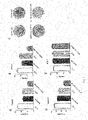
Fig. 1A is a bar graph showing the respective effects of short term starvation (STS), Crizotinib and STS + Crizotinib on the viability of H3122 non-small cell lung cancer cells (NSCLC). -
Fig. 1B is a bar graph showing the respective effects of short term starvation (STS), TAE684 and STS + TAE684 on the viability of H3122 NSCLC cells. -
Fig. 1C is a photograph showing the effects of short term starvation (STS), Crizotinib and STS + Crizotinib on H3122 (NSCLC) cells plated in Petri dishes in DMEM medium. -
Fig. 1D is a histogram showing the respective effects of short term starvation (STS), Crizotinib and STS + Crizotinib on the viability of A549 NSCLC cells (which do not harbor an EML4-ALK translocation and, therefore, are normally insensitive to crizotinib). -
Fig. 1E is an immunoblotting showing the levels of phospho-ERK and total ERK in cell lysates from H3122 cells subjected to, respectively, STS, treatment with Crizotinib and STS + treatment with Crizotinib. -
Fig. 2A is a diagram showing the size (mass volume) of H3122 xenografts in mice subjected to, respectively, STS; Crizotinib treatment; STS + Crizotinib treatment; no treatment (control). *p<0.05. -
Fig. 2B is a diagram showing the body weight of mice subjected to, respectively, STS; Crizotinib treatment; STS + Crizotinib treatment; no treatment (control). -
Fig. 3A is a histogram showing the respective effects of short term starvation (STS), Lapatinib and STS + Lapatinib on the viability of SKBR3 cells (HER2+ breast cancer). -
Fig. 3B is a histogram showing the respective effects of short term starvation (STS), Lapatinib and STS + Lapatinib on the viability of BT474 cells (HER2+ breast cancer). -
Fig. 3C is a photograph showing the effects of short term starvation (STS), Lapatinib and STS + Lapatinib on BT474 cells plated in Petri dishes in DMEM medium. -
Fig. 3D is a histogram showing the respective effects of short term starvation (STS), CP724714 (an HER tyrosine kinase inhibitor) and STS + CP724714 on the viability of SKBR3 cells. -
Fig. 3E is a histogram showing the respective effects of short term starvation (STS), Lapatinib and STS + Lapatinib on MCF7 cells (which do not harbor a HER2 amplification and, therefore, are normally insensitive to lapatinib). -
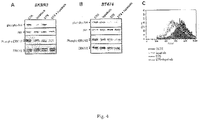
Fig. 4A is an immunoblotting showing the levels of phosphor-Akt, total Akt, phospho-ERK and total ERK in cell lysates from SKBR3 cells subjected to, respectively, STS, treatment with Lapatinib and STS + treatment with Lapatinib. -
Fig. 4B is an immunoblotting showing the levels of phosphor-Akt, total Akt, phospho-ERK and total ERK in cell lysates from BT474 cells subjected to, respectively, STS, treatment with Lapatinib and STS + treatment with Lapatinib. -
Fig. 4C is a flow cytometry analysis (forward scatter, FSC; 10.000 events per cell sample) of BT474 subjected to, respectively, STS, treatment with Lapatinib and STS + treatment with Lapatinib. - The Applicants performed several experiments to assess whether conditions that mimic the metabolic effects of starvation in vitro (cell culture in the presence of low serum (1% FBS) and low glucose (0.5 g/L) sensitize cancer cells to two TKIs, Crizotinib and Lapatinib, that are commonly used in EML4-ALK+ NSCLC and in HER2+ BC (breast cancer cells), respectively.
- With reference to
Figs. 1A and 1B , 3×10³ H3122 cells were plated in 96 well plates in regular DMEM medium containing 10% FBS. 24h later, the cell medium was removed and cells were incubated for 24h either in the same medium (CTR) or in low-glucose (0.5 g/L) DMEM medium containing 1 % FBS (STS). 24h later cells were treated or not with the indicated concentrations of Crizotinib or TAE382 (TAE). 72h later, viability was measured with sulforodhamine B-based assays. - With reference to
Fig. 1C , 105 H3122 cells were plated in 60mm Petri dishes in regular DMEM medium. 24h later, the cell medium was removed and cells were incubated for 24h either in regular medium (CTR) or in STS conditions. 24h later 400 nM Crizotinib was added (or not) to the cells. 5 days later, the cell medium was removed and the cells were cultured for two additional days in regular DMEM medium. 48h later, the plates were stained with sulforodhamine B and photographed. - With reference to
Fig. 1D , 3×10³ A549 cells were plated in 96 well plates and treated with Crizotinib in the presence or absence of STS, as in the experiments ofFigs. 1A and 1B , before viability was measured in sulforodhamine B-based assays. - With reference to
Fig. 1E , 105 H3122 cells were plated in 6 well plates in regular DMEM medium containing 10% FBS. 24h later, the cell medium was removed and cells were incubated for 24h either in the same medium (CTR) or in low-glucose (0.5 g/L) DMEM containing 1 % FBS (STS). 24h later cells were treated or not with 400 nM Crizotinib. After 24h, cell were used for cell lysate preparation and phospho-ERK (Thr202/Tyr204), and total ERK levels were detected by immunoblotting. - Having regard to the above experiments, it can be concluded that in H3122 NSCLC cells (which carry the EML4-ALK translocation), STS conditions strongly potentiated the activity of Crizotinib and of TAE684, an unrelated ALK inhibitor (
Figure 1A-C ), leading to a virtual complete killing of NSCLC cells in the presence of 400 nM Crizotinib (Figure 1C ). Notably, A549 NSCLC cells, which do not have an EML4-ALK translocation, were insensitive to Crizotinib and STS did not increase the activity of the TKI in this cell line (Figure 1D ). Thus, STS did not simply increase the cytotoxic activity of Crizotinib, but instead it allowed to retain its specificity for cancer cells with aberrant ALK activity. Notably when administered to starved cells, Crizotinib was more effective at blocking signaling through the MAPK pathway (ERK1/2 phosphorylation) than it was in cells cultured in standard conditions (Figure IE), which suggests a plausible mechanism for the observed potentiation of Crizotinib efficacy through STS. - In line with this hypothesis is the observation that H3122 cells engineered to overexpress HRAS or HRAS V12 were resistant to crizotinib, STS-mimicking conditions or their combination (not shown), which is consistent with inhibition of the MAPK pathway playing a key role in the anticancer activity of these treatments.
- With reference to
Fig. 2A , six- to eight-week-old BALB/c athymic mice (nu+/nu+) were injected s.c. with 5×10⁶ H3122 cells. When tumors became palpable, mouse were randomly assigned to one of four arms (six mice per treatment arm): control - normal diet (-); Crizotinib - normal diet with 3 cycles of Crizotinib (25 mg/kg/day via oral gavage for 5 days a week, Mon-Fri); STS [fasting (water only) for 48h (Sun-Tue) for three cycles at 1-week intervals]; STS+Crizotinib. Tumor size was measured daily and tumor volume was calculated using the formula: tumor volume= (w2 × W) × n/6, where "w" and "W" are "minor side" and "major side" (in mm), respectively . At the end of treatment, mice were euthanized and tumor masses were excised and weighted (seeFig. 2B ). Mouse weight was also monitored daily. - From the above reported experiments it can be observed that, in vivo, both fasting cycles and Crizotinib effectively reduced the growth of H3122 xenografts with no difference in terms of efficacy between the two approaches, but the combination Crizotinib+fasting was more active than either type of treatment alone (*: p<0.05; **: p<0.01; ***: p<0.001;
Figure 2A-B ). Fasted mice exhibited transient weight losses, but fully recovered their weight between one cycle and the next (Figure 2B ). Clearly, this data indicates the potential of STS conditions to make ALK inhibitors more effective with possible strong benefits for the patients. - With reference to
Figs. 3A and 3B , 3×10³ SKBR3 (Fig. 3A ) or BT474 (Fig. 3B ) cells/well were plated in 96 well plates in regular DMEM medium containing 10% FBS and 2,5 g/L glucose. 24 h later, the cell medium was removed and cells were incubated for 24h either in the same medium (CTR) or in low-glucose (0.5 g/L) DMEM medium containing 1% FBS (STS). 24h later cells were treated or not with 100 nM Lapatinib. 72h later, viability was measured in sulforodhamine B-based assays. - With reference to
Fig. 3C , 4×10⁵ BT474 cells were plated in 60mm Petri dishes in regular DMEM medium. 24h later, the cell medium was removed and cells were incubated for 24h either in regular medium (CTR) or in STS conditions. 24h later 100 nM Lapatinib was added (or not) to the cells. 5 days later, the cell medium was removed and the cells were cultured for additional two days in regular DMEM medium. 48h later, the plates were stained with sulforodhamine B and photographed. - With reference to
Figs. 3D and 3E , BT474 or MCF7 cells were plated as detailed with regard toFigs. 3A and 3B , treated with 100 nM CP724714 (Fig. 3D ) or Lapatinib (Fig. 3E ) with or without STS conditions as detailed with respect toFigs. 3A and 3B before viability was detected. - With reference to
Figs. 4A-C , 105 SKBR3 (Fig. 4A ) or BT474 (Fig. 4B ) cells were plated in 6 well plates in regular DMEM medium containing 10% FBS. 24h later, the cell medium was removed and cells were incubated for 24h either in the same medium (CTR) or in low-glucose (0.5 g/L) DMEM medium containing 1% FBS (STS). 24h later cells were treated or not with 100 nM Lapatinib. After 24h, cell were either used for cell lysate preparation or for flow cytometry assays. Cell lysates were used for phospho-AKT (Ser473), total AKT, phospho-ERK (Thr202/Tyr204), and total ERK level detection by immunoblotting (Figs. 4A and 4B ). Flow cytometry (with a FACS Calibur, BD) was used to estimate cell size (FSC) by acquiring 10.000 events per cell sample (Fig. 4C ). - From the experiments of
Figs. 3A-E , it can be noted that, in the case of Lapatinib, as shown inFigures 3A and 3B , both BT474 and SKBR3 (HER2+ BC cell lines) cells were strongly sensitized to therapeutic concentrations of this agent by STS conditions (see alsoFigure 3C ). - Similar results were obtained using an unrelated HER2 TK inhibitor, CP724714 (13) (
Figure 3D ), thus confirming that the observed cooperation between STS and Lapatinib was due to inhibition of HER2 TK activity. As expected (12, 14), MCF7 cells (Fig. 3E ), which do not harbor HER2 amplification, were insensitive to Lapatinib and STS failed to enhance the activity of this TKI in this cell line, again indicating that STS-mimicking conditions potentiate the TKI activity without compromising its specificity. At the molecular level, cells treated with Lapatinib in STS-mimicking conditions exhibited a more pronounced inhibition of AKT and ERK1/2 signaling than cells treated with Lapatinib alone. Given the importance of these signaling cascades in the survival of HER2+ BC (15), these findings could well justify the observed cooperation between the two types of interventions (Figure 4A, B ). -
- 1. Gridelli C, de Marinis F, Cappuzzo F, Di Maio M, Hirsch FR, Mok T, et al. Treatment of Advanced Non-Small-Cell Lung Cancer With Epidermal Growth Factor Receptor (EGFR) Mutation or ALK Gene Rearrangement: Results of an International Expert Panel Meeting of the Italian Association of Thoracic Oncology. Clinical lung cancer. 2013.
- 2. Gridelli C, Solange P, Sgambato A, Casaluce F, Adjei AA, Ciardiello F. ALK inhibitors in the treatment of advanced NSCLC. Cancer Treat Rev. 2013.
- 3. Geyer CE, Forster J, Lindquist D, Chan S, Romieu CG, Pienkowski T, et al. Lapatinib plus capecitabine for HER2-positive advanced breast cancer. N Engl J Med. 2006;355:2733-43.
- 4. Gradishar WJ. Emerging approaches for treating HER2-positive metastatic breast cancer beyond trastuzumab. Ann Oncol. 2013.
- 5. Carter NJ. Regorafenib: a review of its use in previously treated patients with progressive metastatic colorectal cancer. Drugs & aging. 2014;31:67-78.
- 6. Lee C, Raffaghello L, Brandhorst S, Safdie FM, Bianchi G, Martin-Montalvo A, et al. Fasting cycles retard growth of tumors and sensitize a range of cancer cell types to chemotherapy. Sci Transl Med. 2012;4: 124ra27.
- 7. Safdie F, Brandhorst S, Wei M, Wang W, Lee C, Hwang S, et al. Fasting enhances the response of glioma to chemo- and radiotherapy. PloS one. 2012;7:e44603.
- 8. Shi Y, Felley-Bosco E, Marti TM, Orlowski K, Pruschy M, Stahel RA. Starvation-induced activation of ATM/Chk2/p53 signaling sensitizes cancer cells to cisplatin. BMC Cancer. 2012;12:571.
- 9. Raffaghello L, Lee C, Safdie FM, Wei M, Madia F, Bianchi G, et al. Starvation-dependent differential stress resistance protects normal but not cancer cells against high-dose chemotherapy. Proc Natl Acad Sci U S A. 2008;105:8215-20.
- 10. Laviano A, Rossi Fanelli F. Toxicity in chemotherapy--when less is more. N Engl J Med. 2012;366:2319-20.
- 11. Safdie FM, Dorff T, Quinn D, Fontana L, Wei M, Lee C, et al. Fasting and cancer treatment in humans: A case series report. Aging (Albany NY). 2009;1:988-1007.
- 12. Nencioni A, Cea M, Garuti A, Passalacqua M, Raffaghello L, Soncini D, et al. Grb7 upregulation is a molecular adaptation to HER2 signaling inhibition due to removal of Akt-mediated gene repression. PloS one. 2010;5:e9024.
- 13. Munster PN, Britten CD, Mita M, Gelmon K, Minton SE, Moulder S, et al. First study of the safety, tolerability, and pharmacokinetics of CP-724,714 in patients with advanced malignant solid HER2-expressing tumors. Clinical cancer research : an official journal of the American Association for Cancer Research. 2007;13:1238-45.
- 14. Konecny GE, Pegram MD, Venkatesan N, Finn R, Yang G, Rahmeh M, et al. Activity of the dual kinase inhibitor lapatinib (GW572016) against HER-2-overexpressing and trastuzumab-treated breast cancer cells. Cancer Res. 2006;66:1630-9.
- 15. Rexer BN, Arteaga CL. Optimal targeting of HER2-PI3K signaling in breast cancer: mechanistic insights and clinical implications. Cancer Res. 2013;73:3817-20.
- 16. Brandhorst S, Wei M, Hwang S, Morgan TE, Longo VD.
- Short-term calorie and protein restriction provide partial protection from chemotoxicity but do not delay glioma progression. Exp Gerontol. 2013 Oct;48(10):1120-8. doi: 10.1016/j.exger.2013.02.016. Epub 2013 Feb 21.
Claims (7)
- A tyrosine kinase inhibitor (TKI) for use in a method for the treatment of non-small cell lung cancer or breast cancer in a human patient, the method comprising subjecting said patient to reduced caloric intake for a period of 24-190 hours while said patient is being treated with said tyrosine kinase inhibitor, wherein said reduced caloric intake corresponds to less than 300 kcal/day and wherein:when the patient is affected by non-small cell lung cancer, the TKI is Crizotinib, andwhen the patient is affected by breast cancer, the TKI is Lapatinib
- The tyrosine kinase inhibitor for the use of claim 1, wherein said patient is fed with foods with a high content of monounsaturated and polyunsaturated fats and a reduced content of proteins and carbohydrates, with ≥ 50% of the calories coming from said fats.
- The tyrosine kinase inhibitor for the use of any one of claims 1 and 2, wherein said period of reduced caloric intake is of 48 to 150 hours, preferably about 120 hours.
- The tyrosine kinase inhibitor for the use of any one of claims 1 to 3, wherein said period of reduced caloric intake with concurrent administration of the tyrosine kinase inhibitor to the patient is repeated one or more times after respective periods of 5-60 days, during which said patient is given the tyrosine kinase inhibitor while following a diet involving a regular caloric intake.
- The tyrosine kinase inhibitor for the use of any one of claims 1 to 4, wherein said reduced caloric intake corresponds to 100-200 Kcal/day.
- The tyrosine kinase inhibitor for the use of claim 5, wherein said reduced caloric intake is obtained by fasting or by means of dietetic food with reduced caloric and/or protein content but containing all necessary micronutrients to prevent malnutrition.
- A pharmaceutical composition comprising a tyrosine kinase inhibitor as defined in claim 1 for the use as defined in any one of claims 1 to 6.
Applications Claiming Priority (2)
| Application Number | Priority Date | Filing Date | Title |
|---|---|---|---|
| ITMI20140537 | 2014-03-28 | ||
| PCT/EP2015/056918 WO2015144934A1 (en) | 2014-03-28 | 2015-03-30 | Tyrosine kinase inhibitors for use in a method of treating cancer in association with a reduced caloric intake |
Publications (2)
| Publication Number | Publication Date |
|---|---|
| EP3122354A1 EP3122354A1 (en) | 2017-02-01 |
| EP3122354B1 true EP3122354B1 (en) | 2022-06-15 |
Family
ID=50981690
Family Applications (1)
| Application Number | Title | Priority Date | Filing Date |
|---|---|---|---|
| EP15722940.2A Active EP3122354B1 (en) | 2014-03-28 | 2015-03-30 | Tyrosine kinase inhibitors for use in a method of treating cancer in association with a reduced caloric intake |
Country Status (7)
| Country | Link |
|---|---|
| US (2) | US10117872B2 (en) |
| EP (1) | EP3122354B1 (en) |
| JP (2) | JP2017509671A (en) |
| AU (1) | AU2015238170B2 (en) |
| CA (1) | CA2944088C (en) |
| ES (1) | ES2926934T3 (en) |
| WO (1) | WO2015144934A1 (en) |
Families Citing this family (5)
| Publication number | Priority date | Publication date | Assignee | Title |
|---|---|---|---|---|
| BR112012003592B8 (en) | 2009-08-19 | 2021-05-25 | Eisai R&D Man Co Ltd | pharmaceutical composition containing quinoline derivative |
| CA2944088C (en) * | 2014-03-28 | 2022-06-21 | L-Nutra Inc. | Tyrosine kinase inhibitors for use in a method of treating cancer in association with a reduced caloric intake |
| CN110291089B (en) | 2017-01-17 | 2022-05-27 | 海帕瑞吉尼克斯股份有限公司 | Protein kinase inhibitors for promoting liver regeneration or reducing or preventing liver cell death |
| US12303505B2 (en) | 2017-02-08 | 2025-05-20 | Eisai R&D Management Co., Ltd. | Tumor-treating pharmaceutical composition |
| GB201915618D0 (en) * | 2019-10-28 | 2019-12-11 | Univ Oslo | ALK inhibitors for treatment of ALK-negative cancer and antibody-mediated diseases |
Family Cites Families (4)
| Publication number | Priority date | Publication date | Assignee | Title |
|---|---|---|---|---|
| SI1750703T1 (en) | 2004-04-29 | 2012-02-29 | Taiho Pharmaceutical Co Ltd | Method for reducing gastrointestinal toxicity due to the administration of tegafur |
| ES2891733T3 (en) * | 2007-03-28 | 2022-01-31 | Univ Southern California | Induction of differential stress resistance and uses thereof |
| CA2779282C (en) * | 2009-10-22 | 2017-12-05 | University Of Southern California | Methods and nutritional formulations to increase the efficacy and reduce the side effects of cancer treatment |
| CA2944088C (en) * | 2014-03-28 | 2022-06-21 | L-Nutra Inc. | Tyrosine kinase inhibitors for use in a method of treating cancer in association with a reduced caloric intake |
-
2015
- 2015-03-30 CA CA2944088A patent/CA2944088C/en active Active
- 2015-03-30 WO PCT/EP2015/056918 patent/WO2015144934A1/en not_active Ceased
- 2015-03-30 JP JP2016560430A patent/JP2017509671A/en active Pending
- 2015-03-30 US US15/129,569 patent/US10117872B2/en active Active
- 2015-03-30 ES ES15722940T patent/ES2926934T3/en active Active
- 2015-03-30 AU AU2015238170A patent/AU2015238170B2/en active Active
- 2015-03-30 EP EP15722940.2A patent/EP3122354B1/en active Active
-
2018
- 2018-10-12 US US16/158,544 patent/US10512648B2/en active Active
-
2020
- 2020-06-12 JP JP2020102712A patent/JP2020147598A/en active Pending
Non-Patent Citations (4)
| Title |
|---|
| F. L. OPDAM ET AL: "Lapatinib for Advanced or Metastatic Breast Cancer", THE ONCOLOGIST, vol. 17, no. 4, 1 April 2012 (2012-04-01), US, pages 536 - 542, XP055249889, ISSN: 1083-7159, DOI: 10.1634/theoncologist.2011-0461 * |
| HWANG-PHILL KIM ET AL: "Lapatinib, a Dual EGFR and HER2 Tyrosine Kinase Inhibitor, Downregulates Thymidylate Synthase by Inhibiting the Nuclear Translocation of EGFR and HER2", PLOS ONE, vol. 4, no. 6, 16 June 2009 (2009-06-16), pages e5933, XP055671574, DOI: 10.1371/journal.pone.0005933 * |
| KONECNY GOTTFRIED E ET AL: "Activity of the dual kinase inhibitor lapatinib (GW572016) against HER-2-overexpressing and trastuzumab-treated breast cancer cells", CANCER RESEARCH, AMERICAN ASSOCIATION FOR CANCER RESEARCH, US, vol. 66, no. 3, 1 February 2006 (2006-02-01), pages 1630 - 1639, XP002472825, ISSN: 0008-5472, DOI: 10.1158/0008-5472.CAN-05-1182 * |
| PATRICK ROBERTS: "Clinical use of crizotinib for the treatment of non-small cell lung cancer", BIOLOGICS: TARGETS AND THERAPY, 1 April 2013 (2013-04-01), pages 91, XP055671566, DOI: 10.2147/BTT.S29026 * |
Also Published As
| Publication number | Publication date |
|---|---|
| JP2020147598A (en) | 2020-09-17 |
| US20190105323A1 (en) | 2019-04-11 |
| US10117872B2 (en) | 2018-11-06 |
| US20170173020A1 (en) | 2017-06-22 |
| WO2015144934A1 (en) | 2015-10-01 |
| CA2944088A1 (en) | 2015-10-01 |
| EP3122354A1 (en) | 2017-02-01 |
| US10512648B2 (en) | 2019-12-24 |
| ES2926934T3 (en) | 2022-10-31 |
| AU2015238170B2 (en) | 2019-08-15 |
| AU2015238170A1 (en) | 2016-10-20 |
| CA2944088C (en) | 2022-06-21 |
| JP2017509671A (en) | 2017-04-06 |
Similar Documents
| Publication | Publication Date | Title |
|---|---|---|
| US10512648B2 (en) | Tyrosine kinase inhibitors for use in a method of treating cancer in association with a reduced caloric intake | |
| US8003105B2 (en) | Method of treating cancer by co-administration of anticancer agents | |
| JP7194022B2 (en) | Combination therapy with Notch inhibitors and PD-1 or PD-L1 inhibitors | |
| Matheson et al. | Glucocorticoids and selumetinib are highly synergistic in RAS pathway-mutated childhood acute lymphoblastic leukemia through upregulation of BIM | |
| Yoshimura et al. | Phase II study of a combination regimen of gefitinib and pemetrexed as first-line treatment in patients with advanced non-small cell lung cancer harboring a sensitive EGFR mutation | |
| HRP20010225A2 (en) | Chemotherapy of cancer with acetyldinaline in combination with gemcitabine, capecitabine or cisplatin | |
| TW200412937A (en) | Combination chemotherapy | |
| RU2753523C2 (en) | Improved therapeutic index of inhibitors against immune checkpoint using combination therapy including phy906 extract, scutellaria baicalensis georgi (s) extract or compound of such extracts | |
| Scott et al. | Double autophagy stimulation using chemotherapy and mTOR inhibition combined with hydroxychloroquine for autophagy modulation in patients with relapsed or refractory multiple myeloma | |
| KR20250164332A (en) | Methods of treating myeloproliferative disorders | |
| WO2023108146A1 (en) | Personalized starvation therapy for cancer | |
| Mita et al. | A phase I, pharmacokinetic and biologic correlative study of oblimersen sodium (Genasense™, G3139) and irinotecan in patients with metastatic colorectal cancer | |
| EP3416632B1 (en) | Use of a fasting mimicking diet to enhance the efficacy of antiestrogens in cancer therapy | |
| US20210393630A1 (en) | Endocrine therapy and abemaciclib combination for the adjuvant treatment of node-positive, early stage, hormone receptor-positive, human epidermal growth factor receptor 2-negative breast cancer | |
| US9901594B2 (en) | Pharmaceutical composition and uses thereof | |
| CN103189059A (en) | Method of treating refractory cancer | |
| Pfeiffer | High-dose radiotherapy and concurrent UFT plus l-leucovorin in locally advanced rectal cancer: a phase I trial | |
| Recchia et al. | Chemoimmunotherapy in the treatment of metastatic gastric cancer | |
| EP3854411A1 (en) | Pharmaceutical compositions and use thereof for relieving resistance due to cancer chemotherapy and enhancing effect of cancer chemotherapy | |
| US20210128683A1 (en) | Pharmaceutical compositions and use thereof for relieving resistance due to cancer chemotherapy and enhancing effect of cancer chemotherapy | |
| Peters van Ton et al. | Mitigating subtherapeutic cabozantinib exposure after prior mitotane therapy in adrenocortical carcinoma: Pharmacological boosting with cobicistat | |
| van Ton et al. | Mitigating subtherapeutic cabozantinib exposure after prior mitotane therapy in adrenocortical carcinoma: Pharmacological boosting with cobicistat | |
| CN105228611B (en) | For treating or preventing PI3 kinase inhibitors and the combination of taxol of head and neck cancer | |
| Aicher et al. | 203 Perifosine in combination with antimetabolites induces synergistic effects on cytotoxicity and apoptosis in human colon, multiple myeloma, breast, renal, and liver tumor cell lines | |
| Oh et al. | Combining Erlotinib with Cytotoxic Chemotherapy May Overcome Resistance Caused by T790M Mutation of EGFR Gene in Non-Small Cell Lung Carcinoma |
Legal Events
| Date | Code | Title | Description |
|---|---|---|---|
| STAA | Information on the status of an ep patent application or granted ep patent |
Free format text: STATUS: THE INTERNATIONAL PUBLICATION HAS BEEN MADE |
|
| PUAI | Public reference made under article 153(3) epc to a published international application that has entered the european phase |
Free format text: ORIGINAL CODE: 0009012 |
|
| STAA | Information on the status of an ep patent application or granted ep patent |
Free format text: STATUS: REQUEST FOR EXAMINATION WAS MADE |
|
| 17P | Request for examination filed |
Effective date: 20161026 |
|
| AK | Designated contracting states |
Kind code of ref document: A1 Designated state(s): AL AT BE BG CH CY CZ DE DK EE ES FI FR GB GR HR HU IE IS IT LI LT LU LV MC MK MT NL NO PL PT RO RS SE SI SK SM TR |
|
| AX | Request for extension of the european patent |
Extension state: BA ME |
|
| DAV | Request for validation of the european patent (deleted) | ||
| DAX | Request for extension of the european patent (deleted) | ||
| STAA | Information on the status of an ep patent application or granted ep patent |
Free format text: STATUS: EXAMINATION IS IN PROGRESS |
|
| 17Q | First examination report despatched |
Effective date: 20190612 |
|
| GRAP | Despatch of communication of intention to grant a patent |
Free format text: ORIGINAL CODE: EPIDOSNIGR1 |
|
| STAA | Information on the status of an ep patent application or granted ep patent |
Free format text: STATUS: GRANT OF PATENT IS INTENDED |
|
| INTG | Intention to grant announced |
Effective date: 20220105 |
|
| GRAS | Grant fee paid |
Free format text: ORIGINAL CODE: EPIDOSNIGR3 |
|
| RAP3 | Party data changed (applicant data changed or rights of an application transferred) |
Owner name: L-NUTRA INC. Owner name: UNIVERSITA' DEGLI STUDI DI GENOVA |
|
| GRAA | (expected) grant |
Free format text: ORIGINAL CODE: 0009210 |
|
| STAA | Information on the status of an ep patent application or granted ep patent |
Free format text: STATUS: THE PATENT HAS BEEN GRANTED |
|
| AK | Designated contracting states |
Kind code of ref document: B1 Designated state(s): AL AT BE BG CH CY CZ DE DK EE ES FI FR GB GR HR HU IE IS IT LI LT LU LV MC MK MT NL NO PL PT RO RS SE SI SK SM TR |
|
| REG | Reference to a national code |
Ref country code: CH Ref legal event code: EP Ref country code: GB Ref legal event code: FG4D |
|
| REG | Reference to a national code |
Ref country code: IE Ref legal event code: FG4D |
|
| REG | Reference to a national code |
Ref country code: DE Ref legal event code: R096 Ref document number: 602015079461 Country of ref document: DE |
|
| REG | Reference to a national code |
Ref country code: AT Ref legal event code: REF Ref document number: 1497962 Country of ref document: AT Kind code of ref document: T Effective date: 20220715 |
|
| REG | Reference to a national code |
Ref country code: LT Ref legal event code: MG9D |
|
| REG | Reference to a national code |
Ref country code: NL Ref legal event code: MP Effective date: 20220615 |
|
| PG25 | Lapsed in a contracting state [announced via postgrant information from national office to epo] |
Ref country code: SE Free format text: LAPSE BECAUSE OF FAILURE TO SUBMIT A TRANSLATION OF THE DESCRIPTION OR TO PAY THE FEE WITHIN THE PRESCRIBED TIME-LIMIT Effective date: 20220615 Ref country code: NO Free format text: LAPSE BECAUSE OF FAILURE TO SUBMIT A TRANSLATION OF THE DESCRIPTION OR TO PAY THE FEE WITHIN THE PRESCRIBED TIME-LIMIT Effective date: 20220915 Ref country code: LT Free format text: LAPSE BECAUSE OF FAILURE TO SUBMIT A TRANSLATION OF THE DESCRIPTION OR TO PAY THE FEE WITHIN THE PRESCRIBED TIME-LIMIT Effective date: 20220615 Ref country code: HR Free format text: LAPSE BECAUSE OF FAILURE TO SUBMIT A TRANSLATION OF THE DESCRIPTION OR TO PAY THE FEE WITHIN THE PRESCRIBED TIME-LIMIT Effective date: 20220615 Ref country code: GR Free format text: LAPSE BECAUSE OF FAILURE TO SUBMIT A TRANSLATION OF THE DESCRIPTION OR TO PAY THE FEE WITHIN THE PRESCRIBED TIME-LIMIT Effective date: 20220916 Ref country code: FI Free format text: LAPSE BECAUSE OF FAILURE TO SUBMIT A TRANSLATION OF THE DESCRIPTION OR TO PAY THE FEE WITHIN THE PRESCRIBED TIME-LIMIT Effective date: 20220615 Ref country code: BG Free format text: LAPSE BECAUSE OF FAILURE TO SUBMIT A TRANSLATION OF THE DESCRIPTION OR TO PAY THE FEE WITHIN THE PRESCRIBED TIME-LIMIT Effective date: 20220915 |
|
| REG | Reference to a national code |
Ref country code: ES Ref legal event code: FG2A Ref document number: 2926934 Country of ref document: ES Kind code of ref document: T3 Effective date: 20221031 |
|
| REG | Reference to a national code |
Ref country code: AT Ref legal event code: MK05 Ref document number: 1497962 Country of ref document: AT Kind code of ref document: T Effective date: 20220615 |
|
| PG25 | Lapsed in a contracting state [announced via postgrant information from national office to epo] |
Ref country code: RS Free format text: LAPSE BECAUSE OF FAILURE TO SUBMIT A TRANSLATION OF THE DESCRIPTION OR TO PAY THE FEE WITHIN THE PRESCRIBED TIME-LIMIT Effective date: 20220615 Ref country code: LV Free format text: LAPSE BECAUSE OF FAILURE TO SUBMIT A TRANSLATION OF THE DESCRIPTION OR TO PAY THE FEE WITHIN THE PRESCRIBED TIME-LIMIT Effective date: 20220615 |
|
| PG25 | Lapsed in a contracting state [announced via postgrant information from national office to epo] |
Ref country code: NL Free format text: LAPSE BECAUSE OF FAILURE TO SUBMIT A TRANSLATION OF THE DESCRIPTION OR TO PAY THE FEE WITHIN THE PRESCRIBED TIME-LIMIT Effective date: 20220615 |
|
| PG25 | Lapsed in a contracting state [announced via postgrant information from national office to epo] |
Ref country code: SM Free format text: LAPSE BECAUSE OF FAILURE TO SUBMIT A TRANSLATION OF THE DESCRIPTION OR TO PAY THE FEE WITHIN THE PRESCRIBED TIME-LIMIT Effective date: 20220615 Ref country code: SK Free format text: LAPSE BECAUSE OF FAILURE TO SUBMIT A TRANSLATION OF THE DESCRIPTION OR TO PAY THE FEE WITHIN THE PRESCRIBED TIME-LIMIT Effective date: 20220615 Ref country code: RO Free format text: LAPSE BECAUSE OF FAILURE TO SUBMIT A TRANSLATION OF THE DESCRIPTION OR TO PAY THE FEE WITHIN THE PRESCRIBED TIME-LIMIT Effective date: 20220615 Ref country code: PT Free format text: LAPSE BECAUSE OF FAILURE TO SUBMIT A TRANSLATION OF THE DESCRIPTION OR TO PAY THE FEE WITHIN THE PRESCRIBED TIME-LIMIT Effective date: 20221017 Ref country code: EE Free format text: LAPSE BECAUSE OF FAILURE TO SUBMIT A TRANSLATION OF THE DESCRIPTION OR TO PAY THE FEE WITHIN THE PRESCRIBED TIME-LIMIT Effective date: 20220615 Ref country code: CZ Free format text: LAPSE BECAUSE OF FAILURE TO SUBMIT A TRANSLATION OF THE DESCRIPTION OR TO PAY THE FEE WITHIN THE PRESCRIBED TIME-LIMIT Effective date: 20220615 Ref country code: AT Free format text: LAPSE BECAUSE OF FAILURE TO SUBMIT A TRANSLATION OF THE DESCRIPTION OR TO PAY THE FEE WITHIN THE PRESCRIBED TIME-LIMIT Effective date: 20220615 |
|
| PG25 | Lapsed in a contracting state [announced via postgrant information from national office to epo] |
Ref country code: PL Free format text: LAPSE BECAUSE OF FAILURE TO SUBMIT A TRANSLATION OF THE DESCRIPTION OR TO PAY THE FEE WITHIN THE PRESCRIBED TIME-LIMIT Effective date: 20220615 Ref country code: IS Free format text: LAPSE BECAUSE OF FAILURE TO SUBMIT A TRANSLATION OF THE DESCRIPTION OR TO PAY THE FEE WITHIN THE PRESCRIBED TIME-LIMIT Effective date: 20221015 |
|
| REG | Reference to a national code |
Ref country code: DE Ref legal event code: R097 Ref document number: 602015079461 Country of ref document: DE |
|
| PG25 | Lapsed in a contracting state [announced via postgrant information from national office to epo] |
Ref country code: AL Free format text: LAPSE BECAUSE OF FAILURE TO SUBMIT A TRANSLATION OF THE DESCRIPTION OR TO PAY THE FEE WITHIN THE PRESCRIBED TIME-LIMIT Effective date: 20220615 |
|
| PLBE | No opposition filed within time limit |
Free format text: ORIGINAL CODE: 0009261 |
|
| STAA | Information on the status of an ep patent application or granted ep patent |
Free format text: STATUS: NO OPPOSITION FILED WITHIN TIME LIMIT |
|
| PG25 | Lapsed in a contracting state [announced via postgrant information from national office to epo] |
Ref country code: DK Free format text: LAPSE BECAUSE OF FAILURE TO SUBMIT A TRANSLATION OF THE DESCRIPTION OR TO PAY THE FEE WITHIN THE PRESCRIBED TIME-LIMIT Effective date: 20220615 |
|
| 26N | No opposition filed |
Effective date: 20230316 |
|
| PG25 | Lapsed in a contracting state [announced via postgrant information from national office to epo] |
Ref country code: SI Free format text: LAPSE BECAUSE OF FAILURE TO SUBMIT A TRANSLATION OF THE DESCRIPTION OR TO PAY THE FEE WITHIN THE PRESCRIBED TIME-LIMIT Effective date: 20220615 |
|
| PG25 | Lapsed in a contracting state [announced via postgrant information from national office to epo] |
Ref country code: MC Free format text: LAPSE BECAUSE OF FAILURE TO SUBMIT A TRANSLATION OF THE DESCRIPTION OR TO PAY THE FEE WITHIN THE PRESCRIBED TIME-LIMIT Effective date: 20220615 |
|
| REG | Reference to a national code |
Ref country code: CH Ref legal event code: PL |
|
| REG | Reference to a national code |
Ref country code: BE Ref legal event code: MM Effective date: 20230331 |
|
| PG25 | Lapsed in a contracting state [announced via postgrant information from national office to epo] |
Ref country code: LU Free format text: LAPSE BECAUSE OF NON-PAYMENT OF DUE FEES Effective date: 20230330 |
|
| REG | Reference to a national code |
Ref country code: IE Ref legal event code: MM4A |
|
| PG25 | Lapsed in a contracting state [announced via postgrant information from national office to epo] |
Ref country code: LI Free format text: LAPSE BECAUSE OF NON-PAYMENT OF DUE FEES Effective date: 20230331 Ref country code: IE Free format text: LAPSE BECAUSE OF NON-PAYMENT OF DUE FEES Effective date: 20230330 Ref country code: CH Free format text: LAPSE BECAUSE OF NON-PAYMENT OF DUE FEES Effective date: 20230331 |
|
| PG25 | Lapsed in a contracting state [announced via postgrant information from national office to epo] |
Ref country code: BE Free format text: LAPSE BECAUSE OF NON-PAYMENT OF DUE FEES Effective date: 20230331 |
|
| PG25 | Lapsed in a contracting state [announced via postgrant information from national office to epo] |
Ref country code: BG Free format text: LAPSE BECAUSE OF FAILURE TO SUBMIT A TRANSLATION OF THE DESCRIPTION OR TO PAY THE FEE WITHIN THE PRESCRIBED TIME-LIMIT Effective date: 20220615 |
|
| PG25 | Lapsed in a contracting state [announced via postgrant information from national office to epo] |
Ref country code: BG Free format text: LAPSE BECAUSE OF FAILURE TO SUBMIT A TRANSLATION OF THE DESCRIPTION OR TO PAY THE FEE WITHIN THE PRESCRIBED TIME-LIMIT Effective date: 20220615 |
|
| PGFP | Annual fee paid to national office [announced via postgrant information from national office to epo] |
Ref country code: ES Payment date: 20250627 Year of fee payment: 11 |
|
| PG25 | Lapsed in a contracting state [announced via postgrant information from national office to epo] |
Ref country code: CY Free format text: LAPSE BECAUSE OF FAILURE TO SUBMIT A TRANSLATION OF THE DESCRIPTION OR TO PAY THE FEE WITHIN THE PRESCRIBED TIME-LIMIT; INVALID AB INITIO Effective date: 20150330 |
|
| PG25 | Lapsed in a contracting state [announced via postgrant information from national office to epo] |
Ref country code: HU Free format text: LAPSE BECAUSE OF FAILURE TO SUBMIT A TRANSLATION OF THE DESCRIPTION OR TO PAY THE FEE WITHIN THE PRESCRIBED TIME-LIMIT; INVALID AB INITIO Effective date: 20150330 |
|
| PG25 | Lapsed in a contracting state [announced via postgrant information from national office to epo] |
Ref country code: TR Free format text: LAPSE BECAUSE OF FAILURE TO SUBMIT A TRANSLATION OF THE DESCRIPTION OR TO PAY THE FEE WITHIN THE PRESCRIBED TIME-LIMIT Effective date: 20220615 |
|
| PGFP | Annual fee paid to national office [announced via postgrant information from national office to epo] |
Ref country code: GB Payment date: 20260220 Year of fee payment: 12 |
|
| PGFP | Annual fee paid to national office [announced via postgrant information from national office to epo] |
Ref country code: DE Payment date: 20260219 Year of fee payment: 12 |
|
| PGFP | Annual fee paid to national office [announced via postgrant information from national office to epo] |
Ref country code: IT Payment date: 20251230 Year of fee payment: 12 |
|
| PGFP | Annual fee paid to national office [announced via postgrant information from national office to epo] |
Ref country code: FR Payment date: 20260220 Year of fee payment: 12 |