EP3121267B1 - Method for generating high-titer hepatitis e virus stocks and titration assay for hepatitis e virus - Google Patents
Method for generating high-titer hepatitis e virus stocks and titration assay for hepatitis e virus Download PDFInfo
- Publication number
- EP3121267B1 EP3121267B1 EP16178844.3A EP16178844A EP3121267B1 EP 3121267 B1 EP3121267 B1 EP 3121267B1 EP 16178844 A EP16178844 A EP 16178844A EP 3121267 B1 EP3121267 B1 EP 3121267B1
- Authority
- EP
- European Patent Office
- Prior art keywords
- hev
- reaction mixture
- copies
- virus
- hepg2
- Prior art date
- Legal status (The legal status is an assumption and is not a legal conclusion. Google has not performed a legal analysis and makes no representation as to the accuracy of the status listed.)
- Active
Links
Images



Classifications
-
- G—PHYSICS
- G01—MEASURING; TESTING
- G01N—INVESTIGATING OR ANALYSING MATERIALS BY DETERMINING THEIR CHEMICAL OR PHYSICAL PROPERTIES
- G01N33/00—Investigating or analysing materials by specific methods not covered by groups G01N1/00 - G01N31/00
- G01N33/48—Biological material, e.g. blood, urine; Haemocytometers
- G01N33/50—Chemical analysis of biological material, e.g. blood, urine; Testing involving biospecific ligand binding methods; Immunological testing
- G01N33/53—Immunoassay; Biospecific binding assay; Materials therefor
- G01N33/569—Immunoassay; Biospecific binding assay; Materials therefor for microorganisms, e.g. protozoa, bacteria, viruses
- G01N33/56983—Viruses
-
- C—CHEMISTRY; METALLURGY
- C12—BIOCHEMISTRY; BEER; SPIRITS; WINE; VINEGAR; MICROBIOLOGY; ENZYMOLOGY; MUTATION OR GENETIC ENGINEERING
- C12N—MICROORGANISMS OR ENZYMES; COMPOSITIONS THEREOF; PROPAGATING, PRESERVING, OR MAINTAINING MICROORGANISMS; MUTATION OR GENETIC ENGINEERING; CULTURE MEDIA
- C12N7/00—Viruses; Bacteriophages; Compositions thereof; Preparation or purification thereof
- C12N7/02—Recovery or purification
-
- C—CHEMISTRY; METALLURGY
- C12—BIOCHEMISTRY; BEER; SPIRITS; WINE; VINEGAR; MICROBIOLOGY; ENZYMOLOGY; MUTATION OR GENETIC ENGINEERING
- C12N—MICROORGANISMS OR ENZYMES; COMPOSITIONS THEREOF; PROPAGATING, PRESERVING, OR MAINTAINING MICROORGANISMS; MUTATION OR GENETIC ENGINEERING; CULTURE MEDIA
- C12N7/00—Viruses; Bacteriophages; Compositions thereof; Preparation or purification thereof
-
- C—CHEMISTRY; METALLURGY
- C12—BIOCHEMISTRY; BEER; SPIRITS; WINE; VINEGAR; MICROBIOLOGY; ENZYMOLOGY; MUTATION OR GENETIC ENGINEERING
- C12N—MICROORGANISMS OR ENZYMES; COMPOSITIONS THEREOF; PROPAGATING, PRESERVING, OR MAINTAINING MICROORGANISMS; MUTATION OR GENETIC ENGINEERING; CULTURE MEDIA
- C12N5/00—Undifferentiated human, animal or plant cells, e.g. cell lines; Tissues; Cultivation or maintenance thereof; Culture media therefor
- C12N5/0018—Culture media for cell or tissue culture
-
- C—CHEMISTRY; METALLURGY
- C12—BIOCHEMISTRY; BEER; SPIRITS; WINE; VINEGAR; MICROBIOLOGY; ENZYMOLOGY; MUTATION OR GENETIC ENGINEERING
- C12N—MICROORGANISMS OR ENZYMES; COMPOSITIONS THEREOF; PROPAGATING, PRESERVING, OR MAINTAINING MICROORGANISMS; MUTATION OR GENETIC ENGINEERING; CULTURE MEDIA
- C12N5/00—Undifferentiated human, animal or plant cells, e.g. cell lines; Tissues; Cultivation or maintenance thereof; Culture media therefor
- C12N5/06—Animal cells or tissues; Human cells or tissues
- C12N5/0602—Vertebrate cells
- C12N5/067—Hepatocytes
-
- C—CHEMISTRY; METALLURGY
- C12—BIOCHEMISTRY; BEER; SPIRITS; WINE; VINEGAR; MICROBIOLOGY; ENZYMOLOGY; MUTATION OR GENETIC ENGINEERING
- C12N—MICROORGANISMS OR ENZYMES; COMPOSITIONS THEREOF; PROPAGATING, PRESERVING, OR MAINTAINING MICROORGANISMS; MUTATION OR GENETIC ENGINEERING; CULTURE MEDIA
- C12N5/00—Undifferentiated human, animal or plant cells, e.g. cell lines; Tissues; Cultivation or maintenance thereof; Culture media therefor
- C12N5/06—Animal cells or tissues; Human cells or tissues
- C12N5/0602—Vertebrate cells
- C12N5/0693—Tumour cells; Cancer cells
-
- C—CHEMISTRY; METALLURGY
- C12—BIOCHEMISTRY; BEER; SPIRITS; WINE; VINEGAR; MICROBIOLOGY; ENZYMOLOGY; MUTATION OR GENETIC ENGINEERING
- C12Q—MEASURING OR TESTING PROCESSES INVOLVING ENZYMES, NUCLEIC ACIDS OR MICROORGANISMS; COMPOSITIONS OR TEST PAPERS THEREFOR; PROCESSES OF PREPARING SUCH COMPOSITIONS; CONDITION-RESPONSIVE CONTROL IN MICROBIOLOGICAL OR ENZYMOLOGICAL PROCESSES
- C12Q1/00—Measuring or testing processes involving enzymes, nucleic acids or microorganisms; Compositions therefor; Processes of preparing such compositions
- C12Q1/70—Measuring or testing processes involving enzymes, nucleic acids or microorganisms; Compositions therefor; Processes of preparing such compositions involving virus or bacteriophage
- C12Q1/701—Specific hybridization probes
-
- C—CHEMISTRY; METALLURGY
- C12—BIOCHEMISTRY; BEER; SPIRITS; WINE; VINEGAR; MICROBIOLOGY; ENZYMOLOGY; MUTATION OR GENETIC ENGINEERING
- C12Q—MEASURING OR TESTING PROCESSES INVOLVING ENZYMES, NUCLEIC ACIDS OR MICROORGANISMS; COMPOSITIONS OR TEST PAPERS THEREFOR; PROCESSES OF PREPARING SUCH COMPOSITIONS; CONDITION-RESPONSIVE CONTROL IN MICROBIOLOGICAL OR ENZYMOLOGICAL PROCESSES
- C12Q1/00—Measuring or testing processes involving enzymes, nucleic acids or microorganisms; Compositions therefor; Processes of preparing such compositions
- C12Q1/70—Measuring or testing processes involving enzymes, nucleic acids or microorganisms; Compositions therefor; Processes of preparing such compositions involving virus or bacteriophage
- C12Q1/701—Specific hybridization probes
- C12Q1/706—Specific hybridization probes for hepatitis
-
- C—CHEMISTRY; METALLURGY
- C12—BIOCHEMISTRY; BEER; SPIRITS; WINE; VINEGAR; MICROBIOLOGY; ENZYMOLOGY; MUTATION OR GENETIC ENGINEERING
- C12Q—MEASURING OR TESTING PROCESSES INVOLVING ENZYMES, NUCLEIC ACIDS OR MICROORGANISMS; COMPOSITIONS OR TEST PAPERS THEREFOR; PROCESSES OF PREPARING SUCH COMPOSITIONS; CONDITION-RESPONSIVE CONTROL IN MICROBIOLOGICAL OR ENZYMOLOGICAL PROCESSES
- C12Q1/00—Measuring or testing processes involving enzymes, nucleic acids or microorganisms; Compositions therefor; Processes of preparing such compositions
- C12Q1/70—Measuring or testing processes involving enzymes, nucleic acids or microorganisms; Compositions therefor; Processes of preparing such compositions involving virus or bacteriophage
- C12Q1/701—Specific hybridization probes
- C12Q1/706—Specific hybridization probes for hepatitis
- C12Q1/707—Specific hybridization probes for hepatitis non-A, non-B Hepatitis, excluding hepatitis D
-
- G—PHYSICS
- G01—MEASURING; TESTING
- G01N—INVESTIGATING OR ANALYSING MATERIALS BY DETERMINING THEIR CHEMICAL OR PHYSICAL PROPERTIES
- G01N33/00—Investigating or analysing materials by specific methods not covered by groups G01N1/00 - G01N31/00
- G01N33/48—Biological material, e.g. blood, urine; Haemocytometers
- G01N33/50—Chemical analysis of biological material, e.g. blood, urine; Testing involving biospecific ligand binding methods; Immunological testing
- G01N33/53—Immunoassay; Biospecific binding assay; Materials therefor
- G01N33/576—Immunoassay; Biospecific binding assay; Materials therefor for hepatitis
-
- C—CHEMISTRY; METALLURGY
- C12—BIOCHEMISTRY; BEER; SPIRITS; WINE; VINEGAR; MICROBIOLOGY; ENZYMOLOGY; MUTATION OR GENETIC ENGINEERING
- C12N—MICROORGANISMS OR ENZYMES; COMPOSITIONS THEREOF; PROPAGATING, PRESERVING, OR MAINTAINING MICROORGANISMS; MUTATION OR GENETIC ENGINEERING; CULTURE MEDIA
- C12N2500/00—Specific components of cell culture medium
- C12N2500/30—Organic components
-
- C—CHEMISTRY; METALLURGY
- C12—BIOCHEMISTRY; BEER; SPIRITS; WINE; VINEGAR; MICROBIOLOGY; ENZYMOLOGY; MUTATION OR GENETIC ENGINEERING
- C12N—MICROORGANISMS OR ENZYMES; COMPOSITIONS THEREOF; PROPAGATING, PRESERVING, OR MAINTAINING MICROORGANISMS; MUTATION OR GENETIC ENGINEERING; CULTURE MEDIA
- C12N2501/00—Active agents used in cell culture processes, e.g. differentation
- C12N2501/05—Adjuvants
-
- C—CHEMISTRY; METALLURGY
- C12—BIOCHEMISTRY; BEER; SPIRITS; WINE; VINEGAR; MICROBIOLOGY; ENZYMOLOGY; MUTATION OR GENETIC ENGINEERING
- C12N—MICROORGANISMS OR ENZYMES; COMPOSITIONS THEREOF; PROPAGATING, PRESERVING, OR MAINTAINING MICROORGANISMS; MUTATION OR GENETIC ENGINEERING; CULTURE MEDIA
- C12N2770/00—MICROORGANISMS OR ENZYMES; COMPOSITIONS THEREOF; PROPAGATING, PRESERVING, OR MAINTAINING MICROORGANISMS; MUTATION OR GENETIC ENGINEERING; CULTURE MEDIA ssRNA viruses positive-sense
- C12N2770/00011—Details
- C12N2770/28011—Hepeviridae
- C12N2770/28111—Hepevirus, e.g. hepatitis E virus
- C12N2770/28121—Viruses as such, e.g. new isolates, mutants or their genomic sequences
-
- C—CHEMISTRY; METALLURGY
- C12—BIOCHEMISTRY; BEER; SPIRITS; WINE; VINEGAR; MICROBIOLOGY; ENZYMOLOGY; MUTATION OR GENETIC ENGINEERING
- C12N—MICROORGANISMS OR ENZYMES; COMPOSITIONS THEREOF; PROPAGATING, PRESERVING, OR MAINTAINING MICROORGANISMS; MUTATION OR GENETIC ENGINEERING; CULTURE MEDIA
- C12N2770/00—MICROORGANISMS OR ENZYMES; COMPOSITIONS THEREOF; PROPAGATING, PRESERVING, OR MAINTAINING MICROORGANISMS; MUTATION OR GENETIC ENGINEERING; CULTURE MEDIA ssRNA viruses positive-sense
- C12N2770/00011—Details
- C12N2770/28011—Hepeviridae
- C12N2770/28111—Hepevirus, e.g. hepatitis E virus
- C12N2770/28151—Methods of production or purification of viral material
Definitions
- the present invention refers to the field of virology, more precisely to methods for generating Hepatitis E Virus (hereinafter HEV) stocks. Specifically, the present invention discloses methods for propagating and titrating high titer HEV stocks.
- HEV Hepatitis E Virus
- HEV (genus Hepevirus, family Hepeviridae ) is a small non-enveloped/pseudo-enveloped virus, with a single-stranded positive-sense, polyadenylated RNA genome of approximately 7.2 kb.
- Genotypes 1 and 2 are mainly responsible for waterborne infections in underdeveloped countries and cause disease primarily in humans and higher primates. Infections are typically self-resolving and acute, lasting at most 2 to 7 weeks, but may be fatal especially in pregnant women.
- Genotypes 3 and 4 are associated with endemic (autochthonous) infections in industrialized countries.
- genotypes cause disease largely in swine but humans can become accidental hosts as a result of food or zoonotic exposure.
- Clinical disease is typically asymptomatic and mild in young adults, but can become clinically apparent in older men.
- genotype 3 and 4 infections can become chronic in immune-suppressed persons, such as organ-transplant patients or AIDS patients.
- hepatitis E has been categorized as a transfusion transmittable infectious disease.
- concerns have been raised regarding the safety of blood- and plasma-derived products.
- the virus safety profile of blood- and plasma-derived products can be assured by performing clearance studies that demonstrate the virus reduction and/or clearance capacity of their manufacturing processes. During these clearance studies a known amount of virus is deliberately spiked into a blood or a plasma product intermediate and then the spiked material is processed using a bench scale model of the manufacturing process. Virus reduction and/or clearance across a step is determined by comparing the amount of virus before and after treatment.
- Virus clearance studies require large quantities of high titer virus and the lack of an efficient cell culture system for HEV has hampered the ability to perform such studies for HEV.
- Several HEV cell culture systems have recently been developed to address this problem.
- a genotype 3 and a genotype 4 strain were adapted by Okamoto and colleagues to grow in A549 human lung cells reaching HEV RNA titers of 3.9 x 10 8 copies/mL.
- said genotype 4 strain was also cultured in PLC/PRF/5 cells (human hepatoma cells) but with lower titers.
- a second genotype 3 (strain Kernow-C1) was adapted by Emerson and colleagues to grow in HepG2/C3A human hepatoma cells obtaining a titer of 4.61 x 10 8 genomes/mL after 6 passages. Studies showed that the adaptation for growth in vitro resulted after the acquisition of 174 ribonucleotides of the S17 human ribosomal protein gene. Because genomes with the same insertion were detected in the original virus inoculum, a fecal suspension from a chronically infected HIV-1 patient, the recombination/ insertion event had occurred naturally and was not an artifact of cell culture.
- Human hepatoma cells are difficult to grow and may require special cell plating methods including the use of coatings such as collagen, fibronectin, gelatin and/or poly-L-lysine to facilitate cell attachment and/or cell growth. In addition, not all of these coatings work well for all cell types.
- a method of producing a high- titer of Hepatitis E Virus comprising: culturing a cell line in vitro, wherein the cell line used is HepG2 (ATCC number HB-8065) or HepG2/C3A (ATCC number CRL-10741), in a medium comprising polybrene in a concentration of about 1 ⁇ g/ml - about 5 ⁇ g/ml.
- the high titer is about 10 8 copies/mL - about 10 10 copies/mL.
- the high titer is about 10 7 copies/mL - about 10 10 copies/mL.
- the method further comprises the steps of adding a polybrene to the cell culture medium in a concentration of about 1 ⁇ g/ml - about 5 ⁇ g/ml; and passaging the cells infected with HEV.
- the high titer of HEV obtained in the medium and/or infected cells is about 10 8 copies/mL - about 10 10 copies/mL.
- the high titer of HEV obtained in the medium and/or infected cells is about 10 7 copies/mL - about 10 10 copies/mL.
- a method of determining a presence and/or a level of HEV in a sample comprising the steps of: providing the sample to a mixture comprising a cell line and a culture medium, wherein said culture medium comprises polybrene; incubating the mixture comprising the sample from the previous step to allow for the propagation of the HEV, if present in the sample; collecting a portion of the previous step, said portion comprising HEV, if present and propagated during the previous step; and measuring the presence and/or the level of a biological substance associated with HEV in the collected portion.
- the cell line is selected from the group consisting of cell lines of HepG2 (ATCC number HB-8065) and HepG2/C3A (ATCC number CRL-10741).
- said biological substance comprises a polynucleotide and/or a polypeptide sequence of HEV.
- said measuring comprises the steps of: providing a first reaction mixture by mixing the collected portion with a first solution so as to expose a polynucleotide of HEV, if HEV is present in the collected portion, wherein the polynucleotide is an RNA of HEV; providing a second reaction mixture by adding, to the first reaction mixture, a first reagent so as to produce a complementary deoxyribonucleic acid (cDNA) that is at least partially complementary to the RNA of HEV; providing a third reaction mixture by adding, to the second reaction mixture, a second reagent comprising a pair of polynucleotides to amplify a sequence of the cDNA that is at least partially complementary to each of the pair of polynucleotides; providing a fourth reaction mixture by amplifying the sequence; and determining a concentration of the amplified sequence in the fourth reaction mixture.
- a first reaction mixture by mixing the collected portion with a first solution so as to expose a polynucleotide of HEV
- said determining the concentration comprises: providing the fourth reaction mixture; providing a one or more controls comprising a predetermined amount of the cDNA of HEV; adding an agent to the fourth reaction mixture and the one or more controls, wherein said agent is at least partially specific to the amplified sequence in the fourth reaction mixture and the predetermined amount of the cDNA of HEV in the one or more controls; and calculating a level of recognition of HEV by the agent in the fourth reaction mixture relative to the one or more controls.
- said pair of polynucleotides comprises:
- the agent comprises:
- a culture medium for generating a high-titer HEV comprising polybrene in the range of about 1 ⁇ g/ml - about 5 ⁇ g/ml is provided.
- the high-titer HEV is about 10 8 copies/mL - about 10 10 copies/mL.
- the high-titer HEV is about 10 7 copies/mL - about 10 10 copies/mL.
- an HEV titration assay comprising the use of polybrene is provided.
- the concentration of polybrene used is in the range of about 1 ⁇ g/ml - about 5 ⁇ g/ml.
- the invention relates to a process for generating high-titer stocks of hepatitis E virus (HEV) suitable for use in virus clearance studies and a method for determining infectious HEV titers.
- HEV hepatitis E virus
- the present invention comprises a simple method to propagate high titer HEV in cell culture for use in studies to evaluate the HEV clearance capacity of manufacturing processes of blood- and plasma-derived products.
- HEV has been adapted to grow in cell culture by Okamoto and colleagues, using PLC/PRF/5 human hepatoma cells and A549 human lung cells, and by Emerson and colleagues, using HepG2/C3A human hepatoma cells.
- Human hepatoma cells are difficult to grow and may require special cell plating methods.
- Emerson's laboratories coats plates with rat tail collagen I before seeding cells, while Okamoto's laboratories uses plates purchased from IWAKI, some of which are collagen-coated.
- Table 1 compares HEV titers from various cell culture systems and lists the methods used by different laboratories to enhance cell plating.
- Collagen and other coatings such as fibronectin, gelatin and poly-L-lysine facilitate cell attachment and/or cell growth so difficult-to-grow cells can reach higher densities and, thereby, yield high titer virus.
- Table 1 Comparison of HEV Titers from Various Cell Culture Systems Lab Cell plating enhancemen method Cells HEV strain (genotype) HEV Pass # Log10 RNA copies/m L Reference Okamoto IWAKI plates PLC/PR F/5 & A549 JE03-1760F (3) 45 8 - 9 Tanaka, et al.
- a culture method for HEV involving the use of polybrene (also known as hexadimethrine bromide and 1,5-dimethyl-1,5-diazaundeca-methylene polymetho-bromide) is provided.
- polybrene also known as hexadimethrine bromide and 1,5-dimethyl-1,5-diazaundeca-methylene polymetho-bromide
- Polybrene is an inexpensive cationic polymer typically used in cell culture to increase the infection efficiency of retroviruses by decreasing the charge repulsion between virus and cells.
- the capacity of polybrene to bring different objects closer together is used in our invention to facilitate the attachment of human hepatoma cells to plating surfaces and HEV to cells.
- Polybrene is simply added to the cell culture media that is used for cell and virus propagation. The present invention obviates the need to purchase expensive plates pre-coated with collagen or other coating agents or to pre-coat plates with collagen or other coating agents before cell seeding and virus infection.
- HEV usually replicates to low titers in vivo so growth in vitro is difficult. Methods for culturing HEV to yield high-titer stocks suitable for use in virus clearance studies were not previously available.
- propagation of high titer HEV in cell culture is possible by using media supplemented with polybrene.
- Polybrene is an inexpensive cationic polymer used in cell culture to increase the infection efficiency of retroviruses (enveloped viruses) by decreasing the charge repulsion between virus and cells.
- polybrene is added to cell culture media to facilitate the attachment of HEV, a non-enveloped/pseudo-enveloped virus to cells.
- the presence of polybrene improves cell attachment and proliferation, thereby, enhancing the overall production of HEV in infected cells.
- the present invention refers to a method of producing high-titer HEV in in vitro cultures based on the addition of polybrene to the cell culture medium.
- HEV does not produce cytopathic effects (CPE) in cell culture so HEV detection is based on PCR.
- CPE cytopathic effects
- detection of HEV at low concentrations is possible by a PCR assay of the present invention.
- the PCR assay can be used to develop, for example, an infectivity assay for HEV that is precise, accurate and reliable.
- the present invention discloses PCR-based HEV titration assays that comprise the use of polybrene or a culture medium (preferably, cell culture medium) comprising said polybrene.
- the invention relates to a process that involves: propagation of high titer HEV in cell culture by using media supplemented with polybrene; and the detection of HEV by a sensitive PCR assay.
- the process can be specific to HEV but the methods for virus propagation can be applied to other non-enveloped viruses.
- the present invention was tested with HEV genotype 3 strain Kernow-C1 Passage 6 obtained from the Emerson lab.
- the method of producing high-titer HEV mentioned above is carried out in in vitro cultures, preferably in in vitro organ, tissue or cell cultures.
- the method of producing high-titer HEV of the present invention is carried out in an in vitro cell culture.
- Both primary cell culture lines and established cell culture lines can be used in the method of the present invention.
- Cell culture lines used can derive from any organism. For example, the use of insect cells or mammalian cells is contemplated.
- cell culture lines used are derived from pigs (or minipigs) and humans.
- cell lines used are derived from liver or kidney. Said liver or kidney from which cell lines derive can be healthy, or diseased, or comprise a malignant or benign growth.
- established cell lines HepG2 ATCC number HB-8065
- HepG2/C3A ATCC number CRL-10741
- the concentration of polybrene is in the range of about 1 ⁇ g/ml - about 5 ⁇ g/ml. In some embodiments, the concentration of polybrene is about 1, 2, 3, 4 or 5 ⁇ g/ml. In a preferred embodiment, the concentration of polybrene is about 4 ⁇ g/ml.
- the method of the present invention in some embodiments, yielded HEV titers in the range of about 10 8 copies/mL - about 10 10 copies/mL.
- the method of the present invention in some embodiments, yielded HEV titers in the range of about 10 7 copies/mL - about 10 10 copies/mL. In a preferred embodiment, the method of the present invention yielded HEV titers of about 10 9 copies/mL.
- the present invention refers to a method of producing high-titer HEV comprising the steps of: a) plating cells in culture medium containing polybrene and b) infecting the in vitro culture with HEV.
- the cell culture medium from the in vitro cultures is collected to obtain high-titer HEV
- cultured cells can be collected by any means known in the state of the art (preferably, by trypsinization) and an aliquot may be assayed for the content of HEV.
- Said content of HEV is preferably determined by PCR, even more preferably with the PCR assay of the present invention and that is described below. See Figure 5 .
- the content of HEV can be determined by an assay based on immunofluorescence (IF). See Figure 5 .
- cultured cells can be obtained by any means known in the state of the art (preferably, by trypsinization) and HEV stocks can be obtained by any method known in the state of the art.
- HEV stock is generated by freeze-thawing cells a number of times, preferably 1 or 2 times. Generated HEV stocks are preferably stored at -65°C or colder.
- the method described above also comprises the steps of: c) adding polybrene to the cell culture medium; and d) further passaging the cells infected with HEV.
- Steps c) and d) can be repeated, for example, to increase the number of cells producing HEV and to maximize virus spread and infection in the culture.
- a person skilled in the art can easily determine the number of times that steps c) and d) can be repeated, this is the number of passages that the infected cell line can tolerate on the basis of, for example, the appearance of the cells and their growth curves.
- cultured cells can be obtained by any means known in the state of the art (preferably, by trypsinization) and an aliquot may be assayed for the content of HEV.
- Said content of HEV is preferably determined by PCR, even more preferably with the PCR assay of the present invention and that is described below. See Figure 5 .
- each passage cultured cells can be obtained by any means known in the state of the art (preferably, by trypsinization) and HEV stocks can be obtained by any method known in the state of the art.
- HEV stock is generated by freeze-thawing cells a number of times, preferably 1 or 2 times. Generated HEV stocks are preferably stored at -65°C or colder.
- medium can also be collected only after the desired or required number of passages have been performed with the infected cell line (this is, after steps c) and d) have been repeated the desired or required number of times).
- Step d) of passaging the cells infected with HEV implies obtaining the cells by any means known in the state of the art.
- the cells may need to be detached by any means known in the state of the art, preferably by trypsinization.
- enzymes for example, trypsin
- said enzymes need to be inactivated.
- said inactivation is performed by dilution with a solution rich in proteins, preferably with cell culture medium with FBS.
- polybrene and culture media comprising said reagent (preferably, cell culture media) allow efficient infection and production of HEV in in vitro cultures (preferably, in vitro cell cultures), they can also be used in HEV titration assays.
- HEV titration assays are characterized in that they comprise the use of polybrene or a culture medium (preferably, cell culture medium) comprising said polybrene.
- the in vitro culture is preferably an in vitro organ, tissue or cell culture.
- the in vitro culture is an in vitro cell culture.
- Cell culture lines used can derive from any organism. For example, the use of insect cells or mammalian cells is contemplated. Preferably, cell culture lines used are derived from pigs (or minipigs) and humans.
- cell lines used are derived from liver or kidney. Said liver or kidney from which cell lines derive can be healthy, or diseased, or comprise a malignant or benign growth.
- established cell lines HepG2 ATCC number HB-8065 or HepG2/C3A (ATCC number CRL-10741) are used.
- the HEV titration assay of the present invention is a 50% Tissue Culture Infective Dose (TCID 50 ) assay that is performed as a person skilled in the art knows, except the presence of virus is indicated by a positive PCR signal and not by viral cytopathology.
- TCID 50 Tissue Culture Infective Dose
- polybrene or the cell culture medium comprising said polybrene are used for the culture of the cells in which HEV samples will be titered.
- a method for the detection of HEV in the HEV stocks is provided.
- Said detection can be performed by any method or means known in the state of the art. Nevertheless, in a preferred embodiment, detection is performed by PCR.
- PCR used for the detection of HEV is real time reverse transcriptase PCR that comprises a first step of reverse transcription of viral RNA to complementary DNA (cDNA), and a second step of real time PCR that is preferably performed using a double quenched probe.
- cDNA complementary DNA
- oligonucleotides are used as primers and probe ( Figure 4 ):
- cells are titrated in 96 well-plate and HEV RNA extracted with magnetic Bioclone beads or magnetic Dynabeads, more preferably Dynabeads are used.
- HepG2/C3A (10 6 ) cells were seeded in 25 cm 2 flasks and cultured in one of the following cell culture media:
- virus e.g. HEV
- HepG2/C3A cells were cultured in DMEM + 10% FBS + NHG + pyruvate + polybrene (C) cells attached and grew in a flat even monolayer, which should be easily infected by a virus (e.g. HEV).
- Cell culture flasks were seeded for infection as follows: HepG2 or HepG2/C3A cells were trypsinized according to protocols or procedures known in the state of the art. Ten mL of Growth Medium (base medium in accordance with the requirements of the cell line used plus polybrene at a concentration of about 1 - about 5 ⁇ g/mL) were added to neutralize the trypsin and the suspension was pipetted up and down to break up cell clumps. The cells were then seeded at a density of approximately 10 6 cells per 150 cm 2 flask and left overnight in a 37°C incubator.
- base medium base medium in accordance with the requirements of the cell line used plus polybrene at a concentration of about 1 - about 5 ⁇ g/mL
- HEV HEV-infected cell lysate
- MOI Multiplicity of Infection
- the cells were incubated at 37°C for at least 1 hour, during which time, the flask was periodically rocked back and forth to prevent cells from drying out and to distribute the virus inoculum evenly across cells. Additional Growth Medium (10 - 20 mL per flask) was added and the flask was kept at 37°C until the cell monolayer was confluent (approximately 1 week).
- Infected cells (HepG2 or HepG2/C3A) in a 150 cm 2 flask were trypsinized in accordance with Example 1 when the cell monolayer became confluent. If multiple flasks were trypsinized, cell suspensions were pooled together before proceeding.
- high titer was in the range of about 10 8 copies/mL - about 10 10 copies/mL. In some embodiments, high titer was in the range of about 10 7 copies/mL - about 10 10 copies/mL.
- Flasks of HEV stock were frozen and thawed 1 - 2 times to rupture infected cells and release virus. The infected lysates were then pooled, aliquoted into appropriate containers and stored at no warmer than -65°C.
- HEV titration in a 96-well plate format is described in this example but the assay could be easily adapted to multiwell plates of other sizes.
- HEV stock Serial dilutions of a HEV stock were made and added to wells seeded with HepG2 or HepG2/C3A cells. Virus was allowed to adsorb for no less than 1 hr at 37°C and Growth Media was added. Plates were incubated at 37°C for no less than 2 days before aspirating the media from the wells and washing/aspirating the cells no less than 2x with buffer (e.g. PBS). The plates were then extracted for PCR or were stored at no warmer than -65°C until ready for extraction.
- buffer e.g. PBS
- the Dynabeads® mRNA DIRECTTM Micro Kit (Life Technologies) was used to extract polyadenylated RNA (e.g. HEV RNA) from cells in each well of the titration plate, following manufacturer instructions.
- the resulting eluate (poly A RNA) was immediately processed for PCR amplification or stored at no warmer than -65°C until ready for PCR amplification.
- RT-PCR was used to detect HEV RNA in samples, using the primers and probes as previously discussed.
- the assay conditions for each reaction were as follows:
- PCR and cycle threshold (Ct) value determination were performed using an AB 7500 Real Time PCR System (Applied Biosystems, Foster City, CA) and accompanying software according to manufacturer's instruction.
- PCR was quantitative or qualitative.
- a HEV cDNA plasmid obtained from the NIH was linearized with MluI and transcribed using the mMESSAGE mMACHINE® Kit (Life Technologies) to generate 7.2 kb RNA transcripts with a 7-methyl guanosine cap and poly A tail.
- the transcripts were purified with the Ambion MegaClear kit (Life Technologies), quantified with the Quant-iTTM RiboGreen® RNA Reagent and Kit (Invitrogen) and used as standards to construct RNA standard calibration curves.
- RNA standard curves were generated by the AB7500 software system by plotting the Ct values against the logarithm of the calculated copy numbers for the standards.
- Virus titers were calculated as TCID 50 /mL using the appropriate statistical methods: Spearman-Karber, MPN or Poisson.
- Acceptance criteria were the same as those typically used for other virus titration assays.
Landscapes
- Health & Medical Sciences (AREA)
- Life Sciences & Earth Sciences (AREA)
- Chemical & Material Sciences (AREA)
- Engineering & Computer Science (AREA)
- Organic Chemistry (AREA)
- Wood Science & Technology (AREA)
- Zoology (AREA)
- Immunology (AREA)
- Genetics & Genomics (AREA)
- Bioinformatics & Cheminformatics (AREA)
- Biotechnology (AREA)
- Biomedical Technology (AREA)
- Biochemistry (AREA)
- General Health & Medical Sciences (AREA)
- Microbiology (AREA)
- General Engineering & Computer Science (AREA)
- Virology (AREA)
- Molecular Biology (AREA)
- Proteomics, Peptides & Aminoacids (AREA)
- Communicable Diseases (AREA)
- Analytical Chemistry (AREA)
- Physics & Mathematics (AREA)
- Medicinal Chemistry (AREA)
- Cell Biology (AREA)
- Urology & Nephrology (AREA)
- Hematology (AREA)
- Biophysics (AREA)
- Food Science & Technology (AREA)
- General Physics & Mathematics (AREA)
- Pathology (AREA)
- Oncology (AREA)
- Tropical Medicine & Parasitology (AREA)
- Gastroenterology & Hepatology (AREA)
- Measuring Or Testing Involving Enzymes Or Micro-Organisms (AREA)
- Micro-Organisms Or Cultivation Processes Thereof (AREA)
- Investigating Or Analysing Biological Materials (AREA)
- Apparatus Associated With Microorganisms And Enzymes (AREA)
Description
- The present invention refers to the field of virology, more precisely to methods for generating Hepatitis E Virus (hereinafter HEV) stocks. Specifically, the present invention discloses methods for propagating and titrating high titer HEV stocks.
- HEV (genus Hepevirus, family Hepeviridae) is a small non-enveloped/pseudo-enveloped virus, with a single-stranded positive-sense, polyadenylated RNA genome of approximately 7.2 kb. There are four genotypes of HEV that have been identified, but only one serotype.
Genotypes Genotypes addition genotype - Recently hepatitis E has been categorized as a transfusion transmittable infectious disease. Given the worldwide spread of HEV in recent years, concerns have been raised regarding the safety of blood- and plasma-derived products. The virus safety profile of blood- and plasma-derived products can be assured by performing clearance studies that demonstrate the virus reduction and/or clearance capacity of their manufacturing processes. During these clearance studies a known amount of virus is deliberately spiked into a blood or a plasma product intermediate and then the spiked material is processed using a bench scale model of the manufacturing process. Virus reduction and/or clearance across a step is determined by comparing the amount of virus before and after treatment.
- Virus clearance studies require large quantities of high titer virus and the lack of an efficient cell culture system for HEV has hampered the ability to perform such studies for HEV. Several HEV cell culture systems have recently been developed to address this problem.
- A
genotype 3 and agenotype 4 strain were adapted by Okamoto and colleagues to grow in A549 human lung cells reaching HEV RNA titers of 3.9 x 10⁸ copies/mL. In addition, saidgenotype 4 strain was also cultured in PLC/PRF/5 cells (human hepatoma cells) but with lower titers. - A second genotype 3 (strain Kernow-C1) was adapted by Emerson and colleagues to grow in HepG2/C3A human hepatoma cells obtaining a titer of 4.61 x 10⁸ genomes/mL after 6 passages. Studies showed that the adaptation for growth in vitro resulted after the acquisition of 174 ribonucleotides of the S17 human ribosomal protein gene. Because genomes with the same insertion were detected in the original virus inoculum, a fecal suspension from a chronically infected HIV-1 patient, the recombination/ insertion event had occurred naturally and was not an artifact of cell culture. Attempts to grow said strain in PLC/PRF/5 and A549 cells were unsuccessful or resulted in lower titers, but the virus infected and replicated in kidney cells from swine, the major zoonotic host for
genotype 3 viruses. - Human hepatoma cells are difficult to grow and may require special cell plating methods including the use of coatings such as collagen, fibronectin, gelatin and/or poly-L-lysine to facilitate cell attachment and/or cell growth. In addition, not all of these coatings work well for all cell types.
- In some embodiments, a method of producing a high- titer of Hepatitis E Virus is provided, the method comprising: culturing a cell line in vitro, wherein the cell line used is HepG2 (ATCC number HB-8065) or HepG2/C3A (ATCC number CRL-10741), in a medium comprising polybrene in a concentration of about 1 µg/ml - about 5 µg/ml. In some embodiments of the method, the high titer is about 108 copies/mL - about 1010 copies/mL. In some embodiments of the method, the high titer is about 107 copies/mL - about 1010 copies/mL. In some embodiments, the method further comprises the steps of adding a polybrene to the cell culture medium in a concentration of about 1 µg/ml - about 5 µg/ml; and passaging the cells infected with HEV. In some embodiments of the method, the high titer of HEV obtained in the medium and/or infected cells is about 108 copies/mL - about 1010 copies/mL. In some embodiments of the method, the high titer of HEV obtained in the medium and/or infected cells is about 107 copies/mL - about 1010 copies/mL.
- In some embodiments, a method of determining a presence and/or a level of HEV in a sample is provided, the method comprising the steps of: providing the sample to a mixture comprising a cell line and a culture medium, wherein said culture medium comprises polybrene; incubating the mixture comprising the sample from the previous step to allow for the propagation of the HEV, if present in the sample; collecting a portion of the previous step, said portion comprising HEV, if present and propagated during the previous step; and measuring the presence and/or the level of a biological substance associated with HEV in the collected portion. In some embodiments of the method, the cell line is selected from the group consisting of cell lines of HepG2 (ATCC number HB-8065) and HepG2/C3A (ATCC number CRL-10741). In some embodiments of the method, said biological substance comprises a polynucleotide and/or a polypeptide sequence of HEV. In some embodiments of the method, said measuring comprises the steps of: providing a first reaction mixture by mixing the collected portion with a first solution so as to expose a polynucleotide of HEV, if HEV is present in the collected portion, wherein the polynucleotide is an RNA of HEV; providing a second reaction mixture by adding, to the first reaction mixture, a first reagent so as to produce a complementary deoxyribonucleic acid (cDNA) that is at least partially complementary to the RNA of HEV; providing a third reaction mixture by adding, to the second reaction mixture, a second reagent comprising a pair of polynucleotides to amplify a sequence of the cDNA that is at least partially complementary to each of the pair of polynucleotides; providing a fourth reaction mixture by amplifying the sequence; and determining a concentration of the amplified sequence in the fourth reaction mixture. In some embodiments of the method, said determining the concentration comprises: providing the fourth reaction mixture; providing a one or more controls comprising a predetermined amount of the cDNA of HEV; adding an agent to the fourth reaction mixture and the one or more controls, wherein said agent is at least partially specific to the amplified sequence in the fourth reaction mixture and the predetermined amount of the cDNA of HEV in the one or more controls; and calculating a level of recognition of HEV by the agent in the fourth reaction mixture relative to the one or more controls. In some embodiments of the method, said pair of polynucleotides comprises:
- a) 5'-CGGCTATCGGCCAGAAGTT-3' (SEQ ID NO: 1)
- b) 5'-CCGTGGCTATAACTGTGGTCT-3' (SEQ ID NO: 2)
- In some embodiments of the method, the agent comprises:
- 5'-FAM-TTTTTACGC-ZEN-AGGCTGCCAAGGCC-3IABkFQ-3' (SEQ ID NO: 3)
- In some embodiments, a culture medium for generating a high-titer HEV comprising polybrene in the range of about 1 µg/ml - about 5 µg/ml is provided. In some embodiments, the high-titer HEV is about 108 copies/mL - about 1010 copies/mL. In some embodiments, the high-titer HEV is about 107 copies/mL - about 1010 copies/mL.
- In some embodiments, an HEV titration assay comprising the use of polybrene is provided. In some embodiments of the assay, the concentration of polybrene used is in the range of about 1 µg/ml - about 5 µg/ml.
-
-
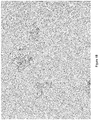
Figure 1A - Figure 1C show images taken at 20x magnification of HepG2/C3A cells cultured for 1 day with different cell culture media according to some embodiments of the disclosure herein. -
Figure 1A shows HepG2/C3A cells cultured with DMEM + 10% FBS + Non-essential amino acids, fungizone, HEPES, gentamicin (NHG). -
Figure 1B shows HepG2/C3A cells cultured with DMEM + 10% FBS + NHG + pyruvate. -
Figure 1C shows HepG2/C3A cells cultured with DMEM + 10% FBS + NHG + pyruvate + polybrene. -
Figure 2A - Figure 2C show images taken at 10x magnification (left) or 20x magnification (right) of HepG2/C3A cells cultured for 3 days . -
Figure 2A shows HepG2/C3A cells cultured with DMEM + 10% FBS + NHG. -
Figure 2B shows HepG2/C3A cells cultured with DMEM + 10% FBS + NHG + pyruvate. -
Figure 2C shows HepG2/C3A cells cultured with DMEM + 10% FBS + NHG + pyruvate + polybrene. -
Figure 3 shows a comparison of HEV RNA titers in chronically infected HepG2 (human) to MPK (pig) cells assessed by HEV PCR assay according to some embodiments of the disclosure herein. Polybrene was not used for MPK cells because MPK cell attachment to plating surfaces is very efficient. -
Figure 4 shows the nucleotide sequences of primers and probes used for HEV PCR assay and their location on the HEV genome according to some embodiments of the disclosure herein. -
Figure 5 shows the standard curve for HEV PCR assay according to some embodiments of the disclosure herein. - The invention relates to a process for generating high-titer stocks of hepatitis E virus (HEV) suitable for use in virus clearance studies and a method for determining infectious HEV titers. The present invention comprises a simple method to propagate high titer HEV in cell culture for use in studies to evaluate the HEV clearance capacity of manufacturing processes of blood- and plasma-derived products.
- As previously discussed, HEV has been adapted to grow in cell culture by Okamoto and colleagues, using PLC/PRF/5 human hepatoma cells and A549 human lung cells, and by Emerson and colleagues, using HepG2/C3A human hepatoma cells. Human hepatoma cells are difficult to grow and may require special cell plating methods. Emerson's laboratories coats plates with rat tail collagen I before seeding cells, while Okamoto's laboratories uses plates purchased from IWAKI, some of which are collagen-coated. Table 1 compares HEV titers from various cell culture systems and lists the methods used by different laboratories to enhance cell plating. Collagen and other coatings such as fibronectin, gelatin and poly-L-lysine facilitate cell attachment and/or cell growth so difficult-to-grow cells can reach higher densities and, thereby, yield high titer virus.
Table 1. Comparison of HEV Titers from Various Cell Culture Systems Lab Cell plating enhancemen method Cells HEV strain (genotype) HEV Pass # Log10 RNA copies/m L Reference Okamoto IWAKI plates PLC/PR F/5 & A549 JE03-1760F (3) 45 8 - 9 Tanaka, et al. (2007) J Gen Virol 88: 903-911 JE-JF5/15F (4) 25 9 - 10 Emerson Rat Tail Collagen I coated plates HepG2/ C3A Kernow-C1 Passage 6 (3) 6 8.7 Patent Application US 2013 0302790 A1 Grifols Polybrene in media HepG2/ C3A Kernow-C1 Passage 6 (3) 12 8.2 Experiment VM1893 13 8.5 14 8.9 34 8.9 35 8.9 36 8.9 - In some embodiments of the present invention, instead of using a coating such as collagen or other coatings to facilitate cell attachment and/or cell growth, a culture method for HEV involving the use of polybrene (also known as hexadimethrine bromide and 1,5-dimethyl-1,5-diazaundeca-methylene polymetho-bromide) is provided.
- Polybrene is an inexpensive cationic polymer typically used in cell culture to increase the infection efficiency of retroviruses by decreasing the charge repulsion between virus and cells. The capacity of polybrene to bring different objects closer together is used in our invention to facilitate the attachment of human hepatoma cells to plating surfaces and HEV to cells. Polybrene is simply added to the cell culture media that is used for cell and virus propagation. The present invention obviates the need to purchase expensive plates pre-coated with collagen or other coating agents or to pre-coat plates with collagen or other coating agents before cell seeding and virus infection.
- HEV usually replicates to low titers in vivo so growth in vitro is difficult. Methods for culturing HEV to yield high-titer stocks suitable for use in virus clearance studies were not previously available.
- In one aspect of the invention disclosed herein, propagation of high titer HEV in cell culture is possible by using media supplemented with polybrene.
- Polybrene is an inexpensive cationic polymer used in cell culture to increase the infection efficiency of retroviruses (enveloped viruses) by decreasing the charge repulsion between virus and cells. In some embodiments of the invention, polybrene is added to cell culture media to facilitate the attachment of HEV, a non-enveloped/pseudo-enveloped virus to cells. In addition, the presence of polybrene improves cell attachment and proliferation, thereby, enhancing the overall production of HEV in infected cells.
- Therefore, in a first embodiment the present invention refers to a method of producing high-titer HEV in in vitro cultures based on the addition of polybrene to the cell culture medium.
- HEV does not produce cytopathic effects (CPE) in cell culture so HEV detection is based on PCR. Thus, in some embodiments, detection of HEV at low concentrations is possible by a PCR assay of the present invention. The PCR assay can be used to develop, for example, an infectivity assay for HEV that is precise, accurate and reliable.
- The PCR assay originally developed by the National Institutes of Health (NIH) was modified to increase sensitivity. The reverse primer was altered and a completely new probe was designed. Methods using the PCR assay of the present invention consistently scored samples correctly as positive or negative, and are useful in titer calculations. Thus, in a further embodiment, the present invention discloses PCR-based HEV titration assays that comprise the use of polybrene or a culture medium (preferably, cell culture medium) comprising said polybrene.
- In one embodiment, the invention relates to a process that involves: propagation of high titer HEV in cell culture by using media supplemented with polybrene; and the detection of HEV by a sensitive PCR assay.
- The process can be specific to HEV but the methods for virus propagation can be applied to other non-enveloped viruses. For example, in some embodiments, the present invention was tested with
HEV genotype 3 strain Kernow-C1 Passage 6 obtained from the Emerson lab. - It is contemplated that, in some embodiments, the method of producing high-titer HEV mentioned above is carried out in in vitro cultures, preferably in in vitro organ, tissue or cell cultures. In the most preferable embodiment, the method of producing high-titer HEV of the present invention is carried out in an in vitro cell culture.
- Both primary cell culture lines and established cell culture lines can be used in the method of the present invention. Cell culture lines used can derive from any organism. For example, the use of insect cells or mammalian cells is contemplated. Preferably, cell culture lines used are derived from pigs (or minipigs) and humans.
- Moreover, preferably, cell lines used are derived from liver or kidney. Said liver or kidney from which cell lines derive can be healthy, or diseased, or comprise a malignant or benign growth. In the most preferable embodiment, established cell lines HepG2 (ATCC number HB-8065), or HepG2/C3A (ATCC number CRL-10741) are used.
- In some embodiments, the concentration of polybrene is in the range of about 1 µg/ml - about 5 µg/ml. In some embodiments, the concentration of polybrene is about 1, 2, 3, 4 or 5 µg/ml. In a preferred embodiment, the concentration of polybrene is about 4 µg/ml.
- The method of the present invention, in some embodiments, yielded HEV titers in the range of about 108 copies/mL - about 1010 copies/mL. The method of the present invention, in some embodiments, yielded HEV titers in the range of about 107 copies/mL - about 1010 copies/mL. In a preferred embodiment, the method of the present invention yielded HEV titers of about 109 copies/mL.
- In a further embodiment, the present invention refers to a method of producing high-titer HEV comprising the steps of: a) plating cells in culture medium containing polybrene and b) infecting the in vitro culture with HEV. In some embodiments, the cell culture medium from the in vitro cultures is collected to obtain high-titer HEV
- After step b) above, cultured cells can be collected by any means known in the state of the art (preferably, by trypsinization) and an aliquot may be assayed for the content of HEV. Said content of HEV is preferably determined by PCR, even more preferably with the PCR assay of the present invention and that is described below. See
Figure 5 . In alternative embodiments, the content of HEV can be determined by an assay based on immunofluorescence (IF). SeeFigure 5 . - Moreover, after said step b) cultured cells can be obtained by any means known in the state of the art (preferably, by trypsinization) and HEV stocks can be obtained by any method known in the state of the art. In a preferred embodiment, HEV stock is generated by freeze-thawing cells a number of times, preferably 1 or 2 times. Generated HEV stocks are preferably stored at -65°C or colder.
- It is contemplated that in some embodiments, the method described above also comprises the steps of: c) adding polybrene to the cell culture medium; and d) further passaging the cells infected with HEV.
- Steps c) and d) can be repeated, for example, to increase the number of cells producing HEV and to maximize virus spread and infection in the culture. A person skilled in the art can easily determine the number of times that steps c) and d) can be repeated, this is the number of passages that the infected cell line can tolerate on the basis of, for example, the appearance of the cells and their growth curves.
- After step d) of each passage, cultured cells can be obtained by any means known in the state of the art (preferably, by trypsinization) and an aliquot may be assayed for the content of HEV. Said content of HEV is preferably determined by PCR, even more preferably with the PCR assay of the present invention and that is described below. See
Figure 5 . - Moreover, after said step d) of each passage cultured cells can be obtained by any means known in the state of the art (preferably, by trypsinization) and HEV stocks can be obtained by any method known in the state of the art. In a preferred embodiment, HEV stock is generated by freeze-thawing cells a number of times, preferably 1 or 2 times. Generated HEV stocks are preferably stored at -65°C or colder.
- Alternatively, medium can also be collected only after the desired or required number of passages have been performed with the infected cell line (this is, after steps c) and d) have been repeated the desired or required number of times).
- Step d) of passaging the cells infected with HEV, as a person skilled in the art knows, implies obtaining the cells by any means known in the state of the art. In case cells grow attached to a surface (for example, from a flask or a plate), the cells may need to be detached by any means known in the state of the art, preferably by trypsinization. When enzymes (for example, trypsin) are used to detach cells normally said enzymes need to be inactivated. Usually, in the state of the art, said inactivation is performed by dilution with a solution rich in proteins, preferably with cell culture medium with FBS.
- Given the fact that polybrene and culture media comprising said reagent (preferably, cell culture media) allow efficient infection and production of HEV in in vitro cultures (preferably, in vitro cell cultures), they can also be used in HEV titration assays.
- Therefore, in a further embodiment, the present invention discloses HEV titration assays are characterized in that they comprise the use of polybrene or a culture medium (preferably, cell culture medium) comprising said polybrene.
- The in vitro culture is preferably an in vitro organ, tissue or cell culture. In the most preferable embodiment, the in vitro culture is an in vitro cell culture.
- Both primary cell culture lines and established cell culture lines can be used. Cell culture lines used can derive from any organism. For example, the use of insect cells or mammalian cells is contemplated. Preferably, cell culture lines used are derived from pigs (or minipigs) and humans.
- Moreover, preferably, cell lines used are derived from liver or kidney. Said liver or kidney from which cell lines derive can be healthy, or diseased, or comprise a malignant or benign growth. In the most preferable embodiment, established cell lines HepG2 (ATCC number HB-8065 or HepG2/C3A (ATCC number CRL-10741) are used.
- Preferably, the HEV titration assay of the present invention is a 50% Tissue Culture Infective Dose (TCID50) assay that is performed as a person skilled in the art knows, except the presence of virus is indicated by a positive PCR signal and not by viral cytopathology.
- In said titration assays, polybrene or the cell culture medium comprising said polybrene are used for the culture of the cells in which HEV samples will be titered.
- In another embodiment, a method for the detection of HEV in the HEV stocks is provided.
- Said detection can be performed by any method or means known in the state of the art. Nevertheless, in a preferred embodiment, detection is performed by PCR.
- In a preferred embodiment, PCR used for the detection of HEV is real time reverse transcriptase PCR that comprises a first step of reverse transcription of viral RNA to complementary DNA (cDNA), and a second step of real time PCR that is preferably performed using a double quenched probe.
- In the most preferred embodiment, in the second step, the following oligonucleotides are used as primers and probe (
Figure 4 ): - a) forward primer: 5'-CGGCTATCGGCCAGAAGTT-3' (SEQ ID NO: 1)
- b) reverse primer: 5'-CCGTGGCTATAACTGTGGTCT-3' (SEQ ID NO: 2)
- c) probe: 5'-FAM-TTTTTACGC-ZEN-AGGCTGCCAAGGCC-3IABkFQ-3' (SEQ ID NO: 3)
- Data from studies to assess the performance of the HEV PCR-based infectivity assay is summarized in Table 2.
Table 2. Assessment of HEV PCR-based Infectivity Assay Performance Assay Parameter Method Description Acceptance Criteria Results Precision - Repeatability Multiple measurements of single sample by one analyst in one day CV ≤ 30% High: Pass Med: Low: Precision - Intermediate Multiple measurements of single sample by multiple analysts over several days p-value > 0.01 or difference in mean titers < 0.5 log10 High: P 0.4 Pass Med: Diff mean titer p 0.4 Low: P 0.6 Accuracy Measures closeness of results to expected titers CV ≤ 30% Nominal 50-150% CV: 2-17% Pass Nom: 105-136% Linearity Measures relationship of assay results to actual virus concentration R2 for regression line > 0.95 R2 = 0.99 Pass Limit of Quantitation Lowest conc. of virus detected with acceptable precision, & accuracy Lowest concentration with CV ≤ 30% 100.8 TCID50/mL Pass Range Interval where virus is detected with acceptable precision, accuracy, & linearity CV ≤ 30% 100.8 to 106.4 TCID50/mL Pass Detection Limit - Standard Titration Lowest concentration of virus that can be detected Lowest concentration with CV ≤ 50% 100.8 TCID50/mL Pass Detection Limit - Large Volume Ti tration Titrated 12.6 mL of 106.4 TCID50/mL stock after 106.6 -fold dilution Expected value: 0-2 positive/252 wells 2 positive/252 wells = 10-0.5 TCID50/mL NA - In a preferred embodiment cells are titrated in 96 well-plate and HEV RNA extracted with magnetic Bioclone beads or magnetic Dynabeads, more preferably Dynabeads are used.
- For a better understanding, certain embodiments of the present invention are described in more detail with reference to the accompanying figures, which are presented by way of example, and with reference to illustrative examples which are not a limitation of the present invention.
- HepG2/C3A (106) cells were seeded in 25 cm2 flasks and cultured in one of the following cell culture media:
- DMEM + 10% FBS + NHG (Non-essential amino acids, fungizone, HEPES, gentamicin);
- DMEM + 10% FBS + NHG + 1 mM pyruvate; or
- DMEM + 10% FBS + NHG + 1 mM pyruvate + 4 ug/mL polybrene.
- Images, taken at 20x magnification after 1 day, are shown in
Figure 1 . HepG2/C3A cells cultured in medium DMEM + 10% FBS + NHG (A) or DMEM + 10% FBS + NHG + pyruvate (B) grew in clumps, which would make infection with virus (e.g. HEV) very difficult. On the other hand, when HepG2/C3A cells were cultured in DMEM + 10% FBS + NHG + pyruvate + polybrene (C), cells attached and grew in a flat even monolayer, which should be easily infected by a virus (e.g. HEV). - Images, taken at 10x and 20x magnification after 3 days, are shown in
Figure 2 . Similar to the 1 day cells, HepG2/C3A cells cultured in DMEM + 10% FBS + NHG (A) or DMEM + 10% FBS + NHG + pyruvate (B) grew in clumps but cells grown in DMEM + 10% FBS + NHG + pyruvate + polybrene (C) grew in a flat even monolayer. Since cell clumps would impede uniform infection by viruses, the efficiency of HEV infection would most likely be higher in cell grown in the presence of polybrene. - Cell culture flasks were seeded for infection as follows: HepG2 or HepG2/C3A cells were trypsinized according to protocols or procedures known in the state of the art. Ten mL of Growth Medium (base medium in accordance with the requirements of the cell line used plus polybrene at a concentration of about 1 - about 5 µg/mL) were added to neutralize the trypsin and the suspension was pipetted up and down to break up cell clumps. The cells were then seeded at a density of approximately 106 cells per 150 cm2 flask and left overnight in a 37°C incubator.
- Cells were infected with HEV by removing the medium from the flask and adding HEV Stock (clarified virus-infected cell lysate) at a Multiplicity of Infection (MOI) of 0.1 - 1.0 and in a total volume of 5 - 10 mL. The cells were incubated at 37°C for at least 1 hour, during which time, the flask was periodically rocked back and forth to prevent cells from drying out and to distribute the virus inoculum evenly across cells. Additional Growth Medium (10 - 20 mL per flask) was added and the flask was kept at 37°C until the cell monolayer was confluent (approximately 1 week).
- Infected cells (HepG2 or HepG2/C3A) in a 150 cm2 flask were trypsinized in accordance with Example 1 when the cell monolayer became confluent. If multiple flasks were trypsinized, cell suspensions were pooled together before proceeding.
- An aliquot, no less than 1 mL, of the trypsinized cell suspension was taken to analyze for HEV RNA by PCR. The remaining cell suspension was discarded or divided into other 150 cm2 flasks at a density equivalent to the number of cells in 1/6th of a confluent monolayer (1:6 split). Growth Medium was added to bring the final volume in each 150 cm2 flask to 20 - 25 mL and the flasks were incubated until the cells reached confluency (approximately 1 week).
- This procedure was repeated each week until the quantity of HEV RNA in the 1 mL sample, that had been removed for PCR analysis, reached high titers. In some embodiments, high titer was in the range of about 108 copies/mL - about 1010 copies/mL. In some embodiments, high titer was in the range of about 107 copies/mL - about 1010 copies/mL. Some flasks were then trypsinized and split for continued passage of the HEV-infected cells while the remaining flasks were processed as HEV stock.
- Flasks of HEV stock were frozen and thawed 1 - 2 times to rupture infected cells and release virus. The infected lysates were then pooled, aliquoted into appropriate containers and stored at no warmer than -65°C.
- HEV titration in a 96-well plate format is described in this example but the assay could be easily adapted to multiwell plates of other sizes.
- Serial dilutions of a HEV stock were made and added to wells seeded with HepG2 or HepG2/C3A cells. Virus was allowed to adsorb for no less than 1 hr at 37°C and Growth Media was added. Plates were incubated at 37°C for no less than 2 days before aspirating the media from the wells and washing/aspirating the cells no less than 2x with buffer (e.g. PBS). The plates were then extracted for PCR or were stored at no warmer than -65°C until ready for extraction.
- The Dynabeads® mRNA DIRECT™ Micro Kit (Life Technologies) was used to extract polyadenylated RNA (e.g. HEV RNA) from cells in each well of the titration plate, following manufacturer instructions. The resulting eluate (poly A RNA) was immediately processed for PCR amplification or stored at no warmer than -65°C until ready for PCR amplification.
- One step RT-PCR was used to detect HEV RNA in samples, using the primers and probes as previously discussed. The assay conditions for each reaction were as follows:
- a) Reagents; 5.0 µl 4x TaqMan® Fast Virus 1-Step Master Mix (Life Technologies), 0.08 µL 100 mM primer F+R, 0.04 µL 100 mM probe, 0.4 µL SUPERase In (Life Technologies), 4.4 µL water and 10 µL template (total 20 µl)
- b) Reaction: 52°
C 10 minutes, 95°C 30 seconds, and 40 cycles of 95°C 15 seconds, 56°C 45 seconds, - PCR and cycle threshold (Ct) value determination were performed using an AB 7500 Real Time PCR System (Applied Biosystems, Foster City, CA) and accompanying software according to manufacturer's instruction.
- PCR was quantitative or qualitative. For quantitative PCR, a HEV cDNA plasmid obtained from the NIH was linearized with MluI and transcribed using the mMESSAGE mMACHINE® Kit (Life Technologies) to generate 7.2 kb RNA transcripts with a 7-methyl guanosine cap and poly A tail. The transcripts were purified with the Ambion MegaClear kit (Life Technologies), quantified with the Quant-iT™ RiboGreen® RNA Reagent and Kit (Invitrogen) and used as standards to construct RNA standard calibration curves.
- RNA standard curves were generated by the AB7500 software system by plotting the Ct values against the logarithm of the calculated copy numbers for the standards.
-
Figure 5 (right panel) shows a typical standard curve. All curves had a wide dynamic range, ranging from 10° to 107 copies per reaction, and were linear with a correlation coefficient of r2 > 0.99. The percent efficiency of amplifications was calculated as % E = [10 (-1/slope)-1]* 100. Based on n = 22 HEV qPCR standard curves, the efficiency of HEV quantitative PCR was 100.4% (data not shown). - For qualitative PCR, wells were scored positive or negative based on the presence of a positive PCR signal. Virus titers were calculated as TCID50/mL using the appropriate statistical methods: Spearman-Karber, MPN or Poisson.
- Assay qualification studies were performed to assess the operational characteristics of the HEV infectivity assay. The parameters evaluated were precision, accuracy, linearity, limit of quantitation and detection, and dynamic range.
- Acceptance criteria were the same as those typically used for other virus titration assays.
- The results are summarized in Table 2 and show that the assay passed all tests.
-
- HepG2:
- Hepatocellular carcinoma cells obtained from the American Type Culture Collection (ATCC number HB-8065)
- MPK:
- Minipig kidney cells obtained from the American Type Culture Collection (ATCC number CCL-66)
- DMEM:
- Dulbecco's Modified Eagle Medium
- FBS:
- Fetal Bovine Serum
- HEPES:
- N-2-hydroxyethylpiperazine-N'-2-ethanesulfonic acid
- NEAA:
- Nonessential Amino Acids
- NHG:
- A mixture of the following: Nonessential Amino Acids, Fungizone, HEPES, and Gentamicin
- Titration:
- The process of serially diluting a sample to bracket an expected viral titer and transferring the diluted sample to a plate to determine the TCID50/mL
- Titer:
- Concentration of a substance (virus) in solution or the strength of such a substance determined by titration
- SK:
- Spearman-Karber is a statistical method to calculate virus titers in samples with relatively high concentrations of virus. This method is used when the proportion of positive wells at any dilution is >25%
- MPN:
- Most Probable Number is a statistical method to calculate virus titers in samples with relatively low concentrations of virus. MPN is used when the proportion of positives wells at all dilutions is <25%.
- Poisson:
- Poisson is a statistical method to calculate virus titers in samples with extremely low concentrations of virus. This method is used when no positive wells are observed.
- ATCC:
- American Type Culture Collection
- TCID50:
- Corresponds to 50% Tissue Culture Infective Dose (Endpoint dilution assay). It is a measurement of infectious virus titer that quantifies the amount of virus required to kill 50% of infected hosts or to produce cytopathic effect in 50% of inoculated tissue culture cells.
-
- 1. Okamoto H (2011) Hepatitis E virus cell culture models. Virus Research 161: 65- 77.
- 2. Tanaka T, et al (2007) Development and evaluation of an efficient cell-culture system for Hepatitis E virus. J Gen Virol 88: 903-911.
- 3. Tanaka T, et al (2009) Development and Characterization of a .
- 4. Shukla P, et al (2011) Cross-species infections of cultured cells by hepatitis E virus and discovery of an infectious virus-host recombinant. PNAS. 108 (6): 2438-2443.
- 5. Shukla P, et al (2012) Adaptation of a
- 6.
US Provisional Patent Application No 61/431,377 - 7.
US Provisional Patent Application No 61/554,323 - 8.
US Patent Application No. 13/978,839 - 9. International PCT Application No.
PCT/US2012/020830 -
- <110> GRIFOLS, S.A.
- <120> METHOD FOR GENERATING HIGH-TITER HEPATITIS E VIRUS STOCKS AND TITRATION ASSAY FOR HEPATITIS E VIRUS
- <130> DURC6.006AUS
- <150>
US 62/195,936
<151> 2015-07-23 - <160> 3
- <170> PatentIn version 3.5
- <210> 1
<211> 19
<212> DNA
<213> Artificial Sequence - <220>
<223> Synthetic; HEV derived primer - <400> 1
cggctatcgg ccagaagtt 19 - <210> 2
<211> 21
<212> DNA
<213> Artificial Sequence - <220>
<223> Synthetic; HEV reverse primer - <400> 2
ccgtggctat aactgtggtct 21 - <210> 3
<211> 26
<212> DNA
<213> Artificial Sequence - <220>
<223> Synthetic; HEV Probe - <220>
<221> misc_feature
<222> (1)..(1)
<223> n = Fam - <220>
<221> misc_feature
<222> (11)..(11)
<223> n = Zen - <220>
<221> misc_feature
<222> (26)..(26)
<223> n = 3IABkFQ - <400> 3
ntttttacgc naggctgcca aggccn 26
Claims (13)
- A method of producing a high titer of Hepatitis E Virus (HEV), the method comprising:a) culturing a cell line in vitro, wherein the cell line is HepG2 deposited under ATCC number HB-8065 or HepG2/C3A deposited under ATCC number CRL-10741, in a medium comprising polybrene in a concentration of about 1 µg/ml - about 5 µg/ml, and;b) infecting the cell line with HEV.
- The method according to claim 1, wherein the high titer of HEV is about 108 copies/mL - about 1010 copies/mL.
- The method according to claim 1, wherein the high titer of HEV is about 107 copies/mL - about 1010 copies/mL.
- The method according to claim 1, wherein the method further comprises the steps of passaging the HEV-infected cell line of step b) in a culture medium comprising polybrene in a concentration of about 1µg/mL about 5 µg/mL.
- The method according to claim 4, wherein the high titer of HEV obtained in the medium and/or infected cells is about 108 copies/mL - about 1010 copies/mL.
- The method according to claim 4, wherein the high titer of HEV obtained in the medium and/or infected cells is about 107 copies/mL - about 1010 copies/mL.
- A method of determining a presence and/or a level of HEV in a sample, the method comprising the steps of:a) providing the sample to a mixture comprising a cell line, wherein the cell line is HepG2 deposited under ATCC number HB-8065 or HepG2/C3A deposited under ATCC number CRL-10741, and a culture medium, wherein the culture medium comprises polybrene in a concentration of about 1 µg/mL - about 5 µg/mL ;b) incubating the mixture comprising the sample from step a), to allow for the propagation of HEV, if present in the sample;c) collecting a portion of step b), the portion comprising HEV, if present and propagated during step b); andd) measuring the presence and/or the level of a biological substance associated with HEV in the collected portion.
- The method according to claim 7, wherein the biological substance comprises a polynucleotide and/or a polypeptide sequence of HEV.
- The method according to claim 7, wherein measuring the presence and/or the level of a biological substance comprises the steps of:a) providing a first reaction mixture by mixing the collected portion with a first solution so as to expose a polynucleotide of HEV, if HEV is present in the collected portion, wherein the polynucleotide is an RNA of HEV;b) providing a second reaction mixture by adding, to the first reaction mixture, a first reagent so as to produce a complementary deoxyribonucleic acid (cDNA) that is at least partially complementary to the RNA of HEV;c) providing a third reaction mixture by adding, to the second reaction mixture, a second reagent comprising a pair of polynucleotides to amplify a sequence of the cDNA that is at least partially complementary to each of the pair of polynucleotides;d) providing a fourth reaction mixture by amplifying the sequence; ande) determining a concentration of the amplified sequence in the fourth reaction mixture.
- The method according to claim 9, wherein said determining the concentration comprises:a) providing the fourth reaction mixture;b) providing a one or more controls comprising a predetermined amount of the cDNA of HEV;c) adding an agent to the fourth reaction mixture and the one or more controls, wherein said agent is at least partially specific to the amplified sequence in the fourth reaction mixture and the predetermined amount of the cDNA of HEV in the one or more controls; andd) calculating a level of recognition of HEV by the agent in the fourth reaction mixture relative to the one or more controls.
- The method according to claim 9, wherein said pair of polynucleotides comprises:a) 5'-CGGCTATCGGCCAGAAGTT-3' (SEQ ID NO: 1)b) 5'-CCGTGGCTATAACTGTGGTCT-3' (SEQ ID NO: 2)
- The method according to claim 10, wherein the agent comprises:5'-FAM-TTTTTACGC-ZEN-AGGCTGCCAAGGCC-3IABkFQ-3' (SEQ ID NO: 3)
- A HEV titration assay comprising the use of a culture medium comprising polybrene in the range of about 1 µg/ml - about 5 µg/ml and a cell line wherein the cell line is HepG2 deposited under ATCC number HB-8065 or HepG2/C3A deposited under ATCC number CRL-10741.
Priority Applications (1)
| Application Number | Priority Date | Filing Date | Title |
|---|---|---|---|
| PL16178844T PL3121267T3 (en) | 2015-07-23 | 2016-07-11 | Method for generating high-titer hepatitis e virus stocks and titration assay for hepatitis e virus |
Applications Claiming Priority (1)
| Application Number | Priority Date | Filing Date | Title |
|---|---|---|---|
| US201562195936P | 2015-07-23 | 2015-07-23 |
Publications (2)
| Publication Number | Publication Date |
|---|---|
| EP3121267A1 EP3121267A1 (en) | 2017-01-25 |
| EP3121267B1 true EP3121267B1 (en) | 2018-03-28 |
Family
ID=56409494
Family Applications (1)
| Application Number | Title | Priority Date | Filing Date |
|---|---|---|---|
| EP16178844.3A Active EP3121267B1 (en) | 2015-07-23 | 2016-07-11 | Method for generating high-titer hepatitis e virus stocks and titration assay for hepatitis e virus |
Country Status (22)
| Country | Link |
|---|---|
| US (1) | US10208291B2 (en) |
| EP (1) | EP3121267B1 (en) |
| JP (1) | JP6588397B2 (en) |
| KR (1) | KR102154380B1 (en) |
| CN (1) | CN106367397B (en) |
| AR (1) | AR106015A1 (en) |
| AU (1) | AU2016204734B2 (en) |
| BR (1) | BR102016016677A2 (en) |
| CA (1) | CA2937088C (en) |
| CL (1) | CL2016001768A1 (en) |
| ES (1) | ES2669021T3 (en) |
| HU (1) | HUE036699T2 (en) |
| IL (1) | IL246634B (en) |
| MX (1) | MX375106B (en) |
| MY (1) | MY176204A (en) |
| NZ (1) | NZ722213A (en) |
| PL (1) | PL3121267T3 (en) |
| PT (1) | PT3121267T (en) |
| RU (1) | RU2691123C1 (en) |
| SG (1) | SG10201605867UA (en) |
| TW (1) | TWI666322B (en) |
| UY (1) | UY36778A (en) |
Families Citing this family (1)
| Publication number | Priority date | Publication date | Assignee | Title |
|---|---|---|---|---|
| KR102158641B1 (en) * | 2019-03-06 | 2020-09-22 | 대한민국 | A composition for virus culture comprising a Janus kinase inhibitor and hexadimethrine bromide and a virus culture method using the same |
Family Cites Families (7)
| Publication number | Priority date | Publication date | Assignee | Title |
|---|---|---|---|---|
| US6506604B2 (en) * | 1993-06-11 | 2003-01-14 | Cell Genesys, Inc. | Method for production of high titer virus and high efficiency retroviral mediated transduction of mammalian cells |
| US6217858B1 (en) * | 1997-02-11 | 2001-04-17 | Hadasit & Medical Research Services & Development Company, Ltd. | Pharmaceutical composition for treating hepatitis B virus (HBV) infection |
| WO2003001198A1 (en) * | 2001-06-21 | 2003-01-03 | Regents Of The University Of California | Immortalization of human cells by the ectopic expression of human telomerase reverse transcriptase |
| WO2007046962A2 (en) * | 2005-09-02 | 2007-04-26 | The University Of Maryland, Baltimore | Cell lines harboring hepatitis virus and methods for using thereof |
| EP2344534A4 (en) * | 2008-10-03 | 2012-03-28 | Univ Rockefeller | NEW HCV ENTRY FACTOR, OCCLUDINE |
| WO2012096999A1 (en) * | 2011-01-10 | 2012-07-19 | The Government Of The United States, As Represented By The Secretary Of The Department Of Health And Human Services | Infectious hepatitis e virus genotype 3 recombinants |
| AU2012267512B2 (en) * | 2011-06-10 | 2014-11-20 | Bluebird Bio, Inc. | Gene therapy vectors for adrenoleukodystrophy and adrenomyeloneuropathy |
-
2016
- 2016-07-06 IL IL246634A patent/IL246634B/en active IP Right Grant
- 2016-07-07 UY UY0001036778A patent/UY36778A/en not_active Application Discontinuation
- 2016-07-08 RU RU2016127546A patent/RU2691123C1/en active
- 2016-07-08 AU AU2016204734A patent/AU2016204734B2/en active Active
- 2016-07-08 MX MX2016009048A patent/MX375106B/en active IP Right Grant
- 2016-07-11 HU HUE16178844A patent/HUE036699T2/en unknown
- 2016-07-11 CL CL2016001768A patent/CL2016001768A1/en unknown
- 2016-07-11 EP EP16178844.3A patent/EP3121267B1/en active Active
- 2016-07-11 ES ES16178844.3T patent/ES2669021T3/en active Active
- 2016-07-11 PL PL16178844T patent/PL3121267T3/en unknown
- 2016-07-11 PT PT161788443T patent/PT3121267T/en unknown
- 2016-07-12 MY MYPI2016702506A patent/MY176204A/en unknown
- 2016-07-15 NZ NZ722213A patent/NZ722213A/en not_active IP Right Cessation
- 2016-07-18 CN CN201610566601.8A patent/CN106367397B/en active Active
- 2016-07-18 SG SG10201605867UA patent/SG10201605867UA/en unknown
- 2016-07-19 US US15/213,766 patent/US10208291B2/en active Active
- 2016-07-19 BR BR102016016677-2A patent/BR102016016677A2/en not_active Application Discontinuation
- 2016-07-20 TW TW105122892A patent/TWI666322B/en not_active IP Right Cessation
- 2016-07-21 AR ARP160102202A patent/AR106015A1/en not_active Application Discontinuation
- 2016-07-22 CA CA2937088A patent/CA2937088C/en active Active
- 2016-07-22 KR KR1020160093629A patent/KR102154380B1/en not_active Expired - Fee Related
- 2016-07-22 JP JP2016144065A patent/JP6588397B2/en active Active
Non-Patent Citations (1)
| Title |
|---|
| None * |
Also Published As
| Publication number | Publication date |
|---|---|
| UY36778A (en) | 2016-09-30 |
| ES2669021T3 (en) | 2018-05-23 |
| AU2016204734A1 (en) | 2017-02-09 |
| CA2937088C (en) | 2022-06-21 |
| TW201704468A (en) | 2017-02-01 |
| CN106367397A (en) | 2017-02-01 |
| KR102154380B1 (en) | 2020-09-10 |
| CA2937088A1 (en) | 2017-01-23 |
| PL3121267T3 (en) | 2018-07-31 |
| MX2016009048A (en) | 2017-01-23 |
| HUE036699T2 (en) | 2018-07-30 |
| MY176204A (en) | 2020-07-24 |
| MX375106B (en) | 2025-03-06 |
| JP6588397B2 (en) | 2019-10-09 |
| TWI666322B (en) | 2019-07-21 |
| PT3121267T (en) | 2018-04-26 |
| JP2017023143A (en) | 2017-02-02 |
| RU2691123C1 (en) | 2019-06-11 |
| US10208291B2 (en) | 2019-02-19 |
| EP3121267A1 (en) | 2017-01-25 |
| US20170022481A1 (en) | 2017-01-26 |
| BR102016016677A2 (en) | 2019-02-12 |
| CN106367397B (en) | 2021-07-20 |
| IL246634A0 (en) | 2016-12-29 |
| CL2016001768A1 (en) | 2017-05-12 |
| SG10201605867UA (en) | 2017-02-27 |
| AR106015A1 (en) | 2017-12-06 |
| NZ722213A (en) | 2019-04-26 |
| KR20170012140A (en) | 2017-02-02 |
| IL246634B (en) | 2020-08-31 |
| AU2016204734B2 (en) | 2019-11-21 |
Similar Documents
| Publication | Publication Date | Title |
|---|---|---|
| Brown et al. | Contemporary circulating enterovirus D68 strains have acquired the capacity for viral entry and replication in human neuronal cells | |
| Uiprasertkul et al. | Influenza A H5N1 replication sites in humans | |
| Lamers et al. | SARS-CoV-2 Omicron efficiently infects human airway, but not alveolar epithelium | |
| Goebel et al. | Isolation of avian paramyxovirus 1 from a patient with a lethal case of pneumonia | |
| Sridhar et al. | A systematic approach to novel virus discovery in emerging infectious disease outbreaks | |
| Van Baalen et al. | Detection of nonhemagglutinating influenza a (h3) viruses by enzyme-linked immunosorbent assay in quantitative influenza virus culture | |
| CN115380121A (en) | Qualitative and quantitative determination of single virus haplotypes in complex samples | |
| Brussel et al. | Use of a new RNA next generation sequencing approach for the specific detection of virus infection in cells | |
| Roth et al. | Isolation of influenza viruses in MDCK 33016PF cells and clearance of contaminating respiratory viruses | |
| Cheval et al. | Adventitious virus detection in cells by high-throughput sequencing of newly synthesized RNAs: unambiguous differentiation of cell infection from carryover of viral nucleic acids | |
| US10208291B2 (en) | Method for generating high-titer hepatitis E virus stocks and titration assay for hepatitis E virus | |
| WO2026008022A1 (en) | Method for measuring virus titer of live attenuated measles, mumps, rubella and varicella combined vaccine | |
| Lin et al. | Development of strand-specific real-time RT-PCR for the analysis of SCRV transcription and replication dynamics | |
| HK1230654B (en) | Method for generating high-titer hepatitis e virus stocks and titration assay for hepatitis e virus | |
| HK1230654A1 (en) | Method for generating high-titer hepatitis e virus stocks and titration assay for hepatitis e virus | |
| US20100255459A1 (en) | Control for virus detection assays based on reverse-transcription polymerase chain reaction | |
| Hamamoto et al. | Suitability of NIID‐MDCK cells as a substrate for cell‐based influenza vaccine development from the perspective of adventitious virus susceptibility | |
| Jung et al. | First outbreak of respiratory disease associated with swine influenza H1N2 virus in pigs in Korea | |
| Yang et al. | Establishment and optimization of a rapid and convenient viral RNA transcript copy reduction neutralization test (VcRNT) for quantification of hantaan orthohantavirus (HTNV) neutralizing antibodies | |
| Otsuki et al. | Elucidation of the full genetic information of Japanese rubella vaccines and the genetic changes associated with in vitro and in vivo vaccine virus phenotypes | |
| CN108055827A (en) | High-growth enterovirus 71 type virus strain and vaccine thereof | |
| CN105671006B (en) | Product for efficiently expressing renilla luciferase gene and application thereof | |
| Zhang et al. | A trans-complementation system for SARS-CoV-2 | |
| Knott et al. | Cell lines for vaccine production | |
| JP3632032B2 (en) | Cell lines and methods for the replication of rabies virus and its quantitative detection |
Legal Events
| Date | Code | Title | Description |
|---|---|---|---|
| PUAI | Public reference made under article 153(3) epc to a published international application that has entered the european phase |
Free format text: ORIGINAL CODE: 0009012 |
|
| AK | Designated contracting states |
Kind code of ref document: A1 Designated state(s): AL AT BE BG CH CY CZ DE DK EE ES FI FR GB GR HR HU IE IS IT LI LT LU LV MC MK MT NL NO PL PT RO RS SE SI SK SM TR |
|
| AX | Request for extension of the european patent |
Extension state: BA ME |
|
| 17P | Request for examination filed |
Effective date: 20170424 |
|
| RBV | Designated contracting states (corrected) |
Designated state(s): AL AT BE BG CH CY CZ DE DK EE ES FI FR GB GR HR HU IE IS IT LI LT LU LV MC MK MT NL NO PL PT RO RS SE SI SK SM TR |
|
| 17Q | First examination report despatched |
Effective date: 20170523 |
|
| GRAP | Despatch of communication of intention to grant a patent |
Free format text: ORIGINAL CODE: EPIDOSNIGR1 |
|
| INTG | Intention to grant announced |
Effective date: 20171106 |
|
| REG | Reference to a national code |
Ref country code: HK Ref legal event code: DE Ref document number: 1230654 Country of ref document: HK |
|
| GRAJ | Information related to disapproval of communication of intention to grant by the applicant or resumption of examination proceedings by the epo deleted |
Free format text: ORIGINAL CODE: EPIDOSDIGR1 |
|
| INTC | Intention to grant announced (deleted) | ||
| GRAP | Despatch of communication of intention to grant a patent |
Free format text: ORIGINAL CODE: EPIDOSNIGR1 |
|
| GRAS | Grant fee paid |
Free format text: ORIGINAL CODE: EPIDOSNIGR3 |
|
| INTG | Intention to grant announced |
Effective date: 20180125 |
|
| GRAA | (expected) grant |
Free format text: ORIGINAL CODE: 0009210 |
|
| AK | Designated contracting states |
Kind code of ref document: B1 Designated state(s): AL AT BE BG CH CY CZ DE DK EE ES FI FR GB GR HR HU IE IS IT LI LT LU LV MC MK MT NL NO PL PT RO RS SE SI SK SM TR |
|
| REG | Reference to a national code |
Ref country code: GB Ref legal event code: FG4D |
|
| REG | Reference to a national code |
Ref country code: CH Ref legal event code: EP |
|
| REG | Reference to a national code |
Ref country code: CH Ref legal event code: NV Representative=s name: ISLER AND PEDRAZZINI AG, CH |
|
| REG | Reference to a national code |
Ref country code: AT Ref legal event code: REF Ref document number: 983463 Country of ref document: AT Kind code of ref document: T Effective date: 20180415 |
|
| REG | Reference to a national code |
Ref country code: NL Ref legal event code: FP Ref country code: IE Ref legal event code: FG4D |
|
| REG | Reference to a national code |
Ref country code: DE Ref legal event code: R096 Ref document number: 602016002211 Country of ref document: DE Ref country code: PT Ref legal event code: SC4A Ref document number: 3121267 Country of ref document: PT Date of ref document: 20180426 Kind code of ref document: T Free format text: AVAILABILITY OF NATIONAL TRANSLATION Effective date: 20180419 |
|
| REG | Reference to a national code |
Ref country code: SE Ref legal event code: TRGR |
|
| REG | Reference to a national code |
Ref country code: FR Ref legal event code: PLFP Year of fee payment: 3 |
|
| REG | Reference to a national code |
Ref country code: ES Ref legal event code: FG2A Ref document number: 2669021 Country of ref document: ES Kind code of ref document: T3 Effective date: 20180523 |
|
| REG | Reference to a national code |
Ref country code: HU Ref legal event code: AG4A Ref document number: E036699 Country of ref document: HU |
|
| PG25 | Lapsed in a contracting state [announced via postgrant information from national office to epo] |
Ref country code: LT Free format text: LAPSE BECAUSE OF FAILURE TO SUBMIT A TRANSLATION OF THE DESCRIPTION OR TO PAY THE FEE WITHIN THE PRESCRIBED TIME-LIMIT Effective date: 20180328 Ref country code: HR Free format text: LAPSE BECAUSE OF FAILURE TO SUBMIT A TRANSLATION OF THE DESCRIPTION OR TO PAY THE FEE WITHIN THE PRESCRIBED TIME-LIMIT Effective date: 20180328 Ref country code: NO Free format text: LAPSE BECAUSE OF FAILURE TO SUBMIT A TRANSLATION OF THE DESCRIPTION OR TO PAY THE FEE WITHIN THE PRESCRIBED TIME-LIMIT Effective date: 20180628 |
|
| REG | Reference to a national code |
Ref country code: SK Ref legal event code: T3 Ref document number: E 27154 Country of ref document: SK |
|
| REG | Reference to a national code |
Ref country code: LT Ref legal event code: MG4D |
|
| PG25 | Lapsed in a contracting state [announced via postgrant information from national office to epo] |
Ref country code: LV Free format text: LAPSE BECAUSE OF FAILURE TO SUBMIT A TRANSLATION OF THE DESCRIPTION OR TO PAY THE FEE WITHIN THE PRESCRIBED TIME-LIMIT Effective date: 20180328 Ref country code: RS Free format text: LAPSE BECAUSE OF FAILURE TO SUBMIT A TRANSLATION OF THE DESCRIPTION OR TO PAY THE FEE WITHIN THE PRESCRIBED TIME-LIMIT Effective date: 20180328 Ref country code: BG Free format text: LAPSE BECAUSE OF FAILURE TO SUBMIT A TRANSLATION OF THE DESCRIPTION OR TO PAY THE FEE WITHIN THE PRESCRIBED TIME-LIMIT Effective date: 20180628 |
|
| REG | Reference to a national code |
Ref country code: GR Ref legal event code: EP Ref document number: 20180401045 Country of ref document: GR Effective date: 20180829 |
|
| PG25 | Lapsed in a contracting state [announced via postgrant information from national office to epo] |
Ref country code: EE Free format text: LAPSE BECAUSE OF FAILURE TO SUBMIT A TRANSLATION OF THE DESCRIPTION OR TO PAY THE FEE WITHIN THE PRESCRIBED TIME-LIMIT Effective date: 20180328 Ref country code: AL Free format text: LAPSE BECAUSE OF FAILURE TO SUBMIT A TRANSLATION OF THE DESCRIPTION OR TO PAY THE FEE WITHIN THE PRESCRIBED TIME-LIMIT Effective date: 20180328 Ref country code: RO Free format text: LAPSE BECAUSE OF FAILURE TO SUBMIT A TRANSLATION OF THE DESCRIPTION OR TO PAY THE FEE WITHIN THE PRESCRIBED TIME-LIMIT Effective date: 20180328 |
|
| PG25 | Lapsed in a contracting state [announced via postgrant information from national office to epo] |
Ref country code: SM Free format text: LAPSE BECAUSE OF FAILURE TO SUBMIT A TRANSLATION OF THE DESCRIPTION OR TO PAY THE FEE WITHIN THE PRESCRIBED TIME-LIMIT Effective date: 20180328 |
|
| REG | Reference to a national code |
Ref country code: DE Ref legal event code: R097 Ref document number: 602016002211 Country of ref document: DE |
|
| REG | Reference to a national code |
Ref country code: HK Ref legal event code: GR Ref document number: 1230654 Country of ref document: HK |
|
| PG25 | Lapsed in a contracting state [announced via postgrant information from national office to epo] |
Ref country code: DK Free format text: LAPSE BECAUSE OF FAILURE TO SUBMIT A TRANSLATION OF THE DESCRIPTION OR TO PAY THE FEE WITHIN THE PRESCRIBED TIME-LIMIT Effective date: 20180328 |
|
| PLBE | No opposition filed within time limit |
Free format text: ORIGINAL CODE: 0009261 |
|
| STAA | Information on the status of an ep patent application or granted ep patent |
Free format text: STATUS: NO OPPOSITION FILED WITHIN TIME LIMIT |
|
| 26N | No opposition filed |
Effective date: 20190103 |
|
| PG25 | Lapsed in a contracting state [announced via postgrant information from national office to epo] |
Ref country code: MC Free format text: LAPSE BECAUSE OF FAILURE TO SUBMIT A TRANSLATION OF THE DESCRIPTION OR TO PAY THE FEE WITHIN THE PRESCRIBED TIME-LIMIT Effective date: 20180328 Ref country code: LU Free format text: LAPSE BECAUSE OF NON-PAYMENT OF DUE FEES Effective date: 20180711 |
|
| PG25 | Lapsed in a contracting state [announced via postgrant information from national office to epo] |
Ref country code: SI Free format text: LAPSE BECAUSE OF FAILURE TO SUBMIT A TRANSLATION OF THE DESCRIPTION OR TO PAY THE FEE WITHIN THE PRESCRIBED TIME-LIMIT Effective date: 20180328 |
|
| REG | Reference to a national code |
Ref country code: AT Ref legal event code: UEP Ref document number: 983463 Country of ref document: AT Kind code of ref document: T Effective date: 20180328 |
|
| PG25 | Lapsed in a contracting state [announced via postgrant information from national office to epo] |
Ref country code: MT Free format text: LAPSE BECAUSE OF NON-PAYMENT OF DUE FEES Effective date: 20180711 |
|
| PG25 | Lapsed in a contracting state [announced via postgrant information from national office to epo] |
Ref country code: CY Free format text: LAPSE BECAUSE OF FAILURE TO SUBMIT A TRANSLATION OF THE DESCRIPTION OR TO PAY THE FEE WITHIN THE PRESCRIBED TIME-LIMIT Effective date: 20180328 Ref country code: MK Free format text: LAPSE BECAUSE OF NON-PAYMENT OF DUE FEES Effective date: 20180328 |
|
| PG25 | Lapsed in a contracting state [announced via postgrant information from national office to epo] |
Ref country code: IS Free format text: LAPSE BECAUSE OF FAILURE TO SUBMIT A TRANSLATION OF THE DESCRIPTION OR TO PAY THE FEE WITHIN THE PRESCRIBED TIME-LIMIT Effective date: 20180728 |
|
| PGFP | Annual fee paid to national office [announced via postgrant information from national office to epo] |
Ref country code: SK Payment date: 20220621 Year of fee payment: 7 Ref country code: SE Payment date: 20220630 Year of fee payment: 7 Ref country code: PT Payment date: 20220616 Year of fee payment: 7 Ref country code: CZ Payment date: 20220616 Year of fee payment: 7 |
|
| PGFP | Annual fee paid to national office [announced via postgrant information from national office to epo] |
Ref country code: TR Payment date: 20220616 Year of fee payment: 7 Ref country code: PL Payment date: 20220617 Year of fee payment: 7 |
|
| PGFP | Annual fee paid to national office [announced via postgrant information from national office to epo] |
Ref country code: FI Payment date: 20220701 Year of fee payment: 7 Ref country code: AT Payment date: 20220708 Year of fee payment: 7 |
|
| PGFP | Annual fee paid to national office [announced via postgrant information from national office to epo] |
Ref country code: HU Payment date: 20220628 Year of fee payment: 7 Ref country code: GR Payment date: 20220706 Year of fee payment: 7 |
|
| P01 | Opt-out of the competence of the unified patent court (upc) registered |
Effective date: 20230329 |
|
| REG | Reference to a national code |
Ref country code: SK Ref legal event code: MM4A Ref document number: E 27154 Country of ref document: SK Effective date: 20230711 |
|
| REG | Reference to a national code |
Ref country code: SE Ref legal event code: EUG |
|
| REG | Reference to a national code |
Ref country code: AT Ref legal event code: MM01 Ref document number: 983463 Country of ref document: AT Kind code of ref document: T Effective date: 20230711 |
|
| PG25 | Lapsed in a contracting state [announced via postgrant information from national office to epo] |
Ref country code: GR Free format text: LAPSE BECAUSE OF NON-PAYMENT OF DUE FEES Effective date: 20240207 |
|
| PG25 | Lapsed in a contracting state [announced via postgrant information from national office to epo] |
Ref country code: AT Free format text: LAPSE BECAUSE OF NON-PAYMENT OF DUE FEES Effective date: 20230711 |
|
| PG25 | Lapsed in a contracting state [announced via postgrant information from national office to epo] |
Ref country code: HU Free format text: LAPSE BECAUSE OF NON-PAYMENT OF DUE FEES Effective date: 20230712 Ref country code: GR Free format text: LAPSE BECAUSE OF NON-PAYMENT OF DUE FEES Effective date: 20240207 Ref country code: FI Free format text: LAPSE BECAUSE OF NON-PAYMENT OF DUE FEES Effective date: 20230711 Ref country code: CZ Free format text: LAPSE BECAUSE OF NON-PAYMENT OF DUE FEES Effective date: 20230711 Ref country code: AT Free format text: LAPSE BECAUSE OF NON-PAYMENT OF DUE FEES Effective date: 20230711 Ref country code: SK Free format text: LAPSE BECAUSE OF NON-PAYMENT OF DUE FEES Effective date: 20230711 Ref country code: PT Free format text: LAPSE BECAUSE OF NON-PAYMENT OF DUE FEES Effective date: 20240111 |
|
| PG25 | Lapsed in a contracting state [announced via postgrant information from national office to epo] |
Ref country code: SE Free format text: LAPSE BECAUSE OF NON-PAYMENT OF DUE FEES Effective date: 20230712 |
|
| PG25 | Lapsed in a contracting state [announced via postgrant information from national office to epo] |
Ref country code: PL Free format text: LAPSE BECAUSE OF NON-PAYMENT OF DUE FEES Effective date: 20230711 |
|
| PG25 | Lapsed in a contracting state [announced via postgrant information from national office to epo] |
Ref country code: PL Free format text: LAPSE BECAUSE OF NON-PAYMENT OF DUE FEES Effective date: 20230711 |
|
| PGFP | Annual fee paid to national office [announced via postgrant information from national office to epo] |
Ref country code: NL Payment date: 20250625 Year of fee payment: 10 Ref country code: BE Payment date: 20250625 Year of fee payment: 10 |
|
| PGFP | Annual fee paid to national office [announced via postgrant information from national office to epo] |
Ref country code: FR Payment date: 20250619 Year of fee payment: 10 |
|
| PGFP | Annual fee paid to national office [announced via postgrant information from national office to epo] |
Ref country code: IE Payment date: 20250618 Year of fee payment: 10 |
|
| PGFP | Annual fee paid to national office [announced via postgrant information from national office to epo] |
Ref country code: ES Payment date: 20250926 Year of fee payment: 10 |
|
| PGFP | Annual fee paid to national office [announced via postgrant information from national office to epo] |
Ref country code: DE Payment date: 20250730 Year of fee payment: 10 |
|
| PGFP | Annual fee paid to national office [announced via postgrant information from national office to epo] |
Ref country code: IT Payment date: 20250618 Year of fee payment: 10 |
|
| PGFP | Annual fee paid to national office [announced via postgrant information from national office to epo] |
Ref country code: GB Payment date: 20250701 Year of fee payment: 10 |
|
| PGFP | Annual fee paid to national office [announced via postgrant information from national office to epo] |
Ref country code: CH Payment date: 20250801 Year of fee payment: 10 |