EP3119768B1 - 3,4-bromo or -sulfonate substituted 1h-pyrrole-2,5-dione derivatives as type iii deiodinase (dio3) inhibitors for treating depressions and cancer - Google Patents
3,4-bromo or -sulfonate substituted 1h-pyrrole-2,5-dione derivatives as type iii deiodinase (dio3) inhibitors for treating depressions and cancer Download PDFInfo
- Publication number
- EP3119768B1 EP3119768B1 EP15765436.9A EP15765436A EP3119768B1 EP 3119768 B1 EP3119768 B1 EP 3119768B1 EP 15765436 A EP15765436 A EP 15765436A EP 3119768 B1 EP3119768 B1 EP 3119768B1
- Authority
- EP
- European Patent Office
- Prior art keywords
- compound
- halogen
- dio3
- cancer
- cooh
- Prior art date
- Legal status (The legal status is an assumption and is not a legal conclusion. Google has not performed a legal analysis and makes no representation as to the accuracy of the status listed.)
- Active
Links
- 0 CCC(C(N1*)=O)=C(*)C1=O Chemical compound CCC(C(N1*)=O)=C(*)C1=O 0.000 description 12
- PKDBSOOYVOEUQR-UHFFFAOYSA-N OC(C(Br)=C1Br)OC1=O Chemical compound OC(C(Br)=C1Br)OC1=O PKDBSOOYVOEUQR-UHFFFAOYSA-N 0.000 description 1
Images





Classifications
-
- C—CHEMISTRY; METALLURGY
- C07—ORGANIC CHEMISTRY
- C07D—HETEROCYCLIC COMPOUNDS
- C07D207/00—Heterocyclic compounds containing five-membered rings not condensed with other rings, with one nitrogen atom as the only ring hetero atom
- C07D207/02—Heterocyclic compounds containing five-membered rings not condensed with other rings, with one nitrogen atom as the only ring hetero atom with only hydrogen or carbon atoms directly attached to the ring nitrogen atom
- C07D207/44—Heterocyclic compounds containing five-membered rings not condensed with other rings, with one nitrogen atom as the only ring hetero atom with only hydrogen or carbon atoms directly attached to the ring nitrogen atom having three double bonds between ring members or between ring members and non-ring members
- C07D207/444—Heterocyclic compounds containing five-membered rings not condensed with other rings, with one nitrogen atom as the only ring hetero atom with only hydrogen or carbon atoms directly attached to the ring nitrogen atom having three double bonds between ring members or between ring members and non-ring members having two doubly-bound oxygen atoms directly attached in positions 2 and 5
- C07D207/456—Heterocyclic compounds containing five-membered rings not condensed with other rings, with one nitrogen atom as the only ring hetero atom with only hydrogen or carbon atoms directly attached to the ring nitrogen atom having three double bonds between ring members or between ring members and non-ring members having two doubly-bound oxygen atoms directly attached in positions 2 and 5 with hetero atoms or with carbon atoms having three bonds to hetero atoms with at the most one bond to halogen, e.g. ester or nitrile radicals, directly attached to other ring carbon atoms
-
- A—HUMAN NECESSITIES
- A61—MEDICAL OR VETERINARY SCIENCE; HYGIENE
- A61P—SPECIFIC THERAPEUTIC ACTIVITY OF CHEMICAL COMPOUNDS OR MEDICINAL PREPARATIONS
- A61P25/00—Drugs for disorders of the nervous system
- A61P25/24—Antidepressants
-
- A—HUMAN NECESSITIES
- A61—MEDICAL OR VETERINARY SCIENCE; HYGIENE
- A61P—SPECIFIC THERAPEUTIC ACTIVITY OF CHEMICAL COMPOUNDS OR MEDICINAL PREPARATIONS
- A61P35/00—Antineoplastic agents
-
- C—CHEMISTRY; METALLURGY
- C07—ORGANIC CHEMISTRY
- C07D—HETEROCYCLIC COMPOUNDS
- C07D405/00—Heterocyclic compounds containing both one or more hetero rings having oxygen atoms as the only ring hetero atoms, and one or more rings having nitrogen as the only ring hetero atom
- C07D405/02—Heterocyclic compounds containing both one or more hetero rings having oxygen atoms as the only ring hetero atoms, and one or more rings having nitrogen as the only ring hetero atom containing two hetero rings
- C07D405/06—Heterocyclic compounds containing both one or more hetero rings having oxygen atoms as the only ring hetero atoms, and one or more rings having nitrogen as the only ring hetero atom containing two hetero rings linked by a carbon chain containing only aliphatic carbon atoms
-
- C—CHEMISTRY; METALLURGY
- C07—ORGANIC CHEMISTRY
- C07D—HETEROCYCLIC COMPOUNDS
- C07D517/00—Heterocyclic compounds containing in the condensed system at least one hetero ring having selenium, tellurium, or halogen atoms as ring hetero atoms
- C07D517/02—Heterocyclic compounds containing in the condensed system at least one hetero ring having selenium, tellurium, or halogen atoms as ring hetero atoms in which the condensed system contains two hetero rings
- C07D517/04—Ortho-condensed systems
-
- A—HUMAN NECESSITIES
- A61—MEDICAL OR VETERINARY SCIENCE; HYGIENE
- A61K—PREPARATIONS FOR MEDICAL, DENTAL OR TOILETRY PURPOSES
- A61K31/00—Medicinal preparations containing organic active ingredients
- A61K31/33—Heterocyclic compounds
- A61K31/395—Heterocyclic compounds having nitrogen as a ring hetero atom, e.g. guanethidine or rifamycins
- A61K31/40—Heterocyclic compounds having nitrogen as a ring hetero atom, e.g. guanethidine or rifamycins having five-membered rings with one nitrogen as the only ring hetero atom, e.g. sulpiride, succinimide, tolmetin, buflomedil
- A61K31/4015—Heterocyclic compounds having nitrogen as a ring hetero atom, e.g. guanethidine or rifamycins having five-membered rings with one nitrogen as the only ring hetero atom, e.g. sulpiride, succinimide, tolmetin, buflomedil having oxo groups directly attached to the heterocyclic ring, e.g. piracetam, ethosuximide
-
- A—HUMAN NECESSITIES
- A61—MEDICAL OR VETERINARY SCIENCE; HYGIENE
- A61K—PREPARATIONS FOR MEDICAL, DENTAL OR TOILETRY PURPOSES
- A61K31/00—Medicinal preparations containing organic active ingredients
- A61K31/33—Heterocyclic compounds
- A61K31/395—Heterocyclic compounds having nitrogen as a ring hetero atom, e.g. guanethidine or rifamycins
- A61K31/40—Heterocyclic compounds having nitrogen as a ring hetero atom, e.g. guanethidine or rifamycins having five-membered rings with one nitrogen as the only ring hetero atom, e.g. sulpiride, succinimide, tolmetin, buflomedil
- A61K31/402—1-aryl substituted, e.g. piretanide
-
- A—HUMAN NECESSITIES
- A61—MEDICAL OR VETERINARY SCIENCE; HYGIENE
- A61K—PREPARATIONS FOR MEDICAL, DENTAL OR TOILETRY PURPOSES
- A61K31/00—Medicinal preparations containing organic active ingredients
- A61K31/33—Heterocyclic compounds
- A61K31/395—Heterocyclic compounds having nitrogen as a ring hetero atom, e.g. guanethidine or rifamycins
- A61K31/40—Heterocyclic compounds having nitrogen as a ring hetero atom, e.g. guanethidine or rifamycins having five-membered rings with one nitrogen as the only ring hetero atom, e.g. sulpiride, succinimide, tolmetin, buflomedil
- A61K31/4025—Heterocyclic compounds having nitrogen as a ring hetero atom, e.g. guanethidine or rifamycins having five-membered rings with one nitrogen as the only ring hetero atom, e.g. sulpiride, succinimide, tolmetin, buflomedil not condensed and containing further heterocyclic rings, e.g. cromakalim
Definitions
- DIO3 mimics were used as powerful tools for the design of compounds that specifically inhibit the DIO3 enzyme and thus are useful in the treatment of conditions where attenuation of DIO3 expression or activity provides a beneficial outcome, including central nervous system (CNS) diseases, depression and depression associated with other conditions and in the treatment of conditions implicated with undesired expression or activity of DI03, for example diseases associated with cell overproliferation, particularly cancer.
- CNS central nervous system
- T3 as antidepressant
- chronic administration of T3 is associated with deleterious side effects, including enhancement of bone depletion, muscle weakness and tachycardia.
- the selective inhibition of DI03 known to be primarily active in the brain, results in the desired effect of alleviating depression and associated conditions while having a minor effect on the heart, bones and muscles.
- DIO3 has also been correlated with hyperproliferative states and solid tumors, and thus specific inhibition of DIO3 is advantageous for treating these conditions.
- the two simultaneous nucleophilic attacks of the selenol moieties at the carbons adjacent to the carbonyl groups of the maleimide derivatives are expected to block the selenium centers by forming a stable adduct, thus leading to inhibition of deiodinase activity.
- the compounds can be advantageously designed to be water soluble.
- the compounds of the present invention can also be used in treating disease and conditions known to be amenable to treatment with anti-depressants other than the compounds of the present invention.
- diseases or conditions include, but are not limited to, obsessive compulsive disorder, panic disorder, generalized anxiety disorder, pre-menstrual syndrome (PMS), posttraumatic stress disorder, social phobia, agoraphobia, fibromyalgia, chronic fatigue syndrome chronic pain, bulimia, anorexia nervosa, obesity, alcohol abuse, smoking cessation and nicotine withdrawal syndrome symptoms.
- the compound of formula (I) is a phenylcarboxylic acid derivative (e.g., p-benzoic acid derivative or iopanoic acid derivative), represented by the structure of formula (II):.
- the control can be selected from the group consisting of: a predetermined cutoff value, a value obtained from a healthy individual, a panel of values from a set of healthy individuals and a value or a set of values obtained from a group of individuals afflicted with defined severities of cancer.
- the predetermined cutoff value can be obtained from the subject to be treated at at-least one prior-referenced time point.
- the compounds of the invention can also inhibit DIO1 and DI02, in addition to DI03, but they are designed to selectively target the brain, or they are formulated specifically for brain delivery, such that they target DIO3 selectively due to preferential localization to the brain.
- a method for treating or preventing cancer comprises administering to a subject in need thereof a therapeutically effective amount of a compound of the present invention.
- the novel tyrosine derivative 3 was obtained from dibromomaleic anhydride (1) and L-tyrosine.
- compound 2 As the commercially available starting material (compound 2 ) is expensive, it was prepared from maleic anhydride ( 1 ) in a sealed Teflon tube by using aluminum chloride as catalyst.
- Dubernet et al. Dubernet, M. et al., Tetrahedron, 2005; 61, 4585-4593
- mice 39 male BALB/c male mice aged 8 weeks were implanted with ALZET model 1004 osmotic minipumps for intracerebroventricular (ICV) administration of compounds in 3 treatment groups (13 mice in each group): (1) the putative DIO3 inhibitor IOP-DIBRMD (IOP, compound 6) dissolved in phosphate buffered solution (PBS) vehicle; (2) the putative DIO3 inhibitor ITYR-DIBRMD (ITYR, compound 5) dissolved in PBS; (3) PBS vehicle.
- Minipumps contained 0.1 ml of PBS into which the putative DIO3 inhibitors ITYR (5mg/kg) or IOP (2mg/kg) were dissolved, or PBS vehicle.
- T3 influences cellular growth, differentiation and apoptosis, and thus its level within cells is strictly regulated. Elevated DIO3 levels and thus reduced T3 levels are favorable to the neoplastic process. Therefore, cancer cells that show elevated DIO3 are a good model for testing the potential anti-neoplastic efficacy of DIO3 inhibitors. Accordingly, the level of endogenous DIO3 protein in the different cancer cells was assessed by FACS analysis using monoclonal antibody against the human DI03. Results indicate that OVCAR3 cells exhibited the highest DIO3 protein level ( Figure 13A ) and this cell type was used as the experimental model.
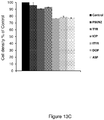
- OVCAR3 cells were collected and seeded in 96 well plates (10,000/well). The six compounds were then dissolved in DMSO and added to a final 0.5 ⁇ M concentration for 48h of incubation. After incubation the cells were imaged by light microscopy ( Figure 13B ). A marked reduction in cell density and deformed cell morphology was observed with three agents, ITYR, DOP and ASP. These cells were then examined for cell viability by WST-1 assay ( Figure 13C ). No effect was evident using PBENZ, a low reduction in viability was observed using TYR and IOP and a significant reduction in cell viability by the same 3 agents described above, ITYR, DOP and ASP was shown.
Landscapes
- Chemical & Material Sciences (AREA)
- Organic Chemistry (AREA)
- Health & Medical Sciences (AREA)
- Life Sciences & Earth Sciences (AREA)
- Animal Behavior & Ethology (AREA)
- Veterinary Medicine (AREA)
- Public Health (AREA)
- General Health & Medical Sciences (AREA)
- Pharmacology & Pharmacy (AREA)
- Nuclear Medicine, Radiotherapy & Molecular Imaging (AREA)
- Chemical Kinetics & Catalysis (AREA)
- General Chemical & Material Sciences (AREA)
- Medicinal Chemistry (AREA)
- Neurosurgery (AREA)
- Neurology (AREA)
- Pain & Pain Management (AREA)
- Psychiatry (AREA)
- Biomedical Technology (AREA)
- Bioinformatics & Cheminformatics (AREA)
- Engineering & Computer Science (AREA)
- Pharmaceuticals Containing Other Organic And Inorganic Compounds (AREA)
- Acyclic And Carbocyclic Compounds In Medicinal Compositions (AREA)
Description
- The present invention relates to compounds that inhibit the activity of Type III deiodinase (DIO3) and to DIO3 inhibitors for use in treating or preventing depression, depression associated with other disorders or conditions, and cancer.
- Mood disorders are among the most prevalent forms of mental illness. Severe forms of mental illness affect 2%-5% of the US population and up to 20% of the population suffers from milder forms of the illness. The economic costs to society and personal costs to individuals and families are enormous.
- Depressive syndromes occur in the context of a vast number of mental and medical illnesses. Depression is a central feature of major depressive disorder and bipolar disorder. Anxiety disorders, such as post-traumatic stress disorder (PTSD), obsessive-compulsive disorder, panic disorder, social phobia, and generalized anxiety disorder, are often accompanied by depression. Alcohol and other substance abuse or dependence may also co-exist with depression. Research shows that mood disorders and substance abuse commonly occur together. Depression also may occur with other serious medical illnesses such as heart disease, stroke, cancer, HIV/AIDS, diabetes, and Parkinson's disease. People who have depression along with another medical illness tend to have more difficulty adapting to their medical condition, and more medical costs than those who do not have co-existing depression. Treating the depression can also help improve the outcome of treating the co-occurring illness.
- There are several forms of depressive disorders. Major depressive disorder, or major depression, is characterized by a combination of symptoms that interfere with a person's ability to work, sleep, study, eat, and enjoy once-pleasurable activities. Major depression is disabling and prevents a person from functioning normally. Some people may experience only a single episode within their lifetime, but more often a person may have multiple episodes.
- Currently available pharmacological treatments for major depression are severely limited in their efficacy (Rush A J et al. Am J Psychiatry 2006; 163, 1905-1917). No more than a third of patients achieve remission on standard treatment and at least a third remains ill after a year or more of serial treatments.
- The hormone L-3,3',5,5',-tetraiodothyronine (L-thyroxine or T4) is a product of the thyroid gland. Although thyroxine (tetraiodothyronine; T4) is the principal secretory product of the vertebrate thyroid, it's essential metabolic and developmental effects are primarily mediated by 3,3',5-triiodothyronine (T3), which is produced from the prohormone by 5'-deiodination.
- T4 is converted by one of three selenium-containing enzymes (deiodinases) into either the active hormone L-3,3',5,-triiodothyronine (T3), the inactive T3 competitive product L-3,3',5'-triiodothyronine referred to as reverse T3 (rT3) or, indirectly (by first being converted to T3) to the deactivated L-3,3'-diiodothyronine (3,3'-T2). Type I iodothyronine deiodinase (DIO1), a thiol-requiring propylthiouracil-sensitive oxidoreductase, is found mainly in liver and kidney and catalyzes conversion of T3 and rT3 by deiodination of the phenolic ring 5' position iodine to form T3 or deiodination of the
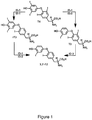
tyrosyl ring 5 position iodine to form rT3. Type II deiodinase (DIO2) is responsible for intracellular deiodination and its activity is limited to phenolic ring 5' position deiodination to form T3 from T4. While the activity of DIO2 is similar to that of DIO1, DIO2 is primarily found in the thyroid, pituitary gland, brain, brown fat and testis. Type III deiodinase (DIO3) activity is limited to inner ring deiodination of T4 and T3 to the inactive rT3 and T2 products, respectively. DIO3 is primarily found in the brain, and can further be found in fetal tissues, placenta, skin and adipose tissue. DIO3 is not found in the heart or in bones. These reactions are illustrated inFigure 1 . - T3 is metabolically active and stimulates production of cellular energy, and generally is an activator of tissues and organs. T3 acts by diffusing into cells, where it interacts with a cellular protein which transports the T3 to the cellular nucleus. T3 then acts by stimulating gene transcription to produce messenger ribonucleic acids (mRNA) of certain genes. Translation of the T3-induced mRNA produces cellular proteins that promote cellular activation. In contrast, rT3 has opposing effects, at least partially by inhibiting the action of T3, by way of competitively inhibiting T3 nuclear receptors in cells.
- The thyroid hormone, triiodothyronine (T3), is widely used to augment antidepressant action in depressed patients who have not responded to treatment with conventional antidepressants. While T3 is rarely used clinically as a monotherapy, the inventors of the present invention and co-workers have shown that chronic administration of the hormone has a dose dependent, antidepressant-like effect using screening tests including the forced swim test (FST), tail suspension test (TST) and novelty suppressed feeding test (NSFT) in mice (Lifschytz T et al. J. Pharmacol. Exp. Ther. 2011; 337, 494-502). Using in vivo microdialysis it has been also shown that chronic administration of T3 enhances serotonergic neurotransmission in rat frontal cortex and hypothalamus by functional desensitization of presynaptic 5-HT1A and 5-HT1B receptors which inhibit serotonin release (Lifschytz T et al. Curr. Drug Targets 2006; 7, 203-210). Moreover, when administered concurrently with fluoxetine (an anti-depressant also known by the tradename Prozac), T3 enhances neurogenesis in the rat hippocampus over and above the effect of fluoxetine alone (Eitan, R et al. Int J. Neuropsychopharmacol. 2010; 13, 553-561).
- Although it has been suggested that administration of T3 can overcome depression symptoms it is not feasible to use T3 or synthetic analogs thereof as a first line treatment for depression because the hormone has significant effects on heart rate and bone density that limit long term use. Moreover, it has been recently shown that in mice the antidepressant effects of T3 are mediated by the same thyroid receptor subtypes responsible for T3 effects on heart rate and bone density (Lifschytz et al. 2011, ibid).
- High expression of DIO3 with a crucial role in sustaining cell proliferation has been documented at sites of local inflammation, in the infarcted heart, during liver regeneration and in peripheral nerves after injury. DIO3 has also been shown to be reexpressed in various neoplastic tissues while remaining silent in the normal counterpart tissues. Elevated DIO3 mRNA and activity levels were shown in a variety of cancer cell lines including endometrium, neuroblastoma, colon, liver, basal cell carcinomas and breast cancer (Dentice M et al., Expert Opin Ther Targets, 2013; 17(11), 1369-79; Luongo C et al., Endocrinology 2014; 155(6), 2077-88) and in a number of human brain tumors (Nauman P et al., Folia Neuropathol 2004; 42(2), 67-73.). DIO3 expression has been found to be under the control of several signaling molecules and pathways that are major driving forces of cellular division, including HIF-1α, TGF and the Wnt-β-catenin pathway (Dentice M et al., J Endocrinol, 2011; 209(3), 273-82). It is thus proposed that DIO3 is under the control of an intricate circuit of signaling pathways that play a central role in the oncogenic process.
- Elevating T3 concentration or the ratio of active T3 to non-active rT3 for treating various disorders has been suggested.
- For example,
PCT Patent Application Publication No. WO 03/099105 -
PCT Patent Application Publication No. WO 2006/028835 discloses the use of thyroid hormone conversion inhibitors to treat hyperproliferative skin disorders, preferably their use in topical admixtures. Particularly, the invention discloses the use of deiodinase inhibitors such as an iodinated contrast agent, e.g., iopanoic acid (IOP) and/or its analogs. -
PCT Patent Application Publication No. WO 2008/140713 discloses methods for regulating the levels oftype 3 iodothyronine deiodinase (DIO3) and or thyroid hormone in cancerous and pre-cancerous cells and related compositions and kits. siRNA and antisense oligonucleotides are suggested as DIO3 inhibitors. -
PCT Patent Application Publication No. WO 2009/015366 discloses methods of treating conditions associated with hyperproliferation of cells, such as hirsutism, hypertrichosis, scar formation, ocular hyperproliferative disease, and pulmonary hyperproliferative disease, comprising administering thyroid hormone conversion inhibitor. In particular embodiments, the thyroid hormone conversion inhibitor is selected from the group consisting of iopanoic acid (IOP), ipodate, and propranolol. - Stoedter et al., published after the priority of the present invention, describe the effect of several selenocompounds containing a methyl- or benzyl-imidoselenocarbamate backbone on DIO expression in cancerous cells in vitro. A deferential effect was observed with the compounds examined, highlighting that these selenocompounds may constitute interesting pharmacological compounds for modifying DIO expression, potentially affecting the balance between cell differentiation and proliferation (Stoedter et al., Metallomics 2015; 7(2), 347-54).
-
U.S. Patent No. 8,304,401 discloses methods for decreasing fat mass, increasing energy expenditure, increasing resistance to obesity, and lowering blood glucose levels in a subject with an agent that inhibits the expression or activity of type III deiodinase (DIO3). The inhibiting agent is an antisense, siRNA, siRNA-like, or ribozyme molecule and the agents of the invention are useful in treating diabetes and obesity. -
US 5,039,696 discloses maleimide derivatives useful as fungicides for agriculture and horiculture. -
WO 98/51303 - Yunes et al., Zeitschrift Fur Naturforschung C., vol. 63, no. 9-10, pp. 675-680 (2008) discloses antiproliferative effects of cyclic imides on endothelial cells and leukemia cell lines.
- Borchhardt, D.M. et al. Medicinal Chemistry, vol. 5, no. 1, pp. 66-73 (2009) discloses three dimensional structure -activity relationships on cyclic imides with analgesic activity.
-
FR 3008408 -
CN103113280 discloses 3,4-dichloro-maleimide derivatives and use therefor for inhibiting sclerotinia sclerotiorum or botrytis cinerea. - Nagiev, YA. M. et al. 1991. Axetbaidzhanskii Khimicheskii Zhurnal 2008(2):180-186 discloses N-nitrophenyl imides of dichloromaleic acid, and their herbicidal, fungicidal, bacteriostatic and growth-stimulating activity.
- Dolomatov, M. Yu. Et al. 1990. Zhurnal Vsesoyuznogo Khimicheskogo Obshchestva im. D. I. Mendeleeva. 35(2):271-272 describes structure-activity relationships of 2,3-dichloromaleimide-type biociides.
- Gerasimova, A.I. et al., Zhurnal Obshchei Khimii, vol. 53, no 1, pages 185-188 discloses polarographic studies of N-substituted 3,4-dichloro-2,5-dioxo-3-pyrrolines.
- Augustin, M et al. 1972. Mathematisch-Naturwissenschaftliche Reihe 21(2):137-13) describes the preparation of N-substituted dicarboximides of bicyclic, heterocyclic and aliphatic unsaturated carboxylic acids.
-
WO 93/18766 -
WO 87/04321 - Kazmierczak, F. et al. 2001. Enantiomer 6(4):251-258 describes circular dichroism of optically active 2,3-dchloromaleimides.
- Sherebakov, V. I. et al. 1992. Metaaloorganicheskaya Khimiya 5(3):632-642) describe organotin derivatives of N-(2,2'-dichloromaleoyl)-protected amino acids and dipeptides.
-
DE 3513715 discloses polycarbonates containing dichloromaleimide terminal groups, their preparation and modification. -
US 3,129,225 discloses 4-oxy-3-maleimidyl betaines and their preparation. -
US 2,865,730 discloses methods of regulating plant grown with N-substituted halomaleimides. -
CN 103130790 discloses 3-benzo isoxazole-4-benzpyrole maleimide derivatives and their use for treating GSK-3beta mediate diseases such as diabetes mellitus, bipolar mental disorder, alzheimer disease, cancer, inflammatory disease, depressive disorder, neuroprotection and schizophrenia. -
WO 2008/140713 discloses methods for treating cancer and precancerous lesions by regulating levels of thyroid hormone and/or deiodinases in the local area of cancer tissue. -
WO 2005/081972 discloses maleiimide compounds and use thereof for treating cancer. - An inventor of the present invention and co-workers have extensively studied the deiodination of thyroxine and related compounds, and have recently reported the first examples of synthetic compounds that functionally mimic DIO3 activity (
Figure 2 ) (Manna and Mugesh, Angew. Chem. Int. Ed. 2010; 49, 9246-9249; Manna and Mugesh, J. Am. Chem. Soc., 2011, 133, 9980-9983; Manna and Mugesh, J. Am. Chem. Soc. 2012; 134, 4269-4279). - To date, no effective specific inhibitors for Type III deiodinase (DIO3) are used as therapeutic compounds. DIO3 specific inhibitors could be efficient in treating diseases in which attenuating the expression and/or activity of this enzyme is desired, including depression in the context of major depressive disorder and bipolar disorder and depression associated with other diseases or conditions, and cancer.
- There is an ongoing need for and it would be highly advantageous to have drugs which would inhibit cancerous states. Further, there is a critical and ongoing need for drugs for treating neuropsychiatric disorders and depression associated conditions that are specific and have minimal deleterious side effects.
- The invention is defined by the accompanying claims.
- The present invention relates to compounds that inhibit the activity of Type III deiodinase (DIO3). The present invention further relates to such compounds for use in treating or preventing undesired conditions in which attenuating the activity of DIO3 have a beneficial effect.
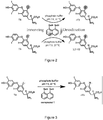
- The present invention is based in part on a novel system for identifying small molecules capable of specifically inhibiting DI03, utilizing synthetic compounds that functionally mimic the DIO3 activity. An inventor of the present invention and co-workers have previously reported that naphthyl-based compounds having two selenols in the peri-positions exhibit deiodinase activity and thus act as DIO3 mimics (Manna and Mugesh 2010, ibid; Manna and Mugesh 2011 ibid; Manna and Mugesh2012, ibid). These compounds (See, e.g. compound A,
Figure 3 ) have been shown to behave similarly to DIO3 with respect to deiodination. Namely, the compounds remove iodine selectively from the tyrosyl ring of T4 or T3 and produce rT3 and 3,3'-T2, respectively (Figure 2 ). - In view of those findings, DIO3 mimics were used as powerful tools for the design of compounds that specifically inhibit the DIO3 enzyme and thus are useful in the treatment of conditions where attenuation of DIO3 expression or activity provides a beneficial outcome, including central nervous system (CNS) diseases, depression and depression associated with other conditions and in the treatment of conditions implicated with undesired expression or activity of DI03, for example diseases associated with cell overproliferation, particularly cancer.
- The compounds so identified are useful in inhibiting DIO3 activity.
- Without being bound by any theory or mechanism of action, the compounds of the invention increase the endogenous amounts of T3 by inhibiting DIO3 activity, which catalyzes conversion of the
active hormone - The teachings of the present invention are advantageous over the hitherto known direct use of T3 as antidepressant, as chronic administration of T3 is associated with deleterious side effects, including enhancement of bone depletion, muscle weakness and tachycardia. To the contrary, the selective inhibition of DI03, known to be primarily active in the brain, results in the desired effect of alleviating depression and associated conditions while having a minor effect on the heart, bones and muscles. DIO3 has also been correlated with hyperproliferative states and solid tumors, and thus specific inhibition of DIO3 is advantageous for treating these conditions.
- It is contemplated that the ability of a compound to simultaneously react with both selenol moieties of the DIO3 mimic provides for its specific inhibition of DI03. Based on this, the applicants designed and synthesized maleimide-based compounds of formula (I), which are linked to a phenylcarboxylic acid (e.g., p-benzoic acid or iopanoic acid) moiety (as exemplified in Formula II), or to a side chain or an amino acid, e.g., tyrosine (as exemplified in Formula III). The two simultaneous nucleophilic attacks of the selenol moieties at the carbons adjacent to the carbonyl groups of the maleimide derivatives are expected to block the selenium centers by forming a stable adduct, thus leading to inhibition of deiodinase activity. The compounds can be advantageously designed to be water soluble.
- Thus, according to one aspect, the present invention provides a compound having the general formula I:

- A is

- R1 is independently at each occurrence a halogen, OH, or N(R)2 wherein each R is independently H or a C1-C6 alkyl;
- R2 is COOH, OH, N(R)2 or a linear or branched C1-C6 alkyl substituted with at least one group selected from the group consisting of COOH, halogen, OH, and N(R)2;
- R3 is H or COOH;
- R4 is iodophenyl, tetrahydrofuryl or the side chain of an amino acid selected from the group consisting of tyrosine, 3,4- dihydroxyphenylalanine (DOPA), iodotyrosine, aspartic acid, methionine, threonine, asparagine, glutamine, cysteine, proline, arginine, histidine, lysine, glutamic acid; or R4 is represented by the structure:

- wherein R5 is independently at each occurrence OH, halogen, or N(R)2 and m is 0, 1, 2, 3 or 4;
- L1 and L2 are each a leaving group selected from bromine and a sulfonate;
- n is 1, 2, 3 or 4;
- and salts thereof.
- In one embodiment, the compound of formula (I) is a phenylcarboxylic acid derivative (e.g., p-benzoic acid derivative or iopanoic acid derivative), represented by the structure of formula (II):

- In one embodiment of formula (II), R1 is halogen, preferably a bromine or iodine. In another embodiment of formula (II), R1 is OH. In another embodiment of formula (II), n is 2 or 3, and R1 is iodine. Each possibility represents a separate embodiment of the present invention.
- In one embodiment of formula (II), R2 is COOH, which can be in the ortho, meta or para position, and preferably in the para position. In accordance with this embodiment, compound (II) is a benzoic acid derivative, preferably a p-benzoic acid derivative. In another embodiment of formula (II), R2 is OH (i.e., the compound is a phenol derivative). The OH can be positioned anywhere on the ring. In one currently preferred embodiment, R2 is -CH2CH(COOH)CH2CH3. In accordance with this embodiment, the compound is derived from iopanoic acid. Each possibility represents a separate embodiment of the present invention.
- In another embodiment, the compound of formula (I) is represented by the structure of formula (III):

- In one embodiment of formula (III), R4 is the side chain of tyrosine. In another embodiment of formula (III), R4 is the side chain of 3,4-dihydroxyphenylalanine (also designated 3-hydroxy tyrosine or DOPA). In another embodiment of formula (III), R4 is the side chain of 3,5-diiodotyrosine. In another embodiment, R4 is represented by the structure:

- In some embodiments of formula (III), m=0 and R5 does not exist. In other embodiments, however, the phenol ring is substituted with one or more hydroxyls (OH), halogens (preferably bromine or iodine), and/or N(R)2. In accordance with this embodiment, m in formula (I) is 1, 2, 3 or 4, preferably 1, 2 or 3. Each possibility represents a separate embodiment of the present invention.
- In another embodiment of formula (III), R4 is iodophenyl which can be selected from 2-iodophenyl, 3-iodophenyl and 4-iodophenyl. In another embodiment, R4 is tetrahydrofuryl. In another embodiment of formula (III), R4 in formula (I) is the side chain of aspartic acid, i.e., -CH2-COOH. Each possibility represents a separate embodiment of the present invention.
- The L1 and L2 substituents in Formula (I) or (II) are leaving groups selected from bromine or a sulfonate represented by the structure OSO2R' wherein R' is an alkyl or aryl (e.g., OAc (O-acetate), OTs (tosylate), OMs (mesylate), OTf (triflate)). Preferred L1 and L2 substituents are halogens, especially bromine.
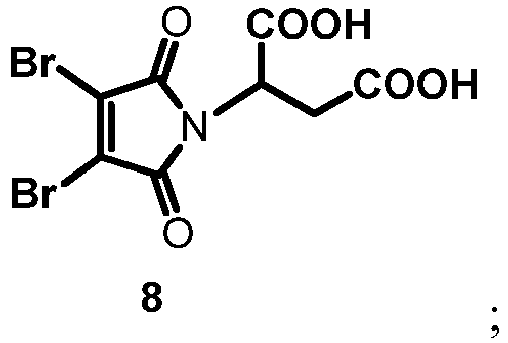
- According to another aspect, the present invention provides a pharmaceutical composition comprising the compounds of the present invention, which are represented by Formula (I) or (II), e.g., compounds 3, 5, 6, 7, 8, 9, 10, 11 or 12, further comprising a pharmaceutically acceptable diluent or carrier.
- Currently preferred compounds according to the present invention are represented by the structure of
formula 




- According to some embodiments, the present invention provides an in vitro method for inhibiting the activity of a Type III deiodinase (DIO3) enzyme, comprising the step of contacting the enzyme with an effective amount of a compound of formula (I) or (I-A), or a pharmaceutical composition comprising such compound.
- In another embodiment, the present invention provides a compound of formula (I) or (I-A), or a pharmaceutical composition comprising such compound, for use in the treatment or prevention or depression.
- According to some embodiments, the depression is associated with a condition selected from the group consisting of major depressive disorder and bipolar disorder. Each possibility represents a separate embodiment of the present invention.
- According to other embodiments, the depression is associated with other psychiatric disorders selected from the group consisting of dysthymia, posttraumatic stress disorder, post-partum depression, schizophrenia, schizoaffective disorder, anxiety disorder (including obsessive compulsive disorder, generalized anxiety disorder, panic disorder and social phobia), eating disorders including anorexia nervosa and bulimia, Parkinson's disease, Alzheimer's disease, fibromyalgia and chronic fatigue syndrome. Each possibility represents a separate embodiment of the present invention.
- According to further embodiments, the depression is associated with alcohol and/or drug abuse.
- According to additional aspect, the present invention provides a compound of formula (I) or (I-A), or a pharmaceutical composition comprising such compound, for use in the treatment of at least one condition selected from the group consisting of obsessive compulsive disorder, panic disorder, generalized anxiety disorder, pre-menstrual syndrome (PMS), posttraumatic stress disorder, social phobia, agoraphobia, fibromyalgia, chronic fatigue syndrome chronic pain, bulimia, anorexia nervosa, obesity, alcohol abuse, smoking cessation and nicotine withdrawal syndrome symptoms.
- According to yet additional aspect, the present invention provides a compound of formula (I) or (I-A), or a pharmaceutical composition comprising such compound, for use in the prevention or treatment of cancer.
- According to certain embodiments, the cancer is selected from the group consisting of ovarian cancer, endometrial cancer, neuroblastoma, colon cancer, hepatic cancer, basal cell carcinoma and breast cancer. Each possibility represents a separate embodiment of the present invention.
- According to certain exemplary embodiments, the cancer is ovarian cancer.
- According to certain embodiments, inhibition of DIO3 activity results in increased amount of T3 in the subject. The amount of T3 is preferably increased in the brain of the subject.
- Such treatment results in a diminishment or elimination of depression and/or its symptoms.
- The compound of formula (I-A) is represented by the structure:

- A is

- R1 is independently at each occurrence a halogen, OH, NO2 or N(R)2 wherein each R is independently H or a C1-C6 alkyl;
- R2 is COOH, OH, NO2, N(R)2 or a linear or branched C1-C6 alkyl substituted with at least one group selected from the group consisting of COOH, halogen, OH, NO2, and N(R)2;
- R3 is H or COOH;
- R4 is iodophenyl, heterocyclyl, heteroaryl, the side chain of an amino acid selected from the group consisting of a naturally occurring alpha-amino acid, 3,4- dihydroxyphenylalanine (DOPA) and iodotyrosine; or R4 is represented by the structure:

- wherein R5 is independently at each occurrence OH, halogen, NO2 or N(R)2 and m is 0, 1, 2, 3 or 4;
- L1 and L2 are each a leaving group selected from a halogen and a sulfonate;
- n is 0, 1, 2, 3 or 4;
- and salts thereof.
- The compound for use as defined hereinabove is preferably selected from the group consisting of
compounds 


- Each of said compounds can be used alone or in a pharmaceutical composition in the context of the present invention.
- Other objects, features and advantages of the present invention will become clear from the following description and drawings.
-
-
FIG. 1 demonstrate activation and inactivation of thyroid hormones by the three iodothyronine deiodinases DIO1 (ID-1), DIO2 (ID-2) and DIO3 (ID-3). -
FIG. 2 shows inner ring monodeiodination of T4 to rT3 or of T3 to 3,3'-T2 by DIO3 mimic (compound A). -
FIG. 3 demonstrates deiodination of thyroxine by compound A, a DIO3 mimic. -
FIG.4 shows Inhibition of DIO3 mimic by Compound C (Dibromo-N-methylmaleimide). -
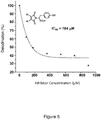
FIG. 5 shows Inhibition of DIO3 mimic by Compound 3 (2,3-dibromo-N-3-(4-hydroxyphenyl)propanoic acid) maleimide; TYR-DBRMD). -
FIG. 6 shows 1H NMR spectra ofcompound 3 in DMSO-d6. -
FIG. 7 : shows 13C NMR spectra ofcompound 3 in DMSO-d6. -
FIG. 8 shows 1H NMR spectra ofcompound 4 in DMSO-d6. -
FIG. 9 shows 13C NMR spectra ofcompound 4 in DMSO-d6. -
FIG. 10 is a bar graph showing brain T3 levels (pg/ml) following intracerebroventricular (ICV) administration of IOP-DIBRMD (2,3-dibromo-N-2,4,6-triiodobenzyl)butanoic acid)maleimide; IOP, compound 6) by osmotic minipumps for 3 weeks (*Significant; One sided, non-paired t test). -
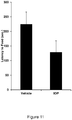
FIG. 11 is a bar graph showing the effect of IOP-DIBRMD (IOP, compound 6) on latency to feed in the novelty suppressed feeding test. Marginal means derived from the ANCOVA are shown. The effect of T3 in the model is significant (F=6.21; p=0.026). -
FIG. 12 is a bar graph showing the effect of ITYR-DIBRMD (2,3-dibromo-N-3-(4-hydroxy-3,5-diiodophenyl)propanoic acid) maleimide; ITYR, compound 5) on latency to feed in the novelty suppressed feeding test. Marginal means derived from the ANCOVA are shown. Animals treated with IOP show a reduced latency to feed. Model shows significance (F=7.23; p=0.006). Effect of T3 in the model is significant (F=7.62; p=0.01) -
FIG. 13 demonstrates the effect of compounds C1-C6 on DIO3 expression and cell viability of ovarian cancer cells (OVCAR3 cells).Fig. 13A demonstrated DIO3 expression by FACS analysis. OVCAR3 cells were treated with 0.5 µM DIO3 inhibitors for 48h and analyzed by microscopy (Fig. 13B ) and viability assay (Fig. 13C ). - The present invention provides novel compounds that specifically inhibit the activity of Type III deiodinase (DIO3). DIO3 is particularly active in the brain, and DIO3 inhibition may thus result in an increased amount of the
hormone - The present invention discloses for the first time that inhibition of DIO3 activity is useful for treating and/or preventing depression. Without wishing to be bound by certain specific theory or mechanism of action, inhibition of DIO3 by the compounds of the invention leads to elevated content of T3 in the brain. The novel compounds of the present invention are also useful for treating and/or preventing cancer and other diseases or disorders associated with elevated expression or activity of DIO3.
- The term "C1-C6 alkyl" as used herein alone or as part of another group refers to any saturated aliphatic hydrocarbon, including straight-chain, and branched-chain which contains 1 to 6 carbon atoms. Examples of C1-C6 alkyl groups include methyl, ethyl, n-propyl, isopropyl, n-butyl, sec-butyl, isobutyl, t-butyl, 1-penyl, 2-pentyl, 3-pentyl, 1-hexyl, 2-hexyl, and 3-hexyl. According to the principles of the present invention, the C1-C6 alkyl group is substituted at any location with a COOH moiety.
- The term "tyrosine side chain" refers to the following moiety:

- The term "iodotyrosine side chain" refers to a tyrosine side chain in which one or more of the phenyl hydrogens have been substituted by iodine. One non-limiting example of an iodotyrosine side chain is a 3-5-diiosotyrosine group represented by the moiety:

- The term "hydroxytyrosine side chain" refers to a tyrosine side chain in which one or more of the phenyl hydrogens have been substituted by a hydroxy. One non-limiting example of a hydroxytyrosine side chain is 3-hydroxytyrosine group (alternatively designated 3,4-dihydroxyphenylalanine), which is represented by the moiety:

- The term "aspartic acid side chain" refers to the group -CH2-COOH.
- The term "ethyl diiodophenol" refers to an ethylphenol group in which two of the phenol hydrogens have been substituted by iodine. One non-limiting example of an ethyl diiodophenol is represented by the moiety:

- Several of the compounds of the present invention contain side chains of naturally occurring alpha-amino acids. The naturally occurring amino acids are, e.g., glycine, alanine, valine, leucine, isoleucine, serine, methionine, threonine, phenylalanine, tyrosine, tryptophan, cysteine, proline, histidine, aspartic acid, asparagine, glutamic acid, glutamine, γ-carboxyglutamic acid, arginine, ornithine and lysine.
- The term "depression" as used herein includes, but is not limited to, major depressive episodes in the context of major depressive disorder or bipolar disorder, schizoaffective disorder and other psychiatric states that are characterized by depressed mood and/or feelings of sadness, despair, discouragement, "blues", melancholy, feelings of low self esteem, guilt and self reproach, withdrawal from interpersonal contact, and somatic symptoms such as eating and sleep disturbances.
- Examples of other psychiatric disorders that may be associated with depression include, but are not limited to, dysthymia, posttraumatic stress disorder, schizophrenia, schizoaffective disorder, post-partum depression, eating disorders including anorexia nervosa and bulimia, anxiety disorders, Parkinson's disease, Alzheimer's disease, fibromyalgia and chronic fatigue syndrome.
- Anxiety disorders include, but are not limited to, obsessive compulsive disorder, generalized anxiety disorder, panic disorder and social phobia.
- Examples of general medical conditions associated with depression include, but are not limited to, heart diseases, cancer, diabetes, HIV/AIDS and neurological conditions such as stroke and multiple sclerosis.
- The compounds of the present invention can also be used in treating disease and conditions known to be amenable to treatment with anti-depressants other than the compounds of the present invention. Such diseases or conditions include, but are not limited to, obsessive compulsive disorder, panic disorder, generalized anxiety disorder, pre-menstrual syndrome (PMS), posttraumatic stress disorder, social phobia, agoraphobia, fibromyalgia, chronic fatigue syndrome chronic pain, bulimia, anorexia nervosa, obesity, alcohol abuse, smoking cessation and nicotine withdrawal syndrome symptoms.
- The term "cancer" refers to a medical condition characterized by abnormal cell growth in a tissue. The term encompasses a wide range of cancers, classified according to cell type origin, including, without limitation, carcinomas, sarcomas, myelomas, leukemias and lymphomas. Particular types of cancers, classified according to the affected tissue, include, without limitation, brain cancer, lymphoproliferative disorders, breast cancer, ovarian cancer, prostate cancer, cervical cancer, endometrial cancer, bone cancer, liver cancer, stomach cancer, colon cancer, pancreatic cancer, cancer of the thyroid, head and neck cancer, cancer of the central nervous system, cancer of the peripheral nervous system, skin cancer, and kidney cancer. Further cancer types, include, without limitation, hepatocellular carcinoma, hematoma, hepatoblastoma, rhabdomyosarcoma, esophageal carcinoma, thyroid carcinoma, ganglioblastoma, fibrosarcoma, myxosarcoma, liposarcoma, chondrosarcoma, osteogenic sarcoma, chordoma, angiosarcoma, endotheliosarcoma, Ewing's tumor, leimyosarcoma, rhabdotheliosarcoma, invasive ductal carcinoma, papillary adenocarcinoma, melanoma, squamous cell carcinoma, basal cell carcinoma, adenocarcinoma (well differentiated, moderately differentiated, poorly differentiated or undifferentiated), renal cell carcinoma, hypernephroma, hypernephroid adenocarcinoma, bile duct carcinoma, choriocarcinoma, seminoma, embryonal carcinoma, Wilms' tumor, testicular tumor, lung carcinoma including small cell, non-small and large cell lung carcinoma, bladder carcinoma, glioma, astrocyoma, medulloblastoma, craniopharyngioma, ependymoma, pinealoma, retinoblastoma, neuroblastoma, colon carcinoma, rectal carcinoma, hematopoietic malignancies including all types of leukemia and lymphoma including: acute myelogenous leukemia, acute myelocytic leukemia, acute lymphocytic leukemia, chronic myelogenous leukemia, chronic lymphocytic leukemia, mast cell leukemia, multiple myeloma, myeloid lymphoma, Hodgkin's lymphoma, non-Hodgkin's lymphoma.
- The cancer can be associated with aberrant DIO3 expression. A cancer associated with aberrant expression of DIO3 is one in which DIO3 expression or activity results in a level of active DIO3 that is greater than that observed in corresponding (similar cell types) non-cancerous cells. The cancer can also be associated with low levels of active T3. A cancer associated with low levels of T3 is one in which functional or active T3 is lower than in a corresponding non cancerous cell.
- The compounds of the invention can be used for treating solid tumors.
- As used herein, the terms "type III deiodinase", "type III iodothyronine deiodinase",
type 3 deiodinase", "type 3 iodothyronine deiodinase", DIO3 and D3 are used herein interchangeably and refer to a protein belonging to the iodothyronine deiodinase family that catalyzes the inactivation of thyroid hormone by inner ring deiodination of the prohormone thyroxine (T4) and thebioactive hormone 3,3',5-triiodothyronine (T3) to inactive metabolites, 3,3',5'-triiodothyronine (rT3) and 3,3'-diiodothyronine (3,3'-T2), respectively. - As used herein, the term "inhibition" with regard to inhibiting the activity of DIO3 refers to reducing the activity of DIO3 compared to its activity under the same conditions without the addition of an inhibitory compound. For example, the DIO3 activity can be reduced by at least 5%, 10%, 20%, 30%, 40%, 50%, 60%, 70%, 80%, 90%, 95%, 99% or 100% compared to its activity under the same conditions without the addition of an inhibitory compound.
- The term "specific inhibition" with regard to the inhibition of DIO3 by the compounds of the present invention refers to compounds which inhibit DIO3 to a greater extent (e.g., a lower Ki) than it inhibits DIO2 or DIO1 enzymes. A specific DIO3 inhibitor also includes agents that inhibit DI03, but fail to inhibit DIO2 or DIO1 at comparable concentrations.
- The term "therapeutically effective amount" refers to the amount of a compound of the present invention that, when administered to a subject in need thereof, results in inhibition of DIO3 activity. Inhibition of DIO3 activity preferably results in increased T3 amounts in the brain compared to the amounts observed in other organs.
- The term "preventing" as used herein means causing the clinical symptoms of the disease state not to develop in a subject that may be exposed to or predisposed to the disease state, but does not yet experience or display symptoms of the disease state.
- The term "treating: as used herein refers to inhibiting the disease state, i.e., arresting the development of the disease state or its clinical symptoms, or relieving the disease state, i.e., causing temporary or permanent regression of the disease state or its clinical symptoms. The term is interchangeable with any one or more of the following: abrogating, ameliorating, inhibiting, attenuating, blocking, suppressing, reducing, halting, alleviating or preventing symptoms associated with the disease.
- Provided herein is a compound having the general formula I:

- A is

- R1 is independently at each occurrence a halogen, OH, NO2 or N(R)2 wherein each R is independently H or a C1-C6 alkyl;
- R2 is COOH, OH, NO2, N(R)2 or a linear or branched C1-C6 alkyl substituted with at least one group selected from the group consisting of COOH, halogen, OH, NO2, and N(R)2;
- R3 is H or COOH;
- R4 is iodophenyl, heterocyclyl, heteroaryl, or the side chain of an amino acid selected from the group consisting of tyrosine, 3,4- dihydroxyphenylalanine (DOPA), iodotyrosine, aspartic acid, valine, leucine, isoleucine, methionine, tryptophan, threonine, asparagine, glutamine, cysteine, proline, arginine, histidine, lysine, glutamic acid; or R4 is represented by the structure:

- wherein R5 is independently at each occurrence OH, halogen, NO2 or N(R)2 and m is 0, 1, 2, 3 or 4;
- L1 and L2 are each a leaving group selected from a halogen and a sulfonate;
- n is 1, 2, 3 or 4;
- and salts thereof.
- In one embodiment, the compound of formula (I) is a phenylcarboxylic acid derivative (e.g., p-benzoic acid derivative or iopanoic acid derivative), represented by the structure of formula (II):.

- In another embodiment, the compound of formula (I) is represented by the structure of formula (III):

- Compounds useful in treating and/or preventing any of the diseases or conditions described herein are compounds of formula (I), for example compounds of formulae (II) or (III). Additional compounds useful in treating and/or preventing any of the diseases or conditions described herein are compounds of formula (I-A):

- A is

- R1 is independently at each occurrence a halogen, OH, NO2 or N(R)2 wherein each R is independently H or a C1-C6 alkyl;
- R2 is COOH, OH, NO2, N(R)2 or a linear or branched C1-C6 alkyl substituted with at least one group selected from the group consisting of COOH, halogen, OH, NO2, and N(R)2;
- R3 is H or COOH;
- R4 is iodophenyl, heterocyclyl, heteroaryl, the side chain of an amino acid selected from the group consisting of a naturally occurring alpha-amino acid, 3,4- dihydroxyphenylalanine (DOPA) and iodotyrosine; or R4 is represented by the structure:

- wherein R5 is independently at each occurrence OH, halogen, NO2 or N(R)2 and m is 0, 1, 2, 3 or 4;
- L1 and L2 are each a leaving group selected from a halogen and a sulfonate;
- n is 0, 1, 2, 3 or 4;
- and salts thereof.
- Preferred embodiments of formula I, I-A and II are compounds of
formula - One or more of the compounds disclosed herein, may be present as a salt. The term "salt" encompasses salts formed by standard acid-base reactions between an acidic moiety and an organic or inorganic cation. The term "organic or inorganic cation" refers to counter-ions for the carboxylate anion of a carboxylate salt or the counter ion for the phenoxide moiety. The counter-ions are chosen from the alkali and alkaline earth metals (such as lithium, sodium, potassium, barium, aluminum and calcium); ammonium and mono-, di- and tri-alkyl amines such as trimethylamine, cyclohexylamine; and the organic cations, such as dibenzylammonium, benzylammonium, 2-hydroxyethylammonium, bis(2-hydroxyethyl)ammonium, phenylethylbenzylammonium, dibenzylethylenediammonium, and like cations.
- Also provided are solvates of any of compounds described herein. "Solvate" means a physical association of a compound of the invention with one or more solvent molecules. This physical association involves varying degrees of ionic and covalent bonding, including hydrogen bonding. In certain instances the solvate will be capable of isolation. "Solvate" encompasses both solution-phase and isolatable solvates. Non-limiting examples of suitable solvates include ethanolates, methanolates and the like. "Hydrate" is a solvate wherein the solvent molecule is water.
- According to another aspect, the present invention provides a pharmaceutical composition comprising at least one compound of the present invention and a pharmaceutically acceptable diluents or carrier.
- As sued herein, the term "pharmaceutically acceptable carrier or excipient" means an additive, carrier, excipient or diluent which is useful in preparing a pharmaceutical composition that is generally safe non-toxic, and neither abrogates nor causes otherwise undesirable effect to the administered compound. The term includes such additives that are acceptable for human as well as veterinary pharmaceutical use.
- The term "subject" includes humans and animals amenable to therapy with a DIO3 inhibitor including animals afflicted with cancer or depression or depression associated disease or disorder. The subject can be a human subject.
- The term "subject" as used herein, includes, for example, a subject who has been diagnosed to be afflicted with cancer or depression or depression associated disease or disorder or a subject who has been treated to ameliorate cancer or depression or depression associated disease or disorder, including subjects that have been refractory to the previous treatment. Also, the compounds of the present invention can be used in treating a healthy subject having a risk of being affected with cancer or depression or depression associated disease or disorder. The subject can be afflicted with cancer and has been identified to express DIO3 by the tumor. The expression can be an overexpression and the overexpression is determined following analysis and comparison with control or reference. The control can be selected from the group consisting of: a predetermined cutoff value, a value obtained from a healthy individual, a panel of values from a set of healthy individuals and a value or a set of values obtained from a group of individuals afflicted with defined severities of cancer. The predetermined cutoff value can be obtained from the subject to be treated at at-least one prior-referenced time point.
- The expression of DIO3 may be determined by any method known in the art, for example by an immunoassay.
- The pharmaceutical compositions can be prepared by methods and contain carriers which are well-known in the art, for example as described in Remington: The Science and Practice of Pharmacy, Alfonso R. Gennaro, editor, 20th ed. Lippincott Williams & Wilkins: Philadelphia, Pa., 2000.
- In general, the compounds are administered in a therapeutically effective amount by any of the accepted modes of administration for agents that serve similar utilities. Suitable dosage ranges are depending upon numerous factors such as the severity of the symptoms to be treated, the age and relative health of the subject, the potency of the compound used; the route and form of administration; and the specific indication towards which the administration is directed. One of ordinary skill in the art of treating such conditions will be able, without undue experimentation and in reliance upon personal knowledge and the disclosure of this Application, to ascertain a therapeutically effective amount of the compounds of the present invention for a given condition.
- Compounds may be administered as pharmaceutical formulations including those suitable for parenteral administration (including intramuscular, subcutaneous and intravenous), oral administration (including buccal and sub-lingual), nasal, topical, pulmonary, intrathecal administration, or administration by inhalation. A preferred manner of administration is generally oral using a convenient daily dosage regimen which can be adjusted according to the degree of affliction. The DIO3 inhibitor can thus be administered locally into the tissue to be treated. The tissue can be a brain tissue, and the administration route can be directly into the brain tissue.
- The composition comprising a DIO3 inhibitor may further comprise an additional agent. The additional agent may be any treatment for cancer, depression or depression associated disease or condition.
- A compound or compounds described herein, together with one or more conventional adjuvants, carriers, or diluents, may be placed into the form of pharmaceutical compositions and unit dosages. The pharmaceutical compositions and unit dosage forms may be comprised of conventional ingredients in conventional proportions, with or without additional active compounds or principles, and the unit dosage forms may contain any suitable effective amount of the active ingredient commensurate with the intended daily dosage range to be employed. The pharmaceutical compositions may be employed as solids, such as tablets or filled capsules, semisolids, powders, sustained release formulations, or liquids such as solutions, suspensions, emulsions, elixirs, or filled capsules for oral use; or in the form of sterile injectable solutions for parenteral use.
- Inhibition of the DIO3 activity preferably results in increased amount of T3 in the subject. For example, the amount of T3 can be increased in the brain of the subject.
- The compounds of the present invention can be designed to have specificity or some selectivity to inhibition of DI03, such that the other deiodinases (DIOl and DI02) are not inhibited or inhibited to a lesser extent. DIO3 is known to be found primarily in the brain, and, more importantly, it is not found in heart or bone tissue. Thus, the specific inhibition of DIO3 results in increased amount of T3 in the brain, where it is most required to assert its anti-depressant activity, while having none or negligible of the deleterious side effects associated with non-specific elevation of T3 concentration, including enhancement of bone depletion, muscle weakness and tachycardia (Ocasio and Scanlan, Current Opinion in Endocrinology and Diabetes 2005; 12, 363-370; Yoshihara and Scanlan, Curr Top Med Chem 2003; 3, 1601-1616).
- The compounds of the invention can also inhibit DIO1 and DI02, in addition to DI03, but they are designed to selectively target the brain, or they are formulated specifically for brain delivery, such that they target DIO3 selectively due to preferential localization to the brain.
- Further provided is a method for treating or preventing cancer, the method comprises administering to a subject in need thereof a therapeutically effective amount of a compound of the present invention.
- DIO3 expression and activity have been indicated previously to be associated with tumorigenesis. Thus, the compounds of the present invention, which inhibit DIO3 are useful as treatment for cancer.
- The cancer can be a solid cancer. Non limiting examples of solid cancers include pancreatic cancer; bladder cancer; colorectal cancer; breast cancer; prostate cancer; renal cancer; hepatocellular cancer; lung cancer; ovarian cancer; cervical cancer; gastric cancer; esophageal cancer; head and neck cancer; melanoma; neuroendocrine cancer; brain tumors.
- According to some embodiment, the cancer is colon cancer or basal cell carcinoma (BCC).
- According to certain exemplary embodiments, the cancer is ovarian cancer or endometrial cancer.
- The compounds of the invention can be designed to selectively target overproliferating cells, particularly cancer cells, or they can be formulated specifically for delivery into these types of cells such that they target DIO3 selectively due to preferential localization within these cells.
- The DIO3 inhibitors of the present invention may be administered by any suitable route of administration. For example, the DIO3 inhibitor can be prescribed for a chronic administration. Chronic administration may be performed, for example, by a single dose, once daily. For example, the DIO3 inhibitor can be prescribed for acute administration.
- The therapeutically effective amount of a compound of the invention depends on the condition to be treated and subject parameters including, but not limited to, gender, age, weight type and severity of the condition. The therapeutically effective amount can be initially assessed from in vitro assays. Target concentrations will be those concentrations of active compound(s) that are capable of inhibiting DIO3 activity by at least about 5%-95% in comparison to DIO3 activity in untreated cell, either normal or overproliferating cells. Target concentrations of active compound(s) that are capable of inhibiting DIO3 by at least about 60-70% or even 90% or higher in in vitro assays are preferred.
- Therapeutically effective amounts for use in humans can also be determined from animal models. For example, a dose for humans can be formulated to achieve a circulating concentration that has been found to be effective in animals. Animal models of cancer and for depression assessment are known in the art. For treating cancer, the dosage in humans can be adjusted by monitoring inhibition of cell proliferation and/or tumor growth and adjusting the dosage upwards or downwards, to achieve the desired percentage of inhibition. For treating depression, the dosage in humans can be adjusted in view of the effective dosage that alleviated or abolishes the depression associated symptoms. Adjusting the dose to achieve maximal efficacy in humans based on the methods described above and other methods as are well-known in the art is well within the capabilities of the ordinarily skilled artisan.
- It has been previously acknowledged that the phenomena attributed to T3 may be mediated by T3 activation of gene transcription. Accordingly, most of the reports regarding the use of T3 as antidepressant describe positive influence of T3 administration after a lag time of about a week. However, other antidepressants are known to have immediate effect. For example, ketamine has been reported to have anti-depression activity after acute administration to humans (Aan Het Rot et al. Biological Psychiatry, 2012; 72(7), 537-547), and to affect the behavioral performance of rats in forced swim test (FST) (Yang C. et al., 2012. Journal of Biomedicine and Biotechnology , Epub 2012 April 8).
- It has been also described that in addition to being active by induction of gene transcription the thyroid gland hormones show immediate physiological effects. Thus, without wishing to be bound by any specific theory or mechanism of action, administration of DIO3 inhibitors can assert immediate antidepressant effects.
- To date, pure DIO3 enzyme is not available. An inventor of the present invention and co-workers have designed and synthesized molecules that functionally mimic DIO3 in terms of deiodinase activity (Manna et al., 2010, ibid; Manna et al., 2012, ibid). Such DI03-mimetic molecules have now been utilized for design and synthesis of compounds capable of inhibiting DIO3 enzyme. The present invention discloses such compounds that functionally inhibit the activity of the DI03-mimetic molecule and the wild-type (wt) DIO3 enzyme.
- The deiodination of thyroxine by compound A (a DIO3 mimetic;
Figures 2 and 3 ) in the presence of various thiourea derivatives was studied. When the commonly used antithyroid drugs such as thiourea derivatives (e.g., 6-n-propyl-2-thiouracil (PTU), 6-methyl-2-thiouracil (MTU) and 1-methyl-3H-imidazole-2-thione or methimazole (MMI)) were used, no inhibition of the deiodinase activity was observed. Although PTU and MTU have been shown to inhibit DIO1, these compounds do not inhibit DI03. Specifically, thiourea compounds (e.g., PTU) have been shown to react with the selenenyl iodide intermediate of DIO1. Those results suggest that compound A not only deiodinates T4 in the inner-ring, but also behaves similarly to DIO3 with respect to inhibition. These studies suggest that thiourea-based compounds are not suitable as inhibitors for DI03. - Another known inhibitor of DIO1, i.e. iodoacetic acid (IAA), may react with the selenol group of the enzyme. This compound is specific for DIO1 and cannot inhibit DIO2 and DI03. Although IAA can effectively inhibit the activity of several Cys peptidases (i.e., the Sec-containing glutathione peroxidase (GPx), and thioredoxin reductase (TrxR)) by forming the corresponding alkylated Cys or Sec derivatives, the reason for the insensitivity of DIO3 toward IAA is not clear. Treatment of compound A with IAA resulted in a deiodination instead of the formation of Se-carboxymethylated derivative. In contrast, a compound that lacks the second selenol moiety underwent facile carboxymethylation by IAA. These observations suggest that IAA may undergo rapid deiodination in the presence of DI03, which may account for the insensitivity of this enzyme toward IAA.
- A careful analysis of the amino acid residues at the active site of DIO3 indicates that there is a cysteine (Cys) residue in the enzyme that may assist the selenocysteine (Sec) in the deiodination reaction. In the mimic, the second selenol moiety in the 8-position of the naphthalene ring is expected to perform a similar function. The current approach aims at targeting both the Sec and Cys instead of targeting the Sec alone. Previous attempts to develop inhibitors for DIO3 based on Sec reactivity were unsuccessful.
- As described above, it is contemplated that any compound that can react with the both selenol moieties simultaneously in the synthetic DIO3 mimic of compound A may inhibit the deiodinase activity of this compound.

- Without wishing to be bound by any particular mechanism or theory, it was hypothesized that the dibromomaleimide derivatives of the present invention may inhibit the activity of the DIO3 mimic by reacting with the two selenol groups to form a stable adduct.
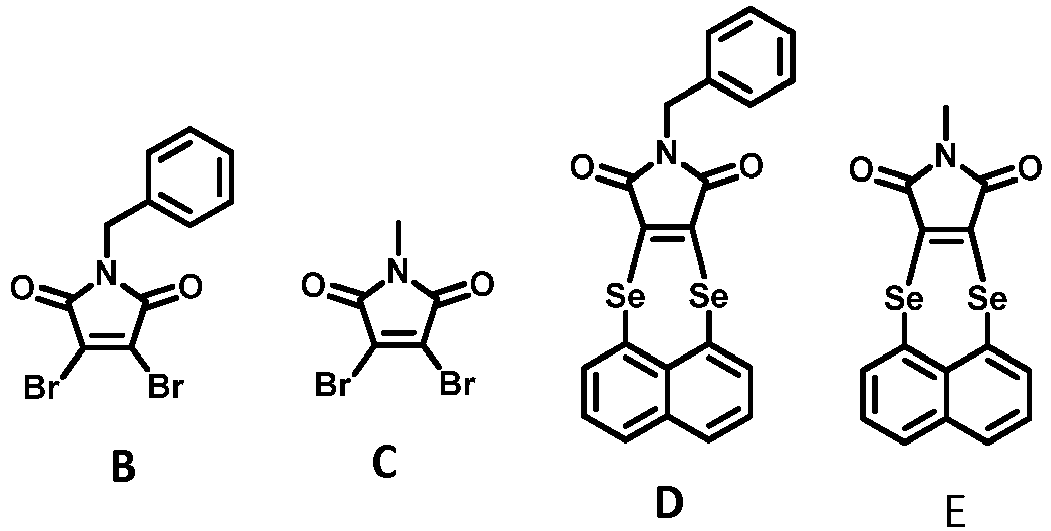
- In view of the above, the following compounds (compound B and C) were synthesized. The two simultaneous nucleophilic attacks of the selenol moieties at the carbons adjacent to the carbonyl groups are expected to block the selenium centers. The reactions of compound A with compounds B (2,3-dibromo-N-benzylmaleimide) and C (2,3-dibromo-N-methylmaleimide) were studied. The reaction of compound A with compounds B and C produced the adducts D (1,8-bis(2,3-diseleno-N-benzylmaleimide)naphthalene) and E (1,8-bis(2,3-diseleno-N-methylmaleimide)naphthalene).
- Subsequently, the deiodination of T4 by compound A in the presence of compounds B and C was studied. The results demonstrate that compounds B and C do inhibit the deiodination of T4 (exemplified in
Figure 4 for compound C). - Another compound, a novel tyrosine derivative 3 (TYR-DBRMD) was synthesized. The following description demonstrates the route employed for the synthesis of TYR-DBRMD.
- The
novel tyrosine derivative 3 was obtained from dibromomaleic anhydride (1) and L-tyrosine. As the commercially available starting material (compound 2) is expensive, it was prepared from maleic anhydride (1) in a sealed Teflon tube by using aluminum chloride as catalyst. For the synthesis ofcompound 2, the procedure reported in Dubernet et al. (Dubernet, M. et al., Tetrahedron, 2005; 61, 4585-4593) was followed:
- Synthesis of 3,4-Dibromomaleic anhydride: A mixture of maleic anhydride (2.0 g, 20.39 mmol), aluminum chloride (40.8 mg, 0.3 mmol), and bromine (2.1 ml, 40.78 mmol), was heated at 120°C for 16 h in sealed tube. After that, it was allowed to cool to room temperature and the reaction mixture was added to ethyl acetate. The ethyl acetate solution was filtered and the filtrate was evaporated. To the resulting reddish solid, 100 ml CHCl3 was added and filtered. The filtrate was evaporated to get off-white (yellow) solid in 87% yield. 13C NMR(CDCl3) δ(ppm): 131.8, 159.0.

- To a solution of 3,4-dibromomaleic anhydride (500 mg, 1.95 mmol) in acetic acid (10 ml), tyrosine (425 mg, 2.35 mmol) was added. The mixture was heated at reflux condition for 12 h. The solvent was removed under reduced pressure. The crude mixture was purified by column chromatography over silica gel using petroleum ether and ethyl acetate as mobile phase to afford the desired product (485 mg, 59 %) as off-white solid.
1H NMR(DMSO-d6) δ(ppm): 3.02-3.08(1H, m), 3.25-3.30 (1H, m), 4.90 - 4.94(1H, dd, J = 8.0 Hz) 6.60 (2H, d, J = 8.0 Hz), 6.89 (2H, d, J = 8.0 Hz) (Figure 6 ).
13C NMR(CDCl3) 8 (ppm): 33.9, 55.8, 116.1, 127.7, 130.1, 130.6, 156.8, 168.4, 170.5 (Figure 7 ).
m.p. 175 - 177 °C. -

- To a solution of 3,4-dibromomaleic anhydride (500 mg, 1.95 mmol) in acetic acid (10 ml), p-amino benzoic acid (322 mg, 2.35 mmol) was added. The mixture was heated at reflux condition for 12 h. The solvent was removed under reduced pressure. The crude mixture was purified by column chromatography over silica gel using petroleum ether and ethyl acetate as mobile phase to afford the desired product (550 mg, 82 %) as yellow solid.
1H NMR(DMSO-d6) δ (ppm): 7.50 (2H, d, J = 8.0 Hz), 8.04 (2H, d, J = 8.0 Hz) (Figure 8 ).
13C NMR(DMSO-d6) δ(ppm):127.5, 130.6, 130.9, 131.1, 136.0, 163.9, 167.6 (Figure 9 ). - The deiodination reactions were carried out in 100 mM phosphate buffer (pH 7.5) with 10 mM dithiothreitol (DTT) at 37°C. Diselenol (Compound A) was freshly prepared by reducing the corresponding diselenide, with NaBH4 prior to use. The reaction products were analyzed by reverse-phase HPLC (Lichrospher C18 column, 4.6 µm, 150 mm × 5 mm) with gradient elution using acetonitrile/ammonium acetate (pH 4.0) as the mobile phase. The formation of rT3 was monitored at λ = 275 nm and the amounts of deiodinated products formed in the reactions in the presence or absence of test compounds were calculated by comparing the peak areas.
-
Compounds - The two compounds (3 and 4) react stoichiometrically with the mimic. The IC50 values for inhibiting the DIO3 mimic were found to be in the micromolar range (
Figure 5 ) as the mimics used were in the micromolar concentrations for the deiodination of thyroxine. Assuming that in vivo, the enzymes are present in sub-nanomolar concentrations and the inhibitors are expected to form a covalent bond with the enzyme, it is expected the IC50 values will be in the nanomolar concentration range. - Additional inhibitors of DIO3 contemplated by the present invention are
compounds compound 5, and IOP-DIBRMD- compound 6). These compounds can be stabilized by halogen bonding at the enzyme active sites, caused by the iodine atoms that are attached to maleimide moiety, thus greater deiodinase isoenzyme specificity is supposedly achieved. As DIO3 readily accepts iodinated substrates, the introduction of iodine may help the compounds to bind strongly to the active site. For example, the commercially available iodine-containing compound, Iopanoic acid (IOP) has been shown to be a substrate for DIO3 (Huang MP et al., Thyroid, 2011, 21, 1263).


- Rapid evaluation of the effects of novel putative deiodinase 3 inhibitors on activity levels of DIO3 is established by a high output system employing two main lines of in vitro assays:
- 1) Mouse brain-derived microsome assay: Mouse brain tissue is homogenized and centrifuged to obtain microsomal fractions. Protein concentration in each fraction pellet is determined by Bradford Assay.
Deiodinase 3 activity determination, in the presence of putative deiodinase inhibitors, is carried out by incubation of a given amount of the fraction with the radioligand [3,5-125I]T3, each incubation done with blanks (no protein) to correct for non enzymatic degradation of radioligand. Reactions are stopped and radioiodide 125I emission is measured by precipitation of the [125I]iodothyronines and isolation of the emitted (by the inner ring deiodination reaction) 125I radioiodide on microcolumns. Radioactivity in the eluate is monitored using a scintillation detector. - 2) Cell based assay: Astrocytes from neonate mice are harvested and a cell suspension is prepared, plated on Petri dishes and maintained in a cell incubator. After 7 days, cells are disrupted and homogenates are prepared. In the presence of the
putative deiodinase 3 inhibitor compound, the homogenates is incubated with [125I]T3. Reactions are stopped by the addition of NH4OH containing 10 micro molar T3. The [125I]3,3'-T2 produced bydeiodinase 3 action is separated from [125I]T3 by chromatography. Then the radioactive products of the reaction are counted for determination of D3 activity, expressed as fentomoles of 3,3'-T2 per minute per milligram protein. - The intra-cerebroventricular injection was performed via a cannula inserted as follows: first, for the chronic administration of compounds or vehicle, osmotic minipumps (Alzet model 1004 for up to 28 days administration) were employed. Empty minipumps were filled under sterile conditions with 0.1 ml of PBS or with PBS containing either one of the DIO3 inhibitors and then connected to brain infusion kits. The filled minipumps connected to the brain infusion kits were than primed in an incubator at 37°C before being implanted into the animals. At the surgery itself, each mouse was anaesthetized by intraparenteral (i.p.) injection of anesthesia. The anesthesia solution was prepared as follows: for each 2ml of solution, 900µl ketamine plus 100µl xylazine 2% was supplemented with 1000 µl of 0.9% NaCl saline solution. 70 µl of the anesthesia solution was administered i.p to a 20 gram (about 100 µl for 30 gram) weighing animal. After being anesthetized the animal was hooked to a stereotactic table. A longitudinal cut was made in the head skin, the upper part of the skull was exposed and a hole was produced using 0.5mm diameter drill and the cannula was inserted. The hole was located at the following coordinates relative to the bregma: Anterior-ventral-dorsal = 2.5mm; Medial-lateral = 1.0mm and anterior-posterior = 0.0mm. Thereafter each minipump- was inserted subcutaneously to the interscapular space and the base of the infusion kit cannula was glued, using specialized Loctite adhesive, to the skull base so the cannula shaft itself will protrude through the drilled hole to the lateral ventricle, and through a catheter linked to ALZET brain
infusion kits number 3, the compounds or vehicle were intracerebroventricullary through the drilled hole. - The wound formed in the skull was sown with silk sutures, and after it awoke, each animal was transferred to the home cage for recovery, typically for 48 h, after which the experiment may be started.
- 39 male BALB/c male mice aged 8 weeks were implanted with ALZET model 1004 osmotic minipumps for intracerebroventricular (ICV) administration of compounds in 3 treatment groups (13 mice in each group): (1) the putative DIO3 inhibitor IOP-DIBRMD (IOP, compound 6) dissolved in phosphate buffered solution (PBS) vehicle; (2) the putative DIO3 inhibitor ITYR-DIBRMD (ITYR, compound 5) dissolved in PBS; (3) PBS vehicle. Minipumps contained 0.1 ml of PBS into which the putative DIO3 inhibitors ITYR (5mg/kg) or IOP (2mg/kg) were dissolved, or PBS vehicle. 8, 13 and 9 mice survived the experiment in the PBS, ITYR and IOP groups, respectively. Deaths were related to the surgical procedure. After recovery from minipump implantation surgery, animals were returned to their home cages for continuous ICV compound administration for 3 weeks, before behavioral testing commenced.
- After the last treatment administration, all food was removed from the cage for 24 hours (water was available ad libitum). At the end of this period, each animal was introduced into a 50x50x30 (height) cm plastic arena located in a specialized behavioral room in which all behavioral tests were tracked by cameras linked to a computer installed with EthoVision behavioral tracking software of the latest edition (XT 10). A pellet of food was placed on an elevated surface in the center of the arena. Time elapsing from the introduction of the animal into the arena until it commences eating (latency to feed), total distance move, velocity and time spent in the arena periphery (lateral 10 cm on each side) and center were recorded. The animal was then removed from the arena immediately after it begins to eat or after not doing so for 5min. After the test, the animal was immediately transferred to its home cage and left to consume a previously weighed amount of food for 10 minutes. On completion of this period the food was weighed again to calculate the home cage food consumption. The rating of the animals' behavior was conducted by two experimenters who were blind to the treatment received by each mouse. The mean of the two ratings was calculated and used for the statistical analysis.
- At the end of the tests, animals were anesthetized with veterinary Pental (13.333 mg/kg) and cardiac blood was drawn for peripheral T3 (triiodothyronine) and T4 (thyroxine) levels. Brains were harvested for evaluating brain T3, T4 levels. Hormone levels in the sera and brains were measured by SunLong Biotech Mouse Ultrasensitivity total and free T3 and T4 ELISA Kits, employing producing a standard curve followed by actual measurement, in which OD levels obtained by spectrophotometer were converted, using the standard curve, to pg/ml values.
- As shown in Table 1 and
Figure 10 , IOP treatment for 3 weeks via ICV administration resulted in a significant increase in brain free T3 levels (about 46%). Brain free T3 level was not significantly increased when ITYR was administered. Neither treatment significantly increased brain free T4 levels or the levels of either free hormone in the serum.Table 1: Brain and serum hormone levels after treatment with IOP and ITYR Free T3 (pg/ml) Brain Serum Treatment No. of mice Mean SD Significance* Mean SD Significance* Vehicle (PBS) 8 72.74 9.63 14.45 2.83 IOP 10 84.30 15.31 *0.041 12.23 1.64 NS ITYR 12 81.98 12.24 NS 12.33 1.30 NS Free T4 (ng/ml) Brain Serum Treatment No. of mice Mean SD Significance* Mean SD Significance* Vehicle (PBS) 8 250.54 53.51 36.05 8.53 IOP 10 244.11 44.72 NS 35.75 9.79 NS ITYR 12 262.86 32.70 NS 37.00 8.92 NS *One sided, non-paired t test; active compound vs. vehicle - The time taken for a rodent to start eating a pellet of food located in the center of an open field arena (latency to feed) is a reflection of anxiety level and is also seen as reflecting level of anhedonic behavior. In the current experiment, treatment with both IOP and ITYR resulted in a reduced latency to feed compared to mice treated with vehicle (
Figures 11 and12 , respectively). Data were analyzed by analysis of covariance with brain T3 level entered as the covariate. The effect of T3 in mice treated with both IOP and ITYR was found to be significant. - Cell lines: Human ovarian adenocarcinoma cells employed in the study were OVCAR-3 (ATCC HTB-161), A2780 (Sigma Aldrich) and SKOV-3 (ATCC HTB-77). Human normal embryonic kidney cells, HEK 293 (ATCC CRL1573) were used. All cells were cultured in RPMI1640 supplemented with 10% heat-inactivated FBS and antibiotics. Before conducting an experiment, cells were cultured for 24 h in RPMI1640 supplemented with 1.5% heat-inactivated charcoal stripped FBS and antibiotics.
- Flow cytometry (MACSQuant, Miltenyi): The cells were treated with 70% ethanol at -20°C for 1 hour, stained with rabbit anti Human DIO3 monoclonal antibody (Alexa Fluor (R) 647) from Novus Biologicals and analyzed for endogenous DIO3 level by FACS.
- Viability: WST-1 (Roche; 10% final concentration) was incubated with cells at 37°C for 2 h and read with a MicroELISA reader at 440 nm.
- Microscopy: The cells were visualized using a microscope equipped with a camera (model IX71; Olympus) with a 20_/0.50 objective lens and Cell^A (version 3.1) Olympus software imaging.
- The following DIO3 inhibitory compounds were examined: PBENZ (compound 4); TYR (compound 3); IOP (compound 6); ITYR (Compound 5): DOP (compound 7) and ASP (compound 8).
- The anti cancerous (anti-proliferative) effect of the DIO3 inhibitors described above was examined using the above-described human ovarian cancer cells (OVCAR3, SKOV3 and A2780). The cells were cultured in RPMI 1640/10% FBS/antibiotics.
- T3 influences cellular growth, differentiation and apoptosis, and thus its level within cells is strictly regulated. Elevated DIO3 levels and thus reduced T3 levels are favorable to the neoplastic process. Therefore, cancer cells that show elevated DIO3 are a good model for testing the potential anti-neoplastic efficacy of DIO3 inhibitors. Accordingly, the level of endogenous DIO3 protein in the different cancer cells was assessed by FACS analysis using monoclonal antibody against the human DI03. Results indicate that OVCAR3 cells exhibited the highest DIO3 protein level (
Figure 13A ) and this cell type was used as the experimental model. - OVCAR3 cells were collected and seeded in 96 well plates (10,000/well). The six compounds were then dissolved in DMSO and added to a final 0.5µM concentration for 48h of incubation. After incubation the cells were imaged by light microscopy (
Figure 13B ). A marked reduction in cell density and deformed cell morphology was observed with three agents, ITYR, DOP and ASP. These cells were then examined for cell viability by WST-1 assay (Figure 13C ). No effect was evident using PBENZ, a low reduction in viability was observed using TYR and IOP and a significant reduction in cell viability by the same 3 agents described above, ITYR, DOP and ASP was shown.
Claims (15)
- A compound represented by the structure of formula (I):
 A is
A is R1 is independently at each occurrence a halogen, OH, or N(R)2 wherein each R is independently H or a C1-C6 alkyl;R2 is COOH, OH, N(R)2 or a linear or branched C1-C6 alkyl substituted with at least one group selected from the group consisting of COOH, halogen, OH, and N(R)2;R3 is H or COOH;R4 is iodophenyl, tetrahydrofuryl or the side chain of an amino acid selected from the group consisting of tyrosine, 3,4- dihydroxyphenylalanine (DOPA), iodotyrosine, aspartic acid, methionine, threonine, asparagine, glutamine, cysteine, proline, arginine, histidine, lysine, glutamic acid; or R4 is represented by the structure:
 wherein R5 is independently at each occurrence OH, halogen, or N(R)2 and m is 0, 1, 2, 3 or 4;L1 and L2 are each a leaving group selected from bromine and a sulfonate;n is 1, 2, 3 or 4;and salts thereof.
 - The compound according to claim 1, which is represented by the structure of formula (II)

- The compound according to claim 2, wherein:(a) R1 is halogen, preferably a bromine or iodine; or(b) R1 is OH; or(c) R1 is iodine and n is 2 or 3; or(d) R2 is COOH, and compound (II) is a benzoic acid derivative, preferably a p-benzoic acid derivative; or(e) R2 is OH, and the compound is a phenol derivative; or(f) R2 is -CH2CH(COOH)CH2CH3, and compound (II) is an iopanoic acid derivative.
- The compound according to claim 1, which is represented by the structure of formula (III)

- The compound according to claim 4, wherein R4 is represented by the structure:
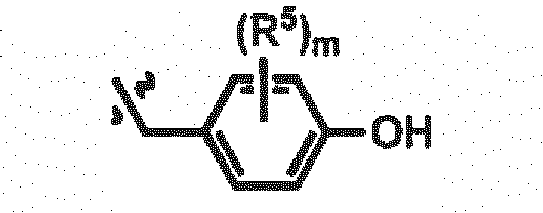 (a) R4 is the side chain of tyrosine, 3,4- dihydroxyphenylalanine (DOPA) or 3,5-diiodotyrosine; or(b) m is 0; or(c) m is 1, 2, 3 or 4, and R5 is halogen, preferably a bromine or iodine; or(d) m is 2 or 3, and R5 is iodine.
 - The compound according to claim 4, wherein R4 is selected from the group consisting of the side chain of aspartic acid (-CH2-COOH), iodophenyl and tetrahydrofuryl.
- The compound according to any one of the preceding claims, wherein L1 and L2 are each bromine.
- The compound according to any one of the preceding claims, which is selected from the group consisting of:


- A pharmaceutical composition comprising a compound according to any one of claims 1 to 8, and a pharmaceutically acceptable carrier or excipient.
- An in vitro method for inhibiting the activity of a Type III deiodinase (DIO3) enzyme, comprising the step of contacting the enzyme with an effective amount of a compound according to any one of claims 1 to 8, or a pharmaceutical composition according to claim 9, or a compound of formula (I-A) or a pharmaceutical composition comprising such compound
 A is
A is R1 is independently at each occurrence a halogen, OH, NO2 or N(R)2 wherein each R is independently H or a C1-C6 alkyl;R2 is COOH, OH, NO2, N(R)2 or a linear or branched C1-C6 alkyl substituted with at least one group selected from the group consisting of COOH, halogen, OH, NO2, and N(R)2;R3 is H or COOH;R4 is iodophenyl, heterocyclyl, heteroaryl, the side chain of an amino acid selected from the group consisting of a naturally occurring alpha-amino acid, 3,4- dihydroxyphenylalanine (DOPA) and iodotyrosine; or R4 is represented by the structure:
 wherein R5 is independently at each occurrence OH, halogen, NO2 or N(R)2 and m is 0, 1, 2, 3 or 4;L1 and L2 are each a leaving group selected from a halogen and a sulfonate;n is 0, 1, 2, 3 or 4;and salts thereof.
 - A compound according to any one of claims 1 to 8, or a pharmaceutical composition according to claim 9, or a compound represented by the structure of formula (I-A) or a pharmaceutical composition comprising such compound, for use in the treatment or prevention of depression
 A is
A is R1 is independently at each occurrence a halogen, OH, NO2 or N(R)2 wherein each R is independently H or a C1-C6 alkyl;R2 is COOH, OH, NO2, N(R)2 or a linear or branched C1-C6 alkyl substituted with at least one group selected from the group consisting of COOH, halogen, OH, NO2, and N(R)2;R3 is H or COOH;R4 is iodophenyl, heterocyclyl, heteroaryl, the side chain of an amino acid selected from the group consisting of a naturally occurring alpha-amino acid, 3,4- dihydroxyphenylalanine (DOPA) and iodotyrosine; or R4 is represented by the structure:
 wherein R5 is independently at each occurrence OH, halogen, NO2 or N(R)2 and m is 0, 1, 2, 3 or 4;L1 and L2 are each a leaving group selected from a halogen and a sulfonate;n is 0, 1, 2, 3 or 4;and salts thereof.
 - The compound for use according to claim 11,
wherein the depression is associated with a condition selected from the group consisting of major depressive disorder, bipolar disorder, dysthymia, posttraumatic stress disorder, post-partum depression, schizophrenia, schizoaffective disorder, anxiety disorder, Parkinson's disease, Alzheimer's disease, eating disorder, fibromyalgia, chronic fatigue syndrome, alcohol abuse and drug abuse;
preferably, wherein inhibition of the DIO3 activity results in increased amount of T3 in the subject, preferably wherein the amount of T3 is increased in the brain of the subject. - A compound according to any one of claims 1 to 8, or a pharmaceutical composition according to claim 9, or a compound represented by the structure of formula (I-A) or a pharmaceutical composition comprising such compound, for use in the treatment of at least one condition or disorder selected from the group consisting of obsessive compulsive disorder, panic disorder, generalized anxiety disorder, pre-menstrual syndrome (PMS), posttraumatic stress disorder, social phobia, agoraphobia, fibromyalgia, chronic fatigue syndrome, chronic pain, bulimia, anorexia nervosa, obesity, alcohol abuse, smoking cessation and nicotine withdrawal syndrome symptoms;
preferably
wherein inhibition of the DIO3 activity results in increased amount of T3 in the subject, preferably wherein the amount of T3 is increased in the brain of the subject; A is
A is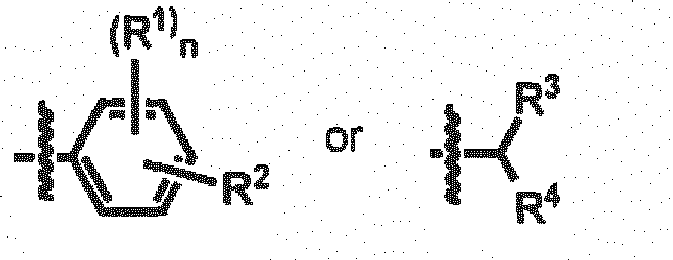 R' is independently at each occurrence a halogen, OH, NO2 or N(R)2 wherein each R is independently H or a C1-C6 alkyl;R2 is COOH, OH, NO2, N(R)2 or a linear or branched C1-C6 alkyl substituted with at least one group selected from the group consisting of COOH, halogen, OH, NO2, and N(R)2;R3 is H or COOH;R4 is iodophenyl, heterocyclyl, heteroaryl, the side chain of an amino acid selected from the group consisting of a naturally occurring alpha-amino acid, 3,4- dihydroxyphenylalanine (DOPA) and iodotyrosine; or R4 is represented by the structure:
 wherein R5 is independently at each occurrence OH, halogen, NO2 or N(R)2 and m is 0, 1, 2, 3 or 4;L1 and L2 are each a leaving group selected from a halogen and a sulfonate;n is 0, 1, 2, 3 or 4;and salts thereof.
 - A compound according to any one of claims 1 to 8, or a pharmaceutical composition according to claim 9, or a compound represented by the structure of formula (I-A) or a pharmaceutical composition comprising such compound, for use in the prevention or treatment of cancer, preferably wherein the cancer is selected from the group consisting of ovarian cancer, endometrial cancer, neuroblastoma, colon cancer, hepatic cancer, basal cell carcinoma and breast cancer, more preferably wherein the cancer is ovarian cancer;
preferably wherein said compound inhibits the activity of Type III deiodinase (DIO3), thereby treating or preventing cancer; and more preferably, wherein inhibition of the DIO3 activity results in increased amount of T3 in the subject; A is
A is R1 is independently at each occurrence a halogen, OH, NO2 or N(R)2 wherein each R is independently H or a C1-C6 alkyl;R2 is COOH, OH, NO2, N(R)2 or a linear or branched C1-C6 alkyl substituted with at least one group selected from the group consisting of COOH, halogen, OH, NO2, and N(R)2;R3 is H or COOH;R4 is iodophenyl, heterocyclyl, heteroaryl, the side chain of an amino acid selected from the group consisting of a naturally occurring alpha-amino acid, 3,4- dihydroxyphenylalanine (DOPA) and iodotyrosine; or R4 is represented by the structure:
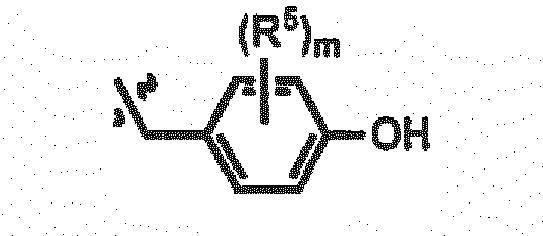 wherein R5 is independently at each occurrence OH, halogen, NO2 or N(R)2 and m is 0, 1, 2, 3 or 4;L1 and L2 are each a leaving group selected from a halogen and a sulfonate;n is 0, 1, 2, 3 or 4;and salts thereof.
 - The compound for use according to any one of claims 11 to 14, wherein the compound is selected from the group consisting of


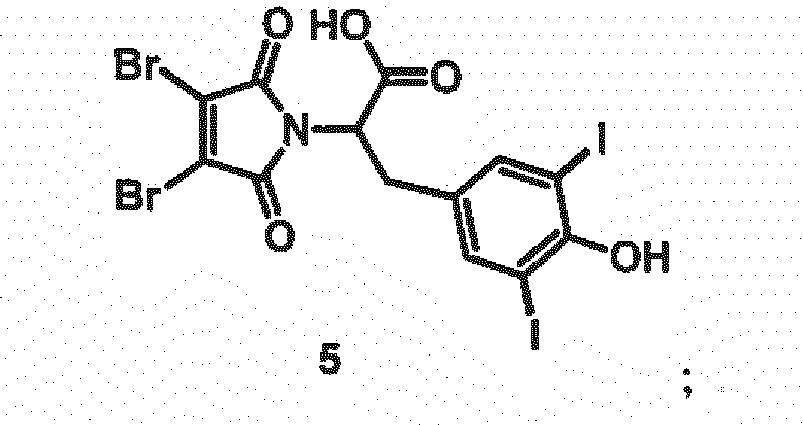


Applications Claiming Priority (3)
| Application Number | Priority Date | Filing Date | Title |
|---|---|---|---|
| US201461953846P | 2014-03-16 | 2014-03-16 | |
| US201462097142P | 2014-12-29 | 2014-12-29 | |
| PCT/IL2015/050277 WO2015140792A1 (en) | 2014-03-16 | 2015-03-16 | Type iii deiodinase inhibitors and uses thereof |
Publications (3)
| Publication Number | Publication Date |
|---|---|
| EP3119768A1 EP3119768A1 (en) | 2017-01-25 |
| EP3119768A4 EP3119768A4 (en) | 2017-10-18 |
| EP3119768B1 true EP3119768B1 (en) | 2019-07-31 |
Family
ID=54143839
Family Applications (1)
| Application Number | Title | Priority Date | Filing Date |
|---|---|---|---|
| EP15765436.9A Active EP3119768B1 (en) | 2014-03-16 | 2015-03-16 | 3,4-bromo or -sulfonate substituted 1h-pyrrole-2,5-dione derivatives as type iii deiodinase (dio3) inhibitors for treating depressions and cancer |
Country Status (3)
| Country | Link |
|---|---|
| US (2) | US10435365B2 (en) |
| EP (1) | EP3119768B1 (en) |
| WO (1) | WO2015140792A1 (en) |
Families Citing this family (4)
| Publication number | Priority date | Publication date | Assignee | Title |
|---|---|---|---|---|
| EP3119768B1 (en) * | 2014-03-16 | 2019-07-31 | Hadasit Medical Research Services And Development Ltd. | 3,4-bromo or -sulfonate substituted 1h-pyrrole-2,5-dione derivatives as type iii deiodinase (dio3) inhibitors for treating depressions and cancer |
| CN112367985A (en) | 2018-01-31 | 2021-02-12 | 明尼苏达大学董事会 | Compositions and methods for treating pulmonary edema or pneumonia |
| WO2021021927A1 (en) * | 2019-07-31 | 2021-02-04 | Regents Of The University Of Minnesota | Compositions and methods for treating pulmonary edema or lung inflammation |
| CN115551569A (en) | 2020-03-27 | 2022-12-30 | 明尼苏达大学董事会 | Compositions and methods for treating pulmonary edema or pneumonia |
Family Cites Families (29)
| Publication number | Priority date | Publication date | Assignee | Title |
|---|---|---|---|---|
| US2865730A (en) | 1955-07-25 | 1958-12-23 | Fmc Corp | Method of regulating plant growth |
| GB818192A (en) | 1956-12-19 | 1959-08-12 | Ici Ltd | Production of maleic anhydride derivatives |
| US3129225A (en) | 1961-06-07 | 1964-04-14 | Us Vitamin Pharm Corp | Novel 4-oxy-3-maleimidyl betaines |
| DE3222152A1 (en) | 1982-06-12 | 1983-12-15 | Bayer Ag, 5090 Leverkusen | SUBSTITUTED MALEINIC ACID IMIDES, METHOD FOR THE PRODUCTION THEREOF AND THEIR USE AS A PEST CONTROL |
| DE3513715A1 (en) * | 1985-04-17 | 1986-10-23 | Bayer Ag, 5090 Leverkusen | Polycarbonates containing dichloromaleimide terminal groups, their preparation and modification |
| IL81307A0 (en) | 1986-01-23 | 1987-08-31 | Union Carbide Agricult | Method for reducing moisture loss from plants and increasing crop yield utilizing nitrogen containing heterocyclic compounds and some novel polysubstituted pyridine derivatives |
| JP2788044B2 (en) * | 1989-02-06 | 1998-08-20 | サントリー株式会社 | Maleimide derivative and fungicide for agricultural and horticultural use containing the same as active ingredient |
| CA2130836A1 (en) * | 1992-03-20 | 1993-09-30 | Martin J. Slater | Further indole derivatives with antiviral activity |
| PE11499A1 (en) * | 1997-05-16 | 1999-03-01 | Procter & Gamble | TREATMENT OF HIV AND CANCER |
| FR2826653B1 (en) | 2001-06-29 | 2005-10-14 | Servier Lab | NOVEL PYRIDO-PYRIDO-PYRROLO [3,2-G] PYRROLO [3,4-E] -INDOLE AND PYRIDO-PYRROLO [2,3-A] PYRROLO [3,4-C] CARBAZOLE DERIVATIVES, THEIR PREPARATION PROCESS AND THE PHARMACEUTICAL COMPOSITIONS CONTAINING THEM |
| AU2003233681A1 (en) | 2002-05-23 | 2003-12-12 | Michael J. Powell | Diagnosis and treatment of human dormancy syndrome |
| WO2004083202A1 (en) | 2003-03-19 | 2004-09-30 | Suven Life Sciences Limited | A process for the preparation of indolymaleimides |
| US8198328B2 (en) | 2004-01-21 | 2012-06-12 | New York University | Treatment of cancer using benzoic acid derivatives |
| US7488817B2 (en) | 2004-02-02 | 2009-02-10 | The Trustees Of The University Of Pennsylvania | Metal complex protein kinase inhibitors |
| CA2555711A1 (en) | 2004-02-22 | 2005-09-09 | Government Of The United States Of America, As Represented By The Secret Ary, Department Of Health And Human Services | Maleiimide anti-tumor phosphatase inhibitors |
| KR20070083612A (en) | 2004-09-01 | 2007-08-24 | 트르스티스 오브 보스톤 유니버시티 | Uses of Thyroid Hormone Conversion Inhibitors |
| WO2008140713A1 (en) | 2007-05-08 | 2008-11-20 | The Brigham And Women's Hospital, Inc | Methods and products for treating proliferative disorders |
| WO2009015366A2 (en) | 2007-07-26 | 2009-01-29 | Trustees Of Boston University | Use of thyroid hormone conversion inhibitors to treat hyperproliferative disorders |
| GB2451858A (en) | 2007-08-15 | 2009-02-18 | Sergiy Konovchuk | Methods of reducing body fat and treating obesity |
| US8106039B2 (en) | 2008-04-30 | 2012-01-31 | The Trustees Of The University Of Pennsylvania | Metal complex phosphatidyl-inositol-3-kinase inhibitors |
| US8304401B2 (en) | 2008-09-02 | 2012-11-06 | Trustees Of Dartmouth College | Compositions and methods for decreasing type III deiodinase activity to modulate adiposity and blood glucose levels |
| WO2010110974A1 (en) | 2009-03-24 | 2010-09-30 | Stryker Corporation | Methods and compositions for tissue engineering |
| US10010623B2 (en) | 2012-02-16 | 2018-07-03 | Ucl Business Plc | Lysosome-cleavable linker |
| WO2013132268A1 (en) | 2012-03-09 | 2013-09-12 | Ucl Business Plc | Chemical modification of antibodies |
| WO2014085545A1 (en) | 2012-11-30 | 2014-06-05 | The University Of Chicago | Methods and compositions involving rad51 inhibitors |
| CN103113280B (en) * | 2013-02-06 | 2015-08-26 | 浙江工业大学 | A kind of 3,4-dichloro maleimide compounds and preparation and application thereof |
| CN103130790B (en) * | 2013-03-15 | 2015-10-28 | 浙江工业大学 | A kind of 3-benzoisoxazole-4-indolylmaleimides derivative and uses thereof |
| FR3008408B1 (en) * | 2013-07-11 | 2018-03-09 | Mc Saf | NOVEL ANTIBODY-MEDICAMENT CONJUGATES AND THEIR USE IN THERAPY |
| EP3119768B1 (en) * | 2014-03-16 | 2019-07-31 | Hadasit Medical Research Services And Development Ltd. | 3,4-bromo or -sulfonate substituted 1h-pyrrole-2,5-dione derivatives as type iii deiodinase (dio3) inhibitors for treating depressions and cancer |
-
2015
- 2015-03-16 EP EP15765436.9A patent/EP3119768B1/en active Active
- 2015-03-16 WO PCT/IL2015/050277 patent/WO2015140792A1/en not_active Ceased
- 2015-03-16 US US15/126,023 patent/US10435365B2/en active Active
-
2019
- 2019-08-28 US US16/553,647 patent/US11091434B2/en active Active
Non-Patent Citations (1)
| Title |
|---|
| None * |
Also Published As
| Publication number | Publication date |
|---|---|
| US20180215709A1 (en) | 2018-08-02 |
| US20190389799A1 (en) | 2019-12-26 |
| EP3119768A4 (en) | 2017-10-18 |
| US11091434B2 (en) | 2021-08-17 |
| WO2015140792A1 (en) | 2015-09-24 |
| US10435365B2 (en) | 2019-10-08 |
| EP3119768A1 (en) | 2017-01-25 |
Similar Documents
| Publication | Publication Date | Title |
|---|---|---|
| US11091434B2 (en) | Type III deiodinase inhibitors and uses thereof | |
| RU2572596C2 (en) | Therapeutic agents based on diglycylyl ether derivatives and methods for using them | |
| KR102079404B1 (en) | Meta-substituted biphenyl peripherally restricted faah inhibitors | |
| US8450506B2 (en) | Compounds and their salts specific to the PPAR receptors and the EGF Receptors and their use in the medical field | |
| US5736576A (en) | Method of treating malignant tumors with thyroxine analogues having no significant hormonal activity | |
| TWI585093B (en) | Pyrylbenzopyranophenol derivatives and pharmaceutical compositions for treating metabolic syndrome or inflammatory diseases | |
| CN104010501B (en) | SRC homology region 2-containing protein tyrosine phosphatase-1 potentiator and therapeutic method thereof | |
| RS75303A (en) | N-phenpropylcyclopentyl-substituted glutaramide derivatives as nep inhibitors for fsad | |
| JP2009509932A (en) | PPAR active compounds | |
| US20090005437A1 (en) | Alpha-Ketoglutarates and Their Use as Therapeutic Agents | |
| AU2004263525A1 (en) | Inhibitors of semicarbazide-sensitive amine oxidase (SSAO) and VAP-1 mediated adhesion useful for treatment of diseases | |
| JP2013508327A (en) | Cyclopentanecarboxamide derivatives, drugs containing such compounds and their use | |
| KR101317519B1 (en) | Compounds and their salts specific to the ppar receptors and the egf receptors and their use in the medical field | |
| RU2528333C2 (en) | Compounds and methods of treating pain and other diseases | |
| CN114450266B (en) | New thyroxine mimetic drug with biphenylmethane scaffold and its use | |
| US20200331828A1 (en) | Novel compounds which activate estrogen receptors and compositions and methods of using the same | |
| JP2021529830A (en) | Lactate-enhancing compounds and their use | |
| KR101671675B1 (en) | Composition for inducing beige and brown fat cells and method of inducing the same | |
| WO2014113734A2 (en) | Isometheptene isomer | |
| US12384751B2 (en) | Allosteric activators of the ALPHA1A-adrenergic receptor | |
| US10174015B2 (en) | Substituted heterocyclic derivative, preparation method and use thereof | |
| US11629121B2 (en) | Benzylideneacetone derivative and use thereof | |
| RS53747B1 (en) | FENANTRENON UNITS, COMPOSITIONS AND METHODS | |
| Poluboyarinov et al. | The synthesis and biological activity of 3, 3'-dimethyl-L-selenocystine, a new selenocystine derivative | |
| JPWO2017213268A1 (en) | Insulin secretion promoter or insulin resistance improver |
Legal Events
| Date | Code | Title | Description |
|---|---|---|---|
| STAA | Information on the status of an ep patent application or granted ep patent |
Free format text: STATUS: THE INTERNATIONAL PUBLICATION HAS BEEN MADE |
|
| PUAI | Public reference made under article 153(3) epc to a published international application that has entered the european phase |
Free format text: ORIGINAL CODE: 0009012 |
|
| STAA | Information on the status of an ep patent application or granted ep patent |
Free format text: STATUS: REQUEST FOR EXAMINATION WAS MADE |
|
| 17P | Request for examination filed |
Effective date: 20160908 |
|
| AK | Designated contracting states |
Kind code of ref document: A1 Designated state(s): AL AT BE BG CH CY CZ DE DK EE ES FI FR GB GR HR HU IE IS IT LI LT LU LV MC MK MT NL NO PL PT RO RS SE SI SK SM TR |
|
| AX | Request for extension of the european patent |
Extension state: BA ME |
|
| DAV | Request for validation of the european patent (deleted) | ||
| DAX | Request for extension of the european patent (deleted) | ||
| REG | Reference to a national code |
Ref country code: DE Ref legal event code: R079 Ref document number: 602015034841 Country of ref document: DE Free format text: PREVIOUS MAIN CLASS: C07D0403140000 Ipc: C07D0207456000 |
|
| A4 | Supplementary search report drawn up and despatched |
Effective date: 20170915 |
|
| RIC1 | Information provided on ipc code assigned before grant |
Ipc: A61K 31/4015 20060101ALI20170911BHEP Ipc: C07D 207/456 20060101AFI20170911BHEP Ipc: A61P 35/00 20060101ALI20170911BHEP Ipc: A61P 25/24 20060101ALI20170911BHEP Ipc: C07D 405/06 20060101ALI20170911BHEP Ipc: A61K 31/4025 20060101ALI20170911BHEP Ipc: C07D 517/04 20060101ALI20170911BHEP |
|
| STAA | Information on the status of an ep patent application or granted ep patent |
Free format text: STATUS: EXAMINATION IS IN PROGRESS |
|
| 17Q | First examination report despatched |
Effective date: 20180802 |
|
| GRAP | Despatch of communication of intention to grant a patent |
Free format text: ORIGINAL CODE: EPIDOSNIGR1 |
|
| STAA | Information on the status of an ep patent application or granted ep patent |
Free format text: STATUS: GRANT OF PATENT IS INTENDED |
|
| INTG | Intention to grant announced |
Effective date: 20190218 |
|
| RAP1 | Party data changed (applicant data changed or rights of an application transferred) |
Owner name: HADASIT MEDICAL RESEARCH SERVICES AND DEVELOPMENT Owner name: INDIAN INSTITUTE OF SCIENCE |
|
| GRAS | Grant fee paid |
Free format text: ORIGINAL CODE: EPIDOSNIGR3 |
|
| GRAA | (expected) grant |
Free format text: ORIGINAL CODE: 0009210 |
|
| STAA | Information on the status of an ep patent application or granted ep patent |
Free format text: STATUS: THE PATENT HAS BEEN GRANTED |
|
| AK | Designated contracting states |
Kind code of ref document: B1 Designated state(s): AL AT BE BG CH CY CZ DE DK EE ES FI FR GB GR HR HU IE IS IT LI LT LU LV MC MK MT NL NO PL PT RO RS SE SI SK SM TR |
|
| REG | Reference to a national code |
Ref country code: CH Ref legal event code: EP Ref country code: GB Ref legal event code: FG4D |
|
| REG | Reference to a national code |
Ref country code: AT Ref legal event code: REF Ref document number: 1160754 Country of ref document: AT Kind code of ref document: T Effective date: 20190815 |
|
| REG | Reference to a national code |
Ref country code: IE Ref legal event code: FG4D |
|
| REG | Reference to a national code |
Ref country code: DE Ref legal event code: R096 Ref document number: 602015034841 Country of ref document: DE |
|
| REG | Reference to a national code |
Ref country code: CH Ref legal event code: NV Representative=s name: ROMAN VUILLE, CH |
|
| REG | Reference to a national code |
Ref country code: NL Ref legal event code: FP |
|
| REG | Reference to a national code |
Ref country code: LT Ref legal event code: MG4D |
|
| REG | Reference to a national code |
Ref country code: DE Ref legal event code: R082 Ref document number: 602015034841 Country of ref document: DE Representative=s name: STRAUS, ALEXANDER, DIPL.-CHEM.UNIV. DR.PHIL., DE Ref country code: DE Ref legal event code: R082 Ref document number: 602015034841 Country of ref document: DE Representative=s name: 2K PATENT- UND RECHTSANWAELTE PARTNERSCHAFT MB, DE |
|
| REG | Reference to a national code |
Ref country code: AT Ref legal event code: MK05 Ref document number: 1160754 Country of ref document: AT Kind code of ref document: T Effective date: 20190731 |
|
| PG25 | Lapsed in a contracting state [announced via postgrant information from national office to epo] |
Ref country code: HR Free format text: LAPSE BECAUSE OF FAILURE TO SUBMIT A TRANSLATION OF THE DESCRIPTION OR TO PAY THE FEE WITHIN THE PRESCRIBED TIME-LIMIT Effective date: 20190731 Ref country code: LT Free format text: LAPSE BECAUSE OF FAILURE TO SUBMIT A TRANSLATION OF THE DESCRIPTION OR TO PAY THE FEE WITHIN THE PRESCRIBED TIME-LIMIT Effective date: 20190731 Ref country code: NO Free format text: LAPSE BECAUSE OF FAILURE TO SUBMIT A TRANSLATION OF THE DESCRIPTION OR TO PAY THE FEE WITHIN THE PRESCRIBED TIME-LIMIT Effective date: 20191031 Ref country code: AT Free format text: LAPSE BECAUSE OF FAILURE TO SUBMIT A TRANSLATION OF THE DESCRIPTION OR TO PAY THE FEE WITHIN THE PRESCRIBED TIME-LIMIT Effective date: 20190731 Ref country code: FI Free format text: LAPSE BECAUSE OF FAILURE TO SUBMIT A TRANSLATION OF THE DESCRIPTION OR TO PAY THE FEE WITHIN THE PRESCRIBED TIME-LIMIT Effective date: 20190731 Ref country code: SE Free format text: LAPSE BECAUSE OF FAILURE TO SUBMIT A TRANSLATION OF THE DESCRIPTION OR TO PAY THE FEE WITHIN THE PRESCRIBED TIME-LIMIT Effective date: 20190731 Ref country code: PT Free format text: LAPSE BECAUSE OF FAILURE TO SUBMIT A TRANSLATION OF THE DESCRIPTION OR TO PAY THE FEE WITHIN THE PRESCRIBED TIME-LIMIT Effective date: 20191202 Ref country code: BG Free format text: LAPSE BECAUSE OF FAILURE TO SUBMIT A TRANSLATION OF THE DESCRIPTION OR TO PAY THE FEE WITHIN THE PRESCRIBED TIME-LIMIT Effective date: 20191031 |
|
| PG25 | Lapsed in a contracting state [announced via postgrant information from national office to epo] |
Ref country code: RS Free format text: LAPSE BECAUSE OF FAILURE TO SUBMIT A TRANSLATION OF THE DESCRIPTION OR TO PAY THE FEE WITHIN THE PRESCRIBED TIME-LIMIT Effective date: 20190731 Ref country code: LV Free format text: LAPSE BECAUSE OF FAILURE TO SUBMIT A TRANSLATION OF THE DESCRIPTION OR TO PAY THE FEE WITHIN THE PRESCRIBED TIME-LIMIT Effective date: 20190731 Ref country code: ES Free format text: LAPSE BECAUSE OF FAILURE TO SUBMIT A TRANSLATION OF THE DESCRIPTION OR TO PAY THE FEE WITHIN THE PRESCRIBED TIME-LIMIT Effective date: 20190731 Ref country code: GR Free format text: LAPSE BECAUSE OF FAILURE TO SUBMIT A TRANSLATION OF THE DESCRIPTION OR TO PAY THE FEE WITHIN THE PRESCRIBED TIME-LIMIT Effective date: 20191101 Ref country code: AL Free format text: LAPSE BECAUSE OF FAILURE TO SUBMIT A TRANSLATION OF THE DESCRIPTION OR TO PAY THE FEE WITHIN THE PRESCRIBED TIME-LIMIT Effective date: 20190731 Ref country code: IS Free format text: LAPSE BECAUSE OF FAILURE TO SUBMIT A TRANSLATION OF THE DESCRIPTION OR TO PAY THE FEE WITHIN THE PRESCRIBED TIME-LIMIT Effective date: 20191130 |
|
| PG25 | Lapsed in a contracting state [announced via postgrant information from national office to epo] |
Ref country code: TR Free format text: LAPSE BECAUSE OF FAILURE TO SUBMIT A TRANSLATION OF THE DESCRIPTION OR TO PAY THE FEE WITHIN THE PRESCRIBED TIME-LIMIT Effective date: 20190731 |
|
| PG25 | Lapsed in a contracting state [announced via postgrant information from national office to epo] |
Ref country code: PL Free format text: LAPSE BECAUSE OF FAILURE TO SUBMIT A TRANSLATION OF THE DESCRIPTION OR TO PAY THE FEE WITHIN THE PRESCRIBED TIME-LIMIT Effective date: 20190731 Ref country code: IT Free format text: LAPSE BECAUSE OF FAILURE TO SUBMIT A TRANSLATION OF THE DESCRIPTION OR TO PAY THE FEE WITHIN THE PRESCRIBED TIME-LIMIT Effective date: 20190731 Ref country code: RO Free format text: LAPSE BECAUSE OF FAILURE TO SUBMIT A TRANSLATION OF THE DESCRIPTION OR TO PAY THE FEE WITHIN THE PRESCRIBED TIME-LIMIT Effective date: 20190731 Ref country code: EE Free format text: LAPSE BECAUSE OF FAILURE TO SUBMIT A TRANSLATION OF THE DESCRIPTION OR TO PAY THE FEE WITHIN THE PRESCRIBED TIME-LIMIT Effective date: 20190731 Ref country code: DK Free format text: LAPSE BECAUSE OF FAILURE TO SUBMIT A TRANSLATION OF THE DESCRIPTION OR TO PAY THE FEE WITHIN THE PRESCRIBED TIME-LIMIT Effective date: 20190731 |
|
| PG25 | Lapsed in a contracting state [announced via postgrant information from national office to epo] |
Ref country code: SM Free format text: LAPSE BECAUSE OF FAILURE TO SUBMIT A TRANSLATION OF THE DESCRIPTION OR TO PAY THE FEE WITHIN THE PRESCRIBED TIME-LIMIT Effective date: 20190731 Ref country code: CZ Free format text: LAPSE BECAUSE OF FAILURE TO SUBMIT A TRANSLATION OF THE DESCRIPTION OR TO PAY THE FEE WITHIN THE PRESCRIBED TIME-LIMIT Effective date: 20190731 Ref country code: SK Free format text: LAPSE BECAUSE OF FAILURE TO SUBMIT A TRANSLATION OF THE DESCRIPTION OR TO PAY THE FEE WITHIN THE PRESCRIBED TIME-LIMIT Effective date: 20190731 Ref country code: IS Free format text: LAPSE BECAUSE OF FAILURE TO SUBMIT A TRANSLATION OF THE DESCRIPTION OR TO PAY THE FEE WITHIN THE PRESCRIBED TIME-LIMIT Effective date: 20200224 |
|
| REG | Reference to a national code |
Ref country code: DE Ref legal event code: R097 Ref document number: 602015034841 Country of ref document: DE |
|
| PLBE | No opposition filed within time limit |
Free format text: ORIGINAL CODE: 0009261 |
|
| STAA | Information on the status of an ep patent application or granted ep patent |
Free format text: STATUS: NO OPPOSITION FILED WITHIN TIME LIMIT |
|
| PG2D | Information on lapse in contracting state deleted |
Ref country code: IS |
|
| PG25 | Lapsed in a contracting state [announced via postgrant information from national office to epo] |
Ref country code: IS Free format text: LAPSE BECAUSE OF FAILURE TO SUBMIT A TRANSLATION OF THE DESCRIPTION OR TO PAY THE FEE WITHIN THE PRESCRIBED TIME-LIMIT Effective date: 20191030 |
|
| 26N | No opposition filed |
Effective date: 20200603 |
|
| PG25 | Lapsed in a contracting state [announced via postgrant information from national office to epo] |
Ref country code: SI Free format text: LAPSE BECAUSE OF FAILURE TO SUBMIT A TRANSLATION OF THE DESCRIPTION OR TO PAY THE FEE WITHIN THE PRESCRIBED TIME-LIMIT Effective date: 20190731 |
|
| PG25 | Lapsed in a contracting state [announced via postgrant information from national office to epo] |
Ref country code: MC Free format text: LAPSE BECAUSE OF FAILURE TO SUBMIT A TRANSLATION OF THE DESCRIPTION OR TO PAY THE FEE WITHIN THE PRESCRIBED TIME-LIMIT Effective date: 20190731 |
|
| REG | Reference to a national code |
Ref country code: BE Ref legal event code: MM Effective date: 20200331 |
|
| PG25 | Lapsed in a contracting state [announced via postgrant information from national office to epo] |
Ref country code: LU Free format text: LAPSE BECAUSE OF NON-PAYMENT OF DUE FEES Effective date: 20200316 |
|
| PG25 | Lapsed in a contracting state [announced via postgrant information from national office to epo] |
Ref country code: BE Free format text: LAPSE BECAUSE OF NON-PAYMENT OF DUE FEES Effective date: 20200331 |
|
| PG25 | Lapsed in a contracting state [announced via postgrant information from national office to epo] |
Ref country code: MT Free format text: LAPSE BECAUSE OF FAILURE TO SUBMIT A TRANSLATION OF THE DESCRIPTION OR TO PAY THE FEE WITHIN THE PRESCRIBED TIME-LIMIT Effective date: 20190731 Ref country code: CY Free format text: LAPSE BECAUSE OF FAILURE TO SUBMIT A TRANSLATION OF THE DESCRIPTION OR TO PAY THE FEE WITHIN THE PRESCRIBED TIME-LIMIT Effective date: 20190731 |
|
| PG25 | Lapsed in a contracting state [announced via postgrant information from national office to epo] |
Ref country code: MK Free format text: LAPSE BECAUSE OF FAILURE TO SUBMIT A TRANSLATION OF THE DESCRIPTION OR TO PAY THE FEE WITHIN THE PRESCRIBED TIME-LIMIT Effective date: 20190731 |
|
| P01 | Opt-out of the competence of the unified patent court (upc) registered |
Effective date: 20230529 |
|
| REG | Reference to a national code |
Ref country code: DE Ref legal event code: R082 Ref document number: 602015034841 Country of ref document: DE Representative=s name: STRAUS, ALEXANDER, DIPL.-CHEM.UNIV. DR.PHIL., DE |
|
| PLAA | Information modified related to event that no opposition was filed |
Free format text: ORIGINAL CODE: 0009299DELT |
|
| PLBE | No opposition filed within time limit |
Free format text: ORIGINAL CODE: 0009261 |
|
| REG | Reference to a national code |
Ref country code: CH Ref legal event code: PK Free format text: BERICHTIGUNGEN |
|
| 26N | No opposition filed |
Effective date: 20200603 |
|
| RIN2 | Information on inventor provided after grant (corrected) |
Inventor name: ASHUR-FABIAN, OSNAT Inventor name: LIFSCHYTZ, TZURI Inventor name: GOVINDASAMY, MUGESH Inventor name: LERER, BERNARD |
|
| PGFP | Annual fee paid to national office [announced via postgrant information from national office to epo] |
Ref country code: CH Payment date: 20250401 Year of fee payment: 11 |
|
| REG | Reference to a national code |
Ref country code: CH Ref legal event code: U11 Free format text: ST27 STATUS EVENT CODE: U-0-0-U10-U11 (AS PROVIDED BY THE NATIONAL OFFICE) Effective date: 20260401 |
|
| PGFP | Annual fee paid to national office [announced via postgrant information from national office to epo] |
Ref country code: GB Payment date: 20260122 Year of fee payment: 12 |
|
| PGFP | Annual fee paid to national office [announced via postgrant information from national office to epo] |
Ref country code: DE Payment date: 20260320 Year of fee payment: 12 Ref country code: IE Payment date: 20260318 Year of fee payment: 12 |
|
| PGFP | Annual fee paid to national office [announced via postgrant information from national office to epo] |
Ref country code: NL Payment date: 20260323 Year of fee payment: 12 |
|
| PGFP | Annual fee paid to national office [announced via postgrant information from national office to epo] |
Ref country code: FR Payment date: 20260323 Year of fee payment: 12 |