EP3117839A1 - Composition for inducing direct transdifferentiation of somatic cell into vascular progenitor cell, and use thereof - Google Patents
Composition for inducing direct transdifferentiation of somatic cell into vascular progenitor cell, and use thereof Download PDFInfo
- Publication number
- EP3117839A1 EP3117839A1 EP15758822.9A EP15758822A EP3117839A1 EP 3117839 A1 EP3117839 A1 EP 3117839A1 EP 15758822 A EP15758822 A EP 15758822A EP 3117839 A1 EP3117839 A1 EP 3117839A1
- Authority
- EP
- European Patent Office
- Prior art keywords
- cell
- vector
- nucleic acid
- acid molecule
- protein
- Prior art date
- Legal status (The legal status is an assumption and is not a legal conclusion. Google has not performed a legal analysis and makes no representation as to the accuracy of the status listed.)
- Granted
Links
Images

Classifications
-
- C—CHEMISTRY; METALLURGY
- C12—BIOCHEMISTRY; BEER; SPIRITS; WINE; VINEGAR; MICROBIOLOGY; ENZYMOLOGY; MUTATION OR GENETIC ENGINEERING
- C12N—MICROORGANISMS OR ENZYMES; COMPOSITIONS THEREOF; PROPAGATING, PRESERVING, OR MAINTAINING MICROORGANISMS; MUTATION OR GENETIC ENGINEERING; CULTURE MEDIA
- C12N5/00—Undifferentiated human, animal or plant cells, e.g. cell lines; Tissues; Cultivation or maintenance thereof; Culture media therefor
- C12N5/06—Animal cells or tissues; Human cells or tissues
- C12N5/0602—Vertebrate cells
- C12N5/069—Vascular Endothelial cells
- C12N5/0692—Stem cells; Progenitor cells; Precursor cells
-
- A—HUMAN NECESSITIES
- A61—MEDICAL OR VETERINARY SCIENCE; HYGIENE
- A61K—PREPARATIONS FOR MEDICAL, DENTAL OR TOILETRY PURPOSES
- A61K48/00—Medicinal preparations containing genetic material which is inserted into cells of the living body to treat genetic diseases; Gene therapy
-
- A—HUMAN NECESSITIES
- A61—MEDICAL OR VETERINARY SCIENCE; HYGIENE
- A61K—PREPARATIONS FOR MEDICAL, DENTAL OR TOILETRY PURPOSES
- A61K35/00—Medicinal preparations containing materials or reaction products thereof with undetermined constitution
- A61K35/12—Materials from mammals; Compositions comprising non-specified tissues or cells; Compositions comprising non-embryonic stem cells; Genetically modified cells
- A61K35/44—Vessels; Vascular smooth muscle cells; Endothelial cells; Endothelial progenitor cells
-
- A—HUMAN NECESSITIES
- A61—MEDICAL OR VETERINARY SCIENCE; HYGIENE
- A61P—SPECIFIC THERAPEUTIC ACTIVITY OF CHEMICAL COMPOUNDS OR MEDICINAL PREPARATIONS
- A61P9/00—Drugs for disorders of the cardiovascular system
-
- A—HUMAN NECESSITIES
- A61—MEDICAL OR VETERINARY SCIENCE; HYGIENE
- A61P—SPECIFIC THERAPEUTIC ACTIVITY OF CHEMICAL COMPOUNDS OR MEDICINAL PREPARATIONS
- A61P9/00—Drugs for disorders of the cardiovascular system
- A61P9/10—Drugs for disorders of the cardiovascular system for treating ischaemic or atherosclerotic diseases, e.g. antianginal drugs, coronary vasodilators, drugs for myocardial infarction, retinopathy, cerebrovascula insufficiency, renal arteriosclerosis
-
- C—CHEMISTRY; METALLURGY
- C12—BIOCHEMISTRY; BEER; SPIRITS; WINE; VINEGAR; MICROBIOLOGY; ENZYMOLOGY; MUTATION OR GENETIC ENGINEERING
- C12N—MICROORGANISMS OR ENZYMES; COMPOSITIONS THEREOF; PROPAGATING, PRESERVING, OR MAINTAINING MICROORGANISMS; MUTATION OR GENETIC ENGINEERING; CULTURE MEDIA
- C12N15/00—Mutation or genetic engineering; DNA or RNA concerning genetic engineering, vectors, e.g. plasmids, or their isolation, preparation or purification; Use of hosts therefor
- C12N15/09—Recombinant DNA-technology
- C12N15/63—Introduction of foreign genetic material using vectors; Vectors; Use of hosts therefor; Regulation of expression
- C12N15/79—Vectors or expression systems specially adapted for eukaryotic hosts
- C12N15/85—Vectors or expression systems specially adapted for eukaryotic hosts for animal cells
-
- C—CHEMISTRY; METALLURGY
- C12—BIOCHEMISTRY; BEER; SPIRITS; WINE; VINEGAR; MICROBIOLOGY; ENZYMOLOGY; MUTATION OR GENETIC ENGINEERING
- C12N—MICROORGANISMS OR ENZYMES; COMPOSITIONS THEREOF; PROPAGATING, PRESERVING, OR MAINTAINING MICROORGANISMS; MUTATION OR GENETIC ENGINEERING; CULTURE MEDIA
- C12N15/00—Mutation or genetic engineering; DNA or RNA concerning genetic engineering, vectors, e.g. plasmids, or their isolation, preparation or purification; Use of hosts therefor
- C12N15/09—Recombinant DNA-technology
- C12N15/63—Introduction of foreign genetic material using vectors; Vectors; Use of hosts therefor; Regulation of expression
- C12N15/79—Vectors or expression systems specially adapted for eukaryotic hosts
- C12N15/85—Vectors or expression systems specially adapted for eukaryotic hosts for animal cells
- C12N15/86—Viral vectors
-
- C—CHEMISTRY; METALLURGY
- C12—BIOCHEMISTRY; BEER; SPIRITS; WINE; VINEGAR; MICROBIOLOGY; ENZYMOLOGY; MUTATION OR GENETIC ENGINEERING
- C12N—MICROORGANISMS OR ENZYMES; COMPOSITIONS THEREOF; PROPAGATING, PRESERVING, OR MAINTAINING MICROORGANISMS; MUTATION OR GENETIC ENGINEERING; CULTURE MEDIA
- C12N5/00—Undifferentiated human, animal or plant cells, e.g. cell lines; Tissues; Cultivation or maintenance thereof; Culture media therefor
- C12N5/06—Animal cells or tissues; Human cells or tissues
- C12N5/0602—Vertebrate cells
-
- G—PHYSICS
- G01—MEASURING; TESTING
- G01N—INVESTIGATING OR ANALYSING MATERIALS BY DETERMINING THEIR CHEMICAL OR PHYSICAL PROPERTIES
- G01N33/00—Investigating or analysing materials by specific methods not covered by groups G01N1/00 - G01N31/00
- G01N33/48—Biological material, e.g. blood, urine; Haemocytometers
- G01N33/50—Chemical analysis of biological material, e.g. blood, urine; Testing involving biospecific ligand binding methods; Immunological testing
- G01N33/5005—Chemical analysis of biological material, e.g. blood, urine; Testing involving biospecific ligand binding methods; Immunological testing involving human or animal cells
- G01N33/5008—Chemical analysis of biological material, e.g. blood, urine; Testing involving biospecific ligand binding methods; Immunological testing involving human or animal cells for testing or evaluating the effect of chemical or biological compounds, e.g. drugs, cosmetics
-
- G—PHYSICS
- G01—MEASURING; TESTING
- G01N—INVESTIGATING OR ANALYSING MATERIALS BY DETERMINING THEIR CHEMICAL OR PHYSICAL PROPERTIES
- G01N33/00—Investigating or analysing materials by specific methods not covered by groups G01N1/00 - G01N31/00
- G01N33/48—Biological material, e.g. blood, urine; Haemocytometers
- G01N33/50—Chemical analysis of biological material, e.g. blood, urine; Testing involving biospecific ligand binding methods; Immunological testing
- G01N33/5005—Chemical analysis of biological material, e.g. blood, urine; Testing involving biospecific ligand binding methods; Immunological testing involving human or animal cells
- G01N33/5008—Chemical analysis of biological material, e.g. blood, urine; Testing involving biospecific ligand binding methods; Immunological testing involving human or animal cells for testing or evaluating the effect of chemical or biological compounds, e.g. drugs, cosmetics
- G01N33/5044—Chemical analysis of biological material, e.g. blood, urine; Testing involving biospecific ligand binding methods; Immunological testing involving human or animal cells for testing or evaluating the effect of chemical or biological compounds, e.g. drugs, cosmetics involving specific cell types
-
- G—PHYSICS
- G01—MEASURING; TESTING
- G01N—INVESTIGATING OR ANALYSING MATERIALS BY DETERMINING THEIR CHEMICAL OR PHYSICAL PROPERTIES
- G01N33/00—Investigating or analysing materials by specific methods not covered by groups G01N1/00 - G01N31/00
- G01N33/48—Biological material, e.g. blood, urine; Haemocytometers
- G01N33/50—Chemical analysis of biological material, e.g. blood, urine; Testing involving biospecific ligand binding methods; Immunological testing
- G01N33/5005—Chemical analysis of biological material, e.g. blood, urine; Testing involving biospecific ligand binding methods; Immunological testing involving human or animal cells
- G01N33/5008—Chemical analysis of biological material, e.g. blood, urine; Testing involving biospecific ligand binding methods; Immunological testing involving human or animal cells for testing or evaluating the effect of chemical or biological compounds, e.g. drugs, cosmetics
- G01N33/5044—Chemical analysis of biological material, e.g. blood, urine; Testing involving biospecific ligand binding methods; Immunological testing involving human or animal cells for testing or evaluating the effect of chemical or biological compounds, e.g. drugs, cosmetics involving specific cell types
- G01N33/5073—Stem cells
-
- C—CHEMISTRY; METALLURGY
- C12—BIOCHEMISTRY; BEER; SPIRITS; WINE; VINEGAR; MICROBIOLOGY; ENZYMOLOGY; MUTATION OR GENETIC ENGINEERING
- C12N—MICROORGANISMS OR ENZYMES; COMPOSITIONS THEREOF; PROPAGATING, PRESERVING, OR MAINTAINING MICROORGANISMS; MUTATION OR GENETIC ENGINEERING; CULTURE MEDIA
- C12N2501/00—Active agents used in cell culture processes, e.g. differentation
- C12N2501/998—Proteins not provided for elsewhere
-
- C—CHEMISTRY; METALLURGY
- C12—BIOCHEMISTRY; BEER; SPIRITS; WINE; VINEGAR; MICROBIOLOGY; ENZYMOLOGY; MUTATION OR GENETIC ENGINEERING
- C12N—MICROORGANISMS OR ENZYMES; COMPOSITIONS THEREOF; PROPAGATING, PRESERVING, OR MAINTAINING MICROORGANISMS; MUTATION OR GENETIC ENGINEERING; CULTURE MEDIA
- C12N2506/00—Differentiation of animal cells from one lineage to another; Differentiation of pluripotent cells
- C12N2506/13—Differentiation of animal cells from one lineage to another; Differentiation of pluripotent cells from connective tissue cells, from mesenchymal cells
- C12N2506/1307—Differentiation of animal cells from one lineage to another; Differentiation of pluripotent cells from connective tissue cells, from mesenchymal cells from adult fibroblasts
-
- C—CHEMISTRY; METALLURGY
- C12—BIOCHEMISTRY; BEER; SPIRITS; WINE; VINEGAR; MICROBIOLOGY; ENZYMOLOGY; MUTATION OR GENETIC ENGINEERING
- C12N—MICROORGANISMS OR ENZYMES; COMPOSITIONS THEREOF; PROPAGATING, PRESERVING, OR MAINTAINING MICROORGANISMS; MUTATION OR GENETIC ENGINEERING; CULTURE MEDIA
- C12N2510/00—Genetically modified cells
Definitions
- the present invention relates to a composition for inducing the direct transdifferentiation of somatic cells into vascular progenitor cells, including at least one selected from the group consisting of a protein of each of direct transdifferentiation factors ETV2 and FLI1, a nucleic acid molecule encoding the protein, and a vector for expressing the protein by introducing the nucleic acid molecule encoding the protein, and to a method for the direct transdifferentiation of somatic cells into vascular progenitor cells and vascular cells using the above composition.
- the present invention relates to a pharmaceutical composition, a cell therapy agent, a drug screening composition, or a 3D printing biomaterial composition for the production of artificial tissue, each of which includes vascular progenitor cells and vascular cells induced by the above method for the direct transdifferentiation of somatic cells, thereby being used to prevent or treat ischemic vascular disease.
- vasculogenesis in which angioblasts or vascular progenitor cells differentiate to form a primitive vascular network
- angiogenesis in which new blood vessels are formed from existing vessels.
- vasculogenesis vascular progenitor cells differentiate into vascular endothelial cells and the like, yielding principal blood vessels.
- Vasculogenesis may include, depending on the pattern of differentiation of vascular progenitor cells, Type 1 vasculogenesis, in which vascular endothelial cells differentiate in situ, as in the production of blood vessels in the body, and Type 2 vasculogenesis, which occurs when vascular progenitor cells migrate over some significant distance and then differentiate, as in the formation of blood vessels in the endocardium or the cranial region.
- Type 1 vasculogenesis in which vascular endothelial cells differentiate in situ, as in the production of blood vessels in the body
- Type 2 vasculogenesis which occurs when vascular progenitor cells migrate over some significant distance and then differentiate, as in the formation of blood vessels in the endocardium or the cranial region. This acts as an important mechanism in various pathological states of inflammation, tumors and the like, as well as physiological states such as wound healing, ovulation, and pregnancy, including the fetal development process, and is thus under study.
- Vascular injury causes a variety of ischemic diseases, and may be fundamentally treated through restoration of endogenous cells or transplantation of functional vascular cells for forming blood vessels.
- treatment through the transplantation of functional vascular cells is problematic because effective methods of differentiating vascular cells are not readily available and because it is difficult to obtain large amounts of cells.
- ESCs embryonic stem cells
- induced pluripotent stem cells are able to avoid ethical issues associated with embryonic destruction and are resistant to immune system rejection when transplanted, they are undesirably liable to form teratoma, as in the embryonic stem cells.
- ETV2 ETV2
- FLI1 Friend leukemia virus integration 1
- an object of the present invention is to provide a composition for inducing the direct transdifferentiation of somatic cells into vascular progenitor cells, including, as an active ingredient, at least one protein selected from among ETV2 (ETS variant gene 2) and FLI1 (Friend leukemia virus integration 1), a nucleic acid molecule encoding the protein, or a vector having the nucleic acid molecule introduced thereto.
- ETV2 ETV2
- FLI1 Friend leukemia virus integration 1
- Another object of the present invention is to provide a pharmaceutical composition for the prevention or treatment of ischemic vascular disease, a cell therapy agent for the prevention or treatment of ischemic vascular disease, a drug screening composition for the treatment of ischemic vascular disease, or a 3D printing biomaterial composition for manufacturing artificial tissue for the treatment of ischemic vascular disease, each of which includes, as an active ingredient, at least one protein selected from among ETV2 (ETS variant gene 2) and FLI1 (Friend leukemia virus integration 1), a nucleic acid molecule encoding the protein, a vector having the nucleic acid molecule introduced thereto, or a vascular progenitor cell induced through direct transdifferentiation.
- ETV2 ETS variant gene 2
- FLI1 Friend leukemia virus integration 1
- Still another object of the present invention is to provide a method for the direct transdifferentiation of somatic cells into vascular progenitor cells.
- the present invention provides a composition for inducing the direct transdifferentiation of a somatic cell into a vascular progenitor cell, including, as an active ingredient, at least one protein selected from among ETV2 (ETS variant gene 2) and FLI1 (Friend leukemia virus integration 1), a nucleic acid molecule encoding the protein, or a vector comprising the nucleic acid molecule.
- ETV2 ETV2
- FLI1 Friend leukemia virus integration 1
- the present invention provides a vascular progenitor cell induced through direct transdifferentiation by introducing at least one protein selected from among ETV2 (ETS variant gene 2) and FLI1 (Friend leukemia virus integration 1), a nucleic acid molecule encoding the protein, or a vector comprising the nucleic acid molecule, to a somatic cell.
- ETV2 ETV2
- FLI1 Friend leukemia virus integration 1
- the present invention provides a pharmaceutical composition for the prevention or treatment of ischemic vascular disease, including, as an active ingredient, at least one protein selected from among ETV2 (ETS variant gene 2) and FLI1 (Friend leukemia virus integration 1), a nucleic acid molecule encoding the protein, a vector comprising the nucleic acid molecule, or a vascular progenitor cell induced through direct transdifferentiation.
- ETV2 ETV2
- FLI1 Friend leukemia virus integration 1
- the present invention provides a cell therapy agent for the prevention or treatment of ischemic vascular disease, including, as an active ingredient, at least one protein selected from among ETV2 (ETS variant gene 2) and FLI1 (Friend leukemia virus integration 1), a nucleic acid molecule encoding the protein, a vector comprising the nucleic acid molecule, or a vascular progenitor cell induced through direct transdifferentiation.
- ETV2 ETV2
- FLI1 Friend leukemia virus integration 1
- the present invention provides a drug screening composition for the treatment of ischemic vascular disease, including, as an active ingredient, at least one protein selected from among ETV2 (ETS variant gene 2) and FLI1 (Friend leukemia virus integration 1), a nucleic acid molecule encoding the protein, a vector comprising the nucleic acid molecule, or a vascular progenitor cell induced through direct transdifferentiation.
- ETV2 ETV2
- FLI1 Friend leukemia virus integration 1
- the present invention provides a 3D printing biomaterial composition for manufacturing artificial tissue for the treatment of ischemic vascular disease, including, as an active ingredient, at least one protein selected from among ETV2 (ETS variant gene 2) and FLI1 (Friend leukemia virus integration 1), a nucleic acid molecule encoding the protein, a vector comprising the nucleic acid molecule, or a vascular progenitor cell induced through direct transdifferentiation.
- ETV2 ETV2
- FLI1 Friend leukemia virus integration 1
- the present invention provides a method for direct transdifferentiation of a somatic cell into a vascular progenitor cell, including introducing at least one protein selected from among ETV2 (ETS variant gene 2) and FLI1 (Friend leukemia virus integration 1), a nucleic acid molecule encoding the protein, or a vector comprising the nucleic acid molecule, to the somatic cell.
- ETV2 ETV2
- FLI1 Friend leukemia virus integration 1
- vascular progenitor cells can be prepared from somatic cells through direct transdifferentiation, thereby decreasing the period of time required to prepare vascular progenitor cells and avoiding the formation of teratoma, which is a dysfunction of induced pluripotent stem cells, ultimately minimizing the side effects of stem cell therapy agents.
- the present invention addresses a composition for inducing the direct transdifferentiation of somatic cells into vascular progenitor cells, including, as an active ingredient, at least one protein selected from among ETV2 (ETS variant gene 2) and FLI1 (Friend leukemia virus integration 1), a nucleic acid molecule encoding the protein, or a vector having the nucleic acid molecule introduced thereto.
- ETV2 ETV2
- FLI1 Friend leukemia virus integration 1
- ETV2 (ETS variant gene 2) is a member of the ETS (E26 transformation-specific or E-twenty-six) family, and is registered with NCBI Registration No. NM_014209.3.
- the ETS factor is known to be associated with embryonic blood vessel development.
- ETV2 is known to perform an essential regulatory function in vascular endothelial differentiation, but the function thereof for inducing the direct transdifferentiation of somatic cells into vascular progenitor cells is not known at all.
- FLI1 Friend leukemia virus integration 1
- NM_002017.4 NCBI Registration No. NM_002017.4. It is known to inhibit the differentiation of red blood cells through constitutive activation in the erythroblasts.
- the function of FLI1 for inducing the direct transdifferentiation into vascular progenitor cells is not known at all, like ETV2.
- ETV2, FLI1, or a combination thereof may be provided in the form of a protein or a nucleic acid encoding the protein, and the protein may include any ETV2 or FLI1 protein derived from humans or animals, such as mice, horses, sheep, pigs, goats, camels, antelopes, and dogs.
- the ETV2 or FLI1 protein used in the present invention includes not only a protein having a wild-type amino acid sequence but also a protein variant ofthe ETV2 or FLI1 protein.
- protein variant refers to a protein, at least one amino acid residue of which differs from the native amino acid sequence of an ETV2 or FLI1 protein, resulting from deletion, insertion, non-conservative or conservative substitution, or combinations thereof
- the variant may be a functional equivalent that shows the same biological activity as a native protein, may be a variant in which the physical and chemical properties of a protein are modified as necessary, or may be a variant the structural stability of which is increased under certain physical or chemical conditions, or the physiological activity of which is increased.
- a nucleic acid encoding ETV2 or FLI1 may have a base sequence encoding the wild-type or variant-type ETV2 or FLI1 protein, and may be mutated by subjecting at least one base to substitution, deletion, insertion, or combinations thereof Also, it may be prepared via extraction from nature or using a chemical synthesis method.
- the nucleic acid having the base sequence encoding the ETV2 or FLI1 protein may be a single chain or a double chain, and maybe a DNA molecule (genomic DNA, cDNA) or an RNA molecule.
- the vector may include a signal sequence or a reader sequence for membrane targeting or secretion, in addition to an expression regulatory element, such as a promoter, an operator, an initiation codon, a termination codon, a polyadenylation signal, or an enhancer, and may be variously manufactured so as to be adapted for some purpose.
- the promoter of the vector may be constructive or inductive.
- the expression vector includes a selective marker for selecting a host cell containing the vector, and a replicable expression vector includes a replication origin.
- the vector may be self-replicating, or may be integrated into the host DNA.
- the vector includes a plasmid vector, a cosmid vector, a viral vector, and an episomal vector.
- a viral vector Preferably useful is a viral vector.
- An example of the viral vector may include, but is not limited to, a vector derived from Retrovirus, for example, HIV (Human Immunodeficiency Virus), MLV (Murine Leukemia Virus), ASLV (Avian Sarcoma/Leukosis), SNV (Spleen Necrosis Virus), RSV (Rous Sarcoma Virus), MMTV (Mouse Mammary Tumor Virus), Adenovirus, Adeno-associated virus, Herpes simplex virus, etc.
- the vector is used to increase the efficiency of direct transdifferentiation.
- any vector that exhibits the effects of the present invention may be used, so long as it causes genes associated with cells to be converted to be over-expressed in typical somatic cells.
- the vector may be exemplified by a lentiviral vector that expresses ETV2 or FLI1, and particularly an SF-based lentiviral vector as an SFFV promoter.
- nucleic acid encoding the ETV2 or FLI1 protein may be transferred or introduced into cells using any process known in the art, for example, using a vector-type naked DNA, or using a liposome, cationic polymer, etc.
- the liposome is a phospholipid membrane obtained through mixing with cationic phospholipids such as DOTMA or DOTAP for gene delivery.
- cationic phospholipids such as DOTMA or DOTAP for gene delivery.
- a cationic liposome and an anionic nucleic acid are mixed at a predetermined ratio, a nucleic acid-liposome complex may be formed, and may thereby be introduced into the cells.
- the nucleic acid molecule encoding the ETV2 or FLI1 protein is contained in a viral vector, and thereby the viral vector, which includes the nucleic acid encoding the ETV2 or FLI1 protein, may be introduced into somatic cells together with a packaging-defective helper plasmid.
- the virus may include, but are not limited to, Retrovirus, Adenovirus, Adeno-associated virus, Herpes simplex virus, etc.
- somatic cell refers to any cell other than a germ cell.
- somatic cells may include fibroblasts, muscle cells, nerve cells, gastric mucosal cells, goblet cells, G cells, pericytes, astrocytes, B cells, blood cells, epithelial cells, neural stem cells, hematopoietic stem cells, mesenchymal stem cells, and cord blood stem cells.
- direct transdifferentiation may be applied regardless of the specific kind of tissue cell, so long as it starts from somatic cells, and the present invention is not limited to the above examples of somatic cells.
- direct transdifferentiation is induced using fibroblasts.
- vascular progenitor cell refers to a progenitor cell having the ability to differentiate into a vascular endothelial cell, a vascular smooth muscle cell, a pericyte, or a vascular cell, which is a constituent of the blood vessel in vivo.
- iVPC designates an induced vascular progenitor cell, for example, an induced vascular progenitor cell obtained from a somatic cell through direct differentiation according to the method ofthe present invention.
- the present invention addresses a pharmaceutical composition for the prevention or treatment of ischemic vascular disease, including, as an active ingredient, at least one protein selected from among ETV2 (ETS variant gene 2) and FLI1 (Friend leukemia virus integration 1), a nucleic acid molecule encoding the protein, a vector having the nucleic acid molecule introduced thereto, or a vascular progenitor cell induced through direct transdifferentiation.
- ETV2 ETV2
- FLI1 Friend leukemia virus integration 1
- the present invention addresses a cell therapy agent for the prevention or treatment of ischemic vascular disease, including, as an active ingredient, at least one protein selected from among ETV2 (ETS variant gene 2) and FLI1 (Friend leukemia virus integration 1), a nucleic acid molecule encoding the protein, a vector having the nucleic acid molecule introduced thereto, or a vascular progenitor cell induced through direct transdifferentiation.
- ETV2 ETV2
- FLI1 Friend leukemia virus integration 1
- the present invention addresses a drug screening composition for the treatment of ischemic vascular disease, including, as an active ingredient, at least one protein selected from among ETV2 (ETS variant gene 2) and FLI1 (Friend leukemia virus integration 1), a nucleic acid molecule encoding the protein, a vector having the nucleic acid molecule introduced thereto, or a vascular progenitor cell induced through direct transdifferentiation.
- ETV2 ETV2
- FLI1 Friend leukemia virus integration 1
- Ischemic vascular disease refers to any disease that causes blood flow disorder due to blood vessel impairment by external or internal causes, and is not limited to generation at specific portions in vivo.
- Specific examples of the ischemic vascular disease may include, but are not limited to, cerebrovascular disease, cardiovascular disease, limb ischemia, peripheral vascular disease, and ischemic muscle necrosis. More specifically, the cerebrovascular disease may be cerebral infarction, stroke, or brain hemorrhage, and may include any blood flow disorder attributable to cerebrovascular damage, but the present invention is not limited to the examples of the above disease.
- the cardiovascular disease may be arteriosclerosis, ischemic reperfusion injury, restenosis, arterial inflammation, vascular wall remodeling, ventricular remodeling, rapid ventricular pacing, coronary micro embolism, tachycardia, bradycardia, pressure overload, coronary artery ligation, arrhythmias, stroke, angina, myocardial infarction, heart failure, or hypertension, but may include any blood flow disorder attributable to cardiovascular damage, and the present invention is not limited to the examples of the above disease.
- cell therapy agent refers to a medicine (US FDA-regulated) used for the purpose of treatment, diagnosis or prevention of diseases with cells and tissues manufactured through culturing and specialized tasks after separation from human beings, especially a medicine used for the purpose of treatment, diagnosis or prevention of diseases by proliferating or screening autologous, allogeneic or xenogeneic living cells in vitro or otherwise changing the biological characteristics of cells in order to restore the functions of cells or tissues.
- a medicine US FDA-regulated
- the present invention addresses a 3D printing biomaterial composition for manufacturing artificial tissue for the treatment of ischemic vascular disease, including, as an active ingredient, at least one protein selected from among ETV2 (ETS variant gene 2) and FLI1 (Friend leukemia virus integration 1), a nucleic acid molecule encoding the protein, a vector having the nucleic acid molecule introduced thereto, or a vascular progenitor cell induced through direct transdifferentiation.
- ETV2 ETS variant gene 2
- FLI1 Friend leukemia virus integration 1
- the present invention addresses a method for the direct transdifferentiation of somatic cells into vascular progenitor cells, including introducing somatic cells with at least one protein selected from among ETV2 (ETS variant gene 2) and FLI1 (Friend leukemia virus integration 1), a nucleic acid molecule encoding the protein, or a vector having the nucleic acid molecule introduced thereto.
- ETV2 ETV2
- FLI1 Friend leukemia virus integration 1
- the method includes: culturing somatic cells in a culture medium, transducing the cultured somatic cells with a vector containing ETV2, FLI1 or combined genes thereof, and culturing the infected somatic cells under culture conditions for inducing direct transdifferentiation.
- the culture medium used for culturing the somatic cells includes any medium typically useful in the culture not only of somatic cells but also of stem cells and progenitor cells in the art.
- the culture medium usually contains a carbon source, a nitrogen source, and small amounts of elements.
- transduced fibroblasts are cultured in a culture medium supplemented with protamine sulfate (Sigma), but elements necessary for culturing the cells may be contained without limitation, in addition to the protamine sulfate.
- the culture conditions for inducing the direct transdifferentiation of somatic cells may include any culture medium typically used to induce direct transdifferentiation of somatic cells in the art.
- useful is a culture medium for growing vascular progenitor cells, comprising 10% FBS-containing minimal essential medium (MEM), 2 mM L-glutamine, ⁇ -mercaptoethanol, penicillin/streptomycin, and 10 ng/ml VEGF 165 .
- the vascular progenitor cells induced through direct transdifferentiation are associated with existing vascular differentiation and related vascular cell proliferation to thus aid new blood vessel formation, and may increase both the number and density of vascular cells, thereby exhibiting superior therapeutic effects on ischemic disease.
- Example 1 Preparation of induced Vascular Progenitor Cells (iVPCs)
- Dermal fibroblasts were cultured in a fibroblast medium (10% FBS-containing DMEM high glucose, 2 mM L-glutamine, 1x MEM nonessential amino acid, ⁇ -mercaptoethanol, 1x penicillin/streptomycin).
- a fibroblast medium (10% FBS-containing DMEM high glucose, 2 mM L-glutamine, 1x MEM nonessential amino acid, ⁇ -mercaptoethanol, 1x penicillin/streptomycin).
- SFFV promoter that is, an SF-based lentiviral vector encoding complementary DNA of ETV2 and FLI1
- SFFV promoter that is, an SF-based lentiviral vector encoding complementary DNA of ETV2 and FLI1
- Fugene 6 transfection reagent Fugene 6 transfection reagent
- the dermal fibroblasts were aliquoted at a density of 1x10 4 cells into a 0.1% gelatin-coated 6-well plate and cultured for 24 hr, together with the viral supernatant that contained ETV2 and FLI1 (1:1) and was supplemented with 6 ⁇ g/ml protamine sulfate (Sigma).
- the transduction efficiency was calculated using SF-GFP control virus.
- the cells were aliquoted again into a new fibroblast medium, and the medium was replaced with a vascular progenitor cell growth medium (10% FBS-containing minimal essential medium (MEM, Sigma), 2 mM L-glutamine, ⁇ -mercaptoethanol, penicillin/streptomycin, 10 ng/ml VEGF 165 (Peprotech)). Thereafter, the medium was replaced with a new one at an interval of three days, and the colony was physically separated for proliferation.
- a vascular progenitor cell growth medium (10% FBS-containing minimal essential medium (MEM, Sigma), 2 mM L-glutamine, ⁇ -mercaptoethanol, penicillin/streptomycin, 10 ng/ml VEGF 165 (Peprotech)
- ETV2 and FLI1 Five days after infection, the expression of ETV2 and FLI1 was observed using RT-PCR.
- colonies began to appear in the cell populations infected with ETV2 and ETV2/FLI1 within 10 to 11 days after the infection, and the number of colonies increased over time.
- the present inventors observed colonies in the cell populations infected with FLI1 within 30 days after the infection. In order to proliferate the colonies, the cell populations were physically separated and cultured in a gelatin-coated dish.
- the cells were immobilized for 10 min in 4% para-formaldehyde and treated with 0.1% Triton X-100 for 10 min so as to be permeable.
- the cells were cultured for 30 min in a 4% FBS/PBS blocking solution and then reacted for 1 hr with a primary antibody diluted with the blocking solution at room temperature.
- the primary antibody used was as follows: vWF (1:400, Abcam), CD31 (1:200, Chemicon) and ⁇ -SMA (1:200, Abcam).
- the cells were washed three times with 0.05% PBST (tween20/PBS). Thereafter, a secondary fluorescent antibody was diluted with PBS and then reacted with the cells for 1 hr (Alexa Fluor 488 and 568; 1:1000, Molecular Probes). The cells were washed three times with 0.05% PBST, and the nuclei were counterstained for 15 sec using Hoechst 33342 (Thermo Scientific). After the staining, the cells were observed using an Olympus Cell ⁇ TIRF (UOBC center, UNIST) microscope.
- PBST tween20/PBS
- a secondary fluorescent antibody was diluted with PBS and then reacted with the cells for 1 hr (Alexa Fluor 488 and 568; 1:1000, Molecular Probes). The cells were washed three times with 0.05% PBST, and the nuclei were counterstained for 15 sec using Hoechst 33342 (Thermo Scientific). After the staining, the cells were
- the vascular progenitor cells had properties such that they were capable of differentiation into vascular endothelial cells and smooth muscle cells, and CD31 and vWF were used as markers for the vascular endothelial cells, and ⁇ -SMA was used as a marker for the smooth muscle cells.
- iVPCs induced vascular progenitor cells obtained through transformation by each of ETV2, FLI1 and ETV2/FLIl were confirmed ( FIG. 5 ).
- induced vascular progenitor cells obtained through transformation with ETV2, FLI1 and ETV2/FLIl, were effective at restoring blood flow was evaluated.
- the induced vascular progenitor cells were transplanted into the model. After a predetermined period of time, the blood flow was measured.
- mice male, 8 to 10-week-old, weight 17 to 22 g
- mice were paralyzed with 160 mg/kg of pentobarbital for incision of the femoral artery and laser Doppler perfusion imaging.
- the femoral artery was incised to the distal point at which it is divided into the saphenous vein and the popliteal vein from the proximal tissue as branches of the external iliac artery.
- CM-Dil Invitrogen
- HBSS HBSS
- the blood flows of the ischemic and nonischemic limbs were calculated on the basis of colored histogram pixels.
- the red and the blue indicated high blood flow and low blood flow, respectively.
- the blood flow was represented by the LDPI index, corresponding to the ischemic/nonischemic limb blood flow ratio. In FIG. 7 , the ratio before surgery, 1, indicates the same blood flow in two limbs.
Landscapes
- Health & Medical Sciences (AREA)
- Life Sciences & Earth Sciences (AREA)
- Engineering & Computer Science (AREA)
- Biomedical Technology (AREA)
- Chemical & Material Sciences (AREA)
- Bioinformatics & Cheminformatics (AREA)
- Biotechnology (AREA)
- Genetics & Genomics (AREA)
- General Health & Medical Sciences (AREA)
- Organic Chemistry (AREA)
- Zoology (AREA)
- Immunology (AREA)
- Cell Biology (AREA)
- Wood Science & Technology (AREA)
- Molecular Biology (AREA)
- Microbiology (AREA)
- Biochemistry (AREA)
- Urology & Nephrology (AREA)
- Medicinal Chemistry (AREA)
- General Engineering & Computer Science (AREA)
- Hematology (AREA)
- Physics & Mathematics (AREA)
- Public Health (AREA)
- Veterinary Medicine (AREA)
- Vascular Medicine (AREA)
- Pharmacology & Pharmacy (AREA)
- Animal Behavior & Ethology (AREA)
- Developmental Biology & Embryology (AREA)
- Toxicology (AREA)
- General Physics & Mathematics (AREA)
- Pathology (AREA)
- Analytical Chemistry (AREA)
- Food Science & Technology (AREA)
- Tropical Medicine & Parasitology (AREA)
- Chemical Kinetics & Catalysis (AREA)
- Nuclear Medicine, Radiotherapy & Molecular Imaging (AREA)
- General Chemical & Material Sciences (AREA)
- Heart & Thoracic Surgery (AREA)
- Cardiology (AREA)
- Plant Pathology (AREA)
Abstract
Description
- The present invention relates to a composition for inducing the direct transdifferentiation of somatic cells into vascular progenitor cells, including at least one selected from the group consisting of a protein of each of direct transdifferentiation factors ETV2 and FLI1, a nucleic acid molecule encoding the protein, and a vector for expressing the protein by introducing the nucleic acid molecule encoding the protein, and to a method for the direct transdifferentiation of somatic cells into vascular progenitor cells and vascular cells using the above composition. In addition, the present invention relates to a pharmaceutical composition, a cell therapy agent, a drug screening composition, or a 3D printing biomaterial composition for the production of artificial tissue, each of which includes vascular progenitor cells and vascular cells induced by the above method for the direct transdifferentiation of somatic cells, thereby being used to prevent or treat ischemic vascular disease.
- Blood vessel formation processes are largely classified into two types, namely vasculogenesis, in which angioblasts or vascular progenitor cells differentiate to form a primitive vascular network, and angiogenesis, in which new blood vessels are formed from existing vessels. During vasculogenesis, vascular progenitor cells differentiate into vascular endothelial cells and the like, yielding principal blood vessels. Vasculogenesis may include, depending on the pattern of differentiation of vascular progenitor cells,
Type 1 vasculogenesis, in which vascular endothelial cells differentiate in situ, as in the production of blood vessels in the body, and Type 2 vasculogenesis, which occurs when vascular progenitor cells migrate over some significant distance and then differentiate, as in the formation of blood vessels in the endocardium or the cranial region. This acts as an important mechanism in various pathological states of inflammation, tumors and the like, as well as physiological states such as wound healing, ovulation, and pregnancy, including the fetal development process, and is thus under study. - Vascular injury causes a variety of ischemic diseases, and may be fundamentally treated through restoration of endogenous cells or transplantation of functional vascular cells for forming blood vessels. In this regard, treatment through the transplantation of functional vascular cells is problematic because effective methods of differentiating vascular cells are not readily available and because it is difficult to obtain large amounts of cells.
- Also, methods of inducing the differentiation of embryonic stem cells (ESCs) and induced pluripotent stem cells into vascular cells have been proposed, but are disadvantageous because the efficiency of induction into cells of interest is low and there is the risk of activating tumor genes from the embryonic stem cells or pluripotent stem cells upon differentiation into specific cells. Furthermore, although induced pluripotent stem cells are able to avoid ethical issues associated with embryonic destruction and are resistant to immune system rejection when transplanted, they are undesirably liable to form teratoma, as in the embryonic stem cells.
- Also, methods of preparing vascular progenitor cells from somatic cells through direct transdifferentiation have not yet been reported. In particular, the establishment of multipotency of vascular cells by direct transdifferentiation of somatic cells through transduction of ETV2 (ETS variant gene 2) or FLI1 (Friend leukemia virus integration 1) is not known.
- Accordingly, an object of the present invention is to provide a composition for inducing the direct transdifferentiation of somatic cells into vascular progenitor cells, including, as an active ingredient, at least one protein selected from among ETV2 (ETS variant gene 2) and FLI1 (Friend leukemia virus integration 1), a nucleic acid molecule encoding the protein, or a vector having the nucleic acid molecule introduced thereto.
- Another object of the present invention is to provide a pharmaceutical composition for the prevention or treatment of ischemic vascular disease, a cell therapy agent for the prevention or treatment of ischemic vascular disease, a drug screening composition for the treatment of ischemic vascular disease, or a 3D printing biomaterial composition for manufacturing artificial tissue for the treatment of ischemic vascular disease, each of which includes, as an active ingredient, at least one protein selected from among ETV2 (ETS variant gene 2) and FLI1 (Friend leukemia virus integration 1), a nucleic acid molecule encoding the protein, a vector having the nucleic acid molecule introduced thereto, or a vascular progenitor cell induced through direct transdifferentiation.
- Still another object of the present invention is to provide a method for the direct transdifferentiation of somatic cells into vascular progenitor cells.
- In order to accomplish the above objects, the present invention provides a composition for inducing the direct transdifferentiation of a somatic cell into a vascular progenitor cell, including, as an active ingredient, at least one protein selected from among ETV2 (ETS variant gene 2) and FLI1 (Friend leukemia virus integration 1), a nucleic acid molecule encoding the protein, or a vector comprising the nucleic acid molecule.
- In addition, the present invention provides a vascular progenitor cell induced through direct transdifferentiation by introducing at least one protein selected from among ETV2 (ETS variant gene 2) and FLI1 (Friend leukemia virus integration 1), a nucleic acid molecule encoding the protein, or a vector comprising the nucleic acid molecule, to a somatic cell.
- In addition, the present invention provides a pharmaceutical composition for the prevention or treatment of ischemic vascular disease, including, as an active ingredient, at least one protein selected from among ETV2 (ETS variant gene 2) and FLI1 (Friend leukemia virus integration 1), a nucleic acid molecule encoding the protein, a vector comprising the nucleic acid molecule, or a vascular progenitor cell induced through direct transdifferentiation.
- In addition, the present invention provides a cell therapy agent for the prevention or treatment of ischemic vascular disease, including, as an active ingredient, at least one protein selected from among ETV2 (ETS variant gene 2) and FLI1 (Friend leukemia virus integration 1), a nucleic acid molecule encoding the protein, a vector comprising the nucleic acid molecule, or a vascular progenitor cell induced through direct transdifferentiation.
- In addition, the present invention provides a drug screening composition for the treatment of ischemic vascular disease, including, as an active ingredient, at least one protein selected from among ETV2 (ETS variant gene 2) and FLI1 (Friend leukemia virus integration 1), a nucleic acid molecule encoding the protein, a vector comprising the nucleic acid molecule, or a vascular progenitor cell induced through direct transdifferentiation.
- In addition, the present invention provides a 3D printing biomaterial composition for manufacturing artificial tissue for the treatment of ischemic vascular disease, including, as an active ingredient, at least one protein selected from among ETV2 (ETS variant gene 2) and FLI1 (Friend leukemia virus integration 1), a nucleic acid molecule encoding the protein, a vector comprising the nucleic acid molecule, or a vascular progenitor cell induced through direct transdifferentiation.
- In addition, the present invention provides a method for direct transdifferentiation of a somatic cell into a vascular progenitor cell, including introducing at least one protein selected from among ETV2 (ETS variant gene 2) and FLI1 (Friend leukemia virus integration 1), a nucleic acid molecule encoding the protein, or a vector comprising the nucleic acid molecule, to the somatic cell.
- According to the present invention, vascular progenitor cells can be prepared from somatic cells through direct transdifferentiation, thereby decreasing the period of time required to prepare vascular progenitor cells and avoiding the formation of teratoma, which is a dysfunction of induced pluripotent stem cells, ultimately minimizing the side effects of stem cell therapy agents.
-
-
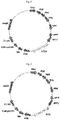
FIG. 1 illustrates the cleavage map of Lentivirus encoding complementary DNA of ETV2; -
FIG. 2 illustrates the cleavage map of Lentivirus encoding complementary DNA of FLI1; -
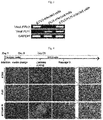
FIG. 3 illustrates the RT-PCR results of the expression of ETV2 and FLI1, 5 days after infection; -
FIG. 4 illustrates phase-contrast images over time of vascular progenitor cells induced by being transformed with ETV2, FLI1 or ETV2/FLI1; -
FIG. 5 is of immunofluorescence images illustrating the expression of vWF, α-SMA and CD31 as differentiation markers of induced vascular progenitor cells; -
FIG. 6 illustrates blood flow over time, calculated on the basis of colored histogram pixels, after transplantation of induced vascular progenitor cells into mice; and -
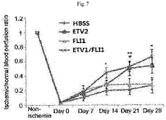
FIG. 7 illustrates the ischemic/nonischemic limb blood flow ratio, as represented by LDPI index, after transplantation of induced vascular progenitor cells into mice. - The present invention addresses a composition for inducing the direct transdifferentiation of somatic cells into vascular progenitor cells, including, as an active ingredient, at least one protein selected from among ETV2 (ETS variant gene 2) and FLI1 (Friend leukemia virus integration 1), a nucleic acid molecule encoding the protein, or a vector having the nucleic acid molecule introduced thereto.
- In the present invention, ETV2 (ETS variant gene 2) is a member of the ETS (E26 transformation-specific or E-twenty-six) family, and is registered with NCBI Registration No. NM_014209.3. The ETS factor is known to be associated with embryonic blood vessel development. In particular, ETV2 is known to perform an essential regulatory function in vascular endothelial differentiation, but the function thereof for inducing the direct transdifferentiation of somatic cells into vascular progenitor cells is not known at all.
- Also, FLI1 (Friend leukemia virus integration 1) is a member of the ETS family, and is registered with NCBI Registration No. NM_002017.4. It is known to inhibit the differentiation of red blood cells through constitutive activation in the erythroblasts. In particular, the function of FLI1 for inducing the direct transdifferentiation into vascular progenitor cells is not known at all, like ETV2.
- In the present invention, ETV2, FLI1, or a combination thereof may be provided in the form of a protein or a nucleic acid encoding the protein, and the protein may include any ETV2 or FLI1 protein derived from humans or animals, such as mice, horses, sheep, pigs, goats, camels, antelopes, and dogs. Furthermore, the ETV2 or FLI1 protein used in the present invention includes not only a protein having a wild-type amino acid sequence but also a protein variant ofthe ETV2 or FLI1 protein.
- The term "protein variant" refers to a protein, at least one amino acid residue of which differs from the native amino acid sequence of an ETV2 or FLI1 protein, resulting from deletion, insertion, non-conservative or conservative substitution, or combinations thereof The variant may be a functional equivalent that shows the same biological activity as a native protein, may be a variant in which the physical and chemical properties of a protein are modified as necessary, or may be a variant the structural stability of which is increased under certain physical or chemical conditions, or the physiological activity of which is increased.
- In the present invention, a nucleic acid encoding ETV2 or FLI1 may have a base sequence encoding the wild-type or variant-type ETV2 or FLI1 protein, and may be mutated by subjecting at least one base to substitution, deletion, insertion, or combinations thereof Also, it may be prepared via extraction from nature or using a chemical synthesis method. The nucleic acid having the base sequence encoding the ETV2 or FLI1 protein may be a single chain or a double chain, and maybe a DNA molecule (genomic DNA, cDNA) or an RNA molecule.
- In the present invention, the vector may include a signal sequence or a reader sequence for membrane targeting or secretion, in addition to an expression regulatory element, such as a promoter, an operator, an initiation codon, a termination codon, a polyadenylation signal, or an enhancer, and may be variously manufactured so as to be adapted for some purpose. The promoter of the vector may be constructive or inductive. Furthermore, the expression vector includes a selective marker for selecting a host cell containing the vector, and a replicable expression vector includes a replication origin. The vector may be self-replicating, or may be integrated into the host DNA.
- The vector includes a plasmid vector, a cosmid vector, a viral vector, and an episomal vector. Preferably useful is a viral vector. An example of the viral vector may include, but is not limited to, a vector derived from Retrovirus, for example, HIV (Human Immunodeficiency Virus), MLV (Murine Leukemia Virus), ASLV (Avian Sarcoma/Leukosis), SNV (Spleen Necrosis Virus), RSV (Rous Sarcoma Virus), MMTV (Mouse Mammary Tumor Virus), Adenovirus, Adeno-associated virus, Herpes simplex virus, etc. In particular, the vector is used to increase the efficiency of direct transdifferentiation. Any vector that exhibits the effects of the present invention may be used, so long as it causes genes associated with cells to be converted to be over-expressed in typical somatic cells. Specifically, the vector may be exemplified by a lentiviral vector that expresses ETV2 or FLI1, and particularly an SF-based lentiviral vector as an SFFV promoter.
- Also, the nucleic acid encoding the ETV2 or FLI1 protein may be transferred or introduced into cells using any process known in the art, for example, using a vector-type naked DNA, or using a liposome, cationic polymer, etc.
- The liposome is a phospholipid membrane obtained through mixing with cationic phospholipids such as DOTMA or DOTAP for gene delivery. When a cationic liposome and an anionic nucleic acid are mixed at a predetermined ratio, a nucleic acid-liposome complex may be formed, and may thereby be introduced into the cells.
- Specifically in the present invention, the nucleic acid molecule encoding the ETV2 or FLI1 protein is contained in a viral vector, and thereby the viral vector, which includes the nucleic acid encoding the ETV2 or FLI1 protein, may be introduced into somatic cells together with a packaging-defective helper plasmid. Examples of the virus may include, but are not limited to, Retrovirus, Adenovirus, Adeno-associated virus, Herpes simplex virus, etc.
- As used herein, the term "somatic cell" refers to any cell other than a germ cell. Examples of somatic cells may include fibroblasts, muscle cells, nerve cells, gastric mucosal cells, goblet cells, G cells, pericytes, astrocytes, B cells, blood cells, epithelial cells, neural stem cells, hematopoietic stem cells, mesenchymal stem cells, and cord blood stem cells. However, direct transdifferentiation may be applied regardless of the specific kind of tissue cell, so long as it starts from somatic cells, and the present invention is not limited to the above examples of somatic cells. In an embodiment of the present invention, direct transdifferentiation is induced using fibroblasts.
- As used herein, the term "vascular progenitor cell" refers to a progenitor cell having the ability to differentiate into a vascular endothelial cell, a vascular smooth muscle cell, a pericyte, or a vascular cell, which is a constituent of the blood vessel in vivo. Also, in the present invention, "iVPC" designates an induced vascular progenitor cell, for example, an induced vascular progenitor cell obtained from a somatic cell through direct differentiation according to the method ofthe present invention.
- In addition, the present invention addresses a pharmaceutical composition for the prevention or treatment of ischemic vascular disease, including, as an active ingredient, at least one protein selected from among ETV2 (ETS variant gene 2) and FLI1 (Friend leukemia virus integration 1), a nucleic acid molecule encoding the protein, a vector having the nucleic acid molecule introduced thereto, or a vascular progenitor cell induced through direct transdifferentiation.
- In addition, the present invention addresses a cell therapy agent for the prevention or treatment of ischemic vascular disease, including, as an active ingredient, at least one protein selected from among ETV2 (ETS variant gene 2) and FLI1 (Friend leukemia virus integration 1), a nucleic acid molecule encoding the protein, a vector having the nucleic acid molecule introduced thereto, or a vascular progenitor cell induced through direct transdifferentiation.
- In addition, the present invention addresses a drug screening composition for the treatment of ischemic vascular disease, including, as an active ingredient, at least one protein selected from among ETV2 (ETS variant gene 2) and FLI1 (Friend leukemia virus integration 1), a nucleic acid molecule encoding the protein, a vector having the nucleic acid molecule introduced thereto, or a vascular progenitor cell induced through direct transdifferentiation.
- Ischemic vascular disease refers to any disease that causes blood flow disorder due to blood vessel impairment by external or internal causes, and is not limited to generation at specific portions in vivo. Specific examples of the ischemic vascular disease may include, but are not limited to, cerebrovascular disease, cardiovascular disease, limb ischemia, peripheral vascular disease, and ischemic muscle necrosis. More specifically, the cerebrovascular disease may be cerebral infarction, stroke, or brain hemorrhage, and may include any blood flow disorder attributable to cerebrovascular damage, but the present invention is not limited to the examples of the above disease. Also, the cardiovascular disease may be arteriosclerosis, ischemic reperfusion injury, restenosis, arterial inflammation, vascular wall remodeling, ventricular remodeling, rapid ventricular pacing, coronary micro embolism, tachycardia, bradycardia, pressure overload, coronary artery ligation, arrhythmias, stroke, angina, myocardial infarction, heart failure, or hypertension, but may include any blood flow disorder attributable to cardiovascular damage, and the present invention is not limited to the examples of the above disease.
- As used herein, the term "cell therapy agent" refers to a medicine (US FDA-regulated) used for the purpose of treatment, diagnosis or prevention of diseases with cells and tissues manufactured through culturing and specialized tasks after separation from human beings, especially a medicine used for the purpose of treatment, diagnosis or prevention of diseases by proliferating or screening autologous, allogeneic or xenogeneic living cells in vitro or otherwise changing the biological characteristics of cells in order to restore the functions of cells or tissues.
- In addition, the present invention addresses a 3D printing biomaterial composition for manufacturing artificial tissue for the treatment of ischemic vascular disease, including, as an active ingredient, at least one protein selected from among ETV2 (ETS variant gene 2) and FLI1 (Friend leukemia virus integration 1), a nucleic acid molecule encoding the protein, a vector having the nucleic acid molecule introduced thereto, or a vascular progenitor cell induced through direct transdifferentiation.
- In addition, the present invention addresses a method for the direct transdifferentiation of somatic cells into vascular progenitor cells, including introducing somatic cells with at least one protein selected from among ETV2 (ETS variant gene 2) and FLI1 (Friend leukemia virus integration 1), a nucleic acid molecule encoding the protein, or a vector having the nucleic acid molecule introduced thereto.
- More specifically, the method includes: culturing somatic cells in a culture medium, transducing the cultured somatic cells with a vector containing ETV2, FLI1 or combined genes thereof, and culturing the infected somatic cells under culture conditions for inducing direct transdifferentiation.
- The culture medium used for culturing the somatic cells includes any medium typically useful in the culture not only of somatic cells but also of stem cells and progenitor cells in the art. The culture medium usually contains a carbon source, a nitrogen source, and small amounts of elements. In a specific embodiment of the present invention, transduced fibroblasts are cultured in a culture medium supplemented with protamine sulfate (Sigma), but elements necessary for culturing the cells may be contained without limitation, in addition to the protamine sulfate.
- Also, the culture conditions for inducing the direct transdifferentiation of somatic cells may include any culture medium typically used to induce direct transdifferentiation of somatic cells in the art. In a specific embodiment ofthe present invention, useful is a culture medium for growing vascular progenitor cells, comprising 10% FBS-containing minimal essential medium (MEM), 2 mM L-glutamine, β-mercaptoethanol, penicillin/streptomycin, and 10 ng/ml VEGF165.
- In the present invention, the vascular progenitor cells induced through direct transdifferentiation are associated with existing vascular differentiation and related vascular cell proliferation to thus aid new blood vessel formation, and may increase both the number and density of vascular cells, thereby exhibiting superior therapeutic effects on ischemic disease.
- A better understanding of the present invention may be obtained through the following examples, which are set forth to illustrate, but are not to be construed as limiting the scope of the present invention. The examples of the present invention are provided to fully describe the present invention to those having ordinary knowledge in the art to which the present invention pertains.
- Dermal fibroblasts were cultured in a fibroblast medium (10% FBS-containing DMEM high glucose, 2 mM L-glutamine, 1x MEM nonessential amino acid, β-mercaptoethanol, 1x penicillin/streptomycin).
- 293 cells were infected with an SFFV promoter, that is, an SF-based lentiviral vector encoding complementary DNA of ETV2 and FLI1, and with a packaging-defective helper plasmid using a Fugene 6 transfection reagent (Roche). After 48 hr, a viral supernatant was obtained according to the method disclosed in Zaehres, H. & Daley, G. Q., (2006), Methods Enzymol 420, 49-64.
- The dermal fibroblasts were aliquoted at a density of 1x10⁴ cells into a 0.1% gelatin-coated 6-well plate and cultured for 24 hr, together with the viral supernatant that contained ETV2 and FLI1 (1:1) and was supplemented with 6 µg/ml protamine sulfate (Sigma). The transduction efficiency was calculated using SF-GFP control virus.
- Two days after injection, the cells were aliquoted again into a new fibroblast medium, and the medium was replaced with a vascular progenitor cell growth medium (10% FBS-containing minimal essential medium (MEM, Sigma), 2 mM L-glutamine, β-mercaptoethanol, penicillin/streptomycin, 10 ng/ml VEGF165 (Peprotech)). Thereafter, the medium was replaced with a new one at an interval of three days, and the colony was physically separated for proliferation.
- Five days after infection, the expression of ETV2 and FLI1 was observed using RT-PCR.
- Specifically, total RNA was extracted from each cell using an RNeasy kit (Qiagen), five days after the infection, and cDNA was synthesized using Omniscript RT (Qiagen). PCT was performed using a Taq DNA polymerase recombinant (Invitrogen).
- After RT-PCR, expression was confirmed through loading on agarose gel, using GAPDH as a control (
FIG. 3 ). - As illustrated in
FIG. 4 , using phase-contrast microscopy, colonies began to appear in the cell populations infected with ETV2 and ETV2/FLI1 within 10 to 11 days after the infection, and the number of colonies increased over time. - The present inventors observed colonies in the cell populations infected with FLI1 within 30 days after the infection. In order to proliferate the colonies, the cell populations were physically separated and cultured in a gelatin-coated dish.
- In order to perform immunocytochemistry, the cells were immobilized for 10 min in 4% para-formaldehyde and treated with 0.1% Triton X-100 for 10 min so as to be permeable. The cells were cultured for 30 min in a 4% FBS/PBS blocking solution and then reacted for 1 hr with a primary antibody diluted with the blocking solution at room temperature. The primary antibody used was as follows: vWF (1:400, Abcam), CD31 (1:200, Chemicon) and α-SMA (1:200, Abcam).
- After reaction with the primary antibody, the cells were washed three times with 0.05% PBST (tween20/PBS). Thereafter, a secondary fluorescent antibody was diluted with PBS and then reacted with the cells for 1 hr (Alexa Fluor 488 and 568; 1:1000, Molecular Probes). The cells were washed three times with 0.05% PBST, and the nuclei were counterstained for 15 sec using Hoechst 33342 (Thermo Scientific). After the staining, the cells were observed using an Olympus Cell^TIRF (UOBC center, UNIST) microscope.
- The vascular progenitor cells had properties such that they were capable of differentiation into vascular endothelial cells and smooth muscle cells, and CD31 and vWF were used as markers for the vascular endothelial cells, and α-SMA was used as a marker for the smooth muscle cells. Through immunocytochemical analysis, induced vascular progenitor cells (iVPCs) obtained through transformation by each of ETV2, FLI1 and ETV2/FLIl were confirmed (
FIG. 5 ). - In the ischemic limb model, whether induced vascular progenitor cells (induced-VPCs, iVPCs), obtained through transformation with ETV2, FLI1 and ETV2/FLIl, were effective at restoring blood flow was evaluated. To this end, the induced vascular progenitor cells were transplanted into the model. After a predetermined period of time, the blood flow was measured.
- Specifically, thymus-free nude mice (male, 8 to 10-week-old, weight 17 to 22 g) were paralyzed with 160 mg/kg of pentobarbital for incision of the femoral artery and laser Doppler perfusion imaging. The femoral artery was incised to the distal point at which it is divided into the saphenous vein and the popliteal vein from the proximal tissue as branches of the external iliac artery. After arterial ligation, the mice were divided into the following test groups: ETV2, FLI1, and ETV2/FLI1 iVPC and a control (HBSS; saline injection) (n=8 per group).
- Before the transplantation, the cells were labeled with CM-Dil (Invitrogen). Thereafter, four points of the gracilis muscle in the central thigh of each mouse were intramuscularly injected with 1x10⁶ cells (80 µL) or HBSS. 7, 14 and 28 days after transplantation of the cells into ischemic and normal limbs, as well as on the day of transplantation, measurement was performed using a laser Doppler perfusion imaging (LDPI) analyzer (Moor instruments, Devon, UK) (
FIG. 6 ). - The blood flows of the ischemic and nonischemic limbs were calculated on the basis of colored histogram pixels. The red and the blue indicated high blood flow and low blood flow, respectively. The blood flow was represented by the LDPI index, corresponding to the ischemic/nonischemic limb blood flow ratio. In
FIG. 7 , the ratio before surgery, 1, indicates the same blood flow in two limbs. - With regard to the measurement results, as illustrated in
FIGS. 6 and7 , all of the transplanted iVPC groups exhibited the restoration of blood flow in the ischemic limb model. In particular, the ETV2/FLI1 group manifested significantly increased blood flow restoration compared to the control.
Claims (10)
- A composition for inducing a direct transdifferentiation of a somatic cell into a vascular progenitor cell, comprising, as an active ingredient, at least one protein selected from among ETV2 (ETS variant gene 2) and FLI1 (Friend leukemia virus integration 1), a nucleic acid molecule encoding the protein, or a vector comprising the nucleic acid molecule .
- The composition for inducing the direct transdifferentiation of a somatic cell into a vascular progenitor cell according to claim 1, wherein the vector is at least one selected from the group consisting of a plasmid vector, a cosmid vector, a HIV (Human Immunodeficiency Virus) vector, a MLV (Murine Leukemia Virus) vector, an ASLV (Avian Sarcoma/Leukosis) vector, a SNV (Spleen Necrosis Virus) vector, a RSV (Rous Sarcoma Virus) vector, a MMTV (Mouse Mammary Tumor Virus) vector, an adenovirus vector, a Herpes simplex virus vector, and an episomal vector.
- The composition for inducing the direct transdifferentiation of a somatic cell into a vascular progenitor cell according to claim 1, wherein the somatic cell is a cell selected from the group consisting of a fibroblast, a muscle cell, a nerve cells, a gastric mucosal cell, a goblet cells, a G cells, a pericyte, an astrocyte, a B cell, a blood cell, an epithelial cell, a neural stem cell, a hematopoietic stem cell, a cord blood stem cell, and a mesenchymal stem cell.
- A vascular progenitor cell induced through direct transdifferentiation by introducing at least one protein selected from among ETV2 (ETS variant gene 2) and FLI1 (Friend leukemia virus integration 1), a nucleic acid molecule encoding the protein, or a vector comprising the nucleic acid molecule, to a somatic cell.
- A pharmaceutical composition for the prevention or treatment of ischemic vascular disease, comprising, as an active ingredient, at least one protein selected from among ETV2 (ETS variant gene 2) and FLI1 (Friend leukemia virus integration 1), a nucleic acid molecule encoding the protein, a vector comprising the nucleic acid molecule, or the vascular progenitor cell induced through direct transdifferentiation of claim 4.
- The pharmaceutical composition for the prevention or treatment of ischemic vascular disease according to claim 5, wherein the ischemic vascular disease is cerebrovascular disease, cardiovascular disease, limb ischemia, peripheral vascular disease, or ischemic muscle necrosis.
- A cell therapy agent for the prevention or treatment of ischemic vascular disease, comprising, as an active ingredient, at least one protein selected from among ETV2 (ETS variant gene 2) and FLI1 (Friend leukemia virus integration 1), a nucleic acid molecule encoding the protein, a vector comprising the nucleic acid molecule, or the vascular progenitor cell induced through direct transdifferentiation of claim 4.
- A composition for screening a drug for the treatment of ischemic vascular disease, comprising, as an active ingredient, at least one protein selected from among ETV2 (ETS variant gene 2) and FLI1 (Friend leukemia virus integration 1), a nucleic acid molecule encoding the protein, a vector comprising the nucleic acid molecule, or the vascular progenitor cell induced through direct transdifferentiation of claim 4.
- A 3D printing biomaterial composition for manufacturing artificial tissue for the treatment of ischemic vascular disease, comprising, as an active ingredient, at least one protein selected from among ETV2 (ETS variant gene 2) and FLI1 (Friend leukemia virus integration 1), a nucleic acid molecule encoding the protein, a vector comprising the nucleic acid molecule, or the vascular progenitor cell induced through direct transdifferentiation of claim 4.
- A method for direct transdifferentiation of a somatic cell into a vascular progenitor cell, comprising introducing at least one protein selected from among ETV2 (ETS variant gene 2) and FLI1 (Friend leukemia virus integration 1), a nucleic acid molecule encoding the protein, or a vector comprising the nucleic acid molecule, to the somatic cell.
Applications Claiming Priority (2)
| Application Number | Priority Date | Filing Date | Title |
|---|---|---|---|
| KR20140025095 | 2014-03-03 | ||
| PCT/KR2015/002039 WO2015133792A1 (en) | 2014-03-03 | 2015-03-03 | Composition for inducing direct transdifferentiation of somatic cell into vascular progenitor cell, and use thereof |
Publications (3)
| Publication Number | Publication Date |
|---|---|
| EP3117839A1 true EP3117839A1 (en) | 2017-01-18 |
| EP3117839A4 EP3117839A4 (en) | 2017-12-20 |
| EP3117839B1 EP3117839B1 (en) | 2024-11-13 |
Family
ID=54243985
Family Applications (1)
| Application Number | Title | Priority Date | Filing Date |
|---|---|---|---|
| EP15758822.9A Active EP3117839B1 (en) | 2014-03-03 | 2015-03-03 | Composition for inducing direct transdifferentiation of somatic cell into vascular progenitor cell, and use thereof |
Country Status (4)
| Country | Link |
|---|---|
| US (1) | US10174287B2 (en) |
| EP (1) | EP3117839B1 (en) |
| KR (1) | KR101702629B1 (en) |
| CN (1) | CN106163572B (en) |
Cited By (2)
| Publication number | Priority date | Publication date | Assignee | Title |
|---|---|---|---|---|
| CN108939092A (en) * | 2017-05-19 | 2018-12-07 | 四川大学 | Purposes of the muscle cell ETV2 gene expression promotor in the drug of preparation treatment acro-ischemia disease |
| EP3942018A4 (en) * | 2019-03-17 | 2022-12-07 | Baylor College of Medicine | DIRECT REPROGRAMMING OF CARDIAC FIBROBLASTS INTO CARDIOMYOCYTES USING AN ENDOTHELIAL CELL TRANSDIFFERENTIATION STRATEGY |
Families Citing this family (11)
| Publication number | Priority date | Publication date | Assignee | Title |
|---|---|---|---|---|
| BR112019012997A2 (en) * | 2016-12-22 | 2019-12-10 | Ohio State Innovation Foundation | compositions and methods for reprogramming somatic cells for induced vasculogenic cells |
| US11932876B2 (en) | 2017-02-03 | 2024-03-19 | Cornell University | Stable three-dimensional blood vessels and methods for forming the same |
| WO2019088772A2 (en) * | 2017-11-02 | 2019-05-09 | 연세대학교 산학협력단 | Pharmaceutical composition for treatment or prevention of ischemic cardiovascular disease |
| KR102101384B1 (en) * | 2017-11-02 | 2020-04-16 | 연세대학교 산학협력단 | Pharmaceutical composition for treating or preventing ischemic cardiovascular disease |
| CN110042125A (en) * | 2018-01-16 | 2019-07-23 | 深圳市伊思科生物科技有限公司 | Fat mesenchymal stem cell transdifferentiation prepares method, vascular cell and its application of vascular cell |
| CN110713984B (en) * | 2018-11-27 | 2024-01-23 | 四川大学 | Method for inducing human mesenchymal stem cells to generate functional endothelial cells |
| JP7285591B2 (en) * | 2019-01-02 | 2023-06-02 | セラピューティクス バイオ | A novel glial-like cell differentiated from a somatic cell, a method for producing the same, a cocktail composition for producing the same, a cell therapeutic agent for preventing or treating neurological diseases containing the same, and a method for preventing and treating neurological diseases by administering the same |
| KR102249776B1 (en) | 2019-11-25 | 2021-05-10 | 연세대학교 산학협력단 | Improved reprogramming system in vivo and a method for cell conversion using thereof |
| EP4163381A4 (en) * | 2020-06-09 | 2024-03-13 | Ulsan National Institute of Science and Technology (UNIST) | Composition for inducing direct cross differentiation of somatic cell into motor neuron, and method for using same |
| CN115515608A (en) * | 2020-06-12 | 2022-12-23 | 埃默里大学 | Direct in vivo reprogramming with transcription factor ETV2 gene to achieve endothelial cell and blood vessel formation |
| WO2024192351A2 (en) * | 2023-03-16 | 2024-09-19 | Cornell University | Transient modified-rna based elevated expression of fli-1 to augment hematopoietic stem and progenitor cell expansion |
Family Cites Families (3)
| Publication number | Priority date | Publication date | Assignee | Title |
|---|---|---|---|---|
| FR2943926B1 (en) | 2009-04-02 | 2011-05-06 | Ederna | METHOD AND DEVICE FOR OSMOTIC EVAPORATION |
| JP5897002B2 (en) * | 2010-07-07 | 2016-04-13 | セルラー ダイナミクス インターナショナル, インコーポレイテッド | Endothelial cell production by programming |
| US9637723B2 (en) * | 2012-05-30 | 2017-05-02 | Cornell University Q | Generation of functional and durable endothelial cells from human amniotic fluid-derived cells |
-
2015
- 2015-03-03 US US15/120,171 patent/US10174287B2/en active Active
- 2015-03-03 CN CN201580011343.0A patent/CN106163572B/en not_active Expired - Fee Related
- 2015-03-03 EP EP15758822.9A patent/EP3117839B1/en active Active
- 2015-03-03 KR KR1020150029725A patent/KR101702629B1/en active Active
Cited By (2)
| Publication number | Priority date | Publication date | Assignee | Title |
|---|---|---|---|---|
| CN108939092A (en) * | 2017-05-19 | 2018-12-07 | 四川大学 | Purposes of the muscle cell ETV2 gene expression promotor in the drug of preparation treatment acro-ischemia disease |
| EP3942018A4 (en) * | 2019-03-17 | 2022-12-07 | Baylor College of Medicine | DIRECT REPROGRAMMING OF CARDIAC FIBROBLASTS INTO CARDIOMYOCYTES USING AN ENDOTHELIAL CELL TRANSDIFFERENTIATION STRATEGY |
Also Published As
| Publication number | Publication date |
|---|---|
| CN106163572A (en) | 2016-11-23 |
| EP3117839B1 (en) | 2024-11-13 |
| KR101702629B1 (en) | 2017-02-06 |
| US10174287B2 (en) | 2019-01-08 |
| US20170130204A1 (en) | 2017-05-11 |
| KR20150104049A (en) | 2015-09-14 |
| CN106163572B (en) | 2021-09-14 |
| EP3117839A4 (en) | 2017-12-20 |
Similar Documents
| Publication | Publication Date | Title |
|---|---|---|
| US10174287B2 (en) | Composition for inducing direct transdifferentiation of somatic cell into vascular progenitor cell, and use thereof | |
| JP2024050597A (en) | Cells differentiated from immune-modified pluripotent cells | |
| US12098390B2 (en) | Generating vasculogenic cell populations | |
| US20230174929A1 (en) | Method for generating mesoderm and/or endothelial colony forming cell-like cells having in vivo blood vessel forming capacity | |
| CN105492597A (en) | Method for preparing induced neural stem cells reprogrammed from non-neuronal cells using HMGA2 | |
| US10563175B2 (en) | Method for generating endothelial colony forming cell-like cells | |
| CN113574167B (en) | Composition for increasing biological activity of stem cells using mixture 4F | |
| Atoui et al. | Marrow stromal cells as universal donor cells for myocardial regenerative therapy: their unique immune tolerance | |
| TWI263784B (en) | Encapsulated cell indicator system | |
| US20080213231A1 (en) | Pluripotent Stem Cell Cloned From Single Cell Derived From Skeletal Muscle Tissue | |
| CN103562377B (en) | Adult stem cell line incorporating hepatocyte growth factor gene and neurogenic transcription factor gene with basic helix-loop-helix motif and use thereof | |
| KR102793810B1 (en) | Pharmaceutical composition for preventing or treating vascular diseases comprising mesenchymal stem cell expressing hepatocyte growth factor | |
| WO2015133792A1 (en) | Composition for inducing direct transdifferentiation of somatic cell into vascular progenitor cell, and use thereof | |
| WO2018183653A1 (en) | Method of generating and using cd34+ cells derived from fibroblasts | |
| US20240182858A1 (en) | Pericyte having basic fibroblast growth factor (bfgf) gene introduced therein | |
| Dhakad et al. | Review on stem cell therapy and its various aspects | |
| US20110027234A1 (en) | Methods for identification and selection of human embryonic stem cell derived cells | |
| US20240335480A1 (en) | Vascular endothelial growth factor (vegf)-highly expressing pericyte-like cell | |
| US20240316115A1 (en) | Method for producing vascular endothelial growth factor (vegf)- highly expressing pericyte-like cell | |
| Yang et al. | Application of human umbilical cord mesenchymal stem cells in spinal cord injury | |
| Sottile | Mesenchymal stem cells generate distinc functional hybrids via cell fusion or entosis | |
| KR20200047096A (en) | Composition for inducing dedifferentiation for induced pluripotent stem cells | |
| Poole | Cardiovascular therapeutics derived from the paracrine biology of adult human progenitor cells | |
| Nadworny | Examining The Role Of Redox Biology In A Population Of Neonatal Cardiac Precursor Cells Marked By The Type Iii Receptor Tyrosine Kinase, C-Kit | |
| Tchao | Engineered human cardiac tissue from muscle derived stem cells |
Legal Events
| Date | Code | Title | Description |
|---|---|---|---|
| STAA | Information on the status of an ep patent application or granted ep patent |
Free format text: STATUS: THE INTERNATIONAL PUBLICATION HAS BEEN MADE |
|
| PUAI | Public reference made under article 153(3) epc to a published international application that has entered the european phase |
Free format text: ORIGINAL CODE: 0009012 |
|
| STAA | Information on the status of an ep patent application or granted ep patent |
Free format text: STATUS: REQUEST FOR EXAMINATION WAS MADE |
|
| 17P | Request for examination filed |
Effective date: 20160905 |
|
| AK | Designated contracting states |
Kind code of ref document: A1 Designated state(s): AL AT BE BG CH CY CZ DE DK EE ES FI FR GB GR HR HU IE IS IT LI LT LU LV MC MK MT NL NO PL PT RO RS SE SI SK SM TR |
|
| AX | Request for extension of the european patent |
Extension state: BA ME |
|
| DAV | Request for validation of the european patent (deleted) | ||
| DAX | Request for extension of the european patent (deleted) | ||
| A4 | Supplementary search report drawn up and despatched |
Effective date: 20171116 |
|
| RIC1 | Information provided on ipc code assigned before grant |
Ipc: A61K 35/44 20150101ALI20171110BHEP Ipc: A61K 48/00 20060101AFI20171110BHEP Ipc: C12N 5/071 20100101ALI20171110BHEP Ipc: A61P 9/10 20060101ALI20171110BHEP Ipc: A61P 9/00 20060101ALI20171110BHEP Ipc: G01N 33/50 20060101ALI20171110BHEP |
|
| STAA | Information on the status of an ep patent application or granted ep patent |
Free format text: STATUS: EXAMINATION IS IN PROGRESS |
|
| 17Q | First examination report despatched |
Effective date: 20200317 |
|
| GRAP | Despatch of communication of intention to grant a patent |
Free format text: ORIGINAL CODE: EPIDOSNIGR1 |
|
| STAA | Information on the status of an ep patent application or granted ep patent |
Free format text: STATUS: GRANT OF PATENT IS INTENDED |
|
| INTG | Intention to grant announced |
Effective date: 20240626 |
|
| GRAS | Grant fee paid |
Free format text: ORIGINAL CODE: EPIDOSNIGR3 |
|
| GRAA | (expected) grant |
Free format text: ORIGINAL CODE: 0009210 |
|
| STAA | Information on the status of an ep patent application or granted ep patent |
Free format text: STATUS: THE PATENT HAS BEEN GRANTED |
|
| AK | Designated contracting states |
Kind code of ref document: B1 Designated state(s): AL AT BE BG CH CY CZ DE DK EE ES FI FR GB GR HR HU IE IS IT LI LT LU LV MC MK MT NL NO PL PT RO RS SE SI SK SM TR |
|
| REG | Reference to a national code |
Ref country code: GB Ref legal event code: FG4D |
|
| REG | Reference to a national code |
Ref country code: CH Ref legal event code: EP |
|
| REG | Reference to a national code |
Ref country code: DE Ref legal event code: R096 Ref document number: 602015090397 Country of ref document: DE |
|
| REG | Reference to a national code |
Ref country code: IE Ref legal event code: FG4D |
|
| REG | Reference to a national code |
Ref country code: LT Ref legal event code: MG9D |
|
| REG | Reference to a national code |
Ref country code: NL Ref legal event code: MP Effective date: 20241113 |
|
| PG25 | Lapsed in a contracting state [announced via postgrant information from national office to epo] |
Ref country code: HR Free format text: LAPSE BECAUSE OF FAILURE TO SUBMIT A TRANSLATION OF THE DESCRIPTION OR TO PAY THE FEE WITHIN THE PRESCRIBED TIME-LIMIT Effective date: 20241113 Ref country code: IS Free format text: LAPSE BECAUSE OF FAILURE TO SUBMIT A TRANSLATION OF THE DESCRIPTION OR TO PAY THE FEE WITHIN THE PRESCRIBED TIME-LIMIT Effective date: 20250313 Ref country code: PT Free format text: LAPSE BECAUSE OF FAILURE TO SUBMIT A TRANSLATION OF THE DESCRIPTION OR TO PAY THE FEE WITHIN THE PRESCRIBED TIME-LIMIT Effective date: 20250313 |
|
| PGFP | Annual fee paid to national office [announced via postgrant information from national office to epo] |
Ref country code: DE Payment date: 20250225 Year of fee payment: 11 |
|
| PG25 | Lapsed in a contracting state [announced via postgrant information from national office to epo] |
Ref country code: FI Free format text: LAPSE BECAUSE OF FAILURE TO SUBMIT A TRANSLATION OF THE DESCRIPTION OR TO PAY THE FEE WITHIN THE PRESCRIBED TIME-LIMIT Effective date: 20241113 Ref country code: NL Free format text: LAPSE BECAUSE OF FAILURE TO SUBMIT A TRANSLATION OF THE DESCRIPTION OR TO PAY THE FEE WITHIN THE PRESCRIBED TIME-LIMIT Effective date: 20241113 |
|
| REG | Reference to a national code |
Ref country code: AT Ref legal event code: MK05 Ref document number: 1741154 Country of ref document: AT Kind code of ref document: T Effective date: 20241113 |
|
| PG25 | Lapsed in a contracting state [announced via postgrant information from national office to epo] |
Ref country code: BG Free format text: LAPSE BECAUSE OF FAILURE TO SUBMIT A TRANSLATION OF THE DESCRIPTION OR TO PAY THE FEE WITHIN THE PRESCRIBED TIME-LIMIT Effective date: 20241113 |
|
| PG25 | Lapsed in a contracting state [announced via postgrant information from national office to epo] |
Ref country code: ES Free format text: LAPSE BECAUSE OF FAILURE TO SUBMIT A TRANSLATION OF THE DESCRIPTION OR TO PAY THE FEE WITHIN THE PRESCRIBED TIME-LIMIT Effective date: 20241113 |
|
| PG25 | Lapsed in a contracting state [announced via postgrant information from national office to epo] |
Ref country code: NO Free format text: LAPSE BECAUSE OF FAILURE TO SUBMIT A TRANSLATION OF THE DESCRIPTION OR TO PAY THE FEE WITHIN THE PRESCRIBED TIME-LIMIT Effective date: 20250213 |
|
| PG25 | Lapsed in a contracting state [announced via postgrant information from national office to epo] |
Ref country code: LV Free format text: LAPSE BECAUSE OF FAILURE TO SUBMIT A TRANSLATION OF THE DESCRIPTION OR TO PAY THE FEE WITHIN THE PRESCRIBED TIME-LIMIT Effective date: 20241113 Ref country code: GR Free format text: LAPSE BECAUSE OF FAILURE TO SUBMIT A TRANSLATION OF THE DESCRIPTION OR TO PAY THE FEE WITHIN THE PRESCRIBED TIME-LIMIT Effective date: 20250214 Ref country code: AT Free format text: LAPSE BECAUSE OF FAILURE TO SUBMIT A TRANSLATION OF THE DESCRIPTION OR TO PAY THE FEE WITHIN THE PRESCRIBED TIME-LIMIT Effective date: 20241113 |
|
| PG25 | Lapsed in a contracting state [announced via postgrant information from national office to epo] |
Ref country code: PL Free format text: LAPSE BECAUSE OF FAILURE TO SUBMIT A TRANSLATION OF THE DESCRIPTION OR TO PAY THE FEE WITHIN THE PRESCRIBED TIME-LIMIT Effective date: 20241113 |
|
| PGFP | Annual fee paid to national office [announced via postgrant information from national office to epo] |
Ref country code: GB Payment date: 20250220 Year of fee payment: 11 |
|
| PG25 | Lapsed in a contracting state [announced via postgrant information from national office to epo] |
Ref country code: RS Free format text: LAPSE BECAUSE OF FAILURE TO SUBMIT A TRANSLATION OF THE DESCRIPTION OR TO PAY THE FEE WITHIN THE PRESCRIBED TIME-LIMIT Effective date: 20250213 |
|
| PG25 | Lapsed in a contracting state [announced via postgrant information from national office to epo] |
Ref country code: SM Free format text: LAPSE BECAUSE OF FAILURE TO SUBMIT A TRANSLATION OF THE DESCRIPTION OR TO PAY THE FEE WITHIN THE PRESCRIBED TIME-LIMIT Effective date: 20241113 |
|
| PG25 | Lapsed in a contracting state [announced via postgrant information from national office to epo] |
Ref country code: DK Free format text: LAPSE BECAUSE OF FAILURE TO SUBMIT A TRANSLATION OF THE DESCRIPTION OR TO PAY THE FEE WITHIN THE PRESCRIBED TIME-LIMIT Effective date: 20241113 |
|
| PG25 | Lapsed in a contracting state [announced via postgrant information from national office to epo] |
Ref country code: EE Free format text: LAPSE BECAUSE OF FAILURE TO SUBMIT A TRANSLATION OF THE DESCRIPTION OR TO PAY THE FEE WITHIN THE PRESCRIBED TIME-LIMIT Effective date: 20241113 |
|
| PGFP | Annual fee paid to national office [announced via postgrant information from national office to epo] |
Ref country code: CH Payment date: 20250401 Year of fee payment: 11 |
|
| PG25 | Lapsed in a contracting state [announced via postgrant information from national office to epo] |
Ref country code: RO Free format text: LAPSE BECAUSE OF FAILURE TO SUBMIT A TRANSLATION OF THE DESCRIPTION OR TO PAY THE FEE WITHIN THE PRESCRIBED TIME-LIMIT Effective date: 20241113 |
|
| PG25 | Lapsed in a contracting state [announced via postgrant information from national office to epo] |
Ref country code: SK Free format text: LAPSE BECAUSE OF FAILURE TO SUBMIT A TRANSLATION OF THE DESCRIPTION OR TO PAY THE FEE WITHIN THE PRESCRIBED TIME-LIMIT Effective date: 20241113 |
|
| PG25 | Lapsed in a contracting state [announced via postgrant information from national office to epo] |
Ref country code: CZ Free format text: LAPSE BECAUSE OF FAILURE TO SUBMIT A TRANSLATION OF THE DESCRIPTION OR TO PAY THE FEE WITHIN THE PRESCRIBED TIME-LIMIT Effective date: 20241113 |
|
| PG25 | Lapsed in a contracting state [announced via postgrant information from national office to epo] |
Ref country code: IT Free format text: LAPSE BECAUSE OF FAILURE TO SUBMIT A TRANSLATION OF THE DESCRIPTION OR TO PAY THE FEE WITHIN THE PRESCRIBED TIME-LIMIT Effective date: 20241113 |
|
| REG | Reference to a national code |
Ref country code: DE Ref legal event code: R097 Ref document number: 602015090397 Country of ref document: DE |
|
| PG25 | Lapsed in a contracting state [announced via postgrant information from national office to epo] |
Ref country code: SE Free format text: LAPSE BECAUSE OF FAILURE TO SUBMIT A TRANSLATION OF THE DESCRIPTION OR TO PAY THE FEE WITHIN THE PRESCRIBED TIME-LIMIT Effective date: 20241113 |
|
| PLBE | No opposition filed within time limit |
Free format text: ORIGINAL CODE: 0009261 |
|
| STAA | Information on the status of an ep patent application or granted ep patent |
Free format text: STATUS: NO OPPOSITION FILED WITHIN TIME LIMIT |
|
| PG25 | Lapsed in a contracting state [announced via postgrant information from national office to epo] |
Ref country code: MC Free format text: LAPSE BECAUSE OF FAILURE TO SUBMIT A TRANSLATION OF THE DESCRIPTION OR TO PAY THE FEE WITHIN THE PRESCRIBED TIME-LIMIT Effective date: 20241113 |
|
| 26N | No opposition filed |
Effective date: 20250814 |
|
| PG25 | Lapsed in a contracting state [announced via postgrant information from national office to epo] |
Ref country code: LU Free format text: LAPSE BECAUSE OF NON-PAYMENT OF DUE FEES Effective date: 20250303 |
|
| REG | Reference to a national code |
Ref country code: BE Ref legal event code: MM Effective date: 20250331 |
|
| PG25 | Lapsed in a contracting state [announced via postgrant information from national office to epo] |
Ref country code: FR Free format text: LAPSE BECAUSE OF NON-PAYMENT OF DUE FEES Effective date: 20250331 |
|
| PG25 | Lapsed in a contracting state [announced via postgrant information from national office to epo] |
Ref country code: BE Free format text: LAPSE BECAUSE OF NON-PAYMENT OF DUE FEES Effective date: 20250331 |
|
| PG25 | Lapsed in a contracting state [announced via postgrant information from national office to epo] |
Ref country code: IE Free format text: LAPSE BECAUSE OF NON-PAYMENT OF DUE FEES Effective date: 20250303 |
|
| PG25 | Lapsed in a contracting state [announced via postgrant information from national office to epo] |
Ref country code: CY Free format text: LAPSE BECAUSE OF FAILURE TO SUBMIT A TRANSLATION OF THE DESCRIPTION OR TO PAY THE FEE WITHIN THE PRESCRIBED TIME-LIMIT Effective date: 20241113 |
|
| PG25 | Lapsed in a contracting state [announced via postgrant information from national office to epo] |
Ref country code: LT Free format text: LAPSE BECAUSE OF FAILURE TO SUBMIT A TRANSLATION OF THE DESCRIPTION OR TO PAY THE FEE WITHIN THE PRESCRIBED TIME-LIMIT Effective date: 20241113 |
|
| PG25 | Lapsed in a contracting state [announced via postgrant information from national office to epo] |
Ref country code: TR Free format text: LAPSE BECAUSE OF FAILURE TO SUBMIT A TRANSLATION OF THE DESCRIPTION OR TO PAY THE FEE WITHIN THE PRESCRIBED TIME-LIMIT Effective date: 20241113 |