EP3116147A1 - Hotknot-based proximity detection method and device, and touch screen terminal - Google Patents
Hotknot-based proximity detection method and device, and touch screen terminal Download PDFInfo
- Publication number
- EP3116147A1 EP3116147A1 EP15885766.4A EP15885766A EP3116147A1 EP 3116147 A1 EP3116147 A1 EP 3116147A1 EP 15885766 A EP15885766 A EP 15885766A EP 3116147 A1 EP3116147 A1 EP 3116147A1
- Authority
- EP
- European Patent Office
- Prior art keywords
- signal strength
- frequencies
- touch screen
- screen terminal
- proximity
- Prior art date
- Legal status (The legal status is an assumption and is not a legal conclusion. Google has not performed a legal analysis and makes no representation as to the accuracy of the status listed.)
- Granted
Links
Images


Classifications
-
- G—PHYSICS
- G06—COMPUTING OR CALCULATING; COUNTING
- G06F—ELECTRIC DIGITAL DATA PROCESSING
- G06F3/00—Input arrangements for transferring data to be processed into a form capable of being handled by the computer; Output arrangements for transferring data from processing unit to output unit, e.g. interface arrangements
- G06F3/01—Input arrangements or combined input and output arrangements for interaction between user and computer
- G06F3/03—Arrangements for converting the position or the displacement of a member into a coded form
- G06F3/041—Digitisers, e.g. for touch screens or touch pads, characterised by the transducing means
- G06F3/0416—Control or interface arrangements specially adapted for digitisers
- G06F3/04162—Control or interface arrangements specially adapted for digitisers for exchanging data with external devices, e.g. smart pens, via the digitiser sensing hardware
-
- H—ELECTRICITY
- H04—ELECTRIC COMMUNICATION TECHNIQUE
- H04B—TRANSMISSION
- H04B17/00—Monitoring; Testing
-
- H—ELECTRICITY
- H04—ELECTRIC COMMUNICATION TECHNIQUE
- H04B—TRANSMISSION
- H04B17/00—Monitoring; Testing
- H04B17/20—Monitoring; Testing of receivers
- H04B17/27—Monitoring; Testing of receivers for locating or positioning the transmitter
-
- H—ELECTRICITY
- H04—ELECTRIC COMMUNICATION TECHNIQUE
- H04B—TRANSMISSION
- H04B17/00—Monitoring; Testing
- H04B17/30—Monitoring; Testing of propagation channels
- H04B17/309—Measuring or estimating channel quality parameters
- H04B17/318—Received signal strength
-
- G—PHYSICS
- G06—COMPUTING OR CALCULATING; COUNTING
- G06F—ELECTRIC DIGITAL DATA PROCESSING
- G06F2203/00—Indexing scheme relating to G06F3/00 - G06F3/048
- G06F2203/041—Indexing scheme relating to G06F3/041 - G06F3/045
- G06F2203/04107—Shielding in digitiser, i.e. guard or shielding arrangements, mostly for capacitive touchscreens, e.g. driven shields, driven grounds
-
- G—PHYSICS
- G06—COMPUTING OR CALCULATING; COUNTING
- G06F—ELECTRIC DIGITAL DATA PROCESSING
- G06F2203/00—Indexing scheme relating to G06F3/00 - G06F3/048
- G06F2203/041—Indexing scheme relating to G06F3/041 - G06F3/045
- G06F2203/04108—Touchless 2D- digitiser, i.e. digitiser detecting the X/Y position of the input means, finger or stylus, also when it does not touch, but is proximate to the digitiser's interaction surface without distance measurement in the Z direction
-
- G—PHYSICS
- G06—COMPUTING OR CALCULATING; COUNTING
- G06F—ELECTRIC DIGITAL DATA PROCESSING
- G06F3/00—Input arrangements for transferring data to be processed into a form capable of being handled by the computer; Output arrangements for transferring data from processing unit to output unit, e.g. interface arrangements
- G06F3/01—Input arrangements or combined input and output arrangements for interaction between user and computer
- G06F3/03—Arrangements for converting the position or the displacement of a member into a coded form
- G06F3/041—Digitisers, e.g. for touch screens or touch pads, characterised by the transducing means
- G06F3/044—Digitisers, e.g. for touch screens or touch pads, characterised by the transducing means by capacitive means
-
- H—ELECTRICITY
- H04—ELECTRIC COMMUNICATION TECHNIQUE
- H04B—TRANSMISSION
- H04B5/00—Near-field transmission systems, e.g. inductive or capacitive transmission systems
- H04B5/20—Near-field transmission systems, e.g. inductive or capacitive transmission systems characterised by the transmission technique; characterised by the transmission medium
- H04B5/22—Capacitive coupling
Definitions
- the present application relates to the field of data communication technologies, and in particular to a touch screen terminal and a HotKnot based proximity detection method and apparatus for the touch screen terminal.
- HotKnot is a near-field communication technology (which is mainly used in a capacitive touch screen) used in some smart terminal devices.
- This near-field communication includes two processes: proximity detection process and data transmission process.
- the proximity detection process of the near-field communication is: a touch screen terminal of one party sends a proximity detection sequence (for example, the proximity detection sequence includes six frequencies), and after receiving the proximity detection sequence, a touch screen terminal of the other party successively scans the multiple frequencies included in the proximity detection sequence. If signal strength at each frequency is greater than a preset signal strength threshold, it is considered that a signal source exists at the frequency. After the scan is completed, if signal sources exist at all frequencies, it is determined that the sequence is valid; otherwise, it is determined that the sequence is invalid.
- the receiving party feeds back a proximity response sequence to the sending party.
- the sending party After receiving the proximity response sequence, the sending party successively performs scan similarly, and determines whether the response sequence is valid. The determining manner is described above. When the two parties both consider that the sequence is valid, it is considered that sequence identification succeeds once. After the sequence identification succeeds for multiple times according to an interaction rule, it is determined that a touch screen terminal approaches. After the proximity detection succeeds, an interference source is turned off, and the data transmission process is started to send or receive data.
- the interference source such as an LCD is not turned off, there is a relatively big difficulty to correctly determine a frequency of the sequence, and setting of a signal strength threshold plays a particularly important role in determining of a signal. Therefore, it appears to be particularly important to be capable of setting a proper signal strength threshold according to a noise situation.
- a drive signal of LCD scan, or common-mode interference when a charger is connected interferes with signal detection of the capacitive touch screen, which may cause an error when the proximity detection is performed by using the touch screen, and a case in which the two parties cannot enter or one party enters by a mistake.
- noise reduction processing is usually performed on detected data. After the noise reduction processing, a signal strength threshold determining policy is used. If signal strength is greater than the threshold, it is considered that a signal is valid; otherwise, it is considered that the signal is an invalid signal.
- an interference frequency is detected by using an instrument, and then the interference frequency is not used as a determining basis, thereby avoiding an interference sources.
- the technical problem of certain embodiments of the present invention is to provide a touch screen terminal and a proximity detection method and apparatus that are based on HotKnot, so as to solve a compatibility problem in the proximity detection method with fixed single signal strength threshold for shielding a fixed interference frequency, and to solve the technical problem that the reliability and sensitivity of the proximity detection are not high enough.
- the proximity detection sequence includes [Fl, F2, F3, F4, F5, F6], where the F1, F2, F3, F4, F5, and F6 are respectively symbols modulated by using different frequencies, respectively indicate symbols modulated by using 450 KHz, 400 KHz, 350 KHz, 300 KHz, 250 KHz, and 200 KHz, or respectively indicate any six successive frequencies of ⁇ 525 KHz, 487.5 KHz, 412.5 KHz, 375 KHz, 337.5 KHz, 262.5 KHz, 225 KHz, 187.5 KHz ⁇ in a frequency set.
- the determining whether the proximity response sequence is valid according to signal strength of frequencies in the proximity response sequence and at least two preset signal strength thresholds, to determine whether the second touch screen terminal approaches further includes:
- the when the signal strength threshold range meets a preset condition, determining that the proximity response sequence is valid, and then determining that the second touch screen terminal approaches further includes:
- the method further includes:
- the method further includes:
- a proximity detection apparatus that is based on HotKnot is provided, including the following modules:
- the frequency scan module further includes:
- the determining unit is specifically configured to:
- the transmission module is further configured to send a proximity detection sequence to the second touch screen terminal repeatedly for multiple times; the receiving module is further configured to receive a corresponding approach response sequence fed back by the second touch screen terminal; and the frequency scan module is further configured to: within a preset time period, if a quantity of times for determining that the proximity response sequence is valid is greater than a preset quantity of times, finally determine that the second touch screen terminal approaches.
- the foregoing apparatus further includes an interference shielding module, specifically configured to: within the preset time period, count a proportion by which signal strength at each frequency in all approach response sequences is less than a minimum signal strength threshold; and when the proportion for a frequency exceeds a preset proportion threshold, shield the frequency.
- an interference shielding module specifically configured to: within the preset time period, count a proportion by which signal strength at each frequency in all approach response sequences is less than a minimum signal strength threshold; and when the proportion for a frequency exceeds a preset proportion threshold, shield the frequency.
- a provided touch screen terminal includes the proximity detection apparatus that is based on HotKnot in the foregoing technical solution.
- a proximity detection method and apparatus that are based on HotKnot
- a touch screen terminal that are provided in the present invention
- multiple levels of signal strength thresholds are used, and a quantity of sequence frequencies that require to be identified is dynamically adjusted by using the multiple threshold levels according to HotKnot signal strength, thereby improving performance of approach detection in a case in which interference occurs at some frequencies, and increasing reliability and sensitivity of the proximity detection.
- statistics on a history identification situation are further collected, to find some frequencies that often cannot be identified, and shield these frequencies as frequencies at which interference occurs, so that the frequencies at which interference occurs are dynamically shielded according to a detection result, to reduce the interference to the minimum, which can further increase approach detection reliability and communication quality in a case in which a signal is relatively weak.
- FIG. 1 is a flowchart of a proximity detection method that is based on HotKnot according to an embodiment of the present invention.
- the method can be applied to a first touch screen terminal, and includes the following steps:
- step S30 further includes:
- the touch screen device supports communication at six frequencies, and multiple levels of thresholds can beset, such as two to four levels.
- X1 indicating that no frequency can be identified
- X2 between X1 and X2
- X3 3X1
- Three levels of thresholds can form four threshold ranges: less than X1 (indicating that no frequency can be identified), between X1 and X2, between X2 and X3, and greater than X3.
- two levels of thresholds X1 and X2 are set, and X1 ⁇ X2.
- the two levels of thresholds can form three threshold ranges: less than X1 (indicating that no frequency can be identified), between X1 and X2, and greater than X2.
- X1 indicating that no frequency can be identified
- X2 X1 and X2
- a manner for determining a proximity detection sequence is the same as a manner for determining a proximity response sequence. If both the first touch screen terminal and the second touch screen terminal determine that a sequence is valid, it is considered that sequence identification succeeds once.
- step S30 the method further includes:
- the first touch screen terminal sends a proximity detection sequence repeatedly for multiple times, and receives a corresponding proximity response sequence.
- S50 Within a preset time period, if a quantity of times for determining that the proximity response sequence is valid is greater than a preset quantity of times, determine that the second touch screen terminal approaches.
- the proximity detection succeeds only after the sequence identification succeeds for 12 times (that is, the first touch screen terminal performs scan for 12 times).
- the 12 times of sequence identification successes may be successive, or may be not successive.
- an embodiment of the present invention further provides a proximity detection method applied to the second touch screen terminal.
- the method includes: after receiving a proximity detection sequence, feeding back, by the second touch screen terminal, a proximity response sequence to the first touch screen terminal.
- a method for feeding back the proximity response sequence is the same as that in the prior art. Details are not described herein.
- roles of the first touch screen terminal and the second touch screen terminal may be interchanged.
- a touch screen terminal is used as an end for initiating communication
- a role of the touch screen terminal is the first touch screen terminal.
- a touch screen terminal is used as a passive end of communication
- a role of the touch screen terminal is the second touch screen terminal.
- a quantity of sequence frequencies that require to be identified is dynamically adjusted according to HotKnot signal strength by using the multiple threshold levels:
- a quantity of sequence frequencies that require to be identified may decrease in successful identification of a sequence; or when signal strength is greater than a basic threshold and does not exceed a high threshold, a quantity of sequence frequencies that require to be identified increases.
- a quantity of frequencies that require to be correctly identified may decrease; or when a signal is relatively weak, a quantity of frequencies that require to be correctly identified increases, thereby improving performance of approach detection in a case in which interference occurs at some frequencies, and increasing reliability of the proximity detection.
- FIG. 3 is a flowchart of a proximity detection method that is based on HotKnot according to a preferable embodiment of the present invention.
- the method may be applied to a first touch screen terminal, and specifically includes the following steps:
- conditions of medium and high thresholds among multiple levels of thresholds are relatively strict; therefore, when a signal is relatively strong, it can be processed via automatic thresholds, and signal identification is reliable.
- a signal is relatively weak, reliability of signal identification decreases greatly.
- three levels of thresholds X1, X2, and X3 as an example, when the signal is relatively weak, a frequency at which interference occurs cannot be identified frequently, and strength of signals at other frequencies often cannot reach X2 and X3. In this case, when determining a sequence, missing frequencies must be counted frequencies which cannot be identified, and all other frequencies must be correctly identified.
- a frequency that cannot be detected (that is, signal strength is less than X1) for a plurality of times is automatically shielded according to a statistics result after multiple times of scans. All frequencies that are not shielded need to be correctly identified, that is, signal strength thereof must be greater than X1, and then it is considered that the frequency sequence is valid, and it is determined that the proximity detection succeeds.
- the proportion of each frequency is counted; and when the proportion for a frequency exceeds the preset proportion threshold, the frequency is shielded.
- the threshold X1 which can be regarded as a first signal strength threshold X1 described herein refers to a basic threshold.
- FIG. 4 shows a diagram of modules of a proximity detection apparatus that is based on HotKnot according to an embodiment of the present invention.
- the apparatus includes a transmission module 10, a receiving module 20, a frequency scan module 30, and an interference shielding module 40.
- the transmission module 10 is configured to send a proximity detection sequence to a second touch screen terminal, where the proximity detection sequence includes at least two symbols modulated by using different frequencies.
- the receiving module 20 is configured to receive a proximity response sequence fed back by the second touch screen terminal after the second touch screen terminal determines that the proximity detection sequence is valid, where symbols included in the proximity response sequence are the same as those included in the proximity detection sequence.
- the frequency scan module 30 is configured to determine whether the proximity response sequence is valid according to signal strength of frequencies in the proximity response sequence and at least two preset signal strength thresholds, thus to determine whether the second touch screen terminal approaches.
- the frequency scan module 30 further includes an acquiring unit 301 and a determining unit 302.
- the acquiring unit 301 is configured to record a signal strength threshold range within which signal strength of each frequency in the proximity response sequence falls respectively, where the signal strength threshold range is defined by at least two signal strength thresholds.
- the determining unit 302 is configured to determine that the proximity response sequence is valid when the signal strength threshold range meets a preset condition, and then determine that the second touch screen terminal approaches.
- the determining unit 302 may be specifically configured to: when there are two preset signal strength thresholds and the proximity response sequence includes six symbols modulated by using different frequencies, determine that the second touch screen terminal approaches when: signal strength at all frequencies is greater than a first signal strength threshold; or signal strength at five frequencies is greater than the first signal strength threshold and signal strength at four frequencies thereof exceeds a second signal strength threshold; or signal strength at four frequencies is greater than a first signal strength threshold and signal strength at four frequencies thereof exceeds a second signal strength threshold.
- the determining unit 302 also can be specifically configured to: when there are three preset signal strength thresholds and the proximity response sequence includes six symbols modulated by using different frequencies, determine that the second touch screen terminal approaches when: signal strength at all frequencies is greater than a first signal strength threshold; or signal strength at five frequencies is greater than the first signal strength threshold, signal strength at three frequencies thereof exceeds a second signal strength threshold, and signal strength at one frequency thereof exceeds a third signal strength threshold; or signal strength at four frequencies is greater than the first signal strength threshold, signal strength at three frequencies thereof exceeds a third signal strength threshold.
- the second signal strength threshold and the third signal strength threshold are an integer multiple of the first signal strength threshold.
- the frequency scan may be performed for multiple times, a given quantity of detections can be performed, a sequence identification result of each time is synthesized, and then it is determined that a touch screen approaches.
- the transmission module 10 is further configured to send a proximity detection sequence to the second touch screen terminal repeatedly for multiple times;
- the receiving module 20 is further configured to receive a corresponding proximity response sequence fed back by the second touch screen terminal;
- the frequency scan module 30 is further configured to finally determine that the second touch screen terminal approaches if a quantity of times for determining that the proximity response sequence is valid is greater than a preset quantity of times within the preset time period.
- the interference shielding module 40 automatically shields, according to the signal strength of frequencies in the proximity response sequence and the signal strength thresholds, a frequency at which interference occurs.
- the interference shielding module 40 may be specifically configured to: within the preset time period, count a proportion of signals with signal strength lower than a minimum signal strength to signals at a frequency in all of the proximity response sequences; and when the proportion for a frequency exceeds a preset proportion threshold, shield the frequency.
- Embodiment 1 and/or Embodiment 2 may be correspondingly applied to the apparatus according to Embodiment 3. Details will not be described herein again.
- the program may be stored in a computer readable storage medium, where the storage medium may be a ROM/RAM, a magnetic disk, an optical disc, or the like.
- a proximity detection method and apparatus that are based on HotKnot
- a touch screen terminal that are provided in the present invention
- multiple levels of signal strength thresholds are used, and a quantity of sequence frequencies that require to be identified is dynamically adjusted by using the multiple threshold levels according to HotKnot signal strength, thereby improving performance of approach detection in a case in which interference occurs at some frequencies, and increasing reliability and sensitivity of the proximity detection.
- statistics on a history identification situation are further collected, to find some frequencies that often cannot be identified, and shield these frequencies as frequencies at which interference occurs, so that the frequencies at which interference occurs are dynamically shielded according to a detection result, to reduce the interference to the minimum, which can further increase approach detection reliability and communication quality in a case in which a signal is relatively weak.
Landscapes
- Engineering & Computer Science (AREA)
- Physics & Mathematics (AREA)
- Electromagnetism (AREA)
- Computer Networks & Wireless Communication (AREA)
- Signal Processing (AREA)
- General Engineering & Computer Science (AREA)
- Theoretical Computer Science (AREA)
- Quality & Reliability (AREA)
- Human Computer Interaction (AREA)
- General Physics & Mathematics (AREA)
- Telephone Function (AREA)
- Position Input By Displaying (AREA)
Abstract
Description
- The present application relates to the field of data communication technologies, and in particular to a touch screen terminal and a HotKnot based proximity detection method and apparatus for the touch screen terminal.
- HotKnot is a near-field communication technology (which is mainly used in a capacitive touch screen) used in some smart terminal devices. This near-field communication includes two processes: proximity detection process and data transmission process. The proximity detection process of the near-field communication is: a touch screen terminal of one party sends a proximity detection sequence (for example, the proximity detection sequence includes six frequencies), and after receiving the proximity detection sequence, a touch screen terminal of the other party successively scans the multiple frequencies included in the proximity detection sequence. If signal strength at each frequency is greater than a preset signal strength threshold, it is considered that a signal source exists at the frequency. After the scan is completed, if signal sources exist at all frequencies, it is determined that the sequence is valid; otherwise, it is determined that the sequence is invalid. After it is determined that the sequence is valid, the receiving party feeds back a proximity response sequence to the sending party. After receiving the proximity response sequence, the sending party successively performs scan similarly, and determines whether the response sequence is valid. The determining manner is described above. When the two parties both consider that the sequence is valid, it is considered that sequence identification succeeds once. After the sequence identification succeeds for multiple times according to an interaction rule, it is determined that a touch screen terminal approaches. After the proximity detection succeeds, an interference source is turned off, and the data transmission process is started to send or receive data. During the proximity detection, the interference source such as an LCD is not turned off, there is a relatively big difficulty to correctly determine a frequency of the sequence, and setting of a signal strength threshold plays a particularly important role in determining of a signal. Therefore, it appears to be particularly important to be capable of setting a proper signal strength threshold according to a noise situation.
- During proximity detection of two HotKnot (which is a type of near-field communication and is mainly used in the capacitive touch screen) devices, a drive signal of LCD scan, or common-mode interference when a charger is connected interferes with signal detection of the capacitive touch screen, which may cause an error when the proximity detection is performed by using the touch screen, and a case in which the two parties cannot enter or one party enters by a mistake. Currently, to enable the capacitive touch screen to adapt to different LCD interference intensities, noise reduction processing is usually performed on detected data. After the noise reduction processing, a signal strength threshold determining policy is used. If signal strength is greater than the threshold, it is considered that a signal is valid; otherwise, it is considered that the signal is an invalid signal. In addition, for the foregoing interference cases, an interference frequency is detected by using an instrument, and then the interference frequency is not used as a determining basis, thereby avoiding an interference sources.
- However, in a current processing manner, there are at least two problems: 1) Although some problems can be solved by using a proper signal strength threshold, when interference occurs at some frequencies, signal strength of noise is sometimes greater than strength of a signal, and the frequencies are very difficult to be identified, which finally results in failure of entire sequence identification; and in addition, interference intensity often changes, detection reliability and sensitivity are difficult to be ensured if only one fixed signal strength threshold is used. 2) Interference in an actual environment often changes; if some fixed frequencies are not identified, although a situation of interference at the fixed frequencies can be improved, when the interference at the frequencies changes, the changed interference frequencies cannot be shielded, that is, a compatibility problem exists. Therefore, in the case of weak signal or strong interference, reliability and sensitivity of proximity detection are not high.
- Accordingly, the technical problem of certain embodiments of the present invention is to provide a touch screen terminal and a proximity detection method and apparatus that are based on HotKnot, so as to solve a compatibility problem in the proximity detection method with fixed single signal strength threshold for shielding a fixed interference frequency, and to solve the technical problem that the reliability and sensitivity of the proximity detection are not high enough.
- Certain embodiments of the present application overcome the foregoing technical problem with a technical solution defined as follows:
- According to an aspect, a proximity detection method that is based on HotKnot, including:
- sending a proximity detection sequence to a second touch screen terminal, wherein the proximity detection sequence includes at least two symbols modulated by using different frequencies;
- after the second touch screen terminal determines that the proximity detection sequence is valid, receiving a proximity response sequence fed back by the second touch screen terminal, where symbols included in the proximity response sequence are the same as those included in the proximity detection sequence; and
- determining whether the proximity response sequence is valid according to signal strength of frequencies in the proximity response sequence and at least two preset signal strength thresholds, to determine whether the second touch screen terminal approaches.
- Preferably, the proximity detection sequence includes [Fl, F2, F3, F4, F5, F6], where the F1, F2, F3, F4, F5, and F6 are respectively symbols modulated by using different frequencies, respectively indicate symbols modulated by using 450 KHz, 400 KHz, 350 KHz, 300 KHz, 250 KHz, and 200 KHz, or respectively indicate any six successive frequencies of {525 KHz, 487.5 KHz, 412.5 KHz, 375 KHz, 337.5 KHz, 262.5 KHz, 225 KHz, 187.5 KHz} in a frequency set.
- Preferably, the determining whether the proximity response sequence is valid according to signal strength of frequencies in the proximity response sequence and at least two preset signal strength thresholds, to determine whether the second touch screen terminal approaches further includes:
- recording a signal strength threshold range within which signal strength of each frequency in the proximity response sequence falls respectively, where the signal strength threshold range is defined by at least two signal strength thresholds; and
- when the signal strength threshold range meets a preset condition, determining that the proximity response sequence is valid, and then determining that the second touch screen terminal approaches.
- Preferably, the when the signal strength threshold range meets a preset condition, determining that the proximity response sequence is valid, and then determining that the second touch screen terminal approaches further includes:
- when there are two preset signal strength thresholds and the proximity response sequence includes six symbols modulated by using different frequencies, in the following case, determining that the second touch screen terminal approaches: signal strength at all frequencies is greater than a first signal strength threshold; or signal strength at five frequencies is greater than a first signal strength threshold, and signal strength at four frequencies thereof exceeds a second signal strength threshold; or signal strength at four frequencies is greater than a first signal strength threshold, and signal strength at four frequencies thereof exceeds a second signal strength threshold; or
- when there are three preset signal strength thresholds and the proximity response sequence includes six symbols modulated by using different frequencies, in the following case, determining that the second touch screen terminal approaches: signal strength at all frequencies is greater than a first signal strength threshold; or signal strength at five frequencies is greater than a first signal strength threshold, and signal strength at three frequencies thereof exceeds a second signal strength threshold, and signal strength at one frequency thereof exceeds a third signal strength threshold; or signal strength at four frequencies is greater than a first signal strength threshold, and signal strength at three frequencies thereof exceeds a third signal strength threshold, where
- the second signal strength threshold is greater than the first signal strength threshold, and the third signal strength threshold is greater than the second signal strength threshold.
- Preferably, the method further includes:
- sending a proximity detection sequence to the second touch screen terminal repeatedly for multiple times, and receiving a corresponding approach response sequence fed back by the second touch screen terminal; and
- within a preset time period, if a quantity of times for determining that the proximity response sequence is valid is greater than a preset quantity of times, finally determining that the second touch screen terminal approaches.
- Preferably, the method further includes:
- within the preset time period, counting a proportion by which signal strength at each frequency in all approach response sequences is less than a minimum signal strength threshold; and
- when the proportion for a frequency exceeds a preset proportion threshold, shielding the frequency.
- According to another aspect of the present invention, a proximity detection apparatus that is based on HotKnot is provided, including the following modules:
- a transmission module, configured to send a proximity detection sequence to a second touch screen terminal, where the proximity detection sequence includes at least two symbols modulated by using different frequencies;
- a receiving module, configured to: after the second touch screen terminal determines that the proximity detection sequence is valid, receive a proximity response sequence fed back by the second touch screen terminal, where symbols included in the proximity response sequence are the same as those included in the proximity detection sequence; and
- a frequency scan module, configured to determine whether the proximity response sequence is valid according to signal strength of frequencies in the proximity response sequence and at least two preset signal strength thresholds, to determine whether the second touch screen terminal approaches.
- Preferably, the frequency scan module further includes:
- an acquiring unit, configured to record a signal strength threshold range within which signal strength of each frequency in the proximity response sequence falls respectively, where the signal strength threshold range is defined by at least two signal strength thresholds; and
- a determining unit, configured to: when the signal strength threshold range meets a preset condition, determine that the proximity response sequence is valid, and then determine that the second touch screen terminal approaches.
- Preferably, the determining unit is specifically configured to:
- when there are two preset signal strength thresholds and the proximity response sequence includes six symbols modulated by using different frequencies, in the following case, determine that the second touch screen terminal approaches: signal strength at all frequencies is greater than a first signal strength threshold; or signal strength at five frequencies is greater than a first signal strength threshold, and signal strength at four frequencies thereof exceeds a second signal strength threshold; or signal strength at four frequencies is greater than a first signal strength threshold, and signal strength at four frequencies thereof exceeds a second signal strength threshold; or
- when there are three preset signal strength thresholds and the proximity response sequence includes six symbols modulated by using different frequencies, in the following case, determine that the second touch screen terminal approaches: signal strength at all frequencies is greater than a first signal strength threshold; or signal strength at five frequencies is greater than a first signal strength threshold, and signal strength at three frequencies thereof exceeds a second signal strength threshold, and signal strength at one frequency thereof exceeds a third signal strength threshold; or signal strength at four frequencies is greater than a first signal strength threshold, and signal strength at three frequencies thereof exceeds a third signal strength threshold, where
- the second signal strength threshold is greater than the first signal strength threshold, and the third signal strength threshold is greater than the second signal strength threshold.
- Preferably, the transmission module is further configured to send a proximity detection sequence to the second touch screen terminal repeatedly for multiple times; the receiving module is further configured to receive a corresponding approach response sequence fed back by the second touch screen terminal; and the frequency scan module is further configured to: within a preset time period, if a quantity of times for determining that the proximity response sequence is valid is greater than a preset quantity of times, finally determine that the second touch screen terminal approaches.
- Preferably, the foregoing apparatus further includes an interference shielding module, specifically configured to: within the preset time period, count a proportion by which signal strength at each frequency in all approach response sequences is less than a minimum signal strength threshold; and when the proportion for a frequency exceeds a preset proportion threshold, shield the frequency.
- According to still another aspect of the present invention, a provided touch screen terminal includes the proximity detection apparatus that is based on HotKnot in the foregoing technical solution.
- By means of a proximity detection method and apparatus that are based on HotKnot, and a touch screen terminal that are provided in the present invention, on the basis of a basic threshold, multiple levels of signal strength thresholds are used, and a quantity of sequence frequencies that require to be identified is dynamically adjusted by using the multiple threshold levels according to HotKnot signal strength, thereby improving performance of approach detection in a case in which interference occurs at some frequencies, and increasing reliability and sensitivity of the proximity detection.
- In addition, in the present invention, statistics on a history identification situation are further collected, to find some frequencies that often cannot be identified, and shield these frequencies as frequencies at which interference occurs, so that the frequencies at which interference occurs are dynamically shielded according to a detection result, to reduce the interference to the minimum, which can further increase approach detection reliability and communication quality in a case in which a signal is relatively weak.
-
-
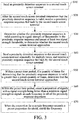
FIG. 1 is a flowchart of a proximity detection method that is based on HotKnot according to an embodiment of the present invention; -
FIG. 2 is a flowchart of a response sequence processing method according to a preferable embodiment of the present invention; -
FIG. 3 is a flowchart of a proximity detection method that is based on HotKnot according to a preferable embodiment of the present invention; and -
FIG. 4 is a structural diagram of modules of a proximity detection apparatus that is based on HotKnot according to a preferable embodiment of the present invention. - To make technical problem(s), technical solution(s), and effect(s) of the present invention clearer, the following further describes certain examples of the present invention in detail with reference to accompanying drawings and embodiments. It should be understood that, the specific embodiments described herein are only used to understand the present invention, but are not used to limit the scope of the present invention.
-
FIG. 1 is a flowchart of a proximity detection method that is based on HotKnot according to an embodiment of the present invention. The method can be applied to a first touch screen terminal, and includes the following steps: - S10: A first touch screen terminal sends a proximity detection sequence to a second touch screen terminal, and the proximity detection sequence includes at least two symbols modulated by using different frequencies.
Specifically, the modulation frequencies used in the proximity detection sequence are communication frequencies supported by the first touch screen terminal. For example, a touch screen device supports communication at six frequencies, and then a proximity detection sequence of the touch screen device includes [Fl, F2, F3, F4, F5, F6], where the F1, F2, F3, F4, F5, and F6 are respectively symbols modulated by using different frequencies. More specifically, for example, they respectively indicate symbols modulated by using 450 KHz, 400 KHz, 350 KHz, 300 KHz, 250 KHz, and 200 KHz, or respectively indicate any six frequencies of {525 KHz, 487.5 KHz, 412.5 KHz, 375 KHz, 337.5 KHz, 262.5 KHz, 225 KHz, 187.5 KHz} in a frequency set. Certainly, another detection sequence may also be used according to a protocol. - S20: After the second touch screen terminal determines that the proximity detection sequence is valid, receive a proximity response sequence fed back by the second touch screen terminal, where symbols included in the proximity response sequence are the same as those included in the proximity detection sequence.
Specifically, after receiving a proximity detection sequence, the second touch screen terminal successively scans signal strength of frequencies that are included in the proximity detection sequence, to determine whether the proximity detection sequence is valid. A determining manner is described in detail below. If it is determined that the proximity detection sequence is valid, a proximity response sequence is fed back, and the first touch screen terminal receives the proximity response sequence, and performs step S30; or if it is determined that the proximity detection sequence is invalid, a proximity response sequence is not fed back. Similar to the proximity detection sequence, the proximity response sequence also includes symbols modulated by using different frequencies. - S30: Determine whether the proximity response sequence is valid according to signal strength of frequencies in the proximity response sequence and at least two preset signal strength thresholds, to determine whether the second touch screen terminal approaches.
- Preferably, referring to
FIG. 2 , step S30 further includes: - S301: Record a signal strength threshold range within which signal strength of each frequency in the proximity response sequence falls respectively, where the signal strength threshold range is defined by at least two signal strength thresholds.
- S302: When the signal strength threshold range meets a preset condition, determine that the proximity response sequence is valid, and then determine that the second touch screen terminal approaches.
- For example, the touch screen device supports communication at six frequencies, and multiple levels of thresholds can beset, such as two to four levels. For example, three levels of thresholds are X1, X2, and X3, and X1<X2<X3 (a multiple relationship is preferred between the thresholds, for example, X2=2X1, and X3=3X1). When proximity detection is started, six frequencies are successively scanned, and a threshold range within which signal strength at each frequency falls respectively is recorded. Three levels of thresholds can form four threshold ranges: less than X1 (indicating that no frequency can be identified), between X1 and X2, between X2 and X3, and greater than X3. When most or all signal strength at the six frequencies fall within a relatively high threshold range, it is determined that a sequence is valid, and a touch screen approaches. Preferably:
- Case 1: If six frequencies are all identified, that is, the six frequencies are all greater than X1, it is determined that the sequence is a valid sequence;
- Case 2: If only five frequencies are identified, at least three frequencies thereof exceed X2, and at least one exceeds X3, it is determined that the sequence is valid;
- Case 3: If only four frequencies are identified, and at least three frequencies thereof exceed X3, it is determined that the sequence is valid; and
- Other cases: It is determined that the sequence is invalid.
- For another example, two levels of thresholds X1 and X2 are set, and X1<X2. The two levels of thresholds can form three threshold ranges: less than X1 (indicating that no frequency can be identified), between X1 and X2, and greater than X2. When most or all signal strength at the six frequencies fall within a relatively high threshold range, it is determined that the sequence is valid, and a touch screen approaches. Preferably:
- Case 1 : If six frequencies are all identified, that is, the six frequencies are all greater than X1, it is determined that the sequence is a valid sequence;
- Case 2: If only five frequencies are identified, and at least four frequencies thereof exceed X2, it is determined that the sequence is valid;
- Case 3: If only four frequencies are identified, and at least four frequencies thereof exceed X2, it is determined that the sequence is valid; and
- Other cases: It is determined that the sequence is invalid.
- A manner for determining a proximity detection sequence is the same as a manner for determining a proximity response sequence. If both the first touch screen terminal and the second touch screen terminal determine that a sequence is valid, it is considered that sequence identification succeeds once.
- To increase accuracy of frequency scan, six frequencies are scanned for multiple times, a given quantity of detections are performed, a sequence identification result of each time is synthesized, and then it is determined that a touch screen approaches. After step S30, the method further includes:
- S40: Send a proximity detection sequence to the second touch screen terminal repeatedly for multiple times, and receive a proximity response sequence fed back by the second touch screen terminal.
- No matter whether or not the second touch screen terminal feeds back the proximity response sequence, the first touch screen terminal sends a proximity detection sequence repeatedly for multiple times, and receives a corresponding proximity response sequence. S50: Within a preset time period, if a quantity of times for determining that the proximity response sequence is valid is greater than a preset quantity of times, determine that the second touch screen terminal approaches.
- Preferably, it is considered that the proximity detection succeeds only after the sequence identification succeeds for 12 times (that is, the first touch screen terminal performs scan for 12 times). The 12 times of sequence identification successes may be successive, or may be not successive.
- In addition, corresponding to the proximity detection method applied to the first touch screen terminal, an embodiment of the present invention further provides a proximity detection method applied to the second touch screen terminal. The method includes: after receiving a proximity detection sequence, feeding back, by the second touch screen terminal, a proximity response sequence to the first touch screen terminal. A method for feeding back the proximity response sequence is the same as that in the prior art. Details are not described herein. Certainly, roles of the first touch screen terminal and the second touch screen terminal may be interchanged. When a touch screen terminal is used as an end for initiating communication, a role of the touch screen terminal is the first touch screen terminal. When a touch screen terminal is used as a passive end of communication, a role of the touch screen terminal is the second touch screen terminal.
- By means of the proximity detection method that is based on HotKnot and that is provided in this embodiment of the present invention, on the basis of basic signal strength, multiple levels of signal strength thresholds are set, and a quantity of sequence frequencies that require to be identified is dynamically adjusted according to HotKnot signal strength by using the multiple threshold levels: In a high threshold mode, a quantity of sequence frequencies that require to be identified may decrease in successful identification of a sequence; or when signal strength is greater than a basic threshold and does not exceed a high threshold, a quantity of sequence frequencies that require to be identified increases. That is, when a signal is relatively strong, a quantity of frequencies that require to be correctly identified may decrease; or when a signal is relatively weak, a quantity of frequencies that require to be correctly identified increases, thereby improving performance of approach detection in a case in which interference occurs at some frequencies, and increasing reliability of the proximity detection.
-
FIG. 3 is a flowchart of a proximity detection method that is based on HotKnot according to a preferable embodiment of the present invention. The method may be applied to a first touch screen terminal, and specifically includes the following steps: - Steps S10, S20, S30, S40, and S50 are the same as those in Embodiment 1. Details are not described herein again. The method further includes:
- S60: Within the preset time period, counting a proportion of signals with a signal strength being lower than a minimum signal strength to signals at each frequency in all of the proximity response sequences.
- S70: When the proportion for a certain frequency exceeds a preset proportion threshold, shielding the frequency.
- Specifically, conditions of medium and high thresholds among multiple levels of thresholds are relatively strict; therefore, when a signal is relatively strong, it can be processed via automatic thresholds, and signal identification is reliable. However, when a signal is relatively weak, reliability of signal identification decreases greatly. Using three levels of thresholds X1, X2, and X3 as an example, when the signal is relatively weak, a frequency at which interference occurs cannot be identified frequently, and strength of signals at other frequencies often cannot reach X2 and X3. In this case, when determining a sequence, missing frequencies must be counted frequencies which cannot be identified, and all other frequencies must be correctly identified. A frequency that cannot be detected (that is, signal strength is less than X1) for a plurality of times is automatically shielded according to a statistics result after multiple times of scans. All frequencies that are not shielded need to be correctly identified, that is, signal strength thereof must be greater than X1, and then it is considered that the frequency sequence is valid, and it is determined that the proximity detection succeeds.
- Preferably, within the preset time period, the proportion of each frequency is counted; and when the proportion for a frequency exceeds the preset proportion threshold, the frequency is shielded. The threshold X1 which can be regarded as a first signal strength threshold X1 described herein refers to a basic threshold.
- In this embodiment of the present invention, in addition to that a quantity of sequence frequencies that require to be identified is dynamically adjusted by using proper multiple levels of thresholds, statistics on a history identification situation may be further collected, to find some frequencies that often cannot be identified, and shield these frequencies as frequencies at which interference occurs, so that the frequencies at which interference occurs are dynamically shielded according to a detection result to reduce the interference to the minimum, which can not only increase proximity detection reliability and communication quality when interference is relatively strong, but also increase proximity detection reliability and communication quality when a signal is relatively weak.
-
FIG. 4 shows a diagram of modules of a proximity detection apparatus that is based on HotKnot according to an embodiment of the present invention. The apparatus includes atransmission module 10, a receivingmodule 20, afrequency scan module 30, and aninterference shielding module 40. - The
transmission module 10 is configured to send a proximity detection sequence to a second touch screen terminal, where the proximity detection sequence includes at least two symbols modulated by using different frequencies. - The receiving
module 20 is configured to receive a proximity response sequence fed back by the second touch screen terminal after the second touch screen terminal determines that the proximity detection sequence is valid, where symbols included in the proximity response sequence are the same as those included in the proximity detection sequence. - The
frequency scan module 30 is configured to determine whether the proximity response sequence is valid according to signal strength of frequencies in the proximity response sequence and at least two preset signal strength thresholds, thus to determine whether the second touch screen terminal approaches. - According to another embodiment, the
frequency scan module 30 further includes an acquiringunit 301 and a determiningunit 302. - The acquiring
unit 301 is configured to record a signal strength threshold range within which signal strength of each frequency in the proximity response sequence falls respectively, where the signal strength threshold range is defined by at least two signal strength thresholds. - The determining
unit 302 is configured to determine that the proximity response sequence is valid when the signal strength threshold range meets a preset condition, and then determine that the second touch screen terminal approaches. - The determining
unit 302 may be specifically configured to: when there are two preset signal strength thresholds and the proximity response sequence includes six symbols modulated by using different frequencies, determine that the second touch screen terminal approaches when: signal strength at all frequencies is greater than a first signal strength threshold; or signal strength at five frequencies is greater than the first signal strength threshold and signal strength at four frequencies thereof exceeds a second signal strength threshold; or signal strength at four frequencies is greater than a first signal strength threshold and signal strength at four frequencies thereof exceeds a second signal strength threshold. - The determining
unit 302 also can be specifically configured to: when there are three preset signal strength thresholds and the proximity response sequence includes six symbols modulated by using different frequencies, determine that the second touch screen terminal approaches when: signal strength at all frequencies is greater than a first signal strength threshold; or signal strength at five frequencies is greater than the first signal strength threshold, signal strength at three frequencies thereof exceeds a second signal strength threshold, and signal strength at one frequency thereof exceeds a third signal strength threshold; or signal strength at four frequencies is greater than the first signal strength threshold, signal strength at three frequencies thereof exceeds a third signal strength threshold. The second signal strength threshold and the third signal strength threshold are an integer multiple of the first signal strength threshold. - To increase accuracy of frequency scan, the frequency scan may be performed for multiple times, a given quantity of detections can be performed, a sequence identification result of each time is synthesized, and then it is determined that a touch screen approaches. The
transmission module 10 is further configured to send a proximity detection sequence to the second touch screen terminal repeatedly for multiple times; the receivingmodule 20 is further configured to receive a corresponding proximity response sequence fed back by the second touch screen terminal; and thefrequency scan module 30 is further configured to finally determine that the second touch screen terminal approaches if a quantity of times for determining that the proximity response sequence is valid is greater than a preset quantity of times within the preset time period. - The
interference shielding module 40 automatically shields, according to the signal strength of frequencies in the proximity response sequence and the signal strength thresholds, a frequency at which interference occurs. - Specifically, the
interference shielding module 40 may be specifically configured to: within the preset time period, count a proportion of signals with signal strength lower than a minimum signal strength to signals at a frequency in all of the proximity response sequences; and when the proportion for a frequency exceeds a preset proportion threshold, shield the frequency. - All technical characteristics in the foregoing method according to Embodiment 1 and/or Embodiment 2 may be correspondingly applied to the apparatus according to Embodiment 3. Details will not be described herein again.
- A person of ordinary skill in the art can understand that all or some steps in the method in the foregoing embodiments may be performed by relevant hardware that is controlled by a program. The program may be stored in a computer readable storage medium, where the storage medium may be a ROM/RAM, a magnetic disk, an optical disc, or the like.
- The foregoing describes the preferred embodiments of the present invention with reference to accompanying drawings, which therefore does not limit rights scope of the present invention. Without departing from the scope and essence of the present invention, the person of ordinary skill in the art may implement the present invention by using multiple variant solutions, for example, a characteristic of an embodiment may be used in another embodiment to obtain still another embodiment. All modifications, equivalent replacement, and improvement that are performed based on the technical concept of this invention fall within the rights scope of this invention.
- By means of a proximity detection method and apparatus that are based on HotKnot, and a touch screen terminal that are provided in the present invention, on the basis of a basic threshold, multiple levels of signal strength thresholds are used, and a quantity of sequence frequencies that require to be identified is dynamically adjusted by using the multiple threshold levels according to HotKnot signal strength, thereby improving performance of approach detection in a case in which interference occurs at some frequencies, and increasing reliability and sensitivity of the proximity detection.
- In addition, in the present invention, statistics on a history identification situation are further collected, to find some frequencies that often cannot be identified, and shield these frequencies as frequencies at which interference occurs, so that the frequencies at which interference occurs are dynamically shielded according to a detection result, to reduce the interference to the minimum, which can further increase approach detection reliability and communication quality in a case in which a signal is relatively weak.
Claims (12)
- A HotKnotbased proximity detection method for a first touch screen terminal, comprising:sending a proximity detection sequence to a second touch screen terminal, wherein the proximity detection sequence comprises at least two symbols modulated by using different frequencies;after the second touch screen terminal determines that the proximity detection sequence is valid, receiving a proximity response sequence fed back by the second touch screen terminal, wherein symbols in the proximity response sequence are the same as those in the proximity detection sequence; anddetermining whether the proximity response sequence is valid according to signal strength of frequencies in the proximity response sequence and at least two preset signal strength thresholds, to determine whether the touch screen terminal approaches.
- The proximity detection method according to claim 1, wherein the proximity detection sequence comprises [F1, F2, F3, F4, F5, F6], wherein the F1, F2, F3, F4, F5, and F6 are symbols respectively modulated by using different frequencies, respectively indicate symbols modulated by using 450 KHz, 400 KHz, 350 KHz, 300 KHz, 250 KHz, and 200 KHz, or respectively indicate any six frequencies of {525 KHz, 487.5 KHz, 412.5 KHz, 375 KHz, 337.5 KHz, 262.5 KHz, 225 KHz, 187.5 KHz} in a frequency set.
- The proximity detection method according to claim 1, wherein determining whether the proximity response sequence is valid according to signal strength of frequencies in the proximity response sequence and at least two preset signal strength thresholds, to determine whether the second touch screen terminal approaches further comprises:recording a signal strength threshold range for each frequency in the proximity response sequence, wherein the signal strength threshold range is defined by at least two signal strength thresholds; andwhen the signal strength threshold range meets a preset condition, determining that the proximity response sequence is valid, and then determining that the second touch screen terminal approaches.
- The proximity detection method according to claim 3, wherein the step of determining that the proximity response sequence is valid and determining that the second touch screen terminal approaches when the signal strength threshold range meets a preset condition further comprises:when there are two preset signal strength thresholds and the proximity response sequence comprises six symbols modulated by using different frequencies, determining that the second touch screen terminal approaches in the following cases:wherein signal strength at all frequencies is greater than a first signal strength threshold; or,wherein signal strength at five frequencies is greater than a first signal strength threshold, and signal strength at four frequencies thereof exceeds a second signal strength threshold; or,wherein signal strength at four frequencies is greater than a first signal strength threshold, and signal strength at four frequencies thereof exceeds a second signal strength threshold;when there are three preset signal strength thresholds and the proximity response sequence comprises six symbols modulated by using different frequencies, determining that the second touch screen terminal approaches in the following cases:wherein signal strength at all frequencies is greater than a first signal strength threshold; or,wherein signal strength at five frequencies is greater than a first signal strength threshold, and signal strength at three frequencies thereof exceeds a second signal strength threshold, and signal strength at one frequency thereof exceeds a third signal strength threshold; or,wherein signal strength at four frequencies is greater than a first signal strength threshold, and signal strength at three frequencies exceeds a third signal strength threshold;wherein the second signal strength threshold is greater than the first signal strength threshold, and the third signal strength threshold is greater than the second signal strength threshold.
- The proximity detection method according to any one of claims 1 to 4, wherein the method further comprises:sending a proximity detection sequence to the second touch screen terminal repeatedly for multiple times, and receiving a corresponding proximity response sequence fed back by the second touch screen terminal; anddetermining that the second touch screen terminal approaches if a quantity of times for determining that the proximity response sequence is valid is greater than a preset quantity of times within a preset time period.
- The proximity detection method according to claim 5, wherein the method further comprises:counting, within the preset time period, a proportion by which signal strength at each frequency in all approach response sequences is less than a minimum signal strength threshold; andshielding the frequency when the proportion for a frequency exceeds a preset proportion threshold.
- A HotKnot based proximity detection apparatus for a first touch screen terminal, the apparatus comprising:a transmission module configured to send a proximity detection sequence to a second touch screen terminal, wherein the proximity detection sequence comprises at least two symbols modulated by using different frequencies;a receiving module configured to receive a proximity response sequence fed back by the second touch screen terminal after the second touch screen terminal determines that the proximity detection sequence is valid , wherein symbols in the proximity response sequence are the same as those in the proximity detection sequence; anda frequency scan module configured to determine whether the proximity response sequence is valid according to signal strength of frequencies in the proximity response sequence and at least two preset signal strength thresholds, to determine whether the second touch screen terminal approaches.
- The proximity detection apparatus according to claim 7, wherein the frequency scan module further comprises:an acquiring unit configured to record a signal strength threshold range for each frequency in the proximity response sequence, wherein the signal strength threshold range is defined by at least two signal strength thresholds; anda determining unit, wherein when the signal strength threshold range meets a preset condition, the determining unit is configured to:determine that the proximity response sequence is valid, anddetermine that the second touch screen terminal approaches.
- The proximity detection apparatus according to claim 8,
wherein when there are two preset signal strength thresholds and the proximity response sequence comprises six symbols modulated by using different frequencies, the determining unit is configured to determine that the second touch screen terminal approaches in the following cases:wherein signal strength at all frequencies is greater than a first signal strength threshold; or,wherein signal strength at five frequencies is greater than a first signal strength threshold, and signal strength at four frequencies thereof exceeds a second signal strength threshold; or,wherein signal strength at four frequencies is greater than a first signal strength threshold, and signal strength at four frequencies thereof exceeds a second signal strength threshold; or
wherein when there are three preset signal strength thresholds and the proximity response sequence comprises six symbols modulated by using different frequencies, the determining unit is configured to determine that the second touch screen terminal approaches in the following case:wherein signal strength at all frequencies is greater than a first signal strength threshold; or,wherein signal strength at five frequencies is greater than a first signal strength threshold, and signal strength at three frequencies thereof exceeds a second signal strength threshold, and signal strength at one frequency thereof exceeds a third signal strength threshold; or,wherein signal strength at four frequencies is greater than a first signal strength threshold, and signal strength at three frequencies thereof exceeds a third signal strength threshold;wherein the second signal strength threshold is greater than the first signal strength threshold, and the third signal strength threshold is greater than the second signal strength threshold. - The proximity detection apparatus according to any one of claims 7 to 9,
Wherein the transmission module is configured to send a proximity detection sequence to the second touch screen terminal repeatedly for multiple times;
wherein the receiving module is configured to receive a corresponding proximity response sequence fed back by the second touch screen terminal; and
wherein the frequency scan module is configured to determine that the second touch screen terminal approaches if a quantity of times for determining that the proximity response sequence is valid is greater than a preset quantity of times within a preset time period. - The proximity detection apparatus according to claim 10, wherein the apparatus further comprises an interference shielding module, the interference shielding module is configured to:count, within the preset time period, a proportion by which signal strength at each frequency in all approach response sequences is less than a minimum signal strength threshold; andshield the frequency, when the proportion for a frequency exceeds a preset proportion threshold.
- A touch screen terminal, wherein the touch screen terminal comprises the proximity detection apparatus according to any one of claims 7 to 11.
Applications Claiming Priority (2)
| Application Number | Priority Date | Filing Date | Title |
|---|---|---|---|
| CN201510153132.2A CN106155382B (en) | 2015-04-01 | 2015-04-01 | Proximity test method, apparatus and touch screen terminal based on HotKnot |
| PCT/CN2015/077048 WO2016155045A1 (en) | 2015-04-01 | 2015-04-21 | Hotknot-based proximity detection method and device, and touch screen terminal |
Publications (3)
| Publication Number | Publication Date |
|---|---|
| EP3116147A1 true EP3116147A1 (en) | 2017-01-11 |
| EP3116147A4 EP3116147A4 (en) | 2017-10-18 |
| EP3116147B1 EP3116147B1 (en) | 2020-06-10 |
Family
ID=57003840
Family Applications (1)
| Application Number | Title | Priority Date | Filing Date |
|---|---|---|---|
| EP15885766.4A Active EP3116147B1 (en) | 2015-04-01 | 2015-04-21 | Hotknot-based proximity detection method and device, and touch screen terminal |
Country Status (5)
| Country | Link |
|---|---|
| US (1) | US10254892B2 (en) |
| EP (1) | EP3116147B1 (en) |
| KR (1) | KR101875301B1 (en) |
| CN (1) | CN106155382B (en) |
| WO (1) | WO2016155045A1 (en) |
Families Citing this family (4)
| Publication number | Priority date | Publication date | Assignee | Title |
|---|---|---|---|---|
| CN106598358B (en) * | 2016-12-06 | 2020-01-14 | Oppo广东移动通信有限公司 | Proximity detection method and device and terminal |
| CN106657516B (en) * | 2016-12-09 | 2020-11-24 | 深圳市泽昕通讯有限公司 | Method and system for reproducing and avoiding touch screen interference based on electromagnetic interference environment |
| EP3457264A4 (en) | 2017-07-20 | 2019-05-22 | Shenzhen Goodix Technology Co., Ltd. | METHOD FOR DETECTING TOUCH POINT, AND TOUCH CONTROL DEVICE |
| TWI707261B (en) * | 2019-08-06 | 2020-10-11 | 聯陽半導體股份有限公司 | Touch system control method for reducing electromagnetic interference and touch system thereof |
Family Cites Families (12)
| Publication number | Priority date | Publication date | Assignee | Title |
|---|---|---|---|---|
| JP5725672B2 (en) * | 2010-06-10 | 2015-05-27 | エンパイア テクノロジー ディベロップメント エルエルシー | Communication between touch panel devices |
| US8923208B2 (en) * | 2010-08-05 | 2014-12-30 | Qualcomm Incorporated | Multi-radio coexistence |
| CN103259569B (en) * | 2013-05-14 | 2015-04-22 | 深圳市汇顶科技股份有限公司 | Touch terminals and near-field communication method and system thereof |
| TWI588689B (en) * | 2013-05-28 | 2017-06-21 | 敦泰電子股份有限公司 | Low noise and time division multiplexing technology of embedded multi-touch panel and driving method |
| US9596560B2 (en) * | 2013-06-20 | 2017-03-14 | Fossil Group, Inc. | Systems and methods for data transfer |
| CN103440075B (en) * | 2013-08-13 | 2017-03-29 | 深圳市汇顶科技股份有限公司 | A kind of capacitive touch screen terminal and its near field communication method, system |
| US20150173116A1 (en) * | 2013-12-13 | 2015-06-18 | Mediatek Inc. | Communications method, device and system |
| CN103701545B (en) * | 2013-12-31 | 2016-03-09 | 深圳市汇顶科技股份有限公司 | A kind of proximity test method and apparatus of near-field communication |
| CN106454696B (en) * | 2013-12-31 | 2019-10-01 | 深圳市汇顶科技股份有限公司 | The near field communication method and system of a kind of electronic equipment |
| CN105556866B (en) * | 2014-02-21 | 2018-05-15 | 联发科技股份有限公司 | Method for establishing wireless communication connection and electronic device thereof |
| US9740347B2 (en) * | 2014-03-13 | 2017-08-22 | Synaptics Incorporated | Active pen sensing for a display device having an integrated sensing device |
| US20150261280A1 (en) * | 2014-03-17 | 2015-09-17 | Mediatek Inc. | Apparatuses and methods for waking a display with an adjustable power level to detect touches thereon |
-
2015
- 2015-04-01 CN CN201510153132.2A patent/CN106155382B/en active Active
- 2015-04-21 WO PCT/CN2015/077048 patent/WO2016155045A1/en not_active Ceased
- 2015-04-21 KR KR1020167027848A patent/KR101875301B1/en active Active
- 2015-04-21 EP EP15885766.4A patent/EP3116147B1/en active Active
-
2016
- 2016-10-09 US US15/289,203 patent/US10254892B2/en active Active
Also Published As
| Publication number | Publication date |
|---|---|
| US10254892B2 (en) | 2019-04-09 |
| EP3116147B1 (en) | 2020-06-10 |
| US20170024081A1 (en) | 2017-01-26 |
| CN106155382B (en) | 2017-11-28 |
| CN106155382A (en) | 2016-11-23 |
| KR101875301B1 (en) | 2018-07-05 |
| WO2016155045A1 (en) | 2016-10-06 |
| EP3116147A4 (en) | 2017-10-18 |
| KR20160131070A (en) | 2016-11-15 |
Similar Documents
| Publication | Publication Date | Title |
|---|---|---|
| US10254892B2 (en) | Hotknot based proximity detection method, apparatus and touch screen terminal | |
| EP3013086A1 (en) | Method, apparatus and electronic device for connection management | |
| US9213667B2 (en) | Systems and methods for signal detection | |
| EP3462293A1 (en) | Method for determining touch position and touch control chip | |
| US20190158104A1 (en) | Signal processing apparatus, system and method | |
| US12566010B2 (en) | Communication control method and apparatus for air conditioner, and communication system and readable storage medium | |
| JP2012239170A (en) | Signal processing during fault conditions | |
| US20140325506A1 (en) | System and Method for RF Digitization and Collection | |
| US7570193B2 (en) | Detecting and recognizing long duration waveforms | |
| CN1174342C (en) | Frequency sensor for each interface of the data carrier | |
| CN104980407A (en) | Misinformation detecting method and device | |
| CN117687110A (en) | Methods, systems, equipment and storage media for resisting ambient light interference | |
| US10122204B2 (en) | Techniques for wire-free charging | |
| CN118868983B (en) | Signal receiving device, signal processing method and electronic equipment | |
| CN111078039A (en) | Capacitive touch screen anti-interference method and device, touch screen equipment and storage medium | |
| US11930158B2 (en) | Video signal identification method and apparatus, electronic device and readable storage medium | |
| US10101864B2 (en) | Touch screen terminal and near field communication method, apparatus and system thereof | |
| CN111078062A (en) | Capacitive touch screen detection method and device, touch screen equipment and storage medium | |
| KR20220136697A (en) | Method and Apparatus for Noise Blocking for Partial Discharge Monitoring | |
| CN118915180A (en) | Light curtain sensor, detection method and device, receiving end, medium and product | |
| CN108111671B (en) | Anti-interference method, electronic device and computer readable storage medium | |
| CN109787716B (en) | Data transmission method and device | |
| US11068040B2 (en) | Clock gating unit for a transponder | |
| CN119723859A (en) | Signal processing method, receiving device, transmitting device and storage medium | |
| CN108198326B (en) | Method and device for transmitting paper money data, electronic equipment and storage medium |
Legal Events
| Date | Code | Title | Description |
|---|---|---|---|
| STAA | Information on the status of an ep patent application or granted ep patent |
Free format text: STATUS: THE INTERNATIONAL PUBLICATION HAS BEEN MADE |
|
| PUAI | Public reference made under article 153(3) epc to a published international application that has entered the european phase |
Free format text: ORIGINAL CODE: 0009012 |
|
| STAA | Information on the status of an ep patent application or granted ep patent |
Free format text: STATUS: REQUEST FOR EXAMINATION WAS MADE |
|
| 17P | Request for examination filed |
Effective date: 20160923 |
|
| AK | Designated contracting states |
Kind code of ref document: A1 Designated state(s): AL AT BE BG CH CY CZ DE DK EE ES FI FR GB GR HR HU IE IS IT LI LT LU LV MC MK MT NL NO PL PT RO RS SE SI SK SM TR |
|
| AX | Request for extension of the european patent |
Extension state: BA ME |
|
| RAP1 | Party data changed (applicant data changed or rights of an application transferred) |
Owner name: SHENZHEN GOODIX TECHNOLOGY CO., LTD. |
|
| A4 | Supplementary search report drawn up and despatched |
Effective date: 20170920 |
|
| RIC1 | Information provided on ipc code assigned before grant |
Ipc: H04B 17/27 20150101ALI20170914BHEP Ipc: H04B 17/00 20150101AFI20170914BHEP |
|
| STAA | Information on the status of an ep patent application or granted ep patent |
Free format text: STATUS: EXAMINATION IS IN PROGRESS |
|
| 17Q | First examination report despatched |
Effective date: 20180524 |
|
| DAV | Request for validation of the european patent (deleted) | ||
| DAX | Request for extension of the european patent (deleted) | ||
| GRAP | Despatch of communication of intention to grant a patent |
Free format text: ORIGINAL CODE: EPIDOSNIGR1 |
|
| STAA | Information on the status of an ep patent application or granted ep patent |
Free format text: STATUS: GRANT OF PATENT IS INTENDED |
|
| INTG | Intention to grant announced |
Effective date: 20191209 |
|
| GRAS | Grant fee paid |
Free format text: ORIGINAL CODE: EPIDOSNIGR3 |
|
| GRAA | (expected) grant |
Free format text: ORIGINAL CODE: 0009210 |
|
| STAA | Information on the status of an ep patent application or granted ep patent |
Free format text: STATUS: THE PATENT HAS BEEN GRANTED |
|
| AK | Designated contracting states |
Kind code of ref document: B1 Designated state(s): AL AT BE BG CH CY CZ DE DK EE ES FI FR GB GR HR HU IE IS IT LI LT LU LV MC MK MT NL NO PL PT RO RS SE SI SK SM TR |
|
| REG | Reference to a national code |
Ref country code: GB Ref legal event code: FG4D |
|
| REG | Reference to a national code |
Ref country code: CH Ref legal event code: EP Ref country code: AT Ref legal event code: REF Ref document number: 1280013 Country of ref document: AT Kind code of ref document: T Effective date: 20200615 |
|
| REG | Reference to a national code |
Ref country code: DE Ref legal event code: R096 Ref document number: 602015054189 Country of ref document: DE |
|
| REG | Reference to a national code |
Ref country code: IE Ref legal event code: FG4D |
|
| REG | Reference to a national code |
Ref country code: LT Ref legal event code: MG4D |
|
| PG25 | Lapsed in a contracting state [announced via postgrant information from national office to epo] |
Ref country code: SE Free format text: LAPSE BECAUSE OF FAILURE TO SUBMIT A TRANSLATION OF THE DESCRIPTION OR TO PAY THE FEE WITHIN THE PRESCRIBED TIME-LIMIT Effective date: 20200610 Ref country code: LT Free format text: LAPSE BECAUSE OF FAILURE TO SUBMIT A TRANSLATION OF THE DESCRIPTION OR TO PAY THE FEE WITHIN THE PRESCRIBED TIME-LIMIT Effective date: 20200610 Ref country code: GR Free format text: LAPSE BECAUSE OF FAILURE TO SUBMIT A TRANSLATION OF THE DESCRIPTION OR TO PAY THE FEE WITHIN THE PRESCRIBED TIME-LIMIT Effective date: 20200911 Ref country code: FI Free format text: LAPSE BECAUSE OF FAILURE TO SUBMIT A TRANSLATION OF THE DESCRIPTION OR TO PAY THE FEE WITHIN THE PRESCRIBED TIME-LIMIT Effective date: 20200610 Ref country code: NO Free format text: LAPSE BECAUSE OF FAILURE TO SUBMIT A TRANSLATION OF THE DESCRIPTION OR TO PAY THE FEE WITHIN THE PRESCRIBED TIME-LIMIT Effective date: 20200910 |
|
| REG | Reference to a national code |
Ref country code: NL Ref legal event code: MP Effective date: 20200610 |
|
| PG25 | Lapsed in a contracting state [announced via postgrant information from national office to epo] |
Ref country code: HR Free format text: LAPSE BECAUSE OF FAILURE TO SUBMIT A TRANSLATION OF THE DESCRIPTION OR TO PAY THE FEE WITHIN THE PRESCRIBED TIME-LIMIT Effective date: 20200610 Ref country code: LV Free format text: LAPSE BECAUSE OF FAILURE TO SUBMIT A TRANSLATION OF THE DESCRIPTION OR TO PAY THE FEE WITHIN THE PRESCRIBED TIME-LIMIT Effective date: 20200610 Ref country code: RS Free format text: LAPSE BECAUSE OF FAILURE TO SUBMIT A TRANSLATION OF THE DESCRIPTION OR TO PAY THE FEE WITHIN THE PRESCRIBED TIME-LIMIT Effective date: 20200610 Ref country code: BG Free format text: LAPSE BECAUSE OF FAILURE TO SUBMIT A TRANSLATION OF THE DESCRIPTION OR TO PAY THE FEE WITHIN THE PRESCRIBED TIME-LIMIT Effective date: 20200910 |
|
| REG | Reference to a national code |
Ref country code: AT Ref legal event code: MK05 Ref document number: 1280013 Country of ref document: AT Kind code of ref document: T Effective date: 20200610 |
|
| PG25 | Lapsed in a contracting state [announced via postgrant information from national office to epo] |
Ref country code: NL Free format text: LAPSE BECAUSE OF FAILURE TO SUBMIT A TRANSLATION OF THE DESCRIPTION OR TO PAY THE FEE WITHIN THE PRESCRIBED TIME-LIMIT Effective date: 20200610 Ref country code: AL Free format text: LAPSE BECAUSE OF FAILURE TO SUBMIT A TRANSLATION OF THE DESCRIPTION OR TO PAY THE FEE WITHIN THE PRESCRIBED TIME-LIMIT Effective date: 20200610 |
|
| PG25 | Lapsed in a contracting state [announced via postgrant information from national office to epo] |
Ref country code: RO Free format text: LAPSE BECAUSE OF FAILURE TO SUBMIT A TRANSLATION OF THE DESCRIPTION OR TO PAY THE FEE WITHIN THE PRESCRIBED TIME-LIMIT Effective date: 20200610 Ref country code: CZ Free format text: LAPSE BECAUSE OF FAILURE TO SUBMIT A TRANSLATION OF THE DESCRIPTION OR TO PAY THE FEE WITHIN THE PRESCRIBED TIME-LIMIT Effective date: 20200610 Ref country code: PT Free format text: LAPSE BECAUSE OF FAILURE TO SUBMIT A TRANSLATION OF THE DESCRIPTION OR TO PAY THE FEE WITHIN THE PRESCRIBED TIME-LIMIT Effective date: 20201012 Ref country code: ES Free format text: LAPSE BECAUSE OF FAILURE TO SUBMIT A TRANSLATION OF THE DESCRIPTION OR TO PAY THE FEE WITHIN THE PRESCRIBED TIME-LIMIT Effective date: 20200610 Ref country code: AT Free format text: LAPSE BECAUSE OF FAILURE TO SUBMIT A TRANSLATION OF THE DESCRIPTION OR TO PAY THE FEE WITHIN THE PRESCRIBED TIME-LIMIT Effective date: 20200610 Ref country code: EE Free format text: LAPSE BECAUSE OF FAILURE TO SUBMIT A TRANSLATION OF THE DESCRIPTION OR TO PAY THE FEE WITHIN THE PRESCRIBED TIME-LIMIT Effective date: 20200610 Ref country code: IT Free format text: LAPSE BECAUSE OF FAILURE TO SUBMIT A TRANSLATION OF THE DESCRIPTION OR TO PAY THE FEE WITHIN THE PRESCRIBED TIME-LIMIT Effective date: 20200610 Ref country code: SM Free format text: LAPSE BECAUSE OF FAILURE TO SUBMIT A TRANSLATION OF THE DESCRIPTION OR TO PAY THE FEE WITHIN THE PRESCRIBED TIME-LIMIT Effective date: 20200610 |
|
| PG25 | Lapsed in a contracting state [announced via postgrant information from national office to epo] |
Ref country code: PL Free format text: LAPSE BECAUSE OF FAILURE TO SUBMIT A TRANSLATION OF THE DESCRIPTION OR TO PAY THE FEE WITHIN THE PRESCRIBED TIME-LIMIT Effective date: 20200610 Ref country code: SK Free format text: LAPSE BECAUSE OF FAILURE TO SUBMIT A TRANSLATION OF THE DESCRIPTION OR TO PAY THE FEE WITHIN THE PRESCRIBED TIME-LIMIT Effective date: 20200610 Ref country code: IS Free format text: LAPSE BECAUSE OF FAILURE TO SUBMIT A TRANSLATION OF THE DESCRIPTION OR TO PAY THE FEE WITHIN THE PRESCRIBED TIME-LIMIT Effective date: 20201010 |
|
| REG | Reference to a national code |
Ref country code: DE Ref legal event code: R097 Ref document number: 602015054189 Country of ref document: DE |
|
| PLBE | No opposition filed within time limit |
Free format text: ORIGINAL CODE: 0009261 |
|
| STAA | Information on the status of an ep patent application or granted ep patent |
Free format text: STATUS: NO OPPOSITION FILED WITHIN TIME LIMIT |
|
| PG25 | Lapsed in a contracting state [announced via postgrant information from national office to epo] |
Ref country code: DK Free format text: LAPSE BECAUSE OF FAILURE TO SUBMIT A TRANSLATION OF THE DESCRIPTION OR TO PAY THE FEE WITHIN THE PRESCRIBED TIME-LIMIT Effective date: 20200610 |
|
| 26N | No opposition filed |
Effective date: 20210311 |
|
| PG25 | Lapsed in a contracting state [announced via postgrant information from national office to epo] |
Ref country code: SI Free format text: LAPSE BECAUSE OF FAILURE TO SUBMIT A TRANSLATION OF THE DESCRIPTION OR TO PAY THE FEE WITHIN THE PRESCRIBED TIME-LIMIT Effective date: 20200610 |
|
| PG25 | Lapsed in a contracting state [announced via postgrant information from national office to epo] |
Ref country code: MC Free format text: LAPSE BECAUSE OF FAILURE TO SUBMIT A TRANSLATION OF THE DESCRIPTION OR TO PAY THE FEE WITHIN THE PRESCRIBED TIME-LIMIT Effective date: 20200610 |
|
| PG25 | Lapsed in a contracting state [announced via postgrant information from national office to epo] |
Ref country code: LU Free format text: LAPSE BECAUSE OF NON-PAYMENT OF DUE FEES Effective date: 20210421 |
|
| REG | Reference to a national code |
Ref country code: BE Ref legal event code: MM Effective date: 20210430 |
|
| PG25 | Lapsed in a contracting state [announced via postgrant information from national office to epo] |
Ref country code: CH Free format text: LAPSE BECAUSE OF NON-PAYMENT OF DUE FEES Effective date: 20210430 Ref country code: LI Free format text: LAPSE BECAUSE OF NON-PAYMENT OF DUE FEES Effective date: 20210430 Ref country code: FR Free format text: LAPSE BECAUSE OF NON-PAYMENT OF DUE FEES Effective date: 20210430 |
|
| PG25 | Lapsed in a contracting state [announced via postgrant information from national office to epo] |
Ref country code: IE Free format text: LAPSE BECAUSE OF NON-PAYMENT OF DUE FEES Effective date: 20210421 |
|
| PG25 | Lapsed in a contracting state [announced via postgrant information from national office to epo] |
Ref country code: IS Free format text: LAPSE BECAUSE OF FAILURE TO SUBMIT A TRANSLATION OF THE DESCRIPTION OR TO PAY THE FEE WITHIN THE PRESCRIBED TIME-LIMIT Effective date: 20201010 |
|
| PG25 | Lapsed in a contracting state [announced via postgrant information from national office to epo] |
Ref country code: BE Free format text: LAPSE BECAUSE OF NON-PAYMENT OF DUE FEES Effective date: 20210430 |
|
| PG25 | Lapsed in a contracting state [announced via postgrant information from national office to epo] |
Ref country code: HU Free format text: LAPSE BECAUSE OF FAILURE TO SUBMIT A TRANSLATION OF THE DESCRIPTION OR TO PAY THE FEE WITHIN THE PRESCRIBED TIME-LIMIT; INVALID AB INITIO Effective date: 20150421 |
|
| PG25 | Lapsed in a contracting state [announced via postgrant information from national office to epo] |
Ref country code: CY Free format text: LAPSE BECAUSE OF FAILURE TO SUBMIT A TRANSLATION OF THE DESCRIPTION OR TO PAY THE FEE WITHIN THE PRESCRIBED TIME-LIMIT Effective date: 20200610 |
|
| PG25 | Lapsed in a contracting state [announced via postgrant information from national office to epo] |
Ref country code: MK Free format text: LAPSE BECAUSE OF FAILURE TO SUBMIT A TRANSLATION OF THE DESCRIPTION OR TO PAY THE FEE WITHIN THE PRESCRIBED TIME-LIMIT Effective date: 20200610 |
|
| PG25 | Lapsed in a contracting state [announced via postgrant information from national office to epo] |
Ref country code: MT Free format text: LAPSE BECAUSE OF FAILURE TO SUBMIT A TRANSLATION OF THE DESCRIPTION OR TO PAY THE FEE WITHIN THE PRESCRIBED TIME-LIMIT Effective date: 20200610 |
|
| PG25 | Lapsed in a contracting state [announced via postgrant information from national office to epo] |
Ref country code: TR Free format text: LAPSE BECAUSE OF FAILURE TO SUBMIT A TRANSLATION OF THE DESCRIPTION OR TO PAY THE FEE WITHIN THE PRESCRIBED TIME-LIMIT Effective date: 20200610 |
|
| PGFP | Annual fee paid to national office [announced via postgrant information from national office to epo] |
Ref country code: GB Payment date: 20260325 Year of fee payment: 12 |
|
| PGFP | Annual fee paid to national office [announced via postgrant information from national office to epo] |
Ref country code: DE Payment date: 20260414 Year of fee payment: 12 |