EP3115465A1 - Improved biomarker set for salivary gland tumor diagnosis - Google Patents
Improved biomarker set for salivary gland tumor diagnosis Download PDFInfo
- Publication number
- EP3115465A1 EP3115465A1 EP15176290.3A EP15176290A EP3115465A1 EP 3115465 A1 EP3115465 A1 EP 3115465A1 EP 15176290 A EP15176290 A EP 15176290A EP 3115465 A1 EP3115465 A1 EP 3115465A1
- Authority
- EP
- European Patent Office
- Prior art keywords
- mir
- hsa
- salivary gland
- expression
- malignant
- Prior art date
- Legal status (The legal status is an assumption and is not a legal conclusion. Google has not performed a legal analysis and makes no representation as to the accuracy of the status listed.)
- Withdrawn
Links
- 239000000090 biomarker Substances 0.000 title claims abstract description 55
- 208000025444 tumor of salivary gland Diseases 0.000 title claims abstract description 22
- 238000003745 diagnosis Methods 0.000 title claims abstract description 15
- 238000000034 method Methods 0.000 claims abstract description 55
- 108091067007 Homo sapiens miR-324 stem-loop Proteins 0.000 claims abstract description 40
- 108091061676 Homo sapiens miR-411 stem-loop Proteins 0.000 claims abstract description 40
- 108091032929 Homo sapiens miR-449a stem-loop Proteins 0.000 claims abstract description 40
- -1 hsa-miR-1285 Proteins 0.000 claims abstract description 36
- 108091061784 Homo sapiens miR-599 stem-loop Proteins 0.000 claims abstract description 34
- 230000003211 malignant effect Effects 0.000 claims abstract description 32
- 208000004337 Salivary Gland Neoplasms Diseases 0.000 claims abstract description 15
- 238000011282 treatment Methods 0.000 claims abstract description 13
- 238000012216 screening Methods 0.000 claims abstract description 9
- 239000002679 microRNA Substances 0.000 claims description 60
- 108091070501 miRNA Proteins 0.000 claims description 57
- 230000014509 gene expression Effects 0.000 claims description 47
- 210000003296 saliva Anatomy 0.000 claims description 17
- 206010061934 Salivary gland cancer Diseases 0.000 claims description 13
- 150000001875 compounds Chemical class 0.000 claims description 13
- 230000000694 effects Effects 0.000 claims description 11
- 208000013794 benign neoplasm of salivary gland Diseases 0.000 claims description 8
- 206010004453 Benign salivary gland neoplasm Diseases 0.000 claims description 5
- 230000008859 change Effects 0.000 claims description 4
- 238000012544 monitoring process Methods 0.000 claims description 3
- 238000011321 prophylaxis Methods 0.000 claims description 3
- 239000013604 expression vector Substances 0.000 claims description 2
- 239000003814 drug Substances 0.000 abstract description 2
- 108700011259 MicroRNAs Proteins 0.000 description 67
- 239000000523 sample Substances 0.000 description 33
- 125000003729 nucleotide group Chemical group 0.000 description 25
- 239000002773 nucleotide Substances 0.000 description 23
- 206010028980 Neoplasm Diseases 0.000 description 21
- 150000007523 nucleic acids Chemical group 0.000 description 17
- 229920002477 rna polymer Polymers 0.000 description 15
- 108091032903 miR-1285 stem-loop Proteins 0.000 description 13
- 108091046551 miR-324 stem-loop Proteins 0.000 description 13
- 108091041286 miR-374 stem-loop Proteins 0.000 description 13
- 108091023805 miR-411 stem-loop Proteins 0.000 description 13
- 108091076246 miR-599 stem-loop Proteins 0.000 description 13
- 108020004707 nucleic acids Proteins 0.000 description 13
- 102000039446 nucleic acids Human genes 0.000 description 13
- 239000000047 product Substances 0.000 description 13
- 108090000623 proteins and genes Proteins 0.000 description 12
- 230000027455 binding Effects 0.000 description 11
- 108020004999 messenger RNA Proteins 0.000 description 11
- 108091037327 miR-449 stem-loop Proteins 0.000 description 11
- 108091040525 miR-449a stem-loop Proteins 0.000 description 11
- 238000012360 testing method Methods 0.000 description 11
- 238000013518 transcription Methods 0.000 description 11
- 230000035897 transcription Effects 0.000 description 11
- 201000011510 cancer Diseases 0.000 description 10
- 230000000295 complement effect Effects 0.000 description 10
- 230000000875 corresponding effect Effects 0.000 description 10
- 108091056281 miR-449b stem-loop Proteins 0.000 description 10
- 108010025464 Cyclin-Dependent Kinase 4 Proteins 0.000 description 9
- 102000013701 Cyclin-Dependent Kinase 4 Human genes 0.000 description 9
- 108010025468 Cyclin-Dependent Kinase 6 Proteins 0.000 description 9
- 102000013698 Cyclin-Dependent Kinase 6 Human genes 0.000 description 9
- 210000004027 cell Anatomy 0.000 description 9
- 238000009396 hybridization Methods 0.000 description 9
- ZHNUHDYFZUAESO-UHFFFAOYSA-N Formamide Chemical compound NC=O ZHNUHDYFZUAESO-UHFFFAOYSA-N 0.000 description 8
- 208000015665 benign neoplasm of parotid gland Diseases 0.000 description 8
- 230000022131 cell cycle Effects 0.000 description 8
- 238000003753 real-time PCR Methods 0.000 description 8
- 108020004414 DNA Proteins 0.000 description 7
- 101000624625 Homo sapiens M-phase inducer phosphatase 1 Proteins 0.000 description 7
- 102100023326 M-phase inducer phosphatase 1 Human genes 0.000 description 7
- 238000003556 assay Methods 0.000 description 7
- 238000001514 detection method Methods 0.000 description 7
- 102100031788 E3 ubiquitin-protein ligase MYLIP Human genes 0.000 description 6
- 101710190174 E3 ubiquitin-protein ligase MYLIP Proteins 0.000 description 6
- 108091034117 Oligonucleotide Proteins 0.000 description 6
- 230000003321 amplification Effects 0.000 description 6
- 238000003199 nucleic acid amplification method Methods 0.000 description 6
- 201000001219 parotid gland cancer Diseases 0.000 description 6
- 238000003752 polymerase chain reaction Methods 0.000 description 6
- 238000010839 reverse transcription Methods 0.000 description 6
- 230000003247 decreasing effect Effects 0.000 description 5
- 102000004169 proteins and genes Human genes 0.000 description 5
- 230000002829 reductive effect Effects 0.000 description 5
- 230000035945 sensitivity Effects 0.000 description 5
- 102000003903 Cyclin-dependent kinases Human genes 0.000 description 4
- 108090000266 Cyclin-dependent kinases Proteins 0.000 description 4
- 108091069024 Homo sapiens miR-132 stem-loop Proteins 0.000 description 4
- 108091068690 Mus musculus miR-140 stem-loop Proteins 0.000 description 4
- 108091028043 Nucleic acid sequence Proteins 0.000 description 4
- FAPWRFPIFSIZLT-UHFFFAOYSA-M Sodium chloride Chemical compound [Na+].[Cl-] FAPWRFPIFSIZLT-UHFFFAOYSA-M 0.000 description 4
- 239000011324 bead Substances 0.000 description 4
- 238000001558 permutation test Methods 0.000 description 4
- 230000002441 reversible effect Effects 0.000 description 4
- 238000010187 selection method Methods 0.000 description 4
- 210000001519 tissue Anatomy 0.000 description 4
- 108020005345 3' Untranslated Regions Proteins 0.000 description 3
- 108091032955 Bacterial small RNA Proteins 0.000 description 3
- 238000000018 DNA microarray Methods 0.000 description 3
- 108010014303 DNA-directed DNA polymerase Proteins 0.000 description 3
- 102000016928 DNA-directed DNA polymerase Human genes 0.000 description 3
- 108091069517 Homo sapiens miR-224 stem-loop Proteins 0.000 description 3
- 108091067254 Homo sapiens miR-367 stem-loop Proteins 0.000 description 3
- 108091064474 Homo sapiens miR-519b stem-loop Proteins 0.000 description 3
- 238000010802 RNA extraction kit Methods 0.000 description 3
- 108010092799 RNA-directed DNA polymerase Proteins 0.000 description 3
- 238000011529 RT qPCR Methods 0.000 description 3
- 230000018199 S phase Effects 0.000 description 3
- 239000012190 activator Substances 0.000 description 3
- 238000013459 approach Methods 0.000 description 3
- 239000012472 biological sample Substances 0.000 description 3
- 238000006243 chemical reaction Methods 0.000 description 3
- 239000003795 chemical substances by application Substances 0.000 description 3
- 230000002596 correlated effect Effects 0.000 description 3
- 238000002790 cross-validation Methods 0.000 description 3
- 201000010099 disease Diseases 0.000 description 3
- 208000037265 diseases, disorders, signs and symptoms Diseases 0.000 description 3
- 238000002955 isolation Methods 0.000 description 3
- 239000003550 marker Substances 0.000 description 3
- 108091051011 miR-499b stem-loop Proteins 0.000 description 3
- 238000002493 microarray Methods 0.000 description 3
- 230000004048 modification Effects 0.000 description 3
- 238000012986 modification Methods 0.000 description 3
- 238000007481 next generation sequencing Methods 0.000 description 3
- 238000011002 quantification Methods 0.000 description 3
- 238000003757 reverse transcription PCR Methods 0.000 description 3
- 210000003079 salivary gland Anatomy 0.000 description 3
- 150000003839 salts Chemical class 0.000 description 3
- 230000007704 transition Effects 0.000 description 3
- 208000005623 Carcinogenesis Diseases 0.000 description 2
- 201000009030 Carcinoma Diseases 0.000 description 2
- 102100025064 Cellular tumor antigen p53 Human genes 0.000 description 2
- 102000053602 DNA Human genes 0.000 description 2
- 102000007260 Deoxyribonuclease I Human genes 0.000 description 2
- 108010008532 Deoxyribonuclease I Proteins 0.000 description 2
- 102000004190 Enzymes Human genes 0.000 description 2
- 108090000790 Enzymes Proteins 0.000 description 2
- 101000721661 Homo sapiens Cellular tumor antigen p53 Proteins 0.000 description 2
- 108091069046 Homo sapiens let-7g stem-loop Proteins 0.000 description 2
- 108091067573 Homo sapiens miR-222 stem-loop Proteins 0.000 description 2
- 108091069527 Homo sapiens miR-223 stem-loop Proteins 0.000 description 2
- 102100034343 Integrase Human genes 0.000 description 2
- 108091093037 Peptide nucleic acid Proteins 0.000 description 2
- 238000002123 RNA extraction Methods 0.000 description 2
- 108091026822 U6 spliceosomal RNA Proteins 0.000 description 2
- 208000009956 adenocarcinoma Diseases 0.000 description 2
- 238000004458 analytical method Methods 0.000 description 2
- 238000000137 annealing Methods 0.000 description 2
- 230000031018 biological processes and functions Effects 0.000 description 2
- 230000015572 biosynthetic process Effects 0.000 description 2
- 210000004369 blood Anatomy 0.000 description 2
- 239000008280 blood Substances 0.000 description 2
- UHOVQNZJYSORNB-UHFFFAOYSA-N c1ccccc1 Chemical compound c1ccccc1 UHOVQNZJYSORNB-UHFFFAOYSA-N 0.000 description 2
- 238000010804 cDNA synthesis Methods 0.000 description 2
- 230000036952 cancer formation Effects 0.000 description 2
- 231100000504 carcinogenesis Toxicity 0.000 description 2
- 239000003153 chemical reaction reagent Substances 0.000 description 2
- 239000002299 complementary DNA Substances 0.000 description 2
- 238000013480 data collection Methods 0.000 description 2
- 230000001419 dependent effect Effects 0.000 description 2
- 238000010195 expression analysis Methods 0.000 description 2
- 230000030279 gene silencing Effects 0.000 description 2
- 230000012010 growth Effects 0.000 description 2
- BHEPBYXIRTUNPN-UHFFFAOYSA-N hydridophosphorus(.) (triplet) Chemical compound [PH] BHEPBYXIRTUNPN-UHFFFAOYSA-N 0.000 description 2
- 230000000415 inactivating effect Effects 0.000 description 2
- 239000003112 inhibitor Substances 0.000 description 2
- 230000002401 inhibitory effect Effects 0.000 description 2
- 230000005764 inhibitory process Effects 0.000 description 2
- 230000003993 interaction Effects 0.000 description 2
- 230000003902 lesion Effects 0.000 description 2
- KWGKDLIKAYFUFQ-UHFFFAOYSA-M lithium chloride Chemical compound [Li+].[Cl-] KWGKDLIKAYFUFQ-UHFFFAOYSA-M 0.000 description 2
- 238000010801 machine learning Methods 0.000 description 2
- 238000005259 measurement Methods 0.000 description 2
- 230000001613 neoplastic effect Effects 0.000 description 2
- 238000005192 partition Methods 0.000 description 2
- 238000006116 polymerization reaction Methods 0.000 description 2
- 230000008569 process Effects 0.000 description 2
- 230000001105 regulatory effect Effects 0.000 description 2
- 238000003196 serial analysis of gene expression Methods 0.000 description 2
- 239000011780 sodium chloride Substances 0.000 description 2
- 229910001415 sodium ion Inorganic materials 0.000 description 2
- 238000007619 statistical method Methods 0.000 description 2
- 239000006228 supernatant Substances 0.000 description 2
- 238000003786 synthesis reaction Methods 0.000 description 2
- 238000013519 translation Methods 0.000 description 2
- 108091032973 (ribonucleotides)n+m Proteins 0.000 description 1
- 102000040650 (ribonucleotides)n+m Human genes 0.000 description 1
- MEOVPKDOYAIVHZ-UHFFFAOYSA-N 2-chloro-1-(1-methylpyrrol-2-yl)ethanol Chemical compound CN1C=CC=C1C(O)CCl MEOVPKDOYAIVHZ-UHFFFAOYSA-N 0.000 description 1
- LRSASMSXMSNRBT-UHFFFAOYSA-N 5-methylcytosine Chemical compound CC1=CNC(=O)N=C1N LRSASMSXMSNRBT-UHFFFAOYSA-N 0.000 description 1
- BZTDTCNHAFUJOG-UHFFFAOYSA-N 6-carboxyfluorescein Chemical compound C12=CC=C(O)C=C2OC2=CC(O)=CC=C2C11OC(=O)C2=CC=C(C(=O)O)C=C21 BZTDTCNHAFUJOG-UHFFFAOYSA-N 0.000 description 1
- WHEATZOONURNGF-UHFFFAOYSA-N C1=C(C=CC=C2)C2=C1 Chemical compound C1=C(C=CC=C2)C2=C1 WHEATZOONURNGF-UHFFFAOYSA-N 0.000 description 1
- IICXULNOJNZQOV-UHFFFAOYSA-N C1=CC2=CC=CC=CC=CC=CC2=C1 Chemical compound C1=CC2=CC=CC=CC=CC=CC2=C1 IICXULNOJNZQOV-UHFFFAOYSA-N 0.000 description 1
- BOFLCTHWYAFXSJ-UHFFFAOYSA-N C1CC2=[B]1CCC2 Chemical compound C1CC2=[B]1CCC2 BOFLCTHWYAFXSJ-UHFFFAOYSA-N 0.000 description 1
- 108091007914 CDKs Proteins 0.000 description 1
- 125000000824 D-ribofuranosyl group Chemical group [H]OC([H])([H])[C@@]1([H])OC([H])(*)[C@]([H])(O[H])[C@]1([H])O[H] 0.000 description 1
- 230000004544 DNA amplification Effects 0.000 description 1
- 230000007067 DNA methylation Effects 0.000 description 1
- 108010008286 DNA nucleotidylexotransferase Proteins 0.000 description 1
- 230000006820 DNA synthesis Effects 0.000 description 1
- 102100029764 DNA-directed DNA/RNA polymerase mu Human genes 0.000 description 1
- 101000650857 Homo sapiens Small glutamine-rich tetratricopeptide repeat-containing protein beta Proteins 0.000 description 1
- 108091067535 Homo sapiens miR-375 stem-loop Proteins 0.000 description 1
- 206010064912 Malignant transformation Diseases 0.000 description 1
- 241001465754 Metazoa Species 0.000 description 1
- 206010057269 Mucoepidermoid carcinoma Diseases 0.000 description 1
- 206010048757 Oncocytoma Diseases 0.000 description 1
- 102000043276 Oncogene Human genes 0.000 description 1
- 108700020796 Oncogene Proteins 0.000 description 1
- 208000025157 Oral disease Diseases 0.000 description 1
- 208000002063 Oxyphilic Adenoma Diseases 0.000 description 1
- 229910019142 PO4 Inorganic materials 0.000 description 1
- ISWSIDIOOBJBQZ-UHFFFAOYSA-N Phenol Chemical compound OC1=CC=CC=C1 ISWSIDIOOBJBQZ-UHFFFAOYSA-N 0.000 description 1
- 108010004729 Phycoerythrin Proteins 0.000 description 1
- 108091036407 Polyadenylation Proteins 0.000 description 1
- 102000014450 RNA Polymerase III Human genes 0.000 description 1
- 108010078067 RNA Polymerase III Proteins 0.000 description 1
- 102000006382 Ribonucleases Human genes 0.000 description 1
- 108010083644 Ribonucleases Proteins 0.000 description 1
- 108020004682 Single-Stranded DNA Proteins 0.000 description 1
- 102100027721 Small glutamine-rich tetratricopeptide repeat-containing protein beta Human genes 0.000 description 1
- 108010090804 Streptavidin Proteins 0.000 description 1
- 108700025695 Suppressor Genes Proteins 0.000 description 1
- 102000044209 Tumor Suppressor Genes Human genes 0.000 description 1
- 108700025716 Tumor Suppressor Genes Proteins 0.000 description 1
- 208000021146 Warthin tumor Diseases 0.000 description 1
- JLCPHMBAVCMARE-UHFFFAOYSA-N [3-[[3-[[3-[[3-[[3-[[3-[[3-[[3-[[3-[[3-[[3-[[5-(2-amino-6-oxo-1H-purin-9-yl)-3-[[3-[[3-[[3-[[3-[[3-[[5-(2-amino-6-oxo-1H-purin-9-yl)-3-[[5-(2-amino-6-oxo-1H-purin-9-yl)-3-hydroxyoxolan-2-yl]methoxy-hydroxyphosphoryl]oxyoxolan-2-yl]methoxy-hydroxyphosphoryl]oxy-5-(5-methyl-2,4-dioxopyrimidin-1-yl)oxolan-2-yl]methoxy-hydroxyphosphoryl]oxy-5-(6-aminopurin-9-yl)oxolan-2-yl]methoxy-hydroxyphosphoryl]oxy-5-(6-aminopurin-9-yl)oxolan-2-yl]methoxy-hydroxyphosphoryl]oxy-5-(6-aminopurin-9-yl)oxolan-2-yl]methoxy-hydroxyphosphoryl]oxy-5-(6-aminopurin-9-yl)oxolan-2-yl]methoxy-hydroxyphosphoryl]oxyoxolan-2-yl]methoxy-hydroxyphosphoryl]oxy-5-(5-methyl-2,4-dioxopyrimidin-1-yl)oxolan-2-yl]methoxy-hydroxyphosphoryl]oxy-5-(4-amino-2-oxopyrimidin-1-yl)oxolan-2-yl]methoxy-hydroxyphosphoryl]oxy-5-(5-methyl-2,4-dioxopyrimidin-1-yl)oxolan-2-yl]methoxy-hydroxyphosphoryl]oxy-5-(5-methyl-2,4-dioxopyrimidin-1-yl)oxolan-2-yl]methoxy-hydroxyphosphoryl]oxy-5-(6-aminopurin-9-yl)oxolan-2-yl]methoxy-hydroxyphosphoryl]oxy-5-(6-aminopurin-9-yl)oxolan-2-yl]methoxy-hydroxyphosphoryl]oxy-5-(4-amino-2-oxopyrimidin-1-yl)oxolan-2-yl]methoxy-hydroxyphosphoryl]oxy-5-(4-amino-2-oxopyrimidin-1-yl)oxolan-2-yl]methoxy-hydroxyphosphoryl]oxy-5-(4-amino-2-oxopyrimidin-1-yl)oxolan-2-yl]methoxy-hydroxyphosphoryl]oxy-5-(6-aminopurin-9-yl)oxolan-2-yl]methoxy-hydroxyphosphoryl]oxy-5-(4-amino-2-oxopyrimidin-1-yl)oxolan-2-yl]methyl [5-(6-aminopurin-9-yl)-2-(hydroxymethyl)oxolan-3-yl] hydrogen phosphate Polymers Cc1cn(C2CC(OP(O)(=O)OCC3OC(CC3OP(O)(=O)OCC3OC(CC3O)n3cnc4c3nc(N)[nH]c4=O)n3cnc4c3nc(N)[nH]c4=O)C(COP(O)(=O)OC3CC(OC3COP(O)(=O)OC3CC(OC3COP(O)(=O)OC3CC(OC3COP(O)(=O)OC3CC(OC3COP(O)(=O)OC3CC(OC3COP(O)(=O)OC3CC(OC3COP(O)(=O)OC3CC(OC3COP(O)(=O)OC3CC(OC3COP(O)(=O)OC3CC(OC3COP(O)(=O)OC3CC(OC3COP(O)(=O)OC3CC(OC3COP(O)(=O)OC3CC(OC3COP(O)(=O)OC3CC(OC3COP(O)(=O)OC3CC(OC3COP(O)(=O)OC3CC(OC3COP(O)(=O)OC3CC(OC3COP(O)(=O)OC3CC(OC3CO)n3cnc4c(N)ncnc34)n3ccc(N)nc3=O)n3cnc4c(N)ncnc34)n3ccc(N)nc3=O)n3ccc(N)nc3=O)n3ccc(N)nc3=O)n3cnc4c(N)ncnc34)n3cnc4c(N)ncnc34)n3cc(C)c(=O)[nH]c3=O)n3cc(C)c(=O)[nH]c3=O)n3ccc(N)nc3=O)n3cc(C)c(=O)[nH]c3=O)n3cnc4c3nc(N)[nH]c4=O)n3cnc4c(N)ncnc34)n3cnc4c(N)ncnc34)n3cnc4c(N)ncnc34)n3cnc4c(N)ncnc34)O2)c(=O)[nH]c1=O JLCPHMBAVCMARE-UHFFFAOYSA-N 0.000 description 1
- 208000006336 acinar cell carcinoma Diseases 0.000 description 1
- 230000009471 action Effects 0.000 description 1
- 230000004913 activation Effects 0.000 description 1
- 208000002517 adenoid cystic carcinoma Diseases 0.000 description 1
- 125000000217 alkyl group Chemical group 0.000 description 1
- 239000012491 analyte Substances 0.000 description 1
- 230000000692 anti-sense effect Effects 0.000 description 1
- 230000008901 benefit Effects 0.000 description 1
- 239000000091 biomarker candidate Substances 0.000 description 1
- 210000001124 body fluid Anatomy 0.000 description 1
- 239000000872 buffer Substances 0.000 description 1
- 239000007853 buffer solution Substances 0.000 description 1
- 108010051489 calin Proteins 0.000 description 1
- 208000035269 cancer or benign tumor Diseases 0.000 description 1
- 208000027804 carcinoma ex pleomorphic adenoma Diseases 0.000 description 1
- 230000015556 catabolic process Effects 0.000 description 1
- 238000000423 cell based assay Methods 0.000 description 1
- 238000004113 cell culture Methods 0.000 description 1
- 230000010261 cell growth Effects 0.000 description 1
- 210000001175 cerebrospinal fluid Anatomy 0.000 description 1
- 238000003759 clinical diagnosis Methods 0.000 description 1
- 230000000052 comparative effect Effects 0.000 description 1
- 238000002591 computed tomography Methods 0.000 description 1
- 239000013068 control sample Substances 0.000 description 1
- 208000002445 cystadenocarcinoma Diseases 0.000 description 1
- 238000013500 data storage Methods 0.000 description 1
- 238000006731 degradation reaction Methods 0.000 description 1
- 239000003398 denaturant Substances 0.000 description 1
- 238000013461 design Methods 0.000 description 1
- 230000000368 destabilizing effect Effects 0.000 description 1
- 238000002405 diagnostic procedure Methods 0.000 description 1
- 238000010586 diagram Methods 0.000 description 1
- 230000035622 drinking Effects 0.000 description 1
- 229940079593 drug Drugs 0.000 description 1
- 238000007876 drug discovery Methods 0.000 description 1
- 239000012149 elution buffer Substances 0.000 description 1
- 238000005516 engineering process Methods 0.000 description 1
- 230000004076 epigenetic alteration Effects 0.000 description 1
- 210000003527 eukaryotic cell Anatomy 0.000 description 1
- 238000002474 experimental method Methods 0.000 description 1
- 239000012530 fluid Substances 0.000 description 1
- 238000004108 freeze drying Methods 0.000 description 1
- 238000003633 gene expression assay Methods 0.000 description 1
- 230000036541 health Effects 0.000 description 1
- 238000000338 in vitro Methods 0.000 description 1
- 230000000977 initiatory effect Effects 0.000 description 1
- 239000007788 liquid Substances 0.000 description 1
- 239000012139 lysis buffer Substances 0.000 description 1
- 230000036212 malign transformation Effects 0.000 description 1
- 208000025278 malignant myoepithelioma Diseases 0.000 description 1
- 239000000463 material Substances 0.000 description 1
- 239000011159 matrix material Substances 0.000 description 1
- 230000001404 mediated effect Effects 0.000 description 1
- 238000002844 melting Methods 0.000 description 1
- 230000008018 melting Effects 0.000 description 1
- 108091048941 miR-499a stem-loop Proteins 0.000 description 1
- 239000000203 mixture Substances 0.000 description 1
- 239000000178 monomer Substances 0.000 description 1
- 125000004573 morpholin-4-yl group Chemical group N1(CCOCC1)* 0.000 description 1
- 230000008450 motivation Effects 0.000 description 1
- 208000030194 mouth disease Diseases 0.000 description 1
- 201000008405 myoepithelial carcinoma Diseases 0.000 description 1
- 108091027963 non-coding RNA Proteins 0.000 description 1
- 102000042567 non-coding RNA Human genes 0.000 description 1
- 230000009871 nonspecific binding Effects 0.000 description 1
- 238000010606 normalization Methods 0.000 description 1
- 229940124276 oligodeoxyribonucleotide Drugs 0.000 description 1
- 230000008520 organization Effects 0.000 description 1
- 210000003681 parotid gland Anatomy 0.000 description 1
- 230000007170 pathology Effects 0.000 description 1
- 230000037361 pathway Effects 0.000 description 1
- 239000008188 pellet Substances 0.000 description 1
- 239000010452 phosphate Substances 0.000 description 1
- 150000004713 phosphodiesters Chemical class 0.000 description 1
- ZJAOAACCNHFJAH-UHFFFAOYSA-N phosphonoformic acid Chemical compound OC(=O)P(O)(O)=O ZJAOAACCNHFJAH-UHFFFAOYSA-N 0.000 description 1
- 208000004333 pleomorphic adenoma Diseases 0.000 description 1
- 201000009307 pleomorphic adenoma carcinoma Diseases 0.000 description 1
- 108090000765 processed proteins & peptides Proteins 0.000 description 1
- 230000009467 reduction Effects 0.000 description 1
- 238000011160 research Methods 0.000 description 1
- 208000020989 salivary duct carcinoma Diseases 0.000 description 1
- 201000007416 salivary gland adenoid cystic carcinoma Diseases 0.000 description 1
- 238000005070 sampling Methods 0.000 description 1
- 210000002966 serum Anatomy 0.000 description 1
- 238000004088 simulation Methods 0.000 description 1
- 230000000391 smoking effect Effects 0.000 description 1
- 230000009870 specific binding Effects 0.000 description 1
- 238000000551 statistical hypothesis test Methods 0.000 description 1
- IIACRCGMVDHOTQ-UHFFFAOYSA-M sulfamate Chemical compound NS([O-])(=O)=O IIACRCGMVDHOTQ-UHFFFAOYSA-M 0.000 description 1
- 230000009885 systemic effect Effects 0.000 description 1
- RYYWUUFWQRZTIU-UHFFFAOYSA-K thiophosphate Chemical compound [O-]P([O-])([O-])=S RYYWUUFWQRZTIU-UHFFFAOYSA-K 0.000 description 1
- 210000004881 tumor cell Anatomy 0.000 description 1
- 230000005748 tumor development Effects 0.000 description 1
- 238000002604 ultrasonography Methods 0.000 description 1
- 238000007473 univariate analysis Methods 0.000 description 1
- 210000002700 urine Anatomy 0.000 description 1
- 238000010200 validation analysis Methods 0.000 description 1
- 239000013598 vector Substances 0.000 description 1
- 239000011534 wash buffer Substances 0.000 description 1
Images




Classifications
-
- C—CHEMISTRY; METALLURGY
- C12—BIOCHEMISTRY; BEER; SPIRITS; WINE; VINEGAR; MICROBIOLOGY; ENZYMOLOGY; MUTATION OR GENETIC ENGINEERING
- C12Q—MEASURING OR TESTING PROCESSES INVOLVING ENZYMES, NUCLEIC ACIDS OR MICROORGANISMS; COMPOSITIONS OR TEST PAPERS THEREFOR; PROCESSES OF PREPARING SUCH COMPOSITIONS; CONDITION-RESPONSIVE CONTROL IN MICROBIOLOGICAL OR ENZYMOLOGICAL PROCESSES
- C12Q1/00—Measuring or testing processes involving enzymes, nucleic acids or microorganisms; Compositions therefor; Processes of preparing such compositions
- C12Q1/68—Measuring or testing processes involving enzymes, nucleic acids or microorganisms; Compositions therefor; Processes of preparing such compositions involving nucleic acids
- C12Q1/6876—Nucleic acid products used in the analysis of nucleic acids, e.g. primers or probes
- C12Q1/6883—Nucleic acid products used in the analysis of nucleic acids, e.g. primers or probes for diseases caused by alterations of genetic material
- C12Q1/6886—Nucleic acid products used in the analysis of nucleic acids, e.g. primers or probes for diseases caused by alterations of genetic material for cancer
-
- C—CHEMISTRY; METALLURGY
- C12—BIOCHEMISTRY; BEER; SPIRITS; WINE; VINEGAR; MICROBIOLOGY; ENZYMOLOGY; MUTATION OR GENETIC ENGINEERING
- C12Q—MEASURING OR TESTING PROCESSES INVOLVING ENZYMES, NUCLEIC ACIDS OR MICROORGANISMS; COMPOSITIONS OR TEST PAPERS THEREFOR; PROCESSES OF PREPARING SUCH COMPOSITIONS; CONDITION-RESPONSIVE CONTROL IN MICROBIOLOGICAL OR ENZYMOLOGICAL PROCESSES
- C12Q2600/00—Oligonucleotides characterized by their use
- C12Q2600/112—Disease subtyping, staging or classification
-
- C—CHEMISTRY; METALLURGY
- C12—BIOCHEMISTRY; BEER; SPIRITS; WINE; VINEGAR; MICROBIOLOGY; ENZYMOLOGY; MUTATION OR GENETIC ENGINEERING
- C12Q—MEASURING OR TESTING PROCESSES INVOLVING ENZYMES, NUCLEIC ACIDS OR MICROORGANISMS; COMPOSITIONS OR TEST PAPERS THEREFOR; PROCESSES OF PREPARING SUCH COMPOSITIONS; CONDITION-RESPONSIVE CONTROL IN MICROBIOLOGICAL OR ENZYMOLOGICAL PROCESSES
- C12Q2600/00—Oligonucleotides characterized by their use
- C12Q2600/158—Expression markers
-
- C—CHEMISTRY; METALLURGY
- C12—BIOCHEMISTRY; BEER; SPIRITS; WINE; VINEGAR; MICROBIOLOGY; ENZYMOLOGY; MUTATION OR GENETIC ENGINEERING
- C12Q—MEASURING OR TESTING PROCESSES INVOLVING ENZYMES, NUCLEIC ACIDS OR MICROORGANISMS; COMPOSITIONS OR TEST PAPERS THEREFOR; PROCESSES OF PREPARING SUCH COMPOSITIONS; CONDITION-RESPONSIVE CONTROL IN MICROBIOLOGICAL OR ENZYMOLOGICAL PROCESSES
- C12Q2600/00—Oligonucleotides characterized by their use
- C12Q2600/178—Oligonucleotides characterized by their use miRNA, siRNA or ncRNA
Definitions
- the invention relates to the diagnosis of neoplasms, more particularly to the diagnosis of salivary gland neoplasms, especially with diagnosing the difference between benign and malignant salivary gland neoplastic lesions.
- Salivary gland neoplasms comprise a diverse group of benign and malignant neoplastic lesions. Based on histopathological criteria, the World Health Organization distinguishes 37 subtypes, of which 13 are of benign status and 24 are of malignant status (1). Approximately 80% of all salivary gland neoplasms occur in the parotid gland (1). Clinical examination, ultrasound scanning (with or without fine needle aspiration cytology), preoperative CT-scan and MRI are the most commonly used diagnostic methods (1). Additional tools, such as salivary tests, may be helpful in assisting with clinical diagnosis of tumors in salivary glands.
- Saliva is an easily accessible medium, containing a host of potential biomarkers (proteins, DNAs, RNAs) for detection of systemic and oral diseases.
- biomarkers proteins, DNAs, RNAs
- biomolecules in saliva which have attracted much attention for diagnostic applications are microRNAs (miRNAs).
- MiRNAs are small non-coding RNAs consisting of 19-25 nucleotides that can inhibit translation by binding to complementary sequences in the 3' UTR of multiple target mRNAs, usually resulting in their silencing (2). Altered levels of miRNA expression have been implicated in the etiology of cancer (2,3) and have not only been investigated in tissue (4), serum (5), but also in saliva (6) for use in the diagnosis of cancer (7-11).
- miRNAs expression in saliva was profiled from patients with benign and malignant parotid gland tumors, resulting in the identification of 6 potential biomarkers (mmu-miR-140-5p, hsa-let-7g, hsa-miR-15b, hsa-miR-132, hsa-miR-222, and hsa-miR-374) (6).
- a combination of four miRNAs could discriminate between patients with malignant and benign parotid gland tumors (sensitivity 69%; specificity 95%; AUC 0.9).
- the invention consists of a set of biomarkers for the diagnosis of salivary gland neoplasms where the set consists of at least four markers selected from the group of hsa-miR-449b, hsa-miR-374, hsa-miR-411, hsa-miR-599, hsa-miR-1285, hsa-miR-324-5p and hsa-miR-449a, preferably at least five of these biomarkers, more preferably at least six and most preferably at least seven.
- kits for the diagnosis of such neoplasms harboring means to quantify the level of said set of biomarkers and further instructions to use the kit.
- a method for the diagnosis of the status of salivary gland neoplasms comprising:
- hybridization conditions refers to hybridization conditions that affect the stability of hybrids, e.g., temperature, salt concentration, pH, formamide concentration and the like.
- Tm thermal melting point
- stringent conditions will be those in which the salt concentration is less than about 1.0 M Na ion, typically about 0.01 to 1.0 M Na ion concentration (or other salts) at pH 7.0 to 8.3 and the temperature is at least about 30°C for short probes or primers (e.g. 10 to 50 nucleotides) and at least about 60°C for long probes or primers (e.g. greater than 50 nucleotides).
- Stringent conditions may also be achieved with the addition of destabilizing agents such as formamide.
- Exemplary low stringent conditions or "conditions of reduced stringency" include hybridization with a buffer solution of 30% formamide, 1 M NaCl, 1% SDS at 37°C and a wash in 2x SSC at 40°C.
- Exemplary high stringency conditions include hybridization in 50% formamide, 1 M NaCl, 1% SDS at 37°C, and a wash in 0.1x SSC at 60°C.
- Hybridization procedures are well known in the art and are described in e.g. Ausubel et al, Current Protocols in Molecular Biology, John Wiley & Sons Inc., 1994 .
- oligonucleotide refers to a short sequence of nucleotide monomers (usually 6 to 100 nucleotides) joined by phosphorous linkages (e.g., phosphodiester, alkyl and aryl-phosphate, phosphorothioate), or non-phosphorous linkages (e.g., peptide, sulfamate and others).
- phosphorous linkages e.g., phosphodiester, alkyl and aryl-phosphate, phosphorothioate
- non-phosphorous linkages e.g., peptide, sulfamate and others.
- An oligonucleotide may contain modified nucleotides having modified bases (e.g., 5-methyl cytosine) and modified sugar groups (e.g., 2'-O-methyl ribosyl, 2'-O-methoxyethyl ribosyl, 2'-fluoro ribosyl, 2'-amino ribosyl, and the like).
- Oligonucleotides may be naturally-occurring or synthetic molecules of double- and single-stranded DNA and double- and single-stranded RNA with circular, branched or linear shapes and optionally including domains capable of forming stable secondary structures (e.g., stem-and-loop and loop-stem-loop structures).
- primer refers to an oligonucleotide which is capable of annealing to the amplification target allowing a DNA polymerase to attach thereby serving as a point of initiation of DNA synthesis when placed under conditions in which synthesis of primer extension product which is complementary to a nucleic acid strand is induced, i.e., in the presence of nucleotides and an agent for polymerization such as DNA polymerase and at a suitable temperature and pH.
- the (amplification) primer is preferably single stranded for maximum efficiency in amplification.
- the primer is an oligodeoxy ribonucleotide.
- primer must be sufficiently long to prime the synthesis of extension products in the presence of the agent for polymerization.
- the exact lengths of the primers will depend on many factors, including temperature and source of primer.
- a "pair of bi-directional primers" as used herein refers to one forward and one reverse primer as commonly used in the art of DNA amplification such as in polymerase chain reaction (PCR) amplification.
- probe refers to a single-stranded oligonucleotide sequence that will recognize and form a hydrogen-bonded duplex with a complementary sequence in a target nucleic acid sequence analyte or its cDNA derivative.
- MIRs miRNAs or MIRs
- RNA molecules ribonucleic acid molecules, on average only 22 nucleotides long and are found in nearly all eukaryotic cells. MIRs regulate gene activity by imperfect base pairing to the 3' UTR of their target mRNAs, leading to mRNA degradation or inhibition of translation. One single MIR may regulate expression of as many as 200 different gene targets, which means that expression of about one-third of human mRNAs might be controlled by MIRs. Altered expression of MIRs can therefore contribute to malignant transformation by increasing or decreasing expression of oncogenes and tumour suppressor genes, respectively (reviewed by Calin and Croce, Nat Rev Cancer 2006, 6, 857-866 ).
- microRNA genes are found in intergenic regions or in antisense orientation to genes and contain their own miRNA gene promoter and regulatory units.
- the invention provides a method for this diagnosis of salivary gland neoplasms comprising measuring the level of a plurality of miRNA biomarkers in test sample obtained from the subject, wherein said plurality of miRNA biomarkers comprises at least four miRNAs selected from the group consisting of hsa-miR-449b, hsa-miR-374, hsa-miR-411, hsa-miR-599, hsa-miR-1285, hsa-miR-324-5p and hsa-miR-449a, wherein an increased level of hsa-miR-449b, hsa-miR-599, and/or hsa-miR-449a and a reduced level of hsa-miR-324-5p, hsa-miR-1285, hsa-miR-411 and/or hsa-miR-374 relative to a normal control is indicative for
- the expression of each of hsa-miR-324-5p, hsa-miR-1285, hsa-miR-411 and/or hsa-miR-374 was found to be significantly decreased (downregulated) in patients with benign parotid gland tumors, while in these patients the expression of the biomarkers hsa-miR-449b, hsa-miR-599, and/or hsa-miR-449a was increased.
- a reduced level of said miRNAs hsa-miR-324-5p, hsa-miR-1285, hsa-miR-411 and/or hsa-miR-374 and/or an increased level of said miRNAs hsa-miR-449b, hsa-miR-599, and/or hsa-miR-449a relative to a control indicates that the subject has a benign salivary gland neoplasm.
- each of hsa-miR-324-5p, hsa-miR-1285, hsa-miR-411 and/or hsa-miR-374 was found to be significantly increased (upregulated) in patients with malignant parotid gland tumors, while in these patients the expression of the biomarkers hsa-miR-449b, hsa-miR-599, and/or hsa-miR-449a was decreased.
- an increased level of said miRNAs hsa-miR-324-5p, hsa-miR-1285, hsa-miR-411 and/or hsa-miR-374 and/or a reduced level of said miRNAs hsa-miR-449b, hsa-miR-599, and/or hsa-miR-449a relative to a control indicates that the subject has a malignant salivary gland neoplasm.
- a reduced level refers to an expression of the biomarker that is decreased by at least 2-fold, 3-fold, 4-fold, 5-fold, or 6-fold relative to control sample. In a preferred embodiment, there is at least a 10-fold reduction..
- Exemplary combinations of miRNAs present in a set of biomarkers according to the invention include one or more of miR-499b, miR-374 and miR-411.
- a method of the invention comprises measuring the level of miR-499b, miR-374 and miR-411, with at least one additional marker selected from the group consisting of miR-599, miR-1285, miR-324-5p, and miR-449a.
- Specific exemplary panels include the following biomarker combinations:
- exemplary combinations of miRNAs present in a set of biomarkers according to the invention include one or more of miR-599, miR-1285, and miR-324-5p.
- a method of the invention comprises measuring the level of miR-599, miR-1285, and miR-324-5p, with at least one additional marker selected from the group consisting of miR-449a, miR-449b, miR-374 and miR-411.
- Specific exemplary panels include the following biomarker combinations:
- miRNAs such as hsa-miR-519b-3p, hsa-miR-367 and/or hsa-miR-224 to further strengthen the diagnosis.
- miR-449b indicates a mature miR-449b, i.e. a nucleic acid having at least 85% (e.g. at least 90%, 95%, 98%, or 100%) identity to the sequence CAGCCACAACUACCCUGCCACU (Sequence 1).
- miR-374" indicates a mature miR-374 i.e. a nucleic acid having at least 85% (e.g. at least 90%, 95%, 98%, or 100%) identity to the sequence UUAUAAUACAACCUGAUAAGUG (Sequence 2).
- miR-411 indicates a mature miR-411 i.e. a nucleic acid having at least 85% (e.g. at least 90%, 95%, 98%, or 100%) identity to the sequence UAGUAGACCGUAUAGCGUACG (Sequence 3).
- miR-599 indicates a mature miR-599 i.e. a nucleic acid having at least 85% (e.g. at least 90%, 95%, 98%, or 100%) identity to the sequence GUUGUGUCAGUUUAUCAAAC (Sequence 4).
- miR-1285 indicates a mature miR-1285 i.e. a nucleic acid having at least 85% (e.g. at least 90%, 95%, 98%, or 100%) identity to the sequence UCUGGGCAACAAAGUGAGACCU (Sequence 5).
- miR-324-5p indicates a mature miR-324-5p i.e. a nucleic acid having at least 85% (e.g. at least 90%, 95%, 98%, or 100%) identity to the sequence CGCAUCCCCUAGGGCAUUGGUGU (Sequence 6).
- miR-449a indicates a mature miR-499a i.e. a nucleic acid having at least 85% (e.g. at least 90%, 95%, 98%, or 100%) identity to the sequence UGGCAGUGUAUUGUUAGCUGGU (Sequence 7).
- a biomarker panel of the invention can contain only at least four miRNA biomarkers, the skilled person will appreciate that the reliability generally increases with increasing the number of biomarkers.
- the measuring comprises measuring the level of at least five, preferably at least six, of said hsa-miR-449b, hsa-miR-374, hsa-miR-411, hsa-miR-599, hsa-miR-1285, hsa-miR-324-5p and hsa-miR-449a.
- the level of each of said hsa-miR-449b, hsa-miR-374, hsa-miR-411, hsa-miR-599, hsa-miR-1285, hsa-miR-324-5p and hsa-miR-449a is measured.
- a circulating miRNA profile for determining whether a salivary gland tumor is benign or malignant comprising at least four, preferably at least five, more preferably at least six, most preferably all of said hsa-miR-449b, hsa-miR-374, hsa-miR-411, hsa-miR-599, hsa-miR-1285, hsa-miR-324-5p and hsa-miR-449a.
- a method of the invention comprises measuring the level of a plurality of miRNAs in a test sample obtained (isolated) from the subject.
- the invention thus relates to a method of determining in vitro whether a subject has a benign or a malignant salivary gland tumor
- the subject is preferably a human subject.
- "Test sample” is used in its broadest sense as containing nucleic acids. More specifically, any biological test sample comprising or suspected to comprise circulating miRNAs of the subject can be used.
- a sample may comprise a bodily fluid such as blood, saliva or urine.
- a preferred sample for detection is a saliva sample.
- the amount of miRNAs associated with benign or malignant salivary gland tumors may be determined after isolation of RNA from a sample.
- RNA isolation kits such as, for example, mirVana PARIS kit (Ambion), miRCURY RNA Isolation Kits - Biofluids (Exiqon) or Trizol LS (Invitrogen).
- the isolation of RNA is typically performed in the presence of a strong denaturant such as GITC, LiCl, SDS and/or phenol in order to inactivate RNase, if present.
- a biological sample can be processed for detection of miRNA sequences without prior isolation of RNA, for example by isolating vesicles such as microvesicles from a sample.
- the expression of these miRNAs can be measured separately or simultaneously.
- the method may comprise measuring additional miRNAs that can provide useful biological information, in particular relating to the presence and nature of tumors, more particularly salivary gland tumors.
- hsa-miR-449b As shown herein below, the present inventors identified that the expression of each of hsa-miR-449b, hsa-miR-374, hsa-miR-411, hsa-miR-599, hsa-miR-1285, hsa-miR-324-5p and hsa-miR-449a was significantly changed between persons having a benign and person having a malignant salivary gland neoplasm.
- the inventors identified 6 potential biomarkers (mmu-miR140-5p, hsa-let-7g, hsa-miR-15b, hsa-miR-132, hsa-miR-222, and hsa-miR-374) that were differently expressed in whole saliva from patients with benign parotid neoplasms and malignant parotid neoplasms.
- 6 potential biomarkers mmu-miR140-5p, hsa-let-7g, hsa-miR-15b, hsa-miR-132, hsa-miR-222, and hsa-miR-374.
- a combination of four miRNAs (hsa-miR-15b, hsa-miR-132, hsa-miR-223 and mmu-miR-140-5p) was shown to discriminate between patients with a malignant and a benign salivary gland tumor with a sensitivity of 69%, and a specificity of 95% (AUC 0.9).
- the elastic net algorithm allows for building multivariate models, which can lead to the identification of a set of biomarkers that have a mechanistic effect in the tumor cell.
- the further used stability selection procedure is particularly well-suited for medium and small sized data collections where the number of patients diagnosed with a malignant form of disease is limited and the amount of variables, in this case miRNAs, is much larger than the sample size.
- hsa-miR-449a, hsa-miR-449b and hsa-miR-599 were higher in whole saliva from patients with a benign salivary gland tumor, whereas the expression of hsa-miR-324-5p, hsa-miR-374, hsa-miR-411 and hsa-miR-1285 was higher in whole saliva of patients with a malignant salivary gland tumor.
- Two (hsa-miR-374 and hsa-miR-1285) of the seven selected miRNAs have validated targets among which are p21 and the growth arrest and DNA-damage-inducible protein (GADD45A) (18, 19).
- hsa-miR-374 and hsa-miR-1285 can influence the transcription of p21 and GADD45A, which could result in a speeding up of the cell cycle ( Fig. 3 section A and B).
- Hsa-miR-375 influences p21 indirectly by binding to the mRNA of GADD45A ( Fig. 3 section A) (20, 21).
- GADD45A strengthens p21's Cyclin-dependent kinase (CDK) inhibitor activity and without it p21 is less capable of inactivating CDK4 and CDK6.
- CDK Cyclin-dependent kinase
- Hsa-miR-1285 can influence p21 transcription directly by binding to its mRNA, or indirectly by binding to the mRNA of p21s activator, p53 ( Fig. 3 section B) (20, 21).
- p53 Fig. 3 section B
- a higher expression of hsa-miR-374 and hsa-miR-1285 results in more active CDKs and higher amounts of active E2F, speeding up the G1 to S phase transition.
- Hsa-miR-374 and hsa-miR-1285 therefore, may act as the cell cycle's "gas-pedal".
- hsa-miR-449a and hsa-miR-449b Two of the seven selected miRNA (hsa-miR-449a and hsa-miR-449b, have validated targets which could result in a slowing down of the cell cycle.
- hsa-miR-449a and hsa-miR-449b can inhibit the transcription of CDK4 and CDK6 ( Fig. 3 section C) (19, 22, 23) by directly binding to their 3' UTR mRNA region.
- hsa-miR-449b also inhibits the transcription of cell division cycle 25A (CDC25A) (24).
- CDC25A activates CDK4 and CDK6 at a specific time in the cell cycle.
- a lower transcription of CDK4, CDK6 and CDC25A may result in less phosphorylated Rb/E2F complexes and lower amounts of active E2F, halting the G1 to S phase transition (22).
- a higher expression of hsa-miR-449a and hsa-miR-449b may lead to a halting of the cell growth and therefore, hsa-miR-449a and hsa-miR-449b can be seen as the "brake-pedal" of the cell cycle.
- Quantification of the relevant miRNAs in a sample may be performed using any method known in the art for quantification of miRNA or other small RNAs.
- the method comprises measuring the level of said miRNAs using RT-PCR, a biochip, quantitative PCR, serial analysis of gene expression (SAGE), or a microarray. All of the following methods are applicable to each of the embodiments described herein for diagnosing salivary gland neoplasms.
- a first example of such methods is miRNA quantitation by RT-PCR using stem-loop primers for reverse transcription followed by real-time quantitative PCR using a TaqMan® probe. In this method, stem-loop reverse transcription (RT) primers are annealed to the miRNA targets and extended using reverse transcriptase.
- RT stem-loop reverse transcription
- cDNA generation is followed by real-time PCR with a miRNA-specific forward primer, a TaqMan probe, and a reverse primer. Quantities of the targeted miRNAs are estimated based on measurement of CT values. These methods are known in the art and described, for example, in publications and gene expression assay product bulletins of Applied Biosystems, Foster City, CA. Primers for reverse transcriptase-mediated cDNA synthesis may be provided by the provision of a shared sequence to all miRNA sequences such as, for example, a poly(A)-tail by ligation or through action of a Terminal Transferase, followed by annealing of an adapter-oligo(dT) primer.
- a shared sequence to all miRNA sequences such as, for example, a poly(A)-tail by ligation or through action of a Terminal Transferase, followed by annealing of an adapter-oligo(dT) primer.
- Further methods comprise the use of a stem-loop primer, and/or the use of a miRNA-specific primer.
- the quantitative amplification of the RNA sequences preferably by real-time PCR, preferably comprises a universal primer and a miRNA- specific primer.
- the primers used for detection, cDNA synthesis and/or amplification preferably comprise RNA nucleotides, DNA nucleotides or modified nucleotides such as Locked Nucleic Acid (LNA) nucleotides, Peptide Nucleic Acid (PNA) nucleotides, and/or 2'-O-alkyl modifications, 2'-fluoro modifications, 4'-thio modifications, a phosphorotioate linkage, a morpholino linkage, a phosphonocarboxylate linkage.
- LNA Locked Nucleic Acid
- PNA Peptide Nucleic Acid
- 2'-O-alkyl modifications 2'-fluoro modifications
- 4'-thio modifications a phosphorotioate linkage
- a morpholino linkage a phosphonocarboxylate linkage.
- the length of a primer preferably a miRNA- specific primer, is identical to the length of the specific miRNA.
- the length of the miRNA- specific primer is shorter than the length of the miRNA, for example 14 nucleotides, 15 nucleotides, 16 nucleotides, 17 nucleotides, 18 nucleotides, 19 nucleotides, 20 nucleotides, 21 nucleotides, 22 nucleotides, or 23 nucleotides, depending on the length of the specific miRNA.
- the sequence of a primer, preferably a miRNA- specific primer preferably comprises one or two mismatches compared to the sequence of the miRNA or the adapter sequence that is added to the miRNA, more preferably is identical to the sequence of the miRNA.
- miRNA quantitation method for use in the embodiments of the invention is SYBR Green detection method using locked nucleic acid (LNA)-based primers (miRCURYTM LNA microRNA PCR system, Applied Biosystems, Foster City, CA; See M. Lunn, et al. Nature Methods, February 2008 ) or Exiqon's microRNA qPCR system.
- LNA locked nucleic acid
- miRNAs are reverse transcribed from total RNA in a sample using miRNA- specific RT primers, and the reverse- transcribed miRNAs are amplified using an LNA-enhanced PCR primer anchored in the miRNA sequence together and a universal PCR primer. Amplified miRNAs are quantitated by detection of fluorescence in the SYBR Green assay.
- the measuring may be performed by hybridization on a chip or microarray having the miRNAs of the AHF panel according to the invention as features thereon.
- the quantity of an miRNA in the sample being tested is typically determined by measurement of the fluorescence intensity of hybridization to the corresponding feature.
- Luminex® branched DNA (bDNA) assay Panomics, Fremont, CA
- bDNA Luminex® branched DNA
- bDNA Luminex® branched DNA
- bDNA Luminex® branched DNA
- Specific miRNAs are captured on their respective beads by hybridization with a capture probe, followed by sequential hybridization of pre- amplifier, amplifier and biotinylated label probes. Binding with streptavidin-conjugated phycoerythrin and analysis of individual beads for level of fluorescence quantifies the amount of miRNA captured by the bead.
- This assay is described in the Luminex product bulletins published by Panomics.
- a method of the invention comprises the use of a next-generation sequencing (NGS) platform for small RNA sequences.
- NGS next-generation sequencing
- kits and means for detection of the circulating miRNA signature of the present invention are preferably provided as a kit. Accordingly, the invention also provides a kit comprising a plurality of primers and/or probes specific for determining expression levels at least four, preferably at least five of hsa-miR-449b, hsa-miR-374, hsa-miR-411, hsa-miR-599, hsa-miR-1285, hsa-miR-324-5p and hsa-miR-449a.
- Preferred miRNAs and combinations thereof are discussed herein above.
- the kit comprises primers and/or probes designed to detect each of hsa-miR-449b, hsa-miR-374, hsa-miR-411, hsa-miR-599, hsa-miR-1285, hsa-miR-324-5p and hsa-miR-449a.
- the kit may further comprise primers and/or probes designed to detect at least one of hsa-miR-449b, hsa-miR-374, hsa-miR-411, hsa-miR-599, hsa-miR-1285, hsa-miR-324-5p and hsa-miR-449a
- Said kit preferably comprises one or more reagents for RT- PCR or reverse transcription RT-PCR.
- the kit comprises a set of primers, preferably at least one specific set of primers, enzymes such as a RNA-dependent DNA polymerase and/or a DNA- dependent DNA polymerase, and at least one buffer for performing the reaction or reactions.
- kits components may be provided as dried material, for example after lyophilisation, or as a liquid.
- the kit contains reagent(s) for small RNA isolation from a (plasma) sample, such as one or more of lysis buffer, binding columns, wash and elution buffers.
- a still further aspect relates to a biochip (e.g. microarray) comprising a panel of isolated nucleic acids, wherein said panel comprises at least four of hsa-miR-449b, hsa-miR-374, hsa-miR-411, hsa-miR-599, hsa-miR-1285, hsa-miR-324-5p and hsa-miR-449a, or a complement thereof.
- a biochip e.g. microarray
- a panel of isolated nucleic acids wherein said panel comprises at least four of hsa-miR-449b, hsa-miR-374, hsa-miR-411, hsa-miR-599, hsa-miR-1285, hsa-miR-324-5p and hsa-miR-449a, or a complement thereof.
- the biochip preferably comprises each of hsa-miR-449b, hsa-miR-374, hsa-miR-411, hsa-miR-599, hsa-miR-1285, hsa-miR-324-5p and hsa-miR-449a, or its complement. It could further be advantageous to include other miRNAs, such as hsa-miR-519b-3p, hsa-miR-367 and/or hsa-miR-224 to further strengthen the diagnosis.
- any of the diagnostic/predictive methods described herein above may be implemented on tangible computer-readable medium comprising computer-readable code that, when executed by a computer, causes the computer to perform one or more operations.
- a tangible, computer-readable medium comprising computer-readable code that, when executed by a computer, causes the computer to perform operations comprising: a) receiving information corresponding to the level of expression of at least four miRNA's selected from the group consisting of hsa-miR-449b, hsa-miR-374, hsa-miR-411, hsa-miR-599, hsa-miR-1285, hsa-miR-324-5p and hsa-miR-449a, in a sample of a patient having a salivary gland tumor; and b) determining a difference value in the expression level using the information corresponding to the expression level in the sample compared to a control or reference level.
- a tangible computer-readable medium comprising computer-readable code that, when executed by a computer, causes the computer to perform operations comprising: a) receiving information corresponding to a level of expression in a biological sample from a subject, at least four of hsa-miR-449b, hsa-miR-374, hsa-miR-411, hsa-miR-599, hsa-miR-1285, hsa-miR-324-5p and hsa-miR-449a; and b) determining a biomarker panel value using information corresponding to the at least four biomarker miRNAs and information corresponding to the level of expression of a comparative microRNA panel from a person with a benign tumor, a person with a malignant tumor and a control person having no salivary gland tumor, the biomarker panel value being indicative of the type of salivary gland tumor.
- the medium further comprises computer-readable code that, when executed by a computer, causes the computer to perform one or more additional operations comprising: sending information corresponding to the biomarker value to a tangible data storage device.
- the tangible computer-readable medium has computer-readable code that, when executed by a computer, causes the computer to perform operations further comprising: c) calculating a diagnostic score for the biological sample, wherein the diagnostic score is indicative of the benign or malignant nature of the salivary gland tumor.
- any of the methods described above may be implemented with tangible computer readable medium that has computer readable code, that when executed by a computer, causes the computer to perform operations related to the measuring, comparing, and/or calculating a diagnostic score related to the nature of the salivary gland tumor.
- the invention relates to a system for drug discovery, comprising detecting the level of one or more of the miRNAs of the set of biomarkers of the present invention.
- a method for identifying a candidate drug e.g. for the treatment of a salivary gland tumor, by evaluating its capacity to affect the pathway(s) responsible for modulating the level of one or more of these miRNAs.
- the screening may involve detecting at least one miRNA selected from the group consisting of hsa-miR-449b, hsa-miR-374, hsa-miR-411, hsa-miR-599, hsa-miR-1285, hsa-miR-324-5p and hsa-miR-449a.
- the screening involves measuring the level of multiple miRNAs, for example at least three miRNAs, preferably at least four, or five, but most preferably all of the biomarkers selected from the group consisting of hsa-miR-449b, hsa-miR-374, hsa-miR-411, hsa-miR-599, hsa-miR-1285, hsa-miR-324-5p and hsa-miR-449a.
- the biomarkers selected from the group consisting of hsa-miR-449b, hsa-miR-374, hsa-miR-411, hsa-miR-599, hsa-miR-1285, hsa-miR-324-5p and hsa-miR-449a.
- the screening comprises at least one of the group of hsa-miR-374, hsa-miR-411, hsa-miR-1285 and hsa-miR-324-5p, more preferably two, three or all four of this group
- Suitable screening systems include cell-based assays, for example cells cultured from salivary glands as described by Tran, S.D. et al., 2005, Tissue Eng. 11:172-181 or Chan, Y.H. et al., 2011, J. Cell Physiol. 226:3076-3085 , and especially cells from salivary gland tumors, such as described by Yoshida, M. et al., 1980, Br. J. Cancer 41:636-639 and cells from cell line TCP-1012 (ATCC).
- the invention thus also relates to a method for screening a pharmaceutically active compound for the treatment and/or prophylaxis of a salivary gland tumor, wherein the method comprises the steps of (a) providing a cell comprising an expression vector comprising at least miRNA sequence selected from the group consisting of hsa-miR-449b, hsa-miR-374, hsa-miR-411, hsa-miR-599, hsa-miR-1285, hsa-miR-324-5p and hsa-miR-449a, more preferably at least one of the group of hsa-miR-374, hsa-miR-411, hsa-miR-1285 and hsa-miR-324-5p; (b) bringing a candidate for a pharmaceutically active compound into contact with the cell, (c) determining the effect of the candidate on the expression of said at least one miRNA sequence, wherein
- the screening method comprises determining the effect on at least three, preferably at least all four miRNA sequences selected from the group of hsa-miR-374, hsa-miR-411, hsa-miR-1285 and hsa-miR-324-5p.
- such a method comprises the steps of: (a) providing a culture from a cell line derived from a human or animal salivary gland tumor, (b) optionally measuring the expression of any of the miRNAs of the set of biomarkers according to the present invention; (c) bringing a candidate for a pharmaceutically active compound into contact with the cell; and (d) determining the effect of the candidate on the expression of said at least one miRNA sequence, wherein a change in the expression of said at least one miRNA sequence might indicate a pharmaceutically active compound. It is further possible, of course, to prolong the treatment time with the pharmaceutical compound, by providing the compound to the cell culture more than once and to extend the number of assays for the expression of the set of biomarkers, to see if there are changes over time.
- Also part of the invention is a method for monitoring treatment of a salivary gland tumor. It is submitted that the amount of expression of at least one of the biomarkers provided herein, but especially the biomarkers that are associated with a malignant salivary gland neoplasm is indicative for the severeness of the disease and a decrease in the level of such a biomarker that is specific for a malignant tumor would be indicative of a success of the treatment.
- the present invention comprises a method for monitoring treatment of a malignant salivary gland tumor by periodically checking before, during and/or after treatment of the expression of at least one miRNA sequence selected from the group consisting of hsa-miR-449b, hsa-miR-374, hsa-miR-411, hsa-miR-599, hsa-miR-1285, hsa-miR-324-5p and hsa-miR-449a, more preferably at least one of the group of hsa-miR-374, hsa-miR-411, hsa-miR-1285 and hsa-miR-324-5p.
- Example 1 Patient selection and salivary miRNA profiling
- the mean age was 53 (33-82) and 60 (49-74) years of the benign and malignant group, respectively. Both groups consisted of the same ethnic background (1 Hispanic, 1 Black, 8 Caucasians). Smoking/drinking habits or clinicopathologic data were neither recorded nor provided by the SGTB and were irretrievable. Patient's characteristics are given in Table 1. An independent sample set was used for the validation study (19 benign and 28 malignant). Table 1. Clinicopathological data of patients with a benign parotid or malignant parotid gland tumor.
- a total volume of 105 ⁇ L was loaded into each well of the TaqMan Human MicroRNA Cards (Applied Biosystems), which were spun and run on the Applied Biosystems 7900HT Fast Real-Time PCR instrument containing a special card holder (Applied Biosystems).
- Applied Biosystems the quantitative real-time PCR (qRT-PCR) reaction was run at 95°C for 10 min to activate the enzyme and was then followed with 40 cycles at 95°C for 15 sec and 60°C for 60 sec.
- the cycle threshold (Ct) value is defined as the cycle number in the fluorescence emission, which exceeds that of a fixed threshold.
- a C t of 15 to 30 was considered high expression and a Ct of 35 or higher is considered low expression.
- a Ct value of more than 40 was considered as undetectable miRNA.
- U6 snRNA was used as the reference gene.
- We calculated ⁇ C t by substracting the Ct value of the reference gene (RNA polymerase III transcribed U6 snRNA) from the Ct value of each candidate biomarker.
- Data normalization was conducted using RQ manager 1.2.1 and Data Assist v3.0 from Applied Biosystems. The qPCR based gene expression values between the 2 groups were statistically compared.
- the elastic net method proposed in (14) is a hybrid combination of the LASSO method (16) and ridge regression (17). A combination of these methods is used to provide the advantages that each method holds.
- LASSO cannot utilize correlation between coefficients because it tends to randomly select only one feature from a correlated group. Situations may occur in which a single feature is useless, but when combined with other features, they may provide better predictive performance (23). In our problem, we expected group-based correlations among the miRNAs to occur and, thus, between their corresponding regression coefficients. In such situations, the predictive performance of ridge regression tends to outperform that of LASSO (3). On the other hand, the ridge regression was unable to shrink coefficients to zero. The LASSO method was able to shrink coefficients to zero by imposing an L1-penalty on the regression coefficients.
- Stability selection is a technique designed to improve the performance of a feature selection algorithm based on the sub-sampling of examples.
- the general idea of stability selection is to select only those features that are consistently selected throughout multiple runs of a feature selection model. This is done by running elastic net many times on randomly subsampled data and choosing those variables that are selected most frequently across all sample partitions. In our task, we run elastic net on multiple random sub-sampled datasets containing both benign and malignant tumor samples.
- the performance measure used for a binary classification task is a Receiver Operating Characteristics Area Under Curve (ROC AUC).
- the ROC can be understood as a plot of the probability of correctly classifying the positive samples (benign group) against the rate of incorrectly classifying true negative samples (malignant group).
- the AUC score of an ROC curve can be considered a measure of the predictive accuracy of the model.
- Parameters to be selected are ratio between L1 and L2 norms, L1-2-ratio and regularization parameter multiplication coefficient ⁇ . Stability selection was performed by randomly subsampling 80% of the data 200 times. During stability selection procedure, all features having non-zero weighting coefficient were counted.
- ⁇ 0.4 Other selected miRNAs with stability coefficients (0.6 ⁇ 0.4) are hsa-miR-374, hsa-miR-411, hsa-miR-599, hsa-miR-1285, hsa-miR-324-5p, and hsa-miR-449a.
- the ROC curve with the best prediction was accomplished by combining all 7 selected miRNAs, resulting in an AUC classification performance of 0.92 (specificity 86%; sensitivity 91%) ( Fig. 2A ). This result was statistically significant (P ⁇ 0.01) by application of randomization test (Supplementary Fig. S2), and it demonstrates that the most stable biomarkers are also highly predictive in terms of classification output.
- ROC AUC score is a test statistic score.
- the null-hypothesis is that the order of labels for the classification test does not matter, meaning that the model will give good ROC AUC score even if the order of labels is shuffled.
- a histogram for the null-hypothesis distribution can be generated by repeating the randomization multiple times and calculating corresponding AUC scores. This histogram can be used as a statistical significance test of the model reflecting the relationship between miRNA and classification labels. However, in practice, any shuffling of the labels still leaves some correlation between the shuffled and original data which needs to be taken in account.
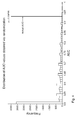
- the average AUC for true non-shuffled labels on 3-fold cross validation for selected seven biomarkers is around 0.93 and is shown in Fig. 4 as the red vertical line. As we see, most of the results are less than 0.93. Moreover, most of the results of the randomized model are around 0.5, which refers to completely random classification results.
- p-value as a ratio between the values of AUC ⁇ AUCtrue and values of AUC ⁇ AUCtrue. The P-value for 10000 shuffles is 0.0097 ⁇ 0.01, thus assuming 1% significance level, we can reject null-hypothesis.
Landscapes
- Chemical & Material Sciences (AREA)
- Life Sciences & Earth Sciences (AREA)
- Health & Medical Sciences (AREA)
- Organic Chemistry (AREA)
- Proteomics, Peptides & Aminoacids (AREA)
- Engineering & Computer Science (AREA)
- Immunology (AREA)
- Pathology (AREA)
- Analytical Chemistry (AREA)
- Zoology (AREA)
- Genetics & Genomics (AREA)
- Wood Science & Technology (AREA)
- Physics & Mathematics (AREA)
- Biotechnology (AREA)
- Microbiology (AREA)
- Molecular Biology (AREA)
- Hospice & Palliative Care (AREA)
- Biophysics (AREA)
- Oncology (AREA)
- Biochemistry (AREA)
- Bioinformatics & Cheminformatics (AREA)
- General Engineering & Computer Science (AREA)
- General Health & Medical Sciences (AREA)
- Measuring Or Testing Involving Enzymes Or Micro-Organisms (AREA)
Abstract
The invention relates to a set of biomarkers for the diagnosis of salivary gland neoplasms wherein said set consists of at least four markers selected from the group of hsa-miR-449b, hsa-miR-374, hsa-miR-411, hsa-miR-599, hsa-miR-1285, hsa-miR-324-5p and hsa-miR-449a, a method for diagnosing the benign or malignant status of a salivary gland tumor and methods for screening for pharmaceuticals for the treatment of (malignant) salivary gland tumors.
Description
- The invention relates to the diagnosis of neoplasms, more particularly to the diagnosis of salivary gland neoplasms, especially with diagnosing the difference between benign and malignant salivary gland neoplastic lesions.
- Salivary gland neoplasms comprise a diverse group of benign and malignant neoplastic lesions. Based on histopathological criteria, the World Health Organization distinguishes 37 subtypes, of which 13 are of benign status and 24 are of malignant status (1). Approximately 80% of all salivary gland neoplasms occur in the parotid gland (1). Clinical examination, ultrasound scanning (with or without fine needle aspiration cytology), preoperative CT-scan and MRI are the most commonly used diagnostic methods (1). Additional tools, such as salivary tests, may be helpful in assisting with clinical diagnosis of tumors in salivary glands.
- Saliva is an easily accessible medium, containing a host of potential biomarkers (proteins, DNAs, RNAs) for detection of systemic and oral diseases. Particularly, biomolecules in saliva which have attracted much attention for diagnostic applications are microRNAs (miRNAs). MiRNAs are small non-coding RNAs consisting of 19-25 nucleotides that can inhibit translation by binding to complementary sequences in the 3' UTR of multiple target mRNAs, usually resulting in their silencing (2). Altered levels of miRNA expression have been implicated in the etiology of cancer (2,3) and have not only been investigated in tissue (4), serum (5), but also in saliva (6) for use in the diagnosis of cancer (7-11).
- In a previous study, miRNAs expression in saliva was profiled from patients with benign and malignant parotid gland tumors, resulting in the identification of 6 potential biomarkers (mmu-miR-140-5p, hsa-let-7g, hsa-miR-15b, hsa-miR-132, hsa-miR-222, and hsa-miR-374) (6). A combination of four miRNAs (hsa-miR-15b, hsa-miR-132, hsa-miR-223 and mmu-miR-140-5p) could discriminate between patients with malignant and benign parotid gland tumors (sensitivity 69%; specificity 95%; AUC 0.9).
- One of the potential limitations of the previous study, however, was the use of a univariate statistical approach to analyze these high-dimensional data. Univariate analysis involves the testing across conditions of one variable at a time. The tacit assumption is that the underlying biological process is dominated by a single process acting as an isolated entity. While such an approach is attractive due to its relative simplicity, biological processes such as tumor development are more complex by nature, driven by different multi-component interactions between, for example, DNA, RNA, proteins etc. Accordingly, the set of biomarkers that was found was sub-optimal and there remained a challenge to find a set of biomarkers with a higher sensitivity and/or specificity.
- The invention now resulted in a set of biomarkers that would give a better diagnosis for the classification of salivary gland neoplasms into benign and malignant. Therefore, the invention consists of a set of biomarkers for the diagnosis of salivary gland neoplasms where the set consists of at least four markers selected from the group of hsa-miR-449b, hsa-miR-374, hsa-miR-411, hsa-miR-599, hsa-miR-1285, hsa-miR-324-5p and hsa-miR-449a, preferably at least five of these biomarkers, more preferably at least six and most preferably at least seven. Further part of the invention is a kit for the diagnosis of such neoplasms harboring means to quantify the level of said set of biomarkers and further instructions to use the kit.
Also part of the invention is a method for the diagnosis of the status of salivary gland neoplasms comprising: - a) taking a saliva sample from a person;
- b) determining the amount of any of the sets of biomarkers as defined above; and
- c) on basis of these results classifying the salivary gland neoplasm as benign or malignant.
-
-
Figure 1 . Overview of the research design and multivariate techniques used in the study. -
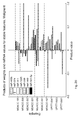
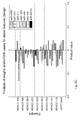
Figure 2 . ROC curve and Bar chart of selected biomarkers' and weighting coefficients' products for malignant and benign tumor groups. A. Receiver-operating-characteristics (ROC) curve. ROC computed from final model. The best prediction model included 7 miRNAs, which in combination provided the best prediction. The area-under-the-curve value of the ROC curve was 0.92, the specificity was 86% and sensitivity was 91%. B. The product values for the malignant tumor samples. C. The product values for the benign tumor samples. The weights for the malignant samples go in the opposite direction in comparison to the weights of the benign samples. The width of the bar corresponds to the value of the product of weights and ΔCt. D. Piechart showing the "Sum of ΔCt of the selected 7 miRNA". A. pie-chart representing the distribution of the sum of ΔCt of the discovered miRNAs for malignant salivary gland tumors. B. pie-chart representing the distribution of the sum of ΔCt of the discovered miRNAs for benign salivary gland tumors -
Figure 3 . Biological interpretations of the validated targets. Hsa-miR-374 inhibits the transcription of growth arrest and DNA-damage-inducible protein (GADD45A) (Section A). GADD45A strengthens p21's Cyclin-dependent kinase (CDK) inhibitor activity and without it p21 is less capable of inactivating CDK4 and CDK6. Hsa-miR-1285 inhibits the transcription of p21 directly by binding p21 mRNA, but also indirectly by inhibiting the transcription of p21 activator, p53. By influencing these important processes, a higher expression of hsa-miR-374 and hsa-miR-1285 can speed up of the cell cycle (Section B). Hsa-miR-449a and hsa-miR-449b can inhibit the transcription of CDK4 and CDK6 (Section C) by directly binding the mRNA of CDK4 and CDK6 (Section C). Furthermore, hsa-miR-449b can also inhibit the transcription of CDK4 and CDK6 activator, cell division cycle 25A (CDC25A). By inhibiting the transcription of CDK4, CDK6 and CDC25A, by hsa-miR-449a and hsa-miR-449b, less active E2F is available, halting the cell cycles G1 to S phase transition. The expression levels of the miRNAs in saliva from patients with a malignant and benign salivary gland neoplasms are portrait on the left hand side. - inhibition; + activation. -
Figure 4 . Histogram of AUC scores obtained via randomization test after 10000 shuffles. - The term "capable of specifically hybridizing to" refers to a nucleic acid sequence capable of specific base-pairing with a complementary nucleic acid sequence and binding thereto to form a nucleic acid duplex.
A "complement" or "complementary sequence" is a sequence of nucleotides which forms a hydrogen-bonded duplex with another sequence of nucleotides according to Watson-Crick base-paring rules. For example, the complementary base sequence for 5'-AAGGCT-3' is 3'-TTCCGA-5'.
The term "stringent hybridization conditions" refers to hybridization conditions that affect the stability of hybrids, e.g., temperature, salt concentration, pH, formamide concentration and the like. These conditions are empirically optimised to maximize specific binding and minimize nonspecific binding of the primer or the probe to its target nucleic acid sequence. The terms as used include reference to conditions under which a probe or primer will hybridise to its target sequence, to a detectably greater degree than other sequences (e.g. at least 2-fold over background). Stringent conditions are sequence dependent and will be different in different circumstances. Longer sequences hybridise specifically at higher temperatures. Generally, stringent conditions are selected to be about 5°C lower than the thermal melting point (Tm) for the specific sequence at a defined ionic strength and pH. The Tm is the temperature (under defined ionic strength and pH) at which 50% of a complementary target sequence hybridises to a perfectly matched probe or primer. Typically, stringent conditions will be those in which the salt concentration is less than about 1.0 M Na ion, typically about 0.01 to 1.0 M Na ion concentration (or other salts) at pH 7.0 to 8.3 and the temperature is at least about 30°C for short probes or primers (e.g. 10 to 50 nucleotides) and at least about 60°C for long probes or primers (e.g. greater than 50 nucleotides). Stringent conditions may also be achieved with the addition of destabilizing agents such as formamide. Exemplary low stringent conditions or "conditions of reduced stringency" include hybridization with a buffer solution of 30% formamide, 1 M NaCl, 1% SDS at 37°C and a wash in 2x SSC at 40°C. Exemplary high stringency conditions include hybridization in 50% formamide, 1 M NaCl, 1% SDS at 37°C, and a wash in 0.1x SSC at 60°C. Hybridization procedures are well known in the art and are described in e.g. Ausubel et al, Current Protocols in Molecular Biology, John Wiley & Sons Inc., 1994.
The term "oligonucleotide" refers to a short sequence of nucleotide monomers (usually 6 to 100 nucleotides) joined by phosphorous linkages (e.g., phosphodiester, alkyl and aryl-phosphate, phosphorothioate), or non-phosphorous linkages (e.g., peptide, sulfamate and others). An oligonucleotide may contain modified nucleotides having modified bases (e.g., 5-methyl cytosine) and modified sugar groups (e.g., 2'-O-methyl ribosyl, 2'-O-methoxyethyl ribosyl, 2'-fluoro ribosyl, 2'-amino ribosyl, and the like). Oligonucleotides may be naturally-occurring or synthetic molecules of double- and single-stranded DNA and double- and single-stranded RNA with circular, branched or linear shapes and optionally including domains capable of forming stable secondary structures (e.g., stem-and-loop and loop-stem-loop structures). - The term "primer" as used herein refers to an oligonucleotide which is capable of annealing to the amplification target allowing a DNA polymerase to attach thereby serving as a point of initiation of DNA synthesis when placed under conditions in which synthesis of primer extension product which is complementary to a nucleic acid strand is induced, i.e., in the presence of nucleotides and an agent for polymerization such as DNA polymerase and at a suitable temperature and pH. The (amplification) primer is preferably single stranded for maximum efficiency in amplification. Preferably, the primer is an oligodeoxy ribonucleotide. The primer must be sufficiently long to prime the synthesis of extension products in the presence of the agent for polymerization. The exact lengths of the primers will depend on many factors, including temperature and source of primer. A "pair of bi-directional primers" as used herein refers to one forward and one reverse primer as commonly used in the art of DNA amplification such as in polymerase chain reaction (PCR) amplification.
- The term "probe" refers to a single-stranded oligonucleotide sequence that will recognize and form a hydrogen-bonded duplex with a complementary sequence in a target nucleic acid sequence analyte or its cDNA derivative.
- "MicroRNAs" (miRNAs or MIRs) are short ribonucleic acid (RNA) molecules, on average only 22 nucleotides long and are found in nearly all eukaryotic cells. MIRs regulate gene activity by imperfect base pairing to the 3' UTR of their target mRNAs, leading to mRNA degradation or inhibition of translation. One single MIR may regulate expression of as many as 200 different gene targets, which means that expression of about one-third of human mRNAs might be controlled by MIRs. Altered expression of MIRs can therefore contribute to malignant transformation by increasing or decreasing expression of oncogenes and tumour suppressor genes, respectively (reviewed by Calin and Croce, ). The fact that expression profiling of a limited amount of MIRs provided a very accurate classifier of tumour subtypes, yielding even better results than a classifier based on genome-wide mRNA expression profiling, underlines the importance of miRNAs in carcinogenesis in general (Lu et al., Nature 2005;435:834-8). Interestingly, miRNA expression levels in tumours are globally lower compared to normal tissue. Like for protein encoding tumor suppressor genes, also silencing of miRNAs may results from epigenetic alterations, such as DNA methylation of regulatory sequences.
- Most microRNA genes are found in intergenic regions or in antisense orientation to genes and contain their own miRNA gene promoter and regulatory units.
- The invention provides a method for this diagnosis of salivary gland neoplasms comprising measuring the level of a plurality of miRNA biomarkers in test sample obtained from the subject, wherein said plurality of miRNA biomarkers comprises at least four miRNAs selected from the group consisting of hsa-miR-449b, hsa-miR-374, hsa-miR-411, hsa-miR-599, hsa-miR-1285, hsa-miR-324-5p and hsa-miR-449a, wherein an increased level of hsa-miR-449b, hsa-miR-599, and/or hsa-miR-449a and a reduced level of hsa-miR-324-5p, hsa-miR-1285, hsa-miR-411 and/or hsa-miR-374 relative to a normal control is indicative for the presence of a benign salivary gland neoplasm, while a decreased level of hsa-miR-449b, hsa-miR-599, and/or hsa-miR-449a and an increased level of hsa-miR-324-5p, hsa-miR-1285, hsa-miR-411 and/or hsa-miR-374 relative to a normal control is indicative for the presence of a malignant salivary gland neoplasm.
As is exemplified herein below, the expression of each of hsa-miR-324-5p, hsa-miR-1285, hsa-miR-411 and/or hsa-miR-374 was found to be significantly decreased (downregulated) in patients with benign parotid gland tumors, while in these patients the expression of the biomarkers hsa-miR-449b, hsa-miR-599, and/or hsa-miR-449a was increased. Accordingly, a reduced level of said miRNAs hsa-miR-324-5p, hsa-miR-1285, hsa-miR-411 and/or hsa-miR-374 and/or an increased level of said miRNAs hsa-miR-449b, hsa-miR-599, and/or hsa-miR-449a relative to a control indicates that the subject has a benign salivary gland neoplasm.
As is further exemplified herein below, the expression of each of hsa-miR-324-5p, hsa-miR-1285, hsa-miR-411 and/or hsa-miR-374 was found to be significantly increased (upregulated) in patients with malignant parotid gland tumors, while in these patients the expression of the biomarkers hsa-miR-449b, hsa-miR-599, and/or hsa-miR-449a was decreased. Accordingly, an increased level of said miRNAs hsa-miR-324-5p, hsa-miR-1285, hsa-miR-411 and/or hsa-miR-374 and/or a reduced level of said miRNAs hsa-miR-449b, hsa-miR-599, and/or hsa-miR-449a relative to a control indicates that the subject has a malignant salivary gland neoplasm.
In one aspect, a reduced level refers to an expression of the biomarker that is decreased by at least 2-fold, 3-fold, 4-fold, 5-fold, or 6-fold relative to control sample. In a preferred embodiment, there is at least a 10-fold reduction.. - Exemplary combinations of miRNAs present in a set of biomarkers according to the invention include one or more of miR-499b, miR-374 and miR-411. In one aspect, a method of the invention comprises measuring the level of miR-499b, miR-374 and miR-411, with at least one additional marker selected from the group consisting of miR-599, miR-1285, miR-324-5p, and miR-449a. Specific exemplary panels include the following biomarker combinations:
- (i) miR-449b, miR-374 and miR-411, with at least two additional marker selected from the group consisting of miR-599, miR-1285, miR-324-5p, and miR-449a.
- (ii) miR-449b, miR-374, with at least two additional markers selected from the group consisting of miR-411, miR-599, miR-1285, miR-324-5p, and miR-449a.
- (iii) miR-449b, miR-411, with at least two additional markers selected from the group consisting of miR-374, miR-599, miR-1285, miR-324-5p, and miR-449a.
- (iv) miR-374, miR-411, with at least two additional markers selected from the group consisting of miR-499b, miR-599, miR-1285, miR-324-5p, and miR-449a.
- Further exemplary combinations of miRNAs present in a set of biomarkers according to the invention include one or more of miR-599, miR-1285, and miR-324-5p. In one aspect, a method of the invention comprises measuring the level of miR-599, miR-1285, and miR-324-5p, with at least one additional marker selected from the group consisting of miR-449a, miR-449b, miR-374 and miR-411. Specific exemplary panels include the following biomarker combinations:
- (v) miR-599, miR-1285, and miR-324-5p, with at least two additional markers selected from the group consisting of miR-449a, miR-449b, miR-374 and miR-411;
- (vi) miR-599, miR-1285, and at least two additional markers selected from the group consisting of miR-324-5p, miR-449a, miR-449b, miR-374 and miR-411;
- (vii) miR-599 and miR-324-5p, and at least two additional markers selected from the group consisting of miR-1285, miR-449a, miR-449b, miR-374 and miR-411;
- (viii) miR-1285, miR-324-5p, and at least two additional markers selected from the group consisting of miR-599, miR-449a, miR-449b, miR-374 and miR-411.
- It could further be advantageous to include other miRNAs, such as hsa-miR-519b-3p, hsa-miR-367 and/or hsa-miR-224 to further strengthen the diagnosis.
- "miR-449b" as used herein indicates a mature miR-449b, i.e. a nucleic acid having at least 85% (e.g. at least 90%, 95%, 98%, or 100%) identity to the sequence CAGCCACAACUACCCUGCCACU (Sequence 1).
- "miR-374" as used herein indicates a mature miR-374 i.e. a nucleic acid having at least 85% (e.g. at least 90%, 95%, 98%, or 100%) identity to the sequence UUAUAAUACAACCUGAUAAGUG (Sequence 2).
- "miR-411" as used herein indicates a mature miR-411 i.e. a nucleic acid having at least 85% (e.g. at least 90%, 95%, 98%, or 100%) identity to the sequence UAGUAGACCGUAUAGCGUACG (Sequence 3).
- "miR-599" as used herein indicates a mature miR-599 i.e. a nucleic acid having at least 85% (e.g. at least 90%, 95%, 98%, or 100%) identity to the sequence GUUGUGUCAGUUUAUCAAAC (Sequence 4).
- "miR-1285" as used herein indicates a mature miR-1285 i.e. a nucleic acid having at least 85% (e.g. at least 90%, 95%, 98%, or 100%) identity to the sequence UCUGGGCAACAAAGUGAGACCU (Sequence 5).
- "miR-324-5p" as used herein indicates a mature miR-324-5p i.e. a nucleic acid having at least 85% (e.g. at least 90%, 95%, 98%, or 100%) identity to the sequence CGCAUCCCCUAGGGCAUUGGUGU (Sequence 6).
- "miR-449a" as used herein indicates a mature miR-499a i.e. a nucleic acid having at least 85% (e.g. at least 90%, 95%, 98%, or 100%) identity to the sequence UGGCAGUGUAUUGUUAGCUGGU (Sequence 7).
Whereas a biomarker panel of the invention can contain only at least four miRNA biomarkers, the skilled person will appreciate that the reliability generally increases with increasing the number of biomarkers. Accordingly, in one embodiment the measuring comprises measuring the level of at least five, preferably at least six, of said hsa-miR-449b, hsa-miR-374, hsa-miR-411, hsa-miR-599, hsa-miR-1285, hsa-miR-324-5p and hsa-miR-449a. In a specific aspect, the level of each of said hsa-miR-449b, hsa-miR-374, hsa-miR-411, hsa-miR-599, hsa-miR-1285, hsa-miR-324-5p and hsa-miR-449a is measured. Hence, also provided is a circulating miRNA profile for determining whether a salivary gland tumor is benign or malignant, comprising at least four, preferably at least five, more preferably at least six, most preferably all of said hsa-miR-449b, hsa-miR-374, hsa-miR-411, hsa-miR-599, hsa-miR-1285, hsa-miR-324-5p and hsa-miR-449a. - A method of the invention comprises measuring the level of a plurality of miRNAs in a test sample obtained (isolated) from the subject. The invention thus relates to a method of determining in vitro whether a subject has a benign or a malignant salivary gland tumor The subject is preferably a human subject.
"Test sample" is used in its broadest sense as containing nucleic acids. More specifically, any biological test sample comprising or suspected to comprise circulating miRNAs of the subject can be used. A sample may comprise a bodily fluid such as blood, saliva or urine. A preferred sample for detection is a saliva sample.
The amount of miRNAs associated with benign or malignant salivary gland tumors may be determined after isolation of RNA from a sample. Methods for isolating RNA are known in the art, including the use of commercial RNA isolation kits such as, for example, mirVana PARIS kit (Ambion), miRCURY RNA Isolation Kits - Biofluids (Exiqon) or Trizol LS (Invitrogen). The isolation of RNA is typically performed in the presence of a strong denaturant such as GITC, LiCl, SDS and/or phenol in order to inactivate RNase, if present. Alternatively, a biological sample can be processed for detection of miRNA sequences without prior isolation of RNA, for example by isolating vesicles such as microvesicles from a sample.
With regard to the determination of the panel of miRNAs of the invention, the expression of these miRNAs can be measured separately or simultaneously. In addition to determining the level of at least four biomarkers from the set of biomarkers described herein above, the method may comprise measuring additional miRNAs that can provide useful biological information, in particular relating to the presence and nature of tumors, more particularly salivary gland tumors. As shown herein below, the present inventors identified that the expression of each of hsa-miR-449b, hsa-miR-374, hsa-miR-411, hsa-miR-599, hsa-miR-1285, hsa-miR-324-5p and hsa-miR-449a was significantly changed between persons having a benign and person having a malignant salivary gland neoplasm. - In a previous study (6) the inventors identified 6 potential biomarkers (mmu-miR140-5p, hsa-let-7g, hsa-miR-15b, hsa-miR-132, hsa-miR-222, and hsa-miR-374) that were differently expressed in whole saliva from patients with benign parotid neoplasms and malignant parotid neoplasms. A combination of four miRNAs (hsa-miR-15b, hsa-miR-132, hsa-miR-223 and mmu-miR-140-5p) was shown to discriminate between patients with a malignant and a benign salivary gland tumor with a sensitivity of 69%, and a specificity of 95% (AUC 0.9). Unlike in said previous study, where univariate statistical techniques were used to analyze the miRNAs expression in whole saliva from patients with benign and malignant parotid gland tumors, in the present invention a range of machine learning techniques was used that uncovered a completely different panel of miRNAs comprising only two of the previous found miRNAs (hsa-miR-374 and hsa-miR-519-3p). The other miRNAs may have been missed in the previous study because, unlike the present invention, the previous study looked at fold-change and/or p-value alone, instead of miRNAs that have group-based correlations.
Key factors in the present analysis are the novel machine learning methods that allow to utilize the full potential of the gathered data. Specifically, the elastic net algorithm allows for building multivariate models, which can lead to the identification of a set of biomarkers that have a mechanistic effect in the tumor cell. The further used stability selection procedure is particularly well-suited for medium and small sized data collections where the number of patients diagnosed with a malignant form of disease is limited and the amount of variables, in this case miRNAs, is much larger than the sample size. - Of the seven selected miRNAs, four (hsa-miR-374, hsa-miR-449a, hsa-miR-449b and hsa-miR-1285) have been associated with validated targets (18-22 and 30-31), which could influence the speed of the cell cycle, while for the other three (hsa-miR-324-5p, hsa-miR-411 and hsa-miR-599) no targets have been validated yet. The expression levels of hsa-miR-449a, hsa-miR-449b and hsa-miR-599 were higher in whole saliva from patients with a benign salivary gland tumor, whereas the expression of hsa-miR-324-5p, hsa-miR-374, hsa-miR-411 and hsa-miR-1285 was higher in whole saliva of patients with a malignant salivary gland tumor.
Two (hsa-miR-374 and hsa-miR-1285) of the seven selected miRNAs have validated targets among which are p21 and the growth arrest and DNA-damage-inducible protein (GADD45A) (18, 19). By binding to their target mRNA hsa-miR-374 and hsa-miR-1285 can influence the transcription of p21 and GADD45A, which could result in a speeding up of the cell cycle (Fig. 3 section A and B). Hsa-miR-375 influences p21 indirectly by binding to the mRNA of GADD45A (Fig. 3 section A) (20, 21). GADD45A strengthens p21's Cyclin-dependent kinase (CDK) inhibitor activity and without it p21 is less capable of inactivating CDK4 and CDK6. Hsa-miR-1285 can influence p21 transcription directly by binding to its mRNA, or indirectly by binding to the mRNA of p21s activator, p53 (Fig. 3 section B) (20, 21). A higher expression of hsa-miR-374 and hsa-miR-1285 results in more active CDKs and higher amounts of active E2F, speeding up the G1 to S phase transition. Hsa-miR-374 and hsa-miR-1285, therefore, may act as the cell cycle's "gas-pedal". Two of the seven selected miRNA (hsa-miR-449a and hsa-miR-449b, have validated targets which could result in a slowing down of the cell cycle. hsa-miR-449a and hsa-miR-449b can inhibit the transcription of CDK4 and CDK6 (Fig. 3 section C) (19, 22, 23) by directly binding to their 3' UTR mRNA region. Furthermore, hsa-miR-449b also inhibits the transcription of cell division cycle 25A (CDC25A) (24). CDC25A activates CDK4 and CDK6 at a specific time in the cell cycle. A lower transcription of CDK4, CDK6 and CDC25A may result in less phosphorylated Rb/E2F complexes and lower amounts of active E2F, halting the G1 to S phase transition (22). A higher expression of hsa-miR-449a and hsa-miR-449b may lead to a halting of the cell growth and therefore, hsa-miR-449a and hsa-miR-449b can be seen as the "brake-pedal" of the cell cycle.
This is the first finding of a salivary miRNA biomarker panel that not only can distinguish saliva samples from patients with a benign and patients with a malignant salivary gland neoplasm, but also gives a hypothetical insight about the pathology of salivary gland neoplasm. - Quantification of the relevant miRNAs in a sample may be performed using any method known in the art for quantification of miRNA or other small RNAs. In one embodiment, the method comprises measuring the level of said miRNAs using RT-PCR, a biochip, quantitative PCR, serial analysis of gene expression (SAGE), or a microarray. All of the following methods are applicable to each of the embodiments described herein for diagnosing salivary gland neoplasms. A first example of such methods is miRNA quantitation by RT-PCR using stem-loop primers for reverse transcription followed by real-time quantitative PCR using a TaqMan® probe. In this method, stem-loop reverse transcription (RT) primers are annealed to the miRNA targets and extended using reverse transcriptase. Generation of the cDNA is followed by real-time PCR with a miRNA- specific forward primer, a TaqMan probe, and a reverse primer. Quantities of the targeted miRNAs are estimated based on measurement of CT values. These methods are known in the art and described, for example, in publications and gene expression assay product bulletins of Applied Biosystems, Foster City, CA. Primers for reverse transcriptase-mediated cDNA synthesis may be provided by the provision of a shared sequence to all miRNA sequences such as, for example, a poly(A)-tail by ligation or through action of a Terminal Transferase, followed by annealing of an adapter-oligo(dT) primer. Further methods comprise the use of a stem-loop primer, and/or the use of a miRNA-specific primer. The quantitative amplification of the RNA sequences, preferably by real-time PCR, preferably comprises a universal primer and a miRNA- specific primer.
- The primers used for detection, cDNA synthesis and/or amplification preferably comprise RNA nucleotides, DNA nucleotides or modified nucleotides such as Locked Nucleic Acid (LNA) nucleotides, Peptide Nucleic Acid (PNA) nucleotides, and/or 2'-O-alkyl modifications, 2'-fluoro modifications, 4'-thio modifications, a phosphorotioate linkage, a morpholino linkage, a phosphonocarboxylate linkage. In a preferred embodiment, the length of a primer, preferably a miRNA- specific primer, is identical to the length of the specific miRNA. In a further preferred embodiment, the length of the miRNA- specific primer is shorter than the length of the miRNA, for example 14 nucleotides, 15 nucleotides, 16 nucleotides, 17 nucleotides, 18 nucleotides, 19 nucleotides, 20 nucleotides, 21 nucleotides, 22 nucleotides, or 23 nucleotides, depending on the length of the specific miRNA. The sequence of a primer, preferably a miRNA- specific primer, preferably comprises one or two mismatches compared to the sequence of the miRNA or the adapter sequence that is added to the miRNA, more preferably is identical to the sequence of the miRNA.
- Another example of an miRNA quantitation method for use in the embodiments of the invention is SYBR Green detection method using locked nucleic acid (LNA)-based primers (miRCURY™ LNA microRNA PCR system, Applied Biosystems, Foster City, CA; See M. Lunn, et al. Nature Methods, February 2008) or Exiqon's microRNA qPCR system. In this method, miRNAs are reverse transcribed from total RNA in a sample using miRNA- specific RT primers, and the reverse- transcribed miRNAs are amplified using an LNA-enhanced PCR primer anchored in the miRNA sequence together and a universal PCR primer. Amplified miRNAs are quantitated by detection of fluorescence in the SYBR Green assay.
- In yet another embodiment, the measuring may be performed by hybridization on a chip or microarray having the miRNAs of the AHF panel according to the invention as features thereon. The quantity of an miRNA in the sample being tested is typically determined by measurement of the fluorescence intensity of hybridization to the corresponding feature.
- Another assay that can be used in the embodiments of the invention for quantitation of the relevant miRNAs is the Luminex® branched DNA (bDNA) assay (Panomics, Fremont, CA). This is a high-throughput multiplex bead-based assay based on the xMAP® technology of Luminex Corporation. Specific miRNAs are captured on their respective beads by hybridization with a capture probe, followed by sequential hybridization of pre- amplifier, amplifier and biotinylated label probes. Binding with streptavidin-conjugated phycoerythrin and analysis of individual beads for level of fluorescence quantifies the amount of miRNA captured by the bead. This assay is described in the Luminex product bulletins published by Panomics.
- In still a further embodiment, a method of the invention comprises the use of a next-generation sequencing (NGS) platform for small RNA sequences. (NGS) is gaining popularity and has successfully been used to characterize miRNA profiles in various tissues as well as bio-fluids including blood and cerebral spinal fluid. See for example Wu et al. Clinica Chimica Acta 2012, 413(13-14):1058-1065; Burgos et al. RNA 2013, 19(5):712-722.
- Methods and means for detection of the circulating miRNA signature of the present invention are preferably provided as a kit. Accordingly, the invention also provides a kit comprising a plurality of primers and/or probes specific for determining expression levels at least four, preferably at least five of hsa-miR-449b, hsa-miR-374, hsa-miR-411, hsa-miR-599, hsa-miR-1285, hsa-miR-324-5p and hsa-miR-449a. Preferred miRNAs and combinations thereof are discussed herein above. In one aspect, the kit comprises primers and/or probes designed to detect each of hsa-miR-449b, hsa-miR-374, hsa-miR-411, hsa-miR-599, hsa-miR-1285, hsa-miR-324-5p and hsa-miR-449a. The kit may further comprise primers and/or probes designed to detect at least one of hsa-miR-449b, hsa-miR-374, hsa-miR-411, hsa-miR-599, hsa-miR-1285, hsa-miR-324-5p and hsa-miR-449a Said kit preferably comprises one or more reagents for RT- PCR or reverse transcription RT-PCR. For example, the kit comprises a set of primers, preferably at least one specific set of primers, enzymes such as a RNA-dependent DNA polymerase and/or a DNA- dependent DNA polymerase, and at least one buffer for performing the reaction or reactions. The kit components may be provided as dried material, for example after lyophilisation, or as a liquid. In one embodiment, the kit contains reagent(s) for small RNA isolation from a (plasma) sample, such as one or more of lysis buffer, binding columns, wash and elution buffers.
- A still further aspect relates to a biochip (e.g. microarray) comprising a panel of isolated nucleic acids, wherein said panel comprises at least four of hsa-miR-449b, hsa-miR-374, hsa-miR-411, hsa-miR-599, hsa-miR-1285, hsa-miR-324-5p and hsa-miR-449a, or a complement thereof. The biochip preferably comprises each of hsa-miR-449b, hsa-miR-374, hsa-miR-411, hsa-miR-599, hsa-miR-1285, hsa-miR-324-5p and hsa-miR-449a, or its complement. It could further be advantageous to include other miRNAs, such as hsa-miR-519b-3p, hsa-miR-367 and/or hsa-miR-224 to further strengthen the diagnosis.
- Any of the diagnostic/predictive methods described herein above may be implemented on tangible computer-readable medium comprising computer-readable code that, when executed by a computer, causes the computer to perform one or more operations. Provided herein is a tangible, computer-readable medium comprising computer-readable code that, when executed by a computer, causes the computer to perform operations comprising: a) receiving information corresponding to the level of expression of at least four miRNA's selected from the group consisting of hsa-miR-449b, hsa-miR-374, hsa-miR-411, hsa-miR-599, hsa-miR-1285, hsa-miR-324-5p and hsa-miR-449a, in a sample of a patient having a salivary gland tumor; and b) determining a difference value in the expression level using the information corresponding to the expression level in the sample compared to a control or reference level. In some embodiments, there is a tangible computer-readable medium comprising computer-readable code that, when executed by a computer, causes the computer to perform operations comprising: a) receiving information corresponding to a level of expression in a biological sample from a subject, at least four of hsa-miR-449b, hsa-miR-374, hsa-miR-411, hsa-miR-599, hsa-miR-1285, hsa-miR-324-5p and hsa-miR-449a; and b) determining a biomarker panel value using information corresponding to the at least four biomarker miRNAs and information corresponding to the level of expression of a comparative microRNA panel from a person with a benign tumor, a person with a malignant tumor and a control person having no salivary gland tumor, the biomarker panel value being indicative of the type of salivary gland tumor. In additional embodiments the medium further comprises computer-readable code that, when executed by a computer, causes the computer to perform one or more additional operations comprising: sending information corresponding to the biomarker value to a tangible data storage device. In even further embodiments, the tangible computer-readable medium has computer-readable code that, when executed by a computer, causes the computer to perform operations further comprising: c) calculating a diagnostic score for the biological sample, wherein the diagnostic score is indicative of the benign or malignant nature of the salivary gland tumor. It is contemplated that any of the methods described above may be implemented with tangible computer readable medium that has computer readable code, that when executed by a computer, causes the computer to perform operations related to the measuring, comparing, and/or calculating a diagnostic score related to the nature of the salivary gland tumor.
- In yet another embodiment, the invention relates to a system for drug discovery, comprising detecting the level of one or more of the miRNAs of the set of biomarkers of the present invention. For example, provided is a method for identifying a candidate drug e.g. for the treatment of a salivary gland tumor, by evaluating its capacity to affect the pathway(s) responsible for modulating the level of one or more of these miRNAs. The screening may involve detecting at least one miRNA selected from the group consisting of hsa-miR-449b, hsa-miR-374, hsa-miR-411, hsa-miR-599, hsa-miR-1285, hsa-miR-324-5p and hsa-miR-449a. Preferably, the screening involves measuring the level of multiple miRNAs, for example at least three miRNAs, preferably at least four, or five, but most preferably all of the biomarkers selected from the group consisting of hsa-miR-449b, hsa-miR-374, hsa-miR-411, hsa-miR-599, hsa-miR-1285, hsa-miR-324-5p and hsa-miR-449a. More preferably the screening comprises at least one of the group of hsa-miR-374, hsa-miR-411, hsa-miR-1285 and hsa-miR-324-5p, more preferably two, three or all four of this group
Suitable screening systems include cell-based assays, for example cells cultured from salivary glands as described by Tran, S.D. et al., 2005, Tissue Eng. 11:172-181 or Chan, Y.H. et al., 2011, J. Cell Physiol. 226:3076-3085, and especially cells from salivary gland tumors, such as described by Yoshida, M. et al., 1980, Br. J. Cancer 41:636-639 and cells from cell line TCP-1012 (ATCC). - The invention thus also relates to a method for screening a pharmaceutically active compound for the treatment and/or prophylaxis of a salivary gland tumor, wherein the method comprises the steps of (a) providing a cell comprising an expression vector comprising at least miRNA sequence selected from the group consisting of hsa-miR-449b, hsa-miR-374, hsa-miR-411, hsa-miR-599, hsa-miR-1285, hsa-miR-324-5p and hsa-miR-449a, more preferably at least one of the group of hsa-miR-374, hsa-miR-411, hsa-miR-1285 and hsa-miR-324-5p; (b) bringing a candidate for a pharmaceutically active compound into contact with the cell, (c) determining the effect of the candidate on the expression of said at least one miRNA sequence, wherein a change in the expression of said at least one miRNA sequence might indicate a pharmaceutically active compound. Preferably, the screening method comprises determining the effect on at least three, preferably at least all four miRNA sequences selected from the group of hsa-miR-374, hsa-miR-411, hsa-miR-1285 and hsa-miR-324-5p.
- Alternatively, such a method comprises the steps of: (a) providing a culture from a cell line derived from a human or animal salivary gland tumor, (b) optionally measuring the expression of any of the miRNAs of the set of biomarkers according to the present invention; (c) bringing a candidate for a pharmaceutically active compound into contact with the cell; and (d) determining the effect of the candidate on the expression of said at least one miRNA sequence, wherein a change in the expression of said at least one miRNA sequence might indicate a pharmaceutically active compound. It is further possible, of course, to prolong the treatment time with the pharmaceutical compound, by providing the compound to the cell culture more than once and to extend the number of assays for the expression of the set of biomarkers, to see if there are changes over time.
- Also part of the invention is a method for monitoring treatment of a salivary gland tumor. It is submitted that the amount of expression of at least one of the biomarkers provided herein, but especially the biomarkers that are associated with a malignant salivary gland neoplasm is indicative for the severeness of the disease and a decrease in the level of such a biomarker that is specific for a malignant tumor would be indicative of a success of the treatment. Accordingly, the present invention comprises a method for monitoring treatment of a malignant salivary gland tumor by periodically checking before, during and/or after treatment of the expression of at least one miRNA sequence selected from the group consisting of hsa-miR-449b, hsa-miR-374, hsa-miR-411, hsa-miR-599, hsa-miR-1285, hsa-miR-324-5p and hsa-miR-449a, more preferably at least one of the group of hsa-miR-374, hsa-miR-411, hsa-miR-1285 and hsa-miR-324-5p.
- Whole saliva samples from patients with malignant (n=38) or benign parotid gland tumors (n=29) were obtained from the Salivary Gland Tumor Biorepository at the MD Anderson Clinic (Houston, TX). Samples were immediately stored at -80°C until ready for use. Before the samples were used, they were defrosted on ice and centrifuged for 10 min at 5,000 rpm at 4°C. The cell-free supernatant was collected from the pellet and used immediately in the next step.
In the discovery phase, samples of whole saliva from 10 patients with benign parotid gland tumor were matched (gender and ethnicity) and analyzed. Both benign and malignant groups consisted of 7 men and 3 women. The mean age was 53 (33-82) and 60 (49-74) years of the benign and malignant group, respectively. Both groups consisted of the same ethnic background (1 Hispanic, 1 Black, 8 Caucasians). Smoking/drinking habits or clinicopathologic data were neither recorded nor provided by the SGTB and were irretrievable. Patient's characteristics are given in Table 1.
An independent sample set was used for the validation study (19 benign and 28 malignant).Table 1. Clinicopathological data of patients with a benign parotid or malignant parotid gland tumor. Clinicopathological data Benign Malignant Mean age 53 60 (range) (33-82) (49-74) sex (male/female) 6/4 6/4 Ethnicity Hispanic 1 1 Caucasian 8 8 Black 1 1 Neoplasm subtypes Pleomorphic adenoma 6 Warthins tumor 3 Oncocytoma 1 Neuroendocine carcinoma 1 Oncocytic carcinoma 1 Acinic cell carcinoma 1 Mucoepidermoid carcinoma 1 Salivary duct carcinoma 2 Myoepithelial carcinoma 1 Carcinoma ex-pleomorphic adenoma 1 Cystadenocarcinoma 1 Adenoid cystic carcinoma 1 - Total RNA was isolated from 300 µL saliva supernatant using RNA extraction kits (Ambion mirVana Paris kit). DNase I treatment (DNase I, Qiagen) was used to remove contaminating DNA furing RNA extraction. The concentration of total RNA was measured using RiboGreen assay. Extracted RNA (1 - 10 ng) was reverse transcribed and preamplified using the TaqMan MicroRNA reverse Transcription Kit, TaqMan PreAmp Master Mix, and Megaplex Primers (applied Biosystems). The preamplification product was not diluted before conducting miRNA quantification. For the profiling of 750 miRNAs a total volume of 105 µL was loaded into each well of the TaqMan Human MicroRNA Cards (Applied Biosystems), which were spun and run on the Applied Biosystems 7900HT Fast Real-Time PCR instrument containing a special card holder (Applied Biosystems). Using default TaqMan low density array setting and 6-carboxyfluorescein as a reporter, the quantitative real-time PCR (qRT-PCR) reaction was run at 95°C for 10 min to activate the enzyme and was then followed with 40 cycles at 95°C for 15 sec and 60°C for 60 sec.
The cycle threshold (Ct) value is defined as the cycle number in the fluorescence emission, which exceeds that of a fixed threshold. A Ct of 15 to 30 was considered high expression and a Ct of 35 or higher is considered low expression. A Ct value of more than 40 was considered as undetectable miRNA. For miRNA quantitative PCR (qPCR) experiments, U6 snRNA was used as the reference gene. We calculated ΔCt by substracting the Ct value of the reference gene (RNA polymerase III transcribed U6 snRNA) from the Ct value of each candidate biomarker. Data normalization was conducted using RQ manager 1.2.1 and Data Assist v3.0 from Applied Biosystems. The qPCR based gene expression values between the 2 groups were statistically compared. - Our statistical analysis is based on application of the adapted version of the elastic net algorithm (14) which is specifically tailored for discriminating among benign and malignant groups in the collected dataset. It consists of learning and stability selection modules and allows for robust and reliable identification of miRNA biomarkers. We provide a detailed description of the approach in the supplementary material and a flow diagram of the study (
Fig. 1 ).
The elastic net method proposed in (14) is a hybrid combination of the LASSO method (16) and ridge regression (17). A combination of these methods is used to provide the advantages that each method holds. - For example, LASSO cannot utilize correlation between coefficients because it tends to randomly select only one feature from a correlated group. Situations may occur in which a single feature is useless, but when combined with other features, they may provide better predictive performance (23). In our problem, we expected group-based correlations among the miRNAs to occur and, thus, between their corresponding regression coefficients. In such situations, the predictive performance of ridge regression tends to outperform that of LASSO (3). On the other hand, the ridge regression was unable to shrink coefficients to zero. The LASSO method was able to shrink coefficients to zero by imposing an L1-penalty on the regression coefficients. This allowed for an easily interpretable model by viewing any nonzero coefficients as the predictors that had the strongest predictive power for a posed problem. A comparison of the predictive performances of the LASSO, ridge regression and other methods was made by Tibshirani (24) and Fu (25). It has been noted that when conducting biomarker identification, due to the possibility of coefficients shrinking to zero, the LASSO appeared to be a much more sensible choice.
To combine the feature sparsity of LASSO and feature smoothness of ridge regression, we used an adapted elastic net technique which exploited the ridge regression tendency of shrinking coefficients to small values for correlated trending towards each other, while retaining the feature selection property of reducing coefficients to exact zero values provided by LASSO. This encouraged a 'grouping effect', providing subsets of correlated features (14). This effect was also useful when analyzing miRNA datasets due to our aim to detect group-based miRNAs interactions that allowed us to study them as a mechanistic system rather than as separate factors affecting tumorigenesis. The elastic net was often used for feature selection within MS data (26, 27). The main motivation for choosing the elastic net method was to select the most important features, while retaining the correlation between features.
The biomarkers were identified by elastic net regression as the feature selection model. This model was parameterized by a tuning constant λ, modulating the emphasis of either L1 or L2 regularization. Such parameters in combination with multiplication factor α controlled the number of features selected (14). Stronger L1 regularization results in a lower false discovery rate, but may miss real-associated features; while stronger L2 regularization detects more real-associated features, but also admits more false positives. Thus, choosing the right value of the regularization parameter λ becomes critical, and we have to make sure that a model consistently selects truly relevant features. To minimize influence of such a critical choice on the model performance, we use stability selection procedure.. Biomarker stability (17) is reflected in the frequency that a particular biomarker was identified in multiple simulations on a re-randomized dataset. This measure is especially relevant for small to medium sized data collections (as this study where the number of patients diagnosed with a malignant form of disease is limited).
Stability selection (28) is a technique designed to improve the performance of a feature selection algorithm based on the sub-sampling of examples. The general idea of stability selection is to select only those features that are consistently selected throughout multiple runs of a feature selection model. This is done by running elastic net many times on randomly subsampled data and choosing those variables that are selected most frequently across all sample partitions. In our task, we run elastic net on multiple random sub-sampled datasets containing both benign and malignant tumor samples. The performance measure used for a binary classification task is a Receiver Operating Characteristics Area Under Curve (ROC AUC). The ROC can be understood as a plot of the probability of correctly classifying the positive samples (benign group) against the rate of incorrectly classifying true negative samples (malignant group). Thus, the AUC score of an ROC curve can be considered a measure of the predictive accuracy of the model.
To avoid over-fitting, we used a 5-fold stratified cross-validation procedure over the train partition of the data (80%) while the remaining 20% was used as the testing dataset. Parameters to be selected are ratio between L1 and L2 norms, L1-2-ratio and regularization parameter multiplication coefficient α. Stability selection was performed by randomly subsampling 80% of the data 200 times. During stability selection procedure, all features having non-zero weighting coefficient were counted. - Stability selection procedure conducted on the miRNA expression profiles allowed us to select the most robust biomarker miRNAs. The stability coefficient levels of the miRNAs starts to level off after 0.44, which results in a plateau around 0.3. MiRNAs having stability coefficient levels of 0.44 and higher were considered important and were therefore selected. These biomarkers, as well as their stability coefficients, are presented in Table 2. We observed miRNA hsa-miR-449b to have a high stability coefficient of 0.88. Other selected miRNAs with stability coefficients (0.6 ÷ 0.4) are hsa-miR-374, hsa-miR-411, hsa-miR-599, hsa-miR-1285, hsa-miR-324-5p, and hsa-miR-449a. The ROC curve with the best prediction was accomplished by combining all 7 selected miRNAs, resulting in an AUC classification performance of 0.92 (specificity 86%;
sensitivity 91%) (Fig. 2A ). This result was statistically significant (P < 0.01) by application of randomization test (Supplementary Fig. S2), and it demonstrates that the most stable biomarkers are also highly predictive in terms of classification output. - To visualize how the values of the selected biomarkers differ per group, we constructed pie charts based on the data from both benign and malignant tumors. For each of the seven selected miRNAs, we calculated the sum of ΔCt for malignant and benign tumor groups (
Fig. 2D ). In the benign group, the sum of ΔCt of hsa-miR-449b, hsa-miR-449a and hsa-miR-599 was lower compared to the malignant group. The sum of ΔCt of hsa-miR-324-5p, hsa-miR-374, hsa-miR-411 and hsa-miR-1285 was higher in the benign group compared to the malignant group.Table 2. Stability coefficients and average ΔCt for the discovered miRNAs miRNA Stability coefficient Average ΔCt Benign Average ΔCt Malignant Expression level higher in hsa-miR-449b 0.88 15.1 18.5 B hsa-miR-374 0.65 7.2 0 M hsa-miR-411 0.63 19.5 18.5 M hsa-miR-599 0.57 16.3 21 B hsa-miR-1285 0.56 16.4 9.6 M hsa-miR-324-5p 0.46 16.5 11.8 M hsa-miR-449a 0.44 14 15.9 B hsa-miR-519b-3p 0.36 4.8 12.3 B hsa-miR-367 0.35 12 15.1 B hsa-miR-224 0.34 8.7 10.7 B B= benign; M= malignant. - Besides ΔCt values, estimated Elastic Net coefficients also play key a role in classification of tumor samples. To visualize the joint influence of the Elastic Net coefficients and ΔCt, we plot the product of the Elastic Net coefficient and ΔCt for both malignant and benign tumors (
Fig. 2B and2C ). The overall sum of all products per each sample results in a classification prediction, resulting in two different patterns. While, in the malignant tumor group the overall sum of the product was in a positive direction, the opposite is true for the benign tumor group in which the overall sum of the product was in the negative direction. - While solving a penalized regression problem, we assume that due to the biological nature of the problem, there is a correlation between miRNA expression value matrix and classification label vector. This assumption can be tested by conducting modeling on the dataset with reshuffled class labels while keeping the corresponding miRNA expression value indices fixed. Then the underlying statistical relationship will be disrupted. Such a procedure is often used to test the statistical validity of results and is known as randomization test (29).
- To check statistical significance of the model results, we define ROC AUC score as a test statistic score. The null-hypothesis is that the order of labels for the classification test does not matter, meaning that the model will give good ROC AUC score even if the order of labels is shuffled. A histogram for the null-hypothesis distribution can be generated by repeating the randomization multiple times and calculating corresponding AUC scores. This histogram can be used as a statistical significance test of the model reflecting the relationship between miRNA and classification labels. However, in practice, any shuffling of the labels still leaves some correlation between the shuffled and original data which needs to be taken in account. Therefore, we need to define a critical value derived from the null-distribution as the value exceeded by a certain percentage of noise values (usually either 5% or 1%). The statistics score obtained for the original data, in our case true AUC, is compared with the critical value.
In our case, we state the null-hypothesis that the order of the labels for the classification test does not matter, and the model will give good AUC score even if the order of labels is shuffled. To reject null hypothesis, we randomly shufflelabels 10000 times and retrain Elastic Net model on the labels using 3-fold cross-validation on 100% data to define parameters and apply these parameters on the same dataset. The result of the randomization test is depicted as histogram plot of AUC scores onFig. 4 .
The average AUC for true non-shuffled labels on 3-fold cross validation for selected seven biomarkers is around 0.93 and is shown inFig. 4 as the red vertical line. As we see, most of the results are less than 0.93. Moreover, most of the results of the randomized model are around 0.5, which refers to completely random classification results. To accept or reject null-hypothesis, we calculate p-value as a ratio between the values of AUC ≥ AUCtrue and values of AUC < AUCtrue. The P-value for 10000 shuffles is 0.0097 < 0.01, thus assuming 1% significance level, we can reject null-hypothesis. - Since we have rejected the null-hypothesis, we accept the fact that the order of the labels is important, and we may not incorrectly label benign tumors as malignant ones and other way around. This result suggests that dataset correctly reflects differences between two types of tumors, and the Elastic Net model selects valid biomarkers.
-
- 1. Seifert G, Brocheriou C, Cardesa A, Eveson JW. WHO International Histological Classification of Tumours. Tentative Histological Classification of Salivary Gland Tumours. Pathol Res Pract 1990;186:555-81.
- 2. Iorio MV, Croce CM. MicroRNAs in cancer: small molecules with a huge impact. J Clin Oncol 2009;27:5848-56.
- 3. Chen PS, Su JL, Hung MC. Dysregulation of MicroRNAs in cancer. J Biomed Sci 2012;19:90.
- 4. Ueda T, Volinia S, Okumura H, Shimizu M, Taccioli C, Rossi S, et al. Relation between microRNA expression and progression and prognosis of gastric cancer: a microRNA expression analysis. Lancet Oncol 2010;11:136-46.
- 5. Mitchell PS, Parkin RK, Kroh EM, Fritz BR, Wyman SK, Pogosova-Agadjanyan EL, et al. Circulating microRNAs as stable blood-based markers for cancer detection. Proc Natl Acad Sci USA 2008;105:10513-8.
- 6. Matse JH, Yoshizawa J, Wang X, Elashoff D, Bolscher JGM, Veerman ECI, et al. Discovery and pre-validation of salivary extracellular microRNA biomarkers panel for the non-invasive detection of benign and malignant parotid gland tumors. Clin Cancer Res 2013;9:3032-8.
- 7. Brinkmann O, Wong DT. Salivary transcriptome biomarkers in oral squamous cell cancer detection. Adv Clin Chem 2011;55:21-34.
- 8. Li Y, Elashoff D, Oh M, Sinha U, St John MA, Zhou X, et al. Serum circulating human mRNA profiling and its utility for oral cancer detection. J Clin Oncol 2006;24:1754-60.
- 9. Zhang L, Xiao H, Karlan S, Zhou H, Gross J, Elashoff D, et al. Discovery and preclinical validation of salivary transcriptomic and proteomic biomarkers for the non-invasive detection of breast cancer. PLoS One 2010;5:e15573.
- 10. Hu S, Arellano M, Boontheung P, Wang J, Zhou H, Jiang J, et al. Salivary proteomics for oral cancer biomarker discovery. Clin Cancer Res 2008;14:6246-52.
- 11. Li Y, St John MA, Zhou X, Kim Y, Sinha U, Jordan RC, et al. Salivary transcriptome diagnostics for oral cancer detection. Clin Cancer Res 2004;10:8442-50.
- 12. Imangaliyev S, Keijser B, Crielaard W, Tsivtsivadze E. Online Semi-supervised Learning: Algorithm and Application in Metagenomics. IEEE BIBM 2014.
- 13. Hastie T, Tibshirani R, and Friedman J. The elements of statistical learning: data mining, inference and prediction. 2nd edition (2009), Springer.
- 14. Zou H, Hastie T. Regularization and variable selection via the Elastic Net. J. Roy. Statist. Soc. Ser. B 2005;v67
- 15. Cornelisse LN, Tsivtsivadze E, Meijer M, Dijkstra TMD, Heskes T, Verhage M. Molecular machines in the synapse: Overlapping protein sets control distinct steps in neurosecretion. PloS Computation Biology 2012;8:e1002450.
- 16. Hoerl A, Kennard RW. Ridge Regression: Applications to Nonorthogonal Problems. Technometrics 1970;12:69-82.
- 17. Meinshausen N, Bühlmann P. Stability selection. J. Roy. Statist. Soc. Ser. B 2010;72:417-73.
- 18. Wang XW, Zhan Q, Coursen JD, Khan MA, Kontny HU, Yu L, et al. GADD45 induction of a G2/M cell cycle checkpoint. Proc Natl Acad Sci USA 1999;96:3706-11.
- 19. Bueno MJ, Malumbres M. MicroRNAs and the cell cycle. Biochim Biophys Acta 2011;1812:592-601.
- 20. Fan W, Richter G, Cereseto A, Beadling C, Smith KA. .
- 21. Tian S, Huang S, Wu S, Guo W, Li J, He X. MicroRNA-1285 inhibits the expression of p53 by directly targeting its 3' untranslated region. Biochem Biophys Res Commun 2010;396:435-9.
- 22. Yang X, Feng M, Jiang X, Wu Z, Li Z, Aau M, et al. miR-449a and miR-449b are direct transcriptional targets of E2F1 and negatively regulate pRb-E2F1 activity through a feedback loop by targeting CDK6 and CDC25A. Genes Dev 2009;23:2388-93.
- 23. Guyon I, Elisseeff A. An introduction to variable and feature selection. JMLR. 2003; 3: 1157-1182
- 24. Tibshirani R. Regression shrinkage and selection via the lasso. J. R. Stat. Soc. Series B: 1996; 58: 267-288.
- 25. Fu WJ. Penalized Regressions: The Bridge Versus the Lasso Journal of Computational and Graphical Statistics. 1998; 7: 397-416
- 26. Saeys Y, Inza I. & Larranaga, P. (). A review of feature selection techniques in bioinformatics. Bioinformatics, 2007; 23: 2507-2517.
- 27. Zhang FZ, Hong D. Elastic net-based framework for imaging mass spectrometry data biomarker selection and classification. Stat Med. 2011; 30: 753-68.
- 28. Meinshausen N. and Bühlmann P. Stability selection. J. R. Stat. Soc.: Series B. 2010; 72: 417-473.
- 29. Fisher RA. The design of experiments. Edinburgh: Oliver and Boyd. 1935.
- 30. Lizé M, Pilarski S, Dobbelstein M. E2F1-.
- 31. Ye W, Xue J, Zhang Q, Li F, Zhang W, Chen H, et al. MiR-449a functions as a tumor suppressor in endometrial cancer by targeting CDC25A. Oncol Rep 2014;32:1193-9.
Claims (9)
- A set of biomarkers for the diagnosis of salivary gland neoplasms wherein said set consists of at least four markers selected from the group of hsa-miR-449b, hsa-miR-374, hsa-miR-411, hsa-miR-599, hsa-miR-1285, hsa-miR-324-5p and hsa-miR-449a.
- A set according to claim 1, wherein said set consists of at least five, more preferably at least six and most preferably at least seven of said biomarkers.
- A set according to claim 1 or 2, wherein the presence of hsa-miR-449b, hsa-miR-599, and/or hsa-miR-449a is indicative for the presence of a benign salivary gland neoplasm, while the presence of hsa-miR-324-5p, hsa-miR-1285, hsa-miR-411 and/or hsa-miR-374 is indicative of a malignant salivary gland neoplasm.
- A kit for the diagnosis of salivary gland neoplasms comprising means for measuring the level of the set of biomarkers as defined in one or more of the previous claims in a sample of a person and instructions for use.
- A method for the diagnosis of the benign or malignant status of salivary gland neoplasms comprisinga) taking a sample from a person;b) determining the amount of any of the sets of biomarkers as defined in any of claims 1 - 3; andc) on basis of these results classifying the salivary gland neoplasm as benign or malignant.
- A method according to claim 5, wherein the sample is a saliva sample.
- A method for screening a pharmaceutically active compound for the treatment and/or prophylaxis of a salivary gland tumor, wherein the method comprises the steps of(a) providing a cell comprising an expression vector comprising at least a miRNA sequence selected from the group consisting of hsa-miR-449b, hsa-miR-374, hsa-miR-411, hsa-miR-599, hsa-miR-1285, hsa-miR-324-5p and hsa-miR-449a;(b) bringing a candidate for a pharmaceutically active compound into contact with the cell,(c) determining the effect of the candidate on the expression of said at least one miRNA sequence, wherein a change in the expression of said at least one miRNA sequence indicates a pharmaceutically active compound.
- A method for screening a pharmaceutically active compound for the treatment and/or prophylaxis of a salivary gland tumor, wherein the method comprises the steps of(a) providing a cell from a salivary gland tumor celline;(b) bringing a candidate for a pharmaceutically active compound into contact with the cell,(c) determining the effect of the candidate on the expression of at least one miRNA sequence selected from the group consisting of hsa-miR-449b, hsa-miR-374, hsa-miR-411, hsa-miR-599, hsa-miR-1285, hsa-miR-324-5p and hsa-miR-449a, more specifically at least one of the group of hsa-miR-374, hsa-miR-411, hsa-miR-1285 and hsa-miR-324-5p wherein a change in the expression of said at least one miRNA sequence indicates a pharmaceutically active compound.
- Method for monitoring treatment of a malignant salivary gland tumor by periodically checking before, during and/or after treatment of the expression of at least one miRNA sequence selected from the group consisting of hsa-miR-449b, hsa-miR-374, hsa-miR-411, hsa-miR-599, hsa-miR-1285, hsa-miR-324-5p and hsa-miR-449a, more preferably at least one of the group of hsa-miR-374, hsa-miR-411, hsa-miR-1285 and hsa-miR-324-5p.
Priority Applications (2)
| Application Number | Priority Date | Filing Date | Title |
|---|---|---|---|
| EP15176290.3A EP3115465A1 (en) | 2015-07-10 | 2015-07-10 | Improved biomarker set for salivary gland tumor diagnosis |
| PCT/NL2016/050509 WO2017010876A1 (en) | 2015-07-10 | 2016-07-08 | Improved biomarker set for salivary gland tumor diagnosis |
Applications Claiming Priority (1)
| Application Number | Priority Date | Filing Date | Title |
|---|---|---|---|
| EP15176290.3A EP3115465A1 (en) | 2015-07-10 | 2015-07-10 | Improved biomarker set for salivary gland tumor diagnosis |
Publications (1)
| Publication Number | Publication Date |
|---|---|
| EP3115465A1 true EP3115465A1 (en) | 2017-01-11 |
Family
ID=53776309
Family Applications (1)
| Application Number | Title | Priority Date | Filing Date |
|---|---|---|---|
| EP15176290.3A Withdrawn EP3115465A1 (en) | 2015-07-10 | 2015-07-10 | Improved biomarker set for salivary gland tumor diagnosis |
Country Status (2)
| Country | Link |
|---|---|
| EP (1) | EP3115465A1 (en) |
| WO (1) | WO2017010876A1 (en) |
-
2015
- 2015-07-10 EP EP15176290.3A patent/EP3115465A1/en not_active Withdrawn
-
2016
- 2016-07-08 WO PCT/NL2016/050509 patent/WO2017010876A1/en not_active Ceased
Non-Patent Citations (42)
| Title |
|---|
| AUSUBEL ET AL.: "Current Protocols in Molecular Biology", 1994, JOHN WILEY & SONS INC. |
| BRINKMANN O; WONG DT: "Salivary transcriptome biomarkers in oral squamous cell cancer detection", ADV CLIN CHEM, vol. 55, 2011, pages 21 - 34 |
| BUENO MJ; MALUMBRES M: "MicroRNAs and the cell cycle", BIOCHIM BIOPHYS ACTA, vol. 1812, 2011, pages 592 - 601 |
| BURGOS ET AL., RNA, vol. 19, no. 5, 2013, pages 712 - 722 |
| CALIN; CROCE, NAT REV CANCER, vol. 6, 2006, pages 857 - 866 |
| CHAN, Y.H. ET AL., J. CELL PHYSIOL., vol. 226, 2011, pages 3076 - 3085 |
| CHEN PS; SU JL; HUNG MC: "Dysregulation of MicroRNAs in cancer", J BIOMED SCI, vol. 19, 2012, pages 90 |
| CORNELISSE LN; TSIVTSIVADZE E; MEIJER M; DIJKSTRA TMD; HESKES T; VERHAGE M: "Molecular machines in the synapse: Overlapping protein sets control distinct steps in neurosecretion", PLOS COMPUTATION BIOLOGY, vol. 8, 2012, pages E1002450 |
| FAN W; RICHTER G; CERESETO A; BEADLING C; SMITH KA: "Cytokine response gene 6 induces p21 and regulates both cell growth and arrest", ONCOGENE, vol. 18, 1999, pages 6573 - 82 |
| FISHER RA: "The design of experiments", 1935, EDINBURGH: OLIVER AND BOYD |
| FU WJ: "Penalized Regressions: The Bridge Versus the Lasso", JOURNAL OF COMPUTATIONAL AND GRAPHICAL STATISTICS, vol. 7, 1998, pages 397 - 416 |
| GUYON I; ELISSEEFF A: "An introduction to variable and feature selection", JMLR, vol. 3, 2003, pages 1157 - 1182 |
| HASTIE T; TIBSHIRANI R; FRIEDMAN J: "The elements of statistical learning: data mining, inference and prediction", 2009, SPRINGER |
| HOERL A; KENNARD RW: "Ridge Regression: Applications to Nonorthogonal Problems", TECHNOMETRICS, vol. 12, 1970, pages 69 - 82 |
| HU S; ARELLANO M; BOONTHEUNG P; WANG J; ZHOU H; JIANG J ET AL.: "Salivary proteomics for oral cancer biomarker discovery", CLIN CANCER RES, vol. 14, 2008, pages 6246 - 52 |
| IMANGALIYEV S; KEIJSER B; CRIELAARD W; TSIVTSIVADZE E: "Online Semi-supervised Learning: Algorithm and Application in Metagenomics", IEEE BIBM, 2014 |
| IORIO MV; CROCE CM: "MicroRNAs in cancer: small molecules with a huge impact", J CLIN ONCOL, vol. 27, 2009, pages 5848 - 56 |
| J. H. MATSE ET AL: "Discovery and Prevalidation of Salivary Extracellular microRNA Biomarkers Panel for the Noninvasive Detection of Benign and Malignant Parotid Gland Tumors", CLINICAL CANCER RESEARCH, 1 June 2013 (2013-06-01), US, XP055241770, ISSN: 1078-0432, DOI: 10.1158/1078-0432.CCR-12-3505 * |
| LI Y; ELASHOFF D; OH M; SINHA U; ST JOHN MA; ZHOU X ET AL.: "Serum circulating human mRNA profiling and its utility for oral cancer detection", J CLIN ONCOL, vol. 24, 2006, pages 1754 - 60 |
| LI Y; ST JOHN MA; ZHOU X; KIM Y; SINHA U; JORDAN RC ET AL.: "Salivary transcriptome diagnostics for oral cancer detection", CLIN CANCER RES, vol. 10, 2004, pages 8442 - 50 |
| LIZE M; PILARSKI S; DOBBELSTEIN M: "E2F1-inducible microRNA 449a/b suppresses cell proliferation and promotes apoptosis", CELL DEATH DIFFER, vol. 17, 2010, pages 452 - 8 |
| LU ET AL., NATURE, vol. 435, 2005, pages 834 - 8 |
| M. LUNN ET AL., NATURE METHODS, February 2008 (2008-02-01) |
| MATSE JH; YOSHIZAWA J; WANG X; ELASHOFF D; BOLSCHER JGM; VEERMAN ECI ET AL.: "Discovery and pre-validation of salivary extracellular microRNA biomarkers panel for the non-invasive detection of benign and malignant parotid gland tumors", CLIN CANCER RES, vol. 9, 2013, pages 3032 - 8 |
| MEINSHAUSEN N; BUHLMANN P: "Stability selection", J. R. STAT. SOC.: SERIES B., vol. 72, 2010, pages 417 - 473 |
| MEINSHAUSEN N; BUHLMANN P: "Stability selection", J. ROY. STATIST. SOC. SER. B, vol. 72, 2010, pages 417 - 73 |
| MITCHELL PS; PARKIN RK; KROH EM; FRITZ BR; WYMAN SK; POGOSOVA-AGADJANYAN EL ET AL.: "Circulating microRNAs as stable blood-based markers for cancer detection", PROC NATL ACAD SCI USA, vol. 105, 2008, pages 10513 - 8 |
| SAEYS Y; INZA I; LARRANAGA, P. 0: "A review of feature selection techniques in bioinformatics", BIOINFORMATICS, vol. 23, 2007, pages 2507 - 2517 |
| SEIFERT G; BROCHERIOU C; CARDESA A; EVESON JW: "WHO International Histological Classification of Tumours. Tentative Histological Classification of Salivary Gland Tumours", PATHOL RES PRACT, vol. 186, 1990, pages 555 - 81 |
| TIAN S; HUANG S; WU S; GUO W; LI J; HE X: "MicroRNA-1285 inhibits the expression of p53 by directly targeting its 3' untranslated region", BIOCHEM BIOPHYS RES COMMUN, vol. 396, 2010, pages 435 - 9 |
| TIBSHIRANI R: "Regression shrinkage and selection via the lasso", J. R. STAT. SOC. SERIES B, vol. 58, 1996, pages 267 - 288 |
| TRAN, S.D. ET AL., TISSUE ENG., vol. 11, 2005, pages 172 - 181 |
| UEDA T; VOLINIA S; OKUMURA H; SHIMIZU M; TACCIOLI C; ROSSI S ET AL.: "Relation between microRNA expression and progression and prognosis of gastric cancer: a microRNA expression analysis", LANCET ONCOL, vol. 11, 2010, pages 136 - 46 |
| WANG XW; ZHAN Q; COURSEN JD; KHAN MA; KONTNY HU; YU L ET AL.: "GADD45 induction of a G2/M cell cycle checkpoint", PROC NATL ACAD SCI USA, vol. 96, 1999, pages 3706 - 11 |
| WU ET AL., CLINICA CHIMICA ACTA, vol. 413, no. 13-14, 2012, pages 1058 - 1065 |
| YANG X; FENG M; JIANG X; WU Z; LI Z; AAU M ET AL.: "miR-449a and miR-449b are direct transcriptional targets of E2F1 and negatively regulate pRb-E2F1 activity through a feedback loop by targeting CDK6 and CDC25A", GENES DEV, vol. 23, 2009, pages 2388 - 93 |
| YE W; XUE J; ZHANG Q; LI F; ZHANG W; CHEN H ET AL.: "MiR-449a functions as a tumor suppressor in endometrial cancer by targeting CDC25A", ONCOL REP, vol. 32, 2014, pages 1193 - 9 |
| YOSHIDA, M. ET AL., BR. J. CANCER, vol. 41, 1980, pages 636 - 639 |
| YOSHITSUGU MITANI ET AL: "MicroRNA Profiling of Salivary Adenoid Cystic Carcinoma: Association of miR-17-92 Upregulation with Poor Outcome", PLOS ONE, vol. 8, no. 6, 1 June 2013 (2013-06-01), pages e66778, XP055242506, DOI: 10.1371/journal.pone.0066778 * |
| ZHANG FZ; HONG D: "Elastic net-based framework for imaging mass spectrometry data biomarker selection and classification", STAT MED., vol. 30, 2011, pages 753 - 68 |
| ZHANG L; XIAO H; KARLAN S; ZHOU H; GROSS J; ELASHOFF D ET AL.: "Discovery and preclinical validation of salivary transcriptomic and proteomic biomarkers for the non-invasive detection of breast cancer", PLOS ONE, vol. 5, 2010, pages E15573 |
| ZOU H; HASTIE T: "Regularization and variable selection via the Elastic Net", J. ROY. STATIST. SOC. SER. B, vol. 67, 2005 |
Also Published As
| Publication number | Publication date |
|---|---|
| WO2017010876A1 (en) | 2017-01-19 |
Similar Documents
| Publication | Publication Date | Title |
|---|---|---|
| Wach et al. | MicroRNA profiles of prostate carcinoma detected by multiplatform microRNA screening | |
| Yan et al. | MicroRNA miR-21 overexpression in human breast cancer is associated with advanced clinical stage, lymph node metastasis and patient poor prognosis | |
| US10400288B2 (en) | MicroRNA-based method for early detection of prostate cancer in urine samples | |
| Gee et al. | Downregulated microRNAs in the differential diagnosis of malignant pleural mesothelioma | |
| Hui et al. | Robust global micro-RNA profiling with formalin-fixed paraffin-embedded breast cancer tissues | |
| Rahbari et al. | Identification of differentially expressed microRNA in parathyroid tumors | |
| Patterson et al. | MicroRNA profiling of adrenocortical tumors reveals miR‐483 as a marker of malignancy | |
| KR102604163B1 (en) | Microrna biomarker for the diagnosis of gastric cancer | |
| Komatsu et al. | Prognostic impact of circulating miR-21 and miR-375 in plasma of patients with esophageal squamous cell carcinoma | |
| Ma et al. | Differential miRNA expressions in peripheral blood mononuclear cells for diagnosis of lung cancer | |
| US9868992B2 (en) | Tissue and blood-based miRNA biomarkers for the diagnosis, prognosis and metastasis-predictive potential in colorectal cancer | |
| Pedersen et al. | MicroRNA-based classifiers for diagnosis of oral cavity squamous cell carcinoma in tissue and plasma | |
| Babapoor et al. | Identification of microRNAs associated with invasive and aggressive phenotype in cutaneous melanoma by next-generation sequencing | |
| US20200131586A1 (en) | Methods and compositions for diagnosing or detecting lung cancers | |
| Zhang et al. | Differential expression profiling and functional analysis of microRNAs through stage I-III papillary thyroid carcinoma | |
| Shen et al. | Applications of microRNAs in the diagnosis and prognosis of lung cancer | |
| Usó et al. | miRNA detection methods and clinical implications in lung cancer | |
| EP3472361A1 (en) | Compositions and methods for diagnosing lung cancers using gene expression profiles | |
| JP6769979B2 (en) | Prognosis evaluation method for prostate cancer patients based on microRNA | |
| Zhang et al. | Identification of microRNAs in nipple discharge as potential diagnostic biomarkers for breast cancer | |
| JP2014511677A (en) | Distinguishing benign and malignant thyroid lesions that are difficult to distinguish | |
| CN103384829A (en) | Biomarkers for predicting recurrence of colorectal cancer | |
| US20150247202A1 (en) | Microrna based method for diagnosis of colorectal tumors and of metastasis | |
| Matjašič et al. | Identifying novel glioma‐associated noncoding RNAs by their expression profiles | |
| US20150329911A1 (en) | Nucleic acid biomarkers for prostate cancer |
Legal Events
| Date | Code | Title | Description |
|---|---|---|---|
| PUAI | Public reference made under article 153(3) epc to a published international application that has entered the european phase |
Free format text: ORIGINAL CODE: 0009012 |
|
| AK | Designated contracting states |
Kind code of ref document: A1 Designated state(s): AL AT BE BG CH CY CZ DE DK EE ES FI FR GB GR HR HU IE IS IT LI LT LU LV MC MK MT NL NO PL PT RO RS SE SI SK SM TR |
|
| AX | Request for extension of the european patent |
Extension state: BA ME |
|
| STAA | Information on the status of an ep patent application or granted ep patent |
Free format text: STATUS: THE APPLICATION IS DEEMED TO BE WITHDRAWN |
|
| 18D | Application deemed to be withdrawn |
Effective date: 20170712 |