EP3105177B1 - Suspension of graphene oxide nanoflakes in water, its use and a method of preparation thereof - Google Patents
Suspension of graphene oxide nanoflakes in water, its use and a method of preparation thereof Download PDFInfo
- Publication number
- EP3105177B1 EP3105177B1 EP15707557.3A EP15707557A EP3105177B1 EP 3105177 B1 EP3105177 B1 EP 3105177B1 EP 15707557 A EP15707557 A EP 15707557A EP 3105177 B1 EP3105177 B1 EP 3105177B1
- Authority
- EP
- European Patent Office
- Prior art keywords
- graphene oxide
- nanoparticles
- platinum
- suspension
- nanoflakes
- Prior art date
- Legal status (The legal status is an assumption and is not a legal conclusion. Google has not performed a legal analysis and makes no representation as to the accuracy of the status listed.)
- Not-in-force
Links
Images



Classifications
-
- C—CHEMISTRY; METALLURGY
- C07—ORGANIC CHEMISTRY
- C07F—ACYCLIC, CARBOCYCLIC OR HETEROCYCLIC COMPOUNDS CONTAINING ELEMENTS OTHER THAN CARBON, HYDROGEN, HALOGEN, OXYGEN, NITROGEN, SULFUR, SELENIUM OR TELLURIUM
- C07F15/00—Compounds containing elements of Groups 8, 9, 10 or 18 of the Periodic Table
- C07F15/0006—Compounds containing elements of Groups 8, 9, 10 or 18 of the Periodic Table compounds of the platinum group
- C07F15/0086—Platinum compounds
-
- A—HUMAN NECESSITIES
- A61—MEDICAL OR VETERINARY SCIENCE; HYGIENE
- A61K—PREPARATIONS FOR MEDICAL, DENTAL OR TOILETRY PURPOSES
- A61K31/00—Medicinal preparations containing organic active ingredients
- A61K31/33—Heterocyclic compounds
- A61K31/335—Heterocyclic compounds having oxygen as the only ring hetero atom, e.g. fungichromin
- A61K31/336—Heterocyclic compounds having oxygen as the only ring hetero atom, e.g. fungichromin having three-membered rings, e.g. oxirane, fumagillin
-
- A—HUMAN NECESSITIES
- A61—MEDICAL OR VETERINARY SCIENCE; HYGIENE
- A61K—PREPARATIONS FOR MEDICAL, DENTAL OR TOILETRY PURPOSES
- A61K33/00—Medicinal preparations containing inorganic active ingredients
- A61K33/24—Heavy metals; Compounds thereof
- A61K33/243—Platinum; Compounds thereof
-
- A—HUMAN NECESSITIES
- A61—MEDICAL OR VETERINARY SCIENCE; HYGIENE
- A61K—PREPARATIONS FOR MEDICAL, DENTAL OR TOILETRY PURPOSES
- A61K9/00—Medicinal preparations characterised by special physical form
- A61K9/0012—Galenical forms characterised by the site of application
- A61K9/0019—Injectable compositions; Intramuscular, intravenous, arterial, subcutaneous administration; Compositions to be administered through the skin in an invasive manner
-
- A—HUMAN NECESSITIES
- A61—MEDICAL OR VETERINARY SCIENCE; HYGIENE
- A61K—PREPARATIONS FOR MEDICAL, DENTAL OR TOILETRY PURPOSES
- A61K9/00—Medicinal preparations characterised by special physical form
- A61K9/10—Dispersions; Emulsions
-
- C—CHEMISTRY; METALLURGY
- C01—INORGANIC CHEMISTRY
- C01B—NON-METALLIC ELEMENTS; COMPOUNDS THEREOF; METALLOIDS OR COMPOUNDS THEREOF NOT COVERED BY SUBCLASS C01C
- C01B32/00—Carbon; Compounds thereof
- C01B32/15—Nano-sized carbon materials
- C01B32/182—Graphene
- C01B32/198—Graphene oxide
Definitions
- the invention relates to a water suspension of graphene oxide (GO) nanoflakes decorated with nanoparticles of platinum metal (Pt°) (for simplicity referred to as “GO/Pt° suspension”).
- GO/Pt° suspension for simplicity referred to as "GO/Pt° suspension”
- the invention also relates to the use of this suspension as a multifunctional antitumor agent, and it also covers a method of preparation of this suspension.
- Graphene oxide is a specific chemical compound having an oxygen content varying within wide limits from several to several tens of percent by weight. Its structure is a flat layer of carbon atoms located in the corners of hexagon, to which a plurality of functional groups are attached, e.g. carboxyl, hydroxyl, epoxy groups, responsible for highly hydrophilic properties of this material. Graphene oxide is obtained as a result of intercalation and oxidation of flake graphite, most often by Hummers method [1] or its modifications [2, 3].
- graphene oxide Due to its highly developed surface (the theoretical specific surface area is about 2600m 2 /g), graphene oxide has a very high adsorption capacity in relation to different chemical compounds: organic solvents, dyes, aromatic compounds, heavy metal ions [4]. It is also an excellent platform for deposition of metal nanoparticles (e.g. Ag, Au, Pt, Pd) [5] and metal oxides (e.g. Fe 3 O 4 , TiO 2 Co 3 O 4 ) [6], allowing preparation of composites exhibiting excellent catalytic properties. Among them, graphene oxide/platinum nanoparticles (GO/Pt°) composites occupy a special place.
- metal nanoparticles e.g. Ag, Au, Pt, Pd
- metal oxides e.g. Fe 3 O 4 , TiO 2 Co 3 O 4
- graphene oxide/platinum nanoparticle composite was not used in medicine, for therapy of tumors.
- a method of preparation thereof is also an innovative solution.
- GO/Pt° was obtained at the time of simultaneous reduction of graphene oxide and platinum ions introduced to the solution as hexachloroplatinic acid H 2 PtC 6 l.
- Various chemical compounds - reducers, and functionalising compounds which prevent agglomeration of graphene flakes are used for the reduction. It is then very difficult to remove by-products of the reduction due to the above-mentioned great adsorption capacity of graphene.
- Chang Han-Wei et al disclosed a process of subjecting a mixture of K 2 PtCl 6 and GO in aqueous solution to a femtosecond laser pulse irradiation with different times, resulting in simultaneous reduction of GO to rGO (reduced graphene oxide), and PtCl 6 2- ions to metallic platinum nanoparticles.
- the resulting suspension in addition to Pt° nanoparticles deposited on rGO nanoflakes comprises significant amounts of Cl - and K + ions (resulting from decomposition of K 2 PtCl 6 used as a source of PtCl 6 2- ions).
- step 1 functionalization of GO platelets using polyallylamine hydrochloride and KOH
- step 2 amidation/crosslinking reaction of the carboxyl groups of functionalized GO obtained in step 1, using EDC and NHS
- step 3 reacting functionalized GO-folate complex with chloroplatinic acid to obtain a folate - porous platinum - graphene oxide composite solution. Since in the final product platinum was present in a reduced form, i.e. in a porous metallic form (Pt°), it is clear that reduction must have taken place.
- the present suspension is obtained by combining pure suspension of graphene oxide and colloidal solution of pure metallic platinum, with simultaneous use of ultrasonic energy.
- This method is superior to the one described in articles [7-14] as it allows obtaining very pure material, which is of crucial importance when it is administered to living organisms.
- metallic platinum is immobilised (by van der Waals forces) on the surface of graphene oxide flakes, which prevents its spreading to the surrounding tissues.
- tumor therapy known in the prior art, with the use of platinum complexes, such spreading occurs, which is detrimental to the patient.
- Mechanism of medicines based on platinum salts consists in formation of bonds with the DNA, which ultimately inhibits proliferation of tumor cells.
- Medicines - platinum complexes introduced into the organism are hydrolysed to active dihydroxy-cis-diamineplatinum(II) or dihydroxy-trans-cyclohexanediamine platinum which react with DNA.
- Platinum salts act on the principle of nucleophilic substitution, incorporating platinum atoms in the place of guanine N(7) atom or less often adenine N(1), N(3) atoms or cytosine N(3) atom [19].
- the basis of the mechanism of platinum salts is to form intra-strand, inter-strand bifunctional cross bonds within the DNA strand.
- Pt - N(7) bond in guanine is to the greatest extent responsible for cytotoxic activity of medicines.
- the result of this mechanism is formation of DNA adducts, which is a direct cause of inhibition of replication processes of genetic material in tumor cells [20-22]. This damage, recognised by HMG proteins, induces an apoptotic pathway in the cell.
- the present inventors were the first to obtain an ultra-clean water suspension of graphene oxide nanoflakes decorated with nanoparticles of metallic platinum and unexpectedly found its high effectiveness as a multifunctional antitumor agent.
- the object of the present invention is to propose a new water suspension, method of its preparation and its use as a multifunctional antitumor agent.
- the water suspension of graphene oxide nanoflakes decorated by nanoparticles of metallic platinum, according to the invention, is characterised in that it comprises:
- the suspension comprises 200 ⁇ g/ml to 250 ⁇ g/ml of graphene oxide nanoflakes.
- the graphene oxide nanoflakes have linear dimensions from 10nm to 200 ⁇ m, more preferably from 100nm to 50 ⁇ m, and most preferably from 300nm to 20 ⁇ m, have a thickness from 0.5nm to 10nm, more preferably from 0.5nm to 3nm, and the oxygen percentage ranges from 5 to 50% by weight, more preferably from 15 to 50% by weight.
- the suspension comprises 10 ⁇ g/ml to 20 ⁇ g/ml of nanoparticles of metallic platinum (Pt°), and most preferably 10 ⁇ g/ml to 15 ⁇ g/ml of nanoparticles of metallic platinum (Pt°).
- the nanoparticles of metallic platinum have linear dimensions from 1nm to 100nm, more preferably from 1nm to 25nm, and most preferably of 10nm.
- the weight ratio of nanoparticles of platinum (Pt°) to nanoflakes of graphene oxide ranges from 2:100 to 50:100, and most preferably is 4:100.
- the suspension according to the invention consists exclusively of nanoflakes of graphene oxide and nanoparticles of metallic platinum (Pt°), both suspended in the water, the said nanoparticles being deposited on the surface of nanoflakes of graphene oxide characterised above.
- the invention also relates to the use of this suspension as an antitumor agent, especially against human or animal tumors.
- this use involves direct injection of the suspension into the tumor or area directly surrounding the tumor.
- the invention also relates to a method of preparing the suspension of graphene oxide nanoflakes in water, includinng the following steps:
- platinum nanoparticles having a purity of platinum above 99.95% (more preferably 99.99%) may be obtained:
- the platinum powder is suspended in water in order to obtain an aqueous colloid of platinum nanoparticles.
- the platinum powder is suspended in water by adding the platinum nanoparticles in the amount of 10 ⁇ g to 50 ⁇ g of powder of Pt° nanoparticles per 1ml of water, most preferably 10 ⁇ g - 30 ⁇ g is added, less preferably 31 ⁇ g - 40 ⁇ g is added, and least preferably 41 ⁇ g - 50 ⁇ g is added.
- the process of forming colloid and of preventing formation of aggregates is supported by stirring and by an ultrasonic treatment. In both cases, the water should be ultra pure (resistance of 18.2M ⁇ cm at 25°C), at the level of biological/chemical contamination not exceeding 0.0001% in solution and deprived of ions.
- the size of platinum nanoparticles ranges up to 100nm.
- the effectiveness of the composite increases with a decrease in the size of platinum nanoparticles, and the most preferred size of the platinum nanoparticles ranges up to 10nm.
- the size of platinum nanoparticles was studied with the use of transmission electron microscopy, scanning electron microscopy and by DLS (Dynamic Light Scattering) method. Concentration of the aqueous colloid of platinum, as a starting solution used to produce a multifunctional complex of graphene oxide flakes and Pt° platinum nanoparticles of 50 ⁇ g/ml.
- Nanoflakes of graphene oxide used for the preparation of ultra pure suspension have linear dimensions of 10nm to 100 ⁇ m, and even 200 ⁇ m, and their thickness is of the order of several nanometres (generally in the range of 0.5nm to 10nm).
- the oxygen content is from several to fifty percent by weight.
- Dispersion phase is constituted by ultra pure water at the level of biological/chemical contamination not exceeding 0.0001% in solution and deprived of ions.
- the ultra pure water is the only possible medium in which it is possible to produce a multifunctional system of nano Pt/graphene oxide nanoflakes.
- Flakes of graphene oxide in the amount of 100 ⁇ g to 500 ⁇ g are suspended in an aqueous colloid of platinum nanoparticles with a platinum concentration of 50 ⁇ g/ml to 10 ⁇ g/ml of water by stirring and an ultrasonic treatment for 45mins (in apparatus Ultron U 509 (Zak ad Urz dze ⁇ Elektronicznych) at the temperature of 20-25°C).
- Platinum nanoparticles were obtained most often by purchasing them at Nano-Tech sp. z o. o., Warsaw, Grzybowska 16/22 or at Nanokoloid, www.nanogrp.com, or at Sigma Aldrich www.sigmaaldrich.com . The most preferred effect was observed for platinum nanoparticles purchased at Nanokoloid, www.nanogrp.com.
- the final weight ratio of platinum nanoparticles to graphene oxide nanoflakes ranged from 50:100 to 2:100. The most preferred effect is observed for the ratio of 4:100.
- Platinum nanoparticles in powder form In sterile tubes (250ml), 100ml of water taken from Millipore water station was measured, and then 50 ⁇ g of platinum nanoparticle powder, purchased at Sigma Aldrich, was measured and added to the water. The sample was stirred for 1 hour at room temperature, and then subjected to ultrasonic treatment in an ultrasound bath - for example, but not limited to: in apparatus Ultron U 509 (Zak ad Urz dze ⁇ Elektronicznych, PL).
- Measurement results of the size distribution of nanoparticles in the colloids obtained were similar for all the studied colloids and were on average; nanoparticles with dimensions of up to 10nm constituted 11%; nanoparticles with dimensions of 10 - 30nm constituted 21%; nanoparticles with dimensions of 30 - 60nm constituted 57%; nanoparticles with dimensions of 60 - 100nm constituted 11%.
- the obtained colloids of graphene nanoflakes decorated with platinum nanoparticles were studied with the use of scanning electron microscopy and an apparatus for measuring Zeta potential and nanoparticle size (Nano - ZS90, Malvern, Worcestershire, UK).
- Platinum nanoparticles are bound by a weak non-covalent binding with graphene oxide flakes.
- the process of creating these bonds is the result of forced self-organisation under the influence of ultrasounds in an ultrasound bath - for example, but not limited to: in apparatus Ultron U 509 (Zaktad Urz dze ⁇ Elektronicznych PL) for 45 mins and at the temperature of 25°C.
- Biological models study was conducted on models: 1. Chicken embryo maintained by in ovo method, which above all allowed for fast, accurate and insightful observations of potential toxicity, especially embryotoxicity of graphene oxide and Pt nanoparticles of various concentrations. 2. Glioblastoma multiforme GM (U-87) cell lines in order to observe basic mechanisms occurring in the cells under the influence of graphene oxide and platinum nanoparticles and having selected the used experimental factors 3. Glioblastoma multiforme (U-87) tumor grown by in ovo method in order to confirm or reject the preliminary results. This study allowed for the final verification of formulated hypotheses.
- Step I preliminary study - determination of potential toxic properties of graphene oxide and nano-Pt in contact with a living organism (chicken embryo)
- Platinum is present in the form of Pt(0) metal nanoparticles, which reduces its solubility and distribution in the organism, and is deposited on graphene oxide flakes, which allows for its safe transport and deposition within the tumor and successive releasing and binding to cellular DNA, which activates tumor cell apoptosis and tumor regression.
- Innovation in the use of platinum nanoparticles bound to graphene oxide flakes in therapy directed against tumors is manifested by controlling the area of activity, i.e. limitation of activation site of the mechanism of programmed cell death to the area of the tumor and, to a negligible extent, healthy cells (i.e. not undergone neoplastic transformation), adjacent to the tumor tissue.
- Control of the activity site allows limitation of toxic effects to the site of administration and elimination of toxic side effects resulting from the penetration of platinum nanoparticles into adjacent tissues and the bloodstream.
- the nanoparticles, as a fragmented metal exclude the possibility of creating toxic compounds in the bloodstream and of interacting with other medicines used collaterally in chemotherapy.
Landscapes
- Health & Medical Sciences (AREA)
- Chemical & Material Sciences (AREA)
- Life Sciences & Earth Sciences (AREA)
- Public Health (AREA)
- Medicinal Chemistry (AREA)
- Pharmacology & Pharmacy (AREA)
- Epidemiology (AREA)
- Animal Behavior & Ethology (AREA)
- General Health & Medical Sciences (AREA)
- Organic Chemistry (AREA)
- Veterinary Medicine (AREA)
- Inorganic Chemistry (AREA)
- Dermatology (AREA)
- Dispersion Chemistry (AREA)
- Engineering & Computer Science (AREA)
- Materials Engineering (AREA)
- Nanotechnology (AREA)
- Pharmaceuticals Containing Other Organic And Inorganic Compounds (AREA)
- General Life Sciences & Earth Sciences (AREA)
- Geology (AREA)
Description
- The invention relates to a water suspension of graphene oxide (GO) nanoflakes decorated with nanoparticles of platinum metal (Pt°) (for simplicity referred to as "GO/Pt° suspension"). The invention also relates to the use of this suspension as a multifunctional antitumor agent, and it also covers a method of preparation of this suspension.
- Graphene oxide (GO) is a specific chemical compound having an oxygen content varying within wide limits from several to several tens of percent by weight. Its structure is a flat layer of carbon atoms located in the corners of hexagon, to which a plurality of functional groups are attached, e.g. carboxyl, hydroxyl, epoxy groups, responsible for highly hydrophilic properties of this material. Graphene oxide is obtained as a result of intercalation and oxidation of flake graphite, most often by Hummers method [1] or its modifications [2, 3]. Due to its highly developed surface (the theoretical specific surface area is about 2600m2/g), graphene oxide has a very high adsorption capacity in relation to different chemical compounds: organic solvents, dyes, aromatic compounds, heavy metal ions [4]. It is also an excellent platform for deposition of metal nanoparticles (e.g. Ag, Au, Pt, Pd) [5] and metal oxides (e.g. Fe3O4, TiO2 Co3O4) [6], allowing preparation of composites exhibiting excellent catalytic properties. Among them, graphene oxide/platinum nanoparticles (GO/Pt°) composites occupy a special place. They exhibit strong electrocatalytic properties of methanol oxidation and oxygen reduction, which allows them to be used as membranes in hydrogen fuel cells [7-10] or dye solar cells [11-12]. This type of composites is also applicable in electrochemical sensors of, e.g., glucose, hydrogen peroxide [13-14].
- So far, graphene oxide/platinum nanoparticle composite was not used in medicine, for therapy of tumors. A method of preparation thereof is also an innovative solution. In the mentioned publications [7-14], GO/Pt° was obtained at the time of simultaneous reduction of graphene oxide and platinum ions introduced to the solution as hexachloroplatinic acid H2PtC6l. Various chemical compounds - reducers, and functionalising compounds which prevent agglomeration of graphene flakes are used for the reduction. It is then very difficult to remove by-products of the reduction due to the above-mentioned great adsorption capacity of graphene.
- In particular, in [10] Chang Han-Wei et al disclosed a process of subjecting a mixture of K2PtCl6 and GO in aqueous solution to a femtosecond laser pulse irradiation with different times, resulting in simultaneous reduction of GO to rGO (reduced graphene oxide), and PtCl6 2- ions to metallic platinum nanoparticles. As an inevitable consequence of this method of preparation, the resulting suspension in addition to Pt° nanoparticles deposited on rGO nanoflakes comprises significant amounts of Cl- and K+ ions (resulting from decomposition of K2PtCl6 used as a source of PtCl6 2- ions). It also seems likely that at least some unreacted PtCl6 2- ions remained in the final suspension. Since the suspension disclosed in [10] was intended to for use in producing fuel cells, the presence of such ionic contaminants was not a serious problem. However, since rGO is known to show a strong tendency to adsorb various substances on its surface, any attempt to remove ionic species (Cl-, K+ and PtCl6 2-), which in case of therapeutic applications are considered contaminants, would be generally very difficult and burdensome.
- Further, in DATABASE WPIWeek 201434 Thomson Scientific, London, GB; AN 2014-F60840XP002738886,-&
CN 103 558 170 A (Univ Fujian Medical) of 5 February 2014, which in fact summarizes the content ofCN103558170A the use an aqueous suspension of folateporous platinum-graphene oxide composite nanomaterial as a material for detecting tumor cells was disclosed. The final material was obtained in a series of chemical reactions (step 1 - functionalization of GO platelets using polyallylamine hydrochloride and KOH; step 2 - amidation/crosslinking reaction of the carboxyl groups of functionalized GO obtained instep 1, using EDC and NHS; step 3 - reacting functionalized GO-folate complex with chloroplatinic acid to obtain a folate - porous platinum - graphene oxide composite solution). Since in the final product platinum was present in a reduced form, i.e. in a porous metallic form (Pt°), it is clear that reduction must have taken place. Further, as amines and salts thereof had been known as reducing agents with respect to GO (see Chung Kiang Chua and Martin Pumera, 'Chemical reduction of graphene oxide: a synthetic chemistry viewpoint', Chem. Soc. Rev., 2014, 43, 291-312, in particular Table 1,p. 296 and section 5.2.1, pp. 299-302), it is implicit yet clear that not only PtCl6- ions were reduced to metallic Pt°, but also GO was reduced to rGO. Furthermore, folic acid comprises functional amino groups of various types (primary, secondary, tertiary) which, besides functionalizing and anti-agglomeration effects are also capable of reducing GO to rGO. The resulting suspension was black, which is a clear indicator of rGO presence. - Meanwhile, in the present invention, the present suspension is obtained by combining pure suspension of graphene oxide and colloidal solution of pure metallic platinum, with simultaneous use of ultrasonic energy. This method is superior to the one described in articles [7-14] as it allows obtaining very pure material, which is of crucial importance when it is administered to living organisms. Further, metallic platinum is immobilised (by van der Waals forces) on the surface of graphene oxide flakes, which prevents its spreading to the surrounding tissues. However, in tumor therapy known in the prior art, with the use of platinum complexes, such spreading occurs, which is detrimental to the patient.
- Complex compounds of platinum, as an achievement of coordination chemistry, have been used in tumor chemotherapy. Popularisation of the use of complex compounds of platinum took place in the 1970's, and they were qualified to cytostatic medicines exhibiting an alkylating activity. Within the last 50 years, approx. 3000 complex compounds of platinum were synthesized, among which 30 reached the stage of clinical studies, and only 6 compounds, i.e. cisplatin, carboplatin, oxaliplatin, nedaplatin, lobaplatin, heptaplatin, were approved worldwide to be used in the treatment of tumors. Cisplatin and carboplatin are used to treat, among others, tumors of the head [15, 16, 17, 18].
- All known medicines are salts of platinum or their derivatives, where platinum is present in the form of cation, and not in the form of metal Pt°.
- Mechanism of medicines based on platinum salts consists in formation of bonds with the DNA, which ultimately inhibits proliferation of tumor cells. Medicines - platinum complexes introduced into the organism are hydrolysed to active dihydroxy-cis-diamineplatinum(II) or dihydroxy-trans-cyclohexanediamine platinum which react with DNA. Platinum salts act on the principle of nucleophilic substitution, incorporating platinum atoms in the place of guanine N(7) atom or less often adenine N(1), N(3) atoms or cytosine N(3) atom [19]. The basis of the mechanism of platinum salts is to form intra-strand, inter-strand bifunctional cross bonds within the DNA strand. Pt - N(7) bond in guanine, as a very strong one, is to the greatest extent responsible for cytotoxic activity of medicines. The result of this mechanism is formation of DNA adducts, which is a direct cause of inhibition of replication processes of genetic material in tumor cells [20-22]. This damage, recognised by HMG proteins, induces an apoptotic pathway in the cell.
- However, the use of platinum complexes in antitumor therapy involves significant disadvantages in the form of side effects observed, mentioned below:
- Toxic effects on healthy cells, especially rapidly dividing healthy cells. The main adverse activities resulting from the use of complex compounds of platinum are: hepatotoxicity, neurotoxicity, nephrotoxicity, ototoxicity, bone marrow suppression and others.
- The main route of administration of platinum complexes in the form of salts are intravenous infusions in the form of drops, which influences the toxic effect of platinum salts on morphotic elements of blood and wide distribution in the organism.
- As salts, they can easily and quickly react with multiple molecules of a living organism, which results in the formation of toxic compounds and involvement of medicines in side reactions, which reduces the effectiveness of medicine.
- Induction of resistance to platinum:
- ∘ reducing susceptibility of medicines to formation of chemical bonds which block the activity of medicine, during its transport in the organism, and in particular the formation of strong complexes with albumins, metallothioneins;
- ∘ preventing activation of mechanisms of intracellular resistance, such as increasing tolerance to DNA damages, overexpression of anti-apoptotic proteins;
- ∘ formation of complexes with a net positive charge, which increases the efficiency of formation of reactions with DNA;
- ∘ formation of compounds with increased lipophilicity, which allows an increase in the activity of passive transport of medicine;
- ∘ use of encapsulation which protects platinum complexes against premature reactivity;
- ∘ use of bacteria as mini-cells protecting platinum complexes against premature reactivity;
- ∘ use of nanotubes as "drug delivery system", which use clathrin-dependent transport mechanism to the cell;
- ∘ photochemical activation.
- The present inventors were the first to obtain an ultra-clean water suspension of graphene oxide nanoflakes decorated with nanoparticles of metallic platinum and unexpectedly found its high effectiveness as a multifunctional antitumor agent.
- Therefore, the object of the present invention is to propose a new water suspension, method of its preparation and its use as a multifunctional antitumor agent.
- The water suspension of graphene oxide nanoflakes decorated by nanoparticles of metallic platinum, according to the invention, is characterised in that it comprises:
- 100µg/ml to 500µg/ml of graphene oxide nanoflakes,
- 5µg/ml to 50µg/ml of nanoparticles of metallic platinum (Pt°), deposited on the surface of graphene oxide nanoflakes.
- Preferably, the suspension comprises 200µg/ml to 250µg/ml of graphene oxide nanoflakes.
- Preferably, the graphene oxide nanoflakes have linear dimensions from 10nm to 200µm, more preferably from 100nm to 50µm, and most preferably from 300nm to 20µm, have a thickness from 0.5nm to 10nm, more preferably from 0.5nm to 3nm, and the oxygen percentage ranges from 5 to 50% by weight, more preferably from 15 to 50% by weight.
- Preferably, the suspension comprises 10µg/ml to 20µg/ml of nanoparticles of metallic platinum (Pt°), and most preferably 10µg/ml to 15µg/ml of nanoparticles of metallic platinum (Pt°).
- Preferably, the nanoparticles of metallic platinum (Pt°) have linear dimensions from 1nm to 100nm, more preferably from 1nm to 25nm, and most preferably of 10nm.
- Preferably, the weight ratio of nanoparticles of platinum (Pt°) to nanoflakes of graphene oxide ranges from 2:100 to 50:100, and most preferably is 4:100.
- Preferably, the suspension according to the invention consists exclusively of nanoflakes of graphene oxide and nanoparticles of metallic platinum (Pt°), both suspended in the water, the said nanoparticles being deposited on the surface of nanoflakes of graphene oxide characterised above.
- The invention also relates to the use of this suspension as an antitumor agent, especially against human or animal tumors.
- Preferably, this use involves direct injection of the suspension into the tumor or area directly surrounding the tumor.
- The invention also relates to a method of preparing the suspension of graphene oxide nanoflakes in water, includinng the following steps:
- a) combining a pure suspension of graphene oxide in water with a pure colloidal solution of metallic platinum in water, with optional stirring,
- b) treating the mixture thus obtained by an ultrasonication process, preferably in an ultrasound bath, preferably for a time of 30 to 60 minutes, more preferably for about 45 minutes.
- In the water suspension according to the nanoparticles of platinum (Pt0) are attached to graphene oxide nanoflakes by weak non-covalent bonds. Both components are suspended in ultra pure water and are intended to be administered directly into the tumor tissue and the surrounding area.
- Characteristics of particular components of the suspension is as follows:
- platinum nanoparticles having a purity of platinum above 99.95% (more preferably 99.99%) may be obtained:
- 1. in the form of powder having a purity of at least 99.9%
- 2. colloid of platinum nanoparticles having a purity above 99.95% (better 99.99%) in ultra pure water.
- In the first case, the platinum powder is suspended in water in order to obtain an aqueous colloid of platinum nanoparticles. The platinum powder is suspended in water by adding the platinum nanoparticles in the amount of 10µg to 50µg of powder of Pt° nanoparticles per 1ml of water, most preferably 10µg - 30µg is added, less preferably 31µg - 40µg is added, and least preferably 41µg - 50µg is added. The process of forming colloid and of preventing formation of aggregates is supported by stirring and by an ultrasonic treatment. In both cases, the water should be ultra pure (resistance of 18.2MΩ×cm at 25°C), at the level of biological/chemical contamination not exceeding 0.0001% in solution and deprived of ions. The size of platinum nanoparticles ranges up to 100nm. The effectiveness of the composite increases with a decrease in the size of platinum nanoparticles, and the most preferred size of the platinum nanoparticles ranges up to 10nm. The size of platinum nanoparticles was studied with the use of transmission electron microscopy, scanning electron microscopy and by DLS (Dynamic Light Scattering) method. Concentration of the aqueous colloid of platinum, as a starting solution used to produce a multifunctional complex of graphene oxide flakes and Pt° platinum nanoparticles of 50µg/ml.
- Nanoflakes of graphene oxide used for the preparation of ultra pure suspension have linear dimensions of 10nm to 100µm, and even 200µm, and their thickness is of the order of several nanometres (generally in the range of 0.5nm to 10nm). The oxygen content is from several to fifty percent by weight.
- Dispersion phase is constituted by ultra pure water at the level of biological/chemical contamination not exceeding 0.0001% in solution and deprived of ions. The ultra pure water is the only possible medium in which it is possible to produce a multifunctional system of nano Pt/graphene oxide nanoflakes.
- Now, the invention will be presented in greater detail in preferred embodiments, with reference to the accompanying drawings which show:
-
Fig. 1 - visualisation of the suspension of graphene oxide flakes decorated with platinum nanoparticles, obtained from Nanokoloid (NK), Nanotech (NT) and Sigma Aldrich (SA) in different ratio of graphene oxide to platinum nanoparticles (G:Pt, µl) A (NK) - 2:100; B (NK) - 2:100; C (NK) - 2:100; D (NK) - 50:100; E (NT) - 50:100, F(SA) - 50:100; -
Fig. 2 - Visualization of the bio-distribution of graphene oxide nanoparticles after multiple intraperitoneal injection to rats, after 4 month. Solid packages are placed in the injection body regions (A, B, C) and mesentery (D). The macroscopic structure of main organs like kidney (F), lungs (G), heart (H), spleen (I) and liver (J) is proper, without pathological features. Black arrows indicate the aggregates of graphene oxide nanoparticles. -
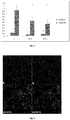
Fig. 3 - illustration of the impact of nanoparticles of platinum (3µg/ml) and cisplatin (4µg/ml), administered via direct injection into the tumor tissue, on the weight and dimensions of glioblastoma tumors obtained with the use of in ovo techniques. *,** indicate statistically significant differences between the studied groups. p-value <0.005, blue bar (on the left) - weight, pink bar (on the right) - size/100, -
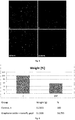
Fig. 4 - preparation of a piece (sample) of GM tumor in a confocal microscopy image. Visualization of caspase 9 (green colour) on the background of cell nuclei (blue colour) in the preparation of GM tumor under the influence of administering the suspension of graphene oxide decorated with Pt nanoparticles, -
Fig. 5 - preparation of a piece (sample) of GM tumor in a confocal microscopy image. Visualization of NFkB (kB nuclear factor) (green colour) on the background of cell nuclei (blue colour) in the preparation of GM tumor under the influence of administering the suspension of graphene oxide decorated with Pt nanoparticles, -
Fig. 6 - graph of tumor weight (average) of glioblastoma multiforme in the control group (k), tumor weight (average) in the group treated by administering the suspension of graphene oxide decorated with Pt nanoparticles, -
Fig. 7 - photographs of selected glioblastoma multiforme tumors of U-87 line from control groups, and -
Fig. 8 - photographs of selected glioblastoma multiforme tumors of U-87 line from groups treated with the suspension of graphene oxide decorated with Pt nanoparticles. Visible reduction of blood vessels and reduced average tumor weight. - Preparation of the suspension according to the invention:
Flakes of graphene oxide in the amount of 100µg to 500µg are suspended in an aqueous colloid of platinum nanoparticles with a platinum concentration of 50µg/ml to 10µg/ml of water by stirring and an ultrasonic treatment for 45mins (in apparatus Ultron U 509 (Zakad Urz dzeń Elektronicznych) at the temperature of 20-25°C).
Platinum nanoparticles were obtained most often by purchasing them at Nano-Tech sp. z o. o., Warsaw, Grzybowska 16/22 or at Nanokoloid, www.nanogrp.com, or at Sigma Aldrich www.sigmaaldrich.com. The most preferred effect was observed for platinum nanoparticles purchased at Nanokoloid, www.nanogrp.com. - The final weight ratio of platinum nanoparticles to graphene oxide nanoflakes ranged from 50:100 to 2:100. The most preferred effect is observed for the ratio of 4:100.
- Process of preparing GO/Pt° suspension is controlled by visualisation in electron microscope TEM JEM-1220 (JEOL, Tokyo, Japan) 80 KeV, compatible with Morada eleven-megapixel camera (Olympus Soft Imaging Solutions, Münster, Germany) using 10 repetitions × 100 images. Further, Zeta potential measurement was used, with 5 repetitions × 10-100 analyzes (Nano - ZS90, Malvern, Worcestershire, UK).
- By the above-described method, suspensions of graphene oxide flakes decorated with platinum nanoparticles in various proportions were prepared, including:
- Platinum nanoparticles in powder form:
In sterile tubes (250ml), 100ml of water taken from Millipore water station was measured, and then 50µg of platinum nanoparticle powder, purchased at Sigma Aldrich, was measured and added to the water. The sample was stirred for 1 hour at room temperature, and then subjected to ultrasonic treatment in an ultrasound bath - for example, but not limited to: in apparatus Ultron U 509 (Zakad Urzdzeń Elektronicznych, PL). Prepared colloid of platinum nanoparticles was studied with the use of scanning electron microscopy and an apparatus for measuring Zeta potential and nanoparticle size (Nano - ZS90, Malvern, Worcestershire, UK), similarly to the proceedings for the purchased aqueous Pt nanoparticle colloids. - Measurement results of the size distribution of nanoparticles in the colloids obtained were similar for all the studied colloids and were on average; nanoparticles with dimensions of up to 10nm constituted 11%; nanoparticles with dimensions of 10 - 30nm constituted 21%; nanoparticles with dimensions of 30 - 60nm constituted 57%; nanoparticles with dimensions of 60 - 100nm constituted 11%.
- As a result of the experiment, stable colloids of platinum nanoparticles in water with a concentration of 50µg/ml were obtained, which were then used to produce suspensions of graphene oxide nanoflakes decorated with platinum nanoparticles.
- The following were used:
- Aqueous colloids of platinum nanoparticles obtained from Nano-Tech (NT),
- Aqueous colloids of platinum nanoparticles obtained from Nanokoloid (NK),
- Aqueous colloids of platinum nanoparticles prepared in own laboratory from platinum nanoparticles purchased at Sigma Aldrich (experiment/example 1) (SA),
- Powder of graphene oxide flakes produced in ITME.
- All the colloids of platinum nanoparticles were used at concentration levels of 50µg/ml and 10µg/ml.
- In sterile tubes (250ml), 100ml for each of the particular colloids (NT, NK, SA) was measured on two concentration levels of platinum nanoparticles (50µg/ml and 10µg/ml), and powder of graphene oxide flakes in the amount of 100µg/ml and 500µg/ml was added to each of 6 samples, thus obtaining 12 different groups. The samples were stirred for 1 hour at room temperature, and then subjected to ultrasonic treatment in apparatus Ultron U 509 (Zaktad Urzdzeń Elektronicznych PL).
- The obtained colloids of graphene nanoflakes decorated with platinum nanoparticles were studied with the use of scanning electron microscopy and an apparatus for measuring Zeta potential and nanoparticle size (Nano - ZS90, Malvern, Worcestershire, UK).
- The results of the study showed that stable colloids were obtained in all of the studied groups. Zeta potential of the samples ranged from -12.3 to -19.7; size distribution of nanoparticle colloids exhibited the presence of large molecules characteristic for graphene. Microscopic observation revealed that graphene oxide nanoflakes are decorated with platinum nanoparticles on their surface in an unordered manner. Platinum nanoparticles were only on the surface of graphene oxide flakes which indicated high affinity of these two structures and that all platinum nanoparticles were attached to graphene oxide. On the surface of graphene oxide flakes, the number of platinum nanoparticles directly proportional depending on the concentration of colloids of platinum nanoparticles and inversely proportional depending on the amount of added powder of graphene oxide flakes was observed. The results of the study are presented in
Fig. 1 . - Platinum nanoparticles are bound by a weak non-covalent binding with graphene oxide flakes. The process of creating these bonds is the result of forced self-organisation under the influence of ultrasounds in an ultrasound bath - for example, but not limited to: in apparatus Ultron U 509 (Zaktad Urzdzeń Elektronicznych PL) for 45 mins and at the temperature of 25°C.
- Biological models: study was conducted on models: 1. Chicken embryo maintained by in ovo method, which above all allowed for fast, accurate and insightful observations of potential toxicity, especially embryotoxicity of graphene oxide and Pt nanoparticles of various concentrations. 2. Glioblastoma multiforme GM (U-87) cell lines in order to observe basic mechanisms occurring in the cells under the influence of graphene oxide and platinum nanoparticles and having selected the used experimental factors 3. Glioblastoma multiforme (U-87) tumor grown by in ovo method in order to confirm or reject the preliminary results. This study allowed for the final verification of formulated hypotheses.
-
- Determination of the influence of graphene oxide and nano-Pt on homeostasis of the organism of chicken embryo (survival rate, growth and development, biochemical and morphological indicators of blood, expression of selected genes, image of microstructure and ultrastructure of the brain, apoptosis/necrosis and others).
8 experiments were conducted, in which it was found that:- 1. graphene oxide administered in the amount of up to 100µg/ml decreases survival rate of embryos by about 10%, does not exhibit toxic effects on the level of analysis of biochemical and morphological indicators of blood, FGF, VEGF, PCNA gene expression, image of microstructure and ultrastructure of the brain and liver;
- 2. graphene oxide, administrated to the rats by intraperitoneal injection for 4 weeks, 8 x dose of 4mg of graphene/kgBW/day, does not influence growth, health and behavior of animals. Graphene was deposited directly at the place of administration, without tendency to migration, even after 4 month. The packages of graphene do not induce inflammation, irritation and any other side effects.
- 3. platinum nanoparticles administered in the amount of up to 20µg/ml did not negatively affect survival rate, growth and development of chicken embryos. In neurotoxicity study, any negative impact of Pt nanoparticles on the number of cells of cerebral cortex was not found although a slight degradation of mitochondria was observed. Platinum nanoparticles affected the activation of apoptosis and a slight decrease in the rate of brain cell proliferation. The study indicated a potential antitumor effect of Pt nanoparticles and a low degree of toxicity [23].
-
- Determination of toxicity of graphene oxide flakes and platinum nanoparticles with respect to the cells of glioblastoma multiforme of U-87 and U-118 lines.
10 experiments were conducted, in which it was found that:- 1. Graphene oxide nanoflakes exhibited very high affinity and ability of adhesion to cell membrane of cell bodies. Death rate of GM cells upon contact with graphene oxide flakes was proportional to its concentration, and with a concentration of 100µ/ml, it was 42% for GM U-87 cells, and 52% for GM U-118 cells. A significant disintegration of cell membrane was also found. As a result, it was found that graphene nanoflakes were the cause of apoptosis of glioblastoma cells in 67.5% in GM U-87 cells and in 99% in GM U-118 cells. Moreover, genotoxic effect was also observed, as a consequence of penetration of cells by graphene platelets [24]. To sum up, graphene oxide nanoflakes exhibit antitumor activity, as determined based on in vivo study on U-87, U-118 cells of glioblastoma multiforme. Tests on death rate, viability, membrane integrity, proliferation rate, DNA degradation exhibited toxic effects of graphene oxide nanoflakes on glioblastoma multiforme cells [25, 26].
- 2. Pt° platinum nanoparticles as compared to cisplatin affected, to a similar extent, cell survival rate, integrity of cell membranes, proliferation rate of cells and death rate; applied dose of platinum (as an element) for both administrations were on the same level. As a result of the use of hydrocolloid of platinum nanoparticles in the form of direct injection into the tumor tissue, a significant reduction in tumor weight and volume and activation of apoptosis signalling pathways were observed (
fig. 1 ).
- Preparation of Graphene-Pt complexes as "drug delivery system" by the method of forced self-organisation verified by TEM, SEM visualisations and Zeta potential, UV absorbance).
24 experiments in 2 repetitions were conducted, and a high affinity of platinum nanoparticles to graphene oxide nanoflakes was found, independently of the concentration used, chaotic decoration of graphene oxide nanoflakes by platinum metal nanoparticles, sustainability of the suspensions prepared.
10 experiments were conducted, in which studied suspensions were administered to GM tumor derived from the cells of U-87 line, implanted and grown on the chorioallantoic membrane of the chicken embryo. It was found that: - 1. graphene oxide flakes as well as Pt° nanoparticles in the study on U-87 glioblastoma multiforme tumors - as a result of direct injection into the tumor - allowed observation of reduction in weight and volume and activation of apoptosis signalling pathways;
- 2. graphene oxide flakes decorated with platinum nanoparticles (at all of the studied concentrations of graphene and platinum) administered to glioblastoma multiforme tumor activate programmed cell death through activation of caspase 9 (
fig. 3 ); - 3. graphene oxide flakes decorated with Pt nanoparticles (at all of the studied concentrations of graphene and platinum) did not affect the induction of inflammation in GM tumor (
fig. 5 ); - 4. graphene oxide flakes decorated with Pt nanoparticles (at all of the studied concentrations of graphene and platinum) affected the reduction of the weight of GM tumor on the level of 8.64% to 82% of the weight of control tumor (
figs. 6 ,7 and 8 ); - 5. Our own (in vitro and in vivo) study showed that, in comparison to the control group, positive control group (cisplatin) and group with platinum nanoparticles and with graphene oxide flakes, graphene oxide nanoflakes with platinum nanoparticles attached exhibit higher toxicity in relation to cells and tumors of U-87 glioblastoma multiforme. At the same time, they exhibit lower toxicity for adjacent tissues due to its activity which is limited and concentrated in the tumor area.
- The solution according to the present invention has the following advantages:
Platinum is present in the form of Pt(0) metal nanoparticles, which reduces its solubility and distribution in the organism, and is deposited on graphene oxide flakes, which allows for its safe transport and deposition within the tumor and successive releasing and binding to cellular DNA, which activates tumor cell apoptosis and tumor regression. - ∘ Pt nanoparticles, as opposed to platinum salts, have metal properties, do not dissolve in water, do not form salts. This limits the distribution of platinum via biological fluids and significantly reduces the toxicity of platinum for healthy tissues.
- ∘ Platinum nanoparticles are transported across cell and nuclear membranes within 1-24h.
- ∘ As metal nanoparticles, they are distributed in the organism through a route alternative to the blood (from cell to cell through cell membrane), which may considerably limit the toxicity of platinum to the place of introduction of nanoparticles and its small surrounding areas.
- ∘ Platinum nanoparticles react with DNA, which results in its degradation and activation of the process of cell death by apoptosis.
- ∘ Graphene oxide allows targeted administration of platinum nanoparticles, limited to the location of graphene oxide.
- ∘ Graphene oxide exhibits an affinity to the cell membrane of tumor cells, when introduced into the tumor, it tends to position itself at its central point, with minimal tendency to migration within the body.
- ∘ Graphene oxide performs functions of not only the carrier of Pt nanoparticles but it also exhibits activation properties in tumor cells of the death process (apoptosis).
- ∘ Combination of platinum nanoparticles with graphene oxide flakes conditions local activity of Pt(0) in place of its introduction.
- ∘ Graphene oxide, being a material having very active surface and, in particular, edges, combines with platinum nanoparticles and it acts for them as a kind of raft and allows direct delivery of platinum nanoparticles to tumor cells by adhesion to their cell membranes.
- Innovation in the use of platinum nanoparticles bound to graphene oxide flakes in therapy directed against tumors is manifested by controlling the area of activity, i.e. limitation of activation site of the mechanism of programmed cell death to the area of the tumor and, to a negligible extent, healthy cells (i.e. not undergone neoplastic transformation), adjacent to the tumor tissue. Control of the activity site allows limitation of toxic effects to the site of administration and elimination of toxic side effects resulting from the penetration of platinum nanoparticles into adjacent tissues and the bloodstream. Further, the nanoparticles, as a fragmented metal, exclude the possibility of creating toxic compounds in the bloodstream and of interacting with other medicines used collaterally in chemotherapy.
-
- [1] W. S. Hummers and R. E. Offeman, "Preparation of Graphitic Oxide", J. Am. Chem. Soc.,vol.80 (1958) 1339.
- [2] D. C. Marcano, D. V. Kosynkin, J. M. Berlin, A. Sinitskii, Z. Sun, A. Slesarev, L. B. Alemany, W. Lu and J. M. Tour, "Improved synthesis of graphene oxide", ACS Nano, vol. 4 (2010) 4806-4814.
- [3] O. C. Compton and S. T. Nguyen, "Graphene Oxide, Highly Reduced Graphene Oxide, and Graphene: Versatile Building Blocks for Carbon-Based Materials", Small, vol. 6 (2010) 711-723.
- [4] A. Fakhri, "Adsorption characteristics of graphene oxide as a solid adsorbent for aniline removal from aqueous solutions: Kinetics, thermodynamics and mechanism studies", Journal of Saudi chemical Society, in press.
- [5] S.H. Hsieh, M.C. Hsu, W.L. Liu, W.J. Chen, "Study of catalyst on graphene and its application to fuel cell", Applied Surface Science, vol. 277 (2013) 223-230.
- [6] B.F. Machado, P. Serp, "Graphene-based materials for catalysis", Catalysis Science and Technology, vol. 2 (2012) 54-75.
- [7] B. Seger, P.V. Kamat, "Electrocatalically active graphene-platinum nanocomposites. Role of 2-D carbon support in PEM fuel cells, The Journal of Chemical Chemistry C, vol. 113 (2009) 7990-7995.
- [8] Y. Wang, J. Liu, D.D. Sun, "high-quality reduced graphene oxide-nanocrystalline platinum hybrid materials prepared by simultaneous co-reduction of grapheme oxide and chloroplatinic acid, Nanoscale Research Letters, vol. 6:241 (2011).
- [9] Ch. Wang et al. , "A unique platinum-graphene hybrid structure for high activity and durability in oxygen reduction reaction", Scientific Reports, vol. 3:2580 (2013).
- [10] H. W. Chang et al., "Preparation of graphene-supported platinum nanoparticles in aqueous solutions by femtosecond laser pulses for methanol oxidation", Journal of Power Sources, vol. 239 (2013) 164-168.
- [11] G. Yue et al., "Platinum/graphene hybrid film as a counter electrode for dye-sensitized solar cells", Electrochimica Acta, vol. 92 (2013) 64-70.
- [12] Ch. Chen, L. MingCe, W. HaoDong, C. WeiMin, "One-step synthesis of Pt nanoparticles/reduced graphene oxide composite with enhanced electrochemical catalytic activity, Science China-Chemistry, vol. 56 (2013) 354-361.
- [13] L. AiRong, H. ShiMing, "A glucose biosensor based on direct electrochemistry of glucose oxidase immobilized onto platinum nanoparticles modified graphene electrode, Science China-Physics, Mechanics and Astronomy, vol. 55 (2012) 1163-1167.
- [14] F. Zhang et al., "Microwave-assisted synthesis of Pt/graphene nanocomposites for non enzymatic hydrogen peroxide sensor" Int. J. Electrochem. Sci., vol. 7 (2012) 1968-1977.
- [15] Brandes AA, Basso U, Reni M, Vastola F, Tosoni A, Cavallo G, Scopece L, Ferreri AJ, Panucci MG, Monfardini S, Ermani M. First-line chemotherapy with cisplatin plus fractionated temozolomide in recurrent glioblastoma multiforme: a phase II study of the Gruppo Italiano Cooperativo di Neuro-Oncologia. J Clin Oncol. 2004, 1;22(9):1598-604.
- [16] Boulikas T., Vougiouka M., Recent clinical trials Rusing cisplatin, carboplatin and their combination chemotherapy drugs. Oncol Rep 2004, 11 : 559-595.
- [17] Bencokova Z, Pauron L, Devic C, Joubert A, Gastaldo J, Massart C, Balosso J, Foray N. Molecular and cellular response of the most extensively used rodent glioma models to radiation and/or cisplatin. J Neurooncol. 2008, 86(1):13-21.
- [18] Rachlin K, Moore DH, Yount G. Infrasound sensitizes human glioblastoma cells to cisplatin-induced apoptosis. Integr Cancer Ther. 2013, 12(6):517-27.
- [19] Jung Y, Lippard SJ. Direct cellular responses to platinum-induced DNA damage. Chem Rev. 2007,107(5):1387-407.
- [20] Giavini, E., Lemonica, I. P., Lou, Y., Broccia, M. L. and Prati, M. Induction of micronuclei and toxic effects in embryos of pregnant rats treated before implantation with anticancer drugs: Cyclophosphamide, Cis-platinum, adriamycin. Teratog. Carcinog. Mutagen., 1990, 10: 417-426.
- [21] Ognio E., Lapide M., Ottone M., Mandys V., Peterka M., Parodi B., Viale M. Embryo-lethal and teratogenic effect of the new platinum compound DPR in pregnant mice. Arch. of Tox., 2003, 77: 584-90
- [22] Podratz JL, Knight AM, Ta LE, Staff NP, Gass JM, Genelin K, Schlattau A, Lathroum L, Windebank AJ. Cisplatin induced mitochondrial DNA damage in dorsal root ganglion neurons. Neurobiol Dis. 2011, 41: 661-8.
- [23] Prasek, M., Sawosz, E., Jaworski, S., Grodzik, M., Ostaszewska, T., Komaszewski, M., Wierzbicki, M., Chwalibog, A. (2013) Influence of nanoparticles of platinum on chicken embryo development and brain morphology. Nanoscale Research Letters, 8, 251-260
- [24] Sawosz E., Jaworski S., Kutwin M., Hotowy A., Wierzbicki M., Grodzik M., Kurantowicz N., Strojny B., Lipinska L., Chwalibog A. 2014 Toxicity of pristine graphene in experiments in a chicken embryo model. International Journal of Nanomedicine, 9, 3913-3922
- [25] Jaworski, S., Sawosz, E., Grodzik, M., Winnicka, A., Prasek, M., Wierzbicki, M., Chwalibog, A. 2013. In vitro evaluation of the effects of graphene platelets on globlastoma multiforme cells. International Journal of Nanomedicine, 8, 413-420 .
- [26] Hinzmann M., Jaworski S., Kutwin M., Jagiello J., Kozinski R., Wierzbicki M., Grodzik M., Lipinska L., Sawosz E., Chwalibog A. 2014. Nanoparticles containing allotropes of carbon have genotoxic effects on glioblastoma multiforme cells. International Journal of Nanomedicine, 9, 2409-2417
Claims (10)
- A water suspension of graphene oxide nanoflakes decorated by nanoparticles of metallic platinum characterised in that it comprises:• 100µg/ml to 500µg/ml of graphene oxide nanoflakes,• 5µg/ml to 50µg/ml of nanoparticles of metallic platinum (Pt°), deposited on the surface of graphene oxide nanoflakes.
- The suspension according to claim 1 characterised in that it comprises 200µg/ml to 250µg/ml of graphene oxide nanoflakes.
- The suspension according to claim 1 or 2, characterised in that the graphene oxide nanoflakes have linear dimensions from 10nm to 200µm, more preferably from 100nm to 50µlm, and most preferably from 300nm to 20µlm, have a thickness from 0.5nm to 10nm, more preferably from 0.5nm to 3nm, and the oxygen percentage ranges from 5 to 50% by weight, more preferably from 15 to 50% by weight.
- The suspension according to any one of the preceding claims 1 to 3, characterised in that it comprises 10µg/ml to 20µg/ml of nanoparticles of metallic platinum (Pt°), and most preferably 10µg/ml to 15µg/ml of nanoparticles of metallic platinum (Pt°).
- The suspension according to any one of the preceding claims 1 to 4, characterised in that the nanoparticles of metallic platinum (Pt°) have linear dimensions from 1nm to 100nm, more preferably from 1nm to 25nm, and most preferably of 10nm.
- The suspension according to any one of the preceding claims 1 to 5, characterised in that the weight ratio of nanoparticles of platinum (Pt°) to nanoflakes of graphene oxide ranges from 2:100 to 50:100, and most preferably is 4:100.
- The suspension according to any one of the preceding claims 1 to 6, characterised in that it consists exclusively of graphene oxide nanoflakes and nanoparticles of metallic platinum (Pt°), both suspended in water.
- A use of the suspension according to any one of the preceding claims 1 to 7 as an antitumor agent, especially against human or animal tumors.
- The use according to claim 8, characterised in that it involves direct injection of the suspension into the tumor or area directly surrounding the tumor.
- A method of preparing the suspension of graphene oxide nanoflakes in water according to claims 1 - 7 characterised in that it includes:a) combining a pure suspension of graphene oxide in water with a pure colloidal solution of metallic platinum in water, with optional stirring,b) treating the mixture thus obtained by an ultrasonication process, preferably in an ultrasound bath, preferably for a time of 30 to 60 minutes, more preferably for about 45 minutes.
Applications Claiming Priority (2)
| Application Number | Priority Date | Filing Date | Title |
|---|---|---|---|
| PL407166A PL227876B1 (en) | 2014-02-13 | 2014-02-13 | Suspension of graphene oxide nanoparticle flakes in water, its application and method for obtaining it |
| PCT/EP2015/052429 WO2015121150A1 (en) | 2014-02-13 | 2015-02-05 | Suspension of graphene oxide nanoflakes in water, its use and a method of preparation thereof |
Publications (2)
| Publication Number | Publication Date |
|---|---|
| EP3105177A1 EP3105177A1 (en) | 2016-12-21 |
| EP3105177B1 true EP3105177B1 (en) | 2020-07-08 |
Family
ID=52598717
Family Applications (1)
| Application Number | Title | Priority Date | Filing Date |
|---|---|---|---|
| EP15707557.3A Not-in-force EP3105177B1 (en) | 2014-02-13 | 2015-02-05 | Suspension of graphene oxide nanoflakes in water, its use and a method of preparation thereof |
Country Status (4)
| Country | Link |
|---|---|
| US (1) | US10471095B2 (en) |
| EP (1) | EP3105177B1 (en) |
| PL (1) | PL227876B1 (en) |
| WO (1) | WO2015121150A1 (en) |
Families Citing this family (11)
| Publication number | Priority date | Publication date | Assignee | Title |
|---|---|---|---|---|
| US10994016B2 (en) * | 2015-09-15 | 2021-05-04 | Northwestern University | Graphene oxide mediated cellular delivery of gadolinium-labeled molecules |
| CN107695361B (en) * | 2017-09-27 | 2019-08-02 | 郴州博太超细石墨股份有限公司 | A kind of graphene/argentum nano composite material and its preparation method and application |
| CN107752757B (en) * | 2017-09-27 | 2020-05-12 | 郴州博太超细石墨股份有限公司 | Nano-silver loaded graphene silver pot and preparation method thereof |
| WO2019220176A1 (en) | 2018-05-16 | 2019-11-21 | Arcelormittal | A method for the manufacture of graphene oxide from kish graphite |
| WO2019220177A1 (en) | 2018-05-16 | 2019-11-21 | Arcelormittal | A method for the manufacture of reduced graphene oxide from kish graphite |
| WO2019224578A1 (en) | 2018-05-23 | 2019-11-28 | Arcelormittal | A method for the manufacture of graphene oxide from electrode graphite scrap |
| WO2019224579A1 (en) | 2018-05-23 | 2019-11-28 | Arcelormittal | A method for the manufacture of reduced graphene oxide from electrode graphite scrap |
| CN111302333B (en) * | 2020-02-19 | 2022-09-16 | 内蒙古新奇碳材料科技有限公司 | Room-temperature compounding method of graphene oxide and metal nanoparticles |
| CN114642682B (en) * | 2020-12-17 | 2023-05-16 | 深圳先进技术研究院 | Application of two-dimensional nanomaterial in inhibiting coronavirus |
| CN112871145B (en) * | 2021-01-13 | 2022-05-13 | 北京大学 | Graphene material and preparation method and application thereof |
| CN120420421B (en) * | 2025-07-10 | 2025-09-09 | 艾美荣誉(宁波)生物制药有限公司 | Rabies virus serum-free Vero cell inactivated vaccine and preparation method thereof |
Family Cites Families (1)
| Publication number | Priority date | Publication date | Assignee | Title |
|---|---|---|---|---|
| CN103558170B (en) * | 2013-11-11 | 2016-02-17 | 福建医科大学 | Folic acid-platinum-graphene oxide composite nano material and detection tumour cell thereof |
-
2014
- 2014-02-13 PL PL407166A patent/PL227876B1/en unknown
-
2015
- 2015-02-05 EP EP15707557.3A patent/EP3105177B1/en not_active Not-in-force
- 2015-02-05 WO PCT/EP2015/052429 patent/WO2015121150A1/en not_active Ceased
- 2015-02-05 US US15/119,099 patent/US10471095B2/en active Active
Non-Patent Citations (1)
| Title |
|---|
| None * |
Also Published As
| Publication number | Publication date |
|---|---|
| US20170049814A1 (en) | 2017-02-23 |
| US10471095B2 (en) | 2019-11-12 |
| WO2015121150A1 (en) | 2015-08-20 |
| PL407166A1 (en) | 2015-08-17 |
| EP3105177A1 (en) | 2016-12-21 |
| PL227876B1 (en) | 2018-01-31 |
Similar Documents
| Publication | Publication Date | Title |
|---|---|---|
| US10471095B2 (en) | Suspension of graphene oxide nanoflakes in water, its use and a method of preparation thereof | |
| Dasari Shareena et al. | A review on graphene-based nanomaterials in biomedical applications and risks in environment and health | |
| Kumar et al. | Advanced metal and carbon nanostructures for medical, drug delivery and bio-imaging applications | |
| Wang et al. | Biocatalytic and antioxidant nanostructures for ROS scavenging and biotherapeutics | |
| Kong et al. | Doxorubicin conjugated carbon dots as a drug delivery system for human breast cancer therapy | |
| Zhou et al. | Biomedical potential of ultrafine Ag/AgCl nanoparticles coated on graphene with special reference to antimicrobial performances and burn wound healing | |
| Rai et al. | Strategic role of selected noble metal nanoparticles in medicine | |
| Gharehdaghi et al. | Cu (II)-porphyrin metal–organic framework/graphene oxide: synthesis, characterization, and application as a pH-responsive drug carrier for breast cancer treatment | |
| Kotcherlakota et al. | Therapeutic applications of green-synthesized silver nanoparticles | |
| Guerra et al. | Carbon nanohorns functionalized with polyamidoamine dendrimers as efficient biocarrier materials for gene therapy | |
| Zhang et al. | Tannic acid-assisted synthesis of biodegradable and antibacterial mesoporous organosilica nanoparticles decorated with nanosilver | |
| Wu et al. | Bioengineering applications of black phosphorus and their toxicity assessment | |
| Bai et al. | Graphene-based drug delivery systems | |
| Nie et al. | 5-Fluorouracil-containing inorganic iron oxide/platinum nanozymes with dual drug delivery and enzyme-like activity for the treatment of breast cancer | |
| Lin et al. | How macrophages respond to two-dimensional materials: a critical overview focusing on toxicity | |
| Taheri-Ledari et al. | Plasmonic porous micro-and nano-materials based on Au/Ag nanostructures developed for photothermal cancer therapy: challenges in clinicalization | |
| Wang et al. | Ultra-high payload of doxorubicin and pH-responsive drug release in CuS nanocages for a combination of chemotherapy and photothermal therapy | |
| Xie et al. | A unique approach: biomimetic graphdiyne-based nanoplatform to treat prostate cancer by combining cuproptosis and enhanced chemodynamic therapy | |
| SinghDeo et al. | Intrinsic physiochemical insights to green synthesized Ag-decorated GO nanosheet for photoluminescence and in vivo cellular biocompatibility with embryonic zebrafish | |
| Tehrani et al. | Nitrogen doped porous reduced graphene oxide hybrid as a nanocarrier of imatinib anticancer drug | |
| Kumari et al. | Eco-friendly synthesis of Azadirachta indica-based metallic nanoparticles for biomedical application & future prospective | |
| Jin et al. | TA-V nanozymes with acid resistance capabilities effectively target and alleviate ulcerative colitis lesions via oral delivery | |
| Wu et al. | Photodriven PtPdCo-TiO2 heterostructure modified with hyaluronic acid and folic acid enhances antioxidative stress through efficient hydrogen/oxygen delivery and thermal effects in rheumatoid arthritis therapy | |
| Batool et al. | Titania–graphene oxide nanocomposite-based Philadelphia-positive leukemia therapy | |
| Hashemi et al. | An integrated computational and experimental study of BSA-coated MnFe 2 O 4 nanoparticles as a drug delivery platform for quercetin |
Legal Events
| Date | Code | Title | Description |
|---|---|---|---|
| PUAI | Public reference made under article 153(3) epc to a published international application that has entered the european phase |
Free format text: ORIGINAL CODE: 0009012 |
|
| STAA | Information on the status of an ep patent application or granted ep patent |
Free format text: STATUS: REQUEST FOR EXAMINATION WAS MADE |
|
| 17P | Request for examination filed |
Effective date: 20160913 |
|
| AK | Designated contracting states |
Kind code of ref document: A1 Designated state(s): AL AT BE BG CH CY CZ DE DK EE ES FI FR GB GR HR HU IE IS IT LI LT LU LV MC MK MT NL NO PL PT RO RS SE SI SK SM TR |
|
| AX | Request for extension of the european patent |
Extension state: BA ME |
|
| DAX | Request for extension of the european patent (deleted) | ||
| STAA | Information on the status of an ep patent application or granted ep patent |
Free format text: STATUS: EXAMINATION IS IN PROGRESS |
|
| 17Q | First examination report despatched |
Effective date: 20190829 |
|
| REG | Reference to a national code |
Ref country code: DE Ref legal event code: R079 Ref document number: 602015055367 Country of ref document: DE Free format text: PREVIOUS MAIN CLASS: C01B0031040000 Ipc: C01B0032198000 |
|
| GRAP | Despatch of communication of intention to grant a patent |
Free format text: ORIGINAL CODE: EPIDOSNIGR1 |
|
| STAA | Information on the status of an ep patent application or granted ep patent |
Free format text: STATUS: GRANT OF PATENT IS INTENDED |
|
| RIC1 | Information provided on ipc code assigned before grant |
Ipc: A61K 33/24 20190101ALI20200317BHEP Ipc: A61K 9/10 20060101ALI20200317BHEP Ipc: A61K 31/336 20060101ALI20200317BHEP Ipc: A61K 9/00 20060101ALI20200317BHEP Ipc: C07F 15/00 20060101ALI20200317BHEP Ipc: C01B 32/198 20170101AFI20200317BHEP |
|
| RAP1 | Party data changed (applicant data changed or rights of an application transferred) |
Owner name: SZKOLA GLOWNA GOSPODARSTWA WIEJSKIEGO Owner name: SIEC BADAWCZA LUKASIEWICZ - INSTYTUT TECHNOLOGII MATERIALOW ELEKTRONICZNYCH |
|
| INTG | Intention to grant announced |
Effective date: 20200408 |
|
| RAP1 | Party data changed (applicant data changed or rights of an application transferred) |
Owner name: SZKOLA GLOWNA GOSPODARSTWA WIEJSKIEGO Owner name: INSTYTUT TECHNOLOGII MATERIALOW ELEKTRONICZNYCH |
|
| GRAS | Grant fee paid |
Free format text: ORIGINAL CODE: EPIDOSNIGR3 |
|
| GRAA | (expected) grant |
Free format text: ORIGINAL CODE: 0009210 |
|
| STAA | Information on the status of an ep patent application or granted ep patent |
Free format text: STATUS: THE PATENT HAS BEEN GRANTED |
|
| AK | Designated contracting states |
Kind code of ref document: B1 Designated state(s): AL AT BE BG CH CY CZ DE DK EE ES FI FR GB GR HR HU IE IS IT LI LT LU LV MC MK MT NL NO PL PT RO RS SE SI SK SM TR |
|
| REG | Reference to a national code |
Ref country code: AT Ref legal event code: REF Ref document number: 1288269 Country of ref document: AT Kind code of ref document: T Effective date: 20200715 Ref country code: CH Ref legal event code: EP |
|
| RAP2 | Party data changed (patent owner data changed or rights of a patent transferred) |
Owner name: SIEC BADAWCZA LUKASIEWICZ- INSTYTUT TECHNOLOGII MATERIALOW ELEKTRONICZNYCH Owner name: SZKOLA GLOWNA GOSPODARSTWA WIEJSKIEGO |
|
| REG | Reference to a national code |
Ref country code: DE Ref legal event code: R096 Ref document number: 602015055367 Country of ref document: DE |
|
| REG | Reference to a national code |
Ref country code: IE Ref legal event code: FG4D |
|
| REG | Reference to a national code |
Ref country code: LT Ref legal event code: MG4D |
|
| REG | Reference to a national code |
Ref country code: AT Ref legal event code: MK05 Ref document number: 1288269 Country of ref document: AT Kind code of ref document: T Effective date: 20200708 |
|
| REG | Reference to a national code |
Ref country code: NL Ref legal event code: MP Effective date: 20200708 |
|
| PG25 | Lapsed in a contracting state [announced via postgrant information from national office to epo] |
Ref country code: SE Free format text: LAPSE BECAUSE OF FAILURE TO SUBMIT A TRANSLATION OF THE DESCRIPTION OR TO PAY THE FEE WITHIN THE PRESCRIBED TIME-LIMIT Effective date: 20200708 Ref country code: FI Free format text: LAPSE BECAUSE OF FAILURE TO SUBMIT A TRANSLATION OF THE DESCRIPTION OR TO PAY THE FEE WITHIN THE PRESCRIBED TIME-LIMIT Effective date: 20200708 Ref country code: GR Free format text: LAPSE BECAUSE OF FAILURE TO SUBMIT A TRANSLATION OF THE DESCRIPTION OR TO PAY THE FEE WITHIN THE PRESCRIBED TIME-LIMIT Effective date: 20201009 Ref country code: ES Free format text: LAPSE BECAUSE OF FAILURE TO SUBMIT A TRANSLATION OF THE DESCRIPTION OR TO PAY THE FEE WITHIN THE PRESCRIBED TIME-LIMIT Effective date: 20200708 Ref country code: LT Free format text: LAPSE BECAUSE OF FAILURE TO SUBMIT A TRANSLATION OF THE DESCRIPTION OR TO PAY THE FEE WITHIN THE PRESCRIBED TIME-LIMIT Effective date: 20200708 Ref country code: NO Free format text: LAPSE BECAUSE OF FAILURE TO SUBMIT A TRANSLATION OF THE DESCRIPTION OR TO PAY THE FEE WITHIN THE PRESCRIBED TIME-LIMIT Effective date: 20201008 Ref country code: PT Free format text: LAPSE BECAUSE OF FAILURE TO SUBMIT A TRANSLATION OF THE DESCRIPTION OR TO PAY THE FEE WITHIN THE PRESCRIBED TIME-LIMIT Effective date: 20201109 Ref country code: BG Free format text: LAPSE BECAUSE OF FAILURE TO SUBMIT A TRANSLATION OF THE DESCRIPTION OR TO PAY THE FEE WITHIN THE PRESCRIBED TIME-LIMIT Effective date: 20201008 Ref country code: HR Free format text: LAPSE BECAUSE OF FAILURE TO SUBMIT A TRANSLATION OF THE DESCRIPTION OR TO PAY THE FEE WITHIN THE PRESCRIBED TIME-LIMIT Effective date: 20200708 Ref country code: AT Free format text: LAPSE BECAUSE OF FAILURE TO SUBMIT A TRANSLATION OF THE DESCRIPTION OR TO PAY THE FEE WITHIN THE PRESCRIBED TIME-LIMIT Effective date: 20200708 |
|
| PG25 | Lapsed in a contracting state [announced via postgrant information from national office to epo] |
Ref country code: IS Free format text: LAPSE BECAUSE OF FAILURE TO SUBMIT A TRANSLATION OF THE DESCRIPTION OR TO PAY THE FEE WITHIN THE PRESCRIBED TIME-LIMIT Effective date: 20201108 Ref country code: PL Free format text: LAPSE BECAUSE OF FAILURE TO SUBMIT A TRANSLATION OF THE DESCRIPTION OR TO PAY THE FEE WITHIN THE PRESCRIBED TIME-LIMIT Effective date: 20200708 Ref country code: RS Free format text: LAPSE BECAUSE OF FAILURE TO SUBMIT A TRANSLATION OF THE DESCRIPTION OR TO PAY THE FEE WITHIN THE PRESCRIBED TIME-LIMIT Effective date: 20200708 Ref country code: LV Free format text: LAPSE BECAUSE OF FAILURE TO SUBMIT A TRANSLATION OF THE DESCRIPTION OR TO PAY THE FEE WITHIN THE PRESCRIBED TIME-LIMIT Effective date: 20200708 |
|
| PG25 | Lapsed in a contracting state [announced via postgrant information from national office to epo] |
Ref country code: NL Free format text: LAPSE BECAUSE OF FAILURE TO SUBMIT A TRANSLATION OF THE DESCRIPTION OR TO PAY THE FEE WITHIN THE PRESCRIBED TIME-LIMIT Effective date: 20200708 |
|
| REG | Reference to a national code |
Ref country code: DE Ref legal event code: R097 Ref document number: 602015055367 Country of ref document: DE |
|
| PG25 | Lapsed in a contracting state [announced via postgrant information from national office to epo] |
Ref country code: RO Free format text: LAPSE BECAUSE OF FAILURE TO SUBMIT A TRANSLATION OF THE DESCRIPTION OR TO PAY THE FEE WITHIN THE PRESCRIBED TIME-LIMIT Effective date: 20200708 Ref country code: SM Free format text: LAPSE BECAUSE OF FAILURE TO SUBMIT A TRANSLATION OF THE DESCRIPTION OR TO PAY THE FEE WITHIN THE PRESCRIBED TIME-LIMIT Effective date: 20200708 Ref country code: EE Free format text: LAPSE BECAUSE OF FAILURE TO SUBMIT A TRANSLATION OF THE DESCRIPTION OR TO PAY THE FEE WITHIN THE PRESCRIBED TIME-LIMIT Effective date: 20200708 Ref country code: CZ Free format text: LAPSE BECAUSE OF FAILURE TO SUBMIT A TRANSLATION OF THE DESCRIPTION OR TO PAY THE FEE WITHIN THE PRESCRIBED TIME-LIMIT Effective date: 20200708 Ref country code: DK Free format text: LAPSE BECAUSE OF FAILURE TO SUBMIT A TRANSLATION OF THE DESCRIPTION OR TO PAY THE FEE WITHIN THE PRESCRIBED TIME-LIMIT Effective date: 20200708 Ref country code: IT Free format text: LAPSE BECAUSE OF FAILURE TO SUBMIT A TRANSLATION OF THE DESCRIPTION OR TO PAY THE FEE WITHIN THE PRESCRIBED TIME-LIMIT Effective date: 20200708 |
|
| PLBE | No opposition filed within time limit |
Free format text: ORIGINAL CODE: 0009261 |
|
| STAA | Information on the status of an ep patent application or granted ep patent |
Free format text: STATUS: NO OPPOSITION FILED WITHIN TIME LIMIT |
|
| PG25 | Lapsed in a contracting state [announced via postgrant information from national office to epo] |
Ref country code: AL Free format text: LAPSE BECAUSE OF FAILURE TO SUBMIT A TRANSLATION OF THE DESCRIPTION OR TO PAY THE FEE WITHIN THE PRESCRIBED TIME-LIMIT Effective date: 20200708 |
|
| 26N | No opposition filed |
Effective date: 20210409 |
|
| PG25 | Lapsed in a contracting state [announced via postgrant information from national office to epo] |
Ref country code: SK Free format text: LAPSE BECAUSE OF FAILURE TO SUBMIT A TRANSLATION OF THE DESCRIPTION OR TO PAY THE FEE WITHIN THE PRESCRIBED TIME-LIMIT Effective date: 20200708 |
|
| PG25 | Lapsed in a contracting state [announced via postgrant information from national office to epo] |
Ref country code: SI Free format text: LAPSE BECAUSE OF FAILURE TO SUBMIT A TRANSLATION OF THE DESCRIPTION OR TO PAY THE FEE WITHIN THE PRESCRIBED TIME-LIMIT Effective date: 20200708 |
|
| PG25 | Lapsed in a contracting state [announced via postgrant information from national office to epo] |
Ref country code: MC Free format text: LAPSE BECAUSE OF FAILURE TO SUBMIT A TRANSLATION OF THE DESCRIPTION OR TO PAY THE FEE WITHIN THE PRESCRIBED TIME-LIMIT Effective date: 20200708 |
|
| REG | Reference to a national code |
Ref country code: BE Ref legal event code: MM Effective date: 20210228 |
|
| PG25 | Lapsed in a contracting state [announced via postgrant information from national office to epo] |
Ref country code: CH Free format text: LAPSE BECAUSE OF NON-PAYMENT OF DUE FEES Effective date: 20210228 Ref country code: LU Free format text: LAPSE BECAUSE OF NON-PAYMENT OF DUE FEES Effective date: 20210205 Ref country code: LI Free format text: LAPSE BECAUSE OF NON-PAYMENT OF DUE FEES Effective date: 20210228 |
|
| PG25 | Lapsed in a contracting state [announced via postgrant information from national office to epo] |
Ref country code: BE Free format text: LAPSE BECAUSE OF NON-PAYMENT OF DUE FEES Effective date: 20210228 |
|
| PG25 | Lapsed in a contracting state [announced via postgrant information from national office to epo] |
Ref country code: HU Free format text: LAPSE BECAUSE OF FAILURE TO SUBMIT A TRANSLATION OF THE DESCRIPTION OR TO PAY THE FEE WITHIN THE PRESCRIBED TIME-LIMIT; INVALID AB INITIO Effective date: 20150205 |
|
| PG25 | Lapsed in a contracting state [announced via postgrant information from national office to epo] |
Ref country code: CY Free format text: LAPSE BECAUSE OF FAILURE TO SUBMIT A TRANSLATION OF THE DESCRIPTION OR TO PAY THE FEE WITHIN THE PRESCRIBED TIME-LIMIT Effective date: 20200708 |
|
| PGFP | Annual fee paid to national office [announced via postgrant information from national office to epo] |
Ref country code: IE Payment date: 20240228 Year of fee payment: 10 |
|
| PG25 | Lapsed in a contracting state [announced via postgrant information from national office to epo] |
Ref country code: MK Free format text: LAPSE BECAUSE OF FAILURE TO SUBMIT A TRANSLATION OF THE DESCRIPTION OR TO PAY THE FEE WITHIN THE PRESCRIBED TIME-LIMIT Effective date: 20200708 |
|
| PGFP | Annual fee paid to national office [announced via postgrant information from national office to epo] |
Ref country code: DE Payment date: 20240227 Year of fee payment: 10 Ref country code: GB Payment date: 20240227 Year of fee payment: 10 |
|
| PGFP | Annual fee paid to national office [announced via postgrant information from national office to epo] |
Ref country code: FR Payment date: 20240227 Year of fee payment: 10 |
|
| PG25 | Lapsed in a contracting state [announced via postgrant information from national office to epo] |
Ref country code: TR Free format text: LAPSE BECAUSE OF FAILURE TO SUBMIT A TRANSLATION OF THE DESCRIPTION OR TO PAY THE FEE WITHIN THE PRESCRIBED TIME-LIMIT Effective date: 20200708 |
|
| PG25 | Lapsed in a contracting state [announced via postgrant information from national office to epo] |
Ref country code: MT Free format text: LAPSE BECAUSE OF FAILURE TO SUBMIT A TRANSLATION OF THE DESCRIPTION OR TO PAY THE FEE WITHIN THE PRESCRIBED TIME-LIMIT Effective date: 20200708 |
|
| REG | Reference to a national code |
Ref country code: DE Ref legal event code: R119 Ref document number: 602015055367 Country of ref document: DE |
|
| GBPC | Gb: european patent ceased through non-payment of renewal fee |
Effective date: 20250205 |
|
| PG25 | Lapsed in a contracting state [announced via postgrant information from national office to epo] |
Ref country code: DE Free format text: LAPSE BECAUSE OF NON-PAYMENT OF DUE FEES Effective date: 20250902 |
|
| PG25 | Lapsed in a contracting state [announced via postgrant information from national office to epo] |
Ref country code: GB Free format text: LAPSE BECAUSE OF NON-PAYMENT OF DUE FEES Effective date: 20250205 |
|
| PG25 | Lapsed in a contracting state [announced via postgrant information from national office to epo] |
Ref country code: FR Free format text: LAPSE BECAUSE OF NON-PAYMENT OF DUE FEES Effective date: 20250228 |
|
| PG25 | Lapsed in a contracting state [announced via postgrant information from national office to epo] |
Ref country code: IE Free format text: LAPSE BECAUSE OF NON-PAYMENT OF DUE FEES Effective date: 20250205 |