EP3104433A1 - Proton battery based on two-dimensional materials - Google Patents
Proton battery based on two-dimensional materials Download PDFInfo
- Publication number
- EP3104433A1 EP3104433A1 EP15171834.3A EP15171834A EP3104433A1 EP 3104433 A1 EP3104433 A1 EP 3104433A1 EP 15171834 A EP15171834 A EP 15171834A EP 3104433 A1 EP3104433 A1 EP 3104433A1
- Authority
- EP
- European Patent Office
- Prior art keywords
- layer
- dimensional
- battery
- conductive material
- graphene oxide
- Prior art date
- Legal status (The legal status is an assumption and is not a legal conclusion. Google has not performed a legal analysis and makes no representation as to the accuracy of the status listed.)
- Granted
Links
- 239000000463 material Substances 0.000 title claims abstract description 55
- OKTJSMMVPCPJKN-UHFFFAOYSA-N Carbon Chemical class [C] OKTJSMMVPCPJKN-UHFFFAOYSA-N 0.000 claims abstract description 72
- 229910021389 graphene Inorganic materials 0.000 claims abstract description 42
- 239000004020 conductor Substances 0.000 claims abstract description 31
- 229910052751 metal Inorganic materials 0.000 claims description 37
- 239000002184 metal Substances 0.000 claims description 37
- 238000000034 method Methods 0.000 claims description 25
- JUJWROOIHBZHMG-UHFFFAOYSA-N Pyridine Chemical group C1=CC=NC=C1 JUJWROOIHBZHMG-UHFFFAOYSA-N 0.000 claims description 20
- KYQCOXFCLRTKLS-UHFFFAOYSA-N Pyrazine Chemical compound C1=CN=CC=N1 KYQCOXFCLRTKLS-UHFFFAOYSA-N 0.000 claims description 16
- 150000004696 coordination complex Chemical class 0.000 claims description 16
- 229910002804 graphite Inorganic materials 0.000 claims description 14
- 239000010439 graphite Substances 0.000 claims description 14
- -1 poly(3,4-ethylenedioxythiophene) Polymers 0.000 claims description 13
- 229920001609 Poly(3,4-ethylenedioxythiophene) Polymers 0.000 claims description 10
- 229920001577 copolymer Polymers 0.000 claims description 10
- 229910052697 platinum Inorganic materials 0.000 claims description 10
- 125000003178 carboxy group Chemical group [H]OC(*)=O 0.000 claims description 9
- 239000000203 mixture Substances 0.000 claims description 9
- UMJSCPRVCHMLSP-UHFFFAOYSA-N pyridine Natural products COC1=CC=CN=C1 UMJSCPRVCHMLSP-UHFFFAOYSA-N 0.000 claims description 9
- PCNDJXKNXGMECE-UHFFFAOYSA-N Phenazine Natural products C1=CC=CC2=NC3=CC=CC=C3N=C21 PCNDJXKNXGMECE-UHFFFAOYSA-N 0.000 claims description 8
- JFDZBHWFFUWGJE-UHFFFAOYSA-N benzenecarbonitrile Natural products N#CC1=CC=CC=C1 JFDZBHWFFUWGJE-UHFFFAOYSA-N 0.000 claims description 8
- 229910052739 hydrogen Inorganic materials 0.000 claims description 8
- 239000001257 hydrogen Substances 0.000 claims description 8
- 239000003446 ligand Substances 0.000 claims description 7
- 229910000510 noble metal Inorganic materials 0.000 claims description 7
- UFHFLCQGNIYNRP-UHFFFAOYSA-N Hydrogen Chemical compound [H][H] UFHFLCQGNIYNRP-UHFFFAOYSA-N 0.000 claims description 6
- QTMDXZNDVAMKGV-UHFFFAOYSA-L copper(ii) bromide Chemical compound [Cu+2].[Br-].[Br-] QTMDXZNDVAMKGV-UHFFFAOYSA-L 0.000 claims description 6
- WJJMNDUMQPNECX-UHFFFAOYSA-N dipicolinic acid Chemical compound OC(=O)C1=CC=CC(C(O)=O)=N1 WJJMNDUMQPNECX-UHFFFAOYSA-N 0.000 claims description 6
- 125000000524 functional group Chemical group 0.000 claims description 6
- 239000002114 nanocomposite Substances 0.000 claims description 6
- BFKJFAAPBSQJPD-UHFFFAOYSA-N tetrafluoroethene Chemical group FC(F)=C(F)F BFKJFAAPBSQJPD-UHFFFAOYSA-N 0.000 claims description 6
- WRYCSMQKUKOKBP-UHFFFAOYSA-N Imidazolidine Chemical compound C1CNCN1 WRYCSMQKUKOKBP-UHFFFAOYSA-N 0.000 claims description 5
- 238000009792 diffusion process Methods 0.000 claims description 5
- 229910052763 palladium Inorganic materials 0.000 claims description 5
- 229910052723 transition metal Inorganic materials 0.000 claims description 5
- 150000003624 transition metals Chemical class 0.000 claims description 5
- FDEDJRHULYIJOR-UHFFFAOYSA-N 4-ethynylpyridine Chemical compound C#CC1=CC=NC=C1 FDEDJRHULYIJOR-UHFFFAOYSA-N 0.000 claims description 3
- 229910021590 Copper(II) bromide Inorganic materials 0.000 claims description 3
- 125000003277 amino group Chemical group 0.000 claims description 3
- 229910052737 gold Inorganic materials 0.000 claims description 3
- 229910021645 metal ion Inorganic materials 0.000 claims description 3
- 238000003860 storage Methods 0.000 claims description 3
- RWSOTUBLDIXVET-UHFFFAOYSA-O sulfonium group Chemical group [SH3+] RWSOTUBLDIXVET-UHFFFAOYSA-O 0.000 claims description 3
- 125000003363 1,3,5-triazinyl group Chemical class N1=C(N=CN=C1)* 0.000 claims 1
- JFDZBHWFFUWGJE-KWCOIAHCSA-N benzonitrile Chemical group N#[11C]C1=CC=CC=C1 JFDZBHWFFUWGJE-KWCOIAHCSA-N 0.000 claims 1
- 238000004146 energy storage Methods 0.000 abstract description 3
- 229920000557 Nafion® Polymers 0.000 description 29
- 230000006870 function Effects 0.000 description 23
- KWYUFKZDYYNOTN-UHFFFAOYSA-M Potassium hydroxide Chemical compound [OH-].[K+] KWYUFKZDYYNOTN-UHFFFAOYSA-M 0.000 description 21
- BASFCYQUMIYNBI-UHFFFAOYSA-N platinum Substances [Pt] BASFCYQUMIYNBI-UHFFFAOYSA-N 0.000 description 18
- 239000003792 electrolyte Substances 0.000 description 17
- XLYOFNOQVPJJNP-UHFFFAOYSA-N water Substances O XLYOFNOQVPJJNP-UHFFFAOYSA-N 0.000 description 13
- 239000000126 substance Substances 0.000 description 11
- OAKJQQAXSVQMHS-UHFFFAOYSA-N Hydrazine Chemical compound NN OAKJQQAXSVQMHS-UHFFFAOYSA-N 0.000 description 10
- 238000006243 chemical reaction Methods 0.000 description 10
- 229910001868 water Inorganic materials 0.000 description 10
- 238000006722 reduction reaction Methods 0.000 description 9
- 239000006185 dispersion Substances 0.000 description 7
- KDLHZDBZIXYQEI-UHFFFAOYSA-N palladium Substances [Pd] KDLHZDBZIXYQEI-UHFFFAOYSA-N 0.000 description 7
- 230000009467 reduction Effects 0.000 description 7
- 239000000843 powder Substances 0.000 description 6
- 238000004833 X-ray photoelectron spectroscopy Methods 0.000 description 5
- 238000000026 X-ray photoelectron spectrum Methods 0.000 description 5
- 238000000137 annealing Methods 0.000 description 5
- 239000000725 suspension Substances 0.000 description 5
- 238000005033 Fourier transform infrared spectroscopy Methods 0.000 description 4
- 238000004458 analytical method Methods 0.000 description 4
- 230000015572 biosynthetic process Effects 0.000 description 4
- 229910052799 carbon Inorganic materials 0.000 description 4
- 125000002915 carbonyl group Chemical group [*:2]C([*:1])=O 0.000 description 4
- 239000003638 chemical reducing agent Substances 0.000 description 4
- 239000012153 distilled water Substances 0.000 description 4
- 238000000921 elemental analysis Methods 0.000 description 4
- 238000002360 preparation method Methods 0.000 description 4
- 238000007639 printing Methods 0.000 description 4
- LVEYOSJUKRVCCF-UHFFFAOYSA-N 1,3-Bis(diphenylphosphino)propane Substances C=1C=CC=CC=1P(C=1C=CC=CC=1)CCCP(C=1C=CC=CC=1)C1=CC=CC=C1 LVEYOSJUKRVCCF-UHFFFAOYSA-N 0.000 description 3
- RWSOTUBLDIXVET-UHFFFAOYSA-N Dihydrogen sulfide Chemical compound S RWSOTUBLDIXVET-UHFFFAOYSA-N 0.000 description 3
- HEMHJVSKTPXQMS-UHFFFAOYSA-M Sodium hydroxide Chemical compound [OH-].[Na+] HEMHJVSKTPXQMS-UHFFFAOYSA-M 0.000 description 3
- IKDUDTNKRLTJSI-UHFFFAOYSA-N hydrazine monohydrate Substances O.NN IKDUDTNKRLTJSI-UHFFFAOYSA-N 0.000 description 3
- 229910000037 hydrogen sulfide Inorganic materials 0.000 description 3
- 239000012279 sodium borohydride Substances 0.000 description 3
- 229910000033 sodium borohydride Inorganic materials 0.000 description 3
- 238000005507 spraying Methods 0.000 description 3
- 239000000758 substrate Substances 0.000 description 3
- 238000004627 transmission electron microscopy Methods 0.000 description 3
- 238000002525 ultrasonication Methods 0.000 description 3
- CSCPPACGZOOCGX-UHFFFAOYSA-N Acetone Chemical compound CC(C)=O CSCPPACGZOOCGX-UHFFFAOYSA-N 0.000 description 2
- CIWBSHSKHKDKBQ-JLAZNSOCSA-N Ascorbic acid Chemical compound OC[C@H](O)[C@H]1OC(=O)C(O)=C1O CIWBSHSKHKDKBQ-JLAZNSOCSA-N 0.000 description 2
- 229910014033 C-OH Inorganic materials 0.000 description 2
- 229910014570 C—OH Inorganic materials 0.000 description 2
- YMWUJEATGCHHMB-UHFFFAOYSA-N Dichloromethane Chemical compound ClCCl YMWUJEATGCHHMB-UHFFFAOYSA-N 0.000 description 2
- KRHYYFGTRYWZRS-UHFFFAOYSA-N Fluorane Chemical compound F KRHYYFGTRYWZRS-UHFFFAOYSA-N 0.000 description 2
- 125000003118 aryl group Chemical group 0.000 description 2
- QVGXLLKOCUKJST-UHFFFAOYSA-N atomic oxygen Chemical group [O] QVGXLLKOCUKJST-UHFFFAOYSA-N 0.000 description 2
- 125000004432 carbon atom Chemical group C* 0.000 description 2
- 239000010949 copper Substances 0.000 description 2
- 238000000354 decomposition reaction Methods 0.000 description 2
- 238000000502 dialysis Methods 0.000 description 2
- 238000002149 energy-dispersive X-ray emission spectroscopy Methods 0.000 description 2
- 125000003700 epoxy group Chemical group 0.000 description 2
- 239000010931 gold Substances 0.000 description 2
- 238000005087 graphitization Methods 0.000 description 2
- 150000002461 imidazolidines Chemical class 0.000 description 2
- 238000002329 infrared spectrum Methods 0.000 description 2
- 150000002576 ketones Chemical class 0.000 description 2
- 230000007774 longterm Effects 0.000 description 2
- 229910044991 metal oxide Inorganic materials 0.000 description 2
- 150000004706 metal oxides Chemical class 0.000 description 2
- 238000012986 modification Methods 0.000 description 2
- 230000004048 modification Effects 0.000 description 2
- 229910052750 molybdenum Inorganic materials 0.000 description 2
- 239000002135 nanosheet Substances 0.000 description 2
- 229910021382 natural graphite Inorganic materials 0.000 description 2
- 230000003647 oxidation Effects 0.000 description 2
- 238000007254 oxidation reaction Methods 0.000 description 2
- 229920000642 polymer Polymers 0.000 description 2
- 230000008569 process Effects 0.000 description 2
- WQGWDDDVZFFDIG-UHFFFAOYSA-N pyrogallol Chemical compound OC1=CC=CC(O)=C1O WQGWDDDVZFFDIG-UHFFFAOYSA-N 0.000 description 2
- 239000011829 room temperature ionic liquid solvent Substances 0.000 description 2
- 239000011669 selenium Substances 0.000 description 2
- 229910052709 silver Inorganic materials 0.000 description 2
- GEHJYWRUCIMESM-UHFFFAOYSA-L sodium sulfite Chemical compound [Na+].[Na+].[O-]S([O-])=O GEHJYWRUCIMESM-UHFFFAOYSA-L 0.000 description 2
- 239000007787 solid Substances 0.000 description 2
- 238000001228 spectrum Methods 0.000 description 2
- 238000003786 synthesis reaction Methods 0.000 description 2
- 229910052721 tungsten Inorganic materials 0.000 description 2
- NWZSZGALRFJKBT-KNIFDHDWSA-N (2s)-2,6-diaminohexanoic acid;(2s)-2-hydroxybutanedioic acid Chemical compound OC(=O)[C@@H](O)CC(O)=O.NCCCC[C@H](N)C(O)=O NWZSZGALRFJKBT-KNIFDHDWSA-N 0.000 description 1
- JYEUMXHLPRZUAT-UHFFFAOYSA-N 1,2,3-triazine Chemical group C1=CN=NN=C1 JYEUMXHLPRZUAT-UHFFFAOYSA-N 0.000 description 1
- JIHQDMXYYFUGFV-UHFFFAOYSA-N 1,3,5-triazine Chemical compound C1=NC=NC=N1 JIHQDMXYYFUGFV-UHFFFAOYSA-N 0.000 description 1
- 150000000182 1,3,5-triazines Chemical class 0.000 description 1
- UOJZYBFRNITHCX-UHFFFAOYSA-N 2,3,5,6-tetrapyridin-2-ylpyrazine Chemical compound N1=CC=CC=C1C1=NC(C=2N=CC=CC=2)=C(C=2N=CC=CC=2)N=C1C1=CC=CC=N1 UOJZYBFRNITHCX-UHFFFAOYSA-N 0.000 description 1
- RQMWVVBHJMUJNZ-UHFFFAOYSA-N 4-chloropyridin-2-amine Chemical group NC1=CC(Cl)=CC=N1 RQMWVVBHJMUJNZ-UHFFFAOYSA-N 0.000 description 1
- RYGMFSIKBFXOCR-UHFFFAOYSA-N Copper Chemical compound [Cu] RYGMFSIKBFXOCR-UHFFFAOYSA-N 0.000 description 1
- ZZZCUOFIHGPKAK-UHFFFAOYSA-N D-erythro-ascorbic acid Natural products OCC1OC(=O)C(O)=C1O ZZZCUOFIHGPKAK-UHFFFAOYSA-N 0.000 description 1
- PXGOKWXKJXAPGV-UHFFFAOYSA-N Fluorine Chemical compound FF PXGOKWXKJXAPGV-UHFFFAOYSA-N 0.000 description 1
- 229910002621 H2PtCl6 Inorganic materials 0.000 description 1
- 229910010084 LiAlH4 Inorganic materials 0.000 description 1
- HBBGRARXTFLTSG-UHFFFAOYSA-N Lithium ion Chemical compound [Li+] HBBGRARXTFLTSG-UHFFFAOYSA-N 0.000 description 1
- 229910018879 Pt—Pd Inorganic materials 0.000 description 1
- 238000001237 Raman spectrum Methods 0.000 description 1
- BUGBHKTXTAQXES-UHFFFAOYSA-N Selenium Chemical compound [Se] BUGBHKTXTAQXES-UHFFFAOYSA-N 0.000 description 1
- NINIDFKCEFEMDL-UHFFFAOYSA-N Sulfur Chemical compound [S] NINIDFKCEFEMDL-UHFFFAOYSA-N 0.000 description 1
- QAOWNCQODCNURD-UHFFFAOYSA-N Sulfuric acid Chemical compound OS(O)(=O)=O QAOWNCQODCNURD-UHFFFAOYSA-N 0.000 description 1
- 229930003268 Vitamin C Natural products 0.000 description 1
- 238000002441 X-ray diffraction Methods 0.000 description 1
- 238000010521 absorption reaction Methods 0.000 description 1
- 230000001133 acceleration Effects 0.000 description 1
- 239000002253 acid Substances 0.000 description 1
- 150000007513 acids Chemical class 0.000 description 1
- 125000002015 acyclic group Chemical group 0.000 description 1
- 150000001298 alcohols Chemical class 0.000 description 1
- 229940101006 anhydrous sodium sulfite Drugs 0.000 description 1
- 239000003575 carbonaceous material Substances 0.000 description 1
- 150000007942 carboxylates Chemical class 0.000 description 1
- 150000001735 carboxylic acids Chemical class 0.000 description 1
- 238000005119 centrifugation Methods 0.000 description 1
- 150000004770 chalcogenides Chemical class 0.000 description 1
- 239000000084 colloidal system Substances 0.000 description 1
- 238000002485 combustion reaction Methods 0.000 description 1
- 239000002131 composite material Substances 0.000 description 1
- 230000021615 conjugation Effects 0.000 description 1
- 229910052802 copper Inorganic materials 0.000 description 1
- 239000013078 crystal Substances 0.000 description 1
- 125000004122 cyclic group Chemical group 0.000 description 1
- 230000003247 decreasing effect Effects 0.000 description 1
- 230000001419 dependent effect Effects 0.000 description 1
- 238000011161 development Methods 0.000 description 1
- 230000018109 developmental process Effects 0.000 description 1
- 239000012954 diazonium Substances 0.000 description 1
- IJGRMHOSHXDMSA-UHFFFAOYSA-O diazynium Chemical compound [NH+]#N IJGRMHOSHXDMSA-UHFFFAOYSA-O 0.000 description 1
- 150000001991 dicarboxylic acids Chemical class 0.000 description 1
- 238000010494 dissociation reaction Methods 0.000 description 1
- 230000005593 dissociations Effects 0.000 description 1
- 238000009826 distribution Methods 0.000 description 1
- 238000002848 electrochemical method Methods 0.000 description 1
- 238000005516 engineering process Methods 0.000 description 1
- 239000003344 environmental pollutant Substances 0.000 description 1
- 150000002118 epoxides Chemical class 0.000 description 1
- 230000005284 excitation Effects 0.000 description 1
- 238000004299 exfoliation Methods 0.000 description 1
- 230000001815 facial effect Effects 0.000 description 1
- 229910052731 fluorine Inorganic materials 0.000 description 1
- 239000011737 fluorine Substances 0.000 description 1
- 239000011888 foil Substances 0.000 description 1
- 150000004678 hydrides Chemical class 0.000 description 1
- BHEPBYXIRTUNPN-UHFFFAOYSA-N hydridophosphorus(.) (triplet) Chemical compound [PH] BHEPBYXIRTUNPN-UHFFFAOYSA-N 0.000 description 1
- 150000002431 hydrogen Chemical class 0.000 description 1
- 125000002632 imidazolidinyl group Chemical group 0.000 description 1
- 238000011065 in-situ storage Methods 0.000 description 1
- 230000003993 interaction Effects 0.000 description 1
- 238000002955 isolation Methods 0.000 description 1
- 229910052744 lithium Inorganic materials 0.000 description 1
- 239000012280 lithium aluminium hydride Substances 0.000 description 1
- 229910001416 lithium ion Inorganic materials 0.000 description 1
- 150000002678 macrocyclic compounds Chemical class 0.000 description 1
- 238000005259 measurement Methods 0.000 description 1
- 150000002739 metals Chemical class 0.000 description 1
- 125000002496 methyl group Chemical group [H]C([H])([H])* 0.000 description 1
- CXKWCBBOMKCUKX-UHFFFAOYSA-M methylene blue Chemical compound [Cl-].C1=CC(N(C)C)=CC2=[S+]C3=CC(N(C)C)=CC=C3N=C21 CXKWCBBOMKCUKX-UHFFFAOYSA-M 0.000 description 1
- 229960000907 methylthioninium chloride Drugs 0.000 description 1
- 230000005012 migration Effects 0.000 description 1
- 238000013508 migration Methods 0.000 description 1
- 238000002156 mixing Methods 0.000 description 1
- 229910052961 molybdenite Inorganic materials 0.000 description 1
- CWQXQMHSOZUFJS-UHFFFAOYSA-N molybdenum disulfide Chemical compound S=[Mo]=S CWQXQMHSOZUFJS-UHFFFAOYSA-N 0.000 description 1
- 229910052982 molybdenum disulfide Inorganic materials 0.000 description 1
- 239000002105 nanoparticle Substances 0.000 description 1
- 239000002064 nanoplatelet Substances 0.000 description 1
- 230000003287 optical effect Effects 0.000 description 1
- XSXHWVKGUXMUQE-UHFFFAOYSA-N osmium dioxide Inorganic materials O=[Os]=O XSXHWVKGUXMUQE-UHFFFAOYSA-N 0.000 description 1
- 230000001590 oxidative effect Effects 0.000 description 1
- 239000002245 particle Substances 0.000 description 1
- ISWSIDIOOBJBQZ-UHFFFAOYSA-N phenol group Chemical group C1(=CC=CC=C1)O ISWSIDIOOBJBQZ-UHFFFAOYSA-N 0.000 description 1
- 229940031826 phenolate Drugs 0.000 description 1
- 150000002989 phenols Chemical class 0.000 description 1
- 230000001699 photocatalysis Effects 0.000 description 1
- 239000011941 photocatalyst Substances 0.000 description 1
- 231100000719 pollutant Toxicity 0.000 description 1
- 239000002244 precipitate Substances 0.000 description 1
- 238000001556 precipitation Methods 0.000 description 1
- 239000002243 precursor Substances 0.000 description 1
- 150000003216 pyrazines Chemical class 0.000 description 1
- JKLNROLANBRABU-UHFFFAOYSA-N pyridine-2-carboxylic acid;pyridine-2,6-dicarboxylic acid Chemical compound OC(=O)C1=CC=CC=N1.OC(=O)C1=CC=CC=N1.OC(=O)C1=CC=CC(C(O)=O)=N1 JKLNROLANBRABU-UHFFFAOYSA-N 0.000 description 1
- 150000003222 pyridines Chemical class 0.000 description 1
- 229940079877 pyrogallol Drugs 0.000 description 1
- 239000010453 quartz Substances 0.000 description 1
- 230000005855 radiation Effects 0.000 description 1
- 239000011541 reaction mixture Substances 0.000 description 1
- 230000001603 reducing effect Effects 0.000 description 1
- 238000000985 reflectance spectrum Methods 0.000 description 1
- 238000010992 reflux Methods 0.000 description 1
- PYWVYCXTNDRMGF-UHFFFAOYSA-N rhodamine B Chemical compound [Cl-].C=12C=CC(=[N+](CC)CC)C=C2OC2=CC(N(CC)CC)=CC=C2C=1C1=CC=CC=C1C(O)=O PYWVYCXTNDRMGF-UHFFFAOYSA-N 0.000 description 1
- 229940043267 rhodamine b Drugs 0.000 description 1
- 238000007142 ring opening reaction Methods 0.000 description 1
- 150000003839 salts Chemical class 0.000 description 1
- 238000004626 scanning electron microscopy Methods 0.000 description 1
- 238000001338 self-assembly Methods 0.000 description 1
- VYPSYNLAJGMNEJ-UHFFFAOYSA-N silicon dioxide Inorganic materials O=[Si]=O VYPSYNLAJGMNEJ-UHFFFAOYSA-N 0.000 description 1
- 239000011734 sodium Substances 0.000 description 1
- 238000004611 spectroscopical analysis Methods 0.000 description 1
- 229910052717 sulfur Inorganic materials 0.000 description 1
- 239000011593 sulfur Substances 0.000 description 1
- 238000005211 surface analysis Methods 0.000 description 1
- 238000012360 testing method Methods 0.000 description 1
- SLIOYUPLNYLSSR-UHFFFAOYSA-J tetrachloroplatinum;hydrate;dihydrochloride Chemical compound O.Cl.Cl.Cl[Pt](Cl)(Cl)Cl SLIOYUPLNYLSSR-UHFFFAOYSA-J 0.000 description 1
- 238000012546 transfer Methods 0.000 description 1
- RXJKFRMDXUJTEX-UHFFFAOYSA-N triethylphosphine Chemical compound CCP(CC)CC RXJKFRMDXUJTEX-UHFFFAOYSA-N 0.000 description 1
- 229910021642 ultra pure water Inorganic materials 0.000 description 1
- 239000012498 ultrapure water Substances 0.000 description 1
- 235000019154 vitamin C Nutrition 0.000 description 1
- 239000011718 vitamin C Substances 0.000 description 1
- 229910052724 xenon Inorganic materials 0.000 description 1
- FHNFHKCVQCLJFQ-UHFFFAOYSA-N xenon atom Chemical compound [Xe] FHNFHKCVQCLJFQ-UHFFFAOYSA-N 0.000 description 1
Images



Classifications
-
- H—ELECTRICITY
- H01—ELECTRIC ELEMENTS
- H01M—PROCESSES OR MEANS, e.g. BATTERIES, FOR THE DIRECT CONVERSION OF CHEMICAL ENERGY INTO ELECTRICAL ENERGY
- H01M4/00—Electrodes
- H01M4/02—Electrodes composed of, or comprising, active material
- H01M4/06—Electrodes for primary cells
-
- H—ELECTRICITY
- H01—ELECTRIC ELEMENTS
- H01M—PROCESSES OR MEANS, e.g. BATTERIES, FOR THE DIRECT CONVERSION OF CHEMICAL ENERGY INTO ELECTRICAL ENERGY
- H01M14/00—Electrochemical current or voltage generators not provided for in groups H01M6/00 - H01M12/00; Manufacture thereof
-
- H—ELECTRICITY
- H01—ELECTRIC ELEMENTS
- H01M—PROCESSES OR MEANS, e.g. BATTERIES, FOR THE DIRECT CONVERSION OF CHEMICAL ENERGY INTO ELECTRICAL ENERGY
- H01M4/00—Electrodes
- H01M4/02—Electrodes composed of, or comprising, active material
- H01M4/06—Electrodes for primary cells
- H01M4/08—Processes of manufacture
-
- H—ELECTRICITY
- H01—ELECTRIC ELEMENTS
- H01M—PROCESSES OR MEANS, e.g. BATTERIES, FOR THE DIRECT CONVERSION OF CHEMICAL ENERGY INTO ELECTRICAL ENERGY
- H01M4/00—Electrodes
- H01M4/02—Electrodes composed of, or comprising, active material
- H01M4/36—Selection of substances as active materials, active masses, active liquids
- H01M4/58—Selection of substances as active materials, active masses, active liquids of inorganic compounds other than oxides or hydroxides, e.g. sulfides, selenides, tellurides, halogenides or LiCoFy; of polyanionic structures, e.g. phosphates, silicates or borates
- H01M4/583—Carbonaceous material, e.g. graphite-intercalation compounds or CFx
-
- H—ELECTRICITY
- H01—ELECTRIC ELEMENTS
- H01M—PROCESSES OR MEANS, e.g. BATTERIES, FOR THE DIRECT CONVERSION OF CHEMICAL ENERGY INTO ELECTRICAL ENERGY
- H01M4/00—Electrodes
- H01M4/02—Electrodes composed of, or comprising, active material
- H01M4/64—Carriers or collectors
- H01M4/66—Selection of materials
- H01M4/661—Metal or alloys, e.g. alloy coatings
-
- H—ELECTRICITY
- H01—ELECTRIC ELEMENTS
- H01M—PROCESSES OR MEANS, e.g. BATTERIES, FOR THE DIRECT CONVERSION OF CHEMICAL ENERGY INTO ELECTRICAL ENERGY
- H01M4/00—Electrodes
- H01M4/86—Inert electrodes with catalytic activity, e.g. for fuel cells
- H01M4/8663—Selection of inactive substances as ingredients for catalytic active masses, e.g. binders, fillers
-
- H—ELECTRICITY
- H01—ELECTRIC ELEMENTS
- H01M—PROCESSES OR MEANS, e.g. BATTERIES, FOR THE DIRECT CONVERSION OF CHEMICAL ENERGY INTO ELECTRICAL ENERGY
- H01M4/00—Electrodes
- H01M4/86—Inert electrodes with catalytic activity, e.g. for fuel cells
- H01M4/90—Selection of catalytic material
-
- H—ELECTRICITY
- H01—ELECTRIC ELEMENTS
- H01M—PROCESSES OR MEANS, e.g. BATTERIES, FOR THE DIRECT CONVERSION OF CHEMICAL ENERGY INTO ELECTRICAL ENERGY
- H01M4/00—Electrodes
- H01M4/86—Inert electrodes with catalytic activity, e.g. for fuel cells
- H01M4/90—Selection of catalytic material
- H01M4/9008—Organic or organo-metallic compounds
-
- H—ELECTRICITY
- H01—ELECTRIC ELEMENTS
- H01M—PROCESSES OR MEANS, e.g. BATTERIES, FOR THE DIRECT CONVERSION OF CHEMICAL ENERGY INTO ELECTRICAL ENERGY
- H01M6/00—Primary cells; Manufacture thereof
- H01M6/04—Cells with aqueous electrolyte
- H01M6/045—Cells with aqueous electrolyte characterised by aqueous electrolyte
-
- H—ELECTRICITY
- H01—ELECTRIC ELEMENTS
- H01M—PROCESSES OR MEANS, e.g. BATTERIES, FOR THE DIRECT CONVERSION OF CHEMICAL ENERGY INTO ELECTRICAL ENERGY
- H01M6/00—Primary cells; Manufacture thereof
- H01M6/14—Cells with non-aqueous electrolyte
- H01M6/18—Cells with non-aqueous electrolyte with solid electrolyte
- H01M6/181—Cells with non-aqueous electrolyte with solid electrolyte with polymeric electrolytes
-
- H—ELECTRICITY
- H01—ELECTRIC ELEMENTS
- H01M—PROCESSES OR MEANS, e.g. BATTERIES, FOR THE DIRECT CONVERSION OF CHEMICAL ENERGY INTO ELECTRICAL ENERGY
- H01M6/00—Primary cells; Manufacture thereof
- H01M6/24—Cells comprising two different electrolytes
-
- H—ELECTRICITY
- H01—ELECTRIC ELEMENTS
- H01M—PROCESSES OR MEANS, e.g. BATTERIES, FOR THE DIRECT CONVERSION OF CHEMICAL ENERGY INTO ELECTRICAL ENERGY
- H01M6/00—Primary cells; Manufacture thereof
- H01M6/40—Printed batteries, e.g. thin film batteries
-
- H—ELECTRICITY
- H01—ELECTRIC ELEMENTS
- H01M—PROCESSES OR MEANS, e.g. BATTERIES, FOR THE DIRECT CONVERSION OF CHEMICAL ENERGY INTO ELECTRICAL ENERGY
- H01M4/00—Electrodes
- H01M4/02—Electrodes composed of, or comprising, active material
- H01M2004/021—Physical characteristics, e.g. porosity, surface area
-
- H—ELECTRICITY
- H01—ELECTRIC ELEMENTS
- H01M—PROCESSES OR MEANS, e.g. BATTERIES, FOR THE DIRECT CONVERSION OF CHEMICAL ENERGY INTO ELECTRICAL ENERGY
- H01M2300/00—Electrolytes
- H01M2300/0002—Aqueous electrolytes
-
- H—ELECTRICITY
- H01—ELECTRIC ELEMENTS
- H01M—PROCESSES OR MEANS, e.g. BATTERIES, FOR THE DIRECT CONVERSION OF CHEMICAL ENERGY INTO ELECTRICAL ENERGY
- H01M2300/00—Electrolytes
- H01M2300/0017—Non-aqueous electrolytes
- H01M2300/0065—Solid electrolytes
- H01M2300/0082—Organic polymers
-
- H—ELECTRICITY
- H01—ELECTRIC ELEMENTS
- H01M—PROCESSES OR MEANS, e.g. BATTERIES, FOR THE DIRECT CONVERSION OF CHEMICAL ENERGY INTO ELECTRICAL ENERGY
- H01M2300/00—Electrolytes
- H01M2300/0088—Composites
- H01M2300/0094—Composites in the form of layered products, e.g. coatings
-
- Y—GENERAL TAGGING OF NEW TECHNOLOGICAL DEVELOPMENTS; GENERAL TAGGING OF CROSS-SECTIONAL TECHNOLOGIES SPANNING OVER SEVERAL SECTIONS OF THE IPC; TECHNICAL SUBJECTS COVERED BY FORMER USPC CROSS-REFERENCE ART COLLECTIONS [XRACs] AND DIGESTS
- Y02—TECHNOLOGIES OR APPLICATIONS FOR MITIGATION OR ADAPTATION AGAINST CLIMATE CHANGE
- Y02E—REDUCTION OF GREENHOUSE GAS [GHG] EMISSIONS, RELATED TO ENERGY GENERATION, TRANSMISSION OR DISTRIBUTION
- Y02E60/00—Enabling technologies; Technologies with a potential or indirect contribution to GHG emissions mitigation
- Y02E60/30—Hydrogen technology
- Y02E60/50—Fuel cells
Definitions
- the exemplary and non-limiting embodiments described herein relate generally to energy storage devices and, more particularly, to batteries that generate protons using graphene, graphene derivatives, or other two-dimensional materials.
- Energy sources and energy storage devices are generally three-dimensional and not typically realizable in two-dimensional architectures on substrates. Such sources and devices are accordingly not suited for use with printing technologies and generally cannot be printed onto substrates for use in electronic devices.
- an apparatus comprises a first layer comprising a first electron conductive material; a second layer comprising a second electron conductive material; and a third layer comprising a proton conductive material disposed between the first layer and the second layer.
- the first layer, the second layer, and the third layer each comprise at least one sub-layer of a printable material comprising a two-dimensional or substantially two-dimensional material.
- a printable battery comprises a first layer comprising a printed film of a first material; a second layer comprising a printed film of graphene oxide; and a third layer disposed between the first layer and the second layer, the third layer comprising a printed film of graphene oxide and a proton conductive material.
- a method comprises dissociating hydrogen from functional groups of a substantially two-dimensional first layer to form protons; causing the protons to diffuse from the substantially two-dimensional first layer to a substantially two-dimensional second layer; and determining a value representing a voltage based on the diffusion of the protons to the substantially two-dimensional second layer.
- a schematic representation of one exemplary embodiment of a proton battery is designated generally by the reference number 100 and is hereinafter referred to as "battery 100."
- Battery 100 operates via a dynamic generation of protons in the presence of water, in conjunction with a pH gradient, to allow the battery 100 to regenerate charge through continuous chemical reactions, thereby resulting in an energy-autonomous device.
- Battery 100 is a graphene-based energy source and storage device that comprises a cathode 110 (e.g., a first layer) and an anode 120 (e.g., a second layer) connected via an electrolyte 130 (e.g., a third layer).
- a cathode 110 e.g., a first layer
- an anode 120 e.g., a second layer
- electrolyte 130 e.g., a third layer.
- a cathode-side charge collector 140 may be disposed on the cathode 110
- an anode-side charge collector 150 may be disposed on the anode 120.
- the charge collectors 140, 150 may comprise printed Ag lines or the like.
- the battery 100 can provide an open circuit voltage and a short circuit current which can depend on the presence of water.
- materials comprising the cathode 110, the anode 120, and the electrolyte 130 may be two-dimensional (2D) materials (or sufficiently thin to be considered substantially 2D) or layered materials (e.g., layered 2D materials).
- the materials of the cathode 110 and the anode 120 are electron conductive materials, and the material of the electrolyte is a proton conductive material, which may be located between the cathode 110 and the anode 120 as shown.
- 2D materials and/or layered materials as the cathode 110 and the anode 120 in combination with the use of a 2D material as the electrolyte 130 may provide advantages, as compared to typical batteries, in terms of printability as well as in terms of higher realized energy capacity due to large surface areas and capacitance at the interfaces of the electrolyte 130 with the cathode 110 and the anode 120 and/or due to supercapacitive behavior of junctions of the electrolyte 130 at the cathode 110 and the anode 120.
- the material thereof may be a solid state 2D (or substantially 2D) proton conductive material such as graphene oxide (GO) combined with sulfonated tetrafluoroethylene-based fluoropolymer-copolymer (e.g., Nafion®, which is available from DuPont, Wilmington, Delaware, USA), derivatives of such a copolymer, or any other proton conductive material containing sulfonium group(s).
- GO graphene oxide
- Nafion® which is available from DuPont, Wilmington, Delaware, USA
- the combination of the GO and the sulfonated tetrafluoroethylene-based fluoropolymer-copolymer may be deposited as a film (e.g., by printing, drop cast, spraying, or the like) from a solution of GO and the fluoropolymer-copolymer.
- a sulfonated tetrafluoroethylene-based fluoropolymer-copolymer 230 (hereinafter "Nafion®”) is shown in Figure 2 .
- material of which the electrolyte 130 may be comprised is not so limited, as proton conductive materials based on a composition comprising pyridine or pyridine-related structures may be used.
- a proton conductive material 330 for use in the battery 100 may be based on 1,3,5-triazine and may be aminated, as shown in Figure 3A .
- a proton conductive material 335 for use in the battery 100 may be based on a composition having a carbon ring with carboxyl groups, as shown in Figure 3B .
- the cathode 110 may comprise a material such as a noble metal (e.g., Au, Pt, Pd, Ag, Rh, or the like), graphite, poly(3,4-ethylenedioxythiophene) (PEDOT), 2D metal dichalcogenides (e.g., PtSe 2 ), combinations of the foregoing materials, or the like.
- the material of the cathode 110 may comprise a film of graphene flakes deposited (e.g., by printing, drop cast, spraying, or similar technique) from a solution of graphene.
- the work function of any material selected as the cathode 110 is generally higher than the work function of any material selected as the anode 120.
- Au has a work function of about 5.1-5.7 electron volts (eV)
- Pt has a work function of about 6 eV
- Pd has a work function of about 5.2-5.6 eV
- graphite has a work function of about 5 eV
- PEDOT has a work function of about 5.2 eV.
- a PtSe 2 /graphene nanocomposite can be fabricated by facial ultrasonic assisted techniques such as a modified Hummers' method.
- the cathode 110 may comprise a noble metal (e.g., Pt) grafted with GO.
- Noble metals can be functionalized on GO by chemical reactions such as through diazonium chemical reactions, ring-opening reactions, metal coordination reactions, and the like.
- the cathode 110 may comprise materials from the formation of metal coordination complexes between metal ions such as Cu 2+ , Pd 2+ , and Pt 2+ with imidazolidines, pyrazines, pyridines, and other different ligands.
- metal coordination complexes between metal ions such as Cu 2+ , Pd 2+ , and Pt 2+ with imidazolidines, pyrazines, pyridines, and other different ligands.
- the formation of such complexes results in the preparation of finite 2D and 3D (three-dimensional) structures as well as infinite polymers and frameworks.
- a metal coordination complex 400 for use in the cathode 110 may be formed by the reaction of CuBr 2 with dipicolinic acid (pyridine-2,6-dicarboxylic acid).
- dipicolinic acid pyridine-2,6-dicarboxylic acid
- other carboxylic or dicarboxylic acids may be used.
- various metal coordination complexes 500, 505, and 510 for use as the cathode 110 may be formed as Pt/imidazolidine complexes.
- Methyl groups may be substituted onto the imidazolidine ring and/or onto the Pt, as shown at 520.
- Aryl groups may be substituted onto the Pt, as in complex 510.
- Rings containing fluorine (C 6 F 5 , C 6 HF 4 ) may be substituted onto the Pt.
- metal coordination complexes for use as the cathode 110 may be based on a pyrazine molecule and may contain functional groups such as pyridines.
- metal coordination complexes for use as the cathode 110 may be built on tetra-2-pyridinylpyrazine molecules. More specifically, as shown in Figure 6 , various metal coordination complexes 600, 605, 610, 615, 620, 625, and 630 may be based on 2,3,5,6-tetrakis(a-pyridyl)pyrazine (e.g., a pyrazine molecule containing pyridine ligands).
- the pyridine or pyridine-containing ligands can be attached to GO by employing a Pt 2+ /Pd 2+ compound.
- the GO may attach at the ligand sites L n in the metal coordination complexes 600, 605, 610, 615, 620, 625, and 630, with M denoting the platinum or palladium.
- metal coordination complexes for use as the cathode 110 may be benzonitrile-based or 4-ethynylpyridine-based. Such complexes may, for example, be formed by the interaction of cis-Ptdppp (p-C 6 H 4 CN) 2 or cis-Ptdppp(p-C 2 C 6 H 4 N) 2 with cis-MIj 2 (OSO 2 CF 3 ) 2 in CH 2 Cl 2 or acetone, at room temperature.
- the metal may be Pt or Pd
- the ligands may be either PEt 3 (acyclic phosphorous) or dppp (1,3-bis(diphenylphosphino)propane).
- the anode 120 may be a 2D material such as GO, reduced GO (rGO), Al foil having a work function lower than the work function of material(s) used in the cathode 110, combinations of the foregoing materials, and the like.
- the material of the anode 120 may be a film of rGO deposited (e.g., by printing, drop cast, spraying, or similar technique) from a solution of rGO.
- the material of the anode 120 has a lower work function than the material of the cathode 110.
- the modified Hummers' method may be used to produce a modified graphene ink based on the chemical reduction of exfoliated GO.
- potassium hydroxide (KOH) may be used for re-graphitization of the GO, with hydrazine being added as a reducing agent, to produce a homogenous dispersion of black graphene nanosheets having long-term stability.
- the anode 120 may comprise the lower work function rGO mixed with a base such as KOH, NaOH, combinations of the foregoing, or the like.
- GO with chemical compositions ranging from C 8 O 2 H 3 to C 8 O 4 H 5 , corresponding to a C/O ratio of 4:1-2:1, is typically produced.
- the C/O ratio can be improved to approximately 12:1 in most cases, but values as large as 246:1 may also be obtained.
- the C/O ratio is usually determined through elemental analysis measurements by combustion, and also by X-ray photoelectron spectrometry (XPS) analysis. Data obtained by elemental analysis are reasonably consistent with data by XPS, considering the fact that elemental analysis gives the bulk composition while XPS is a surface analysis technique.
- XPS spectra can give more information on the chemical structures of GO and rGO. Since it is p-electrons from the sp2 carbon that largely determine the optical and electrical properties of carbon-based materials, the fraction of sp2 bonding can provide insight into structure-property relationships.
- the anode 120 may also comprise other low work function 2D materials such as WS 2 , MoS 2 , other transition metal dichalcogenides, combinations of the foregoing materials, and the like.
- the isolation of transition metal dichalcogenides having several layers may also be performed by mechanical and chemical exfoliation with very low yields.
- One exemplary efficient route to transfer synthesized WS 2 films onto different substrates such as quartz and transmission electron microscopy (TEM) grids may be performed using concentrated hydrofluoric acid.
- hydrides decompose and begin to release hydrogen at relatively low temperatures (e.g., about -150 degrees C for LiAlH 4 and about 300 degrees C for NaBH 4 ).
- sulfur volatilizes at -400 degrees C and reacts with the hydrogen to form H 2 S in situ.
- the metal oxide particles are already partially reduced by the hydrogen present in excess and readily react with the hydrogen sulfide.
- the Na can be exchanged by Li, and B can be exchanged by Al.
- the cathode 110 and the anode 120 may be made of other 2D materials or layered materials with different work functions.
- the cathode 110 and the anode 120 may then be connected to the charge collectors 140 and 150, respectively. Exemplary methods of fabricating the materials for the cathode 110 and the anode 120 are described in the following non-limiting Examples.
- Synthesis of the PtSe 2 /graphene nanocomposites was carried out using an ultrasonication method.
- 1 g of GO was mixed with the previously obtained PtSe 2 (0.1 mol) in 200 mL of distilled water.
- the suspension was ultrasonicated for 3 hours at 35 degrees C and cooled at room temperature.
- the resultant solution was filtered and washed 3 times with distilled water and transferred into a dry oven for 6 hours at 90 degrees C.
- the powder was then heat treated at 500 degrees C for 1 hour in an electric furnace to obtain the PtSe 2 /graphene nanocomposites.
- the obtained samples with different molar ratios were labeled as 1PtSe 2 /graphene and 2PtSe 2 /graphene, respectively.
- XRD X-ray diffraction
- the morphology of the samples was studied by scanning electron microscopy (SEM) (JSM-5200, available from JEOL, Japan).
- SEM scanning electron microscopy
- EDX Energy dispersive X-ray spectroscopy
- TEM Transmission electron microscopy
- JEM-2010 available from JEOL, Japan
- TEM was also used to examine the size and distribution of the PtSe 2 nanoparticles on graphene sheet.
- Diffuse reflectance spectra were obtained by using a scan UV-Vis spectrophotometer (Neosys-2000, available from Scinco, Korea) equipped with an integrating sphere assembly.
- Raman spectra of the samples were observed using a spectrometer (NRS-3100, available from Jasco Inc., Maryland, USA) having an excitation laser wavelength of 532.06 nm.
- the decomposition kinetics for the photocatalytic activity was measured by using a spectrometer (Optizen POP, available from Mecasys, Korea).
- platinum dichalcogenides including PtS 2 , PtSe 2 , and PtTe 2 .
- Graphene oxide was also prepared by oxidizing natural graphite powder (SP, 320 mesh) based on a modified Hummers' method. As-prepared GO was suspended in ultra-pure water to give a brown dispersion, which was subjected to dialysis over a 4 day period to completely remove residual salts and acids. The resulting purified GO powder was collected by centrifugation and then air-dried. The GO powder was dispersed in water to create a 0.05 wt.% dispersion. The dispersion was subsequently exfoliated through ultrasonication for 1 hour, during which process the bulk GO powder was transformed into GO nanoplatelets.
- SP natural graphite powder
- Graphene oxide was synthesized from natural graphite powder (SP, 320 mesh) by a modified Hummers' method. As-prepared GO was purified via dialysis for 4 days. In a procedure for chemical re-graphitization by KOH, 10 mL of the aqueous GO dispersion (0.5 mg/mL) was mixed with 10 mg KOH (82%) in a 50 mL flask, and the homogenous and yellow suspension was obtained. After an ultrasonication for a few minutes, the yellow suspension changed to be the homogenous and yellow-black dispersion. The flask was then put in an oil bath (at about 80 degrees C) for 24 hours. During refluxing, the yellow-black suspension became black when adding reducing agent of hydrazine solution in water (50%). Homogeneous long-term stable black graphene nanosheets dispersion was obtained after 24 hours.
- FTIR spectroscopy showed a very broad feature between about 2500 and 3750 cm -1 corresponding to C-OH (C-OH for phenols and lactols at about 3000-3600 and about 1050-1150 cm -1 ), COOH (about 1650-1750, about 3000-3600, and about 1050-1200 cm -1 ) and H 2 O stretches.
- the band at 3085 cm -1 was assigned to aromatic C-H stretching vibration.
- the stretching mode of the O-H band appeared at 3382 cm -1 .
- the spectrum also showed several absorption bands in the region between 2000 and 800 cm -1 , which had been previously assigned to epoxides, alcohols, carbonyls, ketones, and sp2 carbon.
- the phenolic groups ionized to give the phenolate anion (C-O - ) that subsequently transformed to the ketone with a characteristic symmetric stretching mode at 1627 cm -1 .
- GO Nafion® film also had fingerprints from Nafion® polymer and bands at 2350 cm -1 from CO 2 .
- the C1s XPS spectrum of rGO also exhibited these oxygen functional groups, their peak intensities were much weaker than those in GO.
- the Table below summarizes the electrical conductivity and C/O ratio of typical reports on the reduction of GO.
- rGO can be made by KOH, chemical reduction reactions (hydrazine), thermal annealing, and UV/Xenon flash reductions.
- the Table is a summary of electrical conductivity and C/O ratios of reports on the reduction of GO.
- Example 9 Comparison of proton electrolyte, bare Nafion®, and GO-Nafion® mixture
- one exemplary method of using the battery 100 is designated generally by the reference number 1300 and is hereinafter referred to as "method 1300."
- the method 1300 hydrogen ions or protons are liberated from the material of the 2D electrolyte 130 in the presence of water in a dissociation step 1310.
- a diffusion step 1320 the protons then migrate through the electrolyte 130 as a result of a pH gradient.
- an analysis step 1330 is carried out in which a voltage across a junction defined by an interface between the electrolyte 130 and the cathode 110 is measured.
- the analysis step 1330 is carried out by a controller having a memory and a processor.
- the controller may be used to convert the voltage into a readable value for display.
- the value representing the voltage is then determined and displayed. Migration of the protons may also be carried out back to the GO of the electrolyte 130 upon the application of moisture and the removal of any current draw on the battery 100.
- an apparatus comprises a first layer comprising a first electron conductive material; a second layer comprising a second electron conductive material; and a third layer comprising a proton conductive material disposed between the first layer and the second layer.
- the first layer, the second layer, and the third layer each comprise at least one sub-layer of a printable material comprising a two-dimensional or substantially two-dimensional material.
- the third layer may comprise graphene oxide and a copolymer comprising at least one sulfonium group.
- the third layer may comprise graphene oxide and one or more of an azine group and an amine group.
- the third layer may comprise graphene oxide and a carbon ring with carboxyl groups.
- the first layer may comprise a noble metal, graphite, poly(3,4-ethylenedioxythiophene), a two-dimensional metal dichalcogenide, graphene flakes, a metal coordination complex, or combinations of the foregoing materials.
- the second layer may comprise graphene oxide or reduced graphene oxide.
- a work function of material of the second layer may be less than a work function of material of the first layer.
- a charge storage means may comprise the apparatus.
- a printable battery comprises a first layer comprising a printed film of a first material; a second layer comprising a printed film of graphene oxide; and a third layer disposed between the first layer and the second layer, the third layer comprising a printed film of graphene oxide and a proton conductive material.
- the proton conductive material of the third layer may comprise sulfonated tetrafluoroethylene-based fluoropolymer-copolymer.
- the proton conductive material of the third layer may comprise aminated 1,3,5-triazine.
- the proton conductive material may comprise a composition based on a carbon ring with carboxyl groups.
- the first material may comprise a noble metal selected from the group consisting of Au, Pt, and Pd, graphite, poly(3,4-ethylenedioxythiophene), a two-dimensional metal dichalcogenide, graphene flakes, a metal coordination complex, or combinations of the foregoing materials.
- the two-dimensional metal dichalcogenide may comprise PtSe 2 or PtSe 2 /graphene nanocomposite.
- the metal coordination complex may comprise one or more metal ions selected from Cu 2+ , Pd 2+ , and Pt 2+ combined with one or more of an imidazolidine, a pyrazine, and a pyridine.
- the metal coordination complex may be formed from CuBr 2 with dipicolinic acid.
- the metal coordination complex may be a Pt/imidazolidine complex.
- the metal coordination complex may be based on a pyrazine and may contain pyridine ligands.
- the metal coordination complex may be benzonitrile-based or 4-ethynylpyridine-based.
- the second layer may be reduced graphene oxide.
- the second layer may comprise a transition metal dichalcogenide.
- a method comprises dissociating hydrogen from functional groups of a substantially two-dimensional first layer to form protons; causing the protons to diffuse from the substantially two-dimensional first layer to a substantially two-dimensional second layer; and determining a value representing a voltage based on the diffusion of the protons to the substantially two-dimensional second layer.
Landscapes
- Chemical & Material Sciences (AREA)
- Chemical Kinetics & Catalysis (AREA)
- Electrochemistry (AREA)
- General Chemical & Material Sciences (AREA)
- Engineering & Computer Science (AREA)
- Manufacturing & Machinery (AREA)
- Materials Engineering (AREA)
- Inorganic Chemistry (AREA)
- Inert Electrodes (AREA)
- Battery Electrode And Active Subsutance (AREA)
Abstract
Description
- The exemplary and non-limiting embodiments described herein relate generally to energy storage devices and, more particularly, to batteries that generate protons using graphene, graphene derivatives, or other two-dimensional materials.
- Energy sources and energy storage devices (e.g., lithium ion batteries and the like) are generally three-dimensional and not typically realizable in two-dimensional architectures on substrates. Such sources and devices are accordingly not suited for use with printing technologies and generally cannot be printed onto substrates for use in electronic devices.
- The following summary is merely intended to be exemplary. The summary is not intended to limit the scope of the claims.
- In accordance with one aspect, an apparatus comprises a first layer comprising a first electron conductive material; a second layer comprising a second electron conductive material; and a third layer comprising a proton conductive material disposed between the first layer and the second layer. The first layer, the second layer, and the third layer each comprise at least one sub-layer of a printable material comprising a two-dimensional or substantially two-dimensional material.
- In accordance with another aspect, a printable battery comprises a first layer comprising a printed film of a first material; a second layer comprising a printed film of graphene oxide; and a third layer disposed between the first layer and the second layer, the third layer comprising a printed film of graphene oxide and a proton conductive material.
- In accordance with another aspect, a method comprises dissociating hydrogen from functional groups of a substantially two-dimensional first layer to form protons; causing the protons to diffuse from the substantially two-dimensional first layer to a substantially two-dimensional second layer; and determining a value representing a voltage based on the diffusion of the protons to the substantially two-dimensional second layer.
- The foregoing aspects and other features are explained in the following description, taken in connection with the accompanying drawings, wherein:
-
Figure 1 is a schematic representation of one exemplary embodiment of a proton battery; -
Figure 2 is a chemical structure representation of a proton conductive material comprising a sulfonated tetrafluoroethylene-based fluoropolymer-copolymer for use in the proton battery ofFigure 1 ; -
Figure 3A is a chemical structure representation of a proton conductive material based on a triazine group and amine groups for use in the proton battery ofFigure 1 ; -
Figure 3B is a chemical structure representation of a proton conductive material based on a carbon ring with carboxyl groups for use in the proton battery ofFigure 1 ; -
Figure 4 is a representation of a chemical reaction resulting in a metal coordination complex based on copper and dipicolinic acid for use in the proton battery ofFigure 1 ; -
Figure 5 illustrates chemical structure representations of various metal coordination complexes based on imidazolidine for use in the proton battery ofFigure 1 ; -
Figure 6 illustrates chemical structure representations of various metal coordination complexes based on 2,3,5,6-tetrakis(a-pyridyl)pyrazine for use in the proton battery ofFigure 1 ; -
Figure 7 is a graphical representation of an FTIR spectroscopy analysis of GO, rGO, and GO-Nafion®; -
Figures 8A and 8B are graphical representations of a C1s XPS spectrum of GO indicating oxidation with regard to components that correspond to carbon atoms in different functional groups; -
Figure 9 is a graphical representation of a comparison of a traditional proton battery comprising Ag/GO-Nafion®/rGO/Ag and a Ag/PEDOT/GO-Nafion®/rGO/Ag battery; -
Figure 10 is a graphical representation of a comparison of the traditional proton battery comprising Ag/GO-Nafion®/rGO/Ag and a Graphite/GO-Nafion®/rGO/Ag battery; -
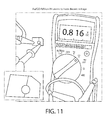
Figure 11 is an illustration of a Au/GO-Nafion®/Al structure having two dissimilar electrodes with different work functions providing a voltage; -
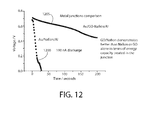
Figure 12 is a graphical representation of a comparison of a proton electrolyte as bare Nafion® with a GO-Nafion® mixture to illustrate performance; and -
Figure 13 is a flowchart of one exemplary method of using the proton battery ofFigure 1 . - Referring to
Fig. 1 , a schematic representation of one exemplary embodiment of a proton battery is designated generally by thereference number 100 and is hereinafter referred to as "battery 100."Battery 100 operates via a dynamic generation of protons in the presence of water, in conjunction with a pH gradient, to allow thebattery 100 to regenerate charge through continuous chemical reactions, thereby resulting in an energy-autonomous device. Although the features will be described with reference to the exemplary embodiments shown in the drawings, it should be understood that features can be embodied in many alternate forms. In addition, any suitable size, shape, or type of elements or materials could be used. -
Battery 100 is a graphene-based energy source and storage device that comprises a cathode 110 (e.g., a first layer) and an anode 120 (e.g., a second layer) connected via an electrolyte 130 (e.g., a third layer). Several arrangements of thecathode 110,anode 120, andelectrolyte 130 may be combined to define cells in parallel and/or series configurations. A cathode-side charge collector 140 may be disposed on thecathode 110, and an anode-side charge collector 150 may be disposed on theanode 120. Thecharge collectors battery 100 can provide an open circuit voltage and a short circuit current which can depend on the presence of water. - In any embodiment of the
battery 100, materials comprising thecathode 110, theanode 120, and theelectrolyte 130 may be two-dimensional (2D) materials (or sufficiently thin to be considered substantially 2D) or layered materials (e.g., layered 2D materials). The materials of thecathode 110 and theanode 120 are electron conductive materials, and the material of the electrolyte is a proton conductive material, which may be located between thecathode 110 and theanode 120 as shown. The use of 2D materials and/or layered materials as thecathode 110 and theanode 120 in combination with the use of a 2D material as theelectrolyte 130 may provide advantages, as compared to typical batteries, in terms of printability as well as in terms of higher realized energy capacity due to large surface areas and capacitance at the interfaces of theelectrolyte 130 with thecathode 110 and theanode 120 and/or due to supercapacitive behavior of junctions of theelectrolyte 130 at thecathode 110 and theanode 120. - With regard to the
electrolyte 130, the material thereof may be a solid state 2D (or substantially 2D) proton conductive material such as graphene oxide (GO) combined with sulfonated tetrafluoroethylene-based fluoropolymer-copolymer (e.g., Nafion®, which is available from DuPont, Wilmington, Delaware, USA), derivatives of such a copolymer, or any other proton conductive material containing sulfonium group(s). The combination of the GO and the sulfonated tetrafluoroethylene-based fluoropolymer-copolymer may be deposited as a film (e.g., by printing, drop cast, spraying, or the like) from a solution of GO and the fluoropolymer-copolymer. A sulfonated tetrafluoroethylene-based fluoropolymer-copolymer 230 (hereinafter "Nafion®") is shown inFigure 2 . - However, material of which the
electrolyte 130 may be comprised is not so limited, as proton conductive materials based on a composition comprising pyridine or pyridine-related structures may be used. For example, a protonconductive material 330 for use in thebattery 100 may be based on 1,3,5-triazine and may be aminated, as shown inFigure 3A . Also, a protonconductive material 335 for use in thebattery 100 may be based on a composition having a carbon ring with carboxyl groups, as shown inFigure 3B . - Referring back to
Figure 1 , thecathode 110 may comprise a material such as a noble metal (e.g., Au, Pt, Pd, Ag, Rh, or the like), graphite, poly(3,4-ethylenedioxythiophene) (PEDOT), 2D metal dichalcogenides (e.g., PtSe2), combinations of the foregoing materials, or the like. In some embodiments, the material of thecathode 110 may comprise a film of graphene flakes deposited (e.g., by printing, drop cast, spraying, or similar technique) from a solution of graphene. The work function of any material selected as thecathode 110 is generally higher than the work function of any material selected as theanode 120. For example, Au has a work function of about 5.1-5.7 electron volts (eV), Pt has a work function of about 6 eV, Pd has a work function of about 5.2-5.6 eV, graphite has a work function of about 5 eV, and PEDOT has a work function of about 5.2 eV. - In exemplary embodiments in which the
cathode 110 comprises a PtSe2 metal dichalcogenide, a PtSe2/graphene nanocomposite can be fabricated by facial ultrasonic assisted techniques such as a modified Hummers' method. - In some exemplary embodiments, the
cathode 110 may comprise a noble metal (e.g., Pt) grafted with GO. Noble metals can be functionalized on GO by chemical reactions such as through diazonium chemical reactions, ring-opening reactions, metal coordination reactions, and the like. - In some exemplary embodiments, the
cathode 110 may comprise materials from the formation of metal coordination complexes between metal ions such as Cu2+, Pd2+, and Pt2+ with imidazolidines, pyrazines, pyridines, and other different ligands. The formation of such complexes results in the preparation of finite 2D and 3D (three-dimensional) structures as well as infinite polymers and frameworks. - Referring to
Figure 4 , one exemplary embodiment of ametal coordination complex 400 for use in thecathode 110 may be formed by the reaction of CuBr2 with dipicolinic acid (pyridine-2,6-dicarboxylic acid). In other exemplary embodiments, other carboxylic or dicarboxylic acids may be used. - Referring to
Figure 5 , variousmetal coordination complexes cathode 110 may be formed as Pt/imidazolidine complexes. Methyl groups may be substituted onto the imidazolidine ring and/or onto the Pt, as shown at 520. Aryl groups may be substituted onto the Pt, as incomplex 510. Rings containing fluorine (C6F5, C6HF4) may be substituted onto the Pt. - Various metal coordination complexes for use as the
cathode 110 may be based on a pyrazine molecule and may contain functional groups such as pyridines. For example, metal coordination complexes for use as thecathode 110 may be built on tetra-2-pyridinylpyrazine molecules. More specifically, as shown inFigure 6 , variousmetal coordination complexes metal coordination complexes - Other metal coordination complexes for use as the
cathode 110 may be benzonitrile-based or 4-ethynylpyridine-based. Such complexes may, for example, be formed by the interaction of cis-Ptdppp (p-C6H4CN)2 or cis-Ptdppp(p-C2C6H4N)2 with cis-MIj2(OSO2CF3)2 in CH2Cl2 or acetone, at room temperature. In such embodiments, the metal may be Pt or Pd, and the ligands may be either PEt3 (acyclic phosphorous) or dppp (1,3-bis(diphenylphosphino)propane). This results in mixed, neutral-charged cyclic tetranuclear Pt-Pt or Pt-Pd macrocyclic complexes in 90-99% yields via self-assembly. The tetramers are microcrystalline solids stable in air and water and have decomposition points greater than about 170 degrees C. These complexes, before precipitation from the solution, can be further treated by chemical or electrochemical methods to reduce the Pd2+/Pt2+ to Pd/Pt metals to be grafted on GO electrodes. - Referring back to
Figure 1 , theanode 120 may be a 2D material such as GO, reduced GO (rGO), Al foil having a work function lower than the work function of material(s) used in thecathode 110, combinations of the foregoing materials, and the like. In some embodiments, the material of theanode 120 may be a film of rGO deposited (e.g., by printing, drop cast, spraying, or similar technique) from a solution of rGO. In any embodiment, the material of theanode 120 has a lower work function than the material of thecathode 110. Also, in any embodiment incorporating rGO as a material of theanode 120, the modified Hummers' method may be used to produce a modified graphene ink based on the chemical reduction of exfoliated GO. In some embodiments using the modified Hummers' method, potassium hydroxide (KOH) may be used for re-graphitization of the GO, with hydrazine being added as a reducing agent, to produce a homogenous dispersion of black graphene nanosheets having long-term stability. Theanode 120 may comprise the lower work function rGO mixed with a base such as KOH, NaOH, combinations of the foregoing, or the like. - Depending on the preparation method, GO with chemical compositions ranging from C8O2H3 to C8O4H5, corresponding to a C/O ratio of 4:1-2:1, is typically produced. After reduction, the C/O ratio can be improved to approximately 12:1 in most cases, but values as large as 246:1 may also be obtained. The C/O ratio is usually determined through elemental analysis measurements by combustion, and also by X-ray photoelectron spectrometry (XPS) analysis. Data obtained by elemental analysis are reasonably consistent with data by XPS, considering the fact that elemental analysis gives the bulk composition while XPS is a surface analysis technique. Furthermore, XPS spectra can give more information on the chemical structures of GO and rGO. Since it is p-electrons from the sp2 carbon that largely determine the optical and electrical properties of carbon-based materials, the fraction of sp2 bonding can provide insight into structure-property relationships.
- The
anode 120 may also comprise other low work function 2D materials such as WS2, MoS2, other transition metal dichalcogenides, combinations of the foregoing materials, and the like. The isolation of transition metal dichalcogenides having several layers may also be performed by mechanical and chemical exfoliation with very low yields. One exemplary efficient route to transfer synthesized WS2 films onto different substrates such as quartz and transmission electron microscopy (TEM) grids may be performed using concentrated hydrofluoric acid. - Transition metal dichalcogenides can also be made by chemical reaction of a metal oxide with H2S and H2:
MO3 + 2H2S + H2 → MS2 + 3H2O (M = Mo, W)
In such a reaction, hydrides decompose and begin to release hydrogen at relatively low temperatures (e.g., about -150 degrees C for LiAlH4 and about 300 degrees C for NaBH4). When the temperature is increased, sulfur volatilizes at -400 degrees C and reacts with the hydrogen to form H2S in situ. At this stage, the metal oxide particles are already partially reduced by the hydrogen present in excess and readily react with the hydrogen sulfide. The overall reaction is characterized by:
2MO3 + 3NaBH4 + 4S → 2MS2 + 3NaBO2 + 6H2 (M = Mo, W)
The Na can be exchanged by Li, and B can be exchanged by Al. - The
cathode 110 and theanode 120 may be made of other 2D materials or layered materials with different work functions. Thecathode 110 and theanode 120 may then be connected to thecharge collectors cathode 110 and theanode 120 are described in the following non-limiting Examples. - Graphene oxide was prepared using a Hummers'-Offeman method. Hydrogen hexachloroplatinate (IV) hydrate (H2PtCl6·nH2O, n = 5.5) was used as a platinum source. Selenium powder (Se), Rhodamine B, and methylene blue were used as model pollutant.
- For the synthesis of the PtSe2 precursor, 2 g of anhydrous sodium sulfite (Na2SO3) and 0.2 g of crude Se were vigorously stirred in 100 mL of distilled water for 30 minutes to ensure homogenous mixing, followed by addition of hydrogen hexachloroplatinate suspension in 20 mL of water. The resulting reaction mixture was then ultrasonicated for 90 minutes at 35 degrees C and allowed to cool at room temperature. The PtSe2-obtained precipitates were filtered. The residue was washed several times with distilled water and dried in a vacuum oven at 90 degrees C for 8 hours.
- Synthesis of the PtSe2/graphene nanocomposites was carried out using an ultrasonication method. In this process, 1 g of GO was mixed with the previously obtained PtSe2 (0.1 mol) in 200 mL of distilled water. The suspension was ultrasonicated for 3 hours at 35 degrees C and cooled at room temperature. The resultant solution was filtered and washed 3 times with distilled water and transferred into a dry oven for 6 hours at 90 degrees C. The powder was then heat treated at 500 degrees C for 1 hour in an electric furnace to obtain the PtSe2/graphene nanocomposites. The obtained samples with different molar ratios were labeled as 1PtSe2/graphene and 2PtSe2/graphene, respectively.
- The crystal structures and phases of the samples were obtained by X-ray diffraction (XRD) (Shimata XD-D1, Japan) with Cu Kα radiation (λ = 1.54056 angstroms) in the range of 2θ from 10 degrees to 80 degrees at a scan speed of 1.2 degrees per meter. The morphology of the samples was studied by scanning electron microscopy (SEM) (JSM-5200, available from JEOL, Japan). Energy dispersive X-ray spectroscopy (EDX) was also employed for elemental analysis. Transmission electron microscopy (TEM) (JEM-2010, available from JEOL, Japan) was used to observe the surface state and structure of the photocatalyst composites at an acceleration voltage of 200 kV; TEM was also used to examine the size and distribution of the PtSe2 nanoparticles on graphene sheet. Diffuse reflectance spectra were obtained by using a scan UV-Vis spectrophotometer (Neosys-2000, available from Scinco, Korea) equipped with an integrating sphere assembly. Raman spectra of the samples were observed using a spectrometer (NRS-3100, available from Jasco Inc., Maryland, USA) having an excitation laser wavelength of 532.06 nm. The decomposition kinetics for the photocatalytic activity was measured by using a spectrometer (Optizen POP, available from Mecasys, Korea).
- Other platinum dichalcogenides (including PtS2, PtSe2, and PtTe2) were made using similar methods.
- Graphene oxide was also prepared by oxidizing natural graphite powder (SP, 320 mesh) based on a modified Hummers' method. As-prepared GO was suspended in ultra-pure water to give a brown dispersion, which was subjected to dialysis over a 4 day period to completely remove residual salts and acids. The resulting purified GO powder was collected by centrifugation and then air-dried. The GO powder was dispersed in water to create a 0.05 wt.% dispersion. The dispersion was subsequently exfoliated through ultrasonication for 1 hour, during which process the bulk GO powder was transformed into GO nanoplatelets.
- Graphene oxide was synthesized from natural graphite powder (SP, 320 mesh) by a modified Hummers' method. As-prepared GO was purified via dialysis for 4 days. In a procedure for chemical re-graphitization by KOH, 10 mL of the aqueous GO dispersion (0.5 mg/mL) was mixed with 10 mg KOH (82%) in a 50 mL flask, and the homogenous and yellow suspension was obtained. After an ultrasonication for a few minutes, the yellow suspension changed to be the homogenous and yellow-black dispersion. The flask was then put in an oil bath (at about 80 degrees C) for 24 hours. During refluxing, the yellow-black suspension became black when adding reducing agent of hydrazine solution in water (50%). Homogeneous long-term stable black graphene nanosheets dispersion was obtained after 24 hours.
- Referring now to
Figure 7 , FTIR spectroscopy showed a very broad feature between about 2500 and 3750 cm-1 corresponding to C-OH (C-OH for phenols and lactols at about 3000-3600 and about 1050-1150 cm-1), COOH (about 1650-1750, about 3000-3600, and about 1050-1200 cm-1) and H2O stretches. The band at 3085 cm-1 was assigned to aromatic C-H stretching vibration. The stretching mode of the O-H band appeared at 3382 cm-1. The spectrum also showed several absorption bands in the region between 2000 and 800 cm-1, which had been previously assigned to epoxides, alcohols, carbonyls, ketones, and sp2 carbon. - The IR spectra of GO had intense bands at about 1740 cm-1 that were assigned to the carbonyl (C=O) stretching mode, and the band at 1190 cm-1 was due to the C-O-C stretch of the epoxide groups. The phenolic groups ionized to give the phenolate anion (C-O-) that subsequently transformed to the ketone with a characteristic symmetric stretching mode at 1627 cm-1. In addition to the GO peaks, GO Nafion® film also had fingerprints from Nafion® polymer and bands at 2350 cm-1 from CO2.
- With a further increase in pH, the band at 1740 cm-1 decreased in intensity and was absent at pH 13. The carbonyl (C=O) stretching mode of the undissociated carboxylic (COO) group at 1740 cm-1 in rGO disappeared. The IR spectra of rGO were dominated by the C=C stretching modes at 1602 and 1408 cm-1 of the aromatic segments of the sp2 network. In contrast to GO, the intensities of the oxygen functionalities were significantly weaker, or absent in rGO. This was in accordance with reports on alkaline treatment of GO removing a majority of the oxidized groups. This also indicated that epoxy groups had been washed away by alkaline substances (e.g., KOH). High content of carboxyls was also not supported by spectroscopy data such as NMR, XPS, etc. The carboxyl band at about 1740 cm-1 was considerably weaker, whereas the sp2-C mode at about 1600 cm-1 was stronger. This spectra information suggested an increase of sp2 conjugation domain density (sp2-hybridized C=C in plane vibration at about 1600 cm-1) in the carbon backbone following base treatment. Both aromatic C-H stretching and sp2 C=C stretching were enhanced in rGO.
- Referring now to
Figures 8A and 8B , the C1s XPS spectrum of GO clearly indicated a considerable degree of oxidation with four components that corresponded to carbon atoms in different functional groups: the non-oxygenated ring C (284.6 eV), the C in C-O bonds (286.0 eV), the carbonyl C (287.8 eV), and the carboxylate carbon (O-C=O, 289.0 eV). Although the C1s XPS spectrum of rGO also exhibited these oxygen functional groups, their peak intensities were much weaker than those in GO. The Table below summarizes the electrical conductivity and C/O ratio of typical reports on the reduction of GO.Table - Comparison of the reducing effect of GO by different methods Reduction Method Form C/O Ratio σ (S/cm) Hydrazine hydrate Powder 10.3 2 Hydrazine reduction in colloid state Film Not available (N/A) 72 150 mM NaBH4 solution, 2 hours (h) TCF 8.6 0.045 Hydrazine vapor Film ∼8.8 NA Thermal annealing at 900 degrees C, ultra-high vacuum (UHV) ∼14.1 NA Thermal annealing at 1100 degrees C, UHV TCF NA ∼103 Thermal annealing at 1100 degrees C in Ar/H2 TCF NA 727 Multi-step treatment Powder (I) NaBH4 solution 4.78 0.823 (II) Concentrated H2SO4 180 degrees C, 12 h 8.57 16.6 (III) Thermal annealing at 1100 degrees C in Ar/H2 >246 202 Vitamin C Film 12.5 77 Hydrazine monohydrate 12.5 99.6 Pyrogallol NA 14.8 KOH NA 1.9x10⁻³ 55% HI reduction >14.9 298 - As shown in the Table, rGO can be made by KOH, chemical reduction reactions (hydrazine), thermal annealing, and UV/Xenon flash reductions. The Table is a summary of electrical conductivity and C/O ratios of reports on the reduction of GO.
- Referring now to
Figure 9 , a comparison was made of a traditional proton battery Ag/GO-Nafion®/rGO/Ag (shown at 900) and a Ag/PEDOT/GO-Nafion®/rGO/Ag battery (shown at 905). Both the energy capacity and open circuit voltage were increased. The work function of PEDOT was about 5.1 eV, which was higher than GO(4.8 eV) and rGO (4.2 eV). - Referring now to
Figure 10 , a comparison was made of the traditional proton battery Ag/GO-Nafion®/rGO/Ag in a room temperature ionic liquid (shown at 1000) and a Graphite/GO-Nafion®/rGO/Ag battery in a room temperature ionic liquid (shown at 1005). The energy capacity was also increased. The work function of graphite was about 5 eV, which was also higher than GO (4.8 eV) and rGO (4.2 eV). - Since graphite has a higher work function than Al and also has a high surface area, a new series of the cells was assembled with a structure of Graphite/GO-Nafion®/Al. It can be seen from the above results that Graphite/GO-Nafion®/Al may store even higher energy than the "traditional" proton batteries. This may be due to the higher surface area of graphite.
- Therefore, to maximize the energy capacity of proton batteries, it is potentially feasible to build up a cell with Graphite/GO-Nafion®/rGO, which was made from pure carbon as well. Such a structure may be generalized as shown in
Figure 1 . - Referring now to
Figure 11 , the combination was also made by increasing the work function of the cathode and lowering the work function of the anode. The work function of Au is 5.1 eV and Al is 4.2 eV, which is similar to rGO. In the illustration ofFigure 11 (Au/GO-Nafion®/Al structure), it was shown that a structure with two dissimilar electrodes with different work functions can provide a voltage. Additionally, 2D materials such as WS2 (2 eV) may be more suitable as the anode in proton batteries. - Referring now to
Figure 12 , a comparison of the proton electrolyte as bare Nafion® (shown at 1200) and the proton electrolyte as GO-Nafion® mixture (shown at 1205) was made. The GO-Nafion® combination demonstrated better performance than either Nafion® or GO alone in terms of energy capacity created in the junction. Thus, the GO-Nafion® combination provided much higher energy capacity than did bare Nafion®. - Referring now to
Figure 13 , one exemplary method of using thebattery 100 is designated generally by thereference number 1300 and is hereinafter referred to as "method 1300." In themethod 1300, hydrogen ions or protons are liberated from the material of the2D electrolyte 130 in the presence of water in adissociation step 1310. In adiffusion step 1320, the protons then migrate through theelectrolyte 130 as a result of a pH gradient. From thediffusion step 1320, ananalysis step 1330 is carried out in which a voltage across a junction defined by an interface between theelectrolyte 130 and thecathode 110 is measured. Theanalysis step 1330 is carried out by a controller having a memory and a processor. The controller may be used to convert the voltage into a readable value for display. In adisplay step 1340, the value representing the voltage is then determined and displayed. Migration of the protons may also be carried out back to the GO of theelectrolyte 130 upon the application of moisture and the removal of any current draw on thebattery 100. - In the exemplary embodiments described herein, an apparatus comprises a first layer comprising a first electron conductive material; a second layer comprising a second electron conductive material; and a third layer comprising a proton conductive material disposed between the first layer and the second layer. The first layer, the second layer, and the third layer each comprise at least one sub-layer of a printable material comprising a two-dimensional or substantially two-dimensional material. The third layer may comprise graphene oxide and a copolymer comprising at least one sulfonium group. The third layer may comprise graphene oxide and one or more of an azine group and an amine group. The third layer may comprise graphene oxide and a carbon ring with carboxyl groups. The first layer may comprise a noble metal, graphite, poly(3,4-ethylenedioxythiophene), a two-dimensional metal dichalcogenide, graphene flakes, a metal coordination complex, or combinations of the foregoing materials. The second layer may comprise graphene oxide or reduced graphene oxide. A work function of material of the second layer may be less than a work function of material of the first layer. A charge storage means may comprise the apparatus.
- Also in the exemplary embodiments described herein, a printable battery comprises a first layer comprising a printed film of a first material; a second layer comprising a printed film of graphene oxide; and a third layer disposed between the first layer and the second layer, the third layer comprising a printed film of graphene oxide and a proton conductive material. The proton conductive material of the third layer may comprise sulfonated tetrafluoroethylene-based fluoropolymer-copolymer. The proton conductive material of the third layer may comprise
aminated - In the exemplary embodiments described herein, a method comprises dissociating hydrogen from functional groups of a substantially two-dimensional first layer to form protons; causing the protons to diffuse from the substantially two-dimensional first layer to a substantially two-dimensional second layer; and determining a value representing a voltage based on the diffusion of the protons to the substantially two-dimensional second layer.
- The word "exemplary" is used herein to mean "serving as an example, instance, or illustration." Any embodiment described herein as "exemplary" is not necessarily to be construed as preferred or advantageous over other embodiments. All of the embodiments described in this Detailed Description are exemplary embodiments provided to enable persons skilled in the art to make or use the invention and not to limit the scope of the invention which is defined by the claims.
- It should be understood that the foregoing description is only illustrative. Various alternatives and modifications can be devised by those skilled in the art. For example, features recited in the various dependent claims could be combined with each other in any suitable combination(s). In addition, features from different embodiments described above could be selectively combined into a new embodiment. Accordingly, the description is intended to embrace all such alternatives, modifications, and variances which fall within the scope of the appended claims.
Claims (22)
- An apparatus, comprising:a first layer comprising a first electron conductive material;a second layer comprising a second electron conductive material; anda third layer comprising a proton conductive material disposed between the first layer and the second layer;wherein the first layer, the second layer, and the third layer each comprise at least one sub-layer of a printable material comprising a two-dimensional or substantially two-dimensional material.
- The apparatus of claim 1, wherein the third layer comprises graphene oxide and a copolymer comprising at least one sulfonium group.
- The apparatus of claim 1, wherein the third layer comprises graphene oxide and one or more of an azine group and an amine group.
- The apparatus of claim 1, wherein the third layer comprises graphene oxide and a carbon ring with carboxyl groups.
- The apparatus as in any of the foregoing claims, wherein the first layer comprises a noble metal, graphite, poly(3,4-ethylenedioxythiophene), a two-dimensional metal dichalcogenide, graphene flakes, a metal coordination complex, or combinations of the foregoing materials.
- The apparatus as in any of the foregoing claims, wherein the second layer comprises graphene oxide or reduced graphene oxide.
- The apparatus as in any of the foregoing claims, wherein a work function of material of the second layer is less than a work function of material of the first layer.
- A charge storage means comprising the apparatus of any of the foregoing claims.
- A printable battery, comprising:a first layer comprising a printed film of a first material;a second layer comprising a printed film of graphene oxide; anda third layer disposed between the first layer and the second layer, the third layer comprising a printed film of graphene oxide and a proton conductive material.
- The printable battery of claim 9, wherein the proton conductive material of the third layer comprises sulfonated tetrafluoroethylene-based fluoropolymer-copolymer.
- The printable battery of claim 9, wherein the proton conductive material of the third layer comprises aminated 1,3,5-triazine.
- The printable battery of claim 9, wherein the proton conductive material of the third layer comprises a composition based on a carbon ring with carboxyl groups.
- The printable battery of any of claims 9 through 12, wherein the first material comprises a noble metal selected from the group consisting of Au, Pt, Ag, Rh, and Pd, graphite, poly(3,4-ethylenedioxythiophene), a two-dimensional metal dichalcogenide, graphene flakes, a metal coordination complex, or combinations of the foregoing materials.
- The printable battery of claim 13, wherein the two-dimensional metal dichalcogenide comprises PtSe2 or PtSe2/graphene nanocomposite.
- The printable battery of claim 13, wherein the metal coordination complex comprises one or more metal ions selected from Cu2+, Pd2+, and Pt2+ combined with one or more of an imidazolidine, a pyrazine, and a pyridine.
- The printable battery of claim 13, wherein the metal coordination complex is formed from CuBr2 with dipicolinic acid.
- The printable battery of claim 13, wherein the metal coordination complex is a Pt/imidazolidine complex.
- The printable battery of claim 13, wherein the metal coordination complex is based on a pyrazine and contains pyridine ligands.
- The printable battery of claim 13, wherein the metal coordination complex is benzonitrile-based or 4-ethynylpyridine-based.
- The printable battery of any of claims 9 through 19, wherein the second layer is reduced graphene oxide.
- The printable battery of any of claims 9 through 20, wherein the second layer comprises a transition metal dichalcogenide.
- A method, comprising:dissociating hydrogen from functional groups of a substantially two-dimensional first layer to form protons;causing the protons to diffuse from the substantially two-dimensional first layer to a substantially two-dimensional second layer; anddetermining a value representing a voltage based on the diffusion of the protons to the substantially two-dimensional second layer.
Priority Applications (1)
| Application Number | Priority Date | Filing Date | Title |
|---|---|---|---|
| EP15171834.3A EP3104433B1 (en) | 2015-06-12 | 2015-06-12 | Proton battery based on two-dimensional materials |
Applications Claiming Priority (1)
| Application Number | Priority Date | Filing Date | Title |
|---|---|---|---|
| EP15171834.3A EP3104433B1 (en) | 2015-06-12 | 2015-06-12 | Proton battery based on two-dimensional materials |
Publications (2)
| Publication Number | Publication Date |
|---|---|
| EP3104433A1 true EP3104433A1 (en) | 2016-12-14 |
| EP3104433B1 EP3104433B1 (en) | 2019-10-02 |
Family
ID=53404389
Family Applications (1)
| Application Number | Title | Priority Date | Filing Date |
|---|---|---|---|
| EP15171834.3A Active EP3104433B1 (en) | 2015-06-12 | 2015-06-12 | Proton battery based on two-dimensional materials |
Country Status (1)
| Country | Link |
|---|---|
| EP (1) | EP3104433B1 (en) |
Cited By (5)
| Publication number | Priority date | Publication date | Assignee | Title |
|---|---|---|---|---|
| EP3376553A1 (en) * | 2017-03-17 | 2018-09-19 | Nokia Technologies Oy | An apparatus and associated methods for electrical storage |
| WO2019145224A1 (en) | 2018-01-25 | 2019-08-01 | Bayer Business Services Gmbh | Monitoring of products |
| WO2020114841A1 (en) | 2018-12-03 | 2020-06-11 | Bayer Aktiengesellschaft | Tracking a collective of objects |
| WO2020234209A1 (en) | 2019-05-22 | 2020-11-26 | Bayer Business Services Gmbh | Monitoring of products |
| JP2022074335A (en) * | 2020-11-04 | 2022-05-18 | 国立大学法人東京工業大学 | Electrode for aqueous solution-based secondary battery and aqueous-based secondary battery |
Citations (4)
| Publication number | Priority date | Publication date | Assignee | Title |
|---|---|---|---|---|
| CN103358612A (en) * | 2012-03-26 | 2013-10-23 | 上海中科高等研究院 | Methanol rejective membrane for direct methanol fuel cell as well as preparation method and application thereof |
| WO2014009721A1 (en) * | 2012-07-10 | 2014-01-16 | Johnson Matthey Fuel Cells Limited | Ion-conducting membrane |
| CN104064363A (en) * | 2014-05-20 | 2014-09-24 | 东华大学 | 3D petal-shaped graphene-polyaniline super-capacitor electrode material and preparation method thereof |
| US20140349211A1 (en) * | 2013-05-23 | 2014-11-27 | Nokia Corporation | Proton-Battery Based on Graphene Derivatives |
-
2015
- 2015-06-12 EP EP15171834.3A patent/EP3104433B1/en active Active
Patent Citations (4)
| Publication number | Priority date | Publication date | Assignee | Title |
|---|---|---|---|---|
| CN103358612A (en) * | 2012-03-26 | 2013-10-23 | 上海中科高等研究院 | Methanol rejective membrane for direct methanol fuel cell as well as preparation method and application thereof |
| WO2014009721A1 (en) * | 2012-07-10 | 2014-01-16 | Johnson Matthey Fuel Cells Limited | Ion-conducting membrane |
| US20140349211A1 (en) * | 2013-05-23 | 2014-11-27 | Nokia Corporation | Proton-Battery Based on Graphene Derivatives |
| CN104064363A (en) * | 2014-05-20 | 2014-09-24 | 东华大学 | 3D petal-shaped graphene-polyaniline super-capacitor electrode material and preparation method thereof |
Non-Patent Citations (2)
| Title |
|---|
| "Electron Work Function of the Elements", CRC HANDBOOK OF CHEMISTRY AND PHYSICS, 96TH EDITION, 9 June 2015 (2015-06-09), pages 12 - 124, XP055225714, Retrieved from the Internet <URL:http://www.hbcpnetbase.com//articles/12_21_86.pdf> [retrieved on 20151104] * |
| HIROYOSHI KITABAYASHI ET AL: "Systematic approach for the electrification suppression using the effective work function", 29TH ELECTRICAL OVERSTRESS/ELECTROSTATIC DISCHARGE SYMPOSIUM (EOS/ESD) , 2007. EOS/ESD, IEEE, PI, 1 September 2007 (2007-09-01), pages 3B.2 - 1, XP031189818, ISBN: 978-1-58537-136-5 * |
Cited By (8)
| Publication number | Priority date | Publication date | Assignee | Title |
|---|---|---|---|---|
| EP3376553A1 (en) * | 2017-03-17 | 2018-09-19 | Nokia Technologies Oy | An apparatus and associated methods for electrical storage |
| WO2018167357A1 (en) * | 2017-03-17 | 2018-09-20 | Nokia Technologies Oy | An apparatus and associated methods for electrical storage |
| WO2019145224A1 (en) | 2018-01-25 | 2019-08-01 | Bayer Business Services Gmbh | Monitoring of products |
| US11599850B2 (en) | 2018-01-25 | 2023-03-07 | Bayer Aktiengesellschaft | Monitoring of products |
| WO2020114841A1 (en) | 2018-12-03 | 2020-06-11 | Bayer Aktiengesellschaft | Tracking a collective of objects |
| WO2020234209A1 (en) | 2019-05-22 | 2020-11-26 | Bayer Business Services Gmbh | Monitoring of products |
| US12299519B2 (en) | 2019-05-22 | 2025-05-13 | Bayer Aktiengesellschaft | Monitoring of products |
| JP2022074335A (en) * | 2020-11-04 | 2022-05-18 | 国立大学法人東京工業大学 | Electrode for aqueous solution-based secondary battery and aqueous-based secondary battery |
Also Published As
| Publication number | Publication date |
|---|---|
| EP3104433B1 (en) | 2019-10-02 |
Similar Documents
| Publication | Publication Date | Title |
|---|---|---|
| Zhang et al. | Integrating Rh species with NiFe-layered double hydroxide for overall water splitting | |
| Paul et al. | Morphologically controlled cobalt oxide nanoparticles for efficient oxygen evolution reaction | |
| Zhou et al. | Hetero MOF‐on‐MOF‐derived carbon nanotube interconnected nitrogen‐doped carbon‐encapsulated FeNi/FeF2 for efficient oxygen evolution reaction | |
| Hou et al. | Scalable synthesis of graphene-wrapped CoSe2-SnSe2 hollow nanoboxes as a highly efficient and stable electrocatalyst for hydrogen evolution reaction | |
| Hu et al. | Redox route to ultrathin metal sulfides nanosheet arrays-anchored MnO2 nanoparticles as self-supported electrocatalysts for efficient water splitting | |
| Ribeiro et al. | MOF-derived PtCo/Co 3 O 4 nanocomposites in carbonaceous matrices as high-performance ORR electrocatalysts synthesized via laser ablation techniques | |
| EP3104433B1 (en) | Proton battery based on two-dimensional materials | |
| Ali et al. | Hydrogen evolution in alkaline medium on intratube and surface decorated PtRu catalyst | |
| Nam et al. | Development of NiO/Co3O4 nanohybrids catalyst with oxygen vacancy for oxygen evolution reaction enhancement in alkaline solution | |
| Eliwa et al. | Synthesis and characterization of lead-based metal–organic framework nano-needles for effective water splitting application | |
| Nouralishahi et al. | Vanadium oxide decorated carbon nanotubes as a promising support of Pt nanoparticles for methanol electro-oxidation reaction | |
| Zahra et al. | Functionalization of Mn2O3/PdO/ZnO electrocatalyst using organic template with accentuated electrochemical potential toward water splitting | |
| Liu et al. | Free-standing 3D hierarchical carbon foam-supported PtCo nanowires with “Pt skin” as advanced electrocatalysts | |
| Jiang et al. | Zn, S, N self-doped carbon material derived from waste tires for electrocatalytic hydrogen evolution | |
| Naidoo et al. | The influence of carbon based supports and the role of synthesis procedures on the formation of platinum and platinum-ruthenium clusters and nanoparticles for the development of highly active fuel cell catalysts | |
| Ma et al. | A facile approach to prepare crumpled CoTMPyP/electrochemically reduced graphene oxide nanohybrid as an efficient electrocatalyst for hydrogen evolution reaction | |
| US20210220803A1 (en) | Carbon-doped nickel oxide catalyst and methods for making and using thereof | |
| Baek et al. | Bimetallic zeolitic imidazole framework-derived sulfur-doped porous carbon as highly efficient catalysts for oxygen reduction reaction in proton exchange membrane fuel cells | |
| Mohamed et al. | Fabrication and characterization of NiCu/GO and NiCu/rGO nanocomposites for fuel cell application | |
| Yusuf et al. | TiC-Supported ruthenium nanoparticles as an efficient electrocatalyst for the hydrogen evolution reaction | |
| Cao et al. | Highly dispersed NiMo@ rGO nanocomposite catalysts fabricated by a two-step hydrothermal method for hydrogen evolution | |
| Sheikh et al. | Introduction of MgFeO3 nanoparticles on the WS2@ CNT composite structures to enhance the bi-functional overall water splitting reactions | |
| Jin et al. | Precision-engineered intermetallic nanostructured electrocatalysts for oxygen and hydrogen reactions in renewable energy systems | |
| Zhang et al. | Rational design of MOFs-derived Co-Ru species embedded N-doped carbon/carbon matrix for highly-efficient and multifunctional electrocatalysis | |
| Sun et al. | Unveiling the role of FeOOH on catalyst evolution for advanced water oxidation: Q.-M. Sun et al. |
Legal Events
| Date | Code | Title | Description |
|---|---|---|---|
| PUAI | Public reference made under article 153(3) epc to a published international application that has entered the european phase |
Free format text: ORIGINAL CODE: 0009012 |
|
| STAA | Information on the status of an ep patent application or granted ep patent |
Free format text: STATUS: THE APPLICATION HAS BEEN PUBLISHED |
|
| AK | Designated contracting states |
Kind code of ref document: A1 Designated state(s): AL AT BE BG CH CY CZ DE DK EE ES FI FR GB GR HR HU IE IS IT LI LT LU LV MC MK MT NL NO PL PT RO RS SE SI SK SM TR |
|
| AX | Request for extension of the european patent |
Extension state: BA ME |
|
| STAA | Information on the status of an ep patent application or granted ep patent |
Free format text: STATUS: REQUEST FOR EXAMINATION WAS MADE |
|
| 17P | Request for examination filed |
Effective date: 20170613 |
|
| RBV | Designated contracting states (corrected) |
Designated state(s): AL AT BE BG CH CY CZ DE DK EE ES FI FR GB GR HR HU IE IS IT LI LT LU LV MC MK MT NL NO PL PT RO RS SE SI SK SM TR |
|
| STAA | Information on the status of an ep patent application or granted ep patent |
Free format text: STATUS: EXAMINATION IS IN PROGRESS |
|
| 17Q | First examination report despatched |
Effective date: 20171123 |
|
| GRAP | Despatch of communication of intention to grant a patent |
Free format text: ORIGINAL CODE: EPIDOSNIGR1 |
|
| STAA | Information on the status of an ep patent application or granted ep patent |
Free format text: STATUS: GRANT OF PATENT IS INTENDED |
|
| RIC1 | Information provided on ipc code assigned before grant |
Ipc: H01M 4/60 20060101ALI20190329BHEP Ipc: H01M 4/58 20100101ALI20190329BHEP Ipc: H01M 4/66 20060101ALI20190329BHEP Ipc: H01M 6/04 20060101ALI20190329BHEP Ipc: H01M 6/40 20060101ALI20190329BHEP Ipc: H01M 12/00 20060101ALN20190329BHEP Ipc: H01M 4/583 20100101ALI20190329BHEP Ipc: H01M 4/90 20060101ALI20190329BHEP Ipc: H01M 14/00 20060101ALI20190329BHEP Ipc: H01M 6/26 20060101ALI20190329BHEP Ipc: H01M 4/08 20060101ALI20190329BHEP Ipc: H01M 4/02 20060101ALN20190329BHEP Ipc: H01M 4/06 20060101AFI20190329BHEP Ipc: H01M 6/18 20060101ALI20190329BHEP Ipc: H01M 4/86 20060101ALI20190329BHEP Ipc: H01M 6/24 20060101ALI20190329BHEP |
|
| INTG | Intention to grant announced |
Effective date: 20190423 |
|
| GRAS | Grant fee paid |
Free format text: ORIGINAL CODE: EPIDOSNIGR3 |
|
| GRAA | (expected) grant |
Free format text: ORIGINAL CODE: 0009210 |
|
| STAA | Information on the status of an ep patent application or granted ep patent |
Free format text: STATUS: THE PATENT HAS BEEN GRANTED |
|
| RAP1 | Party data changed (applicant data changed or rights of an application transferred) |
Owner name: NOKIA TECHNOLOGIES OY |
|
| AK | Designated contracting states |
Kind code of ref document: B1 Designated state(s): AL AT BE BG CH CY CZ DE DK EE ES FI FR GB GR HR HU IE IS IT LI LT LU LV MC MK MT NL NO PL PT RO RS SE SI SK SM TR |
|
| REG | Reference to a national code |
Ref country code: GB Ref legal event code: FG4D |
|
| REG | Reference to a national code |
Ref country code: CH Ref legal event code: EP Ref country code: AT Ref legal event code: REF Ref document number: 1187189 Country of ref document: AT Kind code of ref document: T Effective date: 20191015 |
|
| REG | Reference to a national code |
Ref country code: DE Ref legal event code: R096 Ref document number: 602015038940 Country of ref document: DE |
|
| REG | Reference to a national code |
Ref country code: IE Ref legal event code: FG4D |
|
| REG | Reference to a national code |
Ref country code: NL Ref legal event code: MP Effective date: 20191002 |
|
| REG | Reference to a national code |
Ref country code: LT Ref legal event code: MG4D |
|
| REG | Reference to a national code |
Ref country code: AT Ref legal event code: MK05 Ref document number: 1187189 Country of ref document: AT Kind code of ref document: T Effective date: 20191002 |
|
| PG25 | Lapsed in a contracting state [announced via postgrant information from national office to epo] |
Ref country code: ES Free format text: LAPSE BECAUSE OF FAILURE TO SUBMIT A TRANSLATION OF THE DESCRIPTION OR TO PAY THE FEE WITHIN THE PRESCRIBED TIME-LIMIT Effective date: 20191002 Ref country code: NL Free format text: LAPSE BECAUSE OF FAILURE TO SUBMIT A TRANSLATION OF THE DESCRIPTION OR TO PAY THE FEE WITHIN THE PRESCRIBED TIME-LIMIT Effective date: 20191002 Ref country code: AT Free format text: LAPSE BECAUSE OF FAILURE TO SUBMIT A TRANSLATION OF THE DESCRIPTION OR TO PAY THE FEE WITHIN THE PRESCRIBED TIME-LIMIT Effective date: 20191002 Ref country code: BG Free format text: LAPSE BECAUSE OF FAILURE TO SUBMIT A TRANSLATION OF THE DESCRIPTION OR TO PAY THE FEE WITHIN THE PRESCRIBED TIME-LIMIT Effective date: 20200102 Ref country code: NO Free format text: LAPSE BECAUSE OF FAILURE TO SUBMIT A TRANSLATION OF THE DESCRIPTION OR TO PAY THE FEE WITHIN THE PRESCRIBED TIME-LIMIT Effective date: 20200102 Ref country code: GR Free format text: LAPSE BECAUSE OF FAILURE TO SUBMIT A TRANSLATION OF THE DESCRIPTION OR TO PAY THE FEE WITHIN THE PRESCRIBED TIME-LIMIT Effective date: 20200103 Ref country code: FI Free format text: LAPSE BECAUSE OF FAILURE TO SUBMIT A TRANSLATION OF THE DESCRIPTION OR TO PAY THE FEE WITHIN THE PRESCRIBED TIME-LIMIT Effective date: 20191002 Ref country code: PT Free format text: LAPSE BECAUSE OF FAILURE TO SUBMIT A TRANSLATION OF THE DESCRIPTION OR TO PAY THE FEE WITHIN THE PRESCRIBED TIME-LIMIT Effective date: 20200203 Ref country code: LT Free format text: LAPSE BECAUSE OF FAILURE TO SUBMIT A TRANSLATION OF THE DESCRIPTION OR TO PAY THE FEE WITHIN THE PRESCRIBED TIME-LIMIT Effective date: 20191002 Ref country code: LV Free format text: LAPSE BECAUSE OF FAILURE TO SUBMIT A TRANSLATION OF THE DESCRIPTION OR TO PAY THE FEE WITHIN THE PRESCRIBED TIME-LIMIT Effective date: 20191002 Ref country code: SE Free format text: LAPSE BECAUSE OF FAILURE TO SUBMIT A TRANSLATION OF THE DESCRIPTION OR TO PAY THE FEE WITHIN THE PRESCRIBED TIME-LIMIT Effective date: 20191002 Ref country code: PL Free format text: LAPSE BECAUSE OF FAILURE TO SUBMIT A TRANSLATION OF THE DESCRIPTION OR TO PAY THE FEE WITHIN THE PRESCRIBED TIME-LIMIT Effective date: 20191002 |
|
| PG25 | Lapsed in a contracting state [announced via postgrant information from national office to epo] |
Ref country code: HR Free format text: LAPSE BECAUSE OF FAILURE TO SUBMIT A TRANSLATION OF THE DESCRIPTION OR TO PAY THE FEE WITHIN THE PRESCRIBED TIME-LIMIT Effective date: 20191002 Ref country code: RS Free format text: LAPSE BECAUSE OF FAILURE TO SUBMIT A TRANSLATION OF THE DESCRIPTION OR TO PAY THE FEE WITHIN THE PRESCRIBED TIME-LIMIT Effective date: 20191002 Ref country code: CZ Free format text: LAPSE BECAUSE OF FAILURE TO SUBMIT A TRANSLATION OF THE DESCRIPTION OR TO PAY THE FEE WITHIN THE PRESCRIBED TIME-LIMIT Effective date: 20191002 Ref country code: IS Free format text: LAPSE BECAUSE OF FAILURE TO SUBMIT A TRANSLATION OF THE DESCRIPTION OR TO PAY THE FEE WITHIN THE PRESCRIBED TIME-LIMIT Effective date: 20200224 |
|
| PG25 | Lapsed in a contracting state [announced via postgrant information from national office to epo] |
Ref country code: AL Free format text: LAPSE BECAUSE OF FAILURE TO SUBMIT A TRANSLATION OF THE DESCRIPTION OR TO PAY THE FEE WITHIN THE PRESCRIBED TIME-LIMIT Effective date: 20191002 |
|
| REG | Reference to a national code |
Ref country code: DE Ref legal event code: R097 Ref document number: 602015038940 Country of ref document: DE |
|
| PG2D | Information on lapse in contracting state deleted |
Ref country code: IS |
|
| PG25 | Lapsed in a contracting state [announced via postgrant information from national office to epo] |
Ref country code: RO Free format text: LAPSE BECAUSE OF FAILURE TO SUBMIT A TRANSLATION OF THE DESCRIPTION OR TO PAY THE FEE WITHIN THE PRESCRIBED TIME-LIMIT Effective date: 20191002 Ref country code: DK Free format text: LAPSE BECAUSE OF FAILURE TO SUBMIT A TRANSLATION OF THE DESCRIPTION OR TO PAY THE FEE WITHIN THE PRESCRIBED TIME-LIMIT Effective date: 20191002 Ref country code: EE Free format text: LAPSE BECAUSE OF FAILURE TO SUBMIT A TRANSLATION OF THE DESCRIPTION OR TO PAY THE FEE WITHIN THE PRESCRIBED TIME-LIMIT Effective date: 20191002 Ref country code: IS Free format text: LAPSE BECAUSE OF FAILURE TO SUBMIT A TRANSLATION OF THE DESCRIPTION OR TO PAY THE FEE WITHIN THE PRESCRIBED TIME-LIMIT Effective date: 20200202 |
|
| PLBE | No opposition filed within time limit |
Free format text: ORIGINAL CODE: 0009261 |
|
| STAA | Information on the status of an ep patent application or granted ep patent |
Free format text: STATUS: NO OPPOSITION FILED WITHIN TIME LIMIT |
|
| PG25 | Lapsed in a contracting state [announced via postgrant information from national office to epo] |
Ref country code: SK Free format text: LAPSE BECAUSE OF FAILURE TO SUBMIT A TRANSLATION OF THE DESCRIPTION OR TO PAY THE FEE WITHIN THE PRESCRIBED TIME-LIMIT Effective date: 20191002 Ref country code: SM Free format text: LAPSE BECAUSE OF FAILURE TO SUBMIT A TRANSLATION OF THE DESCRIPTION OR TO PAY THE FEE WITHIN THE PRESCRIBED TIME-LIMIT Effective date: 20191002 Ref country code: IT Free format text: LAPSE BECAUSE OF FAILURE TO SUBMIT A TRANSLATION OF THE DESCRIPTION OR TO PAY THE FEE WITHIN THE PRESCRIBED TIME-LIMIT Effective date: 20191002 |
|
| 26N | No opposition filed |
Effective date: 20200703 |
|
| PG25 | Lapsed in a contracting state [announced via postgrant information from national office to epo] |
Ref country code: SI Free format text: LAPSE BECAUSE OF FAILURE TO SUBMIT A TRANSLATION OF THE DESCRIPTION OR TO PAY THE FEE WITHIN THE PRESCRIBED TIME-LIMIT Effective date: 20191002 |
|
| PG25 | Lapsed in a contracting state [announced via postgrant information from national office to epo] |
Ref country code: MC Free format text: LAPSE BECAUSE OF FAILURE TO SUBMIT A TRANSLATION OF THE DESCRIPTION OR TO PAY THE FEE WITHIN THE PRESCRIBED TIME-LIMIT Effective date: 20191002 |
|
| REG | Reference to a national code |
Ref country code: CH Ref legal event code: PL |
|
| GBPC | Gb: european patent ceased through non-payment of renewal fee |
Effective date: 20200612 |
|
| PG25 | Lapsed in a contracting state [announced via postgrant information from national office to epo] |
Ref country code: LU Free format text: LAPSE BECAUSE OF NON-PAYMENT OF DUE FEES Effective date: 20200612 |
|
| REG | Reference to a national code |
Ref country code: BE Ref legal event code: MM Effective date: 20200630 |
|
| PG25 | Lapsed in a contracting state [announced via postgrant information from national office to epo] |
Ref country code: LI Free format text: LAPSE BECAUSE OF NON-PAYMENT OF DUE FEES Effective date: 20200630 Ref country code: GB Free format text: LAPSE BECAUSE OF NON-PAYMENT OF DUE FEES Effective date: 20200612 Ref country code: IE Free format text: LAPSE BECAUSE OF NON-PAYMENT OF DUE FEES Effective date: 20200612 Ref country code: CH Free format text: LAPSE BECAUSE OF NON-PAYMENT OF DUE FEES Effective date: 20200630 |
|
| PG25 | Lapsed in a contracting state [announced via postgrant information from national office to epo] |
Ref country code: BE Free format text: LAPSE BECAUSE OF NON-PAYMENT OF DUE FEES Effective date: 20200630 |
|
| PGFP | Annual fee paid to national office [announced via postgrant information from national office to epo] |
Ref country code: DE Payment date: 20210518 Year of fee payment: 7 Ref country code: FR Payment date: 20210513 Year of fee payment: 7 |
|
| PG25 | Lapsed in a contracting state [announced via postgrant information from national office to epo] |
Ref country code: TR Free format text: LAPSE BECAUSE OF FAILURE TO SUBMIT A TRANSLATION OF THE DESCRIPTION OR TO PAY THE FEE WITHIN THE PRESCRIBED TIME-LIMIT Effective date: 20191002 Ref country code: MT Free format text: LAPSE BECAUSE OF FAILURE TO SUBMIT A TRANSLATION OF THE DESCRIPTION OR TO PAY THE FEE WITHIN THE PRESCRIBED TIME-LIMIT Effective date: 20191002 Ref country code: CY Free format text: LAPSE BECAUSE OF FAILURE TO SUBMIT A TRANSLATION OF THE DESCRIPTION OR TO PAY THE FEE WITHIN THE PRESCRIBED TIME-LIMIT Effective date: 20191002 |
|
| PG25 | Lapsed in a contracting state [announced via postgrant information from national office to epo] |
Ref country code: MK Free format text: LAPSE BECAUSE OF FAILURE TO SUBMIT A TRANSLATION OF THE DESCRIPTION OR TO PAY THE FEE WITHIN THE PRESCRIBED TIME-LIMIT Effective date: 20191002 |
|
| REG | Reference to a national code |
Ref country code: DE Ref legal event code: R119 Ref document number: 602015038940 Country of ref document: DE |
|
| PG25 | Lapsed in a contracting state [announced via postgrant information from national office to epo] |
Ref country code: FR Free format text: LAPSE BECAUSE OF NON-PAYMENT OF DUE FEES Effective date: 20220630 |
|
| PG25 | Lapsed in a contracting state [announced via postgrant information from national office to epo] |
Ref country code: DE Free format text: LAPSE BECAUSE OF NON-PAYMENT OF DUE FEES Effective date: 20230103 |