EP3103796A1 - Novel compound and epoxy resin composition containing same - Google Patents
Novel compound and epoxy resin composition containing same Download PDFInfo
- Publication number
- EP3103796A1 EP3103796A1 EP15745854.8A EP15745854A EP3103796A1 EP 3103796 A1 EP3103796 A1 EP 3103796A1 EP 15745854 A EP15745854 A EP 15745854A EP 3103796 A1 EP3103796 A1 EP 3103796A1
- Authority
- EP
- European Patent Office
- Prior art keywords
- epoxy resin
- resin composition
- compound
- hydrogen atom
- alkyl group
- Prior art date
- Legal status (The legal status is an assumption and is not a legal conclusion. Google has not performed a legal analysis and makes no representation as to the accuracy of the status listed.)
- Granted
Links
Images


Classifications
-
- C—CHEMISTRY; METALLURGY
- C08—ORGANIC MACROMOLECULAR COMPOUNDS; THEIR PREPARATION OR CHEMICAL WORKING-UP; COMPOSITIONS BASED THEREON
- C08G—MACROMOLECULAR COMPOUNDS OBTAINED OTHERWISE THAN BY REACTIONS ONLY INVOLVING UNSATURATED CARBON-TO-CARBON BONDS
- C08G59/00—Polycondensates containing more than one epoxy group per molecule; Macromolecules obtained by polymerising compounds containing more than one epoxy group per molecule using curing agents or catalysts which react with the epoxy groups
- C08G59/18—Macromolecules obtained by polymerising compounds containing more than one epoxy group per molecule using curing agents or catalysts which react with the epoxy groups ; e.g. general methods of curing
- C08G59/40—Macromolecules obtained by polymerising compounds containing more than one epoxy group per molecule using curing agents or catalysts which react with the epoxy groups ; e.g. general methods of curing characterised by the curing agents used
- C08G59/50—Amines
- C08G59/5046—Amines heterocyclic
- C08G59/5053—Amines heterocyclic containing only nitrogen as a heteroatom
- C08G59/5073—Amines heterocyclic containing only nitrogen as a heteroatom having two nitrogen atoms in the ring
-
- C—CHEMISTRY; METALLURGY
- C07—ORGANIC CHEMISTRY
- C07D—HETEROCYCLIC COMPOUNDS
- C07D233/00—Heterocyclic compounds containing 1,3-diazole or hydrogenated 1,3-diazole rings, not condensed with other rings
- C07D233/54—Heterocyclic compounds containing 1,3-diazole or hydrogenated 1,3-diazole rings, not condensed with other rings having two double bonds between ring members or between ring members and non-ring members
- C07D233/56—Heterocyclic compounds containing 1,3-diazole or hydrogenated 1,3-diazole rings, not condensed with other rings having two double bonds between ring members or between ring members and non-ring members with only hydrogen atoms or radicals containing only hydrogen and carbon atoms, attached to ring carbon atoms
- C07D233/58—Heterocyclic compounds containing 1,3-diazole or hydrogenated 1,3-diazole rings, not condensed with other rings having two double bonds between ring members or between ring members and non-ring members with only hydrogen atoms or radicals containing only hydrogen and carbon atoms, attached to ring carbon atoms with only hydrogen atoms or radicals containing only hydrogen and carbon atoms, attached to ring nitrogen atoms
-
- C—CHEMISTRY; METALLURGY
- C07—ORGANIC CHEMISTRY
- C07D—HETEROCYCLIC COMPOUNDS
- C07D235/00—Heterocyclic compounds containing 1,3-diazole or hydrogenated 1,3-diazole rings, condensed with other rings
- C07D235/02—Heterocyclic compounds containing 1,3-diazole or hydrogenated 1,3-diazole rings, condensed with other rings condensed with carbocyclic rings or ring systems
- C07D235/04—Benzimidazoles; Hydrogenated benzimidazoles
- C07D235/06—Benzimidazoles; Hydrogenated benzimidazoles with only hydrogen atoms, hydrocarbon or substituted hydrocarbon radicals, directly attached in position 2
-
- C—CHEMISTRY; METALLURGY
- C07—ORGANIC CHEMISTRY
- C07D—HETEROCYCLIC COMPOUNDS
- C07D235/00—Heterocyclic compounds containing 1,3-diazole or hydrogenated 1,3-diazole rings, condensed with other rings
- C07D235/02—Heterocyclic compounds containing 1,3-diazole or hydrogenated 1,3-diazole rings, condensed with other rings condensed with carbocyclic rings or ring systems
- C07D235/04—Benzimidazoles; Hydrogenated benzimidazoles
- C07D235/06—Benzimidazoles; Hydrogenated benzimidazoles with only hydrogen atoms, hydrocarbon or substituted hydrocarbon radicals, directly attached in position 2
- C07D235/08—Radicals containing only hydrogen and carbon atoms
-
- C—CHEMISTRY; METALLURGY
- C07—ORGANIC CHEMISTRY
- C07D—HETEROCYCLIC COMPOUNDS
- C07D239/00—Heterocyclic compounds containing 1,3-diazine or hydrogenated 1,3-diazine rings
- C07D239/02—Heterocyclic compounds containing 1,3-diazine or hydrogenated 1,3-diazine rings not condensed with other rings
- C07D239/06—Heterocyclic compounds containing 1,3-diazine or hydrogenated 1,3-diazine rings not condensed with other rings having one double bond between ring members or between a ring member and a non-ring member
-
- C—CHEMISTRY; METALLURGY
- C07—ORGANIC CHEMISTRY
- C07D—HETEROCYCLIC COMPOUNDS
- C07D249/00—Heterocyclic compounds containing five-membered rings having three nitrogen atoms as the only ring hetero atoms
- C07D249/02—Heterocyclic compounds containing five-membered rings having three nitrogen atoms as the only ring hetero atoms not condensed with other rings
- C07D249/08—1,2,4-Triazoles; Hydrogenated 1,2,4-triazoles
-
- C—CHEMISTRY; METALLURGY
- C07—ORGANIC CHEMISTRY
- C07D—HETEROCYCLIC COMPOUNDS
- C07D251/00—Heterocyclic compounds containing 1,3,5-triazine rings
- C07D251/02—Heterocyclic compounds containing 1,3,5-triazine rings not condensed with other rings
- C07D251/12—Heterocyclic compounds containing 1,3,5-triazine rings not condensed with other rings having three double bonds between ring members or between ring members and non-ring members
- C07D251/14—Heterocyclic compounds containing 1,3,5-triazine rings not condensed with other rings having three double bonds between ring members or between ring members and non-ring members with hydrogen or carbon atoms directly attached to at least one ring carbon atom
-
- C—CHEMISTRY; METALLURGY
- C08—ORGANIC MACROMOLECULAR COMPOUNDS; THEIR PREPARATION OR CHEMICAL WORKING-UP; COMPOSITIONS BASED THEREON
- C08G—MACROMOLECULAR COMPOUNDS OBTAINED OTHERWISE THAN BY REACTIONS ONLY INVOLVING UNSATURATED CARBON-TO-CARBON BONDS
- C08G59/00—Polycondensates containing more than one epoxy group per molecule; Macromolecules obtained by polymerising compounds containing more than one epoxy group per molecule using curing agents or catalysts which react with the epoxy groups
- C08G59/18—Macromolecules obtained by polymerising compounds containing more than one epoxy group per molecule using curing agents or catalysts which react with the epoxy groups ; e.g. general methods of curing
- C08G59/40—Macromolecules obtained by polymerising compounds containing more than one epoxy group per molecule using curing agents or catalysts which react with the epoxy groups ; e.g. general methods of curing characterised by the curing agents used
-
- C—CHEMISTRY; METALLURGY
- C08—ORGANIC MACROMOLECULAR COMPOUNDS; THEIR PREPARATION OR CHEMICAL WORKING-UP; COMPOSITIONS BASED THEREON
- C08L—COMPOSITIONS OF MACROMOLECULAR COMPOUNDS
- C08L63/00—Compositions of epoxy resins; Compositions of derivatives of epoxy resins
Definitions
- This invention relates to a novel compound and an epoxy resin composition containing the same. More particular, it relates to a specific dicyanamide or thiocyanate salt and a one-pack type thermosetting epoxy resin composition containing the salt and having excellent storage stability and curability.
- Epoxy resins exhibit high adhesion to various substrates. Cured products of epoxy resins have relatively excellent properties, such as heat resistance, chemical resistance, electric characteristics, and mechanical characteristics, and are useful in a wide range of applications, including coatings, adhesives, and molding materials.
- a two-pack type epoxy resin composition is characterized by curability at ambient or low temperature. Nevertheless, a two-pack epoxy resin composition is disadvantageous in that the two packs must be metered and mixed immediately before use and that the pot life of the composition is short and therefore has a limited use, for example, meeting difficulty in applying to automatic machinery. To eliminate these disadvantages, a one-pack type epoxy resin composition has been demanded.
- Latent curing agents so far proposed include dicyandiamide, dibasic acid hydrazides, amine-boron trifluoride complex salts, guanamines, melamine, and imidazoles. They have, however, their own disadvantages. That is, mixtures of en epoxy resin with dicyandiamide, melamine, or guanamines are, while excellent in storage stability, problematic in that they need a high temperature (150°C or higher) and a long time to cure.
- compositions containing a dibasic acid dihydrazide or an imidazole cure at relatively low temperatures but have poor storage stability.
- compositions containing an amine-boron trifluoride complex salt have high storage stability and cure in short times, they are poor in water resistance and corrosive to metals.
- Patent Document 1 proposes using an ionic liquid composed of, e.g., a combination of an ammonium- or phosphonium-based cation and a carboxylate anion as an epoxy resin curing agent. The results are still unsatisfactory.
- Patent Document 1 US 2009/0030158
- An object of the invention is to provide an epoxy resin composition excellent in storage stability and curability.
- the invention provides a compound represented by general formula (I): wherein R1 represents a hydrocarbon group optionally containing a nitrogen atom and capable of forming a cyclic structure optionally having a substituent; R2 represents a hydrogen atom, an alkyl group, or an aryl group or is taken together with R1 to form an unsaturated bond; R3 represents a hydrogen atom, an alkyl group, or an aryl group; and X represents a dicyanamide ion or a thiocyanate ion.
- R1 represents a hydrocarbon group optionally containing a nitrogen atom and capable of forming a cyclic structure optionally having a substituent
- R2 represents a hydrogen atom, an alkyl group, or an aryl group or is taken together with R1 to form an unsaturated bond
- R3 represents a hydrogen atom, an alkyl group, or an aryl group
- X represents a dicyanamide ion or a thiocyanate i
- the invention also provides an epoxy resin composition containing (A) an epoxy resin and (B) a compound of general formula (I): wherein R1 represents a hydrocarbon group optionally containing a nitrogen atom and capable of forming a cyclic structure optionally having a substituent; R2 represents a hydrogen atom, an alkyl group, or an aryl group or is taken together with R1 to form an unsaturated bond; R3 represents a hydrogen atom, an alkyl group, or an aryl group; and X represents a dicyanamide ion or a thiocyanate ion.
- R1 represents a hydrocarbon group optionally containing a nitrogen atom and capable of forming a cyclic structure optionally having a substituent
- R2 represents a hydrogen atom, an alkyl group, or an aryl group or is taken together with R1 to form an unsaturated bond
- R3 represents a hydrogen atom, an alkyl group, or an aryl group
- X represents a
- the invention provides a practically useful epoxy resin composition that is composed of easily available components and exhibits moderate curing characteristics and storage stability in good balance.
- the invention provides a one-pack type epoxy resin composition free from a curing resin component that is solid at ambient temperature, so that the resin composition has excellent workability and is suitable for application to tight, hard-to-reach places or impregnation application.
- R1 in general formula (I) is a hydrocarbon group forming a cyclic structure together with the two nitrogen atoms with or without R2.
- the hydrocarbon group as R1 may contain a nitrogen atom and may contain an unsaturated bond.
- the number and the position of the nitrogen atom(s) and the number and the position of the unsaturated bond(s) are not limited.
- cyclic structure examples include 5-membered nitrogen-containing heterocyclic rings, such as imidazole, imidazoline, and triazole rings; 6-membered nitrogen-containing heterocyclic rings, such as pyrimidine and triazine rings; and nitrogen-containing heterocyclic rings formed by fusing the above heterocyclic rings to other rings, such as benzimidazole, benzotriazole, purine, pteridine, and quinazoline rings.
- the cyclic structure may have a substituent.
- substituents include alkyl groups having 1 to 10 carbon atoms, such as methyl, ethyl, propyl, isopropyl, butyl, isobutyl, t-butyl, amyl, isoamyl, t-amyl, hexyl, isohexyl, octyl, 2-ethylhexyl, t-octyl, nonyl, and decyl; aryl groups having 6 to 12 carbon atoms, such as phenyl and naphthyl; halogen atoms, such as fluorine, chlorine, bromine, and iodine; cyano, sulfo, hydroxyl, and nitro.
- alkyl group as represented by R2 and R3 examples include those having 1 to 10 carbon atoms, such as methyl, ethyl, propyl, isopropyl, butyl, isobutyl, t-butyl, amyl, isoamyl, t-amyl, hexyl, isohexyl, octyl, 2-ethylhexyl, t-octyl, nonyl, and decyl.
- Examples of the aryl group as represented by R2 and R3 include those having 6 to 12 carbon atoms, such as phenyl and naphthyl.
- Preferred examples of the compound of general formula (I) include compounds represented by formulae (I-1) through (I-5): wherein R2', R3, R4, R5, R6, R7, R8, R9, R10, R11, R12, R13, R14, and R15 each independently represent a hydrogen atom, an alkyl group, or an aryl group; and X represents a dicyanamide ion or a thiocyanate ion.
- Examples of the alkyl group as represented by R2', R3, R4, R5, R6, R7, R8, R9, R10, R11, R12, R13, R14, and R15 in general formulae (I-1) through (I-5) include those having 1 to 10 carbon atoms, such as methyl, ethyl, propyl, isopropyl, butyl, isobutyl, t-butyl, amyl, isoamyl, t-amyl, hexyl, isohexyl, octyl, 2-ethylhexyl, t-octyl, nonyl, and decyl.
- Examples of the aryl group as represented by R2', R3, R4, R5, R6, R7, R8, R9, R10, R11, R12, R13, R14, and R15 include those having 6 to 12 carbon atoms, such as phenyl and naphthyl.
- the compound having general formula (I) in which X is a dicyanamide ion can be prepared by adding an acidic substance, such as hydrochloric acid, to a nitrogen-containing heterocyclic compound corresponding to a desired cation structure to form an intermediate (I-1), which is then caused to react with sodium dicyandiamide or a dicyandiamide salt in the presence of an alcohol or water as shown in the following reaction scheme: wherein R1, R2, and R3 are the same groups as R1, R2 and R3 in the above-mentioned general formula (I).
- an acidic substance such as hydrochloric acid
- the compound having general formula (I) in which X is a thiocyanate ion can be prepared by adding an acidic substance, such as hydrochloric acid, to a nitrogen-containing heterocyclic compound corresponding to a desired cation structure to form an intermediate (I-2), which is then caused to react with a thiocyanate, such as sodium thiocyanate, in the presence of an alcohol or water as shown in the following reaction scheme:
- the compound having the formula (I) is obtainable from easily available starting materials and provides moderate curing characteristics and storage stability in good balance. Therefore, it is added to an epoxy resin as a thermosetting type latent curing agent to provide epoxy resin compositions for various applications described later.
- Examples of the epoxy resin that can be used in the epoxy resin composition of the invention as component (A) include polyglycidyl ethers of mononuclear polyhydric phenol compounds, such as hydroquinone, resorcin, pyrocatechol, and phloroglucinol; polyglycidyl ethers of polynuclear polyhydric phenol compounds, such as dihydroxynaphthalene, biphenol, methylenebisphenol (i.e., bisphenol F), methylenebis(ortho-cresol), ethylidenebisphenol, isopropylidenebisphenol (i.e., bisphenol A), isopropylidenebis(ortho-cresol), tetrabromobisphenol A, 1,3-bis(4-hydroxycumylbenzene), 1,4-bis(4-hydroxycumylbenzene), 1,1,3-tris(4-hydroxyphenyl)butane, 1,1,2,2-tetra(4-hydroxypheny
- polyepoxy compounds may be internally crosslinked by an isocyanate-terminated prepolymer or may have their molecular weight increased using a polyfunctional polyhydric active hydrogen compound, e.g., a polyhydric phenol, a polyamine, a carbonyl-containing compound, or a polyphosphoric ester.
- a polyfunctional polyhydric active hydrogen compound e.g., a polyhydric phenol, a polyamine, a carbonyl-containing compound, or a polyphosphoric ester.
- Preferred of the recited epoxy resins (A) are polyglycidyl ethers of polynuclear polyhydric phenol compounds in terms of workability and curability, with bisphenol F and bisphenol A being more preferred.
- the epoxy resin (A) preferably has an epoxy equivalent of from 70 to 3,000, more preferably 90 to 2,000. With an epoxy equivalent less than 70, the physical properties of the cured product can reduce. With an epoxy equivalent larger than 3,000, curability can be insufficient.
- Component (B) that can be used in the epoxy resin composition of the invention is the compound of general formula (I), the examples of which have been described.
- Preferred examples of the compound (B) of formula (I) include those of formulae (I-1) to (I-5).
- the amount of the compound (B) of formula (I) used in the epoxy resin composition of the invention is preferably 0.1 to 50 parts, more preferably 1 to 20 parts, by mass per 100 parts by mass of the epoxy resin (A). If the content of compound (B) is less than 0.1 parts, insufficient cure can result. If it exceeds 50 parts, the storage stability of the epoxy resin composition can be impaired considerably.
- the epoxy resin composition may contain commonly used additives, including other curing agents except the compound (B) of formula (I); curing catalysts; reactive or nonreactive diluents (plasticizers), such as monoglycidyl ethers, dioctyl phthalate, dibutyl phthalate, benzyl alcohol, and coal tar; fillers or pigments, such as glass fiber, carbon fiber, cellulose, silica sand, cement, kaolin, clay, aluminum hydroxide, bentonite, talc, silica, finely divided silica, titanium dioxide, carbon black, graphite, iron oxide, and bituminous materials; silane coupling agents, such as ⁇ -aminopropyltriethoxysilane, N- ⁇ -(aminoethyl)- ⁇ -aminopropyltriethoxysilane, N- ⁇ -(aminoethyl)-N'- ⁇ -(aminoethyl)-y-y-
- the epoxy resin composition of the invention can be used for a wide range of applications, such as coatings or adhesives for concrete, cement mortar, various metals, leather, glass, rubber, plastics, wood, cloth, and paper; pressure-sensitive adhesives for packaging adhesive tape, adhesive labels, labels for frozen foods, removable labels, labels for POS system, adhesive wallpaper, and adhesive flooring; processed paper, such as art paper, light-weight coated paper, cast-coated paper, coated paperboard, carbonless copy paper, and impregnated paper; textile processing agents, such as sizing agents, anti-fray agents, and processing agents for natural fibers, synthetic fibers, glass fiber, carbon fiber, and metal fibers; building materials, such as sealants, cement admixtures, and waterproof materials; and sealants for electronic/electric devices.
- applications such as coatings or adhesives for concrete, cement mortar, various metals, leather, glass, rubber, plastics, wood, cloth, and paper; pressure-sensitive adhesives for packaging adhesive tape, adhesive labels, labels for frozen foods, removable labels, labels for POS system, adhesive wallpaper,
- One-pack type epoxy resin composition A-1 was prepared by uniformly mixing 340 g of Adeka Resin EP-4100L from Adeka Corp. (bisphenol A diglycidyl ether epoxy resin; epoxy equivalent: 170 g/eq.; total chlorine content: 600 ppm) with 15 g of curing agent A-1, followed by thoroughly defoaming under reduced pressure at room temperature.
- Adeka Resin EP-4100L bisphenol A diglycidyl ether epoxy resin; epoxy equivalent: 170 g/eq.; total chlorine content: 600 ppm
- One-pack type epoxy resin composition A-2 was prepared by uniformly mixing 340 g of Adeka Resin EP-4100L from Adeka Corp. (bisphenol A diglycidyl ether epoxy resin; epoxy equivalent: 170 g/eq.; total chlorine content: 600 ppm) with 14.1 g of curing agent A-2, followed by thoroughly defoaming under reduced pressure at room temperature.
- Adeka Resin EP-4100L bisphenol A diglycidyl ether epoxy resin; epoxy equivalent: 170 g/eq.; total chlorine content: 600 ppm
- One-pack type epoxy resin composition B-1 was prepared in the same manner as in Example 4, except for using 17.7 g of curing agent B-1.
- One-pack type epoxy resin composition B-2 was prepared in the same manner as in Example 4-2, except for using 16.9 g of curing agent B-2.
- One-pack type epoxy resin composition C-1 was prepared in the same manner as in Example 4-1, except for using 16.5 g of curing agent C-1.
- One-pack type epoxy resin composition C-2 was prepared in the same manner as in Example 4-2, except for using 15.7 g of curing agent C-2.
- One-pack type epoxy resin composition D was prepared in the same manner as in Example 4-1, except for using 8.2 g of 1-methylimidazole.
- One-pack type epoxy resin composition E was prepared in the same manner as in Example 4-1, except for using 11 g of 2-ethyl-4-methylimidazole.
- One-pack type epoxy resin composition D was prepared in the same manner as in Example 4-1, except for using 9.8 g of 1-methyl-1,4,5,6-tetrahydropyrimidine.
- the one-pack type epoxy resin compositions obtained in Examples and Comparative Examples were evaluated for physical properties in accordance with the following methods.
- the one-pack type epoxy resin composition was stored hermetically at 40°C immediately after the preparation. The time required for the composition to lose flowability was recorded as a measure for evaluating one-pack stability.
- the one-pack type epoxy resin composition was caused to gel on a hot plate at 150°C and 180°C. The gelling time was recorded to evaluate curability.
- Example 4-1 Comp.
- Example 1 Example 5-1
- Example 2 Example 6-1
- Example 3 One-pack Stability (hr) 48 12 48 6 >200 72 Gel Time (min) 150°C 1'45" 1'55" 1'10" 1'12" >60 >60 180°C 0'45" 0'48" 0'30" 0'30" 35 >60
- Table 2 Example 4-2 Comp.
- Example 1 Example 5-2 Comp.
- Example 2 Example 6-2 Comp.
- Example 3 One-pack Stability (hr) 48 12 48 6 >200 72 Gel Time (hr) 150°C 1'50" 1'55" 1'05" 2'07" >60 >60 180°C 0'20" 0'48" 0'30" 1'02" 28 >60
- the use of the nitrogen-containing salt compound having a dicyanamide or thiocyanate anion structure as a thermosetting type latent curing agent for epoxy resins provides a one-pack type epoxy resin composition excellent in not only one-pack stability but curability.
Landscapes
- Chemical & Material Sciences (AREA)
- Organic Chemistry (AREA)
- Health & Medical Sciences (AREA)
- Chemical Kinetics & Catalysis (AREA)
- Medicinal Chemistry (AREA)
- Polymers & Plastics (AREA)
- Epoxy Resins (AREA)
Abstract
Description
- This invention relates to a novel compound and an epoxy resin composition containing the same. More particular, it relates to a specific dicyanamide or thiocyanate salt and a one-pack type thermosetting epoxy resin composition containing the salt and having excellent storage stability and curability.
- Epoxy resins exhibit high adhesion to various substrates. Cured products of epoxy resins have relatively excellent properties, such as heat resistance, chemical resistance, electric characteristics, and mechanical characteristics, and are useful in a wide range of applications, including coatings, adhesives, and molding materials.
- Conventional epoxy resin compositions are mostly of two-pack type in which an epoxy resin component is mixed with a curing agent or a curing accelerator on use. A two-pack type epoxy resin composition is characterized by curability at ambient or low temperature. Nevertheless, a two-pack epoxy resin composition is disadvantageous in that the two packs must be metered and mixed immediately before use and that the pot life of the composition is short and therefore has a limited use, for example, meeting difficulty in applying to automatic machinery. To eliminate these disadvantages, a one-pack type epoxy resin composition has been demanded.
- In order to develop a one-pack type curing resin composition, a curing agent that does not react at room temperature but commences reaction to cure upon heating, i.e., a latent curing agent is necessary. Latent curing agents so far proposed include dicyandiamide, dibasic acid hydrazides, amine-boron trifluoride complex salts, guanamines, melamine, and imidazoles. They have, however, their own disadvantages. That is, mixtures of en epoxy resin with dicyandiamide, melamine, or guanamines are, while excellent in storage stability, problematic in that they need a high temperature (150°C or higher) and a long time to cure. It is widely practiced to use a curing accelerator in combination to shorten the curing time, but this is accompanied by remarkable reduction in storage stability. On the other hand, compositions containing a dibasic acid dihydrazide or an imidazole cure at relatively low temperatures but have poor storage stability. While compositions containing an amine-boron trifluoride complex salt have high storage stability and cure in short times, they are poor in water resistance and corrosive to metals.
- Patent Document 1 below proposes using an ionic liquid composed of, e.g., a combination of an ammonium- or phosphonium-based cation and a carboxylate anion as an epoxy resin curing agent. The results are still unsatisfactory.
- Patent Document
- Patent Document 1:
US 2009/0030158 - An object of the invention is to provide an epoxy resin composition excellent in storage stability and curability.
- As a result of extensive investigations with a view to accomplishing the above object, the inventors have found a specific dicyanamide or thiocyanate salt exhibits excellent effects as an epoxy resin curing agent and achieved the object of the invention. The invention has been completed based on this finding.
- The invention provides a compound represented by general formula (I):

- The invention also provides an epoxy resin composition containing (A) an epoxy resin and (B) a compound of general formula (I):


- The invention provides a practically useful epoxy resin composition that is composed of easily available components and exhibits moderate curing characteristics and storage stability in good balance. In particular, the invention provides a one-pack type epoxy resin composition free from a curing resin component that is solid at ambient temperature, so that the resin composition has excellent workability and is suitable for application to tight, hard-to-reach places or impregnation application.
-
-
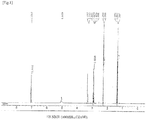
Fig. 1 is a 1H-NMR spectrum of curing agent B-1 (compound No. 2-1) prepared in Example 2-1. -
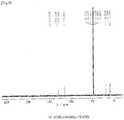
Fig. 2 is a 13C-NMR spectrum of curing agent B-1 (compound No. 2-1) prepared in Example 2-1. -
Fig. 3 is a 1H-NMR spectrum of curing agent B-2 (compound No. 2-2) prepared in Example 2-2. -
Fig. 4 is a 13C-NMR spectrum of curing agent B-2 (compound NO. 2-2) prepared in Example 2-2. - The invention will be described in detail with reference to its preferred embodiments. The novel compound represented by general formula (I) will first be described.
- R1 in general formula (I) is a hydrocarbon group forming a cyclic structure together with the two nitrogen atoms with or without R2. The hydrocarbon group as R1 may contain a nitrogen atom and may contain an unsaturated bond. The number and the position of the nitrogen atom(s) and the number and the position of the unsaturated bond(s) are not limited.
- Specific examples of the cyclic structure include 5-membered nitrogen-containing heterocyclic rings, such as imidazole, imidazoline, and triazole rings; 6-membered nitrogen-containing heterocyclic rings, such as pyrimidine and triazine rings; and nitrogen-containing heterocyclic rings formed by fusing the above heterocyclic rings to other rings, such as benzimidazole, benzotriazole, purine, pteridine, and quinazoline rings.
- The cyclic structure may have a substituent. Examples of the substituent include alkyl groups having 1 to 10 carbon atoms, such as methyl, ethyl, propyl, isopropyl, butyl, isobutyl, t-butyl, amyl, isoamyl, t-amyl, hexyl, isohexyl, octyl, 2-ethylhexyl, t-octyl, nonyl, and decyl; aryl groups having 6 to 12 carbon atoms, such as phenyl and naphthyl; halogen atoms, such as fluorine, chlorine, bromine, and iodine; cyano, sulfo, hydroxyl, and nitro.
- Examples of the alkyl group as represented by R2 and R3 include those having 1 to 10 carbon atoms, such as methyl, ethyl, propyl, isopropyl, butyl, isobutyl, t-butyl, amyl, isoamyl, t-amyl, hexyl, isohexyl, octyl, 2-ethylhexyl, t-octyl, nonyl, and decyl.
- Examples of the aryl group as represented by R2 and R3 include those having 6 to 12 carbon atoms, such as phenyl and naphthyl.
- Preferred examples of the compound of general formula (I) include compounds represented by formulae (I-1) through (I-5):

- Examples of the alkyl group as represented by R2', R3, R4, R5, R6, R7, R8, R9, R10, R11, R12, R13, R14, and R15 in general formulae (I-1) through (I-5) include those having 1 to 10 carbon atoms, such as methyl, ethyl, propyl, isopropyl, butyl, isobutyl, t-butyl, amyl, isoamyl, t-amyl, hexyl, isohexyl, octyl, 2-ethylhexyl, t-octyl, nonyl, and decyl. Examples of the aryl group as represented by R2', R3, R4, R5, R6, R7, R8, R9, R10, R11, R12, R13, R14, and R15 include those having 6 to 12 carbon atoms, such as phenyl and naphthyl.
- Specific examples of the compound of general formula (I) in which X is a dicyanamide ion include, but are not limited to, compound Nos. 1-1 to 5-1 shown below.


- Specific examples of the compound of general formula (I) in which X is a thiocyanate ion include, but are not limited to, compound Nos. 1-2 to 5-2 shown below.


- While not being limited, the compound having general formula (I) in which X is a dicyanamide ion can be prepared by adding an acidic substance, such as hydrochloric acid, to a nitrogen-containing heterocyclic compound corresponding to a desired cation structure to form an intermediate (I-1), which is then caused to react with sodium dicyandiamide or a dicyandiamide salt in the presence of an alcohol or water as shown in the following reaction scheme:

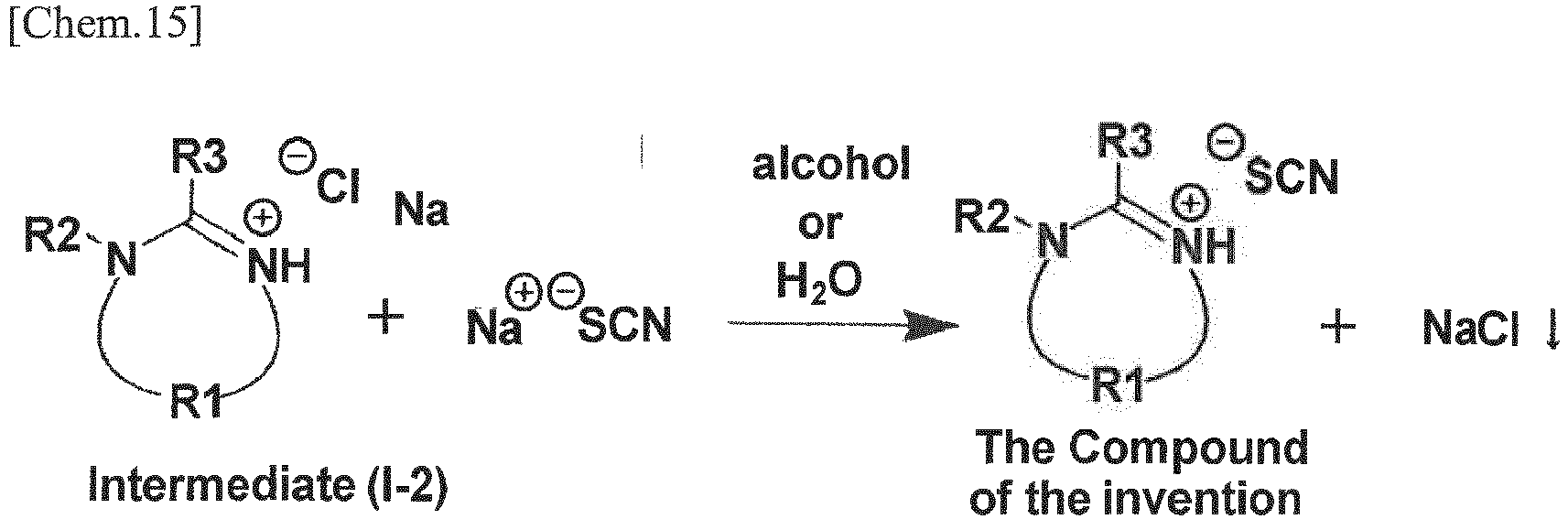
- While not being limited, the compound having general formula (I) in which X is a thiocyanate ion can be prepared by adding an acidic substance, such as hydrochloric acid, to a nitrogen-containing heterocyclic compound corresponding to a desired cation structure to form an intermediate (I-2), which is then caused to react with a thiocyanate, such as sodium thiocyanate, in the presence of an alcohol or water as shown in the following reaction scheme:
- The compound having the formula (I) is obtainable from easily available starting materials and provides moderate curing characteristics and storage stability in good balance. Therefore, it is added to an epoxy resin as a thermosetting type latent curing agent to provide epoxy resin compositions for various applications described later.
- The epoxy resin composition of the invention will next be described.
- Examples of the epoxy resin that can be used in the epoxy resin composition of the invention as component (A) include polyglycidyl ethers of mononuclear polyhydric phenol compounds, such as hydroquinone, resorcin, pyrocatechol, and phloroglucinol; polyglycidyl ethers of polynuclear polyhydric phenol compounds, such as dihydroxynaphthalene, biphenol, methylenebisphenol (i.e., bisphenol F), methylenebis(ortho-cresol), ethylidenebisphenol, isopropylidenebisphenol (i.e., bisphenol A), isopropylidenebis(ortho-cresol), tetrabromobisphenol A, 1,3-bis(4-hydroxycumylbenzene), 1,4-bis(4-hydroxycumylbenzene), 1,1,3-tris(4-hydroxyphenyl)butane, 1,1,2,2-tetra(4-hydroxyphenyl)ethane, thiobisphenol, sulfobisphenol, oxybisphenol, phenol novolak, ortho-cresol novolak, ethylphenol novolak, butylphenol novolak, octylphenol novolak, resorcin novolak, and terpenediphenol; polyglycidyl ethers of polyhydric alcohols, such as ethylene glycol, propylene glycol, butylene glycol, hexanediol, polyglycol, thiodiglycol, glycerol, trimethylolpropane, pentaerythritol, sorbitol, and bisphenol A ethylene oxide adducts; homo- or copolymers of glycidyl esters of aliphatic, aromatic or alicyclic polybasic acids, such as maleic acid, fumaric acid, itaconic acid, succinic acid, glutaric acid, suberic acid, adipic acid, azelaic acid, sebacic acid, dimer acid, trimer acid, phthalic acid, isophthalic acid, terephthalic acid, trimellitic acid, trimesic acid, pyromellitic acid, tetrahydrophthalic acid, hexahydrophthalic acid, and endomethylenetetrahydrophthalic acid, and glycidyl methacrylate; epoxy compounds having a glycidylamino group, such as N,N-diglycidylaniline, bis(4-(N-methyl-N-glycidylamino)phenyl)methane, and diglycidyl o-toluidine; epoxidized cyclic olefin compounds, such as vinylcyclohexene diepoxide, dicyclopentanediene diepoxide, 3,4-epoxycyclohexylmethyl 3,4-epoxycyclohexanecarboxylate, 3,4-epoxy-6-methylcyclohexylmethyl 6-methylcyclohexanecarboxylate, and bis(3,4-epoxy-6-methylcyclohexylmethyl) adipate; epoxidized conjugated diene polymers, such as epoxidized polybutadiene and epoxidized styrene-butadiene copolymers; and heterocyclic compounds, such as triglycidyl isocyanurate. These polyepoxy compounds may be internally crosslinked by an isocyanate-terminated prepolymer or may have their molecular weight increased using a polyfunctional polyhydric active hydrogen compound, e.g., a polyhydric phenol, a polyamine, a carbonyl-containing compound, or a polyphosphoric ester.
- Preferred of the recited epoxy resins (A) are polyglycidyl ethers of polynuclear polyhydric phenol compounds in terms of workability and curability, with bisphenol F and bisphenol A being more preferred.
- The epoxy resin (A) preferably has an epoxy equivalent of from 70 to 3,000, more preferably 90 to 2,000. With an epoxy equivalent less than 70, the physical properties of the cured product can reduce. With an epoxy equivalent larger than 3,000, curability can be insufficient.
- Component (B) that can be used in the epoxy resin composition of the invention is the compound of general formula (I), the examples of which have been described. Preferred examples of the compound (B) of formula (I) include those of formulae (I-1) to (I-5).
- The amount of the compound (B) of formula (I) used in the epoxy resin composition of the invention is preferably 0.1 to 50 parts, more preferably 1 to 20 parts, by mass per 100 parts by mass of the epoxy resin (A). If the content of compound (B) is less than 0.1 parts, insufficient cure can result. If it exceeds 50 parts, the storage stability of the epoxy resin composition can be impaired considerably.
- If necessary, the epoxy resin composition may contain commonly used additives, including other curing agents except the compound (B) of formula (I); curing catalysts; reactive or nonreactive diluents (plasticizers), such as monoglycidyl ethers, dioctyl phthalate, dibutyl phthalate, benzyl alcohol, and coal tar; fillers or pigments, such as glass fiber, carbon fiber, cellulose, silica sand, cement, kaolin, clay, aluminum hydroxide, bentonite, talc, silica, finely divided silica, titanium dioxide, carbon black, graphite, iron oxide, and bituminous materials; silane coupling agents, such as γ-aminopropyltriethoxysilane, N-β-(aminoethyl)-γ-aminopropyltriethoxysilane, N-β-(aminoethyl)-N'-β-(aminoethyl)-y-aminopropyltriethoxysilane, γ-anilinopropyltriethoxysilane, γ-glycidoxypropyltriethoxysilane, β-(3,4-epoxycyclohexyl)ethyltriethoxysilane, vinyl triethoxysilane, N-β-(N-vinylbenzylaminoethyl)-γ-aminopropyltriethoxysilane, γ-methacryloxypropyltrimethoxysilane, γ-chloropropyltrimethoxy silane, and γ-mercaptopropyltrimethoxysilane; lubricants, such as candelilla wax, carnauba wax, Japan wax, insect wax, beeswax, lanolin, spermaceti wax, montan wax, petroleum wax, fatty acid waxes, fatty acid esters, fatty acid ethers, aromatic esters, and aromatic ethers; thickeners; thixotropic agents; antioxidants; light stabilizers; UV absorbers; flame retardants; defoamers; rust inhibitors; colloidal silica, and colloidal alumina. Adhesive resins, such as xylene resin and petroleum resins, may be used in combination.
- The epoxy resin composition of the invention can be used for a wide range of applications, such as coatings or adhesives for concrete, cement mortar, various metals, leather, glass, rubber, plastics, wood, cloth, and paper; pressure-sensitive adhesives for packaging adhesive tape, adhesive labels, labels for frozen foods, removable labels, labels for POS system, adhesive wallpaper, and adhesive flooring; processed paper, such as art paper, light-weight coated paper, cast-coated paper, coated paperboard, carbonless copy paper, and impregnated paper; textile processing agents, such as sizing agents, anti-fray agents, and processing agents for natural fibers, synthetic fibers, glass fiber, carbon fiber, and metal fibers; building materials, such as sealants, cement admixtures, and waterproof materials; and sealants for electronic/electric devices.
- The invention will now be illustrated in greater detail with reference to Preparation Examples and Examples, but it should be understood that the invention is not deemed to be limited thereto.
- In 40 ml of water was dissolved 1.8 g (20 mmol) of sodium dicyanamide. While stirring at 25°C, 200 g (20 mmol) of a 0.1 M silver nitrate aqueous solution was added thereto dropwise to cause reaction for 2 hours. The precipitate formed was collected by filtration and dried to give 3.3 g of intermediate A-1 (Ag+N(CN)2 -) as pale yellow powder.
- In 40 ml of water was dissolved 1.6 g (20 mmol) of sodium thiocyanate. While stirring at 25°C, 200 g (20 mmol) of a 0.1 M silver nitrate aqueous solution was added thereto dropwise to cause reaction for 2 hours. The precipitate formed was collected by filtration and dried to give 2.3 g of intermediate A-2 (Ag+(SCN)-) as pale yellow powder.
- In 55 ml of methanol was dissolved 4.5 g (55 mmol) of 1-methylimidazole. While stirring at 25°C, 5.8 g (55 mmol) of a 35% hydrochloric acid aqueous solution was added thereto dropwise to cause reaction for 1 hour. The solvent was removed on an evaporator, and the residue was dried under reduced pressure to give 6.6 g of intermediate B (a compound represented by the formula below) as pale brown solid.

- In 43 ml of methanol was dissolved 4.7 g (43 mmol) of 2-ethyl-4-methylimidazole. While stirring at 25°C, 4.5 g (43 mmol) of a 35% hydrochloric acid aqueous solution was added thereto dropwise to cause reaction for 1 hour. The solvent was removed on an evaporator, and the residue was dried under reduced pressure to give 5.9 g of intermediate C (a compound represented by the formula below) as pale yellow powder.

- In 26 ml of methanol was dissolved 2.6 g (26 mmol) of 1-methyl-1,4,5,6-tetrahydropyrimidine. While stirring at 25°C, 2.7 g (26 mmol) of a 35% hydrochloric acid aqueous solution was added thereto dropwise to cause reaction for 1 hour. The solvent was removed on an evaporator, and the residue was dried under reduced pressure to give 3.7 g of intermediate D (a compound represented by the formula below) as pale yellow powder.

- In 17 ml of water was dissolved 1.0 g (8.5 mmol) of intermediate B. While stirring at 25°C, 1.5 g (8.5 mmol) of intermediate A-1 was added thereto in divided portions to cause reaction for 24 hours. The solvent was removed on an evaporator, and the residue was dried under reduced pressure to furnish 1.2 g of curing agent A-1 as pale yellow liquid.
- In 17 ml of water was dissolved 1.0 g (8.5 mmol) of intermediate B. While stirring at 25°C, 1.0 g (8.5 mmol) of intermediate A-2 was added thereto in divided portions to cause reaction for 24 hours. The solvent was removed on an evaporator, and the residue was dried under reduced pressure to furnish 1.1 g of curing agent A-2 as pale yellow liquid.
- In 20 ml of water was dissolved 1.5 g (10.0 mmol) of intermediate C. While stirring at 25°C, 1.7 g (10.0 mmol) of intermediate A-1 was added thereto in divided portions to cause reaction for 24 hours. The solvent was removed on an evaporator, and the residue was dried under reduced pressure to furnish 1.7 g of curing agent B as pale yellow powder. The resulting curing agent B-1 was identified by 1H-NMR and 13C-NMR. The resulting 1H-NMR and 13C-NMR spectra are shown in
Figs. 1 and2 , respectively.
Results of identification:
1H-NMR (400 MHz, CD3OD) d: 1.36 (3H, t, J = 7.6 Hz), 2.29 (3H, d, J = 1.0 Hz), 2.92 (2H, q, J = 7.7 Hz), 7.05 (1H, s)
13C-NMR (100 MHz, CD3OD) d: 8.4, 10.3, 19.0, 114.7, 119.1, 129.1, 148.3 - In 20 ml of water was dissolved 1.5 g (10.0 mmol) of intermediate C. While stirring at 25°C, 1.2 g (10.0 mmol) of intermediate A-2 was added thereto in divided portions to cause reaction for 24 hours. The solvent was removed on an evaporator, and the residue was dried under reduced pressure to furnish 1.6 g of curing agent B-2 as pale yellow powder. The resulting curing agent B-2 was identified by 1H-NMR and 13C-NMR. The resulting 1H-NMR and 13C-NMR spectra are shown in
Figs. 3 and4 , respectively.
Results of identification:
1H-NMR (400 MHz, CD3OD) d: 1.36 (3H, t, J = 7.8 Hz), 2.30 (3H, d, J = 1.2 Hz), 2.93 (2H, q, J = 7.6 Hz), 7.07 (1H, d, J = 1.2 Hz)
13C-NMR (100 MHz, CD3OD) d: 8.5, 10.3, 19.0, 114.8, 129.0, 132.4, 148.3 - In 40 ml of water was dissolved 1.2 g (9.2 mmol) of intermediate D. While stirring at 25°C, 1.6 g (9.2 mmol) of intermediate A-1 was added thereto in divided portions to cause reaction for 24 hours. The solvent was removed on an evaporator, and the residue was dried under reduced pressure to afford 1.4 g of curing agent C-1 as pale yellow liquid.
- In 40 ml of water was dissolved 1.2 g (9.2 mmol) of intermediate D. While stirring at 25°C, 1.1 g (9.2 mmol) of intermediate A-2 was added thereto in divided portions to cause reaction for 24 hours. The solvent was removed on an evaporator, and the residue was dried under reduced pressure to give 1.3 g of curing agent C-2 as pale yellow liquid.
- One-pack type epoxy resin composition A-1 was prepared by uniformly mixing 340 g of Adeka Resin EP-4100L from Adeka Corp. (bisphenol A diglycidyl ether epoxy resin; epoxy equivalent: 170 g/eq.; total chlorine content: 600 ppm) with 15 g of curing agent A-1, followed by thoroughly defoaming under reduced pressure at room temperature.
- One-pack type epoxy resin composition A-2 was prepared by uniformly mixing 340 g of Adeka Resin EP-4100L from Adeka Corp. (bisphenol A diglycidyl ether epoxy resin; epoxy equivalent: 170 g/eq.; total chlorine content: 600 ppm) with 14.1 g of curing agent A-2, followed by thoroughly defoaming under reduced pressure at room temperature.
- One-pack type epoxy resin composition B-1 was prepared in the same manner as in Example 4, except for using 17.7 g of curing agent B-1.
- One-pack type epoxy resin composition B-2 was prepared in the same manner as in Example 4-2, except for using 16.9 g of curing agent B-2.
- One-pack type epoxy resin composition C-1 was prepared in the same manner as in Example 4-1, except for using 16.5 g of curing agent C-1.
- One-pack type epoxy resin composition C-2 was prepared in the same manner as in Example 4-2, except for using 15.7 g of curing agent C-2.
- Comparative Example 1 (Preparation of One-pack Type Epoxy Resin Composition D)
- One-pack type epoxy resin composition D was prepared in the same manner as in Example 4-1, except for using 8.2 g of 1-methylimidazole.
- One-pack type epoxy resin composition E was prepared in the same manner as in Example 4-1, except for using 11 g of 2-ethyl-4-methylimidazole.
- One-pack type epoxy resin composition D was prepared in the same manner as in Example 4-1, except for using 9.8 g of 1-methyl-1,4,5,6-tetrahydropyrimidine.
- The one-pack type epoxy resin compositions obtained in Examples and Comparative Examples were evaluated for physical properties in accordance with the following methods.
- The one-pack type epoxy resin composition was stored hermetically at 40°C immediately after the preparation. The time required for the composition to lose flowability was recorded as a measure for evaluating one-pack stability.
- The one-pack type epoxy resin composition was caused to gel on a hot plate at 150°C and 180°C. The gelling time was recorded to evaluate curability.
- Results of evaluation:
Table 1 Example 4-1 Comp. Example 1 Example 5-1 Comp. Example 2 Example 6-1 Comp. Example 3 One-pack Stability (hr) 48 12 48 6 >200 72 Gel Time (min) 150°C 1'45" 1'55" 1'10" 1'12" >60 >60 180°C 0'45" 0'48" 0'30" 0'30" 35 >60 Table 2 Example 4-2 Comp. Example 1 Example 5-2 Comp. Example 2 Example 6-2 Comp. Example 3 One-pack Stability (hr) 48 12 48 6 >200 72 Gel Time (hr) 150°C 1'50" 1'55" 1'05" 2'07" >60 >60 180°C 0'20" 0'48" 0'30" 1'02" 28 >60 - As is apparent from the results in Tables 1 and 2, the use of the nitrogen-containing salt compound having a dicyanamide or thiocyanate anion structure as a thermosetting type latent curing agent for epoxy resins provides a one-pack type epoxy resin composition excellent in not only one-pack stability but curability.
Claims (5)
- A compound represented by general formula (I):

- The compound of claim 1, being represented by any one of general formulae (I-1) through (I-5):

- An epoxy resin composition comprising (A) an epoxy resin and (B) a compound represented by general formula (I):

- The epoxy resin composition of claim 3, wherein the compound (B) comprises at least one of compounds represented by general formulae (I-1) through (I-5):

- The epoxy resin composition of claim 3 or 4, being a one-pack type thermosetting epoxy resin composition.
Applications Claiming Priority (3)
| Application Number | Priority Date | Filing Date | Title |
|---|---|---|---|
| JP2014021055A JP6240940B2 (en) | 2014-02-06 | 2014-02-06 | Epoxy resin composition |
| JP2014076349A JP6300608B2 (en) | 2014-04-02 | 2014-04-02 | Novel compound and epoxy resin composition containing the same |
| PCT/JP2015/051613 WO2015118952A1 (en) | 2014-02-06 | 2015-01-22 | Novel compound and epoxy resin composition containing same |
Publications (3)
| Publication Number | Publication Date |
|---|---|
| EP3103796A1 true EP3103796A1 (en) | 2016-12-14 |
| EP3103796A4 EP3103796A4 (en) | 2017-06-21 |
| EP3103796B1 EP3103796B1 (en) | 2021-08-25 |
Family
ID=53777759
Family Applications (1)
| Application Number | Title | Priority Date | Filing Date |
|---|---|---|---|
| EP15745854.8A Active EP3103796B1 (en) | 2014-02-06 | 2015-01-22 | Novel compound and epoxy resin composition containing same |
Country Status (6)
| Country | Link |
|---|---|
| US (1) | US10253136B2 (en) |
| EP (1) | EP3103796B1 (en) |
| KR (1) | KR102311142B1 (en) |
| CN (1) | CN105916844B (en) |
| TW (1) | TWI646086B (en) |
| WO (1) | WO2015118952A1 (en) |
Cited By (1)
| Publication number | Priority date | Publication date | Assignee | Title |
|---|---|---|---|---|
| EP4488315A1 (en) * | 2023-07-07 | 2025-01-08 | Hilti Aktiengesellschaft | Curing agent composition comprising salts of thiocyanate |
Families Citing this family (4)
| Publication number | Priority date | Publication date | Assignee | Title |
|---|---|---|---|---|
| DE102016223662A1 (en) * | 2016-11-29 | 2018-05-30 | Siemens Aktiengesellschaft | Potting compound, insulation material and use |
| CN109525090A (en) * | 2017-09-18 | 2019-03-26 | 大银微系统股份有限公司 | The iron core group of linear motor |
| CN111704844B (en) * | 2020-05-20 | 2024-03-08 | 河北省同创交通工程配套产品产业技术研究院 | Modified epoxy paint and preparation method and application thereof |
| CN115557899B (en) * | 2022-09-30 | 2024-03-08 | 福州大学 | Epoxy resin curing accelerator and preparation method thereof |
Family Cites Families (15)
| Publication number | Priority date | Publication date | Assignee | Title |
|---|---|---|---|---|
| US3642649A (en) | 1969-04-18 | 1972-02-15 | Air Prod & Chem | Low temperature tertiary amine accelerators |
| US4761466A (en) * | 1987-08-12 | 1988-08-02 | Ashland Oil, Inc. | Inidazoline thiocyanates as cure accelerators for amine curing of epoxide resins |
| SG43193A1 (en) | 1990-05-21 | 1997-10-17 | Dow Chemical Co | Latent catalysts cure-inhibited epoxy resin compositions and laminates prepared therfrom |
| JP2005032551A (en) * | 2003-07-11 | 2005-02-03 | Toshiba Corp | Nonaqueous electrolyte secondary battery |
| WO2008098137A2 (en) * | 2007-02-07 | 2008-08-14 | Zettacore, Inc. | Liquid composite compositions using non-volatile liquids and nanoparticles and uses thereof |
| KR101547874B1 (en) | 2007-07-26 | 2015-08-27 | 아지노모토 가부시키가이샤 | Resin composition |
| EP2067835A1 (en) * | 2007-12-07 | 2009-06-10 | Bp Exploration Operating Company Limited | Improved aqueous-based wellbore fluids |
| DE102009000641A1 (en) * | 2009-02-05 | 2010-08-12 | Evonik Goldschmidt Gmbh | Process for the production of antistatically treated artificial stones for fabrics |
| CN101950675B (en) * | 2010-09-26 | 2012-06-20 | 华南理工大学 | Dye sensitized solar cell electrolyte based on ionic liquid and preparation method thereof |
| WO2012042673A1 (en) | 2010-10-01 | 2012-04-05 | リケンテクノス株式会社 | Two-pack curable epoxy resin coating composition for floor member, and floor member |
| DE102010043472A1 (en) * | 2010-11-05 | 2012-05-10 | Evonik Goldschmidt Gmbh | Composition of polymers and electrically conductive carbon |
| DE102011114132A1 (en) * | 2011-08-14 | 2013-02-14 | BLüCHER GMBH | Filter material useful e.g. in or as filter for gas treatment and in filters for removing pollutants, comprises activated carbon, which is present in form of discrete activated carbon particles, preferably in spherical or granular shape |
| FR2986229B1 (en) * | 2012-01-27 | 2014-03-21 | Centre Nat Detudes Spatiales Cnes | NEW IONIC MONERGOLS BASED ON N2O FOR SPACE PROPULSION |
| KR20140002355A (en) | 2012-06-29 | 2014-01-08 | 삼성전기주식회사 | Inductor and Inductor Manufacturing Method |
| JP6240940B2 (en) | 2014-02-06 | 2017-12-06 | 株式会社Adeka | Epoxy resin composition |
-
2015
- 2015-01-22 WO PCT/JP2015/051613 patent/WO2015118952A1/en not_active Ceased
- 2015-01-22 CN CN201580004685.XA patent/CN105916844B/en active Active
- 2015-01-22 US US15/111,937 patent/US10253136B2/en active Active
- 2015-01-22 KR KR1020167019103A patent/KR102311142B1/en active Active
- 2015-01-22 EP EP15745854.8A patent/EP3103796B1/en active Active
- 2015-02-02 TW TW104103458A patent/TWI646086B/en active
Cited By (2)
| Publication number | Priority date | Publication date | Assignee | Title |
|---|---|---|---|---|
| EP4488315A1 (en) * | 2023-07-07 | 2025-01-08 | Hilti Aktiengesellschaft | Curing agent composition comprising salts of thiocyanate |
| WO2025011861A1 (en) * | 2023-07-07 | 2025-01-16 | Hilti Aktiengesellschaft | Curing agent composition comprising salts of thiocyanate |
Also Published As
| Publication number | Publication date |
|---|---|
| CN105916844B (en) | 2018-09-11 |
| KR102311142B1 (en) | 2021-10-12 |
| EP3103796B1 (en) | 2021-08-25 |
| EP3103796A4 (en) | 2017-06-21 |
| KR20160111922A (en) | 2016-09-27 |
| US20160333138A1 (en) | 2016-11-17 |
| TW201533030A (en) | 2015-09-01 |
| WO2015118952A1 (en) | 2015-08-13 |
| TWI646086B (en) | 2019-01-01 |
| US10253136B2 (en) | 2019-04-09 |
| CN105916844A (en) | 2016-08-31 |
Similar Documents
| Publication | Publication Date | Title |
|---|---|---|
| CN102341430B (en) | Epoxy resin composition, curing agent and curing accelerator | |
| EP3103796B1 (en) | Novel compound and epoxy resin composition containing same | |
| JPH0570625B2 (en) | ||
| CN101679607B (en) | Catalyst for curing epoxides | |
| KR20100044171A (en) | Catalyst for curing epoxides | |
| JP4938567B2 (en) | One-component cyanate-epoxy composite resin composition | |
| CN101679599A (en) | catalyst for curing epoxides | |
| JP5876414B2 (en) | Latent curing agent composition and one-part curable epoxy resin composition | |
| CA1185046A (en) | Heat-curable epoxide resin compositions | |
| CA1209297A (en) | Heat-curable epoxide resin compositions | |
| JP6161340B2 (en) | Bisimidazole compound, epoxy resin curing agent containing the bisimidazole compound, and one-component curable epoxy resin composition containing the epoxy resin curing agent | |
| US6258919B1 (en) | Curable epoxy resin compositions containing water-processable polyamine hardeners | |
| JP6240940B2 (en) | Epoxy resin composition | |
| JP5996977B2 (en) | Polythiourethane compound, epoxy resin curing agent containing the compound, and one-part curable epoxy resin composition comprising the epoxy resin curing agent | |
| JP6300608B2 (en) | Novel compound and epoxy resin composition containing the same | |
| JP6030028B2 (en) | Novel compound, thermosetting agent and epoxy resin composition | |
| JPS61268723A (en) | Curing agent for epoxy resin | |
| JP6161464B2 (en) | One-part curable resin composition | |
| JP2014098070A (en) | New compound, and thermosetting agent and epoxy resin composition containing the compound | |
| JP6307245B2 (en) | Epoxy resin composition | |
| WO2023074450A1 (en) | Clathrate compound, epoxy resin curing agent, and curable resin composition | |
| JP2015071753A (en) | Curing agent and curable resin composition | |
| JP2000095843A (en) | Solid material of water-soluble epoxy resin | |
| JPS60235830A (en) | Curable epoxy resin composition |
Legal Events
| Date | Code | Title | Description |
|---|---|---|---|
| PUAI | Public reference made under article 153(3) epc to a published international application that has entered the european phase |
Free format text: ORIGINAL CODE: 0009012 |
|
| STAA | Information on the status of an ep patent application or granted ep patent |
Free format text: STATUS: REQUEST FOR EXAMINATION WAS MADE |
|
| 17P | Request for examination filed |
Effective date: 20160707 |
|
| AK | Designated contracting states |
Kind code of ref document: A1 Designated state(s): AL AT BE BG CH CY CZ DE DK EE ES FI FR GB GR HR HU IE IS IT LI LT LU LV MC MK MT NL NO PL PT RO RS SE SI SK SM TR |
|
| AX | Request for extension of the european patent |
Extension state: BA ME |
|
| RIN1 | Information on inventor provided before grant (corrected) |
Inventor name: OGAWA, RYO Inventor name: SATO, DAISUKE Inventor name: ENDO, TAKESHI Inventor name: MATSUMOTO, KOZO |
|
| DAX | Request for extension of the european patent (deleted) | ||
| A4 | Supplementary search report drawn up and despatched |
Effective date: 20170524 |
|
| RIC1 | Information provided on ipc code assigned before grant |
Ipc: C07D 239/06 20060101ALI20170518BHEP Ipc: C07D 235/06 20060101ALI20170518BHEP Ipc: C08L 63/00 20060101ALI20170518BHEP Ipc: C08G 59/40 20060101ALI20170518BHEP Ipc: C08G 59/50 20060101ALI20170518BHEP Ipc: C07D 251/14 20060101ALI20170518BHEP Ipc: C07D 235/08 20060101ALI20170518BHEP Ipc: C07D 233/58 20060101AFI20170518BHEP Ipc: C07D 249/08 20060101ALI20170518BHEP |
|
| STAA | Information on the status of an ep patent application or granted ep patent |
Free format text: STATUS: EXAMINATION IS IN PROGRESS |
|
| 17Q | First examination report despatched |
Effective date: 20190607 |
|
| GRAP | Despatch of communication of intention to grant a patent |
Free format text: ORIGINAL CODE: EPIDOSNIGR1 |
|
| STAA | Information on the status of an ep patent application or granted ep patent |
Free format text: STATUS: GRANT OF PATENT IS INTENDED |
|
| INTG | Intention to grant announced |
Effective date: 20210416 |
|
| GRAS | Grant fee paid |
Free format text: ORIGINAL CODE: EPIDOSNIGR3 |
|
| GRAA | (expected) grant |
Free format text: ORIGINAL CODE: 0009210 |
|
| STAA | Information on the status of an ep patent application or granted ep patent |
Free format text: STATUS: THE PATENT HAS BEEN GRANTED |
|
| AK | Designated contracting states |
Kind code of ref document: B1 Designated state(s): AL AT BE BG CH CY CZ DE DK EE ES FI FR GB GR HR HU IE IS IT LI LT LU LV MC MK MT NL NO PL PT RO RS SE SI SK SM TR |
|
| REG | Reference to a national code |
Ref country code: CH Ref legal event code: EP |
|
| REG | Reference to a national code |
Ref country code: DE Ref legal event code: R096 Ref document number: 602015072610 Country of ref document: DE |
|
| REG | Reference to a national code |
Ref country code: IE Ref legal event code: FG4D Ref country code: AT Ref legal event code: REF Ref document number: 1423663 Country of ref document: AT Kind code of ref document: T Effective date: 20210915 |
|
| REG | Reference to a national code |
Ref country code: LT Ref legal event code: MG9D |
|
| REG | Reference to a national code |
Ref country code: NL Ref legal event code: MP Effective date: 20210825 |
|
| REG | Reference to a national code |
Ref country code: AT Ref legal event code: MK05 Ref document number: 1423663 Country of ref document: AT Kind code of ref document: T Effective date: 20210825 |
|
| PG25 | Lapsed in a contracting state [announced via postgrant information from national office to epo] |
Ref country code: LT Free format text: LAPSE BECAUSE OF FAILURE TO SUBMIT A TRANSLATION OF THE DESCRIPTION OR TO PAY THE FEE WITHIN THE PRESCRIBED TIME-LIMIT Effective date: 20210825 Ref country code: AT Free format text: LAPSE BECAUSE OF FAILURE TO SUBMIT A TRANSLATION OF THE DESCRIPTION OR TO PAY THE FEE WITHIN THE PRESCRIBED TIME-LIMIT Effective date: 20210825 Ref country code: BG Free format text: LAPSE BECAUSE OF FAILURE TO SUBMIT A TRANSLATION OF THE DESCRIPTION OR TO PAY THE FEE WITHIN THE PRESCRIBED TIME-LIMIT Effective date: 20211125 Ref country code: FI Free format text: LAPSE BECAUSE OF FAILURE TO SUBMIT A TRANSLATION OF THE DESCRIPTION OR TO PAY THE FEE WITHIN THE PRESCRIBED TIME-LIMIT Effective date: 20210825 Ref country code: ES Free format text: LAPSE BECAUSE OF FAILURE TO SUBMIT A TRANSLATION OF THE DESCRIPTION OR TO PAY THE FEE WITHIN THE PRESCRIBED TIME-LIMIT Effective date: 20210825 Ref country code: PT Free format text: LAPSE BECAUSE OF FAILURE TO SUBMIT A TRANSLATION OF THE DESCRIPTION OR TO PAY THE FEE WITHIN THE PRESCRIBED TIME-LIMIT Effective date: 20211227 Ref country code: NO Free format text: LAPSE BECAUSE OF FAILURE TO SUBMIT A TRANSLATION OF THE DESCRIPTION OR TO PAY THE FEE WITHIN THE PRESCRIBED TIME-LIMIT Effective date: 20211125 Ref country code: SE Free format text: LAPSE BECAUSE OF FAILURE TO SUBMIT A TRANSLATION OF THE DESCRIPTION OR TO PAY THE FEE WITHIN THE PRESCRIBED TIME-LIMIT Effective date: 20210825 Ref country code: RS Free format text: LAPSE BECAUSE OF FAILURE TO SUBMIT A TRANSLATION OF THE DESCRIPTION OR TO PAY THE FEE WITHIN THE PRESCRIBED TIME-LIMIT Effective date: 20210825 Ref country code: HR Free format text: LAPSE BECAUSE OF FAILURE TO SUBMIT A TRANSLATION OF THE DESCRIPTION OR TO PAY THE FEE WITHIN THE PRESCRIBED TIME-LIMIT Effective date: 20210825 |
|
| PG25 | Lapsed in a contracting state [announced via postgrant information from national office to epo] |
Ref country code: PL Free format text: LAPSE BECAUSE OF FAILURE TO SUBMIT A TRANSLATION OF THE DESCRIPTION OR TO PAY THE FEE WITHIN THE PRESCRIBED TIME-LIMIT Effective date: 20210825 Ref country code: LV Free format text: LAPSE BECAUSE OF FAILURE TO SUBMIT A TRANSLATION OF THE DESCRIPTION OR TO PAY THE FEE WITHIN THE PRESCRIBED TIME-LIMIT Effective date: 20210825 Ref country code: GR Free format text: LAPSE BECAUSE OF FAILURE TO SUBMIT A TRANSLATION OF THE DESCRIPTION OR TO PAY THE FEE WITHIN THE PRESCRIBED TIME-LIMIT Effective date: 20211126 |
|
| PG25 | Lapsed in a contracting state [announced via postgrant information from national office to epo] |
Ref country code: NL Free format text: LAPSE BECAUSE OF FAILURE TO SUBMIT A TRANSLATION OF THE DESCRIPTION OR TO PAY THE FEE WITHIN THE PRESCRIBED TIME-LIMIT Effective date: 20210825 |
|
| PG25 | Lapsed in a contracting state [announced via postgrant information from national office to epo] |
Ref country code: DK Free format text: LAPSE BECAUSE OF FAILURE TO SUBMIT A TRANSLATION OF THE DESCRIPTION OR TO PAY THE FEE WITHIN THE PRESCRIBED TIME-LIMIT Effective date: 20210825 |
|
| REG | Reference to a national code |
Ref country code: DE Ref legal event code: R097 Ref document number: 602015072610 Country of ref document: DE |
|
| PG25 | Lapsed in a contracting state [announced via postgrant information from national office to epo] |
Ref country code: SM Free format text: LAPSE BECAUSE OF FAILURE TO SUBMIT A TRANSLATION OF THE DESCRIPTION OR TO PAY THE FEE WITHIN THE PRESCRIBED TIME-LIMIT Effective date: 20210825 Ref country code: SK Free format text: LAPSE BECAUSE OF FAILURE TO SUBMIT A TRANSLATION OF THE DESCRIPTION OR TO PAY THE FEE WITHIN THE PRESCRIBED TIME-LIMIT Effective date: 20210825 Ref country code: RO Free format text: LAPSE BECAUSE OF FAILURE TO SUBMIT A TRANSLATION OF THE DESCRIPTION OR TO PAY THE FEE WITHIN THE PRESCRIBED TIME-LIMIT Effective date: 20210825 Ref country code: EE Free format text: LAPSE BECAUSE OF FAILURE TO SUBMIT A TRANSLATION OF THE DESCRIPTION OR TO PAY THE FEE WITHIN THE PRESCRIBED TIME-LIMIT Effective date: 20210825 Ref country code: CZ Free format text: LAPSE BECAUSE OF FAILURE TO SUBMIT A TRANSLATION OF THE DESCRIPTION OR TO PAY THE FEE WITHIN THE PRESCRIBED TIME-LIMIT Effective date: 20210825 Ref country code: AL Free format text: LAPSE BECAUSE OF FAILURE TO SUBMIT A TRANSLATION OF THE DESCRIPTION OR TO PAY THE FEE WITHIN THE PRESCRIBED TIME-LIMIT Effective date: 20210825 |
|
| PLBE | No opposition filed within time limit |
Free format text: ORIGINAL CODE: 0009261 |
|
| STAA | Information on the status of an ep patent application or granted ep patent |
Free format text: STATUS: NO OPPOSITION FILED WITHIN TIME LIMIT |
|
| PG25 | Lapsed in a contracting state [announced via postgrant information from national office to epo] |
Ref country code: IT Free format text: LAPSE BECAUSE OF FAILURE TO SUBMIT A TRANSLATION OF THE DESCRIPTION OR TO PAY THE FEE WITHIN THE PRESCRIBED TIME-LIMIT Effective date: 20210825 |
|
| 26N | No opposition filed |
Effective date: 20220527 |
|
| PG25 | Lapsed in a contracting state [announced via postgrant information from national office to epo] |
Ref country code: SI Free format text: LAPSE BECAUSE OF FAILURE TO SUBMIT A TRANSLATION OF THE DESCRIPTION OR TO PAY THE FEE WITHIN THE PRESCRIBED TIME-LIMIT Effective date: 20210825 Ref country code: MC Free format text: LAPSE BECAUSE OF FAILURE TO SUBMIT A TRANSLATION OF THE DESCRIPTION OR TO PAY THE FEE WITHIN THE PRESCRIBED TIME-LIMIT Effective date: 20210825 |
|
| REG | Reference to a national code |
Ref country code: CH Ref legal event code: PL |
|
| GBPC | Gb: european patent ceased through non-payment of renewal fee |
Effective date: 20220122 |
|
| REG | Reference to a national code |
Ref country code: BE Ref legal event code: MM Effective date: 20220131 |
|
| PG25 | Lapsed in a contracting state [announced via postgrant information from national office to epo] |
Ref country code: LU Free format text: LAPSE BECAUSE OF NON-PAYMENT OF DUE FEES Effective date: 20220122 Ref country code: GB Free format text: LAPSE BECAUSE OF NON-PAYMENT OF DUE FEES Effective date: 20220122 |
|
| PG25 | Lapsed in a contracting state [announced via postgrant information from national office to epo] |
Ref country code: FR Free format text: LAPSE BECAUSE OF NON-PAYMENT OF DUE FEES Effective date: 20220131 Ref country code: BE Free format text: LAPSE BECAUSE OF NON-PAYMENT OF DUE FEES Effective date: 20220131 |
|
| PG25 | Lapsed in a contracting state [announced via postgrant information from national office to epo] |
Ref country code: LI Free format text: LAPSE BECAUSE OF NON-PAYMENT OF DUE FEES Effective date: 20220131 Ref country code: CH Free format text: LAPSE BECAUSE OF NON-PAYMENT OF DUE FEES Effective date: 20220131 |
|
| PG25 | Lapsed in a contracting state [announced via postgrant information from national office to epo] |
Ref country code: IE Free format text: LAPSE BECAUSE OF NON-PAYMENT OF DUE FEES Effective date: 20220122 |
|
| P01 | Opt-out of the competence of the unified patent court (upc) registered |
Effective date: 20230522 |
|
| PG25 | Lapsed in a contracting state [announced via postgrant information from national office to epo] |
Ref country code: HU Free format text: LAPSE BECAUSE OF FAILURE TO SUBMIT A TRANSLATION OF THE DESCRIPTION OR TO PAY THE FEE WITHIN THE PRESCRIBED TIME-LIMIT; INVALID AB INITIO Effective date: 20150122 |
|
| PG25 | Lapsed in a contracting state [announced via postgrant information from national office to epo] |
Ref country code: MK Free format text: LAPSE BECAUSE OF FAILURE TO SUBMIT A TRANSLATION OF THE DESCRIPTION OR TO PAY THE FEE WITHIN THE PRESCRIBED TIME-LIMIT Effective date: 20210825 Ref country code: CY Free format text: LAPSE BECAUSE OF FAILURE TO SUBMIT A TRANSLATION OF THE DESCRIPTION OR TO PAY THE FEE WITHIN THE PRESCRIBED TIME-LIMIT Effective date: 20210825 |
|
| PG25 | Lapsed in a contracting state [announced via postgrant information from national office to epo] |
Ref country code: MT Free format text: LAPSE BECAUSE OF FAILURE TO SUBMIT A TRANSLATION OF THE DESCRIPTION OR TO PAY THE FEE WITHIN THE PRESCRIBED TIME-LIMIT Effective date: 20210825 |
|
| PG25 | Lapsed in a contracting state [announced via postgrant information from national office to epo] |
Ref country code: TR Free format text: LAPSE BECAUSE OF FAILURE TO SUBMIT A TRANSLATION OF THE DESCRIPTION OR TO PAY THE FEE WITHIN THE PRESCRIBED TIME-LIMIT Effective date: 20210825 |
|
| PGFP | Annual fee paid to national office [announced via postgrant information from national office to epo] |
Ref country code: DE Payment date: 20260121 Year of fee payment: 12 |