EP3099661B1 - Clostrubins - Google Patents
Clostrubins Download PDFInfo
- Publication number
- EP3099661B1 EP3099661B1 EP15702371.4A EP15702371A EP3099661B1 EP 3099661 B1 EP3099661 B1 EP 3099661B1 EP 15702371 A EP15702371 A EP 15702371A EP 3099661 B1 EP3099661 B1 EP 3099661B1
- Authority
- EP
- European Patent Office
- Prior art keywords
- alkyl
- compound
- compound according
- group
- formula
- Prior art date
- Legal status (The legal status is an assumption and is not a legal conclusion. Google has not performed a legal analysis and makes no representation as to the accuracy of the status listed.)
- Not-in-force
Links
- 0 CC(c(cc1)c(*)c2c1C1=C(C)CC(*)C(C(c3c4cc(C)c(C)c3OC)=O)=C1C4=C2*)=O Chemical compound CC(c(cc1)c(*)c2c1C1=C(C)CC(*)C(C(c3c4cc(C)c(C)c3OC)=O)=C1C4=C2*)=O 0.000 description 1
Images


Classifications
-
- C—CHEMISTRY; METALLURGY
- C07—ORGANIC CHEMISTRY
- C07C—ACYCLIC OR CARBOCYCLIC COMPOUNDS
- C07C49/00—Ketones; Ketenes; Dimeric ketenes; Ketonic chelates
- C07C49/385—Saturated compounds containing a keto group being part of a ring
- C07C49/487—Saturated compounds containing a keto group being part of a ring containing hydroxy groups
- C07C49/507—Saturated compounds containing a keto group being part of a ring containing hydroxy groups polycyclic
- C07C49/513—Saturated compounds containing a keto group being part of a ring containing hydroxy groups polycyclic a keto group being part of a condensed ring system
-
- C—CHEMISTRY; METALLURGY
- C07—ORGANIC CHEMISTRY
- C07C—ACYCLIC OR CARBOCYCLIC COMPOUNDS
- C07C49/00—Ketones; Ketenes; Dimeric ketenes; Ketonic chelates
- C07C49/587—Unsaturated compounds containing a keto groups being part of a ring
- C07C49/703—Unsaturated compounds containing a keto groups being part of a ring containing hydroxy groups
- C07C49/747—Unsaturated compounds containing a keto groups being part of a ring containing hydroxy groups containing six-membered aromatic rings
-
- C—CHEMISTRY; METALLURGY
- C07—ORGANIC CHEMISTRY
- C07C—ACYCLIC OR CARBOCYCLIC COMPOUNDS
- C07C49/00—Ketones; Ketenes; Dimeric ketenes; Ketonic chelates
- C07C49/385—Saturated compounds containing a keto group being part of a ring
- C07C49/517—Saturated compounds containing a keto group being part of a ring containing ether groups, groups, groups, or groups
-
- C—CHEMISTRY; METALLURGY
- C12—BIOCHEMISTRY; BEER; SPIRITS; WINE; VINEGAR; MICROBIOLOGY; ENZYMOLOGY; MUTATION OR GENETIC ENGINEERING
- C12P—FERMENTATION OR ENZYME-USING PROCESSES TO SYNTHESISE A DESIRED CHEMICAL COMPOUND OR COMPOSITION OR TO SEPARATE OPTICAL ISOMERS FROM A RACEMIC MIXTURE
- C12P15/00—Preparation of compounds containing at least three condensed carbocyclic rings
-
- C—CHEMISTRY; METALLURGY
- C07—ORGANIC CHEMISTRY
- C07C—ACYCLIC OR CARBOCYCLIC COMPOUNDS
- C07C2603/00—Systems containing at least three condensed rings
- C07C2603/02—Ortho- or ortho- and peri-condensed systems
- C07C2603/52—Ortho- or ortho- and peri-condensed systems containing five condensed rings
Definitions
- the present invention relates to a bioactive compound according to general formula (I); to a pharmaceutical composition comprising one or more of the compound(s); and to the compound for use as an antibiotic, cytotoxic and/or anti-proliferative agent.
- proliferative diseases such as cancer
- these diseases are one of the leading causes of death.
- anti-proliferative agents there is a need for novel agents that help expanding the life expectancy of patients suffering from a proliferative disease.
- the problem underlying the present invention is to provide novel compounds having antibacterial, cytotoxic and/or anti-proliferative activity, especially compounds having antimicrobial activity against Gram-positive bacteria.
- WO 2011/091778 discloses the production and use of antibacterial, antiproliferative and antiphytopathogenic benzanthracenes.
- the present invention relates to a compound of the general formula (I): or a pharmacologically acceptable salt thereof, wherein
- a wording defining the limits of a range of length such as, e. g., "from 1 to 5" means any integer from 1 to 5, i. e. 1, 2, 3, 4 and 5.
- any range defined by two integers explicitly mentioned is meant to comprise and disclose any integer defining said limits and any integer comprised in said range.
- the term “C 1 -C 6 " refers to 1 to 6, i.e. 1, 2, 3, 4, 5 or 6, carbon atoms.
- a "pharmacologically acceptable salt" of a compound disclosed herein is an acid or base salt that is generally considered in the art to be suitable for use in contact with the tissues of human beings or animals without excessive toxicity or carcinogenicity, and preferably without irritation, allergic response, or other problem or complication.
- Such pharmaceutical salts include mineral and organic acid salts of basic residues such as amines, as well as alkali or organic salts of acidic residues such as carboxylic acids.
- Suitable pharmaceutical salts include, but are not limited to, salts of acids such as hydrochloric, phosphoric, hydrobromic, malic, glycolic, fumaric, sulfuric, sulfamic, sulfanilic, formic, toluenesulfonic, methanesulfonic, benzene sulfonic, ethane disulfonic, 2-hydroxyethylsulfonic, nitric, benzoic, 2-acetoxybenzoic, citric, tartaric, lactic, stearic, salicylic, glutamic, ascorbic, pamoic, succinic, fumaric, maleic, propionic, hydroxymaleic, hydroiodic, phenylacetic, alkanoic such as acetic, HOOC-(CH 2 ) n -COOH where n is any integer from 0 to - 4 ( i.e., 0, 1, 2, 3, or 4) and the like.
- acids such as hydrochloric
- pharmacologically acceptable cations include, but are not limited to sodium, potassium, calcium, aluminum, lithium and ammonium.
- a pharmacologically acceptable acid or base salt can be synthesized from a parent compound that contains a basic or acidic moiety by any conventional chemical method. Briefly, such salts can be prepared by reacting the free acid or base forms of these compounds with a stoichiometric amount of the appropriate base or acid in water or in an organic solvent, or in a mixture of the two.
- nonaqueous media such as ether, ethyl acetate, ethanol, isopropanol or acetonitrile, is preferred.
- each compound of formula (I) may, but need not, be present as a hydrate, solvate or non-covalent complex.
- a “substituent,” as used herein, refers to a molecular moiety that is covalently bonded to an atom within a molecule of interest.
- a “ring substituent” may be a moiety such as a halogen, alkyl group, haloalkyl group, hydroxy, cyano, amino, nitro, mercapto, or other substituent described herein that is covalently bonded to an atom (preferably a carbon or nitrogen atom) that is a ring member.
- substituted means that any one or more hydrogens on the designated atom is replaced with a selection from the indicated substituents, provided that the designated atom's normal valence is not exceeded, and that the substitution results in a stable compound, i . e . a compound that can be isolated, characterized and tested for biological activity.
- 2 hydrogens on the atom are replaced.
- a pyridyl group substituted by oxo is a pyridone.
- trade names are used herein, it is intended to independently include the trade name product formulation, the generic drug, and the active pharmaceutical ingredient(s) of the trade name product.
- alkyl refers to a saturated, straight-chain or branched hydrocarbon group that contains from 1 to 20 carbon atoms, preferably from 1 to 12 carbon atoms, more preferably from 1 to 6 carbon atoms, for example a methyl, ethyl, propyl, iso-propyl, n-butyl, iso-butyl, sec -butyl, tert -butyl, n-pentyl, n-hexyl, 2,2-dimethylbutyl or n-octyl group.
- the activity and more specifically the bioactivity of the compounds according to the present invention can be assessed using appropriate assays known to those skilled in the art, e.g. in vitro or in vivo assays.
- the antimicrobial activity may be determined using a standardized antibiotic assay [1]
- the antiproliferative and/or cytotoxic activity may be determined via a standardized assay as described in reference [2].
- R 1 and R 2 can each independently represent H, OH, F, Cl, CF 3 , NH 2 , -C(O)OC 1-6 alkyl, -CONH 2 ; -OC 1-6 alkyl; -NHC 1-6 alkyl; SOCH 3; SOCF 3 ; or -SO 2 NH 2 ;
- R 3 or R 4 can represent a group comprising a linear or branched polyethylene glycol (PEG) group which comprises the formula -(CH 2 -CH 2 -O) t - with t being an integer of from 2 to 100 and has a molecular weight (MW) of from 400 to 50000 Da; and the other can be, independently of R 1 , defined as R 1 .
- PEG polyethylene glycol
- R 1 , R 2 , R 3 and R 4 each independently represents OH, F, Cl, CF 3 , NH 2 , -C(O)OC 1-6 alkyl, -CONH 2 , -OC 1-6 alkyl; SOCH 3 ; SOCF 3 ; or -SO 2 NH 2 .
- R 1 , R 2 , R 3 and R 4 each independently represents OH, F, Cl, CF 3 , NH 2 , -OC 1-6 alkyl; or -SO 2 NH 2 .
- the compound of formula (I) can be:
- the present invention also relates to the use of the compound of formula (I) as active ingredient in the preparation or manufacture of a medicament.
- a pharmaceutical composition according to the present invention comprises at least one compound of formula (I) and, optionally, one or more carrier substance(s), excipient(s) and/or adjuvant(s).
- Pharmaceutical compositions may additionally comprise, for example, one or more of water, buffers (e.g., neutral buffered saline or phosphate buffered saline), ethanol, mineral oil, vegetable oil, dimethylsulfoxide, carbohydrates ( e.g., glucose, mannose, sucrose or dextrans), mannitol, proteins, adjuvants, polypeptides or amino acids such as glycine, antioxidants, chelating agents such as EDTA or glutathione and/or preservatives.
- buffers e.g., neutral buffered saline or phosphate buffered saline
- ethanol e.g., mineral oil, vegetable oil, dimethylsulfoxide
- carbohydrates e.g., glucose, mannose, sucrose or dextrans
- one or more other active ingredients may (but need not) be included in the pharmaceutical compositions provided herein.
- the compounds of the invention may advantageously be employed in combination with another antibiotic or antifungal agent, an anti-viral agent, an anti histamine, a non-steroidal anti-inflammatory drug, a disease modifying anti-rheumatic drug, another cytostatic drug, a drug with smooth muscle activity modulatory activity or mixtures of the aforementioned.
- compositions may be formulated for any appropriate route of administration, including, for example, parenteral administration.
- parenteral as used herein includes subcutaneous, intradermal, intravascular such as, e.g ., intravenous, intramuscular, spinal, intracranial, intrathecal, intraocular, periocular, intraorbital, intrasynovial and intraperitoneal injection, as well as any similar injection or infusion technique.
- Carrier substances are, for example, cyclodextrins such as hydroxypropyl ⁇ -cyclodextrin, micelles or liposomes, excipients and/or adjuvants.
- Customary excipients include, for example, inert diluents such as, e.g., calcium carbonate, sodium carbonate, lactose, calcium phosphate or sodium phosphate, granulating and disintegrating agents such as, e.g., corn starch or alginic acid, binding agents such as, e.g., starch, gelatin or acacia, and lubricating agents such as, e.g., magnesium stearate or stearic acid.
- adjuvants are aluminum hydroxide, aluminum phosphate, calcium phosphate hydroxide, paraffin oil, squalene, thimerosal, detergents, Freund's complete adjuvant, or Freund's incomplete adjuvant.
- the dose of the biologically active compound according to the invention may vary within wide limits and may be adjusted to individual requirements.
- Active compounds according to the present invention are generally administered in a therapeutically effective amount.
- the expression "therapeutically effective amount” denotes a quantity of the compound(s) that produces a result that in and of itself helps to ameliorate, heal, or cure the respective condition or disease.
- Preferred doses range from about 0.1 mg to about 140 mg per kilogram of body weight per day (about 0.5 mg to about 7 g per patient per day).
- the daily dose may be administered as a single dose or in a plurality of doses.
- the amount of active ingredient that may be combined with the carrier materials to produce a single dosage form will vary depending upon the host treated and the particular mode of administration. Dosage unit forms will generally contain between from about 1 mg to about 500 mg of an active ingredient.
- the specific dose level for any particular patient will depend upon a variety of factors including the activity of the specific compound employed, the age, body weight, general health, sex, diet, time of administration, route of administration, and rate of excretion, drug combination ( i . e . other drugs being used to treat the patient) and the severity of the particular disease undergoing therapy.
- Preferred compounds of the invention will have certain pharmacological properties. Such properties include, but are not limited to oral bioavailability, such that the preferred oral dosage forms discussed above can provide therapeutically effective levels of the compound in vivo.
- the compound according to the invention as well as the pharmaceutical composition according to the invention can be used as a medicament, which can be administered to a patient ( e.g. parenterally to a human or an other mammal), and will be present within at least one body fluid or tissue of the patient.
- treatment encompasses both disease-modifying treatment and symptomatic treatment, either of which may be prophylactic, i . e ., before the onset of symptoms, in order to prevent, delay or reduce the severity of symptoms, or therapeutic, i.e., after the onset of symptoms, in order to reduce the severity and/or duration of symptoms.
- the conditions or diseases that can be ameliorated, prevented or treated using a compound of formula (I) or a pharmaceutical composition according to the invention include bacterial or fungal infections, or cancer.
- proliferative disease encompasses disorders that are characterized by an overproduction (excessive proliferation) of a certain type of cells and turnover of cellular matrix, including cancer, atherosclerosis, rheumatoid arthritis, psoriasis, idiopathic pulmonary fibrosis, scleroderma and cirrhosis of the liver.
- leukemia is a proliferative disorder characterized by an abnormal proliferation (overproduction) of white blood cells.
- cancer encompasses, but is not limited to, disorders, such as solid tumor cancer including breast cancer, lung cancer (non-small-cell lung cancer and small-cell lung cancer), prostate cancer, cancers of the oral cavity and pharynx (lip, tongue, mouth, pharynx), esophagus, stomach, small intestine, large intestine, colon, rectum, gallbladder and biliary passages, pancreas, larynx, lung, bone, osteosarcoma, connective tissue, skin cancer including Kaposi's syndrome, melanoma and skin metastasis, epidermoid cancer, basal cell carcinoma, cervix uteri, corpus endometrium, cancer of ovary, testis, bladder, ureter and urethra, kidney, eye, brain and central nervous system, pseudotumor cerebri, sarcoma, sarcoid, thyroid and other endocrine glands (including but not limited to carcinoid
- Preferred compounds of the invention will have certain pharmacological properties. Such properties include, but are not limited to, bioavailability (especially with regard to oral administration), metabolic stability and sufficient solubility, such that the dosage forms can provide therapeutically effective levels of the compound in vivo.
- the compounds of the present invention can be prepared in a number of ways well known to one skilled in the art of organic synthesis.
- the compounds of the present invention can be synthesized using methods known in the art of synthetic organic chemistry or by biotechnological approaches such as fermentation as appreciated by those skilled in the art. Since the structural complexity of the compounds precludes facile total synthetic access, semisynthetic as well as biotechnological approaches are commonly pursued in pharmaceutical research and development.
- a compound of formula (I) can be produced by culturing Clostridium beijerinckii strain DSM13821. It is understood that the production of compounds of formula (I) is not limited to the use of the particular organism described herein, which is given for illustrative purpose only.
- the invention also includes the use of any mutants which are capable of producing a compound of formula (I) including natural mutants as well as artificial mutants, e.g. genetically manipulated mutants and the expression of the gene cluster responsible for biosynthesis in a producer strain or by heterologous expression in host strains.
- a compound of formula (I) can be produced in liquid culture, by growing the respective microorganism under anaerobic conditions in media containing one or several different carbon sources, and one or different nitrogen sources. Also salts are essential for growth and production. Suitable carbon sources are different mono-, di-, and polysaccharides like maltose, glucose or carbon from amino acids like peptones. Nitrogen sources are ammonium, nitrate, urea, chitin or nitrogen from amino acids. The following inorganic ions support the growth or are essential in synthetic media: Mg-ions, Ca-ions, Fe-ions, Mn-ions, Zn-ions, K-ions, sulfate-ions, Cl-ions, phosphate-ions.
- Temperatures for growth and production are between 25 °C to 40 °C, preferred temperatures are between 30 °C and 38.50 °C, especially at 37 °C.
- the pH of the culture solution is from 5 to 8, preferably a pH of 5.9 to 6.1, more preferably a pH of 6.0.
- a compound of formula (I) can also be obtained by chemical synthesis in a number of ways well known to one skilled in the art of organic synthesis using usual chemical reaction and synthesis methods.
- NMR spectra were measured on Bruker Avance IIITM 600 MHz spectrometer with cryo probe in DMSO- d 6 . Spectra were referenced to the residual solvent peak. UV spectra were obtained on a Shimadzu UV-1800 spectrometer. A Jasco Fourier Transform Infrared Spectrometer was used to measure the infrared spectra using the ATR technique.
- LC-HRMS measurements were carried out on a Thermo Fisher Scientific Exactive Orbitrap with an electrospray ion source using a Betasil 100-3 C 18 column (150 ⁇ 2.1 mm) and an elution gradient [solvent A: H 2 O + 0.1% HCOOH, solvent B: acetonitrile, gradient: 5% B for 1 min, 5% to 98% B in 15 min, 98% B for 15 min, flow rate: 0.2 mL min -1 , injection: 5 ⁇ L].
- Clostridium beijerinckii strain DSM13821 was grown in either 2 ⁇ YTG (16 g/L tryptone, 10 g/L yeast extract, 5 g/L NaCl and 5 g/L glucose) or P2 media anaerobically at 37 °C.
- C. beijerinckii strain DSM13821 was grown in batch culture in volumes ranging from 500 mL to 4 L in Biostat Q fermenters (B. Braun Biotech International) using either 2YTG or P2 media. Anaerobic conditions were maintained by sparging fermenters with N 2 for at least 3 hours prior to culture inoculation and during each fermentation run. 5% culture volume of a 24 hr old culture in the same media was used to inoculate each fermenter. Fermentation cultures were incubated at 37 °C with stirring at 200 rpm and pH 6.0 was maintained by automatic addition of 10% NaOH or 2 M HCl.
- Fermentation cultures (20 L) were initially extracted with equal volume of ethyl acetate overnight, after which the two phases were separated and the ethyl acetate phase was dried over Na 2 SO 4 and then concentrated to dryness in vacuo. This extraction step, and all subsequent solvent extraction steps were performed three times each and subsequently combined.
- the dried phase was resuspended in 0.5M NaOH and then extracted with diethyl ether, which was subsequently removed and dried to give fraction 1 (F1).
- the pH of the aqueous phase was adjusted to 7.0 with HCl and again extracted with diethyl ether, which was then removed and dried to give F2.
- the aqueous phase was then acidified by the addition of HCl (to pH 2.0) and again extracted with diethyl ether, which was removed and dried to give F3.
- the acidic aqueous phase was subsequently extracted with ethyl acetate, which was removed and then dried, yielding F4.
- the aqueous phase was neutralized with NaOH (to pH 7.0) and again extracted with ethyl acetate, which was removed and dried yielding F5.
- Fraction F5 was then resuspended in 50% aqueous methanol, at which point particulates formed and the solution was filtered through a glass filter membrane. All particulate matter was removed from the filter by copious washing in MeOH, which was dried to completion.
- the sample was then analysed by HPLC and resuspended in DMSO- d 6 for NMR studies.
- Ring A is connected to ring E by three 4 J HMBC correlations from three singlet methine protons H5 ( ⁇ 6.80), H9 ( ⁇ 6.60), and H11 ( ⁇ 9.30) to keto carbonyl carbon C7 ( ⁇ 184.5).
- Two other 4 J HMBC correlations from doublet methine proton H3 ( ⁇ 7.60) to phenolic carbon C12 ( ⁇ 178.0) and methyl proton H4a ( ⁇ 2.90) to quaternary carbon C6b ( ⁇ 133.6) suggested the presence of ring C.
- Five aromatic rings were determined by two 3 J HMBC correlations from H11 to C11b ( ⁇ 133.6) and H3 to C3b ( ⁇ 114.1).
- Clostrubin A ( 1 ) was found to be ineffective against the Gram-negative organism, Escherichia coli. However, 1 was shown to be superior to ciprofloxacin (Cip) at inhibiting the growth of several Gram-positive organisms, including the notorious hospital pathogens methicillin-resistant Staphylococcus aureus (MRSA) and vancomycin-resistant enterococci (VRE), with a minimum inhibitory concentration (MIC) of 0.05 ⁇ g/ml (0.12 ⁇ M) and 0.4 ⁇ g/ml (0.97 ⁇ M), respectively ( Table 2 ).
- MRSA methicillin-resistant Staphylococcus aureus
- VRE vancomycin-resistant enterococci
- Antiproliferative and cytotoxic activity of clostrubin A was tested in a standardized assay [2] . The results are shown in Table 4. Table 4. Antiproliferative and cytotoxic activities of clostrubin A ( 1 ). Antiproliferative Effect Cytotoxicity HUVEC GI 50 K-562 GI 50 HeLa CC 50 1 1.20 ⁇ M 2.66 ⁇ M 1.69 ⁇ M
- clostrubin A has moderate antiproliferative and cytotoxic activity.
- solvent A H 2 O containing 0.1% TFA
- solvent B acetonitrile
- the elongated part at C9 which has a sugar feature from C9b to C9f, was confirmed by 1 H- 1 H COSY (H9c to H9e) and HMBC (H9f/C9e, H9c/C9b, C9d, C9e) correlations. Because the HMBC correlations H11/C11a and H9b,c/C9a were not observed, NMR spectra of 2 were measured in DMF- d 7 . The chemical shift at C11a was assigned as 138.6 ppm by the HMBC correlation H11 to C11a. In the HSQC spectrum of 2 in DMF- d 7 , a correlation between an unusual broad methyl proton at H10a and C10a was also observed.
Landscapes
- Organic Chemistry (AREA)
- Chemical & Material Sciences (AREA)
- Wood Science & Technology (AREA)
- Life Sciences & Earth Sciences (AREA)
- Engineering & Computer Science (AREA)
- Zoology (AREA)
- Biotechnology (AREA)
- Microbiology (AREA)
- General Chemical & Material Sciences (AREA)
- Chemical Kinetics & Catalysis (AREA)
- Health & Medical Sciences (AREA)
- Biochemistry (AREA)
- Bioinformatics & Cheminformatics (AREA)
- General Engineering & Computer Science (AREA)
- General Health & Medical Sciences (AREA)
- Genetics & Genomics (AREA)
- Pharmaceuticals Containing Other Organic And Inorganic Compounds (AREA)
Description
- The present invention relates to a bioactive compound according to general formula (I); to a pharmaceutical composition comprising one or more of the compound(s); and to the compound for use as an antibiotic, cytotoxic and/or anti-proliferative agent.
- In view of the rapid decline in the effectiveness of antibiotics due to the emergence of resistance, there is a need for a constant supply of new antibiotics for effective treatment of bacterial infections.
- Similarly, the treatment of proliferative diseases such as cancer is one of the biggest medicinal challenges, since these diseases are one of the leading causes of death. Although much progress has been made in the development of anti-proliferative agents, there is a need for novel agents that help expanding the life expectancy of patients suffering from a proliferative disease.
- Therefore, the problem underlying the present invention is to provide novel compounds having antibacterial, cytotoxic and/or anti-proliferative activity, especially compounds having antimicrobial activity against Gram-positive bacteria.
- Scholz et al. (Tetrahedron Letters (32), 1970, pp. 2835-2838) disclose the photocyclisation of benzalanthrones resulting in naphto[1',3'; 1,9]anthrones.
-
WO 2011/091778 discloses the production and use of antibacterial, antiproliferative and antiphytopathogenic benzanthracenes. - The present invention relates to a compound of the general formula (I):

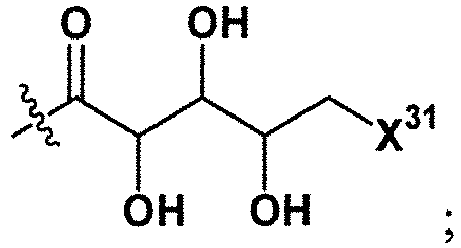
- R1, R2, R3 and R4 each independently represents H, OH, F, Cl, CF3, NH2, -C(O)OC1-6 alkyl, -CONH2, -OC1-6 alkyl, -O-C(O)C1-6 alkyl, -NHC1-6 alkyl, -NH-C(O)C1-6 alkyl;-C(=O)NHC1-6 alkyl; -NHSO2C1-6 alkyl; SOCH3; SOCF3; -SO2NH2, SO2N(C1-6 alkyl); or a group comprising a linear or branched polyethylene glycol (PEG) group which comprises the formula -(CH2-CH2-O)t- with t being an integer of from 2 to 100 and has a molecular weight (MW) of from 400 to 50000 Da; and
- R31 represents H or a group
- Compounds are usually described herein using standard nomenclature or the definitions presented below. For compounds having asymmetric centers, it should be understood that (unless otherwise specified) all of the optical isomers and mixtures thereof are encompassed. Compounds with two or more asymmetric elements can also be present as mixtures of diastereomers. In addition, compounds with carbon-carbon double bonds may occur in Z- and E- forms, with all isomeric forms of the compounds being included in the present invention unless otherwise specified. Where a compound exists in various tautomeric forms, a recited compound is not limited to any one specific tautomer, but rather is intended to encompass all tautomeric forms.
- Compounds according to the formulas provided herein, which have one or more stereogenic centers, have an enantiomeric excess of at least 50%. For example, such compounds may have an enantiomeric excess of at least 60%, 70%, 80%, 85%, 90%, 95%, or 98%. Some embodiments of the compounds have an enantiomeric excess of at least 99%. It will be apparent that single enantiomers (optically active forms) can be obtained by asymmetric synthesis, synthesis from optically pure precursors or by resolution of the racemates. Resolution of the racemates can be accomplished, for example, by conventional methods such as crystallization in the presence of a resolving agent, or chromatography, using, for example a chiral HPLC column.
- Certain compounds are described herein using a general formula that includes variables, e.g. R1, R2, R3, and R4. Unless otherwise specified, each variable within such a formula is defined independently of any other variable, and any variable that occurs more than one time in a formula is defined independently at each occurrence. Thus, for example, if a group is shown to be substituted with 0-2 R*, the group may be unsubstituted or substituted with up to two R* groups and R* at each occurrence is selected independently from the definition of R*. Also, combinations of substituents and/or variables are permissible only if such combinations result in stable compounds, i.e., compounds that can be isolated, characterized and tested for biological activity.
- As used herein a wording defining the limits of a range of length such as, e. g., "from 1 to 5" means any integer from 1 to 5, i. e. 1, 2, 3, 4 and 5. In other words, any range defined by two integers explicitly mentioned is meant to comprise and disclose any integer defining said limits and any integer comprised in said range. For example, the term "C1-C6" refers to 1 to 6, i.e. 1, 2, 3, 4, 5 or 6, carbon atoms.
- A "pharmacologically acceptable salt" of a compound disclosed herein is an acid or base salt that is generally considered in the art to be suitable for use in contact with the tissues of human beings or animals without excessive toxicity or carcinogenicity, and preferably without irritation, allergic response, or other problem or complication. Such pharmaceutical salts include mineral and organic acid salts of basic residues such as amines, as well as alkali or organic salts of acidic residues such as carboxylic acids.
- Suitable pharmaceutical salts include, but are not limited to, salts of acids such as hydrochloric, phosphoric, hydrobromic, malic, glycolic, fumaric, sulfuric, sulfamic, sulfanilic, formic, toluenesulfonic, methanesulfonic, benzene sulfonic, ethane disulfonic, 2-hydroxyethylsulfonic, nitric, benzoic, 2-acetoxybenzoic, citric, tartaric, lactic, stearic, salicylic, glutamic, ascorbic, pamoic, succinic, fumaric, maleic, propionic, hydroxymaleic, hydroiodic, phenylacetic, alkanoic such as acetic, HOOC-(CH2)n-COOH where n is any integer from 0 to - 4 (i.e., 0, 1, 2, 3, or 4) and the like. Similarly, pharmaceutically acceptable cations include, but are not limited to sodium, potassium, calcium, aluminum, lithium and ammonium. Those of ordinary skill in the art will recognize further pharmacologically acceptable salts for the compounds provided herein. In general, a pharmacologically acceptable acid or base salt can be synthesized from a parent compound that contains a basic or acidic moiety by any conventional chemical method. Briefly, such salts can be prepared by reacting the free acid or base forms of these compounds with a stoichiometric amount of the appropriate base or acid in water or in an organic solvent, or in a mixture of the two. Generally, the use of nonaqueous media, such as ether, ethyl acetate, ethanol, isopropanol or acetonitrile, is preferred.
- It will be apparent that each compound of formula (I) may, but need not, be present as a hydrate, solvate or non-covalent complex.
- A "substituent," as used herein, refers to a molecular moiety that is covalently bonded to an atom within a molecule of interest. For example, a "ring substituent" may be a moiety such as a halogen, alkyl group, haloalkyl group, hydroxy, cyano, amino, nitro, mercapto, or other substituent described herein that is covalently bonded to an atom (preferably a carbon or nitrogen atom) that is a ring member. The term "substituted," as used herein, means that any one or more hydrogens on the designated atom is replaced with a selection from the indicated substituents, provided that the designated atom's normal valence is not exceeded, and that the substitution results in a stable compound, i.e. a compound that can be isolated, characterized and tested for biological activity. When a substituent is oxo (i.e., =O), then 2 hydrogens on the atom are replaced. An oxo group that is a substituent of an aromatic carbon atom results in a conversion of -CH- to -C(=O)- and a loss of aromaticity. For example a pyridyl group substituted by oxo is a pyridone.
- As used herein, "comprising", "including", "containing", "characterized by", and grammatical equivalents thereof are inclusive or open-ended terms that do not exclude additional, unrecited elements or method steps. "Comprising", etc. is to be interpreted as including the more restrictive term "consisting of".
- As used herein, "consisting of' excludes any element, step, or ingredient not specified in the claim.
- When trade names are used herein, it is intended to independently include the trade name product formulation, the generic drug, and the active pharmaceutical ingredient(s) of the trade name product.
- In general, unless defined otherwise, technical and scientific terms used herein have the same meaning as commonly understood by one of ordinary skill in the art to which this invention belongs, and are consistent with general textbooks and dictionaries.
- The expression alkyl refers to a saturated, straight-chain or branched hydrocarbon group that contains from 1 to 20 carbon atoms, preferably from 1 to 12 carbon atoms, more preferably from 1 to 6 carbon atoms, for example a methyl, ethyl, propyl, iso-propyl, n-butyl, iso-butyl, sec-butyl, tert-butyl, n-pentyl, n-hexyl, 2,2-dimethylbutyl or n-octyl group.
- The activity and more specifically the bioactivity of the compounds according to the present invention can be assessed using appropriate assays known to those skilled in the art, e.g. in vitro or in vivo assays. For instance, the antimicrobial activity may be determined using a standardized antibiotic assay[1], and the antiproliferative and/or cytotoxic activity may be determined via a standardized assay as described in reference [2].
- In the compound of formula (I), R1 and R2 can each independently represent H, OH, F, Cl, CF3, NH2, -C(O)OC1-6 alkyl, -CONH2; -OC1-6 alkyl; -NHC1-6 alkyl; SOCH3; SOCF3; or -SO2NH2;
R3 or R4 can represent a group comprising a linear or branched polyethylene glycol (PEG) group which comprises the formula -(CH2-CH2-O)t- with t being an integer of from 2 to 100 and has a molecular weight (MW) of from 400 to 50000 Da; and the other can be, independently of R1, defined as R1. - Further preferred is a compound of formula (I), or a pharmacologically acceptable salt thereof, wherein
R1, R2, R3 and R4 each independently represents OH, F, Cl, CF3, NH2, -C(O)OC1-6 alkyl, -CONH2, -OC1-6 alkyl; SOCH3; SOCF3; or -SO2NH2. - Also preferred is a compound of formula (I), or a pharmacologically acceptable salt thereof, wherein R1, R2, R3 and R4 each independently represents OH, F, Cl, CF3, NH2, -OC1-6 alkyl; or -SO2NH2.
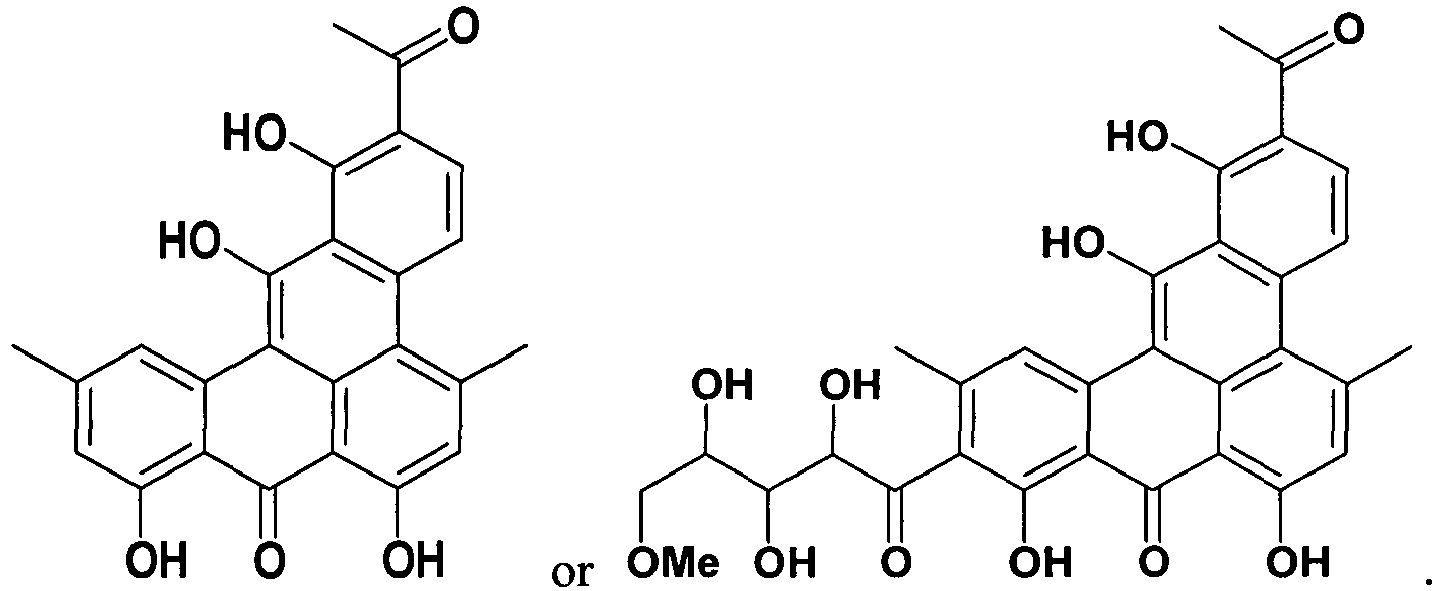
- The compound of formula (I) can be:

- The present invention also relates to the use of the compound of formula (I) as active ingredient in the preparation or manufacture of a medicament.
- A pharmaceutical composition according to the present invention comprises at least one compound of formula (I) and, optionally, one or more carrier substance(s), excipient(s) and/or adjuvant(s). Pharmaceutical compositions may additionally comprise, for example, one or more of water, buffers (e.g., neutral buffered saline or phosphate buffered saline), ethanol, mineral oil, vegetable oil, dimethylsulfoxide, carbohydrates (e.g., glucose, mannose, sucrose or dextrans), mannitol, proteins, adjuvants, polypeptides or amino acids such as glycine, antioxidants, chelating agents such as EDTA or glutathione and/or preservatives.
- Furthermore, one or more other active ingredients may (but need not) be included in the pharmaceutical compositions provided herein. For instance, the compounds of the invention may advantageously be employed in combination with another antibiotic or antifungal agent, an anti-viral agent, an anti histamine, a non-steroidal anti-inflammatory drug, a disease modifying anti-rheumatic drug, another cytostatic drug, a drug with smooth muscle activity modulatory activity or mixtures of the aforementioned.
- Pharmaceutical compositions may be formulated for any appropriate route of administration, including, for example, parenteral administration. The term parenteral as used herein includes subcutaneous, intradermal, intravascular such as, e.g., intravenous, intramuscular, spinal, intracranial, intrathecal, intraocular, periocular, intraorbital, intrasynovial and intraperitoneal injection, as well as any similar injection or infusion technique.
- Carrier substances are, for example, cyclodextrins such as hydroxypropyl β-cyclodextrin, micelles or liposomes, excipients and/or adjuvants. Customary excipients include, for example, inert diluents such as, e.g., calcium carbonate, sodium carbonate, lactose, calcium phosphate or sodium phosphate, granulating and disintegrating agents such as, e.g., corn starch or alginic acid, binding agents such as, e.g., starch, gelatin or acacia, and lubricating agents such as, e.g., magnesium stearate or stearic acid. Examples of adjuvants are aluminum hydroxide, aluminum phosphate, calcium phosphate hydroxide, paraffin oil, squalene, thimerosal, detergents, Freund's complete adjuvant, or Freund's incomplete adjuvant.
- For the prevention and/or treatment of bacterial infections, especially infections with Gram-positive bacteria, or proliferative diseases, the dose of the biologically active compound according to the invention may vary within wide limits and may be adjusted to individual requirements. Active compounds according to the present invention are generally administered in a therapeutically effective amount. The expression "therapeutically effective amount" denotes a quantity of the compound(s) that produces a result that in and of itself helps to ameliorate, heal, or cure the respective condition or disease. Preferred doses range from about 0.1 mg to about 140 mg per kilogram of body weight per day (about 0.5 mg to about 7 g per patient per day). The daily dose may be administered as a single dose or in a plurality of doses. The amount of active ingredient that may be combined with the carrier materials to produce a single dosage form will vary depending upon the host treated and the particular mode of administration. Dosage unit forms will generally contain between from about 1 mg to about 500 mg of an active ingredient.
- It will be understood, however, that the specific dose level for any particular patient will depend upon a variety of factors including the activity of the specific compound employed, the age, body weight, general health, sex, diet, time of administration, route of administration, and rate of excretion, drug combination (i.e. other drugs being used to treat the patient) and the severity of the particular disease undergoing therapy.
- Preferred compounds of the invention will have certain pharmacological properties. Such properties include, but are not limited to oral bioavailability, such that the preferred oral dosage forms discussed above can provide therapeutically effective levels of the compound in vivo.
- The compound according to the invention as well as the pharmaceutical composition according to the invention can be used as a medicament, which can be administered to a patient (e.g. parenterally to a human or an other mammal), and will be present within at least one body fluid or tissue of the patient. As used herein, the term "treatment" encompasses both disease-modifying treatment and symptomatic treatment, either of which may be prophylactic, i.e., before the onset of symptoms, in order to prevent, delay or reduce the severity of symptoms, or therapeutic, i.e., after the onset of symptoms, in order to reduce the severity and/or duration of symptoms. In particular, the conditions or diseases that can be ameliorated, prevented or treated using a compound of formula (I) or a pharmaceutical composition according to the invention include bacterial or fungal infections, or cancer. Within the present application the term "proliferative disease" encompasses disorders that are characterized by an overproduction (excessive proliferation) of a certain type of cells and turnover of cellular matrix, including cancer, atherosclerosis, rheumatoid arthritis, psoriasis, idiopathic pulmonary fibrosis, scleroderma and cirrhosis of the liver. For example, leukemia is a proliferative disorder characterized by an abnormal proliferation (overproduction) of white blood cells.
- Within the present application the term "cancer" encompasses, but is not limited to, disorders, such as solid tumor cancer including breast cancer, lung cancer (non-small-cell lung cancer and small-cell lung cancer), prostate cancer, cancers of the oral cavity and pharynx (lip, tongue, mouth, pharynx), esophagus, stomach, small intestine, large intestine, colon, rectum, gallbladder and biliary passages, pancreas, larynx, lung, bone, osteosarcoma, connective tissue, skin cancer including Kaposi's syndrome, melanoma and skin metastasis, epidermoid cancer, basal cell carcinoma, cervix uteri, corpus endometrium, cancer of ovary, testis, bladder, ureter and urethra, kidney, eye, brain and central nervous system, pseudotumor cerebri, sarcoma, sarcoid, thyroid and other endocrine glands (including but not limited to carcinoid tumors), Hodgkin's disease, non-Hodkin's lymphomas, multiple myeloma, hematopoetic malignancies including leukemias and lymphomas including lymphocytic, granulocytic and monocytic lymphomas, tumor invasion, metastasis, ascites, tumor growth and angiogenesis.
- Preferred compounds of the invention will have certain pharmacological properties. Such properties include, but are not limited to, bioavailability (especially with regard to oral administration), metabolic stability and sufficient solubility, such that the dosage forms can provide therapeutically effective levels of the compound in vivo.
- The compounds of the present invention can be prepared in a number of ways well known to one skilled in the art of organic synthesis. The compounds of the present invention can be synthesized using methods known in the art of synthetic organic chemistry or by biotechnological approaches such as fermentation as appreciated by those skilled in the art. Since the structural complexity of the compounds precludes facile total synthetic access, semisynthetic as well as biotechnological approaches are commonly pursued in pharmaceutical research and development.
- The following method for producing a compound of formula (I) also lies within the scope of the present invention. For instance, a compound of formula (I) can be produced by culturing Clostridium beijerinckii strain DSM13821. It is understood that the production of compounds of formula (I) is not limited to the use of the particular organism described herein, which is given for illustrative purpose only. The invention also includes the use of any mutants which are capable of producing a compound of formula (I) including natural mutants as well as artificial mutants, e.g. genetically manipulated mutants and the expression of the gene cluster responsible for biosynthesis in a producer strain or by heterologous expression in host strains.
- A compound of formula (I) can be produced in liquid culture, by growing the respective microorganism under anaerobic conditions in media containing one or several different carbon sources, and one or different nitrogen sources. Also salts are essential for growth and production. Suitable carbon sources are different mono-, di-, and polysaccharides like maltose, glucose or carbon from amino acids like peptones. Nitrogen sources are ammonium, nitrate, urea, chitin or nitrogen from amino acids. The following inorganic ions support the growth or are essential in synthetic media: Mg-ions, Ca-ions, Fe-ions, Mn-ions, Zn-ions, K-ions, sulfate-ions, Cl-ions, phosphate-ions.
- Temperatures for growth and production are between 25 °C to 40 °C, preferred temperatures are between 30 °C and 38.50 °C, especially at 37 °C. The pH of the culture solution is from 5 to 8, preferably a pH of 5.9 to 6.1, more preferably a pH of 6.0.
- A compound of formula (I) can also be obtained by chemical synthesis in a number of ways well known to one skilled in the art of organic synthesis using usual chemical reaction and synthesis methods.
-
-
Figure 1 . Structure of clostrubin A (1) and 3 J (arrow) and 4 J (dashed arrow) HMBC correlations. Observed enriched carbons from labeled acetate feeding experiments in 13C NMR spectra. -
Figure 2 . (A) Structure of clostrubin B (2). (B) Observed 1H-1H COSY (bold lines) and HMBC (arrows) correlations of 2 in DMSO-d 6. (C) Observed 1H-1H COSY (bold lines) and HMBC (arrows) correlations of 2 in DMF-d 7. -
Figure 3 . (A) Diseased potato showing soft rot symptoms. (B) Diseased potato showing ring rot symptoms. (C) Diseased potato showing scab symptoms. - The present invention is now further illustrated by the following examples from which further features, embodiments and advantages of the present invention may be taken.
- NMR spectra were measured on Bruker Avance III™ 600 MHz spectrometer with cryo probe in DMSO-d 6. Spectra were referenced to the residual solvent peak. UV spectra were obtained on a Shimadzu UV-1800 spectrometer. A Jasco Fourier Transform Infrared Spectrometer was used to measure the infrared spectra using the ATR technique. LC-HRMS measurements were carried out on a Thermo Fisher Scientific Exactive Orbitrap with an electrospray ion source using a Betasil 100-3 C18 column (150 × 2.1 mm) and an elution gradient [solvent A: H2O + 0.1% HCOOH, solvent B: acetonitrile, gradient: 5% B for 1 min, 5% to 98% B in 15 min, 98% B for 15 min, flow rate: 0.2 mL min-1, injection: 5 µL].
- Clostridium beijerinckii strain DSM13821 was grown in either 2 × YTG (16 g/L tryptone, 10 g/L yeast extract, 5 g/L NaCl and 5 g/L glucose) or P2 media anaerobically at 37 °C.
- C. beijerinckii strain DSM13821 was grown in batch culture in volumes ranging from 500 mL to 4 L in Biostat Q fermenters (B. Braun Biotech International) using either 2YTG or P2 media. Anaerobic conditions were maintained by sparging fermenters with N2 for at least 3 hours prior to culture inoculation and during each fermentation run. 5% culture volume of a 24 hr old culture in the same media was used to inoculate each fermenter. Fermentation cultures were incubated at 37 °C with stirring at 200 rpm and pH 6.0 was maintained by automatic addition of 10% NaOH or 2 M HCl.
- Small scale bacterial cultures were grown in 50 mL volumes for 48 hrs and subsequently extracted with an equal volume of ethyl acetate overnight. The two phases were separated and the ethyl acetate phase was dried over Na2SO4 and concentrated in vacuo. The residue was dissolved in 0.5 mL methanol and was analyzed via analytical HPLC (Shimadzu LC-10Avp series with autosampler, high pressure pumps, column oven and DAD detector, C18 column (Nucleosil 100-5C18, 120 × 4.6 mm), 0.8 mL/min flow rate, gradient elution (MeCN/0.1 % TFA 10/99.5 to 100/0 within 30 minutes).
- Fermentation cultures (20 L) were initially extracted with equal volume of ethyl acetate overnight, after which the two phases were separated and the ethyl acetate phase was dried over Na2SO4 and then concentrated to dryness in vacuo. This extraction step, and all subsequent solvent extraction steps were performed three times each and subsequently combined. The dried phase was resuspended in 0.5M NaOH and then extracted with diethyl ether, which was subsequently removed and dried to give fraction 1 (F1). The pH of the aqueous phase was adjusted to 7.0 with HCl and again extracted with diethyl ether, which was then removed and dried to give F2. The aqueous phase was then acidified by the addition of HCl (to pH 2.0) and again extracted with diethyl ether, which was removed and dried to give F3. The acidic aqueous phase was subsequently extracted with ethyl acetate, which was removed and then dried, yielding F4. The aqueous phase was neutralized with NaOH (to pH 7.0) and again extracted with ethyl acetate, which was removed and dried yielding F5. Fraction F5 was then resuspended in 50% aqueous methanol, at which point particulates formed and the solution was filtered through a glass filter membrane. All particulate matter was removed from the filter by copious washing in MeOH, which was dried to completion. The sample was then analysed by HPLC and resuspended in DMSO-d 6 for NMR studies.
- Orange powder. HRESIMS: [M-H]- = 413.1030 (calculated for C25H17O6 413.1031); UV λmax=, (DMSO): 303 (ε 76600), 377 (ε 29600), 416 (ε 14100), 551.0 (ε 63000) nm; (dioxane), 230 (ε 56000), 249 (ε 65100), 307 (ε 60300), 384 (ε 24700), 426 (ε 15000), 525 (ε 53600) nm; (MeOH), 203 (ε 88000), 248 (ε 44900), 300 (ε 41300), 377 (ε 14000), 416 (ε 7000), 542 (ε 2700) nm; (pyridine), 378 (ε 15400), 416 (ε 7300), 554 (ε 3200) nm; IR (ATR) : 1584, 1407, 1371, 1274, 1291, 1216, 1200, 997 cm-1;
1H and 13C NMR spectra of isolated purple material indicated that 1 was an aromatic polyketide, as there were limited proton signals and many aromatic carbons. Detailed analysis of 1H NMR spectrum indicated the presence of three methyl, five aromatic, and two phenolic protons. 13C NMR and DEPT135 spectra revealed three methyl, five aromatic methine, and 17 quaternary carbons, including four phenolic and two carbonyl carbons. Extensive HMBC and HSQC analyses showed three ring systems; ring A and E which are di- and tri-substituted cresols, respectively, and ring D which is a di-substituted 1-(2-hydroxyphenyl)ethan-1-one (Figure 1 ). Ring A is connected to ring E by three 4 J HMBC correlations from three singlet methine protons H5 (δ 6.80), H9 (δ 6.60), and H11 (δ 9.30) to keto carbonyl carbon C7 (δ 184.5). Two other 4 J HMBC correlations from doublet methine proton H3 (δ 7.60) to phenolic carbon C12 (δ 178.0) and methyl proton H4a (δ 2.90) to quaternary carbon C6b (δ 133.6) suggested the presence of ring C. Finally, five aromatic rings were determined by two 3 J HMBC correlations from H11 to C11b (δ 133.6) and H3 to C3b (δ 114.1). However, a quatenary carbon (C11a) was not assigned because of lacking HMBC correlations. To overcome this problem, cultures were grown in minimal media and supplemented with 1-13C or 1,2-13C labeled acetic acid, purified and analyzed by 13C NMR measurements. This process confirmed the presence of a number of quaternary carbons, whose correlations could now be reliably assigned to yield the final structure (1). The NMR data are summarized in Table 1 below.Table 1. NMR spectroscopic data of clostrubin A (1) (1H and 13C in DMSO-d 6 at 300 K). No. 1H (J, Hz) 13C (mult) 1,2-13C2 AcOH (JCC , Hz) 1-13C AcOH Enriched 1 118.8 (s) 58 -§ 1a 196.8 (s) 42 +§ 1b 2.68 (s) 32.0 (q) 42 - 2 7.80 (d 1.8) 129.2 (d) 58 + 3 7.60 (d 1.8) 114.9 (d) 56 - 3a 138.4 (s) 56 + 3b 114.1 (s) 55 - 4 147.2 (s) 41 + 4a 2.90 (s) 27.0 (q) 41 - 5 6.80 (s) 114.0 (d) 66 - 6 14.88 (s, OH) 164.5 (s) 66 + 6a 107.3 (s) 58 - 6b 133.6 (s) 55 + 7 184.7 (s) 58 + 7a 111.2 (s) 62 - 8 13.70 (s, OH) 161.6 (s) 62 + 9 6.60(s) 110.6 (s) + - 10 145.0 (s) 43 + 10a 2.42 (s) 22.8 (q) 43 - 11 9.30 (s) 117.6(d) 56 + 11a 138.6 (s) 56 - 11b 104.3 (s) 66 + 12 177.9 (s) 66 - 12a 117.3 (s) 59 + 13 167.4 (s) 59 + 167.4 (s) 59 + - The antibiotic activity of clostrubin A was tested using a standardized antibiotic assay[1]. Clostrubin A (1) was found to be ineffective against the Gram-negative organism, Escherichia coli. However, 1 was shown to be superior to ciprofloxacin (Cip) at inhibiting the growth of several Gram-positive organisms, including the notorious hospital pathogens methicillin-resistant Staphylococcus aureus (MRSA) and vancomycin-resistant enterococci (VRE), with a minimum inhibitory concentration (MIC) of 0.05 µg/ml (0.12 µM) and 0.4 µg/ml (0.97 µM), respectively (Table 2). A similar antimicrobial activity as against MRSA was observed against Mycobacterium smegmatis (M. smegmatis), Mycobacterium aurum (M. aurum), Mycobacterium vaccae (M. vaccae) and Mycobacterium fortuitum (M. fortuitum) - see, Table 3.
Table 2. Antibacterial activity data for 1 and ciprofloxacin (cip). Compound MIC (µM) Ec Bs MRSA VRE 1 > 60.0 0.075 0.12 0.97 Cip 0.010 0.080 37 2.3 Table 3. Anti-mycobacterial activity data for 1 and ciprofloxacin (cip). Compound MIC (µM) M. smegmatis M. aurum M. vaccae M. fortuitum 1 0.48 0.12 0.12 0.12 Cip 4.71 0.30 1.20 0.60 - Antiproliferative and cytotoxic activity of clostrubin A was tested in a standardized assay[2]. The results are shown in Table 4.
Table 4. Antiproliferative and cytotoxic activities of clostrubin A (1). Antiproliferative Effect Cytotoxicity HUVEC GI50 K-562 GI50 HeLa CC50 1 1.20 µM 2.66 µM 1.69 µM - As can be taken from the above results, clostrubin A has moderate antiproliferative and cytotoxic activity.
- A fermentation culture of C. beijerinckii strain DSM13821 (8 L; P2 medium) was extracted with EtOAc/dioxane (4 times) and the extracts were dried over sodium sulfate. After the solvent was removed under reduced pressure, the residue was dissolved in 2-propanol and then filtered through a glass filter. The precipitate was dissolved in DMSO and subjected to RP-HPLC (Nucleosil 100-5C18, 10 × 125 mm, flow rate 3.5 mL/min) using a gradient system: solvent A (H2O containing 0.1% TFA); solvent B (acetonitrile); 30%B for 10 min, to 100%B for 35 min, to keep for 10 min, to yield 1.5 mg of clostrubin B.
- Orange powder. HRESIMS: [M-H]- = 575.1570 (calculated for C31H27O11 575.1559); UV (DMSO) λmax=288 (ε 16100), 303 (ε 16200), 379 (ε 6300), 420 (ε 4000), 555 (ε 12100) ; IR (ATR) : 2924, 2855, 1576, 1456, 1374, 1234, 1059, 1023 cm-1.
- Although clostrubin B (2) has a similar UV spectrum to clostrubin A (1), HR-MS analysis revealed a molecular fomula of C31H28O11 for 2, which is different from that of 1. The 1H and 13C NMR specra of 2 in DMSO-d 6 indicated that the ring structure B-E is almost the same as that of 1. HSQC spectrum showed that methyl protons H10a (δ 2.42) and an aromatic proton H9 (δ 6.60) in A ring of 1 are disappeared in 2. However the HMBC correlation H11 (δ 9.36) to C10a (δ 22.2) revealed the presence of methyl group. Thus the structure of 2 was suggested to be modified at the position C9 (δ118.9). The elongated part at C9, which has a sugar feature from C9b to C9f, was confirmed by 1H-1H COSY (H9c to H9e) and HMBC (H9f/C9e, H9c/C9b, C9d, C9e) correlations. Because the HMBC correlations H11/C11a and H9b,c/C9a were not observed, NMR spectra of 2 were measured in DMF-d 7. The chemical shift at C11a was assigned as 138.6 ppm by the HMBC correlation H11 to C11a. In the HSQC spectrum of 2 in DMF-d 7, a correlation between an unusual broad methyl proton at H10a and C10a was also observed. However one carbonyl signal at C9a was not observed in both solvent conditions. Either weak or broad signals at
positions Table 5. NMR spectroscopic data of clostrubin B (2) (1H and 13C in DMF-d 7 and DMSO-d 6, respectively; at 300 K). DMF-d 7 DMSO-d 6 No. 1H (J, Hz) 13C (mult) 1H (J, Hz) 13C (mult) 1 119.6 (s) 118.9 (s) 1a 197.0 (s) 196.6 (s) 1b 2.74 (s) 32.1 (q) 2.67 (s) 32.1 (q) 2 7.93 (d 9.0) 129.6 (d) 7.80 (d 9.0) 129.2 (d) 3 7.66 (d 9.0) 115.3 (d) 7.58 (d 9.0) 114.9 (d) 3a 139.4 (s) 138.4 (s) 3b 114.9 (s) 114.1 (s) 4 147.6 (s) 147.1 (s) 4a 2.99 (s) 27.2 (q) 2.92 (s) 27.0 (q) 5 6.82 (s) 114.3 (d) 6.79 (s) 113.9 (d) 6 15.00 (s, OH) 165.5 (s) 14.88 (s, OH) 164.4 (s) 6a 108.2 (s) 107.3 (s) 6b 134.5 (s) 133.5 (s) 7 185.7 (s) 184.7 (s) 7a 112.1 (s) 111.0 (s) 8 14.53 (s, OH) 161.7 (s) 14.35 (s, OH) 160.3 (s) 9 118.8 (s) 118.9 (s) 9a - - 9b 3.41 (m) 82.3 (d) 3.21 (m) 81.5 (d) 9c 3.48 (t 9.0) 71.7 (d) 3.19 (m) 70.5 (d) 9d 3.53 (br) 80.1 (d) 3.47 (m) 79.0 (d) 9e 3.68 (dd 12.1, 6.9) 62.8 (t) 3.44 (m) 61.8 (t) 3.89 (dd 12.1, 2.1) 3.72 (brd 11.2) 9f 3.76 (s) 60.2 (q) 3.47 (s) 59.2 (q) 10 145.5(s) 145.0 (s) 10a 2.67 (br) 22.2 (q) 2.60 (br) 22.2 (q) 11 9.56 (s) 120.0 (d) 9.36 (s) 119.5 (s) 11a 138.6 (s) 137.6 (s) 11b 105.0 (s) 104.3 (s) 12 179.1 (s) 178.0 (s) 12a 118.3 (s) 117.4 (s) 13 168.6 (s) 167.7 (s) - The antimicrobial activity of clostrubin A (1) and clostrubin B (2) against the serious potato pathogens Bacillus pumilus (causing potato soft rot), Clavibacter michiganensis ssp. sepedonicus (causing potato ring rot), and Streptomyces scabies (causing potato scab) was tested. Both compounds were found to be more effective against these pathogens than ciprofloxacin. The results are shown in Table 6, where the minimum inhibitory concentration (MIC) for 1, 2, and ciprofloxacin against the above potato pathogens is indicated.
Table 6. Activity against potato pathogens MIC (µM) Bacillus pumilus Clavibacter michiganensis ssp. sepedonicus Streptomyces scabies Clostrubin A 0,047 0,0947 0,0947 Ciprofloxacin 0,81 3,24 1,620 Clostrubin B 0,542 0,542 0,271 -
- [1] I. Wiegand, K. Hilpert, R. E. Hancock, Nat. Protoc. 2008, 3, 163-175.
- [2] M. Ziehl, J. He, H. M. Dahse, C. Hertweck, Angew. Chem., Int. Ed. 2005, 44, 1202-1205.
Claims (11)
- A compound of the general formula (I):
 R1, R2, R3 and R4 each independently represents H, OH, F, Cl, CF3, NH2, -C(O)OC1-6 alkyl, -CONH2, -OC1-6 alkyl, -O-C(O)C1-6 alkyl, -NHC1-6 alkyl, -NH-C(O)C1-6 alkyl;-C(=O)NHC1-6 alkyl; -NHSO2C1-6 alkyl; SOCH3; SOCF3; -SO2NH2, SO2N(C1-6 alkyl); or a group comprising a linear or branched polyethylene glycol (PEG) group which comprises the formula -(CH2-CH2-O)t- with t being an integer of from 2 to 100 and has a molecular weight (MW) of from 400 to 50000 Da; andR31 represents H or a group
- The compound according to claim 1, or a pharmacologically acceptable salt thereof, wherein
R1 and R2 each independently represents H, OH, F, Cl, CF3, NH2, -C(O)OC1-6 alkyl, -CONH2; -OC1-6 alkyl; -NHC1-6 alkyl; SOCH3; SOCF3; or -SO2NH2; and
R3 or R4 represents a group comprising a linear or branched polyethylene glycol (PEG) group which comprises the formula -(CH2-CH2-O)t- with t being an integer of from 2 to 100 and has a molecular weight (MW) of from 400 to 50000 Da; and the other is, independently of R1, defined as R1. - The compound according to claim 1, or a pharmacologically acceptable salt thereof, wherein
R1, R2, R3 and R4 each independently represents OH, F, Cl, CF3, NH2, -C(O)OC1-6 alkyl, -CONH2, -OC1-6 alkyl; SOCH3; SOCF3; or -SO2NH2. - The compound according to claim 1 or 3, or a pharmacologically acceptable salt thereof, wherein
R1, R2, R3 and R4 each independently represents OH, F, Cl, CF3, NH2, -OC1-6 alkyl; or -SO2NH2. - The compound according to any one of claims 1, 3 and 4, wherein the compound is:
- A pharmaceutical composition comprising at least one compound according to any one of claims 1 to 5 and, optionally, one or more carrier substance(s), excipient(s) and/or adjuvant(s).
- The compound according to any one of claims 1 to 5, or the pharmaceutical composition according to claim 6, for use as a medicament.
- The compound according to any one of claims 1 to 5, or the pharmaceutical composition according to claim 6, for use in the prevention and/or treatment of a bacterial infection.
- The compound or the pharmaceutical composition for use as in claim 8, wherein the bacterial infection is caused by a Gram-positive microbe.
- The compound according to any one of claims 1 to 5, or the pharmaceutical composition according to claim 6, for use in the prevention and/or treatment of a proliferative disease.
- A method for the preparation of a compound of formula (I), the method comprising the steps of:(a) culturing Clostridium beijerinckii strain deposited under DSM 13821; and(b) separating and retaining the compound from the culture broth, the step comprising precipitation on a glass filter.
Applications Claiming Priority (3)
| Application Number | Priority Date | Filing Date | Title |
|---|---|---|---|
| EP14000306 | 2014-01-28 | ||
| GBGB1401807.1A GB201401807D0 (en) | 2014-02-03 | 2014-02-03 | Clostrubins |
| PCT/EP2015/000162 WO2015113761A1 (en) | 2014-01-28 | 2015-01-28 | Clostrubins |
Publications (2)
| Publication Number | Publication Date |
|---|---|
| EP3099661A1 EP3099661A1 (en) | 2016-12-07 |
| EP3099661B1 true EP3099661B1 (en) | 2018-08-29 |
Family
ID=53756243
Family Applications (1)
| Application Number | Title | Priority Date | Filing Date |
|---|---|---|---|
| EP15702371.4A Not-in-force EP3099661B1 (en) | 2014-01-28 | 2015-01-28 | Clostrubins |
Country Status (3)
| Country | Link |
|---|---|
| US (1) | US20160340286A1 (en) |
| EP (1) | EP3099661B1 (en) |
| WO (1) | WO2015113761A1 (en) |
Family Cites Families (1)
| Publication number | Priority date | Publication date | Assignee | Title |
|---|---|---|---|---|
| DE102010006245B4 (en) * | 2010-01-28 | 2014-02-13 | Helmholtz-Zentrum für Ozeanforschung Kiel (Geomar) | Mayamycin compounds, process for their preparation, their uses and cosmetic product containing them |
-
2015
- 2015-01-28 WO PCT/EP2015/000162 patent/WO2015113761A1/en not_active Ceased
- 2015-01-28 EP EP15702371.4A patent/EP3099661B1/en not_active Not-in-force
- 2015-01-28 US US15/114,752 patent/US20160340286A1/en not_active Abandoned
Also Published As
| Publication number | Publication date |
|---|---|
| US20160340286A1 (en) | 2016-11-24 |
| EP3099661A1 (en) | 2016-12-07 |
| WO2015113761A1 (en) | 2015-08-06 |
Similar Documents
| Publication | Publication Date | Title |
|---|---|---|
| JP5775114B2 (en) | Treatment of cancer based on romidepsin | |
| Wang et al. | Four new antitumor metabolites isolated from a mutant 3-f-31 strain derived from Penicillium purpurogenum G59 | |
| CN105085613B (en) | Novel thiostrepton analogue and its preparation method and use | |
| US20160340286A1 (en) | Clostrubins | |
| US11878984B2 (en) | Compounds derived from Streptomyces and uses thereof | |
| KR101535594B1 (en) | Phenalenone derivatives compound and a composition containing the same having inhibition of enzyme activity | |
| EP3498714B1 (en) | Novel sorangicin antibiotic | |
| EP2703410B1 (en) | Jagaricin, derivatives, and uses thereof | |
| KR101056878B1 (en) | Novel Jasmonate Derivatives and Their Pharmaceutical Uses | |
| KR102707250B1 (en) | Novel compounds and composition comprising the novel compounds for preventing or treating neuroinflammatory brain diseases | |
| KR101372887B1 (en) | Anti-cancer composition comprising dipeptide isolated from microorganism | |
| CN115650913B (en) | Quinoquinoline compounds and their preparation methods and uses | |
| US11286273B2 (en) | Rhamnolipid compounds and use thereof | |
| KR101522626B1 (en) | Phenalenone derivatives compound and a composition containing the same having inhibition of enzyme activity | |
| WO2018224822A1 (en) | Tunicamycin analogues | |
| JP5718450B2 (en) | Anti-neoplastic agent and its production method and use | |
| JP2025121722A (en) | anticancer drugs | |
| US9062077B2 (en) | Benzopyranobenzothiazinones and their use as fungicides, antibiotics and antitumor agents | |
| US7626025B2 (en) | Beta-carboline derived guanidine alkaloids, tiruchenduramine | |
| CN116332742A (en) | Acyl phloroglucinol hetero-terpenoid compound and application thereof | |
| US20130045931A1 (en) | Production and use of antibacterial, antiproliferative, and antiphytopathogenic benzanthracenes | |
| Narender et al. | Naturally Occurring 1, 1′-Trimethylenebisuracil from the Marine Sea Hare Dolabella Auricularia | |
| JP2006213703A (en) | New fermentation products | |
| JPH0381225A (en) | Antifungal agent | |
| WO2011016351A1 (en) | Dna synthase inhibitors |
Legal Events
| Date | Code | Title | Description |
|---|---|---|---|
| STAA | Information on the status of an ep patent application or granted ep patent |
Free format text: STATUS: THE INTERNATIONAL PUBLICATION HAS BEEN MADE |
|
| PUAI | Public reference made under article 153(3) epc to a published international application that has entered the european phase |
Free format text: ORIGINAL CODE: 0009012 |
|
| STAA | Information on the status of an ep patent application or granted ep patent |
Free format text: STATUS: REQUEST FOR EXAMINATION WAS MADE |
|
| 17P | Request for examination filed |
Effective date: 20160802 |
|
| AK | Designated contracting states |
Kind code of ref document: A1 Designated state(s): AL AT BE BG CH CY CZ DE DK EE ES FI FR GB GR HR HU IE IS IT LI LT LU LV MC MK MT NL NO PL PT RO RS SE SI SK SM TR |
|
| AX | Request for extension of the european patent |
Extension state: BA ME |
|
| RIN1 | Information on inventor provided before grant (corrected) |
Inventor name: HERTWECK, CHRISTIAN Inventor name: ISHIDA, KEISHI Inventor name: PIDOT, SACHA Inventor name: CYRULIES, MICHAEL Inventor name: SHABUER, GULIMILA |
|
| DAX | Request for extension of the european patent (deleted) | ||
| STAA | Information on the status of an ep patent application or granted ep patent |
Free format text: STATUS: EXAMINATION IS IN PROGRESS |
|
| 17Q | First examination report despatched |
Effective date: 20170816 |
|
| GRAP | Despatch of communication of intention to grant a patent |
Free format text: ORIGINAL CODE: EPIDOSNIGR1 |
|
| STAA | Information on the status of an ep patent application or granted ep patent |
Free format text: STATUS: GRANT OF PATENT IS INTENDED |
|
| RIC1 | Information provided on ipc code assigned before grant |
Ipc: C07C 49/517 20060101ALI20180314BHEP Ipc: C07C 49/513 20060101AFI20180314BHEP |
|
| INTG | Intention to grant announced |
Effective date: 20180412 |
|
| GRAS | Grant fee paid |
Free format text: ORIGINAL CODE: EPIDOSNIGR3 |
|
| GRAA | (expected) grant |
Free format text: ORIGINAL CODE: 0009210 |
|
| STAA | Information on the status of an ep patent application or granted ep patent |
Free format text: STATUS: THE PATENT HAS BEEN GRANTED |
|
| AK | Designated contracting states |
Kind code of ref document: B1 Designated state(s): AL AT BE BG CH CY CZ DE DK EE ES FI FR GB GR HR HU IE IS IT LI LT LU LV MC MK MT NL NO PL PT RO RS SE SI SK SM TR |
|
| REG | Reference to a national code |
Ref country code: GB Ref legal event code: FG4D |
|
| REG | Reference to a national code |
Ref country code: CH Ref legal event code: EP |
|
| REG | Reference to a national code |
Ref country code: AT Ref legal event code: REF Ref document number: 1034936 Country of ref document: AT Kind code of ref document: T Effective date: 20180915 |
|
| REG | Reference to a national code |
Ref country code: IE Ref legal event code: FG4D |
|
| REG | Reference to a national code |
Ref country code: DE Ref legal event code: R096 Ref document number: 602015015476 Country of ref document: DE |
|
| REG | Reference to a national code |
Ref country code: NL Ref legal event code: MP Effective date: 20180829 |
|
| REG | Reference to a national code |
Ref country code: LT Ref legal event code: MG4D |
|
| PG25 | Lapsed in a contracting state [announced via postgrant information from national office to epo] |
Ref country code: GR Free format text: LAPSE BECAUSE OF FAILURE TO SUBMIT A TRANSLATION OF THE DESCRIPTION OR TO PAY THE FEE WITHIN THE PRESCRIBED TIME-LIMIT Effective date: 20181130 Ref country code: FI Free format text: LAPSE BECAUSE OF FAILURE TO SUBMIT A TRANSLATION OF THE DESCRIPTION OR TO PAY THE FEE WITHIN THE PRESCRIBED TIME-LIMIT Effective date: 20180829 Ref country code: LT Free format text: LAPSE BECAUSE OF FAILURE TO SUBMIT A TRANSLATION OF THE DESCRIPTION OR TO PAY THE FEE WITHIN THE PRESCRIBED TIME-LIMIT Effective date: 20180829 Ref country code: RS Free format text: LAPSE BECAUSE OF FAILURE TO SUBMIT A TRANSLATION OF THE DESCRIPTION OR TO PAY THE FEE WITHIN THE PRESCRIBED TIME-LIMIT Effective date: 20180829 Ref country code: SE Free format text: LAPSE BECAUSE OF FAILURE TO SUBMIT A TRANSLATION OF THE DESCRIPTION OR TO PAY THE FEE WITHIN THE PRESCRIBED TIME-LIMIT Effective date: 20180829 Ref country code: NO Free format text: LAPSE BECAUSE OF FAILURE TO SUBMIT A TRANSLATION OF THE DESCRIPTION OR TO PAY THE FEE WITHIN THE PRESCRIBED TIME-LIMIT Effective date: 20181129 Ref country code: NL Free format text: LAPSE BECAUSE OF FAILURE TO SUBMIT A TRANSLATION OF THE DESCRIPTION OR TO PAY THE FEE WITHIN THE PRESCRIBED TIME-LIMIT Effective date: 20180829 Ref country code: IS Free format text: LAPSE BECAUSE OF FAILURE TO SUBMIT A TRANSLATION OF THE DESCRIPTION OR TO PAY THE FEE WITHIN THE PRESCRIBED TIME-LIMIT Effective date: 20181229 Ref country code: BG Free format text: LAPSE BECAUSE OF FAILURE TO SUBMIT A TRANSLATION OF THE DESCRIPTION OR TO PAY THE FEE WITHIN THE PRESCRIBED TIME-LIMIT Effective date: 20181129 |
|
| REG | Reference to a national code |
Ref country code: AT Ref legal event code: MK05 Ref document number: 1034936 Country of ref document: AT Kind code of ref document: T Effective date: 20180829 |
|
| PG25 | Lapsed in a contracting state [announced via postgrant information from national office to epo] |
Ref country code: LV Free format text: LAPSE BECAUSE OF FAILURE TO SUBMIT A TRANSLATION OF THE DESCRIPTION OR TO PAY THE FEE WITHIN THE PRESCRIBED TIME-LIMIT Effective date: 20180829 Ref country code: HR Free format text: LAPSE BECAUSE OF FAILURE TO SUBMIT A TRANSLATION OF THE DESCRIPTION OR TO PAY THE FEE WITHIN THE PRESCRIBED TIME-LIMIT Effective date: 20180829 Ref country code: AL Free format text: LAPSE BECAUSE OF FAILURE TO SUBMIT A TRANSLATION OF THE DESCRIPTION OR TO PAY THE FEE WITHIN THE PRESCRIBED TIME-LIMIT Effective date: 20180829 |
|
| PG25 | Lapsed in a contracting state [announced via postgrant information from national office to epo] |
Ref country code: IT Free format text: LAPSE BECAUSE OF FAILURE TO SUBMIT A TRANSLATION OF THE DESCRIPTION OR TO PAY THE FEE WITHIN THE PRESCRIBED TIME-LIMIT Effective date: 20180829 Ref country code: ES Free format text: LAPSE BECAUSE OF FAILURE TO SUBMIT A TRANSLATION OF THE DESCRIPTION OR TO PAY THE FEE WITHIN THE PRESCRIBED TIME-LIMIT Effective date: 20180829 Ref country code: CZ Free format text: LAPSE BECAUSE OF FAILURE TO SUBMIT A TRANSLATION OF THE DESCRIPTION OR TO PAY THE FEE WITHIN THE PRESCRIBED TIME-LIMIT Effective date: 20180829 Ref country code: RO Free format text: LAPSE BECAUSE OF FAILURE TO SUBMIT A TRANSLATION OF THE DESCRIPTION OR TO PAY THE FEE WITHIN THE PRESCRIBED TIME-LIMIT Effective date: 20180829 Ref country code: EE Free format text: LAPSE BECAUSE OF FAILURE TO SUBMIT A TRANSLATION OF THE DESCRIPTION OR TO PAY THE FEE WITHIN THE PRESCRIBED TIME-LIMIT Effective date: 20180829 Ref country code: AT Free format text: LAPSE BECAUSE OF FAILURE TO SUBMIT A TRANSLATION OF THE DESCRIPTION OR TO PAY THE FEE WITHIN THE PRESCRIBED TIME-LIMIT Effective date: 20180829 Ref country code: PL Free format text: LAPSE BECAUSE OF FAILURE TO SUBMIT A TRANSLATION OF THE DESCRIPTION OR TO PAY THE FEE WITHIN THE PRESCRIBED TIME-LIMIT Effective date: 20180829 |
|
| PG25 | Lapsed in a contracting state [announced via postgrant information from national office to epo] |
Ref country code: DK Free format text: LAPSE BECAUSE OF FAILURE TO SUBMIT A TRANSLATION OF THE DESCRIPTION OR TO PAY THE FEE WITHIN THE PRESCRIBED TIME-LIMIT Effective date: 20180829 Ref country code: SK Free format text: LAPSE BECAUSE OF FAILURE TO SUBMIT A TRANSLATION OF THE DESCRIPTION OR TO PAY THE FEE WITHIN THE PRESCRIBED TIME-LIMIT Effective date: 20180829 Ref country code: SM Free format text: LAPSE BECAUSE OF FAILURE TO SUBMIT A TRANSLATION OF THE DESCRIPTION OR TO PAY THE FEE WITHIN THE PRESCRIBED TIME-LIMIT Effective date: 20180829 |
|
| REG | Reference to a national code |
Ref country code: DE Ref legal event code: R097 Ref document number: 602015015476 Country of ref document: DE |
|
| PLBE | No opposition filed within time limit |
Free format text: ORIGINAL CODE: 0009261 |
|
| STAA | Information on the status of an ep patent application or granted ep patent |
Free format text: STATUS: NO OPPOSITION FILED WITHIN TIME LIMIT |
|
| 26N | No opposition filed |
Effective date: 20190531 |
|
| PG25 | Lapsed in a contracting state [announced via postgrant information from national office to epo] |
Ref country code: SI Free format text: LAPSE BECAUSE OF FAILURE TO SUBMIT A TRANSLATION OF THE DESCRIPTION OR TO PAY THE FEE WITHIN THE PRESCRIBED TIME-LIMIT Effective date: 20180829 Ref country code: MC Free format text: LAPSE BECAUSE OF FAILURE TO SUBMIT A TRANSLATION OF THE DESCRIPTION OR TO PAY THE FEE WITHIN THE PRESCRIBED TIME-LIMIT Effective date: 20180829 |
|
| PG25 | Lapsed in a contracting state [announced via postgrant information from national office to epo] |
Ref country code: LU Free format text: LAPSE BECAUSE OF NON-PAYMENT OF DUE FEES Effective date: 20190128 |
|
| REG | Reference to a national code |
Ref country code: BE Ref legal event code: MM Effective date: 20190131 |
|
| REG | Reference to a national code |
Ref country code: IE Ref legal event code: MM4A |
|
| PG25 | Lapsed in a contracting state [announced via postgrant information from national office to epo] |
Ref country code: BE Free format text: LAPSE BECAUSE OF NON-PAYMENT OF DUE FEES Effective date: 20190131 |
|
| PG25 | Lapsed in a contracting state [announced via postgrant information from national office to epo] |
Ref country code: IE Free format text: LAPSE BECAUSE OF NON-PAYMENT OF DUE FEES Effective date: 20190128 |
|
| PG25 | Lapsed in a contracting state [announced via postgrant information from national office to epo] |
Ref country code: TR Free format text: LAPSE BECAUSE OF FAILURE TO SUBMIT A TRANSLATION OF THE DESCRIPTION OR TO PAY THE FEE WITHIN THE PRESCRIBED TIME-LIMIT Effective date: 20180829 |
|
| PG25 | Lapsed in a contracting state [announced via postgrant information from national office to epo] |
Ref country code: PT Free format text: LAPSE BECAUSE OF FAILURE TO SUBMIT A TRANSLATION OF THE DESCRIPTION OR TO PAY THE FEE WITHIN THE PRESCRIBED TIME-LIMIT Effective date: 20181229 Ref country code: MT Free format text: LAPSE BECAUSE OF NON-PAYMENT OF DUE FEES Effective date: 20190128 |
|
| PG25 | Lapsed in a contracting state [announced via postgrant information from national office to epo] |
Ref country code: CY Free format text: LAPSE BECAUSE OF FAILURE TO SUBMIT A TRANSLATION OF THE DESCRIPTION OR TO PAY THE FEE WITHIN THE PRESCRIBED TIME-LIMIT Effective date: 20180829 |
|
| PG25 | Lapsed in a contracting state [announced via postgrant information from national office to epo] |
Ref country code: HU Free format text: LAPSE BECAUSE OF FAILURE TO SUBMIT A TRANSLATION OF THE DESCRIPTION OR TO PAY THE FEE WITHIN THE PRESCRIBED TIME-LIMIT; INVALID AB INITIO Effective date: 20150128 |
|
| PGFP | Annual fee paid to national office [announced via postgrant information from national office to epo] |
Ref country code: GB Payment date: 20220125 Year of fee payment: 8 Ref country code: DE Payment date: 20220125 Year of fee payment: 8 Ref country code: CH Payment date: 20220125 Year of fee payment: 8 |
|
| PGFP | Annual fee paid to national office [announced via postgrant information from national office to epo] |
Ref country code: FR Payment date: 20220120 Year of fee payment: 8 |
|
| REG | Reference to a national code |
Ref country code: DE Ref legal event code: R231 Ref document number: 602015015476 Country of ref document: DE |
|
| PG25 | Lapsed in a contracting state [announced via postgrant information from national office to epo] |
Ref country code: MK Free format text: LAPSE BECAUSE OF FAILURE TO SUBMIT A TRANSLATION OF THE DESCRIPTION OR TO PAY THE FEE WITHIN THE PRESCRIBED TIME-LIMIT Effective date: 20180829 |
|
| PG25 | Lapsed in a contracting state [announced via postgrant information from national office to epo] |
Ref country code: DE Free format text: LAPSE BECAUSE OF THE APPLICANT RENOUNCES Effective date: 20220602 |
|
| REG | Reference to a national code |
Ref country code: CH Ref legal event code: PL |
|
| GBPC | Gb: european patent ceased through non-payment of renewal fee |
Effective date: 20230128 |
|
| PG25 | Lapsed in a contracting state [announced via postgrant information from national office to epo] |
Ref country code: LI Free format text: LAPSE BECAUSE OF NON-PAYMENT OF DUE FEES Effective date: 20230131 Ref country code: GB Free format text: LAPSE BECAUSE OF NON-PAYMENT OF DUE FEES Effective date: 20230128 Ref country code: CH Free format text: LAPSE BECAUSE OF NON-PAYMENT OF DUE FEES Effective date: 20230131 |
|
| PG25 | Lapsed in a contracting state [announced via postgrant information from national office to epo] |
Ref country code: FR Free format text: LAPSE BECAUSE OF NON-PAYMENT OF DUE FEES Effective date: 20230131 |