EP3097783B1 - Colicin m for the control of ehec - Google Patents
Colicin m for the control of ehec Download PDFInfo
- Publication number
- EP3097783B1 EP3097783B1 EP15181133.8A EP15181133A EP3097783B1 EP 3097783 B1 EP3097783 B1 EP 3097783B1 EP 15181133 A EP15181133 A EP 15181133A EP 3097783 B1 EP3097783 B1 EP 3097783B1
- Authority
- EP
- European Patent Office
- Prior art keywords
- colicin
- seq
- amino acid
- serotype
- derivative
- Prior art date
- Legal status (The legal status is an assumption and is not a legal conclusion. Google has not performed a legal analysis and makes no representation as to the accuracy of the status listed.)
- Active
Links
Images


Classifications
-
- A—HUMAN NECESSITIES
- A01—AGRICULTURE; FORESTRY; ANIMAL HUSBANDRY; HUNTING; TRAPPING; FISHING
- A01N—PRESERVATION OF BODIES OF HUMANS OR ANIMALS OR PLANTS OR PARTS THEREOF; BIOCIDES, e.g. AS DISINFECTANTS, AS PESTICIDES OR AS HERBICIDES; PEST REPELLANTS OR ATTRACTANTS; PLANT GROWTH REGULATORS
- A01N63/00—Biocides, pest repellants or attractants, or plant growth regulators containing microorganisms, viruses, microbial fungi, animals or substances produced by, or obtained from, microorganisms, viruses, microbial fungi or animals, e.g. enzymes or fermentates
- A01N63/50—Isolated enzymes; Isolated proteins
-
- A—HUMAN NECESSITIES
- A23—FOODS OR FOODSTUFFS; TREATMENT THEREOF, NOT COVERED BY OTHER CLASSES
- A23B—PRESERVATION OF FOODS, FOODSTUFFS OR NON-ALCOHOLIC BEVERAGES; CHEMICAL RIPENING OF FRUIT OR VEGETABLES
- A23B4/00—Preservation of meat, sausages, fish or fish products
- A23B4/10—Coating with a protective layer; Compositions or apparatus therefor
-
- A—HUMAN NECESSITIES
- A23—FOODS OR FOODSTUFFS; TREATMENT THEREOF, NOT COVERED BY OTHER CLASSES
- A23B—PRESERVATION OF FOODS, FOODSTUFFS OR NON-ALCOHOLIC BEVERAGES; CHEMICAL RIPENING OF FRUIT OR VEGETABLES
- A23B4/00—Preservation of meat, sausages, fish or fish products
- A23B4/14—Preserving with chemicals not covered by groups A23B4/02 or A23B4/12
- A23B4/18—Preserving with chemicals not covered by groups A23B4/02 or A23B4/12 in the form of liquids or solids
- A23B4/20—Organic compounds; Microorganisms; Enzymes
-
- A—HUMAN NECESSITIES
- A23—FOODS OR FOODSTUFFS; TREATMENT THEREOF, NOT COVERED BY OTHER CLASSES
- A23B—PRESERVATION OF FOODS, FOODSTUFFS OR NON-ALCOHOLIC BEVERAGES; CHEMICAL RIPENING OF FRUIT OR VEGETABLES
- A23B7/00—Preservation of fruit or vegetables; Chemical ripening of fruit or vegetables
- A23B7/14—Preserving or ripening with chemicals not covered by group A23B7/08 or A23B7/10
- A23B7/153—Preserving or ripening with chemicals not covered by group A23B7/08 or A23B7/10 in the form of liquids or solids
- A23B7/154—Organic compounds; Microorganisms; Enzymes
-
- A—HUMAN NECESSITIES
- A23—FOODS OR FOODSTUFFS; TREATMENT THEREOF, NOT COVERED BY OTHER CLASSES
- A23B—PRESERVATION OF FOODS, FOODSTUFFS OR NON-ALCOHOLIC BEVERAGES; CHEMICAL RIPENING OF FRUIT OR VEGETABLES
- A23B7/00—Preservation of fruit or vegetables; Chemical ripening of fruit or vegetables
- A23B7/16—Coating with a protective layer; Compositions or apparatus therefor
-
- A—HUMAN NECESSITIES
- A23—FOODS OR FOODSTUFFS; TREATMENT THEREOF, NOT COVERED BY OTHER CLASSES
- A23V—INDEXING SCHEME RELATING TO FOODS, FOODSTUFFS OR NON-ALCOHOLIC BEVERAGES AND LACTIC OR PROPIONIC ACID BACTERIA USED IN FOODSTUFFS OR FOOD PREPARATION
- A23V2002/00—Food compositions, function of food ingredients or processes for food or foodstuffs
-
- Y—GENERAL TAGGING OF NEW TECHNOLOGICAL DEVELOPMENTS; GENERAL TAGGING OF CROSS-SECTIONAL TECHNOLOGIES SPANNING OVER SEVERAL SECTIONS OF THE IPC; TECHNICAL SUBJECTS COVERED BY FORMER USPC CROSS-REFERENCE ART COLLECTIONS [XRACs] AND DIGESTS
- Y02—TECHNOLOGIES OR APPLICATIONS FOR MITIGATION OR ADAPTATION AGAINST CLIMATE CHANGE
- Y02A—TECHNOLOGIES FOR ADAPTATION TO CLIMATE CHANGE
- Y02A50/00—TECHNOLOGIES FOR ADAPTATION TO CLIMATE CHANGE in human health protection, e.g. against extreme weather
- Y02A50/30—Against vector-borne diseases, e.g. mosquito-borne, fly-borne, tick-borne or waterborne diseases whose impact is exacerbated by climate change
Definitions
- the invention provides a use of colicin M or a derivative thereof for preventing or reducing contamination of food and other objects with EHEC.
- Stx Shiga-toxin
- Stx When inside the cell, Stx inactivate protein synthesis leading to the death of the cell.
- the vascular endothelium has to continually renew itself, so this killing of cells leads to a breakdown of the lining and to hemorrhage.
- the first response is commonly a bloody diarrhea.
- the toxin is effective against small blood vessels, such as found in the digestive tract, the kidney, and lungs, but not against large vessels such as the arteries or major veins.
- a specific target for the toxin appears to be the vascular endothelium of the glomerulus in the kidneys. Destroying these structures leads to kidney failure and the development of the often deadly and frequently debilitating HUS. Food poisoning with Shiga toxin often also has effects on the lungs and the nervous system.
- Non-O157 STEC infections in the United States were caused by strains from one of six major serogroups, namely O26, O45, 0103, 0111, 0121 and 0145 (Brooks et al., 2005).
- Virulence factors for non-O157 STEC include, but are not limited to, production of the shiga-like toxins 1 and/or 2 (Stx1, Stx2) and intimin (eae).
- USDA-FSIS United States Department of Agriculture (USDA) and Food Safety and Inspection Service (FSIS) defined the so-called "Big 7" STEC panel: 0157 and O26, O45, O103, O111, O121 and O145 serotypes. These are considered as most dangerous STEC serotypes ("adulterants").
- EHEC serotypes are generally classified using the O antigen which is a part of the lipopolysaccharide layer, and the H antigen that is flagellin.
- the only effective method of eliminating EHEC from foods is to introduce a bactericidal treatment, such as heating (e.g. cooking, pasteurization) or irradiation (see: http://www.who.int/mediacentre/factsheets/fs125/en/).
- a bactericidal treatment such as heating (e.g. cooking, pasteurization) or irradiation (see: http://www.who.int/mediacentre/factsheets/fs125/en/).
- EHEC infections in humans are difficult.
- a multitargeted approach is generally recommended including general supportive measures, anti-platelet and thrombolytic agents and thrombin inhibitor, selective use of antimicrobials, probiotics, toxin neutralizers and antibodies against key pathogenic pathway elements ( Goldwater et al., BMC Medicine 2012, 10:12 ).
- the inventors have surprisingly found a colicin having at the same time high activity against several EHEC serotypes and an exceptionally low specificity for particular EHEC strains or serotypes, i.e. a wide activity or toxicity against several EHEC strains.
- the invention allows preventing or reducing contamination of food and other objects with EHEC, generally without prior knowledge of the specific EHEC serotype having contaminated or that may contaminate the object.
- Colicins are plasmid-encoded cytotoxins synthesized by Escherichia coli, which are secreted into the medium and kill sensitive strains of E. coli.
- Four cytotoxic classes of colicin have thus far been identified according to the mechanism by which they kill sensitive strains of E. coli:
- colicin M has a surprisingly broad (or low) target cell specificity. Consequently, colicin M and derivatives thereof can be used, even without prior determination of an EHEC serotype to be attacked, for reducing the contamination with EHEC or for reducing viable EHEC cell density on objects such as food.
- Colicin M is a naturally occurring E. coli -produced protein ( CAS 39386-24-8 ; Swiss-Prot Entry PO5820; SID 135305941, deposit date 2012-03-21). Colicin M has a molecular weight of about 29.45 kDa and consists of a single polypeptide chain of 271 amino acid residues. The amino acid sequence was filed with the GenBank database (AAA23589.1; Köck 1987) and is also shown in SEQ ID NO:1.
- Colicin M is a peptidoglycanase that specifically cleaves the bond between the lipid moiety and the pyrophosphoryl group of the peptidoglycan lipid I and lipid II intermediates, located at the periplasmic side of the inner membrane ( Gross and Braun, Mol. Gen. Genet. 251 (1996) 388-396 ; Barreteau et al., Microbial Drug Resistance 18 (2012), 222-229 ).
- the released C55-polyisoprenol no longer translocates MurNAc-pentapeptide-GlcNAc across the cytoplasmic membrane.
- the major part of colicin M produced remains inside cells and is not released into the culture medium, it does not kill the producer cells. Instead, it kills sensitive strains after it has been taken up across the outer membrane into the periplasm. Colicinogenic strains are protected against the toxin they produce by co-expression of a specific immunity protein.
- colicin M The mode of action of colicin M involves the steps of adsorption to the FhuA outer membrane receptor, energy-dependent translocation through the outer cell membrane into the periplasm by the TonB import machinery (TonB, ExbB and ExbD), and catalytic action of its substrate. Each of these steps is performed by a specific protein domain. Accordingly, colicins share a three-domain structural organization and a narrow antibacterial spectrum. Barreteau et al., Microbial Drug Resistance 18 (2012) 222-229 reviews recent knowledge on the biology of colicin M. The three domains of colicin M are referred to as translocation domain, receptor-binding domain, and activity domain from the N- to the C-terminus.
- the amino acid sequence stretch of the N-terminal translocation domain is usually defined as ranging from amino acid position 1 to (and including) position 35 in SEQ ID NO: 1.
- the amino acid sequence stretch of the central receptor-binding domain is usually defined as ranging from amino acid position 36 to (and including) position 140 in SEQ ID NO: 1.
- the amino acid sequence stretch of the C-terminal activity domain is generally defined as ranging from position 141 to 271 in SEQ ID NO: 1.
- colicin M of SEQ ID NO:1 may be used or a derivative thereof.
- Colicin M and its derivative as defined in the following are also referred to herein collectively as "protein of interest".
- the derivative preferably has a peptidoglycanase activity of at least 20 % of the peptidoglycanase activity of colicin M of SEQ ID NO:1 in the standard assay with lipid I as substrate for colicin M activity described by EI Ghachi cited below.
- the amino acid sequence is not particularly limited provided the derivative has at least 20 % of the peptidoglycanase activity of colicin M of SEQ ID NO:1.
- the peptidoglycanase activity is at least, 40 %, more preferably at least 60 % and most preferably at least 80 %, of the peptidoglycanase activity of colicin M of SEQ ID NO:1.
- the activity is determined according to the standard assay for colicin M activity described by EI Ghachi et al., J. Biol. Chem. 281 (2006) 22761-22772 using lipid I as the substrate.
- the activity domain may, alternatively or additionally, have from 1 to 5 amino acid residue substitutions, insertions, additions or deletions compared to amino acid residues 141 to 271 of SEQ ID NO: 1.
- substitutions, insertions, additions and deletions may be combined; the number of substitutions, insertions, additions and/or deletions given herein refers to the sum of substitutions, insertions, additions and deletions made compared to the applicable sequence stretch of SEQ ID NO: 1.
- the activity domain has an amino acid sequence identity of at least 97 % to the activity domain of SEQ ID NO: 1. The conditions above based on peptidoglycanase activity and structural similarity to the activity domain of SEQ ID NO: 1 may be combined.
- the derivative of colicin M may have a peptidoglycanase activity as listed above and may have from 1 to 5 insertions or additions and/or deletions and/or substitutions compared to residues 141 to 271 of SEQ ID NO: 1.
- the derivative of colicin M may have a peptidoglycanase activity as listed above and may have an amino acid sequence identity of at least 97 %, to the activity domain of SEQ ID NO: 1.
- one or more of the following amino acid residues influence the catalytic activity and are therefore preferably those of SEQ ID NO: 1, i.e. are not altered in the derivative: P176, D226, Y228, D229, H235 and R236, preferably all of these amino acid residues are those of SEQ ID NO: 1. More preferably, any one or all of the following amino acid residues are those of SEQ ID NO: 1: P176, D226, Y228, D229, H235, R236, R222, N231, E241 and T244.
- the activity domain of the derivative has from 1 to 5 insertions or additions or deletions or substitutions compared to residues 141 to 271 of SEQ ID NO: 1 and all of the following amino acid residues are those of SEQ ID NO: 1: P176, D226, Y228, D229, H235, R236, R222, N231, E241 and T244.
- the protein of interest has a central receptor-binding domain of residues 36 to 140 of colicin M or a receptor-binding domain having from 1 to 3 amino acid substitutions, insertions, additions, or deletions compared to amino acid residues 36 to 140 of SEQ ID NO: 1.
- the receptor-binding domain has an amino acid sequence identity of at least 97 %, to the receptor-binding domain of SEQ ID NO: 1.
- the receptor-binding domain of the derivative has an amino acid sequence similarity of at least 97% to the receptor-binding domain SEQ ID NO: 1.
- P107 and P129 from the central domain are, in one embodiment, present in the colicin M derivative.
- the protein of interest has an N-terminal translocation domain of amino acid residues 1 to 35 of colicin M or an N-terminal translocation domain having one amino acid substitution, insertion, additions, or deletion compared to residues 1 to 35 of SEQ ID NO: 1.
- the N-terminal translocation domain has an amino acid sequence identity of at least 97 % to the N-terminal translocation domain of SEQ ID NO: 1.
- the N-terminal translocation domain of the derivative has an amino acid sequence similarity of at least 97% to the N-terminal translocation domain SEQ ID NO: 1.
- the derivative as defined above comprises, in the N-terminal translocation domain, the TonB box of residues 2 to 7 of SEQ ID NO: 1.
- the derivative has no N-terminal amino acid residue addition compared to SEQ ID NO: 1.
- a derivative of colicin M may comprise an additional C-terminal amino acid sequence stretch such as purification tags; the derivative has, preferably, no N-terminal amino acid residue addition.
- amino acid residues belonging to each of the following groups are considered similar (in the standard one-letter code):
- the derivative of colicin M has minimum toxicity against a colicin M-sensitive E. coli strain compared to colicin M of SEQ ID NO:1.
- the toxicity of the derivative of colicin M is such that the derivative and the colicin M of SEQ ID NO: 1 produce spots free of viable bacteria of the sensitive E. coli strain of the same diameter 12 hours after spotting 5 microliters of a solution of said derivative of colicin M and the colicin M of SEQ ID NO: 1 onto a lawn of the sensitive E. coli strain on agar plates and subsequent incubation of the agar plates at 37°C, wherein the concentration of the derivative of colicin M is at most 5 times that of the comparative solution of the colicin M of SEQ ID NO: 1.
- the concentration of the derivative of colicin M is at most 3 times, preferably at most twice that of the comparative solution of the colicin M of SEQ ID NO: 1.
- the colicin M-sensitive E. coli strain may be any sensitive E. coli strain.
- E. coli strain DH10B may be used for testing the toxicity of colicin M or its derivative. Otherwise, the assay described in Example 3 may be employed.
- the radial diffusion assays via spot-on-lawn-method may be used.
- the agar plates for the assay may be overlaid with soft agar containing cells of tested E. coli strain.
- 10x10 cm quadratic petri dishes may be poured with 15-20 ml LB agar medium (1.5% w/v agar).
- LB soft agar medium (0.8% (w/v) agar) is melted, 20 ml aliquots are transferred into 50 ml plastic tubes and their temperature is adapted to 50-55°C.
- Raw colicin preparations such as plant leaf material containing expressed colicin M or its derivative may be extracted as described in Example 2.
- a 1:1 dilution series of plant extracts starting with undiluted samples by using extraction buffer may be prepared.
- 5 ⁇ l aliquots of total soluble protein (TSP) dilution series may be applied to the agar plates that are then incubated at 37°C overnight.
- Antimicrobial activity (toxicity) of the colicin M or its derivative can be evaluated visually based on clearing zones and the diameter of spots may be measured.
- the colicin M or its derivatives to be used according to the invention may be produced by known methods of protein expression in a standard expression system.
- a nucleotide sequence encoding the colicin M or its derivative may be expressed in a suitable host organism. Methods for producing and purifying colicin M have been described in the prior art and any such methods may be used.
- An expression method employing an E. coli expression system was described by Zeth et al., J. Biol. Chem. 283 (2008) 25324-25331 . If eukaryotic expression systems are used, one or more introns may be inserted in the coding sequence of the colicin for preventing toxic effects on bacteria used for cloning.
- Plant expression systems that are known in the prior art. Plant expression systems for expressing colicin M or a derivative thereof and other colicins are described in the Examples. A possible way of achieving expression of a nucleotide sequence of interest in plants is the use of self-replicating (viral) replicons containing the nucleotide sequence encoding the colicin M or its derivative. Plant viral expression systems have been described in many publications, such as in WO2008028661 , WO2006003018 , WO2005071090 , WO2005049839 , WO2006012906 , WO02101006 , WO2007137788 or WO02068664 and many more publications are cited in these documents.
- Agrobacteria may be used for transfecting plants with the nucleic acid molecule (vector) or nucleic acid construct e.g. by agroinfiltration or spraying with agrobacterial suspensions.
- Agrobacteria may be used for transfecting plants with the nucleic acid molecule (vector) or nucleic acid construct e.g. by agroinfiltration or spraying with agrobacterial suspensions.
- a nucleic acid construct containing the nucleotide sequence encoding the colicin M or its derivative may encode a viral vector that can replicate in plant cells to form replicons of the viral vector.
- the viral vector and the replicons contain an origin of replication that can be recognized by a nucleic acid polymerase present in plant cells, such as by the viral polymerase expressed from the replicon.
- the replicons may be formed by transcription under the control of a promoter active in plant cells, from the DNA construct after the latter has been introduced into plant cell nuclei.
- the replicons may be formed by recombination between two recombination sites flanking the sequence encoding the viral replicon in the DNA construct, e.g. as described in WO00/17365 and WO 99/22003 . If the replicon is encoded by the DNA construct, RNA replicons are preferred. Use of DNA and RNA viral vectors (DNA or RNA replicons) has been extensively described in the literature over the years.
- DNA viral vectors are those based on geminiviruses.
- viral vectors or replicons based on plant RNA viruses notably those based on plus-sense single-stranded RNA viruses may be used.
- the viral replicon may be a plus-sense single-stranded RNA replicon.
- examples of such viral vectors are those based on tobacco mosaic virus (TMV) and potexvirus X (PVX).
- TMV tobacco mosaic virus
- PVX potexvirus X
- the colicin M or its derivative may be expressed in a multi-cellular plant or a part thereof, notably a higher plant or parts thereof. Both monocot and dicot (crop) plants can be used.
- Common plants usable for expressing the protein of interest include Nicotiana benthamiana, Nicotiana tabacum, spinach, Brassica campestris, B. juncea, beets (Beta vulgaris), cress, arugula, mustard, Strawberry, Chenopodium capitatum, lettuce, sunflower, cucumber, Chinese cabbage, cabbage, carrot, green onion, onion, radish, lettuce, field peas, cauliflower, broccoli, burdock, turnip, tomato, eggplant, squash, watermelon, prince melon, and melon.
- Expression in edible plants may be used for preventing contamination of the plants or food made therefrom with EHEC.
- plants are used that do not normally enter the food chain such as Nicotiana species such as N. tabacum and N. benthamiana may be used.
- the protein of interest is expressed in the cytosol of cells of the plants or plant parts. In this case, no signal peptide directing the protein of interest into a particular compartment is added to the enzyme.
- the protein of interest can be expressed in or targeted into chloroplasts of the plants; in the latter case, an N-terminal pre-sequence, generally referred to as plastid transit peptide or chloroplast targeting peptide, is added to the N-terminal or C-terminal end, preferably the C-terminal end, of the protein of interest.
- colicin M or its derivative may be purified from the cells or plants having expressed it.
- the method of Zeth et al., J. Biol. Chem. 283 (2008) 25324-25331 employing affinity purification via a His-tag at the N-terminus of colicin M may be employed. If colicin M or the derivative thereof are expressed in plants, the plants or tissue thereof having expressed protein is harvested, the tissue is homogenized and insoluble material may be removed by centrifugation or filtration.
- the solution that may have been further purified by acid extraction and subsequent neutralization and removal of insoluble material may be subjected to cation-exchange chromatography which can remove other host-cell proteins and plant metabolites such as polyphenols.
- Purified colicin M solutions may be concentrated and/or freeze-dried.
- crude protein extracts from the edible plants or semi-purified concentrates may be used for preventing or reducing contamination of an object such as food with EHEC.
- Colicin M or its derivative is used in the invention for preventing or reducing contamination of an object such as food with EHEC.
- Contamination of an object with EHEC means adhesion of viable EHEC cells to the object.
- Reducing contamination with EHEC means reducing the number of viable EHEC cells adhering to the object. Determining contamination of objects with EHEC is part of the general knowledge. For example, dilution plating of solutions or dispersions of homogenized food as done in Examples 8 and 9 or dilution plating of rinsing solution of other objects may be used, followed by counting bacterial cells.
- Colicins generally have a very narrow toxicity range against EHEC serotypes.
- the inventors have found that colicin M not only has toxicity against an exceptionally broad range of target EHEC, but also higher toxicity against several EHEC serotypes including E. coli O157:H7, O111:H8 and O26:H11 than many other colicins.
- the invention is used for preventing or reducing contamination of an object such as food with any one or all of the following E. coli serotypes: O26:H11, O45:H2, O103:H11, O111:H8, O157:H7, and O104:H4.
- the invention is further used for preventing or reducing contamination of an object such as food with any one or all of the following E. coli serotypes: 026:H11, O45:H2, O103:H11, O111:H8, O145:NM, O157:H7, and O104:H4.
- the surface of the object may be wetted with a solution containing colicin M or its derivative.
- the object such as food may be dipped into or sprayed with a solution of the colicin M or its derivative.
- the solution is preferably aqueous and may contain a buffer.
- the buffer may be an inorganic or organic acid or salts thereof.
- An example of an inorganic acid is phosphoric acid or salts thereof.
- the organic acid are HEPES, acetic acid, succinic acid, tartaric acid, malic acid, benzoic acid, cinnamic acid, glycolic acid, lactic acid, citric acid, and ascorbic acid.
- Preferred organic acids are malic acid, lactic acid, citric acid, and ascorbic acid.
- the pH of the solution may be from 4 to 8, preferably from 5 to 8, more preferably from 6 to 7.5. Further, the solution may contain isotonic agents such as glycerol or sodium chloride.
- the concentration of the colicin M or its derivative in the solution may be from 1 to 100 000 ⁇ g/l, preferably from 10 to 50 000 ⁇ g/l, more preferably from 100 to 10 000 ⁇ g/l, and even more preferably from 500 to 5 000 ⁇ g/l.
- the wetted object may be further processed or may be left to dry.
- the wetted food may be further processed such as by slicing or grinding and/or may be packed for shipping to customers or prepared for consumption.
- the list comprises colicins E2, E3, E6, E7, D, N, K, 5, U, B, la and M. Respective amino acid sequences were retrieved from GenBank; corresponding nucleotide sequences with codon usage optimized for Nicotiana benthamiana were synthesized by Life Technologies GmbH (Darmstadt, Germany).
- the coding sequence was interrupted by insertion of the cat 1 intron (the first intron from Ricinus communis cat1 gene for catalase CAT1 (GenBank: D21161.1, nucleotide positions between 679 and 867)) to prevent the cytotoxicity in Escherichia coli cells used for cloning.
- Colicin coding sequences were inserted into TMV-based assembled viral vector pNMD035 (described in detail in WO2012/019660 ) resulting in plasmid constructs depicted in Fig.1 A-C .
- Immunity proteins ImmE2, ImmE6, ImmE7 and ImmD are specific for colicins E2, E6, E7 and D, respectively.
- Amino acid sequences of immunity proteins were retrieved from GenBank; corresponding nucleotide sequences with codon usage optimized for Nicotiana benthamiana were synthesized by Life Technologies and subcloned into PVX-based assembled viral vector pNMD670 as described in WO2012/019660 . Resulting plasmid constructs are shown in Fig. 1 A-C .
- colicin M For colicin M, several other constructs were created. They include TMV-based vector pMD10240 for chloroplast targeting of colicin M protein expressed as a translational fusion with chloroplast targeting pre-sequence (Marillonnet et al. 2004). Two other constructs are PVX-based viral vectors for cytosolic accumulation (pNMD11740) and chloroplast targeting (pNMD14500) of colicin M.
- the double-inducible viral vector for ethanol-induced Colicin M expression was created using the Golden Gate Modular Cloning approach (Engler et al. 2009; Weber et al. 2011; WO 2011/154147 ). This vector was further used for stable transformation of Nicotiana benthamiana plants.
- level 0 vectors were generated by PCR amplification of modules with flanking Bsal endonuclease restriction sites bearing specific nucleotide sequences in sticky end regions and cloning of Bsal-restricted PCR fragments into Bpil-restricted level 1 entry cloning vectors with matching sticky end regions.
- promoter module P; Bsal 5'GGAG/Bsal 3'TACT
- 5'NTR module 5'non-translated region; Bsal 5' TACT/Bsal 3'AATG
- ORF module open reading frame; Bsal 5'AATG/Bsal 3'GCTT
- 3'NTR module 3'non-translated region; Bsal 5' GCTT/Bsal 3'GGTA
- terminator module T; Bsal 5'GCTT or Bsa 5'GGTA/BsaI 3'CGCT. Nucleotide sequences were verified by sequencing.
- Generated level 1 expression cassette vectors were: pNMD3420 (position 1, reverse; in plCH41344 (level 1 destination vector); pNMD3320 (level 0 promoter module vector, nos P ( Agrobacterium tumefaciens nopaline synthase promoter)); plCH41403 (level 0 5'NTR module vector, ⁇ translational enhancer from TMV); pNMD3410 (level 0 ORF module vector, NPTII (neomycine phosphotransferase II); and pNMD3330 (level 0 terminator module vector, nos T ( Agrobacterium tumefaciens nopaline synthase terminator)); pNMD13981 (position 2, forward; plCH47742 (level 1 destination vector), plCH41551 (level 0 promoter module vector, pSTLS (potato ST-LS1 gene promoter, GenBank: X04753.1)), pICH41571 (level 0 5'NTR-OR
- pICH53411 level 0 3'NTR module vector, U1 3'NTR (3'non-translated region of Tobacco mosaic virus U1 isolate)
- pICH53461 level 0 terminator module vector, act2-t ( Arabidopsis actin 2 terminator)
- pNMD14002 position 3, reverse; plCH47822 (level 1 destination vector), plCH41561 (level 0 promoter module vector, pAlcA ( alcA promoter from Aspergillus nidulans fused with minimal 35S promoter sequence (Werner at al.
- plCH58391 level 0 ORF module vector, LacZ
- plCH45567 level 0 terminator module vector, 3'NTR and 35S-t ( TVCV viral 3'-nontranslated region and CaMV 35S terminator)
- pNMD4590 position 4, forward; plCH47761 (level 1 destination vector), pNMD4571 (level 0 promoter module vector, lambda insulator (999 bp long fragment between nucleotide position 31748 to 32746 of Enterobacteria phage lambda genome, GenBank: J02459.1) fused to alcA promoter
- plCH41581 level 0 5'NTR-ORF module vector, MP (viral movement protein) and 5'NTR
- plCH53411 level 0 3'NTR module vector, U1 3'NTR
- plCH41581 level 0 5'NTR-ORF module vector, MP (viral movement protein) and 5'NTR
- plCH53411 level 0 3'NT
- Level 2 binary expression vector with kanamycin resistance selection marker on the vector backbone and a T-DNA consisting of 4 expression cassettes in different orientations flanked by left and right border was generated by single pot BpiI cloning using pICH45066 (level 2 destination vector (BpiI 5'TGCC/Bpil 3'GGGA)), pNMD3420 (level 1 vector, position 1, reverse; kanamycin plant selection marker expression cassette), pNMD13981 (level 1 vector, position 2, forward; alcR transcriptional regulator expression cassette), pNMD14002 (level 1 vector, position 3, reverse; viral expression cassette for gene of interest containing lacZ for counterselection) pNMD4590 (level 1 vector, position 4, forward; expression cassette for viral MP for cell-to-cell movement), plCH41780 (end-linker to bridge expression cassette 4 and vector backbone).
- pICH45066 level 2 destination vector (BpiI 5'TGCC/Bpil 3'GGGA)
- pNMD3420 level 1
- Colicin M sequence from E. coli was codon-optimized for N. benthamiana; cat 1 intron was inserted at position corresponding to codon G81 and the corresponding DNA was synthesized by Life Technologies GmbH (Darmstadt, Germany).
- Nicotiana benthamiana plants were infiltrated using needleless syringe with diluted Agrobacterium tumefaciens cultures carrying TMV-based assembled vectors for cytosolic colicin expression.
- colicins E2, E6, E7 and D Agrobacterium cultures carrying TMV-based vector for colicin expression were mixed in equal proportions with other cultures carrying PVX-based vectors for the expression of corresponding immunity proteins.
- Table 3 One week post infiltration, plant material was harvested and used for protein extraction.
- TSP Total soluble protein
- BSA bovine serum albumin
- Colicin Construct Construct (feature) 1 colE2/ImmE2 pNMD15511/pNMD15231 TMV/PVX 2 colE3 pNMD15521 TMV 3 colE6/ImmE6 pNMD16121/pNMD16141 TMV 4 colE7/ImmE7 pNMD8802/pNMD9060 TMV/PVX 5 colD/ImmD pNMD19162/pNMD19183 TMV/PVX 6 colN pNMD3680 TMV 7 colK pNMD15252 TMV 8 col5 pNMD15311 TMV 9 colU pNMD15271 TMV 10 colB pNMD15291 TMV 11 colla pNMD19141 TMV Table 4.
- E. coli serotype O45:H2 (CDC00-3039) 3 E. coli , serotype O103:H11 (CDC06-3008) 4 E. coli , serotype O111:H8 (CDC2010C-3114) 5 E. coli , serotype O121:H19 (CDC02-3211) 6 E. coli , serotype O145:NM (CDC99-3311) 7 E. coli , serotype O157:H7 (ATCC 35150) 8 E. coli , serotype O104:H4 (ATCC BAA-2326) QC control strain (#01104, Microbiologics) emerging EHEC
- Antimicrobial activity of recombinant colicin-containing plant extracts was tested in radial diffusion assays via spot-on-lawn-method.
- agar plates overlaid with soft agar containing cells of tested E. coli strains. 10x10 cm quadratic petri dishes were poured with 15-20 ml LB agar medium (1.5% w/v agar). LB soft agar medium (0.8% (w/v) agar) was melted, 20 ml aliquots were transferred into 50 ml plastic tubes and their temperature was adapted to 50-55°C. E.
- Plant leaf material was extracted as described in Example 2.
- colicin M shows the broadest antimicrobial activity against tested EHEC strains. Thus, it can be used as a main ingredient of colicin cocktails for the control of EHEC.
- Example 4 Transient expression of Colicin M in Nicotiana benthamiana with different viral vectors
- Nicotiana benthamiana plants were infiltrated using needleless syringe with diluted suspension of Agrobacterium tumefaciens GV3101 cells carrying TMV-based assembled vector pNMD10221 or PVX-based assembled vector pNMD11740 ( Fig. 2 ).
- OD600 of overnight cultures was adjusted to 1.5 and further diluted 1:100 with infiltration buffer containing 10mM MES (pH 5.5) and 10mM MgSO4. Plant phenotype was analyzed and leaf samples were harvested after 4, 5, 6, 7 and 9 days post infiltration (dpi).
- Total soluble extracts were prepared at different harvesting time points by grinding the plant tissue in liquid nitrogen and adding of 5 volumes of extraction buffer followed by incubation for 30min on ice.
- the extraction buffer contained 20 mM acetate; 250 mM sodium chloride; 15 mM sodium ascorbate, 10 mM sodium metabisulfite (pH 4.0).
- Beta vulgaris ssp. maritima (the sea beet) plants were infiltrated by syringe with 1:100 dilutions of Agrobacterium cultures of ICF320 and GV3101 strains for expression of cytosolic Colicin M using an assembled TMV based vector pNMD10220. Plant phenotypes were analyzed and plant material was harvested at 6, 8 and 10 dpi. Some necrosis was observed in the infiltrated areas at 10 dpi which seemed to be stronger for GV3101 strain compared to ICF320. SDS-PAGE analysis revealed detectable protein bands in Coomassie stained gels with a peak of recombinant protein accumulation at 8 dpi ( Fig. 9B ). The decrease of Colicin M level observed at 10 dpi correlated with leaf necrosis.
- Example 6 Ethanol-inducible expression of Colicin M in stable transgenic Nicotiana benthamiana plants
- Leaf material was harvested 4 days post induction.
- leaf samples were extracted with 5 volumes of Laemmli buffer, resolved in 12% polyacrylamide gel and stained with Coomassie.
- SDS-PAGE analysis detected the specific protein bands in ethanol-induced tissue ( Fig. 10 ).
- Construct pNMD18381 was transformed into Nicotiana benthamiana with Agrobacterium -mediated leaf disc transformation and selection on kanamycin-containing medium using a slightly modified standard protocol (Horsch et al. 1985; Werner et al. 2011). Regenerated plants were transferred to the greenhouse and tested for Colicin M expression upon ethanol induction.
- Ethanol-inducible transgene expression was tested in detached leaves. Each leaf (one per plant) was incubated in 12.5 cm petri dish containing one layer of Whatman filter paper (10 cm in diameter) moisturized with 5 ml of 4% (v/v) ethanol and one layer of glass fibre mesh (10 cm in diameter) (Fiberglasgewebe für Licht- und KellerMchte, Schellenberg, Germany). After 2 days incubation (fluorescent light, 22°C), leaves were transferred into new petri dishes as described above but moisturized with water (15 ml in total) and incubated 3 additional days at same conditions. 4 days post induction 100 mg samples of plant material were harvested and frozen in liquid nitrogen.
- Example 7 Colicin M inhibition of 'Big Seven' STEC and EAHEC O104:H4 strains in broth culture
- Table 6 shows the reduction of bacterial population after the application of colicin M (colicin containing plant extract was compared with the extract from uninfected Nicotiana benthamiana plants). Significant reduction of bacterial population was demonstrated for individual strains as well as for the mixture of all Big 7 strains. Table 6. Antibacterial activity of colicin M applied individually to STEC strains E. coli cells (cfu/ml) E.
Landscapes
- Life Sciences & Earth Sciences (AREA)
- Engineering & Computer Science (AREA)
- Zoology (AREA)
- Chemical & Material Sciences (AREA)
- Wood Science & Technology (AREA)
- Food Science & Technology (AREA)
- Polymers & Plastics (AREA)
- Microbiology (AREA)
- General Health & Medical Sciences (AREA)
- Health & Medical Sciences (AREA)
- Chemical Kinetics & Catalysis (AREA)
- General Chemical & Material Sciences (AREA)
- Proteomics, Peptides & Aminoacids (AREA)
- Biotechnology (AREA)
- Agronomy & Crop Science (AREA)
- Pest Control & Pesticides (AREA)
- Plant Pathology (AREA)
- Virology (AREA)
- Dentistry (AREA)
- Environmental Sciences (AREA)
- Micro-Organisms Or Cultivation Processes Thereof (AREA)
- Measuring Or Testing Involving Enzymes Or Micro-Organisms (AREA)
- Peptides Or Proteins (AREA)
Description
- The invention provides a use of colicin M or a derivative thereof for preventing or reducing contamination of food and other objects with EHEC.
- Escherichia coli is a normal inhabitant of human gastro-intestinal (GI) tract, however, some E. coli strains are pathogenic (EPEC = enteropathogenic E. coli). Enterohaemorrhagic E. coli (EHEC) target the small and large bowels and can cause haemorrhagic colitis and HUS (haemolytic uraemic syndrome). STEC is an abbreviation for Shiga-toxin producing E. coli. EHEC strains are STEC strains. Shiga-toxin (Stx) acts on the lining of the blood vessels and the vascular endothelium. The toxin penetrates into endothelial cells. When inside the cell, Stx inactivate protein synthesis leading to the death of the cell. The vascular endothelium has to continually renew itself, so this killing of cells leads to a breakdown of the lining and to hemorrhage. The first response is commonly a bloody diarrhea.
- The toxin is effective against small blood vessels, such as found in the digestive tract, the kidney, and lungs, but not against large vessels such as the arteries or major veins. A specific target for the toxin appears to be the vascular endothelium of the glomerulus in the kidneys. Destroying these structures leads to kidney failure and the development of the often deadly and frequently debilitating HUS. Food poisoning with Shiga toxin often also has effects on the lungs and the nervous system.
- A large number of serotypes of STEC isolated from humans is known.
From studies in the USA and Canada examining human STEC infections, 50-80% were identified as being caused by E. coli O157:H7. 30 to 50% are caused by non-O157 STEC. Although E. coli O157:H7 has been most commonly identified as the cause of STEC infection, isolation of non-0157 STEC strains from clinical cases, outbreaks and environmental sources has been increasing (Posse et al., FEMS Microbiol Lett. 2008; 282(1):124-31; Posse et al., J. Appl. Microbiol. 2008; 105(1):227-35). A study at the Center for Disease Control and Prevention showed that from 1983-2002 approximately 70% of non-O157 STEC infections in the United States were caused by strains from one of six major serogroups, namely O26, O45, 0103, 0111, 0121 and 0145 (Brooks et al., 2005). Virulence factors for non-O157 STEC include, but are not limited to, production of the shiga-like toxins 1 and/or 2 (Stx1, Stx2) and intimin (eae). USDA-FSIS (United States Department of Agriculture (USDA) and Food Safety and Inspection Service (FSIS)) defined the so-called "Big 7" STEC panel: 0157 and O26, O45, O103, O111, O121 and O145 serotypes. These are considered as most dangerous STEC serotypes ("adulterants"). EHEC serotypes are generally classified using the O antigen which is a part of the lipopolysaccharide layer, and the H antigen that is flagellin. - Prevention of EHEC or reducing contamination of food with EHEC requires, according to the WHO, control measures at all stages of the food chain, from agricultural production on the farm to processing, manufacturing and preparation of foods in both commercial establishments and household kitchens. As to industry, the WHO recommends that the number of cases of disease might be reduced by various mitigation strategies for ground beef (for example, screening the animals pre-slaughter to reduce the introduction of large numbers of pathogens in the slaughtering environment). Good hygienic slaughtering practices reduce contamination of carcasses by faeces, but do not guarantee the absence of EHEC from products. Education in hygienic handling of foods for workers at farms, abattoirs and those involved in the food production is essential to keep microbiological contamination to a minimum. So far, the only effective method of eliminating EHEC from foods is to introduce a bactericidal treatment, such as heating (e.g. cooking, pasteurization) or irradiation (see: http://www.who.int/mediacentre/factsheets/fs125/en/).
- Treatment of EHEC infections in humans is difficult. A multitargeted approach is generally recommended including general supportive measures, anti-platelet and thrombolytic agents and thrombin inhibitor, selective use of antimicrobials, probiotics, toxin neutralizers and antibodies against key pathogenic pathway elements (Goldwater et al., BMC Medicine 2012, 10:12).
- Most of the above mentioned methods of preventing EHEC or reducing contamination with EHEC are methods that are essentially independent from a particular pathogenic bacterium or from a particular serotype of EHEC. This has the advantage that little prior knowledge of the specific EHEC serotype in question is necessary before counter-measures are taken. However, the above mentioned methods of preventing EHEC or reducing contamination with EHEC such as heating or irradiation are not always applicable or change the treated good or food in undesirable ways. Other methods may have turned out non-effective with a particular patient. There is therefore a need for further ways of preventing or treating EHEC infections or methods for reducing or preventing contamination of objects with EHEC.
- Schamberger and Diez-Gonzalez, Journal of Food Protection, 67 (2004) 486-492 describe the characterization of colicinogenic E. coli strains that are inhibitory to EHEC. The use of colicinogenic E. coli strains for inhibiting O157:H7 in cattle is suggested.
- It is an object to provide a use for preventing or reducing contamination of objects, notably, food with EHEC. It is a further object to provide a use for reducing contamination of objects with EHEC, that are effective against a wide range of EHEC serogroups such as the Big 7 or Big 6 groups of serotypes.
- This problem has been solved according to the claims.
- The inventors have surprisingly found a colicin having at the same time high activity against several EHEC serotypes and an exceptionally low specificity for particular EHEC strains or serotypes, i.e. a wide activity or toxicity against several EHEC strains. Thus, the invention allows preventing or reducing contamination of food and other objects with EHEC, generally without prior knowledge of the specific EHEC serotype having contaminated or that may contaminate the object.
-
-
Figure 1 shows schematically viral vectors for the expression of colicins and corresponding immunity proteins used in the Examples. Constructs for the expression of colicins are based on Tobacco mosaic virus (TMV), whereas constructs for the expression of immunity proteins are based on Potato virus X (PVX).
Colicin expression vectors include pNMD15511, pNMD15521 and pNMD16121 for the expression of colicins E2, E3 and E6, respectively (Fig. 1A ), pNMD8802, pNMD10221, pNMD3680, pNMD15252 and pNMD15291 for the expression of colicins E7, M, N, K and B, respectively (Fig. 1B ), and pNNMD15271, pNMD15311, pNMD19141 and pNMD19162 for the expression of colicins U, 5, Ia and D, respectively (Fig. 1C ).
RB and LB stand for the right and left borders of T-DNA of binary vectors. Pact2: promoter of Arabidopsis actin2 gene; o: 5' end from TVCV (turnip vein clearing virus); RdRp: RNA-dependent RNA polymerase open reading frame (ORF) from cr-TMV (crucifer-infecting tobamovirus); MP: movement protein ORF from cr-TMV; ColE2: colicin E2 coding sequence; ColE3: colicin E3 coding sequence; ColE6: colicin E6 coding sequence; ColM: colicin M coding sequence; ColN: colicin N coding sequence; ColK: colicin K coding sequence; ColB: colicin B coding sequence; CoIU: colicin U coding sequence; Col5:colicin 5 coding sequence; Colla: colicin Ia coding sequence; ColD: colicin D coding sequence; N: 3'-non-translated region from cr-TMV; T: Agrobacterium nopaline synthase terminator; white segments interrupting grey segments in the RdRp and MP ORFs indicate introns inserted into these ORFs for increasing the likelihood of RNA replicon formation in the cytoplasm of plant cells, which is described in detail inWO2005049839 . An intron was also inserted into ColE2, ColE3, CoIE6, ColE7, ColM and ColD ORFs for preventing the cytotoxic effect of these proteins on E. coli cells used for plasmid cloning.
PVX-based vectors for the expression of immunity proteins include pNMD15231 and pNMD16141 for the expression of colicin E2 and colicin E6 immunity proteins, respectively (Fig. 1A ), pNMD9060 for the expression of colicin E7 immunity protein (Fig. 1B ), and pNMD15371 for the expression of colicin D immunity protein (Fig. 1C ). P35S:cauliflower mosaic virus 35S promoter; PVX-pol: RNA-dependent RNA polymerase from PVX; CP: coat protein ORF; 25K, 12K and 8 together indicate the 25KDA, 12 kDa and 8 kDa triple gene block modules from PVX; N: 3'-untranslated region from PVX. ImmE2, ImmE6, ImmE7 and ImmD stand for coding sequences of colicins E2, E6, E7 and D immunity proteins, respectively. -
Figure 2 shows schematically viral vectors for Colicin M expression used in the Examples. pNMD10221 and pNMD10240 constructs are based on Tobacco mosaic virus (TMV); pNMD11740 and pNMD14500 vectors are Potato virus X (PVX)-based. ColM: Colicin M coding sequence with codon usage optimized for Nicotiana benthamiana; CTP: chloroplast targeting peptide. -
Figure 3 depicts the double-inducible viral vector pNMD18381 for ethanol-induced Colicin M expression used for stable transformation of Nicotiana benthamiana plants. The T-DNA region of the plasmid contains four expression cassettes: 1) neomycin phosphotransferase II coding sequence cloned under the control of nopalin synthase promoter from Agrobacterium; 2) coding sequence of the ethanol-sensing transcriptional activator AlcR from Aspergillus nidulans (GeneBank: XM_677155.1) cloned under the control of potato ST-LS1 gene promoter (GenBank: X04753.1); 3) cr-TMV replicon (with deletion, indicated by the bracket, of a movement protein coding sequence fragment and insertion of colicin M ORF) cloned under the control of the ethanol-inducible alcohol dehydrogenase (alcA) promoter from Aspergillus nidulans fused with minimal 35S promoter sequence (Werner at al. 2011); and 4) cr-TMV movement protein coding sequence cloned under the control of alcA promoter.
NosT stands for nopaline synthase terminator; NPTII: neomycin phosphotransferase II for selection of transgenic plants; NosP: nopaline synthase promoter; Pstls: potato ST-LS1 gene promoter; alcR: AlcR coding sequence from Aspergillus nidulans; act2T: terminator of Arabidopsis actin2 gene; PalcA: ethanol-inducible alcA promoter from Aspergillus nidulans fused with minimal 35S promoter sequence; 35ST:cauliflower mosaic virus 35S terminator; N: 3'-non-translated region from cr-TMV; λ: the lambda insulator (999 bp long fragment between nucleotide position 31748 to 32746 of Enterobacteria phage lambda genome (GenBank: J02459.1); MP: movement protein ORF from cr-TMV; OcsT: terminator of octopine synthase gene from Agrobacterium. The position of MP deletion in TMV viral replicon is shown with brackets. Arrows indicate the direction of transcription. -
Figure 4 shows comparative SDS-PAGE analysis of expression for colicins after the infiltration of Nicotiana benthamiana plants with agrobacteria carrying viral vectors. Plant leaf material was extracted with 5 volumes of the buffer containing 50 mM HEPES (pH7.0), 10 mM potassium acetate, 5 mM magnesium acetate, 10% (v/v) glycerol, 0.05% (v/v) Tween-20 and 300 mM NaCl. Protein extracts were resolved in 12% polyacrylamide gels. For gel loading, aliquots containing either 8 µg of total soluble protein (TSP) (A) or the extract volumes corresponding to 1.5 mg fresh weight of plant tissue (B) were used. Before loading on the gel, aliquots of protein extracts were mixed with Laemmli buffer in the proportion 1:1 and incubated at 95°C for 5 min. Numerals above gel lanes stand for protein extracts from plant tissues expressing the following recombinant proteins: 1 - colicin E2; 2 - colicin E3; 3 - colicin E6; 4 - colicin E7; 5 - colicin D; 6 - colicin N; 7 - colicin K; 8 -colicin 5; 9 - colicin U; 10 - colicin B; 11 - colicin la; 12 - colicin M. Numeral 13 corresponds to the extract from uninfected leaf tissue used as a negative control. L - PageRulerTM Prestained Protein Ladder (Fermentas, #SM0671). Arrows indicate specific protein bands corresponding to expressed recombinant colicins. -
Figure 5 shows the semi-quantitative evaluation of specific antimicrobial activity of colicin-containing plant extracts againstBig 7 EHEC strains. The antimicrobial activity was tested using radial diffusion assay via a spot-on-lawn method and calculated in arbitrary units (AU) per mg fresh weight of plant biomass expressing recombinant colicins. Thereby, it reflects the yield of specific active agent per unit of biomass; i. e. the specific production capacity of the host is being evaluated. Arbitrary units are calculated as a dilution factor for the highest dilution of protein extract causing the detectable clearing effect in the radial diffusion assay. Tested recombinant colicins and EHEC strains are indicated. -
Figure 6 shows the semi-quantitative evaluation of specific antimicrobial activity of colicin-containing plant extracts againstBig 7 EHEC strains. The antimicrobial activity was tested using radial diffusion assay via spot-on-lawn-method and calculated in arbitrary units (AU) per µg of recombinant colicin, which reflects the specific activity of colicins against particular strains; i.e. the specific antimicrobial potency of colicins is being evaluated. Tested colicins and EHEC strains are indicated. -
Figure 7 shows the semi-quantitative evaluation of specific antimicrobial activity of plant extracts containing recombinant colicins against O104:H4 strain of EHEC. The antimicrobial activity is expressed in either arbitrary units (AU) per mg fresh weight of plant biomass (A) or arbitrary units (AU) per µg of colicin (B). -
Figure 8 shows SDS-PAGE analysis of Colicin M expression after the infiltration of N. benthamiana plants with agrobacteria carrying TMV and PVX viral vectors. 15 µl aliquots of total soluble extracts at different harvesting time points were resolved in 12% polyacrylamide gels. Nicotiana benthamiana plants were inoculated with GV3101 strain of Agrobacterium tumefaciens carrying either TMV-based vector pNMD10220 (lane 1) or PVX-based vector pNMD11740 (lane 2). -
Figure 9 shows SDS-PAGE analysis of Colicin M expression in edible plants. Spinach Spinacea oleracea (A) and sea beets Beta vulgaris ssp maritima (B) plants were infiltrated with suspension of Agrobacteria carrying TMV-based viral vector pNMD10220. 15 µl aliquots of total soluble extracts at different harvesting time points were resolved in 12% polyacrylamide gels. Gels were stained with Coomassie blue. Plants were inoculated with either ICF320 (lane 1) or GV3101 (lane 2) strains of Agrobacterium tumefaciens. -
Figure 10 shows the analysis of stable transgenic Nicotiana benthamiana plants for ethanol-inducible Colicin M expression. 7.5 µl aliquots of Laemmli buffer extracts of non-induced and induced (4 days post induction) plant material were analyzed by SDS-PAGE (12% gel) with Coomassie staining. NbWT: non-transgenic wild type Nicotiana benthamiana plants;Nb18381T0# 41,Nb18381T0# 42,Nb18381T0# 43,Nb18381T0# 44 and Nb18381T0#45: independent lines of primary transformants (T0 generation) obtained using pNMD18381 construct; pNMD18381 transient: transient delivery of pNMD18381 construct using agroinfiltration; "-": no induction; "+": with ethanol induction. - Colicins are plasmid-encoded cytotoxins synthesized by Escherichia coli, which are secreted into the medium and kill sensitive strains of E. coli. Four cytotoxic classes of colicin have thus far been identified according to the mechanism by which they kill sensitive strains of E. coli:
- pore-forming colicins such as ColA, ColE1, ColN, ColK, Colla, Collb, and ColD, which kill cells by causing membrane depolarization
- RNase colicins, such as ColE3, ColE4, ColE6, and cloacin DF13, which specifically cleave 16S ribosomal, or ColD and ColE5, which cleave the anticodon loops of distinct tRNA
- DNase colicins such as ColE2, ColE7, ColE8, and ColE9, which are nonspecific endonucleases
- inhibitors of cell wall synthesis such as ColM.
- Colicins from the above-mentioned groups have been characterized to some extent, and suggestions for practical applications of some colicins have been made. However, colicins are generally highly specific for their target E. coli strain or serotype, which is presumably due to the fact that colicins need specific receptor binding for entering the compartment of the target cells where they can exert their function. Thus, even where their mode of action would, in principle, allow broad antibacterial activity, the mechanism of internalization into target cells or compartments thereof generally prevents activity against diverse strains or serotypes of potential target E. coli cells. Thus, for practical application in antibacterial measures, prior knowledge of the target EHEC serotype would be necessary for selecting an appropriate colicin, which is time-consuming, laborious and requires specially trained personnel. This is probably a reason as to why colicins have, apparently, not been used in practice for antibacterial treatment so far.
- The inventors have found that, among many colicins, colicin M has a surprisingly broad (or low) target cell specificity. Consequently, colicin M and derivatives thereof can be used, even without prior determination of an EHEC serotype to be attacked, for reducing the contamination with EHEC or for reducing viable EHEC cell density on objects such as food.
- Colicin M is a naturally occurring E. coli-produced protein (CAS 39386-24-8; Swiss-Prot Entry PO5820; SID 135305941, deposit date 2012-03-21). Colicin M has a molecular weight of about 29.45 kDa and consists of a single polypeptide chain of 271 amino acid residues. The amino acid sequence was filed with the GenBank database (AAA23589.1; Köck 1987) and is also shown in SEQ ID NO:1.
- Colicin M is a peptidoglycanase that specifically cleaves the bond between the lipid moiety and the pyrophosphoryl group of the peptidoglycan lipid I and lipid II intermediates, located at the periplasmic side of the inner membrane (Gross and Braun, Mol. Gen. Genet. 251 (1996) 388-396; Barreteau et al., Microbial Drug Resistance 18 (2012), 222-229). The released C55-polyisoprenol no longer translocates MurNAc-pentapeptide-GlcNAc across the cytoplasmic membrane. Although the major part of colicin M produced remains inside cells and is not released into the culture medium, it does not kill the producer cells. Instead, it kills sensitive strains after it has been taken up across the outer membrane into the periplasm. Colicinogenic strains are protected against the toxin they produce by co-expression of a specific immunity protein.
- The mode of action of colicin M involves the steps of adsorption to the FhuA outer membrane receptor, energy-dependent translocation through the outer cell membrane into the periplasm by the TonB import machinery (TonB, ExbB and ExbD), and catalytic action of its substrate. Each of these steps is performed by a specific protein domain. Accordingly, colicins share a three-domain structural organization and a narrow antibacterial spectrum. Barreteau et al., Microbial Drug Resistance 18 (2012) 222-229 reviews recent knowledge on the biology of colicin M. The three domains of colicin M are referred to as translocation domain, receptor-binding domain, and activity domain from the N- to the C-terminus. The amino acid sequence stretch of the N-terminal translocation domain is usually defined as ranging from
amino acid position 1 to (and including)position 35 in SEQ ID NO: 1. The amino acid sequence stretch of the central receptor-binding domain is usually defined as ranging from amino acid position 36 to (and including) position 140 in SEQ ID NO: 1. The amino acid sequence stretch of the C-terminal activity domain is generally defined as ranging from position 141 to 271 in SEQ ID NO: 1. - In the uses of the invention, colicin M of SEQ ID NO:1 may be used or a derivative thereof. Colicin M and its derivative as defined in the following are also referred to herein collectively as "protein of interest". The derivative preferably has a peptidoglycanase activity of at least 20 % of the peptidoglycanase activity of colicin M of SEQ ID NO:1 in the standard assay with lipid I as substrate for colicin M activity described by EI Ghachi cited below.
- With regard to the activity domain, the amino acid sequence is not particularly limited provided the derivative has at least 20 % of the peptidoglycanase activity of colicin M of SEQ ID NO:1. In preferred embodiments, the peptidoglycanase activity is at least, 40 %, more preferably at least 60 % and most preferably at least 80 %, of the peptidoglycanase activity of colicin M of SEQ ID NO:1. The activity is determined according to the standard assay for colicin M activity described by EI Ghachi et al., J. Biol. Chem. 281 (2006) 22761-22772 using lipid I as the substrate.
- The activity domain may, alternatively or additionally, have from 1 to 5 amino acid residue substitutions, insertions, additions or deletions compared to amino acid residues 141 to 271 of SEQ ID NO: 1. Herein, substitutions, insertions, additions and deletions may be combined; the number of substitutions, insertions, additions and/or deletions given herein refers to the sum of substitutions, insertions, additions and deletions made compared to the applicable sequence stretch of SEQ ID NO: 1. In another embodiment, the activity domain has an amino acid sequence identity of at least 97 % to the activity domain of SEQ ID NO: 1. The conditions above based on peptidoglycanase activity and structural similarity to the activity domain of SEQ ID NO: 1 may be combined. Thus, the derivative of colicin M may have a peptidoglycanase activity as listed above and may have from 1 to 5 insertions or additions and/or deletions and/or substitutions compared to residues 141 to 271 of SEQ ID NO: 1. In another embodiment, the derivative of colicin M may have a peptidoglycanase activity as listed above and may have an amino acid sequence identity of at least 97 %, to the activity domain of SEQ ID NO: 1.
- In the derivatives of the activity domain, one or more of the following amino acid residues influence the catalytic activity and are therefore preferably those of SEQ ID NO: 1, i.e. are not altered in the derivative: P176, D226, Y228, D229, H235 and R236, preferably all of these amino acid residues are those of SEQ ID NO: 1. More preferably, any one or all of the following amino acid residues are those of SEQ ID NO: 1: P176, D226, Y228, D229, H235, R236, R222, N231, E241 and T244.
- In a preferred embodiment, the activity domain of the derivative has from 1 to 5 insertions or additions or deletions or substitutions compared to residues 141 to 271 of SEQ ID NO: 1 and all of the following amino acid residues are those of SEQ ID NO: 1: P176, D226, Y228, D229, H235, R236, R222, N231, E241 and T244.
- The protein of interest has a central receptor-binding domain of residues 36 to 140 of colicin M or a receptor-binding domain having from 1 to 3 amino acid substitutions, insertions, additions, or deletions compared to amino acid residues 36 to 140 of SEQ ID NO: 1. In another embodiment, the receptor-binding domain has an amino acid sequence identity of at least 97 %, to the receptor-binding domain of SEQ ID NO: 1. Alternatively, the receptor-binding domain of the derivative has an amino acid sequence similarity of at least 97% to the receptor-binding domain SEQ ID NO: 1. In addition to the amino acid residues given above from the activity domain that are preferably not changed compared to SEQ ID NO: 1, P107 and P129 from the central domain are, in one embodiment, present in the colicin M derivative.
- The protein of interest has an N-terminal translocation domain of
amino acid residues 1 to 35 of colicin M or an N-terminal translocation domain having one amino acid substitution, insertion, additions, or deletion compared toresidues 1 to 35 of SEQ ID NO: 1. In another embodiment, the N-terminal translocation domain has an amino acid sequence identity of at least 97 % to the N-terminal translocation domain of SEQ ID NO: 1. Alternatively, the N-terminal translocation domain of the derivative has an amino acid sequence similarity of at least 97% to the N-terminal translocation domain SEQ ID NO: 1. In one embodiment, the derivative as defined above comprises, in the N-terminal translocation domain, the TonB box ofresidues 2 to 7 of SEQ ID NO: 1. In the same or another embodiment, the derivative has no N-terminal amino acid residue addition compared to SEQ ID NO: 1. - A derivative of colicin M may comprise an additional C-terminal amino acid sequence stretch such as purification tags; the derivative has, preferably, no N-terminal amino acid residue addition.
- For the purpose of determining similarity between amino acid sequences in the present invention, the amino acid residues belonging to each of the following groups are considered similar (in the standard one-letter code):
- F, Y, W
- V, I, L
- R, K, H
- D, E
- N, Q
- A, T, S
- The derivative of colicin M has minimum toxicity against a colicin M-sensitive E. coli strain compared to colicin M of SEQ ID NO:1. The toxicity of the derivative of colicin M is such that the derivative and the colicin M of SEQ ID NO: 1 produce spots free of viable bacteria of the sensitive E. coli strain of the same diameter 12 hours after spotting 5 microliters of a solution of said derivative of colicin M and the colicin M of SEQ ID NO: 1 onto a lawn of the sensitive E. coli strain on agar plates and subsequent incubation of the agar plates at 37°C, wherein the concentration of the derivative of colicin M is at most 5 times that of the comparative solution of the colicin M of SEQ ID NO: 1. Preferably, the concentration of the derivative of colicin M is at most 3 times, preferably at most twice that of the comparative solution of the colicin M of SEQ ID NO: 1. The colicin M-sensitive E. coli strain may be any sensitive E. coli strain. For convenience, E. coli strain DH10B may be used for testing the toxicity of colicin M or its derivative. Otherwise, the assay described in Example 3 may be employed. Thus, the radial diffusion assays via spot-on-lawn-method may be used.
- The agar plates for the assay may be overlaid with soft agar containing cells of tested E. coli strain. 10x10 cm quadratic petri dishes may be poured with 15-20 ml LB agar medium (1.5% w/v agar). LB soft agar medium (0.8% (w/v) agar) is melted, 20 ml aliquots are transferred into 50 ml plastic tubes and their temperature is adapted to 50-55°C. E. coli overnight cultures of the test bacteria adjusted to OD600=1.0 with LB medium are added to the soft agar medium in a ratio of 200 µl bacterial culture per 20 ml medium resulting in the final OD600=0.01 or 1x10⁷ cells/ml. Raw colicin preparations such as plant leaf material containing expressed colicin M or its derivative may be extracted as described in Example 2. A 1:1 dilution series of plant extracts starting with undiluted samples by using extraction buffer may be prepared. 5 µl aliquots of total soluble protein (TSP) dilution series may be applied to the agar plates that are then incubated at 37°C overnight. Antimicrobial activity (toxicity) of the colicin M or its derivative can be evaluated visually based on clearing zones and the diameter of spots may be measured.
- The above definitions of the colicin M and its derivatives of the three domains of colicin M may be combined.
- The colicin M or its derivatives to be used according to the invention may be produced by known methods of protein expression in a standard expression system. For producing the colicin M or its derivative, a nucleotide sequence encoding the colicin M or its derivative may be expressed in a suitable host organism. Methods for producing and purifying colicin M have been described in the prior art and any such methods may be used. An expression method employing an E. coli expression system was described by Zeth et al., J. Biol. Chem. 283 (2008) 25324-25331. If eukaryotic expression systems are used, one or more introns may be inserted in the coding sequence of the colicin for preventing toxic effects on bacteria used for cloning.
- Particularly efficient expression methods are plant expression systems that are known in the prior art. Plant expression systems for expressing colicin M or a derivative thereof and other colicins are described in the Examples. A possible way of achieving expression of a nucleotide sequence of interest in plants is the use of self-replicating (viral) replicons containing the nucleotide sequence encoding the colicin M or its derivative. Plant viral expression systems have been described in many publications, such as in
WO2008028661 ,WO2006003018 ,WO2005071090 ,WO2005049839 ,WO2006012906 ,WO02101006 WO2007137788 orWO02068664 WO 2012/019660 ,WO 2014/187571 , orWO 2013/149726 . - In embodiments wherein strong expression of the protein of interest is desired, a nucleic acid construct containing the nucleotide sequence encoding the colicin M or its derivative may encode a viral vector that can replicate in plant cells to form replicons of the viral vector. In order to be replicating, the viral vector and the replicons contain an origin of replication that can be recognized by a nucleic acid polymerase present in plant cells, such as by the viral polymerase expressed from the replicon. In case of RNA viral vectors (referred to as "RNA replicons"), the replicons may be formed by transcription under the control of a promoter active in plant cells, from the DNA construct after the latter has been introduced into plant cell nuclei. In case of DNA replicons, the replicons may be formed by recombination between two recombination sites flanking the sequence encoding the viral replicon in the DNA construct, e.g. as described in
WO00/17365 WO 99/22003 WO2008028661 ,WO2007137788 ,WO 2006003018 ,WO2005071090 ,WO2005049839 ,WO02097080 WO02088369 WO02068664 EP2061890 orWO2008/028661 . - The colicin M or its derivative may be expressed in a multi-cellular plant or a part thereof, notably a higher plant or parts thereof. Both monocot and dicot (crop) plants can be used. Common plants usable for expressing the protein of interest include Nicotiana benthamiana, Nicotiana tabacum, spinach, Brassica campestris, B. juncea, beets (Beta vulgaris), cress, arugula, mustard, Strawberry, Chenopodium capitatum, lettuce, sunflower, cucumber, Chinese cabbage, cabbage, carrot, green onion, onion, radish, lettuce, field peas, cauliflower, broccoli, burdock, turnip, tomato, eggplant, squash, watermelon, prince melon, and melon. Expression in edible plants may be used for preventing contamination of the plants or food made therefrom with EHEC. In one embodiment, plants are used that do not normally enter the food chain such as Nicotiana species such as N. tabacum and N. benthamiana may be used.
- Generally, the protein of interest is expressed in the cytosol of cells of the plants or plant parts. In this case, no signal peptide directing the protein of interest into a particular compartment is added to the enzyme. Alternatively, the protein of interest can be expressed in or targeted into chloroplasts of the plants; in the latter case, an N-terminal pre-sequence, generally referred to as plastid transit peptide or chloroplast targeting peptide, is added to the N-terminal or C-terminal end, preferably the C-terminal end, of the protein of interest.
- Expressed colicin M or its derivative may be purified from the cells or plants having expressed it. The method of Zeth et al., J. Biol. Chem. 283 (2008) 25324-25331 employing affinity purification via a His-tag at the N-terminus of colicin M may be employed. If colicin M or the derivative thereof are expressed in plants, the plants or tissue thereof having expressed protein is harvested, the tissue is homogenized and insoluble material may be removed by centrifugation or filtration. If relatively pure colicin M or its derivative is desired, the solution that may have been further purified by acid extraction and subsequent neutralization and removal of insoluble material, may be subjected to cation-exchange chromatography which can remove other host-cell proteins and plant metabolites such as polyphenols. Purified colicin M solutions may be concentrated and/or freeze-dried.
- If colicins are expressed in edible plants, crude protein extracts from the edible plants or semi-purified concentrates may be used for preventing or reducing contamination of an object such as food with EHEC.
- Colicin M or its derivative is used in the invention for preventing or reducing contamination of an object such as food with EHEC. Contamination of an object with EHEC means adhesion of viable EHEC cells to the object. Reducing contamination with EHEC means reducing the number of viable EHEC cells adhering to the object. Determining contamination of objects with EHEC is part of the general knowledge. For example, dilution plating of solutions or dispersions of homogenized food as done in Examples 8 and 9 or dilution plating of rinsing solution of other objects may be used, followed by counting bacterial cells.
- Colicins generally have a very narrow toxicity range against EHEC serotypes. The inventors have found that colicin M not only has toxicity against an exceptionally broad range of target EHEC, but also higher toxicity against several EHEC serotypes including E. coli O157:H7, O111:H8 and O26:H11 than many other colicins. The invention is used for preventing or reducing contamination of an object such as food with any one or all of the following E. coli serotypes: O26:H11, O45:H2, O103:H11, O111:H8, O157:H7, and O104:H4. The invention is further used for preventing or reducing contamination of an object such as food with any one or all of the following E. coli serotypes: 026:H11, O45:H2, O103:H11, O111:H8, O145:NM, O157:H7, and O104:H4.
- For preventing or reducing contamination of an object with EHEC, the surface of the object may be wetted with a solution containing colicin M or its derivative. For example, the object such as food may be dipped into or sprayed with a solution of the colicin M or its derivative. The solution is preferably aqueous and may contain a buffer. The buffer may be an inorganic or organic acid or salts thereof. An example of an inorganic acid is phosphoric acid or salts thereof. Examples of the organic acid are HEPES, acetic acid, succinic acid, tartaric acid, malic acid, benzoic acid, cinnamic acid, glycolic acid, lactic acid, citric acid, and ascorbic acid. Preferred organic acids are malic acid, lactic acid, citric acid, and ascorbic acid. The pH of the solution may be from 4 to 8, preferably from 5 to 8, more preferably from 6 to 7.5. Further, the solution may contain isotonic agents such as glycerol or sodium chloride. The concentration of the colicin M or its derivative in the solution may be from 1 to 100 000 µg/l, preferably from 10 to 50 000 µg/l, more preferably from 100 to 10 000 µg/l, and even more preferably from 500 to 5 000 µg/l.
- After wetting, the wetted object may be further processed or may be left to dry. In the case of food, the wetted food may be further processed such as by slicing or grinding and/or may be packed for shipping to customers or prepared for consumption.
- Twelve colicins representing all four activity groups and various receptor specificities were selected (Table 1).
Table 1. List of colicins used in Examples No. Colicin Receptor Activity Accession No. 1* colE2 BtuB DNase AAA23068.1 2* colE3 BtuB RNase AAA88416.1 3* colE6 BtuB RNase AAA23080.1 4* colE7 BtuB DNase AAA98054.1 5* colD FepA tRNase P17998.1 6* colN OmpF, LPS pore-forming P08083.1 7* colK Tsx pore-forming Q47502.1 8* col5 Tsx pore-forming CAA61102.1 9* colU OmpA pore-forming CAA72509.1 10* colB FepA pore-forming P05819.3 11* colla Cir pore-forming WP_001283344.1 12 colM FhuA inhibition of cell wall synthesis AAA23589.1 *: reference colicin - The list comprises colicins E2, E3, E6, E7, D, N, K, 5, U, B, la and M. Respective amino acid sequences were retrieved from GenBank; corresponding nucleotide sequences with codon usage optimized for Nicotiana benthamiana were synthesized by Life Technologies GmbH (Darmstadt, Germany). In case of colicins E2, E3, E6, E7 and M, the coding sequence was interrupted by insertion of the
cat 1 intron (the first intron from Ricinus communis cat1 gene for catalase CAT1 (GenBank: D21161.1, nucleotide positions between 679 and 867)) to prevent the cytotoxicity in Escherichia coli cells used for cloning. Colicin coding sequences were inserted into TMV-based assembled viral vector pNMD035 (described in detail inWO2012/019660 ) resulting in plasmid constructs depicted inFig.1 A-C . - In preliminary expression studies, it was found that colicins with nuclease (RNase and DNase) activities are usually highly toxic for plant tissues where they are expressed. Their expression resulted in tissue necrosis and poor accumulation of recombinant protein. However, co-expression with appropriate immunity proteins reduced the toxic effect and increased the accumulation of these colicins dramatically. Colicin immunity proteins used in our studies are listed in the Table 2.
Table 2. List of immunity proteins used in examples No. Immunity protein Specificity Accession Nr 1* ImmE2 colE2 (DNase) AAA23069.1 3* ImmE6 colE6 (RNase) AAA23081.1 4* ImmE7 colE7 (DNase) AAA23071.1 5* ImmD colD (tRNase) P11899.2 *: reference protein - Immunity proteins ImmE2, ImmE6, ImmE7 and ImmD are specific for colicins E2, E6, E7 and D, respectively. Amino acid sequences of immunity proteins were retrieved from GenBank; corresponding nucleotide sequences with codon usage optimized for Nicotiana benthamiana were synthesized by Life Technologies and subcloned into PVX-based assembled viral vector pNMD670 as described in
WO2012/019660 . Resulting plasmid constructs are shown inFig. 1 A-C . - For colicin M, several other constructs were created. They include TMV-based vector pMD10240 for chloroplast targeting of colicin M protein expressed as a translational fusion with chloroplast targeting pre-sequence (Marillonnet et al. 2004). Two other constructs are PVX-based viral vectors for cytosolic accumulation (pNMD11740) and chloroplast targeting (pNMD14500) of colicin M.
- pNMD18381, the double-inducible viral vector for ethanol-induced Colicin M expression was created using the Golden Gate Modular Cloning approach (Engler et al. 2009; Weber et al. 2011;
WO 2011/154147 ). This vector was further used for stable transformation of Nicotiana benthamiana plants. - Basically,
level 0 vectors were generated by PCR amplification of modules with flanking Bsal endonuclease restriction sites bearing specific nucleotide sequences in sticky end regions and cloning of Bsal-restricted PCR fragments into Bpil-restrictedlevel 1 entry cloning vectors with matching sticky end regions. Five different types of modules were used: 1) promoter module (P; Bsal 5'GGAG/Bsal 3'TACT); 2) 5'NTR module (5'non-translated region; Bsal 5' TACT/Bsal 3'AATG), 3) ORF module (open reading frame; Bsal 5'AATG/Bsal 3'GCTT), 4) 3'NTR module (3'non-translated region; Bsal 5' GCTT/Bsal 3'GGTA) and 5) terminator module (T; Bsal 5'GCTT or Bsa 5'GGTA/BsaI 3'CGCT). Nucleotide sequences were verified by sequencing. - Four different expression cassettes were assembled by single pot Bsal cloning of
level 0 modules into Bsal sites oflevel 1 destination vectors which are flanked by BpiI sites with specific nucleotide sequences in sticky end regions for position and orientation of expression cassettes as:position 1, reverse (BpiI 5'TGCC/Bpil 3'GCAA);position 2, forward (BpiI 5'GCAA/BpiI 3'ACTA);position 3, reverse (Bpil 5' ACTA/BpiI 3'TTAC);position 4, forward (BpiI 5'TTAC/Bpil 3'CAGA). Generated level 1 expression cassette vectors were: pNMD3420 (position 1, reverse; in plCH41344 (level 1 destination vector); pNMD3320 (level 0 promoter module vector, nos P (Agrobacterium tumefaciens nopaline synthase promoter)); plCH41403 (level 0 5'NTR module vector, Ω translational enhancer from TMV); pNMD3410 (level 0 ORF module vector, NPTII (neomycine phosphotransferase II); and pNMD3330 (level 0 terminator module vector, nos T (Agrobacterium tumefaciens nopaline synthase terminator)); pNMD13981 (position 2, forward; plCH47742 (level 1 destination vector), plCH41551 (level 0 promoter module vector, pSTLS (potato ST-LS1 gene promoter, GenBank: X04753.1)), pICH41571 (level 0 5'NTR-ORF module vector, alcR (Werner at al. 2011)), pICH53411 (level 0 3'NTR module vector, U1 3'NTR (3'non-translated region of Tobacco mosaic virus U1 isolate)), pICH53461 (level 0 terminator module vector, act2-t (Arabidopsis actin 2 terminator)); pNMD14002 (position 3, reverse; plCH47822 (level 1 destination vector), plCH41561 (level 0 promoter module vector, pAlcA (alcA promoter from Aspergillus nidulans fused with minimal 35S promoter sequence (Werner at al. 2011)), pICH52122 (level 0 5'NTR module vector, RdRp TVCV viral RNA-dependant RNA polymerase with 9 introns), plCH58391 (level 0 ORF module vector, LacZ), plCH45567 (level 0 terminator module vector, 3'NTR and 35S-t (TVCV viral 3'-nontranslated region and CaMV 35S terminator)); pNMD4590 (position 4, forward; plCH47761 (level 1 destination vector), pNMD4571 (level 0 promoter module vector, lambda insulator (999 bp long fragment between nucleotide position 31748 to 32746 of Enterobacteria phage lambda genome, GenBank: J02459.1) fused to alcA promoter), plCH41581 (level 0 5'NTR-ORF module vector, MP (viral movement protein) and 5'NTR), plCH53411 (level 0 3'NTR module vector, U1 3'NTR), plCH53444 (level 0 terminator module vector, ocs-t (Agrobacterium tumefaciens octopine synthase promoter)).
Level 2 binary expression vector with kanamycin resistance selection marker on the vector backbone and a T-DNA consisting of 4 expression cassettes in different orientations flanked by left and right border was generated by single pot BpiI cloning using pICH45066 (level 2 destination vector (BpiI 5'TGCC/Bpil 3'GGGA)), pNMD3420 (level 1 vector,position 1, reverse; kanamycin plant selection marker expression cassette), pNMD13981 (level 1 vector,position 2, forward; alcR transcriptional regulator expression cassette), pNMD14002 (level 1 vector,position 3, reverse; viral expression cassette for gene of interest containing lacZ for counterselection) pNMD4590 (level 1 vector,position 4, forward; expression cassette for viral MP for cell-to-cell movement), plCH41780 (end-linker to bridgeexpression cassette 4 and vector backbone). - Colicin M sequence from E. coli (AAA23589.1) was codon-optimized for N. benthamiana;
cat 1 intron was inserted at position corresponding to codon G81 and the corresponding DNA was synthesized by Life Technologies GmbH (Darmstadt, Germany).Level 0 ORF module vector containing PCR-cloned colM, pNMD18371, was used to replace LacZ inposition 3 expression cassette oflevel 2 binary destination vector pNMD14021 by Bsal cloning to generate pNMD18381. - 6 weeks old Nicotiana benthamiana plants were infiltrated using needleless syringe with diluted Agrobacterium tumefaciens cultures carrying TMV-based assembled vectors for cytosolic colicin expression. In case of colicins E2, E6, E7 and D, Agrobacterium cultures carrying TMV-based vector for colicin expression were mixed in equal proportions with other cultures carrying PVX-based vectors for the expression of corresponding immunity proteins. Individual overnight cultures were adjusted to OD600=1.5 and further diluted 1:100 with infiltration buffer containing 10mM MES, pH 5.5 and 10mM MgSO4. Plasmid constructs used in this experiment are summarized in Table 3. One week post infiltration, plant material was harvested and used for protein extraction. Total soluble protein (TSP) concentration was determined using the Bradford assay, and TSP extracts were analyzed using SDS-PAGE with Coomasssie staining. In our experiment, all tested colicins were expressed on reasonably high levels varying between 0.4 and 6.3 mg recombinant colicin/g FW or 6 and 50% of TSP (Table 4) as determined by comparison with bovine serum albumin (BSA) protein.
Table 3. Summary of colicin expression screen (reference) No. Colicin Construct Construct (feature) 1 colE2/ImmE2 pNMD15511/pNMD15231 TMV/ PVX 2 colE3 pNMD15521 TMV 3 colE6/ImmE6 pNMD16121/ pNMD16141 TMV 4 colE7/ImmE7 pNMD8802/pNMD9060 TMV/ PVX 5 colD/ImmD pNMD19162/pNMD19183 TMV/ PVX 6 colN pNMD3680 TMV 7 colK pNMD15252 TMV 8 col5 pNMD15311 TMV 9 colU pNMD15271 TMV 10 colB pNMD15291 TMV 11 colla pNMD19141 TMV Table 4. Yield of recombinant colicins expressed in Nicotiana benthamiana plants. FW stands for fresh weight, TSP for total soluble protein. No. Colicin Yield (mg/g FW) Yield (% TSP) 1* Colicin E2 2.1 20 2* Colicin E3 0.6 7 3* Colicin E6 3.99 38 4* Colicin E7 1.17 13 5* Colicin D 1.1 10 6* Colicin N 0.63 7 7* Colicin K 2.13 25 8* Colicin 56.25 50 9* Colicin U 0.42 6 10* Colicin B 1.8 19 11* Colicin Ia 0.7 10 12 Colicin M 1.17 13 *: reference colicin - We analyzed the antimicrobial activity of plant-made recombinant colicins against the
Big 7 STEC strains and against emerging O104:H4 EHEC strain. Details of standard quality control strains of Big 7 (#5219, Microbiologics Inc., St. Cloud, MN, USA) and O104:H4 (#01104, Microbiologics Inc.) used in our experiments are given in Table 5.Table 5. EHEC strains used for antimicrobial activity screen No. Strain Characteristics 1 E. coli, serotype O26:H11 (CDC03-3014) Big 7 STEC QC Set (#5219, Microbiologics) (positive for presence of virulence genes stx1 and/or stx2 and eae)2 E. coli, serotype O45:H2 (CDC00-3039) 3 E. coli, serotype O103:H11 (CDC06-3008) 4 E. coli, serotype O111:H8 (CDC2010C-3114) 5 E. coli, serotype O121:H19 (CDC02-3211) 6 E. coli, serotype O145:NM (CDC99-3311) 7 E. coli, serotype O157:H7 (ATCC 35150) 8 E. coli, serotype O104:H4 (ATCC BAA-2326) QC control strain (#01104, Microbiologics) emerging EHEC - Antimicrobial activity of recombinant colicin-containing plant extracts was tested in radial diffusion assays via spot-on-lawn-method. For this purpose, we prepared agar plates overlaid with soft agar containing cells of tested E. coli strains. 10x10 cm quadratic petri dishes were poured with 15-20 ml LB agar medium (1.5% w/v agar). LB soft agar medium (0.8% (w/v) agar) was melted, 20 ml aliquots were transferred into 50 ml plastic tubes and their temperature was adapted to 50-55°C. E. coli overnight cultures adjusted to OD600=1.0 with LB medium were added to the soft agar medium with a ratio of 200 µl bacterial culture per 20 ml medium resulting in the final OD600=0.01 or approximately 1x10⁷ cells/ml. Plates for each strain were prepared in duplicate.
- Plant leaf material was extracted as described in Example 2. We prepared 1:1 dilution series of plant extracts starting with undiluted samples by using same extraction buffer. 5 µl aliquots of TSP dilution series were applied to agar plates; plates were incubated at 37°C overnight. Antimicrobial activity was evaluated based on clearing zones. Colicins significantly differed in their specificity and potency of antimicrobial activity against different EHEC strains. The majority of tested colicins demonstrated rather narrow strain specificity with reasonably high activity against 1-3 strains. Surprisingly, the broadest specificity combined with relatively high potency against different strains was found for colicin M.
- For semi-quantitative comparison, we represented relative antimicrobial activity of recombinant colicins in arbitrary units (AU), calculated as a dilution factor for the highest dilution of protein extract causing the detectable clearing effect in the radial diffusion assay. Colicin antimicrobial activity against
Big 7 STEC strains calculated in AU per mg FW of the plant tissue is shown inFig. 5 .Figure 6 demonstrates the same activity calculated in AU per µg of colicin protein. Both figures show the superiority of colicin M over other colicins concerning the spectrum of antimicrobial activity (Fig. 6 ) and the yield of active antimicrobial agent in plant tissue (Fig. 5 ).Fig. 7 shows the activity of tested recombinant colicin proteins against O104:H4 strain represented in either AU/mg FW (A) or AU/µg colicin (B). This strain is quite sensitive to the majority of tested colicins, however, colicins E2, E6, E7 and M are most active against this strain. - To summarize, colicin M shows the broadest antimicrobial activity against tested EHEC strains. Thus, it can be used as a main ingredient of colicin cocktails for the control of EHEC.
- 6 weeks old Nicotiana benthamiana plants were infiltrated using needleless syringe with diluted suspension of Agrobacterium tumefaciens GV3101 cells carrying TMV-based assembled vector pNMD10221 or PVX-based assembled vector pNMD11740 (
Fig. 2 ). For infiltration, OD600 of overnight cultures was adjusted to 1.5 and further diluted 1:100 with infiltration buffer containing 10mM MES (pH 5.5) and 10mM MgSO4. Plant phenotype was analyzed and leaf samples were harvested after 4, 5, 6, 7 and 9 days post infiltration (dpi). Total soluble extracts were prepared at different harvesting time points by grinding the plant tissue in liquid nitrogen and adding of 5 volumes of extraction buffer followed by incubation for 30min on ice. The extraction buffer contained 20 mM acetate; 250 mM sodium chloride; 15 mM sodium ascorbate, 10 mM sodium metabisulfite (pH 4.0). - The analysis of the plant phenotype revealed no necrosis till 9 dpi when plants were infiltrated with the PVX based construct, whereas some necrosis at 9 dpi appeared when leaves were infiltrated with the TMV based construct. SDS-PAGE analysis revealed a high expression of ColM after the inoculation with both vectors (
Fig. 8 ). The TMV based expression, however, resulted in higher accumulation of the protein of interest. The optimal harvesting time found for both vectors was 6 or 7 days post infiltration. - We successfully expressed Colicin M in the spinach and the beet plants.
- 7.5 weeks old plants of spinach Spinacea oleracea were infiltrated using syringe without needle with diluted suspension of Agrobacterium tumefaciens cells (ICF320 or GV3101 strains) carrying TMV-based assembled vector pNMD10220. Plant phenotypes were analyzed and plant material was harvested at 6, 8 and 10 dpi. For infiltration, OD600 of overnight cultures was adjusted to 1.5 and further diluted 1:100 with infiltration buffer containing 10mM MES (pH 5.5) and 10mM MgSO4. No necrotic phenotype was observed until last harvesting time point of 10 dpi. SDS-PAGE analysis of TSP extracts revealed abundant protein bands in Coomassie-stained gels without significant difference between the two Agrobacterium strains (
Fig. 9A ). - Beta vulgaris ssp. maritima (the sea beet) plants were infiltrated by syringe with 1:100 dilutions of Agrobacterium cultures of ICF320 and GV3101 strains for expression of cytosolic Colicin M using an assembled TMV based vector pNMD10220. Plant phenotypes were analyzed and plant material was harvested at 6, 8 and 10 dpi. Some necrosis was observed in the infiltrated areas at 10 dpi which seemed to be stronger for GV3101 strain compared to ICF320. SDS-PAGE analysis revealed detectable protein bands in Coomassie stained gels with a peak of recombinant protein accumulation at 8 dpi (
Fig. 9B ). The decrease of Colicin M level observed at 10 dpi correlated with leaf necrosis. - For ethanol-inducible Colicin M expression, we generated stable transgenic Nicotiana benthamiana plants containing the genomic insertion of a double-inducible TMV-based viral vector (the approach is described in Werner et al. 2011).
- The pNMD18381 construct (
Fig. 3 ) created for this purpose was first tested in transient assay. Leaves of 5.5 weeks old Nicotiana benthamiana plants were infiltrated with a suspension of Agrobacterium tumefaciens cells of OD600=1.3 diluted 1:100 with a buffer for infiltration (10 mM MES, pH5.5; 10 mM MgSO4) using the syringe without needle. 2 days post infiltration, plants were sprayed with 4% (v/v) ethanol and drenched each plant with 40 ml of 4% (v/v) ethanol, incubated under plastic box with 500 ml of 4% (v/v) ethanol for 24h (for 4 plants). Leaf material was harvested 4 days post induction. For SDS-PAGE analysis, leaf samples were extracted with 5 volumes of Laemmli buffer, resolved in 12% polyacrylamide gel and stained with Coomassie. SDS-PAGE analysis detected the specific protein bands in ethanol-induced tissue (Fig. 10 ). - Construct pNMD18381 was transformed into Nicotiana benthamiana with Agrobacterium-mediated leaf disc transformation and selection on kanamycin-containing medium using a slightly modified standard protocol (Horsch et al. 1985; Werner et al. 2011). Regenerated plants were transferred to the greenhouse and tested for Colicin M expression upon ethanol induction.
- Ethanol-inducible transgene expression was tested in detached leaves. Each leaf (one per plant) was incubated in 12.5 cm petri dish containing one layer of Whatman filter paper (10 cm in diameter) moisturized with 5 ml of 4% (v/v) ethanol and one layer of glass fibre mesh (10 cm in diameter) (Fiberglasgewebe für Licht- und Kellerschächte, Schellenberg, Germany). After 2 days incubation (fluorescent light, 22°C), leaves were transferred into new petri dishes as described above but moisturized with water (15 ml in total) and incubated 3 additional days at same conditions. 4 days post
induction 100 mg samples of plant material were harvested and frozen in liquid nitrogen. - SDS-PAGE analysis was performed as described above for the transient assay. The accumulation of Colicin M protein upon ethanol induction was shown for the majority of selected transgenic lines (
Fig. 10 ). - E. coli cultures were grown overnight in liquid LB medium, diluted with a fresh LB medium to OD600=0.05 and further grown to OD600=0.3. After that, we prepared 100 ml cultures via dilution with fresh LB medium to approx. 1x10⁴ cfu/ml (predilution to OD600=0.3, dilute 1:3000). Each culture was aliquoted into 6 flasks (each containing 14 ml). Aliquot of the culture was taken for dilution plating (T=0 min). After addition of 1 ml of analyzed plant TSP extract with known colicin concentration, cultures were incubated at 37°C with 150 rpm agitation. Aliquots for dilution plating were taken at 30, 60 and 90 min of incubation. 100 µl aliquots of bacterial cultures were plated on LB agar medium; plates were incubated at 37°C overnight and used for colony counting next day. The plating was done in triplicate; bacterial population in the tested liquid cultures was evaluated as a number of cfu (colony forming units) per ml.
- Table 6 shows the reduction of bacterial population after the application of colicin M (colicin containing plant extract was compared with the extract from uninfected Nicotiana benthamiana plants). Significant reduction of bacterial population was demonstrated for individual strains as well as for the mixture of all
Big 7 strains.Table 6. Antibacterial activity of colicin M applied individually to STEC strains E. coli cells (cfu/ml) E. coli strain Colicin M (mg/l) Reduction log Initial cell number O103:H11 7.5 2.6 0.9 x 10⁴ O45:H2 7.5 2.7 1.3 x 10⁴ O111:H8 3.75 4.1 1.5 x 10⁴ O26:H11 3.75 5.0 1.1 x 10⁴ O157: H7 1 3.5 1.2 x 10⁵ Mix of Big 7strains 1 0.8 1.0 x 10⁴ O104: H4 1 5.0 1.0 x 10⁴ -

- SEQ ID NO: 2 pNMD035: empty TMV-based vector for cloning
- SEQ ID NO: 3 pNMD10221: TMV-based vector with ColM insertion
- SEQ ID NO: 4 pNMD670: an empty PVX-based vector for cloning
- SEQ ID NO: 5 pNMD11740: PVX-based vector with ColM insertion
-
- Engler C, Gruetzner R, Kandzia R, Marillonnet S (2009) Golden Gate shuffling: a one-pot DNA shuffling method based on type IIs restriction enzymes. PLoS ONE 4(5): e5553.
- Horsch RB, Fraley RT, Rogers SG, Sanders PR, Lloyd A (1985) A simple and general method for transferring genes into plants. Science 227:1229-1231.
- Marillonnet S, Giritch A, Gils M, Kandzia R, Klimyuk V, Gleba Y (2004) In planta engineering of viral RNA replicons: efficient assembly by recombination of DNA modules delivered by Agrobacterium. Proc Natl Acad Sci U S A 101(18): 6852-7.
- Weber E, Engler C, Gruetzner R, Werner S, Marillonnet S (2011) A modular cloning system for standardized assembly of multigene constructs. PLoS ONE 6(2): e16765.
- Werner S, Breus O, Symonenko Y, Marillonnet S, Gleba Y (2011) High-level recombinant protein expression in transgenic plants by using a double-inducible viral vector. PNAS 108(34): 14061-14066.
-
- <110> Nomad Bioscience GmbH
- <120> Colicin M
- <130> 16749
- <160> 5
- <170> PatentIn version 3.5
- <210> 1
<211> 271
<212> PRT
<213> Escherichia coli - <400> 1


- <210> 2
<211> 9656
<212> DNA
<213> Artificial Sequence - <220>
<223> pNMD035 - <400> 2


- <210> 3
<211> 10628
<212> DNA
<213> Artificial Sequence - <220>
<223> pNMD10221 - <400> 3


- <210> 4
<211> 7422
<212> DNA
<213> Artificial Sequence - <220>
<223> pNMD670 - <400> 4


- <210> 5
<211> 8394
<212> DNA
<213> Artificial Sequence - <220>
<223> pNMD11740 - <400> 5


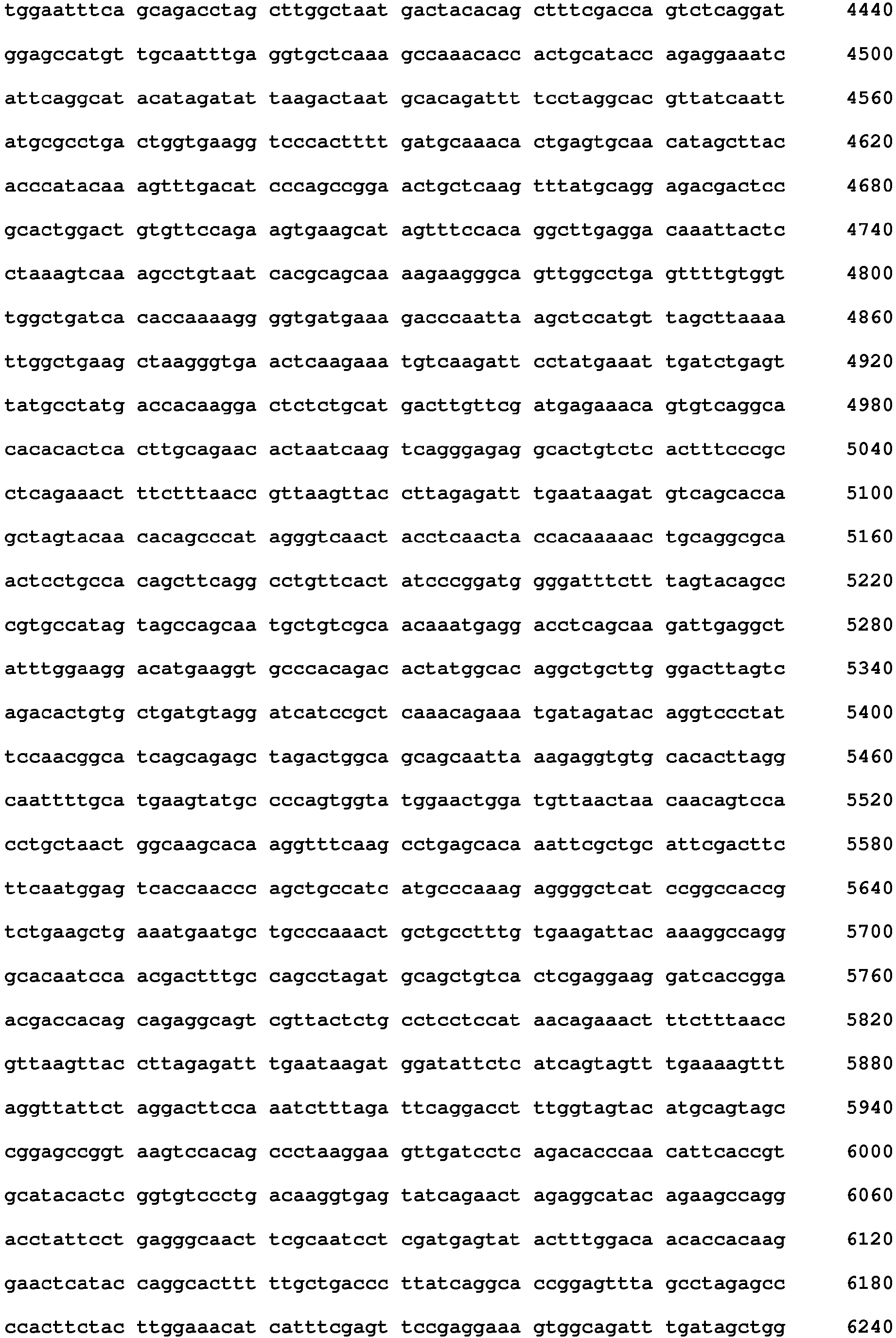


Claims (8)
- Use of colicin M or a derivative thereof for preventing or reducing contamination of an object with enterohaemorrhagic E. coli (EHEC), wherein said object is contacted with said colicin M or said derivative;
wherein(A) said colicin M or its derivative has an N-terminal translocation domain as follows:the N-terminal translocation domain has amino acid residues 1 to 35 of SEQ ID NO: 1, orhas 1 amino acid substitution, insertion, addition or deletion compared to amino acid residues 1 to 35 of SEQ ID NO: 1, orhas an amino acid sequence identity of at least 97 % to the N-terminal translocation domain of SEQ ID NO: 1, orhas an amino acid sequence similarity of at least 97 % to the N-terminal translocation domain SEQ ID NO: 1;(B) said colicin M or its derivative comprises a central receptor-binding domain as follows:the receptor-binding domain has residues 36 to 140 of colicin M of SEQ ID NO: 1, orhas a domain having from 1 to 3 amino acid substitutions, insertions, additions or deletions compared to residues 36 to 140 of SEQ ID NO: 1, orhas an amino acid sequence identity of at least 97 % to the receptor-binding domain of SEQ ID NO: 1, orhas an amino acid sequence similarity of at least 97 % to the receptor-binding domain SEQ ID NO: 1; and(C) said colicin M or its derivative comprises a C-terminal activity domain as follows:the activity domain is of residues 141 to 271 of SEQ ID NO: 1, orthe activity domain has from 1 to 5 amino acid residue substitutions, insertions, additions or deletions compared to amino acid residues 141 to 271 of SEQ ID NO: 1, orthe activity domain has an amino acid sequence identity of at least 97% to the activity domain of SEQ ID NO: 1;wherein contamination of an object with any one or all of the following E. coli serotypes is prevented or reduced: serotype O26:H11, serotype O45:H2, serotype 0103:H11, serotype O111:H8, serotype O157:H7, serotype O145:NM, and serotype O104:H4, andwherein the use does not comprise treatment of the human or animal body by surgery or therapy. - The use according to claim 1, wherein contamination of an object with any one or all of the following E. coli serotypes is prevented or reduced: serotype O26:H11, serotype O45:H2, serotype O103:H11, serotype O111:H8, serotype O145:NM, O157:H7, and O104:H4.
- The use according to claim 1, wherein said object is contacted with an aqueous solution containing colicin M or its derivative by spraying with said aqueous solution or by dipping said object into said aqueous solution.
- The use according to any one of claims 1 to 3, wherein said object is food.
- The use according to claim 4, wherein said food is immersed for at least 10 seconds into an aqueous solution of colicin M or its derivative.
- The use according to claim 1, wherein said colicin M or its derivative is produced by expression in a plant or in plant cells, followed by removing undesired components from said plant or said plant cells.
- The use according to claim 4, wherein said food is meat, raw fruit or raw vegetable.
- The use according to claim 1, which uses colicin M.
Priority Applications (4)
| Application Number | Priority Date | Filing Date | Title |
|---|---|---|---|
| US15/144,271 US10201168B2 (en) | 2015-05-26 | 2016-05-02 | Colicins for the control of EHEC |
| CA2928733A CA2928733C (en) | 2015-05-26 | 2016-05-03 | Colicins for the control of ehec |
| NZ719681A NZ719681A (en) | 2015-05-26 | 2016-05-03 | Colicins for the control of EHEC |
| AU2016202980A AU2016202980B2 (en) | 2015-05-26 | 2016-05-09 | Colicins for the control of EHEC |
Applications Claiming Priority (1)
| Application Number | Priority Date | Filing Date | Title |
|---|---|---|---|
| US201562166379P | 2015-05-26 | 2015-05-26 |
Publications (2)
| Publication Number | Publication Date |
|---|---|
| EP3097783A1 EP3097783A1 (en) | 2016-11-30 |
| EP3097783B1 true EP3097783B1 (en) | 2019-11-13 |
Family
ID=53836510
Family Applications (1)
| Application Number | Title | Priority Date | Filing Date |
|---|---|---|---|
| EP15181133.8A Active EP3097783B1 (en) | 2015-05-26 | 2015-08-14 | Colicin m for the control of ehec |
Country Status (5)
| Country | Link |
|---|---|
| US (1) | US10201168B2 (en) |
| EP (1) | EP3097783B1 (en) |
| AU (1) | AU2016202980B2 (en) |
| CA (1) | CA2928733C (en) |
| NZ (1) | NZ719681A (en) |
Families Citing this family (4)
| Publication number | Priority date | Publication date | Assignee | Title |
|---|---|---|---|---|
| EP3378485A1 (en) | 2017-03-24 | 2018-09-26 | Nomad Bioscience GmbH | Bacteriocins for control of salmonella enterica |
| EP3456829A1 (en) * | 2017-09-18 | 2019-03-20 | Nomad Bioscience GmbH | Method of improving potexviral vector stability |
| AU2020287918A1 (en) * | 2019-06-06 | 2021-12-16 | Nomad Bioscience Gmbh | Klebicins for the control of Klebsiella |
| WO2022012926A1 (en) | 2020-07-16 | 2022-01-20 | Nomad Bioscience Gmbh | Products for oral consumption with reduced sugar content |
Citations (3)
| Publication number | Priority date | Publication date | Assignee | Title |
|---|---|---|---|---|
| WO2014009744A1 (en) * | 2012-07-13 | 2014-01-16 | The University Court Of The University Of Glasgow | Colicins for treating bacterial infections |
| US20150050253A1 (en) * | 2013-08-19 | 2015-02-19 | Syngulon Sa. | Controlled growth of microorganisms |
| WO2015121443A1 (en) * | 2014-02-14 | 2015-08-20 | Lysando Ag | Antimicrobial agents |
Family Cites Families (19)
| Publication number | Priority date | Publication date | Assignee | Title |
|---|---|---|---|---|
| US5549895A (en) * | 1993-05-17 | 1996-08-27 | Iowa State University Research Foundation, Inc. | Method and colicin composition for inhibiting Escherichia coli 0157:H7 in food products |
| PL340297A1 (en) | 1997-10-24 | 2001-01-29 | Du Pont | Binary viral expression system in plants |
| CA2339595A1 (en) | 1998-09-23 | 2000-03-30 | Narendra S. Yadav | Binary viral expression system in plants |
| DE10109354A1 (en) | 2001-02-27 | 2002-09-05 | Icon Genetics Ag | Recombinant viral switch systems |
| DE10121283B4 (en) | 2001-04-30 | 2011-08-11 | Icon Genetics GmbH, 80333 | Methods and vectors for amplification or expression of desired nucleic acid sequences in plants |
| CN1533438A (en) | 2001-06-08 | 2004-09-29 | �����Ŵ��Ƽ���˾ | Method for producing protein in plant |
| DE60239831D1 (en) | 2002-04-30 | 2011-06-01 | Icon Genetics Gmbh | TRANS-SPLICING-BASED AMPLIFICATION VECTORS |
| WO2006012906A1 (en) | 2003-11-10 | 2006-02-09 | Icon Genetics Ag | Rna virus-derived plant expression system |
| DE602004027403D1 (en) | 2003-11-10 | 2010-07-08 | Icon Genetics Ag | DERIVED FROM RNA VIRUS PLANT EXPRESSION SYSTEM |
| EP1564295A1 (en) | 2004-01-23 | 2005-08-17 | Icon Genetics AG | RNA virus-derived plant expression system |
| US7592159B2 (en) | 2004-03-15 | 2009-09-22 | Iowa State University Research Foundation, Inc. | Antibiotic alternatives |
| MXPA06010457A (en) * | 2004-03-15 | 2006-12-14 | Univ Iowa State Res Found Inc | Novel antibiotic alternatives. |
| EP1616959A1 (en) | 2004-07-07 | 2006-01-18 | Icon Genetics AG | Biological safe transient protein expression in plants |
| JP5172828B2 (en) | 2006-05-29 | 2013-03-27 | アイコン・ジェネティクス・ゲーエムベーハー | Inducible expression system based on plant virus |
| EP1897953A1 (en) | 2006-09-06 | 2008-03-12 | Icon Genetics GmbH | Potexvirus-derived replicon |
| EP2395087A1 (en) | 2010-06-11 | 2011-12-14 | Icon Genetics GmbH | System and method of modular cloning |
| EP2418283A1 (en) | 2010-08-07 | 2012-02-15 | Nomad Bioscience GmbH | Process of transfecting plants |
| EP2647715A1 (en) | 2012-04-03 | 2013-10-09 | Nomad Bioscience GmbH | Agrobacterium for transient transfection of whole plants |
| EP2999790B1 (en) | 2013-05-23 | 2018-10-31 | Nomad Bioscience GmbH | Process of providing plants with abiotic stress resistance |
-
2015
- 2015-08-14 EP EP15181133.8A patent/EP3097783B1/en active Active
-
2016
- 2016-05-02 US US15/144,271 patent/US10201168B2/en active Active
- 2016-05-03 CA CA2928733A patent/CA2928733C/en active Active
- 2016-05-03 NZ NZ719681A patent/NZ719681A/en unknown
- 2016-05-09 AU AU2016202980A patent/AU2016202980B2/en active Active
Patent Citations (3)
| Publication number | Priority date | Publication date | Assignee | Title |
|---|---|---|---|---|
| WO2014009744A1 (en) * | 2012-07-13 | 2014-01-16 | The University Court Of The University Of Glasgow | Colicins for treating bacterial infections |
| US20150050253A1 (en) * | 2013-08-19 | 2015-02-19 | Syngulon Sa. | Controlled growth of microorganisms |
| WO2015121443A1 (en) * | 2014-02-14 | 2015-08-20 | Lysando Ag | Antimicrobial agents |
Also Published As
| Publication number | Publication date |
|---|---|
| US20160345599A1 (en) | 2016-12-01 |
| AU2016202980A1 (en) | 2016-12-15 |
| US10201168B2 (en) | 2019-02-12 |
| CA2928733A1 (en) | 2016-11-26 |
| AU2016202980B2 (en) | 2020-05-14 |
| CA2928733C (en) | 2023-01-24 |
| NZ719681A (en) | 2023-04-28 |
| EP3097783A1 (en) | 2016-11-30 |
Similar Documents
| Publication | Publication Date | Title |
|---|---|---|
| Schulz et al. | Broad and efficient control of major foodborne pathogenic strains of Escherichia coli by mixtures of plant-produced colicins | |
| US12264183B2 (en) | Bacteriocins for control of Salmonella enterica | |
| BG61614B1 (en) | NEW OCHARACTERIZED OXALATOXYDASE AND ITS ANNEX | |
| PT97826B (en) | PROCESS FOR THE PREPARATION OF PURIFICATION OF A PROTEIN FROM A PLANT WITH AN INHIBITOR EFFECT IN A PATHOGENY OR PESTE AND ANTI-FUNGUS COMPOSITIONS THAT CONTAINS THEM | |
| US20210292775A1 (en) | System and Methods for Engineering Bacteria Fit for Eukaryotic mRNA Production, Export, and Translation in a Eukaryotic Host | |
| CA2928733C (en) | Colicins for the control of ehec | |
| Hao et al. | Transgenic citrus plants expressing a ‘Candidatus Liberibacter asiaticus’ prophage protein LasP235 display Huanglongbing-like symptoms | |
| EP0749485B1 (en) | Antimicrobial proteins from impatiens | |
| Lai et al. | Analysis of the DRR230 family of pea defensins: gene expression pattern and evidence of broad host-range antifungal activity | |
| JPH09501424A (en) | Antimicrobial protein | |
| US20180105832A1 (en) | Novel aflatoxin and fungal infection control methods | |
| EP3592155B1 (en) | Method for reducing contamination of an object with clostridium | |
| CN101987867B (en) | Ethylene receptor NTHK1 interactive protein relevant to plant stress tolerance as well as coding gene and application thereof | |
| KR102155449B1 (en) | Method or mass production of LysP11 in plants, and pharmaceutical composition for prevention and treatment of swine erysipelas comprising the same | |
| Rai et al. | The TALE PthA4 of Xanthomonas citri subsp. citri Indirectly Activates an Expansin Gene CsEXP2 and an Endoglucanase CsEG1 via CsLOB1 to Cause Citrus Canker Symptoms | |
| Feltman | Development of the polygalacturonase inhibiting protein (PGIP) for delivery of foreign proteins to the surfaces of plant cells | |
| AU699457B2 (en) | Control of leaf scald disease | |
| Hu | Citrus canker requires targeting of a susceptibility gene by specific TAL effectors present in Xanthomonas citri | |
| Nyembe | Development of a reporter system for the analysis of Xylophilus ampelinus Type III Secreted effectors |
Legal Events
| Date | Code | Title | Description |
|---|---|---|---|
| PUAI | Public reference made under article 153(3) epc to a published international application that has entered the european phase |
Free format text: ORIGINAL CODE: 0009012 |
|
| AK | Designated contracting states |
Kind code of ref document: A1 Designated state(s): AL AT BE BG CH CY CZ DE DK EE ES FI FR GB GR HR HU IE IS IT LI LT LU LV MC MK MT NL NO PL PT RO RS SE SI SK SM TR |
|
| AX | Request for extension of the european patent |
Extension state: BA ME |
|
| STAA | Information on the status of an ep patent application or granted ep patent |
Free format text: STATUS: REQUEST FOR EXAMINATION WAS MADE |
|
| 17P | Request for examination filed |
Effective date: 20170529 |
|
| RBV | Designated contracting states (corrected) |
Designated state(s): AL AT BE BG CH CY CZ DE DK EE ES FI FR GB GR HR HU IE IS IT LI LT LU LV MC MK MT NL NO PL PT RO RS SE SI SK SM TR |
|
| STAA | Information on the status of an ep patent application or granted ep patent |
Free format text: STATUS: EXAMINATION IS IN PROGRESS |
|
| 17Q | First examination report despatched |
Effective date: 20170724 |
|
| RIN1 | Information on inventor provided before grant (corrected) |
Inventor name: HAHN, SIMONE Inventor name: JARCZOWSKI, FRANZISKA Inventor name: SCHULZ, STEVE Inventor name: STEPHAN, ANETT Inventor name: GLEBA, YURI Inventor name: GIRITCH, ANATOLI |
|
| GRAP | Despatch of communication of intention to grant a patent |
Free format text: ORIGINAL CODE: EPIDOSNIGR1 |
|
| STAA | Information on the status of an ep patent application or granted ep patent |
Free format text: STATUS: GRANT OF PATENT IS INTENDED |
|
| INTG | Intention to grant announced |
Effective date: 20190607 |
|
| GRAS | Grant fee paid |
Free format text: ORIGINAL CODE: EPIDOSNIGR3 |
|
| GRAA | (expected) grant |
Free format text: ORIGINAL CODE: 0009210 |
|
| STAA | Information on the status of an ep patent application or granted ep patent |
Free format text: STATUS: THE PATENT HAS BEEN GRANTED |
|
| AK | Designated contracting states |
Kind code of ref document: B1 Designated state(s): AL AT BE BG CH CY CZ DE DK EE ES FI FR GB GR HR HU IE IS IT LI LT LU LV MC MK MT NL NO PL PT RO RS SE SI SK SM TR |
|
| REG | Reference to a national code |
Ref country code: CH Ref legal event code: EP Ref country code: AT Ref legal event code: REF Ref document number: 1200728 Country of ref document: AT Kind code of ref document: T Effective date: 20191115 |
|
| REG | Reference to a national code |
Ref country code: DE Ref legal event code: R079 Ref document number: 602015041517 Country of ref document: DE Free format text: PREVIOUS MAIN CLASS: A01N0063020000 Ipc: A01N0063200000 |
|
| REG | Reference to a national code |
Ref country code: DE Ref legal event code: R096 Ref document number: 602015041517 Country of ref document: DE |
|
| REG | Reference to a national code |
Ref country code: IE Ref legal event code: FG4D |
|
| REG | Reference to a national code |
Ref country code: NL Ref legal event code: MP Effective date: 20191113 |
|
| REG | Reference to a national code |
Ref country code: LT Ref legal event code: MG4D |
|
| PG25 | Lapsed in a contracting state [announced via postgrant information from national office to epo] |
Ref country code: FI Free format text: LAPSE BECAUSE OF FAILURE TO SUBMIT A TRANSLATION OF THE DESCRIPTION OR TO PAY THE FEE WITHIN THE PRESCRIBED TIME-LIMIT Effective date: 20191113 Ref country code: BG Free format text: LAPSE BECAUSE OF FAILURE TO SUBMIT A TRANSLATION OF THE DESCRIPTION OR TO PAY THE FEE WITHIN THE PRESCRIBED TIME-LIMIT Effective date: 20200213 Ref country code: GR Free format text: LAPSE BECAUSE OF FAILURE TO SUBMIT A TRANSLATION OF THE DESCRIPTION OR TO PAY THE FEE WITHIN THE PRESCRIBED TIME-LIMIT Effective date: 20200214 Ref country code: PL Free format text: LAPSE BECAUSE OF FAILURE TO SUBMIT A TRANSLATION OF THE DESCRIPTION OR TO PAY THE FEE WITHIN THE PRESCRIBED TIME-LIMIT Effective date: 20191113 Ref country code: PT Free format text: LAPSE BECAUSE OF FAILURE TO SUBMIT A TRANSLATION OF THE DESCRIPTION OR TO PAY THE FEE WITHIN THE PRESCRIBED TIME-LIMIT Effective date: 20200313 Ref country code: NO Free format text: LAPSE BECAUSE OF FAILURE TO SUBMIT A TRANSLATION OF THE DESCRIPTION OR TO PAY THE FEE WITHIN THE PRESCRIBED TIME-LIMIT Effective date: 20200213 Ref country code: SE Free format text: LAPSE BECAUSE OF FAILURE TO SUBMIT A TRANSLATION OF THE DESCRIPTION OR TO PAY THE FEE WITHIN THE PRESCRIBED TIME-LIMIT Effective date: 20191113 Ref country code: LV Free format text: LAPSE BECAUSE OF FAILURE TO SUBMIT A TRANSLATION OF THE DESCRIPTION OR TO PAY THE FEE WITHIN THE PRESCRIBED TIME-LIMIT Effective date: 20191113 Ref country code: LT Free format text: LAPSE BECAUSE OF FAILURE TO SUBMIT A TRANSLATION OF THE DESCRIPTION OR TO PAY THE FEE WITHIN THE PRESCRIBED TIME-LIMIT Effective date: 20191113 Ref country code: NL Free format text: LAPSE BECAUSE OF FAILURE TO SUBMIT A TRANSLATION OF THE DESCRIPTION OR TO PAY THE FEE WITHIN THE PRESCRIBED TIME-LIMIT Effective date: 20191113 |
|
| PG25 | Lapsed in a contracting state [announced via postgrant information from national office to epo] |
Ref country code: IS Free format text: LAPSE BECAUSE OF FAILURE TO SUBMIT A TRANSLATION OF THE DESCRIPTION OR TO PAY THE FEE WITHIN THE PRESCRIBED TIME-LIMIT Effective date: 20200313 Ref country code: RS Free format text: LAPSE BECAUSE OF FAILURE TO SUBMIT A TRANSLATION OF THE DESCRIPTION OR TO PAY THE FEE WITHIN THE PRESCRIBED TIME-LIMIT Effective date: 20191113 Ref country code: HR Free format text: LAPSE BECAUSE OF FAILURE TO SUBMIT A TRANSLATION OF THE DESCRIPTION OR TO PAY THE FEE WITHIN THE PRESCRIBED TIME-LIMIT Effective date: 20191113 |
|
| PG25 | Lapsed in a contracting state [announced via postgrant information from national office to epo] |
Ref country code: AL Free format text: LAPSE BECAUSE OF FAILURE TO SUBMIT A TRANSLATION OF THE DESCRIPTION OR TO PAY THE FEE WITHIN THE PRESCRIBED TIME-LIMIT Effective date: 20191113 |
|
| PG25 | Lapsed in a contracting state [announced via postgrant information from national office to epo] |
Ref country code: DK Free format text: LAPSE BECAUSE OF FAILURE TO SUBMIT A TRANSLATION OF THE DESCRIPTION OR TO PAY THE FEE WITHIN THE PRESCRIBED TIME-LIMIT Effective date: 20191113 Ref country code: ES Free format text: LAPSE BECAUSE OF FAILURE TO SUBMIT A TRANSLATION OF THE DESCRIPTION OR TO PAY THE FEE WITHIN THE PRESCRIBED TIME-LIMIT Effective date: 20191113 Ref country code: EE Free format text: LAPSE BECAUSE OF FAILURE TO SUBMIT A TRANSLATION OF THE DESCRIPTION OR TO PAY THE FEE WITHIN THE PRESCRIBED TIME-LIMIT Effective date: 20191113 Ref country code: RO Free format text: LAPSE BECAUSE OF FAILURE TO SUBMIT A TRANSLATION OF THE DESCRIPTION OR TO PAY THE FEE WITHIN THE PRESCRIBED TIME-LIMIT Effective date: 20191113 Ref country code: CZ Free format text: LAPSE BECAUSE OF FAILURE TO SUBMIT A TRANSLATION OF THE DESCRIPTION OR TO PAY THE FEE WITHIN THE PRESCRIBED TIME-LIMIT Effective date: 20191113 |
|
| REG | Reference to a national code |
Ref country code: DE Ref legal event code: R097 Ref document number: 602015041517 Country of ref document: DE |
|
| REG | Reference to a national code |
Ref country code: AT Ref legal event code: MK05 Ref document number: 1200728 Country of ref document: AT Kind code of ref document: T Effective date: 20191113 |
|
| PG25 | Lapsed in a contracting state [announced via postgrant information from national office to epo] |
Ref country code: SM Free format text: LAPSE BECAUSE OF FAILURE TO SUBMIT A TRANSLATION OF THE DESCRIPTION OR TO PAY THE FEE WITHIN THE PRESCRIBED TIME-LIMIT Effective date: 20191113 Ref country code: SK Free format text: LAPSE BECAUSE OF FAILURE TO SUBMIT A TRANSLATION OF THE DESCRIPTION OR TO PAY THE FEE WITHIN THE PRESCRIBED TIME-LIMIT Effective date: 20191113 |
|
| PLBE | No opposition filed within time limit |
Free format text: ORIGINAL CODE: 0009261 |
|
| STAA | Information on the status of an ep patent application or granted ep patent |
Free format text: STATUS: NO OPPOSITION FILED WITHIN TIME LIMIT |
|
| 26N | No opposition filed |
Effective date: 20200814 |
|
| PG25 | Lapsed in a contracting state [announced via postgrant information from national office to epo] |
Ref country code: AT Free format text: LAPSE BECAUSE OF FAILURE TO SUBMIT A TRANSLATION OF THE DESCRIPTION OR TO PAY THE FEE WITHIN THE PRESCRIBED TIME-LIMIT Effective date: 20191113 Ref country code: SI Free format text: LAPSE BECAUSE OF FAILURE TO SUBMIT A TRANSLATION OF THE DESCRIPTION OR TO PAY THE FEE WITHIN THE PRESCRIBED TIME-LIMIT Effective date: 20191113 |
|
| PG25 | Lapsed in a contracting state [announced via postgrant information from national office to epo] |
Ref country code: IT Free format text: LAPSE BECAUSE OF FAILURE TO SUBMIT A TRANSLATION OF THE DESCRIPTION OR TO PAY THE FEE WITHIN THE PRESCRIBED TIME-LIMIT Effective date: 20191113 |
|
| PG25 | Lapsed in a contracting state [announced via postgrant information from national office to epo] |
Ref country code: MC Free format text: LAPSE BECAUSE OF FAILURE TO SUBMIT A TRANSLATION OF THE DESCRIPTION OR TO PAY THE FEE WITHIN THE PRESCRIBED TIME-LIMIT Effective date: 20191113 |
|
| REG | Reference to a national code |
Ref country code: CH Ref legal event code: PL |
|
| PG25 | Lapsed in a contracting state [announced via postgrant information from national office to epo] |
Ref country code: CH Free format text: LAPSE BECAUSE OF NON-PAYMENT OF DUE FEES Effective date: 20200831 Ref country code: LI Free format text: LAPSE BECAUSE OF NON-PAYMENT OF DUE FEES Effective date: 20200831 Ref country code: LU Free format text: LAPSE BECAUSE OF NON-PAYMENT OF DUE FEES Effective date: 20200814 |
|
| REG | Reference to a national code |
Ref country code: BE Ref legal event code: MM Effective date: 20200831 |
|
| PG25 | Lapsed in a contracting state [announced via postgrant information from national office to epo] |
Ref country code: IE Free format text: LAPSE BECAUSE OF NON-PAYMENT OF DUE FEES Effective date: 20200814 Ref country code: BE Free format text: LAPSE BECAUSE OF NON-PAYMENT OF DUE FEES Effective date: 20200831 |
|
| PG25 | Lapsed in a contracting state [announced via postgrant information from national office to epo] |
Ref country code: TR Free format text: LAPSE BECAUSE OF FAILURE TO SUBMIT A TRANSLATION OF THE DESCRIPTION OR TO PAY THE FEE WITHIN THE PRESCRIBED TIME-LIMIT Effective date: 20191113 Ref country code: MT Free format text: LAPSE BECAUSE OF FAILURE TO SUBMIT A TRANSLATION OF THE DESCRIPTION OR TO PAY THE FEE WITHIN THE PRESCRIBED TIME-LIMIT Effective date: 20191113 Ref country code: CY Free format text: LAPSE BECAUSE OF FAILURE TO SUBMIT A TRANSLATION OF THE DESCRIPTION OR TO PAY THE FEE WITHIN THE PRESCRIBED TIME-LIMIT Effective date: 20191113 |
|
| PG25 | Lapsed in a contracting state [announced via postgrant information from national office to epo] |
Ref country code: MK Free format text: LAPSE BECAUSE OF FAILURE TO SUBMIT A TRANSLATION OF THE DESCRIPTION OR TO PAY THE FEE WITHIN THE PRESCRIBED TIME-LIMIT Effective date: 20191113 |
|
| PGFP | Annual fee paid to national office [announced via postgrant information from national office to epo] |
Ref country code: DE Payment date: 20250829 Year of fee payment: 11 |
|
| PGFP | Annual fee paid to national office [announced via postgrant information from national office to epo] |
Ref country code: GB Payment date: 20250923 Year of fee payment: 11 |
|
| PGFP | Annual fee paid to national office [announced via postgrant information from national office to epo] |
Ref country code: FR Payment date: 20250828 Year of fee payment: 11 |