EP3096742B1 - Compositions and methods for modifying the surface of cells and methods of use - Google Patents
Compositions and methods for modifying the surface of cells and methods of use Download PDFInfo
- Publication number
- EP3096742B1 EP3096742B1 EP15737194.9A EP15737194A EP3096742B1 EP 3096742 B1 EP3096742 B1 EP 3096742B1 EP 15737194 A EP15737194 A EP 15737194A EP 3096742 B1 EP3096742 B1 EP 3096742B1
- Authority
- EP
- European Patent Office
- Prior art keywords
- cell
- composition
- peg
- mscs
- compound
- Prior art date
- Legal status (The legal status is an assumption and is not a legal conclusion. Google has not performed a legal analysis and makes no representation as to the accuracy of the status listed.)
- Active
Links
Images







Classifications
-
- A—HUMAN NECESSITIES
- A61—MEDICAL OR VETERINARY SCIENCE; HYGIENE
- A61K—PREPARATIONS FOR MEDICAL, DENTAL OR TOILETRY PURPOSES
- A61K47/00—Medicinal preparations characterised by the non-active ingredients used, e.g. carriers or inert additives; Targeting or modifying agents chemically bound to the active ingredient
- A61K47/50—Medicinal preparations characterised by the non-active ingredients used, e.g. carriers or inert additives; Targeting or modifying agents chemically bound to the active ingredient the non-active ingredient being chemically bound to the active ingredient, e.g. polymer-drug conjugates
- A61K47/51—Medicinal preparations characterised by the non-active ingredients used, e.g. carriers or inert additives; Targeting or modifying agents chemically bound to the active ingredient the non-active ingredient being chemically bound to the active ingredient, e.g. polymer-drug conjugates the non-active ingredient being a modifying agent
- A61K47/56—Medicinal preparations characterised by the non-active ingredients used, e.g. carriers or inert additives; Targeting or modifying agents chemically bound to the active ingredient the non-active ingredient being chemically bound to the active ingredient, e.g. polymer-drug conjugates the non-active ingredient being a modifying agent the modifying agent being an organic macromolecular compound, e.g. an oligomeric, polymeric or dendrimeric molecule
- A61K47/59—Medicinal preparations characterised by the non-active ingredients used, e.g. carriers or inert additives; Targeting or modifying agents chemically bound to the active ingredient the non-active ingredient being chemically bound to the active ingredient, e.g. polymer-drug conjugates the non-active ingredient being a modifying agent the modifying agent being an organic macromolecular compound, e.g. an oligomeric, polymeric or dendrimeric molecule obtained otherwise than by reactions only involving carbon-to-carbon unsaturated bonds, e.g. polyureas or polyurethanes
- A61K47/60—Medicinal preparations characterised by the non-active ingredients used, e.g. carriers or inert additives; Targeting or modifying agents chemically bound to the active ingredient the non-active ingredient being chemically bound to the active ingredient, e.g. polymer-drug conjugates the non-active ingredient being a modifying agent the modifying agent being an organic macromolecular compound, e.g. an oligomeric, polymeric or dendrimeric molecule obtained otherwise than by reactions only involving carbon-to-carbon unsaturated bonds, e.g. polyureas or polyurethanes the organic macromolecular compound being a polyoxyalkylene oligomer, polymer or dendrimer, e.g. PEG, PPG, PEO or polyglycerol
-
- C—CHEMISTRY; METALLURGY
- C12—BIOCHEMISTRY; BEER; SPIRITS; WINE; VINEGAR; MICROBIOLOGY; ENZYMOLOGY; MUTATION OR GENETIC ENGINEERING
- C12N—MICROORGANISMS OR ENZYMES; COMPOSITIONS THEREOF; PROPAGATING, PRESERVING, OR MAINTAINING MICROORGANISMS; MUTATION OR GENETIC ENGINEERING; CULTURE MEDIA
- C12N5/00—Undifferentiated human, animal or plant cells, e.g. cell lines; Tissues; Cultivation or maintenance thereof; Culture media therefor
- C12N5/0006—Modification of the membrane of cells, e.g. cell decoration
-
- A—HUMAN NECESSITIES
- A61—MEDICAL OR VETERINARY SCIENCE; HYGIENE
- A61K—PREPARATIONS FOR MEDICAL, DENTAL OR TOILETRY PURPOSES
- A61K35/00—Medicinal preparations containing materials or reaction products thereof with undetermined constitution
- A61K35/12—Materials from mammals; Compositions comprising non-specified tissues or cells; Compositions comprising non-embryonic stem cells; Genetically modified cells
- A61K35/28—Bone marrow; Haematopoietic stem cells; Mesenchymal stem cells of any origin, e.g. adipose-derived stem cells
-
- A—HUMAN NECESSITIES
- A61—MEDICAL OR VETERINARY SCIENCE; HYGIENE
- A61K—PREPARATIONS FOR MEDICAL, DENTAL OR TOILETRY PURPOSES
- A61K47/00—Medicinal preparations characterised by the non-active ingredients used, e.g. carriers or inert additives; Targeting or modifying agents chemically bound to the active ingredient
- A61K47/50—Medicinal preparations characterised by the non-active ingredients used, e.g. carriers or inert additives; Targeting or modifying agents chemically bound to the active ingredient the non-active ingredient being chemically bound to the active ingredient, e.g. polymer-drug conjugates
- A61K47/51—Medicinal preparations characterised by the non-active ingredients used, e.g. carriers or inert additives; Targeting or modifying agents chemically bound to the active ingredient the non-active ingredient being chemically bound to the active ingredient, e.g. polymer-drug conjugates the non-active ingredient being a modifying agent
- A61K47/62—Medicinal preparations characterised by the non-active ingredients used, e.g. carriers or inert additives; Targeting or modifying agents chemically bound to the active ingredient the non-active ingredient being chemically bound to the active ingredient, e.g. polymer-drug conjugates the non-active ingredient being a modifying agent the modifying agent being a protein, peptide or polyamino acid
- A61K47/64—Drug-peptide, drug-protein or drug-polyamino acid conjugates, i.e. the modifying agent being a peptide, protein or polyamino acid which is covalently bonded or complexed to a therapeutically active agent
-
- A—HUMAN NECESSITIES
- A61—MEDICAL OR VETERINARY SCIENCE; HYGIENE
- A61K—PREPARATIONS FOR MEDICAL, DENTAL OR TOILETRY PURPOSES
- A61K47/00—Medicinal preparations characterised by the non-active ingredients used, e.g. carriers or inert additives; Targeting or modifying agents chemically bound to the active ingredient
- A61K47/50—Medicinal preparations characterised by the non-active ingredients used, e.g. carriers or inert additives; Targeting or modifying agents chemically bound to the active ingredient the non-active ingredient being chemically bound to the active ingredient, e.g. polymer-drug conjugates
- A61K47/51—Medicinal preparations characterised by the non-active ingredients used, e.g. carriers or inert additives; Targeting or modifying agents chemically bound to the active ingredient the non-active ingredient being chemically bound to the active ingredient, e.g. polymer-drug conjugates the non-active ingredient being a modifying agent
- A61K47/62—Medicinal preparations characterised by the non-active ingredients used, e.g. carriers or inert additives; Targeting or modifying agents chemically bound to the active ingredient the non-active ingredient being chemically bound to the active ingredient, e.g. polymer-drug conjugates the non-active ingredient being a modifying agent the modifying agent being a protein, peptide or polyamino acid
- A61K47/64—Drug-peptide, drug-protein or drug-polyamino acid conjugates, i.e. the modifying agent being a peptide, protein or polyamino acid which is covalently bonded or complexed to a therapeutically active agent
- A61K47/6425—Drug-peptide, drug-protein or drug-polyamino acid conjugates, i.e. the modifying agent being a peptide, protein or polyamino acid which is covalently bonded or complexed to a therapeutically active agent the peptide or protein in the drug conjugate being a receptor, e.g. CD4, a cell surface antigen, i.e. not a peptide ligand targeting the antigen, or a cell surface determinant, i.e. a part of the surface of a cell
-
- A—HUMAN NECESSITIES
- A61—MEDICAL OR VETERINARY SCIENCE; HYGIENE
- A61K—PREPARATIONS FOR MEDICAL, DENTAL OR TOILETRY PURPOSES
- A61K47/00—Medicinal preparations characterised by the non-active ingredients used, e.g. carriers or inert additives; Targeting or modifying agents chemically bound to the active ingredient
- A61K47/50—Medicinal preparations characterised by the non-active ingredients used, e.g. carriers or inert additives; Targeting or modifying agents chemically bound to the active ingredient the non-active ingredient being chemically bound to the active ingredient, e.g. polymer-drug conjugates
- A61K47/69—Medicinal preparations characterised by the non-active ingredients used, e.g. carriers or inert additives; Targeting or modifying agents chemically bound to the active ingredient the non-active ingredient being chemically bound to the active ingredient, e.g. polymer-drug conjugates the conjugate being characterised by physical or galenical forms, e.g. emulsion, particle, inclusion complex, stent or kit
- A61K47/6905—Medicinal preparations characterised by the non-active ingredients used, e.g. carriers or inert additives; Targeting or modifying agents chemically bound to the active ingredient the non-active ingredient being chemically bound to the active ingredient, e.g. polymer-drug conjugates the conjugate being characterised by physical or galenical forms, e.g. emulsion, particle, inclusion complex, stent or kit the form being a colloid or an emulsion
- A61K47/6911—Medicinal preparations characterised by the non-active ingredients used, e.g. carriers or inert additives; Targeting or modifying agents chemically bound to the active ingredient the non-active ingredient being chemically bound to the active ingredient, e.g. polymer-drug conjugates the conjugate being characterised by physical or galenical forms, e.g. emulsion, particle, inclusion complex, stent or kit the form being a colloid or an emulsion the form being a liposome
-
- A—HUMAN NECESSITIES
- A61—MEDICAL OR VETERINARY SCIENCE; HYGIENE
- A61K—PREPARATIONS FOR MEDICAL, DENTAL OR TOILETRY PURPOSES
- A61K49/00—Preparations for testing in vivo
- A61K49/001—Preparation for luminescence or biological staining
- A61K49/0013—Luminescence
- A61K49/0017—Fluorescence in vivo
- A61K49/0019—Fluorescence in vivo characterised by the fluorescent group, e.g. oligomeric, polymeric or dendritic molecules
- A61K49/0021—Fluorescence in vivo characterised by the fluorescent group, e.g. oligomeric, polymeric or dendritic molecules the fluorescent group being a small organic molecule
- A61K49/0041—Xanthene dyes, used in vivo, e.g. administered to a mice, e.g. rhodamines, rose Bengal
-
- A—HUMAN NECESSITIES
- A61—MEDICAL OR VETERINARY SCIENCE; HYGIENE
- A61K—PREPARATIONS FOR MEDICAL, DENTAL OR TOILETRY PURPOSES
- A61K49/00—Preparations for testing in vivo
- A61K49/001—Preparation for luminescence or biological staining
- A61K49/0013—Luminescence
- A61K49/0017—Fluorescence in vivo
- A61K49/0019—Fluorescence in vivo characterised by the fluorescent group, e.g. oligomeric, polymeric or dendritic molecules
- A61K49/0045—Fluorescence in vivo characterised by the fluorescent group, e.g. oligomeric, polymeric or dendritic molecules the fluorescent agent being a peptide or protein used for imaging or diagnosis in vivo
- A61K49/0047—Green fluorescent protein [GFP]
-
- A—HUMAN NECESSITIES
- A61—MEDICAL OR VETERINARY SCIENCE; HYGIENE
- A61K—PREPARATIONS FOR MEDICAL, DENTAL OR TOILETRY PURPOSES
- A61K49/00—Preparations for testing in vivo
- A61K49/001—Preparation for luminescence or biological staining
- A61K49/0063—Preparation for luminescence or biological staining characterised by a special physical or galenical form, e.g. emulsions, microspheres
- A61K49/0069—Preparation for luminescence or biological staining characterised by a special physical or galenical form, e.g. emulsions, microspheres the agent being in a particular physical galenical form
- A61K49/0076—Preparation for luminescence or biological staining characterised by a special physical or galenical form, e.g. emulsions, microspheres the agent being in a particular physical galenical form dispersion, suspension, e.g. particles in a liquid, colloid, emulsion
- A61K49/0084—Preparation for luminescence or biological staining characterised by a special physical or galenical form, e.g. emulsions, microspheres the agent being in a particular physical galenical form dispersion, suspension, e.g. particles in a liquid, colloid, emulsion liposome, i.e. bilayered vesicular structure
-
- C—CHEMISTRY; METALLURGY
- C12—BIOCHEMISTRY; BEER; SPIRITS; WINE; VINEGAR; MICROBIOLOGY; ENZYMOLOGY; MUTATION OR GENETIC ENGINEERING
- C12N—MICROORGANISMS OR ENZYMES; COMPOSITIONS THEREOF; PROPAGATING, PRESERVING, OR MAINTAINING MICROORGANISMS; MUTATION OR GENETIC ENGINEERING; CULTURE MEDIA
- C12N5/00—Undifferentiated human, animal or plant cells, e.g. cell lines; Tissues; Cultivation or maintenance thereof; Culture media therefor
- C12N5/06—Animal cells or tissues; Human cells or tissues
- C12N5/0602—Vertebrate cells
- C12N5/0652—Cells of skeletal and connective tissues; Mesenchyme
- C12N5/0662—Stem cells
-
- C—CHEMISTRY; METALLURGY
- C12—BIOCHEMISTRY; BEER; SPIRITS; WINE; VINEGAR; MICROBIOLOGY; ENZYMOLOGY; MUTATION OR GENETIC ENGINEERING
- C12N—MICROORGANISMS OR ENZYMES; COMPOSITIONS THEREOF; PROPAGATING, PRESERVING, OR MAINTAINING MICROORGANISMS; MUTATION OR GENETIC ENGINEERING; CULTURE MEDIA
- C12N5/00—Undifferentiated human, animal or plant cells, e.g. cell lines; Tissues; Cultivation or maintenance thereof; Culture media therefor
- C12N5/06—Animal cells or tissues; Human cells or tissues
- C12N5/0602—Vertebrate cells
- C12N5/0652—Cells of skeletal and connective tissues; Mesenchyme
- C12N5/0662—Stem cells
- C12N5/0663—Bone marrow mesenchymal stem cells (BM-MSC)
-
- A—HUMAN NECESSITIES
- A61—MEDICAL OR VETERINARY SCIENCE; HYGIENE
- A61K—PREPARATIONS FOR MEDICAL, DENTAL OR TOILETRY PURPOSES
- A61K35/00—Medicinal preparations containing materials or reaction products thereof with undetermined constitution
- A61K35/12—Materials from mammals; Compositions comprising non-specified tissues or cells; Compositions comprising non-embryonic stem cells; Genetically modified cells
- A61K2035/124—Materials from mammals; Compositions comprising non-specified tissues or cells; Compositions comprising non-embryonic stem cells; Genetically modified cells the cells being hematopoietic, bone marrow derived or blood cells
Definitions
- Cellular therapies such as stem cell therapies, offer enormous hope for treating illnesses, diseases and tissue defects.
- a significant barrier for the effective implementation of cell therapies is the inability to target a large quantity of viable cells to tissues of interest with high efficiency.
- Systemic infusion is generally desired, because it minimizes the invasiveness of cell therapy and maximizes practical aspects of repeated doses. It also permits the cells to mimic natural cell trafficking processes and helps to ensure that cells remain in close proximity to oxygen and nutrient-rich blood vessels. However, cells generally exhibit poor homing capability or lose their capacity to home following ex vivo culture expansion.
- MSCs mesenchymal stem cells
- LV left ventricular remodeling
- MI myocardial infarction
- CXC chemokine receptor 4 CXC chemokine receptor 4
- SDF-1 chemokine stromal-derived factor-1
- CXCR4+ MSCs culture-expanded MSCs develop heterogeneous receptor expression and appear to lose key homing ligands, such as CXCR4, during cell culture, which contributes to the inefficiency of MSC homing in vivo. As most of the transplanted MSCs rapidly decline following IV infusion, there is a significant need to improve homing efficiency following systemic administration.
- MSCs for autologous administration takes several weeks to obtain the necessary number of MSCs needed for regenerative therapy, thus complicating the administration of MSC therapy in patients with an acute MI (AMI), who have a small therapeutic window.
- AMI acute MI
- the key limitations in all of these approaches are the long-term processing time (>24 hours) to up-regulate CXCR4, the number of complicated steps, and the requirement for invasiveness to transfect DNA or to transduce a virus particle.
- the disclosure provides a composition comprising the compound of formula (I): L-Y-X-T (I).
- the disclosure provides a method of localizing a cell to a location having associated therewith a target ligand, the method comprising delivering to the location a composition comprising the cell bound to the compound of formula (I): L-Y-X-T (I).
- compositions and methods for modifying the surface of a living cell are also described herein. Also described herein are methods of localizing a cell to a location having an associated target ligand, and for treating a subject suffering from myocardial ischemia or infarction.
- each intervening number there between with the same degree of precision is explicitly contemplated.
- the numbers 7 and 8 are contemplated in addition to 6 and 9, and for the range 6.0-7.0, the numbers 6.0, 6.1, 6.2, 6.3, 6.4, 6.5, 6.6, 6.7, 6.8, 6.9 and 7.0 are explicitly contemplated.
- the term “about” is used synonymously with the term “approximately.”
- the use of the term “about” includes values slightly outside the cited values, namely, plus or minus 10%. Such values are thus encompassed by the scope of the claims reciting the terms “about” and “approximately.”
- the term “about” as used in connection with the size of poly(ethylene glycol) is intended to account for the fact that poly(ethylene glycol) is formed by a polymerization reaction, and generally has a distribution of sizes and molecular weights of approximately plus or minus 10%.
- compositions formed using poly(ethylene glycol) also will have a distribution of sizes and molecular weights.
- administer refers to any manner of providing a compound or a pharmaceutical composition (e.g., one described herein), to a subject or patient.
- Routes of administration can be accomplished through any means known by those skilled in the art. Such means include, but are not limited to, oral, buccal, intravenous, subcutaneous, intramuscular, transdermal, by inhalation and the like.
- Effective amount refers to a dosage of a compound or a composition effective for eliciting a desired effect. This term as used herein may also refer to an amount effective at bringing about a desired in vivo effect in an animal, mammal, or human, such as treating an acute MI.
- the term "subject” is intended to include human and non-human animals.
- An example of human subjects include a human patient having a disorder, e.g., an acute MI, or a normal subject.
- non-human animals includes all vertebrates, e.g. non-mammals (such as chickens, amphibians, reptiles), and mammals, such as non-human primates, domesticated and/or agriculturally useful animals (such as sheep, dogs, cats, cows, pigs, etc.), and rodents (such as mice, rats, hamsters, guinea pigs, etc.).
- chimeric antigen receptor refers to an engineered receptor used to confer the specificity of an antibody onto a cell, such as a T cell.
- treat or “treating" a subject having a disorder refers to administering a compound or a composition described herein to the subject, such that at least one symptom of the disorder is cured, healed, alleviated, relieved, altered, remedied, ameliorated, or improved. Treating includes administering an amount effective to alleviate, relieve, alter, remedy, ameliorate, cure, improve or affect the disorder or the symptoms of the disorder.
- the treatment may inhibit deterioration or worsening of a symptom of a disorder.
- phospholipid refers to compounds that comprise a lipid moiety and a phosphate moiety.
- Commonly available phospholipids are those belonging to the glycerophospholipid class (also known as phosphoglycerols or as diacylglyceride phosphates), including, but not limited to 1,2-dimyristoyl- sn -glycero-3-phosphoethanolamine, 1,2-dipalmitoyl- sn -glycero-3-phosphoethanolamine and 1,2-distearoyl- sn -glycero-3-phosphocholine.
- glycerophospholipid class also known as phosphoglycerols or as diacylglyceride phosphates
- 1,2-dimyristoyl- sn -glycero-3-phosphoethanolamine 1,2-dipalmitoyl- sn -glycero-3-phosphoethanolamine
- targeting moiety refers to any chemical entity that serves to target or direct the modified cell to a particular location or association (e.g., a specific binding event).
- a targeting moiety may be used to direct a modified cell to a specific protein or enzyme, or to a particular cellular location, or to a particular cell type, in order to selectively enhance accumulation of the carrier cell.
- Suitable targeting moieties include, but are not limited to proteins, peptides, glycoproteins, glycopeptides, steroids, polysaccharides, hormones, cofactors, nucleic acids, antibodies, chimeric antigen receptors, and drugs.
- target ligand refers to the chemical entity which the targeting moiety is directed toward.
- the target ligand may be a specific protein or enzyme in the body to which the targeting moiety becomes bound to or associated with, thereby increasing the accumulation of the modified cell carrying the targeting moiety in that particular physiological location.
- hydroxyl refers to an -OH radical.
- amino refers to a group of the formula -NHR, wherein R is selected from, for example, hydrogen, alkyl, alkenyl, alkynyl, cycloalkyl, heterocycle, aryl, arylalkyl, and heteroaryl.
- R is selected from, for example, hydrogen, alkyl, alkenyl, alkynyl, cycloalkyl, heterocycle, aryl, arylalkyl, and heteroaryl.
- amino groups include but are not limited to -NH 2 , alkylamino groups such as -NHCH 3 , -NHCH 2 CH 3 and -NHCH(CH 3 ) 2 , and arylamino groups such as - NHPh.
- the group R may be optionally substituted with one or more substituents.
- carboxyl refers to a -COOH radical.
- silane refers to a group of the formula -SiR a R b R c , wherein R a , R b , and R c are each independently selected from, for example, hydrogen, alkyl, alkenyl, alkynyl, cycloalkyl, heterocycle, aryl and heteroaryl.
- thiol refers to an -SH radical.
- azide refers to an -N 3 radical.
- substituted refers to a group “substituted” on an alkyl, alkenyl, alkynyl, cycloalkyl, heterocycle, aryl, arylalkyl, heteroaryl or heteroarylalkyl group at any atom of that group. Any atom can be substituted.
- substituents on a group are independently any one single, or any combination of the aforementioned substituents.
- a substituent may itself be substituted with any one of the above substituents.
- groups and substituents thereof may be selected in accordance with permitted valence of the atoms and the substituents, such that the selections and substitutions result in a stable compound, e.g., which does not spontaneously undergo transformation such as by rearrangement, cyclization, elimination, etc.
- substituent groups are specified by their conventional chemical formulae, written from left to right, they optionally encompass substituents resulting from writing the structure from right to left, e.g., -CH 2 O- optionally also recites -OCH 2 -.
- L may be any suitable phospholipid capable of hydrophobically binding to the surface of a cell.
- L may include, but is not limited to: 1,2-dimyristoyl- sn -glycero-3-phosphoethanolamine (DMPE), 1,2-dipalmitoyl- sn -glycero-3-phosphoethanolamine, and 1,2-distearoyl- sn -glycero-3-phosphocholine.
- L may be 1,2-dimyristoyl-sn-glycero-3-phosphoethanolamine (DMPE).
- the poly(ethylene glycol) may have a molecular weight between about 2 kDa and about 10 kDa, such as about 3 kDa, about 3.4 kDa, about 4 kDa, about 5 kDa, about 6 kDa, about 7 kDa, about 8 kDa about 9 kDa, among others. In some embodiments, the poly(ethylene glycol) has a molecular weight of about 5 kDa.
- the reactive functional group may include any functional group capable of reacting with another reactive group on a targeting moiety to form a covalent bond. As indicated above, this reaction forms linker X.
- Suitable reactive functional groups may include, but are not limited to a maleimide, a N-hydroxysuccinimide, a hydroxyl, an amino, a carboxyl, a thiol, a silane, and an azide, among others. In some embodiments, the reactive functional group may be maleimide.
- the targeting moiety T may include any chemical entity capable of specifically binding a target ligand.
- Suitable targeting moieties may include, but are not limited to proteins, peptides, glycoproteins, glycopeptides, steroids, polysaccharides, hormones, cofactors, nucleic acids, antibodies, chimeric antigen receptors and drugs.
- the target ligand may be any ligand capable of specific binding to the targeting moiety. Exemplary targeting moieties and target ligands are shown below in Tables 1-3. Tables 2 and 3 are reproduced from Nature Reviews Cancer, 2013, 13, 525-541 . In these tables, the antigens listed may be an appropriate target ligand while the corresponding receptor may be the targeting moiety. Table 1.
- Candidate signals for cell homing Targeting Moiety Target tissue Target Target Ligand PSGL-1/CD162 Heart Blood Vasculature P-selectin CRPPR CRIP2; HLP; ESP-1 CKRAVR Sigirr; TIR8 CPKTRRVPC bc10 CRSTRANPC MpcII-3 CARPAR EST Angiopep-2: Brain Brain endothelial cells LRP1 TFFYGGSRGKRNNFKTEEY CLSSRLDAC CLPVASC Kidney CD44 ARF ECM HA CXCR4 SDF-1 SWCEPGWCR Pancreas Capillaries and larger vessels Table 2.
- Table 3 Summary of published reports of genetically redirected T cells in clinical trials Target antigens Cancers Receptor Year reported Number of patients Responses Phase of trial and ID number Refs CD19 Lymphoma and CLL CAR:CD28-CD3 ⁇ 2012 Seven One CR, five PR and one SD I/II:NCT00924326 113, 117 CLL and B-ALL CAR:CD28-CD3 ⁇ 2011 Eight Three SD to 6 months I/II:NCT00466531 and NCT01044069 114 NHL CD28-CD3 ⁇ and CD3 ⁇ 2011 Six Two SD to 10 months I:NCT00586391 64 CLL CAR:CD137-CD3 ⁇ 2011 Three Two CR and 1 PR I:NCT01029366 115 ALL CAR:CD137-CD3 ⁇ 2013 Two Two* I:NCT01029366 120 ALL CAR:CD28-CD3 ⁇ 2013 Five Five I:NCT01044069 186 CD19 and CD20 DLCL or NHL CAR:CD3 ⁇ and HSV-TK 2010 Four
- the targeting moiety may be CXCR4 and the target ligand may be SDF-1. In some embodiments, the targeting moiety may be Cys-Arg-Pro-Pro-Arg (CRPPR) and the target ligand may be CRIP2.
- CRPPR Cys-Arg-Pro-Pro-Arg
- L may be 1,2-dimyristoyl- sn -glycero-3-phosphoethanolamine (DMPE), the reactive functional group may be maleimide and the targeting moiety T may be CXCR4.
- the polyethylene glycol) further may have a molecular weight of about 5 kDa.
- the compound of formula (I) may be bound to the surface of a cell, where L interacts hydrophobically with the lipid bilayer wall of the cell.
- Any suitable cell type may be surface-modified by the compound of formula (I), including, but not limited to, a white blood cell, an endothelial cell, a hepatocyte, a kuppfer cell, a hepatic stellate cell, an allogeneic stem cell, an autologous stem cell, an NK cell, a T cell, an endothelial progenitor cell, an hematopoietic stem cell, a pluripotent stem cell, an induced pluripotent stem cell, a lymphokine activated killer cell, and a dendritic cell.
- the cell bound to the compound of formula (I) may be a mesenchymal stem cell.
- Suitable compounds of formula (I) may include the following:
- Certain compounds described herein may be commercially available. Others may need synthetic preparation.
- a phospholipid-PEG intermediate carrying a reactive functional group on the terminus of the PEG may be coupled with a targeting moiety.
- the intermediate when the reactive functional group is NHS, the intermediate may couple with a targeting moiety that has a reactive amino group to form an amide.
- the intermediate When the reactive functional group is an amine, the intermediate may couple with a reactive isothiocyanate to form a thiocarbamate.
- the reactive functional group is an azide, the intermediate may couple with targeting moieties that have a reactive nitrile or a reactive alkyne group to form a tetrazole or a triazole.
- the reactive functional group is maleimide
- the intermediate may couple with a targeting moiety that has a reactive thiol group to form a bond between the sulfur of the thiol and carbon of the resulting succinimide.
- the compounds of Formula (I) may be used to modify the surface of a cell, such as an MSC.
- Surface modification of a cell can be achieved by the phospholipid portion of the compound interacting with, and binding to the lipid bilayer membrane of the cell.
- Each component, or variable, of the compound of Formula I may be evaluated to determine preferred compounds and their ability to modify the surface of a cell.
- Compounds possessing differing molecular weights of PEG may be utilized to determine which PEG size is preferable for the interaction between the phospholipid and cell membrane.
- the choice of reactive functional group attached to the terminus of the PEG may also be evaluated, depending on the targeting moiety being attached and the compatibility of the reactive functional groups it possesses.
- the minimum incubation time with the cell, along with the optimized quantity of the compound required for cell modification may also be determined.
- Experiments that may determine certain abilities of the modified cells may be conducted. These may include experiments focused on cell adhesion, toxicity, proliferation, and recovery rate. In addition, kinetic experiments may determine the length of time which the compound can remain immobilized on the surface of the cell.
- targeting moieties may be evaluated to determine their effect on the ability of the compound of Formula I to modify the cell.
- Different fluorescent chemical entities such as fluorescein isothiocyanate (FITC) and green fluorescent protein (GFP), may also be attached to or replace the targeting moiety for evaluation of the compound's ability to modify the cell.
- FITC fluorescein isothiocyanate
- GFP green fluorescent protein
- Evaluation of the binding of a target ligand to a targeting moiety on the surface of a cell may be achieved by incubating a fluorescent-labeled target ligand with a cell modified by a compound of Formula I that contains a fluorescent-labeled targeting moiety.
- Migration of cells modified with the compound of Formula I toward the gradient of an appropriate target ligand may be achieved by incubation of the modified cell with the target ligand. Evaluation of the modified cell's ability to migrate may be determined by appropriate cell counting assays.
- the methods described herein include methods of treating disease states in a subject in need of treatment, comprising administering to the subject a therapeutically effective amount of a composition described herein.
- the composition for administration to the subject in need may be comprised of a compound, such as a compound of formula (I) that is comprised of a targeting moiety, and a living cell bound to the compound of formula (I), wherein the compound interacts hydrophobically with the lipid bilayer wall of the cell.
- Also described herein are methods of promoting in vivo homing of the described composition to a target ligand, wherein the targeting moiety may bind or interact with a target ligand that is associated with a particular diseased tissue, and the modified cell may be recruited to the diseased tissue.
- the methods described herein include methods of treating acute myocardial infarction in a subject in need of treatment, comprised of administering to the subject a therapeutically effective amount of a composition described herein.
- the composition for administration to the subject in need is comprised of a compound, such as a compound of formula (I) that is comprised of the targeting moiety CXCR4, and an MSC bound to the compound of formula (I), wherein the compound interacts with the lipid bilayer wall of the cell.
- Also described herein are methods of promoting in vivo homing of the described CXCR4 modified MSC to the target ligand SDF-1, wherein CXCR4 binds SDF-1, and the modified MSC is recruited to the ischemic myocardium.
- These methods may include the use of the compound of formula (I) for modification of cells such as endothelial cells, hepatocytes, kuppfer cells, and hepatic stellate cells for the treatment of liver diseases.
- These methods may include the use of the compound of formula (I) for modification of cells such as T cells, NK cells, dendritic cells, and lymphokine activated killer cells for the treatment of cancer.
- cells such as T cells, NK cells, dendritic cells, and lymphokine activated killer cells for the treatment of cancer.
- the T cell may be modified using the compound of formula (I), where the targeting moiety comprises the chimeric antigen receptor.
- These methods may include the use of the compound of formula (I) for modification of cells such as allogenieic stem cells, autologous stem cells, endothelial progenitor cells, hematopoietic stem cells, pluripotent stem cells, and induced pluripotent stem cells for the treatment of cardiovascular disease.
- cells such as allogenieic stem cells, autologous stem cells, endothelial progenitor cells, hematopoietic stem cells, pluripotent stem cells, and induced pluripotent stem cells for the treatment of cardiovascular disease.
- These methods may include the use of the compound of formula (I) for modification of cells such as pluripotent stem cells and induced pluripotent stem cells for the treatment of eye disease, bone disease, neurodegenerative disorders, and other degenerative diseases.
- These methods may include the use of the compound of formula (I) for modification of cells such as white blood cells, hematopoietic stem cells, pluripotent stem cells, and induced pluripotent stem cells for the treatment of blood disorders.
- These methods may include the use of the compound of formula (I) for modification of cells such as T cells, NK cells, white blood cells, and dendritic cells for the treatment of immune disorders.
- appropriate dosages of the compounds, and compositions comprising the compounds can vary from patient to patient. Determining the optimal dosage will generally involve the balancing of the level of therapeutic benefit against any risk or deleterious side effects of the treatments described herein.
- the selected dosage level will depend on a variety of factors including, but not limited to: the activity of the particular compound, the route of administration, the time of administration, the rate of excretion of the compound, the duration of the treatment, other drugs, compounds, and/or materials used in combination, and the age, sex, weight, condition, general health, and prior medical history of the patient.
- the amount of compound and route of administration will ultimately be at the discretion of the physician, although generally the dosage will be to achieve local concentrations at the site of action which achieve the desired effect without causing substantial harmful or deleterious side-effects.
- Administration in vivo can be effected in one dose, continuously or intermittently (e.g. in divided doses at appropriate intervals) throughout the course of treatment. Methods of determining the most effective means and dosage of administration are well known to those of skill in the art and will vary with the formulation used for therapy, the purpose of the therapy, the target cell being treated, and the subject being treated. Single or multiple administrations can be carried out with the dose level and pattern being selected by the treating physician.
- DMPE-PEGs (3.4 kDa and 5 kDa) were purchased from Nanocs, Inc. (New York, NY). Fluorescein isothiocyanate (FITC) and rhodamine were purchased from Thermo Scientific (Rockford, IL).
- the LCMS analysis was performed on an Agilent 1200 RRL chromatograph with photodiode array UV detection and an Agilent 6224 TOF mass spectrometer.
- the mass spectrometer utilized the following parameters: an Agilent multimode source which simultaneously acquires ESI+/APCI+; a reference mass solution consisting of purine and hexakis(1H, 1H, 3H-tetrafluoropropoxy) phosphazine; and a make-up solvent of 90:10:0.1 MeOH:Water:Formic Acid which was introduced to the LC flow prior to the source to assist ionization.
- DMPE-PEG-NH 2 was dissolved at a concentration of 2 mg/ml in conjugation buffer (50 mM borate buffer, pH 8.5).
- FITC was dissolved in DMSO at 10 mg/ml and then 15-fold molar excess of FITC was added to the DMPE-PEG-NH 2 solution. The mixture was incubated under gentle shaking for 1 hour at room temperature in the dark. Excess and hydrolyzed FITC was removed with a Dye Removal Column (Thermo Scientific, Rockford, IL). DMPE-PEG-FITC was used immediately.
- DMPE-PEG-NHS was dissolved in PBS (pH 7.4) at a concentration of 1 mg/ml.
- Stock solutions of GFP were prepared according to the manufacturer's instruction. Excess amount of DMPE-PEG (10- to 20-fold molar excess) was added to the GFP stock solution and incubated for 2 hours at room temperature. Impurities were removed by using Amicon
- Ultra Centrifugal Filters (Ultracel - 10 kDa; Millipore, Billerica, MA). DMPE-PEG-GFP was kept at -80°C until use.
- DMPE-PEG-maleimide was dissolved in PBS (pH 7.4) at a concentration of 1 mg/ml.
- a stock solution of rCXCR4 50 ug/ml was prepared according to the manufacturer's instruction. Excess DMPE-PEG-maleimide (10- to 20-fold molar excess) was added to the rCXCR4 stock solution and incubated for 2 hours at room temperature. Impurities were removed by using Amicon Ultra Centrifugal Filters (Ultracel - 10 kDa; Millipore, Billerica, MA). DMPE-PEG-CXCR4 was kept at -80°C until use.
- DMPE-PEG-CRPPR was prepared using the same method as employed for the preparation of DMPE-PEG-CXCR4.
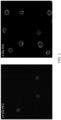
- MSCs were incubated with DMPE-PEG (5kDa)-FITC for 10 minutes. During the incubation, MSC samples were taken at 2-minute intervals for confocal and FACS analysis. No measurable difference in the modification yield was observed as 100% of the total MSCs were modified at each time point (see FIG. 2 ).
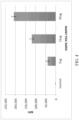
- DMPE-PEG Varying amounts of DMPE-PEG (5kDa)-FITC (1 ug, 3 ug, 5 ug, 10 ug, 15 ug, 30 ug) were combined with a fixed number of MSCs (750,000) for two minutes. All DMPE-PEG-FITC amounts effectively modified 750,000 MSCs. The amount of DMPE-PEG-FITC incorporated was measured as micrograms of the DMPE-PEG-FITC per 750,000 MSCs. Fluorescence intensity gradually increased in a dose-dependent manner (see FIG. 3 ).
- MSCs were incubated with DMPE-PEG (5kDa)-FITC (30 ⁇ g/750,000 MSCs) for 10 minutes, washed, and seeded on a well plate. After 4 and 18 hours, cell adhesion was observed by microscopy. Microscopy at 4 hours and 18 hours post-seeding showed no significant difference between the control (non-modified MSC) and the DMPE-PEG-FITC modified MSC with regards to cell adhesion ( FIG.
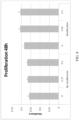
- MSC viability after modification with DMPE-PEG (5kDa)-FITC was determined by MTT assay and proliferation was determined using a cell proliferation kit (Molecular Probes; Eugene, OR). Harvested MSCs after the modification were stained with trypan blue and counted to calculate the recovery rate.
- the DMPE-PEG-FITC composition was non-toxic to MSCs and the modified MSCs were capable of proliferating at the same rate as control cells (non-modified MSCs). In addition, recovery rates of the DMPE-PEG-FITC modified MSC were high (see FIG. 6 ).
- DMPE-PEG-FITC modified MSCs Using the same methods as described above for DMPE-PEG-FITC modified MSCs, the cytotoxicity and proliferation of DMPE-PEG(5 kDa)-CRPPR were also determined (see FIG. 7 and FIG. 8 ).
- DMPE-PEG modified MSCs may have no side effects in the body after administration and the modified MSCs may proliferate normally upon engraftment.
- Min - Serum Min + Serum % Gate MFI % Gate MFI 10 100 121633 10 100 127255 30 100 114213 30 100 88379 60 100 91956 60 100 56928 90 100 82501 90 100 42627 120 100 82940 120 100 40208 150 100 77410 150 100 36158 180 100 76067 180 100 31545 Min: minutes; % Gated: % of FITC+ MSC population; MFI: mean fluorescence intensity
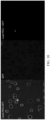
- DMPE-PEG (5kDa)-GFP modified MSCs MSC stock was thawed and washed in complete culture media and suspended in plain culture media. The DMPE-PEG-GFP conjugate was incubated with MSCs for two minutes at room temperature. After the incubation, MSCs were harvested, washed, and suspended in HBSS. Immobilization of GFP on the surface of MSCs was detected by confocal microscopy (see FIG. 10 ). GFP intensity was observed only on the surface of the MSCs treated with DMPE-PEG-GFP, while no GFP was detected in two control groups (GFP-only; GFP + DMPE-PEG).
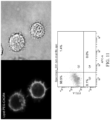
- DMPE-PEG-CXCR4 modified MSCs MSC stock was thawed and washed in complete culture media and suspended in plain culture media. FITC-labeled rCXCR4 was prepared and conjugated with DMPE-PEG to form a DMPE-PEG-rCXCR4 complex. The DMPE-PEG-rCXCR4 conjugate was incubated with MSCs for two minutes at room temperature. After the incubation, MSCs were harvested, washed, and suspended in HBSS. Confocal micrograph and FACS analysis demonstrated that greater than 98% of the MSCs contained rCXCR4 on their surface (see FIG. 11 ).
- FITC-labeled rSDF-1 (FITC-SDF-1; reference) and rhodamine-labeled rCXCR4 (Rho-CXCR4; reference) were prepared according to the manufacturer's protocol. MSCs were then modified with DMPE-PEG-Rho-CXCR4 or DMPE-PEG-CXCR4. Modified MSCs and non-modified MSCs were incubated with FITC-SDF-1 for 30 minutes of incubation at 4°C under gentle shaking.
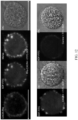
- Rho-CXCR4 was detected on the surface of the MSCs and FITC-SDF-1 was co-localized with CXCR4, confirming the binding of SDF-1 with CXCR4 on the surface of MSCs (see FIG. 12 ; Rho-CXCR4 + FITC-SDF-1).
- FITC-SDF-1 was added to MSCs modified with DMPE-PEG-CXCR4. This group also showed SDF-1 binding on the surface of the MSCs (see FIG. 12 ; CXCR4 + FITC-SDF-1), suggesting there was no artifact caused from rhodamine in co-localization.
- Weak SDF-1 intensity was detected on the surface of the non-modified MSCs (see FIG. 12 ; Control + FITC-SDF-1). This result indicates that CXCR4 disappeared during the culture expansion.
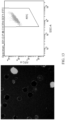
- MSCs were modified with DMPE-PEG-CXCR4 and the modified MSCs were incubated with FITC-SDF-1. 100% of cells were FITC-positive and SDF-1 was observed only on the surface of MSCs ( FIG. 13 ).
- CXCR4-MSCs were placed in the insert of a transwell system and the outer wells were filled with the culture media, with or without SDF-1. After 24 hours of incubation, use of an eye counting and cell counting kit determined migration of the CXCR4-MSCs toward the SDF-1 gradient. MSCs remaining on the topside of the insert were removed and MSCs on the bottom side of the insert were harvested and counted. To demonstrate dose dependency, varying amounts of DMPE-PEG-CXCR4 were added to fixed numbers of MSCs. MSCs with varying amounts of CXCR4 were plated in the transwell system as described above.
- CRPPR-modified MSCs demonstrated an ability to migrate toward CRIP2, the target ligand of the CRPPR peptide (see FIG 15 ).
Landscapes
- Health & Medical Sciences (AREA)
- Life Sciences & Earth Sciences (AREA)
- Engineering & Computer Science (AREA)
- Bioinformatics & Cheminformatics (AREA)
- Chemical & Material Sciences (AREA)
- Biomedical Technology (AREA)
- General Health & Medical Sciences (AREA)
- Animal Behavior & Ethology (AREA)
- Public Health (AREA)
- Epidemiology (AREA)
- Veterinary Medicine (AREA)
- Zoology (AREA)
- Biotechnology (AREA)
- Wood Science & Technology (AREA)
- Genetics & Genomics (AREA)
- Organic Chemistry (AREA)
- Cell Biology (AREA)
- Pharmacology & Pharmacy (AREA)
- Medicinal Chemistry (AREA)
- Molecular Biology (AREA)
- Proteomics, Peptides & Aminoacids (AREA)
- Developmental Biology & Embryology (AREA)
- Immunology (AREA)
- General Engineering & Computer Science (AREA)
- Biochemistry (AREA)
- Microbiology (AREA)
- Dispersion Chemistry (AREA)
- Hematology (AREA)
- Rheumatology (AREA)
- Nuclear Medicine, Radiotherapy & Molecular Imaging (AREA)
- Pathology (AREA)
- Radiology & Medical Imaging (AREA)
- Virology (AREA)
- Pharmaceuticals Containing Other Organic And Inorganic Compounds (AREA)
- Medicines Containing Material From Animals Or Micro-Organisms (AREA)
- Medicinal Preparation (AREA)
- Micro-Organisms Or Cultivation Processes Thereof (AREA)
Description
- This application claims priority to
U.S. Provisional Application 61/929,430, filed January 20, 2014 - Cellular therapies, such as stem cell therapies, offer enormous hope for treating illnesses, diseases and tissue defects. A significant barrier for the effective implementation of cell therapies is the inability to target a large quantity of viable cells to tissues of interest with high efficiency. Systemic infusion is generally desired, because it minimizes the invasiveness of cell therapy and maximizes practical aspects of repeated doses. It also permits the cells to mimic natural cell trafficking processes and helps to ensure that cells remain in close proximity to oxygen and nutrient-rich blood vessels. However, cells generally exhibit poor homing capability or lose their capacity to home following ex vivo culture expansion.
- For example, many pre-clinical studies suggest that mesenchymal stem cells (MSCs) have a beneficial effect on left ventricular (LV) remodeling and the recovery of cardiac performance following myocardial infarction (MI). As such, one would expect that it would be beneficial to treat MI by systemically infusing a patient with high concentrations of MSCs, such as autologous or allogeneic MSCs expanded in ex vivo culture. However, studies show that less than 1% of MSCs expanded in ex vivo culture typically reach the ischemic myocardium after systemic injection. This inefficiency in MSC homing is a consequence of various factors, but is primarily attributed to an absence of relevant cell surface homing ligands such as CXC chemokine receptor 4 (CXCR4). CXCR4 is a chemotactic receptor that recognizes the chemokine stromal-derived factor-1 (SDF-1), which is up-regulated in the ischemic myocardium after infarction and is believed to play a crucial role in cardiac recovery by recruiting CXCR4+ MSCs toward the SDF-1 gradient. Culture-expanded MSCs develop heterogeneous receptor expression and appear to lose key homing ligands, such as CXCR4, during cell culture, which contributes to the inefficiency of MSC homing in vivo. As most of the transplanted MSCs rapidly decline following IV infusion, there is a significant need to improve homing efficiency following systemic administration.
- The culture expansion of MSCs for autologous administration takes several weeks to obtain the necessary number of MSCs needed for regenerative therapy, thus complicating the administration of MSC therapy in patients with an acute MI (AMI), who have a small therapeutic window. The cultivation of MSCs under hypoxia, treating MSCs with a cytokine cocktail, and virus-mediated CXCR4 transduction have all been shown to induce expression of CXCR4 on the surface of MSCs more quickly, but each of these approaches requires over 24 hours of MSC culture to induce CXCR4 expression. In turn, this may lead to significant changes in the properties of the MSCs. The key limitations in all of these approaches are the long-term processing time (>24 hours) to up-regulate CXCR4, the number of complicated steps, and the requirement for invasiveness to transfect DNA or to transduce a virus particle.
- Because 1) the CXCR4/SDF-1 axis plays an important role in MSC homing to the ischemic myocardium, 2) SDF-1 is highly expressed up to 48 hours after infarction, and 3) the therapeutic window to treat patients with acute MI is small, the current approaches to induce CXCR4 expression, all of which require long-term MSC culture, are unlikely to be useful in a clinical setting. Therefore, a novel method to introduce CXCR4 on the surface of MSCs quickly (within an hour or less) is required for the allograft administration of MSCs to be a viable treatment for patients with an acute MI.
- The surface modification of living cells with natural and synthetic polymers promises new opportunities in this arena. Recently, a variety of functional groups and bioactive substances have been introduced to the surface of various cell types. Methods employed in cell surface modification include covalent conjugation, hydrophobic interaction, and electrostatic interaction. Cell surface modifications, however, often cause severe cytotoxicity, or compromise the normal function of the cell. As such, it would be advantageous to develop new compositions and methods for quickly and efficiently modifying the surface of therapeutically important cell types, such as MSCs, with an appropriate targeting moiety without causing severe cytotoxicity and/or compromising the normal functioning of the cell.
- In one aspect, the disclosure provides a composition comprising the compound of formula (I):
L-Y-X-T (I).
- L is a phospholipid.
- Y is a polyethylene glycol).
- X is a linker derived from a reactive functional group.
- T is a targeting moiety adapted to bind to a target ligand.
- In another aspect, the disclosure provides a method of localizing a cell to a location having associated therewith a target ligand, the method comprising delivering to the location a composition comprising the cell bound to the compound of formula (I):
L-Y-X-T (I).
- L is a phospholipid.
- Y is a polyethylene glycol).
- X is a linker derived from a reactive functional group.
- T is a targeting moiety adapted to bind to the target ligand.
- The present invention is defined in the claims. Any subject-matter which is not encompassed by the claims is not part of the invention and provided for information, comparison or reference purposes only.
- Any reference to a non-patentable method of treatment involving a certain compound or composition is to be understood as relating to said compound or composition for use in said method.
- The patent or application file contains at least one drawing executed in color. Copies of this patent or patent application publication with color drawing(s) will be provided by the Office upon request and payment of the necessary fee.
-
FIG. 1 is a series of confocal micrographs showing MSCs modified with DMPE-PEG-FITC compositions having different molecular weight PEG (3.4 and 5 kDa PEG) (reference). -
FIG. 2 is a series of confocal micrographs demonstrating the effect of incubation time of DMPE-PEG-FITC with MSCs on the modification yield (reference). -
FIG. 3 is a series of confocal micrographs and a graph demonstrating the effect of the DMPE-PEG-FITC amount (ug/750,000 MSCs) on the modification yield of MSCs (reference). -
FIG. 4 is a graph demonstrating the effect of the DMPE-PEG-CRRPR amount on the modification yield of MSCs. -
FIG. 5 is a series of micrographs demonstrating the cell attachment abilities of DMPE-PEG-FITC modified MSCs and non-modified MSCs (reference). -
FIG. 6 is a series of graphs illustrating the cytotoxicity of DMPE-PEG-FITC, proliferation of DMPE-PEG-FITC modified MSCs, and recovery rate of DMPE-PEG-FITC modified MSCs (reference). -
FIG. 7 is a graph illustrating the cytotoxicity of DMPE-PEG-CRPPR modified MSCs. -
FIG. 8 is a graph illustrating the proliferation of DMPE-PEG-CRPPR modified MSCs. -
FIG. 9 is a series of confocal micrographs demonstrating the kinetic behavior of DMPE-PEG-FITC on the surface of MSCs at different time points (minutes) in the presence or absence of serum (reference). -
FIG. 10 is a series of confocal micrographs demonstrating MSCs modified with DMPE-PEG-GFP (reference). -
FIG. 11 is a confocal micrograph and FACS analysis graph of DMPE-PEG-CXCR4 modified MSCs. -
FIG. 12 is a series of confocal micrographs demonstrating SDF-1 binding with CXCR4 on the surface of an MSC. -
FIG. 13 is a confocal micrograph and a FACS analysis graph demonstrating SDF-1 binding with CXCR4 on the surface of an MSC. -
FIG. 14 is a series of graphs demonstrating DMPE-PEG-CXCR4 modified MSC migration toward SDF-1. -
FIG. 15 is a graph demonstrating DMPE-PEG-CRPPR modified MSC migration toward CRIP2. - Described herein are pharmaceutical compositions and methods for modifying the surface of a living cell. Also described herein are methods of localizing a cell to a location having an associated target ligand, and for treating a subject suffering from myocardial ischemia or infarction.
- The terminology used herein is for the purpose of describing particular embodiments only and is not intended to be limiting. As used in the specification and the appended claims, the singular forms "a," "and" and "the" include plural references unless the context clearly dictates otherwise.
- Section headings as used in this section and the entire disclosure herein are not intended to be limiting.
- For the recitation of numeric ranges herein, each intervening number there between with the same degree of precision is explicitly contemplated. For example, for the range 6-9, the numbers 7 and 8 are contemplated in addition to 6 and 9, and for the range 6.0-7.0, the numbers 6.0, 6.1, 6.2, 6.3, 6.4, 6.5, 6.6, 6.7, 6.8, 6.9 and 7.0 are explicitly contemplated.
- As used herein, the term "about" is used synonymously with the term "approximately." Illustratively, the use of the term "about" includes values slightly outside the cited values, namely, plus or minus 10%. Such values are thus encompassed by the scope of the claims reciting the terms "about" and "approximately." For example, the term "about" as used in connection with the size of poly(ethylene glycol) is intended to account for the fact that poly(ethylene glycol) is formed by a polymerization reaction, and generally has a distribution of sizes and molecular weights of approximately plus or minus 10%. Similarly, compositions formed using poly(ethylene glycol) also will have a distribution of sizes and molecular weights.
- The terms "administer", "administering", "administered" or "administration" refer to any manner of providing a compound or a pharmaceutical composition (e.g., one described herein), to a subject or patient. Routes of administration can be accomplished through any means known by those skilled in the art. Such means include, but are not limited to, oral, buccal, intravenous, subcutaneous, intramuscular, transdermal, by inhalation and the like.
- "Effective amount," as used herein, refers to a dosage of a compound or a composition effective for eliciting a desired effect. This term as used herein may also refer to an amount effective at bringing about a desired in vivo effect in an animal, mammal, or human, such as treating an acute MI.
- As used herein, the term "subject" is intended to include human and non-human animals. An example of human subjects include a human patient having a disorder, e.g., an acute MI, or a normal subject. The term "non-human animals" includes all vertebrates, e.g. non-mammals (such as chickens, amphibians, reptiles), and mammals, such as non-human primates, domesticated and/or agriculturally useful animals (such as sheep, dogs, cats, cows, pigs, etc.), and rodents (such as mice, rats, hamsters, guinea pigs, etc.).
- As used herein, the term "chimeric antigen receptor" refers to an engineered receptor used to confer the specificity of an antibody onto a cell, such as a T cell.
- As used herein, the term "treat" or "treating" a subject having a disorder refers to administering a compound or a composition described herein to the subject, such that at least one symptom of the disorder is cured, healed, alleviated, relieved, altered, remedied, ameliorated, or improved. Treating includes administering an amount effective to alleviate, relieve, alter, remedy, ameliorate, cure, improve or affect the disorder or the symptoms of the disorder. The treatment may inhibit deterioration or worsening of a symptom of a disorder.
- Definitions of specific functional groups and chemical terms are described in more detail below. For purposes of this disclosure, the chemical elements are identified in accordance with the Periodic Table of the Elements, CAS version, Handbook of Chemistry and Physics, 75th Ed., inside cover, and specific functional groups are generally defined as described therein. Additionally, general principles of organic chemistry, as well as specific functional moieties and reactivity, are described in Organic Chemistry, Thomas Sorrell, University Science Books, Sausalito, 1999; Smith and March March's Advanced Organic Chemistry, 5th Edition, John Wiley & Sons, Inc., New York, 2001; Larock, Comprehensive Organic Transformations, VCH Publishers, Inc., New York, 1989; Carruthers, Some Modern Methods of Organic Synthesis, 3rd Edition, Cambridge University Press, Cambridge, 1987.
- The term "phospholipid" refers to compounds that comprise a lipid moiety and a phosphate moiety. Commonly available phospholipids are those belonging to the glycerophospholipid class (also known as phosphoglycerols or as diacylglyceride phosphates), including, but not limited to 1,2-dimyristoyl-sn-glycero-3-phosphoethanolamine, 1,2-dipalmitoyl-sn-glycero-3-phosphoethanolamine and 1,2-distearoyl-sn-glycero-3-phosphocholine.
- The term "targeting moiety" refers to any chemical entity that serves to target or direct the modified cell to a particular location or association (e.g., a specific binding event). Thus, for example, a targeting moiety may be used to direct a modified cell to a specific protein or enzyme, or to a particular cellular location, or to a particular cell type, in order to selectively enhance accumulation of the carrier cell. Suitable targeting moieties include, but are not limited to proteins, peptides, glycoproteins, glycopeptides, steroids, polysaccharides, hormones, cofactors, nucleic acids, antibodies, chimeric antigen receptors, and drugs.
- The term "target ligand" refers to the chemical entity which the targeting moiety is directed toward. For example, the target ligand may be a specific protein or enzyme in the body to which the targeting moiety becomes bound to or associated with, thereby increasing the accumulation of the modified cell carrying the targeting moiety in that particular physiological location.
- The term "hydroxyl" refers to an -OH radical.
- The term "amino" refers to a group of the formula -NHR, wherein R is selected from, for example, hydrogen, alkyl, alkenyl, alkynyl, cycloalkyl, heterocycle, aryl, arylalkyl, and heteroaryl. Examples of amino groups include but are not limited to -NH2, alkylamino groups such as -NHCH3, -NHCH2CH3 and -NHCH(CH3)2, and arylamino groups such as - NHPh. The group R may be optionally substituted with one or more substituents.
- The term "carboxyl" refers to a -COOH radical.
- The term "silane" refers to a group of the formula -SiRaRbRc, wherein Ra, Rb, and Rc are each independently selected from, for example, hydrogen, alkyl, alkenyl, alkynyl, cycloalkyl, heterocycle, aryl and heteroaryl.
- The term "thiol" refers to an -SH radical.
- The term "azide" refers to an -N3 radical.
- The term "substituents" refers to a group "substituted" on an alkyl, alkenyl, alkynyl, cycloalkyl, heterocycle, aryl, arylalkyl, heteroaryl or heteroarylalkyl group at any atom of that group. Any atom can be substituted. Suitable substituents include, without limitation: acyl, acylamido, acyloxy, alkoxy, alkyl, alkenyl, alkynyl, amido, amino, carboxy, cyano, ester, halo, hydroxy, imino, nitro, oxo (e.g., C=O), phosphonate, sulfinyl, sulfonyl, sulfonate, sulfonamino, sulfonamido, thioamido, thiol, thioxo (e.g., C=S), and ureido. In embodiments, substituents on a group are independently any one single, or any combination of the aforementioned substituents. In embodiments, a substituent may itself be substituted with any one of the above substituents.
- The above substituents may be abbreviated herein. For example, the abbreviations Me, Et and Ph represent methyl, ethyl and phenyl, respectively. A more comprehensive list of standard abbreviations used by organic chemists appears in a table entitled Standard List of Abbreviations of the Journal of Organic Chemistry.
- For compounds described herein, groups and substituents thereof may be selected in accordance with permitted valence of the atoms and the substituents, such that the selections and substitutions result in a stable compound, e.g., which does not spontaneously undergo transformation such as by rearrangement, cyclization, elimination, etc.
- Where substituent groups are specified by their conventional chemical formulae, written from left to right, they optionally encompass substituents resulting from writing the structure from right to left, e.g., -CH2O- optionally also recites -OCH2-.
- Compounds that may be used in the methods and pharmaceutical compositions described herein include those having the following formula (I):
L-Y-X-T (I)
wherein: - L is a phospholipid;
- Y is a poly(ethylene glycol);
- X is a linker derived from a reactive functional group; and
- T is a targeting moiety adapted to bind to a target ligand.
- L may be any suitable phospholipid capable of hydrophobically binding to the surface of a cell. L may include, but is not limited to: 1,2-dimyristoyl-sn-glycero-3-phosphoethanolamine (DMPE), 1,2-dipalmitoyl-sn-glycero-3-phosphoethanolamine, and 1,2-distearoyl-sn-glycero-3-phosphocholine. In some embodiments, L may be 1,2-dimyristoyl-sn-glycero-3-phosphoethanolamine (DMPE).
- The poly(ethylene glycol) may have a molecular weight between about 2 kDa and about 10 kDa, such as about 3 kDa, about 3.4 kDa, about 4 kDa, about 5 kDa, about 6 kDa, about 7 kDa, about 8 kDa about 9 kDa, among others. In some embodiments, the poly(ethylene glycol) has a molecular weight of about 5 kDa.
- The reactive functional group may include any functional group capable of reacting with another reactive group on a targeting moiety to form a covalent bond. As indicated above, this reaction forms linker X. Suitable reactive functional groups may include, but are not limited to a maleimide, a N-hydroxysuccinimide, a hydroxyl, an amino, a carboxyl, a thiol, a silane, and an azide, among others. In some embodiments, the reactive functional group may be maleimide.
- The targeting moiety T may include any chemical entity capable of specifically binding a target ligand. Suitable targeting moieties may include, but are not limited to proteins, peptides, glycoproteins, glycopeptides, steroids, polysaccharides, hormones, cofactors, nucleic acids, antibodies, chimeric antigen receptors and drugs. Likewise, the target ligand may be any ligand capable of specific binding to the targeting moiety. Exemplary targeting moieties and target ligands are shown below in Tables 1-3. Tables 2 and 3 are reproduced from Nature Reviews Cancer, 2013, 13, 525-541. In these tables, the antigens listed may be an appropriate target ligand while the corresponding receptor may be the targeting moiety.
Table 1. Candidate signals for cell homing Targeting Moiety Target tissue Target Target Ligand PSGL-1/CD162 Heart Blood Vasculature P-selectin CRPPR CRIP2; HLP; ESP-1 CKRAVR Sigirr; TIR8 CPKTRRVPC bc10 CRSTRANPC MpcII-3 CARPAR EST Angiopep-2: Brain Brain endothelial cells LRP1 TFFYGGSRGKRNNFKTEEY CLSSRLDAC CLPVASC Kidney CD44 ARF ECM HA CXCR4 SDF-1 SWCEPGWCR Pancreas Capillaries and larger vessels Table 2. Representative studies using ACT of gene-engineered T cells in mouse models of cancer Antigen Receptor Mouse model (first day of treatment) Comments Refs CD19 CAR:CD3ζ B cell lymphoma in SCID·Beige mice (day13) 100% survival to day 77 176 NALM·6 tumour in SCID Beige mice (day 4) 40% survival>100 days 22 A20 systemic disease (day 12) in immunocompetent mice Long term survival of the majority of mice 177 CAR:CD28-CD3ζ Systemic NALM·6 tumours in SCID Beige mice (day 2) 44% survival > 200 days; 10% when treated with CAR-CD3ζ 41 38c13 lymphoma either intraperitoneal (day 1) or subcutaneous (day 4) in C3H/HeN immunocompetent mice Long-term survival beyond 100 days 178 CAR:CD137-CD3ζ Human ALL in NOD-SCID yc+ mice (day 21) 100% enhanced survival to > 150 days 179 CD24 CAR:CD28-fcRγ Human pancreatic cancer in SCID mice. Established orthotopic tumours from CAPAC or WAPAC cells Prolonged survival with eradication of some tumours 180 CEA CAR:CD28-CD3ζ Panc02-CEA pancreatic tumour cells. Established orthotopic tumours in CEA transgenic immunocompetent mice Long-term tumour eradication in 67% of mice 24 ERBB2 CAR: CD28-CD137-CD3ζ BT- 474 human breast cancer cells in SCID mice (day 10) Suppression of tumour and enhanced survival of mice to > 72 days 42 Influenza virus NP TCR α and β chains Subcutaneous EL4 lymphoma expressing NP (day 0) Total tumour regression in all mice 184 Lewis Y CAR:CD28-CD3ζ OVCAR-3 ovarian tumour injected subcutaneously in NOD-SCID mice (day 7) Suppression of tumour growth until day 47 28 Mesothelin CAR:CD28-CD137-CD3ζ Mesothelioma injected subcutaneously in NOG mice (day 43) Eradication of a proportion of tumours 44 SV40T TCR α and β chains Spontaneous prostate tumours expressing SV40 large T in mice Suppression of tumour development 185 VEGRF2 CAR:CD28-CD137-CD3ζ Established subcutaneous tumour of various types (days 10-14) Long term survival of 40-80% 59 aFR, a-folate receptor; ACT, adoptive cell transfer; ALL, acute lymphoblastic leukaemia; CAR, chimeric antigen receptor; CEA, carcinoembryonic antigen; NOG, NOD-SCID-112rg+; NOD, nonobese diabetic; SCID, severe combined immunodeficient; TCR, T cell receptor; VEGFR2, vascular endothelial growth factor receptor 2.Table 3: Summary of published reports of genetically redirected T cells in clinical trials Target antigens Cancers Receptor Year reported Number of patients Responses Phase of trial and ID number Refs CD19 Lymphoma and CLL CAR:CD28-CD3ζ 2012 Seven One CR, five PR and one SD I/II:NCT00924326 113, 117 CLL and B-ALL CAR:CD28-CD3ζ 2011 Eight Three SD to 6 months I/II:NCT00466531 and NCT01044069 114 NHL CD28-CD3ζ and CD3ζ 2011 Six Two SD to 10 months I:NCT00586391 64 CLL CAR:CD137-CD3ζ 2011 Three Two CR and 1 PR I:NCT01029366 115 ALL CAR:CD137-CD3ζ 2013 Two Two* I:NCT01029366 120 ALL CAR:CD28-CD3ζ 2013 Five Five I:NCT01044069 186 CD19 and CD20 DLCL or NHL CAR:CD3ζ and HSV-TK 2010 Four None I:BB-IND-8513 and BB-IND-11411 116 CD20 NHL CAR:CD3ζ 2008 Seven One PR, four SD and two NED maintained I:NCT00012207 121 CAR:CD137-CD28-CD3ζ 2012 Three One PR and two NED maintained I:NCT00621452 122 CAIX RCC CAR:CD3ζ 2011 11 None I:DDHK97-29 26, 187 CD171 Neuroblastoma CAR:CD3ζ 2007 Six One PR I:BB-IND9149 110 CEA Colorectal and breast Colorectal CAR:CD3ζ TCR 2002 2011 Seven Three Minor response in two patients One PR I:NCT00004178 I:NCT00923806 109 10 ERBB2 Colorectal CAR:CD28-CD137-CD3ζ 2010 One 0* I/II:NCT-09-C-0041 127 GD2 Neuroblastoma CAR:CD3ζ 2011 19 Three CR I:NCT00085930 112 aFR Ovarian CAR:FcRγ 2006 12 None I:NCT00019136 27 GP100 Melanoma TCP 2009 16 One CR and two PR I:NCT00509496 106 2010 Ten NI I:NCT01176461 188 Lewis Y AML CAR:CD28-CD3ζ 2013 Four None I:CTX08-0002 189 MART1 Melanoma TCR 2006 15 One PR I 102 2006 & 2009 31 Four OR II:NCT00706992 103, 104 2009 20 Six PR II:NCT00509288 106 MAGEA3 Melanoma, oesophageal and synovial sarcoma TCP 2013 Nine One CR and 4 PR1 I/II:NCT01273181 125 NYESO1 Melanoma and sarcoma TCR 2011 17 Two CR and seven PR II:NCT00670748 107 Multiple myeloma TCP 2012 11 Three CR and seven PR II:NCT01352286 190 p53 Melanoma TCR 2010 14 N! II:NCT00393029 37 PSMA Prostate CAR:CD3ζ 2013 Five Two PR I:NCT100664196 Personal communication2 TAG72 Colorectal CAR:CD3ζ 1998 16 One SD I 108 aFR, a-folate receptor; ALL, acute lymphoblastic leukaemia; AML, acute myeloid leukaemia; B-ALL, B cell acute lymphocytic leukaemia; CAIX, carbonic anhydrase IX ; CAR, chimeric antigen receptor; CEA, carcinoembryonic antigen; CLL, chronic lymphocytic leukaemia; CR complete response; DLCL, diffuse large cell lymphoma; MAGE, melonoma antigen; MART1, melanoma antigen recognized by T cells; NED, no evidence of disease; NHL, non-Hodgkin's lymphoma; Nl, no information; OR objective response; PR, partial response; PSMA, prostate specific membrane antigen; RCC, renal cell carcinoma; SD, stable disease; TAG72, tumour-associated glycoprotein 72; TCR, T cell receptor. *Patient relapsed with antigen-negative disease.1 Patient death on Study; 2 R. P. Junghans, O.Z. Ma, R. Rathore, E.M. Gomes, A. J. Bais, A.S Y. Lo, M. Abedi, R.A. Davies, H.I. Cabral, A.S. Al-Homsi and S.I.Cohen personal communication. - In some embodiments, the targeting moiety may be CXCR4 and the target ligand may be SDF-1. In some embodiments, the targeting moiety may be Cys-Arg-Pro-Pro-Arg (CRPPR) and the target ligand may be CRIP2.
- In some embodiments, L may be 1,2-dimyristoyl-sn-glycero-3-phosphoethanolamine (DMPE), the reactive functional group may be maleimide and the targeting moiety T may be CXCR4. In some embodiments, the polyethylene glycol) further may have a molecular weight of about 5 kDa.
- In some embodiments, the compound of formula (I) may be bound to the surface of a cell, where L interacts hydrophobically with the lipid bilayer wall of the cell. Any suitable cell type may be surface-modified by the compound of formula (I), including, but not limited to, a white blood cell, an endothelial cell, a hepatocyte, a kuppfer cell, a hepatic stellate cell, an allogeneic stem cell, an autologous stem cell, an NK cell, a T cell, an endothelial progenitor cell, an hematopoietic stem cell, a pluripotent stem cell, an induced pluripotent stem cell, a lymphokine activated killer cell, and a dendritic cell. In some embodiments, the cell bound to the compound of formula (I) may be a mesenchymal stem cell.
- Suitable compounds of formula (I) may include the following:

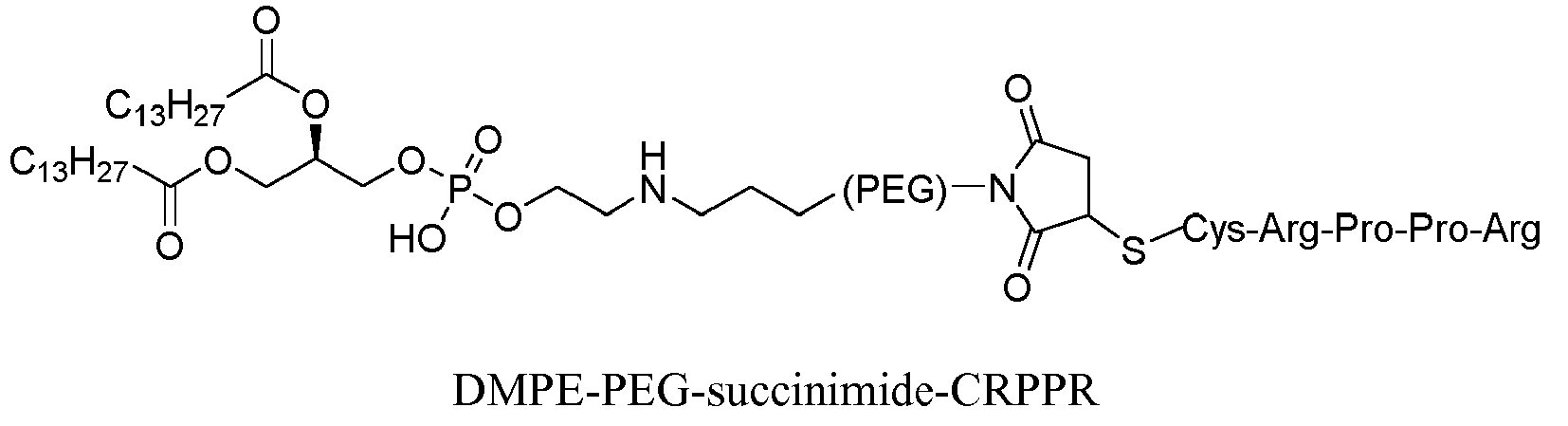
- Other compounds include those compounds described herein.
- Certain compounds described herein may be commercially available. Others may need synthetic preparation. For the preparation of compounds of Formula I, a phospholipid-PEG intermediate carrying a reactive functional group on the terminus of the PEG, may be coupled with a targeting moiety.
- For example, when the reactive functional group is NHS, the intermediate may couple with a targeting moiety that has a reactive amino group to form an amide. When the reactive functional group is an amine, the intermediate may couple with a reactive isothiocyanate to form a thiocarbamate. When the reactive functional group is an azide, the intermediate may couple with targeting moieties that have a reactive nitrile or a reactive alkyne group to form a tetrazole or a triazole. When the reactive functional group is maleimide, the intermediate may couple with a targeting moiety that has a reactive thiol group to form a bond between the sulfur of the thiol and carbon of the resulting succinimide.
- As a further example, and as illustrated in
Scheme 1, commercially available DMPE-PEG-maleimide 1, can be coupled to recombinant CXCR4 through one of its 8 cysteine side chain residues to provide compound 3. Specific experimental details are described in the Examples.
- Other compounds described herein may also be prepared according to the methods set forth in
Scheme 1. - As can be appreciated by the skilled artisan, further methods of synthesizing the compounds of the formulae herein will be evident to those of ordinary skill in the art. Additionally, the various synthetic steps may be performed in an alternate sequence or order to give the desired compounds. Synthetic chemistry transformations and protecting group methodologies (protection and de-protection) useful in synthesizing the compounds described herein are known in the art and include, for example, those such as described in R. Larock, Comprehensive Organic Transformations, VCH Publishers (1989); T. W. Greene and P.G.M. Wuts, Protective Groups in Organic Synthesis, 2d. Ed., John Wiley and Sons (1991); L. Fieser and M. Fieser, Fieser and Fieser's Reagents for Organic Synthesis, John Wiley and Sons (1994); and L. Paquette, ed., Encyclopedia of Reagents or Organic Synthesis, John Wiley and Sons (1995), and subsequent editions thereof.
- As discussed above, the compounds of Formula (I) may be used to modify the surface of a cell, such as an MSC. Surface modification of a cell can be achieved by the phospholipid portion of the compound interacting with, and binding to the lipid bilayer membrane of the cell.
- Each component, or variable, of the compound of Formula I may be evaluated to determine preferred compounds and their ability to modify the surface of a cell. Compounds possessing differing molecular weights of PEG may be utilized to determine which PEG size is preferable for the interaction between the phospholipid and cell membrane. The choice of reactive functional group attached to the terminus of the PEG may also be evaluated, depending on the targeting moiety being attached and the compatibility of the reactive functional groups it possesses. In addition, the minimum incubation time with the cell, along with the optimized quantity of the compound required for cell modification may also be determined.
- Experiments that may determine certain abilities of the modified cells may be conducted. These may include experiments focused on cell adhesion, toxicity, proliferation, and recovery rate. In addition, kinetic experiments may determine the length of time which the compound can remain immobilized on the surface of the cell.
- Additionally, the use of different targeting moieties may be evaluated to determine their effect on the ability of the compound of Formula I to modify the cell. Different fluorescent chemical entities, such as fluorescein isothiocyanate (FITC) and green fluorescent protein (GFP), may also be attached to or replace the targeting moiety for evaluation of the compound's ability to modify the cell.
- Evaluation of the binding of a target ligand to a targeting moiety on the surface of a cell may be achieved by incubating a fluorescent-labeled target ligand with a cell modified by a compound of Formula I that contains a fluorescent-labeled targeting moiety.
- Migration of cells modified with the compound of Formula I toward the gradient of an appropriate target ligand may be achieved by incubation of the modified cell with the target ligand. Evaluation of the modified cell's ability to migrate may be determined by appropriate cell counting assays.
- Further description of methods used to evaluate compounds can be found in the Examples.
- The methods described herein include methods of treating disease states in a subject in need of treatment, comprising administering to the subject a therapeutically effective amount of a composition described herein. The composition for administration to the subject in need may be comprised of a compound, such as a compound of formula (I) that is comprised of a targeting moiety, and a living cell bound to the compound of formula (I), wherein the compound interacts hydrophobically with the lipid bilayer wall of the cell. Also described herein are methods of promoting in vivo homing of the described composition to a target ligand, wherein the targeting moiety may bind or interact with a target ligand that is associated with a particular diseased tissue, and the modified cell may be recruited to the diseased tissue.
- For example, the methods described herein include methods of treating acute myocardial infarction in a subject in need of treatment, comprised of administering to the subject a therapeutically effective amount of a composition described herein. The composition for administration to the subject in need is comprised of a compound, such as a compound of formula (I) that is comprised of the targeting moiety CXCR4, and an MSC bound to the compound of formula (I), wherein the compound interacts with the lipid bilayer wall of the cell. Also described herein are methods of promoting in vivo homing of the described CXCR4 modified MSC to the target ligand SDF-1, wherein CXCR4 binds SDF-1, and the modified MSC is recruited to the ischemic myocardium.
- These methods may include the use of the compound of formula (I) for modification of cells such as endothelial cells, hepatocytes, kuppfer cells, and hepatic stellate cells for the treatment of liver diseases.
- These methods may include the use of the compound of formula (I) for modification of cells such as T cells, NK cells, dendritic cells, and lymphokine activated killer cells for the treatment of cancer. For example, rather than using a retrovirus (such as a lentivirus) to modify a T-cell to include a chimeric antigen receptor, the T cell may be modified using the compound of formula (I), where the targeting moiety comprises the chimeric antigen receptor.
- These methods may include the use of the compound of formula (I) for modification of cells such as allogenieic stem cells, autologous stem cells, endothelial progenitor cells, hematopoietic stem cells, pluripotent stem cells, and induced pluripotent stem cells for the treatment of cardiovascular disease.
- These methods may include the use of the compound of formula (I) for modification of cells such as pluripotent stem cells and induced pluripotent stem cells for the treatment of eye disease, bone disease, neurodegenerative disorders, and other degenerative diseases.
- These methods may include the use of the compound of formula (I) for modification of cells such as white blood cells, hematopoietic stem cells, pluripotent stem cells, and induced pluripotent stem cells for the treatment of blood disorders.
- These methods may include the use of the compound of formula (I) for modification of cells such as T cells, NK cells, white blood cells, and dendritic cells for the treatment of immune disorders.
- It will be appreciated that appropriate dosages of the compounds, and compositions comprising the compounds, can vary from patient to patient. Determining the optimal dosage will generally involve the balancing of the level of therapeutic benefit against any risk or deleterious side effects of the treatments described herein. The selected dosage level will depend on a variety of factors including, but not limited to: the activity of the particular compound, the route of administration, the time of administration, the rate of excretion of the compound, the duration of the treatment, other drugs, compounds, and/or materials used in combination, and the age, sex, weight, condition, general health, and prior medical history of the patient. The amount of compound and route of administration will ultimately be at the discretion of the physician, although generally the dosage will be to achieve local concentrations at the site of action which achieve the desired effect without causing substantial harmful or deleterious side-effects.
- Administration in vivo can be effected in one dose, continuously or intermittently (e.g. in divided doses at appropriate intervals) throughout the course of treatment. Methods of determining the most effective means and dosage of administration are well known to those of skill in the art and will vary with the formulation used for therapy, the purpose of the therapy, the target cell being treated, and the subject being treated. Single or multiple administrations can be carried out with the dose level and pattern being selected by the treating physician.
- The present disclosure has multiple aspects, some of which are illustrated by the following non-limiting examples.
- Functionalized DMPE-PEGs (3.4 kDa and 5 kDa) were purchased from Nanocs, Inc. (New York, NY). Fluorescein isothiocyanate (FITC) and rhodamine were purchased from Thermo Scientific (Rockford, IL).
- 1H and 13C NMR spectra were recorded on a Bruker AM 400 spectrometer (operating at 400 and 101 MHz respectively) or a Bruker AVIII spectrometer (operating at 500 and 126 MHz respectively) in CDCl3 with 0.03% TMS as an internal standard or DMSO-d6. The chemical shifts (δ) reported are given in parts per million (ppm) and the coupling constants (J) are in Hertz (Hz). The spin multiplicities are reported as s = singlet, br. s = broad singlet, d = doublet, t = triplet, q = quartet, dd = doublet of doublet and m = multiplet. The LCMS analysis was performed on an Agilent 1200 RRL chromatograph with photodiode array UV detection and an Agilent 6224 TOF mass spectrometer. The chromatographic method utilized the following parameters: a Waters Acquity BEH C-18 2.1 × 50mm, 1.7 um column; UV detection wavelength = 214 nm; flow rate = 0.4ml/min; gradient = 5 - 100% acetonitrile over 3 minutes with a hold of 0.8 minutes at 100% acetonitrile; the aqueous mobile phase contained 0.15% ammonium hydroxide (v/v). The mass spectrometer utilized the following parameters: an Agilent multimode source which simultaneously acquires ESI+/APCI+; a reference mass solution consisting of purine and hexakis(1H, 1H, 3H-tetrafluoropropoxy) phosphazine; and a make-up solvent of 90:10:0.1 MeOH:Water:Formic Acid which was introduced to the LC flow prior to the source to assist ionization.
-
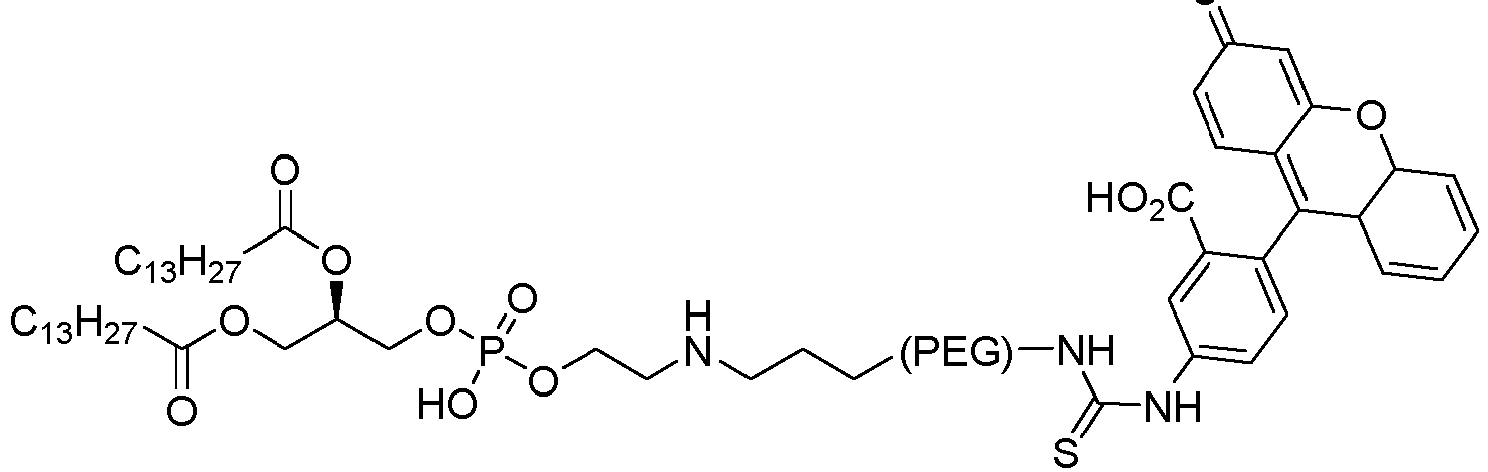
- DMPE-PEG-NH2 was dissolved at a concentration of 2 mg/ml in conjugation buffer (50 mM borate buffer, pH 8.5). FITC was dissolved in DMSO at 10 mg/ml and then 15-fold molar excess of FITC was added to the DMPE-PEG-NH2 solution. The mixture was incubated under gentle shaking for 1 hour at room temperature in the dark. Excess and hydrolyzed FITC was removed with a Dye Removal Column (Thermo Scientific, Rockford, IL). DMPE-PEG-FITC was used immediately.
-

- DMPE-PEG-NHS was dissolved in PBS (pH 7.4) at a concentration of 1 mg/ml. Stock solutions of GFP were prepared according to the manufacturer's instruction. Excess amount of DMPE-PEG (10- to 20-fold molar excess) was added to the GFP stock solution and incubated for 2 hours at room temperature. Impurities were removed by using Amicon
- Ultra Centrifugal Filters (Ultracel - 10 kDa; Millipore, Billerica, MA). DMPE-PEG-GFP was kept at -80°C until use.
-

- DMPE-PEG-maleimide was dissolved in PBS (pH 7.4) at a concentration of 1 mg/ml. A stock solution of rCXCR4 (50 ug/ml) was prepared according to the manufacturer's instruction. Excess DMPE-PEG-maleimide (10- to 20-fold molar excess) was added to the rCXCR4 stock solution and incubated for 2 hours at room temperature. Impurities were removed by using Amicon Ultra Centrifugal Filters (Ultracel - 10 kDa; Millipore, Billerica, MA). DMPE-PEG-CXCR4 was kept at -80°C until use.
-

- DMPE-PEG-CRPPR was prepared using the same method as employed for the preparation of DMPE-PEG-CXCR4.
- General Experimental Procedures: Culture expanded MSCs were harvested and suspended in phenol red-free media. DMPE-PEG or DMPE-PEG-CXCR4 was added directly to the cell suspension. At the predetermined time points, MSCs were harvested, washed, and suspended in HBSS. To optimize the amount of DMPE-PEG, different amounts of DMPE-PEG were mixed with 750,000 MSCs.
- Effect of PEG size on MSC surface modification: Two DMPE-PEG compositions having differing PEG size, 5 kDa and 3.4 kDa, were labeled with FITC for fluorescence detection, and the DMPE-PEG-FITC compounds were subsequently incubated with MSCs in suspension. The compounds' abilities to bind to the surface of the MSC were evaluated by confocal micrograph and FACS analysis (see
FIG. 1 ). Results demonstrated that incorporation of 5 kDa PEG into the composition was superior to use of 3.4 kDa PEG. All subsequent experiments described herein utilized DMPE-PEG compositions with 5 kDa PEG. - Optimization of incubation time of DMPE-PEG: MSCs were incubated with DMPE-PEG (5kDa)-FITC for 10 minutes. During the incubation, MSC samples were taken at 2-minute intervals for confocal and FACS analysis. No measurable difference in the modification yield was observed as 100% of the total MSCs were modified at each time point (see
FIG. 2 ). - Optimization of the amount of DMPE-PEG: Varying amounts of DMPE-PEG (5kDa)-FITC (1 ug, 3 ug, 5 ug, 10 ug, 15 ug, 30 ug) were combined with a fixed number of MSCs (750,000) for two minutes. All DMPE-PEG-FITC amounts effectively modified 750,000 MSCs. The amount of DMPE-PEG-FITC incorporated was measured as micrograms of the DMPE-PEG-FITC per 750,000 MSCs. Fluorescence intensity gradually increased in a dose-dependent manner (see
FIG. 3 ). - Using the same methods as described above for DMPE-PEG-FITC, varying amounts of DMPE-PEG (5kDa)-CRPPR-FITC (5 ug, 15, ug, 30 ug) were incubated with MSCs for 10 minutes. A dose response was observed, with the most efficient modification observed for addition of 30 ug of the DMPE-PEG (5kDa)-CRPPR-FITC conjugate (
FIG. 4 ). - Cell Adhesion: MSCs were incubated with DMPE-PEG (5kDa)-FITC (30 µg/750,000 MSCs) for 10 minutes, washed, and seeded on a well plate. After 4 and 18 hours, cell adhesion was observed by microscopy. Microscopy at 4 hours and 18 hours post-seeding showed no significant difference between the control (non-modified MSC) and the DMPE-PEG-FITC modified MSC with regards to cell adhesion (
FIG. 5 ), suggesting that cell modification with DMPE-PEG (5kDa)-FITC has no influence on other adhesive molecules located on the surface of MSCs and MSCs modified by this technique will not show any defects in attachment to the host tissue upon homing to the ischemic myocardium. - Toxicity, Proliferation, and Recovery: MSC viability after modification with DMPE-PEG (5kDa)-FITC was determined by MTT assay and proliferation was determined using a cell proliferation kit (Molecular Probes; Eugene, OR). Harvested MSCs after the modification were stained with trypan blue and counted to calculate the recovery rate. The DMPE-PEG-FITC composition was non-toxic to MSCs and the modified MSCs were capable of proliferating at the same rate as control cells (non-modified MSCs). In addition, recovery rates of the DMPE-PEG-FITC modified MSC were high (see
FIG. 6 ). - Using the same methods as described above for DMPE-PEG-FITC modified MSCs, the cytotoxicity and proliferation of DMPE-PEG(5 kDa)-CRPPR were also determined (see
FIG. 7 andFIG. 8 ). - These results suggest that DMPE-PEG modified MSCs may have no side effects in the body after administration and the modified MSCs may proliferate normally upon engraftment.
- Kinetic experiments: MSCs labeled with DMPE-PEG(SkDa)-FITC were incubated at 37°C in the presence or the absence of 20% human serum for up to 3 hours. Residence of the DMPE-PEG-FITC on the surface of MSC was observed using FACS analysis and a confocal microscope. Regardless of serum, the fluorescence signal of the DMPE-PEG-FITC decreased gradually over time (Table 4), while no significant difference was found in confocal micrograph (see
FIG. 9 ).Table 4. Kinetics of the lipid-PEG on MSC surface. Min - Serum Min + Serum % Gate MFI % Gate MFI 10 100 121633 10 100 127255 30 100 114213 30 100 88379 60 100 91956 60 100 56928 90 100 82501 90 100 42627 120 100 82940 120 100 40208 150 100 77410 150 100 36158 180 100 76067 180 100 31545 Min: minutes; % Gated: % of FITC+ MSC
population; MFI: mean fluorescence intensity - No difference in MSC modification between culture expanded MSCs and freshly thawed MSCs were observed in any of the described experiments. MSCs thawed freshly from the stock were used in all subsequent experiments.
- DMPE-PEG (5kDa)-GFP modified MSCs: MSC stock was thawed and washed in complete culture media and suspended in plain culture media. The DMPE-PEG-GFP conjugate was incubated with MSCs for two minutes at room temperature. After the incubation, MSCs were harvested, washed, and suspended in HBSS. Immobilization of GFP on the surface of MSCs was detected by confocal microscopy (see
FIG. 10 ). GFP intensity was observed only on the surface of the MSCs treated with DMPE-PEG-GFP, while no GFP was detected in two control groups (GFP-only; GFP + DMPE-PEG). - DMPE-PEG-CXCR4 modified MSCs: MSC stock was thawed and washed in complete culture media and suspended in plain culture media. FITC-labeled rCXCR4 was prepared and conjugated with DMPE-PEG to form a DMPE-PEG-rCXCR4 complex. The DMPE-PEG-rCXCR4 conjugate was incubated with MSCs for two minutes at room temperature. After the incubation, MSCs were harvested, washed, and suspended in HBSS. Confocal micrograph and FACS analysis demonstrated that greater than 98% of the MSCs contained rCXCR4 on their surface (see
FIG. 11 ). - FITC-labeled rSDF-1 (FITC-SDF-1; reference) and rhodamine-labeled rCXCR4 (Rho-CXCR4; reference) were prepared according to the manufacturer's protocol. MSCs were then modified with DMPE-PEG-Rho-CXCR4 or DMPE-PEG-CXCR4. Modified MSCs and non-modified MSCs were incubated with FITC-SDF-1 for 30 minutes of incubation at 4°C under gentle shaking. Rho-CXCR4 was detected on the surface of the MSCs and FITC-SDF-1 was co-localized with CXCR4, confirming the binding of SDF-1 with CXCR4 on the surface of MSCs (see
FIG. 12 ; Rho-CXCR4 + FITC-SDF-1). In order to avoid unknown effects of rhodamine on the interaction between SDF-1 and CXCR4, FITC-SDF-1 was added to MSCs modified with DMPE-PEG-CXCR4. This group also showed SDF-1 binding on the surface of the MSCs (seeFIG. 12 ; CXCR4 + FITC-SDF-1), suggesting there was no artifact caused from rhodamine in co-localization. Weak SDF-1 intensity was detected on the surface of the non-modified MSCs (seeFIG. 12 ; Control + FITC-SDF-1). This result indicates that CXCR4 disappeared during the culture expansion. - Additional evidence of SDF-1 binding to CXCR4 with CXCR4 detection on the surface of the MSC was achieved by the same methods as employed in the previous experiment. MSCs were modified with DMPE-PEG-CXCR4 and the modified MSCs were incubated with FITC-SDF-1. 100% of cells were FITC-positive and SDF-1 was observed only on the surface of MSCs (
FIG. 13 ). - Taken together, these results confirm that MSCs modified by this technology are able to bind with SDF-1, providing a basis for MSC homing toward the SDF-1 gradient.
- CXCR4-MSCs were placed in the insert of a transwell system and the outer wells were filled with the culture media, with or without SDF-1. After 24 hours of incubation, use of an eye counting and cell counting kit determined migration of the CXCR4-MSCs toward the SDF-1 gradient. MSCs remaining on the topside of the insert were removed and MSCs on the bottom side of the insert were harvested and counted. To demonstrate dose dependency, varying amounts of DMPE-PEG-CXCR4 were added to fixed numbers of MSCs. MSCs with varying amounts of CXCR4 were plated in the transwell system as described above.
- The number of MSCs that migrated in the presence of SDF-1 were >2-fold higher than the number of MSCs that migrated in the absence of SDF-1 (
FIG. 14 left). Moreover, this experiment demonstrated that MSCs modified with varying doses of DMPE-PEG-CXCR4 migrated toward SDF-1 in a CXCR4 dose-dependent manner (FIG. 14 right). - Using the same methods as described above for CXCR4-modified MSCs, CRPPR-modified MSCs demonstrated an ability to migrate toward CRIP2, the target ligand of the CRPPR peptide (see
FIG 15 ).
Claims (12)
- A composition comprising the compound of formula (I), wherein the formula (I) is:

T is a targeting moiety adapted to bind to a target ligand. - The composition of claims 1, wherein the target ligand is SDF-1 or CRIP2.
- The composition of any of claims 1-2, wherein T is selected from the group consisting of a protein, a peptide, a glycoprotein, a glycopeptide, a steroid, a polysaccharide, a hormone, a cofactor, a nucleic acid, an antibody, a chimeric antigen receptor, and a drug.
- The composition of any of claims 1-3, wherein T is a protein; optionally wherein T is CXCR4 or CRPPR.
- The composition of any of claims 1-4, wherein the compound has the formula:


- The composition of any of claims 1-5, further comprising a cell bound to the compound of formula (I), wherein the phospholipid interacts hydrophobically with the lipid bilayer wall of the cell; optionally wherein the cell is selected from the group consisting of a white blood cell, an endothelial cell, an hepatocyte, a kuppfer cell, an hepatic stellate cell, an allogeneic stem cell, a NK cell, a T cell, an endothelial progenitor cell, an hematopoietic stem cell, a pluripotent stem cell, an induced pluripotent stem cell, a lymphokine activated killer cell, a dendritic cell, and a mesenchymal stem cell.
- A composition according to claim 6 for use in a method of treating myocardial infarction, the method comprising administering to a subject in need thereof said composition, wherein T is CXCR4, the target ligand is SDF-1 and the cell is a mesenchymal stem cell.
- A composition for use as a medicament in a method of treatment, the method comprising localizing a cell to a location in a subject having associated therewith a target ligand, the method comprising delivering to the location the composition, wherein the composition comprises the cell bound to a compound of formula (I), wherein the compound of formula (I) is:

T is a targeting moiety adapted to bind to the target ligand. - The composition of claim 8 for use according to claim 8, wherein T is selected from the group consisting of a protein, a peptide, a glycoprotein, a glycopeptide, a steroid, a polysaccharide, a hormone, a cofactor, a nucleic acid, an antibody, a chimeric antigen receptor, and a drug.
- The composition for use according to claim 9 wherein T is CXCR4 or CRPPR.
- The composition for use according to any of claims 8-10, wherein the cell is selected from the group consisting of a white blood cell, an endothelial cell, a hepatocyte, a kuppfer cell, a hepatic stellate cell, an allogeneic stem cell, a NK cell, a T cell, an endothelial progenitor cell, an hematopoietic stem cell, a pluripotent stem cell, an induced pluripotent stem cell, a lymphokine activated killer cell, a dendritic cell, and a mesenchymal stem cell.
- An non-therapeutic method of localizing a cell to a location having associated therewith a target ligand, the method comprising delivering to the location a composition comprising the cell bound to the compound of formula (I), wherein the compound of formula (I) is:

T is a targeting moiety adapted to bind to the target ligand.
Applications Claiming Priority (2)
| Application Number | Priority Date | Filing Date | Title |
|---|---|---|---|
| US201461929430P | 2014-01-20 | 2014-01-20 | |
| PCT/US2015/012081 WO2015109325A1 (en) | 2014-01-20 | 2015-01-20 | Compositions and methods for modifying the surface of cells and methods of use |
Publications (4)
| Publication Number | Publication Date |
|---|---|
| EP3096742A1 EP3096742A1 (en) | 2016-11-30 |
| EP3096742A4 EP3096742A4 (en) | 2017-09-27 |
| EP3096742B1 true EP3096742B1 (en) | 2024-06-12 |
| EP3096742C0 EP3096742C0 (en) | 2024-06-12 |
Family
ID=53543551
Family Applications (1)
| Application Number | Title | Priority Date | Filing Date |
|---|---|---|---|
| EP15737194.9A Active EP3096742B1 (en) | 2014-01-20 | 2015-01-20 | Compositions and methods for modifying the surface of cells and methods of use |
Country Status (5)
| Country | Link |
|---|---|
| US (3) | US10279047B2 (en) |
| EP (1) | EP3096742B1 (en) |
| CN (1) | CN106068119A (en) |
| ES (1) | ES2981281T3 (en) |
| WO (1) | WO2015109325A1 (en) |
Families Citing this family (7)
| Publication number | Priority date | Publication date | Assignee | Title |
|---|---|---|---|---|
| CN107789366A (en) * | 2016-09-05 | 2018-03-13 | 拜西欧斯(北京)生物技术有限公司 | Cell antibody compound and preparation method thereof |
| AU2018219226B2 (en) * | 2017-02-07 | 2024-12-19 | Seattle Children's Hospital (dba Seattle Children's Research Institute) | Phospholipid ether (PLE) CAR T cell tumor targeting (CTCT) agents |
| WO2019156795A1 (en) | 2018-02-06 | 2019-08-15 | Seattle Children's Hospital (dba Seattle Children's Research Institute) | Fluorescein-specific cars exhibiting optimal t cell function against fl-ple labelled tumors |
| EP3773742A4 (en) | 2018-04-06 | 2022-03-16 | North Carolina State University | CELL ARRANGEMENT-MEDIATED DELIVERY OF CHECKPOINT INHIBITORS FOR CANCER IMMUNOTHERAPY |
| KR20210097101A (en) * | 2018-09-20 | 2021-08-06 | 아리조나 보드 오브 리전츠 온 비해프 오브 더 유니버시티 오브 아리조나 | Targeting Moiety-Drug Implanted Immune Cell Compositions and Methods of Use |
| CN110638760A (en) * | 2019-11-12 | 2020-01-03 | 辽宁中医药大学 | Cxcr 4-modified osthole long-circulating liposome, and preparation method and application thereof |
| KR20220163940A (en) | 2020-02-04 | 2022-12-12 | 시애틀 칠드런즈 호스피탈 디/비/에이 시애틀 칠드런즈 리서치 인스티튜트 | Anti-dinitrophenol Chimeric Antigen Receptor |
Family Cites Families (12)
| Publication number | Priority date | Publication date | Assignee | Title |
|---|---|---|---|---|
| US20030229013A1 (en) * | 2001-12-07 | 2003-12-11 | Shih-Kwang Wu | Solid phase method for synthesis peptide-spacer-lipid conjugates, conjugates synthesized thereby and targeted liposomes containing the same |
| JP5264478B2 (en) * | 2005-04-29 | 2013-08-14 | ユニバーシティー オブ ルイヴィル リサーチ ファウンデーション,インコーポレーテッド | Cell surface decoration with active substances |
| DE102007013956A1 (en) * | 2006-06-27 | 2008-01-24 | Hino Motors, Ltd., Hino | Front structure of a vehicle |
| US20080070830A1 (en) * | 2006-07-28 | 2008-03-20 | Dzau Victor J | Homing of cells to myocardium |
| NZ602353A (en) | 2007-09-11 | 2014-06-27 | Kode Biotech Ltd | Peptide-lipid constructs and their use in diagnostic and therapeutic applications |
| AU2008297660B2 (en) | 2007-09-11 | 2013-10-24 | Kode Biotech Limited | Peptide-lipid constructs and their use in diagnostic and therapeutic applications |
| WO2009134532A2 (en) | 2008-03-07 | 2009-11-05 | The Trustees Of Columbia University In The City Of New York | Homing in mesenchymal stem cells |
| KR100953917B1 (en) | 2009-04-30 | 2010-04-22 | 고려대학교 산학협력단 | Lipopeptides with specific affinity to fc region of antibodies and antigen-recognizing lipid nanoparticles comprising the same |
| US8251030B2 (en) * | 2009-07-23 | 2012-08-28 | Briggs & Stratton Corporation | Rocker cover system |
| MX2012004247A (en) | 2009-10-06 | 2012-06-25 | Angiochem Inc | COMPOSITIONS AND METHODS FOR THE TRANSPORTATION OF THERAPEUTIC AGENTS. |
| ES1072252Y (en) * | 2010-04-08 | 2010-09-10 | Miquel Pujadas S A | LAVAPLATOS TRAY |
| WO2012031043A1 (en) | 2010-08-31 | 2012-03-08 | Novartis Ag | Pegylated liposomes for delivery of immunogen-encoding rna |
-
2015
- 2015-01-20 US US15/113,009 patent/US10279047B2/en active Active
- 2015-01-20 ES ES15737194T patent/ES2981281T3/en active Active
- 2015-01-20 EP EP15737194.9A patent/EP3096742B1/en active Active
- 2015-01-20 CN CN201580009487.2A patent/CN106068119A/en active Pending
- 2015-01-20 WO PCT/US2015/012081 patent/WO2015109325A1/en not_active Ceased
-
2019
- 2019-04-09 US US16/378,922 patent/US10869932B2/en active Active
-
2020
- 2020-11-30 US US17/107,107 patent/US20210077631A1/en not_active Abandoned
Non-Patent Citations (1)
| Title |
|---|
| ANONYMOUS: "Nanocs Lipid PEG Derivatives", 1 January 2013 (2013-01-01), XP055734884, Retrieved from the Internet <URL:http://www.nanocs.com/PEG/LPEG.htm> [retrieved on 20200929] * |
Also Published As
| Publication number | Publication date |
|---|---|
| US10279047B2 (en) | 2019-05-07 |
| US20190231891A1 (en) | 2019-08-01 |
| EP3096742A4 (en) | 2017-09-27 |
| CN106068119A (en) | 2016-11-02 |
| US10869932B2 (en) | 2020-12-22 |
| US20170000894A1 (en) | 2017-01-05 |
| US20210077631A1 (en) | 2021-03-18 |
| EP3096742A1 (en) | 2016-11-30 |
| EP3096742C0 (en) | 2024-06-12 |
| WO2015109325A1 (en) | 2015-07-23 |
| ES2981281T3 (en) | 2024-10-08 |
Similar Documents
| Publication | Publication Date | Title |
|---|---|---|
| US10869932B2 (en) | Compositions and methods for modifying the surface of cells and methods of use | |
| Escriche‐Navarro et al. | Mesoporous silica materials as an emerging tool for cancer immunotherapy | |
| ES2790420T3 (en) | Conjugates of antibodies and targeting agents uses of the same | |
| Fan et al. | Multiple synergistic effects of the microglia membrane-bionic nanoplatform on mediate tumor microenvironment remodeling to amplify glioblastoma immunotherapy | |
| US10335420B2 (en) | Nanoparticle-based tumor-targeted drug delivery | |
| JP7062647B2 (en) | Compositions and Methods for Depleting CD117 + Cells | |
| Bhunia et al. | Large amino acid transporter 1 selective liposomes of l-DOPA functionalized amphiphile for combating glioblastoma | |
| Zhu et al. | Inhalable nanovesicles loaded with a STING agonist enhance CAR-T cell activity against solid tumors in the lung | |
| CN104530413B (en) | A kind of bio-related substance of multiple functionalized H types polyethyleneglycol derivative modification | |
| Kim et al. | Lipid anchor-mediated NK cell surface engineering for enhanced cancer immunotherapy | |
| JP6392855B2 (en) | Pharmaceutical compositions comprising modified hemoglobin-based therapeutics for cancer therapy and diagnostic imaging | |
| JP2024016040A (en) | Castration-resistant prostate cancer | |
| JP2005504006A (en) | Prodrug binding by acylation with cinnamate. | |
| Yang et al. | A new concept of enhancing immuno-chemotherapeutic effects against B16F10 tumor via systemic administration by taking advantages of the limitation of EPR effect | |
| Wu et al. | MicroRNA-induced reprogramming of tumor-associated macrophages for modulation of tumor immune microenvironment | |
| JP2023547105A (en) | Pro-inflammatory prodrugs | |
| CN111032087A (en) | Methods and compositions for DECTIN-2 stimulation and cancer immunotherapy | |
| Śledź et al. | In situ programming of CAR-T cells: a pressing need in modern immunotherapy | |
| Park et al. | Optimized design of hyaluronic acid–lipid conjugate biomaterial for augmenting CD44 recognition of surface-engineered NK cells | |
| Mao et al. | Development of a MMAE-based antibody-drug conjugate targeting B7–H3 for glioblastoma | |
| JP2022502377A (en) | Targeted Part-Drug Grafted Immune Cell Composition and Usage | |
| US20230372395A1 (en) | Car cells targeting an inserted ligand | |
| JP2025518126A (en) | Allogeneic hypoimmune biomimetic nanovesicles for the treatment of cancer | |
| US20250368958A1 (en) | Car-expressing pluripotent stem cell-derived neutrophils loaded with drug nanoparticles and uses thereof | |
| CN114149941A (en) | Bacterium with surface combined with targeting ligand and application thereof |
Legal Events
| Date | Code | Title | Description |
|---|---|---|---|
| PUAI | Public reference made under article 153(3) epc to a published international application that has entered the european phase |
Free format text: ORIGINAL CODE: 0009012 |
|
| 17P | Request for examination filed |
Effective date: 20160721 |
|
| AK | Designated contracting states |
Kind code of ref document: A1 Designated state(s): AL AT BE BG CH CY CZ DE DK EE ES FI FR GB GR HR HU IE IS IT LI LT LU LV MC MK MT NL NO PL PT RO RS SE SI SK SM TR |
|
| AX | Request for extension of the european patent |
Extension state: BA ME |
|
| DAX | Request for extension of the european patent (deleted) | ||
| RIN1 | Information on inventor provided before grant (corrected) |
Inventor name: WON, YOUNG-WOOK Inventor name: BULL, DAVID, A. Inventor name: PATEL, AMIT, N. |
|
| A4 | Supplementary search report drawn up and despatched |
Effective date: 20170828 |
|
| RIC1 | Information provided on ipc code assigned before grant |
Ipc: G01N 33/53 20060101ALI20170822BHEP Ipc: A61K 9/127 20060101AFI20170822BHEP Ipc: C12N 5/00 20060101ALI20170822BHEP Ipc: C12N 5/0775 20100101ALI20170822BHEP Ipc: A61K 47/64 20170101ALI20170822BHEP Ipc: A61K 35/12 20150101ALI20170822BHEP Ipc: A61K 49/00 20060101ALI20170822BHEP Ipc: A61K 35/28 20150101ALI20170822BHEP Ipc: A61K 47/69 20170101ALI20170822BHEP |
|
| STAA | Information on the status of an ep patent application or granted ep patent |
Free format text: STATUS: REQUEST FOR EXAMINATION WAS MADE |
|
| STAA | Information on the status of an ep patent application or granted ep patent |
Free format text: STATUS: EXAMINATION IS IN PROGRESS |
|
| 17Q | First examination report despatched |
Effective date: 20190925 |
|
| P01 | Opt-out of the competence of the unified patent court (upc) registered |
Effective date: 20230526 |
|
| GRAP | Despatch of communication of intention to grant a patent |
Free format text: ORIGINAL CODE: EPIDOSNIGR1 |
|
| STAA | Information on the status of an ep patent application or granted ep patent |
Free format text: STATUS: GRANT OF PATENT IS INTENDED |
|
| INTG | Intention to grant announced |
Effective date: 20240111 |
|
| GRAS | Grant fee paid |
Free format text: ORIGINAL CODE: EPIDOSNIGR3 |
|
| GRAA | (expected) grant |
Free format text: ORIGINAL CODE: 0009210 |
|
| STAA | Information on the status of an ep patent application or granted ep patent |
Free format text: STATUS: THE PATENT HAS BEEN GRANTED |
|
| AK | Designated contracting states |
Kind code of ref document: B1 Designated state(s): AL AT BE BG CH CY CZ DE DK EE ES FI FR GB GR HR HU IE IS IT LI LT LU LV MC MK MT NL NO PL PT RO RS SE SI SK SM TR |
|
| REG | Reference to a national code |
Ref country code: GB Ref legal event code: FG4D |
|
| REG | Reference to a national code |
Ref country code: CH Ref legal event code: EP |
|
| REG | Reference to a national code |
Ref country code: IE Ref legal event code: FG4D |
|
| REG | Reference to a national code |
Ref country code: DE Ref legal event code: R096 Ref document number: 602015088957 Country of ref document: DE |
|
| U01 | Request for unitary effect filed |
Effective date: 20240709 |
|
| P04 | Withdrawal of opt-out of the competence of the unified patent court (upc) registered |
Free format text: CASE NUMBER: APP_48688/2024 Effective date: 20240826 |
|
| U07 | Unitary effect registered |
Designated state(s): AT BE BG DE DK EE FI FR IT LT LU LV MT NL PT RO SE SI Effective date: 20240902 |
|
| REG | Reference to a national code |
Ref country code: ES Ref legal event code: FG2A Ref document number: 2981281 Country of ref document: ES Kind code of ref document: T3 Effective date: 20241008 |
|
| PG25 | Lapsed in a contracting state [announced via postgrant information from national office to epo] |
Ref country code: HR Free format text: LAPSE BECAUSE OF FAILURE TO SUBMIT A TRANSLATION OF THE DESCRIPTION OR TO PAY THE FEE WITHIN THE PRESCRIBED TIME-LIMIT Effective date: 20240612 |
|
| PG25 | Lapsed in a contracting state [announced via postgrant information from national office to epo] |
Ref country code: GR Free format text: LAPSE BECAUSE OF FAILURE TO SUBMIT A TRANSLATION OF THE DESCRIPTION OR TO PAY THE FEE WITHIN THE PRESCRIBED TIME-LIMIT Effective date: 20240913 |
|
| PG25 | Lapsed in a contracting state [announced via postgrant information from national office to epo] |
Ref country code: NO Free format text: LAPSE BECAUSE OF FAILURE TO SUBMIT A TRANSLATION OF THE DESCRIPTION OR TO PAY THE FEE WITHIN THE PRESCRIBED TIME-LIMIT Effective date: 20240912 Ref country code: HR Free format text: LAPSE BECAUSE OF FAILURE TO SUBMIT A TRANSLATION OF THE DESCRIPTION OR TO PAY THE FEE WITHIN THE PRESCRIBED TIME-LIMIT Effective date: 20240612 Ref country code: GR Free format text: LAPSE BECAUSE OF FAILURE TO SUBMIT A TRANSLATION OF THE DESCRIPTION OR TO PAY THE FEE WITHIN THE PRESCRIBED TIME-LIMIT Effective date: 20240913 Ref country code: RS Free format text: LAPSE BECAUSE OF FAILURE TO SUBMIT A TRANSLATION OF THE DESCRIPTION OR TO PAY THE FEE WITHIN THE PRESCRIBED TIME-LIMIT Effective date: 20240912 |
|
| P05 | Withdrawal of opt-out of the competence of the unified patent court (upc) changed |
Free format text: CASE NUMBER: APP_48688/2024 Effective date: 20240902 |
|
| PG25 | Lapsed in a contracting state [announced via postgrant information from national office to epo] |
Ref country code: PL Free format text: LAPSE BECAUSE OF FAILURE TO SUBMIT A TRANSLATION OF THE DESCRIPTION OR TO PAY THE FEE WITHIN THE PRESCRIBED TIME-LIMIT Effective date: 20240612 |
|
| PG25 | Lapsed in a contracting state [announced via postgrant information from national office to epo] |
Ref country code: IS Free format text: LAPSE BECAUSE OF FAILURE TO SUBMIT A TRANSLATION OF THE DESCRIPTION OR TO PAY THE FEE WITHIN THE PRESCRIBED TIME-LIMIT Effective date: 20241012 |
|
| PG25 | Lapsed in a contracting state [announced via postgrant information from national office to epo] |
Ref country code: CZ Free format text: LAPSE BECAUSE OF FAILURE TO SUBMIT A TRANSLATION OF THE DESCRIPTION OR TO PAY THE FEE WITHIN THE PRESCRIBED TIME-LIMIT Effective date: 20240612 |
|
| PG25 | Lapsed in a contracting state [announced via postgrant information from national office to epo] |
Ref country code: SK Free format text: LAPSE BECAUSE OF FAILURE TO SUBMIT A TRANSLATION OF THE DESCRIPTION OR TO PAY THE FEE WITHIN THE PRESCRIBED TIME-LIMIT Effective date: 20240612 |
|
| PG25 | Lapsed in a contracting state [announced via postgrant information from national office to epo] |
Ref country code: SM Free format text: LAPSE BECAUSE OF FAILURE TO SUBMIT A TRANSLATION OF THE DESCRIPTION OR TO PAY THE FEE WITHIN THE PRESCRIBED TIME-LIMIT Effective date: 20240612 |
|
| PG25 | Lapsed in a contracting state [announced via postgrant information from national office to epo] |
Ref country code: SM Free format text: LAPSE BECAUSE OF FAILURE TO SUBMIT A TRANSLATION OF THE DESCRIPTION OR TO PAY THE FEE WITHIN THE PRESCRIBED TIME-LIMIT Effective date: 20240612 Ref country code: SK Free format text: LAPSE BECAUSE OF FAILURE TO SUBMIT A TRANSLATION OF THE DESCRIPTION OR TO PAY THE FEE WITHIN THE PRESCRIBED TIME-LIMIT Effective date: 20240612 Ref country code: PL Free format text: LAPSE BECAUSE OF FAILURE TO SUBMIT A TRANSLATION OF THE DESCRIPTION OR TO PAY THE FEE WITHIN THE PRESCRIBED TIME-LIMIT Effective date: 20240612 Ref country code: IS Free format text: LAPSE BECAUSE OF FAILURE TO SUBMIT A TRANSLATION OF THE DESCRIPTION OR TO PAY THE FEE WITHIN THE PRESCRIBED TIME-LIMIT Effective date: 20241012 Ref country code: CZ Free format text: LAPSE BECAUSE OF FAILURE TO SUBMIT A TRANSLATION OF THE DESCRIPTION OR TO PAY THE FEE WITHIN THE PRESCRIBED TIME-LIMIT Effective date: 20240612 |
|
| U20 | Renewal fee for the european patent with unitary effect paid |
Year of fee payment: 11 Effective date: 20250127 |
|
| PLBE | No opposition filed within time limit |
Free format text: ORIGINAL CODE: 0009261 |
|
| STAA | Information on the status of an ep patent application or granted ep patent |
Free format text: STATUS: NO OPPOSITION FILED WITHIN TIME LIMIT |
|
| 26N | No opposition filed |
Effective date: 20250313 |
|
| REG | Reference to a national code |
Ref country code: CH Ref legal event code: PL |
|
| PG25 | Lapsed in a contracting state [announced via postgrant information from national office to epo] |
Ref country code: MC Free format text: LAPSE BECAUSE OF FAILURE TO SUBMIT A TRANSLATION OF THE DESCRIPTION OR TO PAY THE FEE WITHIN THE PRESCRIBED TIME-LIMIT Effective date: 20240612 |
|
| PG25 | Lapsed in a contracting state [announced via postgrant information from national office to epo] |
Ref country code: CH Free format text: LAPSE BECAUSE OF NON-PAYMENT OF DUE FEES Effective date: 20250131 |
|
| U20 | Renewal fee for the european patent with unitary effect paid |
Year of fee payment: 12 Effective date: 20260127 |
|
| PGFP | Annual fee paid to national office [announced via postgrant information from national office to epo] |
Ref country code: GB Payment date: 20260127 Year of fee payment: 12 |
|
| PGFP | Annual fee paid to national office [announced via postgrant information from national office to epo] |
Ref country code: ES Payment date: 20260202 Year of fee payment: 12 |
|
| PGFP | Annual fee paid to national office [announced via postgrant information from national office to epo] |
Ref country code: IE Payment date: 20260127 Year of fee payment: 12 |
|
| U1N | Appointed representative for the unitary patent procedure changed after the registration of the unitary effect |
Representative=s name: MARKS & CLERK LLP; GB |