EP3096505A1 - Method and apparatus for processing interactions between devices - Google Patents
Method and apparatus for processing interactions between devices Download PDFInfo
- Publication number
- EP3096505A1 EP3096505A1 EP16159961.8A EP16159961A EP3096505A1 EP 3096505 A1 EP3096505 A1 EP 3096505A1 EP 16159961 A EP16159961 A EP 16159961A EP 3096505 A1 EP3096505 A1 EP 3096505A1
- Authority
- EP
- European Patent Office
- Prior art keywords
- interaction
- message
- gateway
- binding
- server
- Prior art date
- Legal status (The legal status is an assumption and is not a legal conclusion. Google has not performed a legal analysis and makes no representation as to the accuracy of the status listed.)
- Granted
Links
Images





Classifications
-
- H—ELECTRICITY
- H04—ELECTRIC COMMUNICATION TECHNIQUE
- H04L—TRANSMISSION OF DIGITAL INFORMATION, e.g. TELEGRAPHIC COMMUNICATION
- H04L47/00—Traffic control in data switching networks
- H04L47/10—Flow control; Congestion control
- H04L47/12—Avoiding congestion; Recovering from congestion
-
- H—ELECTRICITY
- H04—ELECTRIC COMMUNICATION TECHNIQUE
- H04L—TRANSMISSION OF DIGITAL INFORMATION, e.g. TELEGRAPHIC COMMUNICATION
- H04L67/00—Network arrangements or protocols for supporting network services or applications
- H04L67/2866—Architectures; Arrangements
- H04L67/288—Distributed intermediate devices, i.e. intermediate devices for interaction with other intermediate devices on the same level
-
- H—ELECTRICITY
- H04—ELECTRIC COMMUNICATION TECHNIQUE
- H04L—TRANSMISSION OF DIGITAL INFORMATION, e.g. TELEGRAPHIC COMMUNICATION
- H04L12/00—Data switching networks
- H04L12/28—Data switching networks characterised by path configuration, e.g. LAN [Local Area Networks] or WAN [Wide Area Networks]
- H04L12/2803—Home automation networks
- H04L12/283—Processing of data at an internetworking point of a home automation network
- H04L12/2836—Protocol conversion between an external network and a home network
-
- H—ELECTRICITY
- H04—ELECTRIC COMMUNICATION TECHNIQUE
- H04L—TRANSMISSION OF DIGITAL INFORMATION, e.g. TELEGRAPHIC COMMUNICATION
- H04L12/00—Data switching networks
- H04L12/66—Arrangements for connecting between networks having differing types of switching systems, e.g. gateways
-
- H—ELECTRICITY
- H04—ELECTRIC COMMUNICATION TECHNIQUE
- H04L—TRANSMISSION OF DIGITAL INFORMATION, e.g. TELEGRAPHIC COMMUNICATION
- H04L45/00—Routing or path finding of packets in data switching networks
- H04L45/56—Routing software
- H04L45/566—Routing instructions carried by the data packet, e.g. active networks
-
- H—ELECTRICITY
- H04—ELECTRIC COMMUNICATION TECHNIQUE
- H04L—TRANSMISSION OF DIGITAL INFORMATION, e.g. TELEGRAPHIC COMMUNICATION
- H04L67/00—Network arrangements or protocols for supporting network services or applications
- H04L67/01—Protocols
- H04L67/12—Protocols specially adapted for proprietary or special-purpose networking environments, e.g. medical networks, sensor networks, networks in vehicles or remote metering networks
-
- H—ELECTRICITY
- H04—ELECTRIC COMMUNICATION TECHNIQUE
- H04L—TRANSMISSION OF DIGITAL INFORMATION, e.g. TELEGRAPHIC COMMUNICATION
- H04L67/00—Network arrangements or protocols for supporting network services or applications
- H04L67/50—Network services
- H04L67/56—Provisioning of proxy services
-
- H—ELECTRICITY
- H04—ELECTRIC COMMUNICATION TECHNIQUE
- H04L—TRANSMISSION OF DIGITAL INFORMATION, e.g. TELEGRAPHIC COMMUNICATION
- H04L12/00—Data switching networks
- H04L12/28—Data switching networks characterised by path configuration, e.g. LAN [Local Area Networks] or WAN [Wide Area Networks]
- H04L12/2803—Home automation networks
- H04L12/2823—Reporting information sensed by appliance or service execution status of appliance services in a home automation network
- H04L12/2827—Reporting to a device within the home network; wherein the reception of the information reported automatically triggers the execution of a home appliance functionality
Definitions
- the present disclosure generally relates to a field of wireless network technology, and more particularly, to a method and an apparatus for processing interactions between devices.
- a gateway is also called a network connector and a protocol converter and is a complex device configured to realize an interconnection between devices above a network layer.
- the gateway is commonly used for a connection of two networks with different high layer protocols respectively and is a "pass" of a network connecting to another network.
- the gateway is an intermediate device configured to connect an internal network with other devices in the Internet, and is also called as a "router"; some devices using non-TCP/IP protocols must communicate with other devices in the Internet via a special network.
- a plurality of wireless protocols (such as a Bluetooth protocol and a Zigbee protocol) has been applied. These devices communicate with one another by using their own protocols and communicate with the other devices in the Internet by converting the protocols via the gateway.
- An interaction logic between the devices is managed by a server.
- Embodiments of the present disclosure provide a method and an apparatus for processing interactions between devices, so as to reduce a burden of the server, improve an execution efficiency of an interaction logic between the devices and avoid a problem that a response speed is low or there is no response as a result of a communication block.
- a method used in a gateway for processing interactions between devices including:
- the method further includes:
- the interaction binding message includes the identification of the first device, an identification of the second device, the interaction triggering message of the first device and the interaction execution message of the second device corresponding to the interaction triggering message.
- the method further includes:
- the interaction execution message includes operation parameters of the second device.
- the method further includes:
- a method used in a server for processing interactions between devices including:
- the interaction binding message includes an identification of the first device, an identification of the second device, an interaction triggering message of the first device and an interaction execution message of the second device corresponding to the interaction triggering message.
- the method further includes:
- the method further includes:
- an apparatus used in a gateway for processing interactions between devices including:
- the apparatus further includes:
- the interaction binding message includes the identification of the first device, an identification of the second device, the interaction triggering message of the first device and the interaction execution message of the second device corresponding to the interaction triggering message.
- the apparatus further includes:
- the interaction execution message includes operation parameters of the second device.
- the apparatus further includes:
- an apparatus used in a server for processing interactions between devices including:
- the interaction binding message includes an identification of the first device, an identification of the second device, an interaction triggering message of the first device and an interaction execution message of the second device corresponding to the interaction triggering message.
- the apparatus further includes:
- the apparatus further includes:
- an apparatus used in a gateway for processing interactions between devices including:
- an apparatus used in a server for processing interactions between devices including:
- the above technical solutions manage the interaction logic between the devices via the gateway, which reduces the burden of the server and improves the execution efficiency of the interaction logic between the devices. Moreover, since the interactions between the devices do not need to be performed by using the server again, the problem that the response speed is low or there is no response as a result of a communication block between the device and the server is avoided.
- a technical solution provided by the present disclosure relates to sides: a server, a gateway and a device under the gateway, in which the server is configured to obtain an interaction binding message between the devices and to send the interaction binding message to the gateway; the gateway is configured to store the interaction binding message and to establish a binding relationship between the devices contained in the message according to the interaction binding message, so as to control an operation of another device according to an interaction triggering message of a device.
- the device under the gateway is configured to send the interaction triggering message to the gateway in a condition of satisfying an interaction triggering requirement, or to receive an interaction execution message sent from the gateway and to operate according to the interaction execution message.
- an interaction logic between the devices is managed via the gateway, which reduces the burden of the server and improves the execution efficiency of the interaction logic between the devices. Moreover, since the interactions between the devices do not need to be performed by using the server again, a problem that the response speed is low or there is no response as a result of a communication block between the device and the server is avoided.
- Embodiments of the present disclosure provide a method for processing interactions between devices, and an execution body configured to perform the method includes the gateway and the server. Embodiments of the present disclosure arrange the method for processing interactions between devices according to different execution bodies, as described in the following.
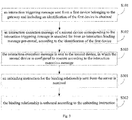
- Embodiments of the present disclosure provide a method used in the gateway for processing interactions between devices, as shown in Fig. 1 .
- the above method for processing interactions between devices includes following steps S101-S103.
- step S101 an interaction triggering message sent from a first device belonging to the gateway and including an identification of the first device is obtained.
- step S102 an interaction execution message of a second device corresponding to the interaction triggering message is searched for from an interaction binding message pre-stored, according to the identification of the first device, in which the second device belongs to the gateway and the interaction binding message includes an interaction logic between the first device and the second device.
- the interaction logic is a logic of performing interaction operations between the first device and the second device.
- the interaction binding message may include the identification of the first device, an identification of the second device, the interaction triggering message of the first device and the interaction execution message of the second device corresponding to the interaction triggering message.
- step S103 the interaction execution message is sent to the second device, in which the second device is configured to operate according to the interaction execution message.
- the interaction execution message may include operation parameters of the second device.
- the second device may be an air conditioner
- the interaction execution message includes specific operation parameters of the air conditioner, such as an air conditioner mode, a set temperature and so on, apart from an air conditioner starting message, so as to facilitate operations of the air conditioner.
- the interaction logic between the devices is managed via the gateway, which reduces the burden of the server and improves the execution efficiency of the interaction logic between the devices. Moreover, since the interactions between the devices do not need to be performed by using the server again, the problem that the response speed is low or there is no response as a result of a communication block between the device and the server is avoided.
- the above method further includes following steps S201-S202.
- step S201 the interaction binding message sent from a server is received and stored.
- step S202 a binding relationship between the first device and the second device is established according to the interaction binding message.
- the binding relationship between the first device and the second device is established, and thus the second device can be controlled to operate according to a state of the first device.
- the above method further includes following steps S301-S302.
- step S301 an unbinding instruction for the binding relationship sent from the server is received.
- step S302 the binding relationship is unbound according to the unbinding instruction.
- two devices with the established binding relationship can be unbound, and the two unbound devices will not operate according to the interaction logic in the interaction binding message.
- a user can choose to bind or unbind the two devices according to his/her own requirements, so that it is convenient for the user to control the devices, and thus a use experience can be improved.
- the above method further includes following steps S401- S402.
- step S401 a query instruction for the interaction binding message of the gateway sent from the server is received.
- step S402 a corresponding interaction binding message is sent to the server according to the query instruction.
- all the interaction binding messages or a certain interaction binding message of the gateway can be queried.
- the user may send a query request to the server, the server sends the query instruction to the gateway according to the query request, the gateway returns a corresponding query result to the server, and the server sends the query result to the user.
- the user can view the interaction binding message that he/she intends to query, and thus it is convenient for the user to perform a further operation of the interaction binding message.
- Embodiments of the present disclosure provide a method used in a server for processing interactions between devices. As shown in Fig. 5 , the above method for processing interactions between devices includes following steps S501- S502.
- step S501 an interaction binding message is obtained, the interaction binding message includes an interaction logic between a first device and a second device, and the first device and the second device belong to a same gateway.
- the interaction logic is a logic of performing interaction operations between the first device and the second device.
- the interaction binding message may include an identification of the first device, an identification of the second device, an interaction triggering message of the first device and an interaction execution message of the second device corresponding to the interaction triggering message.
- the gateway receives the interaction triggering message sent from the first device, the second device needs to operate according to the interaction execution message.
- the interaction binding message may be input by operation staff of the server, and also may be sent from the first device or the second device.
- the serve can converts the interaction binding message into the interaction binding message in a format that can be identified by the gateway.
- the interaction execution message may include operation parameters of the second device.
- the second device may be an air conditioner
- the interaction execution message includes specific operation parameters of the air conditioner, such as an air conditioner mode, a set temperature and so on, apart from an air conditioner starting message, so as to facilitate operations of the air conditioner.
- step S502 the interaction binding message is sent to the gateway to be stored and to establish a binding relationship between the first device and the second device.
- the server sends the interaction binding message to the gateway, and the interaction logic between the devices is managed via the gateway, which reduces the burden of the server and improves the execution efficiency of the interaction logic between the devices. Moreover, since the interactions between the devices do not need to be performed by using the server again, the problem that the response speed is low or there is no response as a result of a communication block between the device and the server is avoided.
- the above method further includes step S601.
- step S601 an unbinding instruction for the binding relationship is sent to the gateway, so that the gateway unbinds the binding relationship according to the unbinding instruction.
- two devices with the established binding relationship in the gateway can be unbound, and the two unbound devices will not operate according to the interaction logic in the interaction binding message.
- a user can choose to bind or unbind the two devices according to his/her own requirements, so that it is convenient for the user to control the devices, and thus a use experience can be improved.
- the above method further includes steps S701-S702.
- step S701 a query instruction for the interaction binding message of the gateway is sent to the gateway.
- step S702 a corresponding interaction binding message sent from the gateway according to the query instruction is received.
- all the interaction binding messages or a certain interaction binding message of the gateway can be queried.
- the user may send a query request to the server, the server sends the query instruction to the gateway according to the query request, the gateway returns a corresponding query result to the server, and the server sends the query result to the user.
- the user can view the interaction binding message that he/she intends to query, and thus it is convenient for the user to perform a further operation of the interaction binding message.
- the user hopes that when detecting that a current air quality is poor, a PM2.5 sensor using a Bluetooth protocol sends an instruction to start a smart air cleaner using the Bluetooth protocol in home, in which these two devices are both connected to a same Bluetooth gateway in the user's home.
- the user can set the interaction logic between the devices in a terminal, and a terminal app sends the setting of the user to the server.
- the server sends the interaction binding message to the gateway.
- a format of the message is: ⁇ sid1,event1,sid2,method2,params ⁇ , in which sid1 is an id of device 1; event1 is an interaction triggering message sent from device 1; sid2 is an id of device 2; method2 is an interaction execution message of device 2; params are parameters of the message executed by device 2.
- the message means that the interaction triggering message event1 of device 1 is bound with the interaction execution message method2 of device 2, i.e., when device 1 generates the interaction triggering message event1, device 2 executes the interaction execution message method2 automatically, and the parameters of method2 are params.
- the interaction triggering message event1 is that the PM2.5 sensor detects that PM2.5 in the air exceeds a standard, and the interaction execution message method2 is starting the smart air cleaner.
- the Bluetooth PM2.5 sensor of the user detects that PM2.5 in the air exceeds the standard
- the Bluetooth PM2.5 sensor sends the interaction triggering message event1 including its own id (sid1) to the gateway.
- the gateway finds the interaction logic set by the user in the interaction binding message pre-stored and sends the interaction execution message method2 to the Bluetooth air cleaner (sid2), and the Bluetooth air cleaner starts to operate according to the message.
- the interaction logic between the devices is managed via the gateway, which reduces the burden of the server and improves the execution efficiency of the interaction logic. Moreover, since the interactions between the devices do not need to be performed by using the server again, the problem that the response speed is low or there is no response as a result of a communication block between the device and the server is avoided.
- embodiments of the present disclosure further provide an apparatus used in a gateway for processing interactions between devices, as shown in Fig. 8 , including:
- the interaction binding message includes the identification of the first device, an identification of the second device, the interaction triggering message of the first device and the interaction execution message of the second device corresponding to the interaction triggering message.
- the interaction execution message includes operation parameters of the second device.
- the above apparatus further includes:
- the above apparatus further includes:
- the above apparatus further includes:
- embodiments of the present disclosure further provide an apparatus used in a server for processing interactions between devices, as shown in Fig. 12 , including:
- the above apparatus further includes:
- the above apparatus further includes:
- the present disclosure also provides an apparatus used in a gateway for processing interactions between devices, including:
- the above processor is further configured to:
- the interaction binding message includes the identification of the first device, an identification of the second device, the interaction triggering message of the first device and the interaction execution message of the second device corresponding to the interaction triggering message.
- the above processor is further configured to:
- the interaction execution message includes operation parameters of the second device.
- the above processor is further configured to:
- the present disclosure also provides an apparatus used in a server for processing interactions between devices, including:
- the interaction binding message includes an identification of the first device, an identification of the second device, an interaction triggering message of the first device and an interaction execution message of the second device corresponding to the interaction triggering message.
- the above processor is further configured to:
- the above processor is further configured to:
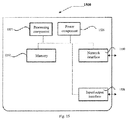
- Fig. 15 is a block diagram of an apparatus 1900 for processing interactions between devices, according to an exemplary embodiment.
- the apparatus 1500 may be provided as a server.
- the apparatus 1500 may include a processing component 1522 which further include one or more processors, and a memory resource represented by a memory 1532 and configured to store instructions executable by the processing component 1522, such as application programs.
- the application programs stored in the memory 1532 may include one or more modules , in which each module corresponds to a set of instructions.
- the processing component 1522 may be configured to execute instructions so as to perform the above methods.
- the apparatus 1500 may also include a power component 1526 configured to execute a power management of the apparatus 1500, a wired or wireless network interfaces 1550 configured to connect the apparatus 1500 to the internet, an input/output interfaces 1558.
- the apparatus 1500 may be operated based on an operating system stored in the memory 1532, such as Windows ServerTM, Mac OS XTM, UnixTM, LinuxTM, FreeBSDTM, or the like.
Landscapes
- Engineering & Computer Science (AREA)
- Computer Networks & Wireless Communication (AREA)
- Signal Processing (AREA)
- Automation & Control Theory (AREA)
- Computing Systems (AREA)
- Multimedia (AREA)
- Health & Medical Sciences (AREA)
- General Health & Medical Sciences (AREA)
- Medical Informatics (AREA)
- Data Exchanges In Wide-Area Networks (AREA)
- Computer And Data Communications (AREA)
- Small-Scale Networks (AREA)
Abstract
Description
- The present disclosure generally relates to a field of wireless network technology, and more particularly, to a method and an apparatus for processing interactions between devices.
- A gateway is also called a network connector and a protocol converter and is a complex device configured to realize an interconnection between devices above a network layer. The gateway is commonly used for a connection of two networks with different high layer protocols respectively and is a "pass" of a network connecting to another network. In an Internet network, the gateway is an intermediate device configured to connect an internal network with other devices in the Internet, and is also called as a "router"; some devices using non-TCP/IP protocols must communicate with other devices in the Internet via a special network.
- In a field of current smart homes, a plurality of wireless protocols (such as a Bluetooth protocol and a Zigbee protocol) has been applied. These devices communicate with one another by using their own protocols and communicate with the other devices in the Internet by converting the protocols via the gateway. An interaction logic between the devices is managed by a server.
- Embodiments of the present disclosure provide a method and an apparatus for processing interactions between devices, so as to reduce a burden of the server, improve an execution efficiency of an interaction logic between the devices and avoid a problem that a response speed is low or there is no response as a result of a communication block.
- According to a first aspect of embodiments of the present disclosure, there is provided a method used in a gateway for processing interactions between devices, including:
- obtaining an interaction triggering message sent from a first device belonging to the gateway and including an identification of the first device;
- searching for an interaction execution message of a second device corresponding to the interaction triggering message from an interaction binding message pre-stored, according to the identification of the first device, in which the second device belongs to the gateway and the interaction binding message includes an interaction logic between the first device and the second device;
- sending the interaction execution message to the second device, in which the second device is configured to operate according to the interaction execution message.
- In an embodiment, the method further includes:
- receiving and storing the interaction binding message sent from a server;
- establishing a binding relationship between the first device and the second device according to the interaction binding message.
- In an embodiment, the interaction binding message includes the identification of the first device, an identification of the second device, the interaction triggering message of the first device and the interaction execution message of the second device corresponding to the interaction triggering message.
- In an embodiment, the method further includes:
- receiving an unbinding instruction for the binding relationship sent from the server;
- unbinding the binding relationship according to the unbinding instruction.
- In an embodiment, the interaction execution message includes operation parameters of the second device.
- In an embodiment, the method further includes:
- receiving a query instruction for the interaction binding message of the gateway sent from the server;
- sending a corresponding interaction binding message to the server according to the query instruction.
- According to a second aspect of embodiments of the present disclosure, there is provided a method used in a server for processing interactions between devices, including:
- obtaining an interaction binding message, the interaction binding message including an interaction logic between a first device and a second device, the first device and the second device belonging to a same gateway;
- sending the interaction binding message to the gateway to be stored and to establish a binding relationship between the first device and the second device.
- In an embodiment, the interaction binding message includes an identification of the first device, an identification of the second device, an interaction triggering message of the first device and an interaction execution message of the second device corresponding to the interaction triggering message.
- In an embodiment, the method further includes:
- sending an unbinding instruction for the binding relationship to the gateway, so that the gateway unbinds the binding relationship according to the unbinding instruction.
- In an embodiment, the method further includes:
- sending a query instruction for the interaction binding message of the gateway to the gateway;
- receiving a corresponding interaction binding message sent from the gateway according to the query instruction.
- According to a third aspect of embodiments of the present disclosure, there is provided an apparatus used in a gateway for processing interactions between devices, including:
- an obtaining module configured to obtain an interaction triggering message sent from a first device belonging to the gateway and including an identification of the first device;
- a searching module configured to search for an interaction execution message of a second device corresponding to the interaction triggering message from an interaction binding message pre-stored, according to the identification of the first device, in which the second device belongs to the gateway and the interaction binding message includes an interaction logic between the first device and the second device;
- a first sending module configured to send the interaction execution message to the second device, in which the second device is configured to operate according to the interaction execution message.
- In an embodiment, the apparatus further includes:
- a first receiving module configured to receive and store the interaction binding message sent from a server;
- a binding module configured to establish a binding relationship between the first device and the second device according to the interaction binding message.
- In an embodiment, the interaction binding message includes the identification of the first device, an identification of the second device, the interaction triggering message of the first device and the interaction execution message of the second device corresponding to the interaction triggering message.
- In an embodiment, the apparatus further includes:
- a second receiving module configured to receive an unbinding instruction for the binding relationship sent from the server;
- an unbinding module configured to unbind the binding relationship according to the unbinding instruction.
- In an embodiment, the interaction execution message includes operation parameters of the second device.
- In an embodiment, the apparatus further includes:
- a third receiving module configured to receive a query instruction for the interaction binding message of the gateway sent from the server;
- a second sending module configured to send a corresponding interaction binding message to the server according to the query instruction.
- According to a fourth aspect of embodiments of the present disclosure, there is provided an apparatus used in a server for processing interactions between devices, including:
- an obtaining module configured to obtain an interaction binding message, the interaction binding message including an interaction logic between a first device and a second device, the first device and the second device belonging to a same gateway;
- a first sending module configured to send the interaction binding message to the gateway to be stored and to establish a binding relationship between the first device and the second device.
- In an embodiment, the interaction binding message includes an identification of the first device, an identification of the second device, an interaction triggering message of the first device and an interaction execution message of the second device corresponding to the interaction triggering message.
- In an embodiment, the apparatus further includes:
- a second sending module configured to send an unbinding instruction for the binding relationship to the gateway, so that the gateway unbinds the binding relationship according to the unbinding instruction.
- In an embodiment, the apparatus further includes:
- a third sending module configured to send a query instruction for the interaction binding message of the gateway to the gateway;
- a receiving module configured to receiving a corresponding interaction binding message sent from the gateway according to the query instruction.
- According to a fifth aspect of embodiments of the present disclosure, there is provided an apparatus used in a gateway for processing interactions between devices, including:
- a processor;
- a memory for storing instructions executable by the processor;
- wherein the processor is configured to:
- obtain an interaction triggering message sent from a first device belonging to the gateway and including an identification of the first device;
- search for an interaction execution message of a second device corresponding to the interaction triggering message from an interaction binding message pre-stored, according to the identification of the first device, in which the second device belongs to the gateway and the interaction binding message includes an interaction logic between the first device and the second device;
- send the interaction execution message to the second device, in which the second device is configured to operate according to the interaction execution message.
- According to a sixth aspect of embodiments of the present disclosure, there is provided an apparatus used in a server for processing interactions between devices, including:
- a processor;
- a memory for storing instructions executable by the processor;
- wherein the processor is configured to:
- obtain an interaction binding message, the interaction binding message including an interaction logic between a first device and a second device, the first device and the second device belonging to a same gateway;
- send the interaction binding message to the gateway to be stored and to establish a binding relationship between the first device and the second device.
- Technical solutions provided by the present disclosure have following significant effects.
- The above technical solutions manage the interaction logic between the devices via the gateway, which reduces the burden of the server and improves the execution efficiency of the interaction logic between the devices. Moreover, since the interactions between the devices do not need to be performed by using the server again, the problem that the response speed is low or there is no response as a result of a communication block between the device and the server is avoided.
- It is to be understood that both the foregoing general description and the following detailed description are exemplary and explanatory only and are not restrictive of the present disclosure.
- The accompanying drawings, which are incorporated in and constitute a part of this specification, illustrate embodiments consistent with the present disclosure and, together with the description, serve to explain the principles of the present disclosure.
-
Fig. 1 is a flow chart showing a method for processing interactions between devices, according to an exemplary embodiment. -
Fig. 2 is a flow chart showing another method for processing interactions between devices, according to an exemplary embodiment. -
Fig. 3 is a flow chart showing another method for processing interactions between devices, according to an exemplary embodiment. -
Fig. 4 is a flow chart showing another method for processing interactions between devices, according to an exemplary embodiment. -
Fig. 5 is a flow chart showing a method for processing interactions between devices, according to another exemplary embodiment. -
Fig. 6 is a flow chart showing another method for processing interactions between devices, according to another exemplary embodiment. -
Fig. 7 is a flow chart showing another method for processing interactions between devices, according to another exemplary embodiment. -
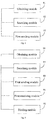
Fig. 8 is a block diagram illustrating an apparatus for processing interactions between devices, according to an exemplary embodiment. -
Fig. 9 is a block diagram illustrating another apparatus for processing interactions between devices, according to an exemplary embodiment. -
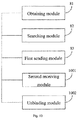
Fig. 10 is a block diagram illustrating another apparatus for processing interactions between devices, according to an exemplary embodiment. -
Fig. 11 is a block diagram illustrating another apparatus for processing interactions between devices, according to an exemplary embodiment. -
Fig. 12 is a block diagram illustrating an apparatus for processing interactions between devices, according to another exemplary embodiment. -
Fig. 13 is a block diagram illustrating another apparatus for processing interactions between devices, according to another exemplary embodiment. -
Fig. 14 is a block diagram illustrating another apparatus for processing interactions between devices, according to another exemplary embodiment. -
Fig. 15 is a block diagram illustrating and adapted for an apparatus for processing interactions between devices, according to an exemplary embodiment. - Reference will now be made in detail to exemplary embodiments, examples of which are illustrated in the accompanying drawings. The following description refers to the accompanying drawings in which the same numbers in different drawings represent the same or similar elements unless otherwise represented. The implementations set forth in the following description of exemplary embodiments do not represent all implementations consistent with the present disclosure. Instead, they are merely examples of apparatuses and methods consistent with aspects related to the present disclosure.
- A technical solution provided by the present disclosure relates to sides: a server, a gateway and a device under the gateway, in which the server is configured to obtain an interaction binding message between the devices and to send the interaction binding message to the gateway; the gateway is configured to store the interaction binding message and to establish a binding relationship between the devices contained in the message according to the interaction binding message, so as to control an operation of another device according to an interaction triggering message of a device. The device under the gateway is configured to send the interaction triggering message to the gateway in a condition of satisfying an interaction triggering requirement, or to receive an interaction execution message sent from the gateway and to operate according to the interaction execution message. In this process, an interaction logic between the devices is managed via the gateway, which reduces the burden of the server and improves the execution efficiency of the interaction logic between the devices. Moreover, since the interactions between the devices do not need to be performed by using the server again, a problem that the response speed is low or there is no response as a result of a communication block between the device and the server is avoided.
- Embodiments of the present disclosure provide a method for processing interactions between devices, and an execution body configured to perform the method includes the gateway and the server. Embodiments of the present disclosure arrange the method for processing interactions between devices according to different execution bodies, as described in the following.
- Embodiments of the present disclosure provide a method used in the gateway for processing interactions between devices, as shown in
Fig. 1 . The above method for processing interactions between devices includes following steps S101-S103. - In step S101, an interaction triggering message sent from a first device belonging to the gateway and including an identification of the first device is obtained.
- In step S102, an interaction execution message of a second device corresponding to the interaction triggering message is searched for from an interaction binding message pre-stored, according to the identification of the first device, in which the second device belongs to the gateway and the interaction binding message includes an interaction logic between the first device and the second device.
- In an embodiment, the interaction logic is a logic of performing interaction operations between the first device and the second device. For example, the interaction binding message may include the identification of the first device, an identification of the second device, the interaction triggering message of the first device and the interaction execution message of the second device corresponding to the interaction triggering message. Once the gateway receives the interaction triggering message sent from the first device, the second device needs to operate according to the interaction execution message.
- In step S103, the interaction execution message is sent to the second device, in which the second device is configured to operate according to the interaction execution message.
- The interaction execution message may include operation parameters of the second device. For example, the second device may be an air conditioner, and the interaction execution message includes specific operation parameters of the air conditioner, such as an air conditioner mode, a set temperature and so on, apart from an air conditioner starting message, so as to facilitate operations of the air conditioner.
- In this embodiment, the interaction logic between the devices is managed via the gateway, which reduces the burden of the server and improves the execution efficiency of the interaction logic between the devices. Moreover, since the interactions between the devices do not need to be performed by using the server again, the problem that the response speed is low or there is no response as a result of a communication block between the device and the server is avoided.
- As shown in
Fig. 2 , in an embodiment, before step S101, the above method further includes following steps S201-S202. - In step S201, the interaction binding message sent from a server is received and stored.
- In step S202, a binding relationship between the first device and the second device is established according to the interaction binding message.
- In this embodiment, with the interaction binding message, the binding relationship between the first device and the second device is established, and thus the second device can be controlled to operate according to a state of the first device.
- As shown in
Fig. 3 , in an embodiment, the above method further includes following steps S301-S302. - In step S301, an unbinding instruction for the binding relationship sent from the server is received.
- In step S302, the binding relationship is unbound according to the unbinding instruction.
- In this embodiment, two devices with the established binding relationship can be unbound, and the two unbound devices will not operate according to the interaction logic in the interaction binding message. In this way, a user can choose to bind or unbind the two devices according to his/her own requirements, so that it is convenient for the user to control the devices, and thus a use experience can be improved.
- As shown in
Fig. 4 , in an embodiment, the above method further includes following steps S401- S402. - In step S401, a query instruction for the interaction binding message of the gateway sent from the server is received.
- In step S402, a corresponding interaction binding message is sent to the server according to the query instruction.
- In this embodiment, all the interaction binding messages or a certain interaction binding message of the gateway can be queried. For example, the user may send a query request to the server, the server sends the query instruction to the gateway according to the query request, the gateway returns a corresponding query result to the server, and the server sends the query result to the user. In this way, the user can view the interaction binding message that he/she intends to query, and thus it is convenient for the user to perform a further operation of the interaction binding message.
- Embodiments of the present disclosure provide a method used in a server for processing interactions between devices. As shown in
Fig. 5 , the above method for processing interactions between devices includes following steps S501- S502. - In step S501, an interaction binding message is obtained, the interaction binding message includes an interaction logic between a first device and a second device, and the first device and the second device belong to a same gateway.
- In an embodiment, the interaction logic is a logic of performing interaction operations between the first device and the second device. For example, the interaction binding message may include an identification of the first device, an identification of the second device, an interaction triggering message of the first device and an interaction execution message of the second device corresponding to the interaction triggering message. Once the gateway receives the interaction triggering message sent from the first device, the second device needs to operate according to the interaction execution message. The interaction binding message may be input by operation staff of the server, and also may be sent from the first device or the second device. When the interaction binding message cannot be identified, the serve can converts the interaction binding message into the interaction binding message in a format that can be identified by the gateway.
- The interaction execution message may include operation parameters of the second device. For example, the second device may be an air conditioner, and the interaction execution message includes specific operation parameters of the air conditioner, such as an air conditioner mode, a set temperature and so on, apart from an air conditioner starting message, so as to facilitate operations of the air conditioner.
- In step S502, the interaction binding message is sent to the gateway to be stored and to establish a binding relationship between the first device and the second device.
- In this embodiment, the server sends the interaction binding message to the gateway, and the interaction logic between the devices is managed via the gateway, which reduces the burden of the server and improves the execution efficiency of the interaction logic between the devices. Moreover, since the interactions between the devices do not need to be performed by using the server again, the problem that the response speed is low or there is no response as a result of a communication block between the device and the server is avoided.
- As shown in
Fig.6 , in an embodiment, the above method further includes step S601. - In step S601, an unbinding instruction for the binding relationship is sent to the gateway, so that the gateway unbinds the binding relationship according to the unbinding instruction.
- In this embodiment, two devices with the established binding relationship in the gateway can be unbound, and the two unbound devices will not operate according to the interaction logic in the interaction binding message. In this way, a user can choose to bind or unbind the two devices according to his/her own requirements, so that it is convenient for the user to control the devices, and thus a use experience can be improved.
- As shown in
Fig. 7 , in an embodiment, the above method further includes steps S701-S702. - In step S701, a query instruction for the interaction binding message of the gateway is sent to the gateway.
- In step S702, a corresponding interaction binding message sent from the gateway according to the query instruction is received.
- In this embodiment, all the interaction binding messages or a certain interaction binding message of the gateway can be queried. For example, the user may send a query request to the server, the server sends the query instruction to the gateway according to the query request, the gateway returns a corresponding query result to the server, and the server sends the query result to the user. In this way, the user can view the interaction binding message that he/she intends to query, and thus it is convenient for the user to perform a further operation of the interaction binding message.
- In the following, the technical solution of the present disclosure will be described in details in a specific embodiment.
- For example, the user hopes that when detecting that a current air quality is poor, a PM2.5 sensor using a Bluetooth protocol sends an instruction to start a smart air cleaner using the Bluetooth protocol in home, in which these two devices are both connected to a same Bluetooth gateway in the user's home. Thus, the user can set the interaction logic between the devices in a terminal, and a terminal app sends the setting of the user to the server. When detecting the relevant devices set by the user are the devices under the gateway of the user, the server sends the interaction binding message to the gateway. A format of the message is: {sid1,event1,sid2,method2,params}, in which sid1 is an id of device 1; event1 is an interaction triggering message sent from device 1; sid2 is an id of device 2; method2 is an interaction execution message of device 2; params are parameters of the message executed by device 2. The message means that the interaction triggering message event1 of device 1 is bound with the interaction execution message method2 of device 2, i.e., when device 1 generates the interaction triggering message event1, device 2 executes the interaction execution message method2 automatically, and the parameters of method2 are params. Provided that, the interaction triggering message event1 is that the PM2.5 sensor detects that PM2.5 in the air exceeds a standard, and the interaction execution message method2 is starting the smart air cleaner.
- Thus, after the Bluetooth PM2.5 sensor of the user detects that PM2.5 in the air exceeds the standard, the Bluetooth PM2.5 sensor sends the interaction triggering message event1 including its own id (sid1) to the gateway. After receiving the message, the gateway finds the interaction logic set by the user in the interaction binding message pre-stored and sends the interaction execution message method2 to the Bluetooth air cleaner (sid2), and the Bluetooth air cleaner starts to operate according to the message.
- Thus, the interaction logic between the devices is managed via the gateway, which reduces the burden of the server and improves the execution efficiency of the interaction logic. Moreover, since the interactions between the devices do not need to be performed by using the server again, the problem that the response speed is low or there is no response as a result of a communication block between the device and the server is avoided.
- Corresponding to the above method for processing interactions between devices provided by embodiments of the present disclosure, embodiments of the present disclosure further provide an apparatus used in a gateway for processing interactions between devices, as shown in
Fig. 8 , including: - an obtaining
module 81 configured to obtain an interaction triggering message sent from a first device belonging to the gateway and including an identification of the first device; - a searching
module 82 configured to search for an interaction execution message of a second device corresponding to the interaction triggering message from an interaction binding message pre-stored, according to the identification of the first device, in which the second device belongs to the gateway and the interaction binding message includes an interaction logic between the first device and the second device; - a
first sending module 83 configured to send the interaction execution message to the second device, in which the second device is configured to operate according to the interaction execution message. - In an embodiment, the interaction binding message includes the identification of the first device, an identification of the second device, the interaction triggering message of the first device and the interaction execution message of the second device corresponding to the interaction triggering message.
- In an embodiment, the interaction execution message includes operation parameters of the second device.
- As shown in
Fig. 9 , in an embodiment, the above apparatus further includes: - a
first receiving module 91 configured to receive and store the interaction binding message sent from a server; - a binding
module 92 configured to establish a binding relationship between the first device and the second device according to the interaction binding message. - As shown in
Fig. 10 , in an embodiment, the above apparatus further includes: - a
second receiving module 1001 configured to receive an unbinding instruction for the binding relationship sent from the server; - an
unbinding module 1002 configured to unbind the binding relationship according to the unbinding instruction. - As shown in
Fig. 11 , in an embodiment, the above apparatus further includes: - a
third receiving module 1101 configured to receive a query instruction for the interaction binding message of the gateway sent from the server; - a
second sending module 1102 configured to send a corresponding interaction binding message to the server according to the query instruction. - Corresponding to the above method for processing interactions between devices provided by embodiments of the present disclosure, embodiments of the present disclosure further provide an apparatus used in a server for processing interactions between devices, as shown in
Fig. 12 , including: - an obtaining module configured 1201 to obtain an interaction binding message, the interaction binding message including an interaction logic between a first device and a second device, the first device and the second device belonging to a same gateway;
- a
first sending module 1202 configured to send the interaction binding message to the gateway to be stored and to establish a binding relationship between the first device and the second device. - As shown in
Fig. 13 , in an embodiment, the above apparatus further includes: - a
second sending module 1301 configured to send an unbinding instruction for the binding relationship to the gateway, so that the gateway unbinds the binding relationship according to the unbinding instruction. - As shown in
Fig. 14 , in an embodiment of the present disclosure, the above apparatus further includes: - a
third sending module 1401 configured to send a query instruction for the interaction binding message of the gateway to the gateway; - a
receiving module 1402 configured to receiving a corresponding interaction binding message sent from the gateway according to the query instruction. - With respect to the apparatus in the above embodiments, the specific manners for performing operations for individual modules therein have been described in detail in the embodiments regarding the methods, which will not be elaborated herein.
- The present disclosure also provides an apparatus used in a gateway for processing interactions between devices, including:
- a processor;
- a memory for storing instructions executable by the processor;
- in which the processor is configured to:
- obtain an interaction triggering message sent from a first device belonging to the gateway and comprising an identification of the first device;
- search for an interaction execution message of a second device corresponding to the interaction triggering message from an interaction binding message pre-stored, according to the identification of the first device, in which the second device belongs to the gateway and the interaction binding message includes an interaction logic between the first device and the second device;
- send the interaction execution message to the second device, in which the second device is configured to operate according to the interaction execution message.
- The above processor is further configured to:
- receive and store the interaction binding message sent from a server;
- establish a binding relationship between the first device and the second device according to the interaction binding message.
- The interaction binding message includes the identification of the first device, an identification of the second device, the interaction triggering message of the first device and the interaction execution message of the second device corresponding to the interaction triggering message.
- The above processor is further configured to:
- receive an unbinding instruction for the binding relationship sent from the server;
- unbind the binding relationship according to the unbinding instruction.
- The interaction execution message includes operation parameters of the second device.
- The above processor is further configured to:
- receive a query instruction for the interaction binding message of the gateway sent from the server;
- send a corresponding interaction binding message to the server according to the query instruction.
- The present disclosure also provides an apparatus used in a server for processing interactions between devices, including:
- a processor;
- a memory for storing instructions executable by the processor;
- in which the processor is configured to:
- obtain an interaction binding message, the interaction binding message including an interaction logic between a first device and a second device, the first device and the second device belonging to a same gateway;
- send the interaction binding message to the gateway to be stored and to establish a binding relationship between the first device and the second device.
- The interaction binding message includes an identification of the first device, an identification of the second device, an interaction triggering message of the first device and an interaction execution message of the second device corresponding to the interaction triggering message.
- The above processor is further configured to:
- send an unbinding instruction for the binding relationship to the gateway, so that the gateway unbinds the binding relationship according to the unbinding instruction.
- The above processor is further configured to:
- send a query instruction for the interaction binding message of the gateway to the gateway;
- receive a corresponding interaction binding message sent from the gateway according to the query instruction.
-
Fig. 15 is a block diagram of an apparatus 1900 for processing interactions between devices, according to an exemplary embodiment. For example, theapparatus 1500 may be provided as a server. - Referring to
Fig. 15 , theapparatus 1500 may include aprocessing component 1522 which further include one or more processors, and a memory resource represented by amemory 1532 and configured to store instructions executable by theprocessing component 1522, such as application programs. The application programs stored in thememory 1532 may include one or more modules , in which each module corresponds to a set of instructions. Further, theprocessing component 1522 may be configured to execute instructions so as to perform the above methods. - The
apparatus 1500 may also include apower component 1526 configured to execute a power management of theapparatus 1500, a wired orwireless network interfaces 1550 configured to connect theapparatus 1500 to the internet, an input/output interfaces 1558. Theapparatus 1500 may be operated based on an operating system stored in thememory 1532, such as Windows ServerTM, Mac OS XTM, UnixTM, LinuxTM, FreeBSDTM, or the like. - Other embodiments of the present disclosure will be apparent to those skilled in the art from consideration of the specification and practice of the present disclosure disclosed here. This application is intended to cover any variations, usages, or adaptations of the present disclosure following the general principles thereof and including such departures from the present disclosure as come within known or customary practice in the art.
Claims (14)
- A method used in a gateway for processing interactions between devices, comprising:obtaining an interaction triggering message sent from a first device belonging to the gateway and comprising an identification of the first device (S101);searching for an interaction execution message of a second device corresponding to the interaction triggering message from an interaction binding message pre-stored, according to the identification of the first device, in which the second device belongs to the gateway and the interaction binding message comprises an interaction logic between the first device and the second device (S102);sending the interaction execution message to the second device, in which the second device is configured to operate according to the interaction execution message (S103).
- The method of claim 1, further comprising:receiving and storing the interaction binding message sent from a server (S201);establishing a binding relationship between the first device and the second device according to the interaction binding message (S202).
- The method of claim 1 or 2, wherein the interaction binding message comprises the identification of the first device, an identification of the second device, the interaction triggering message of the first device and the interaction execution message of the second device corresponding to the interaction triggering message.
- The method of claim 2 or 3, further comprising:receiving an unbinding instruction for the binding relationship sent from the server (S301);unbinding the binding relationship according to the unbinding instruction (S302).
- The method of any one of claims 1 to 4, wherein the interaction execution message comprises operation parameters of the second device.
- The method of any one of claims 1 to 5, further comprising:receiving a query instruction for the interaction binding message of the gateway sent from the server (S401);sending a corresponding interaction binding message to the server according to the query instruction (S402).
- An apparatus used in a gateway for processing interactions between devices, comprising:an obtaining module (81) configured to obtain an interaction triggering message sent from a first device belonging to the gateway and comprising an identification of the first device;a searching module (82) configured to search for an interaction execution message of a second device corresponding to the interaction triggering message from an interaction binding message pre-stored, according to the identification of the first device, in which the second device belongs to the gateway and the interaction binding message comprises an interaction logic between the first device and the second device;a first sending module (82) configured to send the interaction execution message to the second device, in which the second device is configured to operate according to the interaction execution message.
- The apparatus of claim 7, further comprising:a first receiving module (91) configured to receive and store the interaction binding message sent from a server;a binding module (92) configured to establish a binding relationship between the first device and the second device according to the interaction binding message.
- The apparatus of claim 7 or 8, wherein the interaction binding message comprises the identification of the first device, an identification of the second device, the interaction triggering message of the first device and the interaction execution message of the second device corresponding to the interaction triggering message.
- The apparatus of claim 8 or 9, further comprising:a second receiving module (1001) configured to receive an unbinding instruction for the binding relationship sent from the server;an unbinding module (1002) configured to unbind the binding relationship according to the unbinding instruction.
- The apparatus of any one of claims 7 to 10, wherein the interaction execution message comprises operation parameters of the second device.
- The apparatus of any one of claims 7 to 11, further comprising:a third receiving module (1101) configured to receive a query instruction for the interaction binding message of the gateway sent from the server;a second sending module (1102) configured to send a corresponding interaction binding message to the server according to the query instruction.
- An apparatus used in a gateway for processing interactions between devices, comprising:a processor;a memory for storing instructions executable by the processor;wherein the processor is configured to perform the method for processing interactions between devices according to any one of claims 1 to 6.
- A non-transitory computer-readable storage medium having stored therein instructions that, when executed by a processor of a gateway, causes the gateway to perform a method for processing interactions between devices according to any one of claims 1 to 6.
Applications Claiming Priority (1)
| Application Number | Priority Date | Filing Date | Title |
|---|---|---|---|
| CN201510260776.1A CN105099931A (en) | 2015-05-20 | 2015-05-20 | Method and device for processing interaction between equipment |
Publications (2)
| Publication Number | Publication Date |
|---|---|
| EP3096505A1 true EP3096505A1 (en) | 2016-11-23 |
| EP3096505B1 EP3096505B1 (en) | 2017-11-08 |
Family
ID=54579516
Family Applications (1)
| Application Number | Title | Priority Date | Filing Date |
|---|---|---|---|
| EP16159961.8A Active EP3096505B1 (en) | 2015-05-20 | 2016-03-11 | Method and apparatus for processing interactions between devices |
Country Status (8)
| Country | Link |
|---|---|
| US (1) | US20160344573A1 (en) |
| EP (1) | EP3096505B1 (en) |
| JP (1) | JP2017527232A (en) |
| KR (1) | KR101760630B1 (en) |
| CN (1) | CN105099931A (en) |
| MX (1) | MX356618B (en) |
| RU (1) | RU2636122C2 (en) |
| WO (1) | WO2016183996A1 (en) |
Families Citing this family (1)
| Publication number | Priority date | Publication date | Assignee | Title |
|---|---|---|---|---|
| CN107741817A (en) * | 2017-09-29 | 2018-02-27 | 联想(北京)有限公司 | Processing method and processing unit |
Citations (2)
| Publication number | Priority date | Publication date | Assignee | Title |
|---|---|---|---|---|
| US20120158161A1 (en) * | 2010-12-20 | 2012-06-21 | Alan Wade Cohn | Defining and implementing sensor triggered response rules |
| US20140289387A1 (en) * | 2013-03-20 | 2014-09-25 | Infosys Limited | System and method for locally managing network appliances in a closed area network via a gateway device |
Family Cites Families (24)
| Publication number | Priority date | Publication date | Assignee | Title |
|---|---|---|---|---|
| US6233611B1 (en) * | 1998-05-08 | 2001-05-15 | Sony Corporation | Media manager for controlling autonomous media devices within a network environment and managing the flow and format of data between the devices |
| US6748278B1 (en) * | 2000-03-13 | 2004-06-08 | Microsoft Corporation | Remote controlled system with computer-based remote control facilitator |
| US7543020B2 (en) * | 2005-02-10 | 2009-06-02 | Cisco Technology, Inc. | Distributed client services based on execution of service attributes and data attributes by multiple nodes in resource groups |
| KR100643294B1 (en) * | 2005-05-04 | 2006-11-10 | 삼성전자주식회사 | Home network simulation system and method |
| KR100746031B1 (en) * | 2006-01-10 | 2007-08-06 | 삼성전자주식회사 | Home network simulation system and method |
| US9420047B2 (en) * | 2007-02-19 | 2016-08-16 | Telefonaktiebolaget Lm Ericsson (Publ) | Method and apparatus for enabling user services in communication network |
| US9742851B2 (en) * | 2007-03-05 | 2017-08-22 | Telefonaktiebolaget Lm Ericsson (Publ) | Method and arrangement for remotely controlling multimedia communication across local networks |
| WO2010135372A1 (en) * | 2009-05-18 | 2010-11-25 | Alarm.Com Incorporated | Remote device control and energy monitoring |
| US20110047253A1 (en) * | 2009-08-19 | 2011-02-24 | Samsung Electronics Co. Ltd. | Techniques for controlling gateway functionality to support device management in a communication system |
| CN102263776A (en) * | 2010-05-26 | 2011-11-30 | 魏星 | Intelligent household remote control system and intelligent household server |
| US20110314163A1 (en) * | 2010-06-16 | 2011-12-22 | Mmb Research Inc. | Wireless communication network for smart appliances |
| TWI442200B (en) * | 2011-03-02 | 2014-06-21 | Ind Tech Res Inst | Method and apparatus of binding sensors and actuators automatically |
| JP5592302B2 (en) * | 2011-04-05 | 2014-09-17 | 日本電信電話株式会社 | Home gateway, network system, and device linkage method |
| JP5357920B2 (en) * | 2011-04-21 | 2013-12-04 | 日本電信電話株式会社 | Home device cooperation control device and home device cooperation control method |
| JP5763985B2 (en) * | 2011-06-24 | 2015-08-12 | 株式会社日立製作所 | Service providing system and apparatus |
| CN102761440B (en) * | 2012-06-28 | 2015-01-28 | 华为终端有限公司 | Method for establishing channel for managing IPv4 terminal and network gateway |
| KR20140055321A (en) * | 2012-10-31 | 2014-05-09 | 삼성전자주식회사 | Method and apparatus for controlling home device based on service logic in a home network system |
| CN104426962B (en) * | 2013-08-29 | 2019-11-15 | 腾讯科技(深圳)有限公司 | Method, binding server, terminal and the system of multiple terminals binding |
| KR101593115B1 (en) * | 2013-10-15 | 2016-02-11 | 주식회사 케이티 | Method for monitoring legacy device status in home network system and home network system |
| CN103699079A (en) * | 2013-12-16 | 2014-04-02 | 四川九洲电器集团有限责任公司 | Method for performing timing control on intelligent home equipment through mobile terminal |
| TWM481549U (en) * | 2014-02-14 | 2014-07-01 | Jsw Pacific Corp | Gateway using single database |
| CN104394044B (en) * | 2014-10-29 | 2018-02-02 | 小米科技有限责任公司 | The method and apparatus of self-defined smart machine scene mode |
| CN104614997B (en) * | 2014-12-12 | 2017-12-29 | 联想(北京)有限公司 | Control method, control device and electronic equipment |
| CN104601674A (en) * | 2014-12-29 | 2015-05-06 | 小米科技有限责任公司 | Method, device and method for synchronizing notification message |
-
2015
- 2015-05-20 CN CN201510260776.1A patent/CN105099931A/en active Pending
- 2015-09-24 KR KR1020167005786A patent/KR101760630B1/en active Active
- 2015-09-24 MX MX2016001781A patent/MX356618B/en active IP Right Grant
- 2015-09-24 WO PCT/CN2015/090607 patent/WO2016183996A1/en not_active Ceased
- 2015-09-24 JP JP2017518402A patent/JP2017527232A/en active Pending
- 2015-09-24 RU RU2016110583A patent/RU2636122C2/en active
-
2016
- 2016-03-11 EP EP16159961.8A patent/EP3096505B1/en active Active
- 2016-03-30 US US15/084,796 patent/US20160344573A1/en not_active Abandoned
Patent Citations (2)
| Publication number | Priority date | Publication date | Assignee | Title |
|---|---|---|---|---|
| US20120158161A1 (en) * | 2010-12-20 | 2012-06-21 | Alan Wade Cohn | Defining and implementing sensor triggered response rules |
| US20140289387A1 (en) * | 2013-03-20 | 2014-09-25 | Infosys Limited | System and method for locally managing network appliances in a closed area network via a gateway device |
Also Published As
| Publication number | Publication date |
|---|---|
| KR20160148504A (en) | 2016-12-26 |
| KR101760630B1 (en) | 2017-07-21 |
| CN105099931A (en) | 2015-11-25 |
| RU2016110583A (en) | 2017-09-28 |
| MX356618B (en) | 2018-06-06 |
| EP3096505B1 (en) | 2017-11-08 |
| JP2017527232A (en) | 2017-09-14 |
| WO2016183996A1 (en) | 2016-11-24 |
| MX2016001781A (en) | 2017-04-27 |
| RU2636122C2 (en) | 2017-11-20 |
| US20160344573A1 (en) | 2016-11-24 |
Similar Documents
| Publication | Publication Date | Title |
|---|---|---|
| US9998297B2 (en) | Method and apparatus for controlling smart home device to upload data, method and apparatus for acquiring data uploaded by smart home device | |
| US10820250B2 (en) | Method and platoon manager for enabling a wireless device in a vehicle to communicate over a cellular network | |
| CN110740460B (en) | Network access method and device of equipment, network equipment and storage medium | |
| CN104506567B (en) | Data exchange method for gateway and server of Internet of things | |
| US10805781B2 (en) | Method and apparatus for establishing a connection between devices | |
| WO2017097093A1 (en) | Implementation method for home internet of things, set top box, and internet-of-things server | |
| CN103780577A (en) | Method, apparatus and terminal for realizing internet of thing application | |
| CN102801800B (en) | Method and system for performing resource sharing processing among plurality of wireless terminals | |
| CN104185253A (en) | Method for accessing wireless router, related device and system thereof | |
| CN108390795B (en) | Home appliance equipment and monitoring method thereof, smart home system and readable storage medium | |
| CN107743081B (en) | Home appliance and control method, system, and computer-readable storage medium | |
| WO2017143743A1 (en) | Heterogeneous protocol communication method and controller | |
| CN113794996B (en) | Device communication, device control method, device, electronic device, and storage medium | |
| CN108650310B (en) | Service discovery method | |
| EP3096505A1 (en) | Method and apparatus for processing interactions between devices | |
| KR101645251B1 (en) | Protocol dynamic configuration system for reflecting network characteristics in service oriented architecture and Method thereof | |
| CN108541078B (en) | Terminal binding method, system, terminal and server | |
| CN117880749A (en) | Data interaction method, device, apparatus, readable storage medium and program product | |
| CN110753921A (en) | Query request processing method and device, computer equipment and storage medium | |
| US9602579B2 (en) | Communication apparatus, method for controlling the same, and program | |
| EP2870536B1 (en) | Method and apparatus for sensor data processing | |
| CN104486252A (en) | Method and device for thin clients to have access to standard clients | |
| WO2023165359A1 (en) | Wi-fi p2p connection method, apparatus and system | |
| CN113194508A (en) | Data transmission method, LoRA server and LoRA terminal | |
| CN103906264A (en) | Service information discovering method and device |
Legal Events
| Date | Code | Title | Description |
|---|---|---|---|
| PUAI | Public reference made under article 153(3) epc to a published international application that has entered the european phase |
Free format text: ORIGINAL CODE: 0009012 |
|
| AK | Designated contracting states |
Kind code of ref document: A1 Designated state(s): AL AT BE BG CH CY CZ DE DK EE ES FI FR GB GR HR HU IE IS IT LI LT LU LV MC MK MT NL NO PL PT RO RS SE SI SK SM TR |
|
| AX | Request for extension of the european patent |
Extension state: BA ME |
|
| 17P | Request for examination filed |
Effective date: 20170127 |
|
| RBV | Designated contracting states (corrected) |
Designated state(s): AL AT BE BG CH CY CZ DE DK EE ES FI FR GB GR HR HU IE IS IT LI LT LU LV MC MK MT NL NO PL PT RO RS SE SI SK SM TR |
|
| GRAP | Despatch of communication of intention to grant a patent |
Free format text: ORIGINAL CODE: EPIDOSNIGR1 |
|
| RIC1 | Information provided on ipc code assigned before grant |
Ipc: H04L 12/28 20060101ALI20170509BHEP Ipc: H04L 29/08 20060101AFI20170509BHEP Ipc: H04L 12/66 20060101ALI20170509BHEP |
|
| INTG | Intention to grant announced |
Effective date: 20170526 |
|
| GRAS | Grant fee paid |
Free format text: ORIGINAL CODE: EPIDOSNIGR3 |
|
| GRAA | (expected) grant |
Free format text: ORIGINAL CODE: 0009210 |
|
| AK | Designated contracting states |
Kind code of ref document: B1 Designated state(s): AL AT BE BG CH CY CZ DE DK EE ES FI FR GB GR HR HU IE IS IT LI LT LU LV MC MK MT NL NO PL PT RO RS SE SI SK SM TR |
|
| REG | Reference to a national code |
Ref country code: GB Ref legal event code: FG4D |
|
| REG | Reference to a national code |
Ref country code: CH Ref legal event code: EP Ref country code: AT Ref legal event code: REF Ref document number: 945191 Country of ref document: AT Kind code of ref document: T Effective date: 20171115 |
|
| REG | Reference to a national code |
Ref country code: IE Ref legal event code: FG4D |
|
| REG | Reference to a national code |
Ref country code: DE Ref legal event code: R096 Ref document number: 602016000721 Country of ref document: DE |
|
| REG | Reference to a national code |
Ref country code: NL Ref legal event code: MP Effective date: 20171108 |
|
| REG | Reference to a national code |
Ref country code: LT Ref legal event code: MG4D |
|
| REG | Reference to a national code |
Ref country code: FR Ref legal event code: PLFP Year of fee payment: 3 |
|
| REG | Reference to a national code |
Ref country code: AT Ref legal event code: MK05 Ref document number: 945191 Country of ref document: AT Kind code of ref document: T Effective date: 20171108 |
|
| PG25 | Lapsed in a contracting state [announced via postgrant information from national office to epo] |
Ref country code: FI Free format text: LAPSE BECAUSE OF FAILURE TO SUBMIT A TRANSLATION OF THE DESCRIPTION OR TO PAY THE FEE WITHIN THE PRESCRIBED TIME-LIMIT Effective date: 20171108 Ref country code: ES Free format text: LAPSE BECAUSE OF FAILURE TO SUBMIT A TRANSLATION OF THE DESCRIPTION OR TO PAY THE FEE WITHIN THE PRESCRIBED TIME-LIMIT Effective date: 20171108 Ref country code: SE Free format text: LAPSE BECAUSE OF FAILURE TO SUBMIT A TRANSLATION OF THE DESCRIPTION OR TO PAY THE FEE WITHIN THE PRESCRIBED TIME-LIMIT Effective date: 20171108 Ref country code: LT Free format text: LAPSE BECAUSE OF FAILURE TO SUBMIT A TRANSLATION OF THE DESCRIPTION OR TO PAY THE FEE WITHIN THE PRESCRIBED TIME-LIMIT Effective date: 20171108 Ref country code: NL Free format text: LAPSE BECAUSE OF FAILURE TO SUBMIT A TRANSLATION OF THE DESCRIPTION OR TO PAY THE FEE WITHIN THE PRESCRIBED TIME-LIMIT Effective date: 20171108 Ref country code: NO Free format text: LAPSE BECAUSE OF FAILURE TO SUBMIT A TRANSLATION OF THE DESCRIPTION OR TO PAY THE FEE WITHIN THE PRESCRIBED TIME-LIMIT Effective date: 20180208 |
|
| PG25 | Lapsed in a contracting state [announced via postgrant information from national office to epo] |
Ref country code: RS Free format text: LAPSE BECAUSE OF FAILURE TO SUBMIT A TRANSLATION OF THE DESCRIPTION OR TO PAY THE FEE WITHIN THE PRESCRIBED TIME-LIMIT Effective date: 20171108 Ref country code: LV Free format text: LAPSE BECAUSE OF FAILURE TO SUBMIT A TRANSLATION OF THE DESCRIPTION OR TO PAY THE FEE WITHIN THE PRESCRIBED TIME-LIMIT Effective date: 20171108 Ref country code: GR Free format text: LAPSE BECAUSE OF FAILURE TO SUBMIT A TRANSLATION OF THE DESCRIPTION OR TO PAY THE FEE WITHIN THE PRESCRIBED TIME-LIMIT Effective date: 20180209 Ref country code: HR Free format text: LAPSE BECAUSE OF FAILURE TO SUBMIT A TRANSLATION OF THE DESCRIPTION OR TO PAY THE FEE WITHIN THE PRESCRIBED TIME-LIMIT Effective date: 20171108 Ref country code: IS Free format text: LAPSE BECAUSE OF FAILURE TO SUBMIT A TRANSLATION OF THE DESCRIPTION OR TO PAY THE FEE WITHIN THE PRESCRIBED TIME-LIMIT Effective date: 20180308 Ref country code: AT Free format text: LAPSE BECAUSE OF FAILURE TO SUBMIT A TRANSLATION OF THE DESCRIPTION OR TO PAY THE FEE WITHIN THE PRESCRIBED TIME-LIMIT Effective date: 20171108 Ref country code: BG Free format text: LAPSE BECAUSE OF FAILURE TO SUBMIT A TRANSLATION OF THE DESCRIPTION OR TO PAY THE FEE WITHIN THE PRESCRIBED TIME-LIMIT Effective date: 20180208 |
|
| PG25 | Lapsed in a contracting state [announced via postgrant information from national office to epo] |
Ref country code: SK Free format text: LAPSE BECAUSE OF FAILURE TO SUBMIT A TRANSLATION OF THE DESCRIPTION OR TO PAY THE FEE WITHIN THE PRESCRIBED TIME-LIMIT Effective date: 20171108 Ref country code: CZ Free format text: LAPSE BECAUSE OF FAILURE TO SUBMIT A TRANSLATION OF THE DESCRIPTION OR TO PAY THE FEE WITHIN THE PRESCRIBED TIME-LIMIT Effective date: 20171108 Ref country code: DK Free format text: LAPSE BECAUSE OF FAILURE TO SUBMIT A TRANSLATION OF THE DESCRIPTION OR TO PAY THE FEE WITHIN THE PRESCRIBED TIME-LIMIT Effective date: 20171108 Ref country code: CY Free format text: LAPSE BECAUSE OF FAILURE TO SUBMIT A TRANSLATION OF THE DESCRIPTION OR TO PAY THE FEE WITHIN THE PRESCRIBED TIME-LIMIT Effective date: 20171108 Ref country code: EE Free format text: LAPSE BECAUSE OF FAILURE TO SUBMIT A TRANSLATION OF THE DESCRIPTION OR TO PAY THE FEE WITHIN THE PRESCRIBED TIME-LIMIT Effective date: 20171108 |
|
| REG | Reference to a national code |
Ref country code: DE Ref legal event code: R097 Ref document number: 602016000721 Country of ref document: DE |
|
| PG25 | Lapsed in a contracting state [announced via postgrant information from national office to epo] |
Ref country code: PL Free format text: LAPSE BECAUSE OF FAILURE TO SUBMIT A TRANSLATION OF THE DESCRIPTION OR TO PAY THE FEE WITHIN THE PRESCRIBED TIME-LIMIT Effective date: 20171108 Ref country code: SM Free format text: LAPSE BECAUSE OF FAILURE TO SUBMIT A TRANSLATION OF THE DESCRIPTION OR TO PAY THE FEE WITHIN THE PRESCRIBED TIME-LIMIT Effective date: 20171108 Ref country code: IT Free format text: LAPSE BECAUSE OF FAILURE TO SUBMIT A TRANSLATION OF THE DESCRIPTION OR TO PAY THE FEE WITHIN THE PRESCRIBED TIME-LIMIT Effective date: 20171108 |
|
| PLBE | No opposition filed within time limit |
Free format text: ORIGINAL CODE: 0009261 |
|
| STAA | Information on the status of an ep patent application or granted ep patent |
Free format text: STATUS: NO OPPOSITION FILED WITHIN TIME LIMIT |
|
| 26N | No opposition filed |
Effective date: 20180809 |
|
| PG25 | Lapsed in a contracting state [announced via postgrant information from national office to epo] |
Ref country code: SI Free format text: LAPSE BECAUSE OF FAILURE TO SUBMIT A TRANSLATION OF THE DESCRIPTION OR TO PAY THE FEE WITHIN THE PRESCRIBED TIME-LIMIT Effective date: 20171108 Ref country code: MC Free format text: LAPSE BECAUSE OF FAILURE TO SUBMIT A TRANSLATION OF THE DESCRIPTION OR TO PAY THE FEE WITHIN THE PRESCRIBED TIME-LIMIT Effective date: 20171108 |
|
| REG | Reference to a national code |
Ref country code: BE Ref legal event code: MM Effective date: 20180331 |
|
| REG | Reference to a national code |
Ref country code: IE Ref legal event code: MM4A |
|
| PG25 | Lapsed in a contracting state [announced via postgrant information from national office to epo] |
Ref country code: LU Free format text: LAPSE BECAUSE OF NON-PAYMENT OF DUE FEES Effective date: 20180311 |
|
| PG25 | Lapsed in a contracting state [announced via postgrant information from national office to epo] |
Ref country code: IE Free format text: LAPSE BECAUSE OF NON-PAYMENT OF DUE FEES Effective date: 20180311 |
|
| PG25 | Lapsed in a contracting state [announced via postgrant information from national office to epo] |
Ref country code: BE Free format text: LAPSE BECAUSE OF NON-PAYMENT OF DUE FEES Effective date: 20180331 |
|
| REG | Reference to a national code |
Ref country code: CH Ref legal event code: PL |
|
| PG25 | Lapsed in a contracting state [announced via postgrant information from national office to epo] |
Ref country code: CH Free format text: LAPSE BECAUSE OF NON-PAYMENT OF DUE FEES Effective date: 20190331 Ref country code: LI Free format text: LAPSE BECAUSE OF NON-PAYMENT OF DUE FEES Effective date: 20190331 Ref country code: MT Free format text: LAPSE BECAUSE OF NON-PAYMENT OF DUE FEES Effective date: 20180311 |
|
| PG25 | Lapsed in a contracting state [announced via postgrant information from national office to epo] |
Ref country code: TR Free format text: LAPSE BECAUSE OF FAILURE TO SUBMIT A TRANSLATION OF THE DESCRIPTION OR TO PAY THE FEE WITHIN THE PRESCRIBED TIME-LIMIT Effective date: 20171108 |
|
| PG25 | Lapsed in a contracting state [announced via postgrant information from national office to epo] |
Ref country code: PT Free format text: LAPSE BECAUSE OF FAILURE TO SUBMIT A TRANSLATION OF THE DESCRIPTION OR TO PAY THE FEE WITHIN THE PRESCRIBED TIME-LIMIT Effective date: 20171108 |
|
| PG25 | Lapsed in a contracting state [announced via postgrant information from national office to epo] |
Ref country code: MK Free format text: LAPSE BECAUSE OF NON-PAYMENT OF DUE FEES Effective date: 20171108 Ref country code: RO Free format text: LAPSE BECAUSE OF FAILURE TO SUBMIT A TRANSLATION OF THE DESCRIPTION OR TO PAY THE FEE WITHIN THE PRESCRIBED TIME-LIMIT Effective date: 20171108 Ref country code: HU Free format text: LAPSE BECAUSE OF FAILURE TO SUBMIT A TRANSLATION OF THE DESCRIPTION OR TO PAY THE FEE WITHIN THE PRESCRIBED TIME-LIMIT; INVALID AB INITIO Effective date: 20160311 |
|
| PG25 | Lapsed in a contracting state [announced via postgrant information from national office to epo] |
Ref country code: AL Free format text: LAPSE BECAUSE OF FAILURE TO SUBMIT A TRANSLATION OF THE DESCRIPTION OR TO PAY THE FEE WITHIN THE PRESCRIBED TIME-LIMIT Effective date: 20171108 |
|
| REG | Reference to a national code |
Ref country code: DE Ref legal event code: R079 Ref document number: 602016000721 Country of ref document: DE Free format text: PREVIOUS MAIN CLASS: H04L0029080000 Ipc: H04L0065000000 |
|
| P01 | Opt-out of the competence of the unified patent court (upc) registered |
Effective date: 20230523 |
|
| PGFP | Annual fee paid to national office [announced via postgrant information from national office to epo] |
Ref country code: GB Payment date: 20260325 Year of fee payment: 11 |
|
| PGFP | Annual fee paid to national office [announced via postgrant information from national office to epo] |
Ref country code: DE Payment date: 20260324 Year of fee payment: 11 |
|
| PGFP | Annual fee paid to national office [announced via postgrant information from national office to epo] |
Ref country code: FR Payment date: 20260330 Year of fee payment: 11 |