EP3094006A1 - Signal transmission method and system and controller - Google Patents
Signal transmission method and system and controller Download PDFInfo
- Publication number
- EP3094006A1 EP3094006A1 EP14883289.2A EP14883289A EP3094006A1 EP 3094006 A1 EP3094006 A1 EP 3094006A1 EP 14883289 A EP14883289 A EP 14883289A EP 3094006 A1 EP3094006 A1 EP 3094006A1
- Authority
- EP
- European Patent Office
- Prior art keywords
- signal
- threshold
- service requirement
- higher priority
- received
- Prior art date
- Legal status (The legal status is an assumption and is not a legal conclusion. Google has not performed a legal analysis and makes no representation as to the accuracy of the status listed.)
- Granted
Links
Images



Classifications
-
- H—ELECTRICITY
- H04—ELECTRIC COMMUNICATION TECHNIQUE
- H04L—TRANSMISSION OF DIGITAL INFORMATION, e.g. TELEGRAPHIC COMMUNICATION
- H04L41/00—Arrangements for maintenance, administration or management of data switching networks, e.g. of packet switching networks
- H04L41/50—Network service management, e.g. ensuring proper service fulfilment according to agreements
- H04L41/5003—Managing SLA; Interaction between SLA and QoS
- H04L41/5019—Ensuring fulfilment of SLA
- H04L41/5022—Ensuring fulfilment of SLA by giving priorities, e.g. assigning classes of service
-
- H—ELECTRICITY
- H04—ELECTRIC COMMUNICATION TECHNIQUE
- H04B—TRANSMISSION
- H04B1/00—Details of transmission systems, not covered by a single one of groups H04B3/00 - H04B13/00; Details of transmission systems not characterised by the medium used for transmission
- H04B1/38—Transceivers, i.e. devices in which transmitter and receiver form a structural unit and in which at least one part is used for functions of transmitting and receiving
- H04B1/40—Circuits
- H04B1/54—Circuits using the same frequency for two directions of communication
- H04B1/56—Circuits using the same frequency for two directions of communication with provision for simultaneous communication in two directions
-
- H—ELECTRICITY
- H04—ELECTRIC COMMUNICATION TECHNIQUE
- H04B—TRANSMISSION
- H04B1/00—Details of transmission systems, not covered by a single one of groups H04B3/00 - H04B13/00; Details of transmission systems not characterised by the medium used for transmission
- H04B1/38—Transceivers, i.e. devices in which transmitter and receiver form a structural unit and in which at least one part is used for functions of transmitting and receiving
- H04B1/40—Circuits
- H04B1/44—Transmit/receive switching
-
- H—ELECTRICITY
- H04—ELECTRIC COMMUNICATION TECHNIQUE
- H04B—TRANSMISSION
- H04B17/00—Monitoring; Testing
- H04B17/30—Monitoring; Testing of propagation channels
- H04B17/309—Measuring or estimating channel quality parameters
- H04B17/318—Received signal strength
-
- H—ELECTRICITY
- H04—ELECTRIC COMMUNICATION TECHNIQUE
- H04W—WIRELESS COMMUNICATION NETWORKS
- H04W72/00—Local resource management
- H04W72/50—Allocation or scheduling criteria for wireless resources
- H04W72/56—Allocation or scheduling criteria for wireless resources based on priority criteria
-
- H—ELECTRICITY
- H04—ELECTRIC COMMUNICATION TECHNIQUE
- H04W—WIRELESS COMMUNICATION NETWORKS
- H04W88/00—Devices specially adapted for wireless communication networks, e.g. terminals, base stations or access point devices
- H04W88/02—Terminal devices
- H04W88/06—Terminal devices adapted for operation in multiple networks or having at least two operational modes, e.g. multi-mode terminals
Definitions
- the present invention relates to the communications field, and in particular, to a signal transmission method and system, and a controller.
- GSM Global System For Mobile Communications
- LTE Long Term Evolution
- SGLTE Simultaneous GSM and LTE
- SVLTE simultaneous voice and LTE
- a mobile phone supports the SGLTE technology, and the mobile phone needs at least two antennas, where one of the antennas needs to be used by both LTE and GSM. Therefore, a diplexer (Diplexer) technology needs to be used to aggregate a GSM signal and an LTE signal into a same antenna.
- An LTE bandwidth and a GSM bandwidth that are required by China Mobile are respectively: LTE Band 39 (UL/DL: 1880 MHz to 1920 MHz) and GSM 1800 (UL: 1710.2 MHz to 1784.8 MHz, DL: 1805.2 MHz to 1879.8 MHz).
- Embodiments of the present invention provide a signal transmission method and system, and a controller, which resolve a problem that two signals cannot share an antenna because of having a shared band when the two signals work at the same time.
- a first aspect of the embodiments of the present invention provides a signal transmission method, where a first signal and a second signal work at the same time and share an antenna, where the first signal and the second signal have a shared band, a radio frequency front-end includes the antenna, and the antenna is configured to receive and send a mixed signal of the first signal and the second signal; and the method includes:
- the determining whether a signal status of the first signal with a higher priority satisfies a service requirement specifically includes the following steps:
- the determining whether a signal status of the first signal with a higher priority satisfies a service requirement specifically includes the following steps:
- a second aspect of the embodiments of the present invention provides a controller, where a first signal and a second signal work at the same time and share an antenna, where the first signal and the second signal have a shared band, a radio frequency front-end includes the antenna, and the antenna is configured to receive and send a mixed signal of the first signal and the second signal; and the controller includes: a determining unit, configured to determine that a priority of the first signal is higher than a priority of the second signal;
- the judging unit includes: a first judging subunit, configured to determine whether the first signal is in a receive timeslot, and whether a received signal strength of the first signal with a higher priority is less than a first threshold and/or whether a transmitted signal strength is greater than a second threshold;
- the judging unit includes:
- the controller further includes:
- a third aspect of the embodiments of the present invention provides a signal transmission system, where the first signal and the second signal have a shared band, and the system includes: a controller, a single-pole double-throw switch, a power splitter, a radio frequency front-end, a processing back-end of the first signal, and a processing back-end of the second signal, where
- the controller is configured to execute the following procedure:
- the controller is configured to execute the following procedure:
- the controller is further configured to: when the signal status of the first signal with a higher priority does not satisfy the service requirement, conduct the first end of the single-pole double-throw switch by using a first voltage that is output to the single-pole double-throw switch by using a logic control interface; and
- Embodiments of the present invention provide a signal transmission method and system, and a controller, so that two signals having a shared band can share an antenna when the two signals work at the same time.
- a first signal and a second signal work at the same time and share an antenna, where the first signal and the second signal have a shared band, a radio frequency front-end includes the antenna, and the antenna is configured to receive and send a mixed signal of the first signal and the second signal.
- An embodiment of a signal transmission method according to an embodiment of the present invention includes:
- the controller may determine that the priority of the first signal is higher than the priority of the second signal.
- a controller may determine priorities of two signals according to a service direction of a terminal in which the controller is located. For example, in an SGLTE solution of China Mobile Communications Corporation (CMCC, China Mobile Communications Corporation), a GSM signal and an LTE signal have a shared band, and if the terminal in which the controller is located is a mobile phone, the controller may determine that a priority of the GSM signal is higher than a priority of the LTE signal because a service direction of the mobile phone is a voice call; or if the terminal in which the controller is located is a tablet computer, the controller may determine that a priority of the LTE signal is higher than a priority of the GSM signal because a service direction of the tablet computer is data transmission.
- CMCC China Mobile Communications Corporation
- a controller may determine priorities of two signals according to how often a user uses the two signals. For example, in a dual card dual standby dual pass solution, a GSM signal and a Wideband Code Division Multiple Access (WCDMA, Wideband Code Division Multiple Access) signal have a shared band, and if the user uses a GSM frequently, the controller determines that a priority of the GSM signal is higher than a priority of the WCDMA signal; or if a terminal in which the controller is located is a customized terminal of an operator, and if the operator uses a GSM standard, the controller may determine that a priority of the GSM signal is higher than a priority of the WCDMA signal. How to determine priorities of two signals is not limited herein.
- the radio frequency front-end includes at least one antenna, and certainly, may further include another element, such as an antenna transmit-receive switch or a signal amplifier.
- step 102 When the first signal and the second signal work at the same time, determine whether a signal status of the first signal with a higher priority satisfies a service requirement, and if the service requirement is not satisfied, perform step 103; or if the service requirement is satisfied, perform step 104.
- the controller determines whether the signal status of the first signal with a higher priority satisfies the service requirement.
- the controller may determine whether a signal status of the GSM signal satisfies a voice call requirement; or if the first signal is an LTE signal, the controller may determine whether a signal status of the LTE signal satisfies a data transmission requirement.
- the controller may guide the mixed signal of the first signal and the second signal that is received by the antenna to the processing back-end of the first signal by using the single-pole double-throw switch.
- the mixed signal of the first signal and the second signal that is received by the antenna is guided to the processing back-end of the first signal by using the single-pole double-throw switch, and in this case, the mixed signal received by the antenna can be used only on a channel in which the first signal channel is located. In this way, the signal status of the first signal can satisfy the service requirement.
- the controller may guide the mixed signal of the first signal and the second signal that is received by the antenna to the power splitter by using the single-pole double-throw switch, and separately transfer the mixed signal of the first signal and the second signal to the processing back-end of the first signal and the processing back-end of the second signal by using the power splitter.
- the power splitter is a power divider, which is a component that divides energy of one input signal into energy of two or more output signals, where the energy of the two or more output signals are equal or unequal, or conversely, may synthesize energy of multiple signals into energy of one signal for output. Because there are two signals in this embodiment of the present invention, a one-to-two power splitter is used, and in this way, the mixed signal may be shared by channels in which the first signal and the second signal are located.
- a controller controls a single-pole double-throw switch by determining whether a signal status of a first signal with a higher priority satisfies a service requirement; and if the service requirement is not satisfied, guides a mixed signal of the first signal and a second signal that is received by an antenna to a processing back-end of the first signal by using the single-pole double-throw switch; or if the service requirement is satisfied, guides a mixed signal of the first signal and a second signal that is received by an antenna to a power splitter by using the single-pole double-throw switch, and separately transfers the mixed signal of the first signal and the second signal to a processing back-end of the first signal and a processing back-end of the second signal by using the power splitter.
- two signals having a shared band can share an antenna when the two signals work at the same time, and a service requirement of a signal with a higher priority can be ensured. Therefore, user experience is improved.
- FIG. 2 shows another embodiment of a signal transmission method according to an embodiment of the present invention
- a first signal and a second signal work at the same time and share an antenna, where the first signal and the second signal have a shared band
- a radio frequency front-end includes the antenna, and the antenna is configured to receive and send a mixed signal of the first signal and the second signal.
- the method includes:
- the controller may determine that the priority of the first signal is higher than the priority of the second signal.
- a controller may determine priorities of two signals according to a service direction of a terminal in which the controller is located. For example, in an SGLTE solution of CMCC, a GSM signal and an LTE signal have a shared band, and if the terminal in which the controller is located is a mobile phone, the controller may determine that a priority of the GSM signal is higher than a priority of the LTE signal because a service direction of the mobile phone is a voice call; or if the terminal in which the controller is located is a tablet computer, the controller may determine that a priority of the LTE signal is higher than a priority of the GSM signal because a service direction of the tablet computer is data transmission.
- a controller may also determine priorities of two signals according to how often a user uses the two signals. For example, in an SGLTE solution, a GSM signal and a Time Division-Synchronous Code Division Multiple Access (TDSCDMA, Time Division-Synchronous Code Division Multiple Access) signal have a shared band, and if the user uses a GSM frequently, the controller determines that a priority of the GSM signal is higher than a priority of the TDSCDMA signal. How to determine priorities of two signals is not limited herein.
- a GSM signal and an LTE signal have a shared band, and a terminal in which the controller is located is a mobile phone.
- the first signal is the GSM signal
- the second signal is the LTE signal
- a priority of the GSM signal is higher than a priority of the LTE signal.
- the received signal strength of the first signal is less than the first threshold and/or the transmitted signal strength of the first signal is greater than the second threshold, and the first signal is in the receive timeslot, determine that a signal status of the first signal with a higher priority does not satisfy the service requirement.
- the received signal strength of the first signal is greater than or equal to the first threshold and/or the transmitted signal strength of the first signal is less than or equal to the second threshold, or the first signal is not in the receive timeslot, determine that a signal status of the first signal with a higher priority satisfies the service requirement.
- step 205 if any condition of the following three conditions is satisfied, it can be determined that the signal status of the first signal with a higher priority does not satisfy the service requirement:
- step 206 If any one of the following conditions is satisfied, it can be determined according to this determining method that the signal status of the first signal with a higher priority satisfies the service requirement:
- the first signal when the first signal is not in the receive timeslot, the first signal is actually not received, and it is considered in this embodiment that the signal status of the first signal with a higher priority satisfies the service requirement.
- the GSM signal is determined in this embodiment. It is determined whether the GSM signal is in the receive timeslot, and whether a received signal strength of the GSM signal is less than the first threshold and/or whether the transmitted signal strength of the first signal is greater than the second threshold.
- the first threshold may be -103 dBm
- the second threshold may be 22 dBm. Values of the first threshold and the second threshold are not limited in an actual application.
- Control by using a first voltage that is output by using a logic control interface, a first end of the single-pole double-throw switch to be conducted.
- Control by using a second voltage that is output by using a logic control interface, a second end of the single-pole double-throw switch to be conducted.
- the controller controls, by using the first voltage that is output by using the logic control interface, the first end of the single-pole double-throw switch to be conducted; or if the signal status of the first signal with a higher priority satisfies the service requirement, the controller controls, by using the second voltage that is output by using the logic control interface, the second end of the single-pole double-throw switch to be conducted.
- a logic control interface is provided on a single-pole double-throw switch, and a controller may output, by using the logic control interface, two voltages: a high voltage and a low voltage.
- the controller may control, according to a value of a voltage that is output by using the logic control interface, the single-pole double-throw switch to conduct an endpoint.
- the controller may guide the mixed signal of the first signal and the second signal that is received by the antenna to the processing back-end of the first signal by using the single-pole double-throw switch.
- the mixed signal of the first signal and the second signal that is received by the antenna is guided to the processing back-end of the first signal by using the single-pole double-throw switch, and in this case, the mixed signal received by the antenna can be supplied only to the processing back-end of the first signal. In this way, the signal status of the first signal can satisfy the service requirement.
- a mixed signal of the GSM signal and the LTE signal that is received by the antenna is guided to a processing back-end of the GSM signal by using the single-pole double-throw switch.
- the controller may guide the mixed signal of the first signal and the second signal that is received by the antenna to the power splitter by using the single-pole double-throw switch, and separately transfer the mixed signal of the first signal and the second signal to the processing back-end of the first signal and the processing back-end of the second signal by using the power splitter.
- the power splitter is a power divider, which is a component that divides energy of one input signal into energy of two or more output signals, where the energy of the two or more output signals are equal or unequal, or conversely, may synthesize energy of multiple signals into energy of one signal for output. Because there are two signals in this embodiment of the present invention, a one-to-two power splitter is used, and in this way, the mixed signal may be shared by the processing back-end of the first signal and the processing back-end of the second signal.
- a mixed signal of the GSM signal and the LTE signal that is received by the antenna is guided to the power splitter by using the single-pole double-throw switch, and then the mixed signal of the GSM signal and the LTE signal is separately transferred to a processing back-end of the GSM signal and a processing back-end of the LTE signal.
- the processing back-end of the first signal is mainly configured to retain only the first signal in the mixed signal of the first signal and the second signal
- the processing back-end of the second signal is mainly configured to retain only the second signal in the mixed signal of the first signal and the second signal.
- the processing back-end of the first signal or the processing back-end of the second signal are used for more than a signal filtering operation, and persons skilled in the art may also perform another operation, such as denoising or amplification, on the first signal or the second signal by using the processing back-end of the first signal or the processing back-end of the second signal, which is not limited herein.
- a controller controls a single-pole double-throw switch by determining whether a first signal is in a receive timeslot and whether a received signal strength of the first signal with a higher priority is less than a first threshold or whether a transmitted signal strength of the first signal is greater than a second threshold; if the service requirement is not satisfied, guides a mixed signal of the first signal and the second signal that is received by the antenna to a processing back-end of the first signal by using the single-pole double-throw switch; or if the service requirement is satisfied, guides a mixed signal of the first signal and the second signal that is received by the antenna to a power splitter by using the single-pole double-throw switch, and separately transfers the mixed signal of the first signal and the second signal to a processing back-end of the first signal and a processing back-end of the second signal by using the power splitter.
- two signals having a shared band can share an antenna when the two signals work at the same time, and a service requirement of a signal with a higher priority can
- FIG. 3 which shows another embodiment of a signal transmission method according to an embodiment of the present invention
- a first signal and a second signal work at the same time and share an antenna, where the first signal and the second signal have a shared band
- a radio frequency front-end includes the antenna
- the antenna is configured to receive and send a mixed signal of the first signal and the second signal.
- the method includes:
- the controller may determine that the priority of the first signal is higher than the priority of the second signal.
- a controller may determine priorities of two signals according to a service direction of a terminal in which the controller is located. For example, in an SGLTE solution of CMCC, a GSM signal and an LTE signal have a shared band, and if the terminal in which the controller is located is a mobile phone, the controller may determine that a priority of the GSM signal is higher than a priority of the LTE signal because a service direction of the mobile phone is a voice call; or if the terminal in which the controller is located is a tablet computer, the controller may determine that a priority of the LTE signal is higher than a priority of the GSM signal because a service direction of the tablet computer is data transmission.
- a controller may also determine priorities of two signals according to how often a user uses the two signals. For example, in a dual card dual standby dual pass solution, a GSM signal and a WCDMA signal have a shared band, and if the user uses a GSM frequently, the controller determines that a priority of the GSM signal is higher than a priority of the WCDMA signal. How to determine priorities of two signals is not limited herein.
- 302 Determine whether a received signal strength of the first signal is less than a first threshold and/or whether a transmitted signal strength of the first signal is greater than a second threshold. 303: If the received signal strength of the first signal is less than the first threshold and/or the transmitted signal strength of the first signal is greater than the second threshold, determine that a signal status of the first signal with a higher priority does not satisfy the service requirement.
- the controller may determine whether the received signal strength of the first signal is less than the first threshold and/or whether the transmitted signal strength of the first signal is greater than the second threshold, and if the received signal strength of the first signal is less than the first threshold and/or the transmitted signal strength of the first signal is less than the first threshold, determine that the signal status of the first signal with a higher priority does not satisfy the service requirement, and then perform step 305; or if the received signal strength of the first signal is greater than or equal to the first threshold and/or the transmitted signal strength of the first signal is less than or equal to the second threshold, determine that the signal status of the first signal with a higher priority satisfies the service requirement, and then perform step 306.
- Step 305 to step 308 are the same as step 205 to step 208 in the second embodiment, and details are not described herein again.
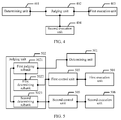
- FIG. 4 shows an embodiment of a controller according to an embodiment of the present invention, where a first signal and a second signal work at the same time and share an antenna, where the first signal and the second signal have a shared band, a radio frequency front-end includes the antenna, and the antenna is configured to receive and send a mixed signal of the first signal and the second signal.
- the controller includes:
- the determining unit 401 is configured to determine that a priority of the first signal is higher than a priority of the second signal.
- the judging unit 402 is configured to: when the first signal and the second signal work at the same time, determine whether a signal status of the first signal with a higher priority satisfies a service requirement.
- the first execution unit 403 is configured to: when the service requirement is not satisfied, guide the mixed signal of the first signal and the second signal that is received by the antenna to a processing back-end of the first signal by using a single-pole double-throw switch.
- the second execution unit 404 is configured to: if the service requirement is satisfied, guide the mixed signal of the first signal and the second signal that is received by the antenna to a power splitter by using the single-pole double-throw switch, and separately transfer the mixed signal of the first signal and the second signal to the processing back-end of the first signal and a processing back-end of the second signal by using the power splitter.
- the controller controls the single-pole double-throw switch by using the judging unit 402 to determine whether a signal status of a first signal with a higher priority satisfies a service requirement; and if the service requirement is not satisfied, the first execution unit 403 guides a mixed signal of the first signal and the second signal that is received by the antenna to a processing back-end of the first signal by using the single-pole double-throw switch; or if the service requirement is satisfied, the second execution unit 404 guides a mixed signal of the first signal and the second signal that is received by the antenna to the power splitter by using the single-pole double-throw switch, and separately transfers the mixed signal of the first signal and the second signal to a processing back-end of the first signal and a processing back-end of the second signal by using the power splitter.
- two signals having a shared band can share an antenna when the two signals work at the same time, and a service requirement of a signal with a higher priority can be ensured. Therefore, user experience is improved.
- the controller includes:
- the judging unit 502 includes: a first judging subunit 5021, a first determining subunit 5022, and a second determining subunit 5023.
- the determining unit 501 determines that a priority of the first signal is higher than a priority of the second signal, and then informs the first judging subunit 5021 that the priority of the first signal is high.
- the determining unit 501 may determine priorities of two signals according to a service direction of a terminal in which the controller is located.
- a GSM signal and an LTE signal have a shared band
- the determining unit 501 may determine that a priority of the GSM signal is higher than a priority of the LTE signal; or if the terminal in which the controller is located is a tablet computer, because a service direction of the tablet computer is data transmission, the determining unit 501 may determine that a priority of the LTE signal is higher than a priority of the GSM signal.
- the determining unit 501 may also determine priorities of two signals according to how often a user uses the two signals.
- a GSM signal and a TDSCDMA signal have a shared band, and if the user uses a GSM frequently, the determining unit 501 determines that a priority of the GSM signal is higher than a priority of the TDSCDMA signal. How to determine priorities of two signals is not limited herein.
- the first judging subunit 5021 determines whether the first signal is in a receive timeslot, and whether a received signal strength of the first signal with a higher priority is less than a first threshold and/or whether a transmitted signal strength of the first signal is greater than a second threshold, and informs the first determining subunit 5022 if the received signal strength of the first signal is less than the first threshold and/or the transmitted signal strength of the first signal is greater than the second threshold, and the first signal is in the receive timeslot; or informs the second determining subunit 5023 if the received signal strength of the first signal is greater than or equal to the first threshold and/or the transmitted signal strength of the first signal is less than or equal to the second threshold, or the first signal is not in the receive timeslot.
- the first determining subunit 5022 determines that a signal status of the first signal with a higher priority does not satisfy the service requirement, and then informs the first control unit 503 that the signal status of the first signal with a higher priority does not satisfy the service requirement.
- the second determining subunit 5023 determines that a signal status of the first signal with a higher priority satisfies the service requirement, and then informs the second control unit 504 that the signal status of the first signal with a higher priority satisfies the service requirement.
- the first signal when the first signal is not in a receive timeslot, the first signal is actually not received, and it is considered in this embodiment that the signal status of the first signal with a higher priority satisfies the service requirement.
- the first control unit 503 controls, by using a first voltage that is output by using a logic control interface, a first end of the single-pole double-throw switch to be conducted.
- the second control unit 504 controls, by using a second voltage that is output by using the logic control interface, a second end of the single-pole double-throw switch to be conducted.
- a logic control interface is provided on a single-pole double-throw switch, and a controller may output, by using the logic control interface, two voltages: a high voltage and a low voltage. If a first voltage is a high voltage, a second voltage is a low voltage; or if a first voltage is a low voltage, a second voltage is a high voltage.
- the controller may control, according to a value of a voltage that is output by using the logic control interface, the single-pole double-throw switch to conduct an endpoint.
- the first execution unit 505 guides a mixed signal of the first signal and the second signal that is received by the antenna to a processing back-end of the first signal by using the single-pole double-throw switch.
- the mixed signal of the first signal and the second signal that is received by the antenna is guided to the processing back-end of the first signal by using the single-pole double-throw switch, and in this case, the mixed signal received by the antenna can be supplied only to the processing back-end of the first signal. In this way, the signal status of the first signal can satisfy the service requirement.
- the second execution unit 506 guides the mixed signal of the first signal and the second signal that is received by the antenna to a power splitter by using the single-pole double-throw switch, and separately transfers the mixed signal of the first signal and the second signal to the processing back-end of the first signal and the processing back-end of the second signal by using the power splitter.
- the power splitter is a power divider, which is a component that divides energy of one input signal into energy of two or more output signals, where the energy of the two or more output signals are equal or unequal, or conversely, may synthesize energy of multiple signals into energy of one signal for output. Because there are two signals in this embodiment of the present invention, a one-to-two power splitter is used, and in this way, the mixed signal may be shared by the processing back-end of the first signal and the processing back-end of the second signal.
- the controller determines, by using the first judging subunit 5021, whether the first signal is in a receive timeslot, and whether a received signal strength of the first signal with a higher priority is less than a first threshold and/or whether a transmitted signal strength of the first signal is greater than a second threshold, the first determining subunit 5022 or the second determining subunit 5023, and the first control unit 503 or the second control unit 504 control the single-pole double-throw switch according to a result of the determining by the first judging subunit 5021, where if the service requirement is not satisfied, the first execution unit 505 guides a mixed signal of the first signal and the second signal that is received by the antenna to a processing back-end of the first signal by using the single-pole double-throw switch; or if the service requirement is satisfied, the second execution unit 506 guides a mixed signal of the first signal and the second signal that is received by the antenna to the power splitter by using the single-pole double-throw switch, and separately transfers the mixed signal of the first
- the controller includes:
- the judging unit 602 includes: a second judging subunit 6021, a third determining subunit 6022, and a fourth determining subunit 6023.
- the determining unit 601 determines that a priority of the first signal is higher than a priority of the second signal, and then informs the second judging subunit 6021 that the priority of the first signal is high.
- the determining unit 601 may determine priorities of two signals according to a service direction of a terminal in which the controller is located.
- a GSM signal and an LTE signal have a shared band
- the determining unit 601 may determine that a priority of the GSM signal is higher than a priority of the LTE signal because a service direction of the mobile phone is a voice call; or if the terminal in which the controller is located is a tablet computer, the determining unit 601 may determine that a priority of the LTE signal is higher than a priority of the GSM signal because a service direction of the tablet computer is data transmission.
- the determining unit 601 may also determine priorities of two signals according to how often a user uses the two signals.
- a GSM signal and a WCDMA signal have a shared band, and if the user uses a GSM frequently, the determining unit 601 determines that a priority of the GSM signal is higher than a priority of the WCDMA signal. How to determine priorities of two signals is not limited herein.
- the second judging subunit 6021 determines whether a received signal strength of the first signal is less than a first threshold and/or whether a transmitted signal strength of the first signal is greater than a second threshold, and informs the third determining subunit 6022 if the received signal strength of the first signal is less than the first threshold and/or the transmitted signal strength of the first signal is greater than the second threshold; or informs the fourth determining subunit 6023 if the received signal strength of the first signal is greater than or equal to the first threshold and/or the transmitted signal strength of the first signal is less than or equal to the second threshold.
- the third determining subunit 6022 determines that a signal status of the first signal with a higher priority does not satisfy the service requirement, and then informs the first control unit 603 that the signal status of the first signal with a higher priority does not satisfy the service requirement.
- the fourth determining subunit 6023 determines that a signal status of the first signal with a higher priority satisfies the service requirement, and then informs the second control unit 604 that the signal status of the first signal with a higher priority satisfies the service requirement.
- Operations performed by the first control unit 603, the second control unit 604, the first execution unit 605, and the second execution unit 606 are the same as operations performed by the first control unit 503, the second control unit 504, the first execution unit 505, and the second execution unit 506 in the foregoing embodiment, and details are not described herein again.
- the foregoing embodiment is applicable only to two signals in a TD standard that have a shared band, but this embodiment is applicable to any two signals having a shared band because only a signal strength is determined.
- the controller determines, by using the second judging subunit 6021 whether the first signal is in a receive timeslot, and whether a received signal strength of the first signal with a higher priority is less than a first threshold and/or whether a transmitted signal strength of the first signal is greater than a second threshold, the third determining subunit 6022 or the fourth determining subunit 6023, and the first control unit 603 or the second control unit 604 control the single-pole double-throw switch according to a result of the determining by the second judging subunit 6021, where if the service requirement is not satisfied, the first execution unit 605 guides a mixed signal of the first signal and the second signal that is received by the antenna to a processing back-end of the first signal by using the single-pole double-throw switch; or if the service requirement is satisfied, the second execution unit 606 guides a mixed signal of the first signal and the second signal that is received by the antenna to the power splitter by using the single-pole double-throw switch, and separately transfers the mixed signal of the first signal
- FIG. 7 shows an embodiment of a signal transmission system according to an embodiment of the present invention.
- the system includes:
- the radio frequency front-end 10 includes an antenna 100.
- a common end of the single-pole double-throw switch S1 is connected to the antenna 100, a first end of the single-pole double-throw switch S1 is connected to the processing back-end 400 of the first signal, and a second end of the single-pole double-throw switch S1 is connected to an input end of the power splitter 300.
- a first output end of the power splitter 300 is connected to the processing back-end 400 of the first signal, and a second output end of the power splitter 300 is connected to the processing back-end 500 of the second signal.
- the antenna 100 is configured to receive and send a mixed signal of the first signal and the second signal.
- the controller 200 is configured to determine that a priority of the first signal is higher than a priority of the second signal.
- the controller 200 is further configured to: when the first signal and the second signal work at the same time, determine whether a signal status of the first signal with a higher priority satisfies a service requirement; and when the service requirement is not satisfied, control the first end of the single-pole double-throw switch S1 to be conducted.
- the processing back-end 400 of the first signal or the processing back-end 500 of the second signal is configured to process the mixed signal of the first signal and the second signal that is sent by the antenna 100.
- the controller 200 is configured to: when the service requirement is satisfied, control the second end of the single-pole double-throw switch S 1 to be conducted.
- the power splitter 300 is configured to receive, by using the input end of the power splitter 300, the mixed signal of the first signal and the second signal that is sent by the antenna 100, and separately transfer the received mixed signal of the first signal and the second signal to the processing back-end 400 of the first signal and the processing back-end 500 of the second signal.
- FIG. 7 shows another embodiment of a signal transmission system according to an embodiment of the present invention.
- the system includes:
- a common end of the single-pole double-throw switch S1 is connected to the antenna 100, a first end of the single-pole double-throw switch S1 is connected to the processing back-end 400 of the first signal, and a second end of the single-pole double-throw switch S1 is connected to an input end of the power splitter 300.
- a first output end of the power splitter 300 is connected to the processing back-end 400 of the first signal, and a second output end of the power splitter 300 is connected to the processing back-end 500 of the second signal.
- the controller 200 determines that a priority of the first signal is higher than a priority of the second signal.
- the controller 200 determines whether the first signal is in a receive timeslot, and whether a received signal strength of the first signal with a higher priority is less than a first threshold and/or whether a transmitted signal strength of the first signal is greater than a second threshold.
- the controller 200 determines that a signal status of the first signal with a higher priority does not satisfy the service requirement, and then the controller 200 outputs a first voltage to the single-pole double-throw switch S1 by using a logic control interface (not shown in the figure), to control the first end of the single-pole double-throw switch S 1 to be conducted.
- a mixed signal of the first signal and the second signal that is received by the antenna 100 enters the processing back-end 400 of the first signal through the first end of the single-pole double-throw switch, and then the processing back-end 400 of the first signal processes the mixed signal of the first signal and the second signal.
- the processing back-end of the first signal may filter out the second signal and retain only the first signal.
- the controller 200 determines that a signal status of the first signal with a higher priority satisfies the service requirement, and then the controller 200 outputs a second voltage to the single-pole double-throw switch S1 by using a logic control interface, to control the second end of the single-pole double-throw switch S 1 to be conducted.
- a mixed signal of the first signal and the second signal that is received by the antenna 100 enters the input end of the power splitter 300 through the second end of the single-pole double-throw switch, and then the power splitter 300 separately transfers the mixed signal of the first signal and the second signal to the processing back-end of the first signal and the processing back-end of the second signal through the first output end and the second output end of the power splitter 300. Then the processing back-end 400 of the first signal and the processing back-end 500 of the second signal separately process respective received mixed signals of the first signal and the second signal. In an actual application, the processing back-end 400 of the first signal may filter out the second signal and retain only the first signal, and the processing back-end 500 of the second signal may filter out the first signal and retain only the second signal.
- the controller 200 determines whether the first signal is in a receive timeslot and whether a received signal strength of the first signal is less than a first threshold and/or whether a transmitted signal strength of the first signal is greater than a second threshold, and controls the single-pole double-throw switch according to different results of the determining.
- the controller 200 guides a mixed signal of the first signal and the second signal that is received by the antenna 100 to the processing back-end 400 of the first signal by using the single-pole double-throw switch S1; or if the service requirement is satisfied, the controller 200 guides a mixed signal of the first signal and the second signal that is received by the antenna 100 to the power splitter 300 by using the single-pole double-throw switch S 1, and separately transfers the mixed signal of the first signal and the second signal to the processing back-end 400 of the first signal and the processing back-end 500 of the second signal by using the power splitter 300.
- FIG. 7 shows another embodiment of a signal transmission system according to an embodiment of the present invention.
- the system includes:
- the controller 200 determines that a priority of the first signal is higher than a priority of the second signal.
- the controller 200 determines whether a received signal strength of the first signal is less than a first threshold and/or whether a transmitted signal strength of the first signal is greater than a second threshold.
- the controller 200 determines that a signal status of the first signal with a higher priority does not satisfy the service requirement, and then the controller 200 outputs a first voltage to the single-pole double-throw switch S1 by using a logic control interface, to control a first end of the single-pole double-throw switch S 1 to be conducted.
- a mixed signal of the first signal and the second signal that is received by the antenna 100 enters the processing back-end 400 of the first signal through the first end of the single-pole double-throw switch, and then the processing back-end 400 of the first signal processes the mixed signal of the first signal and the second signal.
- the processing back-end of the first signal may filter out the second signal and retain only the first signal.
- the controller 200 determines that a signal status of the first signal with a higher priority satisfies the service requirement, and then the controller 200 outputs a second voltage to the single-pole double-throw switch S1 by using a logic control interface, to control a second end of the single-pole double-throw switch S1 to be conducted.
- a mixed signal of the first signal and the second signal that is received by the antenna 100 enters an input end of the power splitter 300 through the second end of the single-pole double-throw switch, and then the power splitter 300 separately transfers the mixed signal of the first signal and the second signal to the processing back-end 400 of the first signal and the processing back-end 500 of the second signal through a first output end and a second output end of the power splitter 300. Then the processing back-end 400 of the first signal and the processing back-end 500 of the second signal separately process respective received mixed signals of the first signal and the second signal.
- the processing back-end 400 of the first signal may filter out the second signal and retain only the first signal
- the processing back-end 500 of the second signal may filter out the first signal and retain only the second signal.
- the controller 200 determines whether a received signal strength of the first signal is less than a first threshold and/or whether a transmitted signal strength of the first signal is greater than a threshold, and controls the single-pole double-throw switch according to different results of the determining.
- the controller 200 guides a mixed signal of the first signal and the second signal that is received by the antenna 100 to the processing back-end 400 of the first signal by using the single-pole double-throw switch S1; or if the service requirement is satisfied, the controller 200 guides a mixed signal of the first signal and the second signal that is received by the antenna 100 to the power splitter 300 by using the single-pole double-throw switch S1, and separately transfers the mixed signal of the first signal and the second signal to the processing back-end 400 of the first signal and the processing back-end 500 of the second signal by using the power splitter 300.
- two signals having a shared band can share an antenna when the two signals work at the same time, and a service requirement of a signal with a higher priority can be ensured. Therefore, user experience is improved.
- the controller in this embodiment of the present invention may be a baseband processor of a terminal, and the baseband processor outputs the first voltage or the second voltage to the single-pole double-throw switch by using the logic control interface.
- the baseband processor may output the first voltage or the second voltage to the single-pole double-throw switch by using the logic control interface according to a running program.
- a position of the controller is not limited to a position in FIG. 7 .
- the controller 200 in FIG. 7 may be an independent controller, or the controller, the processing back-end 400 of the first signal, and the processing back-end 500 of the second signal may also form a large processor.
- functional units in the embodiments of the present invention may be integrated into one processing unit, or each of the units may exist alone physically, or two or more units are integrated into one unit.
- the integrated unit may be implemented in a form of hardware, or may be implemented in a form of a software functional unit.
- the integrated unit When the integrated unit is implemented in the form of a software functional unit and sold or used as an independent product, the integrated unit may be stored in a computer-readable storage medium. Based on such an understanding, the technical solutions of the present invention essentially, or the part contributing to the prior art, or all or some of the technical solutions may be implemented in the form of a software product.
- the software product is stored in a storage medium and includes several instructions for instructing a computer device (which may be a personal computer, a server, or a network device) to perform all or some of the steps of the methods described in the embodiments of the present invention.
- the foregoing storage medium includes: any medium that can store program code, such as a USB flash drive, a removable hard disk, a read-only memory (ROM, Read-Only Memory), a random access memory (RAM, Random Access Memory), a magnetic disk, or an optical disc.
- program code such as a USB flash drive, a removable hard disk, a read-only memory (ROM, Read-Only Memory), a random access memory (RAM, Random Access Memory), a magnetic disk, or an optical disc.
Landscapes
- Engineering & Computer Science (AREA)
- Computer Networks & Wireless Communication (AREA)
- Signal Processing (AREA)
- Quality & Reliability (AREA)
- Physics & Mathematics (AREA)
- Electromagnetism (AREA)
- Mobile Radio Communication Systems (AREA)
- Telephone Function (AREA)
- Transceivers (AREA)
Abstract
Description
- The present invention relates to the communications field, and in particular, to a signal transmission method and system, and a controller.
- At present, most communications devices use technologies such as simultaneous Global System For Mobile Communications (GSM, Global System For Mobile Communications) and Long Term Evolution (LTE, Long Term Evolution) (SGLTE, Simultaneous GSM and LTE), and simultaneous voice and LTE (SVLTE, Simultaneous Voice and LTE), to implement that LTE high-velocity data and LTE voice work at the same time.
- Generally, as an example, a mobile phone supports the SGLTE technology, and the mobile phone needs at least two antennas, where one of the antennas needs to be used by both LTE and GSM. Therefore, a diplexer (Diplexer) technology needs to be used to aggregate a GSM signal and an LTE signal into a same antenna. An LTE bandwidth and a GSM bandwidth that are required by China Mobile are respectively: LTE Band 39 (UL/DL: 1880 MHz to 1920 MHz) and GSM 1800 (UL: 1710.2 MHz to 1784.8 MHz, DL: 1805.2 MHz to 1879.8 MHz). As can be seen, operating bands of the two signals are very close, and therefore, two signals having a shared band that are from a same antenna cannot be separately transmitted to back-ends of the GSM and the LTE properly by using a conventional diplexer (Diplexer) technology.
- Embodiments of the present invention provide a signal transmission method and system, and a controller, which resolve a problem that two signals cannot share an antenna because of having a shared band when the two signals work at the same time.
- A first aspect of the embodiments of the present invention provides a signal transmission method, where a first signal and a second signal work at the same time and share an antenna, where the first signal and the second signal have a shared band, a radio frequency front-end includes the antenna, and the antenna is configured to receive and send a mixed signal of the first signal and the second signal; and the method includes:
- determining, by a controller, that a priority of the first signal is higher than a priority of the second signal;
- when the first signal and the second signal work at the same time, determining whether a signal status of the first signal with a higher priority satisfies a service requirement;
- if the service requirement is not satisfied, guiding the mixed signal of the first signal and the second signal that is received by the antenna to a processing back-end of the first signal by using a single-pole double-throw switch; or
- if the service requirement is satisfied, guiding the mixed signal of the first signal and the second signal that is received by the antenna to a power splitter by using the single-pole double-throw switch, and separately transferring the mixed signal of the first signal and the second signal to a processing back-end of the first signal and a processing back-end of the second signal by using the power splitter.
- With reference to the first aspect of the embodiments of the present invention, in a first implementation manner of the first aspect of the embodiments of the present invention, the determining whether a signal status of the first signal with a higher priority satisfies a service requirement specifically includes the following steps:
- determining whether the first signal is in a receive timeslot, and whether a received signal strength of the first signal is less than a first threshold and/or whether a transmitted signal strength is greater than a second threshold; and
- if the received signal strength of the first signal is less than the first threshold and/or the transmitted signal strength is greater than the second threshold, and the first signal is in the receive timeslot, determining that the signal status of the first signal with a higher priority does not satisfy the service requirement; or
- if the received signal strength of the first signal is greater than or equal to the first threshold and/or the transmitted signal strength is less than or equal to the second threshold, or the first signal is not in the receive timeslot, determining that the signal status of the first signal with a higher priority satisfies the service requirement.
- With reference to the first aspect of the embodiments of the present invention, in a second implementation manner of the first aspect of the embodiments of the present invention, the determining whether a signal status of the first signal with a higher priority satisfies a service requirement specifically includes the following steps:
- determining whether a received signal strength of the first signal is less than a first threshold and/or whether a transmitted signal strength is greater than a second threshold; and
- if the received signal strength of the first signal is less than the first threshold and/or the transmitted signal strength is greater than the second threshold, determining that the signal status of the first signal with a higher priority does not satisfy the service requirement; or if the received signal strength of the first signal is greater than or equal to the first threshold and/or the transmitted signal strength is less than or equal to the second threshold, determining that the signal status of the first signal with a higher priority satisfies the service requirement.
- With reference to the first aspect of the embodiments of the present invention, or the first implementation manner of the first aspect, or the second implementation manner of the first aspect, in a third implementation manner of the first aspect of the embodiments of the present invention, after the determining whether a signal status of the first signal with a higher priority satisfies a service requirement, the following steps are specifically included:
- if the signal status of the first signal with a higher priority does not satisfy the service requirement, controlling, by using a first voltage that is output by using a logic control interface, a first end of the single-pole double-throw switch to be conducted; or
- if the signal status of the first signal with a higher priority satisfies the service requirement, controlling, by using a second voltage that is output by using the logic control interface, a second end of the single-pole double-throw switch to be conducted.
- A second aspect of the embodiments of the present invention provides a controller, where a first signal and a second signal work at the same time and share an antenna, where the first signal and the second signal have a shared band, a radio frequency front-end includes the antenna, and the antenna is configured to receive and send a mixed signal of the first signal and the second signal; and the controller includes: a determining unit, configured to determine that a priority of the first signal is higher than a priority of the second signal;
- a judging unit, configured to: when the first signal and the second signal work at the same time, determine whether a signal status of the first signal with a higher priority satisfies a service requirement;
- a first execution unit, configured to: when the service requirement is not satisfied, guide the mixed signal of the first signal and the second signal that is received by the antenna to a processing back-end of the first signal by using a single-pole double-throw switch; and a second execution unit, configured to: when the service requirement is satisfied, guide the mixed signal of the first signal and the second signal that is received by the antenna to a power splitter by using the single-pole double-throw switch, and separately transfer the mixed signal of the first signal and the second signal to the processing back-end of the first signal and a processing back-end of the second signal by using the power splitter.
- With reference to the second aspect of the embodiments of the present invention, in a first implementation manner of the second aspect of the embodiments of the present invention, the judging unit includes: a first judging subunit, configured to determine whether the first signal is in a receive timeslot, and whether a received signal strength of the first signal with a higher priority is less than a first threshold and/or whether a transmitted signal strength is greater than a second threshold;
- a first determining subunit, configured to: if the received signal strength of the first signal is less than the first threshold and/or the transmitted signal strength is greater than the second threshold, and the first signal is in the receive timeslot, determine that the signal status of the first signal with a higher priority does not satisfy the service requirement; and a second determining subunit, configured to: if the received signal strength of the first signal is greater than or equal to the first threshold and/or the transmitted signal strength is less than or equal to the second threshold, or the first signal is not in the receive timeslot, determine that the signal status of the first signal with a higher priority satisfies the service requirement.
- With reference to the second aspect of the embodiments of the present invention, in a second implementation manner of the second aspect of the embodiments of the present invention, the judging unit includes:
- a second judging subunit, configured to determine whether a received signal strength of the first signal is less than a first threshold and/or whether a transmitted signal strength is greater than a second threshold;
- a third determining subunit, configured to: if the received signal strength of the first signal is less than the first threshold and/or the transmitted signal strength is greater than the second threshold, determine that the signal status of the first signal with a higher priority does not satisfy the service requirement; and
- a fourth determining subunit, configured to: if the received signal strength of the first signal is greater than or equal to the first threshold and/or the transmitted signal strength is less than or equal to the second threshold, determine that the signal status of the first signal with a higher priority satisfies the service requirement.
- With reference to the second aspect of the embodiments of the present invention, or the first implementation manner of the second aspect, or the second implementation manner of the second aspect, in a third implementation manner of the second aspect of the embodiments of the present invention, the controller further includes:
- a first control unit, configured to: when the signal status of the first signal with a higher priority does not satisfy the service requirement, control, by using a first voltage that is output by using a logic control interface, a first end of the single-pole double-throw switch to be conducted; and
- a second control unit, configured to: when the signal status of the first signal with a higher priority satisfies the service requirement, control, by using a second voltage that is output by using the logic control interface, a second end of the single-pole double-throw switch to be conducted.
- A third aspect of the embodiments of the present invention provides a signal transmission system, where the first signal and the second signal have a shared band, and the system includes: a controller, a single-pole double-throw switch, a power splitter, a radio frequency front-end, a processing back-end of the first signal, and a processing back-end of the second signal, where
- the radio frequency front-end includes an antenna;
- a common end of the single-pole double-throw switch is connected to the antenna, a first end of the single-pole double-throw switch is connected to the processing back-end of the first signal, and a second end of the single-pole double-throw switch is connected to an input end of the power splitter;
- a first output end of the power splitter is connected to the processing back-end of the first signal, and a second output end of the power splitter is connected to the processing back-end of the second signal;
- the antenna is configured to receive and send a mixed signal of the first signal and the second signal;
- the controller is configured to execute the following procedure:
- determining that a priority of the first signal is higher than a priority of the second signal; when the first signal and the second signal work at the same time, determining whether a signal status of the first signal with a higher priority satisfies a service requirement;
- when the service requirement is not satisfied, controlling the first end of the single-pole double-throw switch to be conducted; or
- when the service requirement is satisfied, controlling the second end of the single-pole double-throw switch to be conducted;
- the power splitter is configured to receive, by using the input end of the power splitter, the mixed signal of the first signal and the second signal that is sent by the antenna, and separately transfer the received mixed signal of the first signal and the second signal to the processing back-end of the first signal and the processing back-end of the second signal; and
- the processing back-end of the first signal or the processing back-end of the second signal is configured to process the mixed signal of the first signal and the second signal that is sent by the antenna.
- With reference to the third aspect of the embodiments of the present invention, in a first implementation manner of the third aspect of the embodiments of the present invention, the controller is configured to execute the following procedure:
- determining whether the first signal is in a receive timeslot, and whether a received signal strength of the first signal with a higher priority is less than a first threshold and/or whether a transmitted signal strength is greater than a second threshold; and
- if the received signal strength of the first signal is less than the first threshold and/or the transmitted signal strength is greater than the second threshold, and the first signal is in the receive timeslot, determining that the signal status of the first signal with a higher priority does not satisfy the service requirement; or
- if the received signal strength of the first signal is greater than or equal to the first threshold and/or the transmitted signal strength is less than or equal to the second threshold, or the first signal is not in the receive timeslot, determining that the signal status of the first signal with a higher priority satisfies the service requirement.
- With reference to the third aspect of the embodiments of the present invention, in a second implementation manner of the third aspect of the embodiments of the present invention, the controller is configured to execute the following procedure:
- determining whether a received signal strength of the first signal is less than a first threshold and/or whether a transmitted signal strength is greater than a second threshold; and
- when the received signal strength of the first signal is less than the first threshold and/or the transmitted signal strength is greater than the second threshold, determining that the signal status of the first signal with a higher priority does not satisfy the service requirement; or
- when the received signal strength of the first signal is greater than or equal to the first threshold and/or the transmitted signal strength is less than or equal to the second threshold, determining that the signal status of the first signal with a higher priority satisfies the service requirement.
- With reference to the third aspect of the embodiments of the present invention, or the first implementation manner of the third aspect, or the second implementation manner of the third aspect, in a third implementation manner of the second aspect of the embodiments of the present invention, the controller is further configured to: when the signal status of the first signal with a higher priority does not satisfy the service requirement, conduct the first end of the single-pole double-throw switch by using a first voltage that is output to the single-pole double-throw switch by using a logic control interface; and
- the controller is further configured to: when the signal status of the first signal with a higher priority satisfies the service requirement, conduct the second end of the single-pole double-throw switch by using a second voltage that is output to the single-pole double-throw switch by using the logic control interface.
- It can be seen from the foregoing technical solutions that, the embodiments of the present invention have the following advantages:
- In the embodiments of the present invention, a controller controls a single-pole double-throw switch by determining whether a signal status of a first signal with a higher priority satisfies a service requirement; and if the service requirement is not satisfied, guides a mixed signal of the first signal and a second signal that is received by an antenna to a processing back-end of the first signal by using the single-pole double-throw switch; or if the service requirement is satisfied, guides a mixed signal of the first signal and a second signal that is received by an antenna to a power splitter by using the single-pole double-throw switch, and separately transfers the mixed signal of the first signal and the second signal to a processing back-end of the first signal and a processing back-end of the second signal by using the power splitter. In this way, two signals having a shared band can share an antenna when the two signals work at the same time, and a service requirement of a signal with a higher priority can be ensured. Therefore, user experience is improved.
-
-
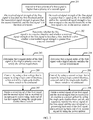
FIG. 1 is a schematic diagram of an embodiment of a signal transmission method according to an embodiment of the present invention; -
FIG. 2 is a schematic diagram of another embodiment of a signal transmission method according to an embodiment of the present invention; -
FIG. 3 is a schematic diagram of another embodiment of a signal transmission method according to an embodiment of the present invention; -
FIG. 4 is a schematic diagram of an embodiment of a controller according to an embodiment of the present invention; -
FIG. 5 is a schematic diagram of another embodiment of a controller according to an embodiment of the present invention; -
FIG. 6 is a schematic diagram of another embodiment of a controller according to an embodiment of the present invention; and -
FIG. 7 is a schematic diagram of an embodiment of a signal transmission system according to an embodiment of the present invention. - Embodiments of the present invention provide a signal transmission method and system, and a controller, so that two signals having a shared band can share an antenna when the two signals work at the same time.
- It should be noted that, all the embodiments of the present invention are applicable to a dual card dual standby dual pass application scenario in which a first signal and a second signal have a shared band and need to work at the same time.
- Referring to
FIG. 1 , a first signal and a second signal work at the same time and share an antenna, where the first signal and the second signal have a shared band, a radio frequency front-end includes the antenna, and the antenna is configured to receive and send a mixed signal of the first signal and the second signal. An embodiment of a signal transmission method according to an embodiment of the present invention includes: - 101: A controller determines that a priority of the first signal is higher than a priority of the second signal.
- In this embodiment, the controller may determine that the priority of the first signal is higher than the priority of the second signal. In an actual application, a controller may determine priorities of two signals according to a service direction of a terminal in which the controller is located. For example, in an SGLTE solution of China Mobile Communications Corporation (CMCC, China Mobile Communications Corporation), a GSM signal and an LTE signal have a shared band, and if the terminal in which the controller is located is a mobile phone, the controller may determine that a priority of the GSM signal is higher than a priority of the LTE signal because a service direction of the mobile phone is a voice call; or if the terminal in which the controller is located is a tablet computer, the controller may determine that a priority of the LTE signal is higher than a priority of the GSM signal because a service direction of the tablet computer is data transmission. In an actual application, a controller may determine priorities of two signals according to how often a user uses the two signals. For example, in a dual card dual standby dual pass solution, a GSM signal and a Wideband Code Division Multiple Access (WCDMA, Wideband Code Division Multiple Access) signal have a shared band, and if the user uses a GSM frequently, the controller determines that a priority of the GSM signal is higher than a priority of the WCDMA signal; or if a terminal in which the controller is located is a customized terminal of an operator, and if the operator uses a GSM standard, the controller may determine that a priority of the GSM signal is higher than a priority of the WCDMA signal. How to determine priorities of two signals is not limited herein.
- It should be noted that, the radio frequency front-end includes at least one antenna, and certainly, may further include another element, such as an antenna transmit-receive switch or a signal amplifier.
- 102: When the first signal and the second signal work at the same time, determine whether a signal status of the first signal with a higher priority satisfies a service requirement, and if the service requirement is not satisfied, perform
step 103; or if the service requirement is satisfied, performstep 104. - In this embodiment, when the first signal and the second signal work at the same time, the controller determines whether the signal status of the first signal with a higher priority satisfies the service requirement. In an actual application, if the first signal is a GSM signal, the controller may determine whether a signal status of the GSM signal satisfies a voice call requirement; or if the first signal is an LTE signal, the controller may determine whether a signal status of the LTE signal satisfies a data transmission requirement.
- 103: Guide the mixed signal of the first signal and the second signal that is received by the antenna to a processing back-end of the first signal by using a single-pole double-throw switch.
- In this embodiment, when the signal status of the first signal with a higher priority does not satisfy the service requirement, the controller may guide the mixed signal of the first signal and the second signal that is received by the antenna to the processing back-end of the first signal by using the single-pole double-throw switch. In an actual application, the mixed signal of the first signal and the second signal that is received by the antenna is guided to the processing back-end of the first signal by using the single-pole double-throw switch, and in this case, the mixed signal received by the antenna can be used only on a channel in which the first signal channel is located. In this way, the signal status of the first signal can satisfy the service requirement.
- 104: Guide the mixed signal of the first signal and the second signal that is received by the antenna to a power splitter by using the single-pole double-throw switch, and separately transfer the mixed signal of the first signal and the second signal to a processing back-end of the first signal and a processing back-end of the second signal by using the power splitter.
- In this embodiment, when the signal status of the first signal with a higher priority satisfies the service requirement, the controller may guide the mixed signal of the first signal and the second signal that is received by the antenna to the power splitter by using the single-pole double-throw switch, and separately transfer the mixed signal of the first signal and the second signal to the processing back-end of the first signal and the processing back-end of the second signal by using the power splitter. In an actual application, the power splitter is a power divider, which is a component that divides energy of one input signal into energy of two or more output signals, where the energy of the two or more output signals are equal or unequal, or conversely, may synthesize energy of multiple signals into energy of one signal for output. Because there are two signals in this embodiment of the present invention, a one-to-two power splitter is used, and in this way, the mixed signal may be shared by channels in which the first signal and the second signal are located.
- In this embodiment, a controller controls a single-pole double-throw switch by determining whether a signal status of a first signal with a higher priority satisfies a service requirement; and if the service requirement is not satisfied, guides a mixed signal of the first signal and a second signal that is received by an antenna to a processing back-end of the first signal by using the single-pole double-throw switch; or if the service requirement is satisfied, guides a mixed signal of the first signal and a second signal that is received by an antenna to a power splitter by using the single-pole double-throw switch, and separately transfers the mixed signal of the first signal and the second signal to a processing back-end of the first signal and a processing back-end of the second signal by using the power splitter. In this way, two signals having a shared band can share an antenna when the two signals work at the same time, and a service requirement of a signal with a higher priority can be ensured. Therefore, user experience is improved.
- For ease of understanding, the signal transmission method according to an embodiment of the present invention is described by using a specific example. Referring to
FIG. 2 , which shows another embodiment of a signal transmission method according to an embodiment of the present invention, a first signal and a second signal work at the same time and share an antenna, where the first signal and the second signal have a shared band, a radio frequency front-end includes the antenna, and the antenna is configured to receive and send a mixed signal of the first signal and the second signal. The method includes: - 201: A controller determines that a priority of the first signal is higher than a priority of the second signal.
- In this embodiment, the controller may determine that the priority of the first signal is higher than the priority of the second signal. In an actual application, a controller may determine priorities of two signals according to a service direction of a terminal in which the controller is located. For example, in an SGLTE solution of CMCC, a GSM signal and an LTE signal have a shared band, and if the terminal in which the controller is located is a mobile phone, the controller may determine that a priority of the GSM signal is higher than a priority of the LTE signal because a service direction of the mobile phone is a voice call; or if the terminal in which the controller is located is a tablet computer, the controller may determine that a priority of the LTE signal is higher than a priority of the GSM signal because a service direction of the tablet computer is data transmission. In an actual application, a controller may also determine priorities of two signals according to how often a user uses the two signals. For example, in an SGLTE solution, a GSM signal and a Time Division-Synchronous Code Division Multiple Access (TDSCDMA, Time Division-Synchronous Code Division Multiple Access) signal have a shared band, and if the user uses a GSM frequently, the controller determines that a priority of the GSM signal is higher than a priority of the TDSCDMA signal. How to determine priorities of two signals is not limited herein.
- This embodiment is described by using an example in which in an SGLTE solution of CMCC, a GSM signal and an LTE signal have a shared band, and a terminal in which the controller is located is a mobile phone. In this case, the first signal is the GSM signal, the second signal is the LTE signal, and a priority of the GSM signal is higher than a priority of the LTE signal.
- 202: Determine whether the first signal is in a receive timeslot, and whether a received signal strength of the first signal is less than a first threshold and/or whether a transmitted signal strength of the first signal is greater than a second threshold.
- 203: If the received signal strength of the first signal is less than the first threshold and/or the transmitted signal strength of the first signal is greater than the second threshold, and the first signal is in the receive timeslot, determine that a signal status of the first signal with a higher priority does not satisfy the service requirement.
- 204: If the received signal strength of the first signal is greater than or equal to the first threshold and/or the transmitted signal strength of the first signal is less than or equal to the second threshold, or the first signal is not in the receive timeslot, determine that a signal status of the first signal with a higher priority satisfies the service requirement.
- In this embodiment, if the received signal strength of the first signal is less than the first threshold and/or the transmitted signal strength of the first signal is greater than the second threshold, and the first signal is in the receive timeslot, it is determined that the signal status of the first signal with a higher priority does not satisfy the service requirement, and then step 205 is performed. If any condition of the following three conditions is satisfied, it can be determined that the signal status of the first signal with a higher priority does not satisfy the service requirement:
- A: the first signal is in the receive timeslot, and the received signal strength of the first signal is less than the first threshold or the transmitted signal strength of the first signal is greater than the second threshold; and
- B: the first signal is in the receive timeslot, and the received signal strength of the first signal is less than the first threshold and the transmitted signal strength of the first signal is greater than the second threshold.
- If the received signal strength of the first signal is greater than or equal to the first threshold and/or the transmitted signal strength of the first signal is less than or equal to the second threshold, or the first signal is not in the receive timeslot, it is determined that the signal status of the first signal with a higher priority satisfies the service requirement, and then step 206 is performed. If any one of the following conditions is satisfied, it can be determined according to this determining method that the signal status of the first signal with a higher priority satisfies the service requirement:
- A: the received signal strength of the first signal is greater than or equal to the first threshold, and the received signal strength of the first signal is less than or equal to the second threshold;
- B: the received signal strength of the first signal is greater than or equal to the first threshold;
- C: the transmitted signal strength of the first signal is less than or equal to the second threshold; and
- D: the first signal is not in the receive timeslot.
- It should be noted that, when the first signal is not in the receive timeslot, the first signal is actually not received, and it is considered in this embodiment that the signal status of the first signal with a higher priority satisfies the service requirement.
- For example, the GSM signal is determined in this embodiment. It is determined whether the GSM signal is in the receive timeslot, and whether a received signal strength of the GSM signal is less than the first threshold and/or whether the transmitted signal strength of the first signal is greater than the second threshold. Herein, the first threshold may be -103 dBm, and the second threshold may be 22 dBm. Values of the first threshold and the second threshold are not limited in an actual application.
- 205: Control, by using a first voltage that is output by using a logic control interface, a first end of the single-pole double-throw switch to be conducted.
- 206: Control, by using a second voltage that is output by using a logic control interface, a second end of the single-pole double-throw switch to be conducted.
- In this embodiment, if the signal status of the first signal with a higher priority does not satisfy the service requirement, the controller controls, by using the first voltage that is output by using the logic control interface, the first end of the single-pole double-throw switch to be conducted; or if the signal status of the first signal with a higher priority satisfies the service requirement, the controller controls, by using the second voltage that is output by using the logic control interface, the second end of the single-pole double-throw switch to be conducted. In an actual application, a logic control interface is provided on a single-pole double-throw switch, and a controller may output, by using the logic control interface, two voltages: a high voltage and a low voltage. If a first voltage is a high voltage, a second voltage is a low voltage; or if a first voltage is a low voltage, a second voltage is a high voltage. The controller may control, according to a value of a voltage that is output by using the logic control interface, the single-pole double-throw switch to conduct an endpoint.
- 207: Guide the mixed signal of the first signal and the second signal that is received by the antenna to a processing back-end of the first signal by using the single-pole double-throw switch.
- In this embodiment, after
step 205, the controller may guide the mixed signal of the first signal and the second signal that is received by the antenna to the processing back-end of the first signal by using the single-pole double-throw switch. In an actual application, the mixed signal of the first signal and the second signal that is received by the antenna is guided to the processing back-end of the first signal by using the single-pole double-throw switch, and in this case, the mixed signal received by the antenna can be supplied only to the processing back-end of the first signal. In this way, the signal status of the first signal can satisfy the service requirement. - For example, in this embodiment, a mixed signal of the GSM signal and the LTE signal that is received by the antenna is guided to a processing back-end of the GSM signal by using the single-pole double-throw switch.
- 208: Guide the mixed signal of the first signal and the second signal that is received by the antenna to a power splitter by using the single-pole double-throw switch, and separately transfer the mixed signal of the first signal and the second signal to a processing back-end of the first signal and a processing back-end of the second signal by using the power splitter.
- In this embodiment, after
step 206, the controller may guide the mixed signal of the first signal and the second signal that is received by the antenna to the power splitter by using the single-pole double-throw switch, and separately transfer the mixed signal of the first signal and the second signal to the processing back-end of the first signal and the processing back-end of the second signal by using the power splitter. In an actual application, the power splitter is a power divider, which is a component that divides energy of one input signal into energy of two or more output signals, where the energy of the two or more output signals are equal or unequal, or conversely, may synthesize energy of multiple signals into energy of one signal for output. Because there are two signals in this embodiment of the present invention, a one-to-two power splitter is used, and in this way, the mixed signal may be shared by the processing back-end of the first signal and the processing back-end of the second signal. - For example, in this embodiment, a mixed signal of the GSM signal and the LTE signal that is received by the antenna is guided to the power splitter by using the single-pole double-throw switch, and then the mixed signal of the GSM signal and the LTE signal is separately transferred to a processing back-end of the GSM signal and a processing back-end of the LTE signal.
- It should be noted that, the processing back-end of the first signal is mainly configured to retain only the first signal in the mixed signal of the first signal and the second signal, and the processing back-end of the second signal is mainly configured to retain only the second signal in the mixed signal of the first signal and the second signal. In an actual application, the processing back-end of the first signal or the processing back-end of the second signal are used for more than a signal filtering operation, and persons skilled in the art may also perform another operation, such as denoising or amplification, on the first signal or the second signal by using the processing back-end of the first signal or the processing back-end of the second signal, which is not limited herein.
- In this embodiment, a controller controls a single-pole double-throw switch by determining whether a first signal is in a receive timeslot and whether a received signal strength of the first signal with a higher priority is less than a first threshold or whether a transmitted signal strength of the first signal is greater than a second threshold; if the service requirement is not satisfied, guides a mixed signal of the first signal and the second signal that is received by the antenna to a processing back-end of the first signal by using the single-pole double-throw switch; or if the service requirement is satisfied, guides a mixed signal of the first signal and the second signal that is received by the antenna to a power splitter by using the single-pole double-throw switch, and separately transfers the mixed signal of the first signal and the second signal to a processing back-end of the first signal and a processing back-end of the second signal by using the power splitter. In this way, two signals having a shared band can share an antenna when the two signals work at the same time, and a service requirement of a signal with a higher priority can be ensured. Therefore, user experience is improved.
- The signal transmission method according to an embodiment of the present invention is described by using a specific example. Referring to
FIG. 3 , which shows another embodiment of a signal transmission method according to an embodiment of the present invention, a first signal and a second signal work at the same time and share an antenna, where the first signal and the second signal have a shared band, a radio frequency front-end includes the antenna, and the antenna is configured to receive and send a mixed signal of the first signal and the second signal. The method includes: - 301: A controller determines that a priority of the first signal is higher than a priority of the second signal.
- In this embodiment, the controller may determine that the priority of the first signal is higher than the priority of the second signal. In an actual application, a controller may determine priorities of two signals according to a service direction of a terminal in which the controller is located. For example, in an SGLTE solution of CMCC, a GSM signal and an LTE signal have a shared band, and if the terminal in which the controller is located is a mobile phone, the controller may determine that a priority of the GSM signal is higher than a priority of the LTE signal because a service direction of the mobile phone is a voice call; or if the terminal in which the controller is located is a tablet computer, the controller may determine that a priority of the LTE signal is higher than a priority of the GSM signal because a service direction of the tablet computer is data transmission. In an actual application, a controller may also determine priorities of two signals according to how often a user uses the two signals. For example, in a dual card dual standby dual pass solution, a GSM signal and a WCDMA signal have a shared band, and if the user uses a GSM frequently, the controller determines that a priority of the GSM signal is higher than a priority of the WCDMA signal. How to determine priorities of two signals is not limited herein.
- 302: Determine whether a received signal strength of the first signal is less than a first threshold and/or whether a transmitted signal strength of the first signal is greater than a second threshold. 303: If the received signal strength of the first signal is less than the first threshold and/or the transmitted signal strength of the first signal is greater than the second threshold, determine that a signal status of the first signal with a higher priority does not satisfy the service requirement.
- 304: If the received signal strength of the first signal is greater than or equal to the first threshold and/or the transmitted signal strength of the first signal is less than or equal to the second threshold, determine that a signal status of the first signal with a higher priority satisfies the service requirement. In this embodiment, the controller may determine whether the received signal strength of the first signal is less than the first threshold and/or whether the transmitted signal strength of the first signal is greater than the second threshold, and if the received signal strength of the first signal is less than the first threshold and/or the transmitted signal strength of the first signal is less than the first threshold, determine that the signal status of the first signal with a higher priority does not satisfy the service requirement, and then perform
step 305; or if the received signal strength of the first signal is greater than or equal to the first threshold and/or the transmitted signal strength of the first signal is less than or equal to the second threshold, determine that the signal status of the first signal with a higher priority satisfies the service requirement, and then performstep 306. - Step 305 to step 308 are the same as
step 205 to step 208 in the second embodiment, and details are not described herein again. - A controller, for performing the foregoing signal transmission method, according to an embodiment of the present invention is described below, and for a basic logical structure of the controller, refer to
FIG. 4 , which shows an embodiment of a controller according to an embodiment of the present invention, where a first signal and a second signal work at the same time and share an antenna, where the first signal and the second signal have a shared band, a radio frequency front-end includes the antenna, and the antenna is configured to receive and send a mixed signal of the first signal and the second signal. The controller includes: - a determining
unit 401, a judgingunit 402, afirst execution unit 403, and asecond execution unit 404. - The determining
unit 401 is configured to determine that a priority of the first signal is higher than a priority of the second signal. - The judging
unit 402 is configured to: when the first signal and the second signal work at the same time, determine whether a signal status of the first signal with a higher priority satisfies a service requirement. - The
first execution unit 403 is configured to: when the service requirement is not satisfied, guide the mixed signal of the first signal and the second signal that is received by the antenna to a processing back-end of the first signal by using a single-pole double-throw switch. - The
second execution unit 404 is configured to: if the service requirement is satisfied, guide the mixed signal of the first signal and the second signal that is received by the antenna to a power splitter by using the single-pole double-throw switch, and separately transfer the mixed signal of the first signal and the second signal to the processing back-end of the first signal and a processing back-end of the second signal by using the power splitter. - In this embodiment, the controller controls the single-pole double-throw switch by using the
judging unit 402 to determine whether a signal status of a first signal with a higher priority satisfies a service requirement; and if the service requirement is not satisfied, thefirst execution unit 403 guides a mixed signal of the first signal and the second signal that is received by the antenna to a processing back-end of the first signal by using the single-pole double-throw switch; or if the service requirement is satisfied, thesecond execution unit 404 guides a mixed signal of the first signal and the second signal that is received by the antenna to the power splitter by using the single-pole double-throw switch, and separately transfers the mixed signal of the first signal and the second signal to a processing back-end of the first signal and a processing back-end of the second signal by using the power splitter. In this way, two signals having a shared band can share an antenna when the two signals work at the same time, and a service requirement of a signal with a higher priority can be ensured. Therefore, user experience is improved. - A manner of exchanging data in a server is described below by using a specific embodiment and according to interaction between modules and units that are included in a controller according to an embodiment of the present invention. Referring to
FIG. 5 , the controller includes: - a determining
unit 501, a judgingunit 502, afirst control unit 503, asecond control unit 504, afirst execution unit 505, and asecond execution unit 506. - The judging
unit 502 includes: afirst judging subunit 5021, a first determiningsubunit 5022, and a second determiningsubunit 5023. - The determining
unit 501 determines that a priority of the first signal is higher than a priority of the second signal, and then informs thefirst judging subunit 5021 that the priority of the first signal is high. In an actual application, the determiningunit 501 may determine priorities of two signals according to a service direction of a terminal in which the controller is located. For example, in an SGLTE solution of CMCC, a GSM signal and an LTE signal have a shared band, and if the terminal in which the controller is located is a mobile phone, because a service direction of the mobile phone is a voice call, the determiningunit 501 may determine that a priority of the GSM signal is higher than a priority of the LTE signal; or if the terminal in which the controller is located is a tablet computer, because a service direction of the tablet computer is data transmission, the determiningunit 501 may determine that a priority of the LTE signal is higher than a priority of the GSM signal. In an actual application, the determiningunit 501 may also determine priorities of two signals according to how often a user uses the two signals. For example, in an SGLTE solution, a GSM signal and a TDSCDMA signal have a shared band, and if the user uses a GSM frequently, the determiningunit 501 determines that a priority of the GSM signal is higher than a priority of the TDSCDMA signal. How to determine priorities of two signals is not limited herein. - The
first judging subunit 5021 determines whether the first signal is in a receive timeslot, and whether a received signal strength of the first signal with a higher priority is less than a first threshold and/or whether a transmitted signal strength of the first signal is greater than a second threshold, and informs the first determiningsubunit 5022 if the received signal strength of the first signal is less than the first threshold and/or the transmitted signal strength of the first signal is greater than the second threshold, and the first signal is in the receive timeslot; or informs the second determiningsubunit 5023 if the received signal strength of the first signal is greater than or equal to the first threshold and/or the transmitted signal strength of the first signal is less than or equal to the second threshold, or the first signal is not in the receive timeslot. - If the received signal strength of the first signal is less than the first threshold and/or the transmitted signal strength of the first signal is greater than the second threshold, and the first signal is in the receive timeslot, the first determining
subunit 5022 determines that a signal status of the first signal with a higher priority does not satisfy the service requirement, and then informs thefirst control unit 503 that the signal status of the first signal with a higher priority does not satisfy the service requirement. - If the received signal strength of the first signal is greater than or equal to the first threshold and/or the transmitted signal strength of the first signal is less than or equal to the second threshold, or the first signal is not in the receive timeslot, the second determining
subunit 5023 determines that a signal status of the first signal with a higher priority satisfies the service requirement, and then informs thesecond control unit 504 that the signal status of the first signal with a higher priority satisfies the service requirement. - It should be noted that, when the first signal is not in a receive timeslot, the first signal is actually not received, and it is considered in this embodiment that the signal status of the first signal with a higher priority satisfies the service requirement.
- The
first control unit 503 controls, by using a first voltage that is output by using a logic control interface, a first end of the single-pole double-throw switch to be conducted. - The
second control unit 504 controls, by using a second voltage that is output by using the logic control interface, a second end of the single-pole double-throw switch to be conducted. - In an actual application, a logic control interface is provided on a single-pole double-throw switch, and a controller may output, by using the logic control interface, two voltages: a high voltage and a low voltage. If a first voltage is a high voltage, a second voltage is a low voltage; or if a first voltage is a low voltage, a second voltage is a high voltage. The controller may control, according to a value of a voltage that is output by using the logic control interface, the single-pole double-throw switch to conduct an endpoint.
- The
first execution unit 505 guides a mixed signal of the first signal and the second signal that is received by the antenna to a processing back-end of the first signal by using the single-pole double-throw switch. In an actual application, the mixed signal of the first signal and the second signal that is received by the antenna is guided to the processing back-end of the first signal by using the single-pole double-throw switch, and in this case, the mixed signal received by the antenna can be supplied only to the processing back-end of the first signal. In this way, the signal status of the first signal can satisfy the service requirement. - The
second execution unit 506 guides the mixed signal of the first signal and the second signal that is received by the antenna to a power splitter by using the single-pole double-throw switch, and separately transfers the mixed signal of the first signal and the second signal to the processing back-end of the first signal and the processing back-end of the second signal by using the power splitter. In an actual application, the power splitter is a power divider, which is a component that divides energy of one input signal into energy of two or more output signals, where the energy of the two or more output signals are equal or unequal, or conversely, may synthesize energy of multiple signals into energy of one signal for output. Because there are two signals in this embodiment of the present invention, a one-to-two power splitter is used, and in this way, the mixed signal may be shared by the processing back-end of the first signal and the processing back-end of the second signal. - In this embodiment, the controller determines, by using the first judging subunit 5021, whether the first signal is in a receive timeslot, and whether a received signal strength of the first signal with a higher priority is less than a first threshold and/or whether a transmitted signal strength of the first signal is greater than a second threshold, the first determining subunit 5022 or the second determining subunit 5023, and the first control unit 503 or the second control unit 504 control the single-pole double-throw switch according to a result of the determining by the first judging subunit 5021, where if the service requirement is not satisfied, the first execution unit 505 guides a mixed signal of the first signal and the second signal that is received by the antenna to a processing back-end of the first signal by using the single-pole double-throw switch; or if the service requirement is satisfied, the second execution unit 506 guides a mixed signal of the first signal and the second signal that is received by the antenna to the power splitter by using the single-pole double-throw switch, and separately transfers the mixed signal of the first signal and the second signal to a processing back-end of the first signal and a processing back-end of the second signal by using the power splitter. In this way, two signals having a shared band can share an antenna when the two signals work at the same time, and a service requirement of a signal with a higher priority can be ensured. Therefore, user experience is improved.
- A manner of exchanging data in a server is described below by using a specific embodiment and according to interaction between modules and units that are included in a controller according to an embodiment of the present invention. Referring to
FIG. 6 , the controller includes: - a determining
unit 601, a judgingunit 602, afirst control unit 603, asecond control unit 604, afirst execution unit 605, and asecond execution unit 606. - The judging
unit 602 includes: asecond judging subunit 6021, a third determiningsubunit 6022, and a fourth determiningsubunit 6023. - The determining
unit 601 determines that a priority of the first signal is higher than a priority of the second signal, and then informs thesecond judging subunit 6021 that the priority of the first signal is high. In an actual application, the determiningunit 601 may determine priorities of two signals according to a service direction of a terminal in which the controller is located. For example, in an SGLTE solution of CMCC, a GSM signal and an LTE signal have a shared band, and if the terminal in which the controller is located is a mobile phone, the determiningunit 601 may determine that a priority of the GSM signal is higher than a priority of the LTE signal because a service direction of the mobile phone is a voice call; or if the terminal in which the controller is located is a tablet computer, the determiningunit 601 may determine that a priority of the LTE signal is higher than a priority of the GSM signal because a service direction of the tablet computer is data transmission. In an actual application, the determiningunit 601 may also determine priorities of two signals according to how often a user uses the two signals. For example, in a dual card dual standby dual pass solution, a GSM signal and a WCDMA signal have a shared band, and if the user uses a GSM frequently, the determiningunit 601 determines that a priority of the GSM signal is higher than a priority of the WCDMA signal. How to determine priorities of two signals is not limited herein. - The
second judging subunit 6021 determines whether a received signal strength of the first signal is less than a first threshold and/or whether a transmitted signal strength of the first signal is greater than a second threshold, and informs the third determiningsubunit 6022 if the received signal strength of the first signal is less than the first threshold and/or the transmitted signal strength of the first signal is greater than the second threshold; or informs the fourth determiningsubunit 6023 if the received signal strength of the first signal is greater than or equal to the first threshold and/or the transmitted signal strength of the first signal is less than or equal to the second threshold. - If the received signal strength of the first signal is less than the first threshold and/or the transmitted signal strength of the first signal is greater than the second threshold, the third determining
subunit 6022 determines that a signal status of the first signal with a higher priority does not satisfy the service requirement, and then informs thefirst control unit 603 that the signal status of the first signal with a higher priority does not satisfy the service requirement. - If the received signal strength of the first signal is greater than or equal to the first threshold and/or the transmitted signal strength of the first signal is less than or equal to the second threshold, the fourth determining
subunit 6023 determines that a signal status of the first signal with a higher priority satisfies the service requirement, and then informs thesecond control unit 604 that the signal status of the first signal with a higher priority satisfies the service requirement. - Operations performed by the
first control unit 603, thesecond control unit 604, thefirst execution unit 605, and thesecond execution unit 606 are the same as operations performed by thefirst control unit 503, thesecond control unit 504, thefirst execution unit 505, and thesecond execution unit 506 in the foregoing embodiment, and details are not described herein again. - It should be noted that, because a receive timeslot needs to be determined, the foregoing embodiment is applicable only to two signals in a TD standard that have a shared band, but this embodiment is applicable to any two signals having a shared band because only a signal strength is determined.
- In this embodiment, the controller determines, by using the
second judging subunit 6021 whether the first signal is in a receive timeslot, and whether a received signal strength of the first signal with a higher priority is less than a first threshold and/or whether a transmitted signal strength of the first signal is greater than a second threshold, the third determiningsubunit 6022 or the fourth determiningsubunit 6023, and thefirst control unit 603 or thesecond control unit 604 control the single-pole double-throw switch according to a result of the determining by thesecond judging subunit 6021, where if the service requirement is not satisfied, thefirst execution unit 605 guides a mixed signal of the first signal and the second signal that is received by the antenna to a processing back-end of the first signal by using the single-pole double-throw switch; or if the service requirement is satisfied, thesecond execution unit 606 guides a mixed signal of the first signal and the second signal that is received by the antenna to the power splitter by using the single-pole double-throw switch, and separately transfers the mixed signal of the first signal and the second signal to a processing back-end of the first signal and a processing back-end of the second signal by using the power splitter. In this way, two signals having a shared band can share an antenna when the two signals work at the same time, and a service requirement of a signal with a higher priority can be ensured. Therefore, user experience is improved. - A signal transmission system according to an embodiment of the present invention is described below. Refer to
FIG. 7 , which shows an embodiment of a signal transmission system according to an embodiment of the present invention. The system includes: - a
controller 200, a single-pole double-throw switch S1, apower splitter 300, a radio frequency front-end 10, a processing back-end 400 of a first signal, and a processing back-end 500 of a second signal. - The radio frequency front-
end 10 includes anantenna 100. - A common end of the single-pole double-throw switch S1 is connected to the
antenna 100, a first end of the single-pole double-throw switch S1 is connected to the processing back-end 400 of the first signal, and a second end of the single-pole double-throw switch S1 is connected to an input end of thepower splitter 300. - A first output end of the
power splitter 300 is connected to the processing back-end 400 of the first signal, and a second output end of thepower splitter 300 is connected to the processing back-end 500 of the second signal. - The
antenna 100 is configured to receive and send a mixed signal of the first signal and the second signal. - The
controller 200 is configured to determine that a priority of the first signal is higher than a priority of the second signal. - The
controller 200 is further configured to: when the first signal and the second signal work at the same time, determine whether a signal status of the first signal with a higher priority satisfies a service requirement; and when the service requirement is not satisfied, control the first end of the single-pole double-throw switch S1 to be conducted. - The processing back-
end 400 of the first signal or the processing back-end 500 of the second signal is configured to process the mixed signal of the first signal and the second signal that is sent by theantenna 100. - The
controller 200 is configured to: when the service requirement is satisfied, control the second end of the single-pole double-throw switch S 1 to be conducted. - The
power splitter 300 is configured to receive, by using the input end of thepower splitter 300, the mixed signal of the first signal and the second signal that is sent by theantenna 100, and separately transfer the received mixed signal of the first signal and the second signal to the processing back-end 400 of the first signal and the processing back-end 500 of the second signal. - A specific working principle of the signal transmission system according to an embodiment of the present invention is described below. Still refer to
FIG. 7 , which shows another embodiment of a signal transmission system according to an embodiment of the present invention. The system includes: - a
controller 200, a single-pole double-throw switch S1, apower splitter 300, a radio frequency front-end 10, a processing back-end 400 of a first signal, and a processing back-end 500 of a second signal, where the radio frequency front-end 10 includes anantenna 100. - A common end of the single-pole double-throw switch S1 is connected to the
antenna 100, a first end of the single-pole double-throw switch S1 is connected to the processing back-end 400 of the first signal, and a second end of the single-pole double-throw switch S1 is connected to an input end of thepower splitter 300. - A first output end of the
power splitter 300 is connected to the processing back-end 400 of the first signal, and a second output end of thepower splitter 300 is connected to the processing back-end 500 of the second signal. - The
controller 200 determines that a priority of the first signal is higher than a priority of the second signal. - When the first signal and the second signal work at the same time, the
controller 200 determines whether the first signal is in a receive timeslot, and whether a received signal strength of the first signal with a higher priority is less than a first threshold and/or whether a transmitted signal strength of the first signal is greater than a second threshold. - If the received signal strength of the first signal is less than the first threshold and/or the transmitted signal strength of the first signal is greater than the second threshold, and the first signal is in the receive timeslot, the
controller 200 determines that a signal status of the first signal with a higher priority does not satisfy the service requirement, and then thecontroller 200 outputs a first voltage to the single-pole double-throw switch S1 by using a logic control interface (not shown in the figure), to control the first end of the single-pole double-throw switch S 1 to be conducted. When the first end of the single-pole double-throw switch S1 is conducted, a mixed signal of the first signal and the second signal that is received by theantenna 100 enters the processing back-end 400 of the first signal through the first end of the single-pole double-throw switch, and then the processing back-end 400 of the first signal processes the mixed signal of the first signal and the second signal. In an actual application, the processing back-end of the first signal may filter out the second signal and retain only the first signal. - If the received signal strength of the first signal is greater than or equal to the first threshold and/or the transmitted signal strength of the first signal is less than or equal to the second threshold, or the first signal is not in the receive timeslot, the
controller 200 determines that a signal status of the first signal with a higher priority satisfies the service requirement, and then thecontroller 200 outputs a second voltage to the single-pole double-throw switch S1 by using a logic control interface, to control the second end of the single-pole double-throw switch S 1 to be conducted. A mixed signal of the first signal and the second signal that is received by theantenna 100 enters the input end of thepower splitter 300 through the second end of the single-pole double-throw switch, and then thepower splitter 300 separately transfers the mixed signal of the first signal and the second signal to the processing back-end of the first signal and the processing back-end of the second signal through the first output end and the second output end of thepower splitter 300. Then the processing back-end 400 of the first signal and the processing back-end 500 of the second signal separately process respective received mixed signals of the first signal and the second signal. In an actual application, the processing back-end 400 of the first signal may filter out the second signal and retain only the first signal, and the processing back-end 500 of the second signal may filter out the first signal and retain only the second signal. - In this embodiment, the
controller 200 determines whether the first signal is in a receive timeslot and whether a received signal strength of the first signal is less than a first threshold and/or whether a transmitted signal strength of the first signal is greater than a second threshold, and controls the single-pole double-throw switch according to different results of the determining. If the service requirement is not satisfied, thecontroller 200 guides a mixed signal of the first signal and the second signal that is received by theantenna 100 to the processing back-end 400 of the first signal by using the single-pole double-throw switch S1; or if the service requirement is satisfied, thecontroller 200 guides a mixed signal of the first signal and the second signal that is received by theantenna 100 to thepower splitter 300 by using the single-pole double-throw switch S 1, and separately transfers the mixed signal of the first signal and the second signal to the processing back-end 400 of the first signal and the processing back-end 500 of the second signal by using thepower splitter 300. In this way, two signals having a shared band can share an antenna when the two signals work at the same time, and a service requirement of a signal with a higher priority can be ensured. Therefore, user experience is improved. Still refer toFIG. 7 , which shows another embodiment of a signal transmission system according to an embodiment of the present invention. The system includes: - a
controller 200, a single-pole double-throw switch S1, apower splitter 300, a radio frequency front-end 10, a processing back-end 400 of a first signal, and a processing back-end 500 of a second signal, where the radio frequency front-end 10 includes anantenna 100. - Connection relationships of components herein are the same as connection relationships in the foregoing embodiment, and details are not described herein again.
- The
controller 200 determines that a priority of the first signal is higher than a priority of the second signal. - When the first signal and the second signal work at the same time, the
controller 200 determines whether a received signal strength of the first signal is less than a first threshold and/or whether a transmitted signal strength of the first signal is greater than a second threshold. - When the received signal strength of the first signal is less than the first threshold and/or the transmitted signal strength is greater than the second threshold, the
controller 200 determines that a signal status of the first signal with a higher priority does not satisfy the service requirement, and then thecontroller 200 outputs a first voltage to the single-pole double-throw switch S1 by using a logic control interface, to control a first end of the single-pole double-throw switch S 1 to be conducted. When the first end of the single-pole double-throw switch S 1 is conducted, a mixed signal of the first signal and the second signal that is received by theantenna 100 enters the processing back-end 400 of the first signal through the first end of the single-pole double-throw switch, and then the processing back-end 400 of the first signal processes the mixed signal of the first signal and the second signal. In an actual application, the processing back-end of the first signal may filter out the second signal and retain only the first signal. - When the received signal strength of the first signal is greater than or equal to the first threshold and/or the transmitted signal strength of the first signal is less than or equal to the second threshold, the
controller 200 determines that a signal status of the first signal with a higher priority satisfies the service requirement, and then thecontroller 200 outputs a second voltage to the single-pole double-throw switch S1 by using a logic control interface, to control a second end of the single-pole double-throw switch S1 to be conducted. A mixed signal of the first signal and the second signal that is received by theantenna 100 enters an input end of thepower splitter 300 through the second end of the single-pole double-throw switch, and then thepower splitter 300 separately transfers the mixed signal of the first signal and the second signal to the processing back-end 400 of the first signal and the processing back-end 500 of the second signal through a first output end and a second output end of thepower splitter 300. Then the processing back-end 400 of the first signal and the processing back-end 500 of the second signal separately process respective received mixed signals of the first signal and the second signal. In an actual application, the processing back-end 400 of the first signal may filter out the second signal and retain only the first signal, and the processing back-end 500 of the second signal may filter out the first signal and retain only the second signal. - In this embodiment, the
controller 200 determines whether a received signal strength of the first signal is less than a first threshold and/or whether a transmitted signal strength of the first signal is greater than a threshold, and controls the single-pole double-throw switch according to different results of the determining. If the service requirement is not satisfied, thecontroller 200 guides a mixed signal of the first signal and the second signal that is received by theantenna 100 to the processing back-end 400 of the first signal by using the single-pole double-throw switch S1; or if the service requirement is satisfied, thecontroller 200 guides a mixed signal of the first signal and the second signal that is received by theantenna 100 to thepower splitter 300 by using the single-pole double-throw switch S1, and separately transfers the mixed signal of the first signal and the second signal to the processing back-end 400 of the first signal and the processing back-end 500 of the second signal by using thepower splitter 300. In this way, two signals having a shared band can share an antenna when the two signals work at the same time, and a service requirement of a signal with a higher priority can be ensured. Therefore, user experience is improved. - It should be noted that, the controller in this embodiment of the present invention may be a baseband processor of a terminal, and the baseband processor outputs the first voltage or the second voltage to the single-pole double-throw switch by using the logic control interface. In an actual application, the baseband processor may output the first voltage or the second voltage to the single-pole double-throw switch by using the logic control interface according to a running program.
- It should be further noted that, a position of the controller is not limited to a position in
FIG. 7 . In an actual application, thecontroller 200 inFIG. 7 may be an independent controller, or the controller, the processing back-end 400 of the first signal, and the processing back-end 500 of the second signal may also form a large processor. - It may be clearly understood by persons skilled in the art that, for the purpose of convenient and brief description, for a detailed working process of the foregoing system, apparatus, and unit, reference may be made to a corresponding process in the foregoing method embodiments, and details are not described herein again.
- In addition, functional units in the embodiments of the present invention may be integrated into one processing unit, or each of the units may exist alone physically, or two or more units are integrated into one unit. The integrated unit may be implemented in a form of hardware, or may be implemented in a form of a software functional unit.
- When the integrated unit is implemented in the form of a software functional unit and sold or used as an independent product, the integrated unit may be stored in a computer-readable storage medium. Based on such an understanding, the technical solutions of the present invention essentially, or the part contributing to the prior art, or all or some of the technical solutions may be implemented in the form of a software product. The software product is stored in a storage medium and includes several instructions for instructing a computer device (which may be a personal computer, a server, or a network device) to perform all or some of the steps of the methods described in the embodiments of the present invention. The foregoing storage medium includes: any medium that can store program code, such as a USB flash drive, a removable hard disk, a read-only memory (ROM, Read-Only Memory), a random access memory (RAM, Random Access Memory), a magnetic disk, or an optical disc.
- The foregoing embodiments are merely intended for describing the technical solutions of the present invention, but not for limiting the present invention. Although the present invention is described in detail with reference to the foregoing embodiments, persons of ordinary skill in the art should understand that they may still make modifications to the technical solutions described in the foregoing embodiments or make equivalent replacements to some technical features thereof, without departing from the spirit and scope of the technical solutions of the embodiments of the present invention.
Claims (12)
- A signal transmission method, wherein a first signal and a second signal work at the same time and share an antenna, wherein the first signal and the second signal have a shared band, a radio frequency front-end comprises the antenna, and the antenna is configured to receive and send a mixed signal of the first signal and the second signal; and the method comprises:determining, by a controller, that a priority of the first signal is higher than a priority of the second signal;when the first signal and the second signal work at the same time, determining whether a signal status of the first signal with a higher priority satisfies a service requirement; andif the service requirement is not satisfied, guiding the mixed signal of the first signal and the second signal that is received by the antenna to a processing back-end of the first signal by using a single-pole double-throw switch; orif the service requirement is satisfied, guiding the mixed signal of the first signal and the second signal that is received by the antenna to a power splitter by using the single-pole double-throw switch, and separately transferring the mixed signal of the first signal and the second signal to a processing back-end of the first signal and a processing back-end of the second signal by using the power splitter.
- The method according to claim 1, wherein the determining whether a signal status of the first signal with a higher priority satisfies a service requirement specifically comprises the following steps:determining whether the first signal is in a receive timeslot, and whether a received signal strength of the first signal is less than a first threshold and/or whether a transmitted signal strength is greater than a second threshold; andif the received signal strength of the first signal is less than the first threshold and/or the transmitted signal strength is greater than the second threshold, and the first signal is in the receive timeslot, determining that the signal status of the first signal with a higher priority does not satisfy the service requirement; orif the received signal strength of the first signal is greater than or equal to the first threshold and/or the transmitted signal strength is less than or equal to the second threshold, or the first signal is not in the receive timeslot, determining that the signal status of the first signal with a higher priority satisfies the service requirement.
- The method according to claim 1, wherein the determining whether a signal status of the first signal with a higher priority satisfies a service requirement specifically comprises the following steps:determining whether a received signal strength of the first signal is less than a first threshold and/or whether a transmitted signal strength is greater than a second threshold; andif the received signal strength of the first signal is less than the first threshold and/or the transmitted signal strength is greater than the second threshold, determining that the signal status of the first signal with a higher priority does not satisfy the service requirement; orif the received signal strength of the first signal is greater than or equal to the first threshold and/or the transmitted signal strength is less than or equal to the second threshold, determining that the signal status of the first signal with a higher priority satisfies the service requirement.
- The method according to claim 1 or 2 or 3, wherein after the determining whether a signal status of the first signal with a higher priority satisfies a service requirement, the following steps are specifically comprised:if the signal status of the first signal with a higher priority does not satisfy the service requirement, controlling, by using a first voltage that is output by using a logic control interface, a first end of the single-pole double-throw switch to be conducted; orif the signal status of the first signal with a higher priority satisfies the service requirement, controlling, by using a second voltage that is output by using the logic control interface, a second end of the single-pole double-throw switch to be conducted.
- A controller, wherein a first signal and a second signal work at the same time and share an antenna, wherein the first signal and the second signal have a shared band, a radio frequency front-end comprises the antenna, and the antenna is configured to receive and send a mixed signal of the first signal and the second signal; and the controller comprises:a determining unit, configured to determine that a priority of the first signal is higher than a priority of the second signal;a judging unit, configured to: when the first signal and the second signal work at the same time, determine whether a signal status of the first signal with a higher priority satisfies a service requirement;a first execution unit, configured to: when the service requirement is not satisfied, guide the mixed signal of the first signal and the second signal that is received by the antenna to a processing back-end of the first signal by using a single-pole double-throw switch; anda second execution unit, configured to: when the service requirement is satisfied, guide the mixed signal of the first signal and the second signal that is received by the antenna to a power splitter by using the single-pole double-throw switch, and separately transfer the mixed signal of the first signal and the second signal to the processing back-end of the first signal and a processing back-end of the second signal by using the power splitter.
- The controller according to claim 5, wherein the judging unit comprises:a first judging subunit, configured to determine whether the first signal is in a receive timeslot, and whether a received signal strength of the first signal with a higher priority is less than a first threshold and/or whether a transmitted signal strength is greater than a second threshold;a first determining subunit, configured to: if the received signal strength of the first signal is less than the first threshold and/or the transmitted signal strength is greater than the second threshold, and the first signal is in the receive timeslot, determine that the signal status of the first signal with a higher priority does not satisfy the service requirement; anda second determining subunit, configured to: if the received signal strength of the first signal is greater than or equal to the first threshold and/or the transmitted signal strength is less than or equal to the second threshold, or the first signal is not in the receive timeslot, determine that the signal status of the first signal with a higher priority satisfies the service requirement.
- The controller according to claim 5, wherein the judging unit comprises:a second judging subunit, configured to determine whether a received signal strength of the first signal is less than a first threshold and/or whether a transmitted signal strength is greater than a second threshold;a third determining subunit, configured to: if the received signal strength of the first signal is less than the first threshold and/or the transmitted signal strength is greater than the second threshold, determine that the signal status of the first signal with a higher priority does not satisfy the service requirement; anda fourth determining subunit, configured to: if the received signal strength of the first signal is greater than or equal to the first threshold and/or the transmitted signal strength is less than or equal to the second threshold, determine that the signal status of the first signal with a higher priority satisfies the service requirement.
- The controller according to claim 5 or 6 or 7, wherein the controller further comprises:a first control unit, configured to: when the signal status of the first signal with a higher priority does not satisfy the service requirement, control, by using a first voltage that is output by using a logic control interface, a first end of the single-pole double-throw switch to be conducted; anda second control unit, configured to: when the signal status of the first signal with a higher priority satisfies the service requirement, control, by using a second voltage that is output by using the logic control interface, a second end of the single-pole double-throw switch to be conducted.
- A signal transmission system, wherein the first signal and the second signal have a shared band, and the system comprises: a controller, a single-pole double-throw switch, a power splitter, a radio frequency front-end, a processing back-end of the first signal, and a processing back-end of the second signal, wherein
the radio frequency front-end comprises an antenna;
a common end of the single-pole double-throw switch is connected to the antenna, a first end of the single-pole double-throw switch is connected to the processing back-end of the first signal, and a second end of the single-pole double-throw switch is connected to an input end of the power splitter;
a first output end of the power splitter is connected to the processing back-end of the first signal, and a second output end of the power splitter is connected to the processing back-end of the second signal;
the antenna is configured to receive and send a mixed signal of the first signal and the second signal;
the controller is configured to execute the following procedure:determining that a priority of the first signal is higher than a priority of the second signal;when the first signal and the second signal work at the same time, determining whether a signal status of the first signal with a higher priority satisfies a service requirement;when the service requirement is not satisfied, controlling the first end of the single-pole double-throw switch to be conducted; orwhen the service requirement is satisfied, controlling the second end of the single-pole double-throw switch to be conducted;the power splitter is configured to receive, by using the input end of the power splitter, the mixed signal of the first signal and the second signal that is sent by the antenna, and separately transfer the received mixed signal of the first signal and the second signal to the processing back-end of the first signal and the processing back-end of the second signal; andthe processing back-end of the first signal or the processing back-end of the second signal is configured to process the mixed signal of the first signal and the second signal that is sent by the antenna. - The system according to claim 9, wherein the controller is configured to execute the following procedure:determining whether the first signal is in a receive timeslot, and whether a received signal strength of the first signal with a higher priority is less than a first threshold and/or whether a transmitted signal strength is greater than a second threshold; andif the received signal strength of the first signal is less than the first threshold and/or the transmitted signal strength is greater than the second threshold, and the first signal is in the receive timeslot, determining that the signal status of the first signal with a higher priority does not satisfy the service requirement; orif the received signal strength of the first signal is greater than or equal to the first threshold and/or the transmitted signal strength is less than or equal to the second threshold, or the first signal is not in the receive timeslot, determining that the signal status of the first signal with a higher priority satisfies the service requirement.
- The system according to claim 9, wherein the controller is configured to execute the following procedure:determining whether a received signal strength of the first signal is less than a first threshold and/or whether a transmitted signal strength is greater than a second threshold; andwhen the received signal strength of the first signal is less than the first threshold and/or the transmitted signal strength is greater than the second threshold, determining that the signal status of the first signal with a higher priority does not satisfy the service requirement; orwhen the received signal strength of the first signal is greater than or equal to the first threshold and/or the transmitted signal strength is less than or equal to the second threshold, determining that the signal status of the first signal with a higher priority satisfies the service requirement.
- The system according to claim 9 or 10 or 11, wherein
the controller is further configured to: when the signal status of the first signal with a higher priority does not satisfy the service requirement, conduct the first end of the single-pole double-throw switch by using a first voltage that is output to the single-pole double-throw switch by using a logic control interface; and
the controller is further configured to: when the signal status of the first signal with a higher priority satisfies the service requirement, conduct the second end of the single-pole double-throw switch by using a second voltage that is output to the single-pole double-throw switch by using the logic control interface.
Applications Claiming Priority (1)
| Application Number | Priority Date | Filing Date | Title |
|---|---|---|---|
| PCT/CN2014/072330 WO2015123846A1 (en) | 2014-02-20 | 2014-02-20 | Signal transmission method and system and controller |
Publications (4)
| Publication Number | Publication Date |
|---|---|
| EP3094006A1 true EP3094006A1 (en) | 2016-11-16 |
| EP3094006A4 EP3094006A4 (en) | 2017-01-25 |
| EP3094006B1 EP3094006B1 (en) | 2019-04-10 |
| EP3094006B8 EP3094006B8 (en) | 2019-06-05 |
Family
ID=53877533
Family Applications (1)
| Application Number | Title | Priority Date | Filing Date |
|---|---|---|---|
| EP14883289.2A Active EP3094006B8 (en) | 2014-02-20 | 2014-02-20 | Signal transmission method and system and controller |
Country Status (6)
| Country | Link |
|---|---|
| US (1) | US20160366031A1 (en) |
| EP (1) | EP3094006B8 (en) |
| JP (1) | JP6347843B2 (en) |
| KR (1) | KR20160114683A (en) |
| CN (1) | CN105009467B (en) |
| WO (1) | WO2015123846A1 (en) |
Families Citing this family (3)
| Publication number | Priority date | Publication date | Assignee | Title |
|---|---|---|---|---|
| KR102207866B1 (en) * | 2014-04-01 | 2021-01-26 | 삼성전자주식회사 | Electronic device and method for providing communication service |
| US11212834B2 (en) * | 2019-09-19 | 2021-12-28 | T-Mobile Usa, Inc. | Multi-band radio allocation for mobile networks |
| CN112397876A (en) * | 2020-11-05 | 2021-02-23 | 深圳市锐尔觅移动通信有限公司 | Antenna module and terminal |
Family Cites Families (7)
| Publication number | Priority date | Publication date | Assignee | Title |
|---|---|---|---|---|
| US9504056B2 (en) * | 2004-08-09 | 2016-11-22 | Broadcom Corporation | Method and system for sharing a single antenna on platforms with collocated Bluetooth and IEEE 802.11 b/g devices |
| US8583057B2 (en) * | 2006-10-31 | 2013-11-12 | Palm, Inc. | Techniques to control a shared antenna architecture for multiple co-located radio modules |
| US8260214B2 (en) * | 2006-10-31 | 2012-09-04 | Hewlett-Packard Development Company, L.P. | Shared antenna architecture for multiple co-located radio modules |
| US7818029B2 (en) * | 2007-04-11 | 2010-10-19 | Apple Inc. | Wireless communications circuitry with antenna sharing capabilities for handheld electronic devices |
| US9025583B2 (en) * | 2009-07-09 | 2015-05-05 | Mediatek Inc. | System for the coexistence between a plurality of wireless communication module sharing single antenna |
| US8462754B2 (en) * | 2010-06-07 | 2013-06-11 | Qualcomm, Incorporated | Antenna sharing for radio frequency signals in same frequency bands |
| CN102064845A (en) * | 2010-12-28 | 2011-05-18 | 惠州Tcl移动通信有限公司 | Wireless communication equipment with common antenna and communication method utilizing same |
-
2014
- 2014-02-20 KR KR1020167023716A patent/KR20160114683A/en not_active Ceased
- 2014-02-20 EP EP14883289.2A patent/EP3094006B8/en active Active
- 2014-02-20 US US15/120,421 patent/US20160366031A1/en not_active Abandoned
- 2014-02-20 CN CN201480004436.6A patent/CN105009467B/en active Active
- 2014-02-20 JP JP2016552930A patent/JP6347843B2/en not_active Expired - Fee Related
- 2014-02-20 WO PCT/CN2014/072330 patent/WO2015123846A1/en not_active Ceased
Also Published As
| Publication number | Publication date |
|---|---|
| EP3094006B1 (en) | 2019-04-10 |
| CN105009467A (en) | 2015-10-28 |
| CN105009467B (en) | 2017-04-19 |
| US20160366031A1 (en) | 2016-12-15 |
| WO2015123846A1 (en) | 2015-08-27 |
| EP3094006A4 (en) | 2017-01-25 |
| JP6347843B2 (en) | 2018-06-27 |
| JP2017512011A (en) | 2017-04-27 |
| KR20160114683A (en) | 2016-10-05 |
| EP3094006B8 (en) | 2019-06-05 |
Similar Documents
| Publication | Publication Date | Title |
|---|---|---|
| US11626900B2 (en) | Radio frequency transmit-receive apparatus, terminal, and method | |
| US10333563B2 (en) | Wireless terminal and antenna switching control method for wireless terminal | |
| EP3099138B1 (en) | Multi-mode wireless terminal | |
| US11528776B2 (en) | Wireless device power saving for multi-TRP transmissions | |
| US20190223077A1 (en) | Rf power control for dual connectivity | |
| CN104244291A (en) | Mobile terminal and antenna switching method and device thereof | |
| EP3094006B1 (en) | Signal transmission method and system and controller | |
| CN106656250A (en) | Radio frequency circuit, terminal and radio frequency circuit control method | |
| WO2016050137A1 (en) | Tm9-based carrier aggregation method and device | |
| CN106230569B (en) | Antenna device and mobile terminal | |
| US12004134B2 (en) | Configurable radio frequency filter | |
| CN112202467B (en) | Method, device, equipment and medium for controlling main diversity change-over switch | |
| CN106302276A (en) | Mobile terminal and receive signal processing system and method | |
| US10374652B2 (en) | Antenna switching in a communication circuit | |
| CN109714067B (en) | System frequency band switching method and device, storage medium, receiving end and terminal | |
| US20210235529A1 (en) | Communication Method for Mobile Terminal, Mobile Terminal, Medium and Apparatus | |
| WO2019029017A1 (en) | Method, user equipment, base station, and device with storage function for communication | |
| CN103762997A (en) | Anti-jamming circuit and radio frequency processing circuit | |
| KR102676161B1 (en) | Local oscillation control method and system, signal transmission and reception method and terminal | |
| CN107205272A (en) | Communication method, device, computer-readable storage medium, and electronic device | |
| CN106412945A (en) | Method and apparatus for optimizing signals of terminal | |
| EP3407651A1 (en) | Mode control method and apparatus for multi-mode terminal, and multi-mode terminal |
Legal Events
| Date | Code | Title | Description |
|---|---|---|---|
| PUAI | Public reference made under article 153(3) epc to a published international application that has entered the european phase |
Free format text: ORIGINAL CODE: 0009012 |
|
| 17P | Request for examination filed |
Effective date: 20160809 |
|
| AK | Designated contracting states |
Kind code of ref document: A1 Designated state(s): AL AT BE BG CH CY CZ DE DK EE ES FI FR GB GR HR HU IE IS IT LI LT LU LV MC MK MT NL NO PL PT RO RS SE SI SK SM TR |
|
| AX | Request for extension of the european patent |
Extension state: BA ME |
|
| A4 | Supplementary search report drawn up and despatched |
Effective date: 20170103 |
|
| RIC1 | Information provided on ipc code assigned before grant |
Ipc: H04B 1/56 20060101AFI20161221BHEP |
|
| DAX | Request for extension of the european patent (deleted) | ||
| RAP1 | Party data changed (applicant data changed or rights of an application transferred) |
Owner name: HUAWEI DEVICE (DONGGUAN) CO., LTD. |
|
| REG | Reference to a national code |
Ref country code: DE Ref legal event code: R079 Ref document number: 602014044698 Country of ref document: DE Free format text: PREVIOUS MAIN CLASS: H04B0001400000 Ipc: H04B0001560000 |
|
| RIC1 | Information provided on ipc code assigned before grant |
Ipc: H04B 1/56 20060101AFI20180703BHEP |
|
| GRAP | Despatch of communication of intention to grant a patent |
Free format text: ORIGINAL CODE: EPIDOSNIGR1 |
|
| STAA | Information on the status of an ep patent application or granted ep patent |
Free format text: STATUS: GRANT OF PATENT IS INTENDED |
|
| INTG | Intention to grant announced |
Effective date: 20180924 |
|
| RIN1 | Information on inventor provided before grant (corrected) |
Inventor name: HUANG, JIANREN Inventor name: XU, HAOWEI |
|
| GRAS | Grant fee paid |
Free format text: ORIGINAL CODE: EPIDOSNIGR3 |
|
| GRAA | (expected) grant |
Free format text: ORIGINAL CODE: 0009210 |
|
| STAA | Information on the status of an ep patent application or granted ep patent |
Free format text: STATUS: THE PATENT HAS BEEN GRANTED |
|
| AK | Designated contracting states |
Kind code of ref document: B1 Designated state(s): AL AT BE BG CH CY CZ DE DK EE ES FI FR GB GR HR HU IE IS IT LI LT LU LV MC MK MT NL NO PL PT RO RS SE SI SK SM TR |
|
| REG | Reference to a national code |
Ref country code: GB Ref legal event code: FG4D |
|
| REG | Reference to a national code |
Ref country code: CH Ref legal event code: EP Ref country code: AT Ref legal event code: REF Ref document number: 1120077 Country of ref document: AT Kind code of ref document: T Effective date: 20190415 |
|
| REG | Reference to a national code |
Ref country code: DE Ref legal event code: R096 Ref document number: 602014044698 Country of ref document: DE |
|
| RAP2 | Party data changed (patent owner data changed or rights of a patent transferred) |
Owner name: HUAWEI DEVICE CO., LTD. |
|
| REG | Reference to a national code |
Ref country code: IE Ref legal event code: FG4D |
|
| REG | Reference to a national code |
Ref country code: CH Ref legal event code: PK Free format text: BERICHTIGUNG B8 |
|
| REG | Reference to a national code |
Ref country code: NL Ref legal event code: MP Effective date: 20190410 |
|
| REG | Reference to a national code |
Ref country code: LT Ref legal event code: MG4D |
|
| REG | Reference to a national code |
Ref country code: AT Ref legal event code: MK05 Ref document number: 1120077 Country of ref document: AT Kind code of ref document: T Effective date: 20190410 |
|
| PG25 | Lapsed in a contracting state [announced via postgrant information from national office to epo] |
Ref country code: NL Free format text: LAPSE BECAUSE OF FAILURE TO SUBMIT A TRANSLATION OF THE DESCRIPTION OR TO PAY THE FEE WITHIN THE PRESCRIBED TIME-LIMIT Effective date: 20190410 |
|
| PG25 | Lapsed in a contracting state [announced via postgrant information from national office to epo] |
Ref country code: AL Free format text: LAPSE BECAUSE OF FAILURE TO SUBMIT A TRANSLATION OF THE DESCRIPTION OR TO PAY THE FEE WITHIN THE PRESCRIBED TIME-LIMIT Effective date: 20190410 Ref country code: ES Free format text: LAPSE BECAUSE OF FAILURE TO SUBMIT A TRANSLATION OF THE DESCRIPTION OR TO PAY THE FEE WITHIN THE PRESCRIBED TIME-LIMIT Effective date: 20190410 Ref country code: SE Free format text: LAPSE BECAUSE OF FAILURE TO SUBMIT A TRANSLATION OF THE DESCRIPTION OR TO PAY THE FEE WITHIN THE PRESCRIBED TIME-LIMIT Effective date: 20190410 Ref country code: NO Free format text: LAPSE BECAUSE OF FAILURE TO SUBMIT A TRANSLATION OF THE DESCRIPTION OR TO PAY THE FEE WITHIN THE PRESCRIBED TIME-LIMIT Effective date: 20190710 Ref country code: HR Free format text: LAPSE BECAUSE OF FAILURE TO SUBMIT A TRANSLATION OF THE DESCRIPTION OR TO PAY THE FEE WITHIN THE PRESCRIBED TIME-LIMIT Effective date: 20190410 Ref country code: PT Free format text: LAPSE BECAUSE OF FAILURE TO SUBMIT A TRANSLATION OF THE DESCRIPTION OR TO PAY THE FEE WITHIN THE PRESCRIBED TIME-LIMIT Effective date: 20190910 Ref country code: LT Free format text: LAPSE BECAUSE OF FAILURE TO SUBMIT A TRANSLATION OF THE DESCRIPTION OR TO PAY THE FEE WITHIN THE PRESCRIBED TIME-LIMIT Effective date: 20190410 Ref country code: FI Free format text: LAPSE BECAUSE OF FAILURE TO SUBMIT A TRANSLATION OF THE DESCRIPTION OR TO PAY THE FEE WITHIN THE PRESCRIBED TIME-LIMIT Effective date: 20190410 |
|
| PG25 | Lapsed in a contracting state [announced via postgrant information from national office to epo] |
Ref country code: LV Free format text: LAPSE BECAUSE OF FAILURE TO SUBMIT A TRANSLATION OF THE DESCRIPTION OR TO PAY THE FEE WITHIN THE PRESCRIBED TIME-LIMIT Effective date: 20190410 Ref country code: RS Free format text: LAPSE BECAUSE OF FAILURE TO SUBMIT A TRANSLATION OF THE DESCRIPTION OR TO PAY THE FEE WITHIN THE PRESCRIBED TIME-LIMIT Effective date: 20190410 Ref country code: BG Free format text: LAPSE BECAUSE OF FAILURE TO SUBMIT A TRANSLATION OF THE DESCRIPTION OR TO PAY THE FEE WITHIN THE PRESCRIBED TIME-LIMIT Effective date: 20190710 Ref country code: GR Free format text: LAPSE BECAUSE OF FAILURE TO SUBMIT A TRANSLATION OF THE DESCRIPTION OR TO PAY THE FEE WITHIN THE PRESCRIBED TIME-LIMIT Effective date: 20190711 Ref country code: PL Free format text: LAPSE BECAUSE OF FAILURE TO SUBMIT A TRANSLATION OF THE DESCRIPTION OR TO PAY THE FEE WITHIN THE PRESCRIBED TIME-LIMIT Effective date: 20190410 |
|
| PG25 | Lapsed in a contracting state [announced via postgrant information from national office to epo] |
Ref country code: IS Free format text: LAPSE BECAUSE OF FAILURE TO SUBMIT A TRANSLATION OF THE DESCRIPTION OR TO PAY THE FEE WITHIN THE PRESCRIBED TIME-LIMIT Effective date: 20190810 Ref country code: AT Free format text: LAPSE BECAUSE OF FAILURE TO SUBMIT A TRANSLATION OF THE DESCRIPTION OR TO PAY THE FEE WITHIN THE PRESCRIBED TIME-LIMIT Effective date: 20190410 |
|
| REG | Reference to a national code |
Ref country code: DE Ref legal event code: R097 Ref document number: 602014044698 Country of ref document: DE |
|
| PG25 | Lapsed in a contracting state [announced via postgrant information from national office to epo] |
Ref country code: DK Free format text: LAPSE BECAUSE OF FAILURE TO SUBMIT A TRANSLATION OF THE DESCRIPTION OR TO PAY THE FEE WITHIN THE PRESCRIBED TIME-LIMIT Effective date: 20190410 Ref country code: SK Free format text: LAPSE BECAUSE OF FAILURE TO SUBMIT A TRANSLATION OF THE DESCRIPTION OR TO PAY THE FEE WITHIN THE PRESCRIBED TIME-LIMIT Effective date: 20190410 Ref country code: EE Free format text: LAPSE BECAUSE OF FAILURE TO SUBMIT A TRANSLATION OF THE DESCRIPTION OR TO PAY THE FEE WITHIN THE PRESCRIBED TIME-LIMIT Effective date: 20190410 Ref country code: RO Free format text: LAPSE BECAUSE OF FAILURE TO SUBMIT A TRANSLATION OF THE DESCRIPTION OR TO PAY THE FEE WITHIN THE PRESCRIBED TIME-LIMIT Effective date: 20190410 Ref country code: CZ Free format text: LAPSE BECAUSE OF FAILURE TO SUBMIT A TRANSLATION OF THE DESCRIPTION OR TO PAY THE FEE WITHIN THE PRESCRIBED TIME-LIMIT Effective date: 20190410 |
|
| PLBE | No opposition filed within time limit |
Free format text: ORIGINAL CODE: 0009261 |
|
| STAA | Information on the status of an ep patent application or granted ep patent |
Free format text: STATUS: NO OPPOSITION FILED WITHIN TIME LIMIT |
|
| PG25 | Lapsed in a contracting state [announced via postgrant information from national office to epo] |
Ref country code: SM Free format text: LAPSE BECAUSE OF FAILURE TO SUBMIT A TRANSLATION OF THE DESCRIPTION OR TO PAY THE FEE WITHIN THE PRESCRIBED TIME-LIMIT Effective date: 20190410 Ref country code: IT Free format text: LAPSE BECAUSE OF FAILURE TO SUBMIT A TRANSLATION OF THE DESCRIPTION OR TO PAY THE FEE WITHIN THE PRESCRIBED TIME-LIMIT Effective date: 20190410 |
|
| 26N | No opposition filed |
Effective date: 20200113 |
|
| PG25 | Lapsed in a contracting state [announced via postgrant information from national office to epo] |
Ref country code: TR Free format text: LAPSE BECAUSE OF FAILURE TO SUBMIT A TRANSLATION OF THE DESCRIPTION OR TO PAY THE FEE WITHIN THE PRESCRIBED TIME-LIMIT Effective date: 20190410 |
|
| PG25 | Lapsed in a contracting state [announced via postgrant information from national office to epo] |
Ref country code: SI Free format text: LAPSE BECAUSE OF FAILURE TO SUBMIT A TRANSLATION OF THE DESCRIPTION OR TO PAY THE FEE WITHIN THE PRESCRIBED TIME-LIMIT Effective date: 20190410 |
|
| REG | Reference to a national code |
Ref country code: CH Ref legal event code: PL |
|
| REG | Reference to a national code |
Ref country code: BE Ref legal event code: MM Effective date: 20200229 |
|
| PG25 | Lapsed in a contracting state [announced via postgrant information from national office to epo] |
Ref country code: MC Free format text: LAPSE BECAUSE OF FAILURE TO SUBMIT A TRANSLATION OF THE DESCRIPTION OR TO PAY THE FEE WITHIN THE PRESCRIBED TIME-LIMIT Effective date: 20190410 Ref country code: LU Free format text: LAPSE BECAUSE OF NON-PAYMENT OF DUE FEES Effective date: 20200220 |
|
| PG25 | Lapsed in a contracting state [announced via postgrant information from national office to epo] |
Ref country code: CH Free format text: LAPSE BECAUSE OF NON-PAYMENT OF DUE FEES Effective date: 20200229 Ref country code: LI Free format text: LAPSE BECAUSE OF NON-PAYMENT OF DUE FEES Effective date: 20200229 |
|
| PG25 | Lapsed in a contracting state [announced via postgrant information from national office to epo] |
Ref country code: IE Free format text: LAPSE BECAUSE OF NON-PAYMENT OF DUE FEES Effective date: 20200220 |
|
| PG25 | Lapsed in a contracting state [announced via postgrant information from national office to epo] |
Ref country code: BE Free format text: LAPSE BECAUSE OF NON-PAYMENT OF DUE FEES Effective date: 20200229 |
|
| PG25 | Lapsed in a contracting state [announced via postgrant information from national office to epo] |
Ref country code: MT Free format text: LAPSE BECAUSE OF FAILURE TO SUBMIT A TRANSLATION OF THE DESCRIPTION OR TO PAY THE FEE WITHIN THE PRESCRIBED TIME-LIMIT Effective date: 20190410 Ref country code: CY Free format text: LAPSE BECAUSE OF FAILURE TO SUBMIT A TRANSLATION OF THE DESCRIPTION OR TO PAY THE FEE WITHIN THE PRESCRIBED TIME-LIMIT Effective date: 20190410 |
|
| PG25 | Lapsed in a contracting state [announced via postgrant information from national office to epo] |
Ref country code: MK Free format text: LAPSE BECAUSE OF FAILURE TO SUBMIT A TRANSLATION OF THE DESCRIPTION OR TO PAY THE FEE WITHIN THE PRESCRIBED TIME-LIMIT Effective date: 20190410 |
|
| PGFP | Annual fee paid to national office [announced via postgrant information from national office to epo] |
Ref country code: FR Payment date: 20251231 Year of fee payment: 13 |
|
| PGFP | Annual fee paid to national office [announced via postgrant information from national office to epo] |
Ref country code: GB Payment date: 20260106 Year of fee payment: 13 |
|
| PGFP | Annual fee paid to national office [announced via postgrant information from national office to epo] |
Ref country code: DE Payment date: 20251230 Year of fee payment: 13 |