EP3093840A1 - Musical-performance-information transmission method and musical-performance-information transmission system - Google Patents
Musical-performance-information transmission method and musical-performance-information transmission system Download PDFInfo
- Publication number
- EP3093840A1 EP3093840A1 EP15735419.2A EP15735419A EP3093840A1 EP 3093840 A1 EP3093840 A1 EP 3093840A1 EP 15735419 A EP15735419 A EP 15735419A EP 3093840 A1 EP3093840 A1 EP 3093840A1
- Authority
- EP
- European Patent Office
- Prior art keywords
- sounds
- musical
- signal
- performance
- musical instrument
- Prior art date
- Legal status (The legal status is an assumption and is not a legal conclusion. Google has not performed a legal analysis and makes no representation as to the accuracy of the status listed.)
- Granted
Links
Images



Classifications
-
- G—PHYSICS
- G10—MUSICAL INSTRUMENTS; ACOUSTICS
- G10H—ELECTROPHONIC MUSICAL INSTRUMENTS; INSTRUMENTS IN WHICH THE TONES ARE GENERATED BY ELECTROMECHANICAL MEANS OR ELECTRONIC GENERATORS, OR IN WHICH THE TONES ARE SYNTHESISED FROM A DATA STORE
- G10H1/00—Details of electrophonic musical instruments
-
- G—PHYSICS
- G09—EDUCATION; CRYPTOGRAPHY; DISPLAY; ADVERTISING; SEALS
- G09B—EDUCATIONAL OR DEMONSTRATION APPLIANCES; APPLIANCES FOR TEACHING, OR COMMUNICATING WITH, THE BLIND, DEAF OR MUTE; MODELS; PLANETARIA; GLOBES; MAPS; DIAGRAMS
- G09B15/00—Teaching music
-
- G—PHYSICS
- G10—MUSICAL INSTRUMENTS; ACOUSTICS
- G10K—SOUND-PRODUCING DEVICES; METHODS OR DEVICES FOR PROTECTING AGAINST, OR FOR DAMPING, NOISE OR OTHER ACOUSTIC WAVES IN GENERAL; ACOUSTICS NOT OTHERWISE PROVIDED FOR
- G10K11/00—Methods or devices for transmitting, conducting or directing sound in general; Methods or devices for protecting against, or for damping, noise or other acoustic waves in general
- G10K11/16—Methods or devices for protecting against, or for damping, noise or other acoustic waves in general
- G10K11/175—Methods or devices for protecting against, or for damping, noise or other acoustic waves in general using interference effects; Masking sound
-
- G—PHYSICS
- G10—MUSICAL INSTRUMENTS; ACOUSTICS
- G10F—AUTOMATIC MUSICAL INSTRUMENTS
- G10F1/00—Automatic musical instruments
- G10F1/02—Pianofortes with keyboard
-
- G—PHYSICS
- G10—MUSICAL INSTRUMENTS; ACOUSTICS
- G10H—ELECTROPHONIC MUSICAL INSTRUMENTS; INSTRUMENTS IN WHICH THE TONES ARE GENERATED BY ELECTROMECHANICAL MEANS OR ELECTRONIC GENERATORS, OR IN WHICH THE TONES ARE SYNTHESISED FROM A DATA STORE
- G10H1/00—Details of electrophonic musical instruments
- G10H1/0033—Recording/reproducing or transmission of music for electrophonic musical instruments
-
- G—PHYSICS
- G10—MUSICAL INSTRUMENTS; ACOUSTICS
- G10H—ELECTROPHONIC MUSICAL INSTRUMENTS; INSTRUMENTS IN WHICH THE TONES ARE GENERATED BY ELECTROMECHANICAL MEANS OR ELECTRONIC GENERATORS, OR IN WHICH THE TONES ARE SYNTHESISED FROM A DATA STORE
- G10H1/00—Details of electrophonic musical instruments
- G10H1/0033—Recording/reproducing or transmission of music for electrophonic musical instruments
- G10H1/0041—Recording/reproducing or transmission of music for electrophonic musical instruments in coded form
- G10H1/0058—Transmission between separate instruments or between individual components of a musical system
-
- G—PHYSICS
- G10—MUSICAL INSTRUMENTS; ACOUSTICS
- G10H—ELECTROPHONIC MUSICAL INSTRUMENTS; INSTRUMENTS IN WHICH THE TONES ARE GENERATED BY ELECTROMECHANICAL MEANS OR ELECTRONIC GENERATORS, OR IN WHICH THE TONES ARE SYNTHESISED FROM A DATA STORE
- G10H1/00—Details of electrophonic musical instruments
- G10H1/0033—Recording/reproducing or transmission of music for electrophonic musical instruments
- G10H1/0041—Recording/reproducing or transmission of music for electrophonic musical instruments in coded form
- G10H1/0058—Transmission between separate instruments or between individual components of a musical system
- G10H1/0066—Transmission between separate instruments or between individual components of a musical system using a MIDI interface
-
- G—PHYSICS
- G10—MUSICAL INSTRUMENTS; ACOUSTICS
- G10H—ELECTROPHONIC MUSICAL INSTRUMENTS; INSTRUMENTS IN WHICH THE TONES ARE GENERATED BY ELECTROMECHANICAL MEANS OR ELECTRONIC GENERATORS, OR IN WHICH THE TONES ARE SYNTHESISED FROM A DATA STORE
- G10H1/00—Details of electrophonic musical instruments
- G10H1/36—Accompaniment arrangements
- G10H1/361—Recording/reproducing of accompaniment for use with an external source, e.g. karaoke systems
- G10H1/365—Recording/reproducing of accompaniment for use with an external source, e.g. karaoke systems the accompaniment information being stored on a host computer and transmitted to a reproducing terminal by means of a network, e.g. public telephone lines
-
- G—PHYSICS
- G10—MUSICAL INSTRUMENTS; ACOUSTICS
- G10L—SPEECH ANALYSIS TECHNIQUES OR SPEECH SYNTHESIS; SPEECH RECOGNITION; SPEECH OR VOICE PROCESSING TECHNIQUES; SPEECH OR AUDIO CODING OR DECODING
- G10L21/00—Speech or voice signal processing techniques to produce another audible or non-audible signal, e.g. visual or tactile, in order to modify its quality or its intelligibility
- G10L21/02—Speech enhancement, e.g. noise reduction or echo cancellation
- G10L21/0272—Voice signal separating
-
- G—PHYSICS
- G10—MUSICAL INSTRUMENTS; ACOUSTICS
- G10L—SPEECH ANALYSIS TECHNIQUES OR SPEECH SYNTHESIS; SPEECH RECOGNITION; SPEECH OR VOICE PROCESSING TECHNIQUES; SPEECH OR AUDIO CODING OR DECODING
- G10L25/00—Speech or voice analysis techniques not restricted to a single one of groups G10L15/00 - G10L21/00
- G10L25/93—Discriminating between voiced and unvoiced parts of speech signals
-
- G—PHYSICS
- G10—MUSICAL INSTRUMENTS; ACOUSTICS
- G10F—AUTOMATIC MUSICAL INSTRUMENTS
- G10F1/00—Automatic musical instruments
-
- G—PHYSICS
- G10—MUSICAL INSTRUMENTS; ACOUSTICS
- G10H—ELECTROPHONIC MUSICAL INSTRUMENTS; INSTRUMENTS IN WHICH THE TONES ARE GENERATED BY ELECTROMECHANICAL MEANS OR ELECTRONIC GENERATORS, OR IN WHICH THE TONES ARE SYNTHESISED FROM A DATA STORE
- G10H2230/00—General physical, ergonomic or hardware implementation of electrophonic musical tools or instruments, e.g. shape or architecture
- G10H2230/005—Device type or category
- G10H2230/011—Hybrid piano, e.g. combined acoustic and electronic piano with complete hammer mechanism as well as key-action sensors coupled to an electronic sound generator
-
- G—PHYSICS
- G10—MUSICAL INSTRUMENTS; ACOUSTICS
- G10H—ELECTROPHONIC MUSICAL INSTRUMENTS; INSTRUMENTS IN WHICH THE TONES ARE GENERATED BY ELECTROMECHANICAL MEANS OR ELECTRONIC GENERATORS, OR IN WHICH THE TONES ARE SYNTHESISED FROM A DATA STORE
- G10H2240/00—Data organisation or data communication aspects, specifically adapted for electrophonic musical tools or instruments
- G10H2240/171—Transmission of musical instrument data, control or status information; Transmission, remote access or control of music data for electrophonic musical instruments
-
- G—PHYSICS
- G10—MUSICAL INSTRUMENTS; ACOUSTICS
- G10H—ELECTROPHONIC MUSICAL INSTRUMENTS; INSTRUMENTS IN WHICH THE TONES ARE GENERATED BY ELECTROMECHANICAL MEANS OR ELECTRONIC GENERATORS, OR IN WHICH THE TONES ARE SYNTHESISED FROM A DATA STORE
- G10H2240/00—Data organisation or data communication aspects, specifically adapted for electrophonic musical tools or instruments
- G10H2240/171—Transmission of musical instrument data, control or status information; Transmission, remote access or control of music data for electrophonic musical instruments
- G10H2240/281—Protocol or standard connector for transmission of analog or digital data to or from an electrophonic musical instrument
- G10H2240/295—Packet switched network, e.g. token ring
-
- G—PHYSICS
- G10—MUSICAL INSTRUMENTS; ACOUSTICS
- G10H—ELECTROPHONIC MUSICAL INSTRUMENTS; INSTRUMENTS IN WHICH THE TONES ARE GENERATED BY ELECTROMECHANICAL MEANS OR ELECTRONIC GENERATORS, OR IN WHICH THE TONES ARE SYNTHESISED FROM A DATA STORE
- G10H7/00—Instruments in which the tones are synthesised from a data store, e.g. computer organs
Definitions
- the present invention relates to a musical-performance-information transmission method and a musical-performance-information transmission system.
- a method of performing a remote lesson using player pianos has been proposed.
- a controller that is connected to a player piano on the transmission side and a controller that is connected to a player piano on the reception side are connected via a network.
- a model musical performance is performed by an instructor on the player piano on the transmission side
- that model musical performance is reproduced on the player piano on the reception side.
- musical-performance data in the MIDI (Musical Instrument Digital Interface) format which represents played sounds
- the reception-side controller outputs that musical-performance data to the player piano.
- the player piano based on that musical-performance data, generates sounds by the string-striking of hammers and performs automatic playing.
- the instructor while performing the model musical performance with the player piano, provides guidance by voice as necessary.
- the voice of the instructor is picked up by a microphone connected to the transmission-side controller, transmitted to the reception-side controller via the aforementioned network, and emitted from a speaker that is connected to the controller.
- the practicing person while hearing the model musical performance, can receive instruction by the voice of the instructor.
- Adjustments are made to the orientation, frequency characteristics, and sensitivity of the microphone on the transmission side so as to be suited to picking up the instructor's voice.
- the played sounds being emitted from the player piano can end up being picked up during the model musical performance of the instructor.
- the played sounds based on the musical-performance data that has been transmitted and the played sounds that have been picked up by the microphone on the transmission side and transmitted to the reception side are both played back.
- a problem occurs of it being extremely hard to hear for the practicing person on the reception side.
- a method has been proposed in Patent Document 1 of shutting off the communication path of sounds picked up by the transmission-side microphone when the instructor is playing the piano.
- Patent Document 1 Japanese Unexamined Patent Application, First Publication No. 2008-172409
- the present invention was achieved in view of these circumstances, and its purpose to provide a musical-performance-information transmission method and a musical-performance-information transmission system that, while transmitting the content uttered during a musical performance at one side to another side, can reduce the difficulty in hearing played sounds at the other side.
- One aspect of the present invention is a musical-performance-information transmission method using a first musical instrument that produces sounds in accordance with a user's playing and generates musical-performance data in accordance with the produced sounds, and a second musical instrument that produces sounds by receiving the musical-performance data via a communication means, the method including: generating a mixed-sound signal in accordance with sounds in which are mixed sounds produced from the first musical instrument and sounds that differ from the sounds produced from the first musical instrument, generating a reference signal in accordance with the sounds produced from the first musical instrument, generating a separation signal by removing the reference signal from the mixed-sound signal, and emitting sounds based on the separation signal.
- one aspect of the present invention is a musical-performance-information transmission method using a first system having a first musical instrument that produces sounds in accordance with a user's playing and generates musical-performance data in accordance with the produced sounds, and a second system having a second musical instrument that produces sounds based on the musical-performance data, the method including: in the first system, generating as a mixed-sound signal sounds in which are mixed sounds produced from the first musical instrument and sounds that differ from the sounds produced from the first musical instrument; generating a reference signal in accordance with the sounds produced from the first musical instrument; generating a separation signal by removing the reference signal from the mixed-sound signal; and transmitting the separation signal to the second system.
- one aspect of the present invention is a musical-performance-information transmission method using a first system having a first musical instrument that produces sounds in accordance with a user's playing and generates musical-performance data in accordance with the produced sounds, and a second system having a second musical instrument that produces sounds based on the musical-performance data, the method including: in the second system, receiving a separation signal in which a reference signal in accordance with sounds produced by the first musical instrument has been removed from a mixed-sound signal in accordance with sounds in which are mixed sounds produced from the first musical instrument and sounds that differ from the sounds produced from the first musical instrument; and emitting sounds based on the separation signal.
- one aspect of the present invention is a musical-performance-information transmission system using a first musical instrument that produces sounds in accordance with a user's playing and generates musical-performance data in accordance with the produced sounds, and a second musical instrument that produces sounds by receiving the musical-performance data via a communication means, the system including a vocal sound signal collecting device that generates a mixed-sound signal in accordance with sounds in which are mixed sounds produced from the first musical instrument and sounds that differ from the sounds produced from the first musical instrument; a sound-source that generates a reference signal in accordance with the sounds produced from the first musical instrument; a signal processor that generates a separation signal by removing the reference signal from the mixed-sound signal; and a sound-emitter that emits sounds based on the separation signal.
- FIG. 1 is a block diagram of the musical-performance-information transmission system in the first embodiment. As shown in FIG. 1 , this musical-performance-information transmission system is provided with System 1 (a first system) and System 2 (a second system). System 1 and System 2 are respectively connected by a network 30 such as the Internet or a LAN (Local Area Network). This network 30 may be wired such as a communication cable, may be wireless, and may be a combination of both wired and wireless.
- a network 30 such as the Internet or a LAN (Local Area Network).
- This network 30 may be wired such as a communication cable, may be wireless, and may be a combination of both wired and wireless.
- System 1 is provided with a piano 11, a controller 12, a sound-source 13, a microphone 14, a signal processor 15, and a transmitter 16.
- System 1 is used for example by an instructor 10 instructing a musical performance.
- System 2 is provided with a player piano 22, a controller 21, a sound-emitter 23, and a receiver 24.
- System 2 is used for example by a practicing person 20 practicing a musical performance while receiving the instruction of the instructor 10.
- the piano 11 (first musical instrument), in accordance with the musical performance of the instructor 10, generates musical-performance data that represent the played sounds.
- the musical-performance data is for example data in the MIDI format (musical-performance data for an electronic instrument).
- the piano 11 supplies the generated musical-performance data to the controller 12 and the sound-source 13.
- the controller 12 is a communication device that transmits musical-performance data.
- the controller 12 converts the musical-performance data supplied from the piano 11 to data suited to the communication protocol of the network 30. Also, the controller 12 transmits the converted data via the network 30 to the controller 21.
- the sound-source 13 is for example an electronic sound source.
- the sound-source 13 transmits musical sound waveforms of a piano timbre in accordance with the pitches designated by the musical-performance data obtained from the piano 11 to the signal processor 15 as a reference signal.
- the microphone (vocal sound signal collecting device) 14 picks up the vocal sounds, and outputs a signal representing the picked-up vocal sounds to the signal processor 15.
- the orientation, frequency characteristics, and sensitivity of the microphone 14 are adjusted on the assumption of for example performing sound collection in the vicinity of the mouth of the instructor 10.
- the microphone 14 in addition to the vocal sounds emitted from the mouth of the instructor 10 (hereinbelow referred to as the "vocal sounds"), also picks up the played sounds generated by the string striking of the hammers provided in the piano 11 (herinbelow referred to as "played sounds").
- the microphone 14 picks up sounds in which the vocal sounds of the instructor 10 and the played sounds of the piano 11 are mixed (hereinbelow referred to as a "mixed sounds"). Thereby, the microphone 14 outputs the mixed sounds in which the vocal sounds and the played sounds are mixed to the signal processor 15 as a mixed-sound signal.
- the signal processor 15 is connected with the sound-source 13 and the microphone 14. This signal processor 15 is for example mounted with the transmitter 16 in a personal computer (PC).
- PC personal computer
- the signal processor 15 obtains a reference signal from the sound-source 13. Also, the signal processor 15 obtains the mixed-sound signal from the microphone 14. The signal processor 15, based on the obtained reference signal and mixed-sound signal, separates the mixed-sound signal into a signal representing the vocal sounds and a signal representing the played sounds. Specifically, the signal processor 15, using the mixed-sound signal and the reference signal, separates the signal that represents the vocal sounds by removing the reference signal in accordance with the played sounds of the piano 11 from the mixed-sound signal.
- a method of separating the mixed sounds in which these two sounds are mixed into individual sounds can for example use semi-blind source separation technology.
- semi-blind source separation technology any one of a plurality of sounds that are mixed in a mixed-sound signal is input to the signal processor 15 as a reference (reference signal).
- the signal processor 15 it is possible to use electronic sounds (musical waveforms) as the reference signal for separating the signal representing the vocal sounds from the mixed-sound signal including the signal representing the played sounds and the signal representing the vocal sounds. That is, the signal processor 15, by using the electronic sounds, can cancel the signal representing the played sounds of the mixed sounds and extract only the signal representing the vocal sounds of the instructor.
- the signal processor 15 outputs the signal representing the vocal sounds obtained by separating the mixed-sound signal to the transmitter 16 as a separation signal.
- the transmitter 16 converts the separation signal to digital sound data, and transmits the converted sound data to the receiver 24 of System 2 via the network 30.
- the piano 11 serving as the player piano, since the piano 11 is provided with the controller 12 and the sound-source 13, it may utilize them. Also, the piano 11 may be integrally provided not only with the controller 12 and the sound-source 13 but also all or some of the microphone 14, the signal processor 15, and the transmitter 16.
- the controller 21 is a communication device that receives musical-performance data.
- the controller 21 converts the musical-performance data received via the network 30 to a format that the player piano 22 can interpret. Also, the controller 21 supplies the converted musical-performance data to the player piano 22.
- the player piano 22 (second musical instrument) is a piano that has an automatic playing function, and performs automatic playing based on the musical-performance data transmitted from the controller 21. Note that this automatic playing is performed by the player piano 22 controlling a solenoid for key driving based on the musical-performance data and generating piano sounds by string striking, but since that technology is publicly known, a detailed description is omitted.
- the receiver 24 performs D/A conversion of the digital sound data received from the transmitter 16 to an analog sound signal and supplies it to the sound-emitter 23.
- the sound-emitter 23 emits sound in accordance with the analog sound signal supplied from the receiver 24.
- the sound-emitter is for example a speaker.
- player piano 22 may be integrally provided with all or some of the controller 21, the sound-emitter 23, and the receiver 24.
- FIG. 2 is a sequence diagram that describes an operation example in the present embodiment.
- the instructor 10 while performing by playing the piano 11 in accordance with the song that is the object of instruction, performs instruction orally to the practicing person 20 via the microphone 14.
- Step S101 the piano 11 generates musical-performance data in accordance with the musical performance of the instructor 10.
- the piano 11 transmits the generated musical-performance data to the controller 12 and the sound-source 13.
- the controller 12 outputs the musical-performance data to the controller 21 via the network 30.
- the microphone 14 picks up the mixed sounds of the vocal sounds of the instructor 10 and the played sounds of the piano 11. Then, the microphone 14 supplies the picked-up mixed sounds as the mixed-sound signal to the signal processor 15.
- Step S102 the sound-source 13 generates musical piece waveforms (sounds of a piano timbre in accordance with the designated pitches) based on the musical-performance data obtained from the piano 11.
- the sound-source 13 transmits the reference signal in accordance with the musical piece waveforms to the signal processor 15.
- Step S103 the signal processor 15 obtains the reference signal of the piano 11 from the sound-source 13. Also, the signal processor 15 obtains the mixed-sound signal from the microphone 14.
- the signal processor 15 separates the mixed-sound signal into a signal representing the vocal sounds of the instructor 10 and a signal representing the played sounds of the piano 11. That is, the signal processor 15 uses the reference signal to cancel the played sounds of the piano contained in the mixed-sound signal. Thereby, the signal processor 15 extracts only the signal representing the vocal sounds from the mixed-sound signal. The signal processor 15 outputs the extracted signal representing the vocal sounds of the instructor as a separation signal to the transmitter 16.
- Step S104 the transmitter 16 converts the separation signal to digital sound data, and transmits the sound data of that separation signal to the receiver 24 of System 2 via the network 30.
- Step S201 the controller 21 receives the musical-performance data received via the network 30.
- the controller 21 supplies the received musical-performance data to the player piano 22.
- Step S202 the player piano 22 receives the musical-performance data, and adjusts the timing at which it performs automatic playing (piano sound production timing).
- the adjustment of this timing is performed using a value that the user has set in advance (for example, wait time) so as to become the same timing as the sound emission of Step S204 described below.
- Step S203 the receiver 24 performs D/A conversion of the sound data of the received separation signal into an analog sound signal and outputs it to the sound-emitter 23.
- Step S204 the sound-emitter 23 emits sound in accordance with the analog sound signal supplied from the receiver 24. Also, the player piano 22 performs an automatic playing at the adjusted piano sound production timing based on the musical-performance data supplied from the controller 21.
- System 1 transmits musical-performance data that is generated when the instructor 10 plays the piano 11 to the player piano 22 via the network 30.
- the player piano 22 performs automatic playing by string striking based on the received musical-performance data.
- the practicing person 20 can hear by the player piano 22 the musical performance of the instructor 10 (including the way of playing the keyboard and the way of using the pedals).
- the system 1 extracts only the vocal sounds of the instructor 10 from the mixed sounds of the vocal sounds of the instructor 10 and the played sounds picked up by the microphone 14, with the musical sound waveforms of a piano timbre generated from the musical-performance data serving as a reference signal.
- System 1 transmits the extracted vocal sounds as a separation signal to System 2.
- System 2 emits the received separation signal by the sound-emitter 23 such as a speaker.
- the vocal sounds of the instructor 10 is emitted by decreasing the played sounds.
- the practicing person 20 can hear the playing of the piano 11 of the instructor 10 by the player piano 22 of the practicing person striking strings, and can hear from the sound-emitter 23 the vocal sounds of the instructor 10 in the state of the played sounds being decreased. Meanwhile, the instructor 10 can perform instruction by voice to the practicing person 20 while playing the piano 11.
- the piano 11 may be further provided with the function of the player piano 22
- the controller 12 may be further provided with the function of the controller 21
- the controller 21 may be further provided with the function of the controller 12
- the player piano 22 may be further provided with the function of the piano 11.
- System 1 can not only cancel the played sounds of the instructor 10 that are picked up by the microphone 14, but can also cancel played sounds of the piano 11 that are played by the musical-performance data transmitted via the network 30 from the player piano 22 of System 2, so-called "played sounds of the practicing person 20 at the piano 11."
- System 1 cancelling the played sounds of the practicing person 20 will be described.
- the controller 21 transmits to the controller 12 via the network 30 the musical-performance data when the practicing person 20 plays the player piano 22.
- the controller 12 simultaneously transmits this musical-performance data to the piano 11 and the sound-source 13.
- the sound-source 13 generates musical sound waveforms of a piano timbre based on the musical-performance data of the practicing person 20, and transmits this as a reference signal to the signal processor 15.
- the piano 11 performs automatic playing by the musical performance of the practicing person 20 based on the received musical-performance data.
- the played sounds at this time are picked up by the microphone 14, and transmitted to the signal processor 15 as a mixed-sound signal.
- the signal processor 15 receiving the mixed-sound signal from the microphone 14 and the reference signal from the sound-source 13, cancelling the played sounds becomes possible. That is, during the automatic playing of the piano 11 by the playing of the practicing person 20, even if the microphone 14 picks up mixed sounds of played sounds and vocal sounds due to the instructor emitting vocal sounds from the mouth (making utterances), the signal processor 15 can cancel only the played sounds and extract only the vocal sounds of the instructor 10. The extracted vocal sounds are transmitted from the transmitter 16 to the receiver 24 via the network 30, and emitted from the sound-emitter 23. Thereby, the practicing person 20 can clearly hear from the sound-emitter 23 the vocal sounds of the instructor 10 that was produced during his own playing.
- System 2 is provided with a microphone 25 and a transmitter 26 that transmits the sounds signal picked up by the microphone 25. Also, System 2 is provided with a receiver 17 that receives the sound signal picked up by the microphone 25 and supplies that sound signal to the signal processor 15.
- the signal processor 15 similarly to the second embodiment, cancels the played sounds of a player piano 11' picked up by the microphone 14.
- the signal processor 15 is capable of cancelling the played sounds of the practicing person 20 from the mixed sounds of speech content of the practicing person 20 picked up via the microphone 25 and the played sounds of the practicing person 20.
- System 1 cancelling the played sounds of the practicing person 20 will be described.
- the musical-performance data when the practicing person 20 plays the player piano 22 is sent to the controller 21, and sent to the controller of System 1 via the network 30.
- This musical-performance data is supplied to the player piano 11' to be performed by the player piano 11', and also transmitted to the sound-source 13.
- System 2 transmits the mixed sounds picked up by the microphone 25 in the vicinity of the player piano 22 of the practicing person 20 as a mixed-sound signal to the signal processor 15 of System 1 via the transmitter 26 and the receiver 17.
- the mixed sounds are sounds in which are mixed the vocal sounds of the practicing person 20 and the played sounds generated by the practicing person 20 playing the player piano 22.
- the sound-source 13 transmits musical sound waveforms of a piano timbre in accordance with the pitches designated by the musical-performance data generated by the player piano 22 to the signal processor 15.
- the signal processor 15 uses the reference signal, cancels the played sounds of the player piano 22 included in the mixed-sound signal, and extracts the vocal sounds of the practicing person 20.
- the signal processor 15 emits the extracted vocal sounds of the practicing person 20 (separation signal) by a sound-emitter 18 such as a speaker of System 1.
- the embodiments described above can be applied to systems constituted by various numbers of persons, in which the instructor and practicing person are not one to one, but one to many, many to one, many to many, and the like. Also, it can be applied to one having as its object for example a remote concert or the like.
- the sound-source 13 transmits to the signal processor 15 as a reference signal musical sound waveforms of a piano timbre generated from the musical-performance data transmitted from the piano 11 or player piano 22.
- a microphone 19 for reference signal generation may be provided in the vicinity of the piano 11, and the played sounds of the piano 11 that the microphone 19 has picked up may be transmitted to the signal processor 15 as the reference signal. It is desirable that the microphone 19 have narrow directionality and have a sound pick-up characteristic specialized for the played sounds of the piano 11. Also, the microphone 19 is arranged at a position that has less of a tendency to pick up the vocal sounds uttered by the instructor 10.
- the microphone 19 instead of the microphone 19 described above, physical quantity sensors such as a piezo sensor, acceleration sensor, and velocity sensor may be provided in the piano 11, and the signals obtained from these sensors may be transmitted to the signal processor 15 as reference signals.
- the physical quantity sensors are preferably attached to the bridge or soundboard, which are locations where vibrations are produced by the string striking of the piano 11.
- the signal processor 15 was provided in System 1, but the present invention is not limited thereto.
- the signal processor 15 may be mounted in a server on the network 30 or in System 2.
- System 1 transmits the mixed-sound signal and the reference signal to System 2 via the network 30 or the server on the network 30.
- the reference signal may be generated from the musical-performance data of the controller 21 or the player piano 22 of System 2.
- the sound-emitter 13 should transmit musical sound waveforms with the timbre of that musical instrument as the reference signal to the signal processor 15.
Landscapes
- Engineering & Computer Science (AREA)
- Multimedia (AREA)
- Physics & Mathematics (AREA)
- Acoustics & Sound (AREA)
- Signal Processing (AREA)
- Human Computer Interaction (AREA)
- Audiology, Speech & Language Pathology (AREA)
- Health & Medical Sciences (AREA)
- Computational Linguistics (AREA)
- General Engineering & Computer Science (AREA)
- Business, Economics & Management (AREA)
- Quality & Reliability (AREA)
- Theoretical Computer Science (AREA)
- General Physics & Mathematics (AREA)
- Educational Technology (AREA)
- Educational Administration (AREA)
- Electrophonic Musical Instruments (AREA)
Abstract
Description
- The present invention relates to a musical-performance-information transmission method and a musical-performance-information transmission system.
- Priority is claimed on Japanese Patent Application No.
2014-3695, filed January 10, 2014 - A method of performing a remote lesson using player pianos has been proposed. In this type of method, a controller that is connected to a player piano on the transmission side and a controller that is connected to a player piano on the reception side are connected via a network. When a model musical performance is performed by an instructor on the player piano on the transmission side, that model musical performance is reproduced on the player piano on the reception side. Specifically, when musical-performance data in the MIDI (Musical Instrument Digital Interface) format, which represents played sounds, is generated in accordance with the playing of the instructor, the generated musical-performance data is transmitted from the controller on the transmission side to the controller on the reception side. The reception-side controller outputs that musical-performance data to the player piano. The player piano, based on that musical-performance data, generates sounds by the string-striking of hammers and performs automatic playing. Also, the instructor, while performing the model musical performance with the player piano, provides guidance by voice as necessary. The voice of the instructor is picked up by a microphone connected to the transmission-side controller, transmitted to the reception-side controller via the aforementioned network, and emitted from a speaker that is connected to the controller. Thereby, the practicing person, while hearing the model musical performance, can receive instruction by the voice of the instructor.
- Adjustments are made to the orientation, frequency characteristics, and sensitivity of the microphone on the transmission side so as to be suited to picking up the instructor's voice. However, despite that the played sounds being emitted from the player piano can end up being picked up during the model musical performance of the instructor. For that reason, on the reception side, the played sounds based on the musical-performance data that has been transmitted and the played sounds that have been picked up by the microphone on the transmission side and transmitted to the reception side are both played back. When there is a shift in the playback timing of the played sounds based on the musical-performance data output from the player piano and the played sounds picked up by the microphone, a problem occurs of it being extremely hard to hear for the practicing person on the reception side. To solve this problem, a method has been proposed in
Patent Document 1 of shutting off the communication path of sounds picked up by the transmission-side microphone when the instructor is playing the piano. - [Patent Document 1] Japanese Unexamined Patent Application, First Publication No.
2008-172409 - However, with the method described above, when the instructor is playing the player piano, while the sounds of the piano being picked up by the microphone are no longer transmitted to the reception side, the vocal sounds being made during playing for instruction are also no longer transmitted to the reception side (practicing person). Therefore, there are times that the instructor, while performing, cannot give instruction by speech.
- The present invention was achieved in view of these circumstances, and its purpose to provide a musical-performance-information transmission method and a musical-performance-information transmission system that, while transmitting the content uttered during a musical performance at one side to another side, can reduce the difficulty in hearing played sounds at the other side.
- One aspect of the present invention is a musical-performance-information transmission method using a first musical instrument that produces sounds in accordance with a user's playing and generates musical-performance data in accordance with the produced sounds, and a second musical instrument that produces sounds by receiving the musical-performance data via a communication means, the method including: generating a mixed-sound signal in accordance with sounds in which are mixed sounds produced from the first musical instrument and sounds that differ from the sounds produced from the first musical instrument, generating a reference signal in accordance with the sounds produced from the first musical instrument, generating a separation signal by removing the reference signal from the mixed-sound signal, and emitting sounds based on the separation signal.
- Also, one aspect of the present invention is a musical-performance-information transmission method using a first system having a first musical instrument that produces sounds in accordance with a user's playing and generates musical-performance data in accordance with the produced sounds, and a second system having a second musical instrument that produces sounds based on the musical-performance data, the method including: in the first system, generating as a mixed-sound signal sounds in which are mixed sounds produced from the first musical instrument and sounds that differ from the sounds produced from the first musical instrument; generating a reference signal in accordance with the sounds produced from the first musical instrument; generating a separation signal by removing the reference signal from the mixed-sound signal; and transmitting the separation signal to the second system.
- Also, one aspect of the present invention is a musical-performance-information transmission method using a first system having a first musical instrument that produces sounds in accordance with a user's playing and generates musical-performance data in accordance with the produced sounds, and a second system having a second musical instrument that produces sounds based on the musical-performance data, the method including: in the second system, receiving a separation signal in which a reference signal in accordance with sounds produced by the first musical instrument has been removed from a mixed-sound signal in accordance with sounds in which are mixed sounds produced from the first musical instrument and sounds that differ from the sounds produced from the first musical instrument; and emitting sounds based on the separation signal.
- Also, one aspect of the present invention is a musical-performance-information transmission system using a first musical instrument that produces sounds in accordance with a user's playing and generates musical-performance data in accordance with the produced sounds, and a second musical instrument that produces sounds by receiving the musical-performance data via a communication means, the system including a vocal sound signal collecting device that generates a mixed-sound signal in accordance with sounds in which are mixed sounds produced from the first musical instrument and sounds that differ from the sounds produced from the first musical instrument; a sound-source that generates a reference signal in accordance with the sounds produced from the first musical instrument; a signal processor that generates a separation signal by removing the reference signal from the mixed-sound signal; and a sound-emitter that emits sounds based on the separation signal.
- As described above, according to the present invention, it is possible while transmitting the content uttered during a musical performance at one side to another side, to reduce the difficulty in hearing played sounds at the other side.
-
-
FIG. 1 is a block diagram that shows the musical-performance-information transmission system according to the first embodiment of the present invention. -
FIG. 2 is a sequence diagram that describes the operation of the first embodiment. -
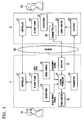
FIG. 3 is a block diagram that shows the musical-performance-information transmission system according to the third embodiment of the present invention. -
FIG. 4 is a block diagram that shows the musical-performance-information transmission system according to a modification of the embodiment of the present invention. - Hereinbelow, the musical-performance-information transmission system in the present embodiment will be described referring to the drawings.
-
FIG. 1 is a block diagram of the musical-performance-information transmission system in the first embodiment. As shown inFIG. 1 , this musical-performance-information transmission system is provided with System 1 (a first system) and System 2 (a second system).System 1 andSystem 2 are respectively connected by anetwork 30 such as the Internet or a LAN (Local Area Network). Thisnetwork 30 may be wired such as a communication cable, may be wireless, and may be a combination of both wired and wireless. -
System 1 is provided with apiano 11, acontroller 12, a sound-source 13, amicrophone 14, asignal processor 15, and atransmitter 16.System 1 is used for example by aninstructor 10 instructing a musical performance.System 2 is provided with aplayer piano 22, acontroller 21, a sound-emitter 23, and areceiver 24.System 2 is used for example by a practicingperson 20 practicing a musical performance while receiving the instruction of theinstructor 10. - The piano 11 (first musical instrument), in accordance with the musical performance of the
instructor 10, generates musical-performance data that represent the played sounds. The musical-performance data is for example data in the MIDI format (musical-performance data for an electronic instrument). Thepiano 11 supplies the generated musical-performance data to thecontroller 12 and the sound-source 13. - The
controller 12 is a communication device that transmits musical-performance data. Thecontroller 12 converts the musical-performance data supplied from thepiano 11 to data suited to the communication protocol of thenetwork 30. Also, thecontroller 12 transmits the converted data via thenetwork 30 to thecontroller 21. - The sound-
source 13 is for example an electronic sound source. The sound-source 13 transmits musical sound waveforms of a piano timbre in accordance with the pitches designated by the musical-performance data obtained from thepiano 11 to thesignal processor 15 as a reference signal. - The microphone (vocal sound signal collecting device) 14 picks up the vocal sounds, and outputs a signal representing the picked-up vocal sounds to the
signal processor 15. The orientation, frequency characteristics, and sensitivity of themicrophone 14 are adjusted on the assumption of for example performing sound collection in the vicinity of the mouth of theinstructor 10. However, in the case of theinstructor 10 performing instruction orally to the practicingperson 20 while playing thepiano 11, themicrophone 14, in addition to the vocal sounds emitted from the mouth of the instructor 10 (hereinbelow referred to as the "vocal sounds"), also picks up the played sounds generated by the string striking of the hammers provided in the piano 11 (herinbelow referred to as "played sounds"). Themicrophone 14 picks up sounds in which the vocal sounds of theinstructor 10 and the played sounds of thepiano 11 are mixed (hereinbelow referred to as a "mixed sounds"). Thereby, themicrophone 14 outputs the mixed sounds in which the vocal sounds and the played sounds are mixed to thesignal processor 15 as a mixed-sound signal. - The
signal processor 15 is connected with the sound-source 13 and themicrophone 14. Thissignal processor 15 is for example mounted with thetransmitter 16 in a personal computer (PC). - The
signal processor 15 obtains a reference signal from the sound-source 13. Also, thesignal processor 15 obtains the mixed-sound signal from themicrophone 14. Thesignal processor 15, based on the obtained reference signal and mixed-sound signal, separates the mixed-sound signal into a signal representing the vocal sounds and a signal representing the played sounds. Specifically, thesignal processor 15, using the mixed-sound signal and the reference signal, separates the signal that represents the vocal sounds by removing the reference signal in accordance with the played sounds of thepiano 11 from the mixed-sound signal. - A method of separating the mixed sounds in which these two sounds are mixed into individual sounds can for example use semi-blind source separation technology. In semi-blind source separation technology, any one of a plurality of sounds that are mixed in a mixed-sound signal is input to the
signal processor 15 as a reference (reference signal). In the present embodiment, it is possible to use electronic sounds (musical waveforms) as the reference signal for separating the signal representing the vocal sounds from the mixed-sound signal including the signal representing the played sounds and the signal representing the vocal sounds. That is, thesignal processor 15, by using the electronic sounds, can cancel the signal representing the played sounds of the mixed sounds and extract only the signal representing the vocal sounds of the instructor. - The
signal processor 15 outputs the signal representing the vocal sounds obtained by separating the mixed-sound signal to thetransmitter 16 as a separation signal. - The
transmitter 16 converts the separation signal to digital sound data, and transmits the converted sound data to thereceiver 24 ofSystem 2 via thenetwork 30. - Note that in the case of the
piano 11 serving as the player piano, since thepiano 11 is provided with thecontroller 12 and the sound-source 13, it may utilize them. Also, thepiano 11 may be integrally provided not only with thecontroller 12 and the sound-source 13 but also all or some of themicrophone 14, thesignal processor 15, and thetransmitter 16. - The
controller 21 is a communication device that receives musical-performance data. Thecontroller 21 converts the musical-performance data received via thenetwork 30 to a format that theplayer piano 22 can interpret. Also, thecontroller 21 supplies the converted musical-performance data to theplayer piano 22. - The player piano 22 (second musical instrument) is a piano that has an automatic playing function, and performs automatic playing based on the musical-performance data transmitted from the
controller 21. Note that this automatic playing is performed by theplayer piano 22 controlling a solenoid for key driving based on the musical-performance data and generating piano sounds by string striking, but since that technology is publicly known, a detailed description is omitted. - The
receiver 24 performs D/A conversion of the digital sound data received from thetransmitter 16 to an analog sound signal and supplies it to the sound-emitter 23. - The sound-
emitter 23 emits sound in accordance with the analog sound signal supplied from thereceiver 24. The sound-emitter is for example a speaker. - Note that the
player piano 22 may be integrally provided with all or some of thecontroller 21, the sound-emitter 23, and thereceiver 24. - Next, using
FIG. 2 , a description will be given for the operation ofSystem 1 extracting the signal representing the vocal sounds of theinstructor 10 from the mixed-sound signal, to sound emission bySystem 2 based on the extracted signal representing the vocal sounds.FIG. 2 is a sequence diagram that describes an operation example in the present embodiment. - The
instructor 10, while performing by playing thepiano 11 in accordance with the song that is the object of instruction, performs instruction orally to the practicingperson 20 via themicrophone 14. - In Step S101, the
piano 11 generates musical-performance data in accordance with the musical performance of theinstructor 10. Thepiano 11 transmits the generated musical-performance data to thecontroller 12 and the sound-source 13. Thecontroller 12 outputs the musical-performance data to thecontroller 21 via thenetwork 30. Also, themicrophone 14 picks up the mixed sounds of the vocal sounds of theinstructor 10 and the played sounds of thepiano 11. Then, themicrophone 14 supplies the picked-up mixed sounds as the mixed-sound signal to thesignal processor 15. - In Step S102, the sound-
source 13 generates musical piece waveforms (sounds of a piano timbre in accordance with the designated pitches) based on the musical-performance data obtained from thepiano 11. The sound-source 13 transmits the reference signal in accordance with the musical piece waveforms to thesignal processor 15. - In Step S103, the
signal processor 15 obtains the reference signal of thepiano 11 from the sound-source 13. Also, thesignal processor 15 obtains the mixed-sound signal from themicrophone 14. - The
signal processor 15 separates the mixed-sound signal into a signal representing the vocal sounds of theinstructor 10 and a signal representing the played sounds of thepiano 11. That is, thesignal processor 15 uses the reference signal to cancel the played sounds of the piano contained in the mixed-sound signal. Thereby, thesignal processor 15 extracts only the signal representing the vocal sounds from the mixed-sound signal. Thesignal processor 15 outputs the extracted signal representing the vocal sounds of the instructor as a separation signal to thetransmitter 16. - In Step S104, the
transmitter 16 converts the separation signal to digital sound data, and transmits the sound data of that separation signal to thereceiver 24 ofSystem 2 via thenetwork 30. - In Step S201, the
controller 21 receives the musical-performance data received via thenetwork 30. Thecontroller 21 supplies the received musical-performance data to theplayer piano 22. - In Step S202, the
player piano 22 receives the musical-performance data, and adjusts the timing at which it performs automatic playing (piano sound production timing). The adjustment of this timing is performed using a value that the user has set in advance (for example, wait time) so as to become the same timing as the sound emission of Step S204 described below. - In Step S203, the
receiver 24 performs D/A conversion of the sound data of the received separation signal into an analog sound signal and outputs it to the sound-emitter 23. - In Step S204, the sound-
emitter 23 emits sound in accordance with the analog sound signal supplied from thereceiver 24. Also, theplayer piano 22 performs an automatic playing at the adjusted piano sound production timing based on the musical-performance data supplied from thecontroller 21. - As described above, according to the present embodiment, in the musical-performance-information transmission method that performs a remote lesson using a player piano,
System 1 transmits musical-performance data that is generated when theinstructor 10 plays thepiano 11 to theplayer piano 22 via thenetwork 30. Thereby, theplayer piano 22 performs automatic playing by string striking based on the received musical-performance data. Thereby, the practicingperson 20 can hear by theplayer piano 22 the musical performance of the instructor 10 (including the way of playing the keyboard and the way of using the pedals). - Also, the
system 1 extracts only the vocal sounds of theinstructor 10 from the mixed sounds of the vocal sounds of theinstructor 10 and the played sounds picked up by themicrophone 14, with the musical sound waveforms of a piano timbre generated from the musical-performance data serving as a reference signal.System 1 transmits the extracted vocal sounds as a separation signal toSystem 2.System 2 emits the received separation signal by the sound-emitter 23 such as a speaker. Thus, the vocal sounds of theinstructor 10 is emitted by decreasing the played sounds. Thereby, the practicingperson 20 can hear the playing of thepiano 11 of theinstructor 10 by theplayer piano 22 of the practicing person striking strings, and can hear from the sound-emitter 23 the vocal sounds of theinstructor 10 in the state of the played sounds being decreased. Meanwhile, theinstructor 10 can perform instruction by voice to the practicingperson 20 while playing thepiano 11. - In this way, in the musical-performance-information transmission method of the present embodiment, even when the played sounds and the vocal sounds of the
instructor 10 are picked up by themicrophone 14, it is possible to emit from the sound-emitter 23 the vocal sounds of theinstructor 10 by cancelling the played sounds included in the mixed sounds. Thereby, it is possible to ensure that both the played sounds that are picked up by themicrophone 14 and the played sounds of thepiano 11 that are transmitted via thecontroller 12 are not played back inSystem 2. - Also, according to the present embodiment, when the
instructor 10 is playing thepiano 11, it is possible to prevent the played sounds of the piano from being mixed in with the sounds being emitted from the sound-emitter 23, without shutting off the communication path of the vocal sounds picked up by themicrophone 14. - Hereinabove, the embodiment of the present invention was described in detail while referring to the drawings, but specific constitutions are not limited to this embodiment, and designs within a range that does not depart from the gist of the present invention are included.
- In the embodiment described above, the description was given with the example having as its purpose a remote lesson of a player piano, but the object for applying the present invention is not limited thereto. For example, two performers giving a performance on an equal basis, and not the basis of for example "instruction" and "practicing," may utilize this system. The second embodiment and the third embodiment are shown below.
- In the first embodiment, the
piano 11 may be further provided with the function of theplayer piano 22, thecontroller 12 may be further provided with the function of thecontroller 21, thecontroller 21 may be further provided with the function of thecontroller 12, and theplayer piano 22 may be further provided with the function of thepiano 11. In this case,System 1 can not only cancel the played sounds of theinstructor 10 that are picked up by themicrophone 14, but can also cancel played sounds of thepiano 11 that are played by the musical-performance data transmitted via thenetwork 30 from theplayer piano 22 ofSystem 2, so-called "played sounds of the practicingperson 20 at thepiano 11." Hereinbelow, the case ofSystem 1 cancelling the played sounds of the practicingperson 20 will be described. - In the musical-performance-information transmission method of the present embodiment, the
controller 21 transmits to thecontroller 12 via thenetwork 30 the musical-performance data when the practicingperson 20 plays theplayer piano 22. Thecontroller 12 simultaneously transmits this musical-performance data to thepiano 11 and the sound-source 13. The sound-source 13 generates musical sound waveforms of a piano timbre based on the musical-performance data of the practicingperson 20, and transmits this as a reference signal to thesignal processor 15. Meanwhile, thepiano 11 performs automatic playing by the musical performance of the practicingperson 20 based on the received musical-performance data. The played sounds at this time are picked up by themicrophone 14, and transmitted to thesignal processor 15 as a mixed-sound signal. - By the
signal processor 15 receiving the mixed-sound signal from themicrophone 14 and the reference signal from the sound-source 13, cancelling the played sounds becomes possible. That is, during the automatic playing of thepiano 11 by the playing of the practicingperson 20, even if themicrophone 14 picks up mixed sounds of played sounds and vocal sounds due to the instructor emitting vocal sounds from the mouth (making utterances), thesignal processor 15 can cancel only the played sounds and extract only the vocal sounds of theinstructor 10. The extracted vocal sounds are transmitted from thetransmitter 16 to thereceiver 24 via thenetwork 30, and emitted from the sound-emitter 23. Thereby, the practicingperson 20 can clearly hear from the sound-emitter 23 the vocal sounds of theinstructor 10 that was produced during his own playing. - As shown in
FIG. 3 , in the third embodiment, in addition to the second embodiment,System 2 is provided with amicrophone 25 and atransmitter 26 that transmits the sounds signal picked up by themicrophone 25. Also,System 2 is provided with areceiver 17 that receives the sound signal picked up by themicrophone 25 and supplies that sound signal to thesignal processor 15. In this case, inSystem 1, thesignal processor 15, similarly to the second embodiment, cancels the played sounds of a player piano 11' picked up by themicrophone 14. Moreover, thesignal processor 15 is capable of cancelling the played sounds of the practicingperson 20 from the mixed sounds of speech content of the practicingperson 20 picked up via themicrophone 25 and the played sounds of the practicingperson 20. Hereinbelow, the operation ofSystem 1 cancelling the played sounds of the practicingperson 20 will be described. - In the musical-performance-information transmission method of the present embodiment, the musical-performance data when the practicing
person 20 plays theplayer piano 22 is sent to thecontroller 21, and sent to the controller ofSystem 1 via thenetwork 30. This musical-performance data is supplied to the player piano 11' to be performed by the player piano 11', and also transmitted to the sound-source 13.System 2 transmits the mixed sounds picked up by themicrophone 25 in the vicinity of theplayer piano 22 of the practicingperson 20 as a mixed-sound signal to thesignal processor 15 ofSystem 1 via thetransmitter 26 and thereceiver 17. Here, the mixed sounds are sounds in which are mixed the vocal sounds of the practicingperson 20 and the played sounds generated by the practicingperson 20 playing theplayer piano 22. - The sound-
source 13 transmits musical sound waveforms of a piano timbre in accordance with the pitches designated by the musical-performance data generated by theplayer piano 22 to thesignal processor 15. - The
signal processor 15, using the reference signal, cancels the played sounds of theplayer piano 22 included in the mixed-sound signal, and extracts the vocal sounds of the practicingperson 20. Thesignal processor 15 emits the extracted vocal sounds of the practicing person 20 (separation signal) by a sound-emitter 18 such as a speaker ofSystem 1. - Note that the embodiments described above may be modified as follows.
- The embodiments described above can be applied to systems constituted by various numbers of persons, in which the instructor and practicing person are not one to one, but one to many, many to one, many to many, and the like. Also, it can be applied to one having as its object for example a remote concert or the like.
- Also, in the embodiment described above, the sound-
source 13 transmits to thesignal processor 15 as a reference signal musical sound waveforms of a piano timbre generated from the musical-performance data transmitted from thepiano 11 orplayer piano 22. Instead of this, as shown inFIG. 4 , amicrophone 19 for reference signal generation may be provided in the vicinity of thepiano 11, and the played sounds of thepiano 11 that themicrophone 19 has picked up may be transmitted to thesignal processor 15 as the reference signal. It is desirable that themicrophone 19 have narrow directionality and have a sound pick-up characteristic specialized for the played sounds of thepiano 11. Also, themicrophone 19 is arranged at a position that has less of a tendency to pick up the vocal sounds uttered by theinstructor 10. - Note that instead of the
microphone 19 described above, physical quantity sensors such as a piezo sensor, acceleration sensor, and velocity sensor may be provided in thepiano 11, and the signals obtained from these sensors may be transmitted to thesignal processor 15 as reference signals. In this case, the physical quantity sensors are preferably attached to the bridge or soundboard, which are locations where vibrations are produced by the string striking of thepiano 11. - Also, in the embodiment described above, the
signal processor 15 was provided inSystem 1, but the present invention is not limited thereto. For example, thesignal processor 15 may be mounted in a server on thenetwork 30 or inSystem 2. In this case,System 1 transmits the mixed-sound signal and the reference signal toSystem 2 via thenetwork 30 or the server on thenetwork 30. In this case, the reference signal may be generated from the musical-performance data of thecontroller 21 or theplayer piano 22 ofSystem 2. - Also, in the embodiment described above, descriptions were given for the case of using the
piano 11 as the first musical instrument and theplayer piano 22 as the second musical instrument, but provided the first musical instrument and the second musical instrument are the same type of musical instrument and the second musical instrument is a musical instrument having an automatic performance function, they may be other musical instruments. In this case, the sound-emitter 13 should transmit musical sound waveforms with the timbre of that musical instrument as the reference signal to thesignal processor 15. - Hereinabove, embodiments of the present invention were described referring to the drawings, but it is evident that the embodiments are merely illustrative examples of the present invention and the present invention is not limited to the aforementioned embodiments. Accordingly, additions, omissions, replacements, and other modifications of the constituent elements may be performed within a range that does not depart from the scope of the claims of the present invention.
-
- 1, 2:
- System
- 10:
- Instructor
- 11:
- Piano
- 11', 22:
- Player piano
- 12, 21:
- Controller
- 13:
- Sound-source
- 14:
- Microphone
- 15:
- Signal processor
- 16:
- Transmitter
- 17:
- Receiver
- 18:
- Sound-emitter
- 20:
- Practicing person
- 23:
- Sound-emitter
- 24:
- Receiver
- 25:
- Microphone
- 26:
- Transmitter
Claims (16)
- A musical-performance-information transmission method using a first musical instrument that produces sounds in accordance with a user's playing and generates musical-performance data in accordance with the produced sounds, and a second musical instrument that produces sounds by receiving the musical-performance data via a communication means, the method comprising:generating a mixed-sound signal in accordance with sounds in which are mixed sounds produced from the first musical instrument and sounds that differ from the sounds produced from the first musical instrument;generating a reference signal in accordance with the sounds produced from the first musical instrument;generating a separation signal by removing the reference signal from the mixed-sound signal; andemitting sounds based on the separation signal.
- The musical-performance-information transmission method according to claim 1, wherein the reference signal is a musical sound waveform in accordance with a pitch specified by the musical-performance data that the first musical instrument generates.
- The musical-performance-information transmission method according to claim 1, wherein the reference signal is a signal that a microphone arranged in the vicinity of the first musical instrument has picked up.
- The musical-performance-information transmission method according to claim 1, wherein the sounds that differ from the sounds produced from the first musical instrument are vocal sounds that the user playing the first musical instrument generates.
- A musical-performance-information transmission method using a first system having a first musical instrument that produces sounds in accordance with a user's playing and generates musical-performance data in accordance with the produced sounds, and a second system having a second musical instrument that produces sounds by receiving the musical-performance data, the method comprising:in the first system,generating as a mixed-sound signal sounds in which are mixed sounds produced from the first musical instrument and sounds that differ from the sounds produced from the first musical instrument;generating a reference signal in accordance with the sounds produced from the first musical instrument;generating a separation signal by removing the reference signal from the mixed-sound signal; andtransmitting the separation signal to the second system.
- The musical-performance-information transmission method according to claim 5, wherein the reference signal is a musical sound waveform in accordance with a pitch specified by the musical-performance data that the first musical instrument generates.
- The musical-performance-information transmission method according to claim 5, wherein the reference signal is a signal that a microphone arranged in the vicinity of the first musical instrument has picked up.
- The musical-performance-information transmission method according to claim 5, wherein the sounds that differ from the sounds produced from the first musical instrument are vocal sounds that the user playing the first musical instrument generates.
- A musical-performance-information transmission method using a first system having a first musical instrument that produces sounds in accordance with a user's playing and generates musical-performance data in accordance with the produced sounds, and a second system having a second musical instrument that produces sounds based on the musical-performance data, the method comprising:in the second system,receiving a separation signal in which a reference signal in accordance with the sounds produced by the first musical instrument has been removed from a mixed-sound signal in accordance with sounds in which are mixed sounds produced from the first musical instrument and sounds that differ from the sounds produced from the first musical instrument; andemitting sounds based on the separation signal.
- The musical-performance-information transmission method according to claim 9, wherein the reference signal is a musical sound waveform in accordance with a pitch specified by the musical-performance data that the first musical instrument generates.
- The musical-performance-information transmission method according to claim 9, wherein the reference signal is a signal that a microphone arranged in the vicinity of the first musical instrument has picked up.
- The musical-performance-information transmission method according to claim 9, wherein the sounds that differ from the sounds produced from the first musical instrument are vocal sounds that the user playing the first musical instrument generates.
- A musical-performance-information transmission system using a first musical instrument that produces sounds in accordance with a user's playing and generates musical-performance data in accordance with the produced sounds, and a second musical instrument that produces sounds by receiving the musical-performance data via a communication means, comprising:a vocal sound signal collecting device that generates a mixed-sound signal in accordance with sounds in which are mixed sounds produced from the first musical instrument and sounds that differ from the sounds produced from the first musical instrument;a sound-source that generates a reference signal in accordance with the sounds produced from the first musical instrument;a signal processor that generates a separation signal by removing the reference signal from the mixed-sound signal; anda sound-emitter that emits sounds based on the separation signal.
- The musical-performance-information transmission system according to claim 13, wherein the reference signal is a musical sound waveform in accordance with a pitch specified by the musical-performance data that the first musical instrument generates.
- The musical-performance-information transmission system according to claim 13, wherein the reference signal is a signal that a microphone arranged in the vicinity of the first musical instrument has picked up.
- The musical-performance-information transmission method according to claim 13, wherein the sounds that differ from the sounds produced from the first musical instrument are vocal sounds that the user playing the first musical instrument generates.
Applications Claiming Priority (2)
| Application Number | Priority Date | Filing Date | Title |
|---|---|---|---|
| JP2014003695A JP2015132695A (en) | 2014-01-10 | 2014-01-10 | Performance information transmission method, and performance information transmission system |
| PCT/JP2015/050115 WO2015105091A1 (en) | 2014-01-10 | 2015-01-06 | Musical-performance-information transmission method and musical-performance-information transmission system |
Publications (3)
| Publication Number | Publication Date |
|---|---|
| EP3093840A1 true EP3093840A1 (en) | 2016-11-16 |
| EP3093840A4 EP3093840A4 (en) | 2017-07-19 |
| EP3093840B1 EP3093840B1 (en) | 2019-03-13 |
Family
ID=53523916
Family Applications (1)
| Application Number | Title | Priority Date | Filing Date |
|---|---|---|---|
| EP15735419.2A Active EP3093840B1 (en) | 2014-01-10 | 2015-01-06 | Musical-performance-information transmission method and musical-performance-information transmission system |
Country Status (6)
| Country | Link |
|---|---|
| US (1) | US9953545B2 (en) |
| EP (1) | EP3093840B1 (en) |
| JP (1) | JP2015132695A (en) |
| KR (1) | KR20160082703A (en) |
| RU (1) | RU2673599C2 (en) |
| WO (1) | WO2015105091A1 (en) |
Families Citing this family (6)
| Publication number | Priority date | Publication date | Assignee | Title |
|---|---|---|---|---|
| JP2015132695A (en) * | 2014-01-10 | 2015-07-23 | ヤマハ株式会社 | Performance information transmission method, and performance information transmission system |
| JP6326822B2 (en) | 2014-01-14 | 2018-05-23 | ヤマハ株式会社 | Recording method |
| CN109845249B (en) * | 2016-10-14 | 2022-01-25 | 森兰信息科技(上海)有限公司 | Method and system for synchronizing MIDI files using external information |
| CN111816146A (en) * | 2019-04-10 | 2020-10-23 | 蔡佳昱 | Teaching method and system of an electronic organ, teaching electronic organ and storage medium |
| JP7622391B2 (en) * | 2020-10-02 | 2025-01-28 | ヤマハ株式会社 | Acoustic processing method and acoustic processing system |
| IT202100020282A1 (en) * | 2021-07-29 | 2023-01-29 | Claudio Miello | A SYSTEM FOR TRYING A MUSICAL INSTRUMENT REMOTELY |
Family Cites Families (51)
| Publication number | Priority date | Publication date | Assignee | Title |
|---|---|---|---|---|
| US5140637A (en) | 1989-12-01 | 1992-08-18 | Arnold Kaplan | Device and method for removing vocal signals |
| CN1248504C (en) | 1997-01-29 | 2006-03-29 | 数字广告及销售有限公司 | Method for transmitting media files through communication network |
| US6038324A (en) | 1997-02-21 | 2000-03-14 | Ambourn; Paul R. | Automotive surround sound circuit background of the invention |
| US6148086A (en) | 1997-05-16 | 2000-11-14 | Aureal Semiconductor, Inc. | Method and apparatus for replacing a voice with an original lead singer's voice on a karaoke machine |
| JP3381219B2 (en) | 1999-06-09 | 2003-02-24 | 日本マランツ株式会社 | Stereo signal processor |
| US6640257B1 (en) | 1999-11-12 | 2003-10-28 | Applied Electronics Technology, Inc. | System and method for audio control |
| JP4644893B2 (en) * | 2000-01-12 | 2011-03-09 | ヤマハ株式会社 | Performance equipment |
| US8868023B2 (en) | 2008-01-04 | 2014-10-21 | 3D Radio Llc | Digital radio systems and methods |
| US6740803B2 (en) | 2001-11-21 | 2004-05-25 | Line 6, Inc | Computing device to allow for the selection and display of a multimedia presentation of an audio file and to allow a user to play a musical instrument in conjunction with the multimedia presentation |
| US7030311B2 (en) | 2001-11-21 | 2006-04-18 | Line 6, Inc | System and method for delivering a multimedia presentation to a user and to allow the user to play a musical instrument in conjunction with the multimedia presentation |
| US6969797B2 (en) | 2001-11-21 | 2005-11-29 | Line 6, Inc | Interface device to couple a musical instrument to a computing device to allow a user to play a musical instrument in conjunction with a multimedia presentation |
| US6653545B2 (en) * | 2002-03-01 | 2003-11-25 | Ejamming, Inc. | Method and apparatus for remote real time collaborative music performance |
| BR0202561A (en) | 2002-07-04 | 2004-05-18 | Genius Inst De Tecnologia | Device and corner performance evaluation method |
| JP2005084253A (en) | 2003-09-05 | 2005-03-31 | Matsushita Electric Ind Co Ltd | Sound processing apparatus, method, program, and storage medium |
| JP4001091B2 (en) | 2003-09-11 | 2007-10-31 | ヤマハ株式会社 | Performance system and music video playback device |
| US7288712B2 (en) * | 2004-01-09 | 2007-10-30 | Yamaha Corporation | Music station for producing visual images synchronously with music data codes |
| WO2005111997A1 (en) | 2004-05-14 | 2005-11-24 | Pioneer Corporation | Audio reproduction device |
| JP2006100869A (en) | 2004-09-28 | 2006-04-13 | Sony Corp | Audio signal processing apparatus and audio signal processing method |
| JP2006114174A (en) | 2004-10-18 | 2006-04-27 | Sony Corp | Content reproduction method and content reproduction apparatus |
| US7297858B2 (en) | 2004-11-30 | 2007-11-20 | Andreas Paepcke | MIDIWan: a system to enable geographically remote musicians to collaborate |
| KR100750148B1 (en) | 2005-12-22 | 2007-08-17 | 삼성전자주식회사 | Voice signal removal device and method |
| KR100644717B1 (en) | 2005-12-22 | 2006-11-10 | 삼성전자주식회사 | Multichannel audio signal generating device and method |
| US7705231B2 (en) * | 2007-09-07 | 2010-04-27 | Microsoft Corporation | Automatic accompaniment for vocal melodies |
| JP4591391B2 (en) | 2006-03-27 | 2010-12-01 | ヤマハ株式会社 | Audio data reproducing device and portable terminal device |
| ATE527833T1 (en) | 2006-05-04 | 2011-10-15 | Lg Electronics Inc | IMPROVE STEREO AUDIO SIGNALS WITH REMIXING |
| CN101149918B (en) | 2006-09-22 | 2012-03-28 | 鸿富锦精密工业(深圳)有限公司 | Sound processing device with singing practice function |
| JP4315180B2 (en) * | 2006-10-20 | 2009-08-19 | ソニー株式会社 | Signal processing apparatus and method, program, and recording medium |
| US20080184870A1 (en) | 2006-10-24 | 2008-08-07 | Nokia Corporation | System, method, device, and computer program product providing for a multiple-lyric karaoke system |
| JP4940956B2 (en) * | 2007-01-10 | 2012-05-30 | ヤマハ株式会社 | Audio transmission system |
| US8138409B2 (en) * | 2007-08-10 | 2012-03-20 | Sonicjam, Inc. | Interactive music training and entertainment system |
| US7772480B2 (en) | 2007-08-10 | 2010-08-10 | Sonicjam, Inc. | Interactive music training and entertainment system and multimedia role playing game platform |
| US8295494B2 (en) | 2007-08-13 | 2012-10-23 | Lg Electronics Inc. | Enhancing audio with remixing capability |
| US8572487B2 (en) | 2007-10-09 | 2013-10-29 | International Business Machines Corporation | Application of ratings to digital music and playback of digital music conforming to a rating level |
| JP5119932B2 (en) | 2008-01-11 | 2013-01-16 | ヤマハ株式会社 | Keyboard instruments, piano and auto-playing piano |
| JP2010062663A (en) | 2008-09-01 | 2010-03-18 | Sony Ericsson Mobilecommunications Japan Inc | Audio signal processing apparatus, audio signal processing method, and communication terminal |
| US20100089223A1 (en) | 2008-10-14 | 2010-04-15 | Waichi Ting | Microphone set providing audio and text data |
| US8204755B2 (en) | 2009-05-22 | 2012-06-19 | Universal Music Group, Inc. | Advanced encoding of music files |
| KR101387195B1 (en) | 2009-10-05 | 2014-04-21 | 하만인터내셔날인더스트리스인코포레이티드 | System for spatial extraction of audio signals |
| US20110146476A1 (en) * | 2009-12-18 | 2011-06-23 | Edward Zimmerman | Systems and methods of instruction including viewing lessons taken with hands-on training |
| US8541676B1 (en) | 2010-03-06 | 2013-09-24 | Alexander Waldman | Method for extracting individual instrumental parts from an audio recording and optionally outputting sheet music |
| US9024166B2 (en) | 2010-09-09 | 2015-05-05 | Harmonix Music Systems, Inc. | Preventing subtractive track separation |
| KR20120132342A (en) | 2011-05-25 | 2012-12-05 | 삼성전자주식회사 | Apparatus and method for removing vocal signal |
| US20130065213A1 (en) | 2011-09-13 | 2013-03-14 | Harman International Industries, Incorporated | System and method for adapting audio content for karaoke presentations |
| US8957297B2 (en) | 2012-06-12 | 2015-02-17 | Harman International Industries, Inc. | Programmable musical instrument pedalboard |
| US9071900B2 (en) | 2012-08-20 | 2015-06-30 | Nokia Technologies Oy | Multi-channel recording |
| WO2014103336A1 (en) * | 2012-12-29 | 2014-07-03 | Tunogai Tomohide | Guitar teaching data creation device, guitar teaching system, guitar teaching data creation method, and guitar teaching data creation program |
| US9373320B1 (en) | 2013-08-21 | 2016-06-21 | Google Inc. | Systems and methods facilitating selective removal of content from a mixed audio recording |
| JP2015132695A (en) * | 2014-01-10 | 2015-07-23 | ヤマハ株式会社 | Performance information transmission method, and performance information transmission system |
| JP6326822B2 (en) | 2014-01-14 | 2018-05-23 | ヤマハ株式会社 | Recording method |
| US10564923B2 (en) | 2014-03-31 | 2020-02-18 | Sony Corporation | Method, system and artificial neural network |
| US20160139775A1 (en) | 2014-11-14 | 2016-05-19 | Touchcast LLC | System and method for interactive audio/video presentations |
-
2014
- 2014-01-10 JP JP2014003695A patent/JP2015132695A/en active Pending
-
2015
- 2015-01-06 EP EP15735419.2A patent/EP3093840B1/en active Active
- 2015-01-06 US US15/039,466 patent/US9953545B2/en active Active
- 2015-01-06 KR KR1020167015198A patent/KR20160082703A/en not_active Ceased
- 2015-01-06 WO PCT/JP2015/050115 patent/WO2015105091A1/en not_active Ceased
- 2015-01-06 RU RU2016127416A patent/RU2673599C2/en active
Also Published As
| Publication number | Publication date |
|---|---|
| US20160379514A1 (en) | 2016-12-29 |
| KR20160082703A (en) | 2016-07-08 |
| JP2015132695A (en) | 2015-07-23 |
| US9953545B2 (en) | 2018-04-24 |
| EP3093840B1 (en) | 2019-03-13 |
| RU2673599C2 (en) | 2018-11-28 |
| RU2016127416A (en) | 2018-02-16 |
| EP3093840A4 (en) | 2017-07-19 |
| WO2015105091A1 (en) | 2015-07-16 |
Similar Documents
| Publication | Publication Date | Title |
|---|---|---|
| US9953545B2 (en) | Musical-performance-information transmission method and musical-performance-information transmission system | |
| JP4940956B2 (en) | Audio transmission system | |
| EP1357538A3 (en) | Method for making electronic tones close to acoustic tones, recording system and tone generating system | |
| US10540949B2 (en) | Musical instrument capable of producing additional vibration sound and method therefor | |
| WO2015192674A1 (en) | Intelligent piano and system | |
| EP1326229A4 (en) | Analog electronic drum set, parts for drum stick, analog electronic drum set and foot-pedal unit | |
| WO2008019174A3 (en) | Suspended bracing system for acoustic musical instruments | |
| WO2006096465A2 (en) | Stringed musical instrument device | |
| JP2015132696A (en) | speech recognition method | |
| CN106548767A (en) | Playing control method and device and playing musical instrument | |
| US20170373777A1 (en) | Systems and methods for signal mixing | |
| JP2006178197A (en) | Playing driving device of musical instrument, playing driving system of keyboard musical instrument, and keyboard musical instrument | |
| KR101747700B1 (en) | Method for remote concert in communication network and system thereof | |
| US12136351B2 (en) | Information processing apparatus and information processing method | |
| US9959853B2 (en) | Recording method and recording device that uses multiple waveform signal sources to record a musical instrument | |
| US9343051B2 (en) | Performance information output control apparatus, keyboard instrument and control method thereof | |
| JP5151401B2 (en) | Audio processing device | |
| JP2012208218A (en) | Electronic apparatus | |
| JP2015225271A (en) | Electronic musical instrument, method for controlling sound production of electronic musical instrument, and program | |
| WO2018173295A1 (en) | User interface device, user interface method, and sound operation system | |
| JP5847049B2 (en) | Instrument sound output device | |
| CN116438790A (en) | Communication method and system | |
| WO2023007054A1 (en) | Stringed instrument with bimodal operation | |
| JP6587396B2 (en) | Karaoke device with guitar karaoke scoring function | |
| Ogborn et al. | Very long cat: Zero-latency network music with live coding |
Legal Events
| Date | Code | Title | Description |
|---|---|---|---|
| PUAI | Public reference made under article 153(3) epc to a published international application that has entered the european phase |
Free format text: ORIGINAL CODE: 0009012 |
|
| 17P | Request for examination filed |
Effective date: 20160706 |
|
| AK | Designated contracting states |
Kind code of ref document: A1 Designated state(s): AL AT BE BG CH CY CZ DE DK EE ES FI FR GB GR HR HU IE IS IT LI LT LU LV MC MK MT NL NO PL PT RO RS SE SI SK SM TR |
|
| AX | Request for extension of the european patent |
Extension state: BA ME |
|
| DAX | Request for extension of the european patent (deleted) | ||
| RIC1 | Information provided on ipc code assigned before grant |
Ipc: G10F 1/00 20060101ALN20170608BHEP Ipc: G09B 15/00 20060101ALI20170608BHEP Ipc: G10H 1/00 20060101AFI20170608BHEP Ipc: G10L 21/02 20130101ALI20170608BHEP Ipc: G10L 25/93 20130101ALI20170608BHEP Ipc: G10H 7/00 20060101ALN20170608BHEP |
|
| A4 | Supplementary search report drawn up and despatched |
Effective date: 20170619 |
|
| STAA | Information on the status of an ep patent application or granted ep patent |
Free format text: STATUS: EXAMINATION IS IN PROGRESS |
|
| 17Q | First examination report despatched |
Effective date: 20180406 |
|
| REG | Reference to a national code |
Ref country code: DE Ref legal event code: R079 Ref document number: 602015026349 Country of ref document: DE Free format text: PREVIOUS MAIN CLASS: G10H0001000000 Ipc: G10H0001360000 |
|
| GRAP | Despatch of communication of intention to grant a patent |
Free format text: ORIGINAL CODE: EPIDOSNIGR1 |
|
| STAA | Information on the status of an ep patent application or granted ep patent |
Free format text: STATUS: GRANT OF PATENT IS INTENDED |
|
| RIC1 | Information provided on ipc code assigned before grant |
Ipc: G10L 21/02 20130101ALI20180903BHEP Ipc: G10H 1/36 20060101AFI20180903BHEP Ipc: G09B 15/00 20060101ALI20180903BHEP Ipc: G10F 1/00 20060101ALN20180903BHEP Ipc: G10L 25/93 20130101ALI20180903BHEP Ipc: G10H 7/00 20060101ALN20180903BHEP |
|
| RIC1 | Information provided on ipc code assigned before grant |
Ipc: G10L 25/93 20130101ALI20180910BHEP Ipc: G09B 15/00 20060101ALI20180910BHEP Ipc: G10F 1/00 20060101ALN20180910BHEP Ipc: G10H 7/00 20060101ALN20180910BHEP Ipc: G10H 1/36 20060101AFI20180910BHEP Ipc: G10L 21/02 20130101ALI20180910BHEP |
|
| RIC1 | Information provided on ipc code assigned before grant |
Ipc: G10L 25/93 20130101ALI20180914BHEP Ipc: G10F 1/00 20060101ALN20180914BHEP Ipc: G10L 21/02 20130101ALI20180914BHEP Ipc: G09B 15/00 20060101ALI20180914BHEP Ipc: G10H 7/00 20060101ALN20180914BHEP Ipc: G10H 1/36 20060101AFI20180914BHEP |
|
| INTG | Intention to grant announced |
Effective date: 20181008 |
|
| GRAS | Grant fee paid |
Free format text: ORIGINAL CODE: EPIDOSNIGR3 |
|
| GRAA | (expected) grant |
Free format text: ORIGINAL CODE: 0009210 |
|
| STAA | Information on the status of an ep patent application or granted ep patent |
Free format text: STATUS: THE PATENT HAS BEEN GRANTED |
|
| AK | Designated contracting states |
Kind code of ref document: B1 Designated state(s): AL AT BE BG CH CY CZ DE DK EE ES FI FR GB GR HR HU IE IS IT LI LT LU LV MC MK MT NL NO PL PT RO RS SE SI SK SM TR |
|
| REG | Reference to a national code |
Ref country code: GB Ref legal event code: FG4D |
|
| REG | Reference to a national code |
Ref country code: CH Ref legal event code: EP Ref country code: AT Ref legal event code: REF Ref document number: 1108791 Country of ref document: AT Kind code of ref document: T Effective date: 20190315 |
|
| REG | Reference to a national code |
Ref country code: IE Ref legal event code: FG4D |
|
| REG | Reference to a national code |
Ref country code: DE Ref legal event code: R096 Ref document number: 602015026349 Country of ref document: DE |
|
| REG | Reference to a national code |
Ref country code: NL Ref legal event code: MP Effective date: 20190313 |
|
| REG | Reference to a national code |
Ref country code: LT Ref legal event code: MG4D |
|
| PG25 | Lapsed in a contracting state [announced via postgrant information from national office to epo] |
Ref country code: FI Free format text: LAPSE BECAUSE OF FAILURE TO SUBMIT A TRANSLATION OF THE DESCRIPTION OR TO PAY THE FEE WITHIN THE PRESCRIBED TIME-LIMIT Effective date: 20190313 Ref country code: NO Free format text: LAPSE BECAUSE OF FAILURE TO SUBMIT A TRANSLATION OF THE DESCRIPTION OR TO PAY THE FEE WITHIN THE PRESCRIBED TIME-LIMIT Effective date: 20190613 Ref country code: SE Free format text: LAPSE BECAUSE OF FAILURE TO SUBMIT A TRANSLATION OF THE DESCRIPTION OR TO PAY THE FEE WITHIN THE PRESCRIBED TIME-LIMIT Effective date: 20190313 Ref country code: LT Free format text: LAPSE BECAUSE OF FAILURE TO SUBMIT A TRANSLATION OF THE DESCRIPTION OR TO PAY THE FEE WITHIN THE PRESCRIBED TIME-LIMIT Effective date: 20190313 |
|
| PG25 | Lapsed in a contracting state [announced via postgrant information from national office to epo] |
Ref country code: RS Free format text: LAPSE BECAUSE OF FAILURE TO SUBMIT A TRANSLATION OF THE DESCRIPTION OR TO PAY THE FEE WITHIN THE PRESCRIBED TIME-LIMIT Effective date: 20190313 Ref country code: HR Free format text: LAPSE BECAUSE OF FAILURE TO SUBMIT A TRANSLATION OF THE DESCRIPTION OR TO PAY THE FEE WITHIN THE PRESCRIBED TIME-LIMIT Effective date: 20190313 Ref country code: NL Free format text: LAPSE BECAUSE OF FAILURE TO SUBMIT A TRANSLATION OF THE DESCRIPTION OR TO PAY THE FEE WITHIN THE PRESCRIBED TIME-LIMIT Effective date: 20190313 Ref country code: GR Free format text: LAPSE BECAUSE OF FAILURE TO SUBMIT A TRANSLATION OF THE DESCRIPTION OR TO PAY THE FEE WITHIN THE PRESCRIBED TIME-LIMIT Effective date: 20190614 Ref country code: BG Free format text: LAPSE BECAUSE OF FAILURE TO SUBMIT A TRANSLATION OF THE DESCRIPTION OR TO PAY THE FEE WITHIN THE PRESCRIBED TIME-LIMIT Effective date: 20190613 Ref country code: LV Free format text: LAPSE BECAUSE OF FAILURE TO SUBMIT A TRANSLATION OF THE DESCRIPTION OR TO PAY THE FEE WITHIN THE PRESCRIBED TIME-LIMIT Effective date: 20190313 |
|
| REG | Reference to a national code |
Ref country code: AT Ref legal event code: MK05 Ref document number: 1108791 Country of ref document: AT Kind code of ref document: T Effective date: 20190313 |
|
| PG25 | Lapsed in a contracting state [announced via postgrant information from national office to epo] |
Ref country code: EE Free format text: LAPSE BECAUSE OF FAILURE TO SUBMIT A TRANSLATION OF THE DESCRIPTION OR TO PAY THE FEE WITHIN THE PRESCRIBED TIME-LIMIT Effective date: 20190313 Ref country code: SK Free format text: LAPSE BECAUSE OF FAILURE TO SUBMIT A TRANSLATION OF THE DESCRIPTION OR TO PAY THE FEE WITHIN THE PRESCRIBED TIME-LIMIT Effective date: 20190313 Ref country code: IT Free format text: LAPSE BECAUSE OF FAILURE TO SUBMIT A TRANSLATION OF THE DESCRIPTION OR TO PAY THE FEE WITHIN THE PRESCRIBED TIME-LIMIT Effective date: 20190313 Ref country code: CZ Free format text: LAPSE BECAUSE OF FAILURE TO SUBMIT A TRANSLATION OF THE DESCRIPTION OR TO PAY THE FEE WITHIN THE PRESCRIBED TIME-LIMIT Effective date: 20190313 Ref country code: PT Free format text: LAPSE BECAUSE OF FAILURE TO SUBMIT A TRANSLATION OF THE DESCRIPTION OR TO PAY THE FEE WITHIN THE PRESCRIBED TIME-LIMIT Effective date: 20190713 Ref country code: AL Free format text: LAPSE BECAUSE OF FAILURE TO SUBMIT A TRANSLATION OF THE DESCRIPTION OR TO PAY THE FEE WITHIN THE PRESCRIBED TIME-LIMIT Effective date: 20190313 Ref country code: RO Free format text: LAPSE BECAUSE OF FAILURE TO SUBMIT A TRANSLATION OF THE DESCRIPTION OR TO PAY THE FEE WITHIN THE PRESCRIBED TIME-LIMIT Effective date: 20190313 Ref country code: ES Free format text: LAPSE BECAUSE OF FAILURE TO SUBMIT A TRANSLATION OF THE DESCRIPTION OR TO PAY THE FEE WITHIN THE PRESCRIBED TIME-LIMIT Effective date: 20190313 |
|
| PG25 | Lapsed in a contracting state [announced via postgrant information from national office to epo] |
Ref country code: SM Free format text: LAPSE BECAUSE OF FAILURE TO SUBMIT A TRANSLATION OF THE DESCRIPTION OR TO PAY THE FEE WITHIN THE PRESCRIBED TIME-LIMIT Effective date: 20190313 Ref country code: PL Free format text: LAPSE BECAUSE OF FAILURE TO SUBMIT A TRANSLATION OF THE DESCRIPTION OR TO PAY THE FEE WITHIN THE PRESCRIBED TIME-LIMIT Effective date: 20190313 |
|
| REG | Reference to a national code |
Ref country code: DE Ref legal event code: R097 Ref document number: 602015026349 Country of ref document: DE |
|
| PG25 | Lapsed in a contracting state [announced via postgrant information from national office to epo] |
Ref country code: AT Free format text: LAPSE BECAUSE OF FAILURE TO SUBMIT A TRANSLATION OF THE DESCRIPTION OR TO PAY THE FEE WITHIN THE PRESCRIBED TIME-LIMIT Effective date: 20190313 Ref country code: IS Free format text: LAPSE BECAUSE OF FAILURE TO SUBMIT A TRANSLATION OF THE DESCRIPTION OR TO PAY THE FEE WITHIN THE PRESCRIBED TIME-LIMIT Effective date: 20190713 |
|
| PLBE | No opposition filed within time limit |
Free format text: ORIGINAL CODE: 0009261 |
|
| STAA | Information on the status of an ep patent application or granted ep patent |
Free format text: STATUS: NO OPPOSITION FILED WITHIN TIME LIMIT |
|
| PG25 | Lapsed in a contracting state [announced via postgrant information from national office to epo] |
Ref country code: DK Free format text: LAPSE BECAUSE OF FAILURE TO SUBMIT A TRANSLATION OF THE DESCRIPTION OR TO PAY THE FEE WITHIN THE PRESCRIBED TIME-LIMIT Effective date: 20190313 |
|
| 26N | No opposition filed |
Effective date: 20191216 |
|
| PG25 | Lapsed in a contracting state [announced via postgrant information from national office to epo] |
Ref country code: SI Free format text: LAPSE BECAUSE OF FAILURE TO SUBMIT A TRANSLATION OF THE DESCRIPTION OR TO PAY THE FEE WITHIN THE PRESCRIBED TIME-LIMIT Effective date: 20190313 |
|
| PG25 | Lapsed in a contracting state [announced via postgrant information from national office to epo] |
Ref country code: TR Free format text: LAPSE BECAUSE OF FAILURE TO SUBMIT A TRANSLATION OF THE DESCRIPTION OR TO PAY THE FEE WITHIN THE PRESCRIBED TIME-LIMIT Effective date: 20190313 |
|
| PG25 | Lapsed in a contracting state [announced via postgrant information from national office to epo] |
Ref country code: MC Free format text: LAPSE BECAUSE OF FAILURE TO SUBMIT A TRANSLATION OF THE DESCRIPTION OR TO PAY THE FEE WITHIN THE PRESCRIBED TIME-LIMIT Effective date: 20190313 |
|
| REG | Reference to a national code |
Ref country code: CH Ref legal event code: PL |
|
| GBPC | Gb: european patent ceased through non-payment of renewal fee |
Effective date: 20200106 |
|
| REG | Reference to a national code |
Ref country code: BE Ref legal event code: MM Effective date: 20200131 |
|
| PG25 | Lapsed in a contracting state [announced via postgrant information from national office to epo] |
Ref country code: LU Free format text: LAPSE BECAUSE OF NON-PAYMENT OF DUE FEES Effective date: 20200106 Ref country code: FR Free format text: LAPSE BECAUSE OF NON-PAYMENT OF DUE FEES Effective date: 20200131 Ref country code: GB Free format text: LAPSE BECAUSE OF NON-PAYMENT OF DUE FEES Effective date: 20200106 |
|
| PG25 | Lapsed in a contracting state [announced via postgrant information from national office to epo] |
Ref country code: BE Free format text: LAPSE BECAUSE OF NON-PAYMENT OF DUE FEES Effective date: 20200131 Ref country code: CH Free format text: LAPSE BECAUSE OF NON-PAYMENT OF DUE FEES Effective date: 20200131 Ref country code: LI Free format text: LAPSE BECAUSE OF NON-PAYMENT OF DUE FEES Effective date: 20200131 |
|
| PG25 | Lapsed in a contracting state [announced via postgrant information from national office to epo] |
Ref country code: IE Free format text: LAPSE BECAUSE OF NON-PAYMENT OF DUE FEES Effective date: 20200106 |
|
| PG25 | Lapsed in a contracting state [announced via postgrant information from national office to epo] |
Ref country code: MT Free format text: LAPSE BECAUSE OF FAILURE TO SUBMIT A TRANSLATION OF THE DESCRIPTION OR TO PAY THE FEE WITHIN THE PRESCRIBED TIME-LIMIT Effective date: 20190313 Ref country code: CY Free format text: LAPSE BECAUSE OF FAILURE TO SUBMIT A TRANSLATION OF THE DESCRIPTION OR TO PAY THE FEE WITHIN THE PRESCRIBED TIME-LIMIT Effective date: 20190313 |
|
| PG25 | Lapsed in a contracting state [announced via postgrant information from national office to epo] |
Ref country code: MK Free format text: LAPSE BECAUSE OF FAILURE TO SUBMIT A TRANSLATION OF THE DESCRIPTION OR TO PAY THE FEE WITHIN THE PRESCRIBED TIME-LIMIT Effective date: 20190313 |
|
| PGFP | Annual fee paid to national office [announced via postgrant information from national office to epo] |
Ref country code: DE Payment date: 20260121 Year of fee payment: 12 |