EP3093790A1 - Method for real time protection against unsolicited access to authentication information known by a legitimate end-user - Google Patents
Method for real time protection against unsolicited access to authentication information known by a legitimate end-user Download PDFInfo
- Publication number
- EP3093790A1 EP3093790A1 EP15305729.4A EP15305729A EP3093790A1 EP 3093790 A1 EP3093790 A1 EP 3093790A1 EP 15305729 A EP15305729 A EP 15305729A EP 3093790 A1 EP3093790 A1 EP 3093790A1
- Authority
- EP
- European Patent Office
- Prior art keywords
- microcontroller
- dedicated
- switch
- sim card
- information
- Prior art date
- Legal status (The legal status is an assumption and is not a legal conclusion. Google has not performed a legal analysis and makes no representation as to the accuracy of the status listed.)
- Granted
Links
Images



Classifications
-
- G—PHYSICS
- G06—COMPUTING OR CALCULATING; COUNTING
- G06F—ELECTRIC DIGITAL DATA PROCESSING
- G06F21/00—Security arrangements for protecting computers, components thereof, programs or data against unauthorised activity
- G06F21/70—Protecting specific internal or peripheral components, in which the protection of a component leads to protection of the entire computer
- G06F21/71—Protecting specific internal or peripheral components, in which the protection of a component leads to protection of the entire computer to assure secure computing or processing of information
- G06F21/74—Protecting specific internal or peripheral components, in which the protection of a component leads to protection of the entire computer to assure secure computing or processing of information operating in dual or compartmented mode, i.e. at least one secure mode
-
- G—PHYSICS
- G06—COMPUTING OR CALCULATING; COUNTING
- G06F—ELECTRIC DIGITAL DATA PROCESSING
- G06F21/00—Security arrangements for protecting computers, components thereof, programs or data against unauthorised activity
- G06F21/70—Protecting specific internal or peripheral components, in which the protection of a component leads to protection of the entire computer
- G06F21/82—Protecting input, output or interconnection devices
- G06F21/83—Protecting input, output or interconnection devices input devices, e.g. keyboards, mice or controllers thereof
-
- G—PHYSICS
- G06—COMPUTING OR CALCULATING; COUNTING
- G06F—ELECTRIC DIGITAL DATA PROCESSING
- G06F21/00—Security arrangements for protecting computers, components thereof, programs or data against unauthorised activity
- G06F21/70—Protecting specific internal or peripheral components, in which the protection of a component leads to protection of the entire computer
- G06F21/82—Protecting input, output or interconnection devices
- G06F21/84—Protecting input, output or interconnection devices output devices, e.g. displays or monitors
-
- H—ELECTRICITY
- H04—ELECTRIC COMMUNICATION TECHNIQUE
- H04W—WIRELESS COMMUNICATION NETWORKS
- H04W12/00—Security arrangements; Authentication; Protecting privacy or anonymity
- H04W12/12—Detection or prevention of fraud
- H04W12/128—Anti-malware arrangements, e.g. protection against SMS fraud or mobile malware
-
- H—ELECTRICITY
- H04—ELECTRIC COMMUNICATION TECHNIQUE
- H04W—WIRELESS COMMUNICATION NETWORKS
- H04W12/00—Security arrangements; Authentication; Protecting privacy or anonymity
- H04W12/40—Security arrangements using identity modules
-
- H—ELECTRICITY
- H04—ELECTRIC COMMUNICATION TECHNIQUE
- H04W—WIRELESS COMMUNICATION NETWORKS
- H04W12/00—Security arrangements; Authentication; Protecting privacy or anonymity
- H04W12/06—Authentication
Definitions
- the invention relates to a method for real time protection against unsolicited access to authentication information known by a legitimate end-user.
- the invention also concerns a system for real time protection against unsolicited access to authentication information known by a legitimate end-user, a computer program comprising instructions for performing the method and a computer readable medium having loaded thereupon such computer program.
- Smartphones are running full-fledged Operating Systems and are capable of hosting hundreds of thousands of applications. They are used to store and/or access very sensitive component of information such as banking, email accounts, corporate Intranets. Therefore, they are a target of choice of attackers who are consistently looking for a possibility of compromising them with malicious software.
- Malware is (i) resident, (ii) mostly invisible to the end-users, (iii) rich of feature such as key logger, screen logger, mouse logger, data exfiltration, interception, hiding and rewriting of SMSs.
- feature such as key logger, screen logger, mouse logger, data exfiltration, interception, hiding and rewriting of SMSs.
- the combination of these properties means that everything displayed, typed and clicked on the devices can be known by attackers, sometimes in real-time, including confidential information such as passwords and all authentication credentials known by the legitimate end-users.
- TAN SMS Transaction Authentication Number
- USB sticks as an example, can be reprogrammed to spoof various other device types in order to take control of a computer, exfiltrate data, or spy on the user.
- the strongest authentication schemes are the ones that use security dedicated hardware on a security dedicated channel. These systems have by nature a very small attack surface that may lead to the leak of confidential information. However, these schemes require the end-user to hold something security-specific. Moreover the "something the user knows" (e.g. password) factor is static and application specific. For instance, if two banks do not share their authentication techniques, and a user has accounts at both banks, he will need two security specific components of hardware to authenticate himself.
- the Generic Bootstrapping Architecture leverages the SIM to make seamless authentication of end-users.
- the GBA is using the smartphone's OS to handle the secret key and the identifier (i.e. index) of the secret in the OS itself. Both of them are revealed to the attacker in our threat model. Therefore, from a security perspective, the GBA solution is clearly not the best.
- the USB key based authentication scheme is asking the end-user to actively connect his authentication dedicated USB key to authenticate himself on a remote resource. From a security perspective, this is better than purely software solutions because it makes attacks against it synchronous. However there are attacks against web sessions and even ways (e.g. via phishing) to encourage the end-user to start a new session and plug his USB key in. From a usability perspective it seems nice on devices like laptops, but still unclear on smartphones.
- the object of the present invention is to have a secure - i.e. regarding confidentiality and integrity - means to display information and to get input from the end-user and trust in the system seamlessly over time. More particularly, from a user point of view, it is only one device as usual, with no special intervention required from him.
- this aim is achieved with a method for real time protection against unsolicited access to authentication information known by a legitimate end-user, the method comprising the following steps:
- step a) comprises:
- step b) comprises:
- the method comprising the step c), wherein:
- said dedicated tactile layer and said dedicated display layer are, transparently to the end-user, added on top of said display layer.
- the method comprises the following steps:
- the method comprises the following steps:
- the method comprises the step of displaying the secure mode indicator into said dedicated display layer, the secure mode indicator being a customized and easy to remember component of information which was previously stored locally inside the SIM card, the customized and easy to remember component of information being displayed during the whole secure operation managed by the SIM card.
- said secure mode indicator is a light-emitting diode connected and driven by the SIM card, the light-emitting diode being active during the whole secure operation managed by the SIM card.
- said dedicated microcontroller and said switch are combined as one single electronic component.
- the method comprises the step of:
- a second aspect of the invention provides a computer program product comprising computer-executable instructions for performing a method according to any of the embodiments herein mentioned.
- a third aspect of the invention provides a computer readable medium having recorded thereon a computer program comprising program instructions, the computer program being loadable into a data-processing unit and adapted to cause execution of the method according to any of the embodiments herein mentioned when the computer program is run by the data-processing unit.
- a fourth aspect of the invention provides a system for real time protection against unsolicited access to authentication information known by a legitimate end-user, the system comprising:
- a fifth aspect of the invention provides a cell phone comprising a system for real time protection against unsolicited access to authentication information known by a legitimate end-user as described above.
- aspects of the invention are directed to real time protection against unsolicited access to authentication known by a legitimate end-user.
- the principle is to integrate a security operations-exclusive device or components of hardware into an existing smartphone to give the end-user the illusion he is dealing with just one device. Security is improved while keeping extreme usability.
- the dedicated device is made of a hardware information presentation means (typically a display) and an input means (typically a tactile, pressure, gesture recognition) combined, driven and hardwired via dedicated microcontrollers to the SIM card 3.
- a hardware information presentation means typically a display
- an input means typically a tactile, pressure, gesture recognition
- the display and input layers are on top of or below the existing layers, therefore being transparent from an end-user perspective (no second device) and convenient at the same time.
- the classic display does not fully overlap on the security dedicated display.
- the secure mode can be initiated from the trusted operator that triggers the SIM card that itself i) drives the disabling of the regular display and input microcontrollers, (ii) enables the secure mode indicator 8 (if LED), (iii) enables its own display and input secure means - secure because with a dedicated microcontroller not shared with the smartphone regular devices that can be mastered by the attacker in the threat model explained above.
- any critical security operations is preceded with a secure mode indicator 8 to inform the end-user that he is actually receiving information from a trusted chain of elements that he can himself trust.
- the information displayed after the secure mode indicator 8 is coming from a trusted chain of elements with few actors involved.
- first, second and third embodiments are non-limiting examples. They only illustrate several preferred implementations of the method. Thus, the description of the first, second and third embodiments can comprise features which must not be considered as limiting.
- a secure mode indicator 8 that is preferably a LED or an indicator displayed on the dedicated display layer 6, a SIM card 3 provided with the addition of application applets, software changes on the SIM card 3 with the addition of application applets, hardware changes on the smartphone using dedicated hardware such as a switch 4, a dedicated microcontroller, a dedicated display layer 6, and a dedicated input means 7 such as a tactile layer.
- the dedicated physical layer is used to display only some authentication information considered as critical via a dedicated display layer 6 and to input authentication information via a dedicated tactile layer 7. These layers may be added transparently to the end-user on top of existing display 10 on their smartphones.
- the switch 4 or the dedicated microcontroller 5 drives a security mode indicator 8 that may be a LED as illustrated in Figure 1 .
- the service 1 such as a bank requests the use of the invention to the telecommunication operator 2 that uploads an applet on the SIM card 3 and triggers the SIM card 3.
- the SIM card 3 may then send some message (APDU) that is translated by the switch 4 into a set of actions.
- APDU some message
- the method may further comprise a step of displaying the authentication information in a part of the touchscreen display where:
- This part of the touchscreen display is thus only implemented by the additional hardware presentation means 6. This is thus possible to know that the authentication information is secured because they are displayed in said part of the touchscreen display which is only covered by the additional hardware presentation means 6. Thus, it defines a secure mode indicator 8.
- said input means 11 may either be a keyboard or ,preferentially, a (first) touchscreen touch sensor layer and said additional input means 7 may either be a keyboard or preferentially, a second touchscreen touch sensor layer.
- Said hardware information presentation means 10 is a display layer, preferentially a touchscreen display layer, which displays inputted information which has not to be authenticated.
- Said additional hardware information presentation means 6 is a dedicated display layer, preferentially a second touchscreen display layer, which displays inputted information from said additional input means 7.
- the principle is to have the dedicated physical layer to display, via the dedicated display layer 6, only some critical information and this time to leverage the existing smartphone touchscreen touch sensor layer layer 11 to catch the end-user actions.
- This embodiment may be convenient from an industrialization/cost perspective.
- the wiring between the switch 4 and the regular microcontroller 9 is different: this time the switch 4 is wired to the existing touchscreen layer 11 to request it when the secure mode is triggered by the SIM card 3.
- the switch 4 simultaneously removes the access from the regular controller 9 (only one input at a time) to the touchscreen touch sensor layer 11.
- the method may further comprise a step of displaying the authentication information in a part of the touchscreen display where:
- Said part of the touchscreen display is thus only implemented by the additional hardware presentation means 6. This is thus possible to know that the authentication information are secured because they are displayed in said part of the touchscreen display which is only covered by the additional hardware presentation means 6. Thus, it defines a secure mode indicator 8.
- the principle is to share the existing smartphone touchscreen to display via a touchscreen display layer 10 and catch the end-user actions via a touchscreen touch sensor layer 11.
- This embodiment is by nature the less secure because of the sharing, but may be convenient from an industrialization/cost perspective.
- touchscreen display layer and the wording “touchscreen touch sensor layer” are defined with reference to each other.
- the touchscreen display layer is defined as a hardware presentation means and the touchscreen touch sensor layer is defined as an input means in such a manner so that the touchscreen display layer displays inputted information which are typed on the touchscreen touch sensor layer.
- touchscreen display layer refers to function and components for displaying on the touchscreen and touchscreen touch sensor layer refers to function and components of the touchscreen for inputting information via the touchscreen.
- the wiring between the switch 4 and the regular microcontroller 9 is different.
- the switch 4 is wired to the existing display and tactile layers 10, 11 to request when the secure mode is triggered by the SIM card 3 (and simultaneously removes the access from the main controller - only one input at a time).
- the switch 4 simultaneously removes the access from the regular controller 9 (only one input at a time) to the touchscreen display layer 10 and to the touchscreen touch sensor layer 11.
- said hardware information presentation means 10 and said input means 11 are accessed by said regular microcontroller 9, and when information is authentication information, said input means 11 and said hardware information presentation means 10 are exclusively accessed by said dedicated microcontroller 5, said hardware information presentation means 10 displaying inputted information from said input means 11.
- the secure mode indicator 8 is fundamental to the solution. As two layers of display are combined, the regular display 10 and the security/confidential information display 6, it is fundamental to explicitly inform the end-user about which layer he is actually looking at a given point in time. It avoids phishing-type attacks that would try to make the end-user believe he is actually looking at trusted information and can safely give his inputs but he is just a victim of an attack perpetrated from the OS itself.
- This indicator 8 is active during the whole secure operation managed by the SIM card 3.
- the secure mode indicator 8 may alternatively be a dedicated hardware indicator such as a light-emitting diode (LED) that lights up when the secure layer is active, or a personalized and easy to remember component of information such as a drawing.
- LED light-emitting diode
- the secure mode indicator 8 is a visible indicator 8 such as a LED exclusively driven and triggered by the SIM card 3 when a secure action/transaction starts. This involves the dedicated microcontroller 5 driving this physical indicator.
- a personalized secure mode indicator 8 is used and is easy to remember information that is customized by the end-user and stored locally on the SIM card 3. The customization is done at least by the end-user at the bootstrap and after that, each time there is a secure mode handled by the SIM card 3, the personalized secure mode indicator 8 is displayed during the whole secure operation managed by the SIM card 3. In this case, there are two major stages: offline and online.
- the SIM card manufacturer provisions the SIM card 3 with a few secure mode indicators (e.g. pictures that can be considered as a secrets) and associated properties that can be applied to customize the secure mode indicator 8 (e.g. colors).
- a few secure mode indicators e.g. pictures that can be considered as a secrets
- associated properties e.g. colors
- the smartphone At the first bootstrap of the smartphone, its OS will make a request for SIM card 3 that first requires a PIN code to be unlocked. After this step, the SIM card 3 automatically connects to the dedicated display layer 6 and to the dedicated tactile layer 7 to start the customization of the secure mode indicator 8. Once selected, the final secure mode indicator 8 is stored locally inside the SIM card 3. This secret is never shared nor is it transmitted over the air.
- the proposed invention may involve software changes on the SIM card 3.
- the SIM card 3 is provisioned with applets to drive a switch 4.
- SIM card 3 is also provisioned with a dedicated application (applet) to handle the actual transaction display and sensing events. This application is audited and validated from a security perspective by the telco operator.
- the SIM application toolkit (3GPP TS 51.014 V4.5.0) is used to download over the air and store applications in the SIM card control, not in the smartphone OS.
- the downloading is controlled by the telco provider and happens via SMS (short message service) transparently to the end-user.
- the proposed invention may include new hardware in addition to the regular device that may be used on any smartphone.
- the switch 4 may or may not be combined to the dedicated microcontroller 5 depending on the electronic design.
- the fundamental part is that the switch 4 feature is driven exclusively from the SIM card 3 and takes precedence over the regular microcontroller 9.
- We may use some alternative solutions such as a hardware switch that turn off the backlight of the regular display, an opacifier to make the regular screen opaque and make the secure one prevalent or a dedicated set of colors and fonts on the secure mode display. It is possible to use multiple SIM cards terminals to dedicate one of the SIM to the described invention.
- the proposed invention may include a radio module which is typically accessed through a serial line, in this invention; we have a switch 4 which is typically a programmable FPGA that arbitrates access to the radio module (and the SIM card 3).
- switch 4 when the secure mode is requested remotely by the telecommunication operator 2 through a special message, switch 4 activates the secure path through the step of redirecting serial lines from the regular microcontroller 9 to the dedicated microcontroller 5.
- switch 4 when the secure mode is requested remotely by the telecommunication operator 2 through a special message, switch 4 activates the secure path through the step of redirecting serial lines and the input means from the regular microcontroller 9 to the dedicated microcontroller 5.
- switch 4 when the secure mode is requested remotely by the telecommunication operator 2 through a special message, switch 4 activates the secure path through the step of redirecting serial lines, the input means 11 and the hardware information presentation means 10 from the regular microcontroller to the dedicated microcontroller 5
- biometrics by nature does have a strong requirement on the trusted chain of elements because biometric information is persistent and once leaked is a severe issue.
- biometric input our proposed invention can securely provide is an electronic signature.
- the operator server triggers SIM card 3 authentication ( Fig. 1 , step c) over the air.
- the SIM card 3 pauses this request and triggers itself the first authentication step ( Fig. 4 , step d), i.e. it retrieves personalized secure mode indicator 8 (CustCred.) and sends it to the dedicated Interactive display that displays it via the dedicated microcontroller 5 ( Fig. 4 , step e).
- the end-user checks against his memory that this is the correct CustCred that is displayed ( Fig. 4 , step f). It gives him confidence that he is now interacting directly with the SIM card 3 via the dedicated display 6.
- the SIM card 3 resumes the initial applicative authentication request ( Fig. 1 , step g) and transmits the authentication interactive pad 7 to the dedicated display 6 that displays it ( Fig. 1 , step h).
- the end-user types the e-commerce credential ( Fig. 1 , step i), that is transmitted ( Fig. 1 , step j) to the SIM card 3 that checks with the operator server for its correctness ( Fig. 1 , step k).
- the result of this check is sent to the end-user via the dedicated display 6 ( Fig. 1 , steps 1-m) and also via the website that confirms or declines the final transaction ( Fig. 1 , steps n-o).
- steps 0 to 4 are offline steps for the SIM card offline and online provisioning, as described previously.
Landscapes
- Engineering & Computer Science (AREA)
- Computer Security & Cryptography (AREA)
- Computer Hardware Design (AREA)
- Theoretical Computer Science (AREA)
- Physics & Mathematics (AREA)
- Software Systems (AREA)
- General Engineering & Computer Science (AREA)
- General Physics & Mathematics (AREA)
- Computer Networks & Wireless Communication (AREA)
- Signal Processing (AREA)
- Mathematical Physics (AREA)
- User Interface Of Digital Computer (AREA)
Abstract
Description
- The invention relates to a method for real time protection against unsolicited access to authentication information known by a legitimate end-user.
- The invention also concerns a system for real time protection against unsolicited access to authentication information known by a legitimate end-user, a computer program comprising instructions for performing the method and a computer readable medium having loaded thereupon such computer program.
- Smartphones are running full-fledged Operating Systems and are capable of hosting hundreds of thousands of applications. They are used to store and/or access very sensitive component of information such as banking, email accounts, corporate Intranets. Therefore, they are a target of choice of attackers who are consistently looking for a possibility of compromising them with malicious software.
- Malware is (i) resident, (ii) mostly invisible to the end-users, (iii) rich of feature such as key logger, screen logger, mouse logger, data exfiltration, interception, hiding and rewriting of SMSs. The combination of these properties means that everything displayed, typed and clicked on the devices can be known by attackers, sometimes in real-time, including confidential information such as passwords and all authentication credentials known by the legitimate end-users. Even the use of a second channel to make transactions synchronous, for instance with the SMS Transaction Authentication Number (TAN) for banking, is broken given that recent attacks successfully make a link between the phone and the computer that is making the transactions.
- In July 2014 at the USA Black Hat conference, the Bad USB hacking presentation introduced a new form of malware that operates from controller chips inside USB devices. USB sticks, as an example, can be reprogrammed to spoof various other device types in order to take control of a computer, exfiltrate data, or spy on the user.
- Using keyboard emulation, a virus-infected smartphone could hack into the USB-connected computer. This compromises the "second factor" security model of online banking. At that time the code was not published.
- However, in October 2014, two reverse-engineers published the code to achieve this attack which now makes this attack very concrete, potentially large-scale and therefore increases dramatically the risk for all USB devices including smartphones to be infected and two-factor authentication to be broken.
- In the prior art, there are secure solutions to display information and get input from the end-user in the domain of authentication, transaction authentication and transaction authorization because these are highly sensitive actions, some of them with money directly involved.
- In authentication solutions, there are several authentication factors, i.e. "something the user knows", "something the user has" or "something the user is". When combined, the strength of authentication is increased. Existing implementations are either running on security dedicated hardware or security dedicated software. Both of them are either implemented on a security dedicated channel, or on a unique channel, i.e. the channel where the transaction happens.
- From a security perspective, the strongest authentication schemes are the ones that use security dedicated hardware on a security dedicated channel. These systems have by nature a very small attack surface that may lead to the leak of confidential information. However, these schemes require the end-user to hold something security-specific. Moreover the "something the user knows" (e.g. password) factor is static and application specific. For instance, if two banks do not share their authentication techniques, and a user has accounts at both banks, he will need two security specific components of hardware to authenticate himself.
- From a usability perspective, techniques that are leveraging easy-to-install software on an existing device like smartphones are better (example [3]). However these schemes are highly prone to large scale asynchronous automated stealing attacks in our threat model.
- There exist solutions having an approach that differs from the above regarding the corrupted OS. The Generic Bootstrapping Architecture (GBA) leverages the SIM to make seamless authentication of end-users. However, the GBA is using the smartphone's OS to handle the secret key and the identifier (i.e. index) of the secret in the OS itself. Both of them are revealed to the attacker in our threat model. Therefore, from a security perspective, the GBA solution is clearly not the best. The USB key based authentication scheme is asking the end-user to actively connect his authentication dedicated USB key to authenticate himself on a remote resource. From a security perspective, this is better than purely software solutions because it makes attacks against it synchronous. However there are attacks against web sessions and even ways (e.g. via phishing) to encourage the end-user to start a new session and plug his USB key in. From a usability perspective it seems nice on devices like laptops, but still unclear on smartphones.
- Concerning now transaction solutions, for transaction authentication, banks and Paypal-like actors have behavior detection techniques already running. Leveraging over time their knowledge of end-user habits regarding payments, they build baselines and are able to detect deviations from these baselines, and ask for authentication when they detect a significant deviation. However these techniques require baseline initialization and do not work starting from the very first transaction. Moreover, the way they ask for authentication is one of the ways described earlier and by definition suffers from the vulnerabilities described above.
- For transaction authorization and validation, the best existing solutions are systems with Transaction Authentication Number sent via a SMS (a second channel). From a security perspective, this solution is not strong anymore: till recently, this solution was strong because there were no links between the two devices, which is not the case anymore since the Eurograbber attack that happened in 2012 and Bad USB in October 2014. From a usability perspective, this solution is very good as it is leveraging an existing device each user always has, therefore not requiring handling a security dedicated device.
- As a result, prior art techniques have either usability drawbacks or severe security vulnerabilities.
- The object of the present invention is to have a secure - i.e. regarding confidentiality and integrity - means to display information and to get input from the end-user and trust in the system seamlessly over time. More particularly, from a user point of view, it is only one device as usual, with no special intervention required from him.
- In a first aspect, this aim is achieved with a method for real time protection against unsolicited access to authentication information known by a legitimate end-user, the method comprising the following steps:
- determining whether information coming from a telecommunication operator have to be authenticated or not,
- visually indicating, by a secure mode indicator, that said information coming from a telecommunication operator is authentication information, said secure mode indicator being driven by a SIM card,
- enabling a regular microcontroller when said information is not authentication information, said regular microcontroller being driven by the SIM card, said regular microcontroller being accessed by an operating system,
- enabling a dedicated microcontroller when said information is authentication information, said dedicated microcontroller being driven by a SIM card,
- presenting information by a hardware information presentation means,
- inputting information by a input means,
- a) said hardware information presentation means and said input means are exclusively accessed by said dedicated microcontroller, or,
- b) said input means and an additional hardware information presentation means are exclusively accessed by said dedicated microcontroller, said additional hardware information presentation means displaying inputted information from said input means, or,
- c) an additional hardware information presentation means and an additional input means are exclusively accessed by said dedicated microcontroller, said additional hardware information presentation means displaying inputted information from said input means.
- According to an embodiment, the method comprising step a) comprises:
- said hardware presentation means is a touchscreen display layer,
- said input means is a touchscreen touch sensor layer, said touchscreen touch sensor layer being implemented via said touchscreen display layer.
- According to an embodiment, the method comprising step b) comprises:
- said hardware information presentation means is a touchscreen display layer,
- said additional hardware information presentation means is a dedicated display layer,
- said input means is a touchscreen touch sensor layer comprising keys, said touchscreen touch sensor layer being implemented via said touchscreen display layer or via said dedicated display layer, keys of said touchscreen touch sensor layer being mixed when said touchscreen touch sensor layer is implemented via said dedicated display layer.
- According to an embodiment, the method comprising the step c), wherein:
- said input means is a tactile layer, preferentially a touchscreen touch sensor layer,
- said hardware information presentation means is a display layer, preferentially a touchscreen display layer, which displays inputted information which has not to be authenticated,
- said additional input means is a dedicated tactile layer, preferentially a second touchscreen touch sensor layer,
- said additional hardware information presentation means is a dedicated display layer, preferentially a second touchscreen display layer, which displays inputted information from said dedicated tactile layer.
- According to an embodiment implementing the step c), said dedicated tactile layer and said dedicated display layer are, transparently to the end-user, added on top of said display layer.
- According to an embodiment, the method comprises the following steps:
- sending, from the SIM card, a message indicating whether information is authentication information or not to a switch (4),
- isolating said regular microcontroller from SIM card via said switch (4),
- enabling said dedicated microcontroller via said switch (4),
- enabling said secure mode indicator via said switch (4).
- According to an embodiment, the method comprises the following steps:
- enabling said dedicated microcontroller via a dedicated physical button that triggers or enforces the switching via a switch (4),
- optionally the physical button also
- ∘ notifies the SIM card itself so that the SIM card is now only waiting for packets coming from the network that are authentication related,
- ∘ or notifies the telecommunication operator himself (via a text message for instance) so that said telecommunication operator can filter momentarily the packets to only forward authentication requests - and disable the filtering once the button is released (which also send another SMS message or is timer based)
- isolating said regular microcontroller from said SIM card via said switch (4),
- enabling said secure mode indicator via said switch (4).
- According to an embodiment of the method implementing the step b) or c) :
- said dedicated display layer and said dedicated tactile layer are connected to said dedicated microcontroller,
- said display layer and said tactile layer are connected to said regular microcontroller,
- said dedicated microcontroller and said regular microcontroller are connected to a switch which is connected to a SIM card and which is driven by said SIM card, said switch being connected at an output of the SIM card.
- According to an embodiment of the method implementing the step a):
- said dedicated microcontroller and said regular microcontroller are connected to a switch which is driven by said SIM card, said switch being connected at an output of the SIM card,
- said touchscreen display layer and said touchscreen touch sensor layer are connected to said switch to be driven by said dedicated microcontroller or by said regular microcontroller, access of said regular microcontroller to said touchscreen display layer and said touchscreen touch sensor layer being prevented by the switch when said dedicated microcontroller is accessing the touchscreen display layer and the touchscreen touch sensor layer.
- According to an embodiment of the method implementing the step b):
- said dedicated display layer is connected to said dedicated microcontroller,
- said touchscreen display layer is connected to said regular microcontroller,
- said dedicated microcontroller and said regular microcontroller are connected to a switch which is connected to a SIM card which is exclusively driven by said SIM card, said switch being connected at an output of the SIM card
- said touchscreen touch sensor layer is connected to said switch to be driven by said dedicated microcontroller or by said regular microcontroller, the access of said regular microcontroller to said touchscreen touch sensor layer being prevented by the switch when said dedicated microcontroller is accessing the touchscreen touch sensor layer.
- According to an embodiment of the method implementing the step b) or c), the method comprises the step of displaying the secure mode indicator into said dedicated display layer, the secure mode indicator being a customized and easy to remember component of information which was previously stored locally inside the SIM card, the customized and easy to remember component of information being displayed during the whole secure operation managed by the SIM card.
- According to an embodiment, said secure mode indicator is a light-emitting diode connected and driven by the SIM card, the light-emitting diode being active during the whole secure operation managed by the SIM card.
- According to an embodiment, said dedicated microcontroller and said switch are combined as one single electronic component.
- According to an embodiment of the method implementing the step b) or c), the method comprises the step of:
- turning off the backlight of said display layer or touchscreen display layer, when step b) or c) is implemented, or,
- making said display layer or touchscreen display layer opaque, when step b) or c) is implemented, or,
- dedicating a set of colors and fonts to said dedicated display layer, when step b) or c) is implemented.
- A second aspect of the invention provides a computer program product comprising computer-executable instructions for performing a method according to any of the embodiments herein mentioned.
- A third aspect of the invention provides a computer readable medium having recorded thereon a computer program comprising program instructions, the computer program being loadable into a data-processing unit and adapted to cause execution of the method according to any of the embodiments herein mentioned when the computer program is run by the data-processing unit.
- A fourth aspect of the invention provides a system for real time protection against unsolicited access to authentication information known by a legitimate end-user, the system comprising:
- a SIM card provided with a dedicated application adapted to drive a switch, said SIM card being configured to determine whether information coming from a telecommunication operator has to be authenticated or not,
- a switch adapted to be driven by the SIM card, said switch being connected at an output of the SIM card, said switch having a first position corresponding to information that has not to be authenticated and a second position corresponding to said authentication information,
- a secure mode indicator configured to indicate whether the switch is in said second position, said secure mode indicator being configured to be driven by the SIM card,
- a regular microcontroller connected at a first output of said switch, said regular microcontroller being configured to be driven by the SIM card and accessed by an operating system, said regular microcontroller being arranged to be enabled when the switch is in said first position,
- a dedicated microcontroller connected at a second output of said switch or combined with a switch so as to define one single electronic component, said second microcontroller being configured to be driven by the SIM card, said second microcontroller being configured to be enabled when the switch is in said second position,
- a hardware information presentation means,
- an input means,
- when the switch is in said first position, said hardware information presentation means and said input means are configured to be accessed by said regular microcontroller.
- A fifth aspect of the invention provides a cell phone comprising a system for real time protection against unsolicited access to authentication information known by a legitimate end-user as described above.
- The dependent claims define various embodiments of the invention.
- Further features and advantages of the invention will appear from the following description of embodiments of the invention, given as non-limiting examples, with reference to the accompanying drawings listed hereunder.
-
-
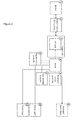
Fig.1 represents a flowchart of an example of a first embodiment of the proposed method and system. -
Fig. 2 represents a flowchart of an example of a second embodiment of the proposed method and system. -
Fig. 3 represents a flowchart of an example of a third embodiment of the proposed method and system. -
Fig. 4 represents a flowchart of an example of a scenario implementing the method - Aspects of the invention are directed to real time protection against unsolicited access to authentication known by a legitimate end-user.
- The principle is to integrate a security operations-exclusive device or components of hardware into an existing smartphone to give the end-user the illusion he is dealing with just one device. Security is improved while keeping extreme usability.
- The dedicated device is made of a hardware information presentation means (typically a display) and an input means (typically a tactile, pressure, gesture recognition) combined, driven and hardwired via dedicated microcontrollers to the
SIM card 3. For example, the display and input layers are on top of or below the existing layers, therefore being transparent from an end-user perspective (no second device) and convenient at the same time. Advantageously, the classic display does not fully overlap on the security dedicated display. - The secure mode can be initiated from the trusted operator that triggers the SIM card that itself i) drives the disabling of the regular display and input microcontrollers, (ii) enables the secure mode indicator 8 (if LED), (iii) enables its own display and input secure means - secure because with a dedicated microcontroller not shared with the smartphone regular devices that can be mastered by the attacker in the threat model explained above.
- To make the end-user aware he is receiving the legitimate, i.e. not tampered with information, at the initiative of the
SIM card 3 when triggered by the trusted operator any critical security operations is preceded with asecure mode indicator 8 to inform the end-user that he is actually receiving information from a trusted chain of elements that he can himself trust. Actually, the information displayed after thesecure mode indicator 8 is coming from a trusted chain of elements with few actors involved. - Further the first, second and third embodiments are non-limiting examples. They only illustrate several preferred implementations of the method. Thus, the description of the first, second and third embodiments can comprise features which must not be considered as limiting.
- According to a first embodiment shown in
figure 1 , there is described a combination of asecure mode indicator 8 that is preferably a LED or an indicator displayed on thededicated display layer 6, aSIM card 3 provided with the addition of application applets, software changes on theSIM card 3 with the addition of application applets, hardware changes on the smartphone using dedicated hardware such as aswitch 4, a dedicated microcontroller, adedicated display layer 6, and a dedicated input means 7 such as a tactile layer. - On the smartphone, the dedicated physical layer is used to display only some authentication information considered as critical via a
dedicated display layer 6 and to input authentication information via a dedicatedtactile layer 7. These layers may be added transparently to the end-user on top of existingdisplay 10 on their smartphones. - At a given point in time, there is only one active display and only one active tactile layer. This is exclusively managed by the
SIM card 3 preferably via aswitch 4 or "zone switch" and the new dedicated microcontroller 5 (Figure 1 , item 5) dedicated to drive thededicated display layer 6 and the dedicatedtactile layer 7 with information coming from the SIM card 3 (never from the OS) and to isolate theregular microcontroller 9 driven by the OS. - The
switch 4 or thededicated microcontroller 5 drives asecurity mode indicator 8 that may be a LED as illustrated inFigure 1 . - For instance, the
service 1 such as a bank requests the use of the invention to thetelecommunication operator 2 that uploads an applet on theSIM card 3 and triggers theSIM card 3. TheSIM card 3 may then send some message (APDU) that is translated by theswitch 4 into a set of actions. The set of actions may be as follows: - isolating the
regular microcontroller 9 that is indeed linked to thedisplay layer 10, which is a regular display, and to thetactile layer 11, - enabling the
dedicated microcontroller 5 that enables thededicated display layer 6 and the dedicatedtactile layer 7, - enabling the
secure mode indicator 8 during the whole transaction. - According to this first embodiment, wherein, when information is not authentication information, said hardware information presentation means 10 and said input means 11 are accessed by said
regular microcontroller 9, and when information is authentication information, an additional hardware information presentation means 6 and an additional input means 7 are exclusively accessed by saiddedicated microcontroller 5, said additional hardware information presentation means 6 displaying inputted information from said additional input means 7, , the method may further comprise a step of displaying the authentication information in a part of the touchscreen display where: - said hardware presentation mean 10 (or the touchscreen display layer which is not dedicated) cannot display anything (any information),
- said additional hardware presentation means 6 can display something (some information).
- This part of the touchscreen display is thus only implemented by the additional hardware presentation means 6. This is thus possible to know that the authentication information is secured because they are displayed in said part of the touchscreen display which is only covered by the additional hardware presentation means 6. Thus, it defines a
secure mode indicator 8. - According to this embodiment, said input means 11 may either be a keyboard or ,preferentially, a (first) touchscreen touch sensor layer and said additional input means 7 may either be a keyboard or preferentially, a second touchscreen touch sensor layer. Said hardware information presentation means 10 is a display layer, preferentially a touchscreen display layer, which displays inputted information which has not to be authenticated. Said additional hardware information presentation means 6 is a dedicated display layer, preferentially a second touchscreen display layer, which displays inputted information from said additional input means 7.
- In a second embodiment shown in
figure 2 , the principle is to have the dedicated physical layer to display, via thededicated display layer 6, only some critical information and this time to leverage the existing smartphone touchscreen touchsensor layer layer 11 to catch the end-user actions. This embodiment may be convenient from an industrialization/cost perspective. - The wiring between the
switch 4 and theregular microcontroller 9 is different: this time theswitch 4 is wired to the existingtouchscreen layer 11 to request it when the secure mode is triggered by theSIM card 3. - Classically, the
switch 4 simultaneously removes the access from the regular controller 9 (only one input at a time) to the touchscreentouch sensor layer 11. - According to this second embodiment, wherein, when information is not authentication information, said hardware information presentation means 10 and said input means 11 are accessed by said
regular microcontroller 9, and when information is authentication information, said input means 11 and an additional hardware information presentation means 6 are exclusively accessed by saiddedicated microcontroller 5, said additional hardware information presentation means 6 displaying inputted information from said input means 11, the method may further comprise a step of displaying the authentication information in a part of the touchscreen display where: - said hardware presentation mean 10 (or the touchscreen display layer which is not dedicated) cannot display anything (any information),
- said additional hardware presentation means 6 can display something (some information).
- Said part of the touchscreen display is thus only implemented by the additional hardware presentation means 6. This is thus possible to know that the authentication information are secured because they are displayed in said part of the touchscreen display which is only covered by the additional hardware presentation means 6. Thus, it defines a
secure mode indicator 8. - In a third embodiment, the principle is to share the existing smartphone touchscreen to display via a
touchscreen display layer 10 and catch the end-user actions via a touchscreentouch sensor layer 11. This embodiment is by nature the less secure because of the sharing, but may be convenient from an industrialization/cost perspective. - As known by the man skilled in the art, the wording "touchscreen display layer" and the wording "touchscreen touch sensor layer" are defined with reference to each other. In particular, the touchscreen display layer is defined as a hardware presentation means and the touchscreen touch sensor layer is defined as an input means in such a manner so that the touchscreen display layer displays inputted information which are typed on the touchscreen touch sensor layer. Thus, touchscreen display layer refers to function and components for displaying on the touchscreen and touchscreen touch sensor layer refers to function and components of the touchscreen for inputting information via the touchscreen.
- The wiring between the
switch 4 and theregular microcontroller 9 is different. Theswitch 4 is wired to the existing display andtactile layers switch 4 simultaneously removes the access from the regular controller 9 (only one input at a time) to thetouchscreen display layer 10 and to the touchscreentouch sensor layer 11. - According to this third embodiment, wherein, when information is not authentication information, said hardware information presentation means 10 and said input means 11 are accessed by said
regular microcontroller 9, and when information is authentication information, said input means 11 and said hardware information presentation means 10 are exclusively accessed by saiddedicated microcontroller 5, said hardware information presentation means 10 displaying inputted information from said input means 11. - Further features are alternative that may be applied to the principle of first, second and third embodiments.
- The
secure mode indicator 8 is fundamental to the solution. As two layers of display are combined, theregular display 10 and the security/confidential information display 6, it is fundamental to explicitly inform the end-user about which layer he is actually looking at a given point in time. It avoids phishing-type attacks that would try to make the end-user believe he is actually looking at trusted information and can safely give his inputs but he is just a victim of an attack perpetrated from the OS itself. Thisindicator 8 is active during the whole secure operation managed by theSIM card 3. Thesecure mode indicator 8 may alternatively be a dedicated hardware indicator such as a light-emitting diode (LED) that lights up when the secure layer is active, or a personalized and easy to remember component of information such as a drawing. - According to an embodiment, the
secure mode indicator 8 is avisible indicator 8 such as a LED exclusively driven and triggered by theSIM card 3 when a secure action/transaction starts. This involves thededicated microcontroller 5 driving this physical indicator. - According to an embodiment, a personalized
secure mode indicator 8 is used and is easy to remember information that is customized by the end-user and stored locally on theSIM card 3. The customization is done at least by the end-user at the bootstrap and after that, each time there is a secure mode handled by theSIM card 3, the personalizedsecure mode indicator 8 is displayed during the whole secure operation managed by theSIM card 3. In this case, there are two major stages: offline and online. - Offline, from a SIM card perspective: the SIM card manufacturer provisions the
SIM card 3 with a few secure mode indicators (e.g. pictures that can be considered as a secrets) and associated properties that can be applied to customize the secure mode indicator 8 (e.g. colors). - Online, bootstrap of the end-user device: once the end-user receives the
SIM card 3, he puts it inside the device such as his smartphone. When the smartphone boots, all the hardware is started and managed by the smartphone's operating system drivers except the dedicated hardware including the dedicateddisplay layer 6 and/or the dedicatedtactile layer 7. - At the first bootstrap of the smartphone, its OS will make a request for
SIM card 3 that first requires a PIN code to be unlocked. After this step, theSIM card 3 automatically connects to thededicated display layer 6 and to the dedicatedtactile layer 7 to start the customization of thesecure mode indicator 8. Once selected, the finalsecure mode indicator 8 is stored locally inside theSIM card 3. This secret is never shared nor is it transmitted over the air. - The proposed invention may involve software changes on the
SIM card 3. TheSIM card 3 is provisioned with applets to drive aswitch 4. The -
SIM card 3 is also provisioned with a dedicated application (applet) to handle the actual transaction display and sensing events. This application is audited and validated from a security perspective by the telco operator. The SIM application toolkit (3GPP TS 51.014 V4.5.0) is used to download over the air and store applications in the SIM card control, not in the smartphone OS. - The downloading is controlled by the telco provider and happens via SMS (short message service) transparently to the end-user.
- The proposed invention may include new hardware in addition to the regular device that may be used on any smartphone. For instance, the
switch 4 may or may not be combined to thededicated microcontroller 5 depending on the electronic design. The fundamental part is that theswitch 4 feature is driven exclusively from theSIM card 3 and takes precedence over theregular microcontroller 9. For integration purpose, we may have switches driven by the "new microcontroller" in between the regular layers and their own controllers if necessary to ensure there is only one active device at a time. We may use some alternative solutions such as a hardware switch that turn off the backlight of the regular display, an opacifier to make the regular screen opaque and make the secure one prevalent or a dedicated set of colors and fonts on the secure mode display. It is possible to use multiple SIM cards terminals to dedicate one of the SIM to the described invention. - The proposed invention may include a radio module which is typically accessed through a serial line, in this invention; we have a
switch 4 which is typically a programmable FPGA that arbitrates access to the radio module (and the SIM card 3). - According to the first embodiment, when the secure mode is requested remotely by the
telecommunication operator 2 through a special message,switch 4 activates the secure path through the step of redirecting serial lines from theregular microcontroller 9 to thededicated microcontroller 5. - According to the second embodiment, when the secure mode is requested remotely by the
telecommunication operator 2 through a special message,switch 4 activates the secure path through the step of redirecting serial lines and the input means from theregular microcontroller 9 to thededicated microcontroller 5. - According the third embodiment, when the secure mode is requested remotely by the
telecommunication operator 2 through a special message,switch 4 activates the secure path through the step of redirecting serial lines, the input means 11 and the hardware information presentation means 10 from the regular microcontroller to thededicated microcontroller 5 - As can be seen above, potential applications are transaction authentication, transaction authorization, authentication including with biometrics. Biometrics by nature does have a strong requirement on the trusted chain of elements because biometric information is persistent and once leaked is a severe issue. One example of biometric input our proposed invention can securely provide is an electronic signature.
- In what follows, there is described a scenario example in which there are personalized a
secure mode indicator 8, adedicated display layer 6, a dedicatedtactile layer 7 and aunique SIM card 3. - Offline, from a SIM card perspective:
- the SIM card manufacturer provisions the
SIM card 3 with a few Secure Mode Indicators (e.g. pictures that can be considered as secrets) and associated Properties that can be applied to customize the secure mode indicator 8 (e.g. colors). - Online, bootstrap of the end-user device:
- once the end-user receives the SIM card, he puts it inside the device such as his smartphone. When the smartphone boots, all the hardware is started and managed by the smartphone operating system drivers except the dedicated hardware including the
dedicated display 6. At the first bootstrap of the smartphone, its OS will make a request to theSIM card 3 that first requires a PIN code to be unlocked. After this step, theSIM card 3 automatically connects to the dedicated display andtactile layers secure mode indicator 8. Once selected, the finalsecure mode indicator 8 is stored locally inside theSIM card 3. This secret is never shared nor transmitted over the air. - Online, at the authentication stage when browsing on a web site (
Fig. 4 ): - when the end-user connects to a web site/application such as his bank (
Fig. 4 , step a) and authentication is triggered, the end-user is seamlessly redirected (Fig. 4 , step b) to an authentication server managed by thetelecommunication operator 2, that leverages credentials inside the SIM card 3 (according to the SIM application 3GPP TS 51.014 V4.5.0 capabilities - credentials and applications are previously securely downloaded over the air via the SIM application toolkit). - The operator server triggers
SIM card 3 authentication (Fig. 1 , step c) over the air. TheSIM card 3 pauses this request and triggers itself the first authentication step (Fig. 4 , step d), i.e. it retrieves personalized secure mode indicator 8 (CustCred.) and sends it to the dedicated Interactive display that displays it via the dedicated microcontroller 5 (Fig. 4 , step e). At this stage, the end-user checks against his memory that this is the correct CustCred that is displayed (Fig. 4 , step f). It gives him confidence that he is now interacting directly with theSIM card 3 via thededicated display 6. - Then the
SIM card 3 resumes the initial applicative authentication request (Fig. 1 , step g) and transmits the authenticationinteractive pad 7 to thededicated display 6 that displays it (Fig. 1 , step h). - The end-user types the e-commerce credential (
Fig. 1 , step i), that is transmitted (Fig. 1 , step j) to theSIM card 3 that checks with the operator server for its correctness (Fig. 1 , step k). - The result of this check is sent to the end-user via the dedicated display 6 (
Fig. 1 , steps 1-m) and also via the website that confirms or declines the final transaction (Fig. 1 , steps n-o). - Note that steps 0 to 4 are offline steps for the SIM card offline and online provisioning, as described previously.
Claims (15)
- A method for real time protection against unsolicited access to authentication information known by a legitimate end-user, the method comprising the following steps :- determining whether information coming from a telecommunication operator (2) have to be authenticated or not,- visually indicating, by a secure mode indicator (8), that said information coming from a telecommunication operator (2) is authentication information, said secure mode indicator (8) being driven by a SIM card (3),- enabling a regular microcontroller (9) when said information is not authentication information, said regular microcontroller (9) being driven by the SIM card (3), said regular microcontroller (9) being accessed by an operating system,- enabling a dedicated microcontroller (5) when said information is authentication information, said dedicated microcontroller (5) being driven by the SIM card (3),- presenting information by a hardware information presentation means (10),- inputting information by an input means (11),wherein, when information is not authentication information, said hardware information presentation means (10) and said input means (11) are accessed by said regular microcontroller (9), and when information is authentication information, the method implements one of the following steps :a) said hardware information presentation means (10) and said input means (11) are exclusively accessed by said dedicated microcontroller (5), or,b) said input means (11) and an additional hardware information presentation means (6) are exclusively accessed by said dedicated microcontroller (5), said additional hardware information presentation means (6) displaying inputted information from said input means (11), or,c) an additional hardware information presentation means (6) and an additional input means (7) are exclusively accessed by said dedicated microcontroller (5), said additional hardware information presentation means (6) displaying inputted information from said additional input means (7).
- The method according to claim 1 comprising the step a), wherein:- said hardware presentation means (10) is a touchscreen display layer,- said input means (11) is a touchscreen touch sensor layer, said touchscreen touch sensor layer (11) being implemented via said touchscreen display layer (10).
- The method according to claim 1 comprising the step b), wherein:- said hardware information presentation means (10) is a touchscreen display layer,- said additional hardware information presentation means is a dedicated display layer (6),- said input means (11) is a touchscreen touch sensor layer comprising keys, said touchscreen touch sensor layer (11) being implemented via said touchscreen display layer (10) or via said dedicated display layer (6), said keys of touchscreen touch sensor layer (11) being mixed when touchscreen touch sensor layer (11) is implemented via said dedicated display layer (6).
- The method according to claim 1 comprising the step c), wherein:- said input means (11) is a tactile layer (11), preferentially a touchscreen touch sensor layer,- said hardware information presentation means (10) is a display layer, preferentially a touchscreen display layer, which displays inputted information which has not to be authenticated,- said additional input means (7) is a dedicated tactile layer, preferentially a second touchscreen touch sensor layer,- said additional hardware information presentation means (6) is a dedicated display layer, preferentially a second touchscreen display layer, which displays inputted information from said dedicated tactile layer (7).
- The method according to claim 4, wherein said dedicated tactile layer (7) and said dedicated display layer (6) are, transparently to the end-user, added on top of said display layer (10).
- The method according to any one of claims 1 to 5, wherein the method comprises the following steps:- sending, from the SIM card (3), a message indicating whether information is authentication information or not to a switch (4),- isolating said regular microcontroller (9) from SIM card (3) via said switch (4),- enabling said dedicated microcontroller (5) via said switch (4),- enabling said secure mode indicator (8) via said switch (4).
- The method according to any one of claims 1 to 5, wherein the method comprises the following steps:- enabling said dedicated microcontroller (5) via a dedicated physical button that triggers or enforces the switching via a switch (4),- isolating said regular microcontroller (9) from SIM card (3) via said switch (4),- enabling said secure mode indicator (8) via said switch (4).
- The method according to any one of claims 4 or 5, wherein:- said dedicated display layer (6) and said dedicated tactile layer (7) are connected to said dedicated microcontroller (5),- said display layer (10) and said tactile layer (11) are connected to said regular microcontroller (9),- said dedicated microcontroller (5) and said regular microcontroller (9) are connected to a switch (4) which is connected to a SIM card (3) and which is driven by said SIM card (3), said switch (4) being connected at an output of the SIM card (3).
- The method according to claim 2, wherein:- said dedicated microcontroller (5) and said regular microcontroller (9) are connected to a switch (4) which is driven by said SIM card (3), said switch (4) being connected at an output of the SIM card (3),- said touchscreen display layer and said touchscreen touch sensor layer are connected to said switch (4) to be driven by said dedicated microcontroller (5) or by said regular microcontroller (9), the access of said regular microcontroller (9) to said touchscreen display layer and said touchscreen touch sensor layer being prevented by the switch (4) when dedicated microcontroller (5) is accessing the touchscreen display layer and the touchscreen touch sensor layer.
- The method according to claim 3, wherein:- said dedicated display layer (6) is connected to said dedicated microcontroller (5),- said touchscreen display layer is connected to said regular microcontroller (9),- said dedicated microcontroller (5) and said regular microcontroller (9) are connected to a switch (4) which is exclusively driven by said SIM card (3), said switch (4) being connected at an output of the SIM card (3),- said touchscreen touch sensor layer (11) is connected to said switch (4) to be driven by said dedicated microcontroller (5) or by said regular microcontroller (9), the access of said regular microcontroller (9) to said touchscreen touch sensor layer being prevented by the switch (4) when said dedicated microcontroller (5) is accessing the touchscreen touch sensor layer.
- The method according to any one of claims 3-5, 6 or 7 when depending on claims 3 or 4, 8 and 10, wherein the method comprises the step of displaying the secure mode indicator (8) into said dedicated display layer (6), the secure mode indicator (8) being a customized and easy to remember component of information which was previously stored locally inside the SIM card (3), the customized and easy to remember component of information being displayed during the whole secure operation managed by the SIM card (3).
- The method according to any one of claims 1 to 11, wherein said secure mode indicator (8) is a light-emitting diode connected and driven by the SIM card (3), the light-emitting diode being active during the whole secure operation managed by the SIM card (3).
- A computer program product comprising computer-executable instructions for performing a method according to any of the claims 1 to 12.
- A computer readable medium having a computer program comprising program instructions, the computer program being loadable into a data-processing unit and adapted to cause execution of the method according to any of the claims 1 to 12 when the computer program is run by the data-processing unit.
- A system for real time protection against unsolicited access to authentication information known by a legitimate end-user, the system comprising:- a SIM card (3) provided with a dedicated application adapted to drive a switch (4), said SIM card (3) being configured to determine whether information coming from a telecommunication operator (2) has to be authenticated or not,- a switch (4) adapted to be driven by the SIM card (3), said switch (4) being connected at an output of the SIM card (3), said switch (4) having a first position corresponding to information that has not to be authenticated and a second position corresponding to said authentication information,- a secure mode indicator (8) configured to indicate whether the switch (4) is in said second position, said secure mode indicator (8) being configured to be driven by the SIM card (3),- a regular microcontroller (9) connected at a first output of said switch (4), said regular microcontroller (9) being configured to be driven by the SIM card (3) and accessed by an operating system, said regular microcontroller (9) being arranged to be enabled when the switch (4) is in said first position,- a dedicated microcontroller (5) connected at a second output of said switch (4) or combined with a switch (4) so as to define one single electronic component, said dedicated microcontroller (5) being configured to be driven by the SIM card (3), said dedicated microcontroller (5) being configured to be enabled when the switch (4) is in said second position,- a hardware information presentation means (10),- an input means (11),said system being arranged so that:- when the switch (4) is in said first position, said hardware information presentation means (10) and said input means (11) are configured to be accessed by said regular microcontroller (9),- when the switch (4) is in said second position:∘ said hardware information presentation means (10) and said input means (11) are configured to be exclusively accessed by said dedicated microcontroller (5), or,∘ said input means (11) and an additional hardware information presentation means (6) are configured to be exclusively accessed by said dedicated microcontroller (5), said additional hardware information presentation means (6) being configured to display inputted information from said input means (11), or,∘ an additional hardware information presentation means (6) and an additional input means (7) are configured to be exclusively accessed by said dedicated microcontroller (5), said additional hardware information presentation means (6) being configured to display inputted information from said input means (7).
Priority Applications (1)
| Application Number | Priority Date | Filing Date | Title |
|---|---|---|---|
| EP15305729.4A EP3093790B1 (en) | 2015-05-13 | 2015-05-13 | Method for real time protection against unsolicited access to authentication information known by a legitimate end-user |
Applications Claiming Priority (1)
| Application Number | Priority Date | Filing Date | Title |
|---|---|---|---|
| EP15305729.4A EP3093790B1 (en) | 2015-05-13 | 2015-05-13 | Method for real time protection against unsolicited access to authentication information known by a legitimate end-user |
Publications (2)
| Publication Number | Publication Date |
|---|---|
| EP3093790A1 true EP3093790A1 (en) | 2016-11-16 |
| EP3093790B1 EP3093790B1 (en) | 2018-11-14 |
Family
ID=53191618
Family Applications (1)
| Application Number | Title | Priority Date | Filing Date |
|---|---|---|---|
| EP15305729.4A Active EP3093790B1 (en) | 2015-05-13 | 2015-05-13 | Method for real time protection against unsolicited access to authentication information known by a legitimate end-user |
Country Status (1)
| Country | Link |
|---|---|
| EP (1) | EP3093790B1 (en) |
Citations (3)
| Publication number | Priority date | Publication date | Assignee | Title |
|---|---|---|---|---|
| US8413209B2 (en) * | 2006-03-27 | 2013-04-02 | Telecom Italia S.P.A. | System for enforcing security policies on mobile communications devices |
| EP2648129A1 (en) * | 2011-12-02 | 2013-10-09 | Samsung Electronics Co., Ltd | Method and apparatus for securing touch input |
| WO2014057123A1 (en) * | 2012-10-12 | 2014-04-17 | Universitetet I Oslo | Multi-mode computer with selector |
-
2015
- 2015-05-13 EP EP15305729.4A patent/EP3093790B1/en active Active
Patent Citations (3)
| Publication number | Priority date | Publication date | Assignee | Title |
|---|---|---|---|---|
| US8413209B2 (en) * | 2006-03-27 | 2013-04-02 | Telecom Italia S.P.A. | System for enforcing security policies on mobile communications devices |
| EP2648129A1 (en) * | 2011-12-02 | 2013-10-09 | Samsung Electronics Co., Ltd | Method and apparatus for securing touch input |
| WO2014057123A1 (en) * | 2012-10-12 | 2014-04-17 | Universitetet I Oslo | Multi-mode computer with selector |
Also Published As
| Publication number | Publication date |
|---|---|
| EP3093790B1 (en) | 2018-11-14 |
Similar Documents
| Publication | Publication Date | Title |
|---|---|---|
| EP3830733B1 (en) | Personalized and cryptographically secure access control in trusted execution environment | |
| US8370899B2 (en) | Disposable browser for commercial banking | |
| EP2992477B1 (en) | User and system authentication in enterprise systems | |
| KR102233356B1 (en) | Mobile communication device and method of operating thereof | |
| CN110463161B (en) | Password state machine for accessing protected resources | |
| US8312520B2 (en) | Methods and systems to detect attacks on internet transactions | |
| EP3557835B1 (en) | Authorization credential migration method, terminal device and service server | |
| KR102485830B1 (en) | Processing for secure information | |
| CN113711211A (en) | First-factor contactless card authentication system and method | |
| US12361101B2 (en) | System, methods, and apparatus for mobile device security | |
| US20160330195A1 (en) | System and method for securing offline usage of a certificate by otp system | |
| US9332011B2 (en) | Secure authentication system with automatic cancellation of fraudulent operations | |
| EP4058921B1 (en) | Device and method for secure communication | |
| CN109033848A (en) | Storing data method for safe operation and system | |
| EP3651051A1 (en) | Systems and methods for a saas lens to view obfuscated content | |
| EP3093790B1 (en) | Method for real time protection against unsolicited access to authentication information known by a legitimate end-user | |
| EP2905714A1 (en) | Method of and device for securely entering user credentials | |
| US20180196929A1 (en) | Data input method, and electronic device and system for implementing the data input method | |
| WO2015078500A1 (en) | Method and system for secure execution of web applications for mobile devices | |
| Mooney et al. | Your guide to authenticating mobile devices | |
| HK40061631A (en) | First factor contactless card authentication system and method | |
| HK40054283A (en) | Personalized and cryptographically secure access control in trusted execution environment | |
| HK40054283B (en) | Personalized and cryptographically secure access control in trusted execution environment | |
| KR20130110331A (en) | System of user authentication for mobile device using secure operating system and method thereof |
Legal Events
| Date | Code | Title | Description |
|---|---|---|---|
| PUAI | Public reference made under article 153(3) epc to a published international application that has entered the european phase |
Free format text: ORIGINAL CODE: 0009012 |
|
| AK | Designated contracting states |
Kind code of ref document: A1 Designated state(s): AL AT BE BG CH CY CZ DE DK EE ES FI FR GB GR HR HU IE IS IT LI LT LU LV MC MK MT NL NO PL PT RO RS SE SI SK SM TR |
|
| AX | Request for extension of the european patent |
Extension state: BA ME |
|
| STAA | Information on the status of an ep patent application or granted ep patent |
Free format text: STATUS: REQUEST FOR EXAMINATION WAS MADE |
|
| 17P | Request for examination filed |
Effective date: 20170516 |
|
| RBV | Designated contracting states (corrected) |
Designated state(s): AL AT BE BG CH CY CZ DE DK EE ES FI FR GB GR HR HU IE IS IT LI LT LU LV MC MK MT NL NO PL PT RO RS SE SI SK SM TR |
|
| STAA | Information on the status of an ep patent application or granted ep patent |
Free format text: STATUS: EXAMINATION IS IN PROGRESS |
|
| 17Q | First examination report despatched |
Effective date: 20170807 |
|
| RAP1 | Party data changed (applicant data changed or rights of an application transferred) |
Owner name: ALCATEL LUCENT |
|
| GRAP | Despatch of communication of intention to grant a patent |
Free format text: ORIGINAL CODE: EPIDOSNIGR1 |
|
| STAA | Information on the status of an ep patent application or granted ep patent |
Free format text: STATUS: GRANT OF PATENT IS INTENDED |
|
| RIC1 | Information provided on ipc code assigned before grant |
Ipc: G06F 21/83 20130101ALI20180601BHEP Ipc: G06F 21/74 20130101AFI20180601BHEP Ipc: H04W 12/06 20090101ALN20180601BHEP Ipc: G06F 21/84 20130101ALI20180601BHEP Ipc: H04W 12/12 20090101ALI20180601BHEP |
|
| INTG | Intention to grant announced |
Effective date: 20180618 |
|
| GRAS | Grant fee paid |
Free format text: ORIGINAL CODE: EPIDOSNIGR3 |
|
| GRAA | (expected) grant |
Free format text: ORIGINAL CODE: 0009210 |
|
| STAA | Information on the status of an ep patent application or granted ep patent |
Free format text: STATUS: THE PATENT HAS BEEN GRANTED |
|
| AK | Designated contracting states |
Kind code of ref document: B1 Designated state(s): AL AT BE BG CH CY CZ DE DK EE ES FI FR GB GR HR HU IE IS IT LI LT LU LV MC MK MT NL NO PL PT RO RS SE SI SK SM TR |
|
| REG | Reference to a national code |
Ref country code: CH Ref legal event code: EP Ref country code: AT Ref legal event code: REF Ref document number: 1065711 Country of ref document: AT Kind code of ref document: T Effective date: 20181115 |
|
| REG | Reference to a national code |
Ref country code: DE Ref legal event code: R096 Ref document number: 602015019779 Country of ref document: DE |
|
| REG | Reference to a national code |
Ref country code: IE Ref legal event code: FG4D |
|
| REG | Reference to a national code |
Ref country code: NL Ref legal event code: MP Effective date: 20181114 |
|
| REG | Reference to a national code |
Ref country code: LT Ref legal event code: MG4D |
|
| REG | Reference to a national code |
Ref country code: AT Ref legal event code: MK05 Ref document number: 1065711 Country of ref document: AT Kind code of ref document: T Effective date: 20181114 |
|
| PG25 | Lapsed in a contracting state [announced via postgrant information from national office to epo] |
Ref country code: BG Free format text: LAPSE BECAUSE OF FAILURE TO SUBMIT A TRANSLATION OF THE DESCRIPTION OR TO PAY THE FEE WITHIN THE PRESCRIBED TIME-LIMIT Effective date: 20190214 Ref country code: IS Free format text: LAPSE BECAUSE OF FAILURE TO SUBMIT A TRANSLATION OF THE DESCRIPTION OR TO PAY THE FEE WITHIN THE PRESCRIBED TIME-LIMIT Effective date: 20190314 Ref country code: NO Free format text: LAPSE BECAUSE OF FAILURE TO SUBMIT A TRANSLATION OF THE DESCRIPTION OR TO PAY THE FEE WITHIN THE PRESCRIBED TIME-LIMIT Effective date: 20190214 Ref country code: HR Free format text: LAPSE BECAUSE OF FAILURE TO SUBMIT A TRANSLATION OF THE DESCRIPTION OR TO PAY THE FEE WITHIN THE PRESCRIBED TIME-LIMIT Effective date: 20181114 Ref country code: AT Free format text: LAPSE BECAUSE OF FAILURE TO SUBMIT A TRANSLATION OF THE DESCRIPTION OR TO PAY THE FEE WITHIN THE PRESCRIBED TIME-LIMIT Effective date: 20181114 Ref country code: LV Free format text: LAPSE BECAUSE OF FAILURE TO SUBMIT A TRANSLATION OF THE DESCRIPTION OR TO PAY THE FEE WITHIN THE PRESCRIBED TIME-LIMIT Effective date: 20181114 Ref country code: FI Free format text: LAPSE BECAUSE OF FAILURE TO SUBMIT A TRANSLATION OF THE DESCRIPTION OR TO PAY THE FEE WITHIN THE PRESCRIBED TIME-LIMIT Effective date: 20181114 Ref country code: ES Free format text: LAPSE BECAUSE OF FAILURE TO SUBMIT A TRANSLATION OF THE DESCRIPTION OR TO PAY THE FEE WITHIN THE PRESCRIBED TIME-LIMIT Effective date: 20181114 Ref country code: LT Free format text: LAPSE BECAUSE OF FAILURE TO SUBMIT A TRANSLATION OF THE DESCRIPTION OR TO PAY THE FEE WITHIN THE PRESCRIBED TIME-LIMIT Effective date: 20181114 |
|
| PG25 | Lapsed in a contracting state [announced via postgrant information from national office to epo] |
Ref country code: PT Free format text: LAPSE BECAUSE OF FAILURE TO SUBMIT A TRANSLATION OF THE DESCRIPTION OR TO PAY THE FEE WITHIN THE PRESCRIBED TIME-LIMIT Effective date: 20190314 Ref country code: NL Free format text: LAPSE BECAUSE OF FAILURE TO SUBMIT A TRANSLATION OF THE DESCRIPTION OR TO PAY THE FEE WITHIN THE PRESCRIBED TIME-LIMIT Effective date: 20181114 Ref country code: SE Free format text: LAPSE BECAUSE OF FAILURE TO SUBMIT A TRANSLATION OF THE DESCRIPTION OR TO PAY THE FEE WITHIN THE PRESCRIBED TIME-LIMIT Effective date: 20181114 Ref country code: GR Free format text: LAPSE BECAUSE OF FAILURE TO SUBMIT A TRANSLATION OF THE DESCRIPTION OR TO PAY THE FEE WITHIN THE PRESCRIBED TIME-LIMIT Effective date: 20190215 Ref country code: AL Free format text: LAPSE BECAUSE OF FAILURE TO SUBMIT A TRANSLATION OF THE DESCRIPTION OR TO PAY THE FEE WITHIN THE PRESCRIBED TIME-LIMIT Effective date: 20181114 Ref country code: RS Free format text: LAPSE BECAUSE OF FAILURE TO SUBMIT A TRANSLATION OF THE DESCRIPTION OR TO PAY THE FEE WITHIN THE PRESCRIBED TIME-LIMIT Effective date: 20181114 |
|
| PG25 | Lapsed in a contracting state [announced via postgrant information from national office to epo] |
Ref country code: CZ Free format text: LAPSE BECAUSE OF FAILURE TO SUBMIT A TRANSLATION OF THE DESCRIPTION OR TO PAY THE FEE WITHIN THE PRESCRIBED TIME-LIMIT Effective date: 20181114 Ref country code: PL Free format text: LAPSE BECAUSE OF FAILURE TO SUBMIT A TRANSLATION OF THE DESCRIPTION OR TO PAY THE FEE WITHIN THE PRESCRIBED TIME-LIMIT Effective date: 20181114 Ref country code: DK Free format text: LAPSE BECAUSE OF FAILURE TO SUBMIT A TRANSLATION OF THE DESCRIPTION OR TO PAY THE FEE WITHIN THE PRESCRIBED TIME-LIMIT Effective date: 20181114 Ref country code: IT Free format text: LAPSE BECAUSE OF FAILURE TO SUBMIT A TRANSLATION OF THE DESCRIPTION OR TO PAY THE FEE WITHIN THE PRESCRIBED TIME-LIMIT Effective date: 20181114 |
|
| REG | Reference to a national code |
Ref country code: DE Ref legal event code: R097 Ref document number: 602015019779 Country of ref document: DE |
|
| PG25 | Lapsed in a contracting state [announced via postgrant information from national office to epo] |
Ref country code: SM Free format text: LAPSE BECAUSE OF FAILURE TO SUBMIT A TRANSLATION OF THE DESCRIPTION OR TO PAY THE FEE WITHIN THE PRESCRIBED TIME-LIMIT Effective date: 20181114 Ref country code: EE Free format text: LAPSE BECAUSE OF FAILURE TO SUBMIT A TRANSLATION OF THE DESCRIPTION OR TO PAY THE FEE WITHIN THE PRESCRIBED TIME-LIMIT Effective date: 20181114 Ref country code: SK Free format text: LAPSE BECAUSE OF FAILURE TO SUBMIT A TRANSLATION OF THE DESCRIPTION OR TO PAY THE FEE WITHIN THE PRESCRIBED TIME-LIMIT Effective date: 20181114 Ref country code: RO Free format text: LAPSE BECAUSE OF FAILURE TO SUBMIT A TRANSLATION OF THE DESCRIPTION OR TO PAY THE FEE WITHIN THE PRESCRIBED TIME-LIMIT Effective date: 20181114 |
|
| PLBE | No opposition filed within time limit |
Free format text: ORIGINAL CODE: 0009261 |
|
| STAA | Information on the status of an ep patent application or granted ep patent |
Free format text: STATUS: NO OPPOSITION FILED WITHIN TIME LIMIT |
|
| 26N | No opposition filed |
Effective date: 20190815 |
|
| PG25 | Lapsed in a contracting state [announced via postgrant information from national office to epo] |
Ref country code: SI Free format text: LAPSE BECAUSE OF FAILURE TO SUBMIT A TRANSLATION OF THE DESCRIPTION OR TO PAY THE FEE WITHIN THE PRESCRIBED TIME-LIMIT Effective date: 20181114 |
|
| REG | Reference to a national code |
Ref country code: CH Ref legal event code: PL |
|
| PG25 | Lapsed in a contracting state [announced via postgrant information from national office to epo] |
Ref country code: CH Free format text: LAPSE BECAUSE OF NON-PAYMENT OF DUE FEES Effective date: 20190531 Ref country code: MC Free format text: LAPSE BECAUSE OF FAILURE TO SUBMIT A TRANSLATION OF THE DESCRIPTION OR TO PAY THE FEE WITHIN THE PRESCRIBED TIME-LIMIT Effective date: 20181114 Ref country code: LI Free format text: LAPSE BECAUSE OF NON-PAYMENT OF DUE FEES Effective date: 20190531 |
|
| REG | Reference to a national code |
Ref country code: BE Ref legal event code: MM Effective date: 20190531 |
|
| PG25 | Lapsed in a contracting state [announced via postgrant information from national office to epo] |
Ref country code: LU Free format text: LAPSE BECAUSE OF NON-PAYMENT OF DUE FEES Effective date: 20190513 |
|
| PG25 | Lapsed in a contracting state [announced via postgrant information from national office to epo] |
Ref country code: TR Free format text: LAPSE BECAUSE OF FAILURE TO SUBMIT A TRANSLATION OF THE DESCRIPTION OR TO PAY THE FEE WITHIN THE PRESCRIBED TIME-LIMIT Effective date: 20181114 |
|
| PG25 | Lapsed in a contracting state [announced via postgrant information from national office to epo] |
Ref country code: IE Free format text: LAPSE BECAUSE OF NON-PAYMENT OF DUE FEES Effective date: 20190513 |
|
| PG25 | Lapsed in a contracting state [announced via postgrant information from national office to epo] |
Ref country code: BE Free format text: LAPSE BECAUSE OF NON-PAYMENT OF DUE FEES Effective date: 20190531 |
|
| PG25 | Lapsed in a contracting state [announced via postgrant information from national office to epo] |
Ref country code: CY Free format text: LAPSE BECAUSE OF FAILURE TO SUBMIT A TRANSLATION OF THE DESCRIPTION OR TO PAY THE FEE WITHIN THE PRESCRIBED TIME-LIMIT Effective date: 20181114 |
|
| PG25 | Lapsed in a contracting state [announced via postgrant information from national office to epo] |
Ref country code: HU Free format text: LAPSE BECAUSE OF FAILURE TO SUBMIT A TRANSLATION OF THE DESCRIPTION OR TO PAY THE FEE WITHIN THE PRESCRIBED TIME-LIMIT; INVALID AB INITIO Effective date: 20150513 Ref country code: MT Free format text: LAPSE BECAUSE OF FAILURE TO SUBMIT A TRANSLATION OF THE DESCRIPTION OR TO PAY THE FEE WITHIN THE PRESCRIBED TIME-LIMIT Effective date: 20181114 |
|
| PG25 | Lapsed in a contracting state [announced via postgrant information from national office to epo] |
Ref country code: MK Free format text: LAPSE BECAUSE OF FAILURE TO SUBMIT A TRANSLATION OF THE DESCRIPTION OR TO PAY THE FEE WITHIN THE PRESCRIBED TIME-LIMIT Effective date: 20181114 |
|
| REG | Reference to a national code |
Ref country code: FR Ref legal event code: PLFP Year of fee payment: 9 |
|
| PGFP | Annual fee paid to national office [announced via postgrant information from national office to epo] |
Ref country code: DE Payment date: 20250402 Year of fee payment: 11 |
|
| PGFP | Annual fee paid to national office [announced via postgrant information from national office to epo] |
Ref country code: GB Payment date: 20250401 Year of fee payment: 11 |
|
| PGFP | Annual fee paid to national office [announced via postgrant information from national office to epo] |
Ref country code: FR Payment date: 20250401 Year of fee payment: 11 |