EP3089402A1 - Method and apparatus for grouping smart device in smart home system - Google Patents
Method and apparatus for grouping smart device in smart home system Download PDFInfo
- Publication number
- EP3089402A1 EP3089402A1 EP16161798.0A EP16161798A EP3089402A1 EP 3089402 A1 EP3089402 A1 EP 3089402A1 EP 16161798 A EP16161798 A EP 16161798A EP 3089402 A1 EP3089402 A1 EP 3089402A1
- Authority
- EP
- European Patent Office
- Prior art keywords
- smart device
- preset target
- target group
- group
- smart
- Prior art date
- Legal status (The legal status is an assumption and is not a legal conclusion. Google has not performed a legal analysis and makes no representation as to the accuracy of the status listed.)
- Granted
Links
Images




Classifications
-
- H—ELECTRICITY
- H04—ELECTRIC COMMUNICATION TECHNIQUE
- H04L—TRANSMISSION OF DIGITAL INFORMATION, e.g. TELEGRAPHIC COMMUNICATION
- H04L67/00—Network arrangements or protocols for supporting network services or applications
- H04L67/01—Protocols
- H04L67/10—Protocols in which an application is distributed across nodes in the network
- H04L67/104—Peer-to-peer [P2P] networks
- H04L67/1044—Group management mechanisms
- H04L67/1053—Group management mechanisms with pre-configuration of logical or physical connections with a determined number of other peers
-
- G—PHYSICS
- G05—CONTROLLING; REGULATING
- G05B—CONTROL OR REGULATING SYSTEMS IN GENERAL; FUNCTIONAL ELEMENTS OF SUCH SYSTEMS; MONITORING OR TESTING ARRANGEMENTS FOR SUCH SYSTEMS OR ELEMENTS
- G05B19/00—Program-control systems
- G05B19/02—Program-control systems electric
- G05B19/418—Total factory control, i.e. centrally controlling a plurality of machines, e.g. direct or distributed numerical control [DNC], flexible manufacturing systems [FMS], integrated manufacturing systems [IMS] or computer integrated manufacturing [CIM]
- G05B19/4185—Total factory control, i.e. centrally controlling a plurality of machines, e.g. direct or distributed numerical control [DNC], flexible manufacturing systems [FMS], integrated manufacturing systems [IMS] or computer integrated manufacturing [CIM] characterised by the network communication
- G05B19/41855—Total factory control, i.e. centrally controlling a plurality of machines, e.g. direct or distributed numerical control [DNC], flexible manufacturing systems [FMS], integrated manufacturing systems [IMS] or computer integrated manufacturing [CIM] characterised by the network communication by local area network [LAN], network structure
-
- H—ELECTRICITY
- H04—ELECTRIC COMMUNICATION TECHNIQUE
- H04L—TRANSMISSION OF DIGITAL INFORMATION, e.g. TELEGRAPHIC COMMUNICATION
- H04L12/00—Data switching networks
- H04L12/28—Data switching networks characterised by path configuration, e.g. LAN [Local Area Networks] or WAN [Wide Area Networks]
- H04L12/2803—Home automation networks
-
- G—PHYSICS
- G05—CONTROLLING; REGULATING
- G05B—CONTROL OR REGULATING SYSTEMS IN GENERAL; FUNCTIONAL ELEMENTS OF SUCH SYSTEMS; MONITORING OR TESTING ARRANGEMENTS FOR SUCH SYSTEMS OR ELEMENTS
- G05B15/00—Systems controlled by a computer
- G05B15/02—Systems controlled by a computer electric
-
- H—ELECTRICITY
- H04—ELECTRIC COMMUNICATION TECHNIQUE
- H04L—TRANSMISSION OF DIGITAL INFORMATION, e.g. TELEGRAPHIC COMMUNICATION
- H04L67/00—Network arrangements or protocols for supporting network services or applications
- H04L67/50—Network services
- H04L67/52—Network services specially adapted for the location of the user terminal
-
- G—PHYSICS
- G05—CONTROLLING; REGULATING
- G05B—CONTROL OR REGULATING SYSTEMS IN GENERAL; FUNCTIONAL ELEMENTS OF SUCH SYSTEMS; MONITORING OR TESTING ARRANGEMENTS FOR SUCH SYSTEMS OR ELEMENTS
- G05B2219/00—Program-control systems
- G05B2219/20—Pc systems
- G05B2219/26—Pc applications
- G05B2219/2642—Domotique, domestic, home control, automation, smart house
-
- G—PHYSICS
- G06—COMPUTING OR CALCULATING; COUNTING
- G06F—ELECTRIC DIGITAL DATA PROCESSING
- G06F15/00—Digital computers in general; Data processing equipment in general
- G06F15/16—Combinations of two or more digital computers each having at least an arithmetic unit, a program unit and a register, e.g. for a simultaneous processing of several programs
- G06F15/163—Interprocessor communication
- G06F15/173—Interprocessor communication using an interconnection network, e.g. matrix, shuffle, pyramid, star, snowflake
-
- G—PHYSICS
- G06—COMPUTING OR CALCULATING; COUNTING
- G06F—ELECTRIC DIGITAL DATA PROCESSING
- G06F15/00—Digital computers in general; Data processing equipment in general
- G06F15/16—Combinations of two or more digital computers each having at least an arithmetic unit, a program unit and a register, e.g. for a simultaneous processing of several programs
- G06F15/163—Interprocessor communication
- G06F15/173—Interprocessor communication using an interconnection network, e.g. matrix, shuffle, pyramid, star, snowflake
- G06F15/17337—Direct connection machines, e.g. completely connected computers, point to point communication networks
-
- G—PHYSICS
- G06—COMPUTING OR CALCULATING; COUNTING
- G06F—ELECTRIC DIGITAL DATA PROCESSING
- G06F17/00—Digital computing or data processing equipment or methods, specially adapted for specific functions
-
- G—PHYSICS
- G06—COMPUTING OR CALCULATING; COUNTING
- G06N—COMPUTING ARRANGEMENTS BASED ON SPECIFIC COMPUTATIONAL MODELS
- G06N5/00—Computing arrangements using knowledge-based models
Definitions
- the present disclosure relates to the field of smart device technologies, and more particularly, to a method and an apparatus for grouping a smart device in a smart home system.
- the application's developers will allow the user to classify his/her own smart devices according to rooms or device types. For example, in the application's interface, the user first sees different room names. After the user clicks on a certain room, the application will demonstrate those smart devices that are arranged in the current room. Such a solution is currently common, in which it is necessary for the user to manually group his/her own devices according to the rooms.
- Embodiments of the present disclosure provide a method and an apparatus for grouping a smart device in a smart home system, so as to achieve that the smart device can be automatically grouped according to the user's use habit.
- Grouping a smart device shall mean adding the smart device to a group of smart devices.
- a method for grouping a smart device in a smart home system which may be applied in a server.
- the method includes:
- grouping the smart device according to the preset target group includes:
- grouping the smart device according to the preset target group includes:
- the method prior to determining a preset target group corresponding to the smart device according to recorded historic operation information of the smart device, the method further includes:
- determining a preset target group corresponding to the smart device according to recorded historic operation information of the smart device includes:
- the method further includes:
- an apparatus for grouping a smart device in a smart home system included in a server.
- the apparatus includes:
- the grouping module includes:
- the grouping module includes:
- the apparatus further includes:
- the determining module includes:
- the apparatus further includes:
- an apparatus for grouping a smart device in a smart home system includes:
- the steps of the method for grouping a smart device in a smart home system are determined by computer program instructions.
- the invention is also directed to a computer program for executing the steps of a method for grouping a smart device in a smart home system as described above when this program is executed by a computer.
- This program can use any programming language and take the form of source code, object code or a code intermediate between source code and object code, such as a partially compiled form, or any other desirable form.
- the information medium can be any entity or device capable of storing the program.
- the support can include storage means such as a ROM, for example a CD ROM or a microelectronic circuit ROM, or magnetic storage means, for example a diskette (floppy disk) or a hard disk.
- the information medium can be an integrated circuit in which the program is incorporated, the circuit being adapted to execute the method in question or to be used in its execution.
- the non-grouped smart device can be automatically grouped or the grouped smart device can be regrouped.
- the user doesn't need to manually group smart devices one by one, thereby reducing the user's operations and improving the user's experience.
- a smart home system uses advanced computer technology, network communication technology, integrated wiring technology, integrates individual needs in accordance with the principles of ergonomics, and organically combines various subsystems related to home life such as security, lighting control, curtain control, gas valve control, information appliances, scene linkage, floor heating and the like, so as to realize a brand new "people-oriented" experience of home life through a comprehensive intelligent control and management via network.
- smart devices' statuses can be viewed and control commands can be performed remotely via applications installed on a terminal. After the number of smart devices increases, if the devices are not grouped reasonably, then when the user takes out a mobile phone and starts the application, the user will face a list including a large number of devices and usually spend fairly long time to find a concerned smart device.
- FIG. 1 is a flowchart illustrating a method for grouping a smart device in a smart home system according to an exemplary embodiment. As shown in FIG. 1 , the above method for grouping a smart device may be applied in a server of the smart home system, and may include the following steps.
- step S101 a preset target group corresponding to the smart device is determined according to recorded historic operation information of the smart device.
- the step S101 includes the following steps S301-S303.
- step S301 the historic operation information is analyzed, and user's operation habit information of the smart device is determined according to an analyzed result.
- the user's operation habit information can be determined according to the user's historic operation information. For example, from the user's daily historic operation information of the smart device, the time duration during which the user usually operates the smart device can be determined, that is, the user's operation habit information can be determined.
- a location of the smart device is predicted according to time information in the operation habit information.
- the operation habit information may include time information, i.e., the smart device is usually operated at what time, and thereby the likely location of the smart device can be predicted.
- the preset target group corresponding to the smart device is determined according to the location of the smart device.
- the location of the smart device is corresponding to the preset target group. For example, if the location of the smart device is the kitchen, then the preset group is the kitchen group; if the location is the living room, then the preset group is the living room group; if the location is the office, then the preset group is the office group.
- step S102 may be implemented in either one or both of the following two manners.
- the step S102 includes the following steps S401-S404.
- step S401 it is judged whether the smart device is a grouped smart device.
- the smart device is a grouped smart device, proceed to step S402; when the smart device is a non-grouped smart device, proceed to step S404.
- step S402 when the smart device is a grouped smart device, it is judged whether a current group to which the smart device belongs is consistent with the preset target group; if not consistent, proceed to step S403; if consistent, end the process.
- step S403 when a current group to which the smart device belongs is not consistent with the preset target group, the smart device is transferred from the current group to the preset target group.
- grouped smart devices according to the determined preset target group, grouped smart devices can be automatically regrouped.
- the grouping of smart devices is constantly updated according to the user's historic operation information, such that the grouping of smart devices is more adapted for the user's needs, facilitating the user to quickly find and operate the concerned smart device from a large number of smart devices in the device list.
- step S404 when the smart device is a non-grouped smart device, the smart device is added to the preset target group.
- the smart device For non-grouped smart devices, they can be automatically grouped according to the determined preset target group. As such, the user doesn't need to manually group smart devices one by one, thereby reducing the user's operations and improving the user's experience.
- the step S102 includes the following steps S501-S506.
- step S501 it is judged whether the smart device is a grouped smart device.
- the smart device is a grouped smart device, proceed to step S502; when the smart device is a non-grouped smart device, proceed to step S505.
- step S502 when the smart device is a grouped smart device, it is judged whether a current group to which the smart device belongs is consistent with the preset target group; if not consistent, proceed to step S503; if consistent, end the process.
- step S503 when a current group to which the smart device belongs is not consistent with the preset target group, regrouping prompt information is outputted to prompt a user whether to transfer the smart device from the current group to the preset target group.
- grouped smart devices For grouped smart devices, according to the determined preset target group, the user is prompted to regroup the grouped smart devices, and when the user selects to regroup, the smart devices can be regrouped. As such, whether to regroup smart devices is determined according to the user's selection, such that the grouping of smart devices is more adapted for the user's needs, facilitating the user to quickly find and operate the concerned smart device from a large number of smart devices in the device list.
- step S504 upon receiving an inputted instruction to transfer the smart device from the current group to the preset target group, a transferring operation corresponding to the instruction is performed.
- step S505 when the smart device is a non-grouped smart device, grouping prompt information is outputted to prompt the user whether to add the smart device to the preset target group.
- the grouping prompt information may be sent to a terminal device that is bound to the smart home system, and then displayed to the user via the terminal device. Alternatively, the grouping prompt information may be displayed on a user interface of the smart home system for the user to view.
- step S506 upon receiving an inputted instruction to add the smart device to the preset target group, an adding operation corresponding to the instruction is performed.
- the user is prompted to group the non-grouped smart devices, and when the user selects to group, the smart devices can be automatically grouped according to the preset target group.
- whether to group smart devices is determined according to the user's selection, such that the grouping of smart devices is more adapted for the user's needs, not only reducing the user's operations, but also facilitating the user to quickly find and operate the concerned smart device from a large number of smart devices in the device list.
- the method may further include the following steps S601-S602.
- step S601 at least one piece of operation information of the smart device that is inputted during a preset time duration is received and recorded.
- step S602 the at least one piece of operation information is taken as the historic operation information.
- the user's at least one piece of operation information of the smart device during a preset time duration is taken as the historic operation information.
- the user's operation information of the smart device within five days is taken as the historic record.
- the preset target group can be determined according to the operation information within the five days.
- the above preset time duration may be preset by the system, or may be set by the user according to his/her own needs.
- FIG. 7 is a block diagram illustrating an apparatus for grouping a smart device in a smart home system according to an exemplary embodiment. As shown in FIG. 7 , the apparatus for grouping a smart device in a smart home system according to an exemplary embodiment of the present disclosure is applied in a server, and includes:
- the grouping module 72 includes:
- the grouping module 72 includes:
- the apparatus further includes:
- the determining module 71 includes:
- the apparatus further includes:
- an apparatus for grouping a smart device in a smart home system includes:
- the processor may further be configured as:
- the processor may further be configured as:
- the processor may further be configured as:
- the processor may further be configured as:
- the processor may further be configured to:
- FIG. 13 is a block diagram illustrating an apparatus 1200 for grouping a smart device according to an exemplary embodiment.
- the apparatus may be applied in a terminal device.
- the apparatus 1200 may be a mobile phone, a computer, a digital broadcast terminal, a messaging device, a gaming console, a tablet, a medical device, exercise equipment, a personal digital assistant, and the like.
- the apparatus 1200 may include one or more of the following components: a processing component 1202, a memory 1204, a power component 1206, a multimedia component 1208, an audio component 1210, an input/output (I/O) interface 1212, a sensor component 1214, and a communication component 1216.
- a processing component 1202 a memory 1204, a power component 1206, a multimedia component 1208, an audio component 1210, an input/output (I/O) interface 1212, a sensor component 1214, and a communication component 1216.
- the processing component 1202 typically controls overall operations of the apparatus 1200, such as the operations associated with display, telephone calls, data communications, camera operations, and recording operations.
- the processing component 1202 may include one or more processors 1220 to execute instructions to perform all or a part of the steps in the above-described methods.
- the processing component 1202 may include one or more modules which facilitate the interaction between the processing component 1202 and other components.
- the processing component 1202 may include a multimedia module to facilitate the interaction between the multimedia component 1208 and the processing component 1202.
- the memory 1204 is configured to store various types of data to support the operations of the apparatus 1200. Examples of such data include instructions for any application or method operated on the apparatus 1200, contact data, phonebook data, messages, pictures, videos, and the like.
- the memory 1204 may be implemented using any type of volatile or non-volatile memory devices, or a combination thereof, such as a static random access memory (SRAM), an electrically erasable programmable read-only memory (EEPROM), an erasable programmable read-only memory (EPROM), a programmable read-only memory (PROM), a read-only memory (ROM), a magnetic memory, a flash memory, a magnetic or optical disk.
- SRAM static random access memory
- EEPROM electrically erasable programmable read-only memory
- EPROM erasable programmable read-only memory
- PROM programmable read-only memory
- ROM read-only memory
- magnetic memory a magnetic memory
- flash memory a flash memory
- magnetic or optical disk
- the power component 1206 provides power to various components of the apparatus 1200.
- the power component 1206 may include a power management system, one or more power supplies, and other components associated with the generation, management, and distribution of power in the apparatus 1200.
- the multimedia component 1208 includes a screen providing an output interface between the apparatus 1200 and the user.
- the screen may include a liquid crystal display (LCD) and a touch panel (TP). If the screen includes the touch panel, the screen may be implemented as a touch screen to receive input signals from the user.
- the touch panel includes one or more touch sensors to sense touches, swipes, and gestures on the touch panel. The touch sensors may not only sense a boundary of a touch or swipe action, but also sense a period of time and a pressure associated with the touch or swipe action.
- the multimedia component 1208 includes a front camera and/or a rear camera. The front camera and/or the rear camera may receive external multimedia data while the apparatus 1200 is in an operation mode, such as a photographing mode or a video mode. Each of the front camera and the rear camera may be a fixed optical lens system or have focus and optical zoom capability.
- the audio component 1210 is configured to output and/or input audio signals.
- the audio component 1210 includes a microphone (MIC) configured to receive an external audio signal when the apparatus 1200 is in an operation mode, such as a call mode, a recording mode, or a voice recognition mode.
- the received audio signal may be further stored in the memory 1204 or transmitted via the communication component 1216.
- the audio component 1210 further includes a speaker to output audio signals.
- the I/O interface 1212 provides an interface between the processing component 1202 and a peripheral interface module, such as a keyboard, a click wheel, a button, or the like.
- a peripheral interface module such as a keyboard, a click wheel, a button, or the like.
- the buttons may include, but are not limited to, a home button, a volume button, a starting button, and a locking button.
- the sensor component 1214 includes one or more sensors to provide status assessments of various aspects of the apparatus 1200.
- the sensor component 1214 may detect an open/closed status of the apparatus 1200, relative positioning of components, e.g., the display and the keypad, of the apparatus 1200, a change in position of the apparatus 1200 or a component of the apparatus 1200, a presence or absence of user contact with the apparatus 1200, an orientation or an acceleration/deceleration of the apparatus 1200, and a change in temperature of the apparatus 1200.
- the sensor component 1214 may include a proximity sensor configured to detect the presence of nearby objects without any physical contact.
- the sensor component 1214 may also include a light sensor, such as a CMOS or CCD image sensor, for use in imaging applications.
- the sensor component 1214 may also include an accelerometer sensor, a gyroscope sensor, a magnetic sensor, a pressure sensor, or a temperature sensor.
- the communication component 1216 is configured to facilitate communications, wired or wirelessly, between the apparatus 1200 and other devices.
- the apparatus 1200 may access a wireless network based on a communication standard, such as WiFi, 2G, or 3G, or a combination thereof.
- the communication component 1216 receives a broadcast signal or broadcast associated notification information from an external broadcast management system via a broadcast channel.
- the communication component 1216 further includes a near field communication (NFC) module to facilitate short-range communications.
- the NFC module may be implemented based on a radio frequency identification (RFID) technology, an infrared data association (IrDA) technology, an ultra-wideband (UWB) technology, a Bluetooth (BT) technology, and other technologies.
- RFID radio frequency identification
- IrDA infrared data association
- UWB ultra-wideband
- BT Bluetooth
- the apparatus 1200 may be implemented with one or more application specific integrated circuits (ASICs), digital signal processors (DSPs), digital signal processing devices (DSPDs), programmable logic devices (PLDs), field programmable gate arrays (FPGAs), controllers, micro-controllers, microprocessors, or other electronic components, for performing the above-described methods.
- ASICs application specific integrated circuits
- DSPs digital signal processors
- DSPDs digital signal processing devices
- PLDs programmable logic devices
- FPGAs field programmable gate arrays
- controllers micro-controllers, microprocessors, or other electronic components, for performing the above-described methods.
- non-transitory computer-readable storage medium including instructions, such as included in the memory 1204, executable by the processor 1220 in the apparatus 1200, for performing the above-described methods.
- the non-transitory computer-readable storage medium may be a ROM, a random access memory (RAM), a compact disc read-only memory (CD-ROM), a magnetic tape, a floppy disc, an optical data storage device, or the like.
Landscapes
- Engineering & Computer Science (AREA)
- Computer Networks & Wireless Communication (AREA)
- Signal Processing (AREA)
- Automation & Control Theory (AREA)
- Physics & Mathematics (AREA)
- General Engineering & Computer Science (AREA)
- General Physics & Mathematics (AREA)
- Mathematical Physics (AREA)
- Theoretical Computer Science (AREA)
- Computing Systems (AREA)
- Manufacturing & Machinery (AREA)
- Quality & Reliability (AREA)
- Selective Calling Equipment (AREA)
- User Interface Of Digital Computer (AREA)
- Telephone Function (AREA)
- Management, Administration, Business Operations System, And Electronic Commerce (AREA)
- Telephonic Communication Services (AREA)
Abstract
Description
- The present disclosure relates to the field of smart device technologies, and more particularly, to a method and an apparatus for grouping a smart device in a smart home system.
- Nowadays, as high-tech technology is widely used in people's lives, smart home gradually steps into people's vision, more and more smart hardware and consumer electronic products have been purchased and used by users. For this kind of products, device statuses can be viewed and control commands can be performed remotely via applications installed on mobile phones. As the number of devices increases, if the devices are not grouped reasonably, then when the user takes out the mobile phone and starts the application, the user will face a list including a large number of devices and usually spend fairly long time to find a concerned device.
- Typically, the application's developers will allow the user to classify his/her own smart devices according to rooms or device types. For example, in the application's interface, the user first sees different room names. After the user clicks on a certain room, the application will demonstrate those smart devices that are arranged in the current room. Such a solution is currently common, in which it is necessary for the user to manually group his/her own devices according to the rooms.
- Embodiments of the present disclosure provide a method and an apparatus for grouping a smart device in a smart home system, so as to achieve that the smart device can be automatically grouped according to the user's use habit.
- Grouping a smart device shall mean adding the smart device to a group of smart devices.
- According to a first aspect of embodiments of the present disclosure, a method for grouping a smart device in a smart home system is provided, which may be applied in a server. The method includes:
- determining a preset target group corresponding to the smart device according to recorded historic operation information of the smart device; and
- grouping the smart device according to the preset target group.
- In one embodiment, grouping the smart device according to the preset target group includes:
- judging whether the smart device is a grouped smart device;
- when the smart device is a grouped smart device, judging whether a current group to which the smart device belongs is consistent with the preset target group, and if not, transferring the smart device from the current group to the preset target group; and
- when the smart device is a non-grouped smart device, adding the smart device to the preset target group.
- In one embodiment, grouping the smart device according to the preset target group includes:
- judging whether the smart device is a grouped smart device;
- when the smart device is a grouped smart device, judging whether a current group to which the smart device belongs is consistent with the preset target group, and if not, outputting regrouping prompt information to prompt a user whether to transfer the smart device from the current group to the preset target group; upon receiving an inputted instruction to transfer the smart device from the current group to the preset target group, performing a transferring operation corresponding to the instruction; and
- when the smart device is a non-grouped smart device, outputting grouping prompt information to prompt the user whether to add the smart device to the preset target group; upon receiving an inputted instruction to add the smart device to the preset target group, performing an adding operation corresponding to the instruction.
- In one embodiment, prior to determining a preset target group corresponding to the smart device according to recorded historic operation information of the smart device, the method further includes:
- receiving and recording at least one piece of operation information of the smart device that is inputted during a preset time duration; and
- taking the at least one piece of operation information as the historic operation information.
- In one embodiment, determining a preset target group corresponding to the smart device according to recorded historic operation information of the smart device includes:
- analyzing the historic operation information, and determining user's operation habit information of the smart device according to result of the analysis;
- predicting a location of the smart device according to time information in the operation habit information; and
- determining the preset target group corresponding to the smart device according to the location of the smart device.
- In one embodiment, the method further includes:
- setting a preset group according to a setting command received.
- According to a second aspect of embodiments of the present disclosure, an apparatus for grouping a smart device in a smart home system is provided, included in a server. The apparatus includes:
- a determining module, configured to determine a preset target group corresponding to the smart device according to recorded historic operation information of the smart device; and
- a grouping module, configured to group the smart device according to the preset target group.
- In one embodiment, the grouping module includes:
- a judging submodule, configured to judge whether the smart device is a grouped smart device;
- a transferring submodule, configured to, when the smart device is a grouped smart device, judge whether a current group to which the smart device belongs is consistent with the preset target group, and if not, transfer the smart device from the current group to the preset target group; and
- an adding submodule, configured to, when the smart device is a non-grouped smart device, add the smart device to the preset target group.
- In one embodiment, the grouping module includes:
- a first judging submodule, configured to judge whether the smart device is a grouped smart device;
- a second judging submodule, configured to, when the smart device is a grouped smart device, judge whether a current group to which the smart device belongs is consistent with the preset target group;
- a first prompting submodule, configured to, when a current group to which the smart device belongs is not consistent with the preset target group, output regrouping prompt information to prompt a user whether to transfer the smart device from the current group to the preset target group;
- a first performing submodule, configured to, upon receiving an inputted instruction to transfer the smart device from the current group to the preset target group, perform a transferring operation corresponding to the instruction;
- a second prompting submodule, configured to, when the smart device is a non-grouped smart device, output grouping prompt information to prompt the user whether to add the smart device to the preset target group; and
- a second performing submodule, configured to, upon receiving an inputted instruction to add the smart device to the preset target group, perform an adding operation corresponding to the instruction.
- In one embodiment, the apparatus further includes:
- a recording module, configured to receive and record at least one piece of operation information of the smart device that is inputted during a preset time duration; and
- a processing module, configured to take the at least one piece of operation information as the historic operation information.
- In one embodiment, the determining module includes:
- an analyzing submodule, configured to analyze the historic operation information, and determine user's operation habit information of the smart device according to an analyzed result;
- a predicting submodule, configured to predict a location of the smart device according to time information in the operation habit information; and
- a group determining submodule, configured to determine the preset target group corresponding to the smart device according to the location of the smart device.
- In one embodiment, the apparatus further includes:
- a setting module, configured to set a preset group according to a setting command received.
- According to a third aspect of embodiments of the present disclosure, an apparatus for grouping a smart device in a smart home system is provided. The apparatus includes:
- a processor; and
- a memory for storing instructions executable by the processor;
- determine a preset target group corresponding to the smart device according to recorded historic operation information of the smart device; and
- group the smart device according to the preset target group.
- In one particular embodiment, the steps of the method for grouping a smart device in a smart home system are determined by computer program instructions.
- Consequently, according to a fourth aspect, the invention is also directed to a computer program for executing the steps of a method for grouping a smart device in a smart home system as described above when this program is executed by a computer.
- This program can use any programming language and take the form of source code, object code or a code intermediate between source code and object code, such as a partially compiled form, or any other desirable form.
- The invention is also directed to a computer-readable information medium containing instructions of a computer program as described above.
- The information medium can be any entity or device capable of storing the program. For example, the support can include storage means such as a ROM, for example a CD ROM or a microelectronic circuit ROM, or magnetic storage means, for example a diskette (floppy disk) or a hard disk.
- Alternatively, the information medium can be an integrated circuit in which the program is incorporated, the circuit being adapted to execute the method in question or to be used in its execution.
- The technical solutions provided in the embodiments of the present disclosure may achieve at least the following beneficial effects.
- The above technical solutions can achieve that according to the user's daily operation habit of the smart device, the non-grouped smart device can be automatically grouped or the grouped smart device can be regrouped. As such, the user doesn't need to manually group smart devices one by one, thereby reducing the user's operations and improving the user's experience.
- It shall be appreciated that the above general description and the detailed description hereinafter are only illustrative and interpretative, but not for limiting the present disclosure.
- The accompanying drawings herein, which are incorporated into and constitute a part of the specification, illustrate embodiments consistent with the present disclosure, and together with the description, serve to explain the principles of the present disclosure.
-
FIG. 1 is a flowchart illustrating a method for grouping a smart device in a smart home system according to an exemplary embodiment; -
FIG. 2 is a flowchart illustrating another method for grouping a smart device in a smart home system according to an exemplary embodiment; -
FIG. 3 is a flowchart illustrating an implementation of step S101 according to another exemplary embodiment; -
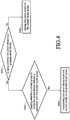
FIG. 4 is a flowchart illustrating an implementation of step S102 according to another exemplary embodiment; -
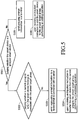
FIG. 5 is a flowchart illustrating another implementation of step S102 according to another exemplary embodiment; -
FIG. 6 is a flowchart illustrating still another method for grouping a smart device in a smart home system according to another exemplary embodiment; -
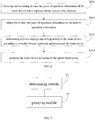
FIG. 7 is a block diagram illustrating an apparatus for grouping a smart device in a smart home system according to an exemplary embodiment; -
FIG. 8 is a block diagram illustrating a grouping module in an apparatus for grouping a smart device in a smart home system according to another exemplary embodiment; -
FIG. 9 is a block diagram illustrating another grouping module in an apparatus for grouping a smart device in a smart home system according to another exemplary embodiment; -
FIG. 10 is a block diagram illustrating still another apparatus for grouping a smart device in a smart home system according to another exemplary embodiment; -
FIG. 11 is a structural diagram illustrating a determining module in an apparatus for grouping a smart device in a smart home system according to another exemplary embodiment; -
FIG. 12 is a block diagram illustrating still another apparatus for grouping a smart device in a smart home system according to another exemplary embodiment; and -
FIG. 13 is a block diagram illustrating an apparatus adapted for grouping a smart device in a smart home system according to an exemplary embodiment. - Reference will now be made in detail to exemplary embodiments, examples of which are illustrated in the accompanying drawings. The following description refers to the accompanying drawings in which the same numbers in different drawings represent the same or similar elements unless otherwise represented. The implementations set forth in the following description of exemplary embodiments do not represent all implementations consistent with the present disclosure. Instead, they are merely examples of apparatuses and methods consistent with aspects related to the present disclosure as recited in the appended claims.
- A smart home system uses advanced computer technology, network communication technology, integrated wiring technology, integrates individual needs in accordance with the principles of ergonomics, and organically combines various subsystems related to home life such as security, lighting control, curtain control, gas valve control, information appliances, scene linkage, floor heating and the like, so as to realize a brand new "people-oriented" experience of home life through a comprehensive intelligent control and management via network. In the smart home system, generally, smart devices' statuses can be viewed and control commands can be performed remotely via applications installed on a terminal. After the number of smart devices increases, if the devices are not grouped reasonably, then when the user takes out a mobile phone and starts the application, the user will face a list including a large number of devices and usually spend fairly long time to find a concerned smart device.
-
FIG. 1 is a flowchart illustrating a method for grouping a smart device in a smart home system according to an exemplary embodiment. As shown inFIG. 1 , the above method for grouping a smart device may be applied in a server of the smart home system, and may include the following steps. - In step S101, a preset target group corresponding to the smart device is determined according to recorded historic operation information of the smart device.
- In step S102, the smart device is grouped according to the preset target group.
- In the above embodiment, the preset target group corresponding to the smart device is determined according to historic operation information of the smart device. As such, the preset target group of the smart device is automatically determined, and the smart device is grouped according to the preset target group. Thus, the user doesn't need to artificially determine the group and manually group smart devices, thereby reducing the user's operations and improving the user's experience.
- The preset group may be preset by the system, or may be set by the user according to his/her own needs. If it is set by the user, then as shown in
FIG. 2 , prior to the step S101, the above method may further include step S201, in which a preset group is set according to a setting command received. Thereby, various needs of the user can be satisfied. For example, the user may, in accordance with the actual needs and according to the room location, set up groups such as a bedroom group, a living room group, a kitchen group, a bathroom group, an office group, etc. - As shown in
FIG. 3 , in one embodiment, the step S101 includes the following steps S301-S303. - In step S301, the historic operation information is analyzed, and user's operation habit information of the smart device is determined according to an analyzed result. In this embodiment, the user's operation habit information can be determined according to the user's historic operation information. For example, from the user's daily historic operation information of the smart device, the time duration during which the user usually operates the smart device can be determined, that is, the user's operation habit information can be determined.
- In step S302, a location of the smart device is predicted according to time information in the operation habit information. In this embodiment, the operation habit information may include time information, i.e., the smart device is usually operated at what time, and thereby the likely location of the smart device can be predicted. For example, when it is found that the user often turns off a lamp at around 10:00 p.m., and the lamp is the last one to be closed, then it can be predicted that the lamp may belong to the bedroom in the house; if it is found that the user often operates a local curtain during working hours in weekdays, then it can be predicted that the curtain may belong to the office; if it is found that a range hood is often turned on at around 7:00 p.m., then it can be predicted that the range hood may belong to the kitchen.
- In step S303, the preset target group corresponding to the smart device is determined according to the location of the smart device. The location of the smart device is corresponding to the preset target group. For example, if the location of the smart device is the kitchen, then the preset group is the kitchen group; if the location is the living room, then the preset group is the living room group; if the location is the office, then the preset group is the office group.
- In one embodiment, the above step S102 may be implemented in either one or both of the following two manners.
- As shown in
FIG. 4 , in one embodiment, the step S102 includes the following steps S401-S404. - In step S401, it is judged whether the smart device is a grouped smart device. When the smart device is a grouped smart device, proceed to step S402; when the smart device is a non-grouped smart device, proceed to step S404.
- In step S402, when the smart device is a grouped smart device, it is judged whether a current group to which the smart device belongs is consistent with the preset target group; if not consistent, proceed to step S403; if consistent, end the process.
- In step S403, when a current group to which the smart device belongs is not consistent with the preset target group, the smart device is transferred from the current group to the preset target group. For grouped smart devices, according to the determined preset target group, grouped smart devices can be automatically regrouped. As such, the grouping of smart devices is constantly updated according to the user's historic operation information, such that the grouping of smart devices is more adapted for the user's needs, facilitating the user to quickly find and operate the concerned smart device from a large number of smart devices in the device list.
- In step S404, when the smart device is a non-grouped smart device, the smart device is added to the preset target group. For non-grouped smart devices, they can be automatically grouped according to the determined preset target group. As such, the user doesn't need to manually group smart devices one by one, thereby reducing the user's operations and improving the user's experience.
- As shown in
FIG. 5 , in one embodiment, the step S102 includes the following steps S501-S506. - In step S501, it is judged whether the smart device is a grouped smart device. When the smart device is a grouped smart device, proceed to step S502; when the smart device is a non-grouped smart device, proceed to step S505.
- In step S502, when the smart device is a grouped smart device, it is judged whether a current group to which the smart device belongs is consistent with the preset target group; if not consistent, proceed to step S503; if consistent, end the process.
- In step S503, when a current group to which the smart device belongs is not consistent with the preset target group, regrouping prompt information is outputted to prompt a user whether to transfer the smart device from the current group to the preset target group.
- For grouped smart devices, according to the determined preset target group, the user is prompted to regroup the grouped smart devices, and when the user selects to regroup, the smart devices can be regrouped. As such, whether to regroup smart devices is determined according to the user's selection, such that the grouping of smart devices is more adapted for the user's needs, facilitating the user to quickly find and operate the concerned smart device from a large number of smart devices in the device list.
- In step S504, upon receiving an inputted instruction to transfer the smart device from the current group to the preset target group, a transferring operation corresponding to the instruction is performed.
- In step S505, when the smart device is a non-grouped smart device, grouping prompt information is outputted to prompt the user whether to add the smart device to the preset target group.
- The grouping prompt information may be sent to a terminal device that is bound to the smart home system, and then displayed to the user via the terminal device. Alternatively, the grouping prompt information may be displayed on a user interface of the smart home system for the user to view.
- In step S506, upon receiving an inputted instruction to add the smart device to the preset target group, an adding operation corresponding to the instruction is performed.
- As such, according to the determined preset target group, the user is prompted to group the non-grouped smart devices, and when the user selects to group, the smart devices can be automatically grouped according to the preset target group. As such, whether to group smart devices is determined according to the user's selection, such that the grouping of smart devices is more adapted for the user's needs, not only reducing the user's operations, but also facilitating the user to quickly find and operate the concerned smart device from a large number of smart devices in the device list.
- As shown in
FIG. 6 , in one embodiment, prior to the step S102, the method may further include the following steps S601-S602. - In step S601, at least one piece of operation information of the smart device that is inputted during a preset time duration is received and recorded.
- In step S602, the at least one piece of operation information is taken as the historic operation information.
- In the above embodiment, the user's at least one piece of operation information of the smart device during a preset time duration is taken as the historic operation information. For example, the user's operation information of the smart device within five days is taken as the historic record. As such, the preset target group can be determined according to the operation information within the five days. The above preset time duration may be preset by the system, or may be set by the user according to his/her own needs.
-
FIG. 7 is a block diagram illustrating an apparatus for grouping a smart device in a smart home system according to an exemplary embodiment. As shown inFIG. 7 , the apparatus for grouping a smart device in a smart home system according to an exemplary embodiment of the present disclosure is applied in a server, and includes: - a determining
module 71, configured to determine a preset target group corresponding to the smart device according to recorded historic operation information of the smart device; and - a
grouping module 72, configured to group the smart device according to the preset target group. - As shown in
FIG. 8 , in one embodiment, thegrouping module 72 includes: - a judging
submodule 81, configured to judge whether the smart device is a grouped smart device; - a transferring
submodule 82, configured to, when the smart device is a grouped smart device, transfer the smart device from the current group to the preset target group; and - an adding
submodule 83, configured to, when the smart device is a non-grouped smart device, add the smart device to the preset target group. - As shown in
FIG. 9 , in another embodiment, thegrouping module 72 includes: - a first judging
submodule 91, configured to judge whether the smart device is a grouped smart device; - a second judging
submodule 92, configured to, when the smart device is a grouped smart device, judge whether a current group to which the smart device belongs is consistent with the preset target group; - a first prompting
submodule 93, configured to, when a current group to which the smart device belongs is not consistent with the preset target group, output regrouping prompt information to prompt a user whether to transfer the smart device from the current group to the preset target group; - a first performing
submodule 94, configured to, upon receiving an inputted instruction to transfer the smart device from the current group to the preset target group, perform a transferring operation corresponding to the instruction; - a
second prompting submodule 95, configured to, when the smart device is a non-grouped smart device, output grouping prompt information to prompt the user whether to add the smart device to the preset target group; and - a second performing
submodule 96, configured to, upon receiving an inputted instruction to add the smart device to the preset target group, perform an adding operation corresponding to the instruction. - As shown in
FIG. 10 , in one embodiment, the apparatus further includes: - a
recording module 101, configured to receive and record at least one piece of operation information of the smart device that is inputted during a preset time duration; and - a
processing module 102, configured to take the at least one piece of operation information as the historic operation information. - As shown in
FIG. 11 , in one embodiment, the determiningmodule 71 includes: - an analyzing
submodule 1101, configured to analyze the historic operation information, and determine user's operation habit information of the smart device according to an analyzed result; - a predicting
submodule 1102, configured to predict a location of the smart device according to time information in the operation habit information; and - a group determining submodule 1103, configured to determine the preset target group corresponding to the smart device according to the location of the smart device.
- As shown in
FIG. 12 , in one embodiment, the apparatus further includes: - a
setting module 1201, configured to set a preset group according to a setting command received. - According to a third aspect of embodiments of the present disclosure, an apparatus for grouping a smart device in a smart home system is provided. The apparatus includes:
- a processor; and
- a memory for storing instructions executable by the processor;
- determine a preset target group corresponding to the smart device according to recorded historic operation information of the smart device; and
- group the smart device according to the preset target group.
- The processor may further be configured as:
- grouping the smart device according to the preset target group includes:
- judging whether the smart device is a grouped smart device;
- when the smart device is a grouped smart device, judging whether a current group to which the smart device belongs is consistent with the preset target group, and if not, transferring the smart device from the current group to the preset target group; and
- when the smart device is a non-grouped smart device, adding the smart device to the preset target group.
- The processor may further be configured as:
- grouping the smart device according to the preset target group includes:
- judging whether the smart device is a grouped smart device;
- when the smart device is a grouped smart device, judging whether a current group to which the smart device belongs is consistent with the preset target group, and if not, outputting regrouping prompt information to prompt a user whether to transfer the smart device from the current group to the preset target group; upon receiving an inputted instruction to transfer the smart device from the current group to the preset target group, performing a transferring operation corresponding to the instruction; and
- when the smart device is a non-grouped smart device, outputting grouping prompt information to prompt the user whether to add the smart device to the preset target group; upon receiving an inputted instruction to add the smart device to the preset target group, performing an adding operation corresponding to the instruction.
- The processor may further be configured as:
- prior to determining a preset target group corresponding to the smart device according to recorded historic operation information of the smart device, further including:
- receiving and recording at least one piece of operation information of the smart device that is inputted during a preset time duration; and
- taking the at least one piece of operation information as the historic operation information.
- The processor may further be configured as:
- determining a preset target group corresponding to the smart device according to recorded historic operation information of the smart device includes:
- analyzing the historic operation information, and determining user's operation habit information of the smart device according to an analyzed result;
- predicting a location of the smart device according to time information in the operation habit information; and
- determining the preset target group corresponding to the smart device according to the location of the smart device.
- The processor may further be configured to:
- set a preset group according to a setting command received.
-
FIG. 13 is a block diagram illustrating anapparatus 1200 for grouping a smart device according to an exemplary embodiment. The apparatus may be applied in a terminal device. For example, theapparatus 1200 may be a mobile phone, a computer, a digital broadcast terminal, a messaging device, a gaming console, a tablet, a medical device, exercise equipment, a personal digital assistant, and the like. - Referring to
FIG. 13 , theapparatus 1200 may include one or more of the following components: aprocessing component 1202, amemory 1204, apower component 1206, amultimedia component 1208, anaudio component 1210, an input/output (I/O)interface 1212, asensor component 1214, and acommunication component 1216. - The
processing component 1202 typically controls overall operations of theapparatus 1200, such as the operations associated with display, telephone calls, data communications, camera operations, and recording operations. Theprocessing component 1202 may include one ormore processors 1220 to execute instructions to perform all or a part of the steps in the above-described methods. In addition, theprocessing component 1202 may include one or more modules which facilitate the interaction between theprocessing component 1202 and other components. For example, theprocessing component 1202 may include a multimedia module to facilitate the interaction between themultimedia component 1208 and theprocessing component 1202. - The
memory 1204 is configured to store various types of data to support the operations of theapparatus 1200. Examples of such data include instructions for any application or method operated on theapparatus 1200, contact data, phonebook data, messages, pictures, videos, and the like. Thememory 1204 may be implemented using any type of volatile or non-volatile memory devices, or a combination thereof, such as a static random access memory (SRAM), an electrically erasable programmable read-only memory (EEPROM), an erasable programmable read-only memory (EPROM), a programmable read-only memory (PROM), a read-only memory (ROM), a magnetic memory, a flash memory, a magnetic or optical disk. - The
power component 1206 provides power to various components of theapparatus 1200. Thepower component 1206 may include a power management system, one or more power supplies, and other components associated with the generation, management, and distribution of power in theapparatus 1200. - The
multimedia component 1208 includes a screen providing an output interface between theapparatus 1200 and the user. In some embodiments, the screen may include a liquid crystal display (LCD) and a touch panel (TP). If the screen includes the touch panel, the screen may be implemented as a touch screen to receive input signals from the user. The touch panel includes one or more touch sensors to sense touches, swipes, and gestures on the touch panel. The touch sensors may not only sense a boundary of a touch or swipe action, but also sense a period of time and a pressure associated with the touch or swipe action. In some embodiments, themultimedia component 1208 includes a front camera and/or a rear camera. The front camera and/or the rear camera may receive external multimedia data while theapparatus 1200 is in an operation mode, such as a photographing mode or a video mode. Each of the front camera and the rear camera may be a fixed optical lens system or have focus and optical zoom capability. - The
audio component 1210 is configured to output and/or input audio signals. For example, theaudio component 1210 includes a microphone (MIC) configured to receive an external audio signal when theapparatus 1200 is in an operation mode, such as a call mode, a recording mode, or a voice recognition mode. The received audio signal may be further stored in thememory 1204 or transmitted via thecommunication component 1216. In some embodiments, theaudio component 1210 further includes a speaker to output audio signals. - The I/
O interface 1212 provides an interface between theprocessing component 1202 and a peripheral interface module, such as a keyboard, a click wheel, a button, or the like. The buttons may include, but are not limited to, a home button, a volume button, a starting button, and a locking button. - The
sensor component 1214 includes one or more sensors to provide status assessments of various aspects of theapparatus 1200. For example, thesensor component 1214 may detect an open/closed status of theapparatus 1200, relative positioning of components, e.g., the display and the keypad, of theapparatus 1200, a change in position of theapparatus 1200 or a component of theapparatus 1200, a presence or absence of user contact with theapparatus 1200, an orientation or an acceleration/deceleration of theapparatus 1200, and a change in temperature of theapparatus 1200. Thesensor component 1214 may include a proximity sensor configured to detect the presence of nearby objects without any physical contact. Thesensor component 1214 may also include a light sensor, such as a CMOS or CCD image sensor, for use in imaging applications. In some embodiments, thesensor component 1214 may also include an accelerometer sensor, a gyroscope sensor, a magnetic sensor, a pressure sensor, or a temperature sensor. - The
communication component 1216 is configured to facilitate communications, wired or wirelessly, between theapparatus 1200 and other devices. Theapparatus 1200 may access a wireless network based on a communication standard, such as WiFi, 2G, or 3G, or a combination thereof. In one exemplary embodiment, thecommunication component 1216 receives a broadcast signal or broadcast associated notification information from an external broadcast management system via a broadcast channel. In one exemplary embodiment, thecommunication component 1216 further includes a near field communication (NFC) module to facilitate short-range communications. For example, the NFC module may be implemented based on a radio frequency identification (RFID) technology, an infrared data association (IrDA) technology, an ultra-wideband (UWB) technology, a Bluetooth (BT) technology, and other technologies. - In exemplary embodiments, the
apparatus 1200 may be implemented with one or more application specific integrated circuits (ASICs), digital signal processors (DSPs), digital signal processing devices (DSPDs), programmable logic devices (PLDs), field programmable gate arrays (FPGAs), controllers, micro-controllers, microprocessors, or other electronic components, for performing the above-described methods. - In exemplary embodiments, there is also provided a non-transitory computer-readable storage medium including instructions, such as included in the
memory 1204, executable by theprocessor 1220 in theapparatus 1200, for performing the above-described methods. For example, the non-transitory computer-readable storage medium may be a ROM, a random access memory (RAM), a compact disc read-only memory (CD-ROM), a magnetic tape, a floppy disc, an optical data storage device, or the like. - Other embodiments of the present disclosure will be apparent to those skilled in the art from consideration of the specification and practice disclosed herein. This application is intended to cover any variations, uses, or adaptations of the present disclosure following the general principles thereof and including such departures from the present disclosure as coming within common knowledge or customary technical means in the art. It is intended that the specification and embodiments be considered as exemplary only, with a true scope and spirit of the present disclosure being indicated by the appended claims.
- It will be appreciated that the present disclosure is not limited to the exact construction that has been described above and illustrated in the accompanying drawings, and that various modifications and changes can be made without departing from the scope thereof. The scope of the present disclosure is only defined by the appended claims.
Claims (15)
- A method for grouping a smart device in a smart home system, comprising:determining (S101) a preset target group corresponding to the smart device according to recorded historic operation information of the smart device; andgrouping (S102) the smart device according to the preset target group.
- The method according to claim 1, wherein grouping (S102) the smart device according to the preset target group comprises:judging (S401) whether the smart device is a grouped smart device;when the smart device is a grouped smart device, judging (S402) whether a current group to which the smart device belongs is consistent with the preset target group, and if not, transferring (S403) the smart device from the current group to the preset target group; andwhen the smart device is a non-grouped smart device, adding (S404) the smart device to the preset target group.
- The method according to claim 1, wherein grouping (S102) the smart device according to the preset target group comprises:judging (S501) whether the smart device is a grouped smart device;when the smart device is a grouped smart device, judging (S502) whether a current group to which the smart device belongs is consistent with the preset target group, and if not, outputting (S503) regrouping prompt information to prompt a user whether to transfer the smart device from the current group to the preset target group; upon receiving an inputted instruction to transfer the smart device from the current group to the preset target group, performing (S504) a transferring operation corresponding to the instruction; andwhen the smart device is a non-grouped smart device, outputting (S505) grouping prompt information to prompt the user whether to add the smart device to the preset target group; upon receiving an inputted instruction to add the smart device to the preset target group, performing (S506) an adding operation corresponding to the instruction.
- The method according to any one of claims 1 to 3, wherein prior to determining (S101) a preset target group corresponding to the smart device according to recorded historic operation information of the smart device, the method further comprises:receiving and recording (S601) at least one piece of operation information of the smart device that is inputted during a preset time duration; andtaking (S602) the at least one piece of operation information as the historic operation information.
- The method according to any one of claims 1 to 4, wherein determining (S101) a preset target group corresponding to the smart device according to recorded historic operation information of the smart device comprises:analyzing (S301) the historic operation information, and determining user's operation habit information of the smart device according to an analyzed result;predicting (S302) a location of the smart device according to time information in the operation habit information; anddetermining (S303) the preset target group corresponding to the smart device according to the location of the smart device.
- The method according to any one of claims 1 to 5, characterized in that the method further comprises:setting (S201) a preset group according to a setting command received.
- An apparatus for grouping a smart device in a smart home system, comprising:a determining module (71), configured to determine a preset target group corresponding to the smart device according to recorded historic operation information of the smart device; anda grouping module (72), configured to group the smart device according to the preset target group.
- The apparatus according to claim 7, characterized in that the grouping module (72) comprises:a judging submodule (81), configured to judge whether the smart device is a grouped smart device;a transferring submodule (82), configured to, when the smart device is a grouped smart device, judge whether a current group to which the smart device belongs is consistent with the preset target group, and if not, transfer the smart device from the current group to the preset target group; andan adding submodule (83), configured to, when the smart device is a non-grouped smart device, add the smart device to the preset target group.
- The apparatus according to claim 7, characterized in that the grouping module (72) comprises:a first judging submodule (91), configured to judge whether the smart device is a grouped smart device;a second judging submodule (92), configured to, when the smart device is a grouped smart device, judge whether a current group to which the smart device belongs is consistent with the preset target group;a first prompting submodule (93), configured to, when a current group to which the smart device belongs is not consistent with the preset target group, output regrouping prompt information to prompt a user whether to transfer the smart device from the current group to the preset target group;a first performing submodule (94), configured to, upon receiving an inputted instruction to transfer the smart device from the current group to the preset target group, perform a transferring operation corresponding to the instruction;a second prompting submodule (95), configured to, when the smart device is a non-grouped smart device, output grouping prompt information to prompt the user whether to add the smart device to the preset target group; anda second performing submodule (96), configured to, upon receiving an inputted instruction to add the smart device to the preset target group, perform an adding operation corresponding to the instruction.
- The apparatus according to claim 7, characterized in that the apparatus further comprises:a recording module (101), configured to receive and record at least one piece of operation information of the smart device that is inputted during a preset time duration; anda processing module (102), configured to take the at least one piece of operation information as the historic operation information.
- The apparatus according to claim 7, characterized in that the determining module (71) comprises:an analyzing submodule (1101), configured to analyze the historic operation information, and determine user's operation habit information of the smart device according to an analyzed result;a predicting submodule (1102), configured to predict a location of the smart device according to time information in the operation habit information; anda group determining submodule (1103), configured to determine the preset target group corresponding to the smart device according to the location of the smart device.
- The apparatus according to any one of claims 7 to 11, characterized in that the apparatus further comprises:a setting module (1201), configured to set a preset group according to a setting command received.
- An apparatus for grouping a smart device in a smart home system, comprising:a processor (1220); anda memory (1204) for storing instructions executable by the processor;wherein the processor is configured to:determine a preset target group corresponding to the smart device according to recorded historic operation information of the smart device; andgroup the smart device according to the preset target group.
- A computer program including instructions for executing the steps of a method for grouping a smart device in a smart home system according to any one of claims 1 to 6 when said program is executed by a computer.
- A recording medium readable by a computer and having recorded thereon a computer program including instructions for executing the steps of a method for grouping a smart device in a smart home system according to any one of claims 1 to 14.
Applications Claiming Priority (1)
| Application Number | Priority Date | Filing Date | Title |
|---|---|---|---|
| CN201510206050.XA CN104932455B (en) | 2015-04-27 | 2015-04-27 | The group technology and apparatus for grouping of smart machine in intelligent domestic system |
Publications (2)
| Publication Number | Publication Date |
|---|---|
| EP3089402A1 true EP3089402A1 (en) | 2016-11-02 |
| EP3089402B1 EP3089402B1 (en) | 2017-08-30 |
Family
ID=54119659
Family Applications (1)
| Application Number | Title | Priority Date | Filing Date |
|---|---|---|---|
| EP16161798.0A Active EP3089402B1 (en) | 2015-04-27 | 2016-03-23 | Method and apparatus for grouping smart device in smart home system |
Country Status (8)
| Country | Link |
|---|---|
| US (1) | US10015245B2 (en) |
| EP (1) | EP3089402B1 (en) |
| JP (1) | JP6302599B2 (en) |
| KR (1) | KR101846059B1 (en) |
| CN (1) | CN104932455B (en) |
| MX (1) | MX358875B (en) |
| RU (1) | RU2638778C2 (en) |
| WO (1) | WO2016173193A1 (en) |
Cited By (1)
| Publication number | Priority date | Publication date | Assignee | Title |
|---|---|---|---|---|
| EP3171549A1 (en) * | 2015-11-17 | 2017-05-24 | Xiaomi Inc. | Smart device grouping system, method and apparatus |
Families Citing this family (27)
| Publication number | Priority date | Publication date | Assignee | Title |
|---|---|---|---|---|
| CN105577521B (en) * | 2015-12-22 | 2019-02-12 | 小米科技有限责任公司 | Friends grouping method, device and system |
| CN105553503B (en) * | 2015-12-31 | 2018-12-14 | 联想(北京)有限公司 | Information processing method, device and electronic equipment |
| EP3264386A1 (en) * | 2016-06-28 | 2018-01-03 | Electrolux Appliances Aktiebolag | External user interface for controlling at least one domestic appliance |
| CN111324251B (en) * | 2017-09-06 | 2021-05-04 | 江苏慕林智能电器有限公司 | Sofa scene grouping method, UE equipment, combined sofa and layout method thereof |
| CN109976842B (en) * | 2017-12-28 | 2022-02-01 | 北京京东尚科信息技术有限公司 | Method, apparatus, and medium for timing control of electronic device |
| CN110392349A (en) * | 2018-04-23 | 2019-10-29 | 九阳股份有限公司 | A kind of smart machine group technology and mobile terminal |
| JP7165863B2 (en) * | 2018-09-26 | 2022-11-07 | パナソニックIpマネジメント株式会社 | Group setting method, setting system, load control system and program |
| US11316709B2 (en) | 2018-10-08 | 2022-04-26 | Google Llc | Multi-source smart-home device control |
| US10985936B2 (en) * | 2018-10-08 | 2021-04-20 | Google Llc | Customized interface based on vocal input |
| CN109631119B (en) * | 2019-01-03 | 2023-12-22 | 广东皮阿诺科学艺术家居股份有限公司 | Gesture switch controlled embedded type smoke machine |
| CN112394647B (en) * | 2019-08-19 | 2024-04-19 | 中国移动通信有限公司研究院 | Control method, device, equipment and storage medium of household equipment |
| CN113726617A (en) * | 2020-05-26 | 2021-11-30 | 云丁网络技术(北京)有限公司 | Method for controlling equipment, related device and computer readable medium |
| WO2021239015A1 (en) | 2020-05-26 | 2021-12-02 | 云丁网络技术(北京)有限公司 | Device control method and system |
| CN112737848B (en) * | 2020-12-29 | 2022-10-28 | 青岛海尔科技有限公司 | Object type determination method and device, storage medium and electronic device |
| CN112954085A (en) * | 2021-01-28 | 2021-06-11 | 携程旅游网络技术(上海)有限公司 | Automatic grouping method, system, device and medium for terminal device |
| CN115086094B (en) * | 2021-03-10 | 2024-01-12 | Oppo广东移动通信有限公司 | Equipment selection method and related device |
| CN113504732A (en) * | 2021-06-08 | 2021-10-15 | 南京物联传感技术有限公司 | Intelligent household system batch configuration network platform based on internet terminal |
| CN113485131A (en) * | 2021-06-18 | 2021-10-08 | 南京物联传感技术有限公司 | Intelligent gateway control system based on internet terminal |
| CN113992725A (en) * | 2021-09-13 | 2022-01-28 | 珠海格力电器股份有限公司 | Equipment control method, device, storage medium and equipment |
| CN113777947A (en) * | 2021-10-15 | 2021-12-10 | 珠海格力电器股份有限公司 | Linkage method, platform, equipment and storage medium of intelligent home system |
| CN114003325A (en) * | 2021-10-21 | 2022-02-01 | 深圳市欧瑞博科技股份有限公司 | Method and device for intelligently displaying content |
| CN114007309B (en) * | 2021-10-22 | 2023-06-16 | 珠海格力电器股份有限公司 | Light management method, device, electronic device and readable storage medium |
| CN114114936A (en) * | 2021-11-10 | 2022-03-01 | 深圳市欧瑞博科技股份有限公司 | Grouping method and grouping device for intelligent lamps, intelligent equipment and storage medium |
| CN114326420A (en) * | 2021-12-10 | 2022-04-12 | 深圳市欧瑞博科技股份有限公司 | Intelligent grouping method and device for equipment, intelligent equipment and storage medium |
| CN115065713B (en) * | 2022-08-16 | 2023-09-29 | 深圳市虎一科技有限公司 | Intelligent kitchen appliance information interaction method and system |
| CN115068945B (en) * | 2022-08-19 | 2022-11-11 | 深圳市必凡娱乐科技有限公司 | Information interaction method and system in game process |
| CN115765800A (en) * | 2022-11-18 | 2023-03-07 | 华为数字能源技术有限公司 | PLC equipment self-organizing network method, system and device |
Citations (3)
| Publication number | Priority date | Publication date | Assignee | Title |
|---|---|---|---|---|
| WO2009127998A1 (en) * | 2008-04-15 | 2009-10-22 | Koninklijke Philips Electronics N.V. | Method and device for forming a group of devices in a network |
| US20140324973A1 (en) * | 2013-04-25 | 2014-10-30 | Qualcomm Incorporated | Coordinated resource sharing in machine-to-machine communication using a network-based group management and floor control mechanism |
| US20150113418A1 (en) * | 2013-03-29 | 2015-04-23 | Panasonic Intellectual Property Corporation Of America | Method for controlling information apparatus, computer-readable recording medium, and method for providing information |
Family Cites Families (27)
| Publication number | Priority date | Publication date | Assignee | Title |
|---|---|---|---|---|
| US7644144B1 (en) * | 2001-12-21 | 2010-01-05 | Microsoft Corporation | Methods, tools, and interfaces for the dynamic assignment of people to groups to enable enhanced communication and collaboration |
| KR100622671B1 (en) * | 2004-12-21 | 2006-09-19 | 한국전자통신연구원 | Indoor remote control system and method independent of home gateway platform |
| CN101218790A (en) * | 2005-07-04 | 2008-07-09 | Sk电信股份有限公司 | Home network system and control method thereof, method of setting residential gateway of home network system, and method of processing event protocol of home network system |
| JP4872431B2 (en) * | 2006-04-17 | 2012-02-08 | 船井電機株式会社 | Electronic equipment control system |
| US8843853B1 (en) * | 2006-12-05 | 2014-09-23 | At&T Mobility Ii Llc | Home screen user interface for electronic device display |
| KR20110047764A (en) * | 2009-10-30 | 2011-05-09 | 삼성전자주식회사 | Method and apparatus for controlling home network system using mobile terminal |
| JP2012023824A (en) * | 2010-07-13 | 2012-02-02 | Sharp Corp | Private power generating system, central management device, and method of controlling operation of electric device |
| CN102447773B (en) * | 2010-09-30 | 2015-12-09 | 北京网秦天下科技有限公司 | A kind of system and method for mobile terminal addressbook intellectuality grouping |
| US8539086B2 (en) * | 2011-03-23 | 2013-09-17 | Color Labs, Inc. | User device group formation |
| US9003058B2 (en) * | 2011-03-30 | 2015-04-07 | Telcordia Technologies, Inc. | Method, system, user equipment and program for dynamically selecting proxies for communication with servers using known paths |
| US8676937B2 (en) * | 2011-05-12 | 2014-03-18 | Jeffrey Alan Rapaport | Social-topical adaptive networking (STAN) system allowing for group based contextual transaction offers and acceptances and hot topic watchdogging |
| US8762479B2 (en) * | 2011-06-06 | 2014-06-24 | Cleversafe, Inc. | Distributing multi-media content to a plurality of potential accessing devices |
| JP5494698B2 (en) * | 2011-07-15 | 2014-05-21 | ダイキン工業株式会社 | Equipment control equipment |
| US9369422B1 (en) * | 2011-07-26 | 2016-06-14 | Ozog Media, LLC | Event-based networking system, method, and computer program product |
| JP5507527B2 (en) * | 2011-11-11 | 2014-05-28 | シャープ株式会社 | Power management apparatus, control method for power management apparatus, and control program |
| US9494625B2 (en) * | 2011-11-11 | 2016-11-15 | Sharp Kabushiki Kaisha | Power management device, method of controlling power management device, and program for controlling power management device |
| US9425978B2 (en) * | 2012-06-27 | 2016-08-23 | Ubiquiti Networks, Inc. | Method and apparatus for configuring and controlling interfacing devices |
| US8862155B2 (en) * | 2012-08-30 | 2014-10-14 | Time Warner Cable Enterprises Llc | Apparatus and methods for enabling location-based services within a premises |
| US8990328B1 (en) * | 2012-10-02 | 2015-03-24 | Amazon Technologies, Inc. | Facilitating media streaming with social interaction |
| CN102968444A (en) * | 2012-10-23 | 2013-03-13 | 盘古文化传播有限公司 | Method and device for recommendation |
| RU2012146013A (en) * | 2012-10-30 | 2014-05-10 | Сергей Николаевич Михеев | SOCIAL INFORMATION SYSTEM |
| JP5622869B2 (en) * | 2013-01-09 | 2014-11-12 | 三菱電機株式会社 | Electrical device management apparatus, electrical device management system, and electrical device management method |
| JP2016526207A (en) * | 2013-05-06 | 2016-09-01 | コンヴィーダ ワイヤレス, エルエルシー | Intelligent negotiation service for the Internet of Things |
| CN103309308B (en) * | 2013-05-17 | 2016-08-10 | 华为技术有限公司 | A kind of device intelligence control method and device, system, PnP device |
| CN104516317A (en) * | 2013-09-26 | 2015-04-15 | 上海澜腾智能科技有限公司 | Intelligent household system electric appliance grouped control method and device |
| WO2015164951A1 (en) * | 2014-05-01 | 2015-11-05 | Abbas Mohamad | Methods and systems relating to personalized evolving avatars |
| US20150370272A1 (en) * | 2014-06-23 | 2015-12-24 | Google Inc. | Intelligent configuration of a smart environment based on arrival time |
-
2015
- 2015-04-27 CN CN201510206050.XA patent/CN104932455B/en active Active
- 2015-09-23 RU RU2015152820A patent/RU2638778C2/en active
- 2015-09-23 MX MX2015016775A patent/MX358875B/en active IP Right Grant
- 2015-09-23 JP JP2017514776A patent/JP6302599B2/en active Active
- 2015-09-23 KR KR1020157033195A patent/KR101846059B1/en active Active
- 2015-09-23 WO PCT/CN2015/090425 patent/WO2016173193A1/en not_active Ceased
-
2016
- 2016-01-20 US US15/002,181 patent/US10015245B2/en active Active
- 2016-03-23 EP EP16161798.0A patent/EP3089402B1/en active Active
Patent Citations (3)
| Publication number | Priority date | Publication date | Assignee | Title |
|---|---|---|---|---|
| WO2009127998A1 (en) * | 2008-04-15 | 2009-10-22 | Koninklijke Philips Electronics N.V. | Method and device for forming a group of devices in a network |
| US20150113418A1 (en) * | 2013-03-29 | 2015-04-23 | Panasonic Intellectual Property Corporation Of America | Method for controlling information apparatus, computer-readable recording medium, and method for providing information |
| US20140324973A1 (en) * | 2013-04-25 | 2014-10-30 | Qualcomm Incorporated | Coordinated resource sharing in machine-to-machine communication using a network-based group management and floor control mechanism |
Cited By (1)
| Publication number | Priority date | Publication date | Assignee | Title |
|---|---|---|---|---|
| EP3171549A1 (en) * | 2015-11-17 | 2017-05-24 | Xiaomi Inc. | Smart device grouping system, method and apparatus |
Also Published As
| Publication number | Publication date |
|---|---|
| MX2015016775A (en) | 2017-03-15 |
| US10015245B2 (en) | 2018-07-03 |
| RU2015152820A (en) | 2017-06-15 |
| KR20160137920A (en) | 2016-12-02 |
| WO2016173193A1 (en) | 2016-11-03 |
| JP2017523537A (en) | 2017-08-17 |
| CN104932455B (en) | 2018-04-13 |
| MX358875B (en) | 2018-08-31 |
| RU2638778C2 (en) | 2017-12-15 |
| US20160316007A1 (en) | 2016-10-27 |
| JP6302599B2 (en) | 2018-03-28 |
| CN104932455A (en) | 2015-09-23 |
| EP3089402B1 (en) | 2017-08-30 |
| KR101846059B1 (en) | 2018-04-05 |
Similar Documents
| Publication | Publication Date | Title |
|---|---|---|
| EP3089402B1 (en) | Method and apparatus for grouping smart device in smart home system | |
| EP3144915B1 (en) | Method and apparatus for controlling device, and terminal device | |
| US10242168B2 (en) | Methods and apparatuses for controlling smart device | |
| EP3035738B1 (en) | Method for connecting appliance to network and corresponding device | |
| EP3015779B1 (en) | Air purification prompting method and apparatus, and user equipment | |
| US10908772B2 (en) | Method and apparatus for adjusting running state of smart housing device | |
| EP3136793B1 (en) | Method and apparatus for awakening electronic device | |
| EP2930705B1 (en) | Method and apparatus for controlling smart terminal | |
| EP3163549B1 (en) | Interface display method and device | |
| EP3131258A1 (en) | Smart household equipment control methods and corresponding apparatus | |
| EP2993584A1 (en) | Method and device for controlling background application | |
| US9800666B2 (en) | Method and client terminal for remote assistance | |
| EP3062196A1 (en) | Method and apparatus for operating and controlling smart devices with hand gestures | |
| EP3322227B1 (en) | Methods and apparatuses for controlling wireless connection, computer program and recording medium | |
| EP3024211B1 (en) | Method and device for announcing voice call | |
| US20170300211A1 (en) | Method and apparatus for displaying status information of application | |
| US20150288533A1 (en) | Method and device for remote intelligent control | |
| EP3176982B1 (en) | Alarm setting method and apparatus, computer program and recording medium | |
| EP3896982A1 (en) | Method and apparatus for inputting information on display interface, and storage medium | |
| US20160123622A1 (en) | Air purification notification method and apparatus, user equipment and system | |
| CN104410900B (en) | A kind of method and device for controlling the indicator light being installed on smart machine | |
| EP3291489B1 (en) | Method and apparatus for device identification |
Legal Events
| Date | Code | Title | Description |
|---|---|---|---|
| PUAI | Public reference made under article 153(3) epc to a published international application that has entered the european phase |
Free format text: ORIGINAL CODE: 0009012 |
|
| AK | Designated contracting states |
Kind code of ref document: A1 Designated state(s): AL AT BE BG CH CY CZ DE DK EE ES FI FR GB GR HR HU IE IS IT LI LT LU LV MC MK MT NL NO PL PT RO RS SE SI SK SM TR |
|
| AX | Request for extension of the european patent |
Extension state: BA ME |
|
| 17P | Request for examination filed |
Effective date: 20161129 |
|
| RBV | Designated contracting states (corrected) |
Designated state(s): AL AT BE BG CH CY CZ DE DK EE ES FI FR GB GR HR HU IE IS IT LI LT LU LV MC MK MT NL NO PL PT RO RS SE SI SK SM TR |
|
| REG | Reference to a national code |
Ref country code: DE Ref legal event code: R079 Ref document number: 602016000309 Country of ref document: DE Free format text: PREVIOUS MAIN CLASS: H04L0012280000 Ipc: H04L0029080000 |
|
| GRAP | Despatch of communication of intention to grant a patent |
Free format text: ORIGINAL CODE: EPIDOSNIGR1 |
|
| RIC1 | Information provided on ipc code assigned before grant |
Ipc: H04L 12/28 20060101ALI20170316BHEP Ipc: H04L 29/08 20060101AFI20170316BHEP |
|
| INTG | Intention to grant announced |
Effective date: 20170331 |
|
| GRAS | Grant fee paid |
Free format text: ORIGINAL CODE: EPIDOSNIGR3 |
|
| GRAA | (expected) grant |
Free format text: ORIGINAL CODE: 0009210 |
|
| AK | Designated contracting states |
Kind code of ref document: B1 Designated state(s): AL AT BE BG CH CY CZ DE DK EE ES FI FR GB GR HR HU IE IS IT LI LT LU LV MC MK MT NL NO PL PT RO RS SE SI SK SM TR |
|
| REG | Reference to a national code |
Ref country code: GB Ref legal event code: FG4D |
|
| REG | Reference to a national code |
Ref country code: CH Ref legal event code: EP |
|
| REG | Reference to a national code |
Ref country code: AT Ref legal event code: REF Ref document number: 924645 Country of ref document: AT Kind code of ref document: T Effective date: 20170915 |
|
| REG | Reference to a national code |
Ref country code: IE Ref legal event code: FG4D |
|
| REG | Reference to a national code |
Ref country code: DE Ref legal event code: R096 Ref document number: 602016000309 Country of ref document: DE |
|
| REG | Reference to a national code |
Ref country code: NL Ref legal event code: MP Effective date: 20170830 |
|
| REG | Reference to a national code |
Ref country code: LT Ref legal event code: MG4D |
|
| REG | Reference to a national code |
Ref country code: AT Ref legal event code: MK05 Ref document number: 924645 Country of ref document: AT Kind code of ref document: T Effective date: 20170830 |
|
| PG25 | Lapsed in a contracting state [announced via postgrant information from national office to epo] |
Ref country code: LT Free format text: LAPSE BECAUSE OF FAILURE TO SUBMIT A TRANSLATION OF THE DESCRIPTION OR TO PAY THE FEE WITHIN THE PRESCRIBED TIME-LIMIT Effective date: 20170830 Ref country code: NO Free format text: LAPSE BECAUSE OF FAILURE TO SUBMIT A TRANSLATION OF THE DESCRIPTION OR TO PAY THE FEE WITHIN THE PRESCRIBED TIME-LIMIT Effective date: 20171130 Ref country code: HR Free format text: LAPSE BECAUSE OF FAILURE TO SUBMIT A TRANSLATION OF THE DESCRIPTION OR TO PAY THE FEE WITHIN THE PRESCRIBED TIME-LIMIT Effective date: 20170830 Ref country code: AT Free format text: LAPSE BECAUSE OF FAILURE TO SUBMIT A TRANSLATION OF THE DESCRIPTION OR TO PAY THE FEE WITHIN THE PRESCRIBED TIME-LIMIT Effective date: 20170830 Ref country code: FI Free format text: LAPSE BECAUSE OF FAILURE TO SUBMIT A TRANSLATION OF THE DESCRIPTION OR TO PAY THE FEE WITHIN THE PRESCRIBED TIME-LIMIT Effective date: 20170830 Ref country code: SE Free format text: LAPSE BECAUSE OF FAILURE TO SUBMIT A TRANSLATION OF THE DESCRIPTION OR TO PAY THE FEE WITHIN THE PRESCRIBED TIME-LIMIT Effective date: 20170830 |
|
| PG25 | Lapsed in a contracting state [announced via postgrant information from national office to epo] |
Ref country code: GR Free format text: LAPSE BECAUSE OF FAILURE TO SUBMIT A TRANSLATION OF THE DESCRIPTION OR TO PAY THE FEE WITHIN THE PRESCRIBED TIME-LIMIT Effective date: 20171201 Ref country code: RS Free format text: LAPSE BECAUSE OF FAILURE TO SUBMIT A TRANSLATION OF THE DESCRIPTION OR TO PAY THE FEE WITHIN THE PRESCRIBED TIME-LIMIT Effective date: 20170830 Ref country code: IS Free format text: LAPSE BECAUSE OF FAILURE TO SUBMIT A TRANSLATION OF THE DESCRIPTION OR TO PAY THE FEE WITHIN THE PRESCRIBED TIME-LIMIT Effective date: 20171230 Ref country code: ES Free format text: LAPSE BECAUSE OF FAILURE TO SUBMIT A TRANSLATION OF THE DESCRIPTION OR TO PAY THE FEE WITHIN THE PRESCRIBED TIME-LIMIT Effective date: 20170830 Ref country code: BG Free format text: LAPSE BECAUSE OF FAILURE TO SUBMIT A TRANSLATION OF THE DESCRIPTION OR TO PAY THE FEE WITHIN THE PRESCRIBED TIME-LIMIT Effective date: 20171130 Ref country code: LV Free format text: LAPSE BECAUSE OF FAILURE TO SUBMIT A TRANSLATION OF THE DESCRIPTION OR TO PAY THE FEE WITHIN THE PRESCRIBED TIME-LIMIT Effective date: 20170830 |
|
| REG | Reference to a national code |
Ref country code: FR Ref legal event code: PLFP Year of fee payment: 3 |
|
| PG25 | Lapsed in a contracting state [announced via postgrant information from national office to epo] |
Ref country code: NL Free format text: LAPSE BECAUSE OF FAILURE TO SUBMIT A TRANSLATION OF THE DESCRIPTION OR TO PAY THE FEE WITHIN THE PRESCRIBED TIME-LIMIT Effective date: 20170830 |
|
| PG25 | Lapsed in a contracting state [announced via postgrant information from national office to epo] |
Ref country code: DK Free format text: LAPSE BECAUSE OF FAILURE TO SUBMIT A TRANSLATION OF THE DESCRIPTION OR TO PAY THE FEE WITHIN THE PRESCRIBED TIME-LIMIT Effective date: 20170830 Ref country code: PL Free format text: LAPSE BECAUSE OF FAILURE TO SUBMIT A TRANSLATION OF THE DESCRIPTION OR TO PAY THE FEE WITHIN THE PRESCRIBED TIME-LIMIT Effective date: 20170830 Ref country code: CZ Free format text: LAPSE BECAUSE OF FAILURE TO SUBMIT A TRANSLATION OF THE DESCRIPTION OR TO PAY THE FEE WITHIN THE PRESCRIBED TIME-LIMIT Effective date: 20170830 |
|
| PG25 | Lapsed in a contracting state [announced via postgrant information from national office to epo] |
Ref country code: SK Free format text: LAPSE BECAUSE OF FAILURE TO SUBMIT A TRANSLATION OF THE DESCRIPTION OR TO PAY THE FEE WITHIN THE PRESCRIBED TIME-LIMIT Effective date: 20170830 Ref country code: EE Free format text: LAPSE BECAUSE OF FAILURE TO SUBMIT A TRANSLATION OF THE DESCRIPTION OR TO PAY THE FEE WITHIN THE PRESCRIBED TIME-LIMIT Effective date: 20170830 Ref country code: IT Free format text: LAPSE BECAUSE OF FAILURE TO SUBMIT A TRANSLATION OF THE DESCRIPTION OR TO PAY THE FEE WITHIN THE PRESCRIBED TIME-LIMIT Effective date: 20170830 Ref country code: SM Free format text: LAPSE BECAUSE OF FAILURE TO SUBMIT A TRANSLATION OF THE DESCRIPTION OR TO PAY THE FEE WITHIN THE PRESCRIBED TIME-LIMIT Effective date: 20170830 |
|
| REG | Reference to a national code |
Ref country code: DE Ref legal event code: R097 Ref document number: 602016000309 Country of ref document: DE |
|
| PLBE | No opposition filed within time limit |
Free format text: ORIGINAL CODE: 0009261 |
|
| STAA | Information on the status of an ep patent application or granted ep patent |
Free format text: STATUS: NO OPPOSITION FILED WITHIN TIME LIMIT |
|
| 26N | No opposition filed |
Effective date: 20180531 |
|
| PG25 | Lapsed in a contracting state [announced via postgrant information from national office to epo] |
Ref country code: SI Free format text: LAPSE BECAUSE OF FAILURE TO SUBMIT A TRANSLATION OF THE DESCRIPTION OR TO PAY THE FEE WITHIN THE PRESCRIBED TIME-LIMIT Effective date: 20170830 |
|
| PG25 | Lapsed in a contracting state [announced via postgrant information from national office to epo] |
Ref country code: MC Free format text: LAPSE BECAUSE OF FAILURE TO SUBMIT A TRANSLATION OF THE DESCRIPTION OR TO PAY THE FEE WITHIN THE PRESCRIBED TIME-LIMIT Effective date: 20170830 |
|
| REG | Reference to a national code |
Ref country code: BE Ref legal event code: MM Effective date: 20180331 |
|
| REG | Reference to a national code |
Ref country code: IE Ref legal event code: MM4A |
|
| PG25 | Lapsed in a contracting state [announced via postgrant information from national office to epo] |
Ref country code: LU Free format text: LAPSE BECAUSE OF NON-PAYMENT OF DUE FEES Effective date: 20180323 |
|
| PG25 | Lapsed in a contracting state [announced via postgrant information from national office to epo] |
Ref country code: IE Free format text: LAPSE BECAUSE OF NON-PAYMENT OF DUE FEES Effective date: 20180323 |
|
| PG25 | Lapsed in a contracting state [announced via postgrant information from national office to epo] |
Ref country code: BE Free format text: LAPSE BECAUSE OF NON-PAYMENT OF DUE FEES Effective date: 20180331 |
|
| REG | Reference to a national code |
Ref country code: CH Ref legal event code: PL |
|
| PG25 | Lapsed in a contracting state [announced via postgrant information from national office to epo] |
Ref country code: CH Free format text: LAPSE BECAUSE OF NON-PAYMENT OF DUE FEES Effective date: 20190331 Ref country code: LI Free format text: LAPSE BECAUSE OF NON-PAYMENT OF DUE FEES Effective date: 20190331 Ref country code: MT Free format text: LAPSE BECAUSE OF NON-PAYMENT OF DUE FEES Effective date: 20180323 |
|
| PG25 | Lapsed in a contracting state [announced via postgrant information from national office to epo] |
Ref country code: TR Free format text: LAPSE BECAUSE OF FAILURE TO SUBMIT A TRANSLATION OF THE DESCRIPTION OR TO PAY THE FEE WITHIN THE PRESCRIBED TIME-LIMIT Effective date: 20170830 |
|
| PG25 | Lapsed in a contracting state [announced via postgrant information from national office to epo] |
Ref country code: PT Free format text: LAPSE BECAUSE OF FAILURE TO SUBMIT A TRANSLATION OF THE DESCRIPTION OR TO PAY THE FEE WITHIN THE PRESCRIBED TIME-LIMIT Effective date: 20170830 |
|
| PG25 | Lapsed in a contracting state [announced via postgrant information from national office to epo] |
Ref country code: MK Free format text: LAPSE BECAUSE OF NON-PAYMENT OF DUE FEES Effective date: 20170830 Ref country code: CY Free format text: LAPSE BECAUSE OF FAILURE TO SUBMIT A TRANSLATION OF THE DESCRIPTION OR TO PAY THE FEE WITHIN THE PRESCRIBED TIME-LIMIT Effective date: 20170830 Ref country code: HU Free format text: LAPSE BECAUSE OF FAILURE TO SUBMIT A TRANSLATION OF THE DESCRIPTION OR TO PAY THE FEE WITHIN THE PRESCRIBED TIME-LIMIT; INVALID AB INITIO Effective date: 20160323 Ref country code: RO Free format text: LAPSE BECAUSE OF FAILURE TO SUBMIT A TRANSLATION OF THE DESCRIPTION OR TO PAY THE FEE WITHIN THE PRESCRIBED TIME-LIMIT Effective date: 20170830 |
|
| PG25 | Lapsed in a contracting state [announced via postgrant information from national office to epo] |
Ref country code: AL Free format text: LAPSE BECAUSE OF FAILURE TO SUBMIT A TRANSLATION OF THE DESCRIPTION OR TO PAY THE FEE WITHIN THE PRESCRIBED TIME-LIMIT Effective date: 20170830 |
|
| REG | Reference to a national code |
Ref country code: DE Ref legal event code: R079 Ref document number: 602016000309 Country of ref document: DE Free format text: PREVIOUS MAIN CLASS: H04L0029080000 Ipc: H04L0065000000 |
|
| REG | Reference to a national code |
Ref country code: DE Ref legal event code: R082 Ref document number: 602016000309 Country of ref document: DE Representative=s name: CBDL PATENTANWAELTE GBR, DE Ref country code: DE Ref legal event code: R082 Ref document number: 602016000309 Country of ref document: DE Representative=s name: CBDL PATENTANWAELTE EGBR, DE |
|
| P01 | Opt-out of the competence of the unified patent court (upc) registered |
Effective date: 20230523 |
|
| PGFP | Annual fee paid to national office [announced via postgrant information from national office to epo] |
Ref country code: GB Payment date: 20260325 Year of fee payment: 11 |
|
| PGFP | Annual fee paid to national office [announced via postgrant information from national office to epo] |
Ref country code: DE Payment date: 20260324 Year of fee payment: 11 |
|
| PGFP | Annual fee paid to national office [announced via postgrant information from national office to epo] |
Ref country code: FR Payment date: 20260330 Year of fee payment: 11 |