EP3089015A1 - Processing method for touch signal and terminal device - Google Patents
Processing method for touch signal and terminal device Download PDFInfo
- Publication number
- EP3089015A1 EP3089015A1 EP14878664.3A EP14878664A EP3089015A1 EP 3089015 A1 EP3089015 A1 EP 3089015A1 EP 14878664 A EP14878664 A EP 14878664A EP 3089015 A1 EP3089015 A1 EP 3089015A1
- Authority
- EP
- European Patent Office
- Prior art keywords
- touch
- point
- information
- touch point
- touchscreen
- Prior art date
- Legal status (The legal status is an assumption and is not a legal conclusion. Google has not performed a legal analysis and makes no representation as to the accuracy of the status listed.)
- Ceased
Links
Images

Classifications
-
- G—PHYSICS
- G06—COMPUTING OR CALCULATING; COUNTING
- G06F—ELECTRIC DIGITAL DATA PROCESSING
- G06F3/00—Input arrangements for transferring data to be processed into a form capable of being handled by the computer; Output arrangements for transferring data from processing unit to output unit, e.g. interface arrangements
- G06F3/01—Input arrangements or combined input and output arrangements for interaction between user and computer
- G06F3/03—Arrangements for converting the position or the displacement of a member into a coded form
- G06F3/041—Digitisers, e.g. for touch screens or touch pads, characterised by the transducing means
- G06F3/0416—Control or interface arrangements specially adapted for digitisers
- G06F3/0418—Control or interface arrangements specially adapted for digitisers for error correction or compensation, e.g. based on parallax, calibration or alignment
- G06F3/04186—Touch location disambiguation
-
- G—PHYSICS
- G06—COMPUTING OR CALCULATING; COUNTING
- G06F—ELECTRIC DIGITAL DATA PROCESSING
- G06F3/00—Input arrangements for transferring data to be processed into a form capable of being handled by the computer; Output arrangements for transferring data from processing unit to output unit, e.g. interface arrangements
- G06F3/01—Input arrangements or combined input and output arrangements for interaction between user and computer
- G06F3/03—Arrangements for converting the position or the displacement of a member into a coded form
- G06F3/041—Digitisers, e.g. for touch screens or touch pads, characterised by the transducing means
- G06F3/0416—Control or interface arrangements specially adapted for digitisers
-
- G—PHYSICS
- G06—COMPUTING OR CALCULATING; COUNTING
- G06F—ELECTRIC DIGITAL DATA PROCESSING
- G06F3/00—Input arrangements for transferring data to be processed into a form capable of being handled by the computer; Output arrangements for transferring data from processing unit to output unit, e.g. interface arrangements
- G06F3/01—Input arrangements or combined input and output arrangements for interaction between user and computer
- G06F3/048—Interaction techniques based on graphical user interfaces [GUI]
- G06F3/0487—Interaction techniques based on graphical user interfaces [GUI] using specific features provided by the input device, e.g. functions controlled by the rotation of a mouse with dual sensing arrangements, or of the nature of the input device, e.g. tap gestures based on pressure sensed by a digitiser
- G06F3/0488—Interaction techniques based on graphical user interfaces [GUI] using specific features provided by the input device, e.g. functions controlled by the rotation of a mouse with dual sensing arrangements, or of the nature of the input device, e.g. tap gestures based on pressure sensed by a digitiser using a touch-screen or digitiser, e.g. input of commands through traced gestures
Definitions
- the present invention relates to the field of electronic technologies, and in particular, to a method for processing a touch signal and a terminal device.
- a touchscreen technology is a technology used widely in a mobile terminal, and principles of the technology is as follows:
- the framework layer takes the information about the unintentional touch into consideration when analyzing the information about the action of the user, resulting in that the application cannot make a response at last, or the response made does not meet expectation of the user, thereby affecting user experience.
- Embodiments of the present invention provide a method for processing a touch signal and a terminal device, so as to resolve a problem that a touchscreen device cannot be used normally due to an unintentional touch of a user.
- an embodiment of the present invention provides a method for processing a touch signal, including:
- the determining, according to the information about the touch points, whether the current touch points include an unintentional touch point whose touch duration is greater than or equal to preset duration includes:
- the determining, according to coordinate information in the information about the touch points currently acquired by the touchscreen and coordinate information in information about touch points acquired by the touchscreen last time, a same touch point acquired by the touchscreen twice includes:
- determining touch duration of the same touch point includes:
- acquiring an initial touch time point of a touch point includes:
- the method before the determining, according to the information about the touch points, whether the current touch points include an unintentional touch point whose touch duration is greater than or equal to preset duration, the method further includes:
- an embodiment of the present invention provides a terminal device, including:
- the touch point information processing unit includes:
- the touch point determining unit is specifically configured to:
- the device further includes:
- the device further includes:
- the device further includes:
- an embodiment of the present invention provides a terminal device, including:
- the processor when the processor is configured to determine, according to the information about the touch points, whether the current touch points include an unintentional touch point whose touch duration is greater than or equal to preset duration, the determining specifically includes:
- the processor when the processor is configured to determine, according to the coordinate information in the information about the touch points currently acquired by the touchscreen and the coordinate information in the information about the touch points acquired by the touchscreen last time, a same touch point acquired by the touchscreen twice, the determining specifically includes:
- the processor when configured to determine the touch duration of the same touch point, the determining specifically includes:
- the processor when configured to acquire an initial touch time point of a touch point, the acquiring specifically includes:
- the processor before the processor is configured to determine, according to the information about the touch points, whether the current touch points include an unintentional touch point whose touch duration is greater than or equal to preset duration, the processor is further configured to:
- information acquired by a touchscreen about touch points is received; it is determined, according to the information about the touch points, whether the current touch points include an unintentional touch point whose touch duration is greater than or equal to preset duration; and if yes, the unintentional touch point is shielded, where the preset duration is greater than touch duration required by a user to long press a touch point.
- a terminal can respond to only a normal touch of a user, thereby reducing impact of the user's unintentional touch on usage of a touchscreen device and improving user experience.
- Embodiments of the present invention provide a method for processing a touch signal and a terminal device, so as to reduce impact of a user's unintentional touch on usage of a touchscreen device and improve user experience.
- a method for processing a touch signal includes:
- the preset duration is greater than touch duration required by a user to long press a touch point.
- a terminal by acquiring and shielding an unintentional touch point, a terminal can respond to only a normal touch of a user, thereby reducing impact of the user's unintentional touch on usage of a touchscreen device and improving user experience.
- a framework layer of a terminal device performs steps S101 to S102, the framework layer receives information about touch points reported by a touchscreen driver, analyzes, according to the information about the touch points reported by the touchscreen driver, information about an action of a user, and then reports the information to an application.
- the framework layer receives information about touch points reported by a touchscreen driver, analyzes, according to the information about the touch points reported by the touchscreen driver, information about an action of a user, and then reports the information to an application.
- another method for processing a touch signal provided in an embodiment of the present invention includes:
- the touchscreen driver After detecting the touch points, the touchscreen driver reports a touch signal including at least coordinate information of the touch points, and the framework layer of an operating system receives the touch signal reported by the touchscreen driver and performs subsequent processing.
- S202 Determine, according to the information about the touch points, whether the current touch points include an unintentional touch point whose touch duration is greater than or equal to preset duration; and if yes, use the current touch points except the unintentional touch point as to-be-analyzed touch points; otherwise, use the current touch points as to-be-analyzed touch points.
- the preset duration is greater than touch duration required by a user to long press a touch point, so as to avoid a case that the touch point long pressed by the user is also recognized as an unintentional touch point.
- the unintentional touch point mentioned in this embodiment of the present invention mainly includes an unintentional touch point produced when a hand holding a screen presses the screen.
- This type of unintentional touch points is characterized by relatively long touch duration, while touch duration of a normal operation of a user is relatively shorter.
- the touchscreen driver reports the unintentional touch point. Therefore, it is required to find a repeatedly-reported touch point by analyzing touch points reported by the touchscreen driver each time, and analyze touch duration of the repeatedly-reported touch point, so as to acquire an unintentional touch point.
- step S202 of determining, according to the information about the touch points, whether the current touch points include an unintentional touch point whose touch duration is greater than or equal to preset duration includes:
- step S301 includes:
- the preset distance is in pixels, and may be zero pixels, or may be greater than zero pixels.
- the preset distance is a value greater than zero pixels, if a distance between a pair of touch points reported by the touchscreen driver at any two times is shorter than or equal to the preset distance, the pair of touch points may be considered as a same touch point. In this way, a case in which an unintentional touch point is incorrectly recognized as a new touch point after slight movement can be avoided, and a possibility that the unintentional touch point is recognized is improved.
- S302 Determine whether touch duration of the same touch point is greater than or equal to preset duration, and if yes, determine that the same touch point is an unintentional touch point; otherwise, determine that the current touch points include no unintentional touch point.
- determining touch duration of the same touch point includes: acquiring a current time point and an initial touch time point of the same touch point; and subtracting the initial touch time point of the same touch point from the current time point, to obtain the touch duration of the same touch point.
- acquiring an initial touch time point of a touch point includes: recording, when it is determined, according to information about touch points reported by the touchscreen driver at any time and information about touch points reported by the touchscreen driver at a previous time of the any time, that the information about the touch points reported at any time includes a new touch point a time point when the information about the touch points is reported at the any time as an initial touch time point of the new touch point.
- the touchscreen driver reports a touch point A1; at a time point t02, the touchscreen driver reports touch points A2 and A3; at a time point t03, the touchscreen driver reports touch points A4 and A5.
- the touchscreen driver After it is determined that a distance between A2 and A1 and a distance between A3 and A1 are both longer than the preset distance, it is determined that A 2 and A3 are new touch points, and initial touch time points of A2 and A3 are t02.
- A4 and A2 are considered as a same touch point.
- Touch duration of the touch point is a difference between t03 and t02.
- a reported touch point A6 is received at a time point t04, and it is determined that a distance between A6 and A4 is shorter than the preset distance, a difference between t04 and t02 is recorded as touch duration of A6.
- determining touch duration of the same touch point includes:
- a buffer area configured to store information about an unintentional touch point.
- the buffer area is first queried to determine whether the same touch point is an unintentional touch point; if yes, it is directly determined that the same touch point is an unintentional touch point; otherwise, touch duration of the same touch point is calculated; and when it is determined by means of calculation that the same touch point is an unintentional touch point, information about the unintentional touch point is recorded in the buffer area.
- Setting a buffer area configured to record an unintentional touch point can avoid a case in which touch duration is calculated each time the same touch point is found, reduce operation costs of recognition of an unintentional touch point, and improve working efficiency of a device.
- S203 Analyze information about the to-be-analyzed touch points to determine information about a current action of a user, and report the information about the action to an application providing the user with a touch interface.
- step S202 the unintentional touch point is shielded, and therefore, in step S203, during analysis on the information about the action of the user, an unintentional-touch behavior of the user has no impact on an analysis result.
- the framework layer reports the analysis result to the application, the application responds to only a normal operation of the user, which meets expectation of the user.
- the framework layer determines information about an action, such as tapping or pressing, of the user according to a change situation of to-be-analyzed touch points determined at two successive times and an interval between two time points of reporting of the touchscreen driver, and reports the determined information about the action to an application providing a user with a touch interface.
- an action such as tapping or pressing
- the method further includes: determining that an application providing a user with a touch interface is an application in a preset application list. That is, an unintentional touch point is shielded only when it is determined that an application providing a user with a touch interface is an application in a preset application list.
- An application that may involve an operation needing to be performed by long pressing a touchscreen is not put into the preset application list, touch operations of such a type of applications are similar to an unintentional touch, and therefore, a step of shielding an unintentional touch point is not performed, and the framework layer still performs processing in an existing processing manner.
- a terminal device 50 provided in an embodiment of the present invention includes:
- the unit 502 for processing information about a touch point includes:
- the unit 512 for determining a touch point is specifically configured to determine, when it is determined that a distance between a first touch point in the currently acquired touch points and a second touch point in the touch points acquired last time is shorter than or equal to a preset distance according to the coordinate information in the information about the touch points currently acquired by the touchscreen and the coordinate information in the information about the touch points acquired by the touchscreen last time, that the first touch point and the second touch point are a same touch point.
- the terminal device 50 further includes: a duration calculation unit, configured to acquire a current time point and an initial touch time point of the same touch point; and subtract the initial touch time point of the same touch point from the current time point, to obtain touch duration of the same touch point.
- a duration calculation unit configured to acquire a current time point and an initial touch time point of the same touch point
- the terminal device 50 further includes: a initial touch time point determining unit, configured to record, when it is determined that the touch points acquired at any time include a new touch point according to information about touch points acquired by the touchscreen at any time and information about touch points acquired by the touchscreen at a previous time of the any time, a time point when the information about the touch points is acquired at the any time as an initial touch time point of the new touch point.
- a initial touch time point determining unit configured to record, when it is determined that the touch points acquired at any time include a new touch point according to information about touch points acquired by the touchscreen at any time and information about touch points acquired by the touchscreen at a previous time of the any time, a time point when the information about the touch points is acquired at the any time as an initial touch time point of the new touch point.
- the terminal device 50 further includes a application filtering unit, configured to determine, before the touch point information processing unit determines, according to the information about the touch points, whether the current touch points include an unintentional touch point whose touch duration is greater than or equal to preset duration, that an application providing a user with a touch interface is an application in a preset application list.
- a application filtering unit configured to determine, before the touch point information processing unit determines, according to the information about the touch points, whether the current touch points include an unintentional touch point whose touch duration is greater than or equal to preset duration, that an application providing a user with a touch interface is an application in a preset application list.
- a terminal device 70 provided in an embodiment of the present invention includes:
- the processor 702 is configured to determine, according to the information about the touch points, whether the current touch points include an unintentional touch point whose touch duration is greater than or equal to preset duration, the determining specifically includes:
- the processor 702 is configured to determine, according to the coordinate information in the information about the touch points currently acquired by the touchscreen and the coordinate information in the information about the touch points acquired by the touchscreen last time, a same touch point acquired by the touchscreen twice, the determining specifically includes:
- the processor 702 When the processor 702 is configured to determine the touch duration of the same touch point, the determining specifically includes:
- the processor 702 When the processor 702 is configured to acquire an initial touch time point of a touch point, the acquiring specifically includes:
- the processor 702 is configured to determine, according to the information about the touch points, whether the current touch points include an unintentional touch point whose touch duration is greater than or equal to preset duration, the processor is further configured to:
- the embodiments of the present invention provide a method for processing a touch signal and a terminal device.
- an analysis result of a normal touch operation of the user except an unintentional touch so than an application can respond to only a normal touch of the user, thereby reducing impact of the user's unintentional touch on usage of a touchscreen device and improving user experience.
- a process of shielding the unintentional touch point is newly added before a framework layer performs analysis, which has relatively good compatibility.
- the present invention is simpler.
- the embodiments of the present invention may be provided as a method, a system, or a computer program product. Therefore, the present invention may use a form of hardware only embodiments, software only embodiments, or embodiments with a combination of software and hardware. Moreover, the present invention may use a form of a computer program product that is implemented on one or more computer-usable storage media (including but not limited to a disk memory, a CD-ROM, an optical memory, and the like) that include computer-usable program code.
- computer-usable storage media including but not limited to a disk memory, a CD-ROM, an optical memory, and the like
- These computer program instructions may be provided for a general-purpose computer, a dedicated computer, an embedded processor, or a processor of any other programmable data processing device to generate a machine, so that the instructions executed by a computer or a processor of any other programmable data processing device generate an apparatus for implementing a specific function in one or more processes in the flowcharts and/or in one or more blocks in the block diagrams.
- These computer program instructions may also be stored in a computer readable memory that can instruct the computer or any other programmable data processing device to work in a specific manner, so that the instructions stored in the computer readable memory generate an artifact that includes an instruction apparatus.
- the instruction apparatus implements a specific function in one or more processes in the flowcharts and/or in one or more blocks in the block diagrams.
- These computer program instructions may also be loaded onto a computer or another programmable data processing device, so that a series of operations and steps are performed on the computer or the another programmable device, thereby generating computer-implemented processing. Therefore, the instructions executed on the computer or the another programmable device provide steps for implementing a specific function in one or more processes in the flowcharts and/or in one or more blocks in the block diagrams.
Landscapes
- Engineering & Computer Science (AREA)
- General Engineering & Computer Science (AREA)
- Theoretical Computer Science (AREA)
- Human Computer Interaction (AREA)
- Physics & Mathematics (AREA)
- General Physics & Mathematics (AREA)
- User Interface Of Digital Computer (AREA)
- Position Input By Displaying (AREA)
Abstract
Description
- The present invention relates to the field of electronic technologies, and in particular, to a method for processing a touch signal and a terminal device.
- A touchscreen technology is a technology used widely in a mobile terminal, and principles of the technology is as follows:
- A touchscreen driver of a terminal recognizes information about a touch point such as coordinates and a pressing force after detecting that a touchscreen is touched, and then reports the information to a framework (framework) layer of an operating system. According to the recently reported information about the touch point, the framework layer obtains information about an action of a user by means of analysis, and then reports the information to an application, so that the application responds to the information about the action of the user. The framework layer analyzes the information about the action of the user by recognizing a pressing event, a releasing event, or the like of each touch point. For example, if the framework layer finds that duration during which a user presses a touch point is less than t0, it is considered that the user taps (tap) the touch point; if the framework layer finds that duration during which the user presses a touch point is between t0 and t1, the framework layer considers that the user presses (press) the touch point; if the framework layer finds that, within time t1 after the user presses a touch point, the framework layer does not detect release of the touch point, the framework layer considers that the user long presses (long press) the touch point. The application makes different responses according to information, reported by the framework layer, about different actions.
- As the technology develops, frames of a mobile phone and a tablet computer become smaller, and screens become larger. In this way, a probability that a hand, which holds a screen, of a user touches the screen by mistake increases. When reporting normal touch information of the user, the touchscreen driver also reports information about the unintentional touch performed by the hand that holds the screen. The framework layer takes the information about the unintentional touch into consideration when analyzing the information about the action of the user, resulting in that the application cannot make a response at last, or the response made does not meet expectation of the user, thereby affecting user experience.
- Therefore, the unintentional touch of the user affects normal functioning of the touchscreen device. The prior art has not provided a solution on how to reduce impact of the user's unintentional touch on usage of a touchscreen device.
- Embodiments of the present invention provide a method for processing a touch signal and a terminal device, so as to resolve a problem that a touchscreen device cannot be used normally due to an unintentional touch of a user.
- According to a first aspect, an embodiment of the present invention provides a method for processing a touch signal, including:
- receiving information about touch points acquired by a touchscreen;
- determining, according to the information about the touch points, whether the current touch points include an unintentional touch point whose touch duration is greater than or equal to preset duration; and
- if yes, shielding the unintentional touch point,
- where the preset duration is greater than touch duration required by a user to long press a touch point.
- With reference to the first aspect, in a first possible implementation manner, the determining, according to the information about the touch points, whether the current touch points include an unintentional touch point whose touch duration is greater than or equal to preset duration includes:
- determining, according to coordinate information in the information about the touch points currently acquired by the touchscreen and coordinate information in information about touch points acquired by the touchscreen last time, a same touch point acquired by the touchscreen twice;
- determining whether touch duration of the same touch point is greater than or equal to the preset duration; and
- if yes, determining that the same touch point is an unintentional touch point.
- With reference to the first possible implementation manner of the first aspect, in a second possible implementation manner, the determining, according to coordinate information in the information about the touch points currently acquired by the touchscreen and coordinate information in information about touch points acquired by the touchscreen last time, a same touch point acquired by the touchscreen twice includes:
- determining, when it is determined that a distance between a first touch point in the currently acquired touch points and a second touch point in the touch points acquired last time is shorter than or equal to a preset distance according to the coordinate information in the information about the touch points currently acquired by the touchscreen and the coordinate information in the information about the touch points acquired by the touchscreen last time, that the first touch point and the second touch point are a same touch point.
- With reference to the first possible implementation manner of the first aspect, in a third possible implementation manner, determining touch duration of the same touch point includes:
- acquiring a current time point and an initial touch time point of the same touch point; and
- subtracting the initial touch time point of the same touch point from the current time point, to obtain the touch duration of the same touch point.
- With reference to the third possible implementation manner of the first aspect, in a fourth possible implementation manner, acquiring an initial touch time point of a touch point includes:
- recording, when it is determined, according to information about touch points acquired by the touchscreen at any time and information about touch points acquired by the touchscreen at a previous time of the any time, that the touch points acquired at any time include a new touch point a time point when the information about the touch points is acquired at the any time as an initial touch time point of the new touch point.
- With reference to the first aspect, in a fifth possible implementation manner, before the determining, according to the information about the touch points, whether the current touch points include an unintentional touch point whose touch duration is greater than or equal to preset duration, the method further includes:
- determining that an application providing a user with a touch interface is an application in a preset application list.
- According to a second aspect, an embodiment of the present invention provides a terminal device, including:
- a touch point information receiving unit, configured to receive information about touch points acquired by a touchscreen;
- a touch point information processing unit, configured to determine, according to the information about the touch points, whether the current touch points include an unintentional touch point whose touch duration is greater than or equal to preset duration; and trigger, if yes, a touch point shielding unit; and
- the touch point shielding unit, configured to shield the unintentional touch point,
- where the preset duration is greater than touch duration required by a user to long press a touch point.
- With reference to the second aspect, in a first possible implementation manner, the touch point information processing unit includes:
- a touch point determining unit, configured to determine, according to coordinate information in the information about the touch points currently acquired by the touchscreen and coordinate information in information about touch points acquired by the touchscreen last time, a same touch point acquired by the touchscreen twice; and
- a touch point duration determining unit, configured to determine whether touch duration of the same touch point is greater than or equal to the preset duration; and determine, if yes, that the same touch point is an unintentional touch point and trigger the touch point shielding unit.
- With reference to the first possible implementation manner of the second aspect, in a second possible implementation manner, the touch point determining unit is specifically configured to:
- determine, when it is determined that a distance between a first touch point in the currently acquired touch points and a second touch point in the touch points acquired last time is shorter than or equal to a preset distance according to the coordinate information in the information about the touch points currently acquired by the touchscreen and the coordinate information in the information about the touch points acquired by the touchscreen last time, that the first touch point and the second touch point are a same touch point.
- With reference to the first possible implementation manner of the second aspect, in a third possible implementation manner, the device further includes:
- a duration calculation unit, configured to acquire a current time point and an initial touch time point of the same touch point; and
- subtract the initial touch time point of the same touch point from the current time point, to obtain the touch duration of the same touch point.
- With reference to the third possible implementation manner of the second aspect, in a fourth possible implementation manner, the device further includes:
- a initial touch time point determining unit, configured to record, when it is determined that the touch points acquired at any time include a new touch point according to information about touch points acquired by the touchscreen at any time and information about touch points acquired by the touchscreen at a previous time of the any time, a time point when the information about the touch points is acquired at the any time as an initial touch time point of the new touch point.
- With reference to the second aspect, in a fifth possible implementation manner, the device further includes:
- a application filtering unit, configured to determine, before the touch point information processing unit determines, according to the information about the touch points, whether the current touch points include an unintentional touch point whose touch duration is greater than or equal to preset duration, that an application providing a user with a touch interface is an application in a preset application list.
- According to a third aspect, an embodiment of the present invention provides a terminal device, including:
- a touchscreen, configured to acquire information about touch points; and
- a processor, configured to receive the information acquired by the touchscreen about the touch points;
- determine, according to the information about the touch points, whether the current touch points include an unintentional touch point whose touch duration is greater than or equal to preset duration; and
- if yes, shield the unintentional touch point,
- where the preset duration is greater than touch duration required by a user to long press a touch point.
- With reference to the third aspect, in a first possible implementation manner, when the processor is configured to determine, according to the information about the touch points, whether the current touch points include an unintentional touch point whose touch duration is greater than or equal to preset duration, the determining specifically includes:
- determining, according to coordinate information in the information about the touch points currently acquired by the touchscreen and coordinate information in information about touch points acquired by the touchscreen last time, a same touch point acquired by the touchscreen twice;
- determining whether touch duration of the same touch point is greater than or equal to the preset duration; and
- if yes, determining that the same touch point is an unintentional touch point.
- With reference to the first possible implementation manner of the third aspect, in a second possible implementation manner, when the processor is configured to determine, according to the coordinate information in the information about the touch points currently acquired by the touchscreen and the coordinate information in the information about the touch points acquired by the touchscreen last time, a same touch point acquired by the touchscreen twice, the determining specifically includes:
- determining, when it is determined that a distance between a first touch point in the currently acquired touch points and a second touch point in the touch points acquired last time is shorter than or equal to a preset distance according to the coordinate information in the information about the touch points currently acquired by the touchscreen and the coordinate information in the information about the touch points acquired by the touchscreen last time, that the first touch point and the second touch point are a same touch point.
- With reference to the first possible implementation manner of the third aspect, in a third possible implementation manner, when the processor is configured to determine the touch duration of the same touch point, the determining specifically includes:
- acquiring a current time point and an initial touch time point of the same touch point; and
- subtracting the initial touch time point of the same touch point from the current time point, to obtain the touch duration of the same touch point.
- With reference to the third possible implementation manner of the third aspect, in a fourth possible implementation manner, when the processor is configured to acquire an initial touch time point of a touch point, the acquiring specifically includes:
- recording, when it is determined, according to information about touch points acquired by the touchscreen at any time and information about touch points acquired by the touchscreen at a previous time of the any time, that the touch points acquired at any time include a new touch point a time point when the information about the touch points is acquired at the any time as an initial touch time point of the new touch point.
- With reference to the third aspect, in a fifth possible implementation manner, before the processor is configured to determine, according to the information about the touch points, whether the current touch points include an unintentional touch point whose touch duration is greater than or equal to preset duration, the processor is further configured to:
- determine that an application providing a user with a touch interface is an application in a preset application list.
- According to the embodiments of the present invention, information acquired by a touchscreen about touch points is received; it is determined, according to the information about the touch points, whether the current touch points include an unintentional touch point whose touch duration is greater than or equal to preset duration; and if yes, the unintentional touch point is shielded, where the preset duration is greater than touch duration required by a user to long press a touch point. By shielding the unintentional touch point, a terminal can respond to only a normal touch of a user, thereby reducing impact of the user's unintentional touch on usage of a touchscreen device and improving user experience.
-
-
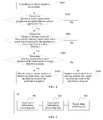
FIG. 1 is a schematic flowchart of a method for processing a touch signal according to an embodiment of the present invention; -
FIG. 2 and FIG. 3 are schematic flowcharts of another method for processing a touch signal according to an embodiment of the present invention; -
FIG. 4 is a schematic flowchart of a specific embodiment of the present invention; -
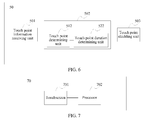
FIG. 5 andFIG. 6 are schematic structural diagrams of a terminal device according to an embodiment of the present invention; and -
FIG. 7 is a schematic structural diagram of another terminal device according to an embodiment of the present invention. - Embodiments of the present invention provide a method for processing a touch signal and a terminal device, so as to reduce impact of a user's unintentional touch on usage of a touchscreen device and improve user experience.
- Referring to
FIG. 1 , a method for processing a touch signal provided in an embodiment of the present invention includes: - S101: Receive information about touch points acquired by a touchscreen.
- S102: Determine, according to the information about the touch points, whether the current touch points include an unintentional touch point whose touch duration is greater than or equal to preset duration; and
- The preset duration is greater than touch duration required by a user to long press a touch point.
- In this embodiment of the present invention, by acquiring and shielding an unintentional touch point, a terminal can respond to only a normal touch of a user, thereby reducing impact of the user's unintentional touch on usage of a touchscreen device and improving user experience.
- In the method shown in
FIG. 1 , a framework layer of a terminal device performs steps S101 to S102, the framework layer receives information about touch points reported by a touchscreen driver, analyzes, according to the information about the touch points reported by the touchscreen driver, information about an action of a user, and then reports the information to an application. The following gives a detailed description. - Referring to
FIG. 2 , another method for processing a touch signal provided in an embodiment of the present invention includes: - S201: A framework layer receives information about touch points reported by a touchscreen driver.
- After detecting the touch points, the touchscreen driver reports a touch signal including at least coordinate information of the touch points, and the framework layer of an operating system receives the touch signal reported by the touchscreen driver and performs subsequent processing.
- S202: Determine, according to the information about the touch points, whether the current touch points include an unintentional touch point whose touch duration is greater than or equal to preset duration; and if yes, use the current touch points except the unintentional touch point as to-be-analyzed touch points; otherwise, use the current touch points as to-be-analyzed touch points.
- The preset duration is greater than touch duration required by a user to long press a touch point, so as to avoid a case that the touch point long pressed by the user is also recognized as an unintentional touch point.
- The unintentional touch point mentioned in this embodiment of the present invention mainly includes an unintentional touch point produced when a hand holding a screen presses the screen. This type of unintentional touch points is characterized by relatively long touch duration, while touch duration of a normal operation of a user is relatively shorter. Moreover, each time a touchscreen driver reports touch points, the touchscreen driver reports the unintentional touch point. Therefore, it is required to find a repeatedly-reported touch point by analyzing touch points reported by the touchscreen driver each time, and analyze touch duration of the repeatedly-reported touch point, so as to acquire an unintentional touch point. Specifically, it is determined, according to coordinate information in information about touch points currently reported by the touchscreen driver and coordinate information in information about touch points reported by the touchscreen driver last time, whether there is a same touch point that is reported by the touchscreen driver twice. If there is, it is further determined whether touch duration of the same touch point is long enough, and if the touch duration reaches preset duration, it is considered that the same touch point is an unintentional touch point; and if there is not, which indicates that, compared with the touch points reported by the touchscreen driver last time, all of the current touch points change, it is considered that there is no unintentional touch point in the currently reported touch points.
- Referring to
FIG. 3 , step S202 of determining, according to the information about the touch points, whether the current touch points include an unintentional touch point whose touch duration is greater than or equal to preset duration includes: - S301: Determine, according to coordinate information in information about touch points currently reported by the touchscreen driver and coordinate information in information about touch points reported by the touchscreen driver last time, a same touch point that is reported by the touchscreen driver twice.
- Further, step S301 includes:
- determining, when it is determined that a distance between a first touch point in the currently reported touch points and a second touch point in the touch points reported last time is shorter than or equal to a preset distance according to the coordinate information in the information about the touch points currently reported by the touchscreen driver and the coordinate information in the information about the touch points reported by the touchscreen driver last time, that the first touch point and the second touch point are a same touch point.
- In this embodiment of the present invention, the preset distance is in pixels, and may be zero pixels, or may be greater than zero pixels. When the preset distance is a value greater than zero pixels, if a distance between a pair of touch points reported by the touchscreen driver at any two times is shorter than or equal to the preset distance, the pair of touch points may be considered as a same touch point. In this way, a case in which an unintentional touch point is incorrectly recognized as a new touch point after slight movement can be avoided, and a possibility that the unintentional touch point is recognized is improved.
- S302: Determine whether touch duration of the same touch point is greater than or equal to preset duration, and if yes, determine that the same touch point is an unintentional touch point; otherwise, determine that the current touch points include no unintentional touch point.
- Specifically, determining touch duration of the same touch point includes: acquiring a current time point and an initial touch time point of the same touch point; and subtracting the initial touch time point of the same touch point from the current time point, to obtain the touch duration of the same touch point.
- Further, acquiring an initial touch time point of a touch point includes: recording, when it is determined, according to information about touch points reported by the touchscreen driver at any time and information about touch points reported by the touchscreen driver at a previous time of the any time, that the information about the touch points reported at any time includes a new touch point a time point when the information about the touch points is reported at the any time as an initial touch time point of the new touch point.
- For example, at a time point t01, the touchscreen driver reports a touch point A1; at a time point t02, the touchscreen driver reports touch points A2 and A3; at a time point t03, the touchscreen driver reports touch points A4 and A5. After it is determined that a distance between A2 and A1 and a distance between A3 and A1 are both longer than the preset distance, it is determined that A 2 and A3 are new touch points, and initial touch time points of A2 and A3 are t02. At the time point t03, after it is determined that a distance between A4 and A2 is shorter than the preset distance, A4 and A2 are considered as a same touch point. Touch duration of the touch point is a difference between t03 and t02. Subsequently, if a reported touch point A6 is received at a time point t04, and it is determined that a distance between A6 and A4 is shorter than the preset distance, a difference between t04 and t02 is recorded as touch duration of A6.
- Alternatively, determining touch duration of the same touch point includes:
- querying whether a distance between the same touch point and a recorded unintentional touch point is shorter than or equal to the preset distance; and if yes, considering that duration of the same touch point is greater than the preset duration, and the same touch point is an unintentional touch point; otherwise, acquiring a current time point and an initial touch time point of the same touch point, and subtracting the initial touch time point of the same touch point from the current time point, to obtain touch duration of the same touch point.
- In this embodiment, a buffer area configured to store information about an unintentional touch point is set. Each time the same touch point is detected, the buffer area is first queried to determine whether the same touch point is an unintentional touch point; if yes, it is directly determined that the same touch point is an unintentional touch point; otherwise, touch duration of the same touch point is calculated; and when it is determined by means of calculation that the same touch point is an unintentional touch point, information about the unintentional touch point is recorded in the buffer area.
- Setting a buffer area configured to record an unintentional touch point can avoid a case in which touch duration is calculated each time the same touch point is found, reduce operation costs of recognition of an unintentional touch point, and improve working efficiency of a device.
- S203: Analyze information about the to-be-analyzed touch points to determine information about a current action of a user, and report the information about the action to an application providing the user with a touch interface.
- In step S202, the unintentional touch point is shielded, and therefore, in step S203, during analysis on the information about the action of the user, an unintentional-touch behavior of the user has no impact on an analysis result. In this way, after the framework layer reports the analysis result to the application, the application responds to only a normal operation of the user, which meets expectation of the user.
- Specifically, the framework layer determines information about an action, such as tapping or pressing, of the user according to a change situation of to-be-analyzed touch points determined at two successive times and an interval between two time points of reporting of the touchscreen driver, and reports the determined information about the action to an application providing a user with a touch interface.
- In addition, before step S202, the method further includes: determining that an application providing a user with a touch interface is an application in a preset application list. That is, an unintentional touch point is shielded only when it is determined that an application providing a user with a touch interface is an application in a preset application list. An application that may involve an operation needing to be performed by long pressing a touchscreen is not put into the preset application list, touch operations of such a type of applications are similar to an unintentional touch, and therefore, a step of shielding an unintentional touch point is not performed, and the framework layer still performs processing in an existing processing manner.
- The following describes an entire process of this embodiment of the present invention with reference to specific parameters, which specifically includes the following steps:
- S401: A touchscreen driver reports a touch point.
- S402: Determine whether a current application is an application in a preset application list; and if yes, perform step S403; otherwise, perform step S406.
- S403: Determine whether a distance between the currently reported touch point and a touch point reported by the touchscreen driver last time is within 10 pixels; and if yes, perform step S404; otherwise, perform step S406.
- S404: Determine whether accumulated touch duration of the touch point is longer than two seconds; and if yes, perform step S405; otherwise, perform step S406.
- S405: Shield the touch point, analyze a remaining touch point, and report an analysis result to the application.
- S406: Analyze a touch point in an existing manner and report an analysis result to the application.
- Referring to
FIG. 5 , aterminal device 50 provided in an embodiment of the present invention includes: - a
unit 501 for receiving information about a touch point, configured to receive information about touch points acquired by a touchscreen; - a
unit 502 for processing information about a touch point, configured to determine, according to the information about the touch points, whether the current touch points include an unintentional touch point whose touch duration is greater than or equal to preset duration; - and trigger, if yes, a
unit 503 for shielding a touch point; and - the
unit 503 for shielding a touch point, configured to shield the unintentional touch point, - where the preset duration is greater than touch duration required by a user to long press a touch point.
- Referring to
FIG. 6 , theunit 502 for processing information about a touch point includes: - a
unit 512 for determining a touch point, configured to determine, according to coordinate information in the information about the touch points currently acquired by the touchscreen and coordinate information in information about touch points acquired by the touchscreen last time, a same touch point acquired by the touchscreen twice; and - a
unit 522 for determining duration of a touch point, configured to determine whether touch duration of the same touch point is greater than or equal to the preset duration; and determine, if yes, that the same touch point is an unintentional touch point and trigger the touch point shielding unit. - The
unit 512 for determining a touch point is specifically configured to determine, when it is determined that a distance between a first touch point in the currently acquired touch points and a second touch point in the touch points acquired last time is shorter than or equal to a preset distance according to the coordinate information in the information about the touch points currently acquired by the touchscreen and the coordinate information in the information about the touch points acquired by the touchscreen last time, that the first touch point and the second touch point are a same touch point. - The
terminal device 50 further includes: a duration calculation unit, configured to acquire a current time point and an initial touch time point of the same touch point; and subtract the initial touch time point of the same touch point from the current time point, to obtain touch duration of the same touch point. - The
terminal device 50 further includes: a initial touch time point determining unit, configured to record, when it is determined that the touch points acquired at any time include a new touch point according to information about touch points acquired by the touchscreen at any time and information about touch points acquired by the touchscreen at a previous time of the any time, a time point when the information about the touch points is acquired at the any time as an initial touch time point of the new touch point. - The
terminal device 50 further includes a application filtering unit, configured to determine, before the touch point information processing unit determines, according to the information about the touch points, whether the current touch points include an unintentional touch point whose touch duration is greater than or equal to preset duration, that an application providing a user with a touch interface is an application in a preset application list. - Referring to
FIG. 7 , aterminal device 70 provided in an embodiment of the present invention includes: - a
touchscreen 701, configured to acquire information about touch points; and - a
processor 702, configured to receive the information acquired by the touchscreen about the touch points; - determine, according to the information about the touch points, whether the current touch points include an unintentional touch point whose touch duration is greater than or equal to preset duration; and
- if yes, shield the unintentional touch point,
- where the preset duration is greater than touch duration required by a user to long press a touch point.
- When the
processor 702 is configured to determine, according to the information about the touch points, whether the current touch points include an unintentional touch point whose touch duration is greater than or equal to preset duration, the determining specifically includes: - determining, according to coordinate information in the information about the touch points currently acquired by the touchscreen and coordinate information in information about touch points acquired by the touchscreen last time, a same touch point acquired by the touchscreen twice;
- determining whether touch duration of the same touch point is greater than or equal to the preset duration; and
- if yes, determining that the same touch point is an unintentional touch point.
- When the
processor 702 is configured to determine, according to the coordinate information in the information about the touch points currently acquired by the touchscreen and the coordinate information in the information about the touch points acquired by the touchscreen last time, a same touch point acquired by the touchscreen twice, the determining specifically includes: - determining, when it is determined that a distance between a first touch point in the currently acquired touch points and a second touch point in the touch points acquired last time is shorter than or equal to a preset distance according to the coordinate information in the information about the touch points currently acquired by the touchscreen and the coordinate information in the information about the touch points acquired by the touchscreen last time, that the first touch point and the second touch point are a same touch point.
- When the
processor 702 is configured to determine the touch duration of the same touch point, the determining specifically includes: - acquiring a current time point and an initial touch time point of the same touch point; and
- subtracting the initial touch time point of the same touch point from the current time point, to obtain the touch duration of the same touch point.
- When the
processor 702 is configured to acquire an initial touch time point of a touch point, the acquiring specifically includes: - recording, when it is determined, according to information about touch points acquired by the touchscreen at any time and information about touch points acquired by the touchscreen at a previous time of the any time, that the touch points acquired at any time include a new touch point a time point when the information about the touch points is acquired at the any time as an initial touch time point of the new touch point.
- Before the
processor 702 is configured to determine, according to the information about the touch points, whether the current touch points include an unintentional touch point whose touch duration is greater than or equal to preset duration, the processor is further configured to: - determine that an application providing a user with a touch interface is an application in a preset application list.
- In conclusion, the embodiments of the present invention provide a method for processing a touch signal and a terminal device. By shielding an unintentional touch point and then analyzing information about an action of a user, an analysis result of a normal touch operation of the user except an unintentional touch, so than an application can respond to only a normal touch of the user, thereby reducing impact of the user's unintentional touch on usage of a touchscreen device and improving user experience. According to the embodiments of the present invention, a process of shielding the unintentional touch point is newly added before a framework layer performs analysis, which has relatively good compatibility. Moreover, compared with a solution that corresponding modules that recognize an unintentional touch are separately added to and carried in an application, the present invention is simpler.
- A person skilled in the art should understand that the embodiments of the present invention may be provided as a method, a system, or a computer program product. Therefore, the present invention may use a form of hardware only embodiments, software only embodiments, or embodiments with a combination of software and hardware. Moreover, the present invention may use a form of a computer program product that is implemented on one or more computer-usable storage media (including but not limited to a disk memory, a CD-ROM, an optical memory, and the like) that include computer-usable program code.
- The present invention is described with reference to the flowcharts and/or block diagrams of the method, the device (system), and the computer program product according to the embodiments of the present invention. It should be understood that computer program instructions may be used to implement each process and/or each block in the flowcharts and/or the block diagrams and a combination of a process and/or a block in the flowcharts and/or the block diagrams. These computer program instructions may be provided for a general-purpose computer, a dedicated computer, an embedded processor, or a processor of any other programmable data processing device to generate a machine, so that the instructions executed by a computer or a processor of any other programmable data processing device generate an apparatus for implementing a specific function in one or more processes in the flowcharts and/or in one or more blocks in the block diagrams.
- These computer program instructions may also be stored in a computer readable memory that can instruct the computer or any other programmable data processing device to work in a specific manner, so that the instructions stored in the computer readable memory generate an artifact that includes an instruction apparatus. The instruction apparatus implements a specific function in one or more processes in the flowcharts and/or in one or more blocks in the block diagrams.
- These computer program instructions may also be loaded onto a computer or another programmable data processing device, so that a series of operations and steps are performed on the computer or the another programmable device, thereby generating computer-implemented processing. Therefore, the instructions executed on the computer or the another programmable device provide steps for implementing a specific function in one or more processes in the flowcharts and/or in one or more blocks in the block diagrams.
- Obviously, a person skilled in the art can make various modifications and variations to the present invention without departing from the spirit and scope of the present invention. The present invention is intended to cover these modifications and variations provided that they fall within the scope of protection defined by the following claims and their equivalent technologies.
Claims (18)
- A method for processing a touch signal, comprising:receiving information about touch points acquired by a touchscreen;determining, according to the information about the touch points, whether the current touch points comprise an unintentional touch point whose touch duration is greater than or equal to preset duration; andif the touch duration is greater than or equal to the preset duration, shielding the unintentional touch point,wherein the preset duration is greater than touch duration required by a user to long press a touch point.
- The method according to claim 1, wherein the determining, according to the information about the touch points, whether the current touch points comprise an unintentional touch point whose touch duration is greater than or equal to preset duration comprises:determining, according to coordinate information in the information about the touch points currently acquired by the touchscreen and coordinate information in information about touch points acquired by the touchscreen last time, a same touch point acquired by the touchscreen twice;determining whether touch duration of the same touch point is greater than or equal to the preset duration; andif the touch duration of the same touch point is greater than or equal to the preset duration, determining that the same touch point is an unintentional touch point.
- The method according to claim 2, wherein the determining, according to coordinate information in the information about the touch points currently acquired by the touchscreen and coordinate information in information about touch points acquired by the touchscreen last time, a same touch point acquired by the touchscreen twice comprises:determining, when it is determined that a distance between a first touch point in the currently acquired touch points and a second touch point in the touch points acquired last time is shorter than or equal to a preset distance according to the coordinate information in the information about the touch points currently acquired by the touchscreen and the coordinate information in the information about the touch points acquired by the touchscreen last time, that the first touch point and the second touch point are a same touch point.
- The method according to claim 2, wherein determining touch duration of the same touch point comprises:acquiring a current time point and an initial touch time point of the same touch point; andsubtracting the initial touch time point of the same touch point from the current time point, to obtain the touch duration of the same touch point.
- The method according to claim 4, wherein acquiring an initial touch time point of a touch point comprises:recording, when it is determined, according to information about touch points acquired by the touchscreen at any time and information about touch points acquired by the touchscreen at a previous time of the any time, that the touch points acquired at any time comprise a new touch point a time point when the information about the touch points is acquired at the any time as an initial touch time point of the new touch point.
- The method according to claim 1, before the determining, according to the information about the touch points, whether the current touch points comprise an unintentional touch point whose touch duration is greater than or equal to preset duration, further comprising:determining that an application providing a user with a touch interface is an application in a preset application list.
- A terminal device, comprising:a touch point information receiving unit, configured to receive information about touch points acquired by a touchscreen;a touch point information processing unit, configured to determine, according to the information about the touch points, whether the current touch points comprise an unintentional touch point whose touch duration is greater than or equal to preset duration; and trigger, if yes, a touch point shielding unit; andthe touch point shielding unit, configured to shield the unintentional touch point,wherein the preset duration is greater than touch duration required by a user to long press a touch point.
- The device according to claim 7, wherein the touch point information processing unit comprises:a touch point determining unit, configured to determine, according to coordinate information in the information about the touch points currently acquired by the touchscreen and coordinate information in information about touch points acquired by the touchscreen last time, a same touch point acquired by the touchscreen twice; anda touch point duration determining unit, configured to determine whether touch duration of the same touch point is greater than or equal to the preset duration; and determine, if yes, that the same touch point is an unintentional touch point and trigger the touch point shielding unit.
- The device according to claim 8, wherein the touch point determining unit is specifically configured to:determine, when it is determined that a distance between a first touch point in the currently acquired touch points and a second touch point in the touch points acquired last time is shorter than or equal to a preset distance according to the coordinate information in the information about the touch points currently acquired by the touchscreen and the coordinate information in the information about the touch points acquired by the touchscreen last time, that the first touch point and the second touch point are a same touch point.
- The device according to claim 8, further comprising:a duration calculation unit, configured to acquire a current time point and an initial touch time point of the same touch point; andsubtract the initial touch time point of the same touch point from the current time point, to obtain touch duration of the same touch point.
- The device according to claim 10, further comprising:a initial touch time point determining unit, configured to record, when it is determined that the touch points acquired at any time comprise a new touch point according to information about touch points acquired by the touchscreen at any time and information about touch points acquired by the touchscreen at a previous time of the any time, a time point when the information about the touch points is acquired at the any time as an initial touch time point of the new touch point.
- The device according to claim 7, further comprising:a application filtering unit, configured to determine, before the touch point information processing unit determines, according to the information about the touch points, whether the current touch points comprise an unintentional touch point whose touch duration is greater than or equal to preset duration, that an application providing a user with a touch interface is an application in a preset application list.
- A terminal device, comprising:a touchscreen, configured to acquire information about touch points; anda processor, configured to receive the information acquired by the touchscreen about the touch points;determine, according to the information about the touch points, whether the current touch points comprise an unintentional touch point whose touch duration is greater than or equal to preset duration; andif yes, shield the unintentional touch point,wherein the preset duration is greater than touch duration required by a user to long press a touch point.
- The device according to claim 13, when the processor is configured to determine, according to the information about the touch points, whether the current touch points comprise an unintentional touch point whose touch duration is greater than or equal to preset duration, the determining specifically comprising:determining, according to coordinate information in the information about the touch points currently acquired by the touchscreen and coordinate information in information about touch points acquired by the touchscreen last time, a same touch point acquired by the touchscreen twice;determining whether touch duration of the same touch point is greater than or equal to the preset duration; andif yes, determining that the same touch point is an unintentional touch point.
- The device according to claim 14, when the processor is configured to determine, according to the coordinate information in the information about the touch points currently acquired by the touchscreen and the coordinate information in the information about the touch points acquired by the touchscreen last time, a same touch point acquired by the touchscreen twice, the determining specifically comprising:determining, when it is determined that a distance between a first touch point in the currently acquired touch points and a second touch point in the touch points acquired last time is shorter than or equal to a preset distance according to the coordinate information in the information about the touch points currently acquired by the touchscreen and the coordinate information in the information about the touch points acquired by the touchscreen last time, that the first touch point and the second touch point are a same touch point.
- The device according to claim 14, when the processor is configured to determine the touch duration of the same touch point, the determining specifically comprising:acquiring a current time point and an initial touch time point of the same touch point; andsubtracting the initial touch time point of the same touch point from the current time point, to obtain the touch duration of the same touch point.
- The device according to claim 16, when the processor is configured to acquire an initial touch time point of a touch point, the acquiring specifically comprising:recording, when it is determined, according to information about touch points acquired by the touchscreen at any time and information about touch points acquired by the touchscreen at a previous time of the any time, that the touch points acquired at any time comprise a new touch point a time point when the information about the touch points is acquired at the any time as an initial touch time point of the new touch point.
- The device according to claim 13, wherein before the processor is configured to determine, according to the information about the touch points, whether the current touch points comprise an unintentional touch point whose touch duration is greater than or equal to preset duration, the processor is further configured to:determine that an application providing a user with a touch interface is an application in a preset application list.
Applications Claiming Priority (1)
| Application Number | Priority Date | Filing Date | Title |
|---|---|---|---|
| PCT/CN2014/070701 WO2015106416A1 (en) | 2014-01-16 | 2014-01-16 | Processing method for touch signal and terminal device |
Publications (2)
| Publication Number | Publication Date |
|---|---|
| EP3089015A1 true EP3089015A1 (en) | 2016-11-02 |
| EP3089015A4 EP3089015A4 (en) | 2017-01-11 |
Family
ID=53542285
Family Applications (1)
| Application Number | Title | Priority Date | Filing Date |
|---|---|---|---|
| EP14878664.3A Ceased EP3089015A4 (en) | 2014-01-16 | 2014-01-16 | Processing method for touch signal and terminal device |
Country Status (6)
| Country | Link |
|---|---|
| US (1) | US20160328112A1 (en) |
| EP (1) | EP3089015A4 (en) |
| KR (1) | KR101870392B1 (en) |
| AU (1) | AU2014378206B2 (en) |
| RU (1) | RU2661794C2 (en) |
| WO (1) | WO2015106416A1 (en) |
Families Citing this family (8)
| Publication number | Priority date | Publication date | Assignee | Title |
|---|---|---|---|---|
| KR102349822B1 (en) * | 2015-07-31 | 2022-01-11 | 엘지디스플레이 주식회사 | Touch Integrated Circuit, And Touch Display Device And Method Of Driving The Same |
| CN105045454B (en) * | 2015-08-27 | 2017-10-17 | 广东欧珀移动通信有限公司 | A terminal false touch prevention method and terminal |
| JP6919174B2 (en) * | 2016-10-26 | 2021-08-18 | セイコーエプソン株式会社 | Touch panel device and touch panel control program |
| JP6862575B2 (en) | 2017-04-21 | 2021-04-21 | 華為技術有限公司Huawei Technologies Co.,Ltd. | Touch control method and device |
| CN108717349B (en) * | 2018-06-01 | 2021-01-26 | Oppo广东移动通信有限公司 | Terminal bright screen control method and device, terminal and storage medium |
| CN110413148B (en) * | 2019-07-04 | 2023-02-03 | 安徽华米信息科技有限公司 | Anti-false touch detection method, device, equipment and storage medium |
| CN113721781A (en) * | 2020-05-26 | 2021-11-30 | 深圳富桂精密工业有限公司 | False touch prevention method and electronic device |
| NL2031789B1 (en) | 2022-05-06 | 2023-11-14 | Microsoft Technology Licensing Llc | Aggregated likelihood of unintentional touch input |
Family Cites Families (10)
| Publication number | Priority date | Publication date | Assignee | Title |
|---|---|---|---|---|
| US6353193B1 (en) * | 1996-10-01 | 2002-03-05 | Greensteel, Inc. | Electronic whiteboard system and method |
| JP2002027055A (en) * | 2000-07-03 | 2002-01-25 | Sony Corp | Mobile terminal device |
| US7190356B2 (en) * | 2004-02-12 | 2007-03-13 | Sentelic Corporation | Method and controller for identifying double tap gestures |
| KR100826532B1 (en) * | 2006-03-28 | 2008-05-02 | 엘지전자 주식회사 | Mobile communication terminal and key input detection method thereof |
| KR20090022037A (en) * | 2007-08-29 | 2009-03-04 | 엘지전자 주식회사 | Mobile communication terminal with touch screen and touch screen protection method |
| US8547348B2 (en) * | 2008-09-10 | 2013-10-01 | Opera Software Asa | Method and apparatus for providing finger touch layers in a user agent |
| TW201229877A (en) * | 2011-01-03 | 2012-07-16 | Compal Electronics Inc | Method for preventing touch keyboard from being mis-touched and electrical apparatus with touch keyboard |
| JP2014505317A (en) * | 2011-02-24 | 2014-02-27 | エンパイア テクノロジー ディベロップメント エルエルシー | Reduction of key input errors |
| JP5950597B2 (en) * | 2012-02-03 | 2016-07-13 | キヤノン株式会社 | Information processing apparatus and control method thereof |
| CN103455266A (en) * | 2012-06-04 | 2013-12-18 | 华为终端有限公司 | Method for processing mistaken touch operations of touch screen and terminal equipment |
-
2014
- 2014-01-16 WO PCT/CN2014/070701 patent/WO2015106416A1/en not_active Ceased
- 2014-01-16 AU AU2014378206A patent/AU2014378206B2/en not_active Ceased
- 2014-01-16 KR KR1020167022131A patent/KR101870392B1/en not_active Expired - Fee Related
- 2014-01-16 RU RU2016133526A patent/RU2661794C2/en active
- 2014-01-16 EP EP14878664.3A patent/EP3089015A4/en not_active Ceased
-
2016
- 2016-07-15 US US15/211,343 patent/US20160328112A1/en not_active Abandoned
Also Published As
| Publication number | Publication date |
|---|---|
| EP3089015A4 (en) | 2017-01-11 |
| RU2661794C2 (en) | 2018-07-19 |
| WO2015106416A1 (en) | 2015-07-23 |
| RU2016133526A (en) | 2018-02-19 |
| AU2014378206A1 (en) | 2016-08-18 |
| US20160328112A1 (en) | 2016-11-10 |
| KR101870392B1 (en) | 2018-06-22 |
| AU2014378206B2 (en) | 2018-04-12 |
| KR20160108495A (en) | 2016-09-19 |
Similar Documents
| Publication | Publication Date | Title |
|---|---|---|
| AU2014378206B2 (en) | Method for processing touch signal and terminal device | |
| CN108021259B (en) | False touch prevention method and electronic equipment | |
| CN103076882B (en) | A kind of unlock method and terminal | |
| CN106598455B (en) | Touch behavior response method and device for handheld touch equipment and corresponding equipment | |
| US20140002396A1 (en) | Information processing method, information processing apparatus and electronic device | |
| CN110703937A (en) | Abnormity detection method, abnormity detection device, storage medium and terminal equipment | |
| CN104571693A (en) | Information processing method and electronic equipment | |
| CN105739868A (en) | Method and device for identifying mistaken touch of terminal | |
| CN107870685B (en) | Touch operation identification method and device | |
| CN104598076A (en) | Method and device for shielding touch messages | |
| CN104932821A (en) | Display method of operation interface of intelligent terminal and intelligent terminal | |
| US10228792B2 (en) | Touch determining device and method, and display device | |
| CN109766028B (en) | Touch control sub-management system and method for infrared touch screen | |
| RU2015107736A (en) | AUDIO ACTIVATED AND / OR ACTIVATION BY AN AUDIO MODE AND / OR INSTRUMENT INSTALLING APPLICATION INSTRUMENT | |
| US11175821B2 (en) | Pressure touch method and terminal | |
| KR20170005466A (en) | Method for initiating communication and terminal device | |
| CN106708379B (en) | Interface operation method and device and smart watch | |
| CN104965647A (en) | Information processing method and electronic device | |
| KR20140112810A (en) | Method of providing separate object display-view for drawing points on touchscreen, and computer-readable recording medium for the same | |
| US10884537B2 (en) | Touchscreen device and method and apparatus for performing operation | |
| US9182873B2 (en) | Click disambiguation on a touch-sensitive input device | |
| CN106547464A (en) | A kind of touch screen input detecting method and system based on mobile terminal | |
| CN116974426A (en) | Menu calling method and system applied to touch screen | |
| CN115933900A (en) | A touch realization method, a touch device, a touch device, and a storage medium | |
| WO2014087751A1 (en) | Information processing device, control method for information processing device, and control program |
Legal Events
| Date | Code | Title | Description |
|---|---|---|---|
| PUAI | Public reference made under article 153(3) epc to a published international application that has entered the european phase |
Free format text: ORIGINAL CODE: 0009012 |
|
| 17P | Request for examination filed |
Effective date: 20160727 |
|
| AK | Designated contracting states |
Kind code of ref document: A1 Designated state(s): AL AT BE BG CH CY CZ DE DK EE ES FI FR GB GR HR HU IE IS IT LI LT LU LV MC MK MT NL NO PL PT RO RS SE SI SK SM TR |
|
| AX | Request for extension of the european patent |
Extension state: BA ME |
|
| A4 | Supplementary search report drawn up and despatched |
Effective date: 20161212 |
|
| RIC1 | Information provided on ipc code assigned before grant |
Ipc: G06F 3/048 20130101AFI20161206BHEP Ipc: G06F 3/041 20060101ALI20161206BHEP Ipc: G06F 3/0488 20130101ALI20161206BHEP |
|
| DAX | Request for extension of the european patent (deleted) | ||
| RAP1 | Party data changed (applicant data changed or rights of an application transferred) |
Owner name: HUAWEI DEVICE (DONGGUAN) CO., LTD. |
|
| RAP1 | Party data changed (applicant data changed or rights of an application transferred) |
Owner name: HUAWEI DEVICE CO., LTD. |
|
| STAA | Information on the status of an ep patent application or granted ep patent |
Free format text: STATUS: EXAMINATION IS IN PROGRESS |
|
| 17Q | First examination report despatched |
Effective date: 20190925 |
|
| REG | Reference to a national code |
Ref country code: DE Ref legal event code: R003 |
|
| STAA | Information on the status of an ep patent application or granted ep patent |
Free format text: STATUS: THE APPLICATION HAS BEEN REFUSED |
|
| 18R | Application refused |
Effective date: 20221030 |