EP3088413B1 - Polypeptide and use thereof as delivery carrier - Google Patents
Polypeptide and use thereof as delivery carrier Download PDFInfo
- Publication number
- EP3088413B1 EP3088413B1 EP14872058.4A EP14872058A EP3088413B1 EP 3088413 B1 EP3088413 B1 EP 3088413B1 EP 14872058 A EP14872058 A EP 14872058A EP 3088413 B1 EP3088413 B1 EP 3088413B1
- Authority
- EP
- European Patent Office
- Prior art keywords
- sirna
- peptide
- str
- complex
- cell
- Prior art date
- Legal status (The legal status is an assumption and is not a legal conclusion. Google has not performed a legal analysis and makes no representation as to the accuracy of the status listed.)
- Active
Links
Images



Classifications
-
- C—CHEMISTRY; METALLURGY
- C12—BIOCHEMISTRY; BEER; SPIRITS; WINE; VINEGAR; MICROBIOLOGY; ENZYMOLOGY; MUTATION OR GENETIC ENGINEERING
- C12N—MICROORGANISMS OR ENZYMES; COMPOSITIONS THEREOF; PROPAGATING, PRESERVING, OR MAINTAINING MICROORGANISMS; MUTATION OR GENETIC ENGINEERING; CULTURE MEDIA
- C12N15/00—Mutation or genetic engineering; DNA or RNA concerning genetic engineering, vectors, e.g. plasmids, or their isolation, preparation or purification; Use of hosts therefor
- C12N15/09—Recombinant DNA-technology
- C12N15/11—DNA or RNA fragments; Modified forms thereof; Non-coding nucleic acids having a biological activity
- C12N15/113—Non-coding nucleic acids modulating the expression of genes, e.g. antisense oligonucleotides; Antisense DNA or RNA; Triplex- forming oligonucleotides; Catalytic nucleic acids, e.g. ribozymes; Nucleic acids used in co-suppression or gene silencing
-
- A—HUMAN NECESSITIES
- A61—MEDICAL OR VETERINARY SCIENCE; HYGIENE
- A61K—PREPARATIONS FOR MEDICAL, DENTAL OR TOILETRY PURPOSES
- A61K31/00—Medicinal preparations containing organic active ingredients
- A61K31/70—Carbohydrates; Sugars; Derivatives thereof
- A61K31/7088—Compounds having three or more nucleosides or nucleotides
- A61K31/713—Double-stranded nucleic acids or oligonucleotides
-
- A—HUMAN NECESSITIES
- A61—MEDICAL OR VETERINARY SCIENCE; HYGIENE
- A61K—PREPARATIONS FOR MEDICAL, DENTAL OR TOILETRY PURPOSES
- A61K47/00—Medicinal preparations characterised by the non-active ingredients used, e.g. carriers or inert additives; Targeting or modifying agents chemically bound to the active ingredient
- A61K47/30—Macromolecular organic or inorganic compounds, e.g. inorganic polyphosphates
- A61K47/42—Proteins; Polypeptides; Degradation products thereof; Derivatives thereof, e.g. albumin, gelatin or zein
-
- A—HUMAN NECESSITIES
- A61—MEDICAL OR VETERINARY SCIENCE; HYGIENE
- A61K—PREPARATIONS FOR MEDICAL, DENTAL OR TOILETRY PURPOSES
- A61K47/00—Medicinal preparations characterised by the non-active ingredients used, e.g. carriers or inert additives; Targeting or modifying agents chemically bound to the active ingredient
- A61K47/50—Medicinal preparations characterised by the non-active ingredients used, e.g. carriers or inert additives; Targeting or modifying agents chemically bound to the active ingredient the non-active ingredient being chemically bound to the active ingredient, e.g. polymer-drug conjugates
- A61K47/51—Medicinal preparations characterised by the non-active ingredients used, e.g. carriers or inert additives; Targeting or modifying agents chemically bound to the active ingredient the non-active ingredient being chemically bound to the active ingredient, e.g. polymer-drug conjugates the non-active ingredient being a modifying agent
- A61K47/62—Medicinal preparations characterised by the non-active ingredients used, e.g. carriers or inert additives; Targeting or modifying agents chemically bound to the active ingredient the non-active ingredient being chemically bound to the active ingredient, e.g. polymer-drug conjugates the non-active ingredient being a modifying agent the modifying agent being a protein, peptide or polyamino acid
- A61K47/64—Drug-peptide, drug-protein or drug-polyamino acid conjugates, i.e. the modifying agent being a peptide, protein or polyamino acid which is covalently bonded or complexed to a therapeutically active agent
-
- A—HUMAN NECESSITIES
- A61—MEDICAL OR VETERINARY SCIENCE; HYGIENE
- A61K—PREPARATIONS FOR MEDICAL, DENTAL OR TOILETRY PURPOSES
- A61K9/00—Medicinal preparations characterised by special physical form
- A61K9/48—Preparations in capsules, e.g. of gelatin, of chocolate
- A61K9/50—Microcapsules having a gas, liquid or semi-solid filling; Solid microparticles or pellets surrounded by a distinct coating layer, e.g. coated microspheres, coated drug crystals
- A61K9/51—Nanocapsules; Nanoparticles
- A61K9/5107—Excipients; Inactive ingredients
- A61K9/513—Organic macromolecular compounds; Dendrimers
- A61K9/5169—Proteins, e.g. albumin, gelatin
-
- A—HUMAN NECESSITIES
- A61—MEDICAL OR VETERINARY SCIENCE; HYGIENE
- A61P—SPECIFIC THERAPEUTIC ACTIVITY OF CHEMICAL COMPOUNDS OR MEDICINAL PREPARATIONS
- A61P35/00—Antineoplastic agents
-
- C—CHEMISTRY; METALLURGY
- C07—ORGANIC CHEMISTRY
- C07K—PEPTIDES
- C07K14/00—Peptides having more than 20 amino acids; Gastrins; Somatostatins; Melanotropins; Derivatives thereof
- C07K14/435—Peptides having more than 20 amino acids; Gastrins; Somatostatins; Melanotropins; Derivatives thereof from animals; from humans
- C07K14/46—Peptides having more than 20 amino acids; Gastrins; Somatostatins; Melanotropins; Derivatives thereof from animals; from humans from vertebrates
- C07K14/47—Peptides having more than 20 amino acids; Gastrins; Somatostatins; Melanotropins; Derivatives thereof from animals; from humans from vertebrates from mammals
-
- C—CHEMISTRY; METALLURGY
- C12—BIOCHEMISTRY; BEER; SPIRITS; WINE; VINEGAR; MICROBIOLOGY; ENZYMOLOGY; MUTATION OR GENETIC ENGINEERING
- C12N—MICROORGANISMS OR ENZYMES; COMPOSITIONS THEREOF; PROPAGATING, PRESERVING, OR MAINTAINING MICROORGANISMS; MUTATION OR GENETIC ENGINEERING; CULTURE MEDIA
- C12N15/00—Mutation or genetic engineering; DNA or RNA concerning genetic engineering, vectors, e.g. plasmids, or their isolation, preparation or purification; Use of hosts therefor
- C12N15/09—Recombinant DNA-technology
- C12N15/11—DNA or RNA fragments; Modified forms thereof; Non-coding nucleic acids having a biological activity
- C12N15/111—General methods applicable to biologically active non-coding nucleic acids
-
- C—CHEMISTRY; METALLURGY
- C12—BIOCHEMISTRY; BEER; SPIRITS; WINE; VINEGAR; MICROBIOLOGY; ENZYMOLOGY; MUTATION OR GENETIC ENGINEERING
- C12N—MICROORGANISMS OR ENZYMES; COMPOSITIONS THEREOF; PROPAGATING, PRESERVING, OR MAINTAINING MICROORGANISMS; MUTATION OR GENETIC ENGINEERING; CULTURE MEDIA
- C12N15/00—Mutation or genetic engineering; DNA or RNA concerning genetic engineering, vectors, e.g. plasmids, or their isolation, preparation or purification; Use of hosts therefor
- C12N15/09—Recombinant DNA-technology
- C12N15/87—Introduction of foreign genetic material using processes not otherwise provided for, e.g. co-transformation
-
- C—CHEMISTRY; METALLURGY
- C12—BIOCHEMISTRY; BEER; SPIRITS; WINE; VINEGAR; MICROBIOLOGY; ENZYMOLOGY; MUTATION OR GENETIC ENGINEERING
- C12N—MICROORGANISMS OR ENZYMES; COMPOSITIONS THEREOF; PROPAGATING, PRESERVING, OR MAINTAINING MICROORGANISMS; MUTATION OR GENETIC ENGINEERING; CULTURE MEDIA
- C12N2310/00—Structure or type of the nucleic acid
- C12N2310/10—Type of nucleic acid
- C12N2310/14—Type of nucleic acid interfering nucleic acids [NA]
-
- C—CHEMISTRY; METALLURGY
- C12—BIOCHEMISTRY; BEER; SPIRITS; WINE; VINEGAR; MICROBIOLOGY; ENZYMOLOGY; MUTATION OR GENETIC ENGINEERING
- C12N—MICROORGANISMS OR ENZYMES; COMPOSITIONS THEREOF; PROPAGATING, PRESERVING, OR MAINTAINING MICROORGANISMS; MUTATION OR GENETIC ENGINEERING; CULTURE MEDIA
- C12N2310/00—Structure or type of the nucleic acid
- C12N2310/30—Chemical structure
- C12N2310/35—Nature of the modification
- C12N2310/351—Conjugate
- C12N2310/3513—Protein; Peptide
-
- C—CHEMISTRY; METALLURGY
- C12—BIOCHEMISTRY; BEER; SPIRITS; WINE; VINEGAR; MICROBIOLOGY; ENZYMOLOGY; MUTATION OR GENETIC ENGINEERING
- C12N—MICROORGANISMS OR ENZYMES; COMPOSITIONS THEREOF; PROPAGATING, PRESERVING, OR MAINTAINING MICROORGANISMS; MUTATION OR GENETIC ENGINEERING; CULTURE MEDIA
- C12N2320/00—Applications; Uses
- C12N2320/30—Special therapeutic applications
- C12N2320/32—Special delivery means, e.g. tissue-specific
Definitions
- RNA interference is an evolutionary conserved mechanism that brings about a sequence specific, post transcriptional gene silencing (PTGS) through the use of short RNAs.
- RNA interference is a short interfering RNA (siRNA) mediated gene silencing technology with specific sequence.
- siRNA is duplex small molecule consisting of 21-23 nucleotides.
- peptides As a kind of biological molecules, peptides have a lot of advantages to be a gene carrier that synthetic polymers does not have.
- Peptides have 20 kinds of amino acids that have different characteristics to form a primary sequence with tremendous properties; Beta folding, alpha helix and other secondary structure is obtainable by sequence design. Molecular with high purity, simple distribution and clear structure is obtainable by solid-phase synthesis. It is easy to be modified or connected to cellular target sequence, and enhance specificity.
- Peptides have been employed to deliver synthetic drugs, small molecules, bioactive peptides, therapeutic proteins, and NAs by a mechanism that has not yet been fully understood.
- the peptide can be used to form a complex with siRNA for gene delivery.
- the cargo molecule and the peptide are joined by noncovalent bonds.
- the particle size of the complex ranges from 20nm to 999nm.
- the cargo molecule is a nucleic acid.
- the siRNA is complexed with the peptide at a molar ratio of 60:1.
- STR-KV peptide with concentration of 1500nM and GAPDH siRNA with concentration of 50nM are used to prepare of STR-KV/siRNA complex with the molar ratio of 30:1, the preparation method is same as that of example 1-1.
- STR-KV peptide with concentration of 2250nM and GAPDH siRNA with concentration of 50nM are used to prepare of STR-KV/siRNA complex with the molar ratio of 45:1, the preparation method is same as that of example 1-1.
Landscapes
- Health & Medical Sciences (AREA)
- Life Sciences & Earth Sciences (AREA)
- Chemical & Material Sciences (AREA)
- Engineering & Computer Science (AREA)
- Genetics & Genomics (AREA)
- Bioinformatics & Cheminformatics (AREA)
- Biomedical Technology (AREA)
- General Health & Medical Sciences (AREA)
- Organic Chemistry (AREA)
- Molecular Biology (AREA)
- Zoology (AREA)
- Medicinal Chemistry (AREA)
- General Engineering & Computer Science (AREA)
- Wood Science & Technology (AREA)
- Biotechnology (AREA)
- Biochemistry (AREA)
- Veterinary Medicine (AREA)
- Animal Behavior & Ethology (AREA)
- Pharmacology & Pharmacy (AREA)
- Public Health (AREA)
- Epidemiology (AREA)
- Proteomics, Peptides & Aminoacids (AREA)
- Biophysics (AREA)
- Physics & Mathematics (AREA)
- Plant Pathology (AREA)
- Microbiology (AREA)
- Toxicology (AREA)
- Gastroenterology & Hepatology (AREA)
- Nanotechnology (AREA)
- Inorganic Chemistry (AREA)
- Optics & Photonics (AREA)
- Nuclear Medicine, Radiotherapy & Molecular Imaging (AREA)
- Chemical Kinetics & Catalysis (AREA)
- General Chemical & Material Sciences (AREA)
- Pharmaceuticals Containing Other Organic And Inorganic Compounds (AREA)
- Medicines That Contain Protein Lipid Enzymes And Other Medicines (AREA)
- Medicinal Preparation (AREA)
- Peptides Or Proteins (AREA)
Description
- The present invention relates to a peptide and to a complex of the peptide and to a use thereof in the field of gene therapy.
- Over the past decade, we have witnessed tremendous progress in our understanding of the role of RNA molecules in the regulation of gene expression. The main contribution to this progress was offered by the discovery of RNA interference (RNAi). First identified in C. elegans by Fire and Mello, RNAi is an evolutionary conserved mechanism that brings about a sequence specific, post transcriptional gene silencing (PTGS) through the use of short RNAs. RNA interference (RNAi) is a short interfering RNA (siRNA) mediated gene silencing technology with specific sequence. siRNA is duplex small molecule consisting of 21-23 nucleotides. Because RNAi has efficient and specific effect on gene silencing to disease, it has been gradually developed to a new gene treatment method for inherited or acquired diseases which includes viral infections and cancer, and so on. Till now, a lot of animal treatment experiments and clinical trials have been carried out on using siRNA to treat disease.
- The major limitations for the use of siRNA both in vitro and in vivo are the instability of naked siRNA in physiological conditions, rapid clearance from the bloodstream, and the inability to cross the cellular membrane to gain access to the intracellular environment. Although siRNA has shown good silencing effect on in vitro application research and the cell level, because of its large molecular weight and a large number of negative charges carried by itself, it is not able to penetrate through the cell membrane and enter into the cell, non-unique target losing effects and immune response will be initiated in the transportation. In the meanwhile, it also faces some other obstacles, such as nuclease degradation and so on, which results tremendous challenges in diseases treatment for siRNA transport system. So the transfection of siRNA has become the main bottleneck and restricted its application. How to enhance the ability of siRNA to penetrate the cell membrane and improve its stability and targeting in vivo are the urgent problems to be solved in siRNA drug carrier. So safe and effective siRNA drug carrier design and synthesis has become an important direction on siRNA drug research and development. Chemical modifications in the sugars, nucleobases, and the phosphate ester backbone of siRNA have been applied to improve its nuclease resistance without interfering with the silencing efficiency. Conjugation with hydrophobic functional groups has also enhanced the cellular uptake.
- In comparison with chemical modifications of NAs, carrier-mediated strategies are emerging as a simple and fast means to formulate NA therapeutics and protect them from degradation. The carriers, including viral vectors and non-viral vectors, co-assembled or covalently conjugated with siRNA, The carriers are designed to enhance cell targeting, prolong drug circulation time, and improve membrane permeation. Because of the potential safety problems and high cost, wide range of clinical applications of viral vectors are greatly limited. Common delivery carrier of non-viral gene drug is positively charged cationic compound, it includes polycation, positively charged phospholipids, chitosan, albumin, dendritic macromolecules and peptide, etc., they compress the gene to assembled particles by the positively charged groups and the negatively charged phosphate groups on DNA/RNA, and make gene smoothly pass through all kinds of obstacles to complete the gene transfer, such as immune system escape, cell membrane penetration, endosome release, and so on. Although there are some arguments on what is a clear relationship between the construction and properties and transfection efficiency of DNA /RNA complexes there are still a lot of conditions determining the biocompatibility and the efficiency of the transfer DNA / RNA of the complexes according to experience. RNA / DNA carrier system formed by simple mixture and only electrostatic interactions is not stable, so a more stable and suitable sized carrier system is prerequisite to be designed for gene drugs to have good effect the of gene drugs.
- As a kind of biological molecules, peptides have a lot of advantages to be a gene carrier that synthetic polymers does not have. Peptides have 20 kinds of amino acids that have different characteristics to form a primary sequence with tremendous properties; Beta folding, alpha helix and other secondary structure is obtainable by sequence design. Molecular with high purity, simple distribution and clear structure is obtainable by solid-phase synthesis. It is easy to be modified or connected to cellular target sequence, and enhance specificity. Peptides have been employed to deliver synthetic drugs, small molecules, bioactive peptides, therapeutic proteins, and NAs by a mechanism that has not yet been fully understood. These peptides may include protein-derived cell penetrating peptides (CPPs), cationic peptides, designed amphiphilic peptides, fusogenic peptides, cell targeting peptides (CTP) and peptides containing a nuclear localization signal. Cationic peptides rich in basic amino acids can electrostatically interact with small NAs or condense NA into small stable particles. CPPs can facilitate the translocation of the complex through the cell membrane. Histidine-rich pH-sensitive or fusogenic peptides can enhance the endosomal escape and cytoplasmic release of the gene complex. Involvement of CTPs in gene delivery systems mediates cell and/or tissue-specific targeting. Finally, attachment of a NLS peptide improves nuclear localization of the gene complex.
-
WO 2009/046220 discloses lipopeptides for delivery of nucleic acids. Although researches on siRNA drug delivery carrier has made some breakthroughs and developments, there are still some key issues need to be resolved to make siRNA drugs successfully been used in treatment of human diseases. For example, toxicity, specificity, targeting, immune stimulation, low transfection efficiency, and so on. Thus, because biodegradable and bicharacteristic peptide carrier can effectively combine and protect siRNA molecules to enhance cellular uptake of siRNA molecules, and improve its stability and targeting, and effectively release siRNA molecules, and reach the purpose of treatment, it makes such carrier has better advantage and application prospect in siRNA drug delivery. - Viewed from a first aspect the present invention provides a peptide comprising a hydrophobic part and a hydrophilic part, wherein the hydrophilic part comprises a positively charged amino acid residue, wherein the peptide is CH3(CH2)16CONH-B-CONH2 and B is H16R8.
- The peptide can be used to form a complex with siRNA for gene delivery.
- Viewed from a further aspect the present invention provides a complex comprising a cargo molecule and the peptide mentioned hereinefore.
- Preferably the cargo molecule and the peptide are joined by noncovalent bonds.
- Preferably the particle size of the complex ranges from 20nm to 999nm. Preferably the cargo molecule is a nucleic acid.
- Preferably the nucleic acid is a short interfering RNA (siRNA).
- Preferably the siRNA is complexed with the peptide at a molar ratio within the range 1:1 to 80:1.
- Preferably the siRNA is complexed with the peptide at a molar ratio of 20:1.
- Preferably the siRNA is complexed with the peptide at a molar ratio of 40:1.
- Preferably the siRNA is complexed with the peptide at a molar ratio of 60:1.
- Viewed from a yet further aspect the present invention provides a pharmaceutical composition comprising a complex as mentioned hereinbefore.
- Viewed from a still further aspect the present invention provides a kit used to deliver drugs to a patient, the kit comprising a pharmaceutical composition as mentioned hereinbefore, one or more electrolytes, buffers, a delivery device and a container adapted to mix one or more other agents together.
- Viewed from an even still further aspect the present invention provides a use of the peptide mentioned hereinbefore to deliver siRNA into cells or tissues.
- Preferably the cell is an ovarian cell.
- Preferably the cell is a tumour cell or the tissue is tumour tissue.
- The effect of the present invention is that the peptide is non-covalently coupled with siRNA to conveniently generate a peptide/siRNA complex in the form of nanoparticles. The peptide has both hydrophilic and hydrophobic properties, by the interaction of the hydrophilic and hydrophobic parts of the cell membrane bilayer, the delivery of siRNA into the cells and the release of siRNA in the cell was effectively enhanced, and the siRNA mediated silencing efficiency of cellular targets was improved.
-
Figure 1 illustrates the silencing efficiency of GL5/siRNA complexes withmolar ratio 20/1 and 40/1 in CHO cells with siRNA concentrations of 50 nM. -
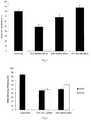
Figure 2 illustrates the silencing efficiency of STR-KV/siRNA complexes withmolar ratio 30/1, 40/1, and 60/1 in CHO cells with siRNA concentrations of 50 nM. -
Figure 3 illustrates the silencing efficiency of STR-HR/siRNA complexes withmolar ratio 30/1, 45/1, and 60/1 in CHO cells with siRNA concentrations of 100 nM. -
Figure 4 illustrates the silencing efficiency of STR-C6M1/siRNA and STR-C6M3/siRNA complexes withmolar ratio 40/1, and 60/1 in CHO cells with siRNA concentrations of 50 nM. -
Figure 5 illustrates cytotoxicity of GL5/siRNA complexes withmolar ratio 20/1 and 40/1 in CHO cells with siRNA concentrations of 50 nM. -
Figure 6 illustrates cytotoxicity of STR-KV/siRNA complexes withmolar ratio 30/1, 45/1, and 60/1 in CHO cells with siRNA concentrations of 50 nM. -
Figure 7 illustrates cytotoxicity of STR-HR/siRNA complexes withmolar ratio 30/1, 45/1, and 60/1 in CHO cells with siRNA concentrations of 100 nM. -
Figure 8 illustrates cytotoxicity of STR-C6M1/siRNA and STR-C6M3/siRNA complexes withmolar ratio 40/1 and 60/1 in CHO cells, with siRNA concentrations of 50 nM. - The technical proposal and the advantages of the invention will be further described by detailed examples without limiting the scope of the invention.
- The peptide of the present invention comprises a hydrophobic part and a hydrophilic part.
- Preferably the cargo molecule is a nucleic acid. More preferably the nucleic acid is siRNA.
- The peptide of the present invention is to be formed into nanoparticles by co-assembly with the negatively charged siRNA. Preferably the nanoparticles are selected from nano fibers, nano wires, nano films and nano spheres. Preferably particle size of the complex formed by the peptide and siRNA ranges from 20nm to 999nm. This is because only some certain sized nanoparticles are passable through the cell membrane.
- The invention also provides a pharmaceutical composition. The pharmaceutical composition comprises the complexes of peptide and cargo molecule. Preferably the cargo molecule is selected from one or more siRNA, miRNA and shRNA. More preferably the cargo molecule is siRNA. In one embodiment, the pharmaceutical composition of the present invention can reduce the level of endogenous protein in cell or tissue. Preferably the cell is a tumour cell or the tissue is tumour tissue.
- The invention also provides a kit used to deliver drugs for patient, the kit comprises a pharmaceutical composition, one or more electrolytes, buffers, a delivery device and a container that mixes one or more other agents together. The kit also includes instructions for using of the pharmaceutical, a mixture of pharmaceutical and other reagents, and the description to be given to the user.
- The invention also provides a use of the peptide as a carrier to deliver siRNA to cells or tissues. In one embodiment, the cell is CHO. In one embodiment, the cell is a tumour cell. In one embodiment, the tissue is tumour tissue.
- The molar concentration of siRNA was measured by the nucleic acid protein analyzer Nanodrop ND-1000, purchased from the ThermoFisher company. The number of mRNA was measured by Mx3005P Real-Time PCR System Agilent Co (Wilmington, USA).
- Glyceraldehyde-3-phosphate dehydrogenase (GAPDH) are used as the target gene. Glyceraldehyde-3-phosphate dehydrogenase (GAPDH) is a housekeeping gene widely expressed in diverse tissues and cell types and functions in a variety of cellular processes. The corresponding siRNA, i.e., Silencer® GAPDH siRNA (Human, Mouse, Rat), was purchased from Ambion. All peptide compounds was purchased from Pepscan Systems (Leystad, Netherlands).
- An adult CHO tissue CHO-K1 (ATCC CCL-61) has been used as a cell test object.
- Real-time RT-PCR is at present the most sensitive method for the detection of low abundance mRNA. Total RNA from the cells was extracted with TRIzol reagent, then treated with chloroform and 2-propanol as recommended by the manufacturer. The RNA concentrations were measured by Nanodrop. All the RNAs were reverse transcribed with Bio-Rad iScript cDNA synthesis kit according to the protocol. The cDNA synthesis was primed with a unique blend of oligo (dT) and random primers. The sequences of the primers used for the mouse GAPDH gene are 5'-TTGCTGTTGAAGTCGCAGGAG-3' (SEQ ID No:6) and 5'-TGTGTCCGTCGTGGATCTGA-3' (SEQ ID No:7) (Sigma, Oakville, Ontario, Canada). Cyclophilin, a house-keeping gene, was used as an internal control to normalize the GAPDH gene expression. Mouse cyclophilin mRNA amplified using the following primers: 5'-AGGGTTTCTCCACTTCGATCTTGC-3' and 5'-AGATGGCACAGGAGGAAAGAGCAT-3' (SEQ ID No:9) (Sigma, Oakville, Ontario, CA).
- CHO-K1 cells were seeded at 5,000-8,000 cells/well in clear, flat-bottomed, 96-well plates in triplicate and grown for 24 h at 37oC with 5% CO2. The complexes or control samples were added to the cells in 150 µl of standard media and the cells were incubated for 48 h. The CCK8 assay was used to determine cell viability, according to the manufacturer's instructions. Briefly, 110 µl of CCK8 stock was added to each well and incubated for 2 h at 37oC in 5% CO2. Then, the cultures were removed from the incubator and the absorbance at 570 nm was read on a plate reader (FLUOstar OPTIMA, BMG, Germany). The background absorbance of the multiwell plates at 690 nm was determined and subtracted from the 570 nm measurement. The results obtained from triplicate wells were averaged and normalized using the value obtained for non-treated cells.
- All the professional and scientific terms used in the present invention are the same as that of the person skilled in the field. In addition, any method or material which is similar or equivalent to the written contents can be applied to the method.
- Unless specified, all percentages in the description are directed to weight ratio, all equipment and materials can be purchased from the market or commonly used in the industry.
- In the following Examples and Comparative Examples, the peptide GLWHxAWLWHyAFLASHzRLLRLLR is referred to as GL5-M, wherein 1≤x≤5, 1≤y≤55, 1≤z≤6 and x, y and z are integers. Preferably the nitrogen terminal of the GL5-M is acetylated and the carbon terminal of the GL5-M is amidated.
- The peptide CH3CONH-GLWHAWLWHAFLASHRLLRLLR-CONH2 is referred to as GL5.The GL5 is designed based on peptide GL1 that is originally reported in
WO-A-2013/075244 . GL1 (GLWRAWLWKAFLASNWRRLLRLLR) consists of a hydrophobic domain GLWRAWLWKAFLASNW and a cationic domain RRLLRLLR. The amphiphilic property of this peptide makes it able to self-assemble when dissolved in water and co-assemble with negatively charged siRNA to form functionalized nanoparticles. This peptide can achieve about 95% siRNA delivery (uptake) efficiency but its gene silencing efficiency is about 50%. It is indicated that GL1 has some problems on siRNA release efficiency. Histidine (H) was reported to increase endosomal escape. Histidine was taken to replace four amino acids of GL1 to form a new peptide sequence GL5. The sequence of GL5 was further extended to a series of peptides by changing the number of H. This new series of peptides were named as GL5-M. - The peptide CH3(CH2)16CONH-GLWHxAWLWHyAFLASHzRLLRLLR-CONH2 wherein 1≤x≤5, 1≤y≤5, 1≤z≤6 and x, y and z are integers is referred to as STR-GL5-M. The introduction of stearic acid can effectively improve membrane penetration ability of the peptide.
- The peptide CH3(CH2)16CONH-HaKbVc-CONH2 wherein 3≤a≤8, 3≤b≤8, 6≤c≤8 and a, b and c are integers is referred to as STR-KV-M. The peptide CH3(CH2)16CONH-HHHKKKVVVVVV-CONH2 is referred to as STR-KV. STR-KV peptide adopted a stearic acid as one of the hydrophobic moiety of STR-KV. Stearic acid has been proven to have high affinity with the cell membrane, and the stearylation of cell penetrating peptides has been reported to be able to increase the transfection efficiency for both plasmid DNA and siRNA. The amino acid histidine is incorporated as a linker ie HHH. Histidine is a pH sensitive amino acid and can be protonated at low pH. Through the introduction of histidine moieties, peptide will act like a proton sponge that are able to disrupt endosomal membranes, resulting in the release of siRNA complexes into cytosol. The high positive charge density has been reported to result in toxicity, due to the fact that positively charged amino acid residues might interact with negatively charged cell membranes and cause aggregation and rupture on the membrane surface. Thus, three lysines are adopted in the sequences, in order to co-assemble with siRNA molecules through electrostatic interactions. Polyelectrolyte complex is formed by combining positively charged part with negative charge from phosphate group of siRNA molecule through electrostatic interactions. The complex makes the siRNA transport into the cell by stimulating non-specific cell endocytosis, and then dissociate siRNA molecules from transport carrier through "proton sponge" effect mediated endosome escape, so as to realize the transportation of siRNA. Another hydrophobic part is added to the sequence, consisting of six valine residues. The structure with two hydrophobic tails has been employed in the lipid-based gene delivery, e.g., DOPE, DOPC. Lipid tails are thought to be important for effective gene delivery, and can assist in cellular uptake through interacting with the hydrophobic tails in the lipid bilayer of the cells. The lipids consisting of two hydrophobic tails have been reported to have lower critical aggregation concentrations than single-chain lipids. The hydrophobic block with six valine residues is adopted to mimic the structure of two lipid tails. It is beneficial to penetrate the cell membrane.
- The peptide CH3(CH2)16CONH-HdRe-CONH2 wherein 8≤d≤30, 8≤e≤20 and d and e are integers is referred to as STR-HR-M. The peptide CH3(CH2)16CONH-HHHHHHHHHHHHHHHHRRRRRRRR-CONH2 is referred to as STR-HR. The STR-HR peptide is a novel molecular sequence designed by high throughput screening. STR-HR consists of three parts: hydrophobic stearic acid, a hydrophobic tail, a segment of sixteen histidines (H16); and eight arginines (R8), a hydrophilic segment. The sequence R8 is a cell penetrating peptide, which can strongly interact with cell membranes. Stearylation and the use of oligohistidines may facilitate the endosomal escape of peptide/siRNA complexes.
- The peptide CH3(CH2)16CONH-RLWRLLWRLWRRLWRLLR-CONH2 is referred to as STR-C6M1. The peptide CH3(CH2)16CONH-RLWHLLWRLWRRLHRLLR-CONH2 is referred to as STR-C6M3. STR-C6M1 and STR-C6M3 are derivatives of the peptides C6M1 and C6M3 respectively. C6M1 is RLWRLL WRLWRRLWRLLR and C6M3 is RLWHLLWRLWRRLHRLLR. C6M1 and C6M3 were originally reported in WO-A-2013/075244. Arginine rich peptides are reported to be capable of delivering siRNAs into cells with high efficiency and low toxicity .while at least five arginine residues are required to maintain the transfection efficiency. Hydrophobic residues such as leucine are also included in C6 sequence. These hydrophobic amino acids can facilitate the translocation of peptide by interacting with the hydrophobic tails in the lipid bilayer or assisting in pore formation in the cell membrane. It has been found that alanine, leucine and histidine are found abundantly in the helical regions of proteins. They indicate that leucine is the strongest structure forming residue in the proteins investigated. To increase its solubility and transfection efficiency, we substituted some amino acid residues with aromatic tryptophan and histidine. Stearic acid is one of the fatty acids occurring abundantly in the body and has high interaction ability with the cell membrane. Modified C6M3 and C6M1 and stearic acid further enhance penetration to the cell membrane.
- GL5 peptide is used as the carrier of siRNA delivery.
- GL5 peptide with concentration of 1000nM and GAPDH siRNA with concentration of 50nM were dissolved respectively in a serum free Opti-MEM solution with the molar ratio of 20:1. Then the gene was added into the peptide solution by the method of uniform mixing. After standing half an hour, the carrier is ready in a fully stable status to be measured and for further use.
- The cells were seeded with a confluency of 35,000-40,000 cells/well in F12K medium with 10% FBS without antibacterial agents, 24 hrs before transfection. On the next day, rinse the cells with PBS buffer before transfection and add 200 µl of Opti-MEM. 100 µl of the complex solution (GAPDH siRNA-peptide) were added to each well. The cells were incubated with the complex at 37°C in an incubator. After 4 hours, 300 µl F12-K with 20% FBS was added without removing the transfection mixture. The cells were rinsed and lysed 48 hours after the start of transfection.
- Detect mRNA content in cells by Real-time RT-PCR, and proceed the cytotoxicity test.
- GL5 peptide with concentration of 2000nM and GAPDH siRNA with concentration of 50nM are used to prepare of GL5/siRNA complex with the molar ratio of 40:1, the preparation method is same as that of example 1-1.
- In vivo transfection of GL5/siRNA complex, the method is same as that of example 1-1.
- Detect mRNA content in cells by Real-time RT-PCR, and proceed the cytotoxicity test.
- STR-KV peptide is used as the carrier of siRNA delivery.
- STR-KV peptide with concentration of 1500nM and GAPDH siRNA with concentration of 50nM are used to prepare of STR-KV/siRNA complex with the molar ratio of 30:1, the preparation method is same as that of example 1-1.
- In vivo transfection of STR-KV/siRNA complex, the method is same as that of example 1-1.
- Detect mRNA content in cells by Real-time RT-PCR, and proceed the cytotoxicity test.
- STR-KV peptide is used as the carrier of siRNA delivery.
- STR-KV peptide with concentration of 2250nM and GAPDH siRNA with concentration of 50nM are used to prepare of STR-KV/siRNA complex with the molar ratio of 45:1, the preparation method is same as that of example 1-1.
- In vivo transfection of STR-KV/siRNA complex, the method is same as that of example 1-1.
- Detect mRNA content in cells by Real-time RT-PCR, and proceed the cytotoxicity test.
- STR-KV peptide is used as the carrier of siRNA delivery.
- STR-KV peptide with concentration of 3000nM and GAPDH siRNA with concentration of 50nM are used to prepare of STR-KV/siRNA complex with the molar ratio of 60:1, the preparation method is same as that of example 1-1.
- In vivo transfection of STR-KV/siRNA complex, the method is same as that of example 1-1.
- Detect mRNA content in cells by Real-time RT-PCR, and proceed the cytotoxicity test.
- STR-HR peptide is used as the carrier of siRNA delivery in this embodiment.
- STR-HR peptide with concentration of 3000nM and GAPDH siRNA with concentration of 100nM are used to prepare of STR-KV/siRNA complex with the molar ratio of 30:1, the preparation method is same as that of example 1-1.
- In vivo transfection of STR-HR/siRNA complex, the method is same as that of example 1-1.
- Detect mRNA content in cells by Real-time RT-PCR, and proceed the cytotoxicity test.
- STR-HR peptide is used as the carrier of siRNA delivery in this embodiment.
- STR-HR peptide with concentration of 4500nM and GAPDH siRNA with concentration of 100nM are used to prepare of STR-KV/siRNA complex with the molar ratio of 45:1, the preparation method is same as that of example 1-1.
- In vivo transfection of STR-HR/siRNA complex, the method is same as that of example 1-1.
- Detect mRNA content in cells by Real-time RT-PCR, and proceed the cytotoxicity test.
- STR-HR peptide is used as the carrier of siRNA delivery in this embodiment.
- STR-HR peptide with concentration of 6000nM and GAPDH siRNA with concentration of 100nM are used to prepare of STR-KV/siRNA complex with the molar ratio of 60:1, the preparation method is same as that of example 1-1.
- In vivo transfection of STR-HR/siRNA complex, the method is same as that of example 1-1.
- Detect mRNA content in cells by Real-time RT-PCR, and proceed the cytotoxicity test.
- STR-C6M1 peptide is used as the carrier of siRNA delivery.
- STR-C6M1 peptide with concentration of 2000nM and GAPDH siRNA with concentration of 50nM are used to prepare of STR-KV/siRNA complex with the molar ratio of 40:1, the preparation method is same as that of example 1-1.
- In vivo transfection of STR-C6M1/siRNA complex, the method is same as that of example 1-1.
- Detect mRNA content in cells by Real-time RT-PCR, and proceed the cytotoxicity test.
- STR-C6M1 peptide is used as the carrier of siRNA delivery.
- STR- C6M1 peptide with concentration of 3000nM and GAPDH siRNA with concentration of 50nM are used to prepare of STR-KV/siRNA complex with the molar ratio of 60:1, the preparation method is same as that of example 1-1.
- In vivo transfection of STR-C6M1/siRNA complex, the method is same as that of example 1-1.
- Detect mRNA content in cells by Real-time RT-PCR, and proceed the cytotoxicity test.
- STR-C6M3 peptide is used as the carrier of siRNA delivery.
- STR-C6M3 peptide with concentration of 2000nM and GAPDH siRNA with concentration of 50nM are used to prepare of STR-KV/siRNA complex with the molar ratio of 40:1, the preparation method is same as that of example 1-1.
- In vivo transfection of STR-C6M3/siRNA complex, the method is same as that of example 1-1.
- Detect mRNA content in cells by Real-time RT-PCR, and proceed the cytotoxicity test.
- STR-C6M3 peptide is used as the carrier of siRNA delivery.
- STR-C6M3 peptide with concentration of 3000nM and GAPDH siRNA with concentration of 50nM are used to prepare of STR-KV/siRNA complex with the molar ratio of 60:1, the preparation method is same as that of example 1-1.
- In vivo transfection of STR-C6M3/siRNA complex, the method is same as that of example 1-1.
- Detect mRNA content in cells by Real-time RT-PCR, and proceed the cytotoxicity test.
- Lipid (lipofactamine 2000, lipo) is used as the carrier of siRNA delivery.
- Prepare lipid/siRNA complex, the preparation method is same as that of example 1-1.
- In vivo transfection of Lipid/siRNA GAPDH complex, the method is same as that of example 1-1.
- RT-PCR results of GAPDH siRNA complexed with different peptides at different molar ratio are shown in
Figure 1 to 4 .Figure 1 shows the intracellular silencing of GAPDH gene in CHO cells where siRNA were complexed with GL5 at a molar ratio of 20/1 and 40/1.Figure 2 shows the intracellular silencing of GAPDH gene in CHO cells where siRNA were complexed with STR-KV at a molar ratio of 30/1, 40/1 and 60/1.Figure 3 shows the silencing efficiency of STR-HR/siRNA complexes withmolar ratio 30/1, 45/1, and 60/1 in CHO cells.Figure 4 shows the silencing efficiency of STR-C6M1/siRNA and STR-C6M3/siRNA complexes withmolar ratio 40/1, and 60/1 in CHO cells. The results shown inFigure 1 to 4 correspond to an average of at least three separate experiments. - Cytotoxicity results of GAPDH siRNA complexed with different peptides at
molar ratio 20 to 60 are shown inFigure 5 to 8 .Figure 5 shows the cytotoxicity in CHO cells where siRNA were complexed with GL5 at a molar ratio of 20/1 and 40/1.Figure 6 shows the intracellular silencing of GAPDH gene in CHO cells where siRNA were complexed with STR-KV at a molar ratio of 30:1, 45:1 and 60:1.Figure 7 shows the silencing efficiency of STR-HR/siRNA complexes withmolar ratio 30/1, 45/1, and 60/1 in CHO cells.Figure 8 shows the cytotoxicity in CHO cells where siRNA were complexed with STR-C6M1 and STR-C6M3 at a molar ratio of 40/1 and 60/1. The results shown inFigure 5 to 8 correspond to an average of at least three separate experiments. - With reference to
Figure 1 andfigure 5 , when the molar ratio of GL5 and siRNA is 20/1 and 40/1, the gene silencing efficiency of siRNA is 41% and 65%, respectively, which is lower than that of the lipid transfected siRNA. But for both GL5 itself and the GL5/siRNA complex, the cell survival rates are about 105% and 104% respectively, which are much higher than that of the lipid or lipid/siRNA complex, which is 58%. GL5 peptide is modified based on GL1 peptide in the prior art. Four positively charged histidine are taken to replace four amino acids on the basis of GL1 to get GL5 peptide. And histidine has been proven to have high endosomal escape ability, it delivers the siRNA entered into the cell to release from endosomal and into cytoplasm, thereby results silencing effect with mRNA. According toWO-A-2013/075244 , gene silencing efficiency of siRNA with GL1 carrier is about 50%. Therefore, comparing with the prior art, silencing efficiency and biological compatibility of the present invention have got great enhancement. - Shown as
Figure 2 andfigure 6 , the gene silencing efficiencies are increased with molar ratio of STR-KV/siRNA increase from 30/1 to 45/1 and 60/1 which are 47%, 65%, 73% respectively. They are close to the gene silencing efficiency of lipid/siRNA complex under the same condition, which is 85%. Similarly, the cell survival rates of STR-KV and STR-KV/siRNA are approximately 98%, 97% and 90%, respectively, which was slightly decreased with the increase of molar ratio, but were higher than that of the lipid or lipid/siRNA complex, which is 75%. In summary, the peptide STR-KV has good siRNA delivery performance and excellent biocompatibility, and it is suitable for application in vivo. - Shown as
Fig. 3 andFig. 7 , the gene silencing efficiencies of STR-HR/siRNA are increased with the molar ratio increase from 30/1, to 45/1 and 60/1 which are 50%, 67%, 87% respectively. They are higher than that of the lipid transfected siRNA at the molar ratio of 60/1, which is 85%. The cell survival rate of STR-HR and STR-HR/siRNA complex reaches the maximum when the molar ratio is 45/1, but the cell survival rates in the three molar ratio are higher than that of the lipid or lipid /siRNA complex. At the same time, it was found that the absorption efficiency of STR-HR was higher than that of lipid 2000 according to result of cell absorption test. Silencing efficiency of STR-HR/siRNA complex is similar to that of lipid 2000/siRNA complex. Cytotoxicity of STR-HR per molar ratio for silencing efficiency test was not higher than that of lipid 2000. In addition, by dynamic light scattering experiments, it is proven that particles size of STR-HR and siRNA complexes are all in a range from 50nm to 150 nm when molar ratio range of STR-HR/siRNA is within 15-60. Such particle size range is suitable for applications in vivo through intravenous control. - Molar ratio range of STR-HR/siRNA is from 15 to 60, Zeta potential is from 21 mv to 28 mv companying with the molar ratio increase. As described above, the peptide STR-HR designed by the invention has excellent siRNA transfer performance and biocompatibility, wherein, STR-HR/siRNA with a molar ratio of 60/1 has the best effect.
- Shown as
Fig. 4 andFig. 8 , the gene silencing efficiencies of STR-C6M1/siRNA are increased with the molar ratio increase from 40/1, to 60/1, which are 47% and 49% respectively. They are higher than that of the lipid transfected siRNA. The cell survival rates of STR-C6M1 and STR-C6M1/siRNA are approximately 93% and 88% respectively, which was slightly decreased with the increase of molar ratio, but were much higher than that of lipid or lipid /siRNA complex. In addition, inWO-A-2013075244 , cell survival rate of C6M3/siRNA transfected with molar ratio of 40/1 is less than 40%, which was far less than that of the invention. Also, shown asFig. 4 andFig. 8 , the gene silencing efficiencies of STR-C6M3/siRNA are increased with the molar ratio increase from 40/1 to 60/1, which are 50%, 61% respectively. They are lower than that of the lipid transfected siRNA. The cell survival rates of STR-C6M3 and STR-C6M3/siRNA are slightly decreased with the molar ratio increase, which are approximately 96% and 91%, respectively. But they are higher than that of the lipid or lipid /siRNA complex. In addition, inWO-A-2013075244 , cell survival rate of C6M3/siRNA transfected with molar ratio of 40/1 is less than 50%, which was far less than the cell survival rate of the invention. It is illustrated that after N terminal of the peptide is stearic acylated, the peptide STR-C6M1 and STR-C6M3 have good siRNA delivery performance and excellent biocompatibility, and are suitable for application in vivo. - In conclusion, the present invention provides a peptide. It can be coupled non-covalently with siRNA by self-assemble or co-assemble, and to be formed into nanostructures and to transfer siRNA into the cytoplasm. Because of quickly protonated, biodegradable and bicharacteristic peptide or peptide carrier can effectively combine and protect siRNA molecules to enhance cellular uptake of siRNA molecules, and improve its stability and targeting, and effectively release siRNA molecules, and reach the purpose of treatment. Experiment result shows that, silence efficiency of SiRNA is obviously improved, the peptide has the low toxicity and good biocompatibility. The peptide carrier has better advantage and application prospect in siRNA drug delivery.
-
- <110>Positec Power Tools (Suzhou) Co., Ltd; Pu Chen
- <120>Peptide, Complex of peptide and SiRNA, and use thereof for
peptide-mediated siRNA delivery - <160> 9
- <210> 1
<211> 22
<212> PRT
<213> Synthetic sequence - <400> 1

- <210> 2
<211> 12
<212> PRT
<213> Synthetic sequence - <400> 2

- <210> 3
<211> 24
<212> PRT
<213> Synthetic sequence - <400> 3

- <210> 4
<211> 18
<212> PRT
<213> Synthetic sequence - <400> 4

- <210> 5
<211> 18
<212> PRT
<213> Synthetic sequence - <400> 5

- <210> 6
<211> 21
<212> DNA
<213> Synthetic sequence - <400> 6
TTGCTGTTGA AGTCGCAGGA G - <210> 7
<211> 20
<212> DNA
<213> Synthetic sequence - <400> 7
TGTGTCCGTC GTGGATCTGA - <210> 8
<211> 24
<212> DNA
<213> Synthetic sequence - <400> 8
AGGGTTTCTC CACTTCGATC TTGC - <210> 9
<211> 24
<212> DNA
<213> Synthetic sequence - <400> 9
AGATGGCACA GGAGGAAAGA GCAT
Claims (18)
- A peptide comprising a hydrophobic part and a hydrophilic part, wherein the hydrophilic part comprises a positively charged amino acid residue, wherein the peptide is CH3(CH2)16CONH-B-CONH2 and B is H16R8.
- A complex comprising a cargo molecule and the peptide according to claim 1.
- The complex according to claim 2, wherein the cargo molecule and the peptide are coupled non-covalently.
- The complex according to claim 2, wherein the particle size of the complex is in the range 20nm to 999nm.
- The complex according to claim 2, wherein the cargo molecule is a nucleic acid.
- The complex according to claim 5, wherein the nucleic acid is a short interfering RNA (siRNA).
- The complex according to claim 6, wherein the siRNA is complexed with the peptide at a molar ratio in the range 1:1 to 80:1.
- The complex according to claim 6, wherein the siRNA is complexed with the peptide at a molar ratio of 20:1.
- The complex according to claim 6, wherein the siRNA is complexed with the peptide at a molar ratio of 40:1.
- The complex according to claim 6, wherein the siRNA is complexed with the peptide at a molar ratio of 60:1.
- A pharmaceutical composition comprising a complex according to any one of claims 2 to 10.
- A kit used to deliver drugs to a patient comprising a pharmaceutical composition according to claim 11, one or more electrolytes, buffers, a delivery device and a container adapted to mix one or more other agents together.
- The use of the peptide of claim 1 in vitro to deliver siRNA into cells or tissues.
- The use according to claim 13, wherein the cell is an ovarian cell.
- The use according to claim 14, wherein, the cell is a tumour cell or the tissue is tumour tissue.
- Peptide of claim 1 for use in therapy to deliver siRNA into cells or tissues.
- Peptide for use according to claim 16, wherein the cell is an ovarian cell.
- Peptide for use according to claim 17, wherein, the cell is a tumour cell or the tissue is tumour tissue.
Priority Applications (1)
| Application Number | Priority Date | Filing Date | Title |
|---|---|---|---|
| EP19169415.7A EP3572421B1 (en) | 2013-12-18 | 2014-12-18 | Peptide, complex of peptide and sirna and use thereof |
Applications Claiming Priority (2)
| Application Number | Priority Date | Filing Date | Title |
|---|---|---|---|
| CN201310698871.0A CN104725478B (en) | 2013-12-18 | 2013-12-18 | Polypeptide compound, the assembly of polypeptide compound and siRNA and its application |
| PCT/CN2014/094198 WO2015090212A1 (en) | 2013-12-18 | 2014-12-18 | Polypeptide and use thereof as delivery carrier |
Related Child Applications (2)
| Application Number | Title | Priority Date | Filing Date |
|---|---|---|---|
| EP19169415.7A Division-Into EP3572421B1 (en) | 2013-12-18 | 2014-12-18 | Peptide, complex of peptide and sirna and use thereof |
| EP19169415.7A Division EP3572421B1 (en) | 2013-12-18 | 2014-12-18 | Peptide, complex of peptide and sirna and use thereof |
Publications (3)
| Publication Number | Publication Date |
|---|---|
| EP3088413A1 EP3088413A1 (en) | 2016-11-02 |
| EP3088413A4 EP3088413A4 (en) | 2017-08-02 |
| EP3088413B1 true EP3088413B1 (en) | 2019-05-22 |
Family
ID=53402118
Family Applications (2)
| Application Number | Title | Priority Date | Filing Date |
|---|---|---|---|
| EP14872058.4A Active EP3088413B1 (en) | 2013-12-18 | 2014-12-18 | Polypeptide and use thereof as delivery carrier |
| EP19169415.7A Active EP3572421B1 (en) | 2013-12-18 | 2014-12-18 | Peptide, complex of peptide and sirna and use thereof |
Family Applications After (1)
| Application Number | Title | Priority Date | Filing Date |
|---|---|---|---|
| EP19169415.7A Active EP3572421B1 (en) | 2013-12-18 | 2014-12-18 | Peptide, complex of peptide and sirna and use thereof |
Country Status (4)
| Country | Link |
|---|---|
| US (3) | US10076575B2 (en) |
| EP (2) | EP3088413B1 (en) |
| CN (1) | CN104725478B (en) |
| WO (1) | WO2015090212A1 (en) |
Families Citing this family (5)
| Publication number | Priority date | Publication date | Assignee | Title |
|---|---|---|---|---|
| CN104725478B (en) | 2013-12-18 | 2018-12-25 | 纳肽得有限公司 | Polypeptide compound, the assembly of polypeptide compound and siRNA and its application |
| CN107629118A (en) * | 2017-10-31 | 2018-01-26 | 天津大学 | Targeting cell-penetrating peptide carrier and purposes based on histidine |
| CN118302184A (en) * | 2021-11-12 | 2024-07-05 | 香港科技大学 | A peptide and a method for selecting the same |
| WO2023184332A1 (en) * | 2022-03-31 | 2023-10-05 | 深圳先进技术研究院 | Ovary-targeting polypeptide and use thereof |
| CN117700490B (en) * | 2022-12-30 | 2024-06-11 | 云南沃森生物技术股份有限公司 | A four-branched polypeptide and its preparation method |
Family Cites Families (10)
| Publication number | Priority date | Publication date | Assignee | Title |
|---|---|---|---|---|
| CN101801340A (en) * | 2007-06-28 | 2010-08-11 | 新加坡科技研究局 | Cationic Peptides for Delivery of Agents into Cells |
| WO2009026729A1 (en) | 2007-08-30 | 2009-03-05 | University Of Waterloo | Amino acid pairing-based self assembling peptides and methods |
| NZ584048A (en) * | 2007-10-02 | 2012-08-31 | Marina Biotech Inc | Lipopeptides for delivery of nucleic acids |
| WO2011020188A1 (en) | 2009-08-21 | 2011-02-24 | University Of Waterloo | Peptide sequences and peptide-mediated sirna delivery |
| WO2012137036A1 (en) * | 2011-04-04 | 2012-10-11 | Centre National De La Recherche Scientifique | Cell penetrating peptides for intracellular delivery of molecules |
| US9043410B2 (en) | 2011-08-15 | 2015-05-26 | Skype | Retrieval of stored transmissions |
| CN116549655A (en) * | 2011-11-24 | 2023-08-08 | 苏州宝时得电动工具有限公司 | Peptide sequence design and its application in peptide-mediated siRNA delivery |
| CN103272242B (en) | 2013-05-23 | 2015-09-23 | 北京大学 | The block polypeptide of carrier is transmitted as gene and siRNA |
| CN104725478B (en) | 2013-12-18 | 2018-12-25 | 纳肽得有限公司 | Polypeptide compound, the assembly of polypeptide compound and siRNA and its application |
| US20160271258A1 (en) * | 2015-03-20 | 2016-09-22 | Musc Foundation For Research Development | Dual Peptide-Mediated Targeted Delivery System |
-
2013
- 2013-12-18 CN CN201310698871.0A patent/CN104725478B/en active Active
-
2014
- 2014-12-18 US US15/106,108 patent/US10076575B2/en active Active
- 2014-12-18 EP EP14872058.4A patent/EP3088413B1/en active Active
- 2014-12-18 EP EP19169415.7A patent/EP3572421B1/en active Active
- 2014-12-18 WO PCT/CN2014/094198 patent/WO2015090212A1/en not_active Ceased
-
2018
- 2018-08-23 US US16/110,713 patent/US20180355357A1/en not_active Abandoned
-
2020
- 2020-01-24 US US16/751,783 patent/US11306313B2/en active Active
Non-Patent Citations (1)
| Title |
|---|
| None * |
Also Published As
| Publication number | Publication date |
|---|---|
| US20170119900A1 (en) | 2017-05-04 |
| US11306313B2 (en) | 2022-04-19 |
| US20200190518A1 (en) | 2020-06-18 |
| US10076575B2 (en) | 2018-09-18 |
| CN104725478A (en) | 2015-06-24 |
| EP3572421B1 (en) | 2021-07-14 |
| US20180355357A1 (en) | 2018-12-13 |
| CN104725478B (en) | 2018-12-25 |
| EP3088413A1 (en) | 2016-11-02 |
| EP3088413A4 (en) | 2017-08-02 |
| EP3572421A1 (en) | 2019-11-27 |
| WO2015090212A1 (en) | 2015-06-25 |
Similar Documents
| Publication | Publication Date | Title |
|---|---|---|
| US11306313B2 (en) | Peptide, complex of peptide and siRNA, and methods of use thereof | |
| Tagalakis et al. | Receptor-targeted liposome-peptide nanocomplexes for siRNA delivery | |
| Chen et al. | Self-assembly cationic nanoparticles based on cholesterol-grafted bioreducible poly (amidoamine) for siRNA delivery | |
| Liu et al. | Promoting siRNA delivery via enhanced cellular uptake using an arginine-decorated amphiphilic dendrimer | |
| Debus et al. | Delivery of messenger RNA using poly (ethylene imine)–poly (ethylene glycol)-copolymer blends for polyplex formation: Biophysical characterization and in vitro transfection properties | |
| Lindberg et al. | PepFect15, a novel endosomolytic cell-penetrating peptide for oligonucleotide delivery via scavenger receptors | |
| Schroeder et al. | Alkane-modified short polyethyleneimine for siRNA delivery | |
| Baoum et al. | Calcium condensed cell penetrating peptide complexes offer highly efficient, low toxicity gene silencing | |
| Pengnam et al. | A novel plier-like gemini cationic niosome for nucleic acid delivery | |
| CN110251682B (en) | Peptide sequence design and its application in peptide-mediated siRNA delivery | |
| Gu et al. | Self-assembled carboxymethyl poly (l-histidine) coated poly (β-amino ester)/DNA complexes for gene transfection | |
| Chen et al. | Transfection efficiency and intracellular fate of polycation liposomes combined with protamine | |
| WO2021134026A2 (en) | Compositions and methods for nucleic acid delivery | |
| EP3597223A1 (en) | Peptides for use as cell-penetrating peptides | |
| WO2011011631A2 (en) | Nucleic acid delivery vehicles | |
| US20240327457A1 (en) | Lipopeptides, nanoparticles and methods of use | |
| Avitabile et al. | Recent Cutting‐Edge Technologies for the Delivery of Peptide Nucleic Acid | |
| Zhang et al. | Polycation liposomes combined with calcium phosphate nanoparticles as a non-viral carrier for siRNA delivery | |
| Rajesh et al. | Evaluation of lauryl chitosan graft polyethyleneimine as a potential carrier of genes and anticancer drugs | |
| EP3908322A1 (en) | Cell-penetrating peptides | |
| WO2022162200A1 (en) | Nucleic Acid Delivery | |
| KR102301572B1 (en) | A Novel Composition for Delivery of Nucleic Acid Molecules and Use Thereof | |
| Arif et al. | Self-assembled amphiphilic phosphopyridoxyl-polyethylenimine polymers exhibit high cell viability and gene transfection efficiency in vitro and in vivo | |
| Xu et al. | In vitro and in vivo therapeutic siRNA delivery induced by a tryptophan-rich endosomolytic peptide | |
| CN116159145B (en) | Application of transfection complex containing aescin and/or its salt compound in promoting transfection |
Legal Events
| Date | Code | Title | Description |
|---|---|---|---|
| PUAI | Public reference made under article 153(3) epc to a published international application that has entered the european phase |
Free format text: ORIGINAL CODE: 0009012 |
|
| 17P | Request for examination filed |
Effective date: 20160617 |
|
| AK | Designated contracting states |
Kind code of ref document: A1 Designated state(s): AL AT BE BG CH CY CZ DE DK EE ES FI FR GB GR HR HU IE IS IT LI LT LU LV MC MK MT NL NO PL PT RO RS SE SI SK SM TR |
|
| AX | Request for extension of the european patent |
Extension state: BA ME |
|
| DAX | Request for extension of the european patent (deleted) | ||
| RIC1 | Information provided on ipc code assigned before grant |
Ipc: A61K 48/00 20060101ALI20170329BHEP Ipc: A61P 35/00 20060101ALI20170329BHEP Ipc: A61K 47/42 20170101ALI20170329BHEP Ipc: C07K 7/08 20060101AFI20170329BHEP Ipc: C07K 14/00 20060101ALI20170329BHEP |
|
| A4 | Supplementary search report drawn up and despatched |
Effective date: 20170705 |
|
| RIC1 | Information provided on ipc code assigned before grant |
Ipc: A61P 35/00 20060101ALI20170629BHEP Ipc: A61K 48/00 20060101ALI20170629BHEP Ipc: C07K 14/00 20060101ALI20170629BHEP Ipc: C07K 7/08 20060101AFI20170629BHEP Ipc: A61K 47/42 20170101ALI20170629BHEP |
|
| STAA | Information on the status of an ep patent application or granted ep patent |
Free format text: STATUS: EXAMINATION IS IN PROGRESS |
|
| 17Q | First examination report despatched |
Effective date: 20180411 |
|
| REG | Reference to a national code |
Ref country code: DE Ref legal event code: R079 Ref document number: 602014047429 Country of ref document: DE Free format text: PREVIOUS MAIN CLASS: C07K0007080000 Ipc: C07K0014000000 |
|
| GRAP | Despatch of communication of intention to grant a patent |
Free format text: ORIGINAL CODE: EPIDOSNIGR1 |
|
| STAA | Information on the status of an ep patent application or granted ep patent |
Free format text: STATUS: GRANT OF PATENT IS INTENDED |
|
| RIC1 | Information provided on ipc code assigned before grant |
Ipc: A61K 47/42 20170101ALI20181121BHEP Ipc: C07K 14/00 20060101AFI20181121BHEP Ipc: C12N 15/113 20100101ALI20181121BHEP |
|
| INTG | Intention to grant announced |
Effective date: 20181218 |
|
| GRAS | Grant fee paid |
Free format text: ORIGINAL CODE: EPIDOSNIGR3 |
|
| GRAA | (expected) grant |
Free format text: ORIGINAL CODE: 0009210 |
|
| STAA | Information on the status of an ep patent application or granted ep patent |
Free format text: STATUS: THE PATENT HAS BEEN GRANTED |
|
| AK | Designated contracting states |
Kind code of ref document: B1 Designated state(s): AL AT BE BG CH CY CZ DE DK EE ES FI FR GB GR HR HU IE IS IT LI LT LU LV MC MK MT NL NO PL PT RO RS SE SI SK SM TR |
|
| REG | Reference to a national code |
Ref country code: GB Ref legal event code: FG4D |
|
| REG | Reference to a national code |
Ref country code: CH Ref legal event code: EP |
|
| REG | Reference to a national code |
Ref country code: IE Ref legal event code: FG4D |
|
| REG | Reference to a national code |
Ref country code: DE Ref legal event code: R096 Ref document number: 602014047429 Country of ref document: DE |
|
| REG | Reference to a national code |
Ref country code: AT Ref legal event code: REF Ref document number: 1135978 Country of ref document: AT Kind code of ref document: T Effective date: 20190615 |
|
| REG | Reference to a national code |
Ref country code: NL Ref legal event code: MP Effective date: 20190522 |
|
| REG | Reference to a national code |
Ref country code: LT Ref legal event code: MG4D |
|
| PG25 | Lapsed in a contracting state [announced via postgrant information from national office to epo] |
Ref country code: AL Free format text: LAPSE BECAUSE OF FAILURE TO SUBMIT A TRANSLATION OF THE DESCRIPTION OR TO PAY THE FEE WITHIN THE PRESCRIBED TIME-LIMIT Effective date: 20190522 Ref country code: PT Free format text: LAPSE BECAUSE OF FAILURE TO SUBMIT A TRANSLATION OF THE DESCRIPTION OR TO PAY THE FEE WITHIN THE PRESCRIBED TIME-LIMIT Effective date: 20190922 Ref country code: NO Free format text: LAPSE BECAUSE OF FAILURE TO SUBMIT A TRANSLATION OF THE DESCRIPTION OR TO PAY THE FEE WITHIN THE PRESCRIBED TIME-LIMIT Effective date: 20190822 Ref country code: ES Free format text: LAPSE BECAUSE OF FAILURE TO SUBMIT A TRANSLATION OF THE DESCRIPTION OR TO PAY THE FEE WITHIN THE PRESCRIBED TIME-LIMIT Effective date: 20190522 Ref country code: LT Free format text: LAPSE BECAUSE OF FAILURE TO SUBMIT A TRANSLATION OF THE DESCRIPTION OR TO PAY THE FEE WITHIN THE PRESCRIBED TIME-LIMIT Effective date: 20190522 Ref country code: HR Free format text: LAPSE BECAUSE OF FAILURE TO SUBMIT A TRANSLATION OF THE DESCRIPTION OR TO PAY THE FEE WITHIN THE PRESCRIBED TIME-LIMIT Effective date: 20190522 Ref country code: SE Free format text: LAPSE BECAUSE OF FAILURE TO SUBMIT A TRANSLATION OF THE DESCRIPTION OR TO PAY THE FEE WITHIN THE PRESCRIBED TIME-LIMIT Effective date: 20190522 Ref country code: NL Free format text: LAPSE BECAUSE OF FAILURE TO SUBMIT A TRANSLATION OF THE DESCRIPTION OR TO PAY THE FEE WITHIN THE PRESCRIBED TIME-LIMIT Effective date: 20190522 Ref country code: FI Free format text: LAPSE BECAUSE OF FAILURE TO SUBMIT A TRANSLATION OF THE DESCRIPTION OR TO PAY THE FEE WITHIN THE PRESCRIBED TIME-LIMIT Effective date: 20190522 |
|
| PG25 | Lapsed in a contracting state [announced via postgrant information from national office to epo] |
Ref country code: LV Free format text: LAPSE BECAUSE OF FAILURE TO SUBMIT A TRANSLATION OF THE DESCRIPTION OR TO PAY THE FEE WITHIN THE PRESCRIBED TIME-LIMIT Effective date: 20190522 Ref country code: RS Free format text: LAPSE BECAUSE OF FAILURE TO SUBMIT A TRANSLATION OF THE DESCRIPTION OR TO PAY THE FEE WITHIN THE PRESCRIBED TIME-LIMIT Effective date: 20190522 Ref country code: BG Free format text: LAPSE BECAUSE OF FAILURE TO SUBMIT A TRANSLATION OF THE DESCRIPTION OR TO PAY THE FEE WITHIN THE PRESCRIBED TIME-LIMIT Effective date: 20190822 Ref country code: GR Free format text: LAPSE BECAUSE OF FAILURE TO SUBMIT A TRANSLATION OF THE DESCRIPTION OR TO PAY THE FEE WITHIN THE PRESCRIBED TIME-LIMIT Effective date: 20190823 |
|
| REG | Reference to a national code |
Ref country code: AT Ref legal event code: MK05 Ref document number: 1135978 Country of ref document: AT Kind code of ref document: T Effective date: 20190522 |
|
| PG25 | Lapsed in a contracting state [announced via postgrant information from national office to epo] |
Ref country code: SK Free format text: LAPSE BECAUSE OF FAILURE TO SUBMIT A TRANSLATION OF THE DESCRIPTION OR TO PAY THE FEE WITHIN THE PRESCRIBED TIME-LIMIT Effective date: 20190522 Ref country code: EE Free format text: LAPSE BECAUSE OF FAILURE TO SUBMIT A TRANSLATION OF THE DESCRIPTION OR TO PAY THE FEE WITHIN THE PRESCRIBED TIME-LIMIT Effective date: 20190522 Ref country code: DK Free format text: LAPSE BECAUSE OF FAILURE TO SUBMIT A TRANSLATION OF THE DESCRIPTION OR TO PAY THE FEE WITHIN THE PRESCRIBED TIME-LIMIT Effective date: 20190522 Ref country code: RO Free format text: LAPSE BECAUSE OF FAILURE TO SUBMIT A TRANSLATION OF THE DESCRIPTION OR TO PAY THE FEE WITHIN THE PRESCRIBED TIME-LIMIT Effective date: 20190522 Ref country code: AT Free format text: LAPSE BECAUSE OF FAILURE TO SUBMIT A TRANSLATION OF THE DESCRIPTION OR TO PAY THE FEE WITHIN THE PRESCRIBED TIME-LIMIT Effective date: 20190522 Ref country code: CZ Free format text: LAPSE BECAUSE OF FAILURE TO SUBMIT A TRANSLATION OF THE DESCRIPTION OR TO PAY THE FEE WITHIN THE PRESCRIBED TIME-LIMIT Effective date: 20190522 |
|
| REG | Reference to a national code |
Ref country code: DE Ref legal event code: R097 Ref document number: 602014047429 Country of ref document: DE |
|
| PG25 | Lapsed in a contracting state [announced via postgrant information from national office to epo] |
Ref country code: IT Free format text: LAPSE BECAUSE OF FAILURE TO SUBMIT A TRANSLATION OF THE DESCRIPTION OR TO PAY THE FEE WITHIN THE PRESCRIBED TIME-LIMIT Effective date: 20190522 Ref country code: SM Free format text: LAPSE BECAUSE OF FAILURE TO SUBMIT A TRANSLATION OF THE DESCRIPTION OR TO PAY THE FEE WITHIN THE PRESCRIBED TIME-LIMIT Effective date: 20190522 |
|
| PLBE | No opposition filed within time limit |
Free format text: ORIGINAL CODE: 0009261 |
|
| STAA | Information on the status of an ep patent application or granted ep patent |
Free format text: STATUS: NO OPPOSITION FILED WITHIN TIME LIMIT |
|
| PG25 | Lapsed in a contracting state [announced via postgrant information from national office to epo] |
Ref country code: TR Free format text: LAPSE BECAUSE OF FAILURE TO SUBMIT A TRANSLATION OF THE DESCRIPTION OR TO PAY THE FEE WITHIN THE PRESCRIBED TIME-LIMIT Effective date: 20190522 |
|
| 26N | No opposition filed |
Effective date: 20200225 |
|
| PG25 | Lapsed in a contracting state [announced via postgrant information from national office to epo] |
Ref country code: PL Free format text: LAPSE BECAUSE OF FAILURE TO SUBMIT A TRANSLATION OF THE DESCRIPTION OR TO PAY THE FEE WITHIN THE PRESCRIBED TIME-LIMIT Effective date: 20190522 |
|
| PG25 | Lapsed in a contracting state [announced via postgrant information from national office to epo] |
Ref country code: SI Free format text: LAPSE BECAUSE OF FAILURE TO SUBMIT A TRANSLATION OF THE DESCRIPTION OR TO PAY THE FEE WITHIN THE PRESCRIBED TIME-LIMIT Effective date: 20190522 |
|
| REG | Reference to a national code |
Ref country code: CH Ref legal event code: PL |
|
| REG | Reference to a national code |
Ref country code: BE Ref legal event code: MM Effective date: 20191231 |
|
| PG25 | Lapsed in a contracting state [announced via postgrant information from national office to epo] |
Ref country code: MC Free format text: LAPSE BECAUSE OF FAILURE TO SUBMIT A TRANSLATION OF THE DESCRIPTION OR TO PAY THE FEE WITHIN THE PRESCRIBED TIME-LIMIT Effective date: 20190522 |
|
| PG25 | Lapsed in a contracting state [announced via postgrant information from national office to epo] |
Ref country code: IE Free format text: LAPSE BECAUSE OF NON-PAYMENT OF DUE FEES Effective date: 20191218 Ref country code: LU Free format text: LAPSE BECAUSE OF NON-PAYMENT OF DUE FEES Effective date: 20191218 |
|
| PG25 | Lapsed in a contracting state [announced via postgrant information from national office to epo] |
Ref country code: CH Free format text: LAPSE BECAUSE OF NON-PAYMENT OF DUE FEES Effective date: 20191231 Ref country code: BE Free format text: LAPSE BECAUSE OF NON-PAYMENT OF DUE FEES Effective date: 20191231 Ref country code: LI Free format text: LAPSE BECAUSE OF NON-PAYMENT OF DUE FEES Effective date: 20191231 |
|
| PG25 | Lapsed in a contracting state [announced via postgrant information from national office to epo] |
Ref country code: CY Free format text: LAPSE BECAUSE OF FAILURE TO SUBMIT A TRANSLATION OF THE DESCRIPTION OR TO PAY THE FEE WITHIN THE PRESCRIBED TIME-LIMIT Effective date: 20190522 |
|
| PG25 | Lapsed in a contracting state [announced via postgrant information from national office to epo] |
Ref country code: IS Free format text: LAPSE BECAUSE OF FAILURE TO SUBMIT A TRANSLATION OF THE DESCRIPTION OR TO PAY THE FEE WITHIN THE PRESCRIBED TIME-LIMIT Effective date: 20190922 |
|
| PG25 | Lapsed in a contracting state [announced via postgrant information from national office to epo] |
Ref country code: MT Free format text: LAPSE BECAUSE OF FAILURE TO SUBMIT A TRANSLATION OF THE DESCRIPTION OR TO PAY THE FEE WITHIN THE PRESCRIBED TIME-LIMIT Effective date: 20190522 Ref country code: HU Free format text: LAPSE BECAUSE OF FAILURE TO SUBMIT A TRANSLATION OF THE DESCRIPTION OR TO PAY THE FEE WITHIN THE PRESCRIBED TIME-LIMIT; INVALID AB INITIO Effective date: 20141218 |
|
| PG25 | Lapsed in a contracting state [announced via postgrant information from national office to epo] |
Ref country code: MK Free format text: LAPSE BECAUSE OF FAILURE TO SUBMIT A TRANSLATION OF THE DESCRIPTION OR TO PAY THE FEE WITHIN THE PRESCRIBED TIME-LIMIT Effective date: 20190522 |
|
| P01 | Opt-out of the competence of the unified patent court (upc) registered |
Effective date: 20230608 |
|
| PGFP | Annual fee paid to national office [announced via postgrant information from national office to epo] |
Ref country code: DE Payment date: 20250617 Year of fee payment: 11 |
|
| PGFP | Annual fee paid to national office [announced via postgrant information from national office to epo] |
Ref country code: FR Payment date: 20250530 Year of fee payment: 11 |
|
| REG | Reference to a national code |
Ref country code: GB Ref legal event code: 732E Free format text: REGISTERED BETWEEN 20250710 AND 20250716 |
|
| PGFP | Annual fee paid to national office [announced via postgrant information from national office to epo] |
Ref country code: GB Payment date: 20260108 Year of fee payment: 12 |