EP3082850B1 - Msln targeting dna vaccine for cancer immunotherapy - Google Patents
Msln targeting dna vaccine for cancer immunotherapy Download PDFInfo
- Publication number
- EP3082850B1 EP3082850B1 EP14821508.0A EP14821508A EP3082850B1 EP 3082850 B1 EP3082850 B1 EP 3082850B1 EP 14821508 A EP14821508 A EP 14821508A EP 3082850 B1 EP3082850 B1 EP 3082850B1
- Authority
- EP
- European Patent Office
- Prior art keywords
- salmonella
- mutant strain
- attenuated mutant
- msln
- attenuated
- Prior art date
- Legal status (The legal status is an assumption and is not a legal conclusion. Google has not performed a legal analysis and makes no representation as to the accuracy of the status listed.)
- Active
Links
Images






Classifications
-
- A—HUMAN NECESSITIES
- A61—MEDICAL OR VETERINARY SCIENCE; HYGIENE
- A61P—SPECIFIC THERAPEUTIC ACTIVITY OF CHEMICAL COMPOUNDS OR MEDICINAL PREPARATIONS
- A61P35/00—Antineoplastic agents
-
- A—HUMAN NECESSITIES
- A61—MEDICAL OR VETERINARY SCIENCE; HYGIENE
- A61K—PREPARATIONS FOR MEDICAL, DENTAL OR TOILETRY PURPOSES
- A61K39/00—Medicinal preparations containing antigens or antibodies
- A61K39/0005—Vertebrate antigens
- A61K39/0011—Cancer antigens
- A61K39/001166—Adhesion molecules, e.g. NRCAM, EpCAM or cadherins
- A61K39/001168—Mesothelin [MSLN]
-
- C—CHEMISTRY; METALLURGY
- C12—BIOCHEMISTRY; BEER; SPIRITS; WINE; VINEGAR; MICROBIOLOGY; ENZYMOLOGY; MUTATION OR GENETIC ENGINEERING
- C12N—MICROORGANISMS OR ENZYMES; COMPOSITIONS THEREOF; PROPAGATING, PRESERVING, OR MAINTAINING MICROORGANISMS; MUTATION OR GENETIC ENGINEERING; CULTURE MEDIA
- C12N1/00—Microorganisms; Compositions thereof; Processes of propagating, maintaining or preserving microorganisms or compositions thereof; Processes of preparing or isolating a composition containing a microorganism; Culture media therefor
- C12N1/20—Bacteria; Culture media therefor
-
- C—CHEMISTRY; METALLURGY
- C12—BIOCHEMISTRY; BEER; SPIRITS; WINE; VINEGAR; MICROBIOLOGY; ENZYMOLOGY; MUTATION OR GENETIC ENGINEERING
- C12N—MICROORGANISMS OR ENZYMES; COMPOSITIONS THEREOF; PROPAGATING, PRESERVING, OR MAINTAINING MICROORGANISMS; MUTATION OR GENETIC ENGINEERING; CULTURE MEDIA
- C12N1/00—Microorganisms; Compositions thereof; Processes of propagating, maintaining or preserving microorganisms or compositions thereof; Processes of preparing or isolating a composition containing a microorganism; Culture media therefor
- C12N1/20—Bacteria; Culture media therefor
- C12N1/205—Bacterial isolates
-
- C—CHEMISTRY; METALLURGY
- C12—BIOCHEMISTRY; BEER; SPIRITS; WINE; VINEGAR; MICROBIOLOGY; ENZYMOLOGY; MUTATION OR GENETIC ENGINEERING
- C12N—MICROORGANISMS OR ENZYMES; COMPOSITIONS THEREOF; PROPAGATING, PRESERVING, OR MAINTAINING MICROORGANISMS; MUTATION OR GENETIC ENGINEERING; CULTURE MEDIA
- C12N1/00—Microorganisms; Compositions thereof; Processes of propagating, maintaining or preserving microorganisms or compositions thereof; Processes of preparing or isolating a composition containing a microorganism; Culture media therefor
- C12N1/36—Adaptation or attenuation of cells
-
- A—HUMAN NECESSITIES
- A61—MEDICAL OR VETERINARY SCIENCE; HYGIENE
- A61K—PREPARATIONS FOR MEDICAL, DENTAL OR TOILETRY PURPOSES
- A61K39/00—Medicinal preparations containing antigens or antibodies
- A61K2039/51—Medicinal preparations containing antigens or antibodies comprising whole cells, viruses or DNA/RNA
- A61K2039/52—Bacterial cells; Fungal cells; Protozoal cells
- A61K2039/522—Bacterial cells; Fungal cells; Protozoal cells avirulent or attenuated
-
- A—HUMAN NECESSITIES
- A61—MEDICAL OR VETERINARY SCIENCE; HYGIENE
- A61K—PREPARATIONS FOR MEDICAL, DENTAL OR TOILETRY PURPOSES
- A61K39/00—Medicinal preparations containing antigens or antibodies
- A61K2039/51—Medicinal preparations containing antigens or antibodies comprising whole cells, viruses or DNA/RNA
- A61K2039/52—Bacterial cells; Fungal cells; Protozoal cells
- A61K2039/523—Bacterial cells; Fungal cells; Protozoal cells expressing foreign proteins
-
- A—HUMAN NECESSITIES
- A61—MEDICAL OR VETERINARY SCIENCE; HYGIENE
- A61K—PREPARATIONS FOR MEDICAL, DENTAL OR TOILETRY PURPOSES
- A61K39/00—Medicinal preparations containing antigens or antibodies
- A61K2039/51—Medicinal preparations containing antigens or antibodies comprising whole cells, viruses or DNA/RNA
- A61K2039/53—DNA (RNA) vaccination
-
- A—HUMAN NECESSITIES
- A61—MEDICAL OR VETERINARY SCIENCE; HYGIENE
- A61K—PREPARATIONS FOR MEDICAL, DENTAL OR TOILETRY PURPOSES
- A61K39/00—Medicinal preparations containing antigens or antibodies
- A61K2039/54—Medicinal preparations containing antigens or antibodies characterised by the route of administration
- A61K2039/541—Mucosal route
- A61K2039/542—Mucosal route oral/gastrointestinal
-
- C—CHEMISTRY; METALLURGY
- C12—BIOCHEMISTRY; BEER; SPIRITS; WINE; VINEGAR; MICROBIOLOGY; ENZYMOLOGY; MUTATION OR GENETIC ENGINEERING
- C12R—INDEXING SCHEME ASSOCIATED WITH SUBCLASSES C12C - C12Q, RELATING TO MICROORGANISMS
- C12R2001/00—Microorganisms ; Processes using microorganisms
- C12R2001/01—Bacteria or Actinomycetales ; using bacteria or Actinomycetales
- C12R2001/42—Salmonella
-
- Y—GENERAL TAGGING OF NEW TECHNOLOGICAL DEVELOPMENTS; GENERAL TAGGING OF CROSS-SECTIONAL TECHNOLOGIES SPANNING OVER SEVERAL SECTIONS OF THE IPC; TECHNICAL SUBJECTS COVERED BY FORMER USPC CROSS-REFERENCE ART COLLECTIONS [XRACs] AND DIGESTS
- Y02—TECHNOLOGIES OR APPLICATIONS FOR MITIGATION OR ADAPTATION AGAINST CLIMATE CHANGE
- Y02A—TECHNOLOGIES FOR ADAPTATION TO CLIMATE CHANGE
- Y02A50/00—TECHNOLOGIES FOR ADAPTATION TO CLIMATE CHANGE in human health protection, e.g. against extreme weather
- Y02A50/30—Against vector-borne diseases, e.g. mosquito-borne, fly-borne, tick-borne or waterborne diseases whose impact is exacerbated by climate change
Definitions
- the present invention relates to an attenuated mutant strain of Salmonella comprising a recombinant DNA molecule encoding Mesothelin for use as a vaccine in cancer immunotherapy.
- Mesothelin is a glycosyl-phosphatidylinositol anchored glycoprotein present on the cell surface of various human solid tumors. Mesothelin was first identified with the monoclonal antibody (mAb)K1 (Chang et al., 1992).
- the Mesothelin (MSLN) gene encodes a 71-kDa precursor protein that is processed to a 40-kDa glycosyl-phosphatidylinositol anchored protein, the mature portion to which mAB K1 binds, termed Mesothelin, and a NH2-terminal 31-kDa fragment called megakaryocyte-potentiating factor that is released from the cell.
- Mesothelin is a tumor differentiation antigen present at low levels on a restricted set of normal adult tissues, such as mesothelium, but aberrantly overexpressed in mesotheliomas, ovarian and pancreatic cancers (Hassan et al., 2004).
- MSLN is a promising candidate for the development of cancer vaccines.
- MSLN Mesothelin
- SS1P anti-mesothelin immunotoxin SS1P [SS1 (dsFv)PE38] exhibiting antitumor activity in adult nude mice.
- Attenuated derivatives of Salmonella enterica are attractive vehicles for the delivery of heterologous antigens to the mammalian immune system, since S. enterica strains can potentially be delivered via mucosal routes of immunization, i.e. orally or nasally, which offers advantages of simplicity and safety compared to parenteral administration. Furthermore, Salmonella strains elicit strong humoral and cellular immune responses at the level of both systemic and mucosal compartments. Batch preparation costs are relatively low and formulations of live bacterial vaccines are highly stable. Attenuation can be accomplished by deletion of various genes, including virulence, regulatory, and metabolic genes.
- Salmonella typhimurium strains attenuated by aro mutations have been shown to be safe and effective delivery vehicles for heterologous antigens in animal models.
- Salmonella enterica serovar strain namely Salmonella enterica serovar typhi Ty21a (short: S. typhi Ty21a), which has been accepted for use in humans and is distributed under the trade name of Vivotif® (Berna Biotech Ltd., a Crucell Company, Switzerland; marketing authorization number PL 15747/0001 dated 16 December 1996 ).
- WO 2013/091898 discloses a method for growing attenuated mutant Salmonella typhi strains lacking galactose epimerase activity and harboring a recombinant DNA molecule.
- US 2012/0076752 discloses vaccine compositions comprising a bacterium expressing mesothelin. However, no vaccination or treatment is shown for an attenuated strain of Salmonella typhimurium.
- MSLN is a promising tumor antigen for the development of cancer vaccines.
- Major limitations of previously available MSLN vaccines are the administration via the intravenous route of administration and the associated side effects.
- the great need for improved cancer therapy approaches based on targeting MSLN has not been met so far.
- MSLN targeting cancer vaccine for use in cancer immunotherapy.
- Such a MSLN targeting cancer vaccine would offer major advantages for improving the treatment options for cancer patients.
- the present invention relates to an attenuated mutant strain of Salmonella comprising at least one copy of a recombinant DNA molecule comprising a eukaryotic expression cassette encoding Mesothelin (MSLN) for use as a vaccine in cancer immunotherapy.
- MSLN Mesothelin
- the attenuated Salmonella strain for use of the present invention was shown to elicit a strong immune response in healthy mice.
- this novel attenuated Salmonella strain is the first oral cancer vaccine targeting MSLN. Since MSLN is overexpressed in mesotheliomas, ovarian and pancreatic cancers, and a wide variety of other tumors, the attenuated Salmonella strain of the present invention has great potential as cancer vaccine for the treatment of these indications.
- the vaccine for use according to the present invention (VXM04) has been demonstrated to elicit a strong MSLN-specific immune response in healthy mice. These results indicate that vaccination with VXM04 may lead to an immune response and the development of an immune memory against tumor cells overexpressing MSLN. It is remarkable and surprising that the novel vaccine VXM04 is effective at relatively low doses.
- the attenuated Salmonella mutant strain for use of the present invention may be applied in monotherapy or in combination with a second attenuated mutant strain of Salmonella comprising a DNA molecule encoding a second tumor antigen. Furthermore, the attenuated mutant strain for use of the present invention may be administered in combination with chemotherapy, radiotherapy or biological cancer therapy. Treatment with VXM04 may also be effective, if the patient has developed a resistance to chemotherapy (chemo-refractory patients).
- the novel attenuated Salmonella strain for use of the present invention might therefore be useful in novel, greatly improved cancer therapy approaches.
- the attenuated mutant strain of Salmonella is of the species Salmonella enterica. In particular embodiments, the attenuated mutant strain of Salmonella is Salmonella typhi Ty21a.
- MSLN is selected from the group consisting of human MSLN.
- the MSLN has the amino acid sequence as found in SEQ ID NO 1.
- the recombinant DNA molecule comprises the kanamycin antibiotic resistance gene, the pMB1 ori, and a eukaryotic expression cassette encoding human MSLN under the control of a CMV promoter, wherein human MSLN has the nucleic acid sequence as found in SEQ ID NO 2.
- the attenuated mutant strain of Salmonella is for use as a vaccine in cancer immunotherapy.
- cancer immunotherapy further comprises administration of one or more further attenuated mutant strain(s) of Salmonella comprising at least one copy of a recombinant DNA molecule comprising an expression cassette encoding a tumor antigen and/or a tumor stroma antigen.
- said one or more further attenuated mutant strain(s) of Salmonella is/are Salmonella typhi Ty21a comprising a eukaryotic expression cassette.
- said one or more further strain(s) of Salmonella comprise(s) an attenuated mutant strain(s) of Salmonella encoding the tumor stroma antigen human VEGFR-2 and/or the tumor antigen human Wilms' Tumor Protein (WT1).
- the attenuated mutant strain of Salmonella is co-administered with said one or more further attenuated mutant strain(s) of Salmonella.
- cancer immunotherapy is accompanied by chemotherapy, radiotherapy or biological cancer therapy.
- the attenuated mutant strain of Salmonella is administered during the chemotherapy or the radiotherapy treatment cycle or during biological cancer therapy.
- the attenuated mutant strain of Salmonella is administered before the chemotherapy or the radiotherapy treatment cycle or before biological cancer therapy.
- the attenuated mutant strain of Salmonella is administered after the chemotherapy or the radiotherapy treatment cycle or after biological cancer therapy.
- the attenuated mutant strain of Salmonella is administered before and during at least one of the chemotherapy, the radiotherapy treatment cycle and the biological cancer therapy.
- the attenuated mutant strain of Salmonella may be administered before or during or before and during at least one of these therapies, particularly during at least two of these therapies.
- the attenuated mutant strain of Salmonella is administered orally.
- the cancer is selected from mesotheliomas, ovarian and pancreatic cancers, squamous cell carcinomas of the cervix, head and neck, vulva, lung and esophagus, lung adenocarcinomas, endometrial carcinomas, biphasic synovial sarcomas, desmoplastic small round cell tumors and gastric adenocarcinomas.
- the single dose is from about 10 5 to about 10 11 , particularly from about 10 6 to about 10 10 , more particularly from about 10 6 to about 10 9 , more particularly from about 10 6 to about 10 8 , most particularly from about 10 6 to about 10 7 colony forming units (CFU).
- CFU colony forming units
- the attenuated mutant strain of Salmonella is for use in personalized cancer immunotherapy comprising the step of assessing the MSLN expression pattern and/or the pre-immune response against MSLN of a patient.
- the present invention relates to an attenuated mutant strain of Salmonella comprising at least one copy of a recombinant DNA molecule comprising a eukaryotic expression cassette encoding Mesothelin (MSLN) for us as a vaccine in cancer immunotherapy.
- MSLN Mesothelin
- the attenuated Salmonella strain functions as the bacterial carrier of the recombinant DNA molecule comprising an expression cassette encoding Mesothelin (MSLN) for the delivery of said recombinant DNA molecule into a target cell.
- MSLN Mesothelin
- the term "attenuated” refers to a bacterial strain of reduced virulence compared to the parental bacterial strain, not harboring the attenuating mutation. Attenuated bacterial strains have preferably lost their virulence but retained their ability to induce protective immunity. Attenuation can be accomplished by deletion of various genes, including virulence, regulatory, and metabolic genes. Attenuated bacteria may be found naturally or they may be produced artificially in the laboratory, for example by adaptation to a new medium or cell culture or they may be produced by recombinant DNA technology.
- mutant strain refers to a bacterial strain harboring a mutation in its genome.
- mutant refers to a change in a nucleic acid sequence, including point mutations, insertions, deletions, translocations and inversions.
- the term “comprises” or “comprising” means “including, but not limited to”.
- the term is intended to be open-ended, to specify the presence of any stated features, elements, integers, steps or components, but not to preclude the presence or addition of one or more other features, elements, integers, steps, components or groups thereof.
- the term “comprising” thus includes the more restrictive terms “consisting of” and “essentially consisting of”.
- the term “comprising” as used throughout the application and in particular within the claims may be replaced by the term “consisting of”.
- the term "recombinant DNA molecule” refers to an engineered DNA construct, preferably composed of DNA pieces of different origin.
- the recombinant DNA molecule can be a linear nucleic acid, or preferably, a circular recombinant DNA plasmid generated by introducing an open reading frame encoding MSLN into an expression vector plasmid.
- expression cassette refers to a nucleic acid unit comprising at least the MSLN gene under the control of regulatory sequences controlling its expression.
- the expression cassette comprised in the attenuated mutant strain of Salmonella can preferably mediate transcription of the included open reading frame encoding MSLN in a target cell.
- Expression cassettes typically comprise a promoter, at least one open reading frame and a transcription termination signal.
- Mesothelin is a 40-kDa cell surface glycoprotein present on normal mesothelial cells and overexpressed in several human tumors, including mesothelioma and ovarian and pancreatic adenocarcinoma.
- the mesothelin gene encodes a precursor protein of 71-kDa that is processed to yield a 31-kDa shed protein named megakaryocyte-potentiating factor (MPF) and the 40-kDa cell bound fragment mesothelin.
- MPF megakaryocyte-potentiating factor
- Mesothelin was shown to exhibit megakaryocyte- colony-forming activity in the presence of interleukin-3.
- Mesothelin is a tumor differentiation antigen present at low levels on a restricted set of normal adult tissues, such as mesothelium, but aberrantly overexpressed in a wide variety of human tumors including mesotheliomas, ovarian and pancreatic cancers, squamous cell carcinomas of the cervix, head and neck, vulva, lung and esophagus, lung adenocarcinomas, endometrial carcinomas, biphasic synovial sarcomas, desmoplastic small round cell tumors and gastric adenocarcinomas.
- the normal biological function of Mesothelin is unknown.
- mesothelin knock-out mice revealed no detectable phenotype, and both male and female mice produced healthy off-spring.
- Studies in pancreatic cancer suggest that mesothelin plays a role in tumorigenesis by increasing cellular proliferation, migration, and S-phase cell populations.
- mesothelin is an immunogenic protein. Due to its expression profile, its oncogenic functions and its immunogenic potential, the tumor antigen mesothelin is a promising candidate for the development of cancer vaccines.
- Mesothelin is a tumor differentiation antigen present at low levels on a restricted set of normal adult tissues, such as mesothelium, but aberrantly overexpressed in mesotheliomas, ovarian and pancreatic cancers (Hassan et al., 2004).
- MSLN is a promising candidate for the development of cancer vaccines.
- the attenuated mutant strain of Salmonella is of the species Salmonella enterica.
- the attenuated mutant strain of Salmonella is Salmonella typhi Ty21a.
- the attenuated S. typhi Ty21a strain is the active component of Typhoral L®, also known as Vivotif® (manufactured by Berna Biotech Ltd., a Crucell Company, Switzerland). It is currently the only licensed live oral vaccine against typhoid fever. This vaccine has been extensively tested and has proved to be safe regarding patient toxicity as well as transmission to third parties ( Wahdan et al., J. Infectious Diseases 1982, 145:292-295 ). The vaccine is licensed in more than 40 countries.
- the Marketing Authorization number of Typhoral L® is PL 15747/0001 dated 16 December 1996 .
- One dose of vaccine contains at least 2x10 9 viable S. typhi Ty21a colony forming units and at least 5x10 9 non-viable S. typhi Ty21a cells.
- Salmonella typhi Ty21a bacterial strain One of the biochemical properties of the Salmonella typhi Ty21a bacterial strain is its inability to metabolize galactose. The attenuated bacterial strain is also not able to reduce sulfate to sulfide which differentiates it from the wild-type Salmonella typhi Ty2 strain. With regard to its serological characteristics, the Salmonella typhi Ty21a strain contains the O9-antigen which is a polysaccharide of the outer membrane of the bacteria and lacks the O5-antigen which is in turn a characteristic component of Salmonella typhimurium. This serological characteristic supports the rationale for including the respective test in a panel of identity tests for batch release.
- the term "eukaryotic expression cassette” refers to an expression cassette which allows for expression of the open reading frame in a eukaryotic cell. It has been shown that the amount of heterologous antigen required to induce an adequate immune response may be toxic for the bacterium and result in cell death, over-attenuation or loss of expression of the heterologous antigen. Using a eukaryotic expression cassette that is not expressed in the bacterial vector but only in the target cell may overcome this toxicity problem and the protein expressed may exhibit a eukaryotic glycosylation pattern.
- a eukaryotic expression cassette comprises regulatory sequences that are able to control the expression of an open reading frame in a eukaryotic cell, preferably a promoter and a polyadenylation signal. Promoters and polyadenylation signals included in the recombinant DNA molecules comprised by the attenuated mutant strain of Salmonella for use of the present invention are preferably selected to be functional within the cells of the subject to be immunized.
- Suitable promoters include but are not limited to promoters from Cytomegalovirus (CMV), such as the strong CMV immediate early promoter, Simian Virus 40 (SV40), Mouse Mammary Tumor Virus (MMTV), Human Immunodeficiency Virus (HIV), such as the HIV Long Terminal Repeat (LTR) promoter, Moloney virus, Epstein Barr Virus (EBV), and from Rous Sarcoma Virus (RSV) as well as promoters from human genes such as human actin, human myosin, human hemoglobin, human muscle creatine, and human metallothionein.
- CMV promoter refers to the strong immediate-early cytomegalovirus promoter.
- suitable polyadenylation signals include but are not limited to the bovine growth hormone (BGH) polyadenylation site, SV40 polyadenylation signals and LTR polyadenylation signals.
- BGH bovine growth hormone
- the eukaryotic expression cassette included in the recombinant DNA molecule comprised by the attenuated mutant strain of Salmonella of the present invention comprises the BGH polyadenylation site.
- heterologous MSLN gene like a promoter and a polyadenylation signal
- additional elements include enhancers.
- the enhancer can be, for example, the enhancer of human actin, human myosin, human hemoglobin, human muscle creatine and viral enhancers such as those from CMV, RSV and EBV.
- regulatory sequences and codons are generally species dependent, so in order to maximize protein production, the regulatory sequences and codons are preferably selected to be effective in the species to be immunized.
- the person skilled in the art can produce recombinant DNA molecules that are functional in a given subject species.
- MSLN is human MSLN.
- the term “about” or “approximately” means within 80% to 120%, alternatively within 90% to 110%, including within 95% to 105% of a given value or range.
- the protein may be of natural origin, e.g. a homolog of MSLN of a different species, or an engineered protein, e.g. an engineered MSLN derivative. It is known that the usage of codons is different between species. Thus, when expressing a heterologous protein in a target cell, it may be necessary, or at least helpful, to adapt the nucleic acid sequence to the codon usage of the target cell. Methods for designing and constructing derivatives of a given protein are well known to anyone of ordinary skill in the art.
- the human MSLN may contain one or more mutations comprising an addition, a deletion and/or a substitution of one or more amino acids.
- Methods and algorithms for determining sequence identity including the comparison of a parental protein and its derivative having deletions, additions and/or substitutions relative to a parental sequence, are well known to the practitioner of ordinary skill in the art.
- the nucleic acid sequences encoding the protein may differ to a larger extent due to the degeneracy of the genetic code.
- MSLN has the amino acid sequence as found in SEQ ID NO 1.
- the recombinant DNA molecule comprises the kanamycin antibiotic resistance gene, the pMB1 ori, and a eukaryotic expression cassette encoding human MSLN under the control of a CMV promoter, wherein human MSLN has the nucleic acid sequence as found in SEQ ID NO 2.
- the recombinant DNA molecule is derived from commercially available pVAX1TM expression plasmid (Invitrogen, San Diego, California).
- This expression vector was modified by replacing the high copy pUC origin of replication by the low copy pMB1 origin of replication of pBR322. The low copy modification was made in order to reduce the metabolic burden and to render the construct more stable.
- the generated expression vector backbone was designated pVAX10. Inserting human MSLN with the nucleic acid sequence as found in SEQ ID NO 2 into this expression vector backbone via Nhe I/ Xho I yielded the expression plasmid pVAX10.hMSLN.
- the expression plasmid pVAX10.hMSLN is schematically depicted in Figure 3 .
- the attenuated mutant strain of Salmonella is for use as a vaccine in cancer immunotherapy.
- the term "vaccine” refers to an agent which is able to induce an immune response in a subject upon administration.
- a vaccine can preferably prevent, ameliorate or treat a disease.
- a vaccine for use in accordance with the present invention comprises an attenuated mutant strain of Salmonella, preferably S. typhi Ty21a.
- the vaccine for use in accordance with the present invention further comprises at least one copy of a recombinant DNA molecule comprising a eukaryotic expression cassette encoding MSLN, preferably human MSLN.
- the live attenuated Salmonella mutant strain for use according to the present invention comprising a recombinant DNA molecule encoding MSLN can be used as a vehicle for the oral delivery of this recombinant DNA molecule.
- a delivery vector comprising a DNA molecule encoding a heterologous antigen, such as MSLN, is termed DNA vaccine.
- Genetic immunization might be advantageous over conventional vaccination.
- the target DNA can be detected for a considerable period of time thus acting as a depot of the antigen.
- Sequence motifs in some plasmids like GpC islands, are immunostimulatory and can function as adjuvants furthered by the immunostimulation due to LPS and other bacterial components.
- Live bacterial vectors produce their own immunomodulatory factors such as lipopolysaccharides (LPS) in situ which may constitute an advantage over other forms of administration such as microencapsulation.
- LPS lipopolysaccharides
- the use of the natural route of entry proves to be of benefit since many bacteria, like Salmonella, egress from the gut lumen via the M cells of Peyer's patches and migrate eventually into the lymph nodes and spleen, thus allowing targeting of vaccines to inductive sites of the immune system.
- the vaccine strain of Salmonella typhi, Ty21a has been demonstrated to-date to have an excellent safety profile.
- the bacteria Upon exit from the gut lumen via the M cells, the bacteria are taken up by phagocytic cells, such as macrophages and dendritic cells.
- Attenuated derivatives of Salmonella enterica are attractive as vehicles for the delivery of heterologous antigens to the mammalian immune system because S. enterica strains can potentially be delivered via mucosal routes of immunization, i.e. orally or nasally, which offers advantages of simplicity and safety compared to parenteral administration. Furthermore, Salmonella strains elicit strong humoral and cellular immune responses at the level of both systemic and mucosal compartments.
- the attenuated mutant strain of Salmonella is for use as a vaccine in cancer immunotherapy.
- cancer immunotherapy further comprises administration of one or more further attenuated mutant strain(s) of Salmonella comprising at least one copy of a recombinant DNA molecule comprising an expression cassette encoding a tumor antigen and/or a tumor stroma antigen.
- said one or more further mutant strain(s) of Salmonella is/are Salmonella typhi Ty21a comprising a eukaryotic expression cassette.
- said one or more further strain(s) of Salmonella comprise(s) an attenuated mutant strain of Salmonella encoding human VEGFR-2 and/or human Wilms' Tumor Protein (WT1).
- Combining the attenuated mutant strain of Salmonella of the present invention with a second attenuated mutant strain comprising a DNA molecule encoding a second tumor antigen may have synergistic antitumor effects.
- simultaneous targeting of different tumor antigens may minimize the risk of tumor escape.
- Combining MSLN based cancer immunotherapy with VEGFR-2 based immunotherapy may prove especially effective, since MSLN overexpressing tumor cells and the tumor vasculature are attacked at the same time.
- the attenuated mutant strain of Salmonella is co-administered with said one or more further attenuated mutant strain(s) of Salmonella.
- co-administration means administration of two different attenuated mutant strains of Salmonella within three consecutive days, more particularly within two consecutive days, more particularly on the same day, more particularly within 12 hours. Most particularly, in the context of the present invention, the term “co-administration” refers to simultaneous administration of two different attenuated mutant strains of Salmonella.
- cancer immunotherapy is accompanied by chemotherapy, radiotherapy or biological cancer therapy.
- complete eradication of cancer stem cells may be essential.
- maximal efficacy a combination of different therapy approaches may be beneficial.
- biological cancer therapy refers to cancer therapy involving the use of living organisms, substances derived from living organisms, or laboratory-produced versions of such substances.
- Some biological therapies for cancer aim at stimulating the body's immune system to act against cancer cells (so called biological cancer immunotherapy).
- Biological cancer therapy approaches include the delivery of tumor antigens, delivery of therapeutic antibodies as drugs, administration of immunostimulatory cytokines and administration of immune cells.
- Therapeutic antibodies include antibodies targeting tumor antigens or tumor stroma antigens as well as antibodies functioning as checkpoint inhibitors, such as anti-PD-1, anti-PD-L1 and anti-CTLA4.
- Chemotherapeutic agents that may be used in combination with the attenuated mutant strain of Salmonella of the present invention may be, for example: gemcitabine, amifostine (ethyol), cabazitaxel, cisplatin, dacarbazine (DTIC), dactinomycin, docetaxel, mechlorethamine, streptozocin, cyclophosphamide, carrnustine (BCNU), lomustine (CCNU), doxorubicin (adriamycin), doxorubicin lipo (doxil), folinic acid, gemcitabine (gemzar), daunorubicin, daunorubicin lipo (daunoxome), procarbazine, ketokonazole, mitomycin, cytarabine, etoposide, methotrexate, 5-fluorouracil (5-FU), vinblastine, vincristine, bleomycin, paclitaxel (taxol), docetaxel
- chemotherapeutic agents according to the invention in combination with VXM04 are cabazitaxel, carboplatin, oxaliplatin, cisplatin, cyclophosphamide, docetaxel, gemcitabine, doxorubicin, paclitaxel (taxol), irinotecan, vincristine, vinblastine, vinorelbin, folinic acid, 5-fluorouracil and bleomycin, especially gemcitabine.
- Treatment options for fever, anaphylaxis, blood pressure instability, bronchospasm, and dyspnoea are available.
- Treatment options in case of unwanted T-cell derived auto-aggression are derived from standard treatment schemes in acute and chronic graft vs. host disease applied after stem cell transplantation. Cyclosporin and glucocorticoids are proposed as treatment options.
- antibiotic therapy is recommended, for example with fluoroquinolones including ciprofloxacin or ofloxacin.
- Bacterial infections of the gastrointestinal tract are to be treated with respective agents, such as rifaximin.
- the attenuated mutant strain of Salmonella is administered during the chemotherapy or the radiotherapy treatment cycle or during biological cancer therapy.
- the attenuated mutant strain of Salmonella is administered before the chemotherapy or the radiotherapy treatment cycle or before biological cancer therapy.
- This approach may have the advantage that chemotherapy or radiotherapy can be performed under conditions of enhanced cancer immunity.
- the attenuated mutant strain of Salmonella is administered after the chemotherapy or the radiotherapy treatment cycle or after biological cancer therapy.
- the attenuated mutant strain of Salmonella is administered orally. Oral administration is simpler, safer and more comfortable than parenteral administration.
- intravenous administration of live bacterial vaccines such as the Listeria monocytogenes based mesothelin vaccine described in Dung et al., (Clin Cancer Res, 2012 ) initially causes a bacteremia associated with safety risks of the sepsis-type.
- intravenous administration of live bacterial vaccines calls for careful observation and monitoring of clinical symptoms such as cytokine release.
- Oral administration of the attenuated mutant strain for use of the present invention may at least in part overcome the described risks.
- the attenuated mutant strain of Salmonella for use of the present invention may also be administered by any other suitable route.
- a therapeutically effective dose is administered to the subject, and this dose depends on the particular application, the type of malignancy, the subject's weight, age, sex and state of health, the manner of administration and the formulation, etc. Administration may be single or multiple, as required.
- the attenuated mutant strain of Salmonella for use of the present invention may be provided in the form of a solution, a suspension, lyophilisate, or any other suitable form. It may be provided in combination with pharmaceutically acceptable carriers, diluents, and/or excipients. Agents for adjusting the pH value, buffers, agents for adjusting toxicity, and the like may also be included.
- pharmaceutically acceptable refers to molecular entities and other ingredients of pharmaceutical compositions that are physiologically tolerable and do not typically produce untoward reactions when administered to a mammal (e.g., human).
- pharmaceutically acceptable may also mean approved by a regulatory agency of a Federal or a state government or listed in the U.S. Pharmacopeia or other generally recognized pharmacopeia for use in mammals, and, more particularly, in humans.
- the cancer is selected from mesotheliomas, ovarian and pancreatic cancers, squamous cell carcinomas of the cervix, head and neck, vulva, lung and esophagus, lung adenocarcinomas, endometrial carcinomas, biphasic synovial sarcomas, desmoplastic small round cell tumors and gastric adenocarcinomas.
- the vaccine for use of the present invention is surprisingly effective at relatively low doses.
- the single dose is from about 10 5 to about 10 11 , particularly from about 10 6 to about 10 10 , more particularly from about 10 6 to about 10 9 , more particularly from about 10 6 to about 10 8 , most particularly from about 10 6 to about 10 7 colony forming units (CFU).
- Administration of low doses of this live bacterial vaccine minimizes the risk of excretion and thus of transmission to third parties.
- the term "about” or “approximately” means within a factor of 3, alternatively within a factor of 2, including within a factor of 1.5 of a given value or range.
- the attenuated mutant strain of Salmonella is for use in individualized cancer immunotherapy comprising the step of assessing the MSLN expression pattern and/or the pre-immune response against MSLN of a patient.
- VXM04 can be used - either by itself or in combination with other Salmonella typhi Ty21a based cancer vaccines comprising eukaryotic expression systems - for the treatment of various cancer types.
- VXM04 may be used for individualized patient specific cancer treatment.
- the patient's tumor and/or stromal antigen expression pattern and/or the patient's pre-immune responses against tumor and/or stromal antigens may be assessed in a first step for example by companion diagnostics targeting the patient's specific tumor and/or stromal antigen pattern.
- VMX04 may be administered either alone or in combination with one or more suitable further Salmonella typhi Ty21a based cancer vaccine(s) comprising eukaryotic expression systems.
- Combinations of VXM04 with one or more further Salmonella typhi Ty21a based cancer vaccine(s) may however also be administered as fixed combinations. These cocktails combining two or more Salmonella typhi Ty21a based cancer vaccines can be composed from separate off the shelf products.
- the combinations, either fixed or individualized may contain VXM01 ( WO 2013/091898 ) as anti-angiogenic basis therapy.
- Example 1 Preparation of recombinant plasmids pVAX10.mMSLN and pVAX10.hMSLN
- Human MSLN (1893 bp, MSLN sequence according to NCBI reference sequence NM_013404.4) and murine MSLN (1878 bp, MSLN sequence according to NCBI reference sequence NM_018857.1) were cloned into the pVAX10 backbone derived of pVAX10.VR2-1.
- MSLN DNA fragments were generated by double-strand gene synthesis, where oligonucleotides were linked together using a thermostable ligase. The obtained ligation products were amplified by PCR.
- the in vitro synthesized DNA fragments of human and murine MSLN were cloned into the pVAX10 backbone via Nhe I/ Xho I (the VEGFR-2 coding region of recombinant plasmid pVAX10.VR2-1 was replaced by human or murine MSLN).
- the entire plasmids were sequenced and aligned to the respective reference sequence after transformation into E. coli. Both sequences proved to be free of errors.
- the resulting plasmids were designated pVAX10.mMSLN and pVAX10.hMSLN.
- S. typhi Ty 21a was transformed with plasmid pVAX10.hMSLN.
- S. typhimurium SL7207 (aroA - ) was transformed with plasmid pVAX10.mMSLN. The transformation was performed by electroporation.
- Glycerol cultures of S. typhi Ty21a and S. typhimurium SL7207 were inoculated on LB plates (animal component free [ACF] soy peptone). The plates were incubated at 37°C overnight. One colony each was used for overnight-liquid-preculture. 3 ml LB medium (ACF soy peptone) inoculated with one colony each was incubated at 37°C and 180 rpm overnight. To prepare competent cells, 2 x 300 ml of LB medium (ACF soy peptone) were inoculated with 3 ml of the overnight culture and incubated at 37°C and 180 rpm up to an OD 600 of about 0.5. The cultures were then put on ice for 10 minutes.
- the bacteria were centrifuged for 10 minutes at 3000xg at 4°C and each pellet was resuspended in 500 mL of ice cold H 2 O dest . After a new centrifugation step, the bacterial pellets were washed twice in 10% ice cold glycerol. Both pallets were put together in 2 ml of 10% glycerol and finally frozen in aliquots of 50 ⁇ L on dry ice. The used glycerol did not contain any animal ingredients (Sigma Aldrich, G5150).
- a 50 ⁇ l aliquot of competent cells was thawed on ice for 10 minutes. After adding 3-5 ⁇ L of plasmid DNA (pVAX10.hMSLN for competent S. typhi Ty21a cells and pVAX10.mMSLN for competent S. typhimurium SL7207 cells) the mixtures were incubated on ice for five minutes. Subsequently, the mixtures were transferred to pre-cooled cuvettes (1 mm thickness). The electric pulse was carried out at 12.5 kV/cm.
- Plasmid preparation of recombinant Salmonella clones Plasmid preparation of recombinant Salmonella clones:
- 1ml glycerol cultures of the positive clones were produced.
- 172 ⁇ l glycerol (no animal ingredients) was added to 828 ⁇ l medium of a logarithmically growing 3 ml culture in a 1 low ml screw microtube.
- the samples were stored at -70°C until further use.
- 3ml of liquid LB-Kan medium (ACF soy peptone) were inoculated with one colony of recombinant Salmonella (S. typhi Ty21a harboring pVAX10.hMSLN and S. typhimurium SL7207 harboring pVAX10.mMSLN) and incubated overnight at 37°C and 180 rpm. The overnight culture was pelleted by centrifugation at 1300 rpm for 30 s on a bench centrifuge (Biofuge pico, Heraeus). The plasmid isolation was performed with the NucleoSpin Plasmid Kit from Macherey-Nagel.
- the plasmid DNA was loaded onto columns with a silica membrane. After a washing step, the plasmids were eluted from the column with 50 ⁇ l of sterile water and sequenced. The sequences were then compared with the respective reference sequence by clone specific alignments, i.e. the plasmid sequences of each Salmonella clone was one by one aligned with the reference sequence. All sequences were in line with the respective reference sequences.
- the recombinant Salmonella strains were designated VXM04 (S. typhi Ty21a harboring plasmid pVAX10.hMSLN) and VXM04m (S. typhimurium SL7207 harboring plasmid pVAX10.mMSLN).
- VXM04m-empty Salmonella typhimurium containing no expression plasmid
- Immune monitoring was carried out at D5, D7, D10, D14 and D21 post vaccination after 4-fold every second day vaccination with VXM04m and VXM04m-empty (each 10 10 CFU/dose).
- mice were housed in polycarbonate cages (Techniplast, Limonest, France) that were equipped to provide food and water.
- the standard area cages used were 800 cm 2 with a maximum of 10 mice per cage (from the same group).
- Bedding for animals was sterile corn cob bedding (ref: LAB COB 12, SERLAB, Cergy-Pontoise, France), replaced twice a week.
- Animal wood was purchased from DIETEX (Saint-Gratien, France).
- Irradiated RM1 was used as sterile controlled granules.
- Food was provided ad libitum from water bottles equipped with rubber stoppers and snipper tubes. Water bottles were sterilized by sterile filtration and replaced twice a week.
- At D0, 50 mice out of 52 were distributed according to their individual body weight into 2 groups of 25 mice each using Vivo manager® software (Biosystemes, Couternon, France). The mean body weight of both groups was not statistically different (analysis of variance).
- mice from groups 1 to 5 received administrations of VXM04m-empty, the animals from groups 6 to 10 received administrations of VXM04m. Both VXM04m-empty and VXM04m were thawed and administered within 30 min, the working solutions were discarded after use.
- the treatment dose of VXM04m-empty and VXM04m was 10 10 CFU in 100 ⁇ l per administration.
- VXM04m-empty and VXM04m were administered by oral gavage ( per os, PO ) via a cannula with a volume of 0.1 ml. Regardless of animal groups, each animal received pre-dose application buffer to neutralize acid in the stomach prior dosing (100 ⁇ l / animal / application).
- buffer was composed by dissolution of 2.6 g sodium hydrogen carbonate, 1.7 g L-Ascorbic acid, 0.2 g lactose monohydrate in 100 ml of drinking water and was applied within 30 min prior application of VXM04m-empty and VXM04m.
- the treatment schedule was as follows:
- mice from groups 1 to 5 received daily PO administrations of VXM04m-empty at 10 10 in CFU every two days for four consecutive times (Q2Dx4).
- mice from groups 6 to 10 received daily PO administrations of VXM04m at 10 10 in CFU every two days for four consecutive times (Q2Dx4).
- mice were terminated after 5 (groups 1 and 6), 7 (groups 2 and 7), 10 (groups 3 and 8), 14 (groups 4 and 9) and 21 (groups 5 and 10) days post vaccination phase (5 mice per animal group and time point).
- Isoflurane (Baxter, France) was used to anaesthetize the animals before termination. Animals were terminated by cervical dislocation. An autopsy (macroscopic examination of heart, lungs, liver, spleen, kidneys and gastrointestinal tract) was performed on all terminated animals. At the time of mice termination, spleens were collected and placed individually into single ID labeled tubes containing chilled PBS (2-8°C) each and stored over night at 2-8°C. Freshly isolated and purified splenocytes were used for Pentamer analysis. Freshly prepared CD8+ cells were used for ELISpot analysis.
- Splenocyte preparation was performed as follows: In a washing step a part of the PBS was discarded and replaced by fresh PBS. A 100 ⁇ m nylon Cell Strainer (BD Falcon) was hung into the opening of a 50 ml Falcon containing 5 ml 1 x PBS. The spleens were cut with a scalpel and then pushed through the cell strainer with the stamp of a 5 ml syringe. One strainer was used per spleen, the strainer was always rinsed in between with sterile 1 x PBS. The cells were centrifuged at 1,500 rpm (approximately 450 g) for 10 min at 2-8°C and the supernatant was discarded.
- 1,500 rpm approximately 450 g
- 1 ml ACK-Ery-Lysis buffer (8.3 g/l NH 4 , 1 g/l KHCO 3 , 0.037 g/l EDTA; pH 7.2 - 7.4) was added per spleen to lyse the red blood cells. The solution was incubated for 30 sec at RT. 10 ml of PBS were added and the cells were again spun down at 1,500 rpm for 10 min at 2-8°C, the supernatant was discarded. The pellet was resuspended in 10 ml DMEM media. Live/dead cell staining was performed with trypan blue and the cell number was counted. The cell suspension was split for the subsequent analyses. About one third was used for Pentamer analysis, the rest was used for the ELISpot analysis.
- Pentamer Analysis included a viability staining and the Pentamer staining.
- one vial of the fluorescent reactive dye Pacific Orange - component A
- the vial of anhydrous DMSO component B
- 50 ⁇ l of DMSO component B
- the well was mixed and it was confirmed visually that all of the dye had dissolved.
- the solution of reactive dye was used without delay, within a few hours of reconstitution.
- the suspension of cells containing at least 1 x 10 6 cells was centrifuged and the supernatant was discarded.
- the cells were washed once with 1 ml of PBS and resuspended in 1 ml of PBS. The cells were counted and the density was adjusted with PBS to 1 x 10 6 cells in a 1 ml volume. 1 ⁇ l of the reconstituted fluorescent reactive dye was added to 1 ml of the cell suspension. The suspension was then mixed thoroughly and incubated at room temperature for 30 min, protected from light. The cells were washed once with 1 ml of PBS with 1% Fetal Calf Serum (FCS) and resuspended in 1 ml of PBS with 1% FCS.
- FCS Fetal Calf Serum
- Pentamer staining splenocytes prelabelled with Pacific Orange for viability gating were used.
- the Pro5® Recombinant MHC Pentamers used are listed in the following Table 1 : Pentamer description including sequence Pentamer nomenclature mMesothelin start position Unlabelled Pro5 MHC Pentamer H-2Db GQKMNAQAI Mesothelin MSLN-GAI-Penta 406 Unlabelled Pro5 MHC Pentamer H-2Kb ACAHFFSL Mesothelin MSLN-ASL-Penta 138 Unlabelled Pro5 MHC Pentamer H-2Kb CSRSFLLL Mesothelin MSLN-CLL-Penta 18 Unlabelled Pro5 MHC Pentamer H-2Kb GAADFASL Mesothelin MSLN-GSL-Penta 54 Unlabelled Pro5 MHC Pentamer H-2Kb IPFTYEQL Mesothelin MSLN-IQL-Penta
- Pro5® Pentamers were centrifuged in chilled microcentrifuge at 14,000xg for 5-10 minutes to collect any protein aggregates present in the solution at the bottom of the vial in order to avoid non-specific staining. The supernatant was used for Pentamer staining. All reagents were maintained on ice, shielded form light, until required. 1x10 6 splenocytes were allocated per staining condition. The cells were washed with 2 ml wash buffer (PBS with 1% FCS) and spun down (500 x g for 5 minutes), the supernatant was discarded and the cells were resuspended in the residual volume ( ⁇ 50 ⁇ l). The tubes were kept chilled on ice for all subsequent steps, except where otherwise indicated.
- PBS wash buffer
- FCS 1% FCS
- Pentamer staining 2 ⁇ l was added to the cells and the solution was mixed by pipetting and incubated at room temperature (22°C) for 10 min, shielded from light. The cells were then washed with 2 ml wash buffer and resuspended in the residual liquid ( ⁇ 50 ⁇ l). Pro5® Fluorotag R-PE was spun in a chilled microcentrifuge at 14,000 x g for 3 minutes to remove protein aggregates that would otherwise contribute to non-specific binding. The reagents were maintained on ice, shielded from light, until required. The supernatant was used for Pentamer staining.
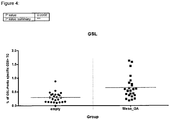
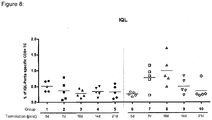
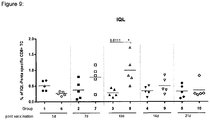
- Figures 4 to 6 represent Meso-specific CD8+ cells detected by MSLN-GSL-Penta; Figures 7 to 9 represent Meso-specific CD8+ cells detected by MSLN-IQL-Penta.
- the Immune kinetics peaked at 10 days post-vaccination. The percentage of Meso-specific CD8+ cells on day 10 was significantly increased compared to the control group, irrespective of the used Pentamers.
Landscapes
- Health & Medical Sciences (AREA)
- Life Sciences & Earth Sciences (AREA)
- Chemical & Material Sciences (AREA)
- Engineering & Computer Science (AREA)
- Organic Chemistry (AREA)
- Genetics & Genomics (AREA)
- Zoology (AREA)
- Wood Science & Technology (AREA)
- Biotechnology (AREA)
- Bioinformatics & Cheminformatics (AREA)
- General Health & Medical Sciences (AREA)
- Medicinal Chemistry (AREA)
- Microbiology (AREA)
- Biochemistry (AREA)
- Biomedical Technology (AREA)
- Virology (AREA)
- Tropical Medicine & Parasitology (AREA)
- General Engineering & Computer Science (AREA)
- Veterinary Medicine (AREA)
- Pharmacology & Pharmacy (AREA)
- Animal Behavior & Ethology (AREA)
- Public Health (AREA)
- Immunology (AREA)
- Oncology (AREA)
- Mycology (AREA)
- Epidemiology (AREA)
- Cell Biology (AREA)
- Chemical Kinetics & Catalysis (AREA)
- General Chemical & Material Sciences (AREA)
- Nuclear Medicine, Radiotherapy & Molecular Imaging (AREA)
- Micro-Organisms Or Cultivation Processes Thereof (AREA)
- Medicines Containing Antibodies Or Antigens For Use As Internal Diagnostic Agents (AREA)
- Medicines Containing Material From Animals Or Micro-Organisms (AREA)
- Toxicology (AREA)
- Gastroenterology & Hepatology (AREA)
- Biophysics (AREA)
- Molecular Biology (AREA)
- Proteomics, Peptides & Aminoacids (AREA)
Description
- The present invention relates to an attenuated mutant strain of Salmonella comprising a recombinant DNA molecule encoding Mesothelin for use as a vaccine in cancer immunotherapy.
- Mesothelin is a glycosyl-phosphatidylinositol anchored glycoprotein present on the cell surface of various human solid tumors. Mesothelin was first identified with the monoclonal antibody (mAb)K1 (Chang et al., 1992). The Mesothelin (MSLN) gene encodes a 71-kDa precursor protein that is processed to a 40-kDa glycosyl-phosphatidylinositol anchored protein, the mature portion to which mAB K1 binds, termed Mesothelin, and a NH2-terminal 31-kDa fragment called megakaryocyte-potentiating factor that is released from the cell. Mesothelin is a tumor differentiation antigen present at low levels on a restricted set of normal adult tissues, such as mesothelium, but aberrantly overexpressed in mesotheliomas, ovarian and pancreatic cancers (Hassan et al., 2004). Thus, MSLN is a promising candidate for the development of cancer vaccines.
- Mesothelin (MSLN) has been described as a target antigen for immunotherapy (Hassan et al., Clin Cancer Res, 2004). Several immunotherapeutic approaches have been used to target MSLN overexpressing tumor types. Hassan et al. (Clin Cancer Res, 2004) discloses anti-mesothelin immunotoxin SS1P [SS1 (dsFv)PE38] exhibiting antitumor activity in adult nude mice. In recent years, several early phase clinical trials based on the administration of anti-mesothelin immunotoxin SS1P or chimeric anti-mesothelin monoclonal antibody MORAb-009 via bolus injection or continuous intravenous infusion have been started (comprehensively summarized in Kelly et al., Mol Cancer Ther 2012). Another immunotherapeutic approach currently tested in phase I/II clinical trials is based on the administration of anti-mesothelin modified lymphocytes (ClinicalTrials.gov; Identifyers NCT01355965 and NCT01439152). Dung et al. (Clin Cancer Res, 2012) discloses a Listeria monocytogenes based mesothelin vaccine, which is administered intravenously. Yamasaki et al. (Int J Cancer, 2013) discloses and intravenous genetic Mesothelin vaccine based on
human adenovirus 40. - Attenuated derivatives of Salmonella enterica are attractive vehicles for the delivery of heterologous antigens to the mammalian immune system, since S. enterica strains can potentially be delivered via mucosal routes of immunization, i.e. orally or nasally, which offers advantages of simplicity and safety compared to parenteral administration. Furthermore, Salmonella strains elicit strong humoral and cellular immune responses at the level of both systemic and mucosal compartments. Batch preparation costs are relatively low and formulations of live bacterial vaccines are highly stable. Attenuation can be accomplished by deletion of various genes, including virulence, regulatory, and metabolic genes.
- Several Salmonella typhimurium strains attenuated by aro mutations have been shown to be safe and effective delivery vehicles for heterologous antigens in animal models.
- Approaches of delivering DNA constructs encoding antigens, in particular the tumor stroma antigen VEGFR, via live attenuated Salmonella typhimurium strains into mouse target cells are described in
WO 03/073995 - There is however only one attenuated Salmonella enterica serovar strain, namely Salmonella enterica serovar typhi Ty21a (short: S. typhi Ty21a), which has been accepted for use in humans and is distributed under the trade name of Vivotif® (Berna Biotech Ltd., a Crucell Company, Switzerland; marketing authorization number
PL 15747/0001 dated 16 December 1996 - This well-tolerated, live oral vaccine against typhoid fever was derived by chemical mutagenesis of the wild-type virulent bacterial isolate S. typhi Ty2 and harbors a loss-of-function mutation in the galE gene, as well as other less defined mutations. It has been licensed as typhoid vaccine in many countries after it was shown to be efficacious and safe in field trials.
-
WO 2013/091898 discloses a method for growing attenuated mutant Salmonella typhi strains lacking galactose epimerase activity and harboring a recombinant DNA molecule. -
US 2012/0076752 discloses vaccine compositions comprising a bacterium expressing mesothelin. However, no vaccination or treatment is shown for an attenuated strain of Salmonella typhimurium. - MSLN is a promising tumor antigen for the development of cancer vaccines. Major limitations of previously available MSLN vaccines are the administration via the intravenous route of administration and the associated side effects. The great need for improved cancer therapy approaches based on targeting MSLN has not been met so far.
- In view of the prior art, it is an object of the present invention to provide a novel oral MSLN targeting cancer vaccine for use in cancer immunotherapy. Such a MSLN targeting cancer vaccine would offer major advantages for improving the treatment options for cancer patients.
- In one aspect, the present invention relates to an attenuated mutant strain of Salmonella comprising at least one copy of a recombinant DNA molecule comprising a eukaryotic expression cassette encoding Mesothelin (MSLN) for use as a vaccine in cancer immunotherapy.
- The attenuated Salmonella strain for use of the present invention was shown to elicit a strong immune response in healthy mice. To the inventor's knowledge, this novel attenuated Salmonella strain is the first oral cancer vaccine targeting MSLN. Since MSLN is overexpressed in mesotheliomas, ovarian and pancreatic cancers, and a wide variety of other tumors, the attenuated Salmonella strain of the present invention has great potential as cancer vaccine for the treatment of these indications.
- In a first study, the vaccine for use according to the present invention (VXM04) has been demonstrated to elicit a strong MSLN-specific immune response in healthy mice. These results indicate that vaccination with VXM04 may lead to an immune response and the development of an immune memory against tumor cells overexpressing MSLN. It is remarkable and surprising that the novel vaccine VXM04 is effective at relatively low doses. The attenuated Salmonella mutant strain for use of the present invention may be applied in monotherapy or in combination with a second attenuated mutant strain of Salmonella comprising a DNA molecule encoding a second tumor antigen. Furthermore, the attenuated mutant strain for use of the present invention may be administered in combination with chemotherapy, radiotherapy or biological cancer therapy. Treatment with VXM04 may also be effective, if the patient has developed a resistance to chemotherapy (chemo-refractory patients). The novel
attenuated Salmonella strain for use of the present invention might therefore be useful in novel, greatly improved cancer therapy approaches. - In particular embodiments, the attenuated mutant strain of Salmonella is of the species Salmonella enterica. In particular embodiments, the attenuated mutant strain of Salmonella is Salmonella typhi Ty21a.
- In particular embodiments, MSLN is selected from the group consisting of human MSLN.
- In particular embodiments, the MSLN has the amino acid sequence as found in
SEQ ID NO 1. - In particular embodiments, the recombinant DNA molecule comprises the kanamycin antibiotic resistance gene, the pMB1 ori, and a eukaryotic expression cassette encoding human MSLN under the control of a CMV promoter, wherein human MSLN has the nucleic acid sequence as found in
SEQ ID NO 2. - The attenuated mutant strain of Salmonella is for use as a vaccine in cancer immunotherapy.
- In particular embodiments, cancer immunotherapy further comprises administration of one or more further attenuated mutant strain(s) of Salmonella comprising at least one copy of a recombinant DNA molecule comprising an expression cassette encoding a tumor antigen and/or a tumor stroma antigen. In particular embodiments, said one or more further attenuated mutant strain(s) of Salmonella is/are Salmonella typhi Ty21a comprising a eukaryotic expression cassette. In particular embodiments, said one or more further strain(s) of Salmonella comprise(s) an attenuated mutant strain(s) of Salmonella encoding the tumor stroma antigen human VEGFR-2 and/or the tumor antigen human Wilms' Tumor Protein (WT1).
- In particular embodiments, the attenuated mutant strain of Salmonella is co-administered with said one or more further attenuated mutant strain(s) of Salmonella.
- In particular embodiments, cancer immunotherapy is accompanied by chemotherapy, radiotherapy or biological cancer therapy.
- In particular embodiments, the attenuated mutant strain of Salmonella is administered during the chemotherapy or the radiotherapy treatment cycle or during biological cancer therapy.
- In particular embodiments, the attenuated mutant strain of Salmonella is administered before the chemotherapy or the radiotherapy treatment cycle or before biological cancer therapy.
- In particular embodiments, the attenuated mutant strain of Salmonella is administered after the chemotherapy or the radiotherapy treatment cycle or after biological cancer therapy.
- In further embodiments the attenuated mutant strain of Salmonella is administered before and during at least one of the chemotherapy, the radiotherapy treatment cycle and the biological cancer therapy. In cases where more than one of the chemotherapy, the radiotherapy and the biological cancer therapy are carried out the attenuated mutant strain of Salmonella may be administered before or during or before and during at least one of these therapies, particularly during at least two of these therapies.
- In particular embodiments, the attenuated mutant strain of Salmonella is administered orally.
- In particular embodiments, the cancer is selected from mesotheliomas, ovarian and pancreatic cancers, squamous cell carcinomas of the cervix, head and neck, vulva, lung and esophagus, lung adenocarcinomas, endometrial carcinomas, biphasic synovial sarcomas, desmoplastic small round cell tumors and gastric adenocarcinomas.
- In particular embodiments, the single dose is from about 105 to about 1011, particularly from about 106 to about 1010, more particularly from about 106 to about 109, more particularly from about 106 to about 108, most particularly from about 106 to about 107 colony forming units (CFU).
- In particular embodiments, the attenuated mutant strain of Salmonella is for use in personalized cancer immunotherapy comprising the step of assessing the MSLN expression pattern and/or the pre-immune response against MSLN of a patient.
- The present invention may be understood more readily by reference to the following detailed description of the invention and the examples included therein.
- In one aspect, the present invention relates to an attenuated mutant strain of Salmonella comprising at least one copy of a recombinant DNA molecule comprising a eukaryotic expression cassette encoding Mesothelin (MSLN) for us as a vaccine in cancer immunotherapy.
- According to the invention, the attenuated Salmonella strain functions as the bacterial carrier of the recombinant DNA molecule comprising an expression cassette encoding Mesothelin (MSLN) for the delivery of said recombinant DNA molecule into a target cell.
- In the context of the present invention, the term "attenuated" refers to a bacterial strain of reduced virulence compared to the parental bacterial strain, not harboring the attenuating mutation. Attenuated bacterial strains have preferably lost their virulence but retained their ability to induce protective immunity. Attenuation can be accomplished by deletion of various genes, including virulence, regulatory, and metabolic genes. Attenuated bacteria may be found naturally or they may be produced artificially in the laboratory, for example by adaptation to a new medium or cell culture or they may be produced by recombinant DNA technology.
- In the context of the present invention, the term "mutant strain" refers to a bacterial strain harboring a mutation in its genome. In this context, the term "mutation" refers to a change in a nucleic acid sequence, including point mutations, insertions, deletions, translocations and inversions.
- In the context of the present invention, the term "comprises" or "comprising" means "including, but not limited to". The term is intended to be open-ended, to specify the presence of any stated features, elements, integers, steps or components, but not to preclude the presence or addition of one or more other features, elements, integers, steps, components or groups thereof. The term "comprising" thus includes the more restrictive terms "consisting of" and "essentially consisting of". In one embodiment the term "comprising" as used throughout the application and in particular within the claims may be replaced by the term "consisting of".
- In the context of the present invention, the term "recombinant DNA molecule" refers to an engineered DNA construct, preferably composed of DNA pieces of different origin. The recombinant DNA molecule can be a linear nucleic acid, or preferably, a circular recombinant DNA plasmid generated by introducing an open reading frame encoding MSLN into an expression vector plasmid.
- In the context of the present invention, the term "expression cassette" refers to a nucleic acid unit comprising at least the MSLN gene under the control of regulatory sequences controlling its expression. The expression cassette comprised in the attenuated mutant strain of Salmonella can preferably mediate transcription of the included open reading frame encoding MSLN in a target cell. Expression cassettes typically comprise a promoter, at least one open reading frame and a transcription termination signal.
- Mesothelin is a 40-kDa cell surface glycoprotein present on normal mesothelial cells and overexpressed in several human tumors, including mesothelioma and ovarian and pancreatic adenocarcinoma. The mesothelin gene encodes a precursor protein of 71-kDa that is processed to yield a 31-kDa shed protein named megakaryocyte-potentiating factor (MPF) and the 40-kDa cell bound fragment mesothelin. Mesothelin was shown to exhibit megakaryocyte- colony-forming activity in the presence of interleukin-3. Mesothelin is a tumor differentiation antigen present at low levels on a restricted set of normal adult tissues, such as mesothelium, but aberrantly overexpressed in a wide variety of human tumors including mesotheliomas, ovarian and pancreatic cancers, squamous cell carcinomas of the cervix, head and neck, vulva, lung and esophagus, lung adenocarcinomas, endometrial carcinomas, biphasic synovial sarcomas, desmoplastic small round cell tumors and gastric adenocarcinomas. The normal biological function of Mesothelin is unknown. Studies in mesothelin knock-out mice revealed no detectable phenotype, and both male and female mice produced healthy off-spring. Studies in pancreatic cancer suggest that mesothelin plays a role in tumorigenesis by increasing cellular proliferation, migration, and S-phase cell populations. Furthermore, there is evidence that mesothelin is an immunogenic protein. Due to its expression profile, its oncogenic functions and its immunogenic potential, the tumor antigen mesothelin is a promising candidate for the development of cancer vaccines.
- Mesothelin is a tumor differentiation antigen present at low levels on a restricted set of normal adult tissues, such as mesothelium, but aberrantly overexpressed in mesotheliomas, ovarian and pancreatic cancers (Hassan et al., 2004). Thus, MSLN is a promising candidate for the development of cancer vaccines.
- In particular embodiments, the attenuated mutant strain of Salmonella is of the species Salmonella enterica. In particular embodiments, the attenuated mutant strain of Salmonella is Salmonella typhi Ty21a. The attenuated S. typhi Ty21a strain is the active component of Typhoral L®, also known as Vivotif® (manufactured by Berna Biotech Ltd., a Crucell Company, Switzerland). It is currently the only licensed live oral vaccine against typhoid fever. This vaccine has been extensively tested and has proved to be safe regarding patient toxicity as well as transmission to third parties (Wahdan et al., J. Infectious Diseases 1982, 145:292-295). The vaccine is licensed in more than 40 countries. The Marketing Authorization number of Typhoral L® is
PL 15747/0001 dated 16 December 1996 - One of the biochemical properties of the Salmonella typhi Ty21a bacterial strain is its inability to metabolize galactose. The attenuated bacterial strain is also not able to reduce sulfate to sulfide which differentiates it from the wild-type Salmonella typhi Ty2 strain. With regard to its serological characteristics, the Salmonella typhi Ty21a strain contains the O9-antigen which is a polysaccharide of the outer membrane of the bacteria and lacks the O5-antigen which is in turn a characteristic component of Salmonella typhimurium. This serological characteristic supports the rationale for including the respective test in a panel of identity tests for batch release.
- In the context of the present invention, the term "eukaryotic expression cassette" refers to an expression cassette which allows for expression of the open reading frame in a eukaryotic cell. It has been shown that the amount of heterologous antigen required to induce an adequate immune response may be toxic for the bacterium and result in cell death, over-attenuation or loss of expression of the heterologous antigen. Using a eukaryotic expression cassette that is not expressed in the bacterial vector but only in the target cell may overcome this toxicity problem and the protein expressed may exhibit a eukaryotic glycosylation pattern.
- A eukaryotic expression cassette comprises regulatory sequences that are able to control the expression of an open reading frame in a eukaryotic cell, preferably a promoter and a polyadenylation signal. Promoters and polyadenylation signals included in the recombinant DNA molecules comprised by the attenuated mutant strain of Salmonella for use of the present invention are preferably selected to be functional within the cells of the subject to be immunized. Examples of suitable promoters, especially for the production of a DNA vaccine for humans, include but are not limited to promoters from Cytomegalovirus (CMV), such as the strong CMV immediate early promoter, Simian Virus 40 (SV40), Mouse Mammary Tumor Virus (MMTV), Human Immunodeficiency Virus (HIV), such as the HIV Long Terminal Repeat (LTR) promoter, Moloney virus, Epstein Barr Virus (EBV), and from Rous Sarcoma Virus (RSV) as well as promoters from human genes such as human actin, human myosin, human hemoglobin, human muscle creatine, and human metallothionein. In a particular embodiment, the eukaryotic expression cassette contains the CMV promoter. In the context of the present invention, the term "CMV promoter" refers to the strong immediate-early cytomegalovirus promoter.
- Examples of suitable polyadenylation signals, especially for the production of a DNA vaccine for humans, include but are not limited to the bovine growth hormone (BGH) polyadenylation site, SV40 polyadenylation signals and LTR polyadenylation signals. In a particular embodiment, the eukaryotic expression cassette included in the recombinant DNA molecule comprised by the attenuated mutant strain of Salmonella of the present invention comprises the BGH polyadenylation site.
- In addition to the regulatory elements required for expression of the heterologous MSLN gene, like a promoter and a polyadenylation signal, other elements can also be included in the recombinant DNA molecule. Such additional elements include enhancers. The enhancer can be, for example, the enhancer of human actin, human myosin, human hemoglobin, human muscle creatine and viral enhancers such as those from CMV, RSV and EBV.
- Regulatory sequences and codons are generally species dependent, so in order to maximize protein production, the regulatory sequences and codons are preferably selected to be effective in the species to be immunized. The person skilled in the art can produce recombinant DNA molecules that are functional in a given subject species.
- In particular embodiments, MSLN is human MSLN.
- In this context, the term "about" or "approximately" means within 80% to 120%, alternatively within 90% to 110%, including within 95% to 105% of a given value or range.
- The protein may be of natural origin, e.g. a homolog of MSLN of a different species, or an engineered protein, e.g. an engineered MSLN derivative. It is known that the usage of codons is different between species. Thus, when expressing a heterologous protein in a target cell, it may be necessary, or at least helpful, to adapt the nucleic acid sequence to the codon usage of the target cell. Methods for designing and constructing derivatives of a given protein are well known to anyone of ordinary skill in the art.
- The human MSLN may contain one or more mutations comprising an addition, a deletion and/or a substitution of one or more amino acids. Methods and algorithms for determining sequence identity including the comparison of a parental protein and its derivative having deletions, additions and/or substitutions relative to a parental sequence, are well known to the practitioner of ordinary skill in the art. On the DNA level, the nucleic acid sequences encoding the protein may differ to a larger extent due to the degeneracy of the genetic code.
- In particular embodiments, MSLN has the amino acid sequence as found in
SEQ ID NO 1. - In particular embodiments, the recombinant DNA molecule comprises the kanamycin antibiotic resistance gene, the pMB1 ori, and a eukaryotic expression cassette encoding human MSLN
under the control of a CMV promoter, wherein human MSLN has the nucleic acid sequence as found inSEQ ID NO 2. - In particular embodiments, the recombinant DNA molecule is derived from commercially available pVAX1™ expression plasmid (Invitrogen, San Diego, California). This expression vector was modified by replacing the high copy pUC origin of replication by the low copy pMB1 origin of replication of pBR322. The low copy modification was made in order to reduce the metabolic burden and to render the construct more stable. The generated expression vector backbone was designated pVAX10. Inserting human MSLN with the nucleic acid sequence as found in
SEQ ID NO 2 into this expression vector backbone via NheI/XhoI yielded the expression plasmid pVAX10.hMSLN. The expression plasmid pVAX10.hMSLN is schematically depicted inFigure 3 . - The attenuated mutant strain of Salmonella is for use as a vaccine in cancer immunotherapy.
- In the context of the present invention, the term "vaccine" refers to an agent which is able to induce an immune response in a subject upon administration. A vaccine can preferably prevent, ameliorate or treat a disease. A vaccine for use in accordance with the present invention comprises an attenuated mutant strain of Salmonella, preferably S. typhi Ty21a. The vaccine for use in accordance with the present invention further comprises at least one copy of a recombinant DNA molecule comprising a eukaryotic expression cassette
encoding MSLN, preferably human MSLN. - The live attenuated Salmonella mutant strain for use according to the present invention comprising a recombinant DNA molecule encoding MSLN can be used as a vehicle for the oral delivery of this recombinant DNA molecule. Such a delivery vector comprising a DNA molecule encoding a heterologous antigen, such as MSLN, is termed DNA vaccine.
- Genetic immunization might be advantageous over conventional vaccination. The target DNA can be detected for a considerable period of time thus acting as a depot of the antigen. Sequence motifs in some plasmids, like GpC islands, are immunostimulatory and can function as adjuvants furthered by the immunostimulation due to LPS and other bacterial components.
- Live bacterial vectors produce their own immunomodulatory factors such as lipopolysaccharides (LPS) in situ which may constitute an advantage over other forms of administration such as microencapsulation. Moreover, the use of the natural route of entry proves to be of benefit since many bacteria, like Salmonella, egress from the gut lumen via the M cells of Peyer's patches and migrate eventually into the lymph nodes and spleen, thus allowing targeting of vaccines to inductive sites of the immune system. The vaccine strain of Salmonella typhi, Ty21a, has been demonstrated to-date to have an excellent safety profile. Upon exit from the gut lumen via the M cells, the bacteria are taken up by phagocytic cells, such as macrophages and dendritic cells. These cells are activated by the pathogen and start to differentiate, and probably migrate into the lymph nodes and spleen. Due to their attenuating mutations, bacteria of the S. typhi Ty21 strain are not able to persist in these phagocytic cells but die at this time point. The recombinant DNA molecules are released and subsequently transferred into the cytosol of the phagocytic immune cells, either via a specific transport system or by endosomal leakage. Finally, the recombinant DNA molecules enter the nucleus, where they are transcribed, leading to MSLN expression in the cytosol of the phagocytic cells. Specific cytotoxic T cells against MSLN are induced by the activated antigen presenting cells.
- There is no data available to-date indicating that S. typhi Ty21a is able to enter the bloodstream systemically. The live attenuated Salmonella typhi Ty21a vaccine strain thus allows specific targeting of the immune system while exhibiting an excellent safety profile. In contrast, adenovirus-based DNA vaccines might bear an inherent risk of unintended virus replication.
- Attenuated derivatives of Salmonella enterica are attractive as vehicles for the delivery of heterologous antigens to the mammalian immune system because S. enterica strains can potentially be delivered via mucosal routes of immunization, i.e. orally or nasally, which offers advantages of simplicity and safety compared to parenteral administration. Furthermore, Salmonella strains elicit strong humoral and cellular immune responses at the level of both systemic and mucosal compartments.
- The attenuated mutant strain of Salmonella is for use as a vaccine in cancer immunotherapy.
- In particular embodiments, cancer immunotherapy further comprises administration of one or more further attenuated mutant strain(s) of Salmonella comprising at least one copy of a recombinant DNA molecule comprising an expression cassette encoding a tumor antigen and/or a tumor stroma antigen. In particular embodiments, said one or more further mutant strain(s) of Salmonella is/are Salmonella typhi Ty21a comprising a eukaryotic expression cassette. In particular embodiments, said one or more further strain(s) of Salmonella comprise(s) an attenuated mutant strain of Salmonella encoding human VEGFR-2 and/or human Wilms' Tumor Protein (WT1).
- Combining the attenuated mutant strain of Salmonella of the present invention with a second attenuated mutant strain comprising a DNA molecule encoding a second tumor antigen may have synergistic antitumor effects. In particular, simultaneous targeting of different tumor antigens may minimize the risk of tumor escape. Combining MSLN based cancer immunotherapy with VEGFR-2 based immunotherapy may prove especially effective, since MSLN overexpressing tumor cells and the tumor vasculature are attacked at the same time.
- In particular embodiments, the attenuated mutant strain of Salmonella is co-administered with said one or more further attenuated mutant strain(s) of Salmonella.
- In the context of the present invention, the term "co-administration" or "co-administer" means administration of two different attenuated mutant strains of Salmonella within three consecutive days, more particularly within two consecutive days, more particularly on the same day, more particularly within 12 hours. Most particularly, in the context of the present invention, the term "co-administration" refers to simultaneous administration of two different attenuated mutant strains of Salmonella.
- In particular embodiments, cancer immunotherapy is accompanied by chemotherapy, radiotherapy or biological cancer therapy. For cure of cancer, complete eradication of cancer stem cells may be essential. For maximal efficacy, a combination of different therapy approaches may be beneficial.
- In the context of the present invention, the term "biological cancer therapy" refers to cancer therapy involving the use of living organisms, substances derived from living organisms, or laboratory-produced versions of such substances. Some biological therapies for cancer aim at stimulating the body's immune system to act against cancer cells (so called biological cancer immunotherapy). Biological cancer therapy approaches include the delivery of tumor antigens, delivery of therapeutic antibodies as drugs, administration of immunostimulatory cytokines and administration of immune cells. Therapeutic antibodies include antibodies targeting tumor antigens or tumor stroma antigens as well as antibodies functioning as checkpoint inhibitors, such as anti-PD-1, anti-PD-L1 and anti-CTLA4.
- Chemotherapeutic agents that may be used in combination with the attenuated mutant strain of Salmonella of the present invention may be, for example: gemcitabine, amifostine (ethyol), cabazitaxel, cisplatin, dacarbazine (DTIC), dactinomycin, docetaxel, mechlorethamine, streptozocin, cyclophosphamide, carrnustine (BCNU), lomustine (CCNU), doxorubicin (adriamycin), doxorubicin lipo (doxil), folinic acid, gemcitabine (gemzar), daunorubicin, daunorubicin lipo (daunoxome), procarbazine, ketokonazole, mitomycin, cytarabine, etoposide, methotrexate, 5-fluorouracil (5-FU), vinblastine, vincristine, bleomycin, paclitaxel (taxol), docetaxel (taxotere), aldesleukin, asparaginase, busulfan, carboplatin, cladribine, camptothecin, CPT-11, 10-hydroxy-7-ethyl-camptothecin (SN38), dacarbazine, floxuridine, fludarabine, hydroxyurea, ifosfamide, idarubicin, mesna, interferon alpha, interferon beta, irinotecan, mitoxantrone, topotecan, leuprolide, megestrol, melphalan, mercaptopurine, oxaliplatin, plicamycin, mitotane, pegaspargase, pentostatin, pipobroman, plicamycin, streptozocin, tamoxifen, teniposide, testolactone, thioguanine, thiotepa,. uracil mustard, vinorelbine, chlorambucil and combinations thereof.
- Most preferred chemotherapeutic agents according to the invention in combination with VXM04 are cabazitaxel, carboplatin, oxaliplatin, cisplatin, cyclophosphamide, docetaxel, gemcitabine, doxorubicin, paclitaxel (taxol), irinotecan, vincristine, vinblastine, vinorelbin, folinic acid, 5-fluorouracil and bleomycin, especially gemcitabine.
- It may be also favorable dependent on the occurrence of possible side effects, to include treatment with antibiotics or anti-inflammatory agents.
- Should adverse events occur that resemble hypersensitivity reactions mediated by histamine, leukotrienes, or cytokines, treatment options for fever, anaphylaxis, blood pressure instability, bronchospasm, and dyspnoea are available. Treatment options in case of unwanted T-cell derived auto-aggression are derived from standard treatment schemes in acute and chronic graft vs. host disease applied after stem cell transplantation. Cyclosporin and glucocorticoids are proposed as treatment options.
- In the unlikely case of systemic Salmonella typhi Ty21a type infection, appropriate antibiotic therapy is recommended, for example with fluoroquinolones including ciprofloxacin or ofloxacin. Bacterial infections of the gastrointestinal tract are to be treated with respective agents, such as rifaximin.
- In particular embodiments, the attenuated mutant strain of Salmonella is administered during the chemotherapy or the radiotherapy treatment cycle or during biological cancer therapy.
- In particular embodiments, the attenuated mutant strain of Salmonella is administered before the chemotherapy or the radiotherapy treatment cycle or before biological cancer therapy. This approach may have the advantage that chemotherapy or radiotherapy can be performed under conditions of enhanced cancer immunity.
- In particular embodiments, the attenuated mutant strain of Salmonella is administered after the chemotherapy or the radiotherapy treatment cycle or after biological cancer therapy.
- In particular embodiments, the attenuated mutant strain of Salmonella is administered orally. Oral administration is simpler, safer and more comfortable than parenteral administration. In contrast, intravenous administration of live bacterial vaccines such as the Listeria monocytogenes based mesothelin vaccine described in Dung et al., (Clin Cancer Res, 2012) initially causes a bacteremia associated with safety risks of the sepsis-type. Thus, intravenous administration of live bacterial vaccines calls for careful observation and monitoring of clinical symptoms such as cytokine release. Oral administration of the attenuated mutant strain for use of the present invention may at least in part overcome the described risks. However, it has to be noted that the attenuated mutant strain of Salmonella for use of the present invention may also be administered by any other suitable route. Preferably, a therapeutically effective dose is administered to the subject, and this dose depends on the particular application, the type of malignancy, the subject's weight, age, sex and state of health, the manner of administration and the formulation, etc. Administration may be single or multiple, as required.
- The attenuated mutant strain of Salmonella for use of the present invention may be provided in the form of a solution, a suspension, lyophilisate, or any other suitable form. It may be provided in combination with pharmaceutically acceptable carriers, diluents, and/or excipients. Agents for adjusting the pH value, buffers, agents for adjusting toxicity, and the like may also be included. In the context of the present invention, the term "pharmaceutically acceptable" refers to molecular entities and other ingredients of pharmaceutical compositions that are physiologically tolerable and do not typically produce untoward reactions when administered to a mammal (e.g., human). The term "pharmaceutically acceptable" may also mean approved by a regulatory agency of a Federal or a state government or listed in the U.S. Pharmacopeia or other generally recognized pharmacopeia for use in mammals, and, more particularly, in humans.
- In particular embodiments, the cancer is selected from mesotheliomas, ovarian and pancreatic cancers, squamous cell carcinomas of the cervix, head and neck, vulva, lung and esophagus, lung adenocarcinomas, endometrial carcinomas, biphasic synovial sarcomas, desmoplastic small round cell tumors and gastric adenocarcinomas.
- The vaccine for use of the present invention is surprisingly effective at relatively low doses. In particular embodiments, the single dose is from about 105 to about 1011, particularly from about 106 to about 1010, more particularly from about 106 to about 109, more particularly from about 106 to about 108, most particularly from about 106 to about 107 colony forming units (CFU). Administration of low doses of this live bacterial vaccine minimizes the risk of excretion and thus of transmission to third parties.
- In this context, the term "about" or "approximately" means within a factor of 3, alternatively within a factor of 2, including within a factor of 1.5 of a given value or range.
- In particular embodiments, the attenuated mutant strain of Salmonella is for use in individualized cancer immunotherapy comprising the step of assessing the MSLN expression pattern and/or the pre-immune response against MSLN of a patient.
- VXM04 can be used - either by itself or in combination with other Salmonella typhi Ty21a based cancer vaccines comprising eukaryotic expression systems - for the treatment of various cancer types. In particular embodiments, VXM04 may be used for individualized patient specific cancer treatment. For that purpose, the patient's tumor and/or stromal antigen expression pattern and/or the patient's pre-immune responses against tumor and/or stromal antigens may be assessed in a first step for example by companion diagnostics targeting the patient's specific tumor and/or stromal antigen pattern. Depending on the patient's tumor and/or stromal antigen expression pattern or the patient's pre-immune responses against tumor and/or stromal antigens, VMX04 may be administered either alone or in combination with one or more suitable further Salmonella typhi Ty21a based cancer vaccine(s) comprising eukaryotic expression systems. Combinations of VXM04 with one or more further Salmonella typhi Ty21a based cancer vaccine(s) may however also be administered as fixed combinations. These cocktails combining two or more Salmonella typhi Ty21a based cancer vaccines can be composed from separate off the shelf products. The combinations, either fixed or individualized may contain VXM01 (
WO 2013/091898 ) as anti-angiogenic basis therapy. -
-
Figure 1 : Amino acid sequence of human MSLN encoded by MSLN cDNA contained in plasmid pVAX10.hMSLN -
Figure 2 : Nucleic acid sequence of pVAX10.hMSLN -
Figure 3 : Plasmid map of pVAX10.hMSLN -
Figure 4 : Percentages of Meso-specific CD8+ cells in spleens from healthy C57BI/6 mice as detected by MSLN-GSL-Penta. Individual percentages of the entirety of mice treated with VXM-04m-empty in comparison to the entirety of mice treated with VXM-04m are shown. -
Figure 5 : Percentages of Meso-specific CD8+ cells in spleens from healthy C57BI/6 mice as detected by MSLN-GSL-Penta. Individual percentages partitioned according to the treatment groups are shown. -
Figure 6 : Percentages of Meso-specific CD8+ cells in spleens from healthy C57BI/6 mice as detected by MSLN-GSL-Penta. Individual percentages partitioned according to the treatment groups are shown. -
Figure 7 : Percentages of Meso-specific CD8+ cells in spleens from healthy C57BI/6 mice as detected by MSLN-IQL-Penta. Individual percentages of the entirety of mice treated with VXM-04m-empty in comparison to the entirety of mice treated with VXM-04m are shown. -
Figure 8 : Percentages of Meso-specific CD8+ cells in spleens from healthy C57BI/6 mice as detected by MSLN-IQL-Penta. Individual percentages partitioned according to the treatment groups are shown. -
Figure 9 : Percentages of Meso-specific CD8+ cells in spleens from healthy C57BI/6 mice as detected by MSLN-IQL-Penta. Individual percentages partitioned according to the treatment groups are shown. - Table 1: Pro5® Recombinant MHC Pentamers used in the Pentamer analysis.
- Human MSLN (1893 bp, MSLN sequence according to NCBI reference sequence NM_013404.4) and murine MSLN (1878 bp, MSLN sequence according to NCBI reference sequence NM_018857.1) were cloned into the pVAX10 backbone derived of pVAX10.VR2-1. MSLN DNA fragments were generated by double-strand gene synthesis, where oligonucleotides were linked together using a thermostable ligase. The obtained ligation products were amplified by PCR. Upon amplification, the in vitro synthesized DNA fragments of human and murine MSLN were cloned into the pVAX10 backbone via NheI/XhoI (the VEGFR-2 coding region of recombinant plasmid pVAX10.VR2-1 was replaced by human or murine MSLN). For quality control, the entire plasmids were sequenced and aligned to the respective reference sequence after transformation into E. coli. Both sequences proved to be free of errors. The resulting plasmids were designated pVAX10.mMSLN and pVAX10.hMSLN.
- S. typhi Ty 21a was transformed with plasmid pVAX10.hMSLN. S. typhimurium SL7207 (aroA-) was transformed with plasmid pVAX10.mMSLN. The transformation was performed by electroporation.
- Glycerol cultures of S. typhi Ty21a and S. typhimurium SL7207 were inoculated on LB plates (animal component free [ACF] soy peptone). The plates were incubated at 37°C overnight. One colony each was used for overnight-liquid-preculture. 3 ml LB medium (ACF soy peptone) inoculated with one colony each was incubated at 37°C and 180 rpm overnight. To prepare competent cells, 2 x 300 ml of LB medium (ACF soy peptone) were inoculated with 3 ml of the overnight culture and incubated at 37°C and 180 rpm up to an OD600 of about 0.5. The cultures were then put on ice for 10 minutes. Subsequently, the bacteria were centrifuged for 10 minutes at 3000xg at 4°C and each pellet was resuspended in 500 mL of ice cold H2Odest. After a new centrifugation step, the bacterial pellets were washed twice in 10% ice cold glycerol. Both pallets were put together in 2 ml of 10% glycerol and finally frozen in aliquots of 50 µL on dry ice. The used glycerol did not contain any animal ingredients (Sigma Aldrich, G5150).
- For each transformation reaction, a 50 µl aliquot of competent cells was thawed on ice for 10 minutes. After adding 3-5 µL of plasmid DNA (pVAX10.hMSLN for competent S. typhi Ty21a cells and pVAX10.mMSLN for competent S. typhimurium SL7207 cells) the mixtures were incubated on ice for five minutes. Subsequently, the mixtures were transferred to pre-cooled cuvettes (1 mm thickness). The electric pulse was carried out at 12.5 kV/cm. Immediately afterwards, 1 ml of LB medium (ACF soy peptone) was added to the cells, the cells were transferred into a 2 ml Eppendorf tube and shaken for 1 hour at 37°C. After a short centrifugation step on a bench centrifuge (16600 rcf, 20 s), the bacterial pellet was resuspended in 200 µl of LB (ACF soy peptone) antibiotic-free medium. The mixtures were applied with a Drigalski spatula on LB plates (ACF soy peptone) containing kanamycin (concentration = 25 µg/ml or 50 µg/ml). The plates were incubated at 37°C overnight.
- Three clones of each recombinant Salmonella strain were incubated overnight in 3 ml of LB medium (ACF soy peptone) containing kanamycin (50 µg/ml) at 37°C. The bacterial culture was then pelleted by centrifugation (16600 rcf, 30 s). Plasmid isolation was performed using the NucleoSpin Plasmid Kit from Macherey-Nagel. The plasmid DNA was eluted from the silica gel columns with 50 µl water. 5 µl of the eluate was used in agarose gel electrophoresis for control.
- For long-term storage, 1ml glycerol cultures of the positive clones were produced. For this purpose, 172 µl glycerol (no animal ingredients) was added to 828 µl medium of a logarithmically growing 3 ml culture in a 1 low ml screw microtube. The samples were stored at -70°C until further use.
- 3ml of liquid LB-Kan medium (ACF soy peptone) were inoculated with one colony of recombinant Salmonella (S. typhi Ty21a harboring pVAX10.hMSLN and S. typhimurium SL7207 harboring pVAX10.mMSLN) and incubated overnight at 37°C and 180 rpm. The overnight culture was pelleted by centrifugation at 1300 rpm for 30 s on a bench centrifuge (Biofuge pico, Heraeus). The plasmid isolation was performed with the NucleoSpin Plasmid Kit from Macherey-Nagel. After alkaline lysis and precipitation of high molecular weight genomic DNA and cellular components, the plasmid DNA was loaded onto columns with a silica membrane. After a washing step, the plasmids were eluted from the column with 50 µl of sterile water and sequenced. The sequences were then compared with the respective reference sequence by clone specific alignments, i.e. the plasmid sequences of each Salmonella clone was one by one aligned with the reference sequence. All sequences were in line with the respective reference sequences. The recombinant Salmonella strains were designated VXM04 (S. typhi Ty21a harboring plasmid pVAX10.hMSLN) and VXM04m (S. typhimurium SL7207 harboring plasmid pVAX10.mMSLN).
- The kinetics of specific immune activation against murine Mesothelin in healthy C57BI/6 mice was evaluated by Pentamer analysis and ELISpot. As negative control, a vector control group (receiving VXM04m-empty = Salmonella typhimurium containing no expression plasmid) was included in the study setup to discriminate the desired immunologic effect from any unspecific background stimulation caused by Salmonella empty vector. Immune monitoring was carried out at D5, D7, D10, D14 and D21 post vaccination after 4-fold every second day vaccination with VXM04m and VXM04m-empty (each 1010 CFU/dose).
- 52 healthy female C57BI/6 mice, 6 weeks old at reception, were obtained from JANVIER (Le Genest St Isle, France) and observed for 7 days in a specific-pathogen-free (SPF) animal care unit before starting the procedure. Animals were maintained in rooms under controlled conditions of temperature (23 ± 2°C), humidity (45 ± 10%), photoperiod (12h light/12h dark) and air exchange. Animals were maintained in SPF conditions. Room temperature and humidity were continuously monitored. The air handling system was programmed for 14 air changes/hour, with no recirculation. Fresh outside air was passed through a series of filters, before being diffused evenly into each room. A positive pressure (20 ± 4 Pa) was maintained in the experimentation room to prevent contamination or the spread of pathogens within a rodent colony. Animals were housed in polycarbonate cages (Techniplast, Limonest, France) that were equipped to provide food and water. The standard area cages used were 800 cm2 with a maximum of 10 mice per cage (from the same group). Bedding for animals was sterile corn cob bedding (ref: LAB COB 12, SERLAB, Cergy-Pontoise, France), replaced twice a week. Animal wood was purchased from DIETEX (Saint-Gratien, France). Irradiated RM1 was used as sterile controlled granules. Food was provided ad libitum from water bottles equipped with rubber stoppers and snipper tubes. Water bottles were sterilized by sterile filtration and replaced twice a week. At D0, 50 mice out of 52 were distributed according to their individual body weight into 2 groups of 25 mice each using Vivo manager® software (Biosystemes, Couternon, France). The mean body weight of both groups was not statistically different (analysis of variance).
- The mice from
groups 1 to 5 received administrations of VXM04m-empty, the animals fromgroups 6 to 10 received administrations of VXM04m. Both VXM04m-empty and VXM04m were thawed and administered within 30 min, the working solutions were discarded after use. The treatment dose of VXM04m-empty and VXM04m was 1010 CFU in 100 µl per administration. VXM04m-empty and VXM04m were administered by oral gavage (per os, PO) via a cannula with a volume of 0.1 ml. Regardless of animal groups, each animal received pre-dose application buffer to neutralize acid in the stomach prior dosing (100 µl / animal / application). Thus buffer was composed by dissolution of 2.6 g sodium hydrogen carbonate, 1.7 g L-Ascorbic acid, 0.2 g lactose monohydrate in 100 ml of drinking water and was applied within 30 min prior application of VXM04m-empty and VXM04m. The treatment schedule was as follows: - The mice from
groups 1 to 5 received daily PO administrations of VXM04m-empty at 1010 in CFU every two days for four consecutive times (Q2Dx4). - The mice from
groups 6 to 10 received daily PO administrations of VXM04m at 1010 in CFU every two days for four consecutive times (Q2Dx4). - The viability and behavior of the animals was recorded every day, body weights were measured twice a weak.
- Irrespective of the administered Salmonella vaccine, mice were terminated after 5 (
groups 1 and 6), 7 (groups 2 and 7), 10 (groups 3 and 8), 14 (groups 4 and 9) and 21 (groups 5 and 10) days post vaccination phase (5 mice per animal group and time point). Isoflurane (Baxter, France) was used to anaesthetize the animals before termination. Animals were terminated by cervical dislocation. An autopsy (macroscopic examination of heart, lungs, liver, spleen, kidneys and gastrointestinal tract) was performed on all terminated animals. At the time of mice termination, spleens were collected and placed individually into single ID labeled tubes containing chilled PBS (2-8°C) each and stored over night at 2-8°C. Freshly isolated and purified splenocytes were used for Pentamer analysis. Freshly prepared CD8+ cells were used for ELISpot analysis. - Splenocyte preparation was performed as follows: In a washing step a part of the PBS was discarded and replaced by fresh PBS. A 100 µm nylon Cell Strainer (BD Falcon) was hung into the opening of a 50 ml Falcon containing 5 ml 1 x PBS. The spleens were cut with a scalpel and then pushed through the cell strainer with the stamp of a 5 ml syringe. One strainer was used per spleen, the strainer was always rinsed in between with sterile 1 x PBS. The cells were centrifuged at 1,500 rpm (approximately 450 g) for 10 min at 2-8°C and the supernatant was discarded. 1 ml ACK-Ery-Lysis buffer (8.3 g/l NH4, 1 g/l KHCO3, 0.037 g/l EDTA; pH 7.2 - 7.4) was added per spleen to lyse the red blood cells. The solution was incubated for 30 sec at RT. 10 ml of PBS were added and the cells were again spun down at 1,500 rpm for 10 min at 2-8°C, the supernatant was discarded. The pellet was resuspended in 10 ml DMEM media. Live/dead cell staining was performed with trypan blue and the cell number was counted. The cell suspension was split for the subsequent analyses. About one third was used for Pentamer analysis, the rest was used for the ELISpot analysis.
- Pentamer Analysis included a viability staining and the Pentamer staining. For the viability staining, one vial of the fluorescent reactive dye (Pacific Orange - component A) and the vial of anhydrous DMSO (component B) were brought to room temperature before the caps were removed. 50 µl of DMSO (component B) was added to the vial of reactive dye (component A). Subsequently the well was mixed and it was confirmed visually that all of the dye had dissolved. The solution of reactive dye was used without delay, within a few hours of reconstitution. The suspension of cells containing at least 1 x 10⁶ cells was centrifuged and the supernatant was discarded. The cells were washed once with 1 ml of PBS and resuspended in 1 ml of PBS. The cells were counted and the density was adjusted with PBS to 1 x 10⁶ cells in a 1 ml volume. 1 µl of the reconstituted fluorescent reactive dye was added to 1 ml of the cell suspension. The suspension was then mixed thoroughly and incubated at room temperature for 30 min, protected from light. The cells were washed once with 1 ml of PBS with 1% Fetal Calf Serum (FCS) and resuspended in 1 ml of PBS with 1% FCS.
- For Pentamer staining, splenocytes prelabelled with Pacific Orange for viability gating were used. The Pro5® Recombinant MHC Pentamers used are listed in the following Table 1:
Pentamer description including sequence Pentamer nomenclature mMesothelin start position Unlabelled Pro5 MHC Pentamer H-2Db GQKMNAQAI Mesothelin MSLN-GAI-Penta 406 Unlabelled Pro5 MHC Pentamer H-2Kb ACAHFFSL Mesothelin MSLN-ASL-Penta 138 Unlabelled Pro5 MHC Pentamer H-2Kb CSRSFLLL Mesothelin MSLN-CLL- Penta 18 Unlabelled Pro5 MHC Pentamer H-2Kb GAADFASL Mesothelin MSLN-GSL-Penta 54 Unlabelled Pro5 MHC Pentamer H-2Kb IPFTYEQL Mesothelin MSLN-IQL-Penta 344 Pro5 Fluorotag R-PE - Pro5® Pentamers were centrifuged in chilled microcentrifuge at 14,000xg for 5-10 minutes to collect any protein aggregates present in the solution at the bottom of the vial in order to avoid non-specific staining. The supernatant was used for Pentamer staining. All reagents were maintained on ice, shielded form light, until required. 1x10⁶ splenocytes were allocated per staining condition. The cells were washed with 2 ml wash buffer (PBS with 1% FCS) and spun down (500 x g for 5 minutes), the supernatant was discarded and the cells were resuspended in the residual volume (∼ 50 µl). The tubes were kept chilled on ice for all subsequent steps, except where otherwise indicated. One test (2 µl) of unlabeled Pentamer was added to the cells and the solution was mixed by pipetting and incubated at room temperature (22°C) for 10 min, shielded from light. The cells were then washed with 2 ml wash buffer and resuspended in the residual liquid (∼ 50 µl). Pro5® Fluorotag R-PE was spun in a chilled microcentrifuge at 14,000 x g for 3 minutes to remove protein aggregates that would otherwise contribute to non-specific binding. The reagents were maintained on ice, shielded from light, until required. The supernatant was used for Pentamer staining. 8 µl Pro5® Fluorotag and 1 µl of anti-CD8 FITC and 0.5 µl anti-CD3 APC/Cy-7 antibodies were added and the solution was mixed by pipetting. The samples were incubated on ice for 20 minutes, shielded from light. The cells were washed twice with 2 ml wash buffer and each tube was mixed. 200 µl of fix solution (1% FCS, 2.5% formaldehyde in PBS) was added and the tubes were vortexed. Thorough vortexing was important to avoid cell clumping. The tubes were stored in the dark in the refrigerator until ready for data acquisition. In any case the samples were left for 3 hours before proceeding with data acquisition due to morphology changes after fixing.
- Specific binding to Pentamers each (manufactured by Proimmune) was investigated. mMesothelin specific CD8+ T cells were counted after selecting the appropriate gates. Ratios of mMesothelin specific CD8+ T cells were calculated based on binding affinity to the Pentamers. The ratios were compared between VXM04m and VXM04m-empty control group and within groups over time. All statistical analyses were performed using Vivo manager® software (Biosystems, Dijon, France). A p value < 0.05 was considered significant. The individual percentages of Meso-specific CD8+ cells are presented in
Figures 4 - 9 .Figures 4 to 6 represent Meso-specific CD8+ cells detected by MSLN-GSL-Penta;Figures 7 to 9 represent Meso-specific CD8+ cells detected by MSLN-IQL-Penta. The Immune kinetics (mean values) peaked at 10 days post-vaccination. The percentage of Meso-specific CD8+ cells onday 10 was significantly increased compared to the control group, irrespective of the used Pentamers. -
- <110> Vaximm GmbH
- <120> Novel MSLN targeting DNA vaccine for cancer immunotherapy
- <130> 110154P885PC
- <160> 2
- <170> PatentIn version 3.5
- <210> 1
<211> 630
<212> PRT
<213> Homo sapiens - <400> 1


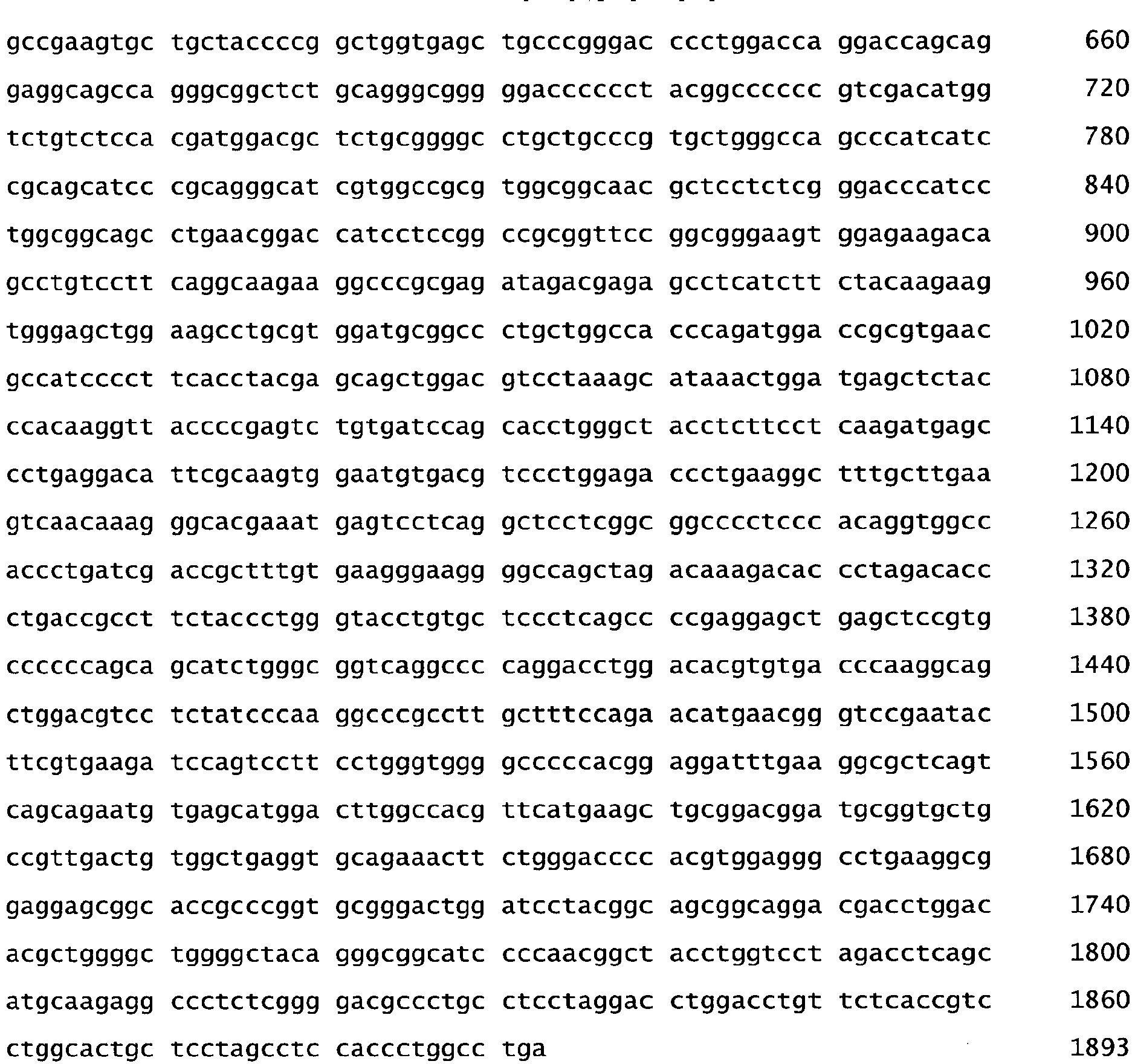
Claims (12)
- An attenuated mutant strain of Salmonella comprising at least one copy of a recombinant DNA molecule comprising a eukaryotic expression cassette encoding Mesothelin (MSLN) for use as a vaccine in cancer immunotherapy.
- The attenuated mutant strain of Salmonella for use of claim 1, wherein the attenuated mutant strain of Salmonella is Salmonella typhi Ty21a.
- The attenuated mutant strain of Salmonella for use of claims 1 or 2, wherein MSLN has the amino acid sequence as found in SEQ ID NO 1.
- The attenuated mutant strain of Salmonella for use of claim 3, wherein the recombinant DNA molecule comprises the kanamycin antibiotic resistance gene, the pMB1 ori, and a eukaryotic expression cassette encoding human MSLN under the control of a CMV promoter, wherein human MSLN has the nucleic acid sequence as found in SEQ ID NO 2.
- The attenuated mutant strain of Salmonella for use of claim 4, wherein cancer immunotherapy further comprises administration of one or more further attenuated mutant strain(s) of Salmonella comprising at least one copy of a recombinant DNA molecule comprising an expression cassette encoding a tumor antigen and/or a tumor stroma antigen.
- The attenuated mutant strain of Salmonella for use of claim 5, wherein said one or more further attenuated mutant strain(s) of Salmonella comprise(s) an attenuated mutant strain of Salmonella encoding human VEGFR-2 and/or human Wilms' Tumor Protein (WT1).
- The attenuated mutant strain of Salmonella for use of claim 5 or 6, wherein the attenuated mutant strain of Salmonella is co-administered with said one or more further attenuated mutant strain(s) of Salmonella.
- The attenuated mutant strain of Salmonella for use of any one of claims 1 to 7, wherein cancer immunotherapy is accompanied by chemotherapy, radiotherapy or biological cancer therapy.
- The attenuated mutant strain of Salmonella for use of any one of claims 1 to 8, wherein the attenuated mutant strain of Salmonella is administered orally.
- The attenuated mutant strain of Salmonella for use of any one of claims 1 to 9, wherein the cancer is selected from mesotheliomas, ovarian and pancreatic cancers, squamous cell carcinomas of the cervix, head and neck, vulva, lung and esophagus, lung adenocarcinomas, endometrial carcinomas, biphasic synovial sarcomas, desmoplastic small round cell tumors and gastric adenocarcinomas.
- The attenuated mutant strain of Salmonella for use of any one of claims 1 to 10, wherein the single dose comprises from about 105 to about 1011 colony forming units (CFU).
- The attenuated mutant strain of Salmonella for use of any one of claims 1 to 11, wherein it is for use in individualized cancer immunotherapy, wherein the individualized cancer immunotherapy comprises the step of assessing the MSLN expression pattern and/or the pre-immune response against MSLN of a patient.
Priority Applications (3)
| Application Number | Priority Date | Filing Date | Title |
|---|---|---|---|
| SI201431356T SI3082850T1 (en) | 2013-12-18 | 2014-12-17 | Msln targeting dna vaccine for cancer immunotherapy |
| EP14821508.0A EP3082850B1 (en) | 2013-12-18 | 2014-12-17 | Msln targeting dna vaccine for cancer immunotherapy |
| PL14821508T PL3082850T3 (en) | 2013-12-18 | 2014-12-17 | Msln targeting dna vaccine for cancer immunotherapy |
Applications Claiming Priority (3)
| Application Number | Priority Date | Filing Date | Title |
|---|---|---|---|
| EP13005896 | 2013-12-18 | ||
| PCT/EP2014/003403 WO2015090584A1 (en) | 2013-12-18 | 2014-12-17 | Novel msln targeting dna vaccine for cancer immunotherapy |
| EP14821508.0A EP3082850B1 (en) | 2013-12-18 | 2014-12-17 | Msln targeting dna vaccine for cancer immunotherapy |
Publications (2)
| Publication Number | Publication Date |
|---|---|
| EP3082850A1 EP3082850A1 (en) | 2016-10-26 |
| EP3082850B1 true EP3082850B1 (en) | 2019-08-28 |
Family
ID=49876343
Family Applications (1)
| Application Number | Title | Priority Date | Filing Date |
|---|---|---|---|
| EP14821508.0A Active EP3082850B1 (en) | 2013-12-18 | 2014-12-17 | Msln targeting dna vaccine for cancer immunotherapy |
Country Status (19)
| Country | Link |
|---|---|
| US (2) | US20160317634A1 (en) |
| EP (1) | EP3082850B1 (en) |
| JP (1) | JP6662787B2 (en) |
| KR (1) | KR20160130979A (en) |
| CN (1) | CN106061500A (en) |
| AU (1) | AU2014365900B2 (en) |
| BR (1) | BR112016014405A2 (en) |
| CA (1) | CA2932388A1 (en) |
| DK (1) | DK3082850T3 (en) |
| ES (1) | ES2747772T3 (en) |
| HU (1) | HUE045567T2 (en) |
| IL (1) | IL246170B (en) |
| LT (1) | LT3082850T (en) |
| MX (1) | MX2016007939A (en) |
| PL (1) | PL3082850T3 (en) |
| RU (1) | RU2016129044A (en) |
| SG (1) | SG11201604911VA (en) |
| SI (1) | SI3082850T1 (en) |
| WO (1) | WO2015090584A1 (en) |
Families Citing this family (16)
| Publication number | Priority date | Publication date | Assignee | Title |
|---|---|---|---|---|
| CA2626238C (en) | 2005-10-17 | 2015-10-06 | Memorial Sloan Kettering Cancer Center | Wt1 hla class ii-binding peptides and compositions and methods comprising same |
| US9265816B2 (en) | 2006-04-10 | 2016-02-23 | Sloan Kettering Institute For Cancer Research | Immunogenic WT-1 peptides and methods of use thereof |
| CA2861206C (en) | 2012-01-13 | 2021-07-06 | Richard J. O'reilly | Immunogenic wt-1 peptides and methods of use thereof |
| US10815273B2 (en) | 2013-01-15 | 2020-10-27 | Memorial Sloan Kettering Cancer Center | Immunogenic WT-1 peptides and methods of use thereof |
| CN110078813B (en) | 2013-01-15 | 2023-03-28 | 纪念斯隆凯特林癌症中心 | Immunogenic WT-1 peptides and methods of use thereof |
| SI2988762T1 (en) | 2013-04-25 | 2018-10-30 | Vaximm Ag | Salmonella-based vectors for cancer immunotherapy targeting wilms' tumor gene wt1 |
| JP6662787B2 (en) | 2013-12-18 | 2020-03-11 | バキシム ゲゼルシャフト ミット ベシュレンクテル ハフツング | Novel MSLN targeted DNA vaccine for cancer immunotherapy |
| ES2760699T3 (en) * | 2015-06-18 | 2020-05-14 | Vaximm Ag | VEGFR-2 Targeted DNA Vaccine for Combination Therapy |
| CA3028549A1 (en) * | 2016-07-13 | 2018-01-18 | Vaximm Ag | Process for the production of a dna vaccine for cancer immunotherapy |
| MX2019005212A (en) * | 2016-11-04 | 2019-06-20 | Vaximm Ag | Wt1 targeting dna vaccine for combination therapy. |
| JP7712060B2 (en) * | 2017-02-17 | 2025-07-23 | バクシム アクチェンゲゼルシャフト | A novel VEGFR-2-targeted immunotherapy approach |
| CA3056807A1 (en) * | 2017-03-17 | 2018-09-20 | Vaximm Ag | Novel pd-l1 targeting dna vaccine for cancer immunotherapy |
| AU2018383658B2 (en) * | 2017-12-13 | 2022-02-10 | Inovio Pharmaceuticals, Inc. | Cancer vaccines targeting mesothelin and uses thereof |
| KR20210058825A (en) * | 2018-09-05 | 2021-05-24 | 백심 아게 | Neoantigen targeting DNA vaccine for combination therapy |
| KR20220128638A (en) | 2020-01-13 | 2022-09-21 | 백심 아게 | Salmonella-based DNA vaccine in combination with antibiotics |
| CN119751681A (en) * | 2024-12-30 | 2025-04-04 | 北京百替生物技术有限公司 | Single chain antibody against mesothelin mRNA and application thereof, and nucleic acid medicine |
Family Cites Families (12)
| Publication number | Priority date | Publication date | Assignee | Title |
|---|---|---|---|---|
| US5726288A (en) | 1989-11-13 | 1998-03-10 | Massachusetts Institute Of Technology | Localization and characterization of the Wilms' tumor gene |
| US9200036B2 (en) * | 2002-07-12 | 2015-12-01 | The Johns Hopkins University | Mesothelin vaccines and model systems |
| CN1859851A (en) * | 2002-07-12 | 2006-11-08 | 约翰斯霍普金斯大学 | Mesothelin vaccine and model system |
| AU2003259109A1 (en) * | 2002-07-12 | 2004-02-02 | The Johns Hopkins University | Mesothelin vaccines and model systems |
| WO2006137836A2 (en) | 2004-08-17 | 2006-12-28 | Research Development Foundation | Bacterial vector systems |
| EP1871887A2 (en) | 2005-03-09 | 2008-01-02 | Board of Regents, The University of Texas System | NOVEL hTMC PROMOTER AND VECTORS FOR THE TUMOR-SELECTIVE AND HIGH-EFFICIENT EXPRESSION OF CANCER THERAPEUTIC GENES |
| US7935804B2 (en) * | 2006-03-01 | 2011-05-03 | Aduro Biotech | Engineered Listeria and methods of use thereof |
| WO2012149364A1 (en) | 2011-04-28 | 2012-11-01 | Diamond Don J | Tumor associated vaccines and compositions for disrupting tumor-derived immunosuppression for use in combination cancer immunotherapy |
| JP6251179B2 (en) * | 2011-12-22 | 2017-12-20 | バクシム アクチェンゲゼルシャフト | Method for producing attenuated Salmonella strains in high yield |
| JP2015533491A (en) | 2012-09-17 | 2015-11-26 | ザ ユナイテッド ステイツ オブ アメリカ, アズ リプレゼンテッド バイ ザ セクレタリー, デパートメント オブ ヘルス アンド ヒューマン サービシーズ | Multifunctional oral vaccine based on chromosome recombination |
| SI2988762T1 (en) | 2013-04-25 | 2018-10-30 | Vaximm Ag | Salmonella-based vectors for cancer immunotherapy targeting wilms' tumor gene wt1 |
| JP6662787B2 (en) | 2013-12-18 | 2020-03-11 | バキシム ゲゼルシャフト ミット ベシュレンクテル ハフツング | Novel MSLN targeted DNA vaccine for cancer immunotherapy |
-
2014
- 2014-12-17 JP JP2016559513A patent/JP6662787B2/en not_active Expired - Fee Related
- 2014-12-17 US US15/105,739 patent/US20160317634A1/en not_active Abandoned
- 2014-12-17 SI SI201431356T patent/SI3082850T1/en unknown
- 2014-12-17 DK DK14821508.0T patent/DK3082850T3/en active
- 2014-12-17 CA CA2932388A patent/CA2932388A1/en not_active Abandoned
- 2014-12-17 SG SG11201604911VA patent/SG11201604911VA/en unknown
- 2014-12-17 ES ES14821508T patent/ES2747772T3/en active Active
- 2014-12-17 EP EP14821508.0A patent/EP3082850B1/en active Active
- 2014-12-17 HU HUE14821508A patent/HUE045567T2/en unknown
- 2014-12-17 BR BR112016014405-8A patent/BR112016014405A2/en not_active Application Discontinuation
- 2014-12-17 RU RU2016129044A patent/RU2016129044A/en unknown
- 2014-12-17 CN CN201480069996.XA patent/CN106061500A/en active Pending
- 2014-12-17 MX MX2016007939A patent/MX2016007939A/en unknown
- 2014-12-17 PL PL14821508T patent/PL3082850T3/en unknown
- 2014-12-17 AU AU2014365900A patent/AU2014365900B2/en not_active Ceased
- 2014-12-17 WO PCT/EP2014/003403 patent/WO2015090584A1/en not_active Ceased
- 2014-12-17 KR KR1020167019211A patent/KR20160130979A/en not_active Ceased
- 2014-12-17 LT LT14821508T patent/LT3082850T/en unknown
-
2016
- 2016-06-13 IL IL246170A patent/IL246170B/en not_active IP Right Cessation
-
2017
- 2017-10-17 US US15/785,743 patent/US10441645B2/en active Active
Non-Patent Citations (1)
| Title |
|---|
| None * |
Also Published As
| Publication number | Publication date |
|---|---|
| JP6662787B2 (en) | 2020-03-11 |
| DK3082850T3 (en) | 2019-10-07 |
| EP3082850A1 (en) | 2016-10-26 |
| BR112016014405A2 (en) | 2018-02-20 |
| SI3082850T1 (en) | 2020-01-31 |
| CN106061500A (en) | 2016-10-26 |
| US20180064794A1 (en) | 2018-03-08 |
| CA2932388A1 (en) | 2015-06-25 |
| ES2747772T3 (en) | 2020-03-11 |
| LT3082850T (en) | 2019-11-11 |
| RU2016129044A (en) | 2018-01-23 |
| KR20160130979A (en) | 2016-11-15 |
| US20160317634A1 (en) | 2016-11-03 |
| AU2014365900A1 (en) | 2016-07-14 |
| MX2016007939A (en) | 2016-10-28 |
| SG11201604911VA (en) | 2016-07-28 |
| HUE045567T2 (en) | 2020-01-28 |
| IL246170A0 (en) | 2016-07-31 |
| US10441645B2 (en) | 2019-10-15 |
| AU2014365900B2 (en) | 2020-04-09 |
| JP2017502692A (en) | 2017-01-26 |
| PL3082850T3 (en) | 2020-01-31 |
| IL246170B (en) | 2019-06-30 |
| WO2015090584A1 (en) | 2015-06-25 |
Similar Documents
| Publication | Publication Date | Title |
|---|---|---|
| US10441645B2 (en) | MSLN targeting DNA vaccine for cancer immunotherapy | |
| US10815455B2 (en) | Salmonella-based vectors for cancer immunotherapy targeting Wilms' tumor gene WT1 | |
| US20220273782A1 (en) | Novel PD-L1 Targeting DNA Vaccine for Cancer Immunotherapy | |
| US20210077605A1 (en) | Vegfr-2 targeting dna vaccine for combination therapy | |
| US10980868B2 (en) | VEGFR-2 targeting immunotherapy approach | |
| AU2017353432A1 (en) | WT1 targeting DNA vaccine for combination therapy | |
| US20180153976A1 (en) | Novel cmv pp65 targeting dna vaccine for cancer immunotherapy | |
| HK40026195A (en) | Vegfr-2 targeting dna vaccine for combination therapy |
Legal Events
| Date | Code | Title | Description |
|---|---|---|---|
| PUAI | Public reference made under article 153(3) epc to a published international application that has entered the european phase |
Free format text: ORIGINAL CODE: 0009012 |
|
| 17P | Request for examination filed |
Effective date: 20160714 |
|
| AK | Designated contracting states |
Kind code of ref document: A1 Designated state(s): AL AT BE BG CH CY CZ DE DK EE ES FI FR GB GR HR HU IE IS IT LI LT LU LV MC MK MT NL NO PL PT RO RS SE SI SK SM TR |
|
| AX | Request for extension of the european patent |
Extension state: BA ME |
|
| DAX | Request for extension of the european patent (deleted) | ||
| STAA | Information on the status of an ep patent application or granted ep patent |
Free format text: STATUS: EXAMINATION IS IN PROGRESS |
|
| 17Q | First examination report despatched |
Effective date: 20170616 |
|
| RAP1 | Party data changed (applicant data changed or rights of an application transferred) |
Owner name: VAXIMM GMBH |
|
| GRAP | Despatch of communication of intention to grant a patent |
Free format text: ORIGINAL CODE: EPIDOSNIGR1 |
|
| STAA | Information on the status of an ep patent application or granted ep patent |
Free format text: STATUS: GRANT OF PATENT IS INTENDED |
|
| RIC1 | Information provided on ipc code assigned before grant |
Ipc: A61K 39/00 20060101AFI20190403BHEP Ipc: A61P 35/00 20060101ALI20190403BHEP |
|
| INTG | Intention to grant announced |
Effective date: 20190416 |
|
| GRAS | Grant fee paid |
Free format text: ORIGINAL CODE: EPIDOSNIGR3 |
|
| GRAA | (expected) grant |
Free format text: ORIGINAL CODE: 0009210 |
|
| STAA | Information on the status of an ep patent application or granted ep patent |
Free format text: STATUS: THE PATENT HAS BEEN GRANTED |
|
| AK | Designated contracting states |
Kind code of ref document: B1 Designated state(s): AL AT BE BG CH CY CZ DE DK EE ES FI FR GB GR HR HU IE IS IT LI LT LU LV MC MK MT NL NO PL PT RO RS SE SI SK SM TR |
|
| REG | Reference to a national code |
Ref country code: GB Ref legal event code: FG4D |
|
| REG | Reference to a national code |
Ref country code: CH Ref legal event code: EP |
|
| REG | Reference to a national code |
Ref country code: DE Ref legal event code: R096 Ref document number: 602014052670 Country of ref document: DE |
|
| REG | Reference to a national code |
Ref country code: AT Ref legal event code: REF Ref document number: 1171538 Country of ref document: AT Kind code of ref document: T Effective date: 20190915 |
|
| REG | Reference to a national code |
Ref country code: IE Ref legal event code: FG4D |
|
| REG | Reference to a national code |
Ref country code: DK Ref legal event code: T3 Effective date: 20191004 |
|
| REG | Reference to a national code |
Ref country code: SE Ref legal event code: TRGR |
|
| REG | Reference to a national code |
Ref country code: NL Ref legal event code: FP |
|
| REG | Reference to a national code |
Ref country code: HU Ref legal event code: AG4A Ref document number: E045567 Country of ref document: HU |
|
| PG25 | Lapsed in a contracting state [announced via postgrant information from national office to epo] |
Ref country code: HR Free format text: LAPSE BECAUSE OF FAILURE TO SUBMIT A TRANSLATION OF THE DESCRIPTION OR TO PAY THE FEE WITHIN THE PRESCRIBED TIME-LIMIT Effective date: 20190828 Ref country code: BG Free format text: LAPSE BECAUSE OF FAILURE TO SUBMIT A TRANSLATION OF THE DESCRIPTION OR TO PAY THE FEE WITHIN THE PRESCRIBED TIME-LIMIT Effective date: 20191128 Ref country code: NO Free format text: LAPSE BECAUSE OF FAILURE TO SUBMIT A TRANSLATION OF THE DESCRIPTION OR TO PAY THE FEE WITHIN THE PRESCRIBED TIME-LIMIT Effective date: 20191128 Ref country code: PT Free format text: LAPSE BECAUSE OF FAILURE TO SUBMIT A TRANSLATION OF THE DESCRIPTION OR TO PAY THE FEE WITHIN THE PRESCRIBED TIME-LIMIT Effective date: 20191230 Ref country code: FI Free format text: LAPSE BECAUSE OF FAILURE TO SUBMIT A TRANSLATION OF THE DESCRIPTION OR TO PAY THE FEE WITHIN THE PRESCRIBED TIME-LIMIT Effective date: 20190828 |
|
| PGFP | Annual fee paid to national office [announced via postgrant information from national office to epo] |
Ref country code: SE Payment date: 20191220 Year of fee payment: 6 Ref country code: HU Payment date: 20191209 Year of fee payment: 6 Ref country code: IE Payment date: 20191217 Year of fee payment: 6 Ref country code: NL Payment date: 20191217 Year of fee payment: 6 Ref country code: LT Payment date: 20191204 Year of fee payment: 6 |
|
| PG25 | Lapsed in a contracting state [announced via postgrant information from national office to epo] |
Ref country code: IS Free format text: LAPSE BECAUSE OF FAILURE TO SUBMIT A TRANSLATION OF THE DESCRIPTION OR TO PAY THE FEE WITHIN THE PRESCRIBED TIME-LIMIT Effective date: 20191228 Ref country code: GR Free format text: LAPSE BECAUSE OF FAILURE TO SUBMIT A TRANSLATION OF THE DESCRIPTION OR TO PAY THE FEE WITHIN THE PRESCRIBED TIME-LIMIT Effective date: 20191129 Ref country code: AL Free format text: LAPSE BECAUSE OF FAILURE TO SUBMIT A TRANSLATION OF THE DESCRIPTION OR TO PAY THE FEE WITHIN THE PRESCRIBED TIME-LIMIT Effective date: 20190828 Ref country code: LV Free format text: LAPSE BECAUSE OF FAILURE TO SUBMIT A TRANSLATION OF THE DESCRIPTION OR TO PAY THE FEE WITHIN THE PRESCRIBED TIME-LIMIT Effective date: 20190828 Ref country code: RS Free format text: LAPSE BECAUSE OF FAILURE TO SUBMIT A TRANSLATION OF THE DESCRIPTION OR TO PAY THE FEE WITHIN THE PRESCRIBED TIME-LIMIT Effective date: 20190828 |
|
| PGFP | Annual fee paid to national office [announced via postgrant information from national office to epo] |
Ref country code: PL Payment date: 20191205 Year of fee payment: 6 Ref country code: BE Payment date: 20191217 Year of fee payment: 6 Ref country code: DK Payment date: 20191217 Year of fee payment: 6 Ref country code: SI Payment date: 20191206 Year of fee payment: 6 |
|
| REG | Reference to a national code |
Ref country code: ES Ref legal event code: FG2A Ref document number: 2747772 Country of ref document: ES Kind code of ref document: T3 Effective date: 20200311 |
|
| PG25 | Lapsed in a contracting state [announced via postgrant information from national office to epo] |
Ref country code: TR Free format text: LAPSE BECAUSE OF FAILURE TO SUBMIT A TRANSLATION OF THE DESCRIPTION OR TO PAY THE FEE WITHIN THE PRESCRIBED TIME-LIMIT Effective date: 20190828 |
|
| PGFP | Annual fee paid to national office [announced via postgrant information from national office to epo] |
Ref country code: AT Payment date: 20191213 Year of fee payment: 6 |
|
| PG25 | Lapsed in a contracting state [announced via postgrant information from national office to epo] |
Ref country code: RO Free format text: LAPSE BECAUSE OF FAILURE TO SUBMIT A TRANSLATION OF THE DESCRIPTION OR TO PAY THE FEE WITHIN THE PRESCRIBED TIME-LIMIT Effective date: 20190828 Ref country code: EE Free format text: LAPSE BECAUSE OF FAILURE TO SUBMIT A TRANSLATION OF THE DESCRIPTION OR TO PAY THE FEE WITHIN THE PRESCRIBED TIME-LIMIT Effective date: 20190828 |
|
| PG25 | Lapsed in a contracting state [announced via postgrant information from national office to epo] |
Ref country code: SK Free format text: LAPSE BECAUSE OF FAILURE TO SUBMIT A TRANSLATION OF THE DESCRIPTION OR TO PAY THE FEE WITHIN THE PRESCRIBED TIME-LIMIT Effective date: 20190828 Ref country code: IS Free format text: LAPSE BECAUSE OF FAILURE TO SUBMIT A TRANSLATION OF THE DESCRIPTION OR TO PAY THE FEE WITHIN THE PRESCRIBED TIME-LIMIT Effective date: 20200224 Ref country code: CZ Free format text: LAPSE BECAUSE OF FAILURE TO SUBMIT A TRANSLATION OF THE DESCRIPTION OR TO PAY THE FEE WITHIN THE PRESCRIBED TIME-LIMIT Effective date: 20190828 Ref country code: SM Free format text: LAPSE BECAUSE OF FAILURE TO SUBMIT A TRANSLATION OF THE DESCRIPTION OR TO PAY THE FEE WITHIN THE PRESCRIBED TIME-LIMIT Effective date: 20190828 |
|
| REG | Reference to a national code |
Ref country code: DE Ref legal event code: R097 Ref document number: 602014052670 Country of ref document: DE |
|
| PLBE | No opposition filed within time limit |
Free format text: ORIGINAL CODE: 0009261 |
|
| STAA | Information on the status of an ep patent application or granted ep patent |
Free format text: STATUS: NO OPPOSITION FILED WITHIN TIME LIMIT |
|
| PG2D | Information on lapse in contracting state deleted |
Ref country code: IS |
|
| 26N | No opposition filed |
Effective date: 20200603 |
|
| PG25 | Lapsed in a contracting state [announced via postgrant information from national office to epo] |
Ref country code: MC Free format text: LAPSE BECAUSE OF FAILURE TO SUBMIT A TRANSLATION OF THE DESCRIPTION OR TO PAY THE FEE WITHIN THE PRESCRIBED TIME-LIMIT Effective date: 20190828 |
|
| PG25 | Lapsed in a contracting state [announced via postgrant information from national office to epo] |
Ref country code: LU Free format text: LAPSE BECAUSE OF NON-PAYMENT OF DUE FEES Effective date: 20191217 |
|
| PG25 | Lapsed in a contracting state [announced via postgrant information from national office to epo] |
Ref country code: CY Free format text: LAPSE BECAUSE OF FAILURE TO SUBMIT A TRANSLATION OF THE DESCRIPTION OR TO PAY THE FEE WITHIN THE PRESCRIBED TIME-LIMIT Effective date: 20190828 |
|
| REG | Reference to a national code |
Ref country code: DK Ref legal event code: EBP Effective date: 20201231 |
|
| PG25 | Lapsed in a contracting state [announced via postgrant information from national office to epo] |
Ref country code: MT Free format text: LAPSE BECAUSE OF FAILURE TO SUBMIT A TRANSLATION OF THE DESCRIPTION OR TO PAY THE FEE WITHIN THE PRESCRIBED TIME-LIMIT Effective date: 20190828 |
|
| REG | Reference to a national code |
Ref country code: SE Ref legal event code: EUG |
|
| REG | Reference to a national code |
Ref country code: NL Ref legal event code: MM Effective date: 20210101 |
|
| REG | Reference to a national code |
Ref country code: AT Ref legal event code: MM01 Ref document number: 1171538 Country of ref document: AT Kind code of ref document: T Effective date: 20201217 |
|
| REG | Reference to a national code |
Ref country code: BE Ref legal event code: MM Effective date: 20201231 |
|
| PG25 | Lapsed in a contracting state [announced via postgrant information from national office to epo] |
Ref country code: NL Free format text: LAPSE BECAUSE OF NON-PAYMENT OF DUE FEES Effective date: 20210101 |
|
| REG | Reference to a national code |
Ref country code: LT Ref legal event code: MM4D Effective date: 20201217 |
|
| PG25 | Lapsed in a contracting state [announced via postgrant information from national office to epo] |
Ref country code: HU Free format text: LAPSE BECAUSE OF NON-PAYMENT OF DUE FEES Effective date: 20201218 Ref country code: IE Free format text: LAPSE BECAUSE OF NON-PAYMENT OF DUE FEES Effective date: 20201217 Ref country code: AT Free format text: LAPSE BECAUSE OF NON-PAYMENT OF DUE FEES Effective date: 20201217 |
|
| PG25 | Lapsed in a contracting state [announced via postgrant information from national office to epo] |
Ref country code: SE Free format text: LAPSE BECAUSE OF NON-PAYMENT OF DUE FEES Effective date: 20201218 |
|
| PG25 | Lapsed in a contracting state [announced via postgrant information from national office to epo] |
Ref country code: LT Free format text: LAPSE BECAUSE OF NON-PAYMENT OF DUE FEES Effective date: 20201217 Ref country code: DK Free format text: LAPSE BECAUSE OF NON-PAYMENT OF DUE FEES Effective date: 20201231 |
|
| REG | Reference to a national code |
Ref country code: SI Ref legal event code: KO00 Effective date: 20211126 |
|
| PG25 | Lapsed in a contracting state [announced via postgrant information from national office to epo] |
Ref country code: SI Free format text: LAPSE BECAUSE OF NON-PAYMENT OF DUE FEES Effective date: 20201218 |
|
| REG | Reference to a national code |
Ref country code: AT Ref legal event code: UEP Ref document number: 1171538 Country of ref document: AT Kind code of ref document: T Effective date: 20190828 |
|
| PG25 | Lapsed in a contracting state [announced via postgrant information from national office to epo] |
Ref country code: MK Free format text: LAPSE BECAUSE OF FAILURE TO SUBMIT A TRANSLATION OF THE DESCRIPTION OR TO PAY THE FEE WITHIN THE PRESCRIBED TIME-LIMIT Effective date: 20190828 |
|
| PG25 | Lapsed in a contracting state [announced via postgrant information from national office to epo] |
Ref country code: BE Free format text: LAPSE BECAUSE OF NON-PAYMENT OF DUE FEES Effective date: 20201231 |
|
| PGFP | Annual fee paid to national office [announced via postgrant information from national office to epo] |
Ref country code: GB Payment date: 20221222 Year of fee payment: 9 Ref country code: FR Payment date: 20221219 Year of fee payment: 9 |
|
| PG25 | Lapsed in a contracting state [announced via postgrant information from national office to epo] |
Ref country code: PL Free format text: LAPSE BECAUSE OF NON-PAYMENT OF DUE FEES Effective date: 20201217 |
|
| PGFP | Annual fee paid to national office [announced via postgrant information from national office to epo] |
Ref country code: ES Payment date: 20230119 Year of fee payment: 9 Ref country code: CH Payment date: 20230103 Year of fee payment: 9 |
|
| PGFP | Annual fee paid to national office [announced via postgrant information from national office to epo] |
Ref country code: IT Payment date: 20221230 Year of fee payment: 9 Ref country code: DE Payment date: 20221221 Year of fee payment: 9 |
|
| P01 | Opt-out of the competence of the unified patent court (upc) registered |
Effective date: 20230517 |
|
| REG | Reference to a national code |
Ref country code: DE Ref legal event code: R119 Ref document number: 602014052670 Country of ref document: DE |
|
| REG | Reference to a national code |
Ref country code: CH Ref legal event code: PL |
|
| GBPC | Gb: european patent ceased through non-payment of renewal fee |
Effective date: 20231217 |
|
| PG25 | Lapsed in a contracting state [announced via postgrant information from national office to epo] |
Ref country code: DE Free format text: LAPSE BECAUSE OF NON-PAYMENT OF DUE FEES Effective date: 20240702 |
|
| PG25 | Lapsed in a contracting state [announced via postgrant information from national office to epo] |
Ref country code: GB Free format text: LAPSE BECAUSE OF NON-PAYMENT OF DUE FEES Effective date: 20231217 |
|
| PG25 | Lapsed in a contracting state [announced via postgrant information from national office to epo] |
Ref country code: FR Free format text: LAPSE BECAUSE OF NON-PAYMENT OF DUE FEES Effective date: 20231231 |
|
| PG25 | Lapsed in a contracting state [announced via postgrant information from national office to epo] |
Ref country code: CH Free format text: LAPSE BECAUSE OF NON-PAYMENT OF DUE FEES Effective date: 20231231 |
|
| PG25 | Lapsed in a contracting state [announced via postgrant information from national office to epo] |
Ref country code: GB Free format text: LAPSE BECAUSE OF NON-PAYMENT OF DUE FEES Effective date: 20231217 Ref country code: FR Free format text: LAPSE BECAUSE OF NON-PAYMENT OF DUE FEES Effective date: 20231231 Ref country code: DE Free format text: LAPSE BECAUSE OF NON-PAYMENT OF DUE FEES Effective date: 20240702 Ref country code: CH Free format text: LAPSE BECAUSE OF NON-PAYMENT OF DUE FEES Effective date: 20231231 |
|
| REG | Reference to a national code |
Ref country code: ES Ref legal event code: FD2A Effective date: 20250203 |
|
| PG25 | Lapsed in a contracting state [announced via postgrant information from national office to epo] |
Ref country code: ES Free format text: LAPSE BECAUSE OF NON-PAYMENT OF DUE FEES Effective date: 20231218 |
|
| PG25 | Lapsed in a contracting state [announced via postgrant information from national office to epo] |
Ref country code: IT Free format text: LAPSE BECAUSE OF NON-PAYMENT OF DUE FEES Effective date: 20231217 |