EP3079718B1 - Human herpesvirus trimeric glycoprotein b, protein complexes comprising trimeric gb and their use as vaccines - Google Patents
Human herpesvirus trimeric glycoprotein b, protein complexes comprising trimeric gb and their use as vaccines Download PDFInfo
- Publication number
- EP3079718B1 EP3079718B1 EP14870178.2A EP14870178A EP3079718B1 EP 3079718 B1 EP3079718 B1 EP 3079718B1 EP 14870178 A EP14870178 A EP 14870178A EP 3079718 B1 EP3079718 B1 EP 3079718B1
- Authority
- EP
- European Patent Office
- Prior art keywords
- herpesvirus
- polypeptide
- hcmv
- seq
- protein
- Prior art date
- Legal status (The legal status is an assumption and is not a legal conclusion. Google has not performed a legal analysis and makes no representation as to the accuracy of the status listed.)
- Active
Links
Images



Classifications
-
- A—HUMAN NECESSITIES
- A61—MEDICAL OR VETERINARY SCIENCE; HYGIENE
- A61K—PREPARATIONS FOR MEDICAL, DENTAL OR TOILETRY PURPOSES
- A61K39/00—Medicinal preparations containing antigens or antibodies
- A61K39/12—Viral antigens
- A61K39/245—Herpetoviridae, e.g. herpes simplex virus
-
- A—HUMAN NECESSITIES
- A61—MEDICAL OR VETERINARY SCIENCE; HYGIENE
- A61K—PREPARATIONS FOR MEDICAL, DENTAL OR TOILETRY PURPOSES
- A61K39/00—Medicinal preparations containing antigens or antibodies
- A61K39/12—Viral antigens
-
- A—HUMAN NECESSITIES
- A61—MEDICAL OR VETERINARY SCIENCE; HYGIENE
- A61P—SPECIFIC THERAPEUTIC ACTIVITY OF CHEMICAL COMPOUNDS OR MEDICINAL PREPARATIONS
- A61P31/00—Antiinfectives, i.e. antibiotics, antiseptics, chemotherapeutics
- A61P31/12—Antivirals
- A61P31/20—Antivirals for DNA viruses
- A61P31/22—Antivirals for DNA viruses for herpes viruses
-
- A—HUMAN NECESSITIES
- A61—MEDICAL OR VETERINARY SCIENCE; HYGIENE
- A61P—SPECIFIC THERAPEUTIC ACTIVITY OF CHEMICAL COMPOUNDS OR MEDICINAL PREPARATIONS
- A61P37/00—Drugs for immunological or allergic disorders
- A61P37/02—Immunomodulators
- A61P37/04—Immunostimulants
-
- A—HUMAN NECESSITIES
- A61—MEDICAL OR VETERINARY SCIENCE; HYGIENE
- A61P—SPECIFIC THERAPEUTIC ACTIVITY OF CHEMICAL COMPOUNDS OR MEDICINAL PREPARATIONS
- A61P43/00—Drugs for specific purposes, not provided for in groups A61P1/00-A61P41/00
-
- C—CHEMISTRY; METALLURGY
- C07—ORGANIC CHEMISTRY
- C07K—PEPTIDES
- C07K14/00—Peptides having more than 20 amino acids; Gastrins; Somatostatins; Melanotropins; Derivatives thereof
- C07K14/005—Peptides having more than 20 amino acids; Gastrins; Somatostatins; Melanotropins; Derivatives thereof from viruses
-
- C—CHEMISTRY; METALLURGY
- C07—ORGANIC CHEMISTRY
- C07K—PEPTIDES
- C07K7/00—Peptides having 5 to 20 amino acids in a fully defined sequence; Derivatives thereof
- C07K7/04—Linear peptides containing only normal peptide links
- C07K7/08—Linear peptides containing only normal peptide links having 12 to 20 amino acids
-
- C—CHEMISTRY; METALLURGY
- C12—BIOCHEMISTRY; BEER; SPIRITS; WINE; VINEGAR; MICROBIOLOGY; ENZYMOLOGY; MUTATION OR GENETIC ENGINEERING
- C12N—MICROORGANISMS OR ENZYMES; COMPOSITIONS THEREOF; PROPAGATING, PRESERVING, OR MAINTAINING MICROORGANISMS; MUTATION OR GENETIC ENGINEERING; CULTURE MEDIA
- C12N7/00—Viruses; Bacteriophages; Compositions thereof; Preparation or purification thereof
-
- A—HUMAN NECESSITIES
- A61—MEDICAL OR VETERINARY SCIENCE; HYGIENE
- A61K—PREPARATIONS FOR MEDICAL, DENTAL OR TOILETRY PURPOSES
- A61K39/00—Medicinal preparations containing antigens or antibodies
- A61K2039/57—Medicinal preparations containing antigens or antibodies characterised by the type of response, e.g. Th1, Th2
- A61K2039/575—Medicinal preparations containing antigens or antibodies characterised by the type of response, e.g. Th1, Th2 humoral response
-
- A—HUMAN NECESSITIES
- A61—MEDICAL OR VETERINARY SCIENCE; HYGIENE
- A61K—PREPARATIONS FOR MEDICAL, DENTAL OR TOILETRY PURPOSES
- A61K39/00—Medicinal preparations containing antigens or antibodies
- A61K2039/70—Multivalent vaccine
-
- A—HUMAN NECESSITIES
- A61—MEDICAL OR VETERINARY SCIENCE; HYGIENE
- A61K—PREPARATIONS FOR MEDICAL, DENTAL OR TOILETRY PURPOSES
- A61K39/00—Medicinal preparations containing antigens or antibodies
-
- C—CHEMISTRY; METALLURGY
- C07—ORGANIC CHEMISTRY
- C07K—PEPTIDES
- C07K2319/00—Fusion polypeptide
- C07K2319/01—Fusion polypeptide containing a localisation/targetting motif
- C07K2319/02—Fusion polypeptide containing a localisation/targetting motif containing a signal sequence
-
- C—CHEMISTRY; METALLURGY
- C07—ORGANIC CHEMISTRY
- C07K—PEPTIDES
- C07K2319/00—Fusion polypeptide
- C07K2319/20—Fusion polypeptide containing a tag with affinity for a non-protein ligand
- C07K2319/21—Fusion polypeptide containing a tag with affinity for a non-protein ligand containing a His-tag
-
- C—CHEMISTRY; METALLURGY
- C12—BIOCHEMISTRY; BEER; SPIRITS; WINE; VINEGAR; MICROBIOLOGY; ENZYMOLOGY; MUTATION OR GENETIC ENGINEERING
- C12N—MICROORGANISMS OR ENZYMES; COMPOSITIONS THEREOF; PROPAGATING, PRESERVING, OR MAINTAINING MICROORGANISMS; MUTATION OR GENETIC ENGINEERING; CULTURE MEDIA
- C12N2710/00—MICROORGANISMS OR ENZYMES; COMPOSITIONS THEREOF; PROPAGATING, PRESERVING, OR MAINTAINING MICROORGANISMS; MUTATION OR GENETIC ENGINEERING; CULTURE MEDIA dsDNA viruses
- C12N2710/00011—Details
- C12N2710/16011—Herpesviridae
- C12N2710/16111—Cytomegalovirus, e.g. human herpesvirus 5
- C12N2710/16122—New viral proteins or individual genes, new structural or functional aspects of known viral proteins or genes
-
- C—CHEMISTRY; METALLURGY
- C12—BIOCHEMISTRY; BEER; SPIRITS; WINE; VINEGAR; MICROBIOLOGY; ENZYMOLOGY; MUTATION OR GENETIC ENGINEERING
- C12N—MICROORGANISMS OR ENZYMES; COMPOSITIONS THEREOF; PROPAGATING, PRESERVING, OR MAINTAINING MICROORGANISMS; MUTATION OR GENETIC ENGINEERING; CULTURE MEDIA
- C12N2710/00—MICROORGANISMS OR ENZYMES; COMPOSITIONS THEREOF; PROPAGATING, PRESERVING, OR MAINTAINING MICROORGANISMS; MUTATION OR GENETIC ENGINEERING; CULTURE MEDIA dsDNA viruses
- C12N2710/00011—Details
- C12N2710/16011—Herpesviridae
- C12N2710/16111—Cytomegalovirus, e.g. human herpesvirus 5
- C12N2710/16134—Use of virus or viral component as vaccine, e.g. live-attenuated or inactivated virus, VLP, viral protein
-
- C—CHEMISTRY; METALLURGY
- C12—BIOCHEMISTRY; BEER; SPIRITS; WINE; VINEGAR; MICROBIOLOGY; ENZYMOLOGY; MUTATION OR GENETIC ENGINEERING
- C12N—MICROORGANISMS OR ENZYMES; COMPOSITIONS THEREOF; PROPAGATING, PRESERVING, OR MAINTAINING MICROORGANISMS; MUTATION OR GENETIC ENGINEERING; CULTURE MEDIA
- C12N2710/00—MICROORGANISMS OR ENZYMES; COMPOSITIONS THEREOF; PROPAGATING, PRESERVING, OR MAINTAINING MICROORGANISMS; MUTATION OR GENETIC ENGINEERING; CULTURE MEDIA dsDNA viruses
- C12N2710/00011—Details
- C12N2710/16011—Herpesviridae
- C12N2710/16211—Lymphocryptovirus, e.g. human herpesvirus 4, Epstein-Barr Virus
- C12N2710/16222—New viral proteins or individual genes, new structural or functional aspects of known viral proteins or genes
-
- C—CHEMISTRY; METALLURGY
- C12—BIOCHEMISTRY; BEER; SPIRITS; WINE; VINEGAR; MICROBIOLOGY; ENZYMOLOGY; MUTATION OR GENETIC ENGINEERING
- C12N—MICROORGANISMS OR ENZYMES; COMPOSITIONS THEREOF; PROPAGATING, PRESERVING, OR MAINTAINING MICROORGANISMS; MUTATION OR GENETIC ENGINEERING; CULTURE MEDIA
- C12N2710/00—MICROORGANISMS OR ENZYMES; COMPOSITIONS THEREOF; PROPAGATING, PRESERVING, OR MAINTAINING MICROORGANISMS; MUTATION OR GENETIC ENGINEERING; CULTURE MEDIA dsDNA viruses
- C12N2710/00011—Details
- C12N2710/16011—Herpesviridae
- C12N2710/16211—Lymphocryptovirus, e.g. human herpesvirus 4, Epstein-Barr Virus
- C12N2710/16234—Use of virus or viral component as vaccine, e.g. live-attenuated or inactivated virus, VLP, viral protein
Definitions
- HCMV Human cytomegalovirus
- HCMV can become an opportunistic pathogen in these patients and cause severe disease with high morbidity and mortality.
- HCMV is an enveloped, double-stranded DNA ⁇ -herpesvirus of the Herpesviridae family.
- Glycoprotein B (gB) of the Herpesviridae family is a type III fusion protein that has a shared trimeric structure of its fusion-active forms, and a post-fusion trimer of hairpins.
- HCMV gB is encoded by the UL55 gene and is synthesized as a 906-amino acid precursor molecule in infected cells.
- An amino-terminal signal sequence directs the nascent polypeptide to the endoplasmic reticulum (ER), where gB folds and rapidly associates into disulfide-dependent macromolecular complexes formed by identical molecules.
- ER endoplasmic reticulum
- HCMV gB Following transport from the ER, HCMV gB enters the Golgi apparatus, where it underdoes glycosylation and is processed by proteolysis by the host subtilisin-like enzyme, furin, into the amino-terminal and carboxy-terminal fragments, gp115 and gp55, respectively. These two fragments of the monomeric form of gB - gp 115 and gp55 - are held together by intramolecular disulfide bonds. The mature product is then delivered to the surface of infected cells, where it is recycled between endosomal vesicles and the plasma membrane and is eventually incorporated into virions.
- this recombinant gB protein is composed of mostly dimeric gB and minor amounts of monomeric and trimeric gB, wherein the natural conformation of gB during HCMV infections is predicted to be a trimer.
- This recombinant gB protein was generated by mutating the gene encoding for gB at the furin cleavage site, rendering the site ineffectual, and deleting the transmembrane domain, thus leaving the extracellular and intracellular domains.
- HCMV infection was determined in the women in quarterly tests during a 42-month period, using an assay for IgG antibodies against HCMV proteins other than glycoprotein B. Infection was confirmed by virus culture or immunoblotting. The primary end point was the time until the detection of HCMV infection. 234 subjects were randomly assigned to receive the HCMV vaccine and 230 subjects to receive placebo.
- WO 2006/056027 A1 discloses a HCMV gB mutant with a modified furin cleavage site capable of eliciting a T cell response and neutralizing antibodies in preclinical studies.
- Epstein-Barr Virus also known as human herpesvirus 4
- EBV Epstein-Barr Virus
- gp350 glycoprotein 350
- J. Infect. Dis. 196: 1749 (2007 ) glycoprotein 350
- the present disclosure provides new and improved strategies for enhancing an immune response to herpesvirus infection.
- These improved strategies involve creating a modified human herpesvirus glycoprotein B (gB) polypeptide by inserting a peptide linker at the furin cleavage site in the human herpesvirus gB polypeptide extracellular domain. Inserting the peptide linker removes the furin recognition sequence, such that expression of the modified herpesvirus gB results in the production of a homotrimeric gB complex that provides enhanced immunogenicity.
- gB human herpesvirus glycoprotein B
- the invention thus provides a human herpesvirus glycoprotein B (gB) polypeptide comprising a modified extracellular domain, wherein the modified extracellular domain comprises a peptide linker inserted into the furin cleavage site to replace the furin cleavage site, wherein the peptide linker consists of the amino acid sequence (Gly4Ser)3 (SEQ ID NO: 5), and wherein the human herpesvirus gB is human cytomegalovirus (HCMV) gB or EBV (Epstein-Barr Virus) gB.
- HCMV human cytomegalovirus
- EBV Epstein-Barr Virus
- the human herpesvirus gB is HCMV gB and the modified extracellular domain comprises the peptide linker sequence inserted into the furin cleavage site of the wild type HCMV amino acid sequence (SEQ ID NO: 2).
- the human herpesvirus gB polypeptide does not include a transmembrane domain or an intracellular domain;
- the human herpesvirus gB polypeptide further comprises a leader sequence at the N-terminus of the gB polypeptide, wherein the leader sequence is not the native gB polypeptide leader sequence of MESRIWCLVVCVNLCIVCLGAA (amino acids 1-22 of SEQ ID NO: 2) or the native gB polypeptide leader sequence of MTRRRVLSVVVLLAALACRLGA (amino acids 1-22 of SEQ ID NO: 8); and wherein the leader sequence optionally has the amino acid sequence METDTLLLWVLLLWVPGSTGD (SEQ ID NO: 6); and/or (c) the amino acid sequence of the human herpesvirus gB polypeptide comprises SEQ ID NO: 4.
- Another aspect of the invention is a herpesvirus gB polypeptide homotrimer complex comprising three human herpesvirus gB polypeptides as claimed herein.
- a further aspect of the invention is a vaccine composition
- a vaccine composition comprising the human herpesvirus gB polypeptide homotrimer complex as claimed herein and a pharmaceutically acceptable excipient, wherein optionally the vaccine composition further comprises at least one human herpesvirus antigen selected from the group consisting of glycoprotein H (gH), glycoprotein L (gL), glycoprotein 350 (gp350), UL128, UL130, UL131, and combinations thereof.
- the at least one human herpesvirus antigen is a multimer; and/or (b) the vaccine composition further comprises an adjuvant.
- Yet another aspect is directed to a medical use for inducing an immune response in a subject by administering to the subject a vaccine composition comprising the modified herpesvirus gB polypeptide or a nucleic acid encoding the same, where the herpesvirus gB polypeptide induces an immune response in the subject.
- the vaccine composition can optionally include other herpesvirus antigens, including but not limited to one or more of glycoprotein H (gH), glycoprotein L (gL), glycoprotein 350 (gp350), UL128, UL130, UL131, or combinations thereof.
- Another aspect of the invention is directed to a protein complex comprising the herpesvirus gB polypeptide homotrimer complex as claimed herein, a herpesvirus gH glycoprotein, and a herpesvirus gL glycoprotein, where the herpesvirus gB polypeptide homotrimer complex comprises a trimer of three modified herpesvirus gB polypeptides as claimed herein.
- the herpesvirus gH and the herpesvirus gL form a herpesvirus gH/gL fusion protein, i.e., the protein complex comprises a herpesvirus gH/gL fusion protein.
- the human herpesvirus gB is HCMV gB and the modified extracellular domain comprises a peptide linker sequence inserted into the furin cleavage site of the wild type HCMV amino acid sequence (SEQ ID NO: 2).
- the human herpesvirus gB is EBV gB and the modified extracellular domain comprises a peptide linker sequence inserted into the furin cleavage site of the wild type EBV amino acid sequence (SEQ ID NO: 8).
- the human herpesvirus gB polypeptide does not include a transmembrane domain or an intracellular domain.
- the disclosure also provides methods of making the protein complex, comprising incubating in vitro a first protein and at least a second protein to form the protein complex.
- the method of making the protein complex comprises incubating in vitro a herpesvirus gB polypeptide homotrimer complex, a herpesvirus gH glycoprotein, and a herpesvirus gL glycoprotein, where the herpesvirus gB polypeptide homotrimer complex comprises a trimer of three modified herpesvirus gB polypeptides, and forming the protein complex.
- the herpesvirus gH and gL glycoproteins comprises a herpesvirus gH/gL fusion protein.
- the method further comprises incubating one or more of a herpesvirus UL128, UL130, or UL131 polypeptide.
- the method comprises incubating a homotrimeric complex of a modified herpesvirus gB protein, a herpesvirus gH/gL fusion protein, and optionally a herpesvirus UL128, a herpesvirus UL130, and a herpesvirus UL131 polypeptide.
- kits for inducing an immune response in a subject by administering to the subject a vaccine composition comprising the herpesvirus protein complex, where the herpesvirus protein complex induces an immune response in the subject.
- the present disclosure provides the human herpesvirus gB polypeptide as disclosed and/or claimed herein, the herpesvirus gB polypeptide homotrimer complex as disclosed and/or claimed herein, the vaccine composition as disclosed and/or claimed herein, or the protein complex as disclosed and/or claimed herein for use for (a) the prevention of herpesvirus infection in a patient; or (b) inducing immunity to herpesvirus infection in a patient.
- the herpesvirus protein complex comprises a herpesvirus gB polypeptide homotrimer complex, a herpesvirus gH glycoprotein, and a herpesvirus gL glycoprotein, where the herpesvirus gB polypeptide homotrimer complex comprises a trimer of three modified herpesvirus gB polypeptides.
- the herpesvirus gH and gL glycoproteins comprises a herpesvirus gH/gL fusion protein.
- the protein complex further comprises one or more of a herpesvirus UL128, UL130, or UL131 polypeptide.
- Another aspect of the invention is directed to a recombinant vector comprising the nucleic acid as disclosed and/or claimed herein.
- peptide linker refers to a short, non-native peptide sequence that links two proteins or fragments of a protein.
- herpesvirus gH/gL fusion protein refers to a recombinant fusion protein comprising a herpesvirus gH protein joined to a herpesvirus gL protein.
- the herpesvirus gH protein can be joined to the herpesvirus gL protein with a peptide linker.
- modified extracellular domain refers to the extracellular domain of a human herpesvirus glycoprotein B that has been engineered such that the amino acid sequence is not the native amino acid sequence.
- the extracellular domain of the human herpesvirus glycoprotein B has been modified by inserting a peptide linker at the furin cleavage site, effectively removing the furin recognition sequence.
- human herpesviruses include, but are not limited to, CMV (Cytomegalovirus), HSV-1 (Herpes Simplex Virus-1), HSV-2 (Herpes Simplex Virus-2), VZV (Varicella-Zoster Virus), EBV (Epstein-Barr Virus), and HSHV (Kaposi Sarcoma-related Herpes Virus).
- CMV Cytomegalovirus
- HSV-1 Herpes Simplex Virus-1
- HSV-2 Herpes Simplex Virus-2
- VZV Varicella-Zoster Virus
- EBV Epstein-Barr Virus
- HSHV Kaaposi Sarcoma-related Herpes Virus
- modified HCMV gB and “modified HCMV gB polypeptide” are used interchangeably and refer to a human CMV glycoprotein B polypeptide comprising a modified extracellular domain.
- modified EBV gB and “modified EBV gB polypeptide” are used interchangeably and refer to a human Epstein Barr virus glycoprotein B polypeptide comprising a modified extracellular domain.
- homotrimer refers to the association of three polypeptides, such as three modified herpesvirus or HCMV gB polypeptides.
- pharmaceutically acceptable carrier or “pharmaceutically acceptable excipient” means solvents, dispersion media, coatings, antibacterial agents and antifungal agents, isotonic agents, and absorption delaying agents, and the like, that are compatible with pharmaceutical administration.
- pharmaceutically acceptable carrier or excipient is not naturally occurring.
- nucleic acid when used in the context of a nucleic acid means a nucleic acid having nucleotide sequences that are not naturally joined together and can be made by artificially combining two otherwise separated segments of sequence. This artificial combination is often accomplished by chemical synthesis or, more commonly, by the artificial manipulation of isolated segments of nucleic acids, for example, by genetic engineering techniques.
- Recombinant nucleic acids include nucleic acid vectors comprising an amplified or assembled nucleic acid, which can be used to transform or transfect a suitable host cell.
- Modified Herpesvirus / HCMVgB The nucleic acid sequence encoding for wild type HCMV gB is set forth in SEQ ID NO: 1.
- the polypeptide sequence of wild type HCMV gB is set forth in SEQ ID NO: 2.
- Wild type HCMV gB is expressed as a 906 amino acid precursor protein.
- the first 22 amino acids comprise the native signal peptide, which sends the precursor protein to the endoplasmic reticulum (ER) for processing.
- the native signal peptide is cleaved off when the protein is folded in the ER.
- the polypeptide sequence of wild type HCMV gB consists of an extracellular domain (amino acids 23-750 of SEQ ID NO: 2), a transmembrane domain, and an intracellular domain (together, amino acids 751-906 of SEQ ID NO: 2).
- the present disclosure relates to a new strategy for generating a modified herpesvirus gB polypeptide.
- the present disclosure provides a strategy for generating a modified HCMV gB polypeptide.
- the present disclosure provides a strategy for generating a modified EBV gB polypeptide.
- HCMV and EBV are human herpesviruses, which share a homologous gB structure, including a furin cleavage site in the extracellular domain.
- human herpesviruses include, but are not limited to, HSV-1 (Herpes Simplex Virus-1), HSV-2 (Herpes Simplex Virus-2), VZV (Varicella-Zoster Virus), and HSHV (Kaposi Sarcoma-related Herpes Virus).
- HSV-1 Herpes Simplex Virus-1
- HSV-2 Herpes Simplex Virus-2
- VZV Varicella-Zoster Virus
- HSHV Kabati Sarcoma-related Herpes Virus
- the strategy involves creating nucleic acid constructs for inserting a peptide linker at the furin cleavage site in the extracellular domain of HCMV, or EBV gB such that the encoded HCMV, or EBV gB forms a subunit that associates in triplicate to produce a gB homotrimeric complex.
- modified HCMV gB polypeptide produced according to the present invention uniformly and consistently forms a homotrimeric complex.
- the modified HCMV, or EBV gB polypeptide of the present invention comprises a modified extracellular domain of wild type HCMV, or EBV gB and does not include the transmembrane domain or the intracellular domain of wild type HCMV, or EBV gB.
- the modified HCMV, or EBV gB generally retains one or more characteristics of the corresponding native HCMV, or EBV gB, such as the ability to mediate viral-host cell fusion, or the ability to elicit antibodies (including, but not limited to, viral neutralizing antibodies) capable of recognizing native HCMV, or EBV gB.
- Conventional methodology may be utilized to evaluate modified HCMV, or EBV gB for one or more of the characteristics.
- the polynucleotide sequence can include nucleotides encoding for a leader sequence that is not the native HCMV, or EBV gB leader sequence (e.g., the leader sequence is not amino acids 1-22 of SEQ ID NO: 2 for a modified HCMV gB polypeptide).
- the polynucleotide sequence includes nucleotides encoding a protein comprising the amino acid sequence of SEQ ID NO: 4.
- the polynucleotide sequence comprises SEQ ID NO: 3, which includes nucleotides encoding an IgG ⁇ leader sequence.
- the IgG ⁇ leader sequence has the amino acid sequence METDTLLLWVLLLWVPGSTGD (SEQ ID NO: 6).
- the modified HCMV gB comprises only the extracellular domain which includes the gp116 and gp55 fragments joined together with the peptide linker.
- This modified HCMV gB construct uniformly forms a homotrimeric complex when expressed, as compared to the traditional non-trimeric HCMV gB protein produced by prior methods.
- This strategy for creating modified HCMV gB can be exploited with other peptide linkers in varying lengths and compositions as described below.
- This strategy for creating modified HCMV gB can result in a composition wherein the modified HCMV gB comprise at least 70%, for example at least 75%, 80%, 85%, or 90% homotrimers.
- the modified HCMV gB can be created with the insertion of a peptide linker at the furin cleavage site between amino acid residues 460 and 461 without deleting any of the amino acid residues of the furin recognition sequence RTKRS (SEQ ID NO: 19).
- insertion of a peptide linker at the furin cleavage site can be coupled with deletion of 1, 2, 3, 4, or 5 amino acid residues of the furin recognition sequence RTKRS (SEQ ID NO: 19).
- the modified HCMV gB can comprise a partial sequence of the amino acid residues 23-460 of wild type HCMV gB at the amino terminal end of the peptide linker, and a partial sequence of the amino acid residues 461-750 of wild type HCMV gB at the carboxyl terminal end of the peptide linker.
- one aspect is directed to a recombinant polypeptide comprising a peptide linker that disrupts an enzymatic cleavage sequence, such as a furin cleavage sequence, that is present in the wild type form of the polypeptide.
- This platform can be used to create recombinant multimeric proteins that achieve correct native folding patterns without enzymatic cleavage when expressed in a host cell.
- a homo- or heterodimer, homo- or heterotrimer, or tetramer can be created by inserting a peptide linker(s) at the cleavage site(s) responsible for multimeric formation.
- the encoded protein construct will form the appropriate naturally-occurring multimer without enzymatic cleavage by the host cell.
- a recombinant nucleic acid is contemplated that encodes the modified protein, and a method of using the recombinant nucleic acid to express the modified protein in a cell.
- the nucleic acid sequence encoding for wild type EBV gB is set forth in SEQ ID NO: 7.
- the polypeptide sequence of wild type EBV gB is set forth in SEQ ID NO: 8.
- proteolytic processing of gB gives rise to two segments, which remain covalently associated by disulfide bonds to form a gB subunit.
- the modified EBV gB comprises a nucleic acid construct encoding for the extracellular domain of wild type EBV gB (amino acids 23-732 of SEQ ID NO: 8) but replacing the furin cleavage sequence (amino acids 429-433 of SEQ ID NO: 8) with a peptide linker, such as ((Gly 4 Ser) 3 (SEQ ID NO: 5)).
- the nucleic acid sequence encoding for the modified EBV gB is set forth in SEQ ID NO: 9.
- the polypeptide sequence of the modified EBV gB is set forth in SEQ ID NO: 10.
- the modified EBV gB comprises only the extracellular domain which includes the two fragments joined together with the peptide linker.
- This modified EBV gB construct would uniformly form a homotrimeric complex when expressed.
- This strategy for creating modified EBV gB can be exploited with other peptide linkers in varying lengths and compositions as described below.
- This strategy for creating modified EBV gB can result in a composition wherein the modified EBV gB comprise at least 70%, for example at least 75%, 80%, 85%, or 90% homotrimers.
- the modified EBV gB can be created with the insertion of a peptide linker at the furin cleavage site between amino acid residues 432 and 433 without deleting any of the amino acid residues of the furin recognition sequence RRRRD (SEQ ID NO: 20).
- insertion of a peptide linker at the furin cleavage site can be coupled with deletion of 1, 2, 3, 4, or 5 amino acid residues of the furin recognition sequence RRRRD (SEQ ID NO: 20).
- the modified EBV gB can comprise a partial sequence of the amino acid residues 23-432 of wild type EBV gB at the amino terminal end of the peptide linker, and a partial sequence of the amino acid residues 433-732 of wild type EBV gB at the carboxyl terminal end of the peptide linker.
- linker sequences are inserted at the furin cleavage site.
- the gp116 and gp55 fragments naturally formed when wild type HCMV gB is enzymatically cleaved by furin are joined by the peptide linker in the modified HCMV gB of the present invention.
- the peptide linker is a non-native sequence that does not naturally exists in the native protein sequence.
- the linker sequence is a polypeptide having 5-70 amino acids, particularly a length of 6, 7, 8, 9, 10, 11, 12, 13, 14, 15, 16, 17, 18, 19, 20, 21, 22, 23, 24, 25, 30, 35, 40, 45, 50, 55, 60, 65, or 70 amino acids.
- the linker sequence is a polypeptide having 10-25 amino acids.
- the linker sequence preferably comprises glycine and serine amino acids.
- the linker sequence is 15 amino acids in length and has the amino acid sequence (Gly 4 Ser) 3 (SEQ ID NO:5).
- a DNA sequence encoding a desired linker sequence may be inserted in place of, and in the same reading frame as, for example, DNA sequences encoding one or more amino acids of the native furin cleavage site (e.g., RTKRS (SEQ ID NO: 19) in HCMV or RRRRD (SEQ ID NO: 20) in EBV) using conventional techniques known in the art.
- RTKRS SEQ ID NO: 19
- RRRRD SEQ ID NO: 20
- EBV DNA sequences encoding one or more amino acids of the native furin cleavage site
- a chemically synthesized oligonucleotide encoding the linker may be ligated in the full polynucleotide sequence to be inserted at the sequences encoding the native furin cleavage site.
- the present invention also provides protein complexes comprising a herpesvirus gB polypeptide homotrimer complex, a herpesvirus gH glycoprotein, and a herpesvirus gL glycoprotein, where the herpesvirus gB polypeptide homotrimer complex comprises a trimer of three modified herpesvirus gB polypeptides.
- the herpesvirus gH and gL glycoproteins are part of a herpesvirus gH/gL fusion protein.
- the protein complex further comprises one or more of a herpesvirus UL128, UL130, or UL131 polypeptide.
- vaccine compositions comprising the protein complexes and a pharmaceutically acceptable carrier and/or an adjuvant.
- Proteins in the protein complex are linked by non-covalent protein-protein interactions, including but not limited to hydrogen bonding and salt bridges.
- the protein complex has a quaternary structure, corresponding to the arrangement or shape resulting from the assembly and interaction of the individual proteins, and, therefore, is useful for inducing neutralizing antibodies against conformation epitopes on the gB/gH/gL protein complex.
- the protein complex does not refer to the native protein complex as it exists on the surface of a herpesvirus. Rather, the protein complex is formed by incubating the individual proteins in vitro, to create a reconstructed protein complex. There have been no reports demonstrating that these herpesvirus proteins, in their natural conformation, assemble into a native complex upon in vitro co-incubation.
- the present invention describes a strategy for generating a herpesvirus gB/gH/gL protein complex as discussed above, which can be applied to human herpesviruses including CMVand EBV (Epstein-Barr Virus).
- CMVand EBV Epstein-Barr Virus
- the nucleotide and amino acid sequences of the gB, gH, and gL polypeptides of CMVand EBV are known.
- nucleic Acids Cloning and Expression Systems.
- the present invention further provides isolated nucleic acids encoding the claimed modified HCMV, or EBV gB polypeptides.
- the nucleic acids may comprise DNA or RNA and may be wholly or partially synthetic or recombinant.
- Reference to a nucleotide sequence as set out herein encompasses a DNA molecule with the specified sequence, and encompasses a RNA molecule with the specified sequence in which U is substituted for T, unless context requires otherwise.
- the modified HCMV, or EBV gB proteins may be produced using recombinant techniques.
- the production and expression of recombinant proteins is well known in the art and can be carried out using conventional procedures, such as those disclosed in Sambrook et al., Molecular Cloning: A Laboratory Manual (4th Ed. 2012), Cold Spring Harbor Press .
- expression of the modified HCMV, or EBV gB protein may be achieved by culturing under appropriate conditions recombinant host cells containing the nucleic acid encoding the HCMV, or EBV gB protein.
- the modified HCMV, or EBV gB protein may be isolated and/or purified using any suitable technique, then used as appropriate.
- Suitable vectors can be chosen or constructed, so that they contain appropriate regulatory sequences, including promoter sequences, terminator sequences, polyadenylation sequences, enhancer sequences, marker genes and other sequences as appropriate.
- modified HCMV, or EBV gB polypeptides and nucleic acids encoding the same and HCMV, or EBV gB/gH/gL protein complexes that are described in this application provide an improved platform for developing a vaccine that achieves enhanced immunogenicity in a subject.
- the vaccine composition can be formulated as freeze-dried or liquid preparations according to any means suitable in the art.
- liquid form preparations include solutions, suspensions, syrups, slurries, and emulsions.
- Suitable liquid carriers include any suitable organic or inorganic solvent, for example, water, alcohol, saline solution, buffered saline solution, physiological saline solution, dextrose solution, water propylene glycol solutions, and the like, preferably in sterile form.
- the vaccine composition can be incorporated into a sterile container which is then sealed and stored at a low temperature (e.g., 4°C), or it can be freeze dried.
- the vaccine composition can be formulated in either neutral or salt forms.
- Pharmaceutically acceptable salts include the acid addition salts (formed with the free amino groups of the active polypeptides) and which are formed with inorganic acids such as, for example, hydrochloric or phosphoric acids, or organic acids such as acetic, oxalic, tartaric, mandelic, and the like. Salts formed from free carboxyl groups can also be derived from inorganic bases such as, for example, sodium, potassium, ammonium, calcium, or ferric hydroxides, and such organic bases as isopropylamine, trimethylamine, 2-ethylamino ethanol, histidine, procaine, and the like.
- M-DNA M. phlei DNA
- M. phlei cell wall complex MCA
- emulsifiers include natural and synthetic emulsifying agents, as well as anionic, cationic and nonionic compounds.
- anionic emulsifying agents include, for example, the potassium, sodium and ammonium salts of lauric and oleic acid, the calcium, magnesium and aluminum salts of fatty acids, and organic sulfonates such as sodium lauryl sulfate.
- Synthetic cationic agents include, for example, cetyltrhethylammonlum bromide, while synthetic nonionic agents are exemplified by glycerylesters (e.g ., glyceryl monostearate), polyoxyethylene glycol esters and ethers, and the sorbitan fatty acid esters ( e.g ., sorbitan monopalmitate) and their polyoxyethylene derivatives (e.g., polyoxyethylene sorbitan monopalmitate).
- Natural emulsifying agents include acacia, gelatin, lecithin and cholesterol.
- Suitable adjuvants can be formed with an oil component, such as a single oil, a mixture of oils, a water-in-oil emulsion, or an oil-in-water emulsion.
- the oil can be a mineral oil, a vegetable oil, or an animal oil.
- Mineral oils are liquid hydrocarbons obtained from petrolatum via a distillation technique, and are also referred to in the art as liquid paraffin, liquid petrolatum, or white mineral oil.
- Suitable animal oils include, for example, cod liver oil, halibut oil, menhaden oil, orange roughy oil and shark liver oil, all of which are available commercially.
- the vaccine composition can include at least one, two, three, four, or up to five of the other antigens.
- each of these antigens can be multimerized to create multimeric fusion proteins comprising multiple copies of a single antigen of interest (e.g ., a homodimer, homotrimer, or tetramer using two, three, or four copies of the same antigen), or to create multimeric fusion proteins comprising two or more different antigens of interest (e.g ., heterodimer, heterotrimer, tetramer, pentamer, hexamer, or octamer).
- the vaccine composition comprises a homotrimeric complex of HCMV gB
- the vaccine composition also comprises a pentameric complex of HCMV gH/gL/UL128/UL130/UL131 or an HCMV gH/gL fusion protein with or without UL128/UL130/UL131.
- the vaccine composition also comprises a tetramer of EBV gp350 and a monomer of an EBV gH/gL fusion protein.
- the vaccine composition can be prepared using techniques well known to those skilled in the art including, but not limited to, mixing, sonication and microfluidation.
- the adjuvant can comprise from about 10% to about 80% (v/v) of the vaccine composition, more preferably about 20% to about 50% (v/v), and more preferably about 20% to about 30% (v/v), or any integer within these ranges.
- Administration of the vaccine composition can be by infusion or injection (e.g., intravenously, intramuscularly, intracutaneously, subcutaneously, intrathecal, intraduodenally, intraperitoneally, and the like).
- the vaccine composition can also be administered intranasally, vaginally, rectally, orally, intratonsilar, or transdermally. Additionally, the vaccine composition can be administered by "needle-free" delivery systems.
- the vaccine composition can be administered to a patient on any schedule appropriate to induce and/or sustain an immune response against HCMV, or EBV gB or a herpesvirus protein complex comprising gB/gH/gL.
- patients can be administered a vaccine composition as a primary immunization as described and exemplified herein, followed by administration of a secondary immunization, or booster, to bolster and/or maintain protective immunity.
- the vaccine administration schedule including primary immunization and booster administration, can continue as long as needed for the patient, for example, over the course of several years, to over the lifetime of the patient.
- the frequency of primary vaccine and booster administration and dose administered can be tailored and/or adjusted to meet the particular needs of individual patients, as determined by the administering physician according to any means suitable in the art.
- the vaccine composition may be administered prophylactically (before exposure to the antigen or pathogen of interest) or therapeutically (after exposure to the antigen or pathogen of interest).
- the medical use for enhancing an immune response comprises administering to a subject a composition comprising 1) a homotrimer complex of a modified HCMV, or EBV gB protein or 2) a protein complex where the protein complex comprises a homotrimeric complex of a modified HCMV, or EBV gB protein and herpesvirus gH and gL proteins (e.g., a herpesvirus gH/gL fusion protein), wherein the homotrimer complex of the HCMV, or EBV gB protein or the protein complex induces an immune response against HCMV or other herpesvirus.
- a composition comprising 1) a homotrimer complex of a modified HCMV, or EBV gB protein or 2) a protein complex where the protein complex comprises a homotrimeric complex of a modified HCMV, or EBV gB protein and herpesvirus gH and gL proteins (e.g., a herpesvirus gH/gL fusion protein), wherein the homotrimer complex of
- a recombinant nucleic acid plasmid (SEQ ID NO: 3) was designed to encode for amino acids 23-750 of SEQ ID NO: 2, with the coding sequence for the furin cleavage site (RTKRS (SEQ ID NO: 19) between amino acids 457-461 of SEQ ID NO: 2) being replaced with the coding sequence for a (Gly 4 Ser) 3 (SEQ ID NO: 5) linker.
- CHO DG44 Chinese hamster ovary cells
- CHO DG44 cells were maintained in "CD DG44" medium (Life Technologies, Carlsbad, CA), and 2 ⁇ 10 7 cells were used for transfection.
- Thirty ⁇ g of the recombinant nucleic acid construct was re-suspended in 1.2 ml OptiPro TM (Life Technologies, Carlsbad, CA) SFM medium after linearization with PvuI, followed by adding 30 ⁇ l of FreeStyle TM Max Reagent (Life Technologies, Carlsbad, CA) mixed gently and incubated for 10 min at room temperature.
- modified HCMV gB proteins with Anti-His Antibody.
- modified HCMV gB expressing CHO cells were loaded into "Fibercell" cartridges (FiberCell Systems, Inc., Frederick, MD), and concentrated supernatants were collected daily. Supernatants were further concentrated by centrifugation at 3,000 rpm for 30 min using a Centriprep ® Centrifugal Filter Unit, 30,000 MW cut-off (Thermo Scientific Fisher, Waltham, MA). Affinity purification was performed using a cobalt column (Thermo Scientific Fisher, Waltham, MA), according to manufacturer's instructions.
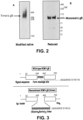
- modified HCMV gB Under modified native conditions, which allows for detection of HCMV glycoprotein B in its native form, modified HCMV gB was mixed with loading buffer containing LDS (lithium dodecyl sulfate) but no DTT and resolved in native running buffer. The proteins were then transferred to nitrocellulose membranes and blotted with anti-gB monoclonal antibody (LS-C64457, LifeSpan BioSciences, Seattle, WA). As shown in Figure 2A , the blots revealed a uniform band of about 360 kDa, which is consistent with the native, homotrimeric form of HCMV gB.
- LDS lithium dodecyl sulfate
- This HCMV gB protein comprises 818 amino acids with a predicted molecular mass of 93 kDa under reducing conditions, but a molecular mass of 130-140 kDa due to glycosylation. The bioactivity of this protein was confirmed by its ability to bind biotinylated human CD209-Fc in a functional ELISA assay. Importantly, this HCMV gB protein is essentially identical to the non-trimeric HCMV gB protein used in clinical trials. ( Pass et al., N Engl J Med 360: 1191-9 ).
- Immulon 4 ELISA plates (Dynex Technologies, Inc., Chantilly, VA) were coated (50 ⁇ L/well) with homotrimeric HCMV gB (5 ⁇ g/ml) in PBS overnight at 4°C. Plates were washed 3X with PBS + 0.1% Tween 20 and were blocked with PBS + 1% BSA for 1 h at 37°C.
- inhibition mixtures will be prepared by mixing sera at varying dilutions with 10 ⁇ g/ml of HCMV gB protein with incubation for 24 h at 4°C, before being transferred to wells previously coated with 1 ⁇ g/ml of neutralizing mouse IgG1 anti-HCMV gB mAb LS-C64457 (LifeSpan BioSciences, Inc, Seattle, WA), and blocked with PBS-BSA.
- Sera from na ⁇ ve mice or mice immunized with a control protein, such as EBV gp350 will serve as negative controls (i.e. no inhibition).
- a standard curve will be generated using known concentrations of neutralizing mouse IgG1 anti-HCMV gB mAb LS-C64457 in the inhibition mixtures to convert the OD405 nm of each serum sample into a final ug/ml concentration of gB-specific neutralizing antibody, using a four-parameter logistic regression method with correction for the serum dilution.
- CMV neutralization assay Neutralizing activities are determined by preparing 1:10 dilutions of each serum sample followed by additional 2-fold serial dilutions in culture medium. Each dilution is mixed with an equal volume of culture medium containing 4,000 pfu of HCMV (strain BADrUL131-Y4), incubated for 1h at 37°C then added to the wells of 384-well plates containing ARPE-19 (epithelial line, ATCC) or MRC-5 (fibroblast line, ATCC) monolayers. Each serum sample is assayed in triplicate and representative photomicrographs were taken using a Nikon Eclipse TS100 inverted UV microscope at four days post-infection.
- HCMV trimeric glycoprotein B induces highly boosted gB-specific IgG responses in rabbits that prevents in vitro HCMV infection of fibroblasts and epithelial cells.
- a group of 4 male New Zealand white rabbits, 12 to 15 weeks old were immunized subcutaneously with 25 ug of trimeric HCMV gB adsorbed to aluminum hydroxide (alum; 0.25 ug alum/mg protein). Rabbits were immunized on Day 0, Day 21, and Day 42 and serum samples were taken before initial immunization, and 10 days following each immunization. Serum titers of HCMV gB-specific IgG were determined.
- Immulon 4 ELISA plates (Dynex Technologies, Chantilly, VA) were coated overnight with 5 ⁇ g/ml of HCMV gB protein in PBS (50 ⁇ l/well) at 4°C. The plates were then blocked with PBS + 1% bovine serum albumin (BSA) (100 ⁇ l/well) for 2 h at 37°C.
- BSA bovine serum albumin
- a recombinant nucleic acid plasmid (SEQ ID NO: 9) was designed to encode for amino acids 23-732 of SEQ ID NO: 8, with the coding sequence for the furin cleavage site (RRRRD (SEQ ID NO: 20) between amino acids 429-433 of SEQ ID NO: 8 being replaced with the coding sequence for a (Gly 4 Ser) 3 (SEQ ID NO:5) linker ( Figure 8 ).
- the recombinant nucleic acid further included a nucleic acid encoding for an IgG ⁇ leader sequence on the 5' end to direct protein secretion into the cell supernatant, and a nucleic acid encoding for a His 6 (SEQ ID NO: 26) sequence on the 3' end to aid in purification and immunohistochemical analysis.
- the recombinant nucleic acid (SEQ ID NO: 9) was cloned into the pOptiVEC TM vector (Life Technologies, Carlsbad, CA), and verified by sequencing.
- modified EBV gB expressing CHO cells were loaded into "Fibercell" cartridges (FiberCell Systems, Inc., Frederick, MD), and concentrated supernatants were collected daily.
- Modified EBV gB expressing CHO cells were lysed with M-PER mammalian protein extraction reagent (Thermo Scientific Fisher, Waltham, MA), centrifuged at 3500 rpm for 60 min to remove cell debris. Supernatants were further concentrated by centrifugation at 3,000 rpm for 30 min using a Centriprep ® Centrifugal Filter Unit (Thermo Scientific Fisher, Waltham, MA), 30,000 MW cut-off.
- Affinity purification was performed using a cobalt column (Thermo Scientific Fisher, Waltham, MA), according to manufacturer's instructions. Briefly, concentrated supernatants were mixed with an equal volume of equilibration buffer, and added to the cobalt purification column. The column was incubated with gentle agitation for 60 min at 4°C and washed 3x with washing buffer.
- modified EBV gB proteins were analyzed by electrophoresis on 3-8% NuPAGE ® Tris-Acetate Mini Gels (Life Technologies, Carlsbad, CA), under denaturing or modified native conditions, and blotted with anti-His monoclonal antibody (Life Technologies, Carlsbad, CA) and anti-EBV gB antibodies (Virusys, Taneytown, MD).
- modified (“trimeric") EBV gB was boiled for ten minutes in loading buffer containing 50 mM DTT. The proteins were then transferred to nitrocellulose membranes and blotted with anti-His monoclonal antibody ((Life Technologies, Carlsbad, CA) or anti-gB monoclonal antibodies (Virusys, Taneytown, MD). As shown in Figure 7A , the blots revealed an 80 kDa band corresponding with monomeric EBV gB. These results demonstrate that the modified EBV gB in non-native form is a monomer.
- modified EBV gB was mixed with loading buffer containing LDS (lithium dodecyl sulfate) but no DTT and resolved in native running buffer.
- LDS lithium dodecyl sulfate
- the proteins were then transferred to nitrocellulose membranes and blotted with anti-His monoclonal antibody ( Figure 7B ) or anti-gB monoclonal antibody ( Figure 7C ).
- Figures 7B /C the blots revealed a uniform band of about 240 kDa, which is consistent with the native, trimeric form of EBV gB.
- Immulon 4 ELISA plates (Dynex Technologies, Inc., Chantilly, VA) will be coated (50 ⁇ L/well) with homotrimeric EBV gB (5 ⁇ g/ml) in PBS overnight at 4°C. Plates will be washed 3X with PBS + 0.1% Tween 20 and will be blocked with PBS + 1% BSA for 1 h at 37°C.
- Substrate ( p -nitrophenyl phosphate, disodium; Sigma) at 1 mg/ml in TM buffer (1 M Tris + 0.3 mM MgCl 2 , pH 9.8) will then be added for color development. Color will be read at an absorbance of 405 nm on a Multiskan Ascent ® ELISA reader (Labsystems, Finland).
- EBV neutralization assay The method developed in Dr. Jeffery Cohen's Lab at NIH will be used ( Sashihara J et al, Virology 2009, 391: 249-256 ). Briefly, serum samples will be serially diluted in 2-fold steps (from undiluted to 18 serial dilutions) and 25 ⁇ L of the diluted sample or control antibody will be added to wells of a 96 well plate in triplicate. 25 ⁇ l of B95-8/F EBV virus will then be added to each well and incubated for 2 hrs.
- GFP-expressing cells will be quantified using a FACSCalibur TM Flow Cytometer (BD Biosciences, San Jose, CA, USA) and FlowJo software (Tree Star Inc., Ashland, OR).
- the effective dilution of antibody that inhibited infectivity by 50% (EDI50) based on reduction of the number of GFP positive cells will be calculated by non-linear regression analysis using GraphPad PRISM ® software (GraphPad Software, La Jolla, CA).
- the HCMV gH/gL heterodimer is part of the herpesvirus family core fusion machinery that is necessary for HCMV fusion and penetration into fibroblasts cells, epithelial cells, endothelial cells, and dendritic cells.
- Vaccination of rabbits with recombinant gH/gL alone elicited neutralizing antibodies against fibroblasts and epithelial cells, although neutralization was somewhat higher against epithelial cells, when using the entire pentameric complex (gH/gL/UL128/130/131A) (66).
- the coding sequences for HCMV gH and gL were downloaded from NCBI, reference sequence NC_006273.2, version GI:155573622, including gH nucleotides 109224 through 111452 (SEQ ID NO: 21), gL nucleotides 165022 through 165858 (SEQ ID NO: 22).
- the construct for a herpesvirus gH/gL fusion protein was designed using MacVector.
- the amino acid sequences of wild type HCMV gH (SEQ ID NO: 18) and HCMV gL (SEQ ID NO: 24) are known.
- DNA coding for the gH/gL was synthesized by Blue Heron Biotechnology, Inc, cloned into pOptiVEC TM (Invitrogen), and verified by sequencing.
- Chinese Hamster Ovary cells strain DG44 (Invitrogen) were transfected with pOptiVEC TM -gH/gL. constructs using Free-style TM Max reagent (Invitrogen), and selected with gradually increased concentration of methotrexate up to 4 ⁇ M.
- Purified HCMV trimeric gB as produced in Example 1, was mixed with purified monomeric gH/gL, as produced in Example 6, at a molecular ratio of 1:1, and incubated at room temperature for 2 hours. Subsequent analysis by Western blot under non-reducing conditions demonstrated a protein complex with a molecular weight of about 600 kDa ( Figure 10 ), consistent with a complex of one HCMV trimeric gB and two HCMV monomeric gH/gL heterodimers. There have been no reports demonstrating that these viral proteins, in their natural conformation, assemble into a native complex upon in vitro co-incubation.
- This protein complex vaccine also has implications beyond herpesvirus vaccines, as the same principle can be used to reconstitute protein complexes from the individual proteins of other viral or bacterial pathogens, which can, in turn, be used as vaccines to induce highly efficient neutralizing antibodies against conformational epitopes in the protein complex.
- mice Female BALB/c mice will be purchased from the National Cancer Institute (Frederick, MD) and will be used at 7-10 weeks of age for all protein immunizations. Female BALB/c mice will be purchased from Harlan Laboratories (Indianapolis, IN) and will be used at 4-6 weeks of age for all plasmid DNA vaccinations. These studies will be conducted in accordance with the principles set forth in the Guide for Care and Use of Laboratory Animals (Institute of Laboratory Animal Resources, National Research Council, revised 1996), and will be approved by the Uniformed Services University of the Health Sciences and the University of Washington Institutional Animal Care and Use Committees.
- mice Female BALB/c mice will be immunized i.p. with 3 different doses (25, 5.0, and 1.0 ⁇ g/mouse) of a HCMV gB/gH/gL protein complex as produced in Example 6.
- the HCMV gB/gH/gL protein complex will be adsorbed on 13 ⁇ g of alum adjuvant (Allhydrogel 2%, Brenntag Biosector, Denmark), and administered with or without 25 ⁇ g of a stimulatory 30 mer CpG-containing oligodeoxynucleotide (CpG-ODN).
- Serum samples for ELISA assays will be obtained from blood taken from the tail vein on days 0, 14, 28, and 42 for measurement of serum titers of gB, gH, and/or gL specific IgG.
- Substrate p-nitrophenyl phosphate, disodium; Sigma
- TM buffer 1 M Tris + 0.3 mM MgCl 2 , pH 9.8
- Color will be read at an absorbance of 405 nm on a Multiskan Ascent ® ELISA reader (Labsystems, Finland).
- CMV neutralization assay Neutralizing activities are determined by preparing 1:10 dilutions of each serum sample followed by additional 2-fold serial dilutions in culture medium. Each dilution is mixed with an equal volume of culture medium containing 4,000 pfu of HCMV (strain BADrUL131-Y4), incubated for 1h at 37°C then added to the wells of 384-well plates containing ARPE-19 (epithelial line, ATCC) or MRC-5 (fibroblast line, ATCC) monolayers. Each serum sample is assayed in triplicate and representative photomicrographs were taken using a Nikon Eclipse TS100 inverted UV microscope at four days post-infection.
Landscapes
- Health & Medical Sciences (AREA)
- Life Sciences & Earth Sciences (AREA)
- Chemical & Material Sciences (AREA)
- Organic Chemistry (AREA)
- Virology (AREA)
- Medicinal Chemistry (AREA)
- General Health & Medical Sciences (AREA)
- Immunology (AREA)
- Animal Behavior & Ethology (AREA)
- Veterinary Medicine (AREA)
- Public Health (AREA)
- Pharmacology & Pharmacy (AREA)
- Genetics & Genomics (AREA)
- Engineering & Computer Science (AREA)
- Biochemistry (AREA)
- Microbiology (AREA)
- Molecular Biology (AREA)
- Bioinformatics & Cheminformatics (AREA)
- Biophysics (AREA)
- Proteomics, Peptides & Aminoacids (AREA)
- Epidemiology (AREA)
- Mycology (AREA)
- Nuclear Medicine, Radiotherapy & Molecular Imaging (AREA)
- Chemical Kinetics & Catalysis (AREA)
- General Chemical & Material Sciences (AREA)
- Wood Science & Technology (AREA)
- Zoology (AREA)
- Biotechnology (AREA)
- Gastroenterology & Hepatology (AREA)
- Biomedical Technology (AREA)
- General Engineering & Computer Science (AREA)
- Communicable Diseases (AREA)
- Oncology (AREA)
- Peptides Or Proteins (AREA)
- Medicines Containing Antibodies Or Antigens For Use As Internal Diagnostic Agents (AREA)
Description
- This application claims the benefit of, and relies on the filing date of,
U.S. provisional patent application number 61/914,903, filed 11 December 2013 - This invention was made in part with Government support from the Uniformed Services University of the Health Services (USUHS Dean's Research and Education Endowment). The U.S. Government has certain rights in this invention.
- The instant application contains a Sequence Listing which has been submitted electronically in ASCII format and is hereby incorporated by reference in its entirety. Said ASCII copy, created on December 11, 2014, is named HMJ-143-PCT_SL.txt and is 103,345 bytes in size.
- Human cytomegalovirus (HCMV) is a ubiquitously occurring pathogen that causes severe disease in immunocompromised hosts. HCMV is the most common viral infection acquired in utero in the developed world, and is a major cause of congenital defects in newborns. In the U.S. and Europe an estimated 0.2% to 1.2% of all live born infants are infected with HCMV. Congenital HCMV infection is a leading cause of sensorineural hearing loss in children and is the leading infectious cause of central nervous system damage in children.
- In addition to newborn infants, the virus can also cause severe disease in immunosuppressed patients, such as organ transplant recipients and HIV-positive individuals. HCMV can become an opportunistic pathogen in these patients and cause severe disease with high morbidity and mortality.
- HCMV is an enveloped, double-stranded DNA β-herpesvirus of the Herpesviridae family. Glycoprotein B (gB) of the Herpesviridae family is a type III fusion protein that has a shared trimeric structure of its fusion-active forms, and a post-fusion trimer of hairpins. HCMV gB is encoded by the UL55 gene and is synthesized as a 906-amino acid precursor molecule in infected cells. An amino-terminal signal sequence directs the nascent polypeptide to the endoplasmic reticulum (ER), where gB folds and rapidly associates into disulfide-dependent macromolecular complexes formed by identical molecules. Following transport from the ER, HCMV gB enters the Golgi apparatus, where it underdoes glycosylation and is processed by proteolysis by the host subtilisin-like enzyme, furin, into the amino-terminal and carboxy-terminal fragments, gp115 and gp55, respectively. These two fragments of the monomeric form of gB - gp 115 and gp55 - are held together by intramolecular disulfide bonds. The mature product is then delivered to the surface of infected cells, where it is recycled between endosomal vesicles and the plasma membrane and is eventually incorporated into virions. Recently, native HCMV gB has been postulated to be a homotrimer based on the 3D crystallography structure of gB proteins in related viruses, Herpes Simplex Virus 1 (HSV-1) gB and Epstein Barr Virus (EBV) gB, which are homotrimers (29-32).Various vaccines, including live attenuated vaccines and subunit vaccines, are being developed to target HCMV-associated diseases. For example, gB is considered a major vaccine target antigen for eliciting neutralizing antibodies based on its critical role in mediating viral-host cell fusion and thus viral entry. Indeed a significant portion of neutralizing antibodies in human serum is specific for gB epitopes. Others have attempted to take advantage of this humoral response to gB in the effort to develop an effective vaccine for the prevention of HCMV infection. For example, a recombinant gB protein is described in Spaete et al., A recombinant subunit vaccine approach to HCMV vaccine development, Transplantation Proceedings, , and in
WO 2012/049317 , where at least one of the fusion loops FL1 and FL2 has been disrupted to provide HCMV gB polypeptides that are capable of forming homotrimers. Based on analysis of a gB protein made in an analogous manner, it is believed that this recombinant gB protein is composed of mostly dimeric gB and minor amounts of monomeric and trimeric gB, wherein the natural conformation of gB during HCMV infections is predicted to be a trimer. This recombinant gB protein was generated by mutating the gene encoding for gB at the furin cleavage site, rendering the site ineffectual, and deleting the transmembrane domain, thus leaving the extracellular and intracellular domains. - A vaccine based on this recombinant gB protein was used in
Phase 2 clinical trials. Pass et al., Vaccine Prevention of Maternal Cytomegalovirus Infection, N Engl J Med 2009; 360:1191-1199. Three doses of the HCMV vaccine or placebo were given at 0, 1, and 6 months to HCMV-seronegative women within 1 year after they had given birth. HCMV infection was determined in the women in quarterly tests during a 42-month period, using an assay for IgG antibodies against HCMV proteins other than glycoprotein B. Infection was confirmed by virus culture or immunoblotting. The primary end point was the time until the detection of HCMV infection. 234 subjects were randomly assigned to receive the HCMV vaccine and 230 subjects to receive placebo. After a minimum of 1 year of follow-up, there were 49 confirmed infections, 18 in the vaccine group and 31 in the placebo group. Kaplan-Meier analysis showed that the vaccine group was more likely to remain uninfected during a 42-month period than the placebo group (P=0.02). Vaccine efficacy was 50% (95% confidence interval, 7 to 73) on the basis of infection rates per 100 person-years. One congenital infection among infants of the subjects occurred in the vaccine group, and three infections occurred in the placebo group. - Also
WO 2006/056027 A1 discloses a HCMV gB mutant with a modified furin cleavage site capable of eliciting a T cell response and neutralizing antibodies in preclinical studies. - However, no vaccine candidates for the prevention of HCMV have entered into Phase III clinical trials.
- Likewise, Epstein-Barr Virus (EBV), also known as
human herpesvirus 4, is a major, global source of morbidity and mortality, responsible for such pathologic entities as Burkitt lymphoma, nasopharyngeal carcinoma, infectious mononucleosis, a subset of Hodgkin's disease, and the lymphoproliferative syndrome in immunosuppressed patients. EBV is a γ-herpesvirus, with a double stranded, linear DNA genome, that infects B cells and epithelial cells. Vaccines being developed to target EBV infection have focused on glycoprotein 350 (gp350) (E.M. Sokal et al., J. Infect. Dis. 196: 1749 (2007)). In their attempt to gain insight into the biochemical features of EBV gB, Backovic and coworkers replaced the putative transmembrane segment (i.e. residues 733-753 of the full-length gB) by a GCN4 trimerization domain to generate an EBV gB mutant capable of forming a trimeric protein (Backovic M, Leser GP, Lamb RA, Longnecker R, Jardetzky TS. 2007. Characterization of EB V gB indicates properties of both class I and class II viral fusion proteins. Virology 368: 102-13). Later, the authors have shown that the natural conformation of EBV gB during infection is a trimer. (Backovic M, Longnecker R, Jardetzky TS. 2009. Structure of a trimeric variant of the Epstein-Barr virus glycoprotein B. Proc Natl Acad Sci U S A 106: 2880-5.) - The invention is set out in the appended set of claims. The embodiments and/or examples of the following description which are not covered by the appended claims are considered as not being part of the present invention. Any references in the description to methods of treatment refer to the compounds, pharmaceutical compositions and medicaments of the present invention for use in a method for treatment of the human or animal body by therapy or for diagnosis.
- The present disclosure provides new and improved strategies for enhancing an immune response to herpesvirus infection. These improved strategies involve creating a modified human herpesvirus glycoprotein B (gB) polypeptide by inserting a peptide linker at the furin cleavage site in the human herpesvirus gB polypeptide extracellular domain. Inserting the peptide linker removes the furin recognition sequence, such that expression of the modified herpesvirus gB results in the production of a homotrimeric gB complex that provides enhanced immunogenicity. Without intending to be bound by any theory, it is believed that such a linker sequence can allow the modified herpesvirus gB polypeptide to undergo native conformational folding and form a homotrimer.
- The invention thus provides a human herpesvirus glycoprotein B (gB) polypeptide comprising a modified extracellular domain, wherein the modified extracellular domain comprises a peptide linker inserted into the furin cleavage site to replace the furin cleavage site, wherein the peptide linker consists of the amino acid sequence (Gly4Ser)3 (SEQ ID NO: 5), and wherein the human herpesvirus gB is human cytomegalovirus (HCMV) gB or EBV (Epstein-Barr Virus) gB.
- According to one embodiment, the human herpesvirus gB is HCMV gB and the modified extracellular domain comprises the peptide linker sequence inserted into the furin cleavage site of the wild type HCMV amino acid sequence (SEQ ID NO: 2).
- According to another embodiment, the human herpesvirus gB is EBV gB and the modified extracellular domain comprises the peptide linker sequence inserted into the furin cleavage site of the wild type EBV amino acid sequence (SEQ ID NO: 8).
- In certain embodiments, (a) the human herpesvirus gB polypeptide does not include a transmembrane domain or an intracellular domain; (b) the human herpesvirus gB polypeptide further comprises a leader sequence at the N-terminus of the gB polypeptide, wherein the leader sequence is not the native gB polypeptide leader sequence of MESRIWCLVVCVNLCIVCLGAA (amino acids 1-22 of SEQ ID NO: 2) or the native gB polypeptide leader sequence of MTRRRVLSVVVLLAALACRLGA (amino acids 1-22 of SEQ ID NO: 8); and wherein the leader sequence optionally has the amino acid sequence METDTLLLWVLLLWVPGSTGD (SEQ ID NO: 6); and/or (c) the amino acid sequence of the human herpesvirus gB polypeptide comprises SEQ ID NO: 4.
- Another aspect of the invention is a herpesvirus gB polypeptide homotrimer complex comprising three human herpesvirus gB polypeptides as claimed herein.
- A further aspect of the invention is a vaccine composition comprising the human herpesvirus gB polypeptide homotrimer complex as claimed herein and a pharmaceutically acceptable excipient, wherein optionally the vaccine composition further comprises at least one human herpesvirus antigen selected from the group consisting of glycoprotein H (gH), glycoprotein L (gL), glycoprotein 350 (gp350), UL128, UL130, UL131, and combinations thereof.
- According to one embodiment of the vaccine composition, (a) the at least one human herpesvirus antigen is a multimer; and/or (b) the vaccine composition further comprises an adjuvant.
- Another aspect of the invention is a recombinant nucleic acid encoding the modified human herpesvirus gB polypeptide as claimed herein.
- Yet another aspect is directed to a medical use for inducing an immune response in a subject by administering to the subject a vaccine composition comprising the modified herpesvirus gB polypeptide or a nucleic acid encoding the same, where the herpesvirus gB polypeptide induces an immune response in the subject. The vaccine composition can optionally include other herpesvirus antigens, including but not limited to one or more of glycoprotein H (gH), glycoprotein L (gL), glycoprotein 350 (gp350), UL128, UL130, UL131, or combinations thereof.
- Another aspect of the invention is directed to a protein complex comprising the herpesvirus gB polypeptide homotrimer complex as claimed herein, a herpesvirus gH glycoprotein, and a herpesvirus gL glycoprotein, where the herpesvirus gB polypeptide homotrimer complex comprises a trimer of three modified herpesvirus gB polypeptides as claimed herein. In certain embodiments, the herpesvirus gH and the herpesvirus gL form a herpesvirus gH/gL fusion protein, i.e., the protein complex comprises a herpesvirus gH/gL fusion protein.
- According to one embodiment of the protein complex, the human herpesvirus gB is HCMV gB and the modified extracellular domain comprises a peptide linker sequence inserted into the furin cleavage site of the wild type HCMV amino acid sequence (SEQ ID NO: 2). According to another embodiment, the human herpesvirus gB is EBV gB and the modified extracellular domain comprises a peptide linker sequence inserted into the furin cleavage site of the wild type EBV amino acid sequence (SEQ ID NO: 8). According to a further embodiment, the human herpesvirus gB polypeptide does not include a transmembrane domain or an intracellular domain. In yet another embodiment, the human herpesvirus gB polypeptide further comprises a leader sequence at the N-terminus of the gB polypeptide, wherein the leader sequence is not the native gB polypeptide leader sequence of MESRIWCLVVCVNLCIVCLGAA (amino acids 1-22 of SEQ ID NO: 2) or the native gB polypeptide leader sequence of MTRRRVLSVVVLLAALACRLGA (amino acids 1-22 of SEQ ID NO: 8), optionally wherein the leader sequence has the amino acid sequence METDTLLLWVLLLWVPGSTGD (SEQ ID NO: 6). In a further embodiment, the herpesvirus gH/gL fusion protein comprises the amino acid sequence of SEQ ID NO:25. In certain embodiments, the protein complex further comprises one or more of a herpesvirus UL128, UL130, or UL131 polypeptide, wherein the protein complex preferably further comprises a herpesvirus UL128, UL130, and UL131 polypeptide.
- The disclosure also provides methods of making the protein complex, comprising incubating in vitro a first protein and at least a second protein to form the protein complex. In one embodiment, the method of making the protein complex comprises incubating in vitro a herpesvirus gB polypeptide homotrimer complex, a herpesvirus gH glycoprotein, and a herpesvirus gL glycoprotein, where the herpesvirus gB polypeptide homotrimer complex comprises a trimer of three modified herpesvirus gB polypeptides, and forming the protein complex. In certain embodiments, the herpesvirus gH and gL glycoproteins comprises a herpesvirus gH/gL fusion protein. In certain embodiments, the method further comprises incubating one or more of a herpesvirus UL128, UL130, or UL131 polypeptide. Thus, in certain embodiments, the method comprises incubating a homotrimeric complex of a modified herpesvirus gB protein, a herpesvirus gH/gL fusion protein, and optionally a herpesvirus UL128, a herpesvirus UL130, and a herpesvirus UL131 polypeptide.
- Also provided are medical uses for inducing an immune response in a subject by administering to the subject a vaccine composition comprising the herpesvirus protein complex, where the herpesvirus protein complex induces an immune response in the subject. Specifically, the present disclosure provides the human herpesvirus gB polypeptide as disclosed and/or claimed herein, the herpesvirus gB polypeptide homotrimer complex as disclosed and/or claimed herein, the vaccine composition as disclosed and/or claimed herein, or the protein complex as disclosed and/or claimed herein for use for (a) the prevention of herpesvirus infection in a patient; or (b) inducing immunity to herpesvirus infection in a patient. The herpesvirus protein complex comprises a herpesvirus gB polypeptide homotrimer complex, a herpesvirus gH glycoprotein, and a herpesvirus gL glycoprotein, where the herpesvirus gB polypeptide homotrimer complex comprises a trimer of three modified herpesvirus gB polypeptides. In certain embodiments, the herpesvirus gH and gL glycoproteins comprises a herpesvirus gH/gL fusion protein. In certain embodiments, the protein complex further comprises one or more of a herpesvirus UL128, UL130, or UL131 polypeptide. Thus, in certain embodiments, the protein complex comprises a homotrimeric complex of a modified herpesvirus gB protein, a herpesvirus gH/gL fusion protein and optionally a herpesvirus UL128, a herpesvirus UL130, and a herpesvirus UL131A polypeptide.
- Another aspect of the invention is directed to a recombinant vector comprising the nucleic acid as disclosed and/or claimed herein.
- The accompanying drawings, which are incorporated in and constitute a part of this specification, illustrate certain embodiments, and together with the written description, serve to explain certain principles of the constructs, methods and medical uses disclosed and/or claimed herein.
-
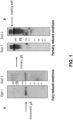
Figure 1A shows a Western blot analysis of HCMV gB under fully reduced conditions using an anti-His monoclonal antibody. -
Figure 1B shows a Western blot analysis of HCMV gB under partially reduced conditions using an anti-His monoclonal antibody. -
Figure 2A shows a Western blot under modified native conditions using an anti-HCMV gB monoclonal antibody. -
Figure 2B shows a Western blot under reduced conditions using an anti-HCMV gB monoclonal antibody. -
Figure 3 depicts a schematic difference between a wild type HCMV gB and a modified HCMV gB of the present invention. -
Figure 4 shows that a modified HCMV gB of this invention ("Trimer") is markedly more immunogenic than non-trimeric control HCMV gB ("Sino"), which is nearly identical to what was used in the Phase II clinical trial by Pass et al., Vaccine Prevention of Maternal Cytomegalovirus Infection, N Engl J Med 2009; 360:1191-1199. Significance between modified HCMV gB and control protein, p< 0.05 by Student-t test. -
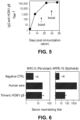
Figure 5 shows serum titers of HCMV gB-specific IgG in rabbits immunized with trimeric HCMV gB ondays - Figures 6A-B show the in vitro neutralizing activity of serum from rabbits immunized with trimeric HCMV gB against live HCMV using MRC-5 fibroblasts (A) and ARPE-19 epithelial cells (B). Human serum from a CMV-immune patient was used as a positive control ("Human sera").
-
Figure 7A shows a Western blot analysis of trimeric EBV gB under reducing conditions using an anti-His monoclonal antibody. -
Figures 7B-C show a Western blot analysis of trimeric EBV gB under non-reducing conditions using an anti-His monoclonal antibody (B) or an anti-EBV gB antibody (C). -
Figure 8 depicts a schematic difference between a wild type EBV gB and a modified EBV gB of the present invention. -
Figures 9A-B show a Western blot analysis of HCMV gH/gL heterodimer under reducing conditions using an anti-His monoclonal antibody (A) or an anti-HCMV gH antibody (B). -
Figure 10 shows a Western blot analysis of HCMV gB/gH/gL protein complex under non-reducing conditions. - It is to be understood that the following detailed description is provided to give the reader a fuller understanding of certain embodiments, features, and details of aspects as disclosed and/or claimed herein.
- Definitions. In order that the present invention may be more readily understood, certain terms are first defined. Additional definitions are set forth throughout the detailed description.
- The term "peptide linker" refers to a short, non-native peptide sequence that links two proteins or fragments of a protein.
- The term "herpesvirus gH/gL fusion protein" refers to a recombinant fusion protein comprising a herpesvirus gH protein joined to a herpesvirus gL protein. The herpesvirus gH protein can be joined to the herpesvirus gL protein with a peptide linker.
- The term "modified extracellular domain" refers to the extracellular domain of a human herpesvirus glycoprotein B that has been engineered such that the amino acid sequence is not the native amino acid sequence. As used herein, the extracellular domain of the human herpesvirus glycoprotein B has been modified by inserting a peptide linker at the furin cleavage site, effectively removing the furin recognition sequence. Examples of such human herpesviruses include, but are not limited to, CMV (Cytomegalovirus), HSV-1 (Herpes Simplex Virus-1), HSV-2 (Herpes Simplex Virus-2), VZV (Varicella-Zoster Virus), EBV (Epstein-Barr Virus), and HSHV (Kaposi Sarcoma-related Herpes Virus).
- The terms "modified herpesvirus gB" and "modified herpesvirus gB polypeptide" are used interchangeably and refer to a human herpesvirus glycoprotein B polypeptide comprising a modified extracellular domain.
- The terms "modified HCMV gB" and "modified HCMV gB polypeptide" are used interchangeably and refer to a human CMV glycoprotein B polypeptide comprising a modified extracellular domain.
- The terms "modified EBV gB" and "modified EBV gB polypeptide" are used interchangeably and refer to a human Epstein Barr virus glycoprotein B polypeptide comprising a modified extracellular domain.
- The term "leader sequence" refers to a short peptide sequence at the N-terminus of a recombinant protein that directs the recombinant protein to be secreted by the cell.
- The terms "homotrimer," "homotrimer complex," and "homotrimeric complex" are used interchangeably and refer to the association of three polypeptides, such as three modified herpesvirus or HCMV gB polypeptides.
- The term "pharmaceutically acceptable carrier" or "pharmaceutically acceptable excipient" means solvents, dispersion media, coatings, antibacterial agents and antifungal agents, isotonic agents, and absorption delaying agents, and the like, that are compatible with pharmaceutical administration. The use of such media and agents for pharmaceutically active substances is well known in the art. In certain embodiments, the pharmaceutically acceptable carrier or excipient is not naturally occurring.
- The term "isolated," when used in the context of a polypeptide or nucleic acid refers to a polypeptide or nucleic acid that is substantially free of its natural environment and is thus distinguishable from a polypeptide or nucleic acid that might happen to occur naturally. For instance, an isolated polypeptide or nucleic acid is substantially free of cellular material or other polypeptides or nucleic acids from the cell or tissue source from which it was derived. The term also refers to preparations where the isolated polypeptide or nucleic acid is sufficiently pure for pharmaceutical compositions; or at least 70-80% (w/w) pure; or at least 80-90% (w/w) pure; or at least 90-95.
- The terms "polypeptide," "peptide," and "protein" are used interchangeably herein to refer to polymers of amino acids.
- The term "recombinant" when used in the context of a nucleic acid means a nucleic acid having nucleotide sequences that are not naturally joined together and can be made by artificially combining two otherwise separated segments of sequence. This artificial combination is often accomplished by chemical synthesis or, more commonly, by the artificial manipulation of isolated segments of nucleic acids, for example, by genetic engineering techniques. Recombinant nucleic acids include nucleic acid vectors comprising an amplified or assembled nucleic acid, which can be used to transform or transfect a suitable host cell. A host cell that comprises the recombinant nucleic acid is referred to as a "recombinant host cell." The gene is then expressed in the recombinant host cell to produce a "recombinant polypeptide." A recombinant nucleic acid can also serve a non-coding function (for example, promoter, origin of replication, ribosome-binding site and the like).
- A homotrimeric herpesvirus gB, in contrast to the previously tested non-trimeric gB by Pass et al., Vaccine Prevention of Maternal Cytomegalovirus Infection, N Engl J Med 2009; 360:1191-1199, is likely to elicit higher total gB-specific IgG responses and more diverse neutralizing antibodies against herpesvirus due to its multimeric form and the likely expression of unique conformational, neutralizing epitopes by homotrimeric herpesvirus gB. Thus, new and improved constructs for enhancing immune responses are needed, particularly herpesvirus gB constructs, including but not limited to HCMV gB constructs, that can be used to enhance immune responses in response to herpesvirus infection.
- Modified Herpesvirus/HCMVgB. The nucleic acid sequence encoding for wild type HCMV gB is set forth in SEQ ID NO: 1. The polypeptide sequence of wild type HCMV gB is set forth in SEQ ID NO: 2. Wild type HCMV gB is expressed as a 906 amino acid precursor protein. The first 22 amino acids comprise the native signal peptide, which sends the precursor protein to the endoplasmic reticulum (ER) for processing. The native signal peptide is cleaved off when the protein is folded in the ER. The polypeptide sequence of wild type HCMV gB consists of an extracellular domain (amino acids 23-750 of SEQ ID NO: 2), a transmembrane domain, and an intracellular domain (together, amino acids 751-906 of SEQ ID NO: 2).
- Following transport from the ER, HCMV gB enters the Golgi apparatus where it undergoes glycosylation and is cleaved by the host enzyme, furin, in the extracellular domain at amino acids 460-461 of SEQ ID NO: 2. This proteolytic processing gives rise to two polypeptide fragments, gp116 and gp55. These two fragments remain covalently associated by disulfide bonds to form a gB subunit. It is believed that three HCMV gB subunits associate to create a homotrimer complex that mediates viral-host cell fusion (29-32).
- The present disclosure relates to a new strategy for generating a modified herpesvirus gB polypeptide. The present disclosure provides a strategy for generating a modified HCMV gB polypeptide. Moreover, the present disclosure provides a strategy for generating a modified EBV gB polypeptide. HCMV and EBV are human herpesviruses, which share a homologous gB structure, including a furin cleavage site in the extracellular domain. Further examples of such human herpesviruses include, but are not limited to, HSV-1 (Herpes Simplex Virus-1), HSV-2 (Herpes Simplex Virus-2), VZV (Varicella-Zoster Virus), and HSHV (Kaposi Sarcoma-related Herpes Virus). The nucleotide and amino acid sequences of the gB polypeptides of CMV, HSV-1, HSV-2, VZV, EBV, and HSHV are known.
- The strategy involves creating nucleic acid constructs for inserting a peptide linker at the furin cleavage site in the extracellular domain of HCMV, or EBV gB such that the encoded HCMV, or EBV gB forms a subunit that associates in triplicate to produce a gB homotrimeric complex. Surprisingly, modified HCMV gB polypeptide produced according to the present invention uniformly and consistently forms a homotrimeric complex. Without being limited by theory, it is believed that mutating the furin cleavage site in HCMV gB so that said site is rendered ineffectual, as had been done previously (see Spaete et al.), limits the movement of the HCMV gp116 and gp55 fragments, thereby interfering with the fragments' ability to form a homotrimeric complex. This could account for the inability of the previously described recombinant HCMV gB proteins to fold into a homotrimer. Replacing the furin cleavage site with a peptide linker, on the other hand, allows the gB polypeptide to form a trimeric complex, similar to the homotrimer that is believed to form naturally in a cell.
- In certain embodiments, the modified HCMV, or EBV gB polypeptide of the present invention comprises a modified extracellular domain of wild type HCMV, or EBV gB and does not include the transmembrane domain or the intracellular domain of wild type HCMV, or EBV gB. The modified HCMV, or EBV gB generally retains one or more characteristics of the corresponding native HCMV, or EBV gB, such as the ability to mediate viral-host cell fusion, or the ability to elicit antibodies (including, but not limited to, viral neutralizing antibodies) capable of recognizing native HCMV, or EBV gB. Conventional methodology may be utilized to evaluate modified HCMV, or EBV gB for one or more of the characteristics.
- By way of example, and not limitation, the polynucleotide sequence can include nucleotides encoding for a leader sequence that is not the native HCMV, or EBV gB leader sequence (e.g., the leader sequence is not amino acids 1-22 of SEQ ID NO: 2 for a modified HCMV gB polypeptide). In other embodiments, the polynucleotide sequence includes nucleotides encoding a protein comprising the amino acid sequence of SEQ ID NO: 4. In further embodiments, the polynucleotide sequence comprises SEQ ID NO: 3, which includes nucleotides encoding an IgG κ leader sequence. In an embodiment, the IgG κ leader sequence has the amino acid sequence METDTLLLWVLLLWVPGSTGD (SEQ ID NO: 6).
- In an aspect, the modified HCMV gB was created with a nucleic acid construct encoding for the extracellular domain of wild type HCMV gB (amino acids 23-750 of SEQ ID NO: 2) but replacing the furin cleavage sequence (amino acids 457-461 of SEQ ID NO: 2) with a peptide linker, such as ((Gly4Ser)3 (SEQ ID NO: 5)). The nucleic acid sequence encoding for the modified HCMV gB is set forth in SEQ ID NO: 3. The polypeptide sequence of the modified HCMV gB is set forth in SEQ ID NO: 4. In one embodiment, the modified HCMV gB comprises only the extracellular domain which includes the gp116 and gp55 fragments joined together with the peptide linker. This modified HCMV gB construct uniformly forms a homotrimeric complex when expressed, as compared to the traditional non-trimeric HCMV gB protein produced by prior methods. This strategy for creating modified HCMV gB can be exploited with other peptide linkers in varying lengths and compositions as described below. This strategy for creating modified HCMV gB can result in a composition wherein the modified HCMV gB comprise at least 70%, for example at least 75%, 80%, 85%, or 90% homotrimers.
- In another aspect, the modified HCMV gB can be created with the insertion of a peptide linker at the furin cleavage site between
amino acid residues 460 and 461 without deleting any of the amino acid residues of the furin recognition sequence RTKRS (SEQ ID NO: 19). In yet another aspect, insertion of a peptide linker at the furin cleavage site can be coupled with deletion of 1, 2, 3, 4, or 5 amino acid residues of the furin recognition sequence RTKRS (SEQ ID NO: 19). - In a further aspect, the modified HCMV gB can comprise a partial sequence of the amino acid residues 23-460 of wild type HCMV gB at the amino terminal end of the peptide linker, and a partial sequence of the amino acid residues 461-750 of wild type HCMV gB at the carboxyl terminal end of the peptide linker.
- This strategy for inserting a peptide linker at the cleavage site within a protein, with or without deleting part of or the entire enzyme recognition sequence, to achieve correct protein folding can be exploited with proteins other than herpesvirus glycoprotein B, including other viral, bacterial, parasitic, autoimmune, and tumor antigenic proteins. Thus, one aspect is directed to a recombinant polypeptide comprising a peptide linker that disrupts an enzymatic cleavage sequence, such as a furin cleavage sequence, that is present in the wild type form of the polypeptide. This platform can be used to create recombinant multimeric proteins that achieve correct native folding patterns without enzymatic cleavage when expressed in a host cell. For example, a homo- or heterodimer, homo- or heterotrimer, or tetramer can be created by inserting a peptide linker(s) at the cleavage site(s) responsible for multimeric formation. The encoded protein construct will form the appropriate naturally-occurring multimer without enzymatic cleavage by the host cell. In an aspect, a recombinant nucleic acid is contemplated that encodes the modified protein, and a method of using the recombinant nucleic acid to express the modified protein in a cell. In yet another aspect, it is contemplated medical uses for inducing an immune response in a subject by administering to the subject a vaccine composition comprising the modified protein or a nucleic acid encoding the same, where the modified protein induces an immune response in the subject.
- The nucleic acid sequence encoding for wild type EBV gB is set forth in SEQ ID NO: 7. The polypeptide sequence of wild type EBV gB is set forth in SEQ ID NO: 8. As with the HCMV gB, proteolytic processing of gB gives rise to two segments, which remain covalently associated by disulfide bonds to form a gB subunit.
- In an aspect, the modified EBV gB comprises a nucleic acid construct encoding for the extracellular domain of wild type EBV gB (amino acids 23-732 of SEQ ID NO: 8) but replacing the furin cleavage sequence (amino acids 429-433 of SEQ ID NO: 8) with a peptide linker, such as ((Gly4Ser)3 (SEQ ID NO: 5)). The nucleic acid sequence encoding for the modified EBV gB is set forth in SEQ ID NO: 9. The polypeptide sequence of the modified EBV gB is set forth in SEQ ID NO: 10. In one embodiment, the modified EBV gB comprises only the extracellular domain which includes the two fragments joined together with the peptide linker. This modified EBV gB construct would uniformly form a homotrimeric complex when expressed. This strategy for creating modified EBV gB can be exploited with other peptide linkers in varying lengths and compositions as described below. This strategy for creating modified EBV gB can result in a composition wherein the modified EBV gB comprise at least 70%, for example at least 75%, 80%, 85%, or 90% homotrimers.
- In another aspect, the modified EBV gB can be created with the insertion of a peptide linker at the furin cleavage site between amino acid residues 432 and 433 without deleting any of the amino acid residues of the furin recognition sequence RRRRD (SEQ ID NO: 20). In yet another aspect, insertion of a peptide linker at the furin cleavage site can be coupled with deletion of 1, 2, 3, 4, or 5 amino acid residues of the furin recognition sequence RRRRD (SEQ ID NO: 20).
- In a further aspect, the modified EBV gB can comprise a partial sequence of the amino acid residues 23-432 of wild type EBV gB at the amino terminal end of the peptide linker, and a partial sequence of the amino acid residues 433-732 of wild type EBV gB at the carboxyl terminal end of the peptide linker.
- Peptide Linker Sequences. In the modified herpesvirus gB polypeptides (i.e., HCMV gB, or EBV gB), linker sequences are inserted at the furin cleavage site. For example, the gp116 and gp55 fragments naturally formed when wild type HCMV gB is enzymatically cleaved by furin are joined by the peptide linker in the modified HCMV gB of the present invention. It is understood that the peptide linker is a non-native sequence that does not naturally exists in the native protein sequence.
- In one embodiment, the linker sequence is a polypeptide having 5-70 amino acids, particularly a length of 6, 7, 8, 9, 10, 11, 12, 13, 14, 15, 16, 17, 18, 19, 20, 21, 22, 23, 24, 25, 30, 35, 40, 45, 50, 55, 60, 65, or 70 amino acids. In another embodiment, the linker sequence is a polypeptide having 10-25 amino acids. The linker sequence preferably comprises glycine and serine amino acids. In one embodiment, the linker sequence is 15 amino acids in length and has the amino acid sequence (Gly4Ser)3 (SEQ ID NO:5).
- Other suitable peptide linkers are those described in
U.S. Pat. Nos. 4,751,180 ,4,935,233 , and5,073,627 . A DNA sequence encoding a desired linker sequence may be inserted in place of, and in the same reading frame as, for example, DNA sequences encoding one or more amino acids of the native furin cleavage site (e.g., RTKRS (SEQ ID NO: 19) in HCMV or RRRRD (SEQ ID NO: 20) in EBV) using conventional techniques known in the art. For example, a chemically synthesized oligonucleotide encoding the linker may be ligated in the full polynucleotide sequence to be inserted at the sequences encoding the native furin cleavage site. - Protein Complexes. The present invention also provides protein complexes comprising a herpesvirus gB polypeptide homotrimer complex, a herpesvirus gH glycoprotein, and a herpesvirus gL glycoprotein, where the herpesvirus gB polypeptide homotrimer complex comprises a trimer of three modified herpesvirus gB polypeptides. In certain embodiments, the herpesvirus gH and gL glycoproteins are part of a herpesvirus gH/gL fusion protein. In other embodiments, the protein complex further comprises one or more of a herpesvirus UL128, UL130, or UL131 polypeptide. Also provided are vaccine compositions comprising the protein complexes and a pharmaceutically acceptable carrier and/or an adjuvant.
- Proteins in the protein complex are linked by non-covalent protein-protein interactions, including but not limited to hydrogen bonding and salt bridges. The protein complex has a quaternary structure, corresponding to the arrangement or shape resulting from the assembly and interaction of the individual proteins, and, therefore, is useful for inducing neutralizing antibodies against conformation epitopes on the gB/gH/gL protein complex. The protein complex, as used herein, does not refer to the native protein complex as it exists on the surface of a herpesvirus. Rather, the protein complex is formed by incubating the individual proteins in vitro, to create a reconstructed protein complex. There have been no reports demonstrating that these herpesvirus proteins, in their natural conformation, assemble into a native complex upon in vitro co-incubation.
- The present invention describes a strategy for generating a herpesvirus gB/gH/gL protein complex as discussed above, which can be applied to human herpesviruses including CMVand EBV (Epstein-Barr Virus). The nucleotide and amino acid sequences of the gB, gH, and gL polypeptides of CMVand EBV are known.
- Nucleic Acids, Cloning and Expression Systems. The present invention further provides isolated nucleic acids encoding the claimed modified HCMV, or EBV gB polypeptides. The nucleic acids may comprise DNA or RNA and may be wholly or partially synthetic or recombinant. Reference to a nucleotide sequence as set out herein encompasses a DNA molecule with the specified sequence, and encompasses a RNA molecule with the specified sequence in which U is substituted for T, unless context requires otherwise.
- The present disclosure also provides constructs in the form of plasmids, vectors, phagemids, transcription or expression cassettes which comprise at least one nucleic acid encoding a modified HCMV, or EBV gB. The disclosure further provides a host cell which comprises one or more constructs as above.
- Also provided are methods of making the modified HCMV, or EBV gB polypeptides encoded by these nucleic acids. The modified HCMV, or EBV gB proteins may be produced using recombinant techniques. The production and expression of recombinant proteins is well known in the art and can be carried out using conventional procedures, such as those disclosed in Sambrook et al., Molecular Cloning: A Laboratory Manual (4th Ed. 2012), Cold Spring Harbor Press. For example, expression of the modified HCMV, or EBV gB protein may be achieved by culturing under appropriate conditions recombinant host cells containing the nucleic acid encoding the HCMV, or EBV gB protein. Following production by expression the modified HCMV, or EBV gB protein may be isolated and/or purified using any suitable technique, then used as appropriate.
- Systems for cloning and expression of a polypeptide in a variety of different host cells are well known in the art. Any protein expression system compatible with the constructs disclosed and/or claimed in this application may be used to produce the modified HCMV, or EBV gB protein.
- Suitable vectors can be chosen or constructed, so that they contain appropriate regulatory sequences, including promoter sequences, terminator sequences, polyadenylation sequences, enhancer sequences, marker genes and other sequences as appropriate.
- A further aspect of the disclosure provides a host cell comprising a nucleic acid as disclosed and/or claimed herein. A still further aspect provides a method comprising introducing such nucleic acid into a host cell. The introduction may employ any available technique. For eukaryotic cells, suitable techniques may include calcium phosphate transfection, DEAE-Dextran, electroporation, liposome-mediated transfection and transduction using retrovirus or other virus, e.g., vaccinia or, for insect cells, baculovirus. For bacterial cells, suitable techniques may include calcium chloride transformation, electroporation and transfection using bacteriophage. These techniques are well known in the art. See e.g., Current Protocols in Molecular Biology, Ausubel et al. eds., John Wiley & Sons (2010). DNA introduction may be followed by a selection method (e.g., antibiotic resistance) to select cells that contain the vector.
- Vaccine Compositions. The modified HCMV, or EBV gB polypeptides and nucleic acids encoding the same and HCMV, or EBV gB/gH/gL protein complexes that are described in this application provide an improved platform for developing a vaccine that achieves enhanced immunogenicity in a subject. A homotrimeric complex of modified HCMV, or EBV gB or a protein complex comprising the homotrimeric complex of modified herpesvirus gB, in contrast to previously disclosed non-trimeric gB, is likely to elicit higher total gB-specific IgG responses and more diverse neutralizing antibodies against HCMV due to its multimeric form and the likely expression of unique conformational, neutralizing epitopes by trimeric gB. Thus, one embodiment is directed to a composition comprising the nucleic acid encoding the modified HCMV, or EBV gB protein and at least one pharmaceutically acceptable excipient. Another embodiment is directed to a composition comprising a homotrimeric complex of the modified HCMV, or EBV gB protein, at least one pharmaceutically acceptable excipient, and optionally an adjuvant. Yet another embodiment is directed to a composition comprising a protein complex, wherein the protein complex comprises a homotrimeric complex of the modified HCMV, or EBV gB protein, a herpesvirus gH/gL fusion protein, at least one pharmaceutically acceptable excipient, and optionally an adjuvant. These compositions are collectively referred to as "vaccine composition." In certain embodiments, the vaccine composition does not include an adjuvant.
- The pharmaceutically acceptable excipient can be chosen from, for example, diluents such as starch, microcrystalline cellulose, dicalcium phosphate, lactose, sorbitol, mannitol, sucrose, methyl dextrins; binders such as povidone, hydroxypropyl methylcellulose, dihydroxy propylcellulose, and sodium carboxylmethylcellulose; and disintegrants such as crospovidone, sodium starch glycolate, croscarmellose sodium, and mixtures of any of the foregoing. The pharmaceutically acceptable excipient can further be chosen from lubricants such as magnesium stearate, calcium stearate, stearic acid, glyceryl behenate, hygrogenated vegetable oil, glycerine fumerate and glidants such as colloidal silicon dioxide, and mixtures thereof. In some embodiments, the pharmaceutically acceptable excipient is chosen from microcrystalline cellulose, starch, talc, povidone, crospovidone, magnesium stearate, colloidal silicon dioxide, sodium dodecyl sulfate, and mixtures of any of the foregoing. The excipients can be intragranular, intergranular, or mixtures thereof.
- The vaccine composition can be formulated as freeze-dried or liquid preparations according to any means suitable in the art. Non-limiting examples of liquid form preparations include solutions, suspensions, syrups, slurries, and emulsions. Suitable liquid carriers include any suitable organic or inorganic solvent, for example, water, alcohol, saline solution, buffered saline solution, physiological saline solution, dextrose solution, water propylene glycol solutions, and the like, preferably in sterile form. After formulation, the vaccine composition can be incorporated into a sterile container which is then sealed and stored at a low temperature (e.g., 4°C), or it can be freeze dried.
- The vaccine composition can be formulated in either neutral or salt forms. Pharmaceutically acceptable salts include the acid addition salts (formed with the free amino groups of the active polypeptides) and which are formed with inorganic acids such as, for example, hydrochloric or phosphoric acids, or organic acids such as acetic, oxalic, tartaric, mandelic, and the like. Salts formed from free carboxyl groups can also be derived from inorganic bases such as, for example, sodium, potassium, ammonium, calcium, or ferric hydroxides, and such organic bases as isopropylamine, trimethylamine, 2-ethylamino ethanol, histidine, procaine, and the like.
- The vaccine composition can optionally comprise agents that enhance the protective efficacy of the vaccine, such as adjuvants. Adjuvants include any compound or compounds that act to increase an immune response to the modified HCMV, or EBV gB protein, homotrimeric complex comprising the same, or protein complex comprising the homotrimer complex, thereby reducing the quantity of HCMV, or EBV gB (or nucleic acid encoding the same) necessary in the vaccine, and/or the frequency of administration necessary to generate a protective immune response. Adjuvants can include for example, emulsifiers, muramyl dipeptides, avridine, aqueous adjuvants such as aluminum hydroxide, chitosan-based adjuvants, and any of the various saponins, oils, and other substances known in the art, such as Amphigen, LPS, bacterial cell wall extracts, bacterial DNA, CpG sequences, synthetic oligonucleotides and combinations thereof (Schijns et al. (2000) Curr. Opin. Immunol. 12:456), Mycobacterialphlei (M. phlei) cell wall extract (MCWE) (
U.S. Patent No. 4,744,984 ), M. phlei DNA (M-DNA), and M. phlei cell wall complex (MCC). Compounds which can serve as emulsifiers include natural and synthetic emulsifying agents, as well as anionic, cationic and nonionic compounds. Among the synthetic compounds, anionic emulsifying agents include, for example, the potassium, sodium and ammonium salts of lauric and oleic acid, the calcium, magnesium and aluminum salts of fatty acids, and organic sulfonates such as sodium lauryl sulfate. Synthetic cationic agents include, for example, cetyltrhethylammonlum bromide, while synthetic nonionic agents are exemplified by glycerylesters (e.g., glyceryl monostearate), polyoxyethylene glycol esters and ethers, and the sorbitan fatty acid esters (e.g., sorbitan monopalmitate) and their polyoxyethylene derivatives (e.g., polyoxyethylene sorbitan monopalmitate). Natural emulsifying agents include acacia, gelatin, lecithin and cholesterol. - Other suitable adjuvants can be formed with an oil component, such as a single oil, a mixture of oils, a water-in-oil emulsion, or an oil-in-water emulsion. The oil can be a mineral oil, a vegetable oil, or an animal oil. Mineral oils are liquid hydrocarbons obtained from petrolatum via a distillation technique, and are also referred to in the art as liquid paraffin, liquid petrolatum, or white mineral oil. Suitable animal oils include, for example, cod liver oil, halibut oil, menhaden oil, orange roughy oil and shark liver oil, all of which are available commercially. Suitable vegetable oils, include, for example, canola oil, almond oil, cottonseed oil, corn oil, olive oil, peanut oil, safflower oil, sesame oil, soybean oil, and the like. Freund's Complete Adjuvant (FCA) and Freund's Incomplete Adjuvant (FIA) are two common adjuvants that are commonly used in vaccine preparations, and are also suitable for use in the present disclosure. Both FCA and FIA are water-in-mineral oil emulsions; however, FCA also contains a killed Mycobacterium sp.
- Immunomodulatory cytokines can also be used in the vaccine compositions to enhance vaccine efficacy, for example, as an adjuvant. Non-limiting examples of such cytokines include interferon alpha (IFN-α), interleukin-2 (IL-2), and granulocyte macrophage-colony stimulating factor (GM-CSF), or combinations thereof.
- The vaccine composition can optionally further comprise other antigens from herpesviruses to further enhance the protective efficacy of the vaccine. In an embodiment, the additional herpesvirus antigens are derived from the same virus species as the modified gB protein. For example, if the vaccine composition comprises a modified HCMV gB protein, then the additional antigens are also HCMV antigens. In another non-limiting example, if the vaccine composition comprises a modified EBV gB protein, then the additional antigens are also EBV antigens. Non-limiting examples of such herpesvirus antigens include glycoprotein H (gH), glycoprotein L (gL), glycoprotein 350 (gp350), UL128, UL130, UL131, or combinations thereof. The nucleic acid and amino acid sequences of these herpesvirus antigens are known.
- Any of the non-limiting other antigens can be multimerized according to
PCT/US2013/052270 . In an embodiment, the vaccine composition can include at least one, two, three, four, or up to five of the other antigens. In another embodiment, each of these antigens can be multimerized to create multimeric fusion proteins comprising multiple copies of a single antigen of interest (e.g., a homodimer, homotrimer, or tetramer using two, three, or four copies of the same antigen), or to create multimeric fusion proteins comprising two or more different antigens of interest (e.g., heterodimer, heterotrimer, tetramer, pentamer, hexamer, or octamer). Preferably, if the vaccine composition comprises a homotrimeric complex of HCMV gB, the vaccine composition also comprises a pentameric complex of HCMV gH/gL/UL128/UL130/UL131 or an HCMV gH/gL fusion protein with or without UL128/UL130/UL131. Also preferably, if the vaccine composition comprises a homotrimeric complex of EBV gB, the vaccine composition also comprises a tetramer of EBV gp350 and a monomer of an EBV gH/gL fusion protein. - In certain embodiments, the herpesvirus gH/gL fusion protein comprises a peptide linker sequence, as described herein, that joins the gH protein to the gL protein. In certain embodiments, the herpesvirus gH and gL proteins are from HCMV, or EBV. The amino acid sequences of these herpesvirus gH and gL proteins are known. In one embodiment, the amino acid sequence of the HCMV gH/gL fusion protein comprises the sequence of SEQ ID NO: 25.
- The vaccine composition can be prepared using techniques well known to those skilled in the art including, but not limited to, mixing, sonication and microfluidation. The adjuvant can comprise from about 10% to about 80% (v/v) of the vaccine composition, more preferably about 20% to about 50% (v/v), and more preferably about 20% to about 30% (v/v), or any integer within these ranges.
- The vaccine composition can be administered to any animal, and preferably is a mammal such as a human, mouse, rat, hamster, guinea pig, rabbit, cat, dog, monkey, cow, horse, pig, and the like. Humans are most preferred.
- Administration of the vaccine composition can be by infusion or injection (e.g., intravenously, intramuscularly, intracutaneously, subcutaneously, intrathecal, intraduodenally, intraperitoneally, and the like). The vaccine composition can also be administered intranasally, vaginally, rectally, orally, intratonsilar, or transdermally. Additionally, the vaccine composition can be administered by "needle-free" delivery systems.
- The effective amount of the vaccine composition may be dependent on any number of variables, including without limitation, the species, breed, size, height, weight, age, overall health of the patient, the type of formulation, or the mode or manner or administration. The appropriate effective amount can be routinely determined by those of skill in the art using routine optimization techniques and the skilled and informed judgment of the practitioner and other factors evident to those skilled in the art. Preferably, a therapeutically effective dose of the vaccine composition described herein will provide the therapeutic preventive benefit without causing substantial toxicity to the subject.
- The vaccine composition can be administered to a patient on any schedule appropriate to induce and/or sustain an immune response against HCMV, or EBV gB or a herpesvirus protein complex comprising gB/gH/gL. For example, patients can be administered a vaccine composition as a primary immunization as described and exemplified herein, followed by administration of a secondary immunization, or booster, to bolster and/or maintain protective immunity.
- The vaccine administration schedule, including primary immunization and booster administration, can continue as long as needed for the patient, for example, over the course of several years, to over the lifetime of the patient. The frequency of primary vaccine and booster administration and dose administered can be tailored and/or adjusted to meet the particular needs of individual patients, as determined by the administering physician according to any means suitable in the art.
- The vaccine composition may be administered prophylactically (before exposure to the antigen or pathogen of interest) or therapeutically (after exposure to the antigen or pathogen of interest).
- Medical Uses for Inducing an Immune Response. In another aspect, a composition comprising 1) a homotrimer complex of the modified HCMV, or EBV gB protein (or nucleic acid encoding the modified HCMV, or EBV gB protein) or 2) a protein complex where the protein complex comprises a homotrimeric complex of a modified HCMV, or EBV gB protein and herpesvirus gH and gL proteins (e.g., a herpesvirus gH/gL fusion protein) can be used for inducing an immune response. The immune response can be induced in a naive subject who has not previously been exposed to HCMV or other herpesvirus. Alternatively, the immune response can be induced in a subject who has been previously exposed to HCMV, or EBV and used to enhance an existing immune response.
- In one embodiment, the medical use for enhancing an immune response comprises administering to a subject a composition comprising 1) a homotrimer complex of a modified HCMV, or EBV gB protein or 2) a protein complex where the protein complex comprises a homotrimeric complex of a modified HCMV, or EBV gB protein and herpesvirus gH and gL proteins (e.g., a herpesvirus gH/gL fusion protein), wherein the homotrimer complex of the HCMV, or EBV gB protein or the protein complex induces an immune response against HCMV or other herpesvirus. In another embodiment, the medical use for enhancing an immune response comprises administering to a subject a composition comprising a nucleic acid construct that encodes a modified HCMV, or EBV gB protein, as described in this application, wherein the modified HCMV, or EBV gB protein is expressed in the subject and a homotrimer complex thereof induces an immune response against HCMV, or EBV in the subject.
- In these medical uses for inducing an immune response, the immune response can be measured using routine methods in the art, such as those disclosed in this application. These routine methods include, but are not limited to, measuring an antibody response, such as an antibody response directed against a protein encoded by the recombinant vector, and measuring cellular proliferation, including, for example, by measuring tritiated thymidine incorporation or cytokine (e.g., IFN-γ) production.
- Unless otherwise defined, all technical and scientific terms used herein have the same meaning as commonly understood by one of ordinary skill in the art.
- Construction of plasmids for production of trimeric HCMV gB. To test whether trimeric HCMV glycoprotein B can provide an effective and reproducible means for enhancing immune responses to HCMV infection, a recombinant nucleic acid plasmid (SEQ ID NO: 3) was designed to encode for amino acids 23-750 of SEQ ID NO: 2, with the coding sequence for the furin cleavage site (RTKRS (SEQ ID NO: 19) between amino acids 457-461 of SEQ ID NO: 2) being replaced with the coding sequence for a (Gly4Ser)3 (SEQ ID NO: 5) linker. Without intending to be bound by theory, it is believed that introduction of the (Gly4Ser)3 (SEQ ID NO: 5) linker allows for proper protein folding and thus formation of a homotrimeric HCMV glycoprotein B complex. The recombinant nucleic acid also included a nucleic acid encoding for an IgG κ leader sequence on the 5' end to direct protein secretion into the cell supernatant, and a nucleic acid encoding for a His6 (SEQ ID NO: 26) sequence on the 3' end to aid in purification and immunohistochemical analysis. The recombinant nucleic acid (SEQ ID NO: 3) was cloned into the pOptiVEC vector (Life Technologies, Carlsbad, CA), and verified by sequencing.
- Transfection of Chinese hamster ovary (CHO) cells (strain DG44). CHO DG44 cells were maintained in "CD DG44" medium (Life Technologies, Carlsbad, CA), and 2 × 10⁷ cells were used for transfection. Thirty µg of the recombinant nucleic acid construct was re-suspended in 1.2 ml OptiPro™ (Life Technologies, Carlsbad, CA) SFM medium after linearization with PvuI, followed by adding 30 µl of FreeStyle™ Max Reagent (Life Technologies, Carlsbad, CA) mixed gently and incubated for 10 min at room temperature. The DNA-FreeStyle™ Max Reagent (Life Technologies, Carlsbad, CA) complex was slowly added into the flask containing 2 × 10⁷ DG44 cells with gentle shaking. The cells were incubated at 37°C, 5% CO2 for 48 hours. Cells were centrifuged at 1,200 rpm and maintained in CD OptiCHO™ (Life Technologies, Carlsbad, CA) serum-free medium. Methotrexate (MTX, Sigma, St. Louis, MO) was used to select high recombinant protein-secreting cells, with the concentration of MTX gradually increased from 50 nM to 4 µM.
- Immunohistochemical analysis of modified HCMV gB proteins with Anti-His Antibody. After MTX selection, modified HCMV gB expressing CHO cells were loaded into "Fibercell" cartridges (FiberCell Systems, Inc., Frederick, MD), and concentrated supernatants were collected daily. Supernatants were further concentrated by centrifugation at 3,000 rpm for 30 min using a Centriprep® Centrifugal Filter Unit, 30,000 MW cut-off (Thermo Scientific Fisher, Waltham, MA). Affinity purification was performed using a cobalt column (Thermo Scientific Fisher, Waltham, MA), according to manufacturer's instructions. Briefly, concentrated supernatants were mixed with an equal volume of equilibration buffer, and added to the cobalt purification column. The column was incubated with gentle agitation for 60 min at 4°C and washed 3x with washing buffer. The modified HCMV gB proteins were eluted with elution buffer and analyzed by electrophoresis on 3-8% NuPAGE® Tris-Acetate Mini Gels (Life Technologies, Carlsbad, CA), under fully reducing or partially reducing conditions, and blotted with anti-His monoclonal antibody (Life Technologies, Carlsbad, CA).
- Under fully reduced conditions (with sodium dodecyl sulfate (SDS), β-mercaptoethanol, and boiling for ten minutes), analysis by Western blot using anti-His antibody revealed a 120 kDa band, as shown in
Figure 1A . This 120 kDa band is consistent with monomeric HCMV gB since fully reducing conditions disrupt any native oligomers into their monomeric form. These results demonstrate that in its non-native form, the modified HCMV gB of the present invention is a monomer. - Under partially reducing conditions (with sodium dodecyl sulfate (SDS), β-mercaptoethanol, and heating at 70°C for ten minutes), which allows for detection of HCMV gB in its native form, analysis by Western blot using anti-His antibody revealed a uniform band of higher molecular weight, approximately 360 kDa, as shown in
Figure 1B . This band of about 360 kDa is consistent with the native, homotrimeric form of HCMV gB. - Immunohistochemical analysis of modified HCMV gB proteins with Anti-gB Antibody. The modified HCMV gB proteins were also analyzed by electrophoresis on 3-8% NuPAGE® Tris-Acetate Mini Gels (Life Technologies, Carlsbad, CA), under denaturing or modified native conditions, and blotted with anti-CMV gB antibodies (2F12, Virusys, Taneytown, MD; or LS-C64457, LifeSpan BioSciences, Seattle, WA).
- Under denaturing conditions, which disrupt any native oligomers into their monomeric form, modified HCMV gB was boiled for ten minutes in loading buffer containing 50 mM DTT. The proteins were then transferred to nitrocellulose membranes and blotted with anti-gB monoclonal antibodies (2F12, Virusys, Taneytown, MD; or LS-C64457, LifeSpan BioSciences, Seattle, WA). As shown in
Figure 2B , the blots revealed a 120 kDa band corresponding with monomeric HCMV gB. These results demonstrate that the modified HCMV gB of the present invention in non-native form is a monomer. - Under modified native conditions, which allows for detection of HCMV glycoprotein B in its native form, modified HCMV gB was mixed with loading buffer containing LDS (lithium dodecyl sulfate) but no DTT and resolved in native running buffer. The proteins were then transferred to nitrocellulose membranes and blotted with anti-gB monoclonal antibody (LS-C64457, LifeSpan BioSciences, Seattle, WA). As shown in
Figure 2A , the blots revealed a uniform band of about 360 kDa, which is consistent with the native, homotrimeric form of HCMV gB. - Purified non-trimeric recombinant HCMV gB protein. A total of 2 mg of HCMV gB protein was purchased from Sino Biological, Inc. (Beijing, P.R. China). This HCMV gB protein was produced in the human embryonic kidney (HEK) 293 cell line using a DNA sequence encoding the extracellular domain (amino acids 1-700 of SEQ ID NO: 2) linked with the cytoplasmic domain (amino acids 777-907 of SEQ ID NO: 2), and fused with a polyhistidine tag at the C-terminal end to aid in protein purification. The furin cleavage site remained intact, but mutated so as to be ineffectual. This HCMV gB protein comprises 818 amino acids with a predicted molecular mass of 93 kDa under reducing conditions, but a molecular mass of 130-140 kDa due to glycosylation. The bioactivity of this protein was confirmed by its ability to bind biotinylated human CD209-Fc in a functional ELISA assay. Importantly, this HCMV gB protein is essentially identical to the non-trimeric HCMV gB protein used in clinical trials. (Pass et al., N Engl J Med 360: 1191-9).
- Mice. Female BALB/c mice were purchased from the National Cancer Institute (Frederick, MD) and were used at 7-10 weeks of age for all protein immunizations. Female BALB/c mice were purchased from Harlan Laboratories (Indianapolis, IN) and were used at 4-6 weeks of age for all plasmid DNA vaccinations. These studies were conducted in accordance with the principles set forth in the Guide for Care and Use of Laboratory Animals (Institute of Laboratory Animal Resources, National Research Council, revised 1996), and were approved by the Uniformed Services University of the Health Sciences and the University of Washington Institutional Animal Care and Use Committees.
- Immunization. Female BALB/c mice were immunized i.p. with 3 different doses (25, 5.0, and 1.0 µg/mouse) of a homotrimeric complex of modified HCMV gB or commercial non-trimeric HCMV gB protein. The homotrimeric or non-trimeric HCMV gB was adsorbed on 13 µg of alum adjuvant (
Allhydrogel 2%, Brenntag Biosector, Denmark), and administered with or without 25 µg of a stimulatory 30 mer CpG-containing oligodeoxynucleotide (CpG-ODN). Serum samples for ELISA assays were obtained from blood taken from the tail vein ondays - Measurement of serum titers in mice of gB-specific IgG and IgG isotypes by ELISA.
Immulon 4 ELISA plates (Dynex Technologies, Inc., Chantilly, VA) were coated (50 µL/well) with homotrimeric HCMV gB (5 µg/ml) in PBS overnight at 4°C. Plates were washed 3X with PBS + 0.1% Tween 20 and were blocked with PBS + 1% BSA for 1 h at 37°C. Threefold dilutions of serum samples from immunized mice, starting at a 1/50 serum dilution, in PBS + 1% BSA were added, incubated overnight at 4°C, and plates were washed 3X with PBS + 0.1% Tween 20. Alkaline phosphatase-conjugated polyclonal goat anti-mouse IgG, IgG3, IgG1, IgG2b, or IgG2a antibodies (SouthernBiotech, Birmingham, AL) (200 ng/ml final concentration) in PBS + 1% BSA were then added, and plates were incubated at 37°C for 1 h. Plates were then washed 5X with PBS + 0.1% Tween 20. Substrate (p-nitrophenyl phosphate, disodium; Sigma) at 1 mg/ml in TM buffer (1 M Tris + 0.3 mM MgCl2, pH 9.8) was then added for color development. Color was read at an absorbance of 405 nm on a Multiskan Ascent® ELISA reader (Labsystems, Finland). The results are shown inFigure 4 , demonstrating that a modified HCMV gB of this invention ("Trimer") is markedly more immunogenic (significantly higher anti-HCMV gB IgG) than non-trimeric control HCMV gB ("Sino"). - Measurement of serum gB-specific neutralizing antibody by competitive ELISA. The competitive ELISA was adapted from that which we previously described (Colino J, Duke L, Arjunaraja S, Chen Q, Liu L, Lucas AH, Snapper CM. 2012. Differential Idiotype Utilization for the ). Briefly, inhibition mixtures will be prepared by mixing sera at varying dilutions with 10 µg/ml of HCMV gB protein with incubation for 24 h at 4°C, before being transferred to wells previously coated with 1 µg/ml of neutralizing mouse IgG1 anti-HCMV gB mAb LS-C64457 (LifeSpan BioSciences, Inc, Seattle, WA), and blocked with PBS-BSA. Sera from naïve mice or mice immunized with a control protein, such as EBV gp350, will serve as negative controls (i.e. no inhibition). In the final detection step, plates will be incubated with alkaline phosphatase-conjugated non-neutralizing mouse IgG1 anti-gB mAb 2F12 (Virusys, Taneytown, MD) for 1 h at 37°C followed by addition of substrate (p-nitrophenyl phosphate, disodium) added at 1 mg/ml in TM buffer for color development. Color will be read at an absorbance of 405 nm on a Multiskan Ascent® ELISA reader (Labsystems, Finland) until the OD405 nm for the standard wells reach predetermined values. A standard curve will be generated using known concentrations of neutralizing mouse IgG1 anti-HCMV gB mAb LS-C64457 in the inhibition mixtures to convert the OD405 nm of each serum sample into a final ug/ml concentration of gB-specific neutralizing antibody, using a four-parameter logistic regression method with correction for the serum dilution.
- CMV neutralization assay. Neutralizing activities are determined by preparing 1:10 dilutions of each serum sample followed by additional 2-fold serial dilutions in culture medium. Each dilution is mixed with an equal volume of culture medium containing 4,000 pfu of HCMV (strain BADrUL131-Y4), incubated for 1h at 37°C then added to the wells of 384-well plates containing ARPE-19 (epithelial line, ATCC) or MRC-5 (fibroblast line, ATCC) monolayers. Each serum sample is assayed in triplicate and representative photomicrographs were taken using a Nikon Eclipse TS100 inverted UV microscope at four days post-infection. GFP fluorescence is measured seven days post-infection using a PerkinElmer Victor V1420 multilable counter. Fifty percent inhibitory concentration (IC50) values and standard errors of the means are calculated using Prism software by plotting the means of triplicate GFP values for each serum dilution against log2 serum concentration, calculating the best fit four-parameter equation for the data, and interpolating the serum dilution at the mid-point of the curve as the IC50 neutralizing titer.
- Statistics. All studies will be repeated at least 1x for reproducibility. Serum titers will be expressed as geometric means +/- standard error of the mean, with significance determined by a two-tailed students t-test (p≤0.05 considered significant). We previously determined that 7 mice per group give adequate statistical power to these studies.
- HCMV trimeric glycoprotein B (gB) induces highly boosted gB-specific IgG responses in rabbits that prevents in vitro HCMV infection of fibroblasts and epithelial cells. A group of 4 male New Zealand white rabbits, 12 to 15 weeks old were immunized subcutaneously with 25 ug of trimeric HCMV gB adsorbed to aluminum hydroxide (alum; 0.25 ug alum/mg protein). Rabbits were immunized on
Day 0, Day 21, andDay 42 and serum samples were taken before initial immunization, and 10 days following each immunization. Serum titers of HCMV gB-specific IgG were determined. Primary immunization with trimeric HCMV gB elicited detectable serum titers of HCMV gB-specific IgG that were boosted about 100-fold following secondary immunization (Figure 5 ). A third immunization showed no further increases in serum titers. - In vitro neutralizing activity against live HCMV, using fibroblasts (MRC-5) and epithelial cells (ARPE-19) (
Figure 6 ), was also analyzed. Human serum from a CMV-immune patient was used as a control ("human sera"). Induction of serum neutralizing titers from rabbits immunized with trimeric HCMV gB were observed and were comparable to those measured in human HCMV-immune sera, when assayed on fibroblasts (MRC-5) (Figure 6 ). Although serum neutralizing titers on epithelial cells (ARPE-19) were also observed in HCMV trimeric gB-immunized rabbits, they were significantly lower than that observed in the human HCMV-immune serum (Figure 6 ), suggesting a possible role for additional HCMV proteins in mediating protection on epithelial cells. - Measurement of serum titers in rabbits of gB-specific IgG isotypes by ELISA.
Immulon 4 ELISA plates (Dynex Technologies, Chantilly, VA) were coated overnight with 5 µg/ml of HCMV gB protein in PBS (50 µl/well) at 4°C. The plates were then blocked with PBS + 1% bovine serum albumin (BSA) (100 µl/well) for 2 h at 37°C. Three-fold serial dilutions of serum samples, starting at a 1/50 serum dilution, in PBS plus 1% BSA (50 µl/well) were then added and incubated overnight at 4°C followed by washing (3x) with PBS + 0.1% Tween-20. Alkaline phosphatase-conjugated polyclonal goat anti-rabbit IgG Ab (Southern Biotechnology) (200 ng/ml, 50 µl/well) in PBS plus 1% BSA was then added and plates were incubated at 37°C for 1 h. Plates were then washed with PBS + 0.1% Tween-20 and substrate (p-nitrophenyl phosphate, disodium; Sigma-Aldrich) was added at 1 mg/ml in TM buffer (1 M Tris + 0.3 mM MgCl2, pH 9.8) for color development. Color was read at an absorbance of 405 nm on a Multiskan Ascent ELISA reader (Labsystems, Finland). - CMV neutralization assay. Neutralizing activities were determined by preparing 1:10 dilutions of each serum sample followed by additional 2-fold serial dilutions in culture medium. Each dilution was mixed with an equal volume of culture medium containing 4,000 pfu of HCMV (strain BADrUL131-Y4), incubated for 1h at 37°C then added to the wells of 384-well plates containing ARPE-19 (epithelial line, ATCC) or MRC-5 (fibroblast line, ATCC) monolayers. Each serum sample was assayed in triplicate and representative photomicrographs were taken using a Nikon Eclipse TS100 inverted UV microscope at four days post-infection. GFP fluorescence was measured seven days post-infection using a PerkinElmer Victor V1420 multilable counter. Fifty percent inhibitory concentration (IC50) values and standard errors of the means were calculated using Prism software by plotting the means of triplicate GFP values for each serum dilution against log2 serum concentration, calculating the best fit four-parameter equation for the data, and interpolating the serum dilution at the mid-point of the curve as the IC5o neutralizing titer.
- Construction of plasmids for production of trimeric EBV gB. To test whether homotrimeric EBV glycoprotein B can provide an effective and reproducible means for enhancing immune responses to EBV infection, a recombinant nucleic acid plasmid (SEQ ID NO: 9) was designed to encode for amino acids 23-732 of SEQ ID NO: 8, with the coding sequence for the furin cleavage site (RRRRD (SEQ ID NO: 20) between amino acids 429-433 of SEQ ID NO: 8 being replaced with the coding sequence for a (Gly4Ser)3 (SEQ ID NO:5) linker (
Figure 8 ). Without intending to be bound by theory, it is believed that introduction of the (Gly4Ser)3 linker allows for proper protein folding and thus formation of a trimeric EBV glycoprotein B complex. The EBV gB signal peptide (amino acids 1-22 of SEQ ID NO: 8) was replaced by an IgG κ leader sequence (SEQ ID NO:6). Thus, the recombinant nucleic acid further included a nucleic acid encoding for an IgG κ leader sequence on the 5' end to direct protein secretion into the cell supernatant, and a nucleic acid encoding for a His6 (SEQ ID NO: 26) sequence on the 3' end to aid in purification and immunohistochemical analysis. The recombinant nucleic acid (SEQ ID NO: 9) was cloned into the pOptiVEC™ vector (Life Technologies, Carlsbad, CA), and verified by sequencing. - Transfection of Chinese hamster ovary (CHO) cells (strain DG44) CHO DG44 cells were maintained in "CD DG44" medium (Life Technologies, Carlsbad, CA), and 2 × 10⁷ cells were used for transfection. 30 µg of the recombinant nucleic acid construct were re-suspended in 1.2 ml OptiPro™ (Life Technologies, Carlsbad, CA) SFM medium after linearization with PvuI, followed by adding 30 µl of FreeStyle Max Reagent™ (Life Technologies, Carlsbad, CA) mixed gently and incubated for 10 min at room temperature. The DNA-Freestyle Max Reagent™ (Life Technologies, Carlsbad, CA) complex was slowly added into the flask containing 2 × 10⁷ DG44 cells with gentle shaking. The cells were incubated at 37°C, 5% CO2 for 48 hours. Cells were centrifuged at 1,200 rpm and maintained in CD OptiCHO™ (Life Technologies, Carlsbad, CA) serum-free medium. Methotrexate (MTX, Sigma, St. Louis, MO) was used to select high recombinant protein-secreting cells, with the concentration of MTX gradually increasing from 50 nM to 4 µM.
- Immunohistochemical analysis of modified EBV gB proteins with Anti-His Antibody. After MTX selection, modified EBV gB expressing CHO cells were loaded into "Fibercell" cartridges (FiberCell Systems, Inc., Frederick, MD), and concentrated supernatants were collected daily. Modified EBV gB expressing CHO cells were lysed with M-PER mammalian protein extraction reagent (Thermo Scientific Fisher, Waltham, MA), centrifuged at 3500 rpm for 60 min to remove cell debris. Supernatants were further concentrated by centrifugation at 3,000 rpm for 30 min using a Centriprep® Centrifugal Filter Unit (Thermo Scientific Fisher, Waltham, MA), 30,000 MW cut-off. Affinity purification was performed using a cobalt column (Thermo Scientific Fisher, Waltham, MA), according to manufacturer's instructions. Briefly, concentrated supernatants were mixed with an equal volume of equilibration buffer, and added to the cobalt purification column. The column was incubated with gentle agitation for 60 min at 4°C and washed 3x with washing buffer.
- Immunohistochemical analysis of modified EBV gB proteins with Anti-EBV gB Antibody. The modified EBV gB proteins were analyzed by electrophoresis on 3-8% NuPAGE® Tris-Acetate Mini Gels (Life Technologies, Carlsbad, CA), under denaturing or modified native conditions, and blotted with anti-His monoclonal antibody (Life Technologies, Carlsbad, CA) and anti-EBV gB antibodies (Virusys, Taneytown, MD).
- Under denaturing conditions, which disrupt any native oligomers into their monomeric form, modified ("trimeric") EBV gB was boiled for ten minutes in loading buffer containing 50 mM DTT. The proteins were then transferred to nitrocellulose membranes and blotted with anti-His monoclonal antibody ((Life Technologies, Carlsbad, CA) or anti-gB monoclonal antibodies (Virusys, Taneytown, MD). As shown in
Figure 7A , the blots revealed an 80 kDa band corresponding with monomeric EBV gB. These results demonstrate that the modified EBV gB in non-native form is a monomer. - Under modified native conditions, which allows for detection of EBV gB in its native form, modified EBV gB was mixed with loading buffer containing LDS (lithium dodecyl sulfate) but no DTT and resolved in native running buffer. The proteins were then transferred to nitrocellulose membranes and blotted with anti-His monoclonal antibody (
Figure 7B ) or anti-gB monoclonal antibody (Figure 7C ). As shown inFigures 7B /C, the blots revealed a uniform band of about 240 kDa, which is consistent with the native, trimeric form of EBV gB. - Mice. Female BALB/c mice will be purchased from the National Cancer Institute (Frederick, MD) and will be used at 7-10 weeks of age for all protein immunizations. Female BALB/c mice will be purchased from Harlan Laboratories (Indianapolis, IN) and will be used at 4-6 weeks of age for all plasmid DNA vaccinations. These studies will be conducted in accordance with the principles set forth in the Guide for Care and Use of Laboratory Animals (Institute of Laboratory Animal Resources, National Research Council, revised 1996), and will be approved by the Uniformed Services University of the Health Sciences and the University of Washington Institutional Animal Care and Use Committees.
- Immunizations. Female BALB/c mice will be immunized i.p. with 3 different doses (25, 5.0, and 1.0 µg/mouse) of a homotrimeric complex of modified EBV gB or non-trimeric EBV gB protein. The homotrimeric or non-trimeric EBV gB will be adsorbed on 13 µg of alum adjuvant (
Allhydrogel 2%, Brenntag Biosector, Denmark), and administered with or without 25 µg of a stimulatory 30 mer CpG-containing oligodeoxynucleotide (CpG-ODN). Serum samples for ELISA assays will be obtained from blood taken from the tail vein ondays - Measurement of serum titers of gB-specific IgG and IgG isotypes by ELISA.
Immulon 4 ELISA plates (Dynex Technologies, Inc., Chantilly, VA) will be coated (50 µL/well) with homotrimeric EBV gB (5 µg/ml) in PBS overnight at 4°C. Plates will be washed 3X with PBS + 0.1% Tween 20 and will be blocked with PBS + 1% BSA for 1 h at 37°C. Threefold dilutions of serum samples from immunized mice, starting at a 1/50 serum dilution, in PBS + 1% BSA will be added, incubated overnight at 4°C, and plates will be washed 3X with PBS + 0.1% Tween 20. Alkaline phosphatase-conjugated polyclonal goat anti-mouse IgG, IgG3, IgG1, IgG2b, or IgG2a antibodies (SouthernBiotech, Birmingham, AL) (200 ng/ml final concentration) in PBS + 1% BSA will then be added, and plates will be incubated at 37°C for 1 h. Plates will then be washed 5X with PBS + 0.1% Tween 20. Substrate (p-nitrophenyl phosphate, disodium; Sigma) at 1 mg/ml in TM buffer (1 M Tris + 0.3 mM MgCl2, pH 9.8) will then be added for color development. Color will be read at an absorbance of 405 nm on a Multiskan Ascent® ELISA reader (Labsystems, Finland). - EBV neutralization assay. The method developed in Dr. Jeffery Cohen's Lab at NIH will be used (Sashihara J et al, Virology 2009, 391: 249-256). Briefly, serum samples will be serially diluted in 2-fold steps (from undiluted to 18 serial dilutions) and 25 µL of the diluted sample or control antibody will be added to wells of a 96 well plate in triplicate. 25 µl of B95-8/F EBV virus will then be added to each well and incubated for 2 hrs. 50 µl of 1 × 10⁵ Raji cells will be added and incubated for 1 hour at 37°C, the cells will be washed twice by centrifuging the plates at 300 × g for 5 min and replacing the media, and incubated for 3 days at 37°C. The plate will then be centrifuged, the cells be washed once with PBS, and be fixed in 2% paraformaldehyde in PBS.
- GFP-expressing cells will be quantified using a FACSCalibur™ Flow Cytometer (BD Biosciences, San Jose, CA, USA) and FlowJo software (Tree Star Inc., Ashland, OR). The effective dilution of antibody that inhibited infectivity by 50% (EDI50) based on reduction of the number of GFP positive cells will be calculated by non-linear regression analysis using GraphPad PRISM® software (GraphPad Software, La Jolla, CA).
- Statistics. All studies will be repeated at least 1× for reproducibility. Serum titers will be expressed as geometric means +/- standard error of the mean, with significance determined by a two-tailed students t-test (p≤0.05 considered significant). We previously determined that 7 mice per group give adequate statistical power to these studies.
- The HCMV gH/gL heterodimer is part of the herpesvirus family core fusion machinery that is necessary for HCMV fusion and penetration into fibroblasts cells, epithelial cells, endothelial cells, and dendritic cells. Vaccination of rabbits with recombinant gH/gL alone elicited neutralizing antibodies against fibroblasts and epithelial cells, although neutralization was somewhat higher against epithelial cells, when using the entire pentameric complex (gH/gL/UL128/130/131A) (66).
- The coding sequences for HCMV gH and gL were downloaded from NCBI, reference sequence NC_006273.2, version GI:155573622, including gH nucleotides 109224 through 111452 (SEQ ID NO: 21), gL nucleotides 165022 through 165858 (SEQ ID NO: 22). The construct for a herpesvirus gH/gL fusion protein was designed using MacVector. The amino acid sequences of wild type HCMV gH (SEQ ID NO: 18) and HCMV gL (SEQ ID NO: 24) are known. A nucleic acid encoding amino acids 31-278 of wild type HCMV gL was used (SEQ ID NO: 23), and the signal peptide 1-30 was replaced with an IgG κ leader sequence (SEQ ID NO:6). A nucleic acid encoding amino acids 24-718 amino acids of wild type HCMV gH was used (SEQ ID NO: 17) and linked to the 3' end of gL, separated by a 15 amino acid linker (Gly4Ser)3 sequence (SEQ ID NO:5), and a His6 (SEQ ID NO: 26) coding sequence was linked to the 3' end of gH for protein purification. The amino acid sequence of the gH/gL construct corresponds to SEQ ID NO: 25. DNA coding for the gH/gL was synthesized by Blue Heron Biotechnology, Inc, cloned into pOptiVEC™ (Invitrogen), and verified by sequencing. Chinese Hamster Ovary cells (strain DG44) (Invitrogen) were transfected with pOptiVEC™-gH/gL. constructs using Free-style™ Max reagent (Invitrogen), and selected with gradually increased concentration of methotrexate up to 4 µM. Supernatants were concentrated and purified using Cobalt affinity purification (Thermo Scientific), and analyzed by Western blot using both an anti-His6 (SEQ ID NO: 26) antibody and anti HCMV gH/gL antibody (Santa Cruz Biotech). Under reducing conditions, the Western blot demonstrated monomeric gH/gL as a 110 KDa band with either a monoclonal anti-His antibody (
Figure 9A ) or a monoclonal anti-gH antibody (Figure 9B ). - HCMV entry into fibroblasts requires an HCMV envelope complex of trimeric gB, gH, and gL proteins, whereas the additional complexing of UL128/130/131A to gH/gL, in association with gB, is required for entry into endothelial, epithelial, and dendritic cells, and leukocytes (4, 5, 6 ).
- Purified HCMV trimeric gB, as produced in Example 1, was mixed with purified monomeric gH/gL, as produced in Example 6, at a molecular ratio of 1:1, and incubated at room temperature for 2 hours. Subsequent analysis by Western blot under non-reducing conditions demonstrated a protein complex with a molecular weight of about 600 kDa (
Figure 10 ), consistent with a complex of one HCMV trimeric gB and two HCMV monomeric gH/gL heterodimers. There have been no reports demonstrating that these viral proteins, in their natural conformation, assemble into a native complex upon in vitro co-incubation. This may be due, in part, to the fact that it was previously not possible to produce a fully trimeric HCMV gB protein, which represents the HCMV gB in its natural conformation. This natural complex of HCMV proteins, which has not been previously expressed in vitro, represents a breakthrough in the design of prophylactic vaccines. - This protein complex vaccine also has implications beyond herpesvirus vaccines, as the same principle can be used to reconstitute protein complexes from the individual proteins of other viral or bacterial pathogens, which can, in turn, be used as vaccines to induce highly efficient neutralizing antibodies against conformational epitopes in the protein complex.
- Mice. Female BALB/c mice will be purchased from the National Cancer Institute (Frederick, MD) and will be used at 7-10 weeks of age for all protein immunizations. Female BALB/c mice will be purchased from Harlan Laboratories (Indianapolis, IN) and will be used at 4-6 weeks of age for all plasmid DNA vaccinations. These studies will be conducted in accordance with the principles set forth in the Guide for Care and Use of Laboratory Animals (Institute of Laboratory Animal Resources, National Research Council, revised 1996), and will be approved by the Uniformed Services University of the Health Sciences and the University of Washington Institutional Animal Care and Use Committees.
- Immunizations. Female BALB/c mice will be immunized i.p. with 3 different doses (25, 5.0, and 1.0 µg/mouse) of a HCMV gB/gH/gL protein complex as produced in Example 6. The HCMV gB/gH/gL protein complex will be adsorbed on 13 µg of alum adjuvant (
Allhydrogel 2%, Brenntag Biosector, Denmark), and administered with or without 25 µg of a stimulatory 30 mer CpG-containing oligodeoxynucleotide (CpG-ODN). Serum samples for ELISA assays will be obtained from blood taken from the tail vein ondays - Measurement of serum titers of gB/gH/gL-specific IgG and IgG isotypes by ELISA.
Immulon 4 ELISA plates (Dynex Technologies, Inc., Chantilly, VA) will be coated (50 µL/well) with HCMV gB/gH/gL protein complex (5 µg/ml) in PBS overnight at 4°C. Plates will be washed 3X with PBS + 0.1% Tween 20 and will be blocked with PBS + 1% BSA for 1 h at 37°C. Threefold dilutions of serum samples from immunized mice, starting at a 1/50 serum dilution, in PBS + 1% BSA will be added, incubated overnight at 4°C, and plates will be washed 3X with PBS + 0.1% Tween 20. Alkaline phosphatase-conjugated polyclonal goat anti-mouse IgG, IgG3, IgG1, IgG2b, or IgG2a antibodies (SouthernBiotech, Birmingham, AL) (200 ng/ml final concentration) in PBS + 1% BSA will then be added, and plates will be incubated at 37°C for 1 h. Plates will then be washed 5X with PBS + 0.1% Tween 20. Substrate (p-nitrophenyl phosphate, disodium; Sigma) at 1 mg/ml in TM buffer (1 M Tris + 0.3 mM MgCl2, pH 9.8) will then be added for color development. Color will be read at an absorbance of 405 nm on a Multiskan Ascent® ELISA reader (Labsystems, Finland). - CMV neutralization assay. Neutralizing activities are determined by preparing 1:10 dilutions of each serum sample followed by additional 2-fold serial dilutions in culture medium. Each dilution is mixed with an equal volume of culture medium containing 4,000 pfu of HCMV (strain BADrUL131-Y4), incubated for 1h at 37°C then added to the wells of 384-well plates containing ARPE-19 (epithelial line, ATCC) or MRC-5 (fibroblast line, ATCC) monolayers. Each serum sample is assayed in triplicate and representative photomicrographs were taken using a Nikon Eclipse TS100 inverted UV microscope at four days post-infection. GFP fluorescence is measured seven days post-infection using a PerkinElmer Victor V1420 Multilable Counter. Fifty percent inhibitory concentration (IC50) values and standard errors of the means are calculated using Prism software by plotting the means of triplicate GFP values for each serum dilution against log2 serum concentration, calculating the best fit four-parameter equation for the data, and interpolating the serum dilution at the mid-point of the curve as the IC50 neutralizing titer.
- Statistics. All studies will be repeated at least 1x for reproducibility. Serum titers will be expressed as geometric means +/- standard error of the mean, with significance determined by a two-tailed students t-test (p≤0.05 considered significant). We previously determined that 7 mice per group give adequate statistical power to these studies.
- The following references are cited in the application and provide general information on the field of the invention and provide assays and other details discussed in the application.
- 1. Spaete RR. 1991. A recombinant subunit vaccine approach to HCMV vaccine development. Transplant Proc 23: 90-6
- 2. Pass RF, Zhang C, Evans A, Simpson T, Andrews W, Huang ML, Corey L, Hill J, Davis E, Flanigan C, Cloud G. 2009. Vaccine prevention of maternal cytomegalovirus infection. N Engl J Med 360: 1191-9
- 3. Backovic M, Leser GP, Lamb RA, Longnecker R, Jardetzky TS. 2007. Characterization of EB V gB indicates properties of both class I and class II viral fusion proteins. Virology 368: 102-13
- 4. Backovic M, Longnecker R, Jardetzky TS. 2009. Structure of a trimeric variant of the Epstein-Barr virus glycoprotein B. Proc Natl Acad Sci U S A 106: 2880-5
- 5. Hahn G, Revello MG, Patrone M, Percivalle E, Campanini G, Sarasini A, Wagner M, Gallina A, Milanesi G, Koszinowski U, Baldanti F, Gerna G. 2004. Human cytomegalovirus UL131-128 genes are indispensable for virus growth in endothelial cells and virus transfer to leukocytes. J Virol 78: 10023-33
- 6. Akter P, Cunningham C, McSharry BP, Dolan A, Addison C, Dargan DJ, Hassan-Walker AF, Emery VC, Griffiths PD, Wilkinson GW, Davison AJ. 2003. Two novel spliced genes in human cytomegalovirus. J Gen Virol 84: 1117-22
- 7. Gerna G, Percivalle E, Lilleri D, Lozza L, Fornara C, Hahn G, Baldanti F, Revello MG. 2005. Dendritic-cell infection by human cytomegalovirus is restricted to strains carrying functional UL131-128 genes and mediates efficient viral antigen presentation to CD8+ T cells. J Gen Virol 86: 275-84
Claims (12)
- A human herpesvirus glycoprotein B (gB) polypeptide comprising a modified extracellular domain, wherein the modified extracellular domain comprises a peptide linker inserted into the furin cleavage site to replace the furin cleavage site, wherein the peptide linker consists of the amino acid sequence (Gly4Ser)3 (SEQ ID NO: 5), and wherein the human herpesvirus gB is human cytomegalovirus (HCMV) gB or Epstein-Barr Virus (EBV) gB.
- The human herpesvirus gB polypeptide of claim 1, wherein(a) the human herpesvirus gB is HCMV gB and wherein the modified extracellular domain comprises the peptide linker sequence inserted into the furin cleavage site of the wild type HCMV amino acid sequence of SEQ ID NO: 2; or(b) the human herpesvirus gB is EBV gB and wherein the modified extracellular domain comprises the peptide linker sequence inserted into the furin cleavage site of the wild type EBV amino acid sequence of SEQ ID NO: 8.
- The human herpesvirus gB polypeptide of claim 1 or 2, wherein(a) the human herpesvirus gB polypeptide does not include a transmembrane domain or an intracellular domain;(b) the human herpesvirus gB polypeptide further comprises a leader sequence at the N-terminus of the gB polypeptide, wherein the leader sequence is not the native gB polypeptide leader sequence of MESRIWCLVVCVNLCIVCLGAA (amino acids 1-22 of SEQ ID NO: 2) or the native gB polypeptide leader sequence of MTRRRVLSVVVLLAALACRLGA (amino acids 1-22 of SEQ ID NO: 8); and wherein the leader sequence optionally has the amino acid sequence METDTLLLWVLLLWVPGSTGD (SEQ ID NO: 6); and/or(c) the amino acid sequence of the human herpesvirus gB polypeptide comprises SEQ ID NO: 4.
- A herpesvirus gB polypeptide homotrimer complex, wherein the homotrimer complex comprises three human herpesvirus gB polypeptides of any one of claims 1-3.
- A vaccine composition comprising the herpesvirus gB polypeptide homotrimer complex of claim 4 and a pharmaceutically acceptable excipient, wherein optionally the vaccine composition further comprises at least one human herpesvirus antigen selected from the group consisting of glycoprotein H (gH), glycoprotein L (gL), glycoprotein 350 (gp350), UL128, UL130, UL131, and combinations thereof.
- The vaccine composition of claim 5, wherein(a) the at least one human herpesvirus antigen is a multimer; and/or(b) the vaccine composition further comprises an adjuvant.
- A protein complex comprising the herpesvirus gB polypeptide homotrimer complex of claim 4, a herpesvirus glycoprotein H (gH), and a herpesvirus glycoprotein L (gL).
- The protein complex of claim 7, wherein the herpesvirus gH and the herpesvirus gL form a herpesvirus gH/gL fusion protein.
- The protein complex of claim 7 or 8, wherein(a) the human herpesvirus gB is HCMV gB and wherein the modified extracellular domain comprises a peptide linker sequence inserted into the furin cleavage site of the wild type HCMV amino acid sequence of SEQ ID NO: 2;(b) the human herpesvirus gB is EBV gB and wherein the modified extracellular domain comprises a peptide linker sequence inserted into the furin cleavage site of the wild type EBV amino acid sequence of SEQ ID NO: 8;(c) the human herpesvirus gB polypeptide does not include a transmembrane domain or an intracellular domain;(d) the human herpesvirus gB polypeptide further comprises a leader sequence at the N-terminus of the gB polypeptide, wherein the leader sequence is not the native gB polypeptide leader sequence of MESRIWCLVVCVNLCIVCLGAA (amino acids 1-22 of SEQ ID NO: 2) or the native gB polypeptide leader sequence of MTRRRVLSVVVLLAALACRLGA (amino acids 1-22 of SEQ ID NO: 8), optionally wherein the leader sequence has the amino acid sequence METDTLLLWVLLLWVPGSTGD (SEQ ID NO: 6);(e) the herpesvirus gH/gL fusion protein comprises the amino acid sequence of SEQ ID NO: 25; and/or(f) the protein complex further comprises a herpesvirus UL128, UL130, and UL131 polypeptide.
- A human herpesvirus gB polypeptide of any one of claims 1-3, a herpesvirus gB polypeptide homotrimer complex of claim 4, a vaccine composition of any one of claims 5 or 6, or a protein complex of any one of claims 7-9 for use for(a) the prevention of herpesvirus infection in a patient; or(b) inducing immunity to herpesvirus infection in a patient.
- A nucleic acid that encodes the human herpesvirus gB polypeptide of any one of claims 1-3.
- A recombinant vector comprising the nucleic acid of claim 11.
Applications Claiming Priority (2)
| Application Number | Priority Date | Filing Date | Title |
|---|---|---|---|
| US201361914903P | 2013-12-11 | 2013-12-11 | |
| PCT/US2014/069856 WO2015089340A1 (en) | 2013-12-11 | 2014-12-11 | Human herpesvirus trimeric glycoprotein b, protein complexes comprising trimeric gb and their use as vaccines |
Publications (3)
| Publication Number | Publication Date |
|---|---|
| EP3079718A1 EP3079718A1 (en) | 2016-10-19 |
| EP3079718A4 EP3079718A4 (en) | 2017-11-08 |
| EP3079718B1 true EP3079718B1 (en) | 2025-04-09 |
Family
ID=53371854
Family Applications (1)
| Application Number | Title | Priority Date | Filing Date |
|---|---|---|---|
| EP14870178.2A Active EP3079718B1 (en) | 2013-12-11 | 2014-12-11 | Human herpesvirus trimeric glycoprotein b, protein complexes comprising trimeric gb and their use as vaccines |
Country Status (7)
| Country | Link |
|---|---|
| US (1) | US9907844B2 (en) |
| EP (1) | EP3079718B1 (en) |
| JP (1) | JP6679484B2 (en) |
| CN (1) | CN106102769A (en) |
| AU (1) | AU2014362234B2 (en) |
| CA (1) | CA2931853C (en) |
| WO (1) | WO2015089340A1 (en) |
Families Citing this family (18)
| Publication number | Priority date | Publication date | Assignee | Title |
|---|---|---|---|---|
| CN107875382B (en) * | 2011-11-11 | 2024-03-08 | 变异生物技术公司 | Compositions and methods for treating cytomegalovirus |
| WO2015048744A2 (en) | 2013-09-30 | 2015-04-02 | Moderna Therapeutics, Inc. | Polynucleotides encoding immune modulating polypeptides |
| EP3364981A4 (en) | 2015-10-22 | 2019-08-07 | ModernaTX, Inc. | VACCINE AGAINST THE CYTOMEGALOVIRUS HUMAN |
| AU2017345766A1 (en) | 2016-10-21 | 2019-05-16 | Modernatx, Inc. | Human cytomegalovirus vaccine |
| EP3573649A4 (en) * | 2017-01-27 | 2020-12-30 | The Henry M. Jackson Foundation for the Advancement of Military Medicine, Inc. | VACCINE COMPOSITIONS OF HERPESVIRUS ENVELOPE PROTEIN COMBINATIONS FOR INDUCING AN IMMUNE REACTION |
| AU2018316811B2 (en) * | 2017-08-17 | 2023-07-13 | The Trustees Of The University Of Pennsylvania | Modified mRNA vaccines encoding herpes simplex virus glycoproteins and uses thereof |
| CN111032681B (en) * | 2017-08-30 | 2024-05-17 | Km生物医薬股份公司 | Modified HSV gB protein and HSV vaccine containing same |
| JP7130744B2 (en) * | 2017-11-01 | 2022-09-05 | メルク・シャープ・アンド・ドーム・コーポレーション | Stable formulation of cytomegalovirus |
| CN112512566A (en) | 2018-04-03 | 2021-03-16 | 赛诺菲 | Antigenic epstein-barr virus polypeptides |
| MX2020012649A (en) | 2018-05-25 | 2021-07-02 | The Wistar Inst | Tumor-specific neoantigens and methods of using the same. |
| AU2019364823B2 (en) | 2018-10-25 | 2025-10-30 | Km Biologics Co., Ltd. | Modified CMV gB protein and CMV vaccine including same |
| CN112759654A (en) * | 2019-11-06 | 2021-05-07 | 深圳普菲科生命科技有限公司 | Virus envelope protein assembly system and method and application thereof |
| US11406703B2 (en) | 2020-08-25 | 2022-08-09 | Modernatx, Inc. | Human cytomegalovirus vaccine |
| GB202020135D0 (en) * | 2020-12-18 | 2021-02-03 | Ucl Business Ltd | Immunogenic peptide |
| JP2024535054A (en) * | 2021-09-16 | 2024-09-26 | ザ・カウンシル・オヴ・ザ・クイーンズランド・インスティテュート・オヴ・メディカル・リサーチ | Immunogenic compositions and uses thereof |
| CN117126253B (en) * | 2022-05-27 | 2024-07-09 | 江苏瑞科生物技术股份有限公司 | HSV immunogenic recombinant protein, preparation method and application thereof, and vaccine prepared by using same |
| CN118217388A (en) * | 2022-12-19 | 2024-06-21 | 南京奥罗生物科技有限公司 | Herpes simplex virus vaccine and application thereof |
| WO2025153100A1 (en) * | 2024-01-19 | 2025-07-24 | Sichuan Clover Biopharmaceuticals, Inc. | Herpes simplex virus recombinant antigen and uses thereof |
Family Cites Families (8)
| Publication number | Priority date | Publication date | Assignee | Title |
|---|---|---|---|---|
| JPH08322559A (en) * | 1995-06-02 | 1996-12-10 | Chemo Sero Therapeut Res Inst | Recombinant herpesvirus using gB gene promoter |
| WO1997040165A1 (en) | 1996-04-23 | 1997-10-30 | The Wistar Institute Of Anatomy And Biology | Novel human cytomegalovirus dna constructs and uses therefor |
| WO2005051991A2 (en) * | 2003-11-24 | 2005-06-09 | Sidney Kimmel Cancer Center | Mucin antigen vaccine |
| EP2497831B1 (en) | 2004-05-25 | 2014-07-16 | Oregon Health and Science University | TB vaccination using HCMV-based vaccine vectors |
| WO2006056027A1 (en) * | 2004-11-29 | 2006-06-01 | The Council Of The Queensland Institute Of Medical Research | Human cytomegalovirus immunotherapy |
| US20100261155A1 (en) | 2007-06-06 | 2010-10-14 | Nationwide Children's Hospital, Inc. | Methods and compositions relating to viral fusion proteins |
| EP2493911B1 (en) * | 2009-10-30 | 2017-10-18 | The Administrators of The Tulane Educational Fund | Peptide compositions and methods for inhibiting herpesvirus infection |
| AR083454A1 (en) * | 2010-10-15 | 2013-02-27 | Glaxosmithkline Biolog Sa | CITOMEGALOVIRUS ANTIGEN |
-
2014
- 2014-12-11 AU AU2014362234A patent/AU2014362234B2/en active Active
- 2014-12-11 WO PCT/US2014/069856 patent/WO2015089340A1/en not_active Ceased
- 2014-12-11 EP EP14870178.2A patent/EP3079718B1/en active Active
- 2014-12-11 CA CA2931853A patent/CA2931853C/en active Active
- 2014-12-11 CN CN201480075359.3A patent/CN106102769A/en active Pending
- 2014-12-11 JP JP2016535131A patent/JP6679484B2/en active Active
- 2014-12-11 US US15/103,427 patent/US9907844B2/en active Active
Non-Patent Citations (4)
| Title |
|---|
| DOINA ATANASIU ET AL: "Bimolecular Complementation Defines Functional Regions of Herpes Simplex Virus gB That Are Involved with gH/gL as a Necessary Step Leading to Cell Fusion", JOURNAL OF VIROLOGY, vol. 84, no. 8, 3 February 2010 (2010-02-03), US, pages 3825 - 3834, XP055729247, ISSN: 0022-538X, DOI: 10.1128/JVI.02687-09 * |
| J. S. KLEIN ET AL: "Design and characterization of structured protein linkers with differing flexibilities", PROTEIN ENGINEERING, DESIGN AND SELECTION, vol. 27, no. 10, 1 October 2014 (2014-10-01), GB, pages 325 - 330, XP055699923, ISSN: 1741-0126, DOI: 10.1093/protein/gzu043 * |
| VAN ROSMALEN MARTIJN ET AL: "Tuning the Flexibility of Glycine-Serine Linkers To Allow Rational Design of Multidomain Proteins", BIOCHEMISTRY, vol. 56, no. 50, 19 December 2017 (2017-12-19), pages 6565 - 6574, XP055813760, ISSN: 0006-2960, Retrieved from the Internet <URL:https://pubs.acs.org/doi/pdf/10.1021/acs.biochem.7b00902> DOI: 10.1021/acs.biochem.7b00902 * |
| XIAOYING CHEN ET AL: "Fusion protein linkers: Property, design and functionality", NIH PUBLIC ACCESS AUTHOR MANUSCRIPT, 1 October 2013 (2013-10-01), pages 1 - 32, XP055341428, DOI: 10.1016/j.addr.2012.09.039 * |
Also Published As
| Publication number | Publication date |
|---|---|
| JP2017500298A (en) | 2017-01-05 |
| US9907844B2 (en) | 2018-03-06 |
| CA2931853C (en) | 2023-10-03 |
| EP3079718A4 (en) | 2017-11-08 |
| JP6679484B2 (en) | 2020-04-15 |
| AU2014362234A1 (en) | 2016-06-16 |
| CN106102769A (en) | 2016-11-09 |
| WO2015089340A1 (en) | 2015-06-18 |
| AU2014362234B2 (en) | 2019-09-12 |
| CA2931853A1 (en) | 2015-06-18 |
| US20160303225A1 (en) | 2016-10-20 |
| EP3079718A1 (en) | 2016-10-19 |
Similar Documents
| Publication | Publication Date | Title |
|---|---|---|
| CA2931853C (en) | Human herpesvirus trimeric glycoprotein b, protein complexes comprising trimeric gb and their use as vaccines | |
| JP7649342B2 (en) | Vaccine compositions of combinations of herpesvirus envelope proteins that induce immune responses - Patents.com | |
| US20150086578A1 (en) | Human cytomegalovirus vaccine | |
| CN107531761A (en) | Cytomegalovirus antigen and application thereof | |
| JP6535133B2 (en) | Novel baculovirus vector and method of use | |
| US20150322115A1 (en) | Means and methods for treating cmv | |
| US10253072B2 (en) | Prophylactic vaccine against egg drop syndrome (EDS) | |
| US6432679B1 (en) | Enhancement of B cell activation and immunoglobulin secretion by co-stimulation of receptors for antigen and EBV Gp350/220 | |
| US20170119874A1 (en) | Human cytomegalovirus vaccine compositions and method of producing the same | |
| WO2015181142A1 (en) | Cytomegalovirus complexes and uses thereof | |
| WO2015165480A1 (en) | Human cytomegalovirus vaccine compositions and method of producing the same | |
| Li et al. | The CDE region of feline Calicivirus VP1 protein is a potential candidate subunit vaccine | |
| JP2022504624A (en) | Epstein-Barr virus-like particles with enlarged antigenic spectrum |
Legal Events
| Date | Code | Title | Description |
|---|---|---|---|
| PUAI | Public reference made under article 153(3) epc to a published international application that has entered the european phase |
Free format text: ORIGINAL CODE: 0009012 |
|
| 17P | Request for examination filed |
Effective date: 20160707 |
|
| AK | Designated contracting states |
Kind code of ref document: A1 Designated state(s): AL AT BE BG CH CY CZ DE DK EE ES FI FR GB GR HR HU IE IS IT LI LT LU LV MC MK MT NL NO PL PT RO RS SE SI SK SM TR |
|
| AX | Request for extension of the european patent |
Extension state: BA ME |
|
| DAX | Request for extension of the european patent (deleted) | ||
| RIC1 | Information provided on ipc code assigned before grant |
Ipc: A61K 39/245 20060101AFI20170529BHEP Ipc: C07K 14/03 20060101ALI20170529BHEP Ipc: C07K 14/045 20060101ALI20170529BHEP |
|
| A4 | Supplementary search report drawn up and despatched |
Effective date: 20171010 |
|
| RIC1 | Information provided on ipc code assigned before grant |
Ipc: C07K 14/03 20060101ALI20171004BHEP Ipc: C07K 14/045 20060101ALI20171004BHEP Ipc: A61K 39/245 20060101AFI20171004BHEP |
|
| REG | Reference to a national code |
Ref country code: HK Ref legal event code: DE Ref document number: 1230070 Country of ref document: HK |
|
| STAA | Information on the status of an ep patent application or granted ep patent |
Free format text: STATUS: EXAMINATION IS IN PROGRESS |
|
| 17Q | First examination report despatched |
Effective date: 20180816 |
|
| P01 | Opt-out of the competence of the unified patent court (upc) registered |
Effective date: 20230517 |
|
| GRAP | Despatch of communication of intention to grant a patent |
Free format text: ORIGINAL CODE: EPIDOSNIGR1 |
|
| STAA | Information on the status of an ep patent application or granted ep patent |
Free format text: STATUS: GRANT OF PATENT IS INTENDED |
|
| INTG | Intention to grant announced |
Effective date: 20240625 |
|
| GRAS | Grant fee paid |
Free format text: ORIGINAL CODE: EPIDOSNIGR3 |
|
| GRAJ | Information related to disapproval of communication of intention to grant by the applicant or resumption of examination proceedings by the epo deleted |
Free format text: ORIGINAL CODE: EPIDOSDIGR1 |
|
| GRAL | Information related to payment of fee for publishing/printing deleted |
Free format text: ORIGINAL CODE: EPIDOSDIGR3 |
|
| STAA | Information on the status of an ep patent application or granted ep patent |
Free format text: STATUS: EXAMINATION IS IN PROGRESS |
|
| GRAP | Despatch of communication of intention to grant a patent |
Free format text: ORIGINAL CODE: EPIDOSNIGR1 |
|
| STAA | Information on the status of an ep patent application or granted ep patent |
Free format text: STATUS: GRANT OF PATENT IS INTENDED |
|
| INTC | Intention to grant announced (deleted) | ||
| INTG | Intention to grant announced |
Effective date: 20241202 |
|
| GRAA | (expected) grant |
Free format text: ORIGINAL CODE: 0009210 |
|
| STAA | Information on the status of an ep patent application or granted ep patent |
Free format text: STATUS: THE PATENT HAS BEEN GRANTED |
|
| AK | Designated contracting states |
Kind code of ref document: B1 Designated state(s): AL AT BE BG CH CY CZ DE DK EE ES FI FR GB GR HR HU IE IS IT LI LT LU LV MC MK MT NL NO PL PT RO RS SE SI SK SM TR |
|
| REG | Reference to a national code |
Ref country code: GB Ref legal event code: FG4D |
|
| REG | Reference to a national code |
Ref country code: CH Ref legal event code: EP |
|
| REG | Reference to a national code |
Ref country code: DE Ref legal event code: R096 Ref document number: 602014091788 Country of ref document: DE |
|
| REG | Reference to a national code |
Ref country code: IE Ref legal event code: FG4D |
|
| REG | Reference to a national code |
Ref country code: NL Ref legal event code: MP Effective date: 20250409 |
|
| PG25 | Lapsed in a contracting state [announced via postgrant information from national office to epo] |
Ref country code: NL Free format text: LAPSE BECAUSE OF FAILURE TO SUBMIT A TRANSLATION OF THE DESCRIPTION OR TO PAY THE FEE WITHIN THE PRESCRIBED TIME-LIMIT Effective date: 20250409 |
|
| REG | Reference to a national code |
Ref country code: AT Ref legal event code: MK05 Ref document number: 1782968 Country of ref document: AT Kind code of ref document: T Effective date: 20250409 |
|
| PG25 | Lapsed in a contracting state [announced via postgrant information from national office to epo] |
Ref country code: FI Free format text: LAPSE BECAUSE OF FAILURE TO SUBMIT A TRANSLATION OF THE DESCRIPTION OR TO PAY THE FEE WITHIN THE PRESCRIBED TIME-LIMIT Effective date: 20250409 Ref country code: ES Free format text: LAPSE BECAUSE OF FAILURE TO SUBMIT A TRANSLATION OF THE DESCRIPTION OR TO PAY THE FEE WITHIN THE PRESCRIBED TIME-LIMIT Effective date: 20250409 Ref country code: PT Free format text: LAPSE BECAUSE OF FAILURE TO SUBMIT A TRANSLATION OF THE DESCRIPTION OR TO PAY THE FEE WITHIN THE PRESCRIBED TIME-LIMIT Effective date: 20250811 |
|
| REG | Reference to a national code |
Ref country code: LT Ref legal event code: MG9D |
|
| PG25 | Lapsed in a contracting state [announced via postgrant information from national office to epo] |
Ref country code: GR Free format text: LAPSE BECAUSE OF FAILURE TO SUBMIT A TRANSLATION OF THE DESCRIPTION OR TO PAY THE FEE WITHIN THE PRESCRIBED TIME-LIMIT Effective date: 20250710 Ref country code: NO Free format text: LAPSE BECAUSE OF FAILURE TO SUBMIT A TRANSLATION OF THE DESCRIPTION OR TO PAY THE FEE WITHIN THE PRESCRIBED TIME-LIMIT Effective date: 20250709 |
|
| PG25 | Lapsed in a contracting state [announced via postgrant information from national office to epo] |
Ref country code: PL Free format text: LAPSE BECAUSE OF FAILURE TO SUBMIT A TRANSLATION OF THE DESCRIPTION OR TO PAY THE FEE WITHIN THE PRESCRIBED TIME-LIMIT Effective date: 20250409 |
|
| PG25 | Lapsed in a contracting state [announced via postgrant information from national office to epo] |
Ref country code: BG Free format text: LAPSE BECAUSE OF FAILURE TO SUBMIT A TRANSLATION OF THE DESCRIPTION OR TO PAY THE FEE WITHIN THE PRESCRIBED TIME-LIMIT Effective date: 20250409 |
|
| PG25 | Lapsed in a contracting state [announced via postgrant information from national office to epo] |
Ref country code: HR Free format text: LAPSE BECAUSE OF FAILURE TO SUBMIT A TRANSLATION OF THE DESCRIPTION OR TO PAY THE FEE WITHIN THE PRESCRIBED TIME-LIMIT Effective date: 20250409 |
|
| PG25 | Lapsed in a contracting state [announced via postgrant information from national office to epo] |
Ref country code: AT Free format text: LAPSE BECAUSE OF FAILURE TO SUBMIT A TRANSLATION OF THE DESCRIPTION OR TO PAY THE FEE WITHIN THE PRESCRIBED TIME-LIMIT Effective date: 20250409 |
|
| PG25 | Lapsed in a contracting state [announced via postgrant information from national office to epo] |
Ref country code: RS Free format text: LAPSE BECAUSE OF FAILURE TO SUBMIT A TRANSLATION OF THE DESCRIPTION OR TO PAY THE FEE WITHIN THE PRESCRIBED TIME-LIMIT Effective date: 20250709 |
|
| PG25 | Lapsed in a contracting state [announced via postgrant information from national office to epo] |
Ref country code: IS Free format text: LAPSE BECAUSE OF FAILURE TO SUBMIT A TRANSLATION OF THE DESCRIPTION OR TO PAY THE FEE WITHIN THE PRESCRIBED TIME-LIMIT Effective date: 20250809 |
|
| PG25 | Lapsed in a contracting state [announced via postgrant information from national office to epo] |
Ref country code: LV Free format text: LAPSE BECAUSE OF FAILURE TO SUBMIT A TRANSLATION OF THE DESCRIPTION OR TO PAY THE FEE WITHIN THE PRESCRIBED TIME-LIMIT Effective date: 20250409 |
|
| REG | Reference to a national code |
Ref country code: DE Ref legal event code: R097 Ref document number: 602014091788 Country of ref document: DE |
|
| PG25 | Lapsed in a contracting state [announced via postgrant information from national office to epo] |
Ref country code: DK Free format text: LAPSE BECAUSE OF FAILURE TO SUBMIT A TRANSLATION OF THE DESCRIPTION OR TO PAY THE FEE WITHIN THE PRESCRIBED TIME-LIMIT Effective date: 20250409 Ref country code: SM Free format text: LAPSE BECAUSE OF FAILURE TO SUBMIT A TRANSLATION OF THE DESCRIPTION OR TO PAY THE FEE WITHIN THE PRESCRIBED TIME-LIMIT Effective date: 20250409 |
|
| PGFP | Annual fee paid to national office [announced via postgrant information from national office to epo] |
Ref country code: FR Payment date: 20251226 Year of fee payment: 12 |
|
| PG25 | Lapsed in a contracting state [announced via postgrant information from national office to epo] |
Ref country code: CZ Free format text: LAPSE BECAUSE OF FAILURE TO SUBMIT A TRANSLATION OF THE DESCRIPTION OR TO PAY THE FEE WITHIN THE PRESCRIBED TIME-LIMIT Effective date: 20250409 |
|
| PG25 | Lapsed in a contracting state [announced via postgrant information from national office to epo] |
Ref country code: EE Free format text: LAPSE BECAUSE OF FAILURE TO SUBMIT A TRANSLATION OF THE DESCRIPTION OR TO PAY THE FEE WITHIN THE PRESCRIBED TIME-LIMIT Effective date: 20250409 |
|
| PG25 | Lapsed in a contracting state [announced via postgrant information from national office to epo] |
Ref country code: SK Free format text: LAPSE BECAUSE OF FAILURE TO SUBMIT A TRANSLATION OF THE DESCRIPTION OR TO PAY THE FEE WITHIN THE PRESCRIBED TIME-LIMIT Effective date: 20250409 Ref country code: RO Free format text: LAPSE BECAUSE OF FAILURE TO SUBMIT A TRANSLATION OF THE DESCRIPTION OR TO PAY THE FEE WITHIN THE PRESCRIBED TIME-LIMIT Effective date: 20250409 |
|
| PG25 | Lapsed in a contracting state [announced via postgrant information from national office to epo] |
Ref country code: IT Free format text: LAPSE BECAUSE OF FAILURE TO SUBMIT A TRANSLATION OF THE DESCRIPTION OR TO PAY THE FEE WITHIN THE PRESCRIBED TIME-LIMIT Effective date: 20250409 |
|
| PLBE | No opposition filed within time limit |
Free format text: ORIGINAL CODE: 0009261 |
|
| STAA | Information on the status of an ep patent application or granted ep patent |
Free format text: STATUS: NO OPPOSITION FILED WITHIN TIME LIMIT |
|
| REG | Reference to a national code |
Ref country code: CH Ref legal event code: L10 Free format text: ST27 STATUS EVENT CODE: U-0-0-L10-L00 (AS PROVIDED BY THE NATIONAL OFFICE) Effective date: 20260218 |
|
| 26N | No opposition filed |
Effective date: 20260112 |
|
| PGFP | Annual fee paid to national office [announced via postgrant information from national office to epo] |
Ref country code: DE Payment date: 20251229 Year of fee payment: 12 |