EP3075723B1 - Highly soluble l-dopa glycerol esters - Google Patents
Highly soluble l-dopa glycerol esters Download PDFInfo
- Publication number
- EP3075723B1 EP3075723B1 EP15000922.3A EP15000922A EP3075723B1 EP 3075723 B1 EP3075723 B1 EP 3075723B1 EP 15000922 A EP15000922 A EP 15000922A EP 3075723 B1 EP3075723 B1 EP 3075723B1
- Authority
- EP
- European Patent Office
- Prior art keywords
- dopa
- compound
- general formula
- dibenzyl
- protective groups
- Prior art date
- Legal status (The legal status is an assumption and is not a legal conclusion. Google has not performed a legal analysis and makes no representation as to the accuracy of the status listed.)
- Not-in-force
Links
- LVVKVRMDVYNXHK-RGMNGODLSA-N (2S)-2-amino-3-(3,4-dihydroxyphenyl)propanoic acid propane-1,2,3-triol Chemical class OCC(O)CO.N[C@@H](Cc1ccc(O)c(O)c1)C(O)=O LVVKVRMDVYNXHK-RGMNGODLSA-N 0.000 title description 12
- WTDRDQBEARUVNC-LURJTMIESA-N L-DOPA Chemical class OC(=O)[C@@H](N)CC1=CC=C(O)C(O)=C1 WTDRDQBEARUVNC-LURJTMIESA-N 0.000 claims description 97
- WTDRDQBEARUVNC-UHFFFAOYSA-N L-Dopa Natural products OC(=O)C(N)CC1=CC=C(O)C(O)=C1 WTDRDQBEARUVNC-UHFFFAOYSA-N 0.000 claims description 85
- 239000000203 mixture Substances 0.000 claims description 62
- 150000001875 compounds Chemical class 0.000 claims description 58
- -1 methylene, isopropylidene Chemical group 0.000 claims description 42
- 238000000034 method Methods 0.000 claims description 29
- 238000011282 treatment Methods 0.000 claims description 22
- 125000006239 protecting group Chemical group 0.000 claims description 19
- 208000037265 diseases, disorders, signs and symptoms Diseases 0.000 claims description 11
- 208000018737 Parkinson disease Diseases 0.000 claims description 10
- 208000012902 Nervous system disease Diseases 0.000 claims description 9
- 238000003776 cleavage reaction Methods 0.000 claims description 9
- 230000007017 scission Effects 0.000 claims description 9
- 208000025966 Neurological disease Diseases 0.000 claims description 8
- 125000002924 primary amino group Chemical group [H]N([H])* 0.000 claims description 8
- 208000015122 neurodegenerative disease Diseases 0.000 claims description 7
- 239000000546 pharmaceutical excipient Substances 0.000 claims description 7
- NBIIXXVUZAFLBC-UHFFFAOYSA-L Phosphate ion(2-) Chemical compound OP([O-])([O-])=O NBIIXXVUZAFLBC-UHFFFAOYSA-L 0.000 claims description 6
- 150000001450 anions Chemical class 0.000 claims description 6
- WPYMKLBDIGXBTP-UHFFFAOYSA-N benzoic acid Chemical compound OC(=O)C1=CC=CC=C1 WPYMKLBDIGXBTP-UHFFFAOYSA-N 0.000 claims description 6
- 238000005886 esterification reaction Methods 0.000 claims description 6
- 150000002314 glycerols Chemical class 0.000 claims description 6
- 229910019142 PO4 Inorganic materials 0.000 claims description 5
- QAOWNCQODCNURD-UHFFFAOYSA-L Sulfate Chemical compound [O-]S([O-])(=O)=O QAOWNCQODCNURD-UHFFFAOYSA-L 0.000 claims description 5
- 230000008878 coupling Effects 0.000 claims description 5
- 238000010168 coupling process Methods 0.000 claims description 5
- 238000005859 coupling reaction Methods 0.000 claims description 5
- 230000032050 esterification Effects 0.000 claims description 5
- 125000001181 organosilyl group Chemical group [SiH3]* 0.000 claims description 5
- ISWSIDIOOBJBQZ-UHFFFAOYSA-N phenol group Chemical group C1(=CC=CC=C1)O ISWSIDIOOBJBQZ-UHFFFAOYSA-N 0.000 claims description 5
- NBIIXXVUZAFLBC-UHFFFAOYSA-K phosphate Chemical compound [O-]P([O-])([O-])=O NBIIXXVUZAFLBC-UHFFFAOYSA-K 0.000 claims description 5
- 239000010452 phosphate Substances 0.000 claims description 5
- QTBSBXVTEAMEQO-UHFFFAOYSA-M Acetate Chemical compound CC([O-])=O QTBSBXVTEAMEQO-UHFFFAOYSA-M 0.000 claims description 4
- CIWBSHSKHKDKBQ-JLAZNSOCSA-N Ascorbic acid Chemical compound OC[C@H](O)[C@H]1OC(=O)C(O)=C1O CIWBSHSKHKDKBQ-JLAZNSOCSA-N 0.000 claims description 4
- FERIUCNNQQJTOY-UHFFFAOYSA-M Butyrate Chemical compound CCCC([O-])=O FERIUCNNQQJTOY-UHFFFAOYSA-M 0.000 claims description 4
- BDAGIHXWWSANSR-UHFFFAOYSA-M Formate Chemical compound [O-]C=O BDAGIHXWWSANSR-UHFFFAOYSA-M 0.000 claims description 4
- XBDQKXXYIPTUBI-UHFFFAOYSA-M Propionate Chemical compound CCC([O-])=O XBDQKXXYIPTUBI-UHFFFAOYSA-M 0.000 claims description 4
- NBIIXXVUZAFLBC-UHFFFAOYSA-M dihydrogenphosphate Chemical compound OP(O)([O-])=O NBIIXXVUZAFLBC-UHFFFAOYSA-M 0.000 claims description 4
- 239000001257 hydrogen Substances 0.000 claims description 4
- 229910052739 hydrogen Inorganic materials 0.000 claims description 4
- QAOWNCQODCNURD-UHFFFAOYSA-M hydrogensulfate Chemical compound OS([O-])(=O)=O QAOWNCQODCNURD-UHFFFAOYSA-M 0.000 claims description 4
- 150000002924 oxiranes Chemical class 0.000 claims description 4
- 229940070710 valerate Drugs 0.000 claims description 4
- NQPDZGIKBAWPEJ-UHFFFAOYSA-N valeric acid Chemical compound CCCCC(O)=O NQPDZGIKBAWPEJ-UHFFFAOYSA-N 0.000 claims description 4
- 125000003088 (fluoren-9-ylmethoxy)carbonyl group Chemical group 0.000 claims description 3
- QWOJMRHUQHTCJG-UHFFFAOYSA-N CC([CH2-])=O Chemical compound CC([CH2-])=O QWOJMRHUQHTCJG-UHFFFAOYSA-N 0.000 claims description 3
- AFVFQIVMOAPDHO-UHFFFAOYSA-N Methanesulfonic acid Chemical compound CS(O)(=O)=O AFVFQIVMOAPDHO-UHFFFAOYSA-N 0.000 claims description 3
- 239000003963 antioxidant agent Substances 0.000 claims description 3
- 235000006708 antioxidants Nutrition 0.000 claims description 3
- 125000001797 benzyl group Chemical group [H]C1=C([H])C([H])=C(C([H])=C1[H])C([H])([H])* 0.000 claims description 3
- QIQXTHQIDYTFRH-UHFFFAOYSA-N octadecanoic acid Chemical compound CCCCCCCCCCCCCCCCCC(O)=O QIQXTHQIDYTFRH-UHFFFAOYSA-N 0.000 claims description 3
- 238000002360 preparation method Methods 0.000 claims description 3
- 239000003381 stabilizer Substances 0.000 claims description 3
- QAOWNCQODCNURD-UHFFFAOYSA-N sulfuric acid Substances OS(O)(=O)=O QAOWNCQODCNURD-UHFFFAOYSA-N 0.000 claims description 3
- 230000001225 therapeutic effect Effects 0.000 claims description 3
- 125000002221 trityl group Chemical group [H]C1=C([H])C([H])=C([H])C([H])=C1C([*])(C1=C(C(=C(C(=C1[H])[H])[H])[H])[H])C1=C([H])C([H])=C([H])C([H])=C1[H] 0.000 claims description 3
- UFHFLCQGNIYNRP-UHFFFAOYSA-N Hydrogen Chemical compound [H][H] UFHFLCQGNIYNRP-UHFFFAOYSA-N 0.000 claims description 2
- DTQVDTLACAAQTR-UHFFFAOYSA-M Trifluoroacetate Chemical compound [O-]C(=O)C(F)(F)F DTQVDTLACAAQTR-UHFFFAOYSA-M 0.000 claims description 2
- 239000004599 antimicrobial Substances 0.000 claims description 2
- 229940072107 ascorbate Drugs 0.000 claims description 2
- 235000010323 ascorbic acid Nutrition 0.000 claims description 2
- 239000011668 ascorbic acid Substances 0.000 claims description 2
- 150000007942 carboxylates Chemical class 0.000 claims description 2
- 238000004587 chromatography analysis Methods 0.000 claims description 2
- 238000002425 crystallisation Methods 0.000 claims description 2
- 230000008025 crystallization Effects 0.000 claims description 2
- 150000002431 hydrogen Chemical class 0.000 claims description 2
- 229940105132 myristate Drugs 0.000 claims description 2
- 125000005474 octanoate group Chemical group 0.000 claims description 2
- 229940124531 pharmaceutical excipient Drugs 0.000 claims description 2
- UEZVMMHDMIWARA-UHFFFAOYSA-M phosphonate Chemical compound [O-]P(=O)=O UEZVMMHDMIWARA-UHFFFAOYSA-M 0.000 claims description 2
- 150000003014 phosphoric acid esters Chemical class 0.000 claims description 2
- BDHFUVZGWQCTTF-UHFFFAOYSA-M sulfonate Chemical compound [O-]S(=O)=O BDHFUVZGWQCTTF-UHFFFAOYSA-M 0.000 claims description 2
- TUNFSRHWOTWDNC-UHFFFAOYSA-N tetradecanoic acid Chemical compound CCCCCCCCCCCCCC(O)=O TUNFSRHWOTWDNC-UHFFFAOYSA-N 0.000 claims description 2
- JZMJDSHXVKJFKW-UHFFFAOYSA-M methyl sulfate(1-) Chemical compound COS([O-])(=O)=O JZMJDSHXVKJFKW-UHFFFAOYSA-M 0.000 claims 1
- JOXIMZWYDAKGHI-UHFFFAOYSA-N toluene-4-sulfonic acid Chemical compound CC1=CC=C(S(O)(=O)=O)C=C1 JOXIMZWYDAKGHI-UHFFFAOYSA-N 0.000 claims 1
- 229960004502 levodopa Drugs 0.000 description 81
- PEDCQBHIVMGVHV-UHFFFAOYSA-N Glycerine Chemical compound OCC(O)CO PEDCQBHIVMGVHV-UHFFFAOYSA-N 0.000 description 72
- XEKOWRVHYACXOJ-UHFFFAOYSA-N Ethyl acetate Chemical compound CCOC(C)=O XEKOWRVHYACXOJ-UHFFFAOYSA-N 0.000 description 51
- OKKJLVBELUTLKV-UHFFFAOYSA-N Methanol Chemical compound OC OKKJLVBELUTLKV-UHFFFAOYSA-N 0.000 description 30
- XLYOFNOQVPJJNP-UHFFFAOYSA-N water Substances O XLYOFNOQVPJJNP-UHFFFAOYSA-N 0.000 description 26
- VEXZGXHMUGYJMC-UHFFFAOYSA-N Hydrochloric acid Chemical compound Cl VEXZGXHMUGYJMC-UHFFFAOYSA-N 0.000 description 23
- 239000002904 solvent Substances 0.000 description 21
- 150000003840 hydrochlorides Chemical class 0.000 description 16
- 150000002148 esters Chemical class 0.000 description 14
- VLKZOEOYAKHREP-UHFFFAOYSA-N n-Hexane Chemical compound CCCCCC VLKZOEOYAKHREP-UHFFFAOYSA-N 0.000 description 14
- 150000003839 salts Chemical class 0.000 description 14
- 238000003786 synthesis reaction Methods 0.000 description 13
- 238000006243 chemical reaction Methods 0.000 description 12
- 239000000243 solution Substances 0.000 description 12
- 230000015572 biosynthetic process Effects 0.000 description 11
- VYFYYTLLBUKUHU-UHFFFAOYSA-N dopamine Chemical compound NCCC1=CC=C(O)C(O)=C1 VYFYYTLLBUKUHU-UHFFFAOYSA-N 0.000 description 11
- KDLHZDBZIXYQEI-UHFFFAOYSA-N Palladium Chemical compound [Pd] KDLHZDBZIXYQEI-UHFFFAOYSA-N 0.000 description 10
- VYPSYNLAJGMNEJ-UHFFFAOYSA-N Silicium dioxide Chemical compound O=[Si]=O VYPSYNLAJGMNEJ-UHFFFAOYSA-N 0.000 description 9
- YXFVVABEGXRONW-UHFFFAOYSA-N Toluene Chemical compound CC1=CC=CC=C1 YXFVVABEGXRONW-UHFFFAOYSA-N 0.000 description 9
- 239000000741 silica gel Substances 0.000 description 9
- 229910002027 silica gel Inorganic materials 0.000 description 9
- 239000000126 substance Substances 0.000 description 9
- NULMGOSOSZBEQL-QMMMGPOBSA-N etilevodopa Chemical compound CCOC(=O)[C@@H](N)CC1=CC=C(O)C(O)=C1 NULMGOSOSZBEQL-QMMMGPOBSA-N 0.000 description 8
- 230000003301 hydrolyzing effect Effects 0.000 description 8
- 239000000047 product Substances 0.000 description 8
- 238000002560 therapeutic procedure Methods 0.000 description 8
- LFQSCWFLJHTTHZ-UHFFFAOYSA-N Ethanol Chemical compound CCO LFQSCWFLJHTTHZ-UHFFFAOYSA-N 0.000 description 7
- 201000010099 disease Diseases 0.000 description 7
- 239000003814 drug Substances 0.000 description 7
- 239000007788 liquid Substances 0.000 description 7
- CSCPPACGZOOCGX-UHFFFAOYSA-N Acetone Chemical compound CC(C)=O CSCPPACGZOOCGX-UHFFFAOYSA-N 0.000 description 6
- YMWUJEATGCHHMB-UHFFFAOYSA-N Dichloromethane Chemical compound ClCCl YMWUJEATGCHHMB-UHFFFAOYSA-N 0.000 description 6
- HEMHJVSKTPXQMS-UHFFFAOYSA-M Sodium hydroxide Chemical compound [OH-].[Na+] HEMHJVSKTPXQMS-UHFFFAOYSA-M 0.000 description 6
- 230000002255 enzymatic effect Effects 0.000 description 6
- 238000003818 flash chromatography Methods 0.000 description 6
- 229960001794 melevodopa Drugs 0.000 description 6
- NLKNQRATVPKPDG-UHFFFAOYSA-M potassium iodide Chemical compound [K+].[I-] NLKNQRATVPKPDG-UHFFFAOYSA-M 0.000 description 6
- 239000000651 prodrug Substances 0.000 description 6
- 229940002612 prodrug Drugs 0.000 description 6
- 108010051152 Carboxylesterase Proteins 0.000 description 5
- 102000013392 Carboxylesterase Human genes 0.000 description 5
- 239000002253 acid Substances 0.000 description 5
- 230000008901 benefit Effects 0.000 description 5
- 229960003638 dopamine Drugs 0.000 description 5
- 230000007062 hydrolysis Effects 0.000 description 5
- 238000006460 hydrolysis reaction Methods 0.000 description 5
- VHYFNPMBLIVWCW-UHFFFAOYSA-N 4-Dimethylaminopyridine Chemical compound CN(C)C1=CC=NC=C1 VHYFNPMBLIVWCW-UHFFFAOYSA-N 0.000 description 4
- 239000007832 Na2SO4 Substances 0.000 description 4
- PMZURENOXWZQFD-UHFFFAOYSA-L Sodium Sulfate Chemical compound [Na+].[Na+].[O-]S([O-])(=O)=O PMZURENOXWZQFD-UHFFFAOYSA-L 0.000 description 4
- 238000007257 deesterification reaction Methods 0.000 description 4
- 239000002552 dosage form Substances 0.000 description 4
- 229940126534 drug product Drugs 0.000 description 4
- 125000004494 ethyl ester group Chemical group 0.000 description 4
- BWHMMNNQKKPAPP-UHFFFAOYSA-L potassium carbonate Chemical compound [K+].[K+].[O-]C([O-])=O BWHMMNNQKKPAPP-UHFFFAOYSA-L 0.000 description 4
- 239000011541 reaction mixture Substances 0.000 description 4
- 229910052938 sodium sulfate Inorganic materials 0.000 description 4
- 238000004809 thin layer chromatography Methods 0.000 description 4
- NKQJVOJUSQJZPX-QMMMGPOBSA-N (2S)-3-(3,4-dihydroxyphenyl)-2-(ethylamino)propanoic acid Chemical compound CCN[C@@H](Cc1ccc(O)c(O)c1)C(O)=O NKQJVOJUSQJZPX-QMMMGPOBSA-N 0.000 description 3
- CTKINSOISVBQLD-GSVOUGTGSA-N (R)-Glycidol Chemical compound OC[C@@H]1CO1 CTKINSOISVBQLD-GSVOUGTGSA-N 0.000 description 3
- QTBSBXVTEAMEQO-UHFFFAOYSA-N Acetic acid Chemical compound CC(O)=O QTBSBXVTEAMEQO-UHFFFAOYSA-N 0.000 description 3
- MUBZPKHOEPUJKR-UHFFFAOYSA-N Oxalic acid Chemical compound OC(=O)C(O)=O MUBZPKHOEPUJKR-UHFFFAOYSA-N 0.000 description 3
- 239000007853 buffer solution Substances 0.000 description 3
- 210000004027 cell Anatomy 0.000 description 3
- 210000003169 central nervous system Anatomy 0.000 description 3
- KRKNYBCHXYNGOX-UHFFFAOYSA-N citric acid Chemical compound OC(=O)CC(O)(C(O)=O)CC(O)=O KRKNYBCHXYNGOX-UHFFFAOYSA-N 0.000 description 3
- 230000000694 effects Effects 0.000 description 3
- 230000004770 neurodegeneration Effects 0.000 description 3
- 239000008194 pharmaceutical composition Substances 0.000 description 3
- 230000008569 process Effects 0.000 description 3
- 238000001953 recrystallisation Methods 0.000 description 3
- 238000010992 reflux Methods 0.000 description 3
- UQFSVBXCNGCBBW-UHFFFAOYSA-M tetraethylammonium iodide Chemical compound [I-].CC[N+](CC)(CC)CC UQFSVBXCNGCBBW-UHFFFAOYSA-M 0.000 description 3
- QCQCHGYLTSGIGX-GHXANHINSA-N 4-[[(3ar,5ar,5br,7ar,9s,11ar,11br,13as)-5a,5b,8,8,11a-pentamethyl-3a-[(5-methylpyridine-3-carbonyl)amino]-2-oxo-1-propan-2-yl-4,5,6,7,7a,9,10,11,11b,12,13,13a-dodecahydro-3h-cyclopenta[a]chrysen-9-yl]oxy]-2,2-dimethyl-4-oxobutanoic acid Chemical compound N([C@@]12CC[C@@]3(C)[C@]4(C)CC[C@H]5C(C)(C)[C@@H](OC(=O)CC(C)(C)C(O)=O)CC[C@]5(C)[C@H]4CC[C@@H]3C1=C(C(C2)=O)C(C)C)C(=O)C1=CN=CC(C)=C1 QCQCHGYLTSGIGX-GHXANHINSA-N 0.000 description 2
- 229960000549 4-dimethylaminophenol Drugs 0.000 description 2
- XKRFYHLGVUSROY-UHFFFAOYSA-N Argon Chemical compound [Ar] XKRFYHLGVUSROY-UHFFFAOYSA-N 0.000 description 2
- FERIUCNNQQJTOY-UHFFFAOYSA-N Butyric acid Chemical compound CCCC(O)=O FERIUCNNQQJTOY-UHFFFAOYSA-N 0.000 description 2
- ZAMOUSCENKQFHK-UHFFFAOYSA-N Chlorine atom Chemical compound [Cl] ZAMOUSCENKQFHK-UHFFFAOYSA-N 0.000 description 2
- 108090000371 Esterases Proteins 0.000 description 2
- VZCYOOQTPOCHFL-OWOJBTEDSA-N Fumaric acid Chemical compound OC(=O)\C=C\C(O)=O VZCYOOQTPOCHFL-OWOJBTEDSA-N 0.000 description 2
- 101000938676 Homo sapiens Liver carboxylesterase 1 Proteins 0.000 description 2
- NBIIXXVUZAFLBC-UHFFFAOYSA-N Phosphoric acid Chemical compound OP(O)(O)=O NBIIXXVUZAFLBC-UHFFFAOYSA-N 0.000 description 2
- 108010029485 Protein Isoforms Proteins 0.000 description 2
- 102000001708 Protein Isoforms Human genes 0.000 description 2
- UIIMBOGNXHQVGW-DEQYMQKBSA-M Sodium bicarbonate-14C Chemical class [Na+].O[14C]([O-])=O UIIMBOGNXHQVGW-DEQYMQKBSA-M 0.000 description 2
- FAPWRFPIFSIZLT-UHFFFAOYSA-M Sodium chloride Chemical class [Na+].[Cl-] FAPWRFPIFSIZLT-UHFFFAOYSA-M 0.000 description 2
- 230000002378 acidificating effect Effects 0.000 description 2
- 150000007513 acids Chemical class 0.000 description 2
- 239000000654 additive Substances 0.000 description 2
- 125000005907 alkyl ester group Chemical group 0.000 description 2
- 238000013459 approach Methods 0.000 description 2
- 239000002585 base Substances 0.000 description 2
- AGEZXYOZHKGVCM-UHFFFAOYSA-N benzyl bromide Chemical compound BrCC1=CC=CC=C1 AGEZXYOZHKGVCM-UHFFFAOYSA-N 0.000 description 2
- 239000000872 buffer Substances 0.000 description 2
- 125000003178 carboxy group Chemical group [H]OC(*)=O 0.000 description 2
- 150000001768 cations Chemical class 0.000 description 2
- 239000013592 cell lysate Substances 0.000 description 2
- 239000003795 chemical substances by application Substances 0.000 description 2
- 229910052801 chlorine Inorganic materials 0.000 description 2
- 239000000460 chlorine Substances 0.000 description 2
- 238000001816 cooling Methods 0.000 description 2
- 239000012043 crude product Substances 0.000 description 2
- POULHZVOKOAJMA-UHFFFAOYSA-N dodecanoic acid Chemical compound CCCCCCCCCCCC(O)=O POULHZVOKOAJMA-UHFFFAOYSA-N 0.000 description 2
- 229940052760 dopamine agonists Drugs 0.000 description 2
- 239000003136 dopamine receptor stimulating agent Substances 0.000 description 2
- 238000005516 engineering process Methods 0.000 description 2
- 239000000284 extract Substances 0.000 description 2
- 230000002349 favourable effect Effects 0.000 description 2
- 238000009472 formulation Methods 0.000 description 2
- 125000000524 functional group Chemical group 0.000 description 2
- 102000054098 human CES1 Human genes 0.000 description 2
- 150000004677 hydrates Chemical class 0.000 description 2
- 125000002887 hydroxy group Chemical group [H]O* 0.000 description 2
- 239000007924 injection Substances 0.000 description 2
- 238000002347 injection Methods 0.000 description 2
- NOESYZHRGYRDHS-UHFFFAOYSA-N insulin Chemical compound N1C(=O)C(NC(=O)C(CCC(N)=O)NC(=O)C(CCC(O)=O)NC(=O)C(C(C)C)NC(=O)C(NC(=O)CN)C(C)CC)CSSCC(C(NC(CO)C(=O)NC(CC(C)C)C(=O)NC(CC=2C=CC(O)=CC=2)C(=O)NC(CCC(N)=O)C(=O)NC(CC(C)C)C(=O)NC(CCC(O)=O)C(=O)NC(CC(N)=O)C(=O)NC(CC=2C=CC(O)=CC=2)C(=O)NC(CSSCC(NC(=O)C(C(C)C)NC(=O)C(CC(C)C)NC(=O)C(CC=2C=CC(O)=CC=2)NC(=O)C(CC(C)C)NC(=O)C(C)NC(=O)C(CCC(O)=O)NC(=O)C(C(C)C)NC(=O)C(CC(C)C)NC(=O)C(CC=2NC=NC=2)NC(=O)C(CO)NC(=O)CNC2=O)C(=O)NCC(=O)NC(CCC(O)=O)C(=O)NC(CCCNC(N)=N)C(=O)NCC(=O)NC(CC=3C=CC=CC=3)C(=O)NC(CC=3C=CC=CC=3)C(=O)NC(CC=3C=CC(O)=CC=3)C(=O)NC(C(C)O)C(=O)N3C(CCC3)C(=O)NC(CCCCN)C(=O)NC(C)C(O)=O)C(=O)NC(CC(N)=O)C(O)=O)=O)NC(=O)C(C(C)CC)NC(=O)C(CO)NC(=O)C(C(C)O)NC(=O)C1CSSCC2NC(=O)C(CC(C)C)NC(=O)C(NC(=O)C(CCC(N)=O)NC(=O)C(CC(N)=O)NC(=O)C(NC(=O)C(N)CC=1C=CC=CC=1)C(C)C)CC1=CN=CN1 NOESYZHRGYRDHS-UHFFFAOYSA-N 0.000 description 2
- 230000000670 limiting effect Effects 0.000 description 2
- 238000004519 manufacturing process Methods 0.000 description 2
- XBBDACCLCFWBSI-ZETCQYMHSA-N melevodopa Chemical group COC(=O)[C@@H](N)CC1=CC=C(O)C(O)=C1 XBBDACCLCFWBSI-ZETCQYMHSA-N 0.000 description 2
- 239000002858 neurotransmitter agent Substances 0.000 description 2
- 239000012044 organic layer Substances 0.000 description 2
- 239000000825 pharmaceutical preparation Substances 0.000 description 2
- 229920000642 polymer Polymers 0.000 description 2
- 229910000027 potassium carbonate Inorganic materials 0.000 description 2
- 230000000541 pulsatile effect Effects 0.000 description 2
- 108020003175 receptors Proteins 0.000 description 2
- 102000005962 receptors Human genes 0.000 description 2
- 239000012453 solvate Substances 0.000 description 2
- 125000001424 substituent group Chemical group 0.000 description 2
- 238000001356 surgical procedure Methods 0.000 description 2
- VZCYOOQTPOCHFL-UHFFFAOYSA-N trans-butenedioic acid Natural products OC(=O)C=CC(O)=O VZCYOOQTPOCHFL-UHFFFAOYSA-N 0.000 description 2
- IVTMXOXVAHXCHI-YXLMWLKOSA-N (2s)-2-amino-3-(3,4-dihydroxyphenyl)propanoic acid;(2s)-3-(3,4-dihydroxyphenyl)-2-hydrazinyl-2-methylpropanoic acid Chemical compound OC(=O)[C@@H](N)CC1=CC=C(O)C(O)=C1.NN[C@@](C(O)=O)(C)CC1=CC=C(O)C(O)=C1 IVTMXOXVAHXCHI-YXLMWLKOSA-N 0.000 description 1
- BJEPYKJPYRNKOW-REOHCLBHSA-N (S)-malic acid Chemical compound OC(=O)[C@@H](O)CC(O)=O BJEPYKJPYRNKOW-REOHCLBHSA-N 0.000 description 1
- RYHBNJHYFVUHQT-UHFFFAOYSA-N 1,4-Dioxane Chemical compound C1COCCO1 RYHBNJHYFVUHQT-UHFFFAOYSA-N 0.000 description 1
- PXKUKOZEWCQWRX-UHFFFAOYSA-N 2,2-dimethyl-1,3,2-dioxasilinan-5-ol Chemical compound C[Si]1(C)OCC(O)CO1 PXKUKOZEWCQWRX-UHFFFAOYSA-N 0.000 description 1
- CGNOMSJAJQUXAT-UHFFFAOYSA-N 2,2-dimethyl-1,3-dioxan-5-ol Chemical compound CC1(C)OCC(O)CO1 CGNOMSJAJQUXAT-UHFFFAOYSA-N 0.000 description 1
- YGTUPRIZNBMOFV-UHFFFAOYSA-N 2-(4-hydroxybenzoyl)benzoic acid Chemical compound OC(=O)C1=CC=CC=C1C(=O)C1=CC=C(O)C=C1 YGTUPRIZNBMOFV-UHFFFAOYSA-N 0.000 description 1
- LBLYYCQCTBFVLH-UHFFFAOYSA-N 2-Methylbenzenesulfonic acid Chemical compound CC1=CC=CC=C1S(O)(=O)=O LBLYYCQCTBFVLH-UHFFFAOYSA-N 0.000 description 1
- ALKYHXVLJMQRLQ-UHFFFAOYSA-N 3-Hydroxy-2-naphthoate Chemical compound C1=CC=C2C=C(O)C(C(=O)O)=CC2=C1 ALKYHXVLJMQRLQ-UHFFFAOYSA-N 0.000 description 1
- BMYNFMYTOJXKLE-UHFFFAOYSA-N 3-azaniumyl-2-hydroxypropanoate Chemical compound NCC(O)C(O)=O BMYNFMYTOJXKLE-UHFFFAOYSA-N 0.000 description 1
- YCPXWRQRBFJBPZ-UHFFFAOYSA-N 5-sulfosalicylic acid Chemical compound OC(=O)C1=CC(S(O)(=O)=O)=CC=C1O YCPXWRQRBFJBPZ-UHFFFAOYSA-N 0.000 description 1
- ZCYVEMRRCGMTRW-UHFFFAOYSA-N 7553-56-2 Chemical compound [I] ZCYVEMRRCGMTRW-UHFFFAOYSA-N 0.000 description 1
- 108050005273 Amino acid transporters Proteins 0.000 description 1
- 102000034263 Amino acid transporters Human genes 0.000 description 1
- 239000004475 Arginine Substances 0.000 description 1
- 102100038238 Aromatic-L-amino-acid decarboxylase Human genes 0.000 description 1
- 239000005711 Benzoic acid Substances 0.000 description 1
- WKBOTKDWSSQWDR-UHFFFAOYSA-N Bromine atom Chemical compound [Br] WKBOTKDWSSQWDR-UHFFFAOYSA-N 0.000 description 1
- 101710201076 Carboxylesterase 1 Proteins 0.000 description 1
- 102000006378 Catechol O-methyltransferase Human genes 0.000 description 1
- 108020002739 Catechol O-methyltransferase Proteins 0.000 description 1
- RGHNJXZEOKUKBD-SQOUGZDYSA-N D-gluconic acid Chemical compound OC[C@@H](O)[C@@H](O)[C@H](O)[C@@H](O)C(O)=O RGHNJXZEOKUKBD-SQOUGZDYSA-N 0.000 description 1
- RGHNJXZEOKUKBD-UHFFFAOYSA-N D-gluconic acid Natural products OCC(O)C(O)C(O)C(O)C(O)=O RGHNJXZEOKUKBD-UHFFFAOYSA-N 0.000 description 1
- 229940081615 DOPA decarboxylase inhibitor Drugs 0.000 description 1
- FEWJPZIEWOKRBE-JCYAYHJZSA-N Dextrotartaric acid Chemical compound OC(=O)[C@H](O)[C@@H](O)C(O)=O FEWJPZIEWOKRBE-JCYAYHJZSA-N 0.000 description 1
- 102000015554 Dopamine receptor Human genes 0.000 description 1
- 108050004812 Dopamine receptor Proteins 0.000 description 1
- 102000004190 Enzymes Human genes 0.000 description 1
- 108090000790 Enzymes Proteins 0.000 description 1
- KIWBPDUYBMNFTB-UHFFFAOYSA-N Ethyl hydrogen sulfate Chemical compound CCOS(O)(=O)=O KIWBPDUYBMNFTB-UHFFFAOYSA-N 0.000 description 1
- 239000004606 Fillers/Extenders Substances 0.000 description 1
- PXGOKWXKJXAPGV-UHFFFAOYSA-N Fluorine Chemical compound FF PXGOKWXKJXAPGV-UHFFFAOYSA-N 0.000 description 1
- 102000004877 Insulin Human genes 0.000 description 1
- 108090001061 Insulin Proteins 0.000 description 1
- ODKSFYDXXFIFQN-BYPYZUCNSA-P L-argininium(2+) Chemical compound NC(=[NH2+])NCCC[C@H]([NH3+])C(O)=O ODKSFYDXXFIFQN-BYPYZUCNSA-P 0.000 description 1
- 239000005639 Lauric acid Substances 0.000 description 1
- 102100030817 Liver carboxylesterase 1 Human genes 0.000 description 1
- MBBZMMPHUWSWHV-BDVNFPICSA-N N-methylglucamine Chemical class CNC[C@H](O)[C@@H](O)[C@H](O)[C@H](O)CO MBBZMMPHUWSWHV-BDVNFPICSA-N 0.000 description 1
- GRYLNZFGIOXLOG-UHFFFAOYSA-N Nitric acid Chemical compound O[N+]([O-])=O GRYLNZFGIOXLOG-UHFFFAOYSA-N 0.000 description 1
- 102000004316 Oxidoreductases Human genes 0.000 description 1
- 108090000854 Oxidoreductases Proteins 0.000 description 1
- OFOBLEOULBTSOW-UHFFFAOYSA-N Propanedioic acid Natural products OC(=O)CC(O)=O OFOBLEOULBTSOW-UHFFFAOYSA-N 0.000 description 1
- UIIMBOGNXHQVGW-UHFFFAOYSA-M Sodium bicarbonate Chemical class [Na+].OC([O-])=O UIIMBOGNXHQVGW-UHFFFAOYSA-M 0.000 description 1
- 235000021355 Stearic acid Nutrition 0.000 description 1
- KDYFGRWQOYBRFD-UHFFFAOYSA-N Succinic acid Natural products OC(=O)CCC(O)=O KDYFGRWQOYBRFD-UHFFFAOYSA-N 0.000 description 1
- FEWJPZIEWOKRBE-UHFFFAOYSA-N Tartaric acid Natural products [H+].[H+].[O-]C(=O)C(O)C(O)C([O-])=O FEWJPZIEWOKRBE-UHFFFAOYSA-N 0.000 description 1
- 108010035075 Tyrosine decarboxylase Proteins 0.000 description 1
- 230000003187 abdominal effect Effects 0.000 description 1
- 235000011054 acetic acid Nutrition 0.000 description 1
- 239000003929 acidic solution Substances 0.000 description 1
- 230000009471 action Effects 0.000 description 1
- 239000013543 active substance Substances 0.000 description 1
- 230000000996 additive effect Effects 0.000 description 1
- 239000000853 adhesive Substances 0.000 description 1
- 230000001070 adhesive effect Effects 0.000 description 1
- 150000001298 alcohols Chemical class 0.000 description 1
- 239000012670 alkaline solution Substances 0.000 description 1
- BJEPYKJPYRNKOW-UHFFFAOYSA-N alpha-hydroxysuccinic acid Natural products OC(=O)C(O)CC(O)=O BJEPYKJPYRNKOW-UHFFFAOYSA-N 0.000 description 1
- 229910000147 aluminium phosphate Inorganic materials 0.000 description 1
- 150000001412 amines Chemical class 0.000 description 1
- 125000003277 amino group Chemical group 0.000 description 1
- 239000007864 aqueous solution Substances 0.000 description 1
- ODKSFYDXXFIFQN-UHFFFAOYSA-N arginine Natural products OC(=O)C(N)CCCNC(N)=N ODKSFYDXXFIFQN-UHFFFAOYSA-N 0.000 description 1
- 229910052786 argon Inorganic materials 0.000 description 1
- 210000003719 b-lymphocyte Anatomy 0.000 description 1
- 235000010233 benzoic acid Nutrition 0.000 description 1
- 239000011230 binding agent Substances 0.000 description 1
- 230000000035 biogenic effect Effects 0.000 description 1
- 230000008499 blood brain barrier function Effects 0.000 description 1
- 210000001218 blood-brain barrier Anatomy 0.000 description 1
- 210000004556 brain Anatomy 0.000 description 1
- GDTBXPJZTBHREO-UHFFFAOYSA-N bromine Substances BrBr GDTBXPJZTBHREO-UHFFFAOYSA-N 0.000 description 1
- 229910052794 bromium Inorganic materials 0.000 description 1
- 229960002802 bromocriptine Drugs 0.000 description 1
- OZVBMTJYIDMWIL-AYFBDAFISA-N bromocriptine Chemical compound C1=CC(C=2[C@H](N(C)C[C@@H](C=2)C(=O)N[C@]2(C(=O)N3[C@H](C(N4CCC[C@H]4[C@]3(O)O2)=O)CC(C)C)C(C)C)C2)=C3C2=C(Br)NC3=C1 OZVBMTJYIDMWIL-AYFBDAFISA-N 0.000 description 1
- KDYFGRWQOYBRFD-NUQCWPJISA-N butanedioic acid Chemical compound O[14C](=O)CC[14C](O)=O KDYFGRWQOYBRFD-NUQCWPJISA-N 0.000 description 1
- QTAOMKOIBXZKND-PPHPATTJSA-N carbidopa Chemical compound O.NN[C@@](C(O)=O)(C)CC1=CC=C(O)C(O)=C1 QTAOMKOIBXZKND-PPHPATTJSA-N 0.000 description 1
- 229960004205 carbidopa Drugs 0.000 description 1
- 239000012876 carrier material Substances 0.000 description 1
- 238000005119 centrifugation Methods 0.000 description 1
- 230000008859 change Effects 0.000 description 1
- 235000015165 citric acid Nutrition 0.000 description 1
- 239000011248 coating agent Substances 0.000 description 1
- 239000003086 colorant Substances 0.000 description 1
- 238000004440 column chromatography Methods 0.000 description 1
- 230000007850 degeneration Effects 0.000 description 1
- 238000001212 derivatisation Methods 0.000 description 1
- 206010012601 diabetes mellitus Diseases 0.000 description 1
- 239000003085 diluting agent Substances 0.000 description 1
- 239000007884 disintegrant Substances 0.000 description 1
- 239000000534 dopa decarboxylase inhibitor Substances 0.000 description 1
- 210000005064 dopaminergic neuron Anatomy 0.000 description 1
- 229940079593 drug Drugs 0.000 description 1
- 210000001198 duodenum Anatomy 0.000 description 1
- 239000003995 emulsifying agent Substances 0.000 description 1
- 230000002708 enhancing effect Effects 0.000 description 1
- 239000002532 enzyme inhibitor Substances 0.000 description 1
- CVQFXVIIFKVRCK-QRPNPIFTSA-N ethyl (2s)-2-amino-3-(3,4-dihydroxyphenyl)propanoate;hydrochloride Chemical compound Cl.CCOC(=O)[C@@H](N)CC1=CC=C(O)C(O)=C1 CVQFXVIIFKVRCK-QRPNPIFTSA-N 0.000 description 1
- 125000001495 ethyl group Chemical group [H]C([H])([H])C([H])([H])* 0.000 description 1
- 238000001704 evaporation Methods 0.000 description 1
- 230000008020 evaporation Effects 0.000 description 1
- 239000000945 filler Substances 0.000 description 1
- 229910052731 fluorine Inorganic materials 0.000 description 1
- 239000011737 fluorine Substances 0.000 description 1
- 235000003599 food sweetener Nutrition 0.000 description 1
- 239000012458 free base Substances 0.000 description 1
- 239000001530 fumaric acid Substances 0.000 description 1
- 235000011087 fumaric acid Nutrition 0.000 description 1
- 239000000499 gel Substances 0.000 description 1
- 229950006191 gluconic acid Drugs 0.000 description 1
- 235000012208 gluconic acid Nutrition 0.000 description 1
- 125000001475 halogen functional group Chemical group 0.000 description 1
- 125000005843 halogen group Chemical group 0.000 description 1
- 125000002768 hydroxyalkyl group Chemical group 0.000 description 1
- 230000006872 improvement Effects 0.000 description 1
- 238000000338 in vitro Methods 0.000 description 1
- 208000015181 infectious disease Diseases 0.000 description 1
- 238000001802 infusion Methods 0.000 description 1
- 239000003112 inhibitor Substances 0.000 description 1
- 230000002401 inhibitory effect Effects 0.000 description 1
- 239000008011 inorganic excipient Substances 0.000 description 1
- 229940125396 insulin Drugs 0.000 description 1
- 230000000968 intestinal effect Effects 0.000 description 1
- 239000011630 iodine Substances 0.000 description 1
- 229910052740 iodine Inorganic materials 0.000 description 1
- 238000012153 long-term therapy Methods 0.000 description 1
- VZCYOOQTPOCHFL-UPHRSURJSA-N maleic acid Chemical compound OC(=O)\C=C/C(O)=O VZCYOOQTPOCHFL-UPHRSURJSA-N 0.000 description 1
- 239000011976 maleic acid Substances 0.000 description 1
- 239000001630 malic acid Substances 0.000 description 1
- 235000011090 malic acid Nutrition 0.000 description 1
- 229940126601 medicinal product Drugs 0.000 description 1
- 210000001259 mesencephalon Anatomy 0.000 description 1
- 239000002207 metabolite Substances 0.000 description 1
- 125000002496 methyl group Chemical group [H]C([H])([H])* 0.000 description 1
- 230000011987 methylation Effects 0.000 description 1
- 238000007069 methylation reaction Methods 0.000 description 1
- 150000007522 mineralic acids Chemical class 0.000 description 1
- 230000001095 motoneuron effect Effects 0.000 description 1
- 229910017604 nitric acid Inorganic materials 0.000 description 1
- OQCDKBAXFALNLD-UHFFFAOYSA-N octadecanoic acid Natural products CCCCCCCC(C)CCCCCCCCC(O)=O OQCDKBAXFALNLD-UHFFFAOYSA-N 0.000 description 1
- 238000005580 one pot reaction Methods 0.000 description 1
- 239000006186 oral dosage form Substances 0.000 description 1
- 150000007524 organic acids Chemical class 0.000 description 1
- 235000005985 organic acids Nutrition 0.000 description 1
- 239000008012 organic excipient Substances 0.000 description 1
- 230000003204 osmotic effect Effects 0.000 description 1
- 235000006408 oxalic acid Nutrition 0.000 description 1
- 230000003647 oxidation Effects 0.000 description 1
- 238000007254 oxidation reaction Methods 0.000 description 1
- WLJNZVDCPSBLRP-UHFFFAOYSA-N pamoic acid Chemical compound C1=CC=C2C(CC=3C4=CC=CC=C4C=C(C=3O)C(=O)O)=C(O)C(C(O)=O)=CC2=C1 WLJNZVDCPSBLRP-UHFFFAOYSA-N 0.000 description 1
- 238000007911 parenteral administration Methods 0.000 description 1
- 239000008188 pellet Substances 0.000 description 1
- 229920005862 polyol Polymers 0.000 description 1
- 150000003077 polyols Chemical class 0.000 description 1
- 150000007519 polyprotic acids Polymers 0.000 description 1
- 239000000843 powder Substances 0.000 description 1
- FASDKYOPVNHBLU-ZETCQYMHSA-N pramipexole Chemical compound C1[C@@H](NCCC)CCC2=C1SC(N)=N2 FASDKYOPVNHBLU-ZETCQYMHSA-N 0.000 description 1
- 238000001556 precipitation Methods 0.000 description 1
- 239000003755 preservative agent Substances 0.000 description 1
- 230000002250 progressing effect Effects 0.000 description 1
- 102000004169 proteins and genes Human genes 0.000 description 1
- 108090000623 proteins and genes Proteins 0.000 description 1
- 239000000376 reactant Substances 0.000 description 1
- 239000008175 ready-to-use sterile solution Substances 0.000 description 1
- 230000002829 reductive effect Effects 0.000 description 1
- 229960001879 ropinirole Drugs 0.000 description 1
- UHSKFQJFRQCDBE-UHFFFAOYSA-N ropinirole Chemical compound CCCN(CCC)CCC1=CC=CC2=C1CC(=O)N2 UHSKFQJFRQCDBE-UHFFFAOYSA-N 0.000 description 1
- 201000000980 schizophrenia Diseases 0.000 description 1
- 230000001953 sensory effect Effects 0.000 description 1
- 229940001089 sinemet Drugs 0.000 description 1
- 239000008117 stearic acid Substances 0.000 description 1
- 230000000707 stereoselective effect Effects 0.000 description 1
- 230000000638 stimulation Effects 0.000 description 1
- 238000011421 subcutaneous treatment Methods 0.000 description 1
- 210000003523 substantia nigra Anatomy 0.000 description 1
- 238000006467 substitution reaction Methods 0.000 description 1
- 239000001117 sulphuric acid Substances 0.000 description 1
- 235000011149 sulphuric acid Nutrition 0.000 description 1
- 239000003765 sweetening agent Substances 0.000 description 1
- 208000024891 symptom Diseases 0.000 description 1
- 235000002906 tartaric acid Nutrition 0.000 description 1
- 239000011975 tartaric acid Substances 0.000 description 1
- 150000004685 tetrahydrates Chemical class 0.000 description 1
- 230000001960 triggered effect Effects 0.000 description 1
- 150000004684 trihydrates Chemical class 0.000 description 1
- 235000015112 vegetable and seed oil Nutrition 0.000 description 1
- 239000008158 vegetable oil Substances 0.000 description 1
- 239000000080 wetting agent Substances 0.000 description 1
Images


Classifications
-
- C—CHEMISTRY; METALLURGY
- C07—ORGANIC CHEMISTRY
- C07C—ACYCLIC OR CARBOCYCLIC COMPOUNDS
- C07C229/00—Compounds containing amino and carboxyl groups bound to the same carbon skeleton
- C07C229/02—Compounds containing amino and carboxyl groups bound to the same carbon skeleton having amino and carboxyl groups bound to acyclic carbon atoms of the same carbon skeleton
- C07C229/34—Compounds containing amino and carboxyl groups bound to the same carbon skeleton having amino and carboxyl groups bound to acyclic carbon atoms of the same carbon skeleton the carbon skeleton containing six-membered aromatic rings
- C07C229/36—Compounds containing amino and carboxyl groups bound to the same carbon skeleton having amino and carboxyl groups bound to acyclic carbon atoms of the same carbon skeleton the carbon skeleton containing six-membered aromatic rings with at least one amino group and one carboxyl group bound to the same carbon atom of the carbon skeleton
-
- A—HUMAN NECESSITIES
- A61—MEDICAL OR VETERINARY SCIENCE; HYGIENE
- A61P—SPECIFIC THERAPEUTIC ACTIVITY OF CHEMICAL COMPOUNDS OR MEDICINAL PREPARATIONS
- A61P25/00—Drugs for disorders of the nervous system
- A61P25/14—Drugs for disorders of the nervous system for treating abnormal movements, e.g. chorea, dyskinesia
- A61P25/16—Anti-Parkinson drugs
-
- A—HUMAN NECESSITIES
- A61—MEDICAL OR VETERINARY SCIENCE; HYGIENE
- A61K—PREPARATIONS FOR MEDICAL, DENTAL OR TOILETRY PURPOSES
- A61K9/00—Medicinal preparations characterised by special physical form
- A61K9/0012—Galenical forms characterised by the site of application
- A61K9/0019—Injectable compositions; Intramuscular, intravenous, arterial, subcutaneous administration; Compositions to be administered through the skin in an invasive manner
Definitions
- the invention describes the synthesis of levodopa (L-DOPA; L-3,4-dihydroxy-phenylalanin) glycerol esters by coupling glycerol or glycerol derivatives to the L-DOPA carboxyl group.
- L-DOPA levodopa
- the synthesis allows to produce L-DOPA derivatives which are highly soluble in water as well as aqueous and biocompatible liquids and have an improved hydrolytic stability in water or aqueous and biocompatible media for an application over several days.
- the invention helps producing L-DOPA substances for applications in the fields of medicine, biology and medical engineering as well as in the pharmaceutical industry.
- Parkinson's disease is among the neurological disorders a slowly progressing neurodegenerative disorder and belongs to the most frequent diseases of the central nervous system (CNS) [ J. Jankovic, S. Fahn, Ann Intern Med., 93 (1980) 460 - 465 ].
- the disease is triggered by degeneration of dopaminergic neurons in the substantia nigra, a structure in the midbrain that generates the neurotransmitter dopamine from L-DOPA by removing a carboxyl group from L-DOPA.
- a lack of dopamine will eventually result in considerable restrictions of the motor skills as well as symptoms in the psychological, sensory and vegetative areas.
- L-DOPA levodopa
- DOPA decarboxylase converts L-DOPA in the brain into the active form of dopamine.
- dopamine agonists are used to stimulate the dopamine receptors (e.g. Bromocriptine, Ropinirol, Pramipexol) as further therapies for the treatment of Morbus Parkinson, also inhibitors of the catechol-O-methyl-transferase and of the monoamino oxidase that prevent the methylation or oxidation of L-DOPA to become ineffective metabolites by inhibiting these enzymes.
- Dopamine agonists as well as the enzyme inhibitors are usually used in combination with L-DOPA.
- the medicinal product Sinemet ® a combination of levodopa and carbidopa (Carbidopa serves as a DOPA decarboxylase inhibitor) has been introduced [ B. Boshes, Ann Intern Med., 94 (1981) 364 - 370 ].
- DuoDopa ® a product available in the market for some time now, which has made it possible for the first time ever to continuously administer L-DOPA.
- DuoDopa ® is a gel formulation (100 ml) of levodopa which will be administered continuously into the duodenum by way of percutaneous entero-gastrostomic surgery (PEG) [ H. H. Fernandez, P. Odin, Curr Med Res Opin., 27 (2011), 907 - 919 ; L. Jain, R. Benko, S. Safranek, J Fam-Pract., 61 (2012) 106 -108 ; J. Sawek, A. Bogucki, NeurolNeurochir Pol., 44 (2010) 396 - 403].
- PEG percutaneous entero-gastrostomic surgery
- L-DOPA derivatives representing a major prerequisite, particularly in view of the solubility and bioavailability of the L-DOPA from these derivatives.
- prodrugs of L-DOPA are already described [ A. Di Stefano, P. Sozio, L.S. Cerasa, A. lannitelli, Current Pharmaceutical Design, 2011, 17, 3482 - 3493 ] but only with respect to the oral dosage forms with the above described complications.
- a continuous approach to use prodrugs of L-DOPA with enhanced bioavailability is shown with respect to rectal administration [ J.A. Fix, J. Alexander, M. Cortese, K. Engle, P. Leppert, A.J. Repta, Pharmaceutical Res., Vol 6, No. 6, 1989, p. 501-505 ].
- EP 0287341 (priority 1988) describes a rectally absorbable form of L-DOPA where L-Dopa prodrugs are used. These used prodrugs are L-DOPA esters in which the ester components are substituted or unsubstituted mono-, di- or poly-hydroxyalkyl residues. The processes to synthesize the described substances are mentioned in US Patent Nos. 3,891,696 and 4,035,507 (priority 1973 and 1976).
- WO012/079702 A2 discloses subcutaneously infusible L-DOPA prodrug compositions, in particular solutions comprising acid addition salts of L-DOPA ethyl ester (LDEE) such as LDEE.HCI.
- LDEE L-DOPA ethyl ester
- the presented synthesis includes the protection of the functional groups which need to remain unsubstituted and the selective esterification of the carboxyl group of L-DOPA. Furthermore, the synthesis is able to produce stereoselective compounds of L-DOPA esters if needed.
- New derivatives can be potentially used in innovative application systems like e.g. patch pumps - known yet as insulin delivery devices for Diabetes Mellitus patients - for the continuous subcutaneous treatment of Morbus Parkinson with L-DOPA for the large majority of patients and thus to considerably improve the long-term therapy.
- patch pumps - known yet as insulin delivery devices for Diabetes Mellitus patients - for the continuous subcutaneous treatment of Morbus Parkinson with L-DOPA for the large majority of patients and thus to considerably improve the long-term therapy.
- the present invention describes the synthesis of levodopa (L-DOPA; L-3,4-dihydroxyphenylalanin) glycerol esters by coupling glycerol or its derivatives to the L-DOPA carboxyl group, whereby the synthesis allows to produce L-DOPA substances which are highly soluble in water as well as in aqueous and biocompatible liquids and have an improved hydrolytic stability in water or aqueous liquids for an application over several days.
- L-DOPA levodopa
- L-3,4-dihydroxyphenylalanin L-3,4-dihydroxyphenylalanin
- the present invention is therefore based on the task to produce L-DOPA derivatives that can be dissolved in water as well as in aqueous and biocompatible liquids in an easy and suitable way.
- the substances have an improved hydrolytic stability in water or aqueous and biocompatible media, and moreover, L-DOPA has to be released as biologically active component from the ester derivatives by hydrolytic or enzymatic cleavage after being administered to the organism.
- Subject-matter of the present invention is a compound having the general Formula I
- the physiologically compatible anion [X] - is preferably selected from the group consisting of halogenide, sulfate, hydrogensulfate, phosphate, hydrogen phosphate, dihydrogen phosphate, carboxylate like benzoate, formate, acetate, propionate, butanoate, valerate, myristate, octoate, stearate, ascorbate, trifluoracetate, phosphonate, phosphoric acid ester, sulfonate (e.g. mesylate) or sulfuric acid ester (e.g. ethyl sulfate).
- sulfonate e.g. mesylate
- sulfuric acid ester e.g. ethyl sulfate
- subject-matter of the present invention is a compound of formula I, wherein [X] - is Cl - , n is 1, R1 and R2 are both hydrogen.
- subject-matter of the present invention is a method of preparing a compound having general Formula I, comprising the steps of esterification of L-DOPA carrying protective groups of same structure for both the amino and phenolic L-DOPA functionalities with the OH-group of a (un)protected glycerol or its derivatives, and the selective removing of the protective groups subsequently.
- Subject-matter in another specific embodiment of the present invention is a method of preparing a compound having general Formula I, comprising the steps of coupling L-DOPA carrying protective groups of same structure for both amino and phenolic L-DOPA functionalities with an epoxide, whereby the ring of said epoxide is opened, and the selective removing of the protective group subsequently.
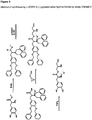
- subject-matter of the present invention is a method of preparing a compound having general Formula I, wherein the L-DOPA ester is obtained by the following steps comprising:
- L-DOPA will be converted in one pot synthesis into protected L-DOPA.
- (un)protected glycerol is coupled by way of established esterification reactions or by opening of the epoxides rac.-glycidol or S-(-)-glycidol as well as R-(+)-glycidol enabling chiral glycerol esters.
- the protective groups are cleaved, so that the relevant L-DOPA glycerol ester can be obtained.
- the substances can be purified, if necessary, by way of recrystallization or column chromatography.
- corresponding L-DOPA glycerol esters will be converted into salts on basis of methods known to the experts.
- subject-matter of the present invention is a method of preparing a compound having general Formula I, wherein the protective groups are selected from the group comprising of tert.-butoxycarbonyl (Boc), silyl, carboxybenzyl (Cbz), benzyl, fluorenyloxycarbonyl (Fmoc), trityl, acetonide and others.
- the protective groups are selected from the group comprising of tert.-butoxycarbonyl (Boc), silyl, carboxybenzyl (Cbz), benzyl, fluorenyloxycarbonyl (Fmoc), trityl, acetonide and others.
- subject-matter of the present invention is a method of preparing a compound having general Formula I, wherein said compound can be purified by crystallization or preparative chromatographic methods after said preparation.
- subject-matter of the present invention is a method of preparing a compound having general Formula I, wherein said compound is produced regio-selectively.
- Further subject-matter of the present invention is a compound having the general Formula I, wherein the solubility of said compound reaches more than 750 mg/ml in water or other aqueous and biocompatible liquids.
- the compounds of the present application have a high solubility in solutions with a pH-value of 4-8 which correspond to the physiological range wherein the compounds should be used.
- the stability of the compounds of the present application is determined by hydrolysis according to Example 7.
- subject-matter of the invention is a compound having the general Formula I, wherein said compound will be cleaved by esterases according to Examples 8.
- an esterase may for example be a carboxylesterase, preferably a human carboxylesterase, more preferably a recombinant human carboxylesterase, more preferably a recombinant human carboxylesterase 1, more preferably a recombinant human carboxylesterase 1 isoform c according to Example 9.
- subject-matter of the present invention is a compound having the general Formula I for use in a method of treatment of neurological disorders.
- subject-matter of the present invention is a compound having the general Formula I for use in a method of treatment of neurodegenerative disorders.
- subject-matter of the present invention is a compound having the general Formula I for use in a method of treatment of DOPA-receptor related disorders.
- Further subject-matter of the present invention is a compound having the general Formula I for use in a method of treatment of Parkinson's disease.
- subject-matter of the present invention is a compound having the general Formula I for use in a method of treatment of neurodegenerative diseases, wherein said compound is formulated and administered as a suited dosage form commonly known in the pharmaceutical technology especially in form of a ready to use sterile solution or a sterile powder to be dissolved before application using excipients, process agents and buffer solutions or solvents for pharmaceutical use.
- subject-matter of the present invention is a compound having the general Formula I for use in a method of treatment of neurodegenerative diseases, wherein said compound is administered in dosages of between 100 mg and 700 mg per day over 3 to 5 days duration of a most favorable continuous application.
- subject-matter of the present invention is a compound of Formula I for use in a method of treatment of neurodegenerative diseases, wherein said compound is administered in dosages of between 100 mg and 700 mg per day over 3 to 5 days duration of a substantially continuous application, preferably parenteral administration.
- subject-matter of the present invention is a composition comprising the compound having the general Formula I and one or more pharmaceutical acceptable excipients for pharmaceutical use.
- subject-matter of the present invention is a composition comprising the compound having the general Formula I and one or more functional pharmaceutical excipients like antioxidants, stabilizer, antimicrobials for therapeutic use.
- Neurological disorder is any disorder of the central nervous system.
- Dopamine-(receptor) related diseases may be for example Parkinson's disease, Schizophrenia, or Depression
- a protective group is selected from the group comprising tert.-butoxycarbonyl (Boc), silyl, carboxybenzyl (Cbz), benzyl, fluorenyloxycarbonyl (Fmoc), trityl, acetonide and others
- a halo or halogen group denotes fluorine, chlorine, bromine, or iodine; preferably chlorine.
- the invention also provides a pharmaceutical composition
- a pharmaceutical composition comprising a compound of formula (I), in free form or in the form of pharmaceutically acceptable salts and physiologically functional derivatives, together with a pharmaceutically acceptable diluent or carrier therefore.
- the pharmaceutical composition can be administered parenterally, e.g. in the form of injections or infusions.
- the pharmaceutical composition can contain further customary, usually inert carrier materials or excipients.
- the pharmaceutical preparations can also contain additives, such as, for example, fillers, extenders, disintegrants, binders, glidants, wetting agents, stabilizers, emulsifiers, preservatives, sweetening agents, colorants, flavorings or aromatizers, buffer substances, and furthermore solvents or solubilizers or agents for achieving a depot effect, as well as salts for changing the osmotic pressure, coating agents or antioxidants. They can also contain two or more compounds of the formula (I) or their pharmacologically acceptable salts and also other therapeutically active substances.
- the compounds of the present invention can be used in the form of one substance alone or in combination with other active compounds - for example with medicaments already known for the treatment of the aforementioned diseases, whereby in the latter case a favorable additive, amplifying effect is noticed.
- Suitable excipients for the production of injection solutions are, for example, water, alcohols, glycerol, polyols or vegetable oils.
- Suitable salts for compounds of formula (I) according to this invention - depending on substitution - are all acid addition salts or all salts with bases. Particular mention may be made of the pharmacologically tolerable inorganic and organic acids and bases customarily used in pharmacy.
- Those suitable are, on the one hand, water-insoluble and, particularly, water-soluble acid addition salts with acids such as, for example, hydrochloric acid, hydrobromic acid, phosphoric acid, nitric acid, sulphuric acid, acetic acid, citric acid, D-gluconic acid, benzoic acid, 2-(4-hydroxybenzoyl)benzoic acid, butyric acid, sulphosalicylic acid, maleic acid, lauric acid, malic acid, fumaric acid, succinic acid, oxalic acid, tartaric acid, embonic acid, stearic acid, toluenesulphonic acid, methanesulphonic acid or 3-hydroxy-2-naphthoic acid, the acids being employed in salt preparation - depending on whether a mono- or polybasic acid is concerned and depending on which salt is desired - in an equimolar quantitative ratio or one differing therefrom.
- acids such as, for example, hydrochloric acid, hydrobro
- the compounds of formula (I) according to this invention as well as their salts may contain, e.g. when isolated in crystalline form, varying amounts of solvents. Included within the scope of the invention are therefore all solvates and in particular all hydrates of the compounds of formula (I) according to this invention as well as all solvates and in particular all hydrates of the salts of the compounds of formula (I) according to this invention. For instance, the mono-, di-, tri-, and tetrahydrates of formula (I) are encompassed.
- the compounds according to the invention and medicinal drug products and compositions prepared therewith are generally suitable for the treatment of diseases which occur due to neurological disorders.
- the compounds or corresponding medicinal drug products and compositions are particularly preferably suitable for the treatment of diseases caused by neurodegenerative disorders, in particular for the treatment of DOPA-receptor related disorders.
- the compounds of the present invention or corresponding medicinal drug products and compositions are also useful for the treatment of Parkinson's disease.
- the invention relates to the use of a composition according to the invention for the manufacture of a medicinal drug product and compositions.
- alkyl esters such as methyl, ethyl or 2-hydroxyethyl ester based on L-DOPA and the relevant types of alcohol in suitable solvents, with established protective group and coupling strategies being applied, has already been acknowledged; the solubility of the esters in water reaches up to 400 mg/ml for the ethyl ester hydrochloride salt (please see table 1).
- Table 1 shows the property differences of the hydrochloride salts of L-DOPA ethyl ester (Ethyl-Dopa * HCl) and L-DOPA glycerol ester (Gly-Dopa * HCl) with respect to important parameters for a suitable formulation.
- the new L-DOPA glycerol esters show considerable advantages as compared with substances and forms of application used so far.
- Table 2 provides a comparison between DuoDopa ® and the possible system that consists of highly soluble L-DOPA derivatives and innovative application systems.
- Highly soluble L-DOPA glycerol esters are, for example,L-DOPA R-(+)-glycerol ester, L-DOPA R-(+)-glycerol ester hydrochloride, L-DOPA S-(-)-glycerol ester, L-DOPA S-(-)-glycerol ester hydrochloride, L-DOPA r ac. -glycerol ester, L-DOPA rac .-glycerol ester hydrochloride, L-DOPA 2-glycerol ester, L-DOPA 2-glycerol ester hydrochloride.
- Patch pumps are electronic minipumps which are applied like an adhesive patch to the intact skin and allow after setting a s.c.- needle the continuous application for 1 or up to 5 days.
- the drug is contained in a small (2 - 5 ml) reservoir.
- a preferred embodiment of the invention is the use of a pharmaceutical acceptable composition containing a compound according to formula I in a treatment of neurological disorders (such as Parkinson's disease) by continuous application of said composition via a patch pump.
- L-DOPAglycerol esters to be suited for such an innovative dosage form have to show:
- L-DOPA arginine or meglumin salts is reported to be 100 mg / ml at pH 9 (Patent WO 2012/066538 A1 ) and obviously not sufficient to enable the intended application by innovative patch pump technologies.
- the solubility of L-DOPA ethyl ester is reported to be higher in comparison to L-DOPA or solubility enhancing salts thereof amounting to 52 mg/ml at pH 8.2 for the free base (Patent US 6696600 B2 , US 2003/0162832 A1 ) and 400 mg/ml in water for the hydrochloride salt (please see table 1).
- said alkanolester show unsufficient stability in aqueous solution and are not suited for the intended innovative application because of their hydrolysis products, in particular methanol.
- the product was purified by recrystallisation from ethanol.
- a mixture of hydrochlorides of N-benzyl-03,04-dibenzyl-L-DOPA and N,N-dibenzyl-O3,O4-dibenzyl-L-DOPA was obtained. Both can be used for the following reactions.
- L-DOPA S-(-)-glycerol ester hydrochloride (example 1, variant 1, stage 3) was dissolved in 1 ml of water. To the solution 1 ml of saturated NaHCO 3 solution was added. The mixture was stirred for 10 min. Afterwards the water was removed and the residue extracted with ethyl acetate. After evaporation of the solvent L-DOPA S-(-)-glycerol ester was obtained.
- L-DOPA S-(-)-glycerol ester hydrochloride 40 mg was dissolved in 20 ⁇ l of water resulting in a viscous liquid.
- the aqueous solubility of L-DOPA S-(-)-glycerol ester hydrochloride is ⁇ 2 g/ml.
- the ester solutions were stored at 32 °C. After 1, 6, 8 h and 1, 2, 3, 6, 7, 14 d samples of 1 ⁇ l were investigated by thin-layer chromatography (TLC) using silica gel and ethyl acetate/MeOH/water (8:3:1).
- L-DOPA S-(-)-glycerol ester is stable at all pH values over 14 days.
- SD-1 cells humane lymphoblastoide B cell line
- the cell pellet was resuspended in 400 ⁇ l of 12.5 mMTris/HCl solution of pH value of 7.4. Afterwards the cell suspention was sonificated under cooling (ice bath) over 30 s using Sonopuls HD2200 (Company Bandelin) at 50 % of power. Afterwards 100 ⁇ l of 5 mg/ml L-DOPA S-(-)-glycerol ester in water was added. The mixture was incubated for 30 and 180 min at 37 °C.
- the cleavage was controlled by TLC using silica gel and ethyl acetate/MeOH/water (8:3:1). The cleavage is almost complete after 30 min. After 180 min only traces of L-DOPA glycerol ester could be found. For purpose of comparison the L-DOPA ethyl ester was investigated under same conditions. The ethyl ester cleavage is lower compared to the glycerol ester.
Landscapes
- Health & Medical Sciences (AREA)
- Organic Chemistry (AREA)
- Chemical & Material Sciences (AREA)
- Engineering & Computer Science (AREA)
- Bioinformatics & Cheminformatics (AREA)
- Biomedical Technology (AREA)
- Neurology (AREA)
- Neurosurgery (AREA)
- Medicinal Chemistry (AREA)
- Animal Behavior & Ethology (AREA)
- Chemical Kinetics & Catalysis (AREA)
- Nuclear Medicine, Radiotherapy & Molecular Imaging (AREA)
- Psychology (AREA)
- Pharmacology & Pharmacy (AREA)
- Life Sciences & Earth Sciences (AREA)
- General Chemical & Material Sciences (AREA)
- General Health & Medical Sciences (AREA)
- Public Health (AREA)
- Veterinary Medicine (AREA)
- Acyclic And Carbocyclic Compounds In Medicinal Compositions (AREA)
- Medicinal Preparation (AREA)
- Organic Low-Molecular-Weight Compounds And Preparation Thereof (AREA)
Description
- The invention describes the synthesis of levodopa (L-DOPA; L-3,4-dihydroxy-phenylalanin) glycerol esters by coupling glycerol or glycerol derivatives to the L-DOPA carboxyl group. The synthesis allows to produce L-DOPA derivatives which are highly soluble in water as well as aqueous and biocompatible liquids and have an improved hydrolytic stability in water or aqueous and biocompatible media for an application over several days. The invention helps producing L-DOPA substances for applications in the fields of medicine, biology and medical engineering as well as in the pharmaceutical industry.
- Parkinson's disease (PD) is among the neurological disorders a slowly progressing neurodegenerative disorder and belongs to the most frequent diseases of the central nervous system (CNS) [J. Jankovic, S. Fahn, Ann Intern Med., 93 (1980) 460 - 465]. The disease is triggered by degeneration of dopaminergic neurons in the substantia nigra, a structure in the midbrain that generates the neurotransmitter dopamine from L-DOPA by removing a carboxyl group from L-DOPA. A lack of dopamine will eventually result in considerable restrictions of the motor skills as well as symptoms in the psychological, sensory and vegetative areas.
- The most effective therapy has proved to be the oral application of levodopa (L-DOPA) [O. Kofman, Can Med Assoc J., 104 (1971) 483 - 487], with L-DOPA being applied in the form of tablets. L-DOPA is a prodrug of the neurotransmitter dopamine that can cross the blood-brain barrier by an active amino acid transporter. The enzyme DOPA decarboxylase converts L-DOPA in the brain into the active form of dopamine. The life expectancy of Parkinson patients can be considerably extended with the oral L-Dopa therapy, provided complications due to illnesses are avoided, or the patients' quality of life can be improved. However, the therapeutic effect is lost after a maximum of five years, while oral L-DOPA therapy of longer duration may cause unintentional excess movements which must be attributed to the short action time of L-DOPA, which lasts a few hours only, in combination with an unphysiological pulsatile receptor stimulation [A. Barbeau, Can Med Assoc J., 101 (1969) 59 - 68; G. B. Stefano, K. J. Mantione, M. Králíková, R. Ptacek, H. Kuzelova, T. Esch, R. M. Kream, Med SciMonit., 18 (2012) 133 - 137].

- On the other hand, dopamine agonists are used to stimulate the dopamine receptors (e.g. Bromocriptine, Ropinirol, Pramipexol) as further therapies for the treatment of Morbus Parkinson, also inhibitors of the catechol-O-methyl-transferase and of the monoamino oxidase that prevent the methylation or oxidation of L-DOPA to become ineffective metabolites by inhibiting these enzymes. Dopamine agonists as well as the enzyme inhibitors are usually used in combination with L-DOPA.
- Although the therapy with L-DOPA and the biogenic amine dopamine derived from it is the best treatment, fluctuations in the effectiveness occurring in the late stage of the disease may affect the patients concerned and cause a sudden change between good mobility and severe immobility ("on-off phenomenon"). This medical risk must not be underestimated. In the current understanding, the cause of this severe complication must be attributed to the oral pulsatile L-DOPA administration.
- For that reason, new approaches for applying the L-DOPA therapy are searched for. For example, the medicinal product Sinemet®, a combination of levodopa and carbidopa (Carbidopa serves as a DOPA decarboxylase inhibitor) has been introduced [B. Boshes, Ann Intern Med., 94 (1981) 364 - 370]. Another example is DuoDopa®, a product available in the market for some time now, which has made it possible for the first time ever to continuously administer L-DOPA. DuoDopa® is a gel formulation (100 ml) of levodopa which will be administered continuously into the duodenum by way of percutaneous entero-gastrostomic surgery (PEG) [H. H. Fernandez, P. Odin, Curr Med Res Opin., 27 (2011), 907 - 919; L. Jain, R. Benko, S. Safranek, J Fam-Pract., 61 (2012) 106 -108; J. Sawek, A. Bogucki, NeurolNeurochir Pol., 44 (2010) 396 - 403]. The treatment results in a considerable improvement for the patient with regard to the motoric complications. It is, however, necessary, to administer relatively large quantities of liquid, because levodopa has only a low water solubility of 20 mg/ml (H. H. Fernandez, P. Odin, Curr Med Res Opin., 27 (2011). The treatment also requires surgery, i.e. the creation of an artificial intestinal access via percutaneous abdominal port, it may be necessary to replace this port from time to time due to a mechanical blockage. Since this is very cumbersome, DuoDopa® is only be used in a limited number of patients.
- Due to still unsolved problems concerning the L-DOPA treatment, improved therapeutic methods are urgently required, with suitable L-DOPA derivatives representing a major prerequisite, particularly in view of the solubility and bioavailability of the L-DOPA from these derivatives. Several prodrugs of L-DOPA are already described [A. Di Stefano, P. Sozio, L.S. Cerasa, A. lannitelli, Current Pharmaceutical Design, 2011, 17, 3482 - 3493] but only with respect to the oral dosage forms with the above described complications. A continuous approach to use prodrugs of L-DOPA with enhanced bioavailability is shown with respect to rectal administration [J.A. Fix, J. Alexander, M. Cortese, K. Engle, P. Leppert, A.J. Repta, Pharmaceutical Res., Vol 6, No. 6, 1989, p. 501-505].
-
EP 0287341 (priority 1988) describes a rectally absorbable form of L-DOPA where L-Dopa prodrugs are used. These used prodrugs are L-DOPA esters in which the ester components are substituted or unsubstituted mono-, di- or poly-hydroxyalkyl residues. The processes to synthesize the described substances are mentioned inUS Patent Nos. 3,891,696 and4,035,507 (priority 1973 and 1976). - These syntheses are unspecific with respect to reactions at all functional groups of L-DOPA and lead to substituted L-DOPA derivatives without free phenolic hydroxyl groups and with undefined numbers of substituents at the amino group. Preferably, polymers of L-DOPA derivatives are produced. These polymers / substituents are rather unfavorable for the intended physicochemical properties like high water solubility, fast enzymatic ester cleavage and sufficient stability of the compound in the solvent selected. The specific L-DOPA ester claimed in this application cannot be synthesized by using the methods described in the US patents mentioned. Therefore, the aim of the present invention was to define L-DOPA derivatives with the above mentioned preferred and favored properties and to produce them by specific synthesis steps which are new and inventive and not comparable to the syntheses used in the above mentioned US patents.
WO012/079702 A2 - New derivatives can be potentially used in innovative application systems like e.g. patch pumps - known yet as insulin delivery devices for Diabetes Mellitus patients - for the continuous subcutaneous treatment of Morbus Parkinson with L-DOPA for the large majority of patients and thus to considerably improve the long-term therapy.
- The present invention describes the synthesis of levodopa (L-DOPA; L-3,4-dihydroxyphenylalanin) glycerol esters by coupling glycerol or its derivatives to the L-DOPA carboxyl group, whereby the synthesis allows to produce L-DOPA substances which are highly soluble in water as well as in aqueous and biocompatible liquids and have an improved hydrolytic stability in water or aqueous liquids for an application over several days.
- The present invention is therefore based on the task to produce L-DOPA derivatives that can be dissolved in water as well as in aqueous and biocompatible liquids in an easy and suitable way. The substances have an improved hydrolytic stability in water or aqueous and biocompatible media, and moreover, L-DOPA has to be released as biologically active component from the ester derivatives by hydrolytic or enzymatic cleavage after being administered to the organism.
- This task will be accomplished in line with the invention in a suitable way by converting L-DOPA with glycerol or its derivatives into glycerol esters in an economical and easy way of synthesis. The new L-DOPA derivatives show considerable advantages compared with substances and forms of application used so far (see table 1 and 2). Due to their higher solubility the volume of the dosage form can be significantly reduced, resulting in a longer duration of the application and a higher patient compliance. Furthermore, due to their higher stability, the shelf life of these new derivatives shall be up to 3 years.
- The described features of the invention are substantiated by the following descriptions of exemplary embodiments which are presented in order to support the invention and are not intended to be limiting thereof.
- Subject-matter of the present invention is a compound having the general Formula I

- wherein [X]- is a physiologically compatible anion,
- wherein n is 0 or 1,
- wherein R1 and R2 are, independently of each other, selected from the group comprising hydrogen, hydrogensulfate, phosphate, hydrogen phosphate, dihydrogen phosphate, benzoate, formate, acetate, propionate, butanoate, valerate, silyl, or
- R1, R2 are both hydrogen phosphate, sulfate, methylene, isopropylidene,
- wherein R3 represents a residue 1,3-dihydroxyprop-2-yl (+)-2,3-dihydroxyprop-1-yl, (-)-2,3-dihydroxyprop-1-yl or rac-2,3-dihydroxyprop-1-yl.
- The physiologically compatible anion [X]- is preferably selected from the group consisting of halogenide, sulfate, hydrogensulfate, phosphate, hydrogen phosphate, dihydrogen phosphate, carboxylate like benzoate, formate, acetate, propionate, butanoate, valerate, myristate, octoate, stearate, ascorbate, trifluoracetate, phosphonate, phosphoric acid ester, sulfonate (e.g. mesylate) or sulfuric acid ester (e.g. ethyl sulfate). The expert skilled in the art will appreciate that some anions carry two (e.g. sulfate) negative charges and will therefore be required in an amount of half a mole per mole of the cation. In cases in which the anion carries three negative charges (e.g. phosphate) only a third of a mole is required per mole of the cation.
- In a preferred embodiment, subject-matter of the present invention is a compound of formula I, wherein [X]- is Cl-, n is 1, R1 and R2 are both hydrogen.
- In a specific embodiment,subject-matter of the present invention is a method of preparing a compound having general Formula I, comprising the steps of esterification of L-DOPA carrying protective groups of same structure for both the amino and phenolic L-DOPA functionalities with the OH-group of a (un)protected glycerol or its derivatives, and the selective removing of the protective groups subsequently. Subject-matter in another specific embodiment of the present invention is a method of preparing a compound having general Formula I, comprising the steps of coupling L-DOPA carrying protective groups of same structure for both amino and phenolic L-DOPA functionalities with an epoxide, whereby the ring of said epoxide is opened, and the selective removing of the protective group subsequently.
- In a preferred embodiment, subject-matter of the present invention is a method of preparing a compound having general Formula I, wherein the L-DOPA ester is obtained by the following steps comprising:
- (a) Introduction of suitable protective groups to protect the amino and phenolic functionalities of L-DOPA.
- (b) Esterification of the carboxylic group of L-DOPA derivative containing protective groups of amino and phenolic functionalities.
- (c) Subsequent cleavage of the protective groups from step (a).
- As a preferred way of implementing the invention, L-DOPA will be converted in one pot synthesis into protected L-DOPA. Afterwards (un)protected glycerol is coupled by way of established esterification reactions or by opening of the epoxides rac.-glycidol or S-(-)-glycidol as well as R-(+)-glycidol enabling chiral glycerol esters. Following that, the protective groups are cleaved, so that the relevant L-DOPA glycerol ester can be obtained. The substances can be purified, if necessary, by way of recrystallization or column chromatography. For the process of further derivatization, corresponding L-DOPA glycerol esters will be converted into salts on basis of methods known to the experts.
- In a more preferred embodiment, subject-matter of the present invention is a method of preparing a compound having general Formula I, wherein the protective groups are selected from the group comprising of tert.-butoxycarbonyl (Boc), silyl, carboxybenzyl (Cbz), benzyl, fluorenyloxycarbonyl (Fmoc), trityl, acetonide and others.
- In another preferred embodiment, subject-matter of the present invention is a method of preparing a compound having general Formula I, wherein said compound can be purified by crystallization or preparative chromatographic methods after said preparation.
- In another specific embodiment, subject-matter of the present invention is a method of preparing a compound having general Formula I, wherein said compound is produced regio-selectively.
- Further subject-matter of the present invention is a compound having the general Formula I, wherein the solubility of said compound reaches more than 750 mg/ml in water or other aqueous and biocompatible liquids.
- The compounds of the present application have a high solubility in solutions with a pH-value of 4-8 which correspond to the physiological range wherein the compounds should be used.
- In a specific embodiment, subject-matter of the present invention is a compound having the general Formula I, wherein said compound has a high hydrolytic stability in acidic and alkaline environment (pH = 1 - 8.5).
- The stability of the compounds of the present application is determined by hydrolysis according to Example 7.
- In another embodiment, subject-matter of the invention is a compound having the general Formula I, wherein said compound will be cleaved by esterases according to Examples 8. In the context of the present invention, an esterase may for example be a carboxylesterase, preferably a human carboxylesterase, more preferably a recombinant human carboxylesterase, more preferably a recombinant human carboxylesterase 1, more preferably a recombinant human carboxylesterase 1 isoform c according to Example 9.
- In another preferred embodiment, subject-matter of the present invention is a compound having the general Formula I for use in a method of treatment of neurological disorders.
- In another preferred embodiment, subject-matter of the present invention is a compound having the general Formula I for use in a method of treatment of neurodegenerative disorders.
- In another specific embodiment, subject-matter of the present invention is a compound having the general Formula I for use in a method of treatment of DOPA-receptor related disorders.
- Further subject-matter of the present invention is a compound having the general Formula I for use in a method of treatment of Parkinson's disease.
- In another embodiment, subject-matter of the present invention is a compound having the general Formula I for use in a method of treatment of neurodegenerative diseases, wherein said compound is formulated and administered as a suited dosage form commonly known in the pharmaceutical technology especially in form of a ready to use sterile solution or a sterile powder to be dissolved before application using excipients, process agents and buffer solutions or solvents for pharmaceutical use.
- In another specific embodiment, subject-matter of the present invention is a compound having the general Formula I for use in a method of treatment of neurodegenerative diseases, wherein said compound is administered in dosages of between 100 mg and 700 mg per day over 3 to 5 days duration of a most favorable continuous application.
- In another embodiment, subject-matter of the present invention is a compound of Formula I for use in a method of treatment of neurodegenerative diseases, wherein said compound is administered in dosages of between 100 mg and 700 mg per day over 3 to 5 days duration of a substantially continuous application, preferably parenteral administration.
- In another more specific embodiment, subject-matter of the present invention is a composition comprising the compound having the general Formula I and one or more pharmaceutical acceptable excipients for pharmaceutical use.
- In another preferred embodiment, subject-matter of the present invention is a composition comprising the compound having the general Formula I and one or more functional pharmaceutical excipients like antioxidants, stabilizer, antimicrobials for therapeutic use.
- Neurological disorder is any disorder of the central nervous system. Dopamine-(receptor) related diseases may be for example Parkinson's disease, Schizophrenia, or Depression,
In the context of the present invention, a protective group, if not stated otherwise,is selected from the group comprising tert.-butoxycarbonyl (Boc), silyl, carboxybenzyl (Cbz), benzyl, fluorenyloxycarbonyl (Fmoc), trityl, acetonide and others
In mentioned herein, a halo or halogen group denotes fluorine, chlorine, bromine, or iodine; preferably chlorine. - The invention also provides a pharmaceutical composition comprising a compound of formula (I), in free form or in the form of pharmaceutically acceptable salts and physiologically functional derivatives, together with a pharmaceutically acceptable diluent or carrier therefore.
- The pharmaceutical composition can be administered parenterally, e.g. in the form of injections or infusions.
- In addition to the active compounds of formula (I), the pharmaceutical composition can contain further customary, usually inert carrier materials or excipients. Thus, the pharmaceutical preparations can also contain additives, such as, for example, fillers, extenders, disintegrants, binders, glidants, wetting agents, stabilizers, emulsifiers, preservatives, sweetening agents, colorants, flavorings or aromatizers, buffer substances, and furthermore solvents or solubilizers or agents for achieving a depot effect, as well as salts for changing the osmotic pressure, coating agents or antioxidants. They can also contain two or more compounds of the formula (I) or their pharmacologically acceptable salts and also other therapeutically active substances.
- Thus, the compounds of the present invention can be used in the form of one substance alone or in combination with other active compounds - for example with medicaments already known for the treatment of the aforementioned diseases, whereby in the latter case a favorable additive, amplifying effect is noticed.
- To prepare the pharmaceutical preparations, pharmaceutically inert inorganic or organic excipients can be used. Suitable excipients for the production of injection solutions are, for example, water, alcohols, glycerol, polyols or vegetable oils.
- Suitable salts for compounds of formula (I) according to this invention - depending on substitution - are all acid addition salts or all salts with bases. Particular mention may be made of the pharmacologically tolerable inorganic and organic acids and bases customarily used in pharmacy. Those suitable are, on the one hand, water-insoluble and, particularly, water-soluble acid addition salts with acids such as, for example, hydrochloric acid, hydrobromic acid, phosphoric acid, nitric acid, sulphuric acid, acetic acid, citric acid, D-gluconic acid, benzoic acid, 2-(4-hydroxybenzoyl)benzoic acid, butyric acid, sulphosalicylic acid, maleic acid, lauric acid, malic acid, fumaric acid, succinic acid, oxalic acid, tartaric acid, embonic acid, stearic acid, toluenesulphonic acid, methanesulphonic acid or 3-hydroxy-2-naphthoic acid, the acids being employed in salt preparation - depending on whether a mono- or polybasic acid is concerned and depending on which salt is desired - in an equimolar quantitative ratio or one differing therefrom.
- According to expert's knowledge the compounds of formula (I) according to this invention as well as their salts may contain, e.g. when isolated in crystalline form, varying amounts of solvents. Included within the scope of the invention are therefore all solvates and in particular all hydrates of the compounds of formula (I) according to this invention as well as all solvates and in particular all hydrates of the salts of the compounds of formula (I) according to this invention. For instance, the mono-, di-, tri-, and tetrahydrates of formula (I) are encompassed.
- The compounds according to the invention and medicinal drug products and compositions prepared therewith are generally suitable for the treatment of diseases which occur due to neurological disorders.
- The compounds or corresponding medicinal drug products and compositions are particularly preferably suitable for the treatment of diseases caused by neurodegenerative disorders, in particular for the treatment of DOPA-receptor related disorders.
- The compounds of the present invention or corresponding medicinal drug products and compositions are also useful for the treatment of Parkinson's disease.
- The invention relates to the use of a composition according to the invention for the manufacture of a medicinal drug product and compositions.
- The synthesis of alkyl esters, such as methyl, ethyl or 2-hydroxyethyl ester based on L-DOPA and the relevant types of alcohol in suitable solvents, with established protective group and coupling strategies being applied, has already been acknowledged; the solubility of the esters in water reaches up to 400 mg/ml for the ethyl ester hydrochloride salt (please see table 1).
- Surprisingly and unexpectedly, it has been found that L-DOPA glycerol esters can be prepared regio- and stereoselectively and that they can have a higher hydrolytic stability in acidic and alkaline solutions (pH = 1 - 8.5) than simple alkylesters of the L-DOPA, although they can be enzymatically cleaved very fast. Furthermore, it has been found that the L-DOPA polyhydroxy esters have a very high aqueous solubility, i.e. equal to 2000 mg/ml. Due to this excellent solubility, these new esters are very well suited for applications in the therapy of Morbus Parkinson.
- Table 1 shows the property differences of the hydrochloride salts of L-DOPA ethyl ester (Ethyl-Dopa*HCl) and L-DOPA glycerol ester (Gly-Dopa*HCl) with respect to important parameters for a suitable formulation.
Table 1: Comparison of properties of Ethyl-Dopa*HCl and Gly-Dopa*HCl Parameter Ethyl-Dopa*HCl Gly-Dopa*HCl Aqueous solubility (g/ml)* 0.4 2.0 Stability (days at pH 7.4, Soerensen buffer)* 2 14 Time to complete hydrolysis (min) (in vitro enzymatic cleavage by a cell lysate)* > 30 30 Time to complete hydrolysis (min) (with carboxylesterase)* 60 > 60 * methods described in examples 6 - 9 - The new L-DOPA glycerol esters show considerable advantages as compared with substances and forms of application used so far. Table 2 provides a comparison between DuoDopa® and the possible system that consists of highly soluble L-DOPA derivatives and innovative application systems.
Table 2: Comparison and assessment of DuoDopa® and the highly soluble L-DOPA derivatives Parameter DuoDopa® Highly soluble L-DOPA glycerol esters Advantage of the L-DOPA glycerol esters Volume of the dosage form 100 ml 2 ml ++ Duration of the application 1 day 1 - 5 days + Patient compliance low high ++ Shelf life 15 weeks up to 3 years ++ Infection risk (through the type of application) high low + + = considerable advantage, ++ = outstanding advantage - Highly soluble L-DOPA glycerol esters are, for example,L-DOPA R-(+)-glycerol ester, L-DOPA R-(+)-glycerol ester hydrochloride, L-DOPA S-(-)-glycerol ester, L-DOPA S-(-)-glycerol ester hydrochloride, L-DOPA rac.-glycerol ester, L-DOPA rac.-glycerol ester hydrochloride, L-DOPA 2-glycerol ester, L-DOPA 2-glycerol ester hydrochloride.
- Patch pumps are electronic minipumps which are applied like an adhesive patch to the intact skin and allow after setting a s.c.- needle the continuous application for 1 or up to 5 days. The drug is contained in a small (2 - 5 ml) reservoir.
- A preferred embodiment of the invention is the use of a pharmaceutical acceptable composition containing a compound according to formula I in a treatment of neurological disorders (such as Parkinson's disease) by continuous application of said composition via a patch pump.
- L-DOPAglycerol esters to be suited for such an innovative dosage form have to show:
- 1. High solubility (at least 30 fold higher than L-DOPA)
- 2. Stability in water, aqueous and biocompatible media over several days
- 3. Fast hydrolysis by enzymatic cleavage after application
- To apply L-DOPA continuously for 3 days using a daily dose of 500 mg a solubility of at least 750 to 1000 mg/ml is necessary to enable such an application. Neither L-DOPA itself has sufficient solubility to support such an innovative application nor the known alkanol ester of Levodopa especially L-DOPA methyl and ethyl ester. The solubility of L-DOPA is reported to be 20 mg/ml (H. H. Fernandez, P. Odin, Curr Med Res Opin., 27 (2011), the solubility of L-DOPA arginine or meglumin salts is reported to be 100 mg/ml at pH 9 (Patent
WO 2012/066538 A1 ) and obviously not sufficient to enable the intended application by innovative patch pump technologies. The solubility of L-DOPA ethyl ester is reported to be higher in comparison to L-DOPA or solubility enhancing salts thereof amounting to 52 mg/ml at pH 8.2 for the free base (PatentUS 6696600 B2 ,US 2003/0162832 A1 ) and 400 mg/ml in water for the hydrochloride salt (please see table 1). Furthermore, said alkanolester show unsufficient stability in aqueous solution and are not suited for the intended innovative application because of their hydrolysis products, in particular methanol. - The following examples can be repeated with similar success by substituting the generically or specifically described reactants and/or operating conditions of this invention. It is believed than one skilled in the art can easily ascertain the essential characteristics of this invention and understands the Examples of the invention as exemplary. Thus the below examples are not limiting the subject-matter of the invention.
- The herewith disclosed Examples are meant to explain the invention in more detail without restricting it in any way.
- 5 g (25.36 mmol) of L-DOPA were dissolved in 250 ml of acetone, followed by an addition of 17.52 g (126.78 mmol) of K2CO3, 195 mg (1.3 mmol) of potassium iodide and 12.05 ml (101.43 mmol) of benzyl bromide. The reaction mixture was heated for 96 h under reflux and the solvent was evaporated. Then 50 ml dioxane and 44 ml of 2 N NaOH were added and heated to reflux for 45 min. After cooling down to RT the solution was acidified with 2 N HCl to a pH of about 2 and kept at -18°C overnight. The precipitation was filtered off and dried in vacuum. The product was purified by recrystallisation from ethanol. A mixture of hydrochlorides of N-benzyl-03,04-dibenzyl-L-DOPA and N,N-dibenzyl-O3,O4-dibenzyl-L-DOPA was obtained. Both can be used for the following reactions.
- 1 g of the mixture of hydrochlorides of N-benzyl-O3,O4-dibenzyl-L-DOPA and N,N-dibenzyl-03,04-dibenzyl-L-DOPA was dissolved together with 0.55 g (2.14 mmol) of tetraethylammonium iodide in 50 ml of toluene and stirred for 5 min at 110 °C. Then 72 µl (1.08 mmol) of S-(-)-glycidol were added and the mixture was stirred for additional 20 min at 110°C. After each 20, 40 and 60 min additional 72 µl (1.08 mmol) S-(-)-glycidol were added. When the reaction was completed (DC control) the mixture was filtered and the solvent was evaporated. The product was purified by flash chromatography on silica gel with n-hexane/ethyl acetate (1:2). A mixture of hydrochlorides of N-benzyl-O3,O4-dibenzyl-L-DOPA glycerol ester and N,N-dibenzyl-03,04-dibenzyl-L-DOPA S-(-)-glycerol ester was obtained.
- 1 g of a mixture of hydrochlorides of N-benzyl-O3,O4-dibenzyl-L-DOPA glycerol ester and N,N-dibenzyl-O3,O4-dibenzyl-L-DOPA glycerol ester was dissolved in 40 ml of MeOH/ethyl acetate (1:1). Pd/C (10 %) was added and the mixture was stirred in a autoclave at 3 - 25 bar H2 pressure for several hours at RT. After the reaction was completed (DC control) the mixture was filtered and the solvent was evaporated. L-DOPA S-(-)-glycerol ester hydrochloride was obtained.
- 5 g (16.04 mmol) of L-DOPA methyl ester were dissolved in 250 ml of acetone, followed by an addition of 17.52 g (126.78 mmol) of K2CO3, 195 mg (1.3 mmol) of potassium iodide and 12.05 ml (101.43 mmol) of benzyl bromide. The reaction mixture was heated for 96 h under reflux and then the solvent was evaporated. The residue was dissolved in dichloromethane and extracted with water, with 5 % HCl, with water and with saturated NaCl solution. The combined organic extracts were dried with Na2SO4 and the solvent was evaporated. The product was purified by recrystallisation from ethanol. A mixture of hydrochlorides of N-benzyl-O3,O4-dibenzyl-L-DOPA methyl ester and N,N-dibenzyl-O3,O4-dibenzyl-L-DOPA methyl ester was obtained.
- 3 g of the mixture of hydrochlorides of N-benzyl-O3,O4-dibenzyl-L-DOPA methyl ester and N,N-dibenzyl-O3,O4-dibenzyl-L-DOPA methyl ester were dissolved in 40 ml of THF/Methanol (1:1), followed by addition of 9 ml of 3 M NaOH. The reaction was stirred 3 h at RT. After the reaction was completed the mixture is acidified with 4 N HCl to pH of about 3 and extracted with dichloromethane several times. The combined organic extracts were washed with water and saturated NaCl solution, dried with Na2SO4. Then the solvent was evaporated. A mixture of hydrochlorides of N-benzyl-O3,O4-dibenzyl-L-DOPA and N,N-dibenzyl-O3,O4-dibenzyl-L-DOPA was obtained. The product could be purified by flash chromatography on silica gel with n-hexane/ethyl acetate (1:2).
- To obtain L-DOPA glycerol ester the synthesis follows example 1, variant 1,
stage 2 and 3. - 200 mg of L-DOPA S-(-)-glycerol ester hydrochloride (example 1, variant 1, stage 3) was dissolved in 1 ml of water. To the solution 1 ml of saturated NaHCO3 solution was added. The mixture was stirred for 10 min. Afterwards the water was removed and the residue extracted with ethyl acetate. After evaporation of the solvent L-DOPA S-(-)-glycerol ester was obtained.
- 1 g of the mixture of hydrochlorides of N-benzyl-O3,O4-dibenzyl-L-DOPA and N,N-dibenzyl-03,04-dibenzyl-L-DOPA was dissolved together with 0.55 g (2.14 mmol) of tetraethylammonium iodide in 50 ml of toluene and stirred for 5 min at 110 °C. Then 72 µl (1.08 mmol) of R-(+)-glycidol were added and the mixture was stirred for additional 20 min at 110°C. After each 20, 40 and 60 min additional 72 µl (1.08 mmol) R-(+)-glycidol were added. When the reaction was completed (DC control) the mixture was filtered and the solvent was evaporated. The product was purified by flash chromatography on silica gel with n-hexane/ethyl acetate (1:2). A mixture of hydrochlorides of N-benzyl-O3,O4-dibenzyl-L-DOPA glycerol ester and N,N-dibenzyl-03,04-dibenzyl-L-DOPA R-(+)-glycerol ester was obtained.
- 1 g of a mixture of hydrochlorides of N-benzyl-O3,O4-dibenzyl-L-DOPA R-(+)-glycerol ester and N,N-dibenzyl-O3,O4-dibenzyl-L-DOPA R-(+)-glycerol ester was dissolved in 40 ml of MeOH/ethyl acetate (1:1). Pd/C (10 %) was added and the mixture was stirred in a autoclave at 3 - 25 bar H2 pressure for several hours at RT. After the reaction was completed (DC control) the mixture was filtered and the solvent was evaporated. L-DOPA R-(+)-glycerol ester hydrochloride was obtained.
- 1 g of the mixture of hydrochlorides of N-benzyl-O3,O4-dibenzyl-L-DOPA and N,N-dibenzyl-O3,O4-dibenzyl-L-DOPA was dissolved together with 0.55 g (2.14 mmol) of tetraethylammonium iodide in 50 ml of toluene and stirred for 5 min at 110 °C. Then 72 µl (1.08 mmol) of rac.-glycidol were added and the mixture was stirred for additional 20 min at 110°C. After each 20, 40 and 60 min additional 72 µl (1.08 mmol) rac.-glycidol were added. When the reaction was completed (DC control) the mixture was filtered and the solvent was evaporated. The product was purified by flash chromatography on silica gel with n-hexane/ethyl acetate (1:2). A mixture of hydrochlorides of N-benzyl-O3,O4-dibenzyl-L-DOPA rac.-glycerol ester and N,N-dibenzyl-03,04-dibenzyl-L-DOPA rac.-glycerol ester was obtained.
- 1 g of a mixture of hydrochlorides of N-benzyl-O3,O4-dibenzyl-L-DOPA rac.-glycerol ester and N,N-dibenzyl-O3,O4-dibenzyl-L-DOPA rac.-glycerol ester was dissolved in 40 ml of MeOH/ethyl acetate (1:1). Pd/C (10 %) was added and the mixture was stirred in a autoclave at 3 - 25 bar H2 pressure for several hours at RT. After the reaction was completed (DC control) the mixture was filtered and the solvent was evaporated. L-DOPA rac.-glycerol ester hydrochloride was obtained.
- 2.936 g (6.28 mmol) of the mixture of hydrochlorides of N-benzyl-03,04-dibenzyl-L-DOPA and N,N-dibenzyl-O3,O4-dibenzyl-L-DOPA were dissolved in 50 ml of ethyl acetate, 1.04 g (7.85 mmol) of 4,4-dimethyl-3,5-dioxacyclohexanol, 1.62 g (7.85 mmol) of DCC and 20 mg (0.17 mmol) of DMAP were added and the mixture was stirred overnight. Then the reaction mixture was filtered and the organic layer was treated with HCl, then washed with saturated sodium bicarbonate, water, dried with Na2SO4 and the solvent was evaporated. The crude product was purified by flash chromatography on silica gel with hexane/ethyl acetate (1:2). A mixture of N,N-dibenzyl-03,04-dibenzyl-L-DOPA sec.-glycerol ester and N-benzyl-O3,O4-dibenzyl-L-DOPA sec.-glycerol ester was obtained.
- 1 g of the mixture of N,N-dibenzyl-O3,O4-dibenzyl-L-DOPA sec.-glycerol ester and N-benzyl-O3,O4-dibenzyl-L-DOPA sec.-glycerol esterwas dissolved in 40 ml of MeOH/ethyl acetate (1:1). Pd/C (10 %) was added and the mixture was stirred in an autoclave at 3 - 25 bar H2 pressure for several hours at RT. After the reaction was completed (DC control) the mixture was filtered and the solvent was evaporated. L-DOPA sec.-glycerol ester was obtained.
- 2.936 g (6.28 mmol) of the mixture of hydrochlorides of N-benzyl-03,04-dibenzyl-L-DOPA and N,N-dibenzyl-O3,O4-dibenzyl-L-DOPA were dissolved in 50 ml of ethyl acetate, 1.16 g (7.85 mmol) of 2,2-dimethyl-1,3-dioxa-2-silacyclohexan-5-ol, 1.62 g (7.85 mmol) of DCC and 20 mg (0.17 mmol) of DMAP were added and the mixture was stirred overnight. Then the reaction mixture was filtered and the organic layer was treated with HCl, then washed with saturated sodium bicarbonate, water, dried with Na2SO4 and the solvent was evaporated. The crude product was purified by flash chromatography on silica gel with hexane/ethyl acetate (1:2). A mixture of N,N-dibenzyl-03,04-dibenzyl-L-DOPA sec.-glycerol ester andN-benzyl-O3,O4-dibenzyl-L-DOPA sec.-glycerol ester was obtained.
- 1 g of the mixture of N,N-dibenzyl-O3,O4-dibenzyl-L-DOPA sec.-glycerol ester and N-benzyl-O3,O4-dibenzyl-L-DOPA sec.-glycerol ester was dissolved in 40 ml of MeOH/ethyl acetate (1:1). Pd/C (10 %) was added and the mixture was stirred in an autoclave at 3 - 25 bar H2 pressure for several hours at RT. After the reaction was completed (DC control) the mixture was filtered and the solvent was evaporated. L-DOPA sec.-glycerol ester was obtained.
- 40 mg of lyophilized L-DOPA glycerol ester hydrochloride was dissolved in 20 µl of water resulting in a viscous liquid. The aqueous solubility of L-DOPA S-(-)-glycerol ester hydrochloride is ≥ 2 g/ml.
- Each 20 mg of lyophilized L-DOPA S-(-)-glycerol ester hydrochloride as well as L-DOPA ethyl ester hydrochloride were dissolved in 250 µl of buffer solution which was degassed for 5 min under argon. The pH values shown in table 3 were used.
Table 3:Hydrolytic stability at selected pH values pH value Buffer solution 1 0.1N hydrochloric acid 4.5 Soerensen (adjusted) 7.4 Soerensen (adjusted) 8.5 Soerensen (adjusted) - The ester solutions were stored at 32 °C. After 1, 6, 8 h and 1, 2, 3, 6, 7, 14 d samples of 1 µl were investigated by thin-layer chromatography (TLC) using silica gel and ethyl acetate/MeOH/water (8:3:1).
- L-DOPA S-(-)-glycerol ester is stable at all pH values over 14 days. In contrast L-DOPA ethyl ester will be cleaved within 2 d at pH of 7.4 and 8.5, within 14 d at pH = 4.5 but is stable at pH = 1 over measured time period.
- About 1.64 x 10⁶ SD-1 cells (humane lymphoblastoide B cell line) were isolated by centrifugation. The cell pellet was resuspended in 400 µl of 12.5 mMTris/HCl solution of pH value of 7.4. Afterwards the cell suspention was sonificated under cooling (ice bath) over 30 s using Sonopuls HD2200 (Company Bandelin) at 50 % of power. Afterwards 100 µl of 5 mg/ml L-DOPA S-(-)-glycerol ester in water was added. The mixture was incubated for 30 and 180 min at 37 °C. The cleavage was controlled by TLC using silica gel and ethyl acetate/MeOH/water (8:3:1). The cleavage is almost complete after 30 min. After 180 min only traces of L-DOPA glycerol ester could be found. For purpose of comparison the L-DOPA ethyl ester was investigated under same conditions. The ethyl ester cleavage is lower compared to the glycerol ester.
- 10 µl of 5 mg/ml L-DOPA S-(-)-glycerol ester in water was added to 35 µl of 14.3 mMTris/HCl solution of pH value of 7.4. Afterwards 5 µl carboxylesterase 1 (isoform c, human, recombinant (Sigma-Aldrich, Munich, Germany)) with activity ≥ 1000 units/mg protein (concentration: 5 mg/ml) was added. The mixture was incubated for 60 and 180 min at 37 °C. The cleavage was controlled by TLC using silica gel and ethyl acetate/MeOH/water (8:3:1). For purposes of comparison the L-DOPA ethyl ester was investigated under same conditions. The cleavage of ethyl ester is complete after 60 min. After 180 min only traces of L-DOPA glycerol ester could be found.
Claims (15)
- A Compound having general Formula I
 wherein [X]- is a physiologically compatible anion,wherein n is 0 or 1,wherein R1 and R2 are, independently of each other, selected from the group comprising hydrogen, hydrogensulfate, phosphate, hydrogen phosphate, dihydrogen phosphate, benzoate, formate, acetate, propionate, butanoate, valerate, silyl,orR1, R2 are both hydrogen phosphate, sulfate, methylene, isopropylidene,wherein R3 represents a residue 1,3-dihydroxyprop-2-yl, (+)-2,3-dihydroxy-prop-1-yl, (-)-2,3-dihydroxyprop-1-yl or rac.-2,3-dihydroxyprop-1-yl.
 - A Compound according to claim 1 in which the physiologically compatible anion [X]- is selected from the group consisting of halogenide, pseudohalogenide, sulfate, hydrogensulfate, phosphate, hydrogen phosphate, dihydrogen phosphate, carboxylate like benzoate, formate, acetate, propionate, butanoate, valerate, myristate, octoate, stearate, ascorbate, trifluoracetate, phosphonate, phosphoric acid ester, sulfonate (e.g. mesylate, tosylate) or sulfuric acid ester (e.g. methyl sulfate).
- A Compound of formula I according to claim 1 or 2 wherein [X]- is Cl-, n is 1 and R1 and R2 are both hydrogen.
- Method of preparing a compound having general Formula I according to claims 1-3, comprising the steps of esterification of a L-DOPA derivative carrying protective groups of the amino and phenolic L-DOPA functionalities with an (un)protected glycerol derivative, and the selective removing of the protective groups subsequently.
- Method of preparing a compound having general Formula I according to claims 1-3, comprising the steps of coupling a L-DOPA derivative carrying protective groups of amino and phenolic L-DOPA functionalities with an rac.-, R-(+)- or S-(-)-glycidol, whereby the ring of said epoxide is opened, and the selective removing of the protective group subsequently.
- Method of preparing a compound having general Formula I according to claims 4-5, wherein the L-DOPA ester is obtained by the following steps comprising:(a) Introduction of suitable protective groups to protect the amino and phenolic functionalities of L-DOPA.(b) Esterification of the carboxylic group of L-DOPA derivative containing protective groups of amino and phenolic functionalities(c) Subsequent cleavage of the protective groups from step (a)
- Method of preparing a compound having general Formula I according to claims 4-6, wherein the protective groups are selected from the group comprising of tert.-butoxycarbonyl (Boc), silyl, carboxybenzyl (Cbz), benzyl, fluorenyloxycarbonyl (Fmoc), trityl, acetonide.
- Method of preparing a compound having general Formula I according to claim 4-7, wherein said compound is purified by crystallization or preparative chromatographic methods after said preparation.
- Method of preparing a compound having general Formula I according to claim 4-8, wherein said compound is produced regio-selectively and / or stereoselectively.
- A composition comprising the compound having the general Formula I according to claims 1-3 and one or more pharmaceutical acceptable excipients for pharmaceutical use.
- A composition according to claim 10 in which the one or more functional pharmaceutical excipients are selected from like antioxidants, stabilizer, antimicrobials for therapeutic use.
- A composition according to claims 10 or 11 for use in a method of treatment of neurological disorders, preferably neurodegenerative disorders, such as DOPA-receptor related disorders, in particular Parkinson's disease.
- A composition according to claims 10 or 11 for use in a method of treatment of neurological disorders according to claim 12, wherein said composition is administered in dosages of between 100 mg and 700 mg per day over 3 to 5 days in a substantially continuous manner.
- A composition according to claims 10 or 11 for use in a method of treatment of neurological disorders according to claim 13, wherein said composition is administered parenterally.
- A composition according to claims 10 or 11 for use in a method of treatment of neurological disorders according to claim 14, wherein said composition is administered parenterally via a patch pump.
Priority Applications (10)
| Application Number | Priority Date | Filing Date | Title |
|---|---|---|---|
| EP15000922.3A EP3075723B1 (en) | 2015-03-30 | 2015-03-30 | Highly soluble l-dopa glycerol esters |
| DK15000922.3T DK3075723T3 (en) | 2015-03-30 | 2015-03-30 | High-resolution L-DOPA glycerol esters |
| JP2017550625A JP2018514516A (en) | 2015-03-30 | 2016-03-30 | Water-soluble L-dopa ester |
| AU2016239274A AU2016239274A1 (en) | 2015-03-30 | 2016-03-30 | Water-soluble L-DOPA esters |
| DK16719009.9T DK3277660T3 (en) | 2015-03-30 | 2016-03-30 | Water-soluble L-DOPA esters |
| EP16719009.9A EP3277660B1 (en) | 2015-03-30 | 2016-03-30 | Water-soluble l-dopa esters |
| CA3019382A CA3019382A1 (en) | 2015-03-30 | 2016-03-30 | Water-soluble l-dopa esters |
| CN201680031874.0A CN107848954A (en) | 2015-03-30 | 2016-03-30 | Water-soluble L DOPA esters |
| PCT/EP2016/000551 WO2016155888A1 (en) | 2015-03-30 | 2016-03-30 | Water-soluble l-dopa esters |
| US15/563,003 US11046640B2 (en) | 2015-03-30 | 2016-03-30 | Water-soluble L-DOPA esters |
Applications Claiming Priority (1)
| Application Number | Priority Date | Filing Date | Title |
|---|---|---|---|
| EP15000922.3A EP3075723B1 (en) | 2015-03-30 | 2015-03-30 | Highly soluble l-dopa glycerol esters |
Publications (2)
| Publication Number | Publication Date |
|---|---|
| EP3075723A1 EP3075723A1 (en) | 2016-10-05 |
| EP3075723B1 true EP3075723B1 (en) | 2017-05-24 |
Family
ID=52814775
Family Applications (1)
| Application Number | Title | Priority Date | Filing Date |
|---|---|---|---|
| EP15000922.3A Not-in-force EP3075723B1 (en) | 2015-03-30 | 2015-03-30 | Highly soluble l-dopa glycerol esters |
Country Status (2)
| Country | Link |
|---|---|
| EP (1) | EP3075723B1 (en) |
| DK (1) | DK3075723T3 (en) |
Families Citing this family (2)
| Publication number | Priority date | Publication date | Assignee | Title |
|---|---|---|---|---|
| EP3518920A1 (en) | 2016-09-29 | 2019-08-07 | Berlirem GmbH | L-dopa derivatives for the treatment of neurological diseases |
| WO2020115753A1 (en) | 2018-12-05 | 2020-06-11 | B. G. Negev Technologies And Applications Ltd., At Ben-Gurion University | L-dopa and/or dopa decarboxylse inhibitors conjugated to sugar for the treatment of dopamine-responsive disorders |
Family Cites Families (7)
| Publication number | Priority date | Publication date | Assignee | Title |
|---|---|---|---|---|
| US3891696A (en) | 1973-11-02 | 1975-06-24 | Interx Research Corp | Novel, transient pro-drug forms of l-dopa |
| US4035507A (en) | 1975-04-17 | 1977-07-12 | Interx Research Corporation | Novel, transient pro-drug forms of L-DOPA to treat Parkinson's disease |
| US4771073A (en) | 1985-12-30 | 1988-09-13 | Merck & Co., Inc. | Rectally absorbable form of L-dopa |
| IL119417A (en) * | 1996-10-13 | 2003-02-12 | Moshe Kushnir | Pharmaceutical composition for transdermal administration of levodopa for parkinson's disease |
| AU2002340470A1 (en) | 2001-11-13 | 2003-05-26 | Teva Pharmaceutical Industries, Ltd. | L-dopa ethyl ester salts and uses thereof |
| CN110123743A (en) | 2010-11-15 | 2019-08-16 | 纽罗德姆有限公司 | The continuous administration of L-3,4 dihydroxyphenylalanine, dopa decarboxylase inhibitor, catechol O-methyltransferase inhibitor and combinations thereof |
| BR112013014304A2 (en) * | 2010-12-10 | 2016-07-19 | Synagile Corp | subcutaneously infusible levodopa prodrug compositions and method of infusion |
-
2015
- 2015-03-30 EP EP15000922.3A patent/EP3075723B1/en not_active Not-in-force
- 2015-03-30 DK DK15000922.3T patent/DK3075723T3/en active
Also Published As
| Publication number | Publication date |
|---|---|
| EP3075723A1 (en) | 2016-10-05 |
| DK3075723T3 (en) | 2017-09-11 |
Similar Documents
| Publication | Publication Date | Title |
|---|---|---|
| EP3277660B1 (en) | Water-soluble l-dopa esters | |
| KR101411422B1 (en) | Deuterated catecholamine derivatives and medicines containing them | |
| EP3365323B1 (en) | Salts of tetracyclines | |
| MXPA03001465A (en) | New aporphine esters and their use in therapy. | |
| US20210093589A1 (en) | N-acylethanolamide derivatives and uses thereof | |
| US20210008041A1 (en) | Mtorc modulators and uses thereof | |
| CN104684883A (en) | Novel ursolic acid derivative and method for preparing same | |
| CN102649795B (en) | 10-methoxyl camptothecin derivative, preparation method and application | |
| WO2012162175A1 (en) | Emetine derivatives, prodrugs containing same, and methods of treating conditions using same | |
| CN106467494A (en) | Amino-acid ester soluble derivative of laevo-ornidazole and application thereof | |
| EP3075723A1 (en) | Highly soluble L-DOPA glycerol esters | |
| US20190023671A1 (en) | Highly Selective Anti-Cancer Agents Targeting Non-Small Cell Lung Cancer and Other Forms of Cancer | |
| TW202304857A (en) | Endocannabinoid system-targeting prodrugs and therapeutic uses thereof | |
| BG100716A (en) | Improving the tolerence of pharmaceutically active amino acids | |
| CN106831662A (en) | A kind of amido polyol is for fumidil and its synthetic method and application | |
| CH641775A5 (en) | N- (1-METHYL 2-PYRROLIDINYL METHYL) 2,3-DIMETHOXY 5-METHYLSULFAMOYL BENZAMIDE AND DERIVATIVES THEREOF, PROCESS FOR PREPARING THE SAME AND COMPOSITION FOR THE CONTAINER. | |
| EP3986862A1 (en) | Succinate prodrug, compositions containing the succinate prodrug and uses thereof | |
| CN111499619B (en) | A kind of medicine for treating liver fibrosis and preparation method thereof | |
| CN102532152B (en) | 4'-demethylepipodophyllotoxin compounds and use thereof as anticancer agent | |
| CN111499623B (en) | Thiazolone urea derivatives of non-nucleoside antitumor drugs and pharmaceutical application thereof | |
| US8124651B2 (en) | Palmarumycin based inhibitors of thioredoxin and methods of using same | |
| WO2019037791A1 (en) | Long-acting rasagiline prodrug, preparation method and use thereof | |
| CN106317168A (en) | 10-Methoxycamptothecine esterification derivatives, and preparation method and use thereof | |
| KR101881115B1 (en) | Novel 2-substituted tetrahydropyran or 2-substituted tetrahydrofuran derivatives, method for preparing the same, and use thereof | |
| KR101458494B1 (en) | New arylsulfonylimidazolone derivatives and an anti-cancer pharmaceutical composition comprising the same |
Legal Events
| Date | Code | Title | Description |
|---|---|---|---|
| PUAI | Public reference made under article 153(3) epc to a published international application that has entered the european phase |
Free format text: ORIGINAL CODE: 0009012 |
|
| 17P | Request for examination filed |
Effective date: 20160413 |
|
| AK | Designated contracting states |
Kind code of ref document: A1 Designated state(s): AL AT BE BG CH CY CZ DE DK EE ES FI FR GB GR HR HU IE IS IT LI LT LU LV MC MK MT NL NO PL PT RO RS SE SI SK SM TR |
|
| AX | Request for extension of the european patent |
Extension state: BA ME |
|
| GRAP | Despatch of communication of intention to grant a patent |
Free format text: ORIGINAL CODE: EPIDOSNIGR1 |
|
| STAA | Information on the status of an ep patent application or granted ep patent |
Free format text: STATUS: GRANT OF PATENT IS INTENDED |
|
| INTG | Intention to grant announced |
Effective date: 20161207 |
|
| GRAS | Grant fee paid |
Free format text: ORIGINAL CODE: EPIDOSNIGR3 |
|
| GRAA | (expected) grant |
Free format text: ORIGINAL CODE: 0009210 |
|
| STAA | Information on the status of an ep patent application or granted ep patent |
Free format text: STATUS: THE PATENT HAS BEEN GRANTED |
|
| RBV | Designated contracting states (corrected) |
Designated state(s): AL AT BE BG CH CY CZ DE DK EE ES FI FR GB GR HR HU IE IS IT LI LT LU LV MC MK MT NL NO PL PT RO RS SE SI SK SM TR |
|
| AK | Designated contracting states |
Kind code of ref document: B1 Designated state(s): AL AT BE BG CH CY CZ DE DK EE ES FI FR GB GR HR HU IE IS IT LI LT LU LV MC MK MT NL NO PL PT RO RS SE SI SK SM TR |
|
| REG | Reference to a national code |
Ref country code: GB Ref legal event code: FG4D |
|
| REG | Reference to a national code |
Ref country code: CH Ref legal event code: EP |
|
| REG | Reference to a national code |
Ref country code: IE Ref legal event code: FG4D |
|
| REG | Reference to a national code |
Ref country code: AT Ref legal event code: REF Ref document number: 895958 Country of ref document: AT Kind code of ref document: T Effective date: 20170615 |
|
| REG | Reference to a national code |
Ref country code: DE Ref legal event code: R096 Ref document number: 602015002784 Country of ref document: DE |
|
| REG | Reference to a national code |
Ref country code: CH Ref legal event code: NV Representative=s name: BOVARD AG PATENT- UND MARKENANWAELTE, CH |
|
| REG | Reference to a national code |
Ref country code: NL Ref legal event code: FP |
|
| REG | Reference to a national code |
Ref country code: DK Ref legal event code: T3 Effective date: 20170905 |
|
| REG | Reference to a national code |
Ref country code: LT Ref legal event code: MG4D |
|
| REG | Reference to a national code |
Ref country code: AT Ref legal event code: MK05 Ref document number: 895958 Country of ref document: AT Kind code of ref document: T Effective date: 20170524 |
|
| PG25 | Lapsed in a contracting state [announced via postgrant information from national office to epo] |
Ref country code: GR Free format text: LAPSE BECAUSE OF FAILURE TO SUBMIT A TRANSLATION OF THE DESCRIPTION OR TO PAY THE FEE WITHIN THE PRESCRIBED TIME-LIMIT Effective date: 20170825 Ref country code: LT Free format text: LAPSE BECAUSE OF FAILURE TO SUBMIT A TRANSLATION OF THE DESCRIPTION OR TO PAY THE FEE WITHIN THE PRESCRIBED TIME-LIMIT Effective date: 20170524 Ref country code: HR Free format text: LAPSE BECAUSE OF FAILURE TO SUBMIT A TRANSLATION OF THE DESCRIPTION OR TO PAY THE FEE WITHIN THE PRESCRIBED TIME-LIMIT Effective date: 20170524 Ref country code: FI Free format text: LAPSE BECAUSE OF FAILURE TO SUBMIT A TRANSLATION OF THE DESCRIPTION OR TO PAY THE FEE WITHIN THE PRESCRIBED TIME-LIMIT Effective date: 20170524 Ref country code: ES Free format text: LAPSE BECAUSE OF FAILURE TO SUBMIT A TRANSLATION OF THE DESCRIPTION OR TO PAY THE FEE WITHIN THE PRESCRIBED TIME-LIMIT Effective date: 20170524 Ref country code: NO Free format text: LAPSE BECAUSE OF FAILURE TO SUBMIT A TRANSLATION OF THE DESCRIPTION OR TO PAY THE FEE WITHIN THE PRESCRIBED TIME-LIMIT Effective date: 20170824 Ref country code: AT Free format text: LAPSE BECAUSE OF FAILURE TO SUBMIT A TRANSLATION OF THE DESCRIPTION OR TO PAY THE FEE WITHIN THE PRESCRIBED TIME-LIMIT Effective date: 20170524 |
|
| PG25 | Lapsed in a contracting state [announced via postgrant information from national office to epo] |
Ref country code: SE Free format text: LAPSE BECAUSE OF FAILURE TO SUBMIT A TRANSLATION OF THE DESCRIPTION OR TO PAY THE FEE WITHIN THE PRESCRIBED TIME-LIMIT Effective date: 20170524 Ref country code: LV Free format text: LAPSE BECAUSE OF FAILURE TO SUBMIT A TRANSLATION OF THE DESCRIPTION OR TO PAY THE FEE WITHIN THE PRESCRIBED TIME-LIMIT Effective date: 20170524 Ref country code: BG Free format text: LAPSE BECAUSE OF FAILURE TO SUBMIT A TRANSLATION OF THE DESCRIPTION OR TO PAY THE FEE WITHIN THE PRESCRIBED TIME-LIMIT Effective date: 20170824 Ref country code: IS Free format text: LAPSE BECAUSE OF FAILURE TO SUBMIT A TRANSLATION OF THE DESCRIPTION OR TO PAY THE FEE WITHIN THE PRESCRIBED TIME-LIMIT Effective date: 20170924 Ref country code: RS Free format text: LAPSE BECAUSE OF FAILURE TO SUBMIT A TRANSLATION OF THE DESCRIPTION OR TO PAY THE FEE WITHIN THE PRESCRIBED TIME-LIMIT Effective date: 20170524 |
|
| PG25 | Lapsed in a contracting state [announced via postgrant information from national office to epo] |
Ref country code: SK Free format text: LAPSE BECAUSE OF FAILURE TO SUBMIT A TRANSLATION OF THE DESCRIPTION OR TO PAY THE FEE WITHIN THE PRESCRIBED TIME-LIMIT Effective date: 20170524 Ref country code: RO Free format text: LAPSE BECAUSE OF FAILURE TO SUBMIT A TRANSLATION OF THE DESCRIPTION OR TO PAY THE FEE WITHIN THE PRESCRIBED TIME-LIMIT Effective date: 20170524 Ref country code: EE Free format text: LAPSE BECAUSE OF FAILURE TO SUBMIT A TRANSLATION OF THE DESCRIPTION OR TO PAY THE FEE WITHIN THE PRESCRIBED TIME-LIMIT Effective date: 20170524 Ref country code: CZ Free format text: LAPSE BECAUSE OF FAILURE TO SUBMIT A TRANSLATION OF THE DESCRIPTION OR TO PAY THE FEE WITHIN THE PRESCRIBED TIME-LIMIT Effective date: 20170524 |
|
| REG | Reference to a national code |
Ref country code: DE Ref legal event code: R097 Ref document number: 602015002784 Country of ref document: DE |
|
| PG25 | Lapsed in a contracting state [announced via postgrant information from national office to epo] |
Ref country code: SM Free format text: LAPSE BECAUSE OF FAILURE TO SUBMIT A TRANSLATION OF THE DESCRIPTION OR TO PAY THE FEE WITHIN THE PRESCRIBED TIME-LIMIT Effective date: 20170524 Ref country code: PL Free format text: LAPSE BECAUSE OF FAILURE TO SUBMIT A TRANSLATION OF THE DESCRIPTION OR TO PAY THE FEE WITHIN THE PRESCRIBED TIME-LIMIT Effective date: 20170524 Ref country code: IT Free format text: LAPSE BECAUSE OF FAILURE TO SUBMIT A TRANSLATION OF THE DESCRIPTION OR TO PAY THE FEE WITHIN THE PRESCRIBED TIME-LIMIT Effective date: 20170524 |
|
| REG | Reference to a national code |
Ref country code: FR Ref legal event code: PLFP Year of fee payment: 4 |
|
| PLBE | No opposition filed within time limit |
Free format text: ORIGINAL CODE: 0009261 |
|
| STAA | Information on the status of an ep patent application or granted ep patent |
Free format text: STATUS: NO OPPOSITION FILED WITHIN TIME LIMIT |
|
| 26N | No opposition filed |
Effective date: 20180227 |
|
| PG25 | Lapsed in a contracting state [announced via postgrant information from national office to epo] |
Ref country code: MC Free format text: LAPSE BECAUSE OF FAILURE TO SUBMIT A TRANSLATION OF THE DESCRIPTION OR TO PAY THE FEE WITHIN THE PRESCRIBED TIME-LIMIT Effective date: 20170524 |
|
| REG | Reference to a national code |
Ref country code: BE Ref legal event code: MM Effective date: 20180331 |
|
| PG25 | Lapsed in a contracting state [announced via postgrant information from national office to epo] |
Ref country code: LU Free format text: LAPSE BECAUSE OF NON-PAYMENT OF DUE FEES Effective date: 20180330 |
|
| PG25 | Lapsed in a contracting state [announced via postgrant information from national office to epo] |
Ref country code: BE Free format text: LAPSE BECAUSE OF NON-PAYMENT OF DUE FEES Effective date: 20180331 |
|
| PGFP | Annual fee paid to national office [announced via postgrant information from national office to epo] |
Ref country code: IE Payment date: 20190328 Year of fee payment: 5 Ref country code: DE Payment date: 20190326 Year of fee payment: 5 Ref country code: FR Payment date: 20190327 Year of fee payment: 5 |
|
| PGFP | Annual fee paid to national office [announced via postgrant information from national office to epo] |
Ref country code: DK Payment date: 20190328 Year of fee payment: 5 |
|
| PGFP | Annual fee paid to national office [announced via postgrant information from national office to epo] |
Ref country code: NL Payment date: 20190328 Year of fee payment: 5 |
|
| PGFP | Annual fee paid to national office [announced via postgrant information from national office to epo] |
Ref country code: CH Payment date: 20190424 Year of fee payment: 5 |
|
| PGFP | Annual fee paid to national office [announced via postgrant information from national office to epo] |
Ref country code: GB Payment date: 20190424 Year of fee payment: 5 |
|
| PG25 | Lapsed in a contracting state [announced via postgrant information from national office to epo] |
Ref country code: MT Free format text: LAPSE BECAUSE OF NON-PAYMENT OF DUE FEES Effective date: 20180330 |
|
| PG25 | Lapsed in a contracting state [announced via postgrant information from national office to epo] |
Ref country code: TR Free format text: LAPSE BECAUSE OF FAILURE TO SUBMIT A TRANSLATION OF THE DESCRIPTION OR TO PAY THE FEE WITHIN THE PRESCRIBED TIME-LIMIT Effective date: 20170524 |
|
| PG25 | Lapsed in a contracting state [announced via postgrant information from national office to epo] |
Ref country code: PT Free format text: LAPSE BECAUSE OF FAILURE TO SUBMIT A TRANSLATION OF THE DESCRIPTION OR TO PAY THE FEE WITHIN THE PRESCRIBED TIME-LIMIT Effective date: 20170524 |
|
| PG25 | Lapsed in a contracting state [announced via postgrant information from national office to epo] |
Ref country code: HU Free format text: LAPSE BECAUSE OF FAILURE TO SUBMIT A TRANSLATION OF THE DESCRIPTION OR TO PAY THE FEE WITHIN THE PRESCRIBED TIME-LIMIT; INVALID AB INITIO Effective date: 20150330 Ref country code: CY Free format text: LAPSE BECAUSE OF FAILURE TO SUBMIT A TRANSLATION OF THE DESCRIPTION OR TO PAY THE FEE WITHIN THE PRESCRIBED TIME-LIMIT Effective date: 20170524 Ref country code: MK Free format text: LAPSE BECAUSE OF NON-PAYMENT OF DUE FEES Effective date: 20170524 |
|
| PG25 | Lapsed in a contracting state [announced via postgrant information from national office to epo] |
Ref country code: AL Free format text: LAPSE BECAUSE OF FAILURE TO SUBMIT A TRANSLATION OF THE DESCRIPTION OR TO PAY THE FEE WITHIN THE PRESCRIBED TIME-LIMIT Effective date: 20170524 |
|
| REG | Reference to a national code |
Ref country code: DE Ref legal event code: R119 Ref document number: 602015002784 Country of ref document: DE |
|
| REG | Reference to a national code |
Ref country code: CH Ref legal event code: PL |
|
| REG | Reference to a national code |
Ref country code: DK Ref legal event code: EBP Effective date: 20200331 |
|
| REG | Reference to a national code |
Ref country code: NL Ref legal event code: MM Effective date: 20200401 |
|
| PG25 | Lapsed in a contracting state [announced via postgrant information from national office to epo] |
Ref country code: SI Free format text: LAPSE BECAUSE OF NON-PAYMENT OF DUE FEES Effective date: 20180330 |
|
| PG25 | Lapsed in a contracting state [announced via postgrant information from national office to epo] |
Ref country code: NL Free format text: LAPSE BECAUSE OF NON-PAYMENT OF DUE FEES Effective date: 20200401 |
|
| PG25 | Lapsed in a contracting state [announced via postgrant information from national office to epo] |
Ref country code: LI Free format text: LAPSE BECAUSE OF NON-PAYMENT OF DUE FEES Effective date: 20200331 Ref country code: DE Free format text: LAPSE BECAUSE OF NON-PAYMENT OF DUE FEES Effective date: 20201001 Ref country code: CH Free format text: LAPSE BECAUSE OF NON-PAYMENT OF DUE FEES Effective date: 20200331 Ref country code: FR Free format text: LAPSE BECAUSE OF NON-PAYMENT OF DUE FEES Effective date: 20200331 Ref country code: IE Free format text: LAPSE BECAUSE OF NON-PAYMENT OF DUE FEES Effective date: 20200330 |
|
| GBPC | Gb: european patent ceased through non-payment of renewal fee |
Effective date: 20200330 |
|
| PG25 | Lapsed in a contracting state [announced via postgrant information from national office to epo] |
Ref country code: GB Free format text: LAPSE BECAUSE OF NON-PAYMENT OF DUE FEES Effective date: 20200330 Ref country code: DK Free format text: LAPSE BECAUSE OF NON-PAYMENT OF DUE FEES Effective date: 20200331 |